


Organic Halides
In this category, you can find organic molecules containing one or more halogen atoms in their structure. These organic halides include brominated, iodinated, chlorinated, and cyclic halide compounds. Organic halides are widely used in organic synthesis, pharmaceuticals, agrochemicals, and materials science due to their reactivity and ability to undergo a variety of chemical transformations. At CymitQuimica, we offer a comprehensive selection of high-quality organic halides to support your research and industrial applications, ensuring reliable and effective performance in your synthetic and analytical projects.
Subcategories of "Organic Halides"
Found 20437 products of "Organic Halides"
Sort by
Purity (%)
0
100
|
0
|
50
|
90
|
95
|
100
Methyl malonyl chloride
CAS:<p>Methyl malonyl chloride is an experimental solubility data that is soluble in benzene, toluene, and chloroform. It has been shown to have a receptor activity towards the glycol ester and natural compounds. This compound has also been found to inhibit cervical cancer cells. Methyl malonyl chloride is used as an antimicrobial agent in the food industry and can be used as a natural growth factor inhibitor. The methyl group of this compound reacts with malonic acid to form methylmalonic acid, which inhibits mitochondrial membrane potential in cancer cells.</p>Formula:C4H5ClO3Purity:Min. 95%Molecular weight:136.53 g/molMART-1 (26-35) (human) trifluoroacetate salt
CAS:<p>Native Melan-A (26-35) decapeptide derives from the melanocyte lineage-specific protein Melan-A/MART-1, which is expressed in almost 75-100% of primary and metastatic melanomas.<br>The region 26-35 of Melan-A protein acts as an antigenic peptide that is recognized by CD8+ tumor-reactive cytolytic T lymphocytes (CTLs) for designing antigen-specific cancer vaccines1. It has been shown that CD8+ Melan-A-specific CTLs isolated from melanoma patients efficiently lyse the Melan-A-expressing HLA-A*0201+ melanoma cell line. However, CTLs preferentially recognize the Melan-A (26-35) peptide as compared with the Melan-A (27-35) peptide. Moreover, the Melan-A (26-35) A27L analog (ELAGIGILTV) has a higher binding affinity to HLA-A*0201 than the native Melan-A (26-35) peptide (EAAGIGILTV), and consequently displays more potent antigenicity and immunogenicity.<br>It has been reported that the concentration of Melan-A (26-35) A27L analog required to obtain 50% of maximal antigenic activity (EC50) is 0.01nM, whereas that of the native Melan-A (26-35) peptide is 0.25nM1. Therefore, the relative activity of Melan-A (26-35) A27L analog is 25 fold higher than that of the native Melan-A (26-35) peptide.<br>Furthermore, functional competition assay has shown that the concentration of Melan-A (26-35) A27L analog required to achieve 50% inhibition (IC50) of tumor lysis is 2nM, which is 10 fold lower than that of the native Melan-A (26-35) peptide. Regarding peptide stability in human serum, the half-lifes (t1/2) of the native Melan-A (26-35) peptide and the A27L analog are quite similar (45 and 40min, respectively) as measured by HPLC-ESI-MS, but much higher than that of the Melan-A (27-35) nonapeptide (5min).</p>Formula:C42H74N10O14Purity:Min. 95%Molecular weight:943.1 g/mol3-Amino-5-bromobenzonitrile
CAS:<p>Please enquire for more information about 3-Amino-5-bromobenzonitrile including the price, delivery time and more detailed product information at the technical inquiry form on this page</p>Formula:C7H5BrN2Purity:Min. 95%Molecular weight:197.03 g/mol4-Amino-3-bromoisoquinoline
CAS:<p>4-Amino-3-bromoisoquinoline is an isocyanide that reacts with nucleophilic heteroatoms such as the amino group. It also reacts with bromine to form a bromopyridine. The nitrile group of 4-amino-3-bromoisoquinoline can be reduced with sodium borohydride to produce 4-aminoquinoline. This compound has shown potential for use in chemotherapy and treating bacterial infections.</p>Purity:Min. 95%N-Bromoacetamide
CAS:<p>N-Bromoacetamide is a reactive chemical that can react with the sodium channel to produce a postulated effect. It has been shown to inhibit the kinetics of the sodium channel in whole-cell voltage clamp experiments. This inhibition is reversible and does not depend on the pH of the solution. Bromoacetamide has been shown to have an irreversible inhibition on potassium channels, which may be due to its ability to form covalent bonds with sulfhydryl groups. Bromoacetamide also inhibits voltage-gated calcium channels, but at a slower rate than it does for sodium channels. N-Bromoacetamide has been shown to be effective in pharmacological treatments for epilepsy, myasthenia gravis, and multiple sclerosis.</p>Formula:C2H4BrNOPurity:Min. 95%Color and Shape:PowderMolecular weight:137.96 g/mol1-(4-Bromophenyl)-3-(4-chlorophenyl)-1H-pyrazole-5-carboxylic acid
CAS:Controlled Product<p>Please enquire for more information about 1-(4-Bromophenyl)-3-(4-chlorophenyl)-1H-pyrazole-5-carboxylic acid including the price, delivery time and more detailed product information at the technical inquiry form on this page</p>Formula:C16H10BrClN2O2Purity:Min. 95%Molecular weight:377.62 g/mol(2-Chloro-4-nitrophenyl)methanol
CAS:<p>Please enquire for more information about (2-Chloro-4-nitrophenyl)methanol including the price, delivery time and more detailed product information at the technical inquiry form on this page</p>Formula:C7H6ClNO3Purity:Min. 95%Color and Shape:PowderMolecular weight:187.58 g/mol4-Fluoroaniline
CAS:<p>4-Fluoroaniline is an antimicrobial agent that inhibits microbial metabolism by binding to enzymes and blocking their activity. The enzyme activities are affected by the hydrogen bonding interactions between the 4-fluoroaniline molecule and other molecules in the enzyme active site. 4-Fluoroaniline can be used for wastewater treatment, as it has been shown to inhibit bacterial growth and help remove nitrogen from wastewater. Hydrogen fluoride (HF) is generated when 4-fluoroaniline is exposed to water, which may be toxic to aquatic life. The reaction mechanism of 4-fluoroaniline with a tetrazolium dye is dependent on the presence of nitrogens. Nitrogen atoms in the 4-fluoroaniline react with diazonium salt to form a diazonium intermediate, which reacts with a tetrazolium dye to produce a red compound that can be detected at low concentrations. A model system of 4-fluoro</p>Formula:C6H6FNPurity:Min. 95%Molecular weight:111.12 g/mol2-(3-fluorophenyl)pyrrolidine
CAS:<p>Please enquire for more information about 2-(3-fluorophenyl)pyrrolidine including the price, delivery time and more detailed product information at the technical inquiry form on this page</p>Formula:C10H12FNPurity:Min. 95%Molecular weight:165.21 g/mol5-Bromo-3-methoxybenzaldehyde
CAS:<p>5-Bromo-3-methoxybenzaldehyde is a type of growth factor that is synthesized by cancer cells. It has been shown to have anticancer activity when used in conjunction with other drugs. 5-Bromo-3-methoxybenzaldehyde has been shown to inhibit tumor growth in mice, which may be due to its ability to prevent the activation of PD-L1. This compound interacts with a tetranuclear ligand and can be activated by light.</p>Formula:C8H7BrO2Purity:Min. 95%Color and Shape:PowderMolecular weight:215.04 g/mol2,4-Dichloro-6-methyl-Benzenesulfonylchloride
CAS:<p>Please enquire for more information about 2,4-Dichloro-6-methyl-Benzenesulfonylchloride including the price, delivery time and more detailed product information at the technical inquiry form on this page</p>Formula:C7H5Cl3O2SPurity:Min. 95%Molecular weight:259.54 g/mol2-(Aminomethyl)-1,3-benzothiazole hydrochloride
CAS:<p>Please enquire for more information about 2-(Aminomethyl)-1,3-benzothiazole hydrochloride including the price, delivery time and more detailed product information at the technical inquiry form on this page</p>Formula:C8H8N2S·HClPurity:Min. 95%Molecular weight:200.69 g/mol3'-Chloro-biphenyl-4-carboxylic acid
CAS:<p>Please enquire for more information about 3'-Chloro-biphenyl-4-carboxylic acid including the price, delivery time and more detailed product information at the technical inquiry form on this page</p>Purity:Min. 95%9-Chloro-11β,17,21-trihydroxy-16β-methylpregna-1,4-diene-3,20-dione 17-valerate
CAS:Controlled Product<p>Prednisolone is a synthetic corticosteroid that is used in the treatment of a number of lung diseases, including asthma. Prednisolone is used to decrease the inflammation and swelling around the airways and lungs. Prednisolone is used to treat certain skin conditions, such as eczema and dermatitis. This drug also decreases the activity of the immune system by inhibiting production of substances that cause inflammation. The onset of action for prednisolone is typically one day with a duration of up to two weeks. It has been shown to be more effective when taken orally than when applied topically. It may be taken with or without food and can be given as an oral or an intravenous dose. Prednisolone tablets must be dissolved in water before they are placed under the tongue (sublingual). The tablets will dissolve quickly under the tongue, releasing prednisolone into your bloodstream. Enteric-coated tablets should not be crushed or chewed</p>Formula:C27H37ClO6Purity:Min. 95%Molecular weight:493.03 g/mol[2-(4-Chlorophenyl)-1,3-thiazol-4-yl]acetic acid
CAS:<p>[2-(4-Chlorophenyl)-1,3-thiazol-4-yl]acetic acid is a potent antimicrobial agent that inhibits the growth of bacteria by binding to the 50S ribosomal subunit. It has shown antiinflammatory properties in animal models of bowel disease, skin cancer, and autoimmune diseases. This drug has also been shown to have no observable toxicity in humans at doses up to 5000 mg/day for 28 days. The drug binds to a number of enzymes including reactive oxygen species (ROS) scavengers and metabolic enzymes. There are no known drug interactions with this drug and it can be used safely with other nonsteroidal antiinflammatory drugs (NSAIDs).</p>Formula:C11H8ClNO2SPurity:Min. 95%Molecular weight:253.71 g/mol2-(Chloromethyl)-3-(2-methoxyphenyl)quinazolin-4(3H)-one
CAS:Controlled Product<p>Please enquire for more information about 2-(Chloromethyl)-3-(2-methoxyphenyl)quinazolin-4(3H)-one including the price, delivery time and more detailed product information at the technical inquiry form on this page</p>Formula:C16H13ClN2O2Purity:Min. 95%Molecular weight:300.74 g/molH-Leucinol-2-chlorotrityl resin
<p>Please enquire for more information about H-Leucinol-2-chlorotrityl resin including the price, delivery time and more detailed product information at the technical inquiry form on this page</p>Purity:Min. 95%Color and Shape:Light (Or Pale) Yellow To Brown Solid5-Bromo-2,3-dimethoxypyrazine
CAS:<p>Please enquire for more information about 5-Bromo-2,3-dimethoxypyrazine including the price, delivery time and more detailed product information at the technical inquiry form on this page</p>Formula:C6H7BrN2O2Purity:Min. 95%Molecular weight:219.04 g/molEthyl 2-chloropropionate
CAS:<p>Ethyl 2-chloropropionate is an organic compound that is used in the synthesis of other compounds. It is a colorless liquid with a characteristic smell. Ethyl 2-chloropropionate has been shown to be a nucleophilic, aromatic hydrocarbon that reacts with electrophiles such as copper chloride and ethyl formate. This reaction forms the corresponding chloroethanol and methylformate. The reaction of ethyl 2-chloropropionate with diphenyl ether produces a chloroethyl ether derivative. This product can inhibit some enzymes, including epoxide hydrolase, which plays an important role in the metabolism of drugs such as ibuprofen and diclofenac. The kinetic behavior of this compound has been studied using enzyme inhibition and molecular modeling techniques.</p>Formula:C5H9ClO2Purity:Min. 95%Molecular weight:136.58 g/mol3-(4-Chlorophenyl)glutaric acid
CAS:<p>3-(4-Chlorophenyl)glutaric acid is a subunit of lanthanide complexes. It has been synthesized from cinchona alkaloids and single-crystal x-ray diffraction data obtained in the absence of ligands. 3-(4-Chlorophenyl)glutaric acid is a desymmetrization reagent and has been shown to be an effective ligand for lanthanide complexes. This compound has the potential to form impurities during the synthesis process, which can lead to morphological changes, luminescence, or high-performance liquid chromatography interference.</p>Formula:C11H11ClO4Purity:Min. 95%Molecular weight:242.66 g/molTrifluoromethanesulfonic acid-D
CAS:Controlled Product<p>Triflic acid is a strong acid that reacts with nucleophiles such as water, alcohols, and amines. It is used in organic synthesis for desulfurization reactions, for example to convert thiophene to benzothiophene. Triflic acid is a synthetic chemical that is prepared by the reaction of sulfur trioxide with chlorotrifluoroethanesulfonyl fluoride. The protonation of the triflic acid molecule generates a sulfide anion. This anion then reacts with a nucleophile (e.g., chloride ion) to generate a chloride anion and regenerate the triflic acid molecule, which can then react again with another nucleophile. The reaction mechanism is shown below: HSOClF + NH3 → HSOClF + NH2Cl HSOClF + Cl- → HSO-Cl- + Cl The reaction mechanism for this process is shown below: HSOCl</p>Formula:CDF3O3SPurity:Min. 95%Color and Shape:Clear LiquidMolecular weight:151.08 g/mol(S)-Esmolol hydrochloride
CAS:Controlled Product<p>(S)-Esmolol hydrochloride is an optical isomer of esmolol that is used to treat cardiac arrhythmias. It has a low affinity for beta-adrenergic receptors and has been shown to have a profile of antiarrhythmic effects. The drug also has the ability to block potassium channels, which may be due to its structural similarity to propanolol. (S)-Esmolol hydrochloride can be synthesized from the reaction of ethyl chloroformate with potassium phosphate in alkaline conditions. This optical isomer of esmolol is used as a probe for determining the stereochemistry of other compounds.</p>Formula:C16H25NO4•HClPurity:Min. 95%Molecular weight:331.83 g/molMethyl 2-amino-4,6-dichloropyridine-3-carboxylate
CAS:<p>Please enquire for more information about Methyl 2-amino-4,6-dichloropyridine-3-carboxylate including the price, delivery time and more detailed product information at the technical inquiry form on this page</p>Formula:C7H6Cl2N2O2Purity:Min. 95%Molecular weight:221.04 g/mol4-Chloro-2-Fluorophenyl Isocyanate
CAS:<p>Please enquire for more information about 4-Chloro-2-Fluorophenyl Isocyanate including the price, delivery time and more detailed product information at the technical inquiry form on this page</p>Formula:C7H3ClFNOPurity:Min. 95%Molecular weight:171.56 g/mol4-Methyl(pentafluorosulfanyl)benzene
CAS:<p>4-Methyl(pentafluorosulfanyl)benzene is a nitro-containing organic compound that can be synthesized by reacting bromoacetic acid with methylmagnesium chloride. This compound is an experimental intermediate in the synthesis of indazole and its analogs. The synthesis of 4-methyl(pentafluorosulfanyl)benzene has been used as a methodology to study the reactions of heterocyclic systems, as well as for the development of new biomolecules.</p>Formula:C7H7F5SPurity:Min. 95%Color and Shape:Clear LiquidMolecular weight:218.19 g/molTrichloro(1H,1H,2H,2H-heptadecafluorodecyl)silane
CAS:Controlled Product<p>Trichloro(1H,1H,2H,2H-heptadecafluorodecyl)silane is a chemical substance that belongs to the group of synthetic substances. It has been shown to have antiviral properties in clinical studies. Trichloro(1H,1H,2H,2H-heptadecafluorodecyl)silane is used to synthesize thymidylate by a two-step process. The first step involves the hydrolysis of sodium hydroxide solution in the presence of hydroxide solution and chemical substances. The second step involves the reaction of synthase enzyme with waveform and water vapor to produce monolayer. This product also has antiviral activity against human pathogens such as HIV and herpes simplex virus type 1 (HSV-1).</p>Formula:C10H4Cl3F17SiPurity:Min. 95%Color and Shape:Clear LiquidMolecular weight:581.56 g/mol4-Chlorotoluene
CAS:<p>4-Chlorotoluene is a chemical substance that belongs to the class of p-hydroxybenzoic acid (PAH) and can be found in wastewater treatment. It can be synthesized by reacting hydrogen chloride with 4-chlorophenol. The reaction mechanism is based on the formation of reactive sites at nitrogen atoms, which are activated by kinetic energy in the form of hydrogen bonds. The reaction solution is then cooled to room temperature and mixed with an extraction solvent. This process is followed by a fluorescence detector, which measures the amount of PAHs in the solution.</p>Formula:C7H7ClPurity:Min. 95%Molecular weight:126.58 g/mol3-Bromo-4-oxo-piperidine-1-carboxylic acid ethyl ester
CAS:<p>3-Bromo-4-oxo-piperidine-1-carboxylic acid ethyl ester is a monoclinic crystal of the salt of 3-bromo-4-oxo-piperidine and 1,2-ethanediol. It is used as an intermediate in the synthesis of cisapride, a medication that regulates gastrointestinal motility. 3BOCEP has been shown to hydrolyze in the stomach with a rate constant of 2 x 10 M s. The bromination product is cisapride, which has been shown to regulate gastrointestinal motility by stimulating GI smooth muscle contractions.</p>Formula:C8H12BrNO3Purity:Min. 95%Molecular weight:250.09 g/molPotassium tetrachloroplatinate(II)
CAS:<p>Potassium tetrachloroplatinate(II) is a metal chelate of potassium and platinum. It can be used as a catalyst for organic syntheses, such as hydrogenation reactions. Potassium tetrachloroplatinate(II) has a high affinity for the amide ligands in substrates, which allows it to be used for hydrogenation reactions. The reaction mechanism of this compound has been investigated by x-ray crystal structures and in vitro experiments. The reaction mechanism primarily involves the formation of an organometallic intermediate that subsequently reacts with the substrate via an addition-elimination process. This compound also emits light when heated and produces a dark red color due to its ability to absorb visible light.</p>Formula:K2PtCl4Purity:Min. 95%Color and Shape:PowderMolecular weight:415.09 g/molN-EthylhydroxylamineHydrochloride
CAS:<p>N-Ethylhydroxylamine hydrochloride is a chemical compound that belongs to the group of biocides. It is used as an antimicrobial agent in medical devices, such as catheters and dialysis membranes. N-Ethylhydroxylamine hydrochloride is also used in cancer research to activate the CCR5 receptor, which is involved in HIV infection. N-Ethylhydroxylamine hydrochloride has been shown to have biological properties in humans and animals and has a high degree of chemical stability. The compound can be synthesized from sodium carbonate and ethyl alcohol. The synthesis involves the addition of ethylene oxide to ethanolamine followed by hydrogenation with a catalyst. N-Ethylhydroxylamine hydrochloride is soluble in water, methanol, and acetone. This chemical compound binds to proteins in the human body, resulting in an increase of acidity in urine samples when tested using a plate test. It also has</p>Formula:C2H8ClNOPurity:Min. 95%Molecular weight:97.54 g/mol4-Iodotoluenedifluoride
CAS:<p>4-Iodotoluenedifluoride is a molecule that can be produced by the Friedel-Crafts reaction of iodotoluene with sulfoxides. It has been shown to be a bioactive molecule and an efficient method for the stereoselective synthesis of sulfoxides. 4-Iodotoluenedifluoride is also used in the synthesis of phenoxy compounds, which have been shown to have anti-inflammatory properties. The phenoxy group can be replaced with fluorine, which increases the lipophilicity of these molecules and makes them useful for lipid lowering drugs. These molecules are also capable of inhibiting cholesterol biosynthesis and increasing density lipoprotein (HDL).</p>Formula:C7H7F2IPurity:Min. 95%Molecular weight:256.03 g/mol2-Iminopiperidine hydrochloride
CAS:<p>2-Iminopiperidine hydrochloride is an acetylcholine receptor agonist. It is used as a biochemical tool to study the function of acetylcholine receptors, which are important for the transmission of nerve impulses from the brain and spinal cord to other parts of the body. 2-Iminopiperidine hydrochloride has been shown to be effective in treating Alzheimer's disease, and may be a factor receptor for this disease. The compound has also been shown to have efficient methods of introducing into cells, such as hydrochloric acid and dimethyl formamide. 2-Iminopiperidine hydrochloride binds with phosphoinositides, which are important in intracellular signal transduction pathways. This compound is expressed at M1 receptors in various tissues, including the heart and gastrointestinal tract.</p>Formula:C5H11ClN2Purity:Min. 95%Molecular weight:134.61 g/molrac 2-palmitoyl-3-chloropropanediol
CAS:<p>Please enquire for more information about rac 2-palmitoyl-3-chloropropanediol including the price, delivery time and more detailed product information at the technical inquiry form on this page</p>Formula:C19H37ClO3Purity:Min. 95%Molecular weight:348.95 g/mol1-[(4-Chlorophenyl)phenylmethyl]piperazine
CAS:Controlled Product<p>1-[(4-Chlorophenyl)phenylmethyl]piperazine is an analytical reagent that is used in the determination of meclozine, a drug used for the treatment of nausea and vomiting. 1-[(4-Chlorophenyl)phenylmethyl]piperazine is a nucleophile, which means that it can donate electrons to other molecules. It can be used as a catalyst to increase the rate of chemical reactions. 1-[(4-Chlorophenyl)phenylmethyl]piperazine may also be used in wastewater treatment because it has been shown to have phospholipidosis inhibiting properties. The levorotatory form (1R-enantiomer) of this compound has been shown to inhibit protein synthesis in vitro and is an amine oxidase inhibitor that binds to proteins with nitrogen atoms. This nucleophilic compound may also be converted into an n-oxide or dinucleotide phosphate by hydrochloric acid and</p>Formula:C17H19ClN2Purity:Min. 95%Molecular weight:286.8 g/molArachidonoyl chloride
CAS:<p>Arachidonoyl chloride is a chemical compound that belongs to the group of amides. It is used in biological studies for receptor binding and enzyme activities. Arachidonoyl chloride has been shown to inhibit insulin sensitivity by inhibiting the phosphorylation of tyrosine residues on insulin receptors, which are necessary for glucose transport into cells. The acyl chain of arachidonoyl chloride has a polyunsaturated fatty acid structure with two double bonds, which is important for its activity on the 2-arachidonoylglycerol (2-AG) pathway. The activation energy of arachidonoyl chloride is not yet known.</p>Formula:C20H31ClOPurity:Min. 95%Molecular weight:322.91 g/mol5-Bromo-2-fluoro-benzenesulfonyl chloride
CAS:<p>5-Bromo-2-fluoro-benzenesulfonyl chloride (5BFCl) is a chemical reagent used in organic synthesis. It is a chlorinating agent that gives a high yield of 5-bromo-2-fluoroaniline and chloride. 5BFCl reacts with electron rich aromatic compounds, such as anilines, to form sulfones. The reaction is highly selective for electron rich aromatic compounds and can be used to produce target products from the desired reactant.</p>Formula:C6H3BrClFO2SPurity:Min. 95%Color and Shape:PowderMolecular weight:273.51 g/molBenzotrichloride
CAS:Controlled Product<p>Benzotrichloride is a catalyst that reacts with sodium carbonate and benzoyl chloride to form a polymer. The reaction solution is heated for one hour at 60°C, followed by the addition of water vapor and particle. The polymerization process has been shown to proceed through an acid-base reaction mechanism, in which hydrogen fluoride is the acid and benzotrichloride is the base. This polymer can be used as an antimicrobial agent that inhibits bacterial growth by disrupting cell membranes.</p>Formula:C7H5Cl3Purity:Min. 95%Molecular weight:195.47 g/mol2-Fluoro-6-hydroxybenzonitrile
CAS:<p>2-Fluoro-6-hydroxybenzonitrile is a white crystalline solid that is soluble in water and ethanol. It hydrolyzes in aqueous solutions to form phenols, carboxylic acids and methoxybenzenes. 2-Fluoro-6-hydroxybenzonitrile may be used as an intermediate in the synthesis of other organic compounds.</p>Formula:C7H4FNOPurity:Min. 95%Color and Shape:PowderMolecular weight:137.11 g/mol5-Bromo-1-ethyl-1H-1,2,4-triazole
CAS:<p>Please enquire for more information about 5-Bromo-1-ethyl-1H-1,2,4-triazole including the price, delivery time and more detailed product information at the technical inquiry form on this page</p>Formula:C4H6BrN3Purity:Min. 95%Molecular weight:176.01 g/mol1-bromo-2,3,5-trifluorobenzene
CAS:<p>1-bromo-2,3,5-trifluorobenzene (1,2,3-BTFB) is a chemical substance that is used for bromination. It has been shown to be a selective agent for the removal of nitrogen compounds in wastewater. 1,2,3-BTFB can be used to remove pollutants from the environment without causing an increase in pollution levels. It can also be used as a diazotizing agent and a high selectivity reagent.</p>Formula:C6H2BrF3Purity:Min. 95%Molecular weight:210.98 g/mol1,2-Benzenedisulfonyl Dichloride
CAS:<p>1,2-Benzenedisulfonyl Dichloride is a sulfonamide that has shown to be an effective antagonist of glutamate receptors (N-methyl-D-aspartate) in the central nervous system. The drug binds to the receptor and prevents the binding of glutamate, which is needed for its activation. It also inhibits the production of inflammatory cytokines such as IL-1β, IL-6, and TNFα by blocking proton influx into the cells. 1,2-Benzenedisulfonyl Dichloride has been found to be effective in treating inflammation in animals and humans. It has a short half life in plasma and liver, making it suitable for use with other drugs.</p>Formula:C6H4Cl2O4S2Purity:Min. 95%Color and Shape:PowderMolecular weight:275.13 g/mol3-(2-Chlorophenyl)-1,2-oxazol-5-amine
CAS:<p>Please enquire for more information about 3-(2-Chlorophenyl)-1,2-oxazol-5-amine including the price, delivery time and more detailed product information at the technical inquiry form on this page</p>Formula:C9H7ClN2OPurity:Min. 95%Molecular weight:194.62 g/mol4-Nitrobenzotrifluoride
CAS:<p>4-Nitrobenzotrifluoride is a chemical with the formula C6H3N3O2F3. It is a white solid that is soluble in organic solvents and insoluble in water. The compound has been used as a precursor to other compounds, including 4-nitrobenzoic acid, 4-nitrophenol, and 2,4-dinitrobenzenesulfonic acid. The nitro group of this compound can be reduced to an amine by reaction with hydroxide solution. This reaction is exothermic and produces hydrogen gas as a byproduct. Further reactions involving the nitro group can be performed in the presence of aryl chlorides or alkali metals such as potassium or sodium hydroxide. These reactions yield products that have the functional groups RNH2, RCOOH, and RN=C=O. The product of these reactions can be identified using nuclear magnetic resonance spectroscopy</p>Formula:C7H4F3NO2Purity:Min. 95%Molecular weight:191.11 g/mol21-Amino-17-hydroxyprogesteroneHydrochloride
CAS:Controlled Product<p>21-Amino-17-hydroxyprogesteroneHydrochloride is a synthetic corticosteroid that is used to suppress the immune system in patients with severe allergies and those who have had an organ transplant. It binds to receptors on the surface of lymphocytes, preventing them from producing antibodies. It also inhibits the production of white blood cells by interfering with DNA synthesis and protein synthesis. 21-Amino-17-hydroxyprogesteroneHydrochloride is used to treat conditions such as sepsis, rheumatoid arthritis, lupus erythematosus, and myasthenia gravis. The medication is administered by injection into muscle or vein.</p>Formula:C21H32ClNO3Purity:Min. 95%Molecular weight:381.94 g/mol4,6-Dichloroisatin
CAS:<p>4,6-Dichloroisatin is a pro-apoptotic compound that is synthesized from amino acids. It has been shown to have anticancer activity in human liver cancer cells, which may be due to its ability to induce apoptosis. 4,6-Dichloroisatin has also been shown to inhibit the production of electron transport chain proteins in the mitochondria by binding to their regulatory sites and inhibiting their phosphorylation. This inhibition of electron transport chain proteins leads to an accumulation of electrons that can react with molecular oxygen and produce reactive oxygen species (ROS). ROS are known for their ability to cause DNA damage and cell death through oxidative stress.</p>Formula:C8H3Cl2NO2Purity:Min. 95%Molecular weight:216.02 g/molEthanesulfonyl chloride
CAS:<p>Ethanesulfonyl chloride is a potent inhibitor of acetylcholinesterase, and has been used in the treatment of bowel disease. It is also an inhibitor of toll-like receptor 4 (TLR4) and TLR2/6 heterodimers, which are involved in inflammatory bowel disease. This drug inhibits the synthesis of nitric oxide, which contributes to its anti-inflammatory activity. Nitro groups on ethane sulfonyl chloride react with hydroxyl groups on proteins to form covalent bonds. These reactions are irreversible and lead to inhibition or destruction of the target enzyme. The mechanism by which this drug inhibits the signaling pathways that cause autoimmune diseases is not yet known.</p>Formula:C2H5ClO2SPurity:Min. 95%Color and Shape:Clear LiquidMolecular weight:128.58 g/mol5-Fluoropyridine-2-boronic acid
CAS:<p>Please enquire for more information about 5-Fluoropyridine-2-boronic acid including the price, delivery time and more detailed product information at the technical inquiry form on this page</p>Formula:C5H5BFNO2Purity:Min. 95%Molecular weight:140.91 g/mol2-Bromo-3'-hydroxyacetophenone
CAS:<p>2-Bromo-3'-hydroxyacetophenone is a molecule that has been shown to be cytotoxic and effective in inhibiting the growth of cancer cells. 2-Bromo-3'-hydroxyacetophenone inhibits the production of kynurenine, an amino acid that is used in the production of proteins, by competitively binding to the enzyme IDO1. This binding prevents the conversion of tryptophan into kynurenine, leading to cell death. The cytotoxicity of 2-bromo-3'-hydroxyacetophenone was also confirmed by testing its ability to inhibit cellular interaction with human erythrocytes (blood cells) and by measuring its effects on crystallography efficiency.</p>Formula:C8H7BrO2Purity:Min. 95%Color and Shape:Slightly Yellow PowderMolecular weight:215.04 g/mol4-bromo-2,5-difluorobenzoic Acid
CAS:<p>4-Bromo-2,5-difluorobenzoic acid is a potent inhibitor of isoforms CYP2C9 and CYP2D6. It is an acidic drug with a pKa of 3.8, which makes it ionizable in biological fluids. 4-Bromo-2,5-difluorobenzoic acid inhibits the activity of CYP2C9 and CYP2D6 by binding to the pharmacophore region of these enzymes. 4-Bromo-2,5-difluorobenzoic acid also has an isosteric functionality that increases its selectivity for CYP2C9 and CYP2D6 over other cytochrome P450 isoforms. The functional groups on 4-bromo-2,5-difluorobenzoic acid are part of the inhibitor's nature that make it selective for these two cytochrome</p>Formula:C7H3BrF2O2Purity:Min. 95%Molecular weight:237 g/mol3-(Bromomethyl)-1-methyl-1H-indazole
CAS:Controlled Product<p>Please enquire for more information about 3-(Bromomethyl)-1-methyl-1H-indazole including the price, delivery time and more detailed product information at the technical inquiry form on this page</p>Formula:C9H9BrN2Purity:Min. 95%Molecular weight:225.09 g/mol2-(2-Bromophenyl)ethanamine
CAS:Controlled Product<p>2-(2-Bromophenyl)ethanamine is a new and efficient method for the amination of imines with methyl groups. This process involves the use of catalytic amounts of N-bromosuccinimide (NBS) in the presence of 2,6-lutidine to form a cyclic imine intermediate. The reaction is carried out at room temperature and the yield can be as high as 99%. The reaction shown here is an example of an asymmetric amination reaction.</p>Formula:C8H10BrNPurity:Min. 95%Color and Shape:Colorless Clear LiquidMolecular weight:200.08 g/mol7-Chloro-5-(2-fluorophenyl)-2-methylamino-3H-1,4-benzodiazepine
CAS:Controlled Product<p>Please enquire for more information about 7-Chloro-5-(2-fluorophenyl)-2-methylamino-3H-1,4-benzodiazepine including the price, delivery time and more detailed product information at the technical inquiry form on this page</p>Formula:C16H13ClFN3Purity:Min. 95%Molecular weight:301.75 g/mol2-[(4-fluorophenyl)methyl]-4,4,5,5-tetramethyl-1,3,2-dioxabo
CAS:<p>2-[(4-fluorophenyl)methyl]-4,4,5,5-tetramethyl-1,3,2-dioxaborolane is a chemical compound with the molecular formula C10H14FNO. It can be synthesized by Suzuki cross-coupling of 4-fluorobenzaldehyde and resorcinol. This process is catalyzed by palladium acetate and copper iodide in an organic solvent such as ethanol. The reaction is followed by acidification to remove the catalyst and the product is extracted with dichloromethane. 2-[(4-fluorophenyl)methyl]-4,4,5,5-tetramethyl-1,3,2-dioxaborolane has been shown to have affinity for Grp94. This affinity may be due to its ability to modify proteins in cancer cells or its regioselectivity due to its susceptibility to hydrolysis at the</p>Formula:C13H18BFO2Purity:Min. 95%Molecular weight:236.09 g/mol6-Chloro-4-(trifluoromethyl)-2-pyridinamine
CAS:<p>Please enquire for more information about 6-Chloro-4-(trifluoromethyl)-2-pyridinamine including the price, delivery time and more detailed product information at the technical inquiry form on this page</p>Formula:C6H4ClF3N2Purity:Min. 95%Molecular weight:196.56 g/mol3-(6-Chloro-1-methyl-1H-benzimidazol-2-yl)propanoic acid
CAS:Controlled Product<p>Please enquire for more information about 3-(6-Chloro-1-methyl-1H-benzimidazol-2-yl)propanoic acid including the price, delivery time and more detailed product information at the technical inquiry form on this page</p>Formula:C11H11ClN2O2Purity:Min. 95%Molecular weight:238.67 g/mol5-Bromo-1H-indazol-3-amine
CAS:<p>Please enquire for more information about 5-Bromo-1H-indazol-3-amine including the price, delivery time and more detailed product information at the technical inquiry form on this page</p>Formula:C7H6BrN3Purity:Min. 95%Molecular weight:212.05 g/molChlorosulfonyl isocyanate
CAS:<p>Chlorosulfonyl isocyanate (CSI) is a chemical compound that is used in the manufacture of other chemicals. CSI has antimicrobial properties and can be used to inhibit the growth of bacteria and fungi. It also has an inhibitory effect on some microorganisms by interfering with their cell walls by reacting with sulfamoyl chloride in the cell wall, which leads to the formation of a sulfonamide group. CSI has been shown to have low water permeability and stability, which makes it ideal for use as a preservative against bacteria and fungi. The mechanism of action of CSI involves the reaction between its hydroxyl group with hydrogen fluoride, which leads to an intermediate amide, then an isocyanate. This reaction proceeds via an intramolecular hydrogen bonding mechanism that results in a high-energy intermediate that reacts with molecular oxygen, producing carbon dioxide and water.</p>Formula:CClNO3SPurity:Min. 95%Color and Shape:Colorless Clear LiquidMolecular weight:141.53 g/mol1-(4-Chlorophenyl)-3-(4-methylphenyl)-1H-pyrazole-5-carboxylic acid
CAS:Controlled Product<p>Please enquire for more information about 1-(4-Chlorophenyl)-3-(4-methylphenyl)-1H-pyrazole-5-carboxylic acid including the price, delivery time and more detailed product information at the technical inquiry form on this page</p>Formula:C17H13ClN2O2Purity:Min. 95%Molecular weight:312.75 g/mol2-Chloro-4-(tributylstannyl)pyrimidine
CAS:Controlled Product<p>2-Chloro-4-(tributylstannyl)pyrimidine is a potent inhibitor of activin, an important regulator of bone morphogenetic protein. This drug has been shown to inhibit the production of phosphatase and morphogenetic protein in mouse fibroblasts, as well as inhibiting the growth of cells from patients with fibrodysplasia. 2-Chloro-4-(tributylstannyl)pyrimidine also inhibits metabolic stability and enzyme inhibitory activities.</p>Formula:C16H29ClN2SnPurity:Min. 95%Molecular weight:403.58 g/mol1-Bromo-2-chloroethane
CAS:Controlled Product<p>1-Bromo-2-chloroethane is a chemical compound with the molecular formula CH3BrCl. It is used as a fumigant, an intermediate in organic synthesis, and a precursor to other chemicals. 1-Bromo-2-chloroethane is produced by the reaction of hydrogen chloride with ethylene and methyl ethyl ether. This chemical has been extensively studied for its conformational properties, which are dependent on the presence of a hydrogen bond. The molecule has two conformations, one in which the two bromine atoms are on opposite sides of the carbon atom and another in which they are not. 1-Bromo-2-chloroethane is also used as an intermediate in organic synthesis and can be converted to other chemicals such as chloral hydrate or ethylene diamine.</p>Purity:Min. 95%1-Naphthoyl chloride
CAS:<p>1-Naphthoyl chloride is a metabolite of 1-naphthol. It has been used in the synthesis of steroidal alkaloids, including the anti-inflammatory drug indomethacin and the anesthetic ketamine. 1-Naphthoyl chloride is also a precursor to synthetic cannabinoids, which are substances that have effects similar to those of cannabis but are not derived from marijuana. It binds to receptors on cells that are sensitive to cannaboids. The binding causes changes in cell function and can lead to psychological effects such as paranoia and hallucinations. The detection sensitivity of 1-naphthoyl chloride can be increased by using fluorescence detectors or gravimetric analysis.</p>Formula:C11H7ClOPurity:Min. 95%Color and Shape:Clear LiquidMolecular weight:190.63 g/molNorpseudoephedrine hydrochloride
CAS:Controlled Product<p>Norpseudoephedrine hydrochloride is a natural drug that has been used for many years as a decongestant. It is an active metabolite of ephedrine, which is found in the natural drug ephedra. Norpseudoephedrine hydrochloride is used to treat nasal and sinus congestion, but also has a number of other uses. The matrix effect of this drug has been shown with locomotor activity in mice. The enzyme activities have been shown using an analytical method on human urine samples. This drug can cause dopamine to be released into the synapse and may increase the release of other monoamine neurotransmitters such as serotonin and norepinephrine if taken in high doses. Norpseudoephedrine hydrochloride can also have negative effects on fetal development when taken by pregnant women, so should be avoided during pregnancy or breastfeeding.</p>Formula:C9H13NO•HClPurity:Min. 95%Molecular weight:187.67 g/molNonafluorohexyltrichlorosilane
CAS:<p>Nonafluorohexyltrichlorosilane is a silicon-based surfactant that can be used as a surface treatment agent. It is hydrophilic and has excellent wetting properties. Nonafluorohexyltrichlorosilane is also an effective coagulant, which makes it useful for the treatment of wastewater containing suspended solids. This agent can be used to coat surfaces with silicon to make them more hydrophobic, making it useful in the production of photoreceptors, emulsions, and immobilized cell culture. The chemical structure of Nonafluorohexyltrichlorosilane allows it to be easily synthesized by the reaction between chlorosilanes and alcohols.</p>Formula:C6H4Cl3F9SiPurity:Min. 95%Color and Shape:Clear LiquidMolecular weight:381.53 g/mol7-(Difluoromethyl)-5-methyl[1,2,4]triazolo[1,5-a]pyrimidine-2-carboxylic acid
CAS:<p>Please enquire for more information about 7-(Difluoromethyl)-5-methyl[1,2,4]triazolo[1,5-a]pyrimidine-2-carboxylic acid including the price, delivery time and more detailed product information at the technical inquiry form on this page</p>Formula:C8H6F2N4O2Purity:Min. 95%Molecular weight:228.16 g/mol1-Chloro-3,5-dimethyl adamantane
CAS:<p>1-Chloro-3,5-dimethyl adamantane is a chemical compound that is used as a solvent in the synthesis of other compounds. It is created by hydrolyzing acetonitrile with hydrochloric acid and catalytic reduction with chlorine. This process can be done on an industrial scale, leading to the production of thousands of pounds per day. 1-Chloro-3,5-dimethyl adamantane itself is not toxic to humans or animals, but it has been shown to cause environmental pollution when mixed with salt during the reaction. The use of formamide as a solvent instead of acetonitrile can reduce this risk. !-- --></p>Formula:C12H19CIPurity:Min. 95%Molecular weight:302.19 g/mol(S)-(+)-Epichlorohydrin
CAS:<p>(S)-(+)-Epichlorohydrin is a chlorohydrin that is used as an industrial chemical. It can be synthesized by reacting benzyl chloride with sodium hydroxide in the presence of water. The reaction mechanism for this process involves nucleophilic addition of the chlorine atom to the carbonyl group, followed by protonation and elimination of hydrogen chloride. The stereoselective synthesis of (S)-(+)-epichlorohydrin is based on asymmetric induction by enantiomers of the reactant. This product has been shown to have a constant pressure kinetic study at 0.1 M in acetonitrile and 0.2 M in dichloromethane with a turnover number of 1.4 × 10 mol/L/s, which is comparable to other synthetic methods for epichlorohydrin. Pharmacokinetic data for this product has been shown to show good bioavailability in rats, with a half-life of 0.</p>Formula:C3H5ClOPurity:Min. 95%Color and Shape:Colorless PowderMolecular weight:92.52 g/molBenzhexol hydrochloride
CAS:Controlled Product<p>Benzhexol hydrochloride is an ophthalmic, which is used to treat symptoms of eye diseases. It inhibits the immune system and has been shown to be effective in treating autoimmune diseases such as multiple sclerosis. Benzhexol hydrochloride blocks nerve impulses and can cause drooling and hallucinations. This drug can be used in combination with other drugs for the treatment of neurological disorders, including Parkinson's disease. Benzhexol hydrochloride is also used as a diagnostic agent for various conditions, including infectious diseases and geriatric patients with dementia. A linear calibration curve has been observed using a chemiluminescent reaction that is dependent on the concentration-time curve of benzhexol.</p>Formula:C20H32ClNOPurity:Min. 95%Color and Shape:PowderMolecular weight:337.93 g/mol3,5,3',5'-Tetraiodo thyroaldehyde
CAS:<p>Please enquire for more information about 3,5,3',5'-Tetraiodo thyroaldehyde including the price, delivery time and more detailed product information at the technical inquiry form on this page</p>Formula:C13H6I4O3Purity:Min. 95%Color and Shape:PowderMolecular weight:717.8 g/mol1,1,2,2,3,3,4,4,5-Nonafluoro-5-(Trifluoromethyl)-Cyclopentane
CAS:Controlled Product<p>Nonafluoro-5-(trifluoromethyl)cyclohexane is a film-forming polymer that consists of a mixture of long-chain fatty acids, malic acid and sodium citrate. It is used as an intravitreal injection to fill the eye cavity in patients with eye diseases such as macular degeneration or diabetic retinopathy. The polymer is injected into the eye to form a protective layer on the surface of the retina. The film is insoluble and provides an extended release of fatty acids, malic acid and sodium citrate that are then slowly released into the vitreous humor. This decreases inflammation, prevents the formation of new blood vessels, and reduces the risk of neovascularization. Nonafluoro-5-(trifluoromethyl)cyclohexane has been shown to be effective in reducing fat accumulation in animal models with obesity induced by high-fat diets. It also has been shown to limit weight</p>Formula:C6F12Purity:Min. 95%Molecular weight:300.05 g/mol3-Methoxy methamphetamine hydrochloride
CAS:Controlled Product<p>Please enquire for more information about 3-Methoxy methamphetamine hydrochloride including the price, delivery time and more detailed product information at the technical inquiry form on this page</p>Formula:C11H18ClNOPurity:Min. 95%Molecular weight:215.72 g/molThiambutene hydrochloride
CAS:Controlled Product<p>Thiambutene is a drug that has been used in the past as an anti-anxiety medication, but is now primarily used for controlling seizures. It acts by stimulating the central nervous system and by inhibiting the release of neurotransmitters. Thiambutene also has effects on insulin sensitivity and high cholesterol. The drug is not active orally, but can be administered intravenously or intramuscularly. The onset of action is fast, with peak plasma concentrations occurring within 15 to 30 minutes after administration. Thiambutene's half-life ranges from 1 to 2 hours in humans, but it may be longer in animals.</p>Formula:C16H22ClNS2Purity:Min. 95%Molecular weight:327.94 g/mol1-Amino-9-fluorenone
CAS:<p>1-Amino-9-fluorenone is a hydrogen bond acceptor molecule that has been shown to have anticancer activity and rate enhancement. The 1-Amino-9-fluorenone binds to the DNA of cancer cells, inhibiting cell growth and proliferation. This molecule also interacts with the cellular membrane by reversible binding, which leads to an increase in the concentration of intracellular nitric oxide (NO). This increase in NO levels inhibits the growth of cancer cells by blocking their ability to produce ATP. 1-Amino-9-fluorenone has been shown to inhibit hCT116 human colon cancer cells.</p>Formula:C13H9NOPurity:Min. 95%Molecular weight:195.22 g/mol1,2-Dichloro-3-iodobenzene
CAS:<p>Iodobenzene is a chemical compound that is composed of two benzene rings joined by a single bond. Iodobenzene isomers are also called iodosobenzenes and they contain one or more chlorine atoms. Iodobenzene has been shown to have anti-inflammatory properties, which may be due to its inhibition of prostaglandin synthesis. Iodobenzene inhibits the enzyme phospholipase A2, which is involved in the production of prostaglandins. Iodobenzene binds to enzymes by forming a covalent bond with an electron-rich atom such as oxygen, nitrogen or sulfur in the active site of the enzyme. This type of inhibition is called non-nucleoside inhibition because it does not require an intermediate molecule such as ATP or NADH for binding to the enzyme. Carbonyl groups on iodobenzene molecules form strong bonds with nucleophilic groups on enzymes, leading to enzyme inhibition and</p>Formula:C6H3Cl2IPurity:Min. 95%Molecular weight:272.9 g/mol[(6-Chloro-1-isopropyl-1H-benzimidazol-2-yl)methyl]amine dihydrochloride
CAS:Controlled Product<p>Please enquire for more information about [(6-Chloro-1-isopropyl-1H-benzimidazol-2-yl)methyl]amine dihydrochloride including the price, delivery time and more detailed product information at the technical inquiry form on this page</p>Formula:C11H14ClN3Purity:Min. 95%Molecular weight:223.7 g/mol2-Fluoro-5-hydrazinylpyridine
CAS:<p>Please enquire for more information about 2-Fluoro-5-hydrazinylpyridine including the price, delivery time and more detailed product information at the technical inquiry form on this page</p>Formula:C5H6FN3Purity:Min. 95%Molecular weight:127.12 g/molPyridine-3-sulfonyl chloride
CAS:<p>Pyridine-3-sulfonyl chloride is a chemical compound that binds to the active site of cytochrome P450 enzymes. It can be used to study the effects of matrix effect on reaction solution. Pyridine-3-sulfonyl chloride has been shown to have an UV absorption spectrum with a maximum at 280 nm and a p450 activity that is proportional to the concentration of human serum. This compound has been shown to inhibit kinase domain in vitro assays, which may have clinical relevance in the treatment of obesity.</p>Formula:C5H4ClNO2SPurity:Min. 95%Color and Shape:PowderMolecular weight:177.61 g/molMethyl 2,4-dichloropyrimidine-6-carboxylate
CAS:<p>Please enquire for more information about Methyl 2,4-dichloropyrimidine-6-carboxylate including the price, delivery time and more detailed product information at the technical inquiry form on this page</p>Formula:C6H4Cl2N2O2Purity:Min. 95%Color and Shape:Off-White To Yellow SolidMolecular weight:207.01 g/mol[2-(5-Fluoro-1-methyl-1H-indol-3-yl)ethyl]amine hydrochloride
CAS:Controlled Product<p>Please enquire for more information about [2-(5-Fluoro-1-methyl-1H-indol-3-yl)ethyl]amine hydrochloride including the price, delivery time and more detailed product information at the technical inquiry form on this page</p>Formula:C11H13FN2·HClPurity:Min. 95%Molecular weight:228.69 g/molManganese chloride tetrahydrate
CAS:<p>Manganese chloride tetrahydrate is a salt of manganese and hydrochloric acid. It can be used as a catalyst in the reaction of fatty acids to form esters. Manganese chloride tetrahydrate can be used as a diagnostic agent for liver lesions, by reacting with the liver cells in an acidic solution. The product is a dark blue or greenish-blue powder that dissolves in water, methanol, or other solvents.</p>Formula:MnCl2·4H2OPurity:Min. 95%Color and Shape:PowderMolecular weight:197.9 g/molChloranilic acid
CAS:<p>Chloranilic acid is a thermally unstable compound that undergoes a number of reactions with the addition of heat. It reacts with nitrogen atoms to form amides, nitriles, and nitro compounds. Chloranilic acid also reacts with polymerases to form stable complexes. The proton at the center of the chloranilic acid molecule is lost when it forms an acid complex. This reaction occurs in aqueous solution as well as in biological systems, where it is used for hydrogen bonding interactions. The stable complexes that are formed by chloranilic acid have been shown to have biological properties such as antimicrobial activity, antiviral activity, and antifungal activity.</p>Formula:C6H2Cl2O4Purity:Min. 95%Color and Shape:Orange To Red SolidMolecular weight:208.98 g/mol9,9-Bis(2-ethylhexyl)fluorene-2,7-bis(boronic acidpinacolester)
CAS:<p>Please enquire for more information about 9,9-Bis(2-ethylhexyl)fluorene-2,7-bis(boronic acidpinacolester) including the price, delivery time and more detailed product information at the technical inquiry form on this page</p>Formula:C41H64B2O4Purity:Min. 95%Molecular weight:642.57 g/molR-(-)-Apocodeine hydrochloride
CAS:Controlled Product<p>Apocodeine hydrochloride is a natural product that is used in the treatment of cancer. It has been shown to have antiproliferative effects on cho-k1 cells, which are human colon carcinoma cells. Apocodeine hydrochloride also inhibits the production of dopamine in rat brain and has been shown to inhibit bromocriptine-induced prolactin release from rat pituitary cells in vitro. Apocodeine hydrochloride has been extensively studied in epidemiological studies and has been found to be effective against cancer, with no adverse side effects.</p>Formula:C18H20ClNO2Purity:Min. 95%Color and Shape:PowderMolecular weight:317.81 g/mol4-Bromoindazole
CAS:<p>4-Bromoindazole is an antibacterial agent that binds to the protonated form of the staphylococcal enzyme methicillin-resistant penicillinase (MRP) and prevents the enzyme from participating in the synthesis of cell wall precursors. The molecular modeling studies of 4-bromoindazole have shown that it can bind to pyogenes, a bacterium that causes streptococcal pharyngitis, by hydrogen bonding between its amide group and pyogenes' carboxylic acid group. 4-Bromoindazole also has anticancer activity against cancer cells with v600e mutation. It has been shown that 4-bromoindazole inhibits cancer cell proliferation by binding to the oxacillin site on DNA gyrase and topoisomerase IV, leading to DNA damage and apoptosis.</p>Purity:Min. 95%5-Bromo-1-methyl-3-(trifluoromethyl)-1H-1,2,4-triazole
CAS:<p>Please enquire for more information about 5-Bromo-1-methyl-3-(trifluoromethyl)-1H-1,2,4-triazole including the price, delivery time and more detailed product information at the technical inquiry form on this page</p>Formula:C4H3BrF3N3Purity:Min. 95%Molecular weight:229.99 g/molPoly(vinylidene fluoride-co-hexafluoropropylene)
CAS:<p>Poly(vinylidene fluoride-co-hexafluoropropylene) (PVDF-HFP) is a polymer that is used in the manufacture of membranes, electrodes, and electrolytes. PVDF-HFP has been shown to be an excellent candidate for use as an electrolyte in fuel cells due to its high proton conductivity, which results from the presence of fluorine and hydrogen. PVDF-HFP also has a phase transition temperature of about 300°C.</p>Formula:(C3F6)x•(C2H2F2)xPurity:Min. 95%Color and Shape:Powder2,4-Dinitrochlorobenzene
CAS:<p>2,4-Dinitrochlorobenzene is a chemical that has been shown to have an anti-allergic effect. It is used as a reagent in analytical methods for the determination of disease activity. 2,4-Dinitrochlorobenzene inhibits the production of nitric oxide (NO) and prostaglandin E2 (PGE2) by binding to reactive oxygen species (ROS). The inhibition of NO and PGE2 synthesis causes a decrease in the activation of nuclear factor kappa B (NF-κB), which leads to decreased expression of various genes that are regulated by NF-κB. 2,4-Dinitrochlorobenzene has also been shown to increase glutathione levels, which may be due to its ability to inhibit protein thiols and squamous cell carcinoma cells.</p>Formula:C6H3ClN2O4Purity:Min. 95%Color and Shape:PowderMolecular weight:202.55 g/molIodophenol blue
CAS:<p>Iodophenol blue is a dye that has been used in biological research. It is used to stain DNA samples, as it binds to phosphoenolpyruvate (PEP) and sodium carbonate. Iodophenol blue can be used to differentiate tumor cells from the surrounding tissue in biopsy samples. The dye also interacts with amines, resulting in the release of bromophenols and cleavage products. Iodophenol blue can be used as a visual indicator for chemical reactions.</p>Formula:C19H10I4O5SPurity:Min. 80 Area-%Color and Shape:PowderMolecular weight:857.96 g/mol6-Fluorescein isothiocyanate
CAS:<p>Please enquire for more information about 6-Fluorescein isothiocyanate including the price, delivery time and more detailed product information at the technical inquiry form on this page</p>Formula:C21H11NO5SPurity:Min. 95%Color and Shape:PowderMolecular weight:389.38 g/mol3,4-(Dibenzyloxy)phenethylamineHydrochloride
CAS:<p>3,4-(Dibenzyloxy)phenethylamine Hydrochloride is an antidiabetic drug that belongs to the class of medicines used to treat diabetes mellitus. This drug inhibits the synthesis of fatty acids and the production of glucose by pancreatic β-cells. 3,4-(Dibenzyloxy)phenethylamine Hydrochloride also has a hypoglycemic effect on rats with diabetes mellitus. The medicine has been shown to be effective in inhibiting apoptotic cell death in k562 cells and also has an inhibitory effect on dopamine-stimulated cAMP production.</p>Formula:C22H24ClNO2Purity:Min. 95%Molecular weight:369.88 g/mol4-Bromo-1-butanol
CAS:<p>4-Bromo-1-butanol is a synthetic fatty acid used as a reagent in the synthesis of glycyrrhetinic acid. It is a colorless liquid with a strong odor. This substance has impurities that are not specified. It reacts with n-hexane and thionyl chloride to form bromobutanoic acid, which can be used as an intermediate in the production of other substances. 4-Bromo-1-butanol is also used in the synthesis of polyvinyl pyrrolidone, which is an organic polymer that is soluble in water and polar solvents such as alcohols and acetone. The molecular weight of this compound ranges from 300 to 3,000 g/mol, with a melting point below 100 °C. Formamide is another substance that can be synthesized using 4-bromo-1 butanol. Formamide is a colorless liquid with a pungent odor and it has</p>Formula:C4H9BrOPurity:80%MinColor and Shape:Colorless Clear LiquidMolecular weight:153.02 g/molBenzidinedihydrochloride
CAS:Controlled Product<p>Benzidinedihydrochloride is a chemical compound that is used as a marker for chromatographic analysis. It has been shown to have genotoxic activity and carcinogenic potential. Benzidinedihydrochloride inhibits human DNA polymerase alpha, beta and gamma, which are enzymes involved in DNA synthesis. It also inhibits the enzyme activities of other proteins such as RNA polymerase II, ribonuclease H1, collagenase and alkaline phosphatase. The reaction solution is composed of benzidine hydrochloride (0.04 g), potassium chloride (0.2 g) and sodium hydroxide (0.02 g).</p>Formula:C12H14Cl2N2Purity:Min. 95%Color and Shape:PowderMolecular weight:257.16 g/molRuthenium(III) chloride trihydrate
CAS:<p>Ruthenium(III) chloride trihydrate is a ruthenium carbonyl that is used as an oxidation catalyst. It has been used to prepare diagnostic agents for the detection of hydrochloric acid, sodium carbonate, or pharmaceutical preparations. The mechanism of the reaction was studied using potassium dichromate as an oxidant and the transfer reactions were determined by high-resolution electron microscopy. Ruthenium(III) chloride trihydrate is also a matrix effect reagent that has been used in conjunction with water vapor.</p>Formula:RuCl3·3H2OPurity:Min. 95%Color and Shape:PowderMolecular weight:261.47 g/mol2-(3,4-Dichlorophenyl)-2-oxoethylamineHydrochloride
CAS:Controlled Product<p>Please enquire for more information about 2-(3,4-Dichlorophenyl)-2-oxoethylamineHydrochloride including the price, delivery time and more detailed product information at the technical inquiry form on this page</p>Formula:C8H8Cl3NOPurity:Min. 95%Molecular weight:240.51 g/molFluorometholone acetate
CAS:Controlled Product<p>Fluorometholone acetate is a fluorinated corticosteroid that is used in ophthalmology to treat eye disorders. It has been shown to reduce intraocular pressure in patients with glaucoma and other eye diseases. Fluorometholone acetate inhibits the activity of the glucocorticoid receptor, which prevents it from binding to DNA and altering gene expression. This leads to a decrease in inflammatory responses by decreasing the production of cytokines and chemokines that are involved in inflammation. Fluorometholone acetate also binds to other receptors, such as the mineralocorticoid receptor, which may lead to its use as a potential biomarker for infectious diseases.</p>Formula:C24H31FO5Purity:Min. 95%Molecular weight:418.5 g/molButropium bromide
CAS:<p>Butropium bromide is a biocompatible polymer that is used as an occlusive dressing for wounds. It is made of polyethylene and silicone elastomer, which are both highly resistant to water vapor and reactive chemicals. Butropium bromide has been shown to have high resistance against radiation, allergic reactions, and leukocyte antigen. The particle size of butropium bromide ranges from 0.3-0.5 microns in diameter; the material is soft and flexible with an elastic recoil.</p>Formula:C28H38BrNO4Purity:Min. 95%Molecular weight:532.51 g/molBis(pyridine)iodonium tetrafluoroborate
CAS:<p>Bis(pyridine)iodonium tetrafluoroborate is a reagent that can be used to iodinate organic compounds. It is prepared by the reaction of pyridine with iodine and bromine in tetrafluoroboric acid. Bis(pyridine)iodonium tetrafluoroborate is an active compound that can be used for amino acid analysis, optical properties, and functional groups. This compound also can be used for magnetic resonance analysis, palladium-catalyzed coupling, and synthetic reactions. Bis(pyridine)iodonium tetrafluoroborate has been found to have radiation transport properties and a strong reactivity towards acids.</p>Formula:C10H10BF4IN2Purity:Min. 95%Molecular weight:371.91 g/molBeclomethasone-21-Aldehyde
CAS:Controlled Product<p>Please enquire for more information about Beclomethasone-21-Aldehyde including the price, delivery time and more detailed product information at the technical inquiry form on this page</p>Formula:C22H27ClO4Purity:Min. 95%Color and Shape:PowderMolecular weight:390.9 g/mol[3-(1-Piperidin-1-ylcyclohexyl)phenyl]amine hydrochloride
CAS:Controlled Product<p>3-(1-Piperidin-1-ylcyclohexyl)phenyl]amine hydrochloride is a ligand that binds to the acetylcholine receptor. 3-(1-Piperidin-1-ylcyclohexyl)phenyl]amine hydrochloride is an active analogue and has a high binding affinity for the cholinergic receptor. It has been shown to have a kinetic effect on the excitatory system, enhancing excitatory effects of acetylcholine without affecting inhibitory effects. 3-(1-Piperidin-1-ylcyclohexyl)phenyl]amine hydrochloride also has an antagonistic effect on modifiers of acetylcholine activity such as amantadine, but enhances the effects of other drugs, such as clonidine.</p>Formula:C17H26N2Purity:Min. 95%Molecular weight:258.4 g/mol3-(Trifluoromethyl)benzyl chloride
CAS:<p>3-(Trifluoromethyl)benzyl chloride is a chloromethylating agent that reacts with magnesium to form a magnesium chloride solution. 3-(Trifluoromethyl)benzyl chloride is also used in the synthesis of pharmaceuticals, pesticides, and dyes. The reaction produces small amounts of chlorinated byproducts such as chloride, which can be found in wastewater. This chemical has been shown to have adverse effects on the environment through its release into waterways or the atmosphere.</p>Formula:C8H6ClF3Purity:Min. 95%Color and Shape:Clear LiquidMolecular weight:194.58 g/molHeptafluorobutyric anhydride
CAS:<p>Heptafluorobutyric anhydride (HFBA) is a chemical compound that can be used as a reagent in analytical methods. It is used to prepare derivatives of amines, such as ethyl heptafluorobutyric acid, which are used in plant physiology studies. HFBA has been found to be useful for the detection of gamma-aminobutyric acid (GABA) and amines in wastewater samples by plasma mass spectrometry. The derivative of the molecule, 3-heptafluoropropionic acid, can be used as an antimicrobial agent against bacteria and fungi. The hydroxyl group on the molecule allows it to penetrate fatty acids and water molecules with high permeability. HFBA is also used as a reagent for preparing monoclonal antibodies by conjugating it with bovine serum albumin.</p>Formula:C8F14O3Color and Shape:Clear LiquidMolecular weight:410.06 g/molrac-cis despropionyl mefentanyl N-trifluoroacetate
CAS:Controlled Product<p>Please enquire for more information about rac-cis despropionyl mefentanyl N-trifluoroacetate including the price, delivery time and more detailed product information at the technical inquiry form on this page</p>Formula:C22H25F3N2OPurity:Min. 95%Molecular weight:390.44 g/molCholesterol 2,4-Dichlorobenzoate
CAS:<p>Cholesterol 2,4-Dichlorobenzoate (CDCB) is a crystalline solid that forms the polymorphs of monoclinic, orthorhombic, and hexagonal. This compound has been traditionally used as a food additive in many commercial products to improve flavor and stability. The membranes of bacteria are composed of cholesterol 2,4-dichlorobenzoate. The nature of the compound is such that it can exist as two different conformers: the trans conformer with the chloro group on one side and the benzoate on the other or the cis conformer with both chloro groups on one side. The monoclinic form has two conformational isomers: propionate and acetate. These isomers are not distinguishable by X-ray diffraction but can be distinguished by infrared spectroscopy.</p>Purity:Min. 95%Molecular weight:559.65 g/molEthylmethylthiambutene hydrochloride
CAS:Controlled Product<p>Please enquire for more information about Ethylmethylthiambutene hydrochloride including the price, delivery time and more detailed product information at the technical inquiry form on this page</p>Formula:C15H20ClNS2Purity:Min. 95%Molecular weight:313.91 g/mol(R,S)-1,3,4,5-Tetrahydro-5-phenyl-2H-1,4-benzodiazepin-2-one hydrochloride
CAS:Controlled Product<p>Please enquire for more information about (R,S)-1,3,4,5-Tetrahydro-5-phenyl-2H-1,4-benzodiazepin-2-one hydrochloride including the price, delivery time and more detailed product information at the technical inquiry form on this page</p>Formula:C15H14N2O·HClPurity:Min. 95%Molecular weight:274.75 g/mol1-(2-Chloropropanoyl)azepane
CAS:<p>Please enquire for more information about 1-(2-Chloropropanoyl)azepane including the price, delivery time and more detailed product information at the technical inquiry form on this page</p>Formula:C9H16ClNOPurity:Min. 95%Molecular weight:189.68 g/mol3-(4--Chloro-phenyl)-7-hydroxy-chromen-4-one
CAS:<p>3-(4-Chloro-phenyl)-7-hydroxy-chromen-4-one is an intermediate that is used in the research of Alzheimer's disease. It coordinates transition metals, such as copper (Cu), zinc (Zn), and nickel (Ni) to form a pharmacophore. This pharmacophore binds with flavones, which are compounds found in plants that have hypotensive and antihypertensive properties. 3-(4-Chloro-phenyl)-7-hydroxy-chromen-4-one has been shown to be an effective inhibitor of angiotensin II type 1 receptors and has a crystalline structure. 3-(4--Chloro---></p>Formula:C15H9ClO3Purity:Min. 95%Molecular weight:272.68 g/mol2-(1,3-Dioxolan-2-yl)ethyltriphenylphosphonium Bromide
CAS:<p>Please enquire for more information about 2-(1,3-Dioxolan-2-yl)ethyltriphenylphosphonium Bromide including the price, delivery time and more detailed product information at the technical inquiry form on this page</p>Formula:C23H24BrO2PPurity:Min. 95%Molecular weight:443.31 g/mol(S)-Cetirizine dihydrochloride
CAS:<p>Cetirizine is a levorotatory antihistamine that has been shown to have a linear response to changes in concentration. It is used as an anti-allergic agent for the treatment of allergic conjunctivitis and other allergic disorders. Cetirizine is an H1 receptor antagonist and its activity is due to competitive inhibition of histamine binding at this site. Cetirizine also inhibits the release of inflammatory mediators from mast cells, including histamine, prostaglandin D2, leukotrienes, and interleukins. This drug also has a rapid onset of action and it can be administered on a once-daily schedule.</p>Purity:Min. 95%Molecular weight:461.81Copper(I) trifluoromethanesulfonate benzene complex
CAS:<p>Copper trifluoromethanesulfonate is a copper complex that inhibits the activity of thrombin receptor and other diazo compounds. It has been shown to inhibit the activity of the cannabinoid receptors, sodium channels, and voltage-gated potassium channels. Copper trifluoromethanesulfonate can be used in organic chemistry as an alkylating agent or to form thioacetals. The activity of this compound is chiral, meaning that it can exist as two different enantiomers: (1) (S)-(+)-Copper(I) trifluoromethanesulfonate benzene complex and (2) (R)-(-)-Copper(I) trifluoromethanesulfonate benzene complex. These two enantiomers have different chemical properties, including their ability to bind to protein receptors.</p>Formula:(CF3SO3Cu)2•C6H6Purity:Min. 95%Color and Shape:PowderMolecular weight:503.34 g/mol4-(2-Fluorophenyl)-4-piperidinol
CAS:<p>Please enquire for more information about 4-(2-Fluorophenyl)-4-piperidinol including the price, delivery time and more detailed product information at the technical inquiry form on this page</p>Formula:C11H14FNOPurity:Min. 95%Molecular weight:195.23 g/mol3-Bromo-2-nitrophenol
CAS:<p>3-Bromo-2-nitrophenol (3-BNP) is a brominating agent that can be used in the synthesis of a variety of compounds. It is prepared by the refluxing of 3-bromo-2-nitrobenzene with lithium chloride, followed by treatment with trifluoromethanesulfonic anhydride to yield 3-bromo-2-(trifluoromethyl)phenoxyacetic acid. The product can also be obtained from 2,4,6-trinitrophenol and NBS. 3-BNP has shown chemoselectivity for chlorides relative to iodides or fluorides. The yields are higher when it is used in coupling reactions and permutations with lithium or magnesium.</p>Formula:C6H4BrNO3Purity:Min. 95%Molecular weight:218 g/mol(1S,2R)-2-(2-Benzylamino-1-hydroxyethyl)-6-fluorochromane
CAS:<p>Please enquire for more information about (1S,2R)-2-(2-Benzylamino-1-hydroxyethyl)-6-fluorochromane including the price, delivery time and more detailed product information at the technical inquiry form on this page</p>Formula:C18H20FNO2Purity:Min. 95%Molecular weight:301.36 g/mol1,1,1-Trifluoro-3-iodopropane
CAS:<p>1,1,1-Trifluoro-3-iodopropane is a coordination compound that is used as an additive in the production of polymers. It has been shown to be an effective γ-secretase inhibitor in vitro and in vivo. This drug prevents the formation of β-amyloid protein by blocking proteolytic cleavage of amyloid precursor protein (APP). 1,1,1-Trifluoro-3-iodopropane has also shown potential as a therapeutic agent for Alzheimer’s disease. The toxicity of this drug has been studied using a variety of methods. These studies have shown that this drug is not toxic to cells in culture and does not cause DNA damage or mutagenicity. 1,1,1-Trifluoro-3-iodopropane inhibits the enzyme triazolo metathesis reactions in alkene synthesis and alkylation reactions with pentene.</p>Formula:C3H4F3IPurity:Min. 95%Color and Shape:Colourless To Pink Clear LiquidMolecular weight:223.96 g/mol4-Chloro-N-methylpiperidine
CAS:<p>4-Chloro-N-methylpiperidine is an inorganic acid that can be used as a reagent for the synthesis of organic compounds. It is also an anticholinergic drug and a halogenating agent. 4-Chloro-N-methylpiperidine can be used to treat bronchial asthma, chronic obstructive pulmonary disease, and other respiratory disorders by inhibiting the production of histamine in the body. It also has antihistaminic effects that may be due to its ability to inhibit histamine release from mast cells or block H1 receptors. This drug also has antiallergic effects, which may be due to its ability to inhibit IgE synthesis or function. 4-Chloro-N-methylpiperidine is found in loratadine (Claritin), which is used for allergies, hives, and other allergic reactions.</p>Formula:C6H12ClNPurity:Min. 95%Color and Shape:Clear LiquidMolecular weight:133.62 g/mol1-(4-Amino-6,7-dimethoxy-2-quinazolinyl)-4-[(tetrahydro-2-furanyl)carbonxyl]piperazine hydrochloride
CAS:<p>Terazosin HCL dehydrate is an inhibitor of alpha-1 adrenergic receptors. This results in vasodilation followed by a reduction in urethral resistance, venous return to the heart and peripheral vascular resistance. In particular Terazosin HCL hydrate’s ability to recover urine flow and alleviate symptoms in patients with benign prostatic hyperplasia is of benefit to the therapeutic and clinical industries.</p>Formula:C19H26ClN5O4Purity:Min. 95%Molecular weight:423.89 g/molMethyl 5-bromo-1H-pyrazole-3-carboxylate
CAS:<p>Please enquire for more information about Methyl 5-bromo-1H-pyrazole-3-carboxylate including the price, delivery time and more detailed product information at the technical inquiry form on this page</p>Formula:C5H5BrN2O2Purity:Min. 95%Molecular weight:205.01 g/mol(S)-Albuterol hydrochloride
CAS:Controlled Product<p>Please enquire for more information about (S)-Albuterol hydrochloride including the price, delivery time and more detailed product information at the technical inquiry form on this page</p>Formula:C13H22ClNO3Purity:Min. 95%Color and Shape:White PowderMolecular weight:275.77 g/mol2-Amino-4-bromopyrimidine
CAS:<p>Please enquire for more information about 2-Amino-4-bromopyrimidine including the price, delivery time and more detailed product information at the technical inquiry form on this page</p>Formula:C4H4BrN3Purity:Min. 95%Color and Shape:White PowderMolecular weight:174 g/molChlorogenic acid hemihydrate
CAS:<p>Chlorogenic acid hemihydrate is a natural phenolic compound that belongs to the family of flavonol glycosides. The molecule has two caffeoylquinic acids and one chlorogenic acid functional groups, which are responsible for its antioxidant properties. Chlorogenic acid hemihydrate is soluble in water and can be used as a solid dispersion. This compound has been shown to have significant interactions with other drugs, including polymeric matrix, protocatechuic acid, and α-amyrin acetate. It also has been shown to have cell culture and in vivo model evidence of efficacy against cancer cells.</p>Purity:Min. 95%(R)-(+)-(2,2-Bis(Diphenylphosphino)-1,1-binaphthyl)palladium(II)chloride
CAS:Controlled Product<p>(R)-(+)-(2,2-Bis(Diphenylphosphino)-1,1-binaphthyl)palladium(II)chloride is a colorless solid that can be made into a crystalline form. It has a molecular weight of 518.8 g/mol and the chemical formula C12H14P4Cl2. The compound has four asymmetric carbon atoms and two stereocenters in the molecule. This compound is used as a catalyst for organic reactions and in the synthesis of other compounds. (R)-(+)-(2,2-Bis(Diphenylphosphino)-1,1-binaphthyl)palladium(II)chloride is soluble in ethanol and ether but insoluble in water. It reacts with oxygen to produce phosphorous acid and hydrogen chloride gas. This compound has been shown to have nuclear magnetic resonance spectra at room temperature with chemical shifts (</p>Formula:C44H33Cl2P2PdPurity:Min. 95%Molecular weight:801.01 g/molMethcathinone hydrochloride
CAS:Controlled Product<p>β-ketone analogue of methamphetamine and has comparable effects on monoamine upt</p>Formula:C10H14ClNOPurity:Min. 95 Area-%Molecular weight:199.68 g/mol1-(4-Fluorophenyl)piperazine free base
CAS:Controlled Product<p>Please enquire for more information about 1-(4-Fluorophenyl)piperazine free base including the price, delivery time and more detailed product information at the technical inquiry form on this page</p>Purity:Min. 95%a,a-Dimethylbenzyl chloride
CAS:<p>Dimethylbenzyl chloride is an aromatic hydrocarbon that is used as a precursor to other chemicals and pharmaceuticals. This compound is synthesized by the chlorination of benzene in the presence of a catalyst, such as aluminum chloride or phosphorus pentachloride. The reaction proceeds via a chain reaction mechanism, with the addition of hydrogen chloride as a reactant. The activation energy for this process is around 35 kcal/mol. Dimethylbenzyl chloride can be reacted with polymeric compounds to create telechelic polymers. These polymers are often used in applications where moisture sensitivity is not an issue, such as paints and varnishes.</p>Formula:C9H11ClPurity:Min. 97 Area-%Molecular weight:154.64 g/mol(4-Benzylpiperazin-1-yl)piperidin-4-yl-methanone dihydrochloride
CAS:Controlled Product<p>Please enquire for more information about (4-Benzylpiperazin-1-yl)piperidin-4-yl-methanone dihydrochloride including the price, delivery time and more detailed product information at the technical inquiry form on this page</p>Formula:C17H27Cl2N3OPurity:Min. 95%Molecular weight:360.32 g/mol4-Cyano-2-fluorobenzyl bromide
CAS:<p>4-Cyano-2-fluorobenzyl bromide is a methyl ester that can be used as a reagent for the synthesis of chiral α-amino acids. It can also be used as an enantioselective methylating agent for the synthesis of γ-secretase inhibitors. The methodology for the convergent synthesis of this compound includes alkylation with glycine followed by an enantioselective hydrolysis, which results in optically pure 4-cyano-2-fluorobenzyl bromide.</p>Formula:C8H5BrFNPurity:Min. 95%Color and Shape:PowderMolecular weight:214.03 g/mol2-Bromo-5-methyl-1,3-thiazole
CAS:<p>2-Bromo-5-methyl-1,3-thiazole (2BMT) is a heterocyclic compound that is used as a chemical intermediate for the synthesis of drugs and other organic compounds. 2BMT is synthesized by a two step process from 2-methylbenzothiazole. This compound has been shown to inhibit the enzyme acetylcholinesterase, which produces acetylcholine at nerve endings and in the brain. The monoclonal antibody binding affinity of 2BMT has also been shown to be greater than that of neonicotinoid pesticides.</p>Formula:C4H4BrNSPurity:Min. 95%Molecular weight:178.05 g/mol3-Chlorobenzenesulfonyl chloride
CAS:<p>3-Chlorobenzenesulfonyl chloride is a versatile building block that is used in the preparation of complex compounds. 3-Chlorobenzenesulfonyl chloride is also a reagent, speciality chemical, and useful scaffold for the synthesis of high quality chemical products. It can be used as a starting material to produce a variety of organic molecules with diverse functional groups. 3-Chlorobenzenesulfonyl chloride is commercially available from companies such as Sigma Aldrich, TCI America, and Acros Organics.</p>Formula:C6H4Cl2O2SPurity:Min. 95%Color and Shape:Colourless To Yellow LiquidMolecular weight:211.07 g/molTrifluoroacetaldehyde methyl hemiacetal
CAS:<p>Trifluoroacetaldehyde methyl hemiacetal is a chemical compound that inhibits protein synthesis by binding to the ribosomal RNA in microsomes isolated from rat liver. Trifluoroacetaldehyde methyl hemiacetal has been shown to be a bifunctional inhibitor of progesterone receptor, which is an important component of the cell membrane and has been implicated in cancer and bone resorption. Trifluoroacetaldehyde methyl hemiacetal is also effective at inhibiting desflurane-induced anesthesia in rats.</p>Formula:C3H5F3O2Purity:Min. 95%Color and Shape:Clear LiquidMolecular weight:130.07 g/mol(E)-Deschlorophenyl fluoxastrobin
CAS:<p>(E)-Deschlorophenyl fluoxastrobin is a synthetic fungicide, which is derived from the strobilurin class of compounds, originally sourced from natural fungal metabolites. It functions by inhibiting mitochondrial respiration in fungal cells through disruption of the cytochrome bc1 complex, specifically at the Qo site. This mode of action effectively curtails the energy supply of the pathogen, leading to its death, and is integral in managing resistance issues known to occur with other fungicide groups.</p>Formula:C15H13FN4O5Purity:Min. 95%Molecular weight:348.29 g/molDideschloro florfenicol
CAS:Controlled Product<p>Please enquire for more information about Dideschloro florfenicol including the price, delivery time and more detailed product information at the technical inquiry form on this page</p>Formula:C12H16FNO4SPurity:Min. 95%Molecular weight:289.32 g/mol4-(Trifluoromethoxy)phenylboronic Acid (contains varying amounts of Anhydride)
CAS:<p>4-(Trifluoromethoxy)phenylboronic acid is a boron-containing compound that has been shown to be a potent inhibitor of the histone deacetylase (HDAC) enzyme. It also has surfactant properties and can be used as a photochemical reagent. 4-(Trifluoromethoxy)phenylboronic acid is orally bioavailable and may have therapeutic potential for neurodegenerative diseases, such as Alzheimer's disease, Parkinson's disease, and Huntington's disease. It also has the ability to inhibit cancer cell growth by inhibiting HDAC activity. This drug has been found to cross-couple with organosilicon compounds in order to form new compounds with potent inhibitory activity against HDAC enzymes.</p>Formula:C7H6BF3O3Purity:Min. 95%Molecular weight:205.93 g/molAllylpalladium(II) chloride dimer
CAS:<p>Allylpalladium(II) chloride dimer is a homogeneous catalyst that can be used for the asymmetric synthesis of organosilicon compounds. It is an allylation agent and has been shown to react with certain nitrogen-containing compounds to form a palladium nitride complex. This compound is also a good transport agent, due to its high solubility in organic solvents. Allylpalladium(II) chloride dimer has been shown to be effective in the production of cancer chemotherapeutic agents, including chlorambucil, as well as anti-inflammatory drugs such as ibuprofen. This catalyst has also been used for cross-coupling reactions with alkyl bromides and iodides. A major drawback of this catalyst is that it often leads to an isolated yield of the product, which can be improved by using a solvent or by adding water or alcohols.</p>Formula:C6H10Cl2Pd2Purity:95%NmrMolecular weight:365.89 g/mol2-Fluoroaniline
CAS:<p>2-Fluoroaniline is an organic compound that is used as a substrate in enzyme studies. It is used to study the activity of enzymes such as diazonium salt hydrolase, methyl ketone oxidase, and flow system. 2-Fluoroaniline has been shown to be metabolized by rat liver microsomes. This compound also reacts with hydrochloric acid to produce ionization techniques and langmuir adsorption isotherm. 2-Fluoroaniline can be used as an alternative to trifluoroacetic acid for the removal of water vapor from a gas stream.</p>Formula:C6H6FNPurity:Min. 95%Molecular weight:111.12 g/mol1-[4-(4-bromophenyl)piperazin-1-yl]ethanone
CAS:Controlled Product<p>Please enquire for more information about 1-[4-(4-bromophenyl)piperazin-1-yl]ethanone including the price, delivery time and more detailed product information at the technical inquiry form on this page</p>Formula:C12H15BrN2OPurity:Min. 95%Molecular weight:283.16 g/mol1-(2,3-Dimethylphenyl)-piperazine monohydrochloride
CAS:Controlled Product<p>Piperazine monohydrochloride is a white crystalline powder that is soluble in water and ethanol. It has a molecular weight of 208.23 and a melting point of 117-119°C. Piperazine monohydrochloride exhibits anti-inflammatory properties, which may be due to its inhibition of prostaglandin synthesis.</p>Purity:Min. 95%Ent-paroxetine hydrochloride
CAS:Controlled Product<p>Please enquire for more information about Ent-paroxetine hydrochloride including the price, delivery time and more detailed product information at the technical inquiry form on this page</p>Formula:C19H21ClFNO3Purity:Min. 95%Color and Shape:PowderMolecular weight:365.83 g/molMethyl 2,2,2-trifluoroacetate
CAS:<p>Methyl 2,2,2-trifluoroacetate is a reactive compound with the chemical formula CHF. It can be used as a glycol ether and reacts with acid to form an alkanoic acid. Methyl 2,2,2-trifluoroacetate also reacts with a hydroxyl group to produce a molecule with two carboxylic acid groups. The kinetic data of this reaction has been determined using gas chromatography. This compound can also be used as a solid catalyst in reactions that require kinetic energy. Methyl 2,2,2-trifluoroacetate is not toxic to humans and has been found to be safe for use in analytical techniques.</p>Formula:C3H3F3O2Purity:Min. 95%Molecular weight:128.05 g/mol1-Benzyl-5-(chloromethyl)-1H-imidazole hydrochloride
CAS:Controlled Product<p>Please enquire for more information about 1-Benzyl-5-(chloromethyl)-1H-imidazole hydrochloride including the price, delivery time and more detailed product information at the technical inquiry form on this page</p>Formula:C11H11ClN2Purity:Min. 95%Molecular weight:206.67 g/mol3-Bromopyridine
CAS:<p>3-Bromopyridine is a colorless liquid that is soluble in water and methanol. It has a chemical ionization mass spectrum with hydrogen bonding interactions, which are shown by the nitrogen atoms. 3-Bromopyridine reacts with amines to form nitroso compounds and has transport properties that are dependent on pH. 3-Bromopyridine has been shown to be a metastable substance, which means it can be isolated in a yield of greater than 50%. 3-Bromopyridine is soluble in alkaline solutions, but decomposes at high temperatures. The solution turns red when phosphotungstic acid is added and it gives an orange precipitate when hydrochloric acid is added. The solution turns yellow when sodium hydroxide is added. 3-Bromopyridine can be detected by its nmr spectra and kinetic energy measurements.</p>Formula:C5H4NBrPurity:Min. 95%Molecular weight:158 g/mol4-[4-(3-Chlorophenyl)piperazin-1-yl]-4-oxobutanoic acid
CAS:Controlled Product<p>Please enquire for more information about 4-[4-(3-Chlorophenyl)piperazin-1-yl]-4-oxobutanoic acid including the price, delivery time and more detailed product information at the technical inquiry form on this page</p>Formula:C14H17ClN2O3Purity:Min. 95%Molecular weight:296.75 g/mol(7a,17β)-7-(9-Bromononyl)estra-1,3,5(10)-triene-3,17-diol
CAS:Controlled Product<p>Please enquire for more information about (7a,17beta)-7-(9-Bromononyl)estra-1,3,5(10)-triene-3,17-diol including the price, delivery time and more detailed product information at the technical inquiry form on this page</p>Formula:C27H41BrO2Purity:Min. 95%Molecular weight:477.52 g/mol4-Methyl-2-hexanamine hydrochloride
CAS:Controlled Product<p>4-Methyl-2-hexanamine hydrochloride is a synthetic amide that is used as a solvent in laboratories. It is a psychoactive substance and has been found to be an inhibitor of serotonin uptake, which may be related to its ability to inhibit the function of the serotonin transporter. The amount of 4-methyl-2-hexanamine hydrochloride absorbed by the body varies depending on how it is taken. When taken orally, 4-methyl-2-hexanamine hydrochloride enters through the digestive tract and reaches high levels in the blood stream. When taken intravenously, it enters the bloodstream directly and can reach higher concentrations in the blood. When inhaled, 4-methyl-2-hexanamine hydrochloride can enter into the lungs at high concentrations and then is absorbed into the bloodstream. 4-Methyl-2-hexanamine hydrochloride also degrades quickly in natural environments due to its biodegradable properties.</p>Formula:C7H18ClNPurity:Min. 95%Color and Shape:PowderMolecular weight:151.68 g/molL-b-Homotyrosine hydrochloride
CAS:<p>Please enquire for more information about L-b-Homotyrosine hydrochloride including the price, delivery time and more detailed product information at the technical inquiry form on this page</p>Formula:C10H13NO3·HClPurity:Min. 95%Molecular weight:231.68 g/mol(4-Fluoro-3-Nitrophenyl)Acetonitrile
CAS:<p>4-Fluoro-3-nitrophenylacetonitrile is a monomer that can be synthesised from the reaction of carbamic acid and diphenyl ether. It is chiral, stereoselective and nucleophilic. 4-Fluoro-3-nitrophenylacetonitrile can also be synthesised by reacting fluoroacetamide with sodium cyanide in water, forming the corresponding amide, which reacts with acetonitrile to form the nitro compound. The anti-cancer properties of 4-fluoro-3 nitrophenylacetonitrile have been studied in vitro and in vivo. This substance has been shown to inhibit growth of cancer cells and induce apoptosis. In addition, this substance has been used as a synthetic strategy for dihydroisoquinolines, which are important for their anti-cancer properties.</p>Formula:C8H5FN2O2Purity:Min. 95%Molecular weight:180.14 g/mol5-Bromo-6-methylpyrimidine-2,4(1H,3H)-dione
CAS:<p>5-Bromo-6-methylpyrimidine-2,4(1H,3H)-dione is an immunosuppressive drug that belongs to the class of hydantoins. It can be used to treat a variety of diseases associated with immunodeficiency including AIDS. 5-Bromo-6-methylpyrimidine-2,4(1H,3H)-dione inhibits viral replication by alkylating nucleotides and DNA synthesis at the GTPase level. The amide group in the molecule is responsible for this property. Kinetics studies have shown that the rate of hydrolysis of 5-bromo-6-methylpyrimidine-2,4(1H,3H)-dione depends on the pH and temperature of solution.</p>Formula:C5H5BrN2O2Purity:Min. 95%Molecular weight:205.01 g/molCyclobutanecarboxylic acid chloride
CAS:<p>Cyclobutanecarboxylic acid chloride is an acyl halide that is a reactive chemical intermediate. Cyclobutanecarboxylic acid chloride reacts with naphthalene to produce cyclobutane, which can undergo a Friedel-Crafts reaction to form a benzene ring. The compound also has been shown to inhibit the growth of human cervical carcinoma cells by inhibiting the production of growth factors and interferon, as well as by inducing apoptosis. Cyclobutanecarboxylic acid chloride has been used in the treatment of infectious diseases such as tuberculosis, leprosy, and malaria. This drug was originally synthesized for use as a protein inhibitor, but it has not been found to be active in this application.</p>Formula:C5H7ClOPurity:Min. 95%Color and Shape:Clear LiquidMolecular weight:118.56 g/mol2-Chloro-5-methylpyrazine
CAS:<p>Please enquire for more information about 2-Chloro-5-methylpyrazine including the price, delivery time and more detailed product information at the technical inquiry form on this page</p>Formula:C5H5ClN2Purity:Min. 95%Molecular weight:128.56 g/mol5-Bromo-1H-indole-2-carboxylic acid methyl ester
CAS:<p>5-Bromo-1H-indole-2-carboxylic acid methyl ester is a drug that belongs to the class of carboxylates. It has been shown to inhibit the growth of tumor cells in vitro and in vivo. The antitumor activity of this compound may be due to its ability to stabilize planar indole moieties, which are cytotoxic. 5-Bromo-1H-indole-2-carboxylic acid methyl ester interacts with other molecules through intermolecular interactions and can form an indole ring system that has a trifluoromethyl group and a carboxylate group in its structure.</p>Formula:C10H8BrNO2Purity:Min. 95%Molecular weight:254.08 g/mol2-Amino-5-ethylphenol hydrochloride
CAS:<p>Please enquire for more information about 2-Amino-5-ethylphenol hydrochloride including the price, delivery time and more detailed product information at the technical inquiry form on this page</p>Formula:C8H12ClNOPurity:Min. 95%Molecular weight:173.64 g/mol4-Benzyloxy-3-methoxy-N-methylphenethylamine hydrochloride
CAS:Controlled Product<p>Please enquire for more information about 4-Benzyloxy-3-methoxy-N-methylphenethylamine hydrochloride including the price, delivery time and more detailed product information at the technical inquiry form on this page</p>Formula:C17H22ClNO2Purity:Min. 95%Molecular weight:307.81 g/mol2-Bromo-1-methyl-1H-imidazole
CAS:<p>Please enquire for more information about 2-Bromo-1-methyl-1H-imidazole including the price, delivery time and more detailed product information at the technical inquiry form on this page</p>Formula:C4H5BrN2Purity:Min. 95%Molecular weight:161 g/molEthyl 7-aminoheptanoate hydrochloride
CAS:<p>Ethyl 7-aminoheptanoate hydrochloride is an antibiotic that belongs to the class of esters. It has been shown to inhibit the growth of bacteria in vitro, which is attributed to its ability to inhibit protein synthesis. This drug has been used as a chemical manipulator in animal experiments. Ethyl 7-aminoheptanoate hydrochloride binds to the ribosomal RNA of bacteria and prevents amino acid incorporation into proteins, which leads to cell death. The endpoint of this experiment was determined by counting the number of rotations on a rotator after treatment with ethyl 7-aminoheptanoate hydrochloride or saline solution. Treatment with ethyl 7-aminoheptanoate hydrochloride resulted in an increase in the number of rotations, which is indicative of bacterial death.</p>Formula:C9H20ClNO2Purity:Min. 95%Molecular weight:209.71 g/mol1-Acetyl-5-bromoindol-3-ol
CAS:<p>Please enquire for more information about 1-Acetyl-5-bromoindol-3-ol including the price, delivery time and more detailed product information at the technical inquiry form on this page</p>Formula:C10H8BrNO2Purity:Min. 95%Color and Shape:PowderMolecular weight:254.08 g/mol3-Methoxybenzyl bromide
CAS:<p>3-Methoxybenzyl bromide is a synthetic molecule that belongs to the group of amides. It is used as an intermediate in organic synthesis for the introduction of ether linkages and can be used to produce other molecules with inhibitory activities. 3-Methoxybenzyl bromide has been shown to be effective against Sarpogrelate hydrochloride, which is a drug used for the treatment of hypertension. This chemical inhibits the enzyme that produces superoxide radicals and has been shown to have therapeutic effects in patients with arterial hypertension. 3-Methoxybenzyl bromide also has a nucleophilic function and can react with halides such as chlorine or bromine to form 2,5-dimethoxybenzoic acid.</p>Formula:C8H9BrOPurity:Min. 95%Color and Shape:LiquidMolecular weight:201.06 g/mol5-Amino-8-hydroxyquinoline dihydrochloride
CAS:<p>5-Amino-8-hydroxyquinoline dihydrochloride (5-AQDH) is an anticancer drug that inhibits the activity of survivin, a protein that is overexpressed in cancer cells. It has been shown to be effective in vivo against melanoma tumor growth. 5-AQDH binds to the unpaired cysteine residues of the survivin molecule and inhibits its function by binding to the active site, blocking access to ATP and preventing DNA synthesis. The efficacy of 5-AQDH has been confirmed in vitro by studying the effect on cell viability and DNA synthesis, as well as by measuring plasma mass spectrometry data from melanoma patients. This drug is currently being investigated for its potential use as an anticancer agent.</p>Formula:C9H8N2O•(HCl)2Purity:Min. 95%Molecular weight:212.63 g/moltrans-Crotyl bromide
CAS:<p>Trans-crotyl bromide is a pharmaceutical preparation of the hydroxyl group. It is an allylation reagent that reacts with halides to form an organic compound with a new chemical function. Trans-crotyl bromide has been shown to inhibit the activity of inflammatory enzymes, such as kinases and proteases. This inhibition may be due to the release of reactive oxygen species from the active site or by blocking access to the active site. Trans-crotyl bromide also inhibits HIV-1 infection by interfering with viral protein synthesis, which may be due to its ability to bind to polyproteins and inhibit ribosome binding.</p>Formula:C4H7BrPurity:Min. 95%Color and Shape:Colorless Clear LiquidMolecular weight:135 g/mol1-(3-Trifluoromethylphenyl)piperazine hydrochloride
CAS:Controlled Product<p>1-(3-Trifluoromethylphenyl)piperazine hydrochloride (TFMPP) is a derivative of the piperazine class of drugs. It is structurally similar to other drugs in this class, such as bromopropane, which acts as an agonist of the 5-HT1 receptor. TFMPP has been shown to be an agonist at 5-HT1 receptors and dopamine receptors. It has also been shown to inhibit serotonin uptake and release, and inhibits choline acetyltransferase activity in brain tissue. TFMPP is not active on the 5-HT2 receptor, but does have some affinity for the 5-HT2A receptor. TFMPP has high affinity for the serotonergic system, with selective binding to serotonin transporter proteins in vitro. TFMPP may also have some effect on cholinergic systems through its inhibition of acetylcholinesterase activity.</p>Formula:C11H14ClF3N2Purity:Min. 95%Color and Shape:White PowderMolecular weight:266.69 g/mol4-(Trifluoromethoxy)aniline
CAS:<p>4-(Trifluoromethoxy)aniline is a reactive intermediate used in the synthesis of pharmaceuticals, dyes, and pesticides. It is prepared by reacting hydrogen fluoride with aniline in the presence of an acid catalyst. 4-(Trifluoromethoxy)aniline can be used to synthesize epoxyeicosatrienoic acids, which are potent anti-inflammatory agents. 4-(Trifluoromethoxy)aniline has been shown to have a pharmacokinetic profile that is similar to those of other fluoroquinolones, but has not been studied for clinical development.</p>Formula:C7H6F3NOPurity:Min. 95%Color and Shape:Clear LiquidMolecular weight:177.12 g/mol2- (4-Iodophenoxy) - N, N- diethylethanamine
CAS:Controlled Product<p>Please enquire for more information about 2- (4-Iodophenoxy) - N, N- diethylethanamine including the price, delivery time and more detailed product information at the technical inquiry form on this page</p>Formula:C12H18INOPurity:Min. 95%Molecular weight:319.18 g/mol3-Tolylmagnesium bromide - 1.0 M in Tetrahydrofuran
CAS:Controlled Product<p>3-Tolylmagnesium bromide is a Grignard reagent that can react with carbinols such as alcohols, phenols, and ethers to form ethers or esters. 3-Tolylmagnesium bromide is also a halogenating agent and can be used in the production of chlorides. It is soluble in organic solvents such as tetrahydrofuran, chloroform, and benzene. 3-Tolylmagnesium bromide reacts with organic compounds containing electron-donating groups such as carbinols, chlorides, and esters. This reaction forms an ion pair between the magnesium cation and the electron-deficient carbon atom of the 3-tolyl group. The reaction between 3-tolylmagnesium bromide and an alkyne produces a reactive intermediate that can undergo substitution by various nucleophiles to form products such as vinyl chloride or glycidyl chloride</p>Formula:C7H7BrMgPurity:Min. 95%Molecular weight:195.34 g/molH-Leu-2-chlorotrityl resin
CAS:<p>Please enquire for more information about H-Leu-2-chlorotrityl resin including the price, delivery time and more detailed product information at the technical inquiry form on this page</p>Purity:Min. 95%Ethyl5-acetoxy-6-bromo-2-(bromomethyl)-1-methyl-1H-indole-3-carboxylate
CAS:Controlled Product<p>Ethyl 5-acetoxy-6-bromo-2-(bromomethyl)-1-methyl-1H-indole-3-carboxylate is a chemical compound that has been shown to have anti viral activity in vitro. The structure of the compound suggests that it may inhibit the production of inflammatory cytokines. This drug inhibits the activity of enzymes such as hydroxylases and lipases, which are important for the inflammatory process. Ethyl 5-acetoxy-6-bromo-2-(bromomethyl)-1-methyl-1H-indole-3 carboxylate may be an effective treatment for bowel disease and other inflammatory conditions.</p>Formula:C15H15Br2NO4Purity:Min. 95%Molecular weight:433.09 g/mol2-Methoxybenzenesulphonyl chloride
CAS:<p>2-Methoxybenzenesulphonyl chloride is an enzyme inhibitor that has been shown to have anti-cancer and anti-HIV activity. It inhibits the growth of cancer cells by interfering with protein synthesis and preventing RNA transcription. 2-Methoxybenzenesulphonyl chloride has also been shown to be effective in treating chronic hepatitis, degenerative diseases, and autoimmune diseases. This drug is metabolized through a number of metabolic transformations, including oxidation by cytochrome P450 enzymes or conjugation with glucuronic acid. The pro-apoptotic protein Bax is induced by 2-methoxybenzenesulphonyl chloride in human HL60 cells, which may be due to its ability to induce transcriptional regulation.</p>Formula:C7H7ClO3SPurity:Min. 97%Color and Shape:PowderMolecular weight:206.65 g/molBromosuccinic acid
CAS:<p>Bromosuccinic acid is a type of organic compound with the chemical formula HOCCH=CHOH. It is an ester that contains a hydroxyl group, a carboxylic acid group, and a bromine atom. Bromosuccinic acid has been shown to have biocompatible properties and can be used as a polymer for biomedical applications. It also has the ability to form covalent bonds with basic proteins due to its hydroxyl group, which is important for protein stability. Bromosuccinic acid has been shown to inhibit trypsin activity in soybean trypsin, which may be due to its disulfide bond or low energy content. This substance also reacts with malonic acid and carbonic acid, producing galacturonic acid and fatty acids respectively. Bromosuccinic acid is produced by bacteria of the genus Enterobacteriaceae and belongs to the family of short-chain fatty acids.</p>Purity:Min. 95%[3-(Trifluoromethyl)-4,5,6,7-tetrahydro-1H-indazol-1-yl]acetic acid
CAS:<p>Please enquire for more information about [3-(Trifluoromethyl)-4,5,6,7-tetrahydro-1H-indazol-1-yl]acetic acid including the price, delivery time and more detailed product information at the technical inquiry form on this page</p>Formula:C10H11F3N2O2Purity:Min. 95%Molecular weight:248.2 g/molDichlorodiisopropylsilane
CAS:<p>Dichlorodiisopropylsilane is a cycloaddition process, which is the addition of two molecules to create a new ring. It reacts with an unsaturated organic compound, such as an alkene or alkyne, to produce a reactive functional group. Dichlorodiisopropylsilane has been used in chemistry as a cross-linking agent for proteins and as a solid catalyst. The chemical stability of dichlorodiisopropylsilane makes it useful in the synthesis of model proteins. This compound also has low bioavailability due to its high reactivity with hydrochloric acid found in the stomach.</p>Formula:C6H14Cl2SiPurity:Min. 95%Color and Shape:Clear LiquidMolecular weight:185.17 g/mol2-(Trifluoromethyl)pyridin-3-amine
CAS:<p>2-(trifluoromethyl)pyridin-3-amine is an industrial chemical that is used as a reagent in the synthesis of other chemicals. It is synthesized from benzene and an acid ethyl ester in a complex reaction. 2-(trifluoromethyl)pyridin-3-amine is toxic, with industrial uses such as the synthesis of dyes and pesticides.</p>Formula:C6H5F3N2Purity:Min. 95%Color and Shape:PowderMolecular weight:162.11 g/mol4-Bromostyrene
CAS:<p>Bromostyrene is a colorless liquid that is soluble in ether and deionized water. It has a boiling point of about 147°C. Bromostyrene can be reduced with borohydride to produce 4-bromobutane. The graphical methods for determining the rate of bromohydride reduction are based on the change in proton concentration or the change in pH. Bromostyrene has been shown to have good proton transport properties, which may be due to its high dipole moment.</p>Formula:C8H7BrPurity:Min. 95%Molecular weight:183.05 g/mol6-(2-Bromoethyl)-1,3-dimethyl-1H-pyrrolo[3,4-d]pyrimidine-2,4(3H,6H)-dione
CAS:Controlled Product<p>Please enquire for more information about 6-(2-Bromoethyl)-1,3-dimethyl-1H-pyrrolo[3,4-d]pyrimidine-2,4(3H,6H)-dione including the price, delivery time and more detailed product information at the technical inquiry form on this page</p>Formula:C10H12BrN3O2Purity:Min. 95%Molecular weight:286.13 g/molL-Tyrosine hydrochloride
CAS:<p>L-Tyrosine hydrochloride is a pharmaceutical preparation that has been used clinically in the treatment of infectious diseases, cancer, and autoimmune diseases. Tyrosine is an amino acid with a hydroxyl group on its side chain. Tyrosine can be synthesized from phenylalanine by hydroxylation of the phenolic group and decarboxylation of the carboxylic acid group. It is also a precursor to catecholamines and other important biological molecules. L-Tyrosine hydrochloride is used as an intermediate in the production of monoclonal antibodies for use in cancer research. In addition, it has been shown to be an effective inhibitor of virus replication when combined with ester hydrochloride, which prevents the release of progeny virus particles from infected cells.</p>Formula:C9H11NO3·HClPurity:Min. 95%Molecular weight:217.65 g/mol3-Chloro-1H-indole-2-carbaldehyde
CAS:<p>3-Chloro-1H-indole-2-carbaldehyde is a bifunctional reagent that can be used to form amides. It reacts with primary and secondary amines, as well as dialkyl and methylene amines, to produce the corresponding chloro-, phenylhydrazine-, or nitrosoaminoureas. This reaction is intramolecular and yields the desired product in high yield. The reactant can also be used as a chloride source. 3-Chloro-1H-indole-2-carbaldehyde is manufactured by reacting phenylhydrazine with chloroacetic acid in an organic solvent at room temperature (25°C).</p>Formula:C9H6ClNOPurity:Min. 95%Molecular weight:179.6 g/mol2-Methylbenzyl chloride
CAS:<p>2-Methylbenzyl chloride is a reactive compound that has been shown to have inhibitory properties against cancer cells. It is an aromatic compound that is synthesized by the reaction of benzene and methyl chloride. This chemical appears as a white solid at room temperature. 2-Methylbenzyl chloride has been shown to have antimicrobial properties, which are due to its ability to react with fatty acids. The addition of 2-methylbenzyl chloride to fatty acid esters leads to the formation of hydroxylated derivatives, which are reactive and inhibit the growth of bacteria and fungi. This chemical also reacts with carbon disulphide, hydrogen chloride, and chloride in the presence of light or heat. The metabolic profiles of this chemical have not been well characterized, but it has been shown to be reactive with Mcf-7 cells.br>br> The following product details are for a product called "3DCTKP." br>br</p>Formula:C8H9ClPurity:Min. 95%Color and Shape:Clear LiquidMolecular weight:140.61 g/mol[2-(2,5-Dimethyl-1H-indol-3-yl)ethyl]amine hydrochloride
CAS:Controlled Product<p>Please enquire for more information about [2-(2,5-Dimethyl-1H-indol-3-yl)ethyl]amine hydrochloride including the price, delivery time and more detailed product information at the technical inquiry form on this page</p>Formula:C12H16N2Purity:Min. 95%Molecular weight:188.27 g/mol2,5-Dibromofuran
CAS:<p>2,5-Dibromofuran is a synthetic chemical that is synthesized from acetonitrile and palladium-catalyzed cross-coupling reaction. It can be obtained by the reaction of sodium in anhydrous form with bromine and subsequent evaporation to dryness. 2,5-Dibromofuran has been shown to reversibly react with chloride at room temperature for one hour, which can be attributed to its electron withdrawing properties. The FTIR spectra of 2,5-dibromofuran show bands corresponding to carbonyl and hydroxyl groups. This chemical has been used in synthesis methods involving surfactants and anhydrous sodium chloride as well as uv irradiation.</p>Formula:C4H2Br2OPurity:Min. 95%Molecular weight:225.87 g/mol2-Bromo-D-phenylalanine
CAS:<p>2-Bromo-D-phenylalanine is a precursor of l-DOPA, which is an amino acid that is used in the synthesis of dopamine. It is also used as a diagnostic agent for bladder cancer, where it is taken up by bladder cells and converted to radioactive 2-bromo-3′-deoxyuridine. This radioactive compound can be detected with a high performance liquid chromatography (HPLC) system. In addition, 2-Bromo-D-phenylalanine has been shown to inhibit the acid transporter in tumor cells, making it useful as an oncologic drug. 2 bromo d phenylalanine inhibits the acid transporter in tumor cells, making it useful as an oncologic drug</p>Formula:C9H10BrNO2Purity:Min. 95%Color and Shape:White To Off-White SolidMolecular weight:244.09 g/mol(Pyrimidin-4-ylmethyl)amine dihydrochloride
CAS:<p>Pyrimidin-4-ylmethyl)amine dihydrochloride is a drug that belongs to the class of drugs known as kinase inhibitors. Pyrimidin-4-ylmethyl)amine dihydrochloride inhibits the kinase activity of Jak3, which is involved in regulating inflammation and immune response. This inhibitor has been shown to be effective against chronic inflammatory diseases such as asthma, psoriasis, and rheumatoid arthritis. Pyrimidin-4-ylmethyl)amine dihydrochloride has an affinity for ATP binding sites and can be used to regulate kinase activity by competing with ATP for these binding sites.</p>Formula:C5H7N3Purity:Min. 95%Molecular weight:109.13 g/mol3-Nitrobenzylchloride
CAS:<p>3-Nitrobenzylchloride is a chemical compound that has an x-ray crystal structure. This molecule was synthesized by reacting 3-nitrobenzyl alcohol with thionyl chloride in the presence of sodium hydroxide and water. The reaction product was then purified by recrystallization from hexane to obtain the desired compound, which had an analytical purity of 98%. 3-Nitrobenzylchloride is a model system for studying nucleophilic attack, intramolecular hydrogen bonding, and halogen compounds. It can also be used to study radical coupling reactions of nitroalkanes, halides, and amines. 3-Nitrobenzylchloride can be used in analytical chemistry as a reagent for quality control tests on naphthalene and amines.</p>Formula:C7H6ClNO2Purity:Min. 95%Molecular weight:171.58 g/mol{[5-(Trifluoromethyl)-1,2,4-oxadiazol-3-yl]methyl}amine hydrochloride
CAS:<p>Please enquire for more information about {[5-(Trifluoromethyl)-1,2,4-oxadiazol-3-yl]methyl}amine hydrochloride including the price, delivery time and more detailed product information at the technical inquiry form on this page</p>Formula:C4H4F3N3O•HClPurity:Min. 95%Molecular weight:203.55 g/mol2-Amino-4,6-difluorobenzoic acid
CAS:<p>Please enquire for more information about 2-Amino-4,6-difluorobenzoic acid including the price, delivery time and more detailed product information at the technical inquiry form on this page</p>Formula:C7H5F2NO2Purity:Min. 95%Molecular weight:173.12 g/mol2-Phenylpropan-1-amine hydrochloride
CAS:Controlled Product<p>Please enquire for more information about 2-Phenylpropan-1-amine hydrochloride including the price, delivery time and more detailed product information at the technical inquiry form on this page</p>Formula:C9H14ClNPurity:Min. 95%Molecular weight:171.67 g/mol4-Chlorophenyl 2-aminobenzoate
CAS:Controlled Product<p>Please enquire for more information about 4-Chlorophenyl 2-aminobenzoate including the price, delivery time and more detailed product information at the technical inquiry form on this page</p>Formula:C13H10ClNO2Purity:Min. 95%Molecular weight:247.68 g/mol1-(3-Bromobenzyl)piperazine
CAS:Controlled Product<p>Please enquire for more information about 1-(3-Bromobenzyl)piperazine including the price, delivery time and more detailed product information at the technical inquiry form on this page</p>Formula:C11H15BrN2Purity:Min. 95%Molecular weight:255.15 g/molTribromofluoromethane - stablized with Copper
CAS:<p>The tribromofluoromethane (CF3Br) is a reactive chemical that reacts with hydrochloric acid to form hydrogen fluoride and chloride. It is used in the production of chlorofluorocarbons and other chemicals. The CF3Br can also react with copper chloride to form CF3Cl2, which has been shown to have cytostatic effects on cells.</p>Formula:CBr3FPurity:Min. 95%Color and Shape:Colourless To Dark Yellow LiquidMolecular weight:270.72 g/mol3-(2-Bromoacetyl)-2H-chromen-2-one
CAS:<p>3-(2-Bromoacetyl)-2H-chromen-2-one is a compound that has been shown to inhibit the growth of human liver cancer cells and has been used in the treatment of some cancers. 3-(2-Bromoacetyl)-2H-chromen-2-one is a nucleophile, which reacts with electrophiles, such as 2Nal, to form an intermediate covalent bond. The reaction mechanism for this process involves a nucleophilic substitution reaction, where one atom (the nucleophile) attacks another atom (the electrophile) from the side opposite its electron cloud. This process results in the formation of a covalent bond between the two atoms and the release of water. 3-(2-Bromoacetyl)-2H-chromen-2one was found to be effective against Streptococcus faecalis and other bacteria after being tested in vitro with these organisms. In addition to being</p>Formula:C11H7BrO3Purity:Min. 95%Color and Shape:PowderMolecular weight:267.08 g/mol2-(Chloromethoxyethyl)trimethyl silane - stabilized with ca. 0.1% Diisopropylethylamine
CAS:<p>Silyl protecting group for alcohols; reagent for introducing protected C atom</p>Formula:C6H15ClOSiPurity:Min. 95%Color and Shape:Colorless Clear LiquidMolecular weight:166.72 g/mol4-(4-Chlorobenzoyl)piperidine
CAS:<p>Please enquire for more information about 4-(4-Chlorobenzoyl)piperidine including the price, delivery time and more detailed product information at the technical inquiry form on this page</p>Purity:Min. 95%1,2-Dibromo-1,1,2-trifluoroethane
CAS:Controlled Product<p>1,2-Dibromo-1,1,2-trifluoroethane (DBTF) is a catalyst that is used to transfer ethane to hydrogen fluoride. It is activated by hydrogen fluoride and reacts with ethane in the presence of a liquid phase. It can also be used for hydrogenation reactions. 1,2-Dibromo-1,1,2-trifluoroethane has been shown to be an effective catalyst for the transfer reaction between ethane and hydrogen fluoride. The rate of this reaction is dependent on the population of DBTF and the amount of n-dimethyl formamide (DMF). This catalyst does not require high energy input or zinc powder for activation.</p>Formula:C2HBr2F3Purity:Min. 95%Color and Shape:Clear LiquidMolecular weight:241.83 g/molrac benzodioxole-5-butanamine hydrochloride
CAS:Controlled Product<p>Racemic benzodioxole-5-butanamine hydrochloride (RAC) is a pharmacologic agent that has been shown to bind to dopamine receptors, thereby activating them. It has been shown to be an effective treatment for depression and other mental illnesses. Racemic benzodioxole-5-butanamine hydrochloride is also used in analytical toxicology as a chromatographic standard. This compound has been synthesized using the asymmetric synthesis of primary amines. RAC is also an enantiomer and can exist in two forms: (+)-RAC and (-)-RAC, which are mirror images of each other. The (+) form of racemic benzodioxole-5-butanamine hydrochloride is the more active form, with greater binding affinity for dopamine receptors than the (-) form.</p>Formula:C11H16ClNO2Purity:Min. 95%Molecular weight:229.7 g/mol1-(5-Methyl-1,2,4-oxadiazol-3-yl)cyclohexanamine hydrochloride
CAS:Controlled Product<p>Please enquire for more information about 1-(5-Methyl-1,2,4-oxadiazol-3-yl)cyclohexanamine hydrochloride including the price, delivery time and more detailed product information at the technical inquiry form on this page</p>Formula:C9H16N3OClPurity:Min. 95%Molecular weight:217.7 g/mol1-Pyrrolidinecarbonylchloride
CAS:<p>1-Pyrrolidinecarbonylchloride (1PC) is a chloride-containing compound that has been shown to be a potent inhibitor of inflammatory bowel disease (IBD). It binds to the nicotinic acetylcholine receptors and inhibits inflammatory diseases through its anti-inflammatory properties. 1PC has also been shown to inhibit cancer cell growth, as well as uv absorption in the skin. This compound is not toxic at high doses and does not have any known side effects.</p>Formula:C5H8ClNOPurity:Min. 95%Color and Shape:Clear Colourless To Yellow LiquidMolecular weight:133.58 g/mol5-(2-Chlorophenyl)-2-oxo-2,3-dihydro-1H-1,4-benzodiazepine
CAS:Controlled Product<p>Phenazepam is a benzodiazepine with hypnotic and anxiolytic properties. It is used in the treatment of anxiety disorders, insomnia, and muscle spasms. Phenazepam has a higher potency than other benzodiazepines, but it has a shorter half-life and duration of action. The synthesis of phenazepam involves the reaction of 5-(2-chlorophenyl)-1,3-dihydro-2H-1,4-benzodiazepin-2-one with 4-(aminosulfonyl)piperidine. This substance is a crystalline solid that has an anxiolytic effect by increasing the activity of GABA receptors in the brain.</p>Formula:C15H11ClN2OPurity:Min. 95%Molecular weight:270.71 g/mol2-(tert-Butylamino)-4,6-dichloro-1,3,5-triazine
CAS:<p>Please enquire for more information about 2-(tert-Butylamino)-4,6-dichloro-1,3,5-triazine including the price, delivery time and more detailed product information at the technical inquiry form on this page</p>Formula:C7H10Cl2N4Purity:Min. 95%Molecular weight:221.09 g/molBis(tricyclohexylphosphine)palladium(II) Dichloride
CAS:Controlled Product<p>Bis(tricyclohexylphosphine)palladium(II) Dichloride is a cross-coupling agent that is used for the synthesis of organic and organometallic compounds. It reacts with terminal alkynes to form a phosphine oxide, which can then be converted into an arylated product. The reaction proceeds by the formation of a palladium-carbon bond and subsequent cleavage of the carbon-palladium bond in the presence of ammonium formate. Bis(tricyclohexylphosphine)palladium(II) Dichloride is insoluble in water, but soluble in organic solvents such as dichloromethane, 1,2-dichloroethane, or chloroform. This reagent has been shown to enhance the rate of transfer reactions between monomers.</p>Formula:C36H66Cl2P2PdPurity:Min. 95%Molecular weight:738.18 g/mol2-Amino-4-chloro-3-nitropyridine
CAS:<p>2-Amino-4-chloro-3-nitropyridine is a potent inhibitory molecule that inhibits the activity of the enzyme acetylcholinesterase. It has been used in the treatment of chronic pain, and has been shown to be effective for inhibiting malonate esters and amino acid esters. This drug is an ethyl ester that can be synthesized from chlorobenzene and malonic acid by chlorinating it with chlorine gas. 2-Amino-4-chloro-3-nitropyridine has also been shown to have a high affinity for malonic acid diethyl esters.</p>Formula:C5H4ClN3O2Purity:Min. 98 Area-%Color and Shape:PowderMolecular weight:173.56 g/mol4-[4-(Dimethylamino)-1-(4-fluorophenyl)-1-hydroxybutyl]-3-(hydroxymethyl)benzonitrile hydrobromide
CAS:<p>4-[4-(Dimethylamino)-1-(4-fluorophenyl)-1-hydroxybutyl]-3-(hydroxymethyl)benzonitrile hydrobromide is an antagonist of the nicotinic acetylcholine receptor (nAChR) that has been shown to be prophylactic against mediated nitrogen. It was isolated from a marine sponge and shows high affinity for nAChRs, with low nanomolar binding constants. The prophylactic properties of 4-[4-(dimethylamino)-1-(4-fluorophenyl)-1-hydroxybutyl]-3-(hydroxymethyl)benzonitrile hydrobromide are mediated by its ability to antagonize the function of nAChRs and prevent the release of neurotransmitters such as acetylcholine.</p>Formula:C20H23FN2O2•HBrPurity:Min. 95%Molecular weight:423.32 g/molDesmethyl fluorometholone
CAS:Controlled Product<p>Please enquire for more information about Desmethyl fluorometholone including the price, delivery time and more detailed product information at the technical inquiry form on this page</p>Formula:C21H27FO4Purity:Min. 95%Color and Shape:SolidMolecular weight:362.44 g/mol2-Bromo-4-methoxybenzaldehyde
CAS:<p>2-Bromo-4-methoxybenzaldehyde is a cyclic, stereoselectively eliminable, acrylate that can be used in the asymmetric synthesis of sulfamidate and lactam. It can also be used to synthesize quinoline derivatives with aluminium chloride. This product has been shown to yield good yields when reacted with functional groups such as halides and nature. 2-Bromo-4-methoxybenzaldehyde is found in biomolecular reactions.</p>Formula:C8H7BrO2Color and Shape:PowderMolecular weight:215.04 g/molN-[3-Fluoro-4-[(methylamino)carbonyl]phenyl]-2-methylalanine
CAS:<p>Please enquire for more information about N-[3-Fluoro-4-[(methylamino)carbonyl]phenyl]-2-methylalanine including the price, delivery time and more detailed product information at the technical inquiry form on this page</p>Formula:C12H15FN2O3Purity:Min. 95%Molecular weight:254.26 g/mol1,3-Distearoyl-2-chloropropanediol-d5
CAS:<p>Please enquire for more information about 1,3-Distearoyl-2-chloropropanediol-d5 including the price, delivery time and more detailed product information at the technical inquiry form on this page</p>Formula:C39H70D5CIO4Purity:Min. 95%Molecular weight:751.95 g/mol2,5-Difluoropyridine
CAS:<p>2,5-Difluoropyridine is a ligand that is used in the synthesis of pharmaceuticals and other organic compounds. 2,5-Difluoropyridine is typically activated by a metal ion (e.g., palladium) to form an organometallic complex. The orientation of substituents on the difluoropyridine ring can affect its reactivity and selectivity. For example, chlorine atoms interact with the electrophilic carbon atom in the ring and orientations with electron withdrawing groups are more reactive than those with electron donating groups. 2,5-Difluoropyridine can be used as a cross-coupling reagent for Grignard reactions and nucleophilic substitution reactions. It also has been shown to inhibit human erythrocyte pyruvate kinase activity in vitro and may be useful for the treatment of diabetic complications such as neuropathy or retinopathy.</p>Formula:C5H3F2NPurity:Min. 95%Color and Shape:Clear LiquidMolecular weight:115.08 g/mol


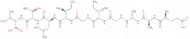
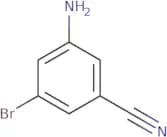
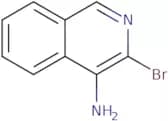
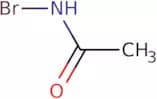
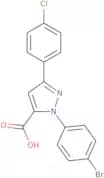
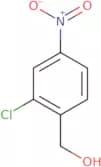
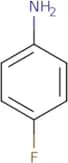

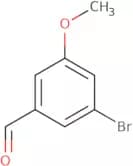
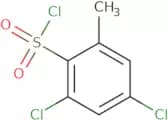

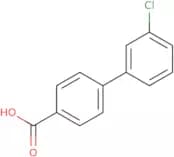

![[2-(4-Chlorophenyl)-1,3-thiazol-4-yl]acetic acid](/_next/image/?url=https%3A%2Fstatic.cymitquimica.com%2Fproducts%2F3D%2Fthumb-webp%2FFC124498.webp&w=3840&q=75)
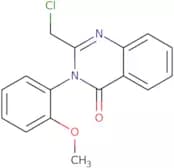

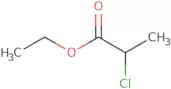
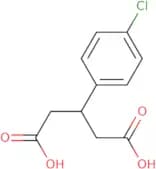
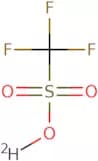
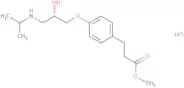


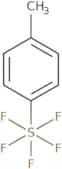
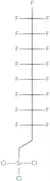
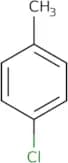
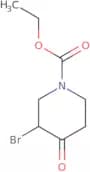


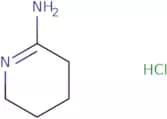

![1-[(4-Chlorophenyl)phenylmethyl]piperazine](/_next/image/?url=https%3A%2Fstatic.cymitquimica.com%2Fproducts%2F3D%2Fthumb-webp%2FFC20350.webp&w=3840&q=75)
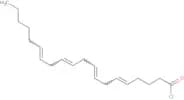
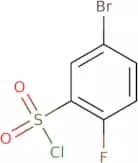
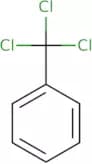
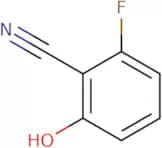
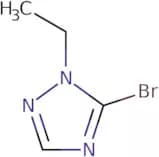
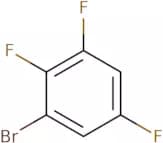
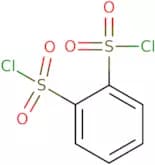
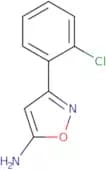
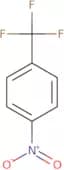
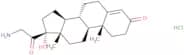
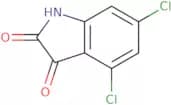
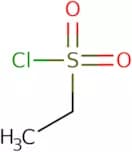
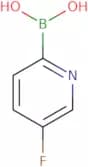
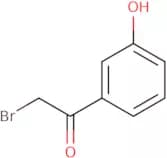
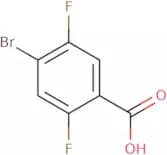
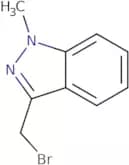
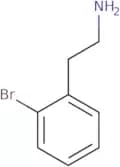
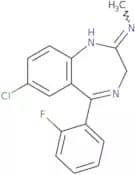
![2-[(4-fluorophenyl)methyl]-4,4,5,5-tetramethyl-1,3,2-dioxabo](/_next/image/?url=https%3A%2Fstatic.cymitquimica.com%2Fproducts%2F3D%2Fthumb-webp%2FFF105786.webp&w=3840&q=75)
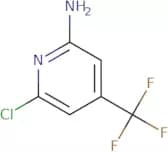

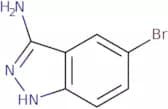
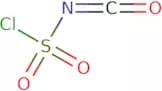
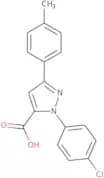
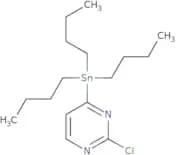
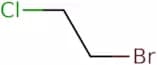
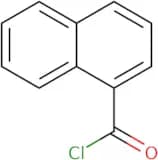
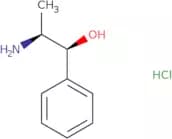
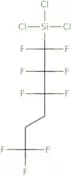
![7-(Difluoromethyl)-5-methyl[1,2,4]triazolo[1,5-a]pyrimidine-2-carboxylic acid](/_next/image/?url=https%3A%2Fstatic.cymitquimica.com%2Fproducts%2F3D%2Fthumb-webp%2FFD119953.webp&w=3840&q=75)
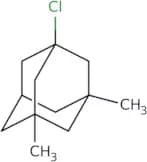
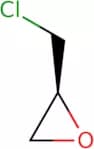
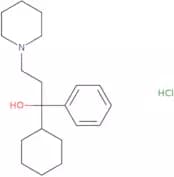
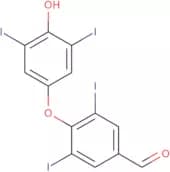
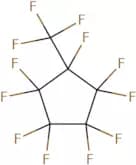

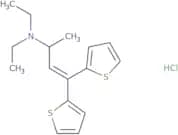
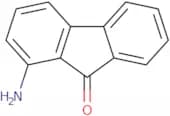
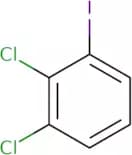
![[(6-Chloro-1-isopropyl-1H-benzimidazol-2-yl)methyl]amine dihydrochloride](/_next/image/?url=https%3A%2Fstatic.cymitquimica.com%2Fproducts%2F3D%2Fthumb-webp%2FFC135800.webp&w=3840&q=75)
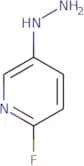
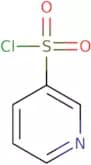
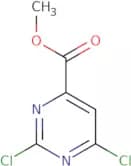
![[2-(5-Fluoro-1-methyl-1H-indol-3-yl)ethyl]amine hydrochloride](/_next/image/?url=https%3A%2Fstatic.cymitquimica.com%2Fproducts%2F3D%2Fthumb-webp%2FFF118334.webp&w=3840&q=75)
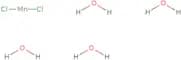
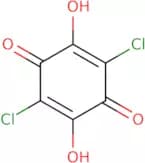
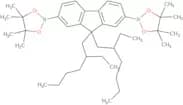


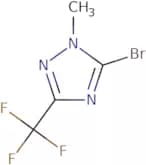
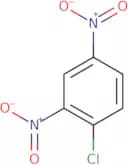
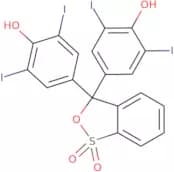
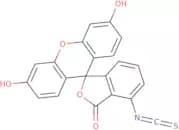


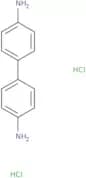
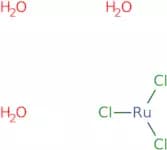
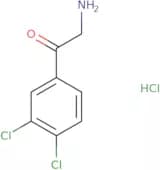


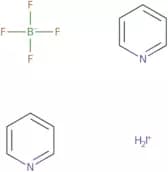
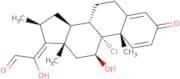
![[3-(1-Piperidin-1-ylcyclohexyl)phenyl]amine hydrochloride](/_next/image/?url=https%3A%2Fstatic.cymitquimica.com%2Fproducts%2F3D%2Fthumb-webp%2FFP120158.webp&w=3840&q=75)
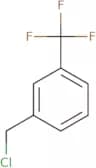
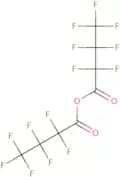
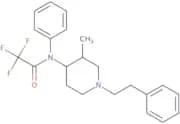
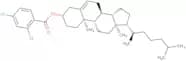
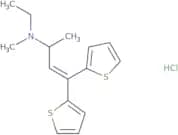
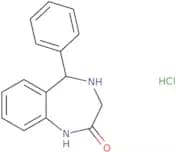
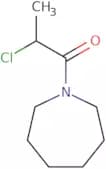
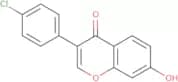
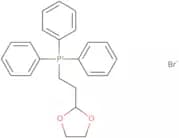
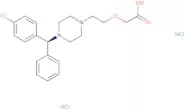
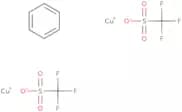
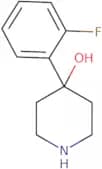
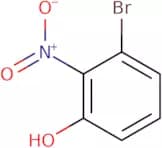
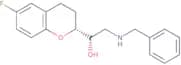
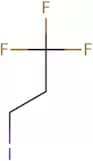
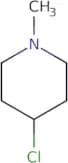
![1-(4-Amino-6,7-dimethoxy-2-quinazolinyl)-4-[(tetrahydro-2-furanyl)carbonxyl]piperazine hydrochlori…](/_next/image/?url=https%3A%2Fstatic.cymitquimica.com%2Fproducts%2F3D%2Fthumb-webp%2FFA28036.webp&w=3840&q=75)
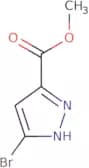
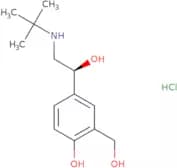
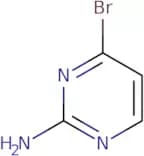
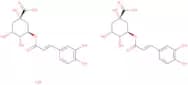
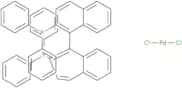
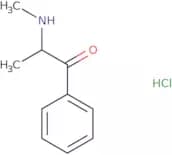
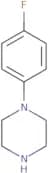
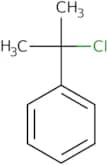
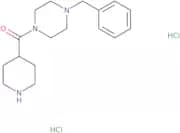
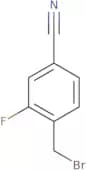
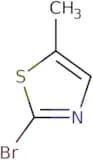
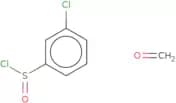
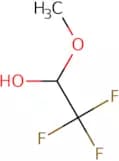

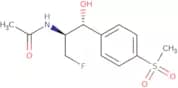

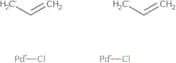
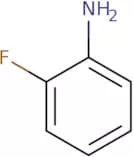
![1-[4-(4-bromophenyl)piperazin-1-yl]ethanone](/_next/image/?url=https%3A%2Fstatic.cymitquimica.com%2Fproducts%2F3D%2Fthumb-webp%2FFB137350.webp&w=3840&q=75)
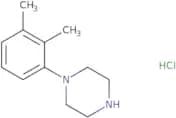
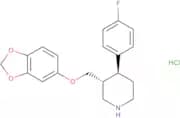
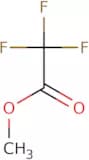
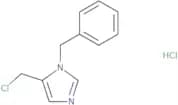
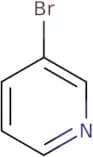
![4-[4-(3-Chlorophenyl)piperazin-1-yl]-4-oxobutanoic acid](/_next/image/?url=https%3A%2Fstatic.cymitquimica.com%2Fproducts%2F3D%2Fthumb-webp%2FFC124815.webp&w=3840&q=75)
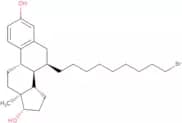
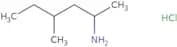
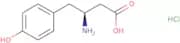
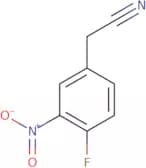
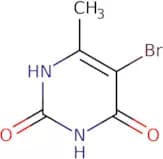
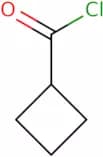
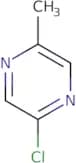
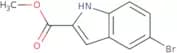
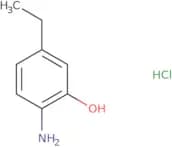





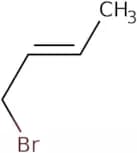

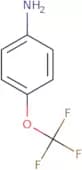
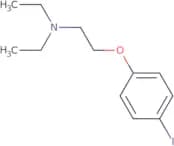
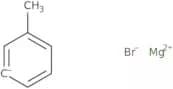

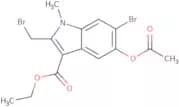
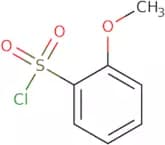
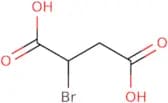
![[3-(Trifluoromethyl)-4,5,6,7-tetrahydro-1H-indazol-1-yl]acetic acid](/_next/image/?url=https%3A%2Fstatic.cymitquimica.com%2Fproducts%2F3D%2Fthumb-webp%2FFT119888.webp&w=3840&q=75)
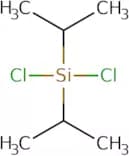
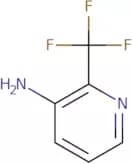
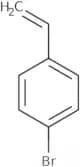
![6-(2-Bromoethyl)-1,3-dimethyl-1H-pyrrolo[3,4-d]pyrimidine-2,4(3H,6H)-dione](/_next/image/?url=https%3A%2Fstatic.cymitquimica.com%2Fproducts%2F3D%2Fthumb-webp%2FFB117220.webp&w=3840&q=75)
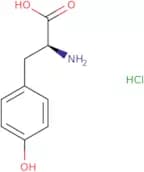
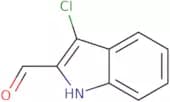
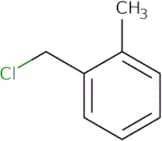
![[2-(2,5-Dimethyl-1H-indol-3-yl)ethyl]amine hydrochloride](/_next/image/?url=https%3A%2Fstatic.cymitquimica.com%2Fproducts%2F3D%2Fthumb-webp%2FFD118369.webp&w=3840&q=75)

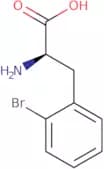
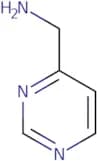

![{[5-(Trifluoromethyl)-1,2,4-oxadiazol-3-yl]methyl}amine hydrochloride](/_next/image/?url=https%3A%2Fstatic.cymitquimica.com%2Fproducts%2F3D%2Fthumb-webp%2FFT127171.webp&w=3840&q=75)
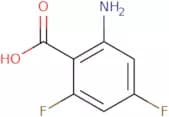
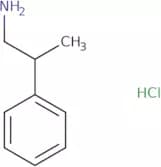
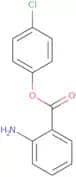

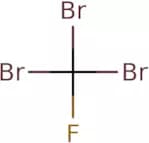
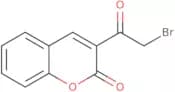
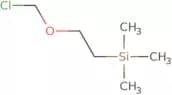
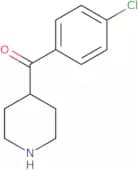
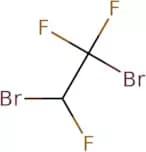
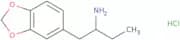

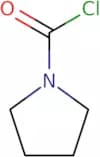
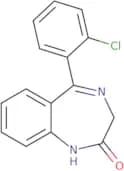
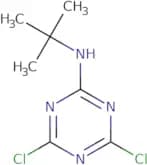
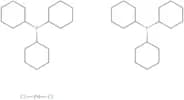
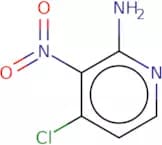
![4-[4-(Dimethylamino)-1-(4-fluorophenyl)-1-hydroxybutyl]-3-(hydroxymethyl)benzonitrile hydrobromide](/_next/image/?url=https%3A%2Fstatic.cymitquimica.com%2Fproducts%2F3D%2Fthumb-webp%2FFD102304.webp&w=3840&q=75)
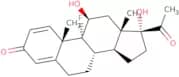
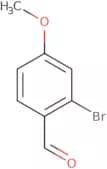
![N-[3-Fluoro-4-[(methylamino)carbonyl]phenyl]-2-methylalanine](/_next/image/?url=https%3A%2Fstatic.cymitquimica.com%2Fproducts%2F3D%2Fthumb-webp%2FFF99416.webp&w=3840&q=75)

