Organic Halides
In this category, you can find organic molecules containing one or more halogen atoms in their structure. These organic halides include brominated, iodinated, chlorinated, and cyclic halide compounds. Organic halides are widely used in organic synthesis, pharmaceuticals, agrochemicals, and materials science due to their reactivity and ability to undergo a variety of chemical transformations. At CymitQuimica, we offer a comprehensive selection of high-quality organic halides to support your research and industrial applications, ensuring reliable and effective performance in your synthetic and analytical projects.
Subcategories of "Organic Halides"
Found 20437 products of "Organic Halides"
Sort by
Purity (%)
0
100
|
0
|
50
|
90
|
95
|
100
Dnp-Pro-Leu-Gly-Leu-Trp-Ala-D-Arg-NH2 trifluoroacetate salt
CAS:<p>Please enquire for more information about Dnp-Pro-Leu-Gly-Leu-Trp-Ala-D-Arg-NH2 trifluoroacetate salt including the price, delivery time and more detailed product information at the technical inquiry form on this page</p>Formula:C45H64N14O11Purity:Min. 95%Molecular weight:977.08 g/mol2-Bromo-6-methylpyridine-3-carboxaldehyde
CAS:<p>2-Bromo-6-methylpyridine-3-carboxaldehyde (BMPCA) is a pharmacological agent that belongs to the group of antagonists. It has been shown to be a potent antagonist at the NMDA receptor and may be used for treating neuropathic pain. BMPCA also has been shown to have competitive inhibition at the naphthyridine receptor, which may allow it to act as an antagonist or an agonist depending on its binding site. The regioisomeric analogs of BMPCA are 2-(2,5-dichloropyridyl)-6-methylpyridine-3-carboxaldehyde and 2-(2,5-dimethylpyridyl)-6-methylpyridine-3-carboxaldehyde. These analogs have been shown to inhibit the growth of tumor cells in vitro and in vivo.</p>Formula:C7H6BrNOPurity:Min. 95%Molecular weight:200.03 g/molα-Casein (90-96) trifluoroacetate salt
CAS:<p>Please enquire for more information about Alpha-Casein (90-96) trifluoroacetate salt including the price, delivery time and more detailed product information at the technical inquiry form on this page</p>Formula:C43H64N10O12Purity:Min. 95%Molecular weight:913.03 g/mol4,4-Difluoro-N-((1S)-3-oxo-1-phenylpropyl)cyclohexanecarboxa
CAS:<p>Please enquire for more information about 4,4-Difluoro-N-((1S)-3-oxo-1-phenylpropyl)cyclohexanecarboxa including the price, delivery time and more detailed product information at the technical inquiry form on this page</p>Formula:C16H19F2NO2Purity:Min. 95%Molecular weight:295.32 g/mol(D-Arg0, Hyp 3,Igl5,D-Igl7, Oic 8)-Bradykinin trifluoroacetate salt
CAS:<p>Please enquire for more information about (D-Arg0, Hyp 3,Igl5,D-Igl7, Oic 8)-Bradykinin trifluoroacetate salt including the price, delivery time and more detailed product information at the technical inquiry form on this page</p>Formula:C64H95N19O13Purity:Min. 95%Molecular weight:1,338.56 g/molPAR-4 (1-6) (human) trifluoroacetate salt
CAS:<p>Please enquire for more information about PAR-4 (1-6) (human) trifluoroacetate salt including the price, delivery time and more detailed product information at the technical inquiry form on this page</p>Formula:C28H41N7O9Purity:Min. 95%Molecular weight:619.67 g/mol(D-Lys6)-LHRH trifluoroacetate salt
CAS:<p>Please enquire for more information about (D-Lys6)-LHRH trifluoroacetate salt including the price, delivery time and more detailed product information at the technical inquiry form on this page</p>Formula:C59H84N18O13·xC2HF3O2Purity:Min. 95%Color and Shape:White To Off-White SolidMolecular weight:1,253.41 g/molTyr-Lys-Gly-(Cyclo(Glu26-Lys29),Pro34)-Neuropeptide Y (25-36) trifluoroacetate salt
CAS:<p>Please enquire for more information about Tyr-Lys-Gly-(Cyclo(Glu26-Lys29),Pro34)-Neuropeptide Y (25-36) trifluoroacetate salt including the price, delivery time and more detailed product information at the technical inquiry form on this page</p>Formula:C91H145N27O20Purity:Min. 95%Molecular weight:1,937.29 g/mol3-Chloro-2,5-dibromopyridine
CAS:<p>3-Chloro-2,5-dibromopyridine is a fine chemical that is used as a building block in the synthesis of other chemicals. It is a reagent and speciality chemical with high quality and complex structure. 3-Chloro-2,5-dibromopyridine is a versatile building block that can be used in the synthesis of many different compounds and as an intermediate or scaffold for other reactions. It has been shown to react with various nucleophiles, such as amines, alcohols, and thiols.</p>Formula:C5H2Br2CINPurity:Min. 95%Color and Shape:White/Off-White SolidMolecular weight:271.34 g/mol2-Chloro-4-hydroxybenzylamine hydrochloride
CAS:<p>2-Chloro-4-hydroxybenzylamine hydrochloride is a versatile chemical that can be used as a reaction component, reagent, or useful scaffold in the synthesis of many organic compounds. It has a CAS number of 2418727-24-7 and is a fine chemical. This compound has been shown to be useful in the manufacture of other chemical products such as pharmaceuticals, pesticides, and dyestuffs.</p>Formula:C7H8ClNO·HClPurity:Min. 95%Color and Shape:Brown PowderMolecular weight:194.06 g/mol(p-Iodo-Phe7)-ACTH (4-10)
CAS:<p>Please enquire for more information about (p-Iodo-Phe7)-ACTH (4-10) including the price, delivery time and more detailed product information at the technical inquiry form on this page</p>Formula:C44H58IN13O10SPurity:Min. 95%Molecular weight:1,087.98 g/mol4,6-Dichloro-5-nitro-2-propylthiopyrimidine
CAS:<p>Intermediate in the synthesis of ticagrelor</p>Formula:C7H7Cl2N3O2SPurity:Min. 95%Molecular weight:268.12 g/molH-Arg-Arg-Arg-Arg-Arg-Arg-OH trifluoroacetate salt
CAS:<p>H-Arg-Arg-Arg-Arg-Arg-Arg-OH trifluoroacetate salt is a compound that can be used as a cancer treatment. It has been shown to inhibit the growth of human retinal pigmented epithelial cells (p. pastoris) and induce apoptosis in these cells. H-Arg-Arg-Arg-Arg-Arg-Arg-OH trifluoroacetate salt interacts with the membrane of cells, blocking the binding site for growth factor and preventing the activation of downstream signaling pathways. This agent also binds to lysine residues on peptides, which are then degraded by proteases. H-Argo Arg Arg Arg Arg Arg Arg OH trifluoroacetate salt has been shown to have an affinity for flavone luteolin at neutral pH, as well as fatty acid molecules.</p>Formula:C36H74N24O7Purity:Min. 95%Molecular weight:955.13 g/mol(Gly22)-Amyloid b-Protein (1-40) trifluoroacetate salt
CAS:<p>Please enquire for more information about (Gly22)-Amyloid b-Protein (1-40) trifluoroacetate salt including the price, delivery time and more detailed product information at the technical inquiry form on this page</p>Formula:C191H291N53O56SPurity:Min. 95%Molecular weight:4,257.74 g/molDynorphin A (1-11) amide trifluoroacetate salt
CAS:<p>Dynorphin A (1-11) amide trifluoroacetate salt is a modified form of the opioid peptide dynorphin, which is a natural ligand for kappa-opioid receptors. It has affinity for the surface receptors and can be used to study the modifications that occur in cell function. Dynorphin A (1-11) amide trifluoroacetate salt has been shown to decrease cell function when it interacts with these surface receptors, which are found in brain homogenates and other tissues. Dynorphin A (1-11) amide trifluoroacetate salt also has an effect on brain cells, which may be due to its ability to alter conformational changes in proteins by binding to them. This can lead to alterations in the structure of certain enzymes or receptor proteins.</p>Formula:C63H104N22O12Purity:Min. 95%Molecular weight:1,361.64 g/mol1,3,5-Trichlorobenzene
CAS:Controlled Product<p>1,3,5-Trichlorobenzene is a chlorinated aromatic compound that is used as an intermediate in the production of rubber and plastics. 1,3,5-Trichlorobenzene has a hydrophobic effect due to the presence of three carbon chains. This property allows 1,3,5-trichlorobenzene to dissolve in oils and fats. It has a high solubility in pentane and hexane. The molecular weight of 1,3,5-trichlorobenzene is 116.1 g/mol. 1,3,5-Trichlorobenzene can also be used as a solvent for diazonium salts which react with hydrogen chloride to produce azo dyes. The structural analysis of this compound was performed by NMR spectroscopy on the hydrogen bond between the chlorine atom and methyl group adjacent to it. The NMR spectrum data was then modeled using molecular modeling software.<br>1</p>Formula:C6H3Cl3Purity:Min. 95%Molecular weight:181.45 g/molSodium 2,2,2-trifluoroethanolate
CAS:<p>Sodium 2,2,2-trifluoroethanolate is a fluorinated alcohol. It is used as an animal health drug and has been shown to have a significant inhibitory effect on the growth of bacteria. The reaction intermediate for this compound is trifluoroacetic acid, which can be formed from sodium and hydrogen fluoride in the presence of ethylene glycol. This molecule also reacts with nitrosyl chloride to form a nitrogen-containing product. Sodium 2,2,2-trifluoroethanolate has been shown to be active against both Gram-positive and Gram-negative bacteria. The FTIR spectra for this compound shows that it has two sets of absorption bands at 3,200 cm−1 (due to C–H stretching) and 3,000 cm−1 (due to C=C stretching).</p>Formula:C2H2F3NaOPurity:Min. 95%Color and Shape:PowderMolecular weight:122.02 g/mol2-Bromo-3-fluoroaniline
CAS:<p>2-Bromo-3-fluoroaniline is a reactive and nucleophilic compound that is synthesized by the reaction of aniline with bromine and sodium hydroxide. The drug development of 2-bromo-3-fluoroaniline has been hampered by its toxicity, but it has shown promising results in animal studies for the treatment of cancer. Mechanistic studies have demonstrated that 2-bromo-3-fluoroaniline causes cell death by reacting with DNA. This drug also acts as a prodrug to fluoroacetic acid, which inhibits cell proliferation by inhibiting protein synthesis.</p>Formula:C6H5BrFNPurity:Min. 95%Color and Shape:SolidMolecular weight:190.01 g/moltert-Butyl2-bromo-6,7-dihydrothiazolo[5,4-c]pyridine-5(4H)-carboxylate
CAS:<p>Please enquire for more information about tert-Butyl2-bromo-6,7-dihydrothiazolo[5,4-c]pyridine-5(4H)-carboxylate including the price, delivery time and more detailed product information at the technical inquiry form on this page</p>Formula:C11H15BrN2O2SPurity:Min. 95%Molecular weight:319.22 g/molAntifreeze Polypeptide 6 (winter flounder) trifluoroacetate salt
CAS:<p>Antifreeze Polypeptide 6 (AFP6) is a protein that belongs to the family of antifreeze proteins. AFP6 binds to ion channels and prevents the flow of ions, which prevents the formation of ice crystals. It also has been shown to interact with other proteins, such as receptors and peptides. This protein has been shown to be a research tool for studying cell biology and pharmacology. The CAS number for AFP6 is 122604-16-4.</p>Formula:C133H225N43O51•xC2HF3O2Purity:Min. 95%Molecular weight:3,242.47 g/molH-β-Chloro-Ala-NHOH hydrochloride salt
CAS:<p>Please enquire for more information about H-beta-Chloro-Ala-NHOH hydrochloride salt including the price, delivery time and more detailed product information at the technical inquiry form on this page</p>Formula:C3H7ClN2O2Purity:Min. 95%Molecular weight:138.55 g/mol4-Iodo-1-methylpyrazole
CAS:<p>4-Iodo-1-methylpyrazole is a reductive agent that is used in organic synthesis. It can be used as a reducing agent for the conversion of aldehydes and ketones to alcohols. 4-Iodo-1-methylpyrazole can be crystallized from diethyl etherate and blood. The product yield from this reaction is high, but it requires an oxidant such as trifluoride or plavix to react with the diacetates. 4-Iodo-1-methylpyrazole can also be synthesized by reacting allylsilanes with iodine gas in the presence of a base. This synthesis method produces 4-iodo-1-methylpyrazole in good yield and with little difficulty.</p>Formula:C4H5IN2Purity:Min. 95%Color and Shape:White To Light (Or Pale) Yellow To Tan SolidMolecular weight:208 g/molSPLUNC1 (22-39) trifluoroacetate salt
CAS:<p>Please enquire for more information about SPLUNC1 (22-39) trifluoroacetate salt including the price, delivery time and more detailed product information at the technical inquiry form on this page</p>Formula:C82H135N21O25Purity:Min. 95%Molecular weight:1,815.08 g/molOctreotide trifluoroacetate salt (Dimer, Parallel) (
<p>Please enquire for more information about Octreotide trifluoroacetate salt (Dimer, Parallel) ( including the price, delivery time and more detailed product information at the technical inquiry form on this page</p>Formula:C98H132N20O20S4Purity:Min. 95%Molecular weight:2,038.48 g/mol1-Bromo-3,3-dimethylbutane
CAS:<p>1-Bromo-3,3-dimethylbutane is an alkali metal compound that can be used as a substitute for ethylene. It is expressed in the liquid phase and reacts with halogens to form reactive intermediates. These reactive intermediates react with other molecules to cause bond cleavage. The reaction time is dependent on the temperature of the system. 1-Bromo-3,3-dimethylbutane has three isomers that are formed during the reaction: 2-, 3-, and 4-bromohexane. The mechanism for this reaction involves a single electron transfer from one molecule to another, which causes a series of reactions that leads to the formation of 1-bromo-3,3-dimethylbutane. This process occurs spontaneously due to irradiation by ultraviolet light or electron beams.</p>Formula:C6H13BrPurity:Min. 95%Molecular weight:165.07 g/molN,N'-Dimethyl-2,7-Diazapyrenium bistetrafluoroborate
CAS:<p>Please enquire for more information about N,N'-Dimethyl-2,7-Diazapyrenium bistetrafluoroborate including the price, delivery time and more detailed product information at the technical inquiry form on this page</p>Formula:C16H14B2F8N2Purity:Min. 95%Molecular weight:407.91 g/molBiotinyl-Hepcidin-25 (human) trifluoroacetate salt
CAS:<p>Please enquire for more information about Biotinyl-Hepcidin-25 (human) trifluoroacetate salt including the price, delivery time and more detailed product information at the technical inquiry form on this page</p>Formula:C123H184N36O33S10Purity:Min. 95%Molecular weight:3,015.66 g/mol2-Hydroxy-4-fluorobenzaldehyde
CAS:<p>2-Hydroxy-4-fluorobenzaldehyde is a chemical used as a diagnosis agent to detect radiation exposure. It reacts with magnesium and water molecules to form an amination reaction that produces hydrogen fluoride gas. 2-Hydoxy-4-fluorobenzaldehyde has been shown to have the ability to penetrate into mitochondria, which may be related to its use in the treatment of hepatitis. The chemical structure of this compound is similar to salicylaldehyde, which is used as a reagent for formylation reactions and optical properties. It has also been shown that 2-hydroxy-4-fluorobenzaldehyde can act as a fluorescence probe for the detection of hydrophobic regions on proteins.</p>Formula:C7H5FO2Purity:Min. 95%Color and Shape:PowderMolecular weight:140.11 g/mol3-(3-Chlorophenyl)propionaldehyde
CAS:<p>Please enquire for more information about 3-(3-Chlorophenyl)propionaldehyde including the price, delivery time and more detailed product information at the technical inquiry form on this page</p>Formula:C9H9ClOPurity:Min. 95%Molecular weight:168.62 g/mol(Des-Pyr 1,Des-Gly10,D-Leu6,Pro-NHEt 9)-LHRH trifluoroacetate salt
CAS:<p>Please enquire for more information about (Des-Pyr 1,Des-Gly10,D-Leu6,Pro-NHEt 9)-LHRH trifluoroacetate salt including the price, delivery time and more detailed product information at the technical inquiry form on this page</p>Formula:C54H79N15O10Purity:Min. 95%Molecular weight:1,098.3 g/molCortistatin-17 (human) trifluoroacetate salt
CAS:<p>Please enquire for more information about Cortistatin-17 (human) trifluoroacetate salt including the price, delivery time and more detailed product information at the technical inquiry form on this page</p>Formula:C96H139N27O24S3Purity:Min. 95%Molecular weight:2,151.5 g/mol(Gln11)-Amyloid b-Protein (1-28) trifluoroacetate salt
CAS:<p>Please enquire for more information about (Gln11)-Amyloid b-Protein (1-28) trifluoroacetate salt including the price, delivery time and more detailed product information at the technical inquiry form on this page</p>Formula:C145H210N42O45Purity:Min. 95%Molecular weight:3,261.47 g/molMeOSuc-Ala-Ala-Pro-Ala-chloromethylketone
CAS:<p>MeOSuc-Ala-Ala-Pro-Ala-chloromethylketone is a peptidyl substrate for the enzyme carboxypeptidase A. This substrate has a high specificity for carboxypeptidase A and does not bind to other enzymes such as carboxypeptidase B, D, or L. The hydrophobic nature of this substrate has been shown in both hamsters and macaques. MeOSuc-Ala-Ala-Pro-Ala-chloromethylketone also shows cardiovascular effects in both animal models. It is possible that this effect is due to the proteolytic activity of the enzyme. More research needs to be done to identify the sequence of this peptide and how it may affect humans.</p>Formula:C20H31ClN4O7Purity:Min. 95%Molecular weight:474.94 g/molH-Glu-Ala-Leu-Phe-Gln-pNA trifluoroacetate salt
CAS:<p>Please enquire for more information about H-Glu-Ala-Leu-Phe-Gln-pNA trifluoroacetate salt including the price, delivery time and more detailed product information at the technical inquiry form on this page</p>Formula:C34H46N8O10Purity:Min. 95%Molecular weight:726.78 g/molSubstance P (5-11) trifluoroacetate salt
CAS:<p>Substance P is a bifunctional neuropeptide that acts as both a neurotransmitter and a neurohormone. The amino acid sequence of Substance P is H-Gln-Gln-Phe-Phe-Gly-Leu-Met-NH2. It is found in the brain and spinal cord, but also in other tissues such as the parotid gland and stomach. This peptide is released from nerve cells when they are stimulated by pain or anxiety, and it causes contraction of smooth muscles in the lungs, uterus, and gastrointestinal tract. Animal studies have shown that Substance P can be toxic to neonatal animals, leading to hypothyroidism and death. In vitro studies have shown that this peptide can induce the growth of glioma cells and tumors.</p>Formula:C41H60N10O9SPurity:Min. 95%Molecular weight:869.04 g/mol(Des-Gly10,Des-Ser4,D-Leu6,Pro-NHEt 9)-LHRH trifluoroacetate salt
CAS:<p>Please enquire for more information about (Des-Gly10,Des-Ser4,D-Leu6,Pro-NHEt 9)-LHRH trifluoroacetate salt including the price, delivery time and more detailed product information at the technical inquiry form on this page</p>Formula:C56H79N15O10Purity:Min. 95%Molecular weight:1,122.32 g/mol5-FAM-Amylin (mouse, rat) trifluoroacetate salt
CAS:<p>Please enquire for more information about 5-FAM-Amylin (mouse, rat) trifluoroacetate salt including the price, delivery time and more detailed product information at the technical inquiry form on this page</p>Formula:C188H282N52O59S2Purity:Min. 95%Molecular weight:4,278.7 g/molNortropinone hydrochloride
CAS:<p>Nortropinone hydrochloride is a molecule with a pyridinium moiety. It is an antifertility agent that blocks the synthesis of serotonin, a neurotransmitter involved in mood, appetite, and sleep. Nortropinone hydrochloride has been shown to be very effective in the treatment of depression and cancer. Nortropinone hydrochloride also inhibits protein inhibitors such as monoamine reuptake and glutamate receptor subtypes.</p>Formula:C7H12ClNOPurity:Min. 95%Molecular weight:161.63 g/molHCV NS4A Protein (22-33) (FDA strain) trifluoroacetate salt
CAS:<p>Please enquire for more information about HCV NS4A Protein (22-33) (FDA strain) trifluoroacetate salt including the price, delivery time and more detailed product information at the technical inquiry form on this page</p>Formula:C54H99N15O14SPurity:Min. 95%Molecular weight:1,214.52 g/mol1-(5-Bromopyrimidin-2-yl)ethanone
CAS:<p>Please enquire for more information about 1-(5-Bromopyrimidin-2-yl)ethanone including the price, delivery time and more detailed product information at the technical inquiry form on this page</p>Formula:C6H5BrN2OPurity:Min. 95%Molecular weight:201.02 g/mol(Arg8)-Conopressin G trifluoroacetate salt
CAS:<p>Please enquire for more information about (Arg8)-Conopressin G trifluoroacetate salt including the price, delivery time and more detailed product information at the technical inquiry form on this page</p>Formula:C44H71N17O10S2Purity:Min. 95%Molecular weight:1,062.28 g/molAbz-Lys-Pro-Leu-Gly-Leu-Dap (Dnp)-Ala-Arg-NH2 trifluoroacetate salt
CAS:<p>Please enquire for more information about Abz-Lys-Pro-Leu-Gly-Leu-Dap (Dnp)-Ala-Arg-NH2 trifluoroacetate salt including the price, delivery time and more detailed product information at the technical inquiry form on this page</p>Formula:C50H77N17O13Purity:Min. 95%Molecular weight:1,124.25 g/mol4-Bromo-2-methylthiophene
CAS:<p>4-Bromo-2-methylthiophene is a linker that is used in the synthesis of metal carbonyls. It has been shown to be an efficient cross-linking agent for the preparation of polymers. 4-Bromo-2-methylthiophene can be isomerized to 2,5-dimethylthiophene by heating it with hydroxylamine. 4-Bromo-2-methylthiophene can also catalyze the alkylation of nucleophiles such as ammonia and dimethyl sulfate, as well as nucleophilic attack on carboxylic acid derivatives. This compound is acidic, due to its chloride substituent, which can react with basic groups such as hydroxyl groups or amines.</p>Formula:C5H5BrSPurity:Min. 95%Color and Shape:Clear LiquidMolecular weight:177.06 g/molAngiotensin I (1-9) trifluoroacetate salt
CAS:<p>Please enquire for more information about Angiotensin I (1-9) trifluoroacetate salt including the price, delivery time and more detailed product information at the technical inquiry form on this page</p>Formula:C56H78N16O13Purity:Min. 95%Molecular weight:1,183.32 g/molMet(O)14-Exenatide trifluoroacetate salt
CAS:<p>Please enquire for more information about Met(O)14-Exenatide trifluoroacetate salt including the price, delivery time and more detailed product information at the technical inquiry form on this page</p>Formula:C184H282N50O61SPurity:Min. 95%Molecular weight:4,202.57 g/molCys-Gly-Lys-Lys-Gly-Amyloid b-Protein (33-40) trifluoroacetate salt
CAS:<p>Please enquire for more information about Cys-Gly-Lys-Lys-Gly-Amyloid b-Protein (33-40) trifluoroacetate salt including the price, delivery time and more detailed product information at the technical inquiry form on this page</p>Formula:C51H93N15O14S2Purity:Min. 95%Molecular weight:1,204.51 g/moluPAR (84-95) (human) trifluoroacetate salt
CAS:<p>Please enquire for more information about uPAR (84-95) (human) trifluoroacetate salt including the price, delivery time and more detailed product information at the technical inquiry form on this page</p>Formula:C62H98N18O20SPurity:Min. 95%Molecular weight:1,447.62 g/molAcetyl-(D-Phe2)-GRF (1-29) amide (human) trifluoroacetate salt
CAS:<p>Please enquire for more information about Acetyl-(D-Phe2)-GRF (1-29) amide (human) trifluoroacetate salt including the price, delivery time and more detailed product information at the technical inquiry form on this page</p>Formula:C157H252N44O43SPurity:Min. 95%Molecular weight:3,476.02 g/molpTH-Related Protein (1-37) (human, mouse, rat) trifluoroacetate salt
CAS:<p>Please enquire for more information about pTH-Related Protein (1-37) (human, mouse, rat) trifluoroacetate salt including the price, delivery time and more detailed product information at the technical inquiry form on this page</p>Formula:C197H317N63O53Purity:Min. 95%Molecular weight:4,416.02 g/molTyr-α-CGRP (human) trifluoroacetate salt
CAS:<p>Please enquire for more information about Tyr-alpha-CGRP (human) trifluoroacetate salt including the price, delivery time and more detailed product information at the technical inquiry form on this page</p>Formula:C172H276N52O51S2Purity:Min. 95%Molecular weight:3,952.48 g/molH-Ile-2-chlorotrityl resin (200-400 mesh) (Low Substitution)
<p>Please enquire for more information about H-Ile-2-chlorotrityl resin (200-400 mesh) (Low Substitution) including the price, delivery time and more detailed product information at the technical inquiry form on this page</p>Purity:Min. 95%4-(Bromomethyl)-3-chlorobenzonitrile
CAS:<p>4-(Bromomethyl)-3-chlorobenzonitrile is a radioactive compound that has no specific use. It is used for the production of butylamino, which is a precursor to various other compounds. 4-(Bromomethyl)-3-chlorobenzonitrile can be used as an unlabelled replacement for any other radioactive compound in a laboratory setting.</p>Formula:C8H5BrClNPurity:Min. 95%Color and Shape:SolidMolecular weight:230.49 g/molAtrial Natriuretic Factor (3-28) (rat) trifluoroacetate salt
CAS:<p>Natriuretic factor is a peptide hormone that regulates blood pressure. This peptide is encoded by a gene located on chromosome 10 and is made up of 28 amino acids. Natriuretic factor binds to the membrane of mitochondria and zymogen granules, causing them to release their contents into the cytosol. The resulting increase in cytosolic volume causes an increased diastolic pressure, as well as an increased glomerular filtration rate and cardiac output. Natriuretic factors have also been shown to stimulate the production of natriuretic peptides, which are involved in water balance and electrolyte homeostasis.</p>Formula:C119H189N43O36S2Purity:Min. 95%Molecular weight:2,862.17 g/mol2-Chlorooxazole-4-carboxylicacid
CAS:<p>2-Chlorooxazole-4-carboxylic acid is a synthetic compound belonging to the group of long-chain aliphatic carboxylic acids. It is an ester that can be synthesized by the reaction of toluene with 2,4-dichlorooxazole. The stereochemical configuration of this molecule is unknown. The synthesis of this compound has been reported in marine invertebrates and plants, including Mycalolide from the marine sponge Mycale sp.</p>Formula:C4H2ClNO3Purity:Min. 95%Molecular weight:147.52 g/mol3-(3'-Trifluoromethylphenyl)propanol
CAS:<p>3-(3'-Trifluoromethylphenyl)propanol is a trifluoroacetic acid derivative that is used in acylation reactions to form esters. It can be obtained by the reaction of aluminium chloride, isopropyl alcohol, and phosphine with 3-trifluoromethylaniline. Impurities may include chloride and zirconium. The trifluoromethyl group on this molecule can react with the carbonyl group of an organic acid to form a trifluoroacetate ester.</p>Purity:Min. 95%GLP-1 (7-36)-Lys(6-FAM) amide (human, bovine, guinea pig, mouse, rat) trifluoroacetate salt
CAS:<p>Please enquire for more information about GLP-1 (7-36)-Lys(6-FAM) amide (human, bovine, guinea pig, mouse, rat) trifluoroacetate salt including the price, delivery time and more detailed product information at the technical inquiry form on this page</p>Formula:C176H248N42O52Purity:Min. 95%Molecular weight:3,784.1 g/molH-Lys-Ala-Pro-OH hydrochloride salt
<p>Please enquire for more information about H-Lys-Ala-Pro-OH hydrochloride salt including the price, delivery time and more detailed product information at the technical inquiry form on this page</p>Formula:C14H26N4O4Purity:Min. 95%Molecular weight:314.38 g/molGalanin (2-11) amide trifluoroacetate salt
CAS:<p>Galanin (2-11) amide trifluoroacetate salt H-Trp-Thr-Leu-Asn-Ser-Ala-Gly-Tyr-Leu-Leu is a galanin analog and a ligand for the galanin receptor 1. It has affinity for the receptors in the brain, which are involved in cognition, and is used to study Alzheimer's disease. Galanin (2-11) amide trifluoroacetate salt H-Trp-Thr-Leu-Asn-Ser -Ala -Gly -Tyr -Leu -Leu is a member of the family of neuropeptides and neuromodulators that regulate nerve injury and alzheimer's disease.</p>Formula:C54H81N13O14Purity:Min. 95%Molecular weight:1,136.3 g/mol(E)-2-(Aminomethyl)-N,N-diethyl-1-phenylcyclopropanecarboxamideHydrochloride
CAS:Controlled Product<p>Levomilnacipran is a serotonin-norepinephrine reuptake inhibitor (SNRI) that is used for the treatment of major depressive disorder and fibromyalgia. It has been shown to have antidepressant effects in patients with major depressive disorder and fibromyalgia. Levomilnacipran inhibits the reuptake of serotonin and norepinephrine by blocking the transporter proteins in these neurotransmitter pathways, increasing their availability to interact with receptors in the brain. Levomilnacipran also has been found to inhibit aminotransferase activity, which may be responsible for its hepatotoxicity.</p>Formula:C15H23ClN2OPurity:Min. 95%Molecular weight:282.81 g/molProinsulin C-Peptide (31-63) (porcine) trifluoroacetate salt
CAS:<p>Please enquire for more information about Proinsulin C-Peptide (31-63) (porcine) trifluoroacetate salt including the price, delivery time and more detailed product information at the technical inquiry form on this page</p>Formula:C142H239N47O46Purity:Min. 95%Molecular weight:3,340.71 g/molTetraethylammonium bromide
CAS:<p>Tetraethylammonium bromide is an ionic liquid that has a low viscosity and high water solubility. It is used as an antimicrobial agent in the process of producing polymers, such as polyurethane. Tetraethylammonium bromide has been shown to be effective against a broad range of bacteria, including Bacillus subtilis and Escherichia coli. It has also been shown to have a protective effect on neurons by preventing neuronal death in response to oxidative stress. This protection may be due to its ability to increase the concentration of cytosolic Ca2+ ions, which are involved in neuronal survival pathways.</p>Formula:C8H20BrNPurity:Min. 95%Color and Shape:White Off-White PowderMolecular weight:210.16 g/mol6-Bromo-1-methylindazole
CAS:<p>6-Bromo-1-methylindazole is an industrial chemical that can be synthesized by the reaction of formate, methanol, and indazole. The synthesis method involves the esterification of methyl formate with indazole to produce 6-bromo-1-methylindazole. It can also be synthesized by the annulation of methyl formate and cyclopentadiene followed by hydrolysis. This chemical has several isomers that are distinguished from each other based on their synthesis methods. 6-Bromo-1-methylindazole has been shown to have a hydrolysis reaction when it reacts with water, producing methyl bromide and hydrogen bromide.</p>Formula:C8H7BrN2Purity:Min. 95%Molecular weight:211.06 g/mol(R,S)-α-Amino-3-hydroxy-5-methyl-4-isoxazolepropionic acid hydrobromide
CAS:<p>(R,S)-AMPA is a synthetic analog of the excitatory neurotransmitter glutamate, specifically designed to activate AMPA receptors, a subtype of ionotropic glutamate receptors. These receptors are pivotal in mediating fast synaptic transmission in the central nervous system. (R,S)-AMPA serves as a prototypical agonist for AMPA receptors, facilitating the study of receptor function and synaptic plasticity.</p>Formula:C7H10N2O4•HBrPurity:Min. 95%Molecular weight:267.08 g/mol4-Bromo-1-indanone
CAS:<p>4-Bromo-1-indanone is a molecule that has been shown to have neuroprotective properties in vitro. It has also been shown to inhibit the amines, which may be due to its ability to act as an aromatic hydrocarbon. This molecule has not been approved for use as a drug substance or drug product and its safety and efficacy are unknown.</p>Formula:C9H7BrOPurity:Min. 95%Molecular weight:211.06 g/molBradykinin (1-5) trifluoroacetate salt
CAS:<p>Bradykinin (1-5) trifluoroacetate salt H-Arg-Pro-Pro-Gly-Phe-OH is a peptide that has been shown to have anti-cancer properties. The effect of Bradykinin (1-5) trifluoroacetate salt H-Arg-Pro-Pro-Gly-Phe-OH on prostate cancer cells was studied in vitro by measuring the extent of cell growth. The results showed a dose dependent decrease in tumor growth rate, suggesting that this peptide may be useful as an adjuvant therapy for prostate cancer. Bradykinin (1-5) trifluoroacetate salt H-Arg-Pro-Pro-Gly-Phe has also been shown to inhibit diabetic nephropathy and reduce proteinuria in diabetic patients. This peptide may also be used to diagnose prostate cancer because it binds to the thrombin receptor, which is present on cancer cells but not</p>Formula:C27H40N8O6Purity:Min. 95%Molecular weight:572.66 g/molBiotinyl-(Des-Bromo)-Neuropeptide B (1-23) (human) trifluoroacetate salt
CAS:<p>Please enquire for more information about Biotinyl-(Des-Bromo)-Neuropeptide B (1-23) (human) trifluoroacetate salt including the price, delivery time and more detailed product information at the technical inquiry form on this page</p>Formula:C117H176N32O32SPurity:Min. 95%Molecular weight:2,574.91 g/mol(Lys1015·1024)-Thrombospondin-1 (1015-1024) (human, bovine, mouse) trifluoroacetate salt
CAS:<p>Please enquire for more information about (Lys1015·1024)-Thrombospondin-1 (1015-1024) (human, bovine, mouse) trifluoroacetate salt including the price, delivery time and more detailed product information at the technical inquiry form on this page</p>Formula:C68H105N17O12SPurity:Min. 95%Molecular weight:1,384.73 g/molH-His-His-OH trifluoroacetate salt
CAS:<p>H-His-His-OH trifluoroacetate salt is a compound that has been extensively studied for its potential use in antimicrobial peptides. It is a small molecule that inhibits the activity of enzymes by binding to a specific region on the enzyme's surface, thereby preventing the progression of an essential chemical reaction. H-His-His-OH trifluoroacetate salt has been shown to inhibit protein synthesis in bacteria and yeast cells, as well as in model systems. The inhibition of protein synthesis may be due to hydrogen bonding between the hydroxyl group on His and the amino groups on His. H-His-His-OH trifluoroacetate salt also has an inhibitory effect on enzymes catalysis and can enhance their activity when used with another substrate.</p>Formula:C12H16N6O3Purity:Min. 95%Molecular weight:292.29 g/molH-Leu-Ser-Lys-Leu-NH2 trifluoroacetate salt
CAS:<p>L-Leu-Ser-Lys-Leu-NH2 is a cyclic peptide with the amino acid sequence H-Leu-Ser-Lys-Leu. It has been shown to have receptor activity and can be used as an experimental model of growth factors. L-Leu-Ser-Lys-Leu was found to stimulate collagen synthesis in a collagen gel, which may be due to its ability to inhibit the release of growth factor β1. L-Leu-Ser Lys Leu also has anti cancer effects by inhibiting the proliferation of malignant brain cells, as well as tubulointerstitial injury and renal cell carcinoma. This compound may also have some use in treating subarachnoid hemorrhage and fetal bovine serum (FBS) for tissue culture.</p>Formula:C21H42N6O5Purity:Min. 95%Molecular weight:458.6 g/mola-(Trichloromethyl)benzyl acetate
CAS:<p>a-(Trichloromethyl)benzyl acetate is an organic compound with the formula CHClCOCH. It is a colorless liquid which is soluble in organic solvents. This compound exhibits oxidative carbonylation activity, and has been shown to be used for the coating of particles, detergent compositions, and analytical methods. The microcapsules are prepared by encapsulating a fatty acid in a glycol ether. The health effects of this compound are not well understood but it is believed that it may have some carcinogenic properties.</p>Formula:C10H9Cl3O2Purity:Min. 95%Molecular weight:267.54 g/molGastric Inhibitory Polypeptide (6-30) amide (human) trifluoroacetate salt
CAS:<p>Please enquire for more information about Gastric Inhibitory Polypeptide (6-30) amide (human) trifluoroacetate salt including the price, delivery time and more detailed product information at the technical inquiry form on this page</p>Formula:C139H209N35O38SPurity:Min. 95%Molecular weight:3,010.43 g/molM65 trifluoroacetate salt
<p>Please enquire for more information about M65 trifluoroacetate salt including the price, delivery time and more detailed product information at the technical inquiry form on this page</p>Formula:C205H326N64O61S5Purity:Min. 95%Molecular weight:4,823.51 g/molH-Glu-Leu-Asp-[(2R,4S,5S)-5-amino-4-hydroxy-2,7-dimethyl-octanoyl]-Val-Glu-Phe-Gly-Gly-D-Arg-D-Arg-D-Arg-D-Arg-D-Arg-D-Arg-D-Arg-D-A rg-D-Arg-OH trifluoroacetate salt
CAS:<p>Please enquire for more information about H-Glu-Leu-Asp-[(2R,4S,5S)-5-amino-4-hydroxy-2,7-dimethyl-octanoyl]-Val-Glu-Phe-Gly-Gly-D-Arg-D-Arg-D-Arg-D-Arg-D-Arg-D-Arg-D-Arg-D-A rg-D-Arg-OH trifluoroacetate salt including the price, delivery time and more detailed product information at the technical inquiry form on this page</p>Formula:C102H183N45O26Purity:Min. 95%Molecular weight:2,455.83 g/molKemptide trifluoroacetate salt
CAS:<p>Kemptide is a substrate molecule that has been shown to inhibit the enzyme activity of some protein kinases. Kemptide is a 3-amino acid peptide that contains the amino acids L-leucine, L-arginine, and L-arginine. It was originally isolated from an extract of human brain tissue and has been shown to inhibit the activity of protein kinase C (PKC), phosphorylase kinase, and glycogen synthase kinase 3β in vitro assays. Kemptide also inhibits the expression of genes encoding PKCα1, PKCα2, PKCδ, PKCε, PKCγ1, PKCγ2, PKCζ in t84 cells. The inhibition of these genes suggests that kemptide may be useful as a drug candidate for inhibiting protein kinases in vivo.</p>Formula:C32H61N13O9·xC2HF3O2Purity:Min. 95%Molecular weight:771.91 g/molH-D-Pro-Phe-Arg-chloromethylketone trifluoroacetate salt
CAS:<p>H-D-Pro-Phe-Arg-chloromethylketone trifluoroacetate salt is a polyvalent antivenom that is used in the treatment of snakebites and insect stings. It has been shown to be effective in the treatment of life-threatening envenomations, including bites from cobras and other rattlesnakes. This drug is not active against nonactivated venom, such as those from bees or spiders. H-D-Pro-Phe-Arg-chloromethylketone trifluoroacetate salt binds to the cytolysin, which prevents its activity by inactivating it. The drug also has a vasoconstrictive effect, which limits blood flow to tissues and may reduce tissue damage caused by venom toxins.</p>Formula:C21H31ClN6O3Purity:Min. 95%Molecular weight:450.96 g/molCART (62-76) (human, rat) trifluoroacetate salt
CAS:<p>Please enquire for more information about CART (62-76) (human, rat) trifluoroacetate salt including the price, delivery time and more detailed product information at the technical inquiry form on this page</p>Formula:C64H99N17O23S3Purity:Min. 95%Molecular weight:1,570.77 g/mol3-Bromopropiophenone
CAS:<p>3-Bromopropiophenone is a chemical compound that is structurally related to the antimalarial drug chloroquine. It has been shown to be a potent inhibitor of parasitic kinases in mammalian cells, with IC50 values in the nanomolar range. 3-Bromopropiophenone has been shown to inhibit the growth of trypanosomes, and can be used as an alternative treatment for this disease. The vibrational spectra and kinetic parameters of 3-bromopropiophenone have also been studied using cell culture and molecular modeling methods. The nature of the isomers formed during the reaction of 3-bromopropiophenone with its substrate have also been investigated using computational methods. 3-Bromopropiophenone inhibits heart disease progression by interacting with parameters such as frequency and heart rate.</p>Formula:C9H9BrOPurity:Min. 95%Color and Shape:White PowderMolecular weight:213.07 g/mol2-[(3,5,6-Trichloro-2-pyridinyl)oxy]acetic acid
CAS:<p>Carbaryl is a broad-spectrum insecticide that has been used to control pests in homes, gardens, and agricultural fields. It can be found in many products for use around the home, including flea collars and ant traps. Carbaryl is absorbed by plants through their leaves and roots and can affect photosynthetic activity. Carbaryl also affects plant metabolism by inhibiting proximal tubule function, which leads to an increase in urea nitrogen and urine production. Carbaryl can be toxic to humans when ingested or inhaled. The toxicity of carbaryl depends on its route of exposure (oral, inhalation, or skin). Carbaryl is metabolized through a number of metabolic reactions that include oxidation by cytochrome P450 enzymes, reduction by glutathione reductase, or conjugation with glucuronic acid.</p>Formula:C7H4Cl3NO3Purity:Min. 95%Color and Shape:PowderMolecular weight:256.47 g/molPrion Protein (118-135) (human) trifluoroacetate salt
CAS:<p>Please enquire for more information about Prion Protein (118-135) (human) trifluoroacetate salt including the price, delivery time and more detailed product information at the technical inquiry form on this page</p>Formula:C68H112N18O22S2Purity:Min. 95%Molecular weight:1,597.86 g/mol1-Methyl-4-nitro-2-(trichloroacetyl)-1H-pyrrole
CAS:<p>1-Methyl-4-nitro-2-(trichloroacetyl)-1H-pyrrole is an organic compound that is used in the synthesis of carboxylic acid derivatives. It is a synthetic intermediate, which can be converted to other compounds by intramolecular hydrogen bonding. The efficiency of this method has been shown through a number of experiments. In nature, 1-methyl-4-nitro-2-(trichloroacetyl)-1H-pyrrole may be found as a hydrogen bond donor.</p>Formula:C7H5Cl3N2O3Purity:Min. 95%Molecular weight:271.48 g/molMyristoyl-(Lys12·27·28)-VIP-Gly-Gly-Thr (free acid) trifluoroacetate salt
CAS:<p>Please enquire for more information about Myristoyl-(Lys12·27·28)-VIP-Gly-Gly-Thr (free acid) trifluoroacetate salt including the price, delivery time and more detailed product information at the technical inquiry form on this page</p>Formula:C171H283N45O47SPurity:Min. 95%Molecular weight:3,753.42 g/mol2-Aminoacetophenone hydrochloride
CAS:Controlled Product<p>2-Aminoacetophenone hydrochloride is a chemical compound that is used in analytical chemistry as a reagent for the determination of protein and amino acid concentrations. This reagent can be prepared in various forms, depending on the type of analysis being performed. 2-Aminoacetophenone hydrochloride is used to determine the concentration of free amino acids in a sample by binding to it. It can also be used for determining the concentration of bound amino acids by reacting with them with hydrochloric acid. 2-Aminoacetophenone hydrochloride is an excellent substrate for matrix effect, which may cause errors in measurement due to interference from other substances present in the sample. The use of light exposure reduces this problem by removing interfering substances from the sample.</p>Formula:C8H9NO·HClPurity:Min. 95%Color and Shape:PowderMolecular weight:171.62 g/molZ-Ala-Pro-Phe-chloromethylketone
CAS:<p>Z-Ala-Pro-Phe-chloromethylketone is a cytosolic protein that performs its function by denaturing proteins and is localized in the cytosol. It has been shown to be active against a number of bacteria, including Bacillus licheniformis and Listeria monocytogenes, as well as some fungi. Z-Ala-Pro-Phe-chloromethylketone targets the membrane potential in mitochondria and chloromethyl ketone is a strategy for inhibiting membrane potential in mitochondria. The x-ray diffraction data show that this protein forms a molecule with an alpha helix structure. It binds to the mitochondrial inner membrane by ligation and inhibits mitochondrial membrane potential.</p>Formula:C26H30ClN3O5Purity:Min. 95%Molecular weight:499.99 g/molH-Arg(Pmc)-2-chlorotrityl resin (200-400 mesh)
<p>Please enquire for more information about H-Arg(Pmc)-2-chlorotrityl resin (200-400 mesh) including the price, delivery time and more detailed product information at the technical inquiry form on this page</p>Purity:Min. 95%C-Type Natriuretic Peptide (1-53) (human) trifluoroacetate salt
CAS:<p>Trifluoroacetate salt</p>Formula:C251H417N81O71S3Purity:Min. 95%Molecular weight:5,801.7 g/molAc-Val-Arg-Pro-Arg-AMC trifluoroacetate salt
CAS:<p>Please enquire for more information about Ac-Val-Arg-Pro-Arg-AMC trifluoroacetate salt including the price, delivery time and more detailed product information at the technical inquiry form on this page</p>Formula:C34H51N11O7•C2HF3O2Purity:Min. 98 Area-%Color and Shape:PowderMolecular weight:839.86 g/molC3a (70-77)
CAS:<p>C3a is a molecule that is part of the complement system. It was first discovered in leukocytes and has since been detected in other populations. C3a is a chemotactic factor for neutrophils and eosinophils, which are types of white blood cells. C3a binds to the surface of cells by means of protein-antibody interactions, and it can also act as an anaphylatoxin by binding to mast cell receptors.</p>Formula:C35H61N13O10Purity:Min. 95%Molecular weight:823.94 g/mol2-Bromo-3-methylbenzoic acid
CAS:<p>2-Bromo-3-methylbenzoic acid is an alcohol that has been shown to be selective for the stereoselective synthesis of chiral secondary alcohols. It has been used in the reduction of 2-formylphenylboronic acid, yielding a mixture of the two possible diastereomers, and in the reductive elimination of carboxylic acids, which can be used as an alternative to the Baylis-Hillman reaction. The compound also has inhibitory activity against several bacteria, including methicillin resistant Staphylococcus aureus (MRSA) and Mycobacterium tuberculosis. 2-Bromo-3-methylbenzoic acid is photochromic and changes color from yellow to red when exposed to UV light.</p>Formula:C8H7BrO2Purity:Min. 95%Color and Shape:PowderMolecular weight:215.04 g/mol2-(4-Chlorobenzyl)pyridine
CAS:<p>2-(4-Chlorobenzyl)pyridine is a synthetic pyridine compound that has been shown to have anti-cancer properties. It is also a potent inducer of the enzyme methane monooxygenase and has been shown to interact with other compounds, such as maleates and sulfoxides, which are also used in this type of experiment. The catalytic mechanism for 2-(4-chlorobenzyl)pyridine is not yet known, but it may involve an acidic chlorine atom or a hydrochloric acid catalyst. 2-(4-Chlorobenzyl)pyridine has been found to be effective at inhibiting the growth of cancer cells in vitro without toxic effects on healthy cells. It has also been shown to inhibit the proliferation of human leukemia cells in vivo.</p>Formula:C12H10ClNPurity:Min. 95%Molecular weight:203.67 g/mol4-Fluorobenzaldehyde oxime
CAS:<p>4-Fluorobenzaldehyde oxime is a phenylhydrazine derivative that reacts with an aromatic amine to form a ternary complex. The reaction time for this process is short, and the yield of the product is high. 4-Fluorobenzaldehyde oxime also reacts with an aromatic amine to form an ion-pair. It can react with acidic hydrogen donors such as peracids and it also has high hydrogen bonding interactions. 4-Fluorobenzaldehyde oxime is used in pharmacological agents as well as other chemical reactions, including halogenation.</p>Formula:C7H6FNOPurity:Min. 95%Color and Shape:White PowderMolecular weight:139.13 g/mol3,5-Dimethoxybenzyl bromide
CAS:<p>3,5-Dimethoxybenzyl bromide is a difluoro compound that has been synthesized as a potential CB2 receptor agonist. It has been shown to bind to both CB1 and CB2 receptors in cell culture. 3,5-Dimethoxybenzyl bromide has also been shown to inhibit the growth of mouse melanoma cells by inducing apoptosis and cell cycle arrest, which may be due to its ability to demethylate pterostilbene derivatives. 3,5-Dimethoxybenzyl bromide is an example of a nucleophilic agent because it can donate a proton from the hydroxyl group on the benzene ring. The chloride ion forms an ionic bond with the negatively charged oxygen atom on the benzoic acid group. This type of bond is called an ester linkage or ester bond.</p>Formula:C9H11O2BrPurity:Min. 94%Color and Shape:PowderMolecular weight:231.09 g/mol2,4,5-Trifluorobenzoic acid
CAS:<p>2,4,5-Trifluorobenzoic acid is a synthetic compound that is used as an organic solvent. It has been detected in the environment at low concentrations, but can be detected by gas chromatography. 2,4,5-Trifluorobenzoic acid is also used in the synthesis of fluoroquinolones and other pharmaceuticals. The detection time for 2,4,5-trifluorobenzoic acid is about one day. This compound can be decarboxylated to produce benzoic acid and hydrogen fluoride (HF). 2,4,5-Trifluorobenzoic acid decomposes to form chlorine gas when heated with hydrochloric acid or sodium hypochlorite. This substance reacts with copper oxide and forms copper trifluoride. Analytical methods for this compound include ionisation mass spectrometry and expressed gas analysis.</p>Formula:C7H3F3O2Purity:Min. 95%Color and Shape:PowderMolecular weight:176.09 g/mol3-(Difluoromethoxy)nitrobenzene
CAS:<p>Please enquire for more information about 3-(Difluoromethoxy)nitrobenzene including the price, delivery time and more detailed product information at the technical inquiry form on this page</p>Formula:C7H5F2NO3Purity:Min. 95%Molecular weight:189.12 g/molDiphenyliodonium chloride
CAS:<p>Diphenyliodonium chloride is a synthetic chemical that binds to DNA and inhibits the synthesis of proteins. It also has been shown to inhibit the growth of Gram-positive bacteria, including Methicillin-resistant Staphylococcus aureus (MRSA) and Streptococcus pneumoniae, but not Gram-negative bacteria such as Escherichia coli or Pseudomonas aeruginosa. Diphenyliodonium chloride is used in a variety of ways, including as an antimicrobial agent for the prevention of microbial contamination in pharmaceuticals and cosmetics.</p>Formula:C12H10ClIPurity:Min. 95%Color and Shape:White PowderMolecular weight:316.56 g/molH-Arg-Arg-Arg-Arg-OH trifluoroacetate salt
CAS:<p>Trifluoroacetate salt</p>Formula:C24H50N16O5Purity:Min. 95%Molecular weight:642.76 g/mol4,6-Dichloro-1H-pyrazolo[4,3-c]pyridine
CAS:<p>4,6-Dichloro-1H-pyrazolo[4,3-c]pyridine is a reagent that has been used as a building block for the synthesis of other compounds. It is also used in the preparation of a variety of organic compounds. 4,6-Dichloro-1H-pyrazolo[4,3-c]pyridine is soluble in organic solvents such as chloroform and ethanol, and can be stored at room temperature. This compound reacts with acids to produce an acid chloride that are useful for the formation of amides and esters. This product has been shown to have a high quality and is suitable for use in research or development.</p>Formula:C6H3Cl2N3Purity:Min. 95%Color and Shape:Yellow to beige solid.Molecular weight:188.01 g/mol2-Amino-5-(trifluoromethoxy)benzoic acid
CAS:<p>Please enquire for more information about 2-Amino-5-(trifluoromethoxy)benzoic acid including the price, delivery time and more detailed product information at the technical inquiry form on this page</p>Formula:C8H6F3NO3Purity:Min. 95%Molecular weight:221.13 g/mol4-Epianhydrotetracycline hydrochloride hydrate
CAS:<p>4-Epianhydrotetracycline hydrochloride hydrate is a chemical compound that inhibits the activation of protein kinase C (PKC) and blocks the apoptosis pathway. It has been shown to induce apoptosis in prostate cancer cells and also inhibits the proliferation of human microvessel endothelial cells. 4-Epianhydrotetracycline hydrochloride hydrate is stable in both human serum and wastewater, which makes it an ideal drug for treating many types of cancers. It is also used in pharmaceutical drugs as a cytochalasin, which are used to treat angina pectoris by reducing oxygen uptake by erythrocytes, thereby inhibiting oxidative phosphorylation. 4-Epianhydrotetracycline hydrochloride hydrate prevents mitochondrial cytochrome c release, thus blocking the apoptotic pathway in cells. This chemical compound may act as a regulatory molecule that affects energy metabolism and epidermal growth factor (EGF)</p>Formula:C22H23ClN2O7Purity:Min. 95%Molecular weight:462.88 g/mol(S)-3-Amino-3-(4-chlorophenyl)-propan-1-ol
CAS:<p>Please enquire for more information about (S)-3-Amino-3-(4-chlorophenyl)-propan-1-ol including the price, delivery time and more detailed product information at the technical inquiry form on this page</p>Formula:C9H12ClNOPurity:Min. 95%Molecular weight:185.65 g/molEuropium tris[3-(heptafluoropropylhydroxymethylene)-(+)-camphorate]
CAS:<p>Europium Tris[3-(Heptafluoropropylhydroxymethylene)-(+)-Camphorate] is a chiral compound that can be used as a catalyst for the asymmetric synthesis of spiroketals. The catalyst is immobilized on a monolayer and has been shown to work with nitrogen nucleophiles such as ammonia and amines. It also shows catalytic activity in hydrosilylation reactions, which are used in the production of polymers. Europium Tris[3-(Heptafluoropropylhydroxymethylene)-(+)-Camphorate] is soluble in organic solvents such as ethyl diazoacetate, styrene, and tetrahydrofuran.</p>Formula:C42H42EuF21O6Purity:Min. 95%Molecular weight:1,193.71 g/mol5-Bromo-2-fluoro-1,3-dimethylbenzene
CAS:<p>Please enquire for more information about 5-Bromo-2-fluoro-1,3-dimethylbenzene including the price, delivery time and more detailed product information at the technical inquiry form on this page</p>Formula:C8H8BrFPurity:Min. 95%Color and Shape:Clear Colourless To Yellow LiquidMolecular weight:203.05 g/molCell-permeable Caspase-3 Inhibitor I trifluoroacetate salt
CAS:<p>Please enquire for more information about Cell-permeable Caspase-3 Inhibitor I trifluoroacetate salt including the price, delivery time and more detailed product information at the technical inquiry form on this page</p>Formula:C94H158N20O27Purity:Min. 95%Molecular weight:2,000.38 g/molAngiotensin II trifluoroacetate salt
CAS:<p>Angiotensin II is a peptide hormone that may act as a neurotransmitter or neuromodulator. It is one of the most important vasoconstrictor and aldosterone-secreting hormones produced by the renin-angiotensin system in mammals. Angiotensin II has been shown to stimulate cardiac contractility, increase vascular resistance, and regulate blood pressure. The effect of Angiotensin II on cardiac contractility is mediated through its binding to a response element in the promoter region of genes encoding for Ca2+ channels. This binding leads to increased Ca2+ influx into cardiac cells and increased myofibrillar Ca2+ sensitivity. Angiotensin II also activates reactive oxygen species (ROS) production, which causes injury to the renal tubular epithelium and induces tubulointerstitial injury in rats with diabetes. It also stimulates squamous cell carcinoma growth by inducing reactive oxygen species (ROS) production and activating signal trans</p>Formula:C50H71N13O12·xC2HF3O2Purity:Min. 95%Molecular weight:1,046.18 g/molCorticostatin I (rabbit) trifluoroacetate salt
CAS:<p>Please enquire for more information about Corticostatin I (rabbit) trifluoroacetate salt including the price, delivery time and more detailed product information at the technical inquiry form on this page</p>Formula:C163H259N63O44S6Purity:Min. 95%Molecular weight:3,997.59 g/molH-Cys(Trt)-2-chlorotrityl resin (200-400 mesh) (Low Substitution)
<p>Please enquire for more information about H-Cys(Trt)-2-chlorotrityl resin (200-400 mesh) (Low Substitution) including the price, delivery time and more detailed product information at the technical inquiry form on this page</p>Purity:Min. 95%Biotinyl-Amylin (mouse, rat) trifluoroacetate salt
CAS:<p>Please enquire for more information about Biotinyl-Amylin (mouse, rat) trifluoroacetate salt including the price, delivery time and more detailed product information at the technical inquiry form on this page</p>Formula:C177H286N54O55S3Purity:Min. 95%Molecular weight:4,146.69 g/mol2-Chloroacetamide
CAS:<p>2-Chloroacetamide is a quaternary ammonium compound that is used as an intermediate in the synthesis of other organic compounds. It has been reported to have anticancer activity and has been studied for use as a herbicide in agriculture. The vibrational, turbidimetric method, amide, and sample preparation are all instrumental in determining the reaction mechanism of 2-chloroacetamide. This molecule has also been studied using FT-IR spectroscopy and molecular modelling techniques. The hydrogen bond is integral to its optical properties and can be determined by nmr spectra.</p>Formula:C2H4ClNOPurity:Min. 98%Color and Shape:White PowderMolecular weight:93.51 g/molH-Ala-2-chlorotrityl resin (200-400 mesh) (Low Substitution)
<p>Please enquire for more information about H-Ala-2-chlorotrityl resin (200-400 mesh) (Low Substitution) including the price, delivery time and more detailed product information at the technical inquiry form on this page</p>Purity:Min. 95%Diphenyl(4-phenylthio)phenylsufonium hexafluorophosphate
CAS:<p>Diphenyl(4-phenylthio)phenylsufonium hexafluorophosphate is a photoinitiator that is used in photopolymerization. It absorbs light at around 800 nm and emits light at around 810 nm. The initiator has a low molecular weight and is soluble in organic solvents, which makes it suitable for polymerization of acrylate monomers. Diphenyl(4-phenylthio)phenylsufonium hexafluorophosphate can be synthesized by the reaction of diphenyliodonium hexafluorophosphate with phenyldithiocarbonyl chloride.</p>Formula:C24H19S2•PF6Purity:Min. 95%Color and Shape:PowderMolecular weight:516.5 g/molCyclo(-Arg-Gly-Asp-D-Phe-Val) trifluoroacetate salt
CAS:<p>Cyclo(-Arg-Gly-Asp-D-Phe-Val) trifluoroacetate salt is a basic fibroblast growth factor that has been shown to have proliferative effects on diabetic retinopathy and ocular neovascularization. It binds to integrin receptors on the surface of cells, which are involved in cell adhesion. Cyclo(-Arg-Gly-Asp-D-Phe-Val) trifluoroacetate salt also has antiangiogenic effects and blocks the angiogenesis process by inhibiting the production of epidermal growth factor (EGF). This drug may be useful for treating certain types of cancer such as malignant brain tumors or neuroblastomas, because it can cause neuronal death. Cyclo(-Arg-Gly-Asp-D-Phe-Val) trifluoroacetate salt is a cyclic peptide with a reactive amino acid side chain.</p>Formula:C26H38N8O7Purity:Min. 95%Molecular weight:574.63 g/mol4-Chloro-7-methoxyquinoline-6-carboxamide
CAS:<p>Intermediate in the synthesis of lenvatinib</p>Formula:C11H9ClN2O2Purity:Min. 95%Molecular weight:236.65 g/molCalcium chloride dihydrate
CAS:<p>Calcium chloride dihydrate is a chemical compound that is used in the preparation of buffers, as well as in polymer synthesis and analytical chemistry. It is also used in the treatment of low blood calcium levels, which may occur from chronic kidney failure, malnutrition or malabsorption. Calcium chloride dihydrate has been shown to inhibit the proliferation of various cancer cells, including prostate cancer cells. This inhibition has been shown to be due to its ability to significantly cytotoxic effects on these cells. The cytotoxicity was found to be due to lysosomal membrane permeabilization and Ca2+ influx into the cell leading to apoptosis induction.</p>Formula:CaCl2•(H2O)2Purity:Min. 95%Color and Shape:White Clear LiquidMolecular weight:147.01 g/mol(D-Leu6)-LHRH (1-8) (free acid) trifluoroacetate salt
CAS:<p>Please enquire for more information about (D-Leu6)-LHRH (1-8) (free acid) trifluoroacetate salt including the price, delivery time and more detailed product information at the technical inquiry form on this page</p>Formula:C52H72N14O12Purity:Min. 95%Molecular weight:1,085.22 g/molH-Pro-Pro-Asp-NH2 trifluoroacetate salt
CAS:<p>Please enquire for more information about H-Pro-Pro-Asp-NH2 trifluoroacetate salt including the price, delivery time and more detailed product information at the technical inquiry form on this page</p>Formula:C14H22N4O5·C2HF3O2Purity:Min. 95%Color and Shape:SolidMolecular weight:440.37 g/molNocistatin (bovine) trifluoroacetate salt
CAS:<p>Please enquire for more information about Nocistatin (bovine) trifluoroacetate salt including the price, delivery time and more detailed product information at the technical inquiry form on this page</p>Formula:C82H135N21O32Purity:Min. 95%Molecular weight:1,927.07 g/mol(Des-His6)-ACTH (1-24) (human, bovine, rat) trifluoroacetate salt
<p>Please enquire for more information about (Des-His6)-ACTH (1-24) (human, bovine, rat) trifluoroacetate salt including the price, delivery time and more detailed product information at the technical inquiry form on this page</p>Formula:C130H203N37O30SPurity:Min. 95%Molecular weight:2,796.3 g/mol3,5-Diiodo-4-methoxybenzhydrazide
CAS:<p>3,5-Diiodo-4-methoxybenzhydrazide is a high quality chemical that is useful in the preparation of complex compounds. This compound has been shown to be an excellent reagent and useful intermediate for the synthesis of various fine chemicals. It has been used as a precursor for the production of the antiviral drug Tamiflu, among other pharmaceuticals. 3,5-Diiodo-4-methoxybenzhydrazide is also a versatile building block that can be used in research or as a reaction component in organic synthesis.</p>Formula:C8H8I2N2O2Purity:Min. 95%Color and Shape:PowderMolecular weight:417.97 g/molGLP-2 (1-34) (human) trifluoroacetate salt
CAS:<p>Structure/Function: human; Trifluoroacetate salt</p>Formula:C171H266N48O56SPurity:Min. 95%Molecular weight:3,922.3 g/molIodopolystyrene resin ,100-200 mesh
CAS:<p>Please enquire for more information about Iodopolystyrene resin ,100-200 mesh including the price, delivery time and more detailed product information at the technical inquiry form on this page</p>Purity:Min. 95%(Trifluoromethylthio) Silver(I)
CAS:<p>(Trifluoromethylthio) silver(I) is an efficient method for the synthesis of chiral, functionalized organosulfur compounds. It is prepared by the trifluoromethylthiolation of aryl acetonitriles in the presence of persulfate and a radical coupling agent. The reaction time can be adjusted to suit the desired product, with shorter times producing more complex molecules. This compound can be used as a nucleophile in organic reactions, including sulfide activation reactions.</p>Formula:CHAgF3SPurity:Min. 95%Molecular weight:209.95 g/mol5-Chloro-2-nitrodiphenylamine
CAS:<p>5-Chloro-2-nitrodiphenylamine is a synthetic dyestuff that belongs to the class of acridones. It can be used as an anti-epileptic drug, although it has not been approved for this use in any country. 5-Chloro-2-nitrodiphenylamine is manufactured by reacting a 6-carboxylic acid with an organic solvent and ammonolysis. This chemical is also known as 6'-chloroacridone and is used in the production of dyes and pigments. The manufacturing process produces impurities such as chloride, which must be removed by evaporation. Nitro groups are introduced during the manufacturing process to improve the dye's stability and color fastness under light exposure.</p>Formula:C12H9ClN2O2Purity:Min. 95%Color and Shape:Orange To Red SolidMolecular weight:248.66 g/mol(D-Tyr5,D-Trp6)-LHRH trifluoroacetate salt
CAS:<p>Please enquire for more information about (D-Tyr5,D-Trp6)-LHRH trifluoroacetate salt including the price, delivery time and more detailed product information at the technical inquiry form on this page</p>Formula:C64H82N18O13Purity:Min. 95%Molecular weight:1,311.45 g/molPeptide YY (3-36) trifluoroacetate salt
CAS:<p>Peptide YY (PYY) is a 36-amino acid peptide. It is cleaved from the larger protein, pancreatic polypeptide, by the enzyme dipeptidyl peptidase IV and circulates in plasma as PYY(3-36). The postprandial plasma levels of PYY are dose-dependent and increase with increasing doses of injected PYY. This response reflects the physiological effects of this hormone. A linear regression analysis revealed that PYY(3-36) has a significant effect on body weight loss and body mass index in humans. The effective dose for weight loss is yet to be determined, but it may be higher than 10 μg/kg/day.</p>Formula:C176H272N52O54Purity:Min. 95%Molecular weight:3,980.36 g/molChloromethyl acetate
CAS:<p>Chloromethyl acetate is a potent antibacterial agent that inhibits the growth of bacteria by inhibiting the synthesis of fatty acids. It also has an inhibitory effect on adenosine receptors and is used to treat congestive heart failure, inflammatory diseases, metabolic disorders, and other conditions. Chloromethyl acetate has been shown to be effective against a number of bacterial strains, including methicillin-resistant Staphylococcus aureus (MRSA), Streptococcus pneumoniae, and Mycobacterium tuberculosis. Chloromethyl acetate binds to the cyanoformate group in the bacterial cell wall by competitive inhibition. This binding prevents the formation of an antibiotic-inhibitor complex with the enzyme fatty acid synthase that is required for fatty acid biosynthesis, inhibiting protein synthesis and cell division.</p>Formula:C3H5ClO2Purity:Min. 95%Molecular weight:108.52 g/molCholesteryl Bromide from Beef Fat
CAS:Controlled Product<p>Cholesteryl Bromide from Beef Fat is a fatty acid that is extracted from beef fat. It is used in the production of polymeric matrices for the treatment of radiation burns, skin ulcers, and pressure sores. Cholesteryl Bromide from Beef Fat has been shown to be effective in inhibiting the growth of skin cells when applied topically. It also has been shown to inhibit the growth of cancer cells in vitro and inhibit tumor formation in mice. This fatty acid also has been found to have a role as a biological function by stimulating cell proliferation and being involved in lipid metabolism. It also is an aliphatic hydrocarbon with a group p2 structure that can be converted into cholesteryl erucate through hydrochloric acid.</p>Formula:C27H45BrPurity:Min. 95%Color and Shape:PowderMolecular weight:449.55 g/mol3-[(Dimethylamino)methyl]-1,2,4-oxadiazol-5-amine hydrochloride
CAS:<p>3-[(Dimethylamino)methyl]-1,2,4-oxadiazol-5-amine hydrochloride is a versatile building block that is used as an intermediate in the synthesis of fine chemicals. It is also a useful scaffold for the synthesis of biologically active compounds and research chemicals. 3-[(Dimethylamino)methyl]-1,2,4-oxadiazol-5-amine hydrochloride can be prepared by reacting methylamine with 2-aminothiophenol in the presence of a base. This reagent is also useful for the preparation of other compounds such as carbamates and cyclic ureas.</p>Formula:C5H10N4O•HClPurity:Min. 95%Color and Shape:PowderMolecular weight:178.62 g/molH-Leu-2-chlorotrityl resin (200-400 mesh)
<p>Please enquire for more information about H-Leu-2-chlorotrityl resin (200-400 mesh) including the price, delivery time and more detailed product information at the technical inquiry form on this page</p>Purity:Min. 95%(S)-9,10-Difluoro-2,3-dihydro-3-methyl-7-oxo-7H-pyrido[1,2,3-de]-1,4-benzoxazine-6-carboxylic acid ethyl ester
CAS:<p>(S)-9,10-Difluoro-2,3-dihydro-3-methyl-7-oxo-7H-pyrido[1,2,3-de]-1,4-benzoxazine-6-carboxylic acid ethyl ester is an acidic substance that can be produced by the amination of piperazine with chloroacetic acid. The reaction solution is heated to a temperature of about 120°C for about 30 minutes and then cooled to room temperature. The product precipitates as a white solid. This compound has been shown to have antibacterial activity against methicillin resistant Staphylococcus aureus (MRSA) in plates.</p>Formula:C15H13F2NO4Purity:Min. 95%Molecular weight:309.26 g/molMethyl 6-bromo-1,2-dihydro-2-oxo-4-pyridineacetate
CAS:<p>Please enquire for more information about Methyl 6-bromo-1,2-dihydro-2-oxo-4-pyridineacetate including the price, delivery time and more detailed product information at the technical inquiry form on this page</p>Formula:C8H8BrNO3Purity:Min. 95%Molecular weight:246.06 g/mol5-Bromoquinolin-6-amine
CAS:<p>Please enquire for more information about 5-Bromoquinolin-6-amine including the price, delivery time and more detailed product information at the technical inquiry form on this page</p>Formula:C9H7BrN2Purity:Min. 95%Molecular weight:223.07 g/molNesfatin-1 (30-59) (human) trifluoroacetate salt
<p>Please enquire for more information about Nesfatin-1 (30-59) (human) trifluoroacetate salt including the price, delivery time and more detailed product information at the technical inquiry form on this page</p>Formula:C167H263N41O54Purity:Min. 95%Molecular weight:3,709.12 g/mol2-Fluoro-6-(trifluoroMethyl)pyridine-3-boronic acid
CAS:<p>Please enquire for more information about 2-Fluoro-6-(trifluoroMethyl)pyridine-3-boronic acid including the price, delivery time and more detailed product information at the technical inquiry form on this page</p>Formula:C6H4BF4NO2Purity:Min. 95%Molecular weight:208.91 g/mol3-(4-Methylphenyl)-5-(trifluoromethyl)pyrazole
CAS:<p>Please enquire for more information about 3-(4-Methylphenyl)-5-(trifluoromethyl)pyrazole including the price, delivery time and more detailed product information at the technical inquiry form on this page</p>Formula:C11H9F3N2Purity:Min. 95%Molecular weight:226.2 g/molNuclear Factor NF-KB Inhibitor SN50 trifluoroacetate salt
CAS:<p>SN50 is a nuclear factor NF-KB inhibitor that blocks the activity of transcription factors that are involved in inflammation and cancer. SN50 inhibits protease activity, which may be due to its ability to bind to response elements on DNA, leading to cytosolic calcium release and activation of signal pathways. It also binds to endothelin-a receptor and induces apoptosis. SN50 has been shown to have anti-tumour effects in resistant breast cancer cells as well as reducing serum aminotransferase levels in rats. This drug also activates transcriptional regulation by binding toll-like receptors and inducing colony stimulating factors. SN50 also has cardioprotective properties, which may be due to its ability to inhibit fatty acid synthase in cardiomyocytes.</p>Formula:C129H230N36O29SPurity:Min. 95%Molecular weight:2,781.5 g/mol2,4'-Dichlorochalcone
CAS:<p>2',4'-Dichlorochalcone is a chalcone that has been stabilized by the attachment of two chlorine atoms. The crystal structure of 2',4'-Dichlorochalcone contains intermolecular hydrogen bonds and dihedral angles. The molecule also has intramolecular hydrogen bonds and dihedral angles, which are formed by the propenone and benzene groups. 2',4'-Dichlorochalcone can be used to create new drugs for antifungal, anti-inflammatory, or anti-cancer treatments.</p>Formula:C15H10Cl2OPurity:Min. 95%Color and Shape:PowderMolecular weight:277.14 g/molH-Gly-Arg-Gly-Asp-Ser-Pro-Cys-OH trifluoroacetate salt
CAS:<p>H-Gly-Arg-Gly-Asp-Ser-Pro-Cys-OH trifluoroacetate salt is a peptide that has been shown to inhibit the growth of tumor cells. It has also been shown to have biological properties in a number of experimental models, including in vitro and in vivo studies. H-Gly-Arg-Gly-Asp-Ser-Pro-Cys-OH trifluoroacetate salt inhibits muscle cell proliferation by binding to the extracellular matrix protein collagen type I. This inhibition leads to reduced tissue formation and body growth. This peptide also inhibits the proliferation of cancer cells by blocking the production of growth factor beta 1 (GFβ1).</p>Formula:C25H42N10O11SPurity:Min. 95%Molecular weight:690.73 g/molPAR-2 (1-6) amide (human) (scrambled) trifluoroacetate salt
CAS:<p>Please enquire for more information about PAR-2 (1-6) amide (human) (scrambled) trifluoroacetate salt including the price, delivery time and more detailed product information at the technical inquiry form on this page</p>Formula:C28H54N8O7Purity:Min. 95%Molecular weight:614.78 g/mol2-(Bromomethyl)pyridine hydrobromide
CAS:<p>This compound is an optical sensor that can be used to detect the presence of metal ions. It has a labile nature and is sensitive to light, which makes it ideal for use in fluorescence microscopy. 2-(Bromomethyl)pyridine hydrobromide has been shown to bind to nitric oxide and produce a strong fluorescent signal when exposed to copper ions. This probe can also be used as a molecular model for studying the interaction of metal ions with other molecules.</p>Formula:C6H6BrN•HBrPurity:Min. 95%Color and Shape:PowderMolecular weight:252.93 g/mol2-Bromo-6-chloroaniline
CAS:<p>2-Bromo-6-chloroaniline is a brominated derivative of aniline that is used as a detector. It has been shown to be useful in the determination of electron concentration, as well as being sensitive to changes in environment temperature. 2-Bromo-6-chloroaniline is nonpolar and has been used for the separation of isomers in gas chromatography.</p>Formula:C6H5BrClNPurity:Min. 95%Molecular weight:206.47 g/mol4-Fluoro-4'-hydroxybiphenyl
CAS:<p>4-Fluoro-4'-hydroxybiphenyl is a reactive chemical that belongs to the group of halogenated hydrocarbons. It is used in the synthesis of medicines and has been shown to have high viscosity. 4-Fluoro-4'-hydroxybiphenyl can be synthesized by reacting with chloride in the liquid phase, resulting in a viscous liquid. This compound has also been used as an intermediate for the synthesis of other compounds. 4-Fluoro-4'-hydroxybiphenyl is used as a ligand for metal complexes and reacts with phosphine to form a phosphine oxide, which is then converted into a crystal compound. It has been shown to have anti-inflammatory properties, which may be due to its ability to inhibit prostaglandin synthesis.</p>Formula:C12H9FOPurity:Min. 95%Molecular weight:188.2 g/molChloroformamidineHydrochloride
CAS:<p>ChloroformamidineHydrochloride is an inorganic acid that has a nitrogen atom and a chlorine atom. It is a polymer that is used in the film-forming industry. ChloroformamidineHydrochloride has been shown to be toxicological studies, with tests involving the film forming properties of this molecule. It also has biological properties and can target enzymes such as toll-like receptors and streptococcus faecalis, which are present on the surface of cells. ChloroformamidineHydrochloride can be reacted with creatine to form a molecule called thymidylate, which is needed for DNA synthesis and repair.</p>Formula:CH4Cl2N2Purity:Min. 95%Molecular weight:114.96 g/molZ-Arg-AMC hydrochloride salt
CAS:<p>Z-Arg-AMC hydrochloride salt is a proteolytic agent that inhibits serine proteases. It can be used to study the biological function of proteases and as a tool in the kinetic analysis of protease activity. Z-Arg-AMC hydrochloride salt has been shown to inhibit trypsin, chymotrypsin, and elastase enzymes at nanomolar concentrations. This compound also inhibits human pathogens such as enterovirus 71 and herpes simplex virus type 1, which are associated with severe disease symptoms. The structural analysis of Z-Arg-AMC hydrochloride salt has shown it to be a racemic mixture of L-Arginine and D-Arginine with an average molecular weight of 313.5 Da.</p>Formula:C24H27N5O5Purity:Min. 95%Molecular weight:465.5 g/mol4-(Piperidin-4-yl)benzoic acid hydrochloride
CAS:<p>Please enquire for more information about 4-(Piperidin-4-yl)benzoic acid hydrochloride including the price, delivery time and more detailed product information at the technical inquiry form on this page</p>Formula:C12H16ClNO2Purity:Min. 95%Molecular weight:241.71 g/molSuc-Ala-Phe-Lys-AMC trifluoroacetate salt
CAS:<p>Please enquire for more information about Suc-Ala-Phe-Lys-AMC trifluoroacetate salt including the price, delivery time and more detailed product information at the technical inquiry form on this page</p>Formula:C32H39N5O8·C2HF3O2Purity:Min. 95%Molecular weight:735.7 g/molH-Gly-p-iodo-Phe-Trp-OH trifluoroacetate salt
CAS:<p>Please enquire for more information about H-Gly-p-iodo-Phe-Trp-OH trifluoroacetate salt including the price, delivery time and more detailed product information at the technical inquiry form on this page</p>Formula:C22H23IN4O4Purity:Min. 95%Molecular weight:534.35 g/molSalusin-α (human) trifluoroacetate salt
CAS:<p>Please enquire for more information about Salusin-alpha (human) trifluoroacetate salt including the price, delivery time and more detailed product information at the technical inquiry form on this page</p>Formula:C114H192N40O30Purity:Min. 95%Molecular weight:2,603 g/mol(Asp371)-Tyrosinase (369-377) (human) trifluoroacetate salt
CAS:<p>Trifluoroacetate salt</p>Formula:C42H66N10O16S2Purity:Min. 95%Molecular weight:1,031.16 g/molH-D-Phe-Met-Arg-Phe-NH2 trifluoroacetate salt
CAS:<p>Please enquire for more information about H-D-Phe-Met-Arg-Phe-NH2 trifluoroacetate salt including the price, delivery time and more detailed product information at the technical inquiry form on this page</p>Formula:C29H42N8O4SPurity:Min. 95%Molecular weight:598.76 g/molBiotinyl-Tyr-Val-Ala-Asp-chloromethylketone
CAS:<p>Please enquire for more information about Biotinyl-Tyr-Val-Ala-Asp-chloromethylketone including the price, delivery time and more detailed product information at the technical inquiry form on this page</p>Formula:C32H45ClN6O9SPurity:Min. 95%Molecular weight:725.25 g/molVIP sulfoxide (human, mouse, rat) trifluoroacetate salt
CAS:<p>Please enquire for more information about VIP sulfoxide (human, mouse, rat) trifluoroacetate salt including the price, delivery time and more detailed product information at the technical inquiry form on this page</p>Formula:C147H238N44O43SPurity:Min. 95%Molecular weight:3,341.8 g/mol4-Chloro-3-nitrophenacylbromide
CAS:<p>4-Chloro-3-nitrophenacylbromide is a synthetic compound that has been shown to be effective against cancer cells in vitro. In the presence of light, this substance emits a bright green fluorescence, which is useful for imaging. The synthesis of 4-Chloro-3-nitrophenacylbromide can be achieved by solid phase methods and chemosynthesis. Spirocyclic amines are used as building blocks for the synthesis of this product. This process leads to functionalization strategies with high levels of chirality and drug development.</p>Formula:C8H5BrClNO3Purity:Min. 95%Color and Shape:PowderMolecular weight:278.49 g/mol(D-2-Nal 5,Cys6·11,Tyr7,D-Trp8,Val10, 2-Nal 12)-Somatostatin-14 (5-12) amide trifluoroacetate salt
CAS:<p>Please enquire for more information about (D-2-Nal 5,Cys6·11,Tyr7,D-Trp8,Val10, 2-Nal 12)-Somatostatin-14 (5-12) amide trifluoroacetate salt including the price, delivery time and more detailed product information at the technical inquiry form on this page</p>Formula:C63H73N11O9S2Purity:Min. 95%Molecular weight:1,192.45 g/molEndothelin-3 (human, mouse, rabbit, rat) trifluoroacetate salt
CAS:<p>Trifluoroacetate salt</p>Formula:C121H168N26O33S4Purity:Min. 95%Molecular weight:2,643.05 g/molDL-Alanine ethyl ester hydrochloride
CAS:<p>DL-Alanine ethyl ester hydrochloride is a byproduct of the reaction between ethylene and amines. It can be produced through the addition of l-phenylalanine to acetonitrile. This compound is an organic ester that has been shown to have a variety of reactions with metal ions, such as aluminium, l-glutamic acid, and primary amines. The product can be used in thermodynamic data for reaction systems involving DL-alanine ethyl ester hydrochloride.</p>Formula:C5H11NO2·HClPurity:Min. 95%Color and Shape:White To Off-White SolidMolecular weight:153.61 g/mol(Tyr(Me)21)-Neuropeptide Y (human, rat) trifluoroacetate salt
CAS:<p>Please enquire for more information about (Tyr(Me)21)-Neuropeptide Y (human, rat) trifluoroacetate salt including the price, delivery time and more detailed product information at the technical inquiry form on this page</p>Formula:C190H287N55O57SPurity:Min. 95%Molecular weight:4,285.71 g/mol1,2-Difluoro-4,5-dimethoxybenzene
CAS:<p>Diffraction is a technique that is used to measure the angles of the reflections from a crystal or other material. Single-crystal x-ray diffraction (SCXRD) is one form of diffraction that uses a single crystal to generate an image. Diffraction was first observed in 1807 by English scientist William Hyde Wollaston and French physicist Joseph von Fraunhofer. Diffraction can be used to determine the structures of ionic, linear, or annulated frameworks, such as those found in 1,2-Difluoro-4,5-dimethoxybenzene. The molecular geometry and relative orientation of the atoms in these frameworks can be determined through diffraction. This technique is often used to characterize polymers with cyclic structures such as penicillin and cyclic voltammetry. <br>Diffraction studies have shown that 1,2-Difluoro-4,5-dimethoxybenzene has a hydroxylase</p>Formula:C8H8F2O2Purity:Min. 97 Area-%Color and Shape:PowderMolecular weight:174.14 g/molH-Lys(Boc)-2-chlorotrityl resin (200-400 mesh) (Low Substitution)
<p>Please enquire for more information about H-Lys(Boc)-2-chlorotrityl resin (200-400 mesh) (Low Substitution) including the price, delivery time and more detailed product information at the technical inquiry form on this page</p>Purity:Min. 95%(Dibromomethyl)benzene
CAS:<p>Dibromomethylbenzene is a reactive, non-metallic chemical compound with the formula CHBr2. It is a colorless liquid that is soluble in water and has a strong odor. Dibromomethylbenzene can be used to treat wastewater by removing metals, such as iron and copper, that are not removed by conventional methods. This compound also has been shown to inhibit the growth of infectious bacteria, such as Salmonella enterica and Escherichia coli. Dibromomethylbenzene reacts with metal hydroxides to produce volatile bromide ions, which react with the carbohydrate to form cyclic peptides. These reactions are catalyzed by solid catalysts like activated carbon or alumina.</p>Formula:C7H6Br2Purity:95%MinMolecular weight:249.93 g/molN-(3-Bromopropyl)phthalimide
CAS:<p>N-(3-Bromopropyl)phthalimide is a chiral compound that can be used as a linker in the synthesis of ornithine. It is also an antibacterial agent. N-(3-Bromopropyl)phthalimide binds to the N-terminal amino group of ornithine and reacts with nucleophilic attack on the carbonyl carbon, forming the corresponding amide. The second-order rate constant for this reaction was measured to be 0.037 M-1s-1 at 25°C and pH 7. Photosensitizers such as silver nitrate are added to react with N-(3-bromopropyl)phthalimide and generate reactive oxygen species (ROS), which leads to surface-enhanced Raman scattering (SERS). SERS has been shown to be a useful technique for detecting N-(3-bromopropyl)phthalimide in food products.</p>Formula:C11H10BrNO2Color and Shape:PowderMolecular weight:268.11 g/molBig Endothelin-3 (22-41) amide (human) trifluoroacetate salt
CAS:<p>Please enquire for more information about Big Endothelin-3 (22-41) amide (human) trifluoroacetate salt including the price, delivery time and more detailed product information at the technical inquiry form on this page</p>Formula:C102H156N30O31Purity:Min. 95%Molecular weight:2,298.51 g/mol(H-Asp-Glu-Val-Asp)2-Rhodamine 110 trifluoroacetate salt
CAS:<p>Please enquire for more information about (H-Asp-Glu-Val-Asp)2-Rhodamine 110 trifluoroacetate salt including the price, delivery time and more detailed product information at the technical inquiry form on this page</p>Formula:C56H66N10O23Purity:Min. 95%Molecular weight:1,247.18 g/mol4,6-Dichloro-2-methylnicotinic acid
CAS:<p>Please enquire for more information about 4,6-Dichloro-2-methylnicotinic acid including the price, delivery time and more detailed product information at the technical inquiry form on this page</p>Purity:Min. 95%(D-Leu7)-LHRH trifluoroacetate salt
CAS:<p>Please enquire for more information about (D-Leu7)-LHRH trifluoroacetate salt including the price, delivery time and more detailed product information at the technical inquiry form on this page</p>Formula:C55H75N17O13Purity:Min. 95%Molecular weight:1,182.29 g/mol(Des-acetyl)-a-MSH trifluoroacetate salt
CAS:<p>Please enquire for more information about (Des-acetyl)-a-MSH trifluoroacetate salt including the price, delivery time and more detailed product information at the technical inquiry form on this page</p>Formula:C75H107N21O18SPurity:Min. 95%Molecular weight:1,622.85 g/molH-Lys-Pro-OH hydrochloride salt
CAS:<p>H-Lys-Pro-OH hydrochloride salt is a monoclonal antibody that is used to treat psychotic disorders. It blocks the binding of gamma-aminobutyric acid (GABA) to its receptor, which reduces neuronal activity and has a calming effect on the central nervous system. H-Lys-Pro-OH hydrochloride salt also inhibits the phosphatase enzyme and prevents it from breaking down phosphotungstic acid, which is used in this process. The antibody also binds to the analog of gamma aminobutyric acid, preventing it from binding with its receptor. H-Lys-Pro-OH hydrochloride salt may be advantageous in treating kidney fibrosis because it prevents cell proliferation and growth in tissue cultures by inhibiting enzymes involved in collagen synthesis. H-Lys-Pro-OH hydrochloride salt may also be useful as an antitumor agent because it inhibits tumor growth by blocking uptake and replication of DNA.</p>Formula:C11H21N3O3Purity:Min. 95%Molecular weight:243.3 g/mol(R)-(+)-3-Chloro-1-phenyl-1-propanol
CAS:<p>(R)-(+)-3-Chloro-1-phenyl-1-propanol is a substrate for the lactamase of bacteria. The immobilized lipase catalyzes the hydrolysis reaction in which the lactam ring is broken, yielding a propiophenone intermediate. This intermediate can be converted to (S)-(+)-3-chloro-1-phenylpropanol by treatment with an alcohol oxidase or by hydrolysis with hydrogen peroxide. The product has been shown to have antidepressant activity and may modulate the dry weight of bacteria. In vivo studies show that this compound has a high concentration in rats and mice, but it is not active in humans.</p>Formula:C9H11ClOPurity:Min. 95%Color and Shape:White To Yellow SolidMolecular weight:170.64 g/mol2,4'-Difluorobenzophenone
CAS:<p>2,4'-Difluorobenzophenone is a n-hexane recrystallized product of the reaction between phosgene and 2,4-dichlorobenzophenone. It is an inorganic chemical that can be used as a residue or uptake inhibitor in the manufacture of aluminum. 2,4'-Difluorobenzophenone reacts with triazole to form sulfide and fluorobenzoyl chloride. The industrial use of this compound is mostly limited to pharmaceuticals and dyes. 2,4'-Difluorobenzophenone is not known to have any adverse environmental effects because it does not bioaccumulate or biomagnify in food chains.</p>Formula:C13H8F2OPurity:90%Color and Shape:Clear LiquidMolecular weight:218.2 g/molAc-Arg-Leu-Arg-AMC trifluoroacetate salt
CAS:<p>Ac-Arg-Leu-Arg-AMC trifluoroacetate salt is a mitochondrial biogenesis activator that has been shown to increase the levels of proteins in the mitochondria. These proteins are required for mitochondrial membrane potential, ATP production, and protein homeostasis. Ac-Arg-Leu-Arg-AMC trifluoroacetate salt has been shown to increase the number of pluripotency markers in human liver cells and to reduce insulin resistance in animals. The drug also increases the expression of ubiquitin ligases and proteasomes, which are enzymes that degrade damaged proteins. Ac-Arg-Leu-Arg-AMC trifluoroacetate salt may be used for treating liver diseases or disorders as well as obesity.</p>Formula:C30H46N10O6•C2HF3O2Purity:Min. 96 Area-%Color and Shape:PowderMolecular weight:756.77 g/molNeuromedin S (human) trifluoroacetate salt
<p>Please enquire for more information about Neuromedin S (human) trifluoroacetate salt including the price, delivery time and more detailed product information at the technical inquiry form on this page</p>Formula:C173H265N53O44Purity:Min. 95%Molecular weight:3,791.29 g/molAmyloid β/A4 Protein Precursor770 (394-410) trifluoroacetate salt
CAS:<p>Please enquire for more information about Amyloid beta/A4 Protein Precursor770 (394-410) trifluoroacetate salt including the price, delivery time and more detailed product information at the technical inquiry form on this page</p>Formula:C86H151N31O26S2Purity:Min. 95%Molecular weight:2,099.44 g/mol2,3-Dichloroanisole
CAS:<p>2,3-Dichloroanisole is a volatile organic compound that has been shown to be an attractant for termites. It is used as a pesticide and agrochemical. 2,3-Dichloroanisole is used as an insecticide against termites and other pests in agriculture. This chemical has been shown to inhibit the sodium channel of the nerve cell membrane, which leads to paralysis of insects. The mechanism of action for this compound is not well understood but it has been suggested that it may act by blocking the reorientation of the sodium ion channels. 2,3-Dichloroanisole can also be used as a metal salt in some thermodynamic reactions.</p>Formula:C7H6Cl2OPurity:Min. 97%Color and Shape:PowderMolecular weight:177.03 g/molMyelin Proteolipid Protein (139-151) (depalmitoylated) (human, bovine, dog, mouse, rat) trifluoroacetate salt
CAS:<p>MPLP(139-151) is a peptide that is derived from the myelin proteolipid protein (PLP). MPLP(139-151) has been shown to inhibit macrophage inflammatory in vitro and brain inflammation in vivo. The inhibition of macrophages was mediated by the induction of apoptosis and inhibition of NF-κB. MPLP(139-151) also induced regression of experimental autoimmune encephalomyelitis in mice, which suggests that it might be useful as a therapeutic agent for multiple sclerosis or other inflammatory diseases.</p>Formula:C72H104N20O16SPurity:Min. 95%Molecular weight:1,537.79 g/mol(2-Chlorophenyl)boronic acid
CAS:<p>2-Chlorophenylboronic acid is a diphenyl ether that can be used as a building block for the synthesis of benzodiazepine receptor ligands. It has been shown to be an efficient nucleophile, leading to the formation of carbonyl groups in the presence of halides. 2-Chlorophenylboronic acid has also been shown to inhibit p38 kinase activity and may be useful for anticancer therapy.</p>Formula:C6H6BClO2Purity:Min. 95%Molecular weight:156.37 g/mol(D-Arg2, Sar 4)-Dermorphin (1-4) trifluoroacetate salt
CAS:<p>Please enquire for more information about (D-Arg2, Sar 4)-Dermorphin (1-4) trifluoroacetate salt including the price, delivery time and more detailed product information at the technical inquiry form on this page</p>Purity:Min. 95%Molecular weight:555.63(Cys(Et)2·7)-a-CGRP (human) trifluoroacetate salt
CAS:<p>Please enquire for more information about (Cys(Et)2·7)-a-CGRP (human) trifluoroacetate salt including the price, delivery time and more detailed product information at the technical inquiry form on this page</p>Formula:C167H277N51O49S2Purity:Min. 95%Molecular weight:3,847.43 g/mol(Leu13)-Motilin (human, porcine) trifluoroacetate salt
CAS:<p>Motilin is a gastrointestinal hormone that stimulates gastric motility and the release of pancreatic enzymes. It is also used to treat postoperative ileus, abdominal pain, and gastroduodenal ulcers. Motilin is administered nasogastrically to stimulate the movement of food through the stomach and intestines. The trifluoroacetate salt form is used in this application because it has a longer duration of action than other salts.</p>Formula:C121H190N34O35Purity:Min. 95%Molecular weight:2,681.01 g/mol1-(Dibromomethyl)-4-nitrobenzene
CAS:<p>1-(Dibromomethyl)-4-nitrobenzene is a chemical substance that belongs to the group of industrial chemicals. It has been classified as toxic and hazardous for human health, with an expansion potential. This substance is used in the production of a number of insecticides and other chemical control agents. The toxic effects of 1-(dibromomethyl)-4-nitrobenzene are related to its alkaline properties and include irritation of the eyes, skin, and respiratory tract; central nervous system depression; liver damage; kidney damage; and gastrointestinal disturbances. Inhalation may result in pulmonary edema or death due to oxygen deprivation. This chemical is also known to cause cancer in animals.</p>Formula:C7H5Br2NO2Purity:Min. 95%Molecular weight:294.93 g/mol3-(Trifluoromethyl)phenylacetic acid
CAS:<p>3-(Trifluoromethyl)phenylacetic acid is an isoquinoline alkaloid that has been found to have anti-inflammatory properties. It was shown to inhibit TNF-α production in mice with colitis, reducing the severity of the disease. 3-(Trifluoromethyl)phenylacetic acid can be administered orally, and it is metabolized reductively by dihydroisoquinoline reductase enzymes. The drug's pharmacokinetics are not well understood, but it is thought to be a substrate for CYP3A4 and P-glycoprotein. 3-(Trifluoromethyl)phenylacetic acid has been studied as a potential antiviral agent and systemic inflammatory response inhibitor.</p>Formula:C9H7F3O2Purity:Min. 95%Molecular weight:204.15 g/molMyeloblastin (142-150) (human, mouse) trifluoroacetate salt
CAS:<p>Myeloblastin (142-150) (human, mouse) trifluoroacetate salt HVal-Leu-Gln-Glu-Leu-Asn-Val-Thr-Val-OH trifluoroacetate salt is an antigen that belongs to the class of serine proteinases. It is a soluble recombinant human proteinase that has been shown to have a tumor cell lysis activity in vitro and in vivo. Myeloblastin (142-150) (human, mouse) trifluoroacetate salt HVal-Leu-Gln-Glu-Leu-Asn-Val-Thr Val is also a leukocyte antigen and can be used for the development of cancer vaccines.</p>Formula:C45H79N11O15Purity:Min. 95%Molecular weight:1,014.17 g/mol5-Bromo-2-dimethylaminopyridine
CAS:Controlled Product<p>Please enquire for more information about 5-Bromo-2-dimethylaminopyridine including the price, delivery time and more detailed product information at the technical inquiry form on this page</p>Formula:C7H9BrN2Purity:Min. 95%Molecular weight:201.01 g/mol(Leu31,Pro34)-Neuropeptide Y (human, rat) trifluoroacetate salt
CAS:<p>Please enquire for more information about (Leu31,Pro34)-Neuropeptide Y (human, rat) trifluoroacetate salt including the price, delivery time and more detailed product information at the technical inquiry form on this page</p>Formula:C189H284N54O56SPurity:Min. 95%Molecular weight:4,240.67 g/mol2-Aminoethanesulphonamide monohydrochloride
CAS:<p>2-Aminoethanesulphonamide monohydrochloride is a perovskite with a hexagonal shape. It has been shown to interact with the pharmacophore of the enzyme cytochrome P450, and it has been optimized for the reaction by altering its structure. This product is soluble in gaseous form, but can also be used as a solid. 2-Aminoethanesulphonamide monohydrochloride has an absorption maximum at 325 nm and emits fluorescence at 420 nm. It is used in devices that detect ionizing radiation.</p>Formula:C2H8N2O2S•HClPurity:Min. 95%Color and Shape:PowderMolecular weight:160.62 g/molCyclo(-Arg-Ala-Asp-D-Phe-Cys) trifluoroacetate salt
CAS:<p>Please enquire for more information about Cyclo(-Arg-Ala-Asp-D-Phe-Cys) trifluoroacetate salt including the price, delivery time and more detailed product information at the technical inquiry form on this page</p>Formula:C25H36N8O7SPurity:Min. 95%Molecular weight:592.67 g/molH-Ser(tBu)-2-chlorotrityl resin (200-400 mesh) (Low Substitution)
<p>Please enquire for more information about H-Ser(tBu)-2-chlorotrityl resin (200-400 mesh) (Low Substitution) including the price, delivery time and more detailed product information at the technical inquiry form on this page</p>Purity:Min. 95%1,6-Diaminohexane dihydrochloride
CAS:<p>1,6-Diaminohexane dihydrochloride is a chemical that is used in the analytical method for the determination of p-hydroxybenzoic acid. It has also been used to measure fatty acids and anhydrous sodium. The sample preparation required for this chemical includes mixing with water and adding hydroxyl groups. A toxicological study on 1,6-diaminohexane dihydrochloride shows that it has no acute toxicity in rats. However, it does show some signs of toxicity in rabbits and dogs at high doses. Amine compounds are usually very reactive due to the presence of a lone electron pair on nitrogen.</p>Formula:C6H18Cl2N2Purity:Min. 95%Molecular weight:189.13 g/molAmyloid β-Protein (25-35) trifluoroacetate salt
CAS:<p>Amyloid beta-protein (Aβ) is a protein that is a major component of amyloid plaques in the brains of people with Alzheimer's disease. Aβ-Protein (25-35) trifluoroacetate salt, also known as Aβ(25-35), is an amyloid beta protein fragment that has been shown to inhibit neuronal death and increase antioxidative properties in human serum. It has been shown to have anti-apoptotic effects by inhibiting the activation of caspases and the release of cytochrome C from mitochondria. This drug may have physiological effects on the central nervous system due to its ability to induce apoptosis through mitochondrial membrane depolarization and cytosolic calcium levels. It has been shown to be active against Chinese herb Pueraria lobata and cell lysis, as well as granule neurons in culture. It may also stimulate phosphorylation of p38mapk and induce logarithmic growth</p>Formula:C45H81N13O14SPurity:Min. 95%Color and Shape:PowderMolecular weight:1,060.27 g/mol3-Bromophenyl boronic acid
CAS:<p>3-Bromophenyl boronic acid is a group P2 molecule with functional groups of vibrational and cross-coupling. It has been shown to inhibit the activity of aryl boronic acids, which are commonly used in analytical methods. 3-Bromophenyl boronic acid is also capable of inhibiting the production of alizarin, which is a dye that is used for staining biological tissue. The molecular modeling study revealed that this molecule has an atomic orbital with electron density distribution around the central carbon atom. This distribution indicates that it is more stable than other molecules with similar structures.</p>Formula:C6H6BBrO2Purity:Min. 95%Color and Shape:PowderMolecular weight:200.83 g/molH-Cys(4-methoxytrityl)-2-chlorotrityl resin (200-400 mesh)
<p>Please enquire for more information about H-Cys(4-methoxytrityl)-2-chlorotrityl resin (200-400 mesh) including the price, delivery time and more detailed product information at the technical inquiry form on this page</p>Purity:Min. 95%6-Chloro-2-methylbenzoic acid
CAS:<p>6-Chloro-2-methylbenzoic acid is a methyl ester that is used in the synthesis of 2-chloro-6-fluorobenzaldehyde. This chemical reacts with hydrogen peroxide to produce chloride and 2,6-dichlorobenzoic acid. The compound can also be synthesized from 2,6-dichlorobenzaldehyde and methoxyethanol. 6CMB has been shown to react with anions such as Cl-, Br-, NO2-, SO3H, and PO3H2 to form organic carboxylates or sulfoxides. It has also been shown to be a byproduct of the reaction between chloral hydrate and potassium permanganate.</p>Formula:C8H7ClO2Purity:90%Color and Shape:PowderMolecular weight:170.59 g/molThr-Ala-Pro-Arg-Atrial Natriuretic Factor (1-28) (human, bovine, porcine) trifluoroacetate salt
CAS:<p>Thr-Ala-Pro-Arg-Atrial Natriuretic Factor (1-28) (human, bovine, porcine) trifluoroacetate salt is a peptide hormone that regulates blood pressure by causing the kidneys to excrete sodium and water. It is used as a model system for studying the physiological effects of urodilatin and has been shown to inhibit the cyclase enzyme. Thr-Ala-Pro-Arg-Atrial Natriuretic Factor (1-28) (human, bovine, porcine) trifluoroacetate salt may also have an antihypertensive effect through its ability to reduce levels of natriuretic peptides in plasma. This drug is also being investigated as a possible treatment for congestive heart failure. The small molecular weight makes it suitable for use as a natriuretic or antihypertensive drug with minimal side effects.</p>Formula:C145H234N52O44S3Purity:Min. 95%Molecular weight:3,505.93 g/molAstressin trifluoroacetate salt
CAS:<p>Astressin trifluoroacetate salt H-D-Phe-His-Leu-Leu-Arg-Glu-Val-Leu-Glu-Nle-Ala-Arg-Ala-Glu-Gln is a cyclic peptide that has been shown to have biological properties as an inhibitor of cyclases. Astressin has shown efficacy in treating some types of autoimmune diseases and bowel diseases, although it is not effective against all types of these disorders. Astressin also has receptor activity and can induce locomotor activity. This compound has been shown to be an inhibitor of the Toll like receptor 4 (TLR4). In this role, astressin blocks the inflammatory response by preventing the binding of endotoxin to TLR4 receptors on cells.</p>Formula:C161H269N49O42Purity:Min. 95%Molecular weight:3,563.16 g/mol(Tyr1)-pTH (1-34) (human) trifluoroacetate salt
CAS:<p>Please enquire for more information about (Tyr1)-pTH (1-34) (human) trifluoroacetate salt including the price, delivery time and more detailed product information at the technical inquiry form on this page</p>Formula:C189H295N55O51S2Purity:Min. 95%Molecular weight:4,217.84 g/molFormyl-(D-Trp6)-LHRH (2-10) trifluoroacetate salt
CAS:<p>Please enquire for more information about Formyl-(D-Trp6)-LHRH (2-10) trifluoroacetate salt including the price, delivery time and more detailed product information at the technical inquiry form on this page</p>Formula:C60H77N17O12Purity:Min. 95%Molecular weight:1,228.36 g/molPhenylacetyl-(D-Arg2·28,p-chloro-Phe6,Arg9, Abu 15, Nle 27, Homoarg 29)-GRF (1-29) amide (human)
CAS:<p>Please enquire for more information about Phenylacetyl-(D-Arg2·28,p-chloro-Phe6,Arg9, Abu 15, Nle 27, Homoarg 29)-GRF (1-29) amide (human) including the price, delivery time and more detailed product information at the technical inquiry form on this page</p>Formula:C170H280ClN53O41Purity:Min. 95%Molecular weight:3,757.83 g/molAmylin (8-37) (human) trifluoroacetate salt
CAS:<p>Please enquire for more information about Amylin (8-37) (human) trifluoroacetate salt including the price, delivery time and more detailed product information at the technical inquiry form on this page</p>Formula:C138H216N42O45Purity:Min. 95%Molecular weight:3,183.45 g/mol3-Bromopyridazine
CAS:<p>3-Bromopyridazine is a dechlorinated derivative of pyridazine that has been used as an agrochemical. 3-Bromopyridazine can be synthesized by aminocarbonylation at the 3-position, which is a nucleophilic substitution reaction. It has been shown to yield high yields and to react with nucleophiles such as chlorine or heterocycles such as cinnoline. 3-Bromopyridazine can also be obtained by cross coupling of 2-bromoacetophenone with benzaldehyde and pyridine in the presence of copper. The resulting product is then reacted with sodium nitrite in hydrochloric acid to produce 3-bromopyridazine. This compound may have potential use as a chemical intermediate for other compounds, due to its chemical stability and its ability to undergo cross coupling reactions.</p>Formula:C4H3BrN2Purity:Min. 95%Molecular weight:158.98 g/mol(Chlorodifluoromethyl)trimethylsilane
CAS:<p>(Chlorodifluoromethyl)trimethylsilane is a chlorinating agent that is used for the transfer of chlorine to organic compounds. The activated chlorides are converted to aldehydes, which are then reacted with terminal alkynes in the presence of sodium carbonate to produce (chlorodifluoromethyl)trimethylsilanes. This reaction produces an organosilicon compound that has been shown to inhibit certain enzymes, such as lipases and proteases. Chlorodifluoromethyl)trimethylsilane also has bioisosteres, or structural analogs, with other halogens. It can be prepared by irradiation of chlorodichloromethane at room temperature in the presence of a catalyst.</p>Formula:C4H9ClF2SiPurity:Min. 95%Color and Shape:Colorless PowderMolecular weight:158.65 g/mol2-[Chloro(4-chlorophenyl)methyl]-pyridine
CAS:<p>Please enquire for more information about 2-[Chloro(4-chlorophenyl)methyl]-pyridine including the price, delivery time and more detailed product information at the technical inquiry form on this page</p>Formula:C12H9Cl2NPurity:Min. 95%Molecular weight:238.11 g/mol2-(3,4-Dichlorophenyl)ethanol
CAS:<p>2-(3,4-Dichlorophenyl)ethanol is a high quality reagent for the synthesis of complex compounds, useful as an intermediate in organic synthesis and as a building block for speciality chemicals. This chemical is also used as a research chemical in the synthesis of versatile building blocks. It can be used as a reaction component in various reactions such as Suzuki coupling, Negishi coupling, Heck reaction, and Sonogashira coupling.</p>Formula:C8H8Cl2OPurity:Min. 95%Molecular weight:191.05 g/mol3-Amino-2-bromo-6-chloropyridine
CAS:<p>Please enquire for more information about 3-Amino-2-bromo-6-chloropyridine including the price, delivery time and more detailed product information at the technical inquiry form on this page</p>Formula:C5H4BrClN2Purity:Min. 95%Molecular weight:207.46 g/mol


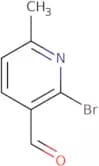
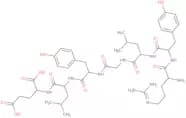
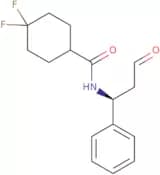

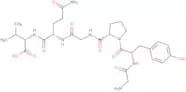
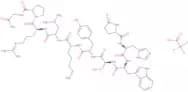
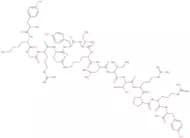

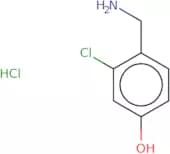

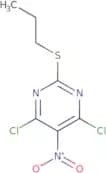
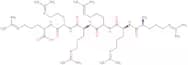

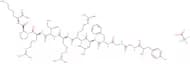
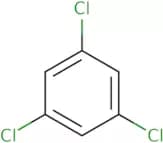
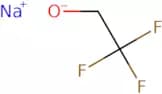
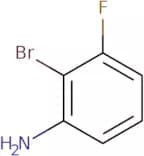
![tert-Butyl2-bromo-6,7-dihydrothiazolo[5,4-c]pyridine-5(4H)-carboxylate](/_next/image/?url=https%3A%2Fstatic.cymitquimica.com%2Fproducts%2F3D%2Fthumb-webp%2FFB148706.webp&w=3840&q=75)

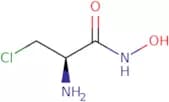
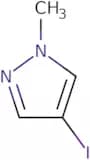
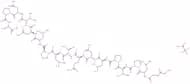

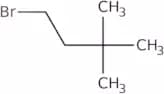
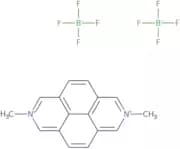
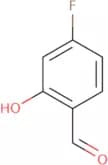
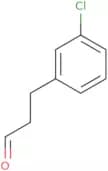
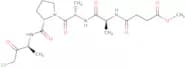


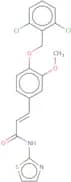
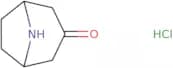
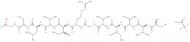
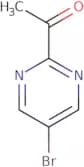


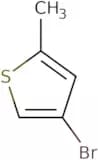
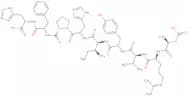

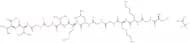


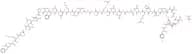
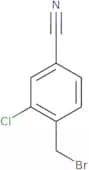
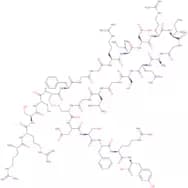
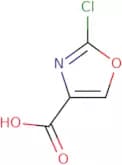

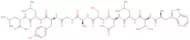
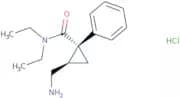

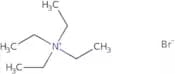

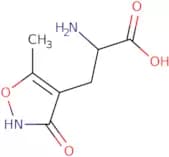
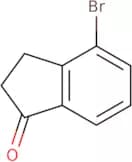
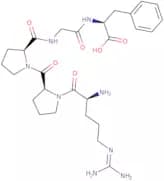
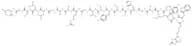
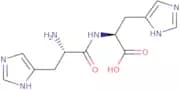
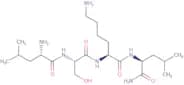


![H-Glu-Leu-Asp-[(2R,4S,5S)-5-amino-4-hydroxy-2,7-dimethyl-octanoyl]-Val-Glu-Phe-Gly-Gly-D-Arg-D-Arg…](/_next/image/?url=https%3A%2Fstatic.cymitquimica.com%2Fproducts%2F3D%2Fthumb-webp%2FFG111107.webp&w=3840&q=75)
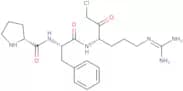
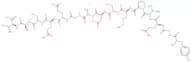
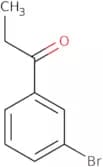
![2-[(3,5,6-Trichloro-2-pyridinyl)oxy]acetic acid](/_next/image/?url=https%3A%2Fstatic.cymitquimica.com%2Fproducts%2F3D%2Fthumb-webp%2FFT28420.webp&w=3840&q=75)
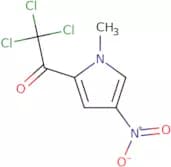
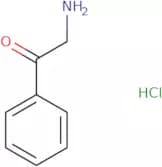
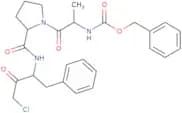

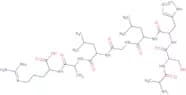
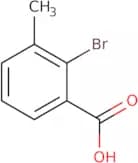
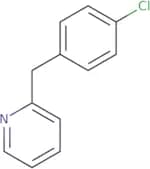

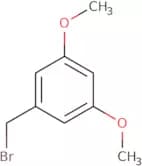
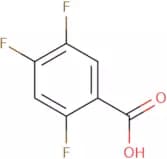
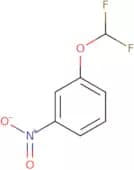
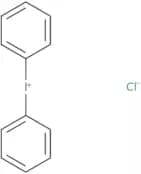
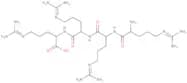
![4,6-Dichloro-1H-pyrazolo[4,3-c]pyridine](/_next/image/?url=https%3A%2Fstatic.cymitquimica.com%2Fproducts%2F3D%2Fthumb-webp%2FFD35292.webp&w=3840&q=75)
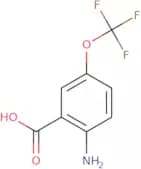
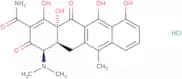
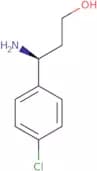
![Europium tris[3-(heptafluoropropylhydroxymethylene)-(+)-camphorate]](/_next/image/?url=https%3A%2Fstatic.cymitquimica.com%2Fproducts%2F3D%2Fthumb-webp%2FFE98265.webp&w=3840&q=75)
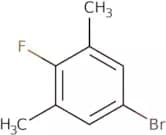
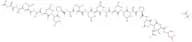

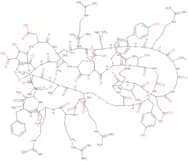


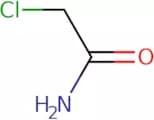
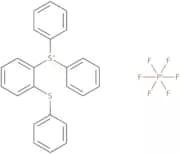
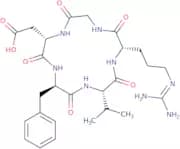
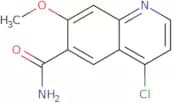
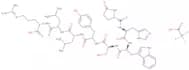
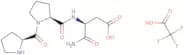

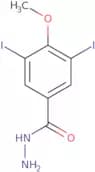


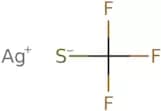
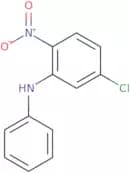

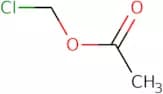

![3-[(Dimethylamino)methyl]-1,2,4-oxadiazol-5-amine hydrochloride](/_next/image/?url=https%3A%2Fstatic.cymitquimica.com%2Fproducts%2F3D%2Fthumb-webp%2FFD135937.webp&w=3840&q=75)
![(S)-9,10-Difluoro-2,3-dihydro-3-methyl-7-oxo-7H-pyrido[1,2,3-de]-1,4-benzoxazine-6-carboxylic acid…](/_next/image/?url=https%3A%2Fstatic.cymitquimica.com%2Fproducts%2F3D%2Fthumb-webp%2FFD21854.webp&w=3840&q=75)
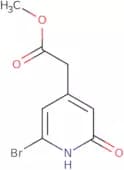
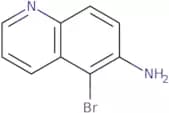
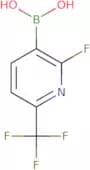
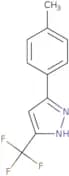
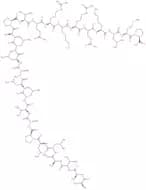


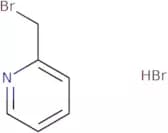


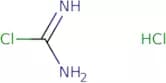

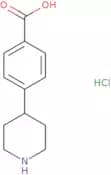
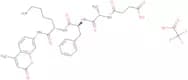
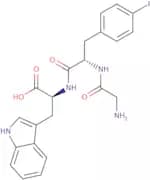


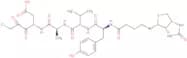
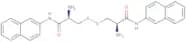
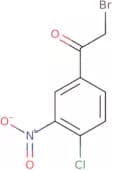
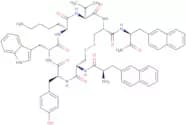
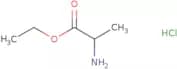
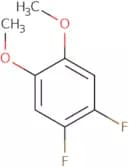


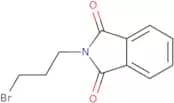
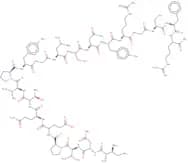
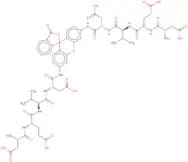


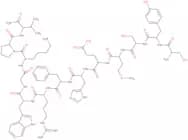


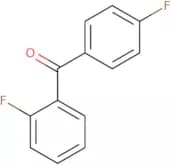


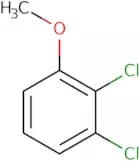
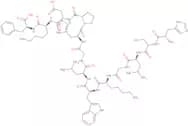



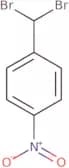
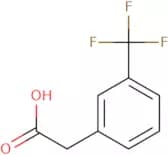


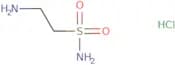
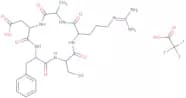

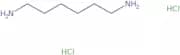
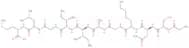
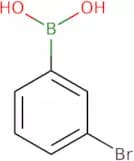


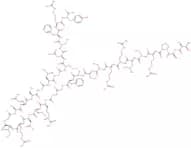

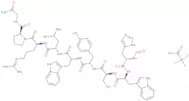
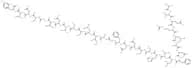
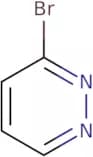

![2-[Chloro(4-chlorophenyl)methyl]-pyridine](/_next/image/?url=https%3A%2Fstatic.cymitquimica.com%2Fproducts%2F3D%2Fthumb-webp%2FFC152996.webp&w=3840&q=75)