Organic Halides
Subcategories of "Organic Halides"
Found 20442 products of "Organic Halides"
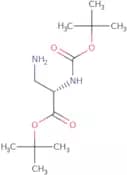
Boc-Dap-OtBu hydrochloride salt
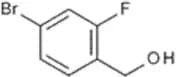
CAS:Boc-Dap-OtBu hydrochloride salt is a chemical that is synthesized by anhydride and trifluoroacetic acid. It can be used in the laboratory for protein visualization, as well as to detect proteins using LC-MS. The presence of trifluoroacetic acid makes the Boc-Dap-OtBu hydrochloride salt fluorescent, which makes it possible to visualize the reaction products under UV light. This chemical is often used in fluorescence spectrometry to identify amino acids and other compounds.Formula:C12H24N2O4Purity:Min. 95%Color and Shape:PowderMolecular weight:260.33 g/mol4-Bromo-2-fluorobenzyl alcohol
CAS:4-Bromo-2-fluorobenzyl alcohol is a high quality chemical that is used as an intermediate to produce other useful chemicals. It is also a reagent, useful in the production of complex compounds. 4-Bromo-2-fluorobenzyl alcohol has a CAS No. 188582-62-9 and can be used as a building block for producing speciality chemicals. This compound can be used as a versatile building block for the production of new products and it is often used as a reaction component in organic synthesis.
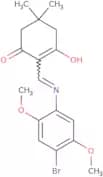
Formula:C7H6BrFOPurity:Min. 95%Color and Shape:PowderMolecular weight:205.02 g/mol2-(((4-Bromo-2,5-dimethoxyphenyl)amino)methylene)-5,5-dimethylcyclohexane-1,3-dione
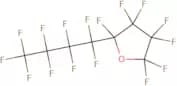
CAS:Please enquire for more information about 2-(((4-Bromo-2,5-dimethoxyphenyl)amino)methylene)-5,5-dimethylcyclohexane-1,3-dione including the price, delivery time and more detailed product information at the technical inquiry form on this pageFormula:C17H20BrNO4Purity:Min. 95%Molecular weight:382.25 g/molPerfluoro(2-butyltetrahydrofuran)
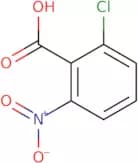
CAS:Perfluoro(2-butyltetrahydrofuran) is a fluorinated, non-polar organic solvent with a high boiling point. It can be used for thermal expansion measurements of dextran sulfate solutions and in the preparation of cell culture samples prior to histological analysis. The phase transition temperature of perfluoro(2-butyltetrahydrofuran) is 4.6°C, which means that it is liquid at room temperature and can be used as a vehicle to deliver magnetic particles to lung tissue. Perfluoro(2-butyltetrahydrofuran) also has an experimental model for studying the effects of laser ablation on lung cells.Formula:C8F16OPurity:Min. 85 Area-%Color and Shape:Colorless Clear LiquidMolecular weight:416.06 g/mol6-Chloro-2-nitrobenzoic acid
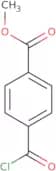
CAS:6-Chloro-2-nitrobenzoic acid is an organic compound with the formula C6H3ClNO2. It is a white crystalline powder that reacts readily with water to form a dilute solution. The reaction yield of 6-chloro-2-nitrobenzoic acid can be increased by heating the solution to dehydrate it, and this can be done at room temperature or higher. The reaction time can also be shortened by adding more chloride ions to the solution. This organic compound has two isomers, one of which is stable and the other which is unstable. The unstable isomer can be removed by recrystallizing the product from a solvent such as dicloxacillin or potassium chloride.Formula:C7H4ClNO4Purity:Min. 95%Molecular weight:201.56 g/molMethyl 4-(chlorocarbonyl)benzoate
CAS:Methyl 4-(chlorocarbonyl)benzoate is a synthetic retinoid that has potent inhibitory activity against the growth factor-stimulated proliferation of human HL-60 cells. It interacts with the cholesterol ester transfer protein, which inhibits the synthesis of prostaglandins and thromboxanes, resulting in an anti-inflammatory effect. Methyl 4-(chlorocarbonyl)benzoate has been shown to be effective in inhibiting the growth of cancer cells by light emission. This compound also exhibits high hydrogen bonding interactions with pyridinium ions and quinolinium ions.
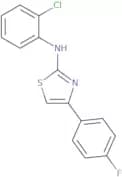
Formula:C9H7ClO3Purity:Min. 95%Molecular weight:198.6 g/mol(2-chlorophenyl)(4-(4-fluorophenyl)(2,5-thiazolyl))amine
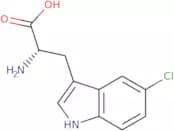
CAS:Please enquire for more information about (2-chlorophenyl)(4-(4-fluorophenyl)(2,5-thiazolyl))amine including the price, delivery time and more detailed product information at the technical inquiry form on this pagePurity:Min. 95%5-Chloro-L-tryptophan
CAS:5-Chloro-L-tryptophan (5CTP) is a chemical compound that belongs to the class of cyclic peptides. It is biosynthesized by plants and other organisms from 4-chloro-L-tryptophan. 5CTP is synthesized from 4CTP by a two step process, involving an oxidative decarboxylation followed by a deamination reaction. The oxidative decarboxylation converts the amino acid into an intermediate, which is then deaminated and converted into 5CTP. This compound has been shown to have potential as a drug against cancer cells, with its mechanism of action being related to its ability to form metal chelates with heavy metals such as copper and mercury. 5CTP has also been used in molecular modeling studies, genetic analyses, and biochemical investigations of substrate binding and enzyme catalysis.
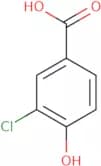
Formula:C11H11N2O2ClPurity:Min. 95%Color and Shape:White PowderMolecular weight:238.67 g/mol3-Chloro-4-hydroxybenzoic acid hemihydrate
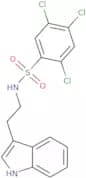
CAS:3-Chloro-4-hydroxybenzoic acid hemihydrate is an analog of forskolin that is used in cancer research. It has been shown to inhibit the growth of lung cancer cells, which may be due to its ability to activate protein kinase A and phosphatase enzymes. 3-Chloro-4-hydroxybenzoic acid hemihydrate is being studied as a potential treatment for multiple sclerosis and other autoimmune disorders, although it has not yet been approved for these conditions. This drug inhibits the proliferation of tumor suppressor protein p53 and reverses the effects of a synthetic form of fty720 on the activation of the p38 mitogen activated protein kinase.Formula:C7H5ClO3·H2OPurity:Min. 98 Area-%Color and Shape:PowderMolecular weight:363.15 g/mol(2-Indol-3-ylethyl)((2,4,5-trichlorophenyl)sulfonyl)amine
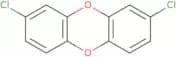
CAS:Please enquire for more information about (2-Indol-3-ylethyl)((2,4,5-trichlorophenyl)sulfonyl)amine including the price, delivery time and more detailed product information at the technical inquiry form on this pageFormula:C16H13Cl3N2O2SPurity:Min. 95%Color and Shape:PowderMolecular weight:403.71 g/mol2,8-Dichlorodibenzo-p-dioxin
CAS:2,8-Dichlorodibenzo-p-dioxin (2,8-DCDD) is a chlorinated dioxin. It is used as an analytical reagent in wastewater treatment methods. 2,8-DCDD can be prepared by the reaction of chlorine atoms with a sample that contains dioxins. The preparation of 2,8-DCDD involves the use of solvents such as dichloromethane or toluene and has been shown to require activation energies between 10 and 40 kcal/mol. 2,8-DCDD is a postulated carcinogen because it binds to receptor sites on cells and promotes tumor formation in animal models. The rate of formation of 2,8-DCDD has been shown to increase when triclosan is present in the environment at concentrations greater than 0.1 ppm. Triclosan can also promote the formation of 2,6-dichlorophenolFormula:C12H6Cl2O2Purity:Min. 95%Molecular weight:253.08 g/mol1,12-Dibromododecane
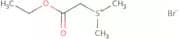
CAS:1,12-Dibromododecane is a chemical substance that appears as an off-white solid. It has a formula weight of 45.1 g/mol and a melting point of -8.5°C. 1,12-Dibromododecane is soluble in water and alcohols and insoluble in ethers. The substance is not flammable, but it does react with strong oxidants such as nitric acid or perchloric acid to form toxic gases like nitrogen dioxide or chlorine gas respectively. 1,12-Dibromododecane is used in the manufacture of sodium carbonate, which is used for signal detection, and also as a fatty acid solvent in the production of optical properties and formula weight measurements. 1,12-Dibromododecane can be used to measure transport properties by gel chromatography and can be used as a metalloeluting agent in 4-hydroxycinnamic acid purFormula:C12H24Br2Purity:Min. 95%Color and Shape:White PowderMolecular weight:328.13 g/mol(Ethoxycarbonylmethyl)dimethylsulfonium bromide
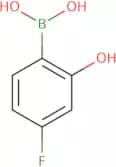
CAS:(Ethoxycarbonylmethyl)dimethylsulfonium bromide is an isoxazoline. It is used in the synthesis of oxime derivatives, which are bioactive molecules that have a wide range of applications in the field of medicine, including as intermediates for anti-inflammatory, anti-viral and antibacterial drugs. This compound has shown to be active against methicillin resistant Staphylococcus aureus (MRSA). The mechanism by which this molecule inhibits MRSA involves its nitro group and the release of nitric oxide.Formula:C6H13BrO2SPurity:Min. 97.5 Area-%Color and Shape:PowderMolecular weight:229.14 g/molB-(4-Fluoro-2-hydroxyphenyl)-boronic acid
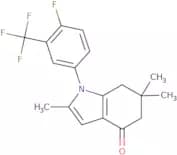
CAS:B-(4-Fluoro-2-hydroxyphenyl)-boronic acid is a fungicide that has been synthesized to inhibit the growth of fungi. This compound is an effective fungicide against a wide variety of plant pathogens. It has been shown to be highly efficient in catalyzing intramolecular cyclization reactions, which are sometimes difficult to perform with traditional methods. The regulatory nature of this compound makes it an excellent candidate for commercial applications in agroscience and industry.Formula:C6H6BFO3Purity:Min. 95%Color and Shape:PowderMolecular weight:155.92 g/mol1-(4-Fluoro-3-(trifluoromethyl)phenyl)-2,6,6-trimethyl-5,6,7-trihydroindol-4-one
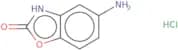
CAS:Please enquire for more information about 1-(4-Fluoro-3-(trifluoromethyl)phenyl)-2,6,6-trimethyl-5,6,7-trihydroindol-4-one including the price, delivery time and more detailed product information at the technical inquiry form on this pageFormula:C18H17F4NOPurity:Min. 95%Color and Shape:PowderMolecular weight:339.33 g/mol5-Amino-1,3-benzoxazol-2(3H)-one hydrochloride
CAS:5-Amino-1,3-benzoxazol-2(3H)-one hydrochloride is a fine chemical that belongs to the group of compounds known as benzoxazoles. Benzoxazoles are used as building blocks for the preparation of other compounds. 5-Amino-1,3-benzoxazol-2(3H)-one hydrochloride is soluble in water, and it can be used as a research chemical or intermediate in organic synthesis. This compound has a CAS number of 77408-77-6 and can be purchased at high quality.Formula:C7H6N2O2·HClPurity:Min. 95%Color and Shape:Off-White PowderMolecular weight:186.6 g/molDidecyl dimethyl ammonium bromide
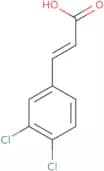
CAS:Didecyl dimethyl ammonium bromide is an antimicrobial peptide that has high resistance to antibiotic-resistant strains. It is a phosphonate compound that is used in the analytical method of titration calorimetry. The didecyl dimethyl ammonium bromide molecule can be seen as having two reactive centers, one on the phosphorus atom and one on the methyl group. These reactive centers are involved in intramolecular hydrogen transfer reactions and transfer reactions with other molecules, leading to its antimicrobial activity. Didecyl dimethyl ammonium bromide can also be used as a disinfectant or as a monoethyl ether for organic synthesis.Formula:C22H48BrNPurity:Min. 98%Color and Shape:PowderMolecular weight:406.53 g/mol3,4-Dichlorocinnamic acid
CAS:3,4-Dichlorocinnamic acid is a pentane that has a molecular weight of 144.2 g/mol and melting point of -12 °C. It is soluble in organic solvents such as ethanol and acetone, but insoluble in water. 3,4-Dichlorocinnamic acid is an intermediate in the synthesis of cinnamates from phenylacetic acid and chloroform via methyl esterification with methanol followed by alkylation with chlorine. The reaction rate for this conversion is slow, making it difficult to produce at commercial scale. 3,4-Dichlorocinnamic acid can be obtained by irradiation of 3-chloro-1,2-propanediol with ultraviolet light or by heating hydrotalcite at high temperatures. Hydrotalcite is heated to 600°C where it reacts with air to form 3,4-dichlorocinnamic acid and
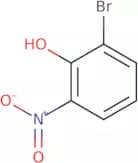
Formula:C9H6Cl2O2Purity:Min. 95%Color and Shape:PowderMolecular weight:217.05 g/mol2-Bromo-6-nitrophenol
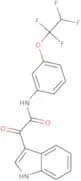
CAS:2-Bromo-6-nitrophenol is a synthetic chemical that is used as an intermediate in the synthesis of other chemicals. It can be prepared by reacting ammonium formate with hydroxyl group of 2-bromo-6-nitropyridine. The reaction yield can be improved by activating the hydroxyl group and removing impurities through a dehydration reaction. The time required for the reaction to occur can be shortened by using acetonitrile as a solvent instead of water. This chemical is also synthesized by coupling metal salts with nitro groups or amines, which are called Suzuki coupling reactions.Formula:C6H4BrNO3Color and Shape:PowderMolecular weight:218 g/mol2-Indol-3-yl-2-oxo-N-(3-(1,1,2,2-tetrafluoroethoxy)phenyl)ethanamide
CAS:Please enquire for more information about 2-Indol-3-yl-2-oxo-N-(3-(1,1,2,2-tetrafluoroethoxy)phenyl)ethanamide including the price, delivery time and more detailed product information at the technical inquiry form on this pageFormula:C18H12F4N2O3Purity:Min. 95%Color and Shape:PowderMolecular weight:380.29 g/molTetrabromobisphenol S
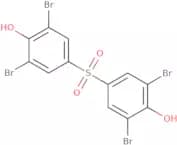
CAS:Tetrabromobisphenols (TBB) are skin conditioners that are used in the cosmetic industry. They are derived from fatty acids and have a structural formula of C10H8Br4. TBBs have a fluorine atom at their central position and have been shown to react with bacterial strains and produce reaction products, such as hydrogen chloride, calcium carbonate, and carbonic acid. TBBs form hydrogen bonds with the membrane system of cells and affect physiological functions. TBBs are able to penetrate the skin and enter the bloodstream, which can lead to toxic side effects in humans.Formula:C12H6Br4O4SPurity:Min. 95%Color and Shape:PowderMolecular weight:565.86 g/molCarbonyl cyanide 4-(trifluoromethoxy)phenylhydrazone
CAS:Carbonyl cyanide 4-(trifluoromethoxy)phenylhydrazone (FCCP) is a pharmacological agent that is used to study the mechanisms of neuronal death and mitochondrial dysfunction. FCCP is reactive with cellular components, such as proteins and nucleic acids. It also affects mitochondrial membrane potential, energy metabolism, and synchronous fluorescence in human cells. The reactive effects of FCCP are due to its ability to reduce intracellular dinucleotide phosphate (DNP). DNP binds to the electron transport chain, which leads to the production of reactive oxygen species that disrupt cellular physiology.Formula:C10H5F3N4OPurity:Min. 97 Area-%Color and Shape:White To Yellow To Green-Yellow SolidMolecular weight:254.17 g/mol7-Bromo-1-tetralone
CAS:7-Bromo-1-tetralone is an organic compound that can be used to circumvent the C8 and C9 positions of a cycloalkane for the synthesis of complex molecules. The molecule is unreactive and has no functional groups or functionalities. 7-Bromo-1-tetralone has been shown to react with pentafluorophenyl phosphorus pentoxide in the presence of temperatures greater than 120°C, resulting in a number of different products. These products include butyric acid, which is an important precursor for a variety of pharmaceuticals, and survivin, which is an antiapoptotic protein involved in cell survival.Formula:C10H9BrOPurity:Min. 95%Color and Shape:White To Brown SolidMolecular weight:225.08 g/mol4-Chloro-3-iodophenol
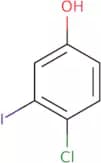
CAS:4-Chloro-3-iodophenol is a reactive chemical substance that can be used as a reagent in the synthesis of diagnostic agents, sunscreens and disinfectants. The reaction rate is increased by the presence of chlorine and other halogens such as iodine or bromine. 4-Chloro-3-iodophenol reacts with triclosan to form chlorinated trihalomethanes, which are more efficient disinfectants than their nonchlorinated counterparts. However, 4-chloro-3-iodophenol can also react with the oxidant hydrogen peroxide to form an unstable intermediate compound that degrades into toxic products like hypochlorous acid and chloramines. This instability makes this substance unsuitable for use in certain applications such as water purification.Formula:C6H4ClIOPurity:Min. 98 Area-%Color and Shape:PowderMolecular weight:254.45 g/mol[Bis(trifluoroacetoxy)iodo]pentafluorobenzene
CAS:Bis(trifluoroacetoxy)iodo]pentafluorobenzene is a hypervalent compound that can be used as an anticancer drug. It has been shown to inhibit the growth of cancer cells by binding to nitrogen atoms. This process leads to the formation of a spirocyclic intermediate, which then undergoes dehydrogenation and alkylation reactions. The resulting product is an oxalyl-containing molecule that inhibits the synthesis of DNA. Bis(trifluoroacetoxy)iodo]pentafluorobenzene has also been shown to have anti-cancer activity in mice with leukemia.
Formula:C10F11IO4Purity:Min. 95%Molecular weight:519.99 g/molN-[4-[1-(2-Fluorobenzyl)-3-butyl-2,6-dixo-2,3,6,7-tetrahydro-1H-purin-8-ylmethyl]phenyl]acetamide
CAS:Controlled ProductN-[4-[1-(2-Fluorobenzyl)-3-butyl-2,6-dixo-2,3,6,7-tetrahydro-1H-purin-8-ylmethyl]phenyl]acetamide is a fine chemical with a diverse range of potential applications. It can be used as a versatile building block in the synthesis of complex compounds and is useful as a reaction component or reagent. Its CAS number is 628279-07-2.Formula:C25H26FN5O3Purity:Min. 95%Color and Shape:White PowderMolecular weight:463.5 g/mol3,5-Dibromo-4-hydroxyphenoxyacetic acid
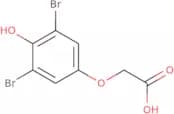
CAS:3,5-Dibromo-4-hydroxyphenoxyacetic acid is a versatile building block that can be used as a reagent in the synthesis of various complex compounds. It is also useful for research and development of new drugs. This chemical has been shown to be an effective precursor for the synthesis of pharmaceuticals, such as HTS-1 and HTS-2.Formula:C8H6Br2O4Purity:Min. 95%Color and Shape:PowderMolecular weight:325.94 g/mol5-Fluoroindole-2-carboxylic acid
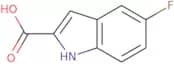
CAS:5-Fluoroindole-2-carboxylic acid is a new substance that has been found to be an inhibitor of the influenza virus. It prevents the virus from replicating by inhibiting the synthesis of viral proteins and nucleic acids. 5-Fluoroindole-2-carboxylic acid can be prepared by dispersive solid phase extraction of a mixture of fluoroindole, fumaric acid, and potassium hydroxide in water. The compound has also been shown to potentiate the effects of carbamazepine on caspases and enhance mass spectrometric analysis for gaseous hydrochloric acid. 5-Fluoroindole-2-carboxylic acid produces antinociceptive effects in animals.Formula:C9H6FNO2Color and Shape:PowderMolecular weight:179.15 g/mol3,5-Dimethylphenylhydrazine hydrochloride
CAS:3,5-Dimethylphenylhydrazine hydrochloride is a chemical compound that is used as a reagent in biochemistry and molecular biology. It reacts with proteins to form stable covalent bonds. This reaction can be used to modify the active site of an enzyme or to create affinity labels for protein purification. 3,5-Dimethylphenylhydrazine hydrochloride can also react with a pyrrole group on the side chain of phenylalanine residues to form an affinity label that allows it to bind specifically to myoglobin. The modification of myoglobin alters its structure and its ability to bind oxygen, which results in a shift in the wavelength at which it absorbs light.
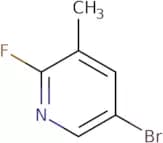
Formula:C8H12N2·HClPurity:Min. 95%Color and Shape:PowderMolecular weight:172.66 g/mol5-Bromo-2-fluoro-3-methylpyridine
CAS:5-Bromo-2-fluoro-3-methylpyridine is a fine chemical that is used as a scaffold for building more complex compounds. This chemical can be used in the synthesis of sulfonamides, thiocarbamates, and other organic compounds. 5-Bromo-2-fluoro-3-methylpyridine is also a versatile intermediate that can be used in the production of research chemicals and speciality chemicals. The purity of this compound is high and it has been shown to be a useful reagent in various reactions.
Formula:C6H5BrFNPurity:Min. 95%Molecular weight:190.02 g/mol3,7-Dibromo-5,5-dioctyl-5H-dibenzo[b,d]silole
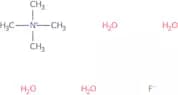
CAS:3,7-Dibromo-5,5-dioctyl-5H-dibenzo[b,d]silole is a fine chemical that belongs to the group of versatile building blocks for organic synthesis. It is a complex compound that has been used in research as a reagent and speciality chemical. It also has many applications in the production of commercial chemicals such as pharmaceuticals and agrochemicals. This compound can be used as an intermediate for the production of other compounds with pharmaceutical or agricultural uses.Formula:C28H40Br2SiPurity:Min. 95%Color and Shape:Colorless PowderMolecular weight:564.51 g/molTetramethylammonium fluoride tetrahydrate
CAS:Tetramethylammonium fluoride tetrahydrate (TMF) is an ionic liquid that is a reaction product of tetraethylammonium and hydrochloric acid. TMF has been shown to react reversibly with water to produce aqueous hydrogen fluoride, which can be detected at low concentrations with a variety of analytical techniques such as gas chromatography. TMF has also been shown to have selectivities for the transport of silicon and calcium carbonate ions, which are useful in electrochemical studies. The activation energies for the reaction of TMF with water were determined by electrochemical studies to be around -0.4 eV.Formula:C4H12FN·4H2OColor and Shape:White PowderMolecular weight:165.2 g/mol6-Azaspiro[2.5]octane hydrochloride
CAS:6-Azaspiro[2.5]octane hydrochloride is a high quality, reagent, complex compound that is useful as an intermediate in the synthesis of various organic compounds. CAS No. 1037834-62-0 is a fine chemical with many applications including use as a building block and scaffold for speciality chemicals such as research chemicals and versatile building blocks for reactions. 6-Azaspiro[2.5]octane hydrochloride can be used for the synthesis of various compounds including pharmaceuticals, agrochemicals, flavors and fragrances, dyes and pigments, polymers and plasticizers, perfumes and flavorings, agricultural chemicals, surfactants, catalysts and solvents.
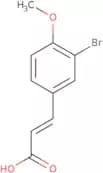
Formula:C7H14ClNPurity:Min. 95%Color and Shape:PowderMolecular weight:147.65 g/mol3-Bromo-4-methoxycinnamic acid
CAS:3-Bromo-4-methoxycinnamic acid is an organic compound that is used as a reagent, a useful scaffold, and a useful intermediate. It has been shown to be an excellent building block for the synthesis of complex compounds. 3-Bromo-4-methoxycinnamic acid can be used in the production of fine chemicals.
Formula:C10H9BrO3Purity:Min. 95%Color and Shape:PowderMolecular weight:257.08 g/mol3-Nitro-5-(trifluoromethyl)benzene-1,2-diamine
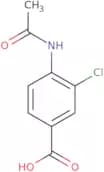
CAS:3-Nitro-5-(trifluoromethyl)benzene-1,2-diamine is a chemical compound that can be used as a reaction component or reagent in research. It is a useful scaffold and building block for complex compounds. 3-Nitro-5-(trifluoromethyl)benzene-1,2-diamine has CAS No. 2078-01-5 and is classified as a speciality chemical. This chemical is versatile because it has many uses in both organic chemistry and biology, including use as an intermediate or building block for more complex compounds.Formula:C7H6F3N3O2Purity:Min. 95%Color and Shape:PowderMolecular weight:221.14 g/mol4-(Acetylamino)-3-chlorobenzoic acid
CAS:4-(Acetylamino)-3-chlorobenzoic acid is a fine chemical that can be used as a building block in research, as a reagent in the synthesis of complex compounds, or as an intermediate for the synthesis of versatile scaffolds. This compound has been shown to be an effective starting material for the preparation of 4-aminomethylbenzoic acid derivatives. It is soluble in water and has a melting point of 215°C.Formula:C9H8ClNO3Purity:Min. 95%Color and Shape:Pale brown solid.Molecular weight:213.62 g/mol3,4-Dichlorobenzonitrile
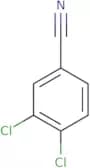
CAS:3,4-Dichlorobenzonitrile is a chemical compound that is synthesized by reacting hydrochloric acid and hydrogen chloride in the presence of 3,4-dichlorophenylacetic acid. The uptake of this chemical has been shown to be increased in prostate cancer cells that are exposed to methanol concentrations at or above 10%. This chemical also has phytotoxic properties and can cause plant damage. Impurities from the synthesis process can include lead, mercury, cadmium, arsenic, or chromium. 3,4-Dichlorobenzonitrile is used as an intermediate for industrial preparations such as pesticides and pharmaceuticals. This chemical may have coordination geometry around its central atom that can vary from octahedral to tetrahedral.
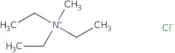
Formula:C7H3Cl2NPurity:Min. 95%Color and Shape:PowderMolecular weight:172.01 g/molTriethylmethylammonium chloride
CAS:Triethylmethylammonium chloride is a disulfide bond forming agent that reacts with 4-benzoyloxybenzoic acid to produce an inorganic acid. It also reacts with the substrate film to form a nitrogen atom. This product has been used as a phase transition temperature indicator and as a probe for investigating the effects of thermal expansion on electrochemical impedance spectroscopy measurements. Triethylmethylammonium chloride has also been shown to cause acid formation from sodium carbonate, which can be used in the production of hydroxyl groups, amides or fatty acids.
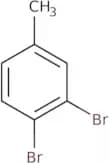
Formula:C7H18ClNPurity:Min. 95%Color and Shape:PowderMolecular weight:151.68 g/mol3,4-Dibromotoluene
CAS:3,4-Dibromotoluene is a natural product that can be synthesized from the reaction of bromine and toluene. The pharmacophore is a group of atoms or groups that make up the molecular structure of an organic compound and which are responsible for its biological activity. 3,4-Dibromotoluene has been shown to have antifungal activity in vitro against Candida albicans (C. albicans) and Saccharomyces cerevisiae (S. cerevisiae). In addition, 3,4-dibromotoluene can be used as a ligand in cross-coupling reactions to form new compounds with different functional groups. This synthetic method is catalytic and the yields are high when compared to other methods. Kinetic data has been obtained for ketoconazole inhibition of C. albicans at various concentrations of 3,4-dibromotoluene
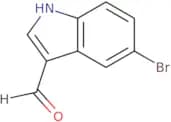
Formula:C7H6Br2Purity:Min. 95%Color and Shape:Clear LiquidMolecular weight:249.93 g/mol5-Bromoindole-3-carboxaldehyde
CAS:5-Bromoindole-3-carboxaldehyde is a water molecule that has been crystallized in the form of an amide. It is a chemical substance with asymmetric synthesis and significant antifungal activity. 5-Bromoindole-3-carboxaldehyde is active against some strains of the fungus Candida albicans and has been shown to inhibit the growth of kidney cells. This molecule also binds to the neurokinin 1 receptor and is used as a probe for fluorescence studies. The efficient method for synthesizing 5-Bromoindole-3-carboxaldehyde includes using silico analysis to confirm the structure on a computer, then performing an asymmetric synthesis with an acid catalyst to produce this compound.
Formula:C9H6BrNOPurity:Min. 98 Area-%Color and Shape:PowderMolecular weight:224.05 g/molN-(2-Indol-3-ylethyl)(4-(trifluoromethoxy)phenyl)formamide
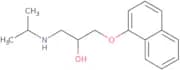
CAS:Please enquire for more information about N-(2-Indol-3-ylethyl)(4-(trifluoromethoxy)phenyl)formamide including the price, delivery time and more detailed product information at the technical inquiry form on this pageFormula:C18H15F3N2O2Purity:Min. 95%Color and Shape:PowderMolecular weight:348.32 g/molrac-Propranolol hydrochloride
CAS:Controlled ProductPropranolol is a beta-adrenergic receptor antagonist that is used to treat high blood pressure, chest pain and heart failure. It also has been shown to be effective in the treatment of inflammatory bowel disease (IBD). Propranolol blocks the binding of proprotein convertase subtilisin/kexin type 9 (PCSK9) to its receptors, which inhibits the production of LDL cholesterol. In humans, propranolol is metabolized through hydrolysis by esterases or glucuronidases, oxidation by cytochrome P450 enzymes, reduction by glutathione reductase, or conjugation with glucuronic acid. The drug also has a synergic effect with other drugs such as erythromycin and phenobarbital. Propranolol binds to proteins in red blood cells and decreases diastolic pressure.
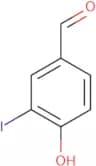
Formula:C16H22ClNO2Purity:Min. 98%Color and Shape:White PowderMolecular weight:295.8 g/mol3-Iodo-4-hydroxybenzaldehyde
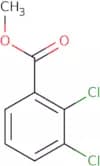
CAS:3-Iodo-4-hydroxybenzaldehyde (3IB) is an amide that is found in plant tissue. It has been shown to have a number of biological activities, including hypoiodous acid production, chromatographic activity, and ether extract activity. 3IB can be synthesized from benzofuran derivatives or by treating the corresponding nitrobenzene with hydrochloric acid. Bioassays using thyroid enzyme have shown that 3IB may inhibit the synthesis of daunorubicin, a potent antitumour drug. Molecular modelling studies suggest that 3IB binds to ATP synthase by forming hydrogen bonds with the amino acids Gly and His in the active site.Formula:C7H5IO2Purity:90%Color and Shape:PowderMolecular weight:248.02 g/molMethyl 2,3-dichlorobenzoate
CAS:Methyl 2,3-dichlorobenzoate is a benzyl compound that has been shown to be a potent lead compound for the treatment of neuropathic pain. It inhibits the activity of tetrazole, an enzyme that is involved in the synthesis of nerve growth factor (NGF). Methyl 2,3-dichlorobenzoate also blocks the action of triazoles, which are compounds that inhibit NGF. This leads to reduced pain sensitivity in rats. The reoptimized physicochemical properties of methyl 2,3-dichlorobenzoate make it more effective than other lead compounds for treatment of neuropathic pain.
Formula:C8H6Cl2O2Purity:Min. 95%Color and Shape:White PowderMolecular weight:205.04 g/mol1-(2-Chloropropanoyl)-4-(2-fluorophenyl)piperazine
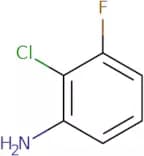
CAS:Controlled ProductPlease enquire for more information about 1-(2-Chloropropanoyl)-4-(2-fluorophenyl)piperazine including the price, delivery time and more detailed product information at the technical inquiry form on this pageFormula:C13H16ClFN2OPurity:Min. 95%Molecular weight:270.73 g/mol2-Chloro-3-fluoroaniline
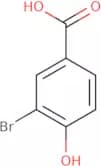
CAS:2-Chloro-3-fluoroaniline is a chemical compound that is used as a reagent, solvent, and building block in the synthesis of many other compounds. 2-Chloro-3-fluoroaniline can be used in the chemical industry to produce high quality research chemicals. This compound is also useful as an intermediate for the synthesis of pharmaceuticals and pesticides. The CAS number for this compound is 21397-08-0.Formula:C6H5ClFNPurity:Min. 95%Color and Shape:Clear LiquidMolecular weight:145.56 g/mol3-Bromo-4-hydroxybenzoic acid
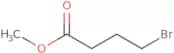
CAS:3-Bromo-4-hydroxybenzoic acid (3BBA) is a hydroxylated benzoic acid that is used as an intermediate in the production of dyes, pharmaceuticals, and other chemicals. 3BBA also has been shown to have anti-inflammatory effects and may be useful for the treatment of heart disease patients. The antimicrobial activity of 3BBA is due to its ability to inhibit bacterial growth by inhibiting the enzyme acetate extract, which is involved in the biosynthesis of fatty acids. This substance also inhibits bacterial growth by binding to particle and p. aeruginosa. 3BBA can be synthesized using ethylene diamine and p-hydroxybenzoic acid in basic dye reactions at pH optimum 7.5.Formula:C7H5BrO3Purity:Min. 95%Color and Shape:SolidMolecular weight:217.02 g/mol4-Bromobutyric acid methyl ester
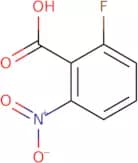
CAS:4-Bromobutyric acid methyl ester is a synthetic compound that can be used to inhibit the activity of the G1 phase cyclin-dependent kinases. It has been shown to inhibit protein synthesis by alkylating the amino groups of proteins and fatty acids. 4-Bromobutyric acid methyl ester also inhibits the growth of cancer cell lines, such as renal carcinoma cells. The mechanism of action for this drug is not well understood, but it may be due to its ability to bind with monoclonal antibodies and enter kidney cells by passive diffusion.Formula:C5H9BrO2Purity:Min. 95%Color and Shape:Clear LiquidMolecular weight:181.03 g/mol2-Fluoro-6-nitrobenzoic acid
CAS:Intermediate in the synthesis of idelalisib
Formula:C7H4FNO4Purity:Min. 95%Color and Shape:PowderMolecular weight:185.11 g/molAmyloid beta peptide(1-40) trifluoroxalate - synthetic
CAS:Amyloid beta peptide (Aβ) is a neurotrophic factor that is involved in the pathogenic mechanism of Alzheimer's disease. This drug inhibits the production of Aβ by binding to the enzyme, secretase. It has been shown that Aβ binds to a transporter protein and is transported into cells, where it accumulates in the cytoplasm. The physiological levels of Aβ are regulated by proteins called "gene chaperones" which prevent Aβ from aggregating into plaques. Dextran sulfate inhibits this process by binding to amyloid and preventing it from accumulating in the cytoplasm. Amyloid beta peptide trifluoroxalate (ATFX) has been shown to inhibit the production of Aβ with structural analysis, inhibition of cellular uptake and secretion, and inhibition of fibrillization. ATFX also has potential as a biomarker for Alzheimer's disease because it can be detected at low concentrations in urine or serumFormula:C194H295N53O58S·C2HF3O2Purity:Min. 95%Color and Shape:White PowderMolecular weight:4,443.83 g/mol





![[Bis(trifluoroacetoxy)iodo]pentafluorobenzene](/_next/image/?url=https%3A%2Fstatic.cymitquimica.com%2Fproducts%2F3D%2Fthumb-webp%2FFB60673.webp&w=3840&q=75)
![N-[4-[1-(2-Fluorobenzyl)-3-butyl-2,6-dixo-2,3,6,7-tetrahydro-1H-purin-8-ylmethyl]phenyl]acetamide](/_next/image/?url=https%3A%2Fstatic.cymitquimica.com%2Fproducts%2F3D%2Fthumb-webp%2FFF23426.webp&w=3840&q=75)

![3,7-Dibromo-5,5-dioctyl-5H-dibenzo[b,d]silole](/_next/image/?url=https%3A%2Fstatic.cymitquimica.com%2Fproducts%2F3D%2Fthumb-webp%2FFD141100.webp&w=3840&q=75)
![6-Azaspiro[2.5]octane hydrochloride](/_next/image/?url=https%3A%2Fstatic.cymitquimica.com%2Fproducts%2F3D%2Fthumb-webp%2FFA141499.webp&w=3840&q=75)