Biochemicals and Reagents
Biochemicals and reagents are fundamental substances for research and development in fields such as biotechnology, molecular biology, pharmacology, and medicine. These products are essential for a variety of applications, including compound synthesis, biological sample analysis, metabolic process research, and drug production. At CymitQuimica, we offer a wide selection of high-quality, high-purity biochemicals and reagents suitable for various scientific and industrial needs. Our catalog includes enzymes, antibodies, nucleic acids, amino acids, and many other products, all designed to support researchers and professionals in their research and development projects, ensuring reliable and reproducible results.
Subcategories of "Biochemicals and Reagents"
- Biomolecules(99,130 products)
- By Biological Target(99,159 products)
- By Pharmacological Effects(6,787 products)
- Cryopreservatives(21 products)
- Desinfectants and Related Compounds(28 products)
- Hormones(346 products)
- Plant Biology(6,747 products)
- Secondary Metabolites(14,222 products)
Found 130579 products of "Biochemicals and Reagents"
Sort by
Purity (%)
0
100
|
0
|
50
|
90
|
95
|
100
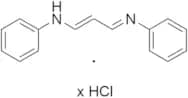
1-Anilino-3-phenylimino-1-propene Hydrochloride
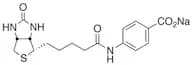
CAS:Controlled ProductFormula:C15H14N2·xHClColor and Shape:Neat(+)-Biotin 4-Amidobenzoic Acid, Sodium Salt
CAS:<p>Applications (+)-Biotin 4-Amidobenzoic Acid, Sodium Salt is a fluorigenic substrate for the determination of Biotinidase activity.<br></p>Formula:C17H20N3O4S·NaColor and Shape:White To Light YellowMolecular weight:385.4111-Hydroxylauric Acid
CAS:<p>Applications 11-Hydroxylauric Acid is used as a substrate to determine the functional expression and characterization of cytochrome P450 52A21.<br>References Kuehnel, K., et al.: Adv. Synthesis. Cata., 349, 1451 (2007); Kim, D.H., et al.: Arch. Biochem. Biophy., 464, 213 (2007);<br></p>Formula:C12H24O3Color and Shape:NeatMolecular weight:216.32Ilomastat
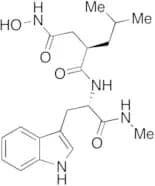
CAS:Controlled Product<p>Applications Ilomastat is a metalloprotease inhibitor.<br>References Dietrich, C., et. al.: J. Immunol., 192, 5382 (2014)<br></p>Formula:C20H28N4O4Color and Shape:NeatMolecular weight:388.46(S)-1-(4-Nitrophenyl)ethanamine Hydrochloride
CAS:<p>Applications (S)-1-(4-Nitrophenyl)ethanamine hydrochloride (cas# 132873-57-5) is a useful research chemical.<br></p>Formula:C8H10N2O2·HClColor and Shape:NeatMolecular weight:202.631-Methyl-L-histidine
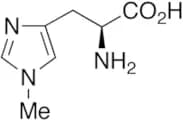
CAS:Controlled Product<p>Applications The urinary 1- and 3-methylhistidine (1- and 3-MH) metabolites as potential biomarkers of skeletal muscle toxicity. These metabolites were highly correlated to sex-, dose-, and time-dependent development of cerivastatin-induced myotoxicity. Natural but non-proteinogenic amino acid; employed as index of muscle protein breakdown.<br>References Berna, M., et al.: Anal. Chem., 79, 4199 (2007), Pritt, M., et al.: Toxicol. Sci., 103, 382 (2008), Tonomura, Y., et al.: Toxicology, 266, 48 (2009),<br></p>Formula:C7H11N3O2Color and Shape:NeatMolecular weight:169.18N-Acetyl-L-alanine
CAS:Controlled Product<p>Applications N-Acetyl-L-alanine is used as a biomarker for prostate cancer.<br>References Jansen, R., et al.: Clin. Biochem., 38, 362 (2005),<br></p>Formula:C5H9NO3Color and Shape:NeatMolecular weight:131.1322b-Hydroxy Cholesterol
CAS:Controlled Product<p>Applications The 22S-metabolite of Cholesterol (C432501). 22-Hydroxycholesterol inhibits chemokine receptor activity.<br>References Samson, M., et al.: J. Biol. Chem., 272, 24934 (1997), Mackay, C., et al.: Nature Immunol., 2, 95 (2001), Navenot, J., et al.: J. Mol. Biol., 313, 1181 (2001),<br></p>Formula:C27H46O2Color and Shape:Off White SolidMolecular weight:402.65Ethyl Arachidonate
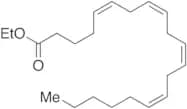
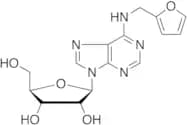
CAS:Controlled Product<p>Applications Arachidonic acid (AA) is an unsaturated omega-6 fatty acid constituent of the phospholipids of cell membranes. Phospholipase A2 releases AA from the membrane phospholipids in response to inflammation.<br>References Peterson, J., et al.: J. Pediatr., 152, 788 (2008), Pichini, S., et al.: J. Pharm. Biomed. Anal., 48, 927 (2008),<br></p>Formula:C22H36O2Color and Shape:NeatMolecular weight:332.52Kinetin Riboside
CAS:Controlled Product<p>Applications Used as an anticancer and antiviral agent.<br>References Cancer Res., 20, 1362 (1960), Virology, 38, 26 (1969),<br></p>Formula:C15H17N5O5Color and Shape:NeatMolecular weight:347.33Rhodamine B
CAS:Controlled Product<p>Stability Light Sensitive<br>Applications Rhodamine B is used in biological studies for an anti-reactive oxygen species/hepatic fibrosis drug delivery system based on salvianolic acid B loaded mesoporous silica nanoparticles. Dyes and metabolites, Environmental Testing.<br>References He, Q., et al.: Biomaterials, 31, 7785 (2010)<br></p>Formula:C28H31N2O3·ClColor and Shape:RedMolecular weight:479.01ADHP
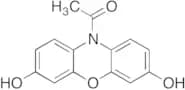
CAS:Controlled Product<p>Applications ADHP is a non-fluorescent and highly sensitive and stable hydrogen peroxide probe.<br>References Snyrychova et al.; Physiologia Plantarum, 135(1), 118 (2009); J.G. Montay et al.; Journal of Immunological Methods 202, 133 (1997); M. Zhou et al.; Analytical Biochemisty 253, 162 (1997); Proc. Soc. Exp. Biol. Med. 206, 53 (1994); Free rad. Biol. Med. 12, 389 (1992)<br></p>Formula:C14H11NO4Color and Shape:Off-WhiteMolecular weight:257.241Solvent Red 25 (Technical Grade)
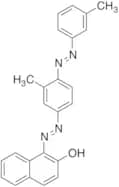
CAS:Controlled Product<p>Applications Solvent Red 25 (cas# 3176-79-2) is a useful research chemical. Dyes and metabolites, Environmental Testing.<br></p>Formula:C24H20N4OColor and Shape:Dark RedMolecular weight:380.443’,5’-Diiodo-L-thyronine
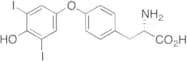
CAS:Controlled Product<p>Applications 3’,5’-Diiodo-L-thyronine is a thyroid hormone that has been shown to increase malic enzyme activity, and the activity of glucose-6-phosphate dehydrogenase in teleost Anabas testudineus. Thus, showing short term effect on lipid metabolism.<br>References Davey, K.G.: Insect Biochem. Mol. Bio., 30, 877 (2000); Shameena, B., et. al.: Endocr. Res., 26, 431 (2000)<br></p>Formula:C15H13I2NO4Color and Shape:NeatMolecular weight:525.08Nor-Desoxycholic Acid
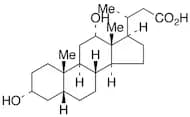
CAS:Controlled Product<p>Stability Hygroscopic<br>Applications A derivative of Deoxycholic acid (DC); the bile acid nor-DC showed considerable and continuing efflux into the perfusate; this involved mostly the unchanged acid. Nor-DC was not amidated but was metabolized to mostly ester glucuronides and hydroxylated derivatives.<br>References Haslewood, G., et al.: Biochem. J., 62, 637 (1956), Clayton, L. M., et al.: J. Pharmacol. Exp. Therap., 248, 1130 (1989), Aggarwal, S., et al.: Steroids, 57, 107 (1992), Batta, A., et al.: J. Lipid Res., 33, 1403 (1992),<br></p>Formula:C23H38O4Color and Shape:NeatMolecular weight:378.551-Hexacosene
CAS:<p>Applications 1-Hexacosene is a part of Carica papaya peel extracts and may contain antibacterial activity.<br>References Muhamad, S et al.: Int. Food. Res., 24, 976 (2017);<br></p>Formula:C26H52Purity:>85%Color and Shape:NeatMolecular weight:364.691Arginine Vasopressin Diacetate
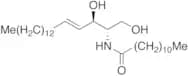
CAS:<p>Applications An endogenous antidiuretic hormone in most mammalian species. It is released into the blood from nerve terminals in the posterior pituitary and median eminence. It is a neurotransmitter in the central nervous system and also implicated in a variety of physiological processes such as regulating water balance by antidiuretic action. It is a peptidic V1a receptor agonist that produces vasoconstriction via V1aR-mediated vascular smooth muscle cell contraction and is being used to increase blood pressure in septic shock, a form of vasodilatory hypotension.<br>References Perucca, J. et al.: J. AM. Soc. Nephrol., 19, 1721 (2008); Toba, K. et al.: Prog. Brain Res., 119, 337 (1998); Berrada, K. et al.: J. Biol. Chem., 275, 27229 (2000);<br></p>Formula:C50H73N15O16S2Color and Shape:NeatMolecular weight:1204.34C12 Ceramide
CAS:Controlled Product<p>Applications Ceramide is one of the simplest sphingolipids, consisting of a sphingosine base N-linked to a fatty acid, and is a membrane mediator for cell-signaling events. N-Acyl chain length of membrane ceramides can influence bidimensional transitions, condensed domain morphology, and interfacial thickness.<br>References Shimshick, E., et al.: Biochemistry, 1973, 12, 2351 (1973), Kolesnick, R., et al.: J. Cell Physiol., 184, 285 (2000), Goni, F., et al.: Biochim. Biophys. Acta., 1758, 1902 (2006),<br></p>Formula:C30H59NO3Color and Shape:NeatMolecular weight:481.7910-Hydroxy-2-decenoic acid
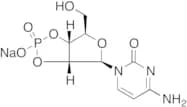
CAS:<p>Applications 10-Hydroxy-2-decenoic acid<br></p>Formula:C10H18O3Color and Shape:WhiteMolecular weight:186.25Cytidine 2':3'-cyclic Monophosphate Monosodium Salt (>85%)
CAS:Controlled Product<p>Stability Hygroscopic<br>Applications Cytidine 2':3'-cyclic Monophosphate Monosodium Salt is a key compound in the enzymic synthesis of short oligoribonucleotides. Reagent in the amine catalyzed solid-phase synthesis of oligonucleotides.<br>References Gusenkova, N. M., et al.: Zhurnal Obshchei Khimii, 46, 939 (1976); Tomasz, J., et al.: Nucleic Acid Chem., 2, 875 (1978)<br></p>Formula:C9H11N3NaO7PPurity:>85%Color and Shape:NeatMolecular weight:327.16L-Serine
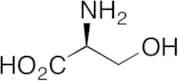
CAS:<p>Applications L-Serine is used in the synthesis of purines and pyrimidines as antibacterial/antifungal agents, as well as acting as a proteinogenic compound.<br>References Olivella, M. et al.: Bioorg. Med. Chem., 20, 6109 (2012);<br></p>Formula:C3H7NO3Color and Shape:White Crystalline PowderMolecular weight:105.09L-Isoleucine
CAS:<p>Applications L-Isoleucine is classified as an essential amino acid, and is also a tumour promoter of bladder cancer in rats.<br>References Hatch, T., et al.: Infect. Immun., 12, 211 (1975); Nishio, Y., et al.: Science, 231, 843 (1986)<br></p>Formula:C6H13NO2Color and Shape:White To Off-WhiteMolecular weight:131.17KRN7000
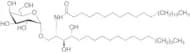
CAS:Controlled Product<p>Stability Hygroscopic<br>Applications Galactosylceramides play an important roles in promoting the regulation of nerve cells, regulating protein kinase C activities and modulating the function of the hormone receptor. It has shown to have significant immunostimulatory and anti-umor activity in mice with liver metastasis of the Colon26 adenocarcinoma.<br>References Morita, M., et al.: J. Med. Chem., 38, 2176 (1995), Sakai, T., et al.: J. Med. Chem., 42, 1836 (1999),<br></p>Formula:C50H99NO9Color and Shape:NeatMolecular weight:858.322-Hydroxy Estrone
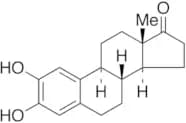
CAS:Controlled ProductFormula:C18H22O3Color and Shape:Off-White To Light BrownMolecular weight:286.37DBCO-PEG5-NHS ester
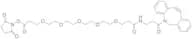
CAS:Controlled Product<p>Applications DBCO-PEG5-NHS ester (cas# 1378531-80-6) is a useful research chemical.<br></p>Formula:C36H43N3O11Color and Shape:NeatMolecular weight:693.74Pig ADST(Androstenone) ELISA Kit
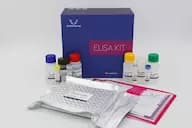
<p>This assay employs the competitive inhibition enzyme immunoassay technique. The microtiter plate provided in this kit has been pre-coated with Pig ADST. Standards or samples are added to the appropriate microtiter plate wells then with a biotin-conjugated antibody specific to Pig ADST. Next, Avidin conjugated to Horseradish Peroxidase (HRP) is added to each microplate well and incubated. After TMB substrate solution is added. The enzyme-substrate reaction is terminated by the addition of sulphuric acid solution and the color change is measured spectrophotometrically at a wavelength of 450nm ± 10nm. The concentration of Pig ADST in the samples is then determined by comparing the OD of the samples to the standard curve.</p>Color and Shape:Colourless TransparentliquidPig DPD(deoxypyridinoline) ELISA Kit
<p>The test principle applied in this kit is Sandwich enzyme immunoassay. The microtiter plate provided in this kit has been pre-coated with an antibody specific to Pig DPD. Standards or samples are added to the appropriate microtiter plate wells then with a biotin-conjugated antibody specific to Pig DPD. Next, Avidin conjugated to Horseradish Peroxidase (HRP) is added to each microplate well and incubated. After TMB substrate solution is added, only those wells that contain Pig DPD, biotin-conjugated antibody and enzyme-conjugated Avidin will exhibit a change in color. The enzyme-substrate reaction is terminated by the addition of sulphuric acid solution and the color change is measured spectrophotometrically at a wavelength of 450nm ± 10nm. The concentration of Pig DPD in the samples is then determined by comparing the OD of the samples to the standard curve.</p>Color and Shape:Colourless TransparentliquidTryptamine
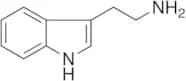
CAS:<p>Applications Tryptamine is a monoamine alkaloid found in plants. Tryptamine is commonly used in the preparation of biologically active compounds such as neurotransmitters and psychedelics.<br>References Nichols, D. E., et al.: Curr. Top. Behav. Neurosci., 36, 1(2018); Espinoza, S., et al.: Top. Med. Chem., 23, 175 (2017)<br></p>Formula:C10H12N2Color and Shape:YellowMolecular weight:160.22N-Hydroxysulfosuccinimide Sodium Salt
CAS:<p>Applications N-Hydroxysulfosuccinimide Sodium Salt is a hydrophilic ligand for the preparation of active esters, which can be used for crosslinking agents.<br>References Klibanov, A.L., et al.: Appl. Biochem. Biotechnol., 22, 45 (1989), Marcussen, J., et al.: Anal. Biochem., 198, 318 (1991), Verheul, A.F.M., et al.: Infect. Immun., 59, 843 (1991),<br></p>Formula:C4H4NO6S·NaColor and Shape:NeatMolecular weight:217.136PPD-quinone
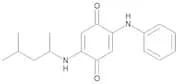
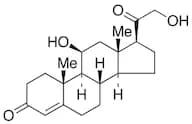
CAS:<p>Applications 6PPD-quinone is a derivative of 2-Amino-5-anilino-1,4-benzoquinone, which is useful in hair dye compositions.<br>References Bugaut, A., & Laudon, M.: U.S. (1977), US 4023926 A<br></p>Formula:C18H22N2O2Color and Shape:Dark Orange To Dark RedMolecular weight:298.38Corticosterone
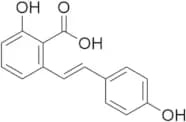
CAS:Controlled Product<p>Applications Glucocorticoid; an intermediate in the biosynthesis of aldosterone, isolated from the adrenal cortex.<br>References Schmidt, M., et al.: Endocrinol., 150, 2709 (2009), Bailey, M., et al.: J. Immunol., 182, 7888 (2009), Brunton, P., et al.: J. Neurosci., 29, 6449 (2009), Pruett, S., et al.: Toxicol. Sci., 109, 265 (2009),<br></p>Formula:C21H30O4Color and Shape:NeatMolecular weight:346.46(E)-2-Hydroxy-6-(4-hydroxystyryl)benzoic Acid
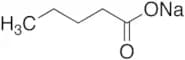
CAS:Controlled ProductFormula:C15H12O4Color and Shape:NeatMolecular weight:256.25Valeric Acid Sodium Salt
CAS:Controlled Product<p>Applications Valeric Acid Sodium Salt (cas# 6106-41-8) is a compound useful in organic synthesis.<br></p>Formula:C5H9O2·NaColor and Shape:NeatMolecular weight:124.11Rat PYD(pyridinoline) ELISA Kit
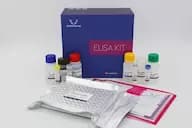
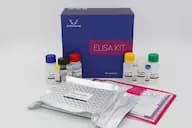
<p>The test principle applied in this kit is Sandwich enzyme immunoassay. The microtiter plate provided in this kit has been pre-coated with an antibody specific to Rat PYD. Standards or samples are added to the appropriate microtiter plate wells then with a biotin-conjugated antibody specific to Rat PYD. Next, Avidin conjugated to Horseradish Peroxidase (HRP) is added to each microplate well and incubated. After TMB substrate solution is added, only those wells that contain Rat PYD, biotin-conjugated antibody and enzyme-conjugated Avidin will exhibit a change in color. The enzyme-substrate reaction is terminated by the addition of sulphuric acid solution and the color change is measured spectrophotometrically at a wavelength of 450nm ± 10nm. The concentration of Rat PYD in the samples is then determined by comparing the OD of the samples to the standard curve.</p>Color and Shape:Colourless TransparentliquidEPTC
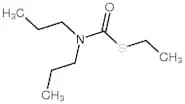
CAS:Controlled Product<p>Stability Hygroscopic<br>Applications EPTC is a pesticide, S-Ethyl-N,N-dipropylthiocarbamate<br></p>Formula:C9H19NOSColor and Shape:Light YellowMolecular weight:189.324-Methylumbelliferyl 2-Acetamido-2-deoxy-α-D-glucopyranoside
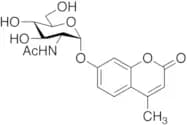
CAS:Formula:C18H21NO8Color and Shape:NeatMolecular weight:379.36(+)-Lactacystin
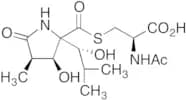
CAS:Controlled Product<p>Applications A selective and potent inhibitor of proteasome-mediated degradation of ubiquitin-tagged proteins. A Streptomyces metabolite that acts as a highly specific inhibitor of the 20S proteasome (MCP: multicatalytic proteinase complex).<br>References Fenteany, G., et al.: Science, 268, 726 (1995), Fenteany, G., et al.: Proc. Natl. Acad. Sci. USA, 91, 3358 (1994),<br></p>Formula:C15H24N2O7SColor and Shape:NeatMolecular weight:376.43(R)-9-[2-(Diethylphosphonomethoxy)propyl] Adenine
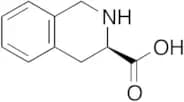
CAS:Controlled Product<p>Applications A acyclic phosphonate nucleotide.<br></p>Formula:C13H22N5O4PColor and Shape:White SolidMolecular weight:343.32(R)-1,2,3,4-Tetrahydroisoquinoline-3-carboxylic Acid
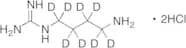
CAS:Controlled Product<p>Applications (R)-1,2,3,4-Tetrahydroisoquinoline-3-carboxylic Acid, is an amino acid building block used in peptide synthesis. With a growing peptide drug market the fast, reliable synthesis of peptides is of great importance.<br></p>Formula:C10H11NO2Color and Shape:NeatMolecular weight:177.204-Aminobutyl-d8 Guanidine Dihydrochloride
CAS:Controlled Product<p>Applications 4-Aminobutyl-d8 Guanidine is the labelled analog of the decarboxylation product of the amino acid arginine (A769500) and also an intermediate in polyamine biosynthesis.<br>References Golding, B.T., et al.: Biochem. Soc. Trans., 22, 391S (1994);<br></p>Formula:C5H6D8N4·2HClColor and Shape:NeatMolecular weight:211.16263(S) FTY720 Phosphate
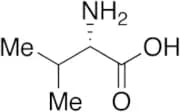
CAS:<p>Applications FTY720 is a sphingosine 1-phosphate receptor modular, ameliorates experimental autoimmune encephalomyelitis by inhibition of T cell infiltration. FTY720 Phosphate is the active metabolite of FTY720-phosphate.<br>References Chiba, K., et al.: J. Immunol., 160, 5037 (1998), Brinkmann, V., et al.: J. Biol. Chem., 277, 21453 (2002), Kiuchi, M., et al.: Bioorganic & Medicinal Chemistry, 13, 425 (2005<br></p>Formula:C19H34NO5PColor and Shape:WhiteMolecular weight:387.45L-Valine
CAS:Controlled Product<p>Applications L-Valine is an essential amino acid and one of 20 proteinogenic amino acids. L-Valine cannot be manufactured by the body and must be acquired through diet or supplementation. L-valine is found in grains, dairy products, mushrooms, meats, peanuts and soy proteins. L-Valine has been used in studies to attenuate arrhythmias and induce hypotensive effects.<br>References Choi, C.W. et al.: Anim. Feed Sci. Technol., 102, 15 (2002); Kolarski, D. et al.: Krmiva, 30, 155 (1988); Oba, M. et al.: J. Dairy Sci., 93, 2044 (2010); Mitrega, K. et al.: Pharmacol. Res., 64, 218 (2011);<br></p>Formula:C5H11NO2Color and Shape:NeatMolecular weight:117.15(±)-Aspartic Acid
CAS:<p>Applications (±)-Aspartic Acid, is a non-essential amino acid found in food sources. Its conjugate base D-aspartate has potential use as a a therapeutic agent in the treatment of schizophrenia-related symptoms.<br>References Errico, F. et al.: J. Neurosci., 28, 10404 (2008); Denu, J.M. et al.: Biochem., 34, 3396 (1995); Chen, P.E. et al.: Mol. Pharmacol., 67, 1470 (2005);<br></p>Formula:C4H7NO4Color and Shape:NeatMolecular weight:133.10L,L-Dityrosine Dihydrochloride
CAS:Controlled Product<p>Stability Hygroscopic<br>Applications Dityrosine (DY), a tyrosine dimer formed by 3,3’-biaryl bond formation can be used as a biomarker to detect oxidative protein damage and selective proteolysis. Fluorescence intensity decays of Dityrosine are generally characterized by two decay components, one with a lifetime in the range of 150 to 800 ps and another between 2.5 and 4.5 ns.<br>References Libertini, L., et al.: Biophys. J., 47, 765 (1985), Huggins, T., et al.: J. Biol. Chem., 268, 12341 (1993), Malencik, D., et al.: Biochemistry, 35, 4375 (1996),<br></p>Formula:C18H20N2O6·2ClHColor and Shape:NeatMolecular weight:433.28Mouse ADO(Adenosine) ELISA Kit
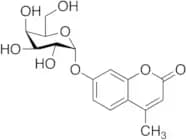
<p>The test principle applied in this kit is Sandwich enzyme immunoassay. The microtiter plate provided in this kit has been pre-coated with an antibody specific to Mouse ADO. Standards or samples are added to the appropriate microtiter plate wells then with a biotin-conjugated antibody specific to Mouse ADO. Next, Avidin conjugated to Horseradish Peroxidase (HRP) is added to each microplate well and incubated. After TMB substrate solution is added, only those wells that contain Mouse ADO, biotin-conjugated antibody and enzyme-conjugated Avidin will exhibit a change in color. The enzyme-substrate reaction is terminated by the addition of sulphuric acid solution and the color change is measured spectrophotometrically at a wavelength of 450nm ± 10nm. The concentration of Mouse ADO in the samples is then determined by comparing the OD of the samples to the standard curve.</p>Color and Shape:Colourless Transparentliquid4-Methylumbelliferyl α-D-Galactopyranoside
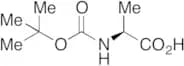
CAS:Controlled Product<p>Applications A fluorogenic substrate in the assay of α-galactosidase.<br></p>Formula:C16H18O8Color and Shape:White To Light BeigeMolecular weight:338.309N-tert-Boc-L-alanine
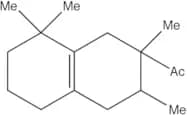
CAS:Controlled Product<p>Applications N-tert-Boc-L-alanine is the protected form of L-Alanine (A481500), a non-essential amino acid that can be found naturally in the human body and is obtained by our diet.<br>References Anderson, H., et al.: J. Nutr., 99, 82 (1969)<br></p>Formula:C8H15NO4Color and Shape:NeatMolecular weight:189.21Iso E Super (Mixture of Isomers) (>80%)
CAS:<p>Applications Synthetic woody odorant. Used as scent in perfumes, laundry products and cosmetics.<br>References Gras, M., et al.: Perfum. Flavor., 17, 2 (1992), Frosch, P.J., et al.: Contact Dermatitis, 33, 333 (1995),<br></p>Formula:C16H26OPurity:>80%Color and Shape:Colourless To Light YellowMolecular weight:234.38N-Pyrazinylcarbonyl-L-phenylalanine Methyl Ester
CAS:<p>Applications Used for the synthesis of Bortezomib from L-phenylalanine via dipeptidyl boronic acid ester intermediates.<br>References Zhu, Y., et al.: J. Med. Chem., 52, 4192 (2009),<br></p>Formula:C15H15N3O3Color and Shape:NeatMolecular weight:285.30Pantothenic Acid (Technical Grade, Contains Lactone)
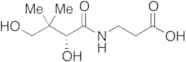
CAS:Controlled Product<p>Stability Hygroscopic<br>Applications Pantothenic Acid is a member of the B complex vitamins; essential vitamin for the biosynthesis of coenzyme A in mammalian cells. Occurs ubiquitously in all animal and plant tissue. The richest common source is liver, but jelly of the queen bee contains 6 times as much as liver. Rice bran and molasses are other good sources.<br>References Gardner, P., et al.: Food Chem., 68, 471 (2000); Ou, B., et al.: J. Agric. Food Chem., 50, 2772 (2002); Bahorun, T., et al.: J. Sci. Food Agric., 84, 1553 (2004)<br></p>Formula:C9H17NO5Color and Shape:NeatMolecular weight:219.248-Oxoadenosine
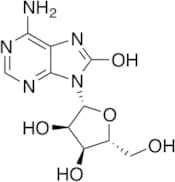
CAS:Controlled Product<p>Applications 8-Oxoadenosine (cas# 29851-57-8) is a useful research chemical.<br></p>Formula:C10H13N5O5Color and Shape:NeatMolecular weight:283.24Acid Blue 3 Sodium Salt (>90%)
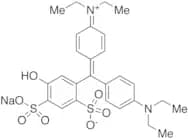
CAS:<p>Applications Acid Blue 3 Sodium Salt is an synthetic food dye that is banned in Australia and the USA due to reoccurring allergic reactions. Dyes and metabolites, Environmental Testing.<br>References Siwinska-Stefanska, K., et al.: Dyes. Pigment. 94, 338 (2012); Sharma, V., et al.: J. Chem. Edu., 88, 24 (2011);<br></p>Formula:C27H31N2O7S2·NaPurity:>90%Color and Shape:Dark Blue To BlackMolecular weight:582.661-Methyl Adenosine
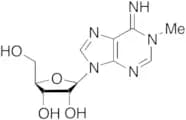
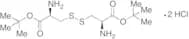
CAS:Controlled ProductFormula:C11H15N5O4Color and Shape:NeatMolecular weight:281.27L-Cystine Bis(T-butyl Ester) Dihydrochloride
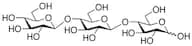
CAS:Controlled Product<p>Applications L-Cystine Bis(T-butyl Ester) Dihydrochloride is used as a reagent in the synthesis of chelate oxorhenium to create new integrin antagonists.<br>References Le Gal, J., et al.: J. Inorg. Biochem., 105, 880 (2011);<br></p>Formula:C14H28N2O4S2Color and Shape:NeatMolecular weight:352.513D-(+)-Cellotriose
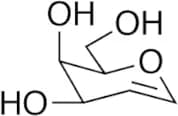
CAS:Controlled Product<p>Stability Hygroscopic<br>Applications D-(+)-Cellotriose (cas# 33404-34-1) is a compound useful in organic synthesis.<br></p>Formula:C18H32O16Color and Shape:NeatMolecular weight:504.44D-Galactal
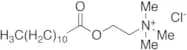
CAS:<p>Stability Hygroscopic, Moisture Sensitive<br>Applications D-Galactal is an important building block for both solution- and solid-phase synthesis of oligosaccharides.<br></p>Formula:C6H10O4Color and Shape:NeatMolecular weight:146.14Lauroylcholine Chloride
CAS:Controlled Product<p>Applications Lauroylcholine Chloride (cas# 25234-60-0) is a compound useful in organic synthesis.<br></p>Formula:C17H36NO2·ClColor and Shape:NeatMolecular weight:321.93(R)-Lotaustralin
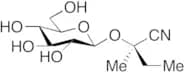
CAS:<p>Applications A bioactive constituent of Chinese natural medicines.<br>References Masayuki, Y., et al.: Chem. Pharm. Bull., 45(9), 1498 (1997)<br></p>Formula:C11H19NO6Color and Shape:White To Light YellowMolecular weight:261.27Human L-Carnitine ELISA Kit
<p>The test principle applied in this kit is Sandwich enzyme immunoassay. The microtiter plate provided in this kit has been pre-coated with an antibody specific to Human L-Carnitine. Standards or samples are added to the appropriate microtiter plate wells then with a biotin-conjugated antibody specific to Human L-Carnitine. Next, Avidin conjugated to Horseradish Peroxidase (HRP) is added to each microplate well and incubated. After TMB substrate solution is added, only those wells that contain Human L-Carnitine, biotin-conjugated antibody and enzyme-conjugated Avidin will exhibit a change in color. The enzyme-substrate reaction is terminated by the addition of sulphuric acid solution and the color change is measured spectrophotometrically at a wavelength of 450nm ± 10nm. The concentration of Human L-Carnitine in the samples is then determined by comparing the OD of the samples to the standard curve.</p>Color and Shape:Colourless TransparentliquidHuman LTE4(Cysteinyl Leukotrienes E4) ELISA Kit
<p>This assay employs the competitive inhibition enzyme immunoassay technique. The microtiter plate provided in this kit has been pre-coated with Human LTE4. Standards or samples are added to the appropriate microtiter plate wells then with a biotin-conjugated antibody specific to Human LTE4. Next, Avidin conjugated to Horseradish Peroxidase (HRP) is added to each microplate well and incubated. After TMB substrate solution is added. The enzyme-substrate reaction is terminated by the addition of sulphuric acid solution and the color change is measured spectrophotometrically at a wavelength of 450nm ± 10nm. The concentration of Human LTE4 in the samples is then determined by comparing the OD of the samples to the standard curve.</p>Color and Shape:Colourless TransparentliquidRochelle’s Salt
CAS:Controlled Product<p>Applications Rochelle’s Salt is a common chemical precipitant from in x-ray crystallography as well as a useful ingredient in Biuret’s Reagent, a useful tool in the measurement of protein concentration.<br>References Mulki, S. et al.: J. Ind. Soc. Periodont., 17, 42 (2013); Tam, A. et al.: Bioorg. Med. Chem., 17, 1055 (2009);<br></p>Formula:C4H4O6·K·Na·4H2OColor and Shape:WhiteMolecular weight:282.22LTD4(Leukotriene D4) ELISA Kit
<p>This assay employs the competitive inhibition enzyme immunoassay technique. The microtiter plate provided in this kit has been pre-coated with LTD4. Standards or samples are added to the appropriate microtiter plate wells then with a biotin-conjugated antibody specific to LTD4. Next, Avidin conjugated to Horseradish Peroxidase (HRP) is added to each microplate well and incubated. After TMB substrate solution is added. The enzyme-substrate reaction is terminated by the addition of sulphuric acid solution and the color change is measured spectrophotometrically at a wavelength of 450nm ± 10nm. The concentration of LTD4 in the samples is then determined by comparing the OD of the samples to the standard curve.</p>Color and Shape:Colourless TransparentliquidBimatoprost Acid
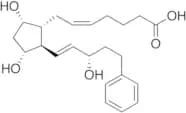
CAS:Controlled Product<p>Applications Bimatoprost Acid is an impurity of the antiglaucoma agent Bimatoprost (B386820).Bimatoprost Acid is a metabolically stable analog of PGF2α (P838625) and is a potent agonist for the FP receptor.<br>References Balapure, A.K. et al.: Biochem. Pharmacol., 38, 2375 (1989); Hellberg, M.R. et al.: J. Ocular Pharmacol. Ther., 19, 97 (2003); Krishna, P.M. et al.: J. Pharm. res., 4, 2381 (2011);<br></p>Formula:C23H32O5Color and Shape:White To Off-WhiteMolecular weight:388.505-(Hydroxymethyl)cytosine
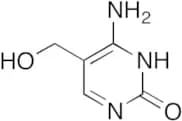
CAS:Controlled Product<p>Applications 5-(Hydroxymethyl)cytosine is a DNA pyrimidine nitrogen base.It may regulate gene expression or prompt DNA demethylation. 5-Hydroxymethylcytosine may be especially important in the central nervous system, as it is found in very high levels there.<br>References Guo, J., et al.:Cell 145, 423 (2011); Globisch, D., et al.: PLoS ONE 5, e15367 (2010)<br></p>Formula:C5H7N3O2Color and Shape:NeatMolecular weight:141.13(3b)-3,25-Dihydroxycholest-5-en-7-one
CAS:Controlled Product<p>Applications (3β)-3,25-Dihydroxycholest-5-en-7-one is a useful synthetic intermediate in the synthesis of 3β,7α,25-Trihydroxycholest-5-ene (T795075); a potent agonist of GPR183 that induces specific activation of the receptor.<br>References Antunes, L., et al.: Antimicrob. Agents. Chemtherap., 55, 1494 (2011); Schwarz, M., et al.: J. Cin. Invest., 106, 1175 (2000); Zhang, J., et al.: BIochem. J., 322, 175 (1997)<br></p>Formula:C27H44O3Color and Shape:NeatMolecular weight:416.642,3,5-Triiodobenzoic Acid
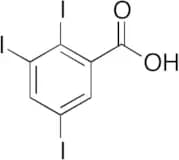
CAS:Controlled Product<p>Applications 2,3,5-Triiodobenzoic Acid is a polar auxin transport inhibitor that inhibits and promotes endoreduplication in hypocotyls and cotyledons.<br>References Tanaka, R., et al.: Plant Cell Rep., 35, 2539-2547 (2016)<br></p>Formula:C7H3I3O2Color and Shape:NeatMolecular weight:499.81EPA(Eicosapentaenoic Acid) ELISA Kit
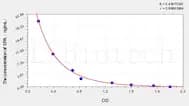
<p>This assay employs the competitive inhibition enzyme immunoassay technique. The microtiter plate provided in this kit has been pre-coated with EPA. Standards or samples are added to the appropriate microtiter plate wells then with a biotin-conjugated antibody specific to EPA. Next, Avidin conjugated to Horseradish Peroxidase (HRP) is added to each microplate well and incubated. After TMB substrate solution is added. The enzyme-substrate reaction is terminated by the addition of sulphuric acid solution and the color change is measured spectrophotometrically at a wavelength of 450nm ± 10nm. The concentration of EPA in the samples is then determined by comparing the OD of the samples to the standard curve.</p>Color and Shape:Colourless Transparentliquid4-Methyl-2-oxovaleric Acid-d7 Sodium Salt
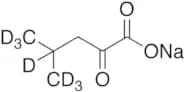
CAS:Controlled Product<p>Applications Labelled 4-Methyl-2-oxovaleric Acid, an α-ketomonocarboxylic acid that triggers insulin release by acting upon receptor sites which differ from those occupied by amino acids. 4-Methyl-2-oxovaleric Acid is an intermediate in the metabolism of Leucine.<br>References Panten, U. et al.: Naun.-Schmied. Arch. Pharmacol., 291, 405 (1975); Vague, P. et al.: Diab. Metab., 1, 185 (1975); Francois, G. et al.: Lancet, 1, 858 (1984);<br></p>Formula:C62H7H2O3·NaColor and Shape:NeatMolecular weight:159.17N-Acetyl-S-(2-carboxyethyl)-L-cysteine Bis(dicyclohexylamine) Salt
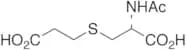
CAS:<p>Applications A metabolite of S-propylcysteine.<br>References Jones, A.R., et al.: Xenobiotica, 10, 827 (1980), 25) Ramu, K., et al.: Chem. Res. Toxicol., 8, 515 (1995), Krause, R., et al.: Drug Metab. Dispos., 25, 1013 (1997), Powley, M., et al.: Chem. Res. Toxicol., 16, 1448 (2003),<br></p>Formula:C12H23N·C8H13NO5SColor and Shape:NeatMolecular weight:597.89Na-Boc-L-histidine
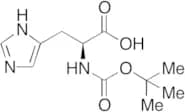
CAS:Controlled Product<p>Applications Nα-Boc-L-histidine is an N-Boc-protected form of L-Histidine (H456010). L-Histidine is an essential amino acid that plays an important role in mitochondrial glutamine transport and has potential of abolishing oxidative stress caused by brain edema.L-Histidine promotes zinc uptake in human erythrocyes and also has potential as an antioxidant therapy for acute mammary inflammation in cattle.<br>References Chaiyotwittayakun, A., et al.: J. Dairy Sci., 85, 60 (2002); Horn, N., et al.: J. Phys., 489, 73 (1995); Rama Rao, K., et al.: Am. J. Path., 176, 1400 (2010);<br></p>Formula:C11H17N3O4Color and Shape:NeatMolecular weight:255.27Pteroyltri-γ-L-glutamic acid (>85%)
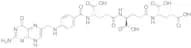
CAS:<p>Applications Pteroyltri-γ-L-glutamic acid is a folate derivative found in various foods such as yeast, spinach, beef liver, beef fillet and peas.<br>References Tamura, T., et al.: Br. J. Haematol., 25, 513 (1973); Ndaw, S., et al.: J. Chromatogr. A, 928, 77 (2001)<br></p>Formula:C29H33N9O12Purity:>85%Color and Shape:Off WhiteMolecular weight:699.62516β-Hydroxy Stanozolol
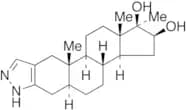
CAS:Controlled Product<p>Stability Hygroscopic<br>Applications It is one of the mono-hydroxylated metabolite of Stanozolol (S684500), an internal standard in doping analysis.<br>References Chung, B., et al.: J. Anal. Toxicol., 14, 91 (1990), Schanzer, W., et al.: J. Steroid Biochem., 36, 153 (1990), Phillis, B., et al.: Eur. J. Pharmacol., 398, 263 (2000)<br></p>Formula:C21H32N2O2Color and Shape:White To Off-WhiteMolecular weight:344.49C16-Ceramide
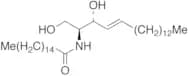
CAS:<p>Applications A predominant, rather hydrophobic natural ceramide. Activates a cytosolic serine/threonine protein phosphatase in T9 cells; induces EGF receptor phosphorylation in A-431 cells; stimulates ceramide-activated protein kinase.<br>References Shoyama, Y., et al.: J. Lipid Res., 19, 250 (1978), Mathias, S., et al.: Proc. Natl. Sci. USA, 88, 10009 (1991), Dobrowsky, R.T., et al.: J. Biol. Chem., 267, 5048 (1992)<br></p>Formula:C34H67NO3Color and Shape:NeatMolecular weight:537.903,4,5,6-Tetrahydrouridine (>80%)
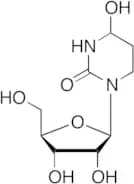
CAS:<p>Stability Light Sensitive<br>Applications 3,4,5,6-Tetrahydrouridine, is a derivative of Uridine (U829910). Tetrahydrouridine (THU), is a potent inhibitor of cytidine. It inhibits cell proliferation through cell cycle regulation regardless of cytidine deaminase expression levels deaminase (CDA), and thus can be used as a potential and promising treatment for tumors with highly expressed CDA.<br>References Lorine, P., et al.: J. Biol. Chem., 178, 439 (1949); Funamizu, N., PLoS One, 37424 (2012);<br></p>Formula:C9H16N2O6Purity:>80%Color and Shape:NeatMolecular weight:248.234-Azido-2,2,6,6-tetramethyl-1-piperidinyloxy
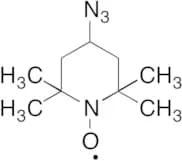
CAS:Controlled Product<p>Applications An intermediate in the preparation of 4-Amino-2,2,6,6-tetra-methyl Piperidine-1-oxyl.<br>References Li, W., et al.: J. Pharm. Pharmacol., 58, 941 (2006),<br></p>Formula:C9H17N4OColor and Shape:Orange SolidMolecular weight:197.269-cis-Retinol Acetate
CAS:Controlled ProductFormula:C22H32O2Purity:>85%Color and Shape:NeatMolecular weight:328.494,4'-Methylenebis(2-chloroaniline) (~90%)
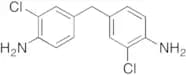
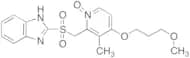
CAS:Formula:C13H12Cl2N2Purity:~90%Color and Shape:Light YellowMolecular weight:267.15Rabeprazole Sulfone N-Oxide
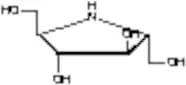
CAS:Controlled Product<p>Impurity Rabeprazole EP Impurity I<br>Applications Rabeprazole Sulfone N-Oxide (Rabeprazole EP Impurity I) is a potential impurity of Rabeprazole (R070500) sodium.<br>References Fujisaki, H., et al.: Biochem. Pharmacol., 42, 321 (1991), Morri, M., et al.: J. Biol. Chem., 268, 21553 (1993)<br></p>Formula:C18H21N3O5SColor and Shape:NeatMolecular weight:391.442,5-Dideoxy-2,5-imino-D-mannitol
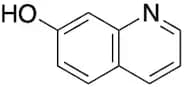
CAS:Controlled Product<p>Stability Hygroscopic<br>Applications A glucosidase inhibitor.<br>References Fellows, L.E.: Pestic. Sci., 17, 602 (1986)<br></p>Formula:C6H13NO4Color and Shape:Off White SolidMolecular weight:163.177-Hydroxyquinoline
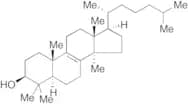
CAS:<p>Applications 7-Hydroxyquinoline (cas# 580-20-1) is a useful research chemical.<br></p>Formula:C9H7NOColor and Shape:NeatMolecular weight:145.158Dihydrolanosterol
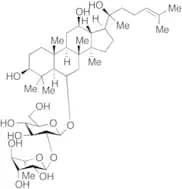
CAS:Controlled Product<p>Applications Dihydrolanosterol, is a derivative of Lanosterol (L174580). It is also one of cytochrome P 450 lanosterol 14α-demethylase (CYP51), which is shown to have an important role in regulating meiosis and reproduction.<br>References Smiljanic, K., et. al.: Lipids, 48, 1069 (2013); Ma, L., et. al.: Food Chem., 139, 503 (2013);<br></p>Formula:C30H52OColor and Shape:NeatMolecular weight:428.7320(S)-Ginsenoside Rg2
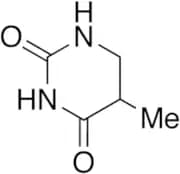
CAS:Controlled Product<p>Stability Hygroscopic<br>Applications 20(S)-Ginsenoside Rg2 is used as an aldose reductase inhibitor and my exert anti-inflammatory and immunomodulatory activity. It exists as a bioactive metabolite of the ginsenoside component of Panax ginseng.<br>References Cho, K. et al.: Biomol. Ther., 22, 55 (2014); Fatmawati, S. et al.: Bioorg. Med. Chem. Lett., 24, 4407 (2014);<br></p>Formula:C42H72O13Color and Shape:NeatMolecular weight:785.015,6-Dihydro Thymine
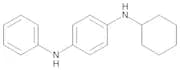
CAS:Controlled Product<p>Applications 5,6-Dihydrothymine is a derivative of Thymine, a nucleobase in the nucleic acid of DNA . 5,6-Dihydrothymine is a radiolysis product of DNA.<br>References Hubbard, K. et al.: Biochemistry, 28, 4382 (1989); Cadet, J. et al.: Int. J. Rad. Biol. Rel. Stud. Phys. Chem. Med., 39, 119 (1981);<br></p>Formula:C5H8N2O2Color and Shape:NeatMolecular weight:128.13N-Phenyl-N'-cyclohexyl-p-phenylenediamine (>90%)
CAS:Controlled ProductFormula:C18H22N2Purity:>90%Color and Shape:NeatMolecular weight:266.3807N-Nonanoylmorpholine
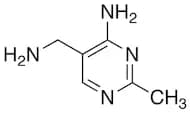
CAS:Controlled Product<p>Applications N-Nonanoylmorpholine (cas# 5299-64-9) is a useful research chemical.<br></p>Formula:C13H25NO2Color and Shape:NeatMolecular weight:227.3434-Amino-5-aminomethyl-2-methylpyrimidine
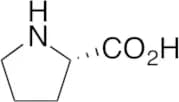
CAS:Controlled Product<p>Applications Substrate for TenA enzyme in the thiamin salvage pathway<br>References Jenkins, A., et al.: Nat. Chem. Biol., 3, 492 (2007), Jenkins, A., et al.: Bioorg. Chem., 36, 29 (2008),<br></p>Formula:C6H10N4Color and Shape:Light YellowMolecular weight:138.17L-Proline
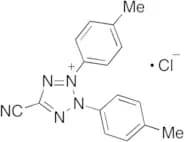
CAS:<p>Applications L-Proline is an amino acid and precursor (with vitamin C) for collagen, the building block of the structure of tendons, ligaments, arteries, veins and muscles. It is important in wound healing.<br>References Bondarenko, L.B., et al.: Int. J. Peptides., 2, 1687 (2012); Rimer, T., et al.: Biomacromolecules, 13, 2110 (2012);<br></p>Formula:C5H9NO2Color and Shape:NeatMolecular weight:115.135-Cyano-2,3-di-p-tolyltetrazolium Chloride (>85%)
CAS:Controlled ProductFormula:C16H14N5·ClPurity:>85%Color and Shape:NeatMolecular weight:311.769D-(+)-Cellohexose
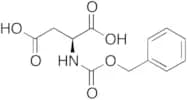
CAS:Controlled Product<p>Stability Stable at RT<br>Applications D-(+)-Cellohexose (cas# 2478-35-5) is a compound useful in organic synthesis.<br></p>Formula:C36H62O31Color and Shape:NeatMolecular weight:990.86N-Cbz-L-aspartic Acid
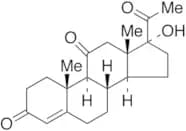
CAS:Controlled Product<p>Applications N-Cbz-L-aspartic acid is an N-Cbz-protected form of L-Aspartic acid (A790024). L-Aspartic acid is a nonessential amino acid that is used to biosynthesize other amino acids within the human body. L-Aspartic acid also increases membrane conductance of mammalian neurons by voltage-dependent means, causing depolarization and nerve impulses that travel to key areas of the central nervous system.<br>References Anderson, H., et al.: J. Nutr., 99, 82 (1969); Honey, C., et al.: Neurosci. Lett., 61, 135 (1985); MacDonald, J., et al.: Brain Res., 237, 248 (1982)<br></p>Formula:C12H13NO6Color and Shape:White To Off-WhiteMolecular weight:267.2321-Deoxy Cortisone
CAS:Controlled Product<p>Applications A Cortisone derivative, a glucocorticoid.<br>References Mickelson, K., et al.: Biochemistry, 20, 6211 (1981), Westphal, U., et al.: J. Steroid Biochem., 19, 1 (1983),<br></p>Formula:C21H28O4Color and Shape:NeatMolecular weight:344.44Phenyl(9H-purin-6-yl)amine
CAS:Controlled Product<p>Applications Phenyl(9H-purin-6-yl)amine (cas# 1210-66-8) is a compound useful in organic synthesis.<br></p>Formula:C11H9N5Color and Shape:NeatMolecular weight:211.22Riboflavine Tetrabutyrate
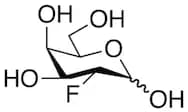
CAS:Controlled Product<p>Applications RIBOFLAVINE TETRABUTYRATE (cas# 752-56-7) is a useful research chemical.<br></p>Formula:C33H44N4O10Color and Shape:NeatMolecular weight:656.722-Deoxy-2-fluoro-D-galactose
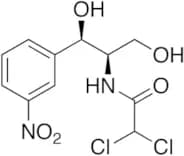
CAS:Controlled Product<p>Stability Hygroscopic, Moisture Sensitive<br>Applications 2-Deoxy-2-fluoro-D-galactose (cas# 51146-53-3) is a compound useful in organic synthesis.<br></p>Formula:C6H11FO5Color and Shape:NeatMolecular weight:182.15m-nitro-(R,R)-threo-Chloramphenicol
CAS:Controlled Product<p>Stability Hygroscopic<br>Applications The D-threo-stereoisomer of the m-nitro analog of (+/-)-Chloramphenicol.<br>References Cammarata, A., et al.: J. Med. Chem., 10, 525 (1967),<br></p>Formula:C11H12Cl2N2O5Color and Shape:NeatMolecular weight:323.133-Oxo-5β-cholanoic Acid
CAS:Controlled Product<p>Applications 3-Oxo-5β-cholanoic Acid is a steroid compound with pharmacological activity. It is a bile acid. Also used in the preparation of lithocholic acid derivatives used as proteasome regulators.<br>References Iqbal, M. et al.: Steroids. 53, 413 (1989); Deyashiki, Y. et al.: Biochm. J., 282, 741 (1992);<br></p>Formula:C24H38O3Color and Shape:NeatMolecular weight:374.56













![(R)-9-[2-(Diethylphosphonomethoxy)propyl] Adenine](/_next/image/?url=https%3A%2Fstatic.cymitquimica.com%2Fproducts%2FTR%2Fthumb-webp%2FD444750.webp&w=3840&q=75)