Biochemicals and Reagents
Biochemicals and reagents are fundamental substances for research and development in fields such as biotechnology, molecular biology, pharmacology, and medicine. These products are essential for a variety of applications, including compound synthesis, biological sample analysis, metabolic process research, and drug production. At CymitQuimica, we offer a wide selection of high-quality, high-purity biochemicals and reagents suitable for various scientific and industrial needs. Our catalog includes enzymes, antibodies, nucleic acids, amino acids, and many other products, all designed to support researchers and professionals in their research and development projects, ensuring reliable and reproducible results.
Subcategories of "Biochemicals and Reagents"
- Biomolecules(99,118 products)
- By Biological Target(99,156 products)
- By Pharmacological Effects(6,788 products)
- Cryopreservatives(21 products)
- Desinfectants and Related Compounds(28 products)
- Hormones(346 products)
- Plant Biology(6,748 products)
- Secondary Metabolites(14,233 products)
Found 130579 products of "Biochemicals and Reagents"
Sort by
Purity (%)
0
100
|
0
|
50
|
90
|
95
|
100
Succinic Anhydride
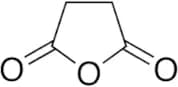
CAS:<p>Stability Moisture Sensitive<br>Applications Succinic Anhydride is a useful compound in the paper manufacturing process.<br>References Ikeda, S., et al.: Jpn. Tokkyo Koho (2021), JP 6822596 B1<br></p>Formula:C4H4O3Color and Shape:NeatMolecular weight:100.07311-Deoxy-18-hydroxycorticosterone
CAS:Controlled Product<p>Applications 11-Deoxy-18-hydroxycorticosterone is an analog of Corticosterone (C695700); a glucocorticoid and intermediate in the biosynthesis of Aldosterone (A514700) which is an adrenocortical steroid isolated from the adrenal cortex.<br>References Schmidt, M., et al.: Endocrinol., 150, 2709 (2009); Bailey, M., et al.: J. Immunol., 182, 7888 (2009); Brunton, P., et al.: J. Neurosci., 29, 6449 (2009); Pruett, S., et al.: Toxicol. Sci., 109, 265 (2009)<br></p>Formula:C21H30O4Color and Shape:NeatMolecular weight:346.46Carmine (C.I. 75470) (Technical Grade)
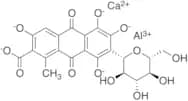
CAS:Controlled Product<p>Applications Carmine (C.I. 75470) (CAS# 1390-65-4) is an insect-based food dye. Carmine has excellent heat and light stability, but is a known human allergen. Dyes and metabolites.<br>References Dufosse, L., et al.: Journal of Food Composition and Analysis, 69, 156 (2018); Mueller-Maatsch, J.; et al.: Woodhead Publishing Series in Food Science, Technology and Nutrition, 295, 385 (2016)<br></p>Formula:C22H15AlCaO13Color and Shape:NeatMolecular weight:554.41DL-Pipecolic Acid
CAS:<p>Applications Pipecolic acid is involved in synaptic transmission in the central nervous system.<br>References Nomura Y., et al.: Neurochem. Res., 6, 391 (1981),<br></p>Formula:C6H11NO2Color and Shape:White To Off-WhiteMolecular weight:129.16L-Cystine Bis(T-butyl Ester) Dihydrochloride
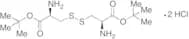
CAS:Controlled Product<p>Applications L-Cystine Bis(T-butyl Ester) Dihydrochloride is used as a reagent in the synthesis of chelate oxorhenium to create new integrin antagonists.<br>References Le Gal, J., et al.: J. Inorg. Biochem., 105, 880 (2011);<br></p>Formula:C14H28N2O4S2Color and Shape:NeatMolecular weight:352.513(3b)-3,25-Dihydroxycholest-5-en-7-one
CAS:Controlled Product<p>Applications (3β)-3,25-Dihydroxycholest-5-en-7-one is a useful synthetic intermediate in the synthesis of 3β,7α,25-Trihydroxycholest-5-ene (T795075); a potent agonist of GPR183 that induces specific activation of the receptor.<br>References Antunes, L., et al.: Antimicrob. Agents. Chemtherap., 55, 1494 (2011); Schwarz, M., et al.: J. Cin. Invest., 106, 1175 (2000); Zhang, J., et al.: BIochem. J., 322, 175 (1997)<br></p>Formula:C27H44O3Color and Shape:NeatMolecular weight:416.64N-tert-Boc-L-alanine
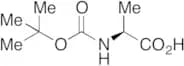
CAS:Controlled Product<p>Applications N-tert-Boc-L-alanine is the protected form of L-Alanine (A481500), a non-essential amino acid that can be found naturally in the human body and is obtained by our diet.<br>References Anderson, H., et al.: J. Nutr., 99, 82 (1969)<br></p>Formula:C8H15NO4Color and Shape:NeatMolecular weight:189.212-Propylmalonic Acid
CAS:Controlled Product<p>Applications 2-Propylmalonic acid (cas# 616-62-6) is a useful research chemical.<br></p>Formula:C6H10O4Color and Shape:NeatMolecular weight:146.14L-Carnitine-d9
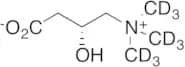
CAS:Controlled Product<p>Applications L-Carnitine-d9 is the isotope labelled analog of L-Carnitine (C184110); an essential cofactor of fatty acid metabolism; required for the transport of fatty acids through the inner mitochondrial membrane. Synthesized primarily in the liver and kidney; highest concentrations found in heart and skeletal muscle. Dietary sources include red meat, dairy products, beans, avocado.<br>References Mitchell, M.E., et al.: Am. J. Clin. Nutr., 31, 293 (1978); Lango, R., et al.: Cardiovasc. Res., 51, 21 (2001); Vaz, F.M., et al.: Biochem. J., et al.: 361, 417 (2002); Karlic, H., et al.: Nutrition, 20, 709 (2004)<br></p>Formula:C7D9H7NO3Color and Shape:NeatMolecular weight:171.26p-Azidophenacyl Bromide
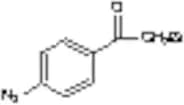
CAS:Controlled Product<p>Stability Light, Temperature and Moisture sensitive<br>Applications A versatile photolabile bifunctional reagent. Useful for investigating the active sites of sulfhydryl enzymes-particularly those which posess a particularly reactive cysteine residue at the active site. Used to study the nature of the ribosomal binding site of E. coli tRNAVal.<br> Not a dangerous good if item is equal to or less than 1g/ml and there is less than 100g/ml in the package<br>References Schwartz, I., et al.: Proc. Natl. Acad. Sci. USA, 71, 230 (1974)<br></p>Formula:C8H6BrN3OColor and Shape:NeatMolecular weight:240.06Treosulfan
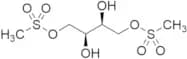
CAS:<p>Applications Treosulfan (CAS# 299-75-2) is a useful research chemical compound.<br></p>Formula:C6H14O8S2Color and Shape:NeatMolecular weight:278.325-Hydroxy Cholesterol
CAS:<p>Applications An oxygenated derivative of Cholesterol (C432501); an oxysterol. An inhibitor of human immunodeficiency virus replication in vitro. It induces apoptosis in human monocytic cell lines as well as inducing apoptosis in CEM cells associated with negative regulation of c-Myc.<br>References Aupeix, K. et al.: Immunobiology, 194, 415 (1995); Moog, C. et al.: Antivir. Chem, Chemother., 9, 491 (1998); Ayala-Torres, S. et al.: Exp. Cell Res., 246, 193 (1999);<br></p>Formula:C27H46O2Color and Shape:NeatMolecular weight:402.65L-(+)-2-Phenylglycine
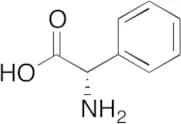
CAS:<p>Applications L-(+)-2-Phenylglycine is a derivative of Glycine (G615990), the smallest of all the amino acids, and is also used to treat schizophrenia, stroke, and benign prostatic hyperplasia. L-(+)-2-Phenylglycine is also used as an N-linked side chain of an SMTP (Stachybotrys microspora tripenyl phenols) congener, which was potent in enhancing plasminogen activation in S. microspora.<br>References Gusev, E., et al.: Cerebrovasc. Dis., 10, 49 (2000); Koide, H., et al.: J. Antibiot., 65, 91 (2012); Rosse, R., et al.: Clin. Neuropharmacol., 12, 416 (1989); Tuszynski, G., et al.: Lab. Invest., 70, 228 (1994)<br></p>Formula:C8H9NO2Color and Shape:Off White Crystalline PowderMolecular weight:151.1626Amaranth (>85%)
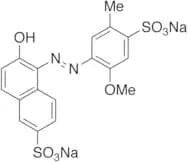
CAS:Controlled Product<p>Applications Amaranth is a food color additive that induces differential colon DNA damage in rat and mouse. Dyes and metabolites, Environmental Testing. Dyes and metabolites.<br>References Shimada, C., et al.: J. Toxicol. Sci., 35, 547 (2010); Goda, M., et al.: Shokuhin Eiseigaku Zasshi, 54, 188 (2013); Wang, M., et al.: J. Electroanal. Chem., 809, 117 (2018); Lu, L., et al.: Guangdong Huagong, 43, 117 (2016)<br></p>Formula:C20H11N2O10S3·3NaPurity:>85%Color and Shape:Dark RedMolecular weight:604.47N-(2-Aminoethyl)maleimide Trifluoroacetic Acid Salt
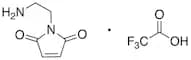
CAS:Controlled Product<p>Applications A thiol-reactive cross-linking reagent.<br>References Licha, K., & Perlitz, C.: PCT Int. Appl. (2004), WO 2004065491 A1; Gutierrez, C. B., et al.: Analytical Chemistry (Washington, DC, US), 90, 7600 (2018)<br></p>Formula:C6H8N2O2·C2HF3O2Color and Shape:NeatMolecular weight:254.16Ilomastat
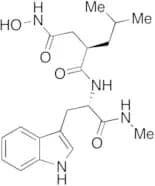
CAS:Controlled Product<p>Applications Ilomastat is a metalloprotease inhibitor.<br>References Dietrich, C., et. al.: J. Immunol., 192, 5382 (2014)<br></p>Formula:C20H28N4O4Color and Shape:NeatMolecular weight:388.46δ5-Avenasterol (E/Z mixture)
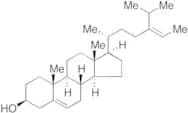
CAS:<p>Applications Δ5-Avenasterol is an analog of Stigmasterol (S686750); a plant sterol that is used as a precursor in the synthesis of progesterone.<br>References Han, P., et al.: Biotechnol. App. Biochem., 54, 105 (2009); Matsunaga, I., et al.: Anal. Biochem., 393, 222 (2009); Huang, C., et al.: Plant Physiol., 150, 1192 (2009)<br></p>Formula:C29H48OColor and Shape:White To Off-WhiteMolecular weight:412.6922α-Hydroxy Cholesterol
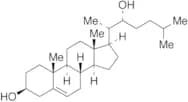
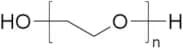
CAS:Controlled Product<p>Applications The 22R-metabolite of Cholesterol (C432501). 22-Hydroxycholesterol inhibits chemokine receptor activity.<br>References Samson, M., et al.: J. Biol. Chem., 272, 24934 (1997), Mackay, C., et al.: Nature Immunol., 2, 95 (2001), Navenot, J., et al.: J. Mol. Biol., 313, 1181 (2001),<br></p>Formula:C27H46O2Color and Shape:NeatMolecular weight:402.65Poly(ethylene Glycol) ~9000
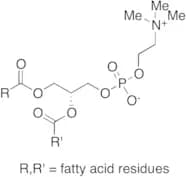
CAS:Controlled ProductFormula:H2O(C2H4O)nColor and Shape:White To Off-WhiteMolecular weight:62.07Lecithin (Technical Grade)
CAS:Controlled Product<p>Stability Moisture Sensitive<br>Applications Lecithin has emulsification and lubricant properties, and is a surfactant.<br>References Shah, D.: J. Colloid and Interface Sci., 37, 744 (1971); Scholfield, C.: J. Am. Oil. Chem. Soc., 58, 889 (1981)<br></p>Formula:C7H7N3O4SColor and Shape:Light Yellow To Dark BrownErythrosin B
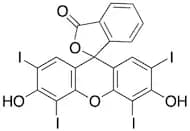
CAS:<p>Applications Erythrosin B is an organoiodine compound that is a useful biological stain. Suggested to be effective in vital exclusion staining in monolayer culture. Dyes and metabolites.<br></p>Formula:C20H8I4O5Color and Shape:NeatMolecular weight:835.89α-Naphthol Orange (Technical Grade)
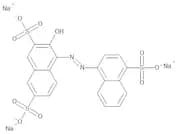
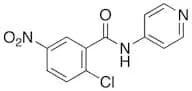
CAS:Controlled ProductFormula:C16H11N2O4S·NaColor and Shape:NeatMolecular weight:350.322-Chloro-5-nitro-N-4-pyridinylbenzamide
CAS:Controlled Product<p>Applications A cell-permeable chloro-nitro-benzamido compound that acts as a potent, specific, irreversible, and high-affinity antagonist of PPARγ with a Ki of 1 nM. Displays >800-fold greater selectivity for PPARγ over PPARα and PPARδ (Ki = 0.85 µM and 1.8 µM, respectively). Blocks hormone- and agonist-induced adipogenesis in 3T3-L1 cells. It suppresses interactions between PPARγ and coactivator-derived peptides, while promotes the recruitment of corepressor-derived peptides. Shown to modulate the interaction of PPARγ2 with the cofactor proteins through covalent binding to Cys313 in its ligand-binding domain.<br>References Lee, G., et al: J. Biol. Chem., 277, 19649 (2003), Schaefer, K.L., et al: Cancer Res., 65, 2251 (2005), Masuda, T., et al.: Clin. Cancer Res., 11, 4012 (2005), Raikwar, H.P., et al.: J. Neuroimmunol., 167, 99 (2005)<br></p>Formula:C12H8ClN3O3Color and Shape:NeatMolecular weight:277.66Triuret
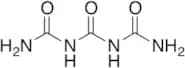
CAS:<p>Applications Triuret is a byproduct of purine degradation in living organisms. It is a product from the pyrolsis of urea.<br>References Sergiu P. P., et al:. HHS Public Access, (2010);<br></p>Formula:C3H6N4O3Color and Shape:NeatMolecular weight:146.10L-Tyrosine-13C9,15N
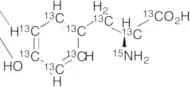
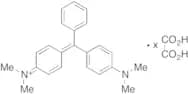
CAS:<p>Applications L-Tyrosine-13C9 ,15N is labelled analogue of L-Tyrosine (T899975), one of the 22 proteinogenic amino acids that are used by cells to synthesize proteins. L-Tyrosine is biologically converted from L-phenylalanine and is in turn is converted to L-DOPA and further converted into the neurotransmitters: dopamine, norepinephrine, and epinephrine.<br>References Rasmussen D.D. et al.: J. Clin. Endocrinol. Metab., 57, 760 (1983); Bagchi, S.P. et al.: Biochem. Pharmacol., 26, 900 (1977)<br></p>Formula:C9H1115NO3Color and Shape:White To Off-WhiteMolecular weight:191.1158Malachite Green Oxalate
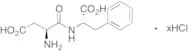
CAS:Controlled Product<p>Applications A triphenylmethane dye with fungicidal and limited antiseptic activity. The term Malachine green applies to the oxalate as well as the chloride. Harmful if swallowed. Avoid release to the environment. Dyes and metabolites.<br> Not a dangerous good if item is equal to or less than 1g/ml and there is less than 100g/ml in the package<br>References Carter, S.G., et al.: J. Biochem. Biophys. Methods, 7, 7 (1982), Saikan, S., et al.: J. Chem. Phys., 79, 4154 (1983), Clemmensen, S., et al.: Arch. Toxicol., 56, 43 (1984),<br></p>Formula:C23H25N2·C2H2O4·2C2HO4Color and Shape:Green To Dark GreenMolecular weight:927.00L-Aspartyl-L-phenylalanine Hydrochloride
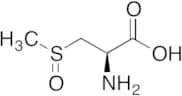
CAS:Controlled Product<p>Applications L-Aspartyl-L-phenylalanine is an impurity of Thiamine (T344185). Thiamine Impurity B.<br>References Aluwihare, L., et al.: Science, 308, 1007 (2005), Koch, B., et al.: Anal. Chem., 79, 1758 (2007), Reemtsma, T., et al.: Environ. Sci. Technol., 42, 1430 (2008),<br></p>Formula:C13H16N2O5xHClColor and Shape:NeatMolecular weight:280.28S-Methyl-L-cysteine sulfoxide
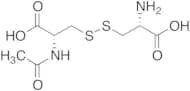
CAS:Controlled ProductFormula:C4H9NO3SColor and Shape:Off-WhiteMolecular weight:151.18N-Acetyl-L-cystine
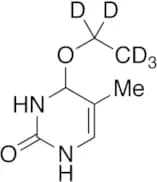
CAS:Controlled Product<p>Applications N-Acetyl-L-cystine is an antioxidant, used in the treatment of influenza A virus pandemic (1). N-Acetyl-L-cystine promotes fertilization by reducing disulfide bonds in zona pellucida of mouse (2).Releases N-Acetyl-L-cysteine, which is an antidote for paracetamol poisoning.<br>References (1) Zhang, R., et al.: (2014) Int. Immunopharmacol. 22: 1-8 (2) Takeo, T., et al.: Biol Reprod. (2015) 92: 1-7<br></p>Formula:C8H14N2O5S2Color and Shape:NeatMolecular weight:282.34O4-Ethylthymine-d5
CAS:Controlled ProductFormula:C7D5H7N2O2Color and Shape:NeatMolecular weight:161.213N-Ethyl-N’-(3-dimethylaminopropyl)carbodimide Hydrochloride
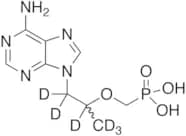
CAS:<p>Applications An enzyme inhibitor.<br></p>Formula:C8H18ClN3Color and Shape:White To Off-WhiteMolecular weight:191.70rac Tenofovir-d6
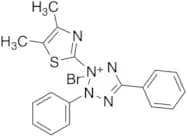
CAS:Controlled Product<p>Applications A deuterated acyclic phosphonate nucleotide analogue, reverse transcriptase inhibitor. Used as an anti-HIV agent. Antiviral.<br> Not a dangerous good if item is equal to or less than 1g/ml and there is less than 100g/ml in the package<br>References Shaw, J.-P., et al.: Pharm. Res., 14, 1824 (1997), Wyles, D., et al.: Clin Infect. Dis., 40, 174 (2005), Peng, J., et al.: J. Clin. Pharmacol., 46, 265 (2006), Seminari, E., et al.: J. Antimicrob. Chemother., 60, 831 (2007),<br></p>Formula:C92H6H8N5O4PColor and Shape:Off White SolidMolecular weight:293.25MTT
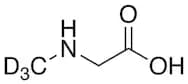
CAS:<p>Applications MTT (cas# 298-93-1) is a useful research chemical. Dyes and metabolites.<br></p>Formula:C18H16N5SBrColor and Shape:NeatMolecular weight:414.32Sarcosine-d3 Hydrochloride
CAS:Controlled ProductFormula:C32H3H4NO2·ClHColor and Shape:NeatMolecular weight:128.573,6,9-Trioxaundecane-1,11-diyl-bismethanethiosulfonate
CAS:Controlled Product<p>Stability Moisture Sensitive<br>Applications A sulfhydryl cross-linking reagent.<br>References Loo, T.W., et al.: J. Biol. Chem., 276, 40, 36877 (2001)<br></p>Formula:C9H20O8S2Color and Shape:NeatMolecular weight:320.38Sunset Yellow (E110) D4 (phenyl D4)
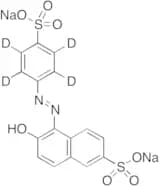
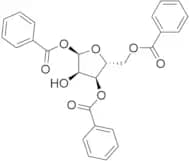
CAS:Controlled Product<p>Stability Light Sensitive<br>Applications Sunset Yellow (E110) D4 (phenyl D4) is a deuterated form of Sunset Yellow FCF (S825000). Sunset Yellow is provisionally listed for use in food, drugs and cosmetics. Sunset Yellow is useful in fermented foods which must be heat treated. It may be found in orange sodas, orange jelly, marzipan, Swiss rolls, apricot jam, citrus marmalade, lemon curd, sweets, hot chocolate mix and packet soups, trifle mix, breadcrumbs, snack chips, shelf fresh noodles, cheese sauce mixes.<br>References Radomski, J.L., et al.: J. Pharmacol. Exp. Ther., 136, 259 (1962), Gaunt, I.F., et al.: Food Cosmet. Toxicol., 5, 747 (1967), Berart, S. D., et al.: Soft Matter, 14, 7277 (2018)<br></p>Formula:C16D4H6N2O7S2·2NaColor and Shape:NeatMolecular weight:456.3941,3,5-Tri-O-benzoyl-a-D-ribofuranose
CAS:Controlled ProductFormula:C26H22O8Color and Shape:NeatMolecular weight:462.45L-Ornithine-d6 Hydrochloride
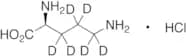
CAS:Controlled Product<p>Applications Labelled L-Ornithine. A non-essential amino acid for human development but is required intermediate in arginine biosynthesis. L-Ornithine is found in virtually all vertebrate tissues as well as incorporated into proteins, such as tyrocidine. Isolation from chicken excreta.<br>References Fattori, D. et al.: J. Med. Chem., 50, 550 (2007); Gomez-Alonso, S. et al.: J. Agric. Food Chem., 55, 608 (2007); Subramaniam, R. et al.: Bioorg. Med. Chem. Lett., 18, 3333 (2008);<br></p>Formula:C52H6H6N2O2·ClHColor and Shape:White To Off-WhiteMolecular weight:174.66Tartrazine
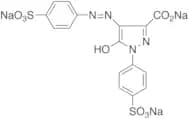
CAS:<p>Applications As a dye for wool and silks; as colorant in food, drugs, and cosmetics. In biochemistry as an adsorption-elution indicator for chloride estimations. Tartrazine (otherwise known as E number E102, C.I. 19140, or FD&C Yellow 5) is a synthetic lemon yellow azo dye used as a food coloring. Tartrazine appears to cause the most allergic and intolerance reactions of all the azo dyes, particularly among asthmatics and those with an aspirin intolerance. Dyes and metabolites, Environmental Testing.A recent report has shown that Tartrazine may be useful in 3D bio-printing of organ-like architectures.<br>References Rowe, K.S., et al.: J. Pedriatics, 125, 691 (1994), Tanaka, T., et al.: Food Chem. Toxicol., 44, 179 (2006); Chem. and Eng News Page 4 May 6, 2019<br></p>Formula:C16H9N4O9S2·3NaColor and Shape:YellowMolecular weight:534.36Nitrotetrazolium Blue Chloride (Technical Grade)
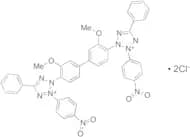
CAS:Controlled Product<p>Applications Nitrotetrazolium Blue Chloride is a Tetrazolium dye used in colorimetric assays. Dyes and metabolites.<br>References Berridge, Michael V., et al.: Biotechnol. Annu. Rev., 11, 127 (2005)<br></p>Formula:C40H30N10O6•2(Cl)Color and Shape:NeatMolecular weight:746.7323545(-)-Maackiain
CAS:Controlled Product<p>Applications (-)-Maackiain (CAS# 2035-15-6) is a useful research chemical compound.<br></p>Formula:C16H12O5Color and Shape:White To Off-WhiteMolecular weight:284.26Sudan I-d5
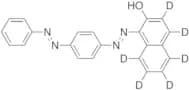
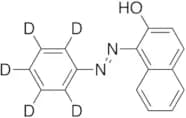
CAS:Controlled Product<p>Applications Labelled Sudan I. A food azo-dye, a liver and urinary bladder carcinogen for rodents and a potent contact allergen and sensitizer for humans. Genotoxic and carcinogenic. Dyes and metabolites, Environmental Testing.<br>References Skog, K., et al.: Carcinogenesis, 14, 2027 (1993), Slob, W., et al.: Toxicol. Sci., 84, 167 (2005),,, Slob, W; Food and Chemical Toxicology 2006, 44, 933<br></p>Formula:C162H5H7N2OColor and Shape:RedMolecular weight:253.31D-γ-Tocotrienol
CAS:<p>Stability Light Sensitive<br>Applications γ-Tocotrienol exhibits antioxidant properties and belongs to the vitamin E family. It is naturally found in wheat germ oil and bran. In addition, α-tocopherol and γ-tocotrienol derivatives are potential lead compounds for developing anticancer and antiproliferative agents against MCF-7 and MDA-MB-231 breast cancer cells and the A549 lung cancer cells.<br>References Gagic, Z., et al.: Eur. J. Pharm. Sci. 88, 59 (2016); Guardiola, F., et al.: Food Chem. Toxicol., 34, 193 (1996); Kong, S., et al.: Food Chem., 120, 278 (2010); Aggarwal, B., et al.: Biochem. Pharmacol., 80, 1613 (2010)<br></p>Formula:C28H42O2Color and Shape:YellowMolecular weight:410.63N-Carbobenzoxyglycine
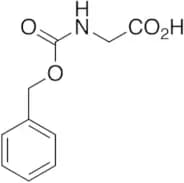
CAS:<p>Applications N-Carbobenzoxyglycine is used in the dipeptide synthesis.<br>References Hans, D., et al.: Med. Chem., 2, 627 (2006), Guzman, F., et al.: J. Biotechnol., 10, 279 (2007), Vlieghe, P., et al.: Drug Discov. Today, 15, 40 (2010),<br></p>Formula:C10H11NO4Color and Shape:NeatMolecular weight:209.2(+/-)-N-3-Benzylnirvanol
CAS:Controlled Product<p>Applications It is a potent and selective human CYP2C19 inhibitor.<br>References Suzuki, H., et al.: Drug Metab. Dispos., 30, 235 (2002), Robert, L., et al.: Drug Metab. Dispos., 31, 343 (2003),<br></p>Formula:C18H18N2O2Color and Shape:NeatMolecular weight:294.353-(2-Iodoacetamido)-PROXYL
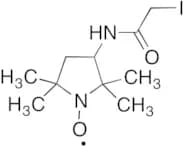
CAS:Controlled Product<p>Stability Light sensitive<br>Applications The insertion of this spin Labelled compound into RNA enables the study of RNA - protein complexes.<br>References Ramos, A. and Varani, G.: J. Am. Chem. Soc., 120, 10992-10993 (1998)<br></p>Formula:C10H18IN2O2Color and Shape:NeatMolecular weight:325.17Allura Red AC (Technical Grade)
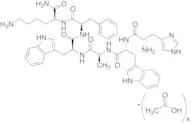
CAS:<p>Stability Very Hygroscopic, Light Sensitive<br>Applications Color additive in foods, drugs and cosmetics. It is used as a food dye and has the E number E129. The study found increased levels of hyperactivity and attention deficit hyperactivity disorder and lower IQs were observed in children consuming the chemicals. It is banned in Denmark, Belgium, France, Switzerland, Sweden. Dyes and metabolites, Environmental Testing.<br>References Kirschbaum, J., et al.: Eur. Food Res. Technol., 222, 572 (2006), Yoshioka, N., et al.: Talanta, 74, 1408 (2008), Al-Degs, Y., et al.: Food Chem., 117, 485 (2009),<br></p>Formula:C18H14N2O8S2·2NaColor and Shape:NeatMolecular weight:496.42L-Histidyl-D-tryptophyl-L-alanyl-L-tryptophyl-D-phenylalanyl-L-lysinamide Acetate Salt
CAS:Controlled ProductFormula:C46H56N12O6·x(C2H4O2)Color and Shape:NeatMolecular weight:873.01 + x(60.05)Tetrahydrofurfuryl Alcohol
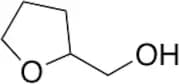
CAS:Controlled Product<p>Applications Tetrahydrofurfuryl alcohol (cas# 97-99-4) is a useful research chemical.<br></p>Formula:C5H10O2Color and Shape:NeatMolecular weight:102.1317L-α-Dipalmitoylphosphatidyl-N-monomethylethanolamine (>80%)
CAS:Controlled ProductFormula:C38H76NO8PPurity:>80%Color and Shape:NeatMolecular weight:705.986Glycidol
CAS:Controlled Product<p>Applications Stabilizer in manufacturing of vinyl polymers; intermediate in synthesis of glycerol, glycidyl ethers, and amines; additive for oil and synthetic hydraulic fluids; epoxy resin diluent.<br> Not a dangerous good if item is equal to or less than 1g/ml and there is less than 100g/ml in the package<br>References Hiles, R.A., et al.: Food Cosmet. Toxicol., 19, 347 (1981); Thompson, E.D., et al.: Food Chem. Toxicol., 22, 665 (1984);<br></p>Formula:C3H6O2Color and Shape:ColourlessMolecular weight:74.082-Isobutyl-5,5-dimethyl-1,3-dioxane
CAS:Controlled ProductFormula:C10H20O2Color and Shape:NeatMolecular weight:172.2656-Aminoquinolyl-N-hydroxysuccinimidyl Carbamate (90%)
CAS:<p>Stability Moisture Sensitive<br>Applications 6-Aminoquinolyl-N-hydroxysuccinimidyl Carbamate is used as derivatization regent for detecting hydrogen cyanamide in fruit.<br>References Cohen, S., et al.: Anal. Biochem., 211, 279 (1993); Oreiro-Garcia, M., et al.: Biomed. Chromatogr., 19, 720 (2005); Pramanik, S., et al.: B. Environ. Contam. Tox., 82, 644 (2009);<br></p>Formula:C14H11N3O4Purity:90%Color and Shape:Light YellowMolecular weight:285.25(+)-a-Methyl-b-alanine
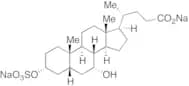
CAS:Controlled Product<p>Applications (+)-α-Methyl-β-alanine is a reactant for the chemoenzymatic assembly of cryptophycins as potent anticancer therapeutics.<br>References Magarvey, N.A., et al.: ACS Chem. Biol., 1, 766-779 (2006)<br></p>Formula:C4H9NO2Color and Shape:NeatMolecular weight:103.120(3a,5b,7a)-7-Hydroxy-3-(sulfooxy)-cholan-24-oic Acid Disodium Salt
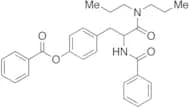
CAS:Controlled Product<p>Stability Hygroscopic<br>Applications (3α,5β,7α)-7-Hydroxy-3-(sulfooxy)-cholan-24-oic Acid is the 3-monosulfate derivative of chenodeoxycholic acid (C291900), a major bile acid in many vertebrates, occurring as the N-glycine and/or N-taurine conjugate.<br>References Haslewood, E.S., et al.: Biochem. J., 155, 401 (1976); Parmentier, G., et al.: Steroids., 30, 583 (1977);<br></p>Formula:C24H38Na2O7SColor and Shape:NeatMolecular weight:516.6N,O-Dibenzoyl-DL-tyrosyl-N’,N’-dipropylamide
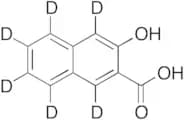
CAS:Controlled Product<p>Applications N,O-Dibenzoyl-DL-tyrosyl-N',N'-dipropylamide is a metabolite of the antispasmodic agent Tiropramide (T446900). Tiropramide impurity B.<br>References Janssen, et al.: J. Pharm. Pharmacol., 9, 381 (1956), Bertaccini, et al.: Br. J. Pharmac., 34, 310 (1968),<br></p>Formula:C29H32N2O4Color and Shape:White To Light RedMolecular weight:472.583-Hydroxy-2-naphthoic acid
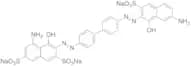
CAS:Controlled Product<p>Applications 3-Hydroxy-2-naphthoic acid<br></p>Formula:C11H8O3Color and Shape:NeatMolecular weight:188.18Direct Blue 2 (Technical Grade)
CAS:Controlled Product<p>Applications Direct Blue 2 is an organic azo dye and ground water pollutant, removed via enzymic decolorization by laccase.<br>References Akkaya, A.; et al.: Anal. Lett., 49, 790 (2016).<br></p>Formula:C32H21N6Na3O11S3Color and Shape:NeatMolecular weight:830.71L-Homocysteine Thiolactone Hydrochloride
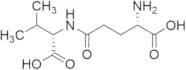
CAS:Controlled Product<p>Applications L-Homocysteine Thiolactone Hydrochloride is used to prepare substituted homocysteine analogs as inhibitors of peptidylglycine α-amidating monooxygenase. It is also used to synthesize (mercaptoacyl)alanylprolines as metalloprotease inhibitors.<br>References Erion, M., et al.: J. Med. Chem., 37, 4430 (1994); Slusarchyk, W., et al.: Bioorg. Med. Chem. Lett., 5, 753 (1995)<br></p>Formula:C4H8ClNOSColor and Shape:NeatMolecular weight:153.63L-γ-Glutamyl-L-valine
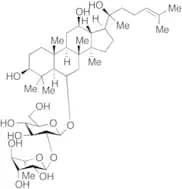
CAS:<p>Applications H-Glu(Val-OH)-OH (CAS# 2746-34-1) is a useful research chemical compound.<br></p>Formula:C10H18N2O5Color and Shape:NeatMolecular weight:246.2620(S)-Ginsenoside Rg2
CAS:Controlled Product<p>Stability Hygroscopic<br>Applications 20(S)-Ginsenoside Rg2 is used as an aldose reductase inhibitor and my exert anti-inflammatory and immunomodulatory activity. It exists as a bioactive metabolite of the ginsenoside component of Panax ginseng.<br>References Cho, K. et al.: Biomol. Ther., 22, 55 (2014); Fatmawati, S. et al.: Bioorg. Med. Chem. Lett., 24, 4407 (2014);<br></p>Formula:C42H72O13Color and Shape:NeatMolecular weight:785.01Disperse Red 151 (>90%)
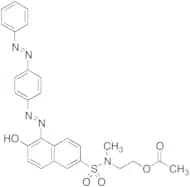
CAS:Controlled ProductFormula:C27H25N5O5SPurity:>90%Color and Shape:NeatMolecular weight:531.58Caerulein (>85%)
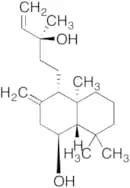
CAS:Controlled Product<p>Applications Caerulein is a ten amino acid oligopeptide that stimulates smooth muscle and increases digestive secretions. It is similar in action and composition to cholecystokinin. It stimulates gastric, biliary, and pancreatic secretion; and certain smooth muscle. It is used in paralytic ileus and as diagnostic aid in pancreatic malfunction. It is used to induce pancreatitis in experimental animal models.<br>References Anastasi,E., et al.: Ep., 23, 699 (1997); De Caro, G., et al.: Br. J. Pharmac Chemother., 33, 48 (1968)<br></p>Formula:C58H73N13O21S2Purity:~90%Color and Shape:Off-WhiteMolecular weight:1352.40Larixol
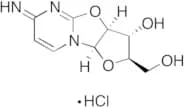
CAS:Controlled Product<p>Applications Larixol, is an intermediate in the synthesis of larixyl acetate. This compound is also found to have antibacterial activity and high potential antioxidant activity.<br>References Prideevech, P., et al.: Chiang Mai J. Sci, 40, 214 (2013)<br></p>Formula:C20H34O2Color and Shape:NeatMolecular weight:306.48Ancitabine Hydrochloride
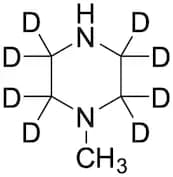
CAS:Controlled Product<p>Applications Ancitabine Hydrochloride is an antineoplastic agent.<br>References Ototani, N., Whistler, R.: J. Med. Chem., 17, 535 (1974); Smith, K., et al.: EMBO Mol. Med., 2, 371 (2010);<br></p>Formula:C9H11N3O4·HClColor and Shape:NeatMolecular weight:261.661-Methylpiperazine-2,2,3,3,5,5,6,6-d8
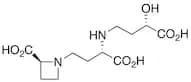
CAS:Controlled Product<p>Applications 1-Methylpiperazine-2,2,3,3,5,5,6,6-d8 is the labeled version of 1-Methylpiperazine (Imatinib EP Impurity G)(M326495) is used in the preparation of 2-(4-Methyl-1-piperazinylmethyl)acrylophenone(MPMAP), an antimicrotubular drug. It is a COVID19-related research product.Is used in preparation of Imidazopyridine compounds for the treatment of inflammatory disorders.<br>References Mallevais, M.L. et al.: Biochimie, 66, 477 (1984); Van der Plas, Steven E., et al.: PCT Int. Appl., (2019);<br></p>Formula:C52H8H4N2Color and Shape:NeatMolecular weight:108.2122’-Deoxymugineic Acid
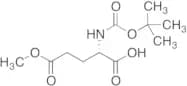
CAS:Controlled Product<p>Applications Phytosiderophores are produced in higher plants as iron chelating amino acids that promote uptake of iron from soil.<br>References Klair, S., et al.: J. Plant Nutr., 19, 1295 (1996),<br></p>Formula:C12H20N2O7Color and Shape:NeatMolecular weight:304.30N-Boc-L-glutamic Acid 5-Methyl Ester
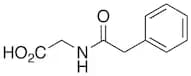
CAS:Controlled Product<p>Applications N-Boc-L-glutamic Acid 5-Methyl Ester is an intermediate used in the synthesis of Isodesmosine Chloride Hydrate (Synthetic) (I815051), which is a component of elastin and also it is extremely hygroscopic and must be stored over a desiccant such as silica gel.<br>References Partridge, S., et al.: Nature, 209, 399 (1966)<br></p>Formula:C11H19NO6Color and Shape:NeatMolecular weight:261.27N-Phenylacetylglycine
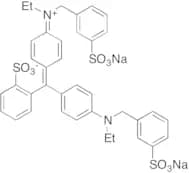
CAS:Controlled Product<p>Applications A metabolite of carboxylic acid.<br>References Bardsley, W., et al.: Biochem. J., 122, 557 (1971), Kim, J., et al.: Biosci. Biotechnol. Biochem., 69, 1331 (2005), Kopka, J., et al.: J. Biotechnol., 124, 312 (2006),<br></p>Formula:C10H11NO3Color and Shape:NeatMolecular weight:193.20Brilliant Blue FCF (Technical Grade)
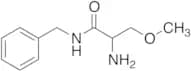
CAS:Formula:C37H34N2O9S3·2NaColor and Shape:NeatMolecular weight:792.85N-Benzyl-2-amino-3-methoxypropionamide
CAS:Controlled Product<p>Applications N-Benzyl-2-amino-3-methoxypropionamide is an impurity of Lacosamide which is a potent anticonvulsant.<br>References Letiran, A., et al.: J. Med. Chem., 45, 4762 (2002); Wadavrao, S., et al.: Synthesis, 45, 3383 (2013)<br></p>Formula:C11H16N2O2Purity:>85%Color and Shape:YellowMolecular weight:208.263-[(2-Aminoethyl)dithio]propionic Acid
CAS:Controlled Product<p>Stability Hygroscopic<br>Applications A useful reversible immobilization or crosslinking reagent.<br>References Pandurangi, R., et al.: Bioorg. Chem., 26, 201 (1998), Kim, H., et al.: J. Agric. Food Chem., 55, 3750 (2007),<br></p>Formula:C5H11NO2S2Color and Shape:Off White PowderMolecular weight:181.28LTD4(Leukotriene D4) ELISA Kit
<p>This assay employs the competitive inhibition enzyme immunoassay technique. The microtiter plate provided in this kit has been pre-coated with LTD4. Standards or samples are added to the appropriate microtiter plate wells then with a biotin-conjugated antibody specific to LTD4. Next, Avidin conjugated to Horseradish Peroxidase (HRP) is added to each microplate well and incubated. After TMB substrate solution is added. The enzyme-substrate reaction is terminated by the addition of sulphuric acid solution and the color change is measured spectrophotometrically at a wavelength of 450nm ± 10nm. The concentration of LTD4 in the samples is then determined by comparing the OD of the samples to the standard curve.</p>Color and Shape:Colourless TransparentliquidCytidine 3'(2’)-Monophosphate
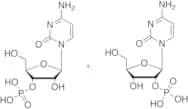
CAS:Controlled Product<p>Stability Hygroscopic<br>Applications A metabolite of Cytidine (C998300). A highly specific phosphatase that acts on ADP-ribose 1''-phosphate, a metabolite of tRNA splicing in Saccharomyces cerevisiae.<br>References Phizicky, E., et al.: J. Biol. Chem., 267, 4577 (1992), Murguia, J., et al.: Science, 267, 232 (1995), Lei, M., et al.: Biochemistry, 41, 14560 (2002),<br></p>Formula:C9H14N3O8PColor and Shape:White To Off-WhiteMolecular weight:323.2p-Anisidine
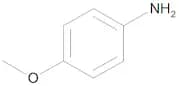
CAS:Controlled ProductFormula:C7H9NOColor and Shape:White To BlackMolecular weight:123.15N-Boc-D-leucine
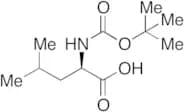
CAS:Controlled Product<p>Applications N-Boc-D-leucine is an N-Boc-protected form of D-Leucine (L330150). D-Leucine is an unnatural isomer of L-Leucine (L330110) that acts as an auto-inhibitor of lactic streptococci in culture. D-Leucine causes analgesia in humans and also exhibits inhibitory activity in bacterial cell cultures.<br>References Chuan, Y., et al.: Chin. J. Anim. Vet. Sci., 4, 003 (1985); Fox, S., et al.: J. Biol. Chem., 155, 465 (1944); Gillillad, S. & Speck, M.: J. Dairy Sci., 51, 1573 (1968); Schoenheimer, R., et al.: J. Biol. Chem., 130, 703 (1939); Seltzer, S., et al.: Pain, 11, 141 (1981)<br></p>Formula:C11H21NO4Color and Shape:NeatMolecular weight:231.29Acid Orange 7 (Technical Grade)
CAS:Controlled ProductFormula:C16H11N2O4S·NaColor and Shape:OrangeMolecular weight:350.32E-64d
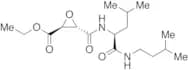
CAS:Controlled Product<p>Applications E-64d is an inhibitor of cathepsins B and L as well as a potential inhibitor of calpain. E-64d has been shown to inhibit lysosomal proteases. E-64d has been used in combination with Prepstatin A to interfere with autolysosomal digestion. E-64d displays neurovascular and neuronal protective effects after focal cerebral ischemia in rats.<br>References Wilcox, D. et al.: Biochem. J., 285, 495 (1992); McGowan, E.B. et al.: Biochem. Biophys. Res. Comm., 158, 432 (1989); Tsubokawa, T. et al.: J. Neurosci. Res., 84, 832 (2006);<br></p>Formula:C17H30N2O5Color and Shape:NeatMolecular weight:342.43N-Acetyl-S-(2-cyanoethyl)-L-cysteine Ammonium Salt
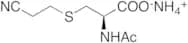
CAS:<p>Stability Hygroscopic<br>Applications N-Acetyl-S-(2-cyanoethyl)-L-cysteine Ammonium Salt is a metabolite of Acrylonitrile (AN) and acrylamide (AM); and are commonly used in the synthesis of plastics and polymers.<br>References van Bladeren, P., et al.: Drug Metab. Dispos., 9, 246 (1981), Guengerich, F., et al.: Chem. Res. Toxicol., 4, 168 (1991),<br></p>Formula:C8H11N2O3S·H4NColor and Shape:SolidMolecular weight:233.29D-Glutamic Acid 1-tert-Butyl Ester
CAS:Controlled Product<p>Applications D-Glutamic acid 1-tert-butyl ester is a protected form of D-Glutamic acid (G596965). D-Glutamic acid is an unnatural isomer of L-Glutamic acid (G596960), and is found in bacterial cell wall peptidoglycan of gram-positive and gram-negative bacteria. D-Glutamic acid also occurs as poly-gamma-Glutamic acid, which is a weak immunogen but is capable of acting as a hapten (a small molecule that induces the production of antibodies, as well as binding to them).<br>References Dougherty, T., et al.: J. Bacteriol., 175, 111 (1993); Goodman, J. & Nitecki, D.: Immunology, 13, 577 (1967); Robinson, T.: Life Sci., 19, 1097 (1976)<br></p>Formula:C9H17NO4Color and Shape:NeatMolecular weight:203.24Sudan Orange G
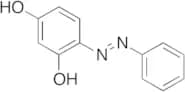
CAS:<p>Applications Sudan Orange G is an oil soluble synthetic dye. Sudan Orange G can be degraded by a bacterial strain known as Pseudomonas putida MET94. Dyes and metabolites, Environmental Testing<br>References Zhu, Y., et. al.: Food Chem., 145, 956 (2014); Mendes, S., et. al.: Appl. Microbiol. Biot., 92, 393 (2011)<br></p>Formula:C12H10N2O2Color and Shape:Dark OrangeMolecular weight:214.222-Methylthioadenosine
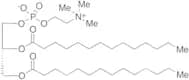
CAS:Controlled ProductFormula:C11H15N5O4SColor and Shape:NeatMolecular weight:313.3331,2-Dimyristoyl-sn-glycero-3-phosphocholine
CAS:<p>Applications 1,2-Dimyristoyl-sn-glycero-3-phosphocholine is used in the generation of micelles and liposomes.<br>References Høyrup, P., et al.: Biochim. Biophys. Acta, 1515, 133 (2001); Heberle, F., et al.: Cold Spring Harb Perspect Biol., 3, 1 (2011)<br></p>Formula:C36H72NO8PColor and Shape:NeatMolecular weight:677.932-[N2-(4-Azido-2,3,5,6-tetrafluorobenzoyl)-N6-(6-biotinamidocaproyl)-L-lysinyl]ethyl Methanethiosulfonate
CAS:<p>Applications A trifunctional cross-linking reagent that contains a biotin, sulfhydryl-reactive methanethiosulfonate moiet and an efficient photoactivatable tetrafluorophenyl azide moiety.<br></p>Formula:C32H44F4N8O8S3Color and Shape:NeatMolecular weight:840.931-Palmitoyl-2-oleoyl-sn-glycerol-3-phosphocholine
CAS:Controlled Product<p>Applications Glycerophospholipids act as regulators of various enzyme activities, and can be used as biological markers to indicate pathological states.<br>References Perides, G., et al.: J. Biol. Chem., 262, 13742 (1987),<br></p>Formula:C42H82NO8PColor and Shape:WhiteMolecular weight:760.08Sudan III-d6
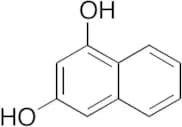
CAS:Controlled ProductFormula:C222H6H10N4OColor and Shape:Red To Dark RedMolecular weight:358.431,3-Naphthalenediol
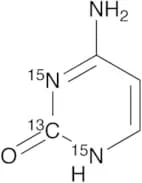
CAS:<p>Applications 1,3-Naphthalenediol is a derivative of naphthalene (N345600) and may have antibacterial activity against oral bacteria.Dyes and metabolites.<br>References Song, H-Y., et al.: J Korean Soc Appl Biol Chem, 55, 183-187 (2012)<br></p>Formula:C10H8O2Color and Shape:NeatMolecular weight:160.17Cytosine-13C,15N2
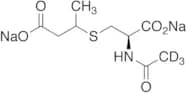
CAS:Formula:CC3H515N2NOColor and Shape:Off-White To Light YellowMolecular weight:114.08N-Acetyl-S-(3-carboxy-2-propyl)-L-cysteine-d3 Disodium Salt
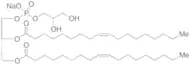
CAS:Controlled Product<p>Applications A labelled metabolite of Crotonaldehyde.<br>References Gray, J.M., et al.: Xenobiotica, 1, 55 (1971), Chung, F., et al.: Mutat. Res., 424, 71 (1999), Smith, C., et al.: Food Chem. Toxicol., 38, 637 (2000), Pan, J., et al.: Chem. Res. Toxicol., 15, 367 (2002),<br></p>Formula:C9H10D3NNa2O5SColor and Shape:NeatMolecular weight:310.291,2-Dioleoyl-sn-glycero-3-phospho-rac-(1-glycerol) Sodium Salt
CAS:Controlled Product<p>Applications 1,2-Dioleoyl-sn-glycero-3-phospho-rac-(1-glycerol) is an analog of 1,2-Dipalmitoyl-sn-glycero-3-phospho-rac-(1-glycerol) (D525495) which forms lipid bilayers. In the high temperature phase, the conformation of the chains is liquid-like. In the low temperature phases, the chains are stiff and parallel and they interdigitate.<br>References Ranck, J., et al.: Biochimica et Biophysica Acta (BBA) - Lipids and Lipid Metabolism, 488, 432 (1977)<br></p>Formula:C42H78NaO10PColor and Shape:NeatMolecular weight:797.026(all-cis)-7,10,13,16,19-Docosapentaenoic Acid
CAS:Controlled ProductFormula:C22H34O2Color and Shape:NeatMolecular weight:330.50Cytosine-5,6-d2
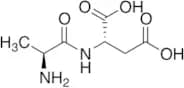
CAS:Controlled Product<p>Applications Cytosine-5,6-d2 (CAS# 106391-24-6) is a useful isotopically labeled research compound.<br></p>Formula:C42H2H3N3OColor and Shape:NeatMolecular weight:113.11H-Ala-Asp-OH
CAS:Controlled Product<p>Stability Hygroscopic<br>Applications H-ALA-ASP-OH (cas# 20727-65-5) is a useful research chemical.<br></p>Formula:C7H12N2O5Color and Shape:NeatMolecular weight:204.18β-Muricholic Acid
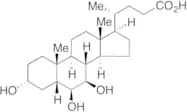
CAS:Controlled Product<p>Applications β-Muricholic Acid is an bile acid found in urine. β-Muricholic Acid has been used in studies of down regulation of transporter protein through ubiquitin dependent protein degradation.<br>References Miyata, M., et al.: Euro. J. Pharmacol., 714, 507 (2013);<br></p>Formula:C24H40O5Color and Shape:White To Off-WhiteMolecular weight:408.57γ-Linolenic Acid
CAS:Controlled Product<p>Stability Light Sensitive<br>Applications γ-Linolenic Acid is a fatty acid found mainly in vegetable oil. Studies suggest that γ-Linolenic Acid may have immune regulating and anti-inflammatory effects. γ-Linolenic Acid has also been used in the treatment of atopic eczeme although its efficacy is disputed.<br>References Ziboh, V. et al.: Fatty Acids Food Health Implic., 791 (2008); Kapoor, R. et al.: Curr. Phar, Biotechnol., 7, 531 (2006); Horrobin, D. et al.: Am. J. Nutrit., 71, 367S (2000);<br></p>Formula:C18H30O2Color and Shape:NeatMolecular weight:278.43
















![3-[(2-Aminoethyl)dithio]propionic Acid](/_next/image/?url=https%3A%2Fstatic.cymitquimica.com%2Fproducts%2FTR%2Fthumb-webp%2FA608950.webp&w=3840&q=75)





![2-[N2-(4-Azido-2,3,5,6-tetrafluorobenzoyl)-N6-(6-biotinamidocaproyl)-L-lysinyl]ethyl Methanethiosu…](/_next/image/?url=https%3A%2Fstatic.cymitquimica.com%2Fproducts%2FTR%2Fthumb-webp%2FA862275.webp&w=3840&q=75)