Biochemicals and Reagents
Biochemicals and reagents are fundamental substances for research and development in fields such as biotechnology, molecular biology, pharmacology, and medicine. These products are essential for a variety of applications, including compound synthesis, biological sample analysis, metabolic process research, and drug production. At CymitQuimica, we offer a wide selection of high-quality, high-purity biochemicals and reagents suitable for various scientific and industrial needs. Our catalog includes enzymes, antibodies, nucleic acids, amino acids, and many other products, all designed to support researchers and professionals in their research and development projects, ensuring reliable and reproducible results.
Subcategories of "Biochemicals and Reagents"
- Biomolecules(99,185 products)
- By Biological Target(99,150 products)
- By Pharmacological Effects(6,789 products)
- Cryopreservatives(21 products)
- Desinfectants and Related Compounds(28 products)
- Hormones(346 products)
- Plant Biology(6,764 products)
- Secondary Metabolites(14,307 products)
Found 130581 products of "Biochemicals and Reagents"
Sort by
Purity (%)
0
100
|
0
|
50
|
90
|
95
|
100
FlAsH-EDT2
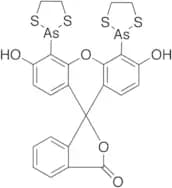
CAS:Controlled Product<p>Applications The Fluorescein Arsenical Hairpin Binder (FlAsH) method is presented for fluorescence labeling of proteins in living cells. Labeling proteins with the membrane-permeant fluorogenic biarsenical dye fluorescein arsenical hairpin binder-ethanedithiol (FlAsH-EDT2). The membrane-permeant fluorogenic biarsenicals FlAsH-EDT2 and ReAsH-EDT2 can be prepared in good yields by a straightforward two-step procedure from the inexpensive precursor dyes fluorescein and resorufin.<br> Not a dangerous good if item is equal to or less than 1g/ml and there is less than 100g/ml in the package<br>References Gaietta, G., et al.: Science, 296, 503 (2002), Hoffmann, C., et al.: Nature Methods, 2, 171 (2005), Dyachok, O., et al.: Nature, 439, 349 (2006), Gautier, A., et al.: Chem. Biol., 15, 128 (2008),<br></p>Formula:C24H18As2O5S4Color and Shape:White To Light OrangeMolecular weight:664.50Carbamoyl-guanidine Amidino Urea
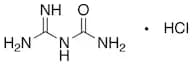
CAS:Controlled Product<p>Applications Carbamoyl-guanidine Amidino Urea Salt, Hydrochloride salt (cas# 926-72-7) is a compound useful in organic synthesis.<br></p>Formula:C2H6N4O·ClHColor and Shape:NeatMolecular weight:138.56Ciglitazone
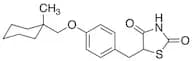
CAS:Controlled ProductFormula:C18H23NO3SColor and Shape:Off White SolidMolecular weight:333.45Fmoc-Ser(TBDMS)-OH
CAS:Controlled Product<p>Applications Fmoc-Ser(TBDMS)-OH (cas# 146346-81-8) is a useful research chemical.<br></p>Formula:C24H31NO5SiColor and Shape:NeatMolecular weight:441.5922’-O-Methyl Cytidine
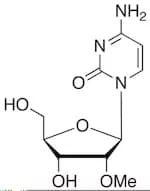
CAS:Controlled Product<p>Applications Cytidine analog. Used for preparation of nucleoside derivatives as inhibitors of RNA-dependent RNA viral polymerase.<br>References Eldrup, A.B., et al.: J. Med. Chem., 47, 2283 (2004), Shim, J., et al.: Antiviral Res., 243 (2003), Wang, M., et al.: J. Biol. Chem., 278, 9489 (2003),<br></p>Formula:C10H15N3O5Color and Shape:WhiteMolecular weight:257.24N,N'-Diacetyl-L-lanthionine Disodium Salt
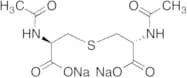
<p>Stability Hygroscopic<br>Applications N,N’-Diacetyl-L-lanthionine Disodium Salt is a derivative of N-Acetyl-L-cysteine (A172091), which is a metabolite of Methyl Isocyanate.<br>References Slatter, J. G., et al.: Chem. Res. Toxicol., 4, 157 (1991);<br></p>Formula:C10H14N2O6S·2NaColor and Shape:Off White SolidMolecular weight:336.27(2S,3R,4E)-2-Amino-4-tetradecene-1,3-diol
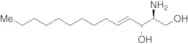
CAS:Controlled Product<p>Applications Sphingosine base present in crayfish and drosophila, contributing to muscle degeneration<br>References Kita, K., et al.: Eur. J. Biochem., 268, 592 (2001), Fyrst, H., et al.: J. Lipid Res., 49, 597 (2008),<br></p>Formula:C14H29NO2Color and Shape:NeatMolecular weight:243.39L-Serine-2-13C
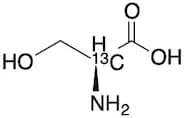
CAS:Controlled Product<p>Applications Isotope labelled L-Serine is used in the synthesis of purines and pyrimidines as antibacterial/antifungal agents, as well as acting as a proteinogenic compound.<br>References Olivella, M. et al.: Bioorg. Med. Chem., 20, 6109 (2012);<br></p>Formula:C213CH7NO3Color and Shape:NeatMolecular weight:106.09N-Carbobenzoxyglycine
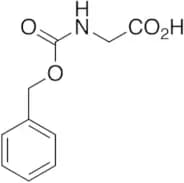
CAS:<p>Applications N-Carbobenzoxyglycine is used in the dipeptide synthesis.<br>References Hans, D., et al.: Med. Chem., 2, 627 (2006), Guzman, F., et al.: J. Biotechnol., 10, 279 (2007), Vlieghe, P., et al.: Drug Discov. Today, 15, 40 (2010),<br></p>Formula:C10H11NO4Color and Shape:NeatMolecular weight:209.2(+/-)-N-3-Benzylnirvanol
CAS:Controlled Product<p>Applications It is a potent and selective human CYP2C19 inhibitor.<br>References Suzuki, H., et al.: Drug Metab. Dispos., 30, 235 (2002), Robert, L., et al.: Drug Metab. Dispos., 31, 343 (2003),<br></p>Formula:C18H18N2O2Color and Shape:NeatMolecular weight:294.353-(2-Iodoacetamido)-PROXYL
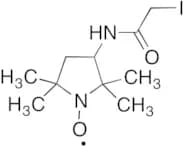
CAS:Controlled Product<p>Stability Light sensitive<br>Applications The insertion of this spin Labelled compound into RNA enables the study of RNA - protein complexes.<br>References Ramos, A. and Varani, G.: J. Am. Chem. Soc., 120, 10992-10993 (1998)<br></p>Formula:C10H18IN2O2Color and Shape:NeatMolecular weight:325.173,3'-Tolidine
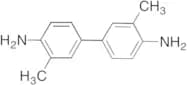
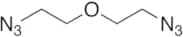
CAS:Controlled Product<p>Applications 3,3'-Tolidine, is an important aromatic amine used mainly for dye production, but also for the production of certain elastomers. It is also an an intermediate for the production of soluble azo dyes and insoluble pigments used particularly in the textile, leather and paper industries. Dyes and metabolites, Environmental Testing.<br> Not a dangerous good if item is equal to or less than 1g/ml and there is less than 100g/ml in the package<br>References Li, J., et al.: Yejin Fenxi, 26, 21 (2006); Noller C. R., et al.: Textbook of Org. Chem., (1960);<br></p>Formula:C14H16N2Color and Shape:White To Light BrownMolecular weight:212.291,5-Diazido-3-oxapentane
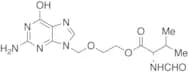
CAS:Controlled ProductFormula:C4H8N6OColor and Shape:NeatMolecular weight:156.15N-Formyl Valacyclovir
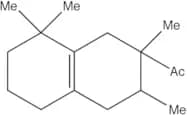
CAS:Controlled Product<p>Impurity Valaciclovir EP Impurity M<br>Applications N-Formyl Valacyclovir (Valaciclovir EP Impurity M) Valacyclovir (V085000) impurity.<br>References Furman, P., et al.: Antimicrob. Agents Chemother., 20, 518 (1981),<br></p>Formula:C14H20N6O5Color and Shape:White To Off-WhiteMolecular weight:352.35Iso E Super (Mixture of Isomers) (>80%)
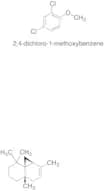
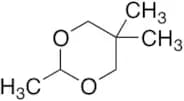
CAS:<p>Applications Synthetic woody odorant. Used as scent in perfumes, laundry products and cosmetics.<br>References Gras, M., et al.: Perfum. Flavor., 17, 2 (1992), Frosch, P.J., et al.: Contact Dermatitis, 33, 333 (1995),<br></p>Formula:C16H26OPurity:>80%Color and Shape:Colourless To Light YellowMolecular weight:234.382,5,5-trimethyl-1,3-dioxane
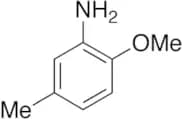
CAS:<p>Applications 2,5,5-trimethyl-1,3-dioxane (cas# 766-33-6) is a useful research chemical.<br></p>Formula:C7H14O2Color and Shape:NeatMolecular weight:130.185p-Cresidine
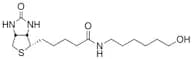
CAS:<p>Stability Air Sensitive<br>Applications p-Cresidine is a reagent used in the preparation of enaminones acting as anticonvulsants. Also used in the preparation of crescent oligoamides. Dyes and metabolites, Environmental Testing.<br>References Zhu, J. et al.: J. Am. Chem. Soc., 122, 4219 (2000); Scott, K. et al.: J. Med. Chem., 36, 1947 (1993);<br></p>Formula:C8H11NOColor and Shape:NeatMolecular weight:137.186-N-Biotinylaminohexanol
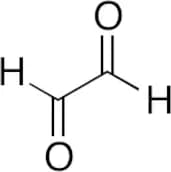
CAS:Controlled Product<p>Applications 6-N-Biotinylaminohexanol (cas# 106451-92-7) is a compound useful in organic synthesis.<br>References Higson, A.P., et al.: Synthesis, 3, 407 (1999)<br></p>Formula:C16H29N3O3SColor and Shape:NeatMolecular weight:343.48Glyoxal (40% w/w in H2O) (Technical Grade)
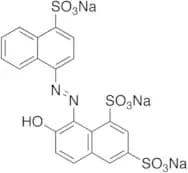
CAS:Controlled ProductFormula:C2H2O2Color and Shape:Single SolutionMolecular weight:58.04Food Red No. 102 (>80%)
CAS:<p>Stability Hygroscopic<br>Applications Food Red No. 102 is an artificial coloring food additive. Dye. Dyes and metabolites, Environmental Testing<br>References McCann, D. et al.: Lancet. 370, 1560 (2007); Kim, Y. et al.: Text. Res. J., 71, 318 (2001);<br></p>Formula:C20H11N2O10S3·3NaPurity:>80%Color and Shape:NeatMolecular weight:604.47(E)-3-(4-Hydroxy-3,5-dimethoxyphenyl)acrylaldehyde
CAS:<p>Stability Air Sensitive<br>Applications (E)-3-(4-Hydroxy-3,5-dimethoxyphenyl)acrylaldehyde (cas# 4206-58-0) is a useful research chemical.<br></p>Formula:C11H12O4Color and Shape:NeatMolecular weight:208.21(R)-3-Carboxy-2-(heptanoyloxy)-N,N,N-trimethylpropan-1-aminium Chloride
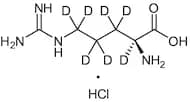
CAS:Controlled ProductFormula:C14H28NO4·ClColor and Shape:NeatMolecular weight:309.829L-Arginine-2,3,3,4,4,5,5-d7 HCl
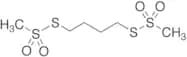
CAS:Controlled Product<p>Applications L-Arginine-2,3,3,4,4,5,5-d7 HCl (CAS# 204244-77-9) is a useful isotopically labeled research compound. It can be used with Raman scattering for imaging living cells and organisms.<br>References Min, W., et al., PCT Int. Appl. (2014), WO 2014205074 A2<br></p>Formula:C6D7H7N4O2·HClColor and Shape:NeatMolecular weight:217.701,4-Butanediyl Bismethanethiosulfonate
CAS:Controlled Product<p>Applications A sulfhydryl cross-linking reagent.<br>References Loo, T.W. and Clark, D.M.: J. Biol. Chem., 276, 40, 36877 (2001)<br></p>Formula:C6H14O4S4Color and Shape:NeatMolecular weight:278.4314,15-Epoxyeicosatrienoic Acid
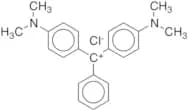
CAS:Controlled Product<p>Applications Epoxyeicosatrienoic Acid (EET) has antihypertensive and anti-inflammatory properties and play a role in the maintenance of renal vascular function. N,N'-dicyclohexylurea (DCU) increased release of 14,15-EET when the cells were stimulated with a calcium ionophore.Also, it is derived from Arachidonic Acid >97% (A765000), which is an essential fatty acid and a precursor in the biosynthesis of prostaglandins, thromboxanes, and leukotrienes. Arachidonic Acid occurs in liver, brain, glandular organs, and depot fats of animals, in small amounts in human depot fats, and Arachidonic Acid is also a constituent of animal phosphatides.<br>References Zhao, X., et al.: J. Am. Soc. Nephrol., 15, 1244 (2004); Fang, X., et al.: J. Biol. Chem., 276, 14867 (2001); Kurosawa, T., et al.: J. Cell. Physiol., 219, 606 (2009); Mazalli, M., et al.: J. Agric. Food Chem., 57, 5028 (2009);<br></p>Formula:C20H32O3Color and Shape:NeatMolecular weight:320.466Basic Green 4 (Technical Grade)
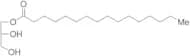
CAS:<p>Stability Light Sensitive<br>Applications Basic Green 4 (cas# 569-64-2) is a useful research chemical.<br></p>Formula:C23H25N2·ClColor and Shape:NeatMolecular weight:364.911-Palmitoyl-rac-glycerol
CAS:<p>Applications 1-Palmitoyl-rac-glycerol is a biomarker of metabolic responses to hepatotoxicants and carcinogens.<br>References Broadhurst, D., et al.: Metabolomics, 2, 171 (2006), Shi, J., et al.: Nat. Biotechnol., 25, 930 (2007),<br></p>Formula:C19H38O4Color and Shape:NeatMolecular weight:330.5011-Hydroxylauric Acid
CAS:<p>Applications 11-Hydroxylauric Acid is used as a substrate to determine the functional expression and characterization of cytochrome P450 52A21.<br>References Kuehnel, K., et al.: Adv. Synthesis. Cata., 349, 1451 (2007); Kim, D.H., et al.: Arch. Biochem. Biophy., 464, 213 (2007);<br></p>Formula:C12H24O3Color and Shape:NeatMolecular weight:216.32Tamibarotene
CAS:Controlled Product<p>Applications Synthetic retinoic acid receptor-α/β-selective retinoid. Antineoplastic.<br>References Hashimoto, Y., et al.: Jpn. J. Cancer Res., 79, 473 (1988), Mizojiri, K., et al.: Arzneim.-Forsch., 47, 59 (1997), Shinjo, K., et al.: Int. J. Hematol., 72, 470 (2000), Sanda, T., et al.: Leukemia, 19, 901 (2005),<br></p>Formula:C22H25NO3Color and Shape:NeatMolecular weight:351.444-Methylumbelliferyl b-D-Glucuronide
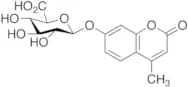
CAS:Controlled Product<p>Stability Hygroscopic<br>Applications 4-Methylumbelliferyl β-D-Glucuronide is a substrate for glucuronidase. Also used as a test for coliform bacteria in water.Fluorescence: max. Abs. 316nm; max. Em. 375nm; e x 10-3: 12<br>References US Federal Register, 57, 24744 (1992)<br></p>Formula:C16H16O9Color and Shape:NeatMolecular weight:352.29Furfural
CAS:<p>Applications Furfural is a compound mainly found in agricultural byproducts, and is produced from the hydrolysis and dehydration of xylan contained in lignocellulose using solid acid catalysts. Furfural is also a potential platform for biofuels and inhibits fermentation in yeast.<br> Not a dangerous good if item is equal to or less than 1g/ml and there is less than 100g/ml in the package<br>References Lange, J., et al.: ChemSusChem, 5, 150 (2012); Mamman, A., et al.: Biofuels, Bioprod. Biorefin., 2, 438 (2008); Navarro, A.: Curr. Microbiol., 29, 87 (1994)<br></p>Formula:C5H4O2Color and Shape:YellowMolecular weight:96.08Pigment Red 2 (Technical Grade)
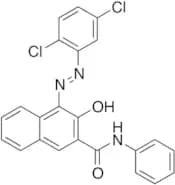
CAS:Controlled ProductFormula:C23H15Cl2N3O2Color and Shape:NeatMolecular weight:436.29N-Heptanoylglycine
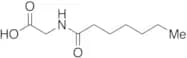
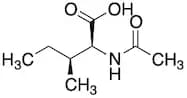
CAS:<p>Applications An acylglycine present in urniary excretion that can be analyzed and be used as diagnostic tool for metabolic disorders, complementary to organic acids and acylcarnitine profiles.<br>References Bonafe, L. et al.: Mol. Genetics Metab., 69, 302 (2000);<br></p>Formula:C9H17NO3Color and Shape:WhiteMolecular weight:187.24N-Acetylisoleucine
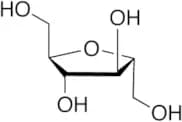
CAS:Controlled Product<p>Applications N-ACETYLISOLEUCINE (cas# 3077-46-1) is a useful research chemical.<br></p>Formula:C8H15NO3Color and Shape:NeatMolecular weight:173.22,5-Anhydro-D-mannitol
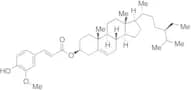
CAS:Controlled Product<p>Applications A carbohydrate metabolism regulator that has been shown to inhibit gluconeogenesis from lactate plus pyruvate and from substrates that enter the gluconeogenic pathway as triose phosphate.<br>References Joet, T., et al.: Biochem. J., 381, 905 (2004), Girardin, E., et al.: J. Biol. Chem., 280, 38059 (2005), Nghiem, N., et al.: App. Biochem. Biotechnol., 141, 335 (2007),<br></p>Formula:C6H12O5Color and Shape:NeatMolecular weight:164.16β-Sitosteryl Ferulate
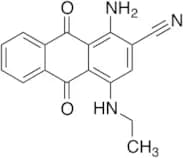
CAS:Controlled Product<p>Applications β-Sitosteryl Ferulate is used for purification and identification of components of γ-oryzanol in rice bran oill<br>References Xu, Z., et al.: J. Agric. Food Chem., 47, 2724 (1999);<br></p>Formula:C39H58O4Color and Shape:NeatMolecular weight:590.88Disperse Blue 359 (Technical Grade)
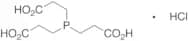
CAS:Controlled ProductFormula:C17H13N3O2Color and Shape:NeatMolecular weight:291.31TCEP Hydrochloride
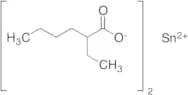
CAS:<p>Applications Biochemical tool for selective reduction of disulfide bridges at low pH; reductant for redox assay.<br> Not a dangerous good if item is equal to or less than 1g/ml and there is less than 100g/ml in the package<br>References Neuburger, M., et al.: Eur. J. Biochem., 267, 2882 (2000), Krijt, J., et al.: Clin. Chem., 47, 1821 (2001), Yen, T.-Y., et al.: J. Mass Spectrom., 37, 15 (2002),<br></p>Formula:C9H15O6P·ClHColor and Shape:NeatMolecular weight:286.65Stannous Octoate
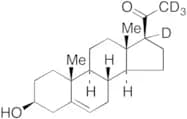
CAS:Controlled Product<p>Applications STANNOUS OCTOATE (cas# 301-10-0) is a useful research chemical.<br></p>Formula:C8H15O2·H2SnColor and Shape:NeatMolecular weight:407.133Pregnenolone-d4
CAS:Controlled Product<p>Applications Pregnenolone-d4, is the labeled analogue of the Pregnenolone (P712200), which is a steroid hormone involved in the steroidogenesis of progesterone, mineralocorticoids, glucocorticoids, androgens, and estrogens.<br>References Bjondahl, K., et al.: Med. Biol., 54, 454 (1976), Geick, A., et al.: J. Biol. Chem., 276, 14581 (2001), Johnson, D., et al.: Toxicol. Sci., 66, 16 (2002), Abe, C., et al.: Lipids, 42, 637 (2007),<br></p>Formula:C212H4H28O2Color and Shape:Off-WhiteMolecular weight:320.504-Amino-nicotinonitrile
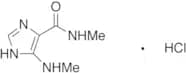
CAS:Controlled Product<p>Applications 4-Amino-nicotinonitrile<br></p>Formula:C6H5N3Color and Shape:NeatMolecular weight:119.124Theophyllidine Hydrochloride
CAS:Controlled Product<p>Applications Dyphylline (D826500) impurity.<br> Not a dangerous good if item is equal to or less than 1g/ml and there is less than 100g/ml in the package<br>References Auterhoff, H.<br></p>Formula:C6H10N4O·ClHColor and Shape:NeatMolecular weight:190.63(E)-Guggulsterone
CAS:Controlled Product<p>Applications (E)-Guggulsterone acts as an α-glucosidase inhibitor also known as a hypolipidemic agent.<br>References Yang, D. et al.: J. Lipid Res., 53, 529 (2012); El-Mekkawy, S. et al.: Nat. Prod. Res., 27, 146 (2013);<br></p>Formula:C21H28O2Color and Shape:White To Off-WhiteMolecular weight:312.453-Iodothyronamine Hydrochloride
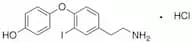
CAS:Controlled Product<p>Applications 3-Iodothyronamine is a novel metabolite of thyroid hormone (TH). 3-Iodothyronamine (T1AM) is an endogenous and rapid-acting derivative of thyroid hormone. It has alos been found to increase food intake in rodents.<br> Not a dangerous good if item is equal to or less than 1g/ml and there is less than 100g/ml in the package<br>References Davis, P., et al.: Thyroid, 6, 497 (1996), Falkenstein, E., et al.: Pharmacol. Rev., 52, 513 (2000), Yen, P., et al.: Physiol. Rev., 81, 1097 (2001), Pinna, G., et al.: Endocrinology, 143, 1789 (2002), Dhillo et al.; Diabetes, Obesity & Metabolism (2008), 10(2), 167-70<br></p>Formula:C14H14INO2·ClHColor and Shape:NeatMolecular weight:391.633,3'-Diaminobenzidine
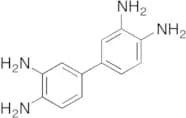
CAS:Controlled Product<p>Applications 3,3′-Diaminobenzidine is a peroxidase substrate and a reagent for spectrophotometric determination of selenium.<br></p>Formula:C12H14N4Color and Shape:BrownMolecular weight:214.27C8 Ceramide
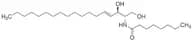
CAS:Controlled Product<p>Stability Temperature Sensitive<br>Applications A biologically active, cell permeable, but nonphysiologic ceramide analog. It induces phosphorylation on Thr-669 in A-431 cells by stimulation of ceramide-activated protein kinase. It stimulates IL-2 secretion and induces apoptosis.<br>References Mathias, S., et al.: Proc. Natl. Sci. USA, 88, 10009 (1991), Mathias, S., et al.: Science, 259, 519 (1993), Jarvis, W.D., et al.: Proc. Natl. Acad. Sci. USA, 91, 73 (1994)<br></p>Formula:C26H51NO3Color and Shape:NeatMolecular weight:425.692-[[3,4,6-Tri-O-acetyl-2-(acetylamino)-2-deoxy-β-D-galactopyranosyl]oxy]acetic Acid
CAS:Controlled Product<p>Applications 2-[[3,4,6-Tri-O-acetyl-2-(acetylamino)-2-deoxy-β-D-galactopyranosyl]oxy]acetic Acid is a therapeutic antisense oligonucleotide agent targeting gene G6PC cDNA for glycogen storage disease type Ia.<br>References Koizumi, M., et al.: PCT Int. Appl. 278pp. (2019)<br></p>Formula:C16H23NO11Color and Shape:NeatMolecular weight:405.352’-Deoxy Cytidine
CAS:Controlled Product<p>Stability Hygroscopic<br>Applications A deoxyribonucleoside as Eg5 kinesin modulator with antiproliferative and apoptosis-inducing activity.<br>References Hecht, S., et al.: Chem. Res. Toxicol., 17, 588 (2004); Choi, J., et al.: J. Biol. Chem., 281, 38244 (2006); Lao, Y., et al.: Chem. Res. Toxicol., 20, 246 (2007);<br></p>Formula:C9H13N3O4Color and Shape:NeatMolecular weight:227.22AEBSF Hydrochloride
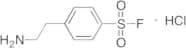
CAS:Controlled Product<p>Applications AEBSF Hydrochloride is an irreversible serine protease inhibitor.<br>References Diatchuk, V., et. al.: J. Biol. Chem., 272, 13292 (1997)<br></p>Formula:C8H11ClFNO2SColor and Shape:NeatMolecular weight:239.6917β-Estradiol-13C2
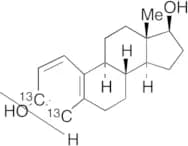
CAS:Controlled Product<p>Applications Isotope labelled 17β-Estradiol (E888000), which is the major estrogen (1) secreted by the premenopausal ovary (2).Drinking water contaminant candidate list 3 (CCL 3) compound as per United States Environmental Protection Agency (EPA), environmental, and food contaminants.<br>References 1. Salole, E. et al.: Anal. Profiles Drug Subs. 1986 15, 23 283-3182. Lievertz, R. et al.: Am. J. Obstet. Gynecol. 1987 May;156(5):1289-93.<br></p>Formula:C2C16H24O2Color and Shape:WhiteMolecular weight:274.373-Hydroxy-2-naphthoic acid
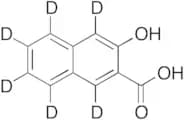
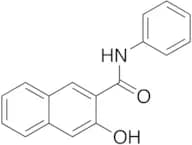
CAS:Controlled Product<p>Applications 3-Hydroxy-2-naphthoic acid<br></p>Formula:C11H8O3Color and Shape:NeatMolecular weight:188.18o-Aminoazotoluene
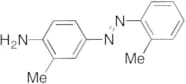
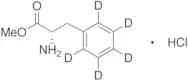
CAS:Controlled Product<p>Stability Light Sensitive<br>Applications The metabolites of o-Aminoazotoluene has been shown to be strongly mutagenic but the mutagenesis is inhibited by 7,8-benzoflavone. Dyes and metabolites, Environmental Testing<br> Not a dangerous good if item is equal to or less than 1g/ml and there is less than 100g/ml in the package<br>References Degawa, M., Kanazawa, C., Hashimoto, Y.: Carcinogenesis, 3, 1113 (1982)<br></p>Formula:C14H15N3Color and Shape:Dark YellowMolecular weight:225.29L-Phenylalanine-d5 Methyl Ester Hydrochloride
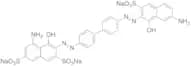
CAS:Controlled Product<p>Applications Protected (S) enantiomer of the amino acid Phenylalanine.<br>References Zhu, P., et al.: Bioorg. Med. Chem. Lett., 19, 6966 (2009), Cramer, B., et al.: Bioorg. Med. Chem., 18, 343 (2010),<br></p>Formula:C10H9D5ClNO2Color and Shape:NeatMolecular weight:220.71Direct Blue 2 (Technical Grade)
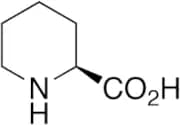
CAS:Controlled Product<p>Applications Direct Blue 2 is an organic azo dye and ground water pollutant, removed via enzymic decolorization by laccase.<br>References Akkaya, A.; et al.: Anal. Lett., 49, 790 (2016).<br></p>Formula:C32H21N6Na3O11S3Color and Shape:NeatMolecular weight:830.71L-Pipecolic Acid
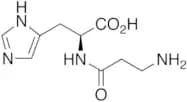
CAS:<p>Applications Pipecolic acid is involved in synaptic transmission in the central nervous system. The l-form occurs in plants.<br>References Nomura Y., et al.: Neurochem. Res., 6, 391 (1981),<br></p>Formula:C6H11NO2Color and Shape:NeatMolecular weight:129.16L-Carnosine
CAS:Controlled Product<p>Applications L-Carnosine is a naturally-occurring histidine-containing compound and the biological role of this dipeptide is to act as cytosolic buffering agents. Other roles ascribed to L-Carnosine include actions as neurotransmitters, modulation of enzymic activities and chelation of heavy metals.<br>References Quinn, P.J., et al.: Mol. Aspects. Med., 13, 379 (1992); Aruoma, O.I., et al.: Biochem. J., 264, 863 (1989);<br></p>Formula:C9H14N4O3Color and Shape:NeatMolecular weight:226.23N-Carbamoyl-2-fluoro-(β)-alanine
CAS:Controlled Product<p>Applications A metabolite of Capecitabine.<br>References Arellano, M., ET AL.: Br. J. Cancer, 77, 79 (1998), Budman, D., ET AL.: J. Clin. Oncol., 16, 1795 (1998), Khanna, R., et al.: Cancer Res., 60, 4725 (2000), Charasson, V., et al.: Drug Metab. Dispos., 30, 731 (2002),<br></p>Formula:C4H7FN2O3Color and Shape:NeatMolecular weight:150.11L-Homocysteine Thiolactone Hydrochloride
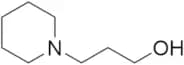
CAS:Controlled Product<p>Applications L-Homocysteine Thiolactone Hydrochloride is used to prepare substituted homocysteine analogs as inhibitors of peptidylglycine α-amidating monooxygenase. It is also used to synthesize (mercaptoacyl)alanylprolines as metalloprotease inhibitors.<br>References Erion, M., et al.: J. Med. Chem., 37, 4430 (1994); Slusarchyk, W., et al.: Bioorg. Med. Chem. Lett., 5, 753 (1995)<br></p>Formula:C4H8ClNOSColor and Shape:NeatMolecular weight:153.631-Piperidinepropanol
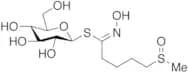
CAS:Controlled ProductFormula:C8H17NOColor and Shape:NeatMolecular weight:143.227Desulfo Glucoraphanin
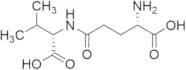
CAS:<p>Applications Glucosinolate analog of Glucoraphanin found in cruciferous vegetables such as broccoli and cauliflower.<br>References Lee, J.G. et al.: Horticult. Env. Biotech., 50, 509 (2009); KIm, J.K. et al.: Food Chem., 119, 423 (2010);<br></p>Formula:C12H23NO7S2Color and Shape:NeatMolecular weight:357.44L-γ-Glutamyl-L-valine
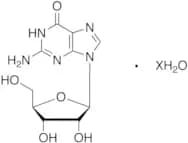
CAS:<p>Applications H-Glu(Val-OH)-OH (CAS# 2746-34-1) is a useful research chemical compound.<br></p>Formula:C10H18N2O5Color and Shape:NeatMolecular weight:246.26Guanosine Hydrate
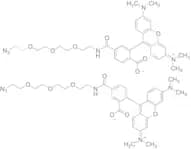
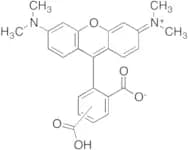
CAS:Controlled Product<p>Applications A constituent of nucleic acids.<br> Not a dangerous good if item is equal to or less than 1g/ml and there is less than 100g/ml in the package<br>References Miles, et al.: Science, 142, 1458 (1963), Bugg, et al.: Biochem. Biophys. Res. Commun., 3, 436 (1968),<br></p>Formula:C10H13N5O5·xH2OColor and Shape:NeatMolecular weight:283.245(6)-Carboxytetramethylrhodamine (Technical Grade)
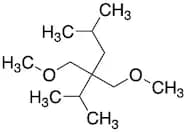
CAS:Controlled ProductFormula:C25H22N2O5Color and Shape:NeatMolecular weight:430.451-Methoxy-2-(methoxymethyl)-4-methyl-2-(propan-2-yl)pentane
CAS:Controlled Product<p>Applications 1-Methoxy-2-(methoxymethyl)-4-methyl-2-(propan-2-yl)pentane (cas# 129228-21-3) could be useful as a catalyst for alkene polymerization.<br>References Govindaswamy, P., et al.: Jpn. Kokai Tokkyo Koho (2020), JP 2020139048 A<br></p>Formula:C12H26O2Color and Shape:ColourlessMolecular weight:202.33Ticagrelor Epimer
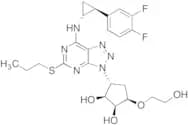
Controlled Product<p>Applications Ticagrelor Epimer is an epimer impurity of Ticagrelor (T437700). Ticagrelor (T437700), the first reversible oral P2Y12 receptor antagonist, provides faster, greater, and more consistent ADP-receptor inhibition than Clopidogrel. Used in the treatment of acute coronary syndromes (ACS).<br>References Matetzky, S., et al.: Circulation, 109, 3171 (2004), Bassand, J., et al.: Eur. Heart J., 28, 1598 (2007), Jakubowski, J., et al.: Cardiovasc. Drug Rev., 25, 357 (2007),<br></p>Formula:C23H28F2N6O4SColor and Shape:NeatMolecular weight:522.57Eupatilin
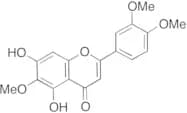
CAS:Controlled Product<p>Stability Hygroscopic<br>Applications Eupatilin maintains anticoagulant and antiplatelet activity isolated from the Artemisia princeps Pampanini flower.<br>References Ryu, R. et al.: Prev. Nutr. Food Sci., 18, 181 (2013);<br></p>Formula:C18H16O7Color and Shape:Light Yellow To BeigeMolecular weight:344.324-Methoxyaniline hydrochloride
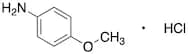
CAS:Controlled Product<p>Applications 4-Methoxyaniline hydrochloride (cas# 20265-97-8) is a useful research chemical.<br> Not a dangerous good if item is equal to or less than 1g/ml and there is less than 100g/ml in the package<br></p>Formula:C7H9NO·HClColor and Shape:NeatMolecular weight:123.15 + 36.46D-Arabinose
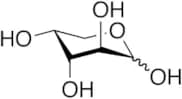
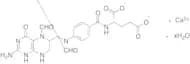
CAS:<p>Applications An inhibitor of the enzyme glucose dehydrogenase.<br>References Cozier, G.E. et al.: Biochem. J., 340, 639 (1999);<br></p>Formula:C5H10O5Color and Shape:White SolidMolecular weight:150.135,10-Diformyl-5,6,7,8-tetrahydro Folic Acid Calcium Salt Hydrate
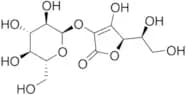
CAS:<p>Stability Hygroscopic<br>Applications 5,10-Diformyl-5,6,7,8-tetrahydrofolic acid is a derivative of the coenzyme 5,6,7,8-tetrahydrofolic acid which is essential in primary metabolism for reactions involving the transfer of a one-carbon unit at the formic acid, the formaldehyde or the methanol oxidation levels.<br>References Flaks, J.G., et al.: J. Biol. Chem., 228, 215 (1957),<br></p>Formula:C21H21CaN7O8·x(H2O)·CaColor and Shape:YellowMolecular weight:557.5272-O-a-D-Glucopyranosyl-L-ascorbic Acid
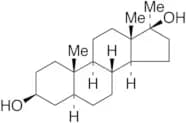
CAS:Controlled Product<p>Applications 2-O-a-D-Glucopyranosyl-L-ascorbic Acid is a useful cosmetic gel and skin cleanser.<br>References Aizawa, K., et al.: PCT Int. Appl. (2020), WO 2020226147 A1<br></p>Formula:C12H18O11Color and Shape:White To Off-WhiteMolecular weight:338.2617-Methyl-5α-androstane-3β,17β-diol
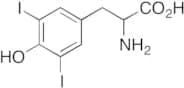
CAS:Controlled Product<p>Applications A metabolite of 17α-Methyltestosterone (M326400).<br>References Dumasia, M., et al.: Xenobiotica, 11, 323 (1981), Tang, P., et al.: Anal. Biochem., 182, 289 (1989),<br></p>Formula:C20H34O2Color and Shape:NeatMolecular weight:306.4833,5-Diiodo-DL-tyrosine
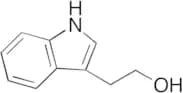
CAS:Controlled Product<p>Applications 3,5-Diiodo-DL-tyrosine is used for diagnosis of hypothyroidism caused by DEHAL1 gene defects.<br>References Encinas, S., et al.: Chem. Res. Toxicol., 11, 946 (1998), Daneshvar, A., et al.: Chemosphere, 80, 301 (2010), Eriksson, J., et al.: Photochem. Photobiol., 86, 528 (2010),<br></p>Formula:C9H9I2NO3Color and Shape:NeatMolecular weight:432.98Tryptophol
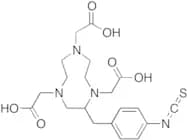
CAS:Controlled Product<p>Applications Tryptophol is a metabolite formed in the liver after disulfiram treatment that induces sleep in humans. It is also a secondary product of alcoholic fermentation.<br>References Cornford, E.M., et al.: J Clin Invest, 63, 1241-1248 (1979)<br></p>Formula:C10H11NOColor and Shape:NeatMolecular weight:161.2p-SCN-Bn-NOTA Trihydrochloride, Technical Grade
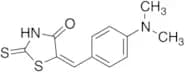
CAS:Controlled Product<p>Applications p-SCN-Bn-NOTA is a bifunctional chelating agent.<br>References Sarkar, S., et al.: J. Med. Chem., 61, 385 (2018)<br></p>Formula:C20H26N4O6S·3HClColor and Shape:Off-White To BeigeMolecular weight:450.51 + 3(36.46)4-(Dimethylaminobenzylidene)rhodanine
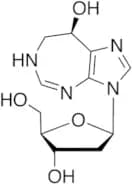
CAS:Controlled Product<p>Applications 4-(Dimethylaminobenzylidene)rhodanine is a useful research chemical in analytical techniques such as electrochemistry that investigate adsorption and corrosion inhibition by metals.<br>References Solmaz, R. et al.: Corrosion. Sci., 79, 169 (2014);<br></p>Formula:C12H12N2OS2Color and Shape:NeatMolecular weight:264.366Pentostatin
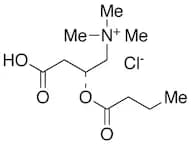
CAS:Controlled Product<p>Applications An adenosine deaminase inhibitor used as an anti-cancer therapeutic drug. Shown to be effective in the treatment of hairy cell leukemia as well as having use in the treatment of other types of cancer such as chronic lymphocytic leukemia.<br> Not a dangerous good if item is equal to or less than 1g/ml and there is less than 100g/ml in the package<br>References Rogler-Brown, T. et al.: Biochem. Pharmacol., 28, 201 (1979); Johnston, J.B. et al.: J. Natl. Canvcer Inst., 80, 765 (1988); Fortune, A.F. et al.: Leuk. and Lymph., 51, 839 (2010); Robak, T. et al.: Drugs, 69, 2415 (2009);<br></p>Formula:C11H16N4O4Color and Shape:White To Off-WhiteMolecular weight:268.27(R)-Butyryl Carnitine Chloride
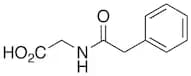
CAS:Controlled Product<p>Stability Hygroscopic<br>Applications (R)-Butyryl Carnitine is a potential prodrug of Carnitine, used for treating seizure disorders.<br>References Fei, Y., et al.: J. Biol. Chem., 275, 23707 (2000), Duran, J., et al.: J. Membr. Biol., 185, 65 (2002), Brown, A., et al.: J. Biol. Chem., 278, 11312 (2003), Gupta, N., et al.: Life Sci., 78, 2419 (2006),<br></p>Formula:C11H22NO4·ClColor and Shape:NeatMolecular weight:267.75N-Phenylacetylglycine
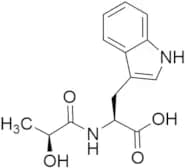
CAS:Controlled Product<p>Applications A metabolite of carboxylic acid.<br>References Bardsley, W., et al.: Biochem. J., 122, 557 (1971), Kim, J., et al.: Biosci. Biotechnol. Biochem., 69, 1331 (2005), Kopka, J., et al.: J. Biotechnol., 124, 312 (2006),<br></p>Formula:C10H11NO3Color and Shape:NeatMolecular weight:193.20N-Lactoyl-tryptophan
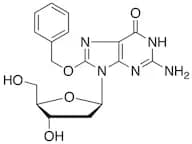
CAS:Controlled ProductFormula:C14H16N2O4Color and Shape:Off-WhiteMolecular weight:276.2888-Benzyloxy-2’-deoxyguanosine
CAS:Controlled Product<p>Applications 8-Benzyloxy-2’-deoxyguanosine (cas# 96964-90-8) is a compound useful in organic synthesis.<br>References Wang, Y., et al.: Chem. Res. Toxicol., 19, 837 (2006),<br></p>Formula:C17H19N5O5Color and Shape:NeatMolecular weight:373.365-(N-Carbamoylamino)imino-4-oxopentanenitrile
CAS:Controlled ProductFormula:C6H8N4O2Color and Shape:Dark OrangeMolecular weight:168.153(-)-Thujopsene (>85%)
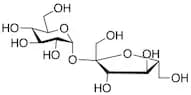
CAS:Controlled ProductFormula:C15H24Purity:>85%Color and Shape:ColourlessMolecular weight:204.35Sucrose
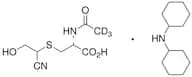
CAS:<p>Stability Hygroscopic<br>Applications Yuanzhen sugar is a polysaccharide polymer, containing a certain amount of fructooligosaccharides.<br>References Watanabe, T., et al.: Biosci. Biotech. Biochem., 72, 3167 (2008), You, Y., et al.: J. Agric. Food Chem., 57, 709 (2009),<br></p>Formula:C12H22O11Color and Shape:WhiteMolecular weight:342.30N-Acetyl-S-(1-cyano-2-hydroxyethyl)-L-cysteine-d3 Dicyclohexylamine Salt (Mixture of Diastereomers)
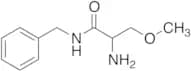
CAS:Controlled Product<p>Stability Hygroscopic<br>Applications A labelled metabolite of Acrylonitrile (ACN).<br>References Guengerich, F., et al.: Cancer Res., 41, 4925 (1981), Leonard, A., et al.: Mutation Res., 436, 263 (1999), Stadler, R., et al.: J. Agric. Food Chem., 52, 5550 (2004), Dybing, E., et al.: Food Chem. Toxicol., 43, 365 (2005), Rice, J., et al.: Mutation Res., 580, 3 (2005),<br></p>Formula:C20H32D3N3O4SColor and Shape:White To Off-WhiteMolecular weight:416.59N-Benzyl-2-amino-3-methoxypropionamide
CAS:Controlled Product<p>Applications N-Benzyl-2-amino-3-methoxypropionamide is an impurity of Lacosamide which is a potent anticonvulsant.<br>References Letiran, A., et al.: J. Med. Chem., 45, 4762 (2002); Wadavrao, S., et al.: Synthesis, 45, 3383 (2013)<br></p>Formula:C11H16N2O2Purity:>85%Color and Shape:YellowMolecular weight:208.26Monodecyl Phthalate
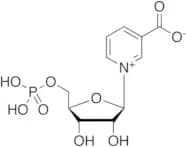
CAS:Controlled Product<p>Applications Monodecyl Phthalate is an environmental toxin, used as a catalyst in the analysis of the kinetics crosslinking oligomers in a film.<br>References Yamamoto, T. et al.: J. Coat. Tech., 60, 51 (1988); Scholz, N. et al.: Chemosphere, 53, 921 (2003);<br></p>Formula:C18H26O4Color and Shape:NeatMolecular weight:306.4β-Nicotinic Acid Mononucleotide
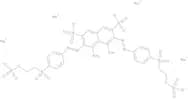
CAS:Controlled Product<p>Stability Hygroscopic<br>Applications A nucleotide of nicotinic acid which is produced from quinolinic acid by quinolinate phosphoribosyltransferase via transfer of a phosphoribose group. It is an intermediate of nicotinic acid adenine dinucleotide (NaAD) which is then converted to NAD via amidation and in turn converted to NADPH.<br>References Petrelli, R. et al.: Curr. Med. Chem., 18, 1973 (2011); Shibata, K. et al.: J. Chrom. B Biomed. Sci. Appl., 749, 281 (2000); Evans, C. et al.: BMC Chem. Biol., 10, 2 (2010);<br></p>Formula:C11H14NO9PColor and Shape:NeatMolecular weight:335.2C.I.Reactive Black 5 (Technical Grade)
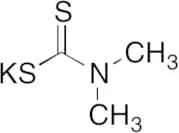
CAS:Controlled Product<p>Applications C.I.Reactive Black 5 (CAS# 17095-24-8) is a useful research chemical compound.<br></p>Formula:C26H21N5O19S6·4NaColor and Shape:NeatMolecular weight:991.82Busan 85
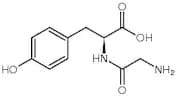
CAS:Controlled Product<p>Applications Busan 85 is a useful intermediate that has been used in the synthetic preparation of sulfonamide carbonic anhydrase inhibitors as antitumor agents.<br>References Supuran, C.T.; et al.: Bioorganic Med. Chem., 9, 703 (2001)<br></p>Formula:C3H6KNS2Color and Shape:NeatMolecular weight:159.31Glycyl-L-tyrosine
CAS:Controlled Product<p>Applications Glycyl-L-tyrosine<br></p>Formula:C11H14N2O4Color and Shape:NeatMolecular weight:238.24TETA
CAS:Controlled Product<p>Applications TETA, is a macrocyclic ligand, used for development of new imaging agents.<br></p>Formula:C18H32N4O8•4HCl•xH2OColor and Shape:NeatMolecular weight:432.47 + 4(36.46) + x(18.02)N-Acetyl-L-phenylalanine
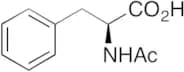
CAS:Controlled Product<p>Applications N-Acetyl-L-phenylalanine is an protected analogue of L-Phenylalanine (P319415), an essential amino acid produced for medical, feed, and nutritional applications such as in the preparation of Aspartame.<br>References Sriram, S., et al.: J. Med. Chem., 56, 2540 (2013); Parker, B.M., et al.: J. Biotech., 155, 396 (2011);<br></p>Formula:C11H13NO3Color and Shape:NeatMolecular weight:207.23Succinimidyl-6-(biotinamido) Hexanoate
CAS:Controlled Product<p>Stability Moisture Sensitive<br>Applications Succinimidyl-6-(biotinamido) Hexanoate is a biotinylation reagent incorporating an aminocaproyl “spacer”. This can reduce the steric hindrance in binding avidin to some biotinylated compounds when used to biotinylate both the antibody and the carrier in the Protein Avidin-Biotin Capture System. This system avoids the direct interaction of a captured antibody with solid surfaces, such as plastics, which may reduce antigenicity. It has also been used to enhance the detection of DNA on nitrocellulose. Has also been used as a cell surface labelling reagent<br>References Hofmann, K., et al.: Biochemistry, 21, 978 (1982); Leary, J.J., et al.: P. Natl. Acad. Sci. USA, 80, 4045, (1983); Suter, M., et al.: Immunology Letters, 13, 313 (1986); Gretch, D.R., et al.: Anal. Biochem., 163, 270 (1987), Burgess, T.L., et al.: J. Biol. Chem., 269 (32), 19188 (1995), Schumacher, T.N.M., et al.: Science, 271, 1854 (1996)<br></p>Formula:C20H30N4O6SColor and Shape:Off White Crystalline PowderMolecular weight:454.54














![2-[[3,4,6-Tri-O-acetyl-2-(acetylamino)-2-deoxy-β-D-galactopyranosyl]oxy]acetic Acid](/_next/image/?url=https%3A%2Fstatic.cymitquimica.com%2Fproducts%2FTR%2Fthumb-webp%2FT992240.webp&w=3840&q=75)