Biochemicals and Reagents
Biochemicals and reagents are fundamental substances for research and development in fields such as biotechnology, molecular biology, pharmacology, and medicine. These products are essential for a variety of applications, including compound synthesis, biological sample analysis, metabolic process research, and drug production. At CymitQuimica, we offer a wide selection of high-quality, high-purity biochemicals and reagents suitable for various scientific and industrial needs. Our catalog includes enzymes, antibodies, nucleic acids, amino acids, and many other products, all designed to support researchers and professionals in their research and development projects, ensuring reliable and reproducible results.
Subcategories of "Biochemicals and Reagents"
- Biomolecules(99,179 products)
- By Biological Target(99,902 products)
- By Pharmacological Effects(6,790 products)
- Cryopreservatives(21 products)
- Desinfectants and Related Compounds(28 products)
- Hormones(346 products)
- Plant Biology(6,846 products)
- Secondary Metabolites(14,327 products)
Found 130590 products of "Biochemicals and Reagents"
Sort by
Purity (%)
0
100
|
0
|
50
|
90
|
95
|
100
Glycyl-L-Tyrosine Dihydrate
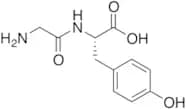
CAS:Controlled Product<p>Applications Glycyl-L-Tyrosine Dihydrate is used in process for producing N-Glycyltyrosine. Glycyl-L-Tyrosine Dihydrate is the anhydrous form of Glycyl-L-tyrosine(G720108); which is used in preparation method of high quality Aspartame and Aspartame crystallization-inducing agent.<br>References Mimura, T., et al.: Eur. Pat. Appl., (1999); Gao, Z., et al.: Faming Zhuanli Shenqing, (2019);<br></p>Formula:C11H14N2O4·2H2OColor and Shape:NeatMolecular weight:274.27DL-Cystine-2,2',3,3,3',3'-d6
CAS:Controlled Product<p>Applications DL-Cystine-2,2',3,3,3',3'-d6 (CAS# 352431-53-9) is a useful isotopically labeled research compound.<br></p>Formula:C6D6H6N2O4S2Color and Shape:NeatMolecular weight:246.34Benzamidine
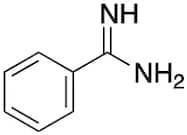
CAS:Controlled Product<p>Applications BENZAMIDINE (cas# 618-39-3) is a useful research chemical.<br></p>Formula:C7H8N2Color and Shape:NeatMolecular weight:120.15Zymostenol
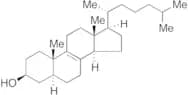
CAS:Controlled Product<p>Applications Zymostenol, is the derivative of Zymosterol (Z701520), which is an sterol intermediate in the biosynthesis of cholesterol (C432501).<br>References Roland, E.D., et al.: J. Am. Chem. Soc., 111, 278 (1989); Echevarria, F., et al.: J. Biol. Chem., 265, 8484 (1990); Baranovskii, A.V., et al.: Russian. J. Bioorg. Chem., 28, 250 (2002); Schoenheimer, et al.: J. Biol. Chem., 105, 355 (1934);<br></p>Formula:C27H46OColor and Shape:NeatMolecular weight:386.65H-D-Ala-D-Leu-OH TFA Salt
CAS:Controlled Product<p>Applications H-D-Ala-D-Leu-OH (cas# 67392-69-2) is a useful research chemical.<br></p>Formula:C9H18N2O3·C2HF3O2Color and Shape:NeatMolecular weight:316.274Ethyl Lauroyl Arginate Hydrochloride
CAS:<p>Applications Ethyl Lauroyl Arginate Hydrochloride is used as a food antimicrobial in the sanitation of preserved foods. It is also used in cosmetics as a preservative.<br> Not a dangerous good if item is equal to or less than 1g/ml and there is less than 100g/ml in the package<br>References Brandt, A. et al.: . Food. Sci., 75, M557 (2010); Taormina, P. et al.: J. Food. Prot., 72, 1216 (2009); Chem. and Eng. News Page 14, Nov. 5 (2018)<br></p>Formula:C20H40N4O3·ClHColor and Shape:NeatMolecular weight:421.02Bis(4-hydroxyphenyl) Sulfone O-β-D-Glucuronide Sodium Salt
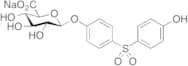
Controlled Product<p>Stability Hygroscopic<br>Applications Bis(4-hydroxyphenyl) Sulfone O-β-D-Glucuronide is the glucuronide derivative of Bis(4-hydroxyphenyl) Sulfone (B447390); a compound that is commonly used as a reactant in epoxy reactions. It is also used as a latent thermal catalyst for epoxy resin.<br>References Fu, J.W., et al.: Adv. Mat. Rsch., 266, 1022 (2011); Li, J.X., et al.: Polymers. Adv. Tech., 23, 803 (2012)<br></p>Formula:C18H17NaO10SColor and Shape:NeatMolecular weight:448.38Aliquat 336
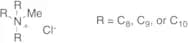
CAS:Controlled Product<p>Applications Aliquat 336 is a reagent in the synthesis of Iso Promethazine (I822500, HCl); an impurity of Promethazine (P757000, HCl) which is an antihistaminic, antiemetic, and CNS depressant.<br> Not a dangerous good if item is equal to or less than 1g/ml and there is less than 100g/ml in the package<br>References Gasco, M.R., et al.: J. Pharma. Sci., 68, 612 (1979); Edge, W., et al.: J. Pharm. Pharmacol., 5, 279 (1953); Huang, et al.: J. Pharm. Sci., 59, 772 (1970); Shearer, C.M., et al.: Anal. Profiles Drug Subs., 5, 429 (1976)<br></p>Formula:(R3NCH3)ClColor and Shape:NeatN-Phenyl-N'-cyclohexyl-p-phenylenediamine (>90%)
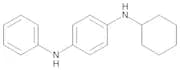
CAS:Controlled ProductFormula:C18H22N2Purity:>90%Color and Shape:NeatMolecular weight:266.38073-Hydroxy-7,12-diketocholanoic Acid
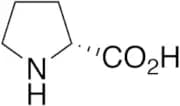
CAS:Controlled Product<p>Applications 3-Hydroxy-7,12-diketocholanoic Acid is a bile acid salt as biosurfactants.<br>References Posa, M., et al.: Steroids, 86, 16-25 (2014)<br></p>Formula:C24H36O5Color and Shape:NeatMolecular weight:404.54tert-Butoxycarbonyl-D-proline
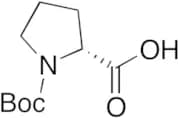
CAS:Controlled Product<p>Applications tert-Butoxycarbonyl-D-proline is Boc protected D-proline (P755990). It is used to prepare trichostatin A and trapoxin B analogs as histone deacetylase inhibitors. It is also used to prepare potent and selective nonpeptide inhibitors of caspases 3 and 7.<br>References Jung, M., et al.: Bioorg. Med. Chem. Lett., 7, 1655 (1997); Lee, D., et al.: J. Med. Chem,, 44, 2015 (2001)<br></p>Formula:C10H17NO4Color and Shape:NeatMolecular weight:215.257-Ethoxycoumarin
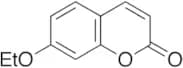
CAS:Controlled Product<p>Applications A substrate for cytochrome CYP2B6.<br>References Kabumoto, H., et al.: Biosci., Biotechnol., Biochem., 73, 1922 (2009), Maresca, A., et al.: J. Med. Chem., 53, 335 (2010), Si-Ahmed, K., et al.: J. Pharm. Biomed. Anal., 51, 225 (2010),<br></p>Formula:C11H10O3Color and Shape:NeatMolecular weight:190.20D-γ-Tocotrienol
CAS:<p>Stability Light Sensitive<br>Applications γ-Tocotrienol exhibits antioxidant properties and belongs to the vitamin E family. It is naturally found in wheat germ oil and bran. In addition, α-tocopherol and γ-tocotrienol derivatives are potential lead compounds for developing anticancer and antiproliferative agents against MCF-7 and MDA-MB-231 breast cancer cells and the A549 lung cancer cells.<br>References Gagic, Z., et al.: Eur. J. Pharm. Sci. 88, 59 (2016); Guardiola, F., et al.: Food Chem. Toxicol., 34, 193 (1996); Kong, S., et al.: Food Chem., 120, 278 (2010); Aggarwal, B., et al.: Biochem. Pharmacol., 80, 1613 (2010)<br></p>Formula:C28H42O2Color and Shape:YellowMolecular weight:410.631-Oleoyl-2-acetyl-sn-glycerol
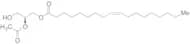
CAS:Controlled Product<p>Stability Temperature Sensitive. This compound can rearrange to the 1,3-isomer in solutio<br>Applications Activator of phospholipid-dependent protein kinase C; and stimulator of secretion and aggregation in blood platelets.x<br>References Nature, 306, 487 (1983), J. Biol. Chem., 258, 6701 (1983), Biochem. Biophys. Res. Comm., 115, 383 (1983), Benz, I., et al.: J. Membr. Biol., 130, 183 (1992), Haeffner, E.W., et al.: J. Lipid Mediat., 5, 237 (1992), Florin-Christensen, J., et al.: Biochem. J., 289, 783 (1993)<br></p>Formula:C23H42O5Color and Shape:NeatMolecular weight:398.58N-(2-Hydroxyethyl)adenosine
CAS:Controlled Product<p>Applications N-(2-Hydroxyethyl)adenosine has been studied as an anticonvulsant through the activation of adenosine A1 receptor (AA1R).<br>References Zhu, B-C., et al.: Junwu Xuebao, 35, 619-627 (2016);<br></p>Formula:C12H17N5O5Color and Shape:NeatMolecular weight:311.291-Cyclopentyl-4-nitrosopiperazine-d9
CAS:Controlled Product<p>Applications 1-Cyclopentyl-4-nitrosopiperazine-d9 is an isotopically labeled compound of 1-Cyclopentyl-4-nitrosopiperazine (C213795). 1-Cyclopentyl-4-nitrosopiperazine is used in the green preparation of aminoazacyclic compounds via a new method of selective reduction.<br>References Yang, W., et al.: Chem. Heterocycl. Compd. 54, 780 (2018);<br></p>Formula:C9D9H8N3OColor and Shape:NeatMolecular weight:192.306Choline p-Toluenesulfonate Salt
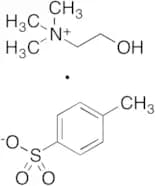
CAS:<p>Applications Choline p-Toluenesulfonate Salt is a useful intermediate as well as a choline acetyltransferase (CHAT) substrate.<br>References Brockerhoff, H., et al.: N.K.N., Lipids, 14, 88 (1979);<br></p>Formula:C7H7O3S·C5H14NOColor and Shape:NeatMolecular weight:275.36Repaglinide-ethyl-d5
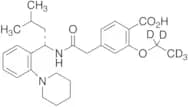
CAS:Controlled Product<p>Applications Deuterated Repaglinide, a non-sulfonylurea oral hypoglycemic agent which is used as an antidiabetic.<br>References Wolffenbuttel, B.H.R., et al.: Eur. J. Clin. Pharmacol., 45, 113 (1993), Ampudia-Blasco, F.J., et al.: Diabetologia, 37, 703 (1994),<br></p>Formula:C272H5H31N2O4Color and Shape:White SolidMolecular weight:457.62α-Naphthol Orange (Technical Grade)
CAS:Controlled ProductFormula:C16H11N2O4S·NaColor and Shape:NeatMolecular weight:350.32Phenylacetyl-d5 L-Glutamine
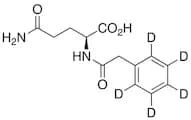
CAS:Controlled Product<p>Applications It is used as labelled biomarker for metabolic age.<br>References Selmer, T., et al.: Eur. J. Biochem., 268, 1363 (2001), Connelly, J., et al.: Drug Metab. Dispos., 30, 1357 (2002), Lindon, J., et al.: Pharm. Res., 23, 1075 (2006), Monteagudo, E., et al.: Xenobiotica, 37, 1000 (2007),<br></p>Formula:C13D5H11N2O4Color and Shape:Off-White To Light YellowMolecular weight:269.312-Butyl-5,5-dimethyl-1,3-dioxane
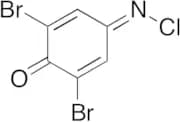
CAS:Controlled ProductFormula:C10H20O2Color and Shape:NeatMolecular weight:172.2652,6-Dibromoquinone-4-chloroimide
CAS:Formula:C6H2Br2ClNOColor and Shape:YellowMolecular weight:299.354,5-Dihydro-4,5-dioxo-1H-pyrrolo[2,3-f]quinoline-2,7,9-tricarboxylic Acid
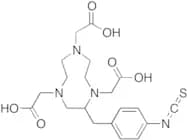
CAS:Controlled Product<p>Stability Temperature Sensitive<br>Applications A cofactor of microbial quinoprotein enzyme, and imidazopyrroline. A redox/cofactor found in a a class of enzymes called quinoproteins.<br></p>Formula:C14H6N2O8Color and Shape:NeatMolecular weight:330.21p-SCN-Bn-NOTA Trihydrochloride, Technical Grade
CAS:Controlled Product<p>Applications p-SCN-Bn-NOTA is a bifunctional chelating agent.<br>References Sarkar, S., et al.: J. Med. Chem., 61, 385 (2018)<br></p>Formula:C20H26N4O6S·3HClColor and Shape:Off-White To BeigeMolecular weight:450.51 + 3(36.46)D-Serine Methyl Ester Hydrochloride
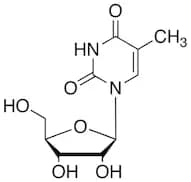
CAS:Controlled Product<p>Applications D-Serine Methyl Ester Hydrochloride (cas# 5874-57-7) is a compound useful in organic synthesis.<br></p>Formula:C4H9NO3·ClHColor and Shape:NeatMolecular weight:155.585-Methyluridine
CAS:<p>Applications A primary degradation product of tRNA, an urinary nucleoside as biological marker for patients with colorectal cancer.<br>References Borek, E., et al.: Cancer Res., 37, 3362 (1977), Sander, G., et al.: Clin. Sci.,71, 367 (1986), Sander, G., et al.: Ann. Nutr. Metab., 30, 137 (1986), Rasmuson, T., et al.: Acta Oncol., 34, 61 (1995),<br></p>Formula:C10H14N2O6Color and Shape:NeatMolecular weight:258.23Pentaethylene glycol dichloride
CAS:Controlled Product<p>Applications Pentaethylene glycol dichloride is a useful synthetic intermediate. Pentaethylene glycol dichloride is used as a reagent to prepare various Crown Ethers.<br>References Peng, C., et al.: J. Appl. Polym. Sci., 70, 501 (1998); Park, S., et al.: Chem. Lett., 35, 1024 (2006)<br></p>Formula:C10H20Cl2O4Color and Shape:NeatMolecular weight:275.172-Propylmalonic Acid
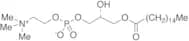
CAS:Controlled Product<p>Applications 2-Propylmalonic acid (cas# 616-62-6) is a useful research chemical.<br></p>Formula:C6H10O4Color and Shape:NeatMolecular weight:146.141-Palmitoyl-sn-glycero-3-phosphocholine
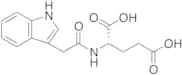
CAS:<p>Applications A lipid biomarker for stable and unstable heart disease.<br>References Gaziano, J., et al.: Circulation, 96, 2520 (1997), Thomas, A., et al.: Anal. Chem., 82, 6687 (2010),<br></p>Formula:C24H50NO7PColor and Shape:White PowderMolecular weight:495.63Indole-3-acetyl-L-glutamic Acid
CAS:Controlled Product<p>Applications Indole-3-acetyl-L-glutamic Acid is an indole-3-acetyl-amino acid conjugate involved in regulatory mechanisms for the control of auxin activity during physiological and pathophysiological responses.<br>References Ostrowski, M., et al.: J Plant Physiol, 191, 63-72 (2016)<br></p>Formula:C15H16N2O5Color and Shape:NeatMolecular weight:304.39-cis-Retinol Acetate
CAS:Controlled ProductFormula:C22H32O2Purity:>85%Color and Shape:NeatMolecular weight:328.49Oleyl Oleate
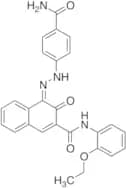
CAS:<p>Applications Oleyl Oleate is a synthetic analog of jojoba oil. Used as a wax ester for various applications.<br>References Lopes, D. et al.: Food Sci. Biotech., 20, 1203 (2011); Radzi, S. et al.: J. Oleo. Sci., 59, 127 (2010);<br></p>Formula:C36H68O2Color and Shape:NeatMolecular weight:532.92Pigment Red 170
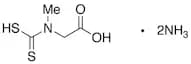
CAS:<p>Applications Pigment Red 170 (cas# 2786-76-7) is a useful research chemical.<br></p>Formula:C26H22N4O4Color and Shape:NeatMolecular weight:454.477N-(Dithiocarboxy)sarcosine Diammonium Salt
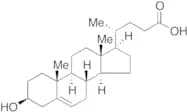
CAS:Controlled ProductFormula:C4H7NO2S2·2H3NColor and Shape:NeatMolecular weight:199.295-Cholenic Acid-3β-ol
CAS:Controlled Product<p>Applications 5-Cholenic Acid-3β-ol is a bile acid of which the metabolism in humans results in the primary bile acids lithocholic acid and chenodeoxycholic. It is found in hgher concentrations in meconium of premature human babies when compared to full term babies.<br>References Tohma, M., et al.: Steroids, 44, 47 (1984); Kok, E., et al.: J. Biol. Chem., 256, 6155 (1981); Back, P., et al: Hoppe-Seyler's Zeitschrift fuer Physiologische Chemie, 354, 83 (1973); Javitt, N., et al.: J. Biol. Chem,, 261, 12486 (1986);<br></p>Formula:C24H38O3Color and Shape:NeatMolecular weight:374.56Vitamin K3-d8
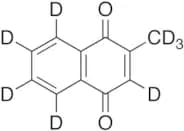
CAS:Controlled Product<p>Applications Precursor to verious types of Vitamin K. Used as a micronutrient for livestock and pet foods.<br>References Sakamoto, S., et al.: Anal. Bioanal. Chem., 396, 2955 (2010), Gohil, V., et al.: Nat. Biotechnol., 28, 249 (2010), Hu, W., et al.: Anal. Biochem., 398, 245 (2010),<br></p>Formula:C112H8O2Color and Shape:NeatMolecular weight:180.23Tolmetine
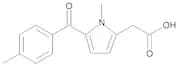
CAS:Controlled Product<p>Applications 1-Methyl-5-p-toluoylpyrrole-2-acetic acid (cas# 26171-23-3) is a useful research chemical.<br></p>Formula:C15H15NO3Color and Shape:NeatMolecular weight:257.28N-Acetyl-L-glutamic Acid
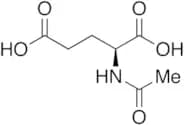
CAS:Controlled Product<p>Applications N-Acetyl-L-glutamic Acid is the N-Acetyl analogue of the non-essential amino acid, L-glutamic acid (G596960). N-Acetyl-L-glutamic Acid activates carbamoyl phosphate synthetase in the urea cycle.<br>References Saheki, T. et al.: J. Biochem., 77, 659 (1975); Rivas, J. et al.: Acta Biol. Med. Ger., 36, 1673 (1977); Zollner, H.: Biochim. Biophys. Acta, 676, 170 (1981);<br></p>Formula:C7H11NO5Color and Shape:NeatMolecular weight:189.171-O-Hexyl-2,3,5-trimethylhydroquinone
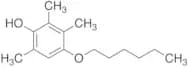
CAS:Controlled Product<p>Applications A novel phenolic antioxidant that showed strong antimutagenic activity against eight carcinogenic heterocyclic amines (HCA), produced during cooking processes. Its antimutagenic activity appeared to inhibit both metabolic activation of HCA and action on activated N-Hydroxy species.<br>References Hirose, M., et al.: Jpn. J. Cancer Res., 84, 481 (1993), Hirsoe, M., et al.: Carcinogenesis, 16, 2, 217 (1995), Hirsoe, M., et al.: Carcinogenesis, 16, 9, 2227 (1995), Hirsoe, M., et al.: Carcinogenesis, 16, 12, 3049 (1995)<br></p>Formula:C15H26O2Color and Shape:NeatMolecular weight:238.37Thioflavine S (Technical Grade)
CAS:Controlled Product<p>Applications Thioflavine S is a reagent also known as Direct Yellow 7; potentially useful as an amyloid plaque stain. Dyes and metabolites.<br></p>Color and Shape:Dark Red To Dark BrownTrimedlure
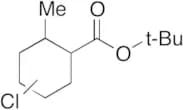
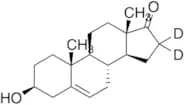
CAS:<p>Applications Trimedlure (cas# 12002-53-8) is a useful research chemical.<br></p>Formula:C12H21ClO2Color and Shape:NeatMolecular weight:232.75Dehydroepiandrosterone-16,16-d2
CAS:Controlled ProductFormula:C19D2H26O2Purity:97%Color and Shape:NeatMolecular weight:290.44L-165041
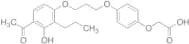
CAS:<p>Stability Light Sensitive<br>Applications L-165041 is a cell permeable peroxisome proliferator activator receptor b agonist.<br></p>Formula:C22H26O7Color and Shape:NeatMolecular weight:402.44D-Tryptophan
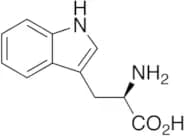
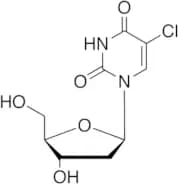
CAS:Controlled Product<p>Applications An essential amino acid found in naturally produced peptides. Unlike its stereoisomer, L-tryptophan, it is not used in structural or enzyme proteins.<br>References Karunakaran, S.et al.: Bochem. J., 414, 343 (2008); Pallaghy, P.K. et al.: Biochem., 38, 11553 (1999);<br></p>Formula:C11H12N2O2Color and Shape:NeatMolecular weight:204.235-Chloro-2'-deoxyuridine
CAS:Controlled Product<p>Applications A halogenated uridine derivative used in pharmaceutical compositions.<br>References Brammer, K., et al.: Biochim. Biophys. Acta, 72, 217 (1963), Uesugi, S., et al.: Chem. Pharm. Bull., 26, 3040 (1978)<br></p>Formula:C9H11ClN2O5Color and Shape:NeatMolecular weight:262.653-(Diethylamino)-7-[2-[4-[[4-[(2,5-dioxo-1-pyrrolidinyl)oxy]-4-oxobutyl]methylamino]phenyl]diazenyl]-5-phenylphenazinium Hexafluorophosphate
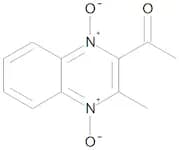
CAS:Controlled Product<p>Applications 3-(Diethylamino)-7-[2-[4-[[4-[(2,5-dioxo-1-pyrrolidinyl)oxy]-4-oxobutyl]methylamino]phenyl]diazenyl]-5-phenylphenazinium is used in preparation of Peptide derivatives as imaging probes of Cathepsin catalytic activity.<br>References Kindermann, M., et al.: PCT Int. Appl., (2018);<br></p>Formula:C37H38N7O4·F6PColor and Shape:NeatMolecular weight:789.706Mequindox
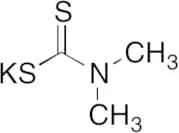
CAS:Controlled Product<p>Applications Mequindox is an intermediate in the synthesis of Desoxyquinocetone which is a metabolite of the veterinay drug Quinocetone.<br>References Li, Y. et al.: J. AOAC Int., 91, 1494 (2008); Liu, Z.-Y. et al.: Anal. Bioanal. Chem., 396, 1259 (1271);<br></p>Formula:C11H10N2O3Color and Shape:NeatMolecular weight:218.21Busan 85
CAS:Controlled Product<p>Applications Busan 85 is a useful intermediate that has been used in the synthetic preparation of sulfonamide carbonic anhydrase inhibitors as antitumor agents.<br>References Supuran, C.T.; et al.: Bioorganic Med. Chem., 9, 703 (2001)<br></p>Formula:C3H6KNS2Color and Shape:NeatMolecular weight:159.31D-Gulose
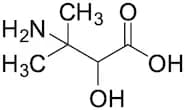
CAS:<p>Applications D-Glucose is a aldohexose sugar that is very rare in nature but has been found in archaea, bacteria and other eukaryotes. Gulose is the C-3 Epimer of galactose (G155250).<br>References Sun, Y.X., et al.: Biosci. Biotech. Biochem., 70, 598 (2006); Bhuiyan, S.H., et al.: J. Biosci. Bioengin., 88, 567 (1999);<br></p>Formula:C6H12O6Color and Shape:Off White SolidMolecular weight:180.15593-Amino-2-hydroxy-3-methylbutanoic Acid
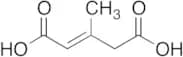
CAS:Controlled ProductFormula:C5H11NO3Color and Shape:NeatMolecular weight:133.1463-Methylglutaconic Acid
CAS:Controlled Product<p>Stability Hygroscopic<br>Applications 3-Methylglutaconic acid is a glutarate which builds up in the urine in 3-methylglutaconic aciduria. 3-methylglutaconic aciduria is a term used to describe five different disorders that impair the functioning of energy-producing centers within cells (mitochondria)<br>References Walsh, R., et al.: J. Inherit. Metab. Dis., 22, 251 (1999); Gonzalez, I., et al.: Am J Med Genet A., 134, 409 (2005); MacKenzie, J., et al.: Biochim Biophys Acta., 1772, 509 (2007)<br></p>Formula:C6H8O4Color and Shape:NeatMolecular weight:144.132-Phenylbenzothiazole
CAS:Controlled Product<p>Applications 2-Phenylbenzothiazole is an organic compound that was detected in water and sediment from sedimentation ponds as a contaminant.<br>References Grung, M., et al.: Sci. Total Environ., 751, 141808 (2021)<br></p>Formula:C13H9NSColor and Shape:NeatMolecular weight:211.28N-[(4R)-4-Thiazolidinylcarbonyl]glycine
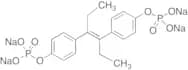
CAS:Controlled ProductFormula:C6H10N2O3SColor and Shape:NeatMolecular weight:190.22Fosfestrol Tetrasodium Salt
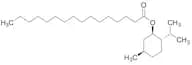
CAS:Controlled ProductFormula:C18H18O8P2·4NaColor and Shape:NeatMolecular weight:516.237DL-Menthyl Palmitate
CAS:Controlled ProductFormula:C26H50O2Color and Shape:WhiteMolecular weight:394.6744-P-Hydroxyphenyl-2,2,4-trimethylchroman
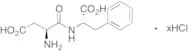
CAS:Controlled Product<p>Applications 4-P-HYDROXYPHENYL-2,2,4-TRIMETHYLCHROMAN (cas# 472-41-3) is a useful research chemical.<br></p>Formula:C18H20O2Color and Shape:NeatMolecular weight:268.36L-Aspartyl-L-phenylalanine Hydrochloride
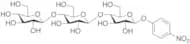
CAS:Controlled Product<p>Applications L-Aspartyl-L-phenylalanine is an impurity of Thiamine (T344185). Thiamine Impurity B.<br>References Aluwihare, L., et al.: Science, 308, 1007 (2005), Koch, B., et al.: Anal. Chem., 79, 1758 (2007), Reemtsma, T., et al.: Environ. Sci. Technol., 42, 1430 (2008),<br></p>Formula:C13H16N2O5xHClColor and Shape:NeatMolecular weight:280.28p-Nitrophenyl β-D-Cellotrioside
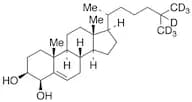
CAS:Controlled Product<p>Applications p-Nitrophenyl β-D-Cellotrioside (cas# 106927-48-4) is a compound useful in organic synthesis.<br></p>Formula:C24H35NO18Color and Shape:NeatMolecular weight:625.534β-Hydroxy Cholesterol-d7
CAS:Controlled Product<p>Applications 4β-Hydroxy Cholesterol-d7 is a labelled metabolite of Cholesterol. It is formed from Cholesterol by the drug-metabolizing enzyme cytochrome P 450 3A4. A potential ligand for the nuclear receptor LXR and also a new endogenous CYP3A marker.<br>References Breuer, O., et al.: J. Lipid Res., 36, 2275 (1995), Pikuleva, I., et al.: J. Biol. Chem., 273, 18153 (1998), Chawla, A., et al.: Science, 294, 1866 (2001), Bodin, K., et al.: J. Biol. Chem., 276, 38685 (2001),<br></p>Formula:C27H39D7O2Color and Shape:Off WhiteMolecular weight:409.70Dodecane
CAS:<p>Applications Dodecane is used in the synthesis of triblock polymers that deliver nanoparticles to the oil/water interface and degrade non-tocxc non-aqueous liquids. Used in the synthesis of helical folding of alkanes used in a self assembly.<br>References Saleh, N. et al.: Nano. Lett., 2489, 5 (2005); Scarso, A. et al.: J. Am. Chem. Soc., 126, 13512 (2004);<br></p>Formula:C12H26Color and Shape:ColourlessMolecular weight:170.33Cocamidopropyl Betaine (~30% aqueous solution)
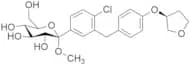
CAS:<p>Applications Cocamidopropyl Betaine is a medium strength surfactant.<br></p>Formula:C19H38N2O3Color and Shape:ColourlessMolecular weight:342.521-Methoxy Empagliflozin
CAS:Controlled Product<p>Applications 1-Methoxy Empagliflozin is an impurity in the synthesis of Empagliflozin drug (E521510), which is potent and selective inhibitor of sodium glucose co-transporter-2 (SGLT-2).<br>References Thomas, L., et al.: Diabetes. Obesity. Metabol. 14, 94 (2012); Grempler, R., et al.: Diabetes. Obesity. Metabol., 14, 83 (2012);<br></p>Formula:C24H29ClO8Color and Shape:White To Off-WhiteMolecular weight:480.9411-Deoxy-18-hydroxycorticosterone
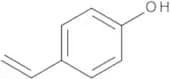
CAS:Controlled Product<p>Applications 11-Deoxy-18-hydroxycorticosterone is an analog of Corticosterone (C695700); a glucocorticoid and intermediate in the biosynthesis of Aldosterone (A514700) which is an adrenocortical steroid isolated from the adrenal cortex.<br>References Schmidt, M., et al.: Endocrinol., 150, 2709 (2009); Bailey, M., et al.: J. Immunol., 182, 7888 (2009); Brunton, P., et al.: J. Neurosci., 29, 6449 (2009); Pruett, S., et al.: Toxicol. Sci., 109, 265 (2009)<br></p>Formula:C21H30O4Color and Shape:NeatMolecular weight:346.464-Vinylphenol, 10 wt.% In Propylene Glycol
CAS:<p>Applications 4-Vinylphenol, 10 wt.% In propylene glycol (cas# 2628-17-3) is a useful research chemical.<br></p>Formula:C8H8OColor and Shape:Single SolutionMolecular weight:120.14Poly(ethylene Glycol) ~200
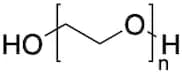
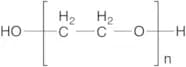
CAS:Controlled Product<p>Applications Poly(ethylene Glycol) molecules of an average molecular mass of 200. Poly(ethylene Glycol) is used in various applications from industrial chemistry to biological chemistry. Recent research has shown PEG maintains the ability to aid the spinal cord injury recovery process, helping the nerve impulse conduction process in animals. In rats, it has been shown to aid in the repair of severed sciatic axons, helping with nerve damage recovery. It is industrially produced as a lubricating substance for various surfaces to reduce friction. PEG is also used in the preparation of vesicle transport systems in with application towards diagnostic procedures or drug delivery methods.<br>References Borgens, R. et al.: J. Neurosci. Res., 66, 1179 (2001); Stavisky, R. et al.: Neurosci. Lett., 376, 98 (2005); Nalam, P. et al.: Tribiol. Lett., 37, 541 (2010); Steinmetz, N. et al.: J. Am. Chem. Soc., 131, 17093 (2009); Li, X. et al.: J. Am. Chem. Soc., 133, 11147 (2011); Li, L. et al.: Int. J. Pharm., 447, 192 (2013);<br></p>Formula:H2O(C2H4O)nColor and Shape:ColourlessMolecular weight:62.071-Linoleoyl-3-palmitoyl-rac-glycerol
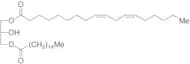
CAS:<p>Applications Fatty acid ester with glycerol from banana fruit residues as source of valuable phytosterols.<br>References Banskota, A., ET AL.: Biol. Pharm. Bull., 23, 456 (2000), Luo, H., ET AL.: J. Nat. Prod., 68, 94 (2005), Oliveira, L., et al.: J. Agric. Food Chem., 54, 2598 (2006), Oliveira, L., et al.: Ind. Crops Prod., 26, 163 (2007),<br></p>Formula:C37H68O5Color and Shape:NeatMolecular weight:592.93n-Octyl-oligo-oxyethylene
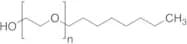
CAS:Controlled Product<p>Applications n-Octyl-oligo-oxyethylene is a detergent for useful solubilization, purification and crystallization of proteins.<br> Not a dangerous good if item is equal to or less than 1g/ml and there is less than 100g/ml in the package<br></p>Formula:(C2H4O)nC8H18OColor and Shape:NeatMolecular weight:n(44.05)+(130.23)4-Methoxy-5-methyl-5H-1,2-oxathiole 2,2-Dioxide
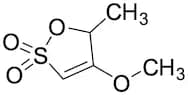
CAS:Controlled ProductFormula:C5H8O4SColor and Shape:NeatMolecular weight:164.18Secalciferol-d6
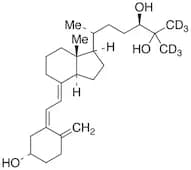
CAS:Controlled Product<p>Stability Light Sensitive, Temperature Sensitive<br>Applications A labelled metabolite of Vitamin D, a possible anti-inflammatory steroid.<br> Not a dangerous good if item is equal to or less than 1g/ml and there is less than 100g/ml in the package<br>References Boyan, B., et al.: Steroids, 66, 363 (2001), Holick, M., et al.: J. Cell Biochem., 88, 296 (2003), Vogeser, M., et al.: Clin. Chem., 50, 1415 (2004), Singh, R., et al.: J. Clin. Endocrinol. Metab., 91, 3055 (2006),<br></p>Formula:C272H6H38O3Color and Shape:NeatMolecular weight:422.67Nε,Nε,Nε-Trimethyllysine-d9
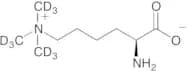
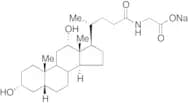
CAS:Controlled Product<p>Stability Very Hygroscopic<br>Applications 6-N-Trimethyl L-Lysine-d9, is the labeled analogue of Nε,Nε,Nε-Trimethyllysine, a metabolite and cofactor on the metabolic pathways.<br>References Rebouche C.J., et. al, J. Nutrition, 116(5), 751-759 (1986); Vaz, F.M et. al, J. Bio. Chem., 276(36), 33512-33517 (2001);<br></p>Formula:C9H11D9N2O2Color and Shape:NeatMolecular weight:197.32Glycodeoxycholic Acid Sodium Salt
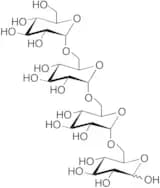
CAS:Controlled Product<p>Stability Hygroscopic<br>Applications Glycodeoxycholic acid is a bile acid that induces severe pancreatitis in rats.<br>References Houghton, A., et al.: Neuroreport, 8, 3795 (1997); Lake, A., et al.: Toxicol. Appl. Pharm., 268, 132 (2013); Zhao, X., et al.: Scand. J. Gastroentero., 37, 1351 (2002)<br></p>Formula:C26H42NO5·NaColor and Shape:White To Off-WhiteMolecular weight:471.61Isomaltotetraose
CAS:Controlled Product<p>Applications Isomaltotetraose, can be used for immunizication of hybridoma antibodies. the use of synthetic glycolipids as antigens enables one to study the gene control of antibody responses to glycolipids and to investigate the combining-site specificities of antibodies to a single antigenic determinant.<br>References Lai, E., et al.: Mol. Immunology, 22(9), 1021 (1985); Chen, H. T., et al.: Mol. Immunology, 24(4), 333 (1987);<br></p>Formula:C24H42O21Color and Shape:NeatMolecular weight:666.582-Azahypoxanthine Sodium Salt
CAS:Controlled Product<p>Stability Hygroscopic<br>Applications 2-Azahypoxanthine is a major degradation product of Dacarbazine (D101400). 2-Azahypoxanthine is possibly linked with some adverse effects of Dacarbazine (D101400). AHX is a natural product that is produced by fungi that spurs the growth of grass.<br>References Baird, G., et al.: Lancet, 2, 681 (1978), Horton, J., et al.: J. Pharm. Pharmacol., 33, 808 (1981), Shetty, B., et al.: J. Pharm. Biomed. Anal., 10, 675 (1992); Chem. and Eng. News p.7 Oct.1, (2018)<br></p>Formula:C4H2N5NaOColor and Shape:NeatMolecular weight:159.08Disodium 3-Hydroxy-4-[(4-methyl-2-sulfonatophenyl)diazenyl]-2-naphthoate
CAS:Controlled Product<p>Applications Disodium 3-Hydroxy-4-[(4-methyl-2-sulfonatophenyl)diazenyl]-2-naphthoate is used to prepare solid cosmetic powder.<br>References Zeng, S., et al.: Fr. Demande (2020), FR 3095123 A1<br></p>Formula:C18H12N2O6S·2NaColor and Shape:NeatMolecular weight:430.3424-(Methylthiol)-1-(isothiocyanato)butane
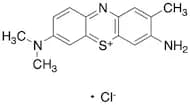
CAS:Formula:C6H11NS2Color and Shape:NeatMolecular weight:161.29Toluidine Blue O
CAS:Controlled Product<p>Applications Toluidine Blue O is metachromatic dye used for a variety of histological staining. A solution of this organic molecule strengthens cell walls in plants by binding to cellulose fibers. Color index 52040.<br>References Penney, D.P., et al.: Biotech. Histochem., 77, 237-275 (2002) PMID: 12564600<br></p>Formula:C15H16N3S·ClColor and Shape:NeatMolecular weight:305.826Triglycol
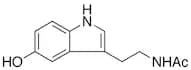
CAS:Controlled Product<p>Applications Triglycol is used in a mixture with 2-amino-2-methyl-1-propanol in a CO2 absorption-regeneration process.<br>References Zheng, C., et. al.: Ind. Eng. Chem. Res., 51, 11236 (2012)<br></p>Formula:C6H14O4Color and Shape:ColourlessMolecular weight:150.17N-Acetyl-5-hydroxytryptamine
CAS:<p>Stability Hygroscopic<br>Applications A metabolite of Melatonin (M215000).<br>References Reiter, R.J., et al.: J. Biomed. Sci., 7, 444 (2000), Chen, Z., et al.: Am. J. Physiol, 284, 1618 (2003), Barrenetxe, J., et al.: J. Physiol. Biochem., 60, 61 (2004),<br></p>Formula:C12H14N2O2Color and Shape:White To GreyMolecular weight:218.2518Disperse Yellow 9 (Technical Grade)
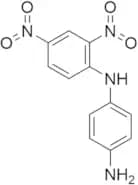
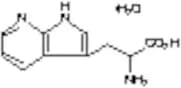
CAS:Formula:C12H10N4O4Color and Shape:Dark OrangeMolecular weight:274.23D,L-Azatryptophan Hydrate
CAS:Controlled ProductFormula:C10H13N3O3Color and Shape:NeatMolecular weight:223.23Disperse Diazo Black 3BF
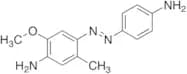
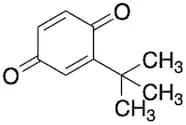
CAS:Controlled Product<p>Applications Disperse Diazo Black 3BF (cas# 6232-57-1) is a useful research chemical. Dyes and metabolites, Environmental Testing.<br></p>Formula:C14H16N4OColor and Shape:NeatMolecular weight:256.302-tert-Butyl-1,4-benzoquinone
CAS:Controlled Product<p>Applications 2-Tert-Butyl-1,4-Benzoquinone (cas# 3602-55-9) is a useful research chemical.<br></p>Formula:C10H12O2Color and Shape:NeatMolecular weight:164.203,5-Dihydroxyphenylpropanoic Acid 3-Sulfate Disodium Hydrate
CAS:Formula:C9H8Na2O7S·xH2OColor and Shape:NeatSuccinimidyl-6-(biotinamido) Hexanoate
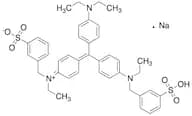
CAS:Controlled Product<p>Stability Moisture Sensitive<br>Applications Succinimidyl-6-(biotinamido) Hexanoate is a biotinylation reagent incorporating an aminocaproyl “spacer”. This can reduce the steric hindrance in binding avidin to some biotinylated compounds when used to biotinylate both the antibody and the carrier in the Protein Avidin-Biotin Capture System. This system avoids the direct interaction of a captured antibody with solid surfaces, such as plastics, which may reduce antigenicity. It has also been used to enhance the detection of DNA on nitrocellulose. Has also been used as a cell surface labelling reagent<br>References Hofmann, K., et al.: Biochemistry, 21, 978 (1982); Leary, J.J., et al.: P. Natl. Acad. Sci. USA, 80, 4045, (1983); Suter, M., et al.: Immunology Letters, 13, 313 (1986); Gretch, D.R., et al.: Anal. Biochem., 163, 270 (1987), Burgess, T.L., et al.: J. Biol. Chem., 269 (32), 19188 (1995), Schumacher, T.N.M., et al.: Science, 271, 1854 (1996)<br></p>Formula:C20H30N4O6SColor and Shape:Off White Crystalline PowderMolecular weight:454.54Acid violet 17 (Technical Grade)
CAS:Controlled Product<p>Applications Acid violet 17 is an anionic dye used in adsorption studies and to dye proteins in electrophoresis applications. Dyes and metabolites, Environmental Testing<br></p>Formula:C41H44N3O6S2·NaColor and Shape:NeatMolecular weight:761.92b-Galactosyl-C18-ceramide
CAS:Controlled ProductFormula:C42H81NO8Color and Shape:NeatMolecular weight:728.092-[2-(2-t-Boc-aminoethoxy]ethoxy]ethyl Bromide
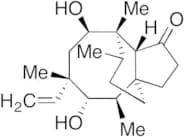
CAS:Controlled Product<p>Stability Light Sensitive, Moisture Sensitive<br>Applications A cross-linking reagent.<br>References Hatanaka, Y., et al.: Bioorg. Med. Chem., 2, 1367 (1994), Li, X., et al.: J. Med. Chem., 51, 3057 (2008),<br></p>Formula:C11H22BrNO4Color and Shape:NeatMolecular weight:312.2007Mutilin
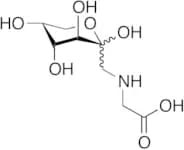
CAS:Controlled Product<p>Stability Hygroscopic<br>Applications Mutilin, is used to perform biological studies with focus on antimicrobial activity. This complex is also a reagent in the production of pleuromutilin derivatives.<br>References Helmut, E., et al.: J. Antibiot., 29, 923 (1976)<br></p>Formula:C20H32O3Color and Shape:Off-WhiteMolecular weight:320.47Fructosyl Glycine α/β Mixture (Mixture of Diastereomers)
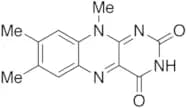
CAS:<p>Stability Hygroscopic<br>Applications Fructosyl Glycine is a synthetic glycoamine used in the study of glycoamine analogs and their effect on metastatic carcinoma cells.<br>References Glinsky, G. et al.: Clin. Exp. Metastas., 14, 253 (1996);<br></p>Formula:C8H15NO7Color and Shape:NeatMolecular weight:237.207Lumiflavin
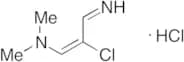
CAS:Controlled Product<p>Applications Lumiflavin is a toxic photolysis product of vitamin B2 (R415000).<br>References Zhao, X. et al.: Chemosphere, 63, 1116 (2006); Litke, S.V. et al.: Khim. Fiz., 10, 48 (1991); Ye, W. et al.: Guang. Yaox. Xueb., 12, 175 (1996);<br></p>Formula:C13H12N4O2Color and Shape:Dark YellowMolecular weight:256.26(E)-2-Chloro-3-imino-N,N-dimethylprop-1-en-1-amine Hydrochloride
CAS:Controlled Product<p>Applications (E)-2-chloro-3-imino-N,N-dimethylprop-1-en-1-amine Hydrochloride is an impurity of Etoricoxib (E934100), a selective cyclo-oxygenase-2 (COX-2) inhibitor that is used to improve the signs and symptoms of osteoarthritis and rheumatoid arthritis.<br>References Hunt, R., et al.: Am. J. Gastroenterol., 98, 1725 (2003); Schumacher Jr., H., et al.: Bmj, 324, 1488 (2002)<br></p>Formula:C5H9ClN2·HClColor and Shape:Light YellowMolecular weight:169.05Poly(ethylene Glycol) ~4000
CAS:Controlled ProductFormula:H2O(C2H4O)nColor and Shape:White To Off-WhiteMolecular weight:62.07Fenoprofen
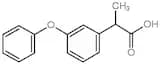
CAS:<p>Applications Fenoprofen is a positive allosteric modulators at melanocortin receptor 3 for treatment of inflammatory diseases in human and mouse model.<br>References Montero-Melendez, T., et al.: Cell. Mol. Life Sci., 74, 1335 (2017)<br></p>Formula:C15H14O3Color and Shape:ColourlessMolecular weight:242.275,6-Dihydro Thymine
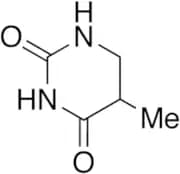
CAS:Controlled Product<p>Applications 5,6-Dihydrothymine is a derivative of Thymine, a nucleobase in the nucleic acid of DNA . 5,6-Dihydrothymine is a radiolysis product of DNA.<br>References Hubbard, K. et al.: Biochemistry, 28, 4382 (1989); Cadet, J. et al.: Int. J. Rad. Biol. Rel. Stud. Phys. Chem. Med., 39, 119 (1981);<br></p>Formula:C5H8N2O2Color and Shape:NeatMolecular weight:128.13










![4,5-Dihydro-4,5-dioxo-1H-pyrrolo[2,3-f]quinoline-2,7,9-tricarboxylic Acid](/_next/image/?url=https%3A%2Fstatic.cymitquimica.com%2Fproducts%2FTR%2Fthumb-webp%2FD449125.webp&w=3840&q=75)





![3-(Diethylamino)-7-[2-[4-[[4-[(2,5-dioxo-1-pyrrolidinyl)oxy]-4-oxobutyl]methylamino]phenyl]diazeny…](/_next/image/?url=https%3A%2Fstatic.cymitquimica.com%2Fproducts%2FTR%2Fthumb-webp%2FD871240.webp&w=3840&q=75)


![N-[(4R)-4-Thiazolidinylcarbonyl]glycine](/_next/image/?url=https%3A%2Fstatic.cymitquimica.com%2Fproducts%2FTR%2Fthumb-webp%2FT349290.webp&w=3840&q=75)




![Disodium 3-Hydroxy-4-[(4-methyl-2-sulfonatophenyl)diazenyl]-2-naphthoate](/_next/image/?url=https%3A%2Fstatic.cymitquimica.com%2Fproducts%2FTR%2Fthumb-webp%2FD495003.webp&w=3840&q=75)




![2-[2-(2-t-Boc-aminoethoxy]ethoxy]ethyl Bromide](/_next/image/?url=https%3A%2Fstatic.cymitquimica.com%2Fproducts%2FTR%2Fthumb-webp%2FB618590.webp&w=3840&q=75)