Biochemicals and Reagents
Subcategories of "Biochemicals and Reagents"
- Biomolecules(98,575 products)
- By Biological Target(100,710 products)
- By Pharmacological Effects(6,937 products)
- Cryopreservatives(21 products)
- Desinfectants and Related Compounds(28 products)
- Hormones(421 products)
- Plant Biology(6,907 products)
- Secondary Metabolites(14,367 products)
Found 130493 products of "Biochemicals and Reagents"
TH 257
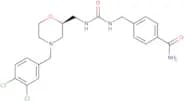
CAS:Potent and selective allosteric LIMK 1/2 inhibitorFormula:C24H26N2O3SPurity:Min. 95%Molecular weight:422.54 g/molGW 766994
CAS:GW 766994 is a synthetic chemokine that binds to chemokine receptors and activates them. It has been shown to activate the CCR1 receptor, which is found in human eosinophils. This agent also has been shown to reduce neovascularization and structural damage to the heart by preventing the release of pro-inflammatory cytokines. GW 766994 is a potent inhibitor of inflammatory diseases such as rheumatoid arthritis, Crohn's disease, and psoriasis. It also has been shown to inhibit the production of glucosaminoglycan in cartilage cells. GW 766994 has been shown to be active in animal models for various diseases including asthma, collagen-induced arthritis, colitis, and type 1 diabetes mellitus.Formula:C21H24Cl2N4O3Purity:Min. 95%Molecular weight:451.35 g/mol4-Hydroxy darunavir
CAS:4-Hydroxy darunavir is a research tool that is used to study the function of ion channels, receptors and other biomolecules. It is an activator ligand that binds to the receptor and activates the cell. 4-Hydroxy darunavir has been shown to inhibit the activity of drug efflux pumps in bacteria, which may contribute to its anti-bacterial properties.
Formula:C27H37N3O8SPurity:Min. 95%Molecular weight:563.7 g/molMiclxin
CAS:Miclxin is a peptide that is used as a research tool in the field of pharmacology and cell biology. Miclxin binds to ion channels and inhibits their function, which may be due to its ability to inhibit ligand binding. Miclxin has been shown to act as an activator or inhibitor of ion channels. It has been shown to have high purity and is available for purchase at a CAS number of 2494198-61-5.
Formula:C26H27N5O2Purity:Min. 95%Molecular weight:441.5 g/molCP-96345
CAS:CP-96345 is a peptide hormone that inhibits the release of inflammatory substances, such as substance P and prostaglandin E2. It has been shown to be effective in the treatment of bowel disease, including Crohn's disease and ulcerative colitis, as well as infectious diseases. CP-96345 inhibits neurokinin-1 receptor activation by binding to it and blocking its access to substances. This inhibition leads to an inhibition of the release of substance P, which is an important mediator for pain, inflammation, and disease activity. CP-96345 has also been shown to have cardioprotective effects in animal models by reducing oxidative injury caused by ischemia/reperfusion injury.
Formula:C28H32N2OPurity:Min. 95%Molecular weight:412.57 g/molS6 Phosphate acceptor peptide
CAS:S6 Phosphate acceptor peptide is a peptide that belongs to the group of inhibitors. It binds to the S6 protein and inhibits protein interactions, which may be due to its ability to act as an activator or a ligand. Peptides are used as research tools in cell biology, immunology, pharmacology, and biochemistry. They are also used in diagnostic procedures and have been shown to be effective in treating cancer. S6 Phosphate acceptor peptide is a high-purity product with CAS No. 93674-74-9.Formula:C39H75N17O11Purity:Min. 95%Molecular weight:958.1 g/molKif15-IN-2
CAS:Kif15-IN-2 is a chemical inhibitor that specifically targets the kinesin-12 family protein Kif15. It is derived from small molecule libraries through structure-based design and medicinal chemistry processes. The mode of action of Kif15-IN-2 involves the disruption of Kif15's motor function, which is crucial for the proper formation and function of the mitotic spindle during cell division. This inhibition disrupts microtubule dynamics, thereby affecting cell proliferation.Formula:C20H20N6O4SPurity:Min. 95%Molecular weight:440.48 g/molFrequentin
CAS:Frequentin is a peptide that is used as a research tool to study protein interactions and protein-protein interactions. It has been shown to inhibit the activity of ion channels such as nicotinic acetylcholine receptor (nAChR) and potassium channels. Frequentin also inhibits the binding of ligands to their receptors, including glutamate and GABA. This peptide can be used in pharmacological studies for its ability to bind to proteins, but it cannot be used therapeutically because it is rapidly degraded by proteases.Formula:C14H20O4Purity:Min. 95%Molecular weight:252.31 g/molPoloppin
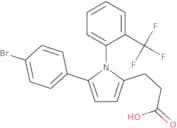
CAS:Poloppin is a chemical compound that inhibits the activity of plk1, an enzyme that plays an important role in cell division. Poloppin binds to the ATP binding site of plk1 and blocks its function by preventing ATP from binding. It has been shown to inhibit mitotic checkpoint and cellular proliferation in cancer cells. This compound also induces apoptotic cell death through biochemical signaling pathways.Formula:C20H15BrF3NO2Purity:Min. 95%Molecular weight:438.2 g/molPF-06815345
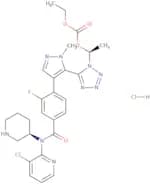
CAS:PF-06815345 is a kinetic convertase inhibitor that binds to the active site of the enzyme, inhibiting its activity. This compound has been shown to inhibit human low-density lipoprotein (LDL) cholesterol production in vitro and reduce plasma LDL-cholesterol levels in vivo. The mechanism of action of PF-06815345 is not clear, but it may be due to inhibition of statin catalysis, which leads to a decrease in the level of functional LDL receptors on liver cells. The drug also inhibits the activity of serine proteases such as subtilisin and kexin type enzymes. In addition, PF-06815345 has been shown to be an organocatalyst for low-temperature aldehyde synthesis, with tetrazole as a key intermediate. It is also used for treatment of cardiovascular diseases such as high blood pressure and elevated levels of low density lipoprotein cholesterol (LDL-C).Formula:C27H29ClFN9O4·HClPurity:Min. 95%Molecular weight:634.49 g/molH-LMLGEFLKL-OH
Survivin protein: Survivin, also called BIRC5, is a member of the apoptosis inhibitor protein family containing a baculovirus domain. Survivin is overexpressed in most human cancers but rarely express in normal differentiated adult tissues. Survivin protein inhibits caspase activation leading to negative regulation of cell death and promote cell proliferation. Survivin localizes in G2/M phase in cell cycle and interacts with tubulin during mitosis. It has been demonstrated that Survivin expression seems to be regulated by the tumor protein p53. Human Survivin contains HLA-A*02:01 binding motifs. Applications of A*02:01/Human Survivin (LMLGEFLKL): A*02:01/Human Survivin (LMLGEFLKL) is an altered peptide of A*02:01/Human Survivin (LTLGEFLKL) which binds the HLA molecules with higher affinity. A*02:01/Human Survivin (LMLGEFLKL) HLA-A*02:01-restricted can be recognized by cytotoxic T lymphocytes on MHC I. Therefore, A*02:01/Human Survivin (LMLGEFLKL) may serve as a target for therapeutics CTL responses and for anticancer immunotherapeutic strategies. A*02:01/Human Survivin (LMLGEFLKL) is used to stimulate CTL responses in peripheral blood mononuclear cells (PBMCs). Then, ELISPOT assay is used to quantify peptide epitope specificity and IFN-γ releasing effector cells. A*02:01/Human Survivin (LMLGEFLKL) is used in vaccine in metastatic melanoma. It has been demonstrated that LMLGEFLKL-specific T cells could be detected among the PBMCs of vaccinated patients.NSC622608
CAS:NSC622608 is a selective inhibitor of the calcitonin receptor-like receptor (CLR) that blocks the binding of calcitonin to its receptor. It is used as a research tool for studying the function and structure of CLR, which is a member of the G protein-coupled receptors family. NSC622608 can be used to study the role of CLR in cell proliferation, differentiation, and survival.Formula:C9H12BrN3OS2Purity:Min. 95%Molecular weight:322.30 g/molBSJ-03-123
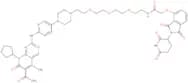
CAS:BSJ-03-123 is a ubiquitin ligase inhibitor that inhibits the ubiquitin-proteasome system. It has been shown to be effective in the treatment of leukemia cells and other cancers, such as prostate cancer. BSJ-03-123 inhibits the degradation of proteins by the proteasome, which leads to an accumulation of ubiquitinated proteins and cell death. This drug is not cytotoxic to normal cells, but it does cause apoptosis in cancer cells. The mechanism of action of BSJ-03-123 involves inhibition of the degraders that degrade ubiquitinated proteins and profiling studies have shown that its hydroxyl group may be responsible for this activity.
Formula:C47H56N10O11Purity:Min. 95%Molecular weight:937.02 g/molCCT020312
CAS:CCT020312 is a small-molecule inhibitor that is a selective and potent inhibitor of the P21-activated kinase 4 (PAK4), which is sourced through synthetic organic chemistry. By inhibiting PAK4, this compound disrupts the signaling pathways that are often upregulated in various malignancies, involving proliferation, survival, and cytoskeletal reorganization. Through competitive binding at the ATP-binding site of PAK4, CCT020312 effectively suppresses kinase activity, which is crucial for downstream signaling events associated with oncogenic processes.Formula:C31H30Br2N4O2Purity:Min. 95%Molecular weight:650.4 g/molQuinagolide hydrochloride
CAS:Dopamine (D2) receptor agonist; for treating hyperprolactinaemiaFormula:C20H34ClN3O3SPurity:Min. 95%Molecular weight:432.02 g/molTOK-8801
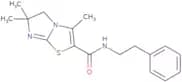
CAS:TOK-8801 is a thiazole-2-carboxamide compound that has immunomodulatory, immunopharmacological, and antigen properties. TOK-8801 induces a delayed type hypersensitivity response in mice and inhibits the proliferation of human T cells by inhibiting the binding of CD28 to B7.1 or B7.2. It also has been shown to suppress the growth of T cells by inhibiting IL-2 production and enhance the function of macrophages by inducing IL-12 secretion. TOK-8801 is being investigated as a potential treatment for autoimmune diseases such as systemic lupus erythematosus, rheumatoid arthritis, and multiple sclerosis.
Formula:C17H21N3OSPurity:Min. 95%Molecular weight:315.4 g/molGSK 2801
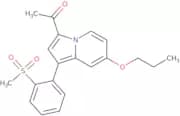
CAS:Inhibits BAZ2A and BAZ2B bromodomainsFormula:C20H21NO4SPurity:Min. 95%Molecular weight:371.45 g/molGW-406381
CAS:GW-406381 is a potent and selective agonist for the peroxisome proliferator-activated receptor delta (PPARδ), which is commonly employed in pharmacological research. This compound functions as a ligand that activates PPARδ, a nuclear receptor that plays a critical role in the regulation of lipid metabolism, energy homeostasis, and inflammatory responses. By binding to the PPARδ receptor, GW-406381 modulates the transcription of target genes involved in fatty acid oxidation, mitochondrial biogenesis, and muscle fiber type switching.
Formula:C21H19N3O3SPurity:Min. 95%Molecular weight:393.46 g/molc-Kit-IN-3
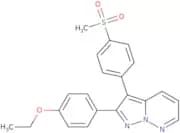
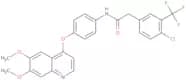
CAS:c-Kit-IN-3 is a peptide that is an inhibitor of protein interactions with the receptor c-kit. It has been shown to act as an activator for Ligand and a ligand for the receptor c-kit. The high purity, pharmacological potency and specificity make this compound suitable for use in research.Formula:C26H20ClF3N2O4Purity:Min. 95%Molecular weight:516.9 g/molAmelubant
CAS:Amelubant is a synthetic compound designed for use in detailed biochemical research and therapeutic investigations. As a product derived from innovative chemical synthesis techniques, Amelubant is engineered to interact with particular biological pathways, predominantly in the field of inflammatory response modulation. Its mode of action involves specific binding to target receptors, influencing downstream signaling cascades.
Formula:C33H34N2O5Purity:Min. 95%Molecular weight:538.6 g/molTC-2153 hydrochloride
CAS:TC-2153 hydrochloride is a phosphatase inhibitor that is used as an antidepressant drug. TC-2153 hydrochloride inhibits the enzyme phosphatase, which is responsible for the inactivation of neurotransmitters and hormones. It has inhibitory properties on 5-HT1A and 5-HT2A receptors, which are serotonin receptors. TC-2153 hydrochloride also blocks the response element binding protein (RBP) to prevent the transcription of genes that code for various proteins including dopamine, serotonin, and neurotrophic factors. TC-2153 hydrochloride has been shown to reduce locomotor activity in mice and is being studied as a possible treatment for depression.Formula:C7H5ClF3NS5Purity:Min. 95%Molecular weight:355.9 g/molTemarotene
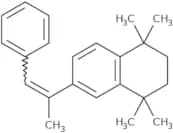
CAS:Temarotene is an all-trans retinoic acid (ATRA) analog that binds to the IL-2 receptor with high affinity and specificity. It has been shown to inhibit the proliferation of HL-60 cells in vitro, which may be due to its ability to induce the release of colony-stimulating factor from these cells. Temarotene also enhances the uptake of ATRA by HL-60 cells and increases the expression of receptors for ATRA in humans. In vivo studies have shown that temarotene is a potent inducer of fatty acid synthesis in Sprague-Dawley rats. This agent has a long half-life and is rapidly absorbed when administered orally, with peak plasma concentrations occurring 2 hours after administration. The pharmacokinetic properties of this drug are similar to those of other synthetic retinoids, such as all-trans-retinoic acid.
Formula:C23H28Purity:Min. 95%Molecular weight:304.5 g/molRec 15/2615 dihydrochloride
CAS:Rec 15/2615 dihydrochloride (DHF) is a substance used in pharmaceutical formulations that can be used to solubilize therapeutically active substances and enhance their therapeutic properties. It is used in the treatment of dysfunction or other diseases such as enhancer transmucosal. Rec 15/2615 dihydrochloride is a gel formulation for use on the skin, which has been shown to increase the absorption of other substances through the skin by enhancing their solubility in water. The structure of Rec 15/2615 dihydrochloride is similar to that of human serum albumin, which has been shown to inhibit bacterial growth and reduce inflammation.Formula:C26H35Cl2N5O5Purity:Min. 95%Molecular weight:568.5 g/molCP-060
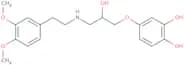
CAS:CP-060 is a peptide that binds to the extracellular domain of the alpha subunit of human nicotinic acetylcholine receptor. It has been shown to activate this receptor and can be used as a research tool in studies of ion channels, cell biology, pharmacology, and receptor ligand interactions. CP-060 is an inhibitor of protein interactions with high purity and CAS No. 180090-15-7.Formula:C30H42N2O5SPurity:Min. 95%Molecular weight:542.7 g/mol1-(3,4-Dimethoxyphenethylamino)-3-(3,4-dihydroxyphenoxy)-2-propanol
CAS:1-(3,4-Dimethoxyphenethylamino)-3-(3,4-dihydroxyphenoxy)-2-propanol is a synthetic beta-adrenergic blocking agent primarily utilized in scientific research. Derived from laboratory chemical synthesis, this compound is designed to mimic and antagonize the action of endogenous catecholamines on beta-adrenergic receptors. The compound's mode of action involves competitive inhibition of these receptors, reducing heart rate, cardiac output, and vasodilation effects typically mediated by adrenaline and noradrenaline.Formula:C19H25NO6Purity:Min. 95%Molecular weight:363.4 g/molRadicicol
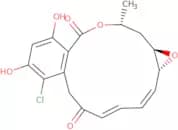
CAS:Inhibits heat shock protein 90 (HSP90); anti-cancer agentFormula:C18H17ClO6Purity:Min. 95%Color and Shape:PowderMolecular weight:364.78 g/molCDM-NAG
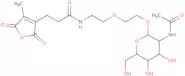
CAS:CDM-NAG is a specialized biochemical substrate, which is a chemical compound derived from the structural modification of chitin. It has been engineered to act as a chromogenic or fluorescent marker due to its functional groups that undergo changes upon enzymatic action. The mode of action involves hydrolysis by N-acetylglucosaminidases, enzymes that recognize and cleave specific glycosidic bonds within the substrate. Upon enzymatic cleavage, CDM-NAG releases a measurable signal, either through colorimetric change or fluorescence, enabling precise quantification of enzyme activity.
Formula:C20H30N2O11Purity:Min. 95%Molecular weight:474.5 g/molMDL 19301
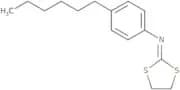
CAS:MDL 19301 is a high-affinity antagonist of the nicotinic acetylcholine receptor, specifically the alpha4beta2 subtype. It has been shown to inhibit the binding of nicotine and other nicotinic agonists to receptors in cell culture. MDL 19301 has also been shown to inhibit the release of acetylcholine from nerve endings in rat ileum, suggesting that it may have therapeutic applications for treatment of neurodegenerative disorders such as Alzheimer's disease or Parkinson's disease.
Formula:C15H21NS2Purity:Min. 95%Molecular weight:279.5 g/molTerbufoxon sulfoxide
CAS:Terbufoxon sulfoxide is a pesticide that belongs to the class of sulfoxides. It is used as an insecticide against chrysomelidae, which are pests that affect cereal crops. Terbufoxon sulfoxide has been shown to inhibit acetylcholinesterase activity in laboratory animals and produce toxic effects in humans. Terbufoxon sulfoxide may interact with other pesticides such as carbofuran, which can cause adverse effects on the environment and human health.Formula:C9H21O4PS2Purity:Min. 95%Molecular weight:288.4 g/mol(-)-MK 801 maleate
CAS:NMDA antagonist, less active enantiomerFormula:C16H15N·C4H4O4Purity:Min. 95%Molecular weight:337.37 g/molMK-2461
CAS:MK-2461 is an orally bioavailable small molecule that binds to the epidermal growth factor receptor (EGFR) and inhibits its downstream signaling. It has been shown to have potent antitumor activity in cell culture and in vivo against a range of tumor types. MK-2461 binds to the EGFR with high affinity, inhibiting the downstream signaling pathway by blocking the activation of molecules such as Raf, MEK1/2, and ERK1/2. The binding site of MK-2461 is located on the extracellular domain of EGFR.
Formula:C24H25N5O5SPurity:Min. 95%Molecular weight:495.55 g/mol4-Chloro-N-(2-morpholin-4-ylcyclohexyl)benzenesulfonamide
CAS:4-Chloro-N-(2-morpholin-4-ylcyclohexyl)benzenesulfonamide is a potent and selective inhibitor of the N-type voltage gated calcium channels. It has been shown to inhibit the activity of these channels in cell culture, and may be useful as a research tool for studying ion channel function.Formula:C16H23ClN2O3SPurity:Min. 95%Molecular weight:358.9 g/mol(R)-Rexamino
CAS:Controlled ProductPlease enquire for more information about (R)-Rexamino including the price, delivery time and more detailed product information at the technical inquiry form on this pageFormula:C9H10N2OPurity:Min. 95%Molecular weight:162.19 g/molWee1, gst tagged human
CAS:Wee1 is a cell factor that plays an important role in the regulation of transcription. Wee1 is involved in the regulation of p21, which is a tumor suppressor gene that inhibits cell proliferation. Wee1 may be involved in cancer and stem cell production. Studies have shown that Wee1 is expressed at high levels in women and has been shown to regulate genes that are important for female fertility. Wee1 interacts with factors such as p21 and transcriptional regulators to control the expression of genes related to the immune response, inflammation, and angiogenesis. The expression of Wee1 has also been shown to be regulated by HIF-1α, which plays a key role in tumorigenesis and cellular apoptosis. The inhibition of Wee1 can inhibit endothelial cell proliferation through the inhibition of GSK3β phosphorylation, which results in increased levels of cyclin D2 (CCND2) protein.
Purity:Min. 95%1-[[4-(2-Benzothiazolyloxy)phenyl]methyl]-4-piperidinecarboxylic acid
CAS:1-[[4-(2-Benzothiazolyloxy)phenyl]methyl]-4-piperidinecarboxylic acid is a research tool for studying ligand-receptor interactions and ion channels. It is a high purity, water soluble compound that is stable to hydrolysis. The compound has been shown to inhibit the activity of some proteins including Protein Kinase C (PKC), phospholipase A2, and adenylate cyclase. 1-[[4-(2-Benzothiazolyloxy)phenyl]methyl]-4-piperidinecarboxylic acid has been shown to affect the pharmacology of peptides. It can be used in cell biology as an antibody or as a protein interaction inhibitor.
Formula:C20H20N2O3SPurity:Min. 95%Molecular weight:368.5 g/mol(R)-N-(5-(tert-Butyl)-1H-pyrazol-3-yl)-2-(3-isopropylpiperazin-1-yl)-7H-pyrrolo[2,3-d]pyrimidin-4-amine
CAS:(R)-N-(5-(tert-Butyl)-1H-pyrazol-3-yl)-2-(3-isopropylpiperazin-1-yl)-7H-pyrrolo[2,3-d]pyrimidin-4-amine is a chemical inhibitor that binds to the cytoskeletal protein, cilium. It has been shown to inhibit the movement of cilia in cells and prevent the disassembly of these structures. (R)-N-(5-(tert-Butyl)-1H-pyrazol-3-yl)-2-(3-isopropylpiperazin-1-yl)-7H-pyrrolo[2,3-d]pyrimidin-4 -amine also inhibits dna replication and cell growth by blocking the production of proteins vital for this process. This drug has been used to study the mechanisms involved in dna replication and
Formula:C20H30N8Purity:Min. 95%Molecular weight:382.5 g/molSB 706504
CAS:SB 706504 is a small molecule that binds to albumin and inhibits the tyrosine kinase activity of the receptor. It has been shown to inhibit metastasis in cells, as well as cancer cell growth and survival. SB 706504 has also been shown to reduce serum albumin levels, which may be due to its ability to induce apoptosis in cancer cells. This drug has anti-cancer properties, but is not active against acute lymphoblastic leukemia.Formula:C24H19F3N8OPurity:Min. 95%Molecular weight:492.46 g/molTianeptine-d12
CAS:Controlled ProductPlease enquire for more information about Tianeptine-d12 including the price, delivery time and more detailed product information at the technical inquiry form on this pageFormula:C21H25ClN2O4SPurity:Min. 95%Molecular weight:449 g/molUU-T02
CAS:UU-T02 is an emergent natural compound that has been found to stabilize cancer cells. UU-T02 has been shown to prevent the degradation of β-catenin, a protein that promotes cell survival and proliferation. UU-T02 also inhibits the activation of downstream signaling pathways such as Wnt/β-catenin and PI3K/AKT, which have been implicated in cancer development. Flavonoids are thought to be the bioactive components in UU-T02, which are responsible for its anti-cancer properties. The flavonoids present in UU-T02 have been shown to inhibit cancer cell proliferation by modulating apoptosis and autophagy.Formula:C33H33ClN4O9Purity:Min. 95%Molecular weight:665.1 g/molZAP 180013
CAS:ZAP 180013 is an advanced enzymatic reagent, which is derived from a recombinant source with specificity for targeted protein modification. It operates through a unique mechanism of action that involves the precise cleavage of peptide bonds at target sites identified by a specific amino acid sequence. This specificity allows for minimal off-target effects, making it a reliable tool in proteomics.Formula:C19H17Cl2N3O4SPurity:Min. 95%Molecular weight:454.3 g/molTC-N 22a
CAS:TC-N 22a is a novel, orally active metabotropic glutamate receptor ligand that has been shown to have potent and selective pharmacological effects in rat models. TC-N 22a is a synthetic, neutralized form of the endogenous neurotransmitter glutamate. It binds to the glutamate binding site on the metabotropic glutamate receptor and inhibits glutamate activation of both ionotropic (AMPA) and metabotropic (mGluR) receptors. TC-N 22a was developed by Promega Corporation as part of a series of compounds targeting the mGluR5 receptor. In animal studies, TC-N 22a inhibited dyskinesia induced by dopamine depletion in rats with chronic Parkinson's disease.Formula:C14H13N5SPurity:Min. 95%Molecular weight:283.35 g/molE7090 succinate
CAS:E7090 succinate is a Research Tool that is used in Cell Biology and Pharmacology. It is an inhibitor of Ion channels, Ligand, Peptides, Receptor, and High purity. E7090 succinate has been shown to activate the ion channel TRPV4 on the membrane of cells. E7090 succinate also binds to the receptor for substance P in cultured cells. E7090 succinate has been shown to be a specific ligand for the CXCR4 receptor in human T-cells. This product is a high purity, life science reagent that can be used in protein interactions and antibody production.Formula:C32H37N5O6•(C4H6O4)1Purity:Min. 95%Molecular weight:764.82 g/molLy 456236 hydrochloride
CAS:Allosteric modulation of the dopamine receptor is a novel therapeutic approach to treat neurodegenerative disorders such as Parkinson's disease. Ly 456236 hydrochloride (LY456236) is an allosteric modulator that can regulate the activity of the D2 dopamine receptor by binding to an allosteric site. It has been shown to be neuroprotective in animal models and has clinical properties in humans. LY456236 does not bind to the glutamate or nicotinic acetylcholine receptors and does not cause locomotor activity or cholinergic symptoms. LY456236 also shows antidepressant effects, which may be due to its ability to regulate serotonin neurotransmission.Formula:C16H16ClN3O2Purity:Min. 95%Molecular weight:317.77 g/molCyprodinil-13C6
CAS:Cyprodinil-13C6 is a cationic compound that has been shown to activate IL-17A, an important cytokine involved in immune responses. It exhibits a unique coordination geometry and forms complex molecules with malondialdehyde, a reactive aldehyde. In the field of Life Sciences, Cyprodinil-13C6 has been extensively studied for its ability to neutralize chemokines and inhibit lipid peroxidation. It has also been found to have a protective effect on inositol and reactive oxygen species in human serum. With its diverse range of properties, Cyprodinil-13C6 holds great potential for various applications in research and development.
Formula:C14H15N3Purity:Min. 95%Molecular weight:231.25 g/molITMN 4077
CAS:ITMN 4077 is an ion channel activator that belongs to the group of peptides. It is a synthetic peptide with a high purity, and has been shown to be an inhibitor of sodium channels in neuronal cells. ITMN 4077 may be used as a research tool to study protein interactions, such as those between ion channels and their ligands. This compound may also be used for pharmacological purposes or for the treatment of diseases caused by abnormal ion channel activity, such as epilepsy or chronic pain.
Formula:C26H40N4O8SPurity:Min. 95%Molecular weight:568.68 g/mol(Piperidin-1-yl)methanone
CAS:piperidin-1-yl)methanone is a research tool that has been shown to activate ligands and receptors, to inhibit ion channels, and to bind to antibodies. It is a white crystalline solid that is soluble in organic solvents. Piperidin-1-yl)methanone has been used in cell biology as an activator or inhibitor of protein interactions, peptides, and life science applications such as pharmacology and antibody production. This chemical can be used in the study of ion channels, including voltage gated channels, ligand-gated channels, and receptor-gated channels.Formula:C21H22N4OPurity:Min. 95%Molecular weight:346.4 g/molKP372-1
CAS:KP372-1 is a selective inhibitor that is synthetically derived. This compound functions by targeting and interfering with specific signaling pathways involved in cell growth and survival. Its inhibitory action primarily affects pathways such as PI3K/Akt, which are integral to the processes of cellular proliferation and apoptosis.Formula:C20H8N12O2Purity:Min. 95%Molecular weight:448.4 g/molSPDH
CAS:SPDH reacts with primary amines via its NHS ester and forms disulfide bonds via the pyridyldithiol group. The cleavage occurs intracellularly.Formula:C15H18N2O4S2Purity:Min. 95%Molecular weight:354.44 g/molTCH-165
CAS:TCH-165 is a synthetic compound, which is derived from specialized chemical synthesis processes with precision-targeted interactions in biochemical systems. This compound operates primarily through its capacity to modulate specific signaling pathways, affecting cellular responses at the molecular level. It is engineered to interact selectively with key proteins, altering their activity and thereby influencing downstream biological effects.Formula:C39H37N3O3Purity:Min. 95%Molecular weight:595.7 g/molActinoramide A
CAS:Actinoramide A is a marine natural product that belongs to the class of fatty acids. It is a type strain and has been shown to have antimicrobial properties. Whole-genome sequencing was performed on Actinoramide A, which revealed that it is synthesized by a marine microorganism of the genus Actinomycetospora. The gene sequence analysis revealed that this compound contains tetrapeptides and histone lysine residues, which may contribute to its antimicrobial activity.
Formula:C31H47N7O9Purity:Min. 95%Molecular weight:661.7 g/mol2-[1-[(2-Amino-7H-purin-6-yl)amino]ethyl]-5-methyl-3-(2-methylphenyl)quinazolin-4-one
CAS:2-[1-[(2-Amino-7H-purin-6-yl)amino]ethyl]-5-methyl-3-(2-methylphenyl)quinazolin-4-one is a synthetic pharmaceutical compound, classified as a small molecule inhibitor. It is derived from a combination of purine and quinazoline structures, typically synthesized through multi-step organic processes. This compound exhibits its mode of action by specifically targeting and inhibiting certain key enzymes or receptors within cellular pathways, potentially interfering with aberrant signaling processes. Through this mechanism, it can modulate biological activity, offering a pathway to correct dysregulated cellular environments.Formula:C23H22N8OPurity:Min. 95%Molecular weight:426.5 g/molTecalcet Hydrochloride
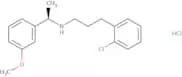
CAS:Tecalcet hydrochloride is a drug that has been used to treat hyperparathyroidism, which is a condition in which the parathyroid gland produces too much of the hormone parathyroid hormone (PTH). PTH controls the amount of calcium in the blood by regulating its release from bones. Tecalcet hydrochloride reduces the production of PTH and increases the absorption of calcium from food. Tecalcet hydrochloride is used to prevent or treat adhesions that can develop after abdominal surgery and other medical procedures. It also helps to reduce or prevent calcifications or deposits on organs such as kidneys, lungs, and heart. This drug binds to calcium ions at sites outside cells and prevents them from entering cells where they can cause damage. Tecalcet hydrochloride also binds to subunits of podocytes (cells in the kidney's filtering system) and inhibits their function, leading to osteopenia.Formula:C18H23Cl2NOPurity:Min. 95%Molecular weight:340.29 g/molBeraprost sodium
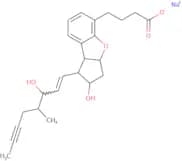
CAS:Beraprost sodium is a synthetic analog of prostacyclin, which is derived from chemical synthesis. It acts by binding to the prostacyclin (IP) receptors on the surface of vascular endothelial cells and platelets, leading to an increase in cyclic adenosine monophosphate (cAMP) levels. This biochemical cascade results in vasodilation, inhibition of platelet aggregation, and anti-proliferative effects on smooth muscle cells.Formula:C24H29NaO5Purity:Min. 95%Molecular weight:420.5 g/molPBI-4050 sodium
CAS:PBI-4050 sodium is a growth factor that has been shown to stimulate the growth of lung fibroblasts and improve histology in an animal model. PBI-4050 sodium activates cells, which are seen as polymorphs under the microscope. It has also been shown to be effective against idiopathic pulmonary fibrosis in humans. PBI-4050 sodium has been shown to act through a number of mechanisms, including stimulating the release of adipose tissue fatty acids, which may alleviate insulin resistance and ventricular dysfunction.
Formula:C13H17NaO2Purity:Min. 95%Molecular weight:228.26 g/molImidazo[1,2-a]pyridin-2(3H)-one
CAS:Imidazo[1,2-a]pyridin-2(3H)-one is a heterocyclic compound, which is a member of the imidazopyridine class. This compound is synthesized through various organic reactions involving the cyclization of precursor molecules, often incorporating nitrogen atoms into its ring structure. Its mode of action typically involves interaction with specific biological targets, such as receptors or enzymes, where it can modulate physiological responses. The compound acts through binding at allosteric sites, often influencing the activity of central nervous system receptors or enzymes involved in cellular signaling pathways.
Formula:C21H18N2OPurity:Min. 95%Molecular weight:314.4 g/molG-F-R
CAS:Please enquire for more information about G-F-R including the price, delivery time and more detailed product information at the technical inquiry form on this pageFormula:C17H26N6O4Purity:Min. 95%Molecular weight:378.43 g/molCe3F4 analog 1
CAS:Ce3F4 analog 1 is a protein that belongs to the class of ligands, which are organic molecules that bind to receptors. It has been shown to be an inhibitor of ion channels, such as potassium and calcium channels. Ce3F4 analog 1 is a high-purity, recombinant peptide with a purity of >98% and an activity of >90%. Ce3F4 analog 1 is also known as Cas No. 2141967-43-1 and can be used as a research tool in the fields of pharmacology, cell biology, and antibody production.
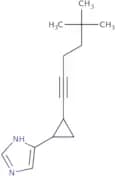
Formula:C11H9Br3FNOPurity:Min. 95%Molecular weight:429.91 g/mol4-(2-(5,5-Dimethylhex-1-inyl)-cyclopropyl)imidazol
CAS:4-(2-(5,5-Dimethylhex-1-inyl)-cyclopropyl)imidazol is an analog of glutamine and a potent inhibitor of the enzyme glutaminase. It is used as a research tool to study energy metabolism and its role in inflammatory bowel disease. 4-(2-(5,5-Dimethylhex-1-inyl)-cyclopropyl)imidazol has been shown to reduce locomotor activity in mice by inhibiting the production of glutaminyl cyclase, which synthesizes this neurotransmitter. This compound also inhibits the release of inflammatory mediators from mast cells and macrophages, thereby reducing inflammation. 4-(2-(5,5-Dimethylhex-1-inyl)-cyclopropyl)imidazol has been shown to be effective against symptoms associated with nervous system diseases such as Parkinson's disease.Formula:C14H20N2Purity:Min. 95%Molecular weight:216.32 g/molC-Fms-in-10
CAS:Please enquire for more information about C-Fms-in-10 including the price, delivery time and more detailed product information at the technical inquiry form on this pageFormula:C22H19N7OSPurity:Min. 95%Molecular weight:429.5 g/mol1-[6-Fluoro-3-(4-methylsulfonylpiperazine-1-carbonyl)quinolin-4-yl]-4-phenylpiperidine-4-carbonitrile
CAS:1-[6-Fluoro-3-(4-methylsulfonylpiperazine-1-carbonyl)quinolin-4-yl]-4-phenylpiperidine-4-carbonitrile is a peptide that has been used as a research tool to study protein interactions, antibody and cell biology. It can act as an inhibitor of ion channels such as sodium channels. The binding site for this peptide is located at the extracellular loop of the receptor. 1-[6-Fluoro-3-(4-methylsulfonylpiperazine-1-carbonyl)quinolin-4-yl]-4-phenylpiperidine 4 carbonitrile is a ligand that binds to receptors on cells, which may be responsible for its pharmacological effects.Formula:C27H28FN5O3SPurity:Min. 95%Molecular weight:521.6 g/molS17092
CAS:S17092 is a small molecule that has been shown to increase the levels of norepinephrine in the human liver. It also inhibits serine proteases, peptidases, and autophagy. S17092 has been shown to inhibit bacterial growth in vitro and in vivo. The inhibition of bacterial growth by S17092 may be due to its ability to act as an antimicrobial agent and as an inhibitor of fatty acid synthesis. The localization of S17092 is currently unknown. S17092 is a small molecule that has been shown to increase the levels of norepinephrine in the human liver. It also inhibits serine proteases, peptidases, and autophagy. S17092 has been shown to inhibit bacterial growth in vitro and in vivo. The inhibition of bacterial growth by S17092 may be due to its ability to act as an antimicrobial agent and as an inhibitor of fatty acid synthesis. The localization of SFormula:C22H28N2O2SPurity:Min. 95%Molecular weight:384.5 g/molThermorubin
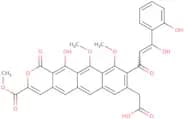
CAS:Thermorubin is a natural compound that inhibits protein synthesis and RNA synthesis. Thermorubin is a methyltransferase inhibitor, which prevents the conversion of s-adenosylhomocysteine to adenosine triphosphate, leading to cell death by inhibiting protein synthesis and RNA synthesis. Thermorubin has been shown to be effective against viruses such as influenza A and mouse melanoma cells. In addition, this compound can inhibit the growth of intestinal bacteria and may be used in the treatment of gastrointestinal infections. Thermorubin is also active against thermophilic bacteria and can be used for the treatment of wounds infected with these bacteria. The shikimate pathway is inhibited by thermorubin, which leads to inhibition of polyethylene glycols.Formula:C32H24O12Purity:Min. 95%Molecular weight:600.5 g/molN’-[(E)-(2-Hydroxynaphthalen-1-yl)methylidene]-3-(2-methyl-1H-benzimidazol-1-yl)propanehydrazide
CAS:N’-[(E)-(2-Hydroxynaphthalen-1-yl)methylidene]-3-(2-methyl-1H-benzimidazol-1-yl)propanehydrazide is a synthetic sweetener that is used in many pharmaceutical preparations. This compound has been shown to have diagnostic properties. It can be used as a phase chromatographic stationary phase and has been shown to have crystalline polymorphs. This compound may also have uses as a transistor or reactive material for use in inflammatory diseases.Formula:C22H20N4O2Purity:Min. 95%Molecular weight:372.4 g/molLin28-let-7a antagonist 1
CAS:Lin28-let-7a antagonist 1 is a small molecule inhibitor, which is a chemically synthesized compound with significant therapeutic potential. It acts by targeting the Lin28/let-7 axis, a critical regulatory pathway involved in cellular processes such as development, metabolism, and tumorigenesis. The source of this antagonist is a synthetic, rationally designed compound, optimized for high specificity and potency.
Formula:C31H29N5O7Purity:Min. 95%Molecular weight:583.59 g/mol6-(4-Methoxyphenyl)furo[2,3-d]pyrimidin-4-amine
CAS:6-(4-Methoxyphenyl)furo[2,3-d]pyrimidin-4-amine is a potent and selective inhibitor of the human serotonin transporter. It also reversibly inhibits the human dopamine transporter and blocks the activation of receptors for glutamate and acetylcholine. This compound is used in research as a tool to study protein interactions and receptor function. 6-(4-Methoxyphenyl)furo[2,3-d]pyrimidin-4-amine binds to a number of proteins, including: adenylyl cyclase; phosphodiesterase 4A; G protein subunit alpha q; voltage dependent anion channel 1; voltage dependent anion channel 3; voltage dependent anion channel 4; potassium channels Kv1.1, Kv1.6, Kv2.1, Kv7.1, Kv8.2, Kv11.2, Kv12Formula:C13H11N3O2Purity:Min. 95%Molecular weight:241.24 g/molMouse anti Rat IgD (FITC)
Mouse anti-rat IgD (FITC) was raised in mouse using rat IgD as the immunogen.Purity:Min. 95%Molecular weight:0 g/molUSP7/USP47 inhibitor
CAS:The USP7/USP47 inhibitor is a small molecule inhibitor, which is a synthetic compound designed to interrupt specific protein functions. It is sourced through chemical synthesis processes that enable precise modulation of the ubiquitin-proteasome system. The mode of action involves the inhibition of USP7 (ubiquitin-specific protease 7) and USP47, which are enzymes with deubiquitinating activity. By preventing these enzymes from removing ubiquitin tags from substrate proteins, the inhibitor promotes protein degradation.Formula:C18H11Cl2N3O3S3Purity:Min. 95%Molecular weight:484.4 g/molVedolizumab
CAS:Inhibits lymphocyte adhesion to mucosal endothelium; Crohn's disease therapy
Purity:Min. 95%AES-350
CAS:AES-350 is a peptide that is used as a research tool to study the activation and inhibition of receptor proteins. The sequence of this peptide is derived from the C-terminal region of the calcitonin gene-related peptide (CGRP). It interacts with the CGRP receptor protein, which is an ion channel protein that regulates calcium ion transport in cells. AES-350 binds to this receptor and blocks its activity, preventing calcium ions from entering the cell. It also activates other receptors, such as those for vasopressin and bradykinin. This peptide has been shown to be effective in treating cardiac arrhythmias.
Formula:C18H20N2O3Purity:Min. 95%Molecular weight:312.40 g/molMouse anti Rat κ 1 Light Chain (HRP)
Mouse anti-rat kappa 1 light chain (HRP) was raised in mouse using rat kappa-L chain as the immunogen.Purity:Min. 95%Rat anti Mouse IgG1 Heavy Chain (biotin)
Mouse IgG1 heavy chain antibody (biotin) was raised in rat using murine IgG1 as the immunogen.Purity:Min. 95%Molecular weight:0 g/molBMP2 protein
The BMP2 protein is a powerful cytotoxic agent that has a wide range of applications in the field of life sciences. It is a recombinant protein that belongs to the family of bone morphogenetic proteins (BMPs) and plays a crucial role in bone formation and regeneration. The BMP2 protein has been extensively studied for its ability to stimulate osteoblast differentiation and promote bone growth.Purity:Min. 95%Luteinizing Hormone beta antibody (HRP)
Luteinizing hormone beta antibody (HRP) was raised in mouse using human LH beta subunit as the immunogen.Purity:Min. 95%Molecular weight:0 g/molMHC Class I antibody (FITC)
MHC Class I antibody (FITC) was raised in mouse using human HSB-2 T cell line as the immunogen.Purity:Min. 95%Molecular weight:0 g/molN5-Methyllamotrigine
CAS:N5-Methyllamotrigine is a potent inhibitor of voltage-gated sodium channels. It is also an activator of the GABAA receptor and can be used as a research tool to study ligand-receptor interactions. N5-Methyllamotrigine has been shown to be a high-potency inhibitor of voltage-gated sodium channels, with IC50 values in the low nanomolar range. The drug has also been reported to act as an activator of the GABA(A) receptor, with potency up to 10 times that of GABA itself, and it can also be used as a research tool for studying ligand–receptor interactions.Formula:C10H9Cl2N5Purity:Min. 95%Molecular weight:270.12 g/molIsoagarotetrol
CAS:Isoagarotetrol is a chemical compound that belongs to the group of volatile oils. It has been shown to inhibit the production of reactive oxygen species, which causes cell damage and inflammation in tissues. Isoagarotetrol also prevents lipid peroxidation and reduces the production of nitric oxide, both of which are involved in the inflammatory process. Isoagarotetrol has been shown to have neuroprotective effects through its inhibition of oxidative stress-induced neuronal death. Isoagarotetrol exhibits pharmacokinetic properties that are dependent on the concentration used and is active against PC12 cells when administered at high concentrations.
Formula:C17H18O6Purity:Min. 95%Molecular weight:318.32 g/molUC-514321
CAS:Please enquire for more information about UC-514321 including the price, delivery time and more detailed product information at the technical inquiry form on this page
Formula:C26H35NO5Purity:Min. 95%Molecular weight:441.56 g/molRetinyl glucoside
CAS:Retinyl glucoside is a fatty acid that is found in the form of a glucoside with retinol. It is an important ingredient of topical skin care products because it has been shown to be absorbed by the skin and to penetrate into the hair follicle. Retinyl glucoside is also used as a surfactant and as a hydrogenated oil. This product can be used for nutritional purposes, such as its beneficial effect on dry skin, or for biochemical purposes, such as its hyaluronic acid content. Retinyl glucoside undergoes hydrolytic reaction catalyzed by β-glucocerebrosidase and beta-glucosidase to form glucosylceramide.Formula:C26H40O6Purity:Min. 95%Molecular weight:448.6 g/molAdenosine 2′,5′-diphosphate sodium
CAS:Adenosine 2′,5′-diphosphate sodium is a nucleotide derivative, which is commonly utilized in scientific research, particularly within the fields of biochemistry and molecular biology. This compound is sourced from biochemical processes involving adenosine phosphate derivatives. It plays a vital role in the regulation and modulation of various enzymatic reactions. The mode of action of Adenosine 2′,5′-diphosphate sodium involves serving as an intermediate in nucleotide metabolism and a substrate for enzymes involved in the synthesis of nucleic acids, impacting cellular signaling pathways and energy transfer processes.
Formula:C10H15N5O10P2•NaxPurity:Min. 95%TAS 205
CAS:TAS 205 is a peptide inhibitor. It binds to the extracellular domain of the receptor and prevents ligand binding, thereby blocking the activation of the receptor. TAS 205 can be used as a research tool and has been shown to inhibit ion channels such as NMDA receptors. TAS 205 has also been shown to inhibit neuronal cell death, by preventing glutamate-mediated excitotoxicity. TAS 205 is soluble in water and buffers at pH 7.4. This product is available in high purity with a CAS number of 1584160-52-0.Formula:C27H38N6O5Purity:Min. 95%Molecular weight:526.60 g/molGLPG-0492
CAS:GLPG-0492 is a drug that inhibits the activity of the gene product, which is responsible for the production of hair. This drug binds to and inhibits the function of a receptor on the surface of cells. GLPG-0492 has been shown to have an effect on alopecia areata, polycystic ovarian syndrome, and cancer. The molecule does not bind to any other receptors, and therefore does not have any effects on other tissues. GLPG-0492 has been shown to be safe in vitro and in vivo, with no adverse effects observed when tested in human liver cells or gastrocnemius muscle cells. It also has good pharmacokinetic properties that make it suitable for oral administration. GLPG-0492 was designed using molecular modeling software based on data from urine samples taken from patients with alopecia areata and polycystic ovarian syndrome.Formula:C19H14F3N3O3Purity:Min. 95%Molecular weight:389.33 g/molG150
CAS:G150 is a novel compound that belongs to the group of hydroxylated polyphenols. G150 has been found to be a potent inhibitor of the enzyme tyrosinase and other enzymes involved in melanin synthesis. G150 also has anti-inflammatory properties, inhibiting prostaglandins and leukotrienes, which are inflammatory mediators. G150 inhibits prostate cancer cells by targeting epidermal growth factor receptors. The molecule has shown potential as an agent for the treatment of metabolic disorders and autoimmune diseases.Formula:C18H16Cl2N4O2Purity:Min. 95%Molecular weight:391.2 g/molASP3026
CAS:ASP3026 is a selective tyrosine kinase inhibitor, which is a synthetic small molecule derived from advanced pharmaceutical research. Its mode of action involves the selective inhibition of the anaplastic lymphoma kinase (ALK), a receptor tyrosine kinase implicated in a variety of cancers. By blocking the activity of ALK, ASP3026 interferes with critical signaling pathways that are essential for cancer cell proliferation and survival.
Formula:C29H40N8O3SPurity:Min. 95%Molecular weight:580.75 g/molCytochrome P450 14a-demethylase inhibitor 1J
CAS:Cytochrome P450 14a-demethylase inhibitor 1J is a research tool for studying the pharmacology of ion channels, ligand binding and receptor activation. Cytochrome P450 14a-demethylase inhibitor 1J binds to the cytochrome P450 enzyme, which is involved in the metabolism of drugs and xenobiotics, including carcinogens. This binding inhibits the activity of the cytochrome P450 enzyme, resulting in an increase in drug levels and decreased metabolism. The molecular weight of Cytochrome P450 14a-demethylase inhibitor 1J is 813.5 g/mol and has a CAS number of 1155361-08-2. Cytochrome P450 14a-demethylase inhibitor 1J is soluble in water at pH 7, but insoluble at pH 5 or below. It has been shown to inhibit protein interactions by disrupting hydrogen bonds between amino acids.Formula:C22H24F2N4OPurity:Min. 95%Molecular weight:398.4 g/molN-Deshydroxy ciclopirox-d11
CAS:Please enquire for more information about N-Deshydroxy ciclopirox-d11 including the price, delivery time and more detailed product information at the technical inquiry form on this pageFormula:C12H17NOPurity:Min. 95%Molecular weight:202.34 g/molFadrozole hydrochloride
CAS:Selective, non-steroidal aromatase inhibitor; used in breast cancerFormula:C14H13N3·HClPurity:Min. 95%Molecular weight:259.73 g/molGHRF, rat
CAS:Stimulates somatotropin releaseFormula:C225H361N77O66SPurity:Min. 95%Color and Shape:PowderMolecular weight:5,232.82 g/molSB 204741
CAS:SB 204741 is a drug that blocks the action of serotonin receptors. It is used in the treatment of autoimmune diseases, such as multiple sclerosis and systemic lupus erythematosus. SB 204741 has been shown to reduce levels of cytosolic calcium, which may be due to its inhibition of phospholipase C. This drug also inhibits the polymerase chain reaction and slows cardiac muscle cell growth. In addition, it inhibits the release of growth factor-β1 from platelets and 5-hydroxytryptamine (5-HT) from synaptosomes in rat brain cells. SB 204741 also has a synergistic effect with detrusor muscle relaxants and potentiates the effects of selective 5-HT2C receptor antagonists on 5-HT2B receptors.
Formula:C14H14N4OSPurity:Min. 95%Molecular weight:286.35 g/molOlanzapine d3
CAS:Controlled ProductOlanzapine d3 is a potent inhibitor of cancer cell growth and tumor formation. It works by inhibiting the activity of kinases, which are enzymes that play a key role in regulating the cell cycle. Olanzapine d3 has been shown to be effective against various types of cancer, including leukemia and solid tumors. This medicinal compound has anticancer properties due to its ability to induce apoptosis, or programmed cell death, in cancer cells. In addition, Olanzapine d3 has been used in Chinese medicine for its protein kinase inhibitory effects and is commonly found in urine samples as a result of metabolism. Overall, this compound shows great promise as an effective treatment option for those suffering from various forms of cancer.
Formula:C17H20N4SPurity:Min. 95%Molecular weight:315.5 g/molLometrexol disodium
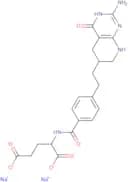
CAS:Lometrexol disodium is an antifolate chemotherapeutic agent, which is a synthetic derivative of the naturally occurring compound folic acid. Its mechanism of action involves the inhibition of the enzyme glycinamide ribonucleotide formyltransferase (GARFT), which plays a critical role in the de novo purine biosynthesis pathway. By targeting GARFT, Lometrexol disodium effectively disrupts nucleotide synthesis, leading to impaired DNA replication and cell division, primarily affecting rapidly proliferating cancer cells.Formula:C21H23N5Na2O6Purity:Min. 95%Molecular weight:487.4 g/molImpurity of calcipotriol
CAS:Calcipotriol is a synthetic vitamin D3 analog that has been shown to inhibit the growth of cancer cells. Calcipotriol inhibits the activity of ion channels and is an activator of protein interactions, making it a useful research tool for studying protein-protein interactions. It also has been shown to activate ligands, which are compounds that bind to receptors and initiate a response in the cell. Calcipotriol binds to the vitamin D receptor and may be used as an antibody against this receptor.Formula:C39H68O3Si2Purity:Min. 95%Molecular weight:641.1 g/mol[D-Trp34]-Neuropeptide Y
CAS:Neuropeptide Y (NPY) is a peptide that was first discovered in the brain and later found to be present in other organs, including the stomach, pancreas and heart. NPY is involved in many physiological processes, including regulation of appetite, digestion, and blood pressure. It also has been shown to have neuroprotective effects. Neuropeptide Y is a potent inhibitor of ion channels such as NMDA receptors. Neuropeptide Y binds to G-protein coupled receptors on cells with high affinity and specificity. These receptors are activated by NPY and can lead to changes in gene expression.Formula:C196H289N55O56Purity:Min. 95%Molecular weight:4,312 g/molDoristerol
CAS:Controlled ProductDoristerol is a potent anticancer agent that has been isolated from Chinese medicinal herbs. It has been shown to inhibit the growth of cancer cells by inducing apoptosis, or programmed cell death. Doristerol is excreted in urine and acts as an inhibitor of protein kinases, which are enzymes that play a key role in cancer development and progression. This analog of human kinase inhibitors has demonstrated significant anti-tumor activity against various types of cancer cells. Doristerol is a promising candidate for the development of novel chemotherapeutic agents with improved efficacy and fewer side effects.Formula:C27H46OPurity:Min. 95%Molecular weight:386.7 g/mol4,9-Anhydrotetrodotoxin
CAS:4,9-Anhydrotetrodotoxin is a sodium citrate salt of 4,9-dihydro-4,9-dihydroxytetrodotoxin (anhydrotetrodotoxin). It has been shown to bind to the nicotinic acetylcholine receptor on leukemic cells. The hydroxyl group of the cyclohexane ring interacts with the serine hydroxyl group of the receptor and stabilizes the binding. This toxin inhibits calcium ion influx into cells by blocking voltage-gated calcium channels. Chronic oral administration of this drug has been shown to induce clinical responses in patients with chronic myelogenous leukemia who have not responded to other treatments. Hydrophilic interaction chromatography (HILIC) was used to purify 4,9-anhydrotetrodotoxin from a crude extract and monoclonal antibodies were developed for use in immunoassays.Formula:C11H15N3O7Purity:Min. 95%Molecular weight:301.25 g/mol(±)-ADX 71743
CAS:(±)-ADX 71743 is a metabotropic glutamate receptor (mGluR) allosteric modulator that increases the activity of the receptor by binding to it. This modulates neurotransmission and reduces pain signals in the central nervous system. (±)-ADX 71743 has been shown to be effective in animal models of nerve injury, sciatic nerve injury, and neuropathic pain. In these models, (±)-ADX 71743 was found to reduce both spontaneous pain and evoked pain responses. It also reduced neuronal hyperexcitability in the dorsal horn of the spinal cord, which is involved in processing nociceptive signals from peripheral tissues. The drug binds to mGluR7 with high affinity, but does not bind to mGluR1 or other subtypes of mGluRs.Formula:C17H19NO2Purity:Min. 95%Molecular weight:269.34 g/molAnisodamine Hydrobromide
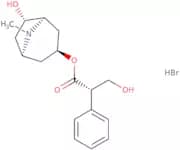
CAS:Anisodamine is a drug that has been shown to reduce the severity of myocardial infarct in experimental models. It is an antimicrobial agent that inhibits glucose uptake in bacteria and fungi. Anisodamine binds to dNTPs, which are necessary for DNA synthesis and replication, and inhibits dNTP-dependent polymerases by binding to the beta subunit of the polymerase chain. This binding prevents RNA synthesis and replication, leading to cell death. Anisodamine also has been shown to inhibit neuronal death caused by various stimuli, including oxidative stress, glutamate toxicity, and nitric oxide toxicity. The beneficial effects of this drug may be due to its ability to increase levels of growth factor-β1.Formula:C17H24BrNO4Purity:Min. 95%Molecular weight:386.28 g/molBAY 12-17389
CAS:BAY 12-17389 is a novel anticancer drug that inhibits the activity of CDK4 and CDK6. It is an imidazopyrazine derivative, which binds to the ATP-binding pocket of the enzyme, thereby preventing its activation. BAY 12-17389 has shown anticancer activity in animal models for skin cancer and bladder cancer. In vitro assays have demonstrated that BAY 12-17389 is effective at inhibiting proliferation of cultured cells from different types of human cancers. The effective dose for BAY 12-17389 is not yet known but it has been shown to be safe at doses as high as 2 µM.Formula:C27H24F5N5O3Purity:Min. 95%Molecular weight:561.5 g/molPGLa
CAS:Please enquire for more information about PGLa including the price, delivery time and more detailed product information at the technical inquiry form on this page
Formula:C88H162N26O22SPurity:Min. 95%Molecular weight:1,968.46 g/mol











![1-[[4-(2-Benzothiazolyloxy)phenyl]methyl]-4-piperidinecarboxylic acid](/_next/image/?url=https%3A%2Fstatic.cymitquimica.com%2Fproducts%2F3D%2Fthumb-webp%2FRIB20216.webp&w=3840&q=75)
![(R)-N-(5-(tert-Butyl)-1H-pyrazol-3-yl)-2-(3-isopropylpiperazin-1-yl)-7H-pyrrolo[2,3-d]pyrimidin-4-…](/_next/image/?url=https%3A%2Fstatic.cymitquimica.com%2Fproducts%2F3D%2Fthumb-webp%2FBUD88211.webp&w=3840&q=75)




![2-[1-[(2-Amino-7H-purin-6-yl)amino]ethyl]-5-methyl-3-(2-methylphenyl)quinazolin-4-one](/_next/image/?url=https%3A%2Fstatic.cymitquimica.com%2Fproducts%2F3D%2Fthumb-webp%2FZTA01290.webp&w=3840&q=75)

![Imidazo[1,2-a]pyridin-2(3H)-one](/_next/image/?url=https%3A%2Fstatic.cymitquimica.com%2Fproducts%2F3D%2Fthumb-webp%2FZMA07762.webp&w=3840&q=75)
![1-[6-Fluoro-3-(4-methylsulfonylpiperazine-1-carbonyl)quinolin-4-yl]-4-phenylpiperidine-4-carbonitr…](/_next/image/?url=https%3A%2Fstatic.cymitquimica.com%2Fproducts%2F3D%2Fthumb-webp%2FGPD07974.webp&w=3840&q=75)


![N’-[(E)-(2-Hydroxynaphthalen-1-yl)methylidene]-3-(2-methyl-1H-benzimidazol-1-yl)propanehydrazide](/_next/image/?url=https%3A%2Fstatic.cymitquimica.com%2Fproducts%2F3D%2Fthumb-webp%2FTHC32111.webp&w=3840&q=75)
![6-(4-Methoxyphenyl)furo[2,3-d]pyrimidin-4-amine](/_next/image/?url=https%3A%2Fstatic.cymitquimica.com%2Fproducts%2F3D%2Fthumb-webp%2FDTA59024.webp&w=3840&q=75)















![[D-Trp34]-Neuropeptide Y](/_next/image/?url=https%3A%2Fstatic.cymitquimica.com%2Fproducts%2F3D%2Fthumb-webp%2FDGA54984.webp&w=3840&q=75)