Biochemicals and Reagents
Biochemicals and reagents are fundamental substances for research and development in fields such as biotechnology, molecular biology, pharmacology, and medicine. These products are essential for a variety of applications, including compound synthesis, biological sample analysis, metabolic process research, and drug production. At CymitQuimica, we offer a wide selection of high-quality, high-purity biochemicals and reagents suitable for various scientific and industrial needs. Our catalog includes enzymes, antibodies, nucleic acids, amino acids, and many other products, all designed to support researchers and professionals in their research and development projects, ensuring reliable and reproducible results.
Subcategories of "Biochemicals and Reagents"
- Biomolecules(99,104 products)
- By Biological Target(99,074 products)
- By Pharmacological Effects(6,784 products)
- Cryopreservatives(21 products)
- Desinfectants and Related Compounds(28 products)
- Hormones(346 products)
- Plant Biology(6,693 products)
- Secondary Metabolites(14,218 products)
Found 130576 products of "Biochemicals and Reagents"
Sort by
Purity (%)
0
100
|
0
|
50
|
90
|
95
|
100
XL 647
CAS:<p>Inhibitor of EGFR, HER2 and VEGFR2 tyrosine kinases</p>Formula:C24H25Cl2FN4O2Purity:Min. 95%Molecular weight:491.38 g/molNVP-BVU972
CAS:<p>NVP-BVU972 is a small molecule inhibitor of the tyrosine kinase activity of the epidermal growth factor receptor. It has been shown to inhibit the growth of cancer cells in vitro and in vivo. NVP-BVU972 binds to the ATP binding site of the kinase domain and inhibits protein synthesis by preventing phosphorylation of downstream substrates. This drug also has a pharmacokinetic profile that is not affected by renal or hepatic dysfunction. NVP-BVU972 is currently being evaluated as a predictive biomarker for cancer treatment response.</p>Formula:C20H16N6Purity:Min. 95%Molecular weight:340.39 g/molMyxochelin A
CAS:<p>Myxochelin A is an iron-chelating siderophore, which is a specialized secondary metabolite produced by certain strains of myxobacteria. These microorganisms, often found in soil and decomposing material, synthesize Myxochelin A to scavenge iron from the environment, essential for their survival and growth. The mode of action of Myxochelin A involves the sequestration of ferric iron (Fe^3+) ions through its high-affinity binding sites. This effectively deprives competing microorganisms of the iron required for crucial biological processes, imparting an antimicrobial effect.</p>Formula:C20H24N2O7Purity:Min. 95%Molecular weight:404.4 g/molPrezatide copper acetate
CAS:<p>Prezatide is a peptide that is used as a research tool. It is an activator of ion channels and has been shown to inhibit the activation of these channels by other ligands. Prezatide binds to the receptor and blocks the binding of ligands, which prevents their activation of ion channels. Prezatide copper acetate is purified to high purity and free from contaminants such as endotoxins, pyrogens, or other impurities.</p>Formula:C28H45CuN12O8•(C2H4O2)2•HPurity:Min. 95%Molecular weight:862.4 g/molMK-2461
CAS:<p>MK-2461 is an orally bioavailable small molecule that binds to the epidermal growth factor receptor (EGFR) and inhibits its downstream signaling. It has been shown to have potent antitumor activity in cell culture and in vivo against a range of tumor types. MK-2461 binds to the EGFR with high affinity, inhibiting the downstream signaling pathway by blocking the activation of molecules such as Raf, MEK1/2, and ERK1/2. The binding site of MK-2461 is located on the extracellular domain of EGFR.</p>Formula:C24H25N5O5SPurity:Min. 95%Molecular weight:495.55 g/molEptazocine
CAS:<p>Eptazocine is a peptide that belongs to the group of activators. It is used as a research tool in cell biology, pharmacology, and other life science fields. Eptazocine has been shown to inhibit the activity of ion channels and receptors. Furthermore, it has been used as an antibody to study protein interactions. Eptazocine can be used as a reagent for studying ligand-receptor interactions and is a member of the opioid receptor family. It binds to alpha-subunits of opioid receptors, which are G protein-coupled receptors that activate phospholipase C and inhibit adenylyl cyclase.</p>Formula:C15H21NOPurity:Min. 95%Molecular weight:231.33 g/molBTTAA
CAS:<p>BTTAA is water-soluble accelerating ligand for CuAAC that provides much greater rate enhancement compared to previous generation ligands (e.g. THPTA or TBTA).</p>Formula:C19H30N10O2Purity:Min. 95%Color and Shape:PowderMolecular weight:430.51 g/molUtibapril
CAS:<p>Utibapril inhibits the activity of angiotensin-converting enzyme (ACE), an enzyme that breaks down the hormone angiotensin I. This leads to an increase in the levels of angiotensin II, which causes blood vessels to narrow by activating a G protein and stimulating the release of a second messenger, nitric oxide. Utibapril is used as a treatment for hypertension, congestive heart failure, and other cardiovascular disorders. It has been shown to cause insulin resistance in patients with type 2 diabetes mellitus and metabolic syndrome. The long-term use of utibapril may lead to congestive heart failure due to its effect on lipid metabolism.</p>Formula:C22H31N3O5SPurity:Min. 95%Molecular weight:449.6 g/molSB 706504
CAS:<p>SB 706504 is a small molecule that binds to albumin and inhibits the tyrosine kinase activity of the receptor. It has been shown to inhibit metastasis in cells, as well as cancer cell growth and survival. SB 706504 has also been shown to reduce serum albumin levels, which may be due to its ability to induce apoptosis in cancer cells. This drug has anti-cancer properties, but is not active against acute lymphoblastic leukemia.</p>Formula:C24H19F3N8OPurity:Min. 95%Molecular weight:492.46 g/molTianeptine-d12
CAS:Controlled Product<p>Please enquire for more information about Tianeptine-d12 including the price, delivery time and more detailed product information at the technical inquiry form on this page</p>Formula:C21H25ClN2O4SPurity:Min. 95%Molecular weight:449 g/molSelonsertib
CAS:<p>Selonsertib is a highly selective inhibitor of the ATP-binding cassette transporter (ABCA1) that belongs to the class of glp-1 analogues. It is used in combination with other drugs for the treatment of bowel disease, autoimmune diseases, and skin cancer. Selonsertib has been shown to be active against a number of cell types and is also effective in models of metabolic disorders such as hepatic steatosis and kidney fibrosis. Selonsertib blocks ABCA1 by binding to its ATP-binding site, inhibiting cholesterol efflux from cells. This drug may work by restoring mitochondrial membrane potential, which may help prevent or reverse cellular damage caused by oxidative stress.</p>Formula:C24H24FN7OPurity:Min. 95%Molecular weight:445.49 g/mol(R)-Cetirizine-d4 dihydrochloride
CAS:<p>(R)-Cetirizine-d4 dihydrochloride is an analog of the antihistamine drug cetirizine that has been shown to have potential anticancer properties. It has been found to induce apoptosis in cancer cells and inhibit the activity of kinases, which are enzymes that play a critical role in cell signaling pathways. (R)-Cetirizine-d4 dihydrochloride has been tested against a variety of cancer types, including Chinese hamster ovary and human tumor cell lines. This drug also inhibits amphetamine-induced hyperactivity in mice, suggesting a potential use in treating addiction. Additionally, (R)-Cetirizine-d4 dihydrochloride is excreted primarily through urine and may be used as a kinase inhibitor for research purposes.</p>Formula:C21H25ClN2O3Purity:Min. 95%Molecular weight:388.9 g/molDopropidil
CAS:<p>Dopropidil is a pharmaceutical preparation that is a fatty alcohol. It is used as an implanting agent and in the production of pharmaceutical dosage forms. Dopropidil has been shown to be effective in experimental models of inflammation, but it has not been studied in humans.</p>Formula:C20H35NO2Purity:Min. 95%Molecular weight:321.5 g/molAQ-13 (2HCl)
CAS:<p>AQ-13 is a quinoline derivative that inhibits the production of inflammatory cytokines and chemokines. AQ-13 is an inhibitor of the enzyme cyclooxygenase-2 (COX-2) that is involved in the production of prostaglandins, which are proinflammatory molecules. The drug has been shown to have anti-inflammatory potency in vitro against LPS-stimulated RAW264.7 cells as well as macrophage-like cells derived from humans. In vivo, AQ-13 was shown to be effective in reducing inflammation caused by infection with the bacterial agent Pullorum or Erysipelothrix rhusiopathiae. This drug has also been shown to inhibit COX-2 activity in humans. Structural analogs of this drug include celecoxib and rofecoxib, which are used for pain relief and prevention of arthritis respectively.</p>Purity:Min. 95%Elenbecestat
CAS:<p>Elenbecestat is a monoclonal antibody that inhibits the enzyme acetylcholinesterase (AChE), which degrades the neurotransmitter acetylcholine. Elenbecestat has been shown to be effective in reducing insulin resistance and improving glucose tolerance in mice. Clinical trials have shown that elenbecestat is safe for use in humans, with few side effects. Elenbecestat has also been shown to reduce fatty acids and protofibril formation in vitro. It also acts as an esterase inhibitor, preventing the hydrolysis of phospholipids. This drug may cause allergic reactions.</p>Formula:C19H18F3N5O2SPurity:Min. 95%Molecular weight:437.44 g/molTC-MCH 7c
CAS:<p>TC-MCH 7c is a peptide that inhibits the interaction of proteins. It has been shown to have an affinity for the receptor, and is a ligand for the protein. TC-MCH 7c has been used as a research tool in cell biology and pharmacology, and can be used as an inhibitor or activator for ion channels. TC-MCH 7c has high purity and is suitable for use in life science research.</p>Formula:C24H25FN2O3Purity:Min. 95%Molecular weight:408.47 g/mol2-[1-[(2-Amino-7H-purin-6-yl)amino]ethyl]-5-methyl-3-(2-methylphenyl)quinazolin-4-one
CAS:<p>2-[1-[(2-Amino-7H-purin-6-yl)amino]ethyl]-5-methyl-3-(2-methylphenyl)quinazolin-4-one is a synthetic pharmaceutical compound, classified as a small molecule inhibitor. It is derived from a combination of purine and quinazoline structures, typically synthesized through multi-step organic processes. This compound exhibits its mode of action by specifically targeting and inhibiting certain key enzymes or receptors within cellular pathways, potentially interfering with aberrant signaling processes. Through this mechanism, it can modulate biological activity, offering a pathway to correct dysregulated cellular environments.</p>Formula:C23H22N8OPurity:Min. 95%Molecular weight:426.5 g/molRGB-286638
CAS:<p>RGB-286638 is a non-competitive inhibitor of the enzyme DNA topoisomerase II. It has minimal toxicity and a low potential for drug resistance. This agent has been shown to have potent antitumor activity in mice with cancer, inhibit cell growth in cultured cells, and cause necrotic cell death. RGB-286638 binds to the MCL-1 protein and inhibits the production of cytokines that are important for regulating immune responses, such as tumor necrosis factor (TNF). This agent also has a high affinity for actin filaments, which may be due to its ability to bind to myosin heavy chains.</p>Formula:C29H37Cl2N7O4Purity:Min. 95%Molecular weight:618.55 g/mol2-(9-((4-Chlorophenyl)thio)-6-fluoro-2,3-dihydro-1H-pyrrolo[1,2-a]indol-1-yl)acetic acid
CAS:<p>2-(9-((4-Chlorophenyl)thio)-6-fluoro-2,3-dihydro-1H-pyrrolo[1,2-a]indol-1-yl)acetic acid (BETI) is a synthetic compound that has been shown to have an inhibitory effect on the inflammatory response. BETI has been shown to reduce the production of eosinophils in mice and rats. This drug has also been shown to lower blood pressure in rats by inhibiting cyclooxygenase 2 (COX2). In addition, BETI inhibits Ca2+ responses in human platelets.</p>Formula:C19H15ClFNO2SPurity:Min. 95%Molecular weight:375.8 g/molβ-amino-3-methoxy-4-(phenylmethoxy)benzeneethanol
CAS:<p>Please enquire for more information about Beta-amino-3-methoxy-4-(phenylmethoxy)benzeneethanol including the price, delivery time and more detailed product information at the technical inquiry form on this page</p>Formula:C16H19NO3Purity:Min. 95%Molecular weight:273.33 g/molSTF 31
CAS:<p>Inhibitor of glucose transporter GLUT1; pro-apoptotic</p>Formula:C23H25N3O3SPurity:Min. 95%Molecular weight:423.53 g/molTTA-A2
CAS:<p>TTA-A2 is a t-type calcium channel blocker. It has been shown to reduce locomotor activity and activate lymphatic vessels in rats. TTA-A2 is also a potential drug target for metabolic disorders, such as obesity, diabetes, and hypertension. TTA-A2 has been shown to have anti-inflammatory effects on the bowel that may be due to its ability to inhibit intracellular calcium concentration. Other studies have shown that TTA-A2 can be used for the treatment of bowel disease and inflammatory bowel disease. In addition, there are no side effect profiles associated with TTA-A2.</p>Formula:C20H21F3N2O2Purity:Min. 95%Molecular weight:378.4 g/molRVT 501
CAS:<p>RVT 501 is a biochemical reagent, which is derived from synthetic organic compounds with high specificity. Its primary mode of action involves the modulation of cellular oxygenation pathways, impacting the activity of specific intracellular enzymes. By interacting with these molecular targets, RVT 501 effectively alters oxidative stress responses, making it invaluable for experimental protocols focused on redox biology and related fields.</p>Formula:C26H24N4O5Purity:Min. 95%Molecular weight:472.49 g/mol1-[6-Fluoro-3-(4-methylsulfonylpiperazine-1-carbonyl)quinolin-4-yl]-4-phenylpiperidine-4-carbonitrile
CAS:<p>1-[6-Fluoro-3-(4-methylsulfonylpiperazine-1-carbonyl)quinolin-4-yl]-4-phenylpiperidine-4-carbonitrile is a peptide that has been used as a research tool to study protein interactions, antibody and cell biology. It can act as an inhibitor of ion channels such as sodium channels. The binding site for this peptide is located at the extracellular loop of the receptor. 1-[6-Fluoro-3-(4-methylsulfonylpiperazine-1-carbonyl)quinolin-4-yl]-4-phenylpiperidine 4 carbonitrile is a ligand that binds to receptors on cells, which may be responsible for its pharmacological effects.</p>Formula:C27H28FN5O3SPurity:Min. 95%Molecular weight:521.6 g/molNeomenthoglycol
CAS:<p>Neomenthoglycol is a potent anticancer agent that has been shown to induce apoptosis in cancer cells. It is an analog of ghrelin, a hormone that regulates appetite and energy balance. Neomenthoglycol inhibits the activity of kinases, which are enzymes that play a key role in cell signaling pathways. This inhibition leads to the suppression of tumor growth and proliferation. Additionally, neomenthoglycol has been found to be effective against various types of cancer, including breast, colon, and lung cancers. Studies have also shown that neomenthoglycol can inhibit the growth of cancer cells by blocking the action of cellulose synthase inhibitors. Furthermore, neomenthoglycol has demonstrated significant activity against human bladder cancer cells in Chinese hamster ovary (CHO) cells. Its protein kinase inhibitor properties make it a promising candidate for future development as an anticancer therapy.</p>Formula:C10H20O2Purity:Min. 95%Molecular weight:172.26 g/molAcyclovir N-methyl-L-valinate hydrochloride
CAS:<p>Please enquire for more information about Acyclovir N-methyl-L-valinate hydrochloride including the price, delivery time and more detailed product information at the technical inquiry form on this page</p>Formula:C14H23ClN6O4Purity:Min. 95%Molecular weight:374.82 g/molDehydroaltenusin
CAS:<p>Dehydroaltenusin is a natural product that has been shown to inhibit the growth of cancer cells. It inhibits the suzuki coupling reaction, which is an enzyme that catalyzes the formation of a carbon-carbon bond between two adjacent carbons in a molecule. Dehydroaltenusin may also have anti-HIV effects. The molecular modeling and structural analysis on this compound have shown that it binds to dna as a template for biological function. This compound has been shown to have anti-cancer effects against cervical cancer cells and may be used as an anti-cancer treatment in the future.</p>Formula:C15H12O6Purity:Min. 95%Molecular weight:288.25 g/mol5α-7,24-Cholestadiene-d6
CAS:Controlled Product<p>5α-7,24-Cholestadiene-d6 is a peptide that can be used as an activator. It is also an inhibitor of ion channels and may be used to study the effects of ligands on the activation of protein interactions. This product is highly pure and has been shown to inhibit cell division in cancer cells. 5α-7,24-Cholestadiene-d6 can be used as a research tool for studying pharmacology, physiology, and biochemistry.</p>Formula:C27H38D6OPurity:Min. 95%Molecular weight:390.67 g/molPt-TTPY
CAS:<p>Pt-TTPY is a telomerase inhibitor that binds to the protein subunit of telomerase and prevents the elongation of telomeres. Pt-TTPY has been shown to inhibit cancer cells in vitro, which may be due to its ability to inhibit the synthesis of DNA. The compound also inhibits the proliferation of cancer cells and tumor growth in vivo. Pt-TTPY has been tested in clinical trials for use with cisplatin as a cancer therapy. Pt-TTPY binds to DNA in a sequence-dependent manner and is concomitantly detected by mass spectrometry and fluorescence resonance energy transfer (FRET) measurements. This compound can be used for the detection of telomerase activity or for the measurement of telomere length.</p>Formula:C22H17Cl2N3PtPurity:Min. 95%Molecular weight:589.37 g/molMK-4256
CAS:<p>MK-4256 is a synthetic β-carboline alkaloid that binds to the dopamine D2 receptor. It has an imidazole ring and a carboxylic acid. The binding of MK-4256 to the D2 receptor induces an increase in intracellular calcium levels, which leads to an inhibition of various enzymes and protein kinases, such as diastereomer and glipizide. In vitro assays have shown that MK-4256 inhibits the release of insulin from pancreatic cells without affecting other types of cells. This drug has also been shown to be effective in reducing food intake in animals; however, further studies are needed for its clinical use in humans.<br>MK-4256 has been observed to have neuroprotective effects on dopaminergic neurons, as well as anti-inflammatory and analgesic effects in animal models.</p>Formula:C27H23FN8OPurity:Min. 95%Molecular weight:494.5 g/mol3,3-Difluoro-4-(4-methoxyphenyl)-1-phenylazetidin-2-one
CAS:<p>The compound 3,3-Difluoro-4-(4-methoxyphenyl)-1-phenylazetidin-2-one is a potent and selective g protein receptor antagonist. It binds to the G protein alpha subunit and blocks the binding of ATP to the alpha subunit, preventing the activation of adenylate cyclase. This compound has shown high efficacy in calcium mobilization assays and can be used as a tool for screening for other ligands that bind to this receptor.</p>Formula:C16H13F2NO2Purity:Min. 95%Molecular weight:289.28 g/molGR 73632
CAS:<p>GR 73632 is a neurokinin-1 receptor antagonist that has been shown to have an inhibitory effect on neurokinin-1 receptors. The binding of GR 73632 to the neurokinin-1 receptor leads to the inhibition of pressor responses and inflammatory diseases. It has also shown promise in treating cancer, as well as cervical cancer. GR 73632 binds to the wild-type mouse camp levels and inhibits the release of pressor peptides. This compound also acts as a selective agonist at the caudate putamen, which is involved in controlling blood pressure and urinary bladder function.</p>Formula:C40H59N7O6SPurity:Min. 95%Molecular weight:766 g/molG150
CAS:<p>G150 is a novel compound that belongs to the group of hydroxylated polyphenols. G150 has been found to be a potent inhibitor of the enzyme tyrosinase and other enzymes involved in melanin synthesis. G150 also has anti-inflammatory properties, inhibiting prostaglandins and leukotrienes, which are inflammatory mediators. G150 inhibits prostate cancer cells by targeting epidermal growth factor receptors. The molecule has shown potential as an agent for the treatment of metabolic disorders and autoimmune diseases.</p>Formula:C18H16Cl2N4O2Purity:Min. 95%Molecular weight:391.2 g/molASP3026
CAS:<p>ASP3026 is a selective tyrosine kinase inhibitor, which is a synthetic small molecule derived from advanced pharmaceutical research. Its mode of action involves the selective inhibition of the anaplastic lymphoma kinase (ALK), a receptor tyrosine kinase implicated in a variety of cancers. By blocking the activity of ALK, ASP3026 interferes with critical signaling pathways that are essential for cancer cell proliferation and survival.</p>Formula:C29H40N8O3SPurity:Min. 95%Molecular weight:580.75 g/molSARS-CoV-2 Spike glycoprotein trimeric ectodomain - from mammalian HEK293 cells
<p>In order to to penetrate human cells, the SARS-CoV-2 coronavirus needs to dock with the host cell surface via one of its surface proteins, the so-called spike protein. This trimeric protein binds to the ACE2 receptor of human cells and enters the cell through the cell membrane. The spike glycoprotein is therefore considered to be a key target for urgently needed vaccines, antibodies and diagnostics.</p>Purity:Min. 95%Hydrogen 4-[(carboxylatomethyl)(methyl)amino]-2,2,2,2-tetrakis(hydroxymethyl)-1λ³-thia-3λ³-thia-2-manganacyclobut-3-en-2-ylium-1-ide
CAS:<p>Hydrogen 4-[(carboxylatomethyl)(methyl)amino]-2,2,2,2-tetrakis(hydroxymethyl)-1λ³-thia-3λ³-thia-2-manganacyclobut-3-en-2-ylium is a peptide that inhibits the activity of ion channels. It has been shown to inhibit the activity of voltage gated sodium channels (VGSCs), potassium channels (Kv1.4), and calcium channels (CaV1.3). This peptide can be used as a research tool for cell biology and pharmacology studies. The purity of this peptide is >99%.</p>Formula:C8H10MnNO6S2Purity:Min. 95%Molecular weight:335.2 g/molEtDO-P4
CAS:<p>EtDO-P4 is a glucosylceramide synthase inhibitor which reduces the cellular levels of glucosylceramide (Glc-Cer) and the common biosynthetic precursor of most glycosphingolipids (GSLs). EtDO-P4 binds to the Glc-Cer synthase in a competitive manner and prevents the transfer of the first glucosyl residue, thus preventing further biosynthetic diversification into more elaborate glycosphingolipds. EtDO-P4 is a ceramide-like compound that was initially developed as a potential therapeutic for the treatment of diseases associated with altered glycosphingolipid levels. EtDO-P4 has also been used to indirectly increase sialylation levels in erythropoietin production. EtDO-P4 has been suggested, as part of compositions, for treatment of cardiac hypertrophy (Kwak, 2017).</p>Formula:C31H52N2O4Purity:Min. 95%Molecular weight:516.76 g/molN-Deshydroxy ciclopirox-d11
CAS:<p>Please enquire for more information about N-Deshydroxy ciclopirox-d11 including the price, delivery time and more detailed product information at the technical inquiry form on this page</p>Formula:C12H17NOPurity:Min. 95%Molecular weight:202.34 g/molMC180295
CAS:<p>MC180295 is a bromodomain inhibitor that binds to the CDK4/6-associated bromodomain and inhibits its activity. MC180295 has synergistic effects with venetoclax, which is an inhibitor of Bcl-2. This drug has been shown to be effective against cancer cells in vitro and in vivo, and also sensitizes cancer cells to other drugs. MC180295 is a molecule that suppresses the expression of suppressor genes. It has been shown to be effective at doses of 10 μM or higher in both cell culture and experimental animals.</p>Formula:C17H18N4O3SPurity:Min. 95%Molecular weight:358.41 g/molSB 699551 Dihydrochloride
CAS:<p>SB 699551 Dihydrochloride is a selective 5-HT2 receptor antagonist that has been shown to be effective in the treatment of depression and pain. In animal studies, SB 699551 Dihydrochloride has been shown to reduce depression-like behaviors and pain responses. The drug also exhibits high affinity for 5-HT7 receptors with low efficacy. SB 699551 Dihydrochloride is not active against 5-HT1A or 5-HT7 receptors, which are involved in the regulation of serotonin release. This drug may be helpful in the treatment of depression and pain by blocking serotonergic activity at the 5-HT2 receptor.</p>Formula:C34H45N3O·2HClPurity:Min. 95%Molecular weight:511.74 g/molGHRF, rat
CAS:<p>Stimulates somatotropin release</p>Formula:C225H361N77O66SPurity:Min. 95%Color and Shape:PowderMolecular weight:5,232.82 g/molH-QYIKANSKFIGITE-OH
<p>Tetanus toxin<br>TetTox-B (830-843) DRB1*07:01 is a short part of the tetanus toxin. Tetanus toxin is produced by Clostridium tetani and is a potent neurotoxin. Indeed, tetanus toxin arrives on bloodstream and moves to a receptor complex at the neuromuscular junction.<br>TetTox-B (830-843) DRB1*07:01<br>TetTox-B (830-843) DRB1*07:01 is used to stimulate the immune response and to generate DRB1*07:01-restricted T cells specific for the tetanus toxin peptide. TetTox-B (830-843) is also a classical peptide reference for the binding affinity with DRB1*07:01 molecules.</p>Lamotrigine N-acetate
CAS:<p>Lamotrigine N-acetate is a peptide that functions as an activator of ion channels. It is a research tool for the study of ion channels, and it can be used to study the structure of proteins. Lamotrigine N-acetate binds to the receptor site on cells, which stimulates the production of ligands that bind to other receptors. This process may lead to changes in gene expression and protein interactions. It also inhibits some voltage-activated sodium channels, which may lead to changes in neuronal excitability.</p>Formula:C11H9Cl2N5OPurity:Min. 95%Molecular weight:298.13 g/mol4,9-Anhydrotetrodotoxin
CAS:<p>4,9-Anhydrotetrodotoxin is a sodium citrate salt of 4,9-dihydro-4,9-dihydroxytetrodotoxin (anhydrotetrodotoxin). It has been shown to bind to the nicotinic acetylcholine receptor on leukemic cells. The hydroxyl group of the cyclohexane ring interacts with the serine hydroxyl group of the receptor and stabilizes the binding. This toxin inhibits calcium ion influx into cells by blocking voltage-gated calcium channels. Chronic oral administration of this drug has been shown to induce clinical responses in patients with chronic myelogenous leukemia who have not responded to other treatments. Hydrophilic interaction chromatography (HILIC) was used to purify 4,9-anhydrotetrodotoxin from a crude extract and monoclonal antibodies were developed for use in immunoassays.</p>Formula:C11H15N3O7Purity:Min. 95%Molecular weight:301.25 g/molSB-415286
CAS:<p>SB-415286 is a small molecule inhibitor of GSK-3β. It prevents phosphorylation of the substrate by GSK-3β, thereby preventing the inhibition of downstream signaling pathways, such as those that regulate energy metabolism and neuronal death. SB-415286 has been shown to inhibit 3t3-l1 preadipocytes differentiation into adipocytes, although it does not inhibit proliferation or stimulate apoptosis. This agent also inhibits neuronal death in axons and axon regeneration in t-cell lymphomas, suggesting that this drug may be useful for treating diseases like Alzheimer's disease or stroke.</p>Formula:C16H10ClN3O5Purity:Min. 95%Molecular weight:359.72 g/mol(±)-ADX 71743
CAS:<p>(±)-ADX 71743 is a metabotropic glutamate receptor (mGluR) allosteric modulator that increases the activity of the receptor by binding to it. This modulates neurotransmission and reduces pain signals in the central nervous system. (±)-ADX 71743 has been shown to be effective in animal models of nerve injury, sciatic nerve injury, and neuropathic pain. In these models, (±)-ADX 71743 was found to reduce both spontaneous pain and evoked pain responses. It also reduced neuronal hyperexcitability in the dorsal horn of the spinal cord, which is involved in processing nociceptive signals from peripheral tissues. The drug binds to mGluR7 with high affinity, but does not bind to mGluR1 or other subtypes of mGluRs.</p>Formula:C17H19NO2Purity:Min. 95%Molecular weight:269.34 g/molID 8-d3
CAS:<p>ID 8-d3 is a plant growth stimulant, which is derived from lignin, a complex organic polymer found in the cell walls of many plants and algae. With a deep focus on promoting plant growth and resilience, ID 8-d3 functions through the modulation of key plant physiological processes. Its mode of action involves enhancing nutrient uptake, stimulating root development, and bolstering stress resilience, which is mediated by biochemical pathways that synergize with the plant’s inherent metabolic processes.</p>Formula:C16H11D3N2O4Purity:Min. 95%Molecular weight:301.31 g/molRepotrectinib
CAS:<p>Repotrectinib is an inhibitor of the enzyme c-Met, which is a receptor tyrosine kinase that is involved in various cellular processes. It has been shown to have potent antitumor activity against many solid tumor cell lines and murine xenografts. Repotrectinib inhibits cancer cells by binding to the c-Met receptor and preventing it from initiating downstream signaling pathways. The drug also has a low expression in normal tissues, which limits its toxicity. Repotrectinib's mechanism of action is through inhibition of the protein secretase, which prevents the conversion of pro-caspase-1 into active caspase-1. Caspase-1 has been shown to be essential for apoptosis induction in cancer cells.</p>Formula:C18H18FN5O2Purity:Min. 95%Molecular weight:355.37 g/molBW373U86 dihydrobromide
CAS:<p>BW373U86 dihydrobromide is a peptide that inhibits the interaction of the receptor for epidermal growth factor with its ligands. It can be used to study the function of epidermal growth factor in cells, and as a research tool for studying protein interactions.</p>Formula:C27H39Br2N3O2Purity:Min. 95%Molecular weight:597.4 g/molMocravimod
CAS:<p>Mocravimod is a drug that belongs to the class of immunosuppressants. It is an oral, small molecule drug that inhibits sphingosine kinase and has been shown to be safe for long-term use. Mocravimod has been studied in clinical trials for inflammatory bowel disease, alopecia areata, and Crohn’s disease. The drug has also been tested in early clinical trials for cancer and autoimmune diseases such as multiple sclerosis and rheumatoid arthritis. In animal models, mocavimod has shown activity against cancers such as breast cancer, prostate cancer, colon cancer, leukemia and lymphoma.</p>Formula:C24H26ClNO3SPurity:Min. 95%Molecular weight:444 g/molAdavivint
CAS:<p>Adavivint is a genetically engineered human TNF-α protein. It is a recombinant human tumor necrosis factor alpha (TNF-α) that has been modified to be less immunogenic. Adavivint is not active in the absence of other growth factors and cytokines, but can activate cells in vitro to produce proinflammatory cytokines such as IL-1β, IL-6, IL-8, and IL-12. This protein also activates cell factor and other signaling pathways that lead to the release of intracellular stores of inflammatory molecules. The effective dose for Adavivint is still being determined in clinical trials.</p>Formula:C29H24FN7OPurity:Min. 95%Molecular weight:505.55 g/molGNE-987
CAS:<p>GNE-987 is a potent anticancer drug that has been developed for the treatment of various types of tumors. It is an analog of kinase inhibitors and works by inhibiting specific kinases that are involved in cancer cell growth and survival. GNE-987 induces apoptosis (programmed cell death) in cancer cells, thereby preventing their proliferation. This drug has been shown to be effective against different types of human cancer cell lines, including Chinese hamster ovary cells. GNE-987 has also demonstrated activity against urinary tract tumors in preclinical studies. As a promising medicinal compound, GNE-987 holds great potential for the development of new cancer therapies.</p>Formula:C56H67F2N9O8S2Purity:Min. 95%Molecular weight:1,096.3 g/molN-Methoxysuccinyl-Ala-Ala-Pro-Met p-nitroanilide
CAS:<p>N-Methoxysuccinyl-Ala-Ala-Pro-Met p-nitroanilide is a synthetic chromogenic substrate, which is typically utilized in biochemical assays to assess protease activity, particularly that of elastase-like enzymes. The product is derived from chemical synthesis in the laboratory, featuring a specific peptide sequence conjugated to the p-nitroanilide group.</p>Formula:C27H38N6O9SPurity:Min. 95%Molecular weight:622.7 g/molTauroursodeoxycholate dihydrate
CAS:<p>Tauroursodeoxycholate dihydrate is a monoclonal antibody that binds to the bile acid receptor TGR5, which is expressed in the intestines. The antibody can be activated by acetylation of its phenylalanine side chains and then bind to cancer cells in culture. Activated tauroursodeoxycholate can have anti-cancer effects, such as inhibition of cell proliferation and induction of apoptosis. Bile acids are also known to inhibit tumor growth and induce apoptosis in animal models of cancer.</p>Formula:C26H49NO8SPurity:Min. 95%Molecular weight:535.7 g/mol6-[[(3S,4R)-3-Hydroxy-6-(3-hydroxyphenyl)sulfonyl-2,2,3-trimethyl-4H-chromen-4-yl]oxy]-2-methylpyridazin-3-one
CAS:<p>6-[[(3S,4R)-3-Hydroxy-6-(3-hydroxyphenyl)sulfonyl-2,2,3-trimethyl-4H-chromen-4-yl]oxy]-2-methylpyridazin-3-one is a drug that is metabolized through glucuronidation. It has been shown to be water soluble and stable in the presence of sebaceous glands and follicles. The drug is transported by glycocholate and stabilizes the surface of the skin by binding to its lipids. 6-[(3S,4R)-3-Hydroxy -6-(3hydroxyphenyl)sulfonyl -2,2, 3 trimethyl 4H chromen 4 yl]oxy - 2 methylpyridazin - 3 one also binds to the dermis. This drug interacts with other drugs that have a similar chemical structure (i.e</p>Formula:C23H24N2O7SPurity:Min. 95%Molecular weight:472.5 g/molAldosterone-2,2,4,6,6,21,21-d7
CAS:<p>Aldosterone-2,2,4,6,6,21,21-d7 is a radioactive ligand that binds to the mineralocorticoid receptor. This receptor is a member of the nuclear hormone receptors and is involved in regulating electrolyte balances in the body. Aldosterone-2,2,4,6,6,21,21-d7 binds to the receptor with high affinity and specificity. The binding site for this ligand has been mapped to amino acids 12-14 of the DNA sequence of the human mineralocorticoid receptor.</p>Formula:C21D7H21O5Purity:Min. 95%Molecular weight:367.49 g/molS-Acebutolol-d7
CAS:Controlled Product<p>S-Acebutolol-d7 is a medicinal compound that has shown promising results in the treatment of cancer. It is an analog of Acebutolol, a beta-blocker that is commonly used to treat hypertension and arrhythmias. S-Acebutolol-d7 has been found to be an effective inhibitor of protein kinases, which are enzymes that play a key role in the regulation of cell growth and division. This compound induces apoptosis (programmed cell death) in cancer cells and has been shown to inhibit tumor growth in human cancer cell lines. Additionally, S-Acebutolol-d7 has demonstrated anticancer activity by blocking the cell cycle progression and suppressing the activity of inhibitors such as Chinese hamster ovary cells. This compound can be detected in urine samples and may have potential as a novel therapeutic agent for cancer treatment.</p>Formula:C18H28N2O4Purity:Min. 95%Molecular weight:336.4 g/molCis-asenapine
CAS:Controlled Product<p>Please enquire for more information about Cis-asenapine including the price, delivery time and more detailed product information at the technical inquiry form on this page</p>Formula:C17H16ClNOPurity:Min. 95%Molecular weight:285.8 g/molH-GLIQLVEGV-OH
<p>Peptide H-GLIQLVEGV-OH is a Research Peptide with significant interest within the field academic and medical research. This peptide is available for purchase at Cymit Quimica in multiple sizes and with a specification of your choice.</p>Purity:Min. 95%CBL0137 hydrochloride
CAS:<p>CBL0137 hydrochloride is a small molecule anti-cancer agent, which is a synthetic compound derived from curaxins. It acts as an inhibitor of chromatin remodeling. The source of this compound consists of artificial synthesis designed to target molecular pathways involved in cancer cell survival.</p>Formula:C21H25ClN2O2Purity:Min. 95%Molecular weight:372.89 g/molMethyl octanoate-d15
CAS:<p>Please enquire for more information about Methyl octanoate-d15 including the price, delivery time and more detailed product information at the technical inquiry form on this page</p>Formula:C9H18O2Purity:Min. 95%Molecular weight:173.33 g/molH-STEPPYSQKRYEE-OH
<p>Peptide H-STEPPYSQKRYEE-OH is a Research Peptide with significant interest within the field academic and medical research. This peptide is available for purchase at Cymit Quimica in multiple sizes and with a specification of your choice.</p>Poziotinib hydrochloride
CAS:<p>Human epidermal growth factor receptor (HER2) inhibitor</p>Formula:C23H21Cl2FN4O3·HClPurity:Min. 95%Molecular weight:527.8 g/molGSK-3 Inhibitor X
CAS:<p>GSK-3 Inhibitor X is a synthetic compound that binds to glycogen synthase kinase-3 and prevents it from phosphorylating β-catenin. GSK-3 Inhibitor X has been shown to have proapoptotic effects in vitro on herpes simplex virus, cellular cancer cells, and cancer cells derived from human tumors. This compound also has antiepileptic effects in vivo, as well as an all-trans retinoic acid (ATRA)-like effect on the central nervous system. GSK-3 Inhibitor X has been shown to inhibit locomotor activity in vivo through its ability to bind to DNA, which may be related to its anti-epileptic properties.</p>Formula:C18H12BrN3O3Purity:Min. 95%Molecular weight:398.21 g/molBenzthiazide-d7
CAS:<p>Please enquire for more information about Benzthiazide-d7 including the price, delivery time and more detailed product information at the technical inquiry form on this page</p>Formula:C15H14ClN3O4S3Purity:Min. 95%Molecular weight:439 g/molBriciclib disodium
CAS:<p>Briciclib disodium is a prodrug that is administered in the form of a tablet. It is used as an antineoplastic agent to treat cancer. Briciclib disodium is an analog of benzyl bromide, which is a diagnostic agent and has been used in the past to study translation and profiles. This drug can be detected in body fluids such as urine, serum, or plasma. Briciclib disodium has been shown to have potential anti-neoplastic properties and can be used for the treatment of cavity or cancer.</p>Formula:C19H21Na2O10PSPurity:Min. 95%Molecular weight:518.4 g/mol4-Pentadecylbenzylphosphonic acid
CAS:<p>4-Pentadecylbenzylphosphonic acid is a cell permeant inhibitor of the antibody response, which can be used as a research tool for studying the function of antibodies. It can also be used to study the effects of peptides on receptor-mediated signal transduction pathways. 4-Pentadecylbenzylphosphonic acid binds to anionic phospholipids and blocks calcium ion channels by binding to their ligand binding site. This inhibits the release of neurotransmitters and slows down nerve impulses, which may help in treating pain and epilepsy.</p>Formula:C22H39O3PPurity:Min. 95%Molecular weight:382.5 g/mol(E)-Metaflumizone
CAS:<p>(E)-Metaflumizone is an anticancer drug that induces apoptosis in human tumor cells. It is a potent inhibitor of protein kinases, including Chinese hamster ovary cell kinase and geniposide analogs. (E)-Metaflumizone has been shown to inhibit the growth of cancer cells by blocking the activity of key enzymes involved in cell division and proliferation. This drug also inhibits the activity of protein kinases, which play a crucial role in cancer development and progression. In addition, (E)-Metaflumizone has been found to be effective against a wide range of cancer types, making it a promising candidate for further clinical development.</p>Formula:C24H16F6N4O2Purity:Min. 95%Molecular weight:506.4 g/molEicosyl ferulate
CAS:<p>Eicosyl ferulate is a research tool that binds to a receptor and activates the cell. It is used in Cell Biology and Pharmacology as an activator or ligand to study the function of ion channels, receptors, and other cell-signaling proteins. Eicosyl ferulate has been shown to be an inhibitor of protein interactions with peptides and other macromolecules. This drug also has high purity with a CAS number of 133882-79-8.</p>Formula:C30H50O4Purity:Min. 95%Molecular weight:474.7 g/mol4-Methyl-N-(4-nitrophenyl)-1-piperazineacetamide
CAS:<p>Please enquire for more information about 4-Methyl-N-(4-nitrophenyl)-1-piperazineacetamide including the price, delivery time and more detailed product information at the technical inquiry form on this page</p>Formula:C13H18N4O3Purity:Min. 95%Molecular weight:278.31 g/molRufinamide-5-carboxamide
CAS:<p>Please enquire for more information about Rufinamide-5-carboxamide including the price, delivery time and more detailed product information at the technical inquiry form on this page</p>Formula:C10H8F2N4OPurity:Min. 95%Molecular weight:238.19 g/molSARS-CoV-2 Spike glycoprotein trimeric ectodomain - from mammalian CHO cells
<p>In order to to penetrate human cells, the SARS-CoV-2 coronavirus needs to dock with the host cell surface via one of its surface proteins, the so-called spike protein. This trimeric protein binds to the ACE2 receptor of human cells and enters the cell through the cell membrane. The spike glycoprotein is therefore considered to be a key target for urgently needed vaccines, antibodies and diagnostics.</p>Purity:Min. 95%Benoxaprofen-13C,d3
CAS:<p>Please enquire for more information about Benoxaprofen-13C,d3 including the price, delivery time and more detailed product information at the technical inquiry form on this page</p>Formula:C16H12ClNO3Purity:Min. 95%Molecular weight:305.73 g/mol1(S),9(R)-(-)-Bicuculline methbromide
CAS:<p>1(S),9(R)-(-)-Bicuculline methbromide is a potent inhibitor of protein kinases that has been shown to induce apoptosis in cancer cells. It is derived from the urine of Chinese strain rats and inhibits the activity of D-xylose kinase, which is involved in the metabolism of xylose. 1(S),9(R)-(-)-Bicuculline methbromide has been studied extensively for its anti-cancer properties and has shown promising results in tumor cell lines. It induces apoptosis in human cancer cells by inhibiting the activity of specific kinases that are essential for cell survival. This compound may be a potential candidate for cancer therapy due to its ability to selectively target cancer cells while sparing normal cells.</p>Formula:C21H20BrNO6Purity:Min. 95%Molecular weight:462.3 g/molBMS-986235
CAS:<p>BMS-986235 is a research tool that has been shown to inhibit the function of ion channels. This inhibitor binds to the ligand-binding site of the receptor and blocks ATP binding, preventing activation and increasing the duration of inactivation. The high purity of BMS-986235 allows for use in pharmacological studies. BMS-986235 also inhibits peptide binding to receptors and prevents protein interactions, making it an activator as well as an inhibitor.</p>Formula:C18H17F2N3O3Purity:Min. 95%γ-Glu-Ser
CAS:<p>γ-Glu-Ser is a peptide that belongs to the group of activators. It is an inhibitor of ion channels and receptors, which are proteins that bind to ligands or drugs. γ-Glu-Ser has been shown to inhibit the activity of the NMDA receptor in rat brain synaptosomes. The binding site for γ-Glu-Ser was identified as a region on the NR2B subunit. This inhibition may be due to the inhibition of calcium influx through NMDA receptor channels.</p>Formula:C8H14N2O6Purity:Min. 95%Molecular weight:234.21 g/molGX-201
CAS:<p>Please enquire for more information about GX-201 including the price, delivery time and more detailed product information at the technical inquiry form on this page</p>Formula:C25H27ClF4N2O4SPurity:Min. 95%Molecular weight:563 g/mol7-Methylguanine-15N5
CAS:<p>Please enquire for more information about 7-Methylguanine-15N5 including the price, delivery time and more detailed product information at the technical inquiry form on this page</p>Formula:C6H7N5OPurity:Min. 95%Molecular weight:170.12 g/molFebuxostat Sec-butoxy acid
CAS:<p>Febuxostat is a non-peptide inhibitor of xanthine oxidase (XO), an enzyme that catalyzes the conversion of xanthine and hypoxanthine to uric acid. Febuxostat is used as a treatment for chronic gout in adults who are not adequately controlled on allopurinol alone or who cannot tolerate allopurinol. Febuxostat has been shown to be effective in inhibiting the activity of human recombinant XO, both in vitro and in vivo. The compound is a competitive inhibitor of L-histidine with an IC50 of 0.3 microM at pH 7.4 and 0.1 microM at pH 6.0, which is more potent than other peptidomimetics such as febuprofen and fexofenadine, but less potent than CGP57148B and CGP37849A.<br>Febuxostat has also been shown to have</p>Formula:C16H16N2O3SPurity:Min. 95%Molecular weight:316.4 g/molN-Desmethyl Rosuvastatin-d3 Sodium Salt
CAS:Controlled Product<p>N-Desmethyl Rosuvastatin-d3 Sodium Salt is a stable isotope-labeled compound, which is a synthetically produced standard. It serves as an internal standard in analytical chemistry, particularly in pharmacokinetic and metabolism studies. The compound incorporates deuterium atoms, denoted by "d3," which allows researchers to distinguish it from non-labeled equivalents through mass spectrometry techniques.</p>Formula:C21H22D3FN3NaO6SPurity:Min. 95%Molecular weight:492.51 g/molNPI64
CAS:<p>NPI64 is an antiviral agent that has been shown to be effective against coronavirus. This drug is a nucleoside analog that inhibits viral RNA-dependent DNA polymerase. It has been shown to inhibit the replication of virulent coronaviruses in humans and animals, and can be used as a diagnostic tool for the detection of these viruses. NPI64 is not active against non-virulent viruses and there are no known treatments for zoonotic coronavirus infections. There are currently no licensed vaccines or antivirals available, but NPI64 may provide a viable treatment option for such infections.</p>Formula:C34H41N4NaO9SPurity:Min. 95%Molecular weight:704.8 g/molDeshydroxyethoxy Ticagrelor
CAS:<p>Deshydroxyethoxy Ticagrelor is a metabolite that emerges as a derivative of the antiplatelet medication Ticagrelor. This compound originates from the biotransformation processes in the human body, where Ticagrelor undergoes metabolic conversion. As a metabolite, Deshydroxyethoxy Ticagrelor retains activity, contributing to the parent compound's overall therapeutic effect. The primary mode of action involves the reversible inhibition of the P2Y12 receptor on platelets, which plays a crucial role in the inhibition of platelet aggregation.<br><br>The applications of Deshydroxyethoxy Ticagrelor are primarily linked to the study of its pharmacokinetic and pharmacodynamic properties to understand better its contribution to Ticagrelor's efficacy and safety profile. Such insights can help refine dosing strategies and therapeutic regimens in clinical settings, enhancing antiplatelet therapy's precision, especially in managing acute coronary syndromes and preventing thrombotic vascular events. Understanding this metabolite is essential for developing next-generation antiplatelet agents and optimizing current treatment protocols.</p>Formula:C21H24F2N6O3SPurity:Min. 95%Color and Shape:PowderMolecular weight:478.52 g/molH-ELAGIGILTV-OH
<p>Analog of the native Melan-A (26-35) decapeptide derives from the melanocyte lineage-specific protein Melan-A/MART-1, which is expressed in almost 75-100% of primary and metastatic melanomas.<br>The region 26-35 of Melan-A protein acts as an antigenic peptide that is recognized by CD8+ tumor-reactive cytolytic T lymphocytes (CTLs) for designing antigen-specific cancer vaccines1. It has been shown that CD8+ Melan-A-specific CTLs isolated from melanoma patients efficiently lyse the Melan-A-expressing HLA-A*0201+ melanoma cell line. However, CTLs preferentially recognize the Melan-A (26-35) peptide as compared with the Melan-A (27-35) peptide. Moreover, the Melan-A (26-35) A27L analog (ELAGIGILTV) has a higher binding affinity to HLA-A*0201 than the native Melan-A (26-35) peptide (EAAGIGILTV), and consequently displays more potent antigenicity and immunogenicity.<br>It has been reported that the concentration of Melan-A (26-35) A27L analog required to obtain 50% of maximal antigenic activity (EC50) is 0.01nM, whereas that of the native Melan-A (26-35) peptide is 0.25nM1. Therefore, the relative activity of Melan-A (26-35) A27L analog is 25 fold higher than that of the native Melan-A (26-35) peptide.<br>Furthermore, functional competition assay has shown that the concentration of Melan-A (26-35) A27L analog required to achieve 50% inhibition (IC50) of tumor lysis is 2nM, which is 10 fold lower than that of the native Melan-A (26-35) peptide. Regarding peptide stability in human serum, the half-lifes (t1/2) of the native Melan-A (26-35) peptide and the A27L analog are quite similar (45 and 40min, respectively) as measured by HPLC-ESI-MS, but much higher than that of the Melan-A (27-35) nonapeptide (5min).</p>VU 0365114
CAS:<p>VU 0365114 is a novel compound that is synthesized to act as an allosteric modulator of the acetylcholine receptor. It has been shown to have antagonistic properties at the receptor subtype. VU 0365114 has been found to be active in knockout mice, and it was able to produce effects in the ventral tegmental area and substantia nigra. The drug was also able to increase phosphatidyl fumarate levels, which may be due to its ability to inhibit fumarate reductase activity.</p>Formula:C22H14F3NO3Purity:Min. 95%Molecular weight:397.35 g/molD-(-)-Amethopterin hydrate
CAS:<p>D-(-)-Amethopterin hydrate is an analog of methotrexate, a chemotherapy drug used to treat cancer. It is a potent inhibitor of dihydrofolate reductase, an enzyme involved in the synthesis of DNA, RNA and proteins. D-(-)-Amethopterin hydrate has been shown to induce apoptosis in cancer cells by inhibiting the activity of kinases that regulate cell growth and survival. This drug has also demonstrated anti-tumor activity in human cancer cell lines and Chinese hamster ovary cells. Additionally, D-(-)-Amethopterin hydrate has been found to enhance the activity of rifampicin, an antibiotic used to treat tuberculosis. Its potential as a therapeutic agent for cancer treatment makes it a promising candidate for further research and development.</p>Formula:C20H22N8O5Purity:Min. 95%Molecular weight:454.4 g/molVER-246608
CAS:<p>VER-246608 is a fatty acid that inhibits aerobic glycolysis in cancer cells. It has been shown to inhibit the proliferation of lung cell lines and to induce apoptosis. VER-246608 also affects the mitochondrial membrane potential, which can lead to cell death. The pharmacokinetic properties of VER-246608 have been studied in a microenvironment model system and its effects on suppressor genes are being investigated as a prognostic factor for cancer patients.</p>Formula:C28H23ClF2N4O4Purity:Min. 95%Molecular weight:552.96 g/mol18:1 Pi(3,4,5)P3
CAS:<p>18:1 PI(3,4,5)P3 is a phosphatidylinositol polyphosphate, which is a signaling lipid molecule derived from a glycerophospholipid source, commonly used in biochemical research. It is a product of the PI3K (phosphoinositide 3-kinase) pathway, where it acts as a secondary messenger involved in various cellular processes. This lipid plays a critical role in signal transduction by recruiting proteins with pleckstrin homology (PH) domains to the cell membrane, thereby modulating cell growth, proliferation, survival, and migration.</p>Formula:C45H98N4O22P4Purity:Min. 95%Molecular weight:1,171.17 g/mol(2R)-1,1,1-Trifluoro-3-hydroxypropan-2-yl (1R,5S,6R)-6-[1-(4-fluorophenyl)-1H-pyrazol-3-yl]-3-azabicyclo[3.1.0]hexane-3-carboxylate
CAS:<p>The compound is a research tool that can be used in the fields of cell biology, pharmacology, and biochemistry. It has been shown to inhibit ion channels and receptor ligand interactions. The CAS number is 2075629-81-9 and the purity is high. The compound is not intended for therapeutic use.</p>Formula:C18H17F4N3O3Purity:Min. 95%Molecular weight:399.3 g/molrac-Balanol
CAS:<p>rac-Balanol is an inhibitor that has shown promising results in the treatment of tumors and cancer cells. It is a derivative of ranolazine, a drug used to treat angina. rac-Balanol has been found to inhibit protein kinases in Chinese hamster ovary cells and human urine. This inhibition leads to apoptosis, or programmed cell death, which can be beneficial in the treatment of cancer. Rac-Balanol has also been found to have anticancer properties when combined with other kinase inhibitors such as ranitidine.</p>Formula:C28H26N2O10Purity:Min. 95%Molecular weight:550.5 g/molDesbenzoyl docetaxel
CAS:<p>Please enquire for more information about Desbenzoyl docetaxel including the price, delivery time and more detailed product information at the technical inquiry form on this page</p>Formula:C36H49NO13Purity:Min. 95%Molecular weight:703.8 g/molAcetophenone-13C8
CAS:<p>Please enquire for more information about Acetophenone-13C8 including the price, delivery time and more detailed product information at the technical inquiry form on this page</p>Formula:C8H8OPurity:Min. 95%Molecular weight:128.09 g/molN-[2-(2,6-Dimethylphenoxy)-1-methylethyl]acetamide
CAS:<p>N-[2-(2,6-Dimethylphenoxy)-1-methylethyl]acetamide is a human analog that has been studied for its potential anticancer properties. It is an inhibitor of kinases, which are enzymes that play a critical role in cell signaling and regulation. This compound has been shown to induce apoptosis (cell death) in Chinese hamster ovary cells and to inhibit tumor growth in medicinal studies. N-[2-(2,6-Dimethylphenoxy)-1-methylethyl]acetamide has also been found to be effective against cancer cells by inhibiting protein kinase activity, which is essential for the growth and survival of cancer cells. Additionally, it has been detected in human urine samples and may have potential as a cancer treatment option. Its unique chemical structure makes it an interesting candidate for further research into developing new anticancer therapies.</p>Formula:C13H19NO2Purity:Min. 95%Molecular weight:221.29 g/molBromoacetamido-dPEG®12-TFP Ester
<p>Bromoacetamido-dPEG®12-TFP Ester is a PEG compound with two different functional groups (also known as heterobifunctional). Unlike homobifunctional PEG compounds (same functional group on both ends), this type of compounds are more versatile as have two different anchor points. Bromoacetamido-dPEG®12-TFP Ester is used as a linker and spacer to add a PEG moiety, via pegylation (a bioconjugation technique) to proteins, peptides, oligonucleotides, small molecules and nanoparticles.</p>Purity:Min. 95%Molecular weight:886.71 g/molGlucuronic acid
CAS:<p>Glucuronic acid is a naturally occurring sugar that plays a critical role in the body's detoxification process. It is used in the formation of glucuronides, which are conjugated compounds that aid in the elimination of toxins and other harmful substances from the body. Glucuronic acid has been found to have anticancer properties, as it induces apoptosis (programmed cell death) in cancer cells. It also inhibits protein kinase activity, which is involved in regulating cell growth and division. Chinese medicinal herbs containing glucuronic acid analogs have been used traditionally to treat various types of tumors. Additionally, glucuronic acid has been shown to be an inhibitor of the cell cycle, making it a potential target for cancer therapy. This compound can be found in urine and is often used as a biomarker for various diseases and conditions.</p>Formula:C6H10O7Purity:Min. 95%Molecular weight:194.14 g/molRU 58841
CAS:<p>RU 58841 is a non-steroidal anti-androgen, which is a chemical compound sourced through synthetic processes in pharmaceutical laboratories. It functions by selectively binding to androgen receptors in the hair follicles, thereby inhibiting the action of androgens such as dihydrotestosterone (DHT). This mode of action prevents DHT from activating the receptor, which is a critical factor in the miniaturization of hair follicles.</p>Formula:C17H18F3N3O3Purity:Min. 95%Molecular weight:369.34 g/molN-Hydroxy-2-(methylsulfonyl)benzenesulfonamide
CAS:<p>N-Hydroxy-2-(methylsulfonyl)benzenesulfonamide (NHMSB) is a promising anticancer agent with potent apoptotic activity. It is an analog of the tumor suppressor protein p53, which plays a crucial role in regulating the cell cycle and preventing cancer development. NHMSB has been shown to induce apoptosis in various human cancer cell lines, including Chinese hamster ovary cells and breast cancer cells. This medicinal compound acts as a kinase inhibitor, blocking the activity of enzymes that promote cell proliferation and survival. NHMSB also inhibits the growth of tumors in vivo and has potential for use as an anticancer drug.</p>Formula:C7H9NO5S2Purity:Min. 95%Molecular weight:251.3 g/mol2-(4-Piperazinyl)-8-phenyl-4H-1-benzopyran-4-one dihydrochloride
CAS:Controlled Product<p>2-(4-Piperazinyl)-8-phenyl-4H-1-benzopyran-4-one dihydrochloride is an antibody that binds to the extracellular domain of the beta2 subunit of the nicotinic acetylcholine receptor. It is used as a research tool in cell biology, pharmacology, ligand binding studies and ion channel research. 2-(4-Piperazinyl)-8-phenyl-4H-1-benzopyran-4-one dihydrochloride has been shown to be an activator of voltage gated sodium channels and calcium channels in vitro. This molecule also interacts with receptors such as the muscarinic M3 receptor, alpha2A adrenergic receptors, and dopamine D2 receptors.</p>Formula:C19H20Cl2N2O2Purity:Min. 95%Molecular weight:379.3 g/mol(R)-4-(tert-Butyl)-N-(6-(2,3-dihydroxypropoxy)-5-(2-methoxyphenoxy)-2-(4-methoxyphenyl)pyrimidin-4-yl)benzenesulfonamide
CAS:<p>(R)-4-(tert-Butyl)-N-(6-(2,3-dihydroxypropoxy)-5-(2-methoxyphenoxy)-2-(4-methoxyphenyl)pyrimidin-4-yl)benzenesulfonamide is a non-peptide antagonist of endothelin A (ET A ) and endothelin B (ET B ). It has been shown to have a high selectivity for ET A over ET B , with potency at concentrations of 1 nM for ET A and 100 nM for ET B . This compound has been shown to inhibit the release of vasoconstrictive endothelin from cultured human endothelial cells. The inhibition is concentration dependent, with shifts in the concentration-response curves being observed as low as 10 μM. The inhibition of release was characterised by clarifying the mechanism involved.</p>Formula:C31H35N3O8SPurity:Min. 95%Molecular weight:609.7 g/molITX5061
CAS:<p>ITX5061 is a molecule that inhibits the replication of viruses by binding to the viral RNA and preventing its synthesis. It has been shown to inhibit HIV-1 infection in vitro, as well as other viruses such as Hepatitis C virus. ITX5061 binds to the plasma membrane of target cells and inhibits the uptake of growth factors, as well as inhibiting cell proliferation.</p>Formula:C30H38ClN3O7SPurity:Min. 95%Molecular weight:620.2 g/molBenzyl (2S)-2-[[(2S)-2-[[[(2S)-2-amino-4-phenylbutanoyl]amino]methyl]-4-methylpentanoyl]amino]-3-phenylpropanoate
CAS:<p>Benzyl (2S)-2-[[(2S)-2-[[[(2S)-2-amino-4-phenylbutanoyl]amino]methyl]-4-methylpentanoyl]amino]-3-phenylpropanoate is a peptide with the amino acid sequence Arg–Phe–Val–Ser–Leu–Tyr. It has been used as a research tool to study protein interactions, antibody binding, cell biology, ligand binding, and pharmacology. Benzyl (2S)-2-[[(2S)-2-[[[(2S)-2-amino-4-phenylbutanoyl]amino]methyl]-4-methylpentanoyl]amino]-3-phenylpropanoate has been shown to inhibit certain ion channels and receptors in cells. CAS No.: 875309-82-3.</p>Formula:C33H41N3O4Purity:Min. 95%Molecular weight:543.7 g/molFGH10019
CAS:<p>FGH10019 is an enzyme formulation, which is derived from recombinant DNA technology, with a highly specific catalytic mode of action. This enzyme functions by selectively cleaving peptide bonds in protein substrates, enabling precise modification and degradation of target proteins. The source of FGH10019 is a genetically engineered strain of *Escherichia coli*, optimized for high yield and activity.</p>Formula:C18H19N3O2S2Purity:Min. 95%Molecular weight:373.49 g/molSPL-410
CAS:<p>SPL-410 is a Chinese anticancer drug that acts as a kinase inhibitor. It has been shown to induce apoptosis in cancer cells, making it an effective treatment option for various types of tumors. SPL-410 is an analog of Oseltamivir and Semaglutide, which are known inhibitors of human kinases. This drug has been found to be effective against a variety of cancers, including lung, breast, and colon cancer. It works by inhibiting the activity of tumor-associated kinases that are important for the growth and survival of cancer cells. SPL-410 is excreted in urine after metabolism by enzymes in the liver and kidneys. Its potent anticancer properties make it a promising candidate for the treatment of various types of cancer.</p>Formula:C24H31F3N2O4SPurity:Min. 95%Molecular weight:500.58 g/molSARS-CoV-2 Spike glycoprotein trimeric ectodomain - from CHO cells
<p>In order to to penetrate human cells, the SARS-CoV-2 coronavirus needs to dock with the host cell surface via one of its surface proteins, the so-called spike protein. This trimeric protein binds to the ACE2 receptor of human cells and enters the cell through the cell membrane. The spike glycoprotein is therefore considered to be a key target for urgently needed vaccines, antibodies and diagnostics.</p>Purity:Min. 95%TY 51469
CAS:<p>TY 51469 is a nonsteroidal anti-inflammatory drug that has been shown to inhibit the inflammatory response by inhibiting the production of cytokines and growth factors. TY 51469 prevents the activation of MMP-9, an enzyme that plays a role in the degradation of collagen and elastin. This drug also inhibits dextran sulfate, which is an inflammatory bowel disease marker. TY 51469 has been shown to have some effects on liver function tests, including steatosis and elevation of serum transaminases. The drug has been shown to have no effect on hepatic fibrosis or serum lipids.</p>Formula:C20H15FN2O6S4Purity:Min. 95%Molecular weight:526.6 g/molPBB 9
CAS:<p>PBB 9 is a biphenyl compound that has been used as an industrial contactor. Exposure to PBB 9 can lead to toxicosis in animals and humans, with the latter being more sensitive. As an eluting agent, PBB 9 is used for the separation of styrene from other organic compounds in high-performance liquid chromatography. It is also used as a solvent for polymers.</p>Formula:C12H8Br2Purity:Min. 95%Molecular weight:312 g/molPropentofylline-d6
CAS:Controlled Product<p>Please enquire for more information about Propentofylline-d6 including the price, delivery time and more detailed product information at the technical inquiry form on this page</p>Formula:C15H22N4O3Purity:Min. 95%Molecular weight:312.4 g/molH-SLLMWITQV-OH
<p>NY-ESO-1 (157-165) C165V – SLLMWITQV – General analogue epitope of tumor cells</p>Formula:C51H83N11O13SMolecular weight:1,090.3 g/molMHC Class I antibody (PE)
<p>MHC Class I antibody was raised in mouse using human HSB-2 t cell line as the immunogen.</p>Purity:Min. 95%Molecular weight:0 g/molACPA
CAS:<p>Agonist of cannabinoid receptors. Inhibits forskolin-induced cAMP release from human CB1-transfected Chinese hamster ovary (CHO) cells by enhancing the binding of [35S]GTPγS to cerebellar membrane. Although initially identified as a CB1-selective agonist, ACPA inhibits migration of BV-2 cells, demonstrating its action on CB2 receptors.</p>Formula:C23H37NOPurity:Min. 95%Molecular weight:343.55 g/mol1,2-Dimyristelaidoyl-sn-glycero-3-phosphocholine
CAS:<p>1,2-Dimyristoyl-sn-glycero-3-phosphocholine (DMPC) is a lipid that is used in bilayered membranes. When DMPC is mixed with other lipids, it can form a bilayer. The properties of DMPC are determined by the type of head group and the number of double bonds in the fatty acid chains. DMPC has a hydrophobic region that is near the head group and a hydrophilic region that is near the tail end. This makes it ideal for use as a model system for studying lipid bilayers because it mimics more closely than any other lipid the properties of natural membranes.</p>Formula:C36H68NO8PPurity:Min. 95%Molecular weight:673.9 g/molH-DAEFRHDSGYEVHHQKLVFFAEDVGSNKGAIIGLMVGGVVIA-OH
<p>Beta Amyloid peptides, also called Amyloid beta peptides (Abeta peptides) are the main component of amyloid peptide plaques in the brain of patients with Alzheimer's disease. sb-PEPTIDE provides a broad range of chemically synthesized amyloid beta peptides for Alzheimer's disease research. We supply Abeta peptides of different lengths and point-mutated versions. Do not hesitate to contact us for any information.</p>Orlistat tetradecyl ester
CAS:<p>Please enquire for more information about Orlistat tetradecyl ester including the price, delivery time and more detailed product information at the technical inquiry form on this page</p>Formula:C31H57NO5Purity:Min. 95%Molecular weight:523.8 g/molLy 344864 racemate
CAS:<p>Ly 344864 is a peptide agonist of the β-adrenergic receptor, which is expressed in cells of the heart and blood vessels. It activates these receptors by binding to them and stimulating intracellular signaling pathways. Ly 344864 has been shown to be a high-affinity ligand for the β-adrenergic receptor, with a Kd value of 0.3 nM in competition binding assays. This means that Ly 344864 binds to the receptor with high affinity and selectivity, without activating other receptors or ion channels. Ly 344864 has also been shown to inhibit voltage-gated potassium channels in vitro, suggesting that it may have potential as an antihypertensive agent.</p>Formula:C21H22FN3OPurity:Min. 95%Molecular weight:351.4 g/molc24:1 Ceramide (d18:2(4E,8Z)/24:1(15Z))
CAS:<p>C24:1 Ceramide (d18:2(4E,8Z)/24:1(15Z)) is a peptide that belongs to the group of activators. It is an inhibitor of ion channels and has been shown to decrease the activity of L-type calcium channels in rat hippocampal neurons. C24:1 Ceramide (d18:2(4E,8Z)/24:1(15Z)) also inhibits protein interactions by binding to specific receptor sites on the cell surface. This peptide is used as a research tool for studying cellular processes.</p>Formula:C42H79NO3Purity:Min. 95%Molecular weight:646.08 g/molBU 72
CAS:Controlled Product<p>BU 72 is a medicinal compound that has been developed as an inhibitor of kinases, which are enzymes involved in the regulation of cell growth and division. It has been shown to induce apoptosis, or programmed cell death, in human cancer cells and tumors. BU 72 is an analog of Chinese urine anticancer protein, which is known for its potent anticancer properties. This compound inhibits the activity of specific kinases that are involved in cancer cell proliferation and survival. BU 72 has potential as a therapeutic agent for the treatment of various types of cancer. Its specificity for cancer cells makes it a promising candidate for targeted therapy with minimal side effects.</p>Formula:C28H32N2O2Purity:Min. 95%Molecular weight:428.6 g/mol2-((3-(3,6-Dichloro-9H-carbazol-9-yl)-2-hydroxypropyl)amino)-2-(hydroxymethyl)propane-1,3-diol
CAS:<p>2-((3-(3,6-Dichloro-9H-carbazol-9-yl)-2-hydroxypropyl)amino)-2-(hydroxymethyl)propane-1,3-diol is a decoupling agent that prevents the formation of hydrogen peroxide by inhibiting the action of catalase. This compound has been shown to have anticancer activity in animal models and broad spectrum antimicrobial activities against a variety of bacteria. 2-((3-(3,6-Dichloro-9H-carbazol-9-yl)-2-hydroxypropyl)amino)-2-(hydroxymethyl)propane-1,3diol inhibits growth of mammalian cells by inducing autophagy and low expression levels. The architecture of these cells is also changed by this drug. 2-[(3-(3,6 dichloro 9H carbazol 9yl)-2 hydroxyprop</p>Formula:C19H22Cl2N2O4Purity:Min. 95%Molecular weight:413.3 g/molPep2m, myristoylated
CAS:<p>Pep2m, myristoylated, is a synthetic lipopeptide that acts as a research tool, derived from biochemical synthesis methods. It is myristoylated to facilitate membrane association, utilizing the lipophilic properties of the myristoyl group, which enhance its interaction with cell membranes or synthetic vesicles. The primary mode of action involves the insertion of the myristoylated moiety into lipid bilayers, influencing membrane dynamics and protein-membrane interactions.</p>Formula:C63H118N18O14SPurity:Min. 95%Molecular weight:1,383.8 g/mol8-Methoxy entecavir
CAS:<p>Please enquire for more information about 8-Methoxy entecavir including the price, delivery time and more detailed product information at the technical inquiry form on this page</p>Formula:C13H17N5O4Purity:Min. 95%Molecular weight:307.31 g/mol(Αr,1R)-α-bisabolol
CAS:<p>(Αr,1R)-α-bisabolol is a potent natural compound with anti-cancer properties. It has been shown to induce apoptosis in cancer cells by inhibiting kinases involved in cell replication and survival. (Αr,1R)-α-bisabolol has also been found to have synergistic effects with other anti-cancer drugs such as methotrexate and astaxanthin. In addition, it has been studied for its potential use as a urinary tumor marker in Chinese populations. This natural analog has the potential to be an effective therapeutic agent for the treatment of various types of cancer.</p>Formula:C15H26OPurity:Min. 95%Molecular weight:222.37 g/molPMX 464
CAS:<p>PMX 464 is a potent antitumor agent that has been shown to have potent anti-angiogenic effects. This compound is not cytotoxic and does not affect the viability of prostate cancer cells. PMX 464 inhibits the release of reactive oxygen species, which is a major factor in inducing cell death in cancer cells. The mechanism by which PMX 464 inhibits angiogenesis may be due to its ability to inhibit the production of growth factors or molecules that are involved in physiological processes such as cell proliferation or migration.</p>Formula:C13H9NO2SPurity:Min. 95%Molecular weight:243.28 g/molEnpp1 inhibitor C
CAS:<p>Please enquire for more information about Enpp1 inhibitor C including the price, delivery time and more detailed product information at the technical inquiry form on this page</p>Formula:C15H18N6Purity:Min. 95%Molecular weight:282.34 g/molDabigatran-d3
CAS:<p>Dabigatran-d3 is a potent inhibitor of kinases that has shown promising anticancer activity. This analog of Dabigatran has been shown to induce apoptosis in cancer cells and inhibit tumor growth, making it a potential candidate for the treatment of cancer. Dabigatran-d3 works by inhibiting the activity of kinases, which are enzymes that play a critical role in cell signaling pathways. It has been shown to be effective against various types of cancer, including Chinese hamster ovary cells and human breast cancer cells. Additionally, Dabigatran-d3 can be detected in urine samples, making it a useful tool for monitoring drug levels during clinical trials. Overall, this kinase inhibitor shows great promise as an anticancer agent with significant potential for further development.</p>Formula:C25H25N7O3Purity:Min. 95%Molecular weight:474.5 g/molN-(9,10-Dioxo-9,10-dihydroanthracen-2-yl)benzamide
CAS:<p>N-(9,10-Dioxo-9,10-dihydroanthracen-2-yl)benzamide is a medicinal compound that has shown promising results in the treatment of cancer. It acts as an inhibitor of cyclin-dependent kinases (CDKs), which are proteins that regulate cell cycle progression and are often overexpressed in cancer cells. This analog has been found to induce apoptosis (cell death) in human cancer cells and shows potential as an anticancer agent. Studies have shown that it can inhibit tumor growth in mice and has a favorable safety profile. N-(9,10-Dioxo-9,10-dihydroanthracen-2-yl)benzamide is excreted primarily through urine and may offer a new avenue for developing targeted cancer therapies.</p>Formula:C21H13NO3Purity:Min. 95%Molecular weight:327.3 g/molCl-Ac-(OH)Leu-Ala-Gly-NH2
CAS:<p>Cl-Ac-(OH)Leu-Ala-Gly-NH2 is a peptide with an amino acid composition of Cl-Ac-(OH)Leu-Ala-Gly. It is synthesized by the chemical reaction of hydrochloric acid and L-alanine. This peptide has been shown to be an irreversible inhibitor of metalloendopeptidase, preventing the breakdown of proteins in the stomach. The pH profile for this peptide is acidic and its molecular weight is approximately 1296 daltons.</p>Formula:C13H23N4O5ClPurity:Min. 95%Molecular weight:350.8 g/mol[Arg8]-Vasotocin (0.5 mg vial)
CAS:<p>Vasotocin is a peptide hormone that is found in the hypothalamus. It is an activator of the vasopressin receptor and has been shown to activate ion channels and inhibit the release of neurotransmitters. Vasotocin also binds to a specific receptor on the surface of cells, which may be involved in cell biology and may have applications in pharmacology and antibody research. Vasotocin is purified from pig pituitary glands.</p>Formula:C43H67N15O12S2Purity:Min. 95%Molecular weight:1,050.2 g/molBis-Maleimide Amine, TFA Salt
CAS:<p>Bis-Maleimide Amine, TFA Salt is a pharmacological research tool that is used to study protein interactions. It is also used as an inhibitor and activator of proteins, specifically ion channels. This product has a CAS number of 62921-76-0, which can be found on the Chemical Abstracts Services website. This product is high purity and is used in life science research. The salt form of this product is used as a ligand for receptor binding studies.</p>Formula:C16H26O7SPurity:Min. 95%Molecular weight:362.44 g/molAngiotensin IV trifluoroacetate
CAS:<p>Angiotensin IV trifluoroacetate is an active analogue of angiotensin. It has been shown to have a high affinity for AT1 receptors and is able to enhance the uptake of angiotensin in proximal tubules, which may be due to its ability to bind DNA. Angiotensin IV trifluoroacetate has also been shown to have beneficial effects on skin cells, such as the reduction of skin inflammation and alleviation of pain. Angiotensin IV trifluoroacetate has shown anti-inflammatory activities, which may be due to its ability to reduce pro-inflammatory cytokines such as IL-6 and TNF-α. This drug also binds to the CD4 receptor, thereby inhibiting inflammatory responses in autoimmune diseases.</p>Formula:C40H54N8O8Purity:Min. 95%Molecular weight:774.9 g/molEndothelin-3 (Human)
CAS:<p>Endothelin-3 (ET-3) is a protein that belongs to the large family of endothelin peptides which activate the G-protein coupled receptors ETA and ETB. However ET-3 has lower affinity for the ETA receptors compared to Endothelin-1 (ET-1) and Endothelin-2 (ET-2), whereas all three endothelins have similar affinity for ETB receptors. As ETB receptors make up around 90% of the endothelin receptors found in the cerebral cortex in humans, ET-3 can be nicknamed the ‘brain endothelin’. Also through ET-3’s activation of ETB receptors, ET-3 is involved in the development of the enteric nervous system which controls within the gut, blood flow, secretion and intestinal motility. This product has disulfide bonds between Cys1-Cys and Cys3-Cys11, is sourced from Porcine, Rat and Rabbit and is available as a 0.5mg vial</p>Formula:C121H168N26O33S4Purity:Min. 95%Molecular weight:2,643 g/molPACAP (Human, 6-38)
CAS:<p>PACAP is a peptide that belongs to the class of activators. It is used as a research tool for its ability to activate ion channels in mammalian cells. PACAP interacts with receptors and can be found in both the central nervous system and peripheral tissues. The receptor for PACAP, known as the PAC1 receptor, is coupled to G-proteins and regulates adenylate cyclase activity. PACAP has been shown to inhibit cell proliferation and promote apoptosis in various types of cancer cells.<br>PACAP also stimulates the release of oxytocin from neurohypophysis cells, which may lead to its use as a treatment for autism spectrum disorders or depression.</p>Formula:C182H300N56O45SPurity:Min. 95%Molecular weight:4,024.7 g/molMaresin 1
CAS:<p>Maresin 1 is a potent anticancer agent that has shown to induce apoptosis in cancer cells. It is a kinase inhibitor that targets multiple kinases involved in cancer cell growth and proliferation. Maresin 1 has also been shown to inhibit hepcidin, a hormone that regulates iron metabolism, which may contribute to its anticancer properties. This compound has been tested on Chinese hamster ovary cells and human tumor cell lines, showing promising results as an effective cancer inhibitor. Maresin 1 analogs have also been developed for potential use as cancer therapeutics. Additionally, Maresin 1 has been detected in human urine, indicating its potential role as a biomarker for cancer diagnosis and treatment monitoring.</p>Formula:C22H32O4Purity:Min. 95%Molecular weight:360.5 g/mol5-(2-Fluorophenyl)-N-methyl-1H-pyrrole-3-methanamine
CAS:<p>5-(2-Fluorophenyl)-N-methyl-1H-pyrrole-3-methanamine is an analog of menthol that acts as a kinase inhibitor. It has been shown to inhibit the activity of tylosin kinase, which plays a key role in cell signaling and regulation. This compound has also been found to induce apoptosis in human cancer cells and inhibit the secretion of secretin, a hormone involved in digestive processes. In preclinical studies, this inhibitor has demonstrated anti-tumor activity against Chinese hamster ovary cells. The compound is excreted primarily through urine and may have potential therapeutic applications in cancer treatment.</p>Formula:C12H13FN2Purity:Min. 95%Molecular weight:204.24 g/molα2-Macroglobulin from human plasma
CAS:<p>α2-Macroglobulin is a proteolytic enzyme that has been shown to have receptor activity. It was first isolated from human plasma and purified by biochemical methods. α2-Macroglobulin is an important protein in the body because it has the ability to bind to a variety of ligands and regulate their biological activity. α2-Macroglobulin is capable of removing excess growth factors that are responsible for cancer cell proliferation, as well as removing excess cytokines that induce inflammation. This protein also binds to receptors on basic fibroblast cells, which may be associated with its function in collagen synthesis and bone mineralization. The x-ray crystal structures of α2-macroglobulin are available, which allow for detailed analysis of its three dimensional structure. α2-Macroglobulin has been shown to play a physiological role in maintaining body mass index (BMI), as well as wild type strains of mice and rats.</p>Purity:Min. 95%PU 23
CAS:<p>PU 23 is a liquid crystal catheter that has been developed for the dynamic measurement of blood flow in large arteries. The device consists of a liquid crystal cavity with a distal sensor and an optical probe that is inserted into the distal end of the cavity. The probe detects changes in luminance, which are transmitted to the sensor. This sensor decodes these changes and transmits them to a data acquisition system or computer to measure flow rate, pressure, and velocity. PU 23 has been used successfully in both animal models and human subjects to measure blood flow in peripheral arteries as well as in coronary arteries.</p>Formula:C21H19N3O3S2Purity:Min. 95%Molecular weight:425.5 g/mol3'-Hydroxyechinenone
CAS:<p>3'-Hydroxyechinenone is an analog of a natural compound found in Chinese medicinal herbs. It is a potent inhibitor of protein kinases, which are enzymes that play a crucial role in cancer cell growth and survival. 3'-Hydroxyechinenone has been shown to induce apoptosis, or programmed cell death, in tumor cells by blocking the activity of specific kinases. This compound has also demonstrated anticancer activity in human cancer cell lines and has potential as a therapeutic agent for the treatment of various types of cancer. Additionally, 3'-Hydroxyechinenone can be detected in urine samples and may serve as a biomarker for cancer diagnosis and monitoring. Overall, this inhibitor shows great promise as a novel approach to treating cancer.</p>Formula:C40H54O2Purity:Min. 95%Molecular weight:566.9 g/molEGF (Human)
CAS:<p>EGF is a growth factor that is secreted by many types of cells, including endocrine cells and immune cells. It binds to the EGF receptor on the surface of cells. Binding activates tyrosine kinase receptors, which in turn promote cell growth and division. EGF has been used as a research tool for investigating protein interactions and studying ion channels. It can also be used to study the role of EGF in cell biology and as an inhibitor to study protein-protein interactions.</p>Formula:C270H395N73O83S7Purity:Min. 95%Molecular weight:6,215.9 g/molNonapeptide 1 acetate
CAS:<p>Nonapeptide 1 acetate is an anticancer peptide that acts as a kinase inhibitor. It is a synthetic analog of a protein that is naturally found in human urine and has been used in Chinese medicinal practices for centuries. Nonapeptide 1 acetate has been shown to induce apoptosis in cancer cells by inhibiting the activity of kinases, which are enzymes involved in cell signaling pathways. This inhibition leads to the disruption of cellular processes necessary for tumor growth and survival. Nonapeptide 1 acetate is a promising candidate for cancer therapy due to its potent anticancer activity and low toxicity levels. Its efficacy as a cancer treatment has been demonstrated in preclinical studies, and it is currently being investigated further as a potential therapeutic option for various types of cancer.</p>Formula:C61H87N15O9S•(C2H4O2)xPurity:Min. 95%Arg-Arg-Leu-Ile-Glu-Asp-Ala-Glu-Tyr-Ala-Ala-Arg-Gly
CAS:<p>Arg-Arg-Leu-Ile-Glu-Asp-Ala-Glu-Tyr-Ala-Ala-Arg-Gly is a peptide with the molecular formula C14H20N4O2. It is an inhibitor of protein interactions, activator of ligands and receptor, and has a CAS number of 2382-80-1. This product is used in research to study ion channels and antibodies.</p>Formula:C64H106N22O21•2CH3COOH•4H2Purity:Min. 95%Molecular weight:1,711.86 g/molPKM2-IN-1
CAS:<p>PKM2-IN-1 is a combination preparation that inhibits the activity of pyruvate kinase M2. It has been shown to be effective in the treatment of breast cancer, as well as other cancers. PKM2-IN-1 can inhibit the production of ATP and other energy metabolites, which helps to decrease disease activity. This drug also inhibits the enzyme activities of kinases and pyruvate kinase, which are important in the control of cellular proliferation. The PKM2-IN-1 drug binds to the cytosolic Ca2+ ion channel, preventing it from opening and thus inhibiting cell division.</p>Formula:C18H19NO2S2Purity:Min. 95%Molecular weight:345.48 g/molBz-Gly-Gly-Gly [Hippuryl-Glycyl-Glycine]
CAS:<p>Bz-Gly-Gly-Gly is a prodrug that is metabolized by enzymatic hydrolysis to its active form, hippurylglycylglycine. The prodrug has been shown to have minimal toxicity in mice and humans, and it binds to the target enzyme of infectious diseases (e.g., HIV) with high affinity. Bz-Gly-Gly-Gly has been shown to be effective in vitro against human immunodeficiency virus type 1 (HIV1) and mouse tumor models, as well as in vivo against mouse leukemia cells. The drug has also been shown to be safe at physiological levels in mice.</p>Formula:C13H15N3O5Purity:Min. 95%Molecular weight:293.28 g/molCZ 48
CAS:<p>CZ-48 is a synthetic surfactant that has been shown to have anticancer effects in vitro. In vivo, CZ-48 is metabolized and eliminated rapidly, but its low bioavailability may be overcome by the addition of a suitable stabilizer. The anticancer effect of CZ-48 is stereoselective, with an inhibitory effect on tumor growth in the lung being observed at doses of 2 mg/kg body weight. Laboratory studies have shown that CZ-48 can reduce the size of lung tumors without affecting healthy tissue. The anticancer effect of CZ-48 may be due to its ability to stabilize cancer cells and prevent them from dividing or migrating.<br>CZ 48 is a surfactant that has been shown to have anticancer effects in vitro. In vivo, it is metabolized and eliminated rapidly, but its low bioavailability may be overcome by the addition of a suitable stabilizer. The anticancer effect of CZ 48 is stereoselect</p>Formula:C11H14FN2O6PSPurity:Min. 95%Molecular weight:352.28 g/mol3,4,5-Trimethoxyamphetamine hydrochloride
CAS:Controlled Product<p>Please enquire for more information about 3,4,5-Trimethoxyamphetamine hydrochloride including the price, delivery time and more detailed product information at the technical inquiry form on this page</p>Formula:C13H21ClO3Purity:Min. 95%Molecular weight:260.75 g/molIPAG
CAS:<p>IPAG is a medicinal compound that has been shown to have potent anticancer properties. It is an analog of a natural compound found in Chinese urine, which has been used for centuries in traditional medicine. IPAG works by inhibiting kinases, enzymes that regulate cell growth and division, and promoting apoptosis or programmed cell death in cancer cells. This protein kinase inhibitor has been shown to be effective against various types of tumors in human cancer cell lines. Its unique mechanism of action makes it a promising candidate for the development of new anticancer drugs. With its ability to target specific proteins involved in cancer growth and progression, IPAG offers great potential as a therapeutic agent for the treatment of cancer.</p>Formula:C17H22IN3Purity:Min. 95%Molecular weight:395.28 g/molUracil-5,6-d2
CAS:<p>Uracil-5,6-d2 is a potent inhibitor of cyclin-dependent kinase (CDK), a protein that plays a crucial role in the regulation of cell cycle progression. It has been shown to induce apoptosis in human tumor cells and has potential as an anticancer agent. Uracil-5,6-d2 is a medicinal compound that can be used to treat various types of cancer, including leukemia. It works by inhibiting CDK activity, which leads to the suppression of cell division and proliferation. Chinese scientists have conducted extensive research on this compound and have found it to be effective against several types of cancer cells. Uracil-5,6-d2 is also being studied as a potential protein kinase inhibitor with promising results.</p>Formula:C4H4N2O2Purity:Min. 95%Molecular weight:114.1 g/molSulfaproxiline
CAS:<p>Sulfaproxiline is a drug used to treat microbial infection. It has been shown to have beneficial effects on symptoms associated with microbial infections, such as lowering blood pressure and reducing the risk of choroidal neovascularization. Sulfaproxiline is an analog of the anti-hypertensive drug clonidine that is used to lower blood pressure by acting on alpha-2 adrenergic receptors in the kidney. It has been shown to inhibit malonic acid production from glucose in rats, which may be due to its ability to inhibit mitochondrial succinic semialdehyde dehydrogenase. Sulfaproxiline also inhibits a monoclonal antibody that targets CD4+ T cells, which may contribute to its immunosuppressive properties. <br>Sulfaproxiline is currently being studied for potential use in treating cancerous tumors. It has been shown that sulfaproxiline can cause cell cycle arrest and apoptosis in tumor cells, which</p>Formula:C16H18N2O4SPurity:Min. 95%Molecular weight:334.4 g/molDes-Acyl Ghrelin (Human)
CAS:<p>Des-Acyl Ghrelin (Human) is a Des-Octanoylated Ghrelin product available in the Trifluoroacetate Salt form and as a 0.1mg vial. Ghrelin is a peptide horone which plays a role in regulating energy balance, stimulating appetite, nutrient sensing and meal initiation. It influences bodily functions through associating with growth hormone secretagogue receptors (GHS-R) through its unique N-octanoyl group which is linked to its serine 3 residue covalently. It wider functions are in the regulation of insulin resistance, diabetes and obesity. On top of this Ghrelin is also found to be involved with glucose homeostasis, energy homeostasis, cardio-protective effects, bone metabolism and is a potential target for cancer. Therefore it can be used to develop therapies for a whole spectrum of diseases. This molecule is used as a research tool for studying cell biology and pharmacology.</p>Formula:C141H235N47O41Purity:Min. 95%Molecular weight:3,244.7 g/molAmastatin
CAS:<p>Amastatin is a natural protease inhibitor that has been shown to bind to the active site of serine proteases, such as trypsin and chymotrypsin. It also binds to other peptide substrates, such as angiotensin II, vasopressin and bradykinin. Amastatin is used in research as a tool for the study of protein interactions, receptor-ligand binding and ion channel activity. Amastatin is an activator of the high-affinity state of the beta-adrenergic receptor.</p>Formula:C21H38N4O8Purity:Min. 95%Molecular weight:474.55 g/mol[Tyr34]-Parathyroid Hormone (Bovine, 7-34 amide)
CAS:<p>[Tyr34]-Parathyroid Hormone (Bovine, 7-34 amide) is a product sourced from bovine, is available as a 0.5mg vial and is related to the peptide hormone Parathyroid Hormone (PTH). During abnormal serum calcium levels PTH is secreted from the parathyroid gland, thus regulating calcium and phosphate levels in the body. PTH binds to its PTH receptor which is a G-protein coupled receptor that activated adenylate cyclase or phospholipase C to activate pathways involved in the mediation of bone resorption and bone formation.</p>Formula:C156H244N48O40S2Purity:Min. 95%Molecular weight:3,496 g/molPhenanthrene-[U-13C]
CAS:<p>Phenanthrene-[U-13C] is an analog of phenanthrene that has been labeled with a stable carbon isotope. This compound has shown potential as an anticancer agent due to its ability to induce apoptosis in cancer cells. Phenanthrene-[U-13C] has been shown to be a potent inhibitor of kinases, including nintedanib, which is used in the treatment of certain types of cancer. It also exhibits inhibitory activity against tumor growth and proliferation. Studies have demonstrated that this compound can be detected in human urine, indicating its potential for use as a biomarker for cancer diagnosis and monitoring. Additionally, Phenanthrene-[U-13C] has been found to bind to specific proteins in Chinese hamster ovary cells, suggesting its potential as a therapeutic target for cancer treatment.</p>Formula:C14H10Purity:Min. 95%(3S,5S)-5-(3-(Cyclopentyloxy)-4-methoxyphenyl)-3-(3-methylbenzyl)piperidin-2-one
CAS:<p>This drug is a basic compound that has been shown to inhibit the activity of histamine, a substance that causes allergic reactions. It is thought to work by blocking the effects of histamine at the H1 receptor site in the nose and throat. This drug also inhibits other substances that cause allergies, such as leukotrienes, prostaglandins, and proteases. The mechanism of action for this drug is not known.</p>Formula:C25H31NO3Purity:Min. 95%Molecular weight:393.5 g/molβ-bisabolol
CAS:<p>Beta-bisabolol is a natural compound that has been found to have anticancer properties. It induces apoptosis, or programmed cell death, in cancer cells by inhibiting the activity of certain kinases and disrupting the cell cycle. Beta-bisabolol is an analog of alpha-bisabolol, which is derived from the essential oil of Chinese medicinal plants. It has been shown to have potent anticancer activity against various types of tumors, including breast, lung, and colon cancer. Beta-bisabolol also inhibits xylanase activity, which may contribute to its anticancer effects by reducing the growth and proliferation of cancer cells. This compound has potential as a therapeutic agent for the treatment of human cancers.</p>Formula:C15H26OPurity:Min. 95%Molecular weight:222.37 g/molGDC-0575
CAS:<p>GDC-0575 is a small molecule inhibitor that specifically targets the Ataxia-Telangiectasia and Rad3-related protein (ATR) kinase. This compound, developed from a synthetic chemical source, functions by selectively inhibiting the ATR kinase, a key regulator of the DNA damage response pathway. By binding to the active site of ATR, GDC-0575 disrupts its ability to activate downstream effectors involved in DNA repair processes.</p>Formula:C16H20BrN5OPurity:Min. 95%Molecular weight:378.27 g/mol(E/Z)-Eltrombopag 13C
CAS:<p>Please enquire for more information about (E/Z)-Eltrombopag 13C including the price, delivery time and more detailed product information at the technical inquiry form on this page</p>Formula:C25H22N4O4Purity:Min. 95%Molecular weight:446.4 g/molFormetanate
CAS:<p>Formetanate is a potent inhibitor of tumor kinase activity in humans and Chinese hamsters. It has demonstrated its ability to induce apoptosis, or programmed cell death, in cancer cells. This medicinal compound is excreted primarily in urine and has shown promising results as an anticancer agent. Formetanate is an analog of other protein kinase inhibitors and has been shown to be effective against a range of different cancers. Its mechanism of action involves inhibiting the activity of kinases, which are enzymes that play a key role in the regulation of cellular processes such as proliferation, differentiation, and survival. By blocking this activity, formetanate can prevent the growth and spread of cancer cells.</p>Formula:C11H15N3O2Purity:Min. 95%Molecular weight:221.26 g/molTetradecyl coenzyme A (ammonium salt)
CAS:<p>Tetradecyl coenzyme A (ammonium salt) is an antibody that recognizes the peptide sequence of a protein. It can be used to study the interactions between proteins and antibodies, as well as ion channels in cells. Tetradecyl coenzyme A (ammonium salt) has been used in research on receptor-ligand interactions, neuroscience, and cell biology. This antibody has high purity and can be used as a research tool for life science.<br>Tetradecyl coenzyme A (ammonium salt) binds to a specific ligand and is an inhibitor of the enzyme phospholipase C. The CAS number for this compound is 852043-48-2.</p>Formula:C35H73N10O16P3SPurity:Min. 95%Molecular weight:1,015 g/molORM-3819
CAS:<p>ORM-3819 is a novel cardiac drug that increases the force of contraction and the rate of relaxation in the heart. It was discovered as an endogenous compound in porcine heart tissue, which led to its synthesis and evaluation as a therapeutic agent for treatment of cardiovascular disease. ORM-3819 has been shown to increase cardiac contractility, induce hyperpolarization, and reduce systolic pressure in animal models. Magnetic resonance spectroscopy assays have also shown that it does not affect cardiac function or myocardial perfusion. The mechanism of action is not yet known, but may be due to natriuretic effects on muscle cells.</p>Formula:C19H19N5O5Purity:Min. 95%Molecular weight:397.4 g/molSuc-Gly-Pro-Leu-Gly-Pro-AMC
CAS:<p>Suc-Gly-Pro-Leu-Gly-Pro-AMC is a high purity, monoclonal antibody that can be used as a research tool or as an inhibitor. It has been shown to inhibit ion channels and protein interactions. Suc-Gly-Pro-Leu-Gly-Pro-AMC is also known as a ligand for the receptor. It has been shown to activate the receptor and cause a change in the cell membrane permeability by increasing calcium flux, which leads to an increase in intracellular calcium levels. Suc-Gly-Pro-Leu-Gly-Pro-AMC is found in Cell Biology and Pharmacology research studies.</p>Formula:C34H44N6O10Purity:Min. 95%Molecular weight:696.75 g/molDS-6930
CAS:<p>DS-6930 is a peptide that can be used as a research tool to study the function of ion channels and receptors in cell biology. It is also an inhibitor of protein interactions, including receptor-ligand and antibody-antigen interactions. DS-6930 is a high purity reagent with CAS No. 1242328-82-0, which can be used for pharmacology studies.</p>Formula:C46H40CaN6O8Purity:Min. 95%Molecular weight:844.9 g/molSerdemetan
CAS:<p>Serdemetan is a potent anticancer drug that works by inhibiting protein kinases, which are enzymes involved in cell signaling pathways. It is an analog of a natural product found in Chinese medicinal plants and has been shown to induce apoptosis (cell death) in cancer cells. Serdemetan is a urinary excretion product and has been used as a potential biomarker for cancer diagnosis. This drug has shown promising results as an inhibitor of tumor growth and has been studied extensively for its potential use in cancer therapy. Its ability to selectively target cancer cells while sparing healthy cells makes it an attractive candidate for further research and development.</p>Formula:C21H20N4Purity:Min. 95%Molecular weight:328.4 g/molOTS514 hydrochloride
CAS:<p>OTS514 hydrochloride is an analog inhibitor of adenosine triphosphate (ATP)-competitive kinase, which has been shown to exhibit potent anticancer activity. It selectively inhibits the activity of the serine/threonine kinase AKT1, which is involved in regulating cell growth and survival. OTS514 hydrochloride has been found to induce apoptosis in various human cancer cell lines, including those from breast, colon, and lung cancers. It also exhibits inhibitory effects on polysaccharides that promote tumor growth in Chinese hamster urine. This compound has shown promising results as a potential therapeutic agent for cancer treatment.</p>Formula:C21H21ClN2O2SPurity:Min. 95%Molecular weight:400.9 g/molMPDC
CAS:<p>MPDC is a plant extract from Solanum tuberosum that has shown to have properties that can be used in the treatment of cancer, atherosclerosis, and cardiac diseases. MPDC has been shown to maintain mitochondrial membrane potential and act as an actuator in plants. It also inhibits the transcriptase polymerase chain reaction and suppresses growth factor activity. This extract also contains a number of molecules with anti-inflammatory and anti-atherogenic effects. MPDC has been shown to inhibit the growth of mesenchymal cells, which are responsible for tissue remodeling. It has been found to reduce the diameter of atrial cells in rats by inhibiting angiotensin II type I receptor expression. The extract also contains a number of molecules with anti-inflammatory and anti-atherogenic effects. MPDC has been shown to inhibit the growth of mesenchymal cells, which are responsible for tissue remodeling.</p>Formula:C7H9NO4Purity:Min. 95%Molecular weight:171.15 g/molAcemetacin-d4
CAS:<p>Please enquire for more information about Acemetacin-d4 including the price, delivery time and more detailed product information at the technical inquiry form on this page</p>Formula:C21H18ClNO6Purity:Min. 95%Molecular weight:419.8 g/molChromogranin A (Human, 286-301 Amide)
CAS:<p>Chromogranin A (Human, 286-301 Amide) is a protein that belongs to the class of peptides. It is a major component of the chromaffin granules in the adrenal medulla and in neuroendocrine cells in various parts of the brain. There are two types of chromogranin A, which have 286-301 amino acids. Chromogranin A is an activator for G-protein coupled receptors, ion channels, and ligands. This protein has been used as a research tool in Cell Biology and as an inhibitor in Pharmacology.</p>Formula:C78H123N21O27SPurity:Min. 95%Molecular weight:1,819 g/molFT206
CAS:<p>FT206 is a potent protein kinase inhibitor that has shown great promise in the fight against cancer. This medicinal compound works by targeting specific kinases present in cancer cells and tumors, ultimately leading to apoptosis or programmed cell death. FT206 is a human analog of a Chinese urine compound that has been used for centuries as an anticancer agent. This powerful inhibitor has been found to be effective against a wide range of cancer types, making it a promising candidate for future cancer treatments. In addition, FT206 has been shown to have minimal toxicity in healthy cells, making it an attractive option for cancer therapy. With its ability to selectively target kinases involved in tumor growth and survival, FT206 represents a significant advance in the development of new cancer therapies.</p>Formula:C25H29N5OSPurity:Min. 95%Molecular weight:447.6 g/molJZP 361
CAS:<p>JZP 361 is a peptide fragment of the human protein, thrombospondin-1. It is a potent inhibitor of TGF-β1 and IL-1β signaling, which are both implicated in inflammatory responses. JZP 361 has been shown to inhibit IL-6 production by macrophages and to activate neutrophils by increasing the expression of CD11b and CD18 proteins. These effects may be mediated through interactions with TGF-β receptors, IL-1 receptors, or integrins. The antibody against JZP 361 has been shown to bind specifically to the peptide fragment at pH 7.4 in a range of 1–500 nM concentration.</p>Formula:C22H20ClN5OPurity:Min. 95%Molecular weight:405.9 g/molSCH-202676
CAS:<p>SCH-202676 is a non-peptidyl allosteric modulator, which is a synthetic compound designed to influence receptor activity. It is sourced from chemical synthesis processes that allow for the precise modulation of receptor function through non-peptidyl mechanisms. The mode of action for SCH-202676 involves binding to an allosteric site on target receptors, altering their conformation and subsequently modulating their activity without directly competing with endogenous ligands.</p>Formula:C15H14BrN3SPurity:Min. 95%Molecular weight:348.3 g/molST1326
CAS:<p>ST1326 is a carnitine-based compound that has been shown to exhibit anti-cancer activity. It was found to reduce the mitochondrial membrane potential in prostate cancer cells, as well as inhibit the growth of these cells. ST1326 also reduces the expression of an amp-activated protein kinase, which can lead to apoptosis, and inhibits transcriptional regulation. ST1326 has also been shown to have a direct effect on cervical cancer by inhibiting the phosphorylation of c-Jun N-terminal kinase (JNK) and reducing its downstream signaling pathways. This drug binds to fatty acids and can be used for the treatment of diabetic patients with congestive heart failure.</p>Formula:C22H45N3O3Purity:Min. 95%Molecular weight:399.61 g/molBz-Arg-AMC
CAS:<p>Bz-Arg-AMC is a fluorescent probe that binds to the nicotinic acetylcholine receptor (nAChR) in the presence of calcium ions and emits light when excited by ultraviolet light. It can be used to study the activation of nAChRs, as well as their interactions with other proteins such as peptides. Bz-Arg-AMC has a molecular weight of 551.9 g/mol, with a purity of > 98% and an optical purity of > 99%. This product can be used for research purposes only, not for diagnostic or therapeutic purposes.</p>Formula:C23H25N5O4Purity:Min. 95%Molecular weight:435.48 g/molNAMI-A
CAS:<p>Nami-A is an experimental drug that has been shown to have significant cytotoxicity against carcinoma cell lines and solid tumours. Nami-A is a small molecule that binds to integrin receptors on the surface of cells, inhibiting the production of matrix metalloproteinase-9 (MMP-9). In vivo studies with Nami-A in mice showed that mitochondrial membrane potential was reduced and there was a decrease in redox potentials. The MMP-9 inhibition by Nami-A may be due to its ability to inhibit oxidative stress.</p>Formula:C8H15Cl4N4OSRuPurity:Min. 95%Molecular weight:458.18 g/mol[Asn1,Val5]-Angiotensin II
CAS:<p>[Asn1,Val5]-Angiotensin II is a peptide that is used as a research tool to study the effects of angiotensin II on ion channels, ligand-receptor interactions and protein interactions. It is also used as an antibody to measure the level of angiotensin II in cells. This peptide has been shown to be an activator of potassium channels and inhibits calcium channels. The high purity of this product makes it suitable for use in pharmacology and cell biology research.</p>Formula:C49H70N14O11Purity:Min. 95%Molecular weight:1,031.2 g/mol[Val5]-Angiotensin I (Bovine) (Bulk)
CAS:<p>Angiotensin I (Bovine) is a synthetic substrate that is used for the measurement of Angiotensin I-converting enzyme activity in vitro. It has been incubated with rat or bovine tissue and can be used as a chromatographic standard. This substrate binds to the active site of the enzyme and undergoes hydrolysis, which generates an increase in pH. The resulting product is then measured fluorimetrically by measuring the decrease in absorbance at 350 nm. This peptide has been found to have a pressor effect and an inhibitory effect on acid secretion.</p>Formula:C61H87N17O14•CH3COOH•5H2OPurity:Min. 95%Molecular weight:1,432.53 g/molAnti Retinoblastoma (RB) (901-928) Human Serum (50 ul)
CAS:<p>Anti Retinoblastoma (RB) (901-928) Human Serum is a research tool that can be used for the study of cell biology, protein interactions, and pharmacology. Anti Retinoblastoma (RB) (901-928) Human Serum is a ligand that can bind to the receptor and activate its function. It has been found to inhibit ion channels, which are proteins that regulate the flow of ions in cells. It also has been shown to have an effect on cell growth and differentiation.</p>Formula:C37H47N7O9Purity:Min. 95%Molecular weight:733.81 g/molNeurokinin B (Human, Porcine, Bovine, Rat, Mouse)
CAS:<p>As a member of the tachykinin neuropeptide family, Neurokinin B is involved in the dilation of blood vessels, the contraction of smooth muscles and the excitation of neurons. This product can be applied as a NK3 receptors selective agonist and is available as a 0.5mg vial.</p>Formula:C55H79N13O14S2Purity:Min. 95%Molecular weight:1,210.4 g/mol4,7,8,9-Ac4-Neu5Troc(2→O)-O-C(CF3)=NPh Methyl Ester
CAS:<p>4,7,8,9-Ac4-Neu5Troc(2→O)-O-C(CF3)=NPh Methyl Ester is a glycosylated peptide that is conjugated with an acetate ester. This compound is a member of the Acetyl Neu5Ac family of glycoconjugates that are found on the surface of cells and are involved in cell-cell interactions and immune responses. 4,7,8,9-Ac4-Neu5Troc(2→O)-O-C(CF3)=NPh Methyl Ester has been shown to inhibit bacterial growth by interfering with the synthesis of bacterial cell walls.</p>Formula:C29H32N2O14Cl3F3Purity:Min. 95%Molecular weight:795.92 g/molPyr-AMC
CAS:<p>Pyr-AMC is a novel research tool that can be used to activate or inhibit ion channels, receptors, and other proteins. Pyr-AMC is a ligand for the nicotinic acetylcholine receptor (nAChR) and can be used to study the pharmacology of nAChRs. Pyr-AMC is also a potent inhibitor of voltage-gated potassium channels, which are important for regulating nerve cell membrane potentials. Pyr-AMC has been shown to bind to many types of proteins that play an important role in cell biology. This includes antibodies, ion channels, receptors, and peptides. It has been shown that pyr-amc binds to life sciences products such as antibodies, peptides, and enzymes.</p>Formula:C15H14N2O4Purity:Min. 95%Molecular weight:286.28 g/molZ-Arg-Arg-AMC
CAS:<p>Z-Arg-Arg-AMC is an activator of the receptor tyrosine kinase (RTK) system. It binds to the extracellular domain of RTKs, such as epidermal growth factor receptors (EGFR) and fibroblast growth factor receptors (FGFR), and activates these receptors. This compound has been shown to activate EGFR and FGFR at low concentrations and inhibit their activation at high concentrations. Z-Arg-Arg-AMC has also been shown to be a potent inhibitor of protein interactions with a Kd of approximately 1 μM, which makes it a useful research tool for studying protein interactions.</p>Formula:C30H39N9O6Purity:Min. 95%Molecular weight:621.69 g/molPhenacetin-d3
CAS:<p>Phenacetin-d3 is a radioactive isotope of phenacetin that has been used to study drug metabolism. It is reconstituted with a deuterium atom at the 3 position. Phenacetin-d3 binds to the membrane transporter protein, P-glycoprotein, and it does not bind to other transporters such as MRP1 and BCRP. The binding of phenacetin-d3 to P-glycoprotein alters the activity of the transporter in a manner that is dependent on the concentration of drugs in plasma. This effect has been shown using both chemical ionization mass spectrometry and liquid chromatography tandem mass spectrometry techniques with plasma samples from patients who are taking statins.</p>Formula:C10H10D3NO2Purity:Min. 95%Molecular weight:182.23 g/molNHS-Biotin
CAS:<p>NHS-Biotin is a biotin analog that can be used as an affinity label for the purification of specific proteins. NHS-Biotin is synthesized by reacting monoclonal antibody with lysine residues and a hydroxyl group, which form a covalent bond known as an amide linkage. The NHS-Biotin can then be covalently attached to the protein of interest. This attachment allows the protein to be purified by passing it over a column of immobilized streptavidin. NHS-Biotin has been shown to bind to actin filaments in humans and uptake peptide hormones in the bloodstream. It was also found that human serum contains chemical reactions with NHS-Biotin, forming a disulfide bond between two cysteine residues on the protein.</p>Formula:C28H39F3N6O9Purity:Min. 95%Molecular weight:660.64 g/molParathyroid Hormone (Human, 1-34)
CAS:<p>This product which is available as a 0.5mg vial is amino acids 1-34 of the 84 amino acid parathyroid hormone (PTH) and can be used as an adenylate cyclase and bone growth stimulating peptide. It is possible that in can be used in research in the treatments of some types of osteoporosis.<br>PTH is a peptide hormone that is secreted from the parathyroid gland in the event of abnormal serum calcium levels and it ultimately regulates calcium and phosphate levels in the body. The PTH exerts its activity through binding to the G-protein coupled receptor type 1 PTH receptor, which activates adenylate cyclase or phospholipase C thus activating pathways involved in the mediation of bone resorption and bone formation. This product is suitable for life science applications.</p>Formula:C181H291N55O51S2Purity:Min. 95%Molecular weight:4,117.7 g/molPhysalaemin
CAS:<p>Physalaemin is a peptide that has been found to be an activator of the G-protein coupled receptor. Physalaemin has been shown to inhibit ion channels, such as potassium channels and calcium channels. Physalaemin may also inhibit the activity of certain ligands, such as bradykinin and substance P. This peptide can also act as a research tool for pharmacology and cell biology.</p>Formula:C58H84N14O16SPurity:Min. 95%Molecular weight:1,265.4 g/molAc-Phe-OEt
CAS:<p>Ac-Phe-OEt is a covalently conjugated bifunctional peptide that has been synthesized by linking the amino acid phenylalanine to the amino acid ethyl ester of oleic acid. Ac-Phe-OEt exhibits a high affinity for bacterial serine proteases (Km=0.1 μM) and lysine residues (Ki=4 μM). This peptide also binds to immobilized cytochalasin, which prevents the formation of amyloid fibrils. Ac-Phe-OEt can be used in enzyme catalysis as an inhibitor or competitive inhibitor, as well as being immobilized on surfaces. The kinetic data suggests that Ac-Phe-OEt competes with lysine residues for binding to bacterial serine proteases and inhibits their activity.</p>Formula:C13H17NO3Purity:Min. 95%Molecular weight:235.28 g/mol4-Methoxyphenylazoformyl-Phe
CAS:<p>4-Methoxyphenylazoformyl-Phe is a synthetic molecule that can be used as a research tool in the study of ion channels and ligands. The receptor binding affinity of 4-methoxyphenylazoformyl-Phe is unknown, but it has been shown to activate peptides in living cells. This compound is an inhibitor of ion channels and ligand for G protein coupled receptors. It can be used as a research tool in the study of ion channels and ligands. The receptor binding affinity of 4-methoxyphenylazoformyl-Phe is unknown, but it has been shown to activate peptides in living cells. This compound is an inhibitor of ion channels and ligand for G protein coupled receptors.</p>Formula:C17H17N3O4Purity:Min. 95%Molecular weight:327.33 g/molAdjuvant Peptide
CAS:<p>Adjuvant Peptide is a glycol ether that has been shown to have biological properties. It is used in the production of Immunoassays and other biochemicals. Adjuvant Peptide is an experimental model for immunity, as it stimulates cellular responses and alters the immune system's response to antigens. It shows potential for use in treating bowel diseases, such as ulcerative colitis, because of its ability to stimulate macrophage activity and induce cytokine production.</p>Formula:C19H32N4O11•2H2OPurity:Min. 95%Molecular weight:528.51 g/mol(3,5-Difluorophenylacetyl)-Ala-Phg-OtBu
CAS:<p>(3,5-Difluorophenylacetyl)-Ala-Phg-OtBu is a peptide that is an inhibitor of Protein interactions. It blocks the binding of the enzyme to its substrate and prevents the conversion of substrate to product. This peptide was used as a research tool for studying protein interactions in cell biology and as an activator for Ligands. This peptide can be used as a reagent for antibody production. The purity of this peptide is high and it has been shown to have no adverse effects in animal research studies.</p>Formula:C23H26N2O4F2Purity:Min. 95%Molecular weight:432.46 g/molLeucine-Enkephalin (Human, Porcine, Bovine, Rat, Mouse)
CAS:<p>Leucine-Enkephalin is a peptide that is composed of the amino acids leucine and enkephalin. It functions as an endogenous opioid with effects on the brain that include analgesia, sedation, and appetite suppression. Leucine-Enkephalin stimulates κ-opioid receptors in the brain and has been shown to reduce neuronal death caused by energy metabolism deficiency or cerebral ischemia. This peptide also causes autophagy and neurokinin-1 receptor activation, which can lead to significant interactions with physiological effects such as symptoms of anxiety, depression, or addiction.</p>Formula:C28H37N5O7•H2OPurity:Min. 95%Molecular weight:573.64 g/molApamin
CAS:<p>Small Conductance Ca2+-Activated K+ Channel Blocker derived from bee venom (Honeybee, Apis mellifera). This product has disulfide bonds between Cys1-Cys11 and Cys3-Cys15 and is available as a 0.5mg vial.</p>Formula:C79H131N31O24S4Purity:Min. 95%Molecular weight:2,027.3 g/molElastatinal
CAS:<p>Elastatinal is a research tool that is used to activate cells by binding to a receptor on the cell surface. Elastatinal belongs to the Ligand class of compounds and has been shown to bind to various ion channels and receptors, including cell surface receptors. This ligand binds with high affinity to the α-adrenergic receptor (α-AR) and activates cells that express this receptor. It also inhibits the binding of other ligands, such as bradykinin, which may be useful in pharmacology. Elastatinal is an inhibitor of protein interactions, which can be used in Cell Biology studies.</p>Formula:C21H36N8O7Purity:Min. 95%Molecular weight:512.56 g/molProlactin-Releasing Peptide (Rat)
CAS:<p>Prolactin-Releasing Peptide (Rat) is a cyclic 18-amino acid peptide that is an inhibitor of the prolactin releasing hormone. It has been shown to have a high specificity for the prolactin releasing hormone receptor and has been used as a research tool in cell biology and pharmacology. This peptide can be used to study protein interactions, which may be due to its ability to act as an activator or ligand for receptors. Prolactin-Releasing Peptide (Rat) is also able to inhibit ion channels, such as voltage-gated potassium channels and calcium channels. This peptide can also be used to generate antibodies against the prolactin releasing hormone receptor.</p>Formula:C156H242N54O43SPurity:Min. 95%Molecular weight:3,594 g/molCyclo(Ala-Pro) (Bulk)
CAS:<p>Cyclo(Ala-Pro) is a cyclic peptide that has been shown to inhibit the growth of endophytic fungi. It also has hydroxyl group and a regulatory function, which may be due to its ability to bind to DNA or RNA. Cyclo(Ala-Pro) can be used as a food additive for animal health purposes.</p>Formula:C8H12N2O2Purity:Min. 95%Molecular weight:168.19 g/molCoV-2 S1 (319-541), Sf9
<p>A human infecting coronavirus (viral pneumonia) called 2019 novel coronavirus, 2019-nCoV was found in the fish market at the city of Wuhan, Hubei province of China on December 2019.The 2019-nCoV shares an 87% identity to the 2 bat-derived severe acute respiratory syndrome 2018 SARS-CoV-2 located in Zhoushan of eastern China. 2019-nCoV has an analogous receptor-BD-structure to that of 2018 SARS-CoV, even though there is a.a. diversity so thus the 2019-nCoV might bind to ACE2 receptor protein (angiotensin-converting enzyme 2) in humans.While bats are probably the host of 2019-nCoV, researchers suspect that animal from the ocean sold at the seafood market was an intermediate host. RSCU analysis proposes that the 2019-nCoV is a recombinant within the viral spike glycoprotein between the bat coronavirus and an unknown coronavirus.<br>Recombinant Coronavirus 2019-nCoV Spike Glycoprotein-S1 Receptor Binding Domain is a single, glycosylated polypeptide chain containing a total of 232 amino acids (319-541) and having a calculated M.W. of 26.2 kDa. CoV-2 S1 (319-541) is fused to a 6 amino acid His-tag at C-terminus,and is purified by proprietary chromatographic techniques. The source of Sf9 is from Baculovirus cells and the formulation of the CoV-2 S1 (319-541) solution (0.25mg/ml) contains Phosphate-Buffered Saline (pH 7.4) containing 10% glycerol. Its biological activity has been measured by its binding ability in a functional ELISA with Human ACE-2.<br>One-Letter Formula: ADPRVQPTES IVRFPNITNL CPFGEVFNAT RFASVYAWNR KRISNCVADY SVLYNSASFS TFKCYGVSPT KLNDLCFTNV YADSFVIRGD EVRQIAPGQT GKIADYNYKL PDDFTGCVIA WNSNNLDSKV GGNYNYLYRL FRKSNLKPFE RDISTEIYQA GSTPCNGVEG FNCYFPLQSY GFQPTNGVGY QPYRVVVLSF ELLHAPATVC GPKKSTNL</p>Purity:Min. 95%Relaxin H2 (human) trifluoroacetate salt
CAS:<p>Relaxin H2 is a hormone that is produced in the ovaries and has significant interactions with cyclase. It has been shown to bind to the receptor for relaxin and inhibit its activity. Relaxin H2 has been shown to be a potent inhibitor of cardiac growth factor-β1, which may contribute to its anti-fibrotic effects. This drug is also an inhibitor of fatty acid synthesis and can lead to metabolic disorders, such as glomerular filtration rate, by inhibiting the production of natriuretic peptide levels.</p>Formula:C256H408N74O74S8Purity:Min. 95%Molecular weight:5,962.95 g/molδ Sleep-Inducing Peptide [DSIP]
CAS:<p>Delta Sleep-Inducing Peptide (DSIP) is a neuropeptide that induces delta sleep in mammals. Studies have shown that DSIP plasma concentrations and the human circadian rhythm are correlated and that DSIP concentrations are dependent on the initiation of sleep. Interestingly DSIP has the ability to cross the blood-brain barrier and can be absorbed from the gut. This neuropeptide is found in plasma, peripheral organs and neurons and its functions extend beyond inducing sleep. For example it has the ability to affect levels of hormones, neurotransmitters and psychological performance. It has also been found that schizophrenia and depression patients have lower concentrations of DSIP in their cerebrospinal fluid and plasma. Clinically DFSIP has already been used to treat opioid and alcohol withdrawal in reducing symptoms felt by patients.</p>Formula:C35H48N10O15Purity:Min. 95%Molecular weight:848.82 g/molTr antagonist 1
CAS:<p>Tr antagonist 1 is a retinal inhibitor that has been shown to have therapeutic potential for the treatment of various conditions, including pathologic retinal disease. Tr antagonist 1 inhibits the activity of the TrkA receptor and reduces the release of retinal from photoreceptors.</p>Formula:C25H23Br2NO4Purity:Min. 95%Molecular weight:561.3 g/mol1-Deoxyfructosyl-Val
CAS:<p>1-Deoxyfructosyl-Val is a research tool used to study the roles of ligands and receptors. 1-Deoxyfructosyl-Val binds to active sites on ion channels and blocks the flow of ions through these channels. This can be an important factor in the regulation of muscle contraction, nerve transmission, and other processes in living cells. 1-Deoxyfructosyl-Val is an inhibitor that is used to study protein interactions. It has been shown that 1-deoxyfructosyl-val can inhibit the binding of antibodies to peptides, which are small proteins.</p>Formula:C11H21NO7Purity:Min. 95%Molecular weight:279.29 g/molGSK 2250665A
CAS:<p>GSK 2250665A is an antiviral agent, which is a product of GlaxoSmithKline's research and development. It operates as a hepatitis C virus (HCV) NS3/4A protease inhibitor. The NS3/4A protease is essential for viral replication, and by inhibiting this enzyme, GSK 2250665A effectively disrupts the viral life cycle. This mode of action specifically targets the HCV replication machinery, decreasing the viral load in patients. The use of GSK 2250665A is primarily in the treatment of chronic hepatitis C, often in combination with other antiviral medications to enhance therapeutic efficacy. Through its targeted inhibition, it contributes to viral clearance and the management of hepatitis C, a disease which, if untreated, can lead to severe liver damage and other complications.</p>Formula:C26H29N5OSPurity:Min. 95%Molecular weight:459.61 g/molIL 1 α Human
<p>IL-1α is a cytokine protein that has been shown to be involved in the immune system. IL-1α is an activator of the receptor and is also a ligand for it. The protein has been shown to activate ion channels, which are proteins that allow ions to pass through either by diffusion or by facilitated transport. This activation causes cells to produce more hydrogen ions, which leads to an increase in the acidity of the cell. IL-1α has also been shown to inhibit cell proliferation and induce apoptosis.</p>Purity:Min. 95%(S)-Isopiperitenone
CAS:<p>(S)-Isopiperitenone is an analog of a natural compound that has been shown to have potent inhibitory effects on the cell cycle and induce apoptosis in cancer cells. It acts as a kinase inhibitor, blocking the signaling pathways that are essential for tumor growth and survival. (S)-Isopiperitenone has demonstrated anticancer activity in both human and Chinese hamster ovary cancer cell lines, making it a promising candidate for medicinal use. This compound is excreted in urine and has been studied extensively as a potential protein inhibitor for cancer therapy. Its ability to selectively target cancer cells while sparing healthy ones makes it an exciting avenue for future research.</p>Formula:C10H14OPurity:Min. 95%Molecular weight:150.22 g/molNojirimycin Bisulfite
CAS:<p>Nojirimycin Bisulfite is a potent inhibitor of protein synthesis. It is a receptor-selective ligand that binds to the extracellular domain of the epidermal growth factor (EGF) receptor, thereby inhibiting receptor signaling. Nojirimycin Bisulfite has also been shown to inhibit ion channels and ligand-gated ion channels. Nojirimycin Bisulfite has been shown to bind to both peptides and antibodies, which makes it a useful research tool for studying protein interactions.</p>Formula:C6H13NO7SPurity:Min. 95%Molecular weight:243.23 g/molMardepodect
CAS:<p>Mardepodect is an investigative pharmaceutical compound, which is derived synthetically through a series of complex chemical reactions involving multiple steps of organic synthesis. This compound operates primarily as a selective phosphodiesterase-9 (PDE9) inhibitor, modulating intracellular signaling pathways by preventing the degradation of cyclic guanosine monophosphate (cGMP). The resulting elevated levels of cGMP lead to various downstream biological effects that can be explored for therapeutic benefits.</p>Formula:C25H20N4OPurity:Min. 95%Molecular weight:392.45 g/molBH3I-1
CAS:<p>BH3I-1 is a potent inhibitor of the Bcl-2 family of proteins that are involved in apoptosis. It has been shown to be effective against a range of tumor cell lines, including prostate cancer cells and human leukemia cells. The molecular target for BH3I-1 is the mitochondrial membrane potential, which is required for the production of ATP and maintenance of cellular homeostasis. In a panel of radiation-resistant tumor cell lines, BH3I-1 potently inhibited growth and induced morphological changes. This molecule also inhibits dimorphic fungi such as Candida glabrata, which can cause opportunistic infections in immunocompromised patients.</p>Formula:C15H14BrNS2O3Purity:Min. 95%Molecular weight:400.31 g/mol
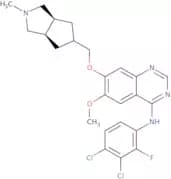

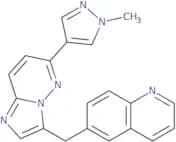
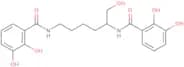

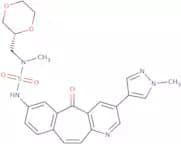

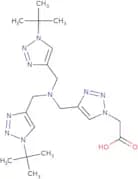
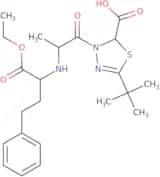
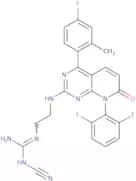
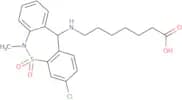
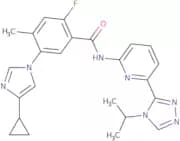

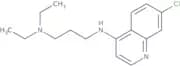
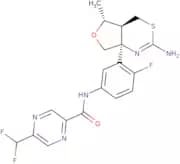

![2-[1-[(2-Amino-7H-purin-6-yl)amino]ethyl]-5-methyl-3-(2-methylphenyl)quinazolin-4-one](/_next/image/?url=https%3A%2Fstatic.cymitquimica.com%2Fproducts%2F3D%2Fthumb-webp%2FZTA01290.webp&w=3840&q=75)

![2-(9-((4-Chlorophenyl)thio)-6-fluoro-2,3-dihydro-1H-pyrrolo[1,2-a]indol-1-yl)acetic acid](/_next/image/?url=https%3A%2Fstatic.cymitquimica.com%2Fproducts%2F3D%2Fthumb-webp%2FFRB01751.webp&w=3840&q=75)

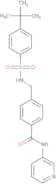


![1-[6-Fluoro-3-(4-methylsulfonylpiperazine-1-carbonyl)quinolin-4-yl]-4-phenylpiperidine-4-carbonitr…](/_next/image/?url=https%3A%2Fstatic.cymitquimica.com%2Fproducts%2F3D%2Fthumb-webp%2FGPD07974.webp&w=3840&q=75)
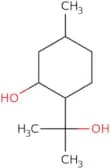

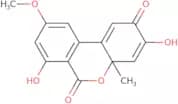
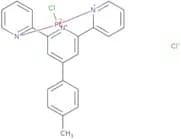


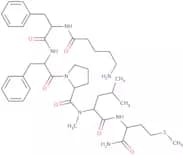
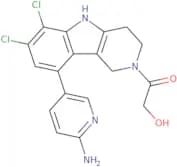


![Hydrogen 4-[(carboxylatomethyl)(methyl)amino]-2,2,2,2-tetrakis(hydroxymethyl)-1λ³-thia-3λ³-thia-2-…](/_next/image/?url=https%3A%2Fstatic.cymitquimica.com%2Fproducts%2F3D%2Fthumb-webp%2FBQB01518.webp&w=3840&q=75)


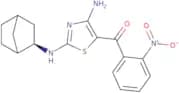
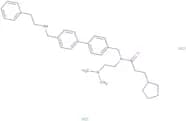


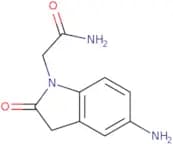

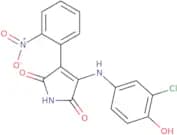
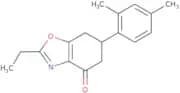
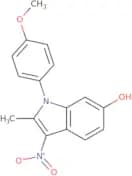
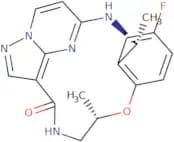

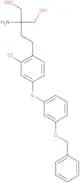
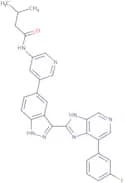
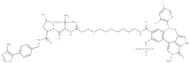
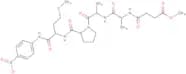
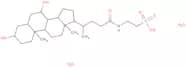
![6-[[(3S,4R)-3-Hydroxy-6-(3-hydroxyphenyl)sulfonyl-2,2,3-trimethyl-4H-chromen-4-yl]oxy]-2-methylpyr…](/_next/image/?url=https%3A%2Fstatic.cymitquimica.com%2Fproducts%2F3D%2Fthumb-webp%2FMGA70420.webp&w=3840&q=75)

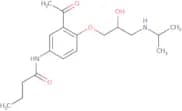
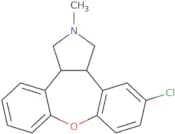

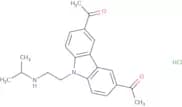
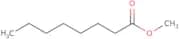


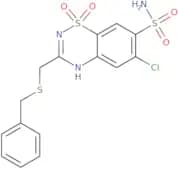
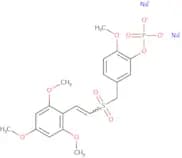

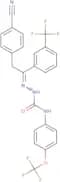
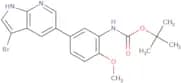
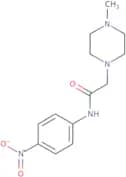
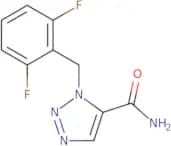

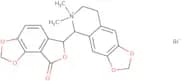
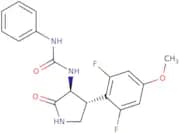
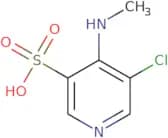
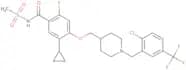
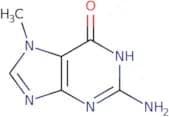
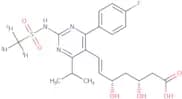

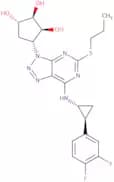


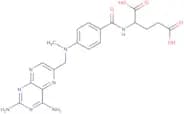
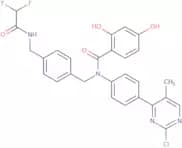
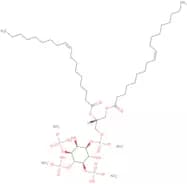
![(2R)-1,1,1-Trifluoro-3-hydroxypropan-2-yl (1R,5S,6R)-6-[1-(4-fluorophenyl)-1H-pyrazol-3-yl]-3-azab…](/_next/image/?url=https%3A%2Fstatic.cymitquimica.com%2Fproducts%2F3D%2Fthumb-webp%2FAID62981.webp&w=3840&q=75)


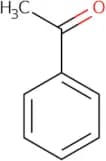
![N-[2-(2,6-Dimethylphenoxy)-1-methylethyl]acetamide](/_next/image/?url=https%3A%2Fstatic.cymitquimica.com%2Fproducts%2F3D%2Fthumb-webp%2FRDA45227.webp&w=3840&q=75)


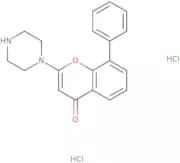


![Benzyl (2S)-2-[[(2S)-2-[[[(2S)-2-amino-4-phenylbutanoyl]amino]methyl]-4-methylpentanoyl]amino]-3-p…](/_next/image/?url=https%3A%2Fstatic.cymitquimica.com%2Fproducts%2F3D%2Fthumb-webp%2FAKB30982.webp&w=3840&q=75)
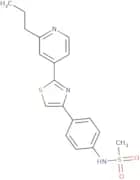


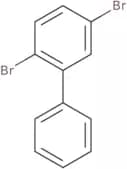
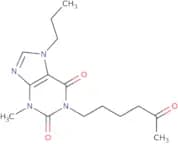

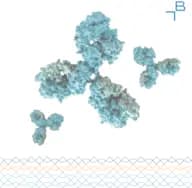

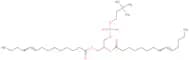

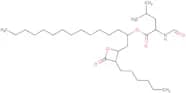
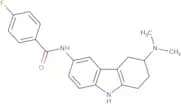

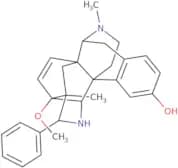

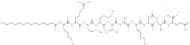
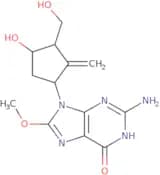


![[Arg8]-Vasotocin (0.5 mg vial)](/_next/image/?url=https%3A%2Fstatic.cymitquimica.com%2Fproducts%2F3D%2Fthumb-webp%2FPVP-4192-V.webp&w=3840&q=75)

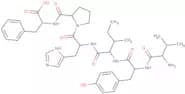


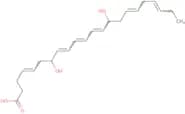
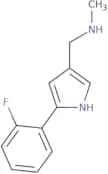
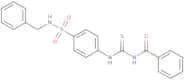
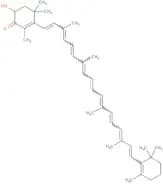



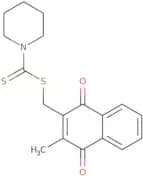
![Bz-Gly-Gly-Gly [Hippuryl-Glycyl-Glycine]](/_next/image/?url=https%3A%2Fstatic.cymitquimica.com%2Fproducts%2F3D%2Fthumb-webp%2FSGG-3128.webp&w=3840&q=75)
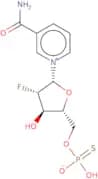


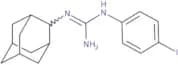
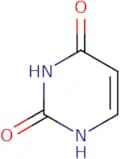
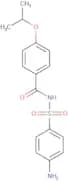


![[Tyr34]-Parathyroid Hormone (Bovine, 7-34 amide)](/_next/image/?url=https%3A%2Fstatic.cymitquimica.com%2Fproducts%2F3D%2Fthumb-webp%2FPTH-4185-V.webp&w=3840&q=75)
![Phenanthrene-[U-13C]](/_next/image/?url=https%3A%2Fstatic.cymitquimica.com%2Fproducts%2F3D%2Fthumb-webp%2FMAC77068.webp&w=3840&q=75)
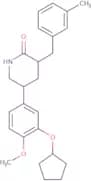

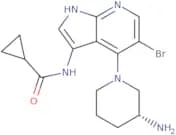
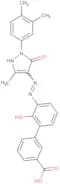
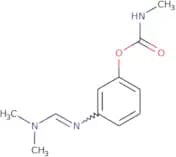
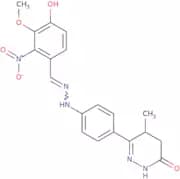

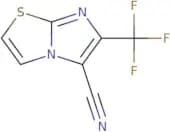
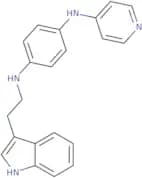
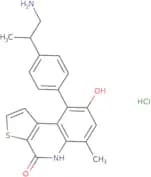
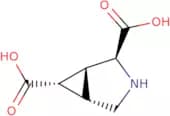
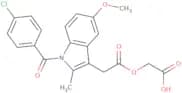
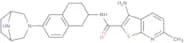
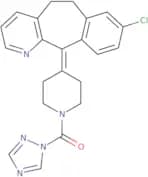
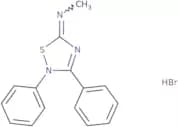
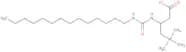

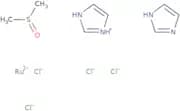
![[Asn1,Val5]-Angiotensin II](/_next/image/?url=https%3A%2Fstatic.cymitquimica.com%2Fproducts%2F3D%2Fthumb-webp%2FPAN-4036-V.webp&w=3840&q=75)
![[Val5]-Angiotensin I (Bovine) (Bulk)](/_next/image/?url=https%3A%2Fstatic.cymitquimica.com%2Fproducts%2F3D%2Fthumb-webp%2FPAN-4069.webp&w=3840&q=75)


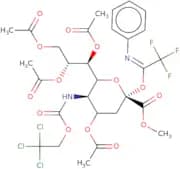


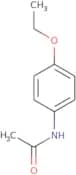


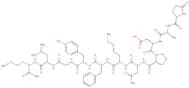




![δ Sleep-Inducing Peptide [DSIP]](/_next/image/?url=https%3A%2Fstatic.cymitquimica.com%2Fproducts%2F3D%2Fthumb-webp%2FPDS-4054.webp&w=3840&q=75)