Heterocycles with Nitrogen (N)
Subcategories of "Heterocycles with Nitrogen (N)"
- Azepane(436 products)
- Benzotriazoles(438 products)
- Diazepanes(335 products)
- Imidazoles(4,028 products)
- Imidazolines(385 products)
- Isoxazole(1,088 products)
- Piperazines(3,755 products)
- Piperidines(8,442 products)
- Pyrazines(1,304 products)
- Pyrazole(5,959 products)
- Pyrazolidine(21 products)
- Pyrazoline(143 products)
- Pyridazine(860 products)
- Pyridines(22,001 products)
- Pyrimidine(6,083 products)
- Pyrroles(2,448 products)
- Pyrrolidines(5,840 products)
- Pyrroline(48 products)
- Pyrrolo[1,2-b]pyridazine(10 products)
- Tetrazole(531 products)
- Triazines(465 products)
- Triazoles(1,689 products)
Found 17861 products of "Heterocycles with Nitrogen (N)"
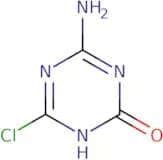
2-Amino-4-hydroxy-6-chloro-s-triazine
CAS:2-Amino-4-hydroxy-6-chloro-s-triazine is a type strain of a chemical compound with clinical pharmacology. It is an active substance that can be used to treat cancer. 2-Amino-4-hydroxy-6-chloro-s-triazine has been shown to inhibit the growth of prostate cancer cells and phosphatase in hematopoietic cells. This drug also inhibits kinase receptor, which leads to the inhibition of protein synthesis and cell division. The reaction mechanism for 2-amino 4 hydroxy 6 chloros triazine is nucleophilic substitution.
Formula:C3H3ClN4OPurity:Min. 95%Color and Shape:White PowderMolecular weight:146.53 g/mol1,2,4-Triazole-3-carboxamide
CAS:1,2,4-Triazole-3-carboxamide is a pharmacologic agent that inhibits the synthesis of polypeptides by interfering with neurotransmission. It is used to inhibit the replication of influenza virus and other viruses in tissue culture. The compound has been shown to have an inhibitory effect on viruses by binding to the viral polypeptide chain at the active site and preventing its polymerization into a functional protein. 1,2,4-Triazole-3-carboxamide also inhibits the activity of influenza virus neuraminidase (NA) by binding reversibly to the active site of NA and blocking its catalytic activity. The inhibition of NA leads to a decrease in release of virus particles from infected cells and thus prevents infection.
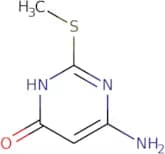
Formula:C3H4N4OPurity:Min. 95%Color and Shape:White PowderMolecular weight:112.09 g/mol6-Amino-2-methylthio-4(3H)pyrimidinone
CAS:6-Amino-2-methylthio-4(3H)pyrimidinone is a potential antitumor drug with a radical mechanism of action. It inhibits the activity of the NS5B polymerase, an enzyme in the virus's RNA replication complex. The drug has been shown to inhibit proliferation of cancer cells in vitro and to have antiviral effects against a number of viruses, including influenza A and B. 6-Amino-2-methylthio-4(3H)pyrimidinone inhibits tyrosine kinases and also inhibits erythrocyte progenitors from differentiating into megakaryocytes. This drug is not metabolized by cytochrome P450 enzymes and does not bind to plasma proteins.
Formula:C5H7N3OSPurity:Min. 95%Color and Shape:White PowderMolecular weight:157.19 g/mol1H-Pyrrolo[3,2-b]pyridin-7-amine
CAS:1H-Pyrrolo[3,2-b]pyridin-7-amine is a potent inhibitor of cyclization catalysed by 7-azaindole. It was synthesized as a modification of the 7-azaindole synthesis and has been shown to be a lipophilic heterocycle. This compound is not readily soluble in water and can be used for the synthesis of other heterocycles with similar properties. The yields are high and the modifications are easy to make, making this compound an excellent candidate for use in research.Purity:Min. 95%Color and Shape:PowderMolecular weight:133.15 g/molIndole-3-carboxaldehyde
CAS:Indole-3-carboxaldehyde is a versatile building block that can be used as an intermediate in the production of complex compounds. It is also a research chemical and reagent for speciality chemicals. Indole-3-carboxaldehyde has been shown to react with other chemicals to form high quality, useful intermediates or reaction components. This compound can also be used as a scaffold for chemical synthesis.Formula:C9H7NOMolecular weight:145.16 g/molRef: 3D-I-2200
1kgTo inquire100gTo inquire250gTo inquire500gTo inquire2500gTo inquire-Unit-kgkgTo inquire4-Amino-5-chloro-2,3-dihydro-N-[1-(3-methoxypropyl)-4-piperidinyl]-7-benzofurancarboxamide
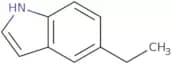
CAS:The drug 4-Amino-5-chloro-2,3-dihydro-N-[1-(3-methoxypropyl)-4-piperidinyl]-7-benzofurancarboxamide (BZP) is a histamine H2 receptor antagonist. It binds to the histamine H2 receptor in the stomach and duodenum, thereby blocking stomach acid production. BZP has been shown to be effective for treating symptoms of constipation or diarrhoea caused by inflammatory bowel disease or abdominal surgery. BZP also reduces the risk of relapse after surgery but does not affect long term efficacy. This drug is not available in the United States and has significant interactions with other drugs and symptoms including constipation, bowel disease, long term efficacy, and analytical method.Formula:C18H26ClN3O3Purity:Min. 95%Color and Shape:White PowderMolecular weight:367.87 g/mol5-Ethylindole
CAS:5-Ethylindole is a granulatimide that is synthesized by the cross-coupling of ethylene and copper chromite in the presence of solvents and magnesium. The chemical reactions are performed at temperatures between room temperature and 50°C, depending on the desired product. 5-Ethylindole is used as an intermediate for other chemicals such as pharmaceuticals, fungicides, dyes, and pesticides. It can be used to produce chloroethanol, which is used in the synthesis of numerous compounds including pharmaceuticals and plastics. Chromatographic techniques are often used to isolate 5-Ethylindole from mixtures with other chemicals.Formula:C10H11NPurity:Min. 95%Molecular weight:145.2 g/mol2-Methyl-6-(phenylethynyl)pyridine HCl
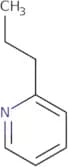
CAS:2-Methyl-6-(phenylethynyl)pyridine (MPEP) is a drug that is used in the treatment of Parkinson's disease. This drug inhibits the synthesis of proteins, including glutamate and dopamine, which are involved in Parkinson's disease. MPEP has been shown to be effective against Parkinson's disease by blocking protein synthesis in the caudate putamen and other brain regions. It also lowers locomotor activity and improves motor skills in rats. MPEP binds to response element-binding protein (RBP), which is involved in the regulation of gene expression. The binding of MPEP to RBP leads to an increase in levels of endogenous adenosine, which blocks the effects of dopamine and serotonin on postsynaptic neurons.Formula:C14H11N·HClPurity:Min. 98 Area-%Color and Shape:White PowderMolecular weight:229.7 g/mol2-n-Propylpyridine
CAS:2-n-Propylpyridine is a carbonyl compound that can inhibit the growth of bacteria and fungi. It has been shown to have inhibitory activities against Covid-19 pandemic, n-oxide, inflammatory diseases, and polymer film formation. 2-n-Propylpyridine has also been found to be an inhibitor of methicillin resistant Staphylococcus aureus (MRSA). The inhibition activity may be due to its interaction with the bacterial cell membrane and inhibition of the synthesis of prostaglandins.
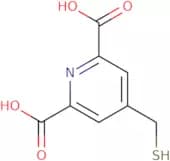
Formula:C8H11NPurity:Min. 95%Color and Shape:Clear LiquidMolecular weight:121.18 g/mol4-Mercaptomethyl dipicolinic acid
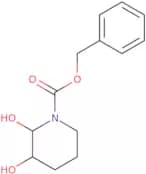
CAS:4-Mercaptomethyl dipicolinic acid is a polymerized, bifunctional molecule that can be used as a luminescent probe to study the structure and dynamics of proteins. It has been shown to bind to lanthanide ions and has fluorescence properties. 4-Mercaptomethyl dipicolinic acid can be synthesized by a method involving the reaction of mercaptoethanol with sodium dithiocarbamate and copper(II) sulfate in an aqueous solution. This reaction produces two molecules of 4-mercaptomethyl dipicolinic acid for every one molecule of mercaptoethanol used, which then reacts with two molecules of 2,4-dinitrophenol in an aqueous solution. The resulting product is then purified by recrystallization from hot water. The conformational properties of 4-mercaptomethyl dipicolinic acid are dependent on temperature, pH,Formula:C8H7NO4SPurity:Min. 95%Color and Shape:PowderMolecular weight:213.21 g/mol2,3-Dihydroxy-1-piperidinecarboxylic acid phenylmethyl ester
CAS:2,3-Dihydroxy-1-piperidinecarboxylic acid phenylmethyl ester is a useful scaffold for making complex compounds. It is a reagent that can be used in reactions to make fine chemicals and a useful building block for the synthesis of complex compounds. It is also a useful intermediate in organic chemistry, with CAS No. 473436-50-9, and it is a versatile building block which can be used to synthesize many different types of chemical products.
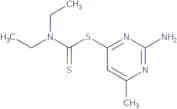
Formula:C13H17NO4Purity:Min. 95%Color and Shape:Clear LiquidMolecular weight:251.28 g/mol(2-Amino-6-methylpyrimidin-4-ylthio)(diethylamino)methane-1-thione
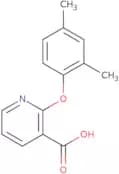
CAS:Please enquire for more information about (2-Amino-6-methylpyrimidin-4-ylthio)(diethylamino)methane-1-thione including the price, delivery time and more detailed product information at the technical inquiry form on this pageFormula:C10H16N4S2Purity:Min. 95%Color and Shape:PowderMolecular weight:256.39 g/mol2-(2,4-dimethylphenoxy)pyridine-3-carboxylic acid
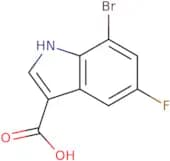
CAS:Please enquire for more information about 2-(2,4-dimethylphenoxy)pyridine-3-carboxylic acid including the price, delivery time and more detailed product information at the technical inquiry form on this pagePurity:Min. 95%7-Bromo-5-fluoro-1H-indole-3-carboxylic acid
CAS:Please enquire for more information about 7-Bromo-5-fluoro-1H-indole-3-carboxylic acid including the price, delivery time and more detailed product information at the technical inquiry form on this page
Formula:C9H5BrFNO2Purity:Min. 95%Color and Shape:PowderMolecular weight:258.04 g/molN,N'-Bis(2,2,6,6-tetramethylpiperidin-4-yl)hexane-1,6-diamine,2,4,6-trichloro-1,3,5-triazine,2,4,4-trimethylpentan-2-amine
CAS:Bis(2,2,6,6-tetramethylpiperidin-4-yl)hexane-1,6-diamine is a nonionic hydroxyl compound and an additive in polyolefins. It is used as a polymerization initiator or accelerator for the preparation of polyolefin plastics. Bis(2,2,6,6-tetramethylpiperidin-4-yl)hexane-1,6-diamine can be used to prepare polymers by polymerization with olefins such as ethylene and propylene. The chemical stability of this compound makes it suitable for use in sample preparation before analysis by mass spectrometry. Bis(2,2,6,6-tetramethylpiperidin-4-yl)hexane-1,6-diamine is reactive with radiation and fatty acids and has been shown to have stabilizing properties for plasma massFormula:C35H69Cl3N8Purity:Min. 95%Color and Shape:PowderMolecular weight:708.33 g/mol1-(4-Ethoxycarbonylphenyl)piperazine
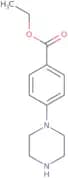
CAS:1-(4-Ethoxycarbonylphenyl)piperazine is an enantiopure phosphatase inhibitor. It is used in the treatment of cancer and other life-threatening diseases. 1-(4-Ethoxycarbonylphenyl)piperazine inhibits phosphatases, which are enzymes that catalyze hydrolysis of phosphate groups from substrates. This inhibition leads to a decrease in the production of fatty acids and cholesterol, resulting in a reduction in body mass index. The drug has been shown to be effective against animal models for cancer, with an effective dose of 100 mg/kg intraperitoneally. In addition, 1-(4-ethoxycarbonylphenyl)piperazine has been shown to inhibit cardiac phosphatases and increase cardiac uptake by inhibiting acylation reactions.Formula:C13H18N2O2Purity:Min. 98%Color and Shape:White PowderMolecular weight:234.29 g/mol3-Carbethoxy-2-piperidone
CAS:3-Carbethoxy-2-piperidone is a cycloaddition product of formaldehyde and an amine. This reaction proceeds through the formation of a dicarbonyl intermediate, which then reacts with chloride to form the final product. The absorption maximum of 3-carboxy-2-piperidone is at 270 nm, and its structure can be determined by using infrared spectroscopy. 3-Carbethoxy-2-piperidone has a dipole moment of 1.3 D and is electron deficient due to the absence of a hydrogen atom on the nitrogen atom. It also has an amido group (C=O) that is bonded to the carbonyl group (C=O).
3-Carbethoxy-2-piperidone is not soluble in water, but it does dissolve in polar organic solvents such as acetone or dimethylformamide (DMF). The chemical reactionsFormula:C8H13NO3Color and Shape:White PowderMolecular weight:171.19 g/mol5-Methoxy-2-methylindole
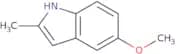
CAS:5-Methoxy-2-methylindole is an organic solvent that has been shown to have a wide range of bioactive properties. It is used in the production of acetylcholine, which is an important neurotransmitter. 5-Methoxy-2-methylindole also reacts with chloride ions, which may be an important factor when considering the life cycles and bioactive substances of this molecule. The reaction yield depends on the pH of the solution. 5-Methoxy-2-methylindole can undergo chlorination reactions to form polychlorinated derivatives, which are used as petrochemicals. This molecule also has retinoid properties and can act as a proton donor or acceptor depending on whether it is protonated or deprotonated.Formula:C10H11NOColor and Shape:PowderMolecular weight:161.2 g/molPPACK hydrochloride
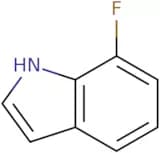
CAS:Please enquire for more information about PPACK hydrochloride including the price, delivery time and more detailed product information at the technical inquiry form on this pageFormula:C21H31ClN6O3•xHClPurity:Min. 95%Color and Shape:PowderMolecular weight:487.42 g/mol7-Fluoro-1H-indole
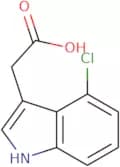
CAS:7-Fluoro-1H-indole is a molecule that belongs to the class of antimicrobial agents. It has been shown to be effective against human pathogens such as P. aeruginosa and S. aureus, and has also shown hemolytic activity against erythrocytes. 7-Fluoro-1H-indole inhibits bacterial growth by binding to siderophores, which are molecules produced by bacteria in response to iron starvation, thereby blocking their uptake of iron from the environment. It has also been shown to have protease activity against Gram negative bacteria. This compound can be synthesized using an in vivo model, where it was shown that 7-fluoro-1H-indole was able to bind to the cytoplasmic membrane and inhibit protein synthesis in Gram negative bacteria cells.Formula:C8H6FNPurity:Min. 95%Color and Shape:PowderMolecular weight:135.14 g/mol4-Chloroindole-3-acetic acid
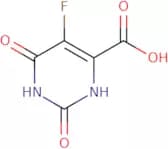
CAS:4-Chloroindole-3-acetic acid is a plant hormone that belongs to the group of auxins. It has been shown to stimulate root formation in plants by increasing the amount of auxin present in the plant's tissues. 4-Chloroindole-3-acetic acid is an intramolecular hydrogen donor and can form hydrogen bonds with other molecules. It also has a receptor binding site and cyclic peptide backbone, which allow it to act as a transcription factor or enzyme inhibitor. This molecule has been shown to be an optimum concentration for root formation in physiology experiments, and can be used as a model system for auxin research.Formula:C10H8ClNO2Purity:Min. 95%Color and Shape:Off-White PowderMolecular weight:209.63 g/mol5-Fluoroorotic acid
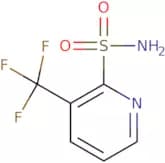
CAS:Selection reagent for orotidine 5'-phosphate decarboxylase mutantsFormula:C5H3FN2O4Purity:Min. 98 Area-%Color and Shape:PowderMolecular weight:174.09 g/mol3-(Trifluoromethyl)pyridine-2-sulfonamide
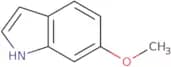
CAS:3-(Trifluoromethyl)pyridine-2-sulfonamide is a fine chemical used in the synthesis of complex compounds, research chemicals, and reagents. It is also a useful building block for the synthesis of valuable chemical products such as pharmaceuticals, agrochemicals, and high-tech materials. 3-(Trifluoromethyl)pyridine-2-sulfonamide has been classified by the US Chemical Abstract Service (CAS) Number 104040-76-8. This product is available in bulk quantities that are both high quality and pure.Formula:C6H5F3N2O2SPurity:Min. 95%Color and Shape:White To Yellow SolidMolecular weight:226.18 g/mol6-Methoxyindole
CAS:6-Methoxyindole is an acetate extract of the plant 5-methoxyindole. It has been shown to be a 5-HT1A receptor agonist in animals, and has been shown to have cardiac effects in rats. 6-Methoxyindole is also used as a precursor for the synthesis of diphenylacetylindoles. 6-Methoxyindole is one of the molecules that can be recombined to form a batcho-leimgruber indole (BLI).
Formula:C9H9NOPurity:Min. 99 Area-%Color and Shape:PowderMolecular weight:147.17 g/mol2-Piperazin-1-ylnicotinamide dihydrochloride
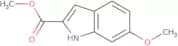
CAS:Please enquire for more information about 2-Piperazin-1-ylnicotinamide dihydrochloride including the price, delivery time and more detailed product information at the technical inquiry form on this pageFormula:C10H14N4OPurity:95%MinColor and Shape:PowderMolecular weight:206.24 g/mol6-Methoxyindole-2-carboxylic acid methyl ester
CAS:6-Methoxyindole-2-carboxylic acid methyl ester is a pyrroloquinoline alkaloid with cytotoxic and antiproliferative activities. It inhibits the growth of cancer cells in culture by inducing apoptosis and cell cycle arrest. 6-Methoxyindole-2-carboxylic acid methyl ester has been shown to be effective against breast cancer cell lines in vitro and to inhibit the proliferation of breast cancer cells in vivo. This compound also inhibits the growth of a number of other cancer cell lines such as prostate, colon, lung, liver, stomach, and leukemia. The mechanism of action for this compound is thought to be due to its ability to act as an intramolecular quencher of reactive oxygen species (ROS) or as an inhibitor of DNA synthesis through inhibition of ribonucleotide reductase activity.
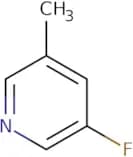
Formula:C11H11NO3Purity:Min. 95%Color and Shape:PowderMolecular weight:205.21 g/mol3-Fluoro-5-methylpyridine
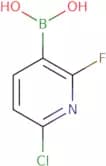
CAS:3-Fluoro-5-methylpyridine is a fine chemical, useful building block and research chemical. It is a versatile building block that can be used as a reaction component or as an intermediate in the synthesis of various other organic compounds. 3-Fluoro-5-methylpyridine is also a reagent for the preparation of pharmaceuticals and agrochemicals. This compound can be used in the synthesis of complex compounds with high quality and purity, such as inorganic salts, metal complexes and organometallic compounds. 3-Fluoro-5-methylpyridine has CAS No. 407-21-6 and has been assigned to category 1B by the European Union's classification system (EU CLP).Formula:C6H6FNPurity:Min. 95%Molecular weight:111.12 g/mol6-Chloro-2-fluoropyridine-3-boronic acid
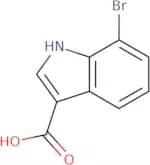
CAS:6-Chloro-2-fluoropyridine-3-boronic acid is a versatile building block for the synthesis of complex compounds, which can be used as a reagent in research or as a speciality chemical. This compound can be used as an intermediate, reaction component, or scaffold to synthesize other more complex structures. 6-Chloro-2-fluoropyridine-3-boronic acid is available in high quality and has CAS No. 1256345-66-0.Formula:C5H4BClFNO2Purity:Min. 95%Color and Shape:Light (Or Pale) Orange SolidMolecular weight:175.35 g/mol7-Bromo-1H-indole-3-carboxylic acid
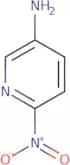
CAS:Please enquire for more information about 7-Bromo-1H-indole-3-carboxylic acid including the price, delivery time and more detailed product information at the technical inquiry form on this pageFormula:C9H6BrNO2Purity:Min. 95%Color and Shape:PowderMolecular weight:240.05 g/mol3-Amino-6-nitropyridine
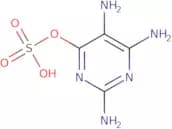
CAS:3-Amino-6-nitropyridine is a nitropyridine and a coupler. It is used as a reagent to synthesize hydroxylamine, aralkyl, and cycloalkyl intermediates. 3-Amino-6-nitropyridine can also be used as an intermediate in the synthesis of medicines such as copper.Formula:C5H5N3O2Purity:Min. 98 Area-%Color and Shape:PowderMolecular weight:139.11 g/mol2,5,6-Triaminopyrimidin-4-ol sulphate
CAS:2,5,6-Triaminopyrimidin-4-ol sulphate is a fine chemical that is used as a reagent in the synthesis of other compounds. It can be used as a building block for research chemicals and speciality chemicals such as pesticides. This compound is also useful in the manufacture of pharmaceuticals and agrochemicals. 2,5,6-Triaminopyrimidin-4-ol sulphate has been shown to react with aniline derivatives to produce a variety of products including pyrrolidine and piperidine derivatives. This versatile compound can also be used as a scaffold in the synthesis of complex molecules.
Formula:C4H7N5O4SPurity:Min. 95%Color and Shape:Yellow PowderMolecular weight:221.2 g/molIndole-3-acetic acid
CAS:Plant growth hormone. Regulates cell membrane electron transport and proton flux, plays important roles in a number of plant activities, including: development of the embryo, leafformation, phototropism, gravitropism, apical dominance, fruit development, abscission, root initiation.
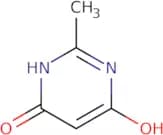
Formula:C10H9NO2Purity:Min. 99 Area-%Molecular weight:175.19 g/mol4.6-Dihydroxy-2-methylpyrimidine
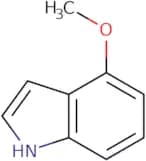
CAS:4,6-Dihydroxy-2-methylpyrimidine is a monomer that is used in the synthesis of polyurethanes. It is an intermediate in the reaction between hydrochloric acid and nitrous acid, which produces 4,6-dichloro-2-methylpyrimidine. The reaction mechanism involves transfer of a methyl group from an organic molecule to hydrochloric acid. This reaction can be carried out at either low or high pH values. The addition of magnesium salt increases the rate of the reaction by increasing the solubility of chloroformate in water. When ethyl esters are used as starting materials, a constant conversion rate can be obtained with a large excess of magnesium salt.Formula:C5H6N2O2Purity:Min 99%Color and Shape:PowderMolecular weight:126.11 g/mol4-Methoxyindole
CAS:4-Methoxyindole is a high-performance liquid chromatography (HPLC) solute that has been shown to interact with the fluoroquinolone antibiotic, 4-methoxyindole. The interaction of the two substances may be due to the formation of condensation products. 4-Methoxyindole can also react with monoamine oxidase inhibitors and form fluorescence as a result of chemical reactions. This compound is used in HPLC as a stationary phase for the separation of solutes by column chromatography. The density and bond cleavage properties of this substance make it suitable for use in this application.Formula:C9H9NOColor and Shape:PowderMolecular weight:147.17 g/mol1-[1-[4-(4-Fluorophenyl)-4-Oxobutyl]Piperidin-4-Yl]-3-Methylbenzimidazol-2-One
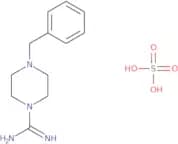
CAS:Controlled Product1-[1-[4-(4-Fluorophenyl)-4-Oxobutyl]Piperidin-4-Yl]-3-Methylbenzimidazol-2-One is a novel dopamine agonist that has been shown to be an alerting agent with potential therapeutic use in the treatment of ADHD and other sleep disorders. Studies have also shown that it has a stimulatory effect on dopamine receptors, which are located in the striatum. 1-[1-[4-(4-Fluorophenyl)-4-Oxobutyl]Piperidin-4-Yl]-3-Methylbenzimidazol-2-One binds to both D2 and D3 dopamine receptors with high affinity and selectivity. It has been shown that 1-[1-[4-(4-Fluorophenyl)-4-Oxobutyl]Piperidin-4-Yl]-3-MethylFormula:C23H26FN3O2Purity:Min. 95%Molecular weight:395.47 g/mol4-Benzylpiperazine-1-carboximidamide sulfate
CAS:4-Benzylpiperazine-1-carboximidamide sulfate is a versatile building block that can be used in the synthesis of complex compounds. It is a useful intermediate that can be used in the production of research chemicals and speciality chemicals. 4-Benzylpiperazine-1-carboximidamide sulfate is also an excellent reagent for reactions involving complex substrates, such as high quality and useful scaffolds.Formula:C12H20N4O4SPurity:Min. 95%Color and Shape:PowderMolecular weight:316.4 g/mol5-Methyl-3-piperidin-4-yl-1H-indole hydrochloride
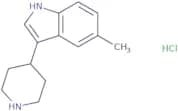
CAS:5-Methyl-3-piperidin-4-yl-1H-indole hydrochloride is a synthetic chemical that is used as a building block for the synthesis of other compounds. It is a versatile intermediate, having been shown to react with amines, alcohols, phenols, and thiols. 5-Methyl-3-piperidin-4-yl-1H-indole hydrochloride can be used in the manufacture of pharmaceuticals and agrochemicals. This compound has been found to be an effective reagent for the preparation of cyclic peptides and can be used as a building block for the synthesis of other compounds. When reacted with 2-(trimethylsilyl)ethanol, it produces a high quality complex compound.
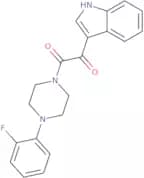
Formula:C14H18N2·HClPurity:Min. 97 Area-%Color and Shape:PowderMolecular weight:250.77 g/mol2-(4-(2-fluorophenyl)piperazinyl)-1-indol-3-ylethane-1,2-dione
CAS:Controlled ProductPlease enquire for more information about 2-(4-(2-fluorophenyl)piperazinyl)-1-indol-3-ylethane-1,2-dione including the price, delivery time and more detailed product information at the technical inquiry form on this page
Formula:C20H18FN3O2Purity:Min. 95%Color and Shape:PowderMolecular weight:351.37 g/mol4-Amino-6-bromoindole
CAS:4-Amino-6-bromoindole is a potent and selective antagonist of the 5-HT6 receptor, which is a subtype of serotonin receptor. It has been shown to bind with high affinity to this receptor in both rat and human brain tissue. 4-Amino-6-bromoindole has been synthesised by medicinal chemistry methods and has been shown to block the effects of scopolamine in animal models. 4-Amino-6-bromoindole has also shown promise as a potential treatment for schizophrenia, depression, anxiety disorders, and other psychiatric disorders.Formula:C8H7BrN2Purity:Min. 90%Molecular weight:211.06 g/mol3H-Spiro[Isobenzofuran-1,4'-piperidine] hydrochloride
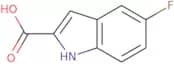
CAS:3H-Spiro[Isobenzofuran-1,4'-piperidine] hydrochloride is a high quality reagent that is used as a complex compound for the synthesis of various fine chemicals. It has been shown to be an excellent building block for drug discovery and development. 3H-Spiro[Isobenzofuran-1,4'-piperidine] hydrochloride is available in bulk quantities and can be shipped worldwide. This chemical is also used as a reaction component in the synthesis of various speciality chemicals. 3H-Spiro[Isobenzofuran-1,4'-piperidine] hydrochloride is versatile and can be used in reactions with different functional groups.Formula:C12H15NO·HClPurity:Min. 95%Color and Shape:PowderMolecular weight:225.71 g/mol5-Fluoroindole-2-carboxylic acid
CAS:5-Fluoroindole-2-carboxylic acid is a new substance that has been found to be an inhibitor of the influenza virus. It prevents the virus from replicating by inhibiting the synthesis of viral proteins and nucleic acids. 5-Fluoroindole-2-carboxylic acid can be prepared by dispersive solid phase extraction of a mixture of fluoroindole, fumaric acid, and potassium hydroxide in water. The compound has also been shown to potentiate the effects of carbamazepine on caspases and enhance mass spectrometric analysis for gaseous hydrochloric acid. 5-Fluoroindole-2-carboxylic acid produces antinociceptive effects in animals.Formula:C9H6FNO2Color and Shape:PowderMolecular weight:179.15 g/mol2-Methyl-6-quinolinecarboxylic acid
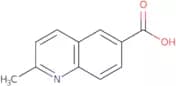
CAS:2-Methyl-6-quinolinecarboxylic acid is a molecule with an affinity for aromatic rings. It has been shown through experiment that this molecule has a stable structure and can be transferred from one ring to another. 2-Methyl-6-quinolinecarboxylic acid has also been shown to have an affinity for aromatic rings in the range of 8.1 × 10 to 8.3 × 10 M−1, with an experimental affinity value of 1.2 × 10 M−1. This compound is known to interact with other molecules in a molecular docking process and can be optimized using parameters such as hydrogen bonding and van der Waals interactions.END> END>
Formula:C11H9NO2Purity:Min. 95%Color and Shape:PowderMolecular weight:187.19 g/mol6-Methoxyindole-2-carboxylic acid
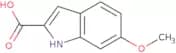
CAS:6-Methoxyindole-2-carboxylic acid (6MI) is a potent inhibitor of the enzyme catechol-O-methyltransferase (COMT). This inhibition prevents the conversion of catecholamines, such as dopamine and norepinephrine, to their corresponding methylated products. COMT inhibitors are used clinically to treat Parkinson's disease and other diseases that result from excessive levels of these neurotransmitters. 6MI is also an effective inhibitor of tyrosinase activity in vitro. It has been shown to inhibit the synthesis of melanin by melanocytes and inhibits the production of eumelanin, which is responsible for black or brown skin pigments. The inhibitory potency of 6MI was found to be greater than that for kojic acid, arbutin, and hydroquinone. Optimization studies showed that 6MI was most potent at a concentration of 1 mM and had an IC50 value of 0.3 mM in
Formula:C10H9NO3Purity:Min. 95%Color and Shape:PowderMolecular weight:191.18 g/molPyridine 4-acetic acid HCl
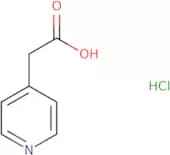
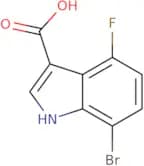
CAS:Pyridine 4-acetic acid HCl is a synthetic, fluorescent probe with reactive and luminescence properties. It is used for the detection of hydrogen bond formation in organic compounds. It is also used as a probe to study the molecular interactions between metal ions and β-unsaturated aldehydes. Pyridine 4-acetic acid HCl has been shown to be useful for transduction of light energy into chemical energy. The pyridine ring makes this compound an excellent candidate for molecular modeling studies due to its rigid structure.Formula:C7H8ClNO2Purity:Min. 95%Color and Shape:PowderMolecular weight:173.6 g/mol7-Bromo-4-fluoro-1H-indole-3-carboxylic acid
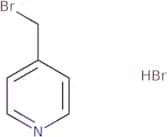
CAS:Please enquire for more information about 7-Bromo-4-fluoro-1H-indole-3-carboxylic acid including the price, delivery time and more detailed product information at the technical inquiry form on this pageFormula:C9H5BrFNO2Purity:Min. 95%Color and Shape:PowderMolecular weight:258.04 g/mol4-(Bromomethyl)pyridine hydrobromide
CAS:4-Bromomethylpyridine hydrobromide is a carboxylate that has the molecular formula C5H6BrN. It has been shown to be a potent inhibitor of Leishmania, the protozoan parasite that causes leishmaniasis. The molecular structure of 4-bromomethylpyridine hydrobromide may be derived from pyridinium or phosphate groups. This molecule has been synthesized using electrochemical methods in which the oxidation catalyst is protonated on a platinum electrode and reacts with methylpyridine to form 4-bromomethylpyridine. This synthetic pathway also produces nucleobases such as thymine, cytosine, and uracil, which are used for DNA synthesis and repair.
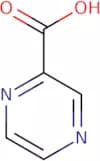
Formula:C6H6BrN•HBrPurity:(%) Min. 85%Color and Shape:PowderMolecular weight:252.93 g/molPyrazine-2-carboxylic acid
CAS:Pyrazine-2-carboxylic acid is a potent inhibitor of bacterial x-lactamase. It was found that the inhibition of x-lactamase by pyrazine-2-carboxylic acid could be attributed to hydrogen bonding interactions with the active site of the enzyme and a high rate constant for the reaction. The antibacterial efficacy of pyrazine-2-carboxylic acid against wild type Streptococcus pneumoniae and methicillin resistant Staphylococcus aureus (MRSA) was tested and found to be comparable to that of benzylpenicillin. Pyrazine-2-carboxylic acid also has biological properties, such as an inhibitory effect on protein synthesis in bacteria, which may be due to its ability to bind to ribosomes.
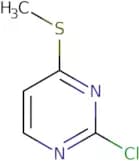
Formula:C5H4N2O2Purity:Min. 95%Color and Shape:PowderMolecular weight:124.1 g/mol2-Chloro-4-(methylthio)pyrimidine
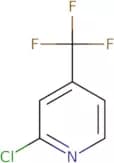
CAS:Please enquire for more information about 2-Chloro-4-(methylthio)pyrimidine including the price, delivery time and more detailed product information at the technical inquiry form on this pageFormula:C5H5ClN2SPurity:Min. 95%Color and Shape:PowderMolecular weight:160.62 g/mol2-Chloro-4-(trifluoromethyl)pyridine
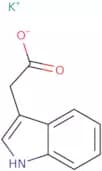
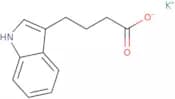
CAS:2-Chloro-4-(trifluoromethyl)pyridine is a chemical compound that has been shown to have potential antitumor activity. It inhibits the activity of enzymes called non-nucleoside inhibitors of DNA polymerase, which are involved in the production of DNA. The inhibition of these enzymes by 2-chloro-4-(trifluoromethyl)pyridine results in cell death. This drug also inhibits the growth of bacteria and fungi by blocking their DNA synthesis. 2-Chloro-4-(trifluoromethyl)pyridine binds to the amine group on the enzyme's active site, thereby inhibiting its function and eventually killing it.Formula:C6H3ClF3NPurity:Min. 97%Color and Shape:Clear LiquidMolecular weight:181.54 g/mol3-Indoleacetic acid potassium salt
CAS:Plant hormone of the auxin class; promotes root growthFormula:C10H8NO2·KPurity:Min. 95%Color and Shape:White PowderMolecular weight:213.27 g/molPiperacillin
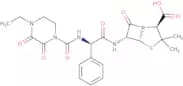
CAS:Piperacillin is a β-lactam antibiotic that inhibits the synthesis of bacterial cell walls by binding to penicillin-binding proteins. It is used for the treatment of serious infections caused by gram-negative organisms such as Aerogenes, Enterobacter, and Klebsiella. Piperacillin has a high MIC90 value against Staphylococcus and other gram-positive bacteria, but it is not active against β-lactamase producing strains of bacteria such as E. coli or Klebsiella pneumoniae. The MIC90 values are determined through an analytical method on different strains of bacteria and validated with a sample preparation before use in clinical trials.Formula:C23H27N5O7SPurity:Min. 95 Area-%Color and Shape:White PowderMolecular weight:517.56 g/mol7-Methoxy-1H-indole
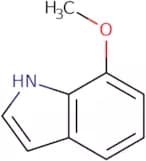
CAS:7-Methoxy-1H-indole (7MI) is a synthetic compound that exhibits anti-inflammatory activity. It is an analog of the amino acid methionine found in proteins and its synthesis involves the condensation of a chlorinated alkyl acetate with an esterified hydrazide to form the corresponding amide. 7MI has been shown to inhibit both bacterial and mammalian protein synthesis, as well as to inhibit tumor cell growth. 7MI binds reversibly to the N7 atom of the adenine base in DNA, thereby inhibiting DNA replication through inhibition of DNA polymerase.Formula:C9H9NOPurity:Min. 95%Color and Shape:Clear LiquidMolecular weight:147.17 g/mol(4-Bromophenyl)-(pyridin-3-yl)methanone
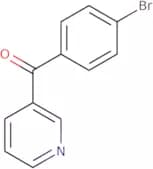
CAS:The compound is a reactive, logistic and logistic regression analysis. The logistic regression was used to determine the effects of temperature on the yields of this organic chemical. The compound is not active against test organisms such as dimethylamine, but does react with carbonyl groups in other organic chemicals. This chemical is considered reactive because it can be easily oxidized by air or water. It has been shown that this chemical reacts with oxygen molecules to form aldehydes and ketones.Formula:C12H8BrNOPurity:Min. 95%Molecular weight:262.1 g/mol5-Ethylthio-1H-tetrazole - Conductivity >30 uS/cm
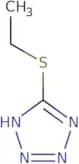
CAS:5-Ethylthio-1H-tetrazole is a chloroformate that is used as an inhibitor of the cell membrane permeability. It can be prepared by the reaction of thiourea and ethyl bromoacetate in chloroform. This compound has been shown to inhibit the acidification of cells, which is caused by hydrogen ions leaking through the cell membrane. 5-Ethylthio-1H-tetrazole is also an inhibitor of RNA synthesis, which may be due to its ability to bind with nucleoside triphosphates and competitively inhibit ATPase activity. This product also has a luminescent property, which may be due to its ability to produce light upon oxidation in air or water.Formula:C3H6N4SColor and Shape:PowderMolecular weight:130.17 g/mol7-Methylindole technical grade
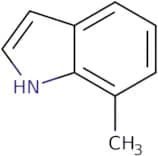
CAS:7-Methylidole is a heterocyclic chemical compound that is used as a precursor in the synthesis of many pharmaceuticals. It has been shown to have an inhibitory effect on the growth of cancer cells in tissue cultures and can be used as a marker for cancer cells. 7-Methylidole is also a virulence factor, which can be seen through assays on bacterial strains. This compound has been proven to be reactive with Polygonum cuspidatum. The reaction produces indirubin, which is a red pigment that is found in some species of Polygonum and other plants.Formula:C9H9NPurity:Min. 95%Color and Shape:PowderMolecular weight:131.17 g/molN-(1-Oxyl-2,2,6,6-tetramethyl-4-piperidinyl)maleimide
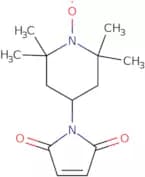
CAS:N-(1-Oxyl-2,2,6,6-tetramethyl-4-piperidinyl)maleimide (TTFA) is a reactive molecule that belongs to the class of maleimides. TTFA has been shown to be stable in physiological levels and is not toxic at low concentrations. TTFA binds to serine protease enzymes and inhibits their activity. This inhibition can be used as a model for the inhibition of influenza virus replication by serine proteases. TTFA inhibits translation in a variety of model systems, including yeast, bacteria and mammalian cells. TTFA also inhibits mitochondrial protein synthesis in a model system with rat liver mitochondria and human leukemia cells. In addition, TTFA inhibits fatty acid biosynthesis in yeast cells. The reactivity of this molecule makes it useful for studying the dynamics of protein folding under physiological conditions.
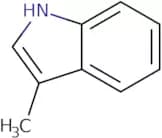
Formula:C13H19N2O3Purity:Min. 95%Color and Shape:PowderMolecular weight:251.3 g/mol3-Methylindole
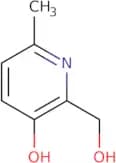
CAS:Also called Skatole. It occurs naturally in the feces of mammals and birds and is the primary contributor to fecal odour.Formula:C9H9NPurity:Min. 97.5%Color and Shape:White PowderMolecular weight:131.17 g/mol3-Hydroxy-2-hydroxymethyl-6-methylpyridine
CAS:3-Hydroxy-2-hydroxymethyl-6-methylpyridine is an intermediate in the synthesis of a variety of organic compounds. It can be prepared by the cross-coupling reaction of 3,4-dihydroquinoline with aniline, which is catalyzed by copper (II) chloride. This compound has a chlorine atom and a hydroxyl group that are both trisubstituted with alkyl groups and it can be oxidized to produce different oxidation products. 3-Hydroxy-2-hydroxymethyl-6-methylpyridine also reacts with halides and triflates to form enolates, which are activated for nucleophilic substitution reactions. The molecular ion [M+H]+, which corresponds to the neutral molecule, can be observed by mass spectrometry when this compound is ionized in the gas phase. The chemical formula is C8H5NClO2.
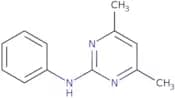
Formula:C7H9NO2Purity:Min. 95%Color and Shape:SolidMolecular weight:139.15 g/mol4,6-Dimethyl-N-phenylpyrimidin-2-amine
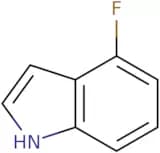
CAS:4,6-Dimethyl-N-phenylpyrimidin-2-amine is a fungicide that is effective against the production of nitrite ion in the liver. It has been shown to be a potent inhibitor of hepatic steatosis. 4,6-Dimethyl-N-phenylpyrimidin-2-amine was also shown to have an inhibitory effect on the growth of fungal strains in vitro. This compound has been demonstrated to be active against a number of plant pathogens and may be useful in postharvest applications. 4,6-Dimethyl-N-phenylpyrimidin-2-amine interacts with the hippocampus formation and may play a role in preventing neurodegenerative diseases such as Alzheimer's disease or Parkinson's disease.Formula:C12H13N3Purity:Min. 95%Color and Shape:PowderMolecular weight:199.25 g/mol4-Fluoroindole
CAS:4-Fluoroindole is a compound that belongs to the class of 5-methoxyindoles, which are used as drugs in plant physiology. The analog of 4-fluoroindole is important for cell culture and transcriptomic analysis. It has been shown to reduce the growth of cryptococcus neoformans by inhibiting its ability to produce acid. 4-Fluoroindole also inhibits the growth of other opportunistic fungi, such as Aspergillus niger. This drug is addictive and can be toxic if it enters the environment. 4-Fluoroindole also inhibits the growth of plants when applied as a pesticide.Formula:C8H6FNColor and Shape:PowderMolecular weight:135.14 g/molIndole-3-butyric acid, potassium salt
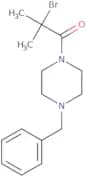
CAS:Plant hormone; auxin; inducer of root development; used in plant rootingFormula:C12H12KNO2Color and Shape:White Yellow PowderMolecular weight:241.33 g/mol1-Benzyl-4-(2-bromo-2-methylpropanoyl)piperazine
CAS:Controlled ProductPlease enquire for more information about 1-Benzyl-4-(2-bromo-2-methylpropanoyl)piperazine including the price, delivery time and more detailed product information at the technical inquiry form on this page
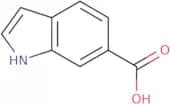
Formula:C15H21BrN2OPurity:Min. 95%Molecular weight:325.24 g/mol6-Carboxyindole
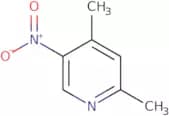
CAS:6-Carboxyindole is an indole that binds to the IL-17A receptor, which leads to the production of pro-inflammatory cytokines. It has been shown to be involved in autoimmune diseases and other inflammatory conditions. 6-Carboxyindole can be used as a probe for studying the biology of IL-17A, by binding to it and inhibiting its effects. The chemical structure of 6-carboxyindole is also useful for diagnostic purposes, as it can bind to antibodies and antigens for detecting infectious diseases or other biological processes. 6-Carboxyindole can be used in the treatment of heart tissue by binding with monoclonal antibodies that are specific for cardiac proteins such as myosin light chain kinase.Formula:C9H7NO2Purity:Min. 95%Molecular weight:161.16 g/mol2,4-Dimethyl-5-nitropyridine
CAS:2,4-Dimethyl-5-nitropyridine is a hydroxyurea analog that inhibits the synthesis of ribonucleotides by competitively binding to the enzyme ribonucleotide reductase. This inhibition leads to the accumulation of diphosphate and deoxyribonucleotides, which are necessary for DNA synthesis. 2,4-Dimethyl-5-nitropyridine was found to be more potent than hydroxyurea as an inhibitor of cellular growth in vitro and cancer cell lines in vivo. The potency of 2,4-dimethyl-5-nitropyridine can be attributed to its ability to bind very tightly with ribonucleotide reductase and form a stable complex.
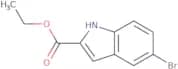
Formula:C7H8N2O2Purity:Min. 95%Color and Shape:Yellow Clear LiquidMolecular weight:152.15 g/mol5-Bromoindole-2-carboxylic acid ethyl ester
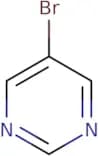
CAS:5-Bromoindole-2-carboxylic acid ethyl ester (5-BIEC) is a carboxamide antibiotic that inhibits the growth of gram-negative bacteria, including pneumoniae. 5-BIEC has been shown to have an inhibitory concentration (IC50) of 0.9 μM against Escherichia coli and other gram negative bacteria. It also has anti-proliferative effects on cancer cells, which may be due to its ability to inhibit DNA replication by binding to the beta subunit of DNA gyrase. 5-BIEC is currently being studied as a potential anticancer drug for the treatment of breast cancer, colon cancer, and leukemia.Formula:C11H10BrNO2Purity:Min. 98 Area-%Color and Shape:PowderMolecular weight:268.11 g/mol5-Bromopyrimidine
CAS:5-Bromopyrimidine is a reactive intermediate that is used in the synthesis of 4-methoxyphenylboronic acid. It is a crystalline solid with a molecular weight of 164.5 g/mol and an empirical formula of C6H4BrN3O. 5-Bromopyrimidine has been shown to be nucleophilic, reacting with β-amino acids under basic conditions to form the corresponding 2-bromo amide. It also undergoes cross-coupling reactions with halides and can be used as a building block for other organic compounds. 5-Bromopyrimidine has optical properties that are characteristic of aromatic molecules, including strong absorption bands in the ultraviolet region and visible light region.Formula:C4H3BrN2Purity:Min. 95%Color and Shape:PowderMolecular weight:158.98 g/mol5-Hydroxyindole-3-acetic acid
CAS:5-Hydroxyindole-3-acetic acid is a versatile building block that is useful as a reagent, speciality chemical, and reaction component. It has been used in the synthesis of complex compounds with various applications. The compound can be distilled to produce high-purity 5-hydroxyindole-3-acetic acid for research purposes.Formula:C10H9NO3Purity:Min. 98.0 Area-%Molecular weight:191.19 g/mol1,3-Diacetylindole
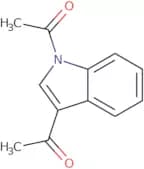
CAS:1,3-Diacetylindole is an alkene that belongs to the class of organic compounds. It can be prepared by Friedel-Crafts acylation of cyclopentenone with formaldehyde and hydrogen chloride gas. The molecule has a molecular electrostatic potential of -0.8 eV and a molecular weight of 126.1 g/mol. 1,3-Diacetylindole has been shown to react with Grignard reagent in an electrochemical study. Additionally, it has been used as a starting material for the synthesis of other molecules such as 2-methylquinoline and 1,2-dihydroquinoline. The vibrational and spectral data for 1,3-diacetylindole have been obtained using both experimental and computational methods. These data are useful for understanding the structure and reactivity of this compound at the molecular level.br>br> br>br>Formula:C12H11NO2Purity:Min. 95%Molecular weight:201.22 g/mol5-Chloroindole-3-acetic acid
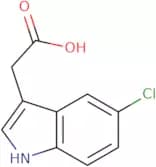
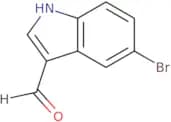
CAS:5-Chloroindole-3-acetic acid (5CI3A) is a compound that belongs to the indole class of compounds. It is structurally similar to the amino acid tryptophan, which makes it a good template molecule for the synthesis of other indoles. 5CI3A is mainly found in plants and bacteria, where it acts as an auxin. In plants, 5CI3A stimulates cell elongation and leaf growth by interacting with plant hormones such as auxins and gibberellins. This compound also binds to serum albumin, which may be responsible for its low toxicity in humans. 5CI3A has been shown to inhibit the activity of human serum albumin by forming hydrogen bonds with it. This inhibition reduces the binding affinity of 5CI3A for other proteins in serum, making it less likely to interact with them than if there were no binding competition.Formula:C10H8ClNO2Color and Shape:PowderMolecular weight:209.63 g/mol5-Bromoindole-3-carboxaldehyde
CAS:5-Bromoindole-3-carboxaldehyde is a water molecule that has been crystallized in the form of an amide. It is a chemical substance with asymmetric synthesis and significant antifungal activity. 5-Bromoindole-3-carboxaldehyde is active against some strains of the fungus Candida albicans and has been shown to inhibit the growth of kidney cells. This molecule also binds to the neurokinin 1 receptor and is used as a probe for fluorescence studies. The efficient method for synthesizing 5-Bromoindole-3-carboxaldehyde includes using silico analysis to confirm the structure on a computer, then performing an asymmetric synthesis with an acid catalyst to produce this compound.
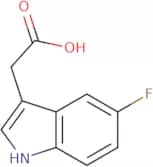
Formula:C9H6BrNOPurity:Min. 98 Area-%Color and Shape:PowderMolecular weight:224.05 g/mol5-Fluoroindole-3-acetic acid
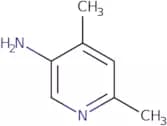
CAS:5-Fluoroindole-3-acetic acid is a fluorine-containing drug that inhibits the transport of indoleacetic acid (IAA), an auxin, in the peo-iaa system. It has been shown to inhibit cancer cell growth and induce apoptosis in a variety of tumour cells. 5-Fluoroindole-3-acetic acid can be used as a chemotherapeutic agent for cancers such as bladder, breast, and prostate cancers. This drug also activates enzymatic reactions by introducing fluorine atoms into reaction sites.Formula:C10H8FNO2Color and Shape:PowderMolecular weight:193.17 g/mol3-Amino-4,6-dimethylpyridine
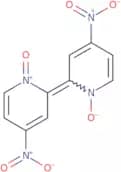
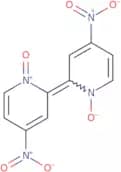
CAS:3-Amino-4,6-dimethylpyridine is a potent inhibitor of quinolines and thiazolopyridines. It has been shown to be an allosteric inhibitor of cellular quinoline and thiazolopyridine metabolism which leads to its high potency in cells. 3-Amino-4,6-dimethylpyridine selectively inhibits the activity of these enzymes without affecting other metabolic pathways. Oral dosing results in rapid absorption and a half life of about 2 hours.Formula:C7H10N2Purity:Min. 95%Color and Shape:PowderMolecular weight:122.17 g/mol4,4'-Dinitro-2,2'-bipyridine-N,N'-dioxide
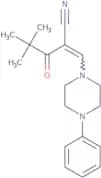
CAS:Please enquire for more information about 4,4'-Dinitro-2,2'-bipyridine-N,N'-dioxide including the price, delivery time and more detailed product information at the technical inquiry form on this pageFormula:C10H6N4O6Purity:Min. 94 Area-%Color and Shape:Yellow PowderMolecular weight:278.18 g/mol2-(2,2-dimethylpropanoyl)-3-(4-phenylpiperazinyl)prop-2-enenitrile
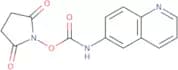
CAS:Please enquire for more information about 2-(2,2-dimethylpropanoyl)-3-(4-phenylpiperazinyl)prop-2-enenitrile including the price, delivery time and more detailed product information at the technical inquiry form on this pagePurity:Min. 95%6-Aminoquinolyl-N-hydroxysuccinimidyl carbamate, particle size < 0.25 mm
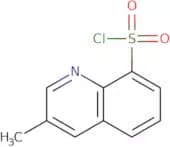
CAS:6-Aminoquinolyl-N-hydroxysuccinimidylcarbamate reacts rapidly with amino acids to form stable urea derivatives. The use of fluorescence detection techniques allows quantification of amines at pmol levels. 6-Aminoquinolyl-N-hydroxysuccinimidylcarbamate was used in a study to derivatize glycated amino acids with the purpose of developing chromatographic assays for their quantification. Glycation of proteins initially gives rise to early glycation adducts, then progresses to advanced glycation end-products, which are markers for conditions such as diabetes, cataracts, uraemia and Alzheimer's disease. We also offer the product FA36291.Formula:C14H11N3O4Color and Shape:PowderMolecular weight:285.25 g/mol3-Methyl-8-quinolinesulfonyl chloride
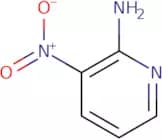
CAS:3-Methyl-8-quinolinesulfonyl chloride (3MQSC) is a reaction product of 1,2,4-trioxane and thionyl chloride. 3MQSC is used as an intermediate in the production of l-citrulline from chloroacetic acid. It reacts with paraformaldehyde to form a solid phase synthesis catalyst. 3MQSC catalyzes the reaction between phosphorus pentachloride and chlorine to produce ethyl formate and hydrogen chloride gas. This process is industrialized for the production of ethyl formate, which is used for the manufacture of acetic acid, chlorinated solvents, polymers, and plastics. The high yield of this process makes it one of the most popular routes for producing ethyl formate. Catalysis by 3MQSC can be achieved at low temperature and pressure due to its resistance to heat and low boiling point.Formula:C10H8ClNO2SPurity:Min. 97 Area-%Color and Shape:White Yellow PowderMolecular weight:241.69 g/mol2-Amino-3-nitropyridine
CAS:2-Amino-3-nitropyridine is a synthetic molecule that has the chemical formula C6H7N5O2. It can exist in four different forms, three of which are isomers. These three isomers have different properties, such as melting point and solubility. The synthesis of 2-amino-3-nitropyridine can be achieved through a solid phase synthesis using sodium periodate as the acid catalyst. The reaction mechanism involves nitration of 2-amino pyridine with hydrogen peroxide to produce 3-nitro pyridine followed by hydrolysis to form 2-amino-3 nitropyridine. This reaction produces two dihedral angles in the molecule, one between the nitrogen and oxygen atoms and another between the nitrogen atom and carbon atom bonded to it. The functional groups present on this molecule are an amino group, a nitro group, and an amide group.
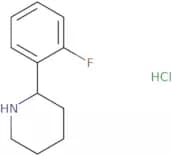
Purity:Min. 98 Area-%Color and Shape:Yellow SolidMolecular weight:139.11 g/mol2-(2-Fluorophenyl)piperidine hydrochloride
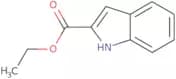
CAS:Please enquire for more information about 2-(2-Fluorophenyl)piperidine hydrochloride including the price, delivery time and more detailed product information at the technical inquiry form on this pageFormula:C11H15ClFNPurity:Min. 95%Color and Shape:PowderMolecular weight:215.69 g/molIndole-2-carboxylic acid ethyl ester
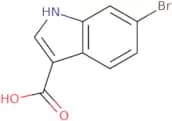
CAS:Indole-2-carboxylic acid ethyl ester is a synthetic compound that binds to cancer cells. It has been shown to inhibit the growth of leukemia cells and breast cancer cells in vitro. Indole-2-carboxylic acid ethyl ester inhibits the binding of collagen to cells, which may be due to its ability to bind to β-carboline alkaloids on collagen. The binding of indole-2-carboxylic acid ethyl ester with these alkaloids prevents them from binding to collagen, thereby preventing the formation of new collagen fibers. This drug also inhibits aldehyde production, which is important for DNA synthesis in cancer cells.Formula:C11H11NO2Purity:Min. 95%Color and Shape:PowderMolecular weight:189.21 g/mol6-Bromo-1H-indole-3-carboxylic acid
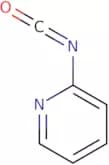
CAS:6-Bromo-1H-indole-3-carboxylic acid is a natural product that is isolated from the marine sponge Smenospongia purpurea. It was first reported in 1979 and has been used for the synthesis of other compounds. 6-Bromoindole, a precursor to 6-bromo-1H-indole-3-carboxylic acid, is biosynthesized from methyl ester and NMR spectra indicate that it has a dihedral angle of 173°. This compound has been shown to have antibacterial activity against staphylococcus.Formula:C9H6BrNO2Purity:Min. 95%Color and Shape:PowderMolecular weight:240.05 g/mol2-Isocyanatopyridine
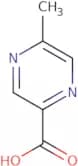
CAS:2-Isocyanatopyridine is a synthetic chemical that has been shown to be an effective anti-cancer agent. It is a hemibasic, heterocyclic compound with two isomers, cis and trans. The cis form exhibits more potent antitumor activity than the trans form. 2-Isocyanatopyridine has been synthesized using mesoporous silica, which provides the molecule with a high surface area and good adsorption properties. Hydrogen bonding between the isocyanate group and hydrogen atoms in the naphthyridine ring are responsible for its functionalizing effects. 2-Isocyanatopyridine binds to receptors on cancer cells and inhibits cell proliferation by interfering with cell signaling pathways. 2-Isocyanatopyridine has been shown to inhibit tumor growth in mice bearing human colon carcinoma xenografts.Formula:C6H4N2OPurity:Min. 95%Color and Shape:Brown PowderMolecular weight:120.11 g/mol5-Methyl-2-pyrazinecarboxylic acid
CAS:5-Methyl-2-pyrazinecarboxylic acid is a natural compound that can be found in plants. It has been shown to have antidiabetic properties and to be useful as a fluorescence probe. 5-Methyl-2-pyrazinecarboxylic acid can be synthesized by the condensation of pyrazinamide with formaldehyde, followed by oxidation with sodium formate. The synthesis of 5-methyl-2-pyrazinecarboxylic acid can also be achieved by heating an aqueous solution of pyrazinamide at 100°C for 30 minutes. This process yields the desired product in high yield, which is then purified by recrystallization or column chromatography.Formula:C6H6N2O2Purity:Min. 95%Color and Shape:PowderMolecular weight:138.12 g/mol3-Amino-2-piperidinone
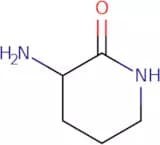
CAS:3-Amino-2-piperidinone is a metabolite of ornithine, which is a nonessential amino acid. It is produced by the metabolism of arginine and lysine, both of which are essential amino acids. 3-Amino-2-piperidinone has been found in urine samples from patients with bladder cancer and hyperornithinemia. It has also been detected in saccharomyces cerevisiae strain during energy metabolism experiments. This metabolite can be identified using chromatographic techniques such as gas chromatography and mass spectrometry. 3-Amino-2-piperidinone can be used to identify the presence of cancer or metabolic disorders such as hyperornithinemia by measuring its concentration in urine samples or reaction solutions.Formula:C5H10N2OPurity:Min. 95%Color and Shape:PowderMolecular weight:114.15 g/mol5-Methoxyindole
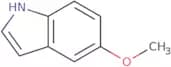
CAS:5-Methoxyindole is a chemical compound that is soluble in water. It has been shown to inhibit tumor growth and induce apoptosis, as well as inhibit the expression of glycogen synthase kinase-3. The structure of 5-methoxyindole was determined by NMR spectroscopy and FT-IR spectroscopy. The compound has been observed to exhibit fluorescence properties at a wavelength of 490 nm when it is excited with UV light. A copper complex of 5-methoxyindole was studied using molecular modeling and FT-IR spectroscopy, which revealed that it can undergo nucleophilic attack by hydrogen bond formation or an acid/base reaction to form a new hydrogen bond. This study also found that 5-methoxyindole is able to form hydrogen bonds with its neighboring molecules, which may contribute to its high solubility in water.Formula:C9H9NOColor and Shape:PowderMolecular weight:147.17 g/mol[3-Chloro-4-(4-isobutyrylpiperazin-1-yl)phenyl]amine
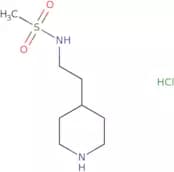
CAS:3-Chloro-4-(4-isobutyrylpiperazin-1-yl)phenyl]amine is a fine chemical that can be used in the production of medicines, research chemicals, and other speciality chemicals. It has been shown to be a versatile building block with a wide range of uses. 3-Chloro-4-(4-isobutyrylpiperazin-1-yl)phenyl]amine can be used as an intermediate in organic synthesis or as a reagent to generate other chemicals. This compound is also useful as a reaction component for the production of new compounds.Formula:C14H20ClN3OPurity:Min. 95%Color and Shape:PowderMolecular weight:281.78 g/molN-(2-Piperidin-4-ylethyl)methanesulfonamide hydrochloride
CAS:N-(2-Piperidin-4-ylethyl)methanesulfonamide hydrochloride (MSM) is a fine chemical that belongs to the group of useful scaffolds. It is used as a versatile building block in research and can be used as a reaction component for speciality chemicals. The compound has high quality and can be used as a reagent, which is an important tool for organic synthesis.
Formula:C8H18N2O2S·HClPurity:Min. 95%Color and Shape:SolidMolecular weight:242.77 g/molL(+)-Amethopterin hydrate
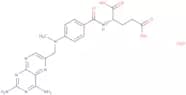
CAS:L(+)-Amethopterin hydrate is an immunosuppressant that suppresses the immune system by inhibiting RNA synthesis. It is a structural analogue of folic acid and has been shown to be effective in treating autoimmune diseases, such as rheumatoid arthritis. L(+)-Amethopterin hydrate is a neutral compound that is soluble in water and microsomal membranes, making it more easily absorbed through the gut than other compounds of this class. It also has been shown to have no toxic effects on cardiac cells at therapeutic concentrations. These properties make L(+)-Amethopterin hydrate an attractive candidate for treating autoimmune diseases when other treatments have failed.Formula:C20H22N8O5·xH2OPurity:Min. 98 Area-%Color and Shape:Yellow PowderMolecular weight:454.44 g/mol1-Aminopyridinium iodide
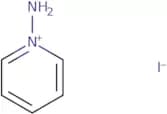
CAS:1-Aminopyridinium iodide is a reactive compound that can bind to receptors, including the epidermal growth factor receptor. It is also a pyridinium salt and a type of chlorine. The compound has been shown to be effective in inhibiting cancer cell growth and has been used in chemotherapy treatments. 1-Aminopyridinium iodide binds to the glycogen synthase kinase 3 enzyme, which regulates cellular processes such as cell division, and inhibits its activity. This causes the process of glycogen synthesis to stop and leads to cell death by apoptosis. 1-Aminopyridinium iodide is most commonly used in cancer research because of its ability to inhibit tumor growth.
Formula:C5H7IN2Purity:Min. 95%Color and Shape:PowderMolecular weight:222.03 g/mol4-Aminoindole hydrochloride
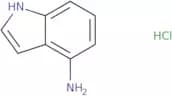
CAS:4-Aminoindole hydrochloride is a white crystalline solid that can be used as a versatile building block in organic synthesis. It is also used as an intermediate in the production of various pharmaceuticals and other chemical compounds. 4-Aminoindole hydrochloride is soluble in most polar solvents, but insoluble in ethers and oils. This compound is also a useful reagent for the conversion of nitrobenzenes to aminobenzoic acids. CAS Number 174854-93-4
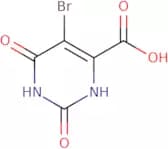
Formula:C8H9ClN2Purity:Min. 95%Color and Shape:PowderMolecular weight:168.62 g/mol5-Bromoorotic acid
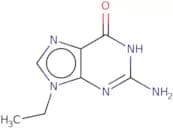
CAS:5-Bromoorotic acid is a chemical compound that contains one bromine atom. This compound has been shown to inhibit the growth of mammalian cells, which may be due to its ability to bind to DNA and interfere with protein synthesis. 5-Bromoorotic acid also has an inhibitory effect on radiation, which may be due to its ability to form stable complexes with electrons. 5-Bromoorotic acid has a helical structure, which may make it more stable than other compounds. It also inhibits the production of uridine by inhibiting uridine phosphorylase and nitro group production in g. lamblia, which is a parasitic protozoan that causes intestinal infections in humans.Formula:C5H3BrN2O4Purity:Min. 95%Color and Shape:White PowderMolecular weight:234.99 g/mol9-Ethylguanine
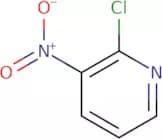
CAS:9-Ethylguanine is a protonated guanine derivative that has significant cytotoxicity. It is an analog of the natural nucleobase guanosine and is structurally similar to the group P2 purine base, hypoxanthine. 9-Ethylguanine specifically binds with nitrogen atoms in DNA, forming hydrogen bonds with adjacent bases. The compound has low potency and therefore must be administered at high doses for it to be effective. 9-Ethylguanine has been shown to have anticancer activity against cervical cancer cells in cell cultures, but no biological studies have been conducted on other cancer types.Formula:C7H9N5OPurity:Min. 95%Color and Shape:PowderMolecular weight:179.18 g/mol2-Chloro-3-nitropyridine
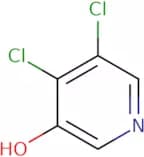
CAS:2-Chloro-3-nitropyridine is a nucleophilic compound that reacts with amines to form substituted amines. It can be synthesized by hydrolysis of chloroacetamide with hydrochloric acid and reacting the resulting ammonium chloride with nitrobenzene. The reactions are nucleophilic substitutions, which means it reacts at an electron rich atom such as the nitrogen in the ammonium chloride. This reaction is exothermic, meaning it releases heat, and the products are 2-chloro-3-nitropyridine and water. 2-Chloro-3-nitropyridine has been shown to inhibit α subunit of protein kinase C (PKCα) activity by binding to the PKCα ATP site. It also has been shown to react with proteins containing reactive sulfhydryl groups such as cysteine residues, forming sulfonamides or sulfoxides that may inhibit enzyme activity orFormula:C5H3ClN2O2Purity:Min. 95%Color and Shape:Slightly Yellow PowderMolecular weight:158.54 g/mol4,5-Dichloro-3-hydroxypyridine
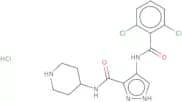
CAS:4,5-Dichloro-3-hydroxypyridine is a reactive chemical that is a building block in organic synthesis. It is used as a reactant in the preparation of other compounds and as a reagent for various reactions, such as those involving amines, alcohols, and thiols. 4,5-Dichloro-3-hydroxypyridine has been found to be useful in the synthesis of heterocyclic compounds with an aromatic ring. It can also be used as an intermediate in the synthesis of pharmaceuticals. This chemical is classified by CAS number 1261269-63-9 and has an MW of 138.2 g/mol.Formula:C5H3Cl2NOPurity:Min. 95%Color and Shape:White PowderMolecular weight:163.99 g/mol4-(2,6-Dichlorobenzamido)-N-(piperidin-4-yl)-1H-pyrazole-3-carboxamide HCl
CAS:4-(2,6-Dichlorobenzamido)-N-(piperidin-4-yl)-1H-pyrazole-3-carboxamide HCl (PD1693) is a small molecule that has been shown to selectively inhibit the transcriptional coactivator HIF-1α. PD1693 inhibits the hypoxic response in tumor cells by preventing the upregulation of HIF-1α. This leads to an increase in hypoxia-inducible genes, which are involved in the regulation of cell proliferation, angiogenesis and apoptosis. PD1693 also affects the expression of genes involved in metabolism and energy production. The subpopulation algorithm was used to identify differentially expressed transcripts in glioma cells following exposure to PD1693. The data from this algorithm were validated using qRT-PCR and Western blotting on human glioma cells.Formula:C16H17Cl2N5O2·HClPurity:Min. 95%Color and Shape:PowderMolecular weight:418.7 g/mol6-Cyanoindole
CAS:6-Cyanoindole is a synthetic compound that has been shown to have functional properties. It binds to the receptor of the chemokine, which is a type of protein that regulates inflammatory responses. It also inhibits the activity of coagulation factors, which are proteins involved in blood clotting. 6-Cyanoindole has been shown to inhibit cancer cell growth and induce apoptosis (cell death) in a number of cancer cell lines. The fluorescence properties and lifetimes of 6-cyanoindole have been studied extensively. It has also been used as a monomer in copolymerization reactions and is used as an intermediate in the synthesis of 6-bromoindole.
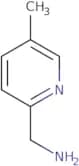
Formula:C9H6N2Purity:Min. 95%Color and Shape:White PowderMolecular weight:142.16 g/mol(5-Methylpyridin-2-yl)methanamine
CAS:5-Methylpyridin-2-yl)methanamine is a high quality reagent that is used as a building block in the synthesis of complex compounds. It can be used as an intermediate, useful for the preparation of fine chemicals and useful scaffolds. It can also be used as a speciality chemical and is often used as a reaction component in research chemicals.
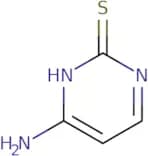
Formula:C7H10N2Purity:Min. 98 Area-%Color and Shape:Clear LiquidMolecular weight:122.17 g/mol4-Amino-2-mercaptopyrimidine
CAS:4-Amino-2-mercaptopyrimidine is a model system for coordination geometry and the hydroxyl group. It has been shown to have an x-ray crystal structure that can be used to study human serum, activated viruses, and other biological properties. 4-Amino-2-mercaptopyrimidine has been synthesized using a flow system and kinetic energy. The protonation state of 4-amino-2-mercaptopyrimidine is dependent on the pH of the solution and it can exist as two tautomers.
Formula:C4H5N3SPurity:Min. 97 Area-%Color and Shape:White PowderMolecular weight:127.17 g/mol4,4'-Dinitro-2,2'-bipyridine-N,N'-dioxide - crude
CAS:4,4'-Dinitro-2,2'-bipyridine-N,N'-dioxide is a fine chemical with a high quality. It is a versatile building block with a wide range of applications in research and as a reagent. The compound is used in the synthesis of organic compounds and many other products. This product can be used as an intermediate for the production of more complex compounds or scaffolds. 4,4'-Dinitro-2,2'-bipyridine-N,N'-dioxide has been shown to be useful in the synthesis of pharmaceuticals and agrochemicals.Formula:C10H6N4O6Purity:Min. 95%Color and Shape:Yellow PowderMolecular weight:278.18 g/mol2-Ethyl-3,5-dimethylpyrazine
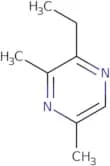
CAS:2-Ethyl-3,5-dimethylpyrazine (2E-DMP) is a fatty acid that is produced by the reaction of unsaturated ketones and fatty acids. 2E-DMP has been shown to have an inhibitory effect on the activity of kidney bean lipoxygenase. It also inhibits the growth of mammalian cells in culture. 2E-DMP has a molecular weight of 152.24, a melting point of -50 degrees Celsius, and a boiling point at 230 degrees Celsius. The compound has not been tested for carcinogenic or mutagenic effects in mammals or humans.Formula:C8H12N2Purity:Min. 95%Color and Shape:Clear LiquidMolecular weight:136.19 g/mol2-(5-Trifluoromethyl-pyridin-2-yl)ethylamine 2HCl
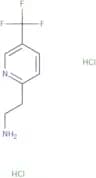
CAS:2-(5-Trifluoromethyl-pyridin-2-yl)ethylamine 2HCl is a fine chemical that can be used as a building block in the synthesis of other compounds. It is also a useful reagent and a speciality chemical, which means it is typically used for research purposes only. This compound has shown to have high quality and versatility, and is often used as an intermediate in the synthesis of complex compounds.Formula:C8H9F3N2H2Cl2Purity:Min. 95%Color and Shape:White PowderMolecular weight:263.09 g/mol

![1H-Pyrrolo[3,2-b]pyridin-7-amine](/_next/image/?url=https%3A%2Fstatic.cymitquimica.com%2Fproducts%2F3D%2Fthumb-webp%2FFP142011.webp&w=3840&q=75)

![4-Amino-5-chloro-2,3-dihydro-N-[1-(3-methoxypropyl)-4-piperidinyl]-7-benzofurancarboxamide](/_next/image/?url=https%3A%2Fstatic.cymitquimica.com%2Fproducts%2F3D%2Fthumb-webp%2FFA27248.webp&w=3840&q=75)




![1-[1-[4-(4-Fluorophenyl)-4-Oxobutyl]Piperidin-4-Yl]-3-Methylbenzimidazol-2-One](/_next/image/?url=https%3A%2Fstatic.cymitquimica.com%2Fproducts%2F3D%2Fthumb-webp%2FFF100333.webp&w=3840&q=75)

![3H-Spiro[Isobenzofuran-1,4'-piperidine] hydrochloride](/_next/image/?url=https%3A%2Fstatic.cymitquimica.com%2Fproducts%2F3D%2Fthumb-webp%2FFS53076.webp&w=3840&q=75)

![[3-Chloro-4-(4-isobutyrylpiperazin-1-yl)phenyl]amine](/_next/image/?url=https%3A%2Fstatic.cymitquimica.com%2Fproducts%2F3D%2Fthumb-webp%2FFC134207.webp&w=3840&q=75)