Heterocycles with Nitrogen (N)
In this category, you will find a wide variety of nitrogen-containing heterocycles. Heterocycles are carbon chains that form a cycle in which at least one position is occupied by a heteroatom, in this case, nitrogen. These compounds are integral in the synthesis of pharmaceuticals, agrochemicals, and dyes, offering unique reactivity and stability. At CymitQuimica, we provide a comprehensive selection of high-quality nitrogen-containing heterocycles to support your research and industrial applications
Subcategories of "Heterocycles with Nitrogen (N)"
- Azepane(434 products)
- Benzotriazoles(436 products)
- Diazepanes(331 products)
- Imidazoles(4,011 products)
- Imidazolines(385 products)
- Isoxazole(1,077 products)
- Piperazines(3,736 products)
- Piperidines(8,406 products)
- Pyrazines(1,299 products)
- Pyrazole(5,921 products)
- Pyrazolidine(21 products)
- Pyrazoline(142 products)
- Pyridazine(856 products)
- Pyridines(21,917 products)
- Pyrimidine(6,041 products)
- Pyrroles(2,443 products)
- Pyrrolidines(5,816 products)
- Pyrroline(48 products)
- Pyrrolo[1,2-b]pyridazine(10 products)
- Tetrazole(510 products)
- Triazines(462 products)
- Triazoles(1,680 products)
Show 14 more subcategories
Found 17856 products of "Heterocycles with Nitrogen (N)"
Sort by
Purity (%)
0
100
|
0
|
50
|
90
|
95
|
100
1-Benzyl-4-((tert-butoxycarbonyl)amino)piperidine-4-carboxylic acid
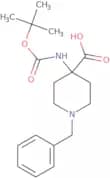
CAS:<p>Please enquire for more information about 1-Benzyl-4-((tert-butoxycarbonyl)amino)piperidine-4-carboxylic acid including the price, delivery time and more detailed product information at the technical inquiry form on this page</p>Formula:C18H26N2O4Purity:Min. 95%Molecular weight:334.41 g/mol3-(Boc-amino)pyridine
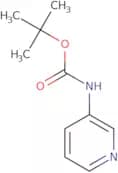
CAS:<p>3-(Boc-amino)pyridine is a glycine derivative with a trigonal, chelate ring. It can be hydrolyzed by acid to form 3-aminopyridine. 3-(Boc-amino)pyridine has been shown to react with trimethyltin chloride to form an intramolecular complex in the presence of alkyllithiums. This reaction proceeds through lithiation and methylation of the carboxyl group of 3-(Boc-amino)pyridine. The interaction between 3-(Boc-amino)pyridine and trimethyltin chloride forms an antiaromatic six membered ring that resembles a benzene molecule.</p>Formula:C10H14N2O2Purity:Min. 95%Molecular weight:194.23 g/mol2,3,5-Trimethylpyrazine
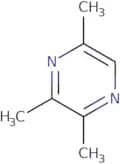
CAS:<p>2,3,5-Trimethylpyrazine is a volatile organic compound that is used as an aroma to impart a roasted coffee flavor. It has been shown to be synthesized from the reaction of trimethyl and pyruvic acid in an enzymatic reaction using glutamate pyruvate transaminase. 2,3,5-Trimethylpyrazine can be analyzed by capillary gas chromatography with mass spectrometric detection (GC-MS) or high performance liquid chromatography with mass spectrometric detection (HPLC-MS). This compound can also be identified by its synchronous fluorescence emission spectrum. Analysis of this compound's chemical structure revealed a hydroxyl group on the methyl group and a protocatechuic acid moiety on the pyrazine ring. The presence of these functional groups provides evidence for the model system proposed for this molecule. Solid phase microextraction was used to extract 2,3,5-trimethylpyraz</p>Formula:C7H10N2Purity:Min. 95%Color and Shape:Clear LiquidMolecular weight:122.17 g/mol1,1',1''-(1,3,5-Triazinane-1,3,5-triyl)tris(2-bromoethan-1-one)
CAS:<p>Please enquire for more information about 1,1',1''-(1,3,5-Triazinane-1,3,5-triyl)tris(2-bromoethan-1-one) including the price, delivery time and more detailed product information at the technical inquiry form on this page</p>Formula:C9H12Br3N3O3Purity:Min. 95%Color and Shape:PowderMolecular weight:449.82 g/molCoproporphyrin III
CAS:<p>Please enquire for more information about Coproporphyrin III including the price, delivery time and more detailed product information at the technical inquiry form on this page</p>Formula:C36H38N4O8Purity:Min. 95%Molecular weight:654.71 g/mol4-Azido-2,2,6,6-tetramethyl-1-piperidinyloxy
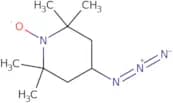
CAS:<p>4-Azido-2,2,6,6-tetramethyl-1-piperidinyloxy is a fine chemical that is a versatile building block useful in research and synthesis. It has been used as a reaction component in the preparation of other compounds. This compound is also an intermediate for the production of other chemicals.</p>Formula:C9H17N4OPurity:Min. 95%Color and Shape:PowderMolecular weight:197.26 g/mol2,3,5,6-Tetra-methyl-pyrazine
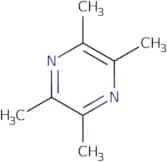
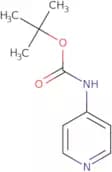
CAS:<p>2,3,5,6-Tetra-methyl-pyrazine is a chemical compound that is structurally similar to ATP. It has been shown to inhibit the mitochondrial membrane potential and induce apoptosis in rat heart cells. 2,3,5,6-Tetra-methyl-pyrazine has also been shown to inhibit ATP synthase activity and increase lactate levels in the presence of glucose. This compound inhibits cyclase activity and increases microdialysis probe signal pathways. 2,3,5,6-Tetra-methyl-pyrazine may be useful for the treatment of myocardial infarcts.</p>Formula:C8H12N2Purity:Min. 95%Molecular weight:136.19 g/mol4-(Boc-amino)pyridine
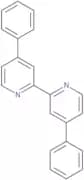
CAS:<p>4-(Boc-amino)pyridine is a pyridine derivative that exhibits magnetic properties. It can be used to study the luminescence properties of pyridine rings. 4-(Boc-amino)pyridine inhibits cell proliferation and growth by binding to the kinase receptor in the cytoplasm, which blocks phosphorylation of proteins in the cell. This compound inhibits hCT-116 cells, which are human colorectal carcinoma cells, and has shown promising results in xenograft studies. 4-(Boc-amino)pyridine is an anionic molecule that can be used as a starting material for synthesis of other compounds. It was first synthesized by reacting 2-aminopyridine with boron trichloride in acetonitrile.</p>Formula:C10H14N2O2Purity:Min. 95%Color and Shape:White/Off-White SolidMolecular weight:194.23 g/mol4,4'-Diphenyl-2,2'-bipyridine
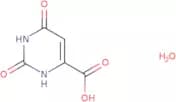
CAS:<p>4,4'-Diphenyl-2,2'-bipyridine is a ligand that can be used to produce more efficient magnesium peroxide catalysts. The efficiency of the catalyst was found to increase with increasing concentrations of the ligand. 4,4'-Diphenyl-2,2'-bipyridine has been shown to bind strongly to chloride ions and may have potential applications in animal health as a supplement. This compound is also useful in electrochemical data studies because it has a relatively high oxidation potential and electrochemical stability. It can also be used for photophysical studies due to its strong fluorescence. 4,4'-Diphenyl-2,2'-bipyridine can be synthesized by reacting carbon tetrachloride with an animal or vegetable oil or fat.</p>Formula:C22H16N2Purity:Min. 95 Area-%Color and Shape:PowderMolecular weight:308.38 g/molOrotic acid hydrate
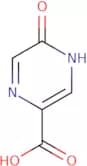
CAS:<p>Orotic acid hydrate is a synthetic compound that is designed to be a growth regulator. Orotic acid hydrate is synthesized by reacting the orotate with pyridoxine hydrochloride, followed by crystallizing the product. Hydrogen bonds form between the water molecules and fatty acids in the crystals of OA hydrate. These hydrogen bonds stabilize the crystal structure and allow for its use as a growth regulator. The stability of this molecule can also be attributed to its ability to form hydrogen bonds with other molecules such as α-tocopherol, calcium carbonate, and synthetic cannabinoids. Orotic acid hydrate has been shown to have an effect on cancer cells because it reacts with daunorubicin in solution and inhibits DNA synthesis, inhibiting cell growth.</p>Formula:C5H4N2O4·H2OPurity:Min. 95 Area-%Color and Shape:PowderMolecular weight:174.11 g/mol5-Hydroxypyrazine-2-carboxylic acid
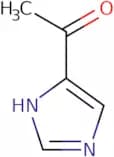
CAS:<p>5-Hydroxypyrazine-2-carboxylic acid is a drug that inhibits the activation of proteins involved in cell signaling pathways. It has been shown to have an inhibitory effect on the activation of protein kinase C, which plays a key role in the proliferation and differentiation of cells. 5-Hydroxypyrazine-2-carboxylic acid also inhibits sorafenib, a drug used for the treatment of cancer. Sorafenib is metabolized in rats by cytochrome P450 (CYP) enzymes, which are found in human liver tissue as well. The metabolism rate of sorafenib can be reduced by coadministration with caffeine or other substances that induce CYP activity. 5-Hydroxypyrazine-2-carboxylic acid is not active against pyrazinoic acid and pyrazine-2 carboxylate, which are metabolites produced by CYP enzymes.</p>Formula:C5H4N2O3Purity:Min. 98 Area-%Color and Shape:Brown PowderMolecular weight:140.1 g/mol4-Acetylimidazole
CAS:<p>4-Acetylimidazole is a histidine analogue that has been shown to have anticancer activity in breast cancer cells. It can react with amines and form imidazoles. The hydroxyl group on the 4-position of the imidazole ring is able to undergo dehydration, which leads to the formation of a chloride ion. This reaction mechanism is reversible and can be used in organic synthesis. 4-Acetylimidazole can also act as an h2 receptor antagonist, although it does not bind to the zwitterionic site of the h2 receptor. NMR spectra show that 4-acetylimidazole exists as a zwitterion in water solution, but becomes a monovalent ion when dissolved in an organic solvent such as methanol or acetone. 4-Acetylimidazole is chemically stable and does not react with poloxamer.</p>Formula:C5H6N2OPurity:Min. 95%Color and Shape:Yellow PowderMolecular weight:110.11 g/molBoc-4-carboxymethyl-piperidine
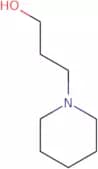
CAS:<p>Boc-4-carboxymethyl-piperidine is a novel drug that has been shown to have significant correlations with the inhibition of fibrinogen and cellulose. It also has the ability to inhibit arsenite, which may be due to its dithiocarbamate group. Boc-4-carboxymethyl-piperidine has been shown to have significant biological activity in vitro. This molecule has been synthesized and crystallized, and x-ray data have been collected. The molecular structure of this molecule is shown below:</p>Formula:C12H21NO4Purity:Min. 95%Color and Shape:White PowderMolecular weight:243.3 g/mol3-Piperidin-1-ylpropan-1-ol
CAS:<p>3-Piperidin-1-ylpropan-1-ol is a substance that is structurally related to biperiden and has affinity for the H3 receptor. It has been shown to have a high affinity for the H3 receptor, which is found in high concentration in the rat brain. 3-Piperidin-1-ylpropan-1-ol has been shown to have antagonistic activity against neuropathic pain in rats, by inhibiting the release of norepinephrine from nerve endings. This substance also has antihistaminic properties, which may be due to its ability to inhibit histamine release. 3-Piperidin-1-ylpropan-1-ol is an enantiomer of piperidine, with a slightly higher affinity for the H3 receptor than its mirror image. The racemic mixture isomeric form (i.e., both enantiomers) inhibits the H3 receptor with an equal potency,</p>Formula:C8H17NOPurity:Min. 95%Color and Shape:Colorless Clear LiquidMolecular weight:143.23 g/mol5,7-Dimethyl-[1,2,4]triazolo[1,5-a]pyrimidine-2-carboxylic acid
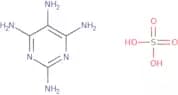
CAS:<p>Please enquire for more information about 5,7-Dimethyl-[1,2,4]triazolo[1,5-a]pyrimidine-2-carboxylic acid including the price, delivery time and more detailed product information at the technical inquiry form on this page</p>Formula:C8H8N4O2Purity:Min. 95%Molecular weight:192.17 g/mol2,4,5,6-Tetraaminopyrimidine sulphate
CAS:<p>2,4,5,6-Tetraaminopyrimidine sulphate is a chemical compound that is used for the treatment of leukemic mice. It has shown to have anti-inflammatory and anti-cancer properties. This drug binds to the enzyme p-hydroxybenzoic acid that is involved in the synthesis of collagen and elastin. It also suppresses the production of inflammatory cytokines such as TNF-α and IL-1β. 2,4,5,6-Tetraaminopyrimidine sulphate has been used in clinical trials for the treatment of autoimmune diseases and inflammatory diseases such as psoriasis. The drug is currently being researched for use in cancer treatments due to its ability to inhibit cell division and induce apoptosis. 2,4,5,6-Tetraaminopyrimidine sulphate has also been shown to be effective when applied topically on skin as a cosmetic agent or when administered orally as a supplement for</p>Formula:C4H10N6O4SPurity:Min. 95%Color and Shape:Slightly Yellow PowderMolecular weight:238.23 g/mol1-t-Boc-piperidine-4-spiro-5'-[1',3'-bis-t-boc]-hydantoin
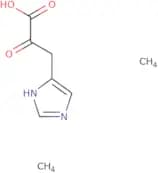
CAS:<p>Please enquire for more information about 1-t-Boc-piperidine-4-spiro-5'-[1',3'-bis-t-boc]-hydantoin including the price, delivery time and more detailed product information at the technical inquiry form on this page</p>Formula:C22H35N3O8Purity:Min. 95%Molecular weight:469.53 g/molImidazolepyruvic acid hydrobromide hydrate
CAS:<p>Please enquire for more information about Imidazolepyruvic acid hydrobromide hydrate including the price, delivery time and more detailed product information at the technical inquiry form on this page</p>Formula:C6H6N2O3•(HBr)x•(H2O)xPurity:Min. 95%Color and Shape:PowderPyridine hydrochloride
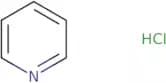
CAS:<p>Pyridine hydrochloride is a white crystalline solid. It has high values for affinity to the CB2 receptor and can be used for the treatment of metabolic disorders, such as diabetes. Pyridine hydrochloride can be synthesized in two ways: by hydrogenation of pyridine with hydrochloric acid or by reacting pyridine with hydrogen fluoride. This compound also has an effect on locomotor activity and increases glutamate levels in the brain, which may contribute to its therapeutic effects. Pyridine hydrochloride is also used as a fluorescent derivative in analytical methods that measure nucleotide levels, such as the phosphorimager technique.</p>Formula:C5H5N·HClPurity:Min. 95%Color and Shape:White To Yellow To Light Brown SolidMolecular weight:115.56 g/mol2-Chloromethyl-4-(3-methoxypropoxy)-3-methylpyridine hydrochloride
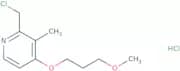
CAS:<p>Please enquire for more information about 2-Chloromethyl-4-(3-methoxypropoxy)-3-methylpyridine hydrochloride including the price, delivery time and more detailed product information at the technical inquiry form on this page</p>Formula:C11H17Cl2NO2Purity:Min. 95%Molecular weight:266.16 g/mol3,5-Dichloro-4-methylpyridine
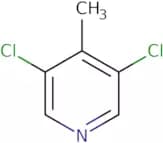
CAS:<p>Please enquire for more information about 3,5-Dichloro-4-methylpyridine including the price, delivery time and more detailed product information at the technical inquiry form on this page</p>Formula:C6H5Cl2NPurity:Min. 95%Molecular weight:162.02 g/molN-Nitroso ramipril
<p>Please enquire for more information about N-Nitroso ramipril including the price, delivery time and more detailed product information at the technical inquiry form on this page</p>Formula:C23H31N3O6Purity:Min. 95%Color and Shape:PowderMolecular weight:445.51 g/mol2-(Bromomethyl)pyridine hydrobromide
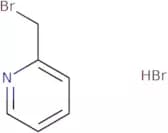
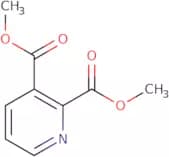
CAS:<p>This compound is an optical sensor that can be used to detect the presence of metal ions. It has a labile nature and is sensitive to light, which makes it ideal for use in fluorescence microscopy. 2-(Bromomethyl)pyridine hydrobromide has been shown to bind to nitric oxide and produce a strong fluorescent signal when exposed to copper ions. This probe can also be used as a molecular model for studying the interaction of metal ions with other molecules.</p>Formula:C6H6BrN•HBrPurity:Min. 95%Color and Shape:PowderMolecular weight:252.93 g/mol2,3-Pyridinedicarboxylic acid dimethylester
CAS:2,3-Pyridinedicarboxylic acid dimethylester (PDDE) is a methylated derivative of 3-nitrophthalic anhydride. It has been shown to be a stereoselective receptor blocker that binds to the glutamate site of the N-methyl-D-aspartate receptor. PDDE has also been shown to have high affinity for the cerebral cortex and is able to penetrate the blood brain barrier. PDDE blocks the NMDA receptor by binding to it and preventing ion flow, which leads to inhibition of neurotransmitter release. This drug is used as an injectable methyl derivative with a molecule weight of 217. The ionization detector can detect PDDE in tetrahydrofuran at concentrations of 1,000 ng/mL or less.Formula:C9H9NO4Purity:Min. 95%Molecular weight:195.17 g/molCucurbit[7]uril
CAS:<p>Cucurbit[7]uril is a chemical compound that can be used as a fluorescent probe for protein target. It has been shown to produce significant cytotoxicity against cancer cell lines in vitro. Cucurbit[7]uril also exhibits hydrophobic effects, which bind to the cell nuclei of cancer cells and inhibits DNA replication. The photophysical properties of cucurbit[7]uril are stable under physiological conditions and it can be used in vivo as a styryl dye. This chemical compound is also able to form stable complexes with carbonyl oxygens, making it an interesting candidate for anti-cancer drug development.</p>Formula:C42H42N28O14Purity:Min. 95%Color and Shape:White To Yellow SolidMolecular weight:1,162.96 g/mol4-Amino-3,5,6-trichloropyridine-2-carboxylic acid
CAS:<p>4-Amino-3,5,6-trichloropyridine-2-carboxylic acid (4ATC) is a herbicide that inhibits the activity of pyridoxal phosphate (PLP)-dependent enzymes. 4ATC has been shown to be more toxic to plants than temozolomide and is used in vitro to study the effects of herbicides on cells. It inhibits cell growth and induces apoptosis in human cancer cells. In addition, 4ATC has been shown to inhibit the enzyme activities of group P2 proteins and nucleic acid synthesis. 4ATC also inhibits protein synthesis by inhibiting RNA synthesis in eukaryotic cells. 4ATC is not active against bacteria or fungi.</p>Formula:C6H3Cl3N2O2Purity:Min. 95%Color and Shape:White To Tan SolidMolecular weight:241.46 g/mol(R)-1-[3-[4-Amino-3-(4-phenoxyphenyl)-1H-pyrazolo[3,4-d]pyrimidin-1-yl]piperidin-1-yl]-3-chloropropan-1-one
CAS:<p>Please enquire for more information about (R)-1-[3-[4-Amino-3-(4-phenoxyphenyl)-1H-pyrazolo[3,4-d]pyrimidin-1-yl]piperidin-1-yl]-3-chloropropan-1-one including the price, delivery time and more detailed product information at the technical inquiry form on this page</p>Formula:C25H25ClN6O2Purity:Min. 95%Molecular weight:476.96 g/mol(R)-1-Propylpiperidin-3-amine
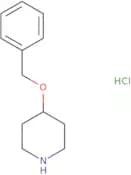
CAS:Please enquire for more information about (R)-1-Propylpiperidin-3-amine including the price, delivery time and more detailed product information at the technical inquiry form on this pageFormula:C8H18N2Purity:Min. 95%Molecular weight:142.24 g/mol4-(Benzyloxy)piperidine HCl
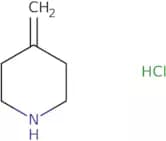
CAS:<p>4-(Benzyloxy)piperidine HCl is a versatile building block that is used in the synthesis of complex compounds such as research chemicals, reagents and speciality chemicals. 4-(Benzyloxy)piperidine HCl is also a useful intermediate in organic synthesis and can be used as a reaction component. 4-(Benzyloxy)piperidine HCl has CAS number 81151-68-0 and is a useful scaffold for chemical syntheses.</p>Formula:C12H17NOHClPurity:Min. 95%Color and Shape:White PowderMolecular weight:227.73 g/mol4-Methylenepiperidine hydrochloride
CAS:<p>4-Methylenepiperidine hydrochloride is a synthetic, ethylene oxide derivative that is used as an antifungal drug. It is also used in the synthesis of other compounds and as a reagent in organic chemistry. 4-Methylenepiperidine hydrochloride can be synthesized by reacting ethylene with an alkoxide, followed by adding a metal halide such as organolithium reagents to form the desired product. The yield rate of this reaction is high and it is easy to perform on a large scale.</p>Formula:C6H11N·HClPurity:Min. 95%Color and Shape:White PowderMolecular weight:133.62 g/mol6-(Chloromethyl)pteridine-2,4-diamine monohydrochloride
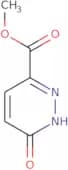
CAS:<p>Please enquire for more information about 6-(Chloromethyl)pteridine-2,4-diamine monohydrochloride including the price, delivery time and more detailed product information at the technical inquiry form on this page</p>Formula:C7H7ClN6•HClPurity:Min. 95%Molecular weight:247.08 g/molMethyl 6-oxo-1,6-dihydropyridazine-3-carboxylate
CAS:<p>Please enquire for more information about Methyl 6-oxo-1,6-dihydropyridazine-3-carboxylate including the price, delivery time and more detailed product information at the technical inquiry form on this page</p>Formula:C6H6N2O3Purity:Min. 95%Molecular weight:154.12 g/mol3,5-Dichloropyrazine-2-carboxylicacid
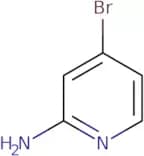
CAS:<p>Please enquire for more information about 3,5-Dichloropyrazine-2-carboxylicacid including the price, delivery time and more detailed product information at the technical inquiry form on this page</p>Formula:C5H2Cl2N2O2Purity:Min. 95%Molecular weight:192.99 g/mol2-Amino-4-bromopyridine
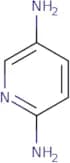
CAS:<p>2-Amino-4-bromopyridine is a potent, selective antagonist of the nicotinic acetylcholine receptor (nAChR) that has been shown to inhibit the proliferation of cancer cells in vitro. 2-Amino-4-bromopyridine binds to the nAChR and stabilizes it by binding to an allosteric site on the receptor. 2-Amino-4-bromopyridine is synthesized from 4,5-dibromobenzene and 2,6-diaminopyridine in two steps with a yield of 47%. The synthesis of 2-amino-4-bromopyridine proceeds via reaction mechanism involving electrophilic substitution at the bromine atom followed by nucleophilic addition at the nitrogen atom.</p>Formula:C5H5BrN2Purity:Min. 95%Color and Shape:PowderMolecular weight:173.01 g/mol2,5-Diaminopyridine
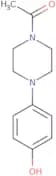
CAS:<p>2,5-Diaminopyridine is an organic compound that is expressed in the human body. It has been shown to inhibit the growth of cells in culture by binding to their DNA and preventing the production of hydrogen bonds. 2,5-Diaminopyridine has also been used clinically to treat inflammatory diseases such as rheumatoid arthritis. The hydrogen bond formation and inhibition of cell growth occurs at a low concentration of 2,5-Diaminopyridine. This drug may have potential as a therapeutic agent for cancer treatment because it inhibits the transcription factor CXCR4.</p>Formula:C5H7N3Purity:Min. 98.0 Area-%Color and Shape:Yellow To Purple To Brown SolidMolecular weight:109.13 g/mol1-Acetyl-4-(4-hydroxyphenyl)piperazine
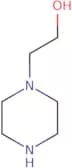
CAS:<p>1-Acetyl-4-(4-hydroxyphenyl)piperazine is a triazole antifungal that inhibits the synthesis and activity of nitric oxide. It binds to the N1 atom of the molecule, which is the site of nitrite ion, and prevents it from reacting with chloride ions. This binding also prevents nucleophilic attack on imine bonds in proteins and DNA. The photophysical properties of 1-acetyl-4-(4-hydroxyphenyl)piperazine are determined by its coumarin derivatives, which absorb light at wavelengths between 400 and 500 nm. The compound has been found to be specific for fungi, but not bacteria or yeast. 1-Acetyl-4-(4-hydroxyphenyl)piperazine has been shown to be effective against Candida albicans and other strains of yeast when used as an oral or topical treatment.</p>Formula:C12H16N2O2Purity:Min. 95%Molecular weight:220.27 g/mol1-(2-Hydroxyethyl)piperazine
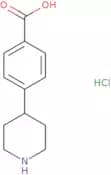
CAS:<p>1-(2-Hydroxyethyl)piperazine is a chemical solvent that is used for the absorption of amines and other compounds. It has been shown to have a high affinity for acidic substances, which may be due to its ability to form hydrogen bonds with them. 1-(2-Hydroxyethyl)piperazine is also used in sample preparation for the analysis of amines and other compounds in fruit extracts. The solubility of 1-(2-Hydroxyethyl)piperazine depends on the experimental conditions, including pH, temperature, and pressure. FT-IR spectroscopy has been used to measure the vibrational modes of 1-(2-Hydroxyethyl)piperazine molecules. The IR spectrum revealed that this compound contains a hydroxyl group and two fatty acid chains with one or more hydroxyl groups at their terminal end. The nmr spectrum showed that 1-(2-Hydroxyethyl)piperazine contains an NH proton as well as</p>Formula:C6H14N2OPurity:Min. 95%Color and Shape:Clear LiquidMolecular weight:130.19 g/mol4-(Piperidin-4-yl)benzoic acid hydrochloride
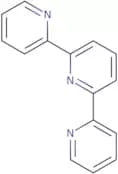
CAS:<p>Please enquire for more information about 4-(Piperidin-4-yl)benzoic acid hydrochloride including the price, delivery time and more detailed product information at the technical inquiry form on this page</p>Formula:C12H16ClNO2Purity:Min. 95%Molecular weight:241.71 g/mol2,2', 2'' -Terpyridine
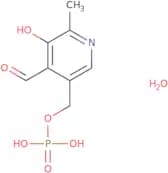
CAS:<p>2,2', 2'' -Terpyridine is a chelate ligand that is used in wastewater treatment. It can be synthesized by reacting 2-aminopyridine with ethylene diamine and 2,4-dichloro-1,3-dithiolane. The x-ray crystal structures of the ligand show that it has a coordination geometry of octahedral and its reaction mechanism is an oxidation. The chelate ligand binds to the metal ion in the same way as other ligands and stabilizes it by forming hydrogen bonds. This compound has significant cytotoxicity against carcinoma cell lines and also inhibits the mitochondrial membrane potential (MMP). 2,2', 2'' -Terpyridine is classified as group p2 due to its redox potentials and cytotoxicity.</p>Formula:C15H11N3Purity:Min. 95%Molecular weight:233.27 g/molPyridoxal-5-phosphate monohydrate
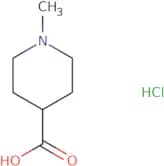
CAS:Bioavailable form of vitamin B6; coenzyme; food supplementFormula:C8H10NO6P·H2OPurity:Min. 98.5 Area-%Color and Shape:Off-White Slightly Yellow PowderMolecular weight:265.16 g/mol1-Methylpiperidine-4-carboxylic acid hydrochloride
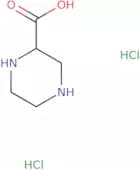
CAS:<p>1-Methylpiperidine-4-carboxylic acid hydrochloride is a betaine. Betaines are intermediates in the biosynthesis of phosphocholine, which is an important component of all cell membranes. 1-Methylpiperidine-4-carboxylic acid hydrochloride has been analyzed and quantified in fruits and plants such as beets, bananas, oranges, and tomatoes. It can be found in the roots of plants and has been shown to inhibit abiotic stress. This compound is also present in the human body as a result of its ingestion from food sources. 1-Methylpiperidine-4-carboxylic acid hydrochloride inhibits proline synthesis by competing with glycine for the enzyme choline acetyltransferase. It also inhibits synthesis of pipecolic acid (a precursor for histamine) by competing with glycine for the enzyme choline acetyltransferase.</p>Formula:C7H14NO2ClPurity:Min. 95%Molecular weight:179.64 g/molPiperazine-2-carboxylic acid dihydrochloride
CAS:<p>Piperazine-2-carboxylic acid dihydrochloride (PZC) is an aminopyrimidine antibiotic that binds to the amine groups of plasma proteins and hydroxyapatite. It has been shown to have a specific interaction with Gram-negative bacteria, such as Escherichia coli and Salmonella typhimurium, as well as cancer cells. PZC can be used as a modifier in the treatment of staphylococcal infections and has been shown to inhibit protein synthesis in mammalian cells. PZC interacts with histidine residues on the surface of bacterial cells and inhibits their growth by binding to sites on DNA called triplexes. This drug also specifically binds to primary amines and reacts with other molecules containing amines such as polyamines, amides, or thiols.</p>Formula:C5H12Cl2N2O2Purity:Min. 95%Color and Shape:PowderMolecular weight:203.07 g/mol(2E)-1-[5,6-Dihydro-3-(trifluoromethyl)-1,2,4-triazolo[4,3-a]pyrazin-7(8H)-yl]-4-(2,4,5-trifluorophenyl)-2-buten-1-one
CAS:<p>Please enquire for more information about (2E)-1-[5,6-Dihydro-3-(trifluoromethyl)-1,2,4-triazolo[4,3-a]pyrazin-7(8H)-yl]-4-(2,4,5-trifluorophenyl)-2-buten-1-one including the price, delivery time and more detailed product information at the technical inquiry form on this page</p>Formula:C16H12F6N4OPurity:95%NmrMolecular weight:390.28 g/mol4-Bromo-3-(trifluoromethoxy)pyridine hydrobromide
CAS:<p>Please enquire for more information about 4-Bromo-3-(trifluoromethoxy)pyridine hydrobromide including the price, delivery time and more detailed product information at the technical inquiry form on this page</p>Formula:C6H3BrF3NO•BrHPurity:Min. 95%Molecular weight:322.91 g/mol5,6,7,7a-Tetrahydrothieno[3,2-c]pyridinone hydrochloride
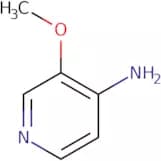
CAS:<p>5,6,7,7a-Tetrahydrothieno[3,2-c]pyridinone hydrochloride is a ketone with the chemical formula of C5H5NO2. It has been synthesized by acetylation of 5,6-dihydro-1,4-thieno[3,2-c]pyridinone in solvents and alkali. The reaction product has a melting point of 116–118 degrees Celsius. 5,6,7,7a-Tetrahydrothieno[3,2-c]pyridinone hydrochloride is used as a target compound for synthesis of prasugrel. Prasugrel is an antiplatelet drug that works by inhibiting the enzyme ADP P2Y 12 . This inhibition prevents activation of platelets and reduces platelet aggregation. The reactants toluene and chlorine were used in</p>Formula:C7H10ClNOSPurity:Min. 97 Area-%Color and Shape:PowderMolecular weight:191.68 g/mol4-Amino-3-methoxypyridine
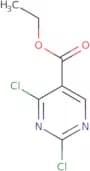
CAS:<p>4-Amino-3-methoxypyridine (4AMMP) is a naturally occurring amino acid that can be found in the nuclei of innervated tissues. It is an inhibitor of the enzyme tyrosine hydroxylase and inhibits the synthesis of catecholamines. The concentration of 4AMMP in blood was measured by radioactivity. This agent has been used for studies on the thalamic nucleus and cortex, as well as for measuring catecholamine levels in tissue homogenates.</p>Formula:C6H8N2OPurity:Min. 95%Molecular weight:124.14 g/molEthyl 2,4-dichloropyrimidine-5-carboxylate
CAS:<p>Please enquire for more information about Ethyl 2,4-dichloropyrimidine-5-carboxylate including the price, delivery time and more detailed product information at the technical inquiry form on this page</p>Formula:C7H6Cl2N2O2Purity:Min. 95%Molecular weight:221.04 g/mol3-Boc-amino-2,6-dioxopiperidine
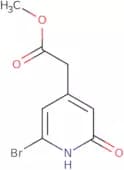
CAS:<p>Please enquire for more information about 3-Boc-amino-2,6-dioxopiperidine including the price, delivery time and more detailed product information at the technical inquiry form on this page</p>Formula:C10H16N2O4Purity:Min. 95%Molecular weight:228.25 g/molMethyl 6-bromo-1,2-dihydro-2-oxo-4-pyridineacetate
CAS:<p>Please enquire for more information about Methyl 6-bromo-1,2-dihydro-2-oxo-4-pyridineacetate including the price, delivery time and more detailed product information at the technical inquiry form on this page</p>Formula:C8H8BrNO3Purity:Min. 95%Molecular weight:246.06 g/mol(αR)-α-(2-Chlorophenyl)-2H-tetrazole-2-ethanol
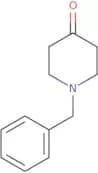
CAS:<p>Please enquire for more information about (αR)-α-(2-Chlorophenyl)-2H-tetrazole-2-ethanol including the price, delivery time and more detailed product information at the technical inquiry form on this page</p>Formula:C9H9ClN4OPurity:Min. 95%Molecular weight:224.65 g/molN-Benzyl-4-piperidone
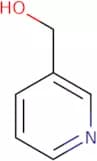
CAS:Controlled Product<p>N-Benzyl-4-piperidone is a potent antagonist of the histamine H1 receptor. It binds to the receptor in vivo, and it has been shown that this binding leads to a decrease in the release of neurotransmitters in the central nervous system. This drug is used for the treatment of hiv infection and for other conditions such as allergic rhinitis, chronic idiopathic urticaria, and vasomotor rhinitis. N-Benzyl-4-piperidone inhibits the reaction between propionyl chloride and dibutyltin oxide to form a dialkyl tin compound by an acylation reaction. The low energy released during this reaction may be due to hydrogen bonding between this drug and water molecules.</p>Formula:C12H15NOPurity:Min. 95%Color and Shape:Colorless Clear LiquidMolecular weight:189.25 g/mol3-Pyridinemethanol
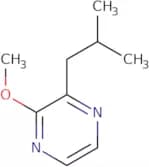
CAS:<p>3-Pyridinemethanol is a chemical compound that is soluble in water. It has a molecular weight of 92.07 grams per mole, and the chemical formula CH3CH2NH. 3-Pyridinemethanol is used as a reagent for the synthesis of organic compounds, such as chlorides, esters, amides, nitriles, and thioamides. 3-Pyridinemethanol reacts with chloride to form an intermediate which reacts with water to produce hydrochloric acid and ammonium chloride. This reaction also produces heat, which can be used to generate energy or power other reactions. br> br> A nanotube was synthesized from 3-pyridinemethanol by using a template made from nickel atoms arranged in a hexagonal pattern on the surface of an indium tin oxide (ITO) glass substrate. The nanotubes are about 5 nm in diameter and can be up</p>Formula:C6H7NOPurity:Min. 95%Molecular weight:109.13 g/mol2-Isobutyl-3-methoxypyrazine
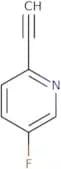
CAS:<p>2-Isobutyl-3-methoxypyrazine is a hydrophobic compound that is not soluble in water. It has a bound form and can be titrated with calorimetry. 2-Isobutyl-3-methoxypyrazine is synthesized by reacting 2,2,4-trimethylpentane with methoxyacetone in the presence of sodium methylate. The compound has been detected as an odorant in numerous plant species and is believed to play a role in plant physiology. 2-Isobutyl-3-methoxypyrazine has been shown to have potent antiviral activity against infectious diseases such as HIV, herpes simplex virus type 1 (HSV1), and varicella zoster virus (VZV). This specific antiviral activity may be due to its ability to bind fatty acids by hydrogen bonds, which may interfere with the synthesis of viral membranes.</p>Formula:C9H14N2OPurity:Min. 95%Molecular weight:166.22 g/mol2-Ethynyl-5-fluoropyridine
CAS:<p>2-Ethynyl-5-fluoropyridine is an antagonist drug that is selective for orexin receptors. It has been shown to have a high affinity to the orexin receptor, with a potency that is 10 times higher than the reference compound, benzamide. 2-Ethynyl-5-fluoropyridine has been shown in clinical trials to be effective against narcolepsy and insomnia. This drug also had no adverse effects on cognitive function or psychomotor performance. Research into this compound is ongoing, as it may have potential use in other applications such as Parkinson's disease or Alzheimer's disease.</p>Formula:C7H4FNPurity:Min. 95%Molecular weight:121.11 g/mol3-Bromopyridin-4-ol
CAS:<p>3-Bromopyridin-4-ol is a pyrrole that can be used as a cancer therapy. It inhibits the growth of cancer cells by binding to the mkn-45 on the surface of the cell, which prevents it from binding to other proteins and initiating cell proliferation. 3-Bromopyridin-4-ol also inhibits 2-amino-4-hydroxypyridine aminations, which are reactions that produce compounds that promote cancer. This compound class has inhibitory activity against the growth of cancer cells in vitro and in vivo. 3-Bromopyridin-4-ol is an oxindole and amide with a hydroxy group on its side chain. It can be synthesized from 3-bromo-5 hydroxypyridine by reacting it with ammonia or methylamine. The synthesis of this compound can be achieved by reacting 2 chloroacetaldehyde with nitroethane in presence</p>Formula:C5H4BrNOPurity:Min. 95%Color and Shape:PowderMolecular weight:174 g/molPiperazine citrate
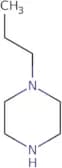
CAS:Please enquire for more information about Piperazine citrate including the price, delivery time and more detailed product information at the technical inquiry form on this pageFormula:(C4H10N2)3·(C6H8O7)2Purity:Min. 95%Color and Shape:PowderMolecular weight:642.65 g/mol1-Propylpiperazine
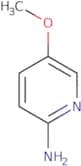
CAS:<p>1-Propylpiperazine is a piperazine derivative with immobilizing properties. It has been shown to inhibit the growth of infectious agents by binding to the amine group in dopamine or tyramine and interfering with neurotransmission. 1-Propylpiperazine has also been shown to have anti-cancer activity, which may be due to its ability to induce apoptosis and inhibit cancer cell proliferation.</p>Formula:C7H16N2Purity:Min. 95%Molecular weight:128.22 g/mol2-Amino-5-methoxypyridine
CAS:<p>2-Amino-5-methoxypyridine (2AM5MP) is a synthetic compound that is used to study the nicotinic acetylcholine receptor. It has been shown that 2AM5MP can be used as an agonist for the nicotinic acetylcholine receptor, which may be due to its ability to act as a substrate for amine oxidase. This compound has been shown to have anti-cancer properties and fluoresce when exposed to positron emission tomography (PET) scans. The anti-cancer effects of 2AM5MP are thought to be due to its ability to inhibit cancer cell proliferation and induce cancer cell apoptosis.</p>Formula:C6H8N2OPurity:Min. 95%Molecular weight:124.14 g/mol11-(1-Piperazinyl)-dibenzo[b,f][1,4]thiazepine dihydrochloride
CAS:<p>11-(1-Piperazinyl)-dibenzo[b,f][1,4]thiazepine dihydrochloride is a long-acting drug that has been synthesized as an analog of diazepam. The compound is characterized by high diffraction, interaction and evaporation constants and low molecular weight. It is soluble in water and methanol. 11-(1-Piperazinyl)-dibenzo[b,f][1,4]thiazepine dihydrochloride has been shown to have a constant pharmacokinetic profile and high chemical stability in vivo.</p>Formula:C17H17N3S·2HClPurity:Min. 98 Area-%Color and Shape:White Off-White PowderMolecular weight:368.32 g/mol5-Bromothieno[2,3-b]pyridine
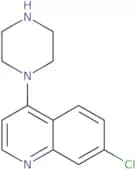
CAS:<p>Please enquire for more information about 5-Bromothieno[2,3-b]pyridine including the price, delivery time and more detailed product information at the technical inquiry form on this page</p>Formula:C7H4BrNSPurity:Min. 95%Molecular weight:214.08 g/mol7-Chloro-4-piperazinylquinoline
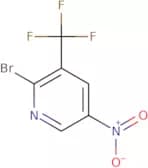
CAS:<p>7-Chloro-4-piperazinylquinoline is a quinoline derivative that belongs to the group of organic solvents. It has anticancer activity and is used as a medicine. 7-Chloro-4-piperazinylquinoline is used as an intermediate in the preparation of sorafenib, which is a potent inhibitor of the protein tyrosine kinase. Sorafenib inhibits cancer cell proliferation and tumor growth by blocking the activity of tyrosine kinases, which are necessary for cellular proliferation and survival. It also inhibits phospholipase A2, which leads to cell death by apoptosis.</p>Formula:C13H14ClN3Purity:Min. 95%Molecular weight:247.72 g/mol2-Bromo-5-nitro-3-(trifluoromethyl)pyridine
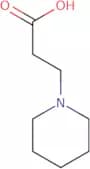
CAS:<p>2-Bromo-5-nitro-3-(trifluoromethyl)pyridine is a white crystalline compound that is soluble in water. It has high melting point and is stable at high temperatures. This chemical has been recycled from terephthalic acid by the cyanation reaction with sodium nitrite, followed by hydrogenation of 2-bromo-5-nitro-3-(trifluoromethyl)pyridine to 5,6-dichloro-2,4,6-(1H,3H)-triazine. The target product of this recycling process is terephthalic acid. 2-Bromo-5-nitro-3-(trifluoromethyl)pyridine can be used as a catalyst for the preparation of drugs for urogenital use.</p>Purity:Min. 95%3-Piperidin-1-ylpropanoic acid
CAS:<p>3-Piperidin-1-ylpropanoic acid is a hydroxylated compound that belongs to the group of aromatic hydrocarbons. It has been shown to inhibit the activity of enzymes such as model studies and test compounds, which are used in biological samples. 3-Piperidin-1-ylpropanoic acid is not active against mouse tumor cells and does not show any locomotor activity. The terminal half life of this drug has been determined in urine samples from mice at 20 hours.</p>Formula:C8H15NO2Purity:Min. 95%Molecular weight:157.21 g/mol3-Hydroxy-5-methylpyridine
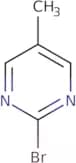
CAS:<p>3-Hydroxy-5-methylpyridine (3HMP) is a chemical substance that has been classified as an amine. It is a product of the metabolism of purines, which are nitrogenous bases found in DNA and RNA. 3HMP is produced by aerogenic bacteria (such as Enterobacter), and can be used to estimate the number of these bacteria present in water samples. 3HMP has been shown to have antiviral properties against influenza virus, and can be used as a biomarker for the presence of other viruses in animals. 3HMP also has mineralization properties, which have been studied extensively, particularly with regards to pancreatic disease.</p>Formula:C6H7NOPurity:Min. 95%Color and Shape:PowderMolecular weight:109.13 g/mol2-Bromo-5-methylpyrimidine
CAS:<p>Please enquire for more information about 2-Bromo-5-methylpyrimidine including the price, delivery time and more detailed product information at the technical inquiry form on this page</p>Formula:C5H5BrN2Purity:95%NmrMolecular weight:173.01 g/mol2-chloro-3-fluoropyridin-4-amine
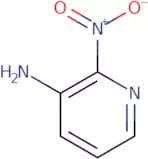
CAS:<p>Please enquire for more information about 2-chloro-3-fluoropyridin-4-amine including the price, delivery time and more detailed product information at the technical inquiry form on this page</p>Formula:C5H4ClFN2Purity:Min. 95%Molecular weight:146.55 g/mol3-Amino-2-nitropyridine
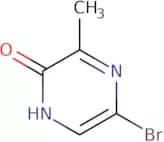
CAS:<p>3-Amino-2-nitropyridine is a heterocyclic compound that is an oxidation product of 2,4,6-trinitrotoluene. 3-Amino-2-nitropyridine is a potent inhibitor of the d4 receptor and has been shown to be active in animal models of cancer and autoimmune diseases. The mechanism of action of this drug is not well understood, but it has been found to inhibit cell proliferation in vitro by binding to nucleophilic sites on the receptor. Nitrobenzoic acid may also contribute to its activity. 3-Amino-2-nitropyridine inhibits inflammatory responses by inhibiting cell proliferation and migration.</p>Formula:C5H5N3O2Purity:Min. 95%Molecular weight:139.11 g/mol5-Bromo-2-hydroxy-3-methyl pyrazine
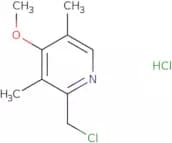
CAS:<p>Please enquire for more information about 5-Bromo-2-hydroxy-3-methyl pyrazine including the price, delivery time and more detailed product information at the technical inquiry form on this page</p>Purity:Min. 95%2-(Chloromethyl)-4-methoxy-3,5-dimethylpyridine hydrochloride
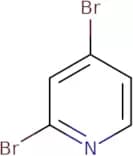
CAS:<p>2-(Chloromethyl)-4-methoxy-3,5-dimethylpyridine hydrochloride is a benzimidazole derivative. It has a chemical stability and can be used for wastewater treatment. It is also a pump inhibitor and can be used for anhydrous sodium magnesium salts. This product is synthesized from the reaction of protonated 2-bromo-4-methoxyphenol with 2,6-dimethylpyridine in the presence of hydrochloric acid. The reaction was carried out in an asymmetric synthesis using a proton transport system. 2-(Chloromethyl)-4-methoxy-3,5-dimethylpyridine hydrochloride is soluble in water and has a pH of 1 to 3. It has been shown that this product can be used as an antioxidant and as a metal chelation agent.</p>Formula:C9H13Cl2NOPurity:Min. 95%Color and Shape:PowderMolecular weight:222.11 g/mol2,4-Dibromopyridine
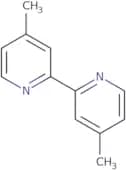
CAS:<p>2,4-Dibromopyridine is a brominated derivative of pyridine. It is synthesized through the substitution of two bromine atoms for two hydrogens on the pyridine ring. This synthesis can be achieved by disubstitution or cross-coupling reactions. The reaction products are nucleophilic and react with electrophiles to produce substitution products. The reaction mechanism is thought to involve a six-membered transition state, which has been observed using X-ray absorption spectroscopy.</p>Formula:C5H3Br2NPurity:Min. 95%Color and Shape:White To Off-White SolidMolecular weight:236.89 g/mol4,4'-Dimethyl-2,2'-bipyridine
CAS:<p>4,4'-Dimethyl-2,2'-bipyridine is a molecule that belongs to the group of p2 metal complexes. It has been shown to have synergistic effects with ruthenium complexes in analytical chemistry and electrochemical studies. Theoretical calculations have been performed for 4,4'-dimethyl-2,2'-bipyridine and its derivatives. These calculations show that the molecule is planar and that it can be considered as a diazonium salt. The photochemical properties of 4,4'-dimethyl-2,2'-bipyridine have also been studied in detail. This substance emits light when excited by ultraviolet light or visible light, which makes it an excellent candidate for use as a luminescent material in optical displays.</p>Formula:C12H12N2Purity:Min. 98%Color and Shape:Slightly Yellow PowderMolecular weight:184.24 g/mol4,4'-Bis(hydroxymethyl)-2,2-bipyridine
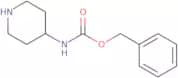
CAS:4,4'-Bis(hydroxymethyl)-2,2-bipyridine is a replication inhibitor that has been used in the treatment of cancer. It has also been shown to be effective in the treatment of metabolic disorders and chronic bronchitis. 4,4'-Bis(hydroxymethyl)-2,2-bipyridine binds to the active site of human HMG-CoA reductase, which is an enzyme involved in cholesterol synthesis. This binding prevents the formation of HMG-CoA, preventing the conversion of acetyl coenzyme A into cholesterol. The drug also binds to microbial metabolism enzymes such as fatty acid synthase and alkanoic acid oxidoreductases and has significant cytotoxicity.Formula:C12H12N2O2Purity:Min. 95%Color and Shape:PowderMolecular weight:216.24 g/mol4-Cbz-aminopiperidine
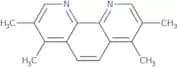
CAS:<p>Please enquire for more information about 4-Cbz-aminopiperidine including the price, delivery time and more detailed product information at the technical inquiry form on this page</p>Formula:C13H18N2O2Purity:Min. 95%Molecular weight:234.29 g/mol3,4,7,8-Tetramethyl-1,10-phenanthroline
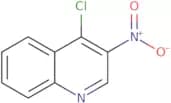
CAS:<p>Metal-chelating agent</p>Formula:C16H16N2Purity:Min. 98 Area-%Color and Shape:White PowderMolecular weight:236.31 g/mol4-Chloro-3-nitroquinoline
CAS:<p>4-Chloro-3-nitroquinoline is a quinoline derivative that can be synthesized by cross-coupling reaction. The amide and n-oxide functional groups are the most reactive sites. It can react with nucleophiles such as haloamines, azides, and pyridazines to form covalent bonds. 4-Chloro-3-nitroquinoline has been shown to have anti-HIV activity in vitro and in vivo in animal models. In addition, this compound has shown potential use for the treatment of leishmania.</p>Formula:C9H5ClN2O2Purity:Min. 95%Color and Shape:Slightly Yellow PowderMolecular weight:208.6 g/molN-[5-(4-Bromophenyl)-6-(2-hydroxyethoxy)-4-pyrimidinyl]-N′-propylsulfamide
CAS:<p>Please enquire for more information about N-[5-(4-Bromophenyl)-6-(2-hydroxyethoxy)-4-pyrimidinyl]-N′-propylsulfamide including the price, delivery time and more detailed product information at the technical inquiry form on this page</p>Formula:C15H19BrN4O4SPurity:Min. 95%Molecular weight:431.31 g/mol4-Piperidylformylaminomethyl resin (200-400 mesh)
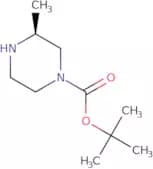
<p>Please enquire for more information about 4-Piperidylformylaminomethyl resin (200-400 mesh) including the price, delivery time and more detailed product information at the technical inquiry form on this page</p>Purity:Min. 95%Color and Shape:Solid(S)-1-Boc-3-methylpiperazine
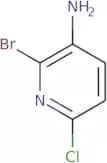
CAS:<p>(S)-1-Boc-3-methylpiperazine is a hydrophobic compound that is structurally modified from the tetracyclic family of drugs. It has been shown to inhibit tumor cell growth by binding to the oncogene, KRASG12C, and downregulating its expression. (S)-1-Boc-3-methylpiperazine also inhibits cancer cell growth through the inhibition of the PI3K/AKT signaling pathway. The pharmacological effects of (S)-1-Boc-3-methylpiperazine are dependent on its ability to bind with high affinity to KRASG12C and inhibit its activity.</p>Formula:C10H20N2O2Purity:Min. 95%Color and Shape:White PowderMolecular weight:200.28 g/mol3-Amino-2-bromo-6-chloropyridine
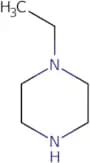
CAS:<p>Please enquire for more information about 3-Amino-2-bromo-6-chloropyridine including the price, delivery time and more detailed product information at the technical inquiry form on this page</p>Formula:C5H4BrClN2Purity:Min. 95%Molecular weight:207.46 g/moln-Ethylpiperazine
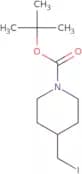
CAS:Controlled Product<p>N-Ethylpiperazine is an acid that is resistant to hydrochloric acid and has been shown to have a constant pH of 4.8-6.0 in vitro assays. It has been shown to inhibit the growth of sildenafil-resistant mutants, which can be attributed to its ability to inhibit bacterial DNA gyrase, topoisomerase IV, and protein synthesis. N-Ethylpiperazine binds to the receptor binding site of the enzyme with a molecular docking analysis and prevents the formation of an active complex with the enzyme by competitive inhibition. This inhibits the activity of these enzymes, which are necessary for DNA replication and protein synthesis.</p>Formula:C6H14N2Purity:Min. 95%Color and Shape:Colorless Clear LiquidMolecular weight:114.19 g/mol1-Boc-4-Iodomethyl-Piperidine
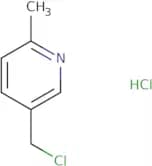
CAS:<p>Please enquire for more information about 1-Boc-4-Iodomethyl-Piperidine including the price, delivery time and more detailed product information at the technical inquiry form on this page</p>Formula:C11H20INO2Color and Shape:PowderMolecular weight:325.19 g/mol2-Methyl-5-chloromethylpyridineHydrochloride
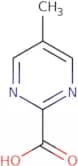
CAS:<p>Please enquire for more information about 2-Methyl-5-chloromethylpyridineHydrochloride including the price, delivery time and more detailed product information at the technical inquiry form on this page</p>Formula:C7H9Cl2NPurity:Min. 95%Molecular weight:178.06 g/mol5-Methylpyrimidine-2-carboxylic acid
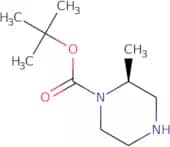
CAS:<p>Please enquire for more information about 5-Methylpyrimidine-2-carboxylic acid including the price, delivery time and more detailed product information at the technical inquiry form on this page</p>Formula:C6H6N2O2Purity:Min. 95%Molecular weight:138.12 g/mol(S)-1-N-Boc-2-methylpiperazine
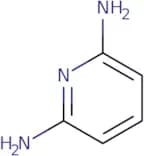
CAS:<p>(S)-1-N-Boc-2-methylpiperazine is a quinolone synthon that has been shown to have antibacterial activity against bacteria. The synthesis of this compound is done through the condensation of piperazine with an N-Boc protected 2,6-dichloroquinoline. This reaction proceeds in good yield and enantioselectivity. The antibacterial properties of (S)-1-N-Boc-2-methylpiperazine are not yet known.</p>Formula:C10H20N2O2Purity:Min. 95%Color and Shape:White PowderMolecular weight:200.28 g/mol2,6-Diaminopyridine
CAS:<p>2,6-Diaminopyridine is a heterocyclic compound that is used in analytical chemistry as an indicator for the presence of protonated amines. It is prepared by coupling 2,6-diamino-pyridine with 1,3-benzodioxole-5-carboxylic acid. The nitrogen atoms are electron withdrawing groups and form hydrogen bonding interactions with the protonated amine. This type of interaction leads to a phase transition temperature of about 115°C and a high value for electrochemical impedance spectroscopy (EIS) measurements. The reaction mechanism involves the formation of a protonated amine from 2,6-diaminopyridine and 1,3-benzodioxole-5-carboxylic acid followed by proton transfer to yield the corresponding pyridinium salt.</p>Formula:C5H7N3Purity:Min. 95%Color and Shape:Beige To Brown SolidMolecular weight:109.13 g/mol4,5-Dihydro-1H-imidazol-2-amine hydrochloride
CAS:<p>Please enquire for more information about 4,5-Dihydro-1H-imidazol-2-amine hydrochloride including the price, delivery time and more detailed product information at the technical inquiry form on this page</p>Formula:C3H7N3•HClPurity:Min. 95%Molecular weight:121.57 g/mol2-[Chloro(4-chlorophenyl)methyl]-pyridine
CAS:<p>Please enquire for more information about 2-[Chloro(4-chlorophenyl)methyl]-pyridine including the price, delivery time and more detailed product information at the technical inquiry form on this page</p>Formula:C12H9Cl2NPurity:Min. 95%Molecular weight:238.11 g/molBenzopyrazine-6-boronic acidHCl
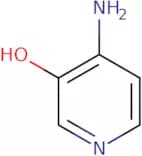
CAS:<p>Please enquire for more information about Benzopyrazine-6-boronic acidHCl including the price, delivery time and more detailed product information at the technical inquiry form on this page</p>Formula:C8H8BClN2O2Purity:Min. 95%Molecular weight:210.43 g/mol4-Amino-3-hydroxypyridine
CAS:<p>4-Amino-3-hydroxypyridine is a cholinergic drug that has a dose-proportional profile. This drug has been shown to be clinically relevant in humans, and the clinical studies have demonstrated a clear pharmacokinetic profile. 4-Amino-3-hydroxypyridine is metabolized by carbamic acid to form an active metabolite, which binds acetylcholine receptors on cells. This binding results in increased levels of acetylcholine, which can lead to muscle contraction. The drug also inhibits plasma concentrations of other drugs such as warfarin and phenytoin, which may lead to adverse effects or reduced therapeutic efficacy. 4-Amino-3-hydroxypyridine also has functional groups that make it soluble in water and able to cross the blood–brain barrier. In cell culture experiments, 4-amino-3-hydroxypyridine inhibited the growth of rat striatal neurons.</p>Formula:C5H6N2OPurity:Min. 95%Color and Shape:Off-White PowderMolecular weight:110.11 g/moltert-Butyl6-[(1e)-2-[4-(4-fluorophenyl)-6-(1-methylethyl)-2-[methyl(methylsulfonyl)amino]-5-pyrimidinyl]ethenyl]-2,2-dimethyl-1,3-di oxane-4-acetate
CAS:<p>Please enquire for more information about tert-Butyl6-[(1e)-2-[4-(4-fluorophenyl)-6-(1-methylethyl)-2-[methyl(methylsulfonyl)amino]-5-pyrimidinyl]ethenyl]-2,2-dimethyl-1,3-di oxane-4-acetate including the price, delivery time and more detailed product information at the technical inquiry form on this page</p>Formula:C29H40FN3O6SPurity:Min. 95%Molecular weight:577.71 g/mol4,6-Dichloro-1H-pyrazolo[4,3-c]pyridine
CAS:<p>4,6-Dichloro-1H-pyrazolo[4,3-c]pyridine is a reagent that has been used as a building block for the synthesis of other compounds. It is also used in the preparation of a variety of organic compounds. 4,6-Dichloro-1H-pyrazolo[4,3-c]pyridine is soluble in organic solvents such as chloroform and ethanol, and can be stored at room temperature. This compound reacts with acids to produce an acid chloride that are useful for the formation of amides and esters. This product has been shown to have a high quality and is suitable for use in research or development.</p>Formula:C6H3Cl2N3Purity:Min. 95%Color and Shape:Yellow to beige solid.Molecular weight:188.01 g/mol4,6-Dichloro-pyridin-3-ylamine
CAS:<p>Please enquire for more information about 4,6-Dichloro-pyridin-3-ylamine including the price, delivery time and more detailed product information at the technical inquiry form on this page</p>Formula:C5H4Cl2N2Purity:Min. 95%Color and Shape:PowderMolecular weight:163 g/mol2-Chloromethyl-3,5-dimethylpyridin-4-ol
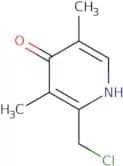
CAS:<p>Please enquire for more information about 2-Chloromethyl-3,5-dimethylpyridin-4-ol including the price, delivery time and more detailed product information at the technical inquiry form on this page</p>Formula:C8H10ClNOPurity:Min. 95%Molecular weight:171.62 g/molPyridine-2-aldoxime
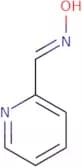
CAS:<p>Pyridine-2-aldoxime is a chemical compound that is used as a pesticide. It is an inhibitor of acetylcholinesterase, and it can be toxic at low doses. Pyridine-2-aldoxime binds to the active site of acetylcholinesterase and prevents the breakdown of acetylcholine by this enzyme, leading to paralysis of the respiratory muscles. Pyridine-2-aldoxime has been shown to be effective against chronic oral exposure to sarin gas, with lethal dose (LD) values ranging from 0.5–1 mg/kg in rats.</p>Formula:C6H6N2OPurity:Min. 95%Color and Shape:White PowderMolecular weight:122.12 g/mol4-Hydroxypiperidine
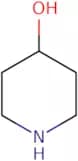
CAS:<p>4-Hydroxypiperidine is a molecule with a carbonyl group. It is the most active and selective CCR5 receptor antagonist that has been studied to date. 4-Hydroxypiperidine inhibits HIV infection by preventing the binding of HIV to its receptor on the surface of white blood cells, thereby preventing it from entering these cells. 4-Hydroxypiperidine also acts as an anti-inflammatory agent in chronic bronchitis patients, due to its ability to inhibit prostaglandin synthesis. The chemical ionization mass spectra of this molecule show peaks for methyl ethyl, malic acid, and hydroxyl groups. These properties make 4-hydroxypiperidine a useful candidate for drug development against inflammatory diseases and several cancers.</p>Formula:C5H11NOPurity:Min. 95%Molecular weight:101.15 g/mol1-Benzyl-3-piperidone HCl hydrate
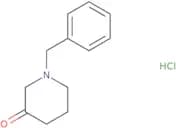
CAS:<p>1-Benzyl-3-piperidone HCl hydrate is a synthetic organic compound that is used as a neutralizing agent in industrial processes. It is typically used in the extraction of metal ions from an acid solution, although it can also be used as a catalyst for chemical reactions. The neutralization reaction product, 1-benzyl-3-piperidone, has been reported to have significant antibacterial activity. The use of 1-benzyl-3-piperidone HCl hydrate may be limited by its high cost and toxicity.</p>Formula:C12H15NO·HCl·xH2OPurity:Min. 95%Color and Shape:PowderMolecular weight:225.71 g/mol4-(tert-Butyldimethylsilyloxymethyl)pyridine
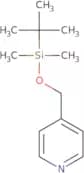
CAS:<p>4-(tert-Butyldimethylsilyloxymethyl)pyridine is a reagent that is used to prepare stoichiometric quantities of triethyloxonium ions in the presence of catalytic amounts of palladium. 4-(tert-Butyldimethylsilyloxymethyl)pyridine is also used as an anticancer agent, which may be due to its ability to inhibit cell proliferation and induce apoptosis. This compound has been shown to prevent the growth of micellar structures and reduce the rate of ester hydrolysis. It also has the ability to convert into two enantiomers, one with a hydroxyl group on the methylene carbon at position 4 and another with an alcohol group on this same carbon.</p>Formula:C12H21NOSiPurity:Min. 95%Color and Shape:Yellow LiquidMolecular weight:223.39 g/mol2,5-Pyrazinediethanol
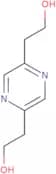
CAS:<p>2,5-Pyrazinediethanol is a neutral compound that hydrolyzes in water to form the acidic 2,5-diketopiperazine. It also reacts with sodium hydroxide to form the alkaline 2,5-diketopiperazine. The chemical structure of this compound is similar to that of clavulanic acid, which is a drug used in combination with amoxicillin (a penicillin antibiotic) for the treatment of bacterial infections. 2,5-Pyrazinediethanol has been shown to have antibacterial properties against Escherichia coli and Bacillus subtilis. However, it is less active than clavulanic acid against Staphylococcus aureus or Clostridium perfringens.</p>Formula:C8H12N2O2Purity:(%) Min. 97%Color and Shape:PowderMolecular weight:168.19 g/mol3-Morpholino-1-(4-(2-oxopiperidin-1-yl)phenyl)-5,6-dihydropyridin-2(1H)-one
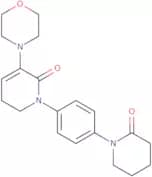
CAS:<p>3-Morpholino-1-(4-(2-oxopiperidin-1-yl)phenyl)-5,6-dihydropyridin-2(1H)-one is a synthetic compound that has been shown to have potent antiplatelet activity. It was developed as a new drug for the prevention of thrombosis and embolism, and was recently approved by the FDA in 2010. The molecular weight of this compound is 459.3 g/mol with an impurity level of 1.2%. 3-Morpholino-1-(4-(2-oxopiperidin-1-yl)phenyl)-5,6-dihydropyridin-2(1H)-one is used in the pulping process for paper production.</p>Formula:C20H25O3N3Purity:Min. 95%Molecular weight:355.43 g/mol1-Boc-2-methyl (2R,3S)-3-hydroxypyrrolidine-2-carboxylate
CAS:<p>Please enquire for more information about 1-Boc-2-methyl (2R,3S)-3-hydroxypyrrolidine-2-carboxylate including the price, delivery time and more detailed product information at the technical inquiry form on this page</p>Formula:C11H19NO5Purity:Min. 95%Molecular weight:245.27 g/mol




![5,7-Dimethyl-[1,2,4]triazolo[1,5-a]pyrimidine-2-carboxylic acid](/_next/image/?url=https%3A%2Fstatic.cymitquimica.com%2Fproducts%2F3D%2Fthumb-webp%2FFD12883.webp&w=3840&q=75)
![1-t-Boc-piperidine-4-spiro-5'-[1',3'-bis-t-boc]-hydantoin](/_next/image/?url=https%3A%2Fstatic.cymitquimica.com%2Fproducts%2F3D%2Fthumb-webp%2FFB18981.webp&w=3840&q=75)

![Cucurbit[7]uril](/_next/image/?url=https%3A%2Fstatic.cymitquimica.com%2Fproducts%2F3D%2Fthumb-webp%2FFC171865.webp&w=3840&q=75)
![(R)-1-[3-[4-Amino-3-(4-phenoxyphenyl)-1H-pyrazolo[3,4-d]pyrimidin-1-yl]piperidin-1-yl]-3-chloropro…](/_next/image/?url=https%3A%2Fstatic.cymitquimica.com%2Fproducts%2F3D%2Fthumb-webp%2FFA183174.webp&w=3840&q=75)



![(2E)-1-[5,6-Dihydro-3-(trifluoromethyl)-1,2,4-triazolo[4,3-a]pyrazin-7(8H)-yl]-4-(2,4,5-trifluorop…](/_next/image/?url=https%3A%2Fstatic.cymitquimica.com%2Fproducts%2F3D%2Fthumb-webp%2FFD103313.webp&w=3840&q=75)

![5,6,7,7a-Tetrahydrothieno[3,2-c]pyridinone hydrochloride](/_next/image/?url=https%3A%2Fstatic.cymitquimica.com%2Fproducts%2F3D%2Fthumb-webp%2FFT28146.webp&w=3840&q=75)




![11-(1-Piperazinyl)-dibenzo[b,f][1,4]thiazepine dihydrochloride](/_next/image/?url=https%3A%2Fstatic.cymitquimica.com%2Fproducts%2F3D%2Fthumb-webp%2FFP32447.webp&w=3840&q=75)
![5-Bromothieno[2,3-b]pyridine](/_next/image/?url=https%3A%2Fstatic.cymitquimica.com%2Fproducts%2F3D%2Fthumb-webp%2FFB111196.webp&w=3840&q=75)



![N-[5-(4-Bromophenyl)-6-(2-hydroxyethoxy)-4-pyrimidinyl]-N′-propylsulfamide](/_next/image/?url=https%3A%2Fstatic.cymitquimica.com%2Fproducts%2F3D%2Fthumb-webp%2FFB183879.webp&w=3840&q=75)


![2-[Chloro(4-chlorophenyl)methyl]-pyridine](/_next/image/?url=https%3A%2Fstatic.cymitquimica.com%2Fproducts%2F3D%2Fthumb-webp%2FFC152996.webp&w=3840&q=75)

![tert-Butyl6-[(1e)-2-[4-(4-fluorophenyl)-6-(1-methylethyl)-2-[methyl(methylsulfonyl)amino]-5-pyrimi…](/_next/image/?url=https%3A%2Fstatic.cymitquimica.com%2Fproducts%2F3D%2Fthumb-webp%2FFB148489.webp&w=3840&q=75)
![4,6-Dichloro-1H-pyrazolo[4,3-c]pyridine](/_next/image/?url=https%3A%2Fstatic.cymitquimica.com%2Fproducts%2F3D%2Fthumb-webp%2FFD35292.webp&w=3840&q=75)