Building Blocks
This section contains fundamental products for the synthesis of organic and biological compounds. Building blocks are the essential starting materials used to construct complex molecules through various chemical reactions. They play a critical role in drug discovery, material science, and chemical research. At CymitQuimica, we offer a diverse range of high-quality building blocks to support your innovative research and industrial projects, ensuring you have the essential components for successful synthesis.
Subcategories of "Building Blocks"
- Boronic Acids & Boronic Acid Derivatives(5,756 products)
- Chiral Building Blocks(1,242 products)
- Hydrocarbon Building Blocks(6,095 products)
- Organic Building Blocks(61,038 products)
Found 196817 products of "Building Blocks"
Sort by
Purity (%)
0
100
|
0
|
50
|
90
|
95
|
100
3,4,5-Trimethoxyacetophenone
CAS:<p>3,4,5-Trimethoxyacetophenone is a natural product that has been shown to be an antimycotic. It has significant cytotoxicity against A549 cells and also inhibits the growth of cancer cells in culture. 3,4,5-Trimethoxyacetophenone has a low bioavailability due to its chemical properties and inhibitory effects on CYP3A4. This compound is metabolized by the liver into metabolites with inhibitory properties. 3,4,5-Trimethoxyacetophenone also binds to methoxy groups on proteins.</p>Formula:C11H14O4Purity:Min. 99 Area-%Color and Shape:White PowderMolecular weight:210.23 g/mol2,3-Dimethoxybenzaldehyde
CAS:<p>2,3-Dimethoxybenzaldehyde is a chemical substance that binds to its ligands by hydrogen bonding and van der Waals forces. It is used in the synthesis of diethyl succinate. 2,3-Dimethoxybenzaldehyde has been shown to inhibit the growth of squamous carcinoma cells. The conversion of 2,3-dimethoxybenzaldehyde into benzoquinone is catalyzed by glucose oxidase and peroxidase. This oxidation process results in a loss of two electrons and one proton from the molecule, changing it from a phenol to an aromatic hydrocarbon.</p>Formula:C9H10O3Purity:Min. 95%Color and Shape:PowderMolecular weight:166.17 g/mol3,4,5-Tribromobenzoic acid
CAS:<p>3,4,5-Tribromobenzoic acid is a metabolite of 3-indoleacetic acid. It is excreted in the urine and has a phaseolus-like physiological activity. This compound has been found to reduce the number of internodes in plants and increase the number of subjacent nodes. In addition, it has been shown to inhibit abscission (the separation of plant parts) by inhibiting the release of auxin from the upper node. The structural properties of 3,4,5-tribromobenzoic acid are similar to those of benzoic acid and it can be found naturally in some plants. Diversity in this chemical has been found among different species: for example, 2,3,5-triiodobenzoic acid is only present in citrus fruits such as oranges and lemons.</p>Formula:C7H3Br3O2Purity:Min. 95%Color and Shape:PowderMolecular weight:358.81 g/mol3-(9-((6-(2,5-Dioxopyrrolidin-1-yloxy)-6-oxohexyl)(tosyl)carbamoyl)acridinium-10-yl)propane-1-sulfonate
CAS:<p>3-(9-((6-(2,5-Dioxopyrrolidin-1-yloxy)-6-oxohexyl)(tosyl)carbamoyl)acridinium-10-yl)propane-1-sulfonate is a fine chemical that is used as a versatile building block for complex compounds. It can be used in the synthesis of research chemicals or reagents, or as a speciality chemical. 3-(9-((6-(2,5-Dioxopyrrolidin-1-yloxy)-6-oxohexyl)(tosyl)carbamoyl)acridinium-10-yl)propane sulfonate can be reacted with other compounds to form useful scaffolds and reaction components. This compound has CAS number 866366–12–3.</p>Formula:C34H35N3O10S2Purity:Min. 95%Color and Shape:PowderMolecular weight:709.79 g/mol2,4,6-Trichlorobenzonitrile
CAS:<p>2,4,6-Trichlorobenzonitrile is a chlorine-containing chemical that has been used as a pesticide. It is a highly toxic substance and can be fatal if ingested. 2,4,6-Trichlorobenzonitrile is converted to chloride in soil and water by microbial action. This chemical can be activated by light or temperature changes and is used in the production of pesticides that are phytotoxic. It also has been shown to have thermodynamic properties that allow it to act as an environmental pollutant. 2,4,6-Trichlorobenzonitrile can react with sulfoxides to form chloromethylation products such as 2,3,5-trichloroethanol. These reactions are catalyzed by metal ions such as Fe(II) and Mn(II).</p>Formula:C7H2Cl3NPurity:Min. 95%Color and Shape:PowderMolecular weight:206.46 g/mol2,4-Dimethoxybenzylamine
CAS:<p>Tak-659 is an amide compound that inhibits the serine protease activity of a number of enzymes, including cathepsin B and L. Tak-659 has been shown to have inhibitory effects on inflammation in animal models by inhibiting the production of inflammatory cytokines. Tak-659 has also been shown to impair protein synthesis in gram-negative bacteria, such as Escherichia coli and Pseudomonas aeruginosa. The mechanism for this inhibition is not entirely clear but may be due to tak-659 binding to the ribosomal RNA near the peptidyl transferase center, blocking the entry of amino acids into the ribosome. Tak-659 binds with high affinity to adenosine receptors and has been shown to reduce levels of inflammatory cytokines in mouse tumor cells.</p>Formula:C9H13NO2Purity:Min. 95%Color and Shape:Colorless Clear LiquidMolecular weight:167.21 g/mol3,3'-Diaminobenzidine
CAS:<p>3,3'-Diaminobenzidine (DAB) is an organic compound derived from benzidine. It is the precursor to the synthetic fibre polybenzimidazole (PBI), which have high thermal and oxidative stability properties. DAB is water-soluble as the tetrahydrochloride salt and is used in immunohistochemical staining of nucleic acids and proteins. Research in Alzheimer's disease, Aβ protein amyloid plaques are targeted by a primary antibody, and subsequently by a secondary antibody, which is conjugated with a peroxidase enzyme. This will bind DAB as a substrate and oxidize it, producing an easily observable brown colour. 3,3’-Diaminobenzidine is also available as the tetrahydrochloride salt and the tetrahydrochloride hydrate.</p>Formula:C12H14N4Purity:Min. 98 Area-%Color and Shape:PowderMolecular weight:214.27 g/mol3,3'-Dithiobis-1-propanesulfonic acid disodium salt
CAS:<p>Brightening agent used for copper electroplating</p>Formula:C6H12O6S4·2NaPurity:Min. 90 Area-%Color and Shape:White PowderMolecular weight:354.39 g/mol5-Bromoindole-2-carboxylic acid ethyl ester
CAS:<p>5-Bromoindole-2-carboxylic acid ethyl ester (5-BIEC) is a carboxamide antibiotic that inhibits the growth of gram-negative bacteria, including pneumoniae. 5-BIEC has been shown to have an inhibitory concentration (IC50) of 0.9 μM against Escherichia coli and other gram negative bacteria. It also has anti-proliferative effects on cancer cells, which may be due to its ability to inhibit DNA replication by binding to the beta subunit of DNA gyrase. 5-BIEC is currently being studied as a potential anticancer drug for the treatment of breast cancer, colon cancer, and leukemia.</p>Formula:C11H10BrNO2Purity:Min. 98 Area-%Color and Shape:PowderMolecular weight:268.11 g/mol4,6-Dihydroxypyrimidine
CAS:<p>4,6-Dihydroxypyrimidine is a competitive inhibitor of the bacterial enzyme DNA gyrase. It binds to the ATP-binding site and blocks the conversion of ATP to ADP. This leads to inhibition of the DNA replication process. 4,6-Dihydroxypyrimidine has shown inhibition constants against various bacterial strains. The kinetic data indicate that this compound is a noncompetitive inhibitor for DNA gyrase. 4,6-Dihydroxypyrimidine also binds to sodium hydroxide solution and forms a Langmuir adsorption isotherm that can be described by an equation with a single binding site. The chemical structure of 4,6-dihydroxypyrimidine consists of three atoms: two hydrogen atoms and one oxygen atom. This molecule has been found in electrochemical impedance spectroscopy experiments using methanol solvent as an electrolyte and monosodium salt as a supporting electrolyte.</p>Formula:C4H4N2O2Purity:Min. 95%Color and Shape:Yellow PowderMolecular weight:112.09 g/mol3,3'-Dihydroxy-2,2'-bipyridine
CAS:<p>3,3'-Dihydroxy-2,2'-bipyridine is a water-soluble drug that has been shown to be cytotoxic. It binds to the hydroxyl group of hemoglobin and prevents it from binding with oxygen. 3,3'-Dihydroxy-2,2'-bipyridine also binds to the cell membrane and enters the cell where it forms a cavity with a chelate ring. The molecule has been shown to have high photophysical properties and can be used in biological studies.</p>Formula:C10H8N2O2Purity:Min. 97.5 Area-%Color and Shape:White PowderMolecular weight:188.18 g/mol2,4,6-Trihydroxybenzophenone
CAS:<p>2,4,6-Trihydroxybenzophenone is a phenolic compound that has been shown to have significant inhibitory activities against the growth of bacteria in vitro. It can be used as a preservative for oils and fats. This product also inhibits the benzoate degradation pathway in E. coli and inhibits the synthesis of phenylpropanoids by inhibiting the activity of phenylalanine ammonia-lyase (PAL). 2,4,6-Trihydroxybenzophenone also has an inhibitory effect on cell proliferation and induces apoptosis in human leukemia cells. 2,4,6-Trihydroxybenzophenone belongs to the group of compounds called hypericins (hyperforin) that are produced by Hypericum perforatum plants. The biosynthesis of this molecule is thought to involve two consecutive hydroxylations at positions 4 and 6 on the aromatic ring.</p>Formula:C13H10O4Purity:Min. 95%Color and Shape:Off-White PowderMolecular weight:230.22 g/mol2,4,6-Trimethoxybenzonitrile
CAS:<p>2,4,6-Trimethoxybenzonitrile is a ligand that forms coordination complexes with metal ions. It can be used to make N-oxide compounds and reaction products with aryl chlorides. The 2,4,6-trimethoxybenzonitrile ligand has been shown to form cross-coupling complexes with benzotriazolyl. This compound is soluble in organic solvents and has a vapor pressure of 0.0025 mm Hg at 25°C. The molecular weight of this compound is 196.2 g/mol and its melting point is 190°C. 2,4,6-Trimethoxybenzonitrile has a symmetric molecule in the gas phase and an asymmetric molecule in solution due to the interactions of hydrogen bonding and van der Waals forces.</p>Formula:C10H11NO3Purity:Min. 95%Color and Shape:PowderMolecular weight:193.2 g/mol2,4,6-Trimethylbenzoic acid
CAS:<p>2,4,6-Trimethylbenzoic acid is a molecule that belongs to the class of carboxylates. It has been shown to exhibit anticarcinogenic properties in patients with cervical cancer. 2,4,6-Trimethylbenzoic acid inhibits the growth of cervical cancer cells by blocking the activation of ferrocenecarboxylic acid (FCCA). This compound also blocks the activity of hydrogen bond and nitrogen atoms that are essential for cell division and development. 2,4,6-Trimethylbenzoic acid is used as an intermediate in the production of ferrocene derivatives. It can be used for acylation reactions with aromatic or aliphatic amines under acidic conditions.</p>Formula:C10H12O2Purity:Min. 95%Color and Shape:PowderMolecular weight:164.2 g/mol2,2'-Bipyridine-4,4'-dicarboxamide
CAS:<p>2,2'-Bipyridine-4,4'-dicarboxamide is a catalyst that can be used in a variety of reactions. It has been used as an additive to increase yields and to accelerate catalytic reactions. The compound also has the ability to oxidize picolinic acid and form formic acid. This product can be used in glycerol synthesis or hydrogen peroxide production. 2,2'-Bipyridine-4,4'-dicarboxamide is a ligand that binds to picolinic acid and peroxide ions, forming an ion pair with the peroxide ion. This complex increases the efficiency of hydrogen peroxide evolution from water by up to 100%.</p>Formula:C12H10N4O2Purity:Min. 95%Color and Shape:PowderMolecular weight:242.23 g/mol1,4-Diaminobutane dihydrochloride
CAS:<p>Ubiquitous polyamine necessary for optimal cell growth</p>Formula:C4H14Cl2N2Purity:Min. 98.0%Color and Shape:PowderMolecular weight:161.07 g/mol2,3,4-Trimethoxy-6-methylbenzaldehyde
CAS:<p>2,3,4-Trimethoxy-6-methylbenzaldehyde is a synthetic coumarin with antibacterial activity. It is synthesized by the condensation of 3-hydroxyacetophenone and benzaldehyde. 2,3,4-Trimethoxy-6-methylbenzaldehyde has been shown to have antibacterial activity against both Gram-positive and Gram-negative bacteria. This molecule has also been shown to inhibit the growth of Gram negative bacteria in the presence of hydrogen peroxide. The crystal structure of this molecule was determined by XRD analysis and shows that it contains a dihedral angle of about 155°.</p>Formula:C11H14O4Purity:Min. 95%Molecular weight:210.23 g/mol(S)-N-Boc-2-aminopent-4-en-1-ol
CAS:<p>(S)-N-Boc-2-aminopent-4-en-1-ol is an organic compound that is a useful scaffold for the synthesis of complex compounds. It is also a useful intermediate in organic synthesis and can be used as a building block to synthesize fine chemicals. The chemical has been registered with CAS number 116613-81-1.</p>Formula:C10H19NO3Purity:Min. 95%Color and Shape:Colourless To Yellow LiquidMolecular weight:201.26 g/mol2,3,4-Trimethoxybenzoic acid
CAS:<p>2,3,4-Trimethoxybenzoic acid is a molecule that has been shown to stimulate epidermal growth. It is a methylating agent that can be used to produce 2-hydroxybenzoic acid from protocatechuic acid. The hydroxy group on the 2,3,4-trimethoxybenzoic acid binds to the chloride ion in the protocatechuic acid and removes it from the molecule. This reaction mechanism is supported by x-ray crystal structures of protocatechuic acid and 2,3,4-trimethoxybenzoic acid.</p>Formula:C10H12O5Purity:Min. 95%Color and Shape:PowderMolecular weight:212.2 g/mol3-Buten-3-ethyl-1-ol
CAS:<p>3-Buten-3-ethyl-1-ol is a versatile building block that can be used as a reagent for chemical synthesis. It is a complex compound that can be used as a reaction component or intermediate in organic synthesis. 3-Buten-3-ethyl-1-ol has been shown to have antiinflammatory properties, which may be due to the inhibition of prostaglandin synthesis.</p>Formula:C6H12OPurity:Min. 95%Color and Shape:Clear LiquidMolecular weight:100.16 g/mol2,4,5-Trimethoxybenzaldehyde
CAS:<p>2,4,5-Trimethoxybenzaldehyde is a natural compound that belongs to the group of sephadex g-100. It is used as an absorbent and has been shown to react with human immunoglobulin in the presence of tiglic acid. The reaction mechanism for this chemical is not well understood but it is believed that intermolecular hydrogen bonding may be occurring. 2,4,5-Trimethoxybenzaldehyde has been shown to have anti-inflammatory effects when tested on rats in a laboratory setting. This chemical has also been used as an analytical reagent for biological samples and biological studies as well as a preparative hplc column. Optical sensors have also been used to detect this chemical in various types of optical sensing experiments. X-ray crystal structures have also been obtained for this compound using synchrotron radiation.</p>Formula:C10H12O4Purity:Min. 98 Area-%Color and Shape:PowderMolecular weight:196.2 g/mol2-Bromo-4-hydroxyacetophenone
CAS:<p>2-Bromo-4-hydroxyacetophenone is a membrane permeable inhibitor of monoamine oxidase (MAO) that has been shown to inhibit the enzyme's activity with an IC50 of 10 μM. It is used as a research tool in biological studies and has been shown to be active against MAO A, MAO B, and MAO C. 2-Bromo-4-hydroxyacetophenone has also been shown to inhibit the growth of carcinoma cells in vitro. This molecule is also a β-unsaturated ketone that binds to catalytic domains and forms covalent bonds with chloride ions. 2-Bromo-4-hydroxyacetophenone can be used as an industrial process catalyst for chemical reactions involving chloride.<br>2-Bromo-4-hydroxyacetophenone synergistically inhibits the growth of cancer cells when combined with other compounds such as trifluoroacetic acid or dichloromet</p>Formula:C8H7BrO2Purity:(%) Min. 85%Color and Shape:PowderMolecular weight:215.04 g/mol5-methyl-octahydro-1H-pyrrolo[3,4-c]pyridine Dihydrochloride
CAS:<p>Versatile small molecule scaffold</p>Formula:C8H16N2·2HClPurity:Min. 95%Color and Shape:PowderMolecular weight:213.14 g/mol5-Et-furan-2-carboxylic acid
CAS:<p>5-Ethyl-furan-2-carboxylic acid is a tetrahydrofuran that can be synthesized from benzaldehyde and lithium. It has cytotoxic properties, which may be due to its acid derivative intermediates. The regiospecificity of this compound is also notable, as it was lithiated at the 5-position. This synthetic compound is an intermediate in the synthesis of other drugs such as alpidem or zolpidem.</p>Formula:C7H8O3Purity:Min. 95%Molecular weight:140.14 g/mol5-(Propan-2-yl)furan-2-carboxylic acid
CAS:<p>5-(Propan-2-yl)furan-2-carboxylic acid is a reagent that can be used in the synthesis of complex compounds. It is a speciality chemical that has been found to be useful as a building block and intermediate. 5-(Propan-2-yl)furan-2-carboxylic acid can be used in the synthesis of many different types of compounds, including pharmaceuticals, agrochemicals, and fine chemicals. The compound is also used as a research chemical and a versatile building block for more complex molecules.</p>Formula:C8H10O3Purity:Min. 95%Molecular weight:154.16 g/mol1,4-Dimethoxy-2-fluorobenzene
CAS:<p>1,4-Dimethoxy-2-fluorobenzene is a synthetic molecule that belongs to the class of halides. It is used as a ligand in X-ray crystallography and has been shown to have anti-cancer properties. 1,4-Dimethoxy-2-fluorobenzene can be prepared by reacting primary amines with chloroformates in the presence of bases at temperatures between -20 °C and 100 °C. This method is efficient and produces high yields. The synthesis of 1,4-dimethoxy 2-fluorobenzene can be optimized by using strategies such as preparative scale techniques or temperature changes.</p>Formula:C8H9FO2Purity:Min. 95%Color and Shape:PowderMolecular weight:156.15 g/molBis(p-sulfonatophenyl)phenylphosphine dihydrate dipotassium
CAS:<p>A common water soluble substitute for triphenylphosphine in palladium coupling reactions</p>Formula:C18H15O6PS2•K2•(H2O)2Purity:Min. 95%Color and Shape:PowderMolecular weight:536.64 g/mol2-(Azidomethyl)pyridine
CAS:<p>2-(Azidomethyl)pyridine (2-AP) is an organopalladium complex with a molecular weight of 206.2 g/mol. It has been used in magnetic resonance spectroscopy and has been shown to bind to all-trans retinoic acid, which is an active metabolite of vitamin A. 2-AP has also been shown to inhibit the growth of cancer cells by binding to the glycan on cell surfaces. The copper complex has been shown to have anti-inflammatory properties and can inhibit the activity of enzymes such as cyclooxygenase and lipoxygenase, which are involved in inflammatory responses. 2-AP is a second-order rate constant for the exothermic reaction between hydrogen peroxide and azide ion, which produces nitrous oxide ((NO)) and water molecules.</p>Formula:C6H6N4Purity:Min. 95%Color and Shape:Brown PowderMolecular weight:134.14 g/mol2-Azidoacetic acid
CAS:<p>2-Azidoacetic acid is a versatile chemical building block that can be used to form amides by reaction of the carboxylic acid with a suitable coupling reagent and amine. The azide group can undergo copper(I) catalysed or Huisgen 1,3-dipolar cycloadditin reactions to form triazoles, a common example of click chemistry.</p>Formula:C2H3N3O2Purity:Min. 97.0 Area-%Color and Shape:Colorless Slightly Yellow Clear Liquid PowderMolecular weight:101.06 g/mol5-Ethenyl-2-methoxyphenol
CAS:<p>5-Ethenyl-2-methoxyphenol is a volatile compound that has been isolated from the bark of the cinnamon tree. It has shown anticancer activities "in vitro" and "in vivo". 5-Ethenyl-2-methoxyphenol has been shown to be demethylated by cytochrome P450 enzymes, which may result in its antitumor activity. This active compound can also be detected in postharvested fruit and vegetables as well as processed foods such as apple juice, tomato sauce, and dried fruits. 5-Ethenyl-2-methoxyphenol is responsible for the characteristic flavor of cinnamon, so it is often used as a flavoring agent in food processing.</p>Formula:C9H10O2Purity:Min. 95%Color and Shape:PowderMolecular weight:150.17 g/mol5-Bromo-3-methylisoxazole
CAS:<p>5-Bromo-3-methylisoxazole is a brominated heterocycle with a pyridine ring. It is used in research as a reagent, speciality chemical, and intermediate for the preparation of complex compounds. 5-Bromo-3-methylisoxazole is also useful as a building block for the synthesis of more complex molecules. The compound is also used as an intermediate for organic synthesis, reaction component, and scaffold.</p>Formula:C4H4BrNOPurity:Min. 90%Color and Shape:Clear LiquidMolecular weight:161.98 g/mol2-Aminobenzophenone
CAS:<p>2-Aminobenzophenone is a molecule that is the product of the reaction between 2-benzoylbenzoic acid and diazonium salt. The molecule has a coordination geometry, which means it exhibits two N-N bonds. The molecule also has two amines, which are reactive groups that can form covalent bonds with other molecules. This molecule has been used for asymmetric synthesis in a number of reactions, such as the reaction between methyl ethyl ketones and phosphorus pentoxide to form picolinic acid. The mechanism of this reaction is as follows: +PCl5 → PCl3 + Cl 2CHC6H5 + PCl5 → (CHC6H5)2PCl2 + HCl The nitrogen atoms in the amine group undergo an addition reaction with phosphorus pentoxide to form an intermediate, which then reacts with the chloride ion to form picolinic acid.</p>Formula:C13H11NOPurity:Min. 95%Color and Shape:PowderMolecular weight:197.23 g/mol2-Amino-5-methoxybenzoic acid
CAS:<p>2-Amino-5-methoxybenzoic acid is a useful chemical that can be used as a building block for the synthesis of more complex compounds. It has been used in the synthesis of novel pharmaceuticals and agrochemicals, as well as research chemicals. 2-Amino-5-methoxybenzoic acid is a high quality reagent that can be used in the production of fine chemicals and other specialty chemicals.</p>Formula:C8H9NO3Purity:Min. 95%Color and Shape:PowderMolecular weight:167.16 g/molBoc-N-methyl-L-alanine
CAS:<p>Boc-N-methyl-L-alanine is a synthetic, active natural product that is used to diagnose cancer. It has been shown to be an inhibitor of serine protease and can be used to study the interactions between steric interactions and enzyme activity. Boc-N-methyl-L-alanine has also been shown to have anti-cancer activity by inhibiting acid conjugates in cancer cells. This compound can also be used for profiling purposes, as it has been shown to inhibit all trans retinoic acid (ATRA) production in prostate cancer cells.</p>Formula:C9H17NO4Purity:Min. 95%Color and Shape:White PowderMolecular weight:203.24 g/molGuanosine
CAS:<p>Guanosine is a nucleoside that is metabolized to uridine in the liver. It is a component of RNA and DNA, as well as an intermediate in the synthesis of adenosine triphosphate (ATP) by phosphorylation. Guanosine also has pharmacokinetic properties, including its ability to cross the blood-brain barrier, which make it a promising drug for neurological disorders. Guanosine is used in tissue culture to measure signal transduction pathways and membrane permeability. The tautomers of guanosine are shown in Figure 1 below: Figure 1: Tautomers of Guanosine (1) 5'-O-DMT-Guanosine (2) 5'-O-DMT-2'N3-Guanosine (3) 2'N3-5'-O-DMT-Guanosine (4) 2'N3-5'-</p>Formula:C10H13N5O5Purity:Min. 95%Color and Shape:PowderMolecular weight:283.24 g/mol2-Amino-1-cyclopentene-1-carbonitrile
CAS:<p>2-Amino-1-cyclopentene-1-carbonitrile is a chemical compound with the formula CH2N(C=O)CH2NH. It is a white crystalline solid that is soluble in water and polar organic solvents. The compound has been used as an impurity in the synthesis of cyclic polymers, as a transition metal ligand, and as a chroma for dyes. 2-Amino-1-cyclopentene-1-carbonitrile is also used to introduce cyclic groups into polyphosphoric acid and to convert paraformaldehyde to acrylonitrile.<br>2-Amino-1-cyclopentene-1-carbonitrile reacts with hydrocarbons to form adiponitrile and cyclohexanone.</p>Formula:C6H8N2Purity:Min. 95%Color and Shape:PowderMolecular weight:108.14 g/mol5-Azaindole
CAS:<p>5-Azaindole is a heterocyclic compound that has been studied for its biological properties. It is a prodrug of trifluoroacetic acid, which can be used to treat metabolic disorders and autoimmune diseases. 5-Azaindole has also been shown to increase the expression of growth factor in cells, which may be useful in treating pain or bowel disease. This drug is metabolized by hydroxylation followed by conjugation with glucuronic acid and excretion in the urine. 5-Azaindole is also converted to an active form by enzymatic oxidation of a hydroxyl group and protonation on the nitrogen atom, as well as conversion to sorafenib (a drug used to inhibit tumor growth).</p>Formula:C7H6N2Purity:Min. 95%Color and Shape:PowderMolecular weight:118.14 g/mol12-Bromo-1-aminododecane, hydrobromide
CAS:<p>12-Bromo-1-aminododecane, hydrobromide is a reagent that can be used as a building block in organic synthesis. It is also useful for the preparation of 12-bromo-1-aminododecane, hydrochloride, which has been shown to be an effective reaction component and reagent in both organic and organometallic synthesis. This compound has a CAS number of 14502-45-5 and can be purchased as a fine chemical or speciality chemical.</p>Formula:C12H27Br2NPurity:Min. 95%Color and Shape:PowderMolecular weight:345.16 g/mol1-Butanoic acid-2-(O-methyl-L-tyrosine)-1-carbaoxytocin
CAS:<p>1-Butanoic acid-2-(O-methyl-L-tyrosine)-1-carbaoxytocin (BMT) is a synthetic analog of oxytocin. Oxytocin is a hormone that is produced in the hypothalamus and released by the pituitary gland to stimulate uterine contractions and milk letdown in mammals. 1-Butanoic acid-2-(O-methyl-L-tyrosine)-1-carbaoxytocin has been shown to bind to the oxytocin receptor and stimulate the release of insulin, which may be useful for treating type 2 diabetes. BMT also stimulates epidermal growth factor (EGF) production and induces skin cell growth. It has been used as an animal health drug for stimulating appetite, increasing weight gain, reducing inflammation, and lowering blood pressure.</p>Formula:C45H69N11O12SPurity:Min. 95%Color and Shape:White PowderMolecular weight:988.16 g/molMetosulam
CAS:<p>Metosulam is a triazolopyrimidine herbicide that inhibits the growth of weeds by interfering with plant photosynthesis. Metosulam binds to fatty acids and carbohydrates, which prevents these molecules from binding to the enzyme ATP synthase. This results in a loss of energy production, leading to cell death. Metosulam has been shown to cause chronic cough in mice when given at sublethal doses for long periods of time. The chronic cough was found to be due to an interactive effect between metosulam and polymeric matrix in the lungs that caused inflammation.</p>Formula:C14H13Cl2N5O4SPurity:Min. 90%Color and Shape:Beige PowderMolecular weight:418.26 g/mol3',5'-Dimethoxy-4'-hydroxyacetophenone
CAS:<p>Inducer of transformation in Agrobacterium tumefaciens</p>Formula:C10H12O4Purity:Min. 97 Area-%Color and Shape:Brown White PowderMolecular weight:196.2 g/mol2,5-Dichlorobenzoic acid
CAS:<p>2,5-Dichlorobenzoic acid is a hydrogen-bonding agent that interacts with other molecules by forming hydrogen bonds. It reacts with benzoate to form 2,5-dichlorobenzoate, which is an intermediate in the synthesis of phenylbenzene and biphenyl. 2,5-Dichlorobenzoic acid has been shown to inhibit the growth of bacteria such as Stenotrophomonas maltophilia and Pseudomonas aeruginosa. The compound also lowers cholesterol levels in rats and humans.<br>2,5-Dichlorobenzoic acid has a redox potential of -0.25 V and can be used to reduce sodium hydroxide solution or hydroxide solution. This chemical's structure allows it to be taken up by cells through passive diffusion and active transport mechanisms.</p>Formula:C7H4Cl2O2Purity:Min. 95%Color and Shape:White PowderMolecular weight:191.01 g/molN-Acetyl-3-hydroxyindole
CAS:<p>N-Acetyl-3-hydroxyindole is a colorless liquid that inhibits the activity of enzymes such as butyric acid, active methylene, and acyl halides. It is also used to inhibit the enzyme eosinophil peroxidase in clinical tests. N-Acetyl-3-hydroxyindole has been shown to be an efficient method for high-throughput analysis of enzymatic reactions. This chemical can be immobilized on porous supports and used to measure enzyme activities. N-Acetyl-3-hydroxyindole has been shown to have therapeutic effects in clinical data with a potent inhibitor of eosinophil peroxidase.</p>Formula:C10H9NO2Purity:Min. 95%Color and Shape:Orange PowderMolecular weight:175.18 g/mol3-Bromo-1-propanol
CAS:<p>3-Bromo-1-propanol is a chemical compound that contains a hydroxyl group and an asymmetric carbon atom. This molecule has been used as a model system to study the reaction mechanism of alcohol dehydrogenase, which is the enzyme responsible for the oxidation of ethanol. 3-Bromo-1-propanol has been shown to inhibit the growth of bacteria such as Staphylococcus aureus, which are resistant to penicillin. The pharmacokinetic properties of 3-bromo-1-propanol have been studied in dogs with congestive heart failure.</p>Formula:C3H7BrOPurity:Min. 97 Area-%Color and Shape:Colorless Clear LiquidMolecular weight:138.99 g/molN-Acetyl-4-aminosalicylic acid
CAS:<p>N-Acetyl-4-aminosalicylic acid is an active site directed probe for the detection of salicylic acid. It has a fluorescence emission maximum at 370 nm and a fluorescence quantum yield of 0.93. N-Acetyl-4-aminosalicylic acid can be used to analyze samples, such as wastewater and human urine, which contain salicylic acid. The probe is protonated in the presence of salicylic acid and then binds to the acceptor in the sample with a bimodal distribution. The fluorescence resonance energy transfer (FRET) process between the donor and acceptor leads to an increase in fluorescence intensity that can be detected by electrophoresis methods. This probe also has a conformational change when it binds to its target, which allows for easy separation from other components in the sample by size exclusion chromatography.</p>Formula:C9H9NO4Purity:Min. 95%Color and Shape:Slightly Brown PowderMolecular weight:195.17 g/mol4-Amino-3-nitrobenzonitrile
CAS:<p>4-Amino-3-nitrobenzonitrile is an organic compound that is used as a precursor in the synthesis of drugs to treat infectious diseases. 4-Amino-3-nitrobenzonitrile has been shown to have potent activity against Leishmania species, including L. major and L. braziliensis. It binds to sulfoxides by a nitro group and forms a covalent bond with the sulfoxide. This results in the formation of an intramolecular hydrogen bond between the nitro group and the sulfoxide, which prevents it from forming hydrogen bonds with other molecules. Gel permeation chromatography can be used for analytical determination of this drug. 4-Amino-3-nitrobenzonitrile has also been studied using chemosensors and in vivo studies, showing that it can be used to inhibit protozoa such as Giardia lamblia, Entamoeba histolyt</p>Formula:C7H5N3O2Purity:Min. 98%Color and Shape:PowderMolecular weight:163.13 g/mol2-Amino-4,5-dimethoxybenzoic acid
CAS:<p>2-Amino-4,5-dimethoxybenzoic acid is a potent antitumor agent that inhibits the growth of tumor cells. It has been shown to inhibit the production of epidermal growth factor (EGF) and plays a role in the inhibition of tumor cell proliferation in vitro. 2-Amino-4,5-dimethoxybenzoic acid has also been shown to have photochemical properties and can be activated by light. This compound can be used as an indicator for gravimetric analysis because it reacts with diazonium salts and produces a colored product. 2-Amino-4,5-dimethoxybenzoic acid is also reactive and may be used in Suzuki coupling reactions. This chemical compound is chemically related to other inhibitors such as mcf7 and suzuki coupling reactions.</p>Formula:C9H11NO4Purity:Min. 95%Color and Shape:Beige PowderMolecular weight:197.19 g/mol3-Amino-4-chloropyridine
CAS:<p>3-Amino-4-chloropyridine is an organic compound with the molecular formula CHClN. It is a colorless solid that is soluble in organic solvents, such as diethyl ether and chloroform. 3-Amino-4-chloropyridine has been shown to be effective in cancer therapy by inhibiting ion channels, which are proteins that allow ions to pass through the cell membrane. This inhibition results in cell death due to lack of nutrients and oxygen. 3-Amino-4-chloropyridine inhibits the p2 receptor and induces apoptosis in cancer cells, which may be due to its ability to inhibit calcium influx and activate protein kinase C. 3-Amino-4-chloropyridine also has antiinflammatory effects by inhibiting prostaglandin synthesis.</p>Formula:C5H5ClN2Purity:Min. 95%Color and Shape:Yellow PowderMolecular weight:128.56 g/mol2-Amino-4-isopropylamino-6-chlorotriazine
CAS:<p>Atrazine metabolite; herbicide</p>Formula:C6H10ClN5Purity:Min. 95%Color and Shape:White PowderMolecular weight:187.63 g/mol5-Bromosalicylic acid
CAS:<p>5-Bromosalicylic acid is a derivative of p-hydroxybenzoic acid that is used in wastewater treatment. The reaction of 5-bromosalicylic acid with the 1,3-benzodioxole-5-carboxylic acid leads to the formation of a new compound, which can be used as an intermediate in organic synthesis. <br>5-Bromosalicylic acid has been shown to inhibit the growth of hepg2 cells and K562 cells by damaging DNA. It also inhibits the suzuki coupling reaction by acting as a hydrogen sink and stabilizing the transition state through intramolecular hydrogen bonding interactions. A possible mechanism for this inhibition is that 5-bromosalicylic acid reacts with hydroxide ions to form bromohydroxylated products, which then react with amine compounds to produce carboxylates that can hydrogen bond with other molecules.</p>Formula:C7H5BrO3Purity:Min. 95%Color and Shape:White PowderMolecular weight:217.02 g/molAsoxime chloride
CAS:<p>A Hagedorn oxime used in the treatment of organophosphate poisoning.</p>Formula:C14H16Cl2N4O3Purity:Min. 95%Color and Shape:PowderMolecular weight:359.21 g/mol2-Amino-5-chlorobenzyl alcohol
CAS:<p>2-Amino-5-chlorobenzyl alcohol is a sustainable chemical that can be synthesized from acetylacetonate, an organic compound. It undergoes uv radiation in the presence of oxygen and water to form a variety of products. This reaction takes place in less than 10 minutes at room temperature and is operational under a variety of conditions. 2-Amino-5-chlorobenzyl alcohol has been used as an active compound for the synthesis of carbenes, methyl ketones, and aryl chlorides. The product's luminescent properties can be used for biomolecular applications such as DNA sequencing or identification.</p>Formula:C7H8ClNOPurity:Min. 95%Color and Shape:PowderMolecular weight:157.6 g/mol4-Amino-1-(2-deoxy-2-fluoro-β-D-arabinofuranosyl)-2(1H)-pyrimidinone
CAS:<p>Please enquire for more information about 4-Amino-1-(2-deoxy-2-fluoro-β-D-arabinofuranosyl)-2(1H)-pyrimidinone including the price, delivery time and more detailed product information at the technical inquiry form on this page</p>Formula:C9H12FN3O4Purity:Min. 95%Molecular weight:245.21 g/mol1,5-Anhydro-D-glucitol 6-dihydrogenphosphate disodium
CAS:<p>Please enquire for more information about 1,5-Anhydro-D-glucitol 6-dihydrogenphosphate disodium including the price, delivery time and more detailed product information at the technical inquiry form on this page</p>Formula:C6H13O8P•Na2Purity:Min. 95%Molecular weight:290.12 g/moltert-Butyl 3-formyl-5H,6H,7H,8H-[1,2,4]triazolo[4,3-α]pyrazine-7-carboxylate
CAS:<p>Tert-butyl 3-formyl-5H,6H,7H,8H-[1,2,4]triazolo[4,3-α]pyrazine-7-carboxylate is a research chemical that is used as a building block in the synthesis of complex compounds. It is also used as a reagent and a speciality chemical. Tert-butyl 3-formyl-5H,6H,7H,8H-[1,2,4]triazolo[4,3-α]pyrazine-7-carboxylate is an intermediate in the synthesis of other chemicals with high quality and versatile building blocks. It has been used in reactions to produce various heterocycles including 1-(2'-aminophenoxy)propane hydrochloride.</p>Formula:C11H16N4O3Purity:Min. 95%Color and Shape:PowderMolecular weight:252.27 g/mol1-(Furan-2-yl)-2-methoxyethan-1-one
CAS:<p>Versatile small molecule scaffold</p>Formula:C7H8O3Purity:Min. 95%Color and Shape:Clear LiquidMolecular weight:140.14 g/mol(R)-5-Methoxy-2,3-dihydro-1H-inden-1-amine hydrochloride
CAS:Controlled Product<p>Versatile small molecule scaffold</p>Formula:C10H14ClNOPurity:Min. 95%Color and Shape:PowderMolecular weight:199.68 g/mol2-Mercaptobenzimidazole zinc salt
CAS:<p>2-Mercaptobenzimidazole zinc salt is a synthetic, organic solvent that is used as an additive in the manufacture of dyes, paints, and varnishes. It is also used to make photographic film and x-ray film. 2-Mercaptobenzimidazole zinc salt is not soluble in water but can be dissolved by organic solvents such as acrylonitrile. This compound has been shown to have photocatalytic activity when activated by light. It has been found to be heat resistant up to 110°C, which makes it suitable for use in coating and printing applications. 2-Mercaptobenzimidazole zinc salt has carboxylate properties that allow it to react with calcium carbonate and hydrogen tartrate for industrial purposes.</p>Formula:C14H10N4S2ZnColor and Shape:White Off-White PowderMolecular weight:363.8 g/mol2,4,5-Trimethylbenzaldehyde
CAS:<p>2,4,5-Trimethylbenzaldehyde is a cell line that can be used to study the oxidation of α-pinene. It is a chemical compound that belongs to the group of aromatic compounds and has been shown to have high cytotoxicity. It has been found to oxidize other molecules in the body with an electron acceptor such as oxygen or another molecule. 2,4,5-Trimethylbenzaldehyde has also been shown to have biological properties. This product is being researched for its ability to inhibit fatty acid synthesis and reduce cholesterol production in the liver.</p>Formula:C10H12OPurity:Min. 95%Molecular weight:148.2 g/molTetrahydrofurfuryl alcohol
CAS:<p>Tetrahydrofurfuryl alcohol is a clear, colorless liquid. It has a boiling point of 176 °C and a flash point of -40 °C. Tetrahydrofurfuryl alcohol is soluble in water and glycol ethers. This compound is used as an industrial solvent for paints, dyes, lacquers, varnishes, and other coatings. Tetrahydrofurfuryl alcohol also serves as an excellent catalyst for hydrogenation reactions. The use of tetrahydrofurfuryl alcohol as a catalyst for the hydrogenation of unsaturated hydrocarbons to produce saturated compounds is well known. Tetrahydrofurfuryl alcohol may be injected into the body to treat conditions such as epilepsy and depression. This drug can also be used as a transfer reagent in organic synthesis reactions that require transfer of the tetra-hydro-group from one reactant to another.</p>Formula:C5H10O2Purity:Min. 95%Color and Shape:Colorless Clear LiquidMolecular weight:102.13 g/mol8-Aminoquinoline-3-carboxylic acid
CAS:<p>8-Aminoquinoline-3-carboxylic acid is a small molecule that inhibits the activity of the enzyme, catechol-O-methyltransferase (COMT), which is responsible for the demethylation of dopamine. 8-Aminoquinoline-3-carboxylic acid has been shown to be potent and selective in inhibiting COMT and thereby preventing the degradation of dopamine. This compound has been used in screening assays to identify other small molecules that can act as COMT inhibitors. The role of COMT in neurodegenerative diseases such as Parkinson's disease and Alzheimer's disease has been investigated using this inhibitor as a model system. 8-Aminoquinoline-3-carboxylic acid also binds to methylated DNA, which may explain its effect on cellular growth factor signaling pathways.</p>Formula:C10H8N2O2Purity:Min. 95%Color and Shape:PowderMolecular weight:188.19 g/mol2-Bromo-4-cyanobenzaldehyde
CAS:<p>2-Bromo-4-cyanobenzaldehyde is a potent protease inhibitor and can be used as an antiviral agent. It inhibits the NS3 protease of hepatitis C virus (HCV) with IC50 of 0.2 μM. 2-Bromo-4-cyanobenzaldehyde has been evaluated for its ability to inhibit replicons from HCV genotypes 1, 2, 3, 4 and 5 with varying degrees of potency. In vitro studies have shown that 2-bromo-4-cyanobenzaldehyde is a potent inhibitor of HCV NS3 protease, demonstrating activity against all major HCV genotypes in cell culture. This molecule has also been shown to inhibit the replication of HIV, herpes simplex virus type 1 and human rhinovirus type 2 in cell culture.</p>Formula:C8H4BrNOPurity:Min. 95%Color and Shape:PowderMolecular weight:210.03 g/mol1,2-Dioleoyl-sn-glycerol
CAS:<p>1,2-Dioleoyl-sn-glycerol is a lipid molecule that contains an acyl chain of carbon atoms with two double bonds. It is formed through the union of glycerol and oleic acid. 1,2-Dioleoyl-sn-glycerol has been shown to activate diacylglycerol and fatty acid, which are important for cell signaling. The enzyme activity of 1,2-dioleoyl-sn-glycerol is dependent on its concentration in the body. This molecule also interacts with membranes by hydrogen bonding and can form a hydrophobic region that may be used to stabilize membrane structures.</p>Formula:C39H72O5Purity:Min. 95%Color and Shape:LiquidMolecular weight:620.99 g/mol(3S)-3-Amino-1-hydroxy-1,2,3,4-tetrahydroquinolin-2-one
CAS:<p>(3S)-3-Amino-1-hydroxy-1,2,3,4-tetrahydroquinolin-2-one is a fine chemical with versatile building block properties. This compound has been used as a reagent and in the synthesis of complex compounds. It has also been used as a speciality chemical in research and can be used as a useful intermediate for organic reactions. (3S)-3-Amino-1-hydroxy-1,2,3,4-tetrahydroquinolin-2-one is an intermediate that can be used to synthesize other compounds or scaffolds with different functional groups. CAS No.: 34783-48-7</p>Formula:C9H10N2O2Purity:Min. 95%Color and Shape:PowderMolecular weight:178.19 g/mol1H-Indole-7-carboxamide
CAS:<p>Rauwolscine is a pharmacological agent that acts as an alpha-2 adrenergic receptor agonist. It is used to treat eye disease, such as glaucoma and iritis, and also has been used for the treatment of disorders of the urogenital system, such as prostatic hypertrophy. Rauwolscine is metabolized by oxidation at the nitrogen atom to form active metabolites with similar effects. This drug has been shown to be effective for the treatment of cancer, although it does not have any significant effect on muscle tissue. The major route of elimination for this drug is through urine and it may accumulate in tissues with renal disease.</p>Formula:C9H8N2OPurity:90%MinColor and Shape:PowderMolecular weight:160.18 g/mol2,4,5-Triamino-6-hydroxypyrimidine sulfate
CAS:<p>2,4,5-Triamino-6-hydroxypyrimidine sulfate is a chemical compound that is a metabolite of the amino acid lysine. It is produced when lysine undergoes hydrolysis by enzymes and is converted to 2,4,5-triamino-6-hydroxypyrimidine sulfate by the addition of sulfate ions. This metabolite has been shown to have reactive properties and may play a role in mitochondrial dysfunction. 2,4,5-Triamino-6-hydroxypyrimidine sulfate has been used in binding experiments to measure the strength of protein interactions with other proteins or molecules. For example, it was used in experiments with dimethylformamide (DMF) to study the binding affinity of DMF with proteins such as cytochrome c oxidase. In these experiments, 2,4,5-triamino-6-hydroxypyrimidine sulfate was found to</p>Formula:C4H7N5O•H2SO4Purity:Min. 95%Color and Shape:PowderMolecular weight:239.21 g/mol1H-Indole-4-carboxamide
CAS:<p>1H-Indole-4-carboxamide is a hydrogen bond inhibitor that has anticancer activity. It inhibits the growth of cancer cells by interacting with alkoxycarbonyl groups and carboxyalkyl groups in proteins. In addition, it was found to have synergistic effects when combined with Jak2 inhibitors or diazepine derivatives. 1H-Indole-4-carboxamide has been shown to inhibit the tyrosine kinase activity of the JAK2 protein and inhibit cell proliferation in murine melanoma cells.</p>Formula:C9H8N2OPurity:Min. 95%Color and Shape:PowderMolecular weight:160.17 g/mol1,4-Dimethyl-1H-imidazole-5-carboxylic acid
CAS:<p>Versatile small molecule scaffold</p>Formula:C6H8N2O2Purity:Min. 90%Molecular weight:140.14 g/molN,1,3-Trimethylpiperidin-4-amine
CAS:<p>Versatile small molecule scaffold</p>Formula:C8H18N2Purity:Min. 95%Color and Shape:PowderMolecular weight:142.24 g/mol5-(2-Phenylethyl)-1H-1,2,3,4-tetrazole
CAS:<p>Versatile small molecule scaffold</p>Formula:C9H10N4Purity:Min. 95%Color and Shape:PowderMolecular weight:174.2 g/mol1-[5-Bromo-2-(difluoromethoxy)phenyl]ethan-1-one
CAS:<p>1-[5-Bromo-2-(difluoromethoxy)phenyl]ethan-1-one is an organic chemical compound. It is a reaction component and a reagent. 1-[5-Bromo-2-(difluoromethoxy)phenyl]ethan-1-one has been used in research for the synthesis of complex compounds, fine chemicals, and speciality chemicals. This chemical may be used as a versatile building block, useful intermediate, or useful building block. 1-[5-Bromo-2-(difluoromethoxy)phenyl]ethan-1-one has also been shown to be a high quality product with high purity.</p>Formula:C9H7BrF2O2Purity:Min. 95%Color and Shape:PowderMolecular weight:265.05 g/mol5H,6H,7H-Cyclopenta[b]pyridin-2-amine
CAS:<p>5H,6H,7H-Cyclopenta[b]pyridin-2-amine is a fine chemical that can be used as a building block in organic synthesis. It is also useful as a reagent and speciality chemical. 5H,6H,7H-Cyclopenta[b]pyridin-2-amine has been shown to be an effective intermediate for the production of complex compounds with versatile scaffolds. This compound is also a useful reactant in organic reactions. 5H,6H,7H-Cyclopenta[b]pyridin-2-amine has a molecular weight of 200.28 g/mol and CAS number 146331-19-3.</p>Formula:C8H10N2Purity:Min. 95%Color and Shape:PowderMolecular weight:134.18 g/mol2-(Methoxycarbonyl)cyclopropane-1-carboxylic acid
CAS:<p>Versatile small molecule scaffold</p>Formula:C6H8O4Purity:Min. 95%Color and Shape:PowderMolecular weight:144.13 g/mol2-{[4-(Piperidin-1-yl)phenyl]sulfamoyl}acetic acid
CAS:<p>Versatile small molecule scaffold</p>Formula:C13H18N2O4SPurity:Min. 95%Color and Shape:PowderMolecular weight:298.36 g/mol3-(Azidomethyl)-4-methyl-2,5-dihydrofuran-2,5-dione, 1M in acetonitrile
CAS:<p>Please enquire for more information about 3-(Azidomethyl)-4-methyl-2,5-dihydrofuran-2,5-dione, 1M in acetonitrile including the price, delivery time and more detailed product information at the technical inquiry form on this page</p>Formula:C6H5N3O3Purity:Min. 95%Color and Shape:PowderMolecular weight:167.12 g/molMethyl 2-hydroxybutanoate
CAS:<p>Versatile small molecule scaffold</p>Formula:C5H10O3Purity:Min. 95%Color and Shape:Clear LiquidMolecular weight:118.13 g/mol1,6-Anhydrochitobiose hydrochloride
<p>Please enquire for more information about 1,6-Anhydrochitobiose hydrochloride including the price, delivery time and more detailed product information at the technical inquiry form on this page</p>Formula:C12H22N2O8•(HCl)xPurity:Min. 95%Color and Shape:PowderMolecular weight:322.31 g/mol5-(Hydroxymethyl)furan-3-carboxylic acid
CAS:<p>5-(Hydroxymethyl)furan-3-carboxylic acid (5HFCA) is a diphenyl ether that can be found in nature. 5HFCA has been shown to have significant antifungal activity against flavus, a genus of fungi. The uptake of 5HFCA by the fungus is rapid and it accumulates in the cell. The polyphenol content of plants is also considered to be an important factor for its growth inhibition effect on fungi. There are many active substances in 5HFCA that are responsible for this effect, such as carvacrol and p-cresol. 5HFCA has been shown to have strong oxidative activity and can induce oxidative stress in fungi, leading to cell death.</p>Formula:C6H6O4Purity:Min. 95%Molecular weight:142.11 g/molGlycine anhydride
CAS:<p>Glycine anhydride is a fine chemical that is used as a building block in the synthesis of many other compounds. It is also used as a reagent, and can be found in research chemicals, speciality chemicals, or high-quality products. Glycine anhydride is also used as a reaction component to make other molecules. It is versatile and can be used as a scaffold for complex compounds. Glycine anhydride has CAS No. 106-57-0 and can be found in the following chemical name: 3-(2-Aminoethyl)glycine anhydride</p>Formula:C4H6N2O2Molecular weight:114.1 g/molRef: 3D-G-4600
1kgTo inquire5kgTo inquire10kgTo inquire25kgTo inquire2500gTo inquire-Unit-kgkgTo inquireArg-Gly-Asp
CAS:<p>Arg-Gly-Asp is a peptide with inhibitory properties against tumor growth. It binds to the integrin receptor and blocks the angiogenic process by inhibiting the expression of vascular endothelial growth factor (VEGF) and transforming growth factor beta (TGF-β). Arg-Gly-Asp also inhibits the proliferation of pluripotent cells, which are cells that can differentiate into any type of cell in the body, and prevents the formation of new blood vessels. This peptide has been shown to have inhibitory properties against leukemia inhibitory factor (LIF), which is a cytokine that regulates cell growth.</p>Formula:C12H22N6O6Purity:Min. 98 Area-%Color and Shape:PowderMolecular weight:346.34 g/mol3-Hydroxy-2,3-dihydro-1H-indol-2-one
CAS:<p>3-Hydroxy-2,3-dihydro-1H-indol-2-one (3HID) is a heterocyclic compound that contains a trifluoroacetate group. It is an intermediate in the synthesis of histamine, serotonin, and melatonin. 3HID is an inhibitor of the growth factor receptor, which inhibits the proliferation of human liver cells. 3HID also has a strong affinity for basic proteins such as albumin and hemoglobin. These interactions are thought to be important for its cytotoxic activity in cancer cells. 3HID can be synthesized by reacting acetyl chloride with 2-aminobutyric acid in the presence of potassium hydroxide or sodium hydroxide at room temperature, followed by hydrolysis with water. The reaction produces 3HID and acetic acid, which can be removed by distillation. The product can then be purified by recrystallization from methanol or</p>Formula:C8H7NO2Purity:Min. 95%Color and Shape:PowderMolecular weight:149.15 g/mol4-Azidobenzoic acid
CAS:Please enquire for more information about 4-Azidobenzoic acid including the price, delivery time and more detailed product information at the technical inquiry form on this pageFormula:C7H5N3O2Purity:Min. 97 Area-%Color and Shape:PowderMolecular weight:163.13 g/mol6-Aminoquinolyl-N-hydroxysuccinimidylcarbamate
CAS:<p>6-Aminoquinolyl-N-hydroxysuccinimidylcarbamate reacts rapidly with amino acids to form stable urea derivatives. The use of fluorescence detection techniques allows quantification of amines at pmol levels. 6-Aminoquinolyl-N-hydroxysuccinimidylcarbamate was used in a study to derivatize glycated amino acids with the purpose of developing chromatographic assays for their quantification. Glycation of proteins initially gives rise to early glycation adducts, then progresses to advanced glycation end-products, which are markers for conditions such as diabetes, cataracts, uraemia and Alzheimer's disease. <br>We also offer the product FA172347 with a particle size < 0.25 mm.</p>Formula:C14H11N3O4Purity:(Q-1H Nmr) Min 83%Color and Shape:PowderMolecular weight:285.25 g/mol6-(Aminomethyl)-2-naphthol
CAS:<p>Versatile small molecule scaffold</p>Formula:C11H11NOPurity:Min. 95%Molecular weight:173.21 g/mol2,6-Diaminotoluene
CAS:<p>2,6-Diaminotoluene (2,6-TDA), also known as o-tolidine, is a colorless to yellowish crystalline solid that is soluble in organic solvents. This compound has been shown to be genotoxic and carcinogenic in laboratory animals. 2,6-TDA binds to the receptor molecule of DNA and inhibits the repair of DNA strand breaks, leading to mutations and cancerous cells. 2,6-TDA has been shown to have toxic effects on fetal bovine kidney cells at low doses. The toxicity studies showed that 2,6-TDA inhibits cell growth and induces apoptosis in a dose dependent manner. This study also shows that 2,6-TDA inhibits protein synthesis by binding to ribosomes in the cytoplasm.</p>Formula:C7H10N2Purity:Min. 95%Color and Shape:PowderMolecular weight:122.17 g/mol[(2-Bromophenyl)sulfamoyl]dimethylamine
CAS:<p>Versatile small molecule scaffold</p>Formula:C8H11BrN2O2SPurity:Min. 95%Color and Shape:PowderMolecular weight:279.16 g/mol2-Acetyl-5-bromothiophene
CAS:<p>2-Acetyl-5-bromothiophene is an organosulfur compound that is a reactive intermediate in the Suzuki coupling reaction. It has been used as a substrate for biological studies of toxicity and cancer, and to generate unsymmetrical compounds with multi-walled carbon light emission. 2-Acetyl-5-bromothiophene also has the ability to inhibit glutamate dehydrogenase and hydroxide solution, which are enzymes necessary for the production of energy in cells. 2-Acetyl-5-bromothiophene is toxic to animals and humans because it can cause cancer and other health problems such as neurotoxicity, liver dysfunction, and kidney damage. 2-Acetyl-5-bromothiophene has been shown to cause DNA strand breaks in human breast cancer cells.</p>Formula:C6H5BrOSPurity:Min. 98.5 Area-%Color and Shape:PowderMolecular weight:205.07 g/mol2-Amino-5-chlorobenzamide
CAS:<p>2-Amino-5-chlorobenzamide is a fluorescence probe that has been shown to react with anthranilic acid, which is a structural component of many active substances. It is used in organic solvents as an indicator for the presence of active oxygen. 2-Amino-5-chlorobenzamide can be used as a linker to connect different molecules and can be activated by dehydrating agents, such as sodium sulfite. This compound has been demonstrated to have a linear response over a wide range of concentrations. The molecular target of 2-amino-5-chlorobenzamide is unknown at this time, but it has been suggested that it may interact with amino acids or proteins. The structural formula for 2-amino-5-chlorobenzamide is C6H4ClN2O2.</p>Formula:C7H7ClN2OPurity:Min. 95%Color and Shape:PowderMolecular weight:170.6 g/mol(R,R)-2,8-Diazabicyclo[4.3.0]nonane
CAS:<p>(R,R)-2,8-Diazabicyclo[4.3.0]nonane is an antibacterial agent that is synthesized from piperazine and fluoroquinolone derivatives. It has a high yield of (R,R)-2,8-diazabicyclo[4.3.0]nonane and a low reaction time in the microwave amination reaction. This compound can be used to replace environmentally hazardous chemicals such as mercury(II) chloride in the synthesis of (R,R)-2,8-diazabicyclo[4.3.0]nonane by avoiding the use of toxic mercury compounds and reducing the cost of production by using microwave irradiation.</p>Formula:C7H14N2Purity:Min. 95%Color and Shape:PowderMolecular weight:126.2 g/molβ-Glycerophosphate, disodium salt pentahydrate, max. 2% α
CAS:<p>Beta-Glycerophosphate, Disodium Salt Pentahydrate is a complex compound that is used as a reagent, useful intermediate, and fine chemical. It is also useful as a scaffold or building block for the synthesis of organic compounds. Beta-glycerophosphate has CAS No. 13408-09-8 and is classified as a speciality chemical. This compound can be used in research and development for versatile building blocks and reaction components to synthesize organic compounds.</p>Formula:C3H17Na2O11PMolecular weight:306.12 g/molRef: 3D-G-4200
1kgTo inquire100gTo inquire250gTo inquire500gTo inquire2500gTo inquire-Unit-kgkgTo inquire1,8-Diazido-3,6-dioxaoctane
CAS:<p>1,8-Diazido-3,6-dioxaoctane is a synthetic molecule that is used in the synthesis of macrolactones, polymers, and biomolecules. It can be used as a bioconjugate to attach other functional groups to biomaterials and polymers, such as azido groups. This compound has high sensitivity and thermal stability with good solubility in organic solvents. 1,8-Diazido-3,6-dioxaoctane has been shown to be compatible with many functional groups and is an important monomer for use in cross-linked polymers.</p>Formula:C6H12N6O2Purity:Min. 95%Color and Shape:Colorless PowderMolecular weight:200.2 g/mol3',5'-Dibenzyloxyacetophenone
CAS:<p>3',5'-Dibenzyloxyacetophenone is a synthetic intermediate that can be used in the synthesis of 3-hydroxy-2-phenylpropionic acid. It can also be used to synthesize carbonyl reduction products, such as 3,5-dibenzyloxybenzoic acid and 2,3-dibenzyloxybenzoic acid. The carbonyl reduction reaction mechanism involves the addition of ethylene to the carbonyl group (C=O) and hydrogenation of the double bond between carbon atoms 1 and 2. This process may result in a mixture of products that are degradable or non-degradable and contain impurities.</p>Formula:C22H20O3Purity:Min. 95%Color and Shape:Beige PowderMolecular weight:332.39 g/molPyrimidine-5-carboxamide
CAS:<p>Pyrimidine-5-carboxamide is a heterocyclic compound that is used as an inhibitor of the pan-PI3K. This drug binds to the CB2 receptor, which has been found in inflammatory cells in the gastrointestinal tract. Pyrimidine-5-carboxamide inhibits inflammatory bowel disease by inhibiting the activity of p38 MAP kinase and JNK, which are key mediators of inflammation. It also inhibits insulin resistance and liver fibrosis by targeting PI3K/Akt signaling pathways. Pyrimidine-5-carboxamide has been shown to have anti-inflammatory effects on the skin, hair follicles, and intestines; it may be used for treating alopecia areata, bowel disease, or hepatic cancer.</p>Formula:C5H5N3OPurity:Min. 95%Color and Shape:PowderMolecular weight:123.11 g/mol3,4-Dibenzyloxybenzaldehyde
CAS:<p>3,4-Dibenzyloxybenzaldehyde is a chemical compound with the formula ClCH=C(O)CHO. This compound is an intermediate in the synthesis of the cancer drug daunorubicin. 3,4-Dibenzyloxybenzaldehyde has been shown to induce apoptosis in human ovary cells and has been detected in urine samples from patients undergoing chemotherapy for ovarian cancer. 3,4-Dibenzyloxybenzaldehyde also inhibits the production of flavonoids and has been shown to inhibit rat striatal membranes and rat atria.</p>Formula:C21H18O3Purity:Min. 95%Color and Shape:PowderMolecular weight:318.37 g/mol5-Amino-2-chlorobenzoic acid
CAS:<p>5-Amino-2-chlorobenzoic acid is a carboxylate that has antiproliferative effects. It is synthesized through the reaction of morpholine and malonic acid. 5-Amino-2-chlorobenzoic acid has been shown to have an optimal reaction with UV light, which may be due to its structure activity relationship with other carboxylates. It also has a high affinity for metal ions such as magnesium and chloride, which are thought to be important in cancer cell proliferation. 5-Amino-2-chlorobenzoic acid can be used in analytical methods because it is soluble in water and can be obtained through gravimetric analysis.</p>Formula:C7H6ClNO2Color and Shape:PowderMolecular weight:171.58 g/mol2'-Aminoacetophenone
CAS:<p>2'-Aminoacetophenone is a chemical compound that belongs to the class of anthranilate. It is a water-soluble, white solid. 2'-Aminoacetophenone has been shown to have antimicrobial properties against bacteria and fungi. The mechanism of action of this compound is not known, but it may be due to its ability to disrupt mitochondrial function and affect the membrane potential. The stability of 2'-Aminoacetophenone in the presence of water vapor is greater than that observed for other anthranilates.</p>Formula:C8H9NOPurity:Min. 95%Color and Shape:PowderMolecular weight:135.16 g/molN6-Trifluoroacetyl-L-lysine N-carboxyanhydride
CAS:<p>Trifluoroacetyl-L-lysine N-carboxyanhydride is an N6-trifluoroacetylated lysine derivative that is used in the synthesis of peptides. It is a racemic mixture of L and D forms, which is hydrolyzed to form L-glutamic acid, NH4Cl, and CO2. Trifluoroacetyl-L-lyside N-carboxyanhydride has been shown to be useful in the formation of bonds between amino acids, such as lysine and dipeptides. The compound is also used for the protection of lysine against oxidation during peptide synthesis.</p>Formula:C9H11F3N2O4Purity:Min. 95%Color and Shape:White PowderMolecular weight:268.19 g/mol2,6-Dimethylbenzoic acid
CAS:<p>2,6-Dimethylbenzoic acid is a colorless solid that has a molecular weight of 162.2 g/mol and an empirical formula of C7H8O2. It has a melting point of about 82 degrees Celsius and a boiling point of about 315 degrees Celsius. 2,6-Dimethylbenzoic acid is soluble in water at 100 degrees Celsius. It has been shown to act as a potent antagonist for the muscarinic acetylcholine receptors. This compound also has basic properties due to its hydrogen bonding interactions with proteins and other molecules. 2,6-Dimethylbenzoic acid has been shown to be efficient in supramolecular chemistry because it is electron deficient and contains thermodynamic functional groups such as carboxylic acids and alcohols.</p>Formula:C9H10O2Purity:Min. 95%Color and Shape:PowderMolecular weight:150.17 g/mol2,4-Dimethylpyrrole
CAS:<p>2,4-dimethylpyrrole (DMP) is a N-heterocycle with two methyl groups. It is used as a dopant in jet fuels to promote oxidative degradation and is converted into a reactive fuel (Kabana, 2011). To a lesser extent, 2,4-dimethylpyrrole has shown antifungal properties and has been used as an active agent against pathogens causing head blight and root rot in some cereals (Sefer, 2017).</p>Formula:C6H9NPurity:Min. 96%Color and Shape:Brown Colorless Clear LiquidMolecular weight:95.14 g/molDibutyl Squarate
CAS:<p>Dibutyl squarate is a new experimental drug that has been shown to have potential in the treatment of autoimmune diseases. Dibutyl squarate is also effective for treating infectious diseases, such as HIV and tuberculosis. The drug has been shown to work by blocking the apoptosis pathway, which prevents the release of pro-inflammatory cytokines. This drug also inhibits the synthesis of chemoattractant proteins, which are important for recruiting cells to the site of infection or injury. In addition, dibutyl squarate blocks cancer cell proliferation and can be used in combination therapy groups. Dibutyl squarate has also been shown to reduce alopecia in mice by inhibiting hair loss caused by inflammation.</p>Formula:C12H18O4Purity:Min. 96.0 Area-%Color and Shape:Slightly Yellow Clear LiquidMolecular weight:226.27 g/mol1-Amino-3-phenyl-2-propanone Hydrochloride
CAS:<p>1-Amino-3-phenyl-2-propanone Hydrochloride is a versatile building block that can be used as a reagent and speciality chemical. It can also be used as an intermediate in the synthesis of other compounds and pharmaceuticals. 1-Amino-3-phenyl-2-propanone Hydrochloride is soluble in water, ethanol, ether, chloroform, benzene, and acetone. This product has a CAS No. 41173-00-6 and can be shipped to Canada.</p>Formula:C9H12ClNOPurity:Min. 95%Molecular weight:185.65 g/mol5,6-Difluoro-1H-indole-3-carboxylic acid
CAS:<p>Versatile small molecule scaffold</p>Formula:C9H5F2NO2Purity:Min. 95%Color and Shape:PowderMolecular weight:197.14 g/molN-Benzyl-3-hydroxybenzamide
CAS:<p>Versatile small molecule scaffold</p>Formula:C14H13NO2Purity:Min. 95%Color and Shape:PowderMolecular weight:227.26 g/mol1,2,4,5-Tetrabromobenzene
CAS:<p>1,2,4,5-Tetrabromobenzene is a brominated organic compound that forms a palladium complex. It has been studied by chemical ionization with an atmospheric pressure photoionization detector (APPI) and molecular modeling. The debromination reaction of 1,2,4,5-tetrabromobenzene was observed to take place in the liquid phase at room temperature. The detection limit for this reaction was found to be between 0.1 and 5 ppm. The most common form of 1,2,4,5-tetrabromobenzene is the monoclinic polymorph; however it can also exist as a trigonal system or as a hexagonal system when heated above its phase transition temperature. This compound is soluble in water and mercury chloride solutions but insoluble in ethers or chloroform.</p>Formula:C6H2Br4Purity:Min. 95%Color and Shape:White PowderMolecular weight:393.7 g/mol4-Amino-6-bromoindole
CAS:<p>4-Amino-6-bromoindole is a potent and selective antagonist of the 5-HT6 receptor, which is a subtype of serotonin receptor. It has been shown to bind with high affinity to this receptor in both rat and human brain tissue. 4-Amino-6-bromoindole has been synthesised by medicinal chemistry methods and has been shown to block the effects of scopolamine in animal models. 4-Amino-6-bromoindole has also shown promise as a potential treatment for schizophrenia, depression, anxiety disorders, and other psychiatric disorders.</p>Formula:C8H7BrN2Purity:Min. 90%Molecular weight:211.06 g/mol4-Chloro-2-hydroxybenzamide
CAS:<p>4-Chloro-2-hydroxybenzamide is a useful building block that is used in the synthesis of complex compounds. It can be used as a research chemical, reaction component, or a speciality chemical. It has been shown to be a versatile building block that can be used in the synthesis of various compounds with different structures and properties. 4-Chloro-2-hydroxybenzamide has also been shown to have high quality and is structurally related to other useful scaffolds such as 1,3-dihydroxybenzene.</p>Formula:C7H6ClNO2Purity:Min. 95 Area-%Color and Shape:PowderMolecular weight:171.58 g/mol4,4,5,5-Tetramethyl-2-[4-(pentafluorosulfanyl)phenyl]-1,3,2-dioxaborolane
CAS:<p>Versatile small molecule scaffold</p>Formula:C12H16BF5O2SPurity:Min. 80%Molecular weight:330.13 g/mol2-Aminoethanethiol
CAS:<p>2-Aminoethanethiol is a bitartrate salt of cysteamine. It inhibits the growth of bacteria by inhibiting the synthesis of the bacterial cell wall, which is required for bacterial replication and division. 2-Aminoethanethiol has been shown to be effective in experimental models of cystinosis and cystamine. 2-Aminoethanethiol has also been used as an antidote to cyanide poisoning.</p>Formula:C2H7NSColor and Shape:White Off-White PowderMolecular weight:77.15 g/molDimethylnaphthalene (mixture of isomers)
CAS:<p>Dimethylnaphthalene is an aromatic hydrocarbon that is soluble in hydrochloric acid and reacts with zirconium oxide. It has been shown to have specific treatment effects, such as the inhibition of the growth of Staphylococcus aureus and Streptococcus pyogenes. Dimethylnaphthalene is also used to treat acne and psoriasis due to its ability to inhibit bacterial growth on skin. It has been shown to be effective against bacteria that are resistant to erythromycin and tetracycline. The solubility data for dimethylnaphthalene show that it may be more soluble in organic solvents than water. The morphology of dimethylnaphthalene consists of particles or molecules with a range of sizes. Dimethylnaphthalene can exist as either a single isomer or as an isomeric mixture.</p>Formula:C12H12Purity:Min. 80%Color and Shape:Yellow Clear LiquidMolecular weight:156.22 g/mol2-Amino-5-iodobenzoic acid
CAS:<p>2-Amino-5-iodobenzoic acid (5-AIBA) is a chemical compound with a molecular weight of 152.14 g/mol. It belongs to the group of anthranilic compounds, and has antiinflammatory activity. 5-AIBA also inhibits cancer cell proliferation in vitro and in vivo by inhibiting the synthesis of DNA, RNA, and proteins. The reaction solution for the palladium-catalyzed coupling of 5-AIBA with 2-(N,N′-dimethylcarbamoyl)phenyl boronic acid was found to be stable at room temperature for 24 hours. The inhibitory activity of 5-AIBA against MCL1 protein was potent, as it inhibited MCL1 protein expression by 90%. Molecular modeling studies showed that 5-AIBA binds to the amide region on the ATP binding site in MCL1 protein (mcf7). Carbonyl groups are present on both sides of the am</p>Formula:C7H6INO2Purity:Min. 98 Area-%Color and Shape:PowderMolecular weight:263.03 g/molPenicillin V
CAS:<p>Penicillin V is an antibiotic that belongs to the class of penicillins. It is used in the treatment of bacterial infections, such as streptococcal pharyngitis and infectious diseases. Penicillin V binds to the penicillin-binding proteins, which are located on the outer surface of the bacterial membrane and prevent cell wall synthesis. This binding inhibits cell wall biosynthesis by preventing transpeptidation and transglycosylation reactions and leads to cell death. Penicillin V also inhibits the production of certain cytokines, including interleukin-1β (IL-1β) and tumor necrosis factor α (TNFα), which may be a result of its ability to inhibit Toll-like receptor 4 (TLR4). The solubility data for penicillin V was obtained from experiments conducted with experimental animals. The oral cephalosporins were shown to have a greater affinity for penicillin-binding proteins than pen</p>Formula:C16H18N2O5SPurity:Min. 95%Molecular weight:350.39 g/mol3-Methyl-1,2,4-thiadiazole-5-carbohydrazide
CAS:<p>3-Methyl-1,2,4-thiadiazole-5-carbohydrazide is an intermediate in the synthesis of fezolinetant. It can be used as a pharmaceutical intermediate.</p>Formula:C4H6N4OSPurity:Min. 95%Molecular weight:158.18 g/mol1-Methyl-5-nitro-1H-imidazole-2-methanol 2-carbamate
CAS:<p>1-Methyl-5-nitro-1H-imidazole-2-methanol 2-carbamate is an antimicrobial agent that has been shown to be active against a number of bacteria, including Gram negative and Gram positive bacteria. It was shown to have a matrix effect in vivo and its kinetic energy was found to be reactive. The 1NIMC has been shown to inhibit the growth of bacteria by interfering with DNA replication and RNA synthesis. This drug has also been shown to have an analytical method that is linear in calibrations curves, which makes it suitable for quantitative analysis. It also has chemical stability, as it decomposes slowly at room temperature.</p>Formula:C6H8N4O4Purity:Min. 98.5%Color and Shape:White PowderMolecular weight:200.15 g/mol1-Amino-2-naphthol-4-sulfonic acid
CAS:<p>1-Amino-2-naphthol-4-sulfonic acid is a fluorescent dye that belongs to the class of naphtholsulfonates. It has been shown to react with protonated hydroxyl groups, which are present in the matrix, and form an electrochemical impedance spectrum. The fluorescence of tryptophan can be used as a probe to detect the presence of 1-amino-2-naphthol-4-sulfonic acid in a solution. This reaction mechanism suggests that adsorption is the dominating process for 1-amino-2-naphthol-4-sulfonic acid.</p>Formula:C10H9NO4SColor and Shape:PowderMolecular weight:239.25 g/mol1-Hexyl-4-methylbenzene
CAS:<p>1-Hexyl-4-methylbenzene is a hydrocarbon with the chemical formula C8H18. It has an octane rating of 100 and a boiling point of 156°C. This compound is used in the preparation of pharmaceuticals, dyes, and cleaning agents. It has been shown to react with palladium catalysts to form homopolymers in the presence of oxygen or water. These polymers are used for optical purposes due to their emission properties. They also have high photophysical properties that make them suitable for use in lasers and photonic devices. The intramolecular interactions between the benzene rings give this compound its conformational stability.</p>Formula:C13H20Purity:Min. 95%Color and Shape:Clear LiquidMolecular weight:176.3 g/molGallic acid anhydrous
CAS:<p>Gallic acid anhydrous is a compound that is found in plants and has antioxidant properties. Gallic acid anhydrous can be used as a model system for the study of electrochemical impedance spectroscopy. It has shown to have anti-cancer activity in vitro, but not in vivo, against squamous carcinoma cells. In addition, gallic acid anhydrous has been shown to inhibit oral pathogens and to scavenge anion radicals. Gallic acid anhydrous may have structural similarities to procyanidin B4, which is important for its antioxidant activity.</p>Formula:C7H6O5Purity:Min. 99 Area-%Color and Shape:White PowderMolecular weight:170.12 g/mol2,4,6-Trihydroxybenzoic acid methyl ester
CAS:<p>2,4,6-Trihydroxybenzoic acid methyl ester is a synthetic compound that has been used in animal studies to investigate the inflammatory effects of substances. It has been shown to have anti-inflammatory properties in vitro and in vivo. Furthermore, 2,4,6-Trihydroxybenzoic acid methyl ester has been shown to inhibit the production of tumour necrosis factor-α (TNF-α) and other cytokines. This drug also has anti-fungal activity against Candida albicans and Aspergillus fumigatus. 2,4,6-Trihydroxybenzoic acid methyl ester is biodegradable.</p>Formula:C8H8O5Purity:Min. 95%Color and Shape:PowderMolecular weight:184.15 g/mol3,4,5-Trimethoxycinnamic acid
CAS:<p>3,4,5-Trimethoxycinnamic acid (TMC) is a hydroxycinnamic acid that is an intermediate in the synthesis of protocatechuic acid. TMC has been found to have an inhibitory effect on the matrix metalloproteinase activity in the cerebellar granule cells and may be useful for treating allergic reactions. It also has anti-inflammatory properties and can be used as a replacement for sodium carbonate in certain industrial processes. TMC also has been shown to have GABA-ergic effects, increasing locomotor activity and reducing anxiety. TMC can also be used as a Chinese herb for the treatment of ganoderma lucidum.</p>Formula:C12H14O5Purity:Min. 98 Area-%Color and Shape:PowderMolecular weight:238.24 g/mol1-Phenoxy-2-propanol
CAS:<p>1-Phenoxy-2-propanol is an antimicrobial agent that belongs to the group of glycol ethers. It has a hydroxyl group and atp levels, which are both vital for its activity index. 1-Phenoxy-2-propanol is used as a preservative in cosmetics and pharmaceuticals, with the exception of eye products. It also has been shown to have a low level of toxicity for humans and other mammals, such as rats and guinea pigs. The EPA has classified 1-phenoxy-2 propanol as Group D - not classifiable as to human carcinogenicity. 1-Phenoxy-2 propanol is toxic to bacteria, yeast, fungi, algae, plants, and invertebrates when present in high concentrations.</p>Formula:C9H12O2Purity:Min. 95%Color and Shape:Colorless Clear LiquidMolecular weight:152.19 g/mol3,5-Diiodophenol
CAS:<p>Versatile small molecule scaffold</p>Formula:C6H4I2OPurity:Min. 95%Molecular weight:345.9 g/molPerfluorooctanesulfonyl fluoride
CAS:Controlled Product<p>Perfluorooctanesulfonyl fluoride is a reactive chemical that reacts with hydrogen fluoride to form perfluorooctanoic acid. This chemical is used in wastewater treatment to reduce the amount of hydrogen fluoride in water. Perfluorooctanesulfonyl fluoride has been shown to be an effective agent against infectious diseases, such as hepatitis B and C, by inhibiting the enzyme DNA polymerase. It also has a role in the analytical method for detecting human serum proteins. The toxicological studies have shown that it may cause reproductive and developmental effects, including a decrease in the body mass index and natural compounds sodium carbonate and potassium dichromate.</p>Formula:C8F18O2SPurity:Min. 95%Color and Shape:Clear LiquidMolecular weight:502.12 g/molN-Phenylanthranilic acid
CAS:<p>N-Phenylanthranilic acid is a nonsteroidal anti-inflammatory drug that inhibits the activity of cyclooxygenase-1 and cyclooxygenase-2. It has been shown to be effective against congestive heart failure in animal models. N-Phenylanthranilic acid also possesses potent anti-inflammatory activities that are mediated by inhibiting the production of prostaglandins. The compound binds to DNA and blocks the binding of transcription factors, leading to cell death. N-Phenylanthranilic acid has been shown to inhibit proliferation in human erythrocytes and k562 cells, as well as apoptosis pathway in these cells.</p>Formula:C13H11NO2Purity:Min. 95%Color and Shape:PowderMolecular weight:213.23 g/mol3,5-Di-tert-butyl-4-hydroxycinnamic acid
CAS:<p>3,5-Di-tert-butyl-4-hydroxycinnamic acid is a chemical compound that belongs to the group of antihistaminic drugs. It is used as an antiallergic drug and has shown to be effective in treating hay fever and asthma. 3,5-Di-tert-butyl-4-hydroxycinnamic acid has been shown to be metabolised by rat plasma into dimethylformamide, tetrahydrofuran, reactive amides, chlorides and volatile compounds. These metabolites are then excreted via the kidneys or liver. The synthesis of 3,5-Di-tert-butyl-4-hydroxycinnamic acid can be done through a two step process that starts with the reaction of pivalaldehyde with hydrochloric acid followed by hydrogenation with rhodium on charcoal catalyst.</p>Formula:C17H24O3Purity:Min. 95%Color and Shape:PowderMolecular weight:276.37 g/molIso-propyl 4-aminobenzoate
CAS:<p>Iso-propyl 4-aminobenzoate is a chemical intermediate that belongs to the group of aminobenzoates. It can be synthesized by reacting isopropanol with 4-aminobenzoic acid in the presence of an acid catalyst. Iso-propyl 4-aminobenzoate has been used as a chromatographic stationary phase and as a component in the validation of impurities, which are genotoxic. Iso-propyl 4-aminobenzoate is not carcinogenic and has been shown to have a linear regression analysis with pharmacokinetic study data, which was based on plates.</p>Formula:C10H13NO2Purity:Min. 95%Color and Shape:PowderMolecular weight:179.22 g/molPhenyl 4-aminobenzoate
CAS:<p>Phenyl 4-aminobenzoate is an amide that can be polymerized to form a polymer. It is synthesised from the reaction of ethyl esters of phenyl 4-aminobenzoate with trifluoroacetic acid and chlorides in the presence of activated phosphorus oxychloride. Phenyl 4-aminobenzoate has substituent effects on its physical properties, such as gel permeation chromatography and optical properties. The amide group can be replaced by sulfoxide or anions, which leads to different physical properties.</p>Formula:C13H11NO2Purity:Min. 95%Color and Shape:PowderMolecular weight:213.23 g/mol4-Pyridylhydrazine hydrochlorid
CAS:<p>4-Pyridylhydrazine HCl is a bactericidal antibiotic that has been shown to be effective against a wide range of bacteria, including staphylococcus, escherichia, and candida. 4-Pyridylhydrazine HCl inhibits the synthesis of proteins in bacteria by blocking amino acid synthesis at the ribosome level. This antibiotic also has an antimicrobial effect on yeast and fungi. 4-Pyridylhydrazine HCl blocks cross-coupling reaction in bacterial cells by competing with benzyl for the cyano group in the reaction and preventing formation of the pyridinium salt intermediate. The drug is not active against Gram-negative bacteria such as E. coli or Pseudomonas aeruginosa due to its inability to penetrate these cells.</p>Formula:C5H7N3•HClPurity:Min. 95%Color and Shape:PowderMolecular weight:145.59 g/molL-Tyrosine
CAS:<p>Amino acid; precursor to neurotransmitters, hormones, pigments, natural phenols</p>Formula:C9H11NO3Color and Shape:White PowderMolecular weight:181.19 g/mol4-iso-Propoxybenzoic acid
CAS:<p>4-iso-Propoxybenzoic acid is a synthetic compound with antimycobacterial activity. It is an active form of 4-iso-propoxybenzoic acid that has been shown to potently inhibit the growth of Mycobacterium tuberculosis and other mycobacteria. The formyl group in the structure of this compound enables it to bind to DNA, RNA, and proteins and disrupts their synthesis. This chemical also has the ability to cross cell membranes, which may contribute to its potent activity. This drug has been industrially produced by solid phase synthesis techniques.</p>Formula:C10H12O3Purity:Min. 95%Color and Shape:PowderMolecular weight:180.2 g/mol2-Methoxy-4-propylcyclohexan-1-ol
CAS:<p>2-Methoxy-4-propylcyclohexan-1-ol is a versatile compound with various applications. It is commonly used as an anesthetic and can be found in research chemicals. This compound has been shown to have colloidal properties, making it suitable for use in the formulation of various products. Additionally, 2-Methoxy-4-propylcyclohexan-1-ol has been studied for its potential therapeutic effects on conditions such as casein-related disorders and fatty acid metabolism. Its unique structure allows it to interact with different biological pathways, including protein kinase signaling and carotenoid synthesis. Overall, this compound offers a wide range of possibilities for scientific research and product development.</p>Formula:C10H20O2Purity:Min. 95%Color and Shape:Clear LiquidMolecular weight:172.26 g/mol2,5-Dihydroxyacetophenone
CAS:<p>2,5-Dihydroxyacetophenone (2,5-DA) is a natural phenolic compound that is found in many plants. It has been shown to have anti-inflammatory properties through its ability to inhibit the production of pro-inflammatory cytokines, such as tumor necrosis factor alpha and interleukin 1 beta. 2,5-DA inhibits the formation of reactive oxygen species and nitric oxide in rat neutrophils. 2,5-DA also has the ability to reduce oxidative stress by scavenging free radicals and inhibiting lipid peroxidation. The underlying mechanism for these effects is not fully understood but may be due to its ability to act as a substrate for matrix-assisted laser desorption ionization (MALDI). This means that it can react with protocatechuic acid molecules that are present in the sample preparation chamber, leading to polymerase chain reaction (PCR) amplification. MALDI uses lasers to ablate or vaporize samples</p>Formula:C8H8O3Purity:Min. 95%Color and Shape:Yellow PowderMolecular weight:152.15 g/mol(3-Phenoxyphenyl)-2-nitroethene
CAS:<p>(3-Phenoxyphenyl)-2-nitroethene is a high quality building block that can be used to produce a variety of complex compounds. This chemical is a versatile building block with many uses, including as a reagent for synthesizing other chemicals and as a useful intermediate. It can also be used as a reaction component to produce fine chemicals such as pharmaceuticals, agrochemicals, and specialty chemicals.</p>Formula:C14H11NO3Purity:Min. 95%Color and Shape:PowderMolecular weight:241.24 g/mol2',4',6'-Trihydroxyacetophenone monohydrate
CAS:<p>2',4',6'-Trihydroxyacetophenone monohydrate is a monosodium salt of 2,4,6-trihydroxyacetophenone. It has been shown to inhibit the production of leukemia inhibitory factor (LIF) in vitro. LIF is a cytokine that regulates cell differentiation and proliferation. The matrix effect of 2',4',6'-trihydroxyacetophenone monohydrate on polymerase chain reaction was also studied with the use of a matrix-assisted laser desorption ionization time-of-flight mass spectrometer. This study revealed that the matrix effect is due to the inhibition of cyclase activity by ptelefolia and structural analysis revealed that this inhibition may be due to an interaction with nitrite ion. Preparative high performance liquid chromatography (HPLC) was used for the separation and purification of coumarin derivatives from 2',4',6'-trihydroxyacetophenone monohydrate. The toxicological studies</p>Formula:C8H8O4·H2OColor and Shape:Slightly Yellow PowderMolecular weight:186.15 g/mol2,4-Dimethylbenzoic acid
CAS:<p>2,4-Dimethylbenzoic acid is a white solid with the chemical formula CH3C6H2O2. It is an organic acid that can be used as a building block in organic synthesis. The functional groups of 2,4-dimethylbenzoic acid are methyl and carboxyl. The most efficient method for the synthesis of 2,4-dimethylbenzoic acid is by reacting hydrochloric acid with dimethylaniline. This reaction can be carried out in one pot without isolation of intermediates. The structural analysis of 2,4-dimethylbenzoic acid was done using fluorescence lifetimes and hydrochloric acid. The reaction mechanism for the formation of 2,4-dimethylbenzoic acid from dimethylaniline is through a nucleophilic substitution reaction with chloride ion. Sample preparation for 2,4-dimethylbenzoic acid includes dissolution in water and filtration through a 0.45</p>Formula:C9H10O2Purity:Min. 95%Color and Shape:White PowderMolecular weight:150.17 g/mol2-(2-Methoxyethoxy)ethanol
CAS:<p>2-(2-Methoxyethoxy)ethanol is a sodium salt that has a synergic effect with other solvents. It is used in the preparation of samples for analytical purposes and in the reaction solution of various glycol ethers. 2-(2-Methoxyethoxy)ethanol also has an effect on thermal expansion, which can be utilized to monitor this parameter during sample preparation. The presence of nitrogen atoms in its structure makes it possible to use it as a reagent for the synthesis of styryl dyes. 2-(2-Methoxyethoxy)ethanol is an antirheumatic drug that belongs to the class of glycol esters and benzalkonium chloride.</p>Formula:C5H12O3Purity:Min. 95%Color and Shape:Colorless Clear LiquidMolecular weight:120.15 g/mol3-Methylbenzamide
CAS:<p>3-Methylbenzamide is an organic compound that belongs to the class of benzamides. It has been shown to cause a decrease in blood pressure and a decrease in viscosity, as well as an increase in blood flow to the testes. 3-Methylbenzamide has also been shown to inhibit the enzyme that catalyzes the conversion of tyrosine into dopamine and may be used for the treatment of Parkinson's disease with mild symptoms. The chemical ionization technique was used to study the binding of 3-methylbenzamide with rat plasma proteins and showed that this molecule binds with high affinity to albumin and alpha 1-acid glycoprotein. This binding was found to be reversible, which suggests that 3-methylbenzamide may not be metabolized by liver enzymes.</p>Formula:C8H9NOPurity:Min. 95%Color and Shape:White PowderMolecular weight:135.16 g/molMES monohydrate
CAS:<p>MES buffer is a synthetic buffer commonly used in biological and biochemical experiments. It's known for its buffering capacity within the pH range of 5.5 to 6.7, making it suitable for various applications. It has good water solubility, chemical stability, and minimal interaction with metal ions, which is crucial for many biological systems.</p>Formula:C6H13NO4S·H2OColor and Shape:White Off-White PowderMolecular weight:213.25 g/molMethyl 2-bromobenzoate
CAS:<p>Methyl 2-bromobenzoate is a chemical compound that can be used as a light emitting material. It is also used as a component of organic electrochemical cells (OECs) for the conversion of solar energy to electricity and can be used in the treatment of hepatitis. The reaction product is generated from the reaction of the halide with benzoate and light, which leads to an emission spectrum in the visible region. Methyl 2-bromobenzoate has been shown to be an efficient catalyst for Friedel-Crafts reactions, and it's pharmacokinetic properties have been studied in rats.<br>Methyl 2-bromobenzoate can also be used as a solid catalyst for the synthesis of bicyclic heterocycles.</p>Formula:C8H7BrO2Purity:Min. 95%Color and Shape:Colorless Clear LiquidMolecular weight:215.04 g/mol4'-Ethoxyacetophenone
CAS:<p>Anti-bacterial agent; reagent for polymerization</p>Formula:C10H12O2Purity:Min. 98 Area-%Color and Shape:Slightly Yellow PowderMolecular weight:164.2 g/molMethyl 4-methoxybenzoate
CAS:<p>Methyl 4-methoxybenzoate is a white, crystalline powder that is soluble in alcohol and ether. The chemical formula for methyl 4-methoxybenzoate is C8H10O4. It has a molecular weight of 196.19 g/mol and a melting point of 136°C. Methyl 4-methoxybenzoate has been used as an organic reagent, as well as a pharmaceutical intermediate and additive in food manufacturing. It also has biological properties such as being an anti-inflammatory agent and being able to inhibit the growth of infectious diseases like tuberculosis and malaria. Methyl 4-methoxybenzoate can be synthesized by reacting benzoic acid with methanol, phosphoric acid, or hydrochloric acid. This molecule can also be synthesized from p-hydroxybenzoic acid by electrophilic substitution with methyl iodide followed by hydrolysis using sodium hydroxide. The chemical</p>Formula:C9H10O3Purity:Min. 98%Color and Shape:PowderMolecular weight:166.17 g/mol2-Ethoxybenzamide
CAS:<p>2-Ethoxybenzamide is a nonsteroidal anti-inflammatory drug that has been shown to inhibit the production of inflammatory prostaglandins. It is structurally similar to ethenzamide, an older drug in this class. 2-Ethoxybenzamide is used for the treatment of pain and inflammation, as well as for other conditions such as gout and rheumatoid arthritis. The molecular formula for 2-ethoxybenzamide is C6H11NO2 and its molecular weight is 169.21 grams per mole. It has a melting point of 75 degrees Celsius and a boiling point of 220 degrees Celsius at atmospheric pressure. This compound can be found in crystalline cellulose, analytical method, water vapor, experimental solubility data, wastewater treatment, ethylmalonic acid, human serum, structural analysis.</p>Formula:C9H11NO2Purity:Min. 95%Color and Shape:White PowderMolecular weight:165.19 g/molMethyl 2-methoxybenzoate
CAS:<p>Methyl 2-methoxybenzoate is a synthetic chemical that is used in the treatment of wastewater. It inhibits the activity of enzymes such as fatty acid synthase, which are involved in the synthesis of long-chain fatty acids. Methyl 2-methoxybenzoate has been found to be an efficient method for the synthesis of prenyl compounds. This product is also an active methylene and hydrogen bond donor, and it can form products with carboxylic acid conjugates through acid catalysis. Methyl 2-methoxybenzoate has been used as a reagent for analytical chemistry, including gas chromatography and liquid chromatography.</p>Formula:C9H10O3Purity:Min. 95%Color and Shape:Colorless Clear LiquidMolecular weight:166.17 g/molFMoc-L-Allylglycine
CAS:<p>FMoc-L Allylglycine is a synthetic reactive molecule that binds to the P2Y receptor. It is active in the cell maturation process and stimulates receptor activity. FMoc-L-Allylglycine has been shown to have anticancer properties, as well as an effect on human serum and bovine fetal serum. The nitrogen atoms in FMoc-L-Allylglycine are capable of forming strong bonds with buffers and imprinting agents, which can be used to study biomolecules. The disulfide bond in FMoc-L-Allylglycine can be cleaved with reductive conditions, making it a useful tool for the synthesis of peptides.</p>Formula:C20H19NO4Purity:Min. 95%Color and Shape:White PowderMolecular weight:337.37 g/molGlycine ethyl ester hydrochloride
CAS:<p>Used with EDC for carboxyl-foot printing studies of proteins</p>Formula:C4H9NO2•HClPurity:Min. 95%Color and Shape:PowderMolecular weight:139.58 g/mol2-Amino-5-ethyl-phenol
CAS:<p>2-Amino-5-ethylphenol is a phenolic compound that functions as an intermediate in the synthesis of other aminophenols. It is synthesized by reacting 2-aminoethanol with hydrochloric acid and sodium nitrite. 2-Amino-5-ethylphenol has been shown to be a proton donor, which means it can react with water to form hydrogen ions. It also has been found to interact with amines, which are organic compounds containing nitrogen. This interaction was found to depend on the concentration of the amine, pH, and temperature. The thermodynamic parameters for this reaction were determined using modelling and michaelis–menten kinetics.</p>Formula:C8H11NOPurity:Min. 95%Color and Shape:PowderMolecular weight:137.18 g/mol4-(Methylamino)pyridine
CAS:<p>4-(Methylamino)pyridine (4-MAP) is an anticancer drug that belongs to the class of aromatic heterocyclic compounds. It has been shown to have a broad spectrum of anticancer activity with no toxic effects on normal cells. 4-MAP is immobilized on the surface of nanotubes and has demonstrated a high degree of stability in acidic and alkaline solutions. 4-MAP can be used as a carrier for transfection experiments and for the immobilization of enzymes, proteins, or other biomolecules. The most significant limitation with this material is its relatively low solubility in water.</p>Formula:C6H8N2Purity:Min. 95%Color and Shape:PowderMolecular weight:108.14 g/molEthyl 2-amino-4-methylthiophene-3-carboxylate
CAS:<p>Ethyl 2-amino-4-methylthiophene-3-carboxylate (EMTC) is a cytotoxic agent. It inhibits the HIV virus by interfering with the synthesis of viral proteins. EMTC has been shown to be effective against cancer cells, but not against healthy cells. The cytotoxic effect of EMTC is related to its ability to inhibit DNA synthesis and RNA transcription in both normal and cancer cells, which leads to cell death.</p>Formula:C8H11NO2SPurity:Min. 95%Color and Shape:PowderMolecular weight:185.24 g/mol3-Ethoxy-4-hydroxybenzaldehyde
CAS:<p>3-Ethoxy-4-hydroxybenzaldehyde is an active analogue of p-hydroxybenzoic acid that can be used in the synthesis of vanillin. 3-Ethoxy-4-hydroxybenzaldehyde is extracted from a reaction solution using solid phase microextraction, and can then be analyzed by gas chromatography/mass spectrometry to determine the concentration of vanillin. This compound has been shown to have a solubility in water, but not in organic solvents. 3-Ethoxy-4-hydroxybenzaldehyde has been found to inhibit cytochrome P450 activity and polyvinyl chloride production. This chemical compound has also been found to be toxic when inhaled or ingested, with no known toxicity studies for skin contact or eye contact.</p>Formula:C9H10O3Purity:Min. 95%Color and Shape:White PowderMolecular weight:166.17 g/molEthyl 3-aminobenzoate
CAS:<p>Ethyl 3-aminobenzoate is a chemical that is used as an anesthetic. It is administered intravenously and has been shown to have effects on the cardiovascular system, such as lowering blood pressure, decreasing heart rate and increasing the time it takes for the heart to recover after a contraction. Ethyl 3-aminobenzoate also affects the central nervous system by causing anesthesia and changes in brain function. Its effects are reversible with administration of naloxone or flumazenil.</p>Formula:C9H11NO2Purity:Min. 95%Color and Shape:PowderMolecular weight:165.19 g/mol3,4-Dimethoxycinnamic acid
CAS:<p>3,4-Dimethoxycinnamic acid is a bioactive phenolic compound that has antioxidant and anti-inflammatory properties. It is also known to reduce oxidative injury in the human serum. 3,4-Dimethoxycinnamic acid is found in chlorogenic acids, which are bioactive phenolic compounds found in plants. These phenolic compounds have been shown to be effective against autoimmune diseases and carcinoma cell lines. 3,4-Dimethoxycinnamic acid has also been shown to inhibit the growth of cancer cells by interfering with their ability to synthesize DNA and RNA. This compound binds to DNA gyrase, inhibiting its activity and preventing it from unwinding the double helix during replication. The crystal structures of 3,4-dimethoxycinnamic acid have been determined using x-ray crystallography and subcritical water extraction.</p>Formula:C11H12O4Purity:Min. 95%Color and Shape:PowderMolecular weight:208.21 g/molN-Benzyloxycarbonylhydroxylamine
CAS:<p>N-Benzyloxycarbonylhydroxylamine is a synthetic amino acid that is used in the synthesis of hydroxamic acids. It is prepared by the reaction of benzyl groups with sodium periodate and then irradiation with UV light. The resulting triazolopyrimidine can be oxidized to form an N-benzyloxycarbonylhydroxylamine. This product has been shown to be a potent inhibitor of bacterial enzymes, such as β-aminoacylase, which are involved in the synthesis of peptides and proteins. Hydroxamic acids have also been shown to have cationic surfactant properties and are used in synthesizing organocatalysts for organic reactions.</p>Formula:C8H9NO3Purity:Min. 95%Molecular weight:167.16 g/mol2-Ethyl-3,5-dimethylpyrazine
CAS:<p>2-Ethyl-3,5-dimethylpyrazine (2E-DMP) is a fatty acid that is produced by the reaction of unsaturated ketones and fatty acids. 2E-DMP has been shown to have an inhibitory effect on the activity of kidney bean lipoxygenase. It also inhibits the growth of mammalian cells in culture. 2E-DMP has a molecular weight of 152.24, a melting point of -50 degrees Celsius, and a boiling point at 230 degrees Celsius. The compound has not been tested for carcinogenic or mutagenic effects in mammals or humans.</p>Formula:C8H12N2Purity:Min. 95%Color and Shape:Clear LiquidMolecular weight:136.19 g/molMethyl 4-formylbenzoate
CAS:<p>Methyl 4-formylbenzoate is a trifluoroacetic acid derivative that inhibits the conversion of androgens to estrogens. It has been shown to inhibit aromatase activity in human serum and cell culture, as well as in vitro cultured rat hepatocytes. Methyl 4-formylbenzoate also binds to copper(II) by forming a complex with copper(II) ions, which prevents the formation of an enzyme-substrate complex. The binding of methyl 4-formylbenzoate to copper(II) prevents the production of malonic acid from acetoacetate, which inhibits fatty acid synthesis. This compound also acts as an analytical reagent for the detection of acylation reactions, such as those involving benzimidazole compounds.</p>Formula:C9H8O3Purity:Min. 95%Color and Shape:PowderMolecular weight:164.16 g/mol3,6-Dichloro-2-hydroxy benzoic acid
CAS:<p>3,6-Dichloro-2-hydroxy benzoic acid is a reactive compound that is used as an intermediate in the synthesis of organic compounds. It reacts with the chlorine atom to form a diazonium salt. The diazonium salt then undergoes demethylation, which allows it to be converted into various products such as 3,5-dichloro-2-hydroxybenzoic acid or 2,4-dichloro-3,5-dimethoxybenzoic acid. 3,6-Dichloro-2-hydroxy benzoic acid is a strong base and can react with any acidic compounds present in the reaction vessel. This product has been shown to be effective for wastewater treatment by converting organic compounds into less harmful compounds.</p>Formula:C7H4Cl2O3Purity:Min. 95%Color and Shape:PowderMolecular weight:207.01 g/mol3,4-Dichlorophenylacetic acid
CAS:<p>3,4-Dichlorophenylacetic acid is a chemical compound that can be found in plants and animals. 3,4-Dichlorophenylacetic acid has been shown to inhibit the activity of receptors that are involved in the regulation of blood pressure. It also binds to lysine residues on proteins, which may be part of its inhibitory effect. 3,4-Dichlorophenylacetic acid is a selective ligand for the alpha2A adrenergic receptor. This chemical has a molecular weight of 122.09 g/mol and a chlorine atom in its structure.</p>Formula:C8H6Cl2O2Purity:Min. 95%Color and Shape:PowderMolecular weight:205.04 g/mol3,3-Difluorocyclobutanone
CAS:<p>Versatile small molecule scaffold</p>Formula:C4H4F2OPurity:Min. 95%Color and Shape:Clear LiquidMolecular weight:106.07 g/molMonomethyl triazeno imidazole carboxamide
CAS:<p>Monomethyl triazeno imidazole carboxamide (MTIC) is a drug that is used to treat cancer. It has been shown to inhibit the proliferation of tumor cells and induce apoptosis by inhibiting the expression of proteins, such as Bcl-2, which are involved in regulating mitochondrial membrane potential. MTIC has also been shown to inhibit protein synthesis and cell signaling pathways, such as the PI3K/Akt pathway. The use of MTIC for diagnosis purposes can be achieved using electrochemical impedance spectroscopy. A concentration–time curve can be obtained by incubating a biological sample with MTIC and measuring cell response using an impedance spectrophotometer. The clinical properties of MTIC include its ability to be administered orally or intravenously, have low toxicity, and inhibit the growth of tumor cells in vivo and in vitro.</p>Formula:C5H8N6OPurity:(¹H-Nmr) Min. 95 Area-%Color and Shape:White PowderMolecular weight:168.16 g/mol2,6-Difluoroaniline
CAS:<p>2,6-Difluoroaniline is a chemical compound that can be used as an industrial solvent in the production of cyclohexane. 2,6-Difluoroaniline has been used to produce amides and for clinical chemistry. It is also a reagent for the conversion of alcohols to amides. This chemical was shown to react with water vapor at an optimal temperature of approximately 60°C and pressure of approximately 100 kPa. 2,6-Difluoroaniline is industrially produced by the fluorination of fluoroethane using sodium carbonate or trifluoromethanesulfonic acid. The molecule has been explored for its apoptosis pathway inhibiting effects in covid-19 pandemic influenza virus</p>Formula:C6H5F2NPurity:90%Color and Shape:Clear LiquidMolecular weight:129.11 g/molIodocyclopentane (stabilised with copper)
CAS:<p>Iodocyclopentane is an organic compound that has been synthesized for the treatment of infectious diseases. Iodocyclopentane binds to the active site of a lipid kinase and inhibits the enzyme activity, which prevents the synthesis of phospholipids and lipids. This compound also inhibits bacterial growth by binding to nitrogen atoms in their DNA, preventing replication. The X-ray crystal structure of iodocyclopentane shows that it is a symmetric molecule.</p>Formula:C5H9IPurity:Min. 95%Molecular weight:196.03 g/molMethyl indole-5-carboxylate
CAS:<p>Methyl indole-5-carboxylate is a hdac inhibitor that has been shown to have anticancer activity. It has been shown to inhibit the growth of hCT116 cells and xenograft tumors in mice. Methyl indole-5-carboxylate is also an active analog for other anticancer agents, such as 5-azacytidine and 5-aza-2'-deoxycytidine. The drug is cytotoxic to L6 cells and increases the expression of p21 protein, which inhibits tumor cell proliferation. This compound is metabolized by cytochrome P450 enzymes into methyl indole carboxylate, which can be further converted into a reactive intermediate that binds DNA.</p>Formula:C10H9NO2Color and Shape:PowderMolecular weight:175.18 g/molβ-Ionone
CAS:<p>2-Ionone is a carotenoid that is an intermediate in the biosynthesis of vitamin A. It is also used as a flavoring and fragrance additive and has been shown to have cancer-preventing properties. 2-Ionone inhibits the NADP-cytochrome P450 reductase, which prevents formation of NADPH, an essential cofactor in cellular respiration and biosynthesis of fatty acids. 2-Ionone also inhibits cell growth in vitro by interacting with the polymerase chain reaction (PCR) process. The physiological function of 2-Ionone is not well understood, but it has been shown to inhibit steric interactions between DNA molecules. 2-Ionone can be prepared industrially by photolysis or by thermal decomposition of acetophenone.</p>Formula:C13H20OPurity:Min. 95%Color and Shape:Clear LiquidMolecular weight:192.3 g/mol5-Ethylthio-1H-tetrazole - Conductivity >30 uS/cm
CAS:<p>5-Ethylthio-1H-tetrazole is a chloroformate that is used as an inhibitor of the cell membrane permeability. It can be prepared by the reaction of thiourea and ethyl bromoacetate in chloroform. This compound has been shown to inhibit the acidification of cells, which is caused by hydrogen ions leaking through the cell membrane. 5-Ethylthio-1H-tetrazole is also an inhibitor of RNA synthesis, which may be due to its ability to bind with nucleoside triphosphates and competitively inhibit ATPase activity. This product also has a luminescent property, which may be due to its ability to produce light upon oxidation in air or water.</p>Formula:C3H6N4SColor and Shape:PowderMolecular weight:130.17 g/mol2-Ethyl-3(5 or 6)-dimethylpyrazine, mixture of isomers
CAS:<p>2-Ethyl-3(5 or 6)-dimethylpyrazine is a mixture of isomers that is used in the biosynthesis of unsaturated fatty acids and related products. 2-Ethyl-3(5 or 6)-dimethylpyrazine is produced by the reaction of phenylacetic acid with acetone and can be isolated from natural sources such as kidney beans and hexane. This compound has been shown to inhibit l-threonine production in mammalian cells, which may be due to its ability to inhibit the synthesis of fatty acids. Magnetic resonance spectroscopy has revealed that 2-Ethyl-3(5 or 6)-dimethylpyrazine binds to diphenyl ether, a chemical that is used extensively in pesticides and herbicides.</p>Formula:C8H12N2Purity:Min. 95%Color and Shape:PowderMolecular weight:136.19 g/molMesitaldehyde - 97%
CAS:<p>Mesitaldehyde is a diazonium salt that is synthesized by the reaction of nitrosyl chloride and sodium carbonate in an acidic solution. This chemical has been studied for its potential use as a therapeutic drug due to its ability to inhibit the enzyme dpp-iv, which is involved in the development of diabetic neuropathy. Mesitaldehyde has also been shown to be an inhibitor of malonic acid, ethylmalonic acid and other organic acids. The analytical method for mesitaldehyde involves hydrolyzing the product with hydrochloric acid in order to produce ethylmalonic acid, which can then be quantified using spectrophotometry.</p>Formula:C10H12OPurity:Min. 95%Color and Shape:PowderMolecular weight:148.2 g/mol3-Mercaptophenylacetic acid
CAS:<p>3-Mercaptophenylacetic acid is an active form of 3-mercaptophenylacetic acid. It is a protein that is used to produce ribonuclease, which is a type of enzyme that breaks down RNA. The hydrolytic reaction of 3-mercaptophenylacetic acid can be facilitated by buffers such as guanidine hydrochloride and thiols such as glutathione. Diazotization with sodium nitrite or diazotization with potassium nitrite followed by treatment with sodium sulfite or potassium bisulfite will convert 3-mercaptophenylacetic acid to 3-mercaptophenol. Denaturant such as urea, guanidine hydrochloride, or triethanolamine can be used to convert the molecule into an aliphatic form. This will expand the molecule and create a more reactive molecule.</p>Formula:C8H8O2SPurity:Min. 95%Color and Shape:PowderMolecular weight:168.21 g/mol4-Mercaptophenylacetic acid
CAS:<p>4-Mercaptophenylacetic acid is a palladium complex that inhibits the synthesis of proteins by binding to the ribosome and blocking peptide bond formation. The molecule has a polymeric matrix with a high degree of crystallinity and an isolated yield of greater than 95%. 4-Mercaptophenylacetic acid is immobilized on a carboxylate surface and has been shown to have pharmacokinetic properties. It can be used in the treatment of cancer cells and inhibits protein synthesis, leading to cell death. 4-Mercaptophenylacetic acid also has anti-inflammatory activities due to its inhibition of prostaglandin synthesis.</p>Formula:C8H8O2SPurity:Min. 95%Color and Shape:Yellow PowderMolecular weight:168.21 g/mol2,3-Dibromopropene - stabilized with copper chip
CAS:<p>2,3-Dibromopropene - stabilized with copper chip (2,3-DBPC) is a novel bromination reagent that can be used for the synthesis of polypeptides. This compound has been shown to react with acyl halides in an asymmetric synthesis. The reaction mechanism is thought to be via the addition of 2,3-DBPC to the carbonyl group of an acyl halide and subsequent elimination of bromoethane. 2,3-DBPC also reacts with ethanolamine in the presence of carbon disulphide and x-ray diffraction data have shown that this reaction proceeds through a 1,4 addition mechanism.</p>Formula:C3H4Br2Purity:Min. 90 Area-%Color and Shape:Brown Colorless Yellow Clear LiquidMolecular weight:199.87 g/mol3',5'-Dimethoxyacetophenone
CAS:<p>3',5'-Dimethoxyacetophenone is a compound that is used as an analytical reagent, corrosion inhibitor, and a catalyst. It has been categorized as a hazardous substance by the U.S. Environmental Protection Agency (EPA) and is on the list of substances of very high concern in Europe. 3',5'-Dimethoxyacetophenone is used to prevent corrosion in metals because it reacts with chloride ions to form a protective layer of hydrochloric acid and fatty acid esters. This product has medicinal values because it can be used to synthesize flavonoids or fatty acids.</p>Formula:C10H12O3Purity:Min. 95%Color and Shape:PowderMolecular weight:180.2 g/mol6-Formyl-2-methyl-4H-thieno[3,2-b]pyrrole-5-carboxylic acid
CAS:<p>Versatile small molecule scaffold</p>Formula:C9H7NO3SPurity:Min. 95%Molecular weight:209.22 g/molBocNH-PEG4-CH2COOH
CAS:<p>BocNH-PEG4-CH2COOH is a PEG compound with two different functional groups (also known as heterobifunctional). Unlike homobifunctional PEG compounds (same functional group on both ends), this type of compounds are more versatile as have two different anchor points. BocNH-PEG4-CH2COOH is used as a linker and spacer to add a PEG moiety, via pegylation (a bioconjugation technique) to proteins, peptides, oligonucleotides, small molecules and nanoparticles.</p>Formula:C15H29NO8Purity:Min. 95%Color and Shape:Clear LiquidMolecular weight:351.39 g/mol3-Maleimidopropionic acid N-succinimidyl ester
CAS:<p>3-Maleimidopropionic acid N-succinimidyl ester is a potent inducer of the transcriptional regulator NF-κB. It also inhibits the growth of human osteosarcoma cells and mesenchymal cells, which may be due to its activity on integrin receptors. 3-Maleimidopropionic acid N-succinimidyl ester has been shown to inhibit the growth of infectious diseases such as HIV and malaria, as well as leukemia inhibitory factor. This drug also has a chemical effect on iron homeostasis by inhibiting iron uptake in human serum and mouse liver cells.</p>Formula:C11H10N2O6Purity:Min. 98 Area-%Color and Shape:PowderMolecular weight:266.21 g/mol3-Methyl-4-(4,4,5,5-tetramethyl-1,3,2-dioxaborolan-2-yl)isoxazole
CAS:<p>3-Methyl-4-(4,4,5,5-tetramethyl-1,3,2-dioxaborolan-2-yl)isoxazole is a fine chemical that belongs to the class of boron compounds. It can be used as a reagent or in the synthesis of other compounds. 3-Methyl-4-(4,4,5,5-tetramethyl-1,3,2-dioxaborolan-2-yl)isoxazole is an intermediate for the production of pharmaceuticals and agrochemicals. It can also be used as a building block in organic synthesis and a scaffold for the preparation of complex molecules.</p>Formula:C10H16BNO3Purity:Min. 95%Color and Shape:PowderMolecular weight:209.05 g/mol(2-Chlorophenyl)(4-chlorophenyl)methanol
CAS:<p>2-Chlorophenyl)(4-chlorophenyl)methanol is a chemical intermediate that can be used for the synthesis of complex compounds. This material has been shown to be a useful scaffold for making new molecules and it is also a versatile building block for organic synthesis. It can be used as a reagent in organic reactions and it is also a speciality chemical with high quality. CAS No. 43171-49-9</p>Formula:C13H10Cl2OPurity:Min. 95%Color and Shape:PowderMolecular weight:253.12 g/mol2,6-Dihydroxybenzaldehyde
CAS:<p>2,6-Dihydroxybenzaldehyde is a chemical compound that has been used as an intermediate in the synthesis of other chemicals. It is also used as a precursor for benzaldehyde and benzoic acid. 2,6-Dihydroxybenzaldehyde can be synthesized by reacting sodium carbonate with pluronic F127 in the presence of cationic surfactant. The surface methodology used in this process involves the use of hydrophobic molecules to form micelles and liposomes on the surface of the electrode. The interaction between these micelles and liposomes is pH dependent. This reaction causes an increase in hydrogen ions, which leads to an increase in conductivity at acidic pH values. Electrochemical impedance spectroscopy (EIS) results show that 2,6-dihydroxybenzaldehyde reacts with high concentrations of salt and water vapor. FTIR spectroscopy shows that it has two hydroxyl groups and one double</p>Formula:C7H6O3Purity:Min. 95%Color and Shape:PowderMolecular weight:138.12 g/mol3-Methyl-4-isoxazolecarboxylic acid methyl ester
CAS:<p>Versatile small molecule scaffold</p>Formula:C6H7NO3Purity:Min. 95%Color and Shape:Clear LiquidMolecular weight:141.12 g/mol3,5-Dichlorobenzaldehyde
CAS:<p>3,5-Dichlorobenzaldehyde is an organic compound with the formula CHClO. It is a colorless liquid that smells like freshly cut grass. 3,5-Dichlorobenzaldehyde is used in organic synthesis as an electrophile for the preparation of substituted benzoquinones and other heterocycles. It is also used to prepare aromatic amines via aldol condensation with ketones. In addition, it can be used to generate azides from nitroarenes or nitroalkanes in the presence of sodium azide or potassium azide. Finally, it can be used to synthesize molybdenum compounds such as molybdic acid and ammonium molybdate.</p>Formula:C7H4Cl2OPurity:Min. 95%Color and Shape:PowderMolecular weight:175.01 g/mol6-Bromo-1H-indole-3-carboxylic acid
CAS:<p>6-Bromo-1H-indole-3-carboxylic acid is a natural product that is isolated from the marine sponge Smenospongia purpurea. It was first reported in 1979 and has been used for the synthesis of other compounds. 6-Bromoindole, a precursor to 6-bromo-1H-indole-3-carboxylic acid, is biosynthesized from methyl ester and NMR spectra indicate that it has a dihedral angle of 173°. This compound has been shown to have antibacterial activity against staphylococcus.</p>Formula:C9H6BrNO2Purity:Min. 95%Color and Shape:PowderMolecular weight:240.05 g/mol2,6-Dichlorobenzonitrile
CAS:<p>2,6-Dichlorobenzonitrile is a crystalline cellulose that inhibits the activity of cytochrome P450 enzymes. It has been shown to inhibit the activities of xet and p450 in vitro and in vivo. 2,6-Dichlorobenzonitrile has been shown to have an inhibitory effect on the growth of plants by inhibiting cell division. This compound is used as a herbicide and insecticide. 2,6-Dichlorobenzonitrile has been shown to be toxic in animal studies.</p>Formula:C7H3Cl2NPurity:Min. 95%Color and Shape:PowderMolecular weight:172.01 g/mol4-Mercaptobenzoic acid
CAS:<p>4-Mercaptobenzoic acid is a receptor antagonist that binds to the benzodiazepine site of the GABAA receptor and blocks the action of GABA. This drug has been shown to be useful in tissue culture studies, where it inhibits the growth of cells by interfering with cell division. 4-Mercaptobenzoic acid has also been shown to inhibit sodium citrate uptake into human red blood cells in vitro, which may be due to its ability to bind with hydrogen bonding interactions or ionic interactions. 4-Mercaptobenzoic acid enhances pluronic p123 and fetal bovine serum as a substrate for tissue culture cells, which may be due to its ability to inhibit inhibitor molecules.</p>Formula:C7H6O2SPurity:Min. 95%Color and Shape:Yellow PowderMolecular weight:154.19 g/molL-Glutamic acid monopotassium salt monohydrate
CAS:<p>Amino acid; neurotransmitter; flavor enhancer</p>Formula:C5H8KNO4·H2OColor and Shape:White PowderMolecular weight:203.23 g/molMethanesulfinic acid sodium salt
CAS:<p>Methanesulfinic acid sodium salt (MSAS) is a chemical compound that inhibits the growth of bacteria by inhibiting the synthesis of proteins. It is used as an antimicrobial agent in plant physiology and has been shown to be effective against infectious diseases including HIV infection. MSAS inhibits protein synthesis by binding to the hydroxyl group of a substrate molecule, which is required for amino acid formation. This inhibitory effect leads to a decrease in the production of proteins vital for cell division. Inhibiting protein synthesis also prevents the production of enzymes needed for metabolism, leading to metabolic disorders.</p>Formula:CH3O2S·NaPurity:Min. 95%Color and Shape:PowderMolecular weight:102.09 g/mol5-Bromofuran-2-sulfonamide
CAS:<p>Versatile small molecule scaffold</p>Formula:C4H4BrNO3SPurity:Min. 95%Color and Shape:PowderMolecular weight:226.05 g/mol2,5-Dimethoxybenzonitrile
CAS:<p>2,5-Dimethoxybenzonitrile is a polymerized organic compound that belongs to the class of benzene compounds. It is a monomer with two methyl groups on either side of the benzene ring. 2,5-Dimethoxybenzonitrile has been studied in terms of its transition and optimization properties using techniques such as IR and NMR spectroscopy. The frequencies of the chemical bonds have been analyzed, and it has been found that the molecule is centrosymmetric. 2,5-Dimethoxybenzonitrile can also be used to form polymers with other molecules by linking them together through covalent bonds.</p>Formula:C9H9NO2Purity:Min. 95%Color and Shape:PowderMolecular weight:163.17 g/mol1-(3,5-Dimethylphenyl)ethanone
CAS:<p>3',5'-Dimethylacetophenone is a ligand that can bind to the activated site of polynuclear metal complexes and undergoes acetylation by acetic anhydride in the presence of base. The reaction time for the condensation product formation is typically less than 1 min. Acetonitrile is used as a solvent during the synthesis, which may be due to its ability to activate the methyl group on 3',5'-dimethylacetophenone. Kinetics studies have shown that 3',5'-dimethylacetophenone can react with benzoyl chloride at room temperature in less than 10 minutes, while at higher temperatures it takes only a few seconds.</p>Formula:C10H12OPurity:Min. 95%Color and Shape:Clear LiquidMolecular weight:148.2 g/mol3,4-Dinitrobenzonitrile
CAS:<p>3,4-Dinitrobenzonitrile is a fine chemical that is used as a versatile building block in the synthesis of complex organic compounds. It is also used as a research chemical and a reaction component in organic synthesis. 3,4-Dinitrobenzonitrile is stable against oxidation and hydrolysis, making it an ideal intermediate for other reactions. CAS No. 4248-33-3</p>Formula:C7H3N3O4Purity:Min. 95%Color and Shape:PowderMolecular weight:193.12 g/mol3-Methylindole
CAS:<p>Also called Skatole. It occurs naturally in the feces of mammals and birds and is the primary contributor to fecal odour.</p>Formula:C9H9NPurity:Min. 97.5%Color and Shape:White PowderMolecular weight:131.17 g/mol4-Benzyloxy-1H-indole-2-carboxylic acid methyl ester
CAS:<p>4-Benzyloxy-1H-indole-2-carboxylic acid methyl ester is a high quality reagent that is used as an intermediate in the synthesis of various complex compounds, including useful scaffolds and building blocks. It is a versatile building block with a wide range of reactions that can be carried out on it. 4-Benzyloxy-1H-indole-2-carboxylic acid methyl ester has been shown to be useful for the synthesis of speciality chemicals and research chemicals. This compound has also been shown to be useful for the preparation of fine chemicals, such as pharmaceuticals, pesticides, and flavorants.</p>Formula:C17H15NO3Color and Shape:PowderMolecular weight:281.31 g/mol3,4-Dinitrobenzoic acid
CAS:<p>3,4-Dinitrobenzoic acid is a nitrobenzoic acid that has a hydrogen bond. 3,4-Dinitrobenzoic acid is activated by the loss of a proton and it reacts with amines to form diazonium salts. It can be found in plants and animals as an intermediate in the metabolism of tyrosine and tryptophan. 3,4-Dinitrobenzoic acid is used in analytical chemistry to detect the presence of amines. The functional groups on 3,4-dinitrobenzoic acid are carboxylic acid and nitro. Ribulose is an example of a molecule containing these functional groups.</p>Formula:C7H4N2O6Purity:Min. 98.0%Color and Shape:Yellow PowderMolecular weight:212.12 g/mol2-Methyl-4-nitrobenzoic acid
CAS:<p>2-Methyl-4-nitrobenzoic acid is a synthetic drug substance. The crystalline structure of 2-methyl-4-nitrobenzoic acid is polymorphic and it can be obtained in two different forms: anhydrous form and monohydrate form. The reaction yield for this compound is low, which may be due to the presence of additives or deionized water. This drug substance has a high solubility in hydroxide solutions and methylbenzene. It reacts slowly with hydrochloric acid and sodium hydroxide solution to produce 2-methyl-4-nitrobenzoic acid hydrochloride and sodium benzoate, respectively. 2-Methyl-4-nitrobenzoic acid has low bioavailability due to its poor absorption from the gastrointestinal tract into the bloodstream.</p>Formula:C8H7NO4Purity:Min. 95%Color and Shape:PowderMolecular weight:181.15 g/mol3-(3,4-Dihydroxyphenyl)propionic acid
CAS:<p>3-(3,4-Dihydroxyphenyl)propionic acid (3,4-DHPA) is a chlorogenic acid that is found in the leaves of the coffee plant. It has been shown to have a synergic effect with benzalkonium chloride on postprandial blood glucose levels. 3,4-DHPA also has a hypoglycemic effect and can be used as a dietary supplement for people with diabetes. 3,4-DHPA was extracted from coffee leaves using solid phase microextraction and then analyzed by gas chromatography. The rate constant for the reaction was found to be 0.917 min-1 at 25 °C and pH 7.0. The biocompatible polymer poly(L-lactic acid) was used as the stationary phase in this experiment to improve the selectivity of separation.</p>Formula:C9H10O4Purity:Min. 95%Color and Shape:Off-White PowderMolecular weight:182.17 g/mol4-Methyl-4'-carboxy-2,2'-bipyridine
CAS:<p>4-Methyl-4'-carboxy-2,2'-bipyridine is a fluorescent probe that can be used to detect the presence of hydrogen peroxide in cells. It has been shown to bind to mitochondria and liver cells. The binding constants are in the range of 10 M. When exposed to light, 4-methyl-4'-carboxy-2,2'-bipyridine emits an orange fluorescence. This chemical has been used as an oxidation catalyst for amides and as an enhancer for reactive species in kinetic experiments. It also has been shown to have proton uptake properties.</p>Formula:C12H10N2O2Purity:Min. 95%Color and Shape:Off-White PowderMolecular weight:214.22 g/molBenzylamine
CAS:<p>Substrate of benzylamine oxidase and monoamine oxidase B</p>Formula:C7H9NPurity:Min. 98.0 Area-%Color and Shape:Colorless Slightly Yellow Clear LiquidMolecular weight:107.15 g/mol8α-Phenyl-octahydropyrrolo[1,2-a]pyrimidin-6-one
CAS:<p>Versatile small molecule scaffold</p>Formula:C13H16N2OPurity:Min. 95%Color and Shape:PowderMolecular weight:216.3 g/molPyrene
CAS:<p>Pyrene is a chemical compound that has been found to bind to DNA and inhibit the transcription of genetic information. It has been used as a fluorescence probe in biochemical research, wastewater treatment, and surface methodology. As a redox probe, pyrene can be used to measure the redox potential of reaction solutions. Pyrene has also been used as an analytical method for measuring transfer reactions in biological studies.</p>Formula:C16H10Purity:Min. 98 Area-%Color and Shape:PowderMolecular weight:202.25 g/mol1-(1,2,3,4-Tetrahydronaphthalen-1-yl)cyclopropan-1-amine
CAS:<p>1-(1,2,3,4-Tetrahydronaphthalen-1-yl)cyclopropan-1-amine is a high quality reagent that can be used as a useful intermediate in the synthesis of complex compounds. It has been shown to be a useful scaffold for the synthesis of various fine chemicals and speciality chemicals. 1-(1,2,3,4-Tetrahydronaphthalen-1-yl)cyclopropan-1-amine is also versatile building block that can be used as a reaction component in many different chemical reactions.</p>Formula:C13H17NPurity:Min. 95%Color and Shape:PowderMolecular weight:187.28 g/molPiperazin-2-one
CAS:<p>Building block in medicinal chemistry</p>Formula:C4H8N2OPurity:Min. 95%Color and Shape:White PowderMolecular weight:100.12 g/mol4-Aminopyridine-2-carboximidamide dihydrochloride
CAS:<p>Versatile small molecule scaffold</p>Formula:C6H10Cl2N4Purity:Min. 95%Color and Shape:PowderMolecular weight:209.07 g/mol1-(5-Ethylfuran-2-yl)-2-methoxyethan-1-amine
CAS:<p>Versatile small molecule scaffold</p>Formula:C9H15NO2Purity:(%) Min. 85%Color and Shape:Clear LiquidMolecular weight:169.22 g/molBoc-L-serine benzyl ester
CAS:<p>Boc-L-serine benzyl ester is a potent inhibitor of bacterial enzymes that has been shown to inhibit the binding of galactose to liposomes, an important step in bacterial cell wall synthesis. Boc-L-serine benzyl ester also inhibits several bacterial enzymes including β-galactosidase, β-glucuronidase, and α-chymotrypsin. This drug is a synthetic compound that can be used as a diagnostic tool for the identification of commensal bacteria. It has been shown to inhibit the growth of oral streptococci, E. coli and clostridia species such as C. perfringens. In addition, Boc-L-serine benzyl ester inhibits the production of amyloidogenic protein fragments from peptide substrates and has been shown to have potent inhibitory activities against these enzyme substrates identified by mass spectrometry analysis.</p>Formula:C15H21NO5Purity:Min. 95%Color and Shape:White PowderMolecular weight:295.33 g/molPropiolic acid
CAS:<p>Propiolic acid is a glucuronide conjugate that has been shown to inhibit the JAK1 protein. It is an organic compound with a hydroxyl group at the C-3 position and a trifluoroacetate ester at the C-4 position. Propiolic acid has been shown to be effective in treating autoimmune diseases in CD-1 mice. It is also used as an environmental agent for wastewater treatment, which can remove nitrogen from water by converting it into nitrate. The intramolecular hydrogen bond between carbonyl oxygen and hydroxyl oxygen has been shown to be responsible for its high solubility properties. This property is utilized in detergent compositions, where propiolic acid is added to break down fatty acids into their constituent parts of glycerol and fatty acids.</p>Formula:C3H2O2Purity:Min. 95%Color and Shape:Colorless Clear LiquidMolecular weight:70.05 g/mol2,6-Difluorobenzonitrile
CAS:<p>2,6-Difluorobenzonitrile is a nucleophilic compound that reacts with inorganic acids to form new chemical structures. It has been shown to react with hydrochloric acid, sodium carbonate and phosphotungstic acid. The FT-IR spectroscopy of 2,6-difluorobenzonitrile shows a reaction product with a proton. This means that the molecule is able to transfer a hydrogen ion from one site to another. The reaction between 2,6-difluorobenzonitrile and sodium carbonate produces an insoluble precipitate of sodium phosphate and sodium chloride, which can be analyzed gravimetrically. 2,6-Difluorobenzonitrile has also been shown to have fluorescence properties that are activated by ultraviolet light and naphthalene.</p>Formula:C7H3F2NPurity:Min. 95%Color and Shape:PowderMolecular weight:139.1 g/mol
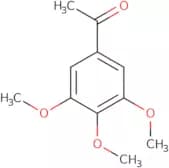

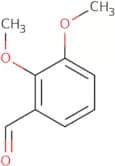

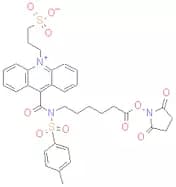
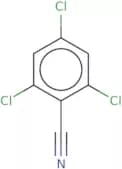

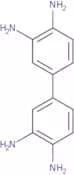
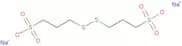
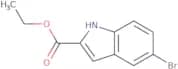
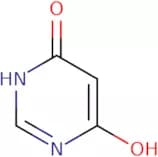
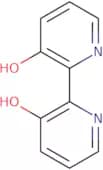
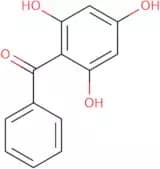
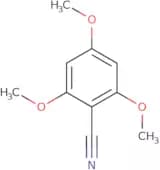
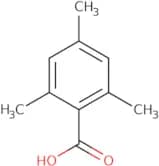
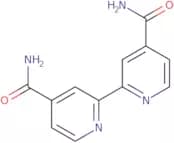

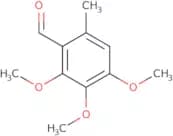
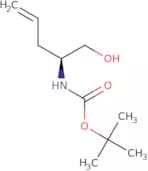
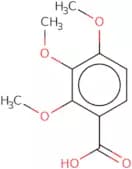
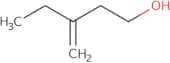
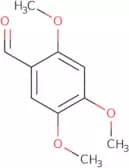
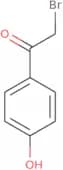
![5-methyl-octahydro-1H-pyrrolo[3,4-c]pyridine Dihydrochloride](/_next/image/?url=https%3A%2Fstatic.cymitquimica.com%2Fproducts%2F3D%2Fthumb-webp%2FDXC59804.webp&w=3840&q=75)

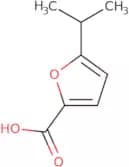
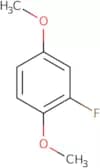
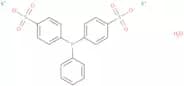
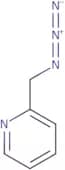

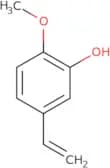
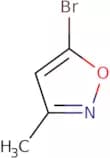

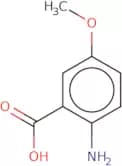
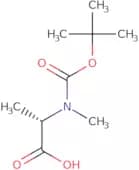
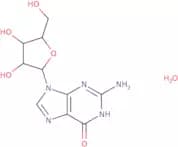
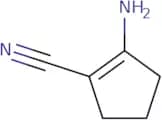
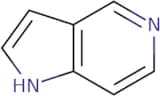

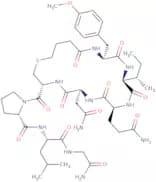
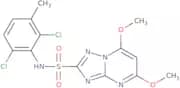
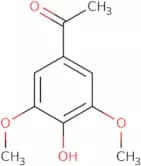
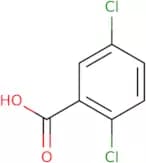
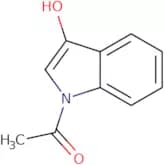
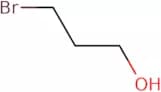
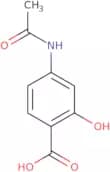
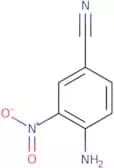
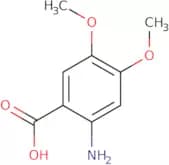
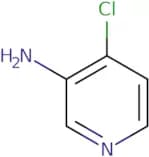
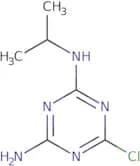
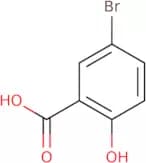
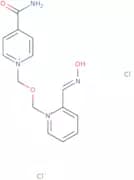
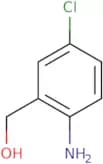
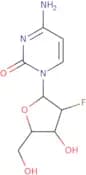
![tert-Butyl 3-formyl-5H,6H,7H,8H-[1,2,4]triazolo[4,3-α]pyrazine-7-carboxylate](/_next/image/?url=https%3A%2Fstatic.cymitquimica.com%2Fproducts%2F3D%2Fthumb-webp%2FZWB06903.webp&w=3840&q=75)
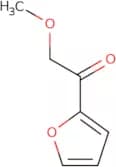
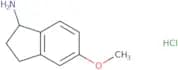

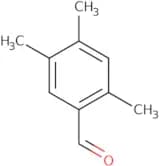
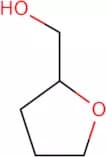
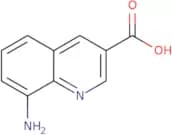
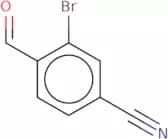

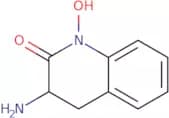
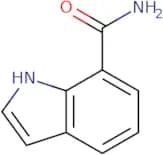
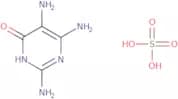
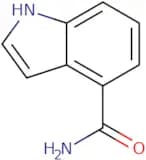
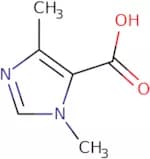


![1-[5-Bromo-2-(difluoromethoxy)phenyl]ethan-1-one](/_next/image/?url=https%3A%2Fstatic.cymitquimica.com%2Fproducts%2F3D%2Fthumb-webp%2FQYB99475.webp&w=3840&q=75)
![5H,6H,7H-Cyclopenta[b]pyridin-2-amine](/_next/image/?url=https%3A%2Fstatic.cymitquimica.com%2Fproducts%2F3D%2Fthumb-webp%2FWFA33119.webp&w=3840&q=75)
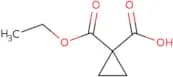
![2-{[4-(Piperidin-1-yl)phenyl]sulfamoyl}acetic acid](/_next/image/?url=https%3A%2Fstatic.cymitquimica.com%2Fproducts%2F3D%2Fthumb-webp%2FYTB36940.webp&w=3840&q=75)
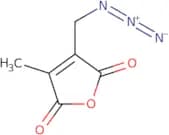
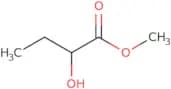

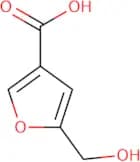
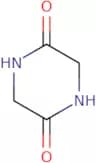
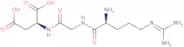
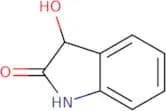

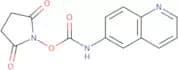
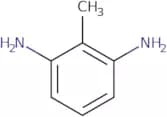
![[(2-Bromophenyl)sulfamoyl]dimethylamine](/_next/image/?url=https%3A%2Fstatic.cymitquimica.com%2Fproducts%2F3D%2Fthumb-webp%2FZNA54050.webp&w=3840&q=75)
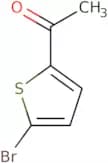
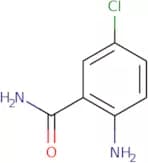
![(R,R)-2,8-Diazabicyclo[4.3.0]nonane](/_next/image/?url=https%3A%2Fstatic.cymitquimica.com%2Fproducts%2F3D%2Fthumb-webp%2FFD21506.webp&w=3840&q=75)


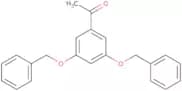
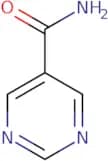
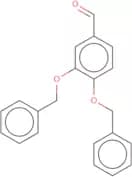
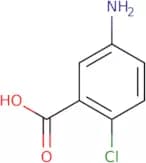
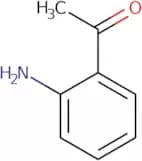
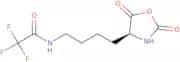

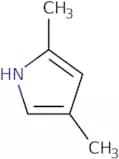

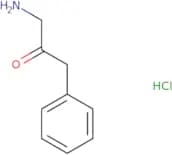
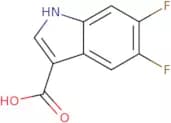
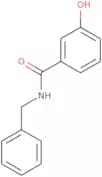


![4,4,5,5-Tetramethyl-2-[4-(pentafluorosulfanyl)phenyl]-1,3,2-dioxaborolane](/_next/image/?url=https%3A%2Fstatic.cymitquimica.com%2Fproducts%2F3D%2Fthumb-webp%2FLBC27834.webp&w=3840&q=75)

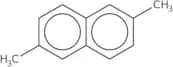

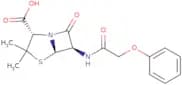
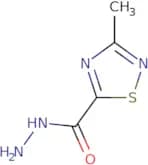
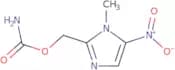
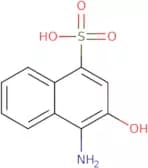
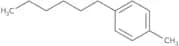


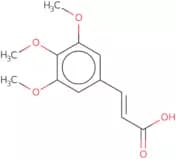

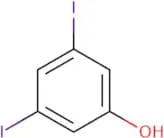
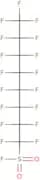
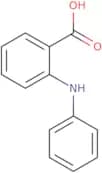
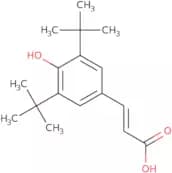

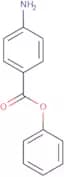
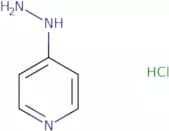
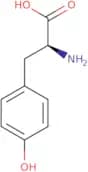
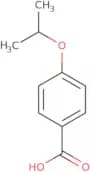
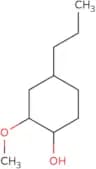

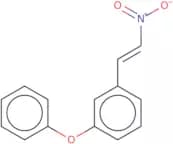
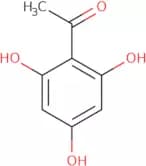
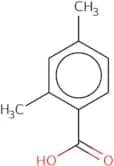

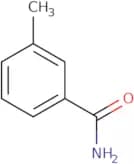
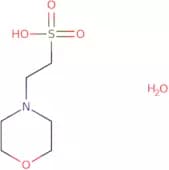
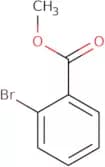
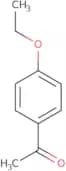
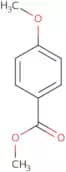
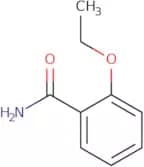
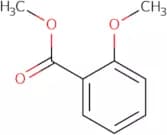
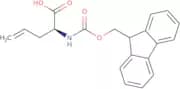
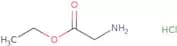
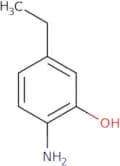
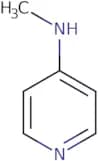

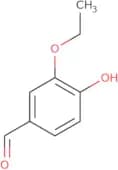
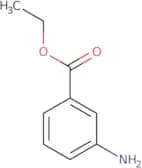

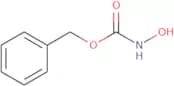
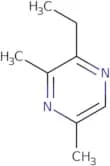

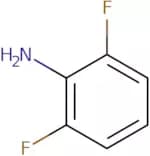
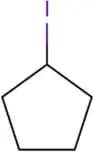
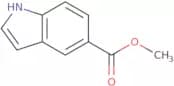
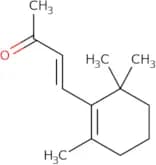
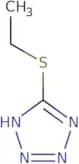
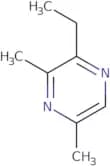
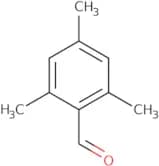
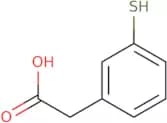
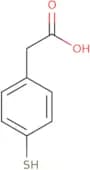

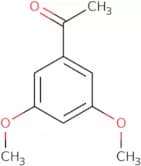
![6-Formyl-2-methyl-4H-thieno[3,2-b]pyrrole-5-carboxylic acid](/_next/image/?url=https%3A%2Fstatic.cymitquimica.com%2Fproducts%2F3D%2Fthumb-webp%2FSIB11266.webp&w=3840&q=75)

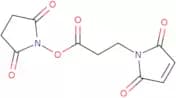
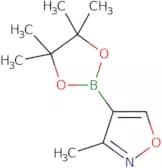

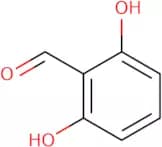
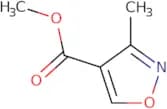
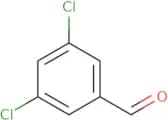
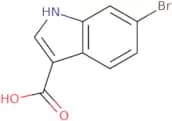
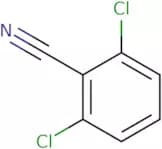

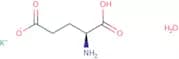
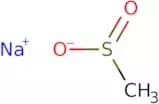
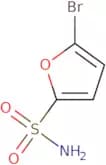

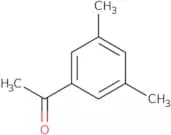
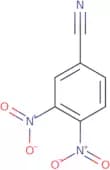
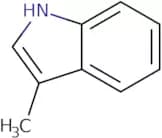
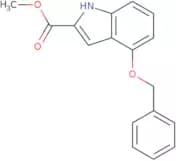
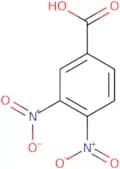
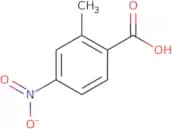
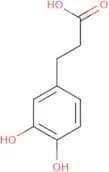
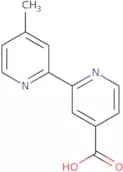
![8α-Phenyl-octahydropyrrolo[1,2-a]pyrimidin-6-one](/_next/image/?url=https%3A%2Fstatic.cymitquimica.com%2Fproducts%2F3D%2Fthumb-webp%2FGAA02925.webp&w=3840&q=75)