Building Blocks
This section contains fundamental products for the synthesis of organic and biological compounds. Building blocks are the essential starting materials used to construct complex molecules through various chemical reactions. They play a critical role in drug discovery, material science, and chemical research. At CymitQuimica, we offer a diverse range of high-quality building blocks to support your innovative research and industrial projects, ensuring you have the essential components for successful synthesis.
Subcategories of "Building Blocks"
- Boronic Acids & Boronic Acid Derivatives(5,778 products)
- Chiral Building Blocks(1,242 products)
- Hydrocarbon Building Blocks(6,098 products)
- Organic Building Blocks(61,098 products)
Found 199594 products of "Building Blocks"
Sort by
Purity (%)
0
100
|
0
|
50
|
90
|
95
|
100
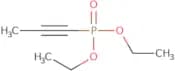
Diethyl (prop-1-yn-1-yl)phosphonate
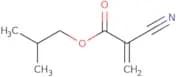
CAS:<p>Diethyl (prop-1-yn-1-yl)phosphonate is an organic compound that belongs to the class of propargylic compounds. It is a colorless liquid with a boiling point of 56°C. Diethyl (prop-1-yn-1-yl)phosphonate can be used as a reagent for hydrozirconation and as an adduct in organic chemistry. This compound can be hydrolyzed to form diethyl phosphite, which has been shown to react with alcohols, amines, and thiols.</p>Formula:C7H13O3PPurity:Min. 95%Molecular weight:176.15 g/molIsobutyl 2-cyanoacrylate
CAS:<p>Isobutyl 2-cyanoacrylate is a monomer that has been used in the clinical setting for the repair of tissue defects. It is an alkyl ester of acrylic acid, which reacts with water to form an acrylate polymer. Isobutyl 2-cyanoacrylate can also be used as a tissue growth factor because it stimulates the growth and proliferation of cells. Isobutyl 2-cyanoacrylate has antimicrobial activity against Gram-positive bacteria and fungi. It has also shown anti-inflammatory properties and may be useful for embolization or angiography procedures.</p>Formula:C8H11NO2Purity:Min. 95%Color and Shape:Clear LiquidMolecular weight:153.18 g/mol2-(Diethylamino)ethyl Bromide Hydrobromide
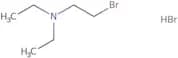
CAS:<p>Bromodiethylamine is a bromination product that is used in the synthesis of 2-(diethylamino)ethyl bromide hydrobromide. This compound is used in clinical diagnostics to detect the presence of tuberculosis by reacting with primary amino groups and ethyl bromoacetate functional groups. Bromodiethylamine also reacts with hydroxyl groups, reactive alkynyl groups, and conjugates to form ion-exchange resins for immobilized use.</p>Formula:C6H14BrN·HBrPurity:Min. 95%Molecular weight:261 g/molMonoethyl Glutarate
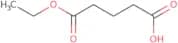
CAS:<p>Monoethyl glutarate is a chemical compound that is used as an antimicrobial agent. It is soluble in water and has shown to have a broad spectrum of activity against bacteria, fungi, and algae. Monoethyl glutarate is also used as a pharmaceutical preparation in dry weight preparations and ionotropic gelation. The mechanism of action of this compound is not fully understood, but it has been shown to bind with naphthalene with the formation of a bicyclic heterocycle. This binding leads to the inhibition of enzymes such as fatty acid synthase, which are involved in the production of prostaglandins. Monoethyl glutarate may also act by forming an unsaturated alkyl group or by blocking the synthesis of fatty acids or phospholipids on the cell membrane surface.</p>Formula:C7H12O4Purity:Min. 95%Molecular weight:160.17 g/mol1,1,1,3-Tetrachloropropane
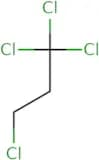
CAS:<p>1,1,1,3-Tetrachloropropane is a chlorinated hydrocarbon that has been shown to be toxic to animals. It causes liver lesions in rats and has been shown to cause cardiac arrhythmias in dogs. 1,1,1,3-Tetrachloropropane is not an ozone depleter. 1,1,1,3-Tetrachloropropane has a low viscosity and high solubility in water. The compound can exist as three isomers: the cis form (CClCHCl), the trans form (CClCHBr) and the mixed form (CCLCHCl). The mixed form of 1,1,1,3-tetrachloropropane is more active than either of the other two forms and is more readily absorbed from the gastrointestinal tract into the blood stream. It also breaks down more slowly than either of its two isomers.</p>Formula:C3H4Cl4Purity:Min. 95%Molecular weight:181.87 g/molCyclophosphamide Related Compound C
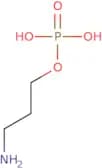
CAS:<p>Cyclophosphamide Related Compound C is a potent retinoic acid agonist. It is a white to yellowish crystalline compound, soluble in ether, acetone and chloroform. Cyclophosphamide Related Compound C has been shown to have skin care effects by reducing the production of sebum and regulating the production of melanin. It also has an anti-inflammatory effect on the skin by inhibiting prostaglandin synthesis. Cyclophosphamide Related Compound C also regulates the activity of retinoic acid receptors, which may be useful for treatment of acne or psoriasis.</p>Formula:C3H10NO4PPurity:Min. 95%Molecular weight:155.09 g/mol6-(Dimethylamino)hexanoic acid
CAS:<p>Versatile small molecule scaffold</p>Formula:C8H17NO2Purity:Min. 95%Molecular weight:159.23 g/mol4-(Chloromethyl)-1,3-dioxolane
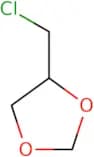
CAS:<p>4-(Chloromethyl)-1,3-dioxolane is an active compound that belongs to the group of alkylation agents. It reacts with amines to form a new carbon-carbon bond between the amine nitrogen and the carbonyl oxygen. This reaction is called alkylation. The polyvinylchloride (PVC) model system was used to show the functional groups of this compound. The chlorine atom in 4-(chloromethyl)-1,3-dioxolane reacts with acid moieties in PVC to form chloroform and hydrogen chloride gas. The carboxylic acid moieties react with alkanolamide, which is a base, to form esterified products.</p>Formula:C4H7ClO2Purity:Min. 95%Molecular weight:122.55 g/mol(1-Bromoethyl)cyclohexane
CAS:<p>Versatile small molecule scaffold</p>Formula:C8H15BrPurity:Min. 95%Molecular weight:191.11 g/mol6-Methylpyrimidine-4-carbaldehyde
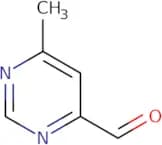
CAS:<p>Versatile small molecule scaffold</p>Formula:C6H6N2OPurity:Min. 95%Molecular weight:122.12 g/mol4-(Methylsulfanyl)pyrimidin-2-amine
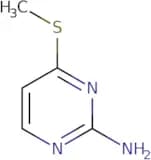
CAS:<p>4-(Methylsulfanyl)pyrimidin-2-amine is a benzoyl derivative of pyrimidin-2-amine. It is a heterocyclic compound that can be synthesized from the reaction of cyanamide and benzoyl chloride. 4-(Methylsulfanyl)pyrimidin-2-amine is used as an intermediate in organic synthesis to produce other compounds.</p>Formula:C5H7N3SPurity:Min. 95%Molecular weight:141.2 g/mol(2-Chloroethyl)cyclohexane
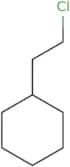
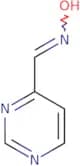
CAS:<p>Versatile small molecule scaffold</p>Formula:C8H15ClPurity:Min. 95%Molecular weight:146.66 g/molPyrimidine-4-carbaldehyde oxime
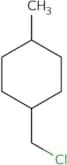
CAS:<p>Versatile small molecule scaffold</p>Formula:C5H5N3OPurity:Min. 95%Molecular weight:123.11 g/mol1-(Chloromethyl)-4-methylcyclohexane
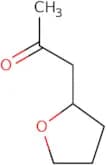
CAS:<p>Versatile small molecule scaffold</p>Formula:C8H15ClPurity:Min. 95%Molecular weight:146.66 g/mol1-(Oxolan-2-yl)propan-2-one
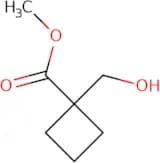
CAS:<p>Versatile small molecule scaffold</p>Formula:C7H12O2Purity:Min. 95%Molecular weight:128.17 g/molMethyl 1-(hydroxymethyl)cyclobutane-1-carboxylate
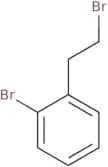
CAS:<p>Versatile small molecule scaffold</p>Formula:C7H12O3Purity:Min. 95%Molecular weight:144.17 g/mol1-bromo-2-(2-bromoethyl)benzene
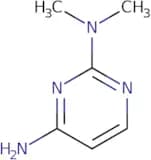
CAS:<p>1-Bromo-2-(2-bromoethyl)benzene is a quantified compound that is synthesized from 2-bromoethanol and magnesium. It has been shown to be an effective cancer drug, as it inhibits the reuptake of neurotransmitters by the amines. This compound is also used as a catalyst in organic reactions. The reaction time for this compound can be increased by using a substituent with electron withdrawing properties. 1-Bromo-2-(2-bromoethyl)benzene binds to receptors with affinity for magnesium, which may be due to its ability to form covalent bonds with reactive groups on the receptor surface.</p>Formula:C8H8Br2Purity:Min. 95%Molecular weight:263.96 g/mol4-Imino-N,N-dimethyl-1,4-dihydropyrimidin-2-amine
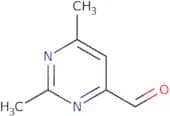
CAS:<p>Versatile small molecule scaffold</p>Formula:C6H10N4Purity:Min. 95%Molecular weight:138.17 g/mol2,6-Dimethylpyrimidine-4-carbaldehyde
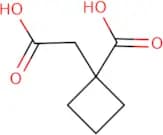
CAS:Versatile small molecule scaffoldFormula:C7H8N2OPurity:Min. 95%Molecular weight:136.15 g/mol1-(Carboxymethyl)cyclobutane-1-carboxylic acid
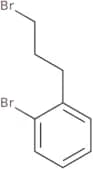
CAS:Versatile small molecule scaffoldFormula:C7H10O4Purity:Min. 95%Molecular weight:158.15 g/mol1-Bromo-2-(3-bromopropyl)benzene
CAS:Versatile small molecule scaffoldFormula:C9H10Br2Purity:Min. 95%Molecular weight:277.98 g/mol1-{Bicyclo[4.2.0]octa-1,3,5-trien-7-yl}ethan-1-one
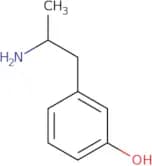
CAS:Versatile small molecule scaffoldFormula:C10H10OPurity:Min. 95%Molecular weight:146.19 g/mol3-(2-Aminopropyl)phenol
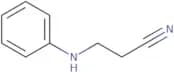
CAS:Controlled Product<p>3-(2-Aminopropyl)phenol is a water-soluble drug that has been used as a pharmaceutical dosage to treat symptoms of autoimmune diseases and heart tissue damage. 3-(2-Aminopropyl)phenol is commonly found in the form of its salt, 3-(2-aminopropyl)benzene sulfonic acid, which is used to treat congestive heart failure. The chemical ionization of 3-(2-aminopropyl)phenol has been used to identify protein genes that encode for enzymes involved in the production of inflammatory substances. 3-(2-Aminopropyl)phenol also has anti-inflammatory properties.</p>Formula:C9H13NOPurity:Min. 95%Molecular weight:151.21 g/mol3-(Phenylamino)propanenitrile
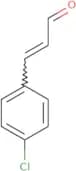
CAS:<p>3-(Phenylamino)propanenitrile (N-phenylglycine, PAG) is an amine that belongs to the class of compounds known as thermodynamic reaction intermediates. It is a chiral compound that can be used for the synthesis of β-unsaturated ketones and bichloride. The synthesis of PAG begins with the addition of phosphorus pentachloride and acrylonitrile to a solution containing thiamine pyrophosphate in an inorganic acid, such as hydrochloric acid. The reaction produces a mixture of amino acids and amides, including PAG. This process has been scaled up and shown to be selective for PAG.</p>Formula:C9H10N2Purity:Min. 95%Molecular weight:146.19 g/mol3-(4-Chlorophenyl)acrylaldehyde
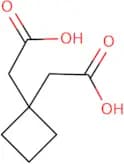
CAS:<p>Acrylaldehyde is a reactive compound that can bind to the enzyme tyrosinase, inhibiting its activity. 3-(4-Chlorophenyl)acrylaldehyde (3-CA) is a small molecule that has shown an inhibitory effect on the proliferation of leukemia cells in vitro and in vivo. It also has broad-spectrum antimicrobial activity against Gram-positive and Gram-negative bacteria, including methicillin-resistant Staphylococcus aureus (MRSA). Tyrosine kinases are enzymes that catalyze the transfer of phosphate groups from ATP to tyrosine residues in proteins, leading to cellular signaling and cell division. 3-(4-Chlorophenyl)acrylaldehyde binds to tyrosine kinases and inhibits their function, which may be responsible for its cytotoxic effects.</p>Formula:C9H7ClOPurity:Min. 95%Molecular weight:166.6 g/mol2,2'-(Cyclobutane-1,1-diyl)diacetic acid
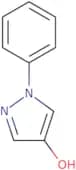
CAS:<p>Ammonium 2,2'-(cyclobutane-1,1-diyl)diacetate (ACDA) is a salt of ACDA and ammonium. It is an analogue of barbiturates that has been used in medicine to relieve neuralgia and sciatica. ACDA is injected intravenously or intramuscularly as the ammonium salt. The toxic effects of ACDA are similar to those of other barbiturates. These are due to its depressant effect on the central nervous system and include narcosis, respiratory depression, and death from respiratory arrest.</p>Formula:C8H12O4Purity:Min. 95%Molecular weight:172.18 g/mol1-Phenyl-1H-pyrazol-4-ol
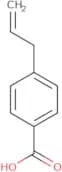
CAS:<p>1-Phenyl-1H-pyrazol-4-ol is an organic compound that is a white crystalline solid with a strong odor. It is used in the manufacture of pyrazoles and as a reagent for the synthesis of other compounds. 1-Phenyl-1H-pyrazol-4-ol can be used to synthesize pyrazoles, which are important in the production of several pharmaceuticals.</p>Formula:C9H8N2OPurity:Min. 95%Molecular weight:160.17 g/mol4-(Prop-2-en-1-yl)benzoic acid
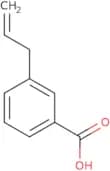
CAS:<p>Glycinamide ribonucleotide (GAR) is a glycinamide that is used as an inhibitor of formyltransferase. It forms a reversible covalent bond with the active site cysteine residue of the enzyme, thereby inhibiting its activity. GAR has been shown to inhibit both eukaryotic and prokaryotic formyltransferases, and also inhibits the related enzyme ribonucleotide reductase. This compound may have potential for use in treating cancer due to its ability to inhibit tumor growth by interfering with DNA synthesis.</p>Formula:C10H10O2Purity:Min. 95%Molecular weight:162.18 g/mol3-(Prop-2-en-1-yl)benzoic acid
CAS:<p>Versatile small molecule scaffold</p>Formula:C10H10O2Purity:Min. 95%Molecular weight:162.18 g/molHexylbenzene
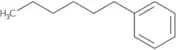
CAS:<p>Hexylbenzene is a colorless liquid that is soluble in alcohol, ether, and benzene. Hexylbenzene has been shown to undergo a suzuki coupling reaction with aniline and phenylboronic acid. The yield of chloride was site specific, as the reaction occurred more readily at the ortho-positions than the para-positions. Hexylbenzene has been used as a model system for studying transfer reactions in proteins. In this system, hexylbenzene reacts with peroxidase to form hydrogen peroxide, which then reacts with p-nitroaniline to produce p-aminophenol and nitrite ions. The detection sensitivity of light emission from hexylbenzene was significantly higher than that of other compounds such as tetracycline or ampicillin.</p>Formula:C12H18Purity:Min. 95%Molecular weight:162.28 g/mol3-[(4-Methylphenyl)amino]propanenitrile
CAS:<p>Versatile small molecule scaffold</p>Formula:C10H12N2Purity:Min. 95%Molecular weight:160.22 g/mol2,4,4-Trimethyl-1,2,3,4-tetrahydroquinoline
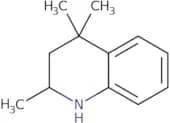
CAS:Versatile small molecule scaffoldFormula:C12H17NPurity:Min. 95%Molecular weight:175.27 g/mol2,6-Dimethyl-3H,4H,5H,6H,7H,8H-pyrido[4,3-d]pyrimidin-4-one
CAS:<p>Versatile small molecule scaffold</p>Formula:C9H13N3OPurity:Min. 95%Molecular weight:179.22 g/mol6-Methoxyquinaldine
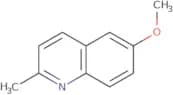
CAS:<p>6-Methoxyquinaldine is a fluorescent chemical that is used to study the structural changes of proteins. 6-Methoxyquinaldine is oxidized by various reagents, such as anilines and sulphates, to produce fluorescent products. The fluorescence intensity of the product can be quantified using fluorimetric analysis or microscopy techniques. The fluorescent products can be visualized using UV irradiation (365 nm) or by fluorescence microscopy. 6-Methoxyquinaldine can also be used in calibrating imaging techniques, such as confocal laser scanning microscopy.</p>Formula:C11H11NOPurity:Min. 95%Molecular weight:173.21 g/mol3-benzyl-4,5-dihydro-1H-1,2,4-triazol-5-one
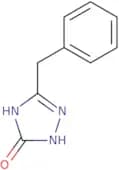
CAS:<p>Versatile small molecule scaffold</p>Formula:C9H9N3OPurity:Min. 95%Molecular weight:175.19 g/mol3-Azaspiro[5.6]dodecane-2,4-dione
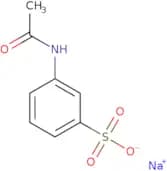
CAS:<p>Versatile small molecule scaffold</p>Formula:C11H17NO2Purity:Min. 95%Molecular weight:195.26 g/molSodium 3-acetamidobenzene-1-sulfonate
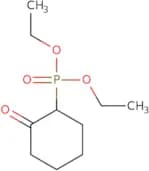
CAS:<p>Versatile small molecule scaffold</p>Formula:C8H8NNaO4SPurity:Min. 95%Molecular weight:237.21 g/molDiethyl (2-oxocyclohexyl)phosphonate
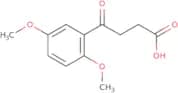
CAS:<p>Versatile small molecule scaffold</p>Formula:C10H19O4PPurity:Min. 95%Molecular weight:234.23 g/mol3-(2′,5′-Dimethoxybenzoyl)propionic acid
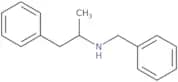
CAS:Versatile small molecule scaffoldFormula:C12H14O5Purity:Min. 95%Molecular weight:238.24 g/molBenzyl(1-phenylpropan-2-yl)amine
CAS:Controlled Product<p>Benzyl(1-phenylpropan-2-yl)amine is a piperidine derivative that acts as an inhibitor of cytochrome P450 enzymes. It binds to the CYP2D6 enzyme and has been shown to have an inhibitory effect on the activity of this enzyme in rat liver microsomes. The binding constants for benzyl(1-phenylpropan-2-yl)amine with the CYP2D6 enzyme were determined by competitive inhibition studies and it was found that this compound has a high binding affinity with the CYP2D6 enzyme. Studies also demonstrated that benzyl(1-phenylpropan-2-yl)amine inhibits the activity of CYP3A4 and CYP3A5 enzymes. This drug may be useful in treating some individuals who are taking drugs metabolized by these two enzymes, but will not be effective in people who are not taking any drugs metabolized by these two enzymes.</p>Formula:C16H19NPurity:Min. 95%Molecular weight:225.33 g/mol(2S)-3-Carbamoyl-2-[5-(dimethylamino)naphthalene-1-sulfonamido]propanoic acid
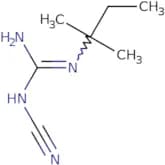
CAS:<p>(2S)-3-Carbamoyl-2-[5-(dimethylamino)naphthalene-1-sulfonamido]propanoic acid is a fluorescent probe that binds to human serum albumin. It has been used as an inhibitor of the enzyme α1-acid glycoprotein, which is involved in the degradation of fatty acids and glycopeptides. The binding constants have been determined by fluorescence titration and are site specific. (2S)-3-Carbamoyl-2-[5-(dimethylamino)naphthalene-1-sulfonamido]propanoic acid is a molecule that can be used for metal chelation, which has been demonstrated by its ability to inhibit the activity of enzymes such as α1-acid glycoprotein. This compound also has a role in endogenous substances such as fatty acids and tryptophan fluorescence.</p>Formula:C16H19N3O5SPurity:Min. 95%Molecular weight:365.4 g/molN-Cyano-N'-(2-methylbutan-2-yl)guanidine
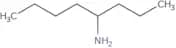
CAS:<p>N-Cyano-N'-(2-methylbutan-2-yl)guanidine is an antihypertensive drug that inhibits the activity of enzymes involved in the synthesis of fatty acids. It has been shown to be effective against cardiac hypertrophy, as it reduces the activity of phospholipase A2, which is required for the formation of arachidonic acid, a precursor to prostaglandins and thromboxanes. This drug also has a depressant effect on fatty acid metabolism and decreases the production of fatty alcohols by inhibiting their synthesis. N-Cyano-N'-(2-methylbutan-2-yl)guanidine is used as a pharmaceutical dosage for treatment of hypertension and depressive disorders.</p>Formula:C7H14N4Purity:Min. 95%Molecular weight:154.21 g/molOctan-4-amine
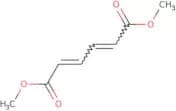
CAS:<p>Octan-4-amine is a metastable cation that has been used as a label for deuterium in various studies. The labeling of octan-4-amine with deuterium has been shown to produce stable, nonradioactive isotopes for use in various studies. It has also been shown to be an effective radical cations and cleavage agent. As a result, it can be used to generate molecular ions and isomers from larger molecules. Octan-4-amine is also capable of isomerizing other compounds and generating radical cations when heated. This chemical may be used as a precursor to create other compounds through the process of isomerization, such as the production of isomers by the addition of hydrogen atoms or removal of hydrogens from their molecular structure.</p>Formula:C8H19NPurity:Min. 95%Molecular weight:129.24 g/mol1,6-Dimethyl (2E,4E)-hexa-2,4-dienedioate
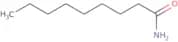
CAS:<p>1,6-Dimethyl (2E,4E)-hexa-2,4-dienedioate is a hydrocarbon that can be synthesized from ethylene. The compound is a building block for polyunsaturated compounds and can be used as a feedstock in the production of monomers or polymers. It has been shown to have radiation catalysis properties and is sustainable with low environmental impact. 1,6-Dimethyl (2E,4E)-hexa-2,4-dienedioate has been shown to produce high yields and is not toxic to humans or animals. This product also has applications in the production of cosmetics and pharmaceuticals.</p>Formula:C8H10O4Purity:Min. 95%Molecular weight:170.16 g/molNonanamide
CAS:<p>Nonanamide is a glycol ester with an amide group. It has been shown to be effective against infectious diseases, such as HIV and hepatitis B. It has a pyrazole ring that interacts with the amide group, forming hydrogen bonds. Nonanamide has also been shown to inhibit the production of inflammatory cytokines in mice with autoimmune disease, which may be due to its ability to inhibit water vapor. The molecular weight of nonanamide is 134.2 g/mol and it has a melting point of -54°C. Nonanamide is soluble in water and glycol ethers but insoluble in alcohols and oils.</p>Formula:C9H19NOPurity:Min. 95%Molecular weight:157.25 g/molDi-n-octylamine
CAS:<p>Di-n-octylamine is a reactive chemical that is chemically stable in the presence of nitrogen. It is used in chemical biology as a transport agent for amines and other organic compounds. Di-n-octylamine has been shown to have optimum solubility in glycol ethers, magnesium salts, and trifluoroacetic acid. This compound reacts with fatty acids to form hydroxyl groups and can be used as an extractant for glycol ethers. The mechanism of this reaction involves intramolecular hydrogen transfer from the hydroxyl group on the fatty acid to the n-octyl amine molecule.</p>Formula:C16H35NPurity:Min. 95%Molecular weight:241.46 g/mol2-Hydroxybenzenethiol
CAS:<p>2-Hydroxybenzenethiol is an analytical reagent that reacts with oxygen to form a fluorescent complex. It is used for the detection of infectious diseases, such as tuberculosis and other bacterial infections. 2-Hydroxybenzenethiol is also used in analytical chemistry as a reaction solution to study the oxidation of organic compounds. The compound has been shown to react with nitrogen atoms in certain groups, such as p2, by forming chelate ligands. This compound can be prepared by reacting hydrochloric acid with molybdenum (Mo), which has been electrochemically coated with a hydroxyl group on one side and a hydroxy group on the other. The Mo acts as a model system for studying intramolecular hydrogen bonding between two hydroxy groups that are separated by one carbon atom.</p>Formula:C6H6OSPurity:Min. 95%Molecular weight:126.17 g/mol(1R,6S,7R)-7-Bromobicyclo[4.1.0]heptane
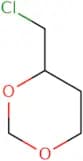
CAS:<p>Versatile small molecule scaffold</p>Formula:C7H11BrPurity:Min. 95%Molecular weight:175.07 g/mol4-(Chloromethyl)-1,3-dioxane
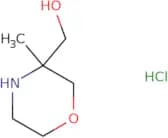
CAS:<p>Versatile small molecule scaffold</p>Formula:C5H9ClO2Purity:Min. 95%Molecular weight:136.58 g/mol(3-Methylmorpholin-3-yl)methanol hydrochloride
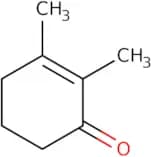
CAS:<p>Versatile small molecule scaffold</p>Formula:C6H14ClNO2Purity:Min. 95%Molecular weight:167.63 g/mol2,3-Dimethylcyclohex-2-en-1-one
CAS:<p>2,3-Dimethylcyclohex-2-en-1-one is a phenylhydrazine derivative that can be converted into aporphine alkaloids. It is also an isomer of cyclohexenones and epoxides. This compound has substituents at the 2 and 3 positions which are either methyl or hydrogen, respectively. The carbonyl group in 2,3-Dimethylcyclohex-2-en-1-one is a ketone or aldehyde, depending on the substitution pattern. The oxygen function in this molecule is an ether or ester. 2,3-Dimethylcyclohex-2-en-1-one has properties that are similar to those of diketones and spirolactones because it contains both carbonyl and oxygen functions. It can be classified as an aporphine alkaloid because it has two rings fused together with one nitrogen atom between them</p>Formula:C8H12OPurity:Min. 95%Color and Shape:Clear LiquidMolecular weight:124.18 g/mol6-Amino-3-methylpyrimidin-4(3H)-one
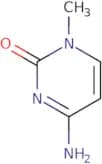
CAS:<p>Versatile small molecule scaffold</p>Formula:C5H7N3OPurity:Min. 95%Molecular weight:125.12 g/mol4-Amino-1-methylpyrimidin-2(1H)-one
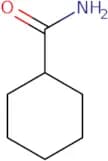
CAS:<p>4-Amino-1-methylpyrimidin-2(1H)-one is a chemical compound that belongs to the group of pyrimidine compounds. It has been shown to be an inhibitor of viral life, with its activity against HIV being most well studied. The tautomers of 4-amino-1-methylpyrimidin-2(1H)-one are protonated and stable, meaning that they do not undergo any chemical change in the body. 4-Amino-1-methylpyrimidin-2(1H)-one is also able to form stable complexes with nitrogen atoms. The xray crystal structure for this compound shows that it coordinates with group P2, which contains two nitrogen atoms and one oxygen atom. The interaction between these three atoms is called a dinucleotide phosphate. This group binds to DNA by hydrogen bonds, forming intramolecular hydrogen bonds. The groups on the other side of the molecule bind</p>Formula:C5H7N3OPurity:Min. 95%Molecular weight:125.13 g/molCyclohexanecarboxamide
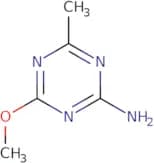
CAS:<p>Cyclohexanecarboxamide is a carboxamide that has been shown to inhibit the growth of bacteria. It binds to the bacterial receptor and inhibits the activity of the enzyme carboxide, which is involved in the synthesis of monoamine neurotransmitters. Cyclohexanecarboxamide has also been shown to inhibit axonal growth in mammalian cells, which may be due to its ability to block potassium channels on nerve cells. Cyclohexanecarboxamide has been shown to have antimicrobial properties against a range of organisms including those resistant mutants.</p>Formula:C7H13NOPurity:Min. 95%Molecular weight:127.18 g/mol4-Methoxy-1,3,5-triazin-2-amine
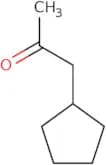
CAS:Versatile small molecule scaffoldFormula:C4H6N4OPurity:Min. 95%Molecular weight:126.12 g/mol1-Cyclopentylpropan-2-one
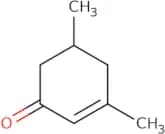
CAS:Cyclopentylpropan-2-one (1CPA) is an aliphatic hydrocarbon that has been shown to act as a light-sensitive molecule. It is used as a polymerization initiator and is also found in the human body as a metabolic intermediate. 1CPA is found in the form of a diacylglycerol and can be converted into an allyl carbonate, which reacts with methoxy groups to form an allyl ether. 1CPA has also been shown to have structural similarities with pyrimidine compounds and formyl groups. The 1CPA molecule contains a carbonyl group, which is the reactive functional group that allows for this chemical to react with other compounds.Formula:C8H14OPurity:Min. 95%Molecular weight:126.2 g/mol3,5-Dimethyl-2-cyclohexen-1-one
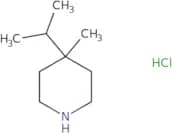
CAS:<p>3,5-Dimethyl-2-cyclohexen-1-one is a β-unsaturated ketone that has been synthesized using an efficient method. It has been shown to have anti-inflammatory properties and is used for the treatment of pulmonary fibrosis in humans. The compound also binds to polyene compounds and supramolecular substrates. 3,5-Dimethyl-2-cyclohexen-1-one reacts with chloride ions to form a β unsaturated ketone chloride that can undergo alkylation with an electron donor such as acetonitrile. This reaction is catalyzed by microsomal cytochrome P450 enzymes and requires a reaction time of about two hours to complete.</p>Formula:C8H12OPurity:Min. 95%Molecular weight:124.18 g/mol4-Methyl-4-(propan-2-yl)piperidine hydrochloride
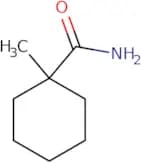
CAS:<p>Versatile small molecule scaffold</p>Formula:C9H20ClNPurity:Min. 95%Molecular weight:177.71 g/mol1-Methylcyclohexane-1-carboxamide
CAS:<p>1-Methylcyclohexane-1-carboxamide is a sclerotiorin, which are natural substances that have been shown to have inhibitory effects against fungi. It has been shown to be effective against Sclerotinia sclerotiorum and Gaseous Botrytis cinerea. The inhibition of sclerotiorin 1-methylcyclohexane-1-carboxamide is due to its ability to inhibit the synthesis of ergosterol, which is an important component of the fungal cell membrane. This drug has also been shown to have inhibitory effects on carbon bond formation in natural substances such as ginseng root or solid form.</p>Formula:C8H15NOPurity:Min. 95%Molecular weight:141.21 g/mol8-Azaspiro[4.5]decane hydrochloride
CAS:<p>Versatile small molecule scaffold</p>Formula:C9H17N·HClPurity:Min. 95%Molecular weight:175.7 g/mol3,3-Dimethylglutarimide
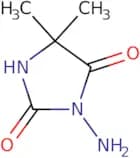
CAS:<p>3,3-Dimethylglutarimide is a molecule that has been shown to inhibit the enzyme butyrylcholinesterase in a stepwise manner. This inhibition prevents the breakdown of acetylcholine, which leads to increased levels of this neurotransmitter and an improvement in cognition. 3,3-Dimethylglutarimide also has protonation properties that allow it to form complexes with metal ions such as zinc and copper. These complexes are formed by the interaction of functional groups on the molecules with protons on the metal ions.</p>Formula:C7H11NO2Purity:Min. 95%Molecular weight:141.17 g/mol3-Amino-5,5-dimethylimidazolidine-2,4-dione
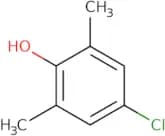
CAS:Versatile small molecule scaffoldFormula:C5H9N3O2Purity:Min. 95%Molecular weight:143.14 g/mol4-Chloro-2,6-dimethylphenol
CAS:<p>4-Chloro-2,6-dimethylphenol is a reactive molecule that is found in the environment and can be produced by the human body. It is an antimicrobial agent that reversibly binds to nucleophilic sites on peroxidases and other enzymes, thereby blocking their activity. 4-Chloro-2,6-dimethylphenol inhibits enzymatic reactions in bacteria by reacting with the hydroxyl group of enzymes such as catalase and glutathione reductase. This agent has been shown to have an effect on human pathogens such as Staphylococcus aureus and Escherichia coli.</p>Formula:C8H9ClOPurity:Min. 95%Molecular weight:156.61 g/mol2-Phenyl-1-propanol
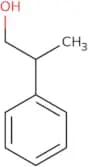
CAS:<p>2-Phenyl-1-propanol is a molecule with a hydroxyl group at the 2 position and a phenyl group at the 1 position. It is used as a film-forming polymer in coatings, adhesives, and elastomers. It is also used as an ingredient in glycol ethers, fatty acids, and enolate anions. 2-Phenyl-1-propanol has been shown to be synthesized by oxidative dehydrogenation of benzaldehyde and acetophenone. This reaction mechanism has been shown using chromatographic methods on two different solvents: one polar (water) and one nonpolar (tetrahydrofuran). The reaction proceeds with the formation of an enolate anion intermediate that reacts with water to form the alcohol product. The hydration process can be catalyzed by either sodium or potassium salts. The phase transition temperature for this compound is between -30°C and 60°</p>Formula:C9H12OPurity:Min. 95%Molecular weight:136.19 g/mol3,5-Dimethyl-1-propyl-1H-pyrazole
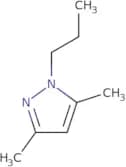
CAS:<p>Versatile small molecule scaffold</p>Formula:C8H14N2Purity:Min. 95%Molecular weight:138.21 g/mol4-Chloro-2,5-dimethylphenol
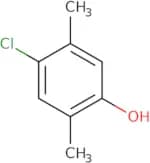
CAS:<p>4-Chloro-2,5-dimethylphenol is a phenolic compound that is used as an intermediate in the synthesis of other organic compounds. It has low ph and can form adducts with methanol at high ph. 4-Chloro-2,5-dimethylphenol can be reacted with hydrogen chloride to produce the corresponding chloride or with a coupling agent to produce the corresponding imine. 4-Chloro-2,5-dimethylphenol can also be used as an elimination agent.</p>Formula:C8H9ClOPurity:Min. 95%Molecular weight:156.61 g/mol1,4-Diiodo-2,5-dimethylbenzene
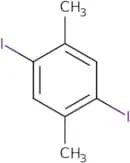
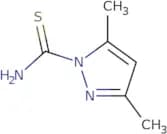
CAS:<p>1,4-Diiodo-2,5-dimethylbenzene is an iodide that can be used in the industrialization of iodine. It can be prepared from bicyclopropylidene and nitrosobenzene by coupling with a carbonyl group. The yield of this reaction is high and the product is stable. 1,4-Diiodo-2,5-dimethylbenzene can also be prepared by palladium-catalyzed cross coupling or a Diels–Alder reaction between 2,5-dimethylaniline and 3-(bromomethyl)cyclobutane. This process yields only one regioisomer because there are no other reactive groups on the ring to form a second regioisomeric product.</p>Formula:C8H8I2Purity:Min. 95%Molecular weight:357.96 g/mol3,5-Dimethyl-1H-pyrazole-1-carbothioamide
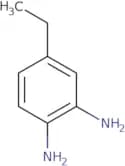
CAS:3,5-Dimethyl-1H-pyrazole-1-carbothioamide (DMPC) is a nitrogen-containing compound that has been shown to have high cytotoxic effects on leukemia cells. DMPC interacts with cisplatin and thiosemicarbazide, both of which are inorganic molecules that have been used as chemotherapeutic drugs for the treatment of cancer. DMPC is an amide with two nitrogen atoms and a conformational vibrational frequency at 4.6 MHz. It is also a ligand for the cytotoxic effect of cisplatin and thiosemicarbazide.Formula:C6H9N3SPurity:Min. 95%Molecular weight:155.22 g/mol4-Ethylbenzene-1,2-diamine
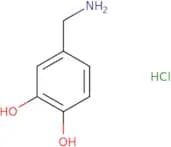
CAS:<p>Versatile small molecule scaffold</p>Formula:C8H12N2Purity:Min. 95%Molecular weight:136.19 g/mol4-(Aminomethyl)-1,2-benzenediol hydrochloride
CAS:<p>4-(Aminomethyl)-1,2-benzenediol hydrochloride is a potent inhibitor of monoamine neurotransmitter synthesis. It has been shown to inhibit the polymerase chain reaction (PCR) and is effective in the preparation of samples for PCR analysis. 4-(Aminomethyl)-1,2-benzenediol hydrochloride is chemically stable and has an electrochemical detector that can be used in its detection. This chemical also inhibits the incorporation of thymidine into DNA during DNA synthesis, leading to a decrease in DNA synthesis. The monoclonal antibody technique has been used to detect this compound in human serum and tissue biopsies.</p>Formula:C7H10ClNO2Purity:Min. 95%Molecular weight:175.61 g/mol2-azaspiro[4.4]nonane-1,3-dione
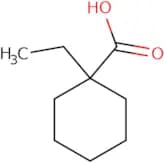
CAS:<p>2-Azaspiro[4.4]nonane-1,3-dione is a linker that is used in the synthesis of active derivatives of drugs. It has pharmacological and physicochemical properties that are similar to those of methylene. 2-Azaspiro[4.4]nonane-1,3-dione is used as an analytical standard for rp-hplc analysis and x-ray structural analysis. It can be used to synthesize pentylenetetrazole and imine derivatives for anticonvulsant properties, which have been shown to have properties similar to those of phenytoin.</p>Formula:C8H11NO2Purity:Min. 95%Molecular weight:153.18 g/mol1-Ethylcyclohexane-1-carboxylic acid
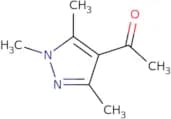
CAS:<p>1-Ethylcyclohexane-1-carboxylic acid is an organic compound that is a monocarboxylic acid. It is a liquid at room temperature and has a boiling point of 110°C. 1-Ethylcyclohexane-1-carboxylic acid can be used as an inhibitor for tissue plasminogen activator, which is a protease that activates plasminogen to break down fibrin. 1-Ethylcyclohexane-1-carboxylic acid inhibits the activity of this enzyme, preventing clot lysis and promoting blood coagulation. 1-Ethylcyclohexane-1-carboxylic acid also has been shown to be cytotoxic to mammalian cells in culture, but not to bacterial cells.</p>Formula:C9H16O2Purity:Min. 95%Molecular weight:156.22 g/mol1-(1,3,5-Trimethyl-1H-pyrazol-4-yl)ethanone
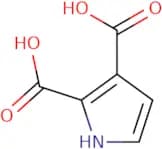
CAS:Versatile small molecule scaffoldFormula:C8H12N2OPurity:Min. 95%Molecular weight:152.2 g/mol1H-Pyrrole-2,3-dicarboxylic acid
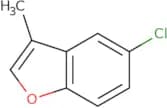
CAS:<p>1H-Pyrrole-2,3-dicarboxylic acid is a naturally occurring organic compound that is an important building block for the synthesis of melanin. It has been shown to inhibit tyrosinase activity and to be cytotoxic at high concentrations. 1H-Pyrrole-2,3-dicarboxylic acid has also been used as a model system for skin cancer and hydrochloric acid has been shown to have a protective effect on the morphology of 1H-pyrrole-2,3-dicarboxylic acid crystals.</p>Formula:C6H5NO4Purity:Min. 95%Molecular weight:155.11 g/mol5-Chloro-3-methylbenzofuran
CAS:<p>5-Chloro-3-methylbenzofuran is a condensation product of 5-chloro-2,4-dinitrobenzene and 3-methylbenzoic acid. It is an antimicrobial agent that belongs to the thiazolidinone class of anticonvulsant drugs. This compound has been shown to have antitubercular activity and has been used in the treatment of Mycobacterium tuberculosis. 5-Chloro-3-methylbenzofuran also has anticonvulsant effects and can be used for the treatment of epilepsy.</p>Formula:C9H7OClPurity:Min. 95%Molecular weight:166.6 g/mol5-Formyl-2-methylfuran-3-carboxylic acid
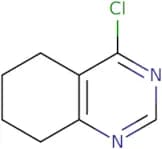
CAS:<p>Versatile small molecule scaffold</p>Formula:C7H6O4Purity:Min. 95%Molecular weight:154.12 g/mol4-Chloro-5,6,7,8-tetrahydroquinazoline
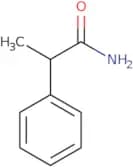
CAS:<p>Versatile small molecule scaffold</p>Formula:C8H9ClN2Purity:Min. 95%Molecular weight:168.62 g/mol2-Phenylpropanamide
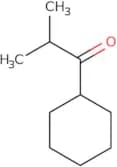
CAS:<p>2-Phenylpropanamide is an amide that has been shown to have anti-inflammatory activity in a variety of animal models. It is also a metalloprotease inhibitor and suppresses the release of inflammatory cytokines. 2-Phenylpropanamide has shown some efficacy against cancer in human cell lines, and inhibits the production of the enzyme acetylcholinesterase. This drug also binds to adenosine A3 receptors, which are involved in inflammatory processes. 2-Phenylpropanamide has antioxidant properties, as it can scavenge radicals and inhibit hydroxyl radical formation. 2-Phenylpropanamide also has a high affinity for magnesium ions, which may explain its long elimination half-life after oral administration.</p>Formula:C9H11NOPurity:Min. 95%Molecular weight:149.19 g/mol1-Cyclohexyl-2-methylpropan-1-one
CAS:<p>Versatile small molecule scaffold</p>Formula:C10H18OPurity:Min. 95%Molecular weight:154.25 g/mol3,4-Dihydrobenzo[e][1,3]oxazin-2-one
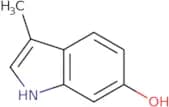
CAS:<p>3,4-Dihydrobenzo[e][1,3]oxazin-2-one is an organic compound that is used as a catalyst in the synthesis of pharmaceuticals. It reacts with halides and alkali metal to form quaternary ammonium salts. This reaction can be represented by the following scheme:</p>Formula:C8H7NO2Purity:Min. 95%Molecular weight:149.15 g/mol3-Methyl-1H-indol-6-ol
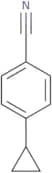
CAS:<p>3-Methyl-1H-indol-6-ol is a metabolite of estrone sulfate, which is produced by the activity of cytochrome P450 enzymes. It has been shown to be an effective inhibitor of chemical reactions in urine samples and primary cells. 3-Methyl-1H-indol-6-ol also has a role in the metabolism of estrogens and may play a part in the development of symptoms such as those seen in human liver disease or testicular cancer. 3-Methylindole can be found as an endogenous metabolite in schizophrenic patients and is known to inhibit constitutive androstane receptor (CAR) activity, which regulates gene expression and cellular growth.</p>Formula:C9H9NOPurity:Min. 95%Molecular weight:147.18 g/mol4-Cyclopropylbenzonitrile
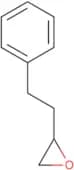
CAS:<p>4-Cyclopropylbenzonitrile is an electrophilic compound that reacts with a nucleophile to form a covalent bond. The reactivity of 4-cyclopropylbenzonitrile is activated by the addition of chloride. It can be used as a precursor to yield chloroform and other compounds, such as chloride and oxide. 4-Cyclopropylbenzonitrile can also react with sulfur or nitrosyl to form an electrophilic sulfur or nitrosyl compound.</p>Formula:C10H9NPurity:Min. 95%Molecular weight:143.19 g/mol2-(2-Phenylethyl)oxirane
CAS:<p>2-(2-Phenylethyl)oxirane is an organic compound that belongs to the class of epoxides. It is a colorless liquid with a strong odor. It can be used as a chemical treatment for phosphine, epoxides and haloalkyl, and has been shown to have efficient methods for synthesizing polymers. 2-(2-Phenylethyl)oxirane is also an adrenergic receptor agonist that has been shown to produce neurodegenerative diseases in rats.</p>Formula:C10H12OPurity:Min. 95%Molecular weight:148.2 g/molN-Butylaniline
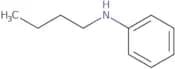
CAS:<p>N-Butylaniline is a reactive chemical that is used as a cross-linking agent, and to prepare quinoline derivatives. It is also used in the preparation of polycarboxylic acids and electrochemical methods. N-Butylaniline can be used for bladder cancer treatments, and has been shown to inhibit viral replication in vitro. This chemical is not toxic to humans at low doses, but it may cause autoimmune diseases such as systemic lupus erythematosus if ingested in high doses.</p>Formula:C10H15NPurity:Min. 98.0 Area-%Molecular weight:149.24 g/molEthyl 1-hydroxycyclohexanecarboxylate
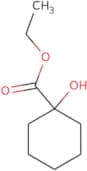
CAS:Ethyl 1-hydroxycyclohexanecarboxylate is an aliphatic, cyclic compound that belongs to the group of superacids. It is a byproduct of the reaction between benzene and ethyl chloroformate. This reaction requires a catalyst, such as potassium tert-butoxide or tetrabutylammonium fluoride. The molecule has a tetrahydrofuran ring with a hydroxy group and can be classified as an aldehyde, which is formed by the removal of two hydrogen atoms from the carbonyl carbon atom. Ethyl 1-hydroxycyclohexanecarboxylate also undergoes a shift in its equilibrium position when it interacts with other compounds, such as elemental analysis or five-membered hydrocarbons.Formula:C9H16O3Purity:Min. 95%Molecular weight:172.22 g/mol3-(4-Amino-3-methylphenoxymethyl)benzonitrile hydrochloride
CAS:<p>Versatile small molecule scaffold</p>Formula:C15H15ClN2OPurity:Min. 95%Molecular weight:274.74 g/molSodium 2-[4-(4-methanesulfonylphenyl)-1,3-thiazol-2-yl]acetate
CAS:<p>Versatile small molecule scaffold</p>Formula:C12H10NNaO4S2Purity:Min. 95%Molecular weight:319.3 g/mol1-[2-(4-Chlorophenyl)-4-methyl-1,3-thiazol-5-yl]ethan-1-one hydrochloride
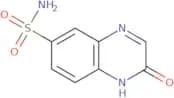
CAS:<p>Versatile small molecule scaffold</p>Formula:C12H11Cl2NOSPurity:Min. 95%Molecular weight:288.2 g/mol2-Oxo-1,2-dihydroquinoxaline-6-sulfonamide
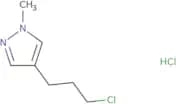
CAS:<p>Versatile small molecule scaffold</p>Formula:C8H7N3O3SPurity:Min. 95%Molecular weight:225.23 g/mol4-(3-Chloropropyl)-1-methyl-1H-pyrazole hydrochloride
CAS:<p>Versatile small molecule scaffold</p>Formula:C7H12Cl2N2Purity:Min. 95%Molecular weight:195.09 g/mol4-Bromo-N-{3-[(methylamino)methyl]phenyl}-1H-pyrrole-2-carboxamide hydrochloride
CAS:<p>Versatile small molecule scaffold</p>Formula:C13H15BrClN3OPurity:Min. 95%Molecular weight:344.63 g/mol2-[4-(3-Ethyl-1,2,4-oxadiazol-5-yl)phenyl]ethan-1-amine hydrochloride
CAS:<p>Versatile small molecule scaffold</p>Formula:C12H16ClN3OPurity:Min. 95%Molecular weight:253.73 g/mol2-Methyl-5H,6H,7H,8H-[1,2,4]triazolo[1,5-a]pyridin-6-amine
CAS:<p>Versatile small molecule scaffold</p>Formula:C7H12N4Purity:Min. 95%Molecular weight:152.2 g/mol1-[(4-Aminophenyl)sulfanyl]-N,N-dimethylformamide hydrochloride
CAS:<p>Versatile small molecule scaffold</p>Formula:C9H13ClN2OSPurity:Min. 95%Molecular weight:232.73 g/mol2-Chloro-N-methyl-N-[(1-methyl-1H-pyrazol-4-yl)methyl]acetamide hydrochloride
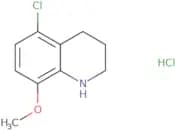
CAS:<p>Versatile small molecule scaffold</p>Formula:C8H13Cl2N3OPurity:Min. 95%Molecular weight:238.11 g/mol5-Chloro-8-methoxy-1,2,3,4-tetrahydroquinoline hydrochloride
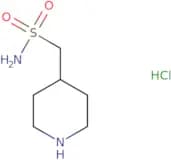
CAS:<p>Versatile small molecule scaffold</p>Formula:C10H13Cl2NOPurity:Min. 95%Molecular weight:234.12 g/molPiperidin-4-ylmethanesulfonamide hydrochloride
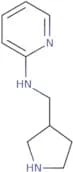
CAS:Versatile small molecule scaffoldFormula:C6H15ClN2O2SPurity:Min. 95%Molecular weight:214.71 g/molN-(Pyrrolidin-3-ylmethyl)pyridin-2-amine
CAS:<p>Versatile small molecule scaffold</p>Formula:C10H15N3Purity:Min. 95%Molecular weight:177.25 g/mol3-{[2-(4-Methanesulfonylphenyl)-2-oxoethyl]carbamoyl}propanoic acid
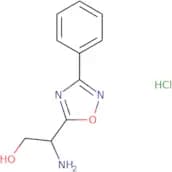
CAS:Versatile small molecule scaffoldFormula:C13H15NO6SPurity:Min. 95%Molecular weight:313.33 g/mol2-Amino-2-(3-phenyl-1,2,4-oxadiazol-5-yl)ethan-1-ol hydrochloride
CAS:<p>Versatile small molecule scaffold</p>Formula:C10H12ClN3O2Purity:Min. 95%Molecular weight:241.67 g/mol3-Bromo-4-hydrazinyl-1-methyl-1H-pyrazolo[3,4-d]pyrimidine
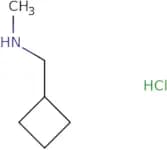
CAS:<p>Versatile small molecule scaffold</p>Formula:C6H7BrN6Purity:Min. 95%Molecular weight:243.06 g/mol(Cyclobutylmethyl)methylamine hydrochloride
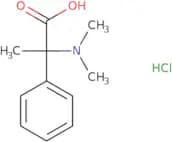
CAS:<p>Versatile small molecule scaffold</p>Formula:C6H14ClNPurity:Min. 95%Molecular weight:135.64 g/mol2-(Dimethylamino)-2-phenylpropanoic acid hydrochloride
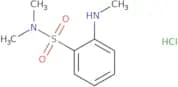
CAS:Versatile small molecule scaffoldFormula:C11H16ClNO2Purity:Min. 95%Molecular weight:229.7 g/molN,N-Dimethyl-2-(methylamino)benzene-1-sulfonamide hydrochloride
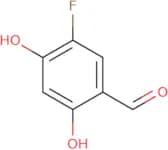
CAS:Versatile small molecule scaffoldFormula:C9H15ClN2O2SPurity:Min. 95%Molecular weight:250.75 g/mol5-Fluoro-2,4-dihydroxybenzaldehyde
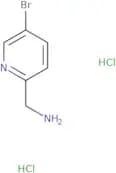
CAS:<p>Versatile small molecule scaffold</p>Formula:C7H5FO3Purity:Min. 95%Molecular weight:156.11 g/mol1-(5-bromopyridin-2-yl)methanamine dihydrochloride
CAS:Versatile small molecule scaffoldFormula:C6H9BrCl2N2Purity:Min. 95%Molecular weight:260 g/mol1-Phenyl-2-azaspiro[3.6]decane
CAS:<p>Versatile small molecule scaffold</p>Formula:C15H21NPurity:Min. 95%Molecular weight:215.33 g/mol3-Phenyl-2-azaspiro[3.4]octan-1-one
CAS:<p>Versatile small molecule scaffold</p>Formula:C13H15NOPurity:Min. 95%Molecular weight:201.26 g/mol1-(5-Iodopyrimidin-2-yl)-1,4-diazepan-5-one
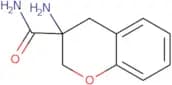
CAS:<p>Versatile small molecule scaffold</p>Formula:C9H11IN4OPurity:Min. 95%Molecular weight:318.11 g/mol3-Amino-3,4-dihydro-2H-1-benzopyran-3-carboxamide
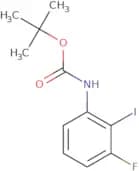
CAS:<p>Versatile small molecule scaffold</p>Formula:C10H12N2O2Purity:Min. 95%Molecular weight:192.21 g/moltert-Butyl N-(3-fluoro-2-iodophenyl)carbamate
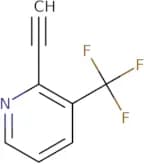
CAS:Versatile small molecule scaffoldFormula:C11H13FINO2Purity:Min. 95%Molecular weight:337.13 g/mol2-Ethynyl-3-(trifluoromethyl)pyridine
CAS:<p>Versatile small molecule scaffold</p>Formula:C8H4F3NPurity:Min. 95%Molecular weight:171.12 g/mol1-Ethyl-3-methyl-5-(tetramethyl-1,3,2-dioxaborolan-2-yl)-1H-pyrazole
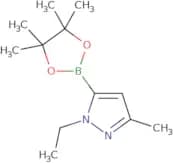
CAS:<p>Versatile small molecule scaffold</p>Formula:C12H21BN2O2Purity:Min. 95%Molecular weight:236.12 g/mol2,2-Dimethyl-4-(3-methylbut-2-en-1-yl)thiomorpholine
CAS:<p>Versatile small molecule scaffold</p>Formula:C11H21NSPurity:Min. 95%Molecular weight:199.4 g/mol5-Ethyl-2-({[(9H-fluoren-9-yl)methoxy]carbonyl}amino)benzoic acid
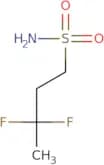
CAS:<p>Versatile small molecule scaffold</p>Formula:C24H21NO4Purity:Min. 95%Molecular weight:387.4 g/mol3,3-Difluorobutane-1-sulfonamide
CAS:<p>Versatile small molecule scaffold</p>Formula:C4H9F2NO2SPurity:Min. 95%Molecular weight:173.18 g/molEthyl 4-methyl-2-(2,2,2-trifluoroethyl)-1,3-thiazole-5-carboxylate
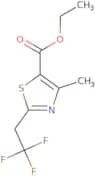
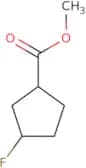
CAS:<p>Versatile small molecule scaffold</p>Formula:C9H10F3NO2SPurity:Min. 95%Molecular weight:253.24 g/molMethyl 3-fluorocyclopentane-1-carboxylate
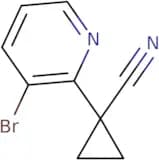
CAS:Versatile small molecule scaffoldFormula:C7H11FO2Purity:Min. 95%Molecular weight:146.16 g/mol1-(3-Bromopyridin-2-yl)cyclopropane-1-carbonitrile
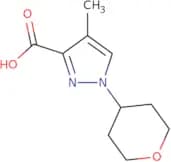
CAS:Versatile small molecule scaffoldFormula:C9H7BrN2Purity:Min. 95%Molecular weight:223.07 g/mol4-Methyl-1-(oxan-4-yl)-1H-pyrazole-3-carboxylic acid
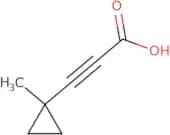
CAS:<p>Versatile small molecule scaffold</p>Formula:C10H14N2O3Purity:Min. 95%Molecular weight:210.23 g/mol3-(1-Methylcyclopropyl)prop-2-ynoic acid
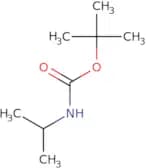
CAS:Versatile small molecule scaffoldFormula:C7H8O2Purity:Min. 95%Molecular weight:124.14 g/molTert-Butyl N-(Propan-2-Yl)Carbamate
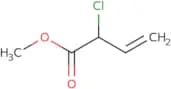
CAS:<p>Versatile small molecule scaffold</p>Formula:C8H17NO2Purity:Min. 95%Molecular weight:159.23 g/molMethyl 2-chlorobut-3-enoate
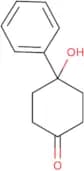
CAS:<p>Methyl 2-chlorobut-3-enoate is a benzyl functionalized cyclization product. It is synthesized from homoallylamines by a diastereoselective synthesis in the presence of carbamates. The cyclization reaction is induced by a transition metal or stereochemical change, which provides the desired stereochemistry in high yield and diastereoselectivity. Methyl 2-chlorobut-3-enoate has been used in biologically significant reactions such as the synthesis of homoallylic amines, which are important intermediates for pharmaceuticals, pesticides, and herbicides.</p>Formula:C5H7ClO2Purity:Min. 95%Molecular weight:134.56 g/mol4-Hydroxy-4-phenylcyclohexan-1-one
CAS:<p>4-Hydroxy-4-phenylcyclohexan-1-one is an alkylating agent that inhibits the activation of chemokine receptors. It has been shown to inhibit the human serum albumin, and acts as a potent inhibitor of chemokine receptor CXCR2. This molecule was synthesized in a multistep process from commercially available starting materials. 4-Hydroxy-4-phenylcyclohexan-1-one has been validated for its potent inhibitory activity against chemokines, with a selectivity index of > 100 against other chemotactic molecules. The structure of this molecule was found to be a good pharmacophore for inhibition of chemotaxis by homologous compounds.</p>Formula:C12H14O2Purity:Min. 95%Molecular weight:190.24 g/molMethyl 1-bromocyclobutanecarboxylate
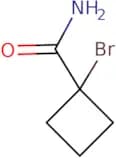
CAS:Methyl 1-bromocyclobutanecarboxylate is an alicyclic compound that can be synthesized by the reaction of methyl acetoacetate, formaldehyde and hydrogen bromide. The product can be analyzed using x-ray crystallography to determine its structural properties. The structural analysis suggests that there are two possible substituents on the nitrogen atom.Formula:C6H9BrO2Purity:Min. 95%Molecular weight:193.04 g/mol1-Bromocyclobutane-1-carboxamide
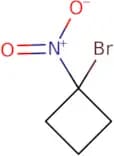
CAS:<p>Versatile small molecule scaffold</p>Formula:C5H8BrNOPurity:Min. 95%Molecular weight:178.03 g/mol1-Bromo-1-nitrocyclobutane
CAS:<p>Versatile small molecule scaffold</p>Formula:C4H6BrNO2Purity:Min. 95%Molecular weight:180 g/mol[4-(Prop-2-yn-1-yl)phenyl]methanol
CAS:<p>Allylbromide is an organic compound that has a cyclic, allenyl ring structure. It is produced by the reaction of magnesium and ethylene glycol with bromobenzene in the presence of tetrahydrofuran. Allylbronide is used as an insecticide and has been shown to be effective against mosquitoes, fleas, and ticks. Allylbronide also has a strong anticholinesterase activity which makes it useful for the treatment of acute organophosphate poisoning. It binds to the active site of acetylcholinesterase and blocks its function, leading to accumulation of acetylcholine at nerve endings.</p>Formula:C10H10OPurity:Min. 95%Molecular weight:146.19 g/mol1-(Thiophen-3-yl)propan-1-one
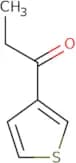
CAS:<p>Versatile small molecule scaffold</p>Formula:C7H8OSPurity:Min. 95%Molecular weight:140.2 g/mol(S)-2-Isopropylpyrrolidine HCl ee
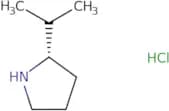
CAS:<p>Versatile small molecule scaffold</p>Formula:C7H16ClNPurity:Min. 95%Molecular weight:149.66 g/mol(2S,3R)-3-Phenylpyrrolidine-2-carboxylic acid hydrochloride
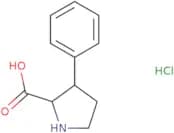
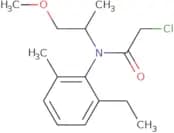
CAS:<p>Versatile small molecule scaffold</p>Formula:C11H14ClNO2Purity:Min. 95%Molecular weight:227.69 g/molMetolachlor
CAS:<p>Metolachlor is a herbicide with antimicrobial properties that is used to control weeds in agricultural and other settings. Metolachlor is a potent inducer of liver enzymes CYP1A2, CYP3A4, and CYP2E1. It also causes drug interactions with drugs metabolized by these enzymes such as the anti-HIV drug efavirenz. Metolachlor has been shown to cause toxic effects in the kidneys, heart, and brain. The chemical structure of metolachlor was first determined by X-ray crystallography in 1969. Metolachlor is not active against many common plant pests, but it does have activity against some fungi and bacteria. Metolachlor can be used for the control of infectious diseases caused by bacteria, such as salmonella or chlamydia.</p>Formula:C15H22ClNO2Purity:Min. 95%Molecular weight:283.79 g/mol2-Ethyl-N-(2-methoxy-1-methylethyl)-6-methyl-benzenamine
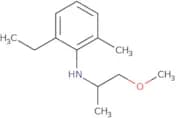
CAS:<p>Versatile small molecule scaffold</p>Formula:C13H21NOPurity:Min. 95%Molecular weight:207.31 g/mol3-(((Benzyloxy)carbonyl)amino)-3-methylbutanoic acid
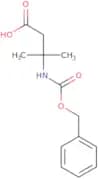
CAS:<p>3-(((Benzyloxy)carbonyl)amino)-3-methylbutanoic acid (BMAA) is a quaternary ammonium compound that has antimicrobial activities. BMAA is active against Gram-positive and Gram-negative bacteria, including some strains of Staphylococcus aureus and Escherichia coli. It also has antimicrobial activity against yeast and fungi. BMAA exhibits stability in the presence of organic solvents, detergents, and water. This product is used as an antimicrobial agent in industrial processes such as wastewater treatment, oil exploration, pulp milling, and food processing. It can be used as a substitute for other quaternary ammonium compounds such as benzalkonium chloride or cetrimide, which are toxic to aquatic life. There are no known analogs to this chemical compound.</p>Formula:C13H17NO4Purity:Min. 95%Molecular weight:251.28 g/mol(4-Ethoxy-benzoylamino)-acetic acid
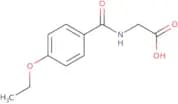
CAS:<p>Versatile small molecule scaffold</p>Formula:C11H13NO4Purity:Min. 95%Molecular weight:223.22 g/mol2-{[4-(Propan-2-yloxy)phenyl]formamido}acetic acid
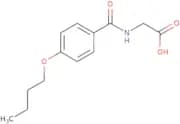
CAS:Versatile small molecule scaffoldFormula:C12H15NO4Purity:Min. 95%Molecular weight:237.25 g/mol(4-Butoxy-benzoylamino)-acetic acid
CAS:<p>4-Butoxy-benzoylamino)-acetic acid is a hydrophobic compound. The interaction of the compound with ionic liquids is strong, and it is insoluble in water or organic solvents. The molecular weight of this compound is 197.4 g/mol and its melting point is -54 °C. This compound can be used as an excipient for pharmaceuticals, and it can also be used to create homopolymers that are functionalized.</p>Formula:C13H17NO4Purity:Min. 95%Molecular weight:251.28 g/molN-(2-Amino-4-chlorophenyl)acetamide
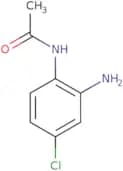
CAS:<p>Versatile small molecule scaffold</p>Formula:C8H9ClN2OPurity:Min. 95%Molecular weight:184.62 g/mol3-(2-Methyl-1,3-dioxolan-2-yl)aniline
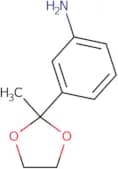
CAS:<p>Versatile small molecule scaffold</p>Formula:C10H13NO2Purity:Min. 95%Molecular weight:179.22 g/mol2-(Pyridin-4-yl)-1,3-thiazolidine-4-carboxylic acid
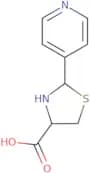
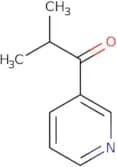
CAS:<p>2-(Pyridin-4-yl)-1,3-thiazolidine-4-carboxylic acid is a glycol ether with a hydrocarbon group. It is used as an ethoxylate in the production of surfactants and cationic surfactants. This chemical has been shown to inhibit the growth of microorganisms such as fungi and bacteria. 2-(Pyridin-4-yl)-1,3-thiazolidine-4-carboxylic acid can be used as an emulsifier to make lemongrass oil more soluble in water. It also has antifungal properties, which may be due to its ability to inhibit fatty acid synthesis by inhibiting the enzyme acetyl coenzyme A carboxylase (ACCase).</p>Formula:C9H10N2O2SPurity:Min. 95%Molecular weight:210.26 g/mol2-Methyl-1-(pyridin-3-yl)propan-1-one
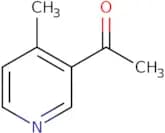
CAS:<p>Versatile small molecule scaffold</p>Formula:C9H11NOPurity:Min. 95%Molecular weight:149.19 g/mol1-(4-Methyl-3-pyridinyl)ethanone
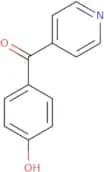
CAS:<p>1-(4-Methyl-3-pyridinyl)ethanone is an organic compound that yields optical pyruvic acid on hydrolysis. It also has unselective dehydrogenase activity on a variety of substrates, including dioxane and 2,2,2-trichloroethanol. 1-(4-Methyl-3-pyridinyl)ethanone can be used as a reagent for the synthesis of chiral iminium salts or as a dehydrating agent in organic synthesis. It is also used to synthesize vitamin B6 and indole alkaloids. The chemical structure of 1-(4-methyl-3-pyridinyl)ethanone is similar to that of benzaldehyde (C6H5CH2CHO), which has benzylic hydroxyl group on the benzene ring. This compound can be oxidized to yield a dianion that can be used as a photocat</p>Formula:C8H9NOPurity:Min. 95%Molecular weight:135.16 g/mol(4-Hydroxyphenyl)(4-pyridyl)methanone
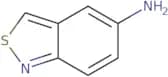
CAS:<p>Versatile small molecule scaffold</p>Formula:C12H9NO2Purity:Min. 95%Molecular weight:199.21 g/mol2,1-Benzothiazol-5-amine
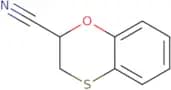
CAS:<p>Versatile small molecule scaffold</p>Formula:C7H6N2SPurity:Min. 95%Molecular weight:150.2 g/mol2,3-Dihydro-1,4-benzoxathiine-2-carbonitrile
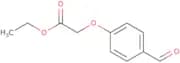
CAS:<p>Versatile small molecule scaffold</p>Formula:C9H7NOSPurity:Min. 95%Molecular weight:177.22 g/molEthyl (4-formylphenoxy)acetate
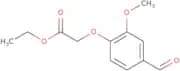
CAS:<p>Ethyl (4-formylphenoxy)acetate is a molecule that belongs to the group of quinoline derivatives. It is a copper complex that has shown cytotoxic activity against cancer cells in vitro. The cytotoxicity of ethyl (4-formylphenoxy)acetate has been attributed to its ability to form conjugates with monoclonal antibodies, which may be important for treatment and diagnosis of cancer. Studies have demonstrated the interaction between ethyl (4-formylphenoxy)acetate and DNA, as well as the application of radiation and crystallography techniques to optimize labeling.</p>Formula:C11H12O4Purity:Min. 95%Molecular weight:208.21 g/mol4-Formyl-2-methoxy-phenoxy-acetic acid ethyl ester
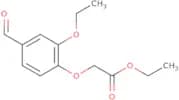
CAS:<p>Versatile small molecule scaffold</p>Formula:C12H14O5Purity:Min. 95%Molecular weight:238.24 g/molEthyl (2-ethoxy-4-formylphenoxy)acetate
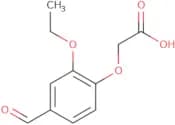
CAS:<p>Versatile small molecule scaffold</p>Formula:C13H16O5Purity:Min. 95%Molecular weight:252.26 g/mol(2-Ethoxy-4-formyl-phenoxy)-acetic acid
CAS:Versatile small molecule scaffoldFormula:C11H12O5Purity:Min. 95%Molecular weight:224.21 g/mol2-(3-Formylphenoxy)propanoic acid
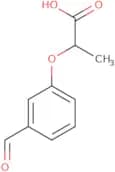
CAS:<p>Versatile small molecule scaffold</p>Formula:C10H10O4Purity:Min. 95%Molecular weight:194.18 g/mol2-(4-Formylphenoxy)propanoic acid
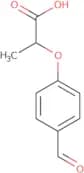
CAS:<p>Versatile small molecule scaffold</p>Formula:C10H10O4Purity:Min. 95%Molecular weight:194.18 g/mol2-(4-Formyl-2-methoxyphenoxy)propanoic acid
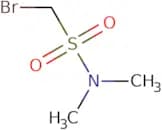
CAS:Versatile small molecule scaffoldFormula:C11H12O5Purity:Min. 95%Molecular weight:224.21 g/mol1-Bromo-N,N-dimethylmethanesulfonamide
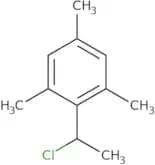
CAS:<p>Versatile small molecule scaffold</p>Formula:C3H8BrNO2SPurity:Min. 95%Molecular weight:202.07 g/mol2-(1-Chloroethyl)-1,3,5-trimethylbenzene
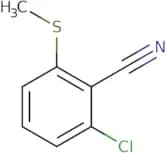
CAS:2-(1-Chloroethyl)-1,3,5-trimethylbenzene is a solvents that can be used to make cationic polymers. It is a compound that has been shown to be an effective inhibitor of cationic polymerization with styrene. 2-(1-Chloroethyl)-1,3,5-trimethylbenzene can also be used as an initiator in the synthesis of ethylene dichloride. This chemical is insoluble in water and is not reactive with acids or alkalines.Formula:C11H15ClPurity:Min. 95%Molecular weight:182.69 g/mol2-Chloro-6-(methylsulfanyl)benzonitrile
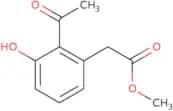
CAS:Versatile small molecule scaffoldFormula:C8H6ClNSPurity:Min. 95%Molecular weight:183.66 g/molMethyl 2-(2-acetyl-3-hydroxyphenyl)acetate
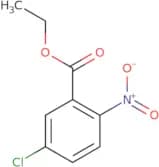
CAS:<p>Methyl 2-(2-acetyl-3-hydroxyphenyl)acetate (1) is an ester that can be synthesized by reacting methanol with isobenzofuran. The radical cations of 1 are stable, and the spectra show a strong C=O stretching frequency at 1750 cm−1, as well as a weak C=C stretching frequency at 1360 cm−1. These spectral data were confirmed by infrared and mass spectrometry. The synthesis of 1 was also confirmed by the analysis of its electron impact mass spectrum, which shows molecular ion peaks at m/z 107 and 131.<br>Methyl 2-(2-acetyl-3-hydroxyphenyl)acetate has been isolated from Australian rainforest plants.</p>Formula:C11H12O4Purity:Min. 95%Molecular weight:208.21 g/molEthyl 5-chloro-2-nitrobenzoate
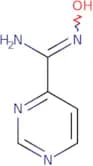
CAS:<p>Versatile small molecule scaffold</p>Formula:C9H8ClNO4Purity:Min. 95%Molecular weight:229.62 g/molN'-Hydroxypyrimidine-4-carboximidamide
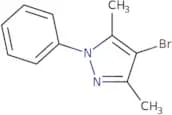
CAS:<p>Versatile small molecule scaffold</p>Formula:C5H6N4OPurity:Min. 95%Molecular weight:138.13 g/mol4-Bromo-3,5-dimethyl-1-phenyl-1H-pyrazole
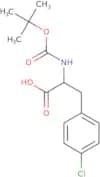
CAS:Versatile small molecule scaffoldFormula:C11H11BrN2Purity:Min. 95%Molecular weight:251.12 g/mol2-((tert-Butoxycarbonyl)amino)-3-(4-chlorophenyl)propanoic acid
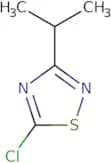
CAS:<p>Versatile small molecule scaffold</p>Formula:C14H18ClNO4Purity:Min. 95%Molecular weight:299.75 g/mol5-Chloro-3-(propan-2-yl)-1,2,4-thiadiazole
CAS:Versatile small molecule scaffoldFormula:C5H7ClN2SPurity:Min. 95%Molecular weight:162.64 g/mol4-Cyano-4-phenylpiperidine hydrochloride
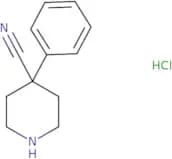
CAS:4-Cyano-4-phenylpiperidine hydrochloride is used as an intermediate in the synthesis of organic compounds. It is a white crystalline solid that reacts with water to form hydrogen cyanide and 4-phenylpiperidine. This compound has been shown to be a potent inhibitor of thionyl chloride and benzyl chloride, which are both toxic industrial chemicals. 4-Cyano-4-phenylpiperidine hydrochloride also reacts with diethanolamine to form a benzyl ether, which can then react with other nucleophiles such as piperidine to produce amines.Formula:C12H14N2•HClPurity:Min. 95%Molecular weight:222.71 g/molN-[4-(Hydroxymethyl)-2-thiazolyl]acetamide
CAS:<p>Versatile small molecule scaffold</p>Formula:C6H8N2O2SPurity:Min. 95%Molecular weight:172.2 g/molN-Butyl-1H-1,3-benzodiazol-2-amine
CAS:<p>N-Butyl-1H-1,3-benzodiazol-2-amine is an organic compound that belongs to the group of benzimidazoles. It is a fungicide that inhibits the growth of fungi by inhibiting their DNA synthesis. This drug has been shown to inhibit the growth of fungi that cause plant diseases such as rice blast, wheat stem rust and barley yellow dwarf.</p>Formula:C11H15N3Purity:Min. 95%Molecular weight:189.26 g/mol4-Amino-7-chloro-2,1,3-benzothiadiazole
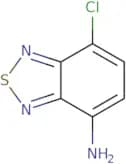
CAS:Versatile small molecule scaffoldFormula:C6H4ClN3SPurity:Min. 95%Molecular weight:185.63 g/mol(5-Chloro-2,1,3-benzothiadiazol-4-yl)thiourea
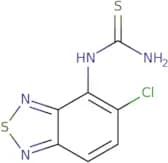
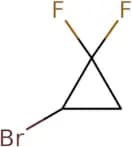
CAS:Versatile small molecule scaffoldFormula:C7H5ClN4S2Purity:Min. 95%Molecular weight:244.7 g/mol2-Bromo-1,1-difluorocyclopropane
CAS:<p>Versatile small molecule scaffold</p>Formula:C3H3BrF2Purity:Min. 95%Molecular weight:156.96 g/mol1-Amino-4-tert-butylcyclohexane-1-carbonitrile hydrochloride
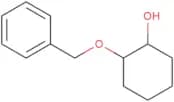
CAS:<p>Versatile small molecule scaffold</p>Formula:C11H21ClN2Purity:Min. 95%Molecular weight:216.75 g/molrac-(1R,2R)-2-(Benzyloxy)cyclohexan-1-ol
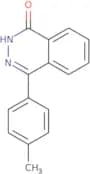
CAS:<p>Versatile small molecule scaffold</p>Formula:C13H18O2Purity:Min. 95%Molecular weight:206.28 g/mol4-(4-Methylphenyl)-1,2-dihydrophthalazin-1-one
CAS:Versatile small molecule scaffoldFormula:C15H12N2OPurity:Min. 95%Molecular weight:236.27 g/mol1-[5-(4-Bromophenyl)thiophen-2-yl]ethan-1-one
CAS:<p>Versatile small molecule scaffold</p>Formula:C12H9BrOSPurity:Min. 95%Molecular weight:281.17 g/mol1-[5-(4-Chlorophenyl)-2-thienyl]-1-ethanone
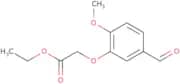
CAS:Versatile small molecule scaffoldFormula:C12H9ClOSPurity:Min. 95%Molecular weight:236.72 g/molethyl 2-(5-formyl-2-methoxyphenoxy)acetate
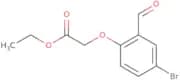
CAS:<p>Versatile small molecule scaffold</p>Formula:C12H14O5Purity:Min. 95%Molecular weight:238.24 g/molEthyl (4-bromo-2-formylphenoxy)acetate
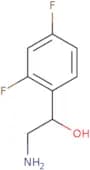
CAS:<p>Versatile small molecule scaffold</p>Formula:C11H11BrO4Purity:Min. 95%Molecular weight:287.1 g/mol2-Amino-1-(2,4-difluorophenyl)ethan-1-ol
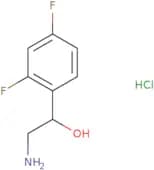
CAS:<p>Versatile small molecule scaffold</p>Formula:C8H9F2NOPurity:Min. 95%Molecular weight:173.16 g/mol2-Amino-1-(2,4-difluorophenyl)ethan-1-ol hydrochloride
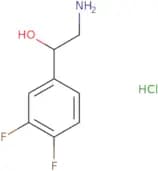
CAS:<p>Versatile small molecule scaffold</p>Formula:C8H10ClF2NOPurity:Min. 95%Molecular weight:209.62 g/mol2-Amino-1-(3,4-difluorophenyl)ethan-1-ol hydrochloride
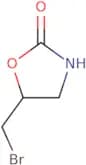
CAS:<p>Versatile small molecule scaffold</p>Formula:C8H10ClF2NOPurity:Min. 95%Molecular weight:209.62 g/mol5-(Bromomethyl)-1,3-oxazolidin-2-one
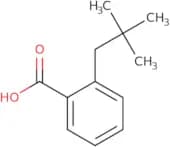
CAS:5-(Bromomethyl)-1,3-oxazolidin-2-one is a synthetic compound that has been shown to be pharmacologically active in mice. It can be synthesized by the electrochemical oxidation of benzene and alcohols. 5-(Bromomethyl)-1,3-oxazolidin-2-one has been shown to have selectivities for cyclic and nucleophilic substrates over tetrafluoroborate substrates. The yields of this reaction are typically low due to the competing reactions between the substrate and oxidant. 5-(Bromomethyl)-1,3-oxazolidin-2-one has been shown to have selective chiral centers due to its spirocyclic structure. It also shows pharmacological effects in mice, which may be due to its ability to inhibit cyclooxygenase (COX) activity.Formula:C4H6BrNO2Purity:Min. 95%Molecular weight:180 g/mol2-(2,2-Dimethylpropyl)benzoic acid
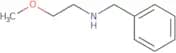
CAS:<p>2-(2,2-Dimethylpropyl)benzoic acid is an organic compound with the formula CH3COCH2C6H5CO2H. It is a white crystalline solid that is soluble in water and polar organic solvents. The compound is used in the synthesis of other compounds. 2-(2,2-Dimethylpropyl)benzoic acid can be prepared by reacting benzoic acid with magnesium to form a Grignard reagent, which reacts with chlorobenzene to yield the desired product. This compound has been shown to react selectively with substituents on benzyl chloride to produce substituted benzoates.</p>Formula:C12H16O2Purity:Min. 95%Molecular weight:192.25 g/molN-Benzyl-n-(2-methoxyethyl)amine
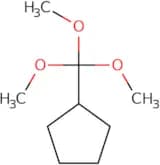
CAS:<p>Versatile small molecule scaffold</p>Formula:C10H15NOPurity:Min. 95%Molecular weight:165.23 g/mol(Trimethoxymethyl)cyclopentane
CAS:<p>Versatile small molecule scaffold</p>Formula:C9H18O3Purity:Min. 95%Molecular weight:174.24 g/mol(4-Chloro-3,5-dimethyl-1H-pyrazol-1-yl)methanol
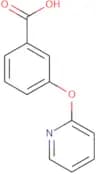
CAS:<p>Versatile small molecule scaffold</p>Formula:C6H9ClN2OPurity:Min. 95%Molecular weight:160.6 g/mol3-(Pyridin-2-yloxy)benzoic acid
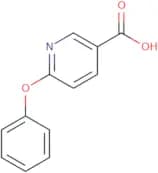
CAS:<p>3-(Pyridin-2-yloxy)benzoic acid is an organic compound that belongs to the group of anilides. It has been shown to be toxic to plants by inhibiting their chlorophyll production and by causing phytotoxicity. 3-(Pyridin-2-yloxy)benzoic acid also inhibits the germination of seeds, primarily due to its inhibition of growth hormone activity. 3-(Pyridin-2-yloxy)benzoic acid can be used as a herbicide because it is highly effective against broadleaf plants, but not grasses. This compound is also relatively non-toxic to mammals and birds, but can cause skin irritation in humans.</p>Formula:C12H9NO3Purity:Min. 95%Molecular weight:215.2 g/mol6-Phenoxynicotinic acid
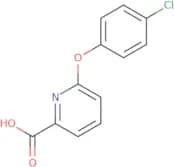
CAS:<p>6-Phenoxynicotinic acid is an anticancer agent that is potent against a number of human cancer cell lines. It has shown anti-cancer efficacy in animal models and is known to interact with the cancer cells by modifying their DNA. 6-Phenoxynicotinic acid inhibits the growth of cancer cells by inhibiting the synthesis of specific proteins required for cell division. This compound has been synthesized and shown to have potent anticancer activity, which may be due to its ability to inhibit tyrosine kinases, leading to inhibition of protein synthesis.</p>Formula:C12H9NO3Purity:Min. 95%Molecular weight:215.2 g/mol6-(4-Chlorophenoxy)pyridine-2-carboxylic acid
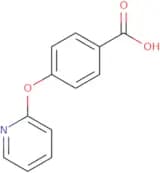
CAS:<p>Versatile small molecule scaffold</p>Formula:C12H8ClNO3Purity:Min. 95%Molecular weight:249.65 g/mol4-(Pyridin-2-yloxy)benzoic acid
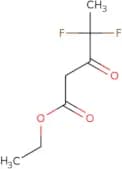
CAS:<p>Versatile small molecule scaffold</p>Formula:C12H9NO3Purity:Min. 95%Molecular weight:215.2 g/molEthyl 4,4-difluoro-3-oxopentanoate
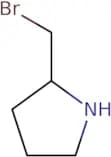
CAS:<p>Versatile small molecule scaffold</p>Formula:C7H10F2O3Purity:Min. 95%Molecular weight:180.15 g/mol(2S)-2-(Bromomethyl)pyrrolidine hydrobromide
CAS:Versatile small molecule scaffoldFormula:C5H10BrNPurity:Min. 95%Molecular weight:164.04 g/molDec-9-en-1-amine
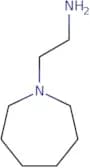
CAS:<p>Dec-9-en-1-amine is a heterobifunctional amine with a diazonium salt. It can be used to immobilize biomolecules to surfaces using electrochemical methods. Dec-9-en-1-amine reacts with oxalyl chloride to produce the corresponding amide, which is then reacted with a secondary amine to form an oxazoline. The reaction of a primary amine with the oxazoline forms an azide and the final product is an oxazolidinone. The hybridization of DNA fragments can be detected by labeling one of the strands with a fluorescent dye and measuring changes in fluorescence as the two strands separate during hybridization.</p>Formula:C10H21NPurity:Min. 95%Molecular weight:155.28 g/mol2-Azepan-1-yl-ethylamine
CAS:<p>Versatile small molecule scaffold</p>Formula:C8H18N2Purity:Min. 95%Molecular weight:142.25 g/mol3-[(Diethylamino)methyl]-4-ethoxyaniline
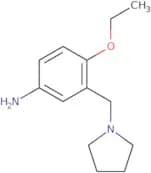
CAS:<p>Versatile small molecule scaffold</p>Formula:C13H22N2OPurity:Min. 95%Molecular weight:222.33 g/mol4-Ethoxy-3-(pyrrolidin-1-ylmethyl)aniline
CAS:<p>Versatile small molecule scaffold</p>Formula:C13H20N2OPurity:Min. 95%Molecular weight:220.31 g/mol1-Azaspiro[3.3]heptane oxalate
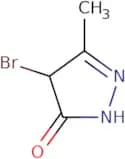
CAS:Versatile small molecule scaffoldFormula:C14H24N2O4Purity:Min. 95%Molecular weight:284.36 g/mol4-Bromo-3-methyl-1H-pyrazol-5(4H)-one
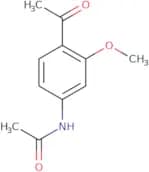
CAS:<p>Versatile small molecule scaffold</p>Formula:C4H5BrN2OPurity:Min. 95%Molecular weight:177 g/molN-(4-Acetyl-3-methoxyphenyl)acetamide
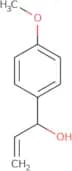
CAS:<p>Versatile small molecule scaffold</p>Formula:C11H13NO3Purity:Min. 95%Molecular weight:207.23 g/mol1-(4-Methoxyphenyl)prop-2-en-1-ol
CAS:<p>1-(4-Methoxyphenyl)prop-2-en-1-ol (1MPE) is a model compound that has been shown to inhibit the growth of cancer cells in vitro and in vivo. 1MPE inhibits the activity of human liver enzymes, such as cytochrome P450, which are involved in metabolizing xenobiotics and drugs. 1MPE also binds to the DNA repair enzyme topoisomerase II alpha and inhibits its activity. The binding of 1MPE with this enzyme prevents the relaxation of DNA, leading to cell death by apoptosis. 1MPE has been shown to have toxic effects on rat primary hepatocytes and rat liver microsomes. It also inhibits the growth of CD-1 mice transplanted with human colon tumor cells. In addition, 1MPE is excreted unchanged in urine samples from rats dosed orally with high doses of this drug.</p>Formula:C10H12O2Purity:Min. 95%Molecular weight:164.2 g/molAlrestatin
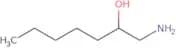
CAS:<p>Alrestatin is a molecule that inhibits the activity of enzymes in the reductase family. Alrestatin has been shown to inhibit both reductases and their binding partner, prostaglandin synthase. It also inhibits the formation of pro-inflammatory mediators by inhibiting enzyme activities. Alrestatin has been shown to be effective against nonsteroidal anti-inflammatory drugs (NSAIDs) such as aspirin, ibuprofen, and indomethacin.</p>Formula:C14H9NO4Purity:Min. 95%Molecular weight:255.23 g/mol1-Aminoheptan-2-ol
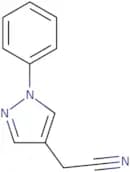
CAS:<p>Versatile small molecule scaffold</p>Formula:C7H17NOPurity:Min. 95%Molecular weight:131.22 g/mol2-(1-Phenyl-1H-pyrazol-4-yl)acetonitrile
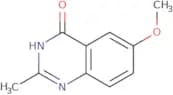
CAS:<p>2-(1-Phenyl-1H-pyrazol-4-yl)acetonitrile is a chemical compound that belongs to the group of methylamines. It can be found in bacteria, where it has been shown to react with methylamine to form tautomers. 2-(1-Phenyl-1H-pyrazol-4-yl)acetonitrile has biological activity and can be detected by the spectra of its compounds. The biological activity may be due to its ability to cyclize into a pyrazole ring or react with other chemicals.</p>Formula:C11H9N3Purity:Min. 95%Molecular weight:183.21 g/mol6-Methoxy-2-methylquinazolin-4-ol
CAS:<p>Versatile small molecule scaffold</p>Formula:C10H10N2O2Purity:Min. 95%Molecular weight:190.2 g/mol



![1-{Bicyclo[4.2.0]octa-1,3,5-trien-7-yl}ethan-1-one](/_next/image/?url=https%3A%2Fstatic.cymitquimica.com%2Fproducts%2F3D%2Fthumb-webp%2FBAA07530.webp&w=3840&q=75)
![3-[(4-Methylphenyl)amino]propanenitrile](/_next/image/?url=https%3A%2Fstatic.cymitquimica.com%2Fproducts%2F3D%2Fthumb-webp%2FBAA07724.webp&w=3840&q=75)
![2,6-Dimethyl-3H,4H,5H,6H,7H,8H-pyrido[4,3-d]pyrimidin-4-one](/_next/image/?url=https%3A%2Fstatic.cymitquimica.com%2Fproducts%2F3D%2Fthumb-webp%2FBAA07816.webp&w=3840&q=75)
![3-Azaspiro[5.6]dodecane-2,4-dione](/_next/image/?url=https%3A%2Fstatic.cymitquimica.com%2Fproducts%2F3D%2Fthumb-webp%2FBAA07889.webp&w=3840&q=75)
![(2S)-3-Carbamoyl-2-[5-(dimethylamino)naphthalene-1-sulfonamido]propanoic acid](/_next/image/?url=https%3A%2Fstatic.cymitquimica.com%2Fproducts%2F3D%2Fthumb-webp%2FBAA10023.webp&w=3840&q=75)


![(1R,6S,7R)-7-Bromobicyclo[4.1.0]heptane](/_next/image/?url=https%3A%2Fstatic.cymitquimica.com%2Fproducts%2F3D%2Fthumb-webp%2FBAA12141.webp&w=3840&q=75)

![8-Azaspiro[4.5]decane hydrochloride](/_next/image/?url=https%3A%2Fstatic.cymitquimica.com%2Fproducts%2F3D%2Fthumb-webp%2FBAA12330.webp&w=3840&q=75)

![2-azaspiro[4.4]nonane-1,3-dione](/_next/image/?url=https%3A%2Fstatic.cymitquimica.com%2Fproducts%2F3D%2Fthumb-webp%2FBAA12495.webp&w=3840&q=75)

![3,4-Dihydrobenzo[e][1,3]oxazin-2-one](/_next/image/?url=https%3A%2Fstatic.cymitquimica.com%2Fproducts%2F3D%2Fthumb-webp%2FBAA12585.webp&w=3840&q=75)

![Sodium 2-[4-(4-methanesulfonylphenyl)-1,3-thiazol-2-yl]acetate](/_next/image/?url=https%3A%2Fstatic.cymitquimica.com%2Fproducts%2F3D%2Fthumb-webp%2FBAC92524.webp&w=3840&q=75)
![1-[2-(4-Chlorophenyl)-4-methyl-1,3-thiazol-5-yl]ethan-1-one hydrochloride](/_next/image/?url=https%3A%2Fstatic.cymitquimica.com%2Fproducts%2F3D%2Fthumb-webp%2FBAC92525.webp&w=3840&q=75)
![4-Bromo-N-{3-[(methylamino)methyl]phenyl}-1H-pyrrole-2-carboxamide hydrochloride](/_next/image/?url=https%3A%2Fstatic.cymitquimica.com%2Fproducts%2F3D%2Fthumb-webp%2FBAC92529.webp&w=3840&q=75)
![2-[4-(3-Ethyl-1,2,4-oxadiazol-5-yl)phenyl]ethan-1-amine hydrochloride](/_next/image/?url=https%3A%2Fstatic.cymitquimica.com%2Fproducts%2F3D%2Fthumb-webp%2FBAC92530.webp&w=3840&q=75)
![2-Methyl-5H,6H,7H,8H-[1,2,4]triazolo[1,5-a]pyridin-6-amine](/_next/image/?url=https%3A%2Fstatic.cymitquimica.com%2Fproducts%2F3D%2Fthumb-webp%2FBAC92531.webp&w=3840&q=75)
![1-[(4-Aminophenyl)sulfanyl]-N,N-dimethylformamide hydrochloride](/_next/image/?url=https%3A%2Fstatic.cymitquimica.com%2Fproducts%2F3D%2Fthumb-webp%2FBAC92533.webp&w=3840&q=75)
![2-Chloro-N-methyl-N-[(1-methyl-1H-pyrazol-4-yl)methyl]acetamide hydrochloride](/_next/image/?url=https%3A%2Fstatic.cymitquimica.com%2Fproducts%2F3D%2Fthumb-webp%2FBAC92534.webp&w=3840&q=75)
![3-{[2-(4-Methanesulfonylphenyl)-2-oxoethyl]carbamoyl}propanoic acid](/_next/image/?url=https%3A%2Fstatic.cymitquimica.com%2Fproducts%2F3D%2Fthumb-webp%2FBAC92544.webp&w=3840&q=75)
![3-Bromo-4-hydrazinyl-1-methyl-1H-pyrazolo[3,4-d]pyrimidine](/_next/image/?url=https%3A%2Fstatic.cymitquimica.com%2Fproducts%2F3D%2Fthumb-webp%2FBAC92546.webp&w=3840&q=75)
![1-Phenyl-2-azaspiro[3.6]decane](/_next/image/?url=https%3A%2Fstatic.cymitquimica.com%2Fproducts%2F3D%2Fthumb-webp%2FBAD07221.webp&w=3840&q=75)
![3-Phenyl-2-azaspiro[3.4]octan-1-one](/_next/image/?url=https%3A%2Fstatic.cymitquimica.com%2Fproducts%2F3D%2Fthumb-webp%2FBAD22720.webp&w=3840&q=75)


![5-Ethyl-2-({[(9H-fluoren-9-yl)methoxy]carbonyl}amino)benzoic acid](/_next/image/?url=https%3A%2Fstatic.cymitquimica.com%2Fproducts%2F3D%2Fthumb-webp%2FBAD62687.webp&w=3840&q=75)

![[4-(Prop-2-yn-1-yl)phenyl]methanol](/_next/image/?url=https%3A%2Fstatic.cymitquimica.com%2Fproducts%2F3D%2Fthumb-webp%2FBCA17648.webp&w=3840&q=75)
![2-{[4-(Propan-2-yloxy)phenyl]formamido}acetic acid](/_next/image/?url=https%3A%2Fstatic.cymitquimica.com%2Fproducts%2F3D%2Fthumb-webp%2FBCA22054.webp&w=3840&q=75)
![N-[4-(Hydroxymethyl)-2-thiazolyl]acetamide](/_next/image/?url=https%3A%2Fstatic.cymitquimica.com%2Fproducts%2F3D%2Fthumb-webp%2FBCA30738.webp&w=3840&q=75)


![1-[5-(4-Bromophenyl)thiophen-2-yl]ethan-1-one](/_next/image/?url=https%3A%2Fstatic.cymitquimica.com%2Fproducts%2F3D%2Fthumb-webp%2FBCA33589.webp&w=3840&q=75)
![1-[5-(4-Chlorophenyl)-2-thienyl]-1-ethanone](/_next/image/?url=https%3A%2Fstatic.cymitquimica.com%2Fproducts%2F3D%2Fthumb-webp%2FBCA33590.webp&w=3840&q=75)


![3-[(Diethylamino)methyl]-4-ethoxyaniline](/_next/image/?url=https%3A%2Fstatic.cymitquimica.com%2Fproducts%2F3D%2Fthumb-webp%2FBCA38807.webp&w=3840&q=75)
![1-Azaspiro[3.3]heptane oxalate](/_next/image/?url=https%3A%2Fstatic.cymitquimica.com%2Fproducts%2F3D%2Fthumb-webp%2FBCA39272.webp&w=3840&q=75)