Building Blocks
This section contains fundamental products for the synthesis of organic and biological compounds. Building blocks are the essential starting materials used to construct complex molecules through various chemical reactions. They play a critical role in drug discovery, material science, and chemical research. At CymitQuimica, we offer a diverse range of high-quality building blocks to support your innovative research and industrial projects, ensuring you have the essential components for successful synthesis.
Subcategories of "Building Blocks"
- Boronic Acids & Boronic Acid Derivatives(5,756 products)
- Chiral Building Blocks(1,242 products)
- Hydrocarbon Building Blocks(6,095 products)
- Organic Building Blocks(61,036 products)
Found 195887 products of "Building Blocks"
Sort by
Purity (%)
0
100
|
0
|
50
|
90
|
95
|
100
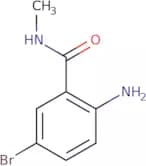
2-Amino-5-bromo-N-methylbenzamide
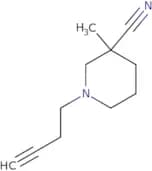
CAS:<p>Versatile small molecule scaffold</p>Formula:C8H9BrN2OPurity:Min. 95%Molecular weight:229.07 g/mol1-(But-3-yn-1-yl)-3-methylpiperidine-3-carbonitrile
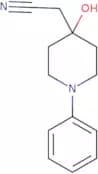
CAS:<p>Versatile small molecule scaffold</p>Formula:C11H16N2Purity:Min. 95%Molecular weight:176.3 g/mol2-(4-Hydroxy-1-phenylpiperidin-4-yl)acetonitrile
CAS:<p>Versatile small molecule scaffold</p>Formula:C13H16N2OPurity:Min. 95%Molecular weight:216.28 g/mol3-Ethyl-1H,2H,3H,4H,5H-pyrido[3,4-b][1,4]diazepin-2-one
CAS:<p>Versatile small molecule scaffold</p>Formula:C10H13N3OPurity:Min. 95%Molecular weight:191.23 g/mol4,5-Dimethyl-N1-phenylbenzene-1,2-diamine
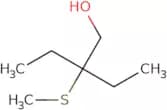
CAS:<p>Versatile small molecule scaffold</p>Formula:C14H16N2Purity:Min. 95%Molecular weight:212.3 g/mol2-Ethyl-2-(methylsulfanyl)butan-1-ol
CAS:<p>Versatile small molecule scaffold</p>Formula:C7H16OSPurity:Min. 95%Molecular weight:148.27 g/mol1-{[(9H-Fluoren-9-yl)methoxy]carbonyl}-3-methylpiperidine-4-carboxylic acid
CAS:<p>Versatile small molecule scaffold</p>Formula:C22H23NO4Purity:Min. 95%Molecular weight:365.4 g/mol2-Chloro-1-methyl-1H-imidazole-5-sulfonamide
CAS:<p>Versatile small molecule scaffold</p>Formula:C4H6ClN3O2SPurity:Min. 95%Molecular weight:195.63 g/mol3-Methyl-1H,2H,3H,4H,5H-pyrido[3,4-b][1,4]diazepin-2-one
CAS:<p>Versatile small molecule scaffold</p>Formula:C9H11N3OPurity:Min. 95%Molecular weight:177.2 g/mol2-Methyl-6-[(1,1,1-trifluoropropan-2-yl)oxy]pyridine-3-carbonitrile
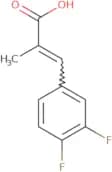
CAS:<p>Versatile small molecule scaffold</p>Formula:C10H9F3N2OPurity:Min. 95%Molecular weight:230.19 g/mol3-(3,4-Difluorophenyl)-2-methylprop-2-enoic acid
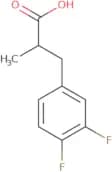
CAS:<p>Versatile small molecule scaffold</p>Formula:C10H8F2O2Purity:Min. 95%Molecular weight:198.17 g/mol3-(3,4-Difluorophenyl)-2-methylpropanoic acid
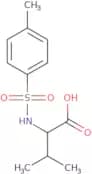
CAS:<p>Versatile small molecule scaffold</p>Formula:C10H10F2O2Purity:Min. 95%Molecular weight:200.18 g/mol3-Methyl-2-(4-methylbenzenesulfonamido)butanoic acid
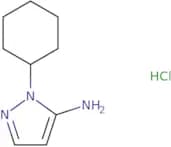
CAS:<p>Versatile small molecule scaffold</p>Formula:C12H17NO4SPurity:Min. 95%Molecular weight:271.33 g/mol1-Cyclohexyl-1H-pyrazol-5-amine hydrochloride
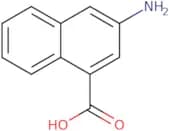
CAS:<p>Versatile small molecule scaffold</p>Formula:C9H16ClN3Purity:Min. 95%Molecular weight:201.7 g/mol3-Aminonaphthalene-1-carboxylic acid
CAS:<p>3-Aminonaphthalene-1-carboxylic acid is a pyridine derivative that is structurally similar to the sulfoxide and dimethyl sulfoxide. The linear regression of the methanol and acetonitrile solvates was found to be dependent on substituent effects. The model compounds, naphthalene and benzene, were used as substituents in this experiment. Substituent effects are seen in the form of steric hindrance, inductive effect, and resonance stabilization. 3-Aminonaphthalene-1-carboxylic acid has been shown to have a variety of uses, including use as an intermediate in the synthesis of model compound skeletons.</p>Formula:C11H9NO2Purity:Min. 95%Molecular weight:187.19 g/mol6-Aminonaphthalene-1-carboxylic acid
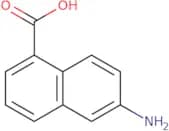
CAS:<p>Versatile small molecule scaffold</p>Formula:C11H9NO2Purity:Min. 95%Molecular weight:187.19 g/mol1-(3-Chlorophenyl)propan-1-ol
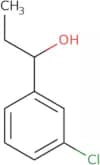
CAS:<p>The enantiomers of 1-(3-chlorophenyl)propan-1-ol are separated by a chiral column, yielding the (R)-enantiomer. The yield of the reaction is determined by the amount of oxidizing agent used to oxidize the alcohol and can be calculated by multiplying the molarity of the reactant and dividing it by the molarity of the product. The enantioselective oxidation of arylethyl alcohols with peracids in an aqueous solution was studied in this experiment. Nocardia and corallina are two examples of bacteria that produce this compound as part of their metabolism. Unreacted 1-(3-chlorophenyl)propan-1-ol can be found in ketones and carbinols, as well as other compounds containing an erythylene group.</p>Formula:C9H11OClPurity:Min. 95%Molecular weight:170.63 g/mol3-Propyl-2,5-dihydro-1,2,4-thiadiazol-5-imine
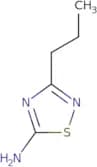
CAS:<p>Versatile small molecule scaffold</p>Formula:C5H9N3SPurity:Min. 95%Molecular weight:143.21 g/mol2-Methyl-5-nitro-1,3-benzoxazole
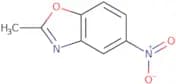
CAS:<p>2-Methyl-5-nitro-1,3-benzoxazole is a chemical compound that has been shown to inhibit the growth of wheat plants. It may have an effect on the regulation of plant growth and development. 2-Methyl-5-nitro-1,3-benzoxazole also inhibits the production of nitric oxide by activated macrophages and decreases their ability to produce cytokines. This chemical is found in soil, water, and air as well as in products such as plastics, textiles, and insulation materials. The amount of 2-methyl-5-nitro-1,3 benzoxazole present in these products is regulated by regulatory agencies to ensure safety standards are met.</p>Formula:C8H6N2O3Purity:Min. 95%Molecular weight:178.15 g/mol4,6-Dinitro-1H-1,3-benzodiazole
CAS:<p>Versatile small molecule scaffold</p>Formula:C7H4N4O4Purity:Min. 95%Molecular weight:208.13 g/molEthyl 3-oxo-2,3,5,6,7,8-hexahydrocinnoline-4-carboxylate
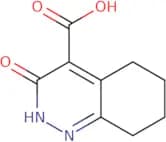
CAS:<p>Versatile small molecule scaffold</p>Formula:C11H14N2O3Purity:Min. 95%Molecular weight:222.2 g/mol3-Oxo-2,3,5,6,7,8-hexahydrocinnoline-4-carboxylic acid
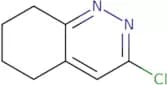
CAS:<p>Versatile small molecule scaffold</p>Formula:C9H10N2O3Purity:Min. 95%Molecular weight:194.2 g/mol3-Chloro-5,6,7,8-tetrahydrocinnoline
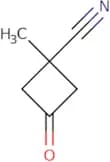
CAS:<p>Versatile small molecule scaffold</p>Formula:C8H9ClN2Purity:Min. 95%Molecular weight:168.62 g/mol1-Methyl-3-oxocyclobutane-1-carbonitrile
CAS:<p>Versatile small molecule scaffold</p>Formula:C6H7NOPurity:Min. 95%Molecular weight:109.13 g/mol5-Oxo-3,5-dihydro-2H-thiazolo[3,2-a]pyrimidine-6-carboxylic acid
CAS:<p>Versatile small molecule scaffold</p>Formula:C7H6N2O3SPurity:Min. 95%Molecular weight:198.2 g/molPotassium 2-[(4-oxopent-2-en-2-yl)amino]acetate
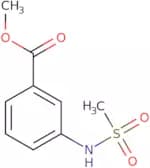
CAS:<p>Versatile small molecule scaffold</p>Formula:C7H10KNO3Purity:Min. 95%Molecular weight:195.26 g/molMethyl 3-methanesulfonamidobenzoate
CAS:<p>Methyl 3-methanesulfonamidobenzoate is an organic compound that is used as a reagent in organic synthesis. It has the chemical formula CH3O2C(CH2)2SO2CH=NOH. Methyl 3-methanesulfonamidobenzoate is a methyl ester of benzoic acid, which is also known as methyl benzoate. This compound has been shown to react with DNA, forming adducts with guanine and cytosine bases.</p>Formula:C9H11NO4SPurity:Min. 95%Molecular weight:229.26 g/mol2-Ethyl-3-oxo-2-azatricyclo[6.3.1.0,4,12]dodeca-1(11),4(12),5,7,9-pentaene-9-sulfonyl chloride
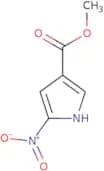
CAS:<p>Versatile small molecule scaffold</p>Formula:C13H10ClNO3SPurity:Min. 95%Molecular weight:295.74 g/molMethyl 5-nitro-1H-pyrrole-3-carboxylate
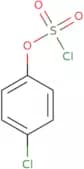
CAS:<p>Versatile small molecule scaffold</p>Formula:C6H6N2O4Purity:Min. 95%Molecular weight:170.12 g/mol4-Chlorophenyl chloranesulfonate
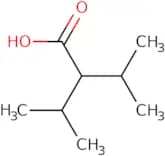
CAS:<p>Versatile small molecule scaffold</p>Formula:C6H4Cl2O3SPurity:Min. 95%Molecular weight:227.06 g/mol3-Methyl-2-(propan-2-yl)butanoic acid
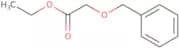
CAS:<p>3-Methyl-2-(propan-2-yl)butanoic acid is an inhibitor of cancer, which is structurally related to sulfamic acid. It has been shown to inhibit the growth of bacteria by binding to metal hydroxides and acting as a free radical scavenger. 3-Methyl-2-(propan-2-yl)butanoic acid inhibits the protease activity of trypsin and aminopeptidase and has depressant effects on the central nervous system. This compound also inhibits serotonin reuptake in the rat brain, suggesting that it may be a potential antidepressant. 3-Methyl-2-(propan-2-yl)butanoic acid has been shown to inhibit HIV infection by blocking the activation of tnf alpha.</p>Formula:C8H16O2Purity:Min. 95%Molecular weight:144.21 g/molEthyl (Benzyloxy)acetate
CAS:<p>Ethyl (Benzyloxy)acetate is a β-unsaturated ketone that is used in the synthesis of peroxisome proliferators. It is also used in the asymmetric synthesis of β-unsaturated ketones. Ethyl (Benzyloxy)acetate has been shown to induce inflammation and inhibit serine protease, which may be due to its ability to bind to hydroxyl groups and heterocycles. It can also act as an anti-HIV agent by binding to the hydroxyl group of insulin, which causes insulin resistance. This compound is also used as a solvent for organic chemistry reactions, including the conversion of ethyl formate into acetic acid.</p>Formula:C11H14O3Purity:Min. 95%Molecular weight:194.23 g/mol1-Bromocyclobutane-1-carboxylic acid
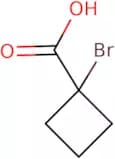
CAS:<p>Versatile small molecule scaffold</p>Formula:C5H7BrO2Purity:Min. 95%Molecular weight:179.01 g/molMethyl (2E)-4-(4-bromophenyl)-4-oxobut-2-enoate
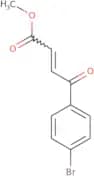
CAS:<p>Versatile small molecule scaffold</p>Formula:C11H9BrO3Purity:Min. 95%Molecular weight:269.09 g/molN-Hydroxy-4-phenylbutanamide
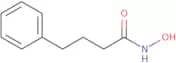
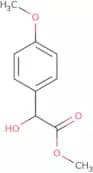
CAS:<p>N-Hydroxy-4-phenylbutanamide is a toolbox hydroxamic acid that has been shown to activate by reacting with the carbonyl group of an arylesterase. This reaction will generate an aldehyde, which can then undergo cyclodehydration in the presence of sodium periodate to form an alkene. The chiral nature of this molecule allows for selective activation on either the left or right side of the molecule. The aerobic conditions are required for this reaction to take place and it can be performed at room temperature. N-Hydroxy-4-phenylbutanamide is also used as a reagent in organic synthesis, crystallography, and alkene synthesis.</p>Formula:C10H13NO2Purity:Min. 95%Molecular weight:179.22 g/molMethyl (2R)-2-hydroxy-2-(4-methoxyphenyl)acetate
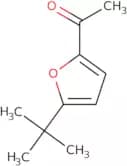
CAS:<p>Versatile small molecule scaffold</p>Formula:C10H12O4Purity:Min. 95%Molecular weight:196.2 g/mol1-(5-tert-Butylfuran-2-yl)ethan-1-one
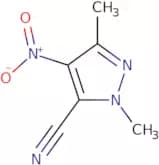
CAS:<p>Versatile small molecule scaffold</p>Formula:C10H14O2Purity:Min. 95%Molecular weight:166.22 g/mol1,3-Dimethyl-4-nitro-1H-pyrazole-5-carbonitrile
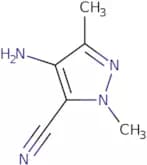
CAS:<p>Versatile small molecule scaffold</p>Formula:C6H6N4O2Purity:Min. 95%Molecular weight:166.14 g/mol4-Amino-1,3-dimethyl-1H-pyrazole-5-carbonitrile
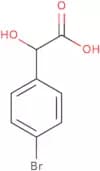
CAS:<p>Versatile small molecule scaffold</p>Formula:C6H8N4Purity:Min. 95%Molecular weight:136.15 g/mol(R)-4-Bromomandelic acid
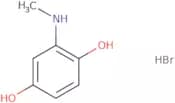
CAS:<p>Versatile small molecule scaffold</p>Formula:C8H7BrO3Purity:Min. 95%Molecular weight:231.04 g/mol2-(Methylamino)benzene-1,4-diol hydrobromide
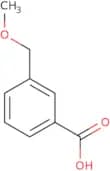
CAS:<p>Versatile small molecule scaffold</p>Formula:C7H10BrNO2Purity:Min. 95%Molecular weight:220.06 g/mol3-(Methoxymethyl)benzoic acid
CAS:<p>Versatile small molecule scaffold</p>Formula:C9H10O3Purity:Min. 95%Molecular weight:166.17 g/mol6-Chloro-2,3,4,9-tetrahydro-1H-carbazol-3-ol
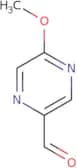
CAS:<p>Versatile small molecule scaffold</p>Formula:C12H12ClNOPurity:Min. 95%Molecular weight:221.68 g/mol5-Methoxypyrazine-2-carbaldehyde
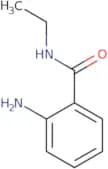
CAS:<p>Versatile small molecule scaffold</p>Formula:C6H6N2O2Purity:Min. 95%Molecular weight:138.12 g/mol2-Amino-N-ethylbenzamide
CAS:<p>2-Amino-N-ethylbenzamide is a synthetic compound that is used in the synthesis of quinazolinones and other pharmaceuticals. It is also used as a reagent for selective halogenation. 2-Amino-N-ethylbenzamide can be synthesized from anthranilic acid, which is produced by the degradation of amino acids in the body, and chloroform. The chlorination of this compound yields 2-chloroamino-N-ethylbenzamide. This reaction can be done in two ways: regioselectively or regiocontrolled. Regioselective reactions are those that have a specific orientation on the benzene ring, while regiocontrolled reactions are less specific.<br>2-Amino-N-ethylbenzamide has been used to produce trifluoromethylated compounds, which are often found in pharmaceuticals such as fluoroquinol</p>Formula:C9H12N2OPurity:Min. 95%Molecular weight:164.21 g/mol2-Amino-5-chloro-N-ethylbenzamide
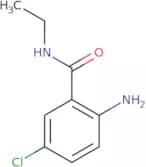
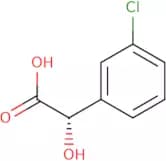
CAS:<p>Versatile small molecule scaffold</p>Formula:C9H11ClN2OPurity:Min. 95%Molecular weight:198.65 g/mol(S)-2-(3-Chlorophenyl)-2-hydroxyacetic acid
CAS:<p>(S)-2-(3-Chlorophenyl)-2-hydroxyacetic acid is a chiral compound that has the enantiomeric form of tartaric acid. It is a racemic mixture, with one molecule having the (R) configuration and the other molecule having the (S) configuration. The (R) form is found in grapes, apples, and many other fruits. The (S) form is found in lemons, oranges, and tomatoes. This compound has been shown to be effective as an antacid for relief of heartburn and stomach acidity.</p>Formula:C8H7ClO3Purity:Min. 95%Molecular weight:186.59 g/mol(2R)-2-(4-Fluorophenyl)-2-hydroxyacetic acid
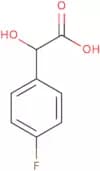
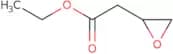
CAS:<p>Versatile small molecule scaffold</p>Formula:C8H7FO3Purity:Min. 95%Molecular weight:170.14 g/molEthyl 2-(oxiran-2-yl)acetate
CAS:<p>Ethyl 2-(oxiran-2-yl)acetate is an enantiomer of ethyl 2-hydroxyacrylate that can be used as a toolbox molecule for the preparation of epoxides. It has been shown to catalyze the formation of epoxides from the corresponding alcohols and oxiranes. This compound has also been studied as a potential cholinergic agent with carbon source and in pharmaceutical preparations.</p>Formula:C6H10O3Purity:Min. 95%Molecular weight:130.14 g/mol2-[(Phenoxycarbonyl)amino]propanoic acid
CAS:<p>2-[(Phenoxycarbonyl)amino]propanoic acid is a synthetic small molecule that can be used as a research tool to study the function of ion channels. It has been shown to activate ligand-gated ion channels and inhibit voltage-gated ion channels. This compound binds to the receptor site, which results in an increase in cell permeability. 2-[(Phenoxycarbonyl)amino]propanoic acid also inhibits protein interactions by binding to a specific region of the protein surface.</p>Formula:C10H11NO4Purity:Min. 95%Molecular weight:209.2 g/mol3-[4-(3-Chlorophenyl)piperazin-1-yl]propan-1-ol
CAS:<p>Versatile small molecule scaffold</p>Formula:C13H19ClN2OPurity:Min. 95%Molecular weight:254.75 g/mol1-(3,4-Dimethoxy-benzyl)-piperazine
CAS:Controlled Product<p>Versatile small molecule scaffold</p>Formula:C13H20N2O2Purity:Min. 95%Molecular weight:236.31 g/mol2-[(4S)-2,2-Dimethyl-1,3-dioxolan-4-yl]acetaldehyde
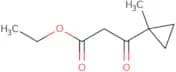
CAS:<p>Versatile small molecule scaffold</p>Formula:C7H12O3Purity:Min. 95%Molecular weight:144.17 g/molEthyl 3-(1-methylcyclopropyl)-3-oxopropanoate
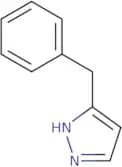
CAS:<p>Versatile small molecule scaffold</p>Formula:C9H14O3Purity:Min. 95%Molecular weight:170.21 g/mol5-Benzyl-1H-pyrazole
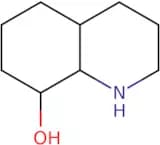
CAS:<p>5-Benzyl-1H-pyrazole is a small molecule that binds to the CB2 receptor and is a potent anti-inflammatory agent. It has been shown to possess antiviral potency in vitro and in vivo, with an effective dose of 0.3 μM against HIV. 5-Benzyl-1H-pyrazole also leads to insulin resistance by inhibiting glucose reabsorption by the kidneys, which may be due to its ability to inhibit renal CCR5 receptors that are involved in the uptake of glucose from the blood into the kidney cells. Further research may reveal that 5-benzyl-1H-pyrazole has cancer therapeutic potential because it can block adenosine receptors and inhibit cancer cell proliferation.</p>Formula:C10H10N2Purity:Min. 95%Molecular weight:158.2 g/molDecahydroquinolin-8-ol
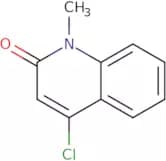
CAS:<p>Decahydroquinolin-8-ol is a formaldehyde derivative. It reacts with water to produce formaldehyde and hydrogen gas. Decahydroquinolin-8-ol can be used as a reactant in the synthesis of various stereoisomers. When it reacts with diazomethane, it produces an isomer of decahydroquinolin-8-ol called decahydroisoquinolin-8-ol.</p>Formula:C9H17NOPurity:Min. 95%Molecular weight:155.24 g/mol4-Chloro-1-methylquinolin-2(1H)-one
CAS:<p>4-Chloro-1-methylquinolin-2(1H)-one is a molecule with analgesic activity. It has been shown to produce analgesia in the rat tail flick and hot plate tests, as well as anti-nociceptive effects in the mouse formalin test. The analgesic effect of 4-chloro-1-methylquinolin-2(1H)-one is thought to be due to its ability to inhibit the release of excitatory neurotransmitters from peripheral sensory neurons. This molecule has also been shown to have anti-inflammatory properties and is an intermediate for the synthesis of other drugs, such as diclofenac sodium.</p>Formula:C10H8ClNOPurity:Min. 95%Molecular weight:193.63 g/molMethyl 4,5-dihydroxy-2-methylbenzoate
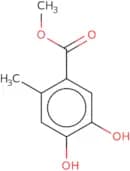
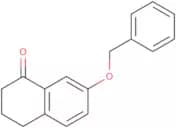
CAS:<p>Versatile small molecule scaffold</p>Formula:C9H10O4Purity:Min. 95%Molecular weight:182.2 g/mol7-(Benzyloxy)-3,4-dihydronaphthalen-1(2H)-one
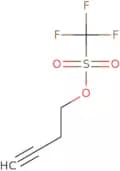
CAS:<p>7-(Benzyloxy)-3,4-dihydronaphthalen-1(2H)-one is a tricyclic carboxamide that belongs to the carboxylic acid group. It has a constant boiling point and an acidic pH. 7-(Benzyloxy)-3,4-dihydronaphthalen-1(2H)-one is soluble in water and dilute acids. It has been shown that the melting point of 7-(Benzyloxy)-3,4-dihydronaphthalen-1(2H)-one is not affected by dilution or experiments. The chemical compounds are made up of benzoic acid and carboxylic acid groups that form a six-membered ring with two heterocycles on either side of the molecule.</p>Formula:C17H16O2Purity:Min. 95%Molecular weight:252.31 g/molBut-3-yn-1-yl trifluoromethanesulfonate
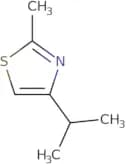
CAS:<p>Versatile small molecule scaffold</p>Formula:C5H5F3O3SPurity:Min. 95%Molecular weight:202.15 g/mol4-Isopropyl-2-methylthiazole
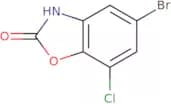
CAS:<p>Versatile small molecule scaffold</p>Formula:C7H11NSPurity:Min. 95%Molecular weight:141.24 g/mol5-Bromo-7-chloro-2,3-dihydro-1,3-benzoxazol-2-one
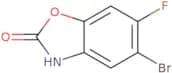
CAS:<p>Versatile small molecule scaffold</p>Formula:C7H3BrClNO2Purity:Min. 95%Molecular weight:248.46 g/mol5-Bromo-6-fluoro-2,3-dihydro-1,3-benzoxazol-2-one
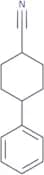
CAS:<p>Versatile small molecule scaffold</p>Formula:C7H3BrFNO2Purity:Min. 95%Molecular weight:232.01 g/mol4-Phenylcyclohexane-1-carbonitrile
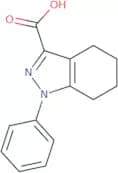
CAS:<p>Versatile small molecule scaffold</p>Formula:C13H15NPurity:Min. 95%Molecular weight:185.26 g/mol1-Phenyl-4,5,6,7-tetrahydro-1h-indazole-3-carboxylic acid
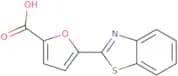
CAS:<p>Versatile small molecule scaffold</p>Formula:C14H14N2O2Purity:Min. 95%Molecular weight:242.28 g/mol5-(1,3-Benzothiazol-2-yl)furan-2-carboxylic acid
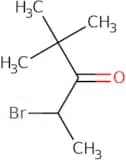
CAS:<p>Versatile small molecule scaffold</p>Formula:C12H7NO3SPurity:Min. 95%Molecular weight:245.26 g/mol4-Bromo-2,2-dimethyl-3-pentanone
CAS:<p>Versatile small molecule scaffold</p>Formula:C7H13OBrPurity:Min. 95%Molecular weight:193.08 g/mol2-Methyl-5-oxo-[1,3]thiazolo[3,2-a]pyrimidine-6-carboxylic acid
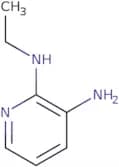
CAS:<p>Versatile small molecule scaffold</p>Formula:C8H6N2O3SPurity:Min. 95%Molecular weight:210.21 g/mol2-N-Ethylpyridine-2,3-diamine
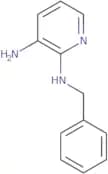
CAS:<p>2-N-Ethylpyridine-2,3-diamine is a small molecule inhibitor that binds to the ATP binding site of HIV reverse transcriptase and inhibits its activity. It has been shown to inhibit the proliferation of human tumor cells in culture. This compound also prevents the formation of new virus particles and leads to a decrease in viral load. 2-N-Ethylpyridine-2,3-diamine does not bind to the same site as nevirapine, but instead binds to a different amino acid residue on the reverse transcriptase enzyme called Y181C. Residues at this location are found in all HIV strains resistant to nevirapine.</p>Formula:C7H11N3Purity:Min. 95%Molecular weight:137.18 g/molN2-Benzyl-2,3-pyridinediamine
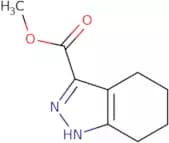
CAS:<p>N2-Benzyl-2,3-pyridinediamine is an imidazole derivative that inhibits the proliferation of cancer cells by inducing apoptosis. It also has anti-cancer properties and can be used as a chemotherapeutic agent in the treatment of cancer. N2-Benzyl-2,3-pyridinediamine has been shown to induce cancer cells in cell lines from human colon carcinoma and carcinoma cell lines. This drug also has inhibitory activities against the protein MCL1, which is involved in the regulation of programmed cell death. Further studies have shown that this drug induces cancer cells through the activation of proapoptotic proteins such as caspase 3, PARP1, and Bax.</p>Formula:C12H13N3Purity:Min. 95%Molecular weight:199.3 g/molMethyl 4,5,6,7-tetrahydro-1H-indazole-3-carboxylate
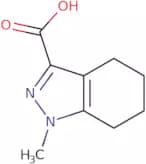
CAS:<p>Versatile small molecule scaffold</p>Formula:C9H12N2O2Purity:Min. 95%Molecular weight:180.2 g/mol1-Methyl-4,5,6,7-tetrahydro-1H-indazole-3-carboxylic acid
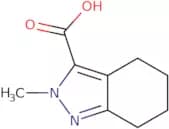
CAS:<p>Versatile small molecule scaffold</p>Formula:C10H12O3Purity:Min. 95%Molecular weight:180.2 g/mol2-Methyl-4,5,6,7-tetrahydro-2H-indazole-3-carboxylic acid
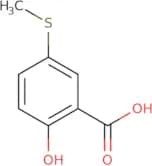
CAS:<p>Versatile small molecule scaffold</p>Formula:C9H12N2O2Purity:Min. 95%Molecular weight:180.2 g/mol2-Hydroxy-5-(methylsulfanyl)benzoic acid
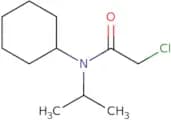
CAS:<p>Versatile small molecule scaffold</p>Formula:C8H8O3SPurity:Min. 95%Molecular weight:184.21 g/mol2-Chloro-N-cyclohexyl-N-(propan-2-yl)acetamide
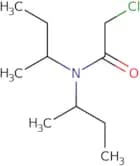
CAS:<p>Versatile small molecule scaffold</p>Formula:C11H20ClNOPurity:Min. 95%Molecular weight:217.73 g/molN,N-Bis(butan-2-yl)-2-chloroacetamide
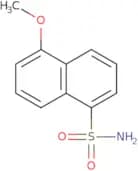
CAS:<p>Versatile small molecule scaffold</p>Formula:C10H20ClNOPurity:Min. 95%Molecular weight:205.72 g/mol5-methoxynaphthalene-1-sulfonamide
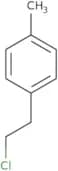
CAS:<p>5-Methoxynaphthalene-1-sulfonamide is a fluorescent substrate that is used in the screening of catalysts for metathesis reactions. 5-Methoxynaphthalene-1-sulfonamide fluoresces when it reacts with a metal catalyst, which can be observed in a microplate assay. The reaction of 5-methoxynaphthalene-1-sulfonamide with a metal catalyst produces two products, one fluorescent and one nonfluorescent. A profluorescent plate assay can be used to validate the results of the microplate assay. The solvents used to dissolve the compounds are also listed as keywords.</p>Formula:C11H11NO3SPurity:Min. 95%Molecular weight:237.28 g/mol1-(2-Chloroethyl)-4-methylbenzene
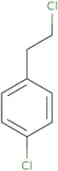
CAS:<p>Versatile small molecule scaffold</p>Formula:C9H11ClPurity:Min. 95%Molecular weight:154.63 g/mol1-Chloro-4-(2-chloroethyl)benzene
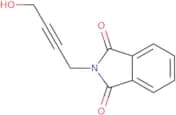
CAS:<p>1-Chloro-4-(2-chloroethyl)benzene is a yellow, anhydrous, light yellow powder that is a synthetic chemical. It may be used as an intermediate for the synthesis of other chemicals or as a solvent in organic reactions. 1-Chloro-4-(2-chloroethyl)benzene can be prepared by the Friedel-Crafts acylation of benzene with chloroethane and aluminium chloride. The filtration and washing steps are followed by evaporation to yield a crystalline product. Reaction time varies depending on temperature, but generally takes around 24 hours at room temperature. Deionized water and hydrochloric acid are used to dissolve the crystals and produce a clear solution.</p>Formula:C8H8Cl2Purity:Min. 95%Molecular weight:175.06 g/mol2-(4-Hydroxybut-2-yn-1-yl)-2,3-dihydro-1H-isoindole-1,3-dione
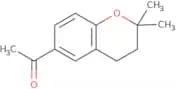
CAS:<p>Versatile small molecule scaffold</p>Formula:C12H9NO3Purity:Min. 95%Molecular weight:215.2 g/mol1-(2,2-dimethyl-3,4-dihydro-2H-1-benzopyran-6-yl)ethan-1-one
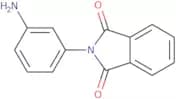
CAS:<p>Versatile small molecule scaffold</p>Formula:C13H16O2Purity:Min. 95%Molecular weight:204.27 g/mol2-(3-Aminophenyl)-2,3-dihydro-1H-isoindole-1,3-dione
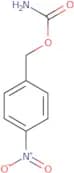
CAS:<p>Versatile small molecule scaffold</p>Formula:C14H10N2O2Purity:Min. 95%Molecular weight:238.24 g/mol(4-Nitrophenyl)methyl carbamate
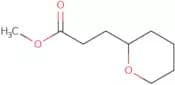
CAS:<p>4-Nitrophenylmethyl carbamate (4NP) is a chemical that is activated by nitro groups in biological systems. It is an amine derivative and has been shown to inhibit the growth of solid tumours in mice. 4NP has also been tested for its potential use as an immunosuppressant, with some success. However, it can cause toxic side effects such as weight loss and lethargy. The chemical stability of 4NP makes it a promising candidate for anticancer drug development, although it can cause damage to DNA. 4NP binds to dinucleotide phosphate (DNP) and inhibits the activity of enzyme ribonucleotide reductase, which leads to cell death. It has also been shown to have anti-inflammatory properties, which may be due to its ability to inhibit prostaglandin synthesis.</p>Formula:C8H8N2O4Purity:Min. 95%Molecular weight:196.16 g/molMethyl 3-(oxan-2-yl)propanoate
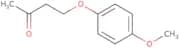
CAS:<p>Versatile small molecule scaffold</p>Formula:C9H16O3Purity:Min. 95%Molecular weight:172.22 g/mol4-(4-Methoxyphenoxy)butan-2-one
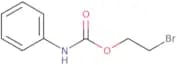
CAS:<p>Versatile small molecule scaffold</p>Formula:C11H14O3Purity:Min. 95%Molecular weight:194.23 g/mol2-Bromoethyl N-phenylcarbamate
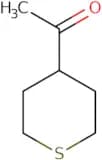
CAS:<p>Versatile small molecule scaffold</p>Formula:C9H10BrNO2Purity:Min. 95%Molecular weight:244.08 g/mol1-(Thian-4-yl)ethan-1-one
CAS:<p>Versatile small molecule scaffold</p>Formula:C7H12OSPurity:Min. 95%Molecular weight:144.24 g/molOctadecyl Methacrylate
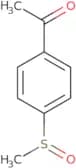
CAS:<p>Octadecyl methacrylate is a monomer that polymerizes to form poly(octadecyl methacrylate) (POM), a high-resistance, hydrophobic polymer. POM is synthesized by free-radical polymerization of octadecyl methacrylate in the presence of oxygen and heat. The copolymerization reaction mechanism is initiated by the abstraction of an electron from one of the monomers by the other, leading to radical formation. Radical-initiated reactions are often terminated by hydrogen bonding between radicals on adjacent chains. These intermolecular hydrogen bonds are responsible for the high resistance and hydrophobic properties of POM.<br>Octadecyl methacrylate can be used as a sealant for water vapor because it has a low permeability for water vapor due to its hydrophobic properties. It also has potential use as a model system for acrylates and other reactive monomers, due to its high resistance to</p>Formula:C22H42O2Purity:Min. 95%Molecular weight:338.57 g/mol1-(4-Methanesulfinylphenyl)ethan-1-one
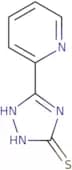
CAS:<p>Versatile small molecule scaffold</p>Formula:C9H10O2SPurity:Min. 95%Molecular weight:182.24 g/mol5-(Pyridin-2-yl)-1H-1,2,4-triazole-3-thiol
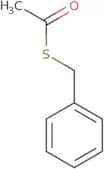
CAS:<p>Versatile small molecule scaffold</p>Formula:C7H6N4SPurity:Min. 95%Molecular weight:178.22 g/molBenzyl thioacetate
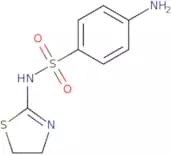
CAS:<p>Benzyl thioacetate is a chemical inhibitor of the enzyme cytosolic acetaldehyde-oxidoreductase. It also has been shown to inhibit the synthesis of diallyl trisulfide, amide, and hydroxyl group. The reactive functional group in benzyl thioacetate is a carbonyl group, which reacts with the nucleophilic amino acid cysteine to form a covalent adduct. This reaction causes a change in the charge on the molecule as well as an increase in its pKa, which makes it more reactive. Benzyl thioacetate is also known to react with nitro groups and hydroxy groups, making it an excellent candidate for cationic polymerization reactions.</p>Formula:C9H10OSPurity:Min. 95%Molecular weight:166.24 g/mol4-Amino-N-(4,5-dihydro-1,3-thiazol-2-yl)benzene-1-sulfonamide
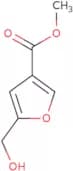
CAS:<p>4-Amino-N-(4,5-dihydro-1,3-thiazol-2-yl)benzene-1-sulfonamide is a nitro compound that has been shown to have antitumor activity. It has been shown to inhibit the production of serotonin in the brain and its biological effects are thought to be related to its ability to block the activation of inflammatory cells by inhibiting the synthesis of arachidonic acid. This drug also has antiinflamatory and antiepileptic properties. 4ATBS inhibits adenosine receptor antagonists, which may be due to its ability to bind with these receptors and prevent them from binding with adenosine. This drug also has antioxidant properties due to its ability to scavenge free radicals. 4ATBS is currently being studied for use in cancer prevention and treatment as well as autoimmune diseases such as multiple sclerosis.</p>Formula:C9H11N3O2S2Purity:Min. 95%Molecular weight:257.3 g/molMethyl 5-(hydroxymethyl)furan-3-carboxylate
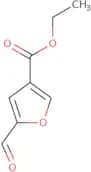
CAS:<p>Versatile small molecule scaffold</p>Formula:C7H8O4Purity:Min. 95%Molecular weight:156.14 g/molEthyl 5-formylfuran-3-carboxylate
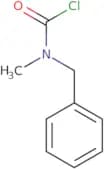
CAS:<p>Ethyl 5-formylfuran-3-carboxylate is an organic compound that can be synthesized by the intramolecular Diels–Alder reaction of ethyl formate and isoindolone. The synthesis of this compound is efficient and can be carried out in a one pot process. Ethyl 5-formylfuran-3-carboxylate is a modulator that acts as an allosteric modulator of mGluR2. It has been shown to act as an allosteric modulator of the receptor, increasing its affinity for glutamate and enhancing its response to glutamate.</p>Formula:C8H8O4Purity:Min. 95%Molecular weight:168.15 g/molN-Benzyl-N-methylcarbamoyl chloride
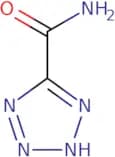
CAS:<p>Versatile small molecule scaffold</p>Formula:C9H10ClNOPurity:Min. 95%Molecular weight:183.63 g/mol1H-1,2,3,4-Tetrazole-5-carboxamide
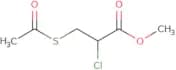
CAS:<p>Versatile small molecule scaffold</p>Formula:C2H3N5OPurity:Min. 95%Molecular weight:113.08 g/molMethyl 3-(acetylsulfanyl)-2-chloropropanoate
CAS:<p>Versatile small molecule scaffold</p>Formula:C6H9ClO3SPurity:Min. 95%Molecular weight:196.65 g/mol9-Azatricyclo[9.4.0.0,2,7]pentadeca-1(15),2,4,6,11,13-hexaene hydrochloride
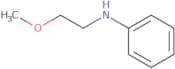
CAS:<p>Versatile small molecule scaffold</p>Formula:C14H14ClNPurity:Min. 95%Molecular weight:231.72 g/molN-(2-Methoxyethyl)aniline
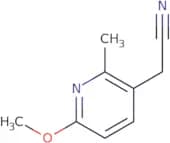
CAS:<p>Versatile small molecule scaffold</p>Formula:C9H13NOPurity:Min. 95%Molecular weight:151.21 g/mol(6-Methoxy-2-methylpyridin-3-yl)methanol
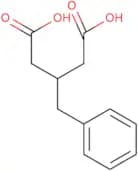
CAS:<p>Versatile small molecule scaffold</p>Formula:C8H11NO2Purity:Min. 95%Molecular weight:153.18 g/mol3-Benzylpentanedioic acid
CAS:<p>Versatile small molecule scaffold</p>Formula:C12H14O4Purity:Min. 95%Molecular weight:222.24 g/mol2,3-Dihydro-1H-benzo[de]isoquinoline hydrochloride
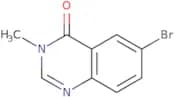
CAS:<p>Versatile small molecule scaffold</p>Formula:C12H12ClNPurity:Min. 95%Molecular weight:205.68 g/mol6-Bromo-3-methylquinazolin-4(3H)-one
CAS:<p>Versatile small molecule scaffold</p>Formula:C9H7BrN2OPurity:Min. 95%Molecular weight:239.07 g/mol3-(2-Aminophenyl)propan-1-ol
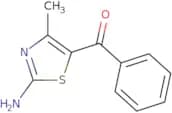
CAS:<p>3-(2-Aminophenyl)propan-1-ol is a pentamethylcyclopentadienyl catalyst that can be used to synthesize amino alcohols. The catalytic system consists of 3-(2-aminophenyl)propan-1-ol, which is isolated at the end of the reaction. This compound has been shown to catalyze the polymerization of lactams and seven-membered ring acetones in oxidative conditions.</p>Formula:C9H13NOPurity:Min. 95%Molecular weight:151.21 g/mol5-Benzoyl-4-methyl-1,3-thiazol-2-amine
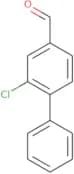
CAS:<p>Versatile small molecule scaffold</p>Formula:C11H10N2OSPurity:Min. 95%Molecular weight:218.28 g/mol3-Chloro-4-phenylbenzaldehyde
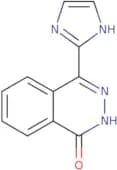
CAS:<p>Versatile small molecule scaffold</p>Formula:C13H9ClOPurity:Min. 95%Molecular weight:216.66 g/mol4-(1H-Imidazol-2-yl)-1,2-dihydrophthalazin-1-one
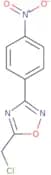
CAS:<p>Versatile small molecule scaffold</p>Formula:C11H8N4OPurity:Min. 95%Molecular weight:212.21 g/mol5-(Chloromethyl)-3-(4-nitrophenyl)-1,2,4-oxadiazole
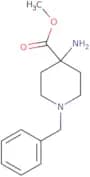
CAS:<p>Versatile small molecule scaffold</p>Formula:C9H6ClN3O3Purity:Min. 95%Molecular weight:239.62 g/molMethyl 4-amino-1-benzylpiperidine-4-carboxylate
CAS:<p>Versatile small molecule scaffold</p>Formula:C14H20N2O2Purity:Min. 95%Molecular weight:248.32 g/mol2-(1,2-Oxazol-3-yl)acetic acid
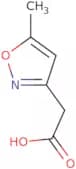
CAS:<p>2-(1,2-Oxazol-3-yl)acetic acid is a nitro compound that binds to the N-methyl-D-aspartate receptor. It has been shown to have low expression in biological samples and may play a role in autoimmune diseases, cancer, and leukemic mice. 2-(1,2-Oxazol-3-yl)acetic acid is an agonist of the NMDAR and may be used for the treatment of alopecia areata. 2-(1,2-Oxazol-3-yl)acetic acid is also an antagonist at the CXCR4 chemokine receptor. The binding of this compound prevents chemokines from binding to their receptors on cells in the immune system. This inhibits inflammation by preventing chemokines from activating inflammatory cells such as neutrophils and macrophages.</p>Formula:C5H5NO3Purity:Min. 95%Molecular weight:127.1 g/mol2-(5-Methyl-1,2-oxazol-3-yl)acetic acid
CAS:<p>Versatile small molecule scaffold</p>Formula:C6H7NO3Purity:Min. 95%Molecular weight:141.12 g/molN,N-Dibenzylacrylamide
CAS:<p>Versatile small molecule scaffold</p>Formula:C17H17NOPurity:Min. 95%Molecular weight:251.32 g/mol2-(2-Amino-1,3-thiazol-4-yl)-1-phenylethan-1-one
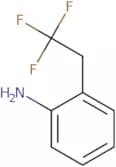
CAS:<p>Versatile small molecule scaffold</p>Formula:C11H10N2OSPurity:Min. 95%Molecular weight:218.28 g/mol2-(2,2,2-Trifluoroethyl)aniline
CAS:<p>2-(2,2,2-Trifluoroethyl)aniline is a nitro compound that can be used as an intermediate in the synthesis of pharmaceuticals with a nucleus containing carbon atoms. It is also used in dyestuffs and as an additive to rubber and plastics. 2-(2,2,2-Trifluoroethyl)aniline has been shown to react with chlorine to form trifluorochloroethane.</p>Formula:C8H8F3NPurity:Min. 95%Molecular weight:175.15 g/mol4-Chloro-N,6-Dimethyl-1,3,5-Triazin-2-Amine
CAS:<p>Versatile small molecule scaffold</p>Formula:C5H7ClN4Purity:Min. 95%Molecular weight:158.59 g/mol5-(Butan-2-yl)cyclohexane-1,3-dione
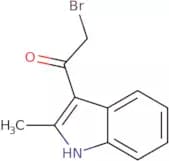
CAS:<p>Versatile small molecule scaffold</p>Formula:C10H16O2Purity:Min. 95%Molecular weight:168.23 g/mol2-Bromo-1-(2-methyl-1H-indol-3-yl)ethan-1-one
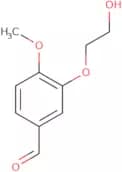
CAS:Controlled Product<p>Versatile small molecule scaffold</p>Formula:C11H10BrNOPurity:Min. 95%Molecular weight:252.11 g/mol3-(2-Hydroxy-ethoxy)-4-methoxy-benzaldehyde
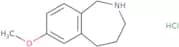
CAS:<p>Versatile small molecule scaffold</p>Formula:C10H12O4Purity:Min. 95%Molecular weight:196.2 g/mol7-Methoxy-2,3,4,5-tetrahydro-1H-2-benzazepine hydrochloride
CAS:<p>Versatile small molecule scaffold</p>Formula:C11H16ClNOPurity:Min. 95%Molecular weight:213.7 g/mol5-Chloro-4-(2-chloroacetamido)-2-methoxybenzoic acid
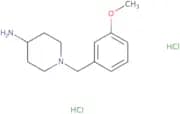
CAS:<p>Versatile small molecule scaffold</p>Formula:C10H9Cl2NO4Purity:Min. 95%Molecular weight:278.09 g/mol1-(3-Methoxybenzyl)piperidin-4-amine dihydrochloride
CAS:<p>Versatile small molecule scaffold</p>Formula:C13H22Cl2N2OPurity:Min. 95%Molecular weight:293.23 g/mol1-(3-Chlorobenzyl)piperidin-4-amine dihydrochloride
CAS:<p>Versatile small molecule scaffold</p>Formula:C12H19Cl3N2Purity:Min. 95%Molecular weight:297.6 g/mol1-[(Thiophen-2-yl)methyl]piperidin-4-amine dihydrochloride
CAS:<p>Versatile small molecule scaffold</p>Formula:C10H18Cl2N2SPurity:Min. 95%Molecular weight:269.23 g/mol3-[(5-Sulfanyl-1,3,4-thiadiazol-2-yl)sulfanyl]propanoic acid
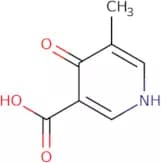
CAS:<p>Versatile small molecule scaffold</p>Formula:C5H6N2O2S3Purity:Min. 95%Molecular weight:222.3 g/mol4-Hydroxy-5-methylpyridine-3-carboxylic acid
CAS:<p>Versatile small molecule scaffold</p>Formula:C7H7NO3Purity:Min. 95%Molecular weight:153.14 g/mol4-Methoxy-6-oxo-1,6-dihydropyridine-3-carboxylic acid
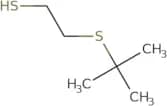
CAS:<p>Versatile small molecule scaffold</p>Formula:C7H7NO4Purity:Min. 95%Molecular weight:169.13 g/mol2-(tert-Butylsulfanyl)ethane-1-thiol
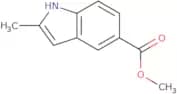
CAS:<p>Versatile small molecule scaffold</p>Formula:C6H14S2Purity:Min. 95%Molecular weight:150.3 g/molMethyl 2-methyl-1H-indole-5-carboxylate
CAS:<p>Methyl 2-methyl-1H-indole-5-carboxylate is a heterocyclic compound that is used as a starting material to synthesize other compounds. It can be prepared by reacting dimedone with methanol and boron trifluoride in polyphosphoric acid. This reaction produces methyl 2-methyl-1H-indole-5-carboxylate and water, which are separated by distillation. Methyl 2-methyl-1H-indole-5-carboxylate is also used to make heterocycles, heterocyclic compounds, and enamines.</p>Formula:C11H11NO2Purity:Min. 95%Molecular weight:189.21 g/mol2-(1-Methyl-1H-indol-2-yl)ethan-1-ol
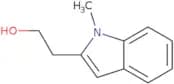
CAS:<p>Versatile small molecule scaffold</p>Formula:C11H13NOPurity:Min. 95%Molecular weight:175.23 g/mol3-[3-(Benzyloxy)phenyl]propan-1-ol
CAS:<p>Versatile small molecule scaffold</p>Formula:C16H18O2Purity:Min. 95%Molecular weight:242.31 g/mol2,2,4,5-Tetramethyl-1,3-dioxolane-4-carboxylic acid
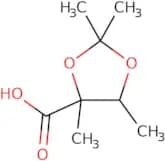
CAS:<p>Versatile small molecule scaffold</p>Formula:C8H14O4Purity:Min. 95%Molecular weight:174.19 g/molOctahydropyrrolo[1,2-a]pyrimidine
CAS:<p>Octahydropyrrolo[1,2-a]pyrimidine is a cyclic diamine that is catalysed by the enzyme oxidase. In this process, octahydropyrrolo[1,2-a]pyrimidine is oxidized to form the metabolite hexahydropyrimidine. The reaction requires hydrogen peroxide as a co-substrate. Octahydropyrrolo[1,2-a]pyrimidine can also be used as a precursor for spermine and spermidine production. This compound has an aminoaldehyde group at one end of the molecule and a cyclopentane ring at the other end. It can be synthesized from diamines and cyclopentane derivatives in two steps involving dehydrogenation followed by oxidation.</p>Formula:C7H14N2Purity:Min. 95%Molecular weight:126.2 g/mol2-Chloro-3-(propan-2-yl)pyrazine
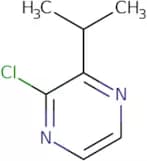
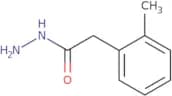
CAS:<p>Versatile small molecule scaffold</p>Formula:C7H9ClN2Purity:Min. 95%Molecular weight:156.61 g/mol2-(2-Methylphenyl)acetohydrazide
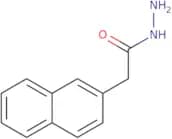
CAS:<p>Versatile small molecule scaffold</p>Formula:C9H12N2OPurity:Min. 95%Molecular weight:164.2 g/mol2-(Naphthalen-2-yl)acetohydrazide
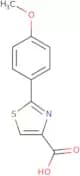
CAS:<p>Versatile small molecule scaffold</p>Formula:C12H12N2OPurity:Min. 95%Molecular weight:200.24 g/mol2-(4-Methoxyphenyl)thiazole-4-carboxylic acid
CAS:<p>Versatile small molecule scaffold</p>Formula:C11H9NO3SPurity:Min. 95%Molecular weight:235.26 g/mol2-Chloro-N-{[4-(dimethylamino)phenyl]methyl}acetamide
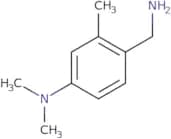
CAS:<p>Versatile small molecule scaffold</p>Formula:C11H15ClN2OPurity:Min. 95%Molecular weight:226.7 g/mol4-(Aminomethyl)-N,N,3-trimethylaniline
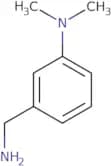
CAS:<p>Versatile small molecule scaffold</p>Formula:C10H16N2Purity:Min. 95%Molecular weight:164.25 g/mol3-(Aminomethyl)-N,N-dimethylaniline
CAS:<p>Versatile small molecule scaffold</p>Formula:C9H14N2Purity:Min. 95%Molecular weight:150.23 g/mol1-Methyl-1H-[1,2,3]triazolo[4,5-c]pyridine
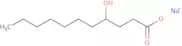
CAS:<p>Versatile small molecule scaffold</p>Formula:C6H6N4Purity:Min. 95%Molecular weight:134.14 g/molSodium 4-hydroxyundecanoate
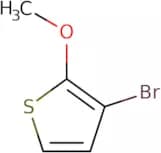
CAS:<p>Versatile small molecule scaffold</p>Formula:C11H21NaO3Purity:Min. 95%Molecular weight:224.27 g/mol3-Bromo-2-methoxythiophene
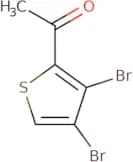
CAS:<p>3-Bromo-2-methoxythiophene is a boron-containing compound that is used as a precursor in organic synthesis. It has been shown to be an effective reagent for the synthesis of esters, boronic acids, and other compounds with various functional groups. 3-Bromo-2-methoxythiophene can be obtained by reacting acetonitrile with dimethyl sulfate in the presence of a base such as potassium carbonate. The reaction yields a mixture of 3-bromo-2-methoxythiophene and methyl 2,3-dibromothiophene. This compound is also available commercially.</p>Formula:C5H5BrOSPurity:Min. 95%Molecular weight:193.06 g/mol1-(3,4-Dibromo-2-thienyl)-1-ethanone
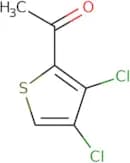
CAS:<p>Versatile small molecule scaffold</p>Formula:C6H4Br2OSPurity:Min. 95%Molecular weight:283.97 g/mol1-(3,4-Dichlorothiophen-2-yl)ethan-1-one
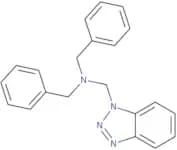
CAS:<p>Versatile small molecule scaffold</p>Formula:C6H4Cl2OSPurity:Min. 95%Molecular weight:195.07 g/mol(1H-1,2,3-Benzotriazol-1-ylmethyl)dibenzylamine
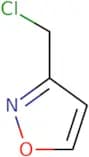
CAS:<p>Versatile small molecule scaffold</p>Formula:C21H20N4Purity:Min. 95%Molecular weight:328.42 g/mol3-(Chloromethyl)isoxazole
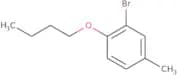
CAS:<p>Versatile small molecule scaffold</p>Formula:C4H4ClNOPurity:Min. 95%Molecular weight:117.53 g/mol2-Bromo-1-butoxy-4-methylbenzene
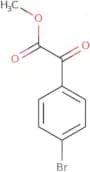
CAS:<p>Versatile small molecule scaffold</p>Formula:C11H15BrOPurity:Min. 95%Molecular weight:243.14 g/molMethyl 2-(4-bromophenyl)-2-oxoacetate
CAS:<p>Versatile small molecule scaffold</p>Formula:C9H7BrO3Purity:Min. 95%Molecular weight:243.06 g/moltert-Butyl 1-pyrazolidinecarboxylate
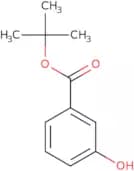
CAS:<p>Tert-butyl 1-pyrazolidinecarboxylate is a synthetic compound that can be used as a building block. It is an inhibitor of the enzyme xanthine oxidase, which catalyses the oxidation of hypoxanthine to xanthine and subsequently to uric acid. Xanthine oxidase inhibitors are used in the treatment of gout and other conditions involving uric acid accumulation. Tert-butyl 1-pyrazolidinecarboxylate has also been shown to inhibit the activity of other enzymes such as phosphodiesterases, proteases, and lipases. The conformational change of tert-butyl 1-pyrazolidinecarboxylate from its tautomeric form to its active form was determined by X-ray crystallography. This compound is a ligand for receptors such as GABA A .</p>Formula:C8H16N2O2Purity:Min. 95%Molecular weight:172.23 g/moltert-Butyl 3-hydroxybenzoate
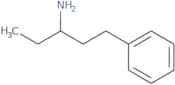
CAS:<p>Versatile small molecule scaffold</p>Formula:C11H14O3Purity:Min. 95%Color and Shape:PowderMolecular weight:194.23 g/mol1-Phenylpentan-3-amine
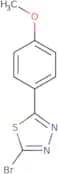
CAS:<p>1-Phenylpentan-3-amine is a primary amino compound that has a phenylalkylamine structure. It is synthesized by reacting benzene with ammonia and hydrogen, or by the reaction of aniline and ethyl acetate. The chemical formula for 1-Phenylpentan-3-amine is C9H12N2. 1-Phenylpentan-3-amine can be used as a precursor to produce other chemicals, such as benzene, benzenes, or amines.</p>Formula:C11H17NPurity:Min. 95%Molecular weight:163.26 g/mol2-Bromo-5-(4-methoxyphenyl)-1,3,4-thiadiazole
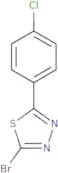
CAS:<p>Versatile small molecule scaffold</p>Formula:C9H7BrN2OSPurity:Min. 95%Molecular weight:271.14 g/mol2-Bromo-5-(4-chlorophenyl)-1,3,4-thiadiazole
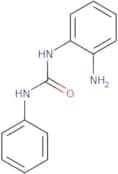
CAS:<p>Versatile small molecule scaffold</p>Formula:C8H4BrClN2SPurity:Min. 95%Molecular weight:275.55 g/mol3-(2-Aminophenyl)-1-phenylurea
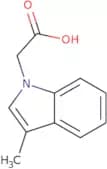
CAS:<p>3-(2-Aminophenyl)-1-phenylurea is a chemical compound that has a phenyl ring and isocyanate group. It has high selectivity for the phenyl isocyanate domain, which provides a selective reactivity to the chain with amino groups. This product can be used as an intermediate in organic synthesis of pharmaceuticals, agrochemicals, and other organic compounds. 3-(2-Aminophenyl)-1-phenylurea can also be used as a reagent for the preparation of polyurethane resins by reacting with isocyanates.</p>Formula:C13H13N3OPurity:Min. 95%Color and Shape:PowderMolecular weight:227.26 g/mol2-(3-Methyl-1H-indol-1-yl)acetic acid
CAS:<p>Versatile small molecule scaffold</p>Formula:C11H11NO2Purity:Min. 95%Molecular weight:189.21 g/molcis-hexahydro-1h-furo[3,4-c]pyrrole hcl
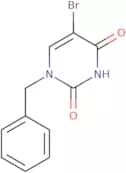
CAS:<p>Versatile small molecule scaffold</p>Formula:C6H12ClNOPurity:Min. 95%Molecular weight:149.62 g/mol1-Benzyl-5-bromo-1,2,3,4-tetrahydropyrimidine-2,4-dione
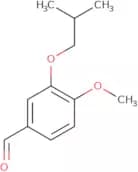
CAS:<p>1-Benzyl-5-bromo-1,2,3,4-tetrahydropyrimidine-2,4-dione is an experimental molecule and has not been studied extensively. It has been shown that this molecule binds to uracil in the cavity of a quadruplex and can form a functional quadruplex. The 1H NMR spectrum of 1-benzyl-5-bromo-1,2,3,4-tetrahydropyrimidine-2,4-dione shows the presence of two peaks at 3.34 and 3.06 ppm corresponding to the protons on the methylene group attached to the nitrogen atom of the pyrimidine ring.</p>Formula:C11H9BrN2O2Purity:Min. 95%Molecular weight:281.1 g/mol4-Methoxy-3-(2-methylpropoxy)benzaldehyde
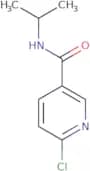
CAS:<p>Versatile small molecule scaffold</p>Formula:C12H16O3Purity:Min. 95%Molecular weight:208.25 g/mol6-Chloro-N-(propan-2-yl)pyridine-3-carboxamide
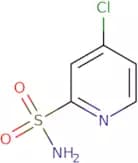
CAS:<p>Versatile small molecule scaffold</p>Formula:C9H11ClN2OPurity:Min. 95%Molecular weight:198.65 g/mol4-Chloro-2-pyridinesulfonamide
CAS:<p>Versatile small molecule scaffold</p>Formula:C5H5ClN2O2SPurity:Min. 95%Molecular weight:192.62 g/mol4H,6H-Furo[3,4-c][1,2]oxazol-6-one
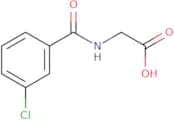
CAS:<p>Versatile small molecule scaffold</p>Formula:C5H3NO3Purity:Min. 95%Molecular weight:125.1 g/mol3-Chlorohippuric acid
CAS:<p>3-Chlorohippuric acid is a drug that inhibits the activity of human liver and pancreatic lipase. This compound has been shown to reduce oxidative injury in animal models. 3-Chlorohippuric acid is also used as an antidiabetic agent, which may be due to its ability to inhibit transcriptional regulation in the pancreas. 3-Chlorohippuric acid binds to siderophores, which are iron-binding molecules present in bacteria. The uptake of this drug into bacteria is mediated by siderophores and may be one mechanism for the bactericidal effect of 3-chlorohippurate.</p>Formula:C9H8ClNO3Purity:Min. 95%Molecular weight:213.62 g/mol2-[(3-bromophenyl)formamido]acetic acid
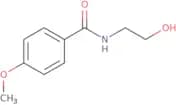
CAS:<p>Versatile small molecule scaffold</p>Formula:C9H8BrNO3Purity:Min. 95%Molecular weight:258.1 g/molN-(2-Hydroxyethyl)-4-methoxybenzamide
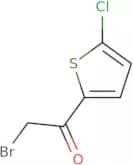
CAS:<p>Versatile small molecule scaffold</p>Formula:C10H13NO3Purity:Min. 95%Molecular weight:195.21 g/mol2-bromo-1-(5-chloro-thiophen-2-yl)-ethanone
CAS:<p>Versatile small molecule scaffold</p>Formula:C6H4BrClOSPurity:Min. 95%Molecular weight:239.52 g/mol1-{6-Methylimidazo[2,1-b][1,3]thiazol-5-yl}ethan-1-one
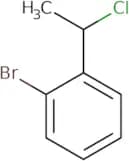
CAS:<p>Versatile small molecule scaffold</p>Formula:C8H8N2OSPurity:Min. 95%Molecular weight:180.23 g/mol1-Bromo-2-(1-chloroethyl)benzene
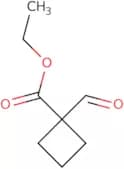
CAS:<p>Versatile small molecule scaffold</p>Formula:C8H8BrClPurity:Min. 95%Molecular weight:219.5 g/molEthyl 1-formylcyclobutane-1-carboxylate
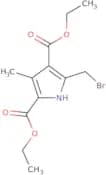
CAS:<p>Versatile small molecule scaffold</p>Formula:C8H12O3Purity:Min. 95%Molecular weight:156.18 g/mol2,4-Diethyl 5-(bromomethyl)-3-methyl-1H-pyrrole-2,4-dicarboxylate
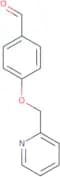
CAS:<p>Versatile small molecule scaffold</p>Formula:C12H16BrNO4Purity:Min. 95%Molecular weight:318.16 g/mol4-(Pyridin-2-ylmethoxy)benzaldehyde
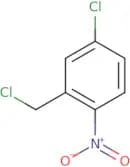
CAS:<p>Versatile small molecule scaffold</p>Formula:C13H11NO2Purity:Min. 95%Molecular weight:213.23 g/mol4-chloro-2-(chloromethyl)-1-nitrobenzene
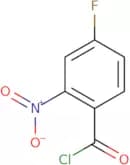
CAS:<p>Versatile small molecule scaffold</p>Formula:C7H5Cl2NO2Purity:Min. 95%Molecular weight:206.02 g/mol4-Fluoro-2-nitrobenzoyl chloride
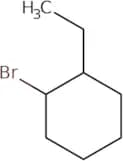
CAS:<p>Versatile small molecule scaffold</p>Formula:C7H3ClFNO3Purity:Min. 95%Molecular weight:203.55 g/mol1-Bromo-2-ethylcyclohexane
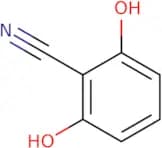
CAS:<p>Versatile small molecule scaffold</p>Formula:C8H15BrPurity:Min. 95%Molecular weight:191.11 g/mol2,6-Dihydroxybenzonitrile
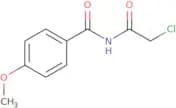
CAS:<p>Versatile small molecule scaffold</p>Formula:C7H5NO2Purity:Min. 95%Molecular weight:135.12 g/molN-(2-Chloroacetyl)-4-methoxybenzamide
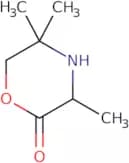
CAS:<p>Versatile small molecule scaffold</p>Formula:C10H10ClNO3Purity:Min. 95%Molecular weight:227.64 g/mol3,5,5-Trimethylmorpholin-2-one
CAS:<p>Versatile small molecule scaffold</p>Formula:C7H13NO2Purity:Min. 95%Molecular weight:143.18 g/mol5-(Methylsulfanyl)pentan-1-ol
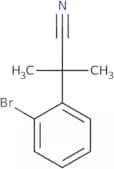
CAS:<p>Versatile small molecule scaffold</p>Formula:C6H14OSPurity:Min. 95%Molecular weight:134.24 g/mol2-(2-Bromophenyl)-2-methylpropanenitrile
CAS:<p>Versatile small molecule scaffold</p>Formula:C10H10BrNPurity:Min. 95%Molecular weight:224.1 g/molN-[(5-Chlorofuran-2-yl)methylidene]hydroxylamine
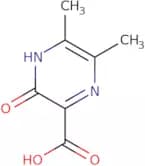
CAS:<p>Versatile small molecule scaffold</p>Formula:C5H4ClNO2Purity:Min. 95%Molecular weight:145.54 g/mol5,6-Dimethyl-3-oxo-3,4-dihydropyrazine-2-carboxylic Acid
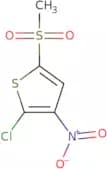
CAS:<p>Versatile small molecule scaffold</p>Formula:C7H8N2O3Purity:Min. 95%Molecular weight:168.15 g/mol2-Chloro-5-methanesulfonyl-3-nitrothiophene
CAS:<p>Versatile small molecule scaffold</p>Formula:C5H4ClNO4S2Purity:Min. 95%Molecular weight:241.7 g/mol6-Methyl-2H,8H-[1,3]dioxolo[4,5-G]chromen-8-one
CAS:<p>Versatile small molecule scaffold</p>Formula:C11H8O4Purity:Min. 95%Molecular weight:204.18 g/mol[4-(Dimethylamino)-2-methylphenyl]phosphinic acid
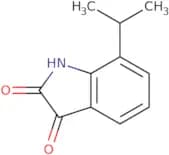
CAS:<p>D-4-Amino-2-methylphenylphosphinic acid is a drug which is used for implanting. It is an active substance that has been shown to have a diameter of 2.5 mm and can be used in animals. D-4-Amino-2-methylphenylphosphinic acid binds to vitamin B12 and may be effective in humans, but its effect on the pancreas needs to be studied. This active compound has also been shown to stabilize pharmaceutical preparations, such as fatty acids.</p>Formula:C9H13NO2PPurity:Min. 95%Molecular weight:198.18 g/mol7-(Propan-2-yl)-2,3-dihydro-1H-indole-2,3-dione
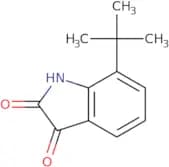
CAS:<p>Versatile small molecule scaffold</p>Formula:C11H11NO2Purity:Min. 95%Molecular weight:189.21 g/mol7-tert-Butyl-2,3-dihydro-1H-indole-2,3-dione
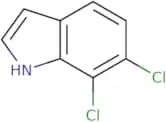
CAS:<p>Versatile small molecule scaffold</p>Formula:C12H13NO2Purity:Min. 95%Molecular weight:203.24 g/mol6,7-Dichloro-1H-indole
CAS:<p>6,7-Dichloro-1H-indole is a non-steroidal compound that has shown to have pharmacological activity in vivo. It is an acidic compound with a pKa of 4.5 and can be found in venoms such as those of the snake genus Echis and other snakes. 6,7-Dichloro-1H-indole has been shown to inhibit the enzymatic activity of hyaluronidases and acid moieties, which are found in Streptococcus pyogenes and other streptococci. This compound also inhibits the production of toxins from these bacteria and has been shown to damage extracellular matrix proteins in vivo.</p>Formula:C8H5NCl2Purity:Min. 95%Molecular weight:186.03 g/mol6-Bromohexanamide
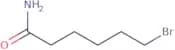
CAS:<p>6-Bromohexanamide is a hydrophobic molecule that has been shown to inhibit the activity of acylases, which are enzymes that catalyze reactions in which an acyl group is transferred from a donor to an acceptor. This compound also inhibits β-lactamase, an enzyme that degrades penicillin and other β-lactam antibiotics. 6-Bromohexanamide binds to serum proteins, but not to nucleophiles such as DNA or RNA. It is also specific for serine residues. 6-Bromohexanamide has been shown to be effective against bacteria such as Staphylococcus aureus and Salmonella enterica.</p>Formula:C6H12BrNOPurity:Min. 95%Molecular weight:194.07 g/mol5-Oxoazelaic acid
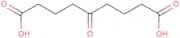
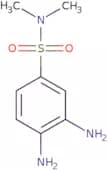
CAS:<p>5-Oxoazelaic acid is a stable organic compound that belongs to the class of organic acids. It is a symmetrical molecule with two carbon atoms and four oxygen atoms. The chemical stability of 5-Oxoazelaic acid is due to the carbonyl group in its structure, which can react with electrophilic compounds such as water, alcohols and amines. 5-Oxoazelaic acid has been shown to be more reactive than a fatty acid because it can lose a hydrogen atom from the carbonyl group when reacting with an electrophile, while fatty acids cannot. 5-Oxoazelaic acid is produced by the oxidation of undecane, which is an anthropogenic product.</p>Formula:C9H14O5Purity:Min. 95%Molecular weight:202.2 g/mol3,4-Diamino-N,N-dimethylbenzene-1-sulfonamide
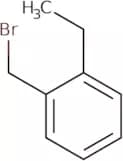
CAS:<p>Versatile small molecule scaffold</p>Formula:C8H13N3O2SPurity:Min. 95%Molecular weight:215.28 g/mol1-(Bromomethyl)-2-ethylbenzene
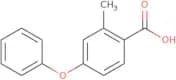
CAS:<p>1-(Bromomethyl)-2-ethylbenzene is a synthetic progestational compound. It has been shown to be a potent progesterone receptor modulator, with selectivity for the progesterone receptor over the estrogen receptor. This compound has been found to have anti-inflammatory and antimicrobial activities, as well as anticancer effects. The chemical structure of 1-(bromomethyl)-2-ethylbenzene is similar to that of natural hormones such as progesterone and 17β-estradiol, which are both steroid hormones.</p>Formula:C9H11BrPurity:Min. 95%Molecular weight:199.09 g/mol2-Methyl-4-phenoxybenzoic acid
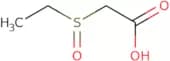
CAS:<p>Versatile small molecule scaffold</p>Formula:C14H12O3Purity:Min. 95%Molecular weight:228.24 g/mol2-(Ethanesulfinyl)acetic acid
CAS:<p>Versatile small molecule scaffold</p>Formula:C4H8O3SPurity:Min. 95%Molecular weight:136.17 g/mol2-[(Trifluoromethyl)sulfanyl]pyridine
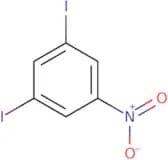
CAS:<p>Versatile small molecule scaffold</p>Formula:C6H4F3NSPurity:Min. 95%Molecular weight:179.17 g/mol1,3-Diiodo-5-nitrobenzene
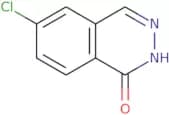
CAS:<p>1,3-Diiodo-5-nitrobenzene is a congener of 1,2-diaminobenzene. The addition of one iodine atom and one nitro group at the 1 position on the benzene ring enhances the electron density at this site. This leads to an increased rate of electrophilic aromatic substitution reactions by electron deficient reagents such as peroxides. The presence of additives, such as acidic agents or hydrogen peroxide catalysts, also increases the rate of reaction. 1,3-Diiodo-5-nitrobenzene has been shown to react with phenols in a stepwise fashion and can be used in the synthesis of other compounds via reductive amination or nucleophilic addition reactions.</p>Formula:C6H3I2NO2Purity:Min. 95%Molecular weight:374.9 g/mol6-Chlorophthalazin-1-ol
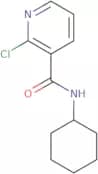
CAS:<p>6-Chlorophthalazin-1-ol is a synthetic organic compound that is used as a medicinal chemical. It has antifungal, anti-inflammatory, and antibacterial properties. 6-Chlorophthalazin-1-ol can be synthesized by the reaction of magnesium with chloroform in the presence of copper, followed by hydrolysis. The synthetic process involves a number of steps and requires a lot of time and effort. The chemical structure contains an ionic bond between the magnesium atom and the chlorine atom. This bond is very strong, which explains its high stability against reactions with other compounds.</p>Formula:C8H5ClN2OPurity:Min. 95%Molecular weight:180.59 g/mol2-Chloro-N-cyclohexylnicotinamide
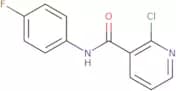
CAS:<p>Versatile small molecule scaffold</p>Formula:C12H15ClN2OPurity:Min. 95%Molecular weight:238.71 g/mol2-Chloro-N-(4-fluorophenyl)nicotinamide
CAS:<p>Versatile small molecule scaffold</p>Formula:C12H8ClFN2OPurity:Min. 95%Molecular weight:250.65 g/mol4-tert-Butyl-N-[4-(4-tert-butylbenzamido)phenyl]benzamide
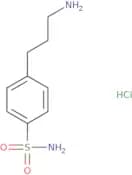
CAS:<p>Versatile small molecule scaffold</p>Formula:C28H32N2O2Purity:Min. 95%Molecular weight:428.6 g/mol4-(3-Aminopropyl)benzene-1-sulfonamide hydrochloride
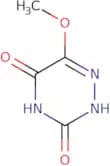
CAS:<p>Versatile small molecule scaffold</p>Formula:C9H15ClN2O2SPurity:Min. 95%Molecular weight:250.75 g/mol6-Methoxy-2,3,4,5-tetrahydro-1,2,4-triazine-3,5-dione
CAS:<p>Versatile small molecule scaffold</p>Formula:C4H5N3O3Purity:Min. 95%Molecular weight:143.1 g/mol

![3-Ethyl-1H,2H,3H,4H,5H-pyrido[3,4-b][1,4]diazepin-2-one](/_next/image/?url=https%3A%2Fstatic.cymitquimica.com%2Fproducts%2F3D%2Fthumb-webp%2FHAD21211.webp&w=3840&q=75)
![1-{[(9H-Fluoren-9-yl)methoxy]carbonyl}-3-methylpiperidine-4-carboxylic acid](/_next/image/?url=https%3A%2Fstatic.cymitquimica.com%2Fproducts%2F3D%2Fthumb-webp%2FHAD31391.webp&w=3840&q=75)

![3-Methyl-1H,2H,3H,4H,5H-pyrido[3,4-b][1,4]diazepin-2-one](/_next/image/?url=https%3A%2Fstatic.cymitquimica.com%2Fproducts%2F3D%2Fthumb-webp%2FHAD49242.webp&w=3840&q=75)
![2-Methyl-6-[(1,1,1-trifluoropropan-2-yl)oxy]pyridine-3-carbonitrile](/_next/image/?url=https%3A%2Fstatic.cymitquimica.com%2Fproducts%2F3D%2Fthumb-webp%2FHAD75990.webp&w=3840&q=75)

![5-Oxo-3,5-dihydro-2H-thiazolo[3,2-a]pyrimidine-6-carboxylic acid](/_next/image/?url=https%3A%2Fstatic.cymitquimica.com%2Fproducts%2F3D%2Fthumb-webp%2FHBA08455.webp&w=3840&q=75)
![Potassium 2-[(4-oxopent-2-en-2-yl)amino]acetate](/_next/image/?url=https%3A%2Fstatic.cymitquimica.com%2Fproducts%2F3D%2Fthumb-webp%2FHBA08581.webp&w=3840&q=75)
![2-Ethyl-3-oxo-2-azatricyclo[6.3.1.0,4,12]dodeca-1(11),4(12),5,7,9-pentaene-9-sulfonyl chloride](/_next/image/?url=https%3A%2Fstatic.cymitquimica.com%2Fproducts%2F3D%2Fthumb-webp%2FHBA10315.webp&w=3840&q=75)

![2-[(Phenoxycarbonyl)amino]propanoic acid](/_next/image/?url=https%3A%2Fstatic.cymitquimica.com%2Fproducts%2F3D%2Fthumb-webp%2FHBA22535.webp&w=3840&q=75)
![3-[4-(3-Chlorophenyl)piperazin-1-yl]propan-1-ol](/_next/image/?url=https%3A%2Fstatic.cymitquimica.com%2Fproducts%2F3D%2Fthumb-webp%2FHBA22998.webp&w=3840&q=75)

![2-[(4S)-2,2-Dimethyl-1,3-dioxolan-4-yl]acetaldehyde](/_next/image/?url=https%3A%2Fstatic.cymitquimica.com%2Fproducts%2F3D%2Fthumb-webp%2FHBA23344.webp&w=3840&q=75)
![2-Methyl-5-oxo-[1,3]thiazolo[3,2-a]pyrimidine-6-carboxylic acid](/_next/image/?url=https%3A%2Fstatic.cymitquimica.com%2Fproducts%2F3D%2Fthumb-webp%2FHBA27856.webp&w=3840&q=75)

![9-Azatricyclo[9.4.0.0,2,7]pentadeca-1(15),2,4,6,11,13-hexaene hydrochloride](/_next/image/?url=https%3A%2Fstatic.cymitquimica.com%2Fproducts%2F3D%2Fthumb-webp%2FHBA37286.webp&w=3840&q=75)
![2,3-Dihydro-1H-benzo[de]isoquinoline hydrochloride](/_next/image/?url=https%3A%2Fstatic.cymitquimica.com%2Fproducts%2F3D%2Fthumb-webp%2FHBA38687.webp&w=3840&q=75)








![1-[(Thiophen-2-yl)methyl]piperidin-4-amine dihydrochloride](/_next/image/?url=https%3A%2Fstatic.cymitquimica.com%2Fproducts%2F3D%2Fthumb-webp%2FHCA64559.webp&w=3840&q=75)
![3-[(5-Sulfanyl-1,3,4-thiadiazol-2-yl)sulfanyl]propanoic acid](/_next/image/?url=https%3A%2Fstatic.cymitquimica.com%2Fproducts%2F3D%2Fthumb-webp%2FHCA65821.webp&w=3840&q=75)

![3-[3-(Benzyloxy)phenyl]propan-1-ol](/_next/image/?url=https%3A%2Fstatic.cymitquimica.com%2Fproducts%2F3D%2Fthumb-webp%2FHCA66835.webp&w=3840&q=75)
![Octahydropyrrolo[1,2-a]pyrimidine](/_next/image/?url=https%3A%2Fstatic.cymitquimica.com%2Fproducts%2F3D%2Fthumb-webp%2FHCA67223.webp&w=3840&q=75)
![2-Chloro-N-{[4-(dimethylamino)phenyl]methyl}acetamide](/_next/image/?url=https%3A%2Fstatic.cymitquimica.com%2Fproducts%2F3D%2Fthumb-webp%2FHCA67838.webp&w=3840&q=75)
![1-Methyl-1H-[1,2,3]triazolo[4,5-c]pyridine](/_next/image/?url=https%3A%2Fstatic.cymitquimica.com%2Fproducts%2F3D%2Fthumb-webp%2FHCA68052.webp&w=3840&q=75)

![cis-hexahydro-1h-furo[3,4-c]pyrrole hcl](/_next/image/?url=https%3A%2Fstatic.cymitquimica.com%2Fproducts%2F3D%2Fthumb-webp%2FHCA71036.webp&w=3840&q=75)
![4H,6H-Furo[3,4-c][1,2]oxazol-6-one](/_next/image/?url=https%3A%2Fstatic.cymitquimica.com%2Fproducts%2F3D%2Fthumb-webp%2FHCA72815.webp&w=3840&q=75)
![2-[(3-bromophenyl)formamido]acetic acid](/_next/image/?url=https%3A%2Fstatic.cymitquimica.com%2Fproducts%2F3D%2Fthumb-webp%2FHCA72860.webp&w=3840&q=75)
![1-{6-Methylimidazo[2,1-b][1,3]thiazol-5-yl}ethan-1-one](/_next/image/?url=https%3A%2Fstatic.cymitquimica.com%2Fproducts%2F3D%2Fthumb-webp%2FHCA73811.webp&w=3840&q=75)

![N-[(5-Chlorofuran-2-yl)methylidene]hydroxylamine](/_next/image/?url=https%3A%2Fstatic.cymitquimica.com%2Fproducts%2F3D%2Fthumb-webp%2FHCA78459.webp&w=3840&q=75)
![6-Methyl-2H,8H-[1,3]dioxolo[4,5-G]chromen-8-one](/_next/image/?url=https%3A%2Fstatic.cymitquimica.com%2Fproducts%2F3D%2Fthumb-webp%2FHCA80314.webp&w=3840&q=75)
![[4-(Dimethylamino)-2-methylphenyl]phosphinic acid](/_next/image/?url=https%3A%2Fstatic.cymitquimica.com%2Fproducts%2F3D%2Fthumb-webp%2FHCA80864.webp&w=3840&q=75)
![2-[(Trifluoromethyl)sulfanyl]pyridine](/_next/image/?url=https%3A%2Fstatic.cymitquimica.com%2Fproducts%2F3D%2Fthumb-webp%2FHCA83049.webp&w=3840&q=75)
![4-tert-Butyl-N-[4-(4-tert-butylbenzamido)phenyl]benzamide](/_next/image/?url=https%3A%2Fstatic.cymitquimica.com%2Fproducts%2F3D%2Fthumb-webp%2FHCA84441.webp&w=3840&q=75)