Building Blocks
This section contains fundamental products for the synthesis of organic and biological compounds. Building blocks are the essential starting materials used to construct complex molecules through various chemical reactions. They play a critical role in drug discovery, material science, and chemical research. At CymitQuimica, we offer a diverse range of high-quality building blocks to support your innovative research and industrial projects, ensuring you have the essential components for successful synthesis.
Subcategories of "Building Blocks"
- Boronic Acids & Boronic Acid Derivatives(5,756 products)
- Chiral Building Blocks(1,242 products)
- Hydrocarbon Building Blocks(6,093 products)
- Organic Building Blocks(60,519 products)
Found 195533 products of "Building Blocks"
Sort by
Purity (%)
0
100
|
0
|
50
|
90
|
95
|
100
5-Bromopyridine-3-thiol
CAS:<p>Versatile small molecule scaffold</p>Formula:C5H4BrNSPurity:Min. 95%Molecular weight:190.06 g/mol4-Amino-2,6-dimethoxypyrimidine
CAS:<p>4-Amino-2,6-dimethoxypyrimidine is an organic compound that has been shown to be a methylating agent. It reacts with the hydrogen chloride present in seawater to form methyl chloride and hydrochloric acid. 4-Amino-2,6-dimethoxypyrimidine also interacts with hydrogen bonds and forms hydrogen bonds with other molecules. The molecular modeling study revealed that this compound is soluble in mineral acids such as sulfuric acid and hydrochloric acid. The solubility data also showed that 4-amino-2,6-dimethoxypyrimidine is soluble in water but not in chlorinated water. This drug has shown significant antifungal activity against Cryptococcus neoformans and Gram-negative organisms such as Escherichia coli, Salmonella typhi, Pseudomonas aeruginosa, Klebsiella pneumoniae, Proteus mirabilis, Enterobacter</p>Formula:C6H9N3O2Purity:Min. 95%Molecular weight:155.15 g/molMethyl 2-(2-amino-5-ethyl-1,3-thiazol-4-yl)acetate
CAS:<p>Versatile small molecule scaffold</p>Formula:C8H12N2O2SPurity:Min. 95%Molecular weight:200.26 g/mol2,5-Dibromo-3-aminopyrazine
CAS:<p>2,5-Dibromo-3-aminopyrazine is an experimental drug with anticancer activity. It has been shown to have a high affinity for DNA and inhibit the growth of tumor cells in vivo. 2,5-Dibromo-3-aminopyrazine has undergone stability tests in vivo and in vitro and also completed clinical trials. This drug binds to DNA and inhibits the enzyme protein kinase C, leading to suppression of cellular proliferation. The pharmacokinetics of this drug were evaluated by measuring the concentration of 2,5-dibromo-3-aminopyrazine in plasma after oral administration to mice. This study found that the maximum concentration was achieved at 1 hour post dose and that there was a decrease in concentration over time. The drug has been shown to bind to the dimethoxybenzene metabolic pathway, which is involved in regulating cell proliferation.<br>2,5-Dibromo-3-aminopyrazine</p>Formula:C4H3Br2N3Purity:Min. 95%Color and Shape:PowderMolecular weight:252.89 g/mol3,4-Dichloro-5-fluorobromobenzene
CAS:<p>Versatile small molecule scaffold</p>Formula:C6H2BrCl2FPurity:Min. 95%Molecular weight:243.88 g/molMethyl 3-chloro-4-iodobenzoate
CAS:<p>Versatile small molecule scaffold</p>Formula:C8H6ClIO2Purity:Min. 95%Molecular weight:296.49 g/mol3-Chloro-5-iodobenzoic acid methyl ester
CAS:<p>3-Chloro-5-iodobenzoic acid methyl ester is a versatile building block that can be used to make many complex compounds, including research chemicals and reagents. 3-Chloro-5-iodobenzoic acid methyl ester is used as an intermediate for the production of speciality chemicals and has many uses in chemical reactions. This compound was previously sold under the CAS number 289039-85-6.</p>Formula:C8H6ClIO2Purity:Min. 95%Color and Shape:PowderMolecular weight:296.49 g/mol2-Amino-5-bromo-3-fluorobenzoic acid
CAS:<p>Versatile small molecule scaffold</p>Formula:C7H5BrFNO2Purity:Min. 95%Molecular weight:234.03 g/mol1-Cyano-4-(dimethylamino)benzene
CAS:<p>1-Cyano-4-(dimethylamino)benzene is a molecule that has been shown to inhibit the growth of hamster v79 cells. It also inhibits the synthesis of DNA and RNA. The binding constants for this molecule have been determined to be 1.0 x 10^9 M^-1, with an n-octanol/water partition coefficient (log P) of 5.5. This molecule is soluble in nonpolar solvents and may be used as a model system for hydrogen bonding interactions or reaction mechanisms in organic chemistry. This compound contains a deuterium isotope and can be used to study the effects of hydrogen bonding on reactions in organic chemistry at high temperatures, with the use of preparative hplc.</p>Formula:C9H10N2Purity:Min. 95%Color and Shape:Beige PowderMolecular weight:146.19 g/molEthyl 4-bromoacetoacetate
CAS:<p>Ethyl 4-bromoacetoacetate is a chemical compound that is used in the synthesis of quinoline derivatives. It also has antiinflammatory properties and can be used to treat inflammatory diseases such as arthritis. The thermal expansion of this compound is greater than that of water, which can be useful in treating respiratory problems by providing increased oxygen transport. Ethyl 4-bromoacetoacetate is a reactive chemical that reacts with hydrochloric acid to produce hydrogen gas and ethyl bromide gas. It also undergoes nucleophilic substitutions at the carbon atom adjacent to the acetoacetate group. This reaction solution can be analyzed using magnetic resonance spectroscopy, which produces data on the sequences of this compound's atoms and its antiinflammatory activity.</p>Formula:C6H9BrO3Purity:90%NmrMolecular weight:209.04 g/mol1-(piperazin-1-yl)butan-1-one
CAS:<p>1-(Piperazin-1-yl)butan-1-one is a neoplastic cell growth inhibitor that inhibits the proliferation of myeloid, k562 and HL60 cells. It has been shown to inhibit the growth of tumor cells in vitro. 1-(Piperazin-1-yl)butan-1-one is an analog of piperazine, which is known to be a cytotoxic agent with anticancer activity. The mechanism of action is not known, but it may be due to its ability to inhibit DNA synthesis or its inhibition of protein synthesis.</p>Formula:C8H16N2OPurity:Min. 95%Molecular weight:156.23 g/mol6-Chloro-pyridazine hydrochloride
CAS:<p>Please enquire for more information about 6-Chloro-pyridazine hydrochloride including the price, delivery time and more detailed product information at the technical inquiry form on this page</p>Formula:C4H3ClN2·HClPurity:Min. 95%Molecular weight:150.99 g/mol2-[[(3aS,4R,6S,6aa)-4-[7-[[(1R,2S)-2-(3 ,4-Difluorophenyl)cyclopropyl]amino]-5-(propylthio)-3H-[1,2,3]triazolo[4 ,5-d]pyrimidin-3-yl]-2,2-dimethyl-tetrahydro-3aH-cyclopenta[d][1 ,3]dioxol-6-yl]oxy]ethanol
CAS:<p>2-[[(3aS,4R,6S,6aa)-4-[7-[[(1R,2S)-2-(3,4-Difluorophenyl)cyclopropyl]amino]-5-(propylthio)-3H-[1,2,3]triazolo[4,5-d]pyrimidin-3-yl]- 2,2-dimethyl-tetrahydro-3aH-cyclopenta[d][1,3]dioxol-6-yl]oxy]ethanol-d7 is a compound with brominated sparfloxacin. It has various applications in the field of biochemistry and research chemicals. This compound has been found to have interactions with adipocytes and adipose tissues. Additionally, it has shown potential effects on glycan metabolism and potassium ion channels. Furthermore, this compound has been studied for its potential as an herbicide and its interaction with other substances such as</p>Formula:C26H32F2N6O4SPurity:Min. 95%Molecular weight:562.63 g/mol3,3-Diethoxypropan-1-amine
CAS:<p>3,3-Diethoxypropan-1-amine is a synthetic drug that reversibly inhibits the growth of bacteria. It has been shown to be effective against methicillin resistant strains of Staphylococcus aureus and Clostridium perfringens, with no detectable activity against acid-fast bacteria such as Mycobacterium tuberculosis or Mycobacterium avium complex. 3,3-Diethoxypropan-1-amine is a heterobifunctional compound that binds to epidermal growth factor with high affinity. 3,3-Diethoxypropan-1-amine can also bind to collagen and liposomal formulations, which may be useful for the treatment of wounds. This drug has been shown to inhibit δ opioid receptors in mice and rats, which is thought to contribute to its analgesic effects.</p>Formula:C7H17NO2Purity:Min. 95%Molecular weight:147.22 g/mol3-Bromo-5-fluoro-2-iodotoluene
CAS:<p>Versatile small molecule scaffold</p>Formula:C7H5BrFIPurity:Min. 95%Molecular weight:314.92 g/mol2-{[(3αR,4S,6R,6αS)-6-Amino-2,2-dimethyltetrahydro-3αH-cyclopenta[d][1,3]-dioxol-4-yl] oxy}-1-ethol
CAS:<p>Versatile small molecule scaffold</p>Formula:C10H19NO4Purity:Min. 95%Color and Shape:PowderMolecular weight:217.26 g/molTimonacic
CAS:<p>Timonacic is an analog of nicotinamide that has been shown to be an effective inhibitor of energy metabolism in the mitochondria. It has antioxidative properties and can protect against the development of heart disease by inhibiting the production of reactive oxygen species. Timonacic's anti-inflammatory properties may be due to its ability to inhibit prostaglandin synthesis. It also has a high affinity for fatty acids, which may contribute to its inhibitory effects on lipid peroxidation. This drug has a carboxy terminal and is used as a sodium salt, which may play a role in its enzyme inhibition activity. Timonacic inhibits the activities of enzymes such as carnitine acetyltransferase and pyruvate dehydrogenase kinase, which are involved in the biosynthesis of fatty acids. The intramolecular hydrogen bonds formed with timonacic may contribute to its inhibitory effect on these enzymes.</p>Formula:C4H7NO2SPurity:Min. 95%Molecular weight:133.17 g/mol2-Chloro-3-(hydroxymethyl)pyridine
CAS:<p>2-Chloro-3-(hydroxymethyl)pyridine is an organic compound that is used as a building block for the synthesis of other heterocycles. This compound can be synthesized from 2-chloronicotinic acid, which is obtained by oxidation of nicotine with sodium hypochlorite in the presence of potassium ion. The reaction proceeds via a cleavage of the C-Cl bond and formation of a pyridine ring. The catalytic process can be performed at room temperature and at atmospheric pressure in a variety of solvents, including water.<br>2-Chloro-3-(hydroxymethyl)pyridine has been shown to have high yields for the preparation of compounds such as 2,4-dichloropyridine and 4,5-dichloropyrimidine. It also has been used in the preparation of pharmaceuticals such as atrial natriuretic factor (ANF).</p>Formula:C6H6ClNOPurity:Min. 98 Area-%Color and Shape:PowderMolecular weight:143.57 g/mol3-Bromo-5-(2-hydroxyethyl)isoxazole
CAS:<p>Versatile small molecule scaffold</p>Formula:C5H6BrNO2Purity:Min. 95%Molecular weight:192.02 g/molEthyl 2-(pyrimidin-4-yl)acetate
CAS:<p>Versatile small molecule scaffold</p>Formula:C8H10N2O2Purity:Min. 95%Molecular weight:166.18 g/molγ-L-Glutamyl-α-naphthylamide monohydrate
CAS:<p>Gamma-L-glutamyl-alpha-naphthylamide is an enzyme that catalyzes the conversion of L-glutamic acid to L-glutamate. It is expressed in red blood cells, human liver, and human serum. Gamma-L-glutamyl-alpha-naphthylamide has been shown to have various specificities for different tissues and isoenzymes. This enzyme also has immunoassay procedures that are used to detect it in tissues or cells. These assays use monoclonal antibodies or solubilized gamma-L-glutamyl-alpha-naphthylamide molecules as detection agents.</p>Formula:C15H16N2O3•H2OPurity:Min. 95%Color and Shape:PowderMolecular weight:290.31 g/molN-Me-D-Ala-OMe·HCl
CAS:<p>Please enquire for more information about N-Me-D-Ala-OMe·HCl including the price, delivery time and more detailed product information at the technical inquiry form on this page</p>Formula:C5H11NO2·HClPurity:Min. 95%Molecular weight:153.61 g/mol4,6-Dichloro-5-fluoronicotinic Acid
CAS:<p>Versatile small molecule scaffold</p>Formula:C6H2Cl2FNO2Purity:Min. 95%Molecular weight:209.99 g/mol(2,3-Dihydrobenzo[b][1,4]dioxin-5-yl)boronic acid
CAS:<p>Versatile small molecule scaffold</p>Formula:C8H9BO4Purity:Min. 95%Molecular weight:179.97 g/mol(-)-Corey lactone diol
CAS:<p>(-)-Corey lactone diol is a synthetic compound that is soluble in organic solvents. It is used for the synthesis of carbocyclic nucleosides, which are analogs of pyrimidine nucleosides. (-)-Corey lactone diol has been shown to inhibit cholesterol synthesis and the synthesis of alkene. (-)-Corey lactone diol also shows anti-inflammatory properties, which may be due to its inhibition of prostaglandin synthesis.</p>Formula:C8H12O4Purity:Min. 95%Molecular weight:172.18 g/mol2,4,6-Triphenylpyridine
CAS:<p>2,4,6-Triphenylpyridine is an aromatic heterocycle with a benzyl group and trifluoroacetic acid at the 2-, 4-, and 6-positions. It is a colorless solid that has a melting point of 183 °C. In the gas phase, it exists as three anion radicals (2-, 4-, and 6-). These radicals are responsible for its optical properties. The 2-anion radical has a blue emission spectrum while the 4- and 6-anion radicals have red emission spectra. 2,4,6-Triphenylpyridine can be used as an indicator for trifluoroacetic acid or benzonitrile. It is soluble in primary alcohols such as methanol and ethanol at lower temperatures, but becomes insoluble at higher temperatures. 2,4,6-Triphenylpyridine also has functional theory applications due to its ability to</p>Formula:C23H17NPurity:Min. 95%Molecular weight:307.4 g/mol3-Hydroxynaphthalene-2-carboxaldehyde
CAS:<p>3-Hydroxynaphthalene-2-carboxaldehyde is a primary amino acid that can exist in two forms, the imine and the enamine tautomers. The proton on carbon 2 is acidic, which allows for hydrogen bonding with other molecules. The 3-hydroxynaphthalene-2-carboxaldehyde has a viscosity of 1mm2/s and a fluorescence emission maximum at about 275nm. It also has optical properties that are similar to naphthalene.</p>Formula:C11H8O2Purity:Min. 95%Molecular weight:172.18 g/mol1-Boc-3-Oxo-1,4-diazepane
CAS:<p>Versatile small molecule scaffold</p>Formula:C10H18N2O3Purity:Min. 95%Molecular weight:214.27 g/mol4-Chloro-8-quinolinol
CAS:<p>4-Chloro-8-quinolinol is a quinoline derivative that has been shown to have pharmacological effects. It is used in the synthesis of other compounds, such as 5-chloro-8-hydroxyquinoline, which is used in the treatment of cancer. 4-Chloro-8-quinolinol can also be prepared by oxidizing 5,6,7,8 tetrachloroquinoline with chlorine and ammonia. The photophysical properties of this compound are analogous to those of benzothiazole derivatives. The fluorescence emission spectrum ranges from 360 nm to 450 nm with a maximum at 390 nm and emission intensity at 350 nm. This compound exhibits fungitoxicity against Penicillium notatum and Aspergillus fumigatus.</p>Formula:C9H6ClNOPurity:Min. 95%Molecular weight:179.6 g/moltert-butyl 2,5-diazabicyclo[4.1.0]heptane-2-carboxylate
CAS:<p>Versatile small molecule scaffold</p>Formula:C10H18N2O2Purity:Min. 95%Molecular weight:198.3 g/mol3-(Prop-2-en-1-ylsulfanyl)prop-1-ene
CAS:<p>Please enquire for more information about 3-(Prop-2-en-1-ylsulfanyl)prop-1-ene including the price, delivery time and more detailed product information at the technical inquiry form on this page</p>Formula:C6H10SPurity:Min. 95%Molecular weight:114.21 g/molMethyl 3-oxoisoindoline-5-carboxylate
CAS:<p>Versatile small molecule scaffold</p>Formula:C10H9NO3Purity:Min. 95%Molecular weight:191.18 g/mol2-Acetylbenzoic acid
CAS:<p>2-Acetylbenzoic acid is a functional molecule that contains an acetyl group. It can form hydrogen bonds with other molecules and has been shown to induce apoptosis in cells. The reaction products of 2-acetylbenzoic acid are malonic acid, acetylsalicylic acid, and 2-benzoylbenzoic acid. These three compounds are made by the addition of hydrogen or hydroxide to the molecule 2-acetylbenzoic acid. The molecule has two functional groups: a carbonyl group and an acetyl group. The chemical structure of this molecule can be seen in the figure below.<br>2-Acetylbenzoic Acid</p>Formula:C9H8O3Purity:Min. 95%Color and Shape:PowderMolecular weight:164.16 g/mol1-Adamantane carboxylic acid
CAS:<p>1-Adamantane carboxylic acid is a hydrophobic molecule that can form a complex with metal hydroxides. It is used in the process optimization of the synthesis of sodium salts. 1-Adamantane carboxylic acid binds to metals, such as magnesium and calcium, in a coordination geometry that is similar to that observed for water molecules. The complexation of 1-Adamantane carboxylic acid with metal ions results in an acidic environment, which is important for bowel disease. This acid complex also has anti-inflammatory properties. The hydroxyl group on the 1-adamantane carboxylic acid reacts with oxygen to form an alcohol group and this reaction mechanism may be involved in physiological functions.</p>Formula:C11H16O2Purity:Min. 95%Color and Shape:White PowderMolecular weight:180.25 g/mol2-Amino-4-bromopyridine
CAS:<p>2-Amino-4-bromopyridine is a potent, selective antagonist of the nicotinic acetylcholine receptor (nAChR) that has been shown to inhibit the proliferation of cancer cells in vitro. 2-Amino-4-bromopyridine binds to the nAChR and stabilizes it by binding to an allosteric site on the receptor. 2-Amino-4-bromopyridine is synthesized from 4,5-dibromobenzene and 2,6-diaminopyridine in two steps with a yield of 47%. The synthesis of 2-amino-4-bromopyridine proceeds via reaction mechanism involving electrophilic substitution at the bromine atom followed by nucleophilic addition at the nitrogen atom.</p>Formula:C5H5BrN2Purity:Min. 95%Color and Shape:PowderMolecular weight:173.01 g/molPent-4-enylamine
CAS:<p>Pent-4-enylamine is a nitrogen nucleophile that can react with alkenes to form compounds. Pent-4-enylamine reacts quickly with alcohols and ethers in the presence of an acid catalyst to produce an alkene. Pent-4-enylamine has been used in food chemistry as a reactive intermediate for the formation of functional groups, such as amines, hydroxyl groups, and nitriles. It is also a model system for studying aminoalkenes and their reactions with other functional groups. Pent-4-enylamine has been shown to be a reactive heterocycle that forms 5 membered heteroaryl rings using structural analysis and model system studies.</p>Formula:C5H11NPurity:Min. 95%Molecular weight:85.15 g/mol4,4,5,5-Tetramethyl-2-(1-methylcyclopropyl)-1,3,2-dioxaborolane
CAS:<p>Versatile small molecule scaffold</p>Formula:C10H19BO2Purity:Min. 95%Molecular weight:182.07 g/mol(6,6)-Phenyl-C61 butyric acid methyl ester
CAS:<p>(6,6)-Phenyl-C61 butyric acid methyl ester (PCBM) is an organic semiconductor that has been used in molecular modeling studies and experimental models. The molecular structure of PCBM consists of a phenyl group on one end and a butyrate group on the other end. It has been shown that PCBM can be used to create polymer films with enhanced UV absorption properties. These films can be used as reaction products for low energy transport properties. This organic semiconductor is also known to have a high efficiency when it comes to cycloaddition processes, which can be achieved by multi-walled carbon nanotubes. PCBM has been shown to have a morphology that includes spherical particles with diameters between 10 and 20 nm.</p>Formula:C72H14O2Purity:Min. 95%Molecular weight:910.88 g/mol2-Amino-4-hydroxypyridine
CAS:<p>2-Amino-4-hydroxypyridine (2AH) is a synthetic, isomeric compound that has been synthesized in two different forms: 3-bromo-5-hydroxypyridine and hydroxy group. 2AH has been shown to be chemically stable at room temperature and pH levels of less than 7. It also withstands the loss of membrane fluidity induced by amides, such as 3-amino-2-bromopyridine. 2AH can be used to synthesize oxindole derivatives, which are found in natural gas, and piperidines. This chemical can also be used for aminations with pyrrole or 2 amino 4 hydroxypyridine.</p>Formula:C5H6N2OPurity:Min. 95%Color and Shape:PowderMolecular weight:110.11 g/moltert-Butyl N-[3-(tetramethyl-1,3,2-dioxaborolan-2-yl)propyl]carbamate
CAS:<p>Versatile small molecule scaffold</p>Formula:C14H28BNO4Purity:Min. 95%Molecular weight:285.19 g/mol3,4,7,8-Tetramethyl-1,10-phenanthroline
CAS:<p>Metal-chelating agent</p>Formula:C16H16N2Purity:Min. 98 Area-%Color and Shape:White PowderMolecular weight:236.31 g/mol9-Anthracenemethanol
CAS:<p>9-Anthracenemethanol is a carcinogenic, mutagenic, and teratogenic compound. It is metabolized by a number of enzymatic reactions, including oxidation by cytochrome P450 enzymes and reduction by glutathione reductase. The compound has been shown to be activated in acid conditions, with an activation energy of 10 kcal/mol. It also forms an acid when heated, which can cause damage to cells. 9-Anthracenemethanol has been shown to have photochemical properties that may be used for the production of dyes or pigments.</p>Formula:C15H12OPurity:Min. 95%Color and Shape:Yellow PowderMolecular weight:208.26 g/mol5-Amino-3-methylisothiazole HCl
CAS:<p>5-Amino-3-methylisothiazole HCl is a pyridine-5-carboxylic acid that inhibits bacterial growth by binding to the 50S ribosomal subunit. It has been shown to inhibit the growth of both aeruginosa and nalidixic acid resistant strains of S. aureus, P. aeruginosa, and P. mirabilis in vitro. 5-Amino-3-methylisothiazole HCl has also been shown to be active against E. coli, quinolone resistant strains of Proteus mirabilis, and methicillin resistant strains of Staphylococcus aureus in vitro.</p>Formula:C4H7ClN2SPurity:Min. 95%Color and Shape:Yellow to red or brown solid.Molecular weight:150.63 g/molL-Arginine-7-amido-4-methylcoumarin hydrochloride
CAS:<p>Please enquire for more information about L-Arginine-7-amido-4-methylcoumarin hydrochloride including the price, delivery time and more detailed product information at the technical inquiry form on this page</p>Formula:C16H21N5O3•HClPurity:Min. 95%Molecular weight:367.83 g/mol(3R,4R)-3-[(6-Amino-4-pyrimidinyl)methylamino]-4-methyl-β-oxo-1-piperidinepropanenitrile
CAS:<p>Please enquire for more information about (3R,4R)-3-[(6-Amino-4-pyrimidinyl)methylamino]-4-methyl-β-oxo-1-piperidinepropanenitrile including the price, delivery time and more detailed product information at the technical inquiry form on this page</p>Formula:C14H20N6OPurity:Min. 95%Molecular weight:288.35 g/mol6-Amino-3-pyridinethiol dihydrochloride
CAS:<p>Please enquire for more information about 6-Amino-3-pyridinethiol dihydrochloride including the price, delivery time and more detailed product information at the technical inquiry form on this page</p>Formula:C5H6N2S•(HCl)2Purity:Min. 95%Molecular weight:199.1 g/molL-Alanine methyl ester HCl
CAS:<p>L-Alanine methyl ester HCl is a compound that is used in wastewater treatment. It has been shown to inhibit the enzyme DPP-IV, which is associated with metabolic disorders. L-Alanine methyl ester HCl also has been shown to have antimicrobial activity against a number of bacteria, including methicillin resistant Staphylococcus aureus (MRSA). L-Alanine methyl ester HCl has been shown to have anti-inflammatory properties and can be used for the treatment of autoimmune diseases. This compound also has a significant effect on biological properties such as phase transition temperature and thermal expansion.</p>Formula:C4H10NO2ClPurity:Min. 95%Color and Shape:White PowderMolecular weight:139.58 g/mol1,2,3,4-Tetrahydropyridin-4-one
CAS:<p>1,2,3,4-Tetrahydropyridin-4-one is an organic compound that can be synthesized by a cross-coupling reaction between a pyridine and chloroformate. The reaction mechanism involves nucleophilic addition of the amine to the electrophile followed by reductive elimination. This process leads to the formation of a tetrahydroquinoline skeleton with stereoselectivity. Tetrahydropyridin-4-one can also be synthesized from an iminium ion or an activated pyridinium salt. The resulting product will have a different skeleton because it was synthesized through different mechanisms.</p>Formula:C5H7NOPurity:Min. 95%Molecular weight:97.12 g/mol4-Acetylimidazole
CAS:<p>4-Acetylimidazole is a histidine analogue that has been shown to have anticancer activity in breast cancer cells. It can react with amines and form imidazoles. The hydroxyl group on the 4-position of the imidazole ring is able to undergo dehydration, which leads to the formation of a chloride ion. This reaction mechanism is reversible and can be used in organic synthesis. 4-Acetylimidazole can also act as an h2 receptor antagonist, although it does not bind to the zwitterionic site of the h2 receptor. NMR spectra show that 4-acetylimidazole exists as a zwitterion in water solution, but becomes a monovalent ion when dissolved in an organic solvent such as methanol or acetone. 4-Acetylimidazole is chemically stable and does not react with poloxamer.</p>Formula:C5H6N2OPurity:Min. 95%Color and Shape:Yellow PowderMolecular weight:110.11 g/mol(S)-2,4-Dichloro-±-(chloromethyl)benzyl Alcohol
CAS:<p>Versatile small molecule scaffold</p>Formula:C8H7Cl3OPurity:Min. 95%Molecular weight:225.49 g/molTert-butyl N-(8-bromooctyl)carbamate
CAS:<p>Please enquire for more information about Tert-butyl N-(8-bromooctyl)carbamate including the price, delivery time and more detailed product information at the technical inquiry form on this page</p>Formula:C13H26BrNO2Purity:Min. 95%Molecular weight:308.26 g/mol3,6-Dichloropicolinonitrile
CAS:<p>3,6-Dichloropicolinonitrile is a peroxide that is used in the synthesis of organic compounds. It is produced by the reaction of sodium carbonate and hydrochloric acid with nitric acid as a catalyst. 3,6-Dichloropicolinonitrile has been shown to be more selective than other oxidizing agents such as hydrogen peroxide and potassium permanganate. The product can then be purified by adding diacetate, which selectively reacts with the chlorine to form acetyl chloride and glycolic acid. The resulting mixture can then be distilled to produce 3,6-dichloropicolinonitrile in high purity. 3,6-Dichloropicolinonitrile can also be used in electrochemical methods for the synthesis of cyanides or biochemically for virulent products such as pesticides and organic solvents.</p>Formula:C6H2Cl2N2Purity:Min. 95%Molecular weight:173 g/mol4-Chloro-3-nitroquinoline
CAS:<p>4-Chloro-3-nitroquinoline is a quinoline derivative that can be synthesized by cross-coupling reaction. The amide and n-oxide functional groups are the most reactive sites. It can react with nucleophiles such as haloamines, azides, and pyridazines to form covalent bonds. 4-Chloro-3-nitroquinoline has been shown to have anti-HIV activity in vitro and in vivo in animal models. In addition, this compound has shown potential use for the treatment of leishmania.</p>Formula:C9H5ClN2O2Purity:Min. 95%Color and Shape:Slightly Yellow PowderMolecular weight:208.6 g/molChromane-2-carboxylic Acid
CAS:<p>Chromane-2-carboxylic acid is an amide with a hydroxy group that has inhibitory effects on alkoxyphenols. It has been shown to have the ability to inhibit the growth of cancer cells in mammalian tissue and has been used in synthesizing nitro compounds. Chromane-2-carboxylic acid also inhibits matrix metalloproteinases, which are enzymes that break down proteins in the extracellular matrix and are associated with tumor invasion and metastasis. This compound also has radical scavenging activities, which may be due to its ability to form hydrogen bonds or intramolecular hydrogen bonds with aromatic hydrocarbons or fatty acids.</p>Formula:C10H10O3Purity:Min. 95%Molecular weight:178.18 g/mol2-Bromo-1-(4-chloro-3-fluorophenyl)ethanone
CAS:<p>Please enquire for more information about 2-Bromo-1-(4-chloro-3-fluorophenyl)ethanone including the price, delivery time and more detailed product information at the technical inquiry form on this page</p>Formula:C8H5BrCIFOPurity:Min. 95%Molecular weight:354.94 g/mol1-Hydroxycyclopentane-1-carbonitrile
CAS:<p>1-Hydroxycyclopentane-1-carbonitrile is a monomer that is hydrolyzed to form benzoin and cyanohydrins. It can be used in the production of scifinder as a monomer or dimerizer.</p>Formula:C6H9NOPurity:Min. 95%Molecular weight:111.14 g/mol1-(Boc-L-tert-leucinyl)-(4R)-4-hydroxy-L-proline
CAS:<p>Versatile small molecule scaffold</p>Formula:C16H28N2O6Purity:Min. 95%Molecular weight:344.4 g/mol1-[(tert-butoxy)carbonyl]-5,5-difluoropiperidine-3-carboxylic acid
CAS:<p>Versatile small molecule scaffold</p>Formula:C11H17F2NO4Purity:Min. 95%Molecular weight:265.3 g/mol3-Bromo-4-chloroaniline
CAS:<p>3-Bromo-4-chloroaniline is a chloroaniline compound. It is synthesized by reacting hexamethylenetetramine with chlorine gas in the presence of formaldehyde and paraformaldehyde. 3-Bromo-4-chloroaniline has been used to produce other compounds, such as trimethylchlorosilane, which is used in the production of silicone rubber. Chloroanilines are toxic chemicals that can be found in the environment and react with formaldehyde to produce carcinogenic substances called halofuginones.</p>Formula:C6H5BrClNPurity:Min. 95%Molecular weight:206.47 g/mol2-Bromo-5-hydroxypyridine
CAS:<p>2-Bromo-5-hydroxypyridine is an aromatic compound that is used in the synthesis of a variety of pharmaceuticals and other organic compounds. It can be synthesized by the Suzuki coupling reaction from 2-bromobenzaldehyde and 5-aminopyridine. 2-Bromo-5-hydroxypyridine has been shown to be a hepatotoxin in humans, with possible carcinogenic activity. It also has cholinergic properties, as well as being able to cause fluorescence when exposed to halogens. The carbon next to the hydroxyl group is a stereocenter, so there are two different configurations for this molecule. The configuration shown above (R) is the more stable form of this molecule due to its electron withdrawing power on the neighboring oxygen atom.</p>Formula:C5H4BrNOPurity:Min. 95%Color and Shape:White PowderMolecular weight:174 g/molTriglycol dichloride
CAS:<p>Triglycol dichloride is a synthetic, water-soluble solid that is prepared by the reaction of 3-chloroperoxybenzoic acid with a hydroxide solution. It has been used in a variety of applications such as the preparation of hemicyanine, the synthesis of polymers, and the degradation of chlorinated hydrocarbons. Triglycol dichloride also has synergistic effects with other photocatalysts, increasing their activity and reducing their cost. Triglycol dichloride can be used to synthesize polymer films or coatings that are biodegradable, have low environmental impact, and are structurally stable. This compound is also unaffected by water or neutral pH and can be used in the production of semiconductors.</p>Formula:C6H12Cl2O2Purity:Min. 95%Color and Shape:Clear LiquidMolecular weight:187.06 g/molPotassium tert-butyl N-[3-(trifluoroboranuidyl)propyl]carbamate
CAS:<p>Versatile small molecule scaffold</p>Formula:C8H16BF3KNO2Purity:Min. 95%Molecular weight:265.13 g/mol6,6-difluoro-1,4-oxazepane hydrochloride
CAS:<p>Versatile small molecule scaffold</p>Formula:C5H10ClF2NOPurity:Min. 95%Molecular weight:173.6 g/molEdoxaban impurity G benzenesulfonate
CAS:<p>Please enquire for more information about Edoxaban impurity G benzenesulfonate including the price, delivery time and more detailed product information at the technical inquiry form on this page</p>Formula:C24H30ClN7O4S•C7H8O3SPurity:Min. 95%Molecular weight:720.26 g/molEthyl 2-(3-phthalimidopropyl)acetoacetate
CAS:<p>Please enquire for more information about Ethyl 2-(3-phthalimidopropyl)acetoacetate including the price, delivery time and more detailed product information at the technical inquiry form on this page</p>Formula:C17H19NO5Purity:Min. 95%Molecular weight:317.34 g/molN-Fluorobenzenesulfonimide
CAS:<p>N-Fluorobenzenesulfonimide is an organic compound with the molecular formula CHFNS. It is a fluorinating agent that can be used for the synthesis of organic compounds. N-Fluorobenzenesulfonimide has been shown to have anti-inflammatory properties and has shown promising results in animal studies for the treatment of hepatitis. The mechanism of action is not fully understood, but it may involve the formation of hydrogen bonds between N-fluorobenzenesulfonimide and amino acid residues in proteins, leading to inhibition of protein synthesis.</p>Formula:C12H10FNO4S2Purity:Min. 95%Color and Shape:White PowderMolecular weight:315.34 g/mol2-Oxa-spiro[3.3]heptan-6-ol
CAS:<p>Versatile small molecule scaffold</p>Formula:C6H10O2Purity:Min. 95%Molecular weight:114.14 g/mol3-Fluorobenzyl bromide
CAS:<p>3-Fluorobenzyl bromide is a fluorinated benzyl derivative that can be used as a fluorescent probe for the study of cellular uptake and metabolism. 3-Fluorobenzyl bromide has been shown to have potent inhibitory activity against the growth of cancer cells in culture. It has also been shown to reduce ischemia reperfusion injury in cardiac tissue. The pharmacokinetic properties of 3-fluorobenzyl bromide have been studied in detail, revealing a rapid uptake into cells and elimination by renal excretion. This compound also inhibits the growth of P. aeruginosa in an animal model, with no effect on other bacterial strains or mammalian cells.</p>Purity:Min. 95%3-Fluoro-4-hydroxybenzonitrile
CAS:<p>3-Fluoro-4-hydroxybenzonitrile is a compound with an acidic ph and a strain that is dispersive, desorptive, and polyacrylamide gel. It is a colorless liquid at room temperature. 3-Fluoro-4-hydroxybenzonitrile has been shown to react with dodecyl inorganic base and hydrochloric acid to produce 3-fluoroaniline. The localization of the reaction yield is on hydrotalcite activated by fluorine. This chemical has been shown to react at temperatures between 0°C and 140°C.</p>Formula:C7H4FNOPurity:Min. 95%Color and Shape:White PowderMolecular weight:137.11 g/mol3-Bromo-5-cyanobenzaldehyde
CAS:<p>Versatile small molecule scaffold</p>Formula:C8H4BrNOPurity:Min. 95%Molecular weight:210.04 g/mol2,6-Dichloro-4-fluorobenzoic acid
CAS:<p>Versatile small molecule scaffold</p>Formula:C7H3Cl2FO2Purity:Min. 95%Molecular weight:209 g/mol3-Amino-2,2-difluoropropan-1-ol
CAS:<p>Versatile small molecule scaffold</p>Formula:C3H7F2NOPurity:Min. 95%Molecular weight:111.09 g/mol2-Bromo-4-iodoanisole
CAS:<p>2-Bromo-4-iodoanisole is an electrophilic intermediate that can be synthetically prepared by regioselective halogenations of 4-iodoanisole. It is also a substrate for sequential halogenations with bromine or iodine. The 2-bromo-4-iodoanisole reacts with aluminum to form an aluminate, which can be used as a catalyst in organic synthesis. 2-Bromo-4-iodoanisole has been shown to react with aromatic rings by electrophilically attacking the ring and adding a second bromine atom to the ring, leading to quenching of the molecule and formation of structurally diverse products.</p>Formula:C7H6BrIOPurity:Min. 95%Molecular weight:312.93 g/molc3-Ethylbenzoic acid
CAS:<p>C3-Ethylbenzoic acid is an organic compound that can be synthesized from the reactants ethyl bromide, propylene oxide, and acetic anhydride. The synthesis of C3-Ethylbenzoic acid is a stepwise process in which the starting materials are converted to intermediates and then reacted to form the desired product. The reaction mechanism involves bond cleavage, which generates a carboxylic acid group on one end of the molecule and a phenyl group on the other end. C3-Ethylbenzoic acid interacts with clausamine and isoprene during transport through cell membranes. This interaction may lead to increased permeability of cell membranes by c3-ethylbenzoic acid.</p>Formula:C9H10O2Purity:Min. 95%Molecular weight:150.17 g/mol4-bromo-3-fluoro-1h-pyrazole
CAS:<p>Versatile small molecule scaffold</p>Formula:C3H2BrFN2Purity:Min. 95%Molecular weight:164.97 g/mol2-(4-Methoxyphenyl)ethyl bromide
CAS:<p>2-(4-Methoxyphenyl)ethyl bromide is an adenosine receptor antagonist that can be used in cancer treatment. It has been shown to inhibit the growth of cancer cells by blocking the binding of adenosine to its receptors and inhibiting phosphodiesterase, which is an enzyme that breaks down the key cellular messenger, cyclic AMP (cAMP). 2-(4-Methoxyphenyl)ethyl bromide also inhibits the production of aphanorphine, a morphine analogue that has been shown to stimulate endoplasmic reticulum stress and apoptosis in cancer cells. This compound has been synthesised and tested on animal models with promising results.</p>Formula:C9H11BrOPurity:Min. 95%Molecular weight:215.09 g/molDSP-4 hydrochloride
CAS:<p>DSP-4 hydrochloride is a neurotoxin that inhibits the synthesis of norepinephrine. It binds to neurons and prevents the uptake of dopamine, which can lead to neuronal death. DSP-4 hydrochloride affects brain functions by decreasing the concentration of serotonin in the cortex and increasing the concentrations of norepinephrine in the coeruleus. DSP-4 hydrochloride also has estrogenic effects by binding to estrogen receptors and increasing estradiol benzoate concentrations.</p>Formula:C11H16BrCl2NPurity:Min. 95%Molecular weight:313.06 g/mol3-(3-Bromopropyl)thiophene
CAS:<p>Versatile small molecule scaffold</p>Formula:C7H9BrSPurity:Min. 95%Molecular weight:205.12 g/mol4-Hydrazinobenzoic acid
CAS:<p>4-Hydrazinobenzoic acid is a chemical compound that is used as an inhibitor of DNA synthesis. It prevents the formation of hydrogen bonds between nucleotides in DNA, which prevents the synthesis of new DNA strands. 4-Hydrazinobenzoic acid has been shown to inhibit the growth of human breast cancer cells by reactivating the tumor suppressor genes p21 and Rb1, which are responsible for regulating cell cycle progression. This compound also inhibits the production of hydrogen chloride (HCl) in reaction solutions containing sodium hypochlorite (NaOCl).</p>Formula:C7H8N2O2Purity:Min. 95%Color and Shape:Slightly Yellow PowderMolecular weight:152.15 g/mol4-Bromo-5-chloropyridin-2-amine
CAS:<p>Versatile small molecule scaffold</p>Formula:C5H4BrClN2Purity:Min. 95%Molecular weight:207.46 g/mol8-Hydroxyquinoline hemisulfate salt hemihydrate
CAS:<p>8-Hydroxyquinoline is a sweet, water soluble, and heat stable inhibitor that has been used in the treatment of kidney disease. 8-Hydoxyquinoline has been shown to inhibit the growth of the rootstock Asiaticus by interfering with cell metabolism. It is also an insecticide that kills insects by causing damage to their cells. 8-Hydoxyquinoline inhibits polymerase chain reaction (PCR) by binding to DNA polymerase, blocking its activity and reducing its ability to synthesize DNA. This drug is also a potent blocker of angiotensinogen synthesis, which leads to reduced blood pressure levels.</p>Formula:C9H7NOH2SO4H2OColor and Shape:Yellow PowderMolecular weight:203.21 g/mol1-Hydroxypyridine-2-thione zinc
CAS:<p>Zinc pyrithione is a chemical compound that can be used as an antifungal agent. It has been shown to have genotoxic activity in vitro and in vivo. Zinc pyrithione binds to the surface of the fungal cell wall and inhibits the synthesis of ergosterol, a component of the fungal cell membrane. This binding prevents the formation of an ergosterol-zinc complex with cytochrome P450 enzymes, which are required for sterol biosynthesis, leading to inhibition of energy metabolism. The model system for zinc pyrithione is a mixture of 1-hydroxypyridine-2-thione (1HP) and zinc ions in water. Some studies have shown that zinc pyrithione can cause long-term toxicity, including glycol ether toxicity, when applied topically on hair or skin. Acute toxicities may include skin irritation or contact dermatitis from shampoos containing this substance.</p>Formula:C10H8N2O2S2ZnPurity:Min. 95%Color and Shape:White/Off-White SolidMolecular weight:317.69 g/mol4-bromo-1H-pyrazole-5-carbaldehyde
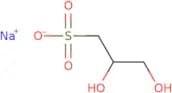
CAS:<p>Versatile small molecule scaffold</p>Formula:C4H3BrN2OPurity:Min. 95%Molecular weight:175 g/mol2-Hydroxy-3-mercapto-1-propanesulfonic acid sodium salt
CAS:<p>2-Hydroxy-3-mercapto-1-propanesulfonic acid sodium salt (2HMP) is a diagnostic agent that can be used for the detection of bacterial infections. The conformational properties of 2HMP are similar to those of ATP, which allows it to bind to the polymerase chain reaction enzyme and initiate an enzymatic reaction. This leads to the production of a signal that can be detected by spectrophotometry or fluorometry. 2HMP has also been shown to have chemokine activity in vitro, but this has not been tested in vivo. 2HMP is a competitive inhibitor of human protein serine proteases, such as trypsin and chymotrypsin, with an IC50 value of approximately 1 μM.</p>Formula:C3H7NaO4S2Purity:Min. 95%Molecular weight:194.2 g/mol2-Ethyl-2-oxazoline
CAS:<p>2-Ethyl-2-oxazoline is a structural analysis of 2-ethyl-2-oxazoline. It is a biocompatible polymer that has been shown to be cytotoxic to cells in culture. The mechanism for this cytotoxicity is not clear, but it may be due to the significant hydroxyl group present in the molecule. 2-Ethyl-2-oxazoline is also a pharmacological agent and can be used as an adjuvant in vaccines. This polymer has shown no significant antibody response and has water vapor permeability properties.</p>Formula:C5H9NOPurity:Min. 99 Area-%Color and Shape:Clear LiquidMolecular weight:99.13 g/mol3-Methylbenzo[b]thiophene-2-carboxylic acid
CAS:<p>3-Methylbenzo[b]thiophene-2-carboxylic acid (MBTCA) is a heterocyclic compound that is an intermediate in the synthesis of 3-methylthiophene-2-carboxylic acid, a precursor to other drugs. MBTCA is an aerobic, nonpolar compound that has shown antimicrobial activity against some bacteria and fungi. It also has been shown to have practicality as a biomolecular probe for methyl groups in organic solvents. MBTCA can be synthesized by nitration of benzene in the presence of sulfur and sulfoxides. This reaction produces nitrobenzene, which can then be oxidized by potassium permanganate or hydrogen peroxide to produce MBTCA. The most common isomer of MBTCA is 2-(3,5-dimethoxybenzylidene)tetrahydrofuran, with three methyl groups on the</p>Formula:C10H8O2SPurity:Min. 95%Molecular weight:192.23 g/mol6-Hydroxy-1-naphthoic acid
CAS:<p>6-Hydroxy-1-naphthoic acid is a synthetic carboxylate compound with an analog structure that has been shown to be cytotoxic to cancer cells. It inhibits the activity of protein kinases by binding to ATP, which blocks the phosphorylation of tyrosine residues on proteins. 6-Hydroxy-1-naphthoic acid has been shown to inhibit growth factor receptors and induce apoptosis in tumor cells. The mechanism of action for this drug is believed to be through ring opening and hydrolysis of the naphthalene ring, followed by reaction with p-hydroxybenzoic acid. This results in inhibition of histone deacetylase activity, leading to decreased expression of genes involved in cell proliferation.</p>Formula:C11H8O3Purity:Min. 95%Color and Shape:PowderMolecular weight:188.18 g/mol2-Bromo-3-hydroxy-benzaldehyde
CAS:<p>2-Bromo-3-hydroxy-benzaldehyde is a nitrate that has been shown to have anti-cancer properties. It inhibits the growth of cancer cells by binding to bromodomains in their DNA, thereby preventing transcription and replication. 2-Bromo-3-hydroxy-benzaldehyde also inhibits the production of nitric oxide, which may lead to an inhibitory effect on tumour angiogenesis. The stereoisomers of this compound are used as precursors for the synthesis of ammonium nitrate, which is used as a fertilizer and explosive. 2-Bromo-3-hydroxy-benzaldehyde is also used in organic synthesis as a precursor for acetylation or halide reactions with palladium complexes or halides.</p>Formula:C7H5BrO2Purity:Min. 95%Molecular weight:201.02 g/mol1-(4-Chloro-3-fluorophenyl)ethan-1-amine HCl
CAS:<p>Versatile small molecule scaffold</p>Formula:C8H10Cl2FNPurity:Min. 95%Molecular weight:210.08 g/mol(2R,3S)-Benzyl 6-oxo-2,3-diphenylmorpholine-4-carboxylate
CAS:<p>(2R,3S)-Benzyl 6-oxo-2,3-diphenylmorpholine-4-carboxylate is a molecule with an enantioselective synthesis and a preparative method. It has been catalysed by chiral reagents such as chiral catalysts, chiral auxiliaries, and chiral ligands. This molecule can be synthesized in racemic form or in the form of its two enantiomers. The two enantiomers have different physical properties and biological activities. (2S,3S)-Benzyl 6-oxo-2,3-diphenylmorpholine-4-carboxylate is known to be an inhibitor of protein kinase C (PKC) that causes the release of intracellular calcium ions from cytoplasmic stores. The other enantiomer (2R,3S)-benzyl 6-oxo-2,3-d</p>Formula:C24H21NO4Purity:Min. 95%Molecular weight:387.43 g/mol3,4-Difluoro-1H-Pyrrole
CAS:<p>3,4-Difluoro-1H-Pyrrole is a neutral compound with a molecular weight of 136.17 g/mol. It has the chemical formula C6H3F2N and it can be found in reactions involving the congener and coordination chemistry. 3,4-Difluoro-1H-Pyrrole is an intermediate in organic synthesis that is used as starting material for other organic compounds such as pharmaceuticals and agrochemicals. The redox potential of 3,4-Difluoro-1H-Pyrrole is -0.42 V for the reaction with chloride solution and its basicity is 0.89 mM at 25°C. This molecule has been studied by X-ray crystallography and by titration calorimetry for hydrogen bonding interactions.</p>Formula:C4H3F2NPurity:Min. 95%Molecular weight:103.07 g/molBromo-PEG3-azide
CAS:<p>Bromo-PEG3-azide is a PEG compound with two different functional groups (also known as heterobifunctional). Unlike homobifunctional PEG compounds (same functional group on both ends), this type of compounds are more versatile as have two different anchor points. Bromo-PEG3-azide is used as a linker and spacer to add a PEG moiety, via pegylation (a bioconjugation technique) to proteins, peptides, oligonucleotides, small molecules and nanoparticles.</p>Formula:C8H16BrN3O3Purity:Min. 95%Color and Shape:Clear LiquidMolecular weight:282.14 g/moltert-Butyl 9-oxo-4,8-diazaspiro[4.4]nonane-4-carboxylate
CAS:<p>Versatile small molecule scaffold</p>Formula:C12H20N2O3Purity:Min. 95%Molecular weight:240.3 g/mol2-(2-Bromophenyl)-2-hydroxyacetic acid
CAS:<p>2-Bromophenyl-2-hydroxyacetic acid is a ligand that binds to the ethylene receptor in plants and can be used as a monomer for the polymerization of polyethylene. It has been shown that 2-bromophenyl-2-hydroxyacetic acid can also be used as an initiator for the polymerization of β-cyclodextrin. This compound has also been shown to be an analyte in gas chromatography, which is used to separate compounds based on their chemical properties. The use of this compound as a tethering agent has also been investigated with copolymerization reactions in order to create more stable polymers. 2-Bromophenyl-2-hydroxyacetic acid has been found to inhibit nonsteroidal antiinflammatory drugs and may have potential applications for chiral synthesis, such as mandelic acid production.</p>Formula:C8H7BrO3Purity:Min. 95%Molecular weight:231.04 g/molBMS-986165
CAS:Controlled Product<p>BMS-986165 is a P-glycoprotein (P-gp) inhibitor that has been shown to reduce the absorption of ciclosporin, tacrolimus, and everolimus in vitro. BMS-986165 has an activity index of 100% and inhibits the inflammatory response by inhibiting the production of cytokines. It has been found to be effective for treating bowel diseases, such as ulcerative colitis and Crohn's disease. The drug also may be used for the treatment of autoimmune diseases, such as psoriasis or rheumatoid arthritis. BMS-986165 is administered orally and is rapidly absorbed. It is metabolized by CYP3A4 and excreted in urine as metabolites. END>> END>></p>Formula:C20H19D3N8O3Purity:Min. 95%Molecular weight:425.46 g/mol2-[(6-Chloro-3,4-dihydro-3-methyl-2,4-dioxo-1(2H)-pyrimidinyl)methyl]-benzonitrile
CAS:<p>2-[(6-Chloro-3,4-dihydro-3-methyl-2,4-dioxo-1(2H)-pyrimidinyl)methyl]-benzonitrile is an antibacterial agent that belongs to the group of nitro compounds. It inhibits bacterial growth by blocking the synthesis of proteins and DNA. 2-[(6-Chloro-3,4-dihydro-3-methyl-2,4-dioxo-1(2H)-pyrimidinyl)methyl]-benzonitrile has been shown to be active against a wide range of bacteria including Gram positive and Gram negative organisms. This compound also exhibits metal ion chelating properties and can be used for the removal of heavy metals from water. The square planar geometry of 2-[(6-Chloro-3,4-(dihydro)-3-(methyl)-2,4-(dioxo)-1</p>Formula:C13H10ClN3O2Purity:Min. 95%Molecular weight:275.69 g/molIsononyl alcohol
CAS:<p>Isononyl alcohol is a polycarboxylic acid that has been used in the treatment of skin conditions, such as atopic dermatitis and psoriasis. It has been shown to penetrate the skin and stimulate the production of sebum. Isononyl alcohol is also used as a plasticizer for polyvinyl chloride (PVC) and other plastics, which increases their flexibility. This chemical also has a hydrophobic effect, which may be due to its hydroxyl group. The unsaturated alkyl chain on this chemical also makes it susceptible to oxidation by ozone in air and water vapor in air. Isononyl alcohol is metabolized by humans through conjugation with glucuronic acid or sulfate esters.</p>Formula:C9H20OPurity:Min. 95%Color and Shape:Clear LiquidMolecular weight:144.25 g/mol2,5-Dimethyl-1,4-benzenediamine
CAS:<p>2,5-Dimethyl-1,4-benzenediamine is an amine that is used as a reagent in organic synthesis. It is also used to derivatize other molecules and as a precursor to other compounds. 2,5-Dimethyl-1,4-benzenediamine has been shown to be a good nucleophile and can react with electrophiles such as difluoride and the metal ion Ag(I). The reaction rate of 2,5-dimethyl-1,4-benzenediamine can be determined using high performance liquid chromatography or electrospray ionization. This compound can be synthesized from phenylmagnesium bromide and methyl iodide in the presence of aluminium chloride. It is possible to immobilize 2,5-dimethyl-1,4-benzenediamine on mesoporous silica by attaching it to the surface of the porous material with aminop</p>Formula:C8H12N2Purity:Min. 95%Color and Shape:Beige To Brown SolidMolecular weight:136.19 g/mol4-Imidazole methyl carboxylate
CAS:<p>4-Imidazole methyl carboxylate is a drug that inhibits the activity of dehydrogenases and other enzymes. It has been shown to be an inhibitor of the enzyme catalase in vitro and in vivo, which may be due to its ability to bind bidentately with the active site. 4-Imidazole methyl carboxylate is effective when administered orally, and it has been shown to improve symptoms of neurodegenerative diseases such as Alzheimer's disease. This drug also has a trifunctional chemical structure that contains a macrocyclic ring system with an imidazole group and a carboxylic acid group. The redox potential of this molecule makes it suitable for use as an antioxidant.</p>Formula:C5H6N2O2Purity:Min. 95%Color and Shape:White PowderMolecular weight:126.11 g/mol2-Bromo-5-fluoro-4-nitroaniline
CAS:<p>2-Bromo-5-fluoro-4-nitroaniline can be synthesized in a reaction system of ammonium chloride, hydrochloric acid, and water vapor. The reaction is carried out at a temperature of 190°C under reflux. The efficiency of this synthesis is high, and the chemical yield is about 90%.</p>Formula:C6H4BrFN2O2Purity:Min. 95%Molecular weight:235.01 g/moltert-Butyl (2S)-2-formylmorpholine-4-carboxylate
CAS:<p>Versatile small molecule scaffold</p>Formula:C10H17NO4Purity:Min. 95%Molecular weight:215.25 g/mol3-Dimethylamino-1-pyridin-3-yl-propenone
CAS:<p>Versatile small molecule scaffold</p>Formula:C10H12N2OPurity:Min. 95%Molecular weight:176.22 g/molMethyl 2-{[(tert-butoxy)carbonyl]amino}pent-4-ynoate
CAS:<p>Versatile small molecule scaffold</p>Formula:C11H17NO4Purity:Min. 95%Molecular weight:227.26 g/mol3-bromo-1-methyl-1H-pyrazole-5-carboxylic acid
CAS:<p>Versatile small molecule scaffold</p>Formula:C5H5BrN2O2Purity:Min. 95%Molecular weight:205 g/mol2-(Morpholin-4-yl)acetyl chloride hydrochloride
CAS:<p>2-(Morpholin-4-yl)acetyl chloride hydrochloride is a fine chemical that is used as a building block for the synthesis of other compounds. It can be used in research and development, or as a reagent. 2-(Morpholin-4-yl)acetyl chloride hydrochloride has high purity and is easily soluble in water. This compound can be used as an intermediate to synthesize other compounds, or it can be used as a scaffold for the formation of complex structures.</p>Formula:C6H11Cl2NO2Purity:Min. 95%Color and Shape:PowderMolecular weight:200.06 g/mol4,6-Dimethoxysalicylaldehyde
CAS:<p>4,6-Dimethoxysalicylaldehyde is a protonated molecule with a cyclohexane ring and 4 hydroxyl groups. Its chemical formula is C6H8O3. The compound has low bioavailability due to the presence of an intramolecular hydrogen bond that causes high redox potential. There are two amines on the aromatic ring which can coordinate with metal ions to form a complex. This compound's structural analysis has been conducted using X-ray crystallography, NMR spectroscopy, and IR spectroscopy. The structure of 4,6-dimethoxysalicylaldehyde is unsymmetrical due to the presence of two asymmetric carbon atoms in the molecule. It forms hydrogen bonds with other molecules due to its hydroxyl group and intramolecular hydrogen bond. Hydrogen bonding interactions occur between this compound and other molecules including water, alcohols, ammonia, amines, and carboxylic acids.</p>Formula:C9H10O4Purity:Min. 95%Color and Shape:Off-White PowderMolecular weight:182.17 g/molInosine 5'-monophosphate disodium hydrate
CAS:<p>Please enquire for more information about Inosine 5'-monophosphate disodium hydrate including the price, delivery time and more detailed product information at the technical inquiry form on this page</p>Formula:C10H13N4O8P•Na2•(H2O)xPurity:Min. 95%3,5-Diiodo-L-tyrosine
CAS:<p>3,5-Diiodo-L-tyrosine (3DILT) is an iodinated amino acid that can be used as a marker for human immunodeficiency virus (HIV) infection. It is synthesized by the reaction of 3,5-diiodotyrosine with L-tyrosine in the presence of a metal chelate and dinucleotide phosphate. This reaction proceeds via nucleophilic substitution on the aromatic ring with an iodide ion. The product is then purified to remove unreacted 3,5-diiodotyrosine and the metal chelate. 3DILT reacts with antibodies in a luminescence immunoassay to produce light that can be detected. The detection limit of this assay is 10 pg/mL.</p>Formula:C9H9I2NO3Purity:Min. 95%Molecular weight:432.98 g/mol(2R)-2-Acetamido-3,3-dimethylbutanoic acid
CAS:<p>Versatile small molecule scaffold</p>Formula:C8H15NO3Purity:Min. 95%Molecular weight:173.21 g/moltrans-1,2-Dichloroethylene
CAS:<p>Trans-1,2-Dichloroethylene is a chlorinated hydrocarbon that is used in the production of polyvinyl chloride plastics. When ingested at dietary concentrations, trans-1,2-Dichloroethylene may cause liver damage and death in CD-1 mice. Trans-1,2-Dichloroethylene has been shown to react with nucleophilic substitutions and produce toxic reaction products. This chemical also causes polymerase chain reactions that can lead to cell death. The effective dose for this chemical is unknown because it has not been tested in clinical trials.</p>Formula:C2H2Cl2Purity:Min. 95%Molecular weight:96.94 g/mol1-N-Boc-2-Methyl-Isothiourea
CAS:<p>Versatile small molecule scaffold</p>Formula:C7H14N2O2SPurity:Min. 95%Molecular weight:190.26 g/mol6-Bromo-1-methylpyridin-2(1H)-one
CAS:<p>Versatile small molecule scaffold</p>Formula:C6H6BrNOPurity:Min. 95%Molecular weight:188.02 g/mol1,1-Dibromo-2,2-bis(chloromethyl)cyclopropane
CAS:<p>1,1-Dibromo-2,2-bis(chloromethyl)cyclopropane is a synthetic chemical that can be used to synthesize lactams. It is a member of the class of enolates and has two isomers: sulfoxide and sulfone. The synthesis process begins with an amination reaction between 1,1-dibromo-2,2-bis(chloromethyl)cyclopropane and an amine in the presence of magnesium chloride. This reaction produces a sulfide intermediate that reacts with an aldehyde or ketone to form the desired lactam. The reaction time varies depending on the reactivity of the reactants, but it typically takes less than one hour at room temperature. Magnesium metal is needed as a catalyst for this reaction because it will not take place without it. 1,1-Dibromo-2,2-bis(chloromethyl)cyclopropane also reacts easily</p>Formula:C5H6Br2Cl2Purity:Min. 95%Molecular weight:296.81 g/mol2,6-Dichloro-4-methoxyaniline
CAS:<p>2,6-Dichloro-4-methoxyaniline is a chemical that belongs to the group of methyl derivatives. It is used as an industrial chemical and as a precursor to other chemicals in the production of pesticides, herbicides, and other products. 2,6-Dichloro-4-methoxyaniline can be found in brominated flame retardants and phenolic resins. It is also present in pentachlorophenol (PCP) and hydroxylated congeners. 2,6-Dichloro-4-methoxyaniline has been detected in humans at levels ranging from 10 to 100 parts per billion. The chemical structure of 2,6-dichloro-4-methoxyaniline is similar to that of triclosan, which has been shown to have antimicrobial activity against bacteria such as Staphylococcus aureus and Escherich</p>Formula:C7H7Cl2NOPurity:Min. 95%Molecular weight:192.04 g/molImidazolepyruvic acid hydrobromide hydrate
CAS:<p>Please enquire for more information about Imidazolepyruvic acid hydrobromide hydrate including the price, delivery time and more detailed product information at the technical inquiry form on this page</p>Formula:C6H6N2O3•(HBr)x•(H2O)xPurity:Min. 95%Color and Shape:Powder3-aminopyrrolidin-2-one hcl
CAS:<p>3-Aminopyrrolidin-2-one hcl is an antibiotic that is used to treat tuberculosis. It inhibits the enzyme transacylase, which catalyses the conversion of L-lysine into L-pipecolic acid in bacteria. This antibiotic has been shown to be effective against Mycobacterium tuberculosis and Mycobacterium avium complex. 3-Aminopyrrolidin-2-one hcl has a broad spectrum of activity against gram positive and gram negative bacteria, but it is not active against acid-fast bacteria.</p>Formula:C4H9ClN2OPurity:Min. 95%Molecular weight:136.58 g/mol5-Iodo-2-nitrobenzoic acid
CAS:<p>5-Iodo-2-nitrobenzoic acid is a fine chemical that is used as a building block in the synthesis of complex compounds and research chemicals. This compound has been shown to be an effective reagent for the synthesis of many different types of compounds. It can also be used as a reactant or intermediate in organic syntheses, such as those involving cross-coupling reactions. 5-Iodo-2-nitrobenzoic acid is a versatile building block that can be used in both simple and complex chemical reactions.</p>Formula:C7H4INO4Purity:Min. 95%Color and Shape:Yellow PowderMolecular weight:293.02 g/mol2,7-Naphthyridin-1(2H)-one
CAS:<p>Cabozantinib is a small molecule that is the first to target VEGFR-2, which is a receptor tyrosine kinase involved in the development of fibrosis. Cabozantinib inhibits the activity of VEGFR-2 by binding to its ATP-binding site and blocking the phosphorylation of downstream signaling pathways. Cabozantinib has been shown to have antifibrotic properties in both preclinical and clinical models. The drug candidate has been shown to reduce kidney fibrosis in animal models. The standard dose for cabozantinib was found to be 5 mg/kg, with a maximum tolerated dose of 20 mg/kg. In vitro studies have indicated that cabozantinib binds with high affinity to the ATP-binding pocket of VEGFR-2, exhibiting competitive inhibition against other kinases such as PDGFR-beta and cKit, as well as diaryliodonium (a specific inhibitor). Caboz</p>Formula:C8H6N2OPurity:Min. 95%Molecular weight:146.14 g/mol4-Iodo-1-methylpyrazole
CAS:<p>4-Iodo-1-methylpyrazole is a reductive agent that is used in organic synthesis. It can be used as a reducing agent for the conversion of aldehydes and ketones to alcohols. 4-Iodo-1-methylpyrazole can be crystallized from diethyl etherate and blood. The product yield from this reaction is high, but it requires an oxidant such as trifluoride or plavix to react with the diacetates. 4-Iodo-1-methylpyrazole can also be synthesized by reacting allylsilanes with iodine gas in the presence of a base. This synthesis method produces 4-iodo-1-methylpyrazole in good yield and with little difficulty.</p>Formula:C4H5IN2Purity:Min. 95%Color and Shape:White To Light (Or Pale) Yellow To Tan SolidMolecular weight:208 g/molMethanesulfonato(diadamantyl-n-butylphosphino)-2'-amino-1,1'-biphenyl-2-yl)palladium(II) dichloromethane adduct
CAS:<p>Please enquire for more information about Methanesulfonato(diadamantyl-n-butylphosphino)-2'-amino-1,1'-biphenyl-2-yl)palladium(II) dichloromethane adduct including the price, delivery time and more detailed product information at the technical inquiry form on this page</p>Formula:C37H52NO3PPdSPurity:Min. 95%Molecular weight:728.27 g/mol6-Bromo-3-methyl-2,3-dihydro-1,3-benzoxazol-2-one
CAS:<p>Versatile small molecule scaffold</p>Formula:C8H6BrNO2Purity:Min. 95%Molecular weight:228.04 g/mol(3-Aminopropyl)(3-phenylpropyl)amine
CAS:<p>Versatile small molecule scaffold</p>Formula:C12H20N2Purity:Min. 95%Molecular weight:192.3 g/mol4-Bromo-2,5-dimethylpyridine
CAS:<p>4-Bromo-2,5-dimethylpyridine is an organic compound that belongs to the group of amino compounds. It is a potential intermediate in the synthesis of other compounds. 4-Bromo-2,5-dimethylpyridine can react with potassium to form 4-bromopyridine and 3-bromo-4-methylpyridine. It may also be used as a reactant in aminations and as an intermediate in the preparation of n-oxides.</p>Formula:C7H8BrNPurity:Min. 95%Molecular weight:186.05 g/moltert-butyl 6,6-difluoro-1,4-diazepane-1-carboxylate
CAS:<p>Versatile small molecule scaffold</p>Formula:C10H18F2N2O2Purity:Min. 95%Molecular weight:236.3 g/mol3-bromo-6,7-dihydro-5h-pyrrolo[3,4-b]pyridine hcl
CAS:<p>Versatile small molecule scaffold</p>Formula:C7H8BrClN2Purity:Min. 95%Molecular weight:235.51 g/mol4,4'-Dithiopyridine
CAS:<p>4,4'-Dithiopyridine is a reactive molecule that can be used in the synthesis of other organic compounds. It is a disulfide bond with a redox potential of -0.43 V, which makes it readily available for reaction. The structural analysis of 4,4'-dithiopyridine has been performed using NMR spectroscopy and gas chromatography/mass spectrometry (GC/MS). This compound is an inhibitor of sugar transport and can be used to study the p-nitrophenyl phosphate reductase enzyme in bacteria. The reaction product between 4,4'-dithiopyridine and NADPH cytochrome P450 produces the fluorescent molecule 2-aminopurine. This fluorescent molecule may be used as a probe to study transfer reactions in bacteria.</p>Formula:C10H8N2S2Purity:Min. 95%Color and Shape:Off-White To Light (Or Pale) Yellow SolidMolecular weight:220.32 g/mol1-Methyl-1,2,4-triazole
CAS:<p>1-Methyl-1,2,4-triazole is a molecule containing nitrogen atoms. It can be used as a monomer in the preparation of polymers or materials. 1-Methyl-1,2,4-triazole has been shown to be effective for the equilibration of mixtures of organic compounds in analytical methods and matrix effect studies. The reaction vessel must be unsymmetrical to prevent the polymer from sticking to it and causing potential problems with the separation process.</p>Formula:C3H5N3Purity:Min. 98%Color and Shape:Clear LiquidMolecular weight:83.09 g/mol2,4,5,6-Tetra(9H-carbazol-9-yl)isophthalonitrile
CAS:<p>2,4,5,6-Tetra(9H-carbazol-9-yl)isophthalonitrile is a redox molecule that emits light when excited by an electron or photon. It is used in organic light emitting devices (OLEDs) as the emissive material. This compound has been shown to have low chemical stability and limited transport properties. Its efficiency can be improved by increasing the concentration of the molecule. Activated 2,4,5,6-tetra(9H-carbazol-9-yl)isophthalonitrile emits a bright red orange emission with a maximum at 569 nm and it is activated by electron transfer from an electrode. 2,4,5,6-Tetra(9H-carbazol-9-yl)isophthalonitrile has been shown to emit blue light when excited by UV light in the presence of oxygen as an oxidant.</p>Formula:C56H32N6Purity:Min. 98 Area-%Color and Shape:PowderMolecular weight:788.89 g/mol2-Amino-5-fluoro-4-methoxybenzoic acid
CAS:<p>Versatile small molecule scaffold</p>Formula:C8H8FNO3Purity:Min. 95%Molecular weight:185.15 g/molGSK'547
CAS:<p>GSK'547 is a small molecule that can interact with the ferroptosis pathway, which is involved in both acute and chronic kidney injury. GSK'547 has been shown to inhibit ischemia reperfusion-induced renal dysfunction by suppressing inflammation and oxidative stress. GSK'547 also inhibits cancer cell proliferation and acts as an anti-inflammatory agent. In addition, GSK'547 has been shown to be beneficial for treating tuberculosis infections and cavity diseases. The mechanism of action of GSK'547 involves inhibiting bacterial cell wall synthesis by binding to the beta-subunit of DNA gyrase. This binding prevents the formation of an antibiotic-inhibitor complex with the enzyme cell wall synthesis that is required for cell wall biosynthesis, inhibiting protein synthesis and cell division.</p>Formula:C20H18F2N6OPurity:Min. 95%Molecular weight:396.39 g/molMethyl 1-methyl-4-oxocyclohexanecarboxylate
CAS:<p>Versatile small molecule scaffold</p>Formula:C9H14O3Purity:Min. 95%Molecular weight:170.21 g/mol3,5-Dimethyl-4H-1,2,4-triazol-4-amine
CAS:<p>3,5-Dimethyl-4H-1,2,4-triazol-4-amine is a crystalline compound with antiproliferative and anti-inflammatory properties. It has been shown to inhibit the growth of cancer cells in vitro and in vivo. The mechanism of action is not fully understood but may be due to inhibition of DNA synthesis or by inhibiting the activity of topoisomerase II. 3,5-Dimethyl-4H-1,2,4-triazol-4-amine can also act as an antioxidant by scavenging reactive oxygen species (ROS). 3,5-Dimethyl-4H-1,2,4-triazol-4-amine has been shown to have a low toxicity in animals and humans.</p>Formula:C4H8N4Purity:Min. 95%Molecular weight:112.13 g/molMethyl 4-amino-2-methoxybenzoate
CAS:<p>Methyl 4-amino-2-methoxybenzoate is a solute with anticancer activity. It has been shown to inhibit the growth of erythrocytes and cancer cells in vitro. The mechanism of action is associated with its ability to bind to aminobenzothiazole, which inhibits the production of DNA and RNA. Methyl 4-amino-2-methoxybenzoate has also been shown to inhibit the proliferation of human muscle cells and induce their differentiation. This drug does not have any effect on lipid or protein synthesis in cells, which may be due to its solvent perturbation properties.</p>Formula:C9H11NO3Purity:Min. 95%Color and Shape:PowderMolecular weight:181.19 g/mol2-[3-Chloro-5-(trifluoromethyl)-2-pyridinyl]-acetonitrile
CAS:<p>Versatile small molecule scaffold</p>Formula:C8H4ClF3N2Purity:Min. 95%Color and Shape:PowderMolecular weight:220.58 g/mol6-Maleimidocaproic acid N-hydroxysuccinimide ester
CAS:<p>6-Maleimidocaproic acid N-hydroxysuccinimide ester (6MCA-NHS) is a fluorescent probe that reacts with the hydroxyl group of fatty acids in human serum and other biological samples. 6MCA-NHS binds to the carboxylic acid group at the end of a fatty acid molecule, forming a covalent bond. This process generates light emission that can be detected by a fluorescence probe to measure changes in pH or other chemical properties within the solution. 6MCA-NHS has been used as a tumor treatment, where laser ablation is used to break up tumor cells and release 6MCA-NHS into the cytoplasm. The drug can then bind to DNA molecules and inhibit protein synthesis, which results in cell death.</p>Formula:C14H16N2O6Purity:Min. 95%Color and Shape:White Off-White PowderMolecular weight:308.29 g/moltert-Butyl 2,9-diazaspiro[5.5]undecane-2-carboxylate
CAS:<p>Versatile small molecule scaffold</p>Formula:C14H26N2O2Purity:Min. 95%Molecular weight:254.38 g/moltert-Butyl 3,9-diazaspiro[5.5]undecane-3-carboxylate hydrochloride
CAS:<p>Versatile small molecule scaffold</p>Formula:C14H27ClN2O2Purity:Min. 95%Molecular weight:290.83 g/molThiophen-3-ylmethanamine hydrochloride
CAS:<p>Versatile small molecule scaffold</p>Formula:C5H8ClNSPurity:Min. 95%Molecular weight:149.64 g/mol3-(Difluoromethyl)-1-methyl-1H-pyrazole-4-carboxylic acid
CAS:<p>3-(Difluoromethyl)-1-methyl-1H-pyrazole-4-carboxylic acid is a synthetic chemical that is used as a pesticide. This chemical has been found to be more effective than other pesticides because it can inhibit the synthesis of fatty acids, which are necessary for the growth of insect larvae. 3-(Difluoromethyl)-1-methyl-1H-pyrazole-4-carboxylic acid is synthesized by reacting sodium hydroxide solution with triethyl orthoformate in the presence of hexamethylenetetramine. This reaction produces a mixture of diethyl ester and carboxylate esters, which are then separated from each other. The resulting carboxylate ester is then oxidized to produce 3-(difluoromethyl)-1-methyl-1H pyrazole 4 carboxylic acid.</p>Formula:C6H6F2N2O2Purity:Min. 95%Color and Shape:White Off-White PowderMolecular weight:176.12 g/molDiiodomethane
CAS:<p>Diiodomethane is a chemical compound with the molecular formula CHI. It is a colorless gas that can be obtained by reacting methyl ethyl and hydroxyl group in the presence of an oxidant such as boron nitride. Diiodomethane has been used as a substrate film for n-dimethyl formamide and reaction solution, which have been studied using spectroscopic data. The product of this reaction is water vapor that leaves the system due to its low boiling point. Reaction mechanism for this process is thought to be due to the kinetic energy of the particles that collide and produce diiodomethane molecules.</p>Formula:CH2I2Purity:Min. 95%Color and Shape:Yellow Clear LiquidMolecular weight:267.84 g/mol2-Methyl-2H-indazol-5-ylamine
CAS:<p>Please enquire for more information about 2-Methyl-2H-indazol-5-ylamine including the price, delivery time and more detailed product information at the technical inquiry form on this page</p>Formula:C8H9N3Purity:Min. 95%Molecular weight:147.18 g/molMethyl 2-chloro-5-iodonicotinate
CAS:<p>Methyl 2-chloro-5-iodonicotinate is a basic and yields a radioligand for use in imaging studies. It is used as a specific activity and solid-phase extraction. Methyl 2-chloro-5-iodonicotinate has been shown to be effective for radiolabeling studies of the brain following intravenous administration.</p>Formula:C7H5ClINO2Purity:Min. 95%Molecular weight:297.48 g/mol4,4'-Dimethyl-2,2'-bipyridine
CAS:<p>4,4'-Dimethyl-2,2'-bipyridine is a molecule that belongs to the group of p2 metal complexes. It has been shown to have synergistic effects with ruthenium complexes in analytical chemistry and electrochemical studies. Theoretical calculations have been performed for 4,4'-dimethyl-2,2'-bipyridine and its derivatives. These calculations show that the molecule is planar and that it can be considered as a diazonium salt. The photochemical properties of 4,4'-dimethyl-2,2'-bipyridine have also been studied in detail. This substance emits light when excited by ultraviolet light or visible light, which makes it an excellent candidate for use as a luminescent material in optical displays.</p>Formula:C12H12N2Purity:Min. 98%Color and Shape:Slightly Yellow PowderMolecular weight:184.24 g/mol2,4-Dibromopyridine
CAS:<p>2,4-Dibromopyridine is a brominated derivative of pyridine. It is synthesized through the substitution of two bromine atoms for two hydrogens on the pyridine ring. This synthesis can be achieved by disubstitution or cross-coupling reactions. The reaction products are nucleophilic and react with electrophiles to produce substitution products. The reaction mechanism is thought to involve a six-membered transition state, which has been observed using X-ray absorption spectroscopy.</p>Formula:C5H3Br2NPurity:Min. 95%Color and Shape:White To Off-White SolidMolecular weight:236.89 g/mol2,4-Dimethyl-3-hydroxypyridine
CAS:<p>2,4-Dimethyl-3-hydroxypyridine is a hydroxypyridine compound with epoxide. It inhibits cytochrome P450 enzymes and is used as an organic solvent. 2,4-Dimethyl-3-hydroxypyridine is also used in research to study the structure of the pyridine ring and the hydroxyl group.</p>Formula:C7H9NOPurity:Min. 95%Color and Shape:PowderMolecular weight:123.15 g/mol4-{[(tert-butoxy)carbonyl]amino}bicyclo[2.2.2]octane-1-carboxylic acid
CAS:<p>Versatile small molecule scaffold</p>Formula:C14H23NO4Purity:Min. 95%Molecular weight:269.3 g/mol2-(Bromomethyl)-6-nitro-benzoic acid methyl ester
CAS:<p>Versatile small molecule scaffold</p>Formula:C9H8BrNO4Purity:Min. 95%Molecular weight:274.07 g/mol2,5-Dibromopyridine
CAS:<p>2,5-Dibromopyridine is a chemical compound that can be used as a coupling agent in palladium-catalyzed cross-coupling reactions. It is used on the surface of metal particles to increase the efficiency of the reaction, and has been shown to react with substrates such as sodium hydroxide solution, sodium carbonate, halides and hydroxides. 2,5-Dibromopyridine also reacts with benzoate to form a palladium complex. 2,5-Dibromopyridine can be used as an oxidant or reductant depending on the type of reaction it is being used in. It has redox potentials at -0.6 volts for oxidation and +0.6 volts for reduction.</p>Formula:C5H3Br2NPurity:Min. 95%Color and Shape:PowderMolecular weight:236.89 g/molMethyl 4-chlorobenzenesulfonate
CAS:<p>Versatile small molecule scaffold</p>Formula:C7H7ClO3SPurity:Min. 95%Molecular weight:206.65 g/mol3,5-Bis(trifluoromethyl)-1H-pyrazole-4-carboxylic acid
CAS:<p>3,5-Bis(trifluoromethyl)-1H-pyrazole-4-carboxylic acid is a chiral compound that has been shown to be an active building block for coordination frameworks. It is prepared from the reaction of 3,5-bis(trifluoromethyl)-1H-pyrazole with a carboxylic acid and can be used in the synthesis of metalloporphyrins. 3,5-Bis(trifluoromethyl)-1H-pyrazole-4-carboxylic acid has been shown to form stable coordination complexes with ligands such as bidentate or tridentate phosphoramidites and dimethylammonium chloride. This compound undergoes thermal treatment during the preparation process and reacts with various solvents and reagents.</p>Formula:C6H2F6N2O2Purity:Min. 95%Molecular weight:248.08 g/mol4,4'-Diamino-2,2'-bipyridine
CAS:<p>4,4'-Diamino-2,2'-bipyridine (DABP) is a redox-active compound that is synthesized to be used as a single-stranded DNA probe. It has been shown to have high affinity for nucleic acids and can be used in many applications including the detection of mutations in human ovarian carcinoma cells. DABP can also be used as a model protein for studying interactions with other biomolecules. The immobilization of DABP on an electrode surface allows for the study of its electrochemical properties. This includes the correlation between the redox potential and luminescence intensity and the dependence on pH or ionic strength. DABP can also be used to detect oxygen concentration or ATP levels in mitochondria through its ability to absorb light at wavelengths from 400 nm to 800 nm which is then converted into light at lower wavelengths by uv irradiation.</p>Formula:C10H10N4Purity:Min. 97 Area-%Color and Shape:White PowderMolecular weight:186.21 g/moltert-Butyl 2-(hydroxymethyl)azetidine-1-carboxylate
CAS:<p>tert-Butyl 2-(hydroxymethyl)azetidine-1-carboxylate is a versatile compound that has various applications across different industries. It is commonly used as a building block in the synthesis of shikimic acid, which is a key intermediate in the production of inhibitors and herbicides. Additionally, this compound can be utilized in electrode fabrication and is often sought after by researchers for their chemical studies. Another notable application of tert-Butyl 2-(hydroxymethyl)azetidine-1-carboxylate is its use in the pharmaceutical industry. It serves as an important starting material for the synthesis of cetirizine, an antihistamine medication used to alleviate allergy symptoms. Furthermore, it has been studied for its potential therapeutic effects on conditions such as psoriasis and photocatalytic reactions. In addition to its pharmaceutical applications, tert-Butyl 2-(hydroxymethyl)azetidine-1-carboxylate</p>Formula:C9H17NO3Purity:Min. 95%Molecular weight:187.24 g/molCyclopent-2-en-1-ol
CAS:<p>Cyclopent-2-en-1-ol is a reactive monomer that can react with chloride and hydroxyl groups. It can also undergo reaction with sodium carbonate to form a cyclic ester. Cyclopent-2-en-1-ol can be converted to an epoxide by the use of acid catalyst. This compound also has the ability to polymerize, forming polymers that are used in rayon production.</p>Formula:C5H8OPurity:Min. 95%Color and Shape:Clear LiquidMolecular weight:84.12 g/molCucurbit[7]uril
CAS:<p>Cucurbit[7]uril is a chemical compound that can be used as a fluorescent probe for protein target. It has been shown to produce significant cytotoxicity against cancer cell lines in vitro. Cucurbit[7]uril also exhibits hydrophobic effects, which bind to the cell nuclei of cancer cells and inhibits DNA replication. The photophysical properties of cucurbit[7]uril are stable under physiological conditions and it can be used in vivo as a styryl dye. This chemical compound is also able to form stable complexes with carbonyl oxygens, making it an interesting candidate for anti-cancer drug development.</p>Formula:C42H42N28O14Purity:Min. 95%Color and Shape:White To Yellow SolidMolecular weight:1,162.96 g/mol2-(Chloromethyl)-4-methoxy-3,5-dimethylpyridine hydrochloride
CAS:<p>2-(Chloromethyl)-4-methoxy-3,5-dimethylpyridine hydrochloride is a benzimidazole derivative. It has a chemical stability and can be used for wastewater treatment. It is also a pump inhibitor and can be used for anhydrous sodium magnesium salts. This product is synthesized from the reaction of protonated 2-bromo-4-methoxyphenol with 2,6-dimethylpyridine in the presence of hydrochloric acid. The reaction was carried out in an asymmetric synthesis using a proton transport system. 2-(Chloromethyl)-4-methoxy-3,5-dimethylpyridine hydrochloride is soluble in water and has a pH of 1 to 3. It has been shown that this product can be used as an antioxidant and as a metal chelation agent.</p>Formula:C9H13Cl2NOPurity:Min. 95%Color and Shape:PowderMolecular weight:222.11 g/molTris(2-cyanoethyl)phosphine
CAS:<p>Tris(2-cyanoethyl)phosphine (TCEP) is a metal carbonyl compound that has been used as a reagent in organic chemistry. TCEP is an amphoteric molecule that can react with both acids and bases, and is stable in the pH range of 5 to 9. It has been shown to have anti-inflammatory properties by inhibiting neutrophil migration. TCEP also has biological properties, such as its ability to inhibit the growth of Cryptococcus neoformans. TCEP binds to the mitochondrial membrane potential, which prevents proton leakage through the membrane and inhibits oxidative phosphorylation. TCEP binds strongly to minerals such as sodium salts, which can be used to isolate this molecule from reaction solutions. TCEP can be obtained by laser ablation or X-ray crystallography techniques.</p>Formula:C9H12N3PPurity:Min. 95 Area-%Molecular weight:193.19 g/mol4-Chlorobenzenethiol
CAS:<p>4-Chlorobenzenethiol is a chemical compound that contains a fatty acid. It is an intramolecular hydrogen donor with the ability to form a disulfide bond. The compound also has high stability and can be used in organic synthesis reactions involving reactive sulfur groups. 4-Chlorobenzenethiol reacts with sodium carbonate to produce sodium thiocarbonate and chloroform, which are then reacted with phosphorus pentoxide for oxidation. The reaction mechanism is similar to that of the Diels-Alder reaction and the model system involves dinucleotide phosphate. 4-Chlorobenzenethiol can be reacted with hydrochloric acid or trifluoroacetic acid as an oxidizing agent.</p>Formula:C6H5ClSPurity:Min. 95%Color and Shape:White PowderMolecular weight:144.62 g/mol1-Azaspiro[3.3]heptane hydrochloride
CAS:<p>Versatile small molecule scaffold</p>Formula:C6H12ClNPurity:Min. 95%Molecular weight:133.62 g/mol2-Chlorobenzonitrile
CAS:<p>2-Chlorobenzonitrile is a white solid that is soluble in organic solvents. It is an aryl halide and has a chemical structure of C6ClCN. 2-Chlorobenzonitrile is used as a raw material for the production of dyes and pharmaceuticals. This compound reacts with hydrochloric acid to form 4-chlorobenzonitrile, which can be used in the synthesis of other chemicals. 2-Chlorobenzonitrile can also react with n-dimethyl formamide in an optimal reaction solution to form 4-chlorobenzonitrile. The FTIR spectroscopy on this compound shows that it has a chloride group at 795 cm−1. The optimum reaction temperature for this compound is between 100 and 120 °C, but it will react with inorganic acids such as sulfuric acid or phosphoric acid at higher temperatures. Synthesis of this compound can be done by reacting</p>Formula:C7H4ClNPurity:Min. 95%Color and Shape:White PowderMolecular weight:137.57 g/molN-Carbamoyl linagliptin
CAS:<p>N-Carbamoyl linagliptin is a synthetic drug that is a selective, reversible inhibitor of dipeptidyl peptidase-4 (DPP-4), an enzyme that breaks down the incretin hormones GLP-1 and GIP. This drug has been shown to help control blood glucose levels in patients with type 2 diabetes. It binds to the active site of DPP-4 and prevents it from breaking down GLP-1 and GIP, which leads to increased levels of these hormones in the body. N-Carbamoyl linagliptin has a long half life, making it suitable for once daily administration. It also lacks any significant interactions with other drugs or foods.</p>Formula:C26H29N9O3Purity:Min. 95%Molecular weight:515.6 g/mol5-Fluoro-2-hydrazinopyridine
CAS:<p>Please enquire for more information about 5-Fluoro-2-hydrazinopyridine including the price, delivery time and more detailed product information at the technical inquiry form on this page</p>Formula:C5H6FN3Purity:Min. 95%Molecular weight:127.12 g/mol2,3-Pyridinedicarboxylic acid dimethylester
CAS:<p>2,3-Pyridinedicarboxylic acid dimethylester (PDDE) is a methylated derivative of 3-nitrophthalic anhydride. It has been shown to be a stereoselective receptor blocker that binds to the glutamate site of the N-methyl-D-aspartate receptor. PDDE has also been shown to have high affinity for the cerebral cortex and is able to penetrate the blood brain barrier. PDDE blocks the NMDA receptor by binding to it and preventing ion flow, which leads to inhibition of neurotransmitter release. This drug is used as an injectable methyl derivative with a molecule weight of 217. The ionization detector can detect PDDE in tetrahydrofuran at concentrations of 1,000 ng/mL or less.</p>Formula:C9H9NO4Purity:Min. 95%Molecular weight:195.17 g/mol3-Pyridineboronic acid
CAS:<p>3-Pyridineboronic acid is an antimicrobial agent that is used to treat bacterial and fungal infections. 3-Pyridineboronic acid is a prodrug that is metabolized to its active form, pyridinium boronate. This drug has been shown to be effective in the treatment of hypoxic tumors in mice, which are resistant to other anticancer drugs. 3-Pyridineboronic acid also has acidic properties and can be used as an antiseptic for the treatment of skin and eye infections. It can also be used as a hydrogen bonding partner when combined with halides, such as chloride or bromide ions. The drug binds to human serum proteins and forms an acidic complex that prevents bacterial growth by inhibiting protein synthesis. 3-Pyridineboronic acid also inhibits prostate cancer cells by competitively inhibiting the enzyme 4-pyridinylboronic acid reductase (4PBAR).</p>Formula:C5H6BNO2Purity:Min. 95%Molecular weight:122.92 g/mol2-Methylthiazole-4-carboxaldehyde
CAS:<p>2-Methylthiazole-4-carboxaldehyde is an aldehyde that is the product of the condensation of 2,4-dibenzoylacetone and acetone in the presence of diazomethane. It has been used as a precursor to other compounds such as benzoyl chloride, glyoxal, and aldehydes. 2-Methylthiazole-4-carboxaldehyde can be synthesized using acetylation or nitration of thiols or with glyoxal or aldehyde. The reactivity of this compound is high and can be carried out in high yield.</p>Formula:C5H5NOSPurity:Min. 95%Molecular weight:127.16 g/mol1,3-Propanediol
CAS:<p>aliphatic diol. It has been shown to have an inhibitory effect on bacterial growth</p>Formula:C3H8O2Purity:Min. 95%Color and Shape:Colorless Clear LiquidMolecular weight:76.09 g/mol(1R,8S,9s)-Bicyclo[6.1.0]non-4-yn-9-ylmethanol
CAS:<p>(1R,8S,9s)-Bicyclo[6.1.0]non-4-yn-9-ylmethanol is a congener that belongs to the class of monoclonal antibodies. It is a degradable and photophysical agent that enhances ionotropic gelation and proton exchange in an acidic environment. This agent has been shown to react with nucleophilic groups, such as amines and thiols, and has fluorescence properties that are sensitive to pH changes. The reactive nature of this compound makes it useful for the localization of model proteins in analytical chemistry experiments.</p>Formula:C10H14OPurity:Min. 95%Molecular weight:150.22 g/mol2-Pyridineboronic acid
CAS:<p>2-Pyridineboronic acid is a chemical compound that belongs to the group of quinoline derivatives. It is used in pharmaceutical preparations, including as an intermediate for the synthesis of other compounds. 2-Pyridineboronic acid has been shown to have antiproliferative effects on cancer cells and has been found to be active against nicotinic acetylcholine receptors (NAR). The compound also inhibits lipid kinase activity, which is involved in the production of phosphatidylcholine and phosphatidylethanolamine from phosphatidylserine. 2-Pyridineboronic acid can react with hydrochloric acid and electrochemical impedance spectroscopy to produce a solution that has a detection time of about 10 minutes.</p>Formula:C5H6BNO2Purity:Min. 95%Molecular weight:122.92 g/molSodium ethanethiolate
CAS:<p>Sodium ethanethiolate is a detergent composition that is used in the manufacturing of other detergents. It has a receptor binding mechanism and binds to the fatty acid component of the lipid bilayer. The hydroxyl group on the ethanethiolate molecule reacts with the hydrophobic region of the lipid bilayer, leading to disruption of membrane function. Sodium-dependent glucose transport is inhibited by sodium ethanethiolate, which also has metabolic disorders as a side effect. It is a bicyclic heterocycle and can be synthesized from p-hydroxybenzoic acid and trifluoroacetic acid. The chemical stability of this compound is high, making it useful for industrial applications.</p>Formula:C2H5NaSPurity:(¹H-Nmr) Min. 90 Area-%Color and Shape:White PowderMolecular weight:84.12 g/molSodium 4-hydroxybenzenesulfonate dihydrate
CAS:<p>Sodium 4-hydroxybenzenesulfonate dihydrate is a hydrogenated compound with reactive properties. It is used in the production of optical materials and is used to produce hydrogen peroxide, which is a strong oxidizing agent. Sodium 4-hydroxybenzenesulfonate dihydrate has been shown to react with calcium ions to form calcium sulfinates. The luminescence property of this compound can be enhanced by mixing it with other compounds such as x-ray diffraction study, functional groups, or hydrogen peroxide. The reaction time for the formation of sodium 4-hydroxybenzenesulfonate dihydrate can be shortened by adding anions such as sulfamic acid.</p>Formula:C6H5NaO4S·2H2OPurity:Min. 95%Color and Shape:White To Off-White SolidMolecular weight:232.19 g/mol4-(1H-Tetrazol-5-yl)aniline
CAS:<p>Please enquire for more information about 4-(1H-Tetrazol-5-yl)aniline including the price, delivery time and more detailed product information at the technical inquiry form on this page</p>Formula:C7H7N5Purity:Min. 95%Molecular weight:161.16 g/mol1-Trityl-1H-imidazole-4-carbaldehyde
CAS:<p>1-Trityl-1H-imidazole-4-carbaldehyde is a phosphorane that has been synthesized in the laboratory. It is an organometallic compound with a chloroformate ligand and a mononuclear, dimethylformamide complex. 1-Trityl-1H-imidazole-4-carbaldehyde has shown to be an electrophile and binds to receptor sites with high affinity. This may be due to its ability to form hydrogen bonds with the receptor site, which often occurs for pharmacokinetic profiles.</p>Formula:C23H18N2OPurity:Min. 95%Molecular weight:338.4 g/mol2-Bromo-5-methylpyridin-3-ol
CAS:<p>Versatile small molecule scaffold</p>Formula:C6H6BrNOPurity:Min. 95%Molecular weight:188.02 g/mol2,4,6-trichloropyridine-3-carbonitrile
CAS:<p>Versatile small molecule scaffold</p>Formula:C6HCl3N2Purity:Min. 95%Molecular weight:207.4 g/molMethyltetrazine-NHS ester
CAS:<p>Versatile small molecule scaffold</p>Formula:C15H13N5O4Purity:Min. 95%Molecular weight:327.29 g/mol4-(Oxazol-2-yl)aniline
CAS:<p>Versatile small molecule scaffold</p>Formula:C9H8N2OPurity:Min. 95%Molecular weight:160.17 g/molMethyl 3-formyl-4-methoxybenzoate
CAS:<p>Versatile small molecule scaffold</p>Formula:C10H10O4Purity:Min. 95%Molecular weight:194.19 g/mol6-Chloro-5-iodopyridin-2-amine
CAS:<p>Versatile small molecule scaffold</p>Formula:C5H4ClIN2Purity:Min. 95%Molecular weight:254.46 g/mol2-(3,4-Dihydro-2H-1,5-benzodioxepin-6-yl)-4,4,5,5-tetramethyl-1,3,2-dioxaborolane
CAS:<p>Versatile small molecule scaffold</p>Formula:C15H21BO4Purity:Min. 95%Molecular weight:276.14 g/molMethyl 2-amino-5-pyridin-3-yl-1,3-thiazole-4-carboxylate
CAS:<p>Versatile small molecule scaffold</p>Formula:C10H9N3O2SPurity:Min. 95%Molecular weight:235.26 g/mol1-(3,3-Difluorocyclobutyl)ethan-1-one
CAS:<p>Versatile small molecule scaffold</p>Formula:C6H8F2OPurity:Min. 95%Molecular weight:134.13 g/molp-Isobutylstyrene-d7
CAS:<p>p-Isobutylstyrene-d7 is a solid catalyst that can be used in the synthesis of organic compounds. It has been shown to have good activity for the transfer of acid chloride groups to aromatic ring systems and for the synthesis of thiadiazoles. p-Isobutylstyrene-d7 has been shown to be an excellent catalyst for the conversion of hydrochloric acid into hydrogen chloride, which can then be recycled. The toxicity studies on this compound have shown that it is not toxic to bacterial strains, which may make it a good candidate for use as a catalyst in bioremediation or a growth substrate. This catalyst has also been shown to have photocatalytic activity and may be used in the purification of water contaminated with heavy metals.</p>Formula:C12H9D7Purity:Min. 95%Molecular weight:167.3 g/mol1-Amino-2,3-dihydro-1H-indene-5-carbonitrile hydrochloride
CAS:<p>Versatile small molecule scaffold</p>Formula:C10H11ClN2Purity:Min. 95%Molecular weight:194.66 g/mol4-(3-Aminopropyl)aniline
CAS:<p>Versatile small molecule scaffold</p>Formula:C9H14N2Purity:Min. 95%Molecular weight:150.22 g/mol4-(Methylamino)benzene-1-sulfonamide
CAS:<p>Versatile small molecule scaffold</p>Formula:C7H10N2O2SPurity:Min. 95%Molecular weight:186.23 g/mol2-Amino-N-(prop-2-yn-1-yl)acetamide hydrochloride
CAS:<p>Versatile small molecule scaffold</p>Formula:C5H9ClN2OPurity:Min. 95%Molecular weight:148.59 g/mol2-Azaspiro[3.3]heptane-2,6-dicarboxylic acid 2-tert-butyl ester
CAS:<p>Versatile small molecule scaffold</p>Formula:C12H19NO4Purity:Min. 95%Molecular weight:241.28 g/mol(2-Chloropyridin-3-yl)acetic acid
CAS:<p>Versatile small molecule scaffold</p>Formula:C7H6ClNO2Purity:Min. 95%Molecular weight:171.6 g/mol(e)-(2-(1-(tert-butoxycarbonyl)piperidin-4-yl)vinyl)boronic acid pinacol ester
CAS:<p>Versatile small molecule scaffold</p>Formula:C18H32BNO4Purity:Min. 95%Molecular weight:337.27 g/molethyl 3-formyl-1H-pyrrole-2-carboxylate
CAS:<p>Ethyl 3-formyl-1H-pyrrole-2-carboxylate is a formyl compound with the molecular formula C8H8O3. It is a colorless liquid that has a strong odor. The compound can be obtained by the reaction of ethyl acetoacetate and pyrrole in the presence of aluminum chloride. The compound has been studied for its nuclear magnetic resonance (NMR) properties. It has two conformers, which are distinguished by their different chemical shifts, and this difference can be used to study coupling between the carbonyl group and other groups in the molecule.</p>Formula:C8H9NO3Purity:Min. 95%Molecular weight:167.2 g/mol3-(iodomethyl)oxetane
CAS:<p>Versatile small molecule scaffold</p>Formula:C4H7IOPurity:Min. 95%Molecular weight:198 g/mol(4-(tert-Butoxy)phenyl)methanamine
CAS:<p>(4-(tert-Butoxy)phenyl)methanamine (BPMT) is a ligand that binds to the alpha-2 receptor and acts as an antagonist. This compound has been shown to be a molecular target for positron emission tomography imaging, which is used in the diagnosis of tumours. BPMT is also used in the treatment of neuropeptide-associated disorders such as Parkinson's disease. The chiral nature of this compound makes it useful for the production of radiopharmaceuticals and other diagnostic agents with different physical properties.</p>Formula:C11H17NOPurity:Min. 95%Molecular weight:179.26 g/mol5-Bromo-1-methyl-3H-1,3-benzodiazol-2-one
CAS:<p>Versatile small molecule scaffold</p>Formula:C8H7BrN2OPurity:Min. 95%Molecular weight:227.06 g/molN-Ethylcyclobutanamine hydrochloride
CAS:<p>Versatile small molecule scaffold</p>Formula:C6H13NPurity:Min. 95%Molecular weight:99.17 g/mol2,2-Dimethylbut-3-enoic acid
CAS:<p>2,2-Dimethylbut-3-enoic acid is a bioactive compound that is used to synthesize other compounds. It has been shown to have a number of functions, such as being an electrolyte and having an electron deficient group in its structure. 2,2-Dimethylbut-3-enoic acid reacts with electrophilic functional groups at high temperatures to form allylation products. This reaction is called cheletropic and has been shown to be reversible.</p>Formula:C6H10O2Purity:Min. 95%Molecular weight:114.14 g/mol2-Cyclopropylphenol
CAS:<p>2-Cyclopropylphenol is a hydrogen chloride derivative of 2-cyclohexen-1-one. It has been shown to have high affinity for the α receptor, which is a functional group in the integrin receptor that mediates cell adhesion. 2-Cyclopropylphenol has been shown to be effective for the treatment of hepatitis. 2-Cyclopropylphenol also forms an organometallic complex with platinum, which can be used as an anticancer agent and shows good antiviral activity against hepatitis C virus (HCV). The molecular modeling of this compound was done by using quantum chemical calculations and NMR spectra. The synthesis of this compound was developed from benzene and ethynylbenzene. The photochemical properties of this compound were investigated by methane monooxygenase reconstitution studies.</p>Formula:C9H10OPurity:Min. 95%Molecular weight:134.18 g/mol5-Ketohexanenitrile
CAS:<p>5-Ketohexanenitrile is a liquid that is used in the production of medicine. The compound has been shown to be an effective inhibitor of the enzyme, dehydrogenase, which catalyzes the conversion of 5-ketohexanoic acid to hexadecanoic acid. This reaction is important for the oxidation of fatty acids and can be found in all living organisms. 5-Ketohexanenitrile has also been shown to inhibit the enzyme, hydrogen peroxide oxidase, which catalyzes the conversion of hydrogen peroxide to water and oxygen gas. 5-Ketohexanenitrile is also an intermediate in acrylonitrile production. It can be produced by vaporizing hexadecanoic acid with a catalyst such as trimethylpyridine or acetic acid. 5-Ketohexanenitrile can exist as two isomers: cis and trans. It is a primary amine that reacts with alkali metals such as</p>Formula:C6H9NOPurity:Min. 95%Molecular weight:111.14 g/molSodium 2,3-dihydroxypropane-1-sulfonate
CAS:<p>Sodium 2,3-dihydroxypropane-1-sulfonate is a granular detergent that can be used in the production of heavy duty liquid and solid granules. It is an anionic surfactant with a sulfonate group that has a granular consistency. This detergent is often used as a wetting agent in detergents and as a dispersing agent in paints, dyes, and pharmaceuticals. Sodium 2,3-dihydroxypropane-1-sulfonate has been shown to be effective at removing particulate matter from water and can also be used as a stabilizer for other surfactants during manufacturing.</p>Formula:C3H7NaO5SPurity:Min. 95%Molecular weight:178.14 g/molMethyl 2-(5-bromothiophen-2-yl)acetate
CAS:<p>Versatile small molecule scaffold</p>Formula:C7H7BrO2SPurity:Min. 95%Molecular weight:235.1 g/mol2,2,2-Trifluoroethanesulfinyl chloride
CAS:<p>Please enquire for more information about 2,2,2-Trifluoroethanesulfinyl chloride including the price, delivery time and more detailed product information at the technical inquiry form on this page</p>Formula:C2H2ClF3OSPurity:Min. 95%Color and Shape:Clear LiquidMolecular weight:166.55 g/mol2,2-Dimethyl-1,3-dioxan-5-ol
CAS:<p>2,2-Dimethyl-1,3-dioxan-5-ol is a chemical compound that has been shown to have catalytic properties. It has also been used as an additive in organic synthesis reactions to activate carboxylic acids. 2,2-Dimethyl-1,3-dioxan-5-ol is an oxygenated compound that can be synthesized by the reaction of pyridine and formaldehyde. This substance can be used in acidic conditions and must be activated by solketal or dioxane before use. The physical properties of this chemical are shown using FTIR spectroscopy on corncob samples and physicochemical parameters were determined using standard techniques.</p>Formula:C6H12O3Purity:Min. 95%Molecular weight:132.16 g/mol
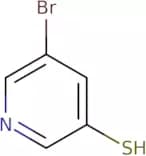

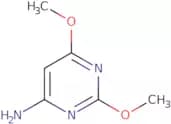

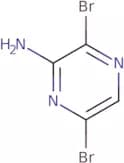
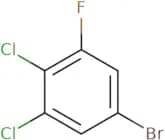

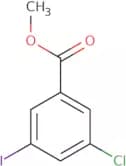

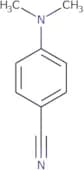
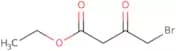

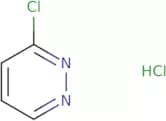
![2-[[(3aS,4R,6S,6aa)-4-[7-[[(1R,2S)-2-(3 ,4-Difluorophenyl)cyclopropyl]amino]-5-(propylthio)-3H-[1,…](/_next/image/?url=https%3A%2Fstatic.cymitquimica.com%2Fproducts%2F3D%2Fthumb-webp%2FZKA69326.webp&w=3840&q=75)

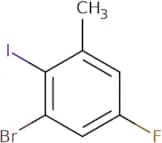
![2-{[(3αR,4S,6R,6αS)-6-Amino-2,2-dimethyltetrahydro-3αH-cyclopenta[d][1,3]-dioxol-4-yl] oxy}-1-ethol](/_next/image/?url=https%3A%2Fstatic.cymitquimica.com%2Fproducts%2F3D%2Fthumb-webp%2FZKA69355.webp&w=3840&q=75)

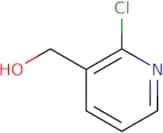
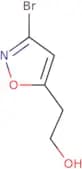
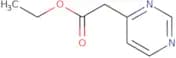

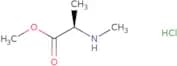

![(2,3-Dihydrobenzo[b][1,4]dioxin-5-yl)boronic acid](/_next/image/?url=https%3A%2Fstatic.cymitquimica.com%2Fproducts%2F3D%2Fthumb-webp%2FZUA76988.webp&w=3840&q=75)


![tert-butyl 2,5-diazabicyclo[4.1.0]heptane-2-carboxylate](/_next/image/?url=https%3A%2Fstatic.cymitquimica.com%2Fproducts%2F3D%2Fthumb-webp%2FDZB67518.webp&w=3840&q=75)


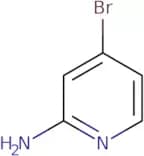

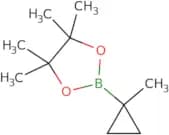

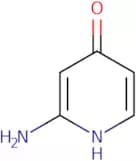
![tert-Butyl N-[3-(tetramethyl-1,3,2-dioxaborolan-2-yl)propyl]carbamate](/_next/image/?url=https%3A%2Fstatic.cymitquimica.com%2Fproducts%2F3D%2Fthumb-webp%2FAZC30580.webp&w=3840&q=75)
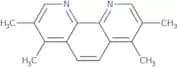

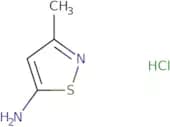

![(3R,4R)-3-[(6-Amino-4-pyrimidinyl)methylamino]-4-methyl-β-oxo-1-piperidinepropanenitrile](/_next/image/?url=https%3A%2Fstatic.cymitquimica.com%2Fproducts%2F3D%2Fthumb-webp%2FFA184079.webp&w=3840&q=75)

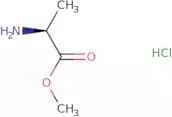
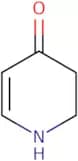
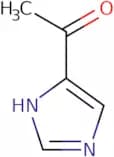
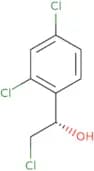


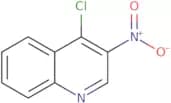
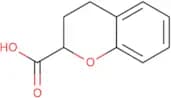


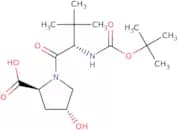
![1-[(tert-butoxy)carbonyl]-5,5-difluoropiperidine-3-carboxylic acid](/_next/image/?url=https%3A%2Fstatic.cymitquimica.com%2Fproducts%2F3D%2Fthumb-webp%2FFAC66686.webp&w=3840&q=75)



![Potassium tert-butyl N-[3-(trifluoroboranuidyl)propyl]carbamate](/_next/image/?url=https%3A%2Fstatic.cymitquimica.com%2Fproducts%2F3D%2Fthumb-webp%2FCNC28926.webp&w=3840&q=75)
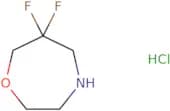
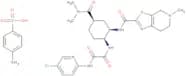
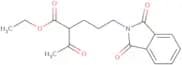

![2-Oxa-spiro[3.3]heptan-6-ol](/_next/image/?url=https%3A%2Fstatic.cymitquimica.com%2Fproducts%2F3D%2Fthumb-webp%2FNEC38108.webp&w=3840&q=75)
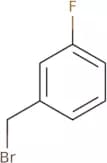
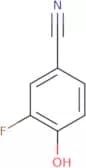


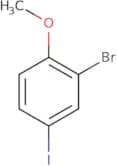
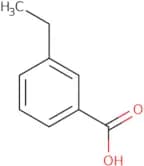


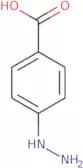
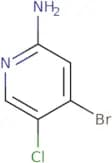
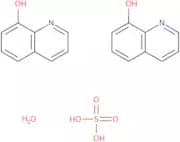

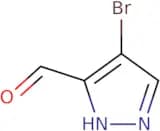
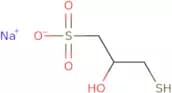

![3-Methylbenzo[b]thiophene-2-carboxylic acid](/_next/image/?url=https%3A%2Fstatic.cymitquimica.com%2Fproducts%2F3D%2Fthumb-webp%2FDAA13378.webp&w=3840&q=75)

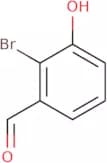



![tert-Butyl 9-oxo-4,8-diazaspiro[4.4]nonane-4-carboxylate](/_next/image/?url=https%3A%2Fstatic.cymitquimica.com%2Fproducts%2F3D%2Fthumb-webp%2FWYB81845.webp&w=3840&q=75)
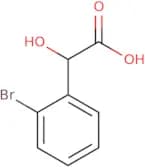

![2-[(6-Chloro-3,4-dihydro-3-methyl-2,4-dioxo-1(2H)-pyrimidinyl)methyl]-benzonitrile](/_next/image/?url=https%3A%2Fstatic.cymitquimica.com%2Fproducts%2F3D%2Fthumb-webp%2FQJB75896.webp&w=3840&q=75)
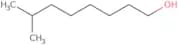

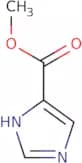


![Methyl 2-{[(tert-butoxy)carbonyl]amino}pent-4-ynoate](/_next/image/?url=https%3A%2Fstatic.cymitquimica.com%2Fproducts%2F3D%2Fthumb-webp%2FYGA30682.webp&w=3840&q=75)


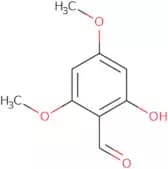

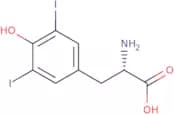


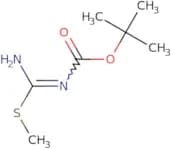


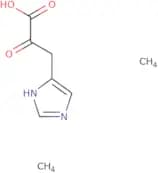
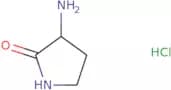
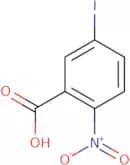

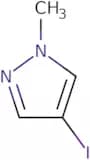


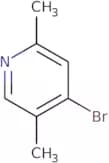
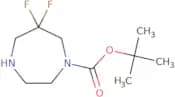
![3-bromo-6,7-dihydro-5h-pyrrolo[3,4-b]pyridine hcl](/_next/image/?url=https%3A%2Fstatic.cymitquimica.com%2Fproducts%2F3D%2Fthumb-webp%2FUFC11724.webp&w=3840&q=75)
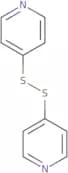

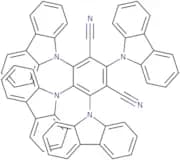

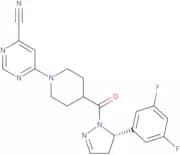


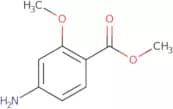
![2-[3-Chloro-5-(trifluoromethyl)-2-pyridinyl]-acetonitrile](/_next/image/?url=https%3A%2Fstatic.cymitquimica.com%2Fproducts%2F3D%2Fthumb-webp%2FHGA76410.webp&w=3840&q=75)

![tert-Butyl 2,9-diazaspiro[5.5]undecane-2-carboxylate](/_next/image/?url=https%3A%2Fstatic.cymitquimica.com%2Fproducts%2F3D%2Fthumb-webp%2FPHA33303.webp&w=3840&q=75)
![tert-Butyl 3,9-diazaspiro[5.5]undecane-3-carboxylate hydrochloride](/_next/image/?url=https%3A%2Fstatic.cymitquimica.com%2Fproducts%2F3D%2Fthumb-webp%2FLJA40647.webp&w=3840&q=75)


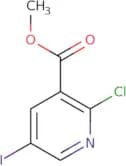
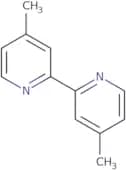
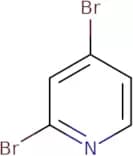
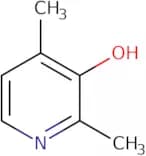
![4-{[(tert-butoxy)carbonyl]amino}bicyclo[2.2.2]octane-1-carboxylic acid](/_next/image/?url=https%3A%2Fstatic.cymitquimica.com%2Fproducts%2F3D%2Fthumb-webp%2FNJB30476.webp&w=3840&q=75)

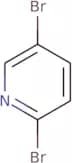

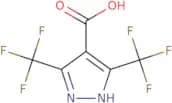
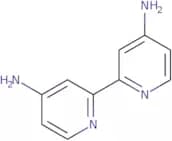


![Cucurbit[7]uril](/_next/image/?url=https%3A%2Fstatic.cymitquimica.com%2Fproducts%2F3D%2Fthumb-webp%2FFC171865.webp&w=3840&q=75)
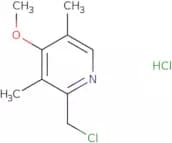
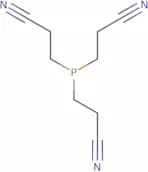
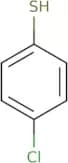
![1-Azaspiro[3.3]heptane hydrochloride](/_next/image/?url=https%3A%2Fstatic.cymitquimica.com%2Fproducts%2F3D%2Fthumb-webp%2FLED33729.webp&w=3840&q=75)
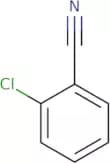
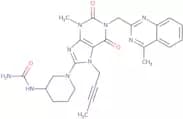

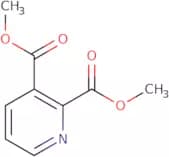


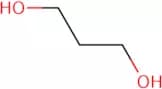
![(1R,8S,9s)-Bicyclo[6.1.0]non-4-yn-9-ylmethanol](/_next/image/?url=https%3A%2Fstatic.cymitquimica.com%2Fproducts%2F3D%2Fthumb-webp%2FNAC16690.webp&w=3840&q=75)
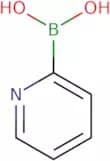


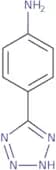


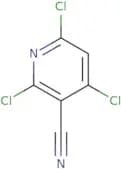
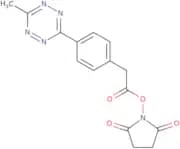
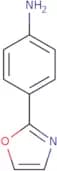

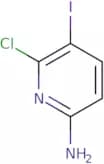
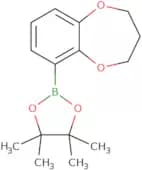
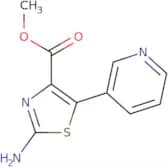


![2-Azaspiro[3.3]heptane-2,6-dicarboxylic acid 2-tert-butyl ester](/_next/image/?url=https%3A%2Fstatic.cymitquimica.com%2Fproducts%2F3D%2Fthumb-webp%2FLYB52653.webp&w=3840&q=75)