


Building Blocks
This section contains fundamental products for the synthesis of organic and biological compounds. Building blocks are the essential starting materials used to construct complex molecules through various chemical reactions. They play a critical role in drug discovery, material science, and chemical research. At CymitQuimica, we offer a diverse range of high-quality building blocks to support your innovative research and industrial projects, ensuring you have the essential components for successful synthesis.
Subcategories of "Building Blocks"
- Boronic Acids & Boronic Acid Derivatives(5,756 products)
- Chiral Building Blocks(1,242 products)
- Hydrocarbon Building Blocks(6,095 products)
- Organic Building Blocks(61,055 products)
Found 199650 products of "Building Blocks"
Sort by
Purity (%)
0
100
|
0
|
50
|
90
|
95
|
100
2,4,5,6-Tetra(9H-carbazol-9-yl)isophthalonitrile
CAS:<p>2,4,5,6-Tetra(9H-carbazol-9-yl)isophthalonitrile is a redox molecule that emits light when excited by an electron or photon. It is used in organic light emitting devices (OLEDs) as the emissive material. This compound has been shown to have low chemical stability and limited transport properties. Its efficiency can be improved by increasing the concentration of the molecule. Activated 2,4,5,6-tetra(9H-carbazol-9-yl)isophthalonitrile emits a bright red orange emission with a maximum at 569 nm and it is activated by electron transfer from an electrode. 2,4,5,6-Tetra(9H-carbazol-9-yl)isophthalonitrile has been shown to emit blue light when excited by UV light in the presence of oxygen as an oxidant.</p>Formula:C56H32N6Purity:Min. 98 Area-%Color and Shape:PowderMolecular weight:788.89 g/mol3,3-Diethoxypropan-1-amine
CAS:<p>3,3-Diethoxypropan-1-amine is a synthetic drug that reversibly inhibits the growth of bacteria. It has been shown to be effective against methicillin resistant strains of Staphylococcus aureus and Clostridium perfringens, with no detectable activity against acid-fast bacteria such as Mycobacterium tuberculosis or Mycobacterium avium complex. 3,3-Diethoxypropan-1-amine is a heterobifunctional compound that binds to epidermal growth factor with high affinity. 3,3-Diethoxypropan-1-amine can also bind to collagen and liposomal formulations, which may be useful for the treatment of wounds. This drug has been shown to inhibit δ opioid receptors in mice and rats, which is thought to contribute to its analgesic effects.</p>Formula:C7H17NO2Purity:Min. 95%Molecular weight:147.22 g/molDSP-4 hydrochloride
CAS:<p>DSP-4 hydrochloride is a neurotoxin that inhibits the synthesis of norepinephrine. It binds to neurons and prevents the uptake of dopamine, which can lead to neuronal death. DSP-4 hydrochloride affects brain functions by decreasing the concentration of serotonin in the cortex and increasing the concentrations of norepinephrine in the coeruleus. DSP-4 hydrochloride also has estrogenic effects by binding to estrogen receptors and increasing estradiol benzoate concentrations.</p>Formula:C11H16BrCl2NPurity:Min. 95%Molecular weight:313.06 g/mol7H,8H-Pyrido[2,3-d]pyridazin-8-one
CAS:<p>Versatile small molecule scaffold</p>Formula:C7H5N3OPurity:Min. 95%Color and Shape:PowderMolecular weight:147.13 g/mol2-(4-Methoxyphenyl)ethyl bromide
CAS:<p>2-(4-Methoxyphenyl)ethyl bromide is an adenosine receptor antagonist that can be used in cancer treatment. It has been shown to inhibit the growth of cancer cells by blocking the binding of adenosine to its receptors and inhibiting phosphodiesterase, which is an enzyme that breaks down the key cellular messenger, cyclic AMP (cAMP). 2-(4-Methoxyphenyl)ethyl bromide also inhibits the production of aphanorphine, a morphine analogue that has been shown to stimulate endoplasmic reticulum stress and apoptosis in cancer cells. This compound has been synthesised and tested on animal models with promising results.</p>Formula:C9H11BrOPurity:Min. 95%Molecular weight:215.09 g/mol2-(4-Carboxy-phenyl)-pyrrolidine-1-carboxylic acid tert-butyl ester
CAS:<p>Versatile small molecule scaffold</p>Formula:C16H21NO4Purity:Min. 95%Molecular weight:291.34 g/mol4-(4-Methylpiperazin-1-yl)-2-(trifluoromethyl)aniline
CAS:<p>Versatile small molecule scaffold</p>Formula:C12H16N3F3Purity:Min. 95%Molecular weight:259.27 g/molp-Isobutylstyrene-d7
CAS:<p>p-Isobutylstyrene-d7 is a solid catalyst that can be used in the synthesis of organic compounds. It has been shown to have good activity for the transfer of acid chloride groups to aromatic ring systems and for the synthesis of thiadiazoles. p-Isobutylstyrene-d7 has been shown to be an excellent catalyst for the conversion of hydrochloric acid into hydrogen chloride, which can then be recycled. The toxicity studies on this compound have shown that it is not toxic to bacterial strains, which may make it a good candidate for use as a catalyst in bioremediation or a growth substrate. This catalyst has also been shown to have photocatalytic activity and may be used in the purification of water contaminated with heavy metals.</p>Formula:C12H9D7Purity:Min. 95%Molecular weight:167.3 g/mol4-Bromo-5-chloropyridin-2-amine
CAS:<p>Versatile small molecule scaffold</p>Formula:C5H4BrClN2Purity:Min. 95%Molecular weight:207.46 g/mol2-Bromo-4-(4-fluorophenyl)-1,3-thiazole
CAS:<p>Versatile small molecule scaffold</p>Formula:C9H5NFSBrPurity:Min. 95%Molecular weight:258.11 g/mol1-(4-Chloro-3-fluorophenyl)ethan-1-amine HCl
CAS:<p>Versatile small molecule scaffold</p>Formula:C8H10Cl2FNPurity:Min. 95%Molecular weight:210.08 g/mol2,2-Difluorobenzo[d][1,3]dioxol-5-ol
CAS:<p>Versatile small molecule scaffold</p>Formula:C7H4F2O3Purity:Min. 95%Molecular weight:174.1 g/mol2-Bromo-6-fluoro-3-methylpyridine
CAS:<p>Versatile small molecule scaffold</p>Formula:C6H5BrFNPurity:Min. 95%Molecular weight:190.02 g/moltert-Butyl 3,9-diazaspiro[5.5]undecane-3-carboxylate hydrochloride
CAS:<p>Versatile small molecule scaffold</p>Formula:C14H27ClN2O2Purity:Min. 95%Molecular weight:290.83 g/mol1-Azaspiro[3.3]heptane hydrochloride
CAS:<p>Versatile small molecule scaffold</p>Formula:C6H12ClNPurity:Min. 95%Molecular weight:133.62 g/moltert-Butyl 3-bromo-1,4,6,7-tetrahydro-5H-pyrazolo[4,3-c]pyridine-5-carboxylate
CAS:<p>Versatile small molecule scaffold</p>Formula:C11H16BrN3O2Purity:Min. 95%Molecular weight:302.17 g/mol5-Methyl-1,3,4-thiadiazole-2-carbaldehyde
CAS:<p>Versatile small molecule scaffold</p>Formula:C4H4N2OSPurity:Min. 95%Molecular weight:128.16 g/molethyl 6-benzyl-2-oxa-6-azaspiro[3.4]octane-8-carboxylate
CAS:<p>Versatile small molecule scaffold</p>Formula:C16H21NO3Purity:Min. 95%Molecular weight:275.35 g/mol2-(Bromomethyl)-6-fluorobenzonitrile
CAS:<p>Versatile small molecule scaffold</p>Formula:C8H5BrFNPurity:Min. 95%Molecular weight:214.04 g/mol3-chloro-4-cyanobenzoic acid
CAS:<p>Versatile small molecule scaffold</p>Formula:C8H4ClNO2Purity:Min. 95%Molecular weight:181.58 g/mol2,4,6-Trichloronicotinaldehyde
CAS:<p>Versatile small molecule scaffold</p>Formula:C6H2Cl3NOPurity:Min. 95%Molecular weight:210.45 g/mol1-chloro-4-fluoroisoquinoline
CAS:<p>1-chloro-4-fluoroisoquinoline is a chlorinating agent that has been used as a synthetic method for the synthesis of oxychloride. It is typically used in the presence of palladium catalyst, in the presence of phosphorus and under reductive conditions. The chlorination reaction is initiated by addition of hydrochloric acid or phosphorous oxychloride. The 1-hydroxyisoquinoline reacts with phosphorus to form a chloroformate, which reacts with fluorine gas to produce an intermediate chlorofluorinate. This intermediate then reacts with chlorine gas in the presence of palladium catalyst to generate the desired product, 1-chloro-4-fluoroisoquinoline.</p>Formula:C9H5ClFNPurity:Min. 95%Molecular weight:181.59 g/mol1-Boc-pyrrolidine-3-ethanol
CAS:<p>Versatile small molecule scaffold</p>Formula:C11H21NO3Purity:Min. 95%Molecular weight:215.29 g/mol1-(4-Chloro-2,6-dimethylphenyl)ethanone
CAS:<p>Versatile small molecule scaffold</p>Formula:C10H11ClOPurity:Min. 95%Molecular weight:182.64 g/mol1H-[1,2,3]Triazolo[4,5-d]pyrimidin-5-amine
CAS:<p>1H-[1,2,3]Triazolo[4,5-d]pyrimidin-5-amine is a nitro compound that binds to the receptor binding sites of certain inflammatory bowel disease and cancer cells. It also inhibits the production of adenosine in these cells. 1H-[1,2,3]Triazolo[4,5-d]pyrimidin-5-amine has been shown to be effective against bowel disease and cancer by inhibiting cyclic AMP (cAMP) degradation. This drug has also been shown to be an irreversible inhibitor of ischemia reperfusion injury in animal models. 1H-[1,2,3]Triazolo[4,5-d]pyrimidin-5-amine is a nitro compound that binds to the receptor binding sites of certain inflammatory bowel disease and cancer cells. It also inhibits the production of adenosine in these cells. 1H</p>Formula:C4H4N6Purity:Min. 95%Molecular weight:136.12 g/mol8-Chloroisoquinolin-5-amine
CAS:<p>Versatile small molecule scaffold</p>Formula:C9H7ClN2Purity:Min. 95%Molecular weight:178.62 g/molmethyl 4-bromo-3-formylbenzoate
CAS:<p>Versatile small molecule scaffold</p>Formula:C9H7BrO3Purity:Min. 95%Molecular weight:243.1 g/mol(2S,3S)-2-Methylpyrrolidin-3-ol hydrochloride
CAS:<p>Versatile small molecule scaffold</p>Formula:C5H12ClNOPurity:Min. 95%Molecular weight:137.61 g/mol(3R,5S)-5-Methylpyrrolidin-3-ol HCl
CAS:<p>Versatile small molecule scaffold</p>Formula:C5H12ClNOPurity:Min. 95%Molecular weight:137.61 g/mol1,3,5,7-Tetrabromoadamantane
CAS:<p>1,3,5,7-Tetrabromoadamantane is a molecule that has been synthesized and introduced as a mediator to introduce oxidants. The introduction of the oxidant is mediated by 1,3,5,7-tetrabromoadamantane. This molecule has been shown to be synthesized in two steps from hexamethylenetetramine (HMT) and iodomethane. The synthesis of this molecule can also be achieved by reacting synthons such as tetraphenylmethane with hydrochloric acid. 1,3,5,7-Tetrabromoadamantane is an equivalence mediator because it can mediate a redox reaction in which the oxidizing agent is reduced and the reducing agent is oxidized.</p>Formula:C10H12Br4Purity:Min. 95%Molecular weight:451.82 g/molN-(4-Bromophenyl)-N-phenylacrylamide
CAS:<p>Versatile small molecule scaffold</p>Formula:C15H12BrNOPurity:Min. 95%Color and Shape:PowderMolecular weight:302.16 g/mol4-Hydroxyvaleric Acid Sodium Salt
CAS:Controlled Product<p>4-Hydroxyvaleric acid sodium salt is a hydrophilic, thermally sensitive substance that is used as an analytical reagent in toxicology. It is typically used as a screening agent for the detection of acetaldehyde and other aldehydes. 4-Hydoxyvaleric acid sodium salt reacts with acetone to form a clear solution and can be injected into a gas chromatograph using an injection method. The reaction between 4-hydroxyvaleric acid sodium salt and acetone produces an efficient method for the analysis of acetaldehyde. This chemical is often used by toxicologists and chemists to screen for the presence of acetaldehyde in blood or urine samples.</p>Formula:C5H9NaO3Purity:Min. 95%Molecular weight:140.11 g/molMethyl 3-chloro-5-hydroxypyridine-2-carboxylate
CAS:<p>Versatile small molecule scaffold</p>Formula:C7H6NO3ClPurity:Min. 95%Molecular weight:187.58 g/mol2-Ethynyl-3-methoxypyridine
CAS:<p>2-Ethynyl-3-methoxypyridine is a chiral, alkynyl compound that can be synthesized from the reaction of acetone and ethyne. This compound is axially chiral and has two rotational isomers, which are optically active. The synthesis of this compound was first reported in 1952 by cyclizing 2-ethynylpyridine with methoxyacetophenone in the presence of acetic acid. The photochemical reactions of this compound have been studied extensively and it has shown to be a useful substrate for pyridines.</p>Formula:C8H7NOPurity:Min. 95%Molecular weight:133.14 g/mol2-Pyridineboronic acid
CAS:<p>2-Pyridineboronic acid is a chemical compound that belongs to the group of quinoline derivatives. It is used in pharmaceutical preparations, including as an intermediate for the synthesis of other compounds. 2-Pyridineboronic acid has been shown to have antiproliferative effects on cancer cells and has been found to be active against nicotinic acetylcholine receptors (NAR). The compound also inhibits lipid kinase activity, which is involved in the production of phosphatidylcholine and phosphatidylethanolamine from phosphatidylserine. 2-Pyridineboronic acid can react with hydrochloric acid and electrochemical impedance spectroscopy to produce a solution that has a detection time of about 10 minutes.</p>Formula:C5H6BNO2Purity:Min. 95%Molecular weight:122.92 g/mol1,3-Propanediol
CAS:<p>aliphatic diol. It has been shown to have an inhibitory effect on bacterial growth</p>Formula:C3H8O2Purity:Min. 95%Color and Shape:Colorless Clear LiquidMolecular weight:76.09 g/molPiperazine-2-carboxylic acid dihydrochloride
CAS:<p>Piperazine-2-carboxylic acid dihydrochloride (PZC) is an aminopyrimidine antibiotic that binds to the amine groups of plasma proteins and hydroxyapatite. It has been shown to have a specific interaction with Gram-negative bacteria, such as Escherichia coli and Salmonella typhimurium, as well as cancer cells. PZC can be used as a modifier in the treatment of staphylococcal infections and has been shown to inhibit protein synthesis in mammalian cells. PZC interacts with histidine residues on the surface of bacterial cells and inhibits their growth by binding to sites on DNA called triplexes. This drug also specifically binds to primary amines and reacts with other molecules containing amines such as polyamines, amides, or thiols.</p>Formula:C5H12Cl2N2O2Purity:Min. 95%Color and Shape:PowderMolecular weight:203.07 g/molN-Boc-4-piperidineacetaldehyde
CAS:<p>N-Boc-4-piperidineacetaldehyde is a chiral, stable, and readily available aldehyde. It has been used in the synthesis of various biologically active molecules including imidazolidinones, which are important for their use as catalysts in organic chemistry. The synthesis of this molecule by the condensation of 4-piperidineacetic acid with acetaldehyde followed by reduction with sodium borohydride is an example of this type of reaction. N-Boc-4-piperidineacetaldehyde can be used to synthesize imines and linkers that are covalently bonded to the protein backbone. This molecule also has conformational stability and is not susceptible to oxidation or radiation damage.</p>Formula:C12H21NO3Purity:Min. 95%Molecular weight:227.3 g/mol2-Mercaptopyridine
CAS:<p>2-Mercaptopyridine is a quinone that has been used as an inhibitor of the HIV reverse transcriptase enzyme. It binds to the active site of the enzyme and inhibits its activity by forming a stable covalent bond with two cysteine residues in the enzyme. The molecule is stabilized by two adjacent sulfide bonds, which form a six-membered ring with three nitrogen atoms and one oxygen atom. This ring coordinates to the zinc ion in the active site of the enzyme. 2-Mercaptopyridine has also been found to be effective against methicillin-resistant Staphylococcus aureus (MRSA) and Mycobacterium tuberculosis. 2-Mercaptopyridine binds to DNA at positions where it is complementary to guanine or adenine nucleotides, thus preventing RNA synthesis and replication.</p>Formula:C5H5NSPurity:Min. 95%Color and Shape:PowderMolecular weight:111.17 g/mol2-Hydroxy-3-mercapto-1-propanesulfonic acid sodium salt
CAS:<p>2-Hydroxy-3-mercapto-1-propanesulfonic acid sodium salt (2HMP) is a diagnostic agent that can be used for the detection of bacterial infections. The conformational properties of 2HMP are similar to those of ATP, which allows it to bind to the polymerase chain reaction enzyme and initiate an enzymatic reaction. This leads to the production of a signal that can be detected by spectrophotometry or fluorometry. 2HMP has also been shown to have chemokine activity in vitro, but this has not been tested in vivo. 2HMP is a competitive inhibitor of human protein serine proteases, such as trypsin and chymotrypsin, with an IC50 value of approximately 1 μM.</p>Formula:C3H7NaO4S2Purity:Min. 95%Molecular weight:194.2 g/mol1-Hydroxypyridine-2-thione zinc
CAS:<p>Zinc pyrithione is a chemical compound that can be used as an antifungal agent. It has been shown to have genotoxic activity in vitro and in vivo. Zinc pyrithione binds to the surface of the fungal cell wall and inhibits the synthesis of ergosterol, a component of the fungal cell membrane. This binding prevents the formation of an ergosterol-zinc complex with cytochrome P450 enzymes, which are required for sterol biosynthesis, leading to inhibition of energy metabolism. The model system for zinc pyrithione is a mixture of 1-hydroxypyridine-2-thione (1HP) and zinc ions in water. Some studies have shown that zinc pyrithione can cause long-term toxicity, including glycol ether toxicity, when applied topically on hair or skin. Acute toxicities may include skin irritation or contact dermatitis from shampoos containing this substance.</p>Formula:C10H8N2O2S2ZnPurity:Min. 95%Color and Shape:White/Off-White SolidMolecular weight:317.69 g/mol8-Hydroxyquinoline hemisulfate salt hemihydrate
CAS:<p>8-Hydroxyquinoline is a sweet, water soluble, and heat stable inhibitor that has been used in the treatment of kidney disease. 8-Hydoxyquinoline has been shown to inhibit the growth of the rootstock Asiaticus by interfering with cell metabolism. It is also an insecticide that kills insects by causing damage to their cells. 8-Hydoxyquinoline inhibits polymerase chain reaction (PCR) by binding to DNA polymerase, blocking its activity and reducing its ability to synthesize DNA. This drug is also a potent blocker of angiotensinogen synthesis, which leads to reduced blood pressure levels.</p>Formula:C9H7NOH2SO4H2OColor and Shape:Yellow PowderMolecular weight:203.21 g/mol4-Hydrazinobenzoic acid
CAS:<p>4-Hydrazinobenzoic acid is a chemical compound that is used as an inhibitor of DNA synthesis. It prevents the formation of hydrogen bonds between nucleotides in DNA, which prevents the synthesis of new DNA strands. 4-Hydrazinobenzoic acid has been shown to inhibit the growth of human breast cancer cells by reactivating the tumor suppressor genes p21 and Rb1, which are responsible for regulating cell cycle progression. This compound also inhibits the production of hydrogen chloride (HCl) in reaction solutions containing sodium hypochlorite (NaOCl).</p>Formula:C7H8N2O2Purity:Min. 95%Color and Shape:Slightly Yellow PowderMolecular weight:152.15 g/mol2-Hydroxyethyl octacosanoate
CAS:<p>Please enquire for more information about 2-Hydroxyethyl octacosanoate including the price, delivery time and more detailed product information at the technical inquiry form on this page</p>Purity:Min. 95%H-D-ASN-L-ASP-OH
<p>Please enquire for more information about H-D-ASN-L-ASP-OH including the price, delivery time and more detailed product information at the technical inquiry form on this page</p>Purity:Min. 95%Color and Shape:PowderGly-Gly-OMe·HCl
CAS:<p>Gly-Gly-OMe·HCl is a diagnostic agent that can be used to diagnose atherosclerotic lesions. It is conjugated to an organic molecule and then radiolabeled. The conjugate can be detected by cyclopentadienyl, which emits gamma rays when it decays. This conjugate has been shown to selectively accumulate in atherosclerotic lesions of the coronary arteries, where it accumulates with a higher concentration than in the surrounding tissue. This product also has gastroprotective effects on the stomach and liver and can reduce lipid levels in hyperlipidaemic patients.</p>Formula:C5H10N2O3•HClPurity:Min. 95 Area-%Color and Shape:Slightly Rose PowderMolecular weight:182.61 g/molFmoc-α-methyl-L-phenylalanine
CAS:<p>Please enquire for more information about Fmoc-α-methyl-L-phenylalanine including the price, delivery time and more detailed product information at the technical inquiry form on this page</p>Formula:C25H23NO4Purity:Min. 95%Color and Shape:PowderMolecular weight:401.45 g/mol4-Fluoro-2-methoxy-5-nitroaniline
CAS:<p>Intermediate in the synthesis of osimertinib (AZD9291)</p>Formula:C7H7FN2O3Purity:Min. 95%Molecular weight:186.14 g/moltrans,trans-1,4-Diphenyl-1,3-butadiene
CAS:<p>Used in the preparation of metal-diene reagents (e.g. for carbocyclization)</p>Formula:C16H14Purity:Min. 95%Molecular weight:206.28 g/mol3,5-Dihydroxybenzaldehyde
CAS:<p>3,5-Dihydroxybenzaldehyde (DHBA) is a plant metabolite that is classified as a phenolic compound. It is found in many plants and has important biological functions such as the production of carotenoids or the cleavage of carotenoid to form other compounds. DHBA can be extracted from plant tissue with hydrochloric acid or carbon sources. It has been shown that DHBA inhibits the growth of soil bacteria by binding to amines and thus preventing them from reacting with substrates. This may be due to its ability to act as an electron donor, which could also explain its inhibitory activity on carotenoid cleavage.</p>Formula:C7H6O3Purity:Min. 98 Area-%Color and Shape:Off-White To Beige To Brown SolidMolecular weight:138.12 g/mol3,5-Dihydroxy-4-methylbenzoic acid
CAS:<p>3,5-Dihydroxy-4-methylbenzoic acid is an efficient synthesis of the natural product lucidin. It is a quinone that is found in citrifolia and morindone, compounds which are used as analgesics and antipyretics. This compound has been shown to inhibit the growth of fungi by inhibition of protein synthesis. 3,5-Dihydroxy-4-methylbenzoic acid also inhibits the production of citric acid cycle intermediates such as succinic acid and fumaric acid.</p>Formula:C8H8O4Purity:Min. 80%Color and Shape:PowderMolecular weight:168.15 g/mol3,4-Diaminobenzophenone
CAS:<p>3,4-Diaminobenzophenone is an unsymmetrical compound and a derivative of benzophenone. It is used in the synthesis of other organic compounds, such as pharmaceuticals. 3,4-Diaminobenzophenone is also used as a solubilizing agent for drugs that are insoluble in water. The molecular weight of 3,4-Diaminobenzophenone can be determined by gravimetric analysis or FTIR methods. 3,4-Diaminobenzophenone has been shown to have antioxidative properties. This molecule can bind to hydroxyl groups on biomolecules and protect them from oxidation by reactive oxygen species (ROS).</p>Formula:C13H12N2OPurity:Min 98.5%Color and Shape:PowderMolecular weight:212.25 g/mol(1R,5S,6r)-rel-3-Oxabicyclo[3.1.0]hexane-6-carboxylic acid
CAS:<p>Versatile small molecule scaffold</p>Formula:C6H8O3Purity:Min. 95%Molecular weight:128.13 g/mol2-Chloro-1-(3,4-difluoro-phenyl)-ethanone
CAS:2-Chloro-1-(3,4-difluoro-phenyl)-ethanone (2CFP) is an organic compound that is used as a choline precursor in the synthesis of acetylcholine. It has been shown to have escherichia coli inhibitory activity and can be used for process optimization in the synthesis of 2-chloroacetaldehyde from choline. The enzyme activities are specific to the concentration of substrate and the molecule's ability to permeate through cell membranes. 2CFP is synthesized by reduction of chloride ions with catalytic amounts of copper metal at an acceptor such as ticagrelor.Formula:C8H5ClF2OPurity:Min. 95%Molecular weight:190.57 g/mol1-Cyano-4-(dimethylamino)benzene
CAS:<p>1-Cyano-4-(dimethylamino)benzene is a molecule that has been shown to inhibit the growth of hamster v79 cells. It also inhibits the synthesis of DNA and RNA. The binding constants for this molecule have been determined to be 1.0 x 10^9 M^-1, with an n-octanol/water partition coefficient (log P) of 5.5. This molecule is soluble in nonpolar solvents and may be used as a model system for hydrogen bonding interactions or reaction mechanisms in organic chemistry. This compound contains a deuterium isotope and can be used to study the effects of hydrogen bonding on reactions in organic chemistry at high temperatures, with the use of preparative hplc.</p>Formula:C9H10N2Purity:Min. 95%Color and Shape:Beige PowderMolecular weight:146.19 g/mol6-Chloro-pyridazine hydrochloride
CAS:<p>Please enquire for more information about 6-Chloro-pyridazine hydrochloride including the price, delivery time and more detailed product information at the technical inquiry form on this page</p>Formula:C4H3ClN2·HClPurity:Min. 95%Molecular weight:150.99 g/mol2-(Boc-aminomethyl)benzoic acid
CAS:<p>2-(Boc-aminomethyl)benzoic acid is a versatile building block with a wide range of applications in the field of organic chemistry. It has been shown to be useful as a reagent in the synthesis of complex compounds and fine chemicals, as well as a reaction component for the preparation of pharmaceuticals. 2-(Boc-aminomethyl)benzoic acid can also be used as an intermediate in the synthesis of speciality chemicals such as herbicides, pesticides, and fungicides.</p>Formula:C13H17NO4Purity:Min. 95%Color and Shape:PowderMolecular weight:251.28 g/molBoc-Tyr(tBu)-OH
CAS:<p>Boc-Tyr(tBu)-OH is a chemical compound that is part of the class of lactams. It has been shown to have antitumor activity in vitro and in vivo, but it has not yet been tested for its cytotoxicity. This compound is synthesized by solid-phase synthesis and contains a disulfide bond, which may contribute to its cytotoxicity. Boc-Tyr(tBu)-OH has also been shown to have high affinity for the alpha 2A adrenergic receptor subtype and other receptors with an isosteric carbonyl group.</p>Formula:C18H27NO5Purity:Min. 95%Color and Shape:PowderMolecular weight:337.41 g/mol2-Bromobenzo[d]thiazol-6-amine
CAS:<p>Please enquire for more information about 2-Bromobenzo[d]thiazol-6-amine including the price, delivery time and more detailed product information at the technical inquiry form on this page</p>Formula:C7H5BrN2SPurity:Min. 95%Molecular weight:229.1 g/mol3-Bromo-4-nitropyridine
CAS:<p>3-Bromo-4-nitropyridine is a pyridine compound that has been identified as an environmental contaminant. It is used to synthesize other compounds, such as 4-(3-bromopyridin-2-yl)morpholine, which is used in the synthesis of acetonitrile. 3-Bromo-4-nitropyridine undergoes nucleophilic substitution reactions with amines, leading to homoconjugation and bond cleavage. This reaction may be followed by nitration to give 3-(3'-nitro)pyridine. 3-Bromo-4-nitropyridine can be converted into its n-oxide form or into the ionic form by treatment with acetonitrile.</p>Formula:C5H3BrN2O2Purity:Min. 95%Color and Shape:Yellow PowderMolecular weight:202.99 g/mol1-Benzofuran-5-carbaldehyde
CAS:1-Benzofuran-5-carbaldehyde is a synthetic compound that inhibits the enzyme ido1. It has been shown to have potent cytotoxicity, potent inhibition, and neurotrophic properties in a number of cell lines. 1-Benzofuran-5-carbaldehyde also exhibits inhibitory effects on the enzymes hydrolyzing dopamine, which is involved in the synthesis of norepinephrine and epinephrine. The chemical structure of 1-benzofuran-5-carbaldehyde closely resembles that of dopamine and its derivatives, and can be used for the treatment of neurodegenerative diseases such as Parkinson's disease.Formula:C9H6O2Purity:Min. 95%Color and Shape:Yellow To Brown SolidMolecular weight:146.14 g/mol4-Bromobenzaldehyde
CAS:<p>4-Bromobenzaldehyde is a chemical compound that belongs to the group of aromatic compounds. It has been shown to have a potent stimulatory effect on locomotor activity in mice, which may be due to its ability to increase levels of epidermal growth factor and gamma-aminobutyric acid in the brain. 4-Bromobenzaldehyde can be synthesized from 2,4-dibromophenol and anhydrous copper chloride in the presence of sodium hydroxide. The reaction mechanism for this synthesis is believed to involve an intermediate enamine form of 4-bromobenzaldehyde, which can then undergo hydrolysis into 2,4-dibromophenol and benzaldehyde. This product is used as a reagent in organic synthesis because it can be used to form esters with trifluoroacetic acid or hydrochloric acid in high yield.</p>Formula:C7H5BrOPurity:Min. 90 Area-%Color and Shape:White PowderMolecular weight:185.02 g/molBenzophenone-4-carboxylic acid
CAS:<p>Organic intermediate</p>Formula:C14H10O3Purity:Min. 98 Area-%Color and Shape:White PowderMolecular weight:226.23 g/mol5-Bromo-2-fluoro-1,3-dimethylbenzene
CAS:<p>Please enquire for more information about 5-Bromo-2-fluoro-1,3-dimethylbenzene including the price, delivery time and more detailed product information at the technical inquiry form on this page</p>Formula:C8H8BrFPurity:Min. 95%Color and Shape:Clear Colourless To Yellow LiquidMolecular weight:203.05 g/mol3-Bromo-2-fluoro-6-methylpyridine
CAS:<p>Please enquire for more information about 3-Bromo-2-fluoro-6-methylpyridine including the price, delivery time and more detailed product information at the technical inquiry form on this page</p>Formula:C6H5BrFNPurity:Min. 95%Molecular weight:190.01 g/mol4-Acetylimidazole
CAS:<p>4-Acetylimidazole is a histidine analogue that has been shown to have anticancer activity in breast cancer cells. It can react with amines and form imidazoles. The hydroxyl group on the 4-position of the imidazole ring is able to undergo dehydration, which leads to the formation of a chloride ion. This reaction mechanism is reversible and can be used in organic synthesis. 4-Acetylimidazole can also act as an h2 receptor antagonist, although it does not bind to the zwitterionic site of the h2 receptor. NMR spectra show that 4-acetylimidazole exists as a zwitterion in water solution, but becomes a monovalent ion when dissolved in an organic solvent such as methanol or acetone. 4-Acetylimidazole is chemically stable and does not react with poloxamer.</p>Formula:C5H6N2OPurity:Min. 95%Color and Shape:Yellow PowderMolecular weight:110.11 g/mol4-Acetamidobenzenesulfonyl azide
CAS:<p>4-Acetamidobenzenesulfonyl azide (4ABS) is a low detection reagent that can be used for the determination of 4-acetamidobenzoic acid. It reacts with the amine group in 4-acetamidobenzoic acid to form a sulfonamide intermediate and releases an azide ion. The linear calibration curve was obtained using vibrational spectroscopy and has a detection sensitivity of 0.03 ppm. This method can also be used to determine the functional groups present in dopamine, which have been shown to affect electrochemical impedance spectroscopy measurements.</p>Formula:C8H8N4O3SPurity:Min. 95%Color and Shape:White PowderMolecular weight:240.24 g/mol4-Bromo-2,6-dimethoxybenzaldehyde
CAS:<p>Versatile small molecule scaffold</p>Formula:C9H9BrO3Purity:Min. 95%Molecular weight:245.07 g/moltert-Butyl 4-(5-aminoisoxazol-3-yl)piperidine-1-carboxylate
CAS:<p>Versatile small molecule scaffold</p>Formula:C13H21N3O3Purity:Min. 95%Molecular weight:267.32 g/mol2,2-Dimethyl-1,3-dioxan-5-ol
CAS:<p>2,2-Dimethyl-1,3-dioxan-5-ol is a chemical compound that has been shown to have catalytic properties. It has also been used as an additive in organic synthesis reactions to activate carboxylic acids. 2,2-Dimethyl-1,3-dioxan-5-ol is an oxygenated compound that can be synthesized by the reaction of pyridine and formaldehyde. This substance can be used in acidic conditions and must be activated by solketal or dioxane before use. The physical properties of this chemical are shown using FTIR spectroscopy on corncob samples and physicochemical parameters were determined using standard techniques.</p>Formula:C6H12O3Purity:Min. 95%Molecular weight:132.16 g/mol6-(tert-butoxy)-6-oxohexanoic acid
CAS:<p>Versatile small molecule scaffold</p>Formula:C10H18O4Purity:Min. 95%Molecular weight:202.2 g/mol2,2-Dipropylpentanoic acid
CAS:<p>2,2-Dipropylpentanoic acid is a white crystalline solid with a melting point of -51°C. It has a hydroxyl group and an ester linkage. The chemical formula is CH3(CH2)3COOC3H7. It has a molecular weight of 182.27 g/mol and a density of 1.071 g/cm3. It is soluble in organic solvents such as chloroform, ether, benzene, acetone, and carbon tetrachloride but insoluble in water. 2,2-Dipropylpentanoic acid can be used as a catalyst for the synthesis of polymers from monocarboxylic acids and chloride or magnesium halides. This compound also has antidepressant activity by inhibiting the reuptake of serotonin from the synapse into the presynaptic neuron.</p>Formula:C11H22O2Purity:Min. 95%Molecular weight:186.29 g/mol1-Bromo-4-isobutylbenzene
CAS:<p>1-Bromo-4-isobutylbenzene is a ketone that can be synthesized by the reaction of benzene with acetonitrile in the presence of a catalytic amount of oxone. The synthesis is an example of an arylation, which is the addition of an aromatic group to another molecule. It has been shown experimentally that 1-bromo-4-isobutylbenzene undergoes a transition from the x-ray structure analysis to the crystal x-ray structure when dissolved in acetonitrile and heated to 100°C. The final product is then purified by recrystallization with ethylene as a solvent.</p>Formula:C10H13BrPurity:Min. 95%Molecular weight:213.11 g/mol4,4,5,5-Tetramethyl-2-(1-methylcyclopropyl)-1,3,2-dioxaborolane
CAS:<p>Versatile small molecule scaffold</p>Formula:C10H19BO2Purity:Min. 95%Molecular weight:182.07 g/mol(S)-2,4-Dichloro-±-(chloromethyl)benzyl Alcohol
CAS:<p>Versatile small molecule scaffold</p>Formula:C8H7Cl3OPurity:Min. 95%Molecular weight:225.49 g/molBromo-PEG4-azide
CAS:<p>Bromo-PEG4-azide is a PEG compound with two different functional groups (also known as heterobifunctional). Unlike homobifunctional PEG compounds (same functional group on both ends), this type of compounds are more versatile as have two different anchor points. Bromo-PEG4-azide is used as a linker and spacer to add a PEG moiety, via pegylation (a bioconjugation technique) to proteins, peptides, oligonucleotides, small molecules and nanoparticles.</p>Formula:C10H20BrN3O4Purity:Min. 95%Molecular weight:326.19 g/moln-Butyl methanesulfonate
CAS:N-butyl methanesulfonate is a genotoxic agent that inhibits the growth of bacteria by binding to the DNA. N-butyl methanesulfonate is effective against typhimurium and has shown carcinogenic effects in hamster cells. N-butyl methanesulfonate is also capable of inhibiting quinoline derivatives, which are carcinogens that are found in tobacco smoke. This chemical can be used as a natural compound for the treatment of diabetic neuropathy and cryptococcus neoformans. It may also be used as an antiviral agent for the treatment of influenza virus.Formula:C5H12O3SPurity:Min. 95%Molecular weight:152.21 g/mol3-Bromo-5-fluoro-2-iodotoluene
CAS:<p>Versatile small molecule scaffold</p>Formula:C7H5BrFIPurity:Min. 95%Molecular weight:314.92 g/mol3,4-Dichloro-5-fluorobromobenzene
CAS:<p>Versatile small molecule scaffold</p>Formula:C6H2BrCl2FPurity:Min. 95%Molecular weight:243.88 g/molMethyl 4-(hydroxymethyl)norbornane-1-carboxylate
CAS:<p>Versatile small molecule scaffold</p>Formula:C10H16O3Purity:Min. 95%Molecular weight:184.23 g/mol4-Acetamidobenzenesulfonamide
CAS:<p>4-Acetamidobenzenesulfonamide is a drug that inhibits the activity of several enzymes and is used in wastewater treatment. It has been shown to have a beneficial effect on metabolic disorders, such as insulin resistance, obesity, and type 2 diabetes. 4-Acetamidobenzenesulfonamide also regulates transcriptional activity by inhibiting the interaction between DNA and RNA polymerases. This drug has been shown to be active in treating autoimmune diseases, such as multiple sclerosis, rheumatoid arthritis, lupus erythematosus and Crohn's disease. It also aids in HIV infection by acting as an inhibitor of toll-like receptor signalling pathways. The drug binds to hydrogen bonds and hydrophobic interactions with water molecules to form a hydrophobic layer on the surface of cells in order to reduce water permeability. The drug also reduces bowel diseases such as ulcerative colitis and liver lesions caused by alcohol consumption or congestive</p>Formula:C8H10N2O3SPurity:Min. 95%Molecular weight:214.24 g/moltert-Butyl 3-(2-aminoethyl)azetidine-1-carboxylate
CAS:<p>Versatile small molecule scaffold</p>Formula:C10H20N2O2Purity:Min. 95%Molecular weight:200.28 g/mol4-chloropyrimidine-2-carbonitrile
CAS:<p>4-Chloropyrimidine-2-carbonitrile is an industrial chemical that belongs to the class of heterocycles. It is commonly used in the synthesis of amines, phenoxy compounds, and halides. This compound is widely used in research laboratories as a building block for the synthesis of various organic compounds. 4-Chloropyrimidine-2-carbonitrile is available in enantiopure form, making it suitable for chiral chemistry applications. It contains cyano and ethoxycarbonyl functional groups, which make it versatile for further derivatization. This compound exhibits solid catalyst properties and can be used as a methyl ether or amide precursor. Its emission properties make it useful in fluorescence-based assays and imaging techniques.</p>Formula:C5H2ClN3Purity:Min. 95%Molecular weight:139.5 g/molFG-2216
CAS:FG-2216 is a peptide that activates the G protein-coupled receptor, leading to increased intracellular calcium. FG-2216 is a potent agonist of the GPRC6A receptor and has been shown to inhibit pain perception in animal models. FG-2216 has been shown to have no effect on ion channels and does not affect cellular proliferation or migration. FG-2216 may be useful as a research tool for studying the function of the GPRC6A receptor in animal models.Formula:C12H9ClN2O4Purity:Min. 95%Molecular weight:280.66 g/molMethyl 1-methylnaphthalene-2-carboxylate
CAS:<p>Versatile small molecule scaffold</p>Formula:C13H12O2Purity:Min. 95%Molecular weight:200.23 g/mol2-Amino-6-(trifluoromethyl)phenol
CAS:<p>Versatile small molecule scaffold</p>Formula:C7H6F3NOPurity:Min. 95%Molecular weight:177.12 g/mol2-Amino-N-(prop-2-yn-1-yl)acetamide hydrochloride
CAS:<p>Versatile small molecule scaffold</p>Formula:C5H9ClN2OPurity:Min. 95%Molecular weight:148.59 g/mol6-Chloro-5-iodopyridin-2-amine
CAS:<p>Versatile small molecule scaffold</p>Formula:C5H4ClIN2Purity:Min. 95%Molecular weight:254.46 g/mol4(4,4,5,5-Tetramethyl-1,3,2-dioxaborolan-2-yl)-2,3-dihydro-1H-inden-1-one
CAS:<p>Versatile small molecule scaffold</p>Formula:C15H19BO3Purity:Min. 95%Molecular weight:258.12 g/mol6,6-difluoro-1,4-oxazepane hydrochloride
CAS:<p>Versatile small molecule scaffold</p>Formula:C5H10ClF2NOPurity:Min. 95%Molecular weight:173.6 g/mol2-(2-Chloro-4-nitrophenyl)acetic acid
CAS:<p>Versatile small molecule scaffold</p>Formula:C8H6ClNO4Purity:Min. 95%Molecular weight:215.59 g/moltert-Butyl (2S)-2-formylmorpholine-4-carboxylate
CAS:<p>Versatile small molecule scaffold</p>Formula:C10H17NO4Purity:Min. 95%Molecular weight:215.25 g/mol7-bromo-3-iodoimidazo[1,2-a]pyridine
CAS:<p>Versatile small molecule scaffold</p>Formula:C7H4BrIN2Purity:Min. 95%Molecular weight:322.9 g/mol2-amino-5-cyano-3-methylbenzoic acid
CAS:<p>2-Amino-5-cyano-3-methylbenzoic acid is a diester of methylamine. It is an acid ester that has been used in the synthesis of other compounds. 2-Amino-5-cyano-3-methylbenzoic acid is an intermediate in the synthesis of some pharmaceuticals, such as carbamazepine and methylphenidate. This compound has not been shown to have any biological activity.</p>Formula:C9H8N2O2Purity:Min. 95%Molecular weight:176.18 g/moltert-Butyl 4-amino-4-(aminomethyl)piperidine-1-carboxylate
CAS:<p>Versatile small molecule scaffold</p>Formula:C11H23N3O2Purity:Min. 95%Molecular weight:229.32 g/mol2-Bromocyclopentanone
CAS:<p>2-Bromocyclopentanone is an organic molecule that is used in the synthesis of epoxides. It is also a potential precursor for the synthesis of polymers, dyes, and pharmaceuticals. 2-Bromocyclopentanone has been shown to undergo photolysis when irradiated with ultraviolet light or through chemical reaction with acetonitrile. This product has two conformers with different rotational barriers and corresponding spectral properties. The two conformers can be distinguished by their ultraviolet spectra. The synthetic methods for 2-bromocyclopentanone involve halogenation followed by hydrolysis to yield bromoacetic acid, which is then converted to the desired product by acylation or alkylation.</p>Formula:C5H7BrOPurity:Min. 95%Molecular weight:163.01 g/molN-(2,6-Dimethylphenyl)-2-({[(2,6-dimethylphenyl)carbamoyl]methyl}amino)acetamide
CAS:<p>2,6-Dimethylphenylacetic acid is a hydrogen phosphate that is soluble in solvents such as acetonitrile. It has been used in the synthesis of lidocaine with high sensitivity and specificity. It can be used to detect phosphoric compounds, which are often present in pharmaceuticals and food supplements. This compound has also been shown to have a solvent effect on the conditions of the reaction, making it a useful additive for optimizing processes. The main impurities of this compound are 2-methylbenzoic acid and benzoic acid.</p>Formula:C20H25N3O2Purity:Min. 95%Molecular weight:339.4 g/mol5-Bromo-3,3-dimethyl-2,3-dihydro-1H-indol-2-one
CAS:<p>Versatile small molecule scaffold</p>Formula:C10H10NOBrPurity:Min. 95%Molecular weight:240.09 g/mol2-Methylthiazole-4-carboxaldehyde
CAS:<p>2-Methylthiazole-4-carboxaldehyde is an aldehyde that is the product of the condensation of 2,4-dibenzoylacetone and acetone in the presence of diazomethane. It has been used as a precursor to other compounds such as benzoyl chloride, glyoxal, and aldehydes. 2-Methylthiazole-4-carboxaldehyde can be synthesized using acetylation or nitration of thiols or with glyoxal or aldehyde. The reactivity of this compound is high and can be carried out in high yield.</p>Formula:C5H5NOSPurity:Min. 95%Molecular weight:127.16 g/mol8-Bromo-2-methylimidazo[1,2-a]pyridine
CAS:<p>Versatile small molecule scaffold</p>Formula:C8H7N2BrPurity:Min. 95%Molecular weight:211.05 g/mol2-[5-(4,4,5,5-Tetramethyl-1,3,2-dioxaborolan-2-yl)pyrimidin-2-yl]propan-2-ol
CAS:<p>Versatile small molecule scaffold</p>Formula:C13H21BN2O3Purity:Min. 95%Molecular weight:264.13 g/mol3-Bromo-5-cyanobenzaldehyde
CAS:<p>Versatile small molecule scaffold</p>Formula:C8H4BrNOPurity:Min. 95%Molecular weight:210.04 g/mol1-(piperazin-1-yl)butan-1-one
CAS:<p>1-(Piperazin-1-yl)butan-1-one is a neoplastic cell growth inhibitor that inhibits the proliferation of myeloid, k562 and HL60 cells. It has been shown to inhibit the growth of tumor cells in vitro. 1-(Piperazin-1-yl)butan-1-one is an analog of piperazine, which is known to be a cytotoxic agent with anticancer activity. The mechanism of action is not known, but it may be due to its ability to inhibit DNA synthesis or its inhibition of protein synthesis.</p>Formula:C8H16N2OPurity:Min. 95%Molecular weight:156.23 g/mol5-Chloro-1H-pyrrolo[2,3-c]pyridine-3-carboxylic acid
CAS:<p>Versatile small molecule scaffold</p>Formula:C8H5ClN2O2Purity:Min. 95%Molecular weight:196.59 g/mol7-Oxa-2-azaspiro[3.5]nonane hydrochloride
CAS:<p>Versatile small molecule scaffold</p>Formula:C7H14ClNOPurity:Min. 95%Molecular weight:163.6 g/mol2-(Morpholin-4-yl)acetyl chloride hydrochloride
CAS:<p>2-(Morpholin-4-yl)acetyl chloride hydrochloride is a fine chemical that is used as a building block for the synthesis of other compounds. It can be used in research and development, or as a reagent. 2-(Morpholin-4-yl)acetyl chloride hydrochloride has high purity and is easily soluble in water. This compound can be used as an intermediate to synthesize other compounds, or it can be used as a scaffold for the formation of complex structures.</p>Formula:C6H11Cl2NO2Purity:Min. 95%Color and Shape:PowderMolecular weight:200.06 g/mol3-aminopyrrolidin-2-one hcl
CAS:<p>3-Aminopyrrolidin-2-one hcl is an antibiotic that is used to treat tuberculosis. It inhibits the enzyme transacylase, which catalyses the conversion of L-lysine into L-pipecolic acid in bacteria. This antibiotic has been shown to be effective against Mycobacterium tuberculosis and Mycobacterium avium complex. 3-Aminopyrrolidin-2-one hcl has a broad spectrum of activity against gram positive and gram negative bacteria, but it is not active against acid-fast bacteria.</p>Formula:C4H9ClN2OPurity:Min. 95%Molecular weight:136.58 g/molMethyl 2-(5-bromothiophen-2-yl)acetate
CAS:<p>Versatile small molecule scaffold</p>Formula:C7H7BrO2SPurity:Min. 95%Molecular weight:235.1 g/mol1-(Difluoromethyl)-1H-pyrazole-4-carbaldehyde
CAS:<p>Versatile small molecule scaffold</p>Formula:C5H4F2N2OPurity:Min. 95%Molecular weight:146.09 g/molMethyl 2-(2-chloropyrimidin-4-yl)acetate
CAS:<p>Versatile small molecule scaffold</p>Formula:C7H7ClN2O2Purity:Min. 95%Molecular weight:186.59 g/mol5-Chloro-1-methyl-1H-pyrazol-3-amine
CAS:<p>Versatile small molecule scaffold</p>Formula:C4H6N3ClPurity:Min. 95%Molecular weight:131.56 g/mol5-{2-Ethoxy-5-[(4-methylpiperazin-1-yl)sulfonyl]phenyl}-1-methyl-3-(2-methylpropyl)-1H,6H,7H-pyrazolo[4,3-d]pyrimidin-7-one
CAS:<p>Tadalafil is a synthetic drug that is used as a treatment for erectile dysfunction. It works by inhibiting the PDE5 enzyme, which is responsible for breaking down cGMP. Tadalafil has been shown to be effective in the treatment of male erectile dysfunction and pulmonary hypertension, with few side effects. This drug is taken orally, with a meal or without one, and can be administered with or without food. To improve absorption, tadalafil should be taken at least 30 minutes before sexual activity. The dosage of tadalafil ranges from 2.5 to 20 mg, and it should not exceed 40 mg per day.</p>Formula:C23H32N6O4SPurity:Min. 95%Molecular weight:488.6 g/mol5-bromo-3-methoxy-1h-pyrazole
CAS:<p>Versatile small molecule scaffold</p>Formula:C4H5BrN2OPurity:Min. 95%Molecular weight:177 g/mol(1S,3R,4R)-3-(Boc-amino)-4-hydroxy-cyclohexanecarboxylic acid ethyl ester
CAS:<p>Versatile small molecule scaffold</p>Formula:C14H25NO5Purity:Min. 95%Molecular weight:287.35 g/mol2-[(6-Chloro-3,4-dihydro-3-methyl-2,4-dioxo-1(2H)-pyrimidinyl)methyl]-benzonitrile
CAS:<p>2-[(6-Chloro-3,4-dihydro-3-methyl-2,4-dioxo-1(2H)-pyrimidinyl)methyl]-benzonitrile is an antibacterial agent that belongs to the group of nitro compounds. It inhibits bacterial growth by blocking the synthesis of proteins and DNA. 2-[(6-Chloro-3,4-dihydro-3-methyl-2,4-dioxo-1(2H)-pyrimidinyl)methyl]-benzonitrile has been shown to be active against a wide range of bacteria including Gram positive and Gram negative organisms. This compound also exhibits metal ion chelating properties and can be used for the removal of heavy metals from water. The square planar geometry of 2-[(6-Chloro-3,4-(dihydro)-3-(methyl)-2,4-(dioxo)-1</p>Formula:C13H10ClN3O2Purity:Min. 95%Molecular weight:275.69 g/mol3-(4-Hydroxyphenyl)hex-4-ynoic acid
CAS:Versatile small molecule scaffoldFormula:C12H12O3Purity:Min. 95%Molecular weight:204.22 g/molThiophen-3-ylmethanamine hydrochloride
CAS:<p>Versatile small molecule scaffold</p>Formula:C5H8ClNSPurity:Min. 95%Molecular weight:149.64 g/mol5-(3-Hydroxyphenyl)-1H-pyrazole-3-carboxylic acid
CAS:<p>Versatile small molecule scaffold</p>Formula:C10H8N2O3Purity:Min. 95%Molecular weight:204.18 g/mol(1R)-2-Chloro-1-(2,4-dichlorophenyl)ethan-1-ol
CAS:<p>(1R)-2-Chloro-1-(2,4-dichlorophenyl)ethan-1-ol is a substrate for acetylation that is used in the synthesis of enantiopure alcohols. It has been shown to be an inhibitor of alcohol dehydrogenases and hydrophobic alcohols. (1R)-2-Chloro-1-(2,4-dichlorophenyl)ethan-1-ol has also been found to be active against fungi such as Penicillium chrysogenum and Cryptococcus neoformans. This compound is stereoselective when used as an antifungal agent, which means it will only inhibit one enantiomer of a molecule.</p>Formula:C8H7OCl3Purity:Min. 95%Molecular weight:225.49 g/moltert-butyl 3-(aminomethyl)-3-hydroxypyrrolidine-1-carboxylate
CAS:<p>Versatile small molecule scaffold</p>Formula:C10H20N2O3Purity:Min. 95%Molecular weight:216.3 g/mol(S)-3-Aminohexanoic acid hydrochloride ee
CAS:<p>Versatile small molecule scaffold</p>Formula:C6H14ClNO2Purity:Min. 95%Molecular weight:167.63 g/mol4-Chloro-N-methoxy-N-methylbutanamide
CAS:<p>Versatile small molecule scaffold</p>Formula:C6H12ClNO2Purity:Min. 95%Molecular weight:165.62 g/mol1,5,6,7-Tetrahydro-2H-cyclopenta[b]pyridin-2-one
CAS:<p>Versatile small molecule scaffold</p>Formula:C8H9NOPurity:Min. 95%Molecular weight:135.17 g/mol(6-Methoxy-pyridin-2-yl)-methanol
CAS:<p>Versatile small molecule scaffold</p>Formula:C7H9NO2Purity:Min. 95%Molecular weight:139.16 g/molMethyl 3-oxocyclohexanecarboxylate
CAS:<p>Methyl 3-oxocyclohexanecarboxylate is a chiral molecule that belongs to the class of β-unsaturated ketones. It has been shown to interact with enzymes from horse liver, dehydrogenase and carbanion. Methyl 3-oxocyclohexanecarboxylate is unreactive under most conditions and does not react with other molecules. The compound can be used as a starting material for the synthesis of olefinic compounds.</p>Formula:C8H12O3Purity:Min. 95%Molecular weight:156.18 g/mol(2S)-3-(3,4-dihydroxyphenyl)-2-{[(9H-fluoren-9-ylmethoxy)carbonyl]amino}propanoic acid
CAS:<p>3,4-Dihydroxyphenylalanine (3,4-DOPA) is a non-protein amino acid that is an intermediate in the synthesis of dopamine and norepinephrine. 3,4-DOPA is metabolized by the enzyme dopa decarboxylase to dopamine and then by catechol-O-methyl transferase to norepinephrine. 3,4-DOPA has antioxidant properties and has been shown to have anticancer effects in animals. It also has been shown to interact with other biomolecules such as proteins and nucleic acids. 3,4-DOPA binds strongly to metal ions through its carboxylic acid group and can chelate metals such as copper or iron. This property may be used for coatings on metal surfaces or for interacting with other molecules.br>br> 3,4-Dopa contains a chiral center due to the presence of two stereogenic carbons on the phen</p>Formula:C24H21NO6Purity:Min. 95%Molecular weight:419.4 g/mol3-Bromo-2-hydroxy-5-iodopyridine
CAS:<p>Versatile small molecule scaffold</p>Formula:C5H3BrINOPurity:Min. 95%Molecular weight:299.89 g/molMethyl 2-amino-5-pyridin-3-yl-1,3-thiazole-4-carboxylate
CAS:<p>Versatile small molecule scaffold</p>Formula:C10H9N3O2SPurity:Min. 95%Molecular weight:235.26 g/molTert-Butyl 2-(Trifluoromethyl)Piperazine-1-Carboxylate
CAS:<p>Versatile small molecule scaffold</p>Formula:C10H17N2O2F3Purity:Min. 95%Molecular weight:254.24 g/moltert-Butyl 3-(trifluoromethyl)piperazine-1-carboxylate
CAS:<p>Versatile small molecule scaffold</p>Formula:C10H17F3N2O2Purity:Min. 95%Molecular weight:254.25 g/mol(R)-2-(N-Boc-aminomethyl)morpholine
CAS:<p>Versatile small molecule scaffold</p>Formula:C10H20N2O3Purity:Min. 95%Molecular weight:216.28 g/mol2,4-Dichloroimidazo[2,1-F][1,2,4]triazine
CAS:Versatile small molecule scaffoldFormula:C5H2Cl2N4Purity:Min. 95%Molecular weight:189 g/molBis(3,5-bis(trifluoromethyl)phenyl)(2²,6²-bis(isopropoxy)-3,6-dimethoxybiphenyl-2-yl)phosphine
CAS:<p>Versatile small molecule scaffold</p>Formula:C36H31F12O4PPurity:Min. 95%Molecular weight:786.58 g/mol2-(Methoxycarbonyl)-1,3-oxazole-4-carboxylic acid
CAS:<p>Versatile small molecule scaffold</p>Formula:C6H5NO5Purity:Min. 95%Molecular weight:171.11 g/mol1-Bromo-3,3-difluorocyclobutane
CAS:<p>Versatile small molecule scaffold</p>Formula:C4H5BrF2Purity:Min. 95%Molecular weight:170.98 g/mol3-Ethynylbenzenesulfonamide
CAS:<p>3-Ethynylbenzenesulfonamide is a synthetic, hydrophobic, antimicrobial compound that disrupts the cell membrane. It has been shown to be effective against both mammalian and microbial cells. The antimicrobial use of this compound is still under study, but it may provide an alternative to the current antibiotics. 3-Ethynylbenzenesulfonamide is amphipathic in nature and has an extremely large expansion ratio. This molecule is also hydrophobic, which may help with its ability to penetrate the cell membrane. Antimicrobial compounds are designed to inhibit or kill microorganisms such as bacteria or fungi by disrupting their cellular membranes. They work by interacting with specific targets on the surface of the target organism and producing a lethal effect on its function. 3-Ethynylbenzenesulfonamide interacts with proteins found on bacterial membranes called porins, resulting in a loss of osmotic stability and then permeability through the bilayer. This leads</p>Formula:C8H7NO2SPurity:Min. 95%Molecular weight:181.21 g/mol3-Methoxythiophene-2-carbaldehyde
CAS:<p>3-Methoxythiophene-2-carbaldehyde is a ligand that has been shown to form a stable complex with potassium chloride. This compound is also reactive, and can be stabilized in the reaction vessel. In the presence of sulfate ions, 3-methoxythiophene-2-carbaldehyde will react to form a phosphotungstic acid precipitate. The dehydrated salt can be recrystallized by adding phosphotungstic acid, which stabilizes the product.</p>Formula:C6H6O2SPurity:Min. 95%Molecular weight:142.18 g/mol7-(Difluoromethyl)-1,2,3,4-tetrahydroquinoline
CAS:<p>Versatile small molecule scaffold</p>Formula:C10H11F2NPurity:Min. 95%Molecular weight:183.2 g/moltert-Butyl 3-(4-aminophenyl)pyrrolidine-1-carboxylate
CAS:<p>Versatile small molecule scaffold</p>Formula:C15H22N2O2Purity:Min. 95%Molecular weight:262.35 g/moltrans-3-(Benzyloxy)cyclobutanol
CAS:<p>Trans-3-(Benzyloxy)cyclobutanol is a radiolabeled compound that is used as a model system for understanding the metabolism of drugs in humans. It has been shown to be metabolized by the liver to produce metabolites that are excreted in urine. Trans-3-(Benzyloxy)cyclobutanol has also been shown to have tumor cell line stability, which may be due to its ability to inhibit DNA synthesis and protein synthesis in vitro and reduce tumor cells in vivo. Trans-3-(Benzyloxy)cyclobutanol has been shown to have no effect on normal rat plasma and lung carcinoma cells, but does affect prosthetic group activity.</p>Formula:C11H14O2Purity:Min. 95%Molecular weight:178.23 g/molH-Glu(OMe)-NHdihydrochloride
CAS:<p>Versatile small molecule scaffold</p>Formula:C6H13ClN2O3Purity:Min. 95%Molecular weight:196.63 g/mol6,7-dihydro-5h-pyrrolo[3,4-d]pyrimidin-2-amine 2hcl
CAS:<p>Versatile small molecule scaffold</p>Formula:C6H10Cl2N4Purity:Min. 95%Molecular weight:209.07 g/molDi(1-adamantyl)chlorophosphine
CAS:<p>Di(1-adamantyl)chlorophosphine is a bifunctional ligand that can be used for the palladium-catalyzed coupling of aryl chlorides and amines. Di(1-adamantyl)chlorophosphine is synthesized from adamantane, phosphorous pentachloride, and anhydrous ammonia in the presence of catalytic amounts of palladium. Di(1-adamantyl)chlorophosphine is immobilized on silica gel to prevent hydrolysis. This ligand reacts with primary amines to form iminophosphoranes, which can then be reacted with aryl chlorides to form aryl chloroamines.</p>Formula:C20H30ClPPurity:Min. 95%Molecular weight:336.88 g/moltert-Butyl (3S,5S)-3-amino-5-fluoropiperidine-1-carboxylate
CAS:<p>Versatile small molecule scaffold</p>Formula:C10H19FN2O2Purity:Min. 95%Molecular weight:218.27 g/mol(2-Methyl-4-pyrimidinyl)methanol
CAS:<p>Versatile small molecule scaffold</p>Formula:C6H8N2OPurity:Min. 95%Molecular weight:124.14 g/mol3-Chloro-4-(pyridin-3-yl)-1,2,5-thiadiazole
CAS:<p>Versatile small molecule scaffold</p>Formula:C7H4ClN3SPurity:Min. 95%Molecular weight:197.64 g/mol1-(2,4-Difluoro-6-hydroxyphenyl)ethan-1-one
CAS:<p>Versatile small molecule scaffold</p>Formula:C8H6F2O2Purity:Min. 95%Molecular weight:172.13 g/molFerrocenylmethyl methacrylate
CAS:<p>Ferrocenylmethyl methacrylate is a reactive, irreversible oxidation agent. It is used in the synthesis of hydroxylated polymers and redox-active biological sensors. Ferrocenylmethyl methacrylate has been used as a component in polymerization reactions to produce polymers with recording potential. It has also been used for the detection of cancer cells and for the diagnosis of prostate cancer.</p>Formula:C15H16FeO2Purity:Min. 95%Molecular weight:284.13 g/mol4-Bromo-2,5-dimethoxybenzaldehyde
CAS:<p>4-Bromo-2,5-dimethoxybenzaldehyde is a nucleophilic compound that can act as an iminium. It is used in the synthesis of chalcones, which are aromatic compounds that have been found to have anticancer properties. 4-Bromo-2,5-dimethoxybenzaldehyde has two isomers: 2,4-dimethoxybenzaldehyde and 2,5-dimethoxybenzaldehyde. The separation of these compounds can be achieved using chromatography with a silica gel column. This process can be done on both the mixture of the two isomers or on one specific isomer. The synthetic pathway for this product begins with benzylpiperazine and piperazine. These two molecules react to form 3,4-dichlorobenzylpiperazine, which reacts with dimethoxybenzyl chloride to form 4-bromo-2,5-dim</p>Formula:C9H9BrO3Purity:Min. 95%Molecular weight:245.07 g/mol2-Fluoro-4-methyl-5-nitrobenzene-1-sulfonyl chloride
CAS:<p>Versatile small molecule scaffold</p>Formula:C7H5ClFNO4SPurity:Min. 95%Color and Shape:PowderMolecular weight:253.64 g/molDL-Valine
CAS:<p>Valine is a non-essential, branched-chain amino acid that is used for the treatment of bowel disease. Valine is a water-soluble, colorless and odorless crystalline powder that has a sour taste. It can be prepared by reacting valeric acid with ammonia in the presence of an alkali or by hydrolysis of proteins. Valine is also widely distributed in animal tissues, where it participates in the biosynthesis of important biological compounds such as coenzyme A. The optimum concentration to achieve maximum electrochemical impedance spectroscopy (EIS) signal was observed at 20 mM. The EIS signal was found to be dependent on the pH and protein content of the solution matrix. Valine binds to human serum albumin and exhibits strong hydrogen bonding interactions. In addition, valine possesses a signal peptide that helps export it from cells into blood plasma.</p>Formula:C5H11NO2Color and Shape:PowderMolecular weight:117.15 g/mol2,2',4,4'-tetrahydroxybenzophenone
CAS:<p>2,2',4,4'-tetrahydroxybenzophenone is a hydroxylated benzophenone that has immunomodulatory effects. It binds to the receptor in the immune system and can cause an increase in cytokine production. 2,2',4,4'-tetrahydroxybenzophenone is cytotoxic and has significant toxicity in vitro. The molecule has been shown to disrupt mitochondrial membrane potential. This may be due to its ability to form hydrogen bonds with molecules on the mitochondrial membrane. 2,2',4,4'-tetrahydroxybenzophenone also modulates transcriptional regulation of genes involved in cell proliferation and apoptosis. The drug is detectable at low levels by mass spectrometry and is not known to have any toxicological effects.END>></p>Formula:C13H10O5Purity:Min. 95%Color and Shape:Green PowderMolecular weight:246.22 g/mol2,4,6-Trichloropyrimidine
CAS:<p>2,4,6-Trichloropyrimidine is an antimicrobial agent that belongs to the chemical class of pyrimidine compounds. It inhibits bacterial growth by cross-linking with amino acids and nucleic acids in the cell wall, thereby inhibiting protein synthesis. 2,4,6-Trichloropyrimidine is also a cross-linking agent for polymers such as polyurethane and vinyl chloride. This compound has been shown to be effective against P. aeruginosa and other bacteria that are resistant to antibiotics. 2,4,6-Trichloropyrimidine reacts with water vapor or oxygen nucleophiles to form hydrogen chloride and amine groups. These reactions can be used for identification of this compound in the laboratory.</p>Formula:C4HCl3N2Purity:Min. 95%Color and Shape:PowderMolecular weight:183.42 g/molPyrrole-2-carboxylic acid
CAS:<p>Pyrrole-2-carboxylic acid is a polycyclic aromatic compound that can be found in coal tar. It has been shown to have anti-inflammatory, antiallergic, and antifungal properties. Pyrrole-2-carboxylic acid is produced by the human body as an intermediate in the metabolism of tryptophan. This compound can also be synthesized and used to treat chronic bronchitis, which is caused by excessive mucus production and inflammation of the airways. The reaction mechanism for pyrrole-2-carboxylic acid is similar to that of other drugs that are used in respiratory therapy, such as aminophylline or acetylcysteine.</p>Formula:C5H5NO2Purity:Min. 95%Molecular weight:111.1 g/molPyridoxal-5-phosphate monohydrate
CAS:Bioavailable form of vitamin B6; coenzyme; food supplementFormula:C8H10NO6P·H2OPurity:Min. 98.5 Area-%Color and Shape:Off-White Slightly Yellow PowderMolecular weight:265.16 g/mol2,2-Paracyclophane
CAS:<p>2,2-Paracyclophane is a high-sensitivity c-reactive protein (hsCRP) that has been isolated from the fungus Cryptococcus neoformans. This compound has shown to have anti-cancer properties in animal studies. 2,2-Paracyclophane binds to fatty acids and is soluble in water, which may be due to its hydrogen bonding with the hydroxyl group at C1. The crystal structure of this compound reveals that it has a cyclohexane ring and two fatty acids. The thermal expansion coefficient of this molecule is also high, which suggests that it may be suitable for use as a solid lubricant.</p>Formula:C16H16Purity:Min. 98.5 Area-%Color and Shape:White PowderMolecular weight:208.3 g/molPyridine-2-aldehyde
CAS:<p>Pyridine-2-aldehyde is a stable complex that can be synthesized using the asymmetric synthesis of ethylene diamine and picolinic acid. The solid catalyst is the copper chloride, which coordinates to two nitrogen atoms in the pyridine ring. The coordination geometry is octahedral. Pyridine-2-aldehyde has been shown to react with copper complexes to form stable complexes, as well as undergoing kinetic reactions with metal carbonyls. Pyridine-2-aldehyde has also demonstrated analytical chemistry properties by reacting with picolinic acid to form a picolinic acid derivative.</p>Purity:Min. 95%Pyridine-2-aldoxime
CAS:<p>Pyridine-2-aldoxime is a chemical compound that is used as a pesticide. It is an inhibitor of acetylcholinesterase, and it can be toxic at low doses. Pyridine-2-aldoxime binds to the active site of acetylcholinesterase and prevents the breakdown of acetylcholine by this enzyme, leading to paralysis of the respiratory muscles. Pyridine-2-aldoxime has been shown to be effective against chronic oral exposure to sarin gas, with lethal dose (LD) values ranging from 0.5–1 mg/kg in rats.</p>Formula:C6H6N2OPurity:Min. 95%Color and Shape:White PowderMolecular weight:122.12 g/mol(Oc-6-21)-(4-Bromophenyl)Pentafluoro-Sulfur
CAS:<p>(Oc-6-21)-(4-Bromophenyl)Pentafluoro-Sulfur is the chemical compound with the formula BrSbF5. It is a yellow solid that is soluble in organic solvents. The molecule consists of a pentafluorothiophenium cation and a bromine anion. It has two regioisomers, one with the sulfur atom in the 4 position and one with it in the 6 position. The compound has been studied as a precursor to polythiophene, which can be synthesized by heating BrSbF5 with sulfur dichloride.</p>Formula:C6H4BrF5SPurity:Min. 95%Molecular weight:283.06 g/mol2-Naphthol-6,8-disulfonic acid
CAS:<p>2-Naphthol-6,8-disulfonic acid is a synthetic organic compound that was identified as an impurity in the glyphosate formulation, Roundup. 2-Naphthol-6,8-disulfonic acid has been shown to have good analytical properties and can be used for the analysis of glyphosate in wastewater samples. It is thermally stable with a melting point of about 220°C. The UV detection wavelength ranges from 220nm to 240nm and the chloride ion is detectable at concentrations greater than 0.1 ppm. 2-Naphthol-6,8-disulfonic acid can also be used for the analysis of fatty acids in plants and animals.</p>Formula:C10H8O7S2Purity:Min. 95%Color and Shape:White PowderMolecular weight:304.3 g/mol(S)-1-N-Boc-2-methylpiperazine
CAS:<p>(S)-1-N-Boc-2-methylpiperazine is a quinolone synthon that has been shown to have antibacterial activity against bacteria. The synthesis of this compound is done through the condensation of piperazine with an N-Boc protected 2,6-dichloroquinoline. This reaction proceeds in good yield and enantioselectivity. The antibacterial properties of (S)-1-N-Boc-2-methylpiperazine are not yet known.</p>Formula:C10H20N2O2Purity:Min. 95%Color and Shape:White PowderMolecular weight:200.28 g/molN-Me-D-Ala-OMe·HCl
CAS:<p>Please enquire for more information about N-Me-D-Ala-OMe·HCl including the price, delivery time and more detailed product information at the technical inquiry form on this page</p>Formula:C5H11NO2·HClPurity:Min. 95%Molecular weight:153.61 g/molLeu-Leu-Leu-OH
CAS:<p>Leu-Leu-Leu-OH is a pentapeptide that is used in cancer treatment to inhibit the growth of cancer cells. It prevents the production of proteins and, as a result, cell division. Leu-Leu-Leu-OH has been shown to be effective against tumor cells with an antibody that binds to the surface of cells. The monoclonal antibody is taken up by the cancer cells through receptor mediated endocytosis, which leads to inhibition of protein synthesis and cell death.</p>Formula:C18H35N3O4Purity:Min. 95%Color and Shape:White PowderMolecular weight:357.49 g/molN-alpha-Z-L-lysine methyl ester hydrochloride
CAS:<p>N-alpha-Z-L-lysine methyl ester hydrochloride is a preparation that is used as a methyl ester. It is an ester of lysine and methyl chloride. This product has a molecular weight of 170.16 g/mol and the chemical formula CH3CONHCH2CH(NH)CO2CH3. The structural data has not been confirmed by X-ray crystallography, but it can be assumed to be in the form of a zwitterion. N-alpha-Z-L-lysine methyl ester hydrochloride can be used for the synthesis of peptides, which are building blocks for proteins and enzymes. N-alpha-Z-L-lysine methyl ester hydrochloride is also used in the production of certain kinds of drugs and organic acids such as acetylsalicylic acid (aspirin).</p>Formula:C15H22N2O4·HClPurity:Min. 95%Molecular weight:330.81 g/mol4-Imidazole methyl carboxylate
CAS:<p>4-Imidazole methyl carboxylate is a drug that inhibits the activity of dehydrogenases and other enzymes. It has been shown to be an inhibitor of the enzyme catalase in vitro and in vivo, which may be due to its ability to bind bidentately with the active site. 4-Imidazole methyl carboxylate is effective when administered orally, and it has been shown to improve symptoms of neurodegenerative diseases such as Alzheimer's disease. This drug also has a trifunctional chemical structure that contains a macrocyclic ring system with an imidazole group and a carboxylic acid group. The redox potential of this molecule makes it suitable for use as an antioxidant.</p>Formula:C5H6N2O2Purity:Min. 95%Color and Shape:White PowderMolecular weight:126.11 g/mol1-Boc-2-methyl (2R,3S)-3-hydroxypyrrolidine-2-carboxylate
CAS:<p>Please enquire for more information about 1-Boc-2-methyl (2R,3S)-3-hydroxypyrrolidine-2-carboxylate including the price, delivery time and more detailed product information at the technical inquiry form on this page</p>Formula:C11H19NO5Purity:Min. 95%Molecular weight:245.27 g/mol3-(boc-amino)-cyclobutanemethanol
CAS:<p>Versatile small molecule scaffold</p>Formula:C10H19NO3Purity:Min. 95%Molecular weight:201.27 g/mol3,5-Dimethylbenzaldehyde
CAS:<p>3,5-Dimethylbenzaldehyde is an organic compound that is a colorless liquid. It has a chemical formula of C9H12O2 and is classified as an aldehyde. 3,5-Dimethylbenzaldehyde can be synthesized by the reaction of isopropyl palmitate with xylene in the presence of carbon as a source. The reaction time required for this synthesis is approximately one day. The major products of this reaction are 3,5-dimethylbenzaldehyde and 2-methylbutanal. This reaction mechanism can also be used to determine the concentration of urinary metabolites in human urine samples. Analysis of these samples requires an organic solvent such as hexane or dichloromethane. Kinetic data was collected from the rate at which zinc powder reacts with 3,5-dimethylbenzaldehyde over time at different concentrations. A kinetic experiment was conducted using c–h bond activation to produce 3,5-dimethoxy</p>Formula:C9H10OPurity:Min. 95%Color and Shape:Colorless Clear LiquidMolecular weight:134.18 g/mol2,5-Dimethyl-1,4-benzenediamine
CAS:<p>2,5-Dimethyl-1,4-benzenediamine is an amine that is used as a reagent in organic synthesis. It is also used to derivatize other molecules and as a precursor to other compounds. 2,5-Dimethyl-1,4-benzenediamine has been shown to be a good nucleophile and can react with electrophiles such as difluoride and the metal ion Ag(I). The reaction rate of 2,5-dimethyl-1,4-benzenediamine can be determined using high performance liquid chromatography or electrospray ionization. This compound can be synthesized from phenylmagnesium bromide and methyl iodide in the presence of aluminium chloride. It is possible to immobilize 2,5-dimethyl-1,4-benzenediamine on mesoporous silica by attaching it to the surface of the porous material with aminop</p>Formula:C8H12N2Purity:Min. 95%Color and Shape:Beige To Brown SolidMolecular weight:136.19 g/mol2-Chloro-3-(hydroxymethyl)pyridine
CAS:<p>2-Chloro-3-(hydroxymethyl)pyridine is an organic compound that is used as a building block for the synthesis of other heterocycles. This compound can be synthesized from 2-chloronicotinic acid, which is obtained by oxidation of nicotine with sodium hypochlorite in the presence of potassium ion. The reaction proceeds via a cleavage of the C-Cl bond and formation of a pyridine ring. The catalytic process can be performed at room temperature and at atmospheric pressure in a variety of solvents, including water.<br>2-Chloro-3-(hydroxymethyl)pyridine has been shown to have high yields for the preparation of compounds such as 2,4-dichloropyridine and 4,5-dichloropyrimidine. It also has been used in the preparation of pharmaceuticals such as atrial natriuretic factor (ANF).</p>Formula:C6H6ClNOPurity:Min. 98 Area-%Color and Shape:PowderMolecular weight:143.57 g/mol1,1'-Carbonimidoylbis-1H-imidazole
CAS:<p>1,1'-Carbonimidoylbis-1H-imidazole is a ligand that binds to amines and isosteres. It can be activated with electrophilic reagents to form an activated linker. This ligand has been shown to inhibit the growth of xenograft tumor cells in mice by binding to functional groups on the cell surface. This drug also has been shown to bind to the receptor for advanced glycation end products (RAGE) and inhibit its function. 1,1'-Carbonimidoylbis-1H-imidazole has also been evaluated as a cancer therapeutic agent in animal models.</p>Formula:C7H7N5Purity:Min. 95%Color and Shape:White PowderMolecular weight:161.16 g/mol4-Chlorobenzenethiol
CAS:<p>4-Chlorobenzenethiol is a chemical compound that contains a fatty acid. It is an intramolecular hydrogen donor with the ability to form a disulfide bond. The compound also has high stability and can be used in organic synthesis reactions involving reactive sulfur groups. 4-Chlorobenzenethiol reacts with sodium carbonate to produce sodium thiocarbonate and chloroform, which are then reacted with phosphorus pentoxide for oxidation. The reaction mechanism is similar to that of the Diels-Alder reaction and the model system involves dinucleotide phosphate. 4-Chlorobenzenethiol can be reacted with hydrochloric acid or trifluoroacetic acid as an oxidizing agent.</p>Formula:C6H5ClSPurity:Min. 95%Color and Shape:White PowderMolecular weight:144.62 g/mol2-(Chloromethyl)-4-methoxy-3,5-dimethylpyridine hydrochloride
CAS:<p>2-(Chloromethyl)-4-methoxy-3,5-dimethylpyridine hydrochloride is a benzimidazole derivative. It has a chemical stability and can be used for wastewater treatment. It is also a pump inhibitor and can be used for anhydrous sodium magnesium salts. This product is synthesized from the reaction of protonated 2-bromo-4-methoxyphenol with 2,6-dimethylpyridine in the presence of hydrochloric acid. The reaction was carried out in an asymmetric synthesis using a proton transport system. 2-(Chloromethyl)-4-methoxy-3,5-dimethylpyridine hydrochloride is soluble in water and has a pH of 1 to 3. It has been shown that this product can be used as an antioxidant and as a metal chelation agent.</p>Formula:C9H13Cl2NOPurity:Min. 95%Color and Shape:PowderMolecular weight:222.11 g/mol4-Chloro-3-nitroquinoline
CAS:<p>4-Chloro-3-nitroquinoline is a quinoline derivative that can be synthesized by cross-coupling reaction. The amide and n-oxide functional groups are the most reactive sites. It can react with nucleophiles such as haloamines, azides, and pyridazines to form covalent bonds. 4-Chloro-3-nitroquinoline has been shown to have anti-HIV activity in vitro and in vivo in animal models. In addition, this compound has shown potential use for the treatment of leishmania.</p>Formula:C9H5ClN2O2Purity:Min. 95%Color and Shape:Slightly Yellow PowderMolecular weight:208.6 g/molCyclobutanethiol
CAS:<p>Cyclobutanethiol is a 1-cyclopentene-1-carboxylic acid, which is a cyclic form of the alkylthio group. It is an organic solvent with a hydroxyl group at one end and an alkyl group at the other end. Cyclobutanethiol can be used as a sealant or as a solvent in organic chemistry. The compound has been shown to inhibit insulin resistance by binding to cb1 receptors on cells, thereby inhibiting the production of glucose. Cyclobutanethiol also absorbs ultraviolet light, so it can be used in photochemistry.</p>Formula:C4H8SPurity:90%Color and Shape:Clear LiquidMolecular weight:88.17 g/molCytosine
CAS:<p>Pyrimidine nucleobase; component of nucleic acids</p>Formula:C4H5N3OPurity:(Hplc) Min. 99%Color and Shape:White PowderMolecular weight:111.1 g/molChlorbutanol hemihydrate
CAS:Chlorbutanol hemihydrate is an antimicrobial agent that is used as an intra-articular injection, and has been shown to be effective against choline chloride. Chlorbutanol hemihydrate binds to the active substances and reacts with chlorine atom to form an active substance. The reaction rate of chlorbutanol hemihydrate with chlorine atoms is slow, so it can be administered intravenously or intramuscularly. Functional assays have shown that chlorbutanol hemihydrate can inhibit the growth of cancer cells in a dose-dependent manner. It also inhibits the production of oxytocin receptor in mice tissues. Chlorbutanol hemihydrate has been shown to be safe for humans when given at doses up to 10 times higher than the recommended dosage, but may cause allergic reactions in some people.Formula:C4H7Cl3O•(H2O)0Purity:Min. 95%Color and Shape:White PowderMolecular weight:186.46 g/mol6-Chloro-2-fluoropurine
CAS:<p>6-Chloro-2-fluoropurine is an analytical reagent with a monoclonal antibody that binds to the nucleic acid of HL-60 cells and can be used for optical analysis. 6-Chloro-2-fluoropurine has been shown to have significant cytotoxicity against HL-60 cells, which may be due to its ability to bind to intracellular targets. 6-Chloro-2-fluoropurine has also been shown to inhibit the growth of HL-60 cells in a fluorescein angiography study and is used as a diagnostic agent for diagnosis of cancer.</p>Formula:C5H2ClFN4Purity:Min. 98 Area-%Color and Shape:Off-White PowderMolecular weight:172.55 g/mol4-Bromo-1-fluoro-2-nitrobenzene
CAS:<p>4-Bromo-1-fluoro-2-nitrobenzene is a boron trifluoride compound that reacts with sulfuric acid to form the target product, 4-bromo-2-fluorobenzenesulfonic acid. It is used in the production of dyes and pharmaceuticals. The reaction is conducted at a temperature of 60°C in a reaction time of 8 hours. The repeatability of this process was found to be high, with a relative standard deviation (RSD) of 2.5% and an RSD for peak area of 3%. Experiments have been conducted to optimize the reaction conditions and determine the optimum reaction time and target product yield. A sulfuric acid concentration of 1M has been found to produce the highest yield, while maintaining the lowest RSD values.</p>Formula:C6H3BrFNO2Purity:Min. 98%Molecular weight:220 g/mol5'-Bromo-2'-hydroxyacetophenone
CAS:5'-Bromo-2'-hydroxyacetophenone is a chemical that is used as a substrate in the preparation of other chemicals. The reaction solution contains 5'-bromo-2'-hydroxyacetophenone, nitrogen atoms, and a biological sample. This substrate reacts with trifluoroacetic acid to form an intramolecular hydrogen bond. The magnetic resonance spectrum of this product reveals the presence of two carbon atoms, three hydrogen atoms, and one oxygen atom. The resulting chemical structure is that of 2-Aminobenzamide.Formula:C8H7BrO2Purity:Min. 95%Color and Shape:White PowderMolecular weight:215.04 g/mol8-Boc-3,8-diaza-bicyclo[3.2.1]octane
CAS:8-Boc-3,8-diaza-bicyclo[3.2.1]octane is a functional group that can be used in the preparation of pharmaceutical preparations. It is insoluble in water and soluble in organic solvents. This compound has been shown to be effective in the treatment of neurodegenerative diseases such as Alzheimer's disease and Parkinson's disease. 8-Boc-3,8-diaza-bicyclo[3.2.1]octane has also been shown to have protective effects against sae-cd induced cytotoxicity by upregulating the expression of antiapoptotic proteins Bcl2 and Bclxl, which are important for neuronal cell survival.Formula:C11H20N2O2Purity:Min. 95%Molecular weight:212.29 g/mol3-Bromobenzaldehyde
CAS:<p>3-Bromobenzaldehyde is an organic compound with the formula CHBrCHO. It is a colorless liquid that is soluble in many organic solvents. 3-Bromobenzaldehyde can be synthesized by the reaction of ethyl acetoacetate and anhydrous sodium in methanol, and can be purified by distillation or recrystallization from ethanol. This compound has been used as a solvent for analytical methods, such as GC-MS analysis, due to its high boiling point and low volatility. 3-Bromobenzaldehyde also reacts with hydrogen chloride to form benzoyl chloride, which can then be reacted with alcohols to produce esters. 3-Bromobenzaldehyde has been shown to react with chalcones to form optical active compounds, such as curcumin analogues. These reactions are typically carried out in solution using acetic acid or sulfuric acid as a catalyst.br>br></p>Formula:C7H5BrOPurity:Min. 95%Molecular weight:185.02 g/molN-Boc-glycine
CAS:<p>N-Boc-glycine is a chemical compound used in the synthesis of cyclic peptides. N-Boc-glycine is synthesized by the reaction of glycine with methanol and hydrochloric acid in the presence of an activated form of carbon monoxide. The pharmacokinetic properties of N-Boc-glycine are similar to those for human immunoglobulin, and it can be used as a reference compound for preparative high performance liquid chromatography (HPLC). It has been shown that the nitrogen atoms in N-Boc-glycine are chemically stable, which makes it suitable for asymmetric synthesis. N-Boc-glycine also has potent antagonist effects on biochemical properties such as calcium channel blockade, inhibition of platelet aggregation, and inhibition of neutrophil chemotaxis.</p>Formula:C7H13NO4Purity:Min. 95%Color and Shape:White PowderMolecular weight:175.18 g/mol(R)-4-N-Boc-2-hydroxymethyl-piperazine
CAS:<p>Please enquire for more information about (R)-4-N-Boc-2-hydroxymethyl-piperazine including the price, delivery time and more detailed product information at the technical inquiry form on this page</p>Formula:C10H20N2O3Purity:Min. 95%Molecular weight:216.28 g/mol6-Chloro-1H-benzimidazol-2-amine
CAS:<p>Aminoguanidine is a drug that inhibits the activity of the enzyme guanidinoacetate methyltransferase (GAMT). It is used to treat some types of cancer, such as bladder cancer. Aminoguanidine has been shown to inhibit tumour growth and induce apoptosis in animal models. It has also been reported to be effective in a number of other cancers, including breast cancer, prostate cancer and colon cancer. Aminoguanidine binds with high affinity to protein targets, including x-ray crystallography, magnetic resonance imaging and devices. The binding site on the ligand is highly conserved among different proteins, which may explain the broad spectrum of its activity. Aminoguanidine is dose-dependent and can be administered either stepwise or as one large dose.</p>Formula:C7H6ClN3Purity:Min. 95%Molecular weight:167.6 g/mol6-chloro-1H-pyrazolo[3,4-d]pyrimidin-4-amine
CAS:<p>Versatile small molecule scaffold</p>Formula:C5H4ClN5Purity:Min. 95%Molecular weight:169.6 g/mol4-Amino-5-hydroxy-2,7-naphthalenedisulfonic acid
CAS:4-Amino-5-hydroxy-2,7-naphthalenedisulfonic acid (4-AHNDS) is a hydroxyl group and nitrogen containing molecule. It is a reactive compound that can be used to extract anions from water. 4-AHNDS has been shown to react with sodium ions in the presence of water, forming a salt that is soluble in water. This chemical also reacts with organic molecules and forms stable complexes. The reaction mechanism of 4-AHNDS has been studied by kinetic analysis and surface methodology measurements.Formula:C10H9NO7S2Purity:Min. 95%Color and Shape:PowderMolecular weight:319.31 g/mol(R)-1-[3-[4-Amino-3-(4-phenoxyphenyl)-1H-pyrazolo[3,4-d]pyrimidin-1-yl]piperidin-1-yl]-3-chloropropan-1-one
CAS:<p>Please enquire for more information about (R)-1-[3-[4-Amino-3-(4-phenoxyphenyl)-1H-pyrazolo[3,4-d]pyrimidin-1-yl]piperidin-1-yl]-3-chloropropan-1-one including the price, delivery time and more detailed product information at the technical inquiry form on this page</p>Formula:C25H25ClN6O2Purity:Min. 95%Molecular weight:476.96 g/mol(2R,4R)-1-[(2S)-5-Amino-1-oxo-2-[[(1,2,3,4-tetrahydro-3-methyl-8-quinolinyl)sulfonyl]amino]pentyl]-4-methyl-2-piperidinecarboxylic a cid
CAS:<p>Please enquire for more information about (2R,4R)-1-[(2S)-5-Amino-1-oxo-2-[[(1,2,3,4-tetrahydro-3-methyl-8-quinolinyl)sulfonyl]amino]pentyl]-4-methyl-2-piperidinecarboxylic a cid including the price, delivery time and more detailed product information at the technical inquiry form on this page</p>Formula:C22H34N4O5SPurity:Min. 95%Molecular weight:466.6 g/mol5-Amino-3-methylisothiazole HCl
CAS:<p>5-Amino-3-methylisothiazole HCl is a pyridine-5-carboxylic acid that inhibits bacterial growth by binding to the 50S ribosomal subunit. It has been shown to inhibit the growth of both aeruginosa and nalidixic acid resistant strains of S. aureus, P. aeruginosa, and P. mirabilis in vitro. 5-Amino-3-methylisothiazole HCl has also been shown to be active against E. coli, quinolone resistant strains of Proteus mirabilis, and methicillin resistant strains of Staphylococcus aureus in vitro.</p>Formula:C4H7ClN2SPurity:Min. 95%Color and Shape:Yellow to red or brown solid.Molecular weight:150.63 g/mol(R)-(-)-3-Amino-3-phenylpropionic acid
CAS:<p>(R)-(-)-3-Amino-3-phenylpropionic acid is a hydrogenated, stereoselective β-amino acid that is involved in the biosynthesis of animal health. The enzyme acylase catalyzes this reaction by binding with chiral pyridoxal phosphate to form an acylation product. The stereospecificity of the reaction is determined by whether the enzyme has a preference for L or D amino acids. Acylases are found in organisms such as mammals and bacteria.</p>Formula:C9H11NO2Purity:Min. 95%Color and Shape:PowderMolecular weight:165.19 g/mol2-Aminoimidazole sulfate
CAS:<p>2-Aminoimidazole sulfate is a chemical compound that is used as a transfection reagent. It has been shown to have high transfection efficiency with low cytotoxicity. The diameter of the molecule is in the range of 2 - 3 nm, which allows it to be taken up by cells and thus be active in them. This chemical can be dehydrogenated to form imidazole-2-sulfonic acid, which may interact with other molecules. There have been many advances in this area, including modifications and gaseous forms of the molecule. Research into the interactions of this compound with other chemicals and their effects on cellular uptake are ongoing.</p>Formula:C3H5N3•(H2O4S)0Purity:Min. 95%Color and Shape:Off-White PowderMolecular weight:264.26 g/mol2-Amino-6-chloropurine
CAS:<p>2-Amino-6-chloropurine is a nucleophilic substituent that is used in the synthesis of 2-amino-6-chloropurine. It reacts with hydroxyl groups to form a palladium-catalyzed coupling reaction solution, which is then treated with hydrochloric acid and trifluoroacetic acid. The product is purified by crystallization and recrystallization. This compound has potent antitumor activity against carcinoma cell lines, but it has not been shown to have any effect against Mycobacterium tuberculosis.</p>Formula:C5H4ClN5Purity:Min. 95%Color and Shape:Off-White PowderMolecular weight:169.57 g/molAdamantane
CAS:<p>Adamantane is a potent antiviral drug for the treatment of influenza. It is an oxidation catalyst that also has biological properties, such as a potent antitumor activity and potent antiviral resistance. Adamantane has been used to treat many human pathogens, including viruses, fungi and bacteria. Adamantane is a skeleton-like structure with four carbons and six hydrogen atoms that can be oxidized to adamantane oxide or reduced to adamantane alcohol. The adamantane molecule binds to the viral protein at a site called the toll-like receptor. This binding prevents viral replication by inhibiting mRNA synthesis in the virus.</p>Formula:C10H16Purity:Min. 95%Color and Shape:White Off-White PowderMolecular weight:136.23 g/mol(2,2-Difluoroethyl)hydrazine hydrochloride
CAS:<p>Versatile small molecule scaffold</p>Formula:C2H7ClF2N2Purity:Min. 95%Molecular weight:132.54 g/moltert-butyl 4-oxo-2,3-dihydroquinoline-1-carboxylate
CAS:<p>Versatile small molecule scaffold</p>Formula:C14H17NO3Purity:Min. 95%Molecular weight:247.29 g/mol3-Fluoro-2-methoxypyridin-4-amine
CAS:<p>Versatile small molecule scaffold</p>Formula:C6H7FN2OPurity:Min. 95%Molecular weight:142.13 g/moltert-butyl 2,5-diazabicyclo[4.1.0]heptane-2-carboxylate
CAS:<p>Versatile small molecule scaffold</p>Formula:C10H18N2O2Purity:Min. 95%Molecular weight:198.3 g/mol2-Bromo-5-methylpyridin-3-ol
CAS:Versatile small molecule scaffoldFormula:C6H6BrNOPurity:Min. 95%Molecular weight:188.02 g/mol3-(iodomethyl)oxetane
CAS:<p>Versatile small molecule scaffold</p>Formula:C4H7IOPurity:Min. 95%Molecular weight:198 g/mol
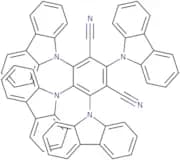


![7H,8H-Pyrido[2,3-d]pyridazin-8-one](/_next/image/?url=https%3A%2Fstatic.cymitquimica.com%2Fproducts%2F3D%2Fthumb-webp%2FQAA37579.webp&w=3840&q=75)


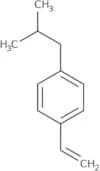
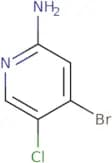


![2,2-Difluorobenzo[d][1,3]dioxol-5-ol](/_next/image/?url=https%3A%2Fstatic.cymitquimica.com%2Fproducts%2F3D%2Fthumb-webp%2FLYB53982.webp&w=3840&q=75)

![tert-Butyl 3,9-diazaspiro[5.5]undecane-3-carboxylate hydrochloride](/_next/image/?url=https%3A%2Fstatic.cymitquimica.com%2Fproducts%2F3D%2Fthumb-webp%2FLJA40647.webp&w=3840&q=75)
![1-Azaspiro[3.3]heptane hydrochloride](/_next/image/?url=https%3A%2Fstatic.cymitquimica.com%2Fproducts%2F3D%2Fthumb-webp%2FLED33729.webp&w=3840&q=75)
![tert-Butyl 3-bromo-1,4,6,7-tetrahydro-5H-pyrazolo[4,3-c]pyridine-5-carboxylate](/_next/image/?url=https%3A%2Fstatic.cymitquimica.com%2Fproducts%2F3D%2Fthumb-webp%2FLCD42906.webp&w=3840&q=75)
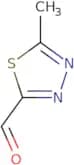
![ethyl 6-benzyl-2-oxa-6-azaspiro[3.4]octane-8-carboxylate](/_next/image/?url=https%3A%2Fstatic.cymitquimica.com%2Fproducts%2F3D%2Fthumb-webp%2FLBC69289.webp&w=3840&q=75)


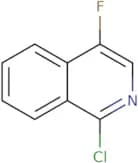


![1H-[1,2,3]Triazolo[4,5-d]pyrimidin-5-amine](/_next/image/?url=https%3A%2Fstatic.cymitquimica.com%2Fproducts%2F3D%2Fthumb-webp%2FKAA17984.webp&w=3840&q=75)


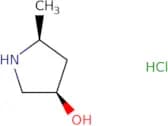
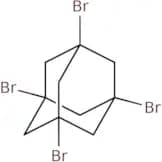

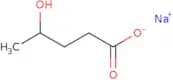
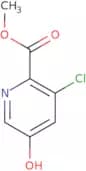
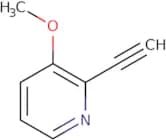
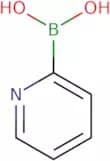
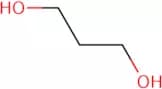
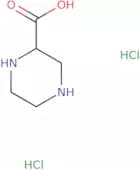
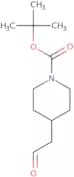
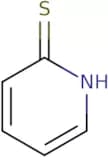
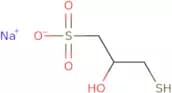

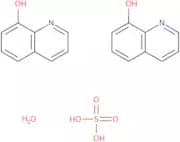
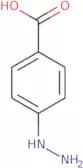

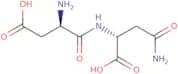
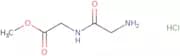


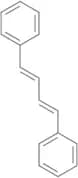
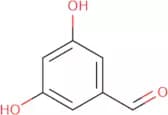
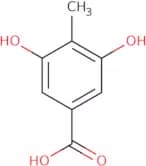
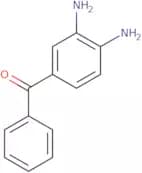
![(1R,5S,6r)-rel-3-Oxabicyclo[3.1.0]hexane-6-carboxylic acid](/_next/image/?url=https%3A%2Fstatic.cymitquimica.com%2Fproducts%2F3D%2Fthumb-webp%2FFCA78088.webp&w=3840&q=75)
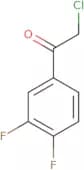
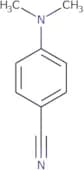
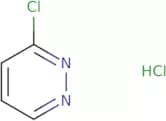
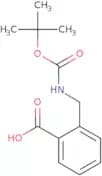

![2-Bromobenzo[d]thiazol-6-amine](/_next/image/?url=https%3A%2Fstatic.cymitquimica.com%2Fproducts%2F3D%2Fthumb-webp%2FFB144124.webp&w=3840&q=75)
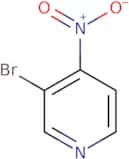
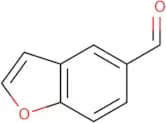


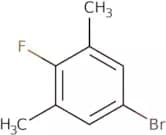

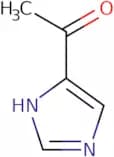
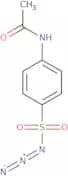


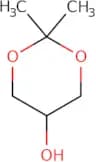
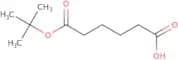


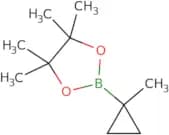
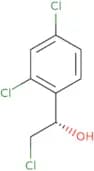


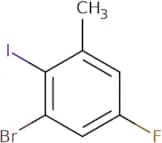
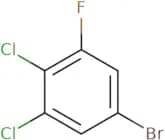
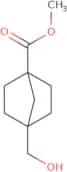
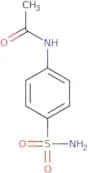
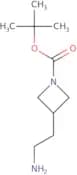
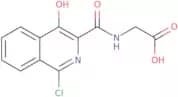
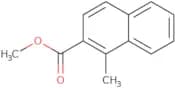
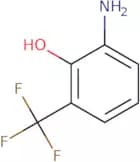
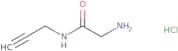
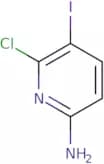

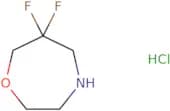


![7-bromo-3-iodoimidazo[1,2-a]pyridine](/_next/image/?url=https%3A%2Fstatic.cymitquimica.com%2Fproducts%2F3D%2Fthumb-webp%2FWZB18455.webp&w=3840&q=75)
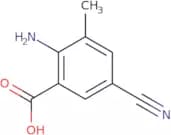

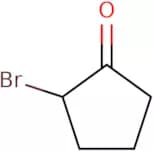
![N-(2,6-Dimethylphenyl)-2-({[(2,6-dimethylphenyl)carbamoyl]methyl}amino)acetamide](/_next/image/?url=https%3A%2Fstatic.cymitquimica.com%2Fproducts%2F3D%2Fthumb-webp%2FVEB79807.webp&w=3840&q=75)
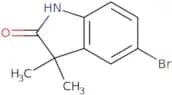

![8-Bromo-2-methylimidazo[1,2-a]pyridine](/_next/image/?url=https%3A%2Fstatic.cymitquimica.com%2Fproducts%2F3D%2Fthumb-webp%2FUXB37475.webp&w=3840&q=75)
![2-[5-(4,4,5,5-Tetramethyl-1,3,2-dioxaborolan-2-yl)pyrimidin-2-yl]propan-2-ol](/_next/image/?url=https%3A%2Fstatic.cymitquimica.com%2Fproducts%2F3D%2Fthumb-webp%2FUCC25587.webp&w=3840&q=75)


![5-Chloro-1H-pyrrolo[2,3-c]pyridine-3-carboxylic acid](/_next/image/?url=https%3A%2Fstatic.cymitquimica.com%2Fproducts%2F3D%2Fthumb-webp%2FSSB19336.webp&w=3840&q=75)
![7-Oxa-2-azaspiro[3.5]nonane hydrochloride](/_next/image/?url=https%3A%2Fstatic.cymitquimica.com%2Fproducts%2F3D%2Fthumb-webp%2FSGC63309.webp&w=3840&q=75)

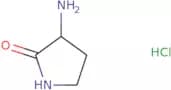
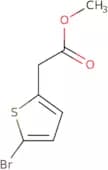
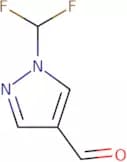
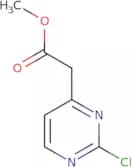
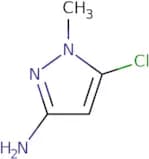
![5-{2-Ethoxy-5-[(4-methylpiperazin-1-yl)sulfonyl]phenyl}-1-methyl-3-(2-methylpropyl)-1H,6H,7H-pyraz…](/_next/image/?url=https%3A%2Fstatic.cymitquimica.com%2Fproducts%2F3D%2Fthumb-webp%2FRFC05395.webp&w=3840&q=75)

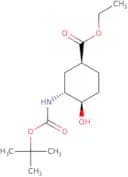
![2-[(6-Chloro-3,4-dihydro-3-methyl-2,4-dioxo-1(2H)-pyrimidinyl)methyl]-benzonitrile](/_next/image/?url=https%3A%2Fstatic.cymitquimica.com%2Fproducts%2F3D%2Fthumb-webp%2FQJB75896.webp&w=3840&q=75)


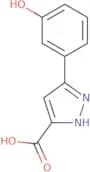

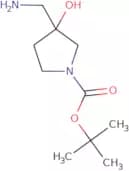
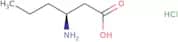
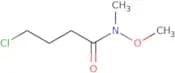
![1,5,6,7-Tetrahydro-2H-cyclopenta[b]pyridin-2-one](/_next/image/?url=https%3A%2Fstatic.cymitquimica.com%2Fproducts%2F3D%2Fthumb-webp%2FNDA49985.webp&w=3840&q=75)


![(2S)-3-(3,4-dihydroxyphenyl)-2-{[(9H-fluoren-9-ylmethoxy)carbonyl]amino}propanoic acid](/_next/image/?url=https%3A%2Fstatic.cymitquimica.com%2Fproducts%2F3D%2Fthumb-webp%2FMFA01893.webp&w=3840&q=75)

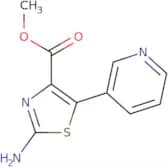


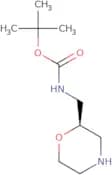
![2,4-Dichloroimidazo[2,1-F][1,2,4]triazine](/_next/image/?url=https%3A%2Fstatic.cymitquimica.com%2Fproducts%2F3D%2Fthumb-webp%2FKXC70089.webp&w=3840&q=75)
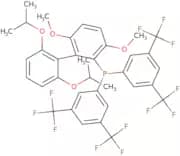


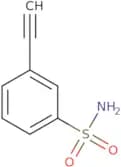
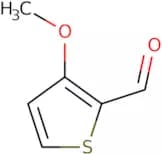
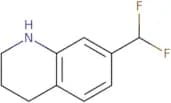

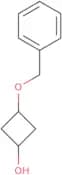
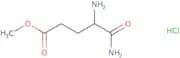
![6,7-dihydro-5h-pyrrolo[3,4-d]pyrimidin-2-amine 2hcl](/_next/image/?url=https%3A%2Fstatic.cymitquimica.com%2Fproducts%2F3D%2Fthumb-webp%2FHGA32752.webp&w=3840&q=75)
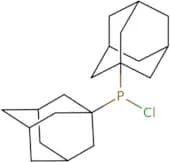
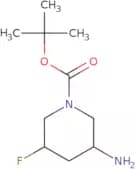
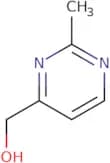
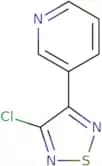

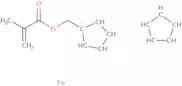
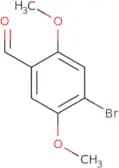
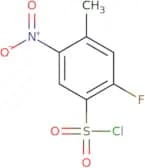

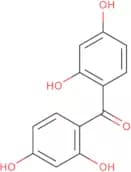
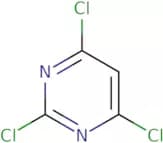
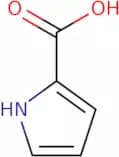
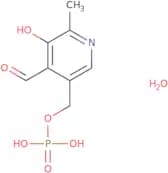
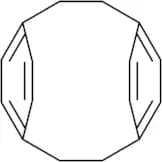

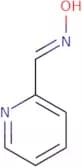

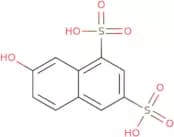
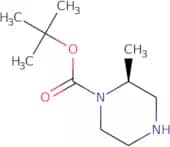
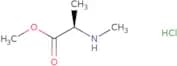
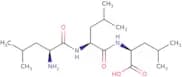

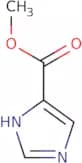


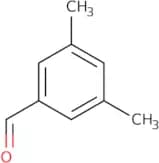

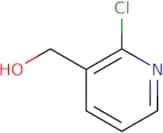
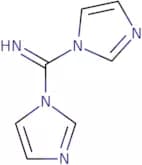
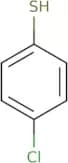
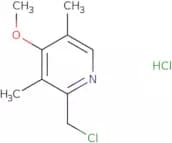
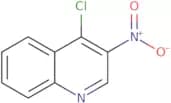

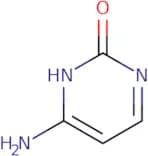
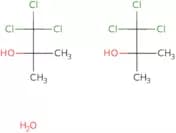
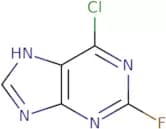
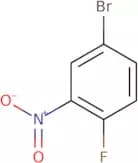
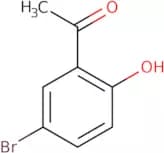
![8-Boc-3,8-diaza-bicyclo[3.2.1]octane](/_next/image/?url=https%3A%2Fstatic.cymitquimica.com%2Fproducts%2F3D%2Fthumb-webp%2FFB29382.webp&w=3840&q=75)
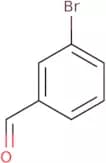

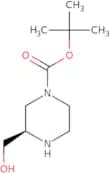

![6-chloro-1H-pyrazolo[3,4-d]pyrimidin-4-amine](/_next/image/?url=https%3A%2Fstatic.cymitquimica.com%2Fproducts%2F3D%2Fthumb-webp%2FFAA41778.webp&w=3840&q=75)
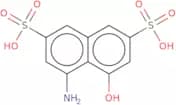
![(R)-1-[3-[4-Amino-3-(4-phenoxyphenyl)-1H-pyrazolo[3,4-d]pyrimidin-1-yl]piperidin-1-yl]-3-chloropro…](/_next/image/?url=https%3A%2Fstatic.cymitquimica.com%2Fproducts%2F3D%2Fthumb-webp%2FFA183174.webp&w=3840&q=75)
![(2R,4R)-1-[(2S)-5-Amino-1-oxo-2-[[(1,2,3,4-tetrahydro-3-methyl-8-quinolinyl)sulfonyl]amino]pentyl]…](/_next/image/?url=https%3A%2Fstatic.cymitquimica.com%2Fproducts%2F3D%2Fthumb-webp%2FFA182661.webp&w=3840&q=75)
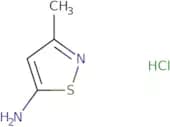

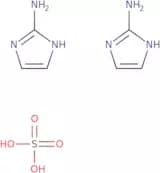
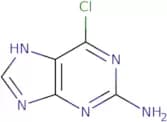


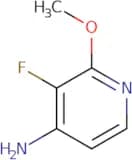
![tert-butyl 2,5-diazabicyclo[4.1.0]heptane-2-carboxylate](/_next/image/?url=https%3A%2Fstatic.cymitquimica.com%2Fproducts%2F3D%2Fthumb-webp%2FDZB67518.webp&w=3840&q=75)

