Amines
Amines are a set of molecules containing an amino functional group (derived from ammonia). This category includes amines at any level of substitution : primary, secondary, tertiary, and ammonium salts. Amines are fundamental in organic synthesis and are widely used in pharmaceuticals, agrochemicals, and materials science. At CymitQuimica, we provide a comprehensive selection of amines to meet your research and industrial needs. Our range ensures access to various amines for diverse chemical processes and innovative research.
Subcategories of "Amines"
- Nitrosamines(2,605 products)
- Primary Amines(30,821 products)
- Quaternary Ammonium Cations and Salts(1,099 products)
- Secondary Amines(20,817 products)
- Tertiary Amines(17,117 products)
Found 8778 products of "Amines"
Sort by
Purity (%)
0
100
|
0
|
50
|
90
|
95
|
100
Methyl 3-amino-6-methylthieno[2,3-b]pyridine-2-carboxylate
CAS:<p>Please enquire for more information about Methyl 3-amino-6-methylthieno[2,3-b]pyridine-2-carboxylate including the price, delivery time and more detailed product information at the technical inquiry form on this page</p>Formula:C10H10N2O2SPurity:Min. 95%Molecular weight:222.27 g/mol2-Amino-3-fluorobenzoic acid
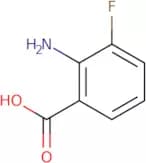
CAS:<p>2-Amino-3-fluorobenzoic acid is a covid-19 pandemic anti-infective agent that has been shown to modulate the nicotinic acetylcholine receptor. It has been shown to be effective in preventing the spread of influenza A (H1N1) and other flu strains, as well as the related H5N1 avian flu. 2-Amino-3-fluorobenzoic acid is an organofluorine compound with a five membered ring and fluorine atom in the para position. 2-Amino-3-fluorobenzoic acid binds to the ligand binding site of the acetylcholine receptor, which is found on nerve cells. The drug competitively inhibits acetylcholine's binding to this site, preventing activation of the receptor and blocking transmission of nerve impulses across synapses. This prevents muscle contraction, leading to paralysis and death from respiratory</p>Formula:C7H6FNO2Purity:Min. 95%Color and Shape:PowderMolecular weight:155.13 g/mol3'-Aminopropionanilide
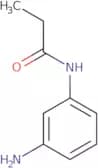
CAS:<p>3'-Aminopropionanilide is a synthetic chemical that belongs to the group of aminopropionates. It has been used as a reaction component and reagent in organic synthesis. 3'-Aminopropionanilide is a versatile building block, which can be used to synthesize complex compounds with different functions. This compound is also an intermediate in the synthesis of other chemicals, such as pharmaceuticals or agrochemicals. 3'-Aminopropionanilide has a CAS number of 22987-10-6.</p>Formula:C9H12N2OPurity:Min. 95%Color and Shape:PowderMolecular weight:164.2 g/molCbz-L-glutamine
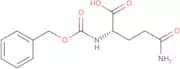
CAS:<p>Cbz-L-glutamine is a water soluble compound that is used in the synthesis of pomalidomide. It is synthesized through a stepwise amide formation from methylamine and ethylene diamine. Cbz-L-glutamine has been shown to have an inhibitory effect on cancer cells, which may be due to its ability to break down hydroxamic acids. This chemical reaction causes the release of hydrogen ions, which leads to the disruption of various cellular processes, such as DNA replication and protein synthesis. The uptake of Cbz-L-glutamine by cancer cells has been shown in tissue culture experiments.</p>Formula:C13H16N2O5Purity:Min. 95%Color and Shape:PowderMolecular weight:280.28 g/mol5-Carboxymethoxytryptamine hydrochloride
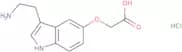
CAS:Controlled Product<p>5-Carboxymethoxytryptamine hydrochloride (5CMT) is a chemical compound that belongs to the group of useful building blocks. It is a versatile intermediate that can be used in the synthesis of many important compounds. 5CMT reacts with amines and alcohols to form amides and esters. It also reacts with carboxylic acids to form acid halides and anhydrides. 5CMT has been shown to be a useful scaffold in organic synthesis, as it can be converted into various derivatives. 5CMT is soluble in water, methanol, ethanol, acetone, and dichloromethane.</p>Formula:C12H14N2O3•HClPurity:Min. 95%Molecular weight:270.71 g/mol3-Amino-4-chlorobenzoic acid
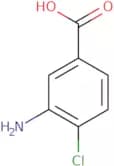
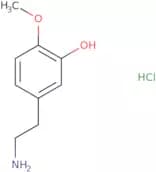
CAS:<p>3-Amino-4-chlorobenzoic acid is a diacid that has been shown to have strong steric interactions with manumycin and fibrinogen, which are proteins found in the human body. 3-Amino-4-chlorobenzoic acid has a carboxylate group at one end of the molecule, which can coordinate to metal ions such as chloride. The other end of the molecule contains a hydrogen atom that can form hydrogen bonds with other molecules. 3-Amino-4-chlorobenzoic acid can be synthesized by reacting 2 moles of chloroacetyl chloride with an amino acid.</p>Formula:C7H6ClNO2Purity:Min. 95%Color and Shape:PowderMolecular weight:171.58 g/mol3-Hydroxy-4-methoxyphenethylamine HCl
CAS:Controlled Product<p>3-Hydroxy-4-methoxyphenethylamine HCl is an amine that is found in plants. It has been shown to be a reactive compound with a carbonyl group and an amine group. 3-Hydroxy-4-methoxyphenethylamine HCl can act as a dopamine receptor agonist, causing the release of serotonin from neurons. This chemical also has anti-inflammatory properties and may be used to treat inflammatory diseases such as asthma. 3-Hydroxy-4-methoxyphenethylamine HCl may also have blood pressure lowering effects.</p>Formula:C9H14ClNO2Purity:Min. 95%Color and Shape:White to off-white solid.Molecular weight:203.67 g/mol[2-(1,3-Benzodioxol-5-yloxy)ethyl]amine hydrochloride
CAS:<p>[2-(1,3-Benzodioxol-5-yloxy)ethyl]amine hydrochloride is a versatile building block for organic synthesis. It can be used as a starting material for the synthesis of many complex compounds and research chemicals. This compound has been shown to have high quality, useful scaffolds, and is an excellent reagent in many chemical reactions.</p>Formula:C9H11NO3•HClPurity:Min. 95%Color and Shape:PowderMolecular weight:217.65 g/molAlkylated diphenylamines
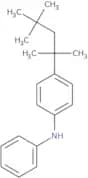
CAS:<p>Alkylated diphenylamines are reactive compounds that have been used as antioxidants in industrial processes. These antioxidants inhibit the propagation of oxidation reactions, which can lead to the degradation of polycarboxylic acids. Alkylated diphenylamines are usually synthesized from phenyl groups and fatty acid esters. They are also known as synthetic antioxidants and are used in a variety of industries, such as food production and textiles. Alkylated diphenylamines have been shown to react with metal hydroxides, such as magnesium oxide or sodium nitrate, to form reaction products that include alkanes and alkenes. The viscosity of these compounds is dependent on the length of their fatty acid chains; the longer the chain length, the lower the viscosity.</p>Purity:Min. 95%Color and Shape:Clear Viscous LiquidMolecular weight:281.4 g/molmethyl 2-nitrilo-3-methylthio-3-(phenylamino)prop-2-enoate
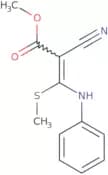
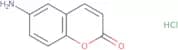
CAS:<p>Please enquire for more information about methyl 2-nitrilo-3-methylthio-3-(phenylamino)prop-2-enoate including the price, delivery time and more detailed product information at the technical inquiry form on this page</p>Purity:Min. 95%6-Aminocoumarin HCl
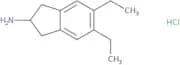
CAS:<p>Use as a positive control when detecting nitroreductase activity</p>Formula:C9H7NO2·HClPurity:Min. 95%Molecular weight:197.62 g/mol5,6-Diethyl-2,3-dihydro-1H-inden-2-amine hydrochloride
CAS:Controlled Product<p>5,6-Diethyl-2,3-dihydro-1H-inden-2-amine hydrochloride is the salt form of a chemical compound that belongs to the group of acetylation agents. This chemical is highly soluble in water and is used as a reagent to acetylate amines. The industrial process for this compound begins with an acetone solution of 2,3-dihydroindene. Acetyl chloride reacts with 2,3-dithiobenzoyl chloride in an acid environment to produce 5,6-diethyl-2,3-dihydroindane. The product is treated with hydrogen chloride gas to produce 5,6-diethyl-2,3 dihydroindanamine hydrochloride. This compound has been shown to be toxic for aquatic life and can cause environmental pollution when released into the environment.</p>Formula:C13H19N•HClPurity:Min. 95%Color and Shape:White PowderMolecular weight:225.76 g/mol4-(Dimethylaminobenzylidene)rhodanine
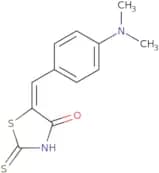
CAS:<p>4-(Dimethylaminobenzylidene)rhodanine is a monosodium salt of the drug rhodanine. Rhodanine is a small-molecule, kinetically stable, and surface active agent that inhibits tumor growth by binding to sulfamoyl chloride, inhibiting the synthesis of DNA. Rhodanine has been shown to inhibit the growth of colon cancer cells in mice and human leukemia cells in vitro. This drug also inhibits the proliferation of erythrocytes and platelets. Rhodanine binds to chloride ions on cell surfaces and forms a complex with silver ions that can then be detected by electron microscopy or profiling studies using hydroxide solutions. The efficacy of 4-(dimethylaminobenzylidene)rhodanine as an anticancer agent is dependent on its concentration. A blood sample containing 4% dimethylaminobenzylidene rhodanine was found to have anti-t</p>Formula:C12H12N2OS2Purity:Min. 95%Color and Shape:PowderMolecular weight:264.37 g/mol5-Aminogramine
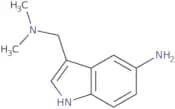
CAS:<p>5-Aminogramine is a fine chemical that is used as a versatile building block for the synthesis of complex compounds. 5-Aminoguanidine is an aminoguanidine compound that has been reported to be useful in the synthesis of reagents and speciality chemicals, such as heterocycles, polymers, and pharmaceuticals. 5-Aminoguanidine has been used as a reactant in the preparation of high quality products with various applications. It is also known to be a useful intermediate for reactions involving nucleophiles or electrophiles. Furthermore, it can be used as a scaffold for the synthesis of other compounds.</p>Formula:C11H15N3Purity:Min. 95%Color and Shape:PowderMolecular weight:189.26 g/mol5-Amino-2-fluorobenzoic acid
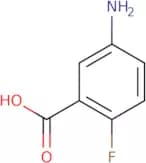
CAS:<p>5-Amino-2-fluorobenzoic acid (5AFBA) is a synthetic aniline that is used as a fluoroquinolone antibiotic. 5AFBA inhibits the synthesis of trehalose, which is vital for bacterial growth. This drug also has been shown to be active against Mycobacterium tuberculosis and Mycobacterium avium complex. 5AFBA has also been shown to have antifungal properties, inhibiting the synthesis of ergosterol in the fungal cell membrane. 5AFBA can be modified by alkylation with geranyl groups or N-methylation at the amino group. These modifications have been shown to increase its antibacterial activity against Pseudomonas aeruginosa.</p>Formula:C7H6FNO2Color and Shape:PowderMolecular weight:155.13 g/molMethyl 4-aminobutyrate HCl
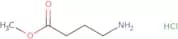
CAS:<p>Methyl 4-aminobutyrate HCl is an ester hydrochloride that is used as a chiral auxiliary in the synthesis of aminobutyric acid. It has been shown to have cognitive enhancing effects and to increase brain levels of l-glutamic acid. Methyl 4-aminobutyrate HCl also inhibits the uptake of chloride ions into synaptic vesicles, which may be due to its ability to bind with plasma proteins. This drug has been shown to have pharmacological effects on rats when administered at a dose of 1mg/kg.</p>Formula:C5H12ClNO2Color and Shape:White Off-White PowderMolecular weight:153.61 g/mol2-N-Methylaminoethyl chloride·HCl
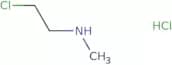
CAS:<p>2-N-Methylaminoethyl chloride·HCl is a nitro compound that has been programmed to inhibit PD-1. It is an inhibitor of this protein, which is involved in the regulation of immune responses. Inhibition of PD-1 can lead to an increase in T cell function and proliferation, as well as the production of cytokines. 2-N-Methylaminoethyl chloride·HCl has been shown to be a potent inhibitor of PD-1 with a Ki value of 2 nM, and it inhibits PD-L1 at concentrations up to 10 μM. This drug also inhibits resorcinol at low concentrations (0.5 μM). It is a synthetic molecule that was generated for screening purposes and does not have any other known biological activity.</p>Formula:C3H8ClN·HClPurity:Min. 95%Color and Shape:PowderMolecular weight:130.02 g/molN,N'-Bis(2-hydroxyethyl)ethylenediamine
CAS:<p>N,N'-Bis(2-hydroxyethyl)ethylenediamine is a chemical compound that has been used in the synthesis of a number of drugs. It is an alkanolamine that can be synthesized by the reaction of piperazine with hydroxyethylamine. In addition, N,N'-Bis(2-hydroxyethyl)ethylenediamine has been shown to have biological properties such as being able to stimulate the production of antibodies and citric acid in animals. It also has structural similarities to vitamin B12 and exhibits hydrogen bonding between its molecules. N,N'-Bis(2-hydroxyethyl)ethylenediamine is biodegradable and does not produce significant environmental effects when released into water or soil.</p>Formula:C6H16N2O2Purity:Min. 95 Area-%Color and Shape:White PowderMolecular weight:148.2 g/molL-2-Aminobutyric acid
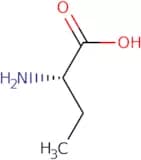
CAS:<p>L-2-Aminobutyric acid is a nonessential amino acid that serves as a substrate for enzymes that catalyze the alpha-elimination of hydroxyl groups. This process is used in the synthesis of proteins and other biological molecules. The L-2-Aminobutyric acid is also an analog to 2-aminoethanol, which has been shown to inhibit amyloid protein production in human serum. A synthetic route for the preparation of L-2-Aminobutyric acid has been developed using anhydrous sodium hydroxide and blood sampling from a bacterial strain. L-2-Aminobutyric acid inhibits protease activity and has been shown to have antibacterial properties. The optimum pH for this compound is 5.5, with an approximate intramolecular hydrogen bond distance of 3.1 angstroms.</p>Formula:C4H9NO2Purity:Min. 95%Color and Shape:White PowderMolecular weight:103.12 g/molTyramine hydrochloride
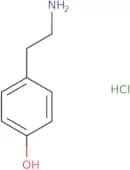
CAS:Controlled Product<p>Tyramine hydrochloride is a model system for the enzyme dopamine β-hydroxylase. Tyramine hydrochloride has shown anti-inflammatory activity, which may be due to its ability to inhibit the synthesis of prostaglandins in human serum. Tyramine hydrochloride also has been used as a cell specific reactive reagent in experiments with human cells. This compound has been shown to have optical sensor and kinetic energy properties that make it suitable for use as a model system in studies of tyrosine metabolism.</p>Formula:C8H12ClNOPurity:Min. 95%Color and Shape:White PowderMolecular weight:173.64 g/molBisbentiamine
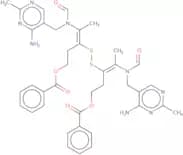
CAS:<p>Bisbentiamine is a glycerin analog that can be used as a drug and food additive. It is an effective inhibitor of the autoimmune disease, bowel disease, and cavity. Bisbentiamine inhibits the production of reactive oxygen species and oxidative stress in skin cells by inhibiting the formation of disulfide bonds. This compound has been shown to have protective effects against inflammatory bowel disease, which may be due to its ability to inhibit fatty acid synthesis in the gut that is associated with inflammation.</p>Formula:C38H42N8O6S2Purity:Min. 95%Color and Shape:PowderMolecular weight:770.92 g/mol5-(N-Ethyl-N-2-hydroxyethylamino)-2-pentylamine
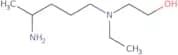
CAS:<p>Chloroquine metabolite</p>Formula:C9H22N2OPurity:Min. 95%Color and Shape:Clear LiquidMolecular weight:174.28 g/mol1-Phenylcyclohexanamine hydrochloride
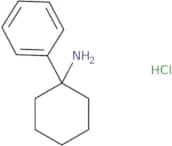
CAS:Controlled Product<p>1-Phenylcyclohexanamine hydrochloride is a secondary amine that binds to the nicotinic acetylcholine receptor. It has been shown to inhibit the activity of rat liver microsomes and dopamine, with a primary amino group. The analogs of 1-phenylcyclohexanamine hydrochloride are active and have been shown to inhibit acetylcholinesterase in rat brain tissue. This inhibition leads to an increase in the neurotransmitter acetylcholine, which causes an excitatory effect on the central nervous system. 1-Phenylcyclohexanamine hydrochloride is also used as a molecular model for studying glutamate receptors because of its similar structure.</p>Formula:C12H18ClNPurity:Min. 95%Molecular weight:211.73 g/molPerfluoroalkylsulfonyl quaternary ammonium iodide
CAS:Controlled Product<p>Perfluoroalkylsulfonyl quaternary ammonium iodide is a chemical substance that is used as an industrial treatment for wastewater, including industrial effluents, sludge, and waste water. It is liquid at room temperature. The reaction mechanism of perfluoroalkylsulfonyl quaternary ammonium iodide is nucleophilic attack on the electron-deficient carbon atom in the aromatic ring of the target molecule. This leads to formation of a covalent bond between the two molecules. The photoelectron microscopy technique has been used to study this reaction and has shown that it occurs in three phases: liquid phase, gas phase, and solid phase. Infrared spectrometry was also used to show that perfluoroalkylsulfonyl quaternary ammonium iodide reacts with chemical substances such as triphase.</p>Formula:C14H16F17IN2O2SPurity:Min. 95%Color and Shape:Slightly Yellow PowderMolecular weight:726.23 g/mol[5-(4-Amino-2-bromophenyl)-2-furyl]methanol
CAS:<p>5-(4-Amino-2-bromophenyl)-2-furyl]methanol (5ABF) is a fine chemical that has been shown to be an effective building block. The compound is used as a reagent in organic synthesis and can be used as a reaction component. 5ABF is also an intermediate, which can be converted into useful building blocks. 5ABF has been shown to have versatile uses in research chemicals and speciality chemicals. This chemical's CAS number is 874592-18-4. 5ABF has a high quality and is a versatile scaffold.</p>Formula:C11H10BrNO2Purity:Min. 95%Color and Shape:Slightly Yellow PowderMolecular weight:268.11 g/mol4-Aminobenzoic acid N-butyl ester
CAS:<p>4-Aminobenzoic acid N-butyl ester is a glycol ether compound that has been shown to have strong immunosuppressive and anti-inflammatory properties. It has been used in the treatment of autoimmune diseases, such as systemic lupus erythematosus and rheumatoid arthritis. 4-Aminobenzoic acid N-butyl ester also has a low potential for drug interactions with other drugs. The water solubility of this compound is high, making it suitable for use in humid environments, such as the respiratory tract. The bone cancer drug butamben was developed using 4-aminobenzoic acid N-butyl ester as a starting material. This drug also reacts with benzalkonium chloride to form stable complexes with high potency and high values.</p>Formula:C11H15NO2Purity:Min. 95 Area-%Color and Shape:PowderMolecular weight:193.24 g/molN-Propyl-4,5,6,7-tetrahydrobenzo[D]thiazol-6-amine
CAS:<p>N-Propyl-4,5,6,7-tetrahydrobenzo[D]thiazol-6-amine hydrochloride is a chemical intermediate or reagent used in the synthesis of other substances. It is a white solid that is soluble in water and has a melting point of 154°C. This chemical has been shown to be useful as a building block for the synthesis of many different substances. N-Propyl-4,5,6,7-tetrahydrobenzo[D]thiazol-6-amine hydrochloride is also an effective starting material for research chemicals with versatile applications.</p>Formula:C14H15N3SPurity:Min. 95%Molecular weight:257.36 g/molN,N-Bis-(3-aminopropyl)-methylamine
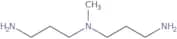
CAS:<p>N,N-Bis-(3-aminopropyl)-methylamine is a polyamine that is used as an electrolyte, a polymer, and a probe for the determination of the molecular weight of other compounds. It is also used in the preparation of N,N'-bis(3-aminopropyl)ethylenediamine and ethylenediaminetetraacetic acid (EDTA). Methylpropylamine has been shown to be an effective polymerization agent. This compound contains two aminopropyl groups that are attached to one another through an ether linkage. The molecular weight of methylpropylamine can be determined by measuring the amount of light absorbed at 280 nm or by measuring its melting point. The crystallinity can be determined by x-ray diffraction.<br>Methylpropylamine has been shown to react with sodium cyanide to form methylpropyl cyanide and hydrogen cyanide.</p>Formula:C7H19N3Purity:Min. 98%Color and Shape:Clear LiquidMolecular weight:145.25 g/mol4-(Dimethylamino)pyridine, polymer-bound
CAS:<p>4-(Dimethylamino)pyridine, polymer-bound (4DAP-P), is a chemical compound that belongs to the aminopyridine class of compounds. 4DAP-P has been shown to have antibacterial efficacy against bacteria such as Escherichia coli and Klebsiella pneumoniae in vitro assays. It also has anti-inflammatory properties and can be used for the treatment of inflammatory bowel disease. 4DAP-P is not absorbed through the skin or mucus membranes, but can be taken orally with food or liquid. The polymer-bound form of 4DAP-P has been shown to be more stable than its free form, which may make it a better choice for some applications.</p>Purity:Min. 95%Color and Shape:Orange PowderMolecular weight:104.152-Amino-N-[2-(5-methoxy-1H-indol-3-yl)ethyl]acetamide hydrochloride
CAS:<p>2-Amino-N-[2-(5-methoxy-1H-indol-3-yl)ethyl]acetamide hydrochloride is a magnetic compound that has been shown to be an effective cancer antigen. It is a derivative of the amino acid sequence of α,β-unsaturated fatty acids and can be used as a dietary supplement. 2-Amino-N-[2-(5-methoxy-1H-indol-3-yl)ethyl]acetamide hydrochloride has been shown to bind to fatty acid receptors on the surface of antigen presenting cells (APCs). It also activates the immune system by activating APCs, which leads to the production of cytokines and chemokines. This compound has also been shown to stimulate T cells in culture, leading to activation and proliferation of tumor cells.</p>Formula:C13H17N3O2·HClPurity:Min. 95%Color and Shape:PowderMolecular weight:283.75 g/mol2-Methylthiopyrimidine-4,6-diamine
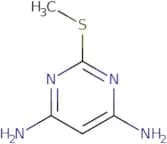
CAS:<p>2-Methylthiopyrimidine-4,6-diamine is a potent inhibitor of the enzyme DNA polymerase. It has shown to be effective against hepg2 cells and other cancer cells. The compound binds covalently to the active site of the enzyme, where it stabilizes the transition state and deshields the electrostatic field around the nucleophilic nitrogen atom. This interaction leads to a decreased affinity for ATP, which is required for DNA synthesis. 2-Methylthiopyrimidine-4,6-diamine also has antimalarial activity and inhibits amide bond formation in hepg2 cells.</p>Formula:C5H8N4SPurity:Min. 95%Color and Shape:PowderMolecular weight:156.21 g/mol2-[(Ethylamino)methyl]-4-nitrophenol
CAS:<p>Please enquire for more information about 2-[(Ethylamino)methyl]-4-nitrophenol including the price, delivery time and more detailed product information at the technical inquiry form on this page</p>Formula:C9H12N2O3Purity:Min. 95%Color and Shape:PowderMolecular weight:196.2 g/molN,N-Dimethyloctadecylamine
CAS:<p>N,N-Dimethyloctadecylamine is a cationic surfactant that is used in cosmetics to provide emulsification. This chemical species has been shown to be chemically inert and non-toxic. It also exhibits high thermal stability and low volatility. N,N-Dimethyloctadecylamine has been found to have low reactivity with lipoprotein lipase, alcohol residue, and cholesterol synthesis. This chemical substance has been shown to exhibit enzyme activities by inhibiting the activity of nitrogen atoms, which may lead to the inhibition of the reaction mechanism of amines. N,N-Dimethyloctadecylamine is not expected to cause any significant adverse effects on human health or the environment.</p>Formula:C20H43NPurity:Min. 95%Color and Shape:PowderMolecular weight:297.56 g/mol2-(5-Trifluoromethyl-pyridin-2-yl)ethylamine 2HCl
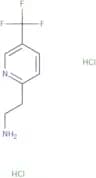
CAS:<p>2-(5-Trifluoromethyl-pyridin-2-yl)ethylamine 2HCl is a fine chemical that can be used as a building block in the synthesis of other compounds. It is also a useful reagent and a speciality chemical, which means it is typically used for research purposes only. This compound has shown to have high quality and versatility, and is often used as an intermediate in the synthesis of complex compounds.</p>Formula:C8H9F3N2H2Cl2Purity:Min. 95%Color and Shape:White PowderMolecular weight:263.09 g/mol5-Methoxygramine
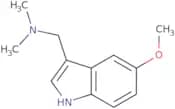
CAS:Controlled Product<p>5-Methoxygramine is a metabolic intermediate which is an analog of 5-hydroxytryptamine (5-HT). It has been shown to increase blood pressure and reduce the activity of the 5-HT2C receptor. This drug also has been found to inhibit the growth of some cancer cells in vitro, but it does not affect normal cells. It can be used as a tool for identifying compounds that may have similar effects. The binding affinity of 5-methoxygramine for the 5-HT2C receptor was measured by displacement experiments with 3H-spiperone. The effect of this compound on dopamine release from rat striatal slices was studied by measuring electrical activity in isolated heart preparations. The effect of this compound on leishmania infection was studied using infected mice and isolated heart preparations.</p>Formula:C12H16N2OPurity:Min. 95%Color and Shape:PowderMolecular weight:204.27 g/molN-Hydroxy-2-(4-methoxyphenoxy)ethanimidamide
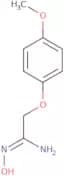
CAS:<p>Please enquire for more information about N-Hydroxy-2-(4-methoxyphenoxy)ethanimidamide including the price, delivery time and more detailed product information at the technical inquiry form on this page</p>Formula:C9H12N2O3Purity:Min. 95%Color and Shape:PowderMolecular weight:196.2 g/mol3-Bromobenzylamine hydrochloride
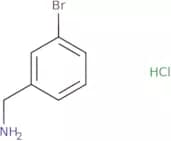
CAS:<p>3-Bromobenzylamine hydrochloride is a chemical compound that belongs to the class of alkylating agents. It is a derivative of allylamine, which is an amine and can be used in the synthesis of tripeptides. 3-Bromobenzylamine hydrochloride has been shown to be able to bind to primary amines, such as histamine, serotonin, and dopamine. It has been found to inhibit the reuptake of these neurotransmitters by blocking the transporter responsible for their uptake. This inhibition leads to increased concentrations of neurotransmitters in tissues.</p>Formula:C7H8BrN•HClColor and Shape:PowderMolecular weight:222.51 g/molCystamine dihydrochloride
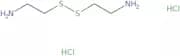
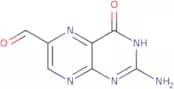
CAS:<p>Cystamine dihydrochloride is a cysteamine prodrug that is converted to cysteamine in the body. Cysteamine is an antioxidant that has been shown to be effective in treating oxidative injury and increasing neuronal survival. The oxidation of cysteamine also depends on the presence of calcium, pantothenate, and metal ions such as zinc or copper. This process can be monitored by measuring the rate constant or the concentration of metal ions. Cystamine dihydrochloride is used to treat bowel disease, but it can also be used as a pharmacological agent. It has been shown to have antibacterial properties against Escherichia coli and Staphylococcus aureus. Cystamine dihydrochloride has not yet been found to cause any adverse effects in humans at doses up to 10 g per day.</p>Formula:C4H12N2S2•2HClPurity:(Titration) Min 99%Color and Shape:White PowderMolecular weight:225.2 g/mol2-Amino-6-formylpteridin-4-one
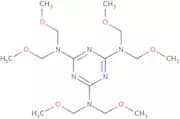
CAS:<p>2-Amino-6-formylpteridin-4-one is a reactive compound that can cause oxidative injury in humans. It has been shown to cause hydrogen bond cleavage and the loss of structural integrity in human serum. 2-Amino-6-formylpteridin-4-one also induces apoptosis by inhibiting the mitochondrial membrane potential and releasing cytochrome c from the mitochondria into the cytosol. 2-Amino-6-formylpteridin-4-one is an inhibitor of binding to anion radicals, which may be beneficial for treating skin disorders such as psoriasis.</p>Formula:C7H5N5O2Purity:Min. 97 Area-%Color and Shape:PowderMolecular weight:191.15 g/molN,N,N',N',N'',N''-Hexamethoxymethylmelamine
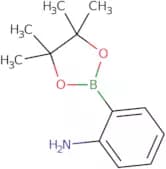
CAS:<p>Hexamethoxymethylmelamine (HMMM) is a polyvinyl-based polymer that can be synthesized by the cationic polymerization of hexamethoxymethylmelamine. HMMM has been shown to have a high water permeability, making it an excellent candidate for use in wastewater treatment. It also has biocompatible properties and can be chemically stable under harsh conditions, making it suitable for use in various applications.</p>Formula:C15H30N6O6Purity:Min. 95%Color and Shape:PowderMolecular weight:390.44 g/mol2-Aminophenylboronic acid pinacol cyclic ester
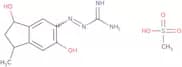
CAS:<p>This compound is a drug target that is an organic molecule found in many pharmaceuticals. It is an acidic, ammonium persulfate-sensitive biomolecule, which can be introduced into cells and tissues to study their function. This compound has been shown to have cancer-fighting abilities, and has potent inhibitory activity against microbial infections. The compound also has suzuki coupling properties, which are used to introduce hemicyanine groups onto other molecules.</p>Formula:C12H18BNO2Purity:Min. 95%Color and Shape:White PowderMolecular weight:219.09 g/molAdrenochrome monoaminoguanidine mesilate
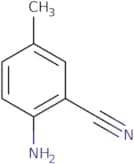
CAS:<p>Adrenochrome monoaminoguanidine mesilate is a synthetic drug that has been used in the treatment of cellulite, obesity, and chronic fatigue syndrome. It is an orally administered drug that causes the body to release adrenaline and noradrenaline. Adrenochrome monoaminoguanidine mesilate is a crystalline substance with a melting point of 130-140°C. The drug contains no additives or excipients other than gelatinization and cellulose.</p>Formula:C11H17N5O5SPurity:Min. 95%Color and Shape:PowderMolecular weight:331.35 g/mol2-Amino-5-methylbenzonitrile
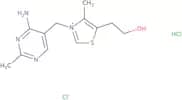
CAS:<p>2-Amino-5-methylbenzonitrile (2AMB) is a molecule that has two nitrile groups. It has been shown to be effective in the treatment of cancer cells, and it also inhibits thymidylate synthase (TS), an enzyme involved in DNA synthesis. The crystallographic structure of this compound has been determined by x-ray diffraction studies, and 2AMB was synthesized and assayed for its anticancer activity on human lung cancer cells in culture. 2AMB is an intercalator that binds to DNA by inserting itself between base pairs, which then blocks the progression of DNA synthesis during replication. This type of inhibition causes cell death because the cell cannot divide or make new proteins. Naphthalene and pyrrole are two chemicals found in 2AMB that have been shown to have antibacterial properties.</p>Formula:C8H8N2Purity:Min. 95%Color and Shape:PowderMolecular weight:132.16 g/molThiamine hydrochloride
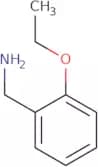
CAS:<p>Thiamine hydrochloride is a water-soluble vitamin that belongs to the group of B vitamins. It has been used as a model system for investigating the phase transition temperature of fatty acids in biological membranes. In addition, it has been shown to enhance thermal expansion and improve chronic exposure in fetal bovine brain cells. Thiamine hydrochloride has also shown insecticidal activity against various species of insects, including the tobacco budworm and the Indianmeal moth. This drug has been found to be active against phytophagous insects that cause crop damage, such as Anthranilate and Pyridoxine Hydrochloride. Thiamine hydrochloride is involved in cellular metabolism by enhancing the conversion of l-lysine into succinic acid via an intermediate product called anthranilate. It also plays an important role in pyridoxal phosphate synthesis, which is essential for protein synthesis and tissue growth.</p>Formula:C12H18Cl2N4OSPurity:Min. 95%Color and Shape:White Off-White PowderMolecular weight:337.27 g/mol2-Ethoxybenzylamine
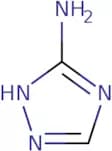
CAS:<p>2-Ethoxybenzylamine is a hydrophobic organic compound. It is an amine that is used as a reagent for the oxidation of primary, secondary, and tertiary amines to their corresponding aldehydes, ketones, and quinones. 2-Ethoxybenzylamine is used in the synthesis of glycopeptides and has been shown to be effective as a surrogate for benzylamine derivatives. This compound may also be an optimised enzyme complex with chloride ions that can activate certain oxidases.</p>Formula:C9H13NOPurity:Min. 95%Color and Shape:Clear LiquidMolecular weight:151.21 g/mol3-Amino-1,2,4-triazole
CAS:<p>Inhibitor of catalase; selection marker for HIS3 systems; herbicide</p>Formula:C2H4N4Purity:Min. 95%Color and Shape:PowderMolecular weight:84.08 g/mol5,6-Diamino-1,3-dipropyluracil
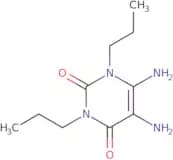
CAS:<p>5,6-Diamino-1,3-dipropyluracil (DAU) is a synthetic drug that acts as an adenosine receptor antagonist. DAU binds to the adenosine receptors in the brain and inhibits the binding of adenosine, which may result in an anti-congestive effect. DAU has been found to be a potent inhibitor of the A2A adenosine receptor at nanomolar concentrations. This inhibition may be due to its ability to form covalent bonds with the receptor or its affinity for or blocking of agonist binding sites on the receptor. It also has been shown to have affinity for dopamine receptors, although it is not yet known if this activity contributes to its anti-congestive effects.</p>Formula:C10H18N4O2Purity:Area-% Min. 95 Area-%Color and Shape:PowderMolecular weight:226.28 g/mol(S)-trans-2-Amino-4-(2-aminoethoxy)-3-butenoic acid hydrochloride
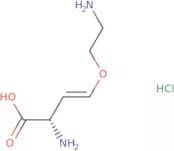
CAS:<p>(S)-trans-2-Amino-4-(2-aminoethoxy)-3-butenoic acid hydrochloride is a chemical pesticide that inhibits the production of ethylene in plants. It is used to control growth and enhance the fruit quality of horticultural crops. It is also used as an inhibitor of serine proteases, which are enzymes that catalyze the hydrolysis of proteins. This product has been shown to act as a growth regulator by inhibiting the activity of serine proteases and blocking the biosynthesis of ethylene. (S)-trans-2-Amino-4-(2-aminoethoxy)-3-butenoic acid hydrochloride also blocks the biosynthesis of human chorionic gonadotropin, a hormone involved in reproduction and development.</p>Formula:C6H13ClN2O3Purity:Min. 97 Area-%Color and Shape:Off-White PowderMolecular weight:196.63 g/mol2,6-Diaminopurine hemisulfate
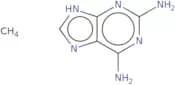
CAS:<p>2,6-Diaminopurine hemisulfate salt is a fine chemical that can be used as a building block for research chemicals, reagents, and specialty chemicals. It has been shown to be useful in the synthesis of various types of complex compounds. 2,6-Diaminopurine hemisulfate salt is also versatile in the sense that it can be used as an intermediate in reactions or as a scaffold for chemical synthesis. This product has CAS number 69369-16-0.</p>Formula:C5H6N6•(H2O4S)0Purity:Min. 95%Color and Shape:PowderMolecular weight:398.36 g/mol1,2-Dipalmitoyl-sn-glycero-3-phosphoethanolamine
CAS:<p>1,2-Dipalmitoyl-sn-glycero-3-phosphoethanolamine is a phospholipid that plays an important role in many cellular processes. It is a major component of the lipid bilayer that surrounds cells and provides stability to the membrane. 1,2-Dipalmitoyl-sn-glycero-3-phosphoethanolamine can form hydrogen bonding interactions with other molecules in the cytoplasm. The redox potential of this compound is also high enough to allow it to participate in oxidation reactions. This phospholipid also has a phase transition temperature at which it changes from a liquid state to a solid state at room temperature. 1,2-Dipalmitoyl-sn-glycero-3-phosphoethanolamine can be used as a reaction mechanism for synthesizing glycosylated proteins or lipids. In vitro assays have been performed using this compound as</p>Formula:C37H74NO8PMolecular weight:691.96 g/mol2-Amino-4,5,6,7-tetrahydro-1-benzothiophene-3-carboxamide
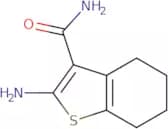
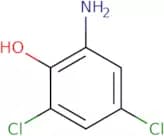
CAS:<p>2-Amino-4,5,6,7-tetrahydro-1-benzothiophene-3-carboxamide is an anticancer agent that inhibits the synthesis of proteins required for cell division. It has been shown to have anticancer activity and efficacy in vitro studies against human cancer cells, such as HCT116. This compound also induces apoptosis in infected cells by binding to viral particles and inducing the release of chloride ions. 2-Amino-4,5,6,7-tetrahydro-1-benzothiophene-3-carboxamide has been found to be effective against influenza virus and particle production by inhibiting neuraminidase activity.</p>Formula:C9H12SN2OPurity:Min. 95%Color and Shape:PowderMolecular weight:196.27 g/mol6-Amino-2,4-dichlorophenol
CAS:<p>6-Amino-2,4-dichlorophenol is an organic solution that has been shown to inhibit the uptake of quinoline derivatives by lung fibroblasts. It also inhibits cellular targets such as flavin, blood pressure and v79 cells. 6-Amino-2,4-dichlorophenol has potent antibacterial activity and a reactive nucleophilic group that can form covalent bonds with proteins in the cell membrane. 6-Amino-2,4-dichlorophenol is a reactive agent that binds to DNA and RNA in the bacterial cell's cytoplasmic membrane and inhibits protein synthesis.</p>Formula:C6H5Cl2NOPurity:Min. 95%Color and Shape:PowderMolecular weight:178.02 g/molN,N,N',N'-Tetramethylenediamine
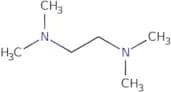
CAS:<p>Initiates acrylamide polymerization in combination with ammonium persulfate</p>Formula:C6H16N2Purity:Min. 98 Area-%Color and Shape:Colorless Slightly Yellow Clear LiquidMolecular weight:116.2 g/mol3-Bromo-4-methoxybenzylamine hydrochloride
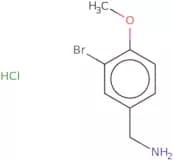
CAS:<p>3-Bromo-4-methoxybenzylamine hydrochloride is a high quality reagent that is used as an intermediate in the synthesis of complex compounds. It has been shown to be a useful scaffold for the synthesis of new chemical entities and a versatile building block for organic synthesis. 3-Bromo-4-methoxybenzylamine hydrochloride can be used as a reaction component in various chemical reactions, including Friedel-Crafts acylation, nitration, chlorination and bromination.</p>Formula:C8H11BrClNOPurity:Min. 95%Color and Shape:PowderMolecular weight:252.54 g/molN-[(1-Methyl-1H-indol-3-yl)methyl]cyclohexanamine
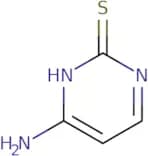
CAS:Controlled Product<p>Please enquire for more information about N-[(1-Methyl-1H-indol-3-yl)methyl]cyclohexanamine including the price, delivery time and more detailed product information at the technical inquiry form on this page</p>Formula:C16H22N2Purity:Min. 95%Molecular weight:242.36 g/mol4-Amino-2-mercaptopyrimidine
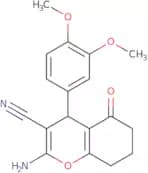
CAS:<p>4-Amino-2-mercaptopyrimidine is a model system for coordination geometry and the hydroxyl group. It has been shown to have an x-ray crystal structure that can be used to study human serum, activated viruses, and other biological properties. 4-Amino-2-mercaptopyrimidine has been synthesized using a flow system and kinetic energy. The protonation state of 4-amino-2-mercaptopyrimidine is dependent on the pH of the solution and it can exist as two tautomers.</p>Formula:C4H5N3SPurity:Min. 97 Area-%Color and Shape:White PowderMolecular weight:127.17 g/mol2-amino-4-(3,4-dimethoxyphenyl)-5-oxo-4,6,7,8-tetrahydro2H-chromene-3-carbonitrile
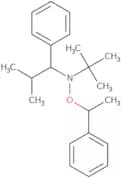
CAS:<p>Please enquire for more information about 2-amino-4-(3,4-dimethoxyphenyl)-5-oxo-4,6,7,8-tetrahydro2H-chromene-3-carbonitrile including the price, delivery time and more detailed product information at the technical inquiry form on this page</p>Formula:C18H18N2O4Purity:Min. 95%Color and Shape:PowderMolecular weight:326.35 g/molN-tert-Butyl-N-(2-methyl-1-phenylpropyl)-O-(1-phenylethyl)hydroxylamine
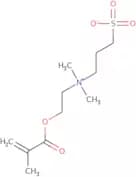
CAS:<p>N-tert-Butyl-N-(2-methyl-1-phenylpropyl)-O-(1-phenylethyl)hydroxylamine is a telechelic metathesis polymer that is soluble in organic solvents. This product has been shown to copolymerize with styrene, which can be used as a monomer. Copolymers of this product are resistant to chemical reactions and metal ion. The reaction time and temperature for this product depends on the nature of the monomers and initiator used. This substance is also able to undergo metathesis reactions, such as those involving silicon.</p>Formula:C22H31NOPurity:Min. 95%Color and Shape:PowderMolecular weight:325.49 g/molDMAPS
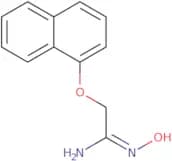
CAS:<p>A hygroscopic, zwitterionic monomer used in the synthesis of polysulfobetaines.</p>Formula:C11H21NO5SPurity:(Total Nitrogen) Min. 98%Color and Shape:PowderMolecular weight:279.35 g/molN-Hydroxy-2-(1-naphthalenyloxy)ethanimidamide
CAS:<p>Please enquire for more information about N-Hydroxy-2-(1-naphthalenyloxy)ethanimidamide including the price, delivery time and more detailed product information at the technical inquiry form on this page</p>Formula:C12H12N2O2Purity:Min. 95%Color and Shape:PowderMolecular weight:216.24 g/mol20-Deoxo-23-deoxy-5-O-[3,6-dideoxy-3-(dimethylamino)-β-D-glucopyranosyl]-20,23-di-1-piperidinyltylonolide
CAS:<p>20-Deoxo-23-deoxy-5-O-[3,6-dideoxy-3-(dimethylamino)-beta-D-glucopyranosyl]-20,23-di-1-piperidinyltylonolide is an antimicrobial agent that belongs to the group of chemotherapeutic agents. It is a fluorinated analog of tilmicosin. The low dose group was treated with this drug for five days, and the high dose group received 20 times the amount of drug. Fluorescence spectrometry showed that there was no significant difference in the fluorescence intensity between these two groups after 24 hours. This drug has been shown to have pharmacokinetic properties in rats and mice, but further optimization may be required to improve its process.</p>Formula:C41H71N3O8Purity:Min. 95%Color and Shape:Off-White PowderMolecular weight:734.02 g/mol5-Methoxytryptamine hydrochloride
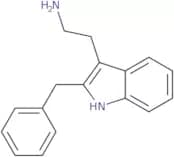
CAS:Controlled Product<p>Non-selective serotonin receptor agonist that lacks affinity for the 5-HT3 receptor.</p>Formula:C11H15ClN2OMolecular weight:226.71 g/mol2-Benzyltryptamine
CAS:<p>2-Benzyltryptamine (2BT) is a synthetic substance that has been used as a research chemical in the study of the interactions between serotonergic and dopaminergic neurotransmission. In one study, 2BT was found to inhibit dopamine uptake in rat brain synaptosomes and to bind to both serotonin and dopamine receptors. 2BT has also been shown to have an affinity for melatonin receptors, which may be due to its structural similarity to melatonin.</p>Formula:C17H18N2Purity:Min. 95%Color and Shape:SolidMolecular weight:250.34 g/molFmoc-(S)-4-amino-2-carboxymethyl-1,3,4,5-tetrahydro-2H-[2]benzazepin-3-one
CAS:<p>Fmoc-(S)-4-amino-2-carboxymethyl-1,3,4,5-tetrahydro-2H-[2]benzazepin-3-one is a specialized chemical compound, which is an Fmoc-protected amino acid derivative. This compound is synthesized through a series of organic synthesis steps that incorporate chiral precursors to ensure enantiomeric purity. As a building block for peptide synthesis, it acts by introducing a protected amino function into the peptide chain, providing stability and selectivity during the synthesis process.The primary applications of Fmoc-(S)-4-amino-2-carboxymethyl-1,3,4,5-tetrahydro-2H-[2]benzazepin-3-one are in the fields of medicinal chemistry and drug discovery, where it plays a crucial role in the development of novel peptide-based therapeutics. This compound is particularly valuable due to its ability to enhance the bioavailability and metabolic stability of peptides, allowing for the exploration of new therapeutic pathways and functions. Its use is integral in the design of peptides with specific biological activities, facilitating research into new pharmacological agents and treatments.</p>Formula:C27H24N2O5Purity:Min. 95%Molecular weight:456.49 g/molEthyl 2-(4-((5-chloro-2-methoxyphenyl)amino)-3,5-thiazolyl)acetate
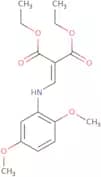
CAS:<p>Please enquire for more information about Ethyl 2-(4-((5-chloro-2-methoxyphenyl)amino)-3,5-thiazolyl)acetate including the price, delivery time and more detailed product information at the technical inquiry form on this page</p>Purity:Min. 95%diethyl 2-(((2,5-dimethoxyphenyl)amino)methylene)propane-1,3-dioate
CAS:<p>Please enquire for more information about diethyl 2-(((2,5-dimethoxyphenyl)amino)methylene)propane-1,3-dioate including the price, delivery time and more detailed product information at the technical inquiry form on this page</p>Purity:Min. 95%(2-Imidazo[2,1-b][1,3]thiazol-6-ylethyl)amine dihydrochloride
CAS:<p>2-Imidazo[2,1-b][1,3]thiazol-6-ylethyl)amine dihydrochloride is a high quality reagent that is used as a useful intermediate in the synthesis of complex compounds with possible pharmaceutical applications. It can also be used as a useful scaffold to create new and interesting molecules of interest. This chemical has been shown to be useful in the synthesis of speciality chemicals, research chemicals, and versatile building blocks. 2-Imidazo[2,1-b][1,3]thiazol-6-ylethyl)amine dihydrochloride is a versatile building block that has been used for the synthesis of various types of reaction components.</p>Formula:C7H9N3S·2HClPurity:Min. 95%Color and Shape:Brown PowderMolecular weight:240.15 g/mol1,4-Dioxaspiro[4.5]decan-8-ylmethanamine
CAS:<p>1,4-Dioxaspiro[4.5]decan-8-ylmethanamine is a fine chemical that is a versatile building block and reagent. It can be used as a reaction component, useful intermediate, or useful scaffold in the synthesis of complex compounds. The CAS number for 1,4-Dioxaspiro[4.5]decan-8-ylmethanamine is 30482-25-8.</p>Formula:C9H17NO2Purity:(%) Min. 95%Color and Shape:Brown PowderMolecular weight:171.24 g/molN-[5-(Phenylamino)-2,4-pentadienylidene]aniline monohydrochloride
CAS:<p>N-[5-(Phenylamino)-2,4-pentadienylidene]aniline monohydrochloride is a fluorescent probe that reacts with malonic acid. The reaction produces an emission peak at 595 nm and can be detected by fluorescence microscopy. This probe has been used in the study of hypoxia imaging, as well as for detection of reactive carbonyl groups and acetylation reactions. It can also be used to monitor treatment effects on residues from emulsions.</p>Formula:C17H16N2·HClPurity:(Titration) Min 98%Color and Shape:Red PowderMolecular weight:284.78 g/mol(-)-Scopolamine N-butyl bromide
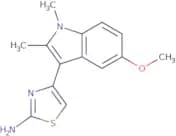
CAS:<p>(-)-Scopolamine N-butyl bromide is an anti-cholinergic drug that is used for the diagnosis and treatment of bowel diseases. It has been shown to be effective in two different animal models of bowel disease, one of which was induced by dextran sulfate sodium. (-)-Scopolamine N-butyl bromide has been shown to decrease motility and increase tone in the colon, as well as reduce the severity of diarrhea in animals with experimental colitis. It also has a sedative effect on the gastrointestinal tract that may be due to its ability to bind to acetylcholine receptors.</p>Formula:C21H30NO4BrPurity:Min. 98 Area-%Color and Shape:White PowderMolecular weight:440.37 g/mol4-(5-Methoxy-1,2-dimethyl-1H-indol-3-yl)-1,3-thiazol-2-amine
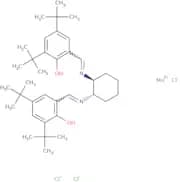
CAS:<p>Please enquire for more information about 4-(5-Methoxy-1,2-dimethyl-1H-indol-3-yl)-1,3-thiazol-2-amine including the price, delivery time and more detailed product information at the technical inquiry form on this page</p>Formula:C14H15N3OSPurity:Min. 95%Color and Shape:PowderMolecular weight:273.35 g/mol(S,S)-(+)-N,N'-Bis(3,5-di-tert-butylsalicylidene)-1,2-cyclohexanediaminomanganese(III) chloride
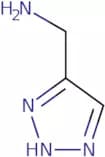
CAS:<p>The preparation of racemic N,N'-Bis(3,5-di-tert-butylsalicylidene)-1,2-cyclohexanediaminomanganese(III) chloride (S,S)-(+)-N,N'-Bis(3,5-di-tert-butylsalicylidene)-1,2-cyclohexanediaminomanganese(III) chloride is carried out by the reaction of salicyaldehyde with manganese dioxide in acetonitrile. The mixture is heated to reflux for 3 hours. The product is purified by recrystallization from hot acetonitrile and then purified again by preparative thin layer chromatography using a chiral stationary phase. The product is obtained as a white powder in an overall yield of 52%.<br>The synthesis of (R)-(-)-N-(3,5-Di-tert-butylsalicyl</p>Formula:C36H52ClMnN2O2Color and Shape:PowderMolecular weight:635.2 g/mol(1H-1,2,3-Triazol-4-yl)methanamine hydrochloride
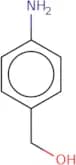
CAS:<p>(1H-1,2,3-Triazol-4-yl)methanamine hydrochloride is a fine chemical that is used as a building block in the synthesis of other chemicals. It is soluble in water and has a solubility of 9.6g/100ml. This compound can be used to synthesize many different types of chemicals with high quality and purity. It also has a versatile scaffold with many different reactive functionalities for use in synthesis. (1H-1,2,3-Triazol-4-yl)methanamine hydrochloride has been shown to react with alcohols to produce esters and many other reactions including alkylation, nitration, and acylation.</p>Formula:C3H6N4·HClPurity:Min. 95%Color and Shape:PowderMolecular weight:134.57 g/mol4-Aminobenzyl alcohol
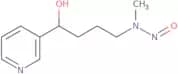
CAS:<p>4-Aminobenzyl alcohol is an ethylene diamine derivative that is insoluble in water. It has been shown to react with sodium carbonate in aqueous solution to form a polymer. The polymer has potential as a biomarker for the early detection of cancer and other diseases. 4-Aminobenzyl alcohol has low potency and is activated by caproic acid, which is used as an inhibitor of the enzyme epidermal growth factor (EGF). This compound also reacts with azobenzene to form a primary cell line.</p>Formula:C7H9NOPurity:Min. 98 Area-%Color and Shape:White PowderMolecular weight:123.15 g/mol4-(Methylnitrosamino)-1-(3-pyridyl)-1-butanol
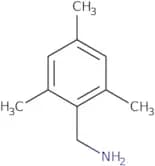
CAS:<p>4-(Methylnitrosamino)-1-(3-pyridyl)-1-butanol (NNAL) is a metabolite of nicotine that has been shown to be carcinogenic in vivo. It binds to DNA, forming adducts with guanine, and can cause mutations and chromosomal aberrations. 4-(Methylnitrosamino)-1-(3-pyridyl)-1-butanol is excreted in urine as a glucuronide conjugate. Its potential use as a biomarker for tobacco smoking has been demonstrated by the observation of increased levels following exposure to cigarette smoke. The urinary concentration of 4-(methylnitrosamino)-1-(3-pyridyl)-1-butanol has been correlated with the risk for lung cancer in humans, and it may be useful as an analytical method for determining tobacco consumption.</p>Formula:C10H15N3O2Purity:Min. 95%Color and Shape:PowderMolecular weight:209.25 g/mol2,4,6-Trimethylbenzylamine
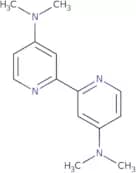
CAS:<p>2,4,6-Trimethylbenzylamine is a benzyl amine that has been shown to increase bone mass and reduce insulin resistance. It is also used as a specific treatment for cardiovascular disorders, cardiovascular diseases, and cancer. Benzyl amines are ligands that activate the enzyme hydroxylase by binding to it and increasing the activity of this enzyme. This leads to an increase in the production of diacylglycerol (DAG) and monoacylglycerol (MAG), which are important signaling molecules involved in cellular growth. 2,4,6-Trimethylbenzylamine has been shown to have anti-inflammatory properties by inhibiting serotonin release from platelets.br><br>br><br>2,4,6-Trimethylbenzylamine is metabolized by cytochrome p450 enzymes such as CYP1A2 into 2-methyltetrahydrofuran-3(2</p>Formula:C10H15NColor and Shape:Clear LiquidMolecular weight:149.23 g/mol4,4' -Bis(N,N-dimethylamino)-2,2' -bipyridine
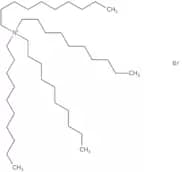
CAS:<p>4,4' -Bis(N,N-dimethylamino)-2,2' -bipyridine (DMAB) is a ligand that is used in electrochemical studies. It has been shown to have ancillary properties, which means that it does not interact directly with the substrate but modifies its environment. DMAB can form a complex with the proton at the electrode surface and x-ray crystal structures have been obtained for this interaction. These structures demonstrate that DMAB binds to the tetrazole ring of pyridine and stabilizes the molecule by increasing its redox potentials.</p>Formula:C14H18N4Purity:Min. 95%Color and Shape:PowderMolecular weight:242.32 g/molTetradecylammonium bromide
CAS:<p>Tetradecylammonium bromide is a crystalline compound that has been shown to have many applications. It can be used as a denitrification agent, for example, in the removal of nitrates from water or air. Tetradecylammonium bromide also has synergistic effects when combined with other molecules such as fatty acids and human urine. Its crystalline structure consists of two subunits that are linked by hydrogen bonding. The α-subunit is made up of four tetradecylammonium cations and one chloride anion, while the β-subunit is made up of six chloride anions and one tetradecylammonium cation.</p>Formula:C40H84BrNColor and Shape:White Off-White PowderMolecular weight:659.01 g/mol(+)-Biotin-(PEO)3-amine
CAS:<p>(+)-Biotin-(PEO)3-amine is a PEG compound with two different functional groups (also known as heterobifunctional). Unlike homobifunctional PEG compounds (same functional group on both ends), this type of compounds are more versatile as have two different anchor points. (+)-Biotin-(PEO)3-amine is used as a linker and spacer to add a PEG moiety, via pegylation (a bioconjugation technique) to proteins, peptides, oligonucleotides, small molecules and nanoparticles.</p>Formula:C16H30N4SO4Purity:Min. 95 Area-%Color and Shape:White Off-White PowderMolecular weight:374.5 g/molFmoc-4-amino-D-Phe(Boc)-4-amino-D-Phe(Boc)-OH
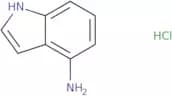
<p>Fmoc-4-amino-D-Phe(Boc)-4-amino-D-Phe(Boc)-OH is a high quality, versatile building block. It is a speciality chemical with CAS No. 614837-53-8 and can be used in research and development of new drugs. The compound has a wide range of applications in the pharmaceutical industry as it is an intermediate or reagent for peptide synthesis and also as a reaction component in the synthesis of complex compounds. Fmoc-4-amino-D-Phe(Boc)-4-amino-D-Phe(Boc)-OH is also used as a useful scaffold for the construction of novel biologically active molecules.</p>Formula:C43H48N4O9Purity:Min. 95%Color and Shape:White To Off-White SolidMolecular weight:764.86 g/mol4-Aminoindole hydrochloride
CAS:<p>4-Aminoindole hydrochloride is a white crystalline solid that can be used as a versatile building block in organic synthesis. It is also used as an intermediate in the production of various pharmaceuticals and other chemical compounds. 4-Aminoindole hydrochloride is soluble in most polar solvents, but insoluble in ethers and oils. This compound is also a useful reagent for the conversion of nitrobenzenes to aminobenzoic acids. CAS Number 174854-93-4</p>Formula:C8H9ClN2Purity:Min. 95%Color and Shape:PowderMolecular weight:168.62 g/mol2-Amino-4-bromobenzoic acid
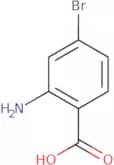
CAS:<p>2-Amino-4-bromobenzoic acid is a molecule that has an acidic carboxylic group and two aromatic amino groups. It has a hydroxyl group and a fluorescence that can be activated or deactivated by ultraviolet light. 2-Amino-4-bromobenzoic acid is used in the synthesis of certain organic compounds. This molecule can be synthesized from other molecules, such as phenol, aminobenzene, and nitrobenzene. The reaction time for this chemical species is dependent on the catalytic agent used during the reaction process. A variety of chemical species are produced when 2-Amino-4-bromobenzoic acid is synthesized, including hydrogen bromide, ammonia, nitrogen gas, and water vapor. The population of 2-Amino-4-bromobenzoic acid is unknown because it is not abundant in nature.</p>Formula:C7H6BrNO2Purity:Min. 95%Color and Shape:Yellow PowderMolecular weight:216.03 g/mol2,3,5,6-Tetramethyl-1,4-phenylenediamine
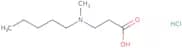
CAS:<p>2,3,5,6-Tetramethyl-1,4-phenylenediamine is a chemical compound that has been used in clinical pathology and plant physiology. The potential of this molecule as a photosynthetic agent has been studied extensively. It has also been shown to have biochemical properties that are similar to those of chlorophylls. 2,3,5,6-Tetramethyl-1,4-phenylenediamine is able to transfer electrons between molecules in the electron transport chain. It can be found in both prokaryotes and eukaryotes but not in plants or algae. 2,3,5,6-Tetramethyl-1,4-phenylenediamine may be toxic when ingested orally or inhaled and is capable of producing irreversible inhibition when it reacts with oxygen.</p>Formula:C10H16N2Purity:98 To 102%Color and Shape:White To Tan SolidMolecular weight:164.25 g/mol3-(N-Methyl-N-pentylamino)propionic acid hydrochloride
CAS:<p>Trichloroethylene is a chlorinated hydrocarbon that is primarily used as a solvent. The propionic acid is the monosodium salt of 3-(N-Methyl-N-pentylamino)propionic acid hydrochloride, which is an organic compound. The monohydrate and trichloride are two polymorphic forms of this substance. Acetone and unreacted Trichloroethylene are substances that may be formed during the chemical process. The alkaline form of Trichloroethylene may be obtained by refluxing the substance with sodium hydroxide in water or with potassium hydroxide in alcohol. This substance can also exist in a polymorphic form.</p>Formula:C9H20ClNO2Purity:Min. 95%Color and Shape:PowderMolecular weight:209.71 g/mol5-Aminoquinoline
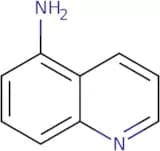
CAS:<p>5-Aminoquinoline (5-AQ) is a chemical compound that was originally synthesized in the 1930s. 5-AQ is a trifluoroacetic acid derivative of quinoline, which has been used as a photographic developer and an agent for the removal of silver from photographic film. This molecule also has a fluorescence property, which can be seen when irradiated by light with a wavelength greater than 350 nm. A hydrogen bond exists between the hydroxyl group and the nitrogen atom of the amine group in 5-AQ. The reaction mechanism for 5-AQ is believed to involve the diazonium salt intermediate, which reacts with silver ions to form silver diazonide and free ammonia.<br>5-AQ is insoluble in water but soluble in organic solvents such as acetone or alcohol. It reacts with trifluoroacetic acid to form a precipitate, which may be removed by filt</p>Formula:C9H8N2Purity:Min. 95%Color and Shape:PowderMolecular weight:144.17 g/mol[(1-Methyl-1H-indol-5-yl)methyl]amine acetate
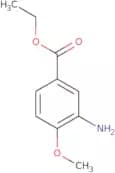
CAS:<p>[(1-Methyl-1H-indol-5-yl)methyl]amine acetate is a versatile building block that can be used in the preparation of a wide range of chemicals. This compound has been shown to react with a variety of reagents, such as phenyliodine diacetate and chloroacetic acid to give various products. [(1-Methyl-1H-indol-5-yl)methyl]amine acetate also reacts with potassium hydroxide (KOH) to produce indole. It is an important intermediate in the synthesis of other chemical compounds and has been reported in more than 200 scientific publications. The chemical formula for [(1-Methyl-1H-indol-5-yl)methyl]amine acetate is C13H14N2O4.</p>Formula:C10H12N2·C2H4O2Purity:Min. 95%Color and Shape:White PowderMolecular weight:220.27 g/mol3-Amino-4-methoxybenzoic acid ethyl ester
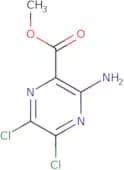
CAS:<p>3-Amino-4-methoxybenzoic acid ethyl ester is a chemical building block that can be used in the synthesis of various organic compounds. It is an important reaction component, and can also be used as a reagent or useful scaffold. 3-Amino-4-methoxybenzoic acid ethyl ester is soluble in organic solvents and has a high quality. This chemical has been shown to be useful for research purposes.</p>Formula:C10H13NO3Purity:Min. 95%Color and Shape:PowderMolecular weight:195.22 g/molMethyl 3-amino-5,6-dichloro-2-pyrazine carboxylate
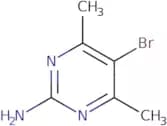
CAS:<p>Methyl 3-amino-5,6-dichloro-2-pyrazine carboxylate is a synthetic molecule that has been synthesized from dimethylamiloride. This chemical has been labeled and used for a variety of homologous and synthetic modifications. It may be used in labeling experiments to identify an unknown compound or to determine the structure of a known compound. The methyl 3-amino-5,6-dichloro-2-pyrazine carboxylate can also be used as a ligand to bind with subunits of proteins or nucleic acids. Photolabile methyl 3-amino-5,6-dichloro-2-pyrazine carboxylate can be synthesized by using light energy to cleave the ester bonds in the chemical. This chemical is useful for assays and techniques such as spectroscopy and nuclear magnetic resonance (NMR).</p>Formula:C6H5Cl2N3O2Purity:Min. 96.5 Area-%Color and Shape:PowderMolecular weight:222.03 g/mol5-Bromo-4,6-dimethylpyrimidin-2-amine
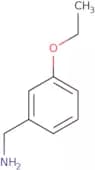
CAS:<p>Please enquire for more information about 5-Bromo-4,6-dimethylpyrimidin-2-amine including the price, delivery time and more detailed product information at the technical inquiry form on this page</p>Formula:C6H8BrN3Purity:Min. 95%Color and Shape:PowderMolecular weight:202.05 g/mol3-Ethoxybenzylamine hydrochloride
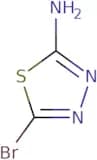
CAS:<p>3-Ethoxybenzylamine hydrochloride is a chemical compound that belongs to the group of industrial chemicals. It is used as an intermediate for the production of vanillin and as a catalyst for hydrogenation reactions. 3-Ethoxybenzylamine hydrochloride can be used in large-scale, industrial reactions. The target product is a reaction solvent that can be used in reduction reactions and aminations. The catalytic activity of 3-ethoxybenzylamine hydrochloride has been shown to increase with increasing pH, temperature, and concentration. The use of this product as a catalyst in the hydrogenation process results in high yield products with low levels of byproducts.</p>Formula:C9H13NO·HClPurity:Min. 95%Color and Shape:White PowderMolecular weight:187.67 g/mol5-Bromo-1,3,4-thiadiazol-2-amine
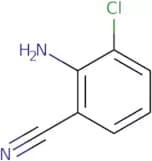
CAS:<p>5-Bromo-1,3,4-thiadiazol-2-amine is a synthetic antiplatelet agent that belongs to the thiosemicarbazide class. It has been shown to have broad-spectrum antimicrobial activity against Gram-positive and Gram-negative bacteria. 5-Bromo-1,3,4-thiadiazol-2-amine is an orally bioavailable drug that can be used in the treatment of bacterial infections caused by Gram negative bacteria. The molecular modeling study suggests that this compound binds to the enzyme active site of DNA gyrase and inhibits its activity. 5Bromo-1,3,4-thiadiazol-2 amine is deuterated and can be used for molecular modeling studies because it is soluble in organic solvents.</p>Formula:C2H2BrN3SPurity:Min. 95%Color and Shape:PowderMolecular weight:180.03 g/mol2-Amino-3-chlorobenzonitrile
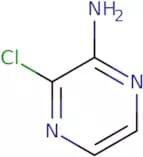
CAS:<p>2-Amino-3-chlorobenzonitrile is a linker in the synthesis of serotonin, an endogenous neurotransmitter that is involved in many physiological and psychological processes. The x-ray crystallographic studies of this molecule revealed that it has a similar structure to the analogs used for anticancer activity and bioassays. This molecule has shown anticancer activity against tumor cell lines with high levels of serotonin production, such as colon cancer cells. It also shows anti-cancer effects by binding to cryptochrome and stabilizing its structure. 2-Amino-3-chlorobenzonitrile interacts with hydrogen bonding interactions.</p>Formula:C7H5ClN2Purity:Min. 95%Color and Shape:PowderMolecular weight:152.58 g/mol2-Amino-3-chloropyrazine
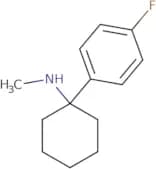
CAS:<p>2-Amino-3-chloropyrazine is an active analogue of pyrazinamide, which is a potent antimycobacterial drug. It has been shown to have bacteriostatic activity against Mycobacterium tuberculosis in vitro and in vivo. 2-Amino-3-chloropyrazine has been shown to inhibit mitochondrial membrane potential, which may be due to its ability to inhibit hepg2 cell growth by decreasing intracellular ATP levels. It also inhibits the synthesis of bacterial DNA and protein, thereby inhibiting bacterial growth. 2-Amino-3-chloropyrazine has also been shown to have antitumor properties against mouse tumor cells. The pharmacokinetic properties of this drug are not well understood yet, but it has been shown that it can be detected in serum after administration</p>Purity:Min. 95%Color and Shape:PowderMolecular weight:129.55 g/mol1-(4-Fluorophenyl)-N-Methylcyclohexylamine
CAS:Controlled Product<p>1-(4-Fluorophenyl)-N-Methylcyclohexylamine is a planar molecule with an electron density distribution that is more concentrated in the region of the benzene ring. The 4-fluorostyrene substituent has a vinyl group. The electron density distribution is more concentrated in the region of the benzene ring, and is less concentrated in the region of the methyl group, which is substituted by a fluorine atom. This molecule can be used as an intermediate to synthesize other molecules with conformational, planar, or hybridized properties.</p>Formula:C13H18FNPurity:Min. 95%Molecular weight:207.29 g/mol4-Amino-3-fluorobenzoic acid
CAS:<p>4-Amino-3-fluorobenzoic acid (4AFB) is an inhibitor of the enzyme nitric oxide synthase. It has been shown to inhibit chronic inflammation by reducing blood pressure and inhibiting the production of reactive oxygen species that can cause damage to cells in the body. 4AFB is a competitive inhibitor of nitric oxide synthase, which prevents the production of nitric oxide from L-arginine. Nitric oxide is an important signaling molecule in the nervous system, and its inhibition may lead to hyperpolarization of the membrane, which can have therapeutic benefits for certain conditions.</p>Formula:C7H6FNO2Purity:Min. 95%Color and Shape:PowderMolecular weight:155.13 g/mol1-Heptylamine
CAS:<p>1-Heptylamine is a chiral dinucleotide phosphate. It has been shown to have a high affinity for the nicotinic acetylcholine receptors in the human body, where it acts as an agonist. This compound also has a variety of other reactions that are not yet fully understood. 1-Heptylamine is found naturally in the human body and can be detected in wastewater treatment plants.<br>1-Heptylamine has been used in analytical methods such as titration calorimetry and laser ablation to measure nitrogen atoms or chiral compounds respectively. The compound is also used as an amide or alkanoic acid, although its role in these reactions is unknown.</p>Formula:C7H17NPurity:Min. 95%Color and Shape:Clear LiquidMolecular weight:115.22 g/mol(2S)-({[(4-Methyl-2-oxo-2H-chromen-7-yl)oxy]acetyl}amino)(phenyl)acetic acid
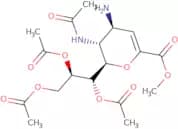
CAS:<p>(2S)-({[(4-Methyl-2-oxo-2H-chromen-7-yl)oxy]acetyl}amino)(phenyl)acetic acid is a kind of fine chemical that belongs to the class of reagents and speciality chemicals. It is a versatile building block which can be used in research, as well as in the production of pharmaceuticals and other fine chemicals. This compound can be used in reactions as a building block or intermediate, as well as a scaffold for complex compounds.</p>Formula:C20H17NO6Purity:Min. 95 Area-%Color and Shape:PowderMolecular weight:367.35 g/molZanamivir amine triacetate methyl ester
CAS:<p>Anti-viral; neuraminidase inhibitor; effective agains influenza A and B viruses</p>Formula:C18H26N2O10Purity:Min. 95%Color and Shape:Yellow PowderMolecular weight:430.41 g/molN,N-Dicyclohexylammonium nitrite
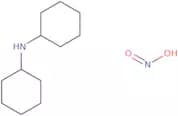
CAS:Controlled Product<p>Dicyclohexylammonium nitrite is a chemical compound that contains nitrite and an organic ammonium group. This compound has been shown to inhibit the growth of carcinoma cells in vitro. It has also been shown to inhibit the production of reactive oxygen species (ROS) by these cells, which may be due to its ability to scavenge hydroxyl radicals. Dicyclohexylammonium nitrite has been shown to have a low corrosion potential, which makes it suitable for use in environments where corrosion is a concern. This compound is stable in acidic, neutral or basic conditions, making it suitable for a wide range of applications.</p>Formula:C12H23N·HNO2Purity:Min. 95%Color and Shape:PowderMolecular weight:228.33 g/mol(5-Chloro-2-methoxyphenyl)(4-(3-nitrophenyl)(2,5-thiazolyl))amine
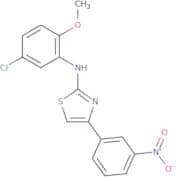
CAS:<p>Please enquire for more information about (5-Chloro-2-methoxyphenyl)(4-(3-nitrophenyl)(2,5-thiazolyl))amine including the price, delivery time and more detailed product information at the technical inquiry form on this page</p>Purity:Min. 95%
![Methyl 3-amino-6-methylthieno[2,3-b]pyridine-2-carboxylate](/_next/image/?url=https%3A%2Fstatic.cymitquimica.com%2Fproducts%2F3D%2Fthumb-webp%2FFM142163.webp&w=3840&q=75)

![[2-(1,3-Benzodioxol-5-yloxy)ethyl]amine hydrochloride](/_next/image/?url=https%3A%2Fstatic.cymitquimica.com%2Fproducts%2F3D%2Fthumb-webp%2FFB120300.webp&w=3840&q=75)

![[5-(4-Amino-2-bromophenyl)-2-furyl]methanol](/_next/image/?url=https%3A%2Fstatic.cymitquimica.com%2Fproducts%2F3D%2Fthumb-webp%2FFA134218.webp&w=3840&q=75)

![N-Propyl-4,5,6,7-tetrahydrobenzo[D]thiazol-6-amine](/_next/image/?url=https%3A%2Fstatic.cymitquimica.com%2Fproducts%2F3D%2Fthumb-webp%2FFP65140.webp&w=3840&q=75)
![2-Amino-N-[2-(5-methoxy-1H-indol-3-yl)ethyl]acetamide hydrochloride](/_next/image/?url=https%3A%2Fstatic.cymitquimica.com%2Fproducts%2F3D%2Fthumb-webp%2FFA116384.webp&w=3840&q=75)
![2-[(Ethylamino)methyl]-4-nitrophenol](/_next/image/?url=https%3A%2Fstatic.cymitquimica.com%2Fproducts%2F3D%2Fthumb-webp%2FFE23132.webp&w=3840&q=75)


![N-[(1-Methyl-1H-indol-3-yl)methyl]cyclohexanamine](/_next/image/?url=https%3A%2Fstatic.cymitquimica.com%2Fproducts%2F3D%2Fthumb-webp%2FFM128410.webp&w=3840&q=75)
![20-Deoxo-23-deoxy-5-O-[3,6-dideoxy-3-(dimethylamino)-β-D-glucopyranosyl]-20,23-di-1-piperidinyltyl…](/_next/image/?url=https%3A%2Fstatic.cymitquimica.com%2Fproducts%2F3D%2Fthumb-webp%2FFT137728.webp&w=3840&q=75)

![Fmoc-(S)-4-amino-2-carboxymethyl-1,3,4,5-tetrahydro-2H-[2]benzazepin-3-one](/_next/image/?url=https%3A%2Fstatic.cymitquimica.com%2Fproducts%2F3D%2Fthumb-webp%2FFF50028.webp&w=3840&q=75)
![(2-Imidazo[2,1-b][1,3]thiazol-6-ylethyl)amine dihydrochloride](/_next/image/?url=https%3A%2Fstatic.cymitquimica.com%2Fproducts%2F3D%2Fthumb-webp%2FFI126807.webp&w=3840&q=75)
![1,4-Dioxaspiro[4.5]decan-8-ylmethanamine](/_next/image/?url=https%3A%2Fstatic.cymitquimica.com%2Fproducts%2F3D%2Fthumb-webp%2FFD153838.webp&w=3840&q=75)
![N-[5-(Phenylamino)-2,4-pentadienylidene]aniline monohydrochloride](/_next/image/?url=https%3A%2Fstatic.cymitquimica.com%2Fproducts%2F3D%2Fthumb-webp%2FFP29019.webp&w=3840&q=75)



![[(1-Methyl-1H-indol-5-yl)methyl]amine acetate](/_next/image/?url=https%3A%2Fstatic.cymitquimica.com%2Fproducts%2F3D%2Fthumb-webp%2FFM124972.webp&w=3840&q=75)


![(2S)-({[(4-Methyl-2-oxo-2H-chromen-7-yl)oxy]acetyl}amino)(phenyl)acetic acid](/_next/image/?url=https%3A%2Fstatic.cymitquimica.com%2Fproducts%2F3D%2Fthumb-webp%2FFM124529.webp&w=3840&q=75)