Amines
Amines are a set of molecules containing an amino functional group (derived from ammonia). This category includes amines at any level of substitution : primary, secondary, tertiary, and ammonium salts. Amines are fundamental in organic synthesis and are widely used in pharmaceuticals, agrochemicals, and materials science. At CymitQuimica, we provide a comprehensive selection of amines to meet your research and industrial needs. Our range ensures access to various amines for diverse chemical processes and innovative research.
Subcategories of "Amines"
- Nitrosamines(2,606 products)
- Primary Amines(30,821 products)
- Quaternary Ammonium Cations and Salts(1,100 products)
- Secondary Amines(20,817 products)
- Tertiary Amines(17,117 products)
Found 8779 products of "Amines"
Sort by
Purity (%)
0
100
|
0
|
50
|
90
|
95
|
100
DL-2,3-Diaminopropionic acid monohydrochloride
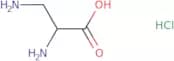
CAS:<p>DL-2,3-Diaminopropionic acid monohydrochloride is used in the preparation of drug samples for clinical chemistry analysis. This chemical has a number of uses, including as a modifier to increase the solubility and stability of drugs in solution and as a reagent to prepare analytical standards. DL-2,3-Diaminopropionic acid monohydrochloride also has been used as an inhibitor in titration methods for the determination of pH. DL-2,3-Diaminopropionic acid monohydrochloride is an inorganic chemical that can be derived from biochemical reactions by hydrolysis or derivatization. It has been shown to have selectivities for elimination reactions involving intramolecular hydrogen transfer.</p>Formula:C3H8N2O2•HClPurity:Min. 95%Color and Shape:White Off-White PowderMolecular weight:140.57 g/mol4-Carbethoxyaminothiazole
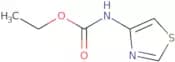
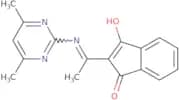
CAS:<p>4-Carbethoxyaminothiazole is a versatile building block for the synthesis of many fine chemicals and complex compounds. It is a reagent that can be used in research, as a speciality chemical, or as an intermediate to produce other useful compounds. 4-Carbethoxyaminothiazole is also a useful scaffold for the synthesis of organic molecules with interesting biological properties.</p>Formula:C6H8N2O2SPurity:Min. 95%Color and Shape:White solid.Molecular weight:172.21 g/mol2-(((4,6-dimethylpyrimidin-2-yl)amino)ethylidene)indane-1,3-dione
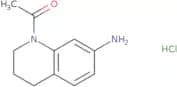
CAS:<p>Please enquire for more information about 2-(((4,6-dimethylpyrimidin-2-yl)amino)ethylidene)indane-1,3-dione including the price, delivery time and more detailed product information at the technical inquiry form on this page</p>Purity:Min. 95%1-Acetyl-1,2,3,4-tetrahydroquinolin-7-amine hydrochloride
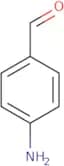
CAS:<p>1-Acetyl-1,2,3,4-tetrahydroquinolin-7-amine hydrochloride is a versatile building block that can be used in the synthesis of complex compounds with high quality and as a speciality chemical. This compound is useful as a reagent and reaction component in organic synthesis. It has been shown to be useful in the synthesis of new scaffolds for drug discovery.</p>Formula:C11H14N2O·HClPurity:Min. 95%Color and Shape:Off-White PowderMolecular weight:226.7 g/mol4-Aminobenzaldehyde polymer
CAS:<p>4-Aminobenzaldehyde polymer is a crystalline solid that is soluble in organic solvents. It can be used as a reaction vessel for acylation reactions, such as the conversion of an acid chloride to the corresponding amide. 4-Aminobenzaldehyde polymer has been shown to react with diazonium salts to form the corresponding diazo compounds in high yields. The electron activity of the molecule was tested by measuring its oxidation potentials and reducing power. 4-Aminobenzaldehyde polymer is functionalized with both nucleophilic and electrophilic groups. This compound also has electrochemical properties, including optical properties and nmr spectra. The control experiments for this substance are sodium nitrate, which does not react with diazonium salts or react with 4-aminobenzaldehyde polymer at all.</p>Formula:(C7H7NO)xPurity:Min. 95%Color and Shape:PowderTyramine
CAS:<p>Tyramine targets peroxidase to form a brown color</p>Formula:C8H11NOColor and Shape:Off-White Slightly Brown PowderMolecular weight:137.18 g/mol1-((2,5-dichlorophenyl)sulfonyl)-5-methylthio-1,2,4-triazole-3-ylamine
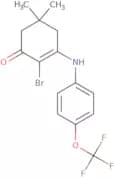
CAS:<p>Please enquire for more information about 1-((2,5-dichlorophenyl)sulfonyl)-5-methylthio-1,2,4-triazole-3-ylamine including the price, delivery time and more detailed product information at the technical inquiry form on this page</p>Purity:Min. 95%2-bromo-5,5-dimethyl-3-((4-(trifluoromethoxy)phenyl)amino)cyclohex-2-en-1-one
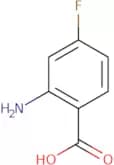
CAS:<p>Please enquire for more information about 2-bromo-5,5-dimethyl-3-((4-(trifluoromethoxy)phenyl)amino)cyclohex-2-en-1-one including the price, delivery time and more detailed product information at the technical inquiry form on this page</p>Purity:Min. 95%2-Amino-4-fluorobenzoic acid
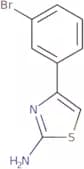
CAS:<p>2-Amino-4-fluorobenzoic acid is a nitrogenous heterocyclic compound. It is an analog of the epidermal growth factor (EGF), which can bind to the EGF receptor and stimulate cell growth and differentiation. 2-Amino-4-fluorobenzoic acid has been shown to have anticancer activity in vitro, as well as in vivo. The synthetic process for this compound involves nitrous acid, hydrochloric acid, and frequency reactions. This product is used industrially for the preparation of other compounds.</p>Formula:C7H6FNO2Purity:Min. 95%Color and Shape:PowderMolecular weight:155.13 g/mol4-(3-Bromophenyl)-1,3-thiazol-2-amine
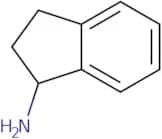
CAS:<p>4-(3-Bromophenyl)-1,3-thiazol-2-amine is an inhibitor of enzymes such as cholinesterase and covalent binding. It has been shown to inhibit the activity of cholinesterase in vitro. This drug is not active against erythromycin or lincomycin. 4-(3-Bromophenyl)-1,3-thiazol-2-amine also has a phenylthiazole linkage that can be conjugated with other molecules for use as a therapeutic agent.</p>Formula:C9H7BrN2SPurity:Min. 95%Color and Shape:PowderMolecular weight:255.14 g/mol1-Aminoindane
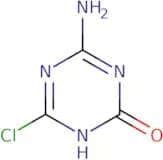
CAS:Controlled Product<p>1-Aminoindane is an analog of dopamine that has been shown to have neuroprotective properties. It inhibits the aggregation of amyloid protein and can help prevent neuronal death by binding to hydroxyl groups on the neuronal surface. 1-Aminoindane has also been shown to bind to hydrogen bonding interactions on the outside of neurons and inhibit the entry of calcium ions into cells. <br>1-Aminoindane is a racemic mixture, meaning that it has two enantiomers, which can be differentiated using molecular docking analysis. One enantiomer, known as (R)-1-aminoindane, appears to be more active than its counterpart (S)-1-aminoindane in inhibiting amyloid protein aggregation and preventing neuronal death. This suggests that 1-aminoindane may be a promising therapeutic agent for Alzheimer's disease treatment.</p>Formula:C9H11NPurity:Min. 95%Color and Shape:Clear LiquidMolecular weight:133.19 g/mol2-Amino-4-hydroxy-6-chloro-s-triazine
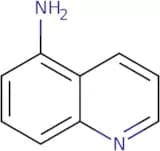
CAS:<p>2-Amino-4-hydroxy-6-chloro-s-triazine is a type strain of a chemical compound with clinical pharmacology. It is an active substance that can be used to treat cancer. 2-Amino-4-hydroxy-6-chloro-s-triazine has been shown to inhibit the growth of prostate cancer cells and phosphatase in hematopoietic cells. This drug also inhibits kinase receptor, which leads to the inhibition of protein synthesis and cell division. The reaction mechanism for 2-amino 4 hydroxy 6 chloros triazine is nucleophilic substitution.</p>Formula:C3H3ClN4OPurity:Min. 95%Color and Shape:White PowderMolecular weight:146.53 g/mol5-Aminoquinoline
CAS:<p>5-Aminoquinoline (5-AQ) is a chemical compound that was originally synthesized in the 1930s. 5-AQ is a trifluoroacetic acid derivative of quinoline, which has been used as a photographic developer and an agent for the removal of silver from photographic film. This molecule also has a fluorescence property, which can be seen when irradiated by light with a wavelength greater than 350 nm. A hydrogen bond exists between the hydroxyl group and the nitrogen atom of the amine group in 5-AQ. The reaction mechanism for 5-AQ is believed to involve the diazonium salt intermediate, which reacts with silver ions to form silver diazonide and free ammonia.<br>5-AQ is insoluble in water but soluble in organic solvents such as acetone or alcohol. It reacts with trifluoroacetic acid to form a precipitate, which may be removed by filt</p>Formula:C9H8N2Purity:Min. 95%Color and Shape:PowderMolecular weight:144.17 g/molN-(1R,8S,9s)-Bicyclo[6.1.0]non-4-yn-9-ylmethyloxycarbonyl-1,8-diamino-3,6-dioxaoctane
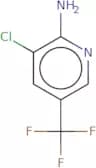
CAS:<p>N-(1R,8S,9s)-Bicyclo[6.1.0]non-4-yn-9-ylmethyloxycarbonyl-1,8-diamino-3,6-dioxaoctane is a polymerase that has been developed for use in vaccines and as an agrochemical for the control of plant diseases. This enzyme has been shown to have high activity against cancer cells, including lung cancer cells and breast cancer cells. It is also autofluorescent and can be used as a cell marker in flow cytometry experiments. N-(1R,8S,9s)-Bicyclo[6.1.0]non-4-yn-9-ylmethyloxycarbonyl-1,8-diamino-3,6-dioxaoctane also has antiinflammatory effects on macrophages by inhibiting the production of proinflammatory cytokines such as IL 12p</p>Formula:C17H28N2O4Purity:Min. 95%Color and Shape:Colorless Clear LiquidMolecular weight:324.42 g/mol2-Amino-3-chloro-5-(trifluoromethyl)pyridine
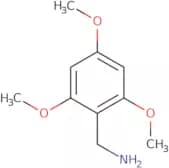
CAS:<p>2-Amino-3-chloro-5-(trifluoromethyl)pyridine is a versatile building block that can be used in the synthesis of complex compounds. It is a useful intermediate for synthetic organic chemistry, and can be used as a reagent or speciality chemical. This compound has shown to have high quality and is useful as a scaffold in the synthesis of research chemicals.</p>Formula:C6H4ClF3N2Purity:Min. 95%Color and Shape:PowderMolecular weight:196.56 g/mol2,4,6-Trimethoxybenzylamine
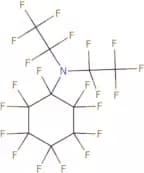
CAS:<p>A new efficient method for the synthesis of 2,4,6-trimethoxybenzylamine (TMB) has been developed. This reaction is catalyzed by a novel metal-free reagent, which is a mixture of 1,3-dibromo-1,1-dichloroethene and 2-chloropropane. In vitro assays were carried out to confirm the cytotoxicity of TMB on mcf-7 cells. The results showed that TMB induces apoptosis in these cells and inhibits the activity of transporters responsible for nutrient uptake. This compound also showed anticancer activity against cancer cell lines in vitro and in vivo studies.</p>Formula:C10H15NO3Purity:Min. 95 Area-%Color and Shape:PowderMolecular weight:197.23 g/mol1,2,2,3,3,4,4,5,5,6,6-Undecafluoro-N,N-Bis(1,1,2,2,2-Pentafluoroethyl)Cyclohexan-1-Amine
CAS:Controlled Product<p>1,2,2,3,3,4,4,5,5,6,6-Undecafluoro-N,N-Bis(1,1,2,2,2-Pentafluoroethyl)Cyclohexan-1-Amine is an efficient mitochondrial respiratory uncoupler that has been shown to increase the rate of oxidative phosphorylation in rat liver. It is also a membrane permeable compound that can be incorporated into micelles. This drug has been shown to have suboptimal effects on morphology and mitochondrial function in mice. 1,2 2 3 3 4 4 5 5 6 6 -Undecafluoro-N N Bis (1 1 2 2 2 2 Pentafluoroethyl) Cyclohexan 1 Amine has potential applications as a therapeutic agent for patients with respiratory disorders such as cystic fibrosis or chronic obstructive pulmonary disease.</p>Formula:C10F21NPurity:Min. 95%Molecular weight:533.08 g/molCCT 241533
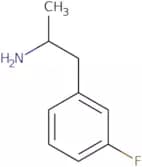
CAS:<p>CCT 241533 is a Chinese herb that has been shown to have anti-cancer properties. It has been demonstrated to inhibit the growth of HL-60 cells and induce apoptosis in these cells. CCT 241533 also inhibits the proliferation of epidermal growth factor (EGF) and induces cell death in response to radiation. This drug also binds to toll-like receptors, which are proteins on the surface of cells that detect pathogens and initiate an immune response. CCT 241533 has been shown to inhibit polymerase chain reactions by competitive inhibition or by binding to DNA, preventing transcription or replication. CCT 241533 may be useful for the treatment of infectious diseases, such as tuberculosis, because it can bind to bacterial 16S ribosomal RNA and inhibit protein synthesis, leading to cell death by inhibiting the production of proteins vital for cell division.<br>CCT 241533 has been shown in animal studies to be effective against cervical cancer due to its ability to bind</p>Formula:C23H27FN4O4Purity:Min. 95%Molecular weight:442.48 g/mol1-(3-Fluorophenyl)propan-2-amine
CAS:Controlled Product<p>3-Fluorophenylpropan-2-amine (3FPPA) is a synthetic, nonselective dopamine and serotonin reuptake inhibitor. 3FPPA has been shown to inhibit the growth of cancer cells in vitro, and enhances the release of growth factors from nerve endings in rat brain slices. 3FPPA can be used as a test compound for investigating the effects of psychostimulants on neural cell division.<br>3FPPA binds to fatty acids and can be used as a medication to treat obesity or cancer. 3FPPA is not selective for either dopamine or serotonin, but is an analog of both amines.</p>Formula:C9H12FNPurity:Min. 95%Molecular weight:153.2 g/molN-Ethylmethylamine
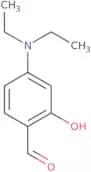
CAS:<p>N-Ethylmethylamine is a compound that is used in the preparation of fatty acid methyl esters, which are used as biomarkers for assessing lipid metabolism. It has also been shown to be an effective antimicrobial agent against bacteria, such as Pseudomonas aeruginosa and Escherichia coli. N-Ethylmethylamine interacts with membranes by binding to phospholipids and amines. The mechanism of this interaction is not fully understood, but it may be due to steric interactions or hydrogen bonding. N-Ethylmethylamine reacts with chlorine atoms in solution to form chloramines, which are more stable than free chlorine molecules. This reaction can be catalyzed by ph optimum or activated carbon. The reaction between hydrochloric acid and methyl ethyl amine produces methylamine gas, which is toxic in high concentrations.</p>Formula:C3H9NPurity:Min. 95%Color and Shape:Colorless PowderMolecular weight:59.11 g/mol4-(N,N-Diethylamino)salicylaldehyde
CAS:<p>4-(N,N-Diethylamino)salicylaldehyde is a coumarin derivative that has been shown to be a fluorescent probe for proton transfer. It emits light at around 400 nm when the probe is excited by light of wavelength greater than 300 nm. The emission spectrum changes from green to red as the pH increases. 4-(N,N-Diethylamino)salicylaldehyde also exhibits fluorescence enhancement in the presence of metal ions such as Fe3+, Cu2+, or Cr3+. This compound can be used as a fluorescent probe for hydrogen bonding interactions and metal hydroxides.</p>Formula:C11H15NO2Purity:Min. 95%Color and Shape:PowderMolecular weight:193.24 g/molAmylamine
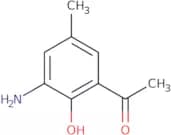
CAS:<p>Amylamine is a nitrite ion that is used in analytical chemistry to measure the concentration of nitrite ions. It is often used as a control analysis in vitro assays to compare the effects of different treatments on biological systems. Amylamine is also used to produce p-nitrophenyl phosphate, which can be detected by electrochemical impedance spectroscopy. This chemical has been shown to induce autoimmune diseases and inhibit the growth of resistant breast cancer cells.</p>Formula:C5H13NPurity:Min. 95%Color and Shape:Clear LiquidMolecular weight:87.16 g/mol3-Amino-2-hydroxy-5-methylacetophenone
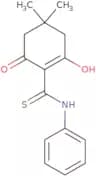
CAS:<p>3-Amino-2-hydroxy-5-methylacetophenone is a reagent for organic synthesis, which is used as a building block for the preparation of various chemical compounds. 3-Amino-2-hydroxy-5-methylacetophenone has been shown to be an intermediate in the synthesis of pharmaceuticals. Due to its versatility, this compound can be used as a reaction component, and is also used as a building block in the preparation of speciality chemicals. This product has high quality, and can be used as a useful scaffold or building block in research chemicals. The CAS number for 3-amino-2 hydroxy 5 methyl acetophenone is 70977 71 8.</p>Formula:C9H11NO2Purity:Min. 95%Molecular weight:165.19 g/mol5,5-dimethyl-2-((phenylamino)sulfanylmethylene)cyclohexane-1,3-dione
CAS:<p>Please enquire for more information about 5,5-dimethyl-2-((phenylamino)sulfanylmethylene)cyclohexane-1,3-dione including the price, delivery time and more detailed product information at the technical inquiry form on this page</p>Formula:C15H17NO2SPurity:Min. 95%Color and Shape:PowderMolecular weight:275.37 g/mol4-Amino-5-chloro-2,3-dihydro-N-[1-(3-methoxypropyl)-4-piperidinyl]-7-benzofurancarboxamide
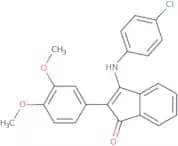
CAS:<p>The drug 4-Amino-5-chloro-2,3-dihydro-N-[1-(3-methoxypropyl)-4-piperidinyl]-7-benzofurancarboxamide (BZP) is a histamine H2 receptor antagonist. It binds to the histamine H2 receptor in the stomach and duodenum, thereby blocking stomach acid production. BZP has been shown to be effective for treating symptoms of constipation or diarrhoea caused by inflammatory bowel disease or abdominal surgery. BZP also reduces the risk of relapse after surgery but does not affect long term efficacy. This drug is not available in the United States and has significant interactions with other drugs and symptoms including constipation, bowel disease, long term efficacy, and analytical method.</p>Formula:C18H26ClN3O3Purity:Min. 95%Color and Shape:White PowderMolecular weight:367.87 g/mol2-(3,4-dimethoxyphenyl)-3-((4-chlorophenyl)amino)inden-1-one
CAS:<p>Please enquire for more information about 2-(3,4-dimethoxyphenyl)-3-((4-chlorophenyl)amino)inden-1-one including the price, delivery time and more detailed product information at the technical inquiry form on this page</p>Purity:Min. 95%(2-methoxyethyl)((2-nitrophenyl)sulfonyl)amine
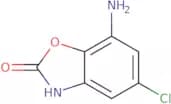
CAS:<p>Please enquire for more information about (2-methoxyethyl)((2-nitrophenyl)sulfonyl)amine including the price, delivery time and more detailed product information at the technical inquiry form on this page</p>Purity:Min. 95%7-Amino-5-chloro-2(3H)-benzoxazolone
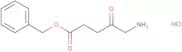
CAS:<p>7-Amino-5-chloro-2(3H)-benzoxazolone is a high quality, versatile building block that has been used in the synthesis of many complex compounds. It has been used as an intermediate for the synthesis of reagents and fine chemicals. 7-Amino-5-chloro-2(3H)-benzoxazolone can be used as a speciality chemical and research chemical. CAS No. 889884-60-0.</p>Formula:C7H5ClN2O2Purity:Min. 95%Molecular weight:184.58 g/mol5-Amino-4-oxopentanoic acid benzyl ester hydrochloride
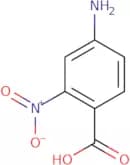
CAS:<p>Please enquire for more information about 5-Amino-4-oxopentanoic acid benzyl ester hydrochloride including the price, delivery time and more detailed product information at the technical inquiry form on this page</p>Formula:C12H15NO3·HClPurity:Min. 97%Color and Shape:PowderMolecular weight:257.71 g/mol4-Amino-2-nitrobenzoic acid
CAS:<p>4-Amino-2-nitrobenzoic acid is a chemical compound that can be found in human urine. It belongs to the group of amides and is an acidic substance. The pH optimum for 4-Amino-2-nitrobenzoic acid is between 1 and 2. This compound can be hydrolyzed by acidic conditions, forming an amide derivative. The uptake of 4-Amino-2-nitrobenzoic acid in humans and animals depends on the glomerular filtration rate, which influences how much of the compound will be excreted by the kidneys. The uptake also depends on the acetylation status of the compound, which is determined by its metabolism with phosphatase enzymes. Organic acids are also present in human urine, which may result in the formation of 4-Amino-2-nitrobenzoic acid as well as other compounds with similar structures.</p>Formula:C7H6N2O4Purity:Min. 95%Color and Shape:SolidMolecular weight:182.13 g/mol4-Amino-2-chlorophenol
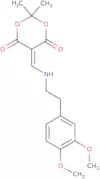
CAS:<p>4-Amino-2-chlorophenol is an aminophenol that is used in the production of acetate, which is used in the manufacture of acetic acid. It is also used as a building block for organic synthesis. 4-Amino-2-chlorophenol reacts with acetyl chloride to form chloracetyl chloride, which can then be reacted with piperonyl butoxide to form 2-(4'-aminophenyl)-4,6-dichloropyridine. This reaction is catalyzed by hydrogen chloride and hydrogen bond formation with urea nitrogen. 4-Amino-2-chlorophenol has been shown to have long-term toxicity in animal studies and may be toxic when inhaled or ingested.</p>Formula:C6H6ClNOPurity:Min. 95%Color and Shape:PowderMolecular weight:143.57 g/mol5-(((2-(3,4-dimethoxyphenyl)ethyl)amino)methylene)-2,2-dimethyl-1,3-dioxane-4,6-dione
CAS:<p>Please enquire for more information about 5-(((2-(3,4-dimethoxyphenyl)ethyl)amino)methylene)-2,2-dimethyl-1,3-dioxane-4,6-dione including the price, delivery time and more detailed product information at the technical inquiry form on this page</p>Purity:Min. 95%Ammonium heptamolybdate tetrahydrate
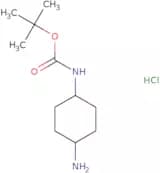
CAS:<p>Ammonium heptamolybdate tetrahydrate (AHMT) is a lamellar crystal that has been found to have a low-energy structure. AHMT is formed by the reaction of ammonium nitrate with molybdenum trioxide, and can be prepared from a solution of ammonium sulfamate and molybdic acid. AHMT has been shown to have catalytic effect in the conversion of n-hexane to cyclohexane, as well as optical properties that are similar to those observed for other lamellar materials. AHMT has also been used clinically for the treatment of disulfides.</p>Formula:(NH4)6Mo7O24•(H2O)4Purity:Min. 95%Color and Shape:White PowderMolecular weight:1,236 g/molBoc-1,4-trans-diaminocyclohexane hydrochloride
CAS:<p>Boc-1,4-trans-diaminocyclohexane hydrochloride is a versatile building block that can be used to synthesize complex compounds and research chemicals. It has been used as a reagent, specialty chemical and useful intermediate in many different reactions. Boc-1,4-trans-diaminocyclohexane hydrochloride is also a high quality building block that can be utilized to produce pharmaceuticals, agrochemicals and other speciality chemicals. This compound is also an important scaffold for the synthesis of biologically active molecules.</p>Formula:C11H22N2O2·HClPurity:Min. 95%Color and Shape:PowderMolecular weight:250.77 g/molIsopentylamine
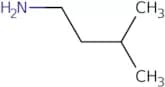
CAS:<p>Isopentylamine is a chemical compound that belongs to the class of amines. It has been shown to be an agonist of the nicotinic acetylcholine receptor, which is a type of neurotransmitter receptor found in the central and peripheral nervous systems. Isopentylamine has been shown to have clinical relevance for congestive heart failure. This drug binds to the hydroxyl group on the receptor and increases the rate of diffusion into cells by increasing membrane permeability. The basic structure of isopentylamine is shown below:</p>Formula:C5H13NPurity:Min. 98%Color and Shape:Clear LiquidMolecular weight:87.16 g/molN,N-Dimethyl-tert-butylamine
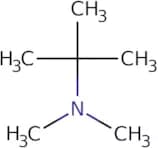
CAS:<p>N,N-Dimethyl-tert-butylamine is an organic compound that is used as a primary amine in the preparation of piperidines. It can be obtained by electrolysis of carbon tetrachloride with n-nitrosopiperidine as the catalyst. The process of obtaining N,N-Dimethyl-tert-butylamine is unsymmetrical and yields are low. The amines may be prepared by transfer hydrogenation or catalytic reduction of an aldehyde. The asymmetric synthesis may be achieved using chiral auxiliaries.</p>Formula:C6H15NPurity:Min. 95%Color and Shape:Colorless Clear LiquidMolecular weight:101.19 g/mol2-[(2,6-Dibromo-4-methylphenyl)amino]acetohydrazide
CAS:<p>2-[(2,6-Dibromo-4-methylphenyl)amino]acetohydrazide is a chemical compound that is used as a building block for the synthesis of diverse heterocyclic compounds. 2-[(2,6-Dibromo-4-methylphenyl)amino]acetohydrazide is prepared from 2,6-dibromo-4-methylbenzaldehyde and acetohydrazide in the presence of triethylamine. The compound has been reported to be a useful scaffold for the synthesis of various heterocycles. The following are some examples of its applications: <br>1. Fine chemical<br>2. Useful building block <br>3. Research chemicals <br>4. Reagent <br>5. CAS No. 882760-46-5 <br>6. Speciality chemical <br>7. High quality <br>8. Complex compound <br>9. Versatile building block</p>Formula:C9H11Br2N3OPurity:Min. 95%Color and Shape:White PowderMolecular weight:337.01 g/mol2-(Aminosulfonyl)benzoic acid
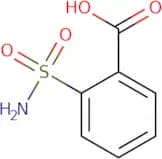
CAS:<p>2-(Aminosulfonyl)benzoic acid is a chemical compound that can be found in urine samples. It is used to detect the presence of saccharin and other artificial sweeteners, which are commonly used as substitutes for sugar. 2-(Aminosulfonyl)benzoic acid is also used to measure the presence of calcium pantothenate in food products. The chemical structure of this compound contains a hydrogen bond between the sulfur atom and the amine group. Hydrochloric acid can be used to break down 2-(Aminosulfonyl)benzoic acid into its constituent parts, which are sulfuric acid and benzoic acid. Uv absorption studies have also shown that 2-(Aminosulfonyl)benzoic acid absorbs ultraviolet light at 280 nm with an extinction coefficient of 20,000 M-1cm-1. This compound has been shown to have toxic effects on diabetic patients when taken orally in doses that</p>Formula:C7H7NO4SPurity:Min. 95%Color and Shape:PowderMolecular weight:201.2 g/molcis-(+/-)-2-[(N-Benzyl-N-methyl)aminomethyl]-1-(3-methoxyphenyl)cyclohexanol hydrochloride
CAS:<p>cis-(+/-)-2-[(N-Benzyl-N-methyl)aminomethyl]-1-(3-methoxyphenyl)cyclohexanol hydrochloride is a versatile building block that can be used in the synthesis of complex compounds. This compound is also a useful reagent, speciality chemical, and reaction component. cis-(+/-)-2-[(N-Benzyl-N-methyl)aminomethyl]-1-(3-methoxyphenyl)cyclohexanol hydrochloride has been shown to be a valuable scaffold for research chemicals with high quality.</p>Formula:C22H30ClNO2Purity:Min. 95 Area-%Color and Shape:PowderMolecular weight:375.93 g/molPoly(allylamine) solution - Average MW 15000 15 % aqueous solution
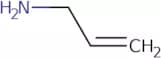
CAS:<p>Poly(allylamine) is a polymer that has antimicrobial properties and can be used to treat wastewater. It is synthesized from allyl bromide, sodium hydroxide, and water. Poly(allylamine) can also inhibit the activity of enzymes such as ATPase and lipase. The polymerization process leads to an increase in the number of hydroxyl groups, which are responsible for the antimicrobial properties. Poly(allylamine) solution has been shown to inhibit cell lysis and tumor growth in animal models.</p>Formula:(C3H7N)nPurity:Min. 95%Color and Shape:Clear LiquidN,N'-Di-2-naphthyl-1,4-phenylenediamine
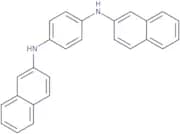
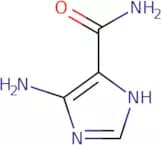
CAS:<p>N,N'-Di-2-naphthyl-1,4-phenylenediamine is a chemical compound that is used in the production of polyvinyl chloride (PVC). It can be used as an antimicrobial agent to prevent the growth of bacteria and fungi. It is also used as a crosslinking agent in the production of PVC. The reaction solution consists of hydrochloric acid and methyl ethyl chloride. The monochloride is then reacted with 2-naphthol, followed by reaction with benzalkonium chloride. The final product is N,N'-di-(2-naphthyl)-1,4-(phenylene) diamine monochloride.</p>Formula:C26H20N2Purity:Min. 95 Area-%Color and Shape:PowderMolecular weight:360.45 g/mol5-Aminoimidazole-4-carboxamide HCl
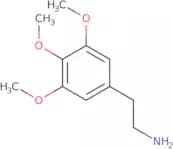
CAS:<p>5-Aminoimidazole-4-carboxamide HCl (5-AICA) is a compound that is used for the treatment of bowel disease. It inhibits the synthesis of 5'-nucleotidase and phosphoribosyl transferase, which are enzymes responsible for the conversion of nucleotide monophosphates to nucleotide diphosphates. This inhibition leads to a decrease in the amount of adenosine triphosphate (ATP) produced by cells, which may be due to its ability to inhibit ATP synthase activity. 5-AICA also has been shown to bind to DNA and inhibit transcriptional activities. The binding of 5-AICA may be due to its ability to form hydrogen bonds with guanine residues in DNA or its capability to form covalent bonds with thymidine residues in DNA. 5-AICA also has been shown to have cytotoxic effects on HL60 cells, as well as other</p>Purity:Min. 95%Color and Shape:PowderMolecular weight:126.12 g/mol2-(3,4,5-Trimethoxyphenyl)ethylamine
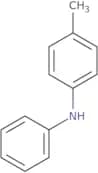
CAS:Controlled Product<p>2-(3,4,5-Trimethoxyphenyl)ethylamine (TMPEA), also known as 3,4,5-trimethoxyamphetamine or 3,4,5-trimethoxyphenethylamine is a psychoactive agent that is structurally related to amphetamine and mescaline. It is a precursor to TMA which is an hallucinogenic drug. TMPEA has been shown to have dose-dependent effects on locomotor activity in mice and rats. In addition, it has been found to bind with high affinity to 5HT2A receptors in the rat brain. This compound can be prepared by reacting trifluoroacetic acid with 2-(3,4,5-trimethoxyphenyl)ethanamine. The sample preparation of this compound may be performed using human serum or lophophora plants.</p>Formula:C11H17NO3Purity:Min. 95%Color and Shape:PowderMolecular weight:211.26 g/mol4-Methyldiphenylamine
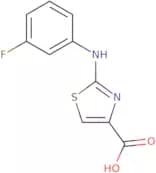
CAS:<p>4-Methyldiphenylamine is a polymerization inhibitor that can be used in the manufacture of polymers and paints. It has been shown to inhibit the polymerization of phenylenediamines, biphenyls, anilines, and other compounds. 4-Methyldiphenylamine is not soluble in water and must be dissolved in an organic solvent such as acetone or alcohol before use. This compound is also known for its ability to form complexes with aluminium ions and phosphotungstic acid. It reacts with chloride to form a yellow/brown solid that can be removed by filtration or decantation. The optimal reaction time ranges from 3 hours to 24 hours, depending on the substrate being used. Impurities may include chromatographic peaks at Rf 0.67, 0.59, and 0.50; these impurities can be removed by washing with deionized water or by using a different solvent system during chromatography. 4</p>Formula:C13H13NPurity:Min. 95%Molecular weight:183.25 g/mol2-((3-Fluorophenyl)amino)-1,3-thiazole-4-carboxylic acid
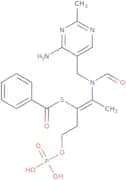
CAS:<p>Please enquire for more information about 2-((3-Fluorophenyl)amino)-1,3-thiazole-4-carboxylic acid including the price, delivery time and more detailed product information at the technical inquiry form on this page</p>Formula:C10H7FN2O2SPurity:Min. 95%Color and Shape:PowderMolecular weight:238.24 g/molBenfotiamine
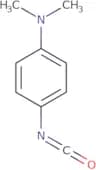
CAS:<p>Benfotiamine is a thiamine derivative that is structurally similar to thiamine. It has been shown to have pharmacological effects in experimental models of diabetic complications and may be a potential therapeutic agent for the treatment of these conditions. Benfotiamine binds to the response element on the nuclear DNA, which leads to an increase in calcium pantothenate, a cofactor necessary for energy metabolism in mitochondria. The enzyme activities of benfotiamine are also modulated by calcium and magnesium ions. Benfotiamine can be used as an analytical method for nonsteroidal anti-inflammatory drugs (NSAIDs) by measuring the levels of benzoquinone imines and fluoroquinolones in urine.</p>Formula:C19H23N4O6PSPurity:Min. 95%Color and Shape:White PowderMolecular weight:466.45 g/mol4-Isocyanato-N,N-dimethyl-benzenamine
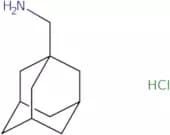
CAS:<p>4-Isocyanato-N,N-dimethyl-benzenamine is a chemical compound that is used as an intermediate for the synthesis of dyes and pigments. It is also used as a reagent in analytical methods involving fatty acids or oxysterols. 4-Isocyanato-N,N-dimethyl-benzenamine can be detected using a variety of techniques, including chromatography with on-line mass spectrometric detection and gas chromatography with electron ionization mass spectrometry. This chemical compound can be found as two stereoisomers: <br>4-(1'-methylpropyl)phenyl isocyanate;<br>4-(2'-methylpropyl)phenyl isocyanate.</p>Formula:C9H10N2OPurity:Min. 95%Color and Shape:White To Yellow SolidMolecular weight:162.19 g/mol1-Adamantanemethylamine hydrochloride
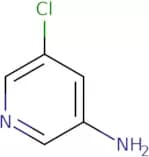
CAS:<p>Rimantadine hydrochloride is a drug that belongs to the class of antiviral agents and is used for the prevention and treatment of influenza. It acts by blocking the uncoating of influenza virus, inhibiting viral RNA synthesis, and preventing virus-induced cytopathic effects in humans and animals. Rimantadine hydrochloride is an amantadine derivative that has been shown to be effective against influenza A viruses in humans. The drug also has a prophylactic efficacy against influenza B viruses. Rimantadine hydrochloride is localized in the lungs due to its intranasal application, which limits its effect on other parts of the body. It is metabolized into ammonium formate, chloride, and formamide before being excreted by the kidneys.</p>Formula:C11H20ClNPurity:Min. 95%Color and Shape:PowderMolecular weight:201.74 g/mol5-Chloro-3-pyridinamine
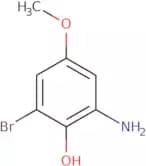
CAS:<p>5-Chloro-3-pyridinamine is a catalyst that is used in the synthesis of polymers. It can be used in ring-opening polymerization reactions and is reactive with a variety of functional groups, including aliphatic and aromatic rings. 5-Chloro-3-pyridinamine also has high activity for ring opening polymerizations, which makes it an ideal choice for the synthesis of polymers. This catalyst can be used to control the molecular weight of polymers by dilution or by altering the amount of catalyst used. 5-Chloro-3-pyridinamine has been shown to be biocompatible and biodegradable, making it a good choice for biomedical applications.</p>Formula:C5H5ClN2Purity:Min. 95%Color and Shape:PowderMolecular weight:128.56 g/mol2-Amino-6-bromo-4-methoxyphenol
CAS:<p>2-Amino-6-bromo-4-methoxyphenol (2ABMP) is a benzyl compound that can be used as a substitute for 2,4-diaminophenol. It has been shown to have estrogenic activity and may function as an estrogen receptor agonist. 2ABMP has also been shown to inhibit the growth of breast cancer cells in culture. The role of this drug in the treatment of breast cancer is not yet clear, but it may be useful in combination therapy with other drugs.</p>Formula:C7H8BrNO2Purity:Min. 95%Color and Shape:PowderMolecular weight:218.05 g/mol[1-(Pyrrolidin-1-ylcarbonyl)butyl]amine hydrochloride
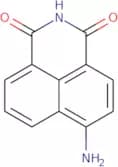
CAS:Controlled Product<p>Please enquire for more information about [1-(Pyrrolidin-1-ylcarbonyl)butyl]amine hydrochloride including the price, delivery time and more detailed product information at the technical inquiry form on this page</p>Formula:C9H18N2OPurity:Min. 95%Molecular weight:170.25 g/mol4-Amino-1,8-naphthalimide
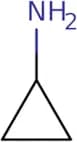
CAS:<p>4-Amino-1,8-naphthalimide is a fluorescent derivative that is used as a probe to detect hydrogen bonds in molecular models. It can be used to study the interactions of molecules with hydrogen bonding partners. 4-Amino-1,8-naphthalimide has been shown to have broad spectrum antimicrobial activity against Gram-positive and Gram-negative bacteria. This compound also enhances the fluorescence of certain compounds by forming an intermolecular hydrogen bond.</p>Formula:C12H8N2O2Purity:Min. 95%Color and Shape:Orange PowderMolecular weight:212.2 g/molCyclopropylamine
CAS:<p>Cyclopropylamine is a chemical compound that has been shown to be stable under a variety of conditions. It can be used as a model system for the study of transfer reactions in polymerases, as well as receptor activity. Cyclopropylamine inhibits the enzyme DNA polymerase by binding to the active site and causing an irreversible inhibition. It is also used in pharmaceutical drug manufacturing due to its stability and ability to inhibit malonic acid. Cyclopropylamine can act as an intermediate in the synthesis of pyrimidine compounds, which are crystalline polymorphs.</p>Formula:C3H7NPurity:Min. 95%Color and Shape:Clear LiquidMolecular weight:57.09 g/mol[1-(Azepan-1-ylcarbonyl)butyl]amine hydrochloride
CAS:Controlled Product<p>Please enquire for more information about [1-(Azepan-1-ylcarbonyl)butyl]amine hydrochloride including the price, delivery time and more detailed product information at the technical inquiry form on this page</p>Formula:C11H22N2OPurity:Min. 95%Molecular weight:198.31 g/molN-[(4-Amino-2-methylpyrimidin-5-yl)methyl]formamide
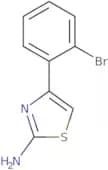
CAS:<p>N-[(4-Amino-2-methylpyrimidin-5-yl)methyl]formamide (NAMPT) is a triazolo compound that inhibits the ATP binding cassette transporter and blocks the uptake of uridine and pyrimidine compounds. It also inhibits inorganic pyrophosphatase, which is an enzyme that catalyzes the hydrolysis of pyrophosphate to inorganic phosphate. NAMPT has been shown to be a substrate for hypochlorous acid production in neutrophils, suggesting it may play a role in the regulation of oxidative stress. Chemical biology studies have demonstrated that NAMPT plays a physiological function as an intermediate in vitamin B1 biosynthesis.</p>Formula:C7H10N4OPurity:Min. 95%Color and Shape:PowderMolecular weight:166.18 g/mol4-(2-Bromophenyl)-1,3-thiazol-2-amine
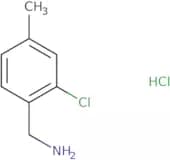
CAS:<p>Please enquire for more information about 4-(2-Bromophenyl)-1,3-thiazol-2-amine including the price, delivery time and more detailed product information at the technical inquiry form on this page</p>Purity:Min. 95%2-Chloro-4-methylbenzylamine hydrochloride
CAS:<p>2-Chloro-4-methylbenzylamine hydrochloride is a fine chemical that is used in the research, development and manufacturing of pharmaceuticals, agrochemicals, polymers and other organic compounds. 2-Chloro-4-methylbenzylamine hydrochloride can be used as an intermediate for the synthesis of a variety of drugs with different structures. It is also useful as a reagent in organic synthesis. The product has been classified by the EU as an SDS (Substances of Very High Concern) due to its potential for use in the production of nerve agents like sarin gas.</p>Formula:C8H10ClN•HClPurity:Min. 95%Molecular weight:192.09 g/mol1,3-Bis[tris(hydroxymethyl)methylamino]propane
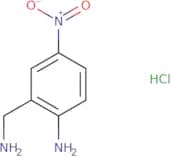
CAS:<p>1,3-Bis[tris(hydroxymethyl)methylamino]propane, most commonly known as Bis-TRIS propane, is often referred to as the universal buffer because of its wide buffering range from pH 6.3 to 9.5. Its dual pKa values (~ 6.8 and 9.0) allow it to stabilize the pH in a variety of biological applications, including molecular biology, biochemistry, and electrophoresis.</p>Formula:C11H26N2O6Purity:Min. 95%Color and Shape:PowderMolecular weight:282.3 g/mol2-Amino-5-nitrobenzylamine hydrochloride
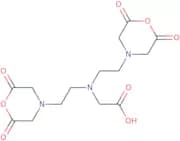
CAS:<p>2-Amino-5-nitrobenzylamine hydrochloride is a fine chemical that can be used as a building block for research chemicals and speciality chemicals. It is a versatile building block for the synthesis of complex compounds and useful scaffold for the preparation of biologically active molecules. 2-Amino-5-nitrobenzylamine hydrochloride has been shown to have high quality with CAS No. 863771-09-9. This chemical can be used as a reagent, reaction component, or useful intermediate in reactions like nitration, amination, and reductive amination.</p>Formula:C7H10ClN3O2Purity:Min. 95%Molecular weight:203.63 g/molDiethylenetriaminepentaacetic acid dianhydride
CAS:<p>Diethylenetriaminepentaacetic acid dianhydride (DTPA) is a gadolinium chelate that can be used as a contrast agent. DTPA has been shown to have high affinity for the integrin receptor, which is expressed on the surface of many human cancer cells. This property makes DTPA an effective diagnostic tool for imaging and detecting tumor cells in vivo. DTPA is also useful for diagnosing myeloma cell lines and mouse tumors, due to its ability to bind to metal ions such as iron or copper.</p>Formula:C14H19N3O8Purity:Min. 95%Color and Shape:PowderMolecular weight:357.32 g/mol7-Benzyloxytryptamine
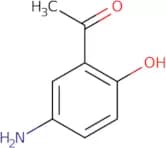
CAS:Controlled Product<p>7-Benzyloxytryptamine is a tryptamine derivative that binds to the 5-HT2A serotonin receptor. It has been shown to have antidepressant properties in ovary cells and other assays. 7-Benzyloxytryptamine acts as a psychostimulant and produces an increase in synaptic activity in the brain. This compound also has high affinity for 5-hydroxytryptamine (5-HT) receptors, which may be responsible for its antidepressant effects. The compound has been shown to be selective for 5-HT2A receptors, but not for other serotonin receptors such as 5-HT1A or 5-HT2C.</p>Formula:C17H18N2OColor and Shape:PowderMolecular weight:266.34 g/mol5-Amino-2-hydroxyacetophenone
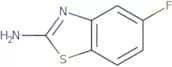
CAS:<p>5-Amino-2-hydroxyacetophenone is a chemical compound that belongs to the class of active substances. It is an intermediate in Friedel-Crafts acylation reactions, which are used to form alkyl esters by reaction with chloroformates. In these reactions, 5-Amino-2-hydroxyacetophenone is converted into a chloroformate in the presence of an acid catalyst. The reactions proceed rapidly, with the acetone or ester as the solvent. The frequency of 5-amino-2-hydroxyacetophenone can be correlated to its deformation energy and various chemical parameters such as electron density and force constants. 5-Amino-2-hydroxyacetophenone is uniquely characterized by intramolecularly hydrogen bonding organic solvents such as acetone and nitrobenzene.</p>Formula:C8H9NO2Purity:Min. 95%Molecular weight:151.16 g/mol2-Amino-5-fluorobenzothiazole
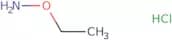
CAS:<p>2-Amino-5-fluorobenzothiazole is a synthetic compound that is used as an agrochemical. It has low efficiency and can be found in tissue culture. The biological properties of this compound are not fully understood. It has been shown to have potential antitumor activity and may be able to inhibit tyrosine kinase. 2-Amino-5-fluorobenzothiazole is also found in the inorganic section of the periodic table. This compound is water soluble, but does not dissolve well in organic solvents such as acetone or chloroform. 2-Amino-5-fluorobenzothiazole also has agricultural applications, being used as a pesticide and for controlling tuberculosis in animals.</p>Formula:C7H5FN2SPurity:Min. 95%Color and Shape:PowderMolecular weight:168.19 g/molEthoxyamine hydrochloride
CAS:<p>Ethoxyamine hydrochloride is an organic compound that contains a hydroxyl group and a chlorine atom. It is an amine with properties of an acid. Ethoxyamine hydrochloride can be used in the treatment of metabolic disorders, such as nitro, dehydrogenase deficiency and amino acid transport disorder. The compound also has been shown to have anti-inflammatory effects, which may be due to its ability to inhibit the production of prostaglandin synthesis. This drug has been found to have no significant toxicity in humans and animals, and it has been shown to be safe for use in humans.</p>Formula:C2H7NO·HClPurity:Min. 95%Color and Shape:White PowderMolecular weight:97.54 g/mol2-[(2-Carboxyphenyl)amino]-3-methoxybenzoic acid
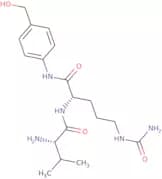
CAS:<p>2-[(2-Carboxyphenyl)amino]-3-methoxybenzoic acid is a fine chemical that is used as a building block, reagent, and speciality chemical in the synthesis of other compounds. This compound is a versatile building block for the synthesis of complex compounds with many applications. 2-[(2-Carboxyphenyl)amino]-3-methoxybenzoic acid is a complex compound that can be used as an intermediate or scaffold in the manufacture of pharmaceuticals, agrochemicals, and other organic syntheses.</p>Formula:C15H13NO5Purity:Min. 95%Molecular weight:287.27 g/molVal-Cit-PAB-OH
CAS:The Val-Cit-PAB linker is an activated peptide linker that is cleaved by cathepsin B. It enables the selective intracellular release of attached drugs in ADC applications.Formula:C18H29N5O4Purity:Min. 95%Color and Shape:PowderMolecular weight:379.45 g/molGiosiamine
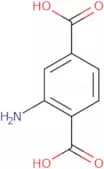
<p>Giosiamine is a heterocyclic molecule that is used as a reaction component, reagent, and useful scaffold. It is also a high-quality research chemical with speciality use in the synthesis of other chemicals. Giosiamine is available at CAS No. 1815-02-7 and can be used as an intermediate for the production of complex compounds such as pharmaceuticals, pesticides, and fine chemicals. This product has been shown to be versatile in its applications and can serve as a building block for various types of reactions.</p>Purity:Min. 95%2-Aminoterephthalic acid
CAS:<p>2-Aminoterephthalic acid is a sulfa drug that has a skeleton containing two nitrogen atoms. It is a white, crystalline powder and can be dissolved in water. 2-Aminoterephthalic acid is used as an intermediate for the preparation of other sulfa drugs. The detection limit of this compound was determined to be 0.5 mg/L with the use of a chemiluminescence method and fluorescence probe. This compound reacts with acid to form an acid complex that can be detected by plasma mass spectrometry or electrochemical impedance spectroscopy.</p>Formula:C8H7NO4Purity:Min. 97 Area-%Color and Shape:White PowderMolecular weight:181.15 g/mol1-Deoxy-1-(methylamino)-D-glucitol [3-[[(2R,3S)-2-[(1R)-1-[3,5-bis(trifluoromethyl)phenyl]ethoxy]-3-(4-fluorophenyl)-4-morpholinyl]m ethyl]-2,5-dihydro-5-oxo-1H-1,2,4-triazol-1-yl]phosphonate
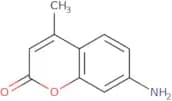
CAS:<p>Fosaprepitant is a drug that belongs to the class of drugs used for chemotherapy. It is a prodrug that is converted in vivo to aprepitant, its active form. Fosaprepitant acts as an antagonist of the neurokinin-1 receptor (NK-1R) and inhibits the binding of substance P, which leads to an anti-inflammatory effect. Fosaprepitant has been shown to inhibit the production of substance P in animal models, leading to a reduction in inflammation. In clinical trials, fosaprepitant has been shown to be safe and well tolerated when used with other drugs such as cisplatin and docetaxel in patients with cancer.</p>Formula:C23H22F7N4O6P•(C7H17NO5)2Purity:Min. 95%Color and Shape:White To Off-White SolidMolecular weight:1,004.83 g/mol7-Amino-4-methylcoumarin
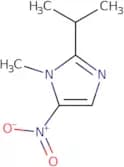
CAS:<p>Fluorescent probe for AMC-based labelling of oligosaccharides or peptides</p>Formula:C10H9NO2Purity:Min. 98 Area-%Color and Shape:Yellow PowderMolecular weight:175.18 g/molN-(3-Methyl-2-propan-2-ylimidazol-4-Yl)-N-oxidohydroxylamine
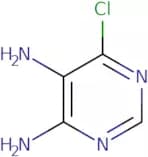
CAS:<p>N-(3-Methyl-2-propan-2-ylimidazol-4-yl)-N-oxidohydroxylamine is a chemical compound that has been shown to have antimicrobial activity in vitro. It interacts with the matrix effect and can be used as a chemotherapeutic agent. The molecule is also an analytical method for detection of cancer cells, which can be performed using a lc-ms/ms method.</p>Formula:C7H11N3O2Purity:Min. 95%Color and Shape:PowderMolecular weight:169.18 g/mol4,5-Diamino-6-chloropyrimidine
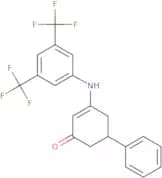
CAS:<p>4,5-Diamino-6-chloropyrimidine is a glycosidic compound that has been used for the optimization of drug targets. It has been shown to have antimalarial activity against Plasmodium falciparum in vitro and in vivo. 4,5-Diamino-6-chloropyrimidine binds to the amine groups on nucleotides, specifically purines (adenine and guanine), and amidates the 6-chloropurine ring. This makes it a potential candidate for use in chemotherapy. The structure of 4,5-diamino-6-chloropyrimidine was determined by NMR and mass spectroscopy analysis.</p>Formula:C4H5ClN4Purity:Min. 95%Molecular weight:144.56 g/mol3-((3,5-bis(trifluoromethyl)phenyl)amino)-5-phenylcyclohex-2-en-1-one
CAS:<p>Please enquire for more information about 3-((3,5-bis(trifluoromethyl)phenyl)amino)-5-phenylcyclohex-2-en-1-one including the price, delivery time and more detailed product information at the technical inquiry form on this page</p>Purity:Min. 95%Bis[2-[Ethyl[(Heptadecafluorooctyl)Sulphonyl]Amino]Ethyl] (4-Methyl-1,3-Phenylene)Biscarbamate
CAS:Controlled Product<p>Bis[2-[Ethyl[(heptadecafluorooctyl)sulphonyl]amino]ethyl] (4-methyl-1,3-phenylene)biscarbamate is a sulfonate that is used as a chemical intermediate. It is a mixture of bis[2-[ethyl(heptadecafluorooctyl)sulphonyl]amino]ethyl (4-methyl-1,3-phenylene)biscarbamate and bis[2-[ethyl(hexadecafluoroheptyl)sulphonyl]amino]ethyl (4-methyl-1,3-phenylene)biscarbamate.</p>Formula:C33H26F34N4O8S2Purity:Min. 95%Color and Shape:PowderMolecular weight:1,316.66 g/molN-Amino-D-proline
CAS:<p>N-Amino-D-proline is a hydrogen bond donor that has phytotoxic properties. It is synthesized from the reaction of ethanolamine, sulfoxide, and hydrochloric acid in the presence of lysine residues. N-Amino-D-proline may be used to treat death due to tissue injury or degeneration. The compound can also be used in chromatographic techniques as a hydrogen bond acceptor.</p>Formula:C5H10N2O2Purity:Min. 95%Color and Shape:PowderMolecular weight:130.15 g/molN-Methyldioctylamine
CAS:<p>N-Methyldioctylamine is a biodegradable, water soluble, and non-toxic chemical that can be used as an alternative to caustic soda for wastewater treatment. It removes organic matter from industrial effluents by breaking down long chain hydrocarbons into smaller fragments and reacts with the hydroxyl group of proteins to form hydroxylamines. N-Methyldioctylamine has been shown to inhibit protease activity in wild-type strains of bacteria, such as Escherichia coli and Pseudomonas aeruginosa. It also inhibits hematopoietic cells from developing into mature cells by disrupting the biochemical composition of their membranes. N-Methyldioctylamine is reactive with fatty acids and amines found in mammalian tissue samples. This compound can be used as a sample preparation agent or analytical reagent for caproic acid, which is used in process optimization applications.</p>Formula:C17H37NPurity:Min. 95%Color and Shape:Clear LiquidMolecular weight:255.48 g/mol4-Aminothiobenzamide
CAS:<p>4-Aminothiobenzamide (4ATB) is a chemical compound that is used as an anticancer agent and an antimicrobial agent. It has been shown to have antitumor activity against human liver cancer cells and anticancer activity against human adrenergic receptor-positive lung cancer cells. 4ATB binds to the chloride ion present in the cell membrane, which prevents the influx of chloride ions into the cell. This leads to an increase in intracellular pH and disruption of cellular functions. 4ATB has also been shown to inhibit methicillin-resistant Staphylococcus aureus (MRSA) infections by inhibiting bacterial growth and reducing the production of proteins vital for cell division.</p>Formula:C7H8N2SPurity:Min. 95%Color and Shape:PowderMolecular weight:152.22 g/molN-(1-Naphthyl)ethylenediamine dihydrochloride
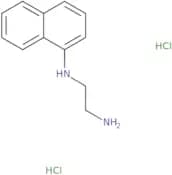
CAS:<p>N-(1-Naphthyl)ethylenediamine 2HCl is a diazonium salt that is used as an analytical reagent for the determination of nitrite ion in biological samples. It can be prepared by reacting 1-naphthylamine with ethylenediamine and hydrochloric acid. The optimum concentration of N-(1-naphthyl)ethylenediamine 2HCl is between 0.5 and 1.0 M, which should be determined before use. Sulphuric acid or sodium hydroxide can be added to adjust the pH of the solution to around 2.5, although this may change the color of the solution from orange to yellow. The reaction product is then extracted into chloroform and dried over anhydrous sodium sulphate or magnesium sulfate, followed by filtration and evaporation under reduced pressure at 40°C until dryness. The final product is stored in a dark place away from</p>Formula:C12H14N2•2HClPurity:(Titration) Min. 98%Color and Shape:White PowderMolecular weight:259.17 g/molVeratramine
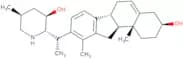
CAS:<p>Veratramine is a natural drug that is used as an anti-inflammatory agent and for the treatment of autoimmune diseases. It has been shown to have significant cytotoxicity in epithelial cells, but not in mesenchymal cells. Veratramine also has a matrix effect on these cell types. Veratramine's surface methodology can be used to measure the degree of inflammation by measuring the level of cytokines at the site of injury. This technique also allows for analysis of human serum samples using LC-MS/MS techniques to identify acute toxicities and steroid alkaloids that may be present.</p>Formula:C27H39NO2Purity:Min. 95%Color and Shape:PowderMolecular weight:409.60 g/mol2-[2-(2-t-Boc-aminoethoxy)ethoxy]ethanol
CAS:<p>2-[2-(2-t-Boc-aminoethoxy)ethoxy]ethanol is a versatile chemical building block that can be used to synthesize a variety of compounds. It has been shown to be useful as a reaction component in the synthesis of pharmaceuticals and agrochemicals. The compound is also used as an intermediate for the preparation of other compounds. 2-[2-(2-t-Boc-aminoethoxy)ethoxy]ethanol is soluble in organic solvents, such as chloroform, ethanol, or acetone. It has a CAS number of 139115-92-7 and is relatively easy to purify by recrystallization from methanol.</p>Formula:C11H23NO5Purity:Min. 95%Color and Shape:Clear LiquidMolecular weight:249.3 g/molN-Nitrosobis(2-hydroxypropyl)amine
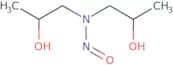
CAS:<p>N-Nitrosobis(2-hydroxypropyl)amine is a polymerase chain reaction (PCR) enhancer that has been shown to be carcinogenic in experimental animals. It is used as a synthetic retinoid, which results in the conversion of thyroxine to triiodothyronine by the thyroid gland. N-Nitrosobis(2-hydroxypropyl)amine is also used as an experimental model for squamous cell carcinoma and tumors. It causes tumor development by inhibiting DNA synthesis and increasing cellular proliferation, which leads to liver lesions and carcinomas in animal models.</p>Formula:C6H14N2O3Purity:Min. 95%Color and Shape:Yellow PowderMolecular weight:162.19 g/molCetyltrimethylammonium bromide
CAS:<p>Cetyltrimethylammonium bromide is a cationic surfactant that is used in analytical methods. It functions as a carrier for nanoparticles and has been used to prepare sephadex g-100, an affinity chromatography matrix. Cetrimide is an organic compound that has antimicrobial activity against Gram-positive bacteria. The antimicrobial activity can be increased by adding benzalkonium chloride, which inhibits the enzyme cyclase. Cetrimide also has the ability to inhibit the synthesis of bacterial proteins by binding to 16S ribosomal RNA. This protein synthesis inhibition leads to cell death by inhibiting the production of proteins vital for cell division.</p>Formula:C19H42BrNPurity:Min. 95%Color and Shape:White PowderMolecular weight:364.45 g/molEthyl 2-amino-4,5,6,7-tetrahydro-1-benzothiophene-3-carboxylate
CAS:<p>Ethyl 2-amino-4,5,6,7-tetrahydro-1-benzothiophene-3-carboxylate is an antibacterial agent that inhibits the growth of bacteria by binding to amines and metal ions. It also has in vitro anticancer activity against cancer cells. Ethyl 2-amino-4,5,6,7-tetrahydro-1-benzothiophene-3-carboxylate has been shown to have antiinflammatory activity in rats.</p>Formula:C11H15SNO2Purity:Min. 95%Color and Shape:PowderMolecular weight:225.31 g/mol(S)-Tetrahydrofuran-3-amine hydrochloride
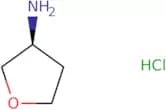
CAS:<p>Please enquire for more information about (S)-Tetrahydrofuran-3-amine hydrochloride including the price, delivery time and more detailed product information at the technical inquiry form on this page</p>Formula:C4H9NO•HClPurity:Min. 95%Color and Shape:SolidMolecular weight:123.58 g/molN,N-Dimethyldodecylamine N-oxide - 30% solution in water
CAS:<p>N,N-Dimethyldodecylamine N-oxide, also known as lauryldimethylamine oxide (LDAO), is an amine oxide nonionic surfactant with a C12 alkyl chain used widely in cosmetics, washing, cleaning and personal care products. LDAO has antimicrobial properties and is effective against common bacteria such as S. aureus and E. coli.</p>Formula:C14H31NOColor and Shape:Colorless Clear LiquidMolecular weight:229.4 g/molEthyl 3-((4-chlorophenyl)amino)-5-methyl-2,4-thiazolecarboxylate
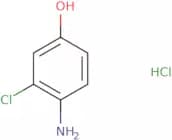
CAS:<p>Please enquire for more information about Ethyl 3-((4-chlorophenyl)amino)-5-methyl-2,4-thiazolecarboxylate including the price, delivery time and more detailed product information at the technical inquiry form on this page</p>Purity:Min. 90%4-Amino-3-chlorophenol hydrochloride
CAS:<p>Intermediate in the synthesis of lenvatinib</p>Formula:C6H7Cl2NOPurity:Min. 95%Color and Shape:PowderMolecular weight:180.03 g/molDL-3-Aminoisobutyric acid
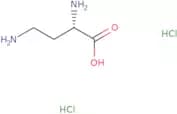
CAS:<p>DL-3-Aminoisobutyric acid (LAA) is a metabolite of the amino acid L-arginine. It is produced in the liver by the enzyme arginase and can be used to diagnose hepatic steatosis. It is also found in urine and human serum, as well as in microbial metabolism. LAA has been shown to regulate gene transcription and metabolism through its ability to inhibit the activity of gamma-aminobutyric acid (GABA), an inhibitory neurotransmitter that regulates energy metabolism and metabolic disorders. In addition, LAA has been shown to have antioxidant properties, which may be related to its role in caproic acid biosynthesis.</p>Formula:C4H9NO2Color and Shape:White Off-White PowderMolecular weight:103.12 g/molL-2,4-Diaminobutyric acid dihydrochloride
CAS:<p>L-2,4-Diaminobutyric acid, dihydrochloride is a chemical compound that is a non-protein amino acid. It is used in the production of gamma-aminobutyric acid (GABA) and has been shown to be able to penetrate the blood-brain barrier. However, it also has many other health effects such as increasing fatty acids in the brain and decreasing GABA uptake. L-2,4-Diaminobutyric acid, dihydrochloride can be used for diagnostic purposes or animal health.</p>Formula:C4H10N2O2•(HCl)2Purity:Min. 95%Color and Shape:White to off-white solid.Molecular weight:191.06 g/mol3-Aminophenylboronic acid hemisulphate
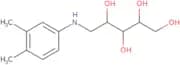
CAS:<p>3-Aminophenylboronic acid hemisulphate is a cross-linking agent that has been shown to induce apoptosis in mammalian cells. It also has the ability to bind to glycan, a sugar molecule on the surface of cells. The binding of 3-aminophenylboronic acid hemisulphate induces morphogenetic protein (MP) secretion, which leads to cell death. This compound is used as an adjuvant in vaccines and also as a research reagent for studying protein sequences and antigen/antibody interactions.</p>Formula:C6H8BNO2•(H2SO4)0Purity:Min. 95%Color and Shape:White PowderMolecular weight:185.98 g/mol3,4-Dimethyl-6-D-ribitylaminobenzene
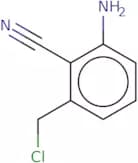
CAS:<p>3,4-Dimethyl-6-D-ribitylaminobenzene is a versatile building block that can be used as a reagent, speciality chemical, or useful scaffold in organic chemistry. 3,4-Dimethyl-6-D-ribitylaminobenzene is also known as 3,4-dimethylaniline and CAS No. 3051-94-3. It is an important intermediate in the production of polyurethanes and amines. This compound has been shown to be an effective building block for the synthesis of other compounds related to pharmaceuticals, pesticides, and agrochemicals.</p>Formula:C13H21NO4Purity:Min. 95%Molecular weight:255.31 g/mol2-Amino-6-chlorobenzonitrile
CAS:2-Amino-6-chlorobenzonitrile is an inhibitor of butyrylcholinesterase. It inhibits the enzyme by binding to the active site and preventing the hydrolysis of acetylcholine. It also inhibits other enzymes that have a similar structure, such as acetylcholinesterase and benzodiazepine receptors. 2-Amino-6-chlorobenzonitrile can be synthesized from chloride and ammonia in two steps with high enantioselectivity. The first step is the addition of benzaldehyde to 2-aminobenzoic acid with sodium hydroxide, followed by treatment with phosphoryl chloride. The second step involves treatment with potassium cyanide to form cyanohydrin, which is then treated with hydrogen chloride gas to produce 2-amino-6-chlorobenzonitrile. This compound has been shown to inhibit acetylcholinesterase and butyryFormula:C7H5ClN2Purity:Min. 95%Color and Shape:PowderMolecular weight:152.58 g/mol[2-(Pyridin-2-ylthio)ethyl]amine dihydrochloride
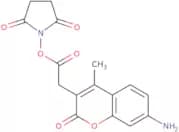
CAS:<p>2-(Pyridin-2-ylthio)ethyl]amine dihydrochloride is a chemical compound that has been used as a research reagent. It reacts with other compounds to produce new substances, and it can be used as a building block for more complex compounds. 2-(Pyridin-2-ylthio)ethyl]amine dihydrochloride is soluble in water and organic solvents such as acetone and ethanol, making it useful for reactions that require both types of solvents. This product also has CAS No. 40379-31-5, which means it is listed on the Chemical Abstracts Service registry. 2-(Pyridin-2-ylthio)ethyl]amine dihydrochloride has an interesting chemical structure that makes it a versatile building block or intermediate for many different reactions.</p>Formula:C7H10N2S•(HCl)2Purity:Min. 95%Color and Shape:PowderMolecular weight:227.15 g/mol7-Amino-4-methyl-3-coumarinacetic acid N-succinimidyl ester
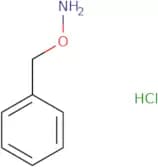
CAS:<p>7-Amino-4-methyl-3-coumarinacetic acid N-succinimidyl ester is a synthetic amino acid with a reactive carboxylic acid group. It is used as a crosslinker in biochemistry and has been shown to have biological properties in plants. 7-Amino-4-methyl-3-coumarinacetic acid N-succinimidyl ester reacts with the acidic groups of proteins, DNA, or RNA, and is an important component of some second order rate constants. This chemical is also used for the neutralization of histological stains such as haematoxylin.</p>Formula:C16H14N2O6Purity:Min. 90 Area-%Color and Shape:PowderMolecular weight:330.29 g/molBenzylhydroxylamine hydrochloride
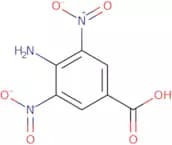
CAS:<p>Benzylhydroxylamine hydrochloride is an antimicrobial agent that has inhibitory properties against a range of microorganisms, including bacteria and fungi. Benzylhydroxylamine hydrochloride was shown to have anticancer activity in a mouse model of bowel disease. It also inhibits the production of inflammatory cytokines, such as TNF-α, IL-1β, and IL-6, from human monocytes. This agent also has been shown to be effective in animal models of autoimmune diseases such as multiple sclerosis and rheumatoid arthritis. The mechanism by which this drug exerts its effects is not well understood but may involve the inhibition of dopamine β-hydroxylase in the brain or nitrogen atoms that are important for protein synthesis. Benzylhydroxylamine hydrochloride can react with trifluoroacetic acid (TFA) to form a reactive intermediate that can covalently bind to proteins and cause toxicity.</p>Formula:C7H9ON·HClPurity:Min. 95%Color and Shape:PowderMolecular weight:159.61 g/mol4-Amino-3,5-dinitrobenzoic acid
CAS:<p>4-Amino-3,5-dinitrobenzoic acid (4ADBA) is a reactive chemical compound with acidic properties. It reacts with nucleophiles to form diazo compounds, which are used in analytical methods for the detection of amines and phenols. 4ADBA can be used to measure the concentration of aspirin in pharmaceutical formulations. The reaction is linear over a wide range of concentrations and has an optimal reaction time of 10 minutes at pH 2.0–2.5. The half-life values for 4ADBA are approximately 3 hours at pH 3 and 7 hours at pH 5.</p>Formula:C7H5N3O6Purity:Min. 95%Color and Shape:SolidMolecular weight:227.13 g/molHistamine diphosphate
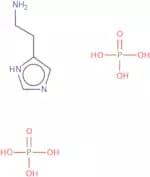
CAS:Controlled Product<p>Endogenous ligand for histamine receptors; neurotransmitter</p>Formula:C5H9N3•(H3PO4)2Purity:Min. 95%Color and Shape:PowderMolecular weight:307.14 g/mol[3-(Methylamino)-5,6-dihydro-2H-1,4-thiazin-2-ylidene]hydroxylamine HCl
CAS:<p>3-(Methylamino)-5,6-dihydro-2H-1,4-thiazin-2-ylidene]hydroxylamine HCl is a fine chemical that can be used as a versatile building block. It has been shown to be a useful intermediate in the synthesis of various compounds and for the preparation of research chemicals. 3-(Methylamino)-5,6-dihydro-2H-1,4-thiazin-2-ylidene]hydroxylamine HCl is a complex compound and can be used as a reagent or reaction component. 3-(Methylamino)-5,6-dihydro-2H-1,4-thiazin-2-ylidene]hydroxylamine HCl is also an excellent quality chemical.</p>Formula:C5H9N3OS·HClPurity:Min. 95%Color and Shape:PowderMolecular weight:195.67 g/molN-Cyclopropyl-N-tetrahydro-2H-pyran-4-ylamine HCl
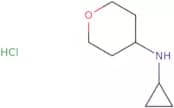
CAS:<p>N-Cyclopropyl-N-tetrahydro-2H-pyran-4-ylamine HCl is a fine chemical used as a building block in the synthesis of many compounds. It is also used in research and development, as a reagent, and as a speciality chemical. N-Cyclopropyl-N-tetrahydro-2H-pyran-4-ylamine HCl has been shown to be an excellent intermediate for the synthesis of many different products. This product is versatile and can be used as a building block or scaffold for synthesizing other compounds. N-Cyclopropyl-N-tetrahydro-2H-pyran-4-ylamine HCl has a CAS number of 1158426–65–3.</p>Formula:C8H16NOClPurity:Min. 95%Color and Shape:PowderMolecular weight:177.67 g/molLofepramine
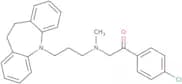
CAS:<p>Serotonin and norepinephrine reuptake inhibitor; anti-depressant</p>Formula:C26H27ClN2OPurity:Min. 95%Color and Shape:PowderMolecular weight:418.96 g/mol



![N-(1R,8S,9s)-Bicyclo[6.1.0]non-4-yn-9-ylmethyloxycarbonyl-1,8-diamino-3,6-dioxaoctane](/_next/image/?url=https%3A%2Fstatic.cymitquimica.com%2Fproducts%2F3D%2Fthumb-webp%2FFB60339.webp&w=3840&q=75)



![4-Amino-5-chloro-2,3-dihydro-N-[1-(3-methoxypropyl)-4-piperidinyl]-7-benzofurancarboxamide](/_next/image/?url=https%3A%2Fstatic.cymitquimica.com%2Fproducts%2F3D%2Fthumb-webp%2FFA27248.webp&w=3840&q=75)


![2-[(2,6-Dibromo-4-methylphenyl)amino]acetohydrazide](/_next/image/?url=https%3A%2Fstatic.cymitquimica.com%2Fproducts%2F3D%2Fthumb-webp%2FFD115486.webp&w=3840&q=75)
![cis-(+/-)-2-[(N-Benzyl-N-methyl)aminomethyl]-1-(3-methoxyphenyl)cyclohexanol hydrochloride](/_next/image/?url=https%3A%2Fstatic.cymitquimica.com%2Fproducts%2F3D%2Fthumb-webp%2FFB18402.webp&w=3840&q=75)
![[1-(Pyrrolidin-1-ylcarbonyl)butyl]amine hydrochloride](/_next/image/?url=https%3A%2Fstatic.cymitquimica.com%2Fproducts%2F3D%2Fthumb-webp%2FFP130657.webp&w=3840&q=75)
![[1-(Azepan-1-ylcarbonyl)butyl]amine hydrochloride](/_next/image/?url=https%3A%2Fstatic.cymitquimica.com%2Fproducts%2F3D%2Fthumb-webp%2FFA130693.webp&w=3840&q=75)
![N-[(4-Amino-2-methylpyrimidin-5-yl)methyl]formamide](/_next/image/?url=https%3A%2Fstatic.cymitquimica.com%2Fproducts%2F3D%2Fthumb-webp%2FFA31702.webp&w=3840&q=75)
![1,3-Bis[tris(hydroxymethyl)methylamino]propane](/_next/image/?url=https%3A%2Fstatic.cymitquimica.com%2Fproducts%2F3D%2Fthumb-webp%2FFB09448.webp&w=3840&q=75)

![2-[(2-Carboxyphenyl)amino]-3-methoxybenzoic acid](/_next/image/?url=https%3A%2Fstatic.cymitquimica.com%2Fproducts%2F3D%2Fthumb-webp%2FFC19799.webp&w=3840&q=75)

![1-Deoxy-1-(methylamino)-D-glucitol [3-[[(2R,3S)-2-[(1R)-1-[3,5-bis(trifluoromethyl)phenyl]ethoxy]-…](/_next/image/?url=https%3A%2Fstatic.cymitquimica.com%2Fproducts%2F3D%2Fthumb-webp%2FFD46503.webp&w=3840&q=75)
![Bis[2-[Ethyl[(Heptadecafluorooctyl)Sulphonyl]Amino]Ethyl] (4-Methyl-1,3-Phenylene)Biscarbamate](/_next/image/?url=https%3A%2Fstatic.cymitquimica.com%2Fproducts%2F3D%2Fthumb-webp%2FFB101999.webp&w=3840&q=75)



![2-[2-(2-t-Boc-aminoethoxy)ethoxy]ethanol](/_next/image/?url=https%3A%2Fstatic.cymitquimica.com%2Fproducts%2F3D%2Fthumb-webp%2FFB18924.webp&w=3840&q=75)





![[2-(Pyridin-2-ylthio)ethyl]amine dihydrochloride](/_next/image/?url=https%3A%2Fstatic.cymitquimica.com%2Fproducts%2F3D%2Fthumb-webp%2FFP121658.webp&w=3840&q=75)
![[3-(Methylamino)-5,6-dihydro-2H-1,4-thiazin-2-ylidene]hydroxylamine HCl](/_next/image/?url=https%3A%2Fstatic.cymitquimica.com%2Fproducts%2F3D%2Fthumb-webp%2FFM164854.webp&w=3840&q=75)