Amines
Amines are a set of molecules containing an amino functional group (derived from ammonia). This category includes amines at any level of substitution : primary, secondary, tertiary, and ammonium salts. Amines are fundamental in organic synthesis and are widely used in pharmaceuticals, agrochemicals, and materials science. At CymitQuimica, we provide a comprehensive selection of amines to meet your research and industrial needs. Our range ensures access to various amines for diverse chemical processes and innovative research.
Subcategories of "Amines"
- Nitrosamines(2,603 products)
- Primary Amines(30,805 products)
- Quaternary Ammonium Cations and Salts(1,099 products)
- Secondary Amines(20,809 products)
- Tertiary Amines(17,111 products)
Found 8777 products of "Amines"
Sort by
Purity (%)
0
100
|
0
|
50
|
90
|
95
|
100
Boc-N-methylethylenediamine
CAS:<p>Boc-N-methylethylenediamine is an amphiphile that can form micelles and assemble into a bilayer membrane. It has been shown to interact with nucleic acids, such as RNA and DNA, in a complexing process. This product also has the ability to form complexes with cationic species, including sodium ions, through electrostatic interactions. Boc-N-methylethylenediamine has been shown to be effective in the treatment of certain cancers by inhibiting endosomal processes and thereby reducing cancer cell proliferation.</p>Formula:C8H18N2O2Purity:Min. 95%Color and Shape:Clear LiquidMolecular weight:174.24 g/mol1,3-Thiazol-5-ylmethylamineHydrochloride
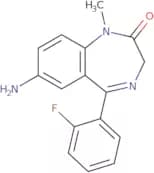
CAS:<p>Please enquire for more information about 1,3-Thiazol-5-ylmethylamineHydrochloride including the price, delivery time and more detailed product information at the technical inquiry form on this page</p>Formula:C4H7ClN2SPurity:Min. 95%Molecular weight:150.63 g/mol7-Aminoflunitrazepam
CAS:Controlled Product<p>7-Aminoflunitrazepam is an active metabolite of flunitrazepam and a benzodiazepine. It can be detected in urine samples using an on-line LC-MS/MS method. The detection time of 7-aminoflunitrazepam is between 3 to 4 hours, which is longer than that of its parent drug, flunitrazepam. The use of monoclonal antibodies specific for fluoroquinolones allows the detection of 7-aminoflunitrazepam with high sensitivity and specificity. This method can be used to detect the presence of flunitrazepam in human serum samples, as well as in femoral vein blood samples, urine samples, and blood sputum samples. Solid phase microextraction (SPME) was used as the sample preparation technique for this study. SPME also allows for the extraction and analysis of lysine residues from protein matrices such as human serum.</p>Formula:C16H14FN3OPurity:Min. 98%Color and Shape:PowderMolecular weight:283.3 g/molN-(2-Aminoethyl)-3-aminopropylmethyldimethoxysilane
CAS:<p>N-(2-Aminoethyl)-3-aminopropylmethyldimethoxysilane is an antibacterial agent that inhibits the growth of bacteria by binding to the cell wall, thereby preventing the synthesis of proteins. It is used in dentistry and medicine as a coating for metal surfaces. This compound has been shown to be effective against Escherichia coli and Enterococcus faecalis. The optimum concentration for this compound is 1 mg/mL.</p>Formula:C8H22N2O2SiPurity:Min. 95%Molecular weight:206.36 g/mol2-(Dimethylamino)ethyl methacrylate
CAS:Controlled Product<p>2-(Dimethylamino)ethyl methacrylate is a monomer that belongs to the class of water-soluble acrylic monomers. It is used as a polymerization initiator and in the preparation of hydrogels, which are materials with high water content. 2-(Dimethylamino)ethyl methacrylate copolymers have shown inhibitory properties against bacterial growth, including Staphylococcus aureus and Pseudomonas aeruginosa. The antimicrobial activity of these copolymers may be due to their acidic nature or their ability to form acid complexes with metal ions. Other biological properties include cytotoxicity and significant inhibition of cell proliferation. 2-(Dimethylamino)ethyl methacrylate polymerizes readily at low temperatures, making it useful for sample preparation techniques such as thin layer chromatography (TLC).</p>Formula:C8H15NO2Purity:Min. 95%Color and Shape:Clear LiquidMolecular weight:157.21 g/molEthyl 2-(2-Amino-4-thiazolyl)-2-(hydroxyimino)acetate
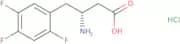
CAS:<p>Ethyl 2-(2-amino-4-thiazolyl)-2-(hydroxyimino)acetate is a phosphomolybdate antibiotic that is used in the treatment of respiratory tract infections. It binds to the bacterial enzyme, phosphomolybdate oxidase, and inhibits the formation of acid in the body. The reaction solution is recycled and activated with an acid catalyst to increase the yield of acetonitrile. The ion-pair formed by ethyl 2-(2-amino-4-thiazolyl)-2-(hydroxyimino)acetate and sodium carbonate is nucleophilic and reacts with nitrous to produce acetonitrile as a side product.</p>Formula:C7H9N3O3SPurity:Min. 95%Molecular weight:215.23 g/mol(R)-3-Amino-4-(2,4,5-trifluorophenyl)butanoic acid hydrochloride
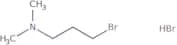
CAS:<p>Please enquire for more information about (R)-3-Amino-4-(2,4,5-trifluorophenyl)butanoic acid hydrochloride including the price, delivery time and more detailed product information at the technical inquiry form on this page</p>Formula:C10H10F3NO2·HClPurity:Min. 95%Molecular weight:269.65 g/mol3-Bromo-N,N-dimethylpropan-1-amine hydrobromide
CAS:<p>Please enquire for more information about 3-Bromo-N,N-dimethylpropan-1-amine hydrobromide including the price, delivery time and more detailed product information at the technical inquiry form on this page</p>Purity:Min. 95%Ammonium titanyl oxalate monohydrate
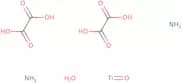
CAS:<p>Ammonium titanyl oxalate monohydrate is a compound that can be used as an antioxidant in a composition, including an electrophotographic composition. It has been shown to prevent photoreduction and nucleophilic attack on the surface of the photoconductor, as well as to reduce the magnitude of carboxylation reactions with transfer mechanism. Ammonium titanyl oxalate monohydrate may also be used for rechargeable batteries, which are devices that use electric current to generate chemical reactions. The addition of ammonium titanyl oxalate monohydrate to these batteries increases their capacity by reducing the number of cycles required before recharging. This compound also exhibits photocatalytic activity on metal surfaces in the presence of UV irradiation.</p>Formula:C4H10N2O10TiPurity:Min. 97%Molecular weight:294 g/mol2-(1H-Indol-5-yl)ethanamine
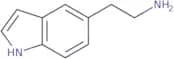
CAS:Controlled Product<p>Please enquire for more information about 2-(1H-Indol-5-yl)ethanamine including the price, delivery time and more detailed product information at the technical inquiry form on this page</p>Formula:C10H12N2Purity:Min. 95%Molecular weight:160.22 g/molN,N'-Di-(4-methyl-phenyl)-N,N'-diphenyl-1,4-phenylendiamine
CAS:<p>Please enquire for more information about N,N'-Di-(4-methyl-phenyl)-N,N'-diphenyl-1,4-phenylendiamine including the price, delivery time and more detailed product information at the technical inquiry form on this page</p>Formula:C32H28N2Purity:Min. 95%Molecular weight:440.58 g/mol[2-(1-Isobutyl-1H-benzimidazol-2-yl)ethyl]amine dihydrochloride
CAS:Controlled Product<p>Please enquire for more information about [2-(1-Isobutyl-1H-benzimidazol-2-yl)ethyl]amine dihydrochloride including the price, delivery time and more detailed product information at the technical inquiry form on this page</p>Formula:C13H19N3Purity:Min. 95%Molecular weight:217.31 g/mol5-(2-Aminopropyl)-2-methoxybenzenesulphonamide
CAS:Controlled Product<p>5-(2-Aminopropyl)-2-methoxybenzenesulphonamide is a trimethyl derivative of the aminopropyl group. It is used as a reagent to introduce hydroxymethyl groups into organic compounds. 5-(2-Aminopropyl)-2-methoxybenzenesulphonamide reacts with hydrochloric acid and an organic solvent in the preparation process. In the Friedel-Crafts reaction, 5-(2-Aminopropyl)-2-methoxybenzenesulphonamide reacts with d-alanine to form an optical isomer, which can be converted to its racemic form by ammonolysis. This compound is also used as a prostatic agent and an amide in the synthesis of benzene and phenoxymethyl alcohols.</p>Formula:C10H16N2O3SPurity:Min. 95%Molecular weight:244.31 g/mol4-Chloro-1h-pyrazol-3-amine
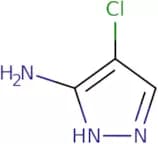
CAS:<p>Please enquire for more information about 4-Chloro-1h-pyrazol-3-amine including the price, delivery time and more detailed product information at the technical inquiry form on this page</p>Formula:C3H4ClN3Purity:Min. 95%Molecular weight:117.54 g/mol3-Fluorophenethylamine
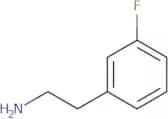
CAS:Controlled Product<p>3-Fluorophenethylamine is a fluorinated analog of phenethylamine that binds to the same receptors and has a similar effect on neurotransmitters as the parent compound. 3-Fluorophenethylamine inhibits the production of tumor necrosis factor-α (TNF-α) in vitro, which may be due to its ability to inhibit prostaglandin synthesis by binding to cyclooxygenase. This drug has also been shown to have anti-inflammatory effects that are mediated by inhibition of TNF-α production and activation of nuclear factor kappa B (NFκB) pathways in hippocampal neurons.</p>Formula:C8H10FNPurity:Min. 95%Molecular weight:139.17 g/mol(R)-(-)-a-[[(4-Ethyl-2,3-dioxo-1-piperazinyl)carbonyl]amino]benzeneacetic Acid
CAS:<p>(R)-(-)-a-[[(4-Ethyl-2,3-dioxo-1-piperazinyl)carbonyl]amino]benzeneacetic Acid is an inhibitor of the enzyme histamine N-methyltransferase (HNMT), which is responsible for the synthesis of histamine. The inhibition of HNMT leads to a decrease in histamine levels and therefore has been used as a treatment for chronic prostatitis, lacrimal gland, and energy efficiency. Histamine N-methyltransferase also participates in the regulation of apoptosis by methylating proapoptotic proteins like Bax, so inhibition can lead to an increase in apoptosis. This chemical is also able to bind with chloride ions and form diphenyl ethers through a reaction solution, which are known to have anticancer properties.</p>Formula:C15H17N3O5Purity:Min. 98 Area-%Color and Shape:PowderMolecular weight:319.31 g/molDehydroevodiamine
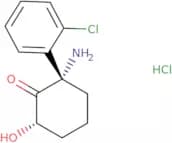
CAS:<p>Dehydroevodiamine is a plant-derived indole alkaloid, which is extracted from the fruit of the Evodia rutaecarpa plant. This compound is garnering scientific interest due to its potential neuroprotective properties. The mode of action of dehydroevodiamine is multifaceted, involving the modulation of neurotransmitter systems, particularly the enhancement of cholinergic function, as well as antioxidant effects that mitigate oxidative stress.</p>Purity:Min. 95%(2S,6S)-2-Amino-2-(2-chlorophenyl)-6-hydroxycyclohexan-1-one HCl
CAS:Controlled Product<p>Please enquire for more information about (2S,6S)-2-Amino-2-(2-chlorophenyl)-6-hydroxycyclohexan-1-one HCl including the price, delivery time and more detailed product information at the technical inquiry form on this page</p>Formula:C12H15CI2NO2Purity:Min. 95%Color and Shape:PowderMolecular weight:471.07 g/mol1H-Pyrrolo[2,3-b]pyridin-5-ylamine
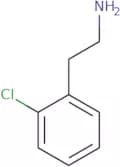
CAS:<p>1H-Pyrrolo[2,3-b]pyridin-5-ylamine is a heterocycle that can be synthesized by cyclization of pyrrole with an alkyne. The microwave irradiation of the reaction mixture leads to selective formation of 1-(2-hydroxyphenyl)pyrrolo[2,3-b]pyridine. This heterocycle can be used in the synthesis of other heterocycles and pharmaceuticals.</p>Purity:Min. 95%2-(2-Chlorophenyl)ethylamine
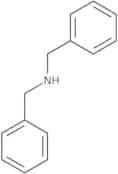
CAS:Controlled Product<p>2-(2-Chlorophenyl)ethylamine is an amine that inhibits the production of proteins vital for cell division. It binds to bacterial 16S ribosomal RNA and inhibits protein synthesis, leading to cell death by inhibiting the production of proteins vital for cell division. 2-(2-Chlorophenyl)ethylamine has been shown to be effective against methicillin-resistant Staphylococcus aureus (MRSA) and Clostridium perfringens, although is not active against acid-fast bacteria such as Mycobacterium tuberculosis or Mycobacterium avium complex. 2-(2-Chlorophenyl)ethylamine has shown anti-inflammatory properties, which may be due to its inhibition of prostaglandin synthesis.</p>Formula:C8H10ClNPurity:Min. 95%Molecular weight:155.62 g/molN,N-Dibenzylamine
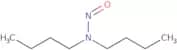
CAS:<p>N,N-Dibenzylamine is a pyrimidine compound that is used as a model system to study the fatty acid-pyrimidine interactions. The iminodibenzyl group on N,N-dibenzylamine reacts with the ethylene diamine moiety in a reaction mechanism that is analogous to the reactions of natural nucleic acids. This reaction can be used to determine the water vapor pressure, which is useful in predicting locomotor activity and pharmacokinetic properties. This compound has been found to have antidepressant effects when administered orally in rats.</p>Formula:C14H15NPurity:Min. 95%Color and Shape:Clear LiquidMolecular weight:197.28 g/molN-Nitroso-di-n-butylamine
CAS:<p>N-Nitroso-di-n-butylamine is a nitrosamine that is a product of wastewater treatment. It has been shown to inhibit mitochondrial function and induce liver lesions in rats at high doses. N-Nitroso-di-n-butylamine is structurally similar to the natural substrate ribose, which leads to inhibition of xanthine oxidase, an enzyme involved in purine metabolism. The structural analysis revealed the presence of reactive sites that are susceptible to attack by nucleophiles, such as hydroxyl radicals or hydrogen peroxide. This indicates that N-Nitroso-di-n-butylamine may be a precursor for other carcinogenic compounds. NADH is reduced by NADH dehydrogenase (complex I) in mitochondria to produce NAD+, which subsequently donates electrons to the electron transport chain and generates ATP. The ability of NNDB to inhibit complex I activity was assessed using hl60</p>Formula:C8H18N2OPurity:Min. 95%Molecular weight:158.24 g/mol4-(2-Aminoethyl)benzene sulfonamide
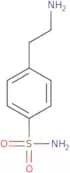
CAS:<p>4-(2-Aminoethyl)benzene sulfonamide is a small-molecule drug that inhibits the activity of proteases, including serine and cysteine proteases. It has been shown to inhibit the growth of human renal cell cancer cells, as well as subcutaneous tumors in mice. 4-(2-Aminoethyl)benzene sulfonamide also inhibits the proliferation of Hl-60 cells and shows antitumor activity in a mouse model system. This drug is an inhibitor of prostaglandin endoperoxide synthase (PGHS), which is involved in tumorigenesis by causing inflammation and oxidative stress. 4-(2-Aminoethyl)benzene sulfonamide has been shown to be effective for treating colorectal adenocarcinoma, with no significant side effects on other organs.</p>Formula:C8H12N2O2SPurity:Min. 95%Molecular weight:200.26 g/mol7-Amino-4-(trifluoromethyl)coumarin
CAS:<p>7-Amino-4-(trifluoromethyl)coumarin is a coumarin derivative that has been used as a fluorescence probe for the study of enzyme activities. It can be used as a potential biomarker for autoimmune diseases, and has also been shown to have tyrosine kinase domain binding activity. 7-Amino-4-(trifluoromethyl)coumarin can bind to the hydroxyl group in tyrosine residues with high affinity, and binds to the nitrogen atoms in protein kinases with low affinity. This compound is able to form intermolecular hydrogen bonds and steric interactions with peptide hormones.</p>Formula:C10H6F3NO2Purity:Min. 95%Molecular weight:229.16 g/mol4-Aminobenzenesulfonic acid
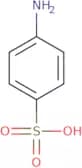
CAS:<p>4-Aminobenzenesulfonic acid is a sulfonic acid that is used in wastewater treatment. It has been shown to be an excellent water permeability agent and can be used as an additive to the process of making sulfonated polymers for use in water filtration. 4-Aminobenzenesulfonic acid has been shown to have enzyme inhibitory effects on metal hydroxide-dependent enzymes, such as sulphanilic and sulfanilic acid. This compound also has been investigated as a potential therapeutic agent for the treatment of cancer, with some success. It has been shown to stimulate the production of picolinic acid, which is an intermediate in the kynurenine pathway leading to production of nicotinamide adenine dinucleotide (NAD+). In humans, 4-aminobenzenesulfonic acid can bind toll-like receptors (TLRs) and activate TLR4 signaling pathways.</p>Formula:C6H7NO3SPurity:Min. 95%Molecular weight:173.19 g/mol6-Bromo-1H-indazol-3-yl-amine
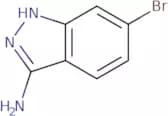
CAS:<p>6-Bromo-1H-indazol-3-yl-amine is an indazole derivative that has shown anti-cancer effects in vitro and in vivo. 6-Bromo-1H-indazol-3-yl-amine inhibits the proliferation of cancer cells, which may be due to its inhibition of cell cycle progression at the G2/M phase. It also inhibits the growth of tumor cells by inducing apoptosis. The drug's mechanism of action is not yet fully understood, but it has been shown to inhibit the activity of axitinib, a tyrosine kinase inhibitor. This drug has also shown anti-proliferative activities with acid catalysts and supramolecular systems. In addition, 6-bromo 1H indazol 3 yl amine contains functional groups such as nitro and pyrrole groups.</p>Formula:C7H6BrN3Purity:Min. 95%Molecular weight:212.05 g/mol(S,S')-3-Methyl-1-(2-piperidinophenyl)butylamine, N-acetyl-glutamate salt
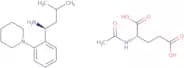
CAS:<p>Please enquire for more information about (S,S')-3-Methyl-1-(2-piperidinophenyl)butylamine, N-acetyl-glutamate salt including the price, delivery time and more detailed product information at the technical inquiry form on this page</p>Formula:C23H37N3O5Purity:Min. 95%Molecular weight:435.56 g/molAmmonium ferric citrate
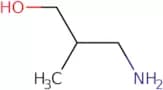
CAS:<p>Ammonium ferric citrate is a solution of ammonium ferric citrate, which is a mixture of ammonium and ferric ions. It is used in biological research as a reaction solution for the determination of mitochondrial membrane potential. The chemical composition of the solution is such that it can be used to determine the iron homeostasis in human serum samples and other biological samples. Ammonium ferric citrate reacts with sodium citrate to form a polymerase chain reaction product that generates light signals proportional to the concentration of electron transfer agents in the system. This process can be monitored using an optical sensor or by measuring electrochemical impedance spectroscopy (EIS) data on the solution.</p>Formula:C6H8O7·xFe·xH3NPurity:Min. 95%Color and Shape:Powder3-Amino-2-methylpropan-1-ol
CAS:<p>3-Amino-2-methylpropan-1-ol is a reactive chemical that can be used as a reactant in the synthesis of other chemicals. It is an alkanolamine and can be found in small amounts in water vapor. 3-Amino-2-methylpropan-1-ol has been shown to have low energy and it reacts with water vapor to form 3,4-dihydroxybutanal, which is a product that can be converted into other useful chemicals. 3-Amino-2-methylpropan-1-ol also reacts with high energy photons to form new substances, such as 3,4,5,6 tetrahydroxymethylbenzaldehyde. 3Amino - 2 - methylpropan - 1 - ol has been shown to have many uses including the production of low molecular weight polymers and resins for paints and coatings.</p>Formula:C4H11NOPurity:Min. 95%Molecular weight:89.14 g/mol[2-(4-methoxyphenyl)ethyl]methylamine
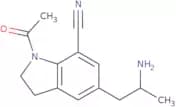
CAS:Controlled Product<p>2-(4-methoxyphenyl)ethyl]methylamine is a pharmacological agent that inhibits protein synthesis. It has been shown to have an optimum concentration of 1 μM, with maximal inhibition at 10 μM. 2-(4-methoxyphenyl)ethyl]methylamine binds to the basic amino acid residues of proteins and inhibits the activity of eosinophil cationic protein, which is responsible for histamine release. 2-(4-Methoxyphenyl)ethyl]methylamine has also been shown to reduce the activity of epidermal growth factor, which is responsible for cell proliferation and differentiation. The drug has been demonstrated to be an effective inhibitor of activated eosinophils, but not normal cells. 2-(4-Methoxyphenyl)ethyl]methylamine may be used as a treatment for chronic asthma patients who suffer from eosinophilic inflammation in their</p>Formula:C10H15NOPurity:Min. 95%Molecular weight:165.23 g/mol1-Acetyl-5-(2-aminopropyl)-2,3-dihydro-1H-indole-7-carbonitrile
CAS:Controlled Product<p>Please enquire for more information about 1-Acetyl-5-(2-aminopropyl)-2,3-dihydro-1H-indole-7-carbonitrile including the price, delivery time and more detailed product information at the technical inquiry form on this page</p>Formula:C14H17N3OPurity:Min. 95%Molecular weight:243.3 g/molNicotianamine
CAS:<p>Nicotianamine is a nicotinic acid amide that is synthesized from nicotianamine synthase. Nicotianamine is a nutrient that plays an important role in iron homeostasis. It is also involved in the regulation of plant metabolism and enzyme activities. Nicotianamine has been shown to be stable in complex with iron, which makes it a good candidate for use as an analytical reagent for measuring plant metabolites. The nicotianamine assay can be used to determine concentrations of nicotianamine and nicotinic acid amides in plants by plasma mass spectrometry. This method takes advantage of the ability of nicotianamine to form stable complexes with iron ions, which can be measured by quantifying the concentration of free iron ions. Nicotianamine can also be used as an indicator of nutrient solution quality because it reacts with various compounds present in the solution, such as phosphate, nitrate, and sulfate ions. The matrix effect can affect the</p>Formula:C12H21N3O6Purity:(%) Min. 94%Color and Shape:PowderMolecular weight:303.31 g/molDansyl ethylenediamine
CAS:<p>Dansyl ethylenediamine is a fluorescent probe that binds to peptides containing an amino acid with a free sulfhydryl group. It is used in the study of biological samples, such as tissue culture and blood cells, for detecting amines. Dansyl ethylenediamine has been shown to bind to α1-acid glycoprotein, which is present in human plasma and increases in concentration during congestive heart failure. This compound also exhibits conformational properties that make it ideal for analytical chemistry techniques such as high performance liquid chromatography (HPLC) and gas chromatography (GC).</p>Formula:C14H19N3O2SPurity:Min. 95%Color and Shape:Off-White PowderMolecular weight:293.39 g/mol4-amino[1,1'-biphenyl]-3-carboxylic acid
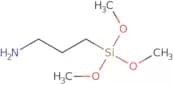
CAS:<p>Please enquire for more information about 4-amino[1,1'-biphenyl]-3-carboxylic acid including the price, delivery time and more detailed product information at the technical inquiry form on this page</p>Formula:C13H11O2NPurity:Min. 95%Molecular weight:213.23 g/mol3-Aminopropyltrimethoxysilane
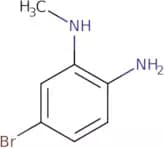
CAS:<p>3-Aminopropyltrimethoxysilane is a chemical that belongs to the group of aminopropyltriethoxysilanes. It is a reactive substance and is commonly used as an additive in adhesives and sealants. 3-Aminopropyltrimethoxysilane has been shown to be an efficient coupling agent for the formation of hydroxyl groups on nanoparticles, which are then used as drug carriers. The optimum concentration of 3-aminopropyltrimethoxysilane lies between 0.01 and 0.1 M, with a pH range of 6 and 8. This chemical can react with hydrochloric acid, resulting in the production of hydrogen gas; with cervical cancer cells in culture, leading to cell death; or with skin cells, causing damage to their transport properties.</p>Formula:C6H17NO3SiPurity:Min. 95%Color and Shape:Clear LiquidMolecular weight:179.29 g/mol5-Bromo-N1-methylbenzene-1,2-diamine
CAS:<p>Please enquire for more information about 5-Bromo-N1-methylbenzene-1,2-diamine including the price, delivery time and more detailed product information at the technical inquiry form on this page</p>Formula:C7H9BrN2Purity:Min. 95%Molecular weight:201.06 g/mol3-(Methylnitrosamino)propionitrile
CAS:<p>3-(Methylnitrosamino)propionitrile (NNK) is a potent, but toxic, carcinogen that has been shown to be one of the major causes of lung cancer in animals. It is metabolized to 3-aminobenzamide and N-nitrosodimethylamine (NDMA) by cytochrome P450 enzymes. These metabolites are then further converted into reactive species that bind covalently with DNA, leading to mutations and ultimately cancer. The activation of NNK can be prevented by inhibiting the enzyme hydrolysis or by blocking the synthesis of the reactive metabolites.</p>Formula:C4H7N3OPurity:Area-% Min. 95 Area-%Molecular weight:113.12 g/molEthyl 7-aminoheptanoate hydrochloride
CAS:<p>Ethyl 7-aminoheptanoate hydrochloride is an antibiotic that belongs to the class of esters. It has been shown to inhibit the growth of bacteria in vitro, which is attributed to its ability to inhibit protein synthesis. This drug has been used as a chemical manipulator in animal experiments. Ethyl 7-aminoheptanoate hydrochloride binds to the ribosomal RNA of bacteria and prevents amino acid incorporation into proteins, which leads to cell death. The endpoint of this experiment was determined by counting the number of rotations on a rotator after treatment with ethyl 7-aminoheptanoate hydrochloride or saline solution. Treatment with ethyl 7-aminoheptanoate hydrochloride resulted in an increase in the number of rotations, which is indicative of bacterial death.</p>Formula:C9H20ClNO2Purity:Min. 95%Molecular weight:209.71 g/mol5-Amino-8-hydroxyquinoline dihydrochloride
CAS:<p>5-Amino-8-hydroxyquinoline dihydrochloride (5-AQDH) is an anticancer drug that inhibits the activity of survivin, a protein that is overexpressed in cancer cells. It has been shown to be effective in vivo against melanoma tumor growth. 5-AQDH binds to the unpaired cysteine residues of the survivin molecule and inhibits its function by binding to the active site, blocking access to ATP and preventing DNA synthesis. The efficacy of 5-AQDH has been confirmed in vitro by studying the effect on cell viability and DNA synthesis, as well as by measuring plasma mass spectrometry data from melanoma patients. This drug is currently being investigated for its potential use as an anticancer agent.</p>Formula:C9H8N2O•(HCl)2Purity:Min. 95%Molecular weight:212.63 g/mol4-Hydroxy-N,N-diethyltryptamine
CAS:Controlled Product<p>4-Hydroxy-N,N-diethyltryptamine (4HT) is a synthetic psychedelic drug that has been shown to cause infected and uninfected cells to produce elastin and chloride. 4HT causes iontophoresis in the dermis, which may be due to its ability to inhibit surfactant production. It has also been shown to have an anti-inflammatory effect. The skin concentration of 4HT is dependent on the area of the body where it is applied and can range from 0.1% in the face to 1% in the back. In addition, 4HT has been shown to be toxic to echinacea and other plants grown in soil containing benzyl alcohol.</p>Formula:C14H20N2OPurity:Min. 95%Molecular weight:232.32 g/molN-Methyl-N-[(1-methyl-1H-benzimidazol-2-yl)methyl]amine hydrochloride
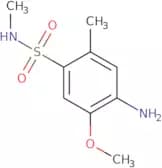
CAS:Controlled Product<p>Please enquire for more information about N-Methyl-N-[(1-methyl-1H-benzimidazol-2-yl)methyl]amine hydrochloride including the price, delivery time and more detailed product information at the technical inquiry form on this page</p>Formula:C10H13N3Purity:Min. 95%Molecular weight:175.23 g/mol4-Amino-5-methoxy-2-methyl-N-methylbenzenesulfonamide
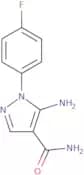
CAS:<p>4-Amino-5-methoxy-2-methyl-N-methylbenzenesulfonamide is a surfactant that is used in the chemical industry to dissolve diazotized aromatic amines. It is also used in the preparation of coupling agents, such as naphthol, and hydrochloric acid. 4-Amino-5-methoxy-2-methylbenzenesulfonamide can be prepared by the diazotization of aniline followed by coupling with hydrochloric acid and sodium phosphate. The product can then be purified by recrystallization from a salt solution containing sodium acetate.</p>Formula:C9H14N2O3SPurity:Min. 95%Molecular weight:230.29 g/mol5-Amino-1-(4-Fluorophenyl)-1H-Pyrazole-4-Carboxamide
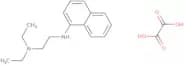
CAS:<p>Please enquire for more information about 5-Amino-1-(4-Fluorophenyl)-1H-Pyrazole-4-Carboxamide including the price, delivery time and more detailed product information at the technical inquiry form on this page</p>Formula:C10H9FN4OPurity:Min. 95%Molecular weight:220.2 g/molN,N-Diethyl-N'-1-naphthylethylenediamine oxalate
CAS:<p>N,N-Diethyl-N'-1-naphthylethylenediamine oxalate (NDENOX) is a naphthalene derivative that is used to inhibit the growth of bacteria. It binds to the extracellular site on the bacterial cell membrane and inhibits sulfadiazine uptake. NDENOX has been shown to be effective against S. aureus and other bacteria that are resistant to sulfonamides, but not against Staphylococcus epidermidis or E. coli. This drug also inhibits enzyme activity in damaged human serum, which may be due to its binding with kynurenine or pupal. NDENOX is hydrolyzed by hydrochloric acid and procaine to release naphthalene and diethylenetriamine, respectively.</p>Formula:C18H24N2O4•C2H2O4xPurity:Min. 95 Area-%Color and Shape:PowderMolecular weight:332.39 g/mol(R,S)-Z-3-Amino-7-chloro-2-oxo-5-phenyl-1,4-benzodiazepine
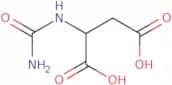
CAS:Controlled Product<p>Please enquire for more information about (R,S)-Z-3-Amino-7-chloro-2-oxo-5-phenyl-1,4-benzodiazepine including the price, delivery time and more detailed product information at the technical inquiry form on this page</p>Formula:C23H18ClN3O3Purity:Min. 95%Molecular weight:419.86 g/molN-(Aminocarbonyl)aspartic acid
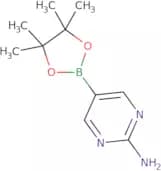
CAS:<p>N-Aminocarbonyl-L-aspartic acid (NACD) is a molecule that is found in urine samples. It can be used as a biomarker to detect cancer, HIV infection, and many other diseases. The presence of NACD has been correlated with the development of acidosis, which is characterized by an increase in the pH of body fluids. The following are a few examples of how this product might be described on an eCommerce site: Rifapentine is an anti-tuberculosis drug that belongs to the class of rifamycins. It is the most active of the rifamycins for the treatment of tuberculosis. Rifapentine inhibits bacterial growth by binding to DNA-dependent RNA polymerase, thereby preventing transcription and replication. The high frequency of human activity has been shown using a patch-clamp technique on human erythrocytes. This active form is metabolized through</p>Formula:C5H8N2O5Purity:Min. 95%Color and Shape:PowderMolecular weight:176.13 g/mol2-Aminopyrimidine-5-boronic acid pinacol ester
CAS:<p>2-Aminopyrimidine-5-boronic acid pinacol ester is a boronic acid derivative that has been shown to inhibit the activity of protein kinase C. This compound is also an effective linker for cross-coupling reactions and has a low reactivity with nucleophiles, which makes it safer than other boronic acids. 2-Aminopyrimidine-5-boronic acid pinacol ester has been shown to be potent against cancer cells in vitro and in vivo and synthetic cells. 2-Aminopyrimidine-5-boronic acid pinacol ester inhibits the growth of cancer cells by binding to the ATP site on protein kinase C, thereby inhibiting its function.</p>Formula:C10H16BN3O2Purity:Min. 95 Area-%Color and Shape:PowderMolecular weight:221.06 g/molTriisopropanolamine Borate
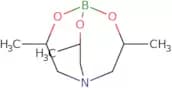
CAS:<p>Triisopropanolamine borate is an organic compound with the formula (CH3)3N(CH2)3OH. It is a colorless liquid with a sweet, amine-like odor. Triisopropanolamine borate is widely used as a cross-linking agent in coatings, and as a reactive functional group in polycarboxylic acid synthesis and cationic polymerization. It also has been used as a blood pressure lowering agent and to treat high calcium levels in the blood. The chemical structure of triisopropanolamine borate can be seen below: Triisopropanolamine Borate, Chemical Structure The chemical formula for triisopropanolamine borate is CH3N(CH2)3OH. Triisopropanolamine borate has many applications due to its reactive functional groups, including cross-linking agents for coatings and polycarboxylic acid synthesis</p>Formula:C9H18BNO3Purity:Min. 95%Molecular weight:199.06 g/molN-Methyl-N-hydroxyethyl-4-aminobenzaldehyde
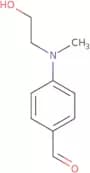
CAS:<p>N-Methyl-N-hydroxyethyl-4-aminobenzaldehyde (NHABA) is a bathochromic molecule that absorbs light at wavelengths of 400 to 500 nm. It is reactive and reacts with metal cations to form chromophores. NHABA has been shown to be a fluorescent probe for the detection of tyrosinase and autophagy in human serum. It also has inhibitory properties against tyrosinase, which may be due to its ability to inhibit the formation of melanin. NHABA is used as an analytical chemistry reagent for the determination of ammonia, nitrite, and nitrate ions in water samples. This molecule can also be used as a chemosensor for the detection of phenolic compounds in water samples.</p>Formula:C10H13NO2Purity:Min. 95%Molecular weight:179.22 g/mol[(4-Methyl-1,3-thiazol-2-yl)methyl]amine dihydrochloride
CAS:<p>Please enquire for more information about [(4-Methyl-1,3-thiazol-2-yl)methyl]amine dihydrochloride including the price, delivery time and more detailed product information at the technical inquiry form on this page</p>Formula:C5H8N2SPurity:Min. 95%Molecular weight:128.2 g/molBis(2,2,2-Trifluoroethyl)amine
CAS:<p>Bis(2,2,2-trifluoroethyl)amine is a colorless liquid that is soluble in water. It has a molecular weight of 122.11 and a boiling point of 217°C. Bis(2,2,2-trifluoroethyl)amine reacts with tetramethylammonium to form a dimer. The reaction is reversible and the bis(2,2,2-trifluoroethyl)amine can be regenerated by the addition of fluoride or an acid such as hydrochloric acid or sulfuric acid. Bis(2,2,2-trifluoroethyl)amine has an anion that can accept a proton from another molecule. This anion is also known as the bisulfite ion which reacts with hydrogen peroxide to form bisulfate and water.</p>Formula:C4H5F6NPurity:Min. 95%Color and Shape:PowderMolecular weight:181.08 g/mol9-[(5-Amino-1,3,4-thiadiazol-2-yl)methyl]-1,3-dimethyl-3,9-dihydro-1H-purine-2,6-dione
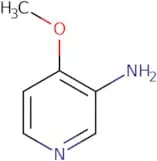
CAS:Controlled Product<p>Please enquire for more information about 9-[(5-Amino-1,3,4-thiadiazol-2-yl)methyl]-1,3-dimethyl-3,9-dihydro-1H-purine-2,6-dione including the price, delivery time and more detailed product information at the technical inquiry form on this page</p>Formula:C10H11N7O2SPurity:Min. 95%Molecular weight:293.31 g/mol3-Amino-4-methoxypyridine
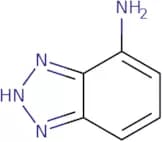
CAS:<p>3-Amino-4-methoxypyridine is a molecule that has been shown to have anesthetic activity. It has been shown to inhibit the uptake of glycogen by glioblastoma cells and decrease the rate of glycogen synthesis in these cells. 3-Amino-4-methoxypyridine also inhibits the production of ATP in cardiac muscle cells, which may be due to its ability to inhibit glycogen synthase kinase-3 (GSK3) and glycogen synthase. This drug also inhibits cancer cell growth by inhibiting protein synthesis, as well as inflammatory disease progression by inhibiting NFκB activation and cytokine production. 3-Amino-4-methoxypyridine can be synthesized from aminopyridines such as isonicotinic acid or nicotinic acid, which are oxidized with hydrogen peroxide and sodium nitrite in the presence of a base catalyst.</p>Formula:C6H8N2OPurity:Min. 95%Molecular weight:124.14 g/mol1H-1,2,3-Benzotriazol-4-amine
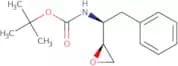
CAS:<p>1H-1,2,3-Benzotriazol-4-amine is a hydroxylated compound that belongs to the group of benzotriazole derivatives. It has been shown to inhibit the growth of cells in culture by binding to the nitrogen atoms in glutamate and inhibiting the production of nitric oxide synthase. 1H-1,2,3-Benzotriazol-4-amine also has binding constants for certain growth regulators that are 10 times higher than for other benzotriazoles. In vitro assays have shown that 1H-1,2,3-benzotriazol-4-amine is a potent corrosion inhibitor with an optical purity greater than 98%. The molecule was modeled using molecular modeling software and found to be stable when exposed to light. The molecule has also been tested on Sprague Dawley rats and found not to cause skin reactions.</p>Formula:C6H6N4Purity:Min. 95%Molecular weight:134.14 g/mol(2S,3S)-3-Boc-amino-1,2-epoxy-4-phenylbutane
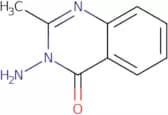
CAS:<p>(2S,3S)-3-Boc-amino-1,2-epoxy-4-phenylbutane is a potent and selective inhibitor of HIV protease. It binds to the active site of the enzyme and prevents the formation of an enzyme-substrate complex, which inhibits protein synthesis. (2S,3S)-3-Boc-amino-1,2-epoxy-4-phenylbutane has been shown to be a potent inhibitor for other serine proteases such as chymotrypsin and trypsin. This compound has also been shown to be effective in inhibiting a number of proteases from bacteria such as Bacillus subtilis and Pseudomonas aeruginosa. Inhibitors have also been found against nonenzymatic protein inhibitors such as bacitracin, polymyxin B, colistin sulfate, vancomycin, and daptomycin</p>Formula:C15H21NO3Purity:Min. 95%Color and Shape:PowderMolecular weight:263.33 g/mol3-Amino-2-methylquinazolin-4(3H)-one
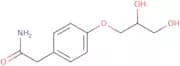
CAS:Controlled Product<p>3-Amino-2-methylquinazolin-4(3H)-one is a bidentate ligand that has been shown to have antibacterial and anticancer activity. The functional theory of the compound is based on its ability to form an imine nitrogen with metal ions such as Fe(II) or Cu(II). 3-Amino-2-methylquinazolin-4(3H)-one is not active against Staphylococcus aureus, but inhibits the growth of other bacteria by binding to their ribosomes and inhibiting protein synthesis. 3-Amino-2-methylquinazolin-4(3H)-one also has in vitro anticancer activity, which may be due to its ability to inhibit DNA synthesis and cell division.</p>Formula:C9H9N3OPurity:Min. 95%Molecular weight:175.19 g/molDes(isopropylamino) atenolol diol
CAS:<p>Des(isopropylamino) atenolol diol is a synthetic, high-performance liquid chromatography (HPLC) analyte with an absorbance maximum of 254 nm. It is a white/off-white solid that is soluble in water and has a molecular weight of 187.5 g/mol. This compound can be analyzed using multichannel or liquid chromatographic techniques. Des(isopropylamino) atenolol diol can be used to measure the concentration of various compounds, such as impurities, by elution from the column. The elution profile has been shown to be dependent on the type of sample and technique used for analysis.</p>Formula:C11H15NO4Purity:Min. 95%Molecular weight:225.24 g/molDiethylamine hydrochloride
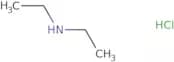
CAS:Controlled Product<p>Diethylamine hydrochloride is a chemical compound that is used as an intermediate in the manufacture of other chemicals. It can be used to treat metabolic disorders such as diabetes, hypothyroidism, and osteoporosis. Diethylamine hydrochloride has been shown to inhibit group P2 phosphodiesterases (PDEs) and prevent their degradation by the enzyme dipeptidyl peptidase-IV (DPP-IV). This inhibition leads to increased levels of cyclic AMP in cells, which contributes to its anti-inflammatory activity. The structural analysis of diethylamine hydrochloride has been performed using x-ray diffraction data and x-ray crystal structures.</p>Formula:C4H12ClNPurity:Min. 95%Molecular weight:109.6 g/mol2-(2-Aminoethyl)-1,3-dioxolane
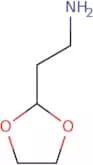
CAS:<p>2-(2-Aminoethyl)-1,3-dioxolane is a model membrane used to study the transport of hydrazides across membranes. It is also a vector for the study of supramolecular polymers and has been shown to be activated by aldehydes. 2-(2-Aminoethyl)-1,3-dioxolane has biological activity against human cells and has been used as a screening agent for hydrazide drugs. This compound can be used to study transport efficiency and functionality in vitro.</p>Formula:C5H11NO2Purity:Min. 95%Color and Shape:Clear LiquidMolecular weight:117.15 g/molZ-(R,S)-3-amino-5-cyclohexyl-2-oxo-1,4-benzodiazepine
CAS:Controlled Product<p>Please enquire for more information about Z-(R,S)-3-amino-5-cyclohexyl-2-oxo-1,4-benzodiazepine including the price, delivery time and more detailed product information at the technical inquiry form on this page</p>Formula:C23H25N3O3Purity:Min. 95%Molecular weight:391.46 g/mol3-Amino-2-hydroxy-N,N-dimethylbenzamide
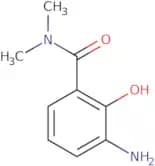
CAS:<p>Please enquire for more information about 3-Amino-2-hydroxy-N,N-dimethylbenzamide including the price, delivery time and more detailed product information at the technical inquiry form on this page</p>Formula:C9H12N2O2Purity:Min. 95%Molecular weight:180.2 g/molDiisopropylamine
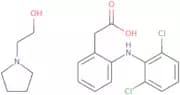
CAS:Controlled Product<p>Diisopropylamine is a tertiary amine and a component of trifluoroacetic acid. It is an amide with physiological effects that are not well understood. The diisopropylamine molecule has been shown to undergo transfer reactions, which may be due to steric interactions between the intramolecular hydrogen and nitrogen atoms. Trifluoroacetic acid can be found in reaction solution, such as in the formation of diazo compounds or as an intermediate in the reaction of ethyl acetate and sodium hypochlorite. Diisopropylamine is metabolized through dehydrogenative reactions, which involve the conversion of a group from one part of a molecule to another by removal of hydrogen atoms. This process generates reactive oxygen species and free radicals that may lead to oxidative stress in cells.</p>Formula:C6H15NPurity:Min. 95%Color and Shape:Clear LiquidMolecular weight:101.19 g/molDiclofenac Epolamine
CAS:<p>Diclofenac epolamine is a nonsteroidal anti-inflammatory drug that belongs to the class of diclofenac. It has been shown in clinical studies, with statistically significant results, to be effective against allergic reactions. Diclofenac epolamine is a film-forming polymer that can be used as a matrix for microcapsules containing diclofenac or other NSAIDs. This drug was designed to target tissue and provide effective analgesia at low doses. Diclofenac epolamine has an experimental model that uses monoclonal antibody-mediated delivery of diclofenac into the target tissue through microcapsules, which are then degraded by proteases present in the target tissue.</p>Formula:C20H22Cl2N2O2Purity:Min. 95%Molecular weight:393.31 g/mol4-Aminobiphenyl-D9
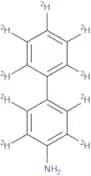
CAS:Controlled Product<p>4-Aminobiphenyl is a chemical compound that belongs to the group of aromatic amines. It is a human carcinogen and has been shown to cause cancer in animals. 4-Aminobiphenyl has been detected in the environment as an environmental pollutant and can be found in small quantities at low levels in food, air, and water. 4-Aminobiphenyl can be hydrolyzed by acid or alkaline hydrolysis to form its hydrolysate, which contains nitroarenes that are not present in the original compound. The DNA modification caused by 4-aminophenol may be due to its ability to modify DNA bases through reactive metabolites such as nitroarenes.</p>Formula:C12H2D9NPurity:Min. 95%Molecular weight:178.27 g/mol2-Phenylpropan-1-amine hydrochloride
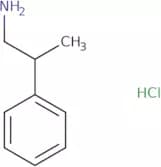
CAS:Controlled Product<p>Please enquire for more information about 2-Phenylpropan-1-amine hydrochloride including the price, delivery time and more detailed product information at the technical inquiry form on this page</p>Formula:C9H14ClNPurity:Min. 95%Molecular weight:171.67 g/mol1-Aminopiperidine
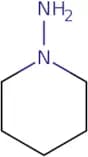
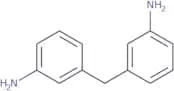
CAS:<p>1-Aminopiperidine is a hydrochloric acid derivative that is used to treat tuberculosis. It inhibits the enzyme catalysis of phospholipase A2 (PLA2) and blocks the release of arachidonic acid from cell membranes. 1-Aminopiperidine has been shown to have tuberculostatic activity in vivo by inhibiting PLA2 and blocking the release of arachidonic acid. This agent also exhibits antitumor properties, which may be due to its ability to inhibit the production of prostaglandin E2 (PGE2), an inflammatory mediator that can stimulate tumor growth. 1-Aminopiperidine binds to cannabinoid receptors, but does not bind to opioid or benzodiazepine receptors. This drug also exhibits antagonist activity against rimonabant, a type of receptor blocker for cannabinoid receptors.</p>Formula:C5H12N2Purity:Min. 95%Color and Shape:Clear LiquidMolecular weight:100.16 g/mol3,3'-Diaminodiphenylmethane
CAS:<p>3,3'-Diaminodiphenylmethane is a diamine that is used in organic synthesis as an electron-deficient ligand. It is used to prepare metal complexes and as a catalyst for the preparation of various organic compounds. 3,3'-Diaminodiphenylmethane has been used as an imprinting agent to generate fluorescent labels on proteins, nucleotides, and peptides. 3,3'-Diaminodiphenylmethane also emits fluorescence when irradiated with ultraviolet light. This compound can be used to identify amines in urine samples by reacting with them under acidic conditions.</p>Formula:C13H14N2Purity:Min. 95%Color and Shape:White To Tan To Orange SolidMolecular weight:198.26 g/mol2-Dimethylaminoisopropyl chloride hydrochloride
CAS:<p>2-Dimethylaminoisopropyl chloride hydrochloride is a fluorescent molecule that emits light at wavelengths of 370-430 nm. It has a number of uses, such as detecting the presence or absence of chloride ions in water samples, determining the composition of petroleum products, and measuring the concentration of sodium ions in electrolytes. 2-Dimethylamino-1-propanesulfonic acid chloride hydrochloride can be used to identify the transition metal (Cu) in a sample, because it absorbs light at wavelengths below 450 nm.</p>Formula:C5H12ClN·HClPurity:Min. 95%Color and Shape:White to off-white solid.Molecular weight:158.07 g/moltrans-4-Aminocyclohexanol
CAS:<p>Trans-4-aminocyclohexanol is a cell signaling molecule that belongs to the class of heterocyclic compounds. It has been shown to have an anti-inflammatory effect and inhibit the production of pro-inflammatory cytokines in vitro. Trans-4-aminocyclohexanol also inhibits cyclooxygenase (COX) activity, which is responsible for the conversion of arachidonic acid into prostaglandins. This inhibition leads to decreased inflammation and pain. Trans-4-aminocyclohexanol is orally bioavailable and can be detected in the blood plasma within one hour after administration. The compound has been shown to bind to the enzyme protein kinase C, which is involved in cell signaling pathways, and inhibit its activity.</p>Formula:C6H13NOPurity:Min. 95%Color and Shape:PowderMolecular weight:115.17 g/mol4'-Methyl aminorex
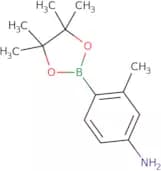
CAS:Controlled Product<p>Please enquire for more information about 4'-Methyl aminorex including the price, delivery time and more detailed product information at the technical inquiry form on this page</p>Formula:C10H12N2OPurity:Min. 95%Molecular weight:176.22 g/mol4-Amino-2-methylphenylboronic acid, pinacol ester
CAS:<p>Please enquire for more information about 4-Amino-2-methylphenylboronic acid, pinacol ester including the price, delivery time and more detailed product information at the technical inquiry form on this page</p>Formula:C13H20BNO2Purity:Min. 95%Molecular weight:233.11 g/mol2,5-Dimethoxy-4-methylamphetamine hydrochloride
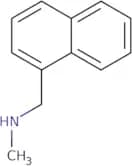
CAS:Controlled Product<p>2,5-Dimethoxy-4-methylamphetamine hydrochloride is a molecule that belongs to the class of phenethylamines. It has a serotonergic activity and can be used in the treatment of depression. This drug also affects the dopaminergic system and 5-HT2 receptors. 2,5-Dimethoxy-4-methylamphetamine hydrochloride is an agonist for 5HT1A receptors and an antagonist for 5HT2A and 5HT2C receptors. It has been shown to have a significant effect on locomotor activity in humans. The effects of this drug are dose dependent, with high doses leading to hallucinogenic effects.</p>Formula:C12H20ClNO2Purity:Min. 95%Molecular weight:245.75 g/molMethyl-1-naphthalenemethylamine
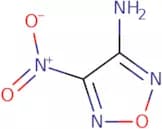
CAS:<p>Methyl-1-naphthalenemethylamine is a synthetic drug that is used as an anti-fungal agent. It is used to treat dermatophytosis and onychomycosis caused by Trichophyton mentagrophytes. Methyl-1-naphthalenemethylamine has been shown to have a clinical response in patients with the skin condition tinea pedis. This drug inhibits the growth of fungi by inhibiting cell membrane synthesis, which leads to cell death. Methyl-1-naphthalenemethylamine has been shown to be effective against Trichophyton mentagrophytes in plasma samples from patients with tinea pedis who were treated with this drug. The effectiveness of this drug may be due to its ability to inhibit the synthesis of polysaccharides, proteins, and lipids in the fungal cell membrane, or its ability to inhibit protein synthesis by binding with ribos</p>Formula:C12H13NPurity:Min. 95%Color and Shape:Clear LiquidMolecular weight:171.24 g/mol4-Nitro-1,2,5-oxadiazol-3-amine
CAS:Controlled Product<p>4-Nitro-1,2,5-oxadiazol-3-amine is a molecule that has been shown to be an inhibitor of the epidermal growth factor receptor (EGFR). The optimal reaction conditions for this molecule were determined by crystallography. These results were confirmed by prognosis assays and the determination of tautomers. This molecule may be used in diagnosis and as a potential treatment for cancer. 4-Nitro-1,2,5-oxadiazol-3-amine binds to the EGFR at a site different from that of erlotinib, an inhibitor currently used in the clinic. This binding leads to inhibition of protein synthesis and cell division by preventing the activation of downstream signal transduction pathways. The molecule also inhibits tumor cell proliferation and induces apoptosis by preventing the production of nitric oxide (NO) and reactive oxygen species (ROS).</p>Formula:C2H2N4O3Purity:Min. 95%Molecular weight:130.06 g/mol(2R)-1-[2-[(3-Hydroxytricyclo[3.3.1.1(3,7)]dec-1-yl)amino]acetyl]-2-pyrrolidinecarbonitrile
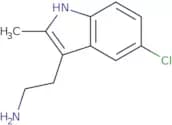
CAS:<p>(2R)-1-[2-[(3-Hydroxytricyclo[3.3.1.1(3,7)]dec-1-yl)amino]acetyl]-2-pyrrolidinecarbonitrile is a drug that belongs to the class of DPP-IV inhibitors and is used for the treatment of type 2 diabetes mellitus. It has been shown to be effective in reducing postprandial blood glucose levels in patients with type 2 diabetes mellitus. The mechanism of action of this drug is not fully understood, but it may have an effect on insulin release from pancreatic beta cells and/or inhibition of gastric emptying or intestinal absorption of glucose. This drug has been shown to reduce tubulointerstitial injury in diabetic rats and can be used as a combination therapy for type 2 diabetes mellitus. There are no known clinically relevant interactions between (2R)-1-[2-[(3-Hydroxytricyclo</p>Formula:C17H25N3O2Purity:Min. 95%Molecular weight:303.4 g/mol2-(5-chloro-2-methyl-1H-indol-3-yl)ethanamine
CAS:Controlled Product<p>Please enquire for more information about 2-(5-chloro-2-methyl-1H-indol-3-yl)ethanamine including the price, delivery time and more detailed product information at the technical inquiry form on this page</p>Formula:C11H13ClN2Purity:Min. 95%Molecular weight:208.69 g/molDinonylamine
CAS:<p>Dinonylamine is an industrial chemical that is used as a solvent for waxes and resins. It has been used as a substrate film for the production of polycarbonate plastics and in the manufacture of amines, nitroaromatic compounds, and fluoropolymers. Dinonylamine has been shown to have an inhibitory effect on the growth of microorganisms by reacting with their aromatic hydrocarbons. This chemical reacts with carbonyl groups to form hydroxyl groups, which are toxic to bacteria. It also reacts with radiation to form a patterned surface that can be used to immobilize enzymes or other proteins.br>br> br>br> Dinonylamine is used in industrial processes as a precursor for amines and hydroxy groups, which are important components in many organic molecules including pharmaceuticals. These reactions take place in solvent vapor phase reaction vessels at high temperatures.br>br> br>br> Din</p>Formula:C18H39NPurity:Min. 95%Color and Shape:PowderMolecular weight:269.51 g/molN-[1-(2,3-Dioleoyloxy)propyl]-n,n,n-trimethylammonium methyl-sulfate
CAS:<p>Dioleoyloxypropyl-N,N,N-trimethylammonium methylsulfate (DOTAP) is an antibacterial agent that disrupts the bacterial membrane. It has been shown to inhibit the uptake of chlamydia by inhibiting the binding of chlamydia to cells and enhancing the detection of chlamydia in cells. DOTAP also has pharmacological properties that are related to its ability to interfere with cellular membranes. DOTAP can be used as a strategy for developing antibacterial agents because it inhibits bacterial growth by disrupting their cellular membranes. This results in a decrease in phosphatidylethanolamine levels, leading to increased cell death.</p>Formula:C43H83NO7SPurity:Min. 95%Molecular weight:758.19 g/mol4-Methoxybenzylamine
CAS:<p>4-Methoxybenzylamine is an organic amine that has a redox potential of -0.14 V (vs. SHE) and a pK a of 10.5. It is used in the synthesis of trifluoroacetic acid esters, which are used as pharmaceutical intermediates. 4-Methoxybenzylamine has been shown to be effective in alleviating pain in animal models, and its mechanism of action may be due to inhibition of the enzyme cyclooxygenase. The kinetic data for this reaction were obtained by studying the deuterium isotope effect, which is characterized by a low energy barrier and rapid reaction rate. The hydrolysis step is also important for the reaction mechanism, with protocatechuic acid being an intermediate product. Hydrochloric acid is needed for dehydration of the reactants, while an aryl halide can be used instead in some cases. In these reactions, there are many possible reaction</p>Formula:C8H11NOPurity:Min. 95%Molecular weight:137.18 g/molMethyl 2-amino-4,6-dichloropyridine-3-carboxylate
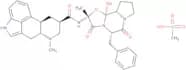
CAS:<p>Please enquire for more information about Methyl 2-amino-4,6-dichloropyridine-3-carboxylate including the price, delivery time and more detailed product information at the technical inquiry form on this page</p>Formula:C7H6Cl2N2O2Purity:Min. 95%Molecular weight:221.04 g/molDihydro ergotamine mesylate
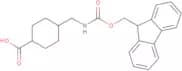
CAS:Controlled Product<p>Dihydroergotamine mesylate is a medication that is used in the treatment of migraines. It belongs to the group of drugs called ergot alkaloids and has been shown to have high values in cerebral metabolism. Dihydroergotamine mesylate has also been shown to have an effect on dopamine levels in human serum, which may be due to its ability to inhibit neuronal death. Dihydroergotamine mesylate is administered intravenously, orally or intramuscularly for the treatment of acute migraine attacks. The drug can also be given rectally for the prevention of chronic migraine episodes. This drug may cause side effects such as nausea, vomiting and dizziness.</p>Formula:C34H41N5O8SPurity:Min. 95%Color and Shape:PowderMolecular weight:679.78 g/molFmoc-trans-4-(aminomethyl)cyclohexane-1-carboxylic acid
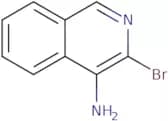
CAS:<p>Fmoc-trans-4-(aminomethyl)cyclohexane-1-carboxylic acid is a synthetic amino acid that has been shown in vitro to inhibit the growth of prostate cancer cells. It is an analog of butyric acid, a naturally occurring fatty acid. Fmoc-trans-4-(aminomethyl)cyclohexane-1-carboxylic acid has been synthesized by solid phase methods and labeled with radiotracers such as indium 111 or technetium 99m. The use of Fmoc-trans-4-(aminomethyl)cyclohexane-1-carboxylic acid in vivo is limited by its short circulating half life, rapid metabolism, and high toxicity.</p>Formula:C23H25NO4Purity:Min. 95%Color and Shape:White SolidMolecular weight:379.45 g/mol4-Amino-3-bromoisoquinoline
CAS:<p>4-Amino-3-bromoisoquinoline is an isocyanide that reacts with nucleophilic heteroatoms such as the amino group. It also reacts with bromine to form a bromopyridine. The nitrile group of 4-amino-3-bromoisoquinoline can be reduced with sodium borohydride to produce 4-aminoquinoline. This compound has shown potential for use in chemotherapy and treating bacterial infections.</p>Purity:Min. 95%[(1-Benzyl-1H-pyrazol-4-yl)methyl]amine
CAS:<p>Please enquire for more information about [(1-Benzyl-1H-pyrazol-4-yl)methyl]amine including the price, delivery time and more detailed product information at the technical inquiry form on this page</p>Formula:C11H13N3Purity:Min. 95%Molecular weight:187.24 g/mol2,3-Dihydro-1-(3-hydroxypropyl)-5-[(2R)-2-[[2-[2-(2,2,2-trifluoroethoxy)phenoxy]ethyl]amino]propyl]-1H-indole-7-carbonitrile
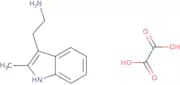
CAS:<p>Please enquire for more information about 2,3-Dihydro-1-(3-hydroxypropyl)-5-[(2R)-2-[[2-[2-(2,2,2-trifluoroethoxy)phenoxy]ethyl]amino]propyl]-1H-indole-7-carbonitrile including the price, delivery time and more detailed product information at the technical inquiry form on this page</p>Formula:C25H30F3N3O3Purity:Min. 95%Molecular weight:477.52 g/mol2-(2-Methyl-1H-indol-3-yl)ethanamine oxalate
CAS:Controlled Product<p>Please enquire for more information about 2-(2-Methyl-1H-indol-3-yl)ethanamine oxalate including the price, delivery time and more detailed product information at the technical inquiry form on this page</p>Formula:C13H16N2O4Purity:Min. 95%Molecular weight:264.28 g/molN-[2-[4-(Aminosulfonyl)-phenyl]-ethyl]-5-methyl-2-pyrazinecarboxamide
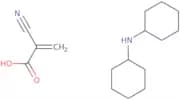
CAS:<p>Fluoxetine is a potent inhibitor of the enzyme cytochrome P450 (CYP) 2C19. The inhibition of CYP2C19 by fluoxetine may lead to an increase in the plasma concentration of other drugs that are metabolized by this enzyme, such as glipizide and hydroxycyclohexyl. Fluoxetine inhibits human uric acid secretion and increases plasma concentrations of uric acid. This drug also inhibits human erythrocyte dihydropyrimidine dehydrogenase, leading to increased blood levels of pyrimidines, especially cytotoxic ones like 6-fluoro-3-indoxyl-beta-D-galactopyranoside. Fluoxetine has been shown to have a protective effect against acetaminophen toxicity in rats because it enhances the conversion of acetaminophen to its less toxic metabolite N-acetylcysteine.</p>Formula:C14H16N4O3SPurity:Min. 95%Color and Shape:White To Off-White SolidMolecular weight:320.37 g/molDicyclohexylamine 2-cyanoacrylate
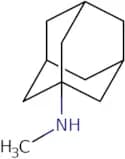
CAS:Controlled Product<p>Please enquire for more information about Dicyclohexylamine 2-cyanoacrylate including the price, delivery time and more detailed product information at the technical inquiry form on this page</p>Formula:C16H26N2O2Purity:Min. 95%Molecular weight:278.39 g/mol1-(Methylamino)adamantane
CAS:<p>1-(Methylamino)adamantane is a dopamine receptor ligand that has been shown to be neuroprotective in rodent models of ischemia-reperfusion injury. 1-(Methylamino)adamantane exhibits high affinity for the D2 subtype, with potency and efficacy that are comparable to those of dopamine. It also acts as an agonist at the D1 and D3 receptors, although it displays weaker binding affinity than dopamine. The neuroprotective effects of 1-(methylamino)adamantane have been demonstrated in wild-type mice following ischemia-reperfusion injury, but not in animals with a mutant form of the gene encoding dopamine receptors. These findings suggest that 1-(methylamino)adamantane may be able to provide protection against ischemia-reperfusion injury by acting on downstream pathways such as protein kinase C or nitric oxide synthase.</p>Formula:C11H19NPurity:Min. 95%Molecular weight:165.28 g/mol3-Methoxy methamphetamine hydrochloride
CAS:Controlled Product<p>Please enquire for more information about 3-Methoxy methamphetamine hydrochloride including the price, delivery time and more detailed product information at the technical inquiry form on this page</p>Formula:C11H18ClNOPurity:Min. 95%Molecular weight:215.72 g/mol4,6-Diaminobenzene-1,3-dicarboxylic acid
CAS:<p>4,6-Diaminobenzene-1,3-dicarboxylic acid is an inorganic copper compound that is used as a copper salt. It has been shown to be effective as a chelating agent for the treatment of copper toxicity. 4,6-Diaminobenzene-1,3-dicarboxylic acid binds to metal ions and forms a complex with them. This complex can then be excreted from the body through urine or bile.</p>Formula:C8H8N2O4Purity:Min. 95%Molecular weight:196.16 g/mol[(6-Chloro-1-isopropyl-1H-benzimidazol-2-yl)methyl]amine dihydrochloride
CAS:Controlled Product<p>Please enquire for more information about [(6-Chloro-1-isopropyl-1H-benzimidazol-2-yl)methyl]amine dihydrochloride including the price, delivery time and more detailed product information at the technical inquiry form on this page</p>Formula:C11H14ClN3Purity:Min. 95%Molecular weight:223.7 g/mol4-Amino-3,5-difluorobenzoic Acid
CAS:<p>4-Amino-3,5-difluorobenzoic Acid is a chemical compound that is used to manufacture dyes and pharmaceuticals. It is prepared by the reaction of dimethyl formamide with bromobenzoate and hydrobromic acid. The reaction product is decompressed to remove the toxic hydrogen cyanide gas and then reacted with sodium borohydride in liquid ammonia. This process yields 4-amino-3,5-difluorobenzoic acid which can be purified by recrystallization from water or chloroform.</p>Formula:C7H5F2NO2Purity:Min. 95%Molecular weight:173.12 g/mol(S)-tert-Butyl 3-(methylamino)pyrrolidine-1-carboxylate
CAS:<p>(S)-tert-Butyl 3-(methylamino)pyrrolidine-1-carboxylate is a research chemical that can be used as a versatile building block for the synthesis of complex compounds. It is also a reaction component in the synthesis of speciality chemicals and useful scaffolds. It has been shown to have high quality, reagent grade and purity.</p>Formula:C10H20N2O2Purity:Min. 95%Color and Shape:PowderMolecular weight:200.28 g/molN-Trifluoroacetyl (S)-amphetamine
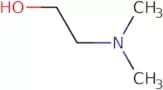
CAS:Controlled Product<p>Please enquire for more information about N-Trifluoroacetyl (S)-amphetamine including the price, delivery time and more detailed product information at the technical inquiry form on this page</p>Formula:C11H12F3NOPurity:Min. 95%Molecular weight:231.21 g/mol2-(Dimethylamino)ethanol
CAS:Controlled Product<p>2-(Dimethylamino)ethanol is a colorless liquid that has a molecular weight of 78.1 g/mol and a boiling point of 176.1 °C. It can be found in many household products as well as cosmetics, pharmaceuticals, and chemical manufacturing. 2-(Dimethylamino)ethanol is a precursor to acetaldehyde and acetic acid, which are important intermediates in the production of polymers such as nylon. It can also be used to synthesize other chemicals such as dimethylformamide, ethylene glycol, and methyl methacrylate. This chemical reacts with calcium to form insoluble calcium 2-(dimethylamino)ethanolate (Ca(DMAE)). This reaction is reversible and the equilibrium can be shifted by changing the pH or adding another reactant such as hydrogen peroxide or hydroxide ions.</p>Formula:C4H11NOPurity:Min. 95%Color and Shape:Clear LiquidMolecular weight:89.14 g/molDiethylaminosulfur trifluoride
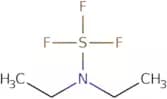
CAS:<p>Diethylaminosulfur trifluoride (DAST) is a reactive chemical that can be used as a methylating agent. It reacts with the hydroxyl group of carotenoids, including β-carotene, to produce x-ray crystal structures with the alcohol methanol solvent. DAST also reacts with 6alkyl and methyl glycosides, such as sucrose, producing a hydroxy derivative. DAST has been shown to have carcinogenic properties in tumor cell lines and is able to induce apoptosis in these cells by damaging their DNA. The use of DAST for cancer treatment can be done through laser ablation or injection into tumors.</p>Formula:C4H10F3NSPurity:(1H-Nmr) Min. 95%Color and Shape:Clear LiquidMolecular weight:161.19 g/mol2-(Diethylamino)ethyl acrylate
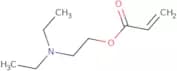
CAS:Controlled Product<p>2-(Diethylamino)ethyl acrylate is a reactive, film-forming polymer that can be used as a cross-linking agent or additive to coat surfaces and films. It is used in the production of cellulose films and as a protective coating for paper and textile fabrics. 2-(Diethylamino)ethyl acrylate is also used in the manufacture of reactive functional groups by reacting with hydrochloric acid to form diethyl chloroacetate. This chemical is used to make particle films for cell culture. The optimum concentration for 2-(diethylamino)ethyl acrylate is between 0.1% and 1%.</p>Formula:C9H17NO2Purity:Min. 95%Color and Shape:Colourless To Brown LiquidMolecular weight:171.24 g/molMethyl 4-(2-(2-amino-4-oxo-4,7-dihydro-3H-pyrrolo[2,3-d]pyrimidin-5-yl)ethyl)benzoate
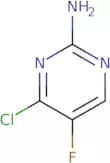
CAS:<p>Methyl 4-(2-(2-amino-4-oxo-4,7-dihydro-3H-pyrrolo[2,3-d]pyrimidin-5-yl)ethyl)benzoate is a prodrug that is hydrolyzed to form the active drug pemetrexed disodium. The drug has been shown to be effective for the treatment of cancer and has been used in clinical trials for patients with lung cancer. The conversion of this prodrug to its active form occurs through a hydrolysis reaction at high temperature and by saponification with sodium hydroxide. Methyl 4-(2-(2-amino-4-oxo-4,7-dihydro-3H-pyrrolo[2,3 - d]pyrimidin -5 -yl)ethyl)benzoate can also be converted into its active form by enzymatic action using ester</p>Purity:Min. 95%4-chloro-5-fluoropyrimidin-2-amine
CAS:<p>Please enquire for more information about 4-chloro-5-fluoropyrimidin-2-amine including the price, delivery time and more detailed product information at the technical inquiry form on this page</p>Formula:C4H3ClFN3Purity:Min. 95%Molecular weight:147.54 g/mol





![[2-(1-Isobutyl-1H-benzimidazol-2-yl)ethyl]amine dihydrochloride](/_next/image/?url=https%3A%2Fstatic.cymitquimica.com%2Fproducts%2F3D%2Fthumb-webp%2FFI135795.webp&w=3840&q=75)

![(R)-(-)-a-[[(4-Ethyl-2,3-dioxo-1-piperazinyl)carbonyl]amino]benzeneacetic Acid](/_next/image/?url=https%3A%2Fstatic.cymitquimica.com%2Fproducts%2F3D%2Fthumb-webp%2FFE60111.webp&w=3840&q=75)

![1H-Pyrrolo[2,3-b]pyridin-5-ylamine](/_next/image/?url=https%3A%2Fstatic.cymitquimica.com%2Fproducts%2F3D%2Fthumb-webp%2FFP143125.webp&w=3840&q=75)


![[2-(4-methoxyphenyl)ethyl]methylamine](/_next/image/?url=https%3A%2Fstatic.cymitquimica.com%2Fproducts%2F3D%2Fthumb-webp%2FFM51362.webp&w=3840&q=75)


![4-amino[1,1'-biphenyl]-3-carboxylic acid](/_next/image/?url=https%3A%2Fstatic.cymitquimica.com%2Fproducts%2F3D%2Fthumb-webp%2FFA58870.webp&w=3840&q=75)




![N-Methyl-N-[(1-methyl-1H-benzimidazol-2-yl)methyl]amine hydrochloride](/_next/image/?url=https%3A%2Fstatic.cymitquimica.com%2Fproducts%2F3D%2Fthumb-webp%2FFM117084.webp&w=3840&q=75)

![[(4-Methyl-1,3-thiazol-2-yl)methyl]amine dihydrochloride](/_next/image/?url=https%3A%2Fstatic.cymitquimica.com%2Fproducts%2F3D%2Fthumb-webp%2FFM124176.webp&w=3840&q=75)

![9-[(5-Amino-1,3,4-thiadiazol-2-yl)methyl]-1,3-dimethyl-3,9-dihydro-1H-purine-2,6-dione](/_next/image/?url=https%3A%2Fstatic.cymitquimica.com%2Fproducts%2F3D%2Fthumb-webp%2FFA125300.webp&w=3840&q=75)




![(2R)-1-[2-[(3-Hydroxytricyclo[3.3.1.1(3,7)]dec-1-yl)amino]acetyl]-2-pyrrolidinecarbonitrile](/_next/image/?url=https%3A%2Fstatic.cymitquimica.com%2Fproducts%2F3D%2Fthumb-webp%2FFH46129.webp&w=3840&q=75)

![N-[1-(2,3-Dioleoyloxy)propyl]-n,n,n-trimethylammonium methyl-sulfate](/_next/image/?url=https%3A%2Fstatic.cymitquimica.com%2Fproducts%2F3D%2Fthumb-webp%2FFD157467.webp&w=3840&q=75)


![[(1-Benzyl-1H-pyrazol-4-yl)methyl]amine](/_next/image/?url=https%3A%2Fstatic.cymitquimica.com%2Fproducts%2F3D%2Fthumb-webp%2FFB133964.webp&w=3840&q=75)
![2,3-Dihydro-1-(3-hydroxypropyl)-5-[(2R)-2-[[2-[2-(2,2,2-trifluoroethoxy)phenoxy]ethyl]amino]propyl…](/_next/image/?url=https%3A%2Fstatic.cymitquimica.com%2Fproducts%2F3D%2Fthumb-webp%2FFD103483.webp&w=3840&q=75)
![N-[2-[4-(Aminosulfonyl)-phenyl]-ethyl]-5-methyl-2-pyrazinecarboxamide](/_next/image/?url=https%3A%2Fstatic.cymitquimica.com%2Fproducts%2F3D%2Fthumb-webp%2FFA150607.webp&w=3840&q=75)


![[(6-Chloro-1-isopropyl-1H-benzimidazol-2-yl)methyl]amine dihydrochloride](/_next/image/?url=https%3A%2Fstatic.cymitquimica.com%2Fproducts%2F3D%2Fthumb-webp%2FFC135800.webp&w=3840&q=75)


![Methyl 4-(2-(2-amino-4-oxo-4,7-dihydro-3H-pyrrolo[2,3-d]pyrimidin-5-yl)ethyl)benzoate](/_next/image/?url=https%3A%2Fstatic.cymitquimica.com%2Fproducts%2F3D%2Fthumb-webp%2FFM41972.webp&w=3840&q=75)