Amines
Amines are a set of molecules containing an amino functional group (derived from ammonia). This category includes amines at any level of substitution : primary, secondary, tertiary, and ammonium salts. Amines are fundamental in organic synthesis and are widely used in pharmaceuticals, agrochemicals, and materials science. At CymitQuimica, we provide a comprehensive selection of amines to meet your research and industrial needs. Our range ensures access to various amines for diverse chemical processes and innovative research.
Subcategories of "Amines"
- Nitrosamines(2,605 products)
- Primary Amines(30,805 products)
- Quaternary Ammonium Cations and Salts(1,098 products)
- Secondary Amines(20,809 products)
- Tertiary Amines(17,111 products)
Found 8777 products of "Amines"
Sort by
Purity (%)
0
100
|
0
|
50
|
90
|
95
|
100
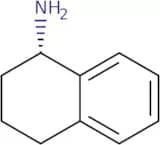
S-(+)-1-Aminotetrahydronaphthalene
CAS:<p>S-(+)-1-Aminotetrahydronaphthalene is an amido derivative that is the enantiomer of S-(-)-1-amino-N,N'-diphenylformamide. It has been shown to have anti-obesity effects in mice by increasing energy expenditure and reducing food intake. S-(+)-1-Aminotetrahydronaphthalene also inhibits the release of fatty acids from adipose tissue, which may be due to its ability to suppress lipolysis. The molecular mechanism for these effects is not yet known, but it is thought that the amide group on this compound interacts with certain protein surfaces and steric interactions are involved in its activity.</p>Formula:C10H13NPurity:Min. 95%Molecular weight:147.22 g/mol6-Bromo-1H-indazol-3-yl-amine
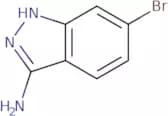
CAS:<p>6-Bromo-1H-indazol-3-yl-amine is an indazole derivative that has shown anti-cancer effects in vitro and in vivo. 6-Bromo-1H-indazol-3-yl-amine inhibits the proliferation of cancer cells, which may be due to its inhibition of cell cycle progression at the G2/M phase. It also inhibits the growth of tumor cells by inducing apoptosis. The drug's mechanism of action is not yet fully understood, but it has been shown to inhibit the activity of axitinib, a tyrosine kinase inhibitor. This drug has also shown anti-proliferative activities with acid catalysts and supramolecular systems. In addition, 6-bromo 1H indazol 3 yl amine contains functional groups such as nitro and pyrrole groups.</p>Formula:C7H6BrN3Purity:Min. 95%Molecular weight:212.05 g/molFmoc-(4-aminomethyl) benzoic acid
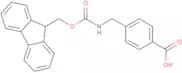
CAS:<p>Please enquire for more information about Fmoc-(4-aminomethyl) benzoic acid including the price, delivery time and more detailed product information at the technical inquiry form on this page</p>Formula:C23H19NO4Purity:Min. 95%Molecular weight:373.4 g/mol3-Pyridazinemethanamine
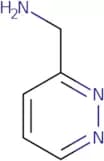
CAS:<p>3-Pyridazinemethanamine is an amide that binds to the vasopressin V2 receptor. It is a selective agonist of the vasopressin V2 receptor and has a high affinity for this receptor. 3-Pyridazinemethanamine has been shown to be a functional antagonist at the vasopressin V1A receptors, which may be due to its chemical structure. 3-Pyridazinemethanamine is not metabolized by cytochrome P450 and does not inhibit other cytochrome P450 enzymes, making it an attractive drug candidate for use in humans.</p>Formula:C5H7N3Purity:Min. 95%Molecular weight:109.13 g/molN-Methyl-N-hydroxyethyl-4-aminobenzaldehyde
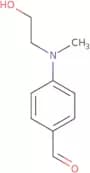
CAS:<p>N-Methyl-N-hydroxyethyl-4-aminobenzaldehyde (NHABA) is a bathochromic molecule that absorbs light at wavelengths of 400 to 500 nm. It is reactive and reacts with metal cations to form chromophores. NHABA has been shown to be a fluorescent probe for the detection of tyrosinase and autophagy in human serum. It also has inhibitory properties against tyrosinase, which may be due to its ability to inhibit the formation of melanin. NHABA is used as an analytical chemistry reagent for the determination of ammonia, nitrite, and nitrate ions in water samples. This molecule can also be used as a chemosensor for the detection of phenolic compounds in water samples.</p>Formula:C10H13NO2Purity:Min. 95%Molecular weight:179.22 g/mol2-(4-Aminophenoxy)acetamide
CAS:<p>2-(4-Aminophenoxy)acetamide is a chemical compound that belongs to the class of acetamides. It is used in the production of polyester fibers and dyes. 2-(4-Aminophenoxy)acetamide is a colorless, crystalline solid that has not been identified in nature.</p>Formula:C8H10N2O2Purity:Min. 95%Molecular weight:166.18 g/mol1H,1H-Nonafluoropentylamine
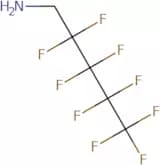
CAS:<p>Please enquire for more information about 1H,1H-Nonafluoropentylamine including the price, delivery time and more detailed product information at the technical inquiry form on this page</p>Formula:C5H4F9NPurity:Min. 95%Color and Shape:Clear LiquidMolecular weight:249.08 g/mol3-Amino-4-methoxypyridine
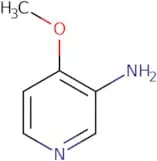
CAS:<p>3-Amino-4-methoxypyridine is a molecule that has been shown to have anesthetic activity. It has been shown to inhibit the uptake of glycogen by glioblastoma cells and decrease the rate of glycogen synthesis in these cells. 3-Amino-4-methoxypyridine also inhibits the production of ATP in cardiac muscle cells, which may be due to its ability to inhibit glycogen synthase kinase-3 (GSK3) and glycogen synthase. This drug also inhibits cancer cell growth by inhibiting protein synthesis, as well as inflammatory disease progression by inhibiting NFκB activation and cytokine production. 3-Amino-4-methoxypyridine can be synthesized from aminopyridines such as isonicotinic acid or nicotinic acid, which are oxidized with hydrogen peroxide and sodium nitrite in the presence of a base catalyst.</p>Formula:C6H8N2OPurity:Min. 95%Molecular weight:124.14 g/molDimethylaminoacetic acid hydrazide dihydrochloride
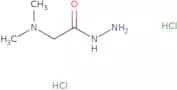
CAS:<p>Please enquire for more information about Dimethylaminoacetic acid hydrazide dihydrochloride including the price, delivery time and more detailed product information at the technical inquiry form on this page</p>Purity:Min. 95%rac benzphetamine hydrochloride
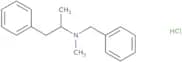
CAS:Controlled Product<p>Rac benzphetamine hydrochloride is a repurposed drug that has been shown to have the ability to modulate the activity of various receptors, including the dopamine receptor. Rac benzphetamine hydrochloride is a layered molecule with two stereogenic centers and three chiral centers. It has been shown to have hydroxylase activity, which is catalyzed by the enzyme aryl hydrocarbon hydroxylase. Rac benzphetamine hydrochloride also has potential as an anti-inflammatory agent because it inhibits myelination in mice. Rac benzphetamine hydrochloride was found to be carcinogenic in animal studies, but not in human trials. The drug can be given intravenously or intraperitoneally, depending on the desired effect.</p>Formula:C17H22ClNPurity:Min. 95%Molecular weight:275.82 g/mol5-Fluoro-2-Indanamine
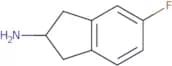
CAS:Controlled Product<p>Please enquire for more information about 5-Fluoro-2-Indanamine including the price, delivery time and more detailed product information at the technical inquiry form on this page</p>Formula:C9H10FNPurity:Min. 95%Molecular weight:151.18 g/mol5-Amino-2,4-dichlorophenol
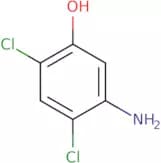
CAS:<p>Please enquire for more information about 5-Amino-2,4-dichlorophenol including the price, delivery time and more detailed product information at the technical inquiry form on this page</p>Formula:C6H5Cl2NOPurity:Min. 95%Color and Shape:PowderMolecular weight:178.02 g/molN-(2-Aminoethyl)piperazine
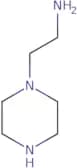
CAS:<p>N-(2-Aminoethyl)piperazine (NAPE) is a chemical compound that can be used as an environmentally friendly catalyst for the degradation of ethylene diamine and other amines. NAPE has been shown to be stable under alkaline conditions, and its fluorescence probe has been used to monitor the progress of the reaction. This compound is a coordination complex with nitrogen atoms at the corners of a square and two amines at opposite corners of the square. The amine groups are coordinated to metal ions in a geometry that is determined by the atomic number of the metal ion. Disulfide bonds form between two cysteine residues on adjacent chains. Glycol ethers can also form disulfide bonds with NAPE, forming glycol ether-NAPE complexes. Antibodies have been shown to bind to glycol ether-NAPE complexes, suggesting that these complexes may play a role in antibody response, although experimental solubility data have not yet confirmed this</p>Formula:C6H15N3Purity:Min. 95%Molecular weight:129.2 g/molTetramethylammonium hydroxide, 25% aqueous solution
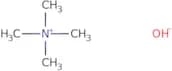
CAS:<p>Tetramethylammonium hydroxide is a strong base that is used in analytical chemistry for the quantitative determination of zirconium. It is an analytical reagent and has a pH of 14. Tetramethylammonium hydroxide forms complexes with metals such as zirconium and titanium, which are then analyzed by various methods such as atomic absorption spectroscopy, x-ray fluorescence spectroscopy, and inductively coupled plasma mass spectrometry. The optimum concentration of tetramethylammonium hydroxide for this application is approximately 25%. Tetramethylammonium hydroxide reacts with p-nitrophenyl phosphate to form a pink product, which can be detected by colorimetric analysis. This reaction also produces hydrogen fluoride gas, which must be removed before the solution can be used again. Tetramethylammonium hydroxide reacts with ammonium to form tetramethylammonium ion and water. It also reacts</p>Formula:C4H13NOPurity:Min. 95%Color and Shape:Clear LiquidMolecular weight:91.15 g/mol1-(RS)-2-(Dibutylamino)-2-[2,7-dichloro-9-(4-chlorobenxylidene)]-9H-fluoren- 4-yl]ethanol - E/Z mixture
CAS:<p>Please enquire for more information about 1-(RS)-2-(Dibutylamino)-2-[2,7-dichloro-9-(4-chlorobenxylidene)]-9H-fluoren- 4-yl]ethanol - E/Z mixture including the price, delivery time and more detailed product information at the technical inquiry form on this page</p>Formula:C30H32Cl3NOPurity:Min. 95%Molecular weight:528.94 g/mol(4-Bromobenzyl)methylamine hydrochloride
CAS:Controlled Product<p>(4-Bromobenzyl)methylamine hydrochloride is a reagent that is used for the analysis of carboxylic acids. It has been used in a number of studies to analyze cellular metabolism and energy metabolism. This reagent has also been used to study the functional groups of organic acids, as well as their reactivity. (4-Bromobenzyl)methylamine hydrochloride can be used in liquid chromatography or electrospray ionization methods to analyze samples using mass spectrometry.</p>Formula:C8H10BrNPurity:Min. 95%Molecular weight:200.08 g/molFmoc-S-trityl-D-penicillamine
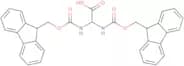
CAS:<p>Please enquire for more information about Fmoc-S-trityl-D-penicillamine including the price, delivery time and more detailed product information at the technical inquiry form on this page</p>Formula:C39H35NO4SPurity:Min. 95%Molecular weight:613.77 g/molN,N'-bis-Fmoc-diaminoacetic acid
CAS:<p>Please enquire for more information about N,N'-bis-Fmoc-diaminoacetic acid including the price, delivery time and more detailed product information at the technical inquiry form on this page</p>Formula:C32H26N2O6Purity:Min. 95%Molecular weight:534.56 g/mol1,4-Piperidinedicarboxylic acid, 4-aMino-, 1-(1,1-diMethylethyl) 4-ethyl ester
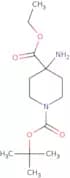
CAS:<p>Please enquire for more information about 1,4-Piperidinedicarboxylic acid, 4-aMino-, 1-(1,1-diMethylethyl) 4-ethyl ester including the price, delivery time and more detailed product information at the technical inquiry form on this page</p>Formula:C13H25N2O4Purity:Min. 95%Molecular weight:273.35 g/mol1-(4-(Aminomethyl)phenyl)pyridin-1-ium chloride
CAS:<p>1-(4-(Aminomethyl)phenyl)pyridin-1-ium chloride is a chemical compound that belongs to the class of pyridines and has pinpoint as its molecular weight. It is an ionic liquid that can be used in analytical methods, such as liquid chromatography and ionization techniques, for the identification of unsaturated fatty acids. This compound can be analyzed by gas chromatography with either electron capture detection or chemical ionization. The GC separation column used for this analysis would have to be a phase column with an unsaturated fatty acid stationary phase. GC-EID and GC-CI are two common ionization techniques that could be used in conjunction with this analytical method. The lower limit of detection for this technique is about 0.1 ppm, which makes it a sensitive analytical tool for use in food production and quality control laboratories. The yield of 1-(4-(Aminomethyl)phenyl)pyridin-1-</p>Purity:Min. 95%Dimethylammonium dichlorotri(mu-chloro)bis[(R)-(+)-5,5'-bis(diphenylphosphino)-4,4'-bi-1,3-benzodioxole]diruthenate(II)
CAS:Controlled Product<p>Please enquire for more information about Dimethylammonium dichlorotri(mu-chloro)bis[(R)-(+)-5,5'-bis(diphenylphosphino)-4,4'-bi-1,3-benzodioxole]diruthenate(II) including the price, delivery time and more detailed product information at the technical inquiry form on this page</p>Formula:C78H64Cl5O8P4Ru2NPurity:Min. 95%Molecular weight:1,646.64 g/mol2’-Nor thiamine hydrochloride
CAS:<p>Please enquire for more information about 2’-Nor thiamine hydrochloride including the price, delivery time and more detailed product information at the technical inquiry form on this page</p>Formula:C11H16Cl2N4OSPurity:Min. 95%Molecular weight:323.24 g/mol4-Aminoquinoline-2-one
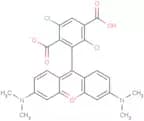
CAS:<p>4-Aminoquinoline-2-one is a nonsteroidal anti-inflammatory drug that has tuberculostatic activity. It binds to the nitrogen atoms of the enzyme dihydropteroate synthase, which is involved in the synthesis of folic acid and DNA. This leads to an increase in reactive oxygen species and inflammation, which causes disease activity. 4-Aminoquinoline-2-one has been shown to be synergistic with monoclonal antibodies when used as a treatment for inflammatory diseases. In order for 4-aminoquinoline-2-one to be taken up by cells, it must bind to cellular uptake proteins through hydrogen bonds or disulfide bonds.</p>Formula:C9H8N2OPurity:Min. 95%Molecular weight:160.17 g/mol1,4-Dichloro 6-carboxytetramethylrhodamine
CAS:<p>1,4-Dichloro 6-carboxytetramethylrhodamine is a rhodamine-class fluorescent dye with excitation/emission wavelengths of 541/568 nm.</p>Formula:C25H20Cl2N2O5Purity:99.99%Color and Shape:SolidMolecular weight:499.34Poly(allylamine hydrochloride) - MW 15000
CAS:<p>Allylamine HCl content - max 7%</p>Formula:(C3H7N)x•(HCl)xColor and Shape:Clear LiquidN-[(1S)-1-(Aminocarbonyl)propyl]-4-chlorobutanamide
CAS:<p>Please enquire for more information about N-[(1S)-1-(Aminocarbonyl)propyl]-4-chlorobutanamide including the price, delivery time and more detailed product information at the technical inquiry form on this page</p>Formula:C8H15ClN2O2Purity:Min. 95%Color and Shape:PowderMolecular weight:206.67 g/mol5-Bromoquinolin-8-amine
CAS:<p>5-Bromoquinolin-8-amine is a topoisomerase inhibitor that can be used as an antitumor agent. It has been shown to inhibit the growth of tumor cell lines and suppress the growth of colon carcinoma cells in rats and human colon carcinomas in mice. 5-Bromoquinolin-8-amine interacts with DNA, specifically inhibiting the formation of supercoiled DNA. This interaction may lead to the inhibition of tumor cell growth. 5-Bromoquinolin-8-amine also inhibits protein synthesis by interacting with proteins at the ribosomal level, leading to inhibited cell growth.</p>Formula:C9H7BrN2Purity:Min. 95%Molecular weight:223.07 g/mol2,7-Bis[2-(diethylamino)ethoxy]-9-fluorenone dihydrochloride
CAS:Controlled Product<p>2,7-Bis[2-(diethylamino)ethoxy]-9-fluorenone dihydrochloride (2,7-BDFE) is a potent inducer of interferon. It is a natural compound that has been shown to have significant cytotoxicity against murine sarcoma virus and opportunistic fungal infections. 2,7-BDFE has also been shown to induce toll-like receptor 4 (TLR4), which triggers the production of other cytokines and chemokines. 2,7-BDFE has also been found to inhibit the growth of cancer cells in vitro and in vivo. This drug is used as an inhibitor for benzalkonium chloride for the prevention of bacterial contamination on surfaces.</p>Formula:C25H36N2O3Cl2Purity:Min. 95%Color and Shape:Yellow PowderMolecular weight:483.47 g/mol5-Bromoquinolin-6-amine
CAS:<p>Please enquire for more information about 5-Bromoquinolin-6-amine including the price, delivery time and more detailed product information at the technical inquiry form on this page</p>Formula:C9H7BrN2Purity:Min. 95%Molecular weight:223.07 g/molN-(2-Amino-ethyl)-2-(benzyl-phenyl-amino)-acetamide
CAS:<p>Please enquire for more information about N-(2-Amino-ethyl)-2-(benzyl-phenyl-amino)-acetamide including the price, delivery time and more detailed product information at the technical inquiry form on this page</p>Formula:C17H21N3OPurity:Min. 95%Color and Shape:White PowderMolecular weight:283.37 g/molZ-L-α-aminobutyric acid
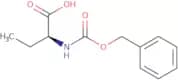
CAS:<p>Z-L-alpha-aminobutyric acid is a homogeneous, optically active, linear phosphinic analogue of alpha-aminobutyric acid. It has been used in the synthesis of phosphinic analogues of cyclosporin and undecapeptides with high yields. The coupling reaction between Z-L-alpha-aminobutyric acid and benzaldehyde was carried out in two steps to produce the desired product. A stepwise condensation between Z-L-alpha-aminobutyric acid and 3,4,5,6 tetrahydropyrimidine was also successful.</p>Formula:C12H15NO4Purity:Min. 98 Area-%Color and Shape:White PowderMolecular weight:237.25 g/molDABCYL-(Asn670,Leu671)-Amyloid b/A4 Protein Precursor770 (669-674)-EDANS ammonium salt
CAS:<p>Please enquire for more information about DABCYL-(Asn670,Leu671)-Amyloid b/A4 Protein Precursor770 (669-674)-EDANS ammonium salt including the price, delivery time and more detailed product information at the technical inquiry form on this page</p>Formula:C54H70N12O15SPurity:Min. 95%Molecular weight:1,159.27 g/molMethyl 3-amino-2-phenylpropanoate HCl
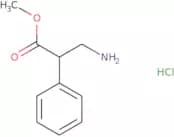
CAS:<p>Methyl 3-amino-2-phenylpropanoate HCl is a chemical intermediate that is synthesized in the biosynthesis of scopolamine and tenellin. It has been found to be an isotopically labeled analog of tropane alkaloids, which are a class of natural products that includes atropine, hyoscyamine, and scopolamine. Methyl 3-amino-2-phenylpropanoate HCl is one of many compounds that can provide structural insights into the biosynthesis and metabolism of these compounds.</p>Formula:C10H13NO2·HClPurity:Area-% Min. 95 Area-%Color and Shape:PowderMolecular weight:215.68 g/mol5-Chloro-2-nitrodiphenylamine
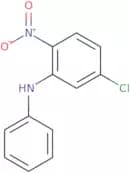
CAS:<p>5-Chloro-2-nitrodiphenylamine is a synthetic dyestuff that belongs to the class of acridones. It can be used as an anti-epileptic drug, although it has not been approved for this use in any country. 5-Chloro-2-nitrodiphenylamine is manufactured by reacting a 6-carboxylic acid with an organic solvent and ammonolysis. This chemical is also known as 6'-chloroacridone and is used in the production of dyes and pigments. The manufacturing process produces impurities such as chloride, which must be removed by evaporation. Nitro groups are introduced during the manufacturing process to improve the dye's stability and color fastness under light exposure.</p>Formula:C12H9ClN2O2Purity:Min. 95%Color and Shape:Orange To Red SolidMolecular weight:248.66 g/mol2-Amino-5-fluorobenzonitrile
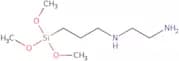
CAS:<p>2-Amino-5-fluorobenzonitrile is a molecule that belongs to the class of amines. The vibrational spectroscopies and diffraction experiments show that this molecule has a strong dipole moment, which is due to the carbamic acid group. 2-Amino-5-fluorobenzonitrile has been shown to be chiral, which means it can exist in two different forms, one with a left and one with a right orientation of the atoms. This molecule can be used as an analyte for thermodynamic measurements and can be used as a reagent in organic synthesis reactions. It also has functional groups that are useful for vibrational spectroscopies.</p>Formula:C7H5FN2Purity:Min. 95%Color and Shape:PowderMolecular weight:136.13 g/molN-(2-Aminoethyl)-3-(trimethoxysilyl)propylamine
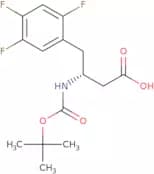
CAS:<p>N-(2-Aminoethyl)-3-(trimethoxysilyl)propylamine (NAP) is a cationic surfactant that is used as a fluorescent probe to study the binding of proteins to cell surface integrin receptors. The adsorption mechanism is based on the interaction between the hydrophobic parts of the protein and the hydrophobic parts of NAP. This interaction leads to an increase in the concentration of NAP at the interface and thus an increase in fluorescence. NAP has been shown to bind human serum albumin, fatty acids, and monoclonal antibodies with high affinity. It also has been shown to bind to plasma proteins through hydrogen bonding. The optimum concentration for NAP adsorption is 1mM.</p>Formula:C8H22N2O3SiPurity:Min. 95%Molecular weight:222.36 g/molBoc-(R)-3-Amino-4-(2,4,5-trifluorophenyl)butanoic acid
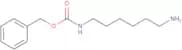
CAS:<p>Intermediate in the synthesis of sitagliptin</p>Formula:C15H18F3NO4Purity:Min. 95%Molecular weight:333.3 g/molN-1-Z-1,6-diaminohexane·HCl
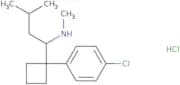
CAS:<p>Please enquire for more information about N-1-Z-1,6-diaminohexane·HCl including the price, delivery time and more detailed product information at the technical inquiry form on this page</p>Formula:C14H22N2O2·HClPurity:Min. 95%Molecular weight:286.8 g/molDesmethyl sibutramine hydrochloride salt
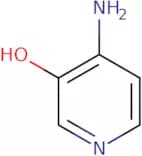
CAS:<p>Desmethyl sibutramine hydrochloride salt is a pharmaceutical preparation that has been used in the treatment of depression and chronic pain. It is a synthetic drug that increases the level of dopamine in the brain by inhibiting its reuptake. In addition, it has been shown to be effective in the treatment of hyperactivity, diabetic neuropathy, and other amines. Desmethyl sibutramine hydrochloride salt also has an antidepressant effect by decreasing serotonin reuptake.</p>Formula:C16H25Cl2NPurity:Min. 95 Area-%Color and Shape:White PowderMolecular weight:302.28 g/mol4-Amino-3-hydroxypyridine
CAS:<p>4-Amino-3-hydroxypyridine is a cholinergic drug that has a dose-proportional profile. This drug has been shown to be clinically relevant in humans, and the clinical studies have demonstrated a clear pharmacokinetic profile. 4-Amino-3-hydroxypyridine is metabolized by carbamic acid to form an active metabolite, which binds acetylcholine receptors on cells. This binding results in increased levels of acetylcholine, which can lead to muscle contraction. The drug also inhibits plasma concentrations of other drugs such as warfarin and phenytoin, which may lead to adverse effects or reduced therapeutic efficacy. 4-Amino-3-hydroxypyridine also has functional groups that make it soluble in water and able to cross the blood–brain barrier. In cell culture experiments, 4-amino-3-hydroxypyridine inhibited the growth of rat striatal neurons.</p>Formula:C5H6N2OPurity:Min. 95%Color and Shape:Off-White PowderMolecular weight:110.11 g/molMca-(Asn670,Leu671)-Amyloid β/A4 Protein Precursor770 (667-674)-Dap (Dnp) ammonium acetate salt
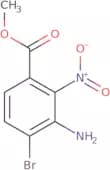
CAS:<p>Please enquire for more information about Mca-(Asn670,Leu671)-Amyloid beta/A4 Protein Precursor770 (667-674)-Dap (Dnp) ammonium acetate salt including the price, delivery time and more detailed product information at the technical inquiry form on this page</p>Formula:C56H73N13O26Purity:Min. 95%Molecular weight:1,344.25 g/molMethyl 3-amino-4-bromo-2-nitrobenzoate
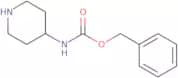
CAS:<p>Please enquire for more information about Methyl 3-amino-4-bromo-2-nitrobenzoate including the price, delivery time and more detailed product information at the technical inquiry form on this page</p>Formula:C8H7BrN2O4Purity:Min. 95%Molecular weight:275.06 g/mol4-Cbz-aminopiperidine
CAS:<p>Please enquire for more information about 4-Cbz-aminopiperidine including the price, delivery time and more detailed product information at the technical inquiry form on this page</p>Formula:C13H18N2O2Purity:Min. 95%Molecular weight:234.29 g/molAminomethyl resin (200-400 mesh)
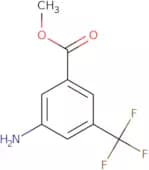
CAS:<p>Aminomethyl resin is a polymeric solid that is used in peptide synthesis. It has been shown to interact with peptides and peptide fragments with high efficiency. Aminomethyl resin also has the ability to form specific interactions with amino acids and other molecules that are involved in the chemical synthesis of peptides. This resin can be used for screening and purification of peptides.</p>Purity:Min. 95%Methyl 3-amino-5-(trifluoromethyl)benzoate
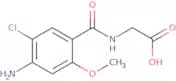
CAS:<p>Please enquire for more information about Methyl 3-amino-5-(trifluoromethyl)benzoate including the price, delivery time and more detailed product information at the technical inquiry form on this page</p>Formula:C9H8F3NO2Purity:Min. 95%Molecular weight:219.16 g/molN-Des(2-diethylamino) metoclopramide acetic acid
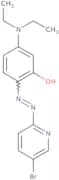
CAS:<p>N-Des(2-diethylamino) metoclopramide acetic acid is a benzyl ester of metoclopramide, a prodrug that is metabolized to the active form in the body. It has been shown to be effective against healthy human subjects and hplc analyses of biological samples have shown it to be a metabolite of metoclopramide. N-Des(2-diethylamino) metoclopramide acetic acid is used as a catalyst for catalytic hydrogenation reactions, such as the conversion of methyl esters into ethyl or butyl esters. It can also be used for catalytic hydrogenation reactions with diazomethane, such as those required for the synthesis of quinolones.</p>Formula:C10H11ClN2O4Purity:Min. 95%Molecular weight:258.66 g/mol2-(5-Bromo-2-pyridylazo)-5-(diethylamino)phenol
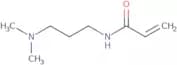
CAS:<p>2-(5-Bromo-2-pyridylazo)-5-(diethylamino)phenol is a chemical that is used for the detection of hydrochloric acid in water vapor. It reacts with zirconium oxide, which generates a red fluorescing complex. The reaction can be detected by using a fluorescence spectrometer with a test sample. 2-(5-Bromo-2-pyridylazo)-5-(diethylamino)phenol is also used to detect the presence of nitrogen atoms and sodium citrate in samples by reacting with them. This chemical reacts with an acid complex to form stable complexes. The analytical method is based on measuring the redox potential of this reaction. The flow system of this technique allows for dehydration of dehydroascorbic acid (DHA).</p>Formula:C15H17BrN4OPurity:Min. 95%Color and Shape:PowderMolecular weight:349.23 g/molN-(3-Dimethylaminopropyl)acrylamide, stabilized with MEHQ
CAS:<p>N-(3-Dimethylaminopropyl)acrylamide is a polymerization initiator that is used in the synthesis of polymers. It is also a model protein, which can be used to study bacterial growth rates and tissue metabolism. N-(3-Dimethylaminopropyl)acrylamide has been shown to have biological properties similar to human serum, as well as to serve as a model for primary cells. The FT-IR spectroscopy of N-(3-Dimethylaminopropyl)acrylamide reveals the presence of chloride ions in its molecular structure. The reaction mechanism for this compound has been determined by deionized water and ionic reactions with chloride ions.</p>Formula:C8H16N2OPurity:Min. 95%Molecular weight:156.23 g/mol4-Methyl-benzhydrylamine resin (100-200 mesh)·HCl
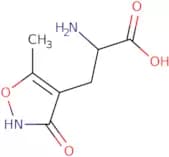
<p>Please enquire for more information about 4-Methyl-benzhydrylamine resin (100-200 mesh)·HCl including the price, delivery time and more detailed product information at the technical inquiry form on this page</p>Purity:Min. 95%(R,S)-α-Amino-3-hydroxy-5-methyl-4-isoxazolepropionic acid hydrobromide
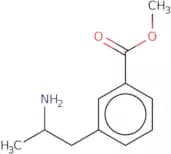
CAS:<p>(R,S)-AMPA is a synthetic analog of the excitatory neurotransmitter glutamate, specifically designed to activate AMPA receptors, a subtype of ionotropic glutamate receptors. These receptors are pivotal in mediating fast synaptic transmission in the central nervous system. (R,S)-AMPA serves as a prototypical agonist for AMPA receptors, facilitating the study of receptor function and synaptic plasticity.</p>Formula:C7H10N2O4•HBrPurity:Min. 95%Molecular weight:267.08 g/mol3'-(2-Propylamine)benzoic acid methyl ester
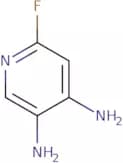
CAS:<p>3'-(2-Propylamine)benzoic acid methyl ester is a high quality, complex compound that can be used as a reagent, speciality chemical, or reaction component. It has a wide range of applications in the synthesis of pharmaceuticals, agrochemicals, and other biologically active compounds. 3'-(2-Propylamine)benzoic acid methyl ester is also a versatile building block and useful intermediate in organic synthesis.</p>Formula:C11H15NO2Purity:Min. 95%Molecular weight:193.24 g/mol6-Fluoro-3,4-Pyridinediamine
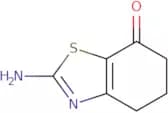
CAS:<p>Please enquire for more information about 6-Fluoro-3,4-Pyridinediamine including the price, delivery time and more detailed product information at the technical inquiry form on this page</p>Formula:C5H6FN3Purity:Min. 95%Molecular weight:127.12 g/mol2-Amino-5,6-dihydro-4H-benzothiazol-7-one
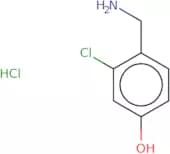
CAS:<p>2-Amino-5,6-dihydro-4H-benzothiazol-7-one is a thiourea that is used as a reactant in the synthesis of brominated compounds. It reacts with ethanol to form 2,5,6-triaminopyrimidine and hydrogen bromide. This reaction occurs in the presence of acid such as hydrochloric acid or acetic acid. The reflux reaction is commonly conducted at elevated temperatures and pressures.</p>Purity:Min. 95%2-Chloro-4-hydroxybenzylamine hydrochloride
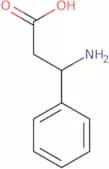
CAS:<p>2-Chloro-4-hydroxybenzylamine hydrochloride is a versatile chemical that can be used as a reaction component, reagent, or useful scaffold in the synthesis of many organic compounds. It has a CAS number of 2418727-24-7 and is a fine chemical. This compound has been shown to be useful in the manufacture of other chemical products such as pharmaceuticals, pesticides, and dyestuffs.</p>Formula:C7H8ClNO·HClPurity:Min. 95%Color and Shape:Brown PowderMolecular weight:194.06 g/molDL-3-Amino-3-phenylpropionic acid
CAS:<p>DL-3-Amino-3-phenylpropionic acid is an amino acid that is synthesized by the reaction of malonic acid and ethyl ester. This compound is a competitive inhibitor of the enzyme pyruvate carboxylase and inhibits this enzyme in the conversion of pyruvic acid to acetyl CoA, which plays a key role in metabolism. DL-3-Amino-3-phenylpropionic acid has been shown to inhibit the growth of bacteria such as Escherichia coli, Salmonella typhimurium and Staphylococcus aureus. The inhibition of pyruvate carboxylase by DL-3-Amino-3-phenylpropionic acid prevents the production of acetaldehyde from pyruvate, which is toxic to cells.</p>Formula:C9H11NO2Purity:Min. 95%Molecular weight:165.19 g/molMyristyl dimethylamine oxide
CAS:<p>Myristyl dimethylamine oxide is a surfactant that is used in wastewater treatment. It is also an antimicrobial agent that exhibits broad-spectrum activity against bacteria, yeast and moulds. Myristyl dimethylamine oxide has been shown to have a low toxicity to humans and other mammals. The antimicrobial activity of this compound may be due to its ability to inhibit microbial growth by disrupting the cell membrane or by inhibiting protein synthesis. Myristyl dimethylamine oxide can be found in many household products, including soaps, shampoos, toothpaste, mouthwash, and cosmetics. !-- -->Myristyl dimethylamine oxide is also used in the prevention of HIV infection by blocking the binding of HIV to the CD4 receptor on cells. This compound has been shown to block HIV-1 entry into human cells and inhibit HIV replication in vitro with high values for protonation.</p>Formula:C16H35NOPurity:(%) Min. 98%Color and Shape:Clear LiquidMolecular weight:257.46 g/molMethylamine hydrochloride
CAS:Controlled Product<p>Methylamine hydrochloride is a biologically active chemical that can be used to treat eye disorders. It is a p-nitrophenyl phosphate substrate and its optimum concentration in the reaction solution is 0.5 mg/mL. The compound reacts with methylamine, which is produced by the hydrolysis of peptide hormones in the human body, to form a bicyclic heterocycle. The bicyclic heterocycle reacts with hydrogen fluoride in the model system to produce an analytical method for determining plasma mass spectrometry. Methylamine hydrochloride has been shown to inhibit biological activity at high concentrations and stimulate it at low concentrations.</p>Formula:CH6ClNColor and Shape:White PowderMolecular weight:67.52 g/mol2-Hydroxy-5-[(4-{[(6-methoxypyridazin-3-yl)amino]sulfonyl}phenyl)diazenyl]benzoic acid
CAS:<p>Used in treatment of nonspecific ulcerative colitis</p>Formula:C18H15N5O6SPurity:Min. 95%Color and Shape:PowderMolecular weight:429.41 g/mol5-(H-Gly-Pro-Gly-Pro-amido)-9-[di-(3-sulfonylpropyl)amino]-benzo[a]phenoxazonium perchlorate
CAS:<p>Please enquire for more information about 5-(H-Gly-Pro-Gly-Pro-amido)-9-[di-(3-sulfonylpropyl)amino]-benzo[a]phenoxazonium perchlorate including the price, delivery time and more detailed product information at the technical inquiry form on this page</p>Formula:C36H42N7O11S2Purity:Min. 95%Molecular weight:812.89 g/mol4-Piperidylacetylaminomethyl resin (200-400 mesh)
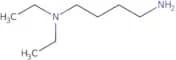
<p>Please enquire for more information about 4-Piperidylacetylaminomethyl resin (200-400 mesh) including the price, delivery time and more detailed product information at the technical inquiry form on this page</p>Purity:Min. 95%4-(Diethylamino)butyl amine
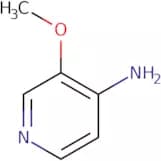
CAS:<p>4-(Diethylamino)butyl amine is a chemical that is used as a radiolabeled probe for the uptake of amines into tumors. It is used to measure tumor uptake and pharmacokinetic properties. This chemical has been found to be stable in both water and organic solvents, which makes it an excellent candidate for use in radiopharmaceuticals. 4-(Diethylamino)butyl amine also has a high affinity for cells, which may make it an ideal choice for therapeutic purposes.</p>Formula:C8H20N2Purity:Min. 95%Molecular weight:144.26 g/mol4-Amino-3-methoxypyridine
CAS:<p>4-Amino-3-methoxypyridine (4AMMP) is a naturally occurring amino acid that can be found in the nuclei of innervated tissues. It is an inhibitor of the enzyme tyrosine hydroxylase and inhibits the synthesis of catecholamines. The concentration of 4AMMP in blood was measured by radioactivity. This agent has been used for studies on the thalamic nucleus and cortex, as well as for measuring catecholamine levels in tissue homogenates.</p>Formula:C6H8N2OPurity:Min. 95%Molecular weight:124.14 g/mol(7-Diethylaminocoumarin-3-yl)carbonyl-Amyloid b-Protein (1-40) trifluoroacetate salt
CAS:<p>Please enquire for more information about (7-Diethylaminocoumarin-3-yl)carbonyl-Amyloid b-Protein (1-40) trifluoroacetate salt including the price, delivery time and more detailed product information at the technical inquiry form on this page</p>Formula:C208H308N54O61SPurity:Min. 95%Molecular weight:4,573.06 g/molTridodecylmethylammonium chloride
CAS:<p>Tridodecylmethylammonium chloride (TDMAC) is a biocompatible and non-toxic polymer that is used in the manufacture of sensors. TDMAC can be used as a coating on electrodes to increase their sensitivity to changes in pH and ionic strength. TDMAC is also used as a blood substitute, and has been shown to have anticoagulant properties. TDMAC has been shown to be effective at preventing heparin-induced thrombocytopenia when combined with dextran sulfate. This polymer has also been studied for use in biosensors and bioelectrochemical impedance spectroscopy devices.</p>Formula:C37H78ClNPurity:Min. 95%Color and Shape:White To Off-White SolidMolecular weight:572.47 g/mol1-Oleoyl-3-palmitoyl-rac-glycero-2-phosphoethanolamine
CAS:<p>Please enquire for more information about 1-Oleoyl-3-palmitoyl-rac-glycero-2-phosphoethanolamine including the price, delivery time and more detailed product information at the technical inquiry form on this page</p>Formula:C39H76NO8PPurity:Min. 95%Molecular weight:718 g/mol3-[(Dimethylamino)methyl]-1,2,4-oxadiazol-5-amine hydrochloride
CAS:<p>3-[(Dimethylamino)methyl]-1,2,4-oxadiazol-5-amine hydrochloride is a versatile building block that is used as an intermediate in the synthesis of fine chemicals. It is also a useful scaffold for the synthesis of biologically active compounds and research chemicals. 3-[(Dimethylamino)methyl]-1,2,4-oxadiazol-5-amine hydrochloride can be prepared by reacting methylamine with 2-aminothiophenol in the presence of a base. This reagent is also useful for the preparation of other compounds such as carbamates and cyclic ureas.</p>Formula:C5H10N4O•HClPurity:Min. 95%Color and Shape:PowderMolecular weight:178.62 g/mol(3R)-3-[(tert-Butoxycarbonyl)amino]-4-(2,4-difluorophenyl)butanoic acid
CAS:<p>Please enquire for more information about (3R)-3-[(tert-Butoxycarbonyl)amino]-4-(2,4-difluorophenyl)butanoic acid including the price, delivery time and more detailed product information at the technical inquiry form on this page</p>Formula:C15H19F2NO4Purity:Min. 95%Molecular weight:315.31 g/mol4-Piperidylformylaminomethyl resin (200-400 mesh)
<p>Please enquire for more information about 4-Piperidylformylaminomethyl resin (200-400 mesh) including the price, delivery time and more detailed product information at the technical inquiry form on this page</p>Purity:Min. 95%Color and Shape:SolidEthyl 3-(pyridin-2-ylamino)propanoate
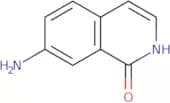
CAS:<p>Ethyl 3-(pyridin-2-ylamino)propanoate is a thrombin inhibitor that can be used for the treatment of cancer. Ethyl 3-(pyridin-2-ylamino)propanoate is a reactive, profile compound with electrons and hydrogen bonds. It has been shown to have anticancer activity in vitro and in vivo, inhibiting tumor cell growth by inhibiting DNA synthesis. This molecule also has anti-inflammatory properties, which may be due to its ability to inhibit platelet aggregation.</p>Formula:C10H14N2O2Purity:Min. 95 Area-%Color and Shape:PowderMolecular weight:194.23 g/mol7-Amino-1(2h)-isoquinolinone
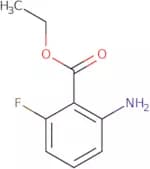
CAS:<p>Please enquire for more information about 7-Amino-1(2h)-isoquinolinone including the price, delivery time and more detailed product information at the technical inquiry form on this page</p>Formula:C9H8N2OPurity:Min. 95%Molecular weight:160.17 g/mol2-Amino-6-fluorobenzoic acid ethyl ester
CAS:<p>2-Amino-6-fluorobenzoic acid ethyl ester is a chemical that can be used as a building block in the synthesis of more complex compounds. It is a versatile intermediate and can be used to synthesize other important compounds, such as pharmaceuticals. This compound has been shown to be useful for the preparation of 2-amino-4,6-difluorobenzoic acid ethyl ester and many other derivatives. The colorless solid is soluble in ether and dichloromethane.</p>Formula:C9H10FNO2Purity:Min. 95%Color and Shape:PowderMolecular weight:183.18 g/mol2-Amino-3-fluorobenzoic acid ethyl ester
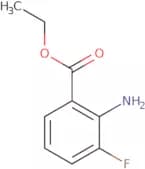
CAS:<p>Please enquire for more information about 2-Amino-3-fluorobenzoic acid ethyl ester including the price, delivery time and more detailed product information at the technical inquiry form on this page</p>Formula:C9H10FNO2Purity:Min. 95%Color and Shape:PowderMolecular weight:183.18 g/molFencamine
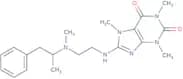
CAS:Controlled Product<p>Fencamine is a substrate molecule that is used in the synthesis of peptide hormones. It can be detected in urine samples and has been shown to be a synthetic cannabinoid. Fencamine can be used for diagnostic purposes. Fencamine has been shown to have matrix effects on the bowel disease, hepatitis, and hepatitis C., as well as exerting control analysis of the metabolite molecule. Fencamine has also been shown to have an effect on inflammatory bowel disease, hepatitis C., and toll-like receptor 2.</p>Formula:C20H28N6O2Purity:Min. 95%Color and Shape:PowderMolecular weight:384.48 g/mol1-Boc-4-aminoindole
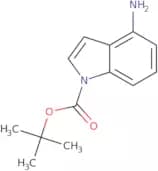
CAS:<p>Please enquire for more information about 1-Boc-4-aminoindole including the price, delivery time and more detailed product information at the technical inquiry form on this page</p>Formula:C13H16N2O2Purity:Min. 95%Molecular weight:232.28 g/mol4-Amino-2-methylbenzoic acid
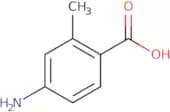
CAS:<p>4-Amino-2-methylbenzoic acid is a low molecular weight compound that has been shown to inhibit the neuraminidase enzyme. It interacts with the imine group of the enzyme and forms a covalent bond, which prevents the release of sialic acid from the terminal sugar residue of glycoproteins. The inhibition of this enzyme leads to decreased bacterial growth. 4-Amino-2-methylbenzoic acid has been shown to be active against Gram positive bacteria such as Staphylococcus aureus and Streptococcus pneumoniae, but not against Gram negative bacteria such as Escherichia coli or Pseudomonas aeruginosa. This compound is also able to inhibit the synthesis of c-reactive protein (CRP) in human erythrocytes.</p>Formula:C8H9NO2Purity:Min. 95%Color and Shape:PowderMolecular weight:151.16 g/mol(2S)-2-Amino-4-methyl-1-[(2R)-2-methyloxiranyl]-1-pentanone trifluoroacetate
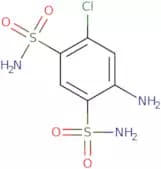
CAS:Controlled Product<p>Please enquire for more information about (2S)-2-Amino-4-methyl-1-[(2R)-2-methyloxiranyl]-1-pentanone trifluoroacetate including the price, delivery time and more detailed product information at the technical inquiry form on this page</p>Formula:C9H17NO2•C2HF3O2Purity:Min. 95%Color and Shape:PowderMolecular weight:285.26 g/mol4-Amino-6-chloro-1,3-benzenedisulfonamide
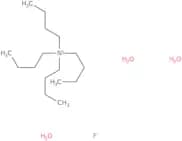
CAS:<p>4-Amino-6-chloro-1,3-benzenedisulfonamide is a natural substance that has been used in Chinese medicine preparations for the treatment of cardiac problems. It belongs to the class of organic compounds called benzenedisulfonamides. 4-Amino-6-chloro-1,3-benzenedisulfonamide is produced by the bacterial enzyme aminase from amino acid and benzoic acid. The adsorption mechanism of 4-Amino-6-chloro-1,3-benzenedisulfonamide is not fully understood, but it is believed that the benzyl groups are key players in this process. The high affinity of 4-Amino-6-chloro1,3 benzenedisulfonamide to proteins may be due to its ability to form hydrogen bonds with protein side chains, such as serine or threonine residues. 4 Amino</p>Formula:C6H8ClN3O4S2Purity:Min. 95%Color and Shape:White To Light Brown SolidMolecular weight:285.73 g/molTetrabutylammonium fluoride trihydrate
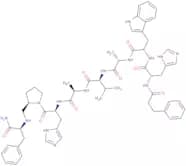
CAS:<p>Tetrabutylammonium fluoride trihydrate is an aromatic hydrocarbon with a hydroxyl group. It is soluble in water and has a strong inhibitory effect on chain reactions. Tetrabutylammonium fluoride trihydrate can be used to inhibit the oxidation of quinoline derivatives that are used as drugs or pesticides. It also has an inhibitory effect on thermodynamic data such as the heat of vaporization, heat capacity, and entropy. The addition of trifluoroacetic acid to an organic solution containing hydrogen bonding interactions increases the solubility of tetrabutylammonium fluoride trihydrate in the organic solutions.</p>Formula:C16H36FN•(H2O)3Purity:Min. 95%Color and Shape:PowderMolecular weight:315.51 g/mol(Deamino-Phe19,D-Ala24,D-Pro26-psi(CH2NH)Phe27)-GRP (19-27) (human, porcine, canine) trifluoroacetate salt
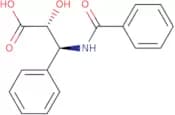
CAS:<p>Please enquire for more information about (Deamino-Phe19,D-Ala24,D-Pro26-psi(CH2NH)Phe27)-GRP (19-27) (human, porcine, canine) trifluoroacetate salt including the price, delivery time and more detailed product information at the technical inquiry form on this page</p>Formula:C57H72N14O8Purity:Min. 95%Molecular weight:1,081.27 g/molN-Benzoyl-(2R,3S)-3-amino-2-hydroxy-3-phenyl-propionicacid
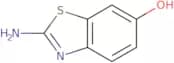
CAS:<p>N-Benzoyl-(2R,3S)-3-amino-2-hydroxy-3-phenylpropionic acid (BAPA) is a substance that is used in the manufacture of various drugs. It is also a potent anticancer drug that can be used for the treatment of cancer. BAPA has been shown to be an effective chemotherapeutic agent against many types of cancer cells. This drug is synthesized through an asymmetric synthesis process and has been shown to have potent cytotoxic effects against cancer cells with low levels of glutathione peroxide reductase. BAPA also inhibits the growth of bacteria by hydrolyzing or oxidizing proteins or by binding to DNA and RNA.</p>Formula:C16H15NO4Purity:Min. 95%Molecular weight:285.29 g/mol2-Amino-6-hydroxybenzothiazole
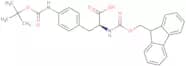
CAS:<p>2-Amino-6-hydroxybenzothiazole is a chemical compound that has been shown to have chemiluminescence properties. It is produced in vivo by the synthetase enzyme from the amino acid L-phenylalanine and hydroxybenzothiazole. The compound is expressed in basophilic leukemia cells, which are cells that stain with basic dyes. 2-Amino-6-hydroxybenzothiazole can be used as a marker of these cells in vitro. A second order rate constant of 1.5 × 10 M−1 s−1 was determined for this reaction, which is consistent with other reactions of this type. 2-Amino-6-hydroxybenzothiazole has also been shown to be effective at treating cancer and inflammatory bowel disease by enhancing growth factor production and inhibiting cell proliferation.</p>Formula:C7H6N2OSPurity:Min. 95%Color and Shape:White To Grey SolidMolecular weight:166.2 g/molFmoc-4-(Boc-amino)-L-phenylalanine
CAS:<p>Fmoc-4-(Boc-amino)-L-phenylalanine is a useful building block, which is used in the synthesis of complex compounds and research chemicals. It is also a reaction component in the synthesis of compounds. Fmoc-4-(Boc-amino)-L-phenylalanine has CAS No. 174132-31-1 and can be used as a versatile building block to produce high quality reagents.</p>Formula:C29H30N2O6Purity:Min. 98 Area-%Color and Shape:SolidMolecular weight:502.56 g/mol3-Amino-4-fluorobenzoic acid
CAS:<p>3-Amino-4-fluorobenzoic acid is a hydrocarbon that is used as an analgesic. It has been shown to be nontoxic and has analgesic effects in the intestinal tract. 3-Amino-4-fluorobenzoic acid also has radiopaque properties, which makes it useful for diagnosis and treatment of certain types of cancer and other tumors. The analgesic effect of 3-amino-4-fluorobenzoic acid may be due to its ability to act as a competitive antagonist at the N -methyl--aspartate (NMDA) receptor, which is important in pain perception.</p>Formula:C7H6FNO2Purity:Min. 95%Molecular weight:155.13 g/mol3,5-Dimethyl-4H-1,2,4-triazol-4-amine
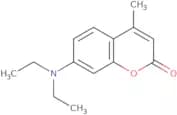
CAS:<p>3,5-Dimethyl-4H-1,2,4-triazol-4-amine is a crystalline compound with antiproliferative and anti-inflammatory properties. It has been shown to inhibit the growth of cancer cells in vitro and in vivo. The mechanism of action is not fully understood but may be due to inhibition of DNA synthesis or by inhibiting the activity of topoisomerase II. 3,5-Dimethyl-4H-1,2,4-triazol-4-amine can also act as an antioxidant by scavenging reactive oxygen species (ROS). 3,5-Dimethyl-4H-1,2,4-triazol-4-amine has been shown to have a low toxicity in animals and humans.</p>Formula:C4H8N4Purity:Min. 95%Molecular weight:112.13 g/mol7-Diethylamino-4-methylcoumarin
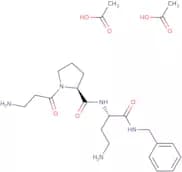
CAS:<p>7-Diethylamino-4-methylcoumarin is a fluorescence probe that can be used in applications such as the study of hydrogen bonding interactions. It is excited by laser light and emits a red-shifted fluorescent light. 7-Diethylamino-4-methylcoumarin is a hydroxyl group analogue of coumarin, which has been shown to have physiological effects on the liver cells. The absorption spectrum of 7-Diethylamino-4-methylcoumarin is sensitive to changes in pH and chemical stability. A decrease in pH increases the intensity of the emission while an increase in pH decreases the intensity of the emission. This compound can also be used to label nucleic acids during polymerase chain reactions (PCR) or for sample preparation before analysis using nuclear magnetic resonance spectroscopy (NMR).</p>Formula:C14H17NO2Purity:Min. 98 Area-%Color and Shape:PowderMolecular weight:231.29 g/mol(2S)-β-Alanyl-L-prolyl-2,4-diamino-N-(phenylmethyl)butanamideacetate
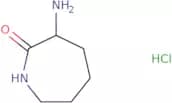
CAS:Controlled Product<p>(2S)-beta-Alanyl-L-prolyl-2,4-diamino-N-(phenylmethyl)butanamideacetate (BAP) is a skin care product that can be applied topically to the skin. BAP is an amino acid derivative that has been shown in clinical studies to hydrate the skin. It acts as a humectant and binds to water molecules, thus increasing the moisture content of the skin. This product also has antioxidant and anti-inflammatory properties, as well as anti-aging effects. BAP is often used in cosmetic products for its film forming properties and ability to form polymeric films on the surface of cells.</p>Formula:C21H33N5O5Purity:Min. 95%Molecular weight:435.52 g/mol3-Aminoazepan-2-one hydrochloride
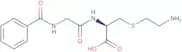
CAS:<p>Please enquire for more information about 3-Aminoazepan-2-one hydrochloride including the price, delivery time and more detailed product information at the technical inquiry form on this page</p>Formula:C6H12N2O•HClPurity:Min. 95%Molecular weight:164.63 g/molHippuryl-Cys(2-aminoethyl)-OH hydrochloride salt
CAS:<p>Please enquire for more information about Hippuryl-Cys(2-aminoethyl)-OH hydrochloride salt including the price, delivery time and more detailed product information at the technical inquiry form on this page</p>Formula:C14H19N3O4SPurity:Min. 95%Molecular weight:325.38 g/mol12-(Boc-aminooxy)-dodecanoic acid
CAS:<p>Please enquire for more information about 12-(Boc-aminooxy)-dodecanoic acid including the price, delivery time and more detailed product information at the technical inquiry form on this page</p>Formula:C17H33NO5Purity:Min. 95%Molecular weight:331.45 g/mol2-[[2-(Dimethylaminomethyl)-1,3-thiazol-4-yl]methylsulfanyl]ethanamine
CAS:<p>2-[[2-(Dimethylaminomethyl)-1,3-Thiazol-4-Yl]Methylsulfanyl]Ethanamine is a compound that exhibits unique characteristics and properties. It has a high viscosity and is commonly used as a plasticizer in polyvinyl materials. The compound contains hydroxyl groups that contribute to its versatility in various applications.<br><br>One notable feature of 2-[[2-(Dimethylaminomethyl)-1,3-Thiazol-4-Yl]Methylsulfanyl]Ethanamine is its ability to interact with TGF-beta (transforming growth factor beta), a protein involved in cell growth and differentiation. This interaction can modulate the signaling pathways regulated by TGF-beta, making it potentially useful in biomedical research.<br><br>The compound also possesses photoreactive properties, particularly when combined with benzoate derivatives. This makes it suitable for use in photoreactions and other light-induced processes.<br><br>Additionally, 2-[[2</p>Formula:C9H17N3S2Purity:Min. 95%Molecular weight:231.38 g/molDABCYL-(Asn670,Leu671)-Amyloid b/A4 Protein Precursor770 (661-675)-EDANS ammonium salt
CAS:<p>Please enquire for more information about DABCYL-(Asn670,Leu671)-Amyloid b/A4 Protein Precursor770 (661-675)-EDANS ammonium salt including the price, delivery time and more detailed product information at the technical inquiry form on this page</p>Formula:C103H146N22O32SPurity:Min. 95%Molecular weight:2,236.46 g/molImidazo[1,2-a]pyridin-7-amine hydrobromide
CAS:<p>Please enquire for more information about Imidazo[1,2-a]pyridin-7-amine hydrobromide including the price, delivery time and more detailed product information at the technical inquiry form on this page</p>Formula:C7H8BrN3Purity:Min. 95%Molecular weight:214.06 g/molMethyl 2-amino-6-bromobenzoate
CAS:<p>Please enquire for more information about Methyl 2-amino-6-bromobenzoate including the price, delivery time and more detailed product information at the technical inquiry form on this page</p>Formula:C8H8BrNO2Purity:Min. 95%Color and Shape:Clear LiquidMolecular weight:230.06 g/molBenzhydrylamine resin (200-400 mesh)·HCl
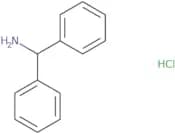
<p>Please enquire for more information about Benzhydrylamine resin (200-400 mesh)·HCl including the price, delivery time and more detailed product information at the technical inquiry form on this page</p>Purity:Min. 95%Piroctone olamine
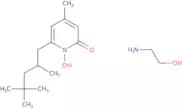
CAS:<p>Piroctone olamine is a detergent composition that has been used to treat skin conditions and in the laboratory as an experimental infection model. It is a fatty acid that belongs to the family of ester compounds, which are antimicrobial agents. Piroctone olamine has been shown to decrease dry weight by inhibiting lipid synthesis. It is also an environmental pollutant that can be found in water, soil, and air. There are no known adverse effects in humans or animals when piroctone olamine is used at low concentrations.</p>Formula:C14H23NO2·C2H7NOPurity:Min. 96 Area-%Color and Shape:PowderMolecular weight:298.42 g/mol4-Aminobenzocyclobutene
CAS:<p>4-Aminobenzocyclobutene is a monomer that can be used as a crosslinker. It has been shown to have magnetic properties and is soluble in organic solvents such as dioxane and dichloromethane. 4-Aminobenzocyclobutene readily reacts with paraformaldehyde to form the corresponding paraformaldehyde resin, which is insoluble in water and can be used for the preparation of coatings or adhesives. The hydrosilylation reaction between 4-aminobenzocyclobutene and 3-chloropropyl trimethoxysilane leads to the formation of an aminosilane resin, which exhibits a low water absorption rate and high thermal expansion coefficient. This material can also be used for coating or adhesive applications.</p>Formula:C8H7NPurity:Min. 95%Molecular weight:117.15 g/molMozavaptan
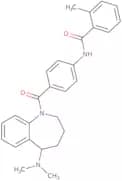
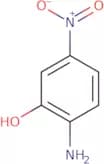
CAS:Controlled Product<p>Mozavaptan is a pharmacological agent that acts as a vasopressin V2 receptor antagonist. It is derived through synthetic chemical processes designed to target specific neurohormonal pathways in the body. Mozavaptan exerts its effects by inhibiting the action of vasopressin, a hormone that promotes water reabsorption in the kidneys. By blocking the vasopressin receptors, it enhances water excretion and corrects imbalances in electrolyte levels, particularly addressing conditions like hyponatremia.</p>Formula:C27H29N3O2Purity:Min. 98 Area-%Color and Shape:PowderMolecular weight:427.54 g/mol5-Nitro-2-aminophenol
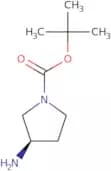
CAS:<p>5-Nitro-2-aminophenol is an aminophenol that has been shown to be a carcinogen in animal studies. It can cause allergic reactions and has been shown to have oxidative DNA damage, which can lead to cancer. 5-Nitro-2-aminophenol is used as a chemical intermediate in the preparation of other chemicals and pharmaceuticals. This chemical has been studied extensively for its analytical properties and is used as a reagent in chromatography. The coordination geometry of 5-nitro-2-aminophenol is octahedral, with nitro groups occupying one axial site each. The toxicity of this compound in animals has been studied extensively, including carcinogenic potential and mutagenicity studies, and it has been shown to inhibit the growth of cultured cells at high concentrations.</p>Formula:C6H6N2O3Purity:Min. 95%Molecular weight:154.12 g/mol(R)-1-Boc-3-Aminopyrrolidine
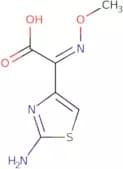
CAS:<p>(R)-1-Boc-3-Aminopyrrolidine is a small molecule that inhibits 3-kinase. It has been shown to bind to the ATP binding site of PI3Kδ and inhibit its activity. This results in the inhibition of phosphoinositide production, which leads to decreased cell proliferation and survival. (R)-1-Boc-3-Aminopyrrolidine has also been shown to have selectivity for isoform α over β, γ, and δ. The drug binds specifically to the ATP binding site on PI3Kδ, but does not disrupt other interactions such as hydrogen bonding or pi stacking interactions with residues in the vicinity of the ATP binding site. The IC50 values for (R)-1-Boc-3-Aminopyrrolidine were determined using siRNA knockdown experiments against human isoform α PI3Kδ.</p>Formula:C9H18N2O2Purity:Min. 95%Molecular weight:186.25 g/mol2-Amino-a-(methoxyimino)-4-thiazoleacetic acid
CAS:<p>2-Amino-a-(methoxyimino)-4-thiazoleacetic acid is a reaction product of cefotaxime and n-dimethyl formamide. It has been shown to be an effective agent for the treatment of wastewater with a high organic content. 2-Amino-a-(methoxyimino)-4-thiazoleacetic acid also reacts with chloride ions to form cleavage products that are soluble in water, making it an ideal choice for wastewater treatment. This compound is not toxic and can be used as a drug to treat patients with infections caused by bacteria resistant to other antibiotics. 2-Amino-a-(methoxyimino)-4-thiazoleacetic acid binds to mismatched base pairs in DNA, inhibiting DNA synthesis and causing cell death by apoptosis.</p>Formula:C6H7N3O3SPurity:Min. 95%Molecular weight:201.2 g/mol


![1-(RS)-2-(Dibutylamino)-2-[2,7-dichloro-9-(4-chlorobenxylidene)]-9H-fluoren- 4-yl]ethanol - E/Z mi…](/_next/image/?url=https%3A%2Fstatic.cymitquimica.com%2Fproducts%2F3D%2Fthumb-webp%2FFD71423.webp&w=3840&q=75)






![N-[(1S)-1-(Aminocarbonyl)propyl]-4-chlorobutanamide](/_next/image/?url=https%3A%2Fstatic.cymitquimica.com%2Fproducts%2F3D%2Fthumb-webp%2FFA171302.webp&w=3840&q=75)
![2,7-Bis[2-(diethylamino)ethoxy]-9-fluorenone dihydrochloride](/_next/image/?url=https%3A%2Fstatic.cymitquimica.com%2Fproducts%2F3D%2Fthumb-webp%2FFB37106.webp&w=3840&q=75)





![2-Hydroxy-5-[(4-{[(6-methoxypyridazin-3-yl)amino]sulfonyl}phenyl)diazenyl]benzoic acid](/_next/image/?url=https%3A%2Fstatic.cymitquimica.com%2Fproducts%2F3D%2Fthumb-webp%2FFH134950.webp&w=3840&q=75)
![5-(H-Gly-Pro-Gly-Pro-amido)-9-[di-(3-sulfonylpropyl)amino]-benzo[a]phenoxazonium perchlorate](/_next/image/?url=https%3A%2Fstatic.cymitquimica.com%2Fproducts%2F3D%2Fthumb-webp%2FFG110995.webp&w=3840&q=75)


![3-[(Dimethylamino)methyl]-1,2,4-oxadiazol-5-amine hydrochloride](/_next/image/?url=https%3A%2Fstatic.cymitquimica.com%2Fproducts%2F3D%2Fthumb-webp%2FFD135937.webp&w=3840&q=75)
![(3R)-3-[(tert-Butoxycarbonyl)amino]-4-(2,4-difluorophenyl)butanoic acid](/_next/image/?url=https%3A%2Fstatic.cymitquimica.com%2Fproducts%2F3D%2Fthumb-webp%2FFB99243.webp&w=3840&q=75)


![(2S)-2-Amino-4-methyl-1-[(2R)-2-methyloxiranyl]-1-pentanone trifluoroacetate](/_next/image/?url=https%3A%2Fstatic.cymitquimica.com%2Fproducts%2F3D%2Fthumb-webp%2FFA100028.webp&w=3840&q=75)



![2-[[2-(Dimethylaminomethyl)-1,3-thiazol-4-yl]methylsulfanyl]ethanamine](/_next/image/?url=https%3A%2Fstatic.cymitquimica.com%2Fproducts%2F3D%2Fthumb-webp%2FFD22345.webp&w=3840&q=75)

![Imidazo[1,2-a]pyridin-7-amine hydrobromide](/_next/image/?url=https%3A%2Fstatic.cymitquimica.com%2Fproducts%2F3D%2Fthumb-webp%2FFI111192.webp&w=3840&q=75)