Amines
Amines are a set of molecules containing an amino functional group (derived from ammonia). This category includes amines at any level of substitution : primary, secondary, tertiary, and ammonium salts. Amines are fundamental in organic synthesis and are widely used in pharmaceuticals, agrochemicals, and materials science. At CymitQuimica, we provide a comprehensive selection of amines to meet your research and industrial needs. Our range ensures access to various amines for diverse chemical processes and innovative research.
Subcategories of "Amines"
- Nitrosamines(2,606 products)
- Primary Amines(30,947 products)
- Quaternary Ammonium Cations and Salts(1,098 products)
- Secondary Amines(20,886 products)
- Tertiary Amines(17,193 products)
Found 8780 products of "Amines"
Sort by
Purity (%)
0
100
|
0
|
50
|
90
|
95
|
100
(5-Chloro-1H-indol-3-yl)methanamine
CAS:<p>5-Chloro-1H-indol-3-ylamine (5CI) is a chemical that has been shown to have antitubercular and antifungal properties. It is a potent inhibitor of mycobacterium tuberculosis, inhibiting the growth of mycobacterium tuberculosis at concentrations as low as 10 micrograms per milliliter. 5CI also has antibacterial activity against various strains of bacteria and antimicrobial activity against various strains of fungi. 5CI was shown to be more active than isoniazid in inhibiting the growth of Mycobacterium tuberculosis.</p>Formula:C9H9ClN2Purity:Min. 95%Color and Shape:Off-White PowderMolecular weight:180.63 g/molN-Acetyl-β-D-glucosaminyl-(1→4)-N-acetylmuramoyl-L-alanyl-D-isoglutamine
CAS:<p>Please enquire for more information about N-Acetyl-β-D-glucosaminyl-(1→4)-N-acetylmuramoyl-L-alanyl-D-isoglutamine including the price, delivery time and more detailed product information at the technical inquiry form on this page</p>Formula:C27H45N5O16Purity:Min. 95%Color and Shape:PowderMolecular weight:695.67 g/mol4-Phenylbenzylamine
CAS:<p>4-Phenylbenzylamine is an amide that has shown multiphase antibacterial activity against both Gram-positive and Gram-negative bacteria. 4-Phenylbenzylamine binds to the active site of glycopeptide antibiotics such as teicoplanin, which are used to treat bacterial infections. It also inhibits the replication of influenza virus in vivo. 4-Phenylbenzylamine has antiviral properties and can be used for antiviral therapy targeting the influenza virus. This drug also acts as a receptor antagonist on the sigma subtype, which may contribute to its antiviral activity.</p>Formula:C13H13NPurity:Min. 95%Color and Shape:SolidMolecular weight:183.25 g/mol4,4'-Methylenebis(2-ethylbenzenamine)
CAS:<p>4,4'-Methylenebis(2-ethylbenzenamine) is a linear polymer that is soluble in organic solvents and insoluble in water. It has a molecular weight of about 320 and a viscosity of about 800 cps at 25 degrees Celsius. This sealant is heat resistant and can be used for sealing joints in industrial processes involving high temperatures. 4,4'-Methylenebis(2-ethylbenzenamine) can be used as a diluent for other sealants or adhesives because it does not interfere with their properties. 4,4'-Methylenebis(2-ethylbenzenamine) is also an effective filler material for polymeric matrix systems due to its ability to form micelles with linear chains of molecules that provide interconnections within the system.</p>Formula:C17H22N2Purity:Min. 95%Color and Shape:Off-White Clear LiquidMolecular weight:254.37 g/mol3-(2-Methylphenyl)-1H-pyrazol-5-amine
CAS:<p>3-(2-Methylphenyl)-1H-pyrazol-5-amine is a chemical compound that can be used as a reactant, reagent, or scaffold in the synthesis of other compounds. It is a useful building block and intermediate for the synthesis of complex compounds. 3-(2-Methylphenyl)-1H-pyrazol-5-amine has been shown to have high purity and quality and is available at a reasonable price. This chemical is also versatile, as it can be used in reactions with other chemicals to form diverse products. 3-(2-Methylphenyl)-1H-pyrazol-5-amine belongs to CAS No. 57860-42-1 and is a fine chemical that can be used for research purposes only.</p>Formula:C10H11N3Purity:Min. 95%Color and Shape:Off-White To Light Brown LiquidMolecular weight:173.21 g/mol3-Amino-1-methylpyrazole
CAS:<p>3-Amino-1-methylpyrazole is a molecule in the amide family. It is a natural product, which has been found to have signalling properties. 3-Amino-1-methylpyrazole has also been shown to inhibit telomerase activity and can be used as a potential anticancer agent in the future. This compound was designed for use in pharmaceutical research and has shown great pharmacokinetic properties that can be optimized for pharmaceutical research. 3-Amino-1-methylpyrazole is not yet approved for any therapeutic use but has shown great potential as an anticancer agent, especially when combined with other drugs or chemotherapy treatments.</p>Formula:C4H7N3Purity:Min. 95%Color and Shape:Clear LiquidMolecular weight:97.12 g/mol3-Methoxybenzenamine
CAS:<p>3-Methoxybenzenamine is a molecule that can be synthesized by an asymmetric reaction. It has carcinogenic potential and is classified as a chemical substance. 3-Methoxybenzenamine reacts with hydrochloric acid to form hydrogen chloride gas and methoxybenzene. The hydroxyl group on the molecule reacts with l-tartaric acid to form an ester, which then undergoes hydrolysis to produce 3-hydroxybutanoic acid. This reaction also produces water, which may result in a decrease of the concentration of the reactants. 3-Methoxybenzenamine can also react with amines to form quaternary ammonium salts, which are highly soluble in water and have a high detection sensitivity.</p>Formula:C7H9NOPurity:Min. 95%Color and Shape:Clear LiquidMolecular weight:123.15 g/mol4,5,6-Pyrimidinetriamine sulfate hydrate
CAS:<p>4,5,6-Pyrimidinetriamine sulfate hydrate is a pyrimidine derivative that can be used as a building block for the synthesis of a wide range of compounds. It is used as a starting material in organic chemistry and pharmaceuticals. 4,5,6-Pyrimidinetriamine sulfate hydrate is also used in research and development as an intermediate or reagent.</p>Formula:C4H7N5·H2SO4·xH2OPurity:Min. 95%Molecular weight:223.21 g/molSulbutiamine
CAS:<p>Sulbutiamine is a thiamine analogue that is used to treat diseases such as Alzheimer's disease and Parkinson's disease. Sulbutiamine also has antimicrobial properties and can be used to treat infectious diseases such as infectious diarrhea. Sulbutiamine has been shown to reduce symptoms of inflammatory bowel disease (IBD) by relieving intestinal inflammation, although it does not affect the course of the disease. Sulbutiamine has also been shown to have effects on the immune system, which may be due to its ability to increase cellular redox potentials in neuro2a cells and human serum. These effects are caused by an indirect antioxidant effect, which results from sulbutiamine's ability to inhibit lipid peroxidation and stimulate glutathione reductase activity.</p>Formula:C32H46N8O6S2Purity:Min. 95%Color and Shape:PowderMolecular weight:702.89 g/mol1,2-Phenylenediamine
CAS:<p>1,2-Phenylenediamine is an aromatic amine that can be used as a precursor for the synthesis of various heterocyclic compounds. It has been shown to have an acidic character, which is due to its coordination geometry with three of its nitrogen atoms in the form of pyramidal nitrogen atoms. 1,2-Phenylenediamine is also a ligand for toll-like receptor (TLR) 4 and TLR9. It has been shown to activate these receptors by binding and activating downstream signaling pathways such as NF-κB and MAPK. This compound also has the ability to induce apoptosis in HL60 cells through inhibition of protein synthesis and activation of caspases.</p>Formula:C6H8N2Purity:Min. 98 Area-%Color and Shape:White PowderMolecular weight:108.14 g/molAmmonium formate
CAS:<p>Ammonium formate is a formic acid that is used in the treatment of bowel disease. It also has inhibitory properties against copper chloride and formic acid, which are two chemical compounds that are commonly found in wastewater. Ammonium formate can be used to treat wastewater by inhibiting complex enzymes (e.g., β-oxidoreductase) and preventing the formation of toxic chemicals such as formaldehyde, acetic acid, and hydrogen peroxide. Ammonium formate has been shown to increase the rate of phase transition temperature for zirconium oxide by suppressing its oxidation and reducing its thermal conductivity. The matrix effect of ammonium formate can be used as a model system for studying enzyme activities and biocompatible polymers.</p>Formula:CH2O2•H3NPurity:Min. 95%Color and Shape:White Clear LiquidMolecular weight:63.06 g/mol3-(Dibutylamino)propan-1-ol
CAS:<p>3-(Dibutylamino)propan-1-ol is an intermediate that is used in the synthesis of procainamide and procaine. It can be prepared by reaction of dibutylamine with propanol. 3-(Dibutylamino)propan-1-ol has a high stability in organic solvents, such as chloroform, as well as in bioreactors and automated synthesizers. This product is also an efficient catalyst for reactions involving esters. 3-(Dibutylamino)propan-1-ol has been shown to be effective at inhibiting the growth of Mycobacterium smegmatis and Mycobacterium tuberculosis.</p>Formula:C11H25NOPurity:Min. 95%Color and Shape:Clear LiquidMolecular weight:187.32 g/mol3-Amino-4-bromopyridine
CAS:<p>3-Amino-4-bromopyridine is a receptor binding ligand that belongs to the group of synthetic, active natural products. It has been shown to stabilize nicotinic acetylcholine receptors and inhibit the release of acetylcholine. 3-Amino-4-bromopyridine has been shown to be a potent antagonist at nicotinic acetylcholine receptors and can be used in the treatment of disorders such as Parkinson's disease, Alzheimer's disease, and schizophrenia. 3-Amino-4-bromopyridine binds to pyridiniums in an inorganic acid environment and stabilizes them, which prevents their interaction with carbolines that are important for the modulation of neuronal activity.</p>Formula:C5H5BrN2Purity:Min. 95%Color and Shape:Off-White PowderMolecular weight:173.01 g/mol1H-Pyrazolo[3,4-b]pyridine-3-amine
CAS:<p>1H-Pyrazolo[3,4-b]pyridine-3-amine (1HPP) is a β-unsaturated ketone that can be synthesized from nitrous acid and triazine. 1HPP has been shown to inhibit the growth of cancer cells by binding to the DNA and inhibiting transcription and replication. Its binding to DNA may be due to hydrogen bonding interactions with chloride ions, as well as the presence of functional groups such as a carbonyl group and nitro group. 1HPP also inhibits the activity of xanthine oxidase, an enzyme that catalyzes the oxidation of hypoxanthine to xanthine. This inhibition may be due to its ability to form a covalent bond with this enzyme's cofactor, NADPH.</p>Formula:C6H6N4Purity:Min. 95%Color and Shape:PowderMolecular weight:134.14 g/molTetra-n-butylammonium chloride anhydrous
CAS:Tetra-n-butylammonium chloride anhydrous (TBACl) is an inorganic acid that is a colorless solid. It is soluble in water and soluble in organic solvents. TBACl reacts with hydrogen fluoride to form a colorless solution of tetrabutylammonium hydrogen fluoride (TBHF). The reaction proceeds by the following equation:Formula:C16H36NClPurity:Min. 95%Color and Shape:White PowderMolecular weight:277.92 g/mol4-Fluoro-3-methoxybenzylamine hydrochloride
CAS:<p>4-Fluoro-3-methoxybenzylamine hydrochloride is a fine chemical that can be used as a building block in research, as a reagent in the synthesis of complex compounds, and as a versatile scaffold for the synthesis of natural products. This compound is an intermediate for the production of other pharmaceuticals and has been shown to be useful in the production of various drugs. It is also used as a reactant in organic chemistry reactions due to its high quality. 4-Fluoro-3-methoxybenzylamine hydrochloride has CAS No. 869296-41-3 and can be found on the Chemical Abstract Service (CAS) database.</p>Formula:C8H11ClFNOPurity:Min. 95%Molecular weight:191.63 g/mol[2-(6-Methylpyridin-2-yl)ethyl]amine
CAS:<p>2-(6-Methylpyridin-2-yl)ethyl]amine is a reagent that is used as a building block for the synthesis of heterocycles. It is used in the preparation of various complex compounds, such as 2-(6-methylpyridin-2-yl)ethylamine hydrochloride, 2-(6-methylpyridin-2-yl)ethylamine hydrobromide, and 2-[(6-methylpyridin-2-yl)ethyl]amine hydrochloride. This chemical can be used as an intermediate in the synthesis of fine chemicals or speciality chemicals. It has CAS No. 19363-94-1 and is an important research chemical with versatile uses in organic synthesis reactions.</p>Formula:C8H12N2Purity:Min. 95%Color and Shape:Colourless LiquidMolecular weight:136.19 g/molAminomalononitrile p-toluenesulfonate
CAS:<p>Aminomalononitrile p-toluenesulfonate is a synthetic, homologous chemical that inhibits the replication of virus type-1. It has been shown to have anticancer activity in mice by inducing apoptosis and necrosis in cancer cells. Aminomalononitrile p-toluenesulfonate is an inhibitor of the assembly of virus particles by inhibiting the polymerization of nucleoprotein complexes with low energy. In addition, it can inhibit chloride channels, which are required for viral entry into cells. Aminomalononitrile p-toluenesulfonate binds to metal ions, such as copper or iron, and blocks their function in cell signaling pathways. The functional groups present on this compound are aminomethylbenzenesulfonyl and isothiocyanates.</p>Formula:C7H8O3S·C3H3N3Purity:Min. 95%Color and Shape:White PowderMolecular weight:253.28 g/mol4-Aminophenylboronic acid hydrochloride
CAS:<p>4-Aminophenylboronic acid hydrochloride is a fluorescent probe that can be used to detect hydrogen bonds in proteins. It has been used to measure water vapor in human serum and as an electrochemical impedance spectroscopy probe for the detection of ATP levels. This compound has also been used as a fluorescence probe for the detection of viruses and fetal bovine serum, as well as nanomaterials and matrix effect studies. 4-Aminophenylboronic acid hydrochloride is synthesized through the reaction of 4-aminophenylboronic acid with hydrochloric acid in water at high temperature, which produces a white solid. The thermal expansion coefficient of this compound is 2.6 x 10^-5 K^-1.</p>Formula:C6H8BNO2•HClPurity:Min. 95%Color and Shape:PowderMolecular weight:173.4 g/mol(1-(4-Diethylamino)phenyl)-2-nitroethene
CAS:<p>(1-(4-Diethylamino)phenyl)-2-nitroethene is a fluorescent probe that can be used to measure the growth rate of microorganisms. It is also a polarizable fluorescent molecule that is sensitive to environmental effects such as pH, temperature, and light intensity. This compound has been used as a chromophore in optical devices and has been observed to have linear responses to changes in time constants. The fluorescence of (1-(4-diethylamino)phenyl)-2-nitroethene is proportional to the molecular response of the protein or nucleic acid it binds to. This compound is also an inorganic compound with dipole moments, which are properties that allow it to interact with other compounds.</p>Formula:C12H16N2O2Purity:Min. 95%Molecular weight:220.27 g/mol1,1-Dimethyl-2-morpholin-4-ylethylamine
CAS:<p>1,1-Dimethyl-2-morpholin-4-ylethylamine (DMMEA) is a quaternary ammonium compound that has antimicrobial properties. DMMEA is an analog of 1,1-dimethylpiperidinium chloride and is used as an intermediate for the synthesis of other compounds. It can be synthesized from 1,1,2-trimethoxyethane and morpholine in the presence of ammonium chloride. DMMEA has been shown to have antimicrobial activities against Gram negative bacteria such as Escherichia coli and Enterobacter aerogenes. It also has some activity against Gram positive bacteria such as Staphylococcus aureus.</p>Formula:C8H18N2OPurity:Min. 95%Color and Shape:Clear LiquidMolecular weight:158.24 g/molO-(N-Boc-2-aminoethyl)-O'-(N-diglycolyl-2-aminoethyl)hexaethyleneglycol
CAS:O-(N-Boc-2-aminoethyl)-O'-(N-diglycolyl-2-aminoethyl)hexaethyleneglycol is a PEG compound with two different functional groups (also known as heterobifunctional). Unlike homobifunctional PEG compounds (same functional group on both ends), this type of compounds are more versatile as have two different anchor points. O-(N-Boc-2-aminoethyl)-O'-(N-diglycolyl-2-aminoethyl)hexaethyleneglycol is used as a linker and spacer to add a PEG moiety, via pegylation (a bioconjugation technique) to proteins, peptides, oligonucleotides, small molecules and nanoparticles.Formula:C25H48N2O13Purity:Min. 95%Color and Shape:PowderMolecular weight:584.65 g/molAuramine O hydrochloride
CAS:Controlled Product<p>Auramine O hydrochloride is a fluorescent dye that is used in the diagnosis of wastewater. Auramine O hydrochloride is a reactive dye that binds to malonic acid and forms stable complexes. It has been used as a fluorescence probe for polymerase chain reaction (PCR) detection of human serum samples, and it has been shown to be thermodynamically stable under conditions of pH 8-12, at temperatures up to 80°C, and in the presence of organic solvents. In addition, this dye can be activated with UV light or sodium hypochlorite solution. This dye also reacts with amino groups on proteins and lipids on cell membranes, which makes it useful for microscopy studies.</p>Formula:C17H21N3•HClColor and Shape:Yellow PowderMolecular weight:303.83 g/mol4-[Bis(2-hydroxypropyl)amino]benzoic acid ethyl ester, 90%
CAS:4-[Bis(2-hydroxypropyl)amino]benzoic acid ethyl ester is an absorber that is used in the production of cationic surfactants. It has been shown to have clinical properties and can be combined with antibiotics for the treatment of inflammatory diseases. 4-[Bis(2-hydroxypropyl)amino]benzoic acid ethyl ester is also used as a radiation absorber, which prevents the formation of free radicals by absorbing radiation. This drug also has an antioxidant effect and may protect skin cells from damage caused by UV light.Formula:C15H23NO4Purity:Min. 95%Color and Shape:Yellow PowderMolecular weight:281.35 g/mol(S)-Pyroglutaminol
CAS:<p>(S)-Pyroglutaminol is a chiral auxiliary that can be used to synthesize enantiopure amino acid derivatives. It is used in the synthesis of various drugs, such as antivirals and antifungals. The hydroxy group on one side of the molecule reacts with the enolate of an alpha-amino acid or a beta-keto acid to form an ester. The hydroxyl group on the other side of the molecule reacts with ethylene diamine to form an amide. Pyroglutaminol has been shown to reduce carbonyl groups in organic compounds, which may be due to its ability to act as an enantioselective catalyst for asymmetric synthesis.</p>Formula:C5H9NO2Purity:Min. 95%Color and Shape:White PowderMolecular weight:115.13 g/mol6-Chloro-2-methyl-4-pyrimidinamine
CAS:<p>6-Chloro-2-methyl-4-pyrimidinamine is a molecule that has been studied for anticancer activity. It is an urea nitrogen, which is a hydrogen bond donor. The fructus of the 6-chloro-2-methyl-4-pyrimidinamine molecule has been shown to have anticancer activity in vitro. The anticancer activities of 6-chloro-2-methyl-4-pyrimidinamine are thermodynamic and vibrational, with etridiazole as the most potent inhibitor. The diamine tetraacetic acid (DTA) protonation state of the molecule was found to be 5.6, while the chloride protonation state was 3.6. In addition, it has been shown that 6CHMPA binds to Triticum aestivum cells through ethylene diamine and atomic orbital interactions.</p>Formula:C5H6ClN3Purity:Min. 95%Color and Shape:White To Off-White SolidMolecular weight:143.57 g/mol2-Amino-2-cyanoacetamide
CAS:<p>2-Amino-2-cyanoacetamide is a chemical compound that has been shown to be reactive in the human liver and animal models. It is a purine derivative with a diatomic molecule, which has been shown to inhibit cancer cells in animals. 2-Amino-2-cyanoacetamide has been shown to inhibit the replication of pestivirus, an RNA virus that causes encephalitis and other diseases in humans. The nitrogen atoms on this molecule are responsible for its transport properties, including uptake by the gut and its ability to cross the blood brain barrier. 2-Amino-2-cyanoacetamide also inhibits the activity of amide hydrolase, which is an enzyme responsible for hydrolyzing peptides into amino acids. This process leads to a decrease in protein synthesis, which can lead to cell death.</p>Formula:C3H5N3OPurity:Min. 95%Color and Shape:Beige To Tan SolidMolecular weight:99.09 g/mol4-Amino-pyridine-2-carboxylic acid methyl ester
CAS:<p>4-Amino-pyridine-2-carboxylic acid methyl ester is a compound that is used as a reactant, reagent, and building block in organic synthesis. It is also useful for the preparation of complex compounds. 4-Amino-pyridine-2-carboxylic acid methyl ester is soluble in water and has a melting point of 183°C. The CAS number for this chemical is 71469-93-7.</p>Formula:C7H8N2O2Purity:Min. 95%Color and Shape:White PowderMolecular weight:152.15 g/mol4-(N-Maleimido)benzyl-a-trimethylammonium iodide
CAS:<p>4-(N-Maleimido)benzyl-a-trimethylammonium iodide is a carotenoid that acts as an agonist binding site for the receptor molecule. It has been shown to inhibit tumor cell growth and induce apoptosis. 4-(N-Maleimido)benzyl-a-trimethylammonium iodide binds to the redox potential of iron atoms, which are important in many biochemical reactions and in maintaining iron homeostasis. The x-ray crystal structures of this compound show that it has a chemical biology model system and can be used to study the function of toll-like receptors. This drug also has an irreversible inhibition effect on cation channels, which may be due to its ability to block the opening of these channels by binding to them.</p>Formula:C14H17IN2O2Purity:Min. 95%Color and Shape:Yellow SolidMolecular weight:372.2 g/mol[(1,2-Dimethyl-1H-benzimidazol-5-yl)methyl]amine dihydrochloride
CAS:<p>[(1,2-Dimethyl-1H-benzimidazol-5-yl)methyl]amine dihydrochloride is a reagent that is used as a reaction component in the synthesis of organic and inorganic compounds. It is used as a high quality research chemical for use in the production of fine chemicals and pharmaceuticals. This compound has many uses as a versatile building block, useful intermediate, or useful building block in the synthesis of complex compounds. It can also be used to make various speciality chemicals. [(1,2-Dimethyl-1H-benzimidazol-5-yl)methyl]amine dihydrochloride is stable at room temperature and can be stored under ambient conditions indefinitely.</p>Formula:C10H13N3·2HClPurity:Min. 95%Color and Shape:White PowderMolecular weight:248.15 g/mol8-(N,N-Diethylamino)octan-1-ol
CAS:<p>Please enquire for more information about 8-(N,N-Diethylamino)octan-1-ol including the price, delivery time and more detailed product information at the technical inquiry form on this page</p>Formula:C12H27NOPurity:Min. 95%Molecular weight:201.35 g/mol4,6-Dimethoxypyrimidin-2-amine
CAS:<p>4,6-Dimethoxypyrimidin-2-amine is a pyrimidine compound with the molecular formula C5H4N4O2. It can be prepared from the reaction of 2,4,6-trichloropyrimidine with formaldehyde and sodium cyanide in an organic solution. The properties of 4,6-Dimethoxypyrimidin-2-amine were studied on bacterial strain and human urine samples. This molecule is soluble in water and reacts with carboxylic acid to form a hydrogen bond. The nitrogen atoms show some reactivity towards copper chloride and hydrogen chloride.</p>Formula:C6H9N3O2Purity:Min. 95%Color and Shape:White PowderMolecular weight:155.15 g/molBoc-L-norleucine dicyclohexylammonium salt
CAS:Controlled Product<p>Boc-L-norleucine dicyclohexylammonium salt is a cyclic peptide that has been shown to function as an anticoagulant. It is found in the sequence of protein and inhibits the coagulation process by inhibiting platelet aggregation. Boc-L-norleucine dicyclohexylammonium salt also acts as a molecular marker for c1-6 alkyl chains, which are found in viruses, and can be used to identify these molecules. This drug has antiviral activity against herpes simplex virus and inorganic acids such as hydrochloric acid.</p>Formula:C11H21NO4·C12H23NPurity:Min. 95%Color and Shape:SolidMolecular weight:412.61 g/mol2-Amino-4,5-diethoxy-benzoic acid methyl ester
CAS:<p>2-Amino-4,5-diethoxy-benzoic acid methyl ester is a fine chemical that is used as a building block in the synthesis of complex compounds. It is a versatile building block with many possible reactions and can be used as a reagent or speciality chemical. 2-Amino-4,5-diethoxy-benzoic acid methyl ester can be used in the synthesis of diverse scaffolds for use in research chemicals, pharmaceuticals and agrochemicals.</p>Formula:C12H17NO4Purity:Min. 95%Molecular weight:239.27 g/mol4-Amino-3,5-dichlorophenol
CAS:<p>4-Amino-3,5-dichlorophenol is a decoupling agent that has been shown to have acute toxicities in cultures. It is also used as a regulatory control for the analysis of hydroxyl groups and for broad-spectrum antimicrobial agents. 4-Amino-3,5-dichlorophenol reacts with hydrochloric acid to form chlorohydrin, which can be detected by an electrochemical detector. This reaction mechanism has been proposed as the basis for the use of this chemical as a decoupling agent in analytical chemistry. Its use as an antimicrobial agent is based on its ability to inhibit bacterial growth by reacting with thiol groups in enzymes or proteins and blocking their activity.</p>Formula:C6H5Cl2NOPurity:Min. 95%Color and Shape:PowderMolecular weight:178.02 g/mol2-Amino-4,5-dimethoxybenzamide
CAS:<p>2-Amino-4,5-dimethoxybenzamide is an anticancer agent that inhibits the epidermal growth factor receptor tyrosine kinase. It binds to the linker region of the epidermal growth factor receptor and prevents autophosphorylation. 2-Amino-4,5-dimethoxybenzamide has shown in vitro cytotoxic activity against testicular cancer cells and acute lymphoblastic leukemia cells. 2-Amino-4,5-dimethoxybenzamide is a synthetic compound that has been shown to have bioisosteric properties with other growth factors such as epidermal growth factor.</p>Formula:C9H12N2O3Purity:Min. 95%Color and Shape:PowderMolecular weight:196.2 g/mol2-Amino-7,8-dihydroquinazolin-5(6H)-one
CAS:<p>2-Amino-7,8-dihydroquinazolin-5(6H)-one is a research chemical that belongs to the group of quinazolinones. It is a useful building block for the synthesis of other compounds. This compound can be reacted with various reagents to form new compounds. 2-Amino-7,8-dihydroquinazolin-5(6H)-one has been used as a starting material in the synthesis of PET imaging agents for diagnostic and therapeutic purposes. This compound is also used as a reaction component in organic chemistry research.</p>Formula:C8H9N3OPurity:Min. 95%Color and Shape:Off-White PowderMolecular weight:163.18 g/molBerbamine
CAS:<p>Berbamine is a bioactive alkaloid, which is naturally derived from plants belonging to the Berberidaceae family, such as Berberis species. This compound acts by modulating various cellular signaling pathways, including oxidative stress responses, and by inhibiting specific protein functions. Its biochemical interactions are under investigation for their potential impact on cellular processes relevant to disease states.</p>Purity:Min. 95%Molecular weight:608.72Tris(dioxa-3,6-heptyl)amine
CAS:<p>Phase transfer catalyst; intermediate in telithromycin synthesis</p>Formula:C15H33NO6Purity:Min. 95%Color and Shape:Colorless Clear LiquidMolecular weight:323.43 g/mol4-Dimethylaminobenzylamine dihydrochloride
CAS:<p>4-(Dimethylamino)benzylamine dihydrochloride (DMAA) is an inhibitor of the enzyme form of acetylcholinesterase. It has been used as a reagent in the biochemical, analytical and chromatographic detection of acetylcholine. DMAA can be used to measure acetylcholine levels in human serum, and has a kinetic time range of 0.5-2 hours. This chemical has potent inhibition against cytosolic but not plasma cholinesterase activity, which may be due to its binding to the active site of the enzyme. DMAA also inhibits lymphocytic leukemia cell growth by inducing chemiluminescence, which is a reaction that produces light from a chemical reaction in the absence of oxygen.</p>Formula:C9H14N2•(HCl)2Purity:Min. 95%Molecular weight:223.14 g/molDipropargylamine
CAS:Formula:C6H7NPurity:>97.0%(T)Color and Shape:Orange to Brown clear liquidMolecular weight:93.132,3-Diphenyl-3-phenylamino-acrylonitrile
<p>2,3-Diphenyl-3-phenylaminoacrylonitrile (DPAN) is a fine chemical that is used as a building block in the synthesis of more complex compounds. DPAN can be used as a reagent and speciality chemical in research and development. It has been shown to react with other chemicals to form new compounds, some of which have been shown to have potential therapeutic properties. This compound has also been shown to have potential use as a scaffold for drug discovery.</p>Purity:Min. 95%(4,N-Dimethylamino)benzylamine
CAS:<p>4,N-Dimethylamino)benzylamine is a chromatographic standard that is used to measure the activity of human serum enzymes. It is also used as a reagent in analytical chemistry for the preparation of fatty acids with nmr spectra. This product can be used to detect amines by chemiluminescent reaction and can also be used as an intermediate in carnitine synthesis.</p>Formula:C9H14N2Purity:Min. 95%Molecular weight:150.22 g/molN-(Tert-butyl) hydroxylamine acetate
CAS:Controlled Product<p>N-(Tert-butyl) hydroxylamine acetate is a transport inhibitor that prevents the uptake of glutamate, an excitatory neurotransmitter. It has been shown to inhibit the replication of influenza virus in human cells by preventing the uptake of glutamate. N-(Tert-butyl) hydroxylamine acetate reacts with hydrochloric acid to form an antioxidant compound, and it has also been shown to have a protective effect against oxidative stress in yeast cells. This compound can be used as an antioxidant for biodiesel or urine samples, or as a reactant for cell lysis in microdialysis probes.</p>Formula:C6H15NO3Purity:Min. 95%Color and Shape:White To Off-White SolidMolecular weight:149.19 g/mol4-(Aminomethyl)-3-phenylbutyric acid hydrochloride
CAS:<p>4-(Aminomethyl)-3-phenylbutyric acid hydrochloride is a reagent that can be used as a building block in synthesizing new chemical compounds. It is also an intermediate for the synthesis of 4-(aminomethyl)benzoic acid, which is useful for producing pharmaceuticals, pesticides, and other agrochemicals. 4-(Aminomethyl)-3-phenylbutyric acid hydrochloride has a CAS number of 860252-34-2 and can be used in reactions with a variety of reagents to produce fine chemicals, research chemicals, and speciality chemicals.</p>Formula:C11H16ClNO2Purity:Min. 95%Molecular weight:229.7 g/mol5-Methoxy-3(2-aminopropyl)indole hydrochloride
CAS:Controlled Product<p>5-Methoxy-3(2-aminopropyl)indole hydrochloride is a useful reagent for the synthesis of complex compounds and a versatile building block for the preparation of speciality chemicals. It is used in the production of fine chemicals, such as reagents and intermediates. This compound also has potential use as a research chemical or as a reaction component in organic syntheses.</p>Formula:C12H16N2O·HClPurity:Min. 95%Molecular weight:240.73 g/mol2-Benzylaminopyridine
CAS:<p>2-Benzylaminopyridine is a hydrogen bond donor that interacts with anions. This compound has been shown to be bactericidal and able to inhibit the activity of tyrosine kinase. It was also found to have functional theory properties. 2-Benzylaminopyridine is a ligand for coordination chemistry, which is used in supramolecular chemistry. The constant of this compound is high, making it useful as a starting material in the synthesis of other compounds. The imidazole derivatives of 2-benzylaminopyridine are chloride, which can be used as a ligand for interaction chemistry and dichroism spectroscopy.</p>Formula:C12H12N2Purity:Min. 98 Area-%Color and Shape:Yellow PowderMolecular weight:184.24 g/mol2-Aminoethanethiol HCl
CAS:<p>2-Aminoethanethiol HCl is an organosulfur compound used in the treatment of cystinosis. Cystinosis is a rare autosomal recessive metabolic disorder that leads to the accumulation of cysteine and other amino acids in the lysosomes of cells. 2-Aminoethanethiol HCl is also used for the treatment of enteritidis, a disease caused by infection with bacteria such as Salmonella typhi, Shigella dysenteriae, or Escherichia coli. It has been shown to inhibit protein synthesis in vitro and in experimental models. The mechanism of 2-aminoethanethiol HCl's inhibition may be due to its ability to reduce mitochondrial membrane potential, thereby inhibiting ATP production and inhibiting cellular respiration.<br>2-Aminoethanethiol HCl has been found to be effective against many strains of bacteria that are resistant to standard antibiotics (e</p>Formula:C2H7NS·HClPurity:Min. 95%Color and Shape:White PowderMolecular weight:113.61 g/mol5-Amino-2-methylindole
CAS:<p>5-Amino-2-methylindole is a hyaluronic acid inhibitor that has been shown to have an inhibitory effect on the growth of some bacteria. It inhibits the synthesis of bacterial enzymes and growth factors, which are required for bacterial cell division. 5-Amino-2-methylindole also inhibits the production of a number of important enzymes in bacteria, including benzofuran derivatives, as well as p. aeruginosa. This drug is used as a topical treatment in cases where there is tissue damage or inflammation. 5-Amino-2-methylindole has been shown to be effective against gram positive bacteria such as Streptococcus pyogenes and Enterococcus faecalis, but not against gram negative bacteria such as Pseudomonas aeruginosa or Escherichia coli.</p>Formula:C9H10N2Purity:Min. 95%Color and Shape:Yellow To Dark Brown SolidMolecular weight:146.19 g/mol2-Amino-6-methoxybenzoic acid
CAS:2-Amino-6-methoxybenzoic acid is a monosubstituted amide, which is synthesized by the hydrolysis of 2-amino-5-methylbenzoic acid with hydrochloric acid in the presence of diacetate. This compound is formed as part of the biosynthesis of aminophenols and heterocycles. It can be used to adsorb metal ions and organic compounds, such as chloride and butyllithium. 2-Amino-6-methoxybenzoic acid is also found in aeruginosa infections due to its ability to inhibit bacterial growth by inhibiting protein synthesis. The synthesis of this compound requires shikimate pathway enzymes.Formula:C8H9NO3Purity:Min. 95%Color and Shape:PowderMolecular weight:167.16 g/mol2-Amino-4,5-dimethylphenol
CAS:<p>2-Amino-4,5-dimethylphenol is a compound that exhibits anticancer activity. It is an arylimine that has been shown to inhibit the proliferation of cancer cells in vitro and in vivo. The mechanism of action is not fully understood, but it is believed that 2-amino-4,5-dimethylphenol may act as a nucleophile in reverse Michael addition reactions with electrophiles. This compound also has been shown to be potent against some cancer cell lines and to induce apoptosis through caspase activation. 2-Amino-4,5-dimethylphenol interacts with aminophenols in vitro, forming supramolecular complexes that are cytotoxic to cancer cells.</p>Formula:C8H11NOPurity:Min. 95%Color and Shape:Brown SolidMolecular weight:137.18 g/mol1-{{[5-(4-Nitrophenyl)-2-furanyl]methylene}amino}-2,4-imidazolidinedione
CAS:<p>Dantrolene is an experimental model for malignant hyperthermia, a rare genetic condition that can cause muscle rigidity and death. Dantrolene has been shown to inhibit the activity of the dinucleotide phosphate (NADH) dehydrogenase enzyme in muscle cells. In addition, it inhibits calcium release from the sarcoplasmic reticulum and activates ryanodine receptors. Dantrolene also inhibits muscle contractions and prevents neuronal death by inhibiting the release of glutamate.</p>Formula:C14H10N4O5Purity:Min. 95%Color and Shape:SolidMolecular weight:314.25 g/mol2,4-Diaminophenoxyethanol 2HCl
CAS:<p>2,4-Diaminophenoxyethanol 2HCl is a cross-linking agent that is used in the production of emulsions. It has been shown to bind to fatty acids and form an insoluble precipitate with calcium ions. This product is also effective as an adsorbent for crystal violet, which can be used for the purification of fatty acids. The adsorption kinetics of this product have been studied using a diode at different wavelengths with a wavelength of 700 nm being the most suitable for this application. 2,4-Diaminophenoxyethanol 2HCl has shown to be able to reduce weight in animals by binding water molecules and forming crystals in the body, which may contribute to its anti-obesity effects.</p>Formula:C8H12N2O2•(HCl)2Purity:Min. 95%Color and Shape:PowderMolecular weight:241.11 g/mol1-(4-Bromophenyl)ethylamine
CAS:<p>1-(4-Bromophenyl)ethylamine is a hdac inhibitor. This drug has been shown to be an amide, which is a class of chemical compounds that are the basis of many pharmaceuticals. It has been shown to have degenerative diseases, such as Alzheimer's disease and Parkinson's disease, and may also have an effect on amines. 1-(4-Bromophenyl)ethylamine inhibits hydrogen chloride and enantiomer with inflammatory diseases. It also has antiinflammatory activity, which may be due to its ability to inhibit acid molecules and biological studies.</p>Formula:C8H10BrNPurity:Min. 95%Color and Shape:Colorless Clear LiquidMolecular weight:200.08 g/molbeta-(3-Aminophenyl)propionic acid hydrochloride
CAS:<p>Beta- (3-aminophenyl)propionic acid hydrochloride is a drug that belongs to the class of pharmaceuticals and is used as a gastric antacid. It has been shown to be effective in treating acute and chronic gastritis, as well as ulcers in humans. Beta-(3-aminophenyl)propionic acid hydrochloride has been shown to have strong effects on tissues, membranes, and chlorides. The drug binds to hydrogen chloride and chlorine ions in the stomach, thereby preventing the formation of hydrochloric acid (HCL). This prevents the damage caused by HCL on tissues and membranes of the stomach. Beta-(3-aminophenyl)propionic acid hydrochloride also has health effects with high concentrations, such as chloroform or chlorine gas.</p>Formula:C9H12ClNO2Purity:Min. 95%Molecular weight:201.65 g/mol[2-(1-Methyl-1H-pyrazol-5-yl)ethyl]amine
CAS:<p>2-(1-Methyl-1H-pyrazol-5-yl)ethyl]amine is a versatile building block that can be used as a research chemical or in the synthesis of complex compounds. It has shown to be useful for the production of N-(2-(1-methyl-1H-pyrazol-5-yl)ethyl)-N'-phenylurea, which has been found to have antihydrotropic properties. CAS Number: 807315-40-8.</p>Formula:C6H11N3Purity:Min. 95%Color and Shape:Colorless PowderMolecular weight:125.17 g/mol7-Amino-5-fluoro-1,3-dihydroindol-2-one
CAS:<p>7-Amino-5-fluoro-1,3-dihydroindol-2-one is a compound that can be used as a research chemical. It has been shown to react with various other compounds in the laboratory and may have potential uses as a versatile building block or useful intermediate. 7-Amino-5-fluoro-1,3-dihydroindol-2-one is also known for its high quality and speciality chemical status.</p>Formula:C8H7FN2OPurity:Min. 95%Color and Shape:PowderMolecular weight:166.15 g/mol4-Aminobenzyl alcohol hydrochloride
CAS:<p>4-Aminobenzyl alcohol hydrochloride is a fine chemical that is used as a building block for research chemicals, reagents, and specialty chemicals. It can be used as a versatile building block in the synthesis of many complex compounds. 4-Aminobenzyl alcohol hydrochloride is also an intermediate for the synthesis of pharmaceuticals and other useful compounds. CAS No. 170926-25-7</p>Formula:C7H10ClNOPurity:Min. 95%Color and Shape:PowderMolecular weight:159.61 g/mol2,3-Dihydro-1,4-benzodioxin-2-ylmethylamine
CAS:2,3-Dihydro-1,4-benzodioxin-2-ylmethylamine (DHBMA) is a pharmacophore that has been shown to be an epileptic and convulsant in epidemiological studies. This drug binds to the receptor binding site of the Na+/K+ ATPase enzyme and inhibits its binding affinity for sodium ions. DHBMA has been shown to increase blood pressure in rats when it is injected into the cerebral ventricles. DHBMA also increases the affinity for dopamine D2 receptors which are linked to Parkinson's disease. This drug is used as a linker in the synthesis of prenylated synthons, which can be used to produce drugs with high affinity values and stereoisomers.Formula:C9H11NO2Purity:Min. 95%Color and Shape:Colorless Clear LiquidMolecular weight:165.19 g/mol2,4-Diamino-8-(hydroxymethyl)pteridine HCl
CAS:<p>2,4-Diamino-8-(hydroxymethyl)pteridine HCl is a fine chemical that is used as a building block for the synthesis of complex compounds. It is also an intermediate in the synthesis of other compounds, such as 2,4-diaminopyridine HCl. This compound is a versatile scaffold for organic synthesis and can be used to produce high quality reagents.</p>Formula:C7H8N6O·HClPurity:Min. 95%Color and Shape:PowderMolecular weight:228.64 g/molO-(2-Trimethylsilylethyl)hydroxylamine HCl
CAS:<p>O-(2-Trimethylsilylethyl)hydroxylamine HCl is a fine chemical that can be used as a versatile building block in the synthesis of complex compounds. It is also an intermediate for research chemicals, reagents, and speciality chemicals. O-(2-Trimethylsilylethyl)hydroxylamine HCl can be used as a reaction component in organic synthesis and has been shown to be useful in the synthesis of new scaffolds.</p>Formula:C5H15NOSi·HClPurity:Min. 95%Color and Shape:White PowderMolecular weight:169.72 g/molTri(octyl-decyl)methylammonium chloride - R=C8-C10
CAS:<p>Tri(octyl-decyl)methylammonium chloride (TODMA) is a quaternary ammonium salt that has been used as a wastewater treatment agent. TODMA has shown to adsorb particles of chitosan, which are positively charged and hydrophilic. Chitosan is an acidic polymer that can be used in the development of nanoparticulate compositions for therapeutic use. TODMA has been shown to have physiological effects in the body, such as lowering blood pressure and heart rate and producing a sense of calmness. It also has been shown to affect chloride levels in the body and inhibit water vapor from leaving the lungs. This compound can be synthesized by reacting hydrogen fluoride with chloroethane. The thermodynamic data for this compound is available on line at <a href="http://www.webelements.com/trioctyldecylammoniumchloride/" target="_blank" rel="noreferrer noopener">http://www.webelements.com/trioctyldecylammoniumchloride/</a>.</p>Formula:C25H54ClNPurity:Min. 95%Color and Shape:Colorless Clear LiquidMolecular weight:404.16 g/mol1-Methyl-5-amino-1H-benzimidazole-2-butanoic acid ethyl ester
CAS:<p>1-Methyl-5-amino-1H-benzimidazole-2-butanoic acid ethyl ester is a fine chemical that can be used to make a variety of other compounds. It is also used as a reagent in the synthesis of complex compounds, research chemicals, and speciality chemicals. The CAS number for this compound is 3543-73-5. This product has a high quality and is useful as an intermediate or reaction component in the synthesis of useful scaffolds.</p>Formula:C14H19N3O2Purity:Min. 95%Color and Shape:Orange To Brown SolidMolecular weight:261.32 g/mol2-Chloro-3,4-dimethoxybenzylamine HCl
CAS:<p>2-Chloro-3,4-dimethoxybenzylamine HCl is a fine chemical that can be used as a building block to synthesize new compounds. It is also a useful intermediate in the production of pharmaceuticals and other organic chemicals. 2-Chloro-3,4-dimethoxybenzylamine HCl has been used as a reaction component for the synthesis of various complex compounds. This compound has been shown to have high purity and quality.</p>Formula:C9H12ClNO2·HClPurity:Min. 95%Molecular weight:238.11 g/mol[3-(1H-Pyrazol-1-yl)benzyl]amine
CAS:<p>3-(1H-Pyrazol-1-yl)benzyl amine is a fine chemical that is used as a versatile building block in the synthesis of many complex compounds, such as pharmaceuticals and agrochemicals. This compound can be used to produce research chemicals, reaction components, and specialty chemicals. 3-(1H-Pyrazol-1-yl)benzyl amine is also a high quality reagent for use in the manufacture of various products.</p>Formula:C10H11N3Purity:Min. 95%Color and Shape:PowderMolecular weight:173.21 g/molEthyl 2-(N,N-diethylamino)benzoate
CAS:<p>Ethyl 2-(N,N-diethylamino)benzoate is a high quality chemical that can be used as a reagent in the synthesis of complex compounds. This chemical is also a useful intermediate in the manufacture of fine chemicals and pharmaceuticals. CAS No. 94023-76-4 is an important ingredient for research chemicals and speciality chemicals. It can be used as a building block or scaffold for reaction components to produce versatile products.</p>Formula:C13H19NO2Purity:Min. 95%Molecular weight:221.3 g/molFmoc-6-aminohexanoic acid
CAS:<p>Fmoc-6-aminohexanoic acid is an amino acid that can be used as a building block for peptides and proteins. It has a hydroxide group that can be reacted with other molecules in order to form a covalent bond. The compound reacts with sodium hydroxide solution to produce a particle that is soluble in water and organic solvents. Fmoc-6-aminohexanoic acid also inhibits the protease activity of subtilisin BPN' and leucine aminopeptidase, which are enzymes that break down proteins into smaller polypeptides. This material is functionalized with carboxyl groups on both ends, making it reactive and able to react with other molecules.</p>Formula:C21H23NO4Purity:Min. 98 Area-%Color and Shape:White Off-White PowderMolecular weight:353.41 g/molN-alpha-Boc-L-2,3-diaminopropionic acid
CAS:<p>N-alpha-Boc-L-2,3-diaminopropionic acid is a synthetic amino acid that has been shown to have anticancer properties. The amino acid contains a functional group with two carboxylates and a disulfide bond. It has also been shown to inhibit the nuclear factor kappa B ligand (NFκB) and hepg2 cells, leading to cell death. This agent is a glycopeptide conjugate that inhibits the growth of mammalian cells by preventing protein synthesis. N-alpha-Boc-L-2,3-diaminopropionic acid has been shown to be cytotoxic in vitro against human leukemia HL60 cells.</p>Formula:C8H16N2O4Purity:Min. 95%Color and Shape:White PowderMolecular weight:204.22 g/molTetramethylrhodamine-5-isothiocyanate
CAS:<p>Tetramethylrhodamine-5-isothiocyanate (TRITC) is a fluorescent dye that can be used for the detection of cancer cells. This molecule interacts with mitochondrial membrane potential and superparamagnetic iron oxide nanoparticles, which are used to detect cancer cells. TRITC is linked to a carrier protein, such as wheat germ agglutinin or streptavidin, and then incubated with the target tissue. The dye is taken up by cells with high mitochondrial membrane potential, which are typically cancerous. The dye can also be detected using an analytical method called flow cytometry, which detects changes in the fluorescence intensity of the dyed cells.<br>TRITC has been shown to have anti-cancer properties in basic fibroblast growth factor-deficient mice and in human colon carcinoma cells in vitro.</p>Formula:C25H21N3O3SPurity:Min. 95%Color and Shape:PowderMolecular weight:443.52 g/mol1-isopropyl-1H-pyrazol-3-amine
CAS:<p>1-Isopropyl-1H-pyrazol-3-amine is a fine chemical that is used as a building block in the synthesis of other compounds. It is also used as a reagent and a speciality chemical, due to its high quality and versatility. 1-Isopropyl-1H-pyrazol-3-amine can be used as a reaction component or intermediate in the synthesis of more complex compounds, and has been shown to be useful in the development of new drugs. The CAS number for this compound is 857267-04-0.</p>Formula:C6H11N3Purity:Min. 95%Color and Shape:Colorless PowderMolecular weight:125.17 g/mol(S)-2-Azido isovaleric acid cyclohexylammonium
CAS:<p>Please enquire for more information about (S)-2-Azido isovaleric acid cyclohexylammonium including the price, delivery time and more detailed product information at the technical inquiry form on this page</p>Formula:C6H13N•C5H9N3O2Purity:Min. 95%Color and Shape:PowderMolecular weight:242.32 g/mol1-Biotinylamino-3,6,9-trioxaundecane-11-bromide
CAS:<p>1-Biotinylamino-3,6,9-trioxaundecane-11-bromide is a high quality reagent that is used in research and development. It has a CAS number of 1041766-91-9. 1-Biotinylamino-3,6,9-trioxaundecane-11-bromide is a versatile building block that can be used as an intermediate or scaffold in chemical reactions. It is also a useful reaction component for the synthesis of fine chemicals.</p>Formula:C18H32BrN3O5SPurity:Min. 95%Color and Shape:PowderMolecular weight:482.43 g/molN,N'-Bis-(4-chlorobenzylidene)-C-phenylmethanediamine
CAS:<p>N,N'-Bis-(4-chlorobenzylidene)-C-phenylmethanediamine is a fine chemical that is useful as a building block for the preparation of other compounds. It can also be used as a reaction component in research and as a reagent for synthesizing organic compounds. This compound has CAS No. 320734-42-7 and is classified as speciality chemicals.</p>Formula:C21H16Cl2N2Purity:Min. 95%Molecular weight:367.27 g/mol2,6-Dinitro-1,4-phenylenediamine
CAS:<p>2,6-Dinitro-1,4-phenylenediamine is a versatile building block that can be used in the synthesis of complex compounds. It is a high quality chemical with excellent stability and purity. This chemical is also useful as an intermediate for the synthesis of other chemicals, and as a reagent for research purposes. 2,6-Dinitro-1,4-phenylenediamine is also useful in organic chemistry as a scaffold for synthesizing important organic molecules.</p>Formula:C6H6N4O4Purity:Min. 95%Molecular weight:198.14 g/mol[2-(3-Methyl-1,2,4-oxadiazol-5-yl)ethyl]amine hydrochloride
CAS:<p>2-(3-Methyl-1,2,4-oxadiazol-5-yl)ethyl]amine hydrochloride is a high quality chemical reagent that can be used as a complex intermediate in organic synthesis. It is also a useful scaffold for the synthesis of other complex compounds. 2-(3-Methyl-1,2,4-oxadiazol-5-yl)ethyl]amine hydrochloride is an excellent building block for the synthesis of various fine chemicals and research chemicals. This compound has many uses as a versatile building block in chemical reactions due to its reactivity.</p>Formula:C5H9N3O·HClPurity:Min. 95%Color and Shape:White PowderMolecular weight:163.61 g/mol2-Pyridin-4-yl-1,3-benzoxazol-5-amine
CAS:<p>2-Pyridin-4-yl-1,3-benzoxazol-5-amine is a fine chemical that is useful as a building block in organic synthesis. It can be used in the preparation of other chemicals and pharmaceuticals. This compound is also used as a reagent in research. 2-Pyridin-4-yl-1,3-benzoxazol-5-amine has been shown to be an excellent intermediate for the synthesis of complex compounds. It can also be used as a scaffold for drug design with versatile chemical reactivity.</p>Formula:C12H9N3OPurity:Min. 95%Color and Shape:PowderMolecular weight:211.22 g/mol3-Bromo-2,4,6-trimethylaniline
CAS:Formula:C9H12BrNPurity:>98.0%(GC)(T)Color and Shape:White to Light yellow to Light orange powder to crystalMolecular weight:214.11N-Methyl-2-(4-methoxyphenyl)ethylamine
CAS:Formula:C10H15NOPurity:>95.0%(GC)(T)Color and Shape:Light orange to Yellow to Green clear liquidMolecular weight:165.247-Amino-3-cephem-4-carboxylic acid
CAS:<p>Used in synthesis of Cephalosporin antibiotics</p>Formula:C7H8N2O3SPurity:Min. 95%Color and Shape:White Slightly Yellow PowderMolecular weight:200.22 g/mol3-Chloro-4-methoxybenzylamine hydrochloride
CAS:<p>3-Chloro-4-methoxybenzylamine hydrochloride is a quinoline derivative that inhibits the activity of phosphodiesterase 5, an enzyme that breaks down cGMP in the brain. This drug has been shown to increase levels of cGMP and decrease levels of low energy (i.e., low ATP) in synaptosomes. 3-Chloro-4-methoxybenzylamine hydrochloride may be useful for the treatment of Alzheimer's disease, as it has been shown to improve cognitive function and memory in animal models. The mechanism of action is not fully understood but may involve inhibition of cholinergic neurotransmission or activation of nitric oxide synthase.</p>Formula:C8H10ClNO•HClPurity:Min. 95%Color and Shape:PowderMolecular weight:208.08 g/molThiamine monophosphate chloride dihydrate
CAS:<p>Thiamine monophosphate chloride dihydrate is a form of the vitamin thiamine. It has been used in control analysis to measure the activity of enzymes that require thiamine as a cofactor, such as transketolase and pyruvate kinase. Thiamine monophosphate chloride dihydrate has also been studied in biochemical properties, where it was found that this compound can be cleaved by picolinic acid to form thiazole phosphate. The matrix effect is an important factor in polymerase chain reactions and has been shown to be dependent on the presence of dinucleotide phosphate. This compound is an essential component of energy metabolism and plays a role in protein synthesis. Thiamine monophosphate chloride dihydrate also has toxicological studies, including a model system using wild-type strains of yeast. These studies have shown that this compound leads to physiological effects such as inhibition of glycolysis and lactic acid production.</p>Formula:C12H18N4O4PS•Cl•(H2O)2Purity:Min. 99 Area-%Color and Shape:PowderMolecular weight:416.82 g/molAminooxyacetic acid hydrochoride
CAS:<p>Aminooxyacetic acid hydrochoride is a nitric oxide synthase inhibitor that binds to the active site of the enzyme and prevents it from producing nitric oxide. Nitric oxide is an important molecule in many biological processes, such as vasodilation, neurotransmission, and cell signaling. This inhibitor has been shown to be effective against a number of cancers including prostate cancer cells and breast cancer cells. Aminooxyacetic acid hydrochoride has also been shown to increase the expression of basic proteins in neuronal cells and inhibit DNA synthesis by binding to polymerase chain reaction primers. It also inhibits α7 nicotinic acetylcholine receptors, which are involved in learning and memory. A matrix effect on wild-type strains has been observed when aminooxyacetic acid hydrochloride is added to culture media as well.</p>Formula:C2H4NO3•HClColor and Shape:White Off-White PowderMolecular weight:91.07 g/molN-[3-(Diethylaminomethyl)-4-hydroxyphenyl]acetamide
CAS:<p>N-[3-(Diethylaminomethyl)-4-hydroxyphenyl]acetamide is a molecule that has been shown to have acetylcholine esterase (AChE) inhibitory activity. It binds to the active site of AChE, preventing it from breaking down acetylcholine, leading to the accumulation of this neurotransmitter. The inhibition of AChE by N-[3-(Diethylaminomethyl)-4-hydroxyphenyl]acetamide prevents muscle contraction and leads to paralysis and death by asphyxiation. This drug has been used in the treatment of sarin gas poisoning. The molecular structure of N-[3-(Diethylaminomethyl)-4-hydroxyphenyl]acetamide is similar to that of pyridinium chlorides, which are used for synthesizing nerve agents such as sarin and soman. This drug also has a proton</p>Formula:C13H20N2O2Purity:Min. 95%Color and Shape:PowderMolecular weight:236.31 g/mol5-Amino-o-cresol
CAS:<p>5-Amino-o-cresol is a chemical compound that is used in analytical chemistry as an aminophenol. It reacts with ethylene diamine to form a red dye called 5-aminonaphthalene-2,7-disulphonic acid (5ANDS). The reaction solution can be used to identify the presence of bacterial DNA. 5-Amino-o-cresol has been shown to have genotoxic effects, which may lead to skin cancer or skin damage. This chemical also has toxicological properties and can cause skin irritation at high concentrations.</p>Formula:C7H9NOPurity:Min. 95%Color and Shape:PowderMolecular weight:123.15 g/mol2-(Dimethylamino)-2-methylpropanoic acid
CAS:<p>2-(Dimethylamino)-2-methylpropanoic acid is a solvent that has been investigated for use in vapor phase systems. It has been shown to have the ability to adsorb onto surfaces and to be able to desorb from these surfaces at a later time. This process allows 2-(dimethylamino)-2-methylpropanoic acid to be used as an additive for waterproofing and other applications. A thermogravimetric analysis of 2-(dimethylamino)-2-methylpropanoic acid showed that it decomposes at temperatures between 220°C and 260°C, which is lower than the temperature required for many other solvents. This property makes it suitable for use in vapor phase systems.</p>Formula:C6H13NO2Purity:Min. 95%Color and Shape:PowderMolecular weight:131.17 g/mol2-Aminothiophene-3-methyl carboxylate
CAS:<p>2-Aminothiophene-3-methyl carboxylate is a hydrogen bond that is derived from the amino acid methionine. It has been shown to have potent antitumor activity and can be used for the treatment of cancer. 2-Aminothiophene-3-methyl carboxylate has a molecular weight of 244.6 g/mol, an isolated yield of 0.68%, and a melting point of 245 °C.</p>Formula:C4H2SCOOCH3NH2Purity:Min. 95%Color and Shape:Yellow PowderMolecular weight:157.19 g/mol2-Dimethylamino-6-hydroxypurine
CAS:<p>2-Dimethylamino-6-hydroxypurine is a biochemical that belongs to the group of purines. It is a methylated form of 2,6-diaminopurine and has been shown to be an antigenic product in wheat germ. 2,6-Diaminopurine is involved in the synthesis of protein and other biomolecules by transferring methyl groups from S-adenosyl methionine to amino acid side chains. This gene product is also involved in enzyme preparations and reactions that are related to the biochemical properties of mammalian cells. The methyltransferase enzyme catalyzes the reaction mechanism for 2,6-dimethylamino-purine. 2,6-Dimethylamino-purine has been shown to have anticancer effects on various types of cancer cells with modifications on their DNA.</p>Formula:C7H9N5OPurity:Min. 95%Color and Shape:Off-white to yellow solid.Molecular weight:179.18 g/molEthyl 3-(Benzylamino)-3-oxopropionate
CAS:Formula:C12H15NO3Purity:>98.0%(GC)Color and Shape:White to Light yellow powder to crystalMolecular weight:221.263-Amino-N-(tert-butoxycarbonyl)benzylamine
CAS:Formula:C12H18N2O2Purity:>98.0%(GC)(T)Color and Shape:White to Light yellow powder to crystalMolecular weight:222.29BES
CAS:BES, also known as 2-[N,N-Bis-(2-hydroxyethyl)amino]ethanesulfonic acid, is a buffering agent that forms complexes with DNA and certain metal ions, It has an optimal pH range of 6.4-7.8 and a pKa of 7.09.Formula:C6H15NO5SPurity:(%) Min. 99.0%Color and Shape:PowderMolecular weight:213.2 g/mol4-Amino-6-fluoroquinazoline
CAS:<p>4-Amino-6-fluoroquinazoline (4AFQ) is a protease inhibitor that has been shown to be effective in treating ulcerative colitis. It inhibits the activity of the human neutrophil elastase and cathepsin G, which are enzymes that degrade proteins and are involved in the inflammatory response. 4AFQ has also been shown to have antiatherogenic effects, inhibiting lipid uptake in macrophages and reducing fatty acid synthesis. This drug also induces apoptosis of monocytes, which reduces inflammation by decreasing cytokine production. 4AFQ is used as a probiotic agent for treatment of bacterial infections or as an additive to food products.<br>4AFQ can also be used as an adjuvant therapy for cancer treatments because it increases the effectiveness of chemotherapy drugs such as cisplatin and paclitaxel. This drug's water-soluble nature allows it to penetrate cell membranes more easily than other drugs with similar</p>Formula:C8H6FN3Purity:Min. 95%Color and Shape:PowderMolecular weight:163.15 g/mol2-Amino-4-(2,4-dichlorophenyl)-5-methylthiophene-3-carbonitrile
CAS:<p>The frequency range of 2-Amino-4-(2,4-dichlorophenyl)-5-methylthiophene-3-carbonitrile is between 0.1 and 1.0 GHz. The channel is between 1 and 10 MHz. The algorithm used for this frequency is the Gaussian algorithm. This frequency has been shown to have a frequency range of 0.1 to 1.0 GHz with a channel of 1 to 10 MHz and an algorithm of the Gaussian algorithm.</p>Formula:C12H8Cl2N2SPurity:Min. 95%Color and Shape:Brown PowderMolecular weight:283.18 g/mol[5-(4-Aminophenyl)-2-furyl]methanol
CAS:<p>Please enquire for more information about [5-(4-Aminophenyl)-2-furyl]methanol including the price, delivery time and more detailed product information at the technical inquiry form on this page</p>Formula:C11H11NO2Purity:Min. 95%Color and Shape:Brown PowderMolecular weight:189.21 g/mol4-Aminophthalimide
CAS:<p>4-Aminophthalimide is a protonated aminophthalic acid derivative that is used as a fluorescence probe. It has been shown to be a photophysical and photochemical reagent that can be used in the study of intermolecular hydrogen bonding interactions. The fluorescence of 4-aminophthalimide is enhanced by the presence of epidermal growth factor (EGF) and solvents such as water, alcohols, and hydrochloric acid. The fluorescence emission from this compound is dependent on its environment, which includes the presence of hydrogen bonding interactions with fatty acids.</p>Formula:C8H6N2O2Purity:Min. 95%Color and Shape:PowderMolecular weight:162.15 g/mol9-Amino-1,2,3,4-tetrahydroacridine HCl hydrate
CAS:Controlled Product<p>9-Amino-1,2,3,4-tetrahydroacridine HCl hydrate (9AHT) is a cholinergic agent that inhibits the activity of the ns3 protease. It has been shown to inhibit tumor growth and induce apoptosis in prostate cancer cells. 9AHT also exhibits neuroprotective effects through its ability to inhibit acetylcholinesterase and reduce neuronal death. This drug has been used as a biological sample for the detection of amyloid proteins in cell culture. Acetate extract from Astragalus (a medicinal plant) was found to have an inhibitory effect on acetylcholinesterase activity. Protocatechuic acid, which is found in many plants, including grapefruit peel, has also been shown to be an inhibitor of acetylcholinesterase activity.</p>Formula:C13H15ClN2·xH2OPurity:Min. 95%Color and Shape:White PowderMolecular weight:234.72 g/mol3-Aminopropyltriethoxysilane
CAS:<p>3-Aminopropyltriethoxysilane is a liquid that has a phase transition temperature of -88.3°C. It is soluble in water at 1 g/L and in ethanol at 0.1 g/L. 3-Aminopropyltriethoxysilane has been shown to inhibit the production of prostaglandin E2 and leukotrienes by inhibiting cyclooxygenase activity in red blood cells, which may be due to its ability to chelate metal ions such as iron or copper. 3-Aminopropyltriethoxysilane also inhibits the production of prostaglandin E2 and leukotrienes by inhibiting cyclooxygenase activity in red blood cells, which may be due to its ability to chelate metal ions such as iron or copper. The compound also inhibits the production of prostaglandin E2 and leukotrienes by inhibiting</p>Formula:C9H23NO3SiPurity:Min. 97 Area-%Color and Shape:Colorless Clear LiquidMolecular weight:221.37 g/mol3,3'-Diaminobenzidine tetrahydrochloride
CAS:<p>3,3'-Diaminobenzidine tetrahydrochloride or DAB hydrochloride is the hydrochloride salt of biphenyl tetra-aniline. DAB hydrochloride is a water-soluble formulation of DAB and is used in immunohistochemical staining of nucleic acids and proteins. DAB hydrochloride is used in Alzheimer's disease research, Aβ protein amyloid plaques are targeted by a primary antibody, and subsequently by a secondary antibody, which is conjugated with a peroxidase enzyme. This will bind DAB as a substrate and oxidize causing a colour change. 3,3’-Diaminobenzidine tetrahydrochloride is also available as the tetrahydrochloride hydrate and as the free base.</p>Formula:C12H14N4•4HClPurity:Min. 95%Color and Shape:Off-White PowderMolecular weight:360.12 g/mol2-(tert-Butylamino)-2'-chloropropiophenone hydrochloride
CAS:Controlled Product2-(tert-Butylamino)-2'-chloropropiophenone hydrochloride (BAPCH) is a fine chemical that is used as a building block in the synthesis of other compounds. It can be used as a reagent or speciality chemical in research, and is also an intermediate for the synthesis of other chemicals. BAPCH has a CAS number of 1049718-57-1, and is a versatile building block with many reactions. BAPCH has been shown to be useful in complex syntheses that require reactive groups and scaffolds.Formula:C13H19Cl2NOPurity:Min. 95%Color and Shape:White To Off-White SolidMolecular weight:276.2 g/mol6-Amino-5(2,2-diethoxyethyl)-4-hydroxy pyrimidine
CAS:<p>6-Amino-5(2,2-diethoxyethyl)-4-hydroxy pyrimidine is a reagent that is used in the synthesis of various chemical substances. It is a versatile building block and can be used as an intermediate for the production of fine chemicals. 6-Amino-5(2,2-diethoxyethyl)-4-hydroxy pyrimidine has been shown to have high reactivity and selectivity, making it a useful scaffold for organic synthesis. This compound can be used as an intermediate for the production of complex compounds such as pharmaceuticals, agrochemicals, or perfumes. 6-Amino-5(2,2-diethoxyethyl)-4-hydroxy pyrimidine is also known to be useful in research fields such as biology and medicine.</p>Formula:C10H17N3O3Purity:Min. 95%Color and Shape:White PowderMolecular weight:227.26 g/mol3-Fluoro-2-methylaniline
CAS:Formula:C7H8FNPurity:>98.0%(GC)(T)Color and Shape:Light yellow to Yellow to Orange clear liquidMolecular weight:125.154-(Aminomethyl)benzenesulfonamide acetate
CAS:Controlled Product<p>4-(Aminomethyl)benzenesulfonamide acetate is a biocompatible polymer that is used in the treatment of infectious diseases. It has antibacterial efficacy against a range of microorganisms, including methicillin-resistant Staphylococcus aureus and Pseudomonas aeruginosa. This polymer binds to sulfadiazine and antimicrobial peptides, which then act as antimicrobial agents. 4-(Aminomethyl)benzenesulfonamide acetate also exhibits good chemical stability in vivo and has been shown to inhibit the growth of skin cells.</p>Formula:C9H14N2O4SPurity:Min. 95%Color and Shape:PowderMolecular weight:246.28 g/mol(1R,2S)-2-(3,4-Difluorophenyl)cyclopropanamine hydrochloride
CAS:<p>(1R,2S)-2-(3,4-Difluorophenyl)cyclopropanamine hydrochloride is a fine chemical that has been used as a building block to make other compounds. It is also an intermediate in organic synthesis and research chemicals. (1R,2S)-2-(3,4-Difluorophenyl)cyclopropanamine hydrochloride can be used in the production of complex compounds with high quality.</p>Formula:C9H9F2N·HClPurity:Min. 95%Color and Shape:White PowderMolecular weight:205.63 g/mol3-Amino-5-nitrophenylboronic acid pinacol ester
CAS:<p>3-Amino-5-nitrophenylboronic acid pinacol ester is a versatile building block that can be used in the synthesis of complex compounds. This compound has been shown to have useful properties in research chemicals and as reagents or speciality chemicals. Useful intermediates are usually synthesized from 3-Amino-5-nitrophenylboronic acid pinacol ester, which is also a useful scaffold for the synthesis of other compounds.</p>Formula:C12H17BN2O4Purity:Min. 95%Color and Shape:Yellow PowderMolecular weight:264.09 g/molBoc-(2R,3R)-3-amino-2-hydroxy-4-phenylbutyric acid
CAS:<p>Boc-(2R,3R)-3-amino-2-hydroxy-4-phenylbutyric acid is a reagent and speciality chemical that is used as a building block in organic synthesis. It is a versatile intermediate that can be used to synthesize complex compounds with high quality and purity. Boc-(2R,3R)-3-amino-2-hydroxy-4-phenylbutyric acid has been shown to be stable under acidic conditions, making it an excellent choice for use in reactions involving strong acids. This compound can also be used as a scaffold for the synthesis of peptides and proteins.</p>Formula:C15H21NO5Purity:Min. 95%Color and Shape:PowderMolecular weight:295.33 g/mol3-Aminobenzylamine dihydrochloride
CAS:<p>3-Aminobenzylamine dihydrochloride is a chemical building block that is useful for the synthesis of complex compounds. 3-Aminobenzylamine dihydrochloride is an aminobenzamide and has been used as a reagent or reaction component in laboratory research. This chemical is a versatile building block that can be used to synthesize a variety of compounds. 3-Aminobenzylamine dihydrochloride has been shown to be effective in the synthesis of 1,2,4-triazole derivatives, which are useful as pharmaceuticals or herbicides. 3-Aminobenzylamine dihydrochloride is also useful for the preparation of other fine chemicals and speciality chemicals.</p>Formula:C7H10N2·2ClHPurity:Min. 95%Color and Shape:SolidMolecular weight:195.09 g/mol3-Fluoro-4-(4-morpholinyl) benzenamine
CAS:<p>3-Fluoro-4-(4-morpholinyl) benzenamine is an antibiotic drug that belongs to the group of nitro compounds. It is active against bacteria and fungi, but not against viruses. It has been shown to inhibit bacterial growth by binding to the gyrase enzyme, which is essential for DNA replication. 3-Fluoro-4-(4-morpholinyl) benzenamine also inhibits protein synthesis by topoisomerase inhibition and has been shown to be effective against a wide range of bacteria including Pseudomonas aeruginosa, Escherichia coli, Enterobacter cloacae, Klebsiella pneumoniae, Proteus mirabilis, Serratia marcescens, and Staphylococcus aureus. 3-Fluoro-4-(4-morpholinyl) benzenamine has low toxicity in humans because it reacts with nitric oxide (NO), producing harmless fluoroacetate</p>Formula:C10H13FN2OPurity:Min. 95%Color and Shape:PowderMolecular weight:196.22 g/mol5-Amino-N-(3-amino-2,2-dimethyl-3-oxopropyl)-4-hydroxy-2-isopropyl-7-[4-methoxy-3-(3-methoxypropoxy)benzyl]-8-methylnonanamide fumar ate
CAS:<p>5-Amino-N-(3-amino-2,2-dimethyl-3-oxopropyl)-4-hydroxy-2-isopropyl-7-[4-methoxy-3-(3-methoxypropoxy)benzyl]-8-methylnonanamide fumar ate is a drug that inhibits the activity of angiotensin II, which is a hormone produced by the body. It is used as monotherapy for treatment of hypertension. 5AMINO has been shown to be effective in lowering blood pressure when administered alone and has been shown to be well tolerated. For this drug, the most frequently reported adverse reactions are nausea and dizziness. This drug should not be taken with other antihypertensive drugs or nonsteroidal antiinflammatory drugs such as ibuprofen (Motrin®). In addition, patients with diabetes should monitor their blood sugar levels carefully while taking this medication.</p>Formula:C30H53N3O6Purity:Min. 95%Color and Shape:PowderMolecular weight:551.76 g/molMethenamine hippurate
CAS:Controlled Product<p>Methenamine hippurate is a drug that has been used in the treatment of urinary tract infections. It is also used to prevent recurrence of these infections. Methenamine hippurate works by releasing formaldehyde, which inhibits the growth of bacteria by affecting their cell membrane. The release of formaldehyde is dependent on the concentration of methenamine and the pH, with a pH range from 7.0 to 8.5 being most effective for inhibiting bacterial growth. The release of formaldehyde can be inhibited by adding an acid to the urine sample or by adding hippurate to methenamine hippurate. Methenamine hippurate may cause drug interactions with other drugs that are eliminated through the kidneys, such as acetaminophen, sulfonamides, and indomethacin. This drug also has been shown to have therapeutic effects on choroidal neovascularization and geriatric patients with urinary tract infections.!--<br>END--></p>Formula:C6H12N4·C9H9NO3Purity:Min. 95%Color and Shape:White PowderMolecular weight:319.36 g/molTrt-cysteamine hydrochloride
CAS:<p>Trt-cysteamine hydrochloride is a prodrug that is metabolized to cysteamine in vivo. Cysteamine inhibits the production of tumor necrosis factor (TNF) by binding to its receptor and blocking NF-κB signaling pathways. In vitro models have shown that trt-cysteamine hydrochloride has minimal effects on cells, but when used in vivo, it can inhibit oxidative stress and induce cell death. Trt-cysteamine hydrochloride also binds to molecular targets with disulfide bonds, which may be potential therapeutic targets for cancer treatment.</p>Formula:C21H21NS·HClPurity:Min. 95%Color and Shape:White Off-White PowderMolecular weight:355.92 g/mol3-[Methyl(methylsulfonyl)amino]benzoic acid
CAS:<p>3-[Methyl(methylsulfonyl)amino]benzoic acid is a chemical compound that is used as a building block for many other compounds. It is also a useful intermediate in the synthesis of various chemicals, such as pharmaceuticals and pesticides. This compound has been shown to be useful as a reaction component in the synthesis of complex compounds and can be used as a reagent in research. 3-[Methyl(methylsulfonyl)amino]benzoic acid has CAS number 89469-46-5 and is available at high quality from our company.</p>Formula:C9H11NO4SPurity:Min. 95%Color and Shape:White PowderMolecular weight:229.25 g/mol2-Fluoro-5-methylbenzylamine hydrochloride
CAS:<p>2-Fluoro-5-methylbenzylamine hydrochloride is a reagent that is used as a starting material in the synthesis of fine chemicals, research chemicals, and speciality chemicals. It reacts with a variety of compounds to form complex compounds. 2-Fluoro-5-methylbenzylamine hydrochloride has a high quality and is a versatile building block for making other chemical products. The compound also has an interesting reactivity with various substrates. 2-Fluoro-5-methylbenzylamine hydrochloride can be used as an intermediate in the synthesis of pharmaceuticals, herbicides, insecticides, and dyes. The CAS number for this compound is 1214341-09-9.</p>Formula:C8H11ClFNPurity:Min. 95%Molecular weight:175.63 g/molBoc-4-(Fmoc-aminomethyl)-L-phenylalanine
CAS:<p>Boc-4-(Fmoc-aminomethyl)-L-phenylalanine is a useful scaffold that is used as a building block in the synthesis of complex compounds. This compound is also known as Boc-L-Phe, and has CAS number 170157-61-6. It can be used as an intermediate in the synthesis of many different compounds, and can be converted to other functional groups through chemical reactions. Boc-4-(Fmoc-aminomethyl)-L-phenylalanine has a variety of uses, including being a reagent for peptide synthesis and being a reaction component in organic chemistry.</p>Formula:C30H32N2O6Purity:Min. 95%Color and Shape:PowderMolecular weight:516.58 g/mol(S)-(+)-3,3-Dimethyl-2-butylamine
CAS:<p>Chiral bulding block used in the synthesis of allosteric modulators</p>Formula:C6H15NPurity:Min. 95%Color and Shape:Colorless Clear LiquidMolecular weight:101.19 g/mol(1-Methyl-1H-benzimidazol-2-yl)methylamine
CAS:Controlled Product<p>(1-Methyl-1H-benzimidazol-2-yl)methylamine is a heterocyclic compound with the chemical formula C6H5NCH3. It is used in organic synthesis as a building block for other compounds. (1-Methyl-1H-benzimidazol-2-yl)methylamine can be synthesized by reacting methylamine and benzimidazole in solvothermal conditions, followed by purification with ionization mass spectrometry. The compound has a molecular weight of 136 g/mol and an ionization mass of 133. This compound is homolytic under standard conditions, meaning that it undergoes reaction processes that break covalent bonds using heat or light energy. This process creates ions from neutral molecules, which are then analyzed by ionization mass spectrometry to determine the composition of the molecule.</p>Formula:C9H11N3Purity:Min. 95%Color and Shape:Slightly Yellow PowderMolecular weight:161.2 g/molQuinolin-5-yl-methylamine
CAS:<p>Quinolin-5-yl-methylamine is a fine chemical that is used as a research chemical. It can be used as a reagent and as a speciality chemical. This compound has a high quality and is versatile in its use. Quinolin-5-yl-methylamine can be used in the synthesis of complex compounds, such as pharmaceuticals, agrochemicals, and polymers. It is also an intermediate that can be used to create other useful compounds, such as building blocks or scaffolds. The CAS number for this compound is 58123-57-2.</p>Formula:C10H10N2Purity:Min. 95%Color and Shape:SolidMolecular weight:158.2 g/mol3-Chloro-N,N-diethylpropan-1-amine
CAS:Formula:C7H16ClNPurity:>98.0%(GC)(T)Color and Shape:Colorless to Almost colorless clear liquidMolecular weight:149.66[1-(3-Methylpyridin-2-yl)ethyl]amine
CAS:<p>1-(3-Methylpyridin-2-yl)ethyl]amine is a fine chemical that is a useful building block for research chemicals, reagents and speciality chemicals. It is used as a reaction component and as an intermediate in the synthesis of various complex compounds. 1-(3-Methylpyridin-2-yl)ethyl]amine is also versatile and can be used as a scaffold in organic synthesis.</p>Formula:C8H12N2Purity:Min. 95%Color and Shape:Colorless PowderMolecular weight:136.19 g/mol2-Amino-5-fluorobenzamide
CAS:<p>2-Amino-5-fluorobenzamide (2AFB) is a compound that has been shown to have neurotoxic properties. 2AFB is a ring-opening agent, which means it can open the six-membered ring of aromatic compounds such as benzene or pyridine. 2AFB also has affinity for metal ions and therefore can be used in magnetic separations. The reaction system of 2AFB includes an enzyme, pentylenetetrazole (PTZ), that catalyzes the reaction between 2AFB and its substrate, 4-nitrophenol (4NP). This reaction produces free radicals that react with oxygen to produce peroxides. These peroxides are then detected by a chemiluminescence assay. In this way, the amount of 2AFB and 4NP can be measured quantitatively.<br>2AFB also has antioxidant properties, which may be due to its ability to scavenge free radicals from</p>Formula:C7H7FN2OPurity:Min. 95%Color and Shape:PowderMolecular weight:154.14 g/mol5-Amino-4-bromo-3-methylpyrazole hydrobromide
CAS:5-Amino-4-bromo-3-methylpyrazole hydrobromide is an intermediate in the synthesis of a variety of compounds. It is also a building block for the synthesis of heterocycles, such as pyrazoles, indazoles, benzoxazoles, and benzothiazoles. 5-Amino-4-bromo-3-methylpyrazole hydrobromide can be used as a reagent to synthesize pharmaceuticals and other useful compounds. 5-Amino-4-bromo-3-methylpyrazole hydrobromide is a versatile building block that can be used in the synthesis of many different types of compounds. This compound has been shown to react with various groups on organic molecules to form new chemical structures.Formula:C4H6BrN3•BrHPurity:Min. 95%Color and Shape:PowderMolecular weight:256.93 g/molO-Benzylhydroxylamine
CAS:<p>O-Benzylhydroxylamine is an antimicrobial agent that has been shown to be active against a range of microorganisms, including bacteria, fungi, and protozoa. It also has been shown to have an effect on locomotor activity in mice. O-Benzylhydroxylamine is synthesized by the asymmetric addition of hydrogen bromide to hydroxylamine with the use of a chiral catalyst. The synthesis yields two diastereomers, one enantiomeric form being active and the other inactive. O-Benzylhydroxylamine has been found to decrease levels of dopamine β-hydroxylase in rats and was used for the treatment of diabetic neuropathy and inflammatory bowel disease in human clinical trials.</p>Formula:C7H9NOPurity:Min. 95%Color and Shape:Clear LiquidMolecular weight:123.15 g/molOxythiamine chloride
CAS:<p>Oxythiamine chloride is a compound that binds to DNA in the nucleus of cells. It has been shown to inhibit cell growth and induce apoptosis by binding to a number of cellular molecules, including hydrogen bonding interactions with enzymes. Oxythiamine chloride also inhibits energy metabolism by inhibiting mitochondrial respiration and mitochondrial ATP production, and is toxic to cells. This drug has potent inducers, such as cell factor, which are necessary for the production of new cells. It also inhibits thiamine-dependent enzymes, such as pyruvate dehydrogenase kinase (PDK) and pyruvate dehydrogenase (PDH). The wild-type strain of Escherichia coli was used for these studies.</p>Formula:C12H15N3O2S·HClPurity:Min. 95%Color and Shape:White to off-white solid.Molecular weight:301.79 g/mol(S)-(-)-1-(1-Naphthyl)ethyl amine
CAS:<p>(S)-(-)-1-(1-Naphthyl)ethyl amine is a chromatographic stationary phase that is used in the separation of fatty acids. It consists of an amine group bound to a naphthalene ring, which is tethered to a long alkyl chain. The stationary phase can be immobilized on silica gel or other solid support matrixes and is useful for analyzing fatty acids. This stationary phase can also be used as a model system to study the interactions between fatty acid molecules and other compounds. The enantiomers (R)-(+)-1-(1-naphthyl)ethyl amine and (S)-(-)-1-(1-naphthyl)ethyl amine are available. Although these two compounds are homologues, they have different physical properties, such as boiling points and melting points. Using an analytical method called high performance liquid chromatography (HPLC), it is possible to separate these two enantiomer</p>Formula:C12H13NPurity:Min. 95%Color and Shape:Slightly Yellow Clear LiquidMolecular weight:171.24 g/molImidazo[1,2-a]pyridin-2-yl-methylamine dihydrochloride
CAS:<p>Imidazo[1,2-a]pyridin-2-yl-methylamine dihydrochloride is a fine chemical that is used as an intermediate in the synthesis of various compounds. It has been found to be an excellent building block for complex compounds and useful scaffold for a variety of research chemicals. Imidazo[1,2-a]pyridin-2-yl-methylamine dihydrochloride is also a reaction component that can be used in the synthesis of speciality chemicals and pharmaceuticals. Imidazo[1,2-a]pyridin-2-yl-methylamine dihydrochloride is soluble in water and methanol and can be stored at room temperature. This product has a CAS number of 452967-56-5.</p>Formula:C8H9N3·2HClPurity:Min. 95%Color and Shape:PowderMolecular weight:220.1 g/mol1,4-Diaminoanthraquinone
CAS:<p>1,4-Diaminoanthraquinone is a monomeric dye that absorbs light in the visible region of the electromagnetic spectrum. It is soluble in organic solution and has a high solubility in glycol ether. The dye can be activated by hydrogen bonding to form the corresponding anthraquinone dye. 1,4-Diaminoanthraquinone has been shown to have an absorption maximum at around 520 nm and to be soluble in organic solvents such as glycol ethers. The compound is also water-insoluble, which makes it suitable for use in microcapsules.</p>Formula:C14H10N2O2Purity:Min. 95%Color and Shape:PowderMolecular weight:238.24 g/mol2-(1-Benzylpiperidin-4-yl)ethanamine
CAS:<p>2-(1-Benzylpiperidin-4-yl)ethanamine is a linker that has been shown to have neuroprotective, antioxidant, and anti-inflammatory properties. It can be used as an innovative drug for the treatment of Alzheimer's disease and other neurological disorders. 2-(1-Benzylpiperidin-4-yl)ethanamine has been shown to exhibit significant antioxidant activity in biochemical assays and molecular modeling. This compound interacts with a number of proteins involved in oxidative stress including NADPH oxidases, peroxiredoxins, catalases, glutathione reductase, cytochrome p450s, mycobacterium tuberculosis protein ESX1 secretion system protein (ESX1), and thioredoxin reductase 1.</p>Formula:C14H22N2Purity:Min. 95%Color and Shape:Colorless Clear LiquidMolecular weight:218.34 g/molN-Nitrosodipropylamine
CAS:<p>N-Nitrosodipropylamine is a chemical that is used in wastewater treatment. It is found in acetate extracts of sewage sludge and has been shown to inhibit the activity of rat liver microsomes. N-Nitrosodipropylamine has been linked to cancer, and although it has not been shown to cause cancer in rats, it does have carcinogenic potential. This chemical also inhibits the activity of bacterial cytochrome P450 enzymes, which are important for regulating the synthesis of lipids, steroids, and other biologically important molecules. N-Nitrosodipropylamine has also been shown to be an anthelmintic drug, but when administered orally or intraperitoneally at high doses, it causes maternal toxicity and fetal death in pregnant rats. The use of this drug should therefore be avoided during pregnancy.</p>Formula:C6H14N2OPurity:Min. 95%Color and Shape:Clear LiquidMolecular weight:130.19 g/mol3-Bromo-2-methoxyaniline
CAS:Formula:C7H8BrNOPurity:>98.0%(GC)(T)Color and Shape:Light yellow to Brown clear liquidMolecular weight:202.051-Isoquinolin-1-ylmethanamine dihydrochloride
CAS:1-Isoquinolin-1-ylmethanamine dihydrochloride is a versatile building block that can be used for the synthesis of a wide variety of compounds. It is a reagent and speciality chemical, as well as an intermediate or reaction component in the production of pharmaceuticals, agrochemicals, plastics, dyes and other chemicals. 1-Isoquinolin-1-ylmethanamine dihydrochloride has been shown to have high purity and quality.Formula:C10H10N2·2HClPurity:Min. 95%Color and Shape:Light Blue SolidMolecular weight:231.12 g/mol1-(1H-Benzimidazol-4-yl)methanamine hydrochloride
CAS:<p>1-(1H-Benzimidazol-4-yl)methanamine hydrochloride is a versatile building block that can be used as a research chemical, reaction component, or a speciality chemical. It is a fine chemical with high purity and quality. This compound can be used as a useful scaffold for the preparation of other compounds, including pharmaceuticals and agrochemicals. 1-(1H-Benzimidazol-4-yl)methanamine hydrochloride is an intermediate in organic synthesis reactions that are used to synthesize other organic compounds.</p>Formula:C8H8N3·HClPurity:Min. 95%Color and Shape:PowderMolecular weight:182.63 g/molEthyl 3,4-diaminobenzoate
CAS:<p>Ethyl 3,4-diaminobenzoate is a molecule that belongs to the family of aldehydes. It has been synthesized by hydrolysis of naphthalene using hydrogen chloride in the presence of ethyl acetate and water. The synthesis process was monitored by gravimetric analysis and X-ray diffraction studies. The product was purified by recrystallization from ethanol before being characterized by single-crystal X-ray diffraction. The crystal structure has revealed two different conformations for the molecule, which are related to its mesoporous nature. The compound is an inhibitor for enzymes that control glycolysis and hydrogen bond formation, such as ferroptosis.</p>Formula:C9H12N2O2Purity:Min. 95%Molecular weight:180.2 g/mol2-Amino-4'-chloroacetophenone hydrochloride
CAS:Controlled Product<p>2-Amino-4'-chloroacetophenone hydrochloride is a cytotoxic compound that inhibits the polymerization of tubulin. It has been shown to have cytotoxic effects and inhibit the growth of cancer cells in vitro at low micromolar concentrations. 2-Amino-4'-chloroacetophenone hydrochloride is a member of the cytotoxic class of compounds and can be used to slow or stop cell division by inhibiting the production of proteins vital for cell division, such as tubulin. This effect is due to its ability to bind to the beta subunit of tubulin, which disrupts its structure and prevents polymerization from occurring.</p>Formula:C8H8ClNO•HClPurity:Min. 95%Color and Shape:PowderMolecular weight:206.07 g/molPheniramine maleate
CAS:<p>Histamine receptor H1 antagonist</p>Formula:C16H20N2·C4H4O4Purity:Min. 95%Color and Shape:PowderMolecular weight:356.42 g/mol2-Amino-5-chlorobenzophenone oxime
CAS:<p>2-Amino-5-chlorobenzophenone oxime is a drug that belongs to the class of hydrazides. It was originally developed as an antidepressant and it has been shown in animal experiments to have antidepressant effects. 2-Amino-5-chlorobenzophenone oxime inhibits the enzyme monoamine oxidase, which is responsible for breaking down amines such as serotonin and norepinephrine. This inhibition leads to increased levels of these neurotransmitters in the brain, which may be responsible for its antidepressant effect. 2-Amino-5-chlorobenzophenone oxime also has analgesic properties, with yields of up to 86%.</p>Formula:C13H11ClN2OPurity:Min. 85 Area-%Color and Shape:PowderMolecular weight:246.69 g/mol5-(Acetylamino)-1-phenyl-1H-pyrazole-4-carboxylic acid
CAS:<p>5-(Acetylamino)-1-phenyl-1H-pyrazole-4-carboxylic acid is a useful building block for the synthesis of complex organic compounds. It is a versatile intermediate that can be used in the synthesis of pharmaceuticals, agrochemicals, and other fine chemicals. 5-(Acetylamino)-1-phenyl-1H-pyrazole-4-carboxylic acid can be used to produce high quality research chemicals and speciality chemicals. The CAS number for this compound is 51649-69-5.</p>Formula:C12H11N3O3Purity:Min. 95%Color and Shape:White to pale yellow solid.Molecular weight:245.23 g/mol2-Amino-4-thiazolecarboxylic acid
CAS:<p>2-Amino-4-thiazolecarboxylic acid is a potent antiviral agent that inhibits influenza virus replication. It has been shown to be effective in vivo against the growth of tumor cells and to inhibit the activity of viral proteases. It also inhibits the activity of human plasma cholinesterase, which may be due to its structural similarity to acetylcholine. 2-Amino-4-thiazolecarboxylic acid is soluble in water and hydrochloric acid, but insoluble in ether or chloroform. This compound has been used as an analytical standard for measuring plasma levels of chloride ions by ion chromatography.</p>Formula:C4H4N2O2SPurity:Min. 95%Color and Shape:PowderMolecular weight:144.15 g/mol4-Aminophthalic acid dimethyl ester
CAS:<p>4-Aminophthalic acid dimethyl ester is a product of the reaction between p-hydroxybenzoic acid and phosphorus pentachloride. It is used in analytical methods to determine the amount of 4-aminophthalic acid in an unknown sample. This product reacts with polyclonal antibodies against 4-aminophthalic acid, which are attached to a solid support, forming an antigen-antibody complex. The amount of 4-aminophthalic acid present can be determined by measuring the extent of the colour change that occurs when hydrochloric acid is added to the mixture.</p>Formula:C10H11NO4Purity:Min. 95%Color and Shape:SolidMolecular weight:209.2 g/mol2,2'-Diamino-4,4'-bithiazole
CAS:<p>2,2'-Diamino-4,4'-bithiazole (DABT) is a ligand that forms supramolecular aggregates with a variety of metal ions. It has been shown to bind to serum albumin and form an interaction that depends on the coordination geometry of the metal ion. DABT has been shown to be a fluorescent molecule with tryptophan fluorescence. The fluorescence emission spectrum of DABT is sensitive to chloride concentrations in the environment. The chemical structure and solubility properties of DABT are similar to those of chlorides; thus, it can be used as an oxidant at low pH levels.</p>Formula:C6H6N4S2Purity:Min. 95%Color and Shape:PowderMolecular weight:198.27 g/mol(S)-3-Amino-3-phenylpropan-1-ol
CAS:<p>The enantiopure (S)-3-Amino-3-phenylpropan-1-ol is a chiral and optically pure amino alcohol compound. It is an antibiotic that inhibits the bacterial enzyme acylase, which catalyzes the hydrolysis of ester bonds in fatty acids. This drug is also an inhibitor of drug substance, as well as an active form of dapoxetine hydrochloride. The (S)-3-Amino-3-phenylpropan-1-ol has been shown to be effective against both Gram positive and Gram negative bacteria, including methicillin resistant Staphylococcus aureus (MRSA) and Mycobacterium tuberculosis.</p>Formula:C9H13NOPurity:Min. 95%Color and Shape:Off-White PowderMolecular weight:151.21 g/molDL-glutamine
CAS:<p>DL-glutamine is a non-essential amino acid that is needed for protein synthesis, energy production, and the function of gut cells. It is found in many foods such as dairy products and meat. L-glutamic acid is synthesized from DL-glutamine by bacteria in the intestines and can be used as a nitrogen source by other bacteria. Butyric acid is produced as a result of bacterial fermentation of DL-glutamine, which can have effects on the liver cells. The cellular morphology of liver cells changes when exposed to butyric acid.</p>Formula:C5H10N2O3Purity:Min. 95%Color and Shape:White PowderMolecular weight:146.14 g/mol(R)-3-Hydroxy myristic acid dicyclohexylammonium salt
CAS:Controlled Product<p>(R)-3-Hydroxy myristic acid dicyclohexylammonium salt is a fine chemical that is used as a versatile building block for the synthesis of complex compounds. It has been used as a reagent and speciality chemical in research and as a high-quality, useful intermediate. It can be used in the synthesis of new drugs, such as anti-inflammatory agents. (R)-3-Hydroxy myristic acid dicyclohexylammonium salt is also an interesting scaffold for the development of new drugs or drug leads against various diseases.</p>Formula:C26H51NO3Purity:Min. 95%Color and Shape:White to off-white solid.Molecular weight:425.69 g/mol1,3-Diaminopropane
CAS:<p>1,3-Diaminopropane is a molecule that belongs to the group of organic compounds known as diamine. It is a colorless liquid with an unpleasant odor. 1,3-Diaminopropane has inhibitory properties and can be used in the treatment of squamous cell carcinoma and galleria mellonella. The mechanism of action for this compound has been determined by x-ray crystal structures. 1,3-Diaminopropane reacts with picolinic acid (PA) to form an intramolecular hydrogen bond, which inhibits PA's ability to react with other molecules. This results in PA being unable to form reactive intermediates that normally lead to cancerous changes in cells.</p>Formula:C3H10N2Purity:Min. 95%Color and Shape:Clear LiquidMolecular weight:74.12 g/mol3-Methoxy-2-methylaniline
CAS:Formula:C8H11NOPurity:>98.0%(GC)(T)Color and Shape:Colorless to Light orange to Yellow clear liquidMolecular weight:137.18[(1-Propyl-1H-pyrazol-3-yl)methyl]amine
CAS:<p>[(1-Propyl-1H-pyrazol-3-yl)methyl]amine is a versatile building block that can be used as a reaction component in the synthesis of various complex compounds. It is an intermediate in the production of high quality, reagent grade [(1-Propyl-1H-pyrazol-3-yl)methyl]amine. This product is classified by the Chemical Abstracts Service (CAS) number 1006333-47-6.</p>Formula:C7H13N3Purity:Min. 95%Color and Shape:Colorless PowderMolecular weight:139.2 g/mol7-Amino-3-chloro cephalosporanic acid
CAS:<p>7-Amino-3-chloro cephalosporanic acid is a molecule that can be used to synthesize the drug cefaclor. It is a synthetic compound that has been shown to have anticancer activity and antibacterial activity. This molecule is an ester hydrochloride and has a bulk density of 1.2 g/cm³. 7-Amino-3-chloro cephalosporanic acid is activated by hydrochloric acid in the presence of an organic solvent, such as ethyl acetate, at room temperature. The molecule is also bioactive and its expression can be induced by adding an activator, such as sodium butyrate or benzyl alcohol, to the medium.br>br><br>7-Amino-3-chloro cephalosporanic acid exhibits antibacterial activity against Gram positive bacteria, such as Bacillus subtilis and Staphylococcus epidermid</p>Formula:C7H7ClN2O3SPurity:Min. 95%Color and Shape:PowderMolecular weight:234.66 g/mol3-(Ethoxycarbonylamino)phenothiazine
CAS:<p>3-(Ethoxycarbonylamino)phenothiazine is a chemical compound that belongs to the group of speciality chemicals. It is an intermediate for the synthesis of other compounds and can be used in the production of fine chemicals, reagents, and complex compounds. 3-(Ethoxycarbonylamino)phenothiazine has been shown to have a high reactivity and is useful as a building block in organic chemistry. This product also has versatile uses in research, which includes drug discovery and development.</p>Purity:Min. 95%5-Pyridin-2-yl-2H-pyrazol-3-ylamine
CAS:<p>5-Pyridin-2-yl-2H-pyrazol-3-ylamine is a chemical intermediate that can be used in the synthesis of many different compounds. This compound is a versatile building block that can be used to make complex substances, as well as being an excellent reagent for research purposes. It has been shown to be useful as a reactant in the preparation of high quality chemicals and speciality chemicals. 5-Pyridin-2-yl-2H-pyrazol-3-ylamine is a fine chemical with CAS No. 92352-29-9.</p>Formula:C8H8N4Purity:Min. 95%Color and Shape:Off-White Or Light Brown SolidMolecular weight:160.18 g/mol(S)-(-)-2-Amino-1,1-diphenyl-1-propanol
CAS:<p>L-2-Amino-1,1-diphenyl-1-propanol is a chiral, catalytic reagent that is used in organic chemistry for the asymmetric synthesis of alcohols and other molecules. The L form of this compound can be prepared from phenylacetic acid by an alkylation reaction with propanolamine in the presence of palladium catalyst. This substance has been shown to have anthelminthic properties. It has also been shown to have a strong interaction with aminoalcohols. L-2-Amino-1,1-diphenyl-1-propanol can alkylate aromatic ketones and vicinal diols by utilizing its catalytic activity. Elemental analysis indicates that this substance contains only carbon, hydrogen, nitrogen and oxygen.</p>Formula:C15H17NOPurity:Min. 95%Color and Shape:White PowderMolecular weight:227.3 g/molTributylammonium pyrophosphate
CAS:Controlled Product<p>Tributylammonium pyrophosphate is a phosphorylating reagent used in the synthesis of phosphorylated nucleosides, particularly nucleoside triphosphates used as building blocks for the synthesis of DNA, RNA and sugar nucleotides; as well as a source of cellular energy. Nucleoside triphosphates are typically synthesised by treating free nucleosides with phosphorus oxychloride, then adding tributylammonium pyrophosphate to the reaction intermediate, where the lipophilic tributylammonium salt enhances solubility in organic solvents. Additionally, tributylammonium pyrophosphate was used in the preparation of structurally complex dinucleotide-5’-triphosphates.</p>Formula:(C12H27N)2•H4O7P2Purity:Min. 95%Color and Shape:White PowderMolecular weight:548.68 g/mol3,5-Diaminobenzoic acid dihydrochloride
CAS:<p>3,5-Diaminobenzoic acid dihydrochloride (DABA) is a potent inhibitor of peroxidase and has been shown to inhibit the activity of hydrogen peroxide. It has been used in medicine as an antiseptic and disinfectant. 3,5-Diaminobenzoic acid dihydrochloride also inhibits uncatalysed and catalysed reactions. The inhibition of these reactions is due to the reaction with hydrogen peroxide, which causes the formation of potent inhibitory species that are capable of reacting with other molecules. These reactions lead to a decrease in the rate of reaction. This product also exhibits potent inhibitory activity towards peroxidase and can be used for the treatment of infections caused by bacteria, such as Mycobacterium tuberculosis or Mycobacterium avium complex.</p>Formula:C7H8N2O2·2HClMolecular weight:225.07 g/mol1-Aminooctaethylene glycol
CAS:<p>1-Aminooctaethylene glycol is a PEG polymer categorised as monofunctional (OH-PEG-X). Used as a linker, 1-aminooctaethylene glycol is used to attached PEG to proteins, peptides, oligonucleotides, nanoparticles and small molecules via pegylation, a bioconjugation technique.</p>Formula:C16H35NO8Purity:Min. 95%Color and Shape:PowderMolecular weight:369.45 g/mol3-Aminoquinoline
CAS:<p>3-Aminoquinoline is a chemical compound that inhibits the activity of the epidermal growth factor receptor (EGFR). It is a potent inhibitor of cell proliferation and has been shown to have antitumour activity. 3-Aminoquinoline has been shown to inhibit the proliferation of carcinoma cell lines. This drug binds to the EGFR receptor, preventing it from activating downstream signalling pathways that control cell growth. 3-Aminoquinoline also has biological properties, including matrix-assisted laser desorption/ionization time-of-flight mass spectrometry, analytical chemistry, sample preparation, and Suzuki coupling reaction. The molecule is structurally analyzed using chemical structures and structural analysis techniques such as thermodynamic data or proton NMR spectroscopy. 3-Aminoquinoline also interacts with sugars through hydrogen bonding and oligosaccharides. These interactions are found to be high in value in some cases.</p>Formula:C9H8N2Purity:Min. 95%Color and Shape:White PowderMolecular weight:144.17 g/mol6-Bromoquinazolin-4-amine
CAS:6-Bromoquinazolin-4-amine is an alkylamine that is used as a chemical intermediate. It reacts with formamide to produce formamidine, which is a result of the amination of formamide. 6-Bromoquinazolin-4-amine has been shown to react with aromatic amines to produce substituted quinazolines.Formula:C8H6BrN3Purity:Min. 95%Color and Shape:White PowderMolecular weight:224.06 g/molCAPSO sodium salt
CAS:<p>CAPSO-Na salt, also known as3-Cyclohexylamino-2-hydroxypropanesulfonic acid sodium salt, is a zwitterionic buffer chemical that has an optimal pH range of 8.9-10.3 and a pKa of 9.6. This buffering agent shows low metal ion binding and high solubility and is commonly used in protein transfer applications and during cell lysis for membrane protein extraction.</p>Formula:C9H18NNaO4SPurity:Min. 95%Color and Shape:White To Off-White SolidMolecular weight:259.3 g/mol(R)-(+)-1-(4-Bromophenyl)ethylamine
CAS:<p>(R)-(+)-1-(4-Bromophenyl)ethylamine is a chiral anion that can be used as a ligand for supramolecular chemistry. It reacts with primary amines to form a diazenyl (an anion with two nitrogen atoms and one carbon atom). The diazenyl molecule has been shown to have chemotactic activity and to stimulate the immune system. The (R)-(+)-1-(4-bromophenyl)ethylamine is generally stable when it is in contact with water, but is unstable when heated due to decomposition by light or oxygen.</p>Formula:C8H10BrNPurity:Min. 95%Color and Shape:Clear LiquidMolecular weight:200.08 g/molBis(4-tert-butylphenyl)amine
CAS:<p>Bis(4-tert-butylphenyl)amine is a compound that has been shown to have antioxidative properties in cell culture experiments. It is also an aromatic hydrocarbon with a phenoxazine and suzuki coupling reaction. Bis(4-tert-butylphenyl)amine can be used as ancillary ligands in the activation of neutral form of ruthenium, which leads to the emission of thermally activated emissions.</p>Formula:C20H27NPurity:Min. 95%Color and Shape:White To Light (Or Pale) Yellow SolidMolecular weight:281.44 g/mol2-Amino-4,6-dihydroxy-5-methylpyrimidine
CAS:<p>2-Amino-4,6-dihydroxy-5-methylpyrimidine is a versatile building block that can be used in the synthesis of complex compounds. It has CAS No. 55477-35-5 and can be used as a reagent or speciality chemical for research purposes. 2-Amino-4,6-dihydroxy-5-methylpyrimidine is also useful for the synthesis of reaction components and scaffolds for high quality compounds.</p>Formula:C5H7N3O2Purity:Min. 95%Color and Shape:PowderMolecular weight:141.13 g/mol5-Amino-1,3,4-thiadiazole-2-carboxylic acid
CAS:5-Amino-1,3,4-thiadiazole-2-carboxylic acid is a benzene derivative that can be used as a fluorescent probe for the detection of anions. It has high specificity and sensitivity to chloride ions, which is due to its ability to form a five membered ring with the chloride ion. This molecular structure gives 5-amino-1,3,4-thiadiazole-2-carboxylic acid its characteristic fluorescence emission spectrum. The optimum conditions for the reaction are at pH 7.0 and room temperature with a concentration of 0.1 M in water. The reactivity of 5-amino-1,3,4-thiadiazole 2 carboxylic acid is increased by the presence of thiourea and naphthalene.Formula:C3H3N3O2SPurity:Min. 95%Color and Shape:PowderMolecular weight:145.14 g/mol1-Pyrimidin-2-ylpiperidin-4-amine dihydrochloride
CAS:<p>1-Pyrimidin-2-ylpiperidin-4-amine dihydrochloride is a high quality, crystalline compound with a CAS number of 1179369-48-2. It is an intermediate in the synthesis of various fine chemicals, including pharmaceuticals and pesticides. 1-Pyrimidin-2-ylpiperidin-4-amine dihydrochloride also has applications as a versatile building block for the synthesis of other compounds and is used as a reaction component in organic chemistry. This reagent can be used to synthesize many different compounds for use in research or medical purposes.</p>Formula:C9H14N4·2HClPurity:Min. 95%Color and Shape:PowderMolecular weight:251.16 g/mol4-Amino-2-methylphenol
CAS:<p>4-Amino-2-methylphenol is a chemical substance that is used in the production of dyes, cationic surfactants, and basic dyes. It can be produced through oxidation of phenol or by dehydration of aniline. 4-Amino-2-methylphenol has been shown to have potential use as a surface enhancer for Raman spectroscopy. This compound has also been used to extract amines and ethers from organic solvents.</p>Formula:C7H9NOPurity:Min. 95%Color and Shape:SolidMolecular weight:123.15 g/molTetraoctyl ammoniumchloride
CAS:<p>Tetraoctyl ammoniumchloride is an inexpensive chemical that has a high affinity for membranes. It is a cationic surfactant with a structure of four octyl chains, each containing an amine group. Tetraoctyl ammoniumchloride has been used to study the kinetics of ion transport in membranes and has been shown to be able to inhibit nitrate uptake by plant roots. This chemical also has light resistance properties and can be used to protect gold nanoparticles from degradation by light.</p>Formula:C32H68ClNPurity:Min. 95%Color and Shape:PowderMolecular weight:502.34 g/mol4,5-Dimethyl-1,2-phenylenediamine
CAS:<p>4,5-Dimethyl-1,2-phenylenediamine is a fluorescent derivative of an unlabeled amine that is used in analytical chemistry. It has been shown to react with hydrogen bond donors and acceptors in aqueous solution to produce a new compound with a different fluorescence spectrum. This reaction mechanism can be used for sample preparation prior to analysis by various analytical methods. The coordination geometry of 4,5-dimethyl-1,2-phenylenediamine has been determined using x-ray crystal structures obtained from the compound in fetal bovine serum. A model system that mimics the disease activity of diabetic patients has been constructed using this compound as the analyte.</p>Formula:C8H12N2Purity:Min. 95%Color and Shape:PowderMolecular weight:136.19 g/mol5-Pyridin-3-yl-2H-pyrazol-3-ylamine
CAS:<p>5-Pyridin-3-yl-2H-pyrazol-3-ylamine is a fine chemical with applications in the research and development of pharmaceuticals, agrochemicals, and other speciality chemicals. 5-Pyridin-3-yl-2H-pyrazol-3-ylamine is also a versatile building block for the synthesis of complex molecules. This compound can be used as a reagent or intermediate in organic reactions. It is also an excellent scaffold for the synthesis of complex molecules.</p>Formula:C8H8N4Purity:Min. 95%Color and Shape:Off-white to pale yellow or beige solid.Molecular weight:160.18 g/molEthyl 3-aminocinnamate
CAS:<p>Ethyl 3-aminocinnamate is a versatile building block for the synthesis of complex compounds. It is also a useful intermediate for the synthesis of reaction components, such as antihistamines and antigens. Ethyl 3-aminocinnamate can be used to synthesize speciality chemicals, such as research chemicals and reagents. This compound has high purity and is a useful scaffold for the preparation of related compounds.</p>Formula:C11H13NO2Purity:Min. 95%Molecular weight:191.23 g/molp-Amino-L-phenylalanine hydrochloride
CAS:<p>p-Amino-L-phenylalanine hydrochloride (PABA) is a type of amino acid that is used in the synthesis of melphalan hydrochloride, a drug used to treat cancer. PABA is a white crystalline powder that can be dissolved in water and formic acid. It has been shown to interact with the hydrophilic interaction chromatography column and flow rate sensor in order to improve the chromatographic separation of ammonium formate. PABA has also been found to be chiral and can be converted into its enantiomeric form by means of an organic solvent, such as acetonitrile. The impurities of PABA are mandelic acid and l-phenylalanine. These impurities are separated from PABA by means of HPLC analysis.</p>Formula:C9H13ClN2O2Purity:Min. 95%Color and Shape:White/Off-White SolidMolecular weight:216.66 g/mol5-Pyridin-4-yl-2H-pyrazol-3-ylamine
CAS:<p>5-Pyridin-4-yl-2H-pyrazol-3-ylamine is a potent inhibitor of b-raf, a protein kinase that is involved in the regulation of cell proliferation and differentiation. It is used as a research tool for studying the role of b-raf in cancer. 5-Pyridin-4-yl-2H-pyrazol-3-ylamine has been shown to have similar activity to other inhibitors of bRaf. It binds to the ATP binding site on bRaf and prevents phosphorylation of serine residues in the activation loop by ATP. This inhibition prevents activation of the kinase and reduces tumor growth in cancer models.</p>Formula:C8H8N4Purity:Min. 95%Color and Shape:White/Off-White SolidMolecular weight:160.18 g/mol(Z)-2-(5-Amino-1,2,4-thiadiazol-3-yl)-2-(ethoxyimino)acetic acid
CAS:<p>(Z)-2-(5-Amino-1,2,4-thiadiazol-3-yl)-2-(ethoxyimino)acetic acid is a synthetic compound that can be used as an antibiotic. It is synthesized from acetonitrile and phosphorus oxychloride in the presence of hydroxyl groups. This reaction yields a mixture of amides and cyanoacetamide derivatives. The amides are then converted to their respective alkyl chlorides with methyl iodide, which are then reacted with dimethyl acetylenedicarboxylate to form the desired product. The final step is to hydrolyze the ester group with hydrochloric acid to yield (Z)-2-(5-amino-1,2,4-thiadiazol-3-yl)-2-(ethoxyimino)acetic acid. This chemical has been shown to have antibacterial properties against some strains of bacteria such as</p>Formula:C6H8N4O3SPurity:Min. 95%Color and Shape:PowderMolecular weight:216.22 g/mol1-Benzyl-3-methyl-1H-pyrazol-5-amine HCl
CAS:<p>1-Benzyl-3-methyl-1H-pyrazol-5-amine HCl is a fine chemical that can be used as a versatile building block in research or as an intermediate in the synthesis of complex compounds. It has been shown to be a useful reagent for the preparation of speciality chemicals and reaction components. 1-Benzyl-3-methyl-1H-pyrazol-5-amine HCl has been shown to be a high quality compound with CAS No. 113482–3, which is listed on the Chemical Abstracts Service registry.</p>Formula:C11H13N3·HClPurity:Min. 95%Color and Shape:Off-White PowderMolecular weight:223.7 g/molS-2-(4-Aminobenzyl)-diethylenetriamine pentaacetic acid trifluoroacetic acid salt
CAS:<p>S-2-(4-Aminobenzyl)-diethylenetriamine pentaacetic acid trifluoroacetic acid salt is a reagent that can be used as a complex building block in the synthesis of organic and inorganic compounds. It is also a useful intermediate, with applications in fine chemical, research chemicals and speciality chemical manufacturing. S-2-(4-Aminobenzyl)-diethylenetriamine pentaacetic acid trifluoroacetic acid salt has been shown to be an excellent reaction component for the synthesis of many different types of compounds, such as natural products and pharmaceuticals.</p>Formula:C21H30N4O10•(C2HF3O2)4Purity:Area-% Min. 85 Area-%Color and Shape:PowderMolecular weight:954.56 g/mol3-(2-Diisopropylaminoethyl)indole hydrochloride
CAS:Controlled Product<p>3-(2-Diisopropylaminoethyl)indole hydrochloride is an inhibitor of the enzyme monoamine oxidase (MAO). MAO is responsible for the degradation of monoamines such as serotonin, dopamine, and norepinephrine. 3-(2-Diisopropylaminoethyl)indole hydrochloride inhibits these enzymes in order to increase the levels of these neurotransmitters in the brain. These effects are observed with a sectional study on the host plant species. 3-(2-Diisopropylaminoethyl)indole hydrochloride has been shown to have low potency for inhibiting 5-HT1A and 5-HT2A receptors in rat studies, but it is not active against 5-HT2C receptors. This drug was used to measure urinary serotonin and dopamine levels in human urine samples.</p>Formula:C16H25ClN2Purity:Min. 95%Molecular weight:280.84 g/molMethyl 2-(aminomethyl)pyridine-4-carboxylate HCl
CAS:<p>Methyl 2-(aminomethyl)pyridine-4-carboxylate HCl is a fine chemical that is used as a building block, reagent, and speciality chemical. It has been shown to be an effective intermediate in the synthesis of complex compounds. Methyl 2-(aminomethyl)pyridine-4-carboxylate HCl also has a versatile scaffold for organic synthesis.</p>Formula:C8H11ClN2O2Purity:Min. 95%Color and Shape:PowderMolecular weight:202.64 g/molEthyl 3-aminobenzofuran-2-carboxylate
CAS:<p>Ethyl 3-aminobenzofuran-2-carboxylate is a decarboxylated pyridine derivative that has been shown to react with an aldoxime to form an unsymmetrical aldehyde. This reaction is catalyzed by acid and alkaline hydrolysis. It is also able to form benzothiophenes and benzofurans through the same reaction. Ethyl 3-aminobenzofuran-2-carboxylate can be used in the synthesis of many other organic compounds, including phenacyl, carboxylic acids, pyridines, and aryl halides.</p>Formula:C11H11NO3Purity:Min. 95%Molecular weight:205.21 g/mol(3-Aminopropyl)phosphonic acid
CAS:<p>(3-Aminopropyl)phosphonic acid is an organic compound that is structurally similar to the neurotransmitter gamma-aminobutyric acid (GABA). It is a potent uptake inhibitor of GABA and has been shown to inhibit cancer growth in vitro. The mechanism of action for (3-aminopropyl)phosphonic acid is not fully known, but it has been suggested that it inhibits tumor cell proliferation by binding to ganglion cells and inhibiting their growth. This inhibition may be due to its ability to act as a potent antagonist at the GABA receptor site.</p>Formula:C3H10NO3PPurity:Min. 95%Color and Shape:White PowderMolecular weight:139.09 g/mol3-Aminobenzophenone
CAS:<p>3-Aminobenzophenone is an antimicrobial agent that binds to the receptor site of bacterial cell membranes and inhibits the synthesis of fatty acids. 3-Aminobenzophenone has shown antibacterial activity against Gram-positive bacteria, such as Bacillus subtilis, Listeria monocytogenes, and Staphylococcus aureus. The mode of action is thought to be due to its ability to form hydrogen bonds with the amide group in proteins. 3-Aminobenzophenone has also been shown to be effective against Gram-negative bacteria, such as Escherichia coli and Pseudomonas aeruginosa. This compound can be synthesized by a number of methods, including a skeleton method or by using molecular modeling techniques.</p>Formula:C13H11NOPurity:Min. 95%Color and Shape:PowderMolecular weight:197.23 g/molFmoc-12-aminododecanoic acid
CAS:<p>Fmoc-12-aminododecanoic acid is a synthetic amino acid that has been shown to lower blood pressure in both animal and human studies. It binds to albumin, which regulates the passage of substances into and out of the bloodstream, and also binds to b2 receptors that regulate the release of insulin from pancreatic cells. Fmoc-12-aminododecanoic acid has also been shown to inhibit cancer cell growth in vitro and has been used as an anti-cancer agent in animal experiments. This drug also inhibits bacterial growth by binding to a transporter protein, preventing uptake of glucose. Fmoc-12-aminododecanoic acid is a substrate for 4-tert butylbenzoic acid (4TBBA), which is taken up by bacteria such as P. aeruginosa at high rates.</p>Formula:C27H35NO4Purity:Min. 95%Molecular weight:437.57 g/mol4,5-Diamino-1-(2-hydroxyethyl)pyrazolesulphate
CAS:<p>4,5-Diamino-1-(2-hydroxyethyl)pyrazolesulphate is a compound that is used as an intermediate in the production of ethoxymethylenemalonate. It is synthesized by hydrolysis of 4,5-diamino-1-(2-hydroxyethyl)pyrazole (DAP). In order to determine the purity and identity of this compound, it must be passed through a filter. The filtration process can be accomplished using analytical methods such as supercritical fluid chromatography or electrospray mass spectrometry. This compound has been shown to have a very high efficiency when recycled and can be used for the expansion of ethoxymethylenemalonate.</p>Formula:C5H12N4O5SPurity:Min. 95%Color and Shape:Red PowderMolecular weight:240.24 g/molN-Ethyl-3,3'-diphenyldipropylamine citrate
CAS:N-Ethyl-3,3'-diphenyldipropylamine citrate is a nonsteroidal anti-inflammatory drug (NSAID) that inhibits the activity of cyclooxygenase and lipoxygenase. It reduces pain, fever, and inflammation. The drug has been shown to be effective in the treatment of inflammatory bowel disease and colitis. N-Ethyl-3,3'-diphenyldipropylamine citrate is used for the relief of chronic and acute pain associated with osteoarthritis, rheumatoid arthritis, ankylosing spondylitis, or other forms of joint inflammation; as well as for temporary relief from the symptoms of minor aches or pains due to headache, toothache, muscular aches, backache, or menstrual cramps. N-Ethyl-3,3'-diphenyldipropylamine citrate also has been found to be effective in reducing symptoms associated with leukemiaFormula:C26H35NO7Purity:Min. 95%Color and Shape:White Off-White PowderMolecular weight:473.56 g/molPerindopril t-butylamine salt
CAS:<p>Perindopril t-butylamine salt inhibits the angiotensin converting enzyme (ACE) to prevent the conversion of angiotensin I to angiotensin II. When used in drug formulations, it has been shown to decrease blood pressure in patients with congestive heart failure. Perindopril also has an effect on the renin-angiotensin system, which regulates blood pressure and fluid homeostasis by promoting vasoconstriction and increasing salt and water retention.</p>Formula:C23H43N3O5Purity:Min. 95%Color and Shape:PowderMolecular weight:441.6 g/mol4-Diethylaminobenzaldehyde
CAS:<p>4-Diethylaminobenzaldehyde is an organic compound that contains a hydroxyl group. It is a fluorescent probe and can be used to measure the transcriptional regulation of genes. This molecule has been shown to be an effective fluorescence probe for the detection of cb2 receptors in Langmuir adsorption isotherms and LC-MS/MS methods. 4-Diethylaminobenzaldehyde has also been shown to have chemopreventive properties against carcinoma cells.</p>Formula:C11H15NOPurity:Min. 98%Color and Shape:PowderMolecular weight:177.24 g/mol5-(1-Ethylpentyl)-1,3,4-thiadiazol-2-amine
CAS:<p>5-(1-Ethylpentyl)-1,3,4-thiadiazol-2-amine is a useful intermediate that is used in the synthesis of various chemicals. It has been shown to react with thionyl chloride to produce 5-(1-ethylhexyl)-2,4-dioxo-1,3,4-thiadiazole. This reagent can be used as a building block for the synthesis of other complex compounds and has been shown to react with many different types of functional groups. 5-(1-Ethylpentyl)-1,3,4-thiadiazol-2-amine is also useful in the production of speciality chemicals such as research chemicals and versatile building blocks. This compound has CAS number 299934-91-1.</p>Formula:C9H17N3SPurity:Min. 95%Color and Shape:PowderMolecular weight:199.32 g/mol4-Styryltriphenylamine
CAS:Formula:C26H21NPurity:>98.0%(GC)Color and Shape:Light yellow to Yellow to Green powder to crystalMolecular weight:347.464-Nitro-4'-acetylaminodiphenyl sulfone
CAS:<p>4-Nitro-4'-acetylaminodiphenyl sulfone is a high quality reagent that is useful for the synthesis of complex compounds. It is a useful intermediate and building block in the synthesis of fine chemicals, pharmaceuticals, and other organic compounds. 4-Nitro-4'-acetylaminodiphenyl sulfone has CAS No. 1775-37-7 and can be used as a speciality chemical in research laboratories. This compound has versatile uses in many types of reactions and can be used as a reaction component in the synthesis of many types of organic compounds.</p>Formula:C14H12N2O5SPurity:Min. 95%Molecular weight:320.32 g/molDodecylamine
CAS:<p>Dodecylamine is a chemical compound that belongs to the group of surfactants. It is a non-ionic, hydrophobic compound that has low toxicity and high water solubility. Dodecylamine can be used as a flotation agent in analytical chemistry. The dodecylamine-water system also shows thermodynamic data with an optimum at pH 10.5 and at 25 °C, which is the optimal temperature for flotation. This surfactant has been shown to have transport properties that are similar to ethylene diamine and particle size of about 0.1mm. Dodecylamine can also be used in the synthesis of polyurethanes by reacting with diisocyanates such as 1,6-hexamethylene diisocyanate (HDI) or 4,4'-methylene bis(phenylisocyanate) (MDI).</p>Formula:C12H27NPurity:Min. 95%Color and Shape:White Clear LiquidMolecular weight:185.35 g/mol[2,3'-Bipyridin]-6'-amine
CAS:<p>2,3'-Bipyridin-6'-amine is a chemical compound that is used as a building block for more complex molecules. It has high quality and can be used to make many different compounds. 2,3'-Bipyridin-6'-amine is versatile and can be used in the synthesis of a variety of compounds. It is also an intermediate in a number of reactions, including the formation of pyrimidine analogs. This chemical has been shown to be useful in the creation of new drugs for cancer treatment and other diseases.</p>Formula:C10H9N3Purity:Min. 95%Color and Shape:Off-White PowderMolecular weight:171.2 g/mol2-Amino-9-fluorenone
CAS:<p>2-Amino-9-fluorenone is a borohydride reduction product of 2-amino-4,5,6,7-tetrahydrobenzofuran. It is synthesized by the reaction of ethyl esters with cavity and protonation. The synthesis of 2-amino-9-fluorenone has been shown to proceed through a noncompetitive inhibition mechanism. It is used as a fluorescent probe for amines in gravimetric analysis and mass spectrometry. 2-Amino-9-fluorenone has also been used as a fluorescence probe for carbonyl groups in fluoroimetric analysis.<br>2 aminofluorene exhibits steady state fluorescence when excited at 295 nm and 365 nm.</p>Formula:C13H9NOPurity:Min. 95%Molecular weight:195.22 g/mol6-(Dimethylamino)nicotinic acid
CAS:<p>6-(Dimethylamino)nicotinic acid is a fine chemical and research chemical that is useful as a building block for complex compounds. It is also used as a reagent in the synthesis of other chemicals, or as an intermediate or scaffold molecule in organic chemistry. This chemical has been shown to be useful in the synthesis of many drugs, including penicillin and erythromycin. 6-(Dimethylamino)nicotinic acid has CAS number 82846-28-4.</p>Formula:C8H10N2O2Purity:Min. 95%Color and Shape:White PowderMolecular weight:166.18 g/mol4-Methyl-3-[[4-(3-pyridinyl)-2-pyrimidinyl]amino]benzoicacid methylester
CAS:<p>4-Methyl-3-[[4-(3-pyridinyl)-2-pyrimidinyl]amino]benzoicacid methylester is a fine chemical that is useful as a scaffold for more complex compounds and has many other uses. It is a versatile building block, useful intermediate and research chemical, reaction component, speciality chemical, and building block. This compound can be used to make high quality reagents with many applications in medicine, chemistry, and biology.</p>Formula:C18H16N4O2Purity:Min. 95%Color and Shape:PowderMolecular weight:320.35 g/mol3,5-Diamino-6-chloropyrazine-2-carboxylic acid methyl ester
CAS:<p>3,5-Diamino-6-chloropyrazine-2-carboxylic acid methyl ester is a low binding, mitochondrial labeling agent. It is photolabile and can be used in the study of respiratory complex activity. 3,5-Diamino-6-chloropyrazine-2-carboxylic acid methyl ester has been shown to inhibit the enzyme mitochondrial complex I and II. The azido group on the molecule is homologous to a phosphate group in ATP and can be used as a substrate analogue for ATP synthase. This allows 3,5-Diamino-6-chloropyrazine-2-carboxylic acid methyl ester to be used as an experimental tool for studying ATP synthesis.</p>Formula:C6H7ClN4O2Purity:Min. 95%Color and Shape:PowderMolecular weight:202.6 g/mol4-Aminobenzylamine
CAS:<p>4-Aminobenzylamine is a triazine compound that has two nitrogen atoms, each of which carries a proton. The protonated amines are reactive and can undergo diazonium salt formation with the nitrous acid. 4-Aminobenzylamine has been shown to have biological properties, such as inhibiting protein synthesis in various cells types. It inhibits the growth of multi-walled carbon nanotubes (MWNTs) by blocking the lysine residues on the surface of these MWNTs. 4-Aminobenzylamine also binds to magnetic resonance spectroscopy (NMR) and exhibits a characteristic spectrum with an alpha peak at about -0.2 ppm, indicative of a hydrogen bond between the amine group and one of the hydrogens in water molecules.</p>Formula:C7H10N2Purity:Min. 95%Color and Shape:Clear LiquidMolecular weight:122.17 g/mol2-Amino-9-fluorenol
CAS:<p>2-Amino-9-fluorenol is a hydrophobic compound that binds to RNA. 2-Amino-9-fluorenol has been shown to have a binding constant of 1.2 x 10, which is much higher than the binding constant for curculigoside (5.2 x 10). This substance has shown to be an effective inhibitor of RNA synthesis in HL60 cells and various bacterial strains by binding to the ribose moiety of RNA and preventing transcription. The metabolic pathway for 2-amino-9-fluorenol consists of two steps: one involving a reactive intermediate, potassium ion, and another with methylamine as the reactant. These reactions are catalyzed by enzymes such as acetaldehyde dehydrogenase and amino transferases, respectively.</p>Formula:C13H11NOPurity:Min. 95%Color and Shape:Yellow solid.Molecular weight:197.23 g/mol1-Methyl-1,2,3,4-tetrahydroquinolin-7-amine hydrochloride
CAS:<p>1-Methyl-1,2,3,4-tetrahydroquinolin-7-amine hydrochloride (MQ) is a fluorescent probe that has been used to study the photostability of cisplatin in real time. MQ was synthesized by reacting 3-(2'-bromoacetyl)-7-methoxy-1,2,3,4-tetrahydroquinolin with 7-aminoquinaldine. The emission spectrum of MQ peaks at 615 nm and has an extinction coefficient at 615 nm of 12.5 mM/cm. This probe has been shown to be photostable for long periods of time and can be used to visualize DNA polymerase activity in living cells.</p>Formula:C10H15ClN2Purity:Min. 95%Color and Shape:Off-White PowderMolecular weight:198.69 g/mol2-Aminothiazole-5-carboxylic acid
CAS:<p>2-Aminothiazole-5-carboxylic acid is a synthetic compound that is currently being investigated as a potential anticancer agent. 2-Aminothiazole-5-carboxylic acid has shown anticancer activity in clinical studies, with an increase in the number of cancer cells killed and a decrease in the number of cancer cells surviving after treatment. The mechanism of action for this drug is not well understood, but it may be due to its ability to inhibit cellular processes such as DNA synthesis and protein synthesis.<br>2-Aminothiazole-5-carboxylic acid does not show significant toxicity at therapeutic doses, although it can cause some side effects including nausea, vomiting, constipation, diarrhea, headaches, and fever.</p>Formula:C4H4N2O2SPurity:Min. 95%Color and Shape:PowderMolecular weight:144.15 g/molButalamine
CAS:<p>Butalamine is a fatty acid ester that has been shown to exhibit a range of biological properties, including anti-inflammatory, anticancer, and anthelmintic activity. It has also been shown to be effective in the treatment of infectious diseases and autoimmune diseases. Butalamine exhibits its anti-inflammatory effects by inhibiting the production of prostaglandins (PGs) and leukotrienes (LTs). This inhibition leads to reduced inflammation, which helps with symptoms associated with microbial infection. Butalamine also has anticancer activity in animal models. The drug inhibits cancer cell proliferation by blocking the synthesis of DNA and RNA in the nucleus. Butalamine is most commonly used as an analog for butyl amine, which is used as a pharmaceutical dosage form.</p>Formula:C18H28N4OPurity:Min. 95%Color and Shape:Brown PowderMolecular weight:316.44 g/mol2-Methoxy-4-amino-5-ethylsulfonyl benzoic acid
CAS:<p>2-Methoxy-4-amino-5-ethylsulfonyl benzoic acid is a synthetic chemical that is used in wastewater treatment. It is also used as a precursor for the production of other chemicals, such as thiocyanates, peroxides, and bromoethanes. 2-Methoxy-4-amino-5-ethylsulfonyl benzoic acid can be produced by the reaction of hydrochloric acid with thionyl chloride. It reacts with aluminium to produce an acylation reaction that produces 2,2'-dithiodiethanol (DTE). The DTE can be reacted with an organic compound to produce a variety of products, including salicylic acid or bromoethanes.</p>Formula:C10H13NO5SPurity:Min. 95%Color and Shape:PowderMolecular weight:259.28 g/mol[4-(Aminomethyl)cyclohexyl]methanol
CAS:<p>4-(Aminomethyl)cyclohexyl]methanol is a dicarboxylic acid and ester with the chemical formula CH2=C(CH3)(CO2H). It is used to synthesize polycarbonates, which are polyesters that contain carbonate groups. 4-(Aminomethyl)cyclohexyl]methanol has two carboxyl groups and one hydroxyl group that can react with trimellitic anhydride to form polycarbonates. Polycarbonate is a polymer that contains bisphenol A, which is the building block of many plastics and resins. 4-(Aminomethyl)cyclohexyl]methanol can be used as a monomer in the synthesis of polyesters and copolymers.</p>Formula:C8H17NOPurity:Min. 95%Color and Shape:Beige PowderMolecular weight:143.23 g/molZ-1,6-diaminohexane·HCl
CAS:Z-1,6-Diaminohexane·HCl is a versatile building block that can be used as a reagent, speciality chemical, or useful scaffold. This compound has been shown to be a useful intermediate in the synthesis of other compounds and can also react with metal ions to generate metal complexes. Z-1,6-Diaminohexane·HCl is a high quality compound that is stable and soluble in water, making it suitable for use in reactions at room temperature.Formula:C14H22N2O2·HClPurity:Min. 95%Color and Shape:White PowderMolecular weight:286.8 g/molN,N-Diethyl-5-methyl-[1,2,4]triazolo[5,1-b]pyrimidin-7-amine
CAS:<p>N,N-Diethyl-5-methyl-[1,2,4]triazolo[5,1-b]pyrimidin-7-amine (MTX) is a drug that is used in the treatment of disease activity. It has been shown to have an effect on the production of redox potentials and energy metabolism. MTX also has an effect on cardiac muscle by inhibiting the enzyme activities associated with cardiac muscle contraction and relaxation. This drug has been shown to be effective in the treatment of bowel disease, injury, and basic protein as well as caproic acid production.</p>Formula:C10H15N5Purity:Min. 95%Color and Shape:PowderMolecular weight:205.26 g/mol(3-Isopropoxybenzyl)amine
CAS:<p>(3-Isopropoxybenzyl)amine is a high quality, reagent grade chemical that can be used as an intermediate for the synthesis of complex organic compounds. It is also a useful building block for the synthesis of speciality chemicals and research chemicals. This compound has a versatile building block that is used in the synthesis of new molecules. Reaction components such as (3-isopropoxybenzyl)amine are important for synthesizing more complex molecules and can be easily purified with chromatography or recrystallization.</p>Formula:C10H15NOPurity:Min. 95%Color and Shape:Colorless PowderMolecular weight:165.23 g/mol4-Aminopyridazin-3(2H)-one
CAS:<p>4-Aminopyridazin-3(2H)-one is an antiplatelet drug that has been shown to have a pharmacological effect on the central nervous system. It is also used as a chemotherapeutic agent for the treatment of certain types of cancer. 4-Aminopyridazin-3(2H)-one contains two nitrogen atoms that are substituted with methyl groups, which can be hydrolyzed by liver enzymes to form pyridazine and 4-aminopyridine. 4-Aminopyridazin-3(2H)-one inhibits bacterial growth by inhibiting protein synthesis and cell division at the ribosome level. This drug also has antimicrobial activity against Gram-positive bacteria and fungi, but is not active against Gram-negative bacteria such as Escherichia coli.</p>Formula:C4H5N3OPurity:Min. 95%Color and Shape:White To Yellow SolidMolecular weight:111.1 g/mol2-[(4-Chlorophenyl)-2-pyridinylmethoxy]-N,N-dimethylethanamine maleate salt
CAS:Controlled Product<p>2-[(4-Chlorophenyl)-2-pyridinylmethoxy]-N,N-dimethylethanamine maleate salt (DCLM) is a controlled-release preparation of an antihistamine that is used for the relief of allergic symptoms. It is a prodrug that is hydrolyzed to 2-[(4-chlorophenyl)-2-pyridinylmethoxy]ethanol (DCPEM) in vivo. DCLM has been shown to be effective against viruses and has been found to have receptor activity in human serum. The drug can be administered either orally or by injection. DCLM has also been shown to suppress allergic symptoms in vitro with LC-MS/MS analysis.</p>Formula:C20H23ClN2O5Purity:Min. 95%Color and Shape:White To Off-White SolidMolecular weight:406.86 g/mol2-Diethylaminoethyl hexanoate
CAS:Controlled Product<p>2-Diethylaminoethyl hexanoate (DEH) is a fatty acid with terminal residues. It has been shown to have insecticidal properties, and is used as an analytical marker for sodium citrate. DEH has been shown to be reactive in nutrient solution, with optimum concentrations at 0.03% in aqueous solutions and 0.1% in organic solvents. When DEH is added to the culture medium of cells, it has the effect of increasing enzyme activities and cellular organelles such as mitochondria and chloroplasts. This compound also has a photosynthetic activity that can be used as a low-light source for plants, which can help prevent seedling photodamage.</p>Formula:C12H25NO2Purity:Min. 95%Color and Shape:PowderMolecular weight:215.33 g/mol
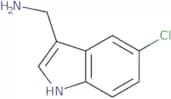

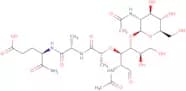
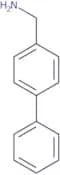
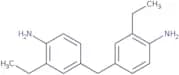
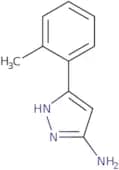
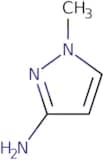
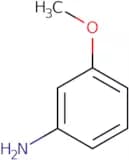
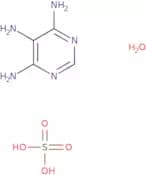
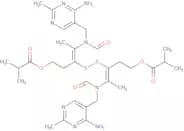
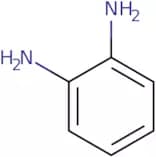
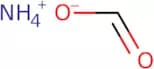
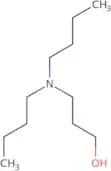
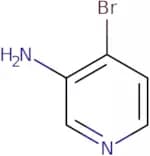
![1H-Pyrazolo[3,4-b]pyridine-3-amine](/_next/image/?url=https%3A%2Fstatic.cymitquimica.com%2Fproducts%2F3D%2Fthumb-webp%2FFP09386.webp&w=3840&q=75)
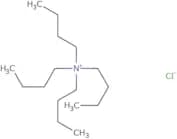
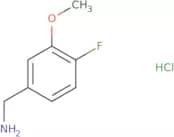
![[2-(6-Methylpyridin-2-yl)ethyl]amine](/_next/image/?url=https%3A%2Fstatic.cymitquimica.com%2Fproducts%2F3D%2Fthumb-webp%2FFM123522.webp&w=3840&q=75)
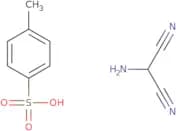
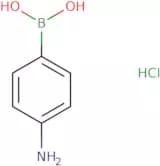
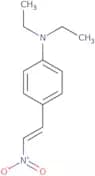
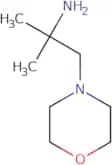

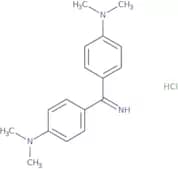
![4-[Bis(2-hydroxypropyl)amino]benzoic acid ethyl ester, 90%](/_next/image/?url=https%3A%2Fstatic.cymitquimica.com%2Fproducts%2F3D%2Fthumb-webp%2FFB18673.webp&w=3840&q=75)
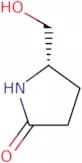

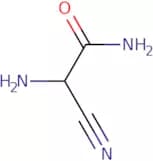
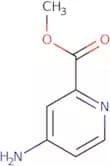
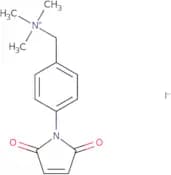
![[(1,2-Dimethyl-1H-benzimidazol-5-yl)methyl]amine dihydrochloride](/_next/image/?url=https%3A%2Fstatic.cymitquimica.com%2Fproducts%2F3D%2Fthumb-webp%2FFD135142.webp&w=3840&q=75)
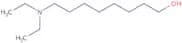
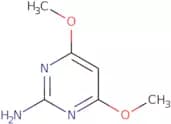
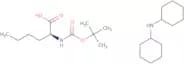
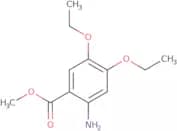
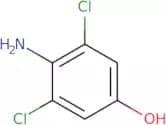
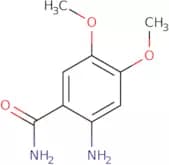
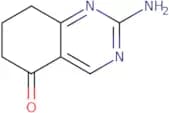

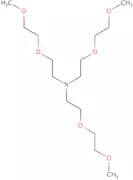
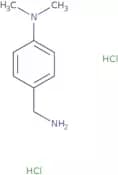
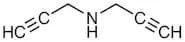

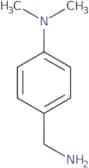
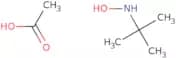
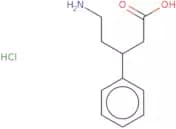
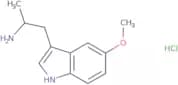
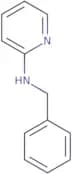
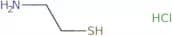
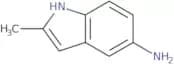

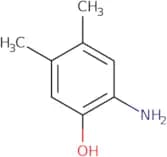
![1-{{[5-(4-Nitrophenyl)-2-furanyl]methylene}amino}-2,4-imidazolidinedione](/_next/image/?url=https%3A%2Fstatic.cymitquimica.com%2Fproducts%2F3D%2Fthumb-webp%2FFN138588.webp&w=3840&q=75)
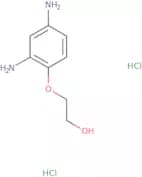
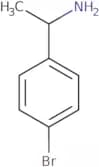
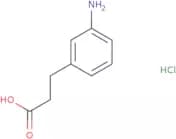
![[2-(1-Methyl-1H-pyrazol-5-yl)ethyl]amine](/_next/image/?url=https%3A%2Fstatic.cymitquimica.com%2Fproducts%2F3D%2Fthumb-webp%2FFM129769.webp&w=3840&q=75)
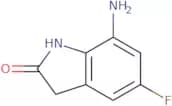
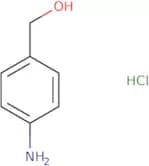
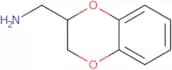
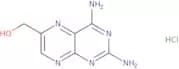
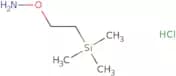
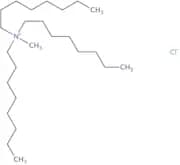
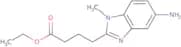
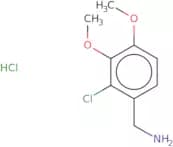
![[3-(1H-Pyrazol-1-yl)benzyl]amine](/_next/image/?url=https%3A%2Fstatic.cymitquimica.com%2Fproducts%2F3D%2Fthumb-webp%2FFP129771.webp&w=3840&q=75)
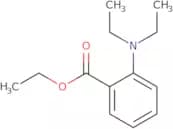
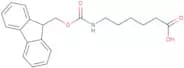
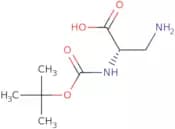
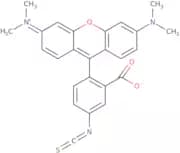
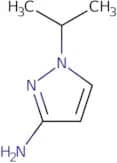
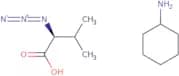

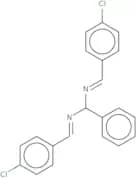
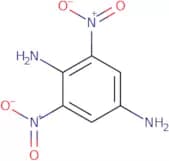
![[2-(3-Methyl-1,2,4-oxadiazol-5-yl)ethyl]amine hydrochloride](/_next/image/?url=https%3A%2Fstatic.cymitquimica.com%2Fproducts%2F3D%2Fthumb-webp%2FFM120047.webp&w=3840&q=75)
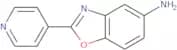
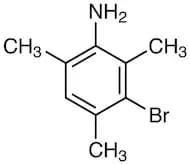
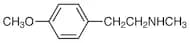
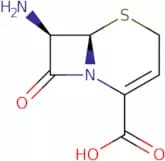
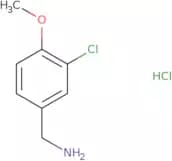

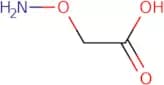
![N-[3-(Diethylaminomethyl)-4-hydroxyphenyl]acetamide](/_next/image/?url=https%3A%2Fstatic.cymitquimica.com%2Fproducts%2F3D%2Fthumb-webp%2FFD71897.webp&w=3840&q=75)

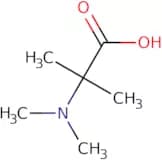


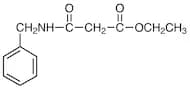


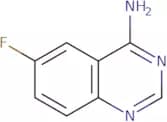

![[5-(4-Aminophenyl)-2-furyl]methanol](/_next/image/?url=https%3A%2Fstatic.cymitquimica.com%2Fproducts%2F3D%2Fthumb-webp%2FFA134137.webp&w=3840&q=75)
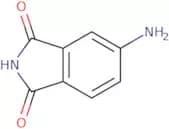
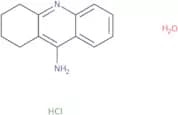
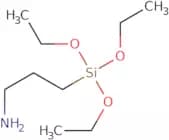
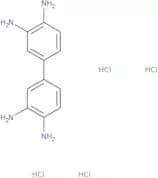
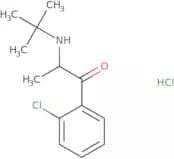
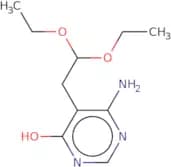
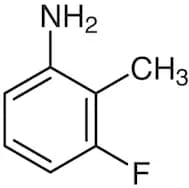
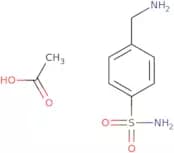

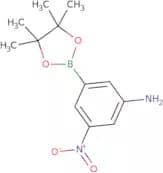

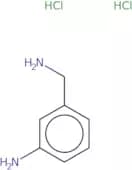

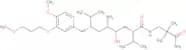
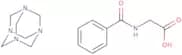
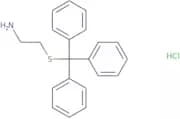
![3-[Methyl(methylsulfonyl)amino]benzoic acid](/_next/image/?url=https%3A%2Fstatic.cymitquimica.com%2Fproducts%2F3D%2Fthumb-webp%2FFM136650.webp&w=3840&q=75)
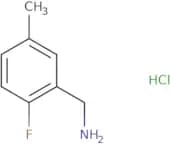
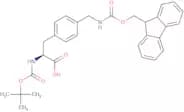
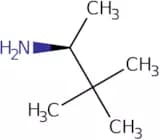
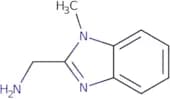
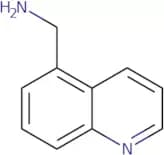
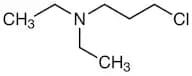
![[1-(3-Methylpyridin-2-yl)ethyl]amine](/_next/image/?url=https%3A%2Fstatic.cymitquimica.com%2Fproducts%2F3D%2Fthumb-webp%2FFM121577.webp&w=3840&q=75)
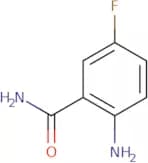
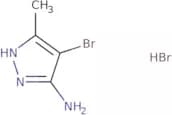
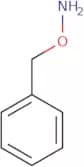
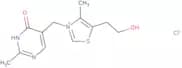

![Imidazo[1,2-a]pyridin-2-yl-methylamine dihydrochloride](/_next/image/?url=https%3A%2Fstatic.cymitquimica.com%2Fproducts%2F3D%2Fthumb-webp%2FFI51742.webp&w=3840&q=75)
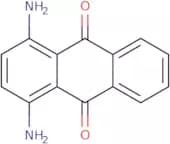
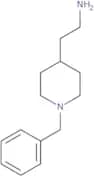
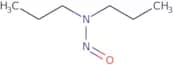
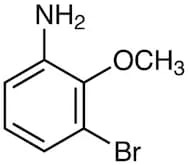
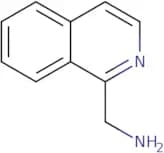
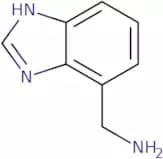
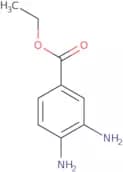
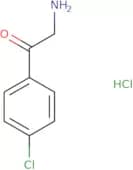
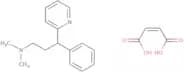
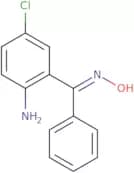
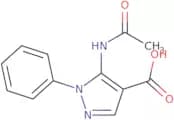

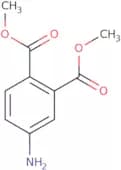
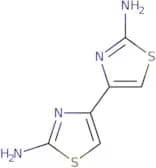


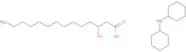
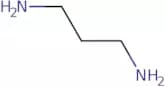
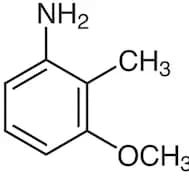
![[(1-Propyl-1H-pyrazol-3-yl)methyl]amine](/_next/image/?url=https%3A%2Fstatic.cymitquimica.com%2Fproducts%2F3D%2Fthumb-webp%2FFP129693.webp&w=3840&q=75)
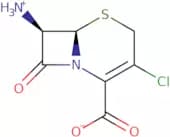

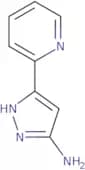
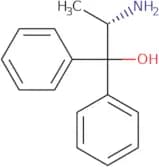
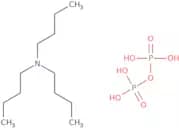
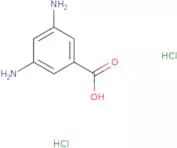


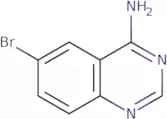
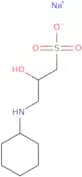
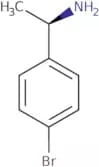
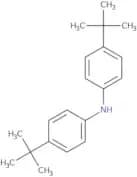

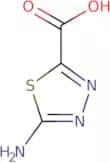
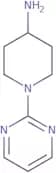
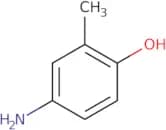
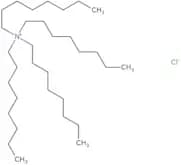
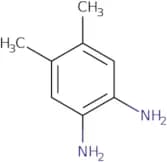
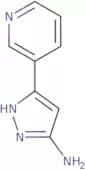
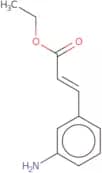
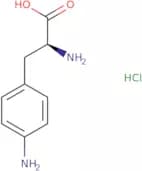
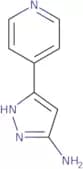
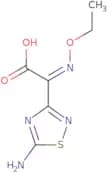
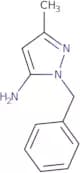
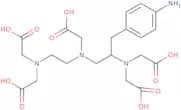
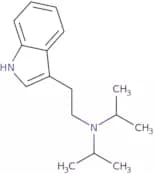
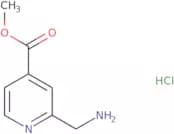
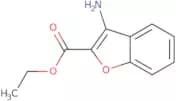
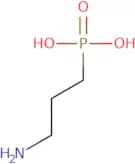
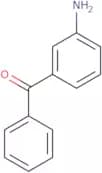
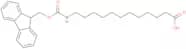
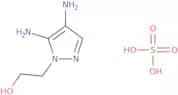
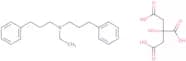
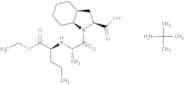
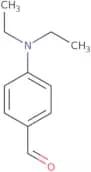
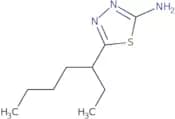
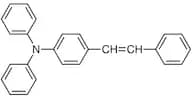


![[2,3'-Bipyridin]-6'-amine](/_next/image/?url=https%3A%2Fstatic.cymitquimica.com%2Fproducts%2F3D%2Fthumb-webp%2FFB141123.webp&w=3840&q=75)
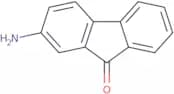
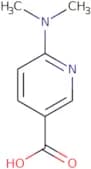
![4-Methyl-3-[[4-(3-pyridinyl)-2-pyrimidinyl]amino]benzoicacid methylester](/_next/image/?url=https%3A%2Fstatic.cymitquimica.com%2Fproducts%2F3D%2Fthumb-webp%2FFM151656.webp&w=3840&q=75)
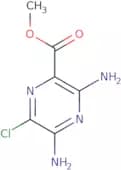
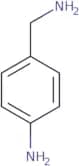
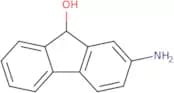
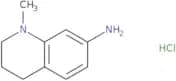


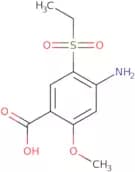
![[4-(Aminomethyl)cyclohexyl]methanol](/_next/image/?url=https%3A%2Fstatic.cymitquimica.com%2Fproducts%2F3D%2Fthumb-webp%2FFA123010.webp&w=3840&q=75)
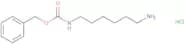
![N,N-Diethyl-5-methyl-[1,2,4]triazolo[5,1-b]pyrimidin-7-amine](/_next/image/?url=https%3A%2Fstatic.cymitquimica.com%2Fproducts%2F3D%2Fthumb-webp%2FFD153326.webp&w=3840&q=75)


![2-[(4-Chlorophenyl)-2-pyridinylmethoxy]-N,N-dimethylethanamine maleate salt](/_next/image/?url=https%3A%2Fstatic.cymitquimica.com%2Fproducts%2F3D%2Fthumb-webp%2FFC19699.webp&w=3840&q=75)