Carboxylic Acids
Carboxylic acids are organic molecules characterized by having a carboxyl-type functional group (-COOH). These acids are fundamental in various chemical reactions, including esterification, amidation, and decarboxylation. Carboxylic acids are widely used in the production of pharmaceuticals, polymers, and agrochemicals. In this section, you can find a large number of carboxylic acids ready to be used. At CymitQuimica, we provide a broad range of high-quality carboxylic acids to support your research and industrial applications.
Found 12453 products of "Carboxylic Acids"
Sort by
Purity (%)
0
100
|
0
|
50
|
90
|
95
|
100
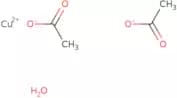
Copper(II) acetate monohydrate
CAS:<p>Copper acetate is a chemical compound that is composed of copper and acetic acid. Copper acetate monohydrate, the form used in this product, is an ionic salt that has the chemical formula Cu(CHCO)2. The copper atom has a coordination geometry of 4.5 and is surrounded by six oxygen atoms and two hydrogen atoms. The reaction mechanism for this compound involves methyl ethyl malonic acid as shown below: The first step in the reaction mechanism is the formation of a carbanion intermediate with the loss of a proton from one of the methyl groups on malonic acid. This carbanion attacks the copper atom to form an intermediate with two positive charges on it, which then breaks down into two molecules of malonic acid and one molecule of water. The other methyl group then reacts with another molecule of malonic acid to form methyl ethyl dicarboxylate and release another proton. This proton can be accepted by water or react with</p>Formula:C4H6CuO4·H2OPurity:Min. 95%Color and Shape:Blue Clear LiquidMolecular weight:199.65 g/mol5-Norbornene-2-carboxylic acid
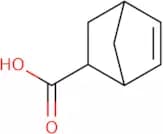
CAS:<p>5-Norbornene-2-carboxylic acid is a reactive, carbonyl compound that has been used in metathesis reactions. In these reactions, the 5-norbornene-2-carboxylic acid reacts with sodium carbonate to form a mixture of hydroxy methyl and fluorine groups. The 5-norbornene-2-carboxylic acid can be prepared by reacting phenol with anhydrous hydrogen fluoride in the presence of sodium carbonate. This reaction produces a mixture of 5-norbornene-2 carboxylic acids, but also includes isomeric mixtures that are not useful as starting materials for synthesis. The 5-norbornene -2 carboxylic acid can also be synthesized from aliphatic hydrocarbons such as propylene or ethylene. It is important to note that the 5 - norborenene 2 carboxylic acid does not have any aromatic rings and is therefore</p>Formula:C8H10O2Purity:Min. 95%Color and Shape:Clear LiquidMolecular weight:138.16 g/moltert-Butyl diazoacetate
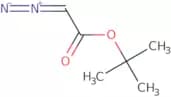
CAS:<p>Tert-Butyl diazoacetate is an ethyl diazoacetate that undergoes a copper-catalyzed alkylation with 4-acetamidobenzene sulfonyl azide. The reaction rate is dependent on the concentration of chloride, which is the only byproduct. This compound has been used in asymmetric synthesis of 4-formylbenzenesulfonyl azide and has shown to be a useful tool for organic chemists due to its size-exclusion chromatography properties. Tert-Butyl diazoacetate also reacts with styrene to produce unsaturated ketones such as salicylaldehyde, which can be further modified. Tert-Butyl diazoacetate is also an important bioactive molecule because it can be isolated from natural sources like horseradish or soybean sprouts.</p>Formula:C6H10N2O2Purity:Min. 95%Molecular weight:142.16 g/molEthyl 2-chloro-2,2-difluoroacetate
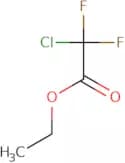
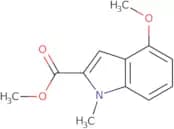
CAS:<p>Ethyl 2-chloro-2,2-difluoroacetate is an organic compound that is used in the synthesis of benzofuran derivatives. It reacts with chlorine to generate a reactive intermediate and then undergoes a nucleophilic substitution reaction to produce the desired compound. The kinetic studies of this reaction have been conducted using isolated yields of the reactants. The active methylene group can undergo a variety of reactions because it has a reactive chlorine atom attached to it. This active substance inhibits the NS5B polymerase, which is responsible for converting RNA into DNA. Ethyl 2-chloro-2,2-difluoroacetate may be used as a potential treatment for inflammatory diseases such as asthma and arthritis because it prevents acetylcholine from binding to its receptor α.</p>Formula:C4H5ClF2O2Purity:Min. 95%Color and Shape:Clear LiquidMolecular weight:158.53 g/molMethyl 4-methoxy-1-methyl-1H-indole-2-carboxylate
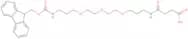
CAS:Controlled Product<p>Please enquire for more information about Methyl 4-methoxy-1-methyl-1H-indole-2-carboxylate including the price, delivery time and more detailed product information at the technical inquiry form on this page</p>Formula:C12H13NO3Purity:Min. 95%Molecular weight:219.24 g/molFmoc-1-amino-4,7,10-trioxa-13-tridecanamine succinimic acid
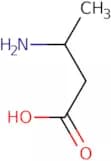
CAS:<p>Fmoc-1-amino-4,7,10-trioxa-13-tridecanamine succinimic acid is a synthetic amide that is used as an intermediate in the synthesis of peptides. It has a conformational structure and can be labeled with dyes to study the structures of proteins or peptides. Fmoc-1-amino-4,7,10-trioxa-13-tridecanamine succinimic acid has been used as an immunogen in the preparation of monoclonal antibodies. It also can be conjugated to drugs or other compounds for use as bioconjugates. This compound has been shown to have enzymatic activity and can be used as a substrate for enzyme linked immunosorbent assays (ELISA). Trifluoroacetic acid is commonly used in the synthesis of this compound.</p>Formula:C29H38N2O8Purity:Min. 98 Area-%Molecular weight:542.62 g/molDL-3-Aminobutyric acid
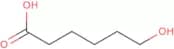
CAS:<p>DL-3-Aminobutyric acid is a natural compound that belongs to the group of amino acids. It is found in human immunoglobulin, enzymes, and proteins. DL-3-Aminobutyric acid has been shown to have an effect on iron homeostasis, signal pathways, and water permeability. It has also been shown to have anti-fungal activity in vitro and can be used as a model system for plant physiology.</p>Formula:C4H9NO2Purity:Min. 95%Molecular weight:103.12 g/mol6-Hydroxyhexanoic acid
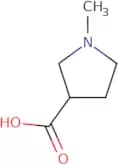
CAS:<p>6-Hydroxyhexanoic acid is an organic acid that is produced by the bacterial metabolism of caproic acid. It can be used to produce inorganic acids such as sulfuric acid, hydrochloric acid and nitric acid. 6-Hydroxyhexanoic acid has been shown to inhibit the growth of bacteria at low concentrations. This inhibition may be due to its ability to form an adduct with DNA, which inhibits DNA replication and transcription. 6-Hydroxyhexanoic acid also inhibits protein synthesis by binding to the 30S ribosomal subunit, inhibiting translocation and peptide bond formation. 6-hydroxyhexanoic acid also causes genotoxic effects in vitro and structural analysis has revealed a hydroxyl group on the methyl group on one side of the molecule.</p>Formula:C6H12O3Purity:(Silylated Gc) Min. 94%Color and Shape:Colorless PowderMolecular weight:132.16 g/mol1-Methyl-pyrrolidine-3-carboxylic acid
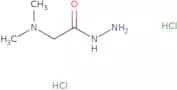
CAS:<p>1-Methyl-pyrrolidine-3-carboxylic acid is a hepatoprotective agent that has been shown to inhibit the growth of cervical glands in animals. It also has anticarcinogenic and locomotor activity, as well as antidiabetic and depressant activities. The alkaloid 1-methyl-pyrrolidine-3-carboxylic acid can be found in many medicinal plants, including Ganoderma lucidum and Semen erythrophlei. In vitro assays show that this compound inhibits the enzyme lipase, which is involved in fat digestion and pancreatic function. The compound also has a depressant effect on the central nervous system, as shown by animal studies.</p>Formula:C6H11NO2Purity:Min. 95%Color and Shape:PowderMolecular weight:129.16 g/molDimethylaminoacetic acid hydrazide dihydrochloride
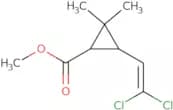
CAS:<p>Please enquire for more information about Dimethylaminoacetic acid hydrazide dihydrochloride including the price, delivery time and more detailed product information at the technical inquiry form on this page</p>Purity:Min. 95%Methyl 3-(2,2-dichlorovinyl)-2,2-dimethylcyclopropanecarboxylate
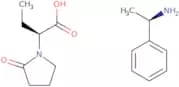
CAS:<p>Methyl 3-(2,2-dichlorovinyl)-2,2-dimethylcyclopropanecarboxylate is a pyrethroid insecticide. It is formulated as an emulsifiable concentrate and applied to the soil surface or injected into the root zone of plants. This insecticide is also used in combination with other pesticides to provide broad spectrum control of insect pests. Methyl 3-(2,2-dichlorovinyl)-2,2-dimethylcyclopropanecarboxylate is chemically synthesized from 2,3-dihydro-1,3-benzodioxole and chloroacetic acid. The mechanism of action for this pesticide is not well understood but may be due to its ability to inhibit hydrolase enzymes. This product also has a low toxicity on mammals and birds that are exposed orally or through inhalation at high concentrations.</p>Formula:C9H12Cl2O2Purity:Min. 95%Color and Shape:LiquidMolecular weight:223.1 g/mol(S)-α-Ethyl-2-oxo-1-pyrrolidineacetic acid(R)-α-methylbenzenemethanaminesalt
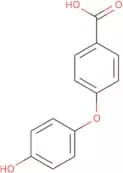
CAS:Controlled Product<p>Please enquire for more information about (S)-alpha-Ethyl-2-oxo-1-pyrrolidineacetic acid(R)-alpha-methylbenzenemethanaminesalt including the price, delivery time and more detailed product information at the technical inquiry form on this page</p>Formula:C16H24N2O3Purity:Min. 95%Molecular weight:292.37 g/mol4-(4-Hydroxyphenoxy)benzoic acid
CAS:<p>4-(4-Hydroxyphenoxy)benzoic acid is a molecule that can be used to treat hypercholesterolemia. It is metabolized in the body to butyric acid, which has been shown to have an anti-inflammatory effect on the bladder and may reduce water permeability of the bladder. 4-(4-Hydroxyphenoxy)benzoic acid can also be used as a choline precursor for acetylcholine synthesis and may have osmotic properties.</p>Formula:C13H10O4Purity:Min. 95%Molecular weight:230.22 g/mol3-Methyl-2-oxo-2,3-dihydro-1H-benzo[d]imidazole-4-carboxylic acid
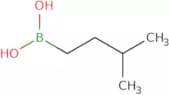
CAS:<p>Please enquire for more information about 3-Methyl-2-oxo-2,3-dihydro-1H-benzo[d]imidazole-4-carboxylic acid including the price, delivery time and more detailed product information at the technical inquiry form on this page</p>Formula:C9H8N2O3Purity:Min. 95%Molecular weight:192.17 g/molIsopentylboronic acid
CAS:<p>Isopentylboronic acid is a boron-containing organic compound that is used for the catalysis of cross-coupling reactions, such as the Suzuki reaction. It reacts with aryl halides to form an alkylboronic ester and a metal salt. Isopentylboronic acid is also used to produce trimers in the presence of formyl or nitro groups. Isopentylboronic acid may also be used as a reagent to convert alcohols into chlorides or bromides. This compound has been shown to react with alkali metal ions on one side and alkyl substituents on the other side, leading to deuterium incorporation at the carbon atom adjacent to the carboxylic acid group. Isopentylboronic acid can also be used for dehydrating alcohols and converting alkynes into alkenes when heated in the presence of an alkali metal chloride.</p>Formula:C5H13BO2Purity:Min. 95%Molecular weight:115.97 g/mol7,7-Azo-3-a,12-a-dihydroxytaurocholanic acid sodium salt
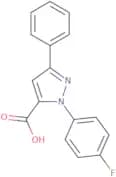
CAS:<p>Please enquire for more information about 7,7-Azo-3-a,12-a-dihydroxytaurocholanic acid sodium salt including the price, delivery time and more detailed product information at the technical inquiry form on this page</p>Formula:C26H42N3NaO6SPurity:Min. 95%Molecular weight:547.68 g/mol1-(4-Fluorophenyl)-3-phenyl-1H-pyrazole-5-carboxylic acid
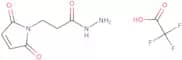
CAS:Controlled Product<p>Please enquire for more information about 1-(4-Fluorophenyl)-3-phenyl-1H-pyrazole-5-carboxylic acid including the price, delivery time and more detailed product information at the technical inquiry form on this page</p>Formula:C16H11FN2O2Purity:Min. 95%Color and Shape:PowderMolecular weight:282.27 g/mol3-Maleimidopropionic acid hydrazonium trifluoroacetate
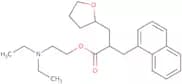
CAS:<p>Please enquire for more information about 3-Maleimidopropionic acid hydrazonium trifluoroacetate including the price, delivery time and more detailed product information at the technical inquiry form on this page</p>Formula:C7H9N3O3·CHF3CO2Purity:Min. 95%Molecular weight:297.19 g/molTetrahydro-a-(1-naphthalenylmethyl)-2-furanpropanoic Acid 2-(Diethylamino)ethyl Ester
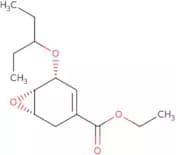
CAS:Controlled Product<p>Tetrahydro-a-(1-naphthalenylmethyl)-2-furanpropanoic Acid 2-(Diethylamino)ethyl Ester is a fatty acid analog that has antimicrobial properties. It is used in the treatment of bone cancer, and can be used to diagnose and treat other diseases such as glomerular filtration rate, receptor binding, and malonic acid. Tetrahydro-a-(1-naphthalenylmethyl)-2-furanpropanoic Acid 2-(Diethylamino)ethyl Ester binds to receptors on cells, which leads to an increase in the amount of monoamine neurotransmitters released by the cells.</p>Formula:C24H33NO3Purity:Min. 95%Molecular weight:383.52 g/molEthyl (3R,4S,5S)-4,5-epoxy-3-(1-ethylpropoxy)cyclohex-1-ene-1-carboxylate
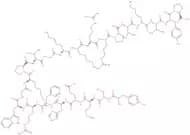
CAS:<p>Please enquire for more information about Ethyl (3R,4S,5S)-4,5-epoxy-3-(1-ethylpropoxy)cyclohex-1-ene-1-carboxylate including the price, delivery time and more detailed product information at the technical inquiry form on this page</p>Formula:C14H22O4Purity:Min. 95%Molecular weight:254.32 g/molACTH (2-24) (human, bovine, rat) trifluoroacetate salt
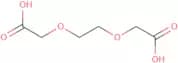
CAS:<p>Please enquire for more information about ACTH (2-24) (human, bovine, rat) trifluoroacetate salt including the price, delivery time and more detailed product information at the technical inquiry form on this page</p>Formula:C133H205N39O29SPurity:Min. 95%Molecular weight:2,846.36 g/mol3,6-Dioxaoctanedioic acid
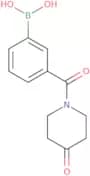
CAS:<p>3,6-Dioxaoctanedioic acid is a functional group that can be found in nature and has been studied for its potential to inhibit cancer cell growth. 3,6-Dioxaoctanedioic acid is a magnesium salt that is used as an experimental drug to treat bronchial asthma. It works by interfering with the function of serine protease enzymes. In addition, this compound has been shown to have particle size and transport properties that are suitable for inhalation therapy. These properties make it an effective drug for treatment of respiratory diseases such as asthma or chronic obstructive pulmonary disease.</p>Formula:C6H10O6Purity:90%MinMolecular weight:178.14 g/mol3-(4-Oxopiperidine-1-carbonyl)phenylboronic acid
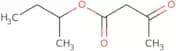
CAS:Controlled Product<p>Please enquire for more information about 3-(4-Oxopiperidine-1-carbonyl)phenylboronic acid including the price, delivery time and more detailed product information at the technical inquiry form on this page</p>Formula:C12H14BNO4Purity:Min. 95%Molecular weight:247.05 g/molsec-Butyl Acetoacetate
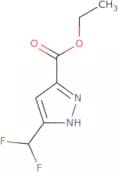
CAS:<p>Please enquire for more information about sec-Butyl Acetoacetate including the price, delivery time and more detailed product information at the technical inquiry form on this page</p>Formula:C8H14O3Purity:Min. 95%Molecular weight:158.19 g/molEthyl 3-(difluoromethyl)-1H-pyrazole-5-carboxylate
CAS:<p>Please enquire for more information about Ethyl 3-(difluoromethyl)-1H-pyrazole-5-carboxylate including the price, delivery time and more detailed product information at the technical inquiry form on this page</p>Formula:C7H8F2N2O2Purity:Min. 95%Color and Shape:PowderMolecular weight:190.15 g/molBoc-Gln-Arg-Arg-AMC acetate salt
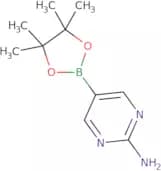
CAS:<p>Please enquire for more information about Boc-Gln-Arg-Arg-AMC acetate salt including the price, delivery time and more detailed product information at the technical inquiry form on this page</p>Formula:C32H49N11O8Purity:Min. 95%Molecular weight:715.8 g/mol2-Aminopyrimidine-5-boronic acid pinacol ester
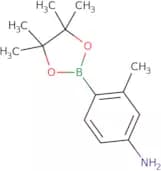
CAS:<p>2-Aminopyrimidine-5-boronic acid pinacol ester is a boronic acid derivative that has been shown to inhibit the activity of protein kinase C. This compound is also an effective linker for cross-coupling reactions and has a low reactivity with nucleophiles, which makes it safer than other boronic acids. 2-Aminopyrimidine-5-boronic acid pinacol ester has been shown to be potent against cancer cells in vitro and in vivo and synthetic cells. 2-Aminopyrimidine-5-boronic acid pinacol ester inhibits the growth of cancer cells by binding to the ATP site on protein kinase C, thereby inhibiting its function.</p>Formula:C10H16BN3O2Purity:Min. 95 Area-%Color and Shape:PowderMolecular weight:221.06 g/mol4-Amino-2-methylphenylboronic acid, pinacol ester
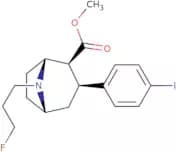
CAS:<p>Please enquire for more information about 4-Amino-2-methylphenylboronic acid, pinacol ester including the price, delivery time and more detailed product information at the technical inquiry form on this page</p>Formula:C13H20BNO2Purity:Min. 95%Molecular weight:233.11 g/molβ-CIT-FP
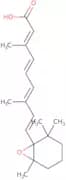
CAS:Controlled Product<p>Methyl (1R,2S,3S)-8-(3-Fluoropropyl)-3-(4-Iodophenyl)-8-Azabicyclo[3.2.1]Octane-2-Carboxylate is a potent dopamine receptor agonist with a high affinity for the D2 and D3 receptors in the brain. It has been shown to have antiparkinsonian effects in animal models of Parkinson's disease by increasing dopamine levels in the prefrontal cortex and striatum. This drug has also been shown to be effective in clinical studies for the diagnosis of Parkinson's disease. Methyl (1R,2S,3S)-8-(3-Fluoropropyl)-3-(4-Iodophenyl)-8-Azabicyclo[3.2.1]Octane-2-Carboxylate binds to both dopamine and serotonin receptors, which may account for its therapeutic effects on Parkinson</p>Formula:C18H23FINO2Purity:Min. 95%Molecular weight:431.28 g/molall-trans 5,6-Epoxy retinoic acid
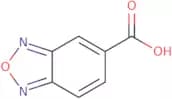
CAS:<p>5,6-Epoxy retinoic acid is a synthetic retinoid that has been shown to have biological properties in tissue culture and rat liver microsomes. It is an agonist of the retinoic acid receptor (RAR) and binds to DNA at the same site as all-trans retinoic acid. 5,6-Epoxyretinoic acid also has effects on gene expression in human serum and inhibits the proliferation of cancer cells by inducing apoptosis. The synthetic retinoid can be used as a novel chemotherapeutic agent for breast cancer or leukemia.</p>Formula:C20H28O3Purity:Min. 95 Area-%Color and Shape:Yellow PowderMolecular weight:316.43 g/mol2,1,3-Benzoxadiazole-5-carboxylic acid
CAS:<p>2,1,3-Benzoxadiazole-5-carboxylic acid is a functional theory that is an agonist of the opioid receptors. It is also a quaternary ammonium salt that has been shown to cause respiratory depression and death in mice. This drug is used as an anion in pentobarbital sodium, which has been linked to overdoses. 2,1,3-Benzoxadiazole-5-carboxylic acid can be activated by membrane proteins and other agents to increase its energy efficiency. It can also enhance the effect of molecules such as coulombic forces and depression.</p>Formula:C7H4N2O3Purity:Min. 95%Molecular weight:164.12 g/molγ-Aminobutyric acid
CAS:<p>Gamma-aminobutyric acid (GABA) is a neurotransmitter that inhibits the transmission of nerve impulses in the brain. GABA binds to specific receptors and blocks voltage-dependent calcium channels, which are ion channels that allow the passage of calcium ions into cells. GABA also has a number of other functions, including biochemical properties, its role in brain function and drug interactions. The GABA receptor is found on neurons and is subject to modulation by drugs that interact with GABA receptors. In addition, GABA can react with water vapor to produce hydrogen bonding interactions. This reaction is used in electrochemical impedance spectroscopy as an analytical tool for determining the concentration of free water in a sample.</p>Formula:C4H9NO2Purity:Min. 98.0%Color and Shape:White PowderMolecular weight:103.12 g/mol4-Aminomethylphenylacetic acid
CAS:<p>4-Aminomethylphenylacetic acid is a nonsteroidal anti-inflammatory drug that is used to treat inflammation and pain. It belongs to the class of peptidomimetics, which are compounds that mimic the structure of a natural biological molecule. 4-Aminomethylphenylacetic acid has an analog with a lactam ring at position 3, which is not present in other NSAIDs. This structural difference may contribute to its high stability and low reactivity. 4-Aminomethylphenylacetic acid has been shown to exhibit antiviral activity against viruses such as HIV or Hepatitis C virus by inhibiting viral replication.</p>Formula:C9H11NO2·HClPurity:Min. 95%Molecular weight:201.65 g/molγ-Oxo-3-pyridinebutyric acid
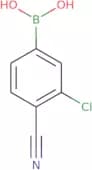
CAS:<p>Gamma-oxo-3-pyridinebutyric acid (GOBA) is a non-protein amino acid that has been shown to be involved in the development of cancer. GOBA was found to be present in urine samples from patients with liver cancer and breast cancer, as well as in healthy individuals. GOBA is also present in rat liver microsomes and human liver, where it is converted into gamma-aminobutyric acid (GABA). This conversion may be due to GOBA's hydroxy group that can be oxidized by cytochrome P450 enzymes. The biological activity of GOBA appears to depend on its carboxyl group, which can form a complex with molybdenum. This complex inhibits the activity of the protein polymerase chain reaction, leading to a decrease in transcriptional regulation. In animal experiments, GOBA has been shown to inhibit tumor growth and induce cell cycle arrest by inhibiting the expression of cyclin D1 at the</p>Formula:C9H9NO3Purity:Min. 95%Color and Shape:PowderMolecular weight:179.17 g/mol3-Chloro-4-cyanophenylboronic acid
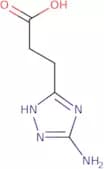
CAS:Controlled Product<p>Please enquire for more information about 3-Chloro-4-cyanophenylboronic acid including the price, delivery time and more detailed product information at the technical inquiry form on this page</p>Formula:C7H5BClNO2Purity:Min. 95%Molecular weight:181.38 g/mol3-(3-Amino-1H-1,2,4-triazol-5-yl)propanoic acid
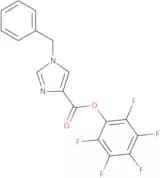
CAS:<p>Aminoguanidine is a selective inhibitor of the enzyme succinic dehydrogenase, which catalyzes the conversion of succinic acid to fumarate. Aminoguanidine is used in the treatment of diabetic complications and other conditions that result from high levels of blood glucose in order to lower the levels of blood sugar. The drug is administered orally or intravenously as aminoguanidine hydrochloride, which is converted to aminoguanidine in the body. Aminoguanidine can also be synthesized by reacting succinic anhydride with guanidine hydrochloride in a regioselective reaction. This synthesis yields quantitatively aminoguanidine, with little or no formation of guanidine. The product can be purified by washing with alkali and recrystallizing it from water. X-ray diffraction studies have shown that aminoguanidine hydrochloride exists as zwitterions in solution at physiological pH values.</p>Formula:C5H8N4O2Purity:Min. 95%Molecular weight:156.14 g/molPerfluorophenyl 1-Benzyl-1H-Imidazole-4-Carboxylate
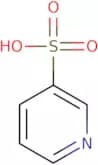
CAS:Controlled Product<p>Please enquire for more information about Perfluorophenyl 1-Benzyl-1H-Imidazole-4-Carboxylate including the price, delivery time and more detailed product information at the technical inquiry form on this page</p>Formula:C17H9F5N2O2Purity:Min. 95%Molecular weight:368.26 g/molPyridine-3-sulfonic acid
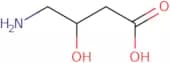
CAS:<p>Pyridine-3-sulfonic acid is a reactive molecule that can exist in two forms. It reacts with iron oxides to form pyridine-3-sulfonic acid amide and reacts with picolinic acid to form pyridine-3-sulfonic acid phosphoric acid complex. Pyridine 3 sulfonic acid is an intermediate in the synthesis of picolinic acid and is involved in the genetic mechanisms of bacteria. It has been shown to be effective at concentrations of 10 mM or higher when used in tissue culture experiments. The optimum concentration for the reaction varies depending on the reactant and its environment, which is why experimentation should be conducted before using it as a reagent.</p>Formula:C5H5NO3SPurity:Min. 95%Molecular weight:159.16 g/mol3-Hydroxy-4-amino-butyric acid
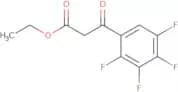
CAS:Controlled Product<p>3-Hydroxy-4-amino-butyric acid is a synthetase that catalyzes the formation of 3-hydroxy-4 amino butyric acid from 3-hydroxy butyric acid and ammonia. This reaction occurs in the presence of chloride ions, ethyl bromoacetate and butyric acid. The isolated yield of this reaction is 47%. The product can be converted to 3-amino butyric acid by dehydrating it with hydrochloric acid. 3-Hydroxy-4 amino butyric acid has been shown to have anticancer properties in vitro. It also has been shown to have antiinflammatory properties, which may be due to its ability to inhibit the production of prostaglandin E2, an inflammatory mediator.</p>Formula:C4H9NO3Purity:Min. 95%Color and Shape:PowderMolecular weight:119.12 g/molEthyl (2,3,4,5-tetrafluorobenzoyl)acetate
CAS:<p>Ethyl (2,3,4,5-tetrafluorobenzoyl)acetate is a new oxazine derivative that inhibits bacterial growth by binding to the DNA gyrase and topoisomerase IV. It also exhibits antibacterial activity against Gram-positive bacteria such as methicillin-resistant Staphylococcus aureus (MRSA). This compound is an analog of the quinolone antibacterials. The most efficient example of this class of compounds is ofloxacin.</p>Formula:C11H8F4O3Purity:Min. 95%Color and Shape:PowderMolecular weight:264.17 g/mol4-Phenoxyphenylboronic acid
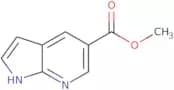
CAS:<p>4-Phenoxyphenylboronic acid is a chemical inhibitor of protein kinase. It binds to the ATP binding site of the enzyme and prevents ATP from binding, thereby inhibiting the phosphorylation of proteins. This inhibition blocks the activation of downstream pathways that are involved in cell proliferation, leading to apoptotic cell death. 4-Phenoxyphenylboronic acid has been shown to inhibit growth of human cancer cells in vitro. This molecule also inhibits root formation and plant growth, which may be due to its ability to selectively inhibit protein kinases found in plant cells.</p>Formula:C12H11BO3Purity:Min. 95%Molecular weight:214.02 g/mol7-Azaindole-5-carboxylic acid methyl ester
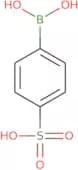
CAS:<p>7-Azaindole-5-carboxylic acid methyl ester is an ester derivative that can be synthesized from the reaction of acetyl chloride and diazotization. 7-Azaindole-5-carboxylic acid methyl ester has been used in research for its biological activity, specifically as a cytotoxic agent. It has also been shown to inhibit the growth of cancer cells by alkylation reactions and cyclization reactions. 7-Azaindole-5-carboxylic acid methyl ester has been shown to have antitumor properties with a mechanism that is not yet fully understood.</p>Formula:C9H8N2O2Purity:Min. 95%Molecular weight:176.17 g/mol4-Bromobenzenesulfonic acid
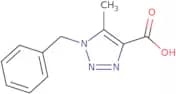
CAS:<p>4-Bromobenzenesulfonic acid is a chemical used in the synthesis of organic molecules. It is an intermediate in the production of cyclopropylboronic acid, which is used as a building block in various organic syntheses. 4-Bromobenzenesulfonic acid can be prepared by reacting pyridine with acetic anhydride and then adding sodium carbonate to remove water. This reaction produces a molecule with two acid groups that are nucleophilic and can react with carboxylic acids to form esters. The yield for this reaction is high and it does not require any special equipment or conditions. This chemical is also used as a linker for other compounds during synthesis reactions, such as diazonium salts or dioxane. 4-Bromobenzenesulfonic acid reacts with triethylphosphite to give disulfides, which are important for protein structure.</p>Formula:C6H7BO5SPurity:Min. 95%Molecular weight:201.99 g/mol1-Benzyl-5-methyl-1H-1,2,3-triazole-4-carboxylic acid
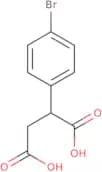
CAS:<p>1-Benzyl-5-methyl-1H-1,2,3-triazole-4-carboxylic acid is a compound with an esterified hydroxyl group in the form of an acetylacetone. It can be used as a monohydrate or dihydrate and it is stabilized by hydrogen bonding. 1-Benzyl-5-methyl-1H-1,2,3-triazole-4-carboxylic acid has been studied as a potential drug for cancer treatment because it is active against tumor cells and has little toxicity to normal cells.</p>Formula:C11H11N3O2Purity:Min. 95%Molecular weight:217.22 g/mol2-(4-Bromophenyl)succinic acid
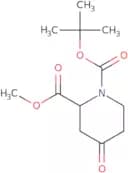
CAS:<p>Please enquire for more information about 2-(4-Bromophenyl)succinic acid including the price, delivery time and more detailed product information at the technical inquiry form on this page</p>Formula:C10H9BrO4Purity:Min. 95%Molecular weight:273.08 g/mol1-tert-Butyl 2-methyl 4-oxopiperidine-1,2-dicarboxylate
CAS:<p>Please enquire for more information about 1-tert-Butyl 2-methyl 4-oxopiperidine-1,2-dicarboxylate including the price, delivery time and more detailed product information at the technical inquiry form on this page</p>Purity:Min. 95%(5-Chloropyridin-3-yl)boronic acid
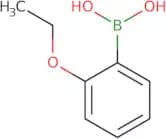
CAS:<p>Please enquire for more information about (5-Chloropyridin-3-yl)boronic acid including the price, delivery time and more detailed product information at the technical inquiry form on this page</p>Formula:C5H5BClNO2Purity:Min. 95%Molecular weight:157.36 g/mol2-Ethoxyphenylboronic acid
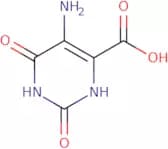
CAS:<p>Ethoxyphenylboronic acid is a triazine compound which inhibits inflammation by inhibiting the kinase that catalyzes the phosphorylation of arachidonic acid. It also inhibits lipid kinase, which is involved in the metabolism of lipids, and it has been shown to inhibit cancer cell growth through hydrogen bond interactions with DNA. Ethoxyphenylboronic acid has been shown to have anti-inflammatory properties and may be useful for the treatment of inflammatory diseases such as arthritis. The compound can also inhibit hydrogen peroxide-induced oxidative damage in cells, due to its ability to release intracellular glutathione.</p>Formula:C8H11BO3Purity:Min. 95%Molecular weight:165.98 g/mol5-Aminoorotic acid
CAS:<p>5-Aminoorotic acid is an antimicrobial agent that has been shown to have anticancer activity. It has a nitrogen atom and two oxygen atoms in the molecule. The chemical structure of 5-aminoorotic acid can be determined using NMR spectroscopy and its biological properties are dependent on hydrogen bonding interactions with other molecules. 5-Aminoorotic acid is a chelate ring, which means it can bind to metal ions such as lanthanum (La3+). 5-Aminoorotic acid has been shown to inhibit the glycol oxidation reaction and may also be able to inhibit other enzymatic reactions. This drug is stable for use in model systems and may also be used for cancer treatment.</p>Formula:C5H5N3O4Purity:Min. 95%Molecular weight:171.11 g/molBromoacetic acid-13C2
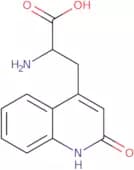
CAS:<p>Please enquire for more information about Bromoacetic acid-13C2 including the price, delivery time and more detailed product information at the technical inquiry form on this page</p>Formula:C2H3BrO2Purity:Min. 95%Color and Shape:PowderMolecular weight:140.95 g/mol2-Amino-3-(1.2-dihydro-2-oxoquinoline-4-yl)propanoic acid
CAS:<p>Please enquire for more information about 2-Amino-3-(1.2-dihydro-2-oxoquinoline-4-yl)propanoic acid including the price, delivery time and more detailed product information at the technical inquiry form on this page</p>Formula:C12H12N2O3Purity:Min. 95%Molecular weight:232.24 g/mol3-Bromo-2-methylbenzoic acid methyl ester
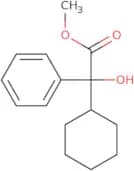
CAS:<p>3-Bromo-2-methylbenzoic acid methyl ester is a serotonin transporter and reuptake inhibitor. It has selectivities for serotonin, dopamine and norepinephrine transporters. 3-Bromo-2-methylbenzoic acid methyl ester acts as a linker molecule in the synthesis of complex molecules like neurotransmitters. It is also a bifunctional molecule that can act as an antidepressant or anti-anxiety drug by increasing serotonin levels in the brain. 3-Bromo-2-methylbenzoic acid methyl ester’s function as a ligand is to bind to receptors on cells, which may be linked with its effects on depression and anxiety.</p>Formula:C9H9BrO2Purity:Min. 95%Molecular weight:229.07 g/molMethyl 2-cyclohexyl-2-hydroxyphenylacetate
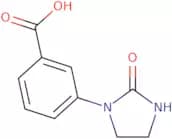
CAS:<p>Methyl 2-cyclohexyl-2-hydroxyphenylacetate is a c6 alkyl and diode. It is an orally active hormone with potential use in catalysis of additives, as well as in the treatment of metabolic disorders. Methyl 2-cyclohexyl-2-hydroxyphenylacetate has been shown to have anticholinergic properties, which may be due to its ability to inhibit acetylcholine release from nerve endings. Lectins are proteins found on the surface of cells that bind to specific sugars and play a role in many biological processes. A lectin that binds to erythrocytes can be used as a marker for damaged red blood cells. Methyl 2-cyclohexyl-2-hydroxyphenylacetate has been shown to react with this lectin in plasma samples from humans, indicating that it is metabolized by enzymes present in red blood cells.</p>Formula:C15H20O3Purity:Min. 95%Molecular weight:248.32 g/mol3-(2-Oxo-imidazolidin-1-yl)benzoic acid
CAS:<p>Please enquire for more information about 3-(2-Oxo-imidazolidin-1-yl)benzoic acid including the price, delivery time and more detailed product information at the technical inquiry form on this page</p>Formula:C10H10N2O3Purity:Min. 95%Molecular weight:206.2 g/molHydroxymethanesulfinic acid monosodium salt dihydrate
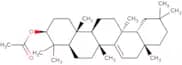
CAS:<p>Hydroxymethanesulfinic acid monosodium salt dihydrate (HMSD) is a chemical that can be used to remove sulfoxylate and formaldehyde in wastewater. It can also be used as a polymerization catalyst, an activator for epoxy resins, and as a stabilizer of glycol ethers. HMSD is formed by the reaction of methyl ethyl sulfoxide with copper chloride. This chemical has been shown to have thermal expansion properties and high chemical stability, making it useful for industrial processes involving polymerization or glycol esters.</p>Formula:CH3NaO3S·2H2OPurity:Min. 95%Color and Shape:White/Off-White SolidMolecular weight:154.12 g/molTaraxeryl acetate
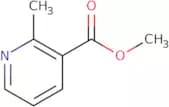
CAS:Controlled Product<p>Taraxeryl acetate is a fatty acid that is found in the extract of Curcuma aromatica (turmeric). It has been shown to inhibit cervical cancer cells in tissue culture. Taraxeryl acetate inhibits the growth of Streptococcus faecalis by binding to its ribosomal RNA and inhibiting protein synthesis. Toxicological studies on rats have shown that this compound does not have any harmful effects on physiological functions. This molecule has also been shown to be an inhibitor for protocatechuic acid, which is a chemical structure involved in the cycle analysis of curcuminoids. In addition, taraxeryl acetate has been used as an active ingredient in Chinese medicine preparations for the treatment of symptoms related to herpes simplex virus infections.</p>Purity:Min. 95%2-Methylnicotinic acid methyl ester
CAS:<p>2-Methylnicotinic acid methyl ester is a synthetic chemical compound that belongs to the isomer family. It has been used in the synthesis of cocaine and isomers, as well as in the modification of drugs. 2-Methylnicotinic acid methyl ester can be synthesised from 2-methylpyridine and formaldehyde via the method of methylmagnesium iodide. 2-Methylnicotinic acid methyl ester has been shown to be a potent inhibitor of human platelet aggregation, which may be due to its structural similarity to nicotine.</p>Formula:C8H9NO2Purity:Min. 95%Color and Shape:PowderMolecular weight:151.16 g/mol3-[2-(Ethoxycarbonyl)-1-methyl-1H-indol-3-yl]propanoic acid
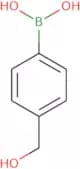
CAS:Controlled Product<p>Please enquire for more information about 3-[2-(Ethoxycarbonyl)-1-methyl-1H-indol-3-yl]propanoic acid including the price, delivery time and more detailed product information at the technical inquiry form on this page</p>Formula:C15H17NO4Purity:Min. 95%Molecular weight:275.3 g/mol4-(Hydroxymethyl)phenylboronic acid
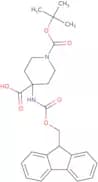
CAS:<p>4-(Hydroxymethyl)phenylboronic acid is an organic compound that has been identified as a reactive, fatty acid. It has shown antibacterial efficacy against gram-positive and gram-negative bacteria in the presence of nanogels. 4-(Hydroxymethyl)phenylboronic acid is also a cross-linking agent that can be used to form hydrogels for tissue engineering applications. This chemical is being studied as a potential treatment for inflammatory bowel disease and diabetes mellitus. 4-(Hydroxymethyl)phenylboronic acid has been shown to have anti-cancer properties by inhibiting the proliferation of cancer cells and inducing apoptosis. The molecule also undergoes structural analysis using confocal microscopy.</p>Formula:C7H9BO3Molecular weight:151.96 g/molN-Boc-amino-(4-N-fmoc-piperidinyl)carboxylic acid
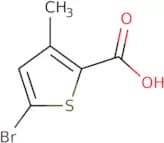
CAS:<p>Please enquire for more information about N-Boc-amino-(4-N-fmoc-piperidinyl)carboxylic acid including the price, delivery time and more detailed product information at the technical inquiry form on this page</p>Formula:C26H30N2O6Purity:Min. 95%Molecular weight:466.53 g/mol5-Bromo-3-methylthiophene-2-carboxylic acid
CAS:<p>5-bromo-3-methylthiophene-2-carboxylic acid (5BmtCA) is a potential therapeutic that has been shown to have the same estrogenic activity as estradiol. It may be used for the treatment of osteoporosis and other conditions associated with estrogen deficiency, including resorption and bone loss. 5BmtCA is an amide with two phenyl groups at the C3 position, which are bioisosteres of the sulfur in estradiol. The substitutions on these phenyl groups can be changed to produce analogs with different properties. For example, 5BmtCA may be substituted with a ketone group at position C3 to produce the corresponding ketone analog 5BmtCK. This compound would be expected to have reduced bone resorption activity relative to 5BmtCA.</p>Formula:C6H5BrO2SPurity:Min. 95%Color and Shape:PowderMolecular weight:221.07 g/mol1-(4-Methoxyphenyl)-7-oxo-6-(4-(2-oxopiperidin-1-yl)phenyl)-4,5,6,7-tetrahydro-1H-pyrazolo[3,4-c]pyridine-3-carboxylic acid
CAS:<p>Apixaban is a novel, orally active, and selective factor Xa inhibitor. It is the first oral anticoagulant that has been developed to inhibit both free and clot-bound thrombin. Apixaban binds reversibly to the active site of factor Xa and inhibits factor Xa-mediated conversion of prothrombin to thrombin, resulting in an increased concentration of prothrombin in blood. Apixaban also inhibits the activity of thrombin-activated protein C (APC) that degrades fibrin clots by proteolytic cleavage of fibrinogen. This drug has a crystalline form with a particle size between 10 and 100 μm.</p>Formula:C25H24N4O5Purity:Min. 95%Molecular weight:460.48 g/molMethyl 2-amino-4,6-dichloropyridine-3-carboxylate
CAS:<p>Please enquire for more information about Methyl 2-amino-4,6-dichloropyridine-3-carboxylate including the price, delivery time and more detailed product information at the technical inquiry form on this page</p>Formula:C7H6Cl2N2O2Purity:Min. 95%Molecular weight:221.04 g/moltert-Butyl 4-{[(methylsulfonyl)oxy]methyl}piperidine-1-carboxylate
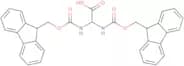
CAS:<p>Please enquire for more information about tert-Butyl 4-{[(methylsulfonyl)oxy]methyl}piperidine-1-carboxylate including the price, delivery time and more detailed product information at the technical inquiry form on this page</p>Formula:C12H23NO5SPurity:Min. 95%Molecular weight:293.38 g/molN,N'-bis-Fmoc-diaminoacetic acid
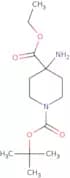
CAS:<p>Please enquire for more information about N,N'-bis-Fmoc-diaminoacetic acid including the price, delivery time and more detailed product information at the technical inquiry form on this page</p>Formula:C32H26N2O6Purity:Min. 95%Molecular weight:534.56 g/mol1,4-Piperidinedicarboxylic acid, 4-aMino-, 1-(1,1-diMethylethyl) 4-ethyl ester
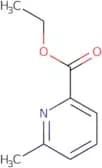
CAS:<p>Please enquire for more information about 1,4-Piperidinedicarboxylic acid, 4-aMino-, 1-(1,1-diMethylethyl) 4-ethyl ester including the price, delivery time and more detailed product information at the technical inquiry form on this page</p>Formula:C13H25N2O4Purity:Min. 95%Molecular weight:273.35 g/molEthyl 6-methylpyridine-2-carboxylate
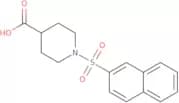
CAS:<p>Ethyl 6-methylpyridine-2-carboxylate is a pyridine derivative that has a nitrogen at the 6 position. It is an anionic compound, which is soluble in methanol and dichloromethane. The compound can be used to synthesize pharmaceuticals or as a precursor for polymers. It has been shown to inhibit the growth of tumor cells by binding to type 1 receptor sites on the surface of cancer cells. It also binds to quinine and enolate groups, which are found in many drugs. These binding sites may be exploited for drug design purposes.</p>Formula:C9H11NO2Purity:Min. 95%Molecular weight:165.19 g/mol1-(2-Naphthylsulfonyl)piperidine-4-carboxylic acid
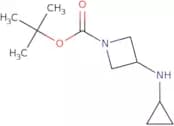
CAS:<p>Please enquire for more information about 1-(2-Naphthylsulfonyl)piperidine-4-carboxylic acid including the price, delivery time and more detailed product information at the technical inquiry form on this page</p>Formula:C16H17NO4SPurity:Min. 95%Molecular weight:319.38 g/moltert-Butyl 3-(cyclopropylamino)azetidine-1-carboxylate
CAS:<p>Please enquire for more information about tert-Butyl 3-(cyclopropylamino)azetidine-1-carboxylate including the price, delivery time and more detailed product information at the technical inquiry form on this page</p>Formula:C11H20N2O2Purity:Min. 95%Molecular weight:212.29 g/mol3-(6-Chloro-1-methyl-1H-benzimidazol-2-yl)propanoic acid
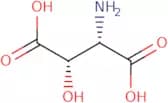
CAS:Controlled Product<p>Please enquire for more information about 3-(6-Chloro-1-methyl-1H-benzimidazol-2-yl)propanoic acid including the price, delivery time and more detailed product information at the technical inquiry form on this page</p>Formula:C11H11ClN2O2Purity:Min. 95%Molecular weight:238.67 g/molD,L-Threo-b-hydroxy aspartic acid
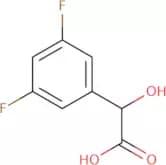
CAS:<p>D,L-Threo-b-hydroxy aspartic acid is a stereoselective synthetic amino acid that has been used to study the uptake and hydrolysis of D,L-threo-b-hydroxy aspartic acid by rat brain synaptosomes. It has also been used in the synthesis of an L-alanine analogue with the same stereochemistry at the chiral center. The stereoselective synthesis of this compound is achieved by epimerization reaction using d-alanine as a starting material. Threo bhda has been shown to inhibit glutamate release from neurons and stimulate GABA release in synaptosomes, which may be due to its ability to bind to ion channels. Threo bhda has also been found to inhibit the binding of radioactive thymidine to calf thymus DNA with a high degree of stereoselectivity.</p>Formula:C4H7NO5Purity:Min. 95%Molecular weight:149.1 g/mol3,5-Difluoromandelic acid
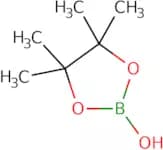
CAS:<p>3,5-Difluoromandelic acid is a biomolecule that is synthesized in the laboratory. It has been shown to have anti-cancer properties by inhibiting the formation of amyloid plaques and inhibiting γ-secretase, which are substances involved in the development of Alzheimer's disease. 3,5-Difluoromandelic acid has been shown to be more potent than other ligands in its class with respect to inhibition of γ-secretase activity. This molecule also shows stereospecificity for the L- and D-isomers of lactam substrates. 3,5-Difluoromandelic acid may be used as a potential lead for development of new drugs for treatment of Alzheimer's disease.</p>Formula:C8H6F2O3Purity:Min. 95%Color and Shape:White PowderMolecular weight:188.13 g/molBoric acid, pinacol ester
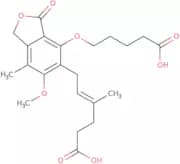
CAS:<p>Boric acid, pinacol ester (BP) is a chemical compound that inhibits the 5-HT7 receptor. BP has been shown to be an inhibitor of growth factor and is used to treat autoimmune diseases. BP inhibits the formation of a copper complex with the BCR-ABL kinase, which is associated with chronic myeloid leukemia. It also inhibits epidermal growth factor and has been shown to have anti-inflammatory properties in eye disorders. BP has a chemical stability that is greater than other inhibitors of 5-HT7 receptors, due to its hydroxyl group and nitrogen atoms. BP can be synthesized using a Suzuki coupling reaction as well as an optical sensor for monitoring the reaction rate. It has been found to be effective in treating hyperproliferative disease such as cancerous tumors and fibrosis.</p>Formula:C6H13BO3Purity:Min. 95%Molecular weight:143.98 g/molMycophenolic acid carboxybutoxy ether
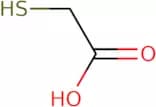
CAS:<p>Mycophenolic acid carboxybutoxy ether is an active form of mycophenolic acid. It has been shown to activate the immune system by increasing the production of lymphokines, including interleukin-2 and gamma-interferon. Mycophenolic acid carboxybutoxy ether has been shown to be effective in vivo in models for autoimmune diseases and cancer. This compound has a high affinity for glycoside derivatives, which are important for the formation of body tissues, such as collagen and elastin. The drug binds to monoclonal antibodies that are used in diagnostic tests for cervical cancer and other cancers. Mycophenolic acid carboxybutoxy ether also binds to x-ray diffraction data, which aids in the structural analysis of glycoside derivatives. This drug can be analyzed using surface methodology.</p>Formula:C22H28O8Purity:Min. 95%Molecular weight:420.45 g/molThioglycolic acid
CAS:<p>Thioglycolic acid is a strong antimicrobial agent that has been shown to be effective against bacteria and fungi. It is used in the preparation of biological samples for titration calorimetry studies. Thioglycolic acid reacts with proteins by forming covalent linkages, which can be identified using laser ablation techniques. The redox potential of thioglycolic acid makes it an ideal candidate for chemiluminescent reactions.</p>Formula:C2H4O2SPurity:95%MinColor and Shape:Colorless Clear LiquidMolecular weight:92.12 g/molRibonucleic acid free acid
CAS:<p>Ribonucleic acid free acid (ribo-FAA) is a derivative of the immunosuppressive drug rapamycin. It is an immunosuppressant that inhibits the immune system by binding to a protein called FKBP12, which is involved in the activation of T cells and other immune system cells. Ribo-FAA has been shown to be effective in treating HIV patients undergoing active antiretroviral therapy, as well as for treatment of other infectious diseases such as tuberculosis or leishmaniasis. Ribo-FAA binds to FKBP12 and prevents it from activating T cells or other immune system cells, which leads to suppression of the immune response.</p>Purity:Min. 95%Color and Shape:Yellow Powder1-[2-(5-Chloro-1H-indol-3-yl)ethyl]-5-oxopyrrolidine-3-carboxylic acid
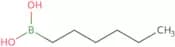
CAS:Controlled Product<p>Please enquire for more information about 1-[2-(5-Chloro-1H-indol-3-yl)ethyl]-5-oxopyrrolidine-3-carboxylic acid including the price, delivery time and more detailed product information at the technical inquiry form on this page</p>Formula:C15H15ClN2O3Purity:Min. 95%Molecular weight:306.74 g/molN-Hexylboronic acid
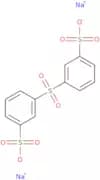
CAS:<p>N-Hexylboronic acid is an organometallic compound that has been used as a model system to study the catalytic mechanism of the Suzuki coupling reaction. It has also been shown to be a substrate film for use in the suzuki coupling reaction when combined with Raney nickel, which can be used to synthesize organic compounds. N-Hexylboronic acid has been shown to inhibit the activity of pancreatic lipase, but not cholesterol esterase or cholesterol ester hydrolase. The skeleton of this molecule is made up of six carbon atoms and one boron atom. Hydrogen chloride and aliphatic hydrocarbons are inhibitors of N-hexylboronic acid.</p>Formula:C6H15BO2Purity:Min. 95%Molecular weight:129.99 g/molDiphenylsulfone-3,3'-disulfonic Acid Disodium Salt
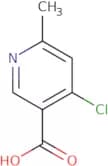
CAS:<p>Please enquire for more information about Diphenylsulfone-3,3'-disulfonic Acid Disodium Salt including the price, delivery time and more detailed product information at the technical inquiry form on this page</p>Purity:Min. 95%4-Chloro-6-methylnicotinic acid
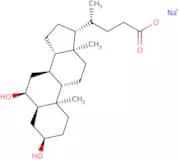
CAS:<p>4-Chloro-6-methylnicotinic acid (4C6MNA) is a chemical substance that is used in the study of plant leaves and their permeability. This substance has been found to be an excellent indicator of chlorophyll content, as it stains leaf cells with a green color. 4C6MNA is taken up by healthy plant cells and mitochondria, where it binds to the chromophore molecule in the mitochondria. The binding of 4C6MNA to the chromophore molecule leads to the production of fluorescence, which can be detected via microscopy. This substance has been used for laser microbeam studies on natural leaves and tobacco plants.</p>Formula:C7H6CINO2Purity:Min. 95%Molecular weight:275.04 g/molHyodeoxycholic acid sodium salt
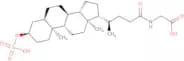
CAS:Controlled Product<p>Hyodeoxycholic acid sodium salt is a nonsteroidal anti-inflammatory drug that belongs to the class of hyodeoxycholic acids. It is an inhibitor of the enzyme activities that are involved in the synthesis of prostaglandins from arachidonic acid. Hyodeoxycholic acid sodium salt has been shown to inhibit the activity of enzymes such as cyclooxygenase, lipoxygenase, and 5-lipoxigenase. This inhibition leads to decreased production of inflammatory prostaglandins, which are responsible for inflammation and pain. Hyodeoxycholic acid sodium salt also has neurotrophic effects that may be due to its ability to stimulate NGF synthesis by neurons in vitro.</p>Formula:C24H39NaO4Purity:Min. 95%Molecular weight:414.55 g/mol3-Sulfoglycolithocholic acid disodium
CAS:<p>3-Sulfoglycolithocholic acid disodium is a potential biomarker for inflammatory bowel disease. It is also used as an analytical method to measure bile acids in the blood. 3-Sulfoglycolithocholic acid disodium has been shown to be a strong indicator of liver inflammation and hepatitis. This compound can also be used as a diagnostic tool for infectious diseases, such as HIV and hepatitis C, by measuring serum bile acids levels. The level of this molecule can be measured in the blood and urine of patients with bowel disease, such as ulcerative colitis or Crohn's disease. 3-Sulfoglycolithocholic acid disodium can also be used to diagnose atrial fibrillation.</p>Formula:C26H43NO7S•Na2Purity:Min. 95%Molecular weight:559.67 g/mol(S)-tert-Butyl 3-(methylamino)pyrrolidine-1-carboxylate
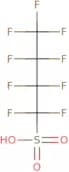
CAS:<p>(S)-tert-Butyl 3-(methylamino)pyrrolidine-1-carboxylate is a research chemical that can be used as a versatile building block for the synthesis of complex compounds. It is also a reaction component in the synthesis of speciality chemicals and useful scaffolds. It has been shown to have high quality, reagent grade and purity.</p>Formula:C10H20N2O2Purity:Min. 95%Color and Shape:PowderMolecular weight:200.28 g/molNonafluoro-1-butanesulfonic Acid
CAS:<p>Nonafluoro-1-butanesulfonic acid (NBS) is a sulfonic acid that is used in the synthesis of sodium salts. NBS has been shown to be toxic to cultured human immunoglobulin cells, with an IC50 of 0.5 mM. It also inhibits the growth of 3T3-L1 preadipocytes and can cause weight gain in animal models. However, NBS has been found to be non-toxic to mice, rats and monkeys after 28 days of continuous dosing with up to 1 g/kg/day. This compound also has been found to have no significant interactions with drugs or other chemicals at concentrations up to 10 times higher than therapeutic doses. A validated analytical method for determining the concentration of NBS in water samples has been developed using liquid chromatography coupled with tandem mass spectrometry (LC/MS/MS).</p>Formula:C4HF9O3SPurity:Min. 95%Color and Shape:Colourless To Pale Yellow LiquidMolecular weight:300.1 g/mol4-(2-Chlorophenyl)-9-methyl-6H-thieno[3,2-f][1,2,4]triazolo[4,3-a][1,4]diazepine-2-propanoic acid
CAS:Controlled Product<p>Please enquire for more information about 4-(2-Chlorophenyl)-9-methyl-6H-thieno[3,2-f][1,2,4]triazolo[4,3-a][1,4]diazepine-2-propanoic acid including the price, delivery time and more detailed product information at the technical inquiry form on this page</p>Formula:C18H15ClN4O2SPurity:Min. 95%Molecular weight:386.86 g/molAmoxicillin dimer tri-sodium salt (penicilloic acid form) - mixture of diastereomers
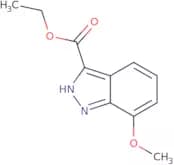
<p>Please enquire for more information about Amoxicillin dimer tri-sodium salt (penicilloic acid form) - mixture of diastereomers including the price, delivery time and more detailed product information at the technical inquiry form on this page</p>Formula:C32H27N6Na3O11S2Purity:Min. 95%Molecular weight:804.69 g/molEthyl 7-Methoxy-1H-Indazole-3-Carboxylate
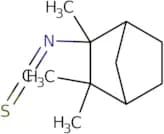
CAS:Controlled Product<p>Please enquire for more information about Ethyl 7-Methoxy-1H-Indazole-3-Carboxylate including the price, delivery time and more detailed product information at the technical inquiry form on this page</p>Formula:C11H12N2O3Purity:Min. 95%Molecular weight:220.22 g/mol2,3,3-Trimethyl-2-norbornyl isothiocyanic acid ester
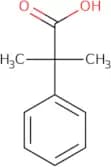
CAS:<p>Please enquire for more information about 2,3,3-Trimethyl-2-norbornyl isothiocyanic acid ester including the price, delivery time and more detailed product information at the technical inquiry form on this page</p>Formula:C11H17NSPurity:Min. 95%Molecular weight:195.33 g/mol2-Phenylisobutyric acid
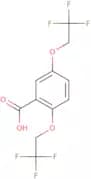
CAS:<p>2-Phenylisobutyric acid is a colorless to white crystalline solid with a molecular weight of 218.29 g/mol and a melting point of 120-122 °C. It is soluble in water, but not in alcohol or ether. 2-Phenylisobutyric acid is used as an intermediate for pharmaceutical preparations and as a reagent for organic synthesis. It is also used to produce thiomorpholine, which has been shown to have anti-inflammatory properties and can be used in the treatment of bowel disease. Thiomorpholine reacts with acylation agents such as phosphorus pentachloride to form esters that are useful pharmaceuticals, including corticosteroids. 2-Phenylisobutyric acid has been shown to inhibit insulin resistance by reacting with reactive sites on the insulin receptor, thus preventing the binding of insulin molecules to their receptors on cells.</p>Formula:C10H12O2Purity:Min. 95%Color and Shape:White to off-white solid.Molecular weight:164.2 g/mol2,5-Bis(2,2,2-trifluoroethoxy)benzoic acid
CAS:<p>Please enquire for more information about 2,5-Bis(2,2,2-trifluoroethoxy)benzoic acid including the price, delivery time and more detailed product information at the technical inquiry form on this page</p>Formula:C11H8F6O4Purity:Min. 95%Color and Shape:PowderMolecular weight:318.17 g/mol(6R,7R)-3-(Acetoxymethyl)-8-oxo-7-(2-(thiophen-2-yl)acetamido)-5-thia-1-azabicyclo[4.2.0]oct-2-ene-2-carboxylic acid
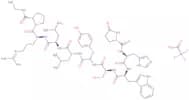
CAS:<p>(6R,7R)-3-(Acetoxymethyl)-8-oxo-7-(2-(thiophen-2-yl)acetamido)-5-thia-1-azabicyclo[4.2.0]oct-2-ene-2-carboxylic acid is an antimicrobial agent that inhibits bacterial growth by binding to the penicillin binding protein (PBP), which prevents the synthesis of peptidoglycan. This drug has shown effectiveness against gram positive bacteria, including aerobacter aerogenes, as well as infectious diseases in wastewater treatment plants. It has also been demonstrated to be effective in experimental models of infection due to high resistance and cell signaling pathways. The reaction solution was analyzed by plasma mass spectrometry.</p>Formula:C16H16N2O6S2Purity:Min. 98%Color and Shape:White PowderMolecular weight:396.44 g/mol(Des-Gly10,D-Leu6,D-Leu7,Pro-NHEt 9)-LHRH trifluoroacetate salt
CAS:<p>Please enquire for more information about (Des-Gly10,D-Leu6,D-Leu7,Pro-NHEt 9)-LHRH trifluoroacetate salt including the price, delivery time and more detailed product information at the technical inquiry form on this page</p>Formula:C59H84N16O12Purity:Min. 95%Molecular weight:1,209.4 g/mol3-Cyclopropylpropanoic acid
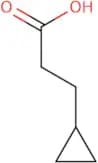
CAS:<p>3-Cyclopropylpropanoic acid is a synthetic derivative of oxalyl chloride. It has been shown to inhibit the growth of viruses, notably influenza A virus and human immunodeficiency virus (HIV), in cell culture. 3-Cyclopropylpropanoic acid also inhibits the g1 phase of the cell cycle. In addition, it has been shown to inhibit skin cancer and cardiovascular diseases in humans.</p>Formula:C6H10O2Purity:95%NmrMolecular weight:114.14 g/mol4-Chloro-3,5-difluorobenzoic acid
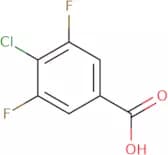
CAS:<p>Please enquire for more information about 4-Chloro-3,5-difluorobenzoic acid including the price, delivery time and more detailed product information at the technical inquiry form on this page</p>Formula:C7H3ClF2O2Purity:Min. 95%Molecular weight:192.55 g/mol14-Azido-3,6,9,12-tetraoxatetradecanoic acid solution - 0.5M solution in tert-butyl methyl ether
CAS:<p>Please enquire for more information about 14-Azido-3,6,9,12-tetraoxatetradecanoic acid solution - 0.5M solution in tert-butyl methyl ether including the price, delivery time and more detailed product information at the technical inquiry form on this page</p>Formula:C10H19N3O6Purity:Min. 95%Color and Shape:Colorless PowderMolecular weight:277.27 g/molSpiro[2.3]hexane-1-carboxylic acid
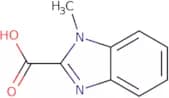
CAS:<p>Please enquire for more information about Spiro[2.3]hexane-1-carboxylic acid including the price, delivery time and more detailed product information at the technical inquiry form on this page</p>Formula:C7H10O2Purity:Min. 95%Molecular weight:126.15 g/mol1-Methyl-1H-benzimidazole-2-carboxylic acid
CAS:Controlled Product<p>1-Methyl-1H-benzimidazole-2-carboxylic acid is a synthetic compound that can be used as an antiprotozoal. It has been shown to have good activity against intestinalis, vaginalis, and intestinalis species. 1-Methyl-1H-benzimidazole-2-carboxylic acid binds to the acetyl groups of the parasite's cell membrane and inhibits the formation of the cytoplasmic membrane. This prevents the parasite from synthesizing ATP, which causes them to die. 1-Methyl-1H-benzimidazole-2-carboxylic acid also has strong activity against Giardia lamblia, which is caused by its ability to inhibit protein synthesis in this organism.</p>Formula:C9H8N2O2Purity:Min. 95%Color and Shape:PowderMolecular weight:176.17 g/mol7-Methyluric acid
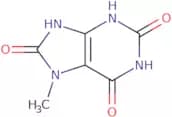
CAS:Controlled Product<p>7-Methyluric acid is a purine derivative that is excreted in the urine. This compound can be used to measure the metabolic rate of an individual. 7-Methyluric acid reacts with caffeine to produce methylxanthines and uric acid, which are then measured by chromatographic methods. In order to measure the metabolic rate, a known amount of caffeine is given orally to Sprague-Dawley rats for a period of time, followed by measurement of 7-methyluric acid in their urine samples. The results show that the metabolic rate increases linearly with time.</p>Formula:C6H6N4O3Purity:Min. 95%Color and Shape:PowderMolecular weight:182.14 g/mol4-(Butylamino)benzoic acid
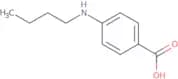
CAS:<p>4-(Butylamino)benzoic acid is a non-steroidal anti-inflammatory drug (NSAID) that has been used to treat pain. It is a prodrug, which is metabolized in the liver to 4-(butylamino)-phenylacetic acid, its active form. The 4-(butylamino)benzoic acid molecule has a hydrophobic effect and binds to chloride ions. This binding inhibits the production of prostaglandins, which are mediators of pain. 4-(Butylamino)benzoic acid also reduces the activity of plasma cells that produce antibodies and increases the activity of lymphocytes and platelets, leading to an increase in immunoglobulin levels.</p>Formula:C11H15NO2Purity:Min. 95%Color and Shape:PowderMolecular weight:193.24 g/mol1-Benzylindole-3-Carboxylic Acid
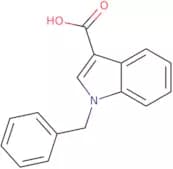
CAS:Controlled Product<p>1-Benzylindole-3-carboxylic acid is a bioactive molecule that has been shown to inhibit the activity of histamine, which is a neurotransmitter involved in inflammatory reactions. 1-Benzylindole-3-carboxylic acid has an affinity ligand for binding to the H1 receptor and can be used as an antihistaminic agent. It also has antihistaminic effects by inhibiting the release of histamine from mast cells and basophils, which are two types of white blood cells that are involved in allergic reactions. The pharmacophore model for 1-benzylindole-3-carboxylic acid suggests that it could be used as an antihistamine or anticholinergic.</p>Formula:C16H13NO2Purity:Min. 95%Molecular weight:251.28 g/mol

![3-Methyl-2-oxo-2,3-dihydro-1H-benzo[d]imidazole-4-carboxylic acid](/_next/image/?url=https%3A%2Fstatic.cymitquimica.com%2Fproducts%2F3D%2Fthumb-webp%2FFM143449.webp&w=3840&q=75)









![3-[2-(Ethoxycarbonyl)-1-methyl-1H-indol-3-yl]propanoic acid](/_next/image/?url=https%3A%2Fstatic.cymitquimica.com%2Fproducts%2F3D%2Fthumb-webp%2FFE127998.webp&w=3840&q=75)
![1-(4-Methoxyphenyl)-7-oxo-6-(4-(2-oxopiperidin-1-yl)phenyl)-4,5,6,7-tetrahydro-1H-pyrazolo[3,4-c]p…](/_next/image/?url=https%3A%2Fstatic.cymitquimica.com%2Fproducts%2F3D%2Fthumb-webp%2FFM155764.webp&w=3840&q=75)

![tert-Butyl 4-{[(methylsulfonyl)oxy]methyl}piperidine-1-carboxylate](/_next/image/?url=https%3A%2Fstatic.cymitquimica.com%2Fproducts%2F3D%2Fthumb-webp%2FFB122853.webp&w=3840&q=75)


![1-[2-(5-Chloro-1H-indol-3-yl)ethyl]-5-oxopyrrolidine-3-carboxylic acid](/_next/image/?url=https%3A%2Fstatic.cymitquimica.com%2Fproducts%2F3D%2Fthumb-webp%2FFC119446.webp&w=3840&q=75)

![4-(2-Chlorophenyl)-9-methyl-6H-thieno[3,2-f][1,2,4]triazolo[4,3-a][1,4]diazepine-2-propanoic acid](/_next/image/?url=https%3A%2Fstatic.cymitquimica.com%2Fproducts%2F3D%2Fthumb-webp%2FFC20336.webp&w=3840&q=75)

![(6R,7R)-3-(Acetoxymethyl)-8-oxo-7-(2-(thiophen-2-yl)acetamido)-5-thia-1-azabicyclo[4.2.0]oct-2-ene…](/_next/image/?url=https%3A%2Fstatic.cymitquimica.com%2Fproducts%2F3D%2Fthumb-webp%2FFA32097.webp&w=3840&q=75)

![Spiro[2.3]hexane-1-carboxylic acid](/_next/image/?url=https%3A%2Fstatic.cymitquimica.com%2Fproducts%2F3D%2Fthumb-webp%2FFS167675.webp&w=3840&q=75)