Carboxylic Acids
Carboxylic acids are organic molecules characterized by having a carboxyl-type functional group (-COOH). These acids are fundamental in various chemical reactions, including esterification, amidation, and decarboxylation. Carboxylic acids are widely used in the production of pharmaceuticals, polymers, and agrochemicals. In this section, you can find a large number of carboxylic acids ready to be used. At CymitQuimica, we provide a broad range of high-quality carboxylic acids to support your research and industrial applications.
Found 12453 products of "Carboxylic Acids"
Sort by
Purity (%)
0
100
|
0
|
50
|
90
|
95
|
100
rac 3-Hydroxydecanoic Acid
CAS:Controlled Product<p>Applications rac 3-Hydroxydecanoic Acid (cas# 5561-87-5) is a compound useful in organic synthesis.<br></p>Formula:C10H20O3Color and Shape:NeatMolecular weight:188.261,3-Adamantanedicarboxylic acid
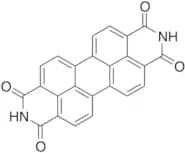
CAS:Controlled Product<p>Applications 1,3-Adamantanedicarboxylic acid, is a monomer that can be used in polymer science, self assembly and lithography.<br></p>Formula:C12H16O4Color and Shape:NeatMolecular weight:224.253,4,9,10-Perylenetetracarboxylic Diimide (~85%)
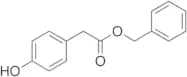
CAS:Controlled Product<p>Applications 3,4,9,10-Perylenetetracarboxylic diimide (cas# 81-33-4) is a useful research chemical.<br></p>Formula:C24H10N2O4Purity:~85%Color and Shape:NeatMolecular weight:390.35Benzyl (4-Hydroxyphenyl)acetate
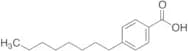
CAS:Controlled Product<p>Applications Intermediate in the preparation of Camostat metabolites.<br>References Bodor, N., et al.: Pharm. Res., 3, 120 (1984), Han, L., et al.: Biochem., 46, 1432 (2007),<br></p>Formula:C15H14O3Color and Shape:NeatMolecular weight:242.274-Octylbenzoic Acid
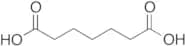
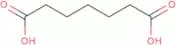
CAS:Controlled Product<p>Applications 4-octylbenzoic acid (cas# 3575-31-3) is a useful research chemical.<br></p>Formula:C15H22O2Color and Shape:NeatMolecular weight:234.34Pimelic Acid
CAS:Controlled Product<p>Applications Pimelic Acid is a metabolite found in four biofluids from dairy cows that may be used as biomarkers of milk.<br>References Sun, H., et. al.: J. Proteome Res., 14, 1287 (2015)<br></p>Formula:C7H12O4Color and Shape:NeatMolecular weight:160.17Isopropyl Acetate
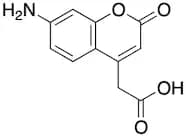
CAS:<p>Applications Isopropyl Acetate is a widely used chemical solvent in organic and industrial syntheses. Also used in the dissolution of gallstones.Environmental contaminants; Food contaminants<br> Not a dangerous good if item is equal to or less than 1g/ml and there is less than 100g/ml in the package<br>References Zakko, S. et al.: Gastroenterol., 113, 232 (1997); Loeser, E. et al.: J. Chromatogr. A., 1216, 3409 (2009);<br></p>Formula:C5H10O2Color and Shape:NeatMolecular weight:102.132-(7-Amino-2-oxo-2H-chromen-4-yl)acetic Acid
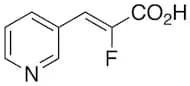
CAS:Controlled Product<p>Applications 2-(7-Amino-2-oxo-2H-chromen-4-yl)acetic acid (cas# 85157-21-7) is a useful research chemical.<br></p>Formula:C11H9NO4Color and Shape:NeatMolecular weight:219.19Z-2-Fluoro-3-(3-pyridyl)acrylic Acid
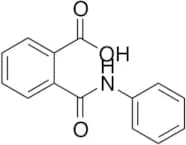
CAS:Controlled Product<p>Applications Z-2-Fluoro-3-(3-pyridyl)acrylic Acid (cas# 359435-42-0) is a compound useful in organic synthesis.<br></p>Formula:C8H6FNO2Color and Shape:NeatMolecular weight:167.14Phthalanilic Acid (~90%)
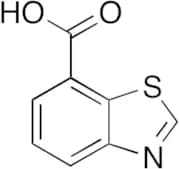
CAS:Controlled Product<p>Applications Phthalanilic acid is a compound that is useful in the production of fertilizers.<br>References Liang, S., et al.: Faming Zhuanli Shenqing.,4 (2019)<br></p>Formula:C14H11NO3Purity:~90%Color and Shape:White To Off-WhiteMolecular weight:241.247-Benzothiazolecarboxylic Acid
CAS:<p>Applications 7-Benzothiazolecarboxylic Acid is an intermediate used in the synthesis of pyrazole inhibitors of coactivator associated arginine methyltransferase 1 (CARM1). It is also used to prepare aminofuro-pyridine derivatives as inhibitors of TAK1.<br>References Huynh, T., et al.: Bioorg. Med. Chem. Lett., 19, 2924 (2009); Horneberger, K., et al.: Bioorg. Med. Chem. Lett., 23, 4517 (2013)<br></p>Formula:C8H5NO2SColor and Shape:NeatMolecular weight:179.196Isonicotinic Acid
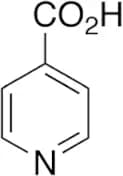
CAS:<p>Applications Used in the biological study of differentiation induced by nicotinic acid, nicotinamide and isonicotinic acid in human leukemia cell lines.<br>References Zeilinger, S., et al.: J. Biol. Chem., 271, 25624 (1996), Panagiotou, G., et al.: J. Biotechnol., 118, 304 (2005),<br></p>Formula:C6H5NO2Color and Shape:Light BrownMolecular weight:123.11Dodecylbenzenesulfonic Acid (mixture of isomers) (Technical Grade)
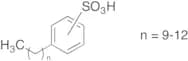
CAS:Controlled Product<p>Applications 4-Dodecylbenzenesulfonic acid<br> Not a dangerous good if item is equal to or less than 1g/ml and there is less than 100g/ml in the package<br></p>Formula:C18H30O3SColor and Shape:NeatMolecular weight:326.49Tert-butyl Acetate
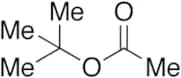
CAS:Controlled Product<p>Applications Tert-butyl Acetate is a common solvent used in the production of various industrial cleansers, thinners and adhesives and is also known as a VOC.Environmental contaminants; Food contaminants<br> Not a dangerous good if item is equal to or less than 1g/ml and there is less than 100g/ml in the package<br>References Mackay, D., et al.: SAR. QSAR. Enviro. Res., 23, 205 (2012); Yang, Y.S., et al.: Toxicol. Res., 26, 293 (2010);<br></p>Formula:C6H12O2Color and Shape:ColourlessMolecular weight:116.162-(4-Hydroxycyclohexyl)acetic Acid
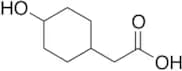
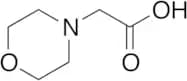
CAS:Controlled Product<p>Applications 2-(4-Hydroxycyclohexyl)acetic acid (cas# 99799-09-4) is a useful research chemical.<br></p>Formula:C8H14O3Color and Shape:Off-WhiteMolecular weight:158.2Morpholin-4-yl Acetic Acid
CAS:Controlled Product<p>Applications Morpholin-4-yl Acetic Acid was used in preparation of pyrrolidine-fused fullerene multicarboxylates by photoreaction.<br>References Gan, L., et al.: J. Org. Chem., 63, 4240 (1998).<br></p>Formula:C6H11NO3Color and Shape:NeatMolecular weight:145.16Sebacic Acid
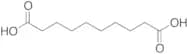
CAS:<p>Applications Sebacic Acid is a urinary metabolite that has been identified as an anti-fatigue biomarker.<br>References Ma, C. et. al.: J. Pharmaceut. Biomed. Anal. 105, 84 (2015)<br></p>Formula:C10H18O4Color and Shape:WhiteMolecular weight:202.251-Acetylisonipecotic Acid
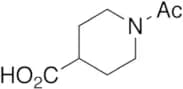
CAS:Controlled Product<p>Applications Metabolite fingerprinting in transgenic Nicotiana tabacum altered by the Escherichia coli glutamate dehydrogenase gene. A synthetic intermediate in the preparation of CNS depressants.<br>References Mungur, R., et al.: J. Biomed. Biotechnol., 2, 198 (2005), Young, J., et al.: Bioorg. Med. Chem. Lett., 17, 5310 (2007),<br></p>Formula:C8H13NO3Color and Shape:NeatMolecular weight:171.191,11-Undecanedicarboxylic Acid
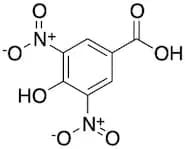
CAS:<p>Applications 1,11-Undecanedicarboxylic Acid is used in the synthesis of two Bis(tetrahydroisoquinoline) which were highly cytotoxic for cancer-cell cultures and less toxic to healthy cells and exhibited noticeable antimicrobial activity against Gram-positive and Gram-negative bacteria and fungal strain Candida albicans.<br>References Terent’eva, E. O., et al.: Chem. Nat. Compd., 53, 328-332 (2017)<br></p>Formula:C13H24O4Color and Shape:NeatMolecular weight:244.333,5-Dinitro-4-hydroxybenzoic Acid
CAS:Controlled Product<p>Applications 3,5-DINITRO-4-HYDROXYBENZOIC ACID (cas# 1019-52-9) is a useful research chemical.<br></p>Formula:C7H4N2O7Color and Shape:NeatMolecular weight:228.116tert-Butyl [(1R,2S,5S)-2-Amino-5-[(dimethylamino)carbonyl]cyclohexyl]carbamate Oxalate
CAS:Controlled Product<p>Applications tert-Butyl [(1R,2S,5S)-2-Amino-5-[(dimethylamino)carbonyl]cyclohexyl]carbamate Oxalate is a starting material and useful building block of various pharmaceuticals.<br></p>Formula:C14H27N3O3•C2H2O4Color and Shape:NeatMolecular weight:375.412-Ethoxybenzoic Acid
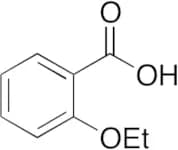
CAS:<p>Applications 2-Ethoxybenzoic Acid is a component of dental cement. Low concentrations of 2-Ethoxybenzoic Acid in combination with Eugenol (E938640), gives a stabilizing effect to liposomes to lower damages to cells.<br>References Fujisawa, S., et al.: J. Dent. Res., 82, 43(2003); Brauer, G.M., et al.: J. Dent. Res., 62, 366 (1983); Brauer, G.M., et al.: J. Dent. Res., 63, 137 (1984); Fujisawa, S., et al.: J. Biomed. Mater. Res., 21, 89 (1987)<br></p>Formula:C9H10O3Color and Shape:NeatMolecular weight:166.17Phosphoric Acid Ammonium Salt (1:1)
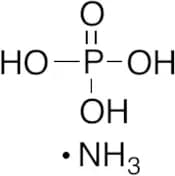
CAS:<p>Applications Phosphoric acid, ammonium salt (1:1) is a useful reagent for organic synthesis.<br></p>Formula:H3N·H3O4PColor and Shape:NeatMolecular weight:115.0263,5-Di-tert-butyl-4-hydroxybenzoic Acid
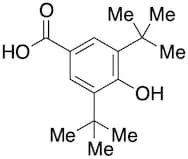
CAS:Controlled Product<p>Applications 3,5-Di-tert-butyl-4-hydroxybenzoic acid<br></p>Formula:C15H22O3Color and Shape:NeatMolecular weight:250.333-Hydroxyhexanedioic Acid
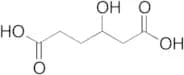
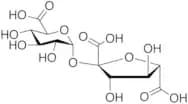
CAS:Controlled Product<p>Applications 3-Hydroxyhexanedioic Acid gets excreted in increased amounts in the human urine under conditions of medium-chain triglyceride (MCT) feeding, abnormal fatty acid oxidation (FAO) and fasting.<br>References Duran, M., et al.: Eur. J. Pediatr., 150, 190 (1991); Svendsen, J. S., et al.: J. Chromatogr. B., 337, 9 (1985); Tserng, K. Y., et al.: Metabolism, 40, 676 (1991); Tserng, K. Y., et al.: Metabolism, 445, 162 (1996)<br></p>Formula:C6H10O5Color and Shape:White SolidMolecular weight:162.14Sucrose 6,1’,6’-Tricarboxylic Acid Trisodium Salt
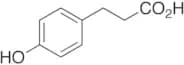
CAS:Controlled ProductFormula:C12H13Na3O14Color and Shape:NeatMolecular weight:450.1923-(4-Hydroxyphenyl)propionic Acid
CAS:<p>Applications Antioxidant.<br>References Arnous, A., et al.: J. Agr. Food Chem., 49, 5736 (2001), Guendez, R., et al.: Food Chem., 89, 1 (2005), Proestos, C., et al.: Food Control,16, 319 (2005)<br></p>Formula:C9H10O3Color and Shape:NeatMolecular weight:166.17[p-Terphenyl]-4,4''-dicarboxylic Acid
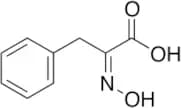
CAS:Controlled Product<p>Applications Used in the synthesis of substituted terphenyls.<br>References Strukelj, M., et al.: Science, 267, 1969 (1995), Burroughes, J., et al.: Nature, 347, 589 (1990),<br></p>Formula:C20H14O4Color and Shape:NeatMolecular weight:318.322-(Hydroxyimino)-3-phenylpropanoic Acid
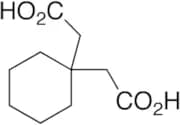
CAS:Controlled Product<p>Applications 2-(Hydroxyimino)-3-phenylpropanoic acid (cas# 3682-17-5) is a useful research chemical.<br></p>Formula:C9H9NO3Color and Shape:NeatMolecular weight:179.1731,1-Cyclohexanediacetic Acid
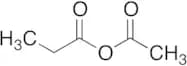
CAS:<p>Applications 1,1-Cyclohexanediacetic Acid (cas# 4355-11-7) is a compound useful in organic synthesis.<br></p>Formula:C10H16O4Color and Shape:NeatMolecular weight:200.23Acetyl Propionate
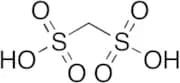
CAS:Controlled Product<p>Applications Acetic propionic anhydride<br></p>Formula:C5H8O3Color and Shape:NeatMolecular weight:116.1152Methane Disulfonic Acid
CAS:Controlled Product<p>Stability Hygroscopic<br>Applications Methane disulfonic acid is used in esterification.<br></p>Formula:CH4O6S2Color and Shape:White To Off-WhiteMolecular weight:176.1711-Mercaptoundecanoic Acid
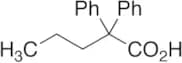
CAS:Controlled Product<p>Applications 11-MERCAPTOUNDECANOIC ACID (cas# 71310-21-9) is a useful research chemical.<br> Not a dangerous good if item is equal to or less than 1g/ml and there is less than 100g/ml in the package<br></p>Formula:C11H22O2SColor and Shape:NeatMolecular weight:218.362,2-Diphenylpentanoic Acid
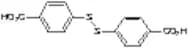
CAS:Controlled Product<p>Applications 2,2-Diphenylpentanoic Acid (cas# 841-32-7) is a compound useful in organic synthesis.<br></p>Formula:C17H18O2Color and Shape:NeatMolecular weight:254.324,4'-Dithiobisbenzoic Acid, Technical Grade
CAS:Controlled Product<p>Applications 4,4'-Dithiobisbenzoic Acid, Technical Grade (cas# 1155-51-7) is a compound useful in organic synthesis.<br></p>Formula:C14H10O4S2Color and Shape:Light YellowMolecular weight:306.362-Arsanilic Acid
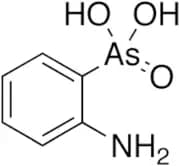
CAS:Controlled Product<p>Applications o-Arsanilic Acid is an organoarsenic compound. o-Arsanilic Acid is a highly toxic contaminant and can be found in plants growing in contaminated soil.<br> Not a dangerous good if item is equal to or less than 1g/ml and there is less than 100g/ml in the package<br>References Schmidt, A.-C. et al.: Chemosphere, 73, 1781 (2008);<br></p>Formula:C6H8AsNO3Color and Shape:NeatMolecular weight:217.05Fumaric Acid
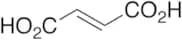
CAS:Controlled Product<p>Applications Fumaric Acid is a compound that occurs in many plants. It is essential to vegetable and tissue respiration and also used as an antioxidant. Fumaric Acid is also a metabolite of Dimethyl Fumarate (D464965), a compound used as a treatment for the relapsing forms of multiple sclerosis and psoriasis.<br>References Jelitto, T., et al.: Planta, 188, 238 (1992); Schimrigk, S., et al.: Eur. J. Neurol., 13, 604 (2006); Son, H., et al.: J. Agric. Food Chem., 56, 8007 (2008);<br></p>Formula:C4H4O4Color and Shape:NeatMolecular weight:116.073-(Phenylthio)acrylic Acid
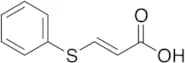
CAS:Controlled Product<p>Applications 3-(Phenylthio)acrylic Acid (cas# 63413-91-2) is a useful research chemical.<br></p>Formula:C9H8O2SColor and Shape:Light BrownMolecular weight:180.224Adipic Acid Dihydrazide
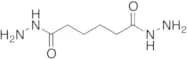
CAS:<p>Applications Adipic Acid Dihydrazide is used to functionalize magnetic nanoparticles for gylcopeptitde enrichment and identification. Adipic Acid Dihydrazide can also be used as a chain extension for liquid rubber.<br>References Cao, Q., et. al.: Analyst, 139, 603 (2014); Cutts, E.: Chem. Industry, 7, 280 (1974)<br></p>Formula:C6H14N4O2Color and Shape:NeatMolecular weight:174.24-Acetamidobenzenesulfonic Acid
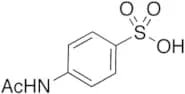
CAS:Controlled Product<p>Impurity Sulfadimethoxine EP Impurity C<br>Stability Hygroscopic<br>Applications 4-Acetamidobenzenesulfonic Acid (Sulfadimethoxine EP Impurity C) is a metabolite of Sulfanilic acid.<br>References Saab, N., et al.: Eur. J. Med. Chem., 34, 745 (1999), Kim, H., et al.: J. Pharm. Biomed. Anal., 27, 51 (2002), Santelli-Rouvier, C., et al.: Eur. J. Med. Chem., 39, 735 (2004),<br></p>Formula:C8H9NO4SColor and Shape:NeatMolecular weight:215.23Isostearic Acid
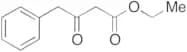
CAS:Controlled Product<p>Applications Isostearic Acid may be a useful reagent in the regioselective preparation of alkenes via photoredox/cobaloxime dual-catalytic decarboxylative elimination of carboxylic acids,<br>References Cartwright, K. C., et al.: Chem. Eur. J., 26, 12454 (2020)<br></p>Formula:C18H36O2Color and Shape:NeatMolecular weight:284.47Ethyl 4-Phenylacetoacetate
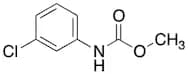
CAS:Controlled Product<p>Applications Ethyl 4-Phenylacetoacetate is a useful synthetic intermediate. It is used to prepare pyrazolone derivatives as antiprion compounds. It is also used to prepare pyrrolinylaminopyrimidine analogs as inhibitors of AP-1 and NF-κB mediated gene expression.<br>References Kimata, A., et al.: J. Med. Chem., 50, 5053 (2007); Palanki, M., et al.: Bioorg. Med. Chme. Lett., 12, 2573 (2002)<br></p>Formula:C12H14O3Color and Shape:NeatMolecular weight:206.23776methyl n-(3-chlorophenyl)carbamate
CAS:Controlled ProductFormula:C8H8ClNO2Color and Shape:NeatMolecular weight:185.608Hexanedioic Acid Mono(4-hydroxybutyl) Ester
CAS:Controlled Product<p>Applications Hexanedioic Acid Mono(4-hydroxybutyl) Ester is an intermediate in the synthesis of aliphatic polyesters.<br>References McCabe, R. W., et al.: Tetrahedron., 60, 765 (2004);<br></p>Formula:C10H18O5Color and Shape:NeatMolecular weight:218.247Pentafluorobenzoic Acid
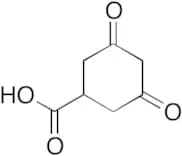
CAS:Controlled Product<p>Applications Pentafluorobenzoic acid (cas# 602-94-8) is a useful research chemical.<br></p>Formula:C7HF5O2Color and Shape:NeatMolecular weight:212.073,5-Dioxocyclohexanecarboxylic Acid
CAS:<p>Applications Dihydroresorcylic Acid is a useful reagent in detecting proteins in living cells.<br>References Reddie, K., et al.: Mol. Biosys., 4, 521-531 (2008); Seo, Y., et al.: Bioorg. Med. Chem. Lett., 19, 356-359 (2009);<br></p>Formula:C7H8O4Color and Shape:NeatMolecular weight:156.14Pimelic acid
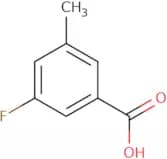
CAS:<p>Pimelic acid is a dicarboxylic acid that has been found to be the precursor of malonic acid in bacteria. It has an acidic nature and significant cytotoxicity, as well as a hydroxyl group that coordinates with nitrogen atoms. Pimelic acid is stable in the presence of water vapor and air, making it difficult to synthesize. These properties have made pimelic acid a topic of interest for polymer compositions. X-ray crystal structures have shown that pimelic acid is composed of six carbons, three nitrogens, one oxygen, and one hydrogen atom.</p>Formula:C7H12O4Color and Shape:PowderMolecular weight:160.17 g/mol3-Fluoro-5-methylbenzoic acid
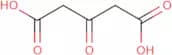
CAS:<p>3-Fluoro-5-methylbenzoic acid is a sulfilimine that has been shown to have insecticidal, functional, and biological activities. 3-Fluoro-5-methylbenzoic acid binds to the enzyme diamide reductase in insects, which prevents the production of toxic amines in insects. 3-Fluoro-5-methylbenzoic acid also inhibits the synthesis of anthranilic acid and organosulfur compounds in plants. This sulfilimine is structurally similar to other insecticides such as DDT and carbofuran. It is soluble in water but insoluble in organic solvents.</p>Formula:C8H7FO2Purity:Min. 95%Color and Shape:PowderMolecular weight:154.14 g/mol1,3-Acetonedicarboxylic acid
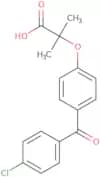
CAS:<p>1,3-Acetonedicarboxylic acid is a crystalline solid that belongs to the group of carboxylic acids. 1,3-Acetonedicarboxylic acid interacts with its receptor by binding to a hydroxyl group and two hydrogen atoms. It has been shown that 1,3-acetonedicarboxylic acid can inhibit HIV infection in vitro by preventing the virus from attaching to cells. It also inhibits malonic acid oxidation and citric acid cycle enzymes in rat liver mitochondria. The synthesis of 1,3-acetonedicarboxylic acid can be achieved through different methods:<br><br>1) By reacting sodium carbonate with malonic acid <br>2) By reacting hydrogen fluoride with malonic acid <br>3) By reacting sodium carbonate with citric acid (malonic ester) and then hydrolyzing it <br>4) By reacting sodium carbonate with malonitrile and then hydro</p>Formula:C5H6O5Purity:Min. 95%Color and Shape:PowderMolecular weight:146.1 g/molFenofibric acid
CAS:<p>Fenofibric acid is a fibrate drug. It is used in the treatment of hypercholesterolemia, including combined with statins and other lipid-lowering drugs. Fenofibric acid has been shown to reduce plasma triglycerides and LDL cholesterol levels. It also reduces atherosclerotic plaque formation by suppressing macrophage accumulation in lesions. Fenofibric acid has been shown to inhibit ATP binding cassette transporter A1 (ABCA1) activity, which may contribute to its ability to increase HDL cholesterol levels.</p>Formula:C17H15ClO4Purity:Min. 95%Color and Shape:PowderMolecular weight:318.75 g/molGlycodeoxycholic acid sodium salt
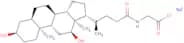
CAS:Controlled Product<p>Glycodeoxycholic acid sodium salt is a bile acid derivative, which is a biochemical compound sourced from the metabolism of bile acids in the liver. It plays a role in bile acid signaling pathways and lipid emulsification. The mode of action involves mimicking natural bile acids, facilitating the emulsification and absorption of dietary fats in the gastrointestinal tract, and potentially participating in signaling pathways that regulate cholesterol metabolism.</p>Formula:C26H42NNaO5Purity:Min. 95 Area-%Color and Shape:White PowderMolecular weight:471.61 g/mol2-Nitro-3,4,5-trimethoxybenzoic acid methyl ester
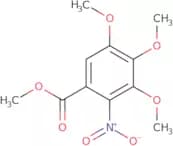
CAS:<p>2-Nitro-3,4,5-trimethoxybenzoic acid methyl ester is a potential anticancer agent. It has been shown to inhibit the growth of cancer cells in vitro and demonstrates anticancer activity against human tumor xenografts in mice. This compound binds to the epidermal growth factor receptor (EGFR) and inhibits its activity. This binding causes downstream signalling pathways to be suppressed, which ultimately prevents tumor cells from proliferating. 2-Nitro-3,4,5-trimethoxybenzoic acid methyl ester also has directional properties that may allow for selective targeting of cancerous cells.<br>2-Nitro-3,4,5-trimethoxybenzoic acid methyl ester is a white crystalline powder with an orthorhombic crystal system and an amine group on each end of the molecule.</p>Formula:C11H13NO7Purity:Min. 95%Color and Shape:PowderMolecular weight:271.22 g/molEslicarbazepine acetate
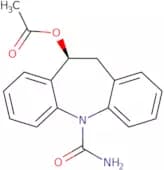
CAS:<p>Eslicarbazepine acetate is an anticonvulsant drug that has been shown to be effective in reducing the frequency of seizures. It is a prodrug and is metabolized by esterases to form the active form, eslicarbazepin acetate. Eslicarbazepine acetate inhibits glutamate release by acting on the glutamate transporter, which prevents depolarization of the mitochondrial membrane potential, leading to inhibition of epileptic activity. Eslicarbazepine acetate also decreases brain levels of GABA and increases levels of polyamines such as spermidine and spermine, which are neuroprotective. There are some reports of hepatic impairment when eslicarbazepine acetate is used with other drugs that are metabolized through this organ (e.g., valproic acid).<br>Eslicarbazepine acetate can cause chemical stability issues when exposed to light or air due to oxidation reactions. It may also react</p>Formula:C17H16N2O3Purity:Min. 95%Color and Shape:PowderMolecular weight:296.32 g/mol2-Oxo-1,2,3,4-tetrahydroquinoline-4-carboxylic acid
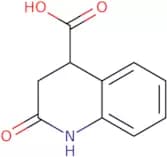
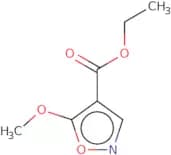
CAS:<p>2-Oxo-1,2,3,4-tetrahydroquinoline-4-carboxylic acid is a carboxylic acid that is an intermediate in the chemical synthesis of 2H and 3H tetrahydroquinolines. It can be synthesized by the oxidation of 2-(N,N-dimethylamino)benzaldehyde with hydrogen peroxide in methanol. The compound has been used to label animals for use in mass spectrometry studies and as a reactant in electron and nuclear magnetic resonance (NMR) spectroscopy experiments. In addition, 2-oxo-1,2,3,4-tetrahydroquinoline-4-carboxylic acid has been used to study equilibrium and reversible reactions as well as to identify the abundances of different spectral peaks. 2-Oxo-1,2,3,4-tetrahydroquinoline-4</p>Formula:C10H9NO3Purity:Min. 95%Molecular weight:191.18 g/mol5-Methoxyisoxazole-4-carboxylic acid ethyl ester
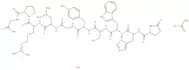
CAS:<p>5-Methoxyisoxazole-4-carboxylic acid ethyl ester is a fine chemical that has been used as a reagent, speciality chemical, and complex building block. It is also useful as a versatile intermediate for the synthesis of other organic compounds. 5-Methoxyisoxazole-4-carboxylic acid ethyl ester has been shown to react with alcohols and amines to form ethers and amides respectively. The compound can be used in the synthesis of polymers and pharmaceutical intermediates. 5-Methoxyisoxazole-4-carboxylic acid ethyl ester has a molecular weight of 210.24 g/mol and CAS No. 1314983-30-6.</p>Formula:C7H9NO4Purity:Min. 95%Molecular weight:171.15 g/molGonadorelin acetate
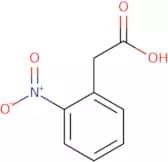
CAS:<p>Gonadorelin acetate is a synthetic peptide agonist, which is an analog of the naturally occurring gonadotropin-releasing hormone (GnRH). It is derived from a synthetic process designed to mimic the structure and function of endogenous GnRH. Gonadorelin acetate functions by stimulating the anterior pituitary gland to release two critical hormones: luteinizing hormone (LH) and follicle-stimulating hormone (FSH). These hormones play a pivotal role in regulating reproductive processes, including ovulation and spermatogenesis.</p>Formula:C55H75N17O13·xC2H4O2Purity:Min. 98 Area-%Color and Shape:White PowderMolecular weight:1182.292-Nitrophenylacetic acid
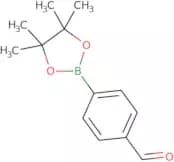
CAS:<p>2-Nitrophenylacetic acid is a synthetic product that has been studied by electrochemical techniques. It is soluble in human serum and can be detected by a chromatographic method. The cationic surfactant, oxindole, chloride, and optimal reaction conditions are known for the solute. 2-Nitrophenylacetic acid is a pharmaceutical drug that can be cleaved into nitro and carboxylate products with hydrochloric acid and β-unsaturated ketone as cleavage products.</p>Formula:C8H7NO4Purity:Min. 98 Area-%Color and Shape:PowderMolecular weight:181.15 g/mol4-Formylphenylboronic acid pinacol cyclic ester
CAS:<p>4-Formylphenylboronic acid pinacol cyclic ester is a boronic ester that can be used in cross-coupling reactions. It reacts with a variety of halides and metal surfaces, including palladium. 4-Formylphenylboronic acid pinacol cyclic ester has been shown to be a useful model system for the synthesis of conjugates and has been used in clinical development as a fluorophore for cancer diagnosis. The photophysical properties of 4-Formylphenylboronic acid pinacol cyclic ester have been studied extensively and the chromophore is sensitive to changes in the environment. The boronic acids are responsible for the reactivity of 4-Formylphenylboronic acid pinacol cyclic ester, which undergoes an oxidative addition reaction mechanism.</p>Formula:C13H17BO3Color and Shape:PowderMolecular weight:232.08 g/mol4-Ethoxy-3-methoxycinnamic acid
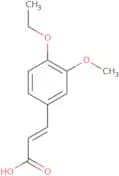
CAS:<p>4-Ethoxy-3-methoxycinnamic acid (4EMC) is a metabolite of propionic acid. It is produced by the fungus Phanerochaete chrysosporium when it is grown on lignocellulose. 4EMC can be cleaved from its ester bond with benzyl alcohol and vanillyl alcohol to produce vanillyl, benzyl, and ethanol. These products are then further metabolized to produce other compounds such as acetaldehyde, acetic acid, and butanol. 4EMC also inhibits the enzyme catalysed that converts propanol to butanol in cultures of P. chrysosporium</p>Formula:C12H14O4Purity:Min. 95%Color and Shape:PowderMolecular weight:222.24 g/mol3,4-Diethoxyphenylacetic acid
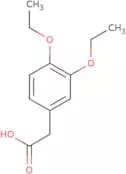
CAS:<p>3,4-Diethoxyphenylacetic acid is a synthetic compound that has been shown to be an inhibitor of multidrug resistance (MDR) efflux pumps. It is also a substrate for membrane sulfotransferases, which are enzymes that catalyze the transfer of sulfate from 3,4-diethoxyphenylacetic acid to other compounds. The addition of 3,4-diethoxyphenylacetic acid to cultured human cells has been shown to inhibit the activity of p-glycoprotein and therefore increase the uptake of drugs such as acetonitrile and aluminium.</p>Formula:C12H16O4Purity:Min. 95%Color and Shape:PowderMolecular weight:224.25 g/mol(S)-2-Hydroxybutyric acid
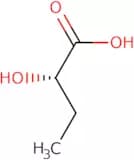
CAS:<p>(S)-2-Hydroxybutyric acid is a substrate molecule for the enzyme malate dehydrogenase, which catalyzes the conversion of (S)-2-hydroxybutyric acid to propionate and carbon dioxide. This reaction is important in energy production when glycolysis is unable to meet the body's energy requirements. The (S)-2-hydroxybutyric acid can be used as an analytical method for determining insulin resistance by measuring its concentration in urine samples. The logistic regression model was used to predict the probability that a cancer patient would respond positively to treatment with (S)-2-hydroxybutyric acid. Hydroxyl groups are found on both enantiomers of (S)-2-hydroxybutyric acid. In order to determine which enantiomer may have more therapeutic potential, researchers must prepare a sample for analysis and identify which enantiomer is present.</p>Formula:C4H8O3Purity:Min. 97 Area-%Color and Shape:Colorless PowderMolecular weight:104.1 g/molMethyl (1R,2S,3S,5S)-3-(4-Fluorophenyl)-8-[(E)-3-Iodoprop-2-Enyl]-8-Azabicyclo[3.2.1]Octane-2-Carboxylate
CAS:Controlled Product<p>Methyl (1R,2S,3S,5S)-3-(4-fluorophenyl)-8-[(E)-3-iodoprop-2-enyl]-8-azabicyclo[3.2.1]octane-2-carboxylate is an imaging agent that is used to diagnose and treat bowel diseases. It has pharmacokinetic properties that allow for a more accurate diagnosis of eye disorders and bowel disease. Methyl (1R,2S,3S,5S)-3-(4-fluorophenyl)-8-[(E)-3-iodoprop-2-enyl]-8-azabicyclo[3.2.1]octane-2-carboxylate is a DPPIV inhibitor that modulates the dopamine transporter in the brain by binding to its extracellular site of action on dopamine transporter proteins and blocking the reuptake of dopamine into the pres</p>Formula:C18H21FINO2Purity:Min. 95%Molecular weight:429.27 g/molBenzothiazole-5-boronic acid pinacol ester
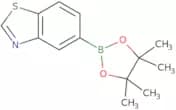
CAS:<p>Benzothiazole-5-boronic acid pinacol ester is a fine chemical that is used as a versatile building block in the synthesis of complex compounds. It can be used for research purposes, as a reagent in organic synthesis, or as a speciality chemical. This compound has been shown to be useful in the preparation of high quality and useful intermediates, which are then used in the production of other chemicals. Benzothiazole-5-boronic acid pinacol ester is also an important reaction component and can be used as a scaffold for the synthesis of new compounds.</p>Formula:C13H16BNO2SPurity:Min. 95%Color and Shape:PowderMolecular weight:261.15 g/mol2-Nitroterephthalic acid
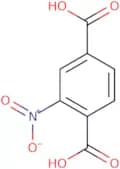
CAS:<p>2-Nitroterephthalic acid is an inorganic acid that belongs to the nitro group. It is a white powder and has a melting point of 115°C. The crystal structure of 2-nitroterephthalic acid was determined using x-ray crystallography, and the thermal expansion coefficient was measured at different temperatures between 10° and 120°C. This compound has been used as a test sample to study the hydrogen bonding interactions between methyl ethyl groups on the molecule's surface with carboxylate groups in other molecules. Structural analysis of this compound also revealed that it contains a carboxylate group that can be converted into an ester for use in organic synthesis.</p>Formula:C8H5NO6Color and Shape:PowderMolecular weight:211.13 g/mol3-Trifluoromethylbutyric acid
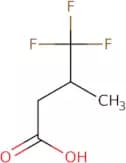
CAS:<p>3-Trifluoromethylbutyric acid is a synthetic compound that has been studied as a potential drug for the treatment of dyslipidemia. 3-Trifluoromethylbutyric acid binds to the enzyme phosphatase, which is a key regulator of lipid metabolism and controls the production of lipids in cells. This binding prevents the phosphatase from breaking down phosphoinositides, leading to an increase in the levels of phosphoinositides. The resulting increase in the levels of these molecules causes an increase in the number of insulin receptors on cell surfaces and leads to an improvement in insulin sensitivity. 3-Trifluoromethylbutyric acid also has binding sites on human cells that are specific for subtype 7, which is associated with lower risk for cardiovascular disease, obesity, and diabetes.</p>Formula:C5H7F3O2Purity:Min. 95%Color and Shape:Colorless PowderMolecular weight:156.1 g/molDL-a-Tocopherol acetate - powder
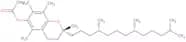
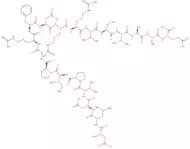
CAS:<p>DL-a-Tocopherol acetate is a synthetic vitamin E compound that is used in the treatment of eye disorders and other conditions. It is an antioxidant that inhibits lipid peroxidation by scavenging free radicals. DL-a-Tocopherol acetate has been shown to inhibit the activity of protein kinase C, which plays a role in cancer, inflammation and apoptosis. This compound also inhibits the activity of toll-like receptor 4, which may be useful in treating infectious diseases, and scavenges anion radicals.</p>Formula:C31H52O3Purity:Min. 50 Area-%Color and Shape:Clear LiquidMolecular weight:472.74 g/molCalcineurin Substrate trifluoroacetate salt H-Asp-Leu-Asp-Val-Pro-Ile-Pro-Gly-Arg-Phe-Asp-Arg-Arg-Val-Ser-Val-Ala-Ala-Glu-OH trifluo roacetate salt
CAS:<p>Please enquire for more information about Calcineurin Substrate trifluoroacetate salt H-Asp-Leu-Asp-Val-Pro-Ile-Pro-Gly-Arg-Phe-Asp-Arg-Arg-Val-Ser-Val-Ala-Ala-Glu-OH trifluo roacetate salt including the price, delivery time and more detailed product information at the technical inquiry form on this page</p>Formula:C92H150N28O29Purity:Min. 95%Molecular weight:2,112.35 g/mol4-Aminobenzoic acid N-butyl ester
CAS:<p>4-Aminobenzoic acid N-butyl ester is a glycol ether compound that has been shown to have strong immunosuppressive and anti-inflammatory properties. It has been used in the treatment of autoimmune diseases, such as systemic lupus erythematosus and rheumatoid arthritis. 4-Aminobenzoic acid N-butyl ester also has a low potential for drug interactions with other drugs. The water solubility of this compound is high, making it suitable for use in humid environments, such as the respiratory tract. The bone cancer drug butamben was developed using 4-aminobenzoic acid N-butyl ester as a starting material. This drug also reacts with benzalkonium chloride to form stable complexes with high potency and high values.</p>Formula:C11H15NO2Purity:Min. 95 Area-%Color and Shape:PowderMolecular weight:193.24 g/molMeconic acid
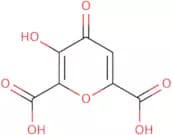
CAS:<p>Meconic acid is a metal chelate that binds to metals such as zinc and copper, which are required for the synthesis of prostaglandins. Meconic acid has been shown to have significant interactions with other drugs, including sodium carbonate, acetylcholinesterase inhibitors, and antipsychotics. Meconic acid also inhibits the activity of pestivirus, which affects the nervous system in rats. Studies on long-term toxicity have not been conducted. Meconic acid has been used as a treatment for curcuma aromatica induced hepatitis and is toxic to animals at high doses.</p>Formula:C7H4O7Purity:Min. 95 Area-%Color and Shape:PowderMolecular weight:200.1 g/mol7-Keto abiraterone acetate
<p>7-Keto abiraterone acetate is a chemical compound that is used as a reagent in organic chemistry. It reacts with various electrophiles to form useful scaffolds for the synthesis of complex compounds. 7-Keto abiraterone acetate is a versatile building block, which can be used as a starting material or intermediate in the synthesis of many speciality chemicals. It has been reported to react with other reagents such as diazomethane and ethyl chloroformate to form good quality products. The CAS number for 7-keto abiraterone acetate is 383482-35-5.</p>Formula:C26H31NO3Purity:Min. 97 Area-%Color and Shape:PowderMolecular weight:405.53 g/mol2,4-Dichlorophenylacetic acid
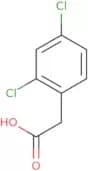
CAS:<p>2,4-Dichlorophenylacetic acid is a metabolite of 2,4-dichlorophenoxyacetic acid. It has been used as an analytical marker for the latter compound in urine samples. The metabolic rate of 2,4-DPA is related to the concentration of pyridoxine hydrochloride in plant tissue. This chemical reacts with light to form 2,4-dichlorobenzoic acid and undergoes photochemical reactions.</p>Formula:C8H6Cl2O2Purity:Min. 95%Color and Shape:PowderMolecular weight:205.04 g/molLignosulfonic acid sodium salt
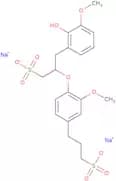
CAS:<p>Lignosulfonic acid sodium salt is a water-soluble sodium salt of lignosulfonic acid. Lignosulfonic acid sodium salt has high water permeability and is an antimicrobial agent that can be used as a nutrient solution to remove phosphorus from wastewater. It has been shown to have hydrophobic effects in the Langmuir adsorption isotherm, which may be due to its low surface tension and large contact angle. Lignosulfonic acid sodium salt was also found to be chemically stable and showed no significant change in the chemical structure after being subjected to electrochemical impedance spectroscopy.</p>Formula:C20H24Na2O10S2Color and Shape:PowderMolecular weight:534.51 g/molNorepinephrine sulfonic acid
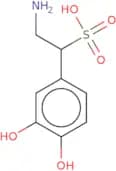
CAS:<p>Norepinephrine sulfonic acid is a versatile building block that is used in the synthesis of various organic compounds. It is a speciality chemical and can be used as a reagent, intermediate, or scaffold for the production of pharmaceuticals, pesticides, and other chemicals. It can also be used as an intermediate for the production of other fine chemicals such as norepinephrine. Norepinephrine sulfonic acid's high quality and versatility make it a useful building block for chemists working in academia or industry.</p>Formula:C8H11NO5SPurity:Min. 97 Area-%Color and Shape:Brown PowderMolecular weight:233.24 g/mol5-Amino-4-oxopentanoic acid benzyl ester hydrochloride
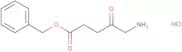
CAS:<p>Please enquire for more information about 5-Amino-4-oxopentanoic acid benzyl ester hydrochloride including the price, delivery time and more detailed product information at the technical inquiry form on this page</p>Formula:C12H15NO3·HClPurity:Min. 97%Color and Shape:PowderMolecular weight:257.71 g/mol6-Bromoindole-2-carboxylic acid
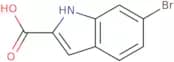
CAS:<p>6-Bromoindole-2-carboxylic acid is a useful building block that can be used in the synthesis of complex compounds. This chemical is also a versatile intermediate for research chemicals and pharmaceuticals. 6-Bromoindole-2-carboxylic acid is often used as a reaction component for organic syntheses, such as the manufacture of reagents and other specialty chemicals.</p>Formula:C9H6BrNO2Purity:Min. 95%Color and Shape:PowderMolecular weight:240.05 g/mol(3-Benzyl-4-oxo-3,4-dihydrophthalazin-1-yl)acetic acid
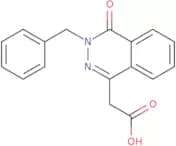
CAS:<p>3-Benzyl-4-oxo-3,4-dihydrophthalazin-1-yl)acetic acid is a chemical substance that can be used in the synthesis of pharmaceuticals. This chemical has a variety of uses as a reagent and is considered to be of high quality. It is useful in the synthesis of speciality chemicals, versatile building blocks and fine chemicals. 3-Benzyl-4-oxo-3,4-dihydrophthalazin-1-yl)acetic acid can be used as a reaction component for complex compounds or as an intermediate for the synthesis of other compounds.</p>Formula:C17H14N2O3Purity:Min. 95%Color and Shape:PowderMolecular weight:294.3 g/molEthyl 2-tolylacetate
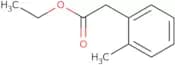
CAS:<p>Ethyl 2-tolylacetate is a colorless liquid with a fruity odor. It is used as an intermediate in the synthesis of other organic compounds, such as pharmaceuticals and agrochemicals. This compound can be prepared by the reductive coupling of ethyl bromoacetate with toluene via palladium catalysis or by the cross-coupling of ethyl bromoacetate with 2-chloropropiophenone. The regiospecificity of this reaction was found to depend on the nature of the nucleophile and the boronic acid used in the reaction. Ethyl 2-tolylacetate is also used for peptide synthesis and as an ligand for sulphoxides.</p>Formula:C11H14O2Purity:Min. 95%Color and Shape:Clear LiquidMolecular weight:178.23 g/mol4-Mercaptomethyl dipicolinic acid
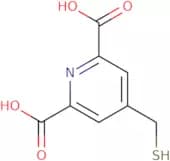
CAS:<p>4-Mercaptomethyl dipicolinic acid is a polymerized, bifunctional molecule that can be used as a luminescent probe to study the structure and dynamics of proteins. It has been shown to bind to lanthanide ions and has fluorescence properties. 4-Mercaptomethyl dipicolinic acid can be synthesized by a method involving the reaction of mercaptoethanol with sodium dithiocarbamate and copper(II) sulfate in an aqueous solution. This reaction produces two molecules of 4-mercaptomethyl dipicolinic acid for every one molecule of mercaptoethanol used, which then reacts with two molecules of 2,4-dinitrophenol in an aqueous solution. The resulting product is then purified by recrystallization from hot water. The conformational properties of 4-mercaptomethyl dipicolinic acid are dependent on temperature, pH,</p>Formula:C8H7NO4SPurity:Min. 95%Color and Shape:PowderMolecular weight:213.21 g/molAcetrizoic acid
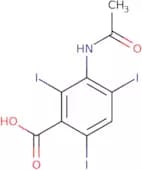
CAS:<p>Acetrizoic acid is a metabolic disorder that affects the hydroxyl group in human serum. It is used as an injection solution for the diagnosis of conditions such as protein synthesis, enhancement and radiation. Acetrizoic acid has been shown to have clinical relevance in situations where it can be used as a diagnostic agent for women with drug reactions. The compound has also been shown to have therapeutic value in cell culture experiments on rat liver microsomes. Acetrizoic acid has been shown to enhance protein synthesis in these cells by inhibiting the activity of cytochrome P450 enzymes.</p>Formula:C9H6I3NO3Purity:Min. 98 Area-%Color and Shape:PowderMolecular weight:556.86 g/mol5-Ethylindole-3-acetic acid
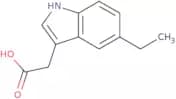
CAS:<p>5-Ethylindole-3-acetic acid is a high quality chemical that is an intermediate in the synthesis of a variety of complex compounds. It is also a reagent for many reactions and can be used as a building block for more complex compounds. 5-Ethylindole-3-acetic acid has been shown to have antihistamine, analgesic, and antipyretic properties and is useful in treating allergic reactions.</p>Formula:C12H13NO2Purity:Min. 95%Molecular weight:203.24 g/molPhthalaldehydic acid
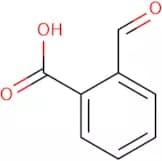
CAS:<p>Phthalaldehydic acid is a dicarboxylic acid with the molecular formula C6H4(CO2H)2. It is a white solid that is soluble in water and alcohols. The compound can be prepared from phthalic anhydride, which is converted to the acid by hydrolysis with hydrochloric acid or sodium hydroxide. The acid also forms salts such as sodium phthalate, potassium phthalate, and calcium phthalate. Phthalaldehydic acid has been shown to react with amines to form esters, and with trifluoroacetic acid to form an acid complex. This reaction mechanism has been confirmed using FT-IR spectroscopy on protonated molecules of the reactants. The structure of this molecule has been determined using NMR and X-ray crystallography techniques. Gamma-aminobutyric acid (GABA) binds to a site on the beta subunit of the G</p>Formula:C8H6O3Purity:Min. 95%Color and Shape:PowderMolecular weight:150.13 g/mol3-Chloro-4-fluorobenzoic acid
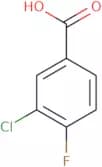
CAS:<p>3-Chloro-4-fluorobenzoic acid is a prodrug that is converted to fluvoxamine maleate, its active form, by esterases. It is an inhibitor of the enzyme nitric oxide synthase and is used in the treatment of cancer. 3-Chloro-4-fluorobenzoic acid has been shown to inhibit cellular growth and proliferation in cancer cells. The molecular modeling study showed that 3-chloro-4-fluorobenzoic acid binds to the kinesin motor domain in a manner similar to fluvoxamine maleate but has a lower inhibitory potency than fluvoxamine maleate. Nonetheless, it was found that 3-chloro-4-fluorobenzoic acid could be used as a prodrug for fluvoxamine maleate.</p>Formula:C7H4ClFO2Purity:Min. 95%Color and Shape:PowderMolecular weight:174.56 g/molThiazole-2-carboxylic acid ethyl ester
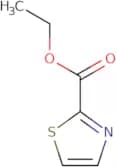
CAS:<p>Thiazole-2-carboxylic acid ethyl ester is a synthetic compound that is used as a model for peroxides and as a substrate in the study of carbonyl chemistry. It has been shown to react with benzene, yielding an alpha-hydroxybenzylidene ketone. The heterocycle can be converted to the corresponding carboxylic acid by dehydrogenation with hydrogen peroxide or sodium perborate. The yields of this reaction are dependent on the substituent effects of the heterocycle. Thiazole-2-carboxylic acid ethyl ester reacts with serine protease and amide in an enzyme assay. Kinetic data for this reaction are available in the literature.</p>Formula:C6H7NO2SPurity:Min. 95%Color and Shape:PowderMolecular weight:157.19 g/mol2-Acetyl-3-oxo-butyric acid ethyl ester - 90%
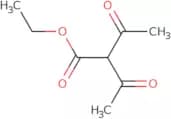
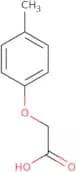
CAS:<p>2-Acetyl-3-oxo-butyric acid ethyl ester (2ABEE) is a chemokine receptor antagonist that binds to the CCR5 receptor. It is a small molecule drug candidate with potential therapeutic value for HIV and other diseases. 2ABEE has been shown to be active against human immunodeficiency virus type 1 (HIV-1) in cell culture and animal models, as well as against influenza virus in mice. This compound also inhibits the production of chemokines, which are inflammatory proteins that recruit immune cells from the blood stream to the site of infection. In addition, 2ABEE is not toxic to healthy human cells, indicating that it may have fewer side effects than other anti-HIV drugs.</p>Formula:C8H12O4Purity:Min. 95%Color and Shape:Clear LiquidMolecular weight:172.18 g/mol4-Methylphenoxyacetic acid
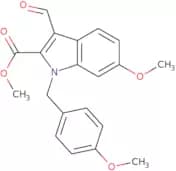
CAS:<p>4-Methylphenoxyacetic acid is a coumarin derivative that has been shown to accumulate in mammalian cells. It has been used as a substrate for conjugation with sulfur and selenium, yielding solubility data. Conjugates of 4-methylphenoxyacetic acid have been characterized by NMR spectra and chemical structure analysis, which revealed the presence of butyric acid residues. The tissue culture studies showed that the mutant strain was unable to grow in the presence of 4-methylphenoxyacetic acid.</p>Formula:C9H10O3Purity:Min. 95%Color and Shape:White PowderMolecular weight:166.17 g/molMethyl 3-formyl-6-methoxy-1-(4-methoxybenzyl)-1H-indole-2-carboxylate
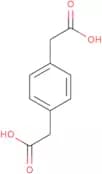
CAS:Controlled Product<p>Please enquire for more information about Methyl 3-formyl-6-methoxy-1-(4-methoxybenzyl)-1H-indole-2-carboxylate including the price, delivery time and more detailed product information at the technical inquiry form on this page</p>Formula:C20H19NO5Purity:Min. 95%Molecular weight:353.37 g/mol1,4-Phenylenediacetic acid
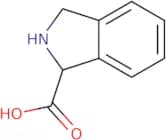
CAS:<p>1,4-Phenylenediacetic acid is an organic compound that has been used as a fungicide. It is an aromatic carboxylic acid that binds to the receptor site of the fungal cell wall and inhibits its growth. The molecule has a special coordination geometry with the hydrogen atom in the carboxylate group positioned close to one of the phenyl rings. This causes intramolecular hydrogen bonding interactions between the carboxylate group and the phenolic hydroxyl groups on adjacent molecules, which stabilizes it. 1,4-Phenylenediacetic acid also exhibits strong hydrogen bonding interactions with other molecules such as malonic acid due to its diphenyl ether group.</p>Formula:C10H10O4Purity:Min. 95%Color and Shape:PowderMolecular weight:194.18 g/mol2,3-Dihydro-1H-isoindole-1-carboxylic acid
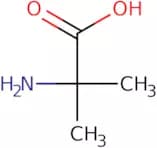
CAS:<p>2,3-Dihydro-1H-isoindole-1-carboxylic acid is an acidic molecule that can be found in high concentrations in the blood. It is also a metabolite of isoindolines, which are an important class of drugs used to treat chronic hypertension. 2,3-Dihydro-1H-isoindole-1-carboxylic acid belongs to the group of structural formula categorized as an enolate; this group is a type of enzyme inhibitor that blocks enzymes involved in the production of cholesterol. 2,3-Dihydro-1H-isoindole-1-carboxylic acid has been shown to inhibit the activity of two enzymes: cytochrome P450 and sterol C5 reductase. The mechanism behind this inhibition is homologous with other known inhibitors such as 3-(2′,4′dichlorophenyl)acrylic acid (methaz</p>Formula:C9H9NO2Purity:Min. 97 Area-%Color and Shape:PowderMolecular weight:163.17 g/mol2-Aminoisobutyric acid
CAS:<p>2-Aminoisobutyric acid (2-AIBA) is a natural compound that has been shown to have significant cytotoxicity against cancer cells. It is also thermodynamically stable and has a low toxicity in normal cells. 2-AIBA is able to cross the blood-brain barrier and can be taken up by the trigeminal nerve. It has been found to have lactogenic effects on the mammary gland, which may be due to its ability to increase prolactin levels. 2-AIBA has been shown to significantly inhibit radiation induced apoptosis in a model system of human papillary muscle cells. The uptake of 2-AIBA was found to be dependent on its ester hydrochloride form, with titration calorimetry being used for this study.</p>Formula:C4H9NO2Purity:Min. 95%Color and Shape:PowderMolecular weight:103.12 g/molPotassium acetate
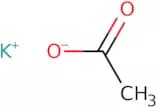
CAS:<p>Potassium acetate is a chemical compound that contains the element potassium. It is a white, water-soluble solid that can be found in many household items such as fertilizers and soaps. Potassium acetate is used as an electrolyte in biological samples because it has a high redox potential and can be easily detected by various analytical methods. The concentration of potassium acetate in biological samples can be determined by measuring the absorbance at 550 nm. This test is useful for determining the level of potassium in blood plasma or serum, which are often used as indicators of kidney function or heart disease. <br>Potassium acetate has been shown to have anti-inflammatory effects and may be beneficial for people with alopecia areata or autoimmune diseases such as rheumatoid arthritis, psoriasis, or lupus. Potassium acetate may also have some benefits for people with fatty acid metabolism disorders or who need calcium pantothenate treatment due to vitamin B deficiency.</p>Formula:C2H3KO2Color and Shape:PowderMolecular weight:98.14 g/molb-Amyrin acetate
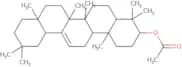
CAS:Controlled Product<p>Please enquire for more information about b-Amyrin acetate including the price, delivery time and more detailed product information at the technical inquiry form on this page</p>Purity:Min. 95%Ethyl chloroacetate
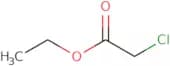
CAS:<p>Used in the preparation of 5-member heterocycles</p>Formula:C4H7ClO2Purity:Min. 95%Color and Shape:Colorless Clear LiquidMolecular weight:122.55 g/molOrsellinic acid
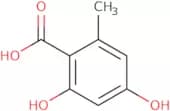
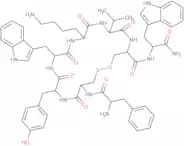
CAS:<p>Orsellinic acid is a polyketide compound that is produced by the fungus Orsella. The thermal expansion of orsellinic acid has been studied by measuring the volume change of a sample with increasing temperature. Gyrophoric acid, cannabigerovarinic acid, and usnic acid are also found in orsellinic acid. Acetate extract is used to isolate and purify orsellinic acid from other components in the fungus. Malonic acid is a chemical precursor used in the synthesis process to produce orsellinic acid. Biological properties of orsellinic acids have been studied using a variety of methods including h3 acetylation, biochemical properties, and pharmacological agents such as model systems and receptor activity. A wild-type strain of yeast was selected for this study because it has an intact ribosome and can produce proteins necessary for cell growth. Kinetic data was obtained using UV-visible spectroscopy to measure the rate at which orsellinic acid reacts with</p>Formula:C8H8O4Purity:Min. 95%Color and Shape:White PowderMolecular weight:168.15 g/molOxytocin acetate
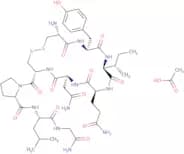
CAS:Controlled Product<p>Oxytocin acetate is an analog of oxytocin, which is a hormone that stimulates the uterus during labor. Oxytocin acetate is synthesized by the chemical conjugation of oxytocin with an acetic acid moiety. The stability of this molecule has been shown to be higher than that of oxytocin. This drug has been shown to have stronger binding affinity for the oxytocin receptor, which may be due to its increased molecular weight. Oxytocin acetate has also been shown to increase levels of growth factors and fatty acids in tissues when administered intramuscularly, as well as stimulating neurotransmission. The onset latency for this drug is shorter than that of oxytocin and it produces a longer duration of action in comparison to other analogs. Oxytocin acetate can also be used cosmetically as a disinfectant and can act as an amide-forming agent in organic synthesis reactions.</p>Formula:C43H66N12O12S2•C2H4O2Purity:Min. 90 Area-%Color and Shape:PowderMolecular weight:1,067.24 g/mol3,5-Diacetoxybenzoic acid
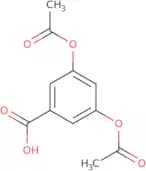
CAS:<p>3,5-Diacetoxybenzoic Acid is a monomer that belongs to the group of amides. It has been shown to have an inhibitory effect on the cross-linking reaction of amide bonds with UV irradiation. This monomer copolymerizes with acrylic acid and acrylamide to form stable emulsions with good surface properties. 3,5-Diacetoxybenzoic Acid is used as a co-monomer for trifunctional chloroformates in order to synthesize polymers with diameters of less than 100 nm. The polymerization temperature and morphology are dependent on the concentration of 3,5-Diacetoxybenzoic Acid. Matrix-assisted laser desorption/ionization (MALDI) has been used to characterize the polymerized 3,5-Diacetoxybenzoic Acid.</p>Formula:C11H10O6Purity:Min. 95%Molecular weight:238.19 g/molGlycerol triacetate
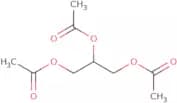
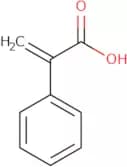
CAS:<p>Glycerol triacetate is a triacetin compound that is used in the production of glycerol and glycerin. The water vapor-resistant nature of this compound makes it an excellent candidate for use in projects where water vapor may be present. Glycerol triacetate has been shown to have a high resistance to solid phase microextraction and can be used as a model system for studying the interactions of triacetates with other materials. The reaction solution containing glycerol triacetate is acidic, which may lead to problems with water permeability if not properly treated. This analytical method utilizes hydrogen bonding interactions between glycerol and glycerine molecules to measure the concentration of each component in the sample.</p>Formula:C9H14O6Color and Shape:Clear LiquidMolecular weight:218.2 g/mol2-Phenylacrylic acid
CAS:<p>2-Phenylacrylic acid is a chromatographic method that can be used as a cross-linking agent in the synthesis of polycarboxylic acids. It has been shown to protonate tiglic acid, which is an important component in the formation of polycarboxylic acids. 2-Phenylacrylic acid also has acidic properties and can be used as a conditioning agent for the synthesis of hydroxylated molecules. This compound has been shown to have hepatic steatosis-inducing effects and may also contribute to metabolic disorders such as diabetes mellitus type II. Molecular modeling studies have shown that 2-phenylacrylic acid is able to bind with human liver cells, which may be due to its hydroxyl group.</p>Formula:C9H8O2Purity:Min. 95%Color and Shape:PowderMolecular weight:148.16 g/molVapreotide acetate
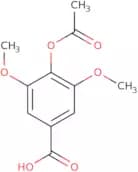
CAS:<p>Vapreotide acetate is an anti-cancer compound that is derived from a peptide hormone. It inhibits the growth of cancer cells by binding to the neurokinin-1 receptor, which may be involved in the regulation of cell proliferation and apoptosis. Vapreotide acetate has been shown to inhibit IGF-I (insulin-like growth factor 1) and somatostatin release in vitro. The molecular docking analysis of vapreotide acetate with the neurokinin-1 receptor has been performed using a computer program. The potency of vapreotide acetate was found to be comparable to other analogs such as octreotide acetate and lanreotide acetate in inhibiting cell proliferation in human osteosarcoma cell lines. Vapreotide acetate has also been shown to have anti-inflammatory properties due to its ability to inhibit plasma mass spectrometry for cytokines such as IL-6, TNFα, IL-8,</p>Formula:C57H70N12O9S2•C2H4O2Purity:Min. 98 Area-%Color and Shape:PowderMolecular weight:1,191.43 g/mol4-Acetoxy-3,5-dimethoxybenzoic acid
CAS:<p>4-Acetoxy-3,5-dimethoxybenzoic acid (4ADOB) is a chemical substance that has been shown to have cancer chemotherapeutic properties. It is hydroxylated by the enzyme acetylase, which converts it into 4-acetoxy-3,5-dimethoxybenzoyl coenzyme A (4ADBCA). 4ADBCA inhibits the activity of amine oxidase, an enzyme that breaks down natural substances such as amino acids and neurotransmitters. Inhibition of amine oxidase leads to a decrease in the production of proinflammatory substances and cytokines that play a role in inflammatory diseases.</p>Formula:C11H12O6Purity:Min. 95%Color and Shape:PowderMolecular weight:240.21 g/mol




![tert-Butyl [(1R,2S,5S)-2-Amino-5-[(dimethylamino)carbonyl]cyclohexyl]carbamate Oxalate](/_next/image/?url=https%3A%2Fstatic.cymitquimica.com%2Fproducts%2FTR%2Fthumb-webp%2FB809515.webp&w=3840&q=75)
![[p-Terphenyl]-4,4''-dicarboxylic Acid](/_next/image/?url=https%3A%2Fstatic.cymitquimica.com%2Fproducts%2FTR%2Fthumb-webp%2FT116700.webp&w=3840&q=75)





![Methyl (1R,2S,3S,5S)-3-(4-Fluorophenyl)-8-[(E)-3-Iodoprop-2-Enyl]-8-Azabicyclo[3.2.1]Octane-2-Carb…](/_next/image/?url=https%3A%2Fstatic.cymitquimica.com%2Fproducts%2F3D%2Fthumb-webp%2FFM102777.webp&w=3840&q=75)