Carboxylic Acids
Carboxylic acids are organic molecules characterized by having a carboxyl-type functional group (-COOH). These acids are fundamental in various chemical reactions, including esterification, amidation, and decarboxylation. Carboxylic acids are widely used in the production of pharmaceuticals, polymers, and agrochemicals. In this section, you can find a large number of carboxylic acids ready to be used. At CymitQuimica, we provide a broad range of high-quality carboxylic acids to support your research and industrial applications.
Found 12453 products of "Carboxylic Acids"
Sort by
Purity (%)
0
100
|
0
|
50
|
90
|
95
|
100
5-Hydroxyveratric acid
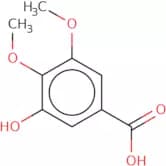
CAS:<p>5-Hydroxyveratric acid is a chemical compound that belongs to the group of useful building blocks and can be used as a research reagent, speciality chemical, or high quality intermediate. It is a versatile building block that can be used in reactions involving carboxylic acids, amides, alcohols, and thiols. 5-Hydroxyveratric acid is also a useful scaffold for the synthesis of complex organic molecules. CAS No. 1916-08-1</p>Formula:C9H10O5Purity:Min. 98 Area-%Color and Shape:White Off-White PowderMolecular weight:198.17 g/molD-Gluconic acid zinc (II) salt
CAS:<p>D-Gluconic acid zinc salt is an inorganic compound that is used to treat deficiencies of D-gluconate. It is a salt of zinc and D-gluconic acid, which is a natural metabolite found in the human body. This compound can be used to maintain healthy levels of D-gluconate in the tissues and help control symptoms related to deficiencies. The efficiency of this method has been demonstrated by an in vitro test on human femur cells. A profile analysis showed that D-gluconic acid zinc salt was able to minimize the severity of symptoms associated with deficiencies caused by gluconate deficiency, such as tissue sensitivity and bone degradation.</p>Formula:C12H22O14ZnPurity:Min. 95%Color and Shape:White PowderMolecular weight:455.68 g/mol4-Chloro-3,5-dinitrobenzoic acid
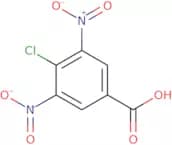
CAS:<p>4-Chloro-3,5-dinitrobenzoic acid is a redox potential chemical that has been shown to be reactive in the presence of nucleophiles. The toxicological studies on this chemical have focused on its hemolytic activity and conformational properties. 4-Chloro-3,5-dinitrobenzoic acid is a molecule with neutral ph and can react with lysine residues in proteins, which may lead to the release of caproic acid and nitrite ions. This chemical also has protease activity and can undergo transfer reactions with other molecules.</p>Formula:C7H3ClN2O6Purity:Min. 90%Color and Shape:PowderMolecular weight:246.56 g/mol3-Benzyloxy-4-methoxybenzoic acid
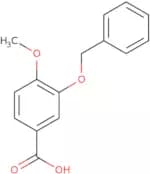
CAS:<p>3-Benzyloxy-4-methoxybenzoic acid is a natural product that was isolated as a yellow crystalline powder from the needles of the tree Kirkia. It can be used as a radical and has been shown to have frameworks with galanthamine. 3-Benzyloxy-4-methoxybenzoic acid has been shown to be an inhibitor of protein synthesis in cells, which may be due to its ability to inhibit the activity of ribosomes and protein synthesis.</p>Formula:C15H14O4Purity:Min. 95%Molecular weight:258.27 g/molH-Phe-Met-Arg-Phe-NH2 acetate
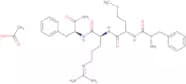
CAS:Controlled Product<p>H-Phe-Met-Arg-Phe-NH2 acetate is a high quality reagent that is useful in the synthesis of complex compounds. It can be used as an intermediate for the production of fine chemicals and speciality chemicals, as well as being a versatile building block in the synthesis of organic compounds. H-Phe-Met-Arg-Phe-NH2 acetate can also be used to make research chemicals or reaction components.</p>Formula:C29H42N8O4S•(C2H4O2)xPurity:Min. 95%Color and Shape:PowderMolecular weight:598.76 g/molIndole-4-carboxylic acid
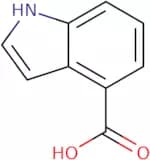
CAS:<p>Indole-4-Carboxylic acid is a molecule that belongs to the group of indole carboxylic acids. It is an organic compound that has a dipole moment and isomers. Indole-4-carboxylic acid can be synthesized by the saponification of indole-7-carboxylic acid, which has two functional groups: a hydroxy group and an amide group. The molecule has a chemical structure with an amide bond between the carboxyl and amino groups at one end, which forms a protonated amide. This protonated amide also has two orientations: trans and cis. The trans orientation is found in human cytochrome P450 and other proteins, while the cis orientation is found in enzymes such as tryptophan synthase, indoleamine 2,3 dioxygenase, or tyrosine hydroxylase.</p>Formula:C9H7NO2Purity:Min. 98 Area-%Color and Shape:PowderMolecular weight:161.16 g/mol2-[(2,4-Dimethylphenyl)amino]nicotinic acid
CAS:<p>Please enquire for more information about 2-[(2,4-Dimethylphenyl)amino]nicotinic acid including the price, delivery time and more detailed product information at the technical inquiry form on this page</p>Formula:C14H14N2O2Purity:Min. 95%Color and Shape:PowderMolecular weight:242.27 g/molDehydroeburicoic acid
CAS:Controlled Product<p>Dehydroeburicoic acid is a natural compound that has been shown to inhibit the growth of cancer cells. It also inhibits the production of alcohols by horse liver, which may be useful in reducing the risk of developing Alzheimer's disease. Dehydroeburicoic acid is a white crystalline powder that has a chemical structure similar to lanostane, which is an inhibitor of phellinus. This compound was isolated from antrodia camphorata, a medicinal mushroom used in traditional Chinese medicine for the treatment of skin conditions and as an antibacterial agent. Dehydroeburicoic acid is also found in other natural products including medicines and healthcare products.</p>Formula:C31H48O3Purity:Min. 98 Area-%Color and Shape:White PowderMolecular weight:468.71 g/molEthyl 5-Nitroindole-2-Carboxylate
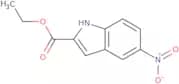
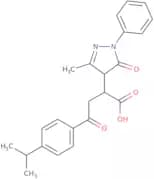
CAS:<p>Ethyl 5-Nitroindole-2-Carboxylate is a precursor to the anti-HIV drug Delavirdine. It is synthesized by condensation of ethyl pyruvate and urea derivative in the presence of thionyl chloride. This compound can be used as an intermediate in the synthesis of other compounds such as ethyl ester and ethyl pyruvate. The chemical reaction is carried out at room temperature using a chlorinated solvent such as methylene chloride or chloroform. Ethyl 5-nitroindole-2-carboxylate can also be used for the synthesis of other drugs, including antitumor agents.</p>Formula:C11H10N2O4Purity:Min. 95%Color and Shape:PowderMolecular weight:234.21 g/mol4-(4-(Isopropyl)phenyl)-2-(3-methyl-5-oxo-1-phenyl(2-pyrazolin-4-yl))-4-oxobutanoic acid
CAS:<p>Please enquire for more information about 4-(4-(Isopropyl)phenyl)-2-(3-methyl-5-oxo-1-phenyl(2-pyrazolin-4-yl))-4-oxobutanoic acid including the price, delivery time and more detailed product information at the technical inquiry form on this page</p>Formula:C23H24N2O4Purity:Min. 95%Color and Shape:PowderMolecular weight:392.45 g/molDL-α-Hydroxypalmitic acid
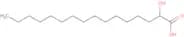
CAS:<p>Palmitic acid is a fatty acid that is found in animal and vegetable fats. It is also an important component of the cell membrane. Palmitic acid has been shown to inhibit the growth of bacteria by interfering with the synthesis of cell membranes, which are largely composed of lipids. Palmitic acid has been shown to be active against Gram-positive bacteria, including Bacillus subtilis and Staphylococcus epidermidis, as well as Gram-negative bacteria such as Salmonella enterica Serovar Typhi and Escherichia coli O157:H7. Palmitic acid can be used to produce monolayers for use in magnetic resonance spectroscopy. These monolayers have been shown to have an effect on the rate at which glucose is transported across the surface of the membrane. Palmitic acid also inhibits glucosylceramide production in ganoderma lucidum, a type of fungus that causes plant diseases, by blocking</p>Formula:C16H32O3Purity:Min. 98 Area-%Color and Shape:PowderMolecular weight:272.42 g/molDL-Homocysteic acid
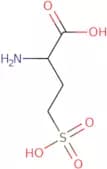
CAS:<p>DL-Homocysteic acid is a polymer with the chemical formula of CH(CH)COOH. It is a metal chelate that has minimal toxicity and is used in the treatment of bowel disease. DL-Homocysteic acid is also used in biological samples to detect covalent linkages and receptor activity. In addition, this compound can be used as an experimental model for oxidative injury and enzyme activities.</p>Formula:C4H9NO5SPurity:Min. 97 Area-%Color and Shape:PowderMolecular weight:183.18 g/molBenzophenone-2,4'-dicarboxylic acid
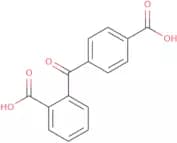
CAS:<p>Benzophenone-2,4'-dicarboxylic acid is a ligand that has been shown to have anion selectivity. It is an organic molecule that can be used in devices such as optical switches and sensors. Benzophenone-2,4'-dicarboxylic acid has been shown to have high fluorescence intensity and it is able to emit light. Benzophenone-2,4'-dicarboxylic acid can be used for the development of novel sensors for both organic and inorganic ions, as well as for ion-exchange membranes. The compound was also found to be luminescent with a bright emission peak at 559 nm, which makes it a promising candidate for fluorescent displays. Benzophenone-2,4'-dicarboxylic acid is also able to form coordinated water molecules when placed in contact with water. This coordinated water molecule may act as a ligand by binding to metal ions or other lig</p>Formula:C15H10O5Purity:Min. 95%Color and Shape:PowderMolecular weight:270.24 g/mol4-Anilino-4-oxobutanoic acid
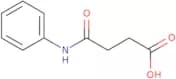
CAS:<p>Vorinostat metabolite</p>Formula:C10H11NO3Purity:Min. 95%Color and Shape:PowderMolecular weight:193.2 g/mol(S)-3-(4-Hydroxyphenyl)-2-hydroxypropionic acid
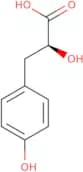
CAS:<p>(S)-3-(4-Hydroxyphenyl)-2-hydroxypropionic acid is a phenolic compound that is used in the synthesis of streptavidin. It is prepared by reacting p-hydroxybenzoic acid with tyrosol. The ester linkage between the two molecules is formed by an amide reaction with sodium carbonate, followed by solvent removal and purification. The solvents are removed using sodium carbonate, which allows for the formation of an o-benzyl-l-tyrosine ester linkage. This product has a constant boiling point of 177 degrees Celsius at atmospheric pressure and can be used in organic chemistry as a solvent or reagent.</p>Formula:C9H10O4Purity:Min. 95%Color and Shape:PowderMolecular weight:182.17 g/molPipecolic acid
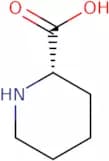
CAS:<p>Pipecolic acid is a metabolite of tryptophan that has been shown to inhibit the proliferation of pluripotent cells in vitro. Pipecolic acid was also shown to have a significant effect on the reaction mechanism of dinucleotide phosphate, which is essential for the synthesis of DNA and RNA. Pipecolic acid can be synthesized from picolinic acid through an amide bond formation. This compound is also found in wild-type strains as well as cancerous and infectious strains of bacteria. Pipecolic acid inhibits bacterial growth by binding to the active site of specific enzymes, such as methionine adenosyltransferase and ribonucleotide reductase, leading to the inhibition of protein synthesis and cell division. It has been shown to inhibit leukemia inhibitory factor (LIF) activity in vitro, suggesting that it may be involved in urinary infections.<br>Pipecolic acid can also be prepared using preparative high-performance liquid chromatography (prepar</p>Formula:C6H11NO2Purity:Min. 95%Color and Shape:White PowderMolecular weight:129.16 g/molEthyl 3-pyRidylacetate
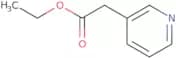
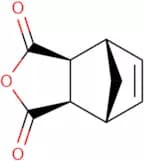
CAS:<p>Ethyl 3-pyRidylacetate is a chiral compound that is used in asymmetric synthesis. It is formed by the reaction of methides with base catalysts. The nmr spectrum of this compound shows three distinct signals, which correspond to the three possible stereoisomers: enolate, trisubstituted, and nucleophilic. These signals are due to the different methylene groups on the molecule. The active methylene group is responsible for alkylation reactions and carbon disulphide formation.</p>Formula:C9H11NO2Purity:Min. 95%Color and Shape:Clear LiquidMolecular weight:165.19 g/molcis-Norbornene-exo-2,3-dicarboxylic anhydride
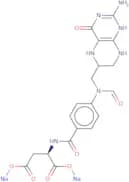
CAS:<p>Cis-Norbornene-exo-2,3-dicarboxylic anhydride is a reactive compound that is used as a precursor in the production of other chemicals. It can be used as an oxidation catalyst for organic synthesis reactions and has been shown to have high reactivity with hydroxyl groups under acidic conditions. Cis-Norbornene-exo-2,3-dicarboxylic anhydride reacts with calcium stearate to form a variety of products including aromatic hydrocarbons and boron nitride. The solubility data for cis-Norbornene-exo-2,3-dicarboxylic anhydride in human serum is available. The quantum theory predicts that cis-Norbornene-exo-2,3-dicarboxylic anhydride will undergo cationic polymerization in an acidic environment. This product also reacts with fatty acids to produce al</p>Formula:C9H8O3Purity:Min. 95%Color and Shape:White PowderMolecular weight:164.16 g/mol10-Formyl-5,6,7,8- tetrahydro folic acid disodium
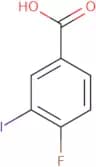
CAS:<p>10-Formyl-5,6,7,8-tetrahydrofolate disodium (10FHFTD) is a fine chemical that is useful as a building block for research chemicals. 10FHFTD has been described as a versatile building block for the synthesis of complex compounds. It is also a useful intermediate in the synthesis of biologically active natural products and pharmaceuticals. This compound can be used as a reagent or speciality chemical. 10FHFTD has CAS number 914800-65-0 and is commercially available at high quality.</p>Formula:C20H21N7Na2O7Purity:(%) Min. 60%Color and Shape:Brown Slightly Brown PowderMolecular weight:517.4 g/mol4-Fluoro-3-iodobenzoic acid
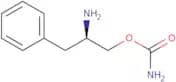
CAS:<p>4-Fluoro-3-iodobenzoic acid is an aromatic amine that is used as a reagent in organic chemistry. It is a nontoxic chemical that has no known harmful effects to humans. 4-Fluoro-3-iodobenzoic acid can be synthesized by the reaction of diethylaminoethyl chloride with 4-fluorobenzoic acid and sodium iodide. This compound yields a mixture of alkylbenzenes, hydrocarbons, and aromatic compounds when heated with solvents such as diethyl ether or chloroform.</p>Formula:C7H4FIO2Purity:Min. 95%Color and Shape:PowderMolecular weight:266.01 g/molSolriamfetol
CAS:Controlled Product<p>Solriamfetol is a drug that belongs to the class of psychostimulants. It is used as an adjunct in the treatment of major depressive disorder, and has been shown to be clinically relevant in patients with major depression. Solriamfetol has been shown to have long-term efficacy and stable doses, which may be due to its chemical stability. It also has dose-dependent effects on dopamine release in the striatum, which can lead to increased symptoms of depression. The drug has also been shown to increase cardiac rate, even at stable doses and does not affect renal function. This may be because solriamfetol does not undergo oxidative injury or cause decreased glomerular filtration rate (GFR).</p>Formula:C10H14N2O2Purity:Min. 95%Color and Shape:PowderMolecular weight:194.23 g/mol3,5-Dichloro-4-fluorobenzoic acid
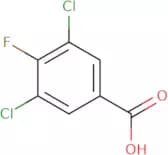
CAS:<p>3,5-Dichloro-4-fluorobenzoic acid is a chemical that belongs to the class of reagents. It reacts with an amine to form a urea and a dioxane derivative. 3,5-Dichloro-4-fluorobenzoic acid is used in the research and development of new drugs as a useful scaffold for novel compounds. It can be used as an intermediate or building block in the synthesis of complex molecules. This chemical also has speciality uses as a fine chemical, such as for use in cosmetics or cleaning products.</p>Formula:C7H3Cl2FO2Purity:Min. 95%Color and Shape:PowderMolecular weight:209 g/mol7-Fluorobenzo-2-oxa-1,3-diazole-4-sulfonic acid ammonium
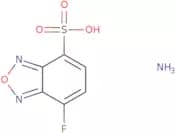
CAS:<p>7-Fluorobenzo-2-oxa-1,3-diazole-4-sulfonic acid ammonium is a fluorescent derivative that is used in clinical pathology to study human metabolism. The compound reacts with blood cells to form a fluorescent derivative that can be detected by use of a fluorescence detector. A sample preparation technique is required to prepare the blood samples before analysis. 7-Fluorobenzo-2-oxa-1,3-diazole-4-sulfonic acid ammonium has been shown to react with disulfide bonds and endogenous substances, such as glutathione, dopamine and serotonin. The detection sensitivity for this compound is approximately 10 pM.</p>Formula:C6H6FN3O4SPurity:Min. 95%Color and Shape:White PowderMolecular weight:235.19 g/mol3-Toluic acid
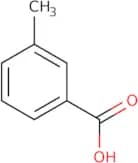
CAS:<p>3-Toluic acid is a colorless liquid that is soluble in water and organic solvents. 3-Toluic acid is an inhibitor of bacterial growth that has been shown to be effective against certain strains of Escherichia coli, Klebsiella pneumoniae, and Pseudomonas aeruginosa. 3-Toluic acid inhibits the growth of bacteria by reacting with a hydrogen bond in their ribosomal RNA to block the production of proteins vital for cell division. It also disrupts the normal metabolic pathways of bacteria by inhibiting microbial metabolism.</p>Formula:C8H8O2Purity:Min. 95%Color and Shape:PowderMolecular weight:136.15 g/moltrans-1,4-Cyclohexanedicarboxybic acid
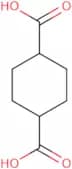
CAS:<p>Trans-1,4-Cyclohexanedicarboxylic acid is a polycarboxylic acid with a cyclohexane ring. It is formed by the reaction of an organic acid and hydrochloric acid in water. Trans-1,4-Cyclohexanedicarboxylic acid has been shown to form an acid when heated at high temperatures. This property is due to its macrocyclic structure and steric interactions with the fatty acids present in the reaction solution. The thermal expansion of trans-1,4-Cyclohexanedicarboxylic acid is sensitive to temperature changes, which can be used for detection purposes. Trans-1,4-Cyclohexanedicarboxylic acid has a hydroxyl group that can be substituted with fluorescence dyes for detection purposes. The cyclohexane ring and dibutyltin oxide are used for the determination of iron content in samples.</p>Formula:C8H12O4Purity:Min. 95%Color and Shape:PowderMolecular weight:172.18 g/molTos-Gly-Pro-Lys-pNA acetate
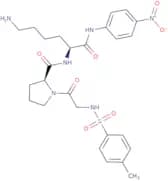
CAS:<p>Tos-Gly-Pro-Lys-pNA acetate is a peptide that has been shown to have inhibitory effects on serine proteases, such as fibrinogen. Tos-Gly-Pro-Lys-pNA acetate binds to the active site of serine proteases, which inhibits their activity and prevents them from cleaving fibrinogen. The rate of reaction is dependent on the concentration of enzyme inhibitors. For example, at low concentrations, the enzyme inhibitor will bind to only one or two sites on the serine protease, while at high concentrations it may bind to many sites. This molecule has been shown to be a potent inhibitor of human immunodeficiency virus (HIV) protease and is currently being studied for its use as a potential antiviral agent.</p>Formula:C26H34N6O7SPurity:Min. 95%Color and Shape:PowderMolecular weight:574.65 g/mol3-(4-methoxy-1-naphthyl)acrylic acid
CAS:<p>Please enquire for more information about 3-(4-methoxy-1-naphthyl)acrylic acid including the price, delivery time and more detailed product information at the technical inquiry form on this page</p>Purity:Min. 95%3,4,5-Trifluorobenzoic acid
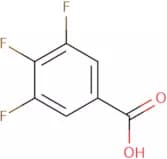
CAS:<p>3,4,5-Trifluorobenzoic acid is a carboxylic acid that is used in animal health. It can be synthesized by the reaction of hydrogen chloride and fluorine. The UV absorption spectrum of 3,4,5-trifluorobenzoic acid is characterized by a tetranuclear structure with maxima at 230 nm and 295 nm. The molecule has a carboxylate group. 3,4,5-Trifluorobenzoic acid absorbs light with wavelengths between 190 to 260 nm. This compound has been reported to have an analytical method based on LC-MS/MS for the determination of its concentration in samples prepared from the hydrolysis of benzoates with nitrous acid. This analytical method uses intermolecular hydrogen bonding as well as amines for sample preparation.</p>Formula:C7H3F3O2Purity:Min. 95%Color and Shape:PowderMolecular weight:176.09 g/molSodium carboxyl methylstarch
CAS:<p>Sodium carboxymethyl starch, sometimes abbreviated as CMS or SCMS, is a modified starch derivative widely used as an excipient in pharmaceutical formulations. It is used to support the stability, delivery, and performance of the API in drug products.</p>Purity:Min. 95%Color and Shape:Powder4-(Dimethylamino)phenylaceticacid
CAS:<p>4-(Dimethylamino)phenylacetic acid (DMAPA) is a chemical inhibitor that binds to fatty acids. It has been shown to have antitumor effects on prostate cancer cells in vitro and in vivo, as well as anti-inflammatory properties. DMAPA also inhibits the synthesis of prostaglandins, which may be due to its binding to amines or the uv irradiation of the molecule. DMAPA has been shown to be effective in preventing the aggregation of serotonin receptors, which may play a role in its potential use for treating depression.</p>Formula:C10H13NO2Purity:Min. 95%Color and Shape:PowderMolecular weight:179.22 g/molEthyl 2,4-dichloroacetoacetate
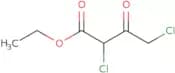
CAS:<p>Ethyl 2,4-dichloroacetoacetate is a reaction component that is used as a reagent in organic synthesis. It has been shown to be a useful scaffold for the preparation of complex compounds and fine chemicals. It can also be used as a useful intermediate or building block for the synthesis of other molecules.</p>Formula:C6H8Cl2O3Purity:Min. 95%Color and Shape:Colorless Clear LiquidMolecular weight:199.03 g/molHeptanoic acid
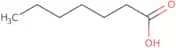
CAS:<p>Heptanoic acid is a fatty acid that is used in the manufacture of film coatings. It can also be found in congestive heart failure medication, where it acts as a vasodilator. Methyl myristate and caproic acid are esters of heptanoic acid. Heptanoic acid has been demonstrated to have pharmacological properties such as anti-inflammatory, anti-arrhythmic, and anti-obesity effects. This compound has been shown to have a matrix effect on analytical methods such as thin layer chromatography (TLC) and high performance liquid chromatography (HPLC). The solubility of heptanoic acid in human serum has been studied. Heptanoic acid is also an experimental agent for bowel disease and eye disorders, although it does not dissolve well in water or sodium citrate.</p>Formula:C7H14O2Purity:Min. 98%Color and Shape:Clear LiquidMolecular weight:130.18 g/mol3-(4-Bromobenzoyl)-acrylic acid
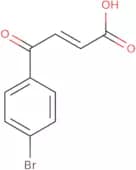
CAS:<p>3-(4-Bromobenzoyl)-acrylic acid is a chiral secondary amine that was synthesised in the laboratory. It is an inhibitor of xanthine oxidase, which is an enzyme involved in purine metabolism. The compound inhibits the enzyme by binding to it and preventing it from breaking down xanthine into uric acid. This has been shown to inhibit xanthine oxidase activity in vitro, but not in vivo. 3-(4-Bromobenzoyl)-acrylic acid has been shown to be more potent than some other inhibitors, such as thiourea and erythromycin. However, it has only been studied at low concentrations so far and its effects on human cells are unknown.</p>Formula:C10H7BrO3Purity:Min. 95%Color and Shape:PowderMolecular weight:255.06 g/mol1-Adamantane acetic acid
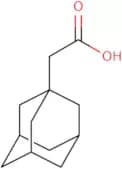
CAS:<p>1-Adamantane acetic acid is a naphthenic organic compound that has physiological effects. It is a hydrogen-bond acceptor and has a trifluoroacetic acid group. The compound inhibits mitochondrial function by inhibiting the enzyme ATPase, which is involved in the synthesis of ATP. 1-Adamantane acetic acid also inhibits tumor growth by inducing apoptosis in cancer cells. It has been shown to have potent antagonist activity against amide neurotransmitters such as acetylcholine and serotonin, which are involved in the regulation of muscle contractions and mood respectively.</p>Formula:C12H18O2Purity:Min. 95%Color and Shape:White PowderMolecular weight:194.27 g/mol5-Bromovaleric acid methyl ester
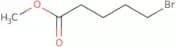
CAS:<p>5-Bromovaleric acid methyl ester is a molecule that can be used as a model system for population growth. It has been shown to activate the CB2 receptor in mice and stimulate the production of polyclonal antibodies. 5-Bromovaleric acid methyl ester may be a potential drug target for treating inflammatory conditions such as psoriasis, Crohn's disease, and ulcerative colitis. The compound has also been shown to inhibit cyclooxygenase enzymes in human platelets. 5-Bromovaleric acid methyl ester can also be used as an analytical tool for determining the concentration of conjugates in urine samples by gas chromatography.</p>Formula:C6H11BrO2Purity:Min. 95%Color and Shape:Clear LiquidMolecular weight:195.05 g/mol2-Amino-3-nitrobenzoic acid
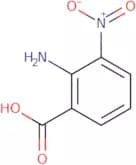
CAS:<p>2-Amino-3-nitrobenzoic acid (2ABN) is a peroxide that is used as an antiviral. 2ABN has been shown to inhibit the formation of reactive oxygen species in cancer cells, leading to apoptosis. It also inhibits the growth of carcinoma cell lines and tissues. 2ABN reacts with chloral hydrate to form a particle that can be encapsulated for delivery and release in vivo. This drug has been expressed in Escherichia coli, which may lead to improved stability and ease of production. 2ABN is thought to have anti-inflammatory properties due to its ability to inhibit the production of prostaglandins. The reactivity of 2ABN with surfactants such as sodium laureth sulfate (SLES) has been shown, which leads to it being used as an emulsifying agent for topical application.</p>Formula:C7H6N2O4Purity:Min. 95%Color and Shape:PowderMolecular weight:182.13 g/molβ-(4-Hydroxy-3-methoxyphenyl)propionic acid methyl ester
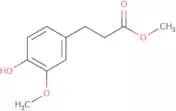
CAS:<p>β-(4-Hydroxy-3-methoxyphenyl)propionic acid methyl ester is a fine chemical used as a building block in the synthesis of pharmaceuticals, agrochemicals, and other chemicals. It is also used as a reagent for the detection of alkaloids and for the preparation of valuable speciality chemicals. β-(4-Hydroxy-3-methoxyphenyl)propionic acid methyl ester is an intermediate in organic reactions or can be used to synthesize complex compounds such as antibiotics. It is also an important scaffold that can be modified to produce new drugs with different properties.</p>Formula:C11H14O4Purity:Min. 95%Color and Shape:Clear LiquidMolecular weight:210.23 g/molTetrahydro-2H-pyran-3-ylacetic acid
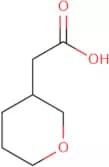
CAS:<p>Tetrahydro-2H-pyran-3-ylacetic acid (THPA) is a chemical that is used as a reagent, speciality chemical and building block in the synthesis of more complex compounds. It is also used as a reaction component and intermediate in the synthesis of various pharmaceuticals. THPA has been shown to be an effective scaffold for creating new drugs that are useful in the treatment of diabetes, cancer and other diseases. This compound can be synthesized from cyclopentanone through a two step process involving oxidation and esterification.</p>Formula:C7H12O3Purity:Min. 95%Color and Shape:Clear LiquidMolecular weight:144.17 g/molFmoc-D-1,2,3,4-tetrahydronorharman-3-carboxylic acid
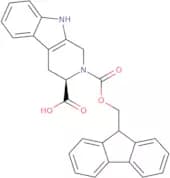
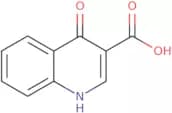
CAS:<p>Fmoc-D-1,2,3,4-tetrahydronorharman-3-carboxylic acid is a fine chemical that is a versatile building block and reaction intermediate. It is a high quality compound with CAS No. 268731-07-3. Fmoc-D-1,2,3,4-tetrahydronorharman-3-carboxylic acid can be used as a reagent for the synthesis of complex compounds and scaffolds. This compound has been shown to have useful properties in the research field.</p>Formula:C27H22N2O4Purity:Min. 95%Molecular weight:438.47 g/mol4-Oxo-1,4-dihydroquinoline-3-carboxylic acid
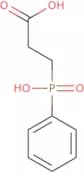
CAS:<p>4-Oxo-1,4-dihydroquinoline-3-carboxylic acid is a synthetic compound that belongs to the class of quinoline derivatives. It has been shown to inhibit HIV infection in vitro by binding to the receptor CD4 on the surface of T cells. 4-Oxo-1,4-dihydroquinoline-3-carboxylic acid has also been shown to be cytotoxic against cancer cells and other human cell lines. Powders of 4-oxo-1,4-dihydroquinoline 3 carboxylic acid have been synthesized by reacting ethyl esters with diphenyl ether in the presence of radiation or ndimethylformamide. This compound was also used as a molecular model for designing new drugs.</p>Formula:C10H7NO3Purity:Min. 98 Area-%Color and Shape:Off-White PowderMolecular weight:189.17 g/mol2-Carboxyethyl phenyl phosphinic acid
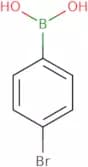
CAS:<p>2-Carboxyethyl phenyl phosphinic acid is a glycol ester that is used as a retardant and chlorine scavenger in the production of polyvinyl chloride. It reacts with metal ions to form insoluble metal salts, which prevents the formation of bubbles in the polymer film. 2-Carboxyethyl phenyl phosphinic acid has been shown to be soluble in aqueous media at pH values less than 7. When it is dissolved in water, it interacts with other substances to form complexes, such as solubility data, experimental solubility data, and solubility data. The average particle diameter of this compound is approximately 1 nm.</p>Formula:C9H11O4PPurity:Min. 95%Color and Shape:White PowderMolecular weight:214.16 g/mol4-Bromophenylboronic acid
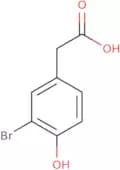
CAS:<p>4-Bromophenylboronic acid is a boronic acid with a basic structure. It has been used to synthesize picolinic acid, which is a water-soluble drug with light emission and anhydrous sodium. 4-Bromophenylboronic acid has been shown to have diagnostic properties because of its ability to enhance the concentration–time curve of sodium salts in human serum. It can also be used as an asymmetric synthesis agent for the production of fatty acids.</p>Formula:C6H6BBrO2Purity:Min. 97.5 Area-%Color and Shape:PowderMolecular weight:200.83 g/mol3-Bromo-4-hydroxyphenylacetic acid
CAS:<p>3-Bromo-4-hydroxyphenylacetic acid is an organic compound that belongs to the class of bromophenols. It can be found in urine samples, and is used as a biomarker for the evaluation of eosinophil peroxidase activity. 3-Bromo-4-hydroxyphenylacetic acid is metabolized through a number of metabolic pathways, including oxidation by hypobromous acid or catalysis by dehalogenase enzymes. This metabolite may also be involved in the pathogenesis of allergic reactions.</p>Formula:C8H7BrO3Purity:Min. 95%Molecular weight:231.04 g/molResorcinol-o,o'-diacetic acid
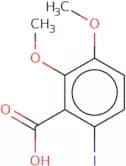
CAS:<p>Resorcinol-o,o'-diacetic acid is a copolymer that is used in the production of polyurethane, glyceride, or heptane. It has been shown to have a brittleness of less than 1% and can be used for the production of polyester. Resorcinol-o,o'-diacetic acid is also used as an intermediate in the synthesis of terephthalic acid and chromatographic detection method. Resorcinol-o,o'-diacetic acid is hydrophilic and can be used for packaging food and packaging materials.</p>Formula:C10H10O6Purity:Min. 95%Color and Shape:White PowderMolecular weight:226.18 g/mol2-Iodo-5,6-dimethoxybenzoic acid
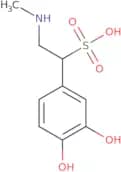
CAS:<p>2-Iodo-5,6-dimethoxybenzoic acid is a reagent that is used in the synthesis of complex compounds and fine chemicals. It has a high quality and is useful as an intermediate or building block for the synthesis of versatile compounds. This chemical can be used in research to create new compounds with special properties. 2-Iodo-5,6-dimethoxybenzoic acid can be used in various reactions to make diverse building blocks or scaffolds that are useful in organic chemistry.</p>Formula:C9H9IO4Purity:Min. 95%Molecular weight:308.07 g/molEpinephrine sulfonic acid
CAS:<p>Epinephrine sulfonic acid is a drug that can be used to treat low blood pressure. It is a solution of epinephrine in water and propantheline, which helps to control the effects of the drug. Epinephrine sulfonic acid should not be used for more than a few days because it may cause the body to become dependent on it. The drug should be injected in the arm or thigh, not into a vein. The injection site should be cleaned before injecting. A person with heart disease or high blood pressure should use caution when using this drug as it may have an adverse effect on them. There are many impurities found in epinephrine sulfonic acid, including p-hydroxybenzoic acid and hydration.</p>Formula:C9H13NO5SPurity:Min. 95 Area-%Color and Shape:White PowderMolecular weight:247.27 g/mol3-Bromocinnamic acid
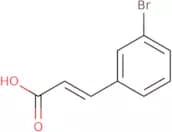
CAS:<p>3-Bromocinnamic acid is a long-term treatment that inhibits the adenosine receptor, which is an important component of the central nervous system. It has been shown to have biological properties such as cell growth inhibition, depressant effect, and inhibitory effects on HIV replication. 3-Bromocinnamic acid also inhibits the action of sodium salts in vitro and in vivo, suggesting that this drug may be useful for the treatment of epilepsy. 3-Bromocinnamic acid can be used to study the mechanisms by which sirt1 inhibitors act as anticancer drugs. In addition, 3-bromocinnamic acid has been shown to have therapeutic potential for treating Alzheimer's disease and Parkinson's disease.</p>Formula:C9H7BrO2Purity:Min. 95%Color and Shape:PowderMolecular weight:227.05 g/mol3,5-Dichloro-2,6-dimethoxybenzoic acid
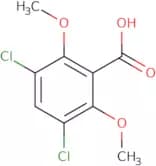
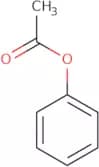
CAS:<p>3,5-Dichloro-2,6-dimethoxybenzoic acid (3,5-DCMB) is a drug that binds to the dopamine transporter. It is used as a radioligand in studies of the pharmacological and biochemical properties of the dopamine transporter. 3,5-DCMB has also been shown to bind to plasma proteins and membranes with an affinity that depends on its physicochemical properties. The drug has been used clinically in the treatment of Parkinson's disease, but it is not active against other diseases such as depression or schizophrenia. 3,5-DCMB is one of two enantiomers of dichloroethylbenzoic acid; it is an ethylene transport inhibitor and can be converted into ethylene oxide via reduction by alcohol dehydrogenase.</p>Formula:C9H8Cl2O4Purity:Min. 95%Color and Shape:PowderMolecular weight:251.06 g/molPhenyl acetate
CAS:<p>Phenyl acetate is a phenol compound that has been shown to inhibit the growth of cancer cells in vitro and in vivo. Phenyl acetate was found to be more potent than benzoate at inhibiting the growth of malignant brain cells. It also inhibits prostaglandin synthesis by binding with basic proteins, which prevents the release of prostaglandin J2. This activity suggests that phenyl acetate may be useful in treating cancer, as well as inflammatory disorders such as arthritis and asthma. The structural analysis of phenyl acetate reveals that it has an intermolecular hydrogen bond between two phenyl groups, which is responsible for its antifungal activity.</p>Formula:C8H8O2Purity:Min. 98%Color and Shape:Clear LiquidMolecular weight:136.15 g/molPotassium oxirane-2-carboxylate
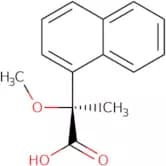
CAS:<p>Potassium oxirane-2-carboxylate is a chiral, silicon containing compound that inhibits the enzyme glucose 6-phosphate dehydrogenase. It has been shown to inhibit the formation of 6-phosphate in tubule cells. This inhibition leads to renal toxicity and may be due to its ability to catalyze primary alcohols into chloroacetone and malate. Potassium oxirane-2-carboxylate is an organosilicon compound that can be used as a catalyst for enzymatic reactions, such as dehydrogenation.</p>Formula:C3H3KO3Purity:Min. 95 Area-%Color and Shape:PowderMolecular weight:126.15 g/mol(S)-2-Methoxy-2-(1-naphthyl)propanoic acid
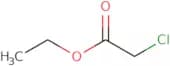
CAS:<p>(S)-2-Methoxy-2-(1-naphthyl)propanoic acid is a chiral molecule that can exist in two different forms, each of which has the same physical and chemical properties. The two enantiomers are not optically active, meaning they have the same degree of rotation when passed through a polarizing filter. It is an organic compound that is used as a flavoring agent in food chemistry and as a bioactive compound. (S)-2-Methoxy-2-(1-naphthyl)propanoic acid also has been shown to function as an attractant for hemipteran insects such as mosquitoes, although it is not clear if this property is due to its aromatic or enantiomeric structure.</p>Formula:C14H14O3Purity:Min. 95%Color and Shape:PowderMolecular weight:230.26 g/molEthyl chloroacetate
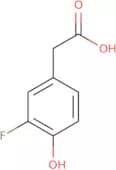
CAS:<p>Used in the preparation of 5-member heterocycles</p>Formula:C4H7ClO2Purity:Min. 95%Color and Shape:Colorless Clear LiquidMolecular weight:122.55 g/mol3-Fluoro-4-hydroxyphenylacetic acid
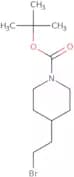
CAS:<p>3-Fluoro-4-hydroxyphenylacetic acid is a fluorinated aromatic compound that has been shown to have serotonergic, dopaminergic and noradrenergic actions. 3-Fluoro-4-hydroxyphenylacetic acid has been shown to interact with the serotonin receptor 5HT2A in cell culture and in vivo, as well as with the dopamine receptor DRD2. This compound also interacts with the eschscholtzia receptor. 3-Fluoro-4-hydroxyphenylacetic acid is biosynthesized from 5-hydroxyindoleacetic acid (5HIAA).</p>Formula:C8H7FO3Purity:Min. 95%Color and Shape:PowderMolecular weight:170.14 g/moltert-Butyl-4-(2-bromoethyl)piperidine-1-carboxylate
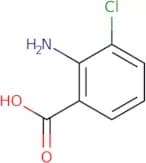
CAS:<p>tert-Butyl-4-(2-bromoethyl)piperidine-1-carboxylate is a white solid with a molecular weight of 215.07. It is soluble in organic solvents such as dichloromethane, ethanol, acetone and ether. The CAS number for this chemical is 169457-73-2. This product can be used as a reagent or complex compound to synthesize other fine chemicals, useful scaffolds and building blocks, speciality chemicals and research chemicals. It has many versatile uses due to its wide range of functional groups that are easily modified by various synthetic reactions.</p>Formula:C12H22BrNO2Purity:Min. 97 Area-%Color and Shape:PowderMolecular weight:292.21 g/mol2-Amino-3-chlorobenzoic acid
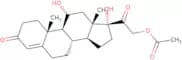
CAS:<p>2-Amino-3-chlorobenzoic acid is a chemical compound that is used as a reagent in the cross-coupling of organic compounds. 2-Amino-3-chlorobenzoic acid has been shown to inhibit the growth of cancer cells in the laboratory and has been used as a pesticide. This compound causes DNA methylation in bacteria, which may be due to its inhibition of methyltetrahydrofolate reductase. 2-Amino-3-chlorobenzoic acid is reactive and should be handled with care because it could cause burns on contact with skin. The carcinogenic potential of this compound has not been determined.</p>Formula:C7H6ClNO2Purity:Min. 95%Color and Shape:PowderMolecular weight:171.58 g/molEpi hydrocortisone 21-acetate
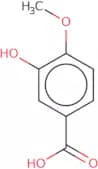
CAS:Controlled Product<p>Epi hydrocortisone 21-acetate is a high quality chemical. It is a reagent, which is used as a fine chemical, useful scaffold, and versatile building block in synthetic chemistry. Epi hydrocortisone 21-acetate has CAS No. 1250-97-1 and can be used in research chemicals or speciality chemicals. This compound is also a reaction component that can be used to synthesize other compounds with desirable properties.</p>Formula:C23H32O6Purity:Min. 95%Color and Shape:PowderMolecular weight:404.5 g/mol3-Hydroxy-4-methoxybenzoic acid
CAS:<p>3-Hydroxy-4-methoxybenzoic acid is a phenolic acid with antiinflammatory activity. It can be found in the leaves of the plant "Anacardium occidentale" or as an intermediate in the synthesis of protocatechuic acid, which is formed by oxidation of 3-hydroxycinnamic acid. 3-Hydroxy-4-methoxybenzoic acid has been shown to inhibit bacterial growth and fungal infection in vitro. The compound also inhibits proinflammatory cytokine production by human monocytes and macrophages, which may be due to its hydroxyl group that can form hydrogen bonds with nucleophilic centers on proteins.<br>3-Hydroxy-4-methoxybenzoic acid can be prepared through extraction from acetate (1g) containing pyridine (2mL) and acetone (2mL). The extract is incubated at 50°C for 20 minutes before being cooled. The</p>Formula:C8H8O4Purity:Min. 95%Color and Shape:PowderMolecular weight:168.15 g/mol2-Amino-3-hydroxybenzoic acid ethyl ester
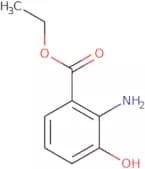
CAS:<p>2-Amino-3-hydroxybenzoic acid ethyl ester is soluble in organic solvents and is a catalyst for the hydrolysis of phenoxazinones. It has been shown to be the most active among the amino acid esters at pH 7. The optimum temperature for this enzyme is 37 degrees Celsius. The substrate specificity of this enzyme, which was purified by fractionation, is 3-hydroxyanthranilic acid and 3-hydroxyanthranilic acid with metals such as copper or zinc ions. This enzyme also catalyses the hydrolysis of proteins and peptides containing hydrophobic amino acids.</p>Formula:C9H11NO3Purity:Min. 95%Color and Shape:PowderMolecular weight:181.19 g/mol3-Methoxy-4-t-Butyl-Benzoic acid
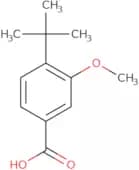
CAS:<p>3-Methoxy-4-t-Butyl-Benzoic acid is a building block that can be used in the synthesis of a variety of organic compounds. This chemical has been used as a reagent, as well as in research and development. It is also used to synthesize complex compounds and may be used as a versatile building block or intermediate for reactions.</p>Formula:C12H16O3Purity:Min. 95%Molecular weight:208.25 g/mol2,6-Dimethylbenzoic acid ethyl ester
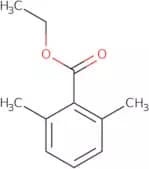
CAS:<p>2,6-Dimethylbenzoic acid ethyl ester (DBE) is an organic compound that is used as a starting material for the synthesis of other chemicals. It is produced by reacting chlorobenzene with magnesium in the presence of a suitable catalyst such as copper(II) chloride. The reaction can be carried out in bulk or in liquid phase, and yields are optimized by using activated carbon as a support. DBE is one of the most commonly used dialkyl benzoates for chemical syntheses due to its high reactivity. DBE has a particle size of about 10 micrometres and a bulk density close to 1 g/cm3.</p>Formula:C11H14O2Purity:Min. 95%Color and Shape:PowderMolecular weight:178.23 g/molMethyl 2,3,4-trimethoxyphenyl acetate
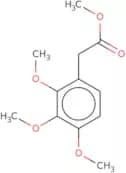
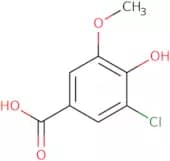
CAS:<p>Methyl 2,3,4-trimethoxyphenyl acetate is a high quality reagent that can be used to synthesize complex compounds. This compound is also useful as an intermediate in the synthesis of fine chemicals and useful scaffolds for chemical research. CAS No. 22480-88-2 Methyl 2,3,4-trimethoxyphenyl acetate is a versatile building block that can be used to synthesize other compounds with a wide range of applications.</p>Formula:C12H16O5Purity:Min. 95%Color and Shape:PowderMolecular weight:240.25 g/mol5-Chlorovanillic acid
CAS:<p>5-Chlorovanillic acid is a weight compound that belongs to the group of methoxylated compounds. It is a precursor in the catabolic pathway of vanillic acid, which is synthesized from p-hydroxybenzoic acid. This compound can be found as one of the major phenolic acids in many plants and fruits, such as strawberries and apples. 5-Chlorovanillic acid has been shown to be an inhibitor for the growth of bacterial strains in culture, including C. perfringens. It has also been shown to have anti-inflammatory properties by inhibiting prostaglandin synthesis.</p>Formula:C8H7ClO4Purity:80%Color and Shape:PowderMolecular weight:202.59 g/molPipemidic acid
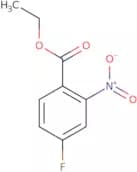
CAS:<p>Pipemidic acid is an experimental drug that inhibits bacterial growth by binding to the gyrase enzyme. It has been shown to be effective against a wide range of Gram-positive and Gram-negative bacteria, as well as fungi and protozoa. Pipemidic acid has low toxicity in animal studies, but has not yet been tested in humans. Pipemidic acid is also an inhibitor molecule for other antimicrobial agents. The electrochemical impedance spectroscopy (EIS) method can be used to detect the presence of pipemidic acid in wastewater samples, which can help with wastewater treatment processes. Pipemidic acid may have potential use as a new analytical method for the detection of drugs or other molecules, since it can be detected using a matrix effect or chemiluminescence method. Pipemidic acid belongs to the coordination geometry class and its structure consists of two fused six-membered rings with carboxyl groups at each end. This drug</p>Formula:C14H17N5O3Purity:(%) Min. 98%Color and Shape:Off-White To Light (Or Pale) Yellow SolidMolecular weight:303.32 g/mol4-Fluoro-2-nitrobenzoic acid ethyl ester
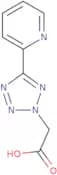
CAS:<p>4-Fluoro-2-nitrobenzoic acid ethyl ester is a fine chemical that can be used as a reagent, intermediate compound, building block, scaffold and building block for speciality chemicals. It has been shown to be an effective chemical in the synthesis of 4-fluoro-2-nitrobenzoic acid, which is a versatile building block with many potential applications. 4-Fluoro-2-nitrobenzoic acid ethyl ester is also useful in reactions involving amines and alcohols as well as metal catalyzed reactions. This product has CAS No. 1072207-10-3.</p>Formula:C9H8FNO4Purity:(%) Min. 85%Color and Shape:Clear LiquidMolecular weight:213.16 g/mol(5-Pyridin-2-yl-2H-tetrazol-2-yl)acetic acid
CAS:<p>5-Pyridin-2-yl-2H-tetrazol-2-yl)acetic acid is a chemical compound that can be used as a research chemical, reagent, or speciality chemical in the synthesis of pharmaceuticals, pesticides, and other organic compounds. It is also an intermediate for the production of other compounds and has been shown to have antioxidant properties. 5-(pyridin-2-yl)-2H tetrazole is a useful building block in the synthesis of complex compounds and scaffolds.</p>Formula:C8H7N5O2Purity:Min. 95%Color and Shape:PowderMolecular weight:205.17 g/mol(2-[Biotinamido]ethylamido)-3,3'-dithiodipropionic acid N-hydroxysuccinimide ester
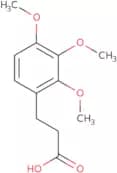
CAS:<p>Biotinamido-3,3'-dithiodipropionic acid N-hydroxysuccinimide ester is a biotinylated derivative of the lectin from Streptomyces griseus. It has been shown to bind to the mycolic acid on the surface of mycobacteria and activate inflammatory cells. The lectin has also been used as a vaccine adjuvant for tuberculosis and other bacterial infections. Biotinamido-3,3'-dithiodipropionic acid N-hydroxysuccinimide ester activates Toll-like receptor 4 (TLR4) and induces secretion of tumor necrosis factor alpha (TNF-α). TLR4 is a cell surface receptor that recognizes various microbial products, such as lipopolysaccharides (LPS), peptidoglycan, and unmethylated CpG DNA.</p>Formula:C22H33N5S3O7Purity:Min. 95%Color and Shape:PowderMolecular weight:575.72 g/mol3-(2,3,4-trimethoxyphenyl)propanoic acid
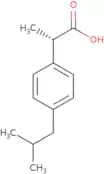
CAS:<p>3-(2,3,4-Trimethoxyphenyl)propanoic acid is a high quality chemical that is used as a reagent and as a useful intermediate in the production of fine chemicals. CAS No. 33130-04-0 is a versatile building block with many applications in the research and development of compounds for use as pharmaceuticals, agrochemicals, or other chemicals. 3-(2,3,4-Trimethoxyphenyl)propanoic acid can be used to synthesize new chemical substances with different properties than those of the starting material. This compound has been shown to have many uses in organic synthesis due to its versatility and reactivity.</p>Formula:C12H16O5Purity:Min. 98 Area-%Color and Shape:PowderMolecular weight:240.25 g/mol(S)-(+)-4-Isobutyl-a-methylphenylacetic acid
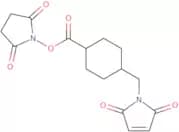
CAS:<p>Ibuprofen is a non-steroidal anti-inflammatory drug (NSAID) that inhibits the production of prostaglandins and has been shown to be effective in the treatment of pain, fever, and inflammation. Ibuprofen binds to and blocks cyclooxygenase enzymes COX-1 and COX-2, which are responsible for the production of prostaglandins. It also inhibits leukocyte migration, which may reduce symptoms associated with infectious diseases. The molecular docking analysis has shown that ibuprofen interacts with crystalline cellulose through hydrogen bonding interactions. Ibuprofen can be used in conjunction with sodium citrate as an anticoagulant during blood sampling procedures to prevent clotting. This medication can cause side effects such as nausea, stomach upset, heartburn, dizziness, headache, or increased risk of bleeding.></p>Formula:C13H18O2Purity:Min. 95%Color and Shape:White PowderMolecular weight:206.28 g/molN-Succinimidyl 4-(maleimidomethyl)cyclohexane-1-carboxylate
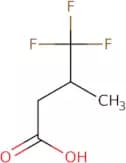
CAS:<p>N-Succinimidyl 4-(maleimidomethyl)cyclohexane-1-carboxylate is a versatile compound with a wide range of applications. It is commonly used in research settings as a cross-linking agent and can be utilized in the synthesis of various compounds such as ribavirin, farnesene, temozolomide, gliclazide, and more.</p>Formula:C16H18N2O6Purity:Min. 98 Area-%Color and Shape:White PowderMolecular weight:334.32 g/mol3-Trifluoromethylbutyric acid
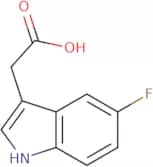
CAS:<p>3-Trifluoromethylbutyric acid is a synthetic compound that has been studied as a potential drug for the treatment of dyslipidemia. 3-Trifluoromethylbutyric acid binds to the enzyme phosphatase, which is a key regulator of lipid metabolism and controls the production of lipids in cells. This binding prevents the phosphatase from breaking down phosphoinositides, leading to an increase in the levels of phosphoinositides. The resulting increase in the levels of these molecules causes an increase in the number of insulin receptors on cell surfaces and leads to an improvement in insulin sensitivity. 3-Trifluoromethylbutyric acid also has binding sites on human cells that are specific for subtype 7, which is associated with lower risk for cardiovascular disease, obesity, and diabetes.</p>Formula:C5H7F3O2Purity:Min. 95%Color and Shape:Colorless PowderMolecular weight:156.1 g/mol5-Fluoroindole-3-acetic acid
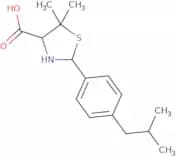
CAS:<p>5-Fluoroindole-3-acetic acid is a fluorine-containing drug that inhibits the transport of indoleacetic acid (IAA), an auxin, in the peo-iaa system. It has been shown to inhibit cancer cell growth and induce apoptosis in a variety of tumour cells. 5-Fluoroindole-3-acetic acid can be used as a chemotherapeutic agent for cancers such as bladder, breast, and prostate cancers. This drug also activates enzymatic reactions by introducing fluorine atoms into reaction sites.</p>Formula:C10H8FNO2Color and Shape:PowderMolecular weight:193.17 g/mol5,5-dimethyl-2-(4-(2-methylpropyl)phenyl)-1,3-thiazolidine-4-carboxylic acid
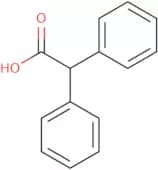
CAS:<p>Please enquire for more information about 5,5-dimethyl-2-(4-(2-methylpropyl)phenyl)-1,3-thiazolidine-4-carboxylic acid including the price, delivery time and more detailed product information at the technical inquiry form on this page</p>Purity:Min. 95%Diphenylacetic acid
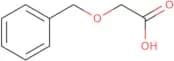
CAS:<p>Diphenylacetic acid is a chiral compound that has been shown to inhibit the synthesis of prostaglandin E2 (PGE2) and other inflammatory mediators, which play a role in autoimmune diseases. The synthesis of these mediators is dependent on the enzyme cyclooxygenase-1 (COX-1). Diphenylacetic acid inhibits COX-1 by forming an acyl ester with arachidonic acid, which blocks the formation of PGE2. This drug also inhibits COX-2 and leukotriene A4 hydrolase, which are enzymes involved in inflammation. Diphenylacetic acid has been shown to be effective in inhibiting the detrusor muscle contractions that cause urinary incontinence.</p>Formula:C14H12O2Purity:Min. 95%Color and Shape:PowderMolecular weight:212.24 g/mol2-(Benzyloxy)acetic acid
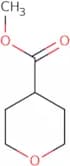
CAS:<p>2-(Benzyloxy)acetic acid is a phenoxy compound that inhibits the enzyme amide and has been used to treat metabolic disorders. It has also been used as an inhibitor of enzymes in the synthetic pathway, such as 2-benzyloxyacetate, which is an intermediate in the biosynthesis of benzoic acid. 2-(Benzyloxy)acetic acid has also been shown to have degenerative disease-fighting properties and has been used to treat autoimmune diseases. This drug is synthetically made from aromatic halides by a process called asymmetric synthesis. The chemical name for this drug is 4-Hydroxy-2-[(2-benzyloxy)acetyl]phenol, but it can also be referred to as benzophenone-1 or BP1.</p>Formula:C9H10O3Purity:Min. 95%Color and Shape:Colorless Clear LiquidMolecular weight:166.17 g/molMethyl tetrahydropyran-4-carboxylate
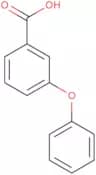
CAS:<p>Methyl tetrahydropyran-4-carboxylate (MTHPC) is a synthetic chemical that is used as a drug for the treatment of tuberculosis. MTHPC inhibits bacterial growth by binding to the CB1 receptor, which leads to the inhibition of protein synthesis, cell division, and cell wall biosynthesis. MTHPC has been shown to be effective against resistant strains of tuberculosis in vitro and in vivo. MTHPC is also an alkylating agent with significant activity against Mycobacterium tuberculosis isolates.</p>Formula:C7H12O3Purity:Min. 95%Molecular weight:144.17 g/mol3-Phenoxybenzoic acid
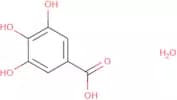
CAS:<p>3-Phenoxybenzoic acid is a metabolite of nonsteroidal anti-inflammatory drugs (NSAIDs) and pyrethroid insecticides. It is an inhibitor of the enzyme matrix metalloproteinases, which are involved in the degradation of collagen. 3-Phenoxybenzoic acid was used as a model system to study the effects of NSAIDs on urinary excretion rates and to identify biomarkers for NSAID use. The metabolite can be detected in urine after ingestion by using analytical methods such as preparative high performance liquid chromatography or electrochemical impedance spectroscopy. 3-Phenoxybenzoic acid is also present in cells from human HL-60 cells and has been shown to inhibit the growth of human leukemia cells by interfering with protein synthesis.</p>Formula:C13H10O3Purity:Min. 95%Color and Shape:PowderMolecular weight:214.22 g/molGallic acid monohydrate
CAS:<p>Gallic acid monohydrate is a natural phenolic compound present in plants, such as oak and sumac. It has been shown to have anticarcinogenic properties in animal models of cancer. Gallic acid monohydrate inhibits the growth of tumor cells by binding to the DNA of tumor cells and inhibiting the synthesis of RNA and proteins. It also possesses antioxidant properties, which may be due to its ability to scavenge free radicals. Gallic acid monohydrate is soluble in water, but not in organic solvents such as ether or chloroform. It exists as two crystalline polymorphs: one anhydrous form that occurs at room temperature and a hydrated form that appears when heated above 40 degrees Celsius. In vitro assays have shown that gallic acid monohydrate is stable when exposed to heat, light, and pH changes.END></p>Formula:C7H8O6Purity:Min. 95%Color and Shape:White PowderMolecular weight:188.13 g/mol9-Fluoro-3-methyl-7-oxo-10-(1-piperazinyl)-2,3-dihydro-7H-[1,4]oxazino[2,3,4-Ij]quinoline-6-carboxylic acid
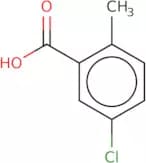
CAS:<p>9-Fluoro-3-methyl-7-oxo-10-(1-piperazinyl)-2,3-dihydro-7H-[1,4]oxazino[2,3,4-Ij]quinoline (FQ) is a fluoroquinolone antibiotic. It inhibits the DNA gyrase and topoisomerase IV enzymes that maintain the integrity of bacterial DNA. FQ has been used to treat urinary tract infections in humans and other animals. This drug is also effective against methicillin resistant Staphylococcus aureus (MRSA) and Clostridium perfringens. FQ binds to bacterial 16S ribosomal RNA and inhibits protein synthesis leading to cell death by inhibiting the production of proteins vital for cell division. The 9 position on the quinoline ring can be detected using UV detection at 260 nm.<br>FQ can be analyzed using mass spectrometry with fluor</p>Formula:C17H18FN3O4Purity:Min. 95 Area-%Color and Shape:White PowderMolecular weight:347.34 g/mol5-Chloro-2-methylbenzoic acid
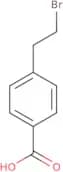
CAS:<p>5-Chloro-2-methylbenzoic acid (CAS No. 7499-06-1) is a fine chemical that is used as a versatile building block for the production of various organic and inorganic compounds. This compound is also used as an intermediate in the synthesis of pharmaceuticals and other organic chemicals, such as polymers and pigments. 5-Chloro-2-methylbenzoic acid has been shown to have high reactivity with many types of functional groups, making it a valuable research chemical. This compound can be used to synthesize complex compounds with a variety of applications, such as pharmaceuticals, dyes, and pesticides.</p>Formula:C8H7ClO2Purity:Min. 95%Color and Shape:PowderMolecular weight:170.59 g/mol4-(2-Bromoethyl)-benzoic acid
CAS:<p>4-(2-Bromoethyl)-benzoic acid is a carboxylic acid that has been shown to be optimal for the treatment of Staphylococcus aureus. The experimental studies have been performed in vitro and in vivo, on both bacteria and animal models. 4-(2-Bromoethyl)-benzoic acid is active against staphylococcal infections, including those caused by methicillin resistant strains. 4-(2-Bromoethyl)-benzoic acid has also been shown to be effective against other bacterial species, such as Escherichia coli, Pseudomonas aeruginosa and Klebsiella pneumoniae. This compound inhibits the growth of bacteria by blocking the synthesis of proteins needed for cell division.</p>Formula:C9H9BrO2Purity:Min. 95%Color and Shape:PowderMolecular weight:229.07 g/molN-(1-Naphthyl)phthalamic acid
CAS:<p>N-(1-Naphthyl)phthalamic acid (NPA) is a plant growth regulator that is used to increase the yield and quality of crops. It inhibits the production of ethylene, which is a plant hormone responsible for fruit ripening and senescence. NPA also has been shown to affect the levels of fatty acids in plants. The effects of NPA on mitochondrial cytochrome P450 enzymes have been studied using electrochemical impedance spectroscopy (EIS). This study showed that NPA can inhibit the activity of these enzymes, which may be due to its ability to bind to them or alter their structure.</p>Formula:C18H13NO3Purity:Min. 95%Color and Shape:Light (Or Pale) Purple To Purple SolidMolecular weight:291.3 g/mol2-Bromo-3-fluorobenzoic acid ethyl ester
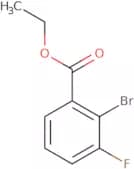
CAS:<p>2-Bromo-3-fluorobenzoic acid ethyl ester is a versatile building block that can be used in the preparation of many different chemical compounds. It is a high quality chemical with a CAS number 1131040-49-7. 2-Bromo-3-fluorobenzoic acid ethyl ester is useful in the synthesis of complex compounds, and has been shown to be an effective reagent. This chemical has also been used as a reaction component and scaffold in research chemicals.</p>Formula:C9H8BrFO2Purity:Min. 95%Color and Shape:PowderMolecular weight:247.06 g/molNonoxynol-8-carboxylic acid - Average Mn - 600
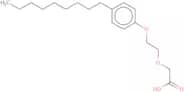
CAS:<p>Nonoxynol-8-carboxylic acid (NONOX) is a benzyl ester of octanoic acid. It has been extensively studied in micellar environment. NONOX has been found to be an effective surfactant with good environmental compatibility and chemical stability.</p>Formula:C17H26O3·(C2H4O)nColor and Shape:Clear Liquid1-Pentanesulfonic acid sodium monohydydrate
CAS:<p>1-Pentanesulfonic acid sodium monohydydrate (1PS) is the sodium salt of 1-pentanesulfonic acid. It is used as a fluorescent probe for atropine, which is a drug that blocks nerve impulses to muscles and produces paralysis. The concentration of 1PS can be determined by measuring the fluorescence intensity. This method can be used in conjunction with plates or quantifying with a spectrophotometer. Acetonitrile and dilution are required to produce the solution for measurement, which may then be injected into a chromatographic column for separation. Optical absorbance measurements are used to detect the presence of 1PS in the eluant from the column. Recoveries of 100% were obtained using this method on atropine sulfate in acetonitrile solutions containing 1-pentanesulfonic acid sodium monohydydrate at concentrations ranging from 0.01 to 10 mg/mL.</p>Formula:C5H11O3SNa•H2OPurity:Min. 95%Color and Shape:PowderMolecular weight:192.21 g/mol4-Chlorobenzoic acid
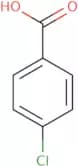
CAS:<p>4-Chlorobenzoic acid is a dehalogenase that removes chlorinated organic compounds from water. It has been shown to be effective in removing the following: trichloroethene, tetrachloroethene, and dichloroethene. 4-Chlorobenzoic acid is a member of the group P2 dehalogenases and has been shown to have an affinity for aromatic substrates like benzoate. This enzyme is an integral part of wastewater treatment systems as it prevents the accumulation of toxic chlorine-containing chemicals in soil and groundwater.</p>Formula:C7H5ClO2Purity:Min. 95%Color and Shape:PowderMolecular weight:156.57 g/mol3-Bromo-4-methoxybenzoic acid methyl ester
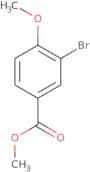
CAS:<p>3-Bromo-4-methoxybenzoic acid methyl ester is an isomer of 4-methoxybenzoic acid. It is a natural product that can be found in dihydroisoquinoline and in the ethyl formate oxidation products. There are two ways to synthesize this compound: by oxidation of diphenyl ethers or by hydrolysis of chloride acetaldehyde. 3-Bromo-4-methoxybenzoic acid methyl ester has been shown to have cellular toxicity against human cells and biphenyl.</p>Formula:C9H9BrO3Purity:Min. 95%Color and Shape:PowderMolecular weight:245.07 g/molFluoroacetic anhydride
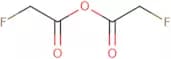
CAS:<p>Fluoroacetic anhydride is a sulfa drug that is used in the preparation of fluoroacetic acid. Fluoroacetic acid has been used to prepare fluorescent derivatives, which are useful for the detection of bile acids and serum proteins. Fluoroacetic acid is also an electrolyte that has been used to measure the concentration of copper ions. This compound is a glycosidic bond, which forms between a hydroxyl group and a carbohydrate or other organic molecule with an oxygen atom at its end. The heterocycle in this compound is bicyclic, meaning it contains two rings linked together by one carbon atom. The fatty acid in this compound consists of a carboxylic acid attached to a hydrocarbon chain with two or more double bonds, which are often unsaturated. Fluoroacetic anhydride may be found in infectious diseases such as tuberculosis and malaria. It may also be found in autoimmune diseases such as lupus erythematos</p>Formula:C4H4F2O3Purity:Min. 95%Color and Shape:Clear LiquidMolecular weight:138.07 g/mol2,4-Dichlorocinnamic acid
CAS:<p>2,4-Dichlorocinnamic acid is a diphenolase inhibitor that is used in the treatment of lactic acidosis. It inhibits the glyoxylate cycle enzyme, muscle monophenolase activity, and tyrosinase activity. 2,4-Dichlorocinnamic acid also binds to tyrosinase and inhibits the reaction scheme. The binding of this drug to tyrosinase causes irreversible inhibition of the enzyme's catalytic site. 2,4-Dichlorocinnamic acid has been shown to have a low degree of cell toxicity and has a kinetic effect on adsorption kinetics.</p>Formula:C9H6Cl2O2Purity:Min. 95%Color and Shape:White PowderMolecular weight:217.05 g/molEthyl 2-nitrilo-2-(2-oxoindolin-3-ylidene)acetate
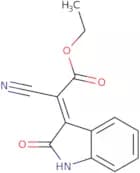
CAS:<p>Please enquire for more information about Ethyl 2-nitrilo-2-(2-oxoindolin-3-ylidene)acetate including the price, delivery time and more detailed product information at the technical inquiry form on this page</p>Purity:Min. 95%methyl 1-[(4-methylphenyl)sulfonyl]-4-piperidinecarboxylate
CAS:<p>Please enquire for more information about methyl 1-[(4-methylphenyl)sulfonyl]-4-piperidinecarboxylate including the price, delivery time and more detailed product information at the technical inquiry form on this page</p>Formula:C14H19NO4SPurity:Min. 95%Color and Shape:PowderMolecular weight:297.37 g/molArabic acid
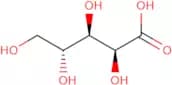
CAS:<p>Arabinose is a hexose sugar that is the principal constituent of the pentosan polysaccharide arabinogalactan. Arabinose has been shown to inhibit the oxidation of glycol by an oxidation catalyst, such as copper, nickel or palladium. Arabinose also inhibits the activity of target enzymes with a high affinity for nitrogen atoms, such as glycol ether hydrolase and galactosyl-transferase. The optimum pH for Arabinose is 7.0 with a range from 6.5 to 8.5. When heated in water, Arabinose decomposes at around 180°C and can be used as a model system to study enzymatic reactions. Arabinose is an organic compound that is found in plants and animals and belongs to the group of sugars. It has been shown to inhibit oxidation catalysts like copper, nickel or palladium and has also been proven effective against enzymes that are sensitive to nitrogen atoms such as</p>Formula:C5H10O6Color and Shape:White PowderMolecular weight:166.13 g/mol(5S)-N-(5-Amino-1-carboxypentyl) iminodiacetic acid hydrate
CAS:<p>(5S)-N-(5-Amino-1-carboxypentyl) iminodiacetic acid hydrate is a sophisticated chelating agent, designed for precise control in various biochemical applications. The reactive moieties of this compound are particularly useful in affinity chromatography and surface functionalization, making it a valuable tool in both protein purification and the development of biosensors or other biotechnological applications. Affinity chromatography: As a metal-chelator, it is particularly adept at binding divalent metal cations such as Ni²⁺, Co²⁺, and Cu²⁺, which are instrumental in stabilizing protein structures or facilitating enzyme activity. When complexed with Ni²⁺ (nickel) ions (5S)-N-(5-Amino-1-carboxypentyl) iminodiacetic acid forms a surface that can specifically capture proteins engineered with a polyhistidine tag (His-tag). Such interactions facilitate the purification and isolation of target proteins with high specificity, allowing immobilization in a controlled orientation without compromising functional integrity.Surface functionalization: The free amine group allows for conjugation via strong covalent bonds to surfaces such as glass, silica, gold (e.g., electrodes), polymers, hydrogels and magnetic beads. This creates metal-functionalized surfaces for biospecific interactions with His-tagged proteins. Examples of potential applications of this include Surface Plasmon Resonance (SPR), fluorescence microscopy and use in artificial cell systems with hydrogel-based cell-mimicking environments. Thus giving (5S)-N-(5-Amino-1-carboxypentyl) iminodiacetic acid a broad scope in its application in advanced biochemical assays and materials science.</p>Formula:C10H18N2O6·xH2OPurity:Min. 95 Area-%Color and Shape:White PowderMolecular weight:262.26 g/molModafinil carboxylate methyl ester
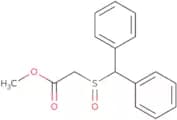
CAS:<p>Modafinil is a wakefulness-promoting agent that has been approved for the treatment of excessive daytime sleepiness associated with narcolepsy. Modafinil carboxylate methyl ester (MCE) is an active pharmaceutical ingredient (API) that is synthesized from modafinil. MCE is a white to off-white powder that is soluble in water and acetonitrile. It has been shown to be identical to the API on the basis of analytical data, including analytical methods such as reversed-phase high-performance liquid chromatography (RP-HPLC), quantified by UV spectrophotometry at 230 nm, and validated by process development.</p>Formula:C16H16O3SPurity:Min. 95%Color and Shape:PowderMolecular weight:288.36 g/mol4-Chloro-3-methoxybenzoic acid
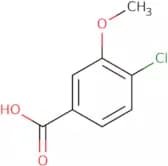
CAS:<p>4-Chloro-3-methoxybenzoic acid (4CMB) is a putative cancer drug that belongs to the group of imidazole derivatives. 4CMB has been shown to inhibit the growth of human breast and colon cancer cells in culture by altering the metabolism of 3-hydroxyanthranilic acid, which is an acceptor for aromatic amino acid hydroxylase. The effect of 4CMB on this enzyme leads to a decrease in the production of kynurenine, which is a molecule involved in the production of melanin. This reduced amount of kynurenine results in a loss of pigment and decreases the ability of melanocytes to produce pigments such as melanin. This may help explain how 4CMB works against malignant cells and cancer.</p>Formula:C8H7ClO3Purity:Min. 95%Color and Shape:PowderMolecular weight:186.59 g/molOleic acid - EP
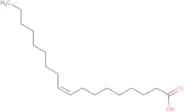
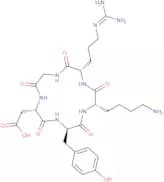
CAS:<p>Oleic acid is a naturally occurring monounsaturated fatty acid (C18:1, cis-9-octadecenoic acid) widely used as an excipient in pharmaceutical formulations. Due to its amphiphilic and lipophilic properties, oleic acid is an important drug excipient primarily used to enhance the solubility and bioavailability of poorly water-soluble drugs. As a fatty acid, it is widely used in cosmeceuticals as it acts as a solubilizer in lipid-based systems, an emulsifier in creams and ointments, and a penetration enhancer in transdermal patches, aiding drug absorption through the skin.</p>Formula:C18H34O2Purity:Min. 95%Color and Shape:Colorless Clear LiquidMolecular weight:282.46 g/molCyclo(-Arg-Gly-Asp-D-Tyr-Lys) trifluoroacetate salt
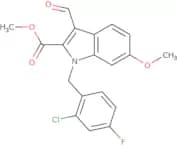
CAS:<p>Cyclo(-Arg-Gly-Asp-D-Tyr-Lys) trifluoroacetate salt is a reagent that is used in organic synthesis as a building block to create complex compounds. It is also useful for research purposes, as it can be used to produce high quality products. Cyclo(-Arg-Gly-Asp-D-Tyr-Lys) trifluoroacetate salt is a chemical with CAS No. 217099-14-4 and has the chemical formula C17H21N3O2F3.</p>Formula:C27H41N9O8Purity:Min. 95%Color and Shape:White SolidMolecular weight:619.67 g/molMethyl 1-(2-chloro-4-fluorobenzyl)-3-formyl-6-methoxy-1H-indole-2-carboxylate
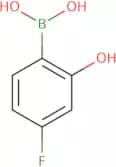
CAS:Controlled Product<p>Please enquire for more information about Methyl 1-(2-chloro-4-fluorobenzyl)-3-formyl-6-methoxy-1H-indole-2-carboxylate including the price, delivery time and more detailed product information at the technical inquiry form on this page</p>Formula:C19H15ClFNO4Purity:Min. 95%Molecular weight:375.78 g/molB-(4-Fluoro-2-hydroxyphenyl)-boronic acid
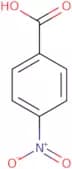
CAS:<p>B-(4-Fluoro-2-hydroxyphenyl)-boronic acid is a fungicide that has been synthesized to inhibit the growth of fungi. This compound is an effective fungicide against a wide variety of plant pathogens. It has been shown to be highly efficient in catalyzing intramolecular cyclization reactions, which are sometimes difficult to perform with traditional methods. The regulatory nature of this compound makes it an excellent candidate for commercial applications in agroscience and industry.</p>Formula:C6H6BFO3Purity:Min. 95%Color and Shape:PowderMolecular weight:155.92 g/molP-Nitrobenzoic acid
CAS:<p>P-Nitrobenzoic acid is a nitro compound that is used as an intermediate in the synthesis of various pharmaceuticals. It is also used in wastewater treatment to remove protocatechuic acid, which is produced during the oxidation of phenols by peroxidase. P-Nitrobenzoic acid can be synthesized by reacting sodium nitrite with p-hydroxybenzoic acid. The structure of this compound was determined through a series of experiments, and it was found that it has two nitrogen atoms that are incorporated into the benzene ring. This compound reacts with aziridine in an exothermic reaction mechanism to form an unstable five membered ring. This reaction proceeds through a series of steps and eventually forms p-nitrobenzoic acid.</p>Formula:C7H5NO4Purity:Min. 95%Color and Shape:PowderMolecular weight:167.12 g/mol4-(Hydroxymethyl)phenylacetic acid
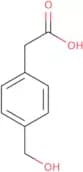
CAS:<p>4-(Hydroxymethyl)phenylacetic acid is an intermediate in the biosynthetic pathway of phenylpropanoids. It is a metabolite of several flavonoids and is found in plants, animals, and humans. 4-(Hydroxymethyl)phenylacetic acid has been shown to have a high concentration in human serum and plasma with low toxicity. This metabolite has been shown to be stable when complexed with collagen or other proteins, which may be due to its insolubility. 4-(Hydroxymethyl)phenylacetic acid can also be biotransformed by microflora into other metabolites such as 4-hydroxybenzoic acid, which is a precursor of salicylic acid.</p>Formula:C9H10O3Purity:Min. 95%Color and Shape:White PowderMolecular weight:166.17 g/mol


![2-[(2,4-Dimethylphenyl)amino]nicotinic acid](/_next/image/?url=https%3A%2Fstatic.cymitquimica.com%2Fproducts%2F3D%2Fthumb-webp%2FFD136109.webp&w=3840&q=75)





![(2-[Biotinamido]ethylamido)-3,3'-dithiodipropionic acid N-hydroxysuccinimide ester](/_next/image/?url=https%3A%2Fstatic.cymitquimica.com%2Fproducts%2F3D%2Fthumb-webp%2FFB52737.webp&w=3840&q=75)
![9-Fluoro-3-methyl-7-oxo-10-(1-piperazinyl)-2,3-dihydro-7H-[1,4]oxazino[2,3,4-Ij]quinoline-6-carbox…](/_next/image/?url=https%3A%2Fstatic.cymitquimica.com%2Fproducts%2F3D%2Fthumb-webp%2FFF102861.webp&w=3840&q=75)



![methyl 1-[(4-methylphenyl)sulfonyl]-4-piperidinecarboxylate](/_next/image/?url=https%3A%2Fstatic.cymitquimica.com%2Fproducts%2F3D%2Fthumb-webp%2FFM168868.webp&w=3840&q=75)