Carboxylic Acids
Carboxylic acids are organic molecules characterized by having a carboxyl-type functional group (-COOH). These acids are fundamental in various chemical reactions, including esterification, amidation, and decarboxylation. Carboxylic acids are widely used in the production of pharmaceuticals, polymers, and agrochemicals. In this section, you can find a large number of carboxylic acids ready to be used. At CymitQuimica, we provide a broad range of high-quality carboxylic acids to support your research and industrial applications.
Found 12453 products of "Carboxylic Acids"
Sort by
Purity (%)
0
100
|
0
|
50
|
90
|
95
|
100
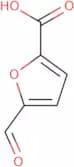
5-Formylfuran-2-carboxylic acid
CAS:<p>5-Formylfuran-2-carboxylic acid is an organic compound that has been synthesized by the reaction of 5-hydroxymethylfurfural with trifluoroacetic acid. It is a white solid that is insoluble in water and reacts with base to form a salt. 5-Formyl furan-2-carboxylic acid can be used as a monomer for the synthesis of polymers, which are used in various industries. The polymerization process begins with the formation of a covalent bond between two molecules of 5-formyl furan-2-carboxylic acid and proceeds through a series of steps to form long chains of repeating units. This reaction mechanism is shown below:</p>Formula:C6H4O4Purity:Min. 98 Area-%Color and Shape:PowderMolecular weight:140.09 g/molBoc-2-aminobenzoic acid
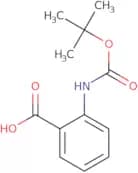
CAS:<p>Boc-2-aminobenzoic acid is a synthetic amino acid that can be used for the synthesis of recombinant proteins. It contains lysine residues, which are often used in protein engineering. This product is hydrolyzed to form a chloride gas and a hydrochloride salt by the enzyme chloridase. The hydrolysis proceeds through an amine intermediate and proceeds with a rate that is first order in chloride gas and second order in Boc-2-aminobenzoic acid. The kinetic constants for this reaction have been determined using fluorescence resonance energy transfer (FRET) spectroscopy on the solid phase.</p>Formula:C12H15NO4Purity:Min. 95%Color and Shape:PowderMolecular weight:237.25 g/molDodeca 2E,4E,8Z,10E,Z-tetraenoic acid isobutylamide - ca. 10 mg/ml acetonitrile solution
CAS:<p>Dodeca 2E,4E,8Z,10E,Z-tetraenoic acid isobutylamide (DETBA) is a versatile building block that is used in the synthesis of natural products and pharmaceuticals. DETBA can be used as a reaction component in organic synthesis to form complex compounds such as polyesters, polyamides, polyurethanes, and polyimides. It also has high quality and can be used in research or speciality chemical applications.</p>Formula:C16H25NOPurity:Min. 96 Area-%Color and Shape:Clear LiquidMolecular weight:247.38 g/molDL-a-Tocopherol acetate - powder
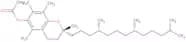
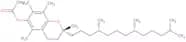
CAS:<p>DL-a-Tocopherol acetate is a synthetic vitamin E compound that is used in the treatment of eye disorders and other conditions. It is an antioxidant that inhibits lipid peroxidation by scavenging free radicals. DL-a-Tocopherol acetate has been shown to inhibit the activity of protein kinase C, which plays a role in cancer, inflammation and apoptosis. This compound also inhibits the activity of toll-like receptor 4, which may be useful in treating infectious diseases, and scavenges anion radicals.</p>Formula:C31H52O3Purity:Min. 50 Area-%Color and Shape:Clear LiquidMolecular weight:472.74 g/mol4-Aminobenzoic acid N-butyl ester
CAS:<p>4-Aminobenzoic acid N-butyl ester is a glycol ether compound that has been shown to have strong immunosuppressive and anti-inflammatory properties. It has been used in the treatment of autoimmune diseases, such as systemic lupus erythematosus and rheumatoid arthritis. 4-Aminobenzoic acid N-butyl ester also has a low potential for drug interactions with other drugs. The water solubility of this compound is high, making it suitable for use in humid environments, such as the respiratory tract. The bone cancer drug butamben was developed using 4-aminobenzoic acid N-butyl ester as a starting material. This drug also reacts with benzalkonium chloride to form stable complexes with high potency and high values.</p>Formula:C11H15NO2Purity:Min. 95 Area-%Color and Shape:PowderMolecular weight:193.24 g/molAc-Lys-AMC acetate salt
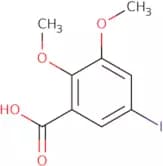
CAS:<p>Ac-Lys-AMC acetate salt is a fine chemical that is used as a building block in biological research. It is a versatile building block that can be used in the synthesis of complex compounds, and as a reaction component for the production of useful intermediates. Ac-Lys-AMC acetate salt is also used as a reagent in the detection of nucleic acids.</p>Formula:C18H23N3O4•C2H4O2Purity:Min. 98 Area-%Color and Shape:PowderMolecular weight:405.44 g/mol5-Iodo-2,3-dimethoxybenzoic acid
CAS:<p>5-Iodo-2,3-dimethoxybenzoic acid (5IMB) is a synthetic chemical that is used as a radiolabeled substrate for the synthesis of dopamine. The 5IMB is a substrate for the enzyme monoamine oxidase, which converts it to 5-hydroxyindoleacetic acid (5HIAA). The intensity of the signal emitted by 5IMB increases with the increase in concentration of dopamine. It can be used as a positron emission tomography (PET) tracer for dopamine receptors in the brain. The kinetic and uptake properties of 5IMB are different in various regions of the brain, such as striatum and caudate putamen. This difference can be measured using high-performance liquid chromatography (HPLC) and flow rate.<br>5IMB has been shown to have anti-oxidant properties due to its ability to scavenge peroxide radicals.</p>Formula:C9H9IO4Purity:Min. 98 Area-%Color and Shape:PowderMolecular weight:308.07 g/molEthyl [2-methyl-3-(chlorosulfonyl)phenoxy]acetate
CAS:<p>Ethyl [2-methyl-3-(chlorosulfonyl)phenoxy]acetate is a fine chemical that has been used as a building block in the synthesis of other complex chemicals. It is also an intermediate for the production of pesticides and pharmaceuticals. The compound can be used to form more than one hundred different organic compounds, which makes it a versatile building block. It can be reacted with other chemicals to create new compounds, such as drugs or herbicides.</p>Formula:C11H13ClO5SPurity:Min. 95 Area-%Color and Shape:PowderMolecular weight:292.74 g/molDiethyl iminodiacetate
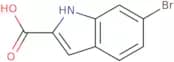
CAS:<p>Diethyl iminodiacetate is a reactive chemical that is used in the polymerization of plastics, paints, and other products. It reacts with the carbonyl group of unsaturated fatty acid to form an ester. This reaction also occurs in biological systems where it can inhibit the activity of enzymes. Diethyl iminodiacetate has been shown to inhibit the growth of bacteria by inhibiting their ability to synthesize proteins. The protonated form of diethyl iminodiacetate is a potent radiation-protective agent for use in veterinary and human medicine. The nitrogen atoms on the compound are responsible for its dendritic structure.</p>Formula:C8H15NO4Purity:Min. 95%Color and Shape:Colorless Clear LiquidMolecular weight:189.21 g/mol6-Bromoindole-2-carboxylic acid
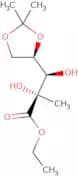
CAS:<p>6-Bromoindole-2-carboxylic acid is a useful building block that can be used in the synthesis of complex compounds. This chemical is also a versatile intermediate for research chemicals and pharmaceuticals. 6-Bromoindole-2-carboxylic acid is often used as a reaction component for organic syntheses, such as the manufacture of reagents and other specialty chemicals.</p>Formula:C9H6BrNO2Purity:Min. 95%Color and Shape:PowderMolecular weight:240.05 g/mol(2S,3R)-3-((4R)-2,2-Dimethyldioxolan-4-yl)-2-methyl-2,3-dihydroxypropanoic acid ethyl ester
CAS:<p>(2S,3R)-3-((4R)-2,2-Dimethyldioxolan-4-yl)-2-methyl-2,3-dihydroxypropanoic acid ethyl ester is a high quality reagent that is used as an intermediate for the synthesis of complex compounds. It is also a useful building block for the synthesis of speciality chemicals and research chemicals. The versatility of this compound makes it a useful scaffold and building block for reaction components.</p>Formula:C11H20O6Purity:Min. 95%Color and Shape:PowderMolecular weight:248.27 g/molImidazo[1,2-α]pyridin-3-yl-boronic acid pinacol ester
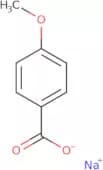
CAS:<p>Imidazo[1,2-a]pyridin-3-yl-boronic acid pinacol ester is a reagent that is used as an intermediate in the synthesis of complex compounds. The compound has been shown to be useful for research purposes and can be used as a building block in the synthesis of chemical compounds. Imidazo[1,2-a]pyridin-3-yl-boronic acid pinacol ester has an CAS number of 1238337-02-4 and is a versatile building block that can be used to synthesize speciality chemicals.</p>Formula:C13H17BN2O2Purity:Min. 95%Color and Shape:PowderMolecular weight:244.1 g/mol4-Methoxybenzoic acid sodium
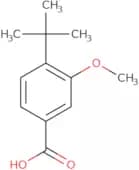
CAS:<p>4-Methoxybenzoic acid sodium is an amide that has been used as a preservative and antimicrobial agent in food products. It is also a second-order rate constant with a Ca2+ concentration of 0.1 mM for staphylococcus. The fatty acids of 4-methoxybenzoic acid sodium are hydrophobic and inhibit the growth of microorganisms by disrupting the cell membrane, which leads to leakage of cellular content. This compound also inhibits the activity of fatty acyl coenzyme A reductase and has been shown to have a microbicidal effect on gram-positive bacteria, such as Staphylococcus aureus. 4-Methoxybenzoic acid sodium has also been shown to be effective against Candida albicans, Streptococcus pyogenes, and Bacillus subtilis when combined with an antimicrobial peptide or cationic surfactant.</p>Formula:C8H7NaO3Purity:Min. 98 Area-%Color and Shape:PowderMolecular weight:174.13 g/mol3-Methoxy-4-t-Butyl-Benzoic acid
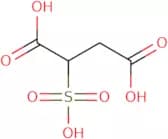
CAS:<p>3-Methoxy-4-t-Butyl-Benzoic acid is a building block that can be used in the synthesis of a variety of organic compounds. This chemical has been used as a reagent, as well as in research and development. It is also used to synthesize complex compounds and may be used as a versatile building block or intermediate for reactions.</p>Formula:C12H16O3Purity:Min. 95%Molecular weight:208.25 g/molSulfosuccinic Acid - 70 wt. % in H2O
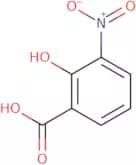
CAS:<p>Sulfosuccinic acid is a chemical compound that belongs to the group of coumarin derivatives. It has been shown to have good chemical stability in a variety of solvents, including water. Sulfosuccinic acid is also soluble in sodium salts and can be easily prepared as an aqueous solution or as a powder with particle size less than 10 microns. The surface methodology for this compound includes methods such as scanning electron microscopy (SEM), atomic force microscopy (AFM), and X-ray photoelectron spectroscopy (XPS). Sulfosuccinic acid has been found to have matrix effects on proteins and enzymes, which may be due to its basic properties. It is also used in nanoparticulate compositions for lc-ms/ms analysis.</p>Formula:C4H6O7SPurity:Min. 95%Color and Shape:Clear LiquidMolecular weight:198.15 g/mol3-Nitrosalicylic acid
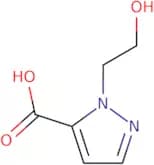
CAS:<p>3-Nitrosalicylic acid is a chemical that is used as an inhibitor for corrosion. It can be used to prevent corrosion in wastewater systems, and it is also used as a protective coating for metals. 3-Nitrosalicylic acid has been shown to be effective against a variety of particle sizes, including fine particles at low concentrations. 3-Nitrosalicylic acid can be synthesized by reacting 5-nitrosalicylic acid with ammonia, hydrogen chloride, and zinc oxide in water. The reaction solution should be neutralized with sodium hydroxide and then hydrogenated using sodium dithionite or sodium sulfite. 3-Nitrosalicylic acid has been shown to inhibit the corrosion of metal surfaces and to function as an effective dose in the synthetic pathway for polymers.<br>3-Nitrosalicylic acid has high concentrations around pH 9.5, which can be reduced by electrochemical impedance spectroscopy (EIS).</p>Formula:C7H5NO5Purity:Min. 95%Color and Shape:PowderMolecular weight:183.12 g/mol1-(2-Hydroxyethyl)-1H-pyrazole-5-carboxylic acid
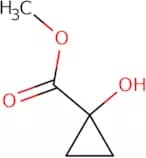
CAS:<p>1-(2-Hydroxyethyl)-1H-pyrazole-5-carboxylic acid is a fine chemical that can be used as a building block for research chemicals, a reagent for speciality chemicals, and a versatile scaffold for the synthesis of complex compounds. It is also used as an intermediate or synthetic building block in reactions with other molecules. 1-(2-Hydroxyethyl)-1H-pyrazole-5 carboxylic acid has been shown to have high quality and reacts well with many other molecules.</p>Formula:C6H8N2O3Purity:Min. 95%Color and Shape:SolidMolecular weight:156.14 g/mol1-Hydroxycyclopropanecarboxylic acid methyl ester
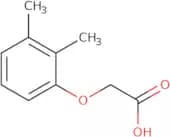
CAS:<p>1-Hydroxycyclopropanecarboxylic acid methyl ester is a potent inhibitor of phosphorylation. It binds to the ATP and ADP molecules, preventing them from binding to the <br>phosphoryl transferase enzyme. This inhibits the phosphorylation of glucose, leading to an accumulation of phosphoglycolate and pyruvate in cells. 1-Hydroxycyclopropanecarboxylic acid methyl ester has been shown to be a potent inhibitor of cyclopropane-fatty acid synthase, which is involved in synthesis of fatty acids for energy storage. The diethyl succinate derivative is also known as ethylene dibromide. Condensation reactions between this compound and carboxylic acids produce diethyl succinates that are used as plasticizers in polymers such as polyvinyl chloride (PVC).</p>Formula:C5H8O3Purity:Min. 95%Molecular weight:116.12 g/mol2,3-Dimethylphenoxyacetic acid
CAS:<p>2,3-Dimethylphenoxyacetic acid is a selective inhibitor of strictosidine synthase, an enzyme that catalyzes the last step in the biosynthesis of the alkaloid strictosidine. It binds to a cysteine amino acid residue in the active site of the enzyme and prevents catalysis. This inhibition could be due to its ability to form covalent bonds with other molecules or its ability to bind strongly to metals such as iron and cobalt. 2,3-Dimethylphenoxyacetic acid has shown inhibitory effects on leukemia cells, HLA-60 human leukemia cells and HL-60 human leukemia cells. It is currently being investigated for use in cancer treatment.</p>Formula:C10H12O3Purity:Min. 95%Color and Shape:PowderMolecular weight:180.2 g/moltrans-Aconitic acid
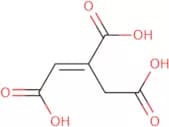
CAS:<p>Trans-aconitic acid is a plant metabolite that can be found in wine, honey, and other foods. It is also produced by the action of yeast on sugars and amino acids. Trans-aconitic acid is used as an analytical reagent in chromatographic analysis due to its high solubility in organic solvents. The biological function of trans-aconitic acid has not yet been determined, but it has been hypothesized that it may be involved in energy metabolism or mitochondrial membrane potential. Trans-aconitic acid binds to nuclear DNA, which could play a role in gene expression or transcriptional regulation. It also inhibits the activity of enzymes such as p-hydroxybenzoic acid form (PHBA) and zirconium oxide (ZrO). Trans-aconitic acid has been shown to inhibit the enzyme form of PHBA with an IC50 value of 0.5 mM.</p>Formula:C6H6O6Purity:Min. 95 Area-%Color and Shape:PowderMolecular weight:174.11 g/mol2-(1-Methylindol-3-yl)-4-oxo-4-phenylbutanoic acid
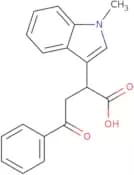
CAS:<p>Please enquire for more information about 2-(1-Methylindol-3-yl)-4-oxo-4-phenylbutanoic acid including the price, delivery time and more detailed product information at the technical inquiry form on this page</p>Purity:Min. 95%Hydroxocobalamin acetate
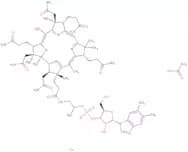
CAS:<p>Hydroxocobalamin acetate is a water-soluble form of hydroxocobalamin, a vitamin B12 prodrug. It is an insoluble polymer that dissolves slowly in an acidic environment. Hydroxocobalamin acetate has been shown to inhibit the growth of human carcinoma cells in culture and can be used as a test compound for anticancer drugs. Hydroxocobalamin acetate is also used as a mouth rinse agent to prevent or treat dental cavities. In addition, it can be used to relieve the symptoms of gastroesophageal reflux disease (GERD) by reducing the acidity of gastric contents. This drug has been shown to stimulate vasoactive intestinal polypeptide release from enterochromaffin cells and can be used for the treatment of irritable bowel syndrome (IBS). Hydroxocobalamin acetate is poorly soluble in neutral pH environments and should not be given orally.</p>Formula:C64H91CoN13O16PPurity:Min. 90 Area-%Color and Shape:Red PowderMolecular weight:1,388.39 g/mol(4-Hydroxymethylphenyl)acetic acid methyl ester
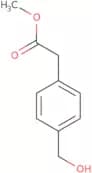
CAS:<p>(4-Hydroxymethylphenyl)acetic acid methyl ester is a fine chemical, useful building block, research chemicals and reagent. It is also a speciality chemical with CAS No. 155380-11-3. This compound can be used as a versatile building block for chemical synthesis, or as a reaction component for the synthesis of complex compounds. The high quality of this compound makes it suitable for use as an intermediate in the synthesis of other chemical compounds. (4-Hydroxymethylphenyl)acetic acid methyl ester is also a useful scaffold for the formation of new molecules or materials such as polymers.</p>Formula:C10H12O3Purity:Min. 95%Molecular weight:180.2 g/mol5-Amino-2-methoxybenzoic acid
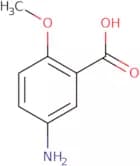
CAS:<p>5-Amino-2-methoxybenzoic acid (5AMBA) is a hydrogen bond acceptor that binds to peptides and rna. It also has enzymatic activity, which can be used in the treatment of diseases such as Alzheimer's disease. 5AMBA is a small molecule that contains two methoxy groups and one hydrogen. It has been shown to bind to an intramolecular hydrogen bond within a peptide or rna sequence and inhibit enzymatic activity. This inhibition occurs by removing the nucleophile from the enzyme's active site or by sterically hindering access to the enzyme's active site. The luminescent properties of 5AMBA make it an ideal candidate for fluorescent labeling, with applications in biomolecular research.</p>Formula:C8H9NO3Purity:Min. 95%Color and Shape:PowderMolecular weight:167.16 g/mol3,5-Dihydroxyphenylacetic acid
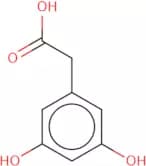
CAS:<p>3,5-Dihydroxyphenylacetic acid is a versatile building block that can be used to synthesize complex molecules. 3,5-Dihydroxyphenylacetic acid is a reagent in organic chemistry and has been used in the synthesis of novel drugs, among other applications. This chemical has been shown to be useful as a building block for the synthesis of high-quality compounds. 3,5-Dihydroxyphenylacetic acid can be used as an intermediate for the synthesis of pharmaceuticals or other chemicals. It is also a useful scaffold for the production of new molecules with desired properties.</p>Formula:C8H8O4Purity:Min. 95%Color and Shape:PowderMolecular weight:168.15 g/molGlutaric acid
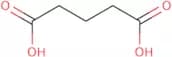
CAS:<p>Glutaric acid is a dinucleotide phosphate that exists in two forms: the alpha form, which has a high phase transition temperature and is insoluble in water; and the beta form, which has a low phase transition temperature and is soluble in water. Glutaric acid can be used as an analytical reagent to identify the type of nucleotides present in samples. It can also be used as an experimental solvent for other compounds that are not soluble in water. The toxicity of glutaric acid has been studied extensively and found to be low. This compound does not appear to have any adverse effects on human health or animals at doses up to 1g/kg body weight. Glutaric acid has been shown to have anti-infectious properties by inhibiting the growth of bacteria, fungi, and viruses. The effectiveness of glutaric acid against infectious diseases appears to depend on its ability to block protein synthesis by inhibiting enzymes such as glutathione reductase</p>Formula:C5H8O4Purity:Min. 99 Area-%Color and Shape:White PowderMolecular weight:132.11 g/mol(Z)-3-Bromoacrylic acid
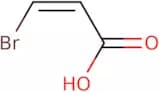
CAS:<p>(Z)-3-Bromoacrylic acid is an organic compound that belongs to the class of terminal alkynes. It has been shown to be a potent irreversible inhibitor of enantiopure propargylation catalyzed by dehalogenases. (Z)-3-Bromoacrylic acid reacts with the active site residues of the enzyme and forms a covalent bond, which prevents the release of acetaldehyde from propargyl alcohol. This reaction is reversible, which may cause some problems in cases where it is necessary to regenerate the enzyme. (Z)-3-Bromoacrylic acid also reacts with phosphite and halides to form five-membered rings, which are not as stable as six-membered rings.</p>Formula:C3H3BrO2Purity:Min. 95%Color and Shape:SolidMolecular weight:150.96 g/molCAPSO
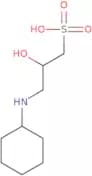
CAS:<p>CAPSO, also known as 3-(Cyclohexylamino)-2-hydroxy-1-propanesulfonic acid, is a zwitterionic buffer chemical that has an optimal pH range of 8.9-10.3 and a pKa of 9.6. This buffering agent shows low metal ion binding and high solubility and is commonly used in protein transfer applications and during cell lysis for membrane protein extraction.</p>Formula:C9H19NO4SPurity:Min. 95%Color and Shape:White PowderMolecular weight:237.32 g/mol4-Chloro-3-methoxybenzoic acid methyl ester
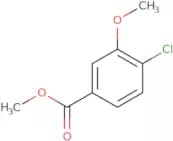
CAS:<p>4-Chloro-3-methoxybenzoic acid methyl ester is a chemical compound that is used as a reagent in organic synthesis. It can be used to produce high quality research chemicals, speciality chemicals, and fine chemicals. This compound has a wide variety of uses because it is versatile and can be used as a reaction component or building block. Its CAS number is 116022-18-5.</p>Formula:C9H9ClO3Purity:Min. 95%Color and Shape:SolidMolecular weight:200.62 g/molN-(Aminoethyl)-5-naphthylamine-1-sulfonic acid sodium
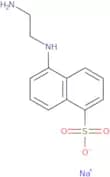
CAS:<p>N-(Aminoethyl)-5-naphthylamine-1-sulfonic acid sodium salt (NAES) is a fluorescent dye that has been used to study the structure of proteins. NAES binds to acceptor sites on the protein, which can be either amino acid side chains or other ions in solution. The fluorescence of NAES depends on the environment and the number of acceptors present. This dye has been used in assays for staphylococcus, as it is resistant to staining by Gram stain and stains brightly with fluorescence assay. NAES has also been shown to have a high kinetic rate and sensitivity, making it an effective virus assay.</p>Formula:C12H14N2O3S•NaPurity:Min. 95%Molecular weight:289.31 g/molRef: 3D-FA17739
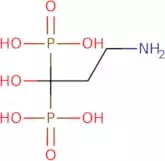
1gTo inquire2gTo inquire100mgTo inquire250mgTo inquire500mgTo inquire-Unit-ggTo inquirePamidronic acid
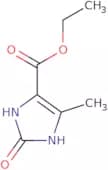
CAS:<p>Pamidronic acid is a monosodium salt that inhibits the production of proteins by binding to the enzyme protein phosphatase. It has been shown to be an effective chemotherapeutic treatment in a number of animal models and human clinical trials for various cancers, including myeloma, squamous carcinoma, and bone cancer. Pamidronic acid also prevents the proliferation of tumor cells in culture via inhibition of DNA synthesis and RNA synthesis. This drug binds to estrogen receptors on the surface of some cancer cells, thereby inhibiting their response to estradiol benzoate (EB) stimulation. This leads to decreased tumor growth in preclinical models.</p>Formula:C3H11NO7P2Purity:Min. 95%Color and Shape:White PowderMolecular weight:235.07 g/molEthyl 5-Methyl-2-oxo-2,3-dihydro-1H-imidazole-4-carboxylate
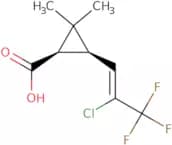
CAS:<p>Please enquire for more information about Ethyl 5-Methyl-2-oxo-2,3-dihydro-1H-imidazole-4-carboxylate including the price, delivery time and more detailed product information at the technical inquiry form on this page</p>Purity:Min. 90%cis-3-(2-Chloro-3,3,3-trifluoro-1-propenyl)-2,2-dimethyl-cyclopropanecarboxylic acid
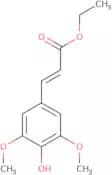
CAS:<p>Cis-3-(2-Chloro-3,3,3-trifluoro-1-propenyl)-2,2-dimethyl-cyclopropanecarboxylic acid is a synthetic pyrethroid insecticide that is used in pest control. It has been detected in urine samples at concentrations of up to 10 ng/mL and has been found to be an enantiomer of the natural pyrethroid cis-3-(2,2,2-trifluoroethoxy)-2,2-dimethylcyclopropanecarboxylic acid. Cis-3-(2-Chloro-3,3,3-trifluoro-1-propenyl)-2,2,-dimethylcyclopropanecarboxylic acid is also known as "RIVM" and has been shown to have high detection rates for naphthalene. This compound is acidic and can be hydro</p>Formula:C9H10ClF3O2Purity:Min. 95%Color and Shape:White PowderMolecular weight:242.62 g/mol3,5-Dimethoxy-4-hydroxycinnamic acid ethyl ester
CAS:<p>3,5-Dimethoxy-4-hydroxycinnamic acid ethyl ester is a redox potential with an acidic character. It can be synthesized from p-hydroxybenzoic acid and acetate extract of the plant Carthamus tinctorius. The synthesis starts with an asymmetric synthesis of protocatechuic acid and its derivatives. This compound is also found in the surface methodology of fatty acids and radiation that has been studied by nmr spectroscopic data. 3,5-Dimethoxy-4-hydroxycinnamic acid ethyl ester has bioactive phenolic properties and can be used for the treatment of various diseases such as cancer or diabetes.</p>Formula:C13H16O5Purity:Min. 95%Color and Shape:PowderMolecular weight:252.26 g/mol3-Chloro-2-pyrazine-carboxylic acid
CAS:<p>3-Chloro-2-pyrazinecarboxylic acid is a nucleophilic compound that is synthetically produced and has antimicrobial properties. It is an active component of the drug 3,4 dichloro-2-pyrazinecarboxylic acid (DCP). This agent binds to the chloride ion in bacterial cells, which inactivates the enzyme adenosine triphosphatase that is essential for maintaining cellular homeostasis. 3-Chloro-2-pyrazinecarboxylic acid has been shown to be active against a number of Gram positive and Gram negative bacteria, including Staphylococcus epidermidis, Streptococcus pneumoniae, and Pseudomonas aeruginosa. It also has antibacterial activity against mycobacteria such as Mycobacterium tuberculosis and Mycobacterium avium complex.</p>Formula:C5H3ClN2O2Purity:Min. 95%Color and Shape:Off-White To Light Brown SolidMolecular weight:158.54 g/mol1,2-Dipalmitoyl-sn-glycero-3-phosphatidic acid sodium
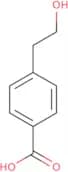
CAS:<p>1,2-Dipalmitoyl-sn-glycero-3-phosphatidic acid sodium (DPPA) is a drug substance that has been used in primary culture to study the cell membrane of hepatocytes. This compound is a phospholipid with a cavity at one end and contains two hydroxy groups that can be conjugated to other molecules. It has been shown to be effective against Hepatitis B virus and mesenchymal stromal cells. DPPA has also been used as an adjuvant for gadolinium contrast agents for magnetic resonance imaging. Gadolinium may bind to the hydroxy groups on DPPA, which increases its birefringence and brightness on MRI scans.</p>Formula:C35H69Na2O8PPurity:Min. 98 Area-%Color and Shape:White PowderMolecular weight:694.87 g/mol4-(2-Hydroxyethyl)benzoic acid
CAS:<p>4-(2-Hydroxyethyl)benzoic acid is a synthetic drug that binds to the dopamine D2 receptor and blocks adenylyl cyclase, which synthesizes cAMP. This results in a decrease in the binding of dopamine to its receptors, and therefore reduces the amount of dopamine that is transported into the cell. It has been demonstrated that 4-(2-hydroxyethyl)benzoic acid has affinity for both dopamine D4 receptors and dopamine D3 receptors. 4-(2-Hydroxyethyl)benzoic acid has been shown to be an effective anticancer agent in vitro, as it inhibits proliferation of human cancer cells by inhibiting DNA synthesis.</p>Formula:C9H10O3Purity:Min. 95%Color and Shape:White PowderMolecular weight:166.17 g/mol2-Aminoethanephosphonic acid
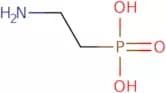
CAS:<p>2-Aminoethanephosphonic acid (2AEP) is a phosphonic acid that is used as a fungicide. 2AEP binds to the target enzymes, such as bacterial RNA polymerase and bacterial DNA gyrase, by steric interactions with the hydroxyl groups of the enzyme. 2AEP also inhibits the synthesis of proteins in bacteria, which leads to cell death. The binding of 2AEP to bacterial RNA polymerase prevents the enzyme from interacting with ribonucleoside triphosphates, thus inhibiting transcription and translation of proteins. This compound has been shown to be effective against Caulobacter crescentus and Escherichia coli K-12 strains. A matrix effect was observed in this study for 2AEP when it was mixed with other compounds such as sodium azide or DMSO. In addition, there are some biochemical properties that are specific for 2AEP including its ability to inhibit fetal bovine serum</p>Formula:C2H8NO3PPurity:Min. 95%Color and Shape:PowderMolecular weight:125.06 g/molOxalic acid
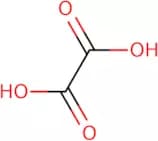
CAS:<p>Oxalic acid is an organic compound that is a dicarboxylic acid. It is found in many plants, including the leaves of rhubarb and spinach. Oxalic acid exists in two forms: the anhydrous form (known as calcium oxalate) and the hydrated form (known as calcium oxalate dihydrate). The detection sensitivity of this compound can be increased by using a matrix effect. When light emission is detected, it can be used to detect oxalic acid in a solution. Sodium citrate has been shown to increase the sensitivity of the reaction solution for detecting oxalic acid. This reaction creates a particle with sodium carbonate that can be measured by kinetic data.</p>Formula:C2H2O4Purity:Min. 95%Color and Shape:White Off-White PowderMolecular weight:90.03 g/mol4-(N-Formylmethylamino)benzoic acid
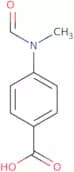
CAS:<p>4-(N-Formylmethylamino)benzoic acid is a white crystalline solid that has been used as a reagent, complex compound, and useful intermediate. It is also an important building block for the synthesis of many other compounds. 4-(N-Formylmethylamino)benzoic acid is soluble in water, ethanol, ether, benzene, chloroform and acetone. The product can be used in the preparation of various drugs and pesticides.</p>Formula:C9H9NO3Purity:Min. 95%Color and Shape:PowderMolecular weight:179.17 g/mol9-Fluoro-11β,17-Dihydroxy-16α-Methyl-3,20-Dioxopregna-1,4-Dien-21-Yl 2-[2-(2-Ethoxyethoxy)Ethoxy]Acetate
CAS:Controlled ProductMethylprednisolone is a corticosteroid that has been used for the treatment of many conditions, including asthma and arthritis. It is used to reduce inflammation and suppress the immune system. Methylprednisolone can be administered orally or as an injection. It is also used in the diagnosis of tumours, especially those that are difficult to diagnose by other means. Methylprednisolone may be given together with another drug called dexamethasone, which has synergistic effects. These drugs have been shown to cause death in animals with certain types of tumours. In humans, they can cause cutaneous lesions, such as follicle cysts and tnf-α expression in skin cells. This drug also causes a microsporum infection (a type of fungus) on the skin to grow more rapidly when it is applied topically, resulting in a larger diameter section than untreated areas.Formula:C30H43FO9Purity:Min. 95%Molecular weight:566.66 g/molAllocholic acid
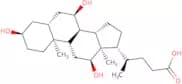
CAS:Controlled Product<p>Allocholic acid is a hydroxylated derivative of allo-inositol. It has been shown to inhibit the formation of peptide hormones and is used in the treatment of cerebrotendinous xanthomatosis. Allocholic acid also inhibits molecules that inhibit enzymes, such as phosphodiesterase and lipase, which are involved in the breakdown of fat. The biological sample preparation methods have been optimized for the extraction of allocholic acid from human feces. The optimum pH for allocholic acid is 4.5-5.0. Allocholic acid can be used to inhibit prostate cancer cells and rat liver microsomes, which are important for the metabolism of fatty acids in the body. The magnesium salt form is more soluble than other salts, making it easier to use in solution form.</p>Formula:C24H40O5Purity:Min. 90 Area-%Color and Shape:White Off-White PowderMolecular weight:408.57 g/mol3-(Methylamino)-3-oxopropanoic acid
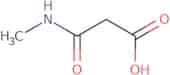
CAS:<p>3-(Methylamino)-3-oxopropanoic acid is a metabolite of nitroprusside. It is a potent inhibitor of the uptake of nitrates by cells, which causes cell lysis. 3-(Methylamino)-3-oxopropanoic acid has been shown to inhibit the uptake and transport chain of amino acids in the human metabolism. This results in an accumulation of metabolites that are toxic to cells and can lead to necrosis. 3-(Methylamino)-3-oxopropanoic acid is also a biocide with anti-inflammatory properties. It inhibits monoclonal antibody production by blocking protein synthesis and has been shown to be effective against tumor growth in animal models.</p>Formula:C4H7NO3Purity:Min. 95%Color and Shape:PowderMolecular weight:117.1 g/mol(Des-Gly10,D-His2,D-Trp6,Pro-NHEt 9)-LHRH trifluoroacetate
CAS:<p>Please enquire for more information about (Des-Gly10,D-His2,D-Trp6,Pro-NHEt 9)-LHRH trifluoroacetate including the price, delivery time and more detailed product information at the technical inquiry form on this page</p>Formula:C64H83N17O12•(C2HF3O2)xPurity:Min. 95%Molecular weight:1,282.45 g/mol3,4-Dihydroxyphenylacetic acid
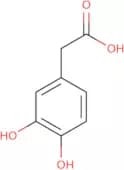
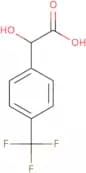
CAS:<p>3,4-Dihydroxyphenylacetic acid (DOPAC) is a metabolite of dopamine and is found in the central nervous system. Dopamine is an important neurotransmitter that is involved in the regulation of movement, emotional responses, and hormone release. Dopamine is synthesized from tyrosine by tyrosine hydroxylase and then converted to L-3,4-dihydroxyphenylalanine by L-aromatic amino acid decarboxylase. DOPAC can be formed from dopamine by monoamine oxidases or catechol O-methyltransferases. The level of DOPAC in the brain has been shown to be increased following exposure to neurotoxins such as 6-hydroxy dopamine or 1-methyl 4-phenyl 1,2,3,6 tetrahydropyridine (MPTP). This increase may be due to decreased activity of monoamine oxidases. The level</p>Formula:C8H8O4Purity:Min. 95%Color and Shape:Beige PowderMolecular weight:168.15 g/mol4-(Trifluoromethyl)mandelic acid
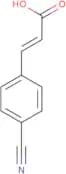
CAS:<p>4-(Trifluoromethyl)mandelic acid (4-TFA) is a metabolite of the drug mandelic acid. It is a thermodynamically stable, stereospecific, and highly polar compound that can be easily purified by column chromatography. 4-TFA has been shown to have analytical methods in common with mandelic acid, including fluorine analysis and regression. The chemical properties of 4-TFA are similar to those of other aldehydes. It also has enantiomeric purity and can be analysed using gas chromatography-mass spectrometry in urine samples.</p>Formula:C9H7F3O3Purity:Min. 95%Color and Shape:PowderMolecular weight:220.15 g/mol4-Cyanocinnamic acid
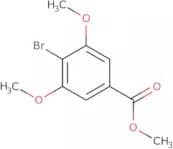
CAS:<p>4-Cyanocinnamic acid is a fatty acid that has been shown to be a substrate for the bacterial enzyme cinnamate 4-hydroxylase. The molecular weight of this compound is 136.16 g/mol, and it has a constant boiling point of 206°C. It can be synthesized from phenylacetic acid and p-coumaric acid using a transesterification reaction. This compound is reactive with carbonyl groups, which makes it useful in the detection of gram-positive bacteria by fluorescent probes or fluorescent dyes. 4-Cyanocinnamic acid is unreactive with esters of carboxylic acids, such as methyl esters, making it useful for the determination of fatty acids in isolates.</p>Formula:C10H7NO2Purity:Min. 95%Color and Shape:PowderMolecular weight:173.17 g/mol4-Bromo-3,5-dimethoxybenzoic acid methyl ester
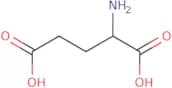
CAS:<p>4-Bromo-3,5-dimethoxybenzoic acid methyl ester is a crystalline solid that can be obtained from the reaction of 4-bromo-3,5-dimethoxybenzoic acid and methyl iodide. It has been shown to undergo an intramolecular cyclization when irradiated with ultraviolet light. This transformation is characterized by an increase in the length of the C=C bond and the appearance of a new C=O bond. The skeleton of 4-bromo-3,5-dimethoxybenzoic acid methyl ester consists of four five membered rings and two six membered rings. The molecule interacts with ligands such as styrene, mesitylene, vinylated benzyl halides, or halides.</p>Formula:C10H11BrO4Purity:Min. 95%Color and Shape:PowderMolecular weight:275.1 g/molDL-Glutamic acid
CAS:<p>Glutamic acid is a non-essential amino acid that has been shown to play an important role in the pathogenesis of many diseases. Glutamic acid has been shown to be involved in the production of glutamate, which is a neurotransmitter that can lead to neuronal death. Glutamic acid also plays an important role in the maintenance of mitochondrial membrane potential and energy metabolism. Glutamate is an inhibitory neurotransmitter, and it regulates the release of other neurotransmitters, such as dopamine and serotonin. This amino acid may also be involved in brain functions and neurotrophic factors.</p>Formula:C5H9NO4Purity:Min. 95%Color and Shape:White PowderMolecular weight:147.13 g/mol5-Amino-2-bromobenzoic acid
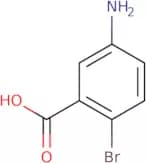
CAS:<p>5-Amino-2-bromobenzoic acid is an organic compound that is used in the manufacture of other chemicals. It is a white crystalline solid with a melting point of 133°C, and it has a molecular weight of 222.27 g/mol. This chemical has been shown to be mutagenic, and it may also cause adverse effects on the liver, kidneys, stomach, and skin when taken orally or applied to the skin. 5-Amino-2-bromobenzoic acid is found in many products that are used for industrial purposes such as dyes, rubber chemicals, textile chemicals, pesticides, and herbicides. The chemical can be found in products that are sold in hardware stores and supermarkets.</p>Formula:C7H6BrNO2Purity:Min. 95%Color and Shape:PowderMolecular weight:216.03 g/molPiperacillin
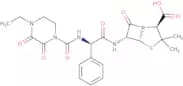
CAS:<p>Piperacillin is a β-lactam antibiotic that inhibits the synthesis of bacterial cell walls by binding to penicillin-binding proteins. It is used for the treatment of serious infections caused by gram-negative organisms such as Aerogenes, Enterobacter, and Klebsiella. Piperacillin has a high MIC90 value against Staphylococcus and other gram-positive bacteria, but it is not active against β-lactamase producing strains of bacteria such as E. coli or Klebsiella pneumoniae. The MIC90 values are determined through an analytical method on different strains of bacteria and validated with a sample preparation before use in clinical trials.</p>Formula:C23H27N5O7SPurity:Min. 95 Area-%Color and Shape:White PowderMolecular weight:517.56 g/molH-Ser-His-OH acetate
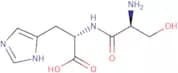
CAS:<p>H-Ser-His-OH acetate salt is an amide that has been shown to have a neutral pH and to be soluble in organic solvents such as chloroform. It has a biological function of being a serine protease inhibitor. H-Ser-His-OH acetate salt binds to the amino acid histidine and inhibits the activity of serine proteases. This product has been used in fluorescence techniques, immunofluorescence analyses, and molecular biology.</p>Formula:C9H14N4O4·xC2H4O2Purity:Min. 95%Color and Shape:PowderMolecular weight:242.24 g/mol6-Benzoylamino-9H-purine-9-acetic acid
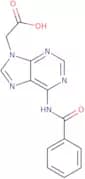
CAS:<p>6-Benzoylamino-9H-purine-9-acetic acid (BAPAA) is a high quality reagent that is used in the synthesis of complex compounds. It is also a useful intermediate in the preparation of fine chemicals, speciality chemicals, and research chemicals. 6-Benzoylamino-9H-purine-9-acetic acid is a versatile building block for the synthesis of novel compounds with desired biological activity. This compound is an excellent reaction component because it can be used to synthesize various chemical structures.</p>Formula:C14H11N5O3Purity:Min. 95%Color and Shape:PowderMolecular weight:297.27 g/mol3, 3'- Dihydroxy- [1, 1'- biphenyl] - 4, 4'- dicarboxylic acid
CAS:<p>3, 3'-Dihydroxy- [1, 1'-biphenyl] - 4, 4'-dicarboxylic acid (3,3'DHBA) is a versatile building block that can be used in the synthesis of various organic compounds. It is a necessary reagent for the production of high quality research chemicals and speciality chemicals. 3, 3'-Dihydroxy- [1, 1'-biphenyl] - 4, 4'-dicarboxylic acid has been reported to be useful as an intermediate in the synthesis of complex compounds with diverse applications. This compound has also been used as a reaction component for organic reactions. CAS No.: 861533-46-2.</p>Formula:C14H10O6Purity:Min. 95%Color and Shape:solid.Molecular weight:274.23 g/mol2-Amino-5-bromothiazole-4-carboxylic acid methyl ester
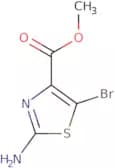
CAS:<p>2-Amino-5-bromothiazole-4-carboxylic acid methyl ester is a reagent that can be used as a building block for the synthesis of complex compounds. It is also an intermediate in the synthesis of other chemical compounds with therapeutic potential. 2-Amino-5-bromothiazole-4-carboxylic acid methyl ester is a fine chemical, which is useful for research purposes. The CAS number for this product is 850429-60-6.</p>Formula:C5H5BrN2O2SPurity:Min. 95%Color and Shape:PowderMolecular weight:237.08 g/molPropionic acid 2-naphthyl ester
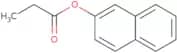
CAS:<p>Propionic acid 2-naphthyl ester is an antibiotic that is produced by Rhodobacter sphaeroides and belongs to the class of carboxylate phosphatase inhibitors. It is a potent inhibitor of acid phosphatases, which are enzymes found in many bacteria, fungi, and plants. It has been shown to inhibit the growth of various types of cancer cells, including melanoma and lung cancer cells. Propionic acid 2-naphthyl ester also binds to antigen-presenting cells and induces the production of cytokines such as IL-6, IL-8, IL-10, and TNF-α. This compound also inhibits cholinesterases in the blood plasma and brain tissue.</p>Formula:C13H12O2Purity:Min. 90%Color and Shape:PowderMolecular weight:200.23 g/mol5-Acetamido-2-nitrobenzoic acid
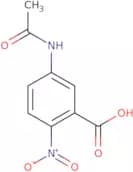
CAS:<p>5-Acetamido-2-nitrobenzoic acid is a metabolic precursor of homarine, which is an important intermediate in the synthesis of pharmaceuticals. 5-Acetamido-2-nitrobenzoic acid is a white crystalline powder that is soluble in water and sparingly soluble in ethanol. It has a molecular weight of 176.1 g/mol and an empirical formula of C7H6NO4P. The compound exists as a zwitterion at neutral pH. The solubility can be increased by adding phosphoric acid or orthophosphoric acid to increase the pH to 3-5, although this may result in the formation of impurities such as orthophosphate or multicolour compounds. 5-Acetamido-2-nitrobenzoic acid is used for the quantitative determination of phosphate in pharmaceutical dosage formulations by regression analysis with multicolour photometry and chromatographic methods.</p>Formula:C9H8N2O5Purity:Min. 95%Color and Shape:SolidMolecular weight:224.17 g/mol3-(3,4-Dihydroxyphenyl)propionic acid
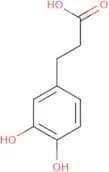
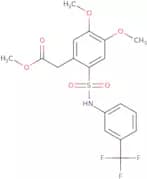
CAS:<p>3-(3,4-Dihydroxyphenyl)propionic acid (3,4-DHPA) is a chlorogenic acid that is found in the leaves of the coffee plant. It has been shown to have a synergic effect with benzalkonium chloride on postprandial blood glucose levels. 3,4-DHPA also has a hypoglycemic effect and can be used as a dietary supplement for people with diabetes. 3,4-DHPA was extracted from coffee leaves using solid phase microextraction and then analyzed by gas chromatography. The rate constant for the reaction was found to be 0.917 min-1 at 25 °C and pH 7.0. The biocompatible polymer poly(L-lactic acid) was used as the stationary phase in this experiment to improve the selectivity of separation.</p>Formula:C9H10O4Purity:Min. 95%Color and Shape:Off-White PowderMolecular weight:182.17 g/molmethyl 2-(4,5-dimethoxy-2-(((3-(trifluoromethyl)phenyl)amino)sulfonyl)phenyl)acetate
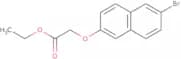
CAS:<p>Please enquire for more information about methyl 2-(4,5-dimethoxy-2-(((3-(trifluoromethyl)phenyl)amino)sulfonyl)phenyl)acetate including the price, delivery time and more detailed product information at the technical inquiry form on this page</p>Purity:Min. 95%ethyl 2-(6-bromo-2-naphthyloxy)acetate
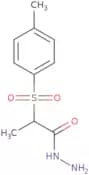
CAS:<p>Please enquire for more information about ethyl 2-(6-bromo-2-naphthyloxy)acetate including the price, delivery time and more detailed product information at the technical inquiry form on this page</p>Purity:Min. 95%2-(4-toluenesulfonyl)propionic acid hydrazide
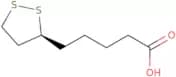
CAS:<p>Please enquire for more information about 2-(4-toluenesulfonyl)propionic acid hydrazide including the price, delivery time and more detailed product information at the technical inquiry form on this page</p>Purity:Min. 95%(S)-(-)-α-Lipoic acid
CAS:<p>(S)-(-)-a-Lipoic acid (DLPA) is a reactive, oxidative molecule that has been shown to have antioxidant properties. DLPA is a natural compound found in the human body and is essential for energy metabolism and mitochondrial membrane depolarization. It has been shown to be beneficial in cases of bowel disease and diabetic neuropathy. DLPA has also been shown to be clinically relevant in the treatment of ischemia–reperfusion injury and cisplatin-induced nephrotoxicity, as well as having anti-inflammatory properties. DLPA may also help reduce symptoms of Parkinson's disease and other conditions.</p>Formula:C8H14O2S2Purity:Min. 95%Color and Shape:White PowderMolecular weight:206.33 g/mol4-Methylcinnamic acid
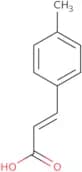
CAS:<p>4-Methylcinnamic acid is a cinnamic acid derivative that is used as an intermediate in the synthesis of various drugs. It can be synthesized from 2-chlorocinnamic acid, which is prepared by reaction with phosphorus pentachloride. 4-Methylcinnamic acid is also able to be oxidized to 4-hydroxycinnamic acid, which has been shown to have anti-aging effects. The molecule can be modeled using molecular dynamics simulations and was found to be polarizable and diffracting.</p>Formula:C10H10O2Purity:Min. 95%Color and Shape:White PowderMolecular weight:162.19 g/mol2-(2,5-dimethoxyphenyl)acetic acid
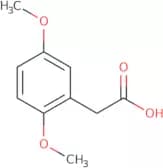
CAS:<p>2-(2,5-dimethoxyphenyl)acetic acid (DMPA) is a potent inhibitor of epidermal growth. It blocks the production of epidermal growth factor, which is a bioactive molecule that is involved in the biosynthesis of epidermal cells. DMPA also inhibits the formation of new blood vessels, which may be due to its ability to bind to silicon and alcaptonuria. DMPA has been shown to have an effect on platelet-derived growth factor and solid-phase synthesis. This drug also binds to factor receptor tyrosine kinase and has been shown to inhibit the growth of certain tumor cells.</p>Formula:C10H12O4Purity:Min. 95%Color and Shape:White PowderMolecular weight:196.2 g/mol3,5-Dimethoxycinnamic acid
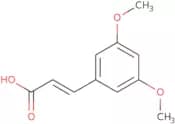
CAS:<p>3,5-Dimethoxycinnamic acid is a compound that belongs to the class of cinnamic acid derivatives. It is a synthetic substance obtained by demethylation of 3,5-dimethoxybenzoic acid. This substance has been shown to have an antifungal activity in vitro against filamentous fungi and many other microorganisms. The antimicrobial effect can be explained by the presence of functional groups such as hydroxyl and methoxyl on the aromatic ring. Hydroxide solution can be used as an analytical reagent for determining the formation rate of this compound.</p>Formula:C11H12O4Purity:Min. 95%Color and Shape:PowderMolecular weight:208.21 g/mol3-Bromocinnamic acid methyl ester
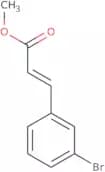
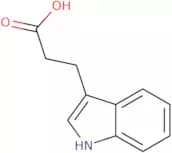
CAS:<p>3-Bromocinnamic acid methyl ester is a chemical compound that belongs to the group of useful scaffolds. It is a versatile building block and can be used as an intermediate in the synthesis of complex compounds. 3-Bromocinnamic acid methyl ester has been found to be a useful research chemical, reaction component, and speciality chemical. This chemical can be used in the production of fine chemicals and other products. 3-Bromocinnamic acid methyl ester is also useful as a reagent for organic reactions.</p>Formula:C10H9BrO2Purity:Min. 95%Color and Shape:PowderMolecular weight:241.08 g/molIndole-3-propionic acid
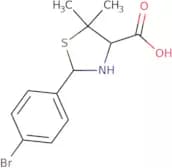
CAS:<p>Indole-3-propionic acid is a metabolite of tryptophan. It has been shown to have a number of physiological effects, including the induction of apoptosis and inhibition of cell proliferation. Indole-3-propionic acid may be a potential biomarker for bowel disease, as well as an analytical method for detecting hydrogen bonding interactions. This compound has also been shown to have pharmacological effects in the treatment of diseases such as mitochondrial dysfunction, heart failure, and cancer. Indole-3-propionic acid is an agonist to the 5HT receptor and can activate the mammalian target of rapamycin (mTOR) pathway. The mTOR pathway regulates energy metabolism by regulating protein synthesis and cell growth.</p>Formula:C11H11NO2Color and Shape:White Off-White PowderMolecular weight:189.21 g/mol2-(4-Bromophenyl)-5,5-dimethyl-1,3-thiazolidine-4-carboxylic acid
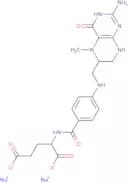
CAS:<p>2-(4-Bromophenyl)-5,5-dimethyl-1,3-thiazolidine-4-carboxylic acid is a fine chemical that can be used as a building block for research chemicals. It can also be used as an intermediate in the synthesis of complex compounds. 2-(4-Bromophenyl)-5,5-dimethyl-1,3-thiazolidine-4-carboxylic acid has been shown to react with various groups including hydroxyls and amines, making it a versatile compound. This compound is synthesized by condensation of 4 bromobenzene with 5,5 dimethyllithium and the subsequent reaction with thiourea. The product is purified by recrystallization from ethanol.</p>Formula:C12H14BrNO2SPurity:Min. 95%Color and Shape:PowderMolecular weight:316.21 g/mol5-Methyltetrahydrofolic acid disodium salt
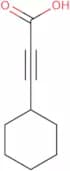
CAS:<p>5-Methyltetrahydrofolic acid disodium salt is a form of vitamin B9 that is produced by the body from 5,10-methylenetetrahydrofolate. It also can be obtained through the diet in foods such as milk, eggs, and leafy vegetables. This vitamin is necessary for many cellular processes, including amino acid metabolism. 5-Methyltetrahydrofolic acid disodium salt has been shown to have a significant effect on neuron cell growth and health. It has been shown to stimulate the enzyme activities of catecholamine-O-methyltransferase and dopamine beta hydroxylase in vitro. The effects were seen with both acidic and neutral pHs. 5-Methyltetrahydrofolic acid disodium salt has been found to be a selective inhibitor of receptor α (rho) uptake in Caco-2 cells at acidic pHs but not at neutral pHs. In addition</p>Formula:C20H23N7Na2O6Color and Shape:PowderMolecular weight:503.42 g/mol3-Cyclohexylpropiolic acid
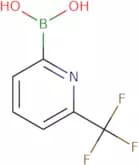
CAS:<p>3-Cyclohexylpropiolic acid is a chemical intermediate that is used in the production of other chemicals. It is a versatile building block with a wide range of reactions and applications. 3-Cyclohexylpropiolic acid has been used as a reagent and as a speciality chemical for research purposes. This compound has also been shown to be useful in the synthesis of complex compounds, such as pharmaceuticals, natural products, pesticides, and dyes. 3-Cyclohexylpropiolic acid can be used as a reaction component or intermediate for the synthesis of many different compounds.</p>Formula:C9H12O2Purity:Min. 95 Area-%Molecular weight:152.19 g/mol6-(Trifluoromethyl)pyridine-2-boronic acid
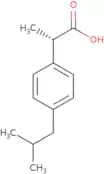
CAS:<p>6-(Trifluoromethyl)pyridine-2-boronic acid is a solid chemical that is soluble in organic solvents. It is a building block for the synthesis of more complex compounds, and also serves as an intermediate in the synthesis of pharmaceuticals. 6-(Trifluoromethyl)pyridine-2-boronic acid has been shown to be useful for the preparation of fine chemicals and has been widely used as a reagent in research.</p>Formula:C6H5BF3NO2Purity:Min. 95%Color and Shape:PowderMolecular weight:190.92 g/mol(S)-(+)-4-Isobutyl-a-methylphenylacetic acid
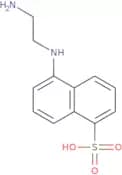
CAS:<p>Ibuprofen is a non-steroidal anti-inflammatory drug (NSAID) that inhibits the production of prostaglandins and has been shown to be effective in the treatment of pain, fever, and inflammation. Ibuprofen binds to and blocks cyclooxygenase enzymes COX-1 and COX-2, which are responsible for the production of prostaglandins. It also inhibits leukocyte migration, which may reduce symptoms associated with infectious diseases. The molecular docking analysis has shown that ibuprofen interacts with crystalline cellulose through hydrogen bonding interactions. Ibuprofen can be used in conjunction with sodium citrate as an anticoagulant during blood sampling procedures to prevent clotting. This medication can cause side effects such as nausea, stomach upset, heartburn, dizziness, headache, or increased risk of bleeding.></p>Formula:C13H18O2Purity:Min. 95%Color and Shape:White PowderMolecular weight:206.28 g/molN-(Aminoethyl)-5-naphthylamine-1-sulfonic acid
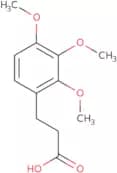
CAS:<p>The Michaelis-Menten kinetics of N-(Aminoethyl)-5-naphthylamine-1-sulfonic acid (NENSA) have been determined by studying the reaction of NENSA with a variety of acceptors. Basic fibroblasts were found to be a good substrate for this compound and it was shown that proteolytic activity is required for the hydrolysis of NENSA. The toxin is also reactive with the enzyme polymerase chain, which inhibits bacterial growth. In the presence of epidermal growth factor, NENSA has been shown to inhibit proliferation in fetal bovine retinal cells and human epidermal keratinocytes.</p>Formula:C12H14N2O3SPurity:Min. 97 Area-%Color and Shape:Yellow PowderMolecular weight:266.32 g/mol3-(2,3,4-trimethoxyphenyl)propanoic acid
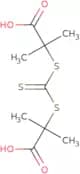
CAS:<p>3-(2,3,4-Trimethoxyphenyl)propanoic acid is a high quality chemical that is used as a reagent and as a useful intermediate in the production of fine chemicals. CAS No. 33130-04-0 is a versatile building block with many applications in the research and development of compounds for use as pharmaceuticals, agrochemicals, or other chemicals. 3-(2,3,4-Trimethoxyphenyl)propanoic acid can be used to synthesize new chemical substances with different properties than those of the starting material. This compound has been shown to have many uses in organic synthesis due to its versatility and reactivity.</p>Formula:C12H16O5Purity:Min. 98 Area-%Color and Shape:PowderMolecular weight:240.25 g/molS,S'-Bis(a,a'-dimethyl-a''-acetic acid)trithiocarbonate
CAS:<p>Bis(trithiocarbonate)s are a group of compounds that are used as reagents, intermediates and building blocks in organic synthesis. They are also used for the preparation of certain pharmaceuticals. Bis(trithiocarbonate)s can be used as a versatile building block for chemical synthesis. It is also an intermediate in the synthesis of various pharmaceuticals, including but not limited to piroxicam and penicillin.</p>Formula:C9H14O4S3Purity:Min. 95 Area-%Color and Shape:Yellow PowderMolecular weight:282.4 g/molBenzyl (3-hydroxypropyl)carbamate
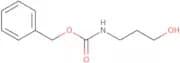
CAS:Benzyl (3-hydroxypropyl)carbamate is a molecule that was synthesized as an acetylating agent. It is stable in the presence of strong acids and alkalis, and has a high amination reaction rate. This molecule is used to prepare synthons for the synthesis of biologically active compounds such as mannosylated benzyl carbamates. The ring-opening reaction mechanism of this molecule has been studied extensively in order to understand why its synthetic ability is superior to other molecules. Benzyl (3-hydroxypropyl)carbamate has enhanced the rate of reactions by more than 100 times when compared with other molecules.Formula:C11H15NO3Purity:Min. 95%Color and Shape:PowderMolecular weight:209.24 g/mol(S)-Fmoc-2-amino-heptanedioic acid-7-tert-butyl ester
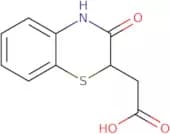
CAS:<p>Please enquire for more information about (S)-Fmoc-2-amino-heptanedioic acid-7-tert-butyl ester including the price, delivery time and more detailed product information at the technical inquiry form on this page</p>Formula:C26H31NO6Purity:Min. 95%Molecular weight:453.53 g/mol3,4-Dihydro-3-oxo-2H-(1,4)-benzothiazin-2-ylacetic acid
CAS:<p>3,4-Dihydro-3-oxo-2H-(1,4)-benzothiazin-2-ylacetic acid is a high quality chemical that can be used as a reagent, intermediate or building block. It is an important chemical for use in the production of fine chemicals and speciality chemicals. 3,4-Dihydro-3-oxo-2H-(1,4)-benzothiazin-2-ylacetic acid is also a versatile building block for the synthesis of many organic compounds. The compound has been shown to be useful as a reaction component in diverse chemical reactions such as Friedel Crafts acylation and alkylation reactions.</p>Formula:C10H9NO3SPurity:Min. 95%Color and Shape:PowderMolecular weight:223.25 g/mol3-(1H-Indol-3-yl)acrylic acid
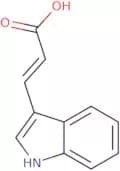
CAS:<p>(2E)-3-(1H-Indol-3-yl)acrylic acid is a chemical compound that can be found in the plant genus "Actinomycetes". It has significant antiproliferative activity and may induce apoptotic cell death. (2E)-3-(1H-Indol-3-yl)acrylic acid is a precursor to the aromatic amino acid l-phenylalanine, which can be used for the synthesis of many other compounds. The compound was first isolated in an ethanolic extract of Actinomycetes bacteria and identified by NMR spectroscopy. In addition, (2E)-3-(1H-Indol-3-yl)acrylic acid is metabolized into chloride and methanol. It is also a low detection substance in urine, making it difficult to detect using current methods.</p>Formula:C11H9NO2Purity:Min. 95%Color and Shape:White PowderMolecular weight:187.19 g/molDL-a-Tocopherol acetate - oil
CAS:<p>Stable form of Vitamin E used in cosmetic formulations; antioxidant</p>Formula:C31H52O3Purity:Min. 98%Color and Shape:Clear LiquidMolecular weight:472.74 g/molEthyl 5-chloroindole-2-carboxylate
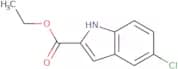
CAS:<p>Ethyl 5-chloroindole-2-carboxylate is a pro-apoptotic agent that has been shown to inhibit the replication of HIV. It inhibits the reverse transcriptase and DNA polymerases in the virus, which prevents it from being replicated. Ethyl 5-chloroindole-2-carboxylate also induces apoptosis by alkylating the cysteine residues on the host cell's proteins. This drug is not active against other viruses, such as herpes simplex virus type 1 (HSV1). It has been shown to be an analog for cannabidiol (CBD), which binds to cannabinoid receptors CB1 and CB2.</p>Formula:C11H10ClNO2Purity:Min. 95%Color and Shape:PowderMolecular weight:223.66 g/mol2-Bromo-4-hydroxyphenylacetic acid
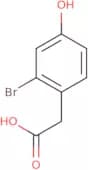
CAS:<p>2-Bromo-4-hydroxyphenylacetic acid (2-BHPAA) is a phenolic hydroxyl compound that is synthesized from acrylic acid. It has been used in the synthesis of other compounds, such as 4-hydroxybenzoic acid, 2-[2-(2,6-dichlorophenoxy)ethoxy]phenol, and 3,4-dihydroxyphenylacetic acid. 2-BHPAA can be synthesized by dehydrogenative bromination of phenol with bromine and acetic acid in an organic solvent. The yield of this reaction is typically high because the product does not contain any functional groups that can act as a catalyst for competing reactions.</p>Formula:C8H7BrO3Purity:Min. 95%Color and Shape:PowderMolecular weight:231.04 g/mol2-Iodo-6-methylbenzoic acid
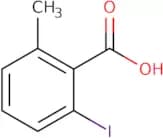
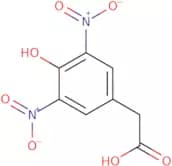
CAS:<p>2-Iodo-6-methylbenzoic acid is a chemical used as an additive in the manufacture of plastics, paints and rubber. It is also a ligand for some transition metals. 2-Iodo-6-methylbenzoic acid has been found to be an active natural product that can be synthesized from phthalimides or other amines. 2-Iodo-6-methylbenzoic acid reacts with donepezil to form a multistep reaction intermediate called A, which is then oxidized by a transition metal to form the final product, aricept. The operational mechanism of this reaction is not yet fully understood, but it may involve an alkene intermediate.</p>Formula:C8H7IO2Purity:Min. 95%Color and Shape:PowderMolecular weight:262.04 g/mol3,5-Dinitro-4-hydroxyphenylacetic acid
CAS:<p>3,5-Dinitro-4-hydroxyphenylacetic acid is a conjugate that consists of an antigen and a carrier molecule. It is used to enhance the immune response by stimulating T cells which are responsible for the production of antibodies. The conjugate is also known to have cytotoxic effects on the surface of cancer cells in vitro. 3,5-Dinitro-4-hydroxyphenylacetic acid has been shown to be effective in immunizing mice against the antigen ovalbumin, which is often used as a model antigen in immunology research. This conjugate has been shown to promote mitogenesis, or cell division, in spleen cells isolated from immunized mice.</p>Formula:C8H6N2O7Purity:Min. 95%Molecular weight:242.14 g/molMono(2-ethylhexyl) terephthalate
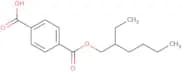
CAS:<p>Please enquire for more information about Mono(2-ethylhexyl) terephthalate including the price, delivery time and more detailed product information at the technical inquiry form on this page</p>Formula:C16H22O4Purity:Min. 95%Color and Shape:PowderMolecular weight:278.34 g/mol4-Acetamido-2-methylbenzoic acid
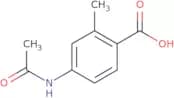
CAS:<p>4-Acetamido-2-methylbenzoic acid is a chemical that can be used as a building block in the production of other chemicals, such as pharmaceuticals and pesticides. It has been shown to be useful in research for its ability to serve as a reagent, intermediate, or scaffold for synthesizing more complex compounds. 4-Acetamido-2-methylbenzoic acid is also known by CAS No. 103204-69-9.</p>Formula:C10H11NO3Purity:Min. 95%Color and Shape:PowderMolecular weight:193.2 g/mol5-Bromo-2-hydroxy-3-methoxybenzoic acid
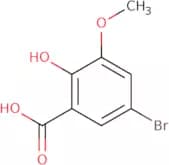
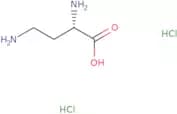
CAS:<p>5-Bromo-2-hydroxy-3-methoxybenzoic acid (5BHB) is a phenolic compound that has been shown to have fungicidal properties. The uptake of 5BHB in the brain was studied using positron emission tomography and computerized tomography scans in monkeys. The affinity of 5BHB for the dopamine D2 receptor, and its ability to inhibit methylation reactions, were also investigated. The results show that 5BHB is able to cross the blood-brain barrier and bind with high affinity to the dopamine D2 receptor. These findings suggest that 5BHB may be used as a therapeutic agent for Parkinson's disease.</p>Formula:C8H7BrO4Purity:Min. 95%Color and Shape:PowderMolecular weight:247.04 g/molL-2,4-Diaminobutyric acid dihydrochloride
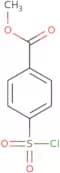
CAS:<p>L-2,4-Diaminobutyric acid, dihydrochloride is a chemical compound that is a non-protein amino acid. It is used in the production of gamma-aminobutyric acid (GABA) and has been shown to be able to penetrate the blood-brain barrier. However, it also has many other health effects such as increasing fatty acids in the brain and decreasing GABA uptake. L-2,4-Diaminobutyric acid, dihydrochloride can be used for diagnostic purposes or animal health.</p>Formula:C4H10N2O2•(HCl)2Purity:Min. 95%Color and Shape:White to off-white solid.Molecular weight:191.06 g/mol4-Chlorosulfonylbenzoic acid methyl ester
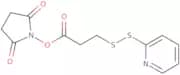
CAS:<p>4-Chlorosulfonylbenzoic acid methyl ester is a reagent that is used in glycan biosynthesis. It is a deuterated analogue of uridine and can be used to screen for 4-epimerase enzymes. The 4-chlorosulfonylbenzoic acid methyl ester can be synthesized by the deuteration of uridine, which is then reacted with methanol and chlorosulfonic acid. This reagent can be used to study glycan biosynthesis by labeling the sugar moiety of glycans with carbon-13 atoms. The use of this reagent has been problematic because it cannot be reversibly converted back to uridine, so it cannot serve as a substrate for further synthetic reactions.</p>Formula:C8H7ClO4SPurity:Min. 95 Area-%Color and Shape:PowderMolecular weight:234.66 g/molSPDP
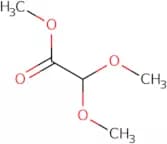
CAS:<p>SPDP is a pyridyldithiol linker that forms reversible disulfide bonds with thiols. It allows the controlled release of biomolecules in reductive environments.</p>Formula:C12H12N2O4S2Purity:Min. 95%Color and Shape:PowderMolecular weight:312.37 g/molGlyoxylic acid methyl ester dimethyl acetal
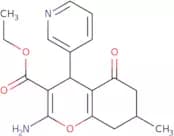
CAS:<p>Glyoxylic acid methyl ester dimethyl acetal is a synthetic chemical that is used as a control agent in the production of pharmaceutical preparations. It has been shown to inhibit the replication of syncytial viruses, including the human respiratory syncytial virus (RSV). Glyoxylic acid methyl ester dimethyl acetal binds to methoxy groups and coagulation factors, which may be responsible for its anti-coagulation properties. The optical properties of this compound are similar to those of glyoxylate. This chemical has also been shown to have an effect on blood pressure.</p>Formula:C5H10O4Purity:Min. 95%Color and Shape:Clear LiquidMolecular weight:134.13 g/molethyl 2-amino-7-methyl-5-oxo-4-(3-pyridyl)-4,6,7,8-tetrahydro2H-chromene-3-carboxylate
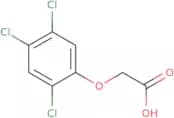
CAS:<p>Please enquire for more information about ethyl 2-amino-7-methyl-5-oxo-4-(3-pyridyl)-4,6,7,8-tetrahydro2H-chromene-3-carboxylate including the price, delivery time and more detailed product information at the technical inquiry form on this page</p>Purity:Min. 95%2,4,5-Trichlorophenoxyacetic acid
CAS:Controlled Product<p>2,4,5-Trichlorophenoxyacetic acid (2,4,5-T) is a herbicide that inhibits the growth of plants by inhibiting photosynthesis. It can be found in the environment as a contaminant of manufactured items such as vinyl chloride and polyurethane. 2,4,5-T is also used to produce dioxin and polychlorinated biphenyls (PCBs). The mechanism of toxicity involves inhibition of the activity of an enzyme called acetolactate synthase (ALS), which is responsible for synthesizing an important amino acid called L-alanine. ALS inhibitors are toxic to animals because they inhibit the formation of L-alanine and disrupt cellular energy production. In CD-1 mice, 2,4,5-T has been shown to have an inhibitory dose at 1 mg/kg body weight with long-term toxicity at doses up to 5 mg/kg body weight. 2,4,5</p>Formula:Cl3C6H2OCH2CO2HPurity:Min. 95%Color and Shape:PowderMolecular weight:255.48 g/mol(R)-3-Aminobutanoic acid
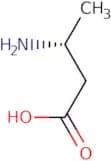
CAS:<p>(R)-3-Aminobutanoic acid is a β-amino acid that is involved in the biosynthesis of other amino acids. It has been shown to have inhibitory effects on lymphoblast cells and to be an intermediate in the synthesis of dioncophylline, a calcium-mobilizing agent. (R)-3-Aminobutanoic acid is also an intermediate in the formation of crotonic acid, which is involved in the synthesis of butyric acid. This compound has been shown to have catalytic activity with a variety of organic reactions because it can act as both a base and a nucleophile. The reaction system may be reversed phase high performance liquid chromatography, gas chromatography, or thin layer chromatography.</p>Formula:C4H9NO2Purity:Min. 95%Color and Shape:PowderMolecular weight:103.12 g/molBenzoic acid hydrazide
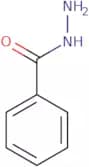
CAS:<p>Benzoic acid hydrazide is an antimicrobial agent that inhibits the growth of bacteria by binding to the active site of benzoyl-coenzyme A reductase, which is an enzyme involved in the biosynthesis of benzoate from benzoate semialdehyde. The optimum concentration for this compound is 1 mM. Benzoic acid hydrazide has been shown to inhibit bacterial growth in biological studies and x-ray crystal structures have been determined for this molecule. It also inhibits the growth of bacteria that are resistant to other types of antibiotics, such as ampicillin, erythromycin, and tetracycline. The mechanism of action for benzoic acid hydrazide appears to be due to its ability to form hydrogen bonding interactions with inhibitor molecules.</p>Formula:C7H8N2OPurity:Min. 95%Color and Shape:PowderMolecular weight:136.15 g/molCrotonic acid
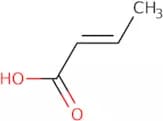
CAS:<p>Crotonic acid is a fatty acid that is a potential inhibitor of glycol ethers. It has been demonstrated to inhibit the formation of infectious diseases by binding to the agonist binding site on the surface of bacteria. Crotonic acid also binds to water molecules and forms crotonic acid hydroxide, which may be responsible for its inhibitory properties. The hydrolysis of crotonic acid can be achieved through a reaction mechanism involving water and an electrochemical process in which methyl ethyl groups are oxidized and form methyl ethyl radicals. These radicals react with hydrogen atoms from water, forming methoxy radicals that react with two hydroxyl groups, which results in the cleavage of the C-O bonds in crotonic acid to form acetic acid and methanol. Crotonic acid has also been shown to have detergent properties when used as a solid catalyst for organic reactions or as an additive in detergent compositions.</p>Formula:C4H6O2Purity:Min. 95%Color and Shape:PowderMolecular weight:86.09 g/molEthyl cyclopentanone-2-carboxylate
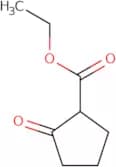
CAS:<p>Ethyl cyclopentanone-2-carboxylate (ECPC) is a chemical compound that can be synthesized from picolinic acid, β-amino acid, and methyl ketones. It is a bifunctional molecule that has been shown to have the ability to activate methylene groups. ECPC has been used in the synthesis of β-amino esters and ethyl esters. This compound can also react with hydrogen fluoride and trifluoroacetic acid to form ethyl cyclopentanone-2-carboxylate trifluoroacetate (ECPCT). ECPC has been found to undergo an aldol cyclization reaction when exposed to hydrogen ions in the presence of a base. The activation energies for this reaction are 19.6 kJ/mol for the first step and 23.5 kJ/mol for the second step.</p>Formula:C8H12O3Purity:Min. 95 Area-%Color and Shape:Colorless Clear LiquidMolecular weight:156.18 g/mol2-Hydroxypentanoic acid
CAS:<p>2-Hydroxypentanoic acid is a fatty acid that is naturally produced in the body. It is also a reaction product of polylactic acid and malic acid, which are used as low-calorie substitutes for sugar. 2-Hydroxypentanoic acid has been shown to lower LDL cholesterol levels. It can be detected by an analytical method based on diazonium salt hydrolysis or hydrogen chloride mineralization, and it can be found in pharmaceutical dosage forms such as vitamin E acetate and alpha-tocopherol acetate. This compound has been used as a diagnostic tool in the identification of aliphatic hydrocarbons in metabolic profiles.</p>Formula:C5H10O3Purity:Min. 95%Color and Shape:PowderMolecular weight:118.13 g/molHomogentisic acid γ-lactone
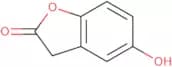
CAS:<p>Homogentisic acid gamma-lactone is a synthetic compound that is an inhibitor of the enzyme cytochrome P450. It binds to cytochrome P450 in a competitive manner and inhibits the oxidation of other molecules, such as steroids and fatty acids. Homogentisic acid gamma-lactone has been shown to have an inhibitory effect on the growth of Pseudomonas aeruginosa in vitro. This compound is able to suppress the formation of reactive oxygen species by inhibiting the activity of cytochrome P450. Homogentisic acid gamma-lactone also possesses antifungal properties that may be due to its ability to inhibit the synthesis of ergosterol, which is an important component for fungal cell membranes.</p>Formula:C8H6O3Purity:Min. 98 Area-%Color and Shape:PowderMolecular weight:150.13 g/mol3,4-Difluorophenylacetic acid
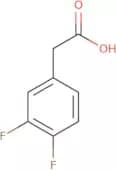
CAS:<p>3,4-Difluorophenylacetic acid is an organic compound that is a colorless liquid with a boiling point of 173°C. It is used in the synthesis of pharmaceuticals and other organic compounds. 3,4-Difluorophenylacetic acid belongs to the group of stereoisomers and has two forms, levo and dextro. The dextro form can be separated from the levo form by chromatographic techniques. This technique involves eluting the compound with a constant solvent gradient with selectivities for different chemical properties like choline uptake or high-performance liquid chromatography. 3,4-Difluorophenylacetic acid is also found in some additives such as cerebral modifiers or supercritical modifiers.</p>Formula:C8H6F2O2Purity:Min. 95%Color and Shape:PowderMolecular weight:172.13 g/mol




![Ethyl [2-methyl-3-(chlorosulfonyl)phenoxy]acetate](/_next/image/?url=https%3A%2Fstatic.cymitquimica.com%2Fproducts%2F3D%2Fthumb-webp%2FFE22936.webp&w=3840&q=75)

![Imidazo[1,2-α]pyridin-3-yl-boronic acid pinacol ester](/_next/image/?url=https%3A%2Fstatic.cymitquimica.com%2Fproducts%2F3D%2Fthumb-webp%2FFI51745.webp&w=3840&q=75)


![9-Fluoro-11β,17-Dihydroxy-16α-Methyl-3,20-Dioxopregna-1,4-Dien-21-Yl 2-[2-(2-Ethoxyethoxy)Ethoxy]A…](/_next/image/?url=https%3A%2Fstatic.cymitquimica.com%2Fproducts%2F3D%2Fthumb-webp%2FFF103016.webp&w=3840&q=75)
![3, 3'- Dihydroxy- [1, 1'- biphenyl] - 4, 4'- dicarboxylic acid](/_next/image/?url=https%3A%2Fstatic.cymitquimica.com%2Fproducts%2F3D%2Fthumb-webp%2FFD164941.webp&w=3840&q=75)