Carboxylic Acids
Carboxylic acids are organic molecules characterized by having a carboxyl-type functional group (-COOH). These acids are fundamental in various chemical reactions, including esterification, amidation, and decarboxylation. Carboxylic acids are widely used in the production of pharmaceuticals, polymers, and agrochemicals. In this section, you can find a large number of carboxylic acids ready to be used. At CymitQuimica, we provide a broad range of high-quality carboxylic acids to support your research and industrial applications.
Found 12453 products of "Carboxylic Acids"
Sort by
Purity (%)
0
100
|
0
|
50
|
90
|
95
|
100
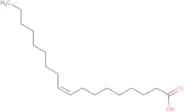
Oleic acid - EP
CAS:<p>Oleic acid is a naturally occurring monounsaturated fatty acid (C18:1, cis-9-octadecenoic acid) widely used as an excipient in pharmaceutical formulations. Due to its amphiphilic and lipophilic properties, oleic acid is an important drug excipient primarily used to enhance the solubility and bioavailability of poorly water-soluble drugs. As a fatty acid, it is widely used in cosmeceuticals as it acts as a solubilizer in lipid-based systems, an emulsifier in creams and ointments, and a penetration enhancer in transdermal patches, aiding drug absorption through the skin.</p>Formula:C18H34O2Purity:Min. 95%Color and Shape:Colorless Clear LiquidMolecular weight:282.46 g/molFluoroacetic anhydride
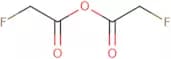
CAS:<p>Fluoroacetic anhydride is a sulfa drug that is used in the preparation of fluoroacetic acid. Fluoroacetic acid has been used to prepare fluorescent derivatives, which are useful for the detection of bile acids and serum proteins. Fluoroacetic acid is also an electrolyte that has been used to measure the concentration of copper ions. This compound is a glycosidic bond, which forms between a hydroxyl group and a carbohydrate or other organic molecule with an oxygen atom at its end. The heterocycle in this compound is bicyclic, meaning it contains two rings linked together by one carbon atom. The fatty acid in this compound consists of a carboxylic acid attached to a hydrocarbon chain with two or more double bonds, which are often unsaturated. Fluoroacetic anhydride may be found in infectious diseases such as tuberculosis and malaria. It may also be found in autoimmune diseases such as lupus erythematos</p>Formula:C4H4F2O3Purity:Min. 95%Color and Shape:Clear LiquidMolecular weight:138.07 g/mol1-Naphthylacetic acid
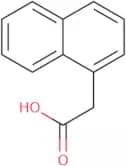
CAS:<p>1-Naphthylacetic acid is a fluorescent compound that can be used as a chemical marker for the identification of sodium salts. It has an optimum concentration of 0.1 mg/L and a maximum concentration of 1 mg/L in water. The fluorescence detector is set to measure the synchronous fluorescence at a wavelength of 515 nm. 1-Naphthylacetic acid is soluble in water and organic solvents, but insoluble in nonpolar solvents such as ether, chloroform, or benzene. This compound can be used for the detection of pesticides with a chemical structure similar to that of 1-naphthylacetic acid, such as 2-chloro-4-(trifluoromethoxy)phenol and 2-chloro-5-(trifluoromethoxy)phenol, using dispersive solid phase extraction (DSPE). The product description should include:</p>Formula:C12H10O2Purity:Min. 98 Area-%Color and Shape:White PowderMolecular weight:186.21 g/mol2-(2-Hydroxyphenyl)-5,5-dimethyl-1,3-thiazolidine-4-carboxylic acid
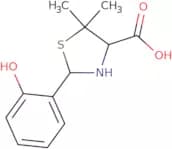
CAS:<p>Please enquire for more information about 2-(2-Hydroxyphenyl)-5,5-dimethyl-1,3-thiazolidine-4-carboxylic acid including the price, delivery time and more detailed product information at the technical inquiry form on this page</p>Formula:C12H15NO3SPurity:Min. 95%Color and Shape:PowderMolecular weight:253.32 g/mol2,4-Dibromobenzoic acid
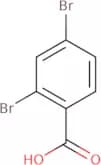
CAS:<p>2,4-Dibromobenzoic acid is a synthetic chemical that is a cross-coupling product. It is used as an intermediate in the synthesis of hydrophobic compounds. 2,4-Dibromobenzoic acid has been validated and its use is arguably safe. It can be synthesized through a number of methods, including the use of fluorescence to detect reaction progress and the use of binder to increase sensitivity. The compound binds to ionizable groups on proteins and interacts with them through hydrogen bonding. This interaction can lead to conformational changes in the protein, which are reversible or not.</p>Formula:C7H4Br2O2Purity:Min. 95%Color and Shape:PowderMolecular weight:279.91 g/molFmoc-iminodiacetic acid
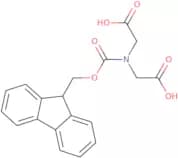
CAS:<p>Fmoc-iminodiacetic acid is a versatile building block and reagent that is used in the synthesis of complex compounds, such as peptides, proteins, and pharmaceuticals. It is also a useful intermediate in organic synthesis reactions. Fmoc-iminodiacetic acid has been shown to be effective as a reactant for the preparation of various scaffolds with high purity and quality.</p>Formula:C19H17NO6Purity:Min. 95%Color and Shape:PowderMolecular weight:355.34 g/molMethyl tetrahydropyran-4-carboxylate
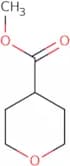
CAS:<p>Methyl tetrahydropyran-4-carboxylate (MTHPC) is a synthetic chemical that is used as a drug for the treatment of tuberculosis. MTHPC inhibits bacterial growth by binding to the CB1 receptor, which leads to the inhibition of protein synthesis, cell division, and cell wall biosynthesis. MTHPC has been shown to be effective against resistant strains of tuberculosis in vitro and in vivo. MTHPC is also an alkylating agent with significant activity against Mycobacterium tuberculosis isolates.</p>Formula:C7H12O3Purity:Min. 95%Molecular weight:144.17 g/mol(2E)-3-Methyl-2-hexenoic acid
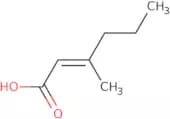
CAS:<p>(2E)-3-Methyl-2-hexenoic acid is a fatty acid that is metabolized by the liver to 3-hydroxy-3-methylhexanoic acid. This compound has been shown to be effective in the treatment of chronic schizophrenia, with clinical studies showing that it may be more effective than other anti-schizophrenia drugs. (2E)-3-Methyl-2-hexenoic acid has also been shown to have antibiotic properties against bacteria such as Staphylococcus aureus, Streptococcus pneumoniae and Pseudomonas aeruginosa. It has also been shown to be effective in treating infectious diseases such as malaria and tuberculosis. (2E)-3-Methyl-2-hexenoic acid binds to bacterial enzymes, inhibiting their function and preventing them from replicating DNA. This binding prevents the formation of an antibiotic inhibitor complex with the enzyme cell wall synthesis that is required for cell wall biosynthesis</p>Formula:C7H12O2Purity:Min. 95 Area-%Color and Shape:White PowderMolecular weight:128.17 g/mol3-(4-tert-Butylbenzene)prop-2-enoic acid
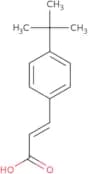
CAS:<p>3-(4-tert-Butylbenzene)prop-2-enoic acid is a potential vanilloid antagonist that blocks the binding of capsaicin to TRPV1 receptors. 3-(4-tert-Butylbenzene)prop-2-enoic acid has been shown to be potent and selective, with little or no effect on other neuronal receptors. The compound can be used as an analgesic in cases of chronic pain, such as those associated with cancer.</p>Formula:C13H16O2Purity:Min. 95%Color and Shape:PowderMolecular weight:204.26 g/mol2,4-Dioxo-4-phenylbutanoic acid
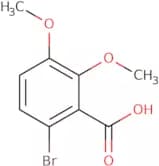
CAS:<p>2,4-Dioxo-4-phenylbutanoic acid is an inhibitor of the influenza virus that binds to its surface proteins and inhibits the replication of the virus. 2,4-Dioxo-4-phenylbutanoic acid is a stable complex that has been shown to be active against HIV. This compound has been shown to inhibit viral life by binding to the subunits of influenza A and B viruses. 2,4-Dioxo-4-phenylbutanoic acid has been synthesized as an active analogue of zanamivir and it is believed that this compound binds to the same site on the influenza A virus as zanamivir. The molecule is also tautomerizable, which means it can exist in two forms: ketone (the more stable form) or enol (less stable).</p>Formula:C10H8O4Purity:Min. 95%Color and Shape:PowderMolecular weight:192.17 g/mol6-Bromo-2,3-dimethoxybenzoic acid
CAS:<p>6-Bromo-2,3-dimethoxybenzoic acid is a synthetic chemical that has been shown to have antibacterial activity. It has been shown to inhibit the growth of bacteria by binding to the imine group in the bacterial cell wall and preventing its synthesis. 6-Bromo-2,3-dimethoxybenzoic acid has also been shown to be synthesised from 2,3-dimethoxybenzoic acid and bromine. This compound is a benzophenanthridine alkaloid that inhibits protein synthesis and cell division.</p>Formula:C9H9BrO4Purity:Min. 95%Color and Shape:PowderMolecular weight:261.07 g/mol2,3-Dihydroxy-4-methoxycinnamic acid ethyl ester
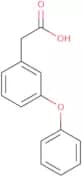
<p>Please enquire for more information about 2,3-Dihydroxy-4-methoxycinnamic acid ethyl ester including the price, delivery time and more detailed product information at the technical inquiry form on this page</p>Purity:Min. 95%3-Phenoxyphenylacetic acid
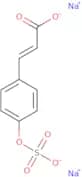
CAS:<p>3-Phenoxyphenylacetic acid is a diphenyl ether compound. It is used as a preservative and has antimycobacterial activity. 3-Phenoxyphenylacetic acid has been shown to be active against tuberculosis, with an MIC of 0.5 ug/mL. In addition, it can inhibit the growth of methicillin-resistant Staphylococcus aureus (MRSA) and erythromycin-resistant Mycobacterium tuberculosis. The mechanism of action is not fully understood, but may involve the inhibition of electron transport or oxidative phosphorylation in bacterial cells. 3-Phenoxyphenylacetic acid also inhibits the formation of reactive oxygen species from NADPH oxidase in human neutrophils, which may contribute to its antimicrobial activity.</p>Formula:C14H12O3Purity:Min. 95%Color and Shape:PowderMolecular weight:228.24 g/molp-Coumaric acid 4-O-sulfate disodium
CAS:<p>p-Coumaric acid 4-O-sulfate disodium salt is a high quality, reagent, complex compound. It is an intermediate in the synthesis of pyridoxal 5′-phosphate and may be used as a building block for the synthesis of other compounds. It is also a speciality chemical that may be used as a reaction component in organic synthesis.</p>Formula:C9H8O6S•Na2Purity:95%MinColor and Shape:PowderMolecular weight:290.2 g/molMethyl cyclohexene-1-carboxylate
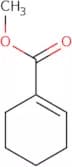
CAS:<p>Methyl cyclohexene-1-carboxylate is a functional group that is used in catalytic asymmetric synthesis. It has been shown to be a useful reactant for the synthesis of cyclopentenone, and it can also be used to synthesize isomers of methyl cyclopentane-1-carboxylate. Methyl cyclohexene-1-carboxylate reacts with organotin compounds to form five-membered rings and vinyl acetate. This compound is an asymmetric synthon that produces yields of up to 97%. Methyl cyclohexene-1-carboxylate can also undergo amide formation with ammonia or an amine, producing an alkene.</p>Formula:C8H12O2Purity:Min. 95%Color and Shape:Clear LiquidMolecular weight:140.18 g/molGanirelix acetate
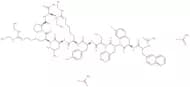
CAS:Controlled Product<p>Ganirelix acetate is a synthetic, non-steroidal, anti-hormonal agent of the gonadotropin releasing hormone (GnRH) receptor antagonist class. It is used in research as a building block for fine chemical and pharmaceutical synthesis. Ganirelix acetate has been shown to be useful in the synthesis of drugs that target the GnRH receptor or other receptors with high affinity for GnRH. This compound can act as an intermediate in many chemical reactions and is also a versatile scaffold for drug design.</p>Formula:C80H113ClN18O13•(C2H4O2)2Purity:Min. 95%Color and Shape:White PowderMolecular weight:1,690.42 g/mol3-N-Maleimidobenzoic acid N-succinimidyl ester
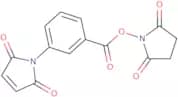
CAS:<p>3-N-Maleimidobenzoic acid N-succinimidyl ester is a potent inhibitor of the enzyme aromatase, the enzyme responsible for the conversion of androgens to estrogens. 3-N-Maleimidobenzoic acid N-succinimidyl ester binds covalently to the active site of aromatase, thereby inhibiting its activity. This drug also has been shown to be effective in reducing the production of blood group antigens in rats. 3-N-Maleimidobenzoic acid N-succinimidyl ester binds to homologous proteins, such as albumins and hemoglobins, and inhibits their function. The drug can be used as an immunogen to produce antibodies against these proteins. Toxicity studies have been conducted with this drug in rats and mice with no observed adverse effects at doses up to 500 mg/kg.</p>Formula:C15H10N2O6Purity:Min. 97 Area-%Color and Shape:PowderMolecular weight:314.25 g/molSPDP acid
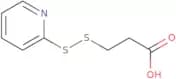
CAS:<p>SPDP acid is a linker that forms reversible disulfide bonds with thiols on drugs or proteins. The cleavage occurs under intracellular reducing conditions. Its heterobifunctionality permits the formation of new disulfide bonds by reacting with free thiol groups on proteins (like cysteines) and also with amines.</p>Formula:C8H9NO2S2Purity:Min. 95%Color and Shape:PowderMolecular weight:215.29 g/molHepcidin-25 (human) trifluoroacetate salt
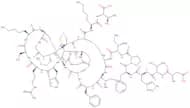
CAS:<p>Please enquire for more information about Hepcidin-25 (human) trifluoroacetate salt including the price, delivery time and more detailed product information at the technical inquiry form on this page</p>Formula:C113H170N34O31S9·C2HF3O2Purity:Min. 95 Area-%Color and Shape:PowderMolecular weight:2,903.38 g/molDiphenylglycolic acid hydrazide
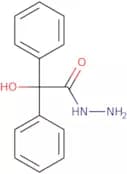
CAS:<p>Diphenylglycolic acid hydrazide is a novel antimicrobial agent that has been shown to have potent activity against Mycobacterium tuberculosis. It inhibits the synthesis of mycobacterial cell wall components, including phospholipids and glycolipids, by inhibiting the enzymes involved in the synthesis of these compounds. Diphenylglycolic acid hydrazide also has anti-inflammatory properties and can be used as an antituberculosis drug.</p>Formula:C14H14N2O2Purity:Min. 95%Color and Shape:PowderMolecular weight:242.27 g/mol4-Methoxy-2,3,5-trifluorobenzoic acid
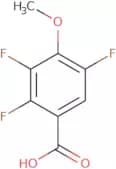
CAS:<p>4-Methoxy-2,3,5-trifluorobenzoic acid is a versatile building block that can be used in the synthesis of complex compounds. It is a high quality chemical that can be used as a reagent or speciality chemical in research. This compound has been shown to have many uses including as an intermediate for the synthesis of other chemicals and as a reaction component. 4-Methoxy-2,3,5-trifluorobenzoic acid can also be used as an important scaffold in the design of new drugs.</p>Formula:C8H5F3O3Purity:Min. 95%Color and Shape:White PowderMolecular weight:206.12 g/mol3-(4-Dimethylaminophenyl)propionic acid hydrochloride
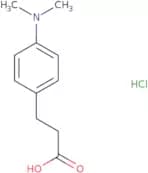
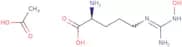
CAS:<p>3-(4-Dimethylaminophenyl)propionic acid hydrochloride is a white crystalline compound that is soluble in water. It has many uses as a building block, reagent, intermediate, or scaffold in organic synthesis due to its versatility and stability. 3-(4-Dimethylaminophenyl)propionic acid hydrochloride can be used as an additive to improve the performance of other substances. In addition, this chemical is a useful building block for the production of research chemicals or speciality chemicals.</p>Formula:C11H15NO2•HClPurity:Min. 95%Molecular weight:229.7 g/molN-γ-Hydroxy-L-arginine, acetate salt
CAS:Controlled Product<p>N-gamma-Hydroxy-L-arginine, acetate salt is a fluorescent compound that is used for the measurement of dinucleotide phosphate. It is synthesized from L-arginine by an enzymatic reaction in order to activate its fluorescence. N-gamma-Hydroxy-L-arginine, acetate salt has been shown to bind to calmodulin and therefore may be used as a potential biomarker for cancer diagnosis. The binding constants of N-gamma-Hydroxy-L-arginine, acetate salt to calmodulin have been measured using fluorescence spectroscopy. The matrix effect was also investigated and it was found that the maximum intensity of the compound's fluorescence emission shifted with varying concentrations of ammonium sulfate. This shift in frequency depends on the concentration of ammonium sulfate added to the solution. N-gamma-Hydroxy-L-arginine, acetate salt has been</p>Formula:C8H18N4O5Purity:Min. 95 Area-%Color and Shape:Off-White PowderMolecular weight:250.25 g/mol2-Fluoro-6-methoxybenzoic acid
CAS:<p>2-Fluoro-6-methoxybenzoic acid is a monocarboxylic acid that is synthesized from 2,6-dichlorobenzoic acid by a mediated, synthetic sequence. This compound can be used as a substrate for kinetic analyses of the transport of carboxylic acids across cellular membranes. The uptake of 2-fluoro-6-methoxybenzoic acid is expressed in the apical surface membrane of Caco2 cells. Kinetic studies indicate that this compound reacts rapidly with butyllithium to form an enamine intermediate. The enamine intermediate then reacts with either water or methanol to produce a final product, depending on the reaction time.</p>Formula:C8H7FO3Purity:Min. 95%Color and Shape:PowderMolecular weight:170.14 g/molMethyl 3-aminothieno[2,3-β]pyridine-2-carboxylate
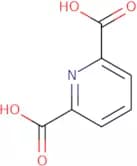
CAS:<p>Please enquire for more information about Methyl 3-aminothieno[2,3-β]pyridine-2-carboxylate including the price, delivery time and more detailed product information at the technical inquiry form on this page</p>Formula:C9H8N2O2SPurity:Min. 95%Color and Shape:PowderMolecular weight:208.24 g/mol2,6-Pyridinedicarboxylic acid
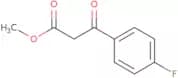
CAS:2,6-Pyridinedicarboxylic acid is a chemical compound that is mainly used as an antimicrobial agent. It binds to DNA by hydrogen bonding interactions and alters the polymerase chain reaction (PCR) process. This leads to inhibition of DNA synthesis and cell death. 2,6-Pyridinedicarboxylic acid has been shown to have synergistic effects when combined with sodium salts. It also inhibits transfer reactions in bacteria, which may be due to its ability to bind to picolinic acid. The structural analysis of 2,6-pyridinedicarboxylic acid showed that it contains a pyridine ring fused with two carboxyl groups. 2,6-Pyridinedicarboxylic acid reacts with picolinic acid in the presence of sodium salts and undergoes a series of reactions leading to the formation of picolinamide, which may explain its inhibitory properties.Formula:C7H5NO4Purity:Min. 95%Color and Shape:PowderMolecular weight:167.12 g/molMethyl 4-fluorobenzoylacetate
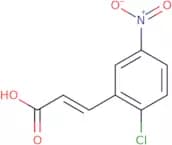
CAS:<p>Methyl 4-fluorobenzoylacetate is a prenyl compound that can be used as an anti-oxidant, hepatoprotective, and regulatory agent. The prenyl group in this molecule is responsible for its antioxidant activity. It also has been shown to have hepatoprotective properties in experimental animals with liver injuries. Methyl 4-fluorobenzoylacetate is used as a synthetic intermediate in the synthesis of coumarin derivatives and phenylcoumarins. This molecule may also have anti-inflammatory properties, which are due to its ability to inhibit cyclooxygenase enzymes. Methyl 4-fluorobenzoylacetate is also an antibacterial agent and has been shown to be a potent inhibitor of bacterial DNA gyrase and topoisomerase IV, which maintain the integrity of bacterial DNA. In addition, methyl 4-fluorobenzoylacetate has anticoagulant</p>Formula:C10H9FO3Purity:Min. 85%Color and Shape:Colourless To Pale Yellow LiquidMolecular weight:196.18 g/mol2-Chloro-5-nitrocinnamic acid
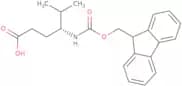
CAS:<p>2-Chloro-5-nitrocinnamic acid is a plant growth regulator that inhibits the root development of plants by interfering with the synthesis of 3-chlorocinnamic acid, which is a precursor in the biosynthesis of lignin. 2-Chloro-5-nitrocinnamic acid inhibits the enzyme cinnamoyl CoA reductase, which catalyzes the first step in this biosynthetic pathway. This compound also has shown to be a strong inhibitor of ester derivatives and pesticides, such as carbaryl and dichlorvos.</p>Formula:C9H6ClNO4Purity:Min. 95%Color and Shape:PowderMolecular weight:227.6 g/molFmoc-(R)-4-amino-5-methylhexanoic acid
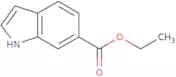
CAS:<p>Fmoc-(R)-4-amino-5-methylhexanoic acid is a versatile building block, useful scaffold, and useful intermediate. It can be used in the synthesis of complex compounds with high quality and purity. Fmoc-(R)-4-amino-5-methylhexanoic acid is also an important reaction component for research chemicals, speciality chemicals, and many other chemical reactions. It can be used as a reagent in organic synthesis.</p>Formula:C22H25NO4Purity:Min. 95%Color and Shape:PowderMolecular weight:367.44 g/molEthyl indole-6-carboxylate
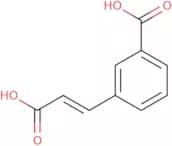
CAS:<p>Ethyl indole-6-carboxylate is a chiral compound with nitrogen atoms. It has a topology and substituents, so it can be substituted in several positions. It also has nitrate, which is an ion that can carry an electric charge. This molecule can form channels and crystals with a single-crystal x-ray diffraction pattern. The hydrocarbon part of the molecule has a crystal system and framework, making it porous. The x-ray diffraction pattern of ethyl indole-6-carboxylate shows its chemistry as well.</p>Formula:C11H11NO2Purity:Min. 95%Molecular weight:189.21 g/mol3-Carboxycinnamic acid
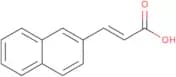
CAS:<p>3-Carboxycinnamic acid is a metabolite of cinnamic acid and belongs to the group of phenols. It is a potent inducer of apoptosis in human carcinoma cell lines, with potency comparable to all-trans retinoic acid. 3-Carboxycinnamic acid has been shown to induce apoptosis by increasing the expression of proapoptotic proteins such as Bax and decreasing the expression of antiapoptotic proteins such as Bcl-2. 3-Carboxycinnamic acid also interacts with other transcriptional regulators, including all-trans retinoic acid, which may explain its potent cytotoxic effects. This compound has been shown to inhibit cell cycle progression at G2/M phase by inhibiting DNA synthesis. In addition, 3-carboxycinnamic acid can increase protein synthesis in liver cells, but inhibits it in cardiac cells.</p>Formula:C10H8O4Purity:Min. 95%Color and Shape:PowderMolecular weight:192.17 g/mol3-(2-Naphthyl)acrylic acid
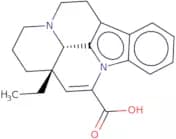
CAS:<p>3-(2-Naphthyl)acrylic acid is a compound that inhibits the enzymatic activity of benzylpiperidine N-acetyltransferase, which is an enzyme that catalyzes the conversion of benzylamine to benzylpiperidine. This inhibition prevents the production of dopamine and norepinephrine, with a consequent neuroprotective effect. 3-(2-Naphthyl)acrylic acid has been shown to be effective in reducing oxidative stress in intestinal fluids, thereby protecting against the damaging effects of free radicals. It also has antioxidant properties due to its ability to form hydrogen bonds. 3-(2-Naphthyl)acrylic acid can also be used as a cross-coupling agent in organic synthesis, due to its functional groups.</p>Formula:C13H10O2Purity:Min. 95%Molecular weight:198.22 g/molApovincaminic acid
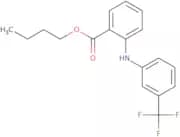
CAS:<p>Apovincaminic acid is a quaternary alcohol with the molecular formula CHNO. It is an acid ethyl ester, with hydroxy and hydroxy groups. Apovincaminic acid is a pharmacokinetic drug that is used in humans to treat chronic alcoholism. It has a linear pharmacokinetics profile, and does not have any autoinduction or alkaloid properties. It also does not show any significant interactions with other drugs. Apovincaminic acid binds to primary alcohols to form esters, which are eliminated from the body through urine.</p>Formula:C20H22N2O2Purity:Min. 95%Color and Shape:White/Off-White SolidMolecular weight:322.4 g/molFlufenamic acid butyl ester
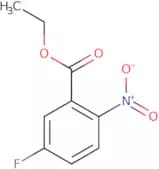
CAS:<p>Flufenamic acid is a nonsteroidal anti-inflammatory drug that relieves pain and inflammation. Flufenamic acid butyl ester is an analog of flufenamic acid. It has been shown to be effective in controlling bowel disease, especially inflammatory bowel disease. Flufenamic acid butyl ester has also been shown to control symptoms of neurodermatitis and autoimmune diseases when used as a nutrient solution. Flufenamic acid butyl ester has not been found to have any statistically significant effect on infectious diseases.</p>Formula:C18H18F3NO2Purity:Min. 95%Color and Shape:Colorless PowderMolecular weight:337.34 g/mol3-Fluoro-6-nitrobenzoic acid ethyl ester
CAS:<p>3-Fluoro-6-nitrobenzoic acid ethyl ester is a high quality chemical that is used as an intermediate in the synthesis of complex compounds. It is also a useful scaffold for the synthesis of other compounds and can be used as a building block in the production of speciality chemicals. 3-Fluoro-6-nitrobenzoic acid ethyl ester has many reactions that it participates in, such as being a reaction component for the synthesis of pharmaceuticals and agrochemicals. This compound is versatile enough to be used in research or for commercial purposes.</p>Formula:C9H8FNO4Purity:Min. 95%Color and Shape:PowderMolecular weight:213.16 g/mol1-[(5-Chloro-1-methyl-1H-indol-3-yl)methyl]piperidine-4-carboxylic acid
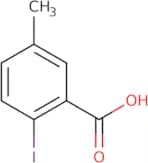
CAS:Controlled Product<p>Please enquire for more information about 1-[(5-Chloro-1-methyl-1H-indol-3-yl)methyl]piperidine-4-carboxylic acid including the price, delivery time and more detailed product information at the technical inquiry form on this page</p>Formula:C16H19ClN2O2Purity:Min. 95%Molecular weight:306.79 g/mol2-Iodo-5-methylbenzoic acid
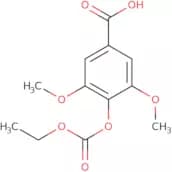
CAS:<p>2-Iodo-5-methylbenzoic acid is a fine chemical, useful building block and reagent that is used in the synthesis of complex compounds. It is versatile because it can be used as a reactant, intermediate or scaffold in many chemical reactions. It has been shown to be an effective catalyst for the Suzuki reaction and Buchwald-Hartwig amination reaction. 2-Iodo-5-methylbenzoic acid has also been found to be a useful intermediate for the synthesis of many pharmaceuticals, such as tamoxifen, griseofulvin, mesalazine, and risperidone.</p>Formula:C8H7IO2Purity:Min. 95%Color and Shape:PowderMolecular weight:262.04 g/molCarbethoxysyringic acid
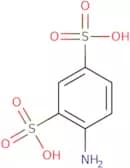
CAS:<p>Carbethoxysyringic acid is a reagent, complex compound, useful intermediate and fine chemical. It is also a useful scaffold for the synthesis of other organic compounds. Carbethoxysyringic acid is used in the production of speciality chemicals, research chemicals and versatile building blocks. Carbethoxysyringic acid has been shown to be an excellent reaction component in many reactions such as hydrogenation, nitro reduction, oxidation and hydrolysis.</p>Formula:C12H14O7Purity:Min. 95%Color and Shape:PowderMolecular weight:270.24 g/molAniline-2,4-disulfonic acid
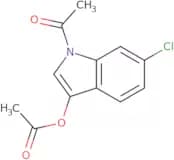
CAS:<p>Aniline-2,4-disulfonic acid is a colorless solid with an unpleasant odor. It can be synthesized by the reaction of aniline and sulfuric acid. Aniline-2,4-disulfonic acid is used in the production of dyes and pharmaceuticals. This compound is insoluble in water and soluble in alcohols.</p>Formula:C6H7NO6S2Purity:Min. 95%Color and Shape:White PowderMolecular weight:253.25 g/mol6-Chloro-3-indolyl 1,3-diacetate
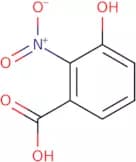
CAS:<p>6-Chloro-3-indolyl 1,3-diacetate is an aglycone that is used as a chromogenic substrate for the detection of bacteria. It reacts with specific enzymes in the bacterial cell wall to produce a red or pink color. 6-Chloro-3-indolyl 1,3-diacetate is used as a diagnostic tool to identify bacteria and has been shown to be excreted in urine.</p>Formula:C12H10ClNO3Purity:Min. 95%Color and Shape:Yellow To Light Brown SolidMolecular weight:251.67 g/mol3-Hydroxy-2-nitrobenzoic acid
CAS:<p>3-Hydroxy-2-nitrobenzoic acid is a metabolite of 3-hydroxyanthranilic acid, which is an intermediate in the biosynthesis of amino acids. It can be found in animals and plants. 3-Hydroxy-2-nitrobenzoic acid has two isomers: 3,5-dihydroxybenzoic acid and 3,4,5-trihydroxybenzoic acid. The former is more abundant than the latter. In animal tissues, 3-hydroxybenzoic acid can be found as a diacid or as a salt with sodium or potassium. It reacts with various compounds to form oxidation products that have been shown to have sequences that are different from those of their precursors. These oxidation products are analyzed for the presence of their carboxylate group to identify the original compound. This carboxylate group can then be used as a ligand in matrix assisted laser desorption</p>Formula:C7H5NO5Purity:90%Color and Shape:Yellow PowderMolecular weight:183.12 g/mol3-(2,5-Dimethylbenzoyl)-acrylic acid
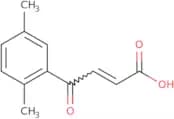
CAS:<p>3-(2,5-Dimethylbenzoyl)-acrylic acid is a reactive component and reagent that is used in the synthesis of molecular building blocks. It can also be used as a versatile building block for complex compounds, such as pharmaceutical intermediates. 3-(2,5-Dimethylbenzoyl)-acrylic acid has a CAS number of 15254-22-5. This chemical is considered to be high quality and is useful in research laboratories and speciality chemical suppliers.</p>Formula:C12H12O3Purity:Min. 95%Molecular weight:204.22 g/mol3-[2-(Benzoyloxy)phenyl)propionic acid
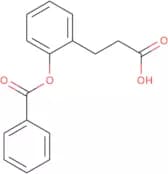
CAS:<p>3-[2-(Benzoyloxy)phenyl]propionic acid is a fine chemical that is useful for the synthesis of a wide range of chemicals. It is used as a versatile building block, intermediate and reagent in organic chemistry. This compound has CAS number 59725-59-6 and is soluble in water. 3-[2-(Benzoyloxy)phenyl]propionic acid can be synthesized from benzaldehyde, phenylacetic acid and propionic anhydride in the presence of sodium acetate.</p>Formula:C16H14O4Purity:Min. 95%Color and Shape:PowderMolecular weight:270.28 g/molMethyl azetidine-3-carboxylate hydrochloride
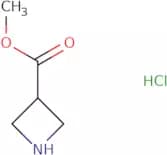
CAS:<p>Methyl azetidine-3-carboxylate hydrochloride is a potent suppressant of the immune system. It has been shown to be effective at reducing the incidence of experimental autoimmune encephalomyelitis in monkeys, and also shows promise as a therapeutic agent for human immunodeficiency virus (HIV) infection. Methyl azetidine-3-carboxylate hydrochloride is orally active and can be administered in doses that are not toxic to the host. There have been no reports of adverse effects from administration of this drug, with the exception of nausea and vomiting, which were reported at doses greater than 30 mg/kg. Pharmacokinetic studies indicate that methyl azetidine-3-carboxylate hydrochloride does not accumulate in lymphocytes or other tissues following repeated oral doses, but instead is excreted rapidly via urine. The pharmacological activity of this compound appears to be due to its ability to inhibit protein synthesis by binding to rib</p>Formula:C5H10ClNO2Purity:Min. 95%Color and Shape:PowderMolecular weight:151.59 g/mol(2-Aminophenyl)boronic acid hydrochloride
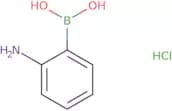
CAS:<p>(2-Aminophenyl)boronic acid hydrochloride is an analytical reagent that is used in the cross-coupling reaction between aryl bromides and organoboron compounds. It has been synthesized from 2-aminophenylboronic acid, which can be produced by the alkylation of phenol with 3-bromoquinoline. This compound has been shown to have antimalarial activity against the human malaria parasite Plasmodium falciparum in vitro. (2-Aminophenyl)boronic acid hydrochloride has also been shown to have a high intestinal absorption rate when given orally to rats. In vivo studies are needed to determine whether this chemical is safe for humans.</p>Formula:C6H9BClNO2Purity:Min. 95%Color and Shape:PowderMolecular weight:173.41 g/mol4-Fluoro-2-hydroxybenzoic acid methyl ester
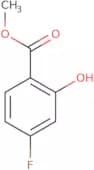
CAS:<p>4-Fluoro-2-hydroxybenzoic acid methyl ester is a chemical compound that is used as a synthetic intermediate in the synthesis of drugs. 4-Fluoro-2-hydroxybenzoic acid methyl ester can be prepared by reductive amination of an acyl chloride with an amine, followed by reaction with methanol. This chemical intermediate is used in the synthesis of the BCL-2 inhibitor venetoclax, which inhibits cell growth and induces apoptosis in lymphoma cells. 4-Fluoro-2-hydroxybenzoic acid methyl ester also has been shown to inhibit the activity of amidating enzymes and transferases, suggesting it may have potential as an anti-inflammatory drug.</p>Formula:C8H7FO3Purity:Min. 95%Color and Shape:PowderMolecular weight:170.14 g/molDL-Hydroxysuccinic acid sodium
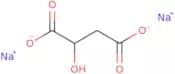
CAS:<p>DL-Hydroxysuccinic acid sodium (DLS) is a metabolite of the enzyme succinic dehydrogenase, which is involved in the conversion of malic acid to acrylate. It is an inhibitor of malic enzyme and glycol ether hydrolase, with toxicity studies showing that DLS inhibits the activity of complex enzymes. DLS has been shown to have interactions with sunitinib and sodium salts. The potential for drug interactions should be considered when administering DLS with other drugs. DL-Hydroxysuccinic acid sodium also has effects on energy metabolism, as it may inhibit enzymes such as malate dehydrogenase and 2-oxoglutarate dehydrogenase.</p>Formula:C4H4Na2O5Purity:Min. 95%Color and Shape:PowderMolecular weight:178.05 g/mol5-Formyl-2-thiopheneboronic acid
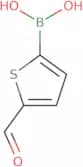
CAS:<p>5-Formyl-2-thiopheneboronic acid is a synthetic molecule that has been shown to be an effective electron microscope stabilizer. It is a boronate ester with a formyl group at the 2-position and a thiophene ring at the 5-position. The chloride in this molecule is used as a functional group, which can then react with other molecules to form new compounds. The functional theory of 5-formyl-2-thiopheneboronic acid includes its ability to form bonds with other molecules and its use as an inorganic base. The particle size of 5-formyl-2-thiopheneboronic acid is unsymmetrical, making it different from other molecules.</p>Formula:C5H5BO3SPurity:Min. 95%Color and Shape:PowderMolecular weight:155.97 g/molMeclofenamic acid
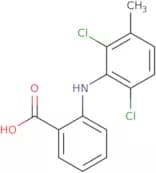
CAS:<p>Meclofenamic acid is a nonsteroidal anti-inflammatory drug (NSAID) that inhibits the activity of cyclooxygenase and lipoxygenase. It is used for the treatment of mild to moderate pain, dysmenorrhea, and menstrual cramps. Meclofenamic acid binds to polymerase chain reaction (PCR) substrate-binding site, inhibiting DNA synthesis in rat hippocampal neurons. This drug has also been shown to suppress disease activity in animals with experimental arthritis. Meclofenamic acid can be administered orally or intravenously without altering its effect on disease activity or blood sampling results. The drug is rapidly metabolized by hydroxylation and conjugation with glucuronic acid, followed by excretion in urine or feces. Meclofenamic acid significantly cytotoxic to human polymorphonuclear leukocytes at high concentrations, which may be due to its ability to modify RNA synthesis and protein synthesis.</p>Formula:C14H11Cl2NO2Purity:Min. 95%Color and Shape:White PowderMolecular weight:296.15 g/mol3,5-Difluoro-4-methoxybenzoic acid
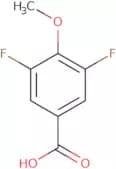
CAS:<p>3,5-Difluoro-4-methoxybenzoic acid is a chemical compound that is used as both a starting material and an intermediate in organic synthesis. It can be obtained from the reaction of 2,4-difluoro-3-methoxybenzoyl chloride with 3,5-dimethoxyaniline. 3,5-Difluoro-4-methoxybenzoic acid has been shown to be useful as a building block in the synthesis of other compounds with potent antibiotic activity such as fluoroquinolones. This compound is also used to synthesize aminomethylcyclohexane and methylaminomethylcyclohexane, which are useful in the manufacture of pesticides.</p>Formula:C8H6F2O3Purity:Min. 95%Color and Shape:PowderMolecular weight:188.13 g/molIndole-3-propionic acid
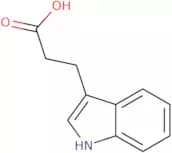
CAS:<p>Indole-3-propionic acid is a metabolite of tryptophan. It has been shown to have a number of physiological effects, including the induction of apoptosis and inhibition of cell proliferation. Indole-3-propionic acid may be a potential biomarker for bowel disease, as well as an analytical method for detecting hydrogen bonding interactions. This compound has also been shown to have pharmacological effects in the treatment of diseases such as mitochondrial dysfunction, heart failure, and cancer. Indole-3-propionic acid is an agonist to the 5HT receptor and can activate the mammalian target of rapamycin (mTOR) pathway. The mTOR pathway regulates energy metabolism by regulating protein synthesis and cell growth.</p>Formula:C11H11NO2Color and Shape:White Off-White PowderMolecular weight:189.21 g/molPamidronic acid sodium salt hydrate
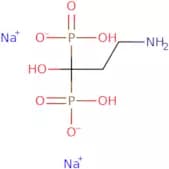
CAS:<p>Farnesyl diphosphate synthase inhibitor</p>Formula:C3H9NNa2O7P2·xH2OPurity:Min. 95%Color and Shape:PowderMolecular weight:279.03 g/mol3-(2-Hydroxyphenyl)propionic acid
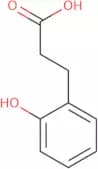
CAS:<p>3-(2-Hydroxyphenyl)propionic acid (HPPA) is an inorganic acid that is found in microbial metabolism. HPPA has been shown to inhibit the growth of bacteria by reacting with the hydroxyl group on the enzyme's active site, thus irreversibly inhibiting enzymatic activity. HPPA can be used as an alternative to other inorganic acids such as p-hydroxybenzoic acid and malonic acid due to its ability to scavenge anion radicals. This inhibition of enzyme activity can be used in wastewater treatment to remove organic compounds from industrial waste streams. It also has been shown to have anti-cancer properties against human breast cancer cells, which may be due to its ability to induce cell death through apoptosis and/or necrosis.</p>Formula:C9H10O3Purity:Min. 95%Color and Shape:White PowderMolecular weight:166.17 g/mol2,3-Dihydroxy-1-piperidinecarboxylic acid phenylmethyl ester
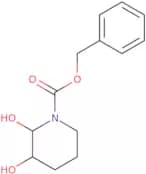
CAS:<p>2,3-Dihydroxy-1-piperidinecarboxylic acid phenylmethyl ester is a useful scaffold for making complex compounds. It is a reagent that can be used in reactions to make fine chemicals and a useful building block for the synthesis of complex compounds. It is also a useful intermediate in organic chemistry, with CAS No. 473436-50-9, and it is a versatile building block which can be used to synthesize many different types of chemical products.</p>Formula:C13H17NO4Purity:Min. 95%Color and Shape:Clear LiquidMolecular weight:251.28 g/molAzidopalmitic acid
CAS:<p>Azidopalmitic acid is a synthetic fatty acid that is used in the detection of cellular DNA. It can be detected using methods such as tritiated, expressed, or myristic azide. Azidopalmitic acid has also been shown to be compatible with polymerase chain reaction (PCR) and immobilized metal ion affinity chromatography (IMAC). This molecule is useful for conjugates that are radiolabeled with [3H]azidoacetyl palmitate and [14C]azidoacetyl palmitate. Azidopalmitic acid has been synthetically produced by reacting malonic acid with sodium azide. This compound is also reusable, which makes it an ideal way to label nucleotides during PCR reactions.</p>Formula:C16H31N3O2Purity:Min. 95%Color and Shape:White PowderMolecular weight:297.44 g/mol4-Chlorophenylacetic acid
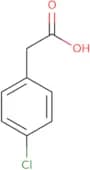
CAS:<p>4-Chlorophenylacetic acid is a fatty acid that reacts with hydroxyl groups to form reaction intermediates. It has been used in antiestrogen therapy as it is able to inhibit the activity of estrogen. It has also been used in polymeric matrices to control the release of silver ions for the treatment of cancer. 4-Chlorophenylacetic acid is synthesized by acylation of phenylacetic acid with chloroacetyl chloride in the presence of hydrochloric acid and sephadex g-100. 4-Chlorophenylacetic acid has been shown to inhibit tumor growth in animal models, which may be due to its ability to induce apoptosis.</p>Formula:C8H7ClO2Purity:Min. 97.5 Area-%Color and Shape:White PowderMolecular weight:170.59 g/molPotassium phloroglucinol carboxylate
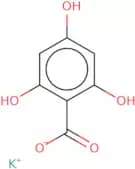
CAS:<p>Potassium phloroglucinol carboxylate is a fine chemical that can be used as a versatile building block, complex compound, research chemical, reagent, speciality chemical and useful intermediate. It is also a useful scaffold for the synthesis of other compounds. Potassium phloroglucinol carboxylate has been shown to react with a wide variety of functional groups and has been used in the preparation of new compounds. The CAS number for potassium phloroglucinol carboxylate is 91313-55-2.</p>Formula:C7H5O5·KPurity:Min. 95%Color and Shape:PowderMolecular weight:208.21 g/molDiisopropyl azodicarboxylate
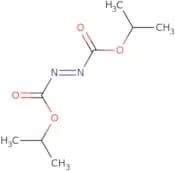
CAS:<p>Diisopropyl azodicarboxylate is a pyrimidine compound that can be used in the treatment of autoimmune diseases and eye disorders. It is also an important chemical intermediate for pharmaceuticals, such as chemotherapeutic agents. Diisopropyl azodicarboxylate reacts with a nucleophilic group to form a new carbon-nitrogen bond by elimination of nitrogen gas. The reaction mechanism has been studied extensively and is well understood. Diisopropyl azodicarboxylate is a potent inhibitor of many enzymes, including those involved in the synthesis of proteins and phospholipids. It inhibits angiotensin-converting enzyme (ACE), which breaks down angiotensin I into angiotensin II, leading to vasoconstriction. Diisopropyl azodicarboxylate also inhibits receptor molecules that are involved in cell signaling pathways, such as the epidermal growth factor receptor (EGFR).</p>Formula:C8H14N2O4Purity:Min. 98 Area-%Color and Shape:Clear LiquidMolecular weight:202.21 g/molD-Lactic acid
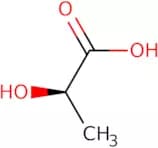
CAS:<p>D-lactic acid is a metabolic byproduct of lactic acid bacteria that can be found in food products such as fermented vegetables and dairy products. It is also produced in the human body and can be used as an energy source. D-lactic acid has been shown to have antibacterial efficacy against wild-type strains of Escherichia coli, but not against multidrug-resistant strains. D-lactic acid has been shown to increase the mitochondrial membrane potential and decrease the surface area of squamous carcinoma cells.</p>Formula:C3H6O3Color and Shape:Clear LiquidMolecular weight:90.08 g/mol4-(Dimethylamino)phenylaceticacid
CAS:<p>4-(Dimethylamino)phenylacetic acid (DMAPA) is a chemical inhibitor that binds to fatty acids. It has been shown to have antitumor effects on prostate cancer cells in vitro and in vivo, as well as anti-inflammatory properties. DMAPA also inhibits the synthesis of prostaglandins, which may be due to its binding to amines or the uv irradiation of the molecule. DMAPA has been shown to be effective in preventing the aggregation of serotonin receptors, which may play a role in its potential use for treating depression.</p>Formula:C10H13NO2Purity:Min. 95%Color and Shape:PowderMolecular weight:179.22 g/mol2-Amino-1-aza-3-((4-methylphenyl)sulfonyl)prop-1-enyl thiophene-2-carboxylate
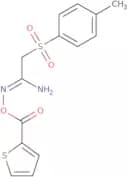
CAS:<p>Please enquire for more information about 2-Amino-1-aza-3-((4-methylphenyl)sulfonyl)prop-1-enyl thiophene-2-carboxylate including the price, delivery time and more detailed product information at the technical inquiry form on this page</p>Formula:C14H14N2O4S2Purity:Min. 95%Color and Shape:PowderMolecular weight:338.4 g/molQuillaic acid
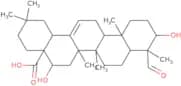
CAS:Controlled Product<p>Quillaic acid is a natural product that has been found to show significant cytotoxicity. It has been shown to have anti-inflammatory and anti-microbial properties, as well as the ability to inhibit pro-apoptotic proteins. Quillaic acid is a saponin with a chemical structure that includes nitrogen atoms and hydroxyl groups. It also contains cisplatin-induced nephrotoxicity and can be used for the treatment of infectious diseases. Quillaic acid has significant structural similarities to cisplatin, which is an anticancer agent that inhibits DNA synthesis by binding to DNA gyrase and topoisomerase IV in bacterial cells.</p>Formula:C30H46O5Purity:Min. 95%Color and Shape:PowderMolecular weight:486.68 g/mol4-Chloro-3-nitro-5-sulfamoylbenzoic acid
CAS:<p>4-Chloro-3-nitro-5-sulfamoylbenzoic acid is a chemical compound that belongs to the group of speciality chemicals. It is a versatile building block for the synthesis of complex compounds. 4-Chloro-3-nitro-5-sulfamoylbenzoic acid has high quality and can be used as reagents in research or as a building block for the synthesis of new molecules.</p>Formula:C7H5ClN2O6SPurity:Min. 95%Color and Shape:PowderMolecular weight:280.64 g/molSubstance P acetate salt
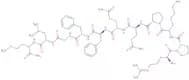
CAS:<p>The Substance P acetate salt is a white or off-white crystalline powder. It is soluble in ethanol and methanol, sparingly soluble in water, and insoluble in ether. The Substance P acetate salt has been widely used as a research chemical and building block for the synthesis of complex compounds. The CAS number for the substance is 137348-11-9.</p>Formula:C63H98N18O13S·C2H4O2Purity:Min. 95 Area-%Color and Shape:PowderMolecular weight:1,407.68 g/moltert-Butylboronic acid pinacol ester
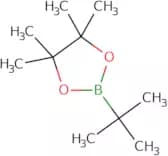
CAS:<p>tert-Butylboronic acid pinacol ester is a fine chemical reagent that is used as a building block in the synthesis of complex compounds. It is an intermediate in reactions involving the conversion of alcohols to esters with the use of acid catalysts. Tert-butylboronic acid pinacol ester has been shown to be a useful scaffold for organic synthesis, and can be used as a high quality reaction component. It also has applications as a research chemical and speciality chemical.</p>Formula:C10H21BO2Purity:Min. 95%Color and Shape:Clear LiquidMolecular weight:184.08 g/mol3-Hydroxyanthranilic acid
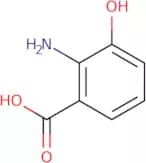
CAS:<p>3-Hydroxyanthranilic acid (3HA) is an intermediate in the synthesis of tryptophan, which is a precursor to serotonin. 3HA has been shown to be beneficial for brain functions and bowel disease. It also has a synergic effect with picolinic acid as a treatment for Parkinson's disease. A study has shown that 3HA increases energy metabolism and promotes the production of high-energy molecules such as ATP, NADH, and FADH2. The biological sample can be collected from blood or urine. The analytical method used is high performance liquid chromatography with UV detection at 280 nm.</p>Formula:C7H7NO3Purity:Min. 95%Color and Shape:PowderMolecular weight:153.14 g/molTetrahydro-2H-pyran-3-ylacetic acid
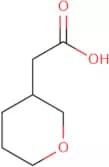
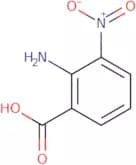
CAS:<p>Tetrahydro-2H-pyran-3-ylacetic acid (THPA) is a chemical that is used as a reagent, speciality chemical and building block in the synthesis of more complex compounds. It is also used as a reaction component and intermediate in the synthesis of various pharmaceuticals. THPA has been shown to be an effective scaffold for creating new drugs that are useful in the treatment of diabetes, cancer and other diseases. This compound can be synthesized from cyclopentanone through a two step process involving oxidation and esterification.</p>Formula:C7H12O3Purity:Min. 95%Color and Shape:Clear LiquidMolecular weight:144.17 g/mol2-Amino-3-nitrobenzoic acid
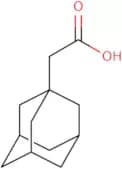
CAS:<p>2-Amino-3-nitrobenzoic acid (2ABN) is a peroxide that is used as an antiviral. 2ABN has been shown to inhibit the formation of reactive oxygen species in cancer cells, leading to apoptosis. It also inhibits the growth of carcinoma cell lines and tissues. 2ABN reacts with chloral hydrate to form a particle that can be encapsulated for delivery and release in vivo. This drug has been expressed in Escherichia coli, which may lead to improved stability and ease of production. 2ABN is thought to have anti-inflammatory properties due to its ability to inhibit the production of prostaglandins. The reactivity of 2ABN with surfactants such as sodium laureth sulfate (SLES) has been shown, which leads to it being used as an emulsifying agent for topical application.</p>Formula:C7H6N2O4Purity:Min. 95%Color and Shape:PowderMolecular weight:182.13 g/mol1-Adamantane acetic acid
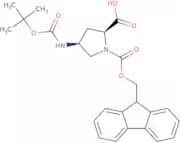
CAS:<p>1-Adamantane acetic acid is a naphthenic organic compound that has physiological effects. It is a hydrogen-bond acceptor and has a trifluoroacetic acid group. The compound inhibits mitochondrial function by inhibiting the enzyme ATPase, which is involved in the synthesis of ATP. 1-Adamantane acetic acid also inhibits tumor growth by inducing apoptosis in cancer cells. It has been shown to have potent antagonist activity against amide neurotransmitters such as acetylcholine and serotonin, which are involved in the regulation of muscle contractions and mood respectively.</p>Formula:C12H18O2Purity:Min. 95%Color and Shape:White PowderMolecular weight:194.27 g/molBoc-(2S,4S)-4-amino-1-Fmoc-pyrrolidine-2-carboxylic acid
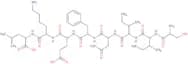
CAS:<p>Useful chiral building block</p>Formula:C25H28N2O6Purity:Min. 95%Molecular weight:452.5 g/molOvalbumin (257-264) (chicken) acetate salt
CAS:<p>Ovalbumin (257-264) is an acetate salt of a fragment of the protein ovalbumin.</p>Formula:C45H74N10O13Purity:Min. 95%Color and Shape:SolidMolecular weight:963.13 g/molAndrostenediol 3-acetate
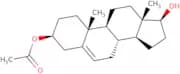
CAS:Controlled Product<p>Androstenediol 3-acetate is an oxime that is used as a coupling agent in organic synthesis. It uncouples oxidative phosphorylation by forming a covalent bond to the enzyme cytochrome-c oxidase, which is involved in the electron transport chain of mitochondria. This inhibits ATP production and forces the cell to rely on anaerobic glycolysis for energy. The efficiency of this reaction was determined through nuclear magnetic resonance spectroscopy and found to be about 60%. Androstenediol 3-acetate has been shown to increase myocardial contractility and cause cardiac hypertrophy in rats.</p>Formula:C21H32O3Purity:Min. 95%Color and Shape:PowderMolecular weight:332.48 g/molHead activator (7-11) acetate
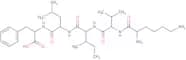
CAS:<p>Please enquire for more information about Head activator (7-11) acetate including the price, delivery time and more detailed product information at the technical inquiry form on this page</p>Formula:C32H54N6O6•(C2H4O2)xPurity:Min. 95%Molecular weight:618.81 g/molNesiritide acetate
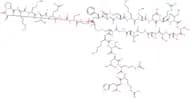
CAS:<p>Nesiritide acetate is a man-made form of the natriuretic peptide hormone that is secreted by the heart. It is used to treat high blood pressure and congestive heart failure. Nesiritide acetate increases the amount of sodium and water excreted from the body, which reduces blood volume and lowers blood pressure. It also relaxes blood vessels, leading to lower blood pressure. This drug can also be used in diagnosis to assess levels of natriuretic peptides in the bloodstream. The typical therapeutic dose for this drug is 100 mcg/kg given intravenously over 30 minutes and then infusion at 0.01 mcg/kg/min for up to 24 hours. The dosage may be increased or decreased depending on the severity of symptoms or side effects experienced by the patient.</p>Formula:C143H244N50O42S4•(C2H4O2)xPurity:Min. 95 Area-%Color and Shape:PowderMolecular weight:3,464.05 g/molEthyl 2,4-dichloroacetoacetate
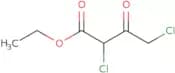
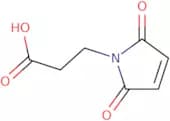
CAS:<p>Ethyl 2,4-dichloroacetoacetate is a reaction component that is used as a reagent in organic synthesis. It has been shown to be a useful scaffold for the preparation of complex compounds and fine chemicals. It can also be used as a useful intermediate or building block for the synthesis of other molecules.</p>Formula:C6H8Cl2O3Purity:Min. 95%Color and Shape:Colorless Clear LiquidMolecular weight:199.03 g/mol3-Maleimidopropionic acid
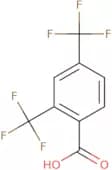
CAS:<p>3-Maleimidopropionic acid, also abbreviated as 3MPA or BMPA, reacts with thiols to form stable conjugates. It is non-cleavable under standard biological conditions.</p>Formula:C7H7NO4Purity:Min. 95%Color and Shape:PowderMolecular weight:169.13 g/mol2,4-Bis(trifluoromethyl)benzoic acid
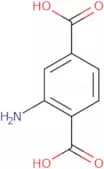
CAS:<p>2,4-Bis(trifluoromethyl)benzoic acid (2,4-BTFBA) is a styrene derivative that can be used as a matrix in the preparation of polystyrene for MALDI mass spectrometry analysis. 2,4-BTFBA is a monomer that has been shown to lead to high yields and transfer in the production of polystyrene and poly(methyl methacrylate). It has also been found to be an effective inhibitor of 2,5-dihydroxybenzoic acid (DHBA) and other DHBA derivatives. The inhibition mechanism of 2,4-BTFBA on DHBA activity is not yet clear. The nature of this compound as well as its use in matrix-assisted laser desorption/ionization are still under investigation.</p>Formula:C9H4F6O2Purity:Min. 95%Color and Shape:PowderMolecular weight:258.12 g/mol2-Aminoterephthalic acid
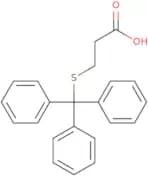
CAS:<p>2-Aminoterephthalic acid is a sulfa drug that has a skeleton containing two nitrogen atoms. It is a white, crystalline powder and can be dissolved in water. 2-Aminoterephthalic acid is used as an intermediate for the preparation of other sulfa drugs. The detection limit of this compound was determined to be 0.5 mg/L with the use of a chemiluminescence method and fluorescence probe. This compound reacts with acid to form an acid complex that can be detected by plasma mass spectrometry or electrochemical impedance spectroscopy.</p>Formula:C8H7NO4Purity:Min. 97 Area-%Color and Shape:White PowderMolecular weight:181.15 g/mol3-(Tritylthio)propionic acid
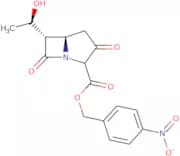
CAS:<p>3-(Tritylthio)propionic acid is a cyclic lipopeptide that has been shown to inhibit the growth of prostate cancer cells and bacteria. The compound has also been shown to be an effective broad-spectrum antimicrobial with a neutral pH. 3-(Tritylthio)propionic acid is synthesized by coupling an amine with a thiol containing molecule in the presence of hydrogen fluoride. This process produces a cyclic peptide that is stabilized by a disulfide bond between two cysteine residues. Hydrogen bonding interactions between 3-(tritylthio)propionic acid molecules allow for the formation of nanomaterials, which may have potential applications in medical imaging.</p>Formula:C22H20O2SPurity:Min. 98 Area-%Color and Shape:White Off-White PowderMolecular weight:348.46 g/molp-Nitrobenzyl 6-(1'-hydroxyethyl)-azabicyclo(3.2.0)heptane-3,7-dione-2-carboxylate
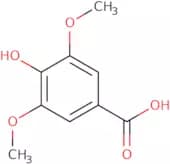
CAS:<p>p-Nitrobenzyl 6-(1'-hydroxyethyl)-azabicyclo(3.2.0)heptane-3,7-dione-2-carboxylate is a drug substance that is used in the manufacture of carbapenem antibiotics. It can be detected by a chloride ion chromatographic method, and the detection limit is 0.5 mg/L in the presence of zinc powder as a modifier. This material is used to prepare carbapenems using an analytical method that includes reaction monitoring by optical rotation, diastereomer chromatography, and transfer.</p>Formula:C16H16N2O7Purity:Min. 95%Color and Shape:PowderMolecular weight:348.31 g/molSyringic acid
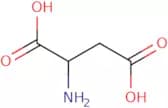
CAS:<p>Syringic acid is a phenolic acid that is found in the bark of the syringa tree (Lilac). It has been used in traditional Chinese medicine preparations to treat conditions such as skin problems and convulsions. Syringic acid is an intermediate in the biosynthesis of hydroxybenzoic acid, which is used as an analytical marker for plant identification. Syringic acid can be extracted from plants using subcritical water extraction or acetate extract. The sample preparation involves preparing samples of plant tissue by grinding them into a powder, followed by extraction with organic solvents. The final step is to purify the extract using column chromatography or recrystallization techniques.</p>Formula:C9H10O5Purity:Min. 98 Area-%Color and Shape:PowderMolecular weight:198.17 g/molDL-Aspartic acid
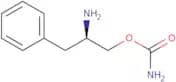
CAS:<p>Aspartic acid is an amino acid that belongs to the group of aspartates. It is synthesized in the human body and used in biochemical reactions. Aspartic acid has been shown to play a role in cancer, bowel disease, and fibrosis. The chemical properties of aspartic acid have been studied using various model systems such as polymerase chain reaction (PCR) and p-nitrophenyl phosphate assay. Aspartic acid is a substrate for the enzyme asparaginase, which converts it into asparagine, another amino acid that can be used by the body.</p>Formula:C4H7NO4Color and Shape:White Off-White PowderMolecular weight:133.1 g/molSolriamfetol
CAS:Controlled Product<p>Solriamfetol is a drug that belongs to the class of psychostimulants. It is used as an adjunct in the treatment of major depressive disorder, and has been shown to be clinically relevant in patients with major depression. Solriamfetol has been shown to have long-term efficacy and stable doses, which may be due to its chemical stability. It also has dose-dependent effects on dopamine release in the striatum, which can lead to increased symptoms of depression. The drug has also been shown to increase cardiac rate, even at stable doses and does not affect renal function. This may be because solriamfetol does not undergo oxidative injury or cause decreased glomerular filtration rate (GFR).</p>Formula:C10H14N2O2Purity:Min. 95%Color and Shape:PowderMolecular weight:194.23 g/mol10-Formyl-5,6,7,8- tetrahydro folic acid disodium
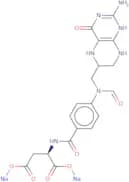
CAS:<p>10-Formyl-5,6,7,8-tetrahydrofolate disodium (10FHFTD) is a fine chemical that is useful as a building block for research chemicals. 10FHFTD has been described as a versatile building block for the synthesis of complex compounds. It is also a useful intermediate in the synthesis of biologically active natural products and pharmaceuticals. This compound can be used as a reagent or speciality chemical. 10FHFTD has CAS number 914800-65-0 and is commercially available at high quality.</p>Formula:C20H21N7Na2O7Purity:(%) Min. 60%Color and Shape:Brown Slightly Brown PowderMolecular weight:517.4 g/mol3-(4-tert-Butylbenzoyl)acrylic acid
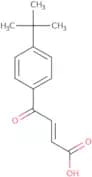
CAS:<p>Please enquire for more information about 3-(4-tert-Butylbenzoyl)acrylic acid including the price, delivery time and more detailed product information at the technical inquiry form on this page</p>Formula:C14H16O3Purity:Min. 95%Color and Shape:PowderMolecular weight:232.28 g/mol3-Methoxy-5-nitrobenzoic acid
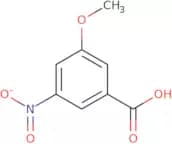
CAS:<p>3-Methoxy-5-nitrobenzoic acid is an organic compound that has mesomorphic and switchable properties. It is a chalcone derivative, with homologues such as 3-hydroxybenzoic acid. It is synthesized from the reaction of nitrous acid and 3-methoxybenzoic acid. The synthesis of this compound can be achieved by two different routes: peroxide oxidation or fluorine substitution. Both routes produce the same product, but offer different advantages. The first route involves the addition of hydrogen peroxide to 3-methoxybenzoic acid, which produces a mixture of products containing 3-methoxy-5-nitrobenzoic acid. This route is advantageous in that it can be conducted at room temperature with high yields, but the disadvantage is that this method produces a mixture of products which may contain undesired byproducts. The second route involves the use of sodium hypofluorite and potassium</p>Formula:C8H7NO5Purity:Min. 95%Color and Shape:PowderMolecular weight:197.14 g/mol2-Bromo-4-hydroxyphenylacetic acid
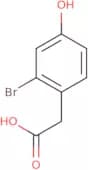
CAS:<p>2-Bromo-4-hydroxyphenylacetic acid (2-BHPAA) is a phenolic hydroxyl compound that is synthesized from acrylic acid. It has been used in the synthesis of other compounds, such as 4-hydroxybenzoic acid, 2-[2-(2,6-dichlorophenoxy)ethoxy]phenol, and 3,4-dihydroxyphenylacetic acid. 2-BHPAA can be synthesized by dehydrogenative bromination of phenol with bromine and acetic acid in an organic solvent. The yield of this reaction is typically high because the product does not contain any functional groups that can act as a catalyst for competing reactions.</p>Formula:C8H7BrO3Purity:Min. 95%Color and Shape:PowderMolecular weight:231.04 g/molDL-α-Hydroxypalmitic acid
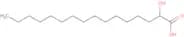
CAS:<p>Palmitic acid is a fatty acid that is found in animal and vegetable fats. It is also an important component of the cell membrane. Palmitic acid has been shown to inhibit the growth of bacteria by interfering with the synthesis of cell membranes, which are largely composed of lipids. Palmitic acid has been shown to be active against Gram-positive bacteria, including Bacillus subtilis and Staphylococcus epidermidis, as well as Gram-negative bacteria such as Salmonella enterica Serovar Typhi and Escherichia coli O157:H7. Palmitic acid can be used to produce monolayers for use in magnetic resonance spectroscopy. These monolayers have been shown to have an effect on the rate at which glucose is transported across the surface of the membrane. Palmitic acid also inhibits glucosylceramide production in ganoderma lucidum, a type of fungus that causes plant diseases, by blocking</p>Formula:C16H32O3Purity:Min. 98 Area-%Color and Shape:PowderMolecular weight:272.42 g/molDiphenylmethane-4,4'-dicarboxylic acid
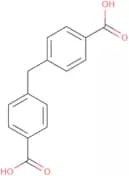
CAS:<p>Diphenylmethane-4,4'-dicarboxylic acid is a synthetic diphenylmethane compound that has fluorescent properties. It also has anti-tumor activity and can be used to treat cancer. Diphenylmethane-4,4'-dicarboxylic acid has been shown to inhibit the growth of tumor cells in vitro by binding to the receptor site on the cell membrane and blocking the release of certain substances. This drug also has an isothermic process that is used for encapsulation. The oxidation products of diphenylmethane-4,4'-dicarboxylic acid are medicines and dyestuffs.</p>Formula:C15H12O4Purity:Min. 90%Color and Shape:PowderMolecular weight:256.25 g/molAmino(naphthalen-2-yl)acetic acid
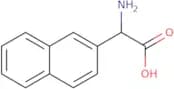
CAS:<p>Amino(naphthalen-2-yl)acetic acid is a versatile chemical building block that can be used in research, industry and as a high quality reagent. It is a useful scaffold for the synthesis of complex compounds. Amino(naphthalen-2-yl)acetic acid has been shown to be an excellent reactant for the production of fine chemicals and is high quality, with a purity of 99%. This product is also used as a speciality chemical for the production of pharmaceuticals, pesticides, and other chemical products.</p>Formula:C12H11NO2Purity:Min. 95%Color and Shape:PowderMolecular weight:201.22 g/mol2-Bromo-3-fluorobenzoic acid
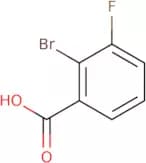
CAS:<p>2-Bromo-3-fluorobenzoic acid is a chemical compound that can be synthesized by the reduction of nitrobenzene with ammonium chloride. This reaction is regioselective, giving predominantly 2-bromo-3-fluorobenzoic acid. The reaction proceeds via a nucleophilic substitution mechanism and the product is formed in high yield. A second route for the synthesis of 2-bromo-3-fluorobenzoic acid involves the deamination of trifluorotoluene to produce hypophosphorous acid, which reacts with sulfuric acid to give 2-bromo-3-fluorobenzoic acid. The bromine atom in this molecule has a high nucleophilicity and reacts readily with electrophiles such as ammonia and amines.</p>Formula:C7H4BrFO2Purity:Min. 95%Color and Shape:PowderMolecular weight:219.01 g/molD-Gluconic acid zinc (II) salt
CAS:<p>D-Gluconic acid zinc salt is an inorganic compound that is used to treat deficiencies of D-gluconate. It is a salt of zinc and D-gluconic acid, which is a natural metabolite found in the human body. This compound can be used to maintain healthy levels of D-gluconate in the tissues and help control symptoms related to deficiencies. The efficiency of this method has been demonstrated by an in vitro test on human femur cells. A profile analysis showed that D-gluconic acid zinc salt was able to minimize the severity of symptoms associated with deficiencies caused by gluconate deficiency, such as tissue sensitivity and bone degradation.</p>Formula:C12H22O14ZnPurity:Min. 95%Color and Shape:White PowderMolecular weight:455.68 g/mol2-Bromocinnamic acid
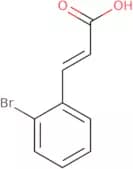
CAS:<p>2-Bromocinnamic acid is a synthetic compound that inhibits the reactions of arylating agents with tissues. It has cytotoxic activity and can be used in the treatment of alzheimer's disease. The synthesis of 2-bromocinnamic acid begins with anhydrous acetonitrile, which is heated to form an anhydrous salt. This salt is then dissolved in water and treated with potassium iodide and sodium nitrite. The resultant mixture undergoes a series of reactions to produce 2-bromocinnamic acid, including the addition of molybdenum as a catalyst. The reaction also produces byproducts that are removed by extraction or distillation. Finally, it undergoes a chromophore change from yellow to red in the presence of air due to oxidation by atmospheric oxygen.</p>Formula:C9H7BrO2Purity:Min. 95%Molecular weight:227.05 g/mol4-Bromocinnamic acid
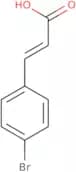
CAS:<p>4-Bromocinnamic acid is a plant metabolite that is found in the leaves of plants belonging to the family Capparaceae. It can be extracted from these leaves using methanol as a solvent and then purified by column chromatography. 4-Bromocinnamic acid has been shown to have antitumor properties and has been studied in a model system for prostate cancer cells. This molecule also has the ability to hydrogen bond with other molecules, including dopamine, which is important for its anti-cancer activity.</p>Formula:C9H7BrO2Purity:Min. 95%Color and Shape:PowderMolecular weight:227.05 g/molIndole-3-butyric acid, potassium salt
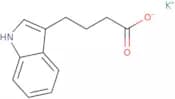
CAS:<p>Plant hormone; auxin; inducer of root development; used in plant rooting</p>Formula:C12H12KNO2Color and Shape:White Yellow PowderMolecular weight:241.33 g/mol1-Hydroxycyclopropanecarboxylic acid methyl ester
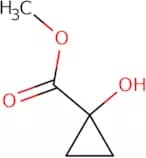
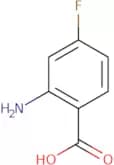
CAS:<p>1-Hydroxycyclopropanecarboxylic acid methyl ester is a potent inhibitor of phosphorylation. It binds to the ATP and ADP molecules, preventing them from binding to the <br>phosphoryl transferase enzyme. This inhibits the phosphorylation of glucose, leading to an accumulation of phosphoglycolate and pyruvate in cells. 1-Hydroxycyclopropanecarboxylic acid methyl ester has been shown to be a potent inhibitor of cyclopropane-fatty acid synthase, which is involved in synthesis of fatty acids for energy storage. The diethyl succinate derivative is also known as ethylene dibromide. Condensation reactions between this compound and carboxylic acids produce diethyl succinates that are used as plasticizers in polymers such as polyvinyl chloride (PVC).</p>Formula:C5H8O3Purity:Min. 95%Molecular weight:116.12 g/mol2-Amino-4-fluorobenzoic acid
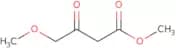
CAS:<p>2-Amino-4-fluorobenzoic acid is a nitrogenous heterocyclic compound. It is an analog of the epidermal growth factor (EGF), which can bind to the EGF receptor and stimulate cell growth and differentiation. 2-Amino-4-fluorobenzoic acid has been shown to have anticancer activity in vitro, as well as in vivo. The synthetic process for this compound involves nitrous acid, hydrochloric acid, and frequency reactions. This product is used industrially for the preparation of other compounds.</p>Formula:C7H6FNO2Purity:Min. 95%Color and Shape:PowderMolecular weight:155.13 g/molMethyl 4-methoxyacetoacetate
CAS:<p>Methyl 4-methoxyacetoacetate is a synthetic chemical compound that can be used in the synthesis of other substances. It has been shown to react with diacetates and produce hydroxy compounds during the reaction system. The reaction rate is dependent on the temperature and concentration of the reactants, as well as the presence of a catalyst such as hydrochloric acid. Methyl 4-methoxyacetoacetate has also been shown to form crystals when heated at constant temperature, which have been analyzed by X-ray diffraction. These crystals are composed of 2 molecules of methyl 4-methoxyacetoacetate that are held together through hydrogen bonding.</p>Formula:C6H10O4Purity:Min. 95%Color and Shape:Colorless Clear LiquidMolecular weight:146.14 g/mol4-Bromo-3,5-dinitrobenzoic acid
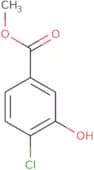
CAS:<p>4-Bromo-3,5-dinitrobenzoic acid is a potent anticancer agent that inhibits cancer cell growth and is used to treat colon cancer, ovarian cancer, and prostate cancer. It is a prodrug that enters the cell through passive diffusion and reacts with intracellular nucleophiles to generate reactive oxygen species. This causes disruption of DNA replication and repair, leading to apoptosis. 4-Bromo-3,5-dinitrobenzoic acid has been shown to be active against a variety of human cancer cells in culture, including colorectal (colorectal adenocarcinoma), lung (lung adenocarcinoma), breast (MCF-7), and prostate (PC3) cells. The drug also has potent activity against some leukemia cells.</p>Formula:C7H3BrN2O6Purity:90%Color and Shape:PowderMolecular weight:291.01 g/mol4-Chloro-3-hydroxybenzoic acid methyl ester
CAS:<p>4-Chloro-3-hydroxybenzoic acid methyl ester is a high quality, versatile building block that can react as a reagent to form complex compounds. It is also used as an intermediate in the synthesis of other fine chemicals. 4-Chloro-3-hydroxybenzoic acid methyl ester is a useful scaffold for chemical research and has been shown to be a speciality chemical with many uses. This compound is also useful as an intermediate in the synthesis of other fine chemicals, such as pharmaceuticals or agrochemicals.</p>Formula:C8H7ClO3Purity:Min. 98%Color and Shape:White PowderMolecular weight:186.59 g/mol



![Methyl 3-aminothieno[2,3-β]pyridine-2-carboxylate](/_next/image/?url=https%3A%2Fstatic.cymitquimica.com%2Fproducts%2F3D%2Fthumb-webp%2FFM57205.webp&w=3840&q=75)
![1-[(5-Chloro-1-methyl-1H-indol-3-yl)methyl]piperidine-4-carboxylic acid](/_next/image/?url=https%3A%2Fstatic.cymitquimica.com%2Fproducts%2F3D%2Fthumb-webp%2FFC128187.webp&w=3840&q=75)