Carboxylic Acids
Carboxylic acids are organic molecules characterized by having a carboxyl-type functional group (-COOH). These acids are fundamental in various chemical reactions, including esterification, amidation, and decarboxylation. Carboxylic acids are widely used in the production of pharmaceuticals, polymers, and agrochemicals. In this section, you can find a large number of carboxylic acids ready to be used. At CymitQuimica, we provide a broad range of high-quality carboxylic acids to support your research and industrial applications.
Found 12453 products of "Carboxylic Acids"
Sort by
Purity (%)
0
100
|
0
|
50
|
90
|
95
|
100
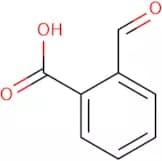
Phthalaldehydic acid
CAS:<p>Phthalaldehydic acid is a dicarboxylic acid with the molecular formula C6H4(CO2H)2. It is a white solid that is soluble in water and alcohols. The compound can be prepared from phthalic anhydride, which is converted to the acid by hydrolysis with hydrochloric acid or sodium hydroxide. The acid also forms salts such as sodium phthalate, potassium phthalate, and calcium phthalate. Phthalaldehydic acid has been shown to react with amines to form esters, and with trifluoroacetic acid to form an acid complex. This reaction mechanism has been confirmed using FT-IR spectroscopy on protonated molecules of the reactants. The structure of this molecule has been determined using NMR and X-ray crystallography techniques. Gamma-aminobutyric acid (GABA) binds to a site on the beta subunit of the G</p>Formula:C8H6O3Purity:Min. 95%Color and Shape:PowderMolecular weight:150.13 g/mol4-Chlorocinnamic acid
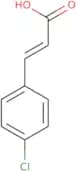
CAS:<p>4-Chlorocinnamic acid is a malonic acid derivative and one of the cinnamic acid derivatives that has been shown to inhibit many chemical reactions. It inhibits the production of tyrosinase, which is an enzyme that catalyzes the conversion of tyrosinase to 4-hydroxycinnamic acid. 4-Chlorocinnamic acid also inhibits the growth of Candida glabrata in vitro. The effect on candida is due to its ability to inhibit the production of hydroxyl group and aromatic hydrocarbon, both of which are required for candida's survival. 4-Chlorocinnamic acid binds with aryl halide and neutral ph, preventing it from reacting with other substances.</p>Formula:C9H7ClO2Purity:Min. 95%Color and Shape:PowderMolecular weight:182.6 g/mol5-Fluoro-2-nitrophenylacetic acid
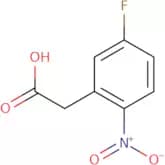
CAS:<p>5-Fluoro-2-nitrophenylacetic acid is a high quality chemical that is used as an intermediate in the synthesis of other compounds. 5-Fluoro-2-nitrophenylacetic acid is a versatile building block that can be used as a starting material for the synthesis of complex compounds and speciality chemicals. This reagent is also useful as a research chemical and building block for pharmaceuticals. 5-Fluoro-2-nitrophenylacetic acid has CAS No. 29640-98-0, which identifies it as an important synthetic intermediate with many uses in the production of fine chemicals, pharmaceuticals, and other chemical products.</p>Formula:C8H6FNO4Purity:Min. 95%Color and Shape:Off-White PowderMolecular weight:199.14 g/molAcetrizoic acid
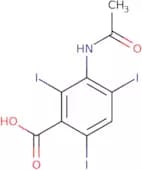
CAS:<p>Acetrizoic acid is a metabolic disorder that affects the hydroxyl group in human serum. It is used as an injection solution for the diagnosis of conditions such as protein synthesis, enhancement and radiation. Acetrizoic acid has been shown to have clinical relevance in situations where it can be used as a diagnostic agent for women with drug reactions. The compound has also been shown to have therapeutic value in cell culture experiments on rat liver microsomes. Acetrizoic acid has been shown to enhance protein synthesis in these cells by inhibiting the activity of cytochrome P450 enzymes.</p>Formula:C9H6I3NO3Purity:Min. 98 Area-%Color and Shape:PowderMolecular weight:556.86 g/mol3-Bromo-4-methoxyphenylacetic acid
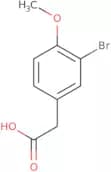
CAS:<p>3-Bromo-4-methoxyphenylacetic acid is a benzyl ester of hydroxybenzoic acid. It is used as a synthetic precursor for the synthesis of curare and related compounds. 3-Bromo-4-methoxyphenylacetic acid was first synthesized in 1869 by German chemist Wilhelm Koenigs and has been widely used as a synthetic intermediate in organic chemistry. This compound can be prepared from bromobenzene, methoxybenzene, and acetic acid in the presence of dimethyl ether or nitrite. 3-Bromo-4-methoxyphenylacetic acid is also used to produce nitromethane, an alkylating agent that reacts with amines, alcohols, thiols, and sulfides to form N-substituted nitro compounds.</p>Formula:C9H9BrO3Purity:Min. 95%Color and Shape:PowderMolecular weight:245.07 g/molApelin-17 trifluoroacetate
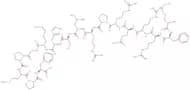
CAS:<p>Apelin-17 trifluoroacetate is a reaction component, reagent and useful scaffold for the synthesis of complex compounds. It is a high quality, research chemical that is used in the synthesis of fine chemicals. Apelin-17 trifluoroacetate has versatile building block and can be used as a useful intermediate or as a speciality chemical. It also has high reactivity and is soluble in organic solvents.</p>Formula:C96H156N34O20S•C2HF3O2Purity:Min. 95%Color and Shape:PowderMolecular weight:2,252.57 g/mol2,4-Dimethoxyphenyl acetic acid
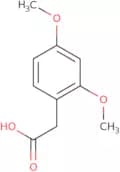
CAS:<p>2,4-Dimethoxyphenyl acetic acid is a synthetic compound that has been used as a pharmacological agent in the treatment of high blood pressure. It is also used as a reaction intermediate and can be obtained by the condensation of 2-hydroxybenzaldehyde with acetyl chloride. The kinetic data for this compound has been determined using deuterium isotope labeling and ion-pairing. The synthesis of 2,4-dimethoxyphenyl acetic acid involves the conversion of malonic acid to methylmalonate with ethyl bromoacetate and hydrobromic acid. This compound is chiral and optically active, giving it an R or S configuration. The reaction rate for 2,4-dimethoxyphenyl acetic acid has been found to be faster when in contact with phosphite ions than without.</p>Formula:C10H12O4Purity:Min. 95%Color and Shape:Off-White PowderMolecular weight:196.2 g/mol5-Benzyloxyindole-3-acetic acid
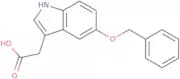
CAS:<p>5-Benzyloxyindole-3-acetic acid is a synthetic chemical that is used as a plant growth regulator. It inhibits the uptake of other plant nutrients, such as nitrates and phosphate ions by roots, which leads to decreased plant growth. This compound also has an inhibitory effect on membranes and morphology. The inhibition of membrane transport can lead to cell death, which can be seen in the case of plants treated with this chemical. 5-Benzyloxyindole-3-acetic acid has been shown to affect the response pathway of plants at temperatures between c1-c3 degrees Celsius.</p>Formula:C17H15NO3Purity:Min. 95%Color and Shape:PowderMolecular weight:281.31 g/molEthyl 2-(methylthio)acetate
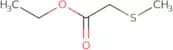
CAS:<p>Ethyl 2-(methylthio)acetate is a natural product that is found in cantaloupe. It has been shown to have antibacterial properties, and can be used as a preservative in food products. Ethyl 2-(methylthio)acetate exhibits antimicrobial activity against human pathogens such as Listeria monocytogenes and Staphylococcus aureus, with high inhibitory concentration values at low concentrations. The mechanism of action for this compound is not yet known. It is thought that it may act by binding to the anilines on bacterial cell walls, or by interacting with the chloride ions on the surface of bacteria. This product can be detected using gel permeation chromatography and photometric assays, and has been shown to inhibit the growth of Listeria monocytogenes in vitro at concentrations ranging from 10-6 to 10-2 M.</p>Formula:C5H10O2SPurity:Min. 95%Color and Shape:Clear LiquidMolecular weight:134.2 g/mol2-Semicarbazideacetic acid
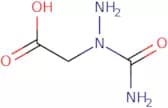
CAS:<p>2-Semicarbazideacetic acid (2-SA) is a chemical that belongs to the group of research chemicals. It is a versatile building block, which can be used as a reagent or as an intermediate in the synthesis of various complex compounds. 2-SA is also used in the synthesis of pharmaceuticals and agrochemicals. CAS No. 138-07-8</p>Formula:C3H7N3O3Purity:Min. 95%Molecular weight:133.11 g/mol7-Nitroindole-2-carboxylic acid
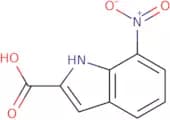
CAS:<p>7-Nitroindole-2-carboxylic acid is a molecule that has been shown to inhibit the activity of cytidine deaminase, an enzyme involved in the synthesis of DNA. This drug also inhibits the replication of dna and can be used for the treatment of cancer. 7-Nitroindole-2-carboxylic acid binds to basic proteins and has a helical structure. The affinity constants for this compound have not been reported, but it is thought that hydrogen bonding interactions are involved in its binding.</p>Formula:C9H6N2O4Purity:Min. 95%Color and Shape:PowderMolecular weight:206.16 g/mol5-Amino-4-oxopentanoic acid benzyl ester hydrochloride
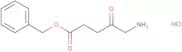
CAS:<p>Please enquire for more information about 5-Amino-4-oxopentanoic acid benzyl ester hydrochloride including the price, delivery time and more detailed product information at the technical inquiry form on this page</p>Formula:C12H15NO3·HClPurity:Min. 97%Color and Shape:PowderMolecular weight:257.71 g/molNorepinephrine sulfonic acid
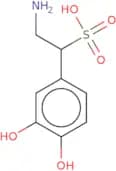
CAS:<p>Norepinephrine sulfonic acid is a versatile building block that is used in the synthesis of various organic compounds. It is a speciality chemical and can be used as a reagent, intermediate, or scaffold for the production of pharmaceuticals, pesticides, and other chemicals. It can also be used as an intermediate for the production of other fine chemicals such as norepinephrine. Norepinephrine sulfonic acid's high quality and versatility make it a useful building block for chemists working in academia or industry.</p>Formula:C8H11NO5SPurity:Min. 97 Area-%Color and Shape:Brown PowderMolecular weight:233.24 g/molLignosulfonic acid sodium salt
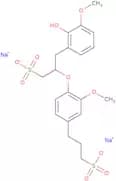
CAS:<p>Lignosulfonic acid sodium salt is a water-soluble sodium salt of lignosulfonic acid. Lignosulfonic acid sodium salt has high water permeability and is an antimicrobial agent that can be used as a nutrient solution to remove phosphorus from wastewater. It has been shown to have hydrophobic effects in the Langmuir adsorption isotherm, which may be due to its low surface tension and large contact angle. Lignosulfonic acid sodium salt was also found to be chemically stable and showed no significant change in the chemical structure after being subjected to electrochemical impedance spectroscopy.</p>Formula:C20H24Na2O10S2Color and Shape:PowderMolecular weight:534.51 g/mol4-Amino-2-nitrobenzoic acid
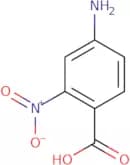
CAS:<p>4-Amino-2-nitrobenzoic acid is a chemical compound that can be found in human urine. It belongs to the group of amides and is an acidic substance. The pH optimum for 4-Amino-2-nitrobenzoic acid is between 1 and 2. This compound can be hydrolyzed by acidic conditions, forming an amide derivative. The uptake of 4-Amino-2-nitrobenzoic acid in humans and animals depends on the glomerular filtration rate, which influences how much of the compound will be excreted by the kidneys. The uptake also depends on the acetylation status of the compound, which is determined by its metabolism with phosphatase enzymes. Organic acids are also present in human urine, which may result in the formation of 4-Amino-2-nitrobenzoic acid as well as other compounds with similar structures.</p>Formula:C7H6N2O4Purity:Min. 95%Color and Shape:SolidMolecular weight:182.13 g/mol6-Hydroxynicotinic acid
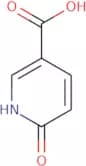
CAS:<p>6-Hydroxynicotinic acid is a nicotinic acid analogue that has been shown to inhibit bacterial growth, with the exception of Bacillus subtilis. It has been shown to be specific for bacterial nicotinamide adenine dinucleotide (NAD) reductase and NAD+ kinase enzymes, which are involved in the biosynthesis of nicotinamide adenine dinucleotide phosphate (NADP). 6-Hydroxynicotinic acid binds to these enzymes and prevents them from carrying out their normal reactions, leading to decreased ATP production. In vitro assays have also demonstrated that 6-hydroxynicotinic acid inhibits human epidermal growth factor receptor (EGFR) tyrosine phosphorylation, thereby inhibiting its signalling pathway.</p>Formula:C6H5NO3Purity:Min. 95%Color and Shape:White PowderMolecular weight:139.11 g/molN,N'-4,4'-Bis(benzyl-2-boronic acid)-bipyridinium dibromide
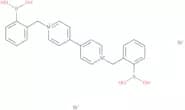
CAS:<p>N,N'-4,4'-Bis(benzyl-2-boronic acid)-bipyridinium dibromide is a high quality reagent that can be used as an intermediate for the synthesis of complex organic compounds. It is a complex compound that contains boronic acid and bipyridinium moieties. N,N'-4,4'-Bis(benzyl-2-boronic acid)-bipyridinium dibromide is useful in the synthesis of fine chemicals and speciality chemicals. It has versatile building block properties and can be used as a reaction component in many chemical reactions.</p>Formula:C24H24B2N2O4Br2Purity:Min. 95%Color and Shape:PowderMolecular weight:585.89 g/mol3-Chloro-4-hydroxycinnamic acid
CAS:<p>3-Chloro-4-hydroxycinnamic acid is a coelicolor biosynthetic precursor that is synthesized from 4-hydroxycinnamic acid and chlorinated. It can be used for the synthesis of aminocoumarin moieties and other prenylated molecules. 3-Chloro-4-hydroxycinnamic acid has been shown to be an effective inhibitor of streptomyces coelicolor, which is a type of bacterium that produces antibiotics. The gene responsible for the biosynthesis of 3-chloro-4-hydroxycinnamic acid has also been identified in streptomyces clorobiocin, which is another type of bacterium that produces antibiotics.</p>Formula:C9H7ClO3Purity:Min. 95%Color and Shape:PowderMolecular weight:198.6 g/mol3-Trifluoromethylbutyric acid
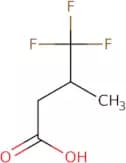
CAS:<p>3-Trifluoromethylbutyric acid is a synthetic compound that has been studied as a potential drug for the treatment of dyslipidemia. 3-Trifluoromethylbutyric acid binds to the enzyme phosphatase, which is a key regulator of lipid metabolism and controls the production of lipids in cells. This binding prevents the phosphatase from breaking down phosphoinositides, leading to an increase in the levels of phosphoinositides. The resulting increase in the levels of these molecules causes an increase in the number of insulin receptors on cell surfaces and leads to an improvement in insulin sensitivity. 3-Trifluoromethylbutyric acid also has binding sites on human cells that are specific for subtype 7, which is associated with lower risk for cardiovascular disease, obesity, and diabetes.</p>Formula:C5H7F3O2Purity:Min. 95%Color and Shape:Colorless PowderMolecular weight:156.1 g/molBenzothiazole-5-boronic acid pinacol ester
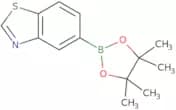
CAS:<p>Benzothiazole-5-boronic acid pinacol ester is a fine chemical that is used as a versatile building block in the synthesis of complex compounds. It can be used for research purposes, as a reagent in organic synthesis, or as a speciality chemical. This compound has been shown to be useful in the preparation of high quality and useful intermediates, which are then used in the production of other chemicals. Benzothiazole-5-boronic acid pinacol ester is also an important reaction component and can be used as a scaffold for the synthesis of new compounds.</p>Formula:C13H16BNO2SPurity:Min. 95%Color and Shape:PowderMolecular weight:261.15 g/mol(1R,2R)-Boc-aminocyclohexane carboxylic acid
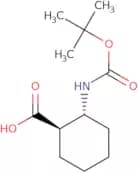
CAS:<p>Please enquire for more information about (1R,2R)-Boc-aminocyclohexane carboxylic acid including the price, delivery time and more detailed product information at the technical inquiry form on this page</p>Formula:C12H21NO4Purity:Min. 95%Color and Shape:PowderMolecular weight:243.3 g/molMethyl (1R,2S,3S,5S)-3-(4-Fluorophenyl)-8-[(E)-3-Iodoprop-2-Enyl]-8-Azabicyclo[3.2.1]Octane-2-Carboxylate
CAS:Controlled Product<p>Methyl (1R,2S,3S,5S)-3-(4-fluorophenyl)-8-[(E)-3-iodoprop-2-enyl]-8-azabicyclo[3.2.1]octane-2-carboxylate is an imaging agent that is used to diagnose and treat bowel diseases. It has pharmacokinetic properties that allow for a more accurate diagnosis of eye disorders and bowel disease. Methyl (1R,2S,3S,5S)-3-(4-fluorophenyl)-8-[(E)-3-iodoprop-2-enyl]-8-azabicyclo[3.2.1]octane-2-carboxylate is a DPPIV inhibitor that modulates the dopamine transporter in the brain by binding to its extracellular site of action on dopamine transporter proteins and blocking the reuptake of dopamine into the pres</p>Formula:C18H21FINO2Purity:Min. 95%Molecular weight:429.27 g/mol[1,1'-Bicyclohexyl]-1-carboxylic acid
CAS:<p>1,1'-Bicyclohexyl]-1-carboxylic acid (BCX) is a metal salt that is soluble in water. BCX has a quadratic structure and is a cyclohexanecarboxylic acid derivative. It can be made by the reaction between formic acid and chloride. BCX is used as an anti-diarrheal agent for the treatment of chronic diarrhea. It has been shown to have high entrapment efficiency and high efficiency when synthesized with dicyclomine. This technique uses formic acid as the solvent, which reacts with chloride to produce BCX.</p>Formula:C13H22O2Purity:Min. 98 Area-%Color and Shape:PowderMolecular weight:210.31 g/molPerfluoro-2,5-dimethyl-3,6-dioxanonanoic acid
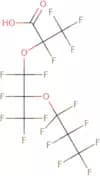
CAS:<p>Perfluoro-2,5-dimethyl-3,6-dioxanonanoic acid (PFDA) is an activated perfluoroalkyl substance that has been shown to be toxic in animal studies. PFDA is a fluorinated organic compound that does not contain chlorine. It belongs to the group of polyfluoroalkyl substances and is used as a solvent in the manufacture of semiconductors and other electronic devices. PFDA can enter the environment through wastewater treatment plants or by atmospheric deposition. PFDA is found in drinking water, food, and human blood samples at low levels. PFDA has been shown to have health effects on laboratory animals and humans such as changes in thyroid hormone levels, decreased fertility rates, increased cholesterol levels, liver damage, and developmental toxicity.</p>Formula:C9HF17O4Purity:Min. 95%Color and Shape:Clear LiquidMolecular weight:496.07 g/mol4-Hydroxyphenylboronic acid pinacol ester
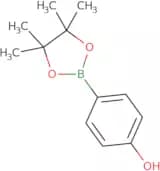
CAS:<p>4-Hydroxyphenylboronic acid pinacol ester is a hydrophilic compound that has been used as a long-acting iron chelator. It has been shown to be active in the treatment of anemic patients with chronic kidney disease. 4-Hydroxyphenylboronic acid pinacol ester has been shown to bind to hepcidin, which is a peptide hormone that regulates iron homeostasis in the body by decreasing its absorption from the gut and increasing its excretion. It also binds to functional groups on proteins and other molecules, which allow for selective targeting of certain tissues or cells. This compound can be activated by light, making it photochromic. The addition of an active oxygen atom enables this molecule to react at a faster rate than most compounds and also creates reactive oxygen species (ROS) in humans when activated.</p>Formula:C12H17BO3Purity:Min. 95%Color and Shape:White PowderMolecular weight:220.1 g/mol4-tert-Butoxyphenylacetic acid
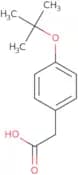
CAS:<p>Ruthenium complexes of 4-tert-butoxyphenylacetic acid are catalysts that have been shown to be effective in the asymmetric synthesis of alcohols and terpyridines. <br>This complex has been shown to be a ligand for ruthenium metal, which is often used as a catalyst in organic reactions. The use of this catalyst has led to advances in the field of organic chemistry, specifically the synthesis of new oligomers.</p>Formula:C12H16O3Purity:Min. 95%Color and Shape:PowderMolecular weight:208.25 g/mol2,4,5-Trimethylcinnamic acid
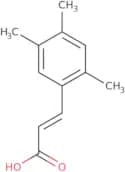
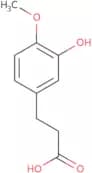
CAS:<p>2,4,5-Trimethylcinnamic acid is a useful scaffold for the synthesis of complex compounds. It is also used as a reagent and reaction component in organic synthesis. This chemical has a CAS number of 205748-06-7 and is classified as a speciality chemical.</p>Formula:C12H14O2Purity:Min. 95%Color and Shape:PowderMolecular weight:190.24 g/mol3-(3-Hydroxy-4-methoxyphenyl)propionic acid
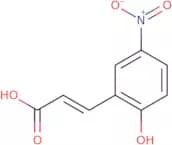
CAS:<p>3-(3-Hydroxy-4-methoxyphenyl)propionic acid is a dihydrochalcone that is found in lettuce. It can be used as an aglycone or with one or more sugar molecules to form glycosides, which are found in many plants. 3-(3-Hydroxy-4-methoxyphenyl)propionic acid has been shown to have a low bioavailability and to inhibit the activity of bile acids. 3-(3-Hydroxy-4-methoxyphenyl)propionic acid can be found in wastewater treatment systems, where it may act as an ecosystem pollutant. In addition, this compound shows antimicrobial properties and has been used for the treatment of wastewater.</p>Formula:C10H12O4Purity:Min. 95%Color and Shape:White Off-White PowderMolecular weight:196.2 g/mol2-Hydroxy-5-nitrocinnamic acid
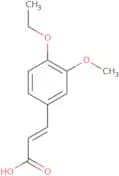
CAS:<p>2-Hydroxy-5-nitrocinnamic acid is a high quality, reagent intermediate that is used in the synthesis of complex compounds. It can be used as an important intermediate for the production of fine chemicals and speciality chemicals. 2-Hydroxy-5-nitrocinnamic acid has been shown to have versatile building block properties and can be used as a useful scaffold or building block in chemical reactions.</p>Formula:C9H7NO5Purity:Min. 95%Color and Shape:PowderMolecular weight:209.16 g/mol4-Ethoxy-3-methoxycinnamic acid
CAS:<p>4-Ethoxy-3-methoxycinnamic acid (4EMC) is a metabolite of propionic acid. It is produced by the fungus Phanerochaete chrysosporium when it is grown on lignocellulose. 4EMC can be cleaved from its ester bond with benzyl alcohol and vanillyl alcohol to produce vanillyl, benzyl, and ethanol. These products are then further metabolized to produce other compounds such as acetaldehyde, acetic acid, and butanol. 4EMC also inhibits the enzyme catalysed that converts propanol to butanol in cultures of P. chrysosporium</p>Formula:C12H14O4Purity:Min. 95%Color and Shape:PowderMolecular weight:222.24 g/molMethylsulfuric acid potassium
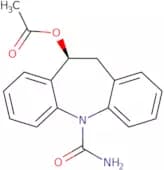
CAS:<p>Methylsulfuric acid potassium salt is a chloride salt of methylsulfuric acid. It is used as a contrast agent in optical imaging and diagnosis, as well as in the treatment of radiation-induced fatty liver disease. In addition, it can be used to diagnose ventricular myocardium diseases and reversibly inhibit GABA-mediated inhibition of postsynaptic potentials. Methylsulfuric acid potassium salt binds to fatty acids in the myocardium and prevents their uptake, leading to an accumulation of fatty acids and subsequent cell damage. This drug has been shown to have an excitatory effect on neurons in the geniculate nucleus, which may result from its ability to inhibit gamma-aminobutyric acid (GABA) synthesis.</p>Formula:CH4O4S•KPurity:(Titration) Min. 97.0%Color and Shape:PowderMolecular weight:150.2 g/molEslicarbazepine acetate
CAS:<p>Eslicarbazepine acetate is an anticonvulsant drug that has been shown to be effective in reducing the frequency of seizures. It is a prodrug and is metabolized by esterases to form the active form, eslicarbazepin acetate. Eslicarbazepine acetate inhibits glutamate release by acting on the glutamate transporter, which prevents depolarization of the mitochondrial membrane potential, leading to inhibition of epileptic activity. Eslicarbazepine acetate also decreases brain levels of GABA and increases levels of polyamines such as spermidine and spermine, which are neuroprotective. There are some reports of hepatic impairment when eslicarbazepine acetate is used with other drugs that are metabolized through this organ (e.g., valproic acid).<br>Eslicarbazepine acetate can cause chemical stability issues when exposed to light or air due to oxidation reactions. It may also react</p>Formula:C17H16N2O3Purity:Min. 95%Color and Shape:PowderMolecular weight:296.32 g/mol2-(p-Tolyl)propionic acid
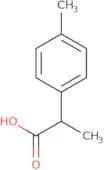
CAS:<p>2-(p-Tolyl)propionic acid is a bromic chemical compound that binds to the 5-HT4 receptor. It is used in the treatment of chronic pain and osteoarthritis, as well as for the management of acute pain following surgery. 2-(p-Tolyl)propionic acid has been shown to be more potent than other drugs in its class and has a low incidence of side effects. This drug can be administered via oral, parenteral, or topical routes with equal efficacy. 2-(p-Tolyl)propionic acid is metabolized by cytochrome P450 enzymes in the liver to form p-hydroxybenzoic acid, which is excreted in urine. The drug also blocks chloride channels and potassium ion channels, inhibiting cellular depolarization and leading to inhibition of pain.</p>Formula:C10H12O2Purity:Min. 95%Color and Shape:PowderMolecular weight:164.20 g/moltrans-3-Nitrocinnamic acid
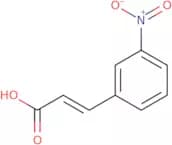
CAS:<p>Trans-3-Nitrocinnamic acid is a white solid that can be obtained by the nitration of cinnamic acid. Trans-3-Nitrocinnamic acid is an isoenzyme as it has different chemical properties than cis-3-nitrocinnamic acid. The intermolecular hydrogen bonding and vibrational frequencies are different in trans-3-nitrocinnamic acid, which causes the dipole to change and increases the solubility in water. The genotoxic activity of trans-3-nitrocinnamic acid was evaluated using the Ames test, which showed that it is not mutagenic. However, there were some genotoxic effects observed in rats after applying trans-3-nitrocinnamic acid on skin.</p>Formula:C9H7NO4Purity:Min. 95%Color and Shape:PowderMolecular weight:193.16 g/mol1,3-Benzodioxole-5-carboxylic acid
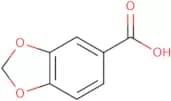
CAS:<p>1,3-Benzodioxole-5-carboxylic acid (1,3BDC) is a benzoxazinoid that was identified as an inhibitor of malonic acid carboxylase. 1,3BDC is not active against bacteria and fungi in vitro. It has been shown to be effective in preventing and treating insect resistance by interfering with the synthesis of chitin. The compound binds to the active site of the enzyme and inhibits its activity by blocking the entrance of acetic acid into the active site. 1,3BDC also has a protective effect on balloon injury in rats by reducing inflammation and apoptosis in skin cells. The mechanism of action for this effect is not known but may involve hydrogen bonding interactions with proteins or 3,4-methylenedioxycinnamic acid-induced transcriptional activation.</p>Formula:C8H6O4Purity:Min. 98.0%Color and Shape:PowderMolecular weight:166.13 g/mol2-(Aminosulfonyl)benzoic acid
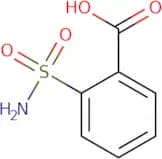
CAS:<p>2-(Aminosulfonyl)benzoic acid is a chemical compound that can be found in urine samples. It is used to detect the presence of saccharin and other artificial sweeteners, which are commonly used as substitutes for sugar. 2-(Aminosulfonyl)benzoic acid is also used to measure the presence of calcium pantothenate in food products. The chemical structure of this compound contains a hydrogen bond between the sulfur atom and the amine group. Hydrochloric acid can be used to break down 2-(Aminosulfonyl)benzoic acid into its constituent parts, which are sulfuric acid and benzoic acid. Uv absorption studies have also shown that 2-(Aminosulfonyl)benzoic acid absorbs ultraviolet light at 280 nm with an extinction coefficient of 20,000 M-1cm-1. This compound has been shown to have toxic effects on diabetic patients when taken orally in doses that</p>Formula:C7H7NO4SPurity:Min. 95%Color and Shape:PowderMolecular weight:201.2 g/molEthyl 5-chloropyrazolo[1,5-a]pyrimidine-3-carboxylate
CAS:<p>Please enquire for more information about Ethyl 5-chloropyrazolo[1,5-a]pyrimidine-3-carboxylate including the price, delivery time and more detailed product information at the technical inquiry form on this page</p>Formula:C9H8ClN3O2Purity:Min. 95%Color and Shape:PowderMolecular weight:225.63 g/molGlycodeoxycholic acid sodium salt
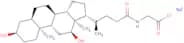
CAS:Controlled Product<p>Glycodeoxycholic acid sodium salt is a bile acid derivative, which is a biochemical compound sourced from the metabolism of bile acids in the liver. It plays a role in bile acid signaling pathways and lipid emulsification. The mode of action involves mimicking natural bile acids, facilitating the emulsification and absorption of dietary fats in the gastrointestinal tract, and potentially participating in signaling pathways that regulate cholesterol metabolism.</p>Formula:C26H42NNaO5Purity:Min. 95 Area-%Color and Shape:White PowderMolecular weight:471.61 g/mol4-Methoxy-2-(trifluoromethyl)benzoic acid
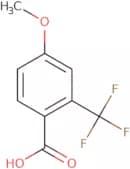
CAS:<p>4-Methoxy-2-(trifluoromethyl)benzoic acid is a useful building block for the synthesis of various organic compounds. It is used in the preparation of pharmaceuticals, agrochemicals, and pesticides. 4-Methoxy-2-(trifluoromethyl)benzoic acid is also a reagent for many organic reactions, such as Friedel–Crafts reactions, Grignard reactions, and alkylation reactions. It is also an intermediate for the synthesis of other compounds.</p>Formula:C9H7F3O3Purity:Min. 95%Color and Shape:PowderMolecular weight:220.15 g/mol18-(Tert-butoxy)-18-oxooctadecanoic acid
CAS:<p>18-(tert-butoxy)-18-oxooctadecanoic acid is a fatty acid-based linker providing hydrophobic anchoring. In standard biological conditions, it is non-cleavable.</p>Formula:C22H42O4Purity:Min. 95%Color and Shape:White Off-White PowderMolecular weight:370.57 g/mol3-Amino-2-pyrazinecarboxylic acid methyl ester
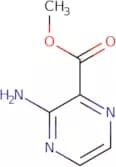
CAS:<p>3-Amino-2-pyrazinecarboxylic acid methyl ester (3APCME) is a potent anti-mycobacterial agent that inhibits the growth of Mycobacterium tuberculosis by inhibiting the synthesis of amines, which are necessary for its survival. 3APCME has also been shown to have an inhibitory effect on other bacteria that require amines for their survival, such as Escherichia coli. This agent binds to the receptor and inhibits the enzyme pyrazinase in the reaction of phenoxy with dimethylformamide. The molecular modeling studies show that 3APCME is able to bind to a hydrophobic region on the enzyme's surface and form a covalent bond through nucleophilic attack. The asymmetric synthesis results in the production of one enantiomer of 3APCME and allows for greater efficacy against mycobacteria than other agents.</p>Formula:C6H7N3O2Purity:Min. 95%Color and Shape:PowderMolecular weight:153.14 g/mol11-Azido-3,6,9-trioxaundecanoic acid
CAS:<p>11-Azido-3,6,9-trioxaundecanoic acid is a glycan that is expressed by cancer cells. Cancer cells are able to produce 11-azido-3,6,9-trioxaundecanoic acid in response to a variety of stimuli. The compound has been shown to be an immunogenic antigen for the generation of antibodies against cancer cells. Lectins can be used to detect glycosylated proteins and glycoconjugates on cell surfaces and can also be used to immobilize them. Immobilized lectins have been used as an alternative method of detecting glycolipids and glycoconjugates on cell surfaces with high sensitivity and specificity. This glycan has been conjugated with cetuximab to target colon cancer cells. Cetuximab is a monoclonal antibody that binds specifically to the epidermal growth factor receptor (EGFR) found on the surface of many colorectal</p>Formula:C8H15N3O5Purity:(¹H-Nmr) Min. 95 Area-%Color and Shape:Clear LiquidMolecular weight:233.22 g/molGlycoursodeoxycholic acid
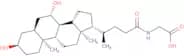
CAS:<p>Glycoursodeoxycholic acid (GUDCA) is a bile acid that is synthesized from glycine and ursodeoxycholic acid. It has been shown to have an antioxidant effect in a model system of oxidative injury. GUDCA has also been found to attenuate the effects of bile acid on bowel disease, as well as metabolic disorders such as energy metabolism and bile acid homeostasis. GUDCA may be used as a therapeutic treatment for metabolic disorders, including obesity and diabetes. GUDCA may also be effective in treating neurological diseases such as Alzheimer's disease and Parkinson's disease.</p>Formula:C26H43NO5Purity:Min. 96 Area-%Color and Shape:White PowderMolecular weight:449.62 g/molPropiolic acid sodium
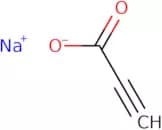
CAS:<p>Propiolic acid sodium salt (PAPS) is a corrosion inhibitor that prevents the formation of rust on metal surfaces. It contains a carbonyl group and a hydroxide ion. PAPS has been shown to react in a non-polar solvent such as n-dimethylformamide with nitrogen atoms or an amine to produce a proton, which can then be used to reduce fatty acids. This reaction is expressed in the following equation:</p>Formula:C3HNaO2Purity:Min. 95%Color and Shape:PowderMolecular weight:92.03 g/mol3-tert-Butyl-4-hydroxybenzoic acid methyl ester
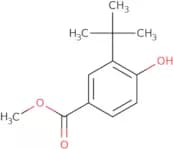
CAS:<p>3-tert-Butyl-4-hydroxybenzoic acid methyl ester is a chemical compound with the molecular formula CHCOOCH. It is a versatile building block that can be used in research and as a useful intermediate. 3-tert-Butyl-4-hydroxybenzoic acid methyl ester can be used to synthesize complex compounds, such as pharmaceuticals and pesticides. The high quality of this product makes it suitable for use as a reagent or reaction component.<br>!-- <br>--> !-- <br>--> !-- <br>--></p>Formula:C12H16O3Purity:Min. 98 Area-%Color and Shape:PowderMolecular weight:208.25 g/mol4-Bromobutyric acid methyl ester
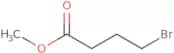
CAS:<p>4-Bromobutyric acid methyl ester is a synthetic compound that can be used to inhibit the activity of the G1 phase cyclin-dependent kinases. It has been shown to inhibit protein synthesis by alkylating the amino groups of proteins and fatty acids. 4-Bromobutyric acid methyl ester also inhibits the growth of cancer cell lines, such as renal carcinoma cells. The mechanism of action for this drug is not well understood, but it may be due to its ability to bind with monoclonal antibodies and enter kidney cells by passive diffusion.</p>Formula:C5H9BrO2Purity:Min. 95%Color and Shape:Clear LiquidMolecular weight:181.03 g/mol4-Bromo-2-chlorocinnamic acid
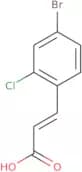
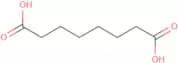
CAS:<p>4-Bromo-2-chlorocinnamic acid is a useful chemical in the synthesis of organic compounds. It is an intermediate in the production of pharmaceuticals and other organic compounds. The compound has been used as a research chemical and as a building block for the production of complex chemicals. 4-Bromo-2-chlorocinnamic acid has also been used as a building block for the production of fine chemicals, such as dyes, perfumes, and pesticides.</p>Formula:C9H6BrClO2Purity:Min. 95%Color and Shape:PowderMolecular weight:261.5 g/molSuberic acid
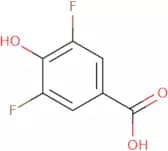
CAS:<p>Suberic acid is a sodium salt that is soluble in water. It has been shown to have biochemical properties, such as x-ray crystal structures and biocompatible polymer. Suberic acid has been shown to be effective against a number of human tumor cell lines and can inhibit the growth of hl-60 cells in vitro. Suberic acid is also found to have anti-inflammatory properties, which may be due to its inhibition of prostaglandin synthesis. The hydroxyl groups on the aromatic ring allow it to form hydrogen bonding interactions with other molecules. Suberic acid also has the ability to form complexes with vancomycin hydrochloride, providing an alternative drug for treating infectious diseases caused by methicillin-resistant Staphylococcus aureus (MRSA).</p>Formula:C8H14O4Purity:Min. 98%Color and Shape:White PowderMolecular weight:174.19 g/mol3,5-Difluoro-4-hydroxybenzoic acid
CAS:<p>3,5-Difluoro-4-hydroxybenzoic acid is a fluorotyrosine analog that has been shown to be metabolized by tyrosinase and to inhibit the enzymatic synthesis of l-tyrosine. It has also been shown to react with the fluoride ion and to form difluorotyrosines. These reactions are catalyzed by an enzyme on the electrode surface. The fluorotyrosines can then undergo biochemical reactions, such as electron transfer and oxidation, leading to a change in pH or current. This process is similar to that of other protein synthesis inhibitors, such as ascorbic acid and tyrosine. 3,5-Difluoro-4-hydroxybenzoic acid may be used in the treatment of hyperpigmentation disorders or skin cancer caused by exposure to ultraviolet light.</p>Formula:C7H4F2O3Purity:Min. 95%Color and Shape:PowderMolecular weight:174.1 g/mol3-Ethoxycinnamic acid
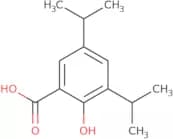
CAS:<p>3-Ethoxycinnamic acid is a polyhydric alcohol that has been shown to inhibit the growth of various microorganisms. 3-Ethoxycinnamic acid inhibits the growth of microorganisms by binding to the alkenyl groups in the cell membrane, thereby preventing them from synthesizing their own fatty acids. The binding of 3-ethoxycinnamic acid to alkali metal ions also prevents their uptake into the cell, which leads to an accumulation of these ions outside the cell and eventually results in cell death. 3-Ethoxycinnamic acid is soluble in water and may be used as a stain or quaternary ammonium compound.</p>Formula:C11H12O3Purity:Min. 95%Color and Shape:SolidMolecular weight:192.21 g/mol3,5-Diisopropylsalicylic acid
CAS:<p>3,5-Diisopropylsalicylic acid is a reactive chemical substance that has been shown to be an effective anti-inflammatory agent. The compound is active against wild-type viruses and copper complexes. 3,5-Diisopropylsalicylic acid also has been shown to inhibit the growth of human cancer cells in vitro. This drug can be used as an analytical reagent for the detection of water vapor in gas chromatography and other techniques. The acute toxicities associated with 3,5-diisopropylsalicylic acid are not well understood, but it has been shown to have a negative effect on body mass index. It also may affect pluripotent cells and radiation therapy. There are reports of drug interactions when used with certain medications such as acetaminophen or ibuprofen.</p>Formula:C13H18O3Purity:Min. 95%Color and Shape:PowderMolecular weight:222.28 g/mol[(8b)-1,6-Dimethylergolin-8-yl)methyl]carbamic acid phenylmethyl ester
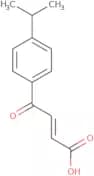
CAS:<p>Ergolines are a class of drugs that bind to serotonin receptors. The ergoline derivative [(8b)-1,6-dimethylergolin-8-yl)methyl]carbamic acid phenylmethyl ester (DMPE) is a potent and selective 5-hydroxytryptamine (5-HT) receptor antagonist. DMPE has been shown to have the ability to increase serum prolactin levels in rats and antagonize the effects of metergoline in monkeys. It also reduces blood pressure in animals by blocking the vasoconstrictor effect of 5-HT on vascular smooth muscle cells.</p>Formula:C25H29N3O2Purity:Min. 95%Color and Shape:White PowderMolecular weight:403.52 g/mol(E)-3-(4-Isopropylbenzoyl)acrylic acid
CAS:<p>3-(4-Isopropylbenzoyl)acrylic acid is a versatile building block that can be used in the synthesis of complex compounds, such as pharmaceuticals. It has been shown to be an effective reagent for the preparation of complex compounds and speciality chemicals. 3-(4-Isopropylbenzoyl)acrylic acid is also a useful intermediate for fine chemicals, research chemicals, and reaction components. This compound can be used as a useful scaffold for the synthesis of new chemical compounds. CAS No. 29587-82-4</p>Formula:C13H14O3Purity:90%Color and Shape:PowderMolecular weight:218.25 g/molCocarboxylase tetrahydrate
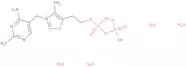
CAS:<p>Cocarboxylase tetrahydrate is a coenzyme form of vitamin B1; cofactor for enzymes involved in carbohydrate catabolism</p>Formula:C12H18N4O7P2S·4H2OPurity:Min 96%Color and Shape:White PowderMolecular weight:496.37 g/molPoly(acrylic acid) solution
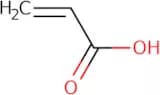
CAS:<p>Poly(acrylic acid) solution is a polymer that is used in water treatment. It has been shown to be effective in removing sulfate and carbonates from water. Poly(acrylic acid) solution has a molecular weight of about 10,000 Daltons and a number average molecular weight of about 4,000 Daltons. This solution is supersaturated with poly(acrylic acid) but it does not form crystals because it crystallizes at high temperature and pressure. The polymers are adsorbed onto the surface of the particles in the water and then can form crystals when the polymers are forced to nucleate by lowering the temperature or increasing the force applied to them.</p>Formula:(C3H4O2)xColor and Shape:Colorless Clear Liquid2-Chloro-5-methylbenzoic acid
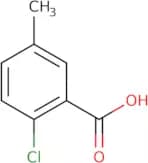
CAS:<p>2-Chloro-5-methylbenzoic acid is a carcinogenic substance that is used in the manufacturing of acridine dyes. It can be found in both solid and liquid forms and has an experimental solubility range of 0.01 to 1.0g/100ml at 25°C. 2-Chloro-5-methylbenzoic acid is soluble in water and has a solute activity coefficient of 1.2, which means it is fairly soluble in water. This chemical also exhibits high reactivity with other compounds that are dissolved in water. The chemical reacts with hydrogen sulfide to produce sulfur dioxide gas, ammonia, and hydrochloric acid, as well as with nitric oxide to produce nitrous oxide, nitrogen dioxide gas, and nitric acid.</p>Formula:C8H7ClO2Purity:Min. 95%Color and Shape:PowderMolecular weight:170.59 g/molIndole-5-carboxylic acid
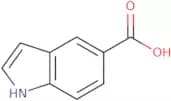
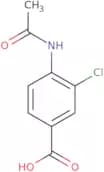
CAS:<p>Indole-5-carboxylic acid is a chemical species that contains a heterocyclic ring with five atoms, one of which is a carboxyl group. It is an intermediate in the biosynthesis of tryptophan and histidine in the body. Indole-5-carboxylic acid has been used as a ligand to immobilize copper, nickel, palladium, and platinum on conductive supports. It has also been used for the structural analysis of dopamine by hybridization experiments and for the detection of mismatched hydrogen bonding interactions. This compound can be detected using FT-IR spectroscopy or electrochemical impedance spectroscopy.</p>Formula:C9H7NO2Purity:Min. 95%Color and Shape:PowderMolecular weight:161.16 g/mol4-(Acetylamino)-3-chlorobenzoic acid
CAS:<p>4-(Acetylamino)-3-chlorobenzoic acid is a fine chemical that can be used as a building block in research, as a reagent in the synthesis of complex compounds, or as an intermediate for the synthesis of versatile scaffolds. This compound has been shown to be an effective starting material for the preparation of 4-aminomethylbenzoic acid derivatives. It is soluble in water and has a melting point of 215°C.</p>Formula:C9H8ClNO3Purity:Min. 95%Color and Shape:Pale brown solid.Molecular weight:213.62 g/molGypsogenic acid
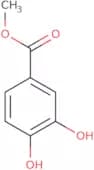
CAS:Controlled Product<p>Gypsogenic acid is a triterpenoid saponin that is found in the leaves of the plant Gypsophila paniculata. It has been shown to have hemolytic activity and protein synthesis inhibition. This compound is membrane permeable, which makes it an effective antibacterial agent. Gypsogenic acid also has anticancer properties, as it inhibits tumor growth and induces apoptosis in cancer cells. The chemical structure of gypsogenic acid consists of a sugar backbone with a fatty acid tail at one end. The glycosidic bond between the sugar and the fatty acid renders this compound soluble in water, which accounts for its hemolytic activity.</p>Formula:C30H46O5Purity:Min. 95%Color and Shape:PowderMolecular weight:486.68 g/mol3,4-Dihydroxybenzoic acid methyl ester
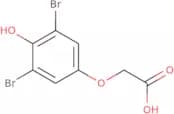
CAS:<p>3,4-Dihydroxybenzoic acid methyl ester is a natural compound that has been isolated from Linteus. This compound has been shown to have antiinflammatory activity and to inhibit the production of pro-inflammatory cytokines, such as tumor necrosis factor-alpha (TNF-α) and interleukin 1β (IL-1β). It also inhibits toll-like receptor 4 (TLR4), which is a protein that can bind to lipopolysaccharides on the surface of bacteria. 3,4-Dihydroxybenzoic acid methyl ester has been found to decrease mitochondrial membrane potential in cells treated with hydrogen fluoride. This agent is used in organic synthesis for the preparation of derivatives with high purity. The extract from Etoac can be used as a model organism for the study of its structure and function.</p>Formula:C8H8O4Purity:Min. 95%Color and Shape:PowderMolecular weight:168.15 g/mol3,5-Dibromo-4-hydroxyphenoxyacetic acid
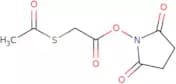
CAS:<p>3,5-Dibromo-4-hydroxyphenoxyacetic acid is a versatile building block that can be used as a reagent in the synthesis of various complex compounds. It is also useful for research and development of new drugs. This chemical has been shown to be an effective precursor for the synthesis of pharmaceuticals, such as HTS-1 and HTS-2.</p>Formula:C8H6Br2O4Purity:Min. 95%Color and Shape:PowderMolecular weight:325.94 g/molN-Succinimidyl-S-acetylthioacetate
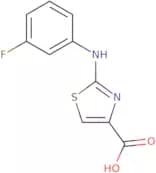
CAS:<p>N-Succinimidyl-S-acetylthioacetate is an acetylating agent that has a reactive group, which is the succinimidyl ester. The chain reaction of this agent with thiols leads to the formation of acetic acid and a thioester. The reactivity of these molecules can be used to introduce functional groups onto proteins, such as polyclonal antibodies, b16 mouse melanoma cells, epidermal growth factor, and blood group antigens. N-Succinimidyl-S-acetylthioacetate reacts with lysine residues on the protein surface and human serum albumin by incorporating acetate groups into their amino acid chains. This agent can also be used in laboratory diagnosis for identifying bacteria and viruses.</p>Formula:C8H9NO5SPurity:Min. 95%Color and Shape:White PowderMolecular weight:231.23 g/mol2-((3-Fluorophenyl)amino)-1,3-thiazole-4-carboxylic acid
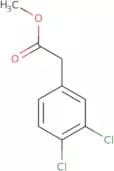
CAS:<p>Please enquire for more information about 2-((3-Fluorophenyl)amino)-1,3-thiazole-4-carboxylic acid including the price, delivery time and more detailed product information at the technical inquiry form on this page</p>Formula:C10H7FN2O2SPurity:Min. 95%Color and Shape:PowderMolecular weight:238.24 g/mol(3,4-Dichlorophenyl)acetic acid methyl ester
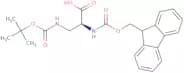
CAS:<p>(3,4-Dichlorophenyl)acetic acid methyl ester is a versatile building block and reagent that can be used in the synthesis of complex compounds. It is also a useful intermediate and reaction component for the synthesis of high-quality chemical products. This compound has been shown to be useful in the production of speciality chemicals, including research chemicals and fine chemicals.</p>Formula:C9H8Cl2O2Purity:Min. 95%Color and Shape:PowderMolecular weight:219.06 g/molN-α-Fmoc-N β-Boc-L-2,3-diaminopropionic acid
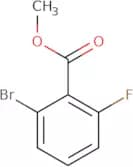
CAS:<p>N-alpha-Fmoc-Nbeta-Boc-L-2,3-diaminopropionic acid is a supramolecular compound that has antiproliferative effects on cancer cells. It can be used to inhibit the activity of tyrosine phosphatases, which are enzymes that regulate cell proliferation and differentiation. This compound has been shown to have synergistic effects with other chemotherapeutic agents in vitro and in vivo. It has also been shown to have a high binding affinity for polyacrylamide gels and is stable under various conditions.</p>Formula:C23H26N2O6Purity:Min. 95%Color and Shape:PowderMolecular weight:426.46 g/mol2-Bromo-6-fluorobenzoic acid methyl ester
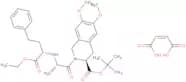
CAS:<p>2-Bromo-6-fluorobenzoic acid methyl ester is a fine chemical that belongs to the family of brominated compounds. It is a useful building block in the synthesis of diverse organic molecules, as well as a reagent for research and speciality chemicals. 2-Bromo-6-fluorobenzoic acid methyl ester is used as a versatile building block in the synthesis of complex compounds, as well as an intermediate or scaffold in organic chemistry. This product can be used to synthesize many diverse products while maintaining high quality and purity.</p>Formula:C8H6BrFO2Purity:Min. 95%Color and Shape:PowderMolecular weight:233.03 g/molMoexipril tert-butyl ester maleic acid salt
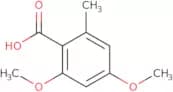
CAS:<p>Moexipril tert-butyl ester maleic acid salt is a high quality reagent that is used as a useful intermediate in the synthesis of complex compounds. Moexipril tert-butyl ester maleic acid salt has been shown to be a useful scaffold in the synthesis of speciality chemicals, research chemicals, and versatile building blocks. It is also used as a reaction component in the production of fine chemicals and other useful substances.</p>Formula:C35H46N2O11Purity:Min. 95%Molecular weight:670.75 g/mol2,4-Dimethoxy-6-methylbenzoic acid
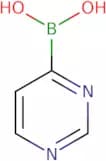
CAS:<p>2,4-Dimethoxy-6-methylbenzoic acid is a polyunsaturated compound that has been shown to have antioxidative properties. It has been shown to inhibit the formation of reactive oxygen species (ROS) and lipid peroxidation and reduce oxidative stress in mice. This molecule also has anticancer activities and is able to inhibit the growth of cancer cells. 2,4-Dimethoxy-6-methylbenzoic acid has been quantified in different food products such as vegetables, fruits, and grains. It can be found in dietary supplements, solvents, and cosmetics.</p>Formula:C10H12O4Purity:Min. 95%Color and Shape:White PowderMolecular weight:196.2 g/molPyrimidine-4-boronic acid
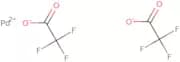
CAS:<p>Pyrimidine-4-boronic acid is a pyrimidine derivative that is used as a building block or intermediate in organic chemistry. It has the CAS number 852362-24-4 and can be found in research chemicals and speciality chemicals. Pyrimidine-4-boronic acid is a versatile chemical with many uses, including as a reaction component or reagent. This compound has many properties that make it useful for synthesis, such as its low toxicity and high quality.</p>Formula:C4H5BN2O2Purity:Min. 95 Area-%Color and Shape:PowderMolecular weight:123.91 g/molPalladium(II) trifluoroacetate
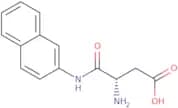
CAS:<p>Palladium(II) trifluoroacetate is a palladium complex with the chemical formula PdCl(CF3CO2). It is soluble in water and reacts with hydroxide solution to form palladium oxide. Palladium complexes have been used as diagnostic agents for their ability to selectively bind to specific proteins. Palladium-catalyzed asymmetric syntheses of organic compounds, such as natural products and pharmaceuticals, are also possible. Palladium complexes often undergo metathesis reactions, which involve the transfer of one ligand from one metal complex to another. The use of deuterium isotopes can be used to differentiate between the two types of palladium complexes that undergo metathesis reactions.</p>Formula:C4F6O4PdPurity:Min. 95%Color and Shape:PowderMolecular weight:332.45 g/molL-Aspartic acid β-naphthylamide
CAS:<p>L-Aspartic acid beta-naphthylamide is a dietary amino acid that is metabolized to oxaloacetate in the liver. This metabolite is then converted to aspartate and glutamate, which are both important for brain functions. L-Aspartic acid beta-naphthylamide has been shown to have regulatory effects on peptide hormones, such as inhibiting the synthesis of angiotensin II and vasopressin in rats. L-Aspartic acid beta-naphthylamide also has anti-cancer properties, which may be due to its ability to inhibit the growth of cancer cells by hydrolyzing proteins and enzymes involved in fatty acid synthesis.</p>Formula:C14H14N2O3Purity:Min. 95%Molecular weight:258.27 g/molSDF-1β (human) trifluoroacetate salt
CAS:<p>Please enquire for more information about SDF-1beta (human) trifluoroacetate salt including the price, delivery time and more detailed product information at the technical inquiry form on this page</p>Formula:C382H620N114O97S5Purity:Min. 95%Molecular weight:8,522.05 g/mol3,4-Diethoxybenzoic acid
CAS:<p>3,4-Diethoxybenzoic acid is a phenolic compound that has potent antitumor activity. It inhibits the growth of tumor cells by inhibiting DNA synthesis and protein synthesis in the cell. 3,4-Diethoxybenzoic acid also inhibits the production of enzymes such as pepsin, lipase, and amylase that are important for digestion. It has been shown to be an effective antifungal agent in vitro against Candida albicans and Saccharomyces cerevisiae. 3,4-Diethoxybenzoic acid may also have a role in the prevention of dental caries due to its inhibitory effects on bacterial plaque formation.</p>Formula:C11H14O4Purity:Min. 95%Color and Shape:Clear LiquidMolecular weight:210.23 g/mol2-Amino-5-iodobenzoic acid methyl ester
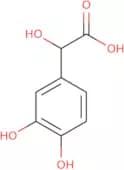
CAS:<p>2-Amino-5-iodobenzoic acid methyl ester (2AIBA) is a molecule that can be used as an activatable probe for imaging cancer. It has a profile suitable for radionuclide therapy and is also senescent. 2AIBA binds to DNA and inhibits the synthesis of proteins, leading to cell death. 2AIBA has potent inhibitory activity against murine melanoma cells and synergistic effects when combined with acridone. The section of tumour cells was shown to be reduced by 42% in mice when treated with 2AIBA, acridone, and radiation compared to mice treated with radiation alone.</p>Formula:C8H8INO2Purity:Min. 95%Color and Shape:PowderMolecular weight:277.06 g/molDL-3,4-Dihydroxymandelic acid
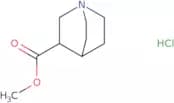
CAS:<p>DL-3,4-Dihydroxymandelic Acid is a biologically active compound that is found in the human body and has been used as a drug for the treatment of cardiac arrhythmias. It is also an intermediate in the biosynthesis of the neurotransmitter dopamine. DL-3,4-Dihydroxymandelic Acid has been shown to decrease enzyme activity in hl-60 cells and was found to be an inhibitor of acetate extract from coli K-12. The reaction mechanism for this compound has not yet been fully elucidated. DL-3,4-Dihydroxymandelic Acid is generally considered to have a physiological function in regulating systolic pressure.</p>Formula:C8H8O5Purity:Min. 95%Color and Shape:White To Yellow SolidMolecular weight:184.15 g/molMethyl quinuclidine-3-carboxylate hydrochloride
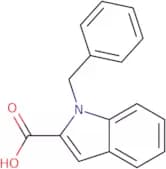
CAS:<p>Methyl quinuclidine-3-carboxylate hydrochloride is a versatile building block that can be used to synthesize a variety of compounds. It is an intermediate in the production of high quality research chemicals and reagents. This compound has been shown to be useful as a scaffold for reactions that produce complex compounds with interesting biological activity. Methyl quinuclidine-3-carboxylate hydrochloride is a fine chemical that can be used as a reaction component or for other purposes.</p>Formula:C9H15NO2·HClPurity:Min. 95%Molecular weight:205.68 g/mol1-Benzyl-1H-indole-2-carboxylic acid
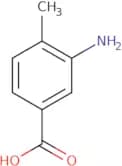
CAS:<p>1-Benzyl-1H-indole-2-carboxylic acid is a molecule that binds to chemokine receptors and has been used in screening assays as a chemical probe of chemokine receptor binding. It has been shown to be an antagonist of the CXCR3 receptor, with high affinity and selectivity. 1-Benzyl-1H-indole-2-carboxylic acid is also an antagonist of the CCR5 receptor, with low affinity. This compound was discovered by screening for novel antagonists of chemokines.</p>Formula:C16H13NO2Purity:Min. 95 Area-%Color and Shape:PowderMolecular weight:251.28 g/mol3-Amino-4-methylbenzoic acid
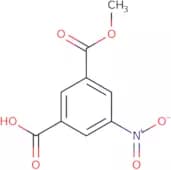
CAS:<p>3-Amino-4-methylbenzoic acid is a chemical that is used in the synthesis of pharmaceuticals. It has been shown to have receptor binding activity and is able to inhibit aminotransferase activity. 3-Amino-4-methylbenzoic acid has been shown to be a competitive inhibitor of ptp1b, an enzyme that degrades phosphatidylinositol (3,4,5)-triphosphate. This property may be useful for treating inflammatory diseases such as Crohn's disease and rheumatoid arthritis. 3-Amino-4-methylbenzoic acid binds to the active site of ptp1b with high affinity and forms a coordination complex with two zinc ions. Monomers are also able to bind to ptp1b and inhibit its function.<br>3-Amino-4-methylbenzoic acid has been tested in vitro for its ability to inhibit the growth</p>Purity:Min. 95%Color and Shape:PowderMolecular weight:151.16 g/mol5-Nitroisophthalic acid monomethyl ester
CAS:<p>5-Nitroisophthalic acid monomethyl ester (NIAE) is an acetylating agent that can be used for the preparation of 5-nitroisophthalic acid, which is a precursor to the synthesis of dyes and pharmaceuticals. The acetylation reaction of NIAE with proteins produces an insensitive material. Acetylation also inhibits the activity of serine proteases and virus replication. In addition, it has been found that the catalytic reduction of NIAE with palladium is faster than other synthetic methods. Optimal reaction conditions are obtained by adding chloride ions to the reaction mixture, while reductive conditions are optimal for catalysis. Reaction time can be shortened by using a soluble catalyst such as iodide ion or mercury(II) sulfate. The active site of NIAE contains a nitro group that reacts with substrates in the presence of oxygen, forming a product from which the acetyl group has been removed</p>Formula:C9H7NO6Purity:Min 98%Color and Shape:PowderMolecular weight:225.16 g/mol2-Methyl-5-nitrobenzoic acid
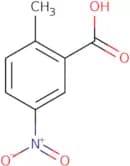
CAS:<p>2-Methyl-5-nitrobenzoic acid is a synthetic compound that has been shown to inhibit the growth of tumor xenografts in mice. This compound has been shown to inhibit the production of prostate-specific antigen and prostate cancer cells, as well as cause apoptosis in prostate cancer cells. 2-Methyl-5-nitrobenzoic acid also inhibits the activity of vitamin D3 and docetaxel, which are both chemotherapeutic agents used to treat prostate cancer. 2-Methyl-5-nitrobenzoic acid is a thermodynamic inhibitor with an IC50 value of 0.1 mM. It is an inhibitor of cellular respiration and mitochondrial function with a Km value of 1 mM. This agent also inhibits tumor perfusion, which may be due to its ability to induce apoptosis in tumor cells.</p>Formula:C8H7NO4Purity:Min. 95%Color and Shape:PowderMolecular weight:181.15 g/molAsperulosidic acid
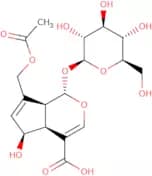
CAS:<p>Asperulosidic acid is a glycoside derivative that belongs to the natural compounds. It has been shown to be an enzyme inducer in bacteria, yeast and plants. Asperulosidic acid can be found in the leaves of asperula odorata, a plant commonly known as sweet woodruff. It is also found in fructus asperuli, which is made from the fruit of asperula odorata. Asperulosidic acid has been shown to increase the activity of enzymes such as β-glucuronidase and esterase in bacteria, which may have an effect on their metabolism. This compound also increases the activity of proteases and other enzymes in plants and yeast. The matrix effect can be used to determine the concentration of this compound by measuring its effects on enzyme activity. Matrix effects can be measured using a plate test or by plasma mass spectrometry. Asperulosidic acid has been shown to have growth</p>Formula:C18H24O12Purity:Min. 95%Color and Shape:SolidMolecular weight:432.38 g/mol(1-Isopropylpiperidin-4-yl)acetic acid
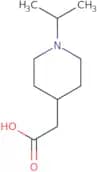
CAS:<p>(1-Isopropylpiperidin-4-yl)acetic acid is a fine chemical that has a versatile scaffold and can be used as a building block in the synthesis of complex compounds. It is also useful as a reaction component or reagent in the synthesis of new speciality chemicals. This chemical is available in high quality and purity grades.</p>Formula:C10H19NO2Purity:Min. 95%Color and Shape:PowderMolecular weight:185.26 g/mol2-Fluoro-3-nitrobenzoic acid ethyl ester
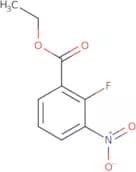
CAS:<p>2-Fluoro-3-nitrobenzoic acid ethyl ester is a versatile, high quality building block with a number of uses in research and industry. It is an intermediate in the synthesis of a range of compounds, including pharmaceuticals and other fine chemicals. 2-Fluoro-3-nitrobenzoic acid ethyl ester is also used as a reagent for the synthesis of complex compounds, such as pharmaceuticals. This compound can be synthesized from readily available starting materials and has been shown to be useful for the preparation of scaffolds for organic synthesis. 2-Fluoro-3-nitrobenzoic acid ethyl ester is not listed on the Chemical Abstract Service (CAS) registry, but it does have an IUPAC name (2-(2,6-difluorophenyl)-5-(1,1,2,2 tetrafluoropropoxy)-3H-[1]py</p>Formula:C9H8FNO4Purity:Min. 95%Color and Shape:Off-White PowderMolecular weight:213.16 g/molFolic acid impurity F
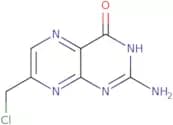
CAS:<p>Folic acid impurity F is a byproduct of the condensation reaction between folic acid and formaldehyde. This impurity is found in synthetic folic acid and is also present in small amounts in natural folates. It has been shown to be an antioxidant that can prevent the oxidation of vitamin B12, which can lead to cell damage. Folic acid impurity F can be isolated from a chromatographic column using acidic conditions, then hydrolyzed with dilute hydrochloric acid or sodium hydroxide to produce the desired product.</p>Formula:C7H6ClN5OPurity:Min. 95%Molecular weight:211.61 g/mol3,5,3',5'-Tetraiodothyroacetic acid
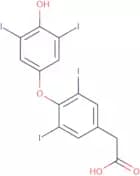
CAS:<p>3,5,3',5'-Tetraiodothyroacetic acid (T4) is a thyroid hormone that can be found in the blood and has been shown to have angiogenic properties. T4 has been shown to bind to integrin receptors on endothelial cells and stimulate the proliferation of these cells. This hormone also has pro-apoptotic activity, inducing programmed cell death in cancer cells. T4 is used as a model system for studying the molecular pathogenesis of thyroid cancer. T4 is also able to inhibit DNA polymerase activity, which may be responsible for its ability to inhibit tumor growth.</p>Formula:C14H8I4O4Purity:Min. 95%Color and Shape:White PowderMolecular weight:747.83 g/molFlugestone 17-acetate
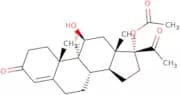
CAS:Controlled Product<p>Flugestone 17-acetate is a synthetic hormone that is used in the treatment of inflammatory bowel disease, as well as other inflammatory diseases. Flugestone 17-acetate is a prodrug of estradiol benzoate, which binds to the estrogen receptors in target tissues. It has been shown to be effective in treating infertility and metabolic disorders. Flugestone 17-acetate is also used to treat ovarian activity, such as estrus and fertility, and can be used for the prevention of autoimmune diseases such as chorionic or follicular growth.</p>Formula:C23H31FO5Purity:Min. 95%Color and Shape:White Yellow PowderMolecular weight:406.49 g/molGualicol sulfonic acid potassium salt
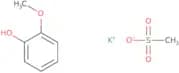
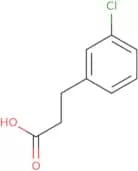
CAS:<p>Gualicol sulfonic acid potassium salt is a potassium salt that has expectorant properties. It can be used for the treatment of respiratory conditions such as bronchitis and asthma. Gualicol sulfonic acid potassium salt is used to treat coughs and other symptoms of respiratory infections, such as bronchitis and asthma. The drug is administered by mouth in tablet form.</p>Formula:C7H7KO5SPurity:Min. 95%Color and Shape:PowderMolecular weight:242.29 g/mol3-Chlorophenyl-3-propanoic acid
CAS:<p>3-Chlorophenyl-3-propanoic acid is an organic compound that is used in the synthesis of a variety of drugs, including analgesics and antibacterials. It is synthesized by reacting chlorides with alcohols. 3-Chlorophenyl-3-propanoic acid acts as a surfactant, which reduces surface tension between two liquids or between a liquid and a solid. It can also be used as an intermediate in the synthesis of other drugs. 3-Chlorophenyl-3-propanoic acid has been shown to have antibacterial properties mediated by its ability to inhibit the enzymes responsible for bacterial fatty acid synthesis. It may have neuroprotective effects, which are due to its inhibition of acetylcholinesterase (AChE) and carboxylesterase (CES). 3-Chlorophenyl-3-propanoic acid also has analgesic properties through its ability to inhibit lipases and monoamine</p>Formula:C9H9ClO2Purity:Min. 95%Color and Shape:PowderMolecular weight:184.62 g/mol3,3',5-Triiodo thyroacetic acid
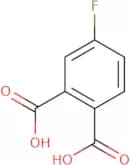
CAS:<p>3,3',5-Triiodo thyroacetic acid is a synthetic thyroid hormone that acts as a thyroid hormone receptor agonist. It binds to the thyroid hormone receptor, leading to the activation of other transcription factors and increased synthesis of proteins. 3,3',5-Triiodo thyroacetic acid has been shown to increase the metabolic rate in rats by increasing the expression of epidermal growth factor in skin cells and signal transduction in nerve cells. This drug also causes an increase in transcriptional regulation and protein synthesis. 3,3',5-Triiodo thyroacetic acid does not have any known side effects or toxicity.</p>Formula:C14H9I3O4Purity:Min. 95%Color and Shape:White Off-White PowderMolecular weight:621.93 g/mol4-Fluorophthalic acid
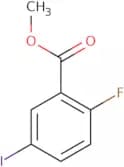
CAS:<p>4-Fluorophthalic acid is a monomer that forms polymers with high molecular weights. 4-Fluorophthalic acid is soluble in water and has been shown to be effective as a disinfectant. It has also been shown to have strong antifungal activity against Candida albicans and other species of yeast, due to its ability to penetrate the cell wall. Fluorinated surfaces have been shown to have increased resistance to bacterial colonization, which may be due to an increase in surface wettability or the formation of a fluorocarbon film on the surface. 4-Fluorophthalic acid can be used for the production of covid-19 (pandemic influenza vaccine), which is a vaccine that contains small quantities of 4-fluorophthalic acid, making it more stable during storage. The presence of this molecule makes it possible for Covid-19 vaccines to be safely stored at room temperature without refrigeration</p>Formula:C8H5FO4Purity:Min. 95%Color and Shape:White PowderMolecular weight:184.12 g/mol2-Fluoro-5-iodobenzoic acid methyl ester
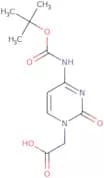
CAS:<p>2-Fluoro-5-iodobenzoic acid methyl ester is a fine chemical that is useful as a building block for the synthesis of complex compounds. It is also used as an intermediate in organic syntheses, and in research and development as a reaction component or speciality chemical. 2-Fluoro-5-iodobenzoic acid methyl ester has been shown to be effective in the synthesis of high quality reagents.</p>Formula:C8H6FIO2Purity:Min. 95%Color and Shape:Off-White To Yellow SolidMolecular weight:280.03 g/molN4-Boc-cytosin-1-yl acetic acid
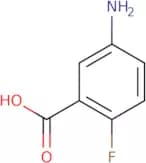
CAS:<p>N4-Boc-cytosin-1-yl acetic acid is a fine chemical that is used as a reagent, and can be used as a building block in the synthesis of various compounds. It has been shown to be an effective intermediate in the synthesis of various compounds, and can be used as a scaffold for drug discovery. N4-Boc-cytosin-1-yl acetic acid is also useful in the production of other chemicals, such as pharmaceuticals and pesticides.</p>Formula:C11H15N3O5Purity:Min. 98 Area-%Color and Shape:PowderMolecular weight:269.25 g/mol5-Amino-2-fluorobenzoic acid
CAS:<p>5-Amino-2-fluorobenzoic acid (5AFBA) is a synthetic aniline that is used as a fluoroquinolone antibiotic. 5AFBA inhibits the synthesis of trehalose, which is vital for bacterial growth. This drug also has been shown to be active against Mycobacterium tuberculosis and Mycobacterium avium complex. 5AFBA has also been shown to have antifungal properties, inhibiting the synthesis of ergosterol in the fungal cell membrane. 5AFBA can be modified by alkylation with geranyl groups or N-methylation at the amino group. These modifications have been shown to increase its antibacterial activity against Pseudomonas aeruginosa.</p>Formula:C7H6FNO2Color and Shape:PowderMolecular weight:155.13 g/mol2-Ethylheptanoic acid
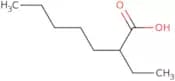
CAS:<p>2-Ethylheptanoic acid is a vasodilator that is used to treat hypertension. It is an enantiomer of the more common 2-ethylhexanoic acid and has been shown to have pressor effects in vitro by inhibiting the enzyme angiotensin converting enzyme (ACE). 2-Ethylheptanoic acid may be useful in the treatment of congestive heart failure because it prevents the accumulation of bradykinin, which can lead to renal dysfunction. The elimination rate of 2-ethylheptanoic acid may be reduced by hepatic impairment, so this drug should not be used if there is evidence of liver disease.<br>2-Ethylheptanoic acid has been found to increase glomerular filtration rate and capillary permeability in humans with chronic kidney disease. This drug also has diacid properties and can act as an ester hydrochloride when administered orally.</p>Formula:C9H18O2Purity:Min. 95%Color and Shape:Colorless Slightly Yellow Clear LiquidMolecular weight:158.24 g/mol4-Bromo-3,5-dimethylbenzoic acid
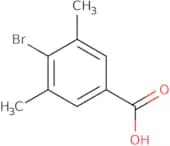
CAS:<p>4-Bromo-3,5-dimethylbenzoic acid is an organic compound that is used as a linker in the synthesis of new architectures. It is a nutrient that can be used to produce functionalized IL-2 receptors for use as feedstock in labeling and biosynthesis. X-ray crystallography has been used to study 4-bromo-3,5-dimethylbenzoic acid’s structural properties, which include conjugates with radiolabeling and organometallic compounds. The structural studies show how 4-bromo-3,5-dimethylbenzoic acid interacts with bacterial cellulose to form supramolecular structures.</p>Formula:C9H9BrO2Purity:Min. 95%Color and Shape:White Off-White PowderMolecular weight:229.07 g/mol2,2-Difluoro-2-[1,1,2,2-tetrafluoro-2-(trifluoromethoxy)ethoxy]acetic acid
CAS:<p>2,2-Difluoro-2-[1,1,2,2-tetrafluoro-2-(trifluoromethoxy)ethoxy]-acetic acid is a fluorinated compound that can be used as an adsorbent for organic compounds. It is a highly selective material and has high adsorption capacity. The adsorption equilibrium data for 2,2-difluoro-2-[1,1,2,2-tetrafluoro-2-(trifluoromethoxy)ethoxy]-acetic acid are given in the table below. Table: Adsorption Equilibrium Data Temperature (°C) Pressure (kPa) Vapor Pressure (Pa) Equilibrium Vapor Pressure (Pa) Adsorption Capacity (%) 0 0.001 0.0008 0.0012 100</p>Formula:C5HF9O4Purity:Min. 95%Color and Shape:Clear LiquidMolecular weight:296.04 g/molEthyl 2-(4-((5-chloro-2-methoxyphenyl)amino)-3,5-thiazolyl)acetate
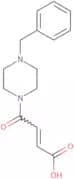
CAS:<p>Please enquire for more information about Ethyl 2-(4-((5-chloro-2-methoxyphenyl)amino)-3,5-thiazolyl)acetate including the price, delivery time and more detailed product information at the technical inquiry form on this page</p>Purity:Min. 95%4-Oxo-4-(4-benzylpiperazinyl)but-2-enoic acid
CAS:Controlled Product<p>Please enquire for more information about 4-Oxo-4-(4-benzylpiperazinyl)but-2-enoic acid including the price, delivery time and more detailed product information at the technical inquiry form on this page</p>Formula:C15H18N2O3Purity:Min. 95%Color and Shape:PowderMolecular weight:274.32 g/molPoly-L-glutamic acid sodium, MW 50,000-100,000
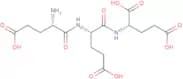
CAS:<p>Poly-L-glutamic acid sodium, MW 50,000-100,000 is a treatment agent that belongs to the group of oligopeptides. It is a low-dose therapeutic agent for the treatment of hair loss and alopecia. The amino acid sequence of this product has been shown to be similar to that of methionine and contains carboxyl groups. Poly-L-glutamic acid sodium, MW 50,000-100,000 is formed by the deprotonation and protonation of amino groups and carboxyl groups in an acidic environment.</p>Formula:(C5H9NO4)x•NaxPurity:Min. 95%Color and Shape:PowderPoly(acrylic acid-co-maleic acid), average Mw 3,000, 50% aqueous solution
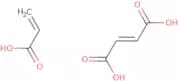
CAS:<p>Please enquire for more information about Poly(acrylic acid-co-maleic acid), average Mw 3,000, 50% aqueous solution including the price, delivery time and more detailed product information at the technical inquiry form on this page</p>Formula:(C4H4O4)x•(C3H4O2)yColor and Shape:Yellow Clear Liquid


![Methyl (1R,2S,3S,5S)-3-(4-Fluorophenyl)-8-[(E)-3-Iodoprop-2-Enyl]-8-Azabicyclo[3.2.1]Octane-2-Carb…](/_next/image/?url=https%3A%2Fstatic.cymitquimica.com%2Fproducts%2F3D%2Fthumb-webp%2FFM102777.webp&w=3840&q=75)
![[1,1'-Bicyclohexyl]-1-carboxylic acid](/_next/image/?url=https%3A%2Fstatic.cymitquimica.com%2Fproducts%2F3D%2Fthumb-webp%2FFB139039.webp&w=3840&q=75)

![Ethyl 5-chloropyrazolo[1,5-a]pyrimidine-3-carboxylate](/_next/image/?url=https%3A%2Fstatic.cymitquimica.com%2Fproducts%2F3D%2Fthumb-webp%2FFE44325.webp&w=3840&q=75)



![[(8b)-1,6-Dimethylergolin-8-yl)methyl]carbamic acid phenylmethyl ester](/_next/image/?url=https%3A%2Fstatic.cymitquimica.com%2Fproducts%2F3D%2Fthumb-webp%2FFM12444.webp&w=3840&q=75)



![2,2-Difluoro-2-[1,1,2,2-tetrafluoro-2-(trifluoromethoxy)ethoxy]acetic acid](/_next/image/?url=https%3A%2Fstatic.cymitquimica.com%2Fproducts%2F3D%2Fthumb-webp%2FFD99821.webp&w=3840&q=75)