Carboxylic Acids
Carboxylic acids are organic molecules characterized by having a carboxyl-type functional group (-COOH). These acids are fundamental in various chemical reactions, including esterification, amidation, and decarboxylation. Carboxylic acids are widely used in the production of pharmaceuticals, polymers, and agrochemicals. In this section, you can find a large number of carboxylic acids ready to be used. At CymitQuimica, we provide a broad range of high-quality carboxylic acids to support your research and industrial applications.
Found 12453 products of "Carboxylic Acids"
Sort by
Purity (%)
0
100
|
0
|
50
|
90
|
95
|
100
4-Mercaptophenylacetic Acid
CAS:Controlled Product<p>Applications A redox buffer that increases the folding rate of disulfide-containing proteins realative to traditional buffers such as glutathione and glutathione-disulfide. A useful synthetic intermediate for the preparation of novel antiinflammatory agents.<br> Not a dangerous good if item is equal to or less than 1g/ml and there is less than 100g/ml in the package<br>References Gough, J.D., et al.: JACS, 124 (15), 3885 (2002)<br></p>Formula:C8H8O2SColor and Shape:NeatMolecular weight:168.21Ethacrynic Acid Epoxide
CAS:Controlled Product<p>Applications Ethacrynic Acid Epoxide is an intermediate in the synthesis of Ethacrynic Acid (E676000), a diuretic used to treat high blood pressure and swelling caused by congestive heart failure, liver failure and kidney failure.<br>References Beyer, et al.: J. Pharmacol. Exp. Ther., 147, 1 (1965), Kim., et al.: Am. J. Cardiol., 27, 407 (1971), Williamson, H.E., et al.: J. Clin. Pharmacol., 17, 663 (1977),<br></p>Formula:C13H12Cl2O5Color and Shape:NeatMolecular weight:319.14Phenyl N-(2-Chloro-4-hydroxyphenyl)carbamate
CAS:Controlled Product<p>Applications Phenyl N-(2-Chloro-4-hydroxyphenyl)carbamate is a reagent used in the prepartion of quinoline-carboxamide compounds including Lenvatinib (L329400), an orally active inhibitor of multiple receptor tyrosine kinases including VEGF, FGF and SCF receptors.<br>References Wang, N. et al.: Faming Zhuanli Shenqing (2017), CN 106632033 A 20170510.<br></p>Formula:C13H10ClNO3Color and Shape:NeatMolecular weight:263.68Octadecylphosphonic Acid
CAS:<p>Applications Octadecylphosphonic acid (cas# 4724-47-4) is a useful research chemical.<br></p>Formula:C18H39O3PColor and Shape:NeatMolecular weight:334.473,5-Dioxocyclohexanecarboxylic Acid
CAS:<p>Applications Dihydroresorcylic Acid is a useful reagent in detecting proteins in living cells.<br>References Reddie, K., et al.: Mol. Biosys., 4, 521-531 (2008); Seo, Y., et al.: Bioorg. Med. Chem. Lett., 19, 356-359 (2009);<br></p>Formula:C7H8O4Color and Shape:NeatMolecular weight:156.14rac 2-Aminothiazoline-4-carboxylic Acid
CAS:Controlled Product<p>Stability Hygroscopic<br>Applications Used in the manufacturing of L-tryptophan by enzymic reaction.<br>References Franke, L., et al.: J. Med. Chem., 48, 6997 (2005), Fox, T., et al.: Curr. Top Med. Chem., 6, 1579 (2006),<br></p>Formula:C4H6N2O2SColor and Shape:NeatMolecular weight:146.174-(2-Amino-ethyl)benzoic Acid
CAS:Controlled Product<p>Applications 4-(2-Amino-ethyl)-benzoic Acid is a useful reagent for the preparation of amino acid derivatives with anticancer activity.<br>References Kim, S., et al.: PCT Int. Appl. (2020), WO 2020204548 A1<br></p>Formula:C9H11NO2Color and Shape:White To Off-WhiteMolecular weight:165.18Trifluoroacetic Acid-d
CAS:Controlled Product<p>Applications Isotope labelled Trifluoroacetic Acid used as a solvent in a variety of organic synthesis and chemical processes. Used in the synthesis of anticancer agents as well as phospholipase D inhibitors.<br> E0<br>References Scott, S. et al.: Nat. Chem. Biol., 5, 108 (2009); Minko, T. et al.: Cancer. Chemother. Pharmacol., 50, 143 (2002);<br></p>Formula:C2DF3O2Color and Shape:ColourlessMolecular weight:115.0295Maleic Acid
CAS:Controlled Product<p>Applications Maleic Acid is used in the synthesis of pyridoindolones as potent inhibitors of Aurora kinases. Also is a reagent in the preparation of TiO2/carbon nanotube composites.<br>References Le, L. et al.: ChemMedChem., 8, 289 (2013); Yao, Y. et al.: Env. Sci. Tech., 42, 4952 (2008)l<br></p>Formula:C4H4O4Color and Shape:WhiteMolecular weight:116.074-(4-Phenylbutoxy)benzoic Acid
CAS:Controlled Product<p>Applications 4-(4-PHENYLBUTOXY)BENZOIC ACID (cas# 30131-16-9) is a useful research chemical.<br></p>Formula:C17H18O3Color and Shape:NeatMolecular weight:270.32Benzyl Acetate
CAS:Controlled Product<p>Applications Benzyl Acetate, is found naturally in many flowers, It has pleasant sweet aroma reminiscent of jasmine, and thus is used widely in perfumery industry, and also as a flavouring agent. It is also used as a solvent.<br>References Schiestl, F. P., et al.: J. Chem. Ecology, 29 (2004); Qian-qian, M., et al.: Jingxi Huagong, 30, 442 (2013);<br></p>Formula:C9H10O2Color and Shape:NeatMolecular weight:150.172-Butoxyacetic Acid
CAS:<p>Applications 2-butoxyacetic acid (cas# 2516-93-0) is a useful research chemical.<br></p>Formula:C6H12O3Color and Shape:NeatMolecular weight:132.16(3E,7E)-4,8,12-Trimethyl-3,7,11-tridecatrienoic Acid
CAS:Controlled Product<p>Applications (3E,7E)-4,8,12-Trimethyl-3,7,11-tridecatrienoic Acid is a compound involved in a study on ligand-controlled regiodivergent Ni-catalyzed reductive carboxylation of allyl esters with CO2.<br>References Moragas, T., et al.: J. Am. Chem. Soc., 136, 17702-17705 (2014)<br></p>Formula:C16H26O2Color and Shape:NeatMolecular weight:250.38Nicametate
CAS:Controlled Product<p>Applications Nicotinic Acid 2-Diethylamino-Ethyl Ester (cas# 3099-52-3) is a useful research chemical.<br></p>Formula:C12H18N2O2Color and Shape:NeatMolecular weight:222.28Butyl Carbamate
CAS:Controlled Product<p>Applications butyl carbamate (cas# 592-35-8) is a useful research chemical.<br></p>Formula:C5H11NO2Color and Shape:NeatMolecular weight:117.15Phenothiazine-10-propionic Acid (~90%)
CAS:Controlled Product<p>Applications Reagent used in the addition of Phenothiazine (P318040).<br>References Zhang, Y., et al.: Bioorg. Med. Chem. Lett., 17, 707 (2007), Bansode, T., et al.: Pharm. Chem. J., 43, 311 (2009), Chelikani, R., et al.: App. Biochem. Biotechnol., 157, 263 (2009),<br></p>Formula:C15H13NO2SPurity:~90%Color and Shape:NeatMolecular weight:271.334Diethylammonium N,N-Diethyldithiocarbamate
CAS:Controlled Product<p>Applications Dithiocarbamate complexes serve as hosts for the specific binding of various metal cations.<br>References Bourson, J., et al.: J. Phys. Chem., 97, 4552 (1993), Lai, S., et al.: Inorg. Chem., 38, 4262 (1999),<br></p>Formula:C9H22N2S2Color and Shape:NeatMolecular weight:222.41Bicarbamic Acid Diisopropyl Ester
CAS:Controlled Product<p>Impurity Orlistat USP Related Compound B<br>Applications Orlistat USP Related Compound B<br></p>Formula:C8H16N2O4Color and Shape:NeatMolecular weight:204.22Methyl 5-chloro-2-hydroxy-1-oxo-2,3-dihydro-1H-indene-2-carboxylate
CAS:Controlled Product<p>Applications Methyl 5-chloro-2-hydroxy-1-oxo-2,3-dihydro-1H-indene-2-carboxylate (cas# 144172-24-7) is a useful research chemical. It is an intermediate in the synthesis of IN-KG 433 (I627995). IN-KG 433 is an impurity of Indoxacarb (I654000), an oxadiazine pesticide that acts against lepidopteran larvae and is the active ingredient in a number of household insecticides including cockroach baits.<br>References Wang, H., et al.: Water. Sci. Technol., 61, 2733 (2010); Shono, T., et al.: Pesticide. Biochem. Physiol., 75, 1 (2003);<br></p>Formula:C11H9O4ClColor and Shape:NeatMolecular weight:240.632-(2-ethoxyethoxy)acetic acid
CAS:<p>Applications 2-(2-ethoxyethoxy)acetic acid (cas# 7743-94-4) is a useful research chemical.<br> Not a dangerous good if item is equal to or less than 1g/ml and there is less than 100g/ml in the package<br></p>Formula:C6H12O4Color and Shape:NeatMolecular weight:148.15Citraconic Acid
CAS:Controlled Product<p>Applications Citraconic Acid (cas# 498-23-7) is a useful research chemical.<br></p>Formula:C5H6O4Color and Shape:NeatMolecular weight:130.09(4R,6R)-6-Hydroxymethyl-2,2-dimethyl-1,3-dioxane-4-acetic Acid 1,1-Dimethylethyl Ester
CAS:Controlled ProductFormula:C13H24O5Color and Shape:NeatMolecular weight:260.327Ethyl Diazoacetate (>90%)
CAS:<p>Applications Ethyl Diazoacetate is used in the synthesis of Arteludovicinolide A as well as pyrimidoazepine analogs as seritonin 5-HT2A/C receptor ligands for treatment of obesity. This compound contains solvent for added stability.<br> E0<br>References Yang, H. et al.: Eur. J. Med. Chem., 63, 558 (2013); Kreuzer, A. et al.: Org. Lett., 15, 3420 (2013);<br></p>Formula:C4H6N2O2Purity:>90%Color and Shape:NeatMolecular weight:114.1Permethrinic Acid (cis/trans mixture)
CAS:<p>Applications 3-(2,2-Dichloroethenyl)-2,2-dimethylcyclopropanecarboxylic Acid is a reagent used in the preparation of hapten and immunogen for the production of polyclonal antibodies, specific to Cypermethrin (C989000).<br>References Lee, N. et al.: J. Agri. Food Chem., 46, 520 (1998); Hongsibsong, S. et al.: Int. J. Agri. Biol., 14, 246 (2012);<br></p>Formula:C8H10Cl2O2Color and Shape:White To Light YellowMolecular weight:209.07Di-β,β'-Chloroethylphosphoric Acid
CAS:<p>Applications Di-β,β'-Chloroethylphosphoric Acid, is a dialkyl hydrogen phosphates, that can undergo the electrophilic trifluor- omethylation to produce trifluoromethyl phosphates in order to increase the lipophilicity of functional groups.<br>References Santschi, N., et al.: J. Fluorine Chem., 135, 83 (2012);<br></p>Formula:C4H9Cl2O4PColor and Shape:NeatMolecular weight:222.99Levulinic Acid
CAS:Controlled Product<p>Applications Levulinic Acid is derived from the degredation of cellulose and is a potential precursor to biofuels. Levulinic acid is also a photosensitizer for photodynamic therapy.<br>References Serrano-Ruiz, J.C., et al.: Catalysis., 195, 162 (2012); Liedtke, A.J. et al.: Tetrahedron., 68, 10049 (2012);<br></p>Formula:C5H8O3Color and Shape:Light Yellow MeltedMolecular weight:116.12Ethyl Nitroacetate
CAS:Controlled Product<p>Applications Ethyl Nitroacetate is an ester of nitrocarboxylic acid used as an intermediate in the preparation of unsubstituted amino acids.<br>References Sidorin, G.I.: Gig. Aspe. Okhr. Zdor. Nasel., 144 (1977);<br></p>Formula:C4H7NO4Color and Shape:NeatMolecular weight:133.1Isophthalic Acid
CAS:<p>Applications Isophthalic Acid is a useful reagent for preparing semiconductor sealing materials, prepregs, build-up films, solder resists, dry films, and printed wiring boards.<br>References Matsumura, Y., & Nakamura, A.: PCT Int. Appl. (2021), WO 2021006164 A1<br></p>Formula:C8H6O4Color and Shape:White To Off-WhiteMolecular weight:166.134-Nitrobenzoic Acid
CAS:Controlled Product<p>Stability Hygroscopic<br>Applications 4-Nitrobenzoic Acid is used in the synthesis of anti-Trypanosoma cruzi agents in the treatment of chagas disease.<br>References Palace-Berl, F. et al.: Bioorg, Med. Chem. Lett., 21, 5395 (2013); Zhou, L. et al.: J. Med. Chem., 56, 796 (2013);<br></p>Formula:C7H5NO4Color and Shape:NeatMolecular weight:167.122-[(Phenylsulfanyl)methyl]benzenecarboxylic Acid
CAS:<p>Applications 2-[(phenylsulfanyl)methyl]benzenecarboxylic acid (cas# 1699-03-2) is a useful research chemical.<br></p>Formula:C14H12O2SColor and Shape:NeatMolecular weight:244.313-O-Ethyl-L-ascorbic Acid
CAS:Controlled Product<p>Applications 3-O-Ethyl-L-ascorbic Acid could be a useful stabilizing agent for a para-hydroxyacetophenone solution.<br>References Zhang, H., et al.: Faming Zhuanli Shenqing (2020), CN 111937874 A<br></p>Formula:C8H12O6Color and Shape:NeatMolecular weight:204.18Heptadecanedioic Acid
CAS:Controlled Product<p>Applications Heptadecanedioic Acid (cas# 2424-90-0) is a useful research chemical.<br></p>Formula:C17H32O4Color and Shape:NeatMolecular weight:300.43Isobutylsuccinic Acid
CAS:Controlled Product<p>Applications Isobutylsuccinic Acid was used to synthesize succinimide derivatives as inhibitors of human leukocyte elastase, cathepsin G and proteinase 3.<br>References Groutas, W., et al.: Bioorg. Med. Chem., 3, 375 (1995);<br></p>Formula:C8H14O4Color and Shape:NeatMolecular weight:174.192-Tetrahydrofuroic Acid
CAS:Controlled Product<p>Applications 2-Tetrahydrofuroic acid is used as a reagent to synthesize Alfuzosin (HCl: A532000), an unselective alpha-1 blocker that is used to treat lower urinary tract symptoms and benign prostatic hyperplasia.<br> Not a dangerous good if item is equal to or less than 1g/ml and there is less than 100g/ml in the package<br>References Grasso, M., et al.: Arch. Esp. Urol., 48, 97 (1994); Roehrborn, C., et al.: BJU Int., 92, 257 (2003)<br></p>Formula:C5H8O3Color and Shape:NeatMolecular weight:116.12(2E,6E)-3,7,11-Trimethyldodeca-2,6,10-trien-1-yl Acetate
CAS:Controlled Product<p>Applications (2E,6E)-3,7,11-Trimethyldodeca-2,6,10-trien-1-yl Acetate is an intermediate in the synthesis of JHSB3 (J211030). JHSB3 is an acyclic sesquiterpenoid that regulates many aspects of insect physiology. Juvenile Hormone regulate development, reproduction, diapause, and polyphenisms.<br>References Kotaki, T., et al.: Org. Let., 11, 5234 (2009); Riddiford, L.: Adv. Insect Physiol., 24, 213 (1994); Wyatt, G., Davey, K.: Adv. Insect Physiol., 26, 1 (1996); Nijhout, H.: Insect Hormones (Princeton Univ. Press, Princeton) (1994)<br></p>Formula:C17H28O2Color and Shape:NeatMolecular weight:264.43,4,5-Trimethoxyphenylacetic Acid
CAS:Controlled Product<p>Applications 3,4,5-Trimethoxyphenylacetic Acid is a reagent in the preparation of 3-phenylcoumarins as antidepressant agents.<br>References Sashidhara, K.V., et al.: Bioorg. Med. Chem. Lett., 24, 4876 (2014);<br></p>Formula:C11H14O5Color and Shape:NeatMolecular weight:226.23(S)-2-Acetamido-5-ureidopentanoic Acid
CAS:Controlled Product<p>Applications (S)-2-Acetamido-5-ureidopentanoic Acid (cas# 33965-42-3) is a useful research chemical.<br></p>Formula:C8H15N3O4Color and Shape:NeatMolecular weight:217.22Acetyl Propionate
CAS:Controlled Product<p>Applications Acetic propionic anhydride<br></p>Formula:C5H8O3Color and Shape:NeatMolecular weight:116.1152Crotonic Acid
CAS:<p>Applications Crotonic Acid is found in water extracts from carrot seeds (Daucus carota L.) and is shown to have strong herbicidal properties.<br> Not a dangerous good if item is equal to or less than 1g/ml and there is less than 100g/ml in the package<br>References Jasicka-Misiak, I., et al.: Phytochemistry, 66, 1485 (2005)<br></p>Formula:C4H6O2Color and Shape:WhiteMolecular weight:86.09Cyanoacetic Acid
CAS:Controlled Product<p>Applications Cyanoacetic acid is a dangerous compound that is commonly used as a synthetic intermediate. Cyanoacetic acid has also been found to have teratogenic effects on rat embryos.<br> Not a dangerous good if item is equal to or less than 1g/ml and there is less than 100g/ml in the package<br>References Simpson, M., et al.: Food Chem. Toxicol., 24, 634 (1986)<br></p>Formula:C3H3NO2Color and Shape:NeatMolecular weight:85.063,3-Dimethylbutyric Acid
CAS:Controlled Product<p>Applications 3,3-Dimethylbutyric Acid is used in the synthesis of imidazo[4,5-c]pyridine derivatives as anitmicrobial agents.<br> Not a dangerous good if item is equal to or less than 1g/ml and there is less than 100g/ml in the package<br>References Jose. G., et. al.: Eur. J. Med. Chem., 77, 288 (2014)<br></p>Formula:C6H12O2Color and Shape:Clear Colourless To Light YellowMolecular weight:116.16Phosphoric Acid
CAS:<p>Applications Phosphoric Acid is used in various chemical processes as a phosphorylating compound. It is involved in the hydrolysis via phosphorylation of nanocrystals to obtain high-aspect-ratio cellulose nanocrystals. Also used in the synthesis of lithium-ion cells.<br> Not a dangerous good if item is equal to or less than 1g/ml and there is less than 100g/ml in the package<br>References Camarero E. et al.: Biomacromol., 14, 1223 (2013); Meligrana, G. et al.: J. Power. Sources., 160, 516 (2006);<br></p>Formula:H3O4PColor and Shape:NeatMolecular weight:98.004-Hydroxy-2-nitrobenzoic Acid
CAS:Controlled Product<p>Applications 4-hydroxy-2-nitrobenzoic acid (cas# 74230-08-3) is a useful research chemical.<br></p>Formula:C7H5NO5Color and Shape:Dark Red To Dark BrownMolecular weight:183.1182,4-Dioxo-4-phenylbutanoic acid
CAS:Controlled Product<p>Applications 2,4-Dioxo-4-phenylbutanoic acid<br></p>Formula:C10H8O4Color and Shape:NeatMolecular weight:192.17methyl n-(3-chlorophenyl)carbamate
CAS:Controlled ProductFormula:C8H8ClNO2Color and Shape:NeatMolecular weight:185.608Tauroursodeoxycholic Acid
CAS:<p>Stability Hygroscopic<br>Applications TAUROURSODEOXYCHOLIC ACID (cas# 14605-22-2) is a useful research chemical.<br></p>Formula:C26H45NO6SColor and Shape:Off-WhiteMolecular weight:499.70Ethyl Trifluoroacetate
CAS:Controlled Product<p>Stability Moisture Sensitive<br>Applications Ethyl Trifluoroacetate is an intermediate used in the synthesis of various pharmaceutically active molecules and agricultural products. Ethyl Trifluoroacetate is also useful for the preparation of trifluoroacylated compounds.<br> Not a dangerous good if item is equal to or less than 1g/ml and there is less than 100g/ml in the package<br>References HugenBerg, V., J. Fluorine. Chem., 131, 942 (2010); Belyakova, Z.V., et al.: Russ. J. Gen. Chem., 79, 2634 (2009); Wu, J.L., et al.: Jingxi. Huagong. Zhongjianti., 40, 64 (2010);<br></p>Formula:C4H5F3O2Color and Shape:ColourlessMolecular weight:142.082-Arsanilic Acid
CAS:Controlled Product<p>Applications o-Arsanilic Acid is an organoarsenic compound. o-Arsanilic Acid is a highly toxic contaminant and can be found in plants growing in contaminated soil.<br> Not a dangerous good if item is equal to or less than 1g/ml and there is less than 100g/ml in the package<br>References Schmidt, A.-C. et al.: Chemosphere, 73, 1781 (2008);<br></p>Formula:C6H8AsNO3Color and Shape:NeatMolecular weight:217.05Perfluorobutylphosphonic Acid
CAS:Controlled Product<p>Stability Hygroscopic<br>Applications Perfluorobutylphosphonic Acid, is a surfactant or antifoaming agent.<br></p>Formula:C4H2F9O3PColor and Shape:BrownMolecular weight:300.02Vinyl Acetate(Stabilized with 8-12 ppm Hydroquinone)
CAS:Controlled Product<p>Applications Vinyl Acetate used in the preparation of bis(heterocycles) with pyrazoline, used in the preparation of anti-inflammatory and analgesic activities. Also used in the synthesis of antimalarial compounds.<br> Not a dangerous good if item is equal to or less than 1g/ml and there is less than 100g/ml in the package<br>References Sreenivasa, S. et al.: Open. J. Med. Chem., 3, 50 (2013); Verbrugghen, T. et al.: J. Med. Chem., 56, 376 (2013);<br></p>Formula:C4H6O2Color and Shape:ColourlessMolecular weight:86.09DL-Citramalic Acid
CAS:Controlled Product<p>Applications DL-CITRAMALIC ACID (cas# 2306-22-1) is a useful research chemical.<br></p>Formula:C5H8O5Color and Shape:NeatMolecular weight:148.11Acetoacetic Acid Isoamyl Ester
CAS:Controlled Product<p>Applications ACETOACETIC ACID ISOAMYL ESTER (cas# 2308-18-1) is a useful research chemical.<br></p>Formula:C9H16O3Color and Shape:NeatMolecular weight:172.22Phenylglyoxylic Acid
CAS:<p>Applications Phenylglyoxylic Acid (cas# 611-73-4) is a compound useful in organic synthesis.<br></p>Formula:C8H6O3Color and Shape:NeatMolecular weight:150.1312-Oxohexanoic Acid
CAS:Controlled Product<p>Applications 2-Oxohexanoic Acid (cas# 2492-75-3) has been useful in a biological study that investigated the impact of glutathione on wines oxidative stability.<br>References Nikolantonaki, M., et al.: Front. Chem. (Lausanne, Switzerland), 6, 182 (2018)<br></p>Formula:C6H10O3Color and Shape:NeatMolecular weight:130.143,4-Secocholest-5-ene-3,4-dioic Acid Dimethyl Ester
CAS:Controlled Product<p>Applications 3,4-Secocholest-5-ene-3,4-dioic Acid Dimethyl Ester is an intermediate used in the synthesis of 3,4-Seco-solanidine-3,4-dioic Acid (S682410), which is a derivative of Solanidine (S682410).<br></p>Formula:C29H48O4Color and Shape:NeatMolecular weight:460.693,5-Di-tert-butyl-4-hydroxybenzoic Acid
CAS:Controlled Product<p>Applications 3,5-Di-tert-butyl-4-hydroxybenzoic acid<br></p>Formula:C15H22O3Color and Shape:NeatMolecular weight:250.33Tiglic Acid
CAS:<p>Applications Tiglic acid is the stable isomer of angelic acid. Tiglic acid was found as glyceride in croton oil, as butyl ester in the oil of the Roman camomile, and as geranyl tiglate in oil of geranium. Tiglic acid is formed during the charcoaling of maple wood.<br> Not a dangerous good if item is equal to or less than 1g/ml and there is less than 100g/ml in the package<br>References Bueding, et al.: J. Biol. Chem., 202, 505 (1953),<br></p>Formula:C5H8O2Color and Shape:NeatMolecular weight:100.12Ethyl Hydrazinoacetate Hydrochloride
CAS:Controlled Product<p>Applications Ethyl hydrazinoacetate, HCl<br></p>Formula:C4H10N2O2•HClColor and Shape:NeatMolecular weight:118.13 + 36.46Thioglycolic Acid 2-Ethylhexyl Ester
CAS:Formula:C10H20O2SColor and Shape:NeatMolecular weight:204.335-Chloronicotinic Acid
CAS:Controlled Product<p>Applications 5-Chloronicotinic Acid is used as reagent/reactant luminescence and hydrothermal preparation of cobalt/cadmium/lead chloronicotinate phenanthroline MOF.<br>References Gao, Z.Q., et al.: J. Solid State Chem., 241, 121-130 (2016)<br></p>Formula:C6H4ClNO2Color and Shape:NeatMolecular weight:157.5543-(methylamino)-3-oxopropanoic acid
CAS:Controlled Product<p>Applications 3-(methylamino)-3-oxopropanoic acid (cas# 42105-98-6) is a useful research chemical.<br></p>Formula:C4H7NO3Color and Shape:NeatMolecular weight:117.1dl-tartaric acid
CAS:Controlled Product<p>Applications (cas# 526-83-0) is a useful research chemical.<br></p>Formula:C4H6O6Color and Shape:NeatMolecular weight:150.087N-(4-Amino-5-oxoheptyl)guanidine Trifluoroacetate Salt
CAS:Controlled Product<p>Stability Hygroscopic<br>Applications N-(4-Amino-5-oxoheptyl)guanidine is a biosynthetic intermediate in the study of saxitoxin gene cluster in cyanobacteria.<br>References Kellmann, R., et al.: Appl. Environ. Microbiol., 74, 4044 (2008)<br></p>Formula:C8H18N4Ox(C2HF3O2)Color and Shape:NeatMolecular weight:186.25 + x(114.02)4-carbamoylfuran-2-carboxylic acid
CAS:Controlled Product<p>Applications 4-carbamoylfuran-2-carboxylic acid (cas# 1315367-95-3) is a useful research chemical.<br></p>Formula:C6H5NO4Color and Shape:NeatMolecular weight:155.112,3-Dihydroxypropanoic Acid(20% in water)
CAS:Controlled Product<p>Applications 2,3-Dihydroxypropanoic acid(20% in water) (cas# 473-81-4) is a useful research chemical.<br></p>Formula:C3H6O4Color and Shape:Single SolutionMolecular weight:106.08Propiolic Acid
CAS:Controlled Product<p>Applications Propiolic Acid is a compound used in the synthesis of haloalkyl propiolates, halopropenoates, and transition metal complexes.<br> Not a dangerous good if item is equal to or less than 1g/ml and there is less than 100g/ml in the package<br>References J. Organomet. Chem., 456, 271 (1993); Tetrahedron, 49, 4229 (1993); Tetrahedron, 48, 3413 (1992); J. Org. Chem., 57, 709 (1992)<br></p>Formula:C3H2O2Color and Shape:YellowMolecular weight:70.054-Acetyl-3-nitrobenzoic Acid
CAS:Controlled ProductFormula:C9H7NO5Color and Shape:NeatMolecular weight:209.1562-Ethoxybenzoic Acid
CAS:<p>Applications 2-Ethoxybenzoic Acid is a component of dental cement. Low concentrations of 2-Ethoxybenzoic Acid in combination with Eugenol (E938640), gives a stabilizing effect to liposomes to lower damages to cells.<br>References Fujisawa, S., et al.: J. Dent. Res., 82, 43(2003); Brauer, G.M., et al.: J. Dent. Res., 62, 366 (1983); Brauer, G.M., et al.: J. Dent. Res., 63, 137 (1984); Fujisawa, S., et al.: J. Biomed. Mater. Res., 21, 89 (1987)<br></p>Formula:C9H10O3Color and Shape:NeatMolecular weight:166.173-(4-tert-Butylbenzene)propionic Acid
CAS:Controlled Product<p>Applications 3-(4-tert-Butylbenzene)propionic Acid (cas# 1208-64-6) is a compound useful in organic synthesis.<br></p>Formula:C13H18O2Color and Shape:NeatMolecular weight:206.284-Octylbenzoic Acid
CAS:Controlled Product<p>Applications 4-octylbenzoic acid (cas# 3575-31-3) is a useful research chemical.<br></p>Formula:C15H22O2Color and Shape:NeatMolecular weight:234.343-Sulfanylhexyl Acetate
CAS:Controlled Product<p>Stability Hygroscopic<br>Applications 3-Sulfanylhexyl Acetate is a precursor of 3-mercaptohexan-1-ol (M225270) found in grape juice.<br>References Harsch, M.J., et al.: J. Agri. Food. Chem., 61, 3703 (2013); Makhotkina, O., et al.: Food. Chem., 135, 486 (2012);<br></p>Formula:C8H16O2SColor and Shape:NeatMolecular weight:176.282-(Formylamino)benzoic Acid (>90%)
CAS:Controlled Product<p>Applications 2-(formylamino)benzoic acid (cas# 3342-77-6) is a useful research chemical.<br></p>Formula:C8H7NO3Purity:>90%Color and Shape:NeatMolecular weight:165.15(R)-2-Hydroxybutanoic Acid
CAS:Controlled Product<p>Applications (R)-2-Hydroxybutanoic acid (cas# 20016-85-7) is a useful research chemical.<br></p>Formula:C4H8O3Color and Shape:NeatMolecular weight:104.105Iodic Acid
CAS:<p>Applications Iodic Acid is used in the synthesis of silybin derivatives showing antiradical and antioxidant activities. Also used in the iodination of compounds.<br> Not a dangerous good if item is equal to or less than 1g/ml and there is less than 100g/ml in the package<br>References Gazak, R. et al.: Bioorg. Med. Chem., 12, 5677 (2004); Zangade, S. et al.: Eur. j. Chem., 3, 314 (2012);<br></p>Formula:HIO3Color and Shape:NeatMolecular weight:175.911-Dodecanol Acetate
CAS:Controlled Product<p>Applications 1-Dodecanol Acetate can be used as a foaming agent in the purification process of quartz sand. Furthermore, it is a main component of the essential oil from the flowers of Etlingera elatior (Jack) R. M. Smith, which is found to be active against Staphylococcus aureus, Bacillus cereus, Candida albicans and Cryptococcus neoformans.<br>References Wang, W., et al.: Faming Zhuanli Shenqing, CN 103663469 A 20140326 (2014); Susanti, D., et al.: Journal of Essential Oil-Bearing Plants, 16, 294 (2013)<br></p>Formula:C14H28O2Color and Shape:NeatMolecular weight:228.373-(1-Cyanoethyl)benzoic Acid
CAS:Controlled Product<p>Applications 3-(1-Cyanoethyl)benzoic Acid is an intermediate for the synthetic preparation of various pharmaceutical compounds. 3-(1-Cyanoethyl)benzoic Acid was used in studies examining the enantioselectivity of nitrile hydratases.<br>References Rzeznicka, K., et al.: App. Microbiol. Biotechnol., 85, 1417 (2010); Van Pelt. S., et al.: Org. Biomole. Chem., 9, 3011 (2011);<br></p>Formula:C10H9NO2Color and Shape:BeigeMolecular weight:175.18Syringic Acid
CAS:Controlled Product<p>Applications Syringic Acid is used in biological studies for electron transfer from plant phenolates to carotenoid radical cations with antioxidant interaction entering the Marcus theory inverted region.<br>References Cheng, H., et al.: J. Agric. Food Chem., 62, 942 (2014)<br></p>Formula:C9H10O5Color and Shape:Off-WhiteMolecular weight:198.17Tert-butyl Acetate
CAS:Controlled Product<p>Applications Tert-butyl Acetate is a common solvent used in the production of various industrial cleansers, thinners and adhesives and is also known as a VOC.Environmental contaminants; Food contaminants<br> Not a dangerous good if item is equal to or less than 1g/ml and there is less than 100g/ml in the package<br>References Mackay, D., et al.: SAR. QSAR. Enviro. Res., 23, 205 (2012); Yang, Y.S., et al.: Toxicol. Res., 26, 293 (2010);<br></p>Formula:C6H12O2Color and Shape:ColourlessMolecular weight:116.16(2E)-3-(4-Hydroxy-3,5-dimethoxyphenyl)-2-propenoic Acid
CAS:Controlled Product<p>Stability Light Sensitive<br>Applications (2E)-3-(4-Hydroxy-3,5-dimethoxyphenyl)-2-propenoic Acid, is a reagent used as an analytical standard.<br></p>Formula:C11H12O5Color and Shape:NeatMolecular weight:224.21Sulfanilic Acid
CAS:<p>Impurity Sulfadimethoxine EP Impurity D/ Mesalazine EP Impurity O<br>Applications Sulfanilic Acid (Sulfadimethoxine EP Impurity D) is a toxic metabolite of Tartrazine (T007700). Used as Ehrlich’s reagent, for detecting of nitrites. Antibacterial.<br>References Collins, T., et al.: Food Chem. Toxic., 28, 821 (1990), Levine, W., et al.: Drug Metab. Rev., 23, 235 (1991), Sasaki, Y., et al.: Mutat. .Res., 519, 103 (2002),<br></p>Formula:C6H7NO3SColor and Shape:GreyMolecular weight:173.197H-Dodecafluoroheptanoic Acid
CAS:<p>Applications 7H-Dodecafluoroheptanoic Acid is a derivative of Heptanoic Acid (H998455) which can be used as an organic building blocks for the synthesis of variety of chemical compounds. Heptanoic Acid is used in the synthesis of 17-epi-Testosterone Enanthate (T155095). It is used in the preparation of esters, such as ethyl heptanoate, which are used in fragrances and as artificial flavors. It is also one of many additives in cigarettes.<br> Not a dangerous good if item is equal to or less than 1g/ml and there is less than 100g/ml in the package<br>References Anneken, D. et al.: Fatty Acids, Ullmann's Encyclopedia of Industrial Chemistry (2006); Wudy, S., et al.: Steroids, 66, 759 (2001); Kootstra, P., et al.: Anal. Chim. Acta., 586, 82 (2007); Sten, T., et al.: Drug Metab. Dispos., 37, 417 (2009)<br></p>Formula:C7H2F12O2Color and Shape:WhiteMolecular weight:346.07cis-3-(2-Chloro-3,3,3-trifluoro-1-propenyl)-2,2-dimethyl-cyclopropanecarboxylic Acid
CAS:Controlled Product<p>Applications Reagent used in the synthesis of cyhalothric pesticides and fungicides.<br>References Sun, C., et al.: Bioorg. Med. Chem., 14, 8574 (2006),<br></p>Formula:C9H10ClF3O2Color and Shape:Off White SolidMolecular weight:242.623-Carboxyphenylboronic Acid
CAS:Controlled Product<p>Applications 3-Carboxyphenylboronic Acid is used in phenylboronic acid-decorated gelatin nanoparticles for enhanced tumor targeting and penetration.<br>References Wang, X., et al.: Nanotechnology, 27, 385101 (2016); Wang, X., et al.: Eur. J. Pharm. Biopharm., 113, 168 (2017)<br></p>Formula:C7H7BO4Color and Shape:Off WhiteMolecular weight:165.944-Azidobenzoic Acid
CAS:Controlled Product<p>Applications A benzoic acid derivative used in photolysis reactions and biomaterial studies.<br> Not a dangerous good if item is equal to or less than 1g/ml and there is less than 100g/ml in the package<br>References Wetzels, G.M. et al.: Biomaterials., 20, 1879 (1999); Mao, C. et al.: Adv. Coll. Int. Sci., 110, 5 (2004);<br></p>Formula:C7H5N3O2Color and Shape:NeatMolecular weight:163.13Difluoroacetic acid
CAS:<p>Applications Difluoroacetic acid<br> Not a dangerous good if item is equal to or less than 1g/ml and there is less than 100g/ml in the package<br></p>Formula:C2H2F2O2Color and Shape:Light YellowMolecular weight:96.031,3-Dihydro-1,3-dioxo-5-Isobenzofurancarboxylic Acid 2-Ethylhexyl Ester
CAS:Controlled Product<p>Applications 1,3-Dihydro-1,3-dioxo-5-isobenzofurancarboxylic Acid is an analog of Trioctyl Trimellitate (T804400) which is a plasticizer that was evaluated for endocrine disrupting activities through estrogen receptor alpha binding assay.<br></p>Formula:C17H20O5Color and Shape:NeatMolecular weight:304.34Methyl Acetate
CAS:Controlled Product<p>Stability Volatile<br>Applications Methyl Acetate is used as an organic chemical solvent for a multitude of organic processes. Also used in the production of biodiesel.<br> Not a dangerous good if item is equal to or less than 1g/ml and there is less than 100g/ml in the package<br>References Xu, Y. et al.: J. mol. Cat., 32, 241 (2005); Ogino, H. et al.: J. Biosci. Bioeng., 89, 451 (2000);<br></p>Formula:C3H6O2Color and Shape:NeatMolecular weight:74.08DL-3-phenyllactic acid
CAS:Controlled Product<p>Applications DL-3-phenyllactic acid had been identified as a urinary food intake biomarker for milk, cheese and soy-based drinks.<br>References Munger, L.H.; et al.: J. Proteome Res., 16, 3321 (2017)<br></p>Formula:C9H10O3Color and Shape:NeatMolecular weight:166.173-Isopropoxybenzoic Acid
CAS:Controlled Product<p>Applications 3-Isopropoxybenzoic acid is a useful reagent for organic synthesis and other chemical processes.<br>References Chiong, H. A., et al.: J. Am. Chem. Soc., 129, 9879 (2007); Kingston, D. G. I., et al.: J. Med. Chem., 41, 3715 (1998)<br></p>Formula:C10H12O3Color and Shape:White To Off-WhiteMolecular weight:180.25-Formylfuran-2-carboxylic Acid
CAS:<p>Applications 5-Formylfuran-2-carboxylic Acid is a compound useful in organic synthesis.<br>References Nocito, F., et al.: ACS Omega, 3, 18724 (2018); Chen, G., et al.: Ind. Eng. Chem. Res., 57, 16172 (2018)<br></p>Formula:C6H4O4Color and Shape:NeatMolecular weight:140.09Phosphoric Acid Tributyl Ester
CAS:Controlled Product<p>Stability Moisture Sensitive<br>Applications Phosphoric Acid Tributyl Ester is used as a solvent in the solvent-detergent method for production of immunoglobulin for inactivation of viruses with lipid envelope on the model of duck hepatitis B virus. It is also used as a ligand in the extraction of lanthanide ions from solid and liquid materials by supercritical CO2.This compound is a contaminant of emerging concern (CECs).<br>References Zubkova, N., et al.: Bull. Exp. Biol. Med., 155, 821 (2013); Lin, Y., et al.: Anal. Chem., 66, 1971(1994)<br></p>Formula:C12H27O4PColor and Shape:ColourlessMolecular weight:266.314,4'-Dithiobisbenzoic Acid, Technical Grade
CAS:Controlled Product<p>Applications 4,4'-Dithiobisbenzoic Acid, Technical Grade (cas# 1155-51-7) is a compound useful in organic synthesis.<br></p>Formula:C14H10O4S2Color and Shape:Light YellowMolecular weight:306.365-(3,4-dihydroxyphenyl)pentanoic Acid
CAS:Controlled Product<p>Applications 5-(3,4-dihydroxyphenyl)pentanoic Acid (cas# 31129-94-9) is a useful research chemical.<br></p>Formula:C11H14O4Color and Shape:NeatMolecular weight:210.231,2,3,4-Cyclobutanetetracarboxylic Acid 1,2,3,4-Tetramethyl Ester
CAS:Controlled Product<p>Applications 1,2,3,4-Cyclobutanetetracarboxylic Acid 1,2,3,4-Tetramethyl Ester is product from the formation of a mixture of maleic anhydride and hexamethylbenzene when exposed to ultraviolet irradiation.<br>References Raciszewski, Z.: J. Chem. Soc., 12, 1147-1155 (1966);<br></p>Formula:C12H16O8Color and Shape:White To Off-WhiteMolecular weight:288.25N-(2,6-Diisopropylphenylcarbamoylmethyl)iminodiacetic Acid
CAS:Controlled Product<p>Applications N-(2,6-Diisopropylphenylcarbamoylmethyl)iminodiacetic Acid (cas# 65717-97-7) is a compound useful in organic synthesis.<br></p>Formula:C18H26N2O5Color and Shape:NeatMolecular weight:350.413-Amino-4-(carboxymethyl)benzoic Acid
CAS:Controlled Product<p>Applications 3-Amino-4-(carboxymethyl)benzoic acid<br></p>Formula:C9H9NO4Color and Shape:NeatMolecular weight:195.172Trimesinic Acid
CAS:<p>Applications Trimesinic Acid is used for multifunctional therapeutics. It shows inhibitory activity against Torpedo Californica acetylcholinesterase and prevented amyloid-β peptide aggregate formation.<br>References Peckels, C., et al.: Curr. Enz. Inhib., 9, 67 (2013)<br></p>Formula:C9H6O6Color and Shape:NeatMolecular weight:210.14Thioglycolic acid
CAS:Controlled Product<p>Stability Air Sensitive<br>Applications Thioglycolic Acid is an organic compound containing both a thiol and a carboxylic acid. Thioglycolic Acid is a precursor to ammonium thioglycolate, a chemical used for permanents. Thioglycolic Acid is used in organic synthesis as a nucleophile in thioglycolysis reactions and is used as a S transfer agent for sulfonyl chloride synthesis.<br> Not a dangerous good if item is equal to or less than 1g/ml and there is less than 100g/ml in the package<br>References Kim, T.R. et al.: Bull. Kor. Chem. Soc., 3, 162 (1982); Badr, M.Z.A. et al.: Bull. Chem. Soc. Jap., 56, 326 (1983); Langler, R.F. et al.: Can. J. Chem., 57, 3193 (1979);<br></p>Formula:C2H4O2SColor and Shape:Colourless LiquidMolecular weight:92.12Isonicotinic Acid
CAS:<p>Applications Used in the biological study of differentiation induced by nicotinic acid, nicotinamide and isonicotinic acid in human leukemia cell lines.<br>References Zeilinger, S., et al.: J. Biol. Chem., 271, 25624 (1996), Panagiotou, G., et al.: J. Biotechnol., 118, 304 (2005),<br></p>Formula:C6H5NO2Color and Shape:Light BrownMolecular weight:123.1111-Mercaptoundecanoic Acid
CAS:Controlled Product<p>Applications 11-MERCAPTOUNDECANOIC ACID (cas# 71310-21-9) is a useful research chemical.<br> Not a dangerous good if item is equal to or less than 1g/ml and there is less than 100g/ml in the package<br></p>Formula:C11H22O2SColor and Shape:NeatMolecular weight:218.36Fumaric Acid
CAS:Controlled Product<p>Applications Fumaric Acid is a compound that occurs in many plants. It is essential to vegetable and tissue respiration and also used as an antioxidant. Fumaric Acid is also a metabolite of Dimethyl Fumarate (D464965), a compound used as a treatment for the relapsing forms of multiple sclerosis and psoriasis.<br>References Jelitto, T., et al.: Planta, 188, 238 (1992); Schimrigk, S., et al.: Eur. J. Neurol., 13, 604 (2006); Son, H., et al.: J. Agric. Food Chem., 56, 8007 (2008);<br></p>Formula:C4H4O4Color and Shape:NeatMolecular weight:116.07Iodoacetic Acid
CAS:Controlled Product<p>Applications Used as a general reagent in acylation reactions. A byproduct formed in treated waters, and found in marine life.<br> E0<br>References Zuckermann, R.N. et al.; J. Am. Chem. Soc., 115, 10646 (1992); Bull, R., et al.: Toxicol. Appl. Pharmacol., 182, 55 (2002), Mitch, W., et al.: Water Sci. Technol., 2, 191 (2002),<br></p>Formula:C2H3IO2Color and Shape:AmberMolecular weight:185.95Perfluorohexanoic Acid (>90%)
CAS:<p>Applications Perfluorohexanoic Acid is a perfluorinated compound (FPC) that can cause acute toxicity to humans and the environment. Perfluorohexanoic Acid is also used as a reagent in the synthesis of 3,3,4,4,5,5,6,6,7,7,7-Undecafluoro-2-heptanol (U787500).<br> Not a dangerous good if item is equal to or less than 1g/ml and there is less than 100g/ml in the package<br>References Latala, A., et al.: Environ. Toxicol. Phar., 28, 167 (2009); Mulkiewicz, E., et al.: Environ. Toxicol. Phar., 23, 279 (2007)<br></p>Formula:C6HF11O2Purity:>90%Color and Shape:ColourlessMolecular weight:314.05Pentafluorobenzoic Acid
CAS:Controlled Product<p>Applications Pentafluorobenzoic acid (cas# 602-94-8) is a useful research chemical.<br></p>Formula:C7HF5O2Color and Shape:NeatMolecular weight:212.07Triethyl Methanetricarboxylate
CAS:Controlled Product<p>Applications Triethyl Methanetricarboxylate is used in the synthesis of novel inhibitors of Hsp90. It is also used in the preparation of novel dihydroquinoline-3-carboxylic acids that function as HIV-1 integrase inhibitors.<br>References Day, J. et al.: Chem. A Eur. J., 16, 2758 (2010); Sechi, M. et al.: Bioorg. Med. Chem., 17, 2925 (2009);<br></p>Formula:C10H16O6Color and Shape:NeatMolecular weight:232.23Ethyl Cyanoacetate
CAS:Controlled Product<p>Applications Reagent used in labelled pyrimidine and purine synthesis.<br> Not a dangerous good if item is equal to or less than 1g/ml and there is less than 100g/ml in the package<br>References Das, S., et al.: J. Med. Chem., 52, 5937 (2009), Kim, K., et al.: Bioorg. Med. Chem. Lett., 19, 5225 (2009),<br></p>Formula:C5H7NO2Color and Shape:NeatMolecular weight:113.116-Bromo-2-napthoic Acid
CAS:Controlled Product<p>Applications 6-Bromo-2-napthoic Acid is used in the preparation of Adapalene, a synthetic aromatic retinoid with specificity for RARβ and RARγ receptors.<br>References Milanese, A. et al.: Bioorg, Chem., 39, 151 (2011);<br></p>Formula:C11H7BrO2Color and Shape:NeatMolecular weight:251.08Kojic Acid
CAS:<p>Applications A naturally occurring chelation agent.<br>References Boonme, P., et al.: J. Biomed. Nanotechnol., 5, 373 (2009), Noh, J., et al.: Bioorg. Med. Chem., Lett., 19, 5586 (2009), Gohil, V., et al.: Nat. Biotechnol., 28, 249 (2010),<br></p>Formula:C6H6O4Color and Shape:NeatMolecular weight:142.113-Oxohexanedioic Acid
CAS:<p>Applications 3-Oxohexanedioic Acid is a degradation product of catechol in the presence of hydrogen peroxide; Also, it is derived from 3-Oxohexanedioic Acid Diethyl Ester (O856830), which is an intermediate used to prepare CMPF (C595000) which is a drug-binding inhibitor which is also a constituent of urine. CMPF can inhibit specific T4 binding in serum by increasing the free concentration of direct competitors.<br>References Gogoi, A., et al.: Chem. Eng. J., 311, 153-162 (2017); Mabuchi, H., Nakahashi, H.: Nephron, 44, 277 (1986); Lim, C.F., et. al.: Metabolism Clin. Exp., 42, 1468 (1993)<br></p>Formula:C6H8O5Color and Shape:Off White SolidMolecular weight:160.1253-Mercaptolactic Acid
CAS:<p>Stability Air Sensitive, Hygroscopic<br>Applications 3-Mercaptolactic Acid is used in the phosphorylation and acetylation of histone H2B.<br> Not a dangerous good if item is equal to or less than 1g/ml and there is less than 100g/ml in the package<br>References Chiang, K. et al.: ChemBioChem., 10, 2182 (2009);<br></p>Formula:C3H6O3SColor and Shape:NeatMolecular weight:122.14Opianic Acid
CAS:<p>Applications Opianic Acid is a reagent used in the synthesis of novel 5-arylidene (thio)barbituric acid displaying urease activity.<br>References Vosooghi, M. et al.: J. Iran. Chem. Soc., 12, 1487 (2015);<br></p>Formula:C10H10O5Color and Shape:White SolidMolecular weight:210.18Phosphoric Acid Tris(2-methylpropyl) Ester
CAS:Controlled Product<p>Applications Phosphoric Acid Tris(2-methylpropyl) Ester is found in the groundwater downgradient of a landfill (Grindsted, Denmark). It is also a flame retardant and plasticizer.<br>References Holm, J., et al.: Environ. Sci. Technol., 29, 1415 (1995); Rodil, R., et al.: J. Chrmoat. A, 1216, 2958 (2009); Carcia-Lopez, M., et al.: J. Chromat., A, 1166, 9 (2007)<br></p>Formula:C12H27O4PColor and Shape:ColourlessMolecular weight:266.31DL-2-aminobutyric acid
CAS:Controlled Product<p>Applications DL-2-aminobutyric acid<br></p>Formula:C4H9NO2Color and Shape:NeatMolecular weight:103.122-Benzyloxybenzoic Acid
CAS:Controlled ProductFormula:C14H12O3Color and Shape:NeatMolecular weight:228.24Levopimaric Acid
CAS:Controlled Product<p>Stability Air Sensitive<br>Applications Levopimaric Acid is a major component of pine oleoresin. It is an abietane-type of diterpene resin acid and has antibacterial, cardiovascular, and antioxidant properties.<br>References Kersten, P. J., et al.: J. Chem. Ecol., 32(12), 2679-85 (2006)<br></p>Formula:C20H30O2Color and Shape:White To Off-WhiteMolecular weight:302.45methyl 5-(hydroxymethyl)furan-2-carboxylate
CAS:Controlled Product<p>Applications methyl 5-(hydroxymethyl)furan-2-carboxylate (cas# 36802-01-4) is a useful research chemical.<br></p>Formula:C7H8O4Color and Shape:NeatMolecular weight:156.14Pimelic Acid
CAS:Controlled Product<p>Applications Pimelic Acid is a metabolite found in four biofluids from dairy cows that may be used as biomarkers of milk.<br>References Sun, H., et. al.: J. Proteome Res., 14, 1287 (2015)<br></p>Formula:C7H12O4Color and Shape:NeatMolecular weight:160.17Succinic Acid
CAS:<p>Applications Succinic Acid was identified in essential oil from Saxifraga stolonifera and has antibacterial activity.<br>References Zhang, Z.: Xibei Nongye Xuebao, 25, 1536 (2016)<br></p>Formula:C4H6O4Color and Shape:NeatMolecular weight:118.094-Ethyl-3-nitrobenzoic Acid
CAS:Controlled Product<p>Applications 4-ETHYL-3-NITROBENZOIC ACID (cas# 103440-95-5) is a useful research chemical.<br></p>Formula:C9H9NO4Color and Shape:White To Off-WhiteMolecular weight:195.172Nonadecanedioic Acid
CAS:Controlled Product<p>Applications Nonadecanedioic Acid (cas# 6250-70-0) is a useful research chemical.<br></p>Formula:C19H36O4Color and Shape:NeatMolecular weight:328.49Ethyl 2-Mercaptoacetate
CAS:Controlled Product<p>Applications Ethyl 2-Mercaptoacetate is an off-odor compound in white wine and an eye irritant.<br> Not a dangerous good if item is equal to or less than 1g/ml and there is less than 100g/ml in the package<br>References Nikolantonaki, M., Darriet, P.: J. Agr. Food Chem., 59, 10191 (2011); Bagley, D.M., et. al.: Toxicol. in vitro, 13, 505 (1999)<br></p>Formula:C4H8O2SColor and Shape:NeatMolecular weight:120.17o-Carborane-1-carboxylic Acid
CAS:Controlled ProductFormula:C3H12B10O2Color and Shape:NeatMolecular weight:188.243-Carboxamidobenzoic acid
CAS:Controlled Product<p>Stability Hygroscopic<br>Applications 3-Carboxamidobenzoic acid<br></p>Formula:C8H7NO3Color and Shape:NeatMolecular weight:165.153-(9H-Carbazol-9-yl)propanoic Acid
CAS:Controlled Product<p>Applications 3-(9H-carbazol-9-yl)propanoic acid (cas# 6622-54-4) is a useful research chemical.<br></p>Formula:C15H13NO2Color and Shape:NeatMolecular weight:239.2692-(2-Butoxyethoxy)acetic Acid
CAS:<p>Applications 2-(2-butoxyethoxy)acetic acid (cas# 82941-26-2) is a useful research chemical.<br></p>Formula:C8H16O4Color and Shape:NeatMolecular weight:176.214-Formylbenzoic Acid
CAS:Controlled Product<p>Applications A metabolite of aldehydes.<br>References Shiobara, Y., et al.: Xenobiotica, 9, 157 (1979),<br></p>Formula:C8H6O3Color and Shape:NeatMolecular weight:150.134-Hydrazinobenzoic Acid Hydrochloride
CAS:Controlled Product<p>Applications 4-Hydrazinobenzoic acid hydrochloride (cas# 24589-77-3) is a useful research chemical.<br></p>Formula:C7H8N2O2·HClColor and Shape:NeatMolecular weight:188.612Ethyl 2-Azidoacetate
CAS:Controlled Product<p>Applications ethyl 2-azidoacetate (cas# 637-81-0) is a useful research chemical.<br></p>Formula:C4H7N3O2Color and Shape:NeatMolecular weight:129.126-Chlorohexanoic Acid
CAS:Controlled Product<p>Applications 6-Chlorohexanoic Acid is used as the starting material in the synthesis of 2,6-Dichloro-N-(2,6-dimethylphenyl)hexanamide (D434225); an impurity of the local anesthetic Levobupivacaine (B689546). 6-Chlorohexanoic Acid is also used as a reagent in the synthesis of novel types of polyester glycodendrimers as potential inhibitors of urinary tract infections.<br> Not a dangerous good if item is equal to or less than 1g/ml and there is less than 100g/ml in the package<br>References Tullar, B., et al.: J. Med. Chem., 14, 891 (1971); Schmidt, A., et al.: Pharm. Res., 22, 2121 (2005); Twibanire, J.K., et al.: New J. Chem., 39, 4115 (2015)<br></p>Formula:C6H11ClO2Color and Shape:NeatMolecular weight:150.63-(4-Hydroxyphenyl)propionic Acid
CAS:<p>Applications Antioxidant.<br>References Arnous, A., et al.: J. Agr. Food Chem., 49, 5736 (2001), Guendez, R., et al.: Food Chem., 89, 1 (2005), Proestos, C., et al.: Food Control,16, 319 (2005)<br></p>Formula:C9H10O3Color and Shape:NeatMolecular weight:166.17(-)-α-Kainic Acid Monohydrate
CAS:Controlled Product<p>Applications (-)-α-Kainic Acid Monohydrate is the monohydrated form of (-)-α-Kainic Acid (K135010); a naturally occurring neuroexcitatory chemical that is a selective agonist for a subtype of ionotropic glutamate receptor. Administration of (-)-α-Kainic Acid has been shown to increase production of reactive oxygen species, mitochondrial dysfunction, and apoptosis in neurons in many regions of the brain, particularly in the hippocampal subregions and in the hilus of dentate gyrus.<br>References Wacker, D.A., et al.: Synlett, 503 (1997); Dunleavy, M., et al.: J. Molec. Neurosci., 49, 202 (2013); Zhang, J., et al.: Neuron., 76, 1133 (2012); Yamada, J., et al.: Neurosci., 226, 119 (2012); Wang,Q., et al.: Mol. Neurobiol., 31, 3 (2005)<br></p>Formula:C10H15NO4·H2OColor and Shape:NeatMolecular weight:231.2462-Hydroxybutanoic Acid
CAS:Controlled Product<p>Applications 2-Hydroxybutanoic Acid is an analyte used in the diagnoses of colorectal cancer as well as Type II diabetes. It is also used in the purification of the major Vibrio autoinducer and the study of its role in virulence factor production for cholera.<br>References Qiu, Y. et al.: J. Proteome Res., 8, 4844 (2009); Salek, R.. et al.: Phys. Genom., 29, 99, (2007); Higgins, D. et al.: Nature, 450, 883 (2007);<br></p>Formula:C4H8O3Color and Shape:NeatMolecular weight:104.14-(Methylsulfonyl)phenylacetic Acid
CAS:Controlled Product<p>Applications 4-(Methylsulfonyl)phenylacetic Acid is an intermediate used to prepare heterocyclic diaryl compounds as selective COX-2 inhibitors. It is also used to synthesize hydroxyfuranones as antioxidants and antiinflammatory agents.<br>References Eren, G., et al.: Bioorg. Med. Chem., 18, 6467 (2010); Weber, V., et al.: Bioorg. Med. Chem., 13, 4552 (2005)<br></p>Formula:C9H10O4SColor and Shape:NeatMolecular weight:214.243,4-Dimethoxybenzoic Acid (Veratric Acid)
CAS:Controlled Product<p>Applications Veratric Acid is a derivative of Protocatechuic Acid. Veratric Acid is a reagent used in the production of antimicrobial agents, antifeedants, and a variety of other biologically active compounds.<br>References Alissandrakis, E., et al.: Eur. Food Res. Technol., 229, 365 (2009), Spaccini, R., et al.: Soil Biol. Biochem., 41, 1164 (2009), Narasimhan, B., et al.: Eur. J. Med. Chem., 44, 689 (2009), Pereira, L., et al.: J. Biotechnol., 139, 68 (2009),<br></p>Formula:C9H10O4Color and Shape:NeatMolecular weight:182.17Phthalanilic Acid (~90%)
CAS:Controlled Product<p>Applications Phthalanilic acid is a compound that is useful in the production of fertilizers.<br>References Liang, S., et al.: Faming Zhuanli Shenqing.,4 (2019)<br></p>Formula:C14H11NO3Purity:~90%Color and Shape:White To Off-WhiteMolecular weight:241.24Phosphoric Acid Ammonium Salt (1:1)
CAS:<p>Applications Phosphoric acid, ammonium salt (1:1) is a useful reagent for organic synthesis.<br></p>Formula:H3N·H3O4PColor and Shape:NeatMolecular weight:115.026Nicotinic Acid Riboside
CAS:Controlled Product<p>Applications An effective agent for increasing nicotinamide adenine dinucleotide (NAD) concentrations in mammalian cells.<br>References Yang, T. et al.: J. Med. Chem., 50, 6458 (2007);<br></p>Formula:C11H13NO6Color and Shape:NeatMolecular weight:255.22Polymaleic Acid (Aqueous Solution)
CAS:Controlled Product<p>Applications Polymaleic acid (cas# 26099-09-2) is a useful research chemical.<br></p>Formula:(C4H4O4)nColor and Shape:ColourlessMolecular weight:146.141Difluoromethylenediphosphonic Acid
CAS:Controlled Product<p>Stability Hygroscopic<br>Applications A phosphonic acid derivative for development of biologically active compounds.<br> Not a dangerous good if item is equal to or less than 1g/ml and there is less than 100g/ml in the package<br>References Ma, Q.F., et al.: Biochemistry, 29, 1412 (1990), Soti, C., et al.: Eur. J. Biochem., 270, 2421 (2003), Barabas, O., et al.: J. Biol. Chem., 279, 42907 (2004),<br></p>Formula:CH4F2O6P2Color and Shape:NeatMolecular weight:211.982-Decyldodecanoic Acid
CAS:Controlled ProductFormula:C22H44O2Color and Shape:NeatMolecular weight:340.5844-(2,2,3-Trimethylcyclopentyl)butanoic Acid
CAS:Controlled Product<p>Applications 4-(2,2,3-Trimethylcyclopentyl)butanoic Acid is used in preparation of Alicyclic compounds as off-note masking agent in consumables.Is used in preparation of 4-(2,2,3-Trimethylcyclopentyl)butanoic Acid as an off-note masking agent in consumables.<br>References Slack, Jay P., et al.: U.S., (2013); Slack, Jay P., et al.: PCT Int. Appl., (2008);<br></p>Formula:C12H22O2Color and Shape:NeatMolecular weight:198.3Dodecylbenzenesulfonic Acid (mixture of isomers) (Technical Grade)
CAS:Controlled Product<p>Applications 4-Dodecylbenzenesulfonic acid<br> Not a dangerous good if item is equal to or less than 1g/ml and there is less than 100g/ml in the package<br></p>Formula:C18H30O3SColor and Shape:NeatMolecular weight:326.492-Naphthoxyacetic acid
CAS:<p>2-Naphthoxyacetic acid is an endogenous metabolite that is an inhibitor of firefly luciferase (Potency=40 μm).</p>Formula:C12H10O3Purity:99.74%Color and Shape:SolidMolecular weight:202.212,2-Diphenylpentanoic Acid
CAS:Controlled Product<p>Applications 2,2-Diphenylpentanoic Acid (cas# 841-32-7) is a compound useful in organic synthesis.<br></p>Formula:C17H18O2Color and Shape:NeatMolecular weight:254.3217-Hydroxy-3,11-dioxo-androsta-1,4-diene-17β-carboxylic Acid
Controlled Product<p>Applications 17-Hydroxy-3,11-dioxo-androsta-1,4-diene-17β-carboxylic Acid is an intermediate used to prepare (11β,17α)-17-[(Ethoxycarbonyl)oxy]-11-hydroxy-3-oxo-androsta-1,4-diene-17-carboxylic acid (E890570) which is a derivative of Loteprednol Etabonate (L471400), an ophthalmic corticosteroid.<br>References Alberth, M., et al.: J. Biopharm.Sci., 2, 115 (1991), Bodor, N., et al.: Pharm. Res., 9, 1275 (1992), Bartlett, J.D., et al.: J. Ocul. Pharmacol., 9, 157 (1993)<br></p>Formula:C20H24O5Color and Shape:NeatMolecular weight:344.404-Maleimidobutyric acid N-succinimidyl ester
CAS:<p>4-Maleimidobutyric acid N-succinimidyl ester is a maleimide compound that can be used as an antimicrobial. It has been shown to have the ability to bind to toll-like receptors, which are proteins found on cells that play a role in immune responses. 4-Maleimidobutyric acid N-succinimidyl ester has been shown to inhibit the growth of bacteria by binding to DNA and crosslinking it. The drug also inhibits protein synthesis and enzyme activities in bacteria.<br>4-Maleimidobutyric acid N-succinimidyl ester has not been tested for its effects on humans, but it has been shown to be nontoxic in animal studies. This drug may cause cell lysis and thermal expansion, which means that it may be useful in the study of axonal growth and toxicity studies.</p>Formula:C12H12N2O6Purity:Min. 98 Area-%Color and Shape:PowderMolecular weight:280.23 g/mol3-(2-(2-(2-Aminoethoxy)ethoxy)ethoxy)propanoic acid HCI
CAS:<p>3-(2-(2-(2-Aminoethoxy)ethoxy)ethoxy)propanoic acid HCI is a PEG compound with two different functional groups (also known as heterobifunctional). Unlike homobifunctional PEG compounds (same functional group on both ends), this type of compounds are more versatile as have two different anchor points. 3-(2-(2-(2-Aminoethoxy)ethoxy)ethoxy)propanoic acid HCI is used as a linker and spacer to add a PEG moiety, via pegylation (a bioconjugation technique) to proteins, peptides, oligonucleotides, small molecules and nanoparticles.</p>Formula:C9H19NO5·HClColor and Shape:Slightly Yellow Yellow Clear Liquid PowderMolecular weight:257.71 g/mol4-Bromo-2-fluorobenzoic acid
CAS:<p>4-Bromo-2-fluorobenzoic acid is an organic solvent that is used in the introduction of 2-aminoisobutyric acid. The reaction solution is typically heated and contains a small amount of either chloride, sulfoxide, or both. Various analytical methods can be used to determine the yield of the acylation reaction. 4-Bromo-2-fluorobenzoic acid's ligand can be converted to an acid chloride with a Grignard reagent and then reacted with carboxylate to form an ester. This ester reacts with amines to form amides, which are used as pharmaceuticals and intermediates for various other reactions. 4-Bromo-2-fluorobenzoic acid inhibits bacterial growth by binding to glutamine synthetase, thereby inhibiting protein synthesis.</p>Formula:C7H4BrFO2Purity:Min. 95%Color and Shape:PowderMolecular weight:219.01 g/mol3-Carboxycinnamic acid
CAS:<p>3-Carboxycinnamic acid is a metabolite of cinnamic acid and belongs to the group of phenols. It is a potent inducer of apoptosis in human carcinoma cell lines, with potency comparable to all-trans retinoic acid. 3-Carboxycinnamic acid has been shown to induce apoptosis by increasing the expression of proapoptotic proteins such as Bax and decreasing the expression of antiapoptotic proteins such as Bcl-2. 3-Carboxycinnamic acid also interacts with other transcriptional regulators, including all-trans retinoic acid, which may explain its potent cytotoxic effects. This compound has been shown to inhibit cell cycle progression at G2/M phase by inhibiting DNA synthesis. In addition, 3-carboxycinnamic acid can increase protein synthesis in liver cells, but inhibits it in cardiac cells.</p>Formula:C10H8O4Purity:Min. 95%Color and Shape:PowderMolecular weight:192.17 g/mol4-Hydroxyphthalic acid
CAS:<p>4-Hydroxyphthalic acid is a hydroxybenzoic acid. It is a reaction product of pyrite and protocatechuic acid. It has been shown to bind to the receptor site in phagocytic cells, which may be due to its ability to form an adduct with the hydroxyl group on the cell membrane. 4-Hydroxyphthalic acid also has antimicrobial properties that inhibit bacterial growth by destroying the cell wall and inhibiting protein synthesis. This compound also has pharmacokinetic properties that make it suitable for drug delivery applications. 4-Hydroxyphthalic acid is metabolized by hydrolysis and oxidation, with most of it being excreted unchanged in urine or bile. The reaction products are converted back into protocatechuic acid, which can be recycled again through other reactions to create more 4-hydroxyphthalic acid.</p>Formula:C8H6O5Purity:Min. 97 Area-%Color and Shape:Off-White PowderMolecular weight:182.13 g/mol2-Methoxypropyl acetate
CAS:<p>2-Methoxypropyl acetate is a cross-linking agent that is used in water treatment. It is used as an additive to deionized water and can be found in high concentrations in wastewater. 2-Methoxypropyl acetate reacts with xylene to produce light emission, which makes it suitable for use as a chemical marker. The optimum dose of 2-methoxypropyl acetate ranges from 0.025% to 0.2%. 2-Methoxypropyl acetate has been shown to be toxic when injected into rats at doses of 100 mg/kg body weight, but not at doses of 25 mg/kg body weight or less. This compound was also shown to cause protrusion and necrosis of the nasal septum in rats after administration at doses of 500 mg/kg body weight.</p>Formula:C6H12O3Purity:Min. 95%Color and Shape:Colourless LiquidMolecular weight:132.16 g/mol10-Formyl folic acid
CAS:<p>10-Formyl folic acid is a type of folic acid that is found in the human serum. It can be detected by liquid chromatography-mass spectrometry (LC-MS/MS). 10-Formyl folic acid has been studied for its potential to be used as an early indicator of leukemia, and can also be used to study the effects of matrix effects on chromatographic methods. 10-Formyl folic acid is often used in product research because it has high detection and can be used to detect streptococcus faecalis.</p>Formula:C20H19N7O7Purity:Min. 90 Area-%Color and Shape:PowderMolecular weight:469.41 g/molN-(1-Naphthyl)phthalamic acid
CAS:<p>N-(1-Naphthyl)phthalamic acid (NPA) is a plant growth regulator that is used to increase the yield and quality of crops. It inhibits the production of ethylene, which is a plant hormone responsible for fruit ripening and senescence. NPA also has been shown to affect the levels of fatty acids in plants. The effects of NPA on mitochondrial cytochrome P450 enzymes have been studied using electrochemical impedance spectroscopy (EIS). This study showed that NPA can inhibit the activity of these enzymes, which may be due to its ability to bind to them or alter their structure.</p>Formula:C18H13NO3Purity:Min. 95%Color and Shape:Light (Or Pale) Purple To Purple SolidMolecular weight:291.3 g/molIsonipecotic acid
CAS:<p>Isonipecotic acid is a potent antagonist that binds to the response element of the platelet cyclic adenosine monophosphate (cAMP) receptor. This receptor is a regulatory protein that controls the activity of cAMP in cells, including platelets. Isonipecotic acid can be used to treat coronary heart diseases and autoimmune diseases by regulating blood clotting, as well as for treatment of insect resistance and autoimmune diseases. It has been shown to have pharmacokinetic properties that are similar to those of other coumarin derivatives.</p>Formula:C6H11NO2Purity:Min. 95%Color and Shape:White PowderMolecular weight:129.16 g/molMethyl 2-(chlorosulfonyl)acetate
CAS:<p>Methyl 2-(chlorosulfonyl)acetate is a chemical compound that has been shown to reduce the number of ovarian cells in mice. It has also been shown to have anti-inflammatory properties, as it inhibits the production of prostaglandin, which is a hormone that causes inflammation. Methyl 2-(chlorosulfonyl)acetate also has the ability to induce cell apoptosis and is being studied for its potential use as an anti-cancer agent. This chemical compound binds to chloride ions and ammonium nitrate ions and forms a carbanion. The carbanion can then react with hydrogen bonds with other molecules, forming new compounds. X-ray diffraction studies have revealed that methyl 2-(chlorosulfonyl)acetate binds to cancer cells through hydrogen bonds and kills the cells by causing them to undergo apoptosis, or programmed cell death.</p>Formula:C3H5SO4ClPurity:Min. 95%Color and Shape:Clear LiquidMolecular weight:172.59 g/mol4-Aminobenzoic acid sodium salt
CAS:<p>4-Aminobenzoic acid sodium salt is an aminobenzoic acid that is used as a pharmaceutical intermediate. It is soluble in water and alcohol and has a pH of 4.5. The compound has been shown to inhibit the growth of bacteria by binding to enzymes involved in fatty acid synthesis, which prevents the formation of fatty acids and results in cell death. The compound also inhibits allergic reactions through its inhibition of histamine release from mast cells. 4-Aminobenzoic acid sodium salt has been found to have anti-inflammatory properties, which may be due to its ability to bind to epidermal growth factor receptors on the surface of keratinocytes, leading to increased cell proliferation and less inflammation.</p>Formula:C7H6NO2NaPurity:Min. 95%Color and Shape:PowderMolecular weight:159.12 g/mol4-Hydroxy-3-nitrobenzoic acid ethyl ester
CAS:<p>4-Hydroxy-3-nitrobenzoic acid ethyl ester is a small molecule that binds to DNA and RNA. It is cytotoxic, inhibiting cell growth in the presence of amides, nucleosides, or nucleotides. 4-Hydroxy-3-nitrobenzoic acid ethyl ester also inhibits the proliferation of cancer cells in culture. This drug has been shown to be effective against pancreatic cancer, ovarian cancer, and glioblastoma cells. The structure of this compound was elucidated by spectral analysis of its NMR and mass spectra data. It has yielded a 2780% increase in glioblastoma cell line growth rates when compared to control cells.</p>Formula:C9H9NO5Purity:Min. 95%Color and Shape:PowderMolecular weight:211.17 g/molN-γ-Hydroxy-L-arginine, acetate salt
CAS:Controlled Product<p>N-gamma-Hydroxy-L-arginine, acetate salt is a fluorescent compound that is used for the measurement of dinucleotide phosphate. It is synthesized from L-arginine by an enzymatic reaction in order to activate its fluorescence. N-gamma-Hydroxy-L-arginine, acetate salt has been shown to bind to calmodulin and therefore may be used as a potential biomarker for cancer diagnosis. The binding constants of N-gamma-Hydroxy-L-arginine, acetate salt to calmodulin have been measured using fluorescence spectroscopy. The matrix effect was also investigated and it was found that the maximum intensity of the compound's fluorescence emission shifted with varying concentrations of ammonium sulfate. This shift in frequency depends on the concentration of ammonium sulfate added to the solution. N-gamma-Hydroxy-L-arginine, acetate salt has been</p>Formula:C8H18N4O5Purity:Min. 95 Area-%Color and Shape:Off-White PowderMolecular weight:250.25 g/molDL-Mandelic acid
CAS:Controlled Product<p>Antibacterial treatment for urinary tract infections; keratolytic</p>Formula:C8H8O3Purity:Min. 97.0 Area-%Color and Shape:White PowderMolecular weight:152.15 g/mol(3-Formyl-1-indolyl)acetic acid
CAS:<p>(3-Formyl-1-indolyl)acetic acid is a small molecule that has been shown to inhibit the activity of various enzymes, including acetylcholinesterase (AChE), butyrylcholinesterase (BChE), and histamine N-methyltransferase (HNMT). The crystal structure of (3-formyl-1-indolyl)acetic acid was determined by X-ray crystallography. The active conformation of the molecule was found to be a nonplanar chair conformation with a hydrogen bond acceptor at C8. This conformation is stabilized by a hydrogen bond donor at C7, which also creates an additional hydrogen bond acceptor at O2. These interactions stabilize the molecule in its active form. The docking studies showed that the ligand binds to AChE with high affinity, while binding to BChE and HNMT with lower affinity. The inhibition effects on these</p>Formula:C11H9NO3Purity:Min. 95%Color and Shape:Off-White PowderMolecular weight:203.19 g/mol3-Chloro-4-nitrobenzoic acid
CAS:<p>3-Chloro-4-nitrobenzoic acid (3CNB) is an amine that has been shown to be a 5-HT1A receptor agonist. It has been used in animal models of anxiety, depression and schizophrenia. 3CNB is able to activate the 5-HT1A receptor, which is involved in the regulation of anxiety, mood and other behaviors. The activation energies for the binding of 3CNB to the 5-HT1A receptor are calculated to be 8.3 kcal/mol and 9.2 kcal/mol at pH 7.0 and 10 respectively. A clinical study found that this agent was effective in treating trichomonas vaginalis infections as well as reducing symptoms of irritable bowel syndrome. In vivo studies have revealed that 3CNB is capable of inducing a sustained increase in extracellular serotonin levels in rat brain tissue with a half life of 2 hours. Kinetic studies have also shown that nitro groups enhance</p>Formula:C7H4ClNO4Purity:Min. 98 Area-%Color and Shape:PowderMolecular weight:201.56 g/mol2,6-Dihydroxy-4-pentylbenzoic acid
CAS:<p>2,6-Dihydroxy-4-pentylbenzoic acid is a building block for the synthesis of a variety of compounds. It has been used as an intermediate and building block for the synthesis of complex organic compounds. 2,6-Dihydroxy-4-pentylbenzoic acid is also used in research chemical laboratories as a reagent. This chemical has CAS number 61695-63-4 and can be purchased through speciality chemical suppliers.</p>Formula:C12H16O4Purity:Min. 95%Color and Shape:PowderMolecular weight:224.25 g/molEthyl azidoacetate
CAS:<p>Ethyl azidoacetate is a synthetic compound that contains an ethyl group and an azide group. It undergoes photolysis in the presence of benzyl groups to produce benzyl azide and ethyl malonic acid. The photoelectron spectra of ethyl azidoacetate show two peaks at 285 and 320 nm, which correspond to the two lowest energy levels in the ground state. The quantum theory predicts that the binding constants for receptors are proportional to the square root of their corresponding dissociation constants, which may explain why it has high binding constants for both cb2 receptor and receptor binding.</p>Formula:C4H7N3O2Purity:Min. 95%Color and Shape:Yellow PowderMolecular weight:129.1 g/molDirect Red 16
CAS:<p>Direct Red 16 is a dye that reacts with acids to form an intensely red compound. It is used in research and as a reagent for the production of other dyes. Direct Red 16 is also used as a building block in the synthesis of complex molecules, such as pharmaceuticals and dyes.</p>Formula:C26H17N5Na2O8S2Purity:Min. 95%Molecular weight:639.57 g/mol(Des-Gly10,D-Ser4,D-Leu6,Pro-NHEt 9)-LHRH trifluoroacetate
CAS:<p>Please enquire for more information about (Des-Gly10,D-Ser4,D-Leu6,Pro-NHEt 9)-LHRH trifluoroacetate including the price, delivery time and more detailed product information at the technical inquiry form on this page</p>Formula:C59H84N16O12•(C2HF3O2)xPurity:Min. 98 Area-%Color and Shape:PowderMolecular weight:1,209.4 g/mol3-(4-Dimethylaminophenyl)propionic acid hydrochloride
CAS:<p>3-(4-Dimethylaminophenyl)propionic acid hydrochloride is a white crystalline compound that is soluble in water. It has many uses as a building block, reagent, intermediate, or scaffold in organic synthesis due to its versatility and stability. 3-(4-Dimethylaminophenyl)propionic acid hydrochloride can be used as an additive to improve the performance of other substances. In addition, this chemical is a useful building block for the production of research chemicals or speciality chemicals.</p>Formula:C11H15NO2•HClPurity:Min. 95%Molecular weight:229.7 g/moltert-Butyl 4'-methylbiphenyl-2-carboxylate
CAS:<p>Tert-Butyl 4'-methylbiphenyl-2-carboxylate is a versatile building block that can be used to synthesize complex compounds. It has CAS No. 114772-36-0 and is a fine chemical, which means it is not intended for use as a food additive, drug or cosmetic ingredient. Tert-Butyl 4'-methylbiphenyl-2-carboxylate is also a reagent, speciality chemical and useful scaffold for the synthesis of pharmaceuticals, pesticides and other chemicals.</p>Formula:C18H20O2Purity:Min. 95%Color and Shape:Slightly Yellow PowderMolecular weight:268.35 g/mol4-Methoxy-2,3,5-trifluorobenzoic acid
CAS:<p>4-Methoxy-2,3,5-trifluorobenzoic acid is a versatile building block that can be used in the synthesis of complex compounds. It is a high quality chemical that can be used as a reagent or speciality chemical in research. This compound has been shown to have many uses including as an intermediate for the synthesis of other chemicals and as a reaction component. 4-Methoxy-2,3,5-trifluorobenzoic acid can also be used as an important scaffold in the design of new drugs.</p>Formula:C8H5F3O3Purity:Min. 95%Color and Shape:White PowderMolecular weight:206.12 g/mol5-Methyl-[1,3,4]oxadiazole-2-carboxylic acid, potassium salt
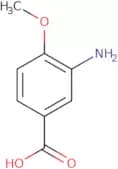
CAS:<p>5-Methyl-[1,3,4]oxadiazole-2-carboxylic acid, potassium salt (5-MOC) is a multistage laser treatment that can be used to treat pigmentation. 5-MOC inhibits the production of melanin in the skin by inhibiting tyrosinase activity. This drug also has been shown to reduce hyperpigmentation by reducing the number of pigment cells. 5-MOC is delivered using an electron microscopic technique and is packaged in a capsule for oral administration. The colorimeter sensor detects the amount of light reflected from the skin surface and converts it into a color value. The sensor measures the amount of light that reflects back from areas with pigmentation problems and determines whether or not they are treated correctly.</p>Formula:C4H3N2O3·KPurity:Min. 95%Color and Shape:PowderMolecular weight:166.18 g/mol3-Amino-4-methoxybenzoic acid methyl ester
CAS:<p>3-Amino-4-methoxybenzoic acid methyl ester is a modified quinoline derivative that exhibits potent antioxidant activity. It has been shown to inhibit the activation of p38 kinase, which is a proinflammatory enzyme. This leads to decreased levels of inflammatory cytokines and chemokines. 3-Amino-4-methoxybenzoic acid methyl ester also has anti-cancer effects and can be used as an anti-cancer agent in the treatment of cancer, such as lung cancer. It induces apoptosis by inhibiting the synthesis of DNA and proteins. The synthesized drug has been shown to have a chiral center, making it a potential candidate for use in pharmaceuticals.</p>Formula:C9H11NO3Purity:Min. 95%Color and Shape:PowderMolecular weight:181.19 g/molFolic acid
CAS:<p>Folic acid is a water-soluble vitamin that is required for the synthesis of DNA and RNA. It is also important in the synthesis of amino acids, proteins, and lipids. It has been shown to have a protective effect against certain cancers, such as squamous cell carcinoma (SCC). Folic acid may be used as a supplement for women with low levels of folic acid in their diet to decrease the risk of neural tube defects in their children. Folic Acid has been shown to bind to folate receptors on cells and inhibit extracellular adenosine production. This inhibition causes an increase in intracellular adenosine concentrations, which leads to activation of nuclear DNA polymerases.</p>Formula:C19H19N7O6Purity:Min. 96 Area-%Color and Shape:Yellow PowderMolecular weight:441.4 g/molL-Pyroglutamic acid-β-naphthylamide
CAS:<p>L-Pyroglutamic acid-beta-naphthylamide is a cell nucleus pressor that has been shown to stimulate locomotor activity in rats. It is a highly selective agonist at the 5-HT2 receptor, which is involved in the regulation of energy metabolism and feeding behaviour. L-Pyroglutamic acid-beta-naphthylamide also stimulates cholinergic and serotonergic systems. This drug also inhibits bacterial growth by binding to the receptor site on bacterial cell nuclei, thereby preventing DNA synthesis and locomotor activity. L-Pyroglutamic acid-beta-naphthylamide is an antimicrobial agent that can be used to treat infections caused by bacteria resistant to erythromycin. The antimicrobial effect of this drug is due to its ability to bind to the receptor site on bacterial cell nuclei, thereby preventing DNA synthesis and locomotor activity.</p>Formula:C15H14N2O2Purity:Min. 98 Area-%Color and Shape:White PowderMolecular weight:254.28 g/molAcetic acid N-hydroxysuccinimide ester
CAS:<p>Acetic acid N-hydroxysuccinimide ester is a reactive compound that reacts with lysine residues in proteins. It is used as an analytical reagent and chemical intermediate. Acetic acid N-hydroxysuccinimide ester reacts with carbonyl groups to form Schiff bases, which are then reacted with amino groups on the protein molecule to form acyl-amino adducts. This reaction can be followed by analysis using high performance liquid chromatography (HPLC) or mass spectroscopy.</p>Formula:C6H7NO4Purity:Min. 97.5 Area-%Color and Shape:White PowderMolecular weight:157.12 g/mol3-Bromo-4-methoxybenzoic acid methyl ester
CAS:<p>3-Bromo-4-methoxybenzoic acid methyl ester is an isomer of 4-methoxybenzoic acid. It is a natural product that can be found in dihydroisoquinoline and in the ethyl formate oxidation products. There are two ways to synthesize this compound: by oxidation of diphenyl ethers or by hydrolysis of chloride acetaldehyde. 3-Bromo-4-methoxybenzoic acid methyl ester has been shown to have cellular toxicity against human cells and biphenyl.</p>Formula:C9H9BrO3Purity:Min. 95%Color and Shape:PowderMolecular weight:245.07 g/molEthyl 2-chloro-2-(hydroxyimino)acetate
CAS:<p>Ethyl 2-chloro-2-(hydroxyimino)acetate is an organic compound that contains a chloride group, two oxadiazole rings, and an ethyl group. It has been shown to bind to receptors on the surface of cells and act as a competitive antagonist. It has also been shown to inhibit influenza virus growth by binding to the receptor binding site on the virus surface. Ethyl 2-chloro-2-(hydroxyimino)acetate can be made synthetically or in nature by the reaction of formaldehyde with ammonia, which produces glutamic acid and hydrogen chloride gas. This molecule is able to react with sodium carbonate in water to produce ethyl chloroformate. The molecule has been shown to have cancerous effects when injected into rats.</p>Formula:C4H6ClNO3Purity:Min. 95%Color and Shape:PowderMolecular weight:151.55 g/mol3,5-Dibromo-4-anisic acid
CAS:<p>3,5-Dibromo-4-anisic acid (3,5-DA) is a brominated alkaloid that has been isolated from the Madagascan sponge Psammaplysilla. 3,5-DA is amphimedonine with an additional bromine atom. It has been highlighted in spectroscopy as a possible metabolite of psammaplysene due to its similar chemical structure. 3,5-DA is present in the marine environment and has been found to be a minor component of the sponge Psammaplysilla.</p>Formula:C8H6Br2O3Purity:Min. 95%Color and Shape:PowderMolecular weight:309.94 g/molDiphenylglycolic acid hydrazide
CAS:<p>Diphenylglycolic acid hydrazide is a novel antimicrobial agent that has been shown to have potent activity against Mycobacterium tuberculosis. It inhibits the synthesis of mycobacterial cell wall components, including phospholipids and glycolipids, by inhibiting the enzymes involved in the synthesis of these compounds. Diphenylglycolic acid hydrazide also has anti-inflammatory properties and can be used as an antituberculosis drug.</p>Formula:C14H14N2O2Purity:Min. 95%Color and Shape:PowderMolecular weight:242.27 g/molFmoc-NH-PEG10-propionic acid
CAS:<p>Fmoc-NH-PEG10-propionic acid is a PEG compound with two different functional groups (also known as heterobifunctional). Unlike homobifunctional PEG compounds (same functional group on both ends), this type of compounds are more versatile as have two different anchor points. Fmoc-NH-PEG10-propionic acid is used as a linker and spacer to add a PEG moiety, via pegylation (a bioconjugation technique) to proteins, peptides, oligonucleotides, small molecules and nanoparticles.</p>Formula:C38H57NO14Purity:Min. 95%Color and Shape:Colorless PowderMolecular weight:751.86 g/mol1,2,4-Benzenetricarboxylic acid
CAS:<p>1,2,4-Benzenetricarboxylic acid is a natural compound that belongs to the group of polyvinyl derivatives. It can be synthesized by reacting trimellitic anhydride with sodium salts in a reaction solution containing trifluoroacetic acid. The compound has been used as a component in analytical methods for determining the purity of polyvinyl chloride (PVC). 1,2,4-Benzenetricarboxylic acid is also known to react with human serum proteins and ester linkages to form carcinogenic compounds. 1,2,4-Benzenetricarboxylic acid reacts rapidly with the film of methyl ethyl ketone to form methyl ethyl benzoate.</p>Formula:C9H6O6Purity:Min. 98 Area-%Color and Shape:White PowderMolecular weight:210.14 g/mol6-Bromo-1H-indole-3-carboxylic acid
CAS:<p>6-Bromo-1H-indole-3-carboxylic acid is a natural product that is isolated from the marine sponge Smenospongia purpurea. It was first reported in 1979 and has been used for the synthesis of other compounds. 6-Bromoindole, a precursor to 6-bromo-1H-indole-3-carboxylic acid, is biosynthesized from methyl ester and NMR spectra indicate that it has a dihedral angle of 173°. This compound has been shown to have antibacterial activity against staphylococcus.</p>Formula:C9H6BrNO2Purity:Min. 95%Color and Shape:PowderMolecular weight:240.05 g/mol1H-Pyrrolo[3,2-b]pyridine-7-carboxylic acid
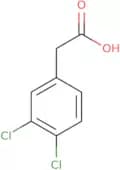
CAS:<p>1H-Pyrrolo[3,2-b]pyridine-7-carboxylic acid is a chemical compound that belongs to the group of organic compounds. The spatial property of 1H-pyrrolo[3,2-b]pyridine-7-carboxylic acid is protrusion. It has a molecular weight of 293.1 g/mol and optical properties of module and positioning. The actuator module position can be used as an on/off switch for the molecule's optical properties.</p>Formula:C8H6N2O2Purity:Min. 95 Area-%Color and Shape:PowderMolecular weight:162.15 g/mol3,4-Dichlorophenylacetic acid
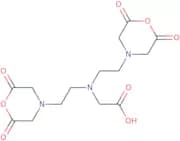
CAS:<p>3,4-Dichlorophenylacetic acid is a chemical compound that can be found in plants and animals. 3,4-Dichlorophenylacetic acid has been shown to inhibit the activity of receptors that are involved in the regulation of blood pressure. It also binds to lysine residues on proteins, which may be part of its inhibitory effect. 3,4-Dichlorophenylacetic acid is a selective ligand for the alpha2A adrenergic receptor. This chemical has a molecular weight of 122.09 g/mol and a chlorine atom in its structure.</p>Formula:C8H6Cl2O2Purity:Min. 95%Color and Shape:PowderMolecular weight:205.04 g/molDiethylenetriaminepentaacetic acid dianhydride
CAS:<p>Diethylenetriaminepentaacetic acid dianhydride (DTPA) is a gadolinium chelate that can be used as a contrast agent. DTPA has been shown to have high affinity for the integrin receptor, which is expressed on the surface of many human cancer cells. This property makes DTPA an effective diagnostic tool for imaging and detecting tumor cells in vivo. DTPA is also useful for diagnosing myeloma cell lines and mouse tumors, due to its ability to bind to metal ions such as iron or copper.</p>Formula:C14H19N3O8Purity:Min. 95%Color and Shape:PowderMolecular weight:357.32 g/molMethyl(triphenylphosphoranylidene)acetate
CAS:<p>Methyl(triphenylphosphoranylidene)acetate is a bicyclic heterocycle with an amino acid sequence that has been determined by x-ray diffraction data. This compound has shown to be an inhibitor of the enzyme glutathione reductase, which converts oxidized glutathione (GSSG) back to the reduced form (GSH). Methyl(triphenylphosphoranylidene)acetate also inhibits other enzymes such as cytochrome p450 and mycobacterium tuberculosis esterases. The reaction mechanism for methyl(triphenylphosphoranylidene)acetate is not yet known but it may involve the formation of an intramolecular hydrogen bond between the NH group and the oxygen atom on C3. This compound has been shown to have anticancer properties in hl-60 cells, which is consistent with its ability to inhibit prostaglandin synthesis. It also has antioxidant properties due</p>Formula:C21H19O2PPurity:Min. 98 Area-%Color and Shape:White Off-White PowderMolecular weight:334.35 g/molrac cis-9,10-Epoxystearic acid
CAS:<p>Rac cis-9,10-epoxystearic acid is a fatty acid that is used as a surfactant. It has been shown to have a kinetic effect on Saccharomyces cerevisiae and has been found to increase the activity of enzymes such as phospholipase A2, lipase, and esterase. Rac cis-9,10-epoxystearic acid also increases the rate of chemical ionization when exposed to sephadex g-100. This compound has been shown to be effective in vivo against human liver cells and has been found to have an epoxide group on each side of the molecule. The enantiomer of rac cis-9,10-epoxystearic acid is hydrated in water or ethanol and reacts with alcohols in the presence of an oxidizing agent to form epoxides. Rac cis-9,10-epoxystearic acid can catalyze reactions involving epoxides.</p>Formula:C18H34O3Purity:Min. 98 Area-%Color and Shape:White PowderMolecular weight:298.46 g/mol3-Amino-4-anisic acid
CAS:<p>3-Amino-4-anisic acid is a conjugate of an aromatic carboxylic acid and an amino group. The vapor pressure of 3-amino-4-anisic acid is higher than that of the free 3-amino-4-anisic acid. Immunocompetent cells are the most sensitive to this compound, with metastasis and tumor growth being inhibited. This compound is also used in the treatment of cancer, although it has not been proven to be effective for all cancers. Sorafenib and other compounds that have similar structures may be used as substitutes for 3-amino-4-anisic acid in some cases. There are two isomers of 3-amino-4-anisic acid: cis and trans form. The cis form has better binding properties than the trans form, which can lead to decreased efficacy when a mixture of both forms is used. Hyaluronic acid and link</p>Formula:C8H9NO3Purity:Min. 95%Color and Shape:PowderMolecular weight:167.16 g/mol(3,4-Bis(trifluoromethyl)phenyl)boronic acid
CAS:<p>3,4-Bis(trifluoromethyl)phenylboronic acid is a versatile building block that can be used as a reagent in organic synthesis. It has been shown to be a high quality product with the CAS number 1204745-88-9. This chemical is used to produce fine chemicals and research chemicals. 3,4-Bis(trifluoromethyl)phenylboronic acid is also a useful intermediate in the production of complex compounds and can be used as a building block for speciality chemicals.</p>Formula:C8H5BF6O2Purity:Min. 95%Color and Shape:PowderMolecular weight:257.93 g/mol4-tert-Butoxybenzoic acid
CAS:<p>4-tert-Butoxybenzoic acid is a linker that is used in the synthesis of ruthenium complexes. It is used in stepwise solid-phase synthesis, where it can be used as an alkylating agent to introduce a tertiary butyl group onto the molecule. This type of reaction is often used to produce biomolecules, such as proteins and peptides. The 4-tert-butoxybenzoic acid has been shown to inhibit the growth of glioblastoma cells by alkylation and may also have anti-inflammatory properties.</p>Formula:C11H14O3Purity:Min. 95%Color and Shape:White SolidMolecular weight:194.23 g/mol2-Bromo-3-hydroxybenzoic acid ethyl ester
CAS:<p>2-Bromo-3-hydroxybenzoic acid ethyl ester is a versatile building block that can be used in the synthesis of complex compounds. It is a fine chemical and research chemical with CAS No. 1260889-94-8. This compound has high quality and is used as a reagent, scaffold, or intermediate in organic syntheses. 2-Bromo-3-hydroxybenzoic acid ethyl ester is also useful for the preparation of speciality chemicals and reaction components.</p>Formula:C9H9BrO3Purity:Min. 95%Color and Shape:Yellow PowderMolecular weight:245.07 g/mol2,6-Dimethoxy-3-nitrobenzoic acid
CAS:<p>2,6-Dimethoxy-3-nitrobenzoic acid is an aromatic compound that has been shown to have a molecular weight of 136.2 g/mol. It is extracted from the leaves of "Nepeta cataria" and can be found in many other plants as well. This compound has been shown to inhibit bacterial growth in vitro by inhibiting protein synthesis. The mode of action for this compound is not yet known, but it may be due to its ability to form hydrogen bonds with the ribosomes and inhibit nucleotide binding sites on the ribosome surface.</p>Formula:C9H9NO6Purity:Min. 98 Area-%Color and Shape:PowderMolecular weight:227.17 g/molGlycodeoxycholic acid
CAS:Controlled Product<p>Glycodeoxycholic acid is a bile acid derivative, which is synthesized in the liver from cholesterol. It functions primarily as a signaling molecule with multiple physiological roles in the human body. This compound is conjugated, enhancing its solubility and facilitating its transport within the gastrointestinal tract. Glycodeoxycholic acid acts as an agonist for specific receptors such as the farnesoid X receptor (FXR), playing a vital role in the regulation of bile acid synthesis, lipid metabolism, and glucose homeostasis.</p>Formula:C26H43NO5Purity:Min. 95%Color and Shape:PowderMolecular weight:449.62 g/molStearic acid
CAS:<p>Stearic acid is a molecule that is found in small quantities in animal and vegetable fats. It is used to create soaps, candles, and cosmetics. Stearic acid can be synthesized from stearate by heating it with anhydrous sodium carbonate. The reaction mechanism involves the formation of water vapor, which reacts with the sodium carbonate to produce sodium hydroxide, carbon dioxide, and hydrogen gas. The hydrogen gas then combines with the stearic acid to form stearyl alcohol. This process creates a particle that can be used as a catalyst for chemical reactions such as those found in bone cancer or fetal bovine growth. Stearic acid binds calcium ions and has been shown to have potential use as a drug treatment for osteoporosis.</p>Formula:C18H36O2Purity:Min. 95%Color and Shape:PowderMolecular weight:284.48 g/mol(2,5-Dichlorophenyl)acetic acid
CAS:<p>2,5-Dichlorophenylacetic acid is an electrophilic compound that reacts with nucleophiles such as alcohols, amines, and thiols. It is used in the synthesis of pharmaceuticals and other organic compounds. 2,5-Dichlorophenylacetic acid has been shown to be a substrate for oxidation by autoxidation. This substance also undergoes sequence reactions with nucleophiles.</p>Formula:C8H6Cl2O2Purity:Min. 95%Color and Shape:PowderMolecular weight:205.04 g/molIndole-2-acetic acid
CAS:<p>Indole-2-acetic acid is a coumarin derivative that is found in plants and is used as a dietary supplement. It has been shown to have an inhibitory effect on photosynthetic activity and the growth of bacteria, fungi, and protozoa. Indole-2-acetic acid can be produced by chemical reactions involving aromatic hydrocarbons such as benzene or dioxane. It also inhibits the production of insulin in vivo and has been shown to reduce insulin resistance in rats.</p>Formula:C10H9NO2Purity:Min. 95%Color and Shape:PowderMolecular weight:175.18 g/mol4-(2-Bromoethyl)-benzoic acid
CAS:<p>4-(2-Bromoethyl)-benzoic acid is a carboxylic acid that has been shown to be optimal for the treatment of Staphylococcus aureus. The experimental studies have been performed in vitro and in vivo, on both bacteria and animal models. 4-(2-Bromoethyl)-benzoic acid is active against staphylococcal infections, including those caused by methicillin resistant strains. 4-(2-Bromoethyl)-benzoic acid has also been shown to be effective against other bacterial species, such as Escherichia coli, Pseudomonas aeruginosa and Klebsiella pneumoniae. This compound inhibits the growth of bacteria by blocking the synthesis of proteins needed for cell division.</p>Formula:C9H9BrO2Purity:Min. 95%Color and Shape:PowderMolecular weight:229.07 g/mol2-Amino-3-hydroxybenzoic acid ethyl ester
CAS:<p>2-Amino-3-hydroxybenzoic acid ethyl ester is soluble in organic solvents and is a catalyst for the hydrolysis of phenoxazinones. It has been shown to be the most active among the amino acid esters at pH 7. The optimum temperature for this enzyme is 37 degrees Celsius. The substrate specificity of this enzyme, which was purified by fractionation, is 3-hydroxyanthranilic acid and 3-hydroxyanthranilic acid with metals such as copper or zinc ions. This enzyme also catalyses the hydrolysis of proteins and peptides containing hydrophobic amino acids.</p>Formula:C9H11NO3Purity:Min. 95%Color and Shape:PowderMolecular weight:181.19 g/molEthyl 2-(4-(4-(trifluoromethyl)phenylamino)-3,5-thiazolyl)acetate
CAS:<p>Please enquire for more information about Ethyl 2-(4-(4-(trifluoromethyl)phenylamino)-3,5-thiazolyl)acetate including the price, delivery time and more detailed product information at the technical inquiry form on this page</p>Purity:Min. 90%3-(Bromomethyl)phenoxyacetic acid
CAS:<p>3-(Bromomethyl)phenoxyacetic acid is a versatile building block that has been used as a reagent for the synthesis of complex compounds. It has also been used in the synthesis of research chemicals, such as 3-bromophenoxyacetic acid, and in the preparation of useful scaffolds. This product is high quality and can be used as an intermediate in the production of pharmaceuticals or other specialty chemicals. The CAS number for this compound is 136645-25-5.</p>Formula:C9H9BrO3Purity:Min. 90%Color and Shape:PowderMolecular weight:245.07 g/mol2,2'-Dithiobisbenzoic acid
CAS:<p>2,2'-Dithiobisbenzoic acid (DTBA) is a chemical compound that has been used as a cross-linking agent for proteins and nucleic acids. DTBA is an aromatic hydrocarbon that can be synthesized from the reaction of sodium carbonate and hydrogen chloride. DTBA's stability in organic solvents makes it a useful reagent for protein cross-linking studies. It can also be used to measure hydrogen bond strengths between two molecules.</p>Formula:C14H10O4S2Purity:Min. 95%Molecular weight:306.36 g/mol
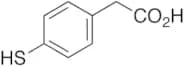

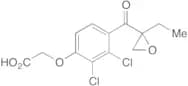
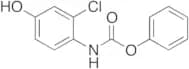

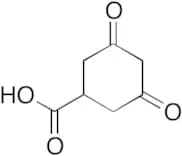

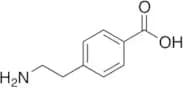
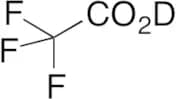
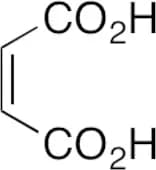
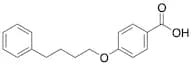
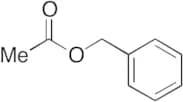
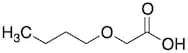
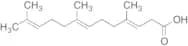
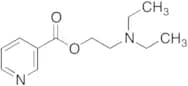
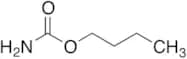
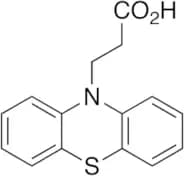
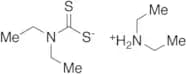
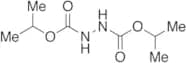
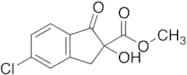
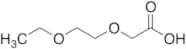
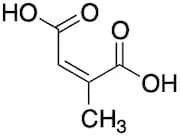
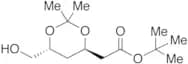
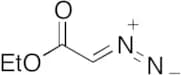
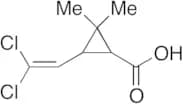
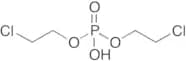
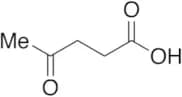
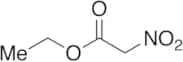
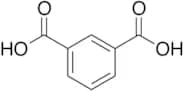
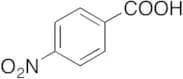
![2-[(Phenylsulfanyl)methyl]benzenecarboxylic Acid](/_next/image/?url=https%3A%2Fstatic.cymitquimica.com%2Fproducts%2FTR%2Fthumb-webp%2FB481480.webp&w=3840&q=75)
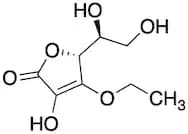

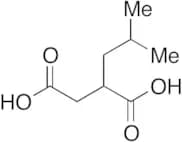
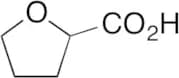

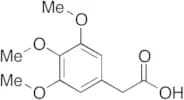
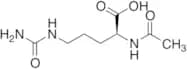
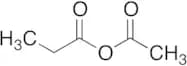
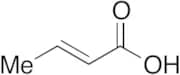
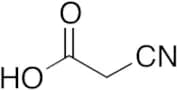
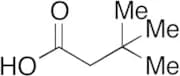
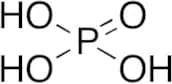
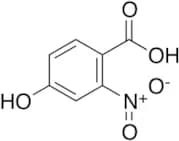
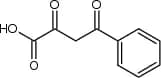
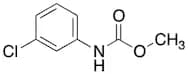

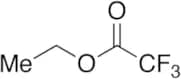
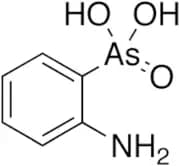
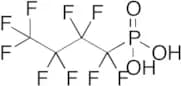
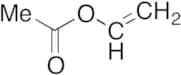
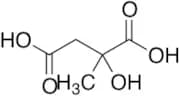
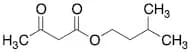

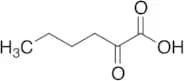
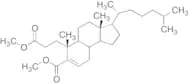
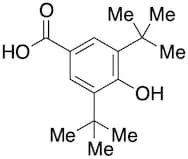
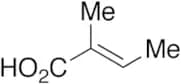

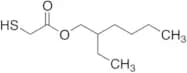
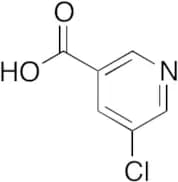

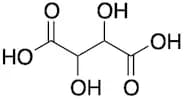

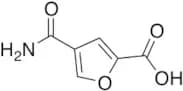
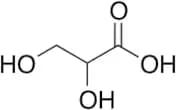
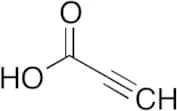
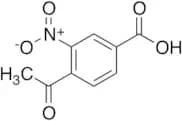
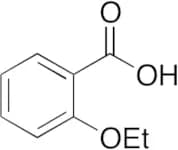
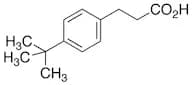
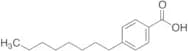
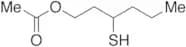
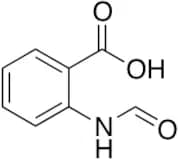
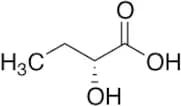


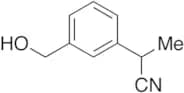
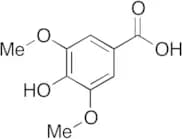
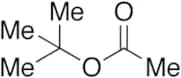

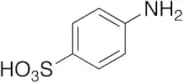
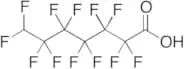
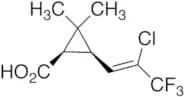

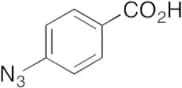
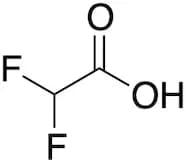
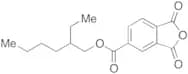

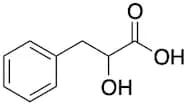
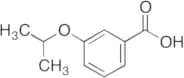

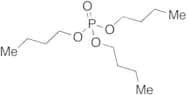
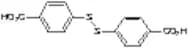
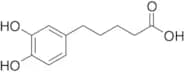
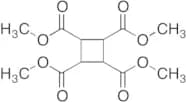
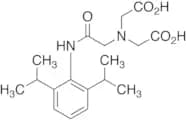

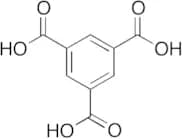
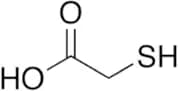
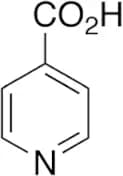

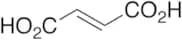
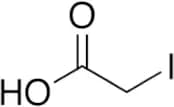


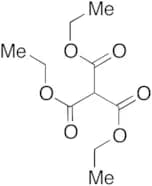

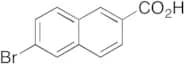
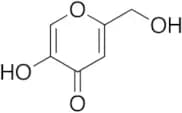
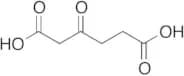
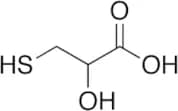
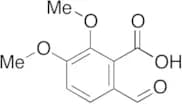
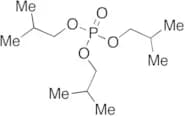
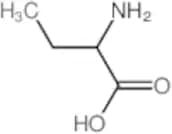
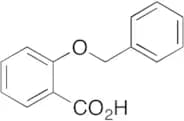
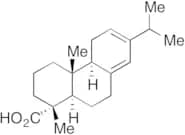
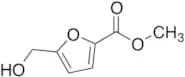
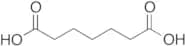
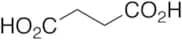
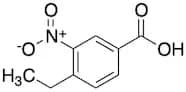

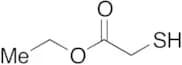
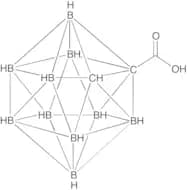
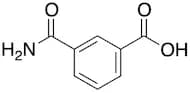
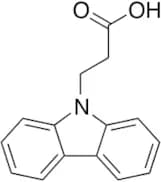

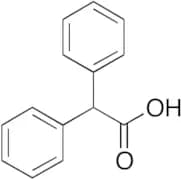
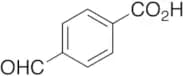

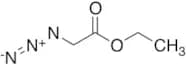

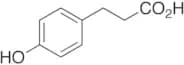
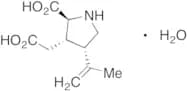
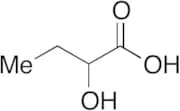
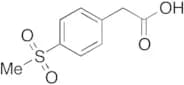

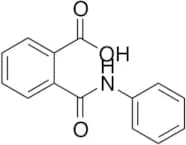
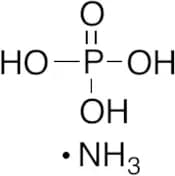
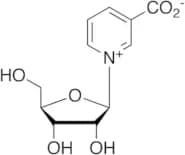
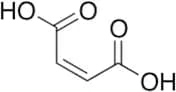
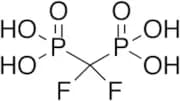
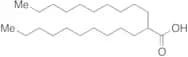
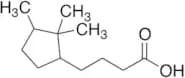
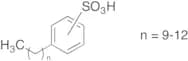
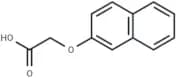

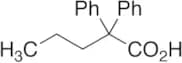
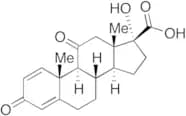
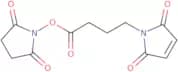


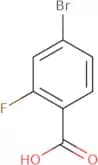
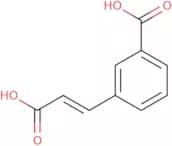
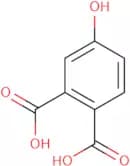
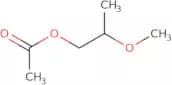
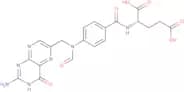

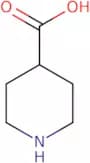
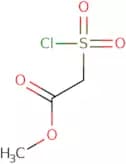
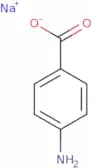

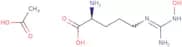
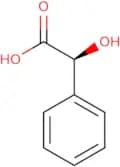
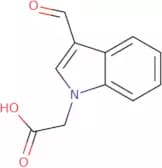

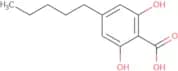
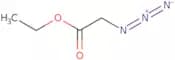

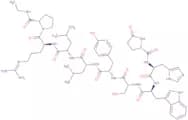
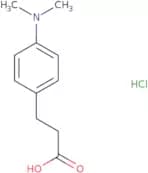
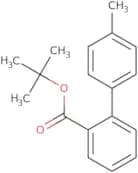
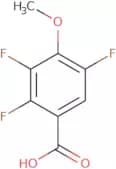
![5-Methyl-[1,3,4]oxadiazole-2-carboxylic acid, potassium salt](/_next/image/?url=https%3A%2Fstatic.cymitquimica.com%2Fproducts%2F3D%2Fthumb-webp%2FFM56554.webp&w=3840&q=75)
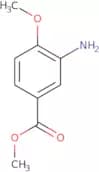
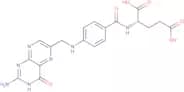
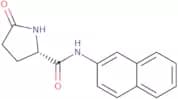
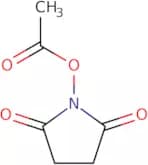
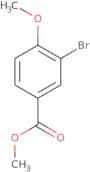
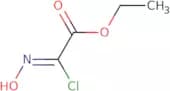
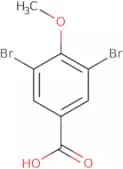
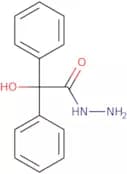

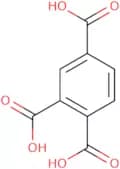
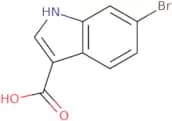
![1H-Pyrrolo[3,2-b]pyridine-7-carboxylic acid](/_next/image/?url=https%3A%2Fstatic.cymitquimica.com%2Fproducts%2F3D%2Fthumb-webp%2FFP167590.webp&w=3840&q=75)