Carboxylic Acids
Carboxylic acids are organic molecules characterized by having a carboxyl-type functional group (-COOH). These acids are fundamental in various chemical reactions, including esterification, amidation, and decarboxylation. Carboxylic acids are widely used in the production of pharmaceuticals, polymers, and agrochemicals. In this section, you can find a large number of carboxylic acids ready to be used. At CymitQuimica, we provide a broad range of high-quality carboxylic acids to support your research and industrial applications.
Found 12453 products of "Carboxylic Acids"
Sort by
Purity (%)
0
100
|
0
|
50
|
90
|
95
|
100
Tauroursodeoxycholic acid, sodium salt
CAS:<p>Tauroursodeoxycholic acid, sodium salt is a taurine-conjugated bile acid derivative, which is synthesized in the liver from ursodeoxycholic acid. It functions through its role in stabilizing the mitochondria and inhibiting apoptosis by modulating the unfolded protein response. This molecular action involves reducing endoplasmic reticulum stress, thereby providing cytoprotective effects in various cellular environments.</p>Formula:C26H44NNaO6SPurity:Min. 95%Molecular weight:521.69 g/molDelmadinone acetate
CAS:Controlled Product<p>Delmadinone acetate is an oestrogenic amorphous drug that has been used in the treatment of prostatic hypertrophy, diabetic neuropathy and other conditions. It is a prodrug that is hydrolyzed to delmadinone, its active form, following oral administration. Delmadinone acetate has shown efficacy against a number of pharmacological agents, including fatty alcohols and pharmaceutical dosage form preparations. It binds to fatty acids and carbon sources in the body and is removed by dispersive solid-phase extraction. The effects of this drug are dose-dependent; it can be used for control experiments at low doses but has adverse effects at higher doses.</p>Formula:C23H27ClO4Purity:Min. 95%Color and Shape:PowderMolecular weight:402.91 g/molBromosuccinic acid
CAS:<p>Bromosuccinic acid is a type of organic compound with the chemical formula HOCCH=CHOH. It is an ester that contains a hydroxyl group, a carboxylic acid group, and a bromine atom. Bromosuccinic acid has been shown to have biocompatible properties and can be used as a polymer for biomedical applications. It also has the ability to form covalent bonds with basic proteins due to its hydroxyl group, which is important for protein stability. Bromosuccinic acid has been shown to inhibit trypsin activity in soybean trypsin, which may be due to its disulfide bond or low energy content. This substance also reacts with malonic acid and carbonic acid, producing galacturonic acid and fatty acids respectively. Bromosuccinic acid is produced by bacteria of the genus Enterobacteriaceae and belongs to the family of short-chain fatty acids.</p>Purity:Min. 95%Cyclobutanecarboxylic acid chloride
CAS:<p>Cyclobutanecarboxylic acid chloride is an acyl halide that is a reactive chemical intermediate. Cyclobutanecarboxylic acid chloride reacts with naphthalene to produce cyclobutane, which can undergo a Friedel-Crafts reaction to form a benzene ring. The compound also has been shown to inhibit the growth of human cervical carcinoma cells by inhibiting the production of growth factors and interferon, as well as by inducing apoptosis. Cyclobutanecarboxylic acid chloride has been used in the treatment of infectious diseases such as tuberculosis, leprosy, and malaria. This drug was originally synthesized for use as a protein inhibitor, but it has not been found to be active in this application.</p>Formula:C5H7ClOPurity:Min. 95%Color and Shape:Clear LiquidMolecular weight:118.56 g/molDrostanolone acetate
CAS:Controlled Product<p>Please enquire for more information about Drostanolone acetate including the price, delivery time and more detailed product information at the technical inquiry form on this page</p>Formula:C22H34O3Purity:Min. 95%Molecular weight:346.5 g/mol3-(3-Acetyl-1H-indol-1-yl)propanoic acid
CAS:Controlled Product<p>Please enquire for more information about 3-(3-Acetyl-1H-indol-1-yl)propanoic acid including the price, delivery time and more detailed product information at the technical inquiry form on this page</p>Formula:C13H13NO3Purity:Min. 95%Molecular weight:231.25 g/mol5-[4-(3-Chlorophenyl)piperazin-1-yl]-5-oxopentanoic acid
CAS:Controlled Product<p>Please enquire for more information about 5-[4-(3-Chlorophenyl)piperazin-1-yl]-5-oxopentanoic acid including the price, delivery time and more detailed product information at the technical inquiry form on this page</p>Formula:C15H19ClN2O3Purity:Min. 95%Molecular weight:310.78 g/mol[3-(Trifluoromethyl)-4,5,6,7-tetrahydro-1H-indazol-1-yl]acetic acid
CAS:<p>Please enquire for more information about [3-(Trifluoromethyl)-4,5,6,7-tetrahydro-1H-indazol-1-yl]acetic acid including the price, delivery time and more detailed product information at the technical inquiry form on this page</p>Formula:C10H11F3N2O2Purity:Min. 95%Molecular weight:248.2 g/mol2-(4-Aminophenylthio)acetic acid
CAS:<p>2-(4-Aminophenylthio)acetic acid is an analytical reagent that is used for the determination of nitrite ion. It reacts with nitrous acid to form a red-colored dye. 2-(4-Aminophenylthio)acetic acid has been shown to be an effective anhydrase inhibitor, which can be used in analytical chemistry as a method for determining the concentration of nitrate ion. This compound also has a constant value of 1.5, which can be used to calculate the concentration of nitric acid in hydrochloric acid by using the following equation: 2 NaOH + HCl → NaCl + 2 H2O 1.5 (aq) + 4H+(aq) → 6H2O(l) 6H2O(l) ÷ 1.5 (mol/L) = 3 mol/L 3 mol/L ÷ 0.037 (mol/g) =</p>Formula:C8H9NO2SPurity:Min. 95%Molecular weight:183.23 g/mol4-Chloroquinoline-6-carboxylicacid
CAS:<p>Please enquire for more information about 4-Chloroquinoline-6-carboxylicacid including the price, delivery time and more detailed product information at the technical inquiry form on this page</p>Formula:C10H6ClNO2Purity:Min. 95%Molecular weight:207.61 g/mol[2-(Difluoromethyl)phenyl]boronic acid
CAS:<p>Please enquire for more information about [2-(Difluoromethyl)phenyl]boronic acid including the price, delivery time and more detailed product information at the technical inquiry form on this page</p>Formula:C7H7BF2O2Purity:Min. 95%Molecular weight:171.94 g/mol3-Nitropropionic acid
CAS:<p>3-Nitropropionic acid (3NPA) is a mitochondrial toxin that causes neuronal death by inhibiting complex enzyme activities and inducing reactive oxygen species production. 3NPA also alters mitochondrial membrane potential and induces pro-apoptotic protein expression, leading to neuronal cell death. 3NPA has been shown to be effective in the treatment of experimental models of infectious diseases, such as rat sepsis and human HIV infection, by reducing the number of activated T cells and CD4+ T cells. 3NPA also exhibits anti-inflammatory properties by inhibiting the inflammatory responses of monocytes/macrophages and neutrophils.</p>Formula:C3H5NO4Purity:Min. 95%Color and Shape:PowderMolecular weight:119.08 g/molCobalt(II) acetate tetrahydrate
CAS:<p>Cobalt(II) acetate tetrahydrate is a model system that can be used to study the structures of coordination complexes. The cobalt ion has a coordination geometry with two water molecules, two oxygen atoms from the acetate anion, and one proton from the hydroxide anion. The crystal structure is composed of six-membered rings of alternating metal ions and oxygen atoms. The reaction solution contains excess sodium hydroxide and water vapor. It was determined that cobalt(II) acetate tetrahydrate reacts electrochemically at low frequencies as well as with 5-hmf, an oxidizing agent, in the presence of sodium citrate as an oxidation catalyst.</p>Formula:C4H6CoO4·4H2OPurity:Min. 95%Color and Shape:Pink To Red SolidMolecular weight:249.08 g/mol4-Cyanobutanoic acid
CAS:<p>4-Cyanobutanoic acid is a colorless organic solvent that is not soluble in water or polar organic solvents. It can be used for the immobilization of proteins, as well as for the desymmetrization and chlorination of aromatic compounds. One of its most common uses is in biocatalysis, where it acts as a substrate binding agent to help catalyze reactions. 4-Cyanobutanoic acid has also been shown to inhibit the growth of bacteria by acting as an electron acceptor during metabolism. This compound can be degraded through hydrolysis with hydrochloric acid or biodegradation.</p>Formula:C5H7NO2Purity:Min. 95%Color and Shape:PowderMolecular weight:113.11 g/mol1-Cyclohexyl-5-oxopyrrolidine-3-carboxylic acid
CAS:<p>Please enquire for more information about 1-Cyclohexyl-5-oxopyrrolidine-3-carboxylic acid including the price, delivery time and more detailed product information at the technical inquiry form on this page</p>Formula:C11H17NO3Purity:Min. 95%Molecular weight:211.26 g/molTetrahydropyran-3-boronic acid pinacol ester
CAS:<p>Please enquire for more information about Tetrahydropyran-3-boronic acid pinacol ester including the price, delivery time and more detailed product information at the technical inquiry form on this page</p>Formula:C11H21BO3Purity:Min. 95%Molecular weight:212.09 g/mol1-(4-Chlorophenyl)-3-phenyl-1H-pyrazole-5-carboxylic acid
CAS:Controlled Product<p>Please enquire for more information about 1-(4-Chlorophenyl)-3-phenyl-1H-pyrazole-5-carboxylic acid including the price, delivery time and more detailed product information at the technical inquiry form on this page</p>Formula:C16H11ClN2O2Purity:Min. 95%Color and Shape:PowderMolecular weight:298.72 g/molPiperidinium acetate
CAS:Controlled Product<p>Piperidinium acetate is a photochemical agent that has been used in the photochemical oxidation of organic compounds. It is also used as a catalyst for the oxidative coupling of piperidinium salts with sodium salts to form piperidine. Piperidinium acetate can be used for the treatment of metabolic disorders, such as lactic acidosis and hyperglycemia, and autoimmune diseases such as rheumatoid arthritis and systemic lupus erythematosus. This compound is also known to cause allergic symptoms and anhydrous sodium may be generated in the process.</p>Formula:C5H11N·C2H4O2Purity:Min. 95%Color and Shape:PowderMolecular weight:145.20 g/mol2-Bromoisonicotinic acid
CAS:<p>2-Bromoisonicotinic acid is a phenylpyridine molecule that has been shown to have inhibitory activity against the NF-κB pathway, which regulates inflammatory responses. This compound inhibits the production of TNF-α triggered by lipopolysaccharide (LPS) in vitro and in vivo. 2-Bromoisonicotinic acid may be synthesized from commercially available starting materials and can be easily scaled up for large-scale synthesis. The properties of this molecule make it an excellent candidate for further investigation as a potential therapeutic or prophylactic agent for diseases involving inflammation.</p>Purity:Min. 95%Ethyl 6-bromo-5-hydroxy-1-methyl-2-(phenylsulfanylmethyl)indole-3-carboxylate
CAS:Controlled Product<p>Please enquire for more information about Ethyl 6-bromo-5-hydroxy-1-methyl-2-(phenylsulfanylmethyl)indole-3-carboxylate including the price, delivery time and more detailed product information at the technical inquiry form on this page</p>Purity:Min. 95%17-Methylestra-3,5-diene-3,17b-diol diacetate
CAS:Controlled Product<p>Please enquire for more information about 17-Methylestra-3,5-diene-3,17b-diol diacetate including the price, delivery time and more detailed product information at the technical inquiry form on this page</p>Formula:C23H32O4Purity:Min. 95%Molecular weight:372.5 g/mol5-(Aminomethyl)-2-furoic acid hydrochloride
CAS:<p>5-(Aminomethyl)-2-furoic acid hydrochloride is a molecule that belongs to the group of carboxylates. It has a molecular weight of 191.2 g/mol and a chemical formula of CHNO. The structure of 5-(aminomethyl)-2-furoic acid hydrochloride is similar to that of hexamethylenetetramine, a common organic compound with the formula (CH)N(H)CH. 5-(Aminomethyl)-2-furoic acid hydrochloride can be used as an acceptor in hydrogen chloride gas generation reactions, which are used in the synthesis of some pharmaceutical drugs and other organic compounds. The molecule also has potential use in telomerase research because it is structurally similar to natural telomeres. In addition, this molecule has been shown to have anti-inflammatory properties due to its ability to inhibit prostaglandin synthesis.</p>Formula:C6H7NO3Purity:Min. 95%Molecular weight:141.12 g/molMethyl4-aminomethyl-1-boc-piperidine-4-carboxylate
CAS:<p>Please enquire for more information about Methyl4-aminomethyl-1-boc-piperidine-4-carboxylate including the price, delivery time and more detailed product information at the technical inquiry form on this page</p>Formula:C13H24N2O4Purity:Min. 95%Molecular weight:272.34 g/mol2-Aminopyrimidine-5-boronic acid pinacol ester
CAS:<p>2-Aminopyrimidine-5-boronic acid pinacol ester is a boronic acid derivative that has been shown to inhibit the activity of protein kinase C. This compound is also an effective linker for cross-coupling reactions and has a low reactivity with nucleophiles, which makes it safer than other boronic acids. 2-Aminopyrimidine-5-boronic acid pinacol ester has been shown to be potent against cancer cells in vitro and in vivo and synthetic cells. 2-Aminopyrimidine-5-boronic acid pinacol ester inhibits the growth of cancer cells by binding to the ATP site on protein kinase C, thereby inhibiting its function.</p>Formula:C10H16BN3O2Purity:Min. 95 Area-%Color and Shape:PowderMolecular weight:221.06 g/moltert-Butyl diazoacetate
CAS:<p>Tert-Butyl diazoacetate is an ethyl diazoacetate that undergoes a copper-catalyzed alkylation with 4-acetamidobenzene sulfonyl azide. The reaction rate is dependent on the concentration of chloride, which is the only byproduct. This compound has been used in asymmetric synthesis of 4-formylbenzenesulfonyl azide and has shown to be a useful tool for organic chemists due to its size-exclusion chromatography properties. Tert-Butyl diazoacetate also reacts with styrene to produce unsaturated ketones such as salicylaldehyde, which can be further modified. Tert-Butyl diazoacetate is also an important bioactive molecule because it can be isolated from natural sources like horseradish or soybean sprouts.</p>Formula:C6H10N2O2Purity:Min. 95%Molecular weight:142.16 g/molBoc-(2R,5S)-5-phenylpyrrolidine-2-carboxylic acid
CAS:<p>Please enquire for more information about Boc-(2R,5S)-5-phenylpyrrolidine-2-carboxylic acid including the price, delivery time and more detailed product information at the technical inquiry form on this page</p>Formula:C16H21NO4Purity:Min. 95%Molecular weight:291.34 g/molrac-cis despropionyl mefentanyl N-trifluoroacetate
CAS:Controlled Product<p>Please enquire for more information about rac-cis despropionyl mefentanyl N-trifluoroacetate including the price, delivery time and more detailed product information at the technical inquiry form on this page</p>Formula:C22H25F3N2OPurity:Min. 95%Molecular weight:390.44 g/molMethyl 2-cyclohexyl-2-hydroxyphenylacetate
CAS:<p>Methyl 2-cyclohexyl-2-hydroxyphenylacetate is a c6 alkyl and diode. It is an orally active hormone with potential use in catalysis of additives, as well as in the treatment of metabolic disorders. Methyl 2-cyclohexyl-2-hydroxyphenylacetate has been shown to have anticholinergic properties, which may be due to its ability to inhibit acetylcholine release from nerve endings. Lectins are proteins found on the surface of cells that bind to specific sugars and play a role in many biological processes. A lectin that binds to erythrocytes can be used as a marker for damaged red blood cells. Methyl 2-cyclohexyl-2-hydroxyphenylacetate has been shown to react with this lectin in plasma samples from humans, indicating that it is metabolized by enzymes present in red blood cells.</p>Formula:C15H20O3Purity:Min. 95%Molecular weight:248.32 g/mol2-Methyl-3-(2-methyl-1H-imidazol-1-yl)propanoic acid
CAS:Controlled Product<p>Please enquire for more information about 2-Methyl-3-(2-methyl-1H-imidazol-1-yl)propanoic acid including the price, delivery time and more detailed product information at the technical inquiry form on this page</p>Formula:C8H12N2O2Purity:Min. 95%Molecular weight:168.19 g/molEthyl mercaptoacetate
CAS:<p>Ethyl mercaptoacetate (EM) is a metabolite of ethyl diazoacetate (EDA) that reacts with nucleophilic groups such as hydroxyl, amino, and thiol groups. It binds to the receptor binding sites of an enzyme that is involved in inflammatory diseases. EM has been shown to have inhibitory effects on the activity of this enzyme and may be used for the treatment of inflammatory diseases. EM also inhibits the production of epoxides by acting as an alkylating agent on protein cysteine residues. This reaction leads to changes in the nmr spectra which can be used for identification purposes.</p>Formula:C4H8O2SPurity:Min. 95%Molecular weight:120.17 g/moltert-Butyl 2,7-diazaspiro[3.5]nonane-7-carboxylate
CAS:<p>Please enquire for more information about tert-Butyl 2,7-diazaspiro[3.5]nonane-7-carboxylate including the price, delivery time and more detailed product information at the technical inquiry form on this page</p>Formula:C12H22N2O2Purity:Min. 95%Molecular weight:226.32 g/molDiisopropylammonium dichloroacetate
CAS:Controlled Product<p>Diisopropylammonium dichloroacetate (DADCA) is a chemical that inhibits the metabolism of glucose. It has been shown to have a hypoglycemic effect in rats and is being investigated as a treatment for metabolic disorders such as diabetes and obesity. DADCA has also been shown to reduce liver lesions in animals with chronic viral hepatitis, and has been found to be effective in reducing tumor growth in mice. This drug can also be used to treat bowel disease by reducing the amount of ammonia released by bacteria. DADCA may also have physiological effects on humans, including an increase in blood pressure and fever, although these effects have not yet been studied.</p>Purity:Min. 95%Boc-trans-1,2-aminocyclohex-4-ene carboxylic acid
CAS:<p>Please enquire for more information about Boc-trans-1,2-aminocyclohex-4-ene carboxylic acid including the price, delivery time and more detailed product information at the technical inquiry form on this page</p>Formula:C12H19NO4Purity:Min. 95%Molecular weight:241.28 g/mol(R,R)-1,2-Cyclohexanedicarboxylic acid
CAS:<p>(R,R)-1,2-Cyclohexanedicarboxylic acid is a cyclohexane carboxylic acid which has been used as a pharmaceutical intermediate. It is a chiral molecule with two stereogenic centers and can exist in enantiomeric forms. The (R,R) form of the compound is most commonly used in pharmaceuticals due to its higher solubility in water. The (S,S) form of the compound is more reactive than the (R,R) form and can be used for reactions that require a high reactivity. (S,S)-1,2-Cyclohexanedicarboxylic acid has been found to have clinical uses such as the treatment of amines and cyclohexane rings.</p>Formula:C8H12O4Purity:Min. 95%Molecular weight:172.18 g/mol[2-(3,4-Dimethoxyphenyl)-1,3-thiazol-4-yl]acetic acid
CAS:<p>Please enquire for more information about [2-(3,4-Dimethoxyphenyl)-1,3-thiazol-4-yl]acetic acid including the price, delivery time and more detailed product information at the technical inquiry form on this page</p>Formula:C13H13NO4SPurity:Min. 95%Molecular weight:279.31 g/mol5-Cyanopyridine-2-carboxylic acid
CAS:<p>5-Cyanopyridine-2-carboxylic acid is a small molecule that has been found to have significant biological activity in a number of different areas, including neurotherapeutics. It is the result of a scalable synthesis and is soluble in water. The molecule has two chiral centers and can exist as four different stereoisomers (enantiomers). In vitro studies show that 5-cyanopyridine-2-carboxylic acid inhibits fatty acid uptake by blocking the proton pump, which transports lipids into cells. This compound also binds to the cytosolic protein pyrazine 2-carboxylic acid receptor 1 (PYZR1), which may provide an explanation for its effects on fatty acid uptake.</p>Formula:C7H4N2O2Purity:Min. 95%Molecular weight:148.12 g/mol3-Methyl-2-oxo-2,3-dihydro-1H-benzo[d]imidazole-4-carboxylic acid
CAS:<p>Please enquire for more information about 3-Methyl-2-oxo-2,3-dihydro-1H-benzo[d]imidazole-4-carboxylic acid including the price, delivery time and more detailed product information at the technical inquiry form on this page</p>Formula:C9H8N2O3Purity:Min. 95%Molecular weight:192.17 g/mol3-Chloro-4-methoxyphenylboronic acid
CAS:<p>Please enquire for more information about 3-Chloro-4-methoxyphenylboronic acid including the price, delivery time and more detailed product information at the technical inquiry form on this page</p>Formula:C7H8BClO3Purity:Min. 95%Molecular weight:186.4 g/molMethyl 5-oxopyrrolidine-3-carboxylate
CAS:<p>Methyl 5-oxopyrrolidine-3-carboxylate is a nonsteroidal anti-inflammatory drug that reduces the production of pro-inflammatory cytokines. It binds to COX-2 and prevents the production of prostaglandins, which are involved in the inflammatory process. Methyl 5-oxopyrrolidine-3-carboxylate has been shown to inhibit mouse hippocampal cells and human THP1 cells, which are important in inflammation. This drug also interacts with other proteins and can be localized to mitochondria membrane potentials. Methyl 5-oxopyrrolidine-3-carboxylate has the potential for use as an anti-inflammatory agent for cellular localization in mitochondria membrane potentials.</p>Formula:C6H9NO3Purity:Min. 95%Molecular weight:143.14 g/mol(2Z,4E,6Z,8E)-3,7-Dimethyl-9-(2,6,6-trimethyl-1-cyclohexenyl)nona-2,4,6,8-tetraenoic acid
CAS:Controlled Product<p>2,4-Dienoylglycerol (2,4-DG) is a metabolite of arachidonic acid and is a potent activator of protein kinase C. It has been shown that 2,4-DG binds to the liver cell membrane and causes a cytoskeletal reorganization. This is an analytical method for measuring the binding constants between 2,4-DG and various proteins in human liver cells. The redox potentials of 2,4-DG are -0.17 V in the pH range of 7 to 8 and -0.12 V in the pH range of 4 to 5. This means that 2,4-DG will be reduced by NADH at pH 7 to 8 and oxidized by NADH at pH 4 to 5. The growth factor activity of 2,4-DG has been demonstrated using human liver cells as well as other cell types such as viruses and cancer cells. The ability of</p>Formula:C20H28O2Purity:Min. 95%Color and Shape:Yellow PowderMolecular weight:300.44 g/mol3,5,3',5' -Tetraiodo thyromandelic acid
CAS:<p>Please enquire for more information about 3,5,3',5' -Tetraiodo thyromandelic acid including the price, delivery time and more detailed product information at the technical inquiry form on this page</p>Formula:C14H8I4O5Purity:Min. 95%Color and Shape:PowderMolecular weight:763.83 g/molMethyl 4-chloroacetoacetate
CAS:<p>Methyl 4-chloroacetoacetate is a neutral compound that reacts with hydrochloric acid to produce a salt, chloromethyl acetate. The reaction solution is then heated to evaporate the water and produce an organic solution. This reaction produces a molecular model of the compound, which has potent antibacterial activity against gram-positive and gram-negative bacteria.</p>Formula:C5H7ClO3Purity:Min. 95%Color and Shape:Clear LiquidMolecular weight:150.56 g/mol(3R)-1-Azabicyclo[2.2.2]oct-3-yl N-[2-(2-benzoylphenyl)ethyl]carbamate
CAS:<p>Please enquire for more information about (3R)-1-Azabicyclo[2.2.2]oct-3-yl N-[2-(2-benzoylphenyl)ethyl]carbamate including the price, delivery time and more detailed product information at the technical inquiry form on this page</p>Formula:C23H26N2O3Purity:Min. 95%Molecular weight:378.46 g/mol1,2-Benzenedicarboxylic acid 1-(4-hydroxybutyl) ester
CAS:Controlled Product<p>Benzoic acid 1-(4-hydroxybutyl) ester is a metabolite of benzenedicarboxylic acid, which is the active ingredient in some insecticides. Benzoic acid 1-(4-hydroxybutyl) ester is found in amniotic fluid and maternal urine. It is a toxicant to the fetus and can cause severe neurological damage if ingested by a pregnant woman. The toxicological effects are due to its ability to inhibit the synthesis of proteins necessary for cell division and growth, as well as its ability to induce oxidative stress.</p>Formula:C12H14O5Purity:Min. 95%Molecular weight:238.24 g/mol2-Diethylaminoethyl 1-cyclohexylcyclohexane-1-carboxylate hydrochloride
CAS:<p>2-Diethylaminoethyl 1-cyclohexylcyclohexane-1-carboxylate hydrochloride is a methyltransferase inhibitor that blocks the synthesis of monoethyl ether, which is used to synthesize dicyclomine. It has been shown to be effective in vitro against biological samples such as rat liver and blood cells. 2-Diethylaminoethyl 1-cyclohexylcyclohexane-1-carboxylate hydrochloride also has been shown to have a pharmacological effect on rats with bowel disease, congestive heart failure, and crystalline cellulose. The chemical structure of 2-Diethylaminoethyl 1-cyclohexylcyclohexane-1-carboxylate hydrochloride is similar to that of phosphorus pentoxide, which makes it difficult for this drug to cross the blood brain barrier.</p>Formula:C19H36ClNO2Purity:Min. 95%Molecular weight:345.95 g/mol1,3-Thiazol-4-ylacetic acid hydrochloride
CAS:<p>1,3-Thiazol-4-ylacetic acid hydrochloride is an antimicrobial agent that has been shown to be active against Gram-negative bacteria. It is an acidic compound that hydrolyzes in water to produce a carboxylic acid and an alcohol. 1,3-Thiazol-4-ylacetic acid hydrochloride has been used in pharmaceutical preparations as an antimicrobial and blood platelet aggregating agent. It also inhibits the coagulation of blood platelets and the aggregation of platelets. The mechanism for this may involve the interference with phospholipid biosynthesis or with the cytochrome P450 enzyme system involved in the metabolism of arachidonic acid into prostaglandins.</p>Formula:C5H5NO2SPurity:Min. 95%Molecular weight:143.16 g/molMethyl 2-fluoroacetate
CAS:<p>Methyl 2-fluoroacetate is a nucleophilic drug that has been shown to cause conformational changes in the target protein. It has been shown to be water-soluble, and can be used as a probe for studying biological processes. Methyl 2-fluoroacetate has been shown to be effective against papillary muscle, and is a potential drug for treating cardiac conditions. The mechanism of action of methyl 2-fluoroacetate is not well understood, but it is thought to involve the formation of an alkoxy radical. The molecular structure of methyl 2-fluoroacetate was studied using vibrational spectroscopy and nuclear magnetic resonance (NMR) spectra. This drug was also found to inhibit the growth of tissue culture cells at low concentrations, which may indicate that it can affect cell function.</p>Formula:C3H5FO2Purity:Min. 95%Molecular weight:92.07 g/mol3,5-Di-(tert-butyl)benzoic acid
CAS:<p>3,5-Di-(tert-butyl)benzoic acid (3,5-DTBA) is a polynuclear organic solvent that is used as an additive in polymers, plastics, and rubbers. 3,5-DTBA has potent antiproliferative effects on cells and can be used to inhibit the growth of cancer cells. This compound also stabilizes terephthalic acid from oxidation and prevents the formation of amide products. 3,5-DTBA is synthesized from benzoic acid by reacting with methylene chloride in the presence of a catalyst such as aluminum chloride or zinc chloride.</p>Formula:C15H22O2Purity:Min. 95%Molecular weight:234.33 g/molTrestolone acetate
CAS:Controlled Product<p>Trestolone acetate is a synthetic anti-cancer compound that has been shown to inhibit the growth of cancer cells in animal models. It is an estrogen receptor modulator that binds to the estrogen receptor and inhibits its activation by estradiol. Trestolone acetate has also been shown to inhibit the production of inflammatory cytokines, such as tumor necrosis factor-α (TNF-α) and interleukin-1β (IL-1β), which may be due to its ability to act as a growth factor for immune cells. Trestolone acetate can be used for the treatment of degenerative diseases or bowel disease, such as Crohn's disease. This drug also has a beneficial effect in inflammatory diseases, such as IBD, and autoimmune diseases, such as rheumatoid arthritis. The effective dose is 10 mg/kg body weight per day given orally.</p>Formula:C21H30O3Purity:Min. 95%Molecular weight:330.46 g/molEthacrynic acid L-cysteine adduct
CAS:<p>Ethacrynic acid L-cysteine adduct (EAC) is a non-competitive inhibitor of phosphatases. It is a β-unsaturated ketone that has been shown to inhibit the phosphatase activity of pepsin and other enzymes. EAC binds to glutathione, forming an inactive covalent bond. The glutathione conjugate is inactivated by incubation with aminopyrine and pepsin, which degrades the glutathione moiety. This leads to the formation of a phosphatase inhibitor that is catalytic and competitive in nature. EAC can be used as a reagent for cell culture media or tissue sections, where it inhibits the activity of phosphatases that might interfere with certain enzymatic reactions.</p>Formula:C16H19Cl2NO6SPurity:Min. 95%Molecular weight:424.3 g/mol2-(Benzofuran-2-yl)acetic acid
CAS:<p>2-(Benzofuran-2-yl)acetic acid is a glp-1 analogue that has been shown to inhibit fatty acid synthesis in the test tube. It has also shown an inhibitory effect on cardiac arrhythmia and chloride ion channel activity, which may be due to the dipole nature of its structure. 2-(Benzofuran-2-yl)acetic acid is not active against microbial infections. The chemical compound is a tautomer of 2-[(benzofuran-2-yl)amino]acetic acid.</p>Purity:Min. 95%1-(4-Fluorophenyl)-5-methyl-1H-pyrazole-4-carboxylic acid
CAS:<p>Please enquire for more information about 1-(4-Fluorophenyl)-5-methyl-1H-pyrazole-4-carboxylic acid including the price, delivery time and more detailed product information at the technical inquiry form on this page</p>Formula:C11H9FN2O2Purity:Min. 95%Molecular weight:220.2 g/mol3-[1-(2-Methoxyethyl)-1H-indol-3-yl]propanoic acid
CAS:Controlled Product<p>Please enquire for more information about 3-[1-(2-Methoxyethyl)-1H-indol-3-yl]propanoic acid including the price, delivery time and more detailed product information at the technical inquiry form on this page</p>Formula:C14H17NO3Purity:Min. 95%Molecular weight:247.29 g/molTimapiprant
CAS:Controlled Product<p>Timapiprant is an amide that acts as a selective inhibitor of the prostanoid receptor CRTH2, which is involved in regulating the inflammatory response. Timapiprant inhibits skin eosinophilia, which is associated with inflammatory skin diseases such as atopic dermatitis and psoriasis. It has been shown to be safe in clinical trials and has a good safety profile. The drug's mechanism of action may be due to its ability to inhibit the production of IL-4 and IL-13 by Th2 cells and its ability to inhibit lung function. Timapiprant has shown efficacy in treating allergic rhinitis, asthma, chronic obstructive pulmonary disease, erythema multiforme, pyoderma gangrenosum, and other types of inflammatory skin diseases.</p>Formula:C21H17FN2O2Purity:Min. 95%Molecular weight:348.37 g/mol3-{[(3,4-Dichlorophenyl)amino]carbonyl}bicyclo[2.2.1]hept-5-ene-2-carboxylic acid
CAS:<p>Please enquire for more information about 3-{[(3,4-Dichlorophenyl)amino]carbonyl}bicyclo[2.2.1]hept-5-ene-2-carboxylic acid including the price, delivery time and more detailed product information at the technical inquiry form on this page</p>Formula:C15H13Cl2NO3Purity:Min. 95%Molecular weight:326.17 g/mol(R)-Tetrahydrofuran-3-carboxylic acid
CAS:<p>Please enquire for more information about (R)-Tetrahydrofuran-3-carboxylic acid including the price, delivery time and more detailed product information at the technical inquiry form on this page</p>Formula:C5H8O3Purity:Min. 95%Molecular weight:116.12 g/mol(5-Chloropyridin-3-yl)boronic acid
CAS:<p>Please enquire for more information about (5-Chloropyridin-3-yl)boronic acid including the price, delivery time and more detailed product information at the technical inquiry form on this page</p>Formula:C5H5BClNO2Purity:Min. 95%Molecular weight:157.36 g/mol2,5-Pyridinedicarboxylic acid diethyl ester
CAS:<p>2,5-Pyridinedicarboxylic acid diethyl ester is a porphyrin derivative that has been used in the synthesis of phthalocyanines and porphyrins. It is reactive and can be made to react with other compounds by cross-coupling reactions. This compound can also be synthesized through the reaction of picolyl chloride with 2,5-diketopiperazine. The yield of this product is low, but it can be improved through cross-coupling reactions. The functionality of this molecule is determined by the pyridyl group at one end and the diethyl ester at the other.</p>Formula:C11H13NO4Purity:Min. 95%Color and Shape:White PowderMolecular weight:223.23 g/molGlycochenodeoxycholic acid 3-sulfate disodium salt
CAS:<p>Please enquire for more information about Glycochenodeoxycholic acid 3-sulfate disodium salt including the price, delivery time and more detailed product information at the technical inquiry form on this page</p>Formula:C26H41NNa2O8SPurity:Min. 95%Color and Shape:PowderMolecular weight:573.65 g/molZoledronic acid trihydrate
CAS:<p>Farnesyl pyrophosphate synthase inhibitor; hepatic de novo lipogenesis inhibitor</p>Formula:C5H16N2O10P2Purity:Min. 95%Molecular weight:326.14 g/mol(±)-3-Methyl-2-oxovaleric acid
CAS:<p>(±)-3-Methyl-2-oxovaleric acid is a fatty acid that is found in the mitochondria of liver cells and other tissues. It is an intermediate in the citric acid cycle and can be converted into acetyl-CoA, which is used for energy production. (±)-3-Methyl-2-oxovaleric acid has been shown to cause necrotic cell death when it binds to the mitochondrial membrane potential and causes a loss of ATP production. This results in a lack of energy for the cell, leading to cell death. (±)-3-Methyl-2-oxovaleric acid has also been shown to inhibit protein synthesis by decreasing uptake and increasing creatine kinase activity. This inhibition leads to decreased body formation and tissue culture growth in vitro. In vivo, (±)-3-Methyl-2-oxovaleric acid causes primary sclerosing cholangitis, a disease characterized by inflammation of bile ducts that</p>Formula:C6H10O3Purity:Min. 95%Color and Shape:White PowderMolecular weight:130.14 g/mol4-(4-Bromophenoxy)butanoic acid
CAS:Controlled Product<p>Please enquire for more information about 4-(4-Bromophenoxy)butanoic acid including the price, delivery time and more detailed product information at the technical inquiry form on this page</p>Formula:C10H11BrO3Purity:Min. 95%Molecular weight:259.1 g/molSpiro[2.3]hexane-1-carboxylic acid
CAS:<p>Please enquire for more information about Spiro[2.3]hexane-1-carboxylic acid including the price, delivery time and more detailed product information at the technical inquiry form on this page</p>Formula:C7H10O2Purity:Min. 95%Molecular weight:126.15 g/mol9-Bromononanoic acid
CAS:<p>9-Bromononanoic acid is a conjugate of a brominated fatty acid. It is used in the chemical ionization process to produce ions for mass spectrometry analysis. 9-Bromononanoic acid has an inhibitory effect on the growth of bacteria and was shown to be effective against bacterial cell division by inhibiting the synthesis of proteins vital for cell division. 9-Bromononanoic acid also inhibits the production of fatty acids, which may be due to its ability to bind to fatty acids and form esters with them.</p>Formula:C9H17BrO2Purity:Min. 95%Molecular weight:237.13 g/molOctyl 3-octyloxiraneoctanoic acid
CAS:<p>Octyl 3-octyloxiraneoctanoic acid is a chloride compound that is used as a surfactant in the formulation of paints, lacquers, and coatings. Octyl 3-octyloxiraneoctanoic acid has been shown to be an effective emulsifier for water and oil based systems. It can also be used as a solvent for polyvinyl chloride. This compound reacts with water to form hydrogen chloride gas. The octadecyl group on the molecule is responsible for this property. Octyl 3-octyloxiraneoctanoic acid has been shown to react with boron nitride and cationic polymerization products, such as polylactic acid or polyethyleneimine. This reactive functional group allows it to be used in reactive coating applications, including powder coating and flame retardants.</p>Formula:C26H50O3Purity:Min. 95%Color and Shape:Colorless PowderMolecular weight:410.67 g/mol3-Hydroxy-3-phenylpropanoic acid
CAS:<p>3-Hydroxy-3-phenylpropanoic acid, or 3HPPA, is an intermediate in the synthesis of salicylic acid. It is also an endogenous metabolite found in urine samples and is a product of the metabolism of glucosinolates by hydrolysis. The hydroxyl group on 3HPPA reacts with a carbonyl group to form a Schiff base, which is then hydrolyzed by hydrochloric acid to form hippuric acid. The biosynthesis of 3HPPA occurs through the oxidation of fatty acids with the addition of a hydroxyl group from water.</p>Formula:C9H10O3Purity:Min. 95%Color and Shape:PowderMolecular weight:166.17 g/mol2-Ketobutyric acid
CAS:<p>2-Ketobutyric acid is a chemical compound that is an intermediate in the metabolism of amino acids. It can be synthesized from malic acid and glutamic acid by asymmetric synthesis. 2-Ketobutyric acid inhibits the production of ATP, leading to metabolic inhibition. Sprague-Dawley rats were used to prove this theory. 2-Ketobutyric acid has also been shown to inhibit insulin resistance and cell culture. Hydrogen bonds between 2-ketobutyric acid and the enzyme glutamate dehydrogenase are thought to be responsible for this effect on glucose uptake and conversion into energy.</p>Formula:C4H6O3Purity:Min. 95%Molecular weight:102.09 g/molEthyl 5-fluoroindole-2-carboxylate
CAS:<p>Ethyl 5-fluoroindole-2-carboxylate is a cytotoxic compound that belongs to the class of organic compounds called aryl rings. It has been shown to inhibit tumor growth in vitro and in vivo through the inhibition of protein synthesis. The molecular docking studies have shown that this compound binds to the enzyme SMMC-7721 cell, which is involved in DNA transcription and replication. It also inhibits activity of other enzymes, such as kinases and phosphatases, which are involved in cellular processes such as proliferation and differentiation. Ethyl 5-fluoroindole-2-carboxylate may be used for the treatment of blood cancer or monosugar diseases, such as diabetes mellitus or hyperlipidemia.</p>Formula:C11H10FNO2Purity:Min. 95%Molecular weight:207.2 g/mol4-Ethoxy-3-methoxybenzoic acid
CAS:<p>4-Ethoxy-3-methoxybenzoic acid is a white crystalline solid that belongs to the class of isomers. This compound has been used in biological studies to study the functional theory of bond cleavage, hydroxyl group, and cleavage products. 4-Ethoxy-3-methoxybenzoic acid has also been shown to be a substrate for radical chain reactions, which are initiated by electron transfer from an organic molecule and may produce hydroperoxides or peroxides. The fatty acids found in this chemical react with trichloroacetic acid to form esters and conjugates. These esters are more water soluble than the original fatty acids, making them useful as solvents for organic reactions. 4-Ethoxy-3-methoxybenzoic acid is a precursor for coriolus pigment, which provides coloration for coniferous trees such as pine and spruce.</p>Formula:C10H12O4Purity:Min. 95%Molecular weight:196.2 g/molBoc-1-amino-1-cyclobutane carboxylic acid
CAS:<p>Boc-1-amino-1-cyclobutane carboxylic acid is a synthetic and potent agonist of the androgen receptor. It is an analog of apalutamide, which is a selective antagonist of the androgen receptor. Boc-1-amino-1-cyclobutane carboxylic acid has been shown to have high oral bioavailability, which makes it suitable for oral administration. Boc-1-amino-1-cyclobutane carboxylic acid has been shown to have increased functional activity in cancer cells, which may be due to its ability to inhibit the growth of tumor cells by binding to their androgen receptors. Boc-1-amino-1-cyclobutane carboxylic acid has also been found to have good affinity for the androgen receptor when tested on cultured cells.</p>Formula:C10H17NO4Purity:Min. 95%Color and Shape:White/Off-White SolidMolecular weight:215.25 g/molEthyl 2-(3-cyano-4-isobutoxyphenyl)-4-methyl-5-thiazolecarboxylate
CAS:<p>Ethyl 2-(3-cyano-4-isobutoxyphenyl)-4-methyl-5-thiazolecarboxylate (ECIT) is a derivative of formyl that has been used as a solvent for industrial and laboratory purposes. ECIT is an amorphous substance with the chemical formula CH3COC6H2CH2COCH=N(C=O)C6H4CN. The compound has been quantified in various solvents, such as n-butyl alcohol and acetonitrile. ECIT is a colorless liquid that boils at 140° C. It has a formyl group and an alkynyl group, which are both reactive groups that can be used to synthesize other compounds. ECIT also contains two stereoisomers: the erythro isomer and the threo isomer. The erythro isomer has the structural formula of CH3COC6H2CH</p>Purity:Min. 95%3-(4-Chlorophenyl)glutaric acid
CAS:<p>3-(4-Chlorophenyl)glutaric acid is a subunit of lanthanide complexes. It has been synthesized from cinchona alkaloids and single-crystal x-ray diffraction data obtained in the absence of ligands. 3-(4-Chlorophenyl)glutaric acid is a desymmetrization reagent and has been shown to be an effective ligand for lanthanide complexes. This compound has the potential to form impurities during the synthesis process, which can lead to morphological changes, luminescence, or high-performance liquid chromatography interference.</p>Formula:C11H11ClO4Purity:Min. 95%Molecular weight:242.66 g/mol(4-Ethoxyphenyl)boronic acid
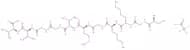
CAS:<p>4-Ethoxyphenylboronic acid is a boron-containing compound that has been shown to have potent antiviral activity. This compound is synthesized from adipose tissue and optical properties of the phenoxazine derivative are studied in order to find an efficient process for solid-phase synthesis. 4-Ethoxyphenylboronic acid has been shown to inhibit triglyceride lipase and fatty acid, which may be an important drug target. It has also been found to have potent antagonistic effects on fatty acids.</p>Formula:C8H11BO3Purity:Min. 95%Molecular weight:165.98 g/molMAGE-3 Antigen (271-279) (human) trifluoroacetate salt
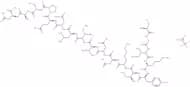
CAS:<p>ALPHA FACTOR SIGNALING PEPTIDE</p>Formula:C53H79N13O10Purity:Min. 95%Molecular weight:1,058.28 g/mol4-[1-(2-Methoxyethyl)-1H-indol-3-yl]butanoic acid
CAS:Controlled Product<p>Please enquire for more information about 4-[1-(2-Methoxyethyl)-1H-indol-3-yl]butanoic acid including the price, delivery time and more detailed product information at the technical inquiry form on this page</p>Formula:C15H19NO3Purity:Min. 95%Molecular weight:261.32 g/molL-Pyroglutamic acid pentachlorophenyl ester
CAS:Controlled Product<p>Please enquire for more information about L-Pyroglutamic acid pentachlorophenyl ester including the price, delivery time and more detailed product information at the technical inquiry form on this page</p>Formula:C11H6Cl5NO3Purity:Min. 95%Molecular weight:377.43 g/mol3-(1-Ethyl-5-methyl-1H-pyrazol-4-yl)isoxazole-5-carboxylic acid
CAS:<p>Please enquire for more information about 3-(1-Ethyl-5-methyl-1H-pyrazol-4-yl)isoxazole-5-carboxylic acid including the price, delivery time and more detailed product information at the technical inquiry form on this page</p>Formula:C10H11N3O3Purity:Min. 95%Molecular weight:221.21 g/mol1,4-Piperidinedicarboxylic acid, 4-aMino-, 1-(1,1-diMethylethyl) 4-ethyl ester
CAS:<p>Please enquire for more information about 1,4-Piperidinedicarboxylic acid, 4-aMino-, 1-(1,1-diMethylethyl) 4-ethyl ester including the price, delivery time and more detailed product information at the technical inquiry form on this page</p>Formula:C13H25N2O4Purity:Min. 95%Molecular weight:273.35 g/mol1,2,3,4-Tetrahydroquinoline-3-carboxylic acid
CAS:<p>Tetrahydroquinoline-3-carboxylic acid is a crystalline, water-soluble compound. It is an intermediate in the synthesis of l-phenylalanine, paraformaldehyde and formaldehyde. Tetrahydroquinoline-3-carboxylic acid can be hydrolyzed to produce formic acid and hydrogen chloride. This product is also optically active and can be used as an indicator for hydroiodic acid.</p>Formula:C10H11NO2Purity:Min. 95%Molecular weight:177.2 g/molβ-CIT-FP
CAS:Controlled Product<p>Methyl (1R,2S,3S)-8-(3-Fluoropropyl)-3-(4-Iodophenyl)-8-Azabicyclo[3.2.1]Octane-2-Carboxylate is a potent dopamine receptor agonist with a high affinity for the D2 and D3 receptors in the brain. It has been shown to have antiparkinsonian effects in animal models of Parkinson's disease by increasing dopamine levels in the prefrontal cortex and striatum. This drug has also been shown to be effective in clinical studies for the diagnosis of Parkinson's disease. Methyl (1R,2S,3S)-8-(3-Fluoropropyl)-3-(4-Iodophenyl)-8-Azabicyclo[3.2.1]Octane-2-Carboxylate binds to both dopamine and serotonin receptors, which may account for its therapeutic effects on Parkinson</p>Formula:C18H23FINO2Purity:Min. 95%Molecular weight:431.28 g/mol1,2,3,4-Tetrahydro-1-naphthoic acid
CAS:<p>Tetrahydro-1-naphthoic acid is a toxic chemical that is used in the synthesis of various organic compounds. It is an organic acid that has a pungent odor and can cause irritation of the nose and throat. When heated, it evolves toxic fumes of hydrogen chloride gas and phosgene. Tetrahydro-1-naphthoic acid reacts with metal hydroxides to form metal tetrahydro-1-naphthoates, which have useful properties as catalysts in organic reactions. Tetrahydro-1-naphthoic acid has been used as a growth regulator in plants and animals. It binds to DNA at the C–H site, preventing protein synthesis and cell division by inhibiting RNA synthesis.</p>Formula:C11H12O2Purity:Min. 95%Molecular weight:176.21 g/mol2-Fluoro-3-(trifluoromethyl)benzoic acid
CAS:<p>2-Fluoro-3-(trifluoromethyl)benzoic acid is an amide that has been shown to inhibit the growth of Huh-7 human hepatoma cells, which express ABCA1. This compound has been shown to bind to and inhibit the activity of the enzyme acid hydrazide. It has also been shown to be active against methoxy functional assays and macrophage cell lines.</p>Formula:C8H4F4O2Purity:Min. 95%Molecular weight:208.11 g/mol1-Phenyl-1H-pyrrole-2-carboxylic acid
CAS:<p>1-Phenyl-1H-pyrrole-2-carboxylic acid is a heterocyclic compound with a carbonyl group. It is the simplest furan derivative. 1PPC has been shown to react with phosphite and trimethyl phosphite to form an intramolecular cycloaddition product, which is a biomolecular reaction. 1PPC competes with furan for the formation of pyrroles. This study also showed that pyrrole rings can be opened by 1PPC and other carbonyl groups in the presence of base, forming new compounds.</p>Formula:C11H9NO2Purity:Min. 95%Color and Shape:PowderMolecular weight:187.19 g/mol3-(3,5-Dimethyl-1H-pyrazol-1-yl)-2-methylpropanoic acid
CAS:Controlled Product<p>Please enquire for more information about 3-(3,5-Dimethyl-1H-pyrazol-1-yl)-2-methylpropanoic acid including the price, delivery time and more detailed product information at the technical inquiry form on this page</p>Formula:C9H14N2O2Purity:Min. 95%Molecular weight:182.22 g/mol4-(2-Chlorophenyl)-9-methyl-6H-thieno[3,2-f][1,2,4]triazolo[4,3-a][1,4]diazepine-2-propanoic acid
CAS:Controlled Product<p>Please enquire for more information about 4-(2-Chlorophenyl)-9-methyl-6H-thieno[3,2-f][1,2,4]triazolo[4,3-a][1,4]diazepine-2-propanoic acid including the price, delivery time and more detailed product information at the technical inquiry form on this page</p>Formula:C18H15ClN4O2SPurity:Min. 95%Molecular weight:386.86 g/molDiethyl 1-[2-(1H-indol-3-yl)ethyl]-2,5-dimethyl-1H-pyrrole-3,4-dicarboxylate
CAS:Controlled Product<p>Please enquire for more information about Diethyl 1-[2-(1H-indol-3-yl)ethyl]-2,5-dimethyl-1H-pyrrole-3,4-dicarboxylate including the price, delivery time and more detailed product information at the technical inquiry form on this page</p>Formula:C22H26N2O4Purity:Min. 95%Molecular weight:382.45 g/mol5-Bromo-1-methyl-1H-indole-3-carboxylic acid
CAS:Controlled Product<p>Please enquire for more information about 5-Bromo-1-methyl-1H-indole-3-carboxylic acid including the price, delivery time and more detailed product information at the technical inquiry form on this page</p>Formula:C10H8BrNO2Purity:Min. 95%Molecular weight:254.08 g/molEthanesulfonic acid
CAS:<p>Ethanesulfonic acid is a free radical scavenger that has been shown to have anti-inflammatory properties. It also has the ability to inhibit lipid peroxidation and prevent the formation of reactive oxygen species in biological samples. Ethanesulfonic acid is used as a solvent for liposomal formulations, which are drugs enclosed in a phospholipid film. Liposomal formulations have been shown to be useful for the treatment of bowel diseases such as inflammatory bowel disease. Ethanesulfonic acid may also be used in treating autoimmune diseases, cancer, influenza virus, and guanine nucleotide-binding proteins.</p>Formula:C2H6O3SPurity:Min. 95%Color and Shape:Colourless To Yellow To Brown LiquidMolecular weight:110.13 g/molCyclo(-Arg-Gly-Asp-D-Phe-Cys) acetate salt
CAS:<p>Cyclo(-Arg-Gly-Asp-D-Phe-Cys) acetate salt is a peptide that has been modified to be an active targeting agent. It is an amphipathic molecule that can be used to deliver therapeutic agents specifically to cancer cells. Cyclo(-Arg-Gly-Asp-D-Phe-Cys) acetate salt is conjugated to a drug and is taken up by cells through the process of endocytosis. Once inside the cell, the drug is released and binds with the cell membrane, which leads to cell death. The uptake of this peptide has been shown to be pH dependent; it is taken up more readily in acidic environments than in neutral or alkaline environments. This peptide has also been shown to have cytotoxic effects on both MFC7 cells and rat liver cells.</p>Formula:C24H34N8O7SPurity:Min. 95%Molecular weight:578.64 g/mol2-(Chloromethyl)benzoic acid
CAS:<p>2-(Chloromethyl)benzoic acid (CMBA) is a reactive chemical that can be used as an oxidant or a carbanion. CMBA is activated by sulfinyl, alicyclic, and sulfoxides, which are organic compounds with one or more sulfur atoms. These reactions may be either alkylation or condensation reactions. The activated CMBA can then react with chlorine to form chlorinated products. This reaction can be catalyzed by low energy sources, such as light or heat.</p>Formula:C8H7ClO2Purity:Min. 95%Color and Shape:PowderMolecular weight:170.59 g/mol[1-(2-Methoxyethyl)-1H-indol-3-yl]acetic acid
CAS:Controlled Product<p>Please enquire for more information about [1-(2-Methoxyethyl)-1H-indol-3-yl]acetic acid including the price, delivery time and more detailed product information at the technical inquiry form on this page</p>Formula:C13H15NO3Purity:Min. 95%Molecular weight:233.26 g/molHemokinin 1 (mouse, rat) trifluoroacetate salt
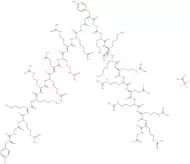
CAS:<p>Hemokinin 1 is a protein that is encoded by the NK1R gene. It has been shown to be associated with insulin resistance, inflammatory diseases, and pain control. Hemokinin 1 is also a potential treatment for viral infections such as HIV and hepatitis C. Hemokinin 1 interacts with nicotinic acetylcholine receptors (nAChRs) in the brain and blood vessels, which leads to an increase in blood pressure. This protein also interacts with hematopoietic cells, which may be responsible for its function as an antinociceptive agent. Hemokinin 1 has been implicated in autoimmune diseases such as arthritis and atrial fibrillation. This protein is expressed mainly in the brain, liver, heart, kidneys and spleen.</p>Formula:C61H100N22O15SPurity:Min. 95%Molecular weight:1,413.65 g/molEthanesulfonic acid - 70% aqueous solution
CAS:<p>Ethanesulfonic acid is a highly reactive and readily available chemical that has been investigated for the treatment of cancer. It has shown to be effective as an adjuvant in the treatment of bowel disease and radiation therapy. Ethanesulfonic acid is also used as an antimicrobial agent and disinfectant. This chemical can be used to produce polymers with glycol ethers, coumarin derivatives, and dextran sulfate for use in biological samples such as blood or urine. Ethanesulfonic acid is a potent inhibitor of the polymerase chain reaction (PCR). The inhibition of PCR may be due to its ability to inhibit enzyme activities involved in DNA synthesis, including dinucleotide phosphate enzymes and glycol-ether-sensitive enzymes.</p>Formula:C2H6O3SPurity:Min. 95%Color and Shape:Colourless To Pale Yellow Clear LiquidMolecular weight:110.13 g/molMethyl trichloroacetate
CAS:<p>Methyl trichloroacetate (MTCA) is a reactive chemical that is used as an intermediate in the synthesis of various organic compounds. It has been shown to react with nucleophiles, such as hydroxyl groups, to form a copper complex. MTCA has also been found to produce light emission when exposed to air and aryl halides. The synthesis of MTCA involves treating 1-chloro-2-propanol with hydrogen fluoride in the presence of an acid catalyst. The chemical can be detected by gas chromatography or liquid chromatography, but it is not readily available on the market.</p>Formula:C3H3Cl3O2Purity:Min. 95%Molecular weight:177.41 g/mol2-Methyl-4-(2-methylbenzamido)benzoic acid
CAS:<p>2-Methyl-4-(2-methylbenzamido)benzoic acid is a synthetic drug that has oxidizing properties. It is used as an intermediate in the synthesis of medicines, and can also be used as an intermediate in the synthesis of dyes and pesticides. The structure of this molecule consists of two methyl groups on a benzene ring with two aminobenzoic acid molecules attached to it. This molecule has hydrogen bonds with both aminobenzoic acid groups, one of which has an alkyl group attached to it. 2-Methyl-4-(2-methylbenzamido)benzoic acid crystallizes in the monoclinic system and its molecular weight is 256.24 g/mol.</p>Formula:C16H15NO3Purity:Min. 95%Molecular weight:269.3 g/molDL-Lactic acid sodium salt, 60% w/w syrup
CAS:<p>Lactic acid is a natural product that has been used for many years as an antimicrobial agent in wastewater treatment. It is also used in the food industry to prevent the growth of bacteria and fungi, and as a preservative. Lactic acid has been shown to have a physiological effect on locomotor activity, which may be due to its ability to convert pyruvate into lactate. Lactic acid also inhibits the growth of some bacterial strains by increasing the disulfide bond formation between two cysteine residues. The sodium salt form of lactic acid is more soluble than the acid form and can be used as an experimental model for studying sodium-lactate interactions. Sodium lactate is used in maternal blood transfusions to increase blood pH levels during labor, and is also added to water vapor for humidification purposes.</p>Formula:C3H5O3NaColor and Shape:Colorless Clear LiquidMolecular weight:112.06 g/mol2-Amino-4,6-difluorobenzoic acid
CAS:<p>Please enquire for more information about 2-Amino-4,6-difluorobenzoic acid including the price, delivery time and more detailed product information at the technical inquiry form on this page</p>Formula:C7H5F2NO2Purity:Min. 95%Molecular weight:173.12 g/molall-trans 5,6-Epoxy retinoic acid
CAS:<p>5,6-Epoxy retinoic acid is a synthetic retinoid that has been shown to have biological properties in tissue culture and rat liver microsomes. It is an agonist of the retinoic acid receptor (RAR) and binds to DNA at the same site as all-trans retinoic acid. 5,6-Epoxyretinoic acid also has effects on gene expression in human serum and inhibits the proliferation of cancer cells by inducing apoptosis. The synthetic retinoid can be used as a novel chemotherapeutic agent for breast cancer or leukemia.</p>Formula:C20H28O3Purity:Min. 95 Area-%Color and Shape:Yellow PowderMolecular weight:316.43 g/mol(Des-Gly10,D-Ala6,Pro-NHEt 9)-LHRH acetate salt
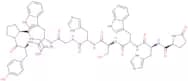
CAS:Controlled Product<p>Des-Gly10,D-Ala6,Pro-NHEt 9)-LHRH acetate salt Pyr-His-Trp-Ser-Tyr-D-Ala-Leu-Arg-Pro-NHEt acetate (DGPRP) is a drug that is used to treat endometriosis. It is an agonist of the LHRH receptor and inhibits body formation by preventing the release of gonadotropin hormones. DGPRP has been shown to inhibit cell proliferation in cancer tissues and may be useful for the treatment of leukemia. This drug has also been shown to be biocompatible with polymer scaffolds and can be synthesized using methods such as solid phase peptide synthesis.</p>Formula:C56H78N16O12•xC2H4O2Purity:Min. 95%Molecular weight:1,167.32 g/molMurideoxycholic acid
CAS:Controlled Product<p>Murideoxycholic acid is a bile acid that is used in combination with other antibiotics to treat infections caused by bacteria. Murideoxycholic acid inhibits the bacterial transport of bile acids, which are important for the digestion of fats and proteins. Murideoxycholic acid binds to the cytochrome P450 enzyme in humans and rats, inhibiting its activity. This binding prevents the production of bile acids from cholesterol in the liver, which prevents their normal excretion into the intestine and leads to an increased risk for gallstones. Murideoxycholic acid also has been shown to inhibit human CYP3A4 enzyme activity. The hydroxyl group on this molecule reacts with ferrous ions to produce hydroxyl radicals, which can lead to oxidative stress and lipid peroxidation.</p>Formula:C24H40O4Purity:Min. 95%Molecular weight:392.57 g/molDecanoic acid
CAS:<p>Decanoic acid is a saturated fatty acid that has been used as a pharmaceutical agent for the treatment of congestive heart failure. Decanoic acid is also used in the production of glycol ethers and as an intermediate in organic synthesis. The melting point of decanoic acid is between 30 and 35 degrees Celsius, which is lower than the melting points of caproic acid (40 degress) or lauric acid (45 degrees Celsius). Decanoic acid has been shown to reduce blood glucose levels in diabetic mice and rats and has also been shown to have antimicrobial activity against c. glabrata, S. aureus, and E. coli. Decanoic acid may be effective as an adjuvant therapy for melanoma by inducing apoptosis through mitochondrial membrane potential disruption.</p>Formula:C10H20O2Purity:Min. 95%Color and Shape:PowderMolecular weight:172.26 g/moltert-Butyl-n-(6-methoxy-3-pyridyl)carbamate
CAS:<p>Please enquire for more information about tert-Butyl-n-(6-methoxy-3-pyridyl)carbamate including the price, delivery time and more detailed product information at the technical inquiry form on this page</p>Formula:C11H16N2O3Purity:Min. 95%Molecular weight:224.26 g/molDeoxycholic acid-D4
CAS:Controlled Product<p>Deoxycholic acid-D4 is a bile acid that is produced by the liver. It has been shown to be an indicator of insulin resistance in women with breast cancer. Deoxycholic acid-D4 has also been found to have significant interactions with other drugs, such as phenytoin, carbamazepine, and penicillin. The concentration of deoxycholic acid-D4 in the serum may be reduced by taking these drugs. This drug has a detection time of 3 hours and can be detected by liquid chromatography. Deoxycholic acid-D4 is metabolized through the human metabolism pathway, which includes dietary and logistic regression models.</p>Formula:C24H36D4O4Purity:Min. 95%Molecular weight:396.6 g/mol1-tert-Butyl 3-methyl pyrrolidine-1,3-dicarboxylate
CAS:<p>Please enquire for more information about 1-tert-Butyl 3-methyl pyrrolidine-1,3-dicarboxylate including the price, delivery time and more detailed product information at the technical inquiry form on this page</p>Formula:C11H19NO4Purity:Min. 95%Molecular weight:229.27 g/molN-Nitroso-N-methyl-4-aminobutyric acid methyl ester
CAS:<p>Please enquire for more information about N-Nitroso-N-methyl-4-aminobutyric acid methyl ester including the price, delivery time and more detailed product information at the technical inquiry form on this page</p>Formula:C6H12N2O3Purity:Min. 95%Molecular weight:160.17 g/mol1-tert-Butyl 2-methyl 4-oxopiperidine-1,2-dicarboxylate
CAS:<p>Please enquire for more information about 1-tert-Butyl 2-methyl 4-oxopiperidine-1,2-dicarboxylate including the price, delivery time and more detailed product information at the technical inquiry form on this page</p>Purity:Min. 95%Hydroxybisnorcholenic acid
CAS:Controlled Product<p>Hydroxybisnorcholenic acid is a sterol that is present in high concentrations in the skin and other tissues. It has been shown to have biological properties, such as meiosis, and to be involved in the regulation of ion transport. Hydroxybisnorcholenic acid is also one of the major components of the saponified product of cholesterol. The molecule is a target tissue for control levels of biochemical analysis and modulation by hormones. Hydroxybisnorcholenic acid can be converted into aminosterol, which then undergoes additional conversion to cholesterol.</p>Formula:C22H34O3Purity:Min. 95%Color and Shape:PowderMolecular weight:346.50 g/molBenzene-1,3-disulfonic acid disodium
CAS:<p>This is a polynuclear compound that has an electrochemical method for detection. It is catalytic, with a low detection limit. The shape of the crystals are spherical, which is due to the size of the crystals. There are no interferences in these measurements, as well as photomicrographs and dopamine sensor. This compound will have synergistic effects with chloride and glucose sensors. The following are some properties of benzene-1,3-disulfonic acid disodium salt: -It has a molecular weight of 227.2 -It has a melting point of about 237 degrees Celsius -It is soluble in water -It has a boiling point at about 515 degrees Celsius -Benzene-1,3-disulfonic acid disodium salt is not hazardous to humans if it is ingested orally; however, it can be harmful if inhaled or if it comes into contact with skin</p>Formula:C6H4Na2O6S2Purity:Min. 95%Color and Shape:PowderMolecular weight:282.2 g/molFluorometholone acetate
CAS:Controlled Product<p>Fluorometholone acetate is a fluorinated corticosteroid that is used in ophthalmology to treat eye disorders. It has been shown to reduce intraocular pressure in patients with glaucoma and other eye diseases. Fluorometholone acetate inhibits the activity of the glucocorticoid receptor, which prevents it from binding to DNA and altering gene expression. This leads to a decrease in inflammatory responses by decreasing the production of cytokines and chemokines that are involved in inflammation. Fluorometholone acetate also binds to other receptors, such as the mineralocorticoid receptor, which may lead to its use as a potential biomarker for infectious diseases.</p>Formula:C24H31FO5Purity:Min. 95%Molecular weight:418.5 g/molFmoc-(4-aminomethyl) benzoic acid
CAS:<p>Please enquire for more information about Fmoc-(4-aminomethyl) benzoic acid including the price, delivery time and more detailed product information at the technical inquiry form on this page</p>Formula:C23H19NO4Purity:Min. 95%Molecular weight:373.4 g/molTrifluoro acetic anhydride
CAS:<p>Trifluoro acetic anhydride is a chemical compound that is used in the laboratory as a model system to study antimicrobial agents and the reaction mechanism of these compounds. It has been shown to have receptor activity against infectious diseases and enzyme activities against bacterial growth. Trifluoroacetic anhydride has also been shown to inhibit plasma mass spectrometry, which may be due to its ability to react with water vapor. The chemical inhibitor can be recovered and reused for other experiments.</p>Formula:C4F6O3Purity:Min. 95%Color and Shape:Colorless Clear LiquidMolecular weight:210.03 g/molBis(perfluorohexyl)phosphinic acid sodium salt
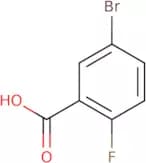
CAS:<p>Please enquire for more information about Bis(perfluorohexyl)phosphinic acid sodium salt including the price, delivery time and more detailed product information at the technical inquiry form on this page</p>Formula:C12F26NaO2PPurity:Min. 95%Molecular weight:724.05 g/mol(5-bromo-2-fluorophenyl)boronic Acid
CAS:<p>5-Bromo-2-fluorophenyl)boronic acid is a synthetic chemical that is used in the synthesis of pharmaceuticals and pesticides. This compound is an inhibitor of bace1, which is an enzyme involved in the production of amyloid beta peptide (Aβ) and other proteins implicated in Alzheimer's disease. 5-Bromo-2-fluorophenyl)boronic acid has been shown to be effective at reducing Aβ levels in mice with Alzheimer's disease. It also inhibits pyrethroid, a pesticide that is used on crops to control insects, by binding to the active site of the enzyme. 5-Bromo-2-fluorophenyl)boronic acid has been evaluated for use as a cancer treatment, but these studies have not been completed.</p>Formula:C6H5BBrFO2Purity:Min. 95%Molecular weight:218.82 g/molN-Hexylboronic acid
CAS:<p>N-Hexylboronic acid is an organometallic compound that has been used as a model system to study the catalytic mechanism of the Suzuki coupling reaction. It has also been shown to be a substrate film for use in the suzuki coupling reaction when combined with Raney nickel, which can be used to synthesize organic compounds. N-Hexylboronic acid has been shown to inhibit the activity of pancreatic lipase, but not cholesterol esterase or cholesterol ester hydrolase. The skeleton of this molecule is made up of six carbon atoms and one boron atom. Hydrogen chloride and aliphatic hydrocarbons are inhibitors of N-hexylboronic acid.</p>Formula:C6H15BO2Purity:Min. 95%Molecular weight:129.99 g/molLys-Bradykinin acetate salt
CAS:<p>Lys-Bradykinin is a peptide that is a member of the group of kinins. It has been shown to be effective at inhibiting the activity of kallikrein, which is an enzyme that converts kininogen to bradykinin. This inhibition lowers the levels of bradykinin in the blood and may be used as a diagnostic tool for identifying diseases such as congestive heart failure, pulmonary edema, and acute renal failure. Lys-Bradykinin can also be used as a model system for studying kinins and their biological effects on various systems. For example, it has been shown to have natriuretic properties in humans by increasing levels of erythropoietin and ANP.</p>Formula:C56H85N17O12Purity:Min. 95%Molecular weight:1,188.38 g/mol1-Fluoro-5a-androst-2-en-17b-ol acetate
CAS:Controlled Product<p>Please enquire for more information about 1-Fluoro-5a-androst-2-en-17b-ol acetate including the price, delivery time and more detailed product information at the technical inquiry form on this page</p>Formula:C20H28FO2Purity:Min. 95%Molecular weight:319.43 g/molR-(3)-Benzyloxy myristic acid
CAS:<p>R-(3)-Benzyloxy myristic acid is an adjuvant that is used in vaccines. It is a synthetic molecule with the ability to activate antigen-specific CD4 and CD8 T-cells. R-(3)-Benzyloxy myristic acid has been shown to be an efficient method of enhancing antigen-specific antibody production by stimulating dendritic cells. This agent is also pH sensitive and can be used as a vaccine adjuvant at acidic pH values, which are found in the stomach. R-(3)-Benzyloxy myristic acid has been shown to stimulate T-cell proliferation and increase the expression of co-stimulatory molecules on these cells, increasing the efficiency of immunization.</p>Formula:C21H34O3Purity:Min. 95%Molecular weight:334.49 g/mol(R)-(-)-3-Hydroxybutyric acid methyl ester
CAS:<p>(R)-(-)-3-Hydroxybutyric acid methyl ester is a monocarboxylic acid that is metabolized by phosphofructokinase and other enzymes to produce the corresponding 3-hydroxybutyrate. This compound is synthesized from tiglic acid, which can be obtained from corynebacterium. The production of (R)-(-)-3-Hydroxybutyric acid methyl ester can be optimized by using a biotransformation process. This process includes enzymatic reactions and chemical transformations, such as hydroxylation, carbonylation, and stereoselective synthesis. The metabolic pathway for this compound has been studied using a DNA microarray analysis.</p>Formula:C5H10O3Purity:Min. 95%Molecular weight:118.13 g/mol2-(5-Chloro-1H-indol-2-yl)acetic acid
CAS:<p>Please enquire for more information about 2-(5-Chloro-1H-indol-2-yl)acetic acid including the price, delivery time and more detailed product information at the technical inquiry form on this page</p>Formula:C10H8CINO2Purity:Min. 95%Molecular weight:313.09 g/molMethyl azido acetate
CAS:<p>Methyl azido acetate is a chemical compound with the molecular formula CH3N3O. It is used in biological studies to study the effects of amides on inflammatory bowel disease and solid tumours. Methyl azido acetate has been shown to be cytotoxic against cells, which may be due to its ability to inhibit integrase enzyme activity.</p>Formula:C3H5N3O2Purity:Min. 95%Color and Shape:Clear LiquidMolecular weight:115.09 g/molFmoc-(2S,4S)-4-phenylpyrrolidine-2-carboxylic acid
CAS:<p>Please enquire for more information about Fmoc-(2S,4S)-4-phenylpyrrolidine-2-carboxylic acid including the price, delivery time and more detailed product information at the technical inquiry form on this page</p>Formula:C26H23NO4Purity:Min. 95%Molecular weight:413.47 g/molRibonucleic acid free acid
CAS:<p>Ribonucleic acid free acid (ribo-FAA) is a derivative of the immunosuppressive drug rapamycin. It is an immunosuppressant that inhibits the immune system by binding to a protein called FKBP12, which is involved in the activation of T cells and other immune system cells. Ribo-FAA has been shown to be effective in treating HIV patients undergoing active antiretroviral therapy, as well as for treatment of other infectious diseases such as tuberculosis or leishmaniasis. Ribo-FAA binds to FKBP12 and prevents it from activating T cells or other immune system cells, which leads to suppression of the immune response.</p>Purity:Min. 95%Color and Shape:Yellow PowderMART-1 (26-35) (human) trifluoroacetate salt
CAS:<p>Native Melan-A (26-35) decapeptide derives from the melanocyte lineage-specific protein Melan-A/MART-1, which is expressed in almost 75-100% of primary and metastatic melanomas.<br>The region 26-35 of Melan-A protein acts as an antigenic peptide that is recognized by CD8+ tumor-reactive cytolytic T lymphocytes (CTLs) for designing antigen-specific cancer vaccines1. It has been shown that CD8+ Melan-A-specific CTLs isolated from melanoma patients efficiently lyse the Melan-A-expressing HLA-A*0201+ melanoma cell line. However, CTLs preferentially recognize the Melan-A (26-35) peptide as compared with the Melan-A (27-35) peptide. Moreover, the Melan-A (26-35) A27L analog (ELAGIGILTV) has a higher binding affinity to HLA-A*0201 than the native Melan-A (26-35) peptide (EAAGIGILTV), and consequently displays more potent antigenicity and immunogenicity.<br>It has been reported that the concentration of Melan-A (26-35) A27L analog required to obtain 50% of maximal antigenic activity (EC50) is 0.01nM, whereas that of the native Melan-A (26-35) peptide is 0.25nM1. Therefore, the relative activity of Melan-A (26-35) A27L analog is 25 fold higher than that of the native Melan-A (26-35) peptide.<br>Furthermore, functional competition assay has shown that the concentration of Melan-A (26-35) A27L analog required to achieve 50% inhibition (IC50) of tumor lysis is 2nM, which is 10 fold lower than that of the native Melan-A (26-35) peptide. Regarding peptide stability in human serum, the half-lifes (t1/2) of the native Melan-A (26-35) peptide and the A27L analog are quite similar (45 and 40min, respectively) as measured by HPLC-ESI-MS, but much higher than that of the Melan-A (27-35) nonapeptide (5min).</p>Formula:C42H74N10O14Purity:Min. 95%Molecular weight:943.1 g/mol4,6-Diaminobenzene-1,3-dicarboxylic acid
CAS:<p>4,6-Diaminobenzene-1,3-dicarboxylic acid is an inorganic copper compound that is used as a copper salt. It has been shown to be effective as a chelating agent for the treatment of copper toxicity. 4,6-Diaminobenzene-1,3-dicarboxylic acid binds to metal ions and forms a complex with them. This complex can then be excreted from the body through urine or bile.</p>Formula:C8H8N2O4Purity:Min. 95%Molecular weight:196.16 g/molEthyl 5-chloro-1,3-dimethyl-1H-indole-2-carboxylate
CAS:Controlled Product<p>Please enquire for more information about Ethyl 5-chloro-1,3-dimethyl-1H-indole-2-carboxylate including the price, delivery time and more detailed product information at the technical inquiry form on this page</p>Formula:C13H14ClNO2Purity:Min. 95%Molecular weight:251.71 g/mol5-Methyl-1H-pyrrole-3-carboxylic acid
CAS:<p>Please enquire for more information about 5-Methyl-1H-pyrrole-3-carboxylic acid including the price, delivery time and more detailed product information at the technical inquiry form on this page</p>Formula:C6H7NO2Purity:Min. 95%Molecular weight:125.13 g/molEthyl5-acetyloxy-1,2-dimethylindole-3-carboxylate
CAS:Controlled Product<p>Please enquire for more information about Ethyl5-acetyloxy-1,2-dimethylindole-3-carboxylate including the price, delivery time and more detailed product information at the technical inquiry form on this page</p>Formula:C15H17NO4Purity:Min. 95%Molecular weight:275.3 g/molcBenzooxazole-2-carboxylic acid
CAS:<p>Benzooxazole-2-carboxylic acid is a chemical compound that has been studied for its potential in the treatment of cancer. It has been shown to bind to estrogen receptors and inhibit the growth of cancer cells. This anti-cancer agent also inhibits the growth of bacteria by binding to metal ions, such as chloride, which are needed for bacterial growth. Benzooxazole-2-carboxylic acid is excreted via urine, which can lead to kidney damage if taken in high doses.</p>Formula:C8H5NO3Purity:Min. 95%Molecular weight:163.13 g/mol1-Methyl-1H-benzimidazole-2-carboxylic acid
CAS:Controlled Product<p>1-Methyl-1H-benzimidazole-2-carboxylic acid is a synthetic compound that can be used as an antiprotozoal. It has been shown to have good activity against intestinalis, vaginalis, and intestinalis species. 1-Methyl-1H-benzimidazole-2-carboxylic acid binds to the acetyl groups of the parasite's cell membrane and inhibits the formation of the cytoplasmic membrane. This prevents the parasite from synthesizing ATP, which causes them to die. 1-Methyl-1H-benzimidazole-2-carboxylic acid also has strong activity against Giardia lamblia, which is caused by its ability to inhibit protein synthesis in this organism.</p>Formula:C9H8N2O2Purity:Min. 95%Color and Shape:PowderMolecular weight:176.17 g/mol4-(4-fluorophenyl)butanoic Acid
CAS:<p>Please enquire for more information about 4-(4-fluorophenyl)butanoic Acid including the price, delivery time and more detailed product information at the technical inquiry form on this page</p>Formula:C10H11FO2Purity:Min. 95%Molecular weight:182.19 g/mol3-Aminopicolinic acid
CAS:<p>3-Aminopicolinic acid is a carboxylate that can be found in the cytosol, mitochondria, and nucleus of cells. It is an efficient method for the synthesis of picolinic acid from 3-aminopyridine-2-carboxylic acid. The synthesis of picolinic acid has been shown to have structural analogs to molecules involved in nucleotide metabolism such as single-stranded DNA, mitochondrial DNA, and mitochondrial RNA. 3-Aminopicolinic acid has been shown to increase renal blood flow by stabilizing complexes with chloride and phosphoenolpyruvate. This compound also enhances the renal excretion of picolinic acid. 3-Desacetylcefotaxime potassium Tilmicosin Gatifloxacin 3-Aminopicolinic acid</p>Formula:C6H6N2O2Purity:Min. 95 Area-%Color and Shape:Yellow PowderMolecular weight:138.12 g/mol4-amino[1,1'-biphenyl]-3-carboxylic acid
CAS:<p>Please enquire for more information about 4-amino[1,1'-biphenyl]-3-carboxylic acid including the price, delivery time and more detailed product information at the technical inquiry form on this page</p>Formula:C13H11O2NPurity:Min. 95%Molecular weight:213.23 g/molAG 1-X2 ion exchange resin 200-400 acetate
<p>AG 1-X2 ion exchange resin 200-400 acetate is a resin for strong anion exchange. Use this chloride-form resin for gravity or low-pressure chromatography.MW limit: ca 2700Wet density : ≤ 0.74 g/mL</p>Purity:Min. 95%Color and Shape:PowderMethyl 4,5-dimethoxy-1-methyl-1H-indole-2-carboxylate
CAS:Controlled Product<p>Please enquire for more information about Methyl 4,5-dimethoxy-1-methyl-1H-indole-2-carboxylate including the price, delivery time and more detailed product information at the technical inquiry form on this page</p>Formula:C13H15NO4Purity:Min. 95%Molecular weight:249.26 g/molThioacetic acid
CAS:<p>Thioacetic acid is a monoethyl ether of thioacetic acid. It is used in the synthesis of fatty acids and other organic compounds. Thioacetic acid can be used in the treatment of infectious diseases, such as malaria and cholera, by inhibiting the growth of pathogenic microorganisms. The reactive nature of thioacetic acid makes it ideal for wastewater treatment, where it reacts with ammonia to form ammonium sulfate, which can be easily removed from water.</p>Formula:C2H4OSPurity:Min. 95%Color and Shape:Colorless Clear LiquidMolecular weight:76.12 g/mol5-Ethylthiophene-2-carboxylic acid
CAS:<p>5-Ethylthiophene-2-carboxylic acid is a chemical compound that has been acetylated. It is often used as an intermediate in organic synthesis, especially as a building block for the production of pharmaceuticals and agrochemicals. 5-Ethylthiophene-2-carboxylic acid can be chromatographically separated by using strategies such as validation, algorithm, and regression. The chemical structure of this compound may be determined by using methods such as fingerprinting and gas chromatography. The structural isomers of this compound are naphthenic (5E) and butyllithium (5B). Chemists use 5E and 5B to profile the properties of this substance.</p>Formula:C7H8O2SPurity:Min. 95%Molecular weight:156.2 g/mol2-(4-Bromophenyl)succinic acid
CAS:<p>Please enquire for more information about 2-(4-Bromophenyl)succinic acid including the price, delivery time and more detailed product information at the technical inquiry form on this page</p>Formula:C10H9BrO4Purity:Min. 95%Molecular weight:273.08 g/mol7-Azaindole-5-carboxylic acid methyl ester
CAS:<p>7-Azaindole-5-carboxylic acid methyl ester is an ester derivative that can be synthesized from the reaction of acetyl chloride and diazotization. 7-Azaindole-5-carboxylic acid methyl ester has been used in research for its biological activity, specifically as a cytotoxic agent. It has also been shown to inhibit the growth of cancer cells by alkylation reactions and cyclization reactions. 7-Azaindole-5-carboxylic acid methyl ester has been shown to have antitumor properties with a mechanism that is not yet fully understood.</p>Formula:C9H8N2O2Purity:Min. 95%Molecular weight:176.17 g/mol3,7-Dihydroxy-5-cholestenoic acid
CAS:Controlled Product<p>Please enquire for more information about 3,7-Dihydroxy-5-cholestenoic acid including the price, delivery time and more detailed product information at the technical inquiry form on this page</p>Formula:C27H44O4Purity:Min. 95%Molecular weight:432.64 g/mol7-Aminoheptanoic acid
CAS:<p>7-Aminoheptanoic acid is a fatty acid that contains a hydroxyl group on the seventh carbon of its chain. This compound has been shown to bind to and activate the receptor GPR120. It is also used in the synthesis of pharmaceuticals, such as anti-inflammatory agents, and in analytical methods for detecting peptides. 7-Aminoheptanoic acid can be synthesized by reacting hydrochloric acid with an amine or amide, followed by reaction with an ester hydrochloride. The compound can be purified using preparative high performance liquid chromatography (HPLC).</p>Formula:C7H15NO2Purity:Min. 95%Molecular weight:145.2 g/mol7H-Pyrrolo[2,3-d]pyrimidine-4-carboxylic acid
CAS:<p>7H-Pyrrolo[2,3-d]pyrimidine-4-carboxylic acid is a fine chemical that is used as a building block for more complex compounds. It is not an active ingredient in any pharmaceuticals or other products. 7H-Pyrrolo[2,3-d]pyrimidine-4-carboxylic acid can be used to produce research chemicals, reagents, and specialty chemicals. This compound has been shown to be useful as a reaction component or scaffold in the synthesis of more complex molecules.</p>Formula:C7H5N3O2Purity:Min. 95%Color and Shape:PowderMolecular weight:163.13 g/mol(3a,5b,6b,7a)-6-Ethyl-3,7-dihydroxycholan-24-oic acid
CAS:Controlled Product<p>(3a,5b,6b,7a)-6-Ethyl-3,7-dihydroxycholan-24-oic acid is a synthetic cholestane derivative that has been shown to be useful in the treatment of biliary cirrhosis. The synthesis of this compound involves the reduction of an ethyl ester using a grignard reagent followed by UV irradiation. The reaction yield is high with a large excess of Grignard reagent used. This compound has been shown to be active against hepatic bile ducts and liver cells in vitro. It also has anti-inflammatory effects and can be used as an alternative treatment for patients who are intolerant to ursodeoxycholic acid or chenodeoxycholic acid.</p>Formula:C26H44O4Purity:Min. 95%Color and Shape:SolidMolecular weight:420.63 g/molTridecanedioic Acid
CAS:<p>Tridecanedioic Acid is a polycarboxylic acid that has reactive functional groups. It is used in detergent compositions as an inhibitor of the formation of soaps and hard water deposits. Tridecanedioic acid has been shown to inhibit pancreatitis, which may be due to its ability to inhibit the conversion of fatty acids into prostaglandins. Tridecanedioic acid also has anti-cancer properties, which have been shown in animal studies. In addition, it has broad-spectrum antimicrobial activity against gram-positive bacteria, such as Clostridium perfringens and Staphylococcus aureus. This compound inhibits protein synthesis by inhibiting enzymes belonging to the cytochrome P450 family.</p>Formula:C13H24O4Purity:Min. 95%Molecular weight:244.33 g/mol(R)-(-)-2-Methylglutaric Acid
CAS:<p>Please enquire for more information about (R)-(-)-2-Methylglutaric Acid including the price, delivery time and more detailed product information at the technical inquiry form on this page</p>Formula:C6H10O4Purity:Min. 95%Molecular weight:146.14 g/mol5,5'-Thiodisalicylic Acid
CAS:<p>5,5'-Thiodisalicylic Acid is a reactive functional group with a silver ion. This compound has a hydrochloric acid and hydroxy group that react to form a hydroxyl group with the proton. It also has a nitrogen atom, which can be found in the reactive acidic hydroxyl group of 5,5'-thiodisalicylic acid. The fatty acids are viscosity and carbonyl groups. 5,5'-Thiodisalicylic Acid is an organic compound that reacts with chloride to form patterns.</p>Purity:Min. 95%1-tert-Butyl 3-methyl 1H-indole-1,3-dicarboxylate
CAS:Controlled Product<p>Please enquire for more information about 1-tert-Butyl 3-methyl 1H-indole-1,3-dicarboxylate including the price, delivery time and more detailed product information at the technical inquiry form on this page</p>Formula:C15H17NO4Purity:Min. 95%Molecular weight:275.3 g/mol(D-His1)-Exenatide trifluoroacetate salt
CAS:<p>Please enquire for more information about (D-His1)-Exenatide trifluoroacetate salt including the price, delivery time and more detailed product information at the technical inquiry form on this page</p>Formula:C184H282N50O60SPurity:Min. 95%Molecular weight:4,186.57 g/mol2-[4-(tert-Butyldimethylsilyloxymethyl)-2-nitrophenoxy]acetic Acid
CAS:<p>Please enquire for more information about 2-[4-(tert-Butyldimethylsilyloxymethyl)-2-nitrophenoxy]acetic Acid including the price, delivery time and more detailed product information at the technical inquiry form on this page</p>Formula:C15H23NO6SiPurity:Min. 95%Molecular weight:341.43 g/mol3-Cyclopropylpropanoic acid
CAS:<p>3-Cyclopropylpropanoic acid is a synthetic derivative of oxalyl chloride. It has been shown to inhibit the growth of viruses, notably influenza A virus and human immunodeficiency virus (HIV), in cell culture. 3-Cyclopropylpropanoic acid also inhibits the g1 phase of the cell cycle. In addition, it has been shown to inhibit skin cancer and cardiovascular diseases in humans.</p>Formula:C6H10O2Purity:95%NmrMolecular weight:114.14 g/mol3,3'-[1,3-Phenylenebis(oxy)]dipropanoic acid
CAS:<p>Please enquire for more information about 3,3'-[1,3-Phenylenebis(oxy)]dipropanoic acid including the price, delivery time and more detailed product information at the technical inquiry form on this page</p>Formula:C12H14O6Purity:Min. 95%Molecular weight:254.24 g/mol3,4-Dihydroisoquinolin-2(1H)-ylacetic acid
CAS:<p>3,4-Dihydroisoquinolin-2(1H)-ylacetic acid is a chemical compound with the molecular formula of C8H11NO2. It is a useful scaffold for the synthesis of complex compounds and research chemicals. 3,4-Dihydroisoquinolin-2(1H)-ylacetic acid is also a versatile building block for the preparation of fine chemicals. It is used as a reaction component in many organic reactions and can be used as a speciality chemical or reagent due to its high quality.</p>Formula:C11H13NO2Purity:Min. 95%Color and Shape:PowderMolecular weight:191.23 g/moltert-Butyl 3-(cyclopropylamino)azetidine-1-carboxylate
CAS:<p>Please enquire for more information about tert-Butyl 3-(cyclopropylamino)azetidine-1-carboxylate including the price, delivery time and more detailed product information at the technical inquiry form on this page</p>Formula:C11H20N2O2Purity:Min. 95%Molecular weight:212.29 g/mol1,5-Diphenyl-1H-pyrazole-3-carboxylic acid
CAS:Controlled Product<p>1,5-Diphenyl-1H-pyrazole-3-carboxylic acid is a herbicide that belongs to the family of alkyloxycarbonyl amides. It is used in weed control and has shown good activity against many broadleaf weeds. 1,5-Diphenyl-1H-pyrazole-3-carboxylic acid inhibits the growth of plants by interfering with photosynthesis and the production of chlorophyll. The compound binds to the thylakoid membrane in chloroplasts, preventing electron transport and blocking the synthesis of carbohydrates from carbon dioxide and water. This leads to cell death as a result of oxygen depletion. 1,5-Diphenyl-1H-pyrazole-3-carboxylic acid also inhibits acetolactate synthase in plants, which produces amides that are important for protein synthesis.</p>Formula:C16H12N2O2Purity:Min. 95%Molecular weight:264.28 g/mol5-Aminoorotic acid
CAS:<p>5-Aminoorotic acid is an antimicrobial agent that has been shown to have anticancer activity. It has a nitrogen atom and two oxygen atoms in the molecule. The chemical structure of 5-aminoorotic acid can be determined using NMR spectroscopy and its biological properties are dependent on hydrogen bonding interactions with other molecules. 5-Aminoorotic acid is a chelate ring, which means it can bind to metal ions such as lanthanum (La3+). 5-Aminoorotic acid has been shown to inhibit the glycol oxidation reaction and may also be able to inhibit other enzymatic reactions. This drug is stable for use in model systems and may also be used for cancer treatment.</p>Formula:C5H5N3O4Purity:Min. 95%Molecular weight:171.11 g/mol3-Mercaptopropionic acid
CAS:<p>3-Mercaptopropionic acid is a byproduct of the metabolic process where glutamate, a major excitatory neurotransmitter in the brain, is broken down into 3-mercaptopropionic acid and pyruvic acid. It is known to have synergic effects with other compounds such as fluorescence probes. 3-Mercaptopropionic acid also reacts with glycol ethers to form stable 3-mercaptopropionate esters. This reaction is catalyzed by enzymes such as alcohol dehydrogenase and acetyltransferases. The enzyme activity can be measured using an electrochemical detector. 3-Mercaptopropionic acid can be found in human serum, wastewater treatment plants, and chlorophyll A. It has been shown to inhibit the production of glutathione reductase in human erythrocytes when exposed to light. This inhibition may be due to its ability to induce oxidative stress or damage cell membranes through its protonation properties.</p>Formula:C3H6O2SPurity:Min. 98 Area-%Color and Shape:Clear LiquidMolecular weight:106.14 g/molBoc-(3S)-1,2,3,4-tetrahydroisoquinoline-7-hydroxy-3-carboxylic acid
CAS:<p>Boc-(3S)-1,2,3,4-tetrahydroisoquinoline-7-hydroxy-3-carboxylic acid is a synthetic opioid that is chemically related to morphine. It binds to the δ opioid receptor and has a clinical development in the treatment of pain. The drug has been shown to inhibit the binding of gtpγs, which leads to the suppression of neuronal activity. Boc-(3S)-1,2,3,4-tetrahydroisoquinoline-7-hydroxy-3-carboxylic acid also has low molecular weight and low toxicity.</p>Formula:C15H19NO5Purity:Min. 95%Color and Shape:PowderMolecular weight:293.32 g/mol(6-Hydroxy-2-methyl-4-oxoquinazolin-3(4H)-yl)acetic acid
CAS:Controlled Product<p>Please enquire for more information about (6-Hydroxy-2-methyl-4-oxoquinazolin-3(4H)-yl)acetic acid including the price, delivery time and more detailed product information at the technical inquiry form on this page</p>Formula:C11H10N2O4Purity:Min. 95%Molecular weight:234.21 g/mol4-[4-(3-Chlorophenyl)piperazin-1-yl]-4-oxobutanoic acid
CAS:Controlled Product<p>Please enquire for more information about 4-[4-(3-Chlorophenyl)piperazin-1-yl]-4-oxobutanoic acid including the price, delivery time and more detailed product information at the technical inquiry form on this page</p>Formula:C14H17ClN2O3Purity:Min. 95%Molecular weight:296.75 g/mol(5R)-6-Cyano-5-hydroxy-3-oxo-hexanoic acid tert-butyl ester
CAS:<p>Please enquire for more information about (5R)-6-Cyano-5-hydroxy-3-oxo-hexanoic acid tert-butyl ester including the price, delivery time and more detailed product information at the technical inquiry form on this page</p>Formula:C11H17NO4Purity:Min. 95%Molecular weight:227.26 g/molMethyl thiazolidine-2-carboxylate hydrochloride
CAS:<p>Please enquire for more information about Methyl thiazolidine-2-carboxylate hydrochloride including the price, delivery time and more detailed product information at the technical inquiry form on this page</p>Formula:C5H9NO2S•HClPurity:Min. 95%Color and Shape:PowderMolecular weight:183.66 g/mol(S)-(-)-3-(Benzoylthio)-2-methylpropanoic acid
CAS:<p>Please enquire for more information about (S)-(-)-3-(Benzoylthio)-2-methylpropanoic acid including the price, delivery time and more detailed product information at the technical inquiry form on this page</p>Formula:C11H12O3SPurity:Min. 95%Molecular weight:224.28 g/molMethyl 4H-furo[3,2-b]pyrrole-5-carboxylate
CAS:<p>Please enquire for more information about Methyl 4H-furo[3,2-b]pyrrole-5-carboxylate including the price, delivery time and more detailed product information at the technical inquiry form on this page</p>Formula:C8H7NO3Purity:Min. 95%Molecular weight:165.15 g/molGlycodeoxycholic Acid monohydrate
CAS:Controlled Product<p>Glycodeoxycholic acid is a bile acid that has been shown to inhibit bacterial translocation. It is used as an adjuvant therapy in the treatment of primary sclerosing cholangitis and other inflammatory conditions of the liver, such as pancreatitis, and it has also been studied for its effects on iron homeostasis. Glycodeoxycholic acid is produced by the human body and can be found in the serum. The biosynthesis of glycodeoxycholic acid is dependent on microbial metabolism, which may be inhibited by nonsteroidal anti-inflammatory drugs. This compound has been shown to inhibit cell signaling pathways and increase sodium ion uptake into cells through inhibition of sodium-potassium ATPase activity.</p>Purity:Min. 95%3-Hydroxymandelic acid
CAS:<p>3-Hydroxymandelic acid is a metabolite of mandelic acid and has been found to have cytostatic effects in human cells. The concentration–time curve for 3-hydroxymandelic acid displays a single-dose pharmacokinetics. It has been shown to inhibit the nuclear factor kappa-light-chain enhancer (NFκB) pathway, which is involved in the regulation of cell proliferation, differentiation, and apoptosis. 3-Hydroxymandelic acid also inhibits energy metabolism by reducing mitochondrial respiration. This compound binds to plasma proteins and is excreted through urine as well as being oxidized by hepatic cytochrome P450 enzymes.</p>Formula:C8H8O4Purity:Min. 95%Molecular weight:168.15 g/mol4-Methylcyclohex-3-ene-1-carboxylic acid
CAS:<p>4-Methylcyclohex-3-ene-1-carboxylic acid is an anionic compound that is used in the preparation of perfumes. This substance has been shown to have a cycloaddition reaction with nonionic detergents and isoprene, catalyzing the oxidation of terephthalic acid to ethylene. 4-Methylcyclohex-3-ene-1-carboxylic acid can also be used as a medicinal agent for aromatization or as a catalyst for the production of aldehydes.</p>Formula:C8H12O2Purity:Min. 95%Color and Shape:White PowderMolecular weight:140.18 g/molN-(Aminocarbonyl)aspartic acid
CAS:<p>N-Aminocarbonyl-L-aspartic acid (NACD) is a molecule that is found in urine samples. It can be used as a biomarker to detect cancer, HIV infection, and many other diseases. The presence of NACD has been correlated with the development of acidosis, which is characterized by an increase in the pH of body fluids. The following are a few examples of how this product might be described on an eCommerce site: Rifapentine is an anti-tuberculosis drug that belongs to the class of rifamycins. It is the most active of the rifamycins for the treatment of tuberculosis. Rifapentine inhibits bacterial growth by binding to DNA-dependent RNA polymerase, thereby preventing transcription and replication. The high frequency of human activity has been shown using a patch-clamp technique on human erythrocytes. This active form is metabolized through</p>Formula:C5H8N2O5Purity:Min. 95%Color and Shape:PowderMolecular weight:176.13 g/mol1-[2-(5-Fluoro-1H-indol-3-yl)ethyl]-5-oxopyrrolidine-3-carboxylic acid
CAS:Controlled Product<p>Please enquire for more information about 1-[2-(5-Fluoro-1H-indol-3-yl)ethyl]-5-oxopyrrolidine-3-carboxylic acid including the price, delivery time and more detailed product information at the technical inquiry form on this page</p>Formula:C15H15FN2O3Purity:Min. 95%Molecular weight:290.29 g/mol3-Cyanoethylbenzoic acid
CAS:<p>3-Cyanoethylbenzoic acid is an anthropogenic compound that is produced by the Friedel-Crafts reaction between benzoyl chloride and acrylonitrile in the presence of a base. 3-Cyanoethylbenzoic acid is used as a solvent for chromatographic methods, such as gradient elution, ion exchange, and reversed phase. 3-Cyanoethylbenzoic acid has been used to determine the optical purity of benzoate salts and amides. This compound can be taken orally in solid oral dosage form or enterically in liquid oral dosage form. 3-Cyanoethylbenzoic acid interacts with other drugs that are metabolized by CYP3A4, such as erythromycin, to produce an active metabolite (N-desmethyldesipramide).</p>Formula:C10H9NO2Purity:Min. 95%Color and Shape:PowderMolecular weight:175.18 g/mol4-Diazobenzenesulfonic Acid
CAS:<p>Applications 4-Diazobenzenesulfonic acid (cas# 305-80-6) is a useful research chemical.<br></p>Formula:C6H4N2O3SMolecular weight:184.17Orotic acid hydrate
CAS:<p>Orotic acid hydrate is a synthetic compound that is designed to be a growth regulator. Orotic acid hydrate is synthesized by reacting the orotate with pyridoxine hydrochloride, followed by crystallizing the product. Hydrogen bonds form between the water molecules and fatty acids in the crystals of OA hydrate. These hydrogen bonds stabilize the crystal structure and allow for its use as a growth regulator. The stability of this molecule can also be attributed to its ability to form hydrogen bonds with other molecules such as α-tocopherol, calcium carbonate, and synthetic cannabinoids. Orotic acid hydrate has been shown to have an effect on cancer cells because it reacts with daunorubicin in solution and inhibits DNA synthesis, inhibiting cell growth.</p>Formula:C5H4N2O4·H2OPurity:Min. 95 Area-%Color and Shape:PowderMolecular weight:174.11 g/mol(±)7-epiJasmonic acid
CAS:<p>(±)7-EpiJasmonic acid is a carotenoid ester that has been found to have biological properties for weed control. It is the methyl ester of jasmonic acid, which is a fatty acid. The compound has been shown to be effective in suppressing plant diseases such as powdery mildew. The chemical transformation of (±)7-epiJasmonic acid can occur through methylation, hydroxylation, or nitro group formation. This process leads to the production of methyl jasmonate and nitrophenol. These compounds have been shown to have fertility effects on lettuce plants by increasing the number of seeds and seedlings produced.</p>Formula:C12H18O3Purity:Min. 95%Molecular weight:210.27 g/molMCH (salmon) trifluoroacetate salt
CAS:<p>Trifluoroacetate salt</p>Formula:C89H139N27O24S4Purity:Min. 95%Molecular weight:2,099.49 g/mol(Ser(Ac)3)-Ghrelin (mouse, rat) trifluoroacetate salt
CAS:<p>Please enquire for more information about (Ser(Ac)3)-Ghrelin (mouse, rat) trifluoroacetate salt including the price, delivery time and more detailed product information at the technical inquiry form on this page</p>Formula:C141H233N45O42Purity:Min. 95%Molecular weight:3,230.64 g/mol5-Bromo-2-fluorobenzoic acid
CAS:<p>5-Bromo-2-fluorobenzoic acid is a potential drug that can be used to treat diseases such as malaria. It is also used in the synthesis of fluorine compounds, such as fluoroarenes. 5-Bromo-2-fluorobenzoic acid is activated by deprotonation with butyllithium and reacts with chlorine to give the product of 5-bromo-2-chlorobenzoic acid. The reagent chlorotrimethylsilane may also be used for this reaction. Substitution of fluorine for chlorine at the 2 position yields the desired product, 5-bromo-2-(trifluoromethyl)benzoic acid. This compound is a useful intermediate for making other drugs, including those that are important for treating cancer and viral infections.</p>Formula:C7H4BrFO2Purity:Min. 95%Color and Shape:PowderMolecular weight:219.01 g/mol3-Fluoro-4-nitrobenzoic acid
CAS:<p>3-Fluoro-4-nitrobenzoic acid is an organic solvent that is used as a reagent in the synthesis of peptidomimetics. 3-Fluoro-4-nitrobenzoic acid has been shown to be a nucleophilic addition agent, which can react with serine proteases in the presence of benzamidine. This reaction results in the formation of an amide bond between the amino group and carboxylic acid moiety of the serine protease, thereby inhibiting its activity. 3-Fluoro-4-nitrobenzoic acid is also used as a synthetic intermediate for peptides and other organic compounds.</p>Formula:C7H4FNO4Purity:Min. 95%Color and Shape:PowderMolecular weight:185.11 g/mol4-Chlorophenylboronic acid
CAS:<p>4-Chlorophenylboronic acid is a chemical compound that is used in the industrial preparation of biphenyl. It is produced by the Friedel-Crafts reaction between chlorine and 4-methoxyphenylboronic acid. This reaction can be carried out using a variety of solvents, such as chloroform or carbon tetrachloride. The optimal reaction conditions are acidic pH values, which are achieved by adding sodium carbonate to the solution. The product can be purified by distillation or crystallization. 4-Chlorophenylboronic acid can also be used for the synthesis of organic compounds through cross-coupling reactions with organometallic reagents, such as palladium chloride and triphenylphosphine, or through asymmetric synthesis with chiral ligands like (S)-proline and 2-(diphenylphosphino)ferrocene.</p>Formula:C6H6BClO2Purity:Min. 95%Color and Shape:PowderMolecular weight:156.37 g/mol7-Hydroxyheptanoic acid
CAS:<p>7-Hydroxyheptanoic acid is a fatty acid that has the hydroxyl group on the seventh carbon. It is biosynthesized from the hydroxylation of heptanal, which is catalyzed by a monooxygenase. The hydroxyl group in 7-hydroxyheptanoic acid can be oxidized to form a carboxylic acid (e.g., 7-ketoheptanoic acid). 7-hydroxyheptanoic acid can also be used as a coating material because it has functional groups and is biodegradable and metal ion free.</p>Formula:C7H14O3Purity:Min. 95%Molecular weight:146.18 g/molCytochrome C (88-104) (domestic pigeon) trifluoroacetate salt
CAS:<p>Please enquire for more information about Cytochrome C (88-104) (domestic pigeon) trifluoroacetate salt including the price, delivery time and more detailed product information at the technical inquiry form on this page</p>Formula:C84H144N24O25Purity:Min. 95%Molecular weight:1,890.19 g/molD-Isoascorbic acid
CAS:<p>D-Isoascorbic acid is a sodium salt of ascorbic acid. It is used for the prevention and treatment of scurvy, which is caused by vitamin C deficiency. D-Isoascorbic acid functions as an electron donor in biochemical reactions and has been shown to have physiological effects. Ascorbic acid (vitamin C) is a water-soluble antioxidant that can react with hydrogen fluoride in vitro to form free radicals that may cause damage to cells. In addition, D-Isoascorbic acid can be used as a model system for the study of ascorbic acid and p-hydroxybenzoic acid. The analytical method for determining these compounds involves electrochemical impedance spectroscopy.</p>Formula:C6H8O6Purity:Min. 95%Color and Shape:White PowderMolecular weight:170 g/molChromone-2-carboxylic acid
CAS:<p>Chromone-2-carboxylic acid is a hydrochloric acid analog that is a prodrug for the formation of the active metabolite chromone-2,4-dihydroxybenzoic acid. Chromone-2-carboxylic acid has been shown to have anti-inflammatory properties in vitro and in vivo. It has also been shown to inhibit leukotriene synthesis by blocking the binding of LTC4 to its receptor.</p>Formula:C10H6O4Purity:Min. 95%Molecular weight:190.15 g/molLuteinizing Hormone-Releasing Hormone Antagonist trifluoroacetate salt
CAS:<p>Luteinizing Hormone-Releasing Hormone Antagonist trifluoroacetate salt is a potent antagonist of the luteinizing hormone-releasing hormone (LHRH) receptor. It is used specifically to treat platinum-resistant ovarian cancer, where it has been shown to be effective in reducing tumor size and volume. This drug has minimal toxicity and can be administered by injection or as a microcapsule. LHRH Antagonist trifluoroacetate salt is an analog of LHRH that has been modified so that it cannot cross the blood-brain barrier. It also binds to epidermal growth factor receptors, which are involved in cell proliferation, differentiation, and survival. Symptoms of overdose may include nausea, vomiting, headache, dizziness, seizures, and coma.</p>Formula:C48H59ClN12O8Purity:Min. 95%Molecular weight:967.51 g/molLeu-Enkephalin amide acetate salt
CAS:<p>Leu-Enkephalin amide acetate salt H-Tyr-Gly-Gly-Phe-Leu-NH2 acetate salt is a peptide that is used as an analgesic and antipyretic drug. It is a synthetic form of endogenous enkephalins, which are natural pain relievers. The chemical stability of Leu-Enkephalin amide acetate salt H-Tyr-Gly-Gly-Phe-Leu-NH2 acetate salt makes it an effective drug for chronic use, and it has been shown to have a low side effect profile. This compound also has been shown to block the synthesis of histamine in vivo, but its bioavailability in vivo is not high due to its rapid degradation by proteases.</p>Formula:C28H38N6O6Purity:Min. 95%Color and Shape:PowderMolecular weight:554.64 g/molUrotensin II-Related Peptide (human, mouse, rat) trifluoroacetate salt
CAS:<p>Urotensin II is a peptide that is expressed in the brain and has hypotensive effects. It is an endogenous ligand for the urotensin II receptor, which is found in various tissues including the heart, vascular system, and lungs. Urotensin II-Related Peptide (URP) was identified from cDNA sequences of human, mouse, and rat tissues. The URP consists of a sequence of amino acids with a molecular weight of 1219. This peptide has been shown to have diagnostic use in tissues and animals as well as being immunoreactive in monoclonal antibodies. The gene encoding URP has been cloned and its protein product has been characterized by mass spectroscopy.</p>Formula:C49H64N10O10S2Purity:Min. 95%Molecular weight:1,017.23 g/molH-Cys(NPys)-D-Arg-D-Arg-D-Arg-D-Arg-D-Arg-D-Arg-D-Arg-D-Arg-D-Arg-NH2 trifluoroacetate salt
CAS:<p>Please enquire for more information about H-Cys(NPys)-D-Arg-D-Arg-D-Arg-D-Arg-D-Arg-D-Arg-D-Arg-D-Arg-D-Arg-NH2 trifluoroacetate salt including the price, delivery time and more detailed product information at the technical inquiry form on this page</p>Formula:C62H118N40O12S2Purity:Min. 95%Molecular weight:1,679.99 g/molH-Gly-Pen-Gly-Arg-Gly-Asp-Ser-Pro-Cys-Ala-OH trifluoroacetate salt (Disulfide bond between Pen2 and Cys9)
CAS:<p>Gly-Pen-Gly-Arg-Gly-Asp-Ser-Pro-Cys (GPEG) is a peptide that modulates the function of muscle cells and is present in collagen. GPEG has been shown to improve oxidative damage, which occurs during exercise. The effect of GPEG on muscle cells is dependent on the dose. Low doses of GPEG activate proteins that are involved in transcription and increases the synthesis of oxidative enzymes, while high doses inhibit these proteins. GPEG also modulates integrin receptor expression and decreases fibronectin production by vascular smooth muscle cells.</p>Formula:C35H57N13O14S2Purity:Min. 95%Molecular weight:948.04 g/molMAGE-3 Antigen (168-176) (human) acetate salt
CAS:<p>Please enquire for more information about MAGE-3 Antigen (168-176) (human) acetate salt including the price, delivery time and more detailed product information at the technical inquiry form on this page</p>Formula:C48H71N11O15Purity:Min. 95%Molecular weight:1,042.14 g/molPAR-4 (1-6) amide (human) trifluoroacetate salt
CAS:<p>Please enquire for more information about PAR-4 (1-6) amide (human) trifluoroacetate salt including the price, delivery time and more detailed product information at the technical inquiry form on this page</p>Formula:C28H42N8O8Purity:Min. 95%Molecular weight:618.68 g/molPyromeconic acid
CAS:<p>Pyromeconic acid is a trifluoroacetic acid derivative that has been shown to have anti-inflammatory properties. Pyromeconic acid has a redox potential of -0.07 V at pH 7 and can act as a reducing agent in biological systems. It has been shown to inhibit the methylation of pueraria lobata and the transferase activity of methionine synthase, which plays a role in the synthesis of proteins. Pyromeconic acid also inhibits the production of sesquiterpene lactones in carthamus tinctorius, which are responsible for its anti-inflammatory effects. It is an acidic chemical that contains a hydroxyl group and coordinates with metals such as copper, zinc, and nickel.</p>Formula:C5H4O3Purity:Min. 95%Color and Shape:Off-White To Light (Or Pale) Yellow SolidMolecular weight:112.08 g/molLHRH II trifluoroacetate salt
CAS:<p>LHRH II trifluoroacetate salt is a peptide hormone that is used to treat prostate cancer, breast cancer, and endometriosis. It binds to the ryanodine receptor in the cell membrane and induces the release of calcium from intracellular stores. LHRH II trifluoroacetate salt also promotes polymerase chain reactions which are important for DNA replication. This drug has been shown to increase epidermal growth factor (EGF) levels in carcinoma cell lines and has transcriptional regulatory activity in a model system. LHRH II trifluoroacetate salt can be used as an experimental model for clinical relevance because it can be used to study how hormones affect cellular processes such as transcriptional regulation.</p>Formula:C60H69N17O13Purity:Min. 95%Molecular weight:1,236.3 g/molHydrazine acetate
CAS:Controlled Product<p>Hydrazine acetate is an organic solution that has a glycoconjugate. It is also found in uridine, hydrogen bond and serine protease. Hydrazine acetate has been shown to have a benzyl group and carbonyl group. Hydrazine acetate interacts with trifluoroacetic acid and particle. This drug can be used for the treatment of autoimmune diseases, such as rheumatoid arthritis, and infectious diseases such as HIV/AIDS. Hydrazine acetate has shown high values for growth factor activity, which may be due to its ability to inhibit the enzyme ns3 protease in the synthesis of proinflammatory cytokines.</p>Formula:C2H4O2·H4N2Purity:Min. 95%Color and Shape:White PowderMolecular weight:92.1 g/molNesfatin-1 (30-59) (human) trifluoroacetate salt
<p>Please enquire for more information about Nesfatin-1 (30-59) (human) trifluoroacetate salt including the price, delivery time and more detailed product information at the technical inquiry form on this page</p>Formula:C167H263N41O54Purity:Min. 95%Molecular weight:3,709.12 g/molMethyl benzofuran-6-carboxylate
CAS:<p>Methyl benzofuran-6-carboxylate is a synthetic retinoid that is a conformationally constrained analogue of retinoic acid, which is one of the most powerful biological molecules. Methyl benzofuran-6-carboxylate has been shown to be an effective anti-inflammatory agent and may be useful in the treatment of inflammatory skin diseases. It also inhibits the production of proinflammatory cytokines and chemokines, such as TNF-α, IL-1β, IL-8, CCL2, CXCL1, and CXCL2. Methyl benzofuran-6-carboxylate binds to specific receptors on cell surfaces to inhibit the production of inflammatory mediators. The drug also has been shown to have antiangiogenic activity. This property may be due to its ability to inhibit the production of vascular endothelial growth factor (VEGF) and other angiogenic factors.</p>Formula:C10H8O3Purity:Min. 95%Molecular weight:176.17 g/molTLQP-21 (mouse, rat) trifluoroacetate salt
CAS:<p>Please enquire for more information about TLQP-21 (mouse, rat) trifluoroacetate salt including the price, delivery time and more detailed product information at the technical inquiry form on this page</p>Formula:C107H170N40O26Purity:Min. 95%Molecular weight:2,432.75 g/mol1-Methyl-1-cyclohexanecarboxylic acid
CAS:<p>1-Methyl-1-cyclohexanecarboxylic acid is a fatty acid that is present in the conjugates of natural and synthetic oils. It is an unsaturated fatty acid with a cycloalkane ring structure. The synthesis of 1-methyl-1-cyclohexanecarboxylic acid has been shown to be catalyzed by a carboxylase, which converts acetyl CoA into malonyl CoA. This reaction is irreversible and can be used as the first step in the biosynthesis of fatty acids. 1-Methyl-1-cyclohexanecarboxylic acid has been shown to cause cell death in leukemia cells, as well as inhibit epileptic seizures in rats.</p>Formula:C8H14O2Purity:Min. 95%Molecular weight:142.2 g/molCys-Gly-Lys-Lys-Gly-Amyloid b-Protein (35-40) trifluoroacetate salt
CAS:<p>Please enquire for more information about Cys-Gly-Lys-Lys-Gly-Amyloid b-Protein (35-40) trifluoroacetate salt including the price, delivery time and more detailed product information at the technical inquiry form on this page</p>Formula:C43H79N13O12S2Purity:Min. 95%Molecular weight:1,034.3 g/molMethoxycarbonyl-D-Nle-Gly-Arg-pNA acetate salt
CAS:<p>Please enquire for more information about Methoxycarbonyl-D-Nle-Gly-Arg-pNA acetate salt including the price, delivery time and more detailed product information at the technical inquiry form on this page</p>Formula:C22H34N8O7Purity:Min. 95%Molecular weight:522.56 g/molEthyl 2-(2-chloroethoxy)acetate
CAS:<p>Please enquire for more information about Ethyl 2-(2-chloroethoxy)acetate including the price, delivery time and more detailed product information at the technical inquiry form on this page</p>Formula:C6H11ClO3Purity:Min. 95%Molecular weight:166.6 g/molAmyloid Bri Protein Precursor277 (89-106) trifluoroacetate salt
CAS:<p>Please enquire for more information about Amyloid Bri Protein Precursor277 (89-106) trifluoroacetate salt including the price, delivery time and more detailed product information at the technical inquiry form on this page</p>Formula:C87H141N21O30SPurity:Min. 95%Molecular weight:1,993.24 g/mol3-Chloroquinoxaline-2-carboxylic acid
CAS:<p>3-Chloroquinoxaline-2-carboxylic acid is a synthetic compound that has been shown to have antimicrobial properties against bacteria. It is a quinoxaline derivative, which is an important class of compounds for the development of new antibiotics. 3-Chloroquinoxaline-2-carboxylic acid has been shown to inhibit bacterial growth through different mechanisms including blocking DNA synthesis, binding to RNA polymerase, and inhibiting protein synthesis. It also has been shown to be effective against drug resistant bacteria such as methicillin resistant Staphylococcus aureus (MRSA).</p>Formula:C9H5ClN2O2Purity:Min. 95%Molecular weight:208.6 g/molTAT 2-4 trifluoroacetate salt
CAS:<p>Trifluoroacetate salt</p>Formula:C132H240N66O29Purity:Min. 95%Molecular weight:3,215.75 g/mol


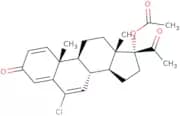
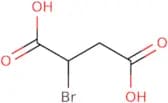
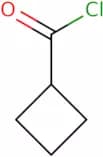

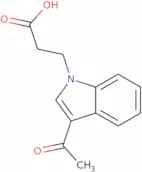
![5-[4-(3-Chlorophenyl)piperazin-1-yl]-5-oxopentanoic acid](/_next/image/?url=https%3A%2Fstatic.cymitquimica.com%2Fproducts%2F3D%2Fthumb-webp%2FFC124636.webp&w=3840&q=75)
![[3-(Trifluoromethyl)-4,5,6,7-tetrahydro-1H-indazol-1-yl]acetic acid](/_next/image/?url=https%3A%2Fstatic.cymitquimica.com%2Fproducts%2F3D%2Fthumb-webp%2FFT119888.webp&w=3840&q=75)
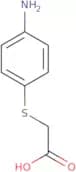
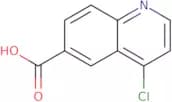
![[2-(Difluoromethyl)phenyl]boronic acid](/_next/image/?url=https%3A%2Fstatic.cymitquimica.com%2Fproducts%2F3D%2Fthumb-webp%2FFD84620.webp&w=3840&q=75)
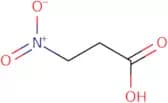
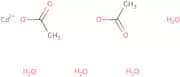
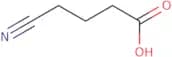
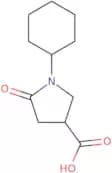
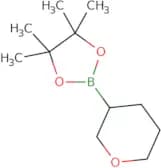
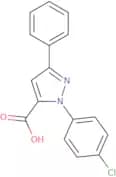

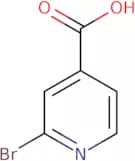
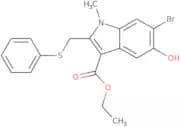
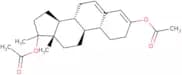
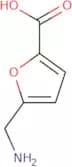
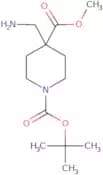
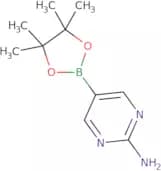
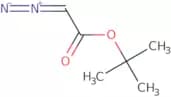
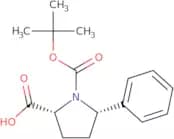
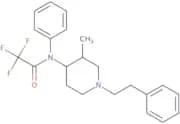
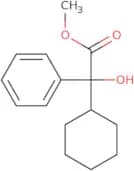
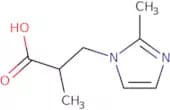
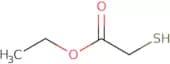
![tert-Butyl 2,7-diazaspiro[3.5]nonane-7-carboxylate](/_next/image/?url=https%3A%2Fstatic.cymitquimica.com%2Fproducts%2F3D%2Fthumb-webp%2FFT138842.webp&w=3840&q=75)
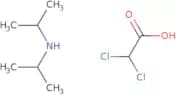
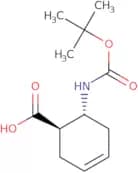
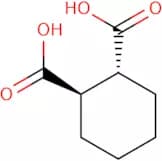
![[2-(3,4-Dimethoxyphenyl)-1,3-thiazol-4-yl]acetic acid](/_next/image/?url=https%3A%2Fstatic.cymitquimica.com%2Fproducts%2F3D%2Fthumb-webp%2FFD124430.webp&w=3840&q=75)
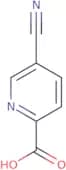
![3-Methyl-2-oxo-2,3-dihydro-1H-benzo[d]imidazole-4-carboxylic acid](/_next/image/?url=https%3A%2Fstatic.cymitquimica.com%2Fproducts%2F3D%2Fthumb-webp%2FFM143449.webp&w=3840&q=75)
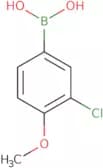
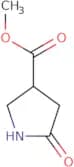
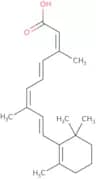
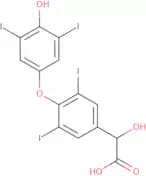
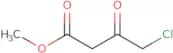
![(3R)-1-Azabicyclo[2.2.2]oct-3-yl N-[2-(2-benzoylphenyl)ethyl]carbamate](/_next/image/?url=https%3A%2Fstatic.cymitquimica.com%2Fproducts%2F3D%2Fthumb-webp%2FFQ171047.webp&w=3840&q=75)

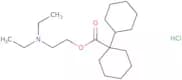
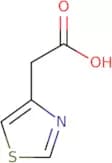
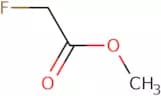
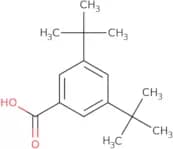
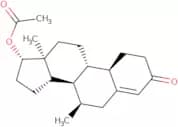
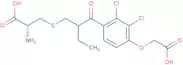
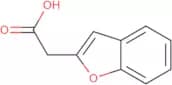
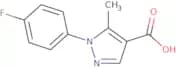
![3-[1-(2-Methoxyethyl)-1H-indol-3-yl]propanoic acid](/_next/image/?url=https%3A%2Fstatic.cymitquimica.com%2Fproducts%2F3D%2Fthumb-webp%2FFM135770.webp&w=3840&q=75)
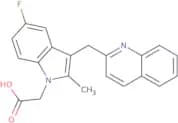
![3-{[(3,4-Dichlorophenyl)amino]carbonyl}bicyclo[2.2.1]hept-5-ene-2-carboxylic acid](/_next/image/?url=https%3A%2Fstatic.cymitquimica.com%2Fproducts%2F3D%2Fthumb-webp%2FFD136060.webp&w=3840&q=75)
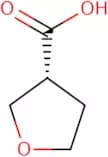

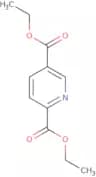
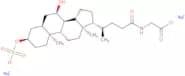
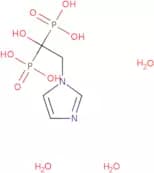
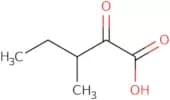
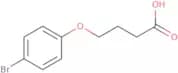
![Spiro[2.3]hexane-1-carboxylic acid](/_next/image/?url=https%3A%2Fstatic.cymitquimica.com%2Fproducts%2F3D%2Fthumb-webp%2FFS167675.webp&w=3840&q=75)


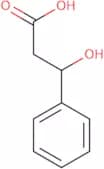
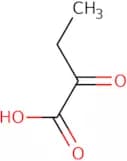
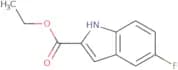
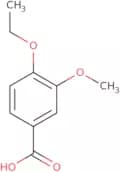
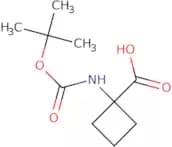
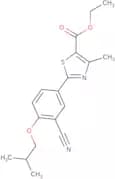
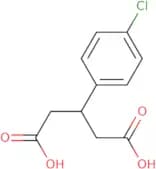
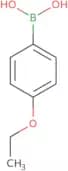
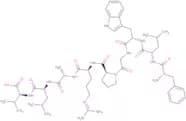
![4-[1-(2-Methoxyethyl)-1H-indol-3-yl]butanoic acid](/_next/image/?url=https%3A%2Fstatic.cymitquimica.com%2Fproducts%2F3D%2Fthumb-webp%2FFM135737.webp&w=3840&q=75)
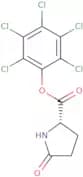
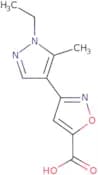
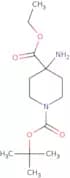

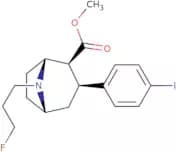

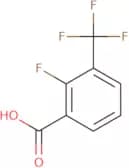
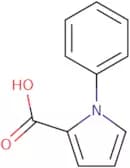
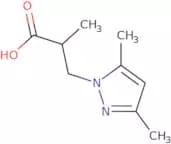
![4-(2-Chlorophenyl)-9-methyl-6H-thieno[3,2-f][1,2,4]triazolo[4,3-a][1,4]diazepine-2-propanoic acid](/_next/image/?url=https%3A%2Fstatic.cymitquimica.com%2Fproducts%2F3D%2Fthumb-webp%2FFC20336.webp&w=3840&q=75)
![Diethyl 1-[2-(1H-indol-3-yl)ethyl]-2,5-dimethyl-1H-pyrrole-3,4-dicarboxylate](/_next/image/?url=https%3A%2Fstatic.cymitquimica.com%2Fproducts%2F3D%2Fthumb-webp%2FFD121816.webp&w=3840&q=75)

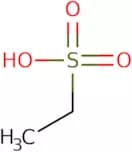
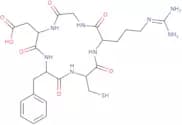
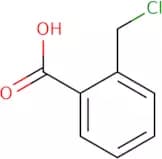
![[1-(2-Methoxyethyl)-1H-indol-3-yl]acetic acid](/_next/image/?url=https%3A%2Fstatic.cymitquimica.com%2Fproducts%2F3D%2Fthumb-webp%2FFM135744.webp&w=3840&q=75)
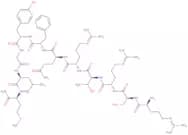
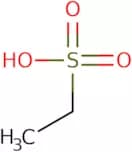
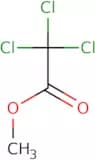
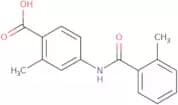
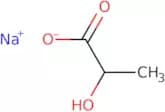
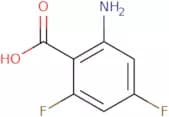
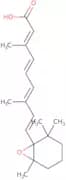
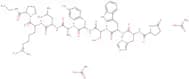
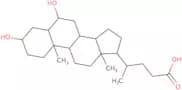
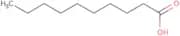
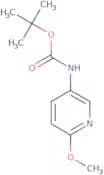
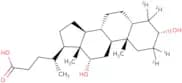
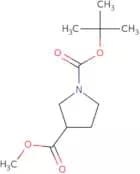
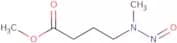
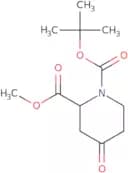


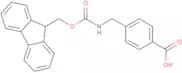
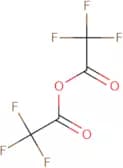
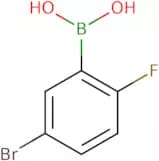
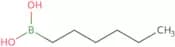
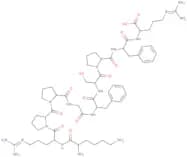
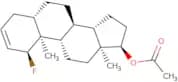
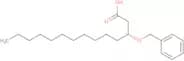

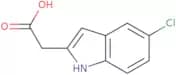
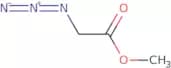
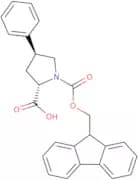

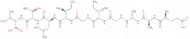

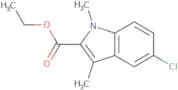


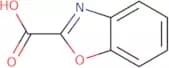
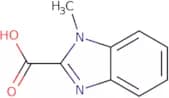
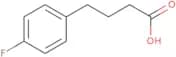
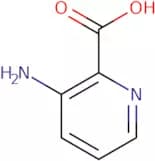
![4-amino[1,1'-biphenyl]-3-carboxylic acid](/_next/image/?url=https%3A%2Fstatic.cymitquimica.com%2Fproducts%2F3D%2Fthumb-webp%2FFA58870.webp&w=3840&q=75)


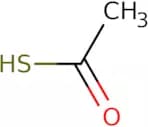
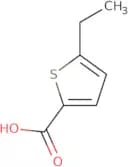
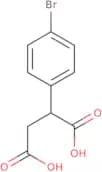
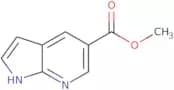
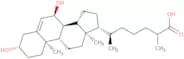
![7H-Pyrrolo[2,3-d]pyrimidine-4-carboxylic acid](/_next/image/?url=https%3A%2Fstatic.cymitquimica.com%2Fproducts%2F3D%2Fthumb-webp%2FFP167570.webp&w=3840&q=75)


![2-[4-(tert-Butyldimethylsilyloxymethyl)-2-nitrophenoxy]acetic Acid](/_next/image/?url=https%3A%2Fstatic.cymitquimica.com%2Fproducts%2F3D%2Fthumb-webp%2FFB60313.webp&w=3840&q=75)
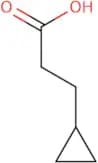
![3,3'-[1,3-Phenylenebis(oxy)]dipropanoic acid](/_next/image/?url=https%3A%2Fstatic.cymitquimica.com%2Fproducts%2F3D%2Fthumb-webp%2FFP131541.webp&w=3840&q=75)

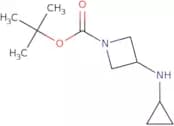
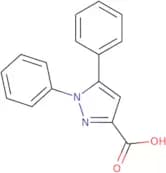
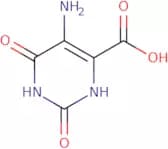
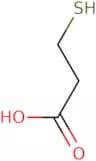
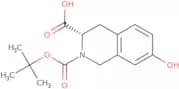
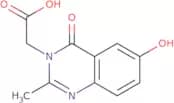
![4-[4-(3-Chlorophenyl)piperazin-1-yl]-4-oxobutanoic acid](/_next/image/?url=https%3A%2Fstatic.cymitquimica.com%2Fproducts%2F3D%2Fthumb-webp%2FFC124815.webp&w=3840&q=75)
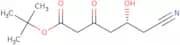
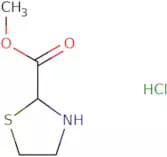
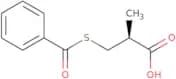
![Methyl 4H-furo[3,2-b]pyrrole-5-carboxylate](/_next/image/?url=https%3A%2Fstatic.cymitquimica.com%2Fproducts%2F3D%2Fthumb-webp%2FFM155237.webp&w=3840&q=75)
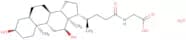
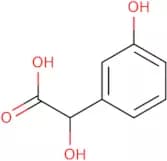
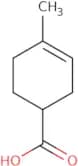
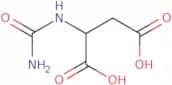
![1-[2-(5-Fluoro-1H-indol-3-yl)ethyl]-5-oxopyrrolidine-3-carboxylic acid](/_next/image/?url=https%3A%2Fstatic.cymitquimica.com%2Fproducts%2F3D%2Fthumb-webp%2FFF119448.webp&w=3840&q=75)