Pharmaceutical Standards
Pharmaceutical standards are a comprehensive set of reference materials essential for ensuring the safety, efficacy, and quality of pharmaceutical products. This category includes standards for active pharmaceutical ingredients (APIs), which are the core components responsible for therapeutic effects. Additionally, it covers compounds and metabolites relevant to both the pharmaceutical and veterinary industries, providing benchmarks for the accurate measurement and analysis of these substances. Nitrosamine control standards are crucial for detecting and mitigating potentially harmful nitrosamines in drug formulations. Toxicology standards help assess the safety and potential adverse effects of pharmaceutical compounds. Furthermore, enzyme activators and inhibitors standards are vital for research and development, enabling precise studies of biochemical pathways and drug mechanisms. These pharmaceutical standards are indispensable tools for regulatory compliance, quality control, and research, ensuring that pharmaceutical products meet stringent safety and effectiveness criteria.
Subcategories of "Pharmaceutical Standards"
- APIs for research and impurities(274,845 products)
- Enzyme Activators and Inhibitors(2,827 products)
- Nitrosamines(2,605 products)
- Pharmaceutical and Veterinary Compounds and Metabolites(2,869 products)
- Toxicology(13,652 products)
Found 7836 products of "Pharmaceutical Standards"
Sort by
Purity (%)
0
100
|
0
|
50
|
90
|
95
|
100
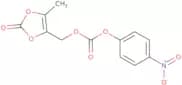
(5-Methyl-2-oxo-1,3-dioxol-4-yl)methyl 4-nitrophenyl carbonate
CAS:<p>(5-Methyl-2-oxo-1,3-dioxol-4-yl)methyl 4-nitrophenyl carbonate is a fine chemical that is used as a building block for the synthesis of complex compounds. It is an intermediate in the synthesis of 3,4-Dihydroquinazolinone. This compound has been reported to have useful pharmacological activity and has been used as a research chemical and in the synthesis of pharmaceuticals. (5-Methyl-2-oxo-1,3-dioxol-4-yl)methyl 4 nitrophenyl carbonate also has potential as a reagent and can be used in organic synthesis.</p>Formula:C12H9NO8Purity:Min. 95%Color and Shape:White PowderMolecular weight:295.2 g/molb-Propiolactone
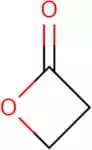
CAS:Controlled Product<p>b-Propiolactone is a plant extract that is found in soybeans. It has been shown to have antiviral properties and can inhibit the growth of certain viruses. b-Propiolactone binds to the active site of an enzyme called RNA polymerase, which blocks RNA synthesis and inhibits viral replication. This compound has also been shown to inhibit virus replication in vitro assays as well as antibody response against hepatitis B. The biological effects of b-propiolactone are thought to be due to its ability to bind with group p2 protein monoclonal antibodies, which may have implications for the prevention of pandemic influenza.</p>Formula:C3H4O2Purity:Min. 95%Color and Shape:Clear LiquidMolecular weight:72.06 g/mol4-Hydroxy-3'-methoxystilbene
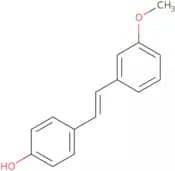
CAS:<p>4-Hydroxy-3'-methoxystilbene is a chemical that is used as a reaction component or reagent in the synthesis of other compounds. It can be used as a building block for the synthesis of complex molecules and fine chemicals. 4-Hydroxy-3'-methoxystilbene is an intermediate for the production of high quality research chemicals. It has been reported to be useful in the synthesis of pharmaceuticals, agrochemicals, and pesticides.</p>Formula:C15H14O2Purity:Min. 95%Color and Shape:White PowderMolecular weight:226.27 g/mol4'-(4-Methylphenyl)-2,2':6',2''-terpyridine
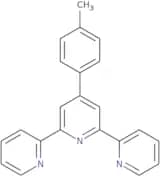
CAS:<p>4'-(4-Methylphenyl)-2,2':6',2''-terpyridine (TPEN) is a chemical compound with anti-cancer properties that has been shown to induce apoptosis in cancer cells. TPEN also inhibits the growth of tumor cells by interacting with mitochondria and inducing mitochondrial dysfunction. TPEN synergistically induces death in neuronal cells when combined with other agents that are known to cause neuronal cell death. In vivo studies have shown that TPEN produces neuroprotective effects at normoxic temperatures, but can be toxic at hyperthermic temperatures.</p>Formula:C22H17N3Purity:Min. 95%Color and Shape:PowderMolecular weight:323.39 g/mol4,4'-Diaminostilbene-2,2'-disulfonic acid
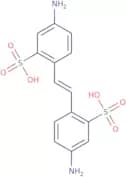
CAS:4,4'-Diaminostilbene-2,2'-disulfonic acid (DAIDS) is a fluorescent dye that can be used to measure the activity of mitochondrial enzymes. It is a substrate for polymerase chain reaction and can be used as a cell viability assay. DAIDS has been shown to cause mitochondrial membrane depolarization and cytosolic calcium release in prostate cancer cells. This compound also inhibits the proliferation of human liver cells and has been proposed as a potential analytical method for wastewater samples. The anhydrous sodium form of DAIDS has been shown to increase the rate of metabolism by up to 30% in rats with body mass index greater than 25 kg/m^2.Formula:C14H14N2O6S2Purity:Min. 95%Color and Shape:SolidMolecular weight:370.4 g/molTipranavir disodium
CAS:Anti-viral; HIV protease inhibitorFormula:C31H31F3N2Na2O5SPurity:Min. 95%Molecular weight:646.63 g/molN-D-Biotinyl-7-amino-4-methylcoumarin
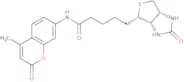
CAS:<p>N-D-Biotinyl-7-amino-4-methylcoumarin is a fluorescent substrate that is used to measure the activity of biotinidase, an enzyme that catalyzes the hydrolysis of biotin. It is detectable by measuring fluorescence with a spectrophotometer. Biotinidase deficiency can be diagnosed by measuring the activity of this enzyme in biological fluids. This assay has been shown to be useful for diagnosing patients with deficient biotinidase activity.</p>Formula:C20H23N3O4SPurity:Min. 98 Area-%Color and Shape:PowderMolecular weight:401.48 g/mol5,6-Dibromoacenaphthene
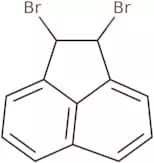
CAS:5,6-Dibromoacenaphthene is a naphthalene derivative that has been used as a starting material for the synthesis of organometallic compounds. It can be synthesized by reacting butyllithium with 2-bromoacetophenone in presence of an organic acid such as ammonium salt or boronic acid. The reaction product can then be treated with allyl bromide to produce 5,6-dibromoacenaphthene. This compound has been used as a precursor for the production of diphenols and phosphines. 5,6-Dibromoacenaphthene interacts with strong bases such as alkali metals and amines.Formula:C12H8Br2Purity:Min. 95%Color and Shape:PowderMolecular weight:312 g/mol3,3',4,4'-Benzophenonetetracarboxylic dianhydride
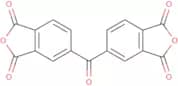
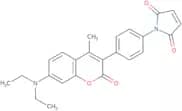
CAS:3,3',4,4'-Benzophenonetetracarboxylic dianhydride (BPTA) is a reactive dianhydride that contains a hydroxyl group and is a nitrogen-containing compound. It has good transport properties and chemical stability. It can be used to synthesize polyimides with high resistance, color, and thermal expansion. BPTA is used as the starting material for the synthesis of diphenyl ethers. In addition, it can be used to produce polymers with good thermal stability by reacting it with diphenylmethane diisocyanate. The reaction mechanism of BPTA is similar to that of benzophenone tetracarboxylic acid (BPTCA).Formula:C17H6O7Purity:Min. 95%Color and Shape:PowderMolecular weight:322.23 g/mol7-Diethylamino-3-(4'-maleimidylphenyl)-4-methylcoumarin
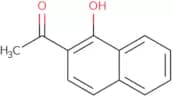
CAS:7-Diethylamino-3-(4'-maleimidylphenyl)-4-methylcoumarin is a fluorescent probe that can be used to measure the cytosolic calcium concentration. This probe binds to heparin, which is a positive ionic charge and has been shown to cause an increase in cytosolic calcium levels in cultured cells. 7-Diethylamino-3-(4'-maleimidylphenyl)-4-methylcoumarin has been used to successfully monitor changes in cytosolic calcium levels in response to pharmacological agents, such as the monoclonal antibody TNF-α. 7-Diethylamino-3-(4'-maleimidylphenyl)-4-methylcoumarin has also been used as a marker for tissue culture studies, where it was found that this molecule binds to the ryanodine receptor and alters its redox potential.Formula:C24H22N2O4Purity:Min. 95%Color and Shape:PowderMolecular weight:402.44 g/mol1-Hydroxy-2-acetonaphthone
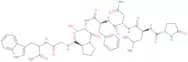
CAS:<p>1-Hydroxy-2-acetonaphthone is a molecule that has been shown to have photophysical properties. In a model system, it was shown that 1-hydroxy-2-acetonaphthone can react with proton transfer due to intramolecular hydrogen bonding. This reaction can be used as a fluorescence probe for proton transfer reactions in the presence of cyclohexane rings. The geometry of the molecule is also important for its ability to produce an observable fluorescence signal, with the cyclohexane ring acting as a coordination geometry. Hydrogen bonds are made between the hydroxyl group and other groups on the molecule, which also contribute to its fluorescence characteristics.</p>Formula:C12H10O2Purity:90%Color and Shape:Off-White PowderMolecular weight:186.21 g/molCrustacean Erythrophore Concentrating Hormone Pyr-Leu-Asn-Phe-Ser-Pro-Gly-Trp-NH2
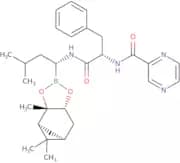
CAS:Crustacean Erythrophore Concentrating Hormone Pyr-Leu-Asn-Phe-Ser-Pro-Gly-Trp-NH2 is a polypeptide hormone that belongs to the family of peptide hormones. It is a type of neurohormone that has been found in crustaceans. Crustacean Erythrophore Concentrating Hormone Pyr-Leu-Asn-Phe-Ser-Pro-Gly-Trp-NH2 shows high affinity for cardiac tissue and blocks the uptake of calcium ions into cells by binding to intracellular receptors. This peptide has been shown to have neurotrophic effects, which may be due to its ability to stimulate the production of nerve growth factor (NGF).Formula:C45H59N11O11Purity:Min. 95%Molecular weight:930.02 g/mol(1R)-(1S,2S,3R,5S)-Pinanediol-N-(N-pyrazinylphenylalaninoyl)-1-amino-3-methyl-butane-1-boronate
CAS:(1R)-(1S,2S,3R,5S)-Pinanediol-N-(N-pyrazinylphenylalaninoyl)-1-amino-3-methyl-butane-1-boronate is a boronic acid derivative that has been shown to have an antiproliferative effect on cancer cells. It is a biodegradable, water soluble drug with a low toxicity profile. The maximum tolerated dose has been established in vivo studies and it can be used as an imaging agent for diagnosis. (1R)-(1S,2S,3R,5S)-Pinanediol-N-(N-pyrazinylphenylalaninoyl)-1-amino-3-methyl-butane-1-boronate may be used to treat cancers such as breast cancer or leukemia. This drug targets the proteasome and inhibits its activity by binding to the active site of the 20sFormula:C29H39BN4O4Purity:Min. 95%Color and Shape:SolidMolecular weight:518.46 g/mol2-Cyanocinnamic acid
CAS:<p>2-Cyanocinnamic acid is a fatty acid that has been shown to inhibit the synthesis of proteins. It binds to cytochrome c oxidase, inhibiting mitochondrial respiration and electron transport, leading to decreased ATP production. 2-Cyanocinnamic acid is not easily transported out of mitochondria, which leads to its accumulation in the mitochondrial matrix. This accumulation causes synergistic inhibition with glutamate, leading to a decrease in ATP production and an increase in intracellular levels of reactive oxygen species (ROS). The use of 2-cyanoacrylic acid as a mitochondrial transport inhibitor has been proposed for the treatment of obesity and diabetes.<br>2-Cyanocinnamic acid also inhibits fatty acid uptake by binding to the protein translocase at the outer membrane of cells. This binding prevents monomers from entering the cell, where they are broken down by beta oxidation and converted into acetyl-CoA, which can be used for energy production or stored as triglycer</p>Formula:C10H7NO2Purity:Min. 95%Molecular weight:173.17 g/mol2-Naphthylhydrazine
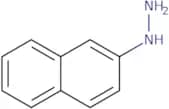
CAS:<p>2-Naphthylhydrazine is a synthetic chemical that has an affinity for substrate binding sites. It is used as an inhibitor of monoamine oxidase (MAO) and can be used to study the function of MAO. 2-Naphthylhydrazine binds to the enzyme MAO, preventing it from breaking down amines, an important class of neurotransmitters. 2-Naphthylhydrazine also inhibits the activity of cytochrome P450 reductase, which is involved in drug metabolism. This chemical can be used in the synthesis of indocyanine green and methylbenzene. The reactivity of hydrazines with carbonyl groups in amines and anhydrous sodium phosphate leads to bond cleavage and release of ammonia gas.</p>Formula:C10H10N2Purity:Min. 95%Color and Shape:PowderMolecular weight:158.20 g/molN-Dihydrocinnamoylaminocaproic acid
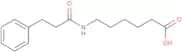
CAS:<p>Please enquire for more information about N-Dihydrocinnamoylaminocaproic acid including the price, delivery time and more detailed product information at the technical inquiry form on this page</p>Formula:C15H21NO3Purity:Min. 95%Molecular weight:263.33 g/molPhloroacetophenone trimethyl ether
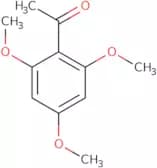
CAS:<p>Phloroacetophenone trimethyl ether is a reactive and inhibitory chemical that has been shown to have anti-inflammatory activity in animal models. It also inhibits the reaction of chloroacetophenone with chloride ions, which results in the formation of an intermediate that is reactive enough to attack the a-ring of phenylhydrazone. This mechanism is similar to the reaction of ochratoxin A, a mycotoxin that can cause cancer and metabolic disorders. Phloroacetophenone trimethyl ether has been shown to have significant cytotoxicity against cancer cells and can be used as a precursor for other compounds. The x-ray diffraction data shows that it forms a dimer when dissolved in water. The nmr spectra show two methyl groups and one hydrogen atom on each molecule.</p>Formula:C11H14O4Purity:Min. 95%Color and Shape:PowderMolecular weight:210.23 g/mol2-Propylglutaric acid
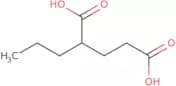
CAS:<p>2-Propylglutaric acid (2PGA) is a metabolic byproduct of the metabolism of branched chain amino acids. It is found in urine samples and has been shown to cause liver lesions in rats. 2PGA is metabolized to propionic acid, which can be detected in urine as a marker for renal dysfunction. 2PGA also increases gamma-aminobutyric acid levels in the brain and may have an effect on GABAergic neurotransmission. The elimination rate of 2PGA is slower than that of propionic acid, which means that it persists longer in the body than other metabolites. This chemical ionization technique can be used to measure the concentration of 2PGA and other fatty acids in biological fluids.</p>Formula:C8H14O4Purity:Min. 95%Color and Shape:PowderMolecular weight:174.19 g/molParoxetine HCl (hemihydrate)
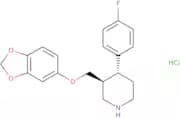
CAS:Controlled ProductA serotonin reuptake inhibitor with anticholinergic activity and mild inhibitory activity on noradrenaline reuptake. Paroxetine has been used for the treatment of depression, anxiety disorders, post-traumatic stress disorder, premenstrual dysphoric disorder and obsessive-compulsive disorder. Also inhibits nitric oxide synthase and cytochrome isoenzyme P450 2D6.Formula:C19H20FNO3•HCl•(H2O)0Purity:Min. 98 Area-%Color and Shape:White PowderMolecular weight:374.83 g/mol7-Methoxycoumarin-4-acetic acid N-succinimidyl ester
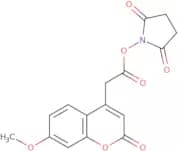
CAS:<p>7-Methoxycoumarin-4-acetic acid N-succinimidyl ester is a fluorescent probe for the detection of metalloproteinases. It has been used in assays to measure matrix metalloproteinase activity and to study the kinetics of these enzymes. This compound can be used as a fluorescence focus for the study of extracellular matrix regulation. 7-Methoxycoumarin-4-acetic acid N-succinimidyl ester inhibits matrix metalloproteinases by binding to their active site and blocking access to substrates, preventing the breakdown of extracellular matrix proteins.</p>Formula:C16H13NO7Purity:Min. 97 Area-%Color and Shape:Off-White PowderMolecular weight:331.28 g/mol4'-Butoxyacetophenone
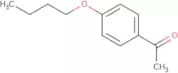
CAS:<p>4'-Butoxyacetophenone is a white crystalline solid. It has been synthesized in two steps from piperidine hydrochloride, pyridine, and benzyl chloride. The first step involved the acetylation of 4'-butoxyacetophenone with acetic anhydride and pyridine in order to introduce the phenolic group. The second step involved the transfer of the paraformaldehyde group from paraformaldehyde to 4'-butoxyacetophenone with sodium cyanoborohydride and sodium bicarbonate. The reaction was completed by adding acetonitrile to remove traces of water.</p>Formula:C12H16O2Purity:Min. 95%Molecular weight:192.25 g/mol5-Nitrovanillin
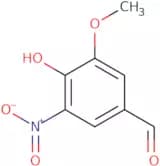
CAS:<p>5-Nitrovanillin is a white crystalline solid with a molecular formula of C8H7NO2. It reacts with nucleophilic compounds, such as ammonia, in the presence of heat to produce a molecule containing an oxygen atom and two nitro groups. 5-Nitrovanillin has been found to undergo demethylation when heated in the presence of hydroxylamine. Reaction products include protocatechuic acid, nitromethane, and 5-nitrobenzoic acid. This compound can be identified by its characteristic nmr spectrum that includes a hydroxyl group and a hydrogen bond between the nitrogen atom and the hydroxyl group. The chemical ionization mass spectrometer can also be used to identify 5-nitrovanillin.</p>Formula:C8H7NO5Purity:Min. 95%Color and Shape:Yellow PowderMolecular weight:197.14 g/molDL/meso-Lanthionine
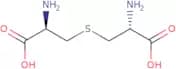
CAS:<p>DL/meso-Lanthionine is a mixture of two amino acids, L-Lysine and L-Methionine. It has been shown to be effective in the treatment of bowel disease caused by Clostridium difficile and other bacteria that produce toxins. This drug also has a protective effect on neuronal cells by inhibiting their death. DL/meso-Lanthionine binds to penicillin-binding proteins in the bacterial cell wall, preventing them from binding with the enzyme cell wall synthesis that is required for cell wall biosynthesis, inhibiting protein synthesis and cell division. DL/meso-Lanthionine also inhibits ATPase activity and the expression of atp-binding cassette transporters. These effects are similar to those observed with penicillin, methicillin, erythromycin, vancomycin, clindamycin, and bacitracin.</p>Formula:C6H12N2O4SPurity:Min. 95%Color and Shape:White PowderMolecular weight:208.24 g/mol(-)-Cholesterol NHS succinate
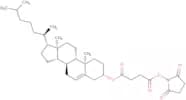
CAS:(-)-Cholesterol NHS succinate is a high-quality, complex chemical that can be used as a building block in the synthesis of other chemicals. It has been shown to be a useful intermediate in the production of drugs, such as lovastatin, and has been used as a reaction component in the synthesis of many compounds. (-)-Cholesterol NHS succinate is also versatile and can be used as an efficient scaffold for the synthesis of new compounds.Formula:C35H53NO6Purity:Min. 95%Color and Shape:PowderMolecular weight:583.8 g/molMaytansinoid DM 4
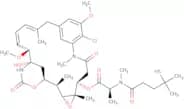
CAS:N2'-Deacetyl-N2'-(4-mercapto-4-methyl-1-oxopentyl)-maytansine (DMAP) is a structural analogue of maytansinoids that has potent antitumor activity against renal cell cancer. DMAP binds to the active site of wild type enzyme, and inhibits its activity. DMAP also inhibits the activities of other enzymes that are involved in the synthesis of proteins and other cellular components. The inhibition of these enzymes by DMAP leads to tumor cell death. This drug was found to be more cytotoxic at higher doses than the parent compound, maytansinol, which indicates that DMAP has a higher affinity for its target enzyme. The cytotoxicity of this drug is not affected by platinum resistance in ovarian cancer cells or by P-glycoprotein (Pgp) inhibitors such as verapamil and cyclosporin A.Formula:C38H54ClN3O10SPurity:Min. 95%Color and Shape:Off-White PowderMolecular weight:780.37 g/molω-Benzoyloxy resacetophenone
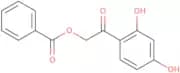
CAS:<p>Omega-benzoyloxy resacetophenone (OBOP) is a high quality reagent that is used as a building block for the synthesis of complex compounds. OBOP can be used as an intermediate for the production of fine chemicals and research chemicals. It is also a versatile building block that can be used in reactions to produce speciality chemicals. OBOP is soluble in most organic solvents and has a melting point of 140-142 degrees Celsius. The chemical formula for OBOP is C14H14O3.</p>Formula:C15H12O5Purity:Min. 95%Color and Shape:PowderMolecular weight:272.25 g/mol2-Hydroxy-6-methylbenzoic acid methyl ester
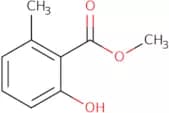
CAS:Methyl anthranilate is a bioactive molecule that belongs to the group of methyl 2-hydroxybenzoates. It has been shown to be effective against formicidae and other insects in bioassays. The chemical composition of methyl anthranilate includes a hydroxyl group and an aromatic ring, which may allow for a diverse range of chemical structures. Methyl anthranilate is synthesized by the non-enzymatic condensation of formaldehyde with 2-hydroxybenzoic acid. This molecule has been used as an insecticide in model organisms such as Drosophila melanogaster and Caenorhabditis elegans.Formula:C9H10O3Purity:Min. 95%Color and Shape:PowderMolecular weight:166.17 g/mol6-Methoxy-2-naphthaleneacetic acid
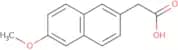
CAS:6-Methoxy-2-naphthaleneacetic acid (6-MNA) is a nonsteroidal anti-inflammatory drug that is used to treat patients with chronic pain. 6-MNA has been shown to be an effective treatment for osteoarthritis, rheumatoid arthritis and other inflammatory conditions. It inhibits the production of prostaglandins and leukotrienes by inhibiting the enzyme cyclooxygenase, which is responsible for the conversion of arachidonic acid to these mediators. 6-MNA can also inhibit the activity of α1-acid glycoprotein and increase the activity of human serum albumin, which may contribute to its antiinflammatory effect. 6-MNA has several side effects including nausea, vomiting, diarrhea and abdominal pain. These adverse reactions are caused by inhibition of protein synthesis in the stomach lining, which leads to decreased production of mucus and bicarbonate ions.Formula:C13H12O3Purity:Min. 95%Color and Shape:PowderMolecular weight:216.23 g/molN4-Acetylcytosine
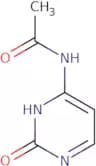
CAS:<p>N4-Acetylcytosine is an inhibitor of serine proteases, glycosidases and nucleosidases. It has been shown to inhibit the replication of a wide range of viruses including HIV, herpes simplex virus type 1, and adenovirus. N4-Acetylcytosine also inhibits the proliferation of cervical cancer cells.</p>Formula:C6H7N3O2Purity:Min. 95%Color and Shape:White PowderMolecular weight:153.14 g/molCaffeine citrate
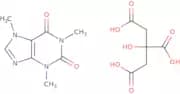
CAS:Controlled Product<p>Caffeine citrate is a low-dose caffeine product that has been shown to increase locomotor activity in rats. Caffeine citrate is an ester of caffeine and citric acid. It inhibits the enzyme that breaks down acetylcholine, which may lead to an increase in brain functions. Caffeine citrate is used as a treatment for apnea in pediatric patients, and it has also been shown to prevent bacterial translocation and reduce liver impairment caused by certain drugs. The therapeutic effect of caffeine citrate may be due to its ability to inhibit mitochondrial membrane potential, or its effects on basic proteins such as sodium citrate, or both.</p>Formula:C8H10N4O2·C6H8O7Color and Shape:White PowderMolecular weight:386.31 g/mol3-Cyano-4,6-dimethylcoumarin
CAS:<p>3-Cyano-4,6-dimethylcoumarin is a phenolic compound with potent inhibitory activity against bacteria. It has been shown to bind to the hydroxyl group of the coumarin ring and inhibit the growth of Gram-negative and Gram-positive bacteria. 3-Cyano-4,6-dimethylcoumarin also inhibits the growth of fungi by binding to the hydroxyl group on a phenolic hydroxyl substituent. 3-Cyano-4,6-dimethylcoumarin can be used as an antimicrobial agent for various types of infections.</p>Formula:C12H9NO2Purity:Min. 95%Color and Shape:PowderMolecular weight:199.21 g/mol2-Dicyclohexylphosphino-2',6'-dimethoxybiphenyl
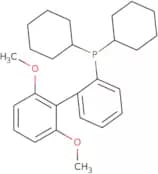
CAS:2-Dicyclohexylphosphino-2',6'-dimethoxybiphenyl is a fluorescent chemical that has been used to study interactions of fatty acids and halides. It is also used in the synthesis of palladium complexes, which have been shown to be effective for hydrogenation reactions. 2-Dicyclohexylphosphino-2',6'-dimethoxybiphenyl can be synthesized from 2,6-dichlorobenzaldehyde and dicyclohexylphosphine by the addition of trifluoroacetic acid. The synthesis proceeds via a substitution reaction with methoxy groups on the aromatic ring. This product fluoresces under ultraviolet light at 351 nm.Formula:C26H35O2PPurity:Min. 95%Color and Shape:PowderMolecular weight:410.53 g/mol3,5-Dichlorophenylthiourea
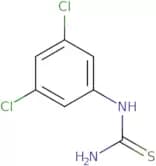
CAS:<p>3,5-Dichlorophenylthiourea is an inorganic compound that can be used as a corrosion inhibitor. It is an acidic compound with a magnetic resonance spectrum that contains amide peaks. This substance is also bifunctional and reacts with potassium dichromate to form an ammonium salt. 3,5-Dichlorophenylthiourea has been shown to inhibit the growth of C. neoformans in human serum and may be useful as a chemotherapy agent for this type of infection. The substance has also been shown to have some effect on chloride ions and may be useful as an environmental pollution control agent or as a chemical substance. 3,5-Dichlorophenylthiourea may react with alkanolamines or polyvinyls in order to form new compounds.</p>Purity:Min. 95%Ethyl 2-bromoisovalerate
CAS:<p>Ethyl 2-bromoisovalerate is a chemical compound that is used as a vector for DNA. It has been proposed to be used as a means of introducing genes into bacteria, since it can be easily hydrolyzed by lipases. Ethyl 2-bromoisovalerate has been shown to provide efficient transformation rates in E. coli and other Gram-negative bacteria. This chemical compound also has the ability to form racemic mixtures with acrylic acid and thus can be used for the synthesis of optically pure products. The recombinant DNA sequences are synthesized from the desired amino acid sequence using this vector, which is then transformed into cells capable of expressing the protein product.</p>Formula:C7H13BrO2Purity:Min. 95%Color and Shape:Clear LiquidMolecular weight:209.08 g/molD-Pantolactone
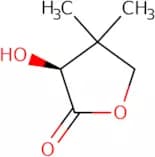
CAS:<p>D-Pantolactone is a lactone that is produced by the bacterial strain Pantoea agglomerans. It is an intermediate in the biosynthesis of pantothenic acid and calcium pantothenate. D-Pantolactone has been shown to have inhibitory properties against HIV infection, but it is not active against other viruses. D-Pantolactone binds to the enzyme hydrolase and blocks the transfer of a proton from ATP to ADP, inhibiting the production of ATP and leading to cell death. The reaction solution for D-pantolactone can be analyzed using nuclear magnetic resonance spectroscopy (NMR) or high performance liquid chromatography (HPLC).</p>Formula:C6H10O3Purity:Min. 98%Color and Shape:White PowderMolecular weight:130.14 g/mol(R)-Carprofen
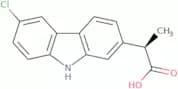
CAS:(R)-Carprofen is a nonsteroidal anti-inflammatory drug that is used to treat pain and inflammation associated with arthritis, as well as other conditions. It is one of the most potent inhibitors of prostaglandin synthesis in human serum, but it has only moderate potency in bile and little or no affinity for fatty acids. The inhibition potential of carprofen has been shown to be stereoselective, with the (S)-enantiomer being up to 10 times more potent than the (R)-enantiomer. Carprofen is metabolized by conjugation with glucuronic acid and excreted in urine. Carprofen also has an inhibitory effect on endogenous substances such as diazepam, which may be due to its ability to inhibit CYP3A4.Formula:C15H12ClNO2Purity:Min. 95%Color and Shape:White to off-white solid.Molecular weight:273.71 g/mol5-Amino-2-hydroxyacetophenone
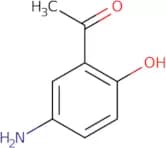
CAS:5-Amino-2-hydroxyacetophenone is a chemical compound that belongs to the class of active substances. It is an intermediate in Friedel-Crafts acylation reactions, which are used to form alkyl esters by reaction with chloroformates. In these reactions, 5-Amino-2-hydroxyacetophenone is converted into a chloroformate in the presence of an acid catalyst. The reactions proceed rapidly, with the acetone or ester as the solvent. The frequency of 5-amino-2-hydroxyacetophenone can be correlated to its deformation energy and various chemical parameters such as electron density and force constants. 5-Amino-2-hydroxyacetophenone is uniquely characterized by intramolecularly hydrogen bonding organic solvents such as acetone and nitrobenzene.Formula:C8H9NO2Purity:Min. 95%Molecular weight:151.16 g/molFolic acid impurity F
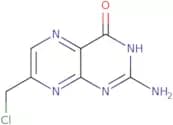
CAS:Folic acid impurity F is a byproduct of the condensation reaction between folic acid and formaldehyde. This impurity is found in synthetic folic acid and is also present in small amounts in natural folates. It has been shown to be an antioxidant that can prevent the oxidation of vitamin B12, which can lead to cell damage. Folic acid impurity F can be isolated from a chromatographic column using acidic conditions, then hydrolyzed with dilute hydrochloric acid or sodium hydroxide to produce the desired product.Formula:C7H6ClN5OPurity:Min. 95%Molecular weight:211.61 g/mol2,2'-Dihydroxy-4',6'-dimethoxychalcone
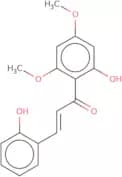
CAS:<p>2,2'-Dihydroxy-4',6'-dimethoxychalcone (DDMC) is a naturally occurring chalcone with antitumor activity. DDMC inhibits the expression of NF-κB and suppresses tumor growth in animal models. In vitro studies have shown that DDMC inhibited the proliferation of human glioma cells without affecting normal brain cells. It has also been shown to inhibit the proliferation of malignant human glioblastoma cells in a dose-dependent manner, while only minimally affecting normal human astrocytes. DDMC has been found to be non-toxic and safe for use in humans and other mammals. The following are some descriptions for products: 6-Fluoro-3-indoxyl-beta-D-galactopyranoside Rifapentine is an anti-tuberculosis drug that belongs to the class of rifamycins. It is the</p>Formula:C17H16O5Purity:Min. 95%Color and Shape:PowderMolecular weight:300.31 g/molBiotin succinimidyl ester
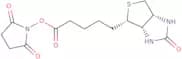
CAS:<p>Biotinylation reagent for labeling nucleic acids or proteins.</p>Formula:C14H19N3O5SPurity:Min. 98 Area-%Color and Shape:White Off-White PowderMolecular weight:341.38 g/mol1-Naphthylacetic acid
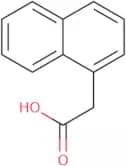
CAS:1-Naphthylacetic acid is a fluorescent compound that can be used as a chemical marker for the identification of sodium salts. It has an optimum concentration of 0.1 mg/L and a maximum concentration of 1 mg/L in water. The fluorescence detector is set to measure the synchronous fluorescence at a wavelength of 515 nm. 1-Naphthylacetic acid is soluble in water and organic solvents, but insoluble in nonpolar solvents such as ether, chloroform, or benzene. This compound can be used for the detection of pesticides with a chemical structure similar to that of 1-naphthylacetic acid, such as 2-chloro-4-(trifluoromethoxy)phenol and 2-chloro-5-(trifluoromethoxy)phenol, using dispersive solid phase extraction (DSPE). The product description should include:Formula:C12H10O2Purity:Min. 98 Area-%Color and Shape:White PowderMolecular weight:186.21 g/mol5β-Pregnane-3α,11α,20β-triol
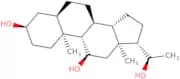
CAS:Controlled Product<p>5-b-Pregnan-3-a,11-a-,20-b-triol is a high quality research chemical with CAS No. 55647-22-8. It is a complex compound that can be used as an intermediate in the synthesis of other compounds. 5-b-Pregnan-3-a,11-a-,20-b-triol is a speciality chemical that has many uses and is also a versatile building block for synthesis. This reagent can be used to create new compounds or to react in different ways with other chemicals to produce useful scaffolds or building blocks for reactions. 5 b pregna 3 a, 11 a, 20 b triol has been shown to have the ability to react with other chemicals in order to form useful reaction components.</p>Formula:C21H36O3Purity:Min. 95%Color and Shape:PowderMolecular weight:336.51 g/molL-Leucine 4-nitrophenyl ester hydrochloride
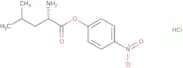
CAS:L-Leucine 4-nitrophenyl ester hydrochloride is a reaction component, reagent, and useful scaffold that is used in the synthesis of complex compounds. It is a versatile building block and useful intermediate that can be used to synthesize fine chemicals such as pharmaceuticals, agrochemicals, or dyes. L-Leucine 4-nitrophenyl ester hydrochloride has CAS number 75691-76-8.Formula:C12H16N2O4•HClPurity:Min. 95%Molecular weight:288.73 g/mol2,6-Dichlorocinnamic acid
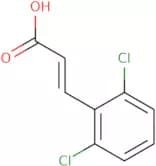
CAS:<p>2,6-Dichlorocinnamic acid is an organic compound that is used as a reagent in the synthesis of other chemicals. 2,6-Dichlorocinnamic acid has been used as a component in the synthesis of various kinds of fine chemicals and useful building blocks. This chemical is also used as a speciality chemical and research chemical. 2,6-Dichlorocinnamic acid can be used as a versatile building block for the preparation of various compounds. It can be synthesized by heating cinnamic acid with chlorine gas and then reacting it with sodium hydroxide.</p>Formula:C9H6Cl2O2Purity:Min. 95%Color and Shape:PowderMolecular weight:217.05 g/mol2-(2-Thiazolylazo)-p-cresol
CAS:2-(2-Thiazolylazo)-p-cresol structure enables it to form complexes with certain metal ions, changing color in the process. This color change is highly useful in titrimetric analyses (quantitative chemical analysis method) to determine the concentration of metal ions in a solution. The substrates are colored orange-yellow (absorbance maximum= 375 nm). After the enzymatic conversion, the resulting TAC shows an intense, soluble red-violet color (544 nm) in an alkaline medium (pH = 10.3).Formula:C10H9N3OSPurity:Min. 96 Area-%Color and Shape:Yellow To Orange Brown SolidMolecular weight:219.26 g/molIsopomiferin-3',4'-dimethyl ether
Isopomiferin-3',4'-dimethyl ether is a bioactive compound, which is a naturally-occurring flavonoid derivative. It is sourced from various plant species, often found in traditional medicinal plants, exhibiting diverse biological activities due to its complex chemical structure. The mode of action involves interaction with cellular pathways, potentially influencing enzymes and receptor signaling, offering valuable insight into its biochemical and pharmacological properties.Formula:C27H28O6Purity:Min. 95%Color and Shape:PowderMolecular weight:448.51 g/mol2,4,6-Trimethoxycinnamic acid
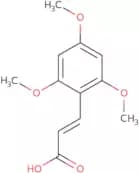
CAS:<p>2,4,6-Trimethoxycinnamic acid is a cinnamoyl compound that can be isolated from the seeds of Garcinia gummi-guta. This compound has been synthesised and optimised for use as an antioxidant in food and cosmetic products. 2,4,6-Trimethoxycinnamic acid has a high product yield under isothermal conditions using β-cyclodextrin as a solvent. It also shows good stability in the presence of light. 2,4,6-Trimethoxycinnamic acid has been shown to be efficient in preventing oxidation reactions by acting as a scavenger of singlet oxygen and peroxyl radicals. The analytical data obtained from this study suggests that 2,4,6-Trimethoxycinnamic acid will not produce any moieties or photostability problems when used in these applications.</p>Formula:C12H14O5Purity:Min. 95%Color and Shape:PowderMolecular weight:238.24 g/mol1,8-Bis(bromomethyl)naphthalene
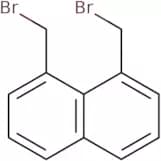
CAS:<p>1,8-Bis(bromomethyl)naphthalene is a naphthalene compound that has been shown to be a monoradical. It is synthesized by the replacement of two hydrogen atoms with bromine in the molecule. This reaction produces an alkylating agent and a molecule with a β-unsaturated aldehyde group. The compound has been studied using X-ray diffraction, where it has been found to have reactivity similar to other molecules with carbonyl groups. 1,8-Bis(bromomethyl)naphthalene has also been synthesized and studied by functional theory calculations. These calculations show that the bond lengths for this molecule are closer to those of benzene than those of naphthalene, which may account for its unusual reactivity.</p>Formula:C12H10Br2Purity:Min. 95%Color and Shape:PowderMolecular weight:314.02 g/molDefluoro atorvastatin acetonide tert-butyl ester
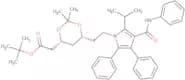
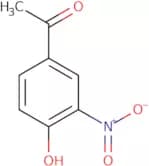
CAS:Please enquire for more information about Defluoro atorvastatin acetonide tert-butyl ester including the price, delivery time and more detailed product information at the technical inquiry form on this pageFormula:C40H48N2O5Purity:Min. 95%Color and Shape:PowderMolecular weight:636.82 g/mol4'-Hydroxy-3'-nitroacetophenone
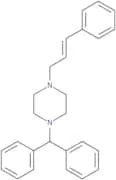
CAS:<p>4'-Hydroxy-3'-nitroacetophenone is a synthetic compound that has been used as an xanthine oxidase inhibitor. It has been shown to reversibly inhibit xanthine oxidase and prevent the accumulation of toxic metabolites that are produced by this enzyme. 4'-Hydroxy-3'-nitroacetophenone also inhibits the activities of other enzymes, such as covalent adducts with protein molecules and transfer reactions. The molecular modeling study of this compound showed that it binds to the active site of xanthine oxidase, forming a covalent adduct between the reactive oxygen species (ROS) and the phenolic OH group on the inhibitor molecule. 4'-Hydroxy-3'-nitroacetophenone was found to be safe in clinical studies, with reversible covalent binding and no inhibition of protein synthesis or cell growth at therapeutic concentrations.</p>Formula:C8H7NO4Purity:Min. 95%Color and Shape:PowderMolecular weight:181.15 g/mol1-trans-Cinnamyl-4-diphenylmethylpiperazine
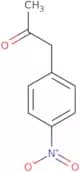
CAS:Calcium channel blocker; piperazine derivativeFormula:C26H28N2Purity:Min. 95%Color and Shape:White PowderMolecular weight:368.51 g/mol(4-Nitrophenyl)acetone
CAS:<p>4-Nitrophenylacetone is a hypoglycemic agent that is used for the treatment of diabetes mellitus. It has been shown to be effective in vivo and in vitro studies at low concentrations. The mechanism of action is not well understood, but it may have effects on insulin sensitivity and the release of insulin from pancreatic beta cells, as well as an effect on the liver. 4-Nitrophenylacetone has been shown to have organocatalytic properties that allow it to catalyze acylation reactions with acetanilides or amides. This reaction produces iminium ion intermediates that can be hydrolyzed by water to form a variety of products, including carboxylic acids, amides, and nitriles.</p>Formula:C9H9NO3Purity:Min. 95%Color and Shape:PowderMolecular weight:179.17 g/mol(R)-(+)-3,3'-Dibromo-5,5',6,6',7,7',8,8'-octahydro-1,1'-bi-2,2'-naphthalenediol
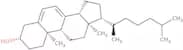
CAS:(R)-(+)-3,3'-Dibromo-5,5',6,6',7,7',8,8'-octahydro-1,1'-bi-2,2'-naphthalenediol is a synthetic compound that is used as a ligand for asymmetric catalysis. It is an optically active compound and can be used in catalytic reactions to produce compounds that are not available through other methods. (R)-(+)-3,3'-Dibromo-5,5',6,6',7,7',8,8'-octahydro-1,1'-bi-2,2'-naphthalenediol is a reactive compound and can be used as a ligand in Diels-Alder reactions. The synthesis of this product can be achieved with high yield by using the synthetic method described.Formula:C20H20Br2O2Purity:Min. 98 Area-%Color and Shape:White PowderMolecular weight:452.18 g/mol7-Dehydrocholesterol - min 95%
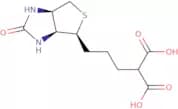
CAS:Controlled Product<p>7-Dehydrocholesterol is a cholesterol precursor that is synthesized in the skin and liver. It is also found in other tissues, including the brain, where it is converted to cholesterol. 7-Dehydrocholesterol can be used as an indicator of sterol metabolism because its concentration reflects the rate of cholesterol production by the body. The kinetics of 7-dehydrocholesterol are similar to those of cholesterol, and it has been used as a marker for measuring cholesterol synthesis rates in humans. Skin cells contain 7-dehydrocholesterol, which may be important for skin cancer prevention. 7-Dehydrocholesterol has also been shown to be effective in reducing autoimmune diseases such as lupus erythematodes and bowel diseases such as Crohn's disease, although further research is needed.</p>Formula:C27H44OPurity:Min. 95%Color and Shape:PowderMolecular weight:384.64 g/molBiotin diacid
CAS:<p>Biotin diacid is a versatile building block that can be used to synthesize many fine chemicals. It is an important intermediate in the synthesis of biologically active compounds and pharmaceuticals. Biotin diacid has been reported to be useful as a starting material for the preparation of other biologically active compounds, such as biotin-containing peptides and proteins. This product also has high quality properties that are necessary in research chemicals, speciality chemicals, and fine chemicals.</p>Formula:C11H16N2O5SPurity:Min. 95%Color and Shape:PowderMolecular weight:288.32 g/mol1,2-Naphthoquinone-4-sulfonic acid sodium salt
CAS:1,2-Naphthoquinone-4-sulfonic acid sodium salt is a fluorescent probe that reacts with the hydroxyl groups of amino acids and proteins. It has been used to measure glucose levels by injecting it into a living organism and examining the fluorescence emitted in response to an excitation wavelength. The redox potential of this molecule is -0.29 volts, which indicates that it is nucleophilic. 1,2-Naphthoquinone-4-sulfonic acid sodium salt can be used as a dye for labeling amines and other compounds with strong electron withdrawing groups. This compound is often used as a reagent in the synthesis of pharmaceutical preparations such as ceftriaxone. 1,2-Naphthoquinone-4-sulfonic acid sodium salt also reacts with hydrochloric acid to produce amines such as benzeneamine or ethylamine.Formula:C10H5O5S·NaPurity:Min. 98 Area-%Color and Shape:Yellow PowderMolecular weight:260.2 g/molRivastigmine hydrochloride
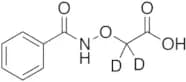
CAS:Controlled Product<p>Acetylcholinesterase and butyrylcholinesterase inhibitor</p>Purity:Min. 95%(Benzamido)oxy Acetic Acid-d2
CAS:Controlled Product<p>Applications Hippurate analog. Inhibitor of peptidylglycine α-hydroxylating monooxygenase (PHM). Pesticide.<br>References Merkler, D. et al. Bioorgan. Med. Chem. 16, 10061 (2008)<br></p>Formula:C9H7D2NO4Color and Shape:NeatMolecular weight:197.18Benz[j]aceanthrylen-2(1H)-one13C2 and Benz[e]aceanthrylen-6(5H)-one13C2
CAS:Controlled Product<p>Applications Intermediate in the synthesis of polycyclic aromatic systems.<br></p>Formula:C2C18H12OColor and Shape:NeatMolecular weight:540.5886-Bromo-2-naphthylamine
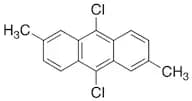
CAS:Controlled Product<p>Applications Used in the new synthesis of alkylsulphanylnaphthalenes and the synthesis and mesomorphic properties of novel naphthylisothiocyanates.<br>References Lauk, u., et al.: Helv. Chim. Acta, 68, 1406 (1985), Collina, S., et al.: Bioorg. Med. Chem., 8, 1925 (2000),<br></p>Formula:C10H8BrNColor and Shape:Light BeigeMolecular weight:222.089,10-Dichloro-2,6-dimethylanthracene
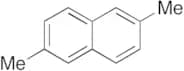
CAS:Controlled Product<p>Applications 9,10-Dichloro-2,6-dimethylanthracene (cas# 887354-46-3) is a compound useful in organic synthesis.<br></p>Formula:C16H12Cl2Color and Shape:NeatMolecular weight:275.172,6-Dimethylnaphthalene
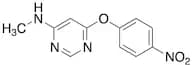
CAS:Controlled Product<p>Applications 2,6-Dimethylnaphthalene is a polyaromatic hydrocarbon (PAH) environmental contaminant. 2,6-Dimethylnaphthalene is found in oil, coal and tar deposits and are produced by gasoline operating vehicles. It is a persistent environmental pollutant with carcinogenic and mutagenic activity.This compound is a contaminant of emerging concern (CECs)<br> Not a dangerous good if item is equal to or less than 1g/ml and there is less than 100g/ml in the package<br>References Hays, M. et al.: Environ. Sci. Tech., 47, 14502 (2013); Lemieux, C. et al.: Environ. Toxicol. Chem., 27, 978 (2008); Gruger, E., et al.: Aquat. Toxicol., 5, 291(1984); Barnsley, E.: Appl. Environ. Microb., 54, 428 (1988); Miyachi N., et al.: Environ. Toxicol. Chem., 59, 1504 (1993)<br></p>Formula:C12H12Color and Shape:White To Off-WhiteMolecular weight:156.22N-Methyl-6-(4-nitrophenoxy)-4-pyrimidinamine
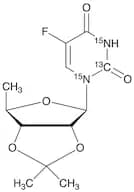
CAS:Controlled Product<p>Applications N-Methyl-6-(4-nitrophenoxy)-4-pyrimidinamine is an intermediate in the synthesis of N-[4-[(4-Ethyl-1-piperazinyl)methyl]-3-(trifluoromethyl)phenyl]-N'-[4-[[6-(methylamino)-4-pyrimidinyl]oxy]phenyl]urea (E926495), which is an inhibitor of RET, FLT3, KDR, c-Abl and c-Kit. Also, it prevent the growth of human thyroid cancer cells.<br>References Weisberg, E., et al.: Genes Cancer, 1, 1021-1032 (2010);<br></p>Formula:C11H10N4O3Color and Shape:NeatMolecular weight:246.225’-Deoxy-2’,3’-O-isopropylidene-5-fluorouridine-13C,15N2
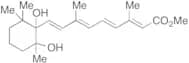
CAS:Controlled Product<p>Applications 5’-Deoxy-2’,3’-O-isopropylidene-5-fluorouridine-13C,15N2 is a compound useful in organic synthesis.<br></p>Formula:CC11H15F15N2O5Color and Shape:WhiteMolecular weight:289.2365,6-Dihydro-5,6-dihydroxyretinoic Acid Methyl Ester
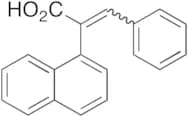
CAS:Controlled Product<p>Applications 5,6-Dihydro-5,6-dihydroxyretinoic Acid Methyl Ester is an intermediate in the synthesis of Ro 22-5112 (R637180), a retinoid that has been used in a QSAR analysis for the use of retinoids as a carcinogenesis inhibitor.<br>References Niculescu-Duvaz, I., et. al.: Carcinogenesis, 6, 479 (1985)<br></p>Formula:C21H32O4Color and Shape:NeatMolecular weight:348.48α-(Phenylmethylene)-1-naphthaleneacetic Acid
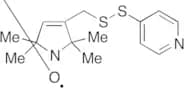
CAS:Controlled Product<p>Applications α-(Phenylmethylene)-1-naphthaleneacetic Acid is an intermediate in the synthesis of chrysene based polycyclic aromatic ketones found in environmental gas samples of wood and coal combustion gasses, municipal incineration waste gases, diesel exhaust, Al plant workplace and urban ambient air.<br>References Dai, W., et al.: Org. Prep. Proc. Int., 29, 347 (1997);<br></p>Formula:C19H14O2Color and Shape:NeatMolecular weight:274.311-Oxyl-2,2,5,5-tetramethyl-∆3-pyrrolinyl-4-pyridine Disulfide
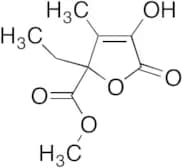
Controlled Product<p>Applications A highly reactive thiol-specific spin-label. A specific conformational probe of thiol site structure by virtue of its minimal rotational freedom and distance from the covalent disulfide linkage to the macromolecule under study.<br></p>Formula:C14H19N2OS2Color and Shape:NeatMolecular weight:295.4432-Ethyl-2,5-dihydro-4-hydroxy-3-methyl-5-oxo-2-furancarboxylic Acid Methyl Ester
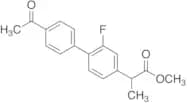
CAS:Controlled Product<p>Applications 2-Ethyl-2,5-dihydro-4-hydroxy-3-methyl-5-oxo-2-furancarboxylic Acid Methyl Ester is an by-product intermediate formed during the synthesis of 4,5-Dimethyl-3-hydroxy-2(5H)-furanone (D473600), a fragrant compound that is a key indicator of maple syrup urine disease, a disorder affecting newborn children that is the result of its inability to properly metabolize Valine (V094205), Leucine (L330110) and Isoleucine (I820175). 4,5-Dimethyl-3-hydroxy-2(5H)-furanone is naturally found in fenugreek seeds, and is an odourant present in sherry wines.<br>References Blank, I., et al.: Prog. Flav. Prec. Stud., No vol. given, 103 (1993); Guerra, P. & Yaylayan, V.: J. Agr. Food Chem., 59, 4699 (2011); Mackenzie, D. & Woolf, L.: Brit. Med. J., 1, 90 (1959); Podebrad, F., et al.: J. Inh. Metab. Dis., 22, 107 (1999)<br></p>Formula:C9H12O5Color and Shape:NeatMolecular weight:200.192-(4’-Acetyl-2-fluoro-biphenyl-4-yl)-propionic Acid Methyl Ester
CAS:Controlled Product<p>Applications An intermediate for the synthesis of the metabolite of Flurbiprofen, an anti-inflammatory used as an analgesic.<br></p>Formula:C18H17FO3Color and Shape:NeatMolecular weight:300.32cis-Dispiro[cyclohexane-1,3'-[1,2,4]trioxolane-5',2''-tricyclo[3.3.1.13,7]decane]-4-acetic Acid
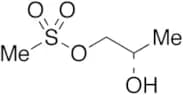
CAS:Controlled Product<p>Applications cis-Dispiro[cyclohexane-1,3'-[1,2,4]trioxolane-5',2''-tricyclo[3.3.1.13,7]decane]-4-acetic Acid is an intermediate for the synthesis of Arterolane p-Toluenesulfonic Acid (A614161), which is an antimalaria agent.<br>References Valecha, N., et al.: Clin Infect Dis. 55, 663 (2012); Patil, C. Y., et al.: Ann Med Health Sci Res. 4, 466 (2014)<br></p>Formula:C18H26O5Color and Shape:NeatMolecular weight:322.4(2S)-2-Hydroxy-1-propyl Methanesulfonate
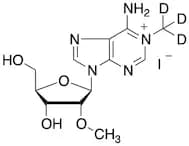
CAS:Controlled Product<p>Applications Used in the preparation of labeled cocaine analogs.<br>References Carroll, F.I., et al.: J. Med. Chem., 35, 2497 (1992),<br></p>Formula:C4H10O4SColor and Shape:NeatMolecular weight:154.18N1,O2'-Dimethyladenosine-d3 Monohydriodide
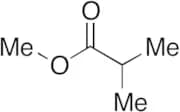
CAS:Controlled Product<p>Applications N1,O2'-Dimethyladenosine-d3 Monohydriodide is an intermediate in the synthesis of N6,O2'-Dimethyladenosine-d3 (D447417). N6,O2'-Dimethyladenosine-d3 is an isotopic analog of N6,O2'-Dimethyladenosine (D447415), a naturally occurring modified nucleoside in RNA. It was reported in the preparation of alkylated adenosines as antihypertensive agents.<br>References Yamada, T., Kageyama, K.: Eur. Pat. Appl. (1988), EP 269574 A2 19880601; Aduri, R., et al.: J. Chem. Theory Comput., 3, 1464 (2007)<br></p>Formula:C12D3H15N5O4·IColor and Shape:NeatMolecular weight:426.225Methyl Isobutyrate
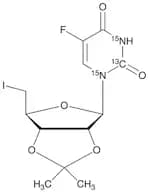
CAS:Controlled Product<p>Applications Methyl Isobutyrate is an odor-active compound found in pineapples.<br> Not a dangerous good if item is equal to or less than 1g/ml and there is less than 100g/ml in the package<br>References Pino, J.A.: Int. J. Food Sci. Tech., 48, 564 (2013)<br></p>Formula:C5H10O2Color and Shape:ColourlessMolecular weight:102.135’-Deoxy-5’-iodo-2’,3’-O-isopropylidene-5-fluorouridine-13C,15N2 >95%
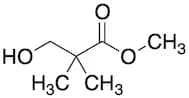
CAS:Controlled Product<p>Applications 5’-Deoxy-5’-iodo-2’,3’-O-isopropylidene-5-fluorouridine-13C,15N2 >95% is a compound useful in organic synthesis.<br></p>Formula:CC11H14FI15N2O5Purity:>95%Color and Shape:NeatMolecular weight:415.132Hydroxypivalic Acid Methyl Ester
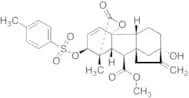
CAS:Controlled Product<p>Applications Hydroxypivalic acid methyl ester<br></p>Formula:C6H12O3Color and Shape:NeatMolecular weight:132.158Gibberellic Acid Methyl Ester 2-p-Toluenesulfonate
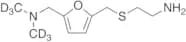
CAS:Controlled Product<p>Applications Gibberellic Acid Methyl Ester 2-p-Toluenesulfonate is an intermediate in the synthesis of Gibberellin A5 (G377465). Gibberellin A5 is a plant hormone which promotes floral development but have little effect on stem elongation.<br>References Cross, B.E., et al.: Tetrahedron., 8, 451 (1962); Meijon, M., et al.: J. Plant. Growth. Regulat., 30, 74 (2011); Ward, D.A., et al.: Phytochem., 71, 2010 (2010)<br></p>Formula:C27H30O8SColor and Shape:NeatMolecular weight:514.59Ranitidine-d6 Impurity B
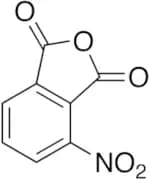
CAS:Controlled Product<p>Applications 2-[[5-(Dimethylamino-d6-methyl)-2-furanyl]methylthio]ethylamineis a labelled impurity of Ranitidine (R120000).<br></p>Formula:C10H12D6N2OSColor and Shape:NeatMolecular weight:220.363-Nitrophthalic Anhydride
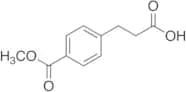
CAS:Controlled Product<p>Applications An intermediate for the synthesis of a benzimidazole PARP inhibitor I (succinate salt) (ABT-472).<br>References Denny, W., et al.: J. Med. Chem., 33, 814 (1990), Anon., et al.: Curr. Med. Chem., 10, 321 (2003),<br></p>Formula:C8H3NO5Color and Shape:Light YellowMolecular weight:193.1134-(2-Carboxyethyl)benzoic Acid Methyl Ester
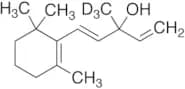
CAS:Controlled Product<p>Applications An intermediate in the preparation of a potential inhibitor of GAR Tfase.<br>References Cheng, H. et al.: Bioorg. Med. Chem., 13, 3593 (2005)<br></p>Formula:C11H12O4Color and Shape:NeatMolecular weight:208.21Ethylene-β-ionol-d3
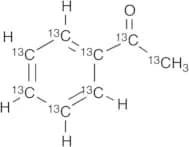
CAS:Controlled Product<p>Applications α-Ionol derivative.<br></p>Formula:C15H21D3OColor and Shape:NeatMolecular weight:223.37Acetophenone-13C8
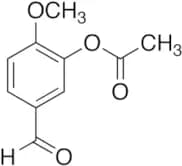
CAS:Controlled Product<p>Applications Acetophenone-13C8 is an intermediate in synthesizing Mandelic Acid-13C8 (M162523). It is a C13 labelled Mandelic Acid which is used as an antiseptic (urinary). It is also used as a short-term exposure biomarker in urine from styrene exposed workers.<br>References Pessela, B., et al.: Enzyme Microb. Technol., 40, 310 (2007); Carrasco-Lopez, C., et al.: J. Biol. Chem., 284, 4365 (2009); Fustinoni, S., et al.: Toxicol. Lett., 192, 40 (2010)<br></p>Formula:C8H8OColor and Shape:NeatMolecular weight:128.09O-Acetyl Isovanillin
CAS:Controlled Product<p>Applications O-Acetyl Isovanillin (cas# 881-57-2) is a compound useful in organic synthesis.<br></p>Formula:C10H10O4Color and Shape:NeatMolecular weight:194.184-Fluoro-1-naphthoic Acid
CAS:Controlled Product<p>Applications 4-Fluoro-1-naphthoic acid (cas# 573-03-5) is a useful research chemical.<br></p>Formula:C11H7O2FColor and Shape:NeatMolecular weight:190.171-[(4-Chlorophenyl)methyl]-2-oxocyclopentanecarboxylic Acid Methyl Ester
CAS:Controlled Product<p>Applications 1-[(4-Chlorophenyl)methyl]-2-oxocyclopentanecarboxylic Acid Methyl Ester is an intermediate in the synthesis of Isotope labelled Metconazole (M225795), an conazole based fungicide used for the control of black sigatoka disease on banana.<br>References Kato, A., et al.: Chem. Pharma. Bull., 43, 2152 (1995);<br></p>Formula:C14H15ClO3Color and Shape:NeatMolecular weight:266.726-(3-Pyridinylcarbonyl)valerolactam-d4
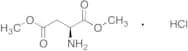
CAS:Controlled Product<p>Applications Labelled Anabaseine intermediate.<br></p>Formula:C11H8D4N2O2Color and Shape:NeatMolecular weight:208.25Dimethyl L-Aspartate Hydrochloride
CAS:Controlled Product<p>Applications Dimethyl L-Aspartate Hydrochloride was used in the synthesis of enzyme and pH dual responsive L-amino acid based biodegradable polymer nanocarrier that can be used for multidrug delivery to cancer cells.<br>References Saxena, S., et al.: J. Polym. Sci. Pol. Chem., 54, 3279 (2016);<br></p>Formula:C6H11NO4·HClColor and Shape:NeatMolecular weight:197.62(R)-(-)-Norlaudanosine N-5-Hydroxypentyl Propionate
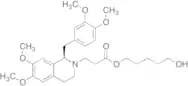
Controlled Product<p>Applications (R)-(-)-Norlaudanosine N-5-Hydroxypentyl Propionate is an intermediate in synthesizing N-Desmethyl-transatracurium Besylate (D295480), a structural analogue of Atracurium Besylate (A794500), A neuromuscular blocking agent.<br>References Hughes, R., et al.: Br. J. Anaesth., 53, 31 (1981), Basta, S.J., et al.: Anesth. Analog., 61, 723 (1982), Neill, E.A., et al.: Xenobiotica, 12, 203 (1982)<br></p>Formula:C28H39NO7Color and Shape:NeatMolecular weight:501.612Tetrabromophthalic Anhydride-13C6
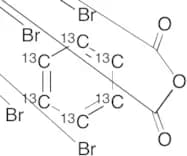
CAS:Controlled Product<p>Applications Tetrabromophthalic Anhydride-13C6 is an intermediate in synthesizing 2,3,4,5-Tetrabromobenzoic Acid-13C6 (T291142). It is an isotope labelled analog of 2,3,4,5-Tetrabromobenzoic Acid. 2,3,4,5-Tetrabromobenzoic Acid is an in vitro metabolite of the flame retardant 2-Ethylhexyl 2,3,4,5-Tetrabromobenzoate (E918780) in human and rat tissues.<br>References Roberts, S.C., et al.: Chem. Res. Toxicol., 25, 1435 (2012); Gouteux, B., et al.: Environ. Sci. Technol., 42, 9039 (2008); Lee, E., et al.: J. Toxicol. Sci., 2010, 35, 535 (2010); Arp, H., et al.: J. Environ. Monit., 13, 505 (2011)<br></p>Formula:C6C2Br4O3Color and Shape:NeatMolecular weight:469.6561,2-Dimethylisothiourea-HI
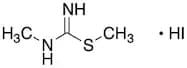
CAS:Controlled Product<p>Applications 1,2-Dimethylisothiourea-HI (cas# 41306-45-0) is a useful research chemical.<br></p>Formula:C3H8N2S·HIColor and Shape:NeatMolecular weight:232.0825-Hydroxyvitamin D2-d3 (major) (>80%) (may contain up to 2.5% d0)
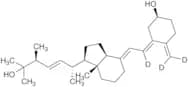
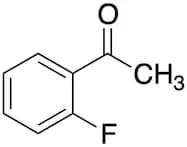
CAS:Controlled Product<p>Applications 25-Hydroxyvitamin D2 (6,19,19-D3,97%) 100 Ug/Ml In Ethanol (cas# 1217467-39-4) is a useful research chemical.<br></p>Formula:C28H41D3O2Color and Shape:NeatMolecular weight:415.672'-Fluoroacetophenone
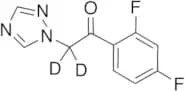
CAS:Controlled Product<p>Impurity Vonoprazan Impurity 31<br>Applications 2'-Fluoroacetophenone (Vonoprazan Impurity 31)<br></p>Formula:C8H7FOColor and Shape:NeatMolecular weight:138.142,4-Difluoro-α-(1H-1,2,4-triazolyl)acetophenone-d2
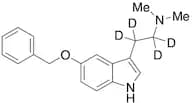
CAS:Controlled Product<p>Applications Antifungal activity, particularly toward Candida albicans and Candida parapsilosis.<br>References Upadhayaya, R., et al.: Eur. J. Med. Chem., 39, 579 (2004), Sheng, C., et al.: J. Med. Chem., 49, 2512 (2006)<br></p>Formula:C10H5D2F2N3OColor and Shape:NeatMolecular weight:225.19N,N-Dimethyl-5-(phenylmethoxy)-1H-indole-3-ethan-a,a,b,b-d4-amine
CAS:Controlled Product<p>Applications N,N-Dimethyl-5-(phenylmethoxy)-1H-indole-3-ethan-α,α,β,β-d4-amine is an intermediate in the synthesis of Bufotenine-d4 Hydrochloride (B689467), which is labelled bufotenine Hydrochloride (B689465) which is a weak hallucinogenic agent active by intravenous injection. It is a constituent of toad poison.<br>References Stoll, et al.: Helv. Chim. Acta, 38, 1452 (1955), Bhattacharya, S., et al.: Indian. J. Physiol. Pharmacol., 15, 133 (1971), Falkenberg, G., et al.: Acta Crystallogr., 28B, 3219 (1972)<br></p>Formula:C19H18D4N2OColor and Shape:NeatMolecular weight:298.422-Fluoro-a-[(trimethylsilyl)oxy]benzeneacetonitrile
CAS:Controlled Product<p>Applications 2-Fluoro-α-[(trimethylsilyl)oxy]benzeneacetonitrile is an intermediate in synthesizing 1-Cyclopropyl-2-(2-fluorophenyl)-2-hydroxy-ethanone (C989465), a useful synthetic intermediate in the synthesis of Prasugrel (P701150, HCl); an antiplatelet agent.<br>References Wiviott, S.D., et al.: Circulation, 116, 2923 (2007); Xu, X., et al. Faming Zhuanli Shenqing. CN 102718642 A 20121010. Oct 10, 2012; Wang, G., et al. Faming Zhuanli Shenqing. CN 101402556 A 20090408. Apr 8, 2009<br></p>Formula:C11H14FNOSiColor and Shape:NeatMolecular weight:223.323',5'-Bis(Trifluoromethyl)acetophenone
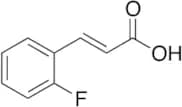
CAS:Controlled Product<p>Applications 3',5'-Bis(Trifluoromethyl)acetophenone is a reactant that has been used in the preparation of pyrazole carboxamide derivatives with antibacterial and antifungal activity.<br>References Patil, A., et. al.: J. Chem. Pharmaceut. Res., 6, 218 (2014)<br></p>Formula:C10H6F6OColor and Shape:NeatMolecular weight:256.142-Fluorocinnamic Acid
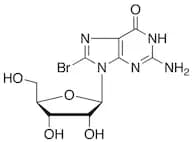
CAS:Controlled Product<p>Applications 2-Fluorocinnamic acid, 98% (cas# 451-69-4) is a useful research chemical.<br></p>Formula:C9H7FO2Color and Shape:NeatMolecular weight:166.158-Bromoguanosine
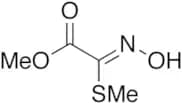
CAS:Controlled Product<p>Applications 8-Bromoguanosine (cas# 4016-63-1) is a compound useful in organic synthesis.<br>References Hu, H., et al.: Mol. Pharmacol., 69, 1542 (2006), Mallett, D., et al.: J. Pharm. Biomed. Anal., 49, 100 (2009),<br></p>Formula:C10H12BrN5O5Color and Shape:NeatMolecular weight:362.142-(Hydroxyimino)-2-(methylthio)acetic Acid Methyl Ester
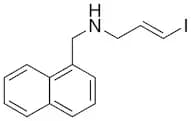
CAS:Controlled Product<p>Applications Intermediate in the synthesis of Oxamyl.<br></p>Formula:C4H7NO3SColor and Shape:NeatMolecular weight:149.173-Iodopropylene-1-naphthalene Methyl Amine
CAS:Controlled Product<p>Applications 3-Iodopropylene-1-naphthalene Methyl Amine (cas# 1076198-32-7) is a compound useful in organic synthesis.<br></p>Formula:C14H14INColor and Shape:NeatMolecular weight:323.17










![Benz[j]aceanthrylen-2(1H)-one13C2 and Benz[e]aceanthrylen-6(5H)-one13C2](/_next/image/?url=https%3A%2Fstatic.cymitquimica.com%2Fproducts%2FTR%2Fthumb-webp%2FB183542.webp&w=3840&q=75)


![cis-Dispiro[cyclohexane-1,3'-[1,2,4]trioxolane-5',2''-tricyclo[3.3.1.13,7]decane]-4-acetic Acid](/_next/image/?url=https%3A%2Fstatic.cymitquimica.com%2Fproducts%2FTR%2Fthumb-webp%2FD784595.webp&w=3840&q=75)

![1-[(4-Chlorophenyl)methyl]-2-oxocyclopentanecarboxylic Acid Methyl Ester](/_next/image/?url=https%3A%2Fstatic.cymitquimica.com%2Fproducts%2FTR%2Fthumb-webp%2FC381130.webp&w=3840&q=75)

![2-Fluoro-a-[(trimethylsilyl)oxy]benzeneacetonitrile](/_next/image/?url=https%3A%2Fstatic.cymitquimica.com%2Fproducts%2FTR%2Fthumb-webp%2FF599038.webp&w=3840&q=75)