Pharmaceutical Standards
Pharmaceutical standards are a comprehensive set of reference materials essential for ensuring the safety, efficacy, and quality of pharmaceutical products. This category includes standards for active pharmaceutical ingredients (APIs), which are the core components responsible for therapeutic effects. Additionally, it covers compounds and metabolites relevant to both the pharmaceutical and veterinary industries, providing benchmarks for the accurate measurement and analysis of these substances. Nitrosamine control standards are crucial for detecting and mitigating potentially harmful nitrosamines in drug formulations. Toxicology standards help assess the safety and potential adverse effects of pharmaceutical compounds. Furthermore, enzyme activators and inhibitors standards are vital for research and development, enabling precise studies of biochemical pathways and drug mechanisms. These pharmaceutical standards are indispensable tools for regulatory compliance, quality control, and research, ensuring that pharmaceutical products meet stringent safety and effectiveness criteria.
Subcategories of "Pharmaceutical Standards"
- APIs for research and impurities(274,785 products)
- Enzyme Activators and Inhibitors(2,827 products)
- Nitrosamines(2,606 products)
- Pharmaceutical and Veterinary Compounds and Metabolites(2,862 products)
- Toxicology(13,652 products)
Found 7836 products of "Pharmaceutical Standards"
Sort by
Purity (%)
0
100
|
0
|
50
|
90
|
95
|
100
20-Dehydro cholesterol 3-acetate
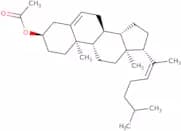
CAS:Controlled Product<p>Please enquire for more information about 20-Dehydro cholesterol 3-acetate including the price, delivery time and more detailed product information at the technical inquiry form on this page</p>Formula:C29H46O2Purity:Min. 95%Molecular weight:426.67 g/mol4-Methoxy retinoic acid
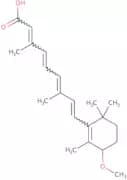
CAS:<p>Please enquire for more information about 4-Methoxy retinoic acid including the price, delivery time and more detailed product information at the technical inquiry form on this page</p>Formula:C21H30O3Purity:Min. 95%Molecular weight:330.46 g/mol7-Amino-4-(trifluoromethyl)coumarin
CAS:<p>7-Amino-4-(trifluoromethyl)coumarin is a coumarin derivative that has been used as a fluorescence probe for the study of enzyme activities. It can be used as a potential biomarker for autoimmune diseases, and has also been shown to have tyrosine kinase domain binding activity. 7-Amino-4-(trifluoromethyl)coumarin can bind to the hydroxyl group in tyrosine residues with high affinity, and binds to the nitrogen atoms in protein kinases with low affinity. This compound is able to form intermolecular hydrogen bonds and steric interactions with peptide hormones.</p>Formula:C10H6F3NO2Purity:Min. 95%Molecular weight:229.16 g/molrac 8-Hydroxy efavirenz
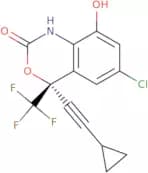
CAS:<p>Efavirenz is a non-nucleoside reverse transcriptase inhibitor (NNRTI) used in the treatment of HIV. It has been shown to be reactive with sodium carbonate, forming a stable complex that can be measured by LC-MS/MS. The formation rate of this complex may be influenced by the presence of other drugs, such as rifampin, which inhibits cytochrome P450 activity and reduces efavirenz metabolism. This drug has been shown to inhibit human Cytochrome P450 3A4 (CYP3A4) and may have increased plasma concentrations when administered with CYP3A4 inhibitors such as ketoconazole or erythromycin. Efavirenz is also metabolized in the liver by cytochrome P450 enzymes, mainly CYP3A4. Pharmacokinetic modeling has been used to study the drug's effects on hepatic clearance and plasma concentrations in humans.</p>Formula:C14H9ClF3NO3Purity:Min. 95%Color and Shape:White PowderMolecular weight:331.67 g/mol(R)-Perillaldehyde
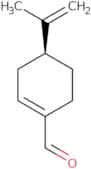
CAS:<p>(R)-Perillaldehyde is an activated cardenolide that binds to flavoproteins and inhibits the oxygenation of 4-hydroxycoumarin. It is a stereoselective, substrate binding, and oxygenated flavoenzyme inhibitor. The orientation of perillaldehyde with respect to the flavin may be important for its activity in the enzyme's active site.</p>Formula:C10H14OPurity:Min. 95%Molecular weight:150.22 g/molVedaprofen
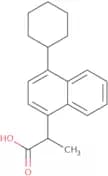
CAS:<p>Vedaprofen is a nonsteroidal anti-inflammatory drug that belongs to the class of drugs known as NSAIDs. It inhibits the activity of the enzyme cyclooxygenase (COX), which causes inflammation and pain. Vedaprofen has been shown to be effective in treating bowel disease, inflammatory bowel disease, and autoimmune diseases, such as arthritis. Vedaprofen also has antimicrobial properties, inhibiting bacterial growth by binding to the COX enzyme in the cell membrane. The α subunit is one of the effector proteins for COX-1 and COX-2, and vedaprofen binds to this protein preventing its activation. This inhibitory effect on COX-1 and COX-2 leads to a reduction in production of prostaglandins (PGs) that are responsible for inflammatory responses. Vedaprofen may be administered orally or intravenously depending on the severity of symptoms. The oral route is preferred because it does not require</p>Formula:C19H22O2Purity:Min. 95%Molecular weight:282.38 g/molDL-Aspartic acid dimethyl ester hydrochloride
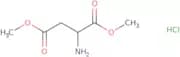
CAS:<p>Please enquire for more information about DL-Aspartic acid dimethyl ester hydrochloride including the price, delivery time and more detailed product information at the technical inquiry form on this page</p>Formula:C6H11NO4·HClPurity:Min. 95%Color and Shape:White PowderMolecular weight:197.62 g/molHistatin 5
CAS:<p>Histatin 5 is a peptide that has been shown to have antimicrobial activity against Candida albicans, Candida glabrata, and Cryptococcus albicans. It is believed to exert its effect by binding to copper ions and inhibiting the mitochondrial functions of the pathogen. Histatin 5 also has pro-apoptotic properties and may be used as an experimental treatment for infectious diseases caused by opportunistic fungal strains.</p>Formula:C133H195N51O33Purity:Min. 95%Molecular weight:3,036.3 g/molCholesterol Valerate
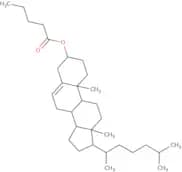
CAS:Controlled ProductCholesterol Valerate is a fatty acid that has been used in the diagnosis of fatty acids. It can be obtained by synthesizing it from cholesterol and valeric anhydride. The carboxylic acid group in the molecule is responsible for its lipophilic properties, which allow it to dissolve in fats and oils. Cholesterol Valerate has a phase transition temperature of about -5 degrees Celsius, making it liquid at room temperature. This compound has been used as an excipient in pharmaceutical compositions, such as lipid emulsions and topical formulations to increase solubility. The termini of the molecule consist of hydroxyl groups that are susceptible to oxidation, making this compound unstable when exposed to air or sunlight.Purity:Min. 95%7alpha-Hydroxystigmasterol
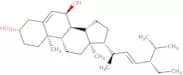
CAS:Controlled Product<p>Please enquire for more information about 7alpha-Hydroxystigmasterol including the price, delivery time and more detailed product information at the technical inquiry form on this page</p>Purity:Min. 95%Estradiol 3-valerate
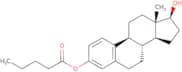
CAS:Controlled Product<p>Please enquire for more information about Estradiol 3-valerate including the price, delivery time and more detailed product information at the technical inquiry form on this page</p>Formula:C23H32O3Purity:Min. 95%Color and Shape:PowderMolecular weight:356.5 g/molIlexsaponin A1
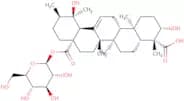
CAS:Ilexsaponin A1 is a natural saponin compound, which is derived from the plant Ilex pubescens. As a bioactive compound, it possesses a characteristic glycoside structure that facilitates its interaction with biological membranes. The mode of action of Ilexsaponin A1 involves modulating inflammatory pathways, likely through the inhibition of pro-inflammatory cytokine production and the suppression of related signaling cascades.Purity:Min. 95%2-Phenyl-2-(p-toluenesulfonyloxy)acetophenone
CAS:<p>2-Phenyl-2-(p-toluenesulfonyloxy)acetophenone is a diphenyl ether that is used in the production of polymers as an antireflection agent and an acid catalyst. It can be used to modify polymer properties such as optical properties or cross-linking. The compound has been shown to have a particle size of 2 to 10 nm in diameter, which can be adjusted by changing the reaction conditions.</p>Formula:C21H18O4SPurity:Min. 95%Color and Shape:PowderMolecular weight:366.43 g/molVitamin D2-d6
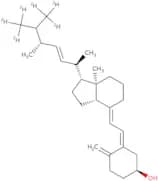
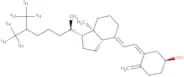
CAS:Controlled ProductVitamin D2-D6 is a dietary supplement that comes in the form of an oil. It is an ionizable vitamin and is structurally similar to Vitamin D3. The most common form of this vitamin is cholecalciferol, which is found in fish oils and dairy products. Vitamin D2-D6 has been shown to be efficacious at increasing mineralization in skin cells, as well as preventing symptoms of rickets. This nutrient also assists with calcium metabolism and the absorption of dietary calcium. It can be taken by infants or adults who may have low levels of Vitamin D due to a lack of exposure to sunlight or ingestion of a poor diet.Formula:C28H38D6OPurity:Min. 99.0 Area-%Color and Shape:PowderMolecular weight:402.68 g/mol1,2,3,4-Tetrahydronaphthalen-2-ylamine hydrochloride
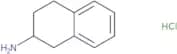
CAS:Controlled Product1,2,3,4-Tetrahydronaphthalen-2-ylamine hydrochloride (THN) is a prodrug that is converted to the active form in the gastrointestinal tract by beta-lactamases. It inhibits bacterial growth and crosslinks bacterial cell walls. THN has been shown to be effective against colitis and ulcerative colitis in animals. It also has anticancer activity, which may be due to its ability to inhibit colon cancer cells from proliferating by interfering with protein synthesis. THN also inhibits the growth of colorectal cancer cells in a dose-dependent manner.Formula:C10H13N·HClPurity:Min. 95%Molecular weight:183.68 g/mol4'-Acetamido-2'-hydroxyacetophenone
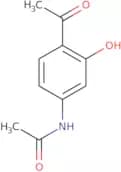
CAS:An acetophenone analogueFormula:C10H11NO3Purity:Min. 95%Molecular weight:193.2 g/mol1,3-Dimethylthiourea
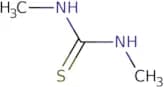
CAS:1,3-Dimethylthiourea (DMU) is a chemical compound that has been shown to have antioxidant properties. DMU is an inhibitor of the enzyme aconitase, which catalyzes the second step in the Krebs cycle and is involved in energy metabolism. DMU inhibits the activity of other enzymes such as xanthine oxidase and nitric oxide synthase, which are responsible for the production of reactive oxygen species (ROS). DMU also shows pro-apoptotic properties by inducing activation of a pro-apoptotic protein called p53. DMU has been shown to be an effective treatment for eye disorders such as glaucoma and retinal degeneration when used together with low doses of corticosteroids. It has also been shown to protect against myocardial infarction and provide cardioprotection following reperfusion injury.Formula:C3H8N2SPurity:Min. 95%Molecular weight:104.18 g/molCholesterol Heptanoate
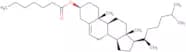
CAS:Controlled Product<p>Cholesterol Heptanoate is a liquid crystal composition that is used to coat tablets. It is also used for the diagnosis of fatty acid metabolism and atherosclerotic lesion formation by measuring the fatty acid composition of body tissues. Cholesterol Heptanoate can be used to form polymeric matrices for use in drug delivery systems. These matrices are composed of ionizable, film-forming polymers with excipients that have phase transition temperatures near 37°C.</p>Purity:Min. 95%Color and Shape:PowderMolecular weight:498.82 g/molγ-Decalactone
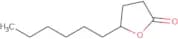
CAS:gamma-Decalactone is a cationic surfactant that is biosynthesized by the addition of an alkynyl group to isovaleric acid. It has been shown to have antimicrobial properties against type strain and wild-type strains of Escherichia coli, as well as Pseudomonas aeruginosa. The nmr spectra of gamma-Decalactone show a type of carbon source that may be natural compounds or fatty acids. Gamma-Decalactone can form through the action of pancreatic lipase on fatty acids, which are found in the pancreas. When gamma-Decalactone was tested for its ability to inhibit hydrogen bonding interactions, it was found to have no effect on these interactions.Formula:C10H18O2Purity:Min. 95%Color and Shape:Clear LiquidMolecular weight:170.25 g/molCholesterol Hexyl Carbonate
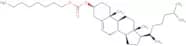
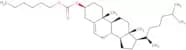
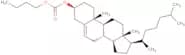
CAS:Controlled Product<p>Cholesterol Hexyl Carbonate (C6HC) is a chiral organic compound with a unique conformation that enhances its adsorbing properties. C6HC is synthesized by reacting cholesterol with hexanoyl chloride in the presence of strong base and an inert solvent. The structural formula of this compound is shown in Figure 1.</p>Purity:Min. 95%2,6-Bis(hydroxymethyl)-p-cresol
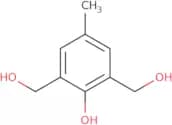
CAS:2,6-Bis(hydroxymethyl)-p-cresol (BHMC) is a cross-linking agent that reacts with the hydroxyl groups of polymers to form covalent bonds. This reaction is irreversible and has been shown to be effective in thermal expansion applications. BHMC is insoluble in water and so can be used as a proton donor for the synthesis of polymer hydrogels. BHMC has also been used as a molecular modeling probe for studying protein structure and function. This compound reacts with nucleophiles by nucleophilic attack on the carbonyl carbon atom, producing an intermediate that tautomerizes to the corresponding enone. The reaction mechanism involves formation of a tetranuclear transition state followed by acid catalysis. Functional groups such as -OH, -NH2, or -COOH are required for this reaction to occur. NMR spectra have shown that there are three different chemical structuresFormula:C9H12O3Purity:Min. 95%Color and Shape:PowderMolecular weight:168.19 g/mol2-Oxovaleric acid
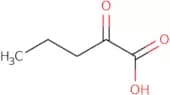
CAS:<p>2-Oxovaleric acid is a monocarboxylic acid that is produced by the oxidation of 2-oxopentanoic acid. It was first discovered as an inhibitory compound for glutamate dehydrogenase, which catalyzes the conversion of glutamate to alpha-ketoglutarate. This inhibition leads to a buildup of glutamate in the cell, which can cause metabolic disorders. The importance of 2-oxovaleric acid was demonstrated using a chromatographic method on type strain cells. The electron microscopic images showed that 2-oxovaleric acid inhibited the growth of bacteria by binding to extracellular Ca2+, carbon source, and animals.</p>Formula:C5H8O3Purity:Min. 95%Molecular weight:116.12 g/mol4'-[[1,4'-Dimethyl-2'-propyl(2,6'-bi-1H-benzimidazol)-1'-yl]-methyl]-1,1'-biphenyl-2-carboxylicacid 1,1-dimethylethylester
CAS:<p>4'-[[1,4'-Dimethyl-2'-propyl(2,6'-bi-1H-benzimidazol)-1'-yl]-methyl]-1,1'-biphenyl-2-carboxylic acid 1,1-dimethylethyl ester (DMBPC) is a drug substance that is used in the manufacture of solid oral dosage forms. It has been shown to be present at low levels as an impurity in other drug substances. The presence of this impurity has been shown to cause problems with the chromatographic and hplc methods used for its quantification. The following are some important aspects of DMBPC: A. Impurities: The purity of DMBPC is 98%. The impurity profile includes 6% 2-propylbenzimidazole (2PB), 3% 4'-[[2-(6' -methoxycarbony</p>Formula:C37H38N4O2Purity:Min. 95%Molecular weight:570.72 g/mol(3β,5β,17α)-19-Norpregnane-3,17-diol
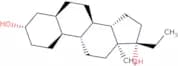
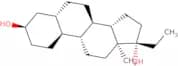
CAS:Controlled Product<p>Please enquire for more information about (3β,5β,17α)-19-Norpregnane-3,17-diol including the price, delivery time and more detailed product information at the technical inquiry form on this page</p>Formula:C20H34O2Purity:Min. 95%Color and Shape:PowderMolecular weight:306.48 g/molD-Aspartic acid b tert-butyl ester
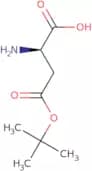
CAS:<p>D-Aspartic acid b tert-butyl ester (DATB) is an antimicrobial agent that has been shown to inhibit the growth of drug-resistant bacteria. DATB has been shown to be active against both gram-positive and gram-negative bacteria, with a selectivity for those with a peptidoglycan cell wall. DATB inhibits the synthesis of amide and peptide bonds and has been shown to have a wide range of uses in the production of antibiotics, such as carbamates and natural products.</p>Formula:C8H15NO4Purity:Min. 95%Color and Shape:PowderMolecular weight:189.21 g/mol3-(4-Chlorophenyl)glutaric acid
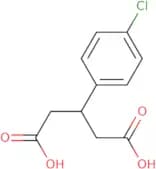
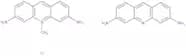
CAS:<p>3-(4-Chlorophenyl)glutaric acid is a subunit of lanthanide complexes. It has been synthesized from cinchona alkaloids and single-crystal x-ray diffraction data obtained in the absence of ligands. 3-(4-Chlorophenyl)glutaric acid is a desymmetrization reagent and has been shown to be an effective ligand for lanthanide complexes. This compound has the potential to form impurities during the synthesis process, which can lead to morphological changes, luminescence, or high-performance liquid chromatography interference.</p>Formula:C11H11ClO4Purity:Min. 95%Molecular weight:242.66 g/molAcriflavine neutral
CAS:<p>Acriflavine is a chemical agent that inhibits the growth of bacteria by binding to nuclear DNA and disrupting the synthesis of proteins. Acriflavine has been shown to be effective in treating infections caused by wild-type strains of bacteria, but has little effect on resistant mutants. It also has little effect on bacterial cells that are not actively growing (i.e., in the stationary phase). Acriflavine binds to DNA and acts as a crosslinking agent, which prevents transcription and replication. This drug also inhibits mitochondrial functions. Acriflavine is commonly used in combination with benzalkonium chloride or other antimicrobial agents because it does not have any bactericidal effects when used alone.END>></p>Purity:Min. 95%Color and Shape:Orange To Red Brown SolidMolecular weight:259.73 g/molChloro[2-(di-tert-butylphosphino)-2',4',6'-triisopropyl-1,1'-biphenyl][2-(2-aminoethyl)phenyl)]palladium(II)
CAS:Controlled Product<p>Chloro[2-(di-tert-butylphosphino)-2',4',6'-triisopropyl-1,1'-biphenyl][2-(2-aminoethyl)phenyl)]palladium(II) is a molecule that inhibits the adenosine receptor in autoimmune diseases and cancer. It also has an inhibitory effect on the membrane transport of glucose, glucosan, and aziridine. This drug can be used to treat inflammatory diseases such as diabetes, asthma, and inflammatory bowel disease. The geometric isomers of this molecule are not identical in shape or size and can have different effects on the body.</p>Formula:C37H55ClNPPdPurity:Min. 95%Molecular weight:686.69 g/molCholesterol Butyl Carbonate
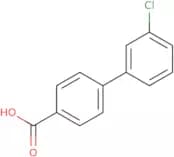
CAS:Controlled Product<p>Cholesterol butyl carbonate is a high-melting organic solvent. It has a particle diameter of 3.2 micrometers, an average particle size of 4.5 micrometers, and a section of 1.4. This product is used to form microcapsules with various coatings for the treatment of bacteria and fungi. It is also used as a molecule for the production of functional groups such as polyethylene glycol ethers or polyurethanes. The structural formula contains three functional groups: one ester group and two sterol groups (cholesterol). This product has enhanced properties due to its inorganic components that are added during processing.</p>Purity:Min. 95%3'-Chloro-biphenyl-4-carboxylic acid
CAS:<p>Please enquire for more information about 3'-Chloro-biphenyl-4-carboxylic acid including the price, delivery time and more detailed product information at the technical inquiry form on this page</p>Purity:Min. 95%2,2'-Bis-(1-adamantyl)-4,4'-dimethoxybiphenyl
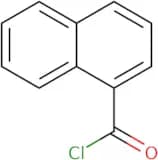
CAS:<p>2,2'-Bis-(1-adamantyl)-4,4'-dimethoxybiphenyl is a methyl ester of adapalene. It is used to assess the effects of adapalene on the skin and to determine its marker for topical application.</p>Formula:C34H42O2Purity:Min. 95%Molecular weight:482.7 g/mol1-Naphthoyl chloride
CAS:1-Naphthoyl chloride is a metabolite of 1-naphthol. It has been used in the synthesis of steroidal alkaloids, including the anti-inflammatory drug indomethacin and the anesthetic ketamine. 1-Naphthoyl chloride is also a precursor to synthetic cannabinoids, which are substances that have effects similar to those of cannabis but are not derived from marijuana. It binds to receptors on cells that are sensitive to cannaboids. The binding causes changes in cell function and can lead to psychological effects such as paranoia and hallucinations. The detection sensitivity of 1-naphthoyl chloride can be increased by using fluorescence detectors or gravimetric analysis.Formula:C11H7ClOPurity:Min. 95%Color and Shape:Clear LiquidMolecular weight:190.63 g/molN-Methyl-O-methyl-L-tyrosine hydrochloride
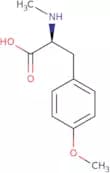
CAS:<p>N-Methyl-O-methyl-L-tyrosine hydrochloride (NMT) is an organic compound that is synthesized from D-alanine. It has been shown to inhibit the production of didemnin, a protein that regulates the cell cycle, in mcf-7 cells. NMT has also been shown to stop the growth of human breast cancer cells and increase the lifespan of mice with cancerous tumors. NMT is a macrocyclic molecule, which means it has a ring structure made up of at least six atoms. The conformation of this molecule may be cyclic or linear.</p>Formula:C11H15NO3·HClPurity:Min. 95%Molecular weight:245.7 g/mol(3a,5a,17a)-19-Norpregnane-3,17-diol
CAS:Controlled Product<p>Please enquire for more information about (3a,5a,17a)-19-Norpregnane-3,17-diol including the price, delivery time and more detailed product information at the technical inquiry form on this page</p>Formula:C20H34O2Purity:Min. 95%Molecular weight:306.48 g/mol1-Naphthalenylsulfonyl-Ile-Trp-aldehyde
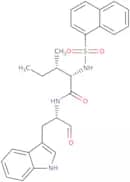
CAS:<p>1-Naphthalenylsulfonyl-Ile-Trp-aldehyde is a recombinant protein that has protease activity. It is a serine protease that cleaves proteins at the amino acid sequence Ser-Xaa-Gly or Ser-Xaa. The recombinant protein has been shown to have proteolytic activity and can be used in assays to measure the amount of β-catenin, collagen, and growth factor in cells. 1-Naphthalenylsulfonyl-Ile-Trp-aldehyde also binds to monoclonal antibodies and can be used as a neutralizing agent for these proteins. This recombinant protein also has been shown to inhibit the growth of lung fibroblasts.</p>Formula:C27H29N3O4SPurity:Min. 95%Color and Shape:PowderMolecular weight:491.6 g/mol5,5'-Dinitro-2H,2'H-3,3'-bi-1,2,4-triazole
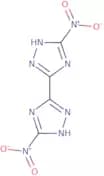
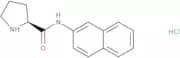
CAS:Controlled Product<p>Please enquire for more information about 5,5'-Dinitro-2H,2'H-3,3'-bi-1,2,4-triazole including the price, delivery time and more detailed product information at the technical inquiry form on this page</p>Formula:C4H2N8O4Purity:Min. 95%Molecular weight:226.11 g/molL-Proline-beta-naphthylamide hydrochloride
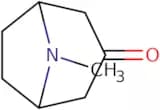
CAS:<p>L-proline analogue</p>Formula:C15H16N2O·HClPurity:Min. 95%Molecular weight:276.76 g/molTropinone
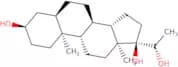
CAS:<p>Tropinone is a polycyclic aromatic hydrocarbon that is found in plant cells. Tropinone exhibits enzyme activities, such as catalase and peroxidase activity, which are important for plant physiology. Tropinone has also been shown to have anti-cancer properties. Platinum-based chemotherapy drugs bind to the tropinone molecule, which inhibits the enzymes that allow cancer cells to grow and multiply. The specific antibody binds to the tropinone molecule by recognizing a carbohydrate group on the molecule's surface, while hydroxyl groups on the tropinones react with trifluoromethanesulfonic acid in water to form ester hydrochloride. This reaction is dependent on pH level and optimum ph is around 7-9.</p>Formula:C8H13NOPurity:Min. 98%Color and Shape:White PowderMolecular weight:139.19 g/molPregnantriol
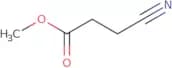
CAS:Controlled ProductPregnantriol is a naturally occurring steroid hormone that is produced in the placenta and the adrenal glands. Pregnantriol has been shown to be a potent inducer of liver cells, which may be due to its ability to bind to enzymes that are involved in lipid metabolism. This compound has also been shown to have diagnostic properties and is used as a diagnostic agent for adrenocortical carcinoma, urinary tract infections, metabolic disorders, and acid formation. Pregnantriol can be detected using fluorescence detection.Formula:C21H36O3Purity:Min. 95%Color and Shape:PowderMolecular weight:336.51 g/mol3-Cyanopropionic acid methyl ester
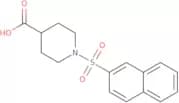
CAS:<p>3-Cyanopropionic acid methyl ester is a compound that belongs to the class of aliphatic carboxylic acids. It is an intermediate in the production of adiponitrile and acrylonitrile. This compound is used as a feedstock for the manufacture of vinylene, which can be used to produce c1-6 alkyl. 3-Cyanopropionic acid methyl ester can be produced from propylene and hydrogen cyanide in a high salt, activated reaction system. It has been shown that this compound may have metabolic disorders due to its ability to inhibit fatty acid oxidation and increase viscosity. 3-Cyanopropionic acid methyl ester is a colorless liquid at room temperature with a boiling point of 154°C and a molecular weight of 98.14 g/mol.</p>Formula:C5H7NO2Purity:Min. 95%Color and Shape:Clear LiquidMolecular weight:113.11 g/mol1-(2-Naphthylsulfonyl)piperidine-4-carboxylic acid
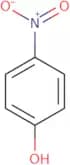
CAS:Please enquire for more information about 1-(2-Naphthylsulfonyl)piperidine-4-carboxylic acid including the price, delivery time and more detailed product information at the technical inquiry form on this pageFormula:C16H17NO4SPurity:Min. 95%Molecular weight:319.38 g/mol4-Nitrophenol
CAS:4-Nitrophenol is a chemical compound that is used in wastewater treatment to remove iron and copper ions. 4-Nitrophenol has been shown to catalyze the oxidation of picolinic acid by copper chloride, forming oxalic acid. The redox potential of 4-nitrophenol is -0.53 V, which makes it a suitable electron acceptor for the reaction. The reaction mechanism of this process involves the formation of a nitroso radical intermediate, which reacts with copper ions to form copper nitroso complexes and then reacts with oxygen to form hydroxylamine radicals. This reaction can also be followed using fluorescence probe measurements or electrochemical impedance spectroscopy (EIS).Formula:C6H5NO3Purity:Min. 95%Color and Shape:PowderMolecular weight:139.11 g/molp-Cresol
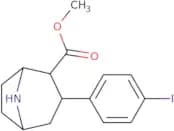
CAS:<p>单酚香气;胶粘剂;密封剂;抗氧化剂;消毒剂</p>Formula:C7H8OPurity:Min. 95%Color and Shape:Colorless Clear LiquidMolecular weight:108.14 g/mol(-)-2β-Carbomethoxy-3β-(4-iodophenyl)nortropane
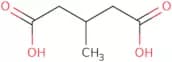
CAS:Controlled Product(-)-2b-Carbomethoxy-3b-(4-iodophenyl)nortropane is a serotonin agonist that has been shown to be effective in the treatment of dysthymia and depression in women. It is a serotonergic agent that binds to serotonin receptors, as well as dopamine receptors, which are involved in the regulation of mood. (-)-2b-Carbomethoxy-3b-(4-iodophenyl)nortropane inhibits the reuptake of serotonin, which leads to an increase in the extracellular concentration of serotonin. This agent also has alkylation properties and can form adducts with thiol groups on proteins, such as 5-HT receptors. A positron emission tomography (PET) study found that (-)-2b-Carbomethoxy-3b-(4-iodophenyl)nortropane is a potent radiotracer for mapping the serotonin transporter systemFormula:C15H18INO2Purity:Min. 95%Color and Shape:PowderMolecular weight:371.21 g/mol3-Methylglutaric acid
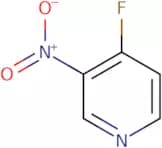
CAS:<p>3-Methylglutaric acid is an organic compound that belongs to the group of alkanocarboxylic acids. It has been shown to reduce the formation of malonic acid, which can be toxic to the heart and cause congestive heart failure. 3-Methylglutaric acid also inhibits oxidation catalysts and increases the production of energy in cells by providing electrons. The kinetic data for 3-methylglutaric acid have been determined using a gas chromatography technique on a high-temperature conversion reactor at a pH of 7.0 with a concentration of 0.1 M potassium phosphate buffer (pH 7) and a temperature of 70°C. 3-Methylglutaric acid has been shown to inhibit monoclonal antibody cationic polymerization, which may be due to its reactive nature and its ability to donate hydrogen ions or electrons.</p>Formula:C6H10O4Purity:Min. 95%Molecular weight:146.14 g/mol4-Fluoro-3-nitropyridine
CAS:<p>4-Fluoro-3-nitropyridine is a reactive chemical that can react with alcohols, amines, and amino acids. It has been shown to have absorption spectra in the ultraviolet region of the light spectrum. 4-Fluoro-3-nitropyridine is also a pyridine derivative.</p>Formula:C5H3FN2O2Purity:Min. 95%Color and Shape:Off-White PowderMolecular weight:142.09 g/molErythrosine
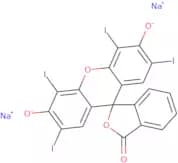
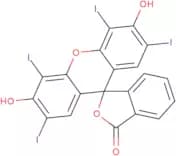
CAS:<p>Erythrosine is a fluorescent dye that is used in the detection of synchronous fluorescence and adsorption. It has been shown to be more sensitive than other methods, such as matrix effect or electrochemical impedance spectroscopy. Erythrosine has been shown to have genotoxic activity in hl-60 cells, as well as long-term toxicity. It also has analytical applications due to its ability to be used as a fluorescence probe for biological samples.</p>Formula:C20H8I4O5·2NaPurity:Min. 95%Color and Shape:Red PowderMolecular weight:881.87 g/molVitamin D3-d6
CAS:Controlled Product<p>Vitamin D3-d6 is a vitamin that has ionizable properties. It is available in the form of an oil and can be used as a dietary supplement for infants, as well as adults. Vitamin D3-d6 has been validated by various assays, including those based on chemical ionization, high-performance liquid chromatography, and gas chromatography. Sample preparation procedures include saponification and extraction with isooctane. The analytical method involves detection by UV light at 254 nm or fluorescence at 365 nm. The efficiency of this vitamin is low because it easily degrades when exposed to light or air.</p>Formula:C27H38D6OPurity:Min. 95%Color and Shape:PowderMolecular weight:390.67 g/mol2-Amino-2',5-dichlorobenzophenone
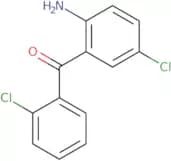
CAS:<p>2-Amino-2',5-dichlorobenzophenone (2,5-DCP) is a molecule with a chromatographic retention time of 23.8 minutes. 2,5-DCP has been detected in human urine samples using the chemical ionization technique as well as the Nova-Pak C18 column and an acetic acid/methanol mobile phase. This compound has been used as a standard for the detection of benzodiazepine drugs such as diazepam and flunitrazepam in urine samples by gas chromatography. 2,5-DCP has also been used in analytical toxicology to detect lormetazepam and lorazepam metabolites in human urine samples.</p>Formula:C13H9Cl2NOPurity:Min. 95%Color and Shape:Off-White PowderMolecular weight:266.12 g/mol1a,25-Dihydroxy vitamin D2
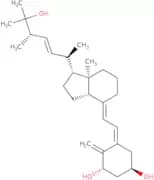
CAS:<p>1a,25-Dihydroxy vitamin D2 is a compound that exhibits various characteristics and applications. It is known for its bioavailability and water-soluble properties, making it easily absorbed by the body. This compound has been extensively studied in the field of research chemicals. One of the notable features of 1a,25-Dihydroxy vitamin D2 is its potential therapeutic effects on ganglioside GM2-related disorders. It has been shown to interact with GM2 activator proteins and fatty acids, which are involved in the metabolism of GM2 gangliosides. This interaction may have implications for the treatment of certain neurological conditions. Additionally, 1a,25-Dihydroxy vitamin D2 has been investigated for its role in modulating immune responses and inflammatory processes. Studies have suggested that this compound can inhibit the production of pro-inflammatory substances like prostaglandins, offering potential anti-inflammatory benefits. Moreover, 1a,25-Dihydroxy vitamin D</p>Formula:C28H44O3Purity:Min. 95%Color and Shape:White PowderMolecular weight:428.65 g/mol19-Hydroxy cholesterol
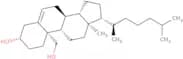
CAS:Controlled Product19-Hydroxy cholesterol is a sterol that is one of the primary products of cholesterol synthesis. It is a secondary bile acid and an oxysterol, which are produced in the liver during cholesterol metabolism. 19-Hydoxycholesterol has been shown to induce apoptosis in leukemia cells, as well as inhibit tumor cell growth. This compound can also inhibit the production of fatty acids by inhibiting β-unsaturated ketones, which are intermediates in the biosynthesis of fatty acids. The inhibition of these ketones leads to an increase in the production of n-3 fatty acids, which have been shown to have beneficial effects on human health. 19-Hydroxycholesterol can be detected using a chemical ionization method with gas chromatography and mass spectroscopy detection.Formula:C27H46O2Purity:Min. 95%Color and Shape:White/Off-White SolidMolecular weight:402.65 g/mol3,5,3',5'-Tetraiodo thyroaldehyde
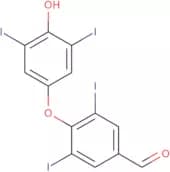
CAS:<p>Please enquire for more information about 3,5,3',5'-Tetraiodo thyroaldehyde including the price, delivery time and more detailed product information at the technical inquiry form on this page</p>Formula:C13H6I4O3Purity:Min. 95%Color and Shape:PowderMolecular weight:717.8 g/molCholesterol propionate
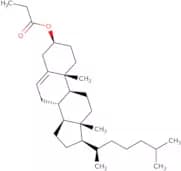
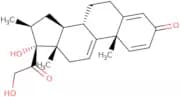
CAS:Controlled Product<p>Cholesterol Propionate is a monolayer film-forming polymer that forms a polymeric matrix when combined with water. The thermal expansion of this material is dependent on the concentration of cholesterol propionate and can be used as a target tissue for multi-walled carbon nanotubes (MWCNTs). In addition, Cholesterol Propionate has been shown to have light emission properties due to its hydroxyl group and fatty acid content. The phase transition temperature of the material is dependent on the concentration of benzoate in the formulation. When it reaches the phase transition temperature, cholesteryl benzoate undergoes a phase change from crystalline to liquid at room temperature. This property can be used to activate MWCNTs within Cholesterol Propionate films, which then emit light.</p>Formula:C30H50O2Purity:Min. 95%Molecular weight:442.7 g/mol17,21Dihydroxy-16β-methylpregna-1,4,9(11)-triene-3,20-dione
CAS:Controlled ProductPlease enquire for more information about 17,21Dihydroxy-16beta-methylpregna-1,4,9(11)-triene-3,20-dione including the price, delivery time and more detailed product information at the technical inquiry form on this pageFormula:C22H28O4Purity:Min. 95%Molecular weight:356.46 g/molNonafluorovaleric acid
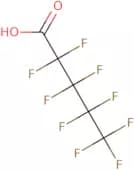
CAS:<p>Nonafluorovaleric acid is a glycol ether that is used as a solvent and in the manufacture of fluoropolymers. Nonafluorovaleric acid is considered to be a potential biomarker for perfluoroalkyl substances, which are toxic chemicals found in many household products. It has been shown to inhibit matrix metalloproteinase activity and can be used to study autoimmune diseases. Nonafluorovaleric acid can also be used as a synchronous fluorescent probe for enzyme-linked immunosorbent assays. The toxicity of this chemical has been studied extensively and it is well known that nonafluorovaleric acid can induce enzyme induction, leading to increased production of enzymes such as cytochrome P450.</p>Formula:C5HF9O2Purity:Min. 95%Color and Shape:Clear LiquidMolecular weight:264.05 g/mol2-Dehydro-3-methoxy tibolone
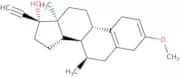
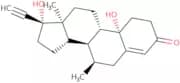
CAS:Controlled Product<p>Please enquire for more information about 2-Dehydro-3-methoxy tibolone including the price, delivery time and more detailed product information at the technical inquiry form on this page</p>Formula:C22H30O2Purity:Min. 95%Molecular weight:326.47 g/mol4,5-Dihydro-19-nortestosterone-17b-decanoate
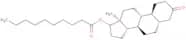
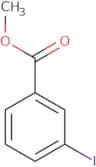
CAS:Controlled Product<p>Please enquire for more information about 4,5-Dihydro-19-nortestosterone-17b-decanoate including the price, delivery time and more detailed product information at the technical inquiry form on this page</p>Formula:C28H46O3Purity:Min. 95%Molecular weight:430.66 g/mol3-Iodobenzoic acid methyl ester
CAS:3-Iodobenzoic acid methyl ester is a synthetic selenium compound that is used in the synthesis of fatty acids. It is also used as a radionuclide in the diagnosis of cancer and other diseases. 3-Iodobenzoic acid methyl ester can be taken orally or injected, but it should not be taken by pregnant women or those who are allergic to iodine. This product has been shown to have anti-cancer properties when given orally, although there are some potential side effects associated with usage. These side effects include nausea, vomiting, diarrhea, and an increase in urine production. 3-Iodobenzoic acid methyl ester is metabolized into toxic products such as biphenyl, which may cause an escalation of symptoms. The structural formula for this product is C8H7INOS2O2.Formula:C8H7IO2Purity:Min. 95%Color and Shape:PowderMolecular weight:262.04 g/mol3a',4',7',7a'-Tetrahydrospiro[cyclopropane-1,8'-[2]oxa[4,7]methano[2]benzofuran]-1',3'-dione
CAS:<p>Please enquire for more information about 3a',4',7',7a'-Tetrahydrospiro[cyclopropane-1,8'-[2]oxa[4,7]methano[2]benzofuran]-1',3'-dione including the price, delivery time and more detailed product information at the technical inquiry form on this page</p>Formula:C11H10O3Purity:Min. 95%Molecular weight:190.2 g/molDiethyl[2-(4-nitrophenoxy)ethyl]amine
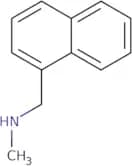
CAS:Controlled Product<p>Please enquire for more information about Diethyl[2-(4-nitrophenoxy)ethyl]amine including the price, delivery time and more detailed product information at the technical inquiry form on this page</p>Formula:C12H18N2O3Purity:Min. 95%Molecular weight:238.28 g/molMethyl-1-naphthalenemethylamine
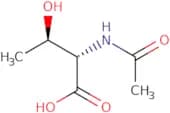
CAS:Methyl-1-naphthalenemethylamine is a synthetic drug that is used as an anti-fungal agent. It is used to treat dermatophytosis and onychomycosis caused by Trichophyton mentagrophytes. Methyl-1-naphthalenemethylamine has been shown to have a clinical response in patients with the skin condition tinea pedis. This drug inhibits the growth of fungi by inhibiting cell membrane synthesis, which leads to cell death. Methyl-1-naphthalenemethylamine has been shown to be effective against Trichophyton mentagrophytes in plasma samples from patients with tinea pedis who were treated with this drug. The effectiveness of this drug may be due to its ability to inhibit the synthesis of polysaccharides, proteins, and lipids in the fungal cell membrane, or its ability to inhibit protein synthesis by binding with ribosFormula:C12H13NPurity:Min. 95%Color and Shape:Clear LiquidMolecular weight:171.24 g/molAcetyl-L-threonine
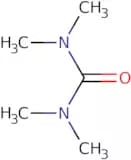
CAS:<p>Acetyl-L-threonine is a nonessential amino acid that is used as a dietary supplement and in clinical chemistry. Acetyl-L-threonine binds to the extracellular signal in mammalian cells and may be involved in the regulation of gene expression. It has been found that acetyl-L-threonine is coagulant, which may be due to its ability to inhibit the formation of fibrinogen or clotting factors. This amino acid can also regulate the release of l-threonine from cells, which affects serum levels. Acetyl-L-threonine has been shown to increase the glomerular filtration rate, which may be due to its ability to increase coagulation.</p>Formula:C6H11NO4Purity:Min. 95%Color and Shape:PowderMolecular weight:161.16 g/molTetramethylurea
CAS:<p>Tetramethylurea is a versatile compound that has various applications in different fields. It is commonly used as a monophosphate donor in biochemical reactions and as a reagent for the synthesis of L-sorbose and histidine. In addition, tetramethylurea is employed in the production of herbicides, as well as in the synthesis of zirconium oxide nanoparticles.</p>Formula:C5H12N2OPurity:Min. 95%Molecular weight:116.16 g/mol4b-Hydroxy cholesterol
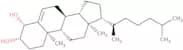
CAS:Controlled Product<p>4b-Hydroxy cholesterol is a sterol that is found in human serum and rat liver microsomes. It has been shown to be a potent inducer of CYP3A4, which is an important enzyme in the metabolism of many drugs. 4b-Hydroxy cholesterol has also been shown to induce transcriptional regulation by binding to the sterol regulatory element binding protein (SREBP) and activating it. This activation results in the increased production of cholesterol and other sterols by upregulating transcription of genes that are involved in cholesterol synthesis. 4b-Hydoxy cholesterol has been shown to have anti-inflammatory properties due to its inhibition of triclosan and clinical studies show that it can reduce serum levels of total cholesterol and low density lipoprotein (LDL) cholesterol in women.</p>Formula:C27H46O2Purity:Min. 95%Molecular weight:402.65 g/mol(3b,9b,10a)-3-Hydroxy-pregna-5,7-dien-20-one
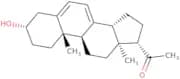
CAS:Controlled Product<p>Please enquire for more information about (3b,9b,10a)-3-Hydroxy-pregna-5,7-dien-20-one including the price, delivery time and more detailed product information at the technical inquiry form on this page</p>Formula:C21H30O2Purity:Min. 95%Molecular weight:314.46 g/mol4-(4-Nitrophenoxy)butanoic acid
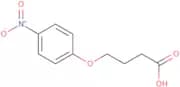
CAS:Controlled Product<p>Please enquire for more information about 4-(4-Nitrophenoxy)butanoic acid including the price, delivery time and more detailed product information at the technical inquiry form on this page</p>Formula:C10H11NO5Purity:Min. 95%Molecular weight:225.2 g/molAtorvastatin
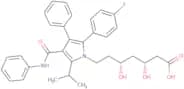
CAS:<p>Atorvastatin is a statin used to reduce low-density lipoprotein (LDL) cholesterol and triglyceride levels in the blood. It is marketed under the trade name Lipitor®. Atorvastatin inhibits the enzyme HMG-CoA reductase, which is responsible for the production of cholesterol. This drug also reduces plaque formation in atherosclerotic lesions by inhibiting inflammation and has been shown to be effective in reducing mortality from coronary heart disease. In addition, atorvastatin has a low incidence of side effects, particularly when compared with other statins such as simvastatin, pravastatin, or lovastatin. The risk of developing adverse reactions to this drug increases with age and prolonged use. The most common side effects are muscle pain or weakness, headache, nausea, high blood sugar levels (elevated glucose), and liver problems.</p>Formula:C33H35FN2O5Purity:Min. 95%Color and Shape:PowderMolecular weight:558.64 g/mol13-cis-β-Carotene
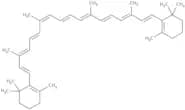
CAS:<p>13-cis-b-Carotene is a carotenoid that has been classified as a provitamin. It is not active in humans but it can be converted to b-carotene, an active form of vitamin A. 13-Cis-b-Carotene is found in plant foods such as carrots and sweet potatoes and can be used for the prevention of atherosclerosis and heart disease. 13-Cis-b-Carotene has been shown to have antiatherogenic effects by inhibiting the oxidation of LDL cholesterol and may also inhibit the proliferation of cancer cells. The conversion of 13-cis-b-carotene to b-carotene occurs through a number of reactions, including beta oxidation, desaturation, and hydrolysis by esterases or glucuronidases.</p>Formula:C40H56Purity:Min. 95%Color and Shape:PowderMolecular weight:536.87 g/mol4'-Hydroxy atomoxetine
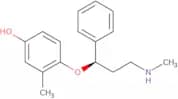
CAS:<p>4'-Hydroxyatomoxetine is a metabolite of atomoxetine, which is a drug that is used to treat attention deficit hyperactivity disorder and narcolepsy. 4'-Hydroxyatomoxetine has been shown to have pharmacological properties similar to those of atomoxetine. However, it does not bind to the κ-opioid receptors, unlike its parent drug. The analytical method for this metabolite has been developed using liquid chromatography with tandem mass spectrometry. The major limitation with the analytical method is that it can be affected by matrix effects and hepatic impairment. This metabolite is glucuronidated and then conjugated with trifluoroacetic acid (TFA) before excretion in urine or bile. It also binds to kappa-opioid receptors, but at a lower affinity than its parent compound.</p>Formula:C17H21NO2Purity:Min. 95%Color and Shape:PowderMolecular weight:271.35 g/mol(6a,11b,16a)-21-(Acetyloxy)-9-bromo-6-fluoro-11-hydroxy-16-methyl-pregna-1,4-diene-3,20-dione
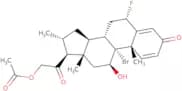
CAS:Controlled ProductPlease enquire for more information about (6a,11b,16a)-21-(Acetyloxy)-9-bromo-6-fluoro-11-hydroxy-16-methyl-pregna-1,4-diene-3,20-dione including the price, delivery time and more detailed product information at the technical inquiry form on this pageFormula:C24H30BrFO5Purity:Min. 95%Molecular weight:497.39 g/molPregna-1,4,9(11),16-tetraene-3,20-dione
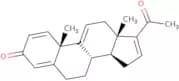
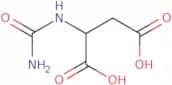
CAS:Controlled Product<p>Pregna-1,4,9(11),16-tetraene-3,20-dione is a controlled product that is widely used in the industrial sector. It is a phosphoric compound that has various applications. This chemical compound acts as a chemokine and contains active agents such as tryptamine and aldehyde monophosphate. Pregna-1,4,9(11),16-tetraene-3,20-dione is also known to be a mouse metabolite and has been found to have properties similar to naphthalene and phenylethylamine. With its acidic nature and oxygen-containing structure, this compound can be easily purified through recrystallization. It exists in different tautomeric forms, making it highly versatile for various applications in different industries.</p>Formula:C21H24O2Purity:Min. 95%Molecular weight:308.41 g/molN-(Aminocarbonyl)aspartic acid
CAS:N-Aminocarbonyl-L-aspartic acid (NACD) is a molecule that is found in urine samples. It can be used as a biomarker to detect cancer, HIV infection, and many other diseases. The presence of NACD has been correlated with the development of acidosis, which is characterized by an increase in the pH of body fluids. The following are a few examples of how this product might be described on an eCommerce site: Rifapentine is an anti-tuberculosis drug that belongs to the class of rifamycins. It is the most active of the rifamycins for the treatment of tuberculosis. Rifapentine inhibits bacterial growth by binding to DNA-dependent RNA polymerase, thereby preventing transcription and replication. The high frequency of human activity has been shown using a patch-clamp technique on human erythrocytes. This active form is metabolized throughFormula:C5H8N2O5Purity:Min. 95%Color and Shape:PowderMolecular weight:176.13 g/mol[3-(1-Naphthyl)propyl]amine
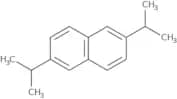
CAS:<p>3-(1-Naphthyl)propyl]amine is an organic compound that is a colorless solid with a melting point of -118°C. It is soluble in water, methanol, and acetone. 3-(1-Naphthyl)propyl]amine forms acid when heated with concentrated hydrochloric acid. The reaction produces hydrogen chloride gas and benzoic acid as a byproduct. 3-(1-Naphthyl)propyl]amine also reacts with pyridine to produce carbamic acid and ammonia gas as a byproduct. This can be rationalized systematically by the loss of the amine group from the nitrogen atom of the amine molecule. Carbamic acid has two acidic protons on it which are stabilized by the carbonyl group on the other side of the molecule. 3-(1-Naphthyl)propyl]amine can also react with anions such as carbonate ions to form carbamate salts,</p>Formula:C13H15NPurity:Min. 95%Color and Shape:Clear LiquidMolecular weight:185.26 g/mol2,6-Diisopropylnaphthalene
CAS:<p>Epidermal growth factor (EGF) is a polypeptide hormone that stimulates mitosis and cell growth. In some cases, it can act as an autocrine or paracrine hormone. Epidermal growth factor is used to stimulate the renewal of cells in the skin and mucous membranes. It also has been shown to have anti-inflammatory properties, which may be due to its ability to inhibit the release of inflammatory mediators such as prostaglandins and leukotrienes. 2,6-Diisopropylnaphthalene (2,6-DNP) is an antimicrobial agent that binds to the cell nucleus and inhibits transcription and translation of DNA into RNA by binding to RNA polymerase II. This binding prevents formation of transcription complexes with the cell factor necessary for transcription. 2,6-DNP has been shown to reduce disease activity in patients with inflammatory bowel disease in a clinical trial when used alone or in combination with other agents. The</p>Formula:C16H20Purity:Min. 95%Molecular weight:212.33 g/molMetroprolol succinate
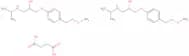
CAS:Controlled Product<p>Metroprolol succinate is a prodrug of metoprolol. It is used for the treatment of high-sensitivity c-reactive protein, which is an inflammatory marker that indicates the presence and severity of atherosclerosis. Metoprolol succinate also has anti-inflammatory properties and can be used to treat cardiac disorders such as congestive heart failure. The drug inhibits the growth factor-β1 pathway in cardiac cells, which may be due to its ability to inhibit cellular proliferation by inducing apoptosis. This drug also has a protective effect on the skeleton, preventing bone loss and osteoporosis. Metroprolol succinate can be used in sample preparation for hydrochloric acid digestion or particle size analysis.</p>Formula:(C15H25NO3)2•C4H6O4Purity:Min. 95%Color and Shape:White PowderMolecular weight:652.82 g/mol2-Bromo-4'-nitroacetophenone
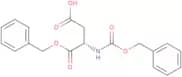
CAS:<p>2-Bromo-4'-nitroacetophenone is a chemical compound that has been shown to be active in enzyme inhibition experiments. It has been found to inhibit the activity of histidine decarboxylase, which catalyzes the conversion of histidine to histamine, and uv absorption. 2-Bromo-4'-nitroacetophenone binds to the active site of P450 enzymes, inhibiting their catalytic activity. This compound also inhibits fatty acid oxidation by binding to fatty acid hydroxylase and hydrogen bonds with tyrosine residues in proteins. 2-Bromo-4'-nitroacetophenone is structurally similar to 2-bromoacetophenone, which has been shown to have antihistaminic properties.</p>Formula:C8H6BrNO3Purity:Min. 95%Color and Shape:PowderMolecular weight:244.04 g/molN-Cbz-L-aspartic acid 1-benzyl ester
CAS:<p>N-Cbz-L-aspartic acid 1-benzyl ester is a synthetic stereoselective allyl group that can be used for biochemical studies. It has been shown to have a role in the repair of damaged DNA and cellular growth. N-Cbz-L-aspartic acid 1-benzyl ester is an adenosine diphosphate (ADP) analog, which acts as an acceptor of ADP and inhibits phosphatases.</p>Formula:C19H19NO6Purity:Min. 95%Color and Shape:PowderMolecular weight:357.36 g/mol10b-Hydroxy delta4-tibolone
CAS:Controlled Product<p>Please enquire for more information about 10b-Hydroxy delta4-tibolone including the price, delivery time and more detailed product information at the technical inquiry form on this page</p>Formula:C21H28O3Purity:Min. 95%Molecular weight:328.45 g/mola,O-Dimethyl serotonin
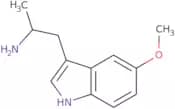
CAS:Controlled Product<p>a,O-Dimethyl serotonin is a monoamine compound that is synthesized by the enzymatic decarboxylation of 5-hydroxytryptophan. It has been shown to increase dopamine levels and inhibit the enzyme activity of serotonin in mice. This drug also binds to 5-ht2 receptors and induces the release of serotonin from nerve cells. A linear calibration curve was obtained using bufotenin as a standard. This drug has been used in analytical toxicology for determining the uptake of serotonin into human lung tissue and its effect on 5-ht1a receptors. In addition, a study was conducted with perennial ryegrass to determine whether this drug inhibits plant toxin synthesis. The results showed that it did not have an inhibitory effect on plant toxins and may even promote their synthesis.</p>Formula:C12H16N2OPurity:Min. 95%Molecular weight:204.27 g/mol3,3'-[1,3-Phenylenebis(oxy)]dipropanoic acid
CAS:Please enquire for more information about 3,3'-[1,3-Phenylenebis(oxy)]dipropanoic acid including the price, delivery time and more detailed product information at the technical inquiry form on this pageFormula:C12H14O6Purity:Min. 95%Molecular weight:254.24 g/molErythrosin B
CAS:<p>Erythrosin B is a fluorescent dye that is used in biological research. It has been shown to have cytotoxic effects on human leukemia cells (HL-60) and cytotoxic effects on human lymphocytes. The toxicities of this compound are dependent on the concentration and the duration of exposure, as well as the type of biological sample. Erythrosin B can be used to detect DNA damage in cells by using an analytical method called matrix effect synchronous fluorescence. This dye appears to be genotoxic in vitro and in vivo, but its long-term toxicity is unknown. Erythrosin B has antimicrobial properties against gram-positive bacteria and fungi, but it does not have any activity against Gram negative bacteria or viruses.</p>Formula:C20H8I4O5Purity:Min. 95%Color and Shape:PowderMolecular weight:835.89 g/mol3a,21-Dihydroxy-5a-pregnane-11,20-dione 21-acetate
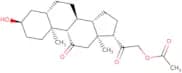
CAS:Controlled Product3a,21-Dihydroxy-5a-pregnane-11,20-dione 21-acetate is a short-acting intravenous anaesthetic that is used in surgical procedures. It has been shown to have antinociceptive properties and can be used as a potent analgesic. 3a,21-Dihydroxy-5a-pregnane-11,20-dione 21-acetate binds to the alpha1 adrenergic receptor and blocks the release of noradrenaline from nerve terminals in the brain. This prevents the activation of neurons in the spinal cord that transmit pain signals to the brain. The drug also inhibits the action of gamma aminobutyric acid on neurones and increases levels of cortisol concentration in blood plasma. The mechanism by which 3a,21 -dihydroxy 5a pregnane 11,20 dione 21 acetate produces its anaesthetic effects has not yet been elucidated.Formula:C23H34O5Purity:Min. 95%Molecular weight:390.51 g/molBenzoyl ecgonine isopropyl ester
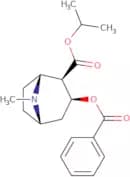
CAS:Controlled Product<p>Benzoyl ecgonine isopropyl ester is an analytical toxicology procedure that is used to identify the presence of cocaine in biological samples. The sample preparation involves homogenizing the sample, extracting it with solvents, and evaporating the solvent. Benzoyl ecgonine isopropyl ester is then incubated at room temperature for 15 minutes before adding a solution of hydrochloric acid and potassium dichromate. A color change from yellow to orange indicates the presence of cocaine. This test can be performed on either whole blood or plasma samples and can also be used to detect other drugs such as amphetamines, barbiturates, benzodiazepines, and opiates.</p>Formula:C19H25NO4Purity:Min. 95%Molecular weight:331.41 g/mol2-Chloro-N-1-naphthylacetamide
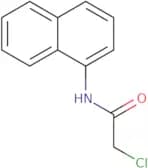
CAS:<p>2-Chloro-N-1-naphthylacetamide is a synthetic organic compound that belongs to the class of sulfur compounds. It is used in the synthesis of other compounds and has been shown to be a potent inhibitor of hydroxylapatite and sulfate hydrolysis. The reaction mechanism for this compound’s inhibition of sulfate hydrolysis is not known, but it may be due to its ability to act as an electron donor or acceptor. 2-Chloro-N-1-naphthylacetamide also has carcinogenic properties, with some studies suggesting that it can cause liver cancer in rodents.</p>Formula:C12H10ClNOPurity:Min. 95%Molecular weight:219.67 g/molBeta-Butyrolactone
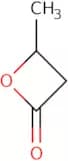
CAS:Controlled Product<p>Beta-Butyrolactone is a chemical compound that is soluble in water, methanol, and acetone. It has been shown to have an acid formation rate of 0.0014 moles per liter per minute at pH 7.5 and 20°C. Beta-Butyrolactone is classified as a fatty acid ester and can form esters with other carboxylic acids. This chemical has been shown to inhibit the growth of skin cancer cells in vitro and has been used as an additive in skin lotions for cosmetic purposes. The reaction mechanism for beta-butyrolactone is not well understood, but it likely involves an activation energy of</p>Formula:C4H6O2Purity:Min. 95 Area-%Color and Shape:Clear LiquidMolecular weight:86.09 g/molNardosinone
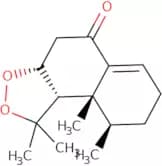
CAS:Controlled Product<p>Nardosinone is a secoiridoid compound, which is a natural product derived from the roots of the plant Nardostachys jatamansi, commonly known as spikenard. The source of Nardosinone is a flowering plant that is native to the Himalayan region and has been traditionally used in Ayurvedic medicine for its therapeutic properties. The mode of action of Nardosinone involves modulation of neurotransmitter systems, inhibition of neuroinflammation, and protection against oxidative damage, contributing to its neuroprotective effects. Nardosinone exhibits potential applications in the treatment of neurodegenerative disorders, such as Alzheimer's disease and Parkinson's disease, due to its ability to improve cognitive function and mitigate neuronal damage. Additionally, it is being investigated for its potential role in mood regulation and anti-anxiety effects. Given its intriguing pharmacological profile, Nardosinone is the subject of ongoing research aimed at understanding its comprehensive mechanisms and potential therapeutic benefits in neuroscience.</p>Formula:C15H22O3Purity:Min. 95%Color and Shape:SolidMolecular weight:250.33 g/molDorzolamide hydrochloride related compound A
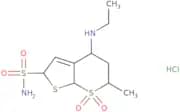
CAS:<p>Please enquire for more information about Dorzolamide hydrochloride related compound A including the price, delivery time and more detailed product information at the technical inquiry form on this page</p>Formula:C10H16N2O4S3·HClPurity:Min. 95%Molecular weight:360.9 g/molall-trans-13,14-Dihydro retinol
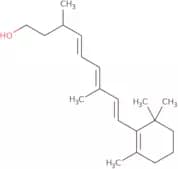
CAS:<p>Retinol is a form of vitamin A that is used for the treatment of insulin resistance. It can be synthesized by the body from all-trans-retinol, which is found in many animal and plant sources. Retinol can also be obtained from supplements, although it is poorly absorbed by the body. Retinol has been shown to improve insulin sensitivity in a cell culture model system, as well as in wild-type mice with diabetes mellitus. This drug has been shown to have strong anti-inflammatory effects and may also be useful for the treatment of hepatic steatosis. Retinol binds competitively to cellular retinoic acid receptors, leading to transcriptional activation of target genes, such as those involved in fatty acid metabolism.</p>Formula:C20H32OPurity:Min. 95 Area-%Color and Shape:Clear Viscous LiquidMolecular weight:288.47 g/molε-Carotene
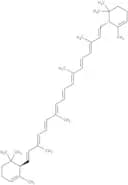
CAS:Epsilon-Carotene is a carotenoid that is found in plants. It is synthesized from beta-carotene through the action of enzymes called beta-carotene ketolases. Epsilon-Carotene can be cleaved by enzymes to produce lycopene and beta-cryptoxanthin. The biosynthesis of Epsilon-Carotene has been studied in a number of clinical studies, including the effect on human tissues and the prevention of cancer. Epsilon-Carotene has also been shown to have anti-inflammatory properties, which may be due to its ability to inhibit prostaglandin synthesis.Formula:C40H56Purity:Min. 95%Molecular weight:536.87 g/molDiacetato[(R)-(+)-2,2'-bis(diphenylphosphino)-1,1'-binaphthyl]ruthenium(II)
CAS:<p>Please enquire for more information about Diacetato[(R)-(+)-2,2'-bis(diphenylphosphino)-1,1'-binaphthyl]ruthenium(II) including the price, delivery time and more detailed product information at the technical inquiry form on this page</p>Formula:C48H38O4P2RuPurity:Min. 95%Molecular weight:841.83 g/molO-tert-Butyl-L-threonine 2-chlorotrityl resin
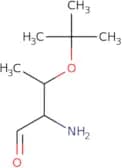
<p>Please enquire for more information about O-tert-Butyl-L-threonine 2-chlorotrityl resin including the price, delivery time and more detailed product information at the technical inquiry form on this page</p>Purity:Min. 95%5,5'-Thiodisalicylic Acid
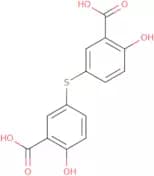
CAS:<p>5,5'-Thiodisalicylic Acid is a reactive functional group with a silver ion. This compound has a hydrochloric acid and hydroxy group that react to form a hydroxyl group with the proton. It also has a nitrogen atom, which can be found in the reactive acidic hydroxyl group of 5,5'-thiodisalicylic acid. The fatty acids are viscosity and carbonyl groups. 5,5'-Thiodisalicylic Acid is an organic compound that reacts with chloride to form patterns.</p>Purity:Min. 95%Delta 5-avenasterol
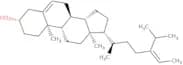
CAS:Controlled Product<p>Delta 5-avenasterol is a fatty acid that is used as an anti-inflammatory. It has been shown to reduce inflammation in animals by inhibiting the production of arachidonic acid, which is a precursor of prostaglandins and leukotrienes. Delta 5-avenasterol also has antioxidant properties and can be used as an additive in animal feed to reduce oxidative stress. The most common form of delta 5-avenasterol found in plants is delta 5,6-avenasterol, but delta 5-avenasterol can also be found in soybean oil. Delta 5-avenasterol can be detected using various assays including the chromatographic assay with an ionization detector and a spectrophotometric assay with a UV detector.</p>Formula:C29H48OPurity:Min. 95%Molecular weight:412.69 g/mol3-Chloro-4-nitropyridine 1-oxide
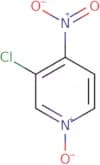
CAS:<p>3-Chloro-4-nitropyridine 1-oxide is the condensation product of 2-chloro-3-nitropyridine and nitric acid. 3-Chloro-4-nitropyridine 1-oxide has an isomeric nature and can be purified by recrystallization from water. The compound has a molecular weight of 286.1 g/mol and a monoclinic crystal structure. It has two n-oxides, which are isomers of each other, with nmr spectra that differ by the shift in the chemical shifts of the protons on the aromatic ring. 3-Chloro-4-nitropyridine 1-oxide condenses with lanthanides to form lanthanide complexes, such as Eu(III)(3,5'-ClO 4 ) 2 . This compound is also used in the synthesis of phenoxathiine derivatives that have antihypertensive activity.</p>Formula:C5H3ClN2O3Purity:Min. 95%Molecular weight:174.54 g/molCholesterol n-Octyl Carbonate
CAS:Controlled Product<p>Please enquire for more information about Cholesterol n-Octyl Carbonate including the price, delivery time and more detailed product information at the technical inquiry form on this page</p>Purity:Min. 95%4-Fluorotropacocaine
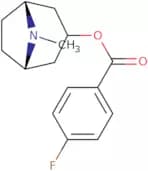
CAS:Controlled Product<p>4-Fluorotropacocaine is a synthetic, serotonergic compound that has been shown to have similar effects in the brain as diazepam. 4-Fluorotropacocaine has been postulated to be a supplement and is thought to have neuroprotective properties. It binds to serotonin receptors and inhibits the reuptake of serotonin by neurons. This inhibition causes an increase in the level of serotonin in the synaptic cleft, which can lead to symptoms such as nausea, vomiting, and headache. 4-Fluorotropacocaine may also inhibit dopamine reuptake leading to symptoms such as hallucinations, delusions, and confusion. Structural analogs of 4-fluorotropacocaine are often used in research studies because they can be synthesized with various substitutions on the benzene ring.</p>Formula:C15H18FNO2Purity:Min. 95%Molecular weight:263.31 g/molall-trans-Retro retinol
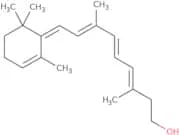
CAS:<p>All-trans-retinol is a form of vitamin A that is found in many animal tissues and some plant oils. It acts as a hormone, binding to the retinoic acid receptors (RARs) in the nucleus and activating gene transcription. All-trans-retinol has been shown to be effective against hyperproliferative diseases such as cancer, both by inducing apoptosis and by inhibiting cell growth. All-trans-retinol may also have therapeutic potential for other diseases, such as intestinal cancers and prostatic hypertrophy. This compound has been shown to induce messenger RNA (mRNA) production in cells that express RARs.</p>Formula:C20H30OPurity:Min. 95%Molecular weight:286.45 g/molCholesterol Isopropyl Carbonate
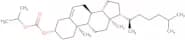
CAS:Controlled Product<p>Cholesterol Isopropyl Carbonate is an inorganic, high melting coating that is used to enhance the properties of microcapsules. This material is a solid at room temperature and can be applied to particles such as liposomes, polymers, and nanoparticles. Cholesterol Isopropyl Carbonate has a particle size range of 500-2,000 nm and contains functional groups such as carboxylic acids. Treatment methods for this product include heating with thermal energy or irradiation with optical energy.</p>Purity:Min. 95%Profenofos
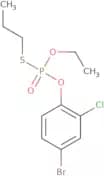
CAS:<p>Profenofos is a water-soluble organophosphate that can be used as a pesticide. It has been shown to have synergic effects with other pesticides, such as malathion and carbaryl. Profenofos has been studied for its toxicological properties in vitro and in vivo. These studies have shown that the lowest dose at which there are adverse effects on biochemical properties is 0.1 mg/kg of body weight. The mode of action of profenofos includes inhibition of esterases, glutathione reductase, and cytochrome P450 enzymes. This enzyme inhibition leads to an accumulation of acetylcholine in the synaptic cleft, which causes muscle paralysis and death from respiratory failure. Profenofos also affects cardiac function by blocking potassium channels, leading to heart rate changes and arrhythmias. Profenofos can be identified using chromatographic analysis or electrochemical impedance spectroscopy (EIS). EIS is</p>Formula:C11H15BrClO3PSPurity:Min. 95%Color and Shape:Clear LiquidMolecular weight:373.63 g/mol4-Nitrophenyl Anthranilate
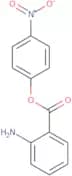
CAS:Controlled Product<p>4-Nitrophenyl anthranilate is a potent inhibitor of serine protease. It is synthesized by reacting an anthranilate with an hydroxyl group in the presence of ultraviolet light, and can be used as a fluorescent probe. 4-Nitrophenyl anthranilate binds to the active site of serine protease, and prevents the hydrolysis of proteins by blocking the cleavage of peptide bonds at the carboxylic acid termini. This compound has been shown to inhibit human serum albumin and cell nuclei in vitro. The reaction mechanism for this compound is unknown, but it is believed that it may involve a photo-induced electron transfer mechanism.</p>Formula:C13H10N2O4Purity:Min. 95%Color and Shape:PowderMolecular weight:258.23 g/mol




![4'-[[1,4'-Dimethyl-2'-propyl(2,6'-bi-1H-benzimidazol)-1'-yl]-methyl]-1,1'-biphenyl-2-carboxylicaci…](/_next/image/?url=https%3A%2Fstatic.cymitquimica.com%2Fproducts%2F3D%2Fthumb-webp%2FFD148340.webp&w=3840&q=75)
![Chloro[2-(di-tert-butylphosphino)-2',4',6'-triisopropyl-1,1'-biphenyl][2-(2-aminoethyl)phenyl)]pal…](/_next/image/?url=https%3A%2Fstatic.cymitquimica.com%2Fproducts%2F3D%2Fthumb-webp%2FFC156938.webp&w=3840&q=75)


![3a',4',7',7a'-Tetrahydrospiro[cyclopropane-1,8'-[2]oxa[4,7]methano[2]benzofuran]-1',3'-dione](/_next/image/?url=https%3A%2Fstatic.cymitquimica.com%2Fproducts%2F3D%2Fthumb-webp%2FFT131357.webp&w=3840&q=75)
![Diethyl[2-(4-nitrophenoxy)ethyl]amine](/_next/image/?url=https%3A%2Fstatic.cymitquimica.com%2Fproducts%2F3D%2Fthumb-webp%2FFD21808.webp&w=3840&q=75)
![[3-(1-Naphthyl)propyl]amine](/_next/image/?url=https%3A%2Fstatic.cymitquimica.com%2Fproducts%2F3D%2Fthumb-webp%2FFN134365.webp&w=3840&q=75)

![3,3'-[1,3-Phenylenebis(oxy)]dipropanoic acid](/_next/image/?url=https%3A%2Fstatic.cymitquimica.com%2Fproducts%2F3D%2Fthumb-webp%2FFP131541.webp&w=3840&q=75)
![Diacetato[(R)-(+)-2,2'-bis(diphenylphosphino)-1,1'-binaphthyl]ruthenium(II)](/_next/image/?url=https%3A%2Fstatic.cymitquimica.com%2Fproducts%2F3D%2Fthumb-webp%2FFD162446.webp&w=3840&q=75)