Pharmaceutical Standards
Pharmaceutical standards are a comprehensive set of reference materials essential for ensuring the safety, efficacy, and quality of pharmaceutical products. This category includes standards for active pharmaceutical ingredients (APIs), which are the core components responsible for therapeutic effects. Additionally, it covers compounds and metabolites relevant to both the pharmaceutical and veterinary industries, providing benchmarks for the accurate measurement and analysis of these substances. Nitrosamine control standards are crucial for detecting and mitigating potentially harmful nitrosamines in drug formulations. Toxicology standards help assess the safety and potential adverse effects of pharmaceutical compounds. Furthermore, enzyme activators and inhibitors standards are vital for research and development, enabling precise studies of biochemical pathways and drug mechanisms. These pharmaceutical standards are indispensable tools for regulatory compliance, quality control, and research, ensuring that pharmaceutical products meet stringent safety and effectiveness criteria.
Subcategories of "Pharmaceutical Standards"
- APIs for research and impurities(274,845 products)
- Enzyme Activators and Inhibitors(2,827 products)
- Nitrosamines(2,605 products)
- Pharmaceutical and Veterinary Compounds and Metabolites(2,869 products)
- Toxicology(13,652 products)
Found 7836 products of "Pharmaceutical Standards"
Sort by
Purity (%)
0
100
|
0
|
50
|
90
|
95
|
100
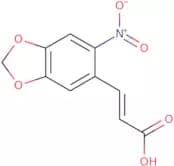
3,4-(Methylenedioxy)-6-nitrocinnamic acid
CAS:<p>3,4-(Methylenedioxy)-6-nitrocinnamic acid is a cytotoxic molecule that inhibits the growth of cells by interfering with the synthesis of proteins. It binds to DNA and prevents the transcription process from occurring. This molecule has been shown to inhibit endoplasmic reticulum and Golgi apparatus functions in plant cells. 3,4-(Methylenedioxy)-6-nitrocinnamic acid has also been used as a polymerization agent for polyacrylamide gels. A number of modifications have been made to this molecule in order to increase its effectiveness, such as methyl esterification and mutagenesis. This compound has also been shown to enhance Taxol's anti-cancer effects on cell cultures.</p>Formula:C10H7NO6Purity:Min. 90%Color and Shape:White PowderMolecular weight:237.17 g/molTipranavir disodium
CAS:Anti-viral; HIV protease inhibitorFormula:C31H31F3N2Na2O5SPurity:Min. 95%Molecular weight:646.63 g/molSoyasaponin Ba
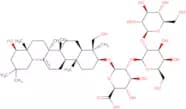
CAS:<p>Inhibits L-iodose and HNE reduction; aldose reductase inhibitor</p>Formula:C48H78O19Purity:Min. 98 Area-%Color and Shape:PowderMolecular weight:959.12 g/molAnthracene
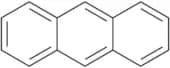
CAS:<p>Anthracene is a fluorescent probe that is used in the detection of hydrochloric acid. The fluorescence intensity of anthracene changes when it interacts with HCl, which makes it a good indicator for detecting this acid. Anthracene has been shown to bind to the bacterial cell wall skeleton and inhibit detoxification enzymes, such as beta-glucuronidase and beta-lactamase. This inhibition can be used to measure the activity of these enzymes. Anthracene has also been shown to have transport properties in inflammatory bowel disease (IBD). Protocatechuic acid has been shown to increase the solubility of anthracene in experimental conditions.</p>Formula:C14H10Purity:(Hplc) Min. 98.5%Color and Shape:PowderMolecular weight:178.23 g/molL-Alanine-β-naphthylamide
CAS:<p>L-alanine-β-naphthylamide is an amino acid that is synthesized by the action of β-Naphtholactamase on l-alanine. It is used as a substrate for enzyme studies and to determine the uptake of substances by cells. L-Alanine-β-naphthylamide has been shown to inhibit the activity of some enzymes, such as aminopeptidases and peptidases. The inhibition may be due to its ability to bind to lysine residues in the active site of these enzymes. This amino acid also inhibits the growth of bacteria at neutral pH and has a bacteriostatic effect at a pH range from 4.5 to 5.5.</p>Formula:C13H14N2OPurity:Min. 95%Color and Shape:PowderMolecular weight:214.26 g/molD-Pantolactone
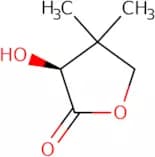
CAS:<p>D-Pantolactone is a lactone that is produced by the bacterial strain Pantoea agglomerans. It is an intermediate in the biosynthesis of pantothenic acid and calcium pantothenate. D-Pantolactone has been shown to have inhibitory properties against HIV infection, but it is not active against other viruses. D-Pantolactone binds to the enzyme hydrolase and blocks the transfer of a proton from ATP to ADP, inhibiting the production of ATP and leading to cell death. The reaction solution for D-pantolactone can be analyzed using nuclear magnetic resonance spectroscopy (NMR) or high performance liquid chromatography (HPLC).</p>Formula:C6H10O3Purity:Min. 98%Color and Shape:White PowderMolecular weight:130.14 g/mol3-Amino-2-pyrazinecarboxylic acid methyl ester
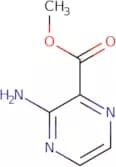
CAS:<p>3-Amino-2-pyrazinecarboxylic acid methyl ester (3APCME) is a potent anti-mycobacterial agent that inhibits the growth of Mycobacterium tuberculosis by inhibiting the synthesis of amines, which are necessary for its survival. 3APCME has also been shown to have an inhibitory effect on other bacteria that require amines for their survival, such as Escherichia coli. This agent binds to the receptor and inhibits the enzyme pyrazinase in the reaction of phenoxy with dimethylformamide. The molecular modeling studies show that 3APCME is able to bind to a hydrophobic region on the enzyme's surface and form a covalent bond through nucleophilic attack. The asymmetric synthesis results in the production of one enantiomer of 3APCME and allows for greater efficacy against mycobacteria than other agents.</p>Formula:C6H7N3O2Purity:Min. 95%Color and Shape:PowderMolecular weight:153.14 g/mol3'-Amino-2'-hydroxyacetophenone
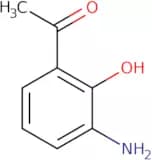
CAS:<p>3'-Amino-2'-hydroxyacetophenone is a synthetic compound that reacts with salicylaldehyde and hydrochloric acid to form an aromatic hydrocarbon. The reaction vessel used is made of glass and contains potassium dichromate, copper complex, and nitro. This product can be produced in acidic conditions with the addition of phosphotungstic acid and chloride. 3'-Amino-2'-hydroxyacetophenone can also be produced by reacting mercuric chloride, which is an oxidizing agent, with an aromatic hydrocarbon. This product has a rotator.</p>Formula:C8H9NO2Purity:Min. 95%Color and Shape:PowderMolecular weight:151.16 g/mol3'-Aminopropionanilide
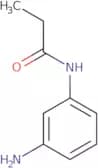
CAS:<p>3'-Aminopropionanilide is a synthetic chemical that belongs to the group of aminopropionates. It has been used as a reaction component and reagent in organic synthesis. 3'-Aminopropionanilide is a versatile building block, which can be used to synthesize complex compounds with different functions. This compound is also an intermediate in the synthesis of other chemicals, such as pharmaceuticals or agrochemicals. 3'-Aminopropionanilide has a CAS number of 22987-10-6.</p>Formula:C9H12N2OPurity:Min. 95%Color and Shape:PowderMolecular weight:164.2 g/mol1,4,5,8-Tetramethylnaphthalene
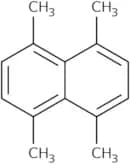
CAS:<p>1,4,5,8-Tetramethylnaphthalene is a colorless liquid that is synthesized from naphthalene and trifluoroacetic acid. It has been used as a photolytic substrate in the rationalized synthesis of 1,4-benzoquinones. Tetramethylnaphthalene also reacts with diacetate to form tetraacetates. The compound is stable at low temperatures but undergoes thermal decomposition above 120 degrees Celsius. Tetramethylnaphthalene can be oxidized by air or oxygen to form aniline. This reaction can occur through either orientation of the molecule. Tetramethylnaphthalene has been used as an acceptor in hydrodynamic studies and as a strain in solid state studies.</p>Formula:C14H16Purity:Min. 95%Color and Shape:PowderMolecular weight:184.28 g/molN-Acetyl-L-carnosine
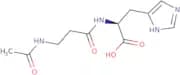
CAS:<p>N-Acetyl-L-carnosine is a reactive compound that has been shown to be effective in the treatment of metabolic disorders. It inhibits carcinine, an enzyme involved in lipid metabolism, and has been shown to increase carnosine levels in vivo and in human serum. N-Acetyl-L-carnosine also inhibits acetylcholinesterase activity, which may be beneficial for eye disorders such as glaucoma. This compound also possesses antioxidative properties and has been shown to have a high resistance against many enzymes. N-Acetyl-L-carnosine has been studied extensively for its biological effects, including its antioxidant and antiaging properties.</p>Formula:C11H16N4O4Purity:Min. 98 Area-%Color and Shape:PowderMolecular weight:268.27 g/molFluoxetine hydrochloride
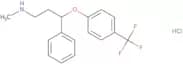
CAS:Controlled Product<p>Fluoxetine is a selective serotonin reuptake inhibitor (SSRI) that is used in the treatment of depression, obsessive-compulsive disorder, and other disorders. It is also used to reduce the symptoms of premenstrual dysphoric disorder. Fluoxetine inhibits the reabsorption of serotonin by neurons, which increases the levels of this neurotransmitter in the synaptic space. Fluoxetine hydrochloride binds to serotonergic receptors in the brain that are believed to be involved in mood control and depression. SSRIs act as an active inhibitor of serotonin synthesis, thereby increasing its availability. Studies have shown that fluoxetine can inhibit the proliferation of cancer cells by inhibiting bcl-2 protein expression and promoting apoptosis.</p>Formula:C17H19ClF3NOPurity:Min. 98 Area-%Color and Shape:White PowderMolecular weight:345.79 g/mol17-Hydroxy-6-methylpregna-4,6-diene-3,20-dione
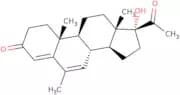
CAS:Controlled Product17-Hydroxy-6-methylpregna-4,6-diene-3,20-dione is a progestin that is used as an antiretroviral agent in the treatment of HIV. It has been shown to be effective for chronic cough and cancer. 17-Hydroxy-6-methylpregna-4,6-diene-3,20-dione can be used for the treatment of infectious diseases such as HIV by inhibiting viral replication and reducing the amount of virus in the blood. This drug can also be used to treat some cancers and solid tumours. It has been shown to have long term efficacy in these conditions due to its ability to block cell division. 17 hydroxy pregnane 4,6 diene 3,20 dione is also used in the treatment of geriatric patients with chronic illnesses or who are immunocompromised due to its ability to stimulate appetite.Formula:C22H30O3Purity:Min. 98 Area-%Color and Shape:White Off-White PowderMolecular weight:342.47 g/mol(4-(4-(tert-butyl)phenyl)(2,5-thiazolyl))-1-naphthylamine
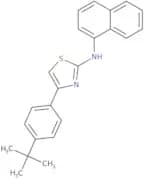
CAS:<p>Please enquire for more information about (4-(4-(tert-butyl)phenyl)(2,5-thiazolyl))-1-naphthylamine including the price, delivery time and more detailed product information at the technical inquiry form on this page</p>Purity:Min. 95%4-Methylphenylsulfonylurea
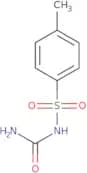
CAS:4-Methylphenylsulfonylurea is a synthetic drug substance with pressor effects. It is used in the manufacture of calcium carbonate, and as an intermediate for industrial chemicals and environmental pollutants. 4-Methylphenylsulfonylurea has been shown to be carcinogenic in vivo in animal bioassays. It also negatively impacts the immune system by inhibiting the production of natural killer cells, lymphocytes, and cytokines. This chemical may cause cancer or affect your immune system.Formula:C8H10N2O3SPurity:Min. 95%Color and Shape:SolidMolecular weight:214.24 g/mol2-Chloro-5-nitroacetophenone
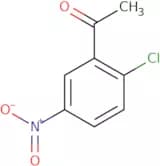
CAS:2-Chloro-5-nitroacetophenone is a synthetic chemical that is used in the synthesis of vismodegib. It has been shown to have pharmacokinetic properties, such as a low clearance and high volume of distribution. A number of impurities are found in this chemical, including halide ions, amines, and benzofuran derivatives. 2-Chloro-5-nitroacetophenone is genotoxic and can cause cancer. This chemical should not be exposed to radiation or chlorine gas.Formula:C8H6ClNO3Purity:Min. 95%Color and Shape:PowderMolecular weight:199.59 g/molThioflavin T
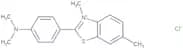
CAS:<p>Amyloid dye; membrane potential reporter</p>Formula:C17H19N2SClPurity:Min. 95%Color and Shape:PowderMolecular weight:318.86 g/molHydroxyurea
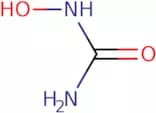
CAS:<p>Hydroxyurea is a prodrug that is activated by the enzyme Jak2, which is found in the mitochondria of cells. Hydroxyurea is used to treat various types of cancer and other diseases, such as sickle cell anemia. It has been shown to be effective in inhibiting the growth of squamous cell carcinomas and myeloid leukemia cells. Hydroxyurea has also been shown to have synergistic effects when combined with other pharmacological agents, such as hydroxycarbamide and cytosine arabinoside. Hydroxyurea inhibits the production of energy in the form of ATP, which leads to death by apoptosis or necrosis. This drug also has inhibitory properties against bacterial infections, especially those caused by Mycobacterium tuberculosis and Mycobacterium avium complex.</p>Formula:CH4N2O2Purity:Min. 97.5 Area-%Color and Shape:White Off-White PowderMolecular weight:76.06 g/mol7-Methoxy-1-naphthaldehyde
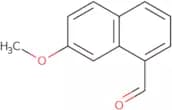
CAS:<p>7-Methoxy-1-naphthaldehyde is an aldehyde that is synthesized from acetaldehyde and 7-methoxy-1-naphthol. It has been shown to inhibit the cytosolic aldehyde dehydrogenase, which converts acetaldehyde to acetate. This reaction is one of the major routes for the metabolism of alcohol in humans. 7-Methoxy-1-naphthaldehyde can be used as a substrate in immunochemical assays, and its synthetic scheme has been published. 7MNA was also found to have cytotoxic effects on human liver cells in vitro.</p>Formula:C12H10O2Purity:Min. 95%Molecular weight:186.21 g/mol2,2'-Dithiobisbenzoic acid
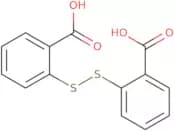
CAS:<p>2,2'-Dithiobisbenzoic acid (DTBA) is a chemical compound that has been used as a cross-linking agent for proteins and nucleic acids. DTBA is an aromatic hydrocarbon that can be synthesized from the reaction of sodium carbonate and hydrogen chloride. DTBA's stability in organic solvents makes it a useful reagent for protein cross-linking studies. It can also be used to measure hydrogen bond strengths between two molecules.</p>Formula:C14H10O4S2Purity:Min. 95%Molecular weight:306.36 g/mol2-Dicyclohexylphosphino-2',6'-dimethoxybiphenyl
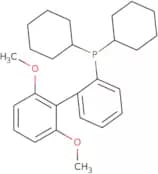
CAS:2-Dicyclohexylphosphino-2',6'-dimethoxybiphenyl is a fluorescent chemical that has been used to study interactions of fatty acids and halides. It is also used in the synthesis of palladium complexes, which have been shown to be effective for hydrogenation reactions. 2-Dicyclohexylphosphino-2',6'-dimethoxybiphenyl can be synthesized from 2,6-dichlorobenzaldehyde and dicyclohexylphosphine by the addition of trifluoroacetic acid. The synthesis proceeds via a substitution reaction with methoxy groups on the aromatic ring. This product fluoresces under ultraviolet light at 351 nm.Formula:C26H35O2PPurity:Min. 95%Color and Shape:PowderMolecular weight:410.53 g/mol7a-Hydroxy cholesterol
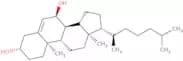
CAS:Controlled Product<p>7a-Hydroxycholesterol is a cholesterol metabolite that has been shown to inhibit the proliferation of 3T3-L1 preadipocytes and HL-60 cells. This compound also inhibits the growth of tumor cells by inhibiting the enzyme activities necessary for cell division and synthesis. 7a-Hydoxycholesterol has been found to be a potent inducer of cholesterol biosynthesis in cultured liver cells, which may be due to its ability to inhibit the conversion of cholesterol into bile acids. 7a-hydroxycholesterol has also been shown to inhibit viral replication in vitro. It binds to mitochondrial DNA and inhibits ATP production, leading to inhibition of mitochondrial membrane potential and cell death. 7a-hydroxycholesterol is also known as an oxysterol because it can be made from 25(OH)D3 or 2,5(OH)2D3. A high level of this metabolite is associated with atherosclerosis or formation of cholesterol deposits on artery walls</p>Formula:C27H46O2Purity:Min. 95%Color and Shape:White PowderMolecular weight:402.65 g/mol4'-Methoxy-5,6-benzoflavone
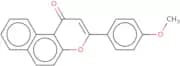
CAS:<p>4'-Methoxy-5,6-benzoflavone is a versatile chemical building block that can be used in the synthesis of complex compounds. It is a high quality reagent for research and has been used as a speciality chemical due to its ability to react with other chemicals. This compound is also useful in the synthesis of pharmaceuticals and agrochemicals. 4'-Methoxy-5,6-benzoflavone can be used as an intermediate for the synthesis of polycyclic aromatic hydrocarbons or it can be used as a scaffold in organic chemistry.</p>Formula:C20H14O3Purity:Min. 95%Color and Shape:White Off-White PowderMolecular weight:302.32 g/mol6a-Hydroxy budesonide
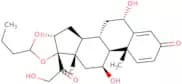
CAS:<p>Please enquire for more information about 6a-Hydroxy budesonide including the price, delivery time and more detailed product information at the technical inquiry form on this page</p>Formula:C25H34O7Purity:Min. 95%Color and Shape:PowderMolecular weight:446.53 g/mol2-Benzyloxy-6-methoxyacetophenone
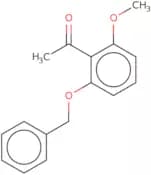
CAS:<p>2-Benzyloxy-6-methoxyacetophenone is a high quality and versatile chemical that can be used as a reagent or building block in organic synthesis. It is an important intermediate in the synthesis of fine chemicals, pharmaceuticals, and other complex compounds. 2-Benzyloxy-6-methoxyacetophenone has been shown to be useful as a scaffold for the synthesis of novel complex molecules, such as speciality chemicals. The compound also has potential applications in research and development of new drugs.</p>Formula:C16H16O3Purity:Min. 95%Color and Shape:PowderMolecular weight:256.3 g/molRaltegravir potassium
CAS:<p>Anti-viral; HIV integrase inhibitor</p>Formula:C20H20FKN6O5Purity:Min. 98 Area-%Color and Shape:White Off-White PowderMolecular weight:482.51 g/molHomovanillic acid sulfate sodium salt
CAS:<p>Homovanillic acid sulfate sodium salt (HVA) is a metabolite of dopamine that is used to diagnose or monitor diseases related to the central nervous system. The HVA concentration in urine can be determined by colorimetric assay, which has been shown to be useful for identifying patients with Parkinson's disease and other degenerative diseases. HVA is also found in blood plasma and cerebrospinal fluid, as well as in many other body tissues. HVA levels are increased during pregnancy, because it is an intermediate in the biosynthesis of estradiol from testosterone. In addition, concentrations of HVA increase with age, due to decreased clearance rates.</p>Formula:C9H8Na2O7SPurity:Min. 95%Color and Shape:PowderMolecular weight:306.2 g/mol2-(2,3-Naphthalimino)ethyl trifluoromethanesulfonate
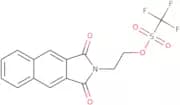
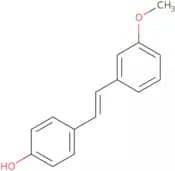
CAS:<p>2-(2,3-Naphthalimino)ethyl trifluoromethanesulfonate (2NTF) is a nonsteroidal anti-inflammatory drug that acts by inhibiting the enzyme cyclooxygenase. It is used as a sample preparation agent for epoxyeicosatrienoic acids (EETs). 2NTF is applied to a hydrophilic interaction chromatography column and then eluted with caproic acid, which selectively binds to the fatty acid component of EETs. The eluate can then be analyzed using a fluorescence detector and chromatographic methods. 2NTF has been shown to have no effect on carnitine levels in human serum.</p>Formula:C15H10F3NO5SPurity:Min. 97%Color and Shape:White PowderMolecular weight:373.3 g/mol4-Hydroxy-3'-methoxystilbene
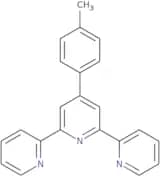
CAS:<p>4-Hydroxy-3'-methoxystilbene is a chemical that is used as a reaction component or reagent in the synthesis of other compounds. It can be used as a building block for the synthesis of complex molecules and fine chemicals. 4-Hydroxy-3'-methoxystilbene is an intermediate for the production of high quality research chemicals. It has been reported to be useful in the synthesis of pharmaceuticals, agrochemicals, and pesticides.</p>Formula:C15H14O2Purity:Min. 95%Color and Shape:White PowderMolecular weight:226.27 g/mol4'-(4-Methylphenyl)-2,2':6',2''-terpyridine
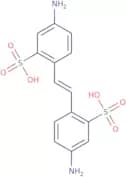
CAS:<p>4'-(4-Methylphenyl)-2,2':6',2''-terpyridine (TPEN) is a chemical compound with anti-cancer properties that has been shown to induce apoptosis in cancer cells. TPEN also inhibits the growth of tumor cells by interacting with mitochondria and inducing mitochondrial dysfunction. TPEN synergistically induces death in neuronal cells when combined with other agents that are known to cause neuronal cell death. In vivo studies have shown that TPEN produces neuroprotective effects at normoxic temperatures, but can be toxic at hyperthermic temperatures.</p>Formula:C22H17N3Purity:Min. 95%Color and Shape:PowderMolecular weight:323.39 g/mol4,4'-Diaminostilbene-2,2'-disulfonic acid
CAS:4,4'-Diaminostilbene-2,2'-disulfonic acid (DAIDS) is a fluorescent dye that can be used to measure the activity of mitochondrial enzymes. It is a substrate for polymerase chain reaction and can be used as a cell viability assay. DAIDS has been shown to cause mitochondrial membrane depolarization and cytosolic calcium release in prostate cancer cells. This compound also inhibits the proliferation of human liver cells and has been proposed as a potential analytical method for wastewater samples. The anhydrous sodium form of DAIDS has been shown to increase the rate of metabolism by up to 30% in rats with body mass index greater than 25 kg/m^2.Formula:C14H14N2O6S2Purity:Min. 95%Color and Shape:SolidMolecular weight:370.4 g/molBiotin-PEG4-NHS-propionate
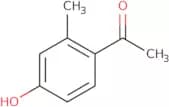
CAS:<p>Biotin-PEG4-NHS-propionate is a PEG compound with two different functional groups (also known as heterobifunctional). Unlike homobifunctional PEG compounds (same functional group on both ends), this type of compounds are more versatile as have two different anchor points. Biotin-PEG4-NHS-propionate is used as a linker and spacer to add a PEG moiety, via pegylation (a bioconjugation technique) to proteins, peptides, oligonucleotides, small molecules and nanoparticles.</p>Formula:C25H40N4SO10Purity:Min. 95%Color and Shape:PowderMolecular weight:588.67 g/mol4'-Hydroxy-2'-methylacetophenone
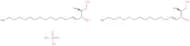
CAS:<p>4'-Hydroxy-2'-methylacetophenone is a synthetic sesquiterpene lactone that is used in cosmetics and as an active ingredient in skin care products. This compound has been shown to have medicinal values, with the ability to inhibit the growth of bacteria, fungi, and viruses. It also has carbon tetrachloride (CCl) solubilizing properties and can be used for fatty acid analysis. 4'-Hydroxy-2'-methylacetophenone is available as a sample preparation reagent for gas chromatography. The chemical composition of this compound includes a hydroxy group, which may be important for its biological activity. A linear regression analysis on the inhibitory concentration values showed that this compound has an IC50 value of 2.6 µg/mL.</p>Formula:C9H10O2Purity:Min. 95%Color and Shape:Off-White Clear LiquidMolecular weight:150.17 g/molD-erythro-Sphingosine (sulfate)
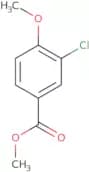
CAS:<p>Protein kinase C inhibitor in platelets</p>Formula:C18H37NO2H2SO4Purity:Min. 95%Color and Shape:White To Off-White SolidMolecular weight:348.53 g/mol3-Chloro-4-methoxybenzoic acid methyl ester
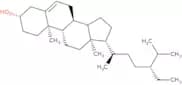
CAS:<p>3-Chloro-4-methoxybenzoic acid methyl ester is a potent antiproliferative agent that inhibits the growth of cancer cells and bacteria. It is an amide, which has been synthesized by equilibration between two equivalents of 3-chlorobenzoic acid and methylamine. The copulatory proton profile for this compound has been determined using liquid chromatography with mass spectrometry detection (LCMS). This compound is also a weak inhibitor of tyrosine kinases, but is more potent as an inhibitor of protein kinase C. Sorafenib and dasatinib are examples of compounds that have been shown to be linked to this drug. 3-Chloro-4-methoxybenzoic acid methyl ester can induce the production of TNF-α in thp-1 cells at micromolar concentrations.</p>Formula:C9H9ClO3Purity:Min. 95%Color and Shape:PowderMolecular weight:200.62 g/molPhytosterols
CAS:Controlled Product<p>Phytosterols are a group of plant-derived sterols that have been shown to have cholesterol-lowering activity in humans. The cholesterol-lowering effect is due to the ability of phytosterols to bind with cholesterol receptors and inhibit the absorption of dietary cholesterol. Phytosterols are absorbed from the small intestine into the blood, where they are converted into bile acids and eliminated in stool. Phytosterols also have anti-inflammatory properties, which is thought to be due to their ability to inhibit prostaglandin synthesis. Phytosterols may also protect against atherosclerosis by inhibiting LDL oxidation and reducing inflammatory cell recruitment. The following products are designed for use as pharmaceuticals:</p>Formula:C29H50OPurity:Min. 95 Area-%Color and Shape:White PowderMolecular weight:414.711,2'-Dinaphthylamine
CAS:1,2'-Dinaphthylamine is a β-lactam antibiotic that can be used as a substitute for ciprofloxacin. It inhibits the production of an enzyme called β-lactamase, which breaks down the antibiotic and makes it ineffective. 1,2'-Dinaphthylamine has been shown to be active against aerogenes and nitrocefin. This drug binds to periplasmic proteins in bacteria by means of an analogy with ciprofloxacin. The conjugates are resistant to efflux pumps and use of efflux inhibitors such as bafilomycin A1 can increase their efficacy.Formula:C20H15NPurity:Min. 95%Color and Shape:PowderMolecular weight:269.34 g/molrec Glial Cell Line-Derived Neurotrophic Factor (human)
<p>Please enquire for more information about rec Glial Cell Line-Derived Neurotrophic Factor (human) including the price, delivery time and more detailed product information at the technical inquiry form on this page</p>Purity:Min. 95%3’,5’-Di-O-acetyl-2’-azido-2’-deoxy-5-methyluridine
CAS:Please enquire for more information about 3’,5’-Di-O-acetyl-2’-azido-2’-deoxy-5-methyluridine including the price, delivery time and more detailed product information at the technical inquiry form on this pagePurity:Min. 95%Thevetiaflavone
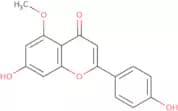
CAS:Thevetiaflavone is a bioactive phytochemical that is found in Thevetia peruviana, a plant native to South America. This compound inhibits the activity of P-glycoprotein, which is an important protein for the transport of many drugs. Thevetiaflavone has been shown to increase mitochondrial membrane potential and inhibit neuronal death in fetal bovine brain cells, as well as protect against oxidative damage in rat brains. It also has anti-inflammatory properties and can reduce the uptake of acetate by inhibiting carthamus tinctorius (a type of yeast). Thevetiaflavone may be useful for treating ischemic brain damage.Formula:C16H12O5Purity:Min. 95%Color and Shape:PowderMolecular weight:284.26 g/mol3-tert-Butyl-4-hydroxybenzoic acid methyl ester
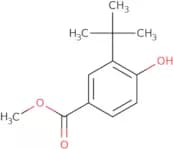
CAS:3-tert-Butyl-4-hydroxybenzoic acid methyl ester is a chemical compound with the molecular formula CHCOOCH. It is a versatile building block that can be used in research and as a useful intermediate. 3-tert-Butyl-4-hydroxybenzoic acid methyl ester can be used to synthesize complex compounds, such as pharmaceuticals and pesticides. The high quality of this product makes it suitable for use as a reagent or reaction component. !-- --> !-- --> !-- -->Formula:C12H16O3Purity:Min. 98 Area-%Color and Shape:PowderMolecular weight:208.25 g/moltrans-trans-10,11-Epoxy farnesenic acid methyl ester
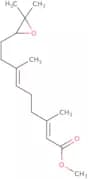
CAS:Trans-trans-10,11-Epoxy farnesenic acid methyl ester is a bound form of the hormone juvenile hormone. It is found in plants and insects. Trans-trans-10,11-Epoxy farnesenic acid methyl ester binds to the receptor on the surface of cells and initiates a series of reactions that lead to the production of proteins needed for development. The bound form is converted to an active form by methyl transferase activity or epoxidase activity. Trans-trans-10,11-Epoxy farnesenic acid methyl ester has been shown to be effective against juvenile hormone binding protein (JHBP) and has high values in samples from juvenile insects.Formula:C16H26O3Purity:Min. 90 Area-%Color and Shape:Colorless PowderMolecular weight:266.38 g/molErythropoietin
CAS:<p>Erythropoietin is a glycoprotein hormone, which is primarily produced by interstitial fibroblasts in the kidney in response to hypoxia. Its main mode of action involves binding to erythropoietin receptors on the surface of erythroid progenitor cells in the bone marrow, thereby initiating a signaling cascade that results in the proliferation and differentiation of these progenitors into mature red blood cells.</p>Purity:(Capillary Zone Electrophoresis) Min. 98.0%Color and Shape:PowderAcetylsalicylic acid
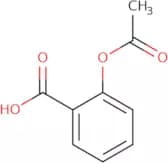
CAS:<p>Acetylsalicylic acid is a nonsteroidal anti-inflammatory drug that inhibits the production of prostaglandins, which are involved in the inflammatory response. Acetylsalicylic acid is used to prevent heart attacks or strokes. It has been shown to inhibit the migration of neutrophils and monocytes, with minimal toxicity. Acetylsalicylic acid also inhibits the binding of integrin receptors to their ligands on endothelial cells, which prevents platelet aggregation. The drug can cause drug interactions with other drugs such as clopidogrel and acetylsalicylic acid, which may lead to increased bleeding. Acetylsalicylic acid is a natural compound found in plants such as willow bark and meadowsweet. It has been shown to have analgesic and anti-inflammatory properties in mice studies, but there is not enough evidence for its effectiveness in humans.</p>Formula:C9H8O4Purity:Min. 95%Color and Shape:White PowderMolecular weight:180.16 g/mol25-Hydroxyvitamin D3 monohydrate
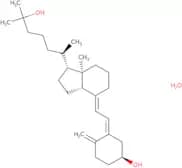
CAS:<p>25-Hydroxyvitamin D3 monohydrate is a vitamin D analog that has been shown to reduce elevated levels of parathyroid hormone and improve bone mineral density. It is used for the treatment of chronic kidney disease, hyperparathyroidism, and osteoporosis. 25-Hydroxyvitamin D3 monohydrate has been found to be effective in the treatment of these conditions because it increases the body's production of calcitriol, the active form of vitamin D. Calcitriol promotes calcium absorption in the gut and reduces renal excretion of calcium by inhibiting parathyroid hormone synthesis. This drug also inhibits pro-inflammatory cytokines such as IL-1β, IL-6, and TNF-α.</p>Formula:C27H44O2·H2OPurity:Min. 97 Area-%Color and Shape:White PowderMolecular weight:418.65 g/molethyl 2-cyano-3-(4-nitrophenyl)prop-2-enoate
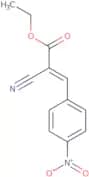
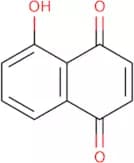
CAS:Ethyl 2-cyano-3-(4-nitrophenyl)prop-2-enoate is a functionalized molecule that contains a dipole. It has high selectivity for 1,3-dipolar cycloadditions because the electron density of the methylene group is greater than that of the aldehyde group. The mechanistic theory for this reaction is that the electron density on the methylene group in ethyl 2-cyano-3-(4-nitrophenyl)prop-2-enoate will cause it to become more reactive than the aldehyde group. The dipoles in this molecule are oriented such that they can react with each other to form an intermediate and then an adduct. This isomerization occurs through either dipolarophilic or electrocyclic mechanisms.Purity:Min. 95%5-Hydroxy-1,4-naphthalenedione
CAS:<p>Blocks RNA polymerases I, II, and III; inhibits PPlases</p>Formula:C10H6O3Purity:Min. 98 Area-%Color and Shape:PowderMolecular weight:174.15 g/mol2'-Cyano-4-(dibromomethyl)biphenyl
CAS:<p>2'-Cyano-4-(dibromomethyl)biphenyl is a reactive component that belongs to the group of speciality chemicals. It can be used as a building block in organic synthesis and as an intermediate in the production of fine chemicals. 2'-Cyano-4-(dibromomethyl)biphenyl has been used for the synthesis of various complex compounds, such as an anti-inflammatory drug, an anti-diabetic drug, and a chemotherapeutic agent.</p>Formula:C14H9Br2NPurity:Min. 97 Area-%Color and Shape:Off-White PowderMolecular weight:351.04 g/mol2-Amino-5-iodobenzoic acid methyl ester
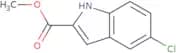
CAS:<p>2-Amino-5-iodobenzoic acid methyl ester (2AIBA) is a molecule that can be used as an activatable probe for imaging cancer. It has a profile suitable for radionuclide therapy and is also senescent. 2AIBA binds to DNA and inhibits the synthesis of proteins, leading to cell death. 2AIBA has potent inhibitory activity against murine melanoma cells and synergistic effects when combined with acridone. The section of tumour cells was shown to be reduced by 42% in mice when treated with 2AIBA, acridone, and radiation compared to mice treated with radiation alone.</p>Formula:C8H8INO2Purity:Min. 95%Color and Shape:PowderMolecular weight:277.06 g/mol5-Chloroindole-2-carboxylic acid methyl ester
CAS:5-Chloroindole-2-carboxylic acid methyl ester is a potent inhibitor of the enzyme tyrosine kinase in cell culture, with an IC50 value of 0.5 nM. It has been shown to inhibit the growth of cancer cells (e.g., MDA-MB231, MCF-7) in vitro and in vivo. The IC50 values for inhibition of MDA-MB231 and MCF-7 cells are 0.1 and 10 nM, respectively. 5-Chloroindole-2-carboxylic acid methyl ester binds to the ATP binding site on tyrosine kinase, preventing ATP from binding and inhibiting phosphorylation of the receptor protein. This allows the receptor's downstream signaling pathways to be blocked, which leads to cell growth inhibition by arresting cell cycle progression at G0/G1 phase or inducing apoptosis.Formula:C10H8ClNO2Purity:Min. 95%Molecular weight:209.63 g/mol