Glycoscience
Glycoscience is the study of carbohydrates and their derivatives, as well as the interactions and biological functions they participate in. This field of research is crucial for understanding a wide variety of biological processes, including cell recognition, signaling, immune response, and disease development. Glycoscience has important applications in biotechnology, medicine, and the development of new drugs and therapies. At CymitQuimica, we offer a wide selection of high-quality, high-purity products for glycoscience research. Our catalog includes monosaccharides, oligosaccharides, polysaccharides, glycoconjugates, and specific reagents, designed to support researchers in their studies on the structure, function, and applications of carbohydrates in biological systems. These resources are intended to facilitate scientific discoveries and practical applications in various areas of bioscience and medicine.
Subcategories of "Glycoscience"
- Aminosugars(108 products)
- Glyco-Related Antibodies(282 products)
- Glycolipids(46 products)
- Glycosaminoglycans (GAGs)(55 products)
- Glycosides(419 products)
- Monosaccharides(6,622 products)
- Oligosaccharides(3,682 products)
- Polysaccharides(503 products)
Found 11041 products of "Glycoscience"
Sort by
Purity (%)
0
100
|
0
|
50
|
90
|
95
|
100
2,3,4,6-Tetra-O-acetyl-b-D-thiogalactopyranose
CAS:<p>2,3,4,6-Tetra-O-acetyl-b-D-thiogalactopyranose is a synthetic sugar that is prepared by the fluorination of D-galactopyranose and subsequent acetylation. This compound can be used for glycosylation reactions and as a substrate for click chemistry. It is an oligosaccharide with four monosaccharides in its backbone. The CAS number of 2,3,4,6-Tetra-O-acetyl-b-D-thiogalactopyranose is 50615-66-2.</p>Formula:C14H20O9SPurity:Min. 95%Color and Shape:PowderMolecular weight:364.37 g/molε-Cyclodextrin
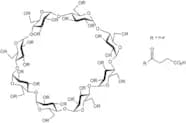
CAS:<p>Epsilon-cyclodextrin (ε-CD) consists of 10 glucose units. Its larger cavity size offers potential for encapsulating larger guest molecules or forming more complex inclusion compounds.</p>Formula:C60H100O50Purity:Min. 95%Molecular weight:1,621.41 g/mol6-Deoxy-D-psicose
<p>6-Deoxy-D-psicose is a sugar molecule that is made up of six carbon atoms. It is one of the two possible epimers of D-psicose, and it can be used as an alkaline equilibrating agent for the conversion of D-fructose to 1-deoxy-D-fructose. 6-Deoxy-D-psicose can also be used as a substrate in reactions with other sugars to form new compounds. 6DPSC can be transformed into rhamnose by heating it at 100°C in alkaline solution, or into l-rhamnose by heating it at 120°C in alkaline solution. The transformation process converts 6DPSC into its epimer, which is stable at high temperatures without decomposing. 6DPSC has been shown to have efficient properties for use in research and for the production of various substances.</p>Purity:Min. 95%2,3,4-Tri-O-acetyl-1-O-azido-1-deoxy-b-D-arabinopyranoside
CAS:<p>2,3,4-Tri-O-acetyl-1-O-azido-1-deoxy-b-D-arabinopyranoside is a methylated sugar that can be used to modify oligosaccharides. It has an acetyl functional group on the 2' position of the ribose moiety. This product is a white crystalline powder and it is soluble in water and methanol.</p>Formula:C11H15N3O7Purity:Min. 95%Molecular weight:301.25 g/molLacto-N-fucopentaose III
CAS:<p>Neutral pentasaccharide naturally present in human breast milk</p>Formula:C32H55NO25Purity:Min. 95%Color and Shape:White PowderMolecular weight:853.77 g/molIsopropyl β-D-glucopyranoside
CAS:<p>Isopropylbeta-D-glucopyranoside is a chemical compound that has been studied for its antibacterial activity. It has been shown to inhibit the growth of bacteria by reacting with fatty acids in the cell membrane, which leads to the disruption of the cell membrane and death. Isopropylbeta-D-glucopyranoside is a member of the sugar alcohols class, and it can be synthesized from glucose, fatty acid, and hydrochloric acid using an acid catalyst. The reaction system is typically carried out in microcapsules.</p>Formula:C9H18O6Purity:Min. 95%Color and Shape:PowderMolecular weight:222.24 g/mol6-O-Malonylglycitin
CAS:<p>6-O-Malonylglycitin is a glycosylated flavonoid that belongs to the group of isoflavones. It is found in a variety of plants, including soybeans and fava beans. 6-O-Malonylglycitin has been shown to be an effective inhibitor of β-glucosidase activity at temperatures below 37°C, which overlaps with the range of temperatures where it inhibits glycitein production. This inhibition may be due to its pleiotropic effects on various treatments, such as its ability to inhibit cancer cell growth by inhibiting protein synthesis and inducing apoptosis. 6-O-Malonylglycitin also has synergistic effects when used concomitantly with chromatographic markers, such as high performance liquid chromatography (HPLC), which can be used to analyze the levels of endogenous compounds in human blood samples.</p>Formula:C25H24O13Purity:Min. 95%Color and Shape:PowderMolecular weight:532.45 g/mol(5R, 6R, 7S, 8R) -5, 6, 7, 8-Tetrahydro- 5- methyl- tetrazolo[1, 5- a] pyridine- 6, 7, 8- triol
CAS:<p>Tetrahydro-5-methyl-tetrazolo[1,5-a]pyridine-6,7,8-triol is an organic compound that has been synthesized from a sugar. Tetrahydro-5-methyl-tetrazolo[1,5-a]pyridine-6,7,8-triol is soluble in water and formic acid. It is used as a synthetic intermediate for the production of oligosaccharides and saccharides. Tetrahydro-5-methyl-tetrazolo[1,5-a]pyridine-6,7,8-triol can be used to produce glycosylation or methylation in the laboratory. It is also used as a chemical reagent in complex carbohydrate synthesis.</p>Formula:C6H10N4O3Purity:Min. 95%Molecular weight:186.17 g/mol(1R,4R,5S)-4-tert-Butyldimethylsiloxymethyl-5-tert-butyldimethylsilyloxycyclohex-2en-1-ol
<p>(1R,4R,5S)-4-tert-Butyldimethylsiloxymethyl-5-tert-butyldimethylsilyloxycyclohex-2en-1-ol is a custom synthesis of a monosaccharide with a fluorine atom at the 4 position. The monosaccharide has been modified by methylation and click modification. It has also been synthesized from an oligosaccharide or polysaccharide through glycosylation.</p>Purity:Min. 95%1-(Piperidine-2,6-dione-4-yl) - 4-([2-nitro] phenyl)-3- buten- 2- one
<p>Piperidine-2,6-dione-4-yl) - 4-[2-nitrophenyl]-3-buten-2-one is a custom synthesis of a high purity, methylated, glycosylated, and click modified carbohydrate. It is an oligosaccharide with a complex structure that includes saccharide units linked by glycosidic bonds. The saccharide units are made up of monosaccharides that are modified with fluorine atoms. This product is available through Custom Synthesis and can be ordered in bulk quantities.</p>Purity:Min. 95%(+)-Lyoniresinol-3a-O-(6''-3-methoxy-4-hydroxybenzoyl)-b-D-glucopyranoside
<p>The compound is a synthetic, complex carbohydrate composed of glucose and methyl-D-glucoside units. It can be custom synthesized to meet your specifications.</p>Purity:Min. 95%Heparin disaccharide III-S trisodium salt
CAS:<p>Heparin disaccharide III-S trisodium salt is a synthetic and custom-synthesized drug with high purity. It is a complex carbohydrate with a molecular weight of 597.1 g/mol, an Oligosaccharide with a molecular weight of 1,008.3 g/mol, and a Glycosylation with a molecular weight of 1,069.4 g/mol. Heparin disaccharide III-S trisodium salt has been modified by the addition of fluorine atoms to create an active form that is highly reactive to electrophilic groups on proteins or nucleic acids. It can be used for Click modification or methylation reactions to modify proteins or DNA molecules in order to study protein-protein interactions or protein conformational changes in response to external stimuli.</p>Formula:C12H16NO16S2·3NaPurity:Min. 95 Area-%Color and Shape:White Yellow PowderMolecular weight:563.35 g/molErlose
CAS:<p>Erlose is a trisaccharide (b-D-fructofuranosyl-a-D-glucopyranosyl-(1,4)-a-D-glucopyranoside) found in royal jelly and honeys. Erlose has the same sweetening power as sucrose but is less cariogenic.</p>Formula:C18H32O16Purity:Min. 95 Area-%Color and Shape:White PowderMolecular weight:504.44 g/molFluorescein-b-cyclodextrin
<p>This beta-cyclodextrin (β-CD) derivative is a functionalized cyclic oligosaccharide composed of seven glucose units, characterized by a hydrophilic exterior and a lipophilic cavity (bigger than α-CD and smaller than γ-CDs), which allows it to encapsulate various guest molecules. This structural feature facilitates its use in multiple applications, including pharmaceuticals, food enhancement, and cosmetics. In the pharmaceutical industry, it enhances the solubility and stability of poorly water-soluble drugs, improving their bioavailability and efficacy while also masking unpleasant tastes. The food sector utilizes it as a stabilizer for flavors, colors, and nutrients, extending shelf life by protecting sensitive ingredients from degradation. In cosmetics, it serves as a complexing agent for fragrances and active components, ensuring their stability and controlled release. Its use expands to many other fields, including nanotechnology for drug delivery systems, environmental remediation for extracting organic pollutants, textiles for slow-release fragrances, and analytical chemistry for chiral separation.</p>Formula:C42H71nNO34•(C21N12NO5S)nPurity:Min. 95%Color and Shape:PowderPropranolol D-glucuronide D6
Controlled Product<p>Propranolol D-glucuronide D6 is a synthetic, fluorinated, saccharide that is a modification of propranolol. It has high purity and can be custom synthesized to meet specific requirements. Propranolol D-glucuronide D6 has been shown to inhibit the growth of bacteria by binding to the 50S ribosomal subunit. It is used in veterinary medicine to treat respiratory infections caused by Clostridium perfringens and other bacteria. The drug also has a toxic effect on respiratory system cells, which may be due to its ability to induce apoptosis.</p>Formula:C22H23NO8D6Purity:Min. 95%Molecular weight:441.5 g/molSialyllacto-N-fucopentaose I
<p>Sialyllacto-N-fucopentaose I is a high purity, custom synthesis, fluorinated carbohydrate that has been modified by methylation and click chemistry. This oligosaccharide is composed of a saccharide with a molecular weight of 908.5 g/mol and an enantiomeric purity of 99%. Sialyllacto-N-fucopentaose I is an Oligosaccharide with a CAS number of 61497-04-8. It is used in the synthesis of polysaccharides or as a monosaccharide or sugar substitute to produce high purity products.</p>Formula:C43H72N2O33Purity:Min. 95%Molecular weight:1,145.03 g/molKifunensine
CAS:<p>Kifunensine is a potent and specific inhibitor of plant and animal α-mannosidase I with IC50 in nanomolar range. It inhibits the enzyme isoforms in Golgi apparatus (GMI) and endoplasmatic reticulum (ERMI). The compound prevents mannose trimming on glycoproteins and shifts the glycoform content from complex to oligomannose type. It's used for the production of recombinant therapeutic glycoproteins with mannose rich N-linked glycans.</p>Formula:C8H12N2O6Purity:Min. 99 Area-%Color and Shape:PowderMolecular weight:232.19 g/molD-Galactose non-animal origin
CAS:<p>D-Galactose is a monosaccharide that is found in the cells of plants and animals. It can be synthesized from D-glucose by adding a D-galactose molecule to the alpha carbon of an existing glucose molecule. The resulting bond is called a glycosidic linkage. This process is called glycosylation. Glycosylation occurs when a sugar molecule reacts with another molecule, such as an amino acid, lipid, or nucleotide, to form what is known as a glycoside linkage. In this case, the sugar is D-galactose and the other molecules are either amino acids or lipids. The reaction between D-galactose and other molecules often results in polysaccharides and complex carbohydrates such as cellulose, chitin, and glycogen.<br>Methylation of D-galactose can produce methyl galactoside (CAS No. 1881-42-7), which</p>Formula:C6H12O6Purity:Min. 98 Area-%Molecular weight:180.16 g/mol2-Deoxy-D-glucose
CAS:<p>Glycolytic inhibitor; pro-apoptotic; anti-cancer agent</p>Formula:C6H12O5Purity:Min. 98 Area-%Color and Shape:White Off-White PowderMolecular weight:164.16 g/molAnthrose - ethylene diamine-N6-hydroxylhexanoic acid - biotin linker
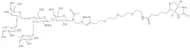
<p>Anthrose is a custom synthesis chemical that is used as a methylation reagent. It can be used in the synthesis of oligosaccharides and polysaccharides, which are complex carbohydrates. Anthrose has been shown to be effective for fluorination and saccharide modification. The chemical structure of anthrose consists of an ethylene diamine-N6-hydroxylhexanoic acid linker with biotin at one end and a hexose at the other.</p>Purity:Min. 95%Isosaccharinic acid-1,4-lactone
CAS:<p>Isosaccharinic acid-1,4-lactone is an organic compound that is found in human urine. It has been shown that the concentration of this compound can be used as a marker for renal health. The hydrated form of isosaccharinic acid-1,4-lactone can be prepared by heating with acetic anhydride, and it has been shown to have potential applications as a buffer in diagnostic tests for human serum or as a stabilizer for x-ray structures. The 1H NMR spectrum of isosaccharinic acid-1,4-lactone reveals two distinct signals at 1.6 and 2.0 ppm, which are assigned to the two isomers of this compound. The second order rate constant was measured to be 0.025 s−1 at pH 7 and 22 °C using acetate extract from human urine. This technique was also applied to measure rates constant for other organic acids such as formic acid</p>Formula:C6H10O5Purity:Min. 98 Area-%Color and Shape:White PowderMolecular weight:162.14 g/molGT1b-Oligosaccharide
CAS:<p>GT1b oligosaccharide (sodium salt) has a core tetrasaccharide structure (Galβ1,3GalNAcβ1,4Galβ1,4Glc) with two sialic acids (NeuAc) linked α2,3/α2,8 to the inner galactose residue, and sialic acid (NeuAc) linked α2,3 to the terminal galactose residue (Ledeen, 2009). The GT1b ganglioside is one of the major gangliosides in neuronal and glial membranes; it interacts with myelin-associated glycoprotein (MAG) and is essential for long-term axon-myelin stability. GT1b ganglioside also acts as receptor for bacterial toxins, such as, tetanus and botulinum toxins (Nishiki, 1996), as well as for viruses. A few examples of which include: Merkel cell polyomavirus, JC virus, BK virus, norovirus and others (Low, 2006).</p>Formula:C59H96N4O45Purity:(%) Min. 98%Color and Shape:PowderMolecular weight:1,581.39 g/mol8-Methoxycarbonyloctyl 2-acetamido-2-deoxy-4-(a-L-fucopyranosyl)-3-O-(b-D-galactopyranosyl)-b-D-glucopyranoside
CAS:<p>8-Methoxycarbonyloctyl 2-acetamido-2-deoxy-4-(a-L-fucopyranosyl)-3-O-(b-D-galactopyranosyl)-b-D-glucopyranoside is a custom synthetic compound that was created using click chemistry. It is an oligosaccharide, polysaccharide, saccharide, and carbohydrate. It is fluorinated and has been modified with methyl groups.</p>Purity:Min. 95%2-Acetamido-2-deoxy-4-O-(b-D-galactopyranosyl)-6-sulfo-b-D-glucopyranose
CAS:<p>2-Acetamido-2-deoxy-4-O-(b-D-galactopyranosyl)-6-sulfo-b-D-glucopyranose is a glycosaminoglycan that can be used as an immunomodulator. It has been shown to inhibit the production of tumor necrosis factor alpha (TNFα) in experimental cancer tissues and to stimulate the activity of lymphocytes, which may be due to its ability to regulate camp levels. 2A2D4OSBG also has regulatory effects on monoclonal antibodies and inhibits the immune reaction caused by autoimmune diseases.</p>Formula:C14H25NO14SPurity:Min. 95%Color and Shape:White PowderMolecular weight:463.41 g/mola-Cyclodextrin
CAS:<p>α-Cyclodextrin is a cyclic oligosaccharide with 6 D-glucose residues which are α-1,4-linked. α-cyclodextrin is used in the food industry to encapsulate flavours and fragrances. α-cyclodextrin is also an effective inhibitor of the upstream inflammatory response induced by cholesterol crystals. Cholesterol crystal-induced complement activation is a critical step in the development of atherosclerosis, thus inhibition of complement with α-cyclodextrin has the potential to be used in the treatment of atherosclerosis.</p>Formula:C36H60O30Purity:Min. 98 Area-%Color and Shape:White Off-White PowderMolecular weight:972.84 g/molValibose
CAS:<p>Inhibitor of alpha-glucosidase</p>Formula:C10H21NO6Purity:Min. 95%Molecular weight:251.28 g/mol1,2-O-Isopropylidene-a-D-xylofuranose
CAS:<p>Chiral building block for synthesis of carbohydrate and nucleoside derivatives</p>Formula:C8H14O5Purity:(%) Min. 98%Color and Shape:White PowderMolecular weight:190.19 g/molMonofucosyllacto-N-hexaose I
CAS:<p>Sialylated tetrasaccharide found in human milk, possible health benefits for the neonate by supporting resistance to pathogens, gut maturation, immune function, and cognitive development. Purity typically above 70%. Contains other oligosaccharide fragments. For a typical IC trace see datasheet section</p>Formula:C46H78N2O35Purity:(By Hpaec) Min. 70%Color and Shape:PowderMolecular weight:1,219.1 g/mol2,3,4,6-Tetra-O-benzyl-L-mannopyranose
CAS:<p>2,3,4,6-Tetra-O-benzyl-L-mannopyranose is a synthetic saccharide. It is a high purity sugar that can be used as a custom synthesis and glycosylation reagent. This compound is also known as 1,2:3,4:5,6-penta-O-benzylidene-D-mannopyranose. It has CAS No. 103368-00-9 and Carbohydrate.</p>Formula:C34H36O6Purity:Min. 95%Molecular weight:540.7 g/mol4-Methoxyphenyl 4-O-{4-O-[[2-O-Ac-3-O-[2,4-di-O-(3,4 ,6-tri-O-Ac-2-PhthN-β-D-Glc)-3,6-di-O-Bn-α-D-Man]-6-O-[3,4-di-O-Ac-2 ,6-di-O-(3,4 ,6-tri-O-Ac-2-PhthN-β-D-Glc)-α-D-Man]-β-D-Man]]-3,6-di-O-Bn -2-PhthN-β-D-Glc}-3-O-Bn-6-O-(tri-O-Bn-α-L-Fuc)-2-PhthN-β-D-
CAS:<p>This compound is a synthetic glycosylation reagent that is used for the modification of proteins and polysaccharides. It can be used to introduce various sugars and oligosaccharides to proteins, such as Methylation, Click modification, Polysaccharide, Fluorination, saccharide, Modification, sugar, Oligosaccharide. The compound has a CAS No. 946164-26-7 and is available for custom synthesis with high purity.</p>Formula:C201H204N6O72Purity:Min. 95%Molecular weight:3,855.77 g/mol2-O-(α-D-Galactopyranosyl)-D-galactopyranose
CAS:<p>Used as enzyme substrates, analytical standards and for in vitro diagnostics</p>Formula:C12H22O11Purity:Min. 97 Area-%Color and Shape:White PowderMolecular weight:342.3 g/mol(1S) -1- [(2S, 3R) - 3-Hydroxy-2- azetidinyl] -1, 2- ethanediol
<p>Glycosylation of azetidinol is a chemical reaction in which a glycosylate group is transferred from an activated sugar to the nitrogen atom of an azetidinone. It can be used for the synthesis of oligosaccharides and polysaccharides by transferring the glycosyl group to their nitrogen atoms. Click modification refers to a type of chemical reaction that was developed by K. Barry Sharpless in 1996, which uses copper-catalyzed azide-alkyne cycloaddition. This type of reaction has been used for the synthesis of complex carbohydrates with high purity and low cost, as well as for modifying sugars with methyl groups or fluorine atoms.</p>Purity:Min. 95%Maltotetraitol
CAS:<p>Bulk sweetener; viscosity/bodying agent; humectant; cryoprotectant</p>Formula:C24H44O21Purity:Min. 95%Color and Shape:White PowderMolecular weight:668.59 g/molRaspberry ketone glucoside
CAS:<p>Raspberry ketone glucoside is a hydrogenated, isopropyl palmitate fatty acid. It is a dietary supplement that has been shown to inhibit the activity of matrix metalloproteinases, which are enzymes that break down collagen in the skin and lead to wrinkles. Raspberry ketone glucoside also inhibits tyrosinase, an enzyme involved in the production of melanin. As a result, raspberry ketone glucoside has been shown to reduce pigmentation and inhibit UV-induced skin damage. Raspberry ketone glucoside may have an inhibitory effect on fatty acids by inhibiting the synthesis of fatty acids and reducing the number of fat cells in adipose tissue. This compound is also used as a crystallization aid for cellulose and as an organic solvent for food composition.</p>Formula:C16H22O7Purity:Min. 95%Color and Shape:White PowderMolecular weight:326.34 g/molMethyl 6-O-tert-butyldimethylsilyl-2,3,4-tri-O-pivaloyl-a-D-mannopyranoside
<p>Methyl 6-O-tert-butyldimethylsilyl-2,3,4-tri-O-pivaloyl-a-D-mannopyranoside is a synthetic glycosylation agent that can be used for the synthesis of complex carbohydrates. This product has been fluorinated and saccharide modified. Methyl 6-O-tert-butyldimethylsilyl-2,3,4-tri-O-pivaloyl-aDmannopyranoside is available in CAS number: 5756782.</p>Formula:C28H52O9SiPurity:Min. 95%Molecular weight:560.81 g/molSucrose octasulfate sodium salt
CAS:<p>This compound is generally known as sucralfates and are medications primarily taken to treat active duodenal ulcers. They are also used for the treatment of gastroesophageal reflux disease (GERD) and stress ulcers. Sucralfate is a sucrose sulfate-aluminium complex that binds to the ulcer, creating a physical barrier that protects the gastrointestinal tract from stomach acid and prevents the degradation of mucus. It also promotes bicarbonate production and acts like an acid buffer with cytoprotective properties.</p>Formula:C12H14Na8O35S8Purity:Min. 98 Area-%Color and Shape:White PowderMolecular weight:1,158.66 g/mol1-Deoxy- 3, 4- O- isopropylidene -D- erythro- 2- pentulofuranose
<p>1-Deoxy-3,4-O-isopropylidene-D-erythro-2-pentulofuranose is a monosaccharide sugar that is synthetically produced. It has a CAS number, and can be modified with fluorination, methylation, or click modification. This compound can be used as a sugar in glycosylation reactions, and has high purity.</p>Purity:Min. 95%7-Deoxy-1,2:3,4:5,6-tri-O-isopropylidene-L-glycero-L-gulo-heptitol
<p>7-Deoxy-1,2:3,4:5,6-tri-O-isopropylidene-L-glycero-L-guloheptitol is a synthetic oligosaccharide. It is a complex carbohydrate that has been synthesized from glucose and galactose. The sugar's CAS number is 81271-78-9. This product can be custom synthesized to customer specifications and it is available in high purity and high quality. 7-Deoxy-1,2:3,4:5,6 -tri -O -isopropylidene -L -glycero -L -guloheptitol has been fluorinated with chlorine gas to produce the desired product. It has also undergone methylation and glycosylation reactions.</p>Purity:Min. 95%1,2,3,4-Tetra-O-acetyl-6-O-(tert-butyldimethylsilyl)-b-D-galactopyranose
<p>1,2,3,4-Tetra-O-acetyl-6-O-(tert-butyldimethylsilyl)-b-D-galactopyranose is a custom synthesis with methylation and click modification. It is a high purity compound that is available for purchase. This compound has been fluorinated to create 1,2,3,4-Tetra-O-acetyl-6-[(trifluoromethyl)oxy]-b-D-galactopyranose. The chemical formula is C14H27F3O7. It can be used in the synthesis of oligosaccharides and polysaccharides.</p>Formula:C20H34O10SiPurity:Min. 95%Molecular weight:462.57 g/mol1,2:5,6-Di-O-cyclohexylidene-a-D-ribo-hexofuranos-3-ulose hydrate
CAS:<p>1,2:5,6-Di-O-cyclohexylidene-a-D-ribo-hexofuranos-3-ulose hydrate is a modified sugar that contains an oxygen atom in the furan ring. It has been shown to be stable and soluble in water, which is important for its applications in food and pharmaceuticals. This product can be used as a substitute for sucrose or glucose in foods. 1,2:5,6-Di-O-cyclohexylidene-a-D-ribo-hexofuranos 3 ulose hydrate has also been synthesized with methyl groups at the C1 position of the glycosyl residue. This modification yields a new molecule that exhibits increased stability and solubility.</p>Formula:C18H28O7Purity:Min. 95%Molecular weight:356.41 g/molXylan - from corncob, MW 300-900
CAS:<p>In their simplest forms, xylans are linear homopolymers of β-1,4-xylose residues. In nature they are partially substituted by acetyl, 4-O-methyl-D-glucuronosyl and α-1,3 L-arabinofuranosyl residues, forming complex heterogenous and polydispersed glycans. An example of this is in the L-arabino (methyl-D-glucurono) xylan from corn cob.</p>Purity:Min. 95 Area-%Color and Shape:White Yellow Powder(3S, 5S) -1-Benzyl-3, 4, 5- piperidinetriol
<p>(3S, 5S) -1-Benzyl-3, 4, 5- piperidinetriol is a custom synthesis that belongs to the group of methylated and fluorinated triols. It is a high purity compound with a monosaccharide sugar. This product can be used as an intermediate for the synthesis of complex carbohydrate compounds such as oligosaccharides and polysaccharides.</p>Purity:Min. 95%2,4-Di- C- methyl- 3, 4- O- isopropylidene -L- arabinonic acid γ-lactone
<p>2,4-Di-C-methyl-3,4-O-isopropylidene-L-arabinonic acid gamma-lactone is a modification of an oligosaccharide. It has been synthesized to be used in the synthesis of complex carbohydrates. This product is custom synthesized and can be ordered with a high purity grade. The CAS number for this product is 123373-94-7 and the molecular weight is 498.5 g/mol. This product's chemical formula is C13H14O11 and it has a melting point of 185 °C to 191 °C. This product has a monosaccharide, methylation, glycosylation, polysaccharide, sugar, fluorination, saccharide structure that makes it an Oligosaccharide Carbohydrate Complex Carbohydrate Synthetic Custom synthesis High purity Glycosylation Polysaccharide Sugar Fluorination Saccharide.</p>Purity:Min. 95%D-Gluconate 6-phosphate trisodium salt dihydrate
CAS:<p>D-Gluconate 6-phosphate trisodium salt dihydrate is an oxidoreductase enzyme that catalyzes the conversion of D-gluconate 6-phosphate to D-glucono-6,1'-lactone. It is found in animals, where it is located in the cytoplasm and mitochondria. D-Gluconate 6-phosphate trisodium salt dihydrate has been shown to have a high kinetic activity in homogenates of rat liver and kidney, as well as in microsomes from rat liver. The enzyme also has a high affinity for phosphatidylethanolamine and low affinity for other lipids. This enzyme is inhibited by tetrazolium chloride and fatty acids.</p>Formula:C6H10O10P·3Na·2H2OPurity:Min. 97%Color and Shape:White PowderMolecular weight:378.11 g/mol2-Azido-2-deoxy-3,4-O-isopropylidene-L-gulonic acid methyl ester
<p>2-Azido-2-deoxy-3,4-O-isopropylidene-L-gulonic acid methyl ester is a custom synthesis that is a complex carbohydrate. It has CAS No., and can be modified with saccharide, methylation, glycosylation, and click modification. The product is of high purity and can be synthesized with fluorination or other modifications.</p>Purity:Min. 95%N-Acetylneuraminic acid dihydrate
CAS:<p>N-Acetylneuraminic acid dihydrate, also known as sialic acid dehydrate or Neu5Ac dehydrate, is often present in the terminal chains of many oligosaccharides and has a cellular recognition function (Varki and Schauer, 2009). Together with its non-hydrated form, N-acetylneuraminic acid and derivatives function as neurotransmitters and are involved in many post-translational protein modifications. N-acetylneuraminic acids are present on the surface of the vertebrate cells and can interact with pathogens, such as, bacteria and viruses. Recent scientific studies have revealed that the spike glycoprotein of the SARS-COV 2 coronavirus, responsible of the COVID-19, shows a high affinity to N-acetylneuranimic acid (Baker, 2020).</p>Formula:C11H19NO9·2H2OPurity:Min. 95%Color and Shape:PowderMolecular weight:345.3 g/molEthyl 2-O-benzoyl-3-O-benzyl-4-O-Fmoc-b-D-thioglucopyranoside
<p>Ethyl 2-O-benzoyl-3-O-benzyl-4-O-Fmoc-b-D-thioglucopyranoside is a sugar that belongs to the class of carbohydrates. It is a synthetic compound and can be used as a building block for oligosaccharides, monosaccharides, and saccharides. This product has been shown to have high purity, custom synthesis, and fluoroquinolone resistance.</p>Purity:Min. 95%4-Methoxyphenyl 2,6-di-O-acetyl-4-O-[2,4,6-tri-O-acetyl-3-O-allyl-β-D-galactopyranosyl]-3-O-allyl-β-D-glucopyranoside
<p>The chemical structure of this compound is composed of a custom synthesis, modification, and fluorination. The molecular weight is 572.6 g/mol and the CAS No. is 1027152-06-6. The molecular formula is C50H76O24. This compound has a molecular weight of 572.6 g/mol and an empirical formula of C50H76O24. It appears as a white crystalline powder that can be dissolved in water or ethanol.=END>></p>Formula:C35H46O17Purity:Min. 95%Molecular weight:738.73 g/mol2-Azido-2-deoxy-2-C-methyl-3,5-di-O-tert.butyldimethylsilyl-D-ribono-1.4-lactone
<p>2-Azido-2-deoxy-2-C-methyl-3,5-di-O-tert.butyldimethylsilyl-D-ribono-1.4-lactone is a custom synthesis that has been modified with a click chemistry reaction and fluorination. It is an oligosaccharide and polysaccharide, which are carbohydrates that contain multiple saccharides. This product also contains high purity, which means it's of the highest grade available on the market. The modification of this product is done through the use of a monosaccharide or sugar, which can be synthesized in the laboratory.</p>Purity:Min. 95%1-Chloro-1-deoxythreitol
<p>1-Chloro-1-deoxyribitol is a methylating agent that can be used for the synthesis of complex carbohydrates, such as oligosaccharides and polysaccharides. It is also used in click chemistry to modify saccharides with fluoride or other reagents. 1-Chloro-1-deoxyribitol is highly pure and stable, and is available in monosaccharide form. This compound is a synthetic sugar that has been modified to contain chlorine atoms at both the hydroxyl groups.</p>Formula:C4H9ClO3Purity:Min. 95%Molecular weight:140.57 g/mol3,5-O-Isopropylidene-a-L-xylofuranose
<p>3,5-O-Isopropylidene-a-L-xylofuranose is a Custom synthesis, modification, fluorination and methylation of a monosaccharide. 3,5-O-Isopropylidene-a-L-xylofuranose is a synthetic oligosaccharide that has been modified by click chemistry with the addition of an acetate group.</p>Formula:C8H14O5Purity:Min. 95%Molecular weight:190.19 g/molGlucosylsphingosine
CAS:<p>Glucosylsphingosine is a modified carbohydrate that belongs to the group of complex carbohydrates. It is a custom synthesis and has high purity with no detectable impurities. Glucosylsphingosine is an oligosaccharide, which is a polysaccharide composed of three or more monosaccharides. This compound can be methylated, glycosylated, or fluorinated in order to change its properties. Glucosylsphingosine has been synthesized from glucose and sphinganine, which are both monosaccharides. Glucose can be synthesized by the reduction of glucose-6-phosphate using glucose-6-phosphate dehydrogenase or it can be obtained from hydrolysis of starch. Sphinganine can be obtained by hydrolysis of sphingomyelin, which is a phospholipid found in cell membranes or by deacylation of N-acetyl</p>Formula:C24H47NO7Purity:Min. 95%Molecular weight:461.63 g/mol3-Cyano-(1H)-1,2,4-triazine
<p>3-Cyano-(1H)-1,2,4-triazine is a synthetic compound that belongs to the group of complex carbohydrates. It is a monosaccharide and an oligosaccharide that can be custom synthesized and modified. 3-Cyano-(1H)-1,2,4-triazine is used as a glycosylation or polysaccharide modification agent in the synthesis of sugar molecules. It has been shown to have high purity and low toxicity.</p>Purity:Min. 95%Methyl 3,5-di-O-(2,4-dichlorobenzyl)-a-D-ribofuranoside
CAS:<p>Methyl 3,5-di-O-(2,4-dichlorobenzyl)-a-D-ribofuranoside is a custom synthesis that has been fluorinated and methylated. This compound is a monosaccharide with an aldehyde group at the C3 position. It is synthetically made and can be modified to form oligosaccharides or polysaccharides. The CAS number for this compound is 168427-35-8.</p>Formula:C20H20Cl4O5Purity:Min. 90 Area-%Color and Shape:Yellow PowderMolecular weight:482.18 g/molTetracycline 10-O-β-D-galactopyranoside
CAS:<p>Tetracycline 10-O-b-D-galactopyranoside is a tetracycline antibiotic that has been modified with a fluorinating agent to increase its water solubility. Tetracycline 10-O-b-D-galactopyranoside is the most active of the tetracyclines for the treatment of infections caused by mycoplasmas, rickettsias, and chlamydiae. It inhibits protein synthesis in these bacteria by binding to ribosomes. This drug also has an inhibitory effect on the growth of Mycobacterium tuberculosis and Mycobacterium avium complex.</p>Formula:C28H34N2O13Purity:Min. 95%Color and Shape:Dark red solid.Molecular weight:606.58 g/mol4-Anhydro-2-O-(2,4-dimethoxybenzoyl)-3,5-O-(1,1,3,3- tetraisopropyldisiloxane-1,3-diyl)-4-thio-D-ribitol
CAS:<p>4-Anhydro-2-O-(2,4-dimethoxybenzoyl)-3,5-O-(1,1,3,3- tetraisopropyldisiloxane-1,3-diyl)-4-thio-D-ribitol is a fluorinated monosaccharide. It is a synthetic oligosaccharide that contains an asymmetric carbon atom. This product can be used in glycosylation reactions and click chemistry. 4A2OBDMTOS is a high purity sugar that has been modified with methyl groups.</p>Purity:Min. 95%5-Azido-N-benzyl-2,6-imino-2,5,6-trideoxy-L-galactose acetyl methyl acetal
<p>5-Azido-N-benzyl-2,6-imino-2,5,6-trideoxy-L-galactose acetyl methyl acetal is a sugar that is used in the synthesis of complex carbohydrates. This substance has a molecular formula of C10H14N4O12 and a molecular weight of 416.27 g/mol. The CAS number for this compound is 82462-77-9.</p>Purity:Min. 95%1-Deoxy-D-xylulose 5-phosphate sodium salt
CAS:<p>1-Deoxy-D-xylulose 5-phosphate sodium salt is a synthetic monosaccharide that is used in the synthesis of glycosylated, fluorinated, methylated, and click modified polysaccharides. It is also used to modify sugars and oligosaccharides. It can be synthesized from D-xylose by treatment with phosphoryl chloride. This product has CAS number 798554-58-2 and is available in high purity.</p>Formula:C5H11O7P·xNaPurity:Min. 95%Color and Shape:PowderMolecular weight:214.11 g/molHeparin disaccharide II-A disodium salt
CAS:<p>Heparin Disaccharide II-A Disodium Salt is a modification of heparin. It is an oligosaccharide with a molecular weight of about 2,000 Daltons. This product can be custom synthesized as per the requirement of the customer. The purity level of this product is very high and it has been shown to have antiviral, anticoagulant, anti-inflammatory, and anticlotting properties.</p>Formula:C14H19NO14SNa2Purity:Min. 95 Area-%Color and Shape:White Off-White PowderMolecular weight:503.34 g/mol3,4,6-Tri-O-acetyl-N-azidoacetylmannosamine
<p>3,4,6-Tri-O-acetyl-N-azidoacetylmannosamine is a custom synthesis, modification and fluorination of mannose. It is an oligosaccharide composed of 3,4,6-tri-O-acetyl-N-azidoacetylmannosamine which is linked to a glycosylated saccharide. The carbohydrate backbone is composed of two glucose molecules with the modified mannose attached at the 1 position on each. This compound can be used in research as a model for N3'-linked sugar modifications and has been shown to have antiviral properties.</p>Purity:Min. 95%2,3,4-Tri-O-acetyl-a-D-glucuronide methyl ester trichloroacetimidate
CAS:<p>2,3,4-Tri-O-acetyl-a-D-glucuronide methyl ester trichloroacetimidate (TOG) is a synthetic glycosylation reagent that has been used for the synthesis of complex carbohydrates. It is an O-glycosidase inhibitor and is used in the preparation of saccharides with a high degree of substitution. TOG can be used to modify saccharides, oligosaccharides, and polysaccharides.</p>Formula:C15H18Cl3NO10Purity:Min. 98 Area-%Color and Shape:White PowderMolecular weight:478.66 g/mol3-O-(b-D-Galactopyranosyl)-D-arabinose
CAS:<p>3-O-(b-D-Galactopyranosyl)-D-arabinose is a disaccharide sugar that is found in mammalian tissue and many other biological systems. It binds to fatty acids, which are important for the structure of cell membranes. 3-O-(b-D-Galactopyranosyl)-D-arabinose is also an important component of oligosaccharides and glycolipids. The binding constants for this sugar have been determined by both titration calorimetry and microcalorimetry. 3-O-(b-D-Galactopyranosyl)-D arabinose has been used as an antiviral agent against Leishmania spp., which is a parasitic protozoa that causes leishmaniasis, the third most common human parasitic disease. This compound has also been shown to inhibit the growth of microalgae, such as Chlorella sorokiniana.</p>Formula:C11H20O10Purity:Min. 95%Color and Shape:PowderMolecular weight:312.27 g/molMethyl 2-acetamido-3,4,6-tri-O-acetyl-2-deoxy-β-D-glucopyranoside
CAS:<p>Methyl 2-acetamido-3,4,6-tri-O-acetyl-2-deoxy-β-D-glucopyranoside is an Oligosaccharide that is used in the preparation of complex carbohydrates. It has a CAS number of 2771-48-4 and can be synthesized using a custom synthesis. This product is available in high purity and monosaccharide form. It has been glycosylated and methylated as well as fluorinated and saccharified.</p>Formula:C15H23NO9Purity:Min. 95%Color and Shape:White Off-White PowderMolecular weight:361.34 g/mol5-Azido-6-benzylamino-N-fluorenylmethoxycarbonyl-5,6-dideoxy-1,2-O-isopropylidene-L-idofuranose
<p>5-Azido-6-benzylamino-N-fluorenylmethoxycarbonyl-5,6-dideoxy-1,2-O-isopropylidene-L-idofuranose is a custom synthesis that is used in the methylation of saccharides. It is also used for Click and azide modifications as well as fluorination. 5ABAFM is soluble in methanol and DMSO and has a CAS number of 2591402.</p>Purity:Min. 95%5,6-O-Isopropylidene-L-gulono-1,4-lactone
CAS:<p>5,6-O-Isopropylidene-L-gulono-1,4-lactone is a glycerol derivative that has potent cytotoxic activity. It is able to inhibit the growth of cancer cells and induce apoptosis in human cell lines. 5,6-O-Isopropylidene-L-gulono-1,4-lactone can be used as an anti-cancer drug for the treatment of various types of cancers. The drug also has an ability to inhibit polyurethane synthesis and introduce new functional groups into polyurethanes. 5,6-O-Isopropylidene L gulono 1,4 lactone is not toxic to healthy cells because it does not bind to DNA or RNA; however it binds to polymers such as proteins and polyurethane chains. This compound has been shown to have a skeleton consisting of triterpenoid structures.</p>Formula:C9H14O6Molecular weight:218.20 g/mol1-O-Acetyl-3,5-bis(4-chlorobenzoyl)-2-deoxy-D-ribose
CAS:<p>1-O-Acetyl-3,5-bis(4-chlorobenzoyl)-2-deoxy-D-ribose is a methylated saccharide that can be synthesized from D-ribose and 4-(chloromethyl)benzaldehyde. It has been used for the modification of polysaccharides with click chemistry to produce oligosaccharides. This compound has also been used in the synthesis of glycosyls such as N,N'-diacetylchitobiose and N,N'-diacetylchitotriose. 1-O-Acetyl 3,5 bis (4 chlorobenzoyl)-2 deoxy D ribose is an Oligosaccharide that is soluble in water and is stable at high temperatures. The purity of this compound exceeds 99% and it's CAS number is 1207459-15-1.</p>Formula:C21H18Cl2O7Purity:(%) Min. 95%Color and Shape:White PowderMolecular weight:453.27 g/mol1,2-Di-O-acetyl-3-azido-3-deoxy-5-O-benzoyl-D-ribofuranose
CAS:<p>1,2-Di-O-acetyl-3-azido-3-deoxy-5-O-benzoyl-D-ribofuranose is a sugar that is synthetically modified with a fluorine atom. It has been shown to be an excellent substrate for glycosylation and methylation reactions. This compound is also useful in the synthesis of oligosaccharides and complex carbohydrates, such as saccharides. 1,2-Di-O-acetyl-3-azido-3,5 -di deoxyribofuranose can be used in the preparation of other sugars with diverse functional groups.</p>Purity:Min. 95%3-Amino-3-deoxy-D-glucose HCl
CAS:<p>3-Amino-3-deoxy-D-glucose HCl is a synthetic compound that inhibits the efflux of glucose from cells. It has been shown to inhibit growth in Saccharomyces cerevisiae, which may be due to its ability to inhibit the function of an efflux pump. 3-Amino-3-deoxy-D-glucose HCl has also shown antifungal activity against Candida albicans and Aspergillus fumigatus.</p>Formula:C6H13NO5·HClPurity:Min. 98 Area-%Color and Shape:Slightly Yellow PowderMolecular weight:215.63 g/mol5-Deoxy-L-arabonic acid 1,4-lactone
CAS:<p>5-Deoxy-L-arabonic acid 1,4-lactone is a phytochemical present in the flowers of some plants. It has been shown to have anti-cancer properties in lung cancer cells by inhibiting the growth of these cells. 5-Deoxy-L-arabonic acid 1,4-lactone inhibits cell division and induces apoptosis by binding to DNA, preventing replication. This compound also inhibits the production of prostaglandins that promote inflammation, which may be related to its anti-cancer effects. 5-Deoxy-L-arabonic acid 1,4-lactone has been shown to inhibit the production of phenolic compounds such as vanillic acid and apigenin in lung cancer cell lines. These compounds have been shown to have chemopreventive activities against various cancers including breast cancer and colon cancer.</p>Formula:C5H8O4Purity:Min. 95%Color and Shape:PowderMolecular weight:132.12 g/molTrichloroethyl b-D-glucuronide potassium salt
CAS:<p>Trichloroethyl b-D-glucuronide potassium salt (TCEBG) is a chloral compound that is metabolized to trichloroacetic acid. It has been shown to be carcinogenic in rats, but not in mice. Trichloroethyl b-D-glucuronide potassium salt has been used as an experimental agent for the synthesis of monoclonal antibodies. TCEBG binds to rat liver microsomes and CD1 mouse liver microsomes, which may be due to its high lipophilicity. TCEBG also disrupts cell membranes and induces cell death by inhibiting protein synthesis at the ribosome level.</p>Formula:C8H10Cl3KO7Purity:Min. 98 Area-%Color and Shape:PowderMolecular weight:363.62 g/molEstriol 3-O-b-D-glucuronide sodium salt
CAS:<p>Estriol 3-O-b-D-glucuronide sodium salt is an estrogenic compound that is metabolized to 17β-estradiol, the most potent endogenous estrogen. Estriol 3-O-b-D-glucuronide sodium salt is found in wastewater and has been detected in effluent from various sources. The presence of estriol 3-O-b-D glucuronide sodium salt in wastewater indicates that it may be discharged from pharmaceutical manufacturing plants. It has been shown to be present at high concentrations in the effluent of a pharmaceutical plant that manufactures estrogens, which may have resulted from incomplete recovery during production. Estriol 3-O-b glucuronide sodium salt can be readily recovered by liquid chromatography with a reversed phase column and eluted with acetonitrile containing 0.1% trifluoroacetic acid (TFA). Recoveries are typically greater than 90%. Estrogen conjugates such</p>Formula:C24H31NaO9Purity:Min. 95%Color and Shape:PowderMolecular weight:486.49 g/mol3,4-O-Isopropylidene-D-arabinose
CAS:<p>3,4-O-Isopropylidene-D-arabinose is a synthetic compound that has been used as an active analogue for the study of nucleophile reactions. 3,4-O-Isopropylidene-D-arabinose undergoes nucleophilic addition with potassium azide to form a thiazolidine intermediate. The stereospecificity of this reaction was shown by the chemists and biochemists who synthesized it. It has also been shown to react with an anion in a similar manner. This chemical is used in the synthesis of d-arabinose, which can be used for the production of other compounds.</p>Formula:C8H14O5Purity:Min. 95%Molecular weight:190.2 g/molN1-α-L-Arabinopyranosylamino-guanidine hydrochloride
CAS:<p>N1-a-L-Arabinopyranosylamino-guanidine HCl is a carbohydrate that belongs to the class of oligosaccharides. It is a synthetic compound, which is custom synthesized for use in research. This product has been shown to be high purity and is methylated, glycosylated, and click modified. The CAS number 109853-78-3 refers to the chemical name of this product. The molecular weight of N1-a-L-Arabinopyranosylamino-guanidine HCl is 597.14 g/mol with an empirical formula C8H23N2O6.</p>Formula:C6H14N4O4•HClPurity:Min. 95%Color and Shape:White to off-white solid.Molecular weight:242.66 g/molN-Glycolylneuraminic acid dimer sodium salt
<p>N-Glycolylneuraminic acid dimer sodium salt is a synthetic sugar that is a glycosylat of N-glycolylneuraminic acid. It is soluble in water and has a CAS number of 1114-12-3. The product has been modified with methyl groups and is available for custom synthesis. It can be used as an intermediate for the synthesis of oligosaccharides, or it can be modified to form complex carbohydrates. This product has been fluorinated and is high purity, making it ideal for use in Click chemistry applications.</p>Purity:Min. 95%1,1,1,1-Kestohexose
CAS:<p>Non-reducing sucrose analog containing glucose and fructose</p>Formula:C36H62O31Purity:Min. 90%Color and Shape:White PowderMolecular weight:990.86 g/molHyaluronic acid sodium salt - Low molecular weight 10,000 - 50,000
CAS:<p>Gycosaminoglycan in many organs; joint lubricant and shock absorber</p>Formula:(C14H20NO11Na)nPurity:Min. 95.0%Color and Shape:Powder(Hydroxypropyl)methyl cellulose - Viscocity 2600-5600 cP
CAS:<p>Hydroxypropyl methylcellulose (HPMC or hypromellose) is a semisynthetic, inert and viscoelastic polymer that is used as eye drops and as semi-synthetic substitute for tear-films. When applied, a hypromellose solution acts to swell and absorb water, by increasing the thickness of the tear-film, resulting in decreased eye irritation. In addition to its use in ophthalmic liquids, hypromellose has been used as an excipient in oral tablet and capsule formulations, where, depending on the grade, it functions as controlled-release agent. It is also used as a binder and as a component of tablet coatings. Hypromellose in aqueous solution, unlike methylcellulose, exhibits thermal gelation properties. HPMC is approved as a food additive, emulsifier, thickening and suspending agent, and as an alternative to animal gelatin (Codex Alimentarius code (E number) is E464).</p>Color and Shape:White Powder1,2,3,4,6-Penta-O-acetyl-5-thio-b-D-galactopyranoside
<p>The 1,2,3,4,6-Penta-O-acetyl-5-thio-b-D-galactopyranoside is a custom synthesis. The compound is a complex carbohydrate that belongs to the group of Oligosaccharides. It is a saccharide with six hydroxyl groups and one acetate ester group. The CAS number for this compound is CID:270145-25-0. This compound has been modified by methylation and glycosylation. The 1,2,3,4,6-Penta-O-acetyl-5-thio-b-D-galactopyranoside can be used as an intermediate in the synthesis of other compounds with similar structures.</p>Purity:Min. 95%3,4:5,6-Di-O-isopropylidene-D-idonic acid methyl ester
<p>3,4:5,6-Di-O-isopropylidene-D-idonic acid methyl ester is a modified sugar. It is a complex carbohydrate which is synthesized from D-glyceraldehyde and D-ribose. This product can be used in the production of glycosylated proteins or as an intermediate for custom synthesis. 3,4:5,6-Di-O-isopropylidene-D-idonic acid methyl ester has high purity and can be ordered with custom synthesis.<br>3,4:5,6-Di-O-isopropylidene-D-idonic acid methyl ester is soluble in water and alcohols. It can be used as a reagent for click chemistry modification.</p>Purity:Min. 95%1,2,3,4-Tetra-O-acetyl-D-mannopyranose
CAS:<p>1,2,3,4-Tetra-O-acetyl-D-mannopyranose is a modified monosaccharide that is synthesized by the Click reaction. This compound has been shown to be useful in the synthesis of oligosaccharides and polysaccharides. It can also be used for protein modification or the fluorination of saccharides. It is also a high purity product that can be used as an intermediate for custom synthesis.</p>Formula:C14H20O10Purity:Min. 95%Molecular weight:348.3 g/molPhenyl b-L-thiofucopyranoside
<p>Phenyl b-L-thiofucopyranoside is a custom-synthesized, fluorinated, modified sugar that is used in the synthesis of oligosaccharides and polysaccharides. This compound is an excellent choice for methylation reactions due to its high reactivity and stability under harsh conditions. Phenyl b-L-thiofucopyranoside can be used as a precursor for the synthesis of saccharide derivatives, such as monosaccharides and complex carbohydrates. It has been shown to be stable to heat and pH extremes, making it ideal for use in organic syntheses.</p>Formula:C12H16O4SPurity:Min. 95%Color and Shape:PowderMolecular weight:256.32 g/molGlobo-N-tetraose
CAS:<p>Tetrasaccharide associated with the glycolipid globoside</p>Formula:C26H45NO21Purity:Min. 95 Area-%Color and Shape:White PowderMolecular weight:707.63 g/mol1-(2,2,2-Trifluoro-N-phenylethanimidate)-2,3,4-tri-O-acetyl-D-glucopyranuronic acid methyl ester
CAS:<p>1-(2,2,2-Trifluoro-N-phenylethanimidate)-2,3,4-tri-O-acetyl-D-glucopyranuronic acid methyl ester is a methylated variant of an oligosaccharide. It has been synthesized by the click modification of an oligosaccharide with a monosaccharide and a fluorinated saccharide. This compound has been shown to have antiviral activity against the influenza virus in vitro. The antiviral activity may be due to its ability to inhibit the viral polymerase and RNA synthesis or to prevent virus assembly and release.</p>Formula:C21H22F3NO10Purity:Min. 95%Molecular weight:505.4 g/mol4-O-(b-D-Galactopyranosyl)-b-D-thioglucopyranose
<p>4-O-(b-D-Galactopyranosyl)-b-D-thioglucopyranose is a custom synthesis carbohydrate. It is an oligosaccharide that consists of a monosaccharide with a b-D-galactopyranosyl group and a b-D-thioglucopyranose group. 4-O-(b-D-Galactopyranosyl)-b-D-thioglucopyranose is a polysaccharide and belongs to the class of carbohydrates, which are saccharides or sugars. Carbohydrates are important in cell walls and are modified by methylation, glycosylation, and click modification. Carbohydrates can be classified as simple or complex carbohydrates. Simple carbohydrates contain one molecule with one type of sugar unit bonded together, while complex carbohydrates have more than one type of sugar unit bonded together.</p>Formula:C12H22O10SPurity:Min. 95%Color and Shape:PowderMolecular weight:358.36 g/mol(1S) -1- [(2R, 3S) -3- Benzyloxy-N-butyl- 1- azetidinyl] -1, 2- ethanediol
<p>(1S) -1- [(2R, 3S) -3- Benzyloxy-N-butyl- 1- azetidinyl] -1, 2- ethanediol is a synthetic compound that has been modified on the sugar moiety. It is a fluorinated oligosaccharide with an Oligosaccharide group consisting of an alpha (1→4) glycosidic linkage between two glucose molecules and a beta (1→6) glycosidic linkage between two galactose molecules. This compound can be custom synthesized to meet the needs of your project.</p>Purity:Min. 95%Chitosan - Molecular weight 190,000-310,000
CAS:<p>Chitosan is the deacetylated form of chitin. The polysaccharide is deacetylated in order to render it soluble, which is then possible at pH values of less than 7 (normally in dilute acid). This then allows the material to be used in a number of industrial applications as a binder and film former.</p>Color and Shape:Off-White PowderHeparin derived dp18 saccharide ammonium salt
<p>Heparin derived dp18 saccharide ammonium salt is a complex carbohydrate that has been modified with methylation, custom synthesis, click modification, and fluorination. It is used as an anticoagulant to prevent the formation of blood clots. Modification of the sugar chain on the heparin molecule can be achieved through either monosaccharide or polysaccharide substitution. The monosaccharides most commonly found in heparin are glucosamine and N-acetylglucosamine. The polysaccharides that can be found in heparin include chondroitin sulfate, dermatan sulfate, keratan sulfate, and heparan sulfate.<br>Heparin derived dp18 saccharide ammonium salt is a high purity product that has been modified to have a higher degree of efficacy for use in clinical applications. This product is available for purchase at a cost-effective price point.</p>Purity:Min. 95%Color and Shape:PowderMolecular weight:~ 5200 (average)Isoprimeverose
CAS:<p>Isoprimeverose is a covalently linked polysaccharide with a molecular weight of about 5,000. It has been shown to have an optimum pH at around 7.5 and is soluble in water. Isoprimeverose was found to be highly immunogenic in rats and mice, producing high levels of polyclonal antibodies against the protein target. The carbohydrate moiety of isoprimeverose contains galacturonic acid, which may play a role in its uptake by mammalian cells. The hydroxyl group on the sugar molecule may also play a role in this process. Isoprimeverose can be used as an artificial sweetener because it does not contain any sugars or carbohydrates that can cause tooth decay or other dental problems.</p>Formula:C11H20O10Purity:Min. 95%Color and Shape:White PowderMolecular weight:312.27 g/mol1,4-Anhydro-D-erythritol
CAS:<p>1,4-Anhydro-D-erythritol is a sugar alcohol that can be found in various plants and fruits. It is a reaction product of D-erythrose and glycerol, with an average formation rate of 10%. The hydroxyl group on the 1,4-anhydro-D-erythritol molecule reacts with methyl glycosides to produce an ester. Trifluoromethanesulfonic acid is used as a catalyst in this process, which activates the hydroxyl group on the molecule. The reaction mechanism for this process involves three steps: elimination of water, dehydration of the hydroxyl group, and addition of methyl glycoside. This process results in a new molecule called 1,4-anhydro-D-erythritol methyl ester (AEME). AEME has been shown to have conformational properties that are different from those of its parent compound. The conformational</p>Formula:C4H8O3Purity:Min. 95%Color and Shape:Clear LiquidMolecular weight:104.1 g/molLS-tetrasaccharide b
CAS:<p>Sialylated tetrasaccharide found in human milk, possible health benefits for the neonate by supporting resistance to pathogens, gut maturation, immune function, and cognitive development.</p>Formula:C37H61N2O29•NH4Purity:Min. 95 Area-%Color and Shape:White PowderMolecular weight:1,015.92 g/molL-Rhamnose monohydrate
CAS:<p>L-rhamnose (Rha, 6-deoxy-L-mannose) (Collins, 2006) is normally bound to other sugars as a glycoside in many plant oligosaccharides and in polysaccharides. Rhamnose is also a component of the cell wall of Mycobacterium. In plants, rhamnose is found in the polysaccharide rhamnogalacturonan I, a branched pectic polysaccharide that accounts for 7â14% of the primary wall (Oomen, 2002). Rhamnose is also found in rhamnogalacturonan II, a complex polysaccharide that accounts for âŒ4% of the wall in dicots (Vidal, 2000). Rhamnose is also found in chacotriose and solatriose, the glycan components of solamargine and solasonine, two glycoalkaloids with anticancer properties (Al Sinani, 2017). An understanding of the rhamnose-containing polysaccharides of the gram positive cell wall has identified the biosynthetic pathway as an attractive therapeutic target for antimicrobial drug development (Mistou, 2016).</p>Formula:C6H12O5•H2OPurity:Min. 98 Area-%Color and Shape:Off-White PowderMolecular weight:182.17 g/mol(1S) -1- [(2S, 3R,4S) -4-(Acetoxy)methyl-3-benzyloxy- N-benzyl-1- azetidinyl] -di-O-acetyl-1, 2- ethanediol
<p>1,2-Ethanediol is a polyhydroxy alcohol that is used in the synthesis of complex carbohydrates. It can be found as an Oligosaccharide in plants, which are composed of three or more sugar molecules. 1,2-Ethanediol is also found in the glycosylation reaction for the modification of saccharides and carbohydrates. This process adds glucose to a protein or peptide molecule through a condensation reaction with the amino acid N-acetylglucosamine. Glycosylation usually occurs in animal cells, but can also occur in plants and microorganisms. The addition of methyl groups by Methylation to 1,2-ethanediol is used to create Methylated derivatives of this compound. A click modification to this compound can be done using a Copper(I) azide complex and an alkyne reagent to add a terminal alkene group to 1,2-ethanediol. Fluorination at</p>Purity:Min. 95%(5R, 8R, 9S) -8- [(4R) - 2, 2-Dimethyl- 1, 3- dioxolan- 4- yl] - 9- hydroxy- 2, 2- dimethyl- 1, 3, 7- trioxaspiro[4.4] nonan- 6- one
<p>5,8-Dihydroxy-6-fluoro-2,2-dimethyl-1,3,7-trioxaspiro[4.4]nonane - 8-[(4R)-2,2-dimethyl-1,3-dioxolan-4-yl]-9-(hydroxymethyl) - 2,2-dimethyl - 1,3,7 - trioxaspiro[4.4]nonane is a synthetic glycosylated fluorinated octahydropyrrole (5R)-8-(hydroxymethyl)-9-(hydroxymethyl)-6-[(methyloxy)methyl]-2,2,- dimethylpiperidine that is used as an intermediate in the synthesis of oligosaccharides and polysaccharides. It is also used to modify complex carbohydrates for click chemistry applications. This product has a CAS number of 9248411–67–0 and a purity of ></p>Purity:Min. 95%GM2-Ganglioside
CAS:<p>GM2 ganglioside (sodium salt) has a core trisaccharide structure (GalNAcβ1,4Galβ1,4Glc) with sialic acid linked α2,3 to the central galactose residue and ceramide linked β to position 1 on the reducing terminal glucose residue (Ledeen, 2009). GM2 ganglioside is present on neuronal cells and plays a key role in the regulation of dendritogenesis in cortical pyramidal neurons. In lysosomal storage disorders, such as, Tay-Sachs and Sandhoff disease, where hexosaminases A and B are deficient, GM2 ganglioside accumulates in the nervous system (Cachon-Gonzalez, 2018). GM2 ganglioside is also overexpressed in melanomas and other tumours of neuro-ecto origin (Yoshida, 2020). Moreover, the sugar moiety of the GM2 ganglioside is a receptor allowing the viral infection of cells with reovirus and rotavirus (Zhu, 2018).</p>Purity:Min. 96%Color and Shape:PowderD-[UL-13C6]Galacturonic acid potassium salt
CAS:<p>D-[UL-13C6]Galacturonic acid potassium salt is a fatty acid that is used as a feedstock in the production of monoclonal antibodies. The 13C isotope provides information on the structure and function of proteins, such as enzyme activities and covalent linkages. D-[UL-13C6]Galacturonic acid potassium salt has been shown to inhibit the growth of bacteria and can be used for the treatment of infectious diseases. D-[UL-13C6]Galacturonic acid potassium salt binds to bacterial cell surfaces by interacting with hydroxyl groups on lipopolysaccharides, which are found on the outer membrane of Gram-negative bacteria, preventing their replication and inhibiting their ability to form biofilms. D-[UL-13C6]Galacturonic acid potassium salt has also been shown to be effective against hyperproliferative disease cells, such as prostate cancer cells.</p>Formula:C6H9O7·KPurity:Min. 95%Color and Shape:PowderMolecular weight:238.19 g/mol3'-Sialyl-N-acetyllactosamine-β-ethylamine
<p>Please enquire for more information about 3'-Sialyl-N-acetyllactosamine-β-ethylamine including the price, delivery time and more detailed product information at the technical inquiry form on this page</p>Formula:C27H47N3O19Purity:Min. 95%Molecular weight:717.67 g/molD-Galactal
CAS:<p>Building block for oligosaccharide synthesis</p>Formula:C6H10O4Purity:Min. 98 Area-%Color and Shape:White Off-White PowderMolecular weight:146.14 g/mol6-Azido-6-deoxy-D-galactose
CAS:<p>6-Azido-6-deoxy-D-galactose is a mutagenic compound that is used as a carbon source in the synthesis of other compounds. It has been shown to have mutagenicity in TA100 cells and to be active against Staudinger's naphthol. The compound is synthesised by chemoenzymatic methods, which involve the use of alcohols and an acetyl group. 6-Azido-6-deoxy-D-galactose can be used as a mutagenic agent for the production of mutants with desired properties.</p>Formula:C6H11N3O5Purity:Min. 95%Color and Shape:White PowderMolecular weight:205.17 g/molMaltotriose - Ultrapure
CAS:<p>linear a-(1,4) trisaccharide produced from starch by acid or enzyme hydrolysis</p>Formula:C18H32O16Purity:Min. 95.0 Area-%Color and Shape:PowderMolecular weight:504.44 g/molMurNAc-6-phosphate-GlcNAc
<p>MurNAc-6-phosphate-GlcNAc is a complex carbohydrate that is composed of a glycosylation, methylation, and fluorination. It is an important component in polysaccharides and oligosaccharides. This compound has been modified with Click chemistry to form a reactive site for incorporation of a variety of molecules such as fluorophores, biotin, or other small molecules. This compound can be synthesized using custom synthesis methods and has CAS number 106579-01-4. MurNAc-6-phosphate-GlcNAc is available in high purity and can be custom synthesized to specific needs.</p>Purity:Min. 95%meso-D-glycero-D-gulo-heptitol
CAS:<p>Meso-D-glycero-D-gulo-heptitol is an enzyme inhibitor that is used in food composition. It has a redox potential of +0.5 V and can be used to inhibit the growth of metal hydroxides through chelation. This compound was found to have skin cell protective effects, as well as an ability to inhibit protein synthesis. Meso-D-glycero-D-gulo-heptitol is also a natural compound with physiological function, such as the prevention of dmannnoheptulose from being converted into D-mannitol. The hydrochloric acid or alcohol residue on this compound does not cause any adverse effects on human cells because it does not affect their redox potentials.</p>Formula:C7H16O7Purity:Min. 95%Molecular weight:212.2 g/mol4-Aminophenyl b-D-glucopyranoside
CAS:<p>4-Aminophenyl b-D-glucopyranoside is a membrane transport inhibitor that prevents the uptake of glucose by inhibiting the enzyme hexose transporter. It is used in biological treatment and has been shown to be effective against glutamicum. 4-Aminophenyl b-D-glucopyranoside can also be used in assays to identify bacteria based on their surface antigens. This compound was isolated from corynebacterium glutamicum and its metabolic pathway has been elucidated. 4-Aminophenyl b-D-glucopyranoside has also been shown to inhibit enzymatic activity, which may be due to inhibition of the enzyme dihydroorotate dehydrogenase.</p>Formula:C12H17NO6Purity:Min. 95%Color and Shape:White PowderMolecular weight:271.27 g/molCellobiitol
CAS:<p>Cellobiitol is produced by the borohydride reduction of cellobiose. Few publications discuss the chemistry of cellobiitol but applications in the food and pharmaceutical industries have been published.</p>Formula:C12H24O11Purity:Min. 95%Color and Shape:PowderMolecular weight:344.31 g/mol4-Methylphenyl 2,3,4-tri-O-benzyl-β-L-thiofucopyranoside
<p>4-Methylphenyl 2,3,4-tri-O-benzyl-b-L-thiofucopyranoside is a custom synthesis of an oligosaccharide. It is a complex carbohydrate with CAS No. that belongs to the class of saccharide and sugar. Polysaccharides are made up of several monosaccharides linked together by glycosidic bonds, which are formed by the action of enzymes called glycosyltransferases or glycosidases. Glycosylation is the process in which a sugar molecule (usually glucose) is added to another molecule by means of a glycosidic bond. Carbohydrates are one type of macromolecule and they are important sources of energy in living things. They also play important roles in cell walls and as structural components in plants and animals. The chemical modification carried out on this compound is methylation, which refers to the addition of one or more methyl</p>Formula:C34H36O4SPurity:Min. 95%Molecular weight:540.71 g/molGlycyl-chitobiose
<p>Glycyl-chitobiose is an oligosaccharide that can be synthesized from glycerol and chitobiose. This product is often used as a building block for the synthesis of complex carbohydrate molecules. The purity of Glycyl-chitobiose is greater than 98% and it has been modified with fluorine, methyl, and click chemistry. The CAS number for this product is 627-14-1.</p>Formula:C18H32N4O11Purity:Min. 95%Molecular weight:480.47 g/molHesperetin 7,3'-O-b-D-glucuronide
<p>Hesperetin 7,3'-O-b-D-glucuronide is a custom synthesis that can be synthesized with a variety of modifications including the addition of fluorine atoms. It is an oligosaccharide or polysaccharide consisting of saccharides. Hesperetin 7,3'-O-b-D-glucuronide is a white crystalline powder that has high purity and low impurities. It is an effective topical treatment for acne vulgaris and other skin conditions.</p>Formula:C28H30O18Purity:Min. 95%Molecular weight:654.53 g/molEthyl 2,3-O-isopropylidene-a-L-thiorhamnopyranoside
CAS:<p>Ethyl 2,3-O-isopropylidene-a-L-thiorhamnopyranoside (Ip) is a glycosylation inhibitor that inhibits the formation of an alpha-(1,2)-link between glucose and mannose in the glycosylation of the pentasaccharide. The maximum tolerated dosages of Ip have been determined in HL-60 cells. Trichloroacetimidate is used as a substitute for Ip in these experiments because it can be dissolved in water and has a high therapeutic index. Convergent synthesis of Ip was achieved by reacting pentasaccharides with trichloroacetimidate to produce pentasaccharides with substituted mannose residues at position two and three.</p>Formula:C11H20O4SPurity:Min. 95%Molecular weight:248.34 g/mol1,2,4,6-Tetra-O-acetyl-3-deoxy-D-galactose
<p>1,2,4,6-Tetra-O-acetyl-3-deoxy-D-galactose (1,2,4,6TDA) is a custom synthesis that is a complex carbohydrate. It has been modified with methylation and glycosylation. 1,2,4,6TDA is an oligosaccharide with a molecular weight of 498.06 Da and a CAS number of 90193-74-8. This product is high purity and can be fluorinated. This product can also be synthesized using the click modification reaction.</p>Formula:C14H20O9Purity:Min. 95%Molecular weight:332.3 g/mol2, 3:5,6-Bis-O-(1-ethylpropylidene)-D-glycero-L-talo-heptonic acid γ-lactone
<p>2,3:5,6-Bis-O-(1-ethylpropylidene)-D-glycero-L-taloheptonic acid gamma-lactone (TAL) is a glycosylated saccharide that is synthesized by the click reaction of a terminal alkyne group with an azide group. TAL has been shown to have anti-inflammatory effects on mice. This compound also exhibits potent inhibition of bacterial growth and can be used as an alternative to penicillin.</p>Purity:Min. 95%Man-3a N-Glycan
CAS:<p>Man-3a N-Glycan is a N-linked oligosaccharide with a trimannosyl core</p>Formula:C34H58N2O26Purity:Min. 95%Color and Shape:PowderMolecular weight:910.82 g/molPhenyl 4,6-O-benzylidene-2-deoxy-2-N-(2,2,2-trichloroethyl)-b-D-thioglucopyranoside
<p>Phenyl 4,6-O-benzylidene-2-deoxy-2-N-(2,2,2-trichloroethyl)-b-D-thioglucopyranoside is an oligosaccharide that has been synthesized by the glycosylation of a benzylidene glycosylamine with a sugar. It is a custom synthesis which has been fluorinated and methylated. This compound is an important intermediate in the synthesis of complex carbohydrates. Phenyl 4,6-O-benzylidene-2-deoxy-2-N-(2,2,2 trichloroethyl)-b -D thioglucopyranoside is not toxic and has a high purity.</p>Purity:Min. 95%Benzyl 2-acetamido-4,6-O-benzylidene-2-deoxy-α-D-glucopyranoside
CAS:<p>Please enquire for more information about Benzyl 2-acetamido-4,6-O-benzylidene-2-deoxy-α-D-glucopyranoside including the price, delivery time and more detailed product information at the technical inquiry form on this page</p>Formula:C22H25NO6Purity:Min. 98 Area-%Color and Shape:White PowderMolecular weight:399.44 g/mol3,4-Di-O-benzyl-D-glucose
<p>3,4-Di-O-benzyl-D-glucose is a monosaccharide that is synthetically modified with an O-benzyl group at the 3' and 4' positions. It is a custom synthesis and has a CAS number. This sugar can be used as a building block for polysaccharides or oligosaccharides with the addition of other sugars. 3,4-Di-O-benzyl-D-glucose is highly pure and can be modified with fluorine to make it more stable for use in click chemistry reactions. This sugar is soluble in water, ethanol, DMSO, DMF, and acetonitrile. It has been shown to inhibit the growth of bacteria such as Staphylococcus aureus and Mycobacterium tuberculosis.</p>Purity:Min. 95%(2R,3S,4R)-4-C-((2R,3S)-N-Benzyl-3-tert.butylsilyloxy-2-azetidinyl)-3-O-tert.butyldimethylsilyl-2,3,4-trihydroxybutanoic acid
<p>(2R,3S,4R)-4-C-((2R,3S)-N-Benzyl-3-tert.butylsilyloxy-2-azetidinyl)-3-O-tert.butyldimethylsilyl-2,3,4-trihydroxybutanoic acid is a methylated and fluorinated oligosaccharide with a high purity. It is a complex carbohydrate that can be modified to include saccharides and monosaccharides. This product is synthesized using Click chemistry and has been shown to have antiallergic activities.</p>Purity:Min. 95%Ethyl 6-azido-6-deoxy-a-D-thiomannopyranoside
<p>Ethyl 6-azido-6-deoxy-a-D-thiomannopyranoside is a custom synthesis of a complex carbohydrate that is used in the modification of saccharides and glycosylations. It can be modified with methylation, fluorination, or click chemistry to create new derivatives. The chemical name for this product is Ethyl 6-azido-6-deoxymannopyranoside. This product has CAS Number 141459-18-4 and molecular weight of 308.86 g/mol. It is available in high purity with 98% yield.</p>Formula:C8H15N3O4SPurity:Min. 95%Molecular weight:249.29 g/molLewis B tetrasaccharide
CAS:<p>Lewis B tetrasaccharide (LBT) is a glycosylated oligosaccharide that is found in the outer membrane of human pathogens, such as Helicobacter pylori. LBT has been shown to inhibit the growth of cancer cells and may be used as a potential therapeutic agent for cancer treatment. It has also been shown to have structural features similar to those found in inflammatory bowel disease patients, suggesting that it may play a role in regulating bowel inflammation. LBT is recognized by monoclonal antibodies and can be used to detect H. pylori in biological samples. Lewis B tetrasaccharide binds with methyl glycosides on human erythrocytes, which inhibits the polymerase chain reaction (PCR). This inhibition leads to reduced DNA synthesis and a decrease in bacterial replication, making it an effective antimicrobial agent.</p>Formula:C26H45NO19Purity:Min. 90%Color and Shape:White PowderMolecular weight:675.63 g/mol2-Methyl-(1,2-dideoxy-a-D-glucopyrano)-[2,1-d]-2-oxazoline
CAS:<p>2-Methyl-(1,2-dideoxy-a-D-glucopyrano)-[2,1-d]-2-oxazoline is a high purity, custom synthesis carbohydrate. It has been fluorinated and methylated to increase its stability and resistance to proteases. This compound is used in the synthesis of oligosaccharides and polysaccharides. It can be glycosylated or click modified with thiol groups.</p>Formula:C8H13NO5Purity:Min. 95%Color and Shape:PowderMolecular weight:203.19 g/mol2,6-Dideoxy-L- arabino- hexose
CAS:<p>2,6-Dideoxy-L-arabino-hexose is a carbohydrate that can be custom synthesized. It has a high purity with a custom synthesis and can be methylated and glycosylated. This modification changes the chemical structure of the sugar, which may have important therapeutic effects on cancer cells.</p>Formula:C6H12O4Purity:Min. 95%Molecular weight:148.16 g/mol3,4-Di-O-acetyl-L-arabinal
CAS:<p>3,4-Di-O-acetyl-L-arabinal is a synthetic compound that belongs to the class of monofluorides. It has been synthesized from l-arabinose by a stereoselective process, with triflic acid as the catalyst and propargylation as the key step. The synthetic pathway starts from an acid hydrolysis of L-arabinose to yield 3,4-di-O-acetyl-L-arabinonic acid. This acid is then converted to 3,4 diacetyl L arabinonic acid with acetic anhydride and acetic acid in the presence of triethylamine. The final product is then obtained by reacting this intermediate with 1 equivalent of sodium fluoride in tetrahydrofuran (THF) using catalytic reduction with sodium borohydride at 0 °C. The major advantage of this synthetic process is that it provides two stereoisomers: (</p>Formula:C9H12O5Purity:Min. 95%Color and Shape:Yellow Clear LiquidMolecular weight:200.19 g/mol3-Deoxy-1,2-O-isopropylidene-b-L-threopentofuranose
CAS:<p>3-Deoxy-1,2-O-isopropylidene-b-L-threopentofuranose is a carbohydrate that is a synthetic sugar. It has been modified with fluorination and methylation reactions. 3DIOBTP also has glycosylation and click modifications. This product is made to order and can be custom synthesized to meet the needs of your application. The purity of this product is high, making it useful for applications such as enzyme assays or other biochemical experiments.</p>Purity:Min. 95%4-Methylphenyl 2,3,4-tri-O-benzyl-b-D-thioglucuronide benzyl ester
CAS:<p>4-Methylphenyl 2,3,4-tri-O-benzyl-b-D-thioglucuronide benzyl ester is a carbohydrate that is synthesized from the monosaccharide 4-methylphenol and bromoacetaldehyde. It is a custom synthesis that can be modified with fluorination or methylation. The purity of this product is high and it has been synthesized using a click modification.</p>Formula:C41H40O6SPurity:Min. 95%Molecular weight:660.82 g/mol4-Methoxyphenyl 6-O-tert-butyldimethylsilyl-2-deoxy-2-(2,2,2-trichloroethoxyformamido)-b-D-glucopyranoside
<p>4-Methoxyphenyl 6-O-tert-butyldimethylsilyl-2-deoxy-2-(2,2,2-trichloroethoxyformamido)-b-D-glucopyranoside is a synthetic oligosaccharide that is used as an intermediate in the synthesis of glycosylation products. This product can be custom synthesized and is provided with high purity. The CAS number for this product is 56874-06-1.</p>Purity:Min. 95%Diethylgalactarate
CAS:<p>Diethylgalactarate is a polymer that is solid at room temperature. It has a yield value of 10%. Diethylgalactarate is soluble in organic solvents, but insoluble in water. This polymer has been shown to have good thermal stability and microstructure when used as a monomer with other polymers. Diethylgalactarate has also been shown to have high permeability, which makes it an ideal candidate for use in drug delivery systems.</p>Formula:C10H18O8Purity:Min. 95%Molecular weight:266.25 g/molHyaluronic acid sodium - Average MW 1.8 - 2.5 million Da
CAS:<p>Gycosaminoglycan in many organs; joint lubricant and shock absorber</p>Formula:(C14H20NO11Na)nPurity:Min. 95%Color and Shape:PowderMan-5 Glycan, 2-AB labelled
<p>Man-5 Glycan, 2-AB labelled is a synthetic oligosaccharide that contains a mannose and a galactose moiety. It has been synthesized by click chemistry with the use of 2-aminobenzaldehyde and glycosylation with methylated and fluorinated mannose. This compound is used as a standard for the detection of carbohydrate binding proteins.</p>Purity:Min. 95%2-Amino-β-D-arabinofurano[1,2;4,5]oxazoline
CAS:<p>2-Amino-b-D-arabinofurano[1,2;4,5]oxazoline is an organic compound that can be used in the synthesis of saccharides. It is also a fluorescent probe for amino acids and sugars. 2-Amino-b-D-arabinofurano[1,2;4,5]oxazoline has been shown to be a high purity product and can be custom synthesized. This compound is often used in glycosylation reactions with sugar or saccharide donors. The synthesis of 2-amino b D arabinofurano [1,2;4,5] oxazoline is not complicated and can be achieved by modifying the methyl group on the ring at C2 position. The CAS number for this compound is 27963-98-0.</p>Formula:C6H10N2O4Purity:Min. 95%Color and Shape:PowderMolecular weight:174.15 g/molSSEA-4 hexaose
<p>SSEA-4 hexaose is a virulence factor that belongs to the lectin family. It has been shown to be activated by binding to lectins, which are proteins that bind carbohydrates. SSEA-4 hexaose has also been shown to have cytotoxic effects on cells and induce apoptosis in some cancer cell lines. This glycan is expressed in many tissues, including brain, heart, liver, kidney, erythrocytes, lymphocytes and monocytes. In addition, it binds specifically to clostridium perfringens and mycobacterium tuberculosis with high affinity.</p>Formula:C43H71N2O34NaPurity:Min. 90 Area-%Color and Shape:PowderMolecular weight:1,183.01 g/moln-Octyl-β-D-thiogalactopyranoside
CAS:<p>n-Octyl-beta-D-thiogalactopyranoside is a modification of the sugar Galactose. It is a mono saccharide that can be found in the form of an oligosaccharide or polysaccharide. The modification of the sugar is done by methylation, glycosylation and fluorination. n-Octyl-beta-D-thiogalactopyranoside has CAS No. 42891-16-7 and can be found on PubChem CID: 5135624.</p>Formula:C14H28O5SMolecular weight:308.44 g/molN-Acetyl-D-galactosamine-4-O-sulphate sodium
CAS:<p>N-Acetyl-D-galactosamine-4-O-sulphate sodium salt is a carbohydrate, modification. It is a synthetic, custom synthesis, high purity, monosaccharide, glycosylation and methylation product. The CAS number of this product is 660839-03-2.</p>Formula:C8H15NO9S•NaPurity:Min. 95%Color and Shape:PowderMolecular weight:324.26 g/molNA2 Glycan, 2-AB labelled
<p>N-Acetylneuraminic acid (NA2) is a glycan that is found in the human body, and is important for brain function. NA2 Glycan, 2-AB labelled, is a high purity custom synthesis sugar with Click modification and fluorination. The glycans are made of monosaccharides or saccharides linked together by glycosidic bonds. Carbohydrates are classified according to their number of sugar units: simple carbohydrates contain one or two sugar units; complex carbohydrates have three or more. This product is an oligosaccharide that contains nine sugar units: three monosaccharides and six saccharides. It can be used as a substrate for methylation, glycosylation, and modification reactions.</p>Formula:C69H112N6O46Purity:Min. 95%Molecular weight:1,761.64 g/molAdenosine-5'-b-D-glucuronic acid
<p>Adenosine-5'-b-D-glucuronic acid is a modified, complex carbohydrate that is synthesized by the reaction of adenosine and b-D-glucuronic acid. This product has a purity of >98% and is soluble in water. It can be used as an intermediate for the synthesis of polysaccharides or saccharides with different substitutions. Adenosine-5'-b-D-glucuronic acid has a CAS number of 73088-94-3 and can be found in the Monosaccharide, Methylation, Glycosylation, Polysaccharide, sugar category.</p>Purity:Min. 95%2,3-O-Isopropylidene-5-O-triphenylmethyl-D- ribonic acid γ-lactone
<p>2,3-O-Isopropylidene-5-O-triphenylmethyl-D-ribonic acid gamma-lactone is a modified and synthetic oligosaccharide. It is also known as 2,3:5,6:7,8:5',6'-O-isopropylidene-D-riboaldonic acid gamma lactone or 2,3:5,6:7,8:5',6'-0-(2,2,2,-trimethyl)propane. It is an important precursor for the synthesis of complex carbohydrates such as polysaccharides and glycosylation reactions. This product can be used in research on carbohydrate chemistry and in pharmaceuticals.<br>1. <br>2. <br>3.<br>4. <br>5. <br>6. <br>7.</p>Purity:Min. 95%1,2,3,6-Tetra-O-acetyl-4-O-[2,4,6-tri-O-acetyl-3-O-(2-acetamido-3,4,6-tri-O-acetyl-2-deoxy-b-D-glucopyranosyl)-b-D-galactoyranosyl]- b-D-thioglucopyranose
<p>This is a custom synthesis of a complex carbohydrate. The modification, fluorination, methylation, and monosaccharide composition of this carbohydrate have been modified by the Click modification technique. This carbohydrate has the CAS No. 59057-77-4 and a molecular weight of 1,914. It is an oligosaccharide saccharide with glycosylation and sugar composition that are classified as carbohydrates.</p>Formula:C40H55NO25SPurity:Min. 95%Molecular weight:981.92 g/molLactobionic acid ethyl ester
<p>Lactobionic acid ethyl ester is a custom synthesis of an oligosaccharide that is modified by fluorination, methylation, and click modification. Lactobionic acid ethyl ester is synthesized from the sugar D-glucose and the monosaccharide D-galactose. This product can be used as a substitute for sucrose in food products as it has similar taste, texture and sweetness. It also has many other applications such as being used in the manufacture of polysaccharides and complex carbohydrates.</p>Purity:Min. 95%a-Cyclodextrin octadecaacetate
CAS:<p>Alpha-cyclodextrin (α-CD) derivative with a hydrophilic exterior and lipophilic cavity (smaller than β-CDs and γ-CDs) to allocate certain guest molecules. This structural characteristic enables applications in molecular encapsulation, solubility enhancement, and stabilization across multiple industries. In pharmaceuticals, it serves as a drug delivery vehicle, enhancing the bioavailability and stability of active ingredients. The food industry utilizes it as a stabilizer for flavors, colors, and nutrients, as well as a functional ingredient for its effects on lipid metabolism. In cosmetics, it acts as a complex agent for fragrances and active components. Its applications extend to analytical chemistry for chiral separation and to materials science for developing smart materials and nanosystems.</p>Formula:C72H96O48Purity:Min. 95%Molecular weight:1,729.5 g/mol2,3:4,5-Di-O-isopropylidene-D-talitol (altritol)
<p>2,3:4,5-Di-O-isopropylidene-D-talitol (altritol) is a complex carbohydrate that can be used as a monosaccharide. It is a glycosylation product of D-talitol and it has been shown to have Methylation, Click modification and Polysaccharide modification. 2,3:4,5-Di-O-isopropylidene-D-talitol (altritol) is fluorinated at the C2 position and is soluble in water. It has CAS number 51617-94-7 and can be synthesized with high purity.</p>Purity:Min. 95%3,4-Di-O-acetyl-L-rhamnal
CAS:<p>3,4-Di-O-acetyl-L-rhamnal is a synthetic sugar with the molecular formula C9H11F2N3O8. It can be used as a monomer for the synthesis of oligosaccharides or polysaccharides. 3,4-Di-O-acetyl-L-rhamnal is fluorinated and methylated to produce the desired product. This sugar can be synthesized in custom quantities and has a high purity level.</p>Formula:C10H14O5Molecular weight:214.22 g/mol4-Aminophenyl 6-O-(a-D-mannopyranosyl)-a-D-mannopyranoside
<p>4-Aminophenyl 6-O-(a-D-mannopyranosyl)-a-D-mannopyranoside is a custom synthesized carbohydrate that belongs to the group of oligosaccharides. It is a saccharide with a mannose, glucose, and mannose backbone structure. This compound has been modified by methylation at the C4 position, glycosylation at the C3 position, and fluorination at the C6 position. The 4-aminophenyl 6-O-(a-D-mannopyranosyl)-a-D-mannopyranoside is available in high purity and can be used for research purposes.</p>Purity:Min. 95%1-O -Acetyl-2,5-di-O-benzoyl-3-fluoro-3-deoxy-b-D-ribofuranoside
CAS:<p>1-O -Acetyl-2,5-di-O-benzoyl-3-fluoro-3-deoxy-b-D-ribofuranoside is a synthetic sugar that belongs to the class of saccharides. It is a modification of fluorinated sugar that has been modified with acetylation and benzoylation. This compound can be used as an intermediate in the synthesis of oligosaccharides and glycosylations.</p>Purity:Min. 95%(5R, 8R, 9S) -8- [(4R) - 2, 2- Dimethyl- 1, 3- dioxolan- 4- yl] - 9- hydroxy- 2, 2- dimethyl- 1, 3, 7- trioxaspiro[4.4] nonan- 6- on e
<p>(5R, 8R, 9S) -8- [(4R) - 2, 2- Dimethyl- 1, 3- dioxolan- 4- yl] - 9- hydroxy- 2, 2- dimethyl- 1, 3, 7- trioxaspiro[4.4] nonan- 6- on e is a synthetic glycosylin containing a complex carbohydrate. It has been modified with methylation and Click chemistry to provide a fluorinated saccharide which can be used for the synthesis of oligosaccharides. This product is custom made and can be synthesized with high purity.</p>Purity:Min. 95%Lewis Y pentasaccharide-sp-biotin
<p>Lewis Y pentasaccharide-sp-biotin is a custom synthesis of an oligosaccharide with a complex carbohydrate. It can be produced by Click modification, fluorination, glycosylation, or methylation and has CAS No. 447-19-1. Lewis Y pentasaccharide-sp-biotin is a high purity product that can be used in research applications such as the study of Lewis Y antigen and its role in human immunity and cancer.</p>Formula:C55H92N8O29SPurity:Min. 95%Color and Shape:PowderMolecular weight:1,361.42 g/molSchizophyllan
CAS:<p>Schizophyllan is a neutral extracellular polysaccharide produced by the fungus Schyizophyllum commune. Schizophyllan is a β-1,3 beta glucan with β-1,6 branches and a molecular weight of around 450 kDa. It is reported that this polysaccharide can stimulate the immune system, chelate metals, act as an adjuvant in delivering drugs and aid in the production of nanofibres.<br>The image was kindly provided by Dr. Chris Lawson.</p>Color and Shape:White PowderGlycyl-asialo, galactosylated fucosylated biantennary
<p>Glycyl-asialo, galactosylated fucosylated biantennary is a synthetic glycosylated oligosaccharide that is fluorinated at the 6-position. It has been shown to have high purity and good chemical stability. The carbohydrate is made from a complex of saccharides, which are linked together by glycosidic bonds. This product is available for custom synthesis with methylation and monosaccharide modifications. CAS No.: 128868-20-2</p>Formula:C70H118N6O50Purity:Min. 95%Molecular weight:1,843.7 g/molPrednisolone succinate γ-cyclodextrin conjugate
<p>The prednisolone succinate cyclodextrin gamma conjugate represents a specific class of cyclodextrin derivatives where the drug molecule (prednisolone succinate) is covalently bound to γ-cyclodextrin. The conjugate is designed to combine the beneficial properties of cyclodextrins with the therapeutic effects of prednisolone. Prednisolone succinate cyclodextrin gamma conjugate aims to improve the solubility, stability, and bioavailability of prednisolone while potentially offering controlled release properties.</p>Purity:Min. 95%2,6-di-O-n-pentyl-3-O-n-butyryl-γ-cyclodextrin
<p>This gamma-cyclodextrin (γ-CD) derivative is a modified cyclic oligosaccharide composed of eight glucose units, featuring a larger cavity size than α- and β-cyclodextrins. This structural characteristic allows γ-CDs to form inclusion complexes with a wider range of guest molecules, making it particularly versatile in various industries. In the food sector, it is used as a carrier and stabilizer for flavors, fat-soluble vitamins, and polyunsaturated fatty acids, protecting volatile compounds from evaporation. In pharmaceuticals, it enhances the solubility and bioavailability of poorly water-soluble drugs and, thanks to its larger ring size, allows for the encapsulation of larger molecules or even entire drug molecules. γ-CDs and derivatives are also used for environmental remediation and, in analytical chemistry, for the extraction and concentration of target substances.</p>Formula:C160H288O48Purity:Min. 95%Molecular weight:2,979.97 g/molBianntennary N-linked core pentasaccharide
<p>The bianntennary N-linked core pentasaccharide is an oligosaccharide that contains a biantennary glycan and a high purity. This product can be custom synthesized with custom modifications. The bianntennary N-linked core pentasaccharide is an excellent substrate for Click modification, fluorination, and glycosylation reactions. It has been shown to have antiviral activity against herpes simplex virus type 1 (HSV-1) in the guinea pig erythrocyte assay. This product has been methylated at the 6 position of the sugar moiety to yield a modified form.</p>Formula:C34H58N2O26Purity:Min. 95 Area-%Color and Shape:White PowderMolecular weight:910.82 g/molEthylmaltol glucoside
CAS:<p>Ethyl maltol glucoside is a methylated and fluorinated sugar that is used as an intermediate in the synthesis of oligosaccharides or polysaccharides. It has been shown to be an efficient and selective substrate for glycosyltransferases. Ethyl maltol glucoside has been modified with click chemistry, which enables it to be incorporated into complex carbohydrates. This modification also allows for the synthesis of monosaccharides, which are common building blocks of many other types of sugars. Ethyl maltol glucoside is soluble in water and can be purified by recrystallization. It is also available in high purity, with a CAS number of 1838567-35-3.</p>Formula:C13H18O8Purity:Min. 95%Color and Shape:PowderMolecular weight:302.28 g/molMethyl 2,3-di-O-benzoyl-4,6-O-benzylidene-a-D-galactopyranoside
CAS:<p>Methyl 2,3-di-O-benzoyl-4,6-O-benzylidene-a-D-galactopyranoside is a custom synthesis by our company. It is an oligosaccharide that is modified with methyl groups and fluorine atoms. This product has a CAS number of 6953-72-6 and can be synthesized in high purity. It is also a monosaccharide sugar that can be obtained through the modification of other carbohydrates.</p>Formula:C28H26O8Purity:Min. 95%Molecular weight:490.51 g/mol2-Acetamido-6-O-(a-2-N-acetylneuraminyl)-2-deoxy-a-D-galactopyranosyl threonine
<p>2-Acetamido-6-O-(a-2-N-acetylneuraminyl)-2-deoxy-a-D-galactopyranosyl threonine is a carbohydrate antigen that is expressed on the surface of cancer cells. The antigen has been shown to be an efficient target for antibody conjugates and electrochemical impedance spectroscopy. 2A6T is a synthetic derivative of the natural sugar N-acetylgalactosamine and it can be synthesized by modifying the natural pathway in order to produce more of this antigen. This compound has been shown to be an excellent candidate for targeting prostate carcinoma, which is one of the most common cancers in men.</p>Formula:C23H39N3O16Purity:Min. 95%Molecular weight:613.57 g/molN-Acetyl-D-lactosamine - 200mM solution in water
CAS:<p>A natural structural element in a variety of glycoconjugates. Substrate for galactosidases, fucosyltransferases, and sialyltransferases. Useful as a lectin inhibitory sugar and for characterizing lectins.</p>Formula:C14H25NO11Purity:Min. 95%Color and Shape:PowderMolecular weight:383.35 g/mol1,2,3,4,6-Penta-O-galloyl-a-D-glucopyranose
CAS:<p>1,2,3,4,6-Penta-O-galloyl-a-D-glucopyranose is a natural compound that inhibits the Cox-2 enzyme and has anti-cancer properties. It induces cell death by increasing oxidative injury and suppressing autophagy. 1,2,3,4,6-Penta-O-galloyl-a-D-glucopyranose has been shown to reduce xenograft tumor growth in mice while causing no observable toxic effects on normal tissues. This compound also inhibits the proapoptotic protein Bax and promotes the expression of Bcl2 in 3T3L1 preadipocytes. The mechanism of action may be related to its ability to inhibit basic fibroblast proliferation and induce apoptosis in k562 cells.</p>Formula:C41H32O26Purity:Min. 95%Color and Shape:Off-White PowderMolecular weight:940.68 g/mol2-O-Benzyl-2,4-di-C-methyl-3,4-O-isopropylidene-L-arabinoic acid d-lactone
<p>2-O-Benzyl-2,4-di-C-methyl-3,4-O-isopropylidene-L-arabinoic acid dlactone is a methylated derivative of arabinose. It can be used to synthesize saccharides or oligosaccharides with different functional groups. 2-O-Benzyl-2,4-diCmethyl 3,4OisopropylideneLarabinoic acid dlactone is synthesized by the modification of an existing compound. This product is offered for custom synthesis to meet your specifications.<br>Methyl 2,4diCmethyl 3,4OisopropylideneLaribonoic acid dlactone has been shown to have antiviral activity against herpes simplex virus type 1 (HSV1).</p>Purity:Min. 95%4-Deoxy-4-fluoro-D-glucose
CAS:<p>4-Deoxy-4-fluoro-D-glucose is a biochemical compound that is used to bind to the carbon source in target tissues. It has a fluorine atom and two hydroxy groups, which are responsible for its biological properties. 4-Deoxy-4-fluoro-D-glucose binds to the 6 phosphate in bacterial enzymes and inhibits their activity, leading to cell death. It also binds to the hydroxyl group of proteins and alters their function. 4-Deoxy-4-fluoro-D-glucose is an inhibitor of bacterial enzymes, but has no effect on eukaryotic cells due to its inability to bind with these types of enzymes.</p>Formula:C6H11FO5Purity:Min. 95%Color and Shape:PowderMolecular weight:182.15 g/molEzetimibe hydroxy-D-glucuronide D4
Controlled Product<p>Ezetimibe hydroxy-D-glucuronide D4 is a synthetic glycosylation product, which belongs to the category of oligosaccharides. It is a sugar that has been modified through fluorination and methylation. This product is soluble in water and has a purity of greater than 99% (based on HPLC analysis). Ezetimibe hydroxy-D-glucuronide D4 is a white, crystalline powder with a molecular weight of 586.2 g/mol and CAS number 144479-19-5.</p>Formula:C30H25D4F2NO9Purity:Min. 95%Molecular weight:589.57 g/mol4-Isothiocyanatophenyl-α-D-mannopyranoside
CAS:<p>4-Isothiocyanatophenyl-alpha-D-mannopyranoside is a synthetic glycosylated sugar that has been modified with fluorination and methylation. It is a custom synthesis that can be modified to customer specifications. This product is available in high purity and at competitive prices.</p>Formula:C13H15NO6SPurity:Min. 98.0 Area-%Molecular weight:313.33 g/molRef: 3D-W-204140
1gTo inquire50mgTo inquire100mgTo inquire250mgTo inquire500mgTo inquire-Unit-ggTo inquirePropylene glycol alginate
CAS:<p>Propylene glycol alginate is a reaction product of propylene oxide and alginic acid. At the 49th JECFA meeting (1997) it was resolved that the total dietary propylene glycol intake from all sources should be allocated an ADI of 0-25 mg/kg. Applications include as a stabiliser in beer foam due to electrostatic interaction between carboxyl groups on the glycol alginate molecules and amino groups on the peptides in the bubble wall and in ice cream by emulsifying the fat.Esterification is greater then 80%Viscosity (1% aq solution): 200-300 mpa.s</p>Purity:Min. 95%Color and Shape:Powder3,4,6-Tri-O-acetyl-D-glucal
CAS:<p>3,4,6-Tri-O-acetyl-D-glucal, also called 1,5-anhydro-2-deoxy-D-arabino-hex-1-enitol triacetate, is the acetate protected cyclic enol-ether (glycal) of D-glucose. 3,4,6-Tri-O-acetyl-D-glucal is a building block useful in the synthesis of a range of carbohydrates with the glucal double bond allowing other functional groups to be introduced. As an alkene, a glycal can undergo electrophilic addition across the double bond to introduce halogens and epoxides or be used to generate deoxy monosaccharides. 3,4,6-Tri-O-acetyl-D-glucal can undergo a Ferrier rearrangement with an alcohol and Lewis acid to give a 2,3-unsaturated product.</p>Formula:C12H16O7Purity:Min. 98 Area-%Color and Shape:White Off-White PowderMolecular weight:272.25 g/mol6- Deoxy- 1, 2:3, 5- bis- isopropylidene-D- ido-heptitol
<p>6- Deoxy- 1, 2:3, 5- bis- isopropylidene-D- ido-heptitol is a modified oligosaccharide that is used as a reagent in the synthesis of complex carbohydrates. It has been shown to inhibit bacterial growth by binding to ribose and other sugars. 6-Deoxy-1,2:3,5-bis-isopropylidene-D-idoheptitol can be used to produce glycosides or methylated saccharides. This compound has been shown to have high purity and the CAS number for this product is 107738-94 -7.</p>Purity:Min. 95%D-Threonic acid-1,4,-lactone
CAS:<p>D-Threonic acid-1,4,-lactone is a methylated saccharide that is prepared by the oxidation of D-threo-aldose. It can be used as a building block in the synthesis of glycosylates, oligosaccharides, and polysaccharides. The compound has been shown to inhibit the growth of Mycobacterium tuberculosis and Mycobacterium avium complex. D-Threonic acid-1,4,-lactone can also be fluorinated for use as an imaging agent for positron emission tomography (PET).</p>Formula:C4H6O4Purity:Min. 95%Color and Shape:PowderMolecular weight:118.08 g/molPhenyl 2-azido-2-deoxy-b-D-thioglucopyranoside
<p>Phenyl 2-azido-2-deoxy-b-D-thioglucopyranoside is a sugar that has the ability to form glycosidic bonds with other sugars. This compound is a fluorinated carbohydrate and can be custom synthesized. Phenyl 2-azido-2-deoxy-b-D-thioglucopyranoside is also methylated and glycosylated, which gives it high purity. It has a CAS number and is an Oligosaccharide.</p>Purity:Min. 95%Telmisartan acyl-b-D-glucuronide
CAS:<p>Telmisartan acyl-b-D-glucuronide is a drug metabolite that is formed by the conjugation of telmisartan with glucuronic acid. Telmisartan acyl-b-D-glucuronide is activated in vivo and reversibly inhibits the enzyme creatine kinase, which is involved in the metabolism of creatine to creatinine. The effective dose for this compound has been shown to be 10 mg/kg (orally) in humans. Telmisartan acyl-b-D-glucuronide has been shown to be an at1 receptor antagonist and may have some antihypertensive effects via modulation of ion channels. This drug also appears to have some proliferative effects on cells that are inhibited by radiation.</p>Formula:C39H38N4O8Purity:Min. 95%Color and Shape:Off-White PowderMolecular weight:690.74 g/molMethyl 2,3-di-O-benzyl-4,6-O-(4-methoxybenzylidene)-a-D-glucopyranoside
CAS:<p>Methyl 2,3-di-O-benzyl-4,6-O-(4-methoxybenzylidene)-a-D-glucopyranoside is a monosaccharide that is used as a building block for the synthesis of complex carbohydrates. It has been modified with fluorination, methylation and glycosylation. Methyl 2,3-di-O-benzyl-4,6-O-(4-methoxybenzylidene)-a-D-glucopyranoside can be synthesized using custom synthesis or high purity. This product has CAS No. 94902 60 0 and is available in high purity.</p>Formula:C29H32O7Purity:Min. 95%Molecular weight:492.57 g/molλ-Carrageenan
CAS:<p>Lambda-Carrageenan is a non-gelling sulphated galactan extracted from red seaweed (typically Gigartina stellata and Chondrus crispus). The structure of all carrageenans consists of a strictly alternating masked repeating unit of 1,3-linked α-D-galactose and 1,4-linked β-D-galactose. λ-Carrageenan has the α-linked unit 2-6-disulphated and the β-linked unit is 2-sulphated.<br>The image was kindly provided by Prof Mike Guiry from Cork who runs ‘The Seaweed Site’.</p>Color and Shape:PowderMolecular weight:1140.922-Azidomethyl-2-deoxy-3,4-O-isopropylidene-4-C-methyl-L-ribono-1.5-lactone
<p>2-Azidomethyl-2-deoxy-3,4-O-isopropylidene-4-C-methyl-L-ribono-1.5-lactone is a modification of the sugar molecule ribose. It is synthesized by the methylation of 2,6 anhydroglucose with formaldehyde and sodium azide in methanol. This modification prevents the formation of cyclic hemiacetals and epimerization reactions that may occur during glycosylation or polysaccharide formation. 2A diol has been used as a model for oligosaccharides, carbohydrates, and complex carbohydrates. It is highly purified, has a CAS number, and can be used in custom synthesis projects.</p>Purity:Min. 95%Methyl β-L-arabinopyranoside
CAS:<p>Methyl β-L-arabinopyranoside is a stereochemically pure monosaccharide that has been used to calibrate and quantify the conformational, stereochemical, and spectrometric methods. Methyl β-L-arabinopyranoside has a conformation that is restricted by the presence of an α-hydroxyl group at C2. The chloride ion can be used to monitor this conformation. The diameter of methyl β-L-arabinopyranoside can be measured with a micropipette and monitored using an aerosol detector. Methyl β-L-arabinopyranoside can also be quantified by mass spectrometry or spectrophotometry. The conformational, stereochemical, and spectrometric methods have been calibrated using methyl β-L-arabinopyranoside as a standard to determine their accuracy in measuring the size of other molecules.</p>Formula:C6H12O5Purity:Min. 95%Color and Shape:White Off-White PowderMolecular weight:164.16 g/mol1,2,3,4-Tetra-O-acetyl-6-deoxy-6-fluoro-D-galactopyranose
CAS:<p>1,2,3,4-Tetra-O-acetyl-6-deoxy-6-fluoro-D-galactopyranose is a synthetic sugar that is used in glycosylation reactions. It is a monosaccharide that was fluorinated to form a glycoside with the 6′ position of the hexose ring. This product has been shown to be useful for click modification of proteins and other complex carbohydrates. It can be used in methylation and monosaccharide synthesis.</p>Formula:C14H19FO9Purity:Min. 95%Molecular weight:350.29 g/molBlood group H type II trisaccharide
CAS:<p>Core antigen fragment in ABO blood group system</p>Formula:C20H35NO15Purity:Min. 95%Color and Shape:White PowderMolecular weight:529.5 g/mol2,3:4,5-Di-O-isopropylidene-D-arabinose
CAS:<p>Synthetic building block</p>Formula:C11H18O5Purity:Min. 95%Color and Shape:Colorless PowderMolecular weight:230.26 g/molMethyl 2-deoxy-3,5-di-O-toluoyl-L-ribofuranoside
CAS:<p>Methyl 2-deoxy-3,5-di-O-toluoyl-L-ribofuranoside is a custom synthesis that is a complex carbohydrate that is used in the modification of saccharides. It has been shown to be able to methylate and glycosylate carbohydrates and can be fluorinated for use in click chemistry experiments. Methyl 2-deoxy-3,5-di-O-toluoyl-L-ribofuranoside is highly pure and can be synthesized with high yield.</p>Formula:C22H24O6Purity:Min. 95%Color and Shape:Brown oil.Molecular weight:384.43 g/molMaltodecaose, min 98%
CAS:<p>α 1,4-glucodecasaccharide derived from starch by hydrolysis and chromatography</p>Formula:C60H102O51Purity:Min. 98 Area-%Color and Shape:White PowderMolecular weight:1,639.42 g/molOctyl β-D-thioglucopyranoside
CAS:<p>Non-denaturing, non-ionic detergent for membrane protein solubilisation. Previously under code O-2710 and DO06354.</p>Formula:C14H28O5SPurity:Min. 98 Area-%Molecular weight:308.44 g/molL-g-Ethylidene glutanic acid
<p>L-g-Ethylidene glutamic acid is an organic compound that is used in the production of pharmaceuticals, agrochemicals, and other chemicals. It can be synthesized by the methylation of L-glutamic acid with formaldehyde and sodium cyanoborohydride. L-g-Ethylidene glutamic acid has also been modified by a click reaction to create a fluorinated derivative. This product is a white crystalline solid that has a CAS number. The product is available at high purity and can be ordered as either monosaccharide or polysaccharide.<br>L-g-Ethylidene glutamic acid is a sugar that belongs to the carbohydrate family and can be classified as complex carbohydrates because it comprises two or more sugars linked together. This product may also be referred to as an oligosaccharide or polysaccharide, depending on its molecular size.</p>Purity:Min. 95%2-Azido-2,6-dideoxy-3,5-((R)-benzylidene-L-mannofuranose
<p>2-Azido-2,6-dideoxy-3,5-((R)-benzylidene-L-mannofuranose) is a synthetic, fluorinated carbohydrate that can be used to modify saccharides, oligosaccharides, or polysaccharides with click chemistry. This product has been modified by the addition of an azido group at the 2 position and a fluoride atom at the 6 position. The CAS number for this product is 52765-69-0.</p>Purity:Min. 95%α-D-Glucose-1-phosphate disodium salt hydrate
CAS:<p>Alpha-D-glucose-1-phosphate disodium salt hydrate is a sugar that is used to provide the carbohydrate in the diet. It is an important monosaccharide and can be found in many fruits, vegetables, and dairy products. The optimum pH for alpha-D-glucose-1-phosphate disodium salt hydrate is 7.5. Alpha-D-glucose-1-phosphate disodium salt hydrate has been shown to have antifungal properties, which are due to its ability to inhibit the growth of fungi by interfering with their metabolism. Alpha D glucose 1 phosphate disodium salt hydrate also inhibits the growth of bacteria such as E coli K 12 and C coli K 12, which are microorganisms that can cause food poisoning in humans. This compound also has been shown to have antihypertensive properties, which may be due to its ability to stimulate nitric oxide synthesis.</p>Formula:C6H11O9PNa2(anhydrousbasis)Molecular weight:304.1 g/mol2N-Boc-amino-2- deoxy- b- D- glucopyranosylamine
CAS:<p>2N-Boc-amino-2-deoxy-b-D-glucopyranosylamine is a Glycosylation, complex carbohydrate that can be modified with Methylation, Click modification, Polysaccharide, Fluorination, saccharide, Modification, sugar and Oligosaccharide. The CAS No. for 2N-Boc-amino-2-deoxy-b-D-glucopyranosylamine is 494201-09-1 and it can be custom synthesized to your specifications.</p>Formula:C11H22N2O6Purity:Min. 95%Molecular weight:278.3 g/molBenzyl 2-acetamido-2-deoxy-4-O-(b-D-galactopyranosyl)-a-D-galactopyranoside
CAS:<p>Benzyl 2-acetamido-2-deoxy-4-O-(b-D-galactopyranosyl)-a-D-galactopyranoside is a synthetic saccharide. The chemical structure of this material has been modified by fluorination, methylation, and click modification. This product is soluble in water and can be used as a starting material for the synthesis of polysaccharides.</p>Formula:C21H31NO11Purity:Min. 95%Molecular weight:473.47 g/mol2-Acetamido-2-deoxy-4-O-(b-D-galactopyranosyl)-D-galactopyranose
CAS:<p>2-Acetamido-2-deoxy-4-O-(b-D-galactopyranosyl)-D-galactopyranose is a glycan that binds to human lymphocytes and induces their death. It is a glycan that has been shown to be sialylated, which may be due to its high degree of homology with other glycan structures. The 2-acetamido group confers the ability to bind to sialyltransferases, which are enzymes that catalyze the transfer of sialic acid from glucose onto complex carbohydrates. This binding inhibits the enzymatic activity of these enzymes and prevents the addition of sialic acid onto oligosaccharides, preventing antigen presentation. 2-Acetamido-2-deoxy-4-O-(b-D-galactopyranosyl)-D-galactopyranose is also known as "sialic acid" or "</p>Formula:C14H25NO11Purity:Min. 90 Area-%Color and Shape:PowderMolecular weight:383.35 g/mol6-Chloro-6-deoxy-D-allose
<p>6-Chloro-6-deoxy-D-allose is a synthetic sugar that has been fluorinated to produce the 6-chloro-6-deoxy sugar. The product is soluble in water and ethanol, and has a CAS number of 56982-08-3. It can be custom synthesized for customers with high purity and methylated at any position on the sugar chain. This product can be glycosylated or click modified, depending on customer needs.</p>Formula:C6H11ClO5Purity:Min. 95%Molecular weight:198.6 g/molTragacanth gum
CAS:<p>Gum tragacanth is an exudate gum from species of Astragalus trees mainly grown in Iran and Turkey. Tragacanth finds applications as an effective emulsifying and thickening agent in the food and pharmaceutical industries. The gum is a slightly acidic salt consisting of two fractions namely the water soluble tragacanthin and the fraction bassorin which swells in water to form a gel. Water soluble tragacanthin is reported as a branched arabiogalactan which is soluble in 70% ethanol. The acidic bassorin has a chain of (1,4)-linked a-D-galacturonic acid units some of which are substituted at O-3 with β-D-xylopyranosyl units and some of these being terminated with galactose or fucose.</p>Color and Shape:White Powder2-Acetamido-3,4,6-tri-O-acetyl-2-deoxy-b-D-glucopyranosyl isothiocyanate
CAS:<p>2-Acetamido-3,4,6-tri-O-acetyl-2-deoxy-b-D-glucopyranosyl isothiocyanate is a synthetic glycosylating agent that has been shown to be effective in the synthesis of complex carbohydrates. It is used for the modification of saccharides and polysaccharides with click chemistry. Click chemistry is an organic reaction that synthesizes carbon–carbon bonds by the addition of a copper catalyst at room temperature without the need for high energy input. 2AATIGI can also be used to modify oligosaccharides and glycosylates proteins. For example, this compound was found to be effective in modifying a protein with a carbohydrate moiety that was derived from 2′,3′,5′ triacetylhexaose (2T3H).</p>Formula:C15H20N2O8SPurity:Min. 95%Color and Shape:Off-White PowderMolecular weight:388.39 g/mol2,3,4,6-Tetra-O-acetyl-1-deoxy-D-arabino-hex-1-enopyranose
CAS:<p>Tetra-O-acetyl-1-deoxy-D-arabinohexopyranose is a boron trifluoride etherate method for the synthesis of tetraacetylated 1-deoxyhexopyranoses. The yield of this reaction is dependent on the formamide concentration and the hydrogenation time. When formamide is used, the yields are greater than when it is not. This product can be used in a variety of reactions such as the synthesis of 2,3,4,6-tetraiodo-, 2,3,4,6-tetrahalogeno-, or 2,3,4,-trihalogeno hexoses by substitution with iodine or chlorine. Tetraacetylated 1-deoxyhexopyranoses can also be used to synthesize ethanethiols and other alcohols by elimination reactions.</p>Formula:C14H18O9Color and Shape:White PowderMolecular weight:330.29 g/molMethyl 2,3:4,6-di-O-isopropylidene-D-mannopyranoside
CAS:<p>Methyl 2,3:4,6-di-O-isopropylidene-D-mannopyranoside is a synthetic glycosylate sugar that has been modified with fluorination. It is a monosaccharide that is used in the synthesis of complex carbohydrates. Click modification of this molecule has been performed to yield high purity and desired modifications. CAS number 50705-56-1.</p>Formula:C13H22O6Purity:Min. 95%Color and Shape:PowderMolecular weight:274.31 g/mol5-Azido-6-benzylamino-N-benzyloxycarbonyl-5,6-dideoxy-1,2-O-isopropylidene-a-L-idofuranose
<p>5-Azido-6-benzylamino-N-benzyloxycarbonyl-5,6-dideoxy-1,2-O-isopropylidene-a-L-idofuranose (5ABB) is a methylated and fluorinated oligosaccharide. This compound is a synthetic monosaccharide that can be used in the modification of complex carbohydrate structures. 5ABB is an excellent choice for the synthesis of oligosaccharides because it offers high purity and quality.</p>Purity:Min. 95%2,3,5-Tri-O-(p-toluoyl)-1-O-acetyl-4-thio-D-ribofuranose
<p>2,3,5-Tri-O-(p-toluoyl)-1-O-acetyl-4-thio-D-ribofuranose is a custom synthesis of a complex carbohydrate. It is an Oligosaccharide with CAS No. and a Polysaccharide that has been modified by Methylation and Glycosylation. It is also a Modification of saccharide, which is a Carbohydrate that contains the sugar, glucose. The purity of 2,3,5-Tri-O-(p-toluoyl)-1-O-acetyl-4-thio--D--ribofuranose is high and it has been Fluorinated for Synthetic purposes.</p>Purity:Min. 95%2-O-Benzyl-2,4-di-C-methyl-L-arabinopyranose
<p>2-O-Benzyl-2,4-di-C-methyl-L-arabinopyranose is a high purity, complex carbohydrate that is custom synthesized for use in glycosylation reactions. It is a synthetic compound that is sold by the CAS number. 2-O-Benzyl-2,4-di-C-methyl-L-arabinopyranose is a carbohydrate that has been modified with fluorination and methylation to provide an active site for glycosylation reactions. This product can be used to synthesize oligosaccharides and polysaccharides.</p>Purity:Min. 95%Methyl (2R,3R,4S)-2,3-dihydroxy-4-oxo-butanoate 2,4-hemiacetal
<p>Methyl (2R,3R,4S)-2,3-dihydroxy-4-oxo-butanoate 2,4-hemiacetal is a custom synthesis chemical that is not found in nature. It has the molecular formula CH3O(COOCH3)2C(OH)(OCH2CH2)2CHO. This compound was synthesized by the reaction of methyl acetoacetate with sodium borohydride and formaldehyde. The product was purified by recrystallization from ethyl acetate and hexane. Methyl (2R,3R,4S)-2,3-dihydroxy-4-oxo-butanoate 2,4-hemiacetal is a colorless solid that melts at 60°C and decomposes at 160°C. The purity of this compound is greater than 99%. This chemical reacts with nucleophiles to form acetals or hemiacet</p>Purity:Min. 95%Succinyl-γ-cyclodextrin
<p>This gamma-cyclodextrin (γ-CD) derivative (Suc-γ-CD) is a modified cyclic oligosaccharide composed of eight glucose units, featuring a larger cavity size than α- and β-cyclodextrins. This structural characteristic allows γ-CDs to form inclusion complexes with a wider range of guest molecules, making it particularly versatile in various industries. In the food sector, it is used as a carrier and stabilizer for flavors, fat-soluble vitamins, and polyunsaturated fatty acids, protecting volatile compounds from evaporation. In pharmaceuticals, it enhances the solubility and bioavailability of poorly water-soluble drugs and, thanks to its larger ring size, allows for the encapsulation of larger molecules or even entire drug molecules. γ-CDs and derivatives are also used for environmental remediation and, in analytical chemistry, for the extraction and concentration of target substances.</p>Formula:C48H80nO40•(C4H5O3)nPurity:Min. 95%Color and Shape:PowderMolecular weight:1,297.2 g/mol4-Methoxyphenyl 3-O-benzyl-a-D-mannopyranoside
CAS:<p>4-Methoxyphenyl 3-O-benzyl-a-D-mannopyranoside is a synthetic carbohydrate that has been modified with a click reaction. It is an Oligosaccharide, which is a type of Carbohydrate, and has a saccharide sequence. This product is used in the synthesis of complex carbohydrates. The product has high purity and custom synthesis capabilities.</p>Formula:C20H24O7Purity:Min. 95%Molecular weight:376.4 g/mol2-O-Methyl-D-glucose
CAS:<p>2-O-Methyl-D-glucose is an aldohexose that is used in the synthesis of a number of biological compounds. It has been shown to inhibit the growth of cancer cells by interfering with the synthesis of fatty acids and proteins.</p>Formula:C7H14O6Purity:Min. 95%Color and Shape:PowderMolecular weight:194.18 g/molN-Dodecyldeoxynojirimycin
CAS:<p>Dodecyldeoxynojirimycin is a polyketide natural product that has been shown to be a potent inhibitor of the synthesis of mannose-containing glycoproteins, including glucans and chitooligosaccharides. It binds to the active site of glucan synthetase and prevents the formation of glucose residues, which blocks glucan biosynthesis. Dodecyldeoxynojirimycin has also been shown to have anti-inflammatory properties.</p>Formula:C18H37NO4Purity:Min. 95 Area-%Color and Shape:White PowderMolecular weight:331.49 g/molMethyl 4,6-O-benzylidene-2-benzyloxycarbonylamino-2-deoxy-a-D-glucopyranose
CAS:<p>Methyl 4,6-O-benzylidene-2-benzyloxycarbonylamino-2-deoxy-a-D-glucopyranose is a custom synthesized compound. It is a polysaccharide that is modified with fluorine and methyl groups. The chemical structure of this compound includes a glucose molecule with an amino group at the C1 position and an acetyl group at the C4 position. This modification increases the solubility and stability of this compound. Methyl 4,6-O-benzylidene-2-benzyloxycarbonylamino-2-deoxy--A D glucopyranose has been used in research as a model for glycosylation.</p>Formula:C22H25NO7Purity:Min. 95%Molecular weight:415.44 g/mol5-Deoxy-iso-DMDP HCl
<p>5-Deoxy-iso-DMDP HCl is a custom synthesis sugar that can be modified with Click chemistry. It is fluorinated, glycosylated, and methylated. The CAS number for 5-Deoxy-iso-DMDP HCl is 97790-10-2. This oligosaccharide has a molecular weight of about 607.5 Daltons and contains monosaccharides and saccharides. The carbohydrate complex has a molecular weight of about 1201 Daltons and includes complex carbohydrates such as polysaccharides, glycoproteins, glycogen, and polysaccharolytic enzymes.</p>Purity:Min. 95%3-Deoxy-3-fluoro-D-glucose
CAS:<p>Fluorinated glucose analog</p>Formula:C6H11FO5Purity:Min. 95%Color and Shape:White PowderMolecular weight:182.15 g/mol2,3-Diaza-1,1,4,4-tetraphenyl-trans- butadiene
<p>2,3-Diaza-1,1,4,4-tetraphenyl-trans-butadiene is a synthetic compound that can be used as a methylating agent. This compound has been shown to be an effective sugar donor for the synthesis of complex carbohydrates with high purity. 2,3-Diaza-1,1,4,4-tetraphenyl-trans-butadiene is also useful for click modification and glycosylation.</p>Purity:Min. 95%Methyl 6-deoxy-β-D-glucopyranoside
CAS:<p>Methyl 6-deoxy-b-D-glucopyranoside is a custom synthesis that produces methylated sugars. It is a high purity, complex carbohydrate with a molecular weight of 312.06 g/mol and CAS No. 6340-52-9. Methyl 6-deoxy-b-D-glucopyranoside is produced by the click modification of glucose, which is an oligosaccharide composed of six molecules of glucose linked together. This product has been used in the synthesis of polysaccharides and saccharides.</p>Formula:C7H14O5Purity:Min. 95%Color and Shape:PowderMolecular weight:178.18 g/mol1,3,4,6-Tetra-O-acetyl-2-deoxy-2-iodo-β-D-galactopyranose
CAS:<p>Synthetic carbohydrate building block</p>Formula:C14H19IO9Purity:Min. 95%Molecular weight:458.2 g/molUDP-3-O-(R-3-hydroxydecanoyl)-GlcNAc sodium salt
CAS:<p>Substrate for UDP-3-O-acyl-GlcNAc deacetylase</p>Formula:C27H43N3O19P2·xNaPurity:Min. 90 Area-%Color and Shape:White Off-White Solidified MassMolecular weight:777.6 g/molL-Xylulose, 1.0 M aqueous solution
CAS:<p>L-Xylulose is a pentose sugar that can be used as a precursor for the synthesis of l-xylitol and arabinitol. L-Xylulose is an intermediate in the pentose phosphate pathway, which produces ribose 5-phosphate and NADPH. L-Xylulose has been shown to have anticancer activity by inhibiting polymerase chain reactions (PCRs) in cancerous tissues. This effect has been attributed to its ability to reduce the levels of dNTPs, which are required for DNA replication. L-Xylulose also inhibits aerobic respiration, which may be due to its ability to inhibit enzymatic activity of both ribitol dehydrogenase and l-arabinitol dehydrogenase.</p>Formula:C5H10O5Purity:Min. 98 Area-%Color and Shape:PowderMolecular weight:150.13 g/molCaffeic acid 3-O-b-D-glucopyranoside
CAS:<p>Caffeic acid 3-O-b-D-glucopyranoside is a naturally occurring phenolic compound found in plants. It is a white to off-white powder that is soluble in methanol, ethanol, and water. Caffeic acid 3-O-b-D-glucopyranoside has been shown to have antioxidant properties by increasing the mitochondrial membrane potential in erythrocytes and reducing free radicals. It also may have anticancer activity due to its ability to inhibit tumor growth in vivo studies.</p>Formula:C15H18O9Purity:Min. 98 Area-%Color and Shape:Off-White PowderMolecular weight:342.3 g/molThiocellotetraose
<p>Thiocellotetraose is a glycosylation product of cellulose. It is a complex carbohydrate that is similar to other saccharides. Thiocellotetraose can be obtained by methylation, click modification, and fluorination. The monosaccharide units in thiocellotetraose are glucose and mannose. This product can be custom synthesized to meet your specific requirements for purity and CAS number.</p>Formula:C24H42O18S3Purity:Min. 95%Molecular weight:714.78 g/mol
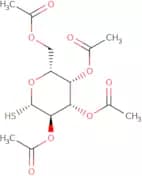

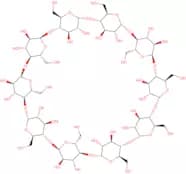


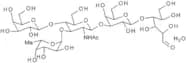
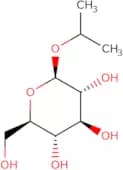
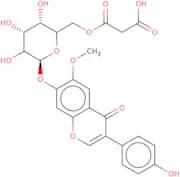
![(5R, 6R, 7S, 8R) -5, 6, 7, 8-Tetrahydro- 5- methyl- tetrazolo[1, 5- a] pyridine- 6, 7, 8- triol](/_next/image/?url=https%3A%2Fstatic.cymitquimica.com%2Fproducts%2F3D%2Fthumb-webp%2FMT163943.webp&w=3840&q=75)
![1-(Piperidine-2,6-dione-4-yl) - 4-([2-nitro] phenyl)-3- buten- 2- one](/_next/image/?url=https%3A%2Fstatic.cymitquimica.com%2Fproducts%2F3D%2Fthumb-webp%2FMP170734.webp&w=3840&q=75)
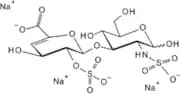
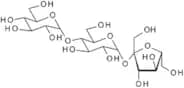

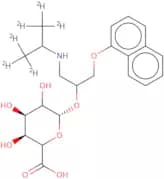
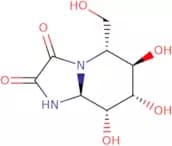
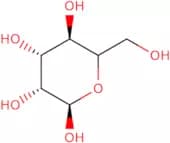
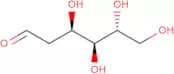

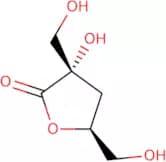

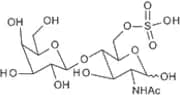

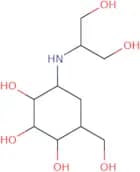

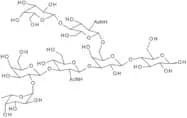
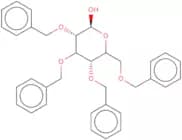
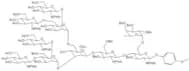

![(1S) -1- [(2S, 3R) - 3-Hydroxy-2- azetidinyl] -1, 2- ethanediol](/_next/image/?url=https%3A%2Fstatic.cymitquimica.com%2Fproducts%2F3D%2Fthumb-webp%2FMH163530.webp&w=3840&q=75)
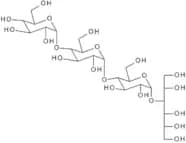
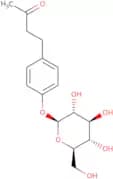
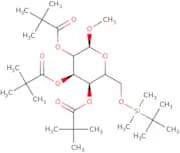
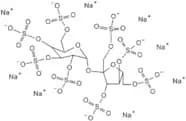
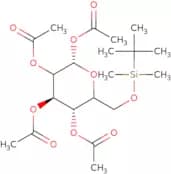
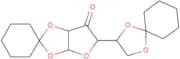
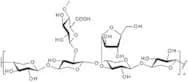
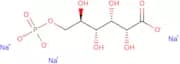
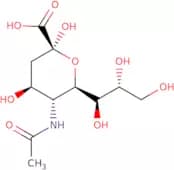
![4-Methoxyphenyl 2,6-di-O-acetyl-4-O-[2,4,6-tri-O-acetyl-3-O-allyl-β-D-galactopyranosyl]-3-O-allyl-…](/_next/image/?url=https%3A%2Fstatic.cymitquimica.com%2Fproducts%2F3D%2Fthumb-webp%2FOM10984.webp&w=3840&q=75)
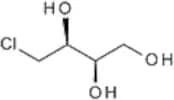
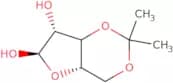
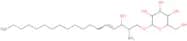
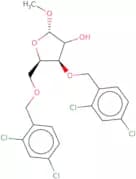
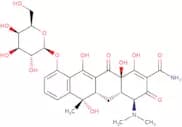
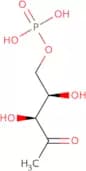
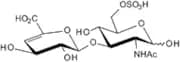
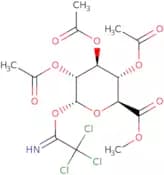

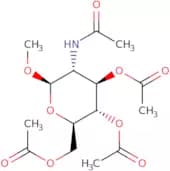


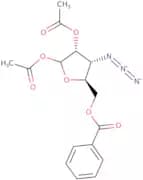
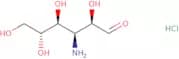
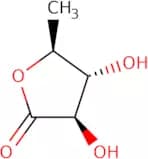


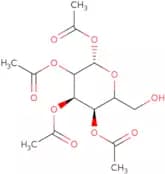

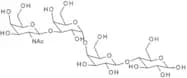
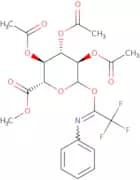
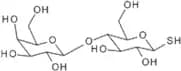
![(1S) -1- [(2R, 3S) -3- Benzyloxy-N-butyl- 1- azetidinyl] -1, 2- ethanediol](/_next/image/?url=https%3A%2Fstatic.cymitquimica.com%2Fproducts%2F3D%2Fthumb-webp%2FMB163382.webp&w=3840&q=75)

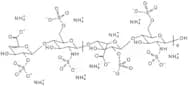

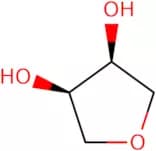
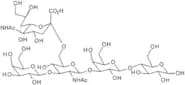

![(1S) -1- [(2S, 3R,4S) -4-(Acetoxy)methyl-3-benzyloxy- N-benzyl-1- azetidinyl] -di-O-acetyl-1, 2- e…](/_next/image/?url=https%3A%2Fstatic.cymitquimica.com%2Fproducts%2F3D%2Fthumb-webp%2FMA163358.webp&w=3840&q=75)
![(5R, 8R, 9S) -8- [(4R) - 2, 2-Dimethyl- 1, 3- dioxolan- 4- yl] - 9- hydroxy- 2, 2- dimethyl- 1, 3,…](/_next/image/?url=https%3A%2Fstatic.cymitquimica.com%2Fproducts%2F3D%2Fthumb-webp%2FMD170665.webp&w=3840&q=75)
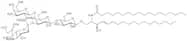
![D-[UL-13C6]Galacturonic acid potassium salt](/_next/image/?url=https%3A%2Fstatic.cymitquimica.com%2Fproducts%2F3D%2Fthumb-webp%2FMG106395.webp&w=3840&q=75)
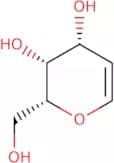
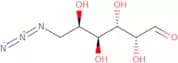
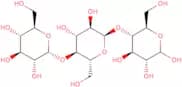
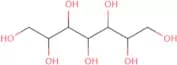
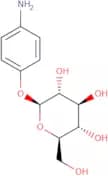
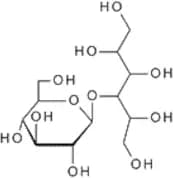


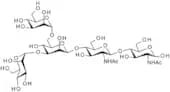


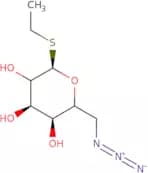
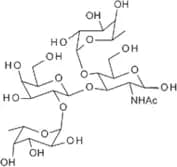
![2-Methyl-(1,2-dideoxy-a-D-glucopyrano)-[2,1-d]-2-oxazoline](/_next/image/?url=https%3A%2Fstatic.cymitquimica.com%2Fproducts%2F3D%2Fthumb-webp%2FMM10955.webp&w=3840&q=75)
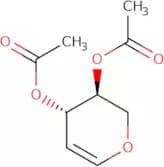
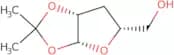
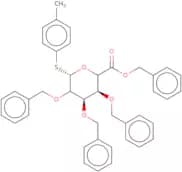
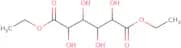

![2-Amino-β-D-arabinofurano[1,2;4,5]oxazoline](/_next/image/?url=https%3A%2Fstatic.cymitquimica.com%2Fproducts%2F3D%2Fthumb-webp%2FMA05416.webp&w=3840&q=75)
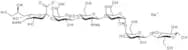

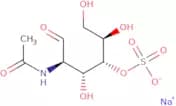
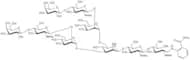
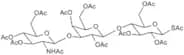


![(5R, 8R, 9S) -8- [(4R) - 2, 2- Dimethyl- 1, 3- dioxolan- 4- yl] - 9- hydroxy- 2, 2- dimethyl- 1, 3…](/_next/image/?url=https%3A%2Fstatic.cymitquimica.com%2Fproducts%2F3D%2Fthumb-webp%2FMD170668.webp&w=3840&q=75)