Antimicrobials
Subcategories of "Antimicrobials"
- Antibiotics(4,135 products)
- Antifungals(896 products)
- Antiparasitics(696 products)
- Antivirals(766 products)
Found 2434 products of "Antimicrobials"
Dalbavancin
CAS:Dalbavancin is a lipoglycopeptide antibiotic with action against gram-positive bacteria, including MRSA and is used for treating acute bacterial skin and skin structure infections.Formula:C88H100Cl2N10O28Purity:Min. 95%Color and Shape:PowderMolecular weight:1,816.69 g/molMolnupiravir
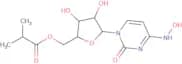
CAS:Controlled ProductEIDD 2801 is an orally bioavailable prodrug of β-D-N4-hydroxycytidine and was shown to inhibit SARS-CoV-2 replication in human airway epithelial cells. EIDD 2801 was also tested in mice infected with SARS-CoV and MERS-CoV viruses. EIDD 2801 targets the RNA-dependent RNA polymerase (RdRp) and reduces virus titer and improved pulmonary function in experimental animals when used in prophylactic and therapeutic regime.Formula:C13H19N3O7Purity:Min. 98 Area-%Color and Shape:PowderMolecular weight:329.31 g/molDarunavir ethanolate- Bio-X ™
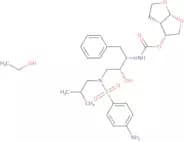
CAS:Darunavir is an HIV protease inhibitor that is used in the treatment of HIV-1 infection. This drug inhibits HIV-1 protease from binding and catalyzing by attaching to the enzyme and preventing HIV replication.Formula:C27H37N3O7S·C2H6OPurity:Min. 99 Area-%Color and Shape:PowderMolecular weight:593.73 g/molSpiramycin base
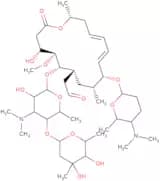
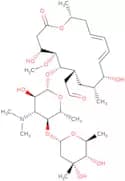
CAS:A broad-spectrum antibiotic of macrolide class, which inhibits 50S ribosomal subunit and inhibits protein synthesis. Spiramycin is also effective against Gram-positive and gram-negative bacteria as well as protozoal parasite Toxoplasma gondii.Formula:C43H74N2O14Purity:Min. 95%Color and Shape:White PowderMolecular weight:843.05 g/molCyclosporin A
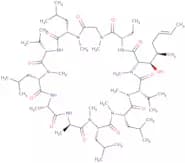
CAS:Binds cyclophilin D and inhibits calcineurin; immunosuppressant
Formula:C62H111N11O12Purity:Min. 98.5 Area-%Color and Shape:White PowderMolecular weight:1,202.61 g/molDesfuroyl ceftiofur sodium
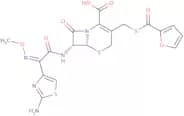
CAS:Desfuroyl ceftiofur sodium is a veterinary cephalosporin antibiotic, which is derived from cephalosporin C, a beta-lactam antibiotic produced by the fungus Cephalosporium acremonium. Its mode of action involves the inhibition of bacterial cell wall synthesis by binding to and inactivating penicillin-binding proteins (PBPs). This prevents the cross-linking of peptidoglycan layers, leading to cell lysis and bacterial death, particularly effective against Gram-negative and some Gram-positive bacteria.
Formula:C14H15N5O5S3•NaPurity:Min. 95%Molecular weight:452.5 g/molNeomycin EP impurity C (Neomycin C) trifluoroacetate
CAS:Neomycin EP impurity C (Neomycin C) trifluoroacetate is a reference standard, which is a meticulously characterized chemical impurity often used in pharmaceutical analysis. This compound is derived from the fermentation of *Streptomyces fradiae*, which produces a complex mixture of aminoglycoside antibiotics, including Neomycin B and Neomycin C.Formula:C23H46N6O13•(C2HF3O2)xPurity:Min. 95%Lactoferrin
CAS:Lactoferrin is a multifunctional glycoprotein, which is primarily sourced from bovine milk, human milk, and other mammalian secretions. With its high affinity for iron, lactoferrin sequesters iron ions, which inhibits bacterial growth by depriving them of the iron necessary for proliferation. This mechanism enables lactoferrin to exhibit potent antimicrobial properties.Formula:C141H224N46O29S3Purity:Min. 95%Color and Shape:PowderMolecular weight:3,123.8 g/molVulgamycin
CAS:Vulgamycin is a novel antibiotic, which is derived from a specific strain of soil bacteria belonging to the genus *Streptomyces*. This microorganism is known for its prolific secondary metabolite production, enabling the development of unique compounds with therapeutic potential. Vulgamycin operates by inhibiting bacterial cell wall synthesis, a mechanism of action that targets key enzymatic pathways, resulting in effective bactericidal activity against a wide range of Gram-positive bacteria.Formula:C22H20O10Purity:Min. 95%Molecular weight:444.4 g/mol9’-deoxy-8’,8’-dihydroxyherbicidin
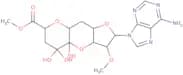
CAS:9’-Deoxy-8’,8’-dihydroxyherbicidin is a specialized compound, classified as an antibacterial agent and secondary metabolite, which is naturally derived from microbial sources, specifically certain strains of actinomycetes. These microorganisms are prolific producers of bioactive secondary metabolites, including antibiotics and herbicidins, which exhibit diverse biological activities.Formula:C18H23N5O9Purity:Min. 95%Molecular weight:453.4 g/molHerbicidin H
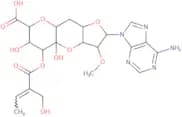
CAS:Herbicidin H is a naturally occurring microbial herbicide, which is derived from specific strains of soil-borne bacteria. This compound is primarily isolated from Streptomyces species, known for their prolific production of various bioactive secondary metabolites. The mode of action of Herbicidin H involves the disruption of essential cellular processes within plant cells, particularly affecting nucleic acid synthesis. This disruption leads to impaired growth and eventual plant death, making it a potent agent against a range of undesirable plant species.Formula:C22H27N5O11Purity:Min. 95%Molecular weight:537.48 g/mol3'-N,N-Di(desmethyl) azithromycin
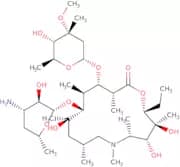
CAS:A derivative of azithromycin, used as an antibioticFormula:C36H68N2O12Purity:Min. 95%Color and Shape:Off-white solid.Molecular weight:720.93 g/molLumefantrine - Bio-X ™
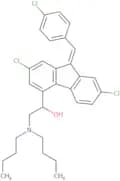
CAS:This product is part of our Bio-X ™ Range. These products are aimed at life science researchers who need high quality ready-to-use products for assay development, screening or other R&D work. With a solubility datasheet and convenient vials, all of our Bio-X ™ products are in stock across our global warehouses for rapid delivery and ease of use.Formula:C30H32Cl3NOPurity:Min. 95%Color and Shape:PowderMolecular weight:528.94 g/molClofarabine - Bio-X ™
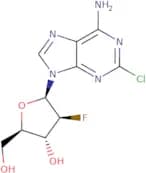
CAS:This product is part of our Bio-X ™ Range. These products are aimed at life science researchers who need high quality ready-to-use products for assay development, screening or other R&D work. With a solubility datasheet and convenient vials, all of our Bio-X ™ products are in stock across our global warehouses for rapid delivery and ease of use.Formula:C10H11ClFN5O3Purity:Min. 95%Color and Shape:PowderMolecular weight:303.68 g/molSantonin
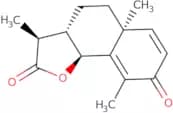
CAS:Controlled ProductSantonin is a terpenoid compound with action as an anthelmintic by paralyzing parasitic worms and is used for expelling intestinal worms.Formula:C15H18O3Purity:Min. 98 Area-%Color and Shape:White PowderMolecular weight:246.3 g/mol2-Methyl-4-isothiazolin-3-one - 50% aqueous solution
CAS:2-Methyl-4-isothiazolin-3-one is a biocidal agent, which is a synthetic compound derived from isothiazolinone chemistry. Its primary mode of action involves the inhibition of microbial cell growth by disrupting essential enzyme systems within the cells, leading to cell death. This compound is often supplied as a 50% aqueous solution, facilitating its integration into different mediums.Formula:C4H5NOSMolecular weight:115.15 g/molRibavirin
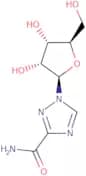
CAS:Controlled ProductRibavirin is a guanosine nucleoside analog with broad-spectrum antiviral properties. Ribavirin gets phosphorylated to ribavirin triphosphate in cells and competes with natural nucleotides for incorporation in a nascent RNA chain, thus interfering with RNA synthesis by inhibiting viral RNA polymerases. Ribavirin is also an inhibitor of inosinate dehydrogenase (IMP), which is involved in the biosynthesis of GTP.
Formula:C8H12N4O5Purity:Min. 95%Color and Shape:White PowderMolecular weight:244.2 g/mol2-[(2-Amino-6-oxo-3H-purin-9-yl)methoxy]ethyl (2S)-2-aminopropanoate
CAS:2-[(2-Amino-6-oxo-3H-purin-9-yl)methoxy]ethyl (2S)-2-aminopropanoate is a nucleotide analog, a synthetic compound designed to mimic the structure of natural nucleotides incorporated into DNA. It is derived from chemical synthesis to specifically interfere with viral DNA replication. The compound acts by selectively inhibiting viral DNA polymerase, an enzyme essential for the replication of viral genetic material. This inhibition effectively halts the proliferation of the virus, rendering it unable to reproduce within the host cell.Formula:C11H16N6O4Purity:Min. 95%Molecular weight:296.28 g/molOxiconazole nitrate - Bio-X ™
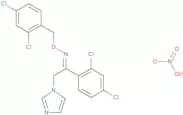
CAS:Oxiconazole is an anti-fungal agent that is used for the treatment of various dermatophyte infections. It can be used to treat athlete’s foot, ringworm and jock itch. This drug inhibits ergosterol biosynthesis and acts to destabilize the fungal cytochrome enzyme P450 51. Additionally, this drug has shown to inhibit DNA synthesis and suppress concentrations of ATP.Formula:C18H14Cl4N4O4Purity:Min. 95%Color and Shape:PowderMolecular weight:492.14 g/molFengycin A analogue
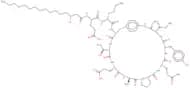
CAS:Fengycin A analogue is an antifungal lipopeptide, which is a cyclic compound derived from microbial sources, specifically produced by Bacillus subtilis strains. It functions primarily by disrupting the cell membranes of pathogenic fungi, leading to altered membrane permeability and subsequent cell death. The unique structure of fengycin allows it to interact with membrane lipids, compromising membrane integrity and inhibiting fungal growth.Cefditoren acid sodium
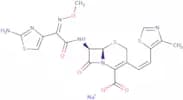
CAS:Cefditoren acid sodium is an antibacterial agent that belongs to the class of third-generation cephalosporins, which is derived from Acremonium fungus and produced through chemical synthesis. This compound acts by inhibiting bacterial cell wall synthesis, leading to cell lysis and death. It achieves this by binding to specific penicillin-binding proteins (PBPs) located inside the bacterial cell wall. The interruption of peptidoglycan synthesis in the cell wall is crucial for maintaining bacterial cell integrity, and its inhibition results in the bactericidal activity of cefditoren acid sodium. It is effective against a range of Gram-positive and Gram-negative bacteria. The key applications of this compound include the treatment of bacterial infections such as respiratory tract infections, skin infections, and other conditions caused by susceptible bacteria. Its spectrum of activity and pharmacokinetic properties make it suitable for situations where third-generation cephalosporins are indicated. Understanding the specific interaction with PBPs and the resistance mechanisms is crucial for optimizing its clinical use and managing antibiotic resistance.Formula:C19H17N6NaO5S3Purity:94%MinMolecular weight:528.56 g/molAmphotericin B - Bio-X ™
CAS:Amphotericin B is a macrocycle antibiotic with very potent antifungal effects and resistance very rarely occurs. Amphotericin B is a polyene antifungal that binds to fungal cell membrane, i.e., ergosterol disrupts the membrane permeability leading to leakage of intracellular components. It is often used as an alternative therapy for leishmaniasis and to treat severe mycoses including: systemic Candida, Cryptococcus, blastomycosis, and histoplasmosis.
Formula:C47H73NO17Purity:Min. 75.0%Color and Shape:PowderMolecular weight:924.08 g/molTaurolidine
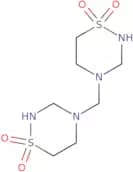
CAS:Controlled ProductTaurine derivative; used to prevent infection in cathetersFormula:C7H16N4O4S2Color and Shape:White PowderMolecular weight:284.36 g/molPaclitaxel
CAS:Tubulin ligand which promotes microtubule assembly and stabilises microtubule cytoskeleton against depolymerisation. The compound has anti-tumoral activity since its interference with cytoskeleton dynamics affects the assembly of mitotic spindle, segregation of chromosomes, cell division and blocks the cell cycle in G1 or M phase. The compound is also used for the purification of tubulin or microtubule-associated proteins.Formula:C47H51NO14Purity:Min. 96.0 Area-%Molecular weight:853.91 g/molClevudine-d4
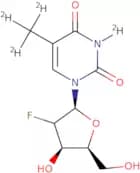
Controlled ProductClevudine-d4 is a deuterium-labeled analog of the nucleoside analogue clevudine, which is a synthetic antiviral compound. It is derived from chemical synthesis, specifically designed for research purposes involving the metabolic and pharmacokinetic pathways of clevudine. Clevudine-d4 acts as an inhibitor of the hepatitis B virus (HBV) by interfering with the viral DNA polymerase. It incorporates into viral DNA, leading to chain termination during HBV replication.Formula:C10H9FN2O5D4Purity:Min. 95%Molecular weight:264.25 g/molTerbinafine HCl - Bio-X ™
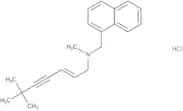
CAS:Terbinafine is an antifungal drug that is used in the treatment of dermatophyte infections of the toenails and fingernails. Terbinafine also treats other skin infections. This drug works by inhibiting ergosterol synthesis which in return inhibits fungal squalene monooxygenase. This results in a disruption of fungal cell wall synthesis.Formula:C21H25N•HClPurity:Min. 95%Color and Shape:PowderMolecular weight:327.89 g/molBleomycin
CAS:Bleomycin is an antineoplastic antibiotic, which is derived from the bacterium *Streptomyces verticillus*. Its mode of action involves binding to DNA and inducing strand breaks through the generation of free radicals, particularly in regions rich in guanine and cytosine. This leads to inhibition of DNA synthesis and, consequently, cellular replication, making it effective in targeting rapidly dividing cancer cells.Formula:C55H84N17O21S3Purity:Min. 95%Molecular weight:1,415.56 g/molCeftaroline fosamil acetate hydrate - Bio-X ™
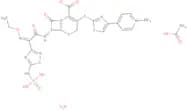
CAS:Ceftaroline fosamil is an antibacterial agent used to treat various bacterial infections such as pneumonia. Ceftaroline fosamil binds to the ribosomal RNA of bacteria, preventing the formation of proteins necessary for cell division. Ceftaroline fosamil has been shown to be highly active against Mycobacterium tuberculosis, Mycobacterium avium complex, and fungi such as Candida species.
Formula:C22H22N8O8PS4·C2H3O2·H2OPurity:Min. 95%Color and Shape:PowderMolecular weight:762.76 g/molCeftazidime - Bio-X ™
CAS:Ceftazidime is a broad-spectrum beta-lactam antibiotic that inhibits bacterial growth by inhibiting penicillin-binding proteins (PBPs). It is used to treat many bacteria infections including pneumonia and septicaemia. It has shown to be effective against some treatment-resistant bacteria such as Pseudomonas aeruginosa.
Formula:C22H22N6O7S2Purity:Min. 95%Color and Shape:PowderMolecular weight:546.58 g/molFosmidomycin sodium hydrate
CAS:Fosmidomycin sodium hydrate is an antibiotic, which is a natural product derived from Streptomyces lavendulae. This compound specifically inhibits the non-mevalonate pathway of isoprenoid biosynthesis by targeting 1-deoxy-D-xylulose 5-phosphate reductoisomerase (DXR), an essential enzyme in the pathway. By disrupting this process, fosmidomycin effectively impedes the synthesis of essential isoprenoid precursors, which are crucial for the survival and proliferation of certain bacteria and parasites.Formula:C4H10NO5PPurity:Min. 95%Molecular weight:183.1 g/molAmicoumacin B
CAS:Amicoumacin B is a bacterial metabolite, which is derived from *Bacillus subtilis*. This compound exhibits a strong antibacterial function by targeting bacterial ribosomes, thereby inhibiting protein synthesis. As a result, it disrupts the growth and proliferation of bacterial cells, making it effective against a broad spectrum of Gram-positive bacteria.Formula:C20H28N2O8Purity:Min. 95%Molecular weight:424.4 g/molNinhydrin
CAS:Ninhydrin is a chemical reagent, which is a saturated triketone compound utilized extensively in biochemical analysis and forensic science. It is synthesized through the dehydrogenation of related organic compounds and is often encountered in its crystalline form.
Formula:C9H6O4Molecular weight:178.14 g/molRef: 3D-Q-201472
1kgTo inquire5kgTo inquire10kgTo inquire500gTo inquire2500gTo inquire-Unit-kgkgTo inquireTautomycin from Streptomyces spiroverticillatus
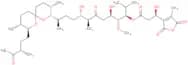
CAS:Tautomycin is a natural compound classified as a polyketide, which is isolated from the bacterium *Streptomyces spiroverticillatus*. This bacterium is renowned for its ability to produce biologically active secondary metabolites with diverse pharmacological properties. Tautomycin is recognized for its mode of action as a potent inhibitor of protein phosphatases, specifically protein phosphatase 1 (PP1) and protein phosphatase 2A (PP2A). These enzymes play critical roles in cellular processes by regulating phosphorylation states, which control various signaling pathways within the cell.Formula:C41H66O13Purity:Min. 95%Color and Shape:PowderMolecular weight:766.95 g/molTerbinafine hydrochloride
CAS:Activator of the two-pore domain potassium channel TASK3Formula:C21H26ClNPurity:Min. 98 Area-%Color and Shape:PowderMolecular weight:327.89 g/molBleomycin A5
CAS:Bleomycin A5 is an antitumor antibiotic, which is derived from the bacterium *Streptomyces verticillus*. Its mode of action involves the induction of DNA strand breaks, primarily by forming complexes with metal ions such as iron, which can generate reactive oxygen species. These species cause oxidative damage to the DNA, leading to single- and double-strand breaks. This DNA cleavage is crucial for its efficacy in inhibiting the proliferation of cancer cells.Formula:C57H89N19O21S2Purity:Min. 95%Color and Shape:PowderMolecular weight:1,440.56 g/molTosufloxacin toluenesulfonate hydrate
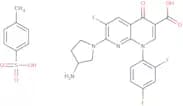
CAS:Tosufloxacin toluenesulfonate hydrate is a fluoroquinolone antibiotic with action on bacterial DNA gyrase and topoisomerase IV and is used for treating bacterial infections, particularly respiratory infections.Formula:C19H15F3N4O3·C7H8O3S·H2OPurity:Min. 95%Color and Shape:PowderMolecular weight:594.56 g/molTosufloxacin toluenesulfonate hydrate - Bio-X ™
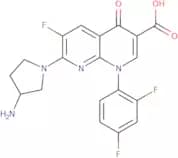
CAS:Tosufloxacin is a fluoroquinolone antibiotic that inhibits DNA gyrase and topoisomerase IV, which are enzymes that maintain the integrity of bacterial DNA. It binds to bacterial 16S ribosomal RNA and inhibits protein synthesis, leading to cell death by inhibiting the production of proteins vital for cell division. Tosufloxacin has been shown to be effective against a variety of bacterial infections.
Formula:C19H15F3N4O3·C7H8O3S·H2OPurity:Min. 95%Color and Shape:PowderMolecular weight:594.56 g/molCeftazidime
CAS:Ceftazidime is a third-generation cephalosporin antibiotic with action on bacterial cell wall synthesis and is used for treating severe bacterial infections like pneumonia, meningitis, and sepsis.Formula:C22H22N6O7S2Purity:Min. 95.0 Area-%Color and Shape:PowderMolecular weight:546.58 g/molHM 4005 ANTIMICROBIAL
CAS:BIOSAFE® Antimicrobial, 5% aqueous solution
BIOSAFE® Antimicrobial is a non-leaching silicon-based antimicrobial that imparts bacteriostatic, fungistatic, and algistatic properties
to coatings and resins for manufactured goods.
3-(Trihydroxysilyl)propyldimethyloctadecyl ammoniumchloride, 5% aqueous solution; 3-(Trihydroxysilyl)propyldimethyloctadecyl ammonium chloride; Octadecyldimethyl(3-trihydroxysilylpropyl)ammonium chloride, 84% active condensed; Silsesquioxanes, 3-(dimethyloctadecylammonio)propyl, hydroxy-terminated, chlorides
EPA Registration Number: 83019-35% of HM4100 in waterUsed in water based surface treatments and coatingsMicrobiostatic agent that protects articles from deterioration and discolorationLeach resistantActive against forms of fungi, algae, and bacteriaHigh antimicrobial performance in ISO and ASTM testingDoes not promote development of resistant microorganismsIncompatible with anionic detergentsTypical use concentrations of 0.25-0.5 wt% relative to the substrate being treated
Water Based Surface Treatments
CarpetNon-wovensRoll goodsBuilding materialsShoesIndoor environment surfacesColor and Shape:Colorless To Yellow LiquidHM 4072 ANTIMICROBIAL
CAS:BIOSAFE® Antimicrobial 72% in methanol
BIOSAFE® Antimicrobial is a non-leaching silicon-based antimicrobial that imparts bacteriostatic, fungistatic, and algistatic properties
to coatings and resins for manufactured goods.
Octadecyldimethyl(3-trimethoxy silylpropyl)ammonium chloride, 72% in methanol; (Trimethoxysilylpropyl)octadecyldimethylammonium chloride; Dimethyloctadecyl[3-(trimethoxysilyl)propyl]ammonium chloride
EPA Registration Number: 83019-4Microbiostatic agent that protects articles from deterioration and discolorationActive against forms of fungi, algae, and bacteriaLeach resistantUsed in water based surface treatments and coatings,High antimicrobial performance in ISO and ASTM testingDoes not promote development of resistant microorganismsTypical use concentrations of 0.25-0.5 wt% active relative to the substrate being treatedIncompatible with anionic surfactantsAvailable as a no VOC powder HM4100
Water Based Surface Treatments
CarpetNon-wovensRoll goodsBuilding materialsShoesIndoor environment surfacesColor and Shape:LiquidMolecular weight:496.29HM 4100 ANTIMICROBIAL
CAS:BIOSAFE® Quaternary Siloxane Powder
BIOSAFE® Antimicrobial is a non-leaching silicon-based antimicrobial that imparts bacteriostatic, fungistatic, and algistatic properties
to coatings and resins for manufactured goods.
3-(Trihydroxysilyl)propyldimethyloctadecyl ammonium chloride; Octadecyldimethyl(3-trihydroxysilylpropyl)ammonium chloride, 84% active condensed; Silsesquioxanes, 3-(dimethyloctadecylammonio)propyl, hydroxy-terminated, chlorides
EPA Registration Number: 83019-1FDA Approved for Food ContactNSF 51 approvedNo VOCsUsed in resin blending, compounding, and coatingsMicrobiostatic agent that protects articles from deterioration and discolorationLeach resistantActive against forms of fungi, algae, and bacteriaHigh antimicrobial performance in ISO and ASTM testingDoes not promote development of resistant microorganismsRecommended process temperature: <170 °CTypical use concentrations of 0.25-0.5 wt% active relative to the substrate being treatedIncompatible with anionic surfactantsAvailable in aqueous solutions HM4005 and HM4001
Resin Compatibility
TPU - Thermoplastic PolyurethaneUrethane FoamPolyether bock amide (PEBAX®)Silicone (not post-cured)Polyamide 6 (PA6 or nylon 6)Acrylic (cast and thermoplastic)Acrylic AdhesivesSpun FiberFiberglass Gel Coat
Used in Certainty® SmartBoost™ Laundry Additive
For more information on BIOSAFE® products, please contact Customer Service at 888.734.8344.Color and Shape:White Straw Yellow SolidHM 4001 RTU ANTIMICROBIAL
CAS:BIOSAFE® RTU Antimicrobial, 1% aqueous solution
BIOSAFE® Antimicrobial is a non-leaching silicon-based antimicrobial that imparts bacteriostatic, fungistatic, and algistatic properties
to coatings and resins for manufactured goods.
3-(Trihydroxysilyl)propyldimethyloctadecyl ammoniumchloride, 1% aqueous solution; 3-(Trihydroxysilyl)propyldimethyloctadecyl ammonium chloride; Octadecyldimethyl(3-trihydroxysilylpropyl)ammonium chloride, 84% active condensed; Silsesquioxanes, 3-(dimethyloctadecylammonio)propyl, hydroxy-terminated, chlorides
EPA Registration Number: 83019-21% of HM4100 in waterUsed in water based surface treatments and coatingsMicrobiostatic agent that protects articles from deterioration and discolorationLeach resistantActive against forms of fungi, algae, and bacteriaHigh antimicrobial performance in ISO and ASTM testingDoes not promote development of resistant microorganismsIncompatible with anionic detergentsTypical use concentrations of 0.25-0.5 wt% active relative to the substrate being treated
Water Based Surface Treatments
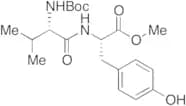
CarpetNon-wovensRoll goodsBuilding materialsShoesIndoor environment surfacesColor and Shape:Colourless Liquid(S)-2-((S)-2-((tert-Butoxycarbonyl)amino)-3-methylbutanamido)-3-(4-hydroxyphenyl)propanoic Acid Methyl Ester
CAS:Controlled ProductApplications (S)-2-((S)-2-((tert-butoxycarbonyl)amino)-3-methylbutanamido)-3-(4-hydroxyphenyl)propanoic Acid Methyl Ester is an intermediate in the synthesis of Aureusimine A (A794560), a metabolite of non-ribosomal origin produced by Staphylococcus aureusan, formed by the fusion of two amino acids. Aureusimine A was shown to exert control over the virulence cascade responsible for Golden Staph infection.
References Archer, G., et al.: Clin. Infect. Dis., 26, 1179 (1998); Novick, R., et al.: Mol. Microbiol., 48, 1429 (2003); Liang, X., et al.: Infect. Immun., 74, 4655 (2006); Geiger, T., et al.: J. Bacteriol., 190, 3419 (2008);Formula:C30H29N3O7SColor and Shape:NeatMolecular weight:575.632Meldrum's Acid-13C
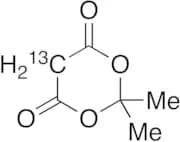
CAS:Controlled ProductFormula:C513CH8O4Color and Shape:NeatMolecular weight:145.12[5-[(3aS,4S,6aR)-Hexahydro-2-oxo-1H-thieno[3,4-d]imidazol-4-yl]-1-oxopentyl]-3-(2-pyridinyldithio)-L-alanine
CAS:Controlled ProductApplications [5-[(3aS,4S,6aR)-Hexahydro-2-oxo-1H-thieno[3,4-d]imidazol-4-yl]-1-oxopentyl]-3-(2-pyridinyldithio)-L-alanine is an intermediate in the synthesis of Biotinyl Pyridinyldithio N-Hydroxysuccinimide Alanine Ester (B397300), which is an antimicrobial bisulfide prodrug.
References Ponpipom, et al.: J. Med. Chem., 24, 1388 (1981), Hausch, F., et al.: Bioconjug. Chem., 8, 885 (1997), Seelig, B., et al.: Chem. Biol., 6, 167 (1999),Formula:C18H24N4O4S3Color and Shape:NeatMolecular weight:456.6(5Z,8Z,11Z,14Z)-5,8,11,14-Eicosatetraenoic Acid 2-[[(1,1-Dimethylethoxy)carbonyl]amino]ethyl Ester
CAS:Controlled ProductApplications (5Z,8Z,11Z,14Z)-5,8,11,14-Eicosatetraenoic Acid 2-[[(1,1-Dimethylethoxy)carbonyl]amino]ethyl Ester is an intermediate used in synthesizing O-Arachidonoyl ethanolamine hydrochloride (A765130), a partial agonist at CB1 receptor and a full agonist at CB2 receptor. O-Arachidonoyl ethanolamine hydrochloride can be isolated from constituent of human and rat brain. It can be used to prepare antimicrobial arachidonic acid derivative.
References Kvasenkov, O. I. RU 2171610 C2 20010810 (2001); Sharir, H., et al.: J Neuroimmune Pharmacol. 7, 856 (2012)Formula:C27H45NO4Color and Shape:NeatMolecular weight:447.652-Bromo-6-methoxybenzene-1,4-diol
CAS:Controlled ProductFormula:C7H7BrO3Color and Shape:NeatMolecular weight:219.034,7-Difluoro-1,3-isobenzofurandione (Technical Grade, ~90%)
CAS:Controlled ProductStability moisture sensitive
Applications 4,7-Difluoro-1,3-isobenzofurandione is used in the synthesis of phthalic compounds, phthalazines, and quinones with antimicrobial activity.
References Cardia, M. et al.: J. Hetero. Chem., 40, 1011 (2003); Krohn, K.. et al.: Sci. Synth., 28, 367 (2006); Vina, D. et al.: Tetrahedron, 65, 1574 (2009);Formula:C8H2F2O3Purity:~90%Color and Shape:NeatMolecular weight:184.16R,10R-Dimethyl-2-pentadecanone
CAS:Controlled ProductApplications 6R,10R-Dimethyl-2-pentadecanone is a byproduct in the synthesis of (+)-Phytone (P398050), which is an constituent of leaf essential oil of Lawsonia Inermis growing in Nepal with potential anti-microbial activities.
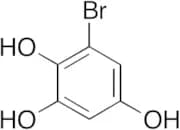
References Satyal, P., et al.: Pharmacol., 1, 31 (2012);Formula:C17H34OColor and Shape:NeatMolecular weight:254.4516-Bromobenzene-1,2,4-triol
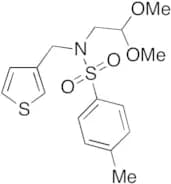
CAS:Controlled ProductFormula:C6H5BrO3Color and Shape:NeatMolecular weight:205.01N-(2,2-Dimethoxyethyl)-4-methyl-N-(3-thienylmethyl)benzenesulfonamide
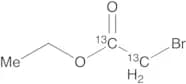
CAS:Controlled ProductFormula:C24H34O6Color and Shape:NeatMolecular weight:418.523Ethyl Bromoacetate-1,2-13C2
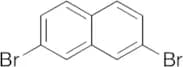
CAS:Formula:C2C2H7BrO2Color and Shape:Clear Colourless OilMolecular weight:168.992,7-Dibromonapthalene
CAS:Controlled ProductApplications 2,7-Dibromonapthalene acts as a reagent for the expedient synthesis of aminopropoxy-functionalized bis(aryltriazoly) arylenes via click chemistry and their antimicrobial and hemolytic activity.
Not a dangerous good if item is equal to or less than 1g/ml and there is less than 100g/ml in the package
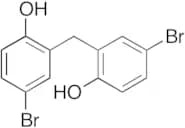
References Fu, T., et al.: ACS Med. Chem. Lett., 4, 841 (2013)Formula:C10H6Br2Color and Shape:NeatMolecular weight:285.962,2'-Methylenebis(4-bromophenol)
CAS:Controlled ProductApplications 2,2'-Methylenebis(4-bromophenol) can be derived from bromophenols from the red alga Odonthalia corymbifera and display potential antimicrobial activity. It is used as an intermediate in the synthesis of Albuterol Dimer (A514515) which is an impurity of the drug Albuterol used to treat asthma.
References Oh, K., et al.: Bioorg. Med. Chem. Lett., 18, 104 (2008); Haddad, N., et al.: Tetrahedron Lett., 43, 1135 (2002);Formula:C24H34O4Color and Shape:NeatMolecular weight:386.524Destomycin A
CAS:Destomycin A is an antibiotic, which is derived from the bacterium Streptomyces species. This compound exhibits a broad-spectrum mode of action by inhibiting protein synthesis in bacterial cells, thus impeding their growth and proliferation. Destomycin A targets the ribosomal subunits within bacterial cells, leading to disruption in their ability to synthesize essential proteins, ultimately contributing to its bacteriostatic effects.Formula:C20H37N3O13Purity:Min. 97 Area-%Color and Shape:White PowderMolecular weight:527.52 g/molThiabendazole
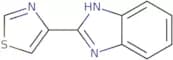
CAS:Thiabendazole is a benzimidazole anthelmintic with action on parasitic worms by inhibiting energy metabolism and is used for treating infections like threadworm and roundworm.Formula:C10H7N3SPurity:Min. 95%Color and Shape:PowderMolecular weight:201.25 g/molAmpicillin trihydrate
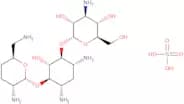
CAS:Antibiotic of penicillin class; inhibits bacterial cell wall biogenesisFormula:C16H19N3O4S·3H2OColor and Shape:White PowderMolecular weight:403.45 g/molDibekacin sulfate
CAS:Dibekacin sulfate is an aminoglycoside antibiotic with action on bacterial protein synthesis inhibition and is used for treating severe gram-negative bacterial infections.
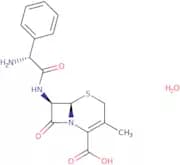
Formula:C18H39N5O12SPurity:Min. 670 Μg/MgColor and Shape:White PowderMolecular weight:549.59 g/molCephalexin hydrate, Antibiotic for Culture Media Use Only
CAS:Cephalexin hydrate is a first-generation cephalosporin antibiotic with action on bacterial cell wall synthesis and is used for treating respiratory tract infections, skin infections, and urinary tract infections.Formula:C16H17N3O4S·H2OPurity:Min. 95 Area-%Color and Shape:White PowderMolecular weight:365.41 g/molAcetyl daclatasvir
CAS:Acetyl daclatasvir is a direct-acting antiviral agent, which is chemically derived from a series of small-molecule inhibitors. The source of this compound lies in rational drug design, focusing on targeting specific viral proteins involved in the replication of hepatitis C virus (HCV). Its mode of action involves inhibiting the NS5A protein, a non-structural protein essential for HCV RNA replication and virion assembly. By binding to NS5A, acetyl daclatasvir disrupts the replication complex, effectively halting the virus's ability to multiply within the host cells.Purity:Min. 95%Tinidazole
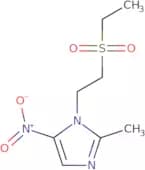
CAS:Tinidazole is a nitroimidazole antibiotic with action on DNA synthesis disruption in anaerobic bacteria and protozoa and is used for treating infections like giardiasis, amebiasis, and trichomoniasis.Formula:C8H13N3O4SPurity:Min. 95%Color and Shape:PowderMolecular weight:247.27 g/mol(4''R)-4''-(Acetylamino)-4''-deoxyavermectin B1
CAS:(4''R)-4''-(Acetylamino)-4''-deoxyavermectin B1 (Eprinomectin) is a macrocyclic lactone that inhibits invertebrate nerve function. It is a derivative of avermectin B1 and has been used to control malaria-transmitting mosquitoes. Eprinomectin has veterinary uses for cattle and other livestock to treat mosquitoes, lice, mites, ticks and flies. The drug is effective against the larvae and adult stages of the mosquito life cycle, but not oviposition (egg laying) by adults.Formula:C50H75NO14Purity:Min. 95%Color and Shape:White Slightly Yellow PowderMolecular weight:914.13 g/molLuliconazole
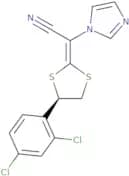
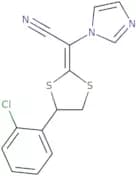
CAS:Broad spectrum imidazole antifungalFormula:C14H9Cl2N3S2Purity:Min. 95%Color and Shape:Off-White To Yellow SolidMolecular weight:352.9615Toltrazuril
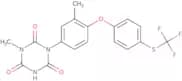
CAS:Toltrazuril is an anticoccidial agent with action on protozoal parasites by disrupting their intracellular development and is used for treating coccidiosis in livestock and poultry.Formula:C18H14F3N3O4SPurity:Min. 95%Color and Shape:White PowderMolecular weight:425.38 g/molAzlocillin sodium salt
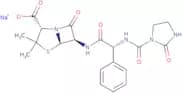
CAS:Azlocillin sodium salt is a penicillin antibiotic and is used for the treatment of bacterial infections. It inhibits bacterial cell wall synthesis.Formula:C20H23N5O6SNaPurity:Min. 90 Area-%Color and Shape:White PowderMolecular weight:484.48 g/molGentamicin C2a
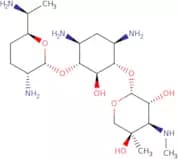
CAS:Gentamicin C2a is an aminoglycoside antibiotic, which is a complex of compounds derived from the fermentation of the bacterium *Micromonospora purpurea*. Its mode of action involves binding to the bacterial 30S ribosomal subunit, thereby inhibiting protein synthesis and resulting in the bactericidal effect on susceptible strains. The disruption of protein synthesis prevents the growth and replication of bacteria, effectively killing them.
Purity:Min. 95%Color and Shape:PowderThiacetazone
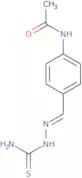
CAS:Thiacetazone is an antitubercular agent with action on mycolic acid synthesis in Mycobacterium tuberculosis and is used for treating tuberculosis in combination with other drugs.Formula:C10H12N4OSPurity:Min. 95%Color and Shape:PowderMolecular weight:236.29 g/molAmikacin anhydrous
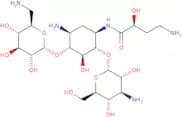
CAS:Inhibitor of protein synthesis; aminoglycosideFormula:C22H43N5O13Purity:Min. 95 Area-%Color and Shape:White PowderMolecular weight:585.6 g/molAzamulin
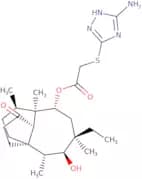
CAS:Azamulin is a semi-synthetic antibiotic belonging to the class of pleuromutilins, which is derived from natural fermentation products of the basidiomycete fungi genus Clitopilus. Its mode of action involves potent selective inhibition of cytochrome P450 3A4 enzymes. This enzyme family is essential for the oxidation of organic substances, and Azamulin's role as an inhibitor makes it valuable for studying drug metabolism and interactions in vitro.Formula:C24H38N4O4SPurity:Min. 95%Color and Shape:SolidMolecular weight:478.65 g/molLanoconazole
CAS:Anti-fungal; sterol demethylase inhibitorFormula:C14H10ClN3S2Purity:Min. 98 Area-%Color and Shape:White PowderMolecular weight:319.83 g/molKitasamycin
CAS:Kitasamycin is a macrolide antibiotic with a mode of action that inhibits bacterial protein synthesis by binding to the 50S ribosomal subunit. It is used for treating bacterial infections in veterinary medicine.
Formula:C40H67NO14Purity:Min. 95%Color and Shape:White PowderMolecular weight:785.96 g/molrec beta-Defensin 2 (human)
CAS:rec beta-Defensin 2 (human) is a recombinant peptide, which is a human-derived antimicrobial protein. It is sourced through recombinant DNA technology, enabling the production of a synthetic version of the natural peptide found in epithelial cells. Its mode of action involves disrupting microbial cell membranes, leading to cell lysis, in addition to modulating the immune response by interacting with immune cells and enhancing the production of cytokines.Purity:Min. 95%Ceftiofur
CAS:Ceftiofur is a third-generation cephalosporin antibiotic with action on bacterial cell wall synthesis and is used for treating bacterial infections in veterinary medicine.
Formula:C19H17N5O7S3Purity:Min. 95%Color and Shape:Off-White PowderMolecular weight:523.57 g/molActinomycin V
CAS:An analogue of Actinomycin D and an antitumor agent. Due to lower hepatotoxicity, Actinomycin V is more often used than Actynomycin D in chemotherapy and shows great efficiency against human breast cancer cells.Formula:C62H84N12O17Purity:Min. 95%Color and Shape:PowderMolecular weight:1,269.4 g/molMyriocin
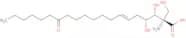
CAS:Myriocin is a potent fungal metabolite that is an inhibitor of sphingolipid biosynthesis. It is originally sourced from the ascomycete fungus *Isaria* sinclairii. Myriocin functions by specifically inhibiting serine palmitoyltransferase, the key enzyme in the de novo sphingolipid biosynthesis pathway, effectively reducing the production of ceramides and sphingomyelins. This mechanism of action makes Myriocin a significant tool in the study of sphingolipid metabolism and signaling pathways.Formula:C21H39NO6Purity:Min. 95%Color and Shape:PowderMolecular weight:401.54 g/molMonensin methyl ester
CAS:ester of Monensin. Monensin is a polyether antibiotic isolated from Streptomyces cinnamonensis. It is widely used in ruminant animal feeds.
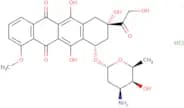
Formula:C37H64O11Purity:Min. 98 Area-%Molecular weight:684.91 g/molDoxorubicin hydrochloride, 10 mg/ml aqueous solution
CAS:Doxorubicin hydrochloride, 10 mg/ml aqueous solution, is a chemotherapeutic agent, which is an anthracycline antibiotic derived from the bacterium *Streptomyces peucetius var. caesius*. Its mode of action involves the intercalation into DNA, disrupting the replication and transcription processes crucial for cancer cell proliferation. Additionally, it generates free radicals that cause further damage to cellular structures and inhibit topoisomerase II, thereby preventing the unwinding of DNA necessary for replication.Formula:C27H29NO11•HClPurity:Min. 95%Color and Shape:PowderMolecular weight:579.98 g/mol(+)-Ledene
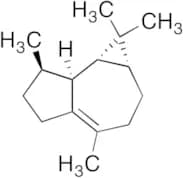
CAS:Controlled ProductApplications (+)-Ledene is an essential oil that is synthesized by viridiflorene synthase. It has been studied as an antioxidant, antimicrobial, antibiofilm and to treat various cancers.
References Negreiros, M.O., et al.: Pharm. Biol, 54, 3272-3279 (2016)Formula:C15H24Color and Shape:NeatMolecular weight:204.35Dimethyl Phenylbutanol
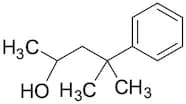
CAS:Controlled ProductFormula:C12H18OColor and Shape:ColourlessMolecular weight:178.271,3-Dibenzyl-1H-benzo[d]imidazol-3-ium Chloride
CAS:Controlled ProductStability Hygroscopic
Applications 1,3-Dibenzyl-1H-benzo[d]imidazol-3-ium Chloride is a useful reagent in the preparation of the antimicrobial benzimidazolium compounds via N-alkylation of benzimidazoles with benzyl chloride.
References Meng, J. P., et al.: Adv. Mat. Res., 554, 1686 (2012)Formula:C21H19ClN2Color and Shape:NeatMolecular weight:334.85Paraformaldehyde-13C,D2
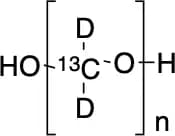
CAS:Controlled ProductApplications Paraformaldehyde-13C,D2 is an isotope labelled compound of Paraformaldehyde (P193265). Paraformaldehyde is the polymerized form of formaldehyde used in root canal sealers that provide antimicrobial activity.
Not a dangerous good if item is equal to or less than 1g/ml and there is less than 100g/ml in the package
References Gomes, B. et al.: Braz. Dent. J., 15, 30 (2004); Myers, G. et al.: Appl. Microbiol., 11, 357 (1963);Formula:CD2O)n·H2OColor and Shape:Neat2-Nonen-1-ol-D2
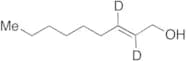
CAS:Controlled ProductApplications 2-Nonen-1-ol-D2 is a labelled analogue of 2-Nonen-1-ol. 2-Nonen-1-ol is an unsaturated alcohol that has antimicrobial properties. 2-Nonen-1-ol is also used as a flavour and fragrance agent, and has a “green” odour.
References Gigot, C., et al.: Biotechnol. Agron. Soc. Environ., 14, 451 (2010); Kalua, C., et al.: J. Agr. Food Chem., 53, 8054 (2005); Serrazanetti, D., et al.: Food Cont., 34, 336 (2013)Formula:C9H16D2OColor and Shape:NeatMolecular weight:144.253,6-Dichlorophthalic Anhydride
CAS:Stability Moisture Sensitive
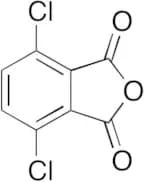
Applications 3,6-Dichlorophthalic Anhydride is an intermediate in the synthesis of phthalic compounds, phthalazines, and quinones with antimicrobial activity.
References Hansongnern, K., et al. Appl. Magnetic. Resonance., 23, 333 (2003);Formula:C8H2Cl2O3Color and Shape:NeatMolecular weight:217.006(2S)-2,6-Diisothiocyanato-Hexanoic Acid Ethyl Ester
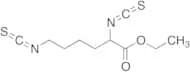
CAS:Controlled ProductFormula:C10H14N2O2S2Color and Shape:NeatMolecular weight:258.36Benzyltriphenylphosphonium Chloride
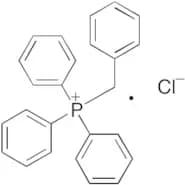
CAS:Controlled ProductApplications Benzyltriphenylphosphonium Chloride was used as a reagent in the organic synthesis of several compounds including that of stabilised phosphonium ylides containing saturated oxygen heterocycles. Also used in the synthesis of novel substituted cis-stilbene derivatives which display antimicrobial activity.
Not a dangerous good if item is equal to or less than 1g/ml and there is less than 100g/ml in the package
References Aitken, R., et al.: Org. Biomol. Chem., 14, 1794 (2016); Jain, D., et al.: World J. Pharm. Sci., 4, 1473 (2015);Formula:C25H22P·ClColor and Shape:NeatMolecular weight:388.9Berberrubine Chloride
CAS:Stability Hygroscopic
Applications Berberrubine Chloride is a novel alkaloid with novel nitric-oxide donating activity. Antitumor and an antimicrobial agent.
References Chen, J. et al.: Eur. J. Med. Chem., 132, 173 (2017); Jeyakkumar, P. et al.: Bioorg. Med. Chem. Lett., 27, 1737 (2017);Formula:C19H16ClNO4Color and Shape:NeatMolecular weight:357.794-Methyl-benzenesulfonic Acid (2E)-[(5R)-2-Methyl-5-(1-methylethenyl)-2-cyclohexen-1-ylidene]hydrazide-d4
CAS:Controlled ProductApplications 4-Methyl-benzenesulfonic Acid (2E)-[(5R)-2-Methyl-5-(1-methylethenyl)-2-cyclohexen-1-ylidene]hydrazide-d4 is an intermediate in synthesizing (+)-Limonene-d5 (L461742). It is present in blood oranges which show inhibition of angiogenesis in human colon cancer cells. Extracted from the oils of Mentha spicata it shows antimicrobial activity.
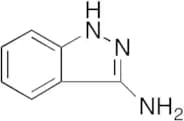
References Chidambara Murthy, K. et al.: Life Sci.,91, 429 (2012); Aggarwal, K. et al.: Flav. Frag. J., 17, 59 (2002)Formula:C17D4H18N2O2SColor and Shape:NeatMolecular weight:322.4581H-Indazol-3-amine
CAS:Controlled ProductApplications 1H-Indazol-3-amine is a reagent used in the preparation of indazole derivatives as potential antimicrobial and antitumor agents.
References Plescia, S., et al.: ARKIVOC, 10, 163 (2010)Formula:C7H7N3Color and Shape:Light RedMolecular weight:133.15Di-2-(Hydroxyphenyl)acetamido Cefprozil (Mixture of E/Z isomers)
Controlled ProductStability Light Sensitive
Applications Di-2-(Hydroxyphenyl)acetamido Cefprozil is an impurity in the synthesis of Cefprozil (C243910), semisynthetic oral cephalosporin consisting of approx. 90:10 Z/E isomeric mixture. Antibacterial.
References Jones, R.N., et al.: Diagn. Microb. Infect. Dis., 9, 11 (1988), Barbhaiya, R.H., et al.: Antimicrob. Agents Chemother., 34, 1204 (1990)Formula:C26H26N4O7SColor and Shape:NeatMolecular weight:538.572,4-Dichloro-5-thiazolecarboxaldehyde
CAS:Controlled ProductApplications Used in the synthesis of some novel thiazolidine-2,4-dione derivatives having antimicrobial activity.
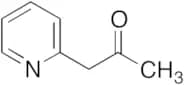
References Colca, J., et al.: J. Biol. Chem., 278, 21972 (2003), Galimand, M., et al.: Antimicrob. Agents Chemother., 47, 2565 (2003), Rostom, S., et al.: Bioorg. Med. Chem., 17, 882 (2009),Formula:C4HCl2NOSColor and Shape:NeatMolecular weight:182.031-Pyridin-2-yl-propan-2-one
CAS:Controlled ProductApplications 1-Pyridin-2-yl-propan-2-one is an antimicrobial bioactive compound extracted from Lactarius vellereus fermenting liquor.
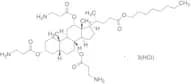
References Ji, H., et al.: Beijing Linye Daxue Xuebao, 30, 92 (2008); Song, R., et al.: From Faming Zhuanli Shenqing (2008), CN 101230368 A 20080730;Formula:C8H9NOColor and Shape:NeatMolecular weight:135.17Ceragenin CSA 44
CAS:Applications CSA (cationic steroid antibiotics) is a class of facial amphiphiles with same mechanism of antimicrobial action as that of CPAs (cationic peptide antibiotics).
References Sundriyal, S., et al.: J. Mol. Model, 14, 265 (2008).Formula:C41H71N3O8•3(HCl)Color and Shape:NeatMolecular weight:734.02336462,3-Dichloro-6-nitroaniline
CAS:Controlled ProductApplications 2,3-Dichloro-6-nitroaniline is used as a reagent in the synthesis of 3-alkyl-, 3-halomethyl- and 3-carboxyethylquinoxaline-2-ones which have potential antimicrobial activity.
Not a dangerous good if item is equal to or less than 1g/ml and there is less than 100g/ml in the package
References Carta, A., et al.: Farmaco, 58, 1251 (2003)Formula:C6H4Cl2N2O2Color and Shape:NeatMolecular weight:207.014-Chlorocinnamic Acid
CAS:Controlled ProductApplications 4-Chlorocinnamic Acid is a derivative of Cinnamic Acid (C442030) and plays an important role in the development of plants. 4-Chlorocinnamic Acid may also show potential antimicrobial, antioxidant, anti-inflammatory, and antitumoral activity.
References Jitareanu, A., et al.: Not. Bot. Horti. Agrobo., 39, 130 (2011)Formula:C9H7ClO2Color and Shape:NeatMolecular weight:182.63-[Benzyl-(2-methoxycarbonylethyl)amino]propionic Acid Methyl Ester
CAS:Controlled ProductApplications 3-[BENZYL-(2-METHOXYCARBONYL-ETHYL)-AMINO]-PROPIONIC ACID METHYL ESTER (cas# 793-19-1) is a useful research chemical.
Formula:C15H21NO4Color and Shape:NeatMolecular weight:279.33K252a
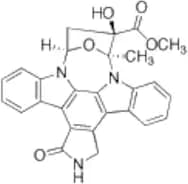
CAS:Controlled ProductApplications K252a is a protein kinase inhibitor. It is an analogue of staurosporine (S685000). It shows potent antitumor activity but no antimicrobial activity in vitro, or in vivo toxicity in rodents.
References Kase, H., et al.: J. Antibiot., 39, 1059 (1986); Yasuzawa, T., et al.; J. Antibiot., 39, 1072 (1986)Formula:C27H21N3O5Color and Shape:NeatMolecular weight:467.47




![2-[(2-Amino-6-oxo-3H-purin-9-yl)methoxy]ethyl (2S)-2-aminopropanoate](/_next/image/?url=https%3A%2Fstatic.cymitquimica.com%2Fproducts%2F3D%2Fthumb-webp%2FJDA49964.webp&w=3840&q=75)










![[5-[(3aS,4S,6aR)-Hexahydro-2-oxo-1H-thieno[3,4-d]imidazol-4-yl]-1-oxopentyl]-3-(2-pyridinyldithio)…](/_next/image/?url=https%3A%2Fstatic.cymitquimica.com%2Fproducts%2FTR%2Fthumb-webp%2FH291770.webp&w=3840&q=75)
![(5Z,8Z,11Z,14Z)-5,8,11,14-Eicosatetraenoic Acid 2-[[(1,1-Dimethylethoxy)carbonyl]amino]ethyl Ester](/_next/image/?url=https%3A%2Fstatic.cymitquimica.com%2Fproducts%2FTR%2Fthumb-webp%2FD461358.webp&w=3840&q=75)








![1,3-Dibenzyl-1H-benzo[d]imidazol-3-ium Chloride](/_next/image/?url=https%3A%2Fstatic.cymitquimica.com%2Fproducts%2FTR%2Fthumb-webp%2FD159141.webp&w=3840&q=75)

![4-Methyl-benzenesulfonic Acid (2E)-[(5R)-2-Methyl-5-(1-methylethenyl)-2-cyclohexen-1-ylidene]hydra…](/_next/image/?url=https%3A%2Fstatic.cymitquimica.com%2Fproducts%2FTR%2Fthumb-webp%2FM354619.webp&w=3840&q=75)




![3-[Benzyl-(2-methoxycarbonylethyl)amino]propionic Acid Methyl Ester](/_next/image/?url=https%3A%2Fstatic.cymitquimica.com%2Fproducts%2FTR%2Fthumb-webp%2FB130175.webp&w=3840&q=75)