Antimicrobials
Subcategories of "Antimicrobials"
- Antibiotics(4,136 products)
- Antifungals(899 products)
- Antiparasitics(697 products)
- Antivirals(766 products)
Found 2434 products of "Antimicrobials"
PPA-904
CAS:PPA-904 is an organophosphate compound, which is a chemically synthesized product. It functions as an additive, often utilized in industrial applications due to its unique chemical properties. As an organophosphate, PPA-904 acts through phosphorylation processes, interacting with various substrates to alter their chemical and physical characteristics. This mechanism is utilized to enhance material properties such as stability, functionality, or resistance to environmental conditions.Formula:C28H42BrN3SPurity:Min. 95%Molecular weight:532.6 g/mol3'-N-Desmethyl-3'-N-tosyl azithromycin
CAS:3'-N-Desmethyl-3'-N-tosyl azithromycin is a semi-synthetic macrolide antibiotic analog, which is a derivative of azithromycin, a well-known member of the macrolide class of antibiotics. This compound is synthesized through chemical modifications of the parent molecule, azithromycin, to potentially enhance its pharmacokinetic and pharmacodynamic properties.Formula:C44H76N2O14SPurity:Min. 95%Molecular weight:889.15 g/molFenoprofen sodium salt dihydrate
CAS:Fenoprofen sodium salt dihydrate is a nonsteroidal anti-inflammatory drug (NSAID), which is a synthetic compound derived from propionic acid. It acts by inhibiting the cyclooxygenase (COX) enzymes, COX-1 and COX-2, leading to decreased synthesis of prostaglandins. This reduction in prostaglandin synthesis is responsible for its analgesic, anti-inflammatory, and antipyretic effects.
Formula:C15H13NaO3·2H2OPurity:Min. 95%Molecular weight:264.25 g/mol25-O-Deacetyl rifabutin
CAS:25-O-Deacetyl rifabutin is an antibiotic derivative, which is sourced from the semi-synthetic modification of rifabutin, a compound originally derived from the fermentation of the bacterium Amycolatopsis mediterranei. This derivative works by inhibiting bacterial RNA synthesis. It achieves this by specifically targeting the DNA-dependent RNA polymerase enzyme, which is essential for bacterial transcription. The mechanism involves binding to the beta-subunit of the polymerase, thereby blocking the elongation of the RNA chain, which ultimately leads to the death of the bacterial cell.Formula:C44H60N4O10Purity:Min. 95%Color and Shape:Purple PowderMolecular weight:804.97 g/molVancomycin hydrochloride from streptomyces orientalis
CAS:Vancomycin hydrochloride is a glycopeptide antibiotic, derived from the bacterium *Streptomyces orientalis*. This compound functions by inhibiting bacterial cell wall synthesis, specifically targeting the D-alanyl-D-alanine termini in peptidoglycan chains. It disrupts transglycosylation and transpeptidation, critical steps in cell wall biosynthesis, ultimately leading to cell lysis.Formula:C66H75Cl2N9O24·HClPurity:Min. 95%Molecular weight:1,485.71 g/molLobucavir
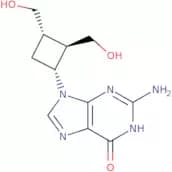
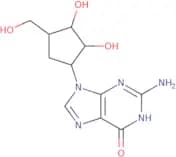
CAS:Lobucavir is an antiviral compound with a mode of action that inhibits viral DNA polymerase. It is used for treating infections caused by herpesviruses and hepatitis B virus.
Formula:C11H15N5O3Purity:Min. 95%Molecular weight:265.27 g/molPotassium clavulanate - 1:1 mixture with cellulose, Antibiotic for Culture Media Use Only
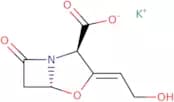
CAS:Potassium clavulanate is a beta-lactamase inhibitor and an antibacterial agent. The presence of potassium clavulanate in culture media inhibits the activity of beta-lactamases, which are enzymes that confer resistance to penicillin and other beta-lactam antibiotics. It also has been shown to be active against bacterial infections such as tuberculosis, sepsis, and pneumonia, where it can inhibit the growth of bacteria by interfering with their ability to form cell walls.Formula:C8H8KNO5Purity:Min. 95.0 Area-%Molecular weight:237.25 g/molAqabamycin A
CAS:Aqabamycin A is an antibiotic compound, which is derived from marine microorganisms, specifically actinomycetes. These marine bacteria are known for producing a wide array of bioactive compounds, including antibiotics, due to their unique metabolites shaped by the oceanic environment. Aqabamycin A operates by inhibiting bacterial RNA polymerase, thereby disrupting the transcription process essential for bacterial protein synthesis. This specific mode of action targets the growth and replication of bacteria, making it a potent agent against pathogenic strains.Formula:C16H11NO3Purity:Min. 95%Molecular weight:265.26 g/molDichlobentiazox
CAS:Dichlobentiazox is a fungicide, which is synthesized from synthetic chemical sources with a mode of action that targets specific fungal processes. It works by inhibiting the biosynthesis of essential cellular components in pathogenic fungi, thereby disrupting their growth and ability to proliferate.Formula:C11H6Cl2N2O3S2Purity:Min. 95%Molecular weight:349.2 g/molNorvancomycin trifluoroacetate
CAS:Norvancomycin trifluoroacetate is an antibiotic compound, which is a glycopeptide derived from the bacterium Amycolatopsis orientalis. Its mode of action involves inhibiting bacterial cell wall synthesis. Specifically, Norvancomycin disrupts the cross-linking of peptidoglycan layers in the bacterial cell wall by binding to the D-alanyl-D-alanine terminus of cell wall precursors. This disruption weakens the bacterial cell wall, ultimately leading to cell lysis and death, thereby exerting a bactericidal effect.Formula:C65H73Cl2N9O24•(C2HF3O2)xPurity:Min. 95%Macrolactin Z
CAS:Please enquire for more information about Macrolactin Z including the price, delivery time and more detailed product information at the technical inquiry form on this pageFormula:C29H40O8Purity:Min. 95%Molecular weight:516.6 g/molTCA1
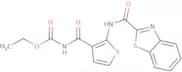
CAS:TCA1 is a synthetic small molecule, which is specifically derived from complex organic synthesis processes, designed to target bacterial metabolic pathways. It operates primarily by inhibiting essential enzymatic functions, thereby disrupting normal metabolic activity within bacterial cells. This inhibitory action results in weakened or halted protein synthesis, directly affecting bacterial growth and proliferation.Formula:C16H13N3O4S2Purity:Min. 95%Molecular weight:375.4 g/molAvermectin b1a aglycone
CAS:Avermectin B1a aglycone is a potent antiparasitic agent, which is a semi-synthetic derivative of avermectins. Avermectins are naturally sourced from the microorganism *Streptomyces avermitilis*, known for producing macrolide compounds. The mode of action of Avermectin B1a aglycone involves binding to glutamate-gated chloride channels in nerve and muscle cells of invertebrates, leading to increased permeability and disruption of neurotransmission. This action ultimately results in paralysis and death of the targeted parasites.Formula:C34H48O8Purity:Min. 95%Molecular weight:584.7 g/molLedipasvir diacetone
CAS:Ledipasvir is a synthetic drug that inhibits the viral enzyme NS5A, which is necessary for viral replication. Ledipasvir has been shown to inhibit the growth of microorganisms such as bacteria and fungi. It also has antiviral properties, and is active against HIV-1. Ledipasvir can be used in chemotherapy to treat cancer and other diseases. This drug has high purity and is available at life science stores.Formula:C55H66F2N8O8Purity:Min. 95%Molecular weight:1,005.2 g/molCefteram
CAS:Cefteram is a third-generation cephalosporin antibiotic, which is synthesized through chemical processes starting from cephalosporin C, a compound derived from the fungus Acremonium. As a cephalosporin, it functions by inhibiting bacterial cell wall synthesis. This is achieved through the binding to penicillin-binding proteins (PBPs), which are critical in the formation of the bacterial cell wall. By disrupting this process, Cefteram leads to the lysis and death of the bacteria.
Formula:C16H17N9O5S2Purity:Min. 95%Color and Shape:White To Off-White SolidMolecular weight:479.5 g/mol(+)-Oxanthromicin
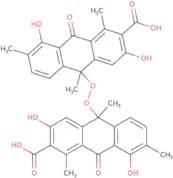
CAS:(+)-Oxanthromicin is a natural compound classified as a polyketide antibiotic, which is derived from certain strains of soil-dwelling actinomycetes. These microorganisms are known to produce a variety of biologically active secondary metabolites. The mode of action of (+)-Oxanthromicin involves the inhibition of specific bacterial enzymes, disrupting essential processes within the microbial cells. This interference can lead to growth inhibition or cell death, showcasing its potential as a therapeutic agent.
Formula:C36H30O12Purity:Min. 95%Molecular weight:654.6 g/molBombinin-like peptide (blp-1)
CAS:Bombinin-like peptide (blp-1) is an antimicrobial peptide, which is derived from the skin secretion of certain amphibians, specifically the *Bombina* species of frogs. This peptide functions by disrupting microbial cell membranes, leading to cell lysis and death. Its ability to compromise the integrity of the cell membrane makes it effective against a range of pathogenic microorganisms, including bacteria and fungi.
Formula:C115H194N34O33Purity:Min. 95%Molecular weight:2,581 g/molStreptidine dihydrochloride
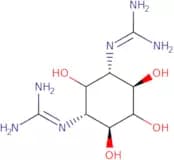
CAS:Streptidine dihydrochloride is a biochemical compound, specifically a derivative of streptomycin, which is obtained through chemical modification of the aminoglycoside antibiotic streptomycin. It is composed of streptidine, a constituent sugar derivative, that is integral to the structure of streptomycin, rendered as a hydrochloride salt to enhance solubility and stability.
Formula:C8H18N6O4·2HClPurity:Min. 95%Duocarmycin analog
CAS:Duocarmycin analog is a chemotherapeutic compound, which is a synthetic analog derived from natural products originally isolated from Streptomyces bacteria. These analogs operate through a unique mode of action by binding to the minor groove of DNA and subsequently alkylating adenine bases. This process results in DNA strand scission, preventing replication and leading to cell death, particularly in rapidly dividing cancer cells.Formula:C34H31ClN4O5Purity:Min. 95%Molecular weight:611.1 g/molRifamdin
CAS:Rifamdin is an antibiotic, which is a chemical substance derived from the source compound rifampicin. Its mode of action involves the inhibition of bacterial DNA-dependent RNA polymerase, which effectively suppresses bacterial RNA synthesis, leading to cell death. This mechanism primarily targets Mycobacterium tuberculosis, the causative agent of tuberculosis.
Formula:C46H64N4O12Purity:Min. 95%Molecular weight:865.02 g/mol7,10-Dihydroxy-8(E)-octadecenoic acid
CAS:7,10-Dihydroxy-8(E)-octadecenoic acid is a hydroxylated fatty acid, which is derived from the microbial transformation of oleic acid by certain bacterial species, particularly Pseudomonas aeruginosa. This compound features a unique structure characterized by its dihydroxy modifications and a cis double bond. The compound's mode of action involves modulating bacterial growth and metabolic pathways, possessing antimicrobial properties that result from its ability to interfere with cell membrane integrity and function.
Formula:C18H34O4Purity:Min. 95%Molecular weight:314.50 g/molNafcilllin sodium monohydrate
CAS:Nafcillin sodium monohydrate is a beta-lactam antibiotic, which is derived from the penicillin class of antimicrobials. It is specifically a semi-synthetic penicillin and is commonly sourced through chemical synthesis to enhance its stability and spectrum of activity. Nafcillin primarily exerts its bactericidal effects by inhibiting bacterial cell wall synthesis. It achieves this through its strong affinity for penicillin-binding proteins (PBPs), which are essential for maintaining the bacterial cell wall structure. By disrupting the formation of peptidoglycan cross-links, nafcillin effectively weakens the bacterial cell wall, leading to cell lysis and death, especially in gram-positive bacteria such as Staphylococcus aureus, including methicillin-sensitive strains (MSSA).Formula:C21H21N2O5SNa·H2OPurity:Min. 95%Color and Shape:White to off-white solid.Molecular weight:454.47 g/molSulfadiazine
CAS:Sulfadiazine is a sulfonamide antibiotic with action on bacterial folate synthesis inhibition and is used for treating toxoplasmosis and urinary tract infections.Formula:C10H10N4O2SPurity:Min. 95%Color and Shape:PowderMolecular weight:250.28 g/mol7,8-Didemethyl-8-hydroxy-5-deazariboflavin
CAS:7,8-Didemethyl-8-hydroxy-5-deazariboflavin is a cofactor often referred to as a deazaflavin. It is a derivative of riboflavin and is primarily sourced from methanogenic archaea. These microorganisms are found in anaerobic environments and play a crucial role in the process of methanogenesis.
Formula:C16H17N3O7Purity:Min. 95%Molecular weight:363.32 g/mol3'-N,N-Di(desmethyl)-3'-N-formyl azithromycin
CAS:3'-N,N-Di(desmethyl)-3'-N-formyl azithromycin is a semisynthetic macrolide antibiotic derivative, which is synthesized through chemical modification of azithromycin. Azithromycin is originally derived from erythromycin, which is produced by the bacterium Saccharopolyspora erythraea. The modifications in this derivative result in enhanced specificity and altered pharmacokinetic properties compared to the parent compound.
Formula:C37H68N2O13Purity:Min. 95%Color and Shape:White/Off-White SolidMolecular weight:748.94 g/molPNU 103017
CAS:PNU 103017 is an experimental neuroprotective compound, which is a derivative of pharmacological agents developed for neurological research. It is sourced through synthetic modification processes aimed at enhancing specific receptor interactions in the central nervous system. Its mode of action involves targeting and modulating specific neurotransmitter receptors, such as the sigma receptors, which play a crucial role in neuronal signaling and protection against excitotoxicity.Formula:C28H28N2O5SPurity:Min. 95%Molecular weight:504.6 g/molTadalafil-N-ethyl
CAS:Tadalafil-N-ethyl is a synthetic compound derived from Tadalafil, a well-known phosphodiesterase type 5 (PDE5) inhibitor. This product is chemically synthesized through pharmaceutical processes involving ethylation, enhancing its pharmacological profile for research purposes. Its mode of action primarily involves the selective inhibition of the PDE5 enzyme, leading to an increased concentration of cyclic guanosine monophosphate (cGMP) in the corpus cavernosum. This results in vasodilation and increased blood flow, facilitating penile erection.Formula:C23H21N3O4Purity:Min. 95%Molecular weight:403.4 g/molKanamycin sulfate
CAS:Kanamycin sulfate is an aminoglycoside antibiotic, derived from the bacterium *Streptomyces kanamyceticus*. Its mode of action involves binding to the 30S subunit of the bacterial ribosome, thereby inhibiting protein synthesis and ultimately leading to bacterial cell death. This mechanism is particularly effective against gram-negative bacteria and certain gram-positive bacteria.
Formula:C18H40N4O16SPurity:Min. 95%Molecular weight:600.6 g/molBafilomycin C1
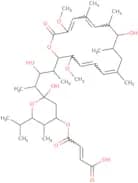
CAS:Bafilomycin C1 is a macrolide antibiotic, which is derived from the bacterium Streptomyces sp. Its mode of action involves the inhibition of vacuolar H+-ATPase (V-ATPase), an enzyme complex responsible for acidifying various intracellular compartments. This inhibition disrupts pH regulation within cells, affecting numerous cellular processes such as protein degradation and trafficking.
Formula:C39H60O12Purity:Min. 95%Molecular weight:720.9 g/molHCV-IN-31
CAS:HCV-IN-31 is a chemical inhibitor specifically designed for hepatitis C virus (HCV) research, which is synthesized through advanced organic chemistry techniques. It acts by interfering with the viral replication machinery, effectively reducing the replication rate of the virus in host cells. The inhibition mechanism primarily targets nonstructural proteins crucial for HCV RNA replication, thereby offering a potent blockade to viral proliferation.Formula:C12H17FN6O3Purity:Min. 95%Molecular weight:312.3 g/molFludazonium chloride
CAS:Fludazonium chloride is a quaternary ammonium compound, which is chemically synthesized. It functions primarily as an antibacterial agent by disrupting microbial cell membranes, leading to cell lysis and death. This compound is particularly effective against a broad spectrum of bacteria due to its ability to interact with phospholipid bilayers.Formula:C26H20Cl5FN2O2Purity:Min. 95%Molecular weight:588.7 g/molBlasticidin S
CAS:Blasticidin S is an antibiotic, which is derived from the bacterium *Streptomyces griseochromogenes*. It operates by inhibiting protein synthesis in both prokaryotic and eukaryotic cells. This inhibition is achieved by interfering with the peptide bond formation in the ribosome, thus preventing the elongation of the polypeptide chain. Blasticidin S is particularly useful in molecular biology and cell culture applications, where it is employed to selectively kill non-transformed cells. This allows for the maintenance and expansion of cells that have been stably transfected with a blasticidin resistance gene, thereby ensuring the selection and propagation of cells with the desired genetic modifications. Its precise mechanism and specific action make Blasticidin S a valuable tool for researchers working on gene expression studies, recombinant protein production, and other genetic engineering endeavors.Formula:C17H26N8O5Purity:Min. 95%Molecular weight:422.4 g/molDermaseptin
CAS:Dermaseptin is a type of antimicrobial peptide, which is sourced predominantly from the skin secretions of frogs, specifically from the Phyllomedusinae subfamily. These peptides function by disrupting the microbial cell membranes through their amphipathic and cationic nature, leading to cell lysis and death. Dermaseptins exhibit a broad spectrum of antimicrobial activity, including action against bacteria, fungi, protozoa, and certain viruses, making them of significant interest in biomedical research.
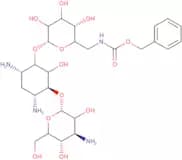
Formula:C152H257N43O44S2Purity:Min. 95%Molecular weight:3,455.1 g/mol6'-N-Cbz-kanamycin A
CAS:6'-N-Cbz-kanamycin A is a semi-synthetic aminoglycoside antibiotic derivative, specifically a Cbz (carbobenzyloxy) protected form of kanamycin A. It is derived from the natural product kanamycin, which is an antibiotic obtained from the bacterium *Streptomyces kanamyceticus*. The modification involves the introduction of a protective Cbz group at the 6' position, which can improve solubility, stability, or enable further chemical modifications.
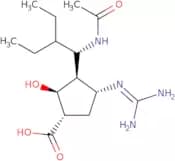
Formula:C26H42N4O13Purity:Min. 95%Molecular weight:618.63 g/molPeramivir
CAS:Selective and potent inhibitor of sialidases (neuraminidases) in influenza A and B viruses. The compound binds tightly to the viral neuraminidase active site in late stages of viral life-cycle. It inhibits shedding sialic acids from host cell surface glycans, which interact with viral hemagglutinin, and consequently prevents release of new viral particles from the host cell surface.
Formula:C15H28N4O4Purity:Min. 95%Color and Shape:PowderMolecular weight:328.41 g/mol(-)-Actinonin
CAS:Antibiotic peptide; inhibitor of aminopeptidase M and leucine aminopeptidaseFormula:C19H35N3O5Purity:Min. 95%Molecular weight:385.5 g/molErythromycin B
CAS:Erythromycin B is a semisynthetic macrolide antibiotic, which is derived from the actinomycete *Saccharopolyspora erythraea*. Its mode of action involves inhibiting bacterial protein synthesis by binding to the 50S ribosomal subunit. This interference with protein synthesis effectively hampers bacterial growth, making it a potent bacteriostatic agent.Formula:C37H67NO12Purity:90%NmrMolecular weight:717.93 g/molCloxacillin benzathine
CAS:Cloxacillin benzathine is a beta-lactam antibiotic, which is synthesized from Penicillium fungi-derived penicillins. It acts by inhibiting bacterial cell wall synthesis. The mechanism involves the irreversible inhibition of penicillin-binding proteins (PBPs). This disruption in the bacterial cell wall structure ultimately leads to cell lysis and death.Formula:C54H56Cl2N8O10S2Purity:Min. 95 Area-%Color and Shape:White PowderMolecular weight:1,112.11 g/molMorinamide hydrochloride
CAS:Morinamide hydrochloride is a synthetic antitubercular agent, which is derived from chemical synthesis processes. Its mode of action involves disrupting the synthesis of mycolic acids in the cell walls of Mycobacterium tuberculosis, thereby inhibiting bacterial growth and proliferation. The compound serves primarily as an antimicrobial agent targeting tuberculosis infections. In a laboratory setting, Morinamide hydrochloride is utilized in the study of bacterial resistance mechanisms and the development of novel therapeutic agents. Its specific action on mycolic acid synthesis makes it a valuable tool for researchers aiming to elucidate the pathways involved in mycobacterial cell wall construction and to develop more targeted chemotherapeutic interventions. Due to its crucial role, understanding the mechanisms and efficacy of Morinamide hydrochloride can greatly benefit scientific efforts in combating tuberculosis, especially in light of increasing drug resistance.
Formula:C10H15ClN4O2Purity:Min. 95%Molecular weight:258.7 g/molLysostaphin, from staphylococcus staphylolyticus
CAS:Lysostaphin, from Staphylococcus staphylolyticus is a zinc metalloenzyme with action on bacterial cell walls by cleaving polyglycine cross-links and is used for treating staphylococcal infections and in research applications.Purity:Min. 95%Color and Shape:PowderNifurquinazol
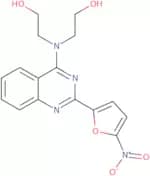
CAS:Nifurquinazol is an antimicrobial agent, which is a synthetic compound derived from the nitrofuran class of antibiotics. Its mode of action involves inhibition of bacterial enzymes critical for DNA and protein synthesis, thereby interfering with microbial cell replication and survival.
Formula:C16H16N4O5Purity:Min. 95%Molecular weight:344.32 g/molSulbactam Related Compound A
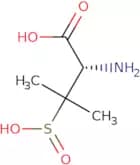
CAS:Sulbactam Related Compound A is a chemical compound often used in pharmaceutical research and development. It is typically derived from the synthetic modification of existing antibiotics to explore new potential therapeutic benefits. The compound functions as a beta-lactamase inhibitor, which is of significant interest to researchers due to its potential to enhance the efficacy of beta-lactam antibiotics. By inhibiting the action of bacterial beta-lactamase enzymes, it permits these antibiotics to remain effective against resistant strains of bacteria.Formula:C5H11NO4SPurity:Min. 95%Molecular weight:181.21 g/molMtbHU-IN-1
CAS:MtbHU-IN-1 is a small-molecule inhibitor designed specifically for targeting the HU protein in Mycobacterium tuberculosis. This compound is derived through rational drug design and computational modeling efforts, exploiting the vulnerabilities of the bacterial DNA-binding proteins. Its mode of action involves binding to the HU protein, inhibiting its function, which is crucial for DNA structuring and stability within the bacterial cell. By disrupting HU protein function, MtbHU-IN-1 impairs bacterial chromosomal architecture, leading to an inability to replicate and ultimately cell death.Formula:C44H36N4O12S2Purity:Min. 95%Molecular weight:876.9 g/mol1-Ethyl-6-fluoro-7-(piperazin-1-yl)quinolin-4(1H)-one
CAS:1-Ethyl-6-fluoro-7-(piperazin-1-yl)quinolin-4(1H)-one is a fluoroquinolone antibiotic, which is a synthetic derivative sourced from the quinolone family. This compound functions by targeting bacterial DNA gyrase and topoisomerase IV, which are crucial enzymes involved in the replication and transcription of bacterial DNA. By inhibiting these enzymes, the antibiotic effectively disrupts DNA replication in susceptible bacterial strains, leading to cell death.
Formula:C15H18FN3OPurity:Min. 95%Molecular weight:275.32 g/molOmomycin
CAS:Omomycin is a novel antibiotic, specifically a macrolide, which is derived from microbial sources, primarily soil-dwelling actinomycetes. Its mode of action involves inhibiting bacterial protein synthesis by binding to the 50S ribosomal subunit. This interaction prevents the translocation of peptides during translation, thereby halting bacterial growth and proliferation.Formula:C29H39NO4Purity:Min. 95%Molecular weight:465.6 g/molSparsomycin
CAS:Sparsomycin is an antibiotic compound, which is a secondary metabolite isolated from Streptomyces species. Its mode of action involves the inhibition of protein synthesis by targeting the large subunit of the ribosome, specifically binding to the 50S subunit in bacterial ribosomes and the 60S subunit in eukaryotic ribosomes. This binding interferes with peptide bond formation, thereby disrupting the translational process essential for protein synthesis.
Formula:C13H19N3O5S2Purity:Min. 95%Molecular weight:361.4 g/molGalidesivir dihydrochloride
CAS:Galidesivir dihydrochloride is an investigational antiviral drug, which is a synthetic nucleoside analogue with broad-spectrum activity. It is derived from a modified adenosine analog structure, targeting viral RNA-dependent RNA polymerases. Galidesivir functions through the incorporation into viral RNA, leading to premature termination of RNA synthesis, effectively inhibiting viral replication. This mechanism aligns with its utility in combating various RNA viruses.Formula:C11H15N5O3•(HCl)2Purity:Min. 95%Molecular weight:338.19 g/mol7-Deazaadenosine, Antibiotic for Culture Media Use Only
CAS:7-Deazaadenosine is a chemical compound used as an antibiotic for culture media, which is a synthetic nucleoside analog derived from adenosine. Its structure is modified by replacing a nitrogen atom in the purine ring with a carbon atom, thus altering its biological interactions. The primary mode of action of 7-Deazaadenosine involves its incorporation into nucleic acids, where it acts as an inhibitor of nucleic acid-processing enzymes. This interference can effectively impede processes like DNA and RNA synthesis.Formula:C11H14N4O4Purity:Min. 97.0 Area-%Molecular weight:266.25 g/molRef: 3D-W-203540
1gTo inquire100mgTo inquire250mgTo inquire500mgTo inquire2500mgTo inquire-Unit-ggTo inquireAztreonam-d6
CAS:Aztreonam-d6 is an isotopically labeled antibiotic, which is a synthetic monobactam derived from bacterial fermentation processes with deuterium enrichment. With a beta-lactam structure, Aztreonam-d6 acts by inhibiting bacterial cell wall synthesis, specifically targeting the penicillin-binding protein 3 (PBP3) in Gram-negative bacteria. This action disrupts cell wall construction, leading to cell lysis and death, making it an effective option against certain resistant bacterial strains.Formula:C13H17N5O8S2Purity:Min. 95%Molecular weight:441.5 g/molGentamicin B sulfate
CAS:Gentamicin B sulfate is an aminoglycoside antibiotic, which is produced through the fermentation process involving the actinomycete Micromonospora purpurea. This antibiotic functions primarily by binding to the 30S ribosomal subunit of bacteria, thereby inhibiting protein synthesis. This action disrupts the initiation of protein chain formation, ultimately leading to bacterial cell death. Gentamicin B sulfate is particularly effective against a variety of Gram-negative bacteria and some Gram-positive strains.
Formula:C19H40N4O14SPurity:Min. 95%Molecular weight:580.60 g/molErythromycin propionate
CAS:Erythromycin propionate is an antibiotic, which is derived from the bacterium *Saccharopolyspora erythraea*. This compound functions by inhibiting protein synthesis in susceptible bacteria, specifically targeting the 50S ribosomal subunit. Erythromycin propionate achieves this by binding to the ribosomal RNA, thereby preventing the translocation step of protein elongation.Formula:C40H71NO14Purity:Min. 95%Molecular weight:790 g/molAqabamycin G
CAS:Aqabamycin G is a macrolactam antibiotic, which is derived from marine bacteria belonging to the genus Streptomyces. This compound is noted for its complex structure, featuring a macrolactam ring that is crucial for its biological activity. Aqabamycin G's mode of action involves inhibiting bacterial protein synthesis by binding to the bacterial ribosomal subunit, thereby disrupting peptide bond formation. This interference with the protein production machinery of bacterial cells results in effective bacteriostatic or bactericidal outcomes, depending on the concentration and specific bacterial target.Formula:C18H11N3O5Purity:Min. 95%Molecular weight:349.3 g/molEthofumesate-2-hydroxy
CAS:Ethofumesate-2-hydroxy is a selective herbicide, which is a synthetic chemical compound with a specific mode of action. This herbicide primarily originates from chemical synthesis processes designed to interfere with plant growth at a biochemical level. The mode of action of Ethofumesate-2-hydroxy involves the inhibition of lipid synthesis, which disrupts cell membrane formation and hampers weed growth. It effectively targets susceptible weed species by inhibiting essential biochemical pathways, thus leading to their decline or death.
Formula:C11H14O5SPurity:Min. 95%Molecular weight:258.29 g/molPyraziflumid
CAS:Pyraziflumid is a fungicide, which is chemically synthesized with a specific mode of action as a succinate dehydrogenase inhibitor (SDHI). This compound is designed to target mitochondrial complex II, disrupting critical energy production within fungal cells. The inhibition of succinate dehydrogenase prevents the fungi from efficiently undergoing respiration, ultimately leading to cell death.Formula:C18H10F5N3OPurity:Min. 95%Molecular weight:379.3 g/molCarbazomycin D
CAS:Carbazomycin D is a bioactive product classified as an antibiotic, which is derived from the bacterium Streptomyces. These actinomycetes are well-known for their ability to produce a wide range of secondary metabolites with antimicrobial properties. The mode of action of Carbazomycin D involves the inhibition of bacterial cell wall synthesis, effectively disrupting the growth and replication of gram-positive bacteria.
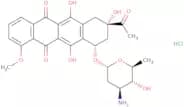
Formula:C17H19NO3Purity:Min. 95%Molecular weight:285.34 g/mol4'-Epidaunorubicin hydrochloride
CAS:4'-Epidaunorubicin hydrochloride is an anthracycline antibiotic derivative, which is synthesized from modifications of natural products. It functions as a topoisomerase II inhibitor, which intercalates into DNA strands and disrupts replication and transcription, thereby inhibiting cancer cell proliferation. This compound is primarily utilized in the field of oncology for its potent anti-tumor activities. By forming stable complexes with DNA and topoisomerase II, 4'-Epidaunorubicin hydrochloride induces breaks in the DNA strands, leading to apoptosis of cancer cells. It is often used in treatment protocols for various malignancies, including leukemia and solid tumors. While highly effective, its administration is carefully managed to mitigate potential cardiotoxicity, a common attribute of anthracycline drugs. Research continues to explore its full potential and optimize delivery methods to enhance its therapeutic index.Formula:C27H30ClNO10Purity:Min. 95%Molecular weight:563.98 g/molAqabamycin B
CAS:Aqabamycin B is a novel antibiotic compound, which is derived from marine microorganisms. This secondary metabolite is isolated from a marine sponge-associated bacterium, showcasing the rich potential of oceanic sources for discovering new antimicrobial agents. The mode of action of Aqabamycin B involves inhibition of bacterial cell wall synthesis, disrupting the structural integrity and leading to cell lysis. Its efficacy extends predominantly to combatting multi-drug resistant bacterial strains.Formula:C16H10N2O6Purity:Min. 95%Molecular weight:326.26 g/mol(R)-(+)-Pantoprazole
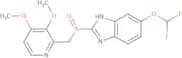
CAS:(R)-(+)-Pantoprazole is a proton pump inhibitor (PPI), which is derived from benzimidazole compounds. Its mode of action involves the selective and irreversible inhibition of the H+/K+ ATPase enzyme system, commonly known as the proton pump, located on the gastric parietal cells. By binding covalently to this enzyme, (R)-(+)-Pantoprazole effectively reduces gastric acid secretion, leading to an increase in gastric pH.Formula:C16H15F2N3O4SPurity:Min. 95%Molecular weight:383.4 g/molFamciclovir-d4
CAS:Famciclovir-d4 is a deuterium-labeled antiviral nucleoside analog, which is a synthetic derivative of the guanine analog famciclovir. This compound is sourced through advanced chemical synthesis where deuterium atoms replace specific hydrogen atoms, providing an isotopic label that aids in the tracking and analysis of the pharmaceutical compound within biological systems.Formula:C14H19N5O4Purity:Min. 95%Molecular weight:325.36 g/molTebufenozide-1-hydroxyethyl
CAS:Tebufenozide-1-hydroxyethyl is an insect growth regulator, which is a synthetic chemical derived from a modified benzoic acid structure. Its mode of action involves mimicking the molting hormone ecdysone, which disrupts the normal development process of insects by inducing premature molting. This specific interference targets lepidopteran larvae, leading to incomplete development and eventual death, thereby controlling pest populations effectively without harming non-target organisms.Formula:C22H28N2O3Purity:Min. 95%Molecular weight:368.5 g/molCladospirone bisepoxide
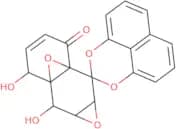
CAS:Cladospirone bisepoxide is a naturally occurring bioactive compound, classified specifically as a fungal metabolite, which is derived from species within the Cladosporium genus. The compound exhibits a complex bisepoxide structure, contributing to its unique chemical properties. Its mode of action involves disrupting microbial cellular processes, displaying potent antimicrobial activity by interfering with the synthesis and functioning of vital cellular components in targeted microorganisms.Formula:C20H14O7Purity:Min. 95%Molecular weight:366.3 g/molTioconazole
CAS:Tioconazole is an antifungal agent, which is a synthetic derivative of imidazole with broad-spectrum activity against fungi. This compound is chemically synthesized through complex organic reactions to enhance its antimycotic efficacy. Tioconazole functions by inhibiting the synthesis of ergosterol, an essential component of the fungal cell membrane. By disrupting the ergosterol biosynthesis pathway, tioconazole destabilizes the fungal cell membrane, leading to increased permeability and eventual cell death.
Formula:C16H13Cl3N2OSPurity:Min. 95%Molecular weight:387.71 g/molCadazolid
CAS:Cadazolid is an investigational antibiotic, which is a synthetic oxazolidinone-cephalosporin hybrid, with a novel mechanism of action. It is engineered to disrupt bacterial protein synthesis by binding to the 50S ribosomal subunit, while also exerting strong bactericidal effects. This dual-action approach combines attributes of both linezolid and cephalosporins to target and disrupt essential bacterial processes.Formula:C29H29F2N3O8Purity:Min. 95%Molecular weight:585.55 g/molPirodavir
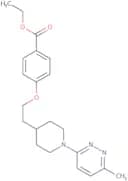
CAS:Pirodavir is a potent antiviral compound, which is a synthetic molecule developed through pharmaceutical research. It acts by targeting the rhinovirus, the most common viral infectious agent in humans, primarily responsible for the common cold. Pirodavir's mode of action involves binding to the viral capsid, thereby preventing the uncoating process essential for viral replication.Formula:C21H27N3O3Purity:Min. 95%Molecular weight:369.46 g/molAlisporivir
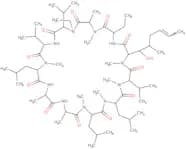
CAS:Alisporivir is an investigational antiviral agent, which is a synthetic derivative of cyclosporine A. It originates from the structural modification of naturally occurring cyclosporines, specifically designed to retain potent antiviral activity while minimizing immunosuppressive effects. Its mode of action involves the inhibition of cyclophilin, an essential cellular protein that facilitates the replication of hepatitis C virus (HCV) by interacting with viral proteins. By binding to cyclophilin, alisporivir disrupts this interaction, effectively halting the viral replication process.Formula:C63H113N11O12Purity:Min. 95%Molecular weight:1,216.6 g/molTigecycline, Antibiotic for Culture Media Use Only
CAS:Tigecycline is an antibiotic specifically tailored for use in culture media, which is derived from glycylcycline, a structural analogue of minocycline. Its mode of action involves binding to the 30S ribosomal subunit, thereby inhibiting protein synthesis in a broad spectrum of Gram-positive and Gram-negative bacteria. This action is distinct and not easily circumvented by common resistance mechanisms, such as efflux or ribosomal protection proteins, making tigecycline an effective agent in controlling bacterial contamination during microbiological studies.Formula:C29H39N5O8Purity:Min. 95 Area-%Molecular weight:585.65 g/molBasic violet 3 d6
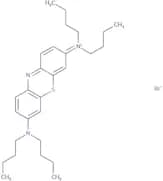
CAS:Basic Violet 3 is a synthetic dye, which is derived from coal tar sources with a mechanism of action involving the disruption of cellular components. This compound intercalates with nucleic acids, allowing it to bind to specific cellular structures. Its primary mode of action targets the chromosomal material, leading to colorimetric changes that enhance visualization.
Formula:C25H30ClN3Purity:Min. 95%Molecular weight:414 g/mol4-Epitetracycline ammonium
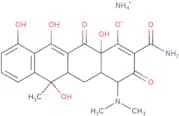
CAS:4-Epitetracycline ammonium is a tetracycline analog, which is a derivative of the well-known antibiotic tetracycline. This compound is synthesized from naturally occurring tetracycline through chemical modification, involving the alteration of the hydroxyl group at the C-4 position. As a result, 4-Epitetracycline ammonium retains the fundamental characteristics of its parent compound.Formula:C22H27N3O8Purity:Min. 95%Molecular weight:461.5 g/molL-Carnitine fumarate
CAS:L-Carnitine fumarate is a compound that functions as a dietary supplement, which is synthesized by combining L-carnitine, an amino acid derivative naturally found in the body, with fumaric acid. This product is primarily sourced from fermentation or chemical synthesis processes to produce L-carnitine, which is then reacted with fumaric acid to form the fumarate salt. This combination enhances the stability and bioavailability of L-carnitine.Formula:C7H15NO3·C4H4O4Purity:Min. 95%Molecular weight:277.27 g/molHsv-tk substrate
CAS:HSV-tk substrate is a nucleotide analogue, which is a synthetic compound derived from the herpes simplex virus thymidine kinase (HSV-tk) gene. This substrate is specifically phosphorylated by the HSV-tk enzyme, a property that provides significant utility in molecular biology and genetic research. The mode of action involves the selective phosphorylation of the substrate by HSV-tk, which is typically absent in mammalian cells but can be introduced via genetic engineering. Once phosphorylated, the substrate becomes toxic to the host cell, allowing researchers to selectively target and eliminate cells expressing the HSV-tk gene.Formula:C11H15N5O4Purity:Min. 95%Molecular weight:281.27 g/molEntecavir-13C2,15N
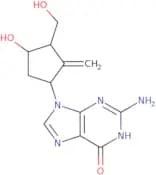
CAS:Entecavir-13C2,15N is an isotopically labeled antiviral agent, which is a synthetic nucleoside analogue derived from natural sources. Its mode of action involves selectively inhibiting the reverse transcription activity of the hepatitis B virus (HBV) polymerase. By mimicking the natural substrates of the viral polymerase, Entecavir-13C2,15N becomes incorporated into viral DNA, ultimately leading to chain termination and suppression of viral replication.Formula:C12H15N5O3Purity:Min. 95%Molecular weight:280.26 g/molMagainin 1
CAS:Magainin 1 is a peptide antibiotic, which is sourced from the skin secretions of the African clawed frog, *Xenopus laevis*. It operates through a membranolytic mode of action, whereby it integrates into microbial cell membranes, forming pores and causing cell lysis by disrupting membrane integrity. This mechanism is largely non-specific, making it effective against a broad spectrum of bacteria and fungi.Formula:C112H177N29O28SPurity:Min. 95%Molecular weight:2,409.85 g/molTerrelulamide A
CAS:Terrelulamide A is a bioactive compound, specifically a cyclic peptide, which is derived from marine cyanobacteria. The source of Terrelulamide A is primarily marine environments where these cyanobacteria undergo complex biosynthetic processes to produce such metabolites. This compound's mode of action involves the disruption of cellular processes by binding to specific molecular targets that are critical in cell cycle regulation. It exhibits cytotoxic activity, effectively inhibiting cancer cell proliferation through its interaction with those pathways.Formula:C20H26N6O7Purity:Min. 95%Molecular weight:462.5 g/molAmustaline dihydrochloride
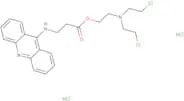
CAS:Amustaline dihydrochloride is a chemical compound known for its alkylating properties, which is synthetically derived through chemical synthesis methods. The mode of action of Amustaline dihydrochloride involves the formation of covalent bonds with nucleophilic entities in DNA, leading to cross-linking and subsequent disruption of DNA function. This results in the inhibition of cellular replication, ultimately inducing apoptosis or programmed cell death in rapidly dividing cells.Formula:C22H27Cl4N3O2Purity:Min. 95%Molecular weight:507.3 g/molBacitracin B3
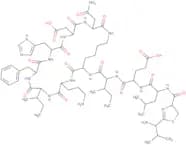
CAS:Bacitracin B3 is an antibacterial agent, which is derived from the bacterium Bacillus subtilis. Its mode of action involves the inhibition of bacterial cell wall synthesis. This is achieved by interfering with the dephosphorylation of bactoprenol, an essential carrier molecule in the transport of peptidoglycan precursors across the cytoplasmic membrane. The disruption of this process leads to a weakened cell wall, ultimately resulting in bacterial cell lysis and death.Formula:C65H101N17O16SPurity:Min. 95%Molecular weight:1,408.7 g/molHodgkinsine B
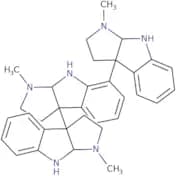
CAS:Hodgkinsine B is an indole alkaloid, which is a complex organic compound derived from natural sources. It is isolated from the leaves of certain Rubiaceae family plants, including Psychotria colorata. Hodgkinsine B is characterized by its unique trimeric structure that contributes to its pharmacological properties.
Formula:C33H38N6Purity:Min. 95%Molecular weight:518.7 g/molAmikacin B Sulfate
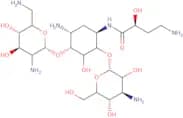
CAS:Inhibitor of protein synthesis; aminoglycosideFormula:C22H44N6O12xH2so4Purity:Min. 95%Molecular weight:584.62 g/molN,N′-1,2-Ethanediylbis[3-nitrobenzenesulfonamide]
CAS:N,N′-1,2-Ethanediylbis[3-nitrobenzenesulfonamide] is a chemical compound, specifically a bis-sulfonamide derivative. It is synthesized through the reaction of sulfonamide derivatives with ethylenediamine, resulting in a unique structure characterized by its two nitrobenzenesulfonamide groups linked by an ethylene bridge. As a source, it is obtained through synthetic organic chemistry methods involving nitration and sulfonamidation processes.Formula:C14H14N4O8S2Purity:Min. 95%Molecular weight:430.4 g/molAT-527
CAS:AT-527 is an investigational antiviral compound, which is a nucleoside analog prodrug with a specific mode of action inhibiting viral RNA polymerase. This product is derived from synthetic organic chemistry processes, uniquely designed to interfere with the replication machinery of certain RNA viruses. Upon administration, AT-527 undergoes intracellular conversion to its active triphosphate form, which then incorporates into the viral RNA. This incorporation results in premature chain termination or erroneous RNA synthesis, effectively disrupting the viral replication cycle.
Formula:C24H33FN7O7PPurity:Min. 95%Molecular weight:581.5 g/molAcequinocyl-hydroxy
CAS:Acequinocyl-hydroxy is an acaricide, which is a chemical agent used to manage and control mite populations in various agricultural settings. It is derived from a combination of synthetic organic compounds designed specifically to disrupt the normal biological processes of target pests. The mode of action of Acequinocyl-hydroxy involves interference with the mitochondrial electron transport chain of mites, ultimately disrupting cellular respiration and leading to the death of the pest.Formula:C22H30O3Purity:Min. 95%Molecular weight:342.5 g/mol2-(((5-Methyl-2-thienyl)methylene)amino)-N-phenylbenzamide
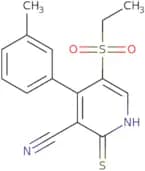
CAS:2-(((5-Methyl-2-thienyl)methylene)amino)-N-phenylbenzamide is a synthetic compound that functions as an enzyme inhibitor, specifically targeting proteins involved in various signaling pathways. This compound is sourced through synthetic organic chemistry whereby it is meticulously crafted to interact with biological molecules at a molecular level. Its mode of action involves binding to the active or allosteric sites of specific enzymes, which can modulate the enzyme's activity. This interaction can lead to the downregulation or inhibition of specific biochemical pathways, making it an invaluable tool in the study of cellular processes.Formula:C19H16N2OSPurity:Min. 95%Molecular weight:320.4 g/molN-(4-(4-Methylpiperidin-1-yl)-3-(trifluoromethyl)phenyl)-4-(morpholinomethyl)benzamide
CAS:N-(4-(4-Methylpiperidin-1-yl)-3-(trifluoromethyl)phenyl)-4-(morpholinomethyl)benzamide is a sophisticated chemical compound, classified as a synthetic small molecule. It is synthesized through a series of organic reactions, showcasing the intricate art of modern chemical synthesis and design.Formula:C25H30F3N3O2Purity:Min. 95%Molecular weight:461.5 g/mol8-Oxo-gtp 8-hydroxy-gtp
CAS:8-Oxo-GTP, also known as 8-Hydroxy-GTP, is a nucleotide analog, which is synthetically derived. It closely resembles the naturally occurring guanosine triphosphate (GTP) but contains a modified 8-hydroxy group, making it a valuable tool for studying oxidative damage and nucleotide modification processes.
Formula:C10H16N5O15P3Purity:Min. 95%Molecular weight:539.18 g/molTunicamycin
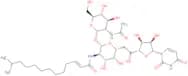
CAS:Inhibitor of N-glycosylation in eukaryotes
Formula:C37H60N4O16Purity:Min. 95%Color and Shape:PowderMolecular weight:816.89Baumycin C2
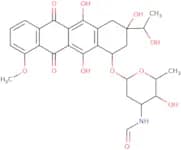
CAS:Baumycin C2 is an anthracycline antibiotic, which is a type of chemotherapy agent used in cancer treatment. This compound is derived from the bacterium Streptomyces, known for producing specific metabolites that interfere with cellular processes. The mode of action of Baumycin C2 involves intercalating into DNA, thereby disrupting the enzyme topoisomerase II. This interference prevents proper DNA replication and transcription, ultimately leading to apoptosis in rapidly dividing cancer cells. The uses and applications of Baumycin C2 predominantly relate to its efficacy against various types of cancers, including leukemias, lymphomas, and solid tumors such as breast cancer. By targeting DNA replication, Baumycin C2 plays a crucial role in reducing tumor growth and proliferation, representing a significant tool in oncological pharmacotherapy. Researchers continue to explore its potential in combination therapies to enhance its effectiveness and mitigate resistance.
Formula:C28H31NO11Purity:Min. 95%Molecular weight:557.5 g/molBleomycin acid
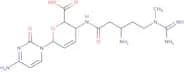
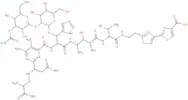
CAS:Bleomycin acid is a chemotherapeutic agent, which is a derivative of antibiotics isolated from the bacterium *Streptomyces verticillus*. This bioactive compound exhibits its mode of action primarily through binding to DNA and inducing strand breaks. The interaction of bleomycin acid with DNA leads to the formation of free radicals, which subsequently result in single and double-strand breaks. These actions disrupt the DNA synthesis and repair processes, ultimately inhibiting cancer cell proliferation.Formula:C50H72N16O22S2Purity:Min. 95%Molecular weight:1,313.3 g/molAvermectin a1b
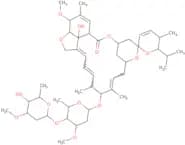
CAS:Avermectin A1b is an antiparasitic compound, which is a macrocyclic lactone isolated from the soil bacterium *Streptomyces avermitilis*. This compound functions primarily by enhancing the release of gamma-aminobutyric acid (GABA) and binding to glutamate-gated chloride channels in nerve and muscle cells of parasites. This interaction leads to an increase in the permeability of cell membranes to chloride ions, resulting in paralysis and death of the parasite.
Formula:C48H72O14Purity:Min. 95%Molecular weight:873.1 g/molFradimycin B
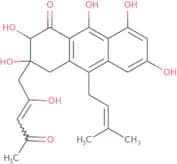
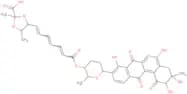
CAS:Fradimycin B is an aminoglycoside antibiotic, which is derived from the bacterium Streptomyces. It exhibits its mode of action by binding to the bacterial 30S ribosomal subunit, thereby inhibiting protein synthesis. This results in a bactericidal effect, effectively disrupting the growth and proliferation of susceptible bacterial strains.Formula:C38H38O14Purity:Min. 95%Molecular weight:718.7 g/mol(1S,3R,6R,7R,10R,11R)-6-[(E,2R,5R)-5,6-Dimethylhept-3-en-2-yl]-7,11-dimethyl-2-oxapentacyclo[8.8.0.01,3.03,7.011,16]octadec-15-ene-1 4,17-dione
CAS:(E)-Parthenolide is a sesquiterpene lactone, which is a naturally occurring organic compound often extracted from plants such as feverfew (Tanacetum parthenium). This compound exerts its effects primarily through the modulation of NF-kB signaling pathways, which play crucial roles in the regulation of immune responses, cell proliferation, and survival. By inhibiting NF-kB, (E)-Parthenolide can interfere with the expression of genes that promote cell growth and inflammation. This action makes it a compound of interest in cancer research, particularly as a potential therapeutic agent that targets cancer stem cells and reduces chemoresistance. Its applications extend to studying its efficacy in inhibiting tumor growth and inducing apoptosis in various cancer cell lines. Moreover, due to its natural source, (E)-Parthenolide is also being explored for its potential as an anti-inflammatory agent in the treatment of inflammatory conditions.Formula:C28H40O3Purity:Min. 95%Molecular weight:424.6 g/molCefacetrile sodium
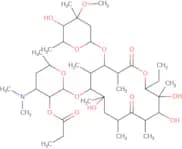
CAS:Cefacetrile sodium is a broad-spectrum antibiotic belonging to the cephalosporin class. It is a semi-synthetic derivative sourced from cephalosporin C, a naturally occurring compound derived from the Acremonium fungus. Its mode of action involves the inhibition of bacterial cell wall synthesis. This occurs by binding to penicillin-binding proteins within the bacterial cell membrane, ultimately leading to cell lysis and death due to the inability to synthesize peptidoglycan, a critical component of the bacterial cell wall.Formula:C13H13N3NaO6SPurity:Min. 95%Molecular weight:362.31 g/mol(10E)-3-O-De(a-L-cladinose)-10-dehydro-11-dehydroxy-6-O-methyl-erythromycin
CAS:Erythromycin derivativeFormula:C30H53NO9Purity:Min. 95%Molecular weight:571.74 g/molDarunavir-D9
CAS:Darunavir-D9 is a prodrug of darunavir, which is an HIV protease inhibitor. Darunavir-D9 has been shown to be bioequivalent in pharmacokinetic parameters to darunavir given as a tablet. The drug exhibits a low plasma concentration profile and high clearance values. This may be due to rapid absorption and distribution of the drug, with a short elimination half-life. Darunavir-D9 also has little effect on the matrix effect and reproducibility of the reaction monitoring assay, making it an ideal candidate for use in clinical trials.Formula:C27H28D9N3O7SPurity:Min. 95%Molecular weight:556.72 g/molZabofloxacin
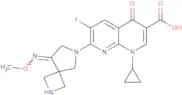
CAS:Zabofloxacin is a synthetic fluoroquinolone antibiotic, which is derived from chemical synthesis with a distinct bactericidal mode of action. Its mechanism involves the inhibition of bacterial DNA gyrase and topoisomerase IV, enzymes critical for DNA replication, transcription, and repair. This dual targeting results in potent antibacterial activity against a wide range of Gram-positive and Gram-negative pathogens.Formula:C19H20FN5O4Purity:Min. 95%Molecular weight:401.4 g/molBA-53038B
CAS:BA-53038B is a microbial-based insecticide, which is derived from a naturally occurring bacterium. It functions through a specific mode of action involving the disruption of the digestive processes in target insect larvae. Once ingested by the larvae, the bacterial spores produce endotoxins that bind to receptors in the gut of susceptible insect species, causing cell lysis and eventual death. This product is highly selective, targeting specific insect pests while minimizing harm to non-target organisms and beneficial insects.
Formula:C14H16ClNOPurity:Min. 95%Molecular weight:249.73 g/molOligomycin A
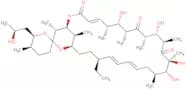
CAS:Oligomycin A is a macrolide antibiotic, which is isolated from the Streptomyces species of bacteria. Its mode of action involves inhibiting ATP synthase by binding to the F_O subunit of the enzyme complex in the mitochondrial membrane. This binding effectively stops the flow of protons across the membrane, which is critical for ATP generation through oxidative phosphorylation.
Formula:C45H74O11Purity:Min. 95%Color and Shape:PowderMolecular weight:791.06 g/molIndaziflam-desindenyl
CAS:Indaziflam-desindenyl is an advanced herbicide, which is a product of synthetic chemistry, specifically designed for controlling the germination and growth of a broad spectrum of weed species. It operates through cellulose biosynthesis inhibition, targeting the cellulose production in plant cell walls, thus preventing proper cell division and development. This mode of action disrupts essential mechanisms in the plant's early growth stages, making it particularly effective as a pre-emergent herbicide.Formula:C5H8FN5Purity:Min. 95%Molecular weight:157.15 g/molNeosartoricin B
CAS:Neosartoricin B is a promising antibiotic compound, which is derived from fungal sources, specifically the genus *Neosartorya*. Its unique mode of action involves disrupting the cell wall synthesis of target fungal organisms, making it highly effective against a range of pathogenic fungi. This compound works by interfering with the biosynthesis of essential components required for cell wall integrity, ultimately leading to cell lysis and death of the fungal cells.Formula:C24H26O8Purity:Min. 95%Molecular weight:442.5 g/molML406
CAS:ML406 is a synthetic small molecule compound, which is a chemically-engineered agent with a precise mode of action targeting specific biological pathways. It is synthesized through controlled laboratory processes to achieve high purity and specificity. The compound functions by modulating target proteins or receptors, thereby influencing cellular pathways of interest. Due to its high specificity, ML406 is utilized primarily within a research context to elucidate complex biological mechanisms and validate the roles of potential therapeutic targets.
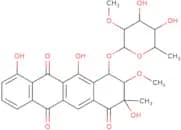
Formula:C20H20N2O4Purity:Min. 95%Molecular weight:352.4 g/mol4-(4,5-Dihydroxy-3-methoxy-6-methyloxan-2-yl)oxy-2,5,7-trihydroxy-3-methoxy-2-methyl-3,4-dihydrotetracene-1,6,11-trione
CAS:4-(4,5-Dihydroxy-3-methoxy-6-methyloxan-2-yl)oxy-2,5,7-trihydroxy-3-methoxy-2-methyl-3,4-dihydrotetracene-1,6,11-trione is an anthraquinone derivative, which is a specialized organic compound. This compound is typically derived from complex synthetic processes involving multi-step organic reactions starting from anthraquinone precursors. Its mode of action primarily involves the disruption of microbial cell walls and the inhibition of essential enzymatic pathways that are critical for microbial replication and survival.
Formula:C27H28O12Purity:Min. 95%Molecular weight:544.5 g/molMoxifloxacin
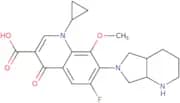
CAS:Moxifloxacin is a synthetic broad-spectrum antibiotic, which is derived from the fluoroquinolones class. It functions by inhibiting bacterial topoisomerase II (DNA gyrase) and topoisomerase IV, enzymes critical for DNA replication, transcription, repair, and recombination. The inhibition of these enzymes results in DNA breakage, thereby leading to bacterial cell death.Formula:C21H24FN3O4Purity:Min. 95%Molecular weight:401.4 g/mol





























![N,N′-1,2-Ethanediylbis[3-nitrobenzenesulfonamide]](/_next/image/?url=https%3A%2Fstatic.cymitquimica.com%2Fproducts%2F3D%2Fthumb-webp%2FAAA09662.webp&w=3840&q=75)

![(1S,3R,6R,7R,10R,11R)-6-[(E,2R,5R)-5,6-Dimethylhept-3-en-2-yl]-7,11-dimethyl-2-oxapentacyclo[8.8.0…](/_next/image/?url=https%3A%2Fstatic.cymitquimica.com%2Fproducts%2F3D%2Fthumb-webp%2FQAC90820.webp&w=3840&q=75)