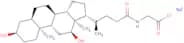
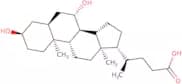
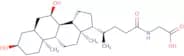
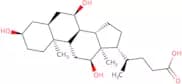
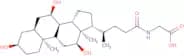
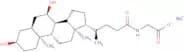
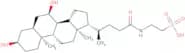
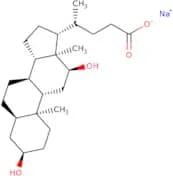
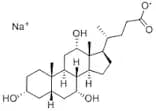
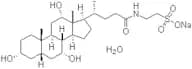
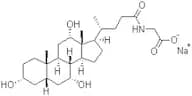
Steroids Bile Salts
Found 58 products of "Steroids Bile Salts"
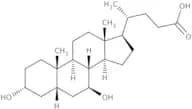
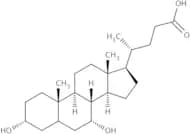
Ursodeoxycholic acid
CAS:Formula:C24H40O4Purity:99.0 - 101.0 % (dried basis)Color and Shape:White or almost white powderMolecular weight:392.56Chenodeoxycholic acid, 97%, from chicken
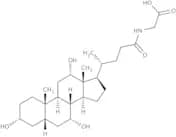
CAS:Formula:C24H40O4Purity:≥ 97.0%Color and Shape:White or off-white powderMolecular weight:392.57Glycocholic acid
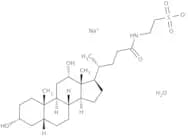
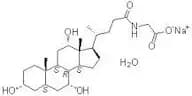
CAS:Formula:C26H43NO6·xH2OPurity:≥ 97.0% (dried basis)Color and Shape:White to off-white powderMolecular weight:465.62 (anhydrous basis)Sodium taurodeoxycholate hydrate
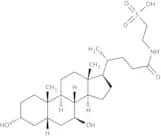
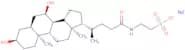
CAS:Formula:C26H44NO6SNa·xH2OPurity:≥ 97.0%Color and Shape:White to off-white powderMolecular weight:521.69 (anhydrous)Sodium tauroursodeoxycholate
CAS:Formula:C26H44NO6SNa·xH2OPurity:≥ 97.0% (dried basis)Color and Shape:White or almost white powderMolecular weight:521.69 (anhydrous)Cholic acid
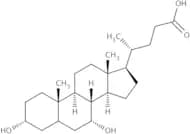
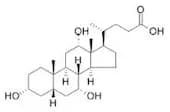
CAS:Formula:C24H40O5Purity:≥ 99.0% (HPLC)Color and Shape:White to cream coloured powderMolecular weight:408.58Chenodeoxycholic acid
CAS:Formula:C24H40O4Purity:≥ 98.0%Color and Shape:White to off-white powderMolecular weight:392.57Chenodeoxycholic acid, 98%
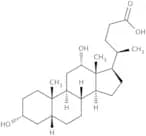
CAS:Formula:C24H40O4Purity:≥ 98.0%Color and Shape:White to off-white powderMolecular weight:392.57Deoxycholic acid
CAS:Formula:C24H40O4Purity:(HPLC) 98.5 - 101.5 % (dried basis)Color and Shape:White to almost white powderMolecular weight:392.58Sodium taurocholate
CAS:Sodium taurocholate is a bile salt. Bile salts are used in microbiological culture media. A major use is in clinical microbiology to selectively grow faecal staphylococci and streptococci. Used as anionic detergent for solubilization of proteins, bilirubin, phospholipids and others.Formula:C26H44NNaO7SPurity:Min. 98 Area-%Molecular weight:537.70 g/molSodium taurodeoxycholate
CAS:Bile salts are intestinal natural detergents, their main function is to act as detergent in the digestive processes. The major action of a bile salt is to emulsify fats and oils. Bile salts are used in bacteriological culture media as selective inhibitory agent. Enteric bacteria are resistant to the bactericidal effects of bile salts. Anionic detergent used for isolation of membrane proteins including inner mitochondrial membrane proteins.Formula:C26H44NNaO6SPurity:Min. 97 Area-%Molecular weight:521.69 g/molSodium taurodeoxycholate hydrate
CAS:Biological detergent; assists drug and vaccine deliveryFormula:C26H44NO6SNa·xH2OPurity:Min. 96 Area-%Color and Shape:White PowderMolecular weight:521.69 g/molTauroursodeoxycholic acid
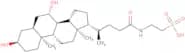
CAS:Tauroursodeoxycholic acid (TUDCA) is a bile acid derivative, which is synthesized endogenously in the human body as a liver metabolite. It originates from the conjugation of ursodeoxycholic acid (UDCA) with taurine, which enhances its solubility and biological activity. TUDCA functions primarily by inhibiting apoptosis and reducing endoplasmic reticulum stress within cells. It achieves this by mitigating the accumulation of misfolded proteins and enhancing proper protein folding, thereby maintaining cellular homeostasis.
Formula:C26H45NO6SPurity:Min. 95%Color and Shape:PowderMolecular weight:499.7 g/molLithocholic acid
CAS:Controlled ProductBile acid derivative; fat solubilizerFormula:C24H40O3Color and Shape:White Off-White PowderMolecular weight:376.57 g/molGlycohyodeoxycholic acid
CAS:Glycohyodeoxycholic acid is a bile acid derivative, which is synthesized from hyodeoxycholic acid in the liver. It is a naturally occurring compound found in certain animal sources, particularly in the bile of pigs. The mode of action of glycohyodeoxycholic acid involves its role in the emulsification and absorption of dietary fats, contributing to the digestion process. Additionally, as a bile acid, it is involved in cholesterol metabolism and regulation within the liver.
Formula:C26H43NO5Purity:Min. 95%Color and Shape:White/Off-White SolidMolecular weight:449.62 g/molGlycodeoxycholic acid
CAS:Controlled ProductGlycodeoxycholic acid is a bile acid derivative, which is synthesized in the liver from cholesterol. It functions primarily as a signaling molecule with multiple physiological roles in the human body. This compound is conjugated, enhancing its solubility and facilitating its transport within the gastrointestinal tract. Glycodeoxycholic acid acts as an agonist for specific receptors such as the farnesoid X receptor (FXR), playing a vital role in the regulation of bile acid synthesis, lipid metabolism, and glucose homeostasis.Formula:C26H43NO5Purity:Min. 95%Color and Shape:PowderMolecular weight:449.62 g/molChenodeoxycholic acid
CAS:Controlled ProductChenodeoxycholic acid is a human primary bile acid which is also found the bile of geese. Its C-7 epimer, Ursodeoxycholic acid is found in bearâs bile. Both bile acids are used for the treatment of gallstones, although Ursodeoxycholic acid has shown superior efficacy (bearâs bile extracts are also used in Chinese medicine).
Formula:C24H40O4Purity:Min. 95 Area-%Color and Shape:White PowderMolecular weight:392.57 g/molGlycodeoxycholic acid sodium salt
CAS:Controlled ProductGlycodeoxycholic acid sodium salt is a bile acid derivative, which is a biochemical compound sourced from the metabolism of bile acids in the liver. It plays a role in bile acid signaling pathways and lipid emulsification. The mode of action involves mimicking natural bile acids, facilitating the emulsification and absorption of dietary fats in the gastrointestinal tract, and potentially participating in signaling pathways that regulate cholesterol metabolism.Formula:C26H42NNaO5Purity:Min. 95 Area-%Color and Shape:White PowderMolecular weight:471.61 g/molUrsodeoxycholic acid
CAS:Controlled ProductUrsodeoxycholic acid is a secondary bile acid, which is derived from the metabolism of primary bile acids by intestinal bacteria. It modifies the composition of bile and reduces the absorption of cholesterol in the gastrointestinal tract by decreasing the cholesterol saturation of bile. This leads to a solubilization of cholesterol gallstones, making it an essential therapeutic agent in the management of cholesterol gallstone disease.
Formula:C24H40O4Color and Shape:PowderMolecular weight:392.57 g/molGlycochenodeoxycholic acid
CAS:Glycochenodeoxycholic acid is a conjugated bile acid, which is derived from the amino acid glycine and chenodeoxycholic acid, a primary bile acid synthesized from cholesterol in the liver. It primarily acts as a detergent, aiding in the emulsification and absorption of dietary fats in the small intestine by forming micelles with lipids.Formula:C26H43NO5Purity:Min. 85 Area-%Color and Shape:PowderMolecular weight:449.64 g/molCholic acid
CAS:Controlled ProductCholic acid is a primary bile acid, which is derived from cholesterol in the liver through a series of enzymatic reactions. This bile acid plays a critical role in the digestion and absorption of dietary fats and fat-soluble vitamins by emulsifying lipids, thus increasing their surface area for action by pancreatic lipases.Formula:C24H40O5Purity:Min. 95%Color and Shape:White PowderMolecular weight:408.57 g/molGlycocholic acid
CAS:Glycocholic acid is a conjugated bile acid, which is derived from the liver synthesis of bile acids conjugated with glycine. Primarily sourced from cholesterol metabolism, glycocholic acid plays an integral role in the emulsification and absorption of dietary fats. Its mode of action involves the reduction of surface tension within the gut, allowing lipids to form micelles, thus facilitating their transport through the intestinal mucosa.Formula:C26H43NO6Purity:Min. 95%Color and Shape:White PowderMolecular weight:465.62 g/molAllolithocholic acid
CAS:Controlled ProductAllolithocholic acid is a secondary bile acid, which is derived from the microbial metabolism of primary bile acids within the intestinal tract. Its mode of action involves interactions with nuclear receptors and membrane-bound receptors that regulate various metabolic pathways, including lipid metabolism and glucose homeostasis. These interactions suggest its potential to influence cholesterol levels and glycemic control.Formula:C24H40O3Purity:Min. 95%Color and Shape:PowderMolecular weight:376.6 g/molGlycochenodeoxycholic acid sodium salt
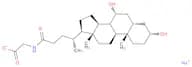
CAS:Glycochenodeoxycholic acid sodium salt is a bile acid derivative, which is an important component of the bile produced in the liver. It originates from the metabolism and conjugation of chenodeoxycholic acid with glycine, a process that occurs in the liver. This compound plays a significant role in the emulsification and solubilization of dietary fats, which facilitates their absorption in the intestines.Formula:C26H42NNaO5Purity:Min. 96 Area-%Color and Shape:White Off-White PowderMolecular weight:471.61 g/molTaurochenodeoxycholic acid
CAS:Taurochenodeoxycholic acid is a bile acid derivative, which is a conjugated form of chenodeoxycholic acid. It is sourced from the bile of mammals, specifically as a conjugate of taurine and chenodeoxycholic acid. This compound participates in the emulsification of dietary fats, which is crucial for lipid digestion and absorption. Additionally, it contributes to the regulation of cholesterol homeostasis by modulating bile acid pool sizes and is involved in signaling pathways that affect lipid metabolism.
Formula:C26H45NO6SPurity:Min. 95%Color and Shape:PowderMolecular weight:499.7 g/molSodium deoxycholate
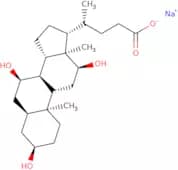
CAS:Controlled ProductSodium deoxycholate is a bile acid salt, which is a compound derived from the natural bile acids found in the mammalian intestines. It functions primarily as a detergent with the ability to disrupt lipid membranes and solubilize fats and proteins due to its amphipathic nature. The source of sodium deoxycholate is cholic acid, which is typically extracted from bovine bile.Formula:C24H40O4·NaPurity:(Titration) Min. 97%Color and Shape:White PowderMolecular weight:415.56 g/molTaurochenodeoxycholic acid sodium
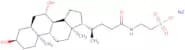
CAS:Taurochenodeoxycholic acid sodium is a bile acid derivative, which is naturally sourced from the bile of mammals. It is synthesized by conjugating chenodeoxycholic acid with taurine, resulting in its sodium salt form. The primary mode of action of taurochenodeoxycholic acid sodium involves its role in the emulsification and absorption of dietary fats and fat-soluble vitamins in the intestines. Additionally, it acts on the liver, where it enhances bile flow and exhibits hepatoprotective properties by modulating bile acid composition and reducing cytotoxicity.Formula:C26H45NO6S•NaPurity:Min. 95%Color and Shape:PowderMolecular weight:522.7 g/molSodium Taurodeoxycholate Dried (STDC Dried) extrapure, 95%
CAS:Formula:C26H44NO6SNaPurity:min. 95%Color and Shape:White, Crystalline powderMolecular weight:521.69Sodium Taurodeoxycholate Hydrate (STDC Hydrate) extrapure, 95%
CAS:Formula:C26H44NO6SNa·H2OPurity:min. 95%Color and Shape:White to Off -white, Crystalline powderMolecular weight:521.69 (anhy)Cholic Acid extrapure, 98%
CAS:Formula:C24H40O5Purity:min. 98%Color and Shape:White to off-white, Crystalline powder, ClearMolecular weight:408.57Lithocholic Acid (LCA) pure, 98%
CAS:Formula:C24H40O3Purity:min.98.0%Color and Shape:White to off -white, Crystalline powder, Clear, Colourless to pale yellowMolecular weight:376.57Sodium Tauroursodeoxycholate (TUDCA Sodium) extrapure, 98%
CAS:Formula:C26H44NO6SNaPurity:min. 98%Color and Shape:White to off- white, Crystalline powderMolecular weight:521.69Sodium Glycochenodeoxycholate (SGCDC) extrapure, 97%
CAS:Formula:C26H42NNaO5Purity:min. 97%Color and Shape:White to off-white, Crystalline powderMolecular weight:471.61Deoxycholic Acid Sodium Salt (Sodium Deoxycholate) Bacto grade, 99%
CAS:Formula:C24H39NaO4Purity:min. 99%Color and Shape:White to off white, Powder, Clear, Colourless to light yellowMolecular weight:414.55Sodium Glycocholate Hydrate (SGC Hydrate) extrapure, 98%
CAS:Formula:C26H42NO6Na·xH2OPurity:min. 98%Color and Shape:White, Crystalline powder, Clear, ColourlessMolecular weight:487.60 (anhy)Cholic Acid Sodium Salt Hydrate pure, 99%
CAS:Formula:C24H39NaO5Purity:min. 99%Color and Shape:White to off-white, Crystalline powder, Clear, Colourless to pale yellowMolecular weight:430.57Sodium Taurocholate Hydrate (STC Hydrate) extrapure, 98%
CAS:Formula:C26H45NNaO7S·xH2OPurity:min. 98%Color and Shape:White, Crystalline powder, Clear, ColourlessMolecular weight:537.68 (anhy)Deoxycholic Acid Sodium Salt Monohydrate (Sodium Deoxycholate Monohydrate) Bacto grade, 99%
CAS:Formula:C24H39NaO4·H2OPurity:min. 99%Color and Shape:White to off-white, Crystalline powder, Clear, Colourless to light yellowMolecular weight:432.59Sodium Taurochenodeoxycholate (STCDC) extrapure, 95%
CAS:Formula:C26H44NNaO6SPurity:min. 95%Color and Shape:White to off-white, Crystalline powderMolecular weight:521.69Sodium Glycocholate Dried (SGC Dried) extrapure, 98%
CAS:Formula:C26H42NO6NaPurity:min. 98%Color and Shape:White, Crystalline powderMolecular weight:487.60Deoxycholic Acid extrapure, 99%
CAS:Formula:C24H40O4Purity:min. 99%Color and Shape:White to almost white, Powder, Clear, ColourlessMolecular weight:392.57Glycoursodeoxycholic acid sodium salt
CAS:Glycoursodeoxycholic acid sodium salt is a synthetic bile acid derivative, which is the sodium salt form of glycoursodeoxycholic acid. It originates from the conjugation of ursodeoxycholic acid with glycine, forming a bile acid with enhanced solubility and potential hepatoprotective properties. Its mode of action involves modulation of bile acid pools and the stabilization of hepatocyte membranes, possibly reducing cytotoxic bile acids and improving liver function.
Formula:C26H42NNaO5Purity:Min. 95%Molecular weight:471.6 g/molIsolithocholic acid
CAS:Controlled ProductIsolithocholic acid is a bile acid derivative, which is a secondary bile acid formed by the action of intestinal bacteria. Its source lies primarily in the microbial metabolism of primary bile acids within the digestive tract. Isolithocholic acid's mode of action involves interaction with nuclear receptors such as the Farnesoid X receptor (FXR), which play critical roles in the regulation of bile acid, lipid, and glucose metabolism.Formula:C24H40O3Purity:Min. 95%Molecular weight:376.6 g/molAllodeoxycholic acid
CAS:Controlled ProductAllodeoxycholic acid is a synthetic bile acid, which is derived from the chemical modification of naturally occurring bile acids. These compounds are typically sourced from biological transformations or chemical synthesis, allowing precise structural alterations that enhance their therapeutic properties.
Formula:C24H40O4Purity:Min. 95%Molecular weight:392.6 g/molGlycocholic Acid Hydrate
CAS:Glycocholic Acid Hydrate is an ionic bile acid conjugate, which is derived from the oxidation of cholesterol in the liver. It belongs to the class of bile acids that facilitate the emulsification and absorption of dietary fats. The compound is synthesized through a combination of liver metabolism and subsequent conjugation with glycine. With its unique ability to form mixed micelles, Glycocholic Acid Hydrate enhances the solubility of lipophilic compounds, playing a crucial role in lipid digestion and cholesterol homeostasis.Formula:C26H43NO6Purity:Min. 95%Molecular weight:465.52 g/molChenodeoxycholic acid
CAS:Controlled ProductChenodeoxycholic acid is a human primary bile acid which is also found the bile of geese. Its C-7 epimer, Ursodeoxycholic acid is found in bears bile. Both bile acids are used for the treatment of gallstones, although Ursodeoxycholic acid has shown superior efficacy (bears bile extracts are also used in Chinese medicine).Formula:C24H40O4Purity:Min. 98 Area-%Molecular weight:392.58 g/molRef: 3D-C-2900
1kgTo inquire5kgTo inquire250gTo inquire500gTo inquire2500gTo inquire-Unit-kgkgTo inquireIsodeoxycholic acid
CAS:Controlled ProductIsodeoxycholic acid is a synthetic bile acid, which is a chemically modified derivative of naturally occurring bile acids. Its mode of action involves modulation of bile acid composition, which may aid in reducing bile toxicity and promoting liver health. The compound functions by interfering with the enterohepatic circulation of bile acids, potentially leading to increased bile flow and enhanced liver function.
Formula:C24H40O4Purity:Min. 95%Color and Shape:PowderMolecular weight:392.6 g/mol5β-Cholanic acid-3α,6β,7α-triol
CAS:Controlled Producta murine-specific primary bile acid. It has been shown that plasma, liver, and muscle levels of α-muricholic acid are increased in mice switched from a high-fat to low-fat diet.Formula:C24H40O5Purity:Min. 95%Molecular weight:408.57 g/mol3-Oxo-12α-hydroxy-5β-cholanoic acid
CAS:Controlled Product3-Oxo-12α-hydroxy-5β-cholanoic acid is a bile acid derivative, which is a type of steroid acid found naturally in bile. Bile acids, such as this compound, are synthesized in the liver from cholesterol and play a crucial role in the digestion and absorption of lipids in the small intestine.Formula:C24H38O4Purity:Min. 95%Molecular weight:390.6 g/molTauroursodeoxycholic acid, sodium salt
CAS:Tauroursodeoxycholic acid, sodium salt is a taurine-conjugated bile acid derivative, which is synthesized in the liver from ursodeoxycholic acid. It functions through its role in stabilizing the mitochondria and inhibiting apoptosis by modulating the unfolded protein response. This molecular action involves reducing endoplasmic reticulum stress, thereby providing cytoprotective effects in various cellular environments.Formula:C26H44NNaO6SPurity:Min. 95%Molecular weight:521.69 g/molSodium taurodeoxycholate monohydrate
CAS:Sodium taurodeoxycholate monohydrate is a bile salt, which is a biochemical compound derived from the conjugation of bile acids with taurine. This compound is sourced from bovine bile, where it functions as a surfactant in the digestive system by emulsifying fats, thereby facilitating their absorption in the intestine.Formula:C26H44NO6S·H2O·NaPurity:Min. 95%Molecular weight:539.7 g/mol(3a,5b,7a)-3,7-Dihydroxy-12-oxo-cholan-24-oic acid
CAS:Controlled Product(3a,5b,7a)-3,7-Dihydroxy-12-oxo-cholan-24-oic acid is a bile acid derivative, which is a type of naturally occurring steroid acid found predominantly in the bile of mammals. Bile acids play a crucial role in the digestion and absorption of lipids in the small intestine. This compound is synthesized from cholesterol in the liver, where it functions in the emulsification of dietary fats.
Formula:C24H38O5Purity:Min. 95%Molecular weight:406.6 g/molGlycocholic acid, sodium salt hydrate
CAS:Glycocholic acid, sodium salt hydrate is a bile acid derivative, which is primarily derived from cholesterol in the liver. It is formed by the conjugation of cholic acid with the amino acid glycine. This compound acts primarily as a detergent in the digestive system, aiding in the emulsification and absorption of lipids and fat-soluble vitamins in the small intestine.
Formula:C26H42NNaO6(anhydrousbasis)Purity:Min. 98 Area-%Color and Shape:White PowderMolecular weight:487.62 g/molCholic acid sodium salt
CAS:Controlled ProductCholic acid sodium salt is a bile acid sodium salt, which is primarily derived from the bile of mammals. It functions as a surfactant that facilitates the emulsification of fats and lipids, enhancing their subsequent absorption and digestion. This compound plays a critical role in the synthesis and regulation of cholesterol in the body.
Formula:C24H39NaO5Purity:Min. 95%Color and Shape:PowderMolecular weight:430.55 g/molRef: 3D-FC14775
Discontinued productTauroursodeoxycholic acid sodium (90%)
CAS:Tauroursodeoxycholic acid sodium salt (90%) is a bile acid derivative, which is synthesized from ursodeoxycholic acid and taurine. This compound acts as a chemical chaperone, facilitating protein folding and mitigating endoplasmic reticulum stress. It stabilizes hydrophobic interactions and enhances protein solubility, thereby contributing to cellular homeostasis.
Formula:C26H45NO6S•NaPurity:Min. 95%Molecular weight:522.7 g/molRef: 3D-FT28008
Discontinued productSodium taurolithocholate
CAS:Sodium taurolithocholate is a bile acid derivative, which is synthesized from taurine and lithocholic acid. It is derived from bile acids primarily found in the bile of mammals, where they play a crucial role in the digestion and absorption of lipids. The mode of action involves its function as an emulsifying agent, disrupting lipid membranes and facilitating the micellar solubilization of lipids. This biochemical property allows it to be used extensively in physiological and pharmacological research.
Formula:C26H44NO5SNaPurity:Min. 95%Molecular weight:505.69 g/molRef: 3D-GAA04232
Discontinued product