Flavonoids
Subcategories of "Flavonoids"
- Anthocyanidins(46 products)
- Anthocyanin(46 products)
- Catechin(88 products)
- Chalcones(237 products)
- Pterocarpan(28 products)
Found 2409 products of "Flavonoids"
5-Hydroxy-7,8,2'-trimethoxyflavone
CAS:5-Hydroxy-7,8,2'-trimethoxyflavone is a flavonoid compound, which is a type of polyphenolic molecule. Flavonoids are primarily derived from plants, where they function in various biological roles, including pigmentation, UV filtration, and symbiotic nitrogen fixation. The source of 5-Hydroxy-7,8,2'-trimethoxyflavone is often plants, particularly those known for their medicinal properties.Formula:C18H16O6Purity:Min. 95%Color and Shape:PowderMolecular weight:328.32 g/molBavachin
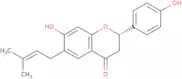
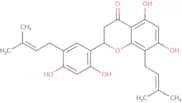
CAS:Phytoestrogen; estrogen receptor agonist; PPARγ ligandFormula:C20H20O4Purity:Min. 95%Color and Shape:SolidMolecular weight:324.37 g/molIsoetin
CAS:Rare natural product belonging to the flavone sub-group of flavonoidsFormula:C15H10O7Purity:Min. 95%Molecular weight:302.24 g/mol6-Methoxy-3,5,7,4'-tetrahydroxyflavone
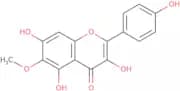
CAS:6-Methoxy-3,5,7,4'-tetrahydroxyflavone is a natural flavonoid derivative, which is primarily sourced from various plants known for their high polyphenolic content. It plays a significant role in the plant's defense mechanism due to its ability to scavenge free radicals and protect against oxidative stress. This compound exerts its mode of action through its potent antioxidant and anti-inflammatory capabilities, primarily by modulating signaling pathways and inhibiting the activity of enzymes involved in inflammation.
Formula:C16H12O7Purity:Min. 95%Molecular weight:316.26 g/mol7-Benzyloxy-3',4'-dimethoxyisoflavone
CAS:7-Benzyloxy-3',4'-dimethoxyisoflavone is a synthetic isoflavone derivative, which is a specialized compound designed for research and potential pharmacological applications. Isoflavones are naturally occurring compounds found predominantly in plants like soybeans and are studied for their biological activities. This particular compound is synthetically modified with methoxy groups, enhancing its stability and bioavailability.
Formula:C24H20O5Purity:Min. 95%Molecular weight:388.41 g/molWighteone
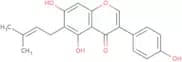
CAS:Please enquire for more information about Wighteone including the price, delivery time and more detailed product information at the technical inquiry form on this pageFormula:C20H18O5Purity:Min. 95%Molecular weight:338.35 g/mol3',5-Dihydroxy-4',6,7-trimethoxyflavanone
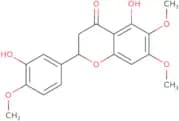
CAS:3',5-Dihydroxy-4',6,7-trimethoxyflavanone is a naturally occurring flavonoid, which is a type of polyphenolic compound. This product is primarily sourced from various plant species known to produce flavonoids as secondary metabolites. Its mode of action involves the inhibition of specific enzymes and modulation of signaling pathways, which can lead to antioxidant and anti-inflammatory effects.Formula:C18H18O7Purity:Min. 95%Molecular weight:346.3 g/molGlyasperin C - Glycyrrhiza uralensis (liquorice)
CAS:Glyasperin C is a bioactive compound derived from Glycyrrhiza uralensis, commonly known as liquorice. This product is a phytochemical isolated from the roots of the liquorice plant, a member of the Fabaceae family. Glycyrrhiza uralensis has been traditionally utilized in various medicinal practices, primarily due to its diverse range of biologically active constituents.Formula:C21H24O5Purity:Min. 95%Molecular weight:356.41 g/molEuchrestaflavanone B
CAS:Euchrestaflavanone B is a naturally occurring flavonoid, which is a type of polyphenolic compound. It is primarily sourced from various plant species, particularly those found in the Leguminosae family. The mode of action of Euchrestaflavanone B involves its interaction with cellular signaling pathways, where it exhibits a broad spectrum of bioactive effects. These include anti-inflammatory, antioxidant, and anticancer properties, potentially through modulation of enzyme activities and gene expression.Formula:C25H28O6Purity:Min. 95%Molecular weight:424.5 g/molFurano(2,3:7,6)-4'-hydroxyflavanone
CAS:Furano(2,3:7,6)-4'-hydroxyflavanone is a sophisticated flavonoid compound, which is a type of polyphenolic molecule commonly found in various plant species. As a naturally derived substance, it originates from the complex biosynthetic pathways in plants, specifically contributing to their defense mechanisms and pigmentation. The mode of action of Furano(2,3:7,6)-4'-hydroxyflavanone involves its interaction with cellular processes, potentially exhibiting antioxidant properties by scavenging free radicals and modulating enzymatic activity related to oxidative stress pathways.Formula:C17H12O4Purity:Min. 95%Molecular weight:280.27 g/molIsomedicarpin
CAS:Isomedicarpin is a flavonoid compound, which is naturally derived from plant sources. It is isolated predominantly from certain species within the Leguminosae family, where these compounds often play a role in the plant's defense mechanisms. The mode of action of isomedicarpin involves disrupting microbial cell membranes and interfering with essential biochemical pathways, which contributes to its antimicrobial efficacy.Formula:C16H14O4Purity:Min. 95%Molecular weight:270.28 g/mol3,7,4'-Trihydroxy-5-methoxy-8-prenylflavanone, (2R,3S)-
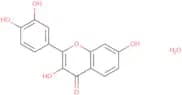
3,7,4'-Trihydroxy-5-methoxy-8-prenylflavanone, (2R,3S)- is a naturally occurring prenylated flavanone, which is primarily sourced from various plant species. This compound is part of the larger flavonoid family and is often found in certain medicinal plants known for their wide range of therapeutic properties. Its structure comprises a flavanone backbone, modified by hydroxyl, methoxy, and prenyl groups that contribute to its distinctive chemical profile.Purity:Min. 95%2-(3,4-Dihydroxyphenyl)-3,7-dihydroxy-4H-chromen-4-one hydrate
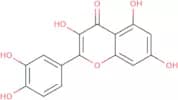
CAS:2-(3,4-Dihydroxyphenyl)-3,7-dihydroxy-4H-chromen-4-one hydrate is a flavonoid compound, which is a polyphenolic molecule derived primarily from plant sources, particularly fruits, vegetables, and certain herbs. This compound functions as a potent antioxidant, neutralizing free radicals and reducing oxidative stress at the cellular level by donating hydrogen atoms, which plays a critical role in protecting biological macromolecules from damage and contributing to cellular homeostasis.Formula:C15H10O6·H2OPurity:Min. 95%Molecular weight:304.25 g/molLupinalbin B
CAS:Lupinalbin B is a bioactive compound, specifically classified as an alkaloid, which is derived from the seeds of the Lupinus plant species. These plants, commonly known as lupins, are a part of the legume family and are cultivated primarily for their seeds that contain high protein content. The presence of alkaloids like Lupinalbin B in lupin seeds is a result of the plant's secondary metabolism, which serves various ecological functions, including defense against herbivores.Formula:C20H16O6Purity:(%) Min. 95%Color and Shape:PowderMolecular weight:352.34 g/molKaempferol 3-O-a-L-arabinopyranoside
CAS:Kaempferol 3-O-α-L-arabinopyranoside is a flavonoid glycoside, which is a naturally occurring compound found in a variety of plants, including fruits and vegetables. It is primarily isolated from plant sources such as tea, broccoli, and grapefruit, where it contributes to the plants' defense mechanisms.Formula:C20H18O10Purity:Min. 95%Color and Shape:White PowderMolecular weight:418.35 g/molSophoraflavanone H
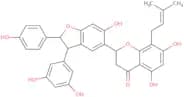
CAS:Sophoraflavanone H is a prenylated flavonoid, which is a natural compound isolated primarily from plants of the Sophora species. The source of this bioactive compound is predominantly the root extracts of these plants, which have been traditionally utilized in herbal medicine systems for their therapeutic properties.Formula:C34H30O9Purity:Min. 95%Molecular weight:582.6 g/molAlpinumisoflavone-4'-methyl ether
CAS:Alpinumisoflavone-4'-methyl ether is a methoxyisoflavone, which is a type of naturally occurring phenolic compound. It is derived from specific plant sources, including certain species within the Fabaceae family, known for their rich isoflavonoid content. These compounds are synthesized in plants as part of their defense mechanisms against environmental stresses and pathogens.Formula:C21H18O5Purity:Min. 95%Color and Shape:PowderMolecular weight:350.36 g/molIso-Osajin
CAS:Iso-Osajin is a naturally occurring compound that falls under the category of prenylated flavonoids. It is isolated from the seeds of Psoralea corylifolia, a plant traditionally used in various medicinal systems. The compound exhibits its mode of action primarily through antimicrobial activities, potentially disrupting microbial cell membranes or inhibiting essential enzymes. Iso-Osajin has been of considerable interest due to its promising pharmacological effects, including antibacterial, antifungal, and possibly antiviral properties.Formula:C25H24O5Purity:Min. 95%Color and Shape:PowderMolecular weight:404.46 g/mol7-Hydroxy-5,8-dimethoxyflavanone
CAS:7-Hydroxy-5,8-dimethoxyflavanone is a naturally occurring flavanone, which is a subcategory of flavonoids commonly found in various plants. This compound is derived from plant sources, often isolated during phytochemical studies examining the secondary metabolites produced by flora. The mode of action of 7-Hydroxy-5,8-dimethoxyflavanone involves modulating various biochemical pathways, potentially influencing enzymatic activity and signal transduction mechanisms. This flavanone has garnered scientific interest due to its reported bioactive properties, such as antioxidant and anti-inflammatory effects.
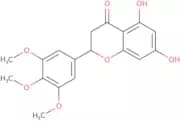
Uses and applications of 7-Hydroxy-5,8-dimethoxyflavanone are primarily in research settings, where it is utilized to explore its potential therapeutic benefits. Scientists investigate its efficacy in cell culture and animal models to better understand its effects on human health. Research is ongoing to assess its potential applications in developing nutraceuticals or pharmaceuticals, particularly in areas concerning oxidative stress and inflammation-related disorders. The exploration of its pharmacokinetic properties, safety profile, and bioavailability remains an active area of scientific inquiry.Formula:C17H16O5Purity:Min. 95%Molecular weight:300.3 g/mol5,7-Dihydroxy-3',4',5'-trimethoxyflavanone
CAS:5,7-Dihydroxy-3',4',5'-trimethoxyflavanone is a flavanone compound, which is a type of polyphenolic compound found predominantly in the plant kingdom. This compound can be sourced from various plants, where it often occurs as part of the natural defense mechanisms to protect the organism from environmental stressors.
Formula:C18H18O7Purity:Min. 95%Molecular weight:346.33 g/mol5,6,2'-Trimethoxyflavone
CAS:5,6,2'-Trimethoxyflavone is a naturally occurring flavone compound, which is a type of polyphenolic compound found in various botanical species. It is derived primarily from plants belonging to the genus Kaempferia, as well as other related species that are known for their diverse secondary metabolites.Formula:C18H16O5Purity:Min. 95%Molecular weight:312.32 g/mol6,4'-Dihydroxy-5,7-dimethoxyflavanone
CAS:6,4'-Dihydroxy-5,7-dimethoxyflavanone is a naturally occurring flavanone, which is a type of polyphenolic compound commonly found in various plant species. These compounds are synthesized through plant secondary metabolic pathways and are typically located in fruits, flowers, and leaves, playing essential roles in plant defense and pigmentation.Formula:C17H16O6Purity:Min. 95%Molecular weight:316.3 g/mol7,4'-Dihydroxyflavanone
CAS:7,4'-Dihydroxyflavanone is a naturally occurring flavonoid, which is primarily sourced from various plant species. This compound is a type of polyphenolic molecule that often manifests in fruits, vegetables, and certain herbs. Its biosynthesis in plants is part of their secondary metabolism, where it plays roles in plant defense against pathogens and UV radiation.Formula:C15H12O4Purity:Min. 95%Molecular weight:256.25 g/mol6,7,2',3',4'-Pentamethoxyisoflavone
CAS:6,7,2',3',4'-Pentamethoxyisoflavone is a naturally occurring flavonoid compound, which is derived from certain plant sources known for their rich polyphenolic content. As part of the isoflavone family, this compound is structurally similar to estrogen, allowing it to potentially interact with estrogen receptors in the body. Its mode of action includes modulating various biochemical pathways, including antioxidant and anti-inflammatory pathways, due to its ability to influence enzyme activities and cell signaling processes.Formula:C20H20O7Purity:Min. 95%Color and Shape:PowderMolecular weight:372.37 g/molDihydrokaempferol-3-O-glucoside
CAS:Dihydrokaempferol-3-O-glucoside is a flavonoid glucoside, which is derived from plant sources, notably found in various fruits and vegetables. This compound is part of the flavonoid family, characterized by its polyphenolic structure and pivotal role in plant physiology and human health. The mode of action of dihydrokaempferol-3-O-glucoside predominantly involves its antioxidant properties. It neutralizes free radicals, thereby reducing oxidative stress and potentially mitigating damage at the cellular level.Formula:C21H22O11Purity:Min. 95%Color and Shape:PowderMolecular weight:450.39 g/molCinnamtannin B-1
CAS:Cinnamtannin B-1 (LDN 0022358) is an A-type proanthocyanidin contained in several plant species such as Vaccinium vitis-idaea, Laurus nobilis L., CinnamomumFormula:C45H36O18Purity:99.72%Color and Shape:SolidMolecular weight:864.76Biochanin A
CAS:Biochanin A is a naturally occurring isoflavone, which is derived from plants such as red clover and soy. This compound functions as a phytoestrogen, exerting its effects by modulating estrogen receptors, and showcases antioxidant capabilities through the scavenging of free radicals. As a result, Biochanin A holds significant interest for research in the modulation of hormonal pathways and in providing protection against oxidative stress.Formula:C16H12O5Purity:Min. 95%Color and Shape:White PowderMolecular weight:284.26 g/molMyricetin-3-galactoside
CAS:Myricetin-3-galactoside is a flavonoid glycoside, which is a type of secondary metabolite originating from various plant sources, including fruits, vegetables, and certain herbs. This compound forms when the flavonol, myricetin, is glycosylated with a galactose molecule. Its structure enhances the stability and solubility of myricetin, thereby modulating its bioavailability and biological activity.Formula:C21H20O13Purity:Min. 95%Color and Shape:Slightly Yellow PowderMolecular weight:480.38 g/molIsovitexin
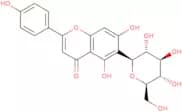
CAS:Isovitexin is a naturally occurring flavonoid compound, specifically a C-glycosyl flavone, which is found in a variety of plants, including green tea, passionflower, and barley leaves. Derived from these botanical sources, isovitexin is characterized by its structural complexity, contributing to its biological activity. The mode of action of isovitexin involves its ability to scavenge free radicals and inhibit oxidative stress. It exhibits strong antioxidant properties that allow it to stabilize reactive oxygen species (ROS), thereby preventing cellular damage. Additionally, isovitexin has been studied for its potential anti-inflammatory and neuroprotective effects, attributed to its influence on signaling pathways and enzyme activities related to inflammation and cell survival. Isovitexin is primarily utilized in the context of scientific research to explore its pharmacological potentials. Researchers study its application in fields such as neuroprotection, cardioprotection, and its role in mitigating the effects of metabolic disorders. Its broad spectrum of activity makes it a compound of interest in both the development of therapeutic agents and the enhancement of nutritional supplements.Formula:C21H20O10Purity:Min. 98 Area-%Color and Shape:Off-White Yellow PowderMolecular weight:432.38 g/molFlavanone hydrazone, 93%
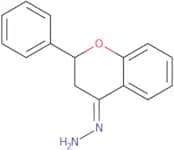
CAS:Flavanone hydrazone (FH) is a natural compound that has been found to have antiviral activity against a number of viruses, including the papilloma virus and picornavirus. The antiviral activity of FH is due to its ability to inhibit the shikimate pathway, which is required for the synthesis of aromatic amino acids from chorismate. This inhibition prevents the production of viral proteins, leading to cell death. FH also has an inhibitory effect on hepatitis C virus and leukoplakia by inhibiting fatty acid synthesis. It may also be used in the treatment of inflammatory diseases such as rheumatoid arthritis and ulcerative colitis.
Formula:C15H14N2OPurity:(%) Min. 93%Color and Shape:PowderMolecular weight:238.28 g/mol3,7-Dimethoxy-3',4',5-Trihydroxyflavone
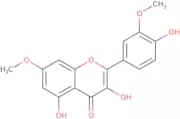
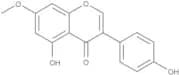
CAS:3,7-Dimethoxy-3',4',5-Trihydroxyflavone is a flavonoid compound, which is derived from various plant sources known for their bioactive compounds. These plants are rich in polyphenolic substances, contributing to the compound's complex structure and functionality. The mode of action of 3,7-Dimethoxy-3',4',5-Trihydroxyflavone involves its ability to act as a potent antioxidant. It scavenges free radicals and reduces oxidative stress by neutralizing reactive oxygen species at the molecular level. Additionally, its molecular configuration allows for interactions with cellular signaling pathways, potentially influencing various biochemical processes.Formula:C17H14O7Purity:Min. 95%Molecular weight:330.29 g/mol4'-Hydroxy-7-methoxyisoflavone
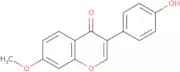
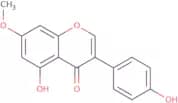
CAS:4'-Hydroxy-7-methoxyisoflavone is a naturally occurring isoflavone, which is a type of phytoestrogen found in various plants. It is synthesized typically from plant sources and is part of a broader class of compounds known for their presence in legumes, especially soy and red clover. The mode of action of 4'-Hydroxy-7-methoxyisoflavone is primarily through its interaction with estrogen receptors, where it can exhibit weak estrogenic activity. This attribute allows it to modulate estrogenic signaling pathways, influencing cellular processes related to growth and metabolism.Formula:C16H12O4Purity:Min. 95%Color and Shape:PowderMolecular weight:268.26 g/molBaicalin 7-b-D-glucuronide
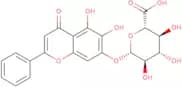
CAS:Baicalin 7-b-D-glucuronide is a flavonoid metabolite, which is primarily derived from the root of the plant *Scutellaria baicalensis*, commonly known as Chinese skullcap. This compound occurs as part of the extensive array of flavonoids in traditional medicinal plants used in various ethnic medicine systems.Formula:C21H18O11Purity:Min. 95 Area-%Color and Shape:White PowderMolecular weight:446.36 g/molIridin
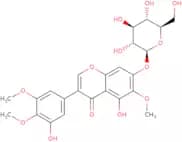
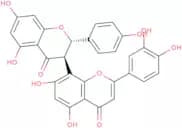
CAS:Iridin is an isoflavone glycoside derived primarily from the rhizomes of certain species of the Iris plant. As a phytochemical compound, its source is botanical, particularly extracted from Iris versicolor, known commonly as the Blue Flag plant. The mode of action for Iridin involves its role as a glycoside compound, which influences various biochemical pathways in the body. Glycosides like Iridin are known for their potential to modulate enzyme activities, interact with cellular signals, and participate in the process of detoxification within the liver.Formula:C24H26O13Purity:Min. 98 Area-%Color and Shape:Off-White Yellow PowderMolecular weight:522.46 g/molHinokiflavone
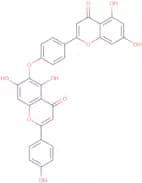
CAS:A cytotoxic biflavonoid from Toxicodendron succedaneum, Juniperus sp., and Chamaecyparis obtusa (hinoki).
Formula:C30H18O10Purity:Min. 97 Area-%Color and Shape:PowderMolecular weight:538.46 g/molMorelloflavone
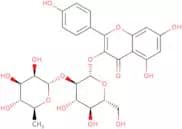
CAS:Morelloflavone is a natural biflavonoid compound, which is primarily isolated from the Garcinia species, belonging to the Clusiaceae family. This compound is derived from plant sources that have been traditionally used in various medicinal systems. Morelloflavone exhibits its mode of action through multiple biochemical pathways, prominently including its antioxidant activity. It effectively scavenges free radicals, thereby protecting cells from oxidative stress, which is implicated in numerous pathological conditions.Purity:Min. 95%Kaempferol-3-O-glucorhamnoside
CAS:Kaempferol-3-O-glucorhamnoside is a bioactive flavonoid glycoside, which is a naturally occurring compound found in a variety of plants. It serves as a significant molecule in the study of plant biochemistry and pharmacology. This compound is sourced from various plant species such as tea, broccoli, and other common vegetables and fruits, where it contributes to the plant's defense mechanisms against environmental stresses.Formula:C27H30O15Purity:Min. 95%Color and Shape:PowderMolecular weight:594.52 g/mol(+)-Pinocembrin
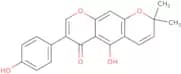
CAS:(+)-Pinocembrin is a flavonoid compound, which is a naturally occurring phytochemical. It is predominantly sourced from propolis, a resinous substance produced by bees, and also found in various plants such as honey and ginger root. The mode of action of (+)-Pinocembrin involves its potent antioxidant and antimicrobial properties. It acts by scavenging free radicals, thereby protecting cells from oxidative stress, and it also interferes with microbial cell membranes, leading to antimicrobial effects.Formula:C15H12O4Purity:Min. 98 Area-%Color and Shape:PowderMolecular weight:256.25 g/molAlpinumisoflavone
CAS:Alpinumisoflavone is a naturally occurring isoflavone, which is derived from plants, particularly those in the Leguminosae family. Structurally, isoflavones are a class of phytoestrogens, plant-derived compounds with estrogenic activity. Alpinumisoflavone exerts its effects primarily through its antioxidant and anti-inflammatory activities. It modulates key signaling pathways by interacting with cellular components to reduce oxidative stress and inhibit inflammatory responses, making it a valuable compound in studying cellular protection mechanisms.
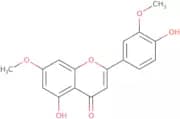
Formula:C20H16O5Purity:Min. 95%Color and Shape:White PowderMolecular weight:336.34 g/molVelutin
CAS:Velutin is a natural flavonoid, which is derived from the leaves of certain plant species, specifically from the Asteraceae family. This compound demonstrates a unique mode of action by modulating various signaling pathways involved in inflammation and oxidative stress. Velutin effectively inhibits the activation of nuclear factor kappa-light-chain-enhancer of activated B cells (NF-κB) and reduces the expression of pro-inflammatory cytokines, contributing to its anti-inflammatory properties.
Formula:C17H14O6Purity:Min. 95%Color and Shape:PowderMolecular weight:314.29 g/molQuercetin
CAS:Inhibitor of HSP70 and HSP27 expression
Formula:C15H10O7Purity:Min. 95 Area-%Color and Shape:Yellow PowderMolecular weight:302.24 g/mol3'-Prenylnaringenin
CAS:3'-Prenylnaringenin is a potent phytoestrogen, a type of compound that is found in hops (Humulus lupulus), specifically in the female flowers or cones. This prenylflavonoid is particularly notable for its strong estrogenic activity attributed to its binding affinity to estrogen receptors. As such, it functions as an agonist, modulating estrogen receptor-mediated pathways and influencing gene expression related to estrogenic activity.Purity:Min. 95%Isoscutellarein
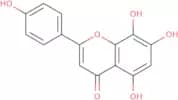
CAS:Isoscutellarein is a flavonoid compound, which is naturally derived from various plant sources, including herbs and certain vegetables. It functions primarily as an antioxidant, scavenging free radicals and reducing oxidative stress within biological systems. This activity is attributed to its ability to donate hydrogen atoms or electrons, thus stabilizing reactive oxygen species (ROS).
Formula:C15H10O6Purity:Min. 95 Area-%Color and Shape:PowderMolecular weight:286.24 g/molQuercetin 3,4'-diglucoside
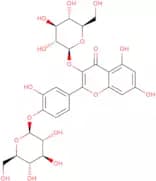
CAS:Quercetin 3,4'-diglucoside is a flavonoid glycoside, which is a compound naturally derived from various plant sources, including certain fruits and vegetables. This compound is known for its significant role as an antioxidant. It operates by scavenging free radicals, thereby mitigating oxidative stress at the cellular level. This mode of action makes it a compound of interest in studies related to inflammation, aging, and chronic diseases.Formula:C27H30O17Purity:Min. 95%Color and Shape:PowderMolecular weight:626.52 g/molQuercetagetin-7-O-glucoside
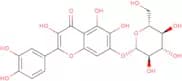
CAS:Quercetagetin-7-O-glucoside is a flavonoid glycoside, which is a type of phytochemical compound. It is derived from various plant sources, notably plants in the Asteraceae family. The compound consists of the flavonoid quercetagetin and a glucose molecule, forming a glycoside linkage. Its mode of action primarily involves antioxidant activity, where it scavenges free radicals and chelates metal ions, thus potentially reducing oxidative stress in biological systems.Formula:C21H20O13Purity:Min. 95%Molecular weight:480.38 g/molNaringenin-7-rutinoside
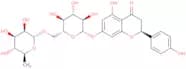
CAS:Naringenin-7-rutinoside is a flavonoid glycoside, which is naturally sourced from citrus fruits, such as grapefruits and oranges. This compound is characterized by its unique molecular structure where the flavonoid naringenin is bound to the disaccharide rutinose. The mode of action of naringenin-7-rutinoside primarily involves its antioxidant properties, which allow it to scavenge free radicals and reduce oxidative stress in biological systems.Formula:C27H32O14Purity:Min. 98 Area-%Color and Shape:White PowderMolecular weight:580.53 g/molDemethylretusin
CAS:Demethylretusin is a naturally occurring flavonoid, which is derived primarily from various plant sources, including soybeans and other legumes. It functions as a bioactive compound with the capability to modulate multiple biochemical pathways. The mode of action of Demethylretusin involves interacting with cellular receptors and enzymes, ultimately influencing cell signaling pathways and exhibiting antioxidative, anti-inflammatory, and potential anticancer properties.Formula:C15H10O5Purity:Min. 95%Color and Shape:PowderMolecular weight:270.24 g/mol3,5-Dihydroxyflavone
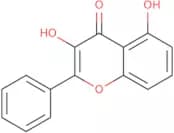
CAS:3,5-Dihydroxyflavone is a flavonoid compound, which is a type of natural product commonly found in plants. This compound is derived from various plant sources, where it serves as a secondary metabolite involved in plant defense mechanisms. 3,5-Dihydroxyflavone exerts its effects through several mechanisms, including modulating oxidative stress and interacting with cellular signaling pathways. Its antioxidant properties allow it to scavenge free radicals, thereby protecting cells from oxidative damage. Additionally, it can influence various enzymes and receptors involved in cellular processes, leading to a range of biological effects.Formula:C15H10O4Purity:Min. 95%Color and Shape:Off-White PowderMolecular weight:254.24 g/mol3'-Methoxy-3,7,4'-trihydroxyflavone
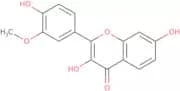
CAS:3'-Methoxy-3,7,4'-trihydroxyflavone is a naturally occurring flavonoid compound, which is derived from various plant sources, such as fruits, vegetables, and medicinal herbs. This compound is known for its potent antioxidant activity, which is primarily achieved through the scavenging of reactive oxygen species and the inhibition of oxidative stress pathways.Formula:C16H12O6Purity:Min. 95%Color and Shape:PowderMolecular weight:300.26 g/molIsoflavone - 40%
CAS:Isoflavone - 40% is a phytochemical compound, specifically classified as a type of polyphenolic plant-derived compound. It is sourced primarily from soybeans and other legumes, where it naturally occurs as part of the plant's secondary metabolites. The mode of action of isoflavones involves their ability to mimic estrogen. Due to their structural similarity to estrogen, isoflavones can bind to estrogen receptors and exert weak estrogenic effects, which are particularly relevant in humans and animals.Formula:C15H10O2Purity:Min. 95%Color and Shape:Off-White Clear LiquidMolecular weight:222.24 g/mol6-Methoxyflavone
CAS:6-Methoxyflavone is a flavonoid compound, which is a naturally occurring product found in certain plants. It is characterized by the presence of a methoxy group attached to the flavone backbone. This compound is typically extracted from plant sources such as citrus fruits and certain herbs that have a high content of polyphenolic compounds. Its mode of action involves modulating various biochemical pathways, including the inhibition of specific enzymes and interaction with cellular receptors, potentially affecting oxidative stress and inflammation pathways.Formula:C16H12O3Purity:Min. 95%Color and Shape:White PowderMolecular weight:252.26 g/molMorusin
CAS:Morusin is a naturally occurring flavonoid compound, which is derived primarily from the root bark of Morus alba, commonly known as the mulberry tree. This bioactive substance is known for its various chemical properties and its ability to modulate several biological pathways. The compound acts primarily through the inhibition of key signaling pathways, such as the NF-κB and MAPK pathways, which are involved in inflammation and cancer progression.Formula:C25H24O6Purity:Min. 95%Color and Shape:Yellow PowderMolecular weight:420.45 g/mol5-Hydroxy-7,8-dimethoxyflavanone
CAS:5-Hydroxy-7,8-dimethoxyflavanone is a naturally occurring flavanone, which is typically sourced from various plant species known for their bioactive compounds. This compound falls under the category of flavonoids and exhibits distinct structural features that contribute to its biochemical activities. The source plants for this flavanone are often part of traditional medicinal systems, owing to their rich profile of secondary metabolites.
Formula:C17H16O5Purity:Min. 95%Molecular weight:300.3 g/molKaempferol-7,4'-dimethyl ether
CAS:Kaempferol-7,4'-dimethyl ether is a flavonoid derivative, which is a naturally occurring compound predominantly found in certain plant species. As a derivative of kaempferol, it is an O-methylated flavonoid, often isolated from various members of the Leguminosae family. Its mode of action involves interacting with multiple biological pathways, typically exhibiting antioxidant and anti-inflammatory properties. This potent flavonoid modulates signaling pathways and can influence cellular energy metabolism, often impacting reactive oxygen species (ROS) levels.Formula:C17H14O6Purity:Min. 95 Area-%Color and Shape:PowderMolecular weight:314.29 g/molDimoxystrobin
CAS:Dimoxystrobin is a fungicidal compound, which is a synthetic chemical derived from the strobilurin class of fungicides. It is sourced from natural antifungal compounds originally discovered in certain mushroom species. Dimoxystrobin's mode of action involves inhibiting mitochondrial respiration in fungi by binding to the Qo site of the cytochrome bc1 complex. This interference disrupts energy production in fungal cells, leading to their effective control and eventual death.Formula:C19H22N2O3Purity:Min. 95%Molecular weight:326.39 g/molDiosmetin-7-neohesperidoside
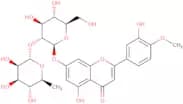
CAS:Diosmetin-7-neohesperidoside is a flavonoid glycoside, which is a secondary metabolite predominantly found in citrus fruits. This compound acts through various biochemical pathways, importantly exhibiting potent antioxidant and anti-inflammatory activities. Its mode of action involves the scavenging of free radicals and modulation of enzyme activities that contribute to inflammatory responses.Formula:C28H32O15Purity:Min. 95%Molecular weight:608.54 g/molJamaicin
CAS:Jamaicin (AnCoA4), an isoflavone derived from the chickweed plant, is an inhibitor of the STIM1-Orai1 channel that blocks calcium ion influx.Formula:C22H18O6Purity:99.32%Color and Shape:SolidMolecular weight:378.37Luteolin 7-diglucuronide
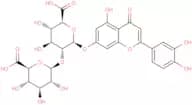
CAS:Luteolin 7-diglucuronide is the major flavonoid isolated from Verbena officinalis and Aloysia triphylla.Formula:C27H26O18Purity:98.24% - 98.44%Color and Shape:SolidMolecular weight:638.48Fluoxastrobin
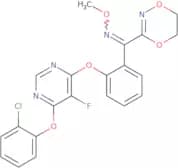
CAS:Fluoxastrobin is a fungicide, which is a synthetic agricultural chemical developed primarily to combat fungal infections in crops. It belongs to the strobilurin class, derived from natural compounds produced by certain fungi. The mode of action of fluoxastrobin involves the inhibition of mitochondrial respiration in fungal cells. By targeting the cytochrome bc1 complex in the mitochondria, it effectively disrupts energy production within the pathogen, leading to its death.Formula:C21H16CIFN4O5Purity:Min. 95%Molecular weight:562.29 g/mol7-Hydroxy-2',4'-dimethoxyisoflavone
CAS:7-Hydroxy-2',4'-dimethoxyisoflavone is a synthetic isoflavone, which is derived from the structural modification of natural isoflavones found in various plants, such as soybeans and other legumes. It exerts its biological activity primarily through its interaction with cellular signaling pathways related to oxidative stress and inflammation. This compound functions by modulating enzyme activity, influencing the expression of genes involved in antioxidant defenses, and suppressing pro-inflammatory cytokines.
Formula:C17H14O5Purity:Min. 95%Molecular weight:298.29 g/mol5,7,3'-Trihydroxyflavone
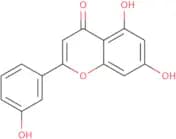
CAS:5,7,3'-Trihydroxyflavone is a flavonoid compound, which is a type of polyphenolic molecule found in plants. This compound is derived from various plant sources such as fruits, vegetables, and certain herbs, where it naturally occurs as part of the plant's secondary metabolites. It exhibits several biochemical actions, predominantly due to its antioxidant properties. This involves scavenging free radicals and chelating metal ions, which contribute to oxidative stress reduction. Additionally, it may influence various signaling pathways related to cell survival and inflammation.
Formula:C15H10O5Purity:Min. 95%Molecular weight:270.24 g/molVitexin-4'-rhamnoside
CAS:Vitexin-4'-rhamnoside is a flavonoid glycoside, which is a compound derived from plants such as hawthorn and certain types of buckwheat. This compound belongs to the class of natural products known as flavonoid glycosides, which are well-regarded for their diverse biological activities. Vitexin-4'-rhamnoside is characterized by its ability to scavenge free radicals, thanks to its antioxidant properties. This action is primarily achieved by donating hydrogen atoms or electrons to neutralize reactive oxygen species, thereby mitigating oxidative stress.Purity:Min. 95%Kaempferol 6-C-glucoside
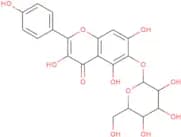
CAS:Kaempferol 6-C-glucoside is a flavonoid glycoside, which is a natural compound found in various plant sources, particularly in leaves and fruits. It is a type of C-glycosyl flavonoid, where the glucose moiety is bound directly to the carbon atom of the flavonoid skeleton, differentiating it from the more common O-glycosides.
Formula:C21H20O11Purity:Min. 95%Molecular weight:448.38 g/molAzicemicin B
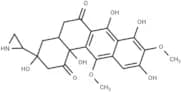
CAS:Azicemicin B exhibits mild antibacterial activity, and when administered to mice via intraperitoneal injection at a dosage of 150 mg/kg, it does not result in any acute toxicity.Formula:C22H23NO9Color and Shape:SolidMolecular weight:445.419Bromoflavone
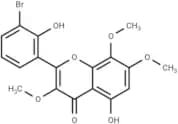
CAS:Bromoflavone (CJ-19784) is a flavonoid isolated from Aspergillus candidus. It demonstrates antitubercular activity against Mycobacterium tuberculosis (MTB) with an MIC90 of 1.2 μM. Additionally, Bromoflavone acts as an antifungal agent, inhibiting the growth of pathogenic fungi such as Candida albicans, Cryptococcus neoformans, and Aspergillus fumigatus with IC50 values of 0.11 μg/mL, 20 μg/mL, and 0.54 μg/mL, respectively.Formula:C18H15BrO7Color and Shape:SolidMolecular weight:423.21Ipriflavone
CAS:Ipriflavone analytical standard provided with chromatographic purity, to be used as reference material for qualitative determination.
Formula:C18H16O3Purity:(HPLC) ≥90%Color and Shape:PowderMolecular weight:280.33Flavone
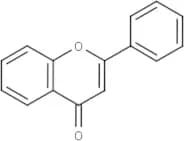
CAS:Flavone analytical standard provided with chromatographic purity, to be used as reference material for qualitative determination.Formula:C15H10O2Purity:(HPLC) ≥95%Color and Shape:PowderMolecular weight:222.25Prunetin
CAS:Prunetin analytical standard provided with chromatographic purity, to be used as reference material for qualitative determination.
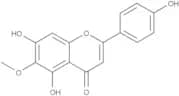
Formula:C16H12O5Purity:(HPLC) ≥95%Color and Shape:PowderMolecular weight:284.28Hispidulin
CAS:Hispidulin analytical standard provided with w/w absolute assay, to be used for quantitative titration.
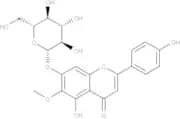
Formula:C16H12O6Purity:(HPLC) ≥98%Color and Shape:PowderMolecular weight:300.27Hispidulin-7-O-glucoside
CAS:Hispidulin-7-O-glucoside analytical standard provided with w/w absolute assay, to be used for quantitative titration.
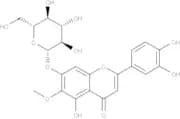
Formula:C22H22O11Purity:(HPLC) ≥98%Color and Shape:PowderMolecular weight:462.41Nepetin-7-O-glucoside
CAS:Nepetin-7-O-glucoside analytical standard provided with w/w absolute assay, to be used for quantitative titration.
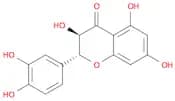
Formula:C22H22O12Purity:(HPLC) ≥98%Color and Shape:PowderMolecular weight:478.41(2R,3R)-3,3',4',5,7-Pentahydroxyflavanone
CAS:Formula:C15H12O7Purity:98%Color and Shape:SolidMolecular weight:304.2516Iriskashmirianin
CAS:Iriskashmirianin is a naturally occurring flavonoid derivative, which is isolated from specific plant sources. It belongs to the broader class of flavonoids, compounds known for their bioactive properties. The mode of action of Iriskashmirianin involves its interaction with cellular pathways, where it functions primarily as an antioxidant and anti-inflammatory agent. It neutralizes free radicals and modulates inflammatory responses by influencing various signaling pathways at the molecular level.
Formula:C18H14O7Purity:Min. 95%Molecular weight:342.3 g/mol3,7,8,3',4'-Pentahydroxyflavone
CAS:3,7,8,3',4'-Pentahydroxyflavone is a naturally occurring flavonoid, which is commonly found in plants and contributes to their defensive mechanisms. This compound is sourced from a variety of plant materials, where it acts as a potent antioxidant by scavenging free radicals and inhibiting oxidative stress pathways.
Formula:C15H10O7Purity:Min. 95%Color and Shape:PowderMolecular weight:302.24 g/mol3'-Hydroxy-3,5,7,8,4'-pentamethoxyflavone
CAS:3'-Hydroxy-3,5,7,8,4'-pentamethoxyflavone is a specialized flavonoid compound, which is typically derived from various plant sources. This compound is part of the flavone subclass of flavonoids, known for their wide presence in the plant kingdom, contributing to the plant's pigmentation and offering various physiological benefits. The mode of action for 3'-Hydroxy-3,5,7,8,4'-pentamethoxyflavone primarily involves antioxidant activity, where it functions to neutralize free radicals and reduce oxidative stress within biological systems. This property is crucial in mitigating cellular damage, thus playing a role in the prevention of various degenerative diseases.
Formula:C20H20O8Purity:Min. 95%Molecular weight:388.37 g/mol7,2'-Dihydroxy-4',5'-dimethoxyisoflavone
CAS:7,2'-Dihydroxy-4',5'-dimethoxyisoflavone is a naturally occurring isoflavone, which is a type of flavonoid commonly found in various plants. Isoflavones are primarily sourced from legumes and are prevalent in dietary phytoestrogens. The mode of action of this compound involves modulation of cellular pathways due to its antioxidant properties and potential to interact with estrogen receptors. Such interactions may influence gene expression and cell proliferation in specific tissue types.
Formula:C17H14O6Purity:Min. 95%Color and Shape:PowderMolecular weight:314.29 g/mol6-Hydroxy-5,7,4'-trimethoxyflavone
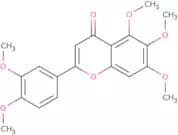
CAS:6-Hydroxy-5,7,4'-trimethoxyflavone is a methoxylated flavone, which is a type of polyphenolic compound. It is derived from various natural sources, including certain plant species where flavonoids are abundant. This compound features distinct methoxy and hydroxyl groups that contribute to its biochemical activity.
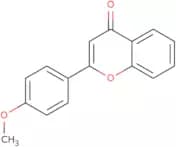
Formula:C18H16O6Purity:Min. 95%Molecular weight:328.32 g/mol4'-Methoxyflavone
CAS:4'-Methoxyflavone is a synthetic flavonoid, which is derived from modifications of naturally occurring flavonoid structures. It is synthesized through chemical processes involving the methoxylation of flavonoids, commonly found in plants. The compound exhibits its mode of action primarily through antioxidant activity. By scavenging free radicals, 4'-Methoxyflavone helps to prevent oxidative stress at the cellular level, which can damage DNA, proteins, and lipids.
Formula:C16H12O3Purity:Min. 95%Color and Shape:PowderMolecular weight:252.26 g/molRef: 3D-FM67346
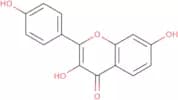
Discontinued product3,7,4'-Trihydroxyflavone
CAS:3,7,4'-Trihydroxyflavone is a flavonoid compound, which is a naturally occurring polyphenolic phytochemical. These compounds are commonly sourced from various plants, where they are present in fruits, vegetables, and certain herbs. Flavonoids such as 3,7,4'-Trihydroxyflavone are known for their role in plant pigmentation and protection against environmental stressors.
Formula:C15H10O5Purity:Min. 95%Color and Shape:PowderMolecular weight:270.24 g/molRef: 3D-FT67599
Discontinued productSinensetin
CAS:Sinensetin is a polymethoxyflavone, which is a type of flavonoid compound. It is predominantly sourced from citrus peels, particularly those of oranges. The compound exhibits multiple biological activities, primarily through its mode of action that involves modulating inflammatory pathways and oxidative stress responses. Sinensetin achieves this by inhibiting pro-inflammatory cytokines and enzymes such as cyclooxygenase, thereby reducing inflammation processes at the cellular level.
Formula:C20H20O7Purity:Min. 95%Color and Shape:PowderMolecular weight:372.37 g/molRef: 3D-FS65393
Discontinued productbeta-Naphthoflavone
CAS:Beta-Naphthoflavone is a synthetic polycyclic aromatic compound, which is a laboratory-created substance designed to mimic naturally occurring compounds. It is a model compound widely used in scientific research due to its ability to induce specific enzyme pathways. Beta-Naphthoflavone primarily affects the aryl hydrocarbon receptor (AhR) pathway. Upon binding to this receptor, it modulates the expression of genes involved in xenobiotic metabolism, particularly influencing the cytochrome P450 enzymes. These enzymes play a crucial role in the metabolism of various xenobiotics and endogenous compounds.
Formula:C19H12O2Purity:Min. 95%Color and Shape:White PowderMolecular weight:272.3 g/mol4'-Geranyloxyisoliquiritigenin
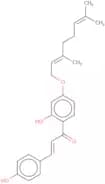
CAS:4'-Geranyloxyisoliquiritigenin is a prenylated chalcone, which is naturally derived from certain plants, especially those belonging to the Fabaceae family. It is a bioactive compound that emerges from the prenylation of isoliquiritigenin, a chalcone found in licorice root. This modification enhances the lipophilicity and bioavailability of the molecule.
Formula:C25H28O4Purity:Min. 95%Molecular weight:392.49 g/molDillenetin
CAS:Dillenetin is a flavonoid compound, which is derived from natural plant sources, particularly found in the genus Dillenia. It exhibits significant bioactivity with a mode of action primarily involving the modulation of cell signaling pathways. Dillenetin is known to bind to specific enzymes and receptors, influencing cellular processes such as proliferation, apoptosis, and oxidative stress responses.
Formula:C17H14O7Purity:Min. 95%Color and Shape:PowderMolecular weight:330.29 g/molNeohesperidin
CAS:Neohesperidin is a flavonoid-based natural sweetener, which is derived from the bitter orange and other citrus fruits. The mode of action of neohesperidin involves its conversion into neohesperidin dihydrochalcone (NHDC), which is an intensely sweet compound. This transformation occurs through hydrogenation, enhancing its sweetening properties. As a sweetener, NHDC exhibits around 1,500 to 1,800 times the sweetness of sucrose depending on the concentration and pH of the medium.
Formula:C28H34O15Purity:Min. 95 Area-%Color and Shape:White PowderMolecular weight:610.56 g/molKaempferol-3-glucoside-7-rhamnoside
CAS:Kaempferol-3-glucoside-7-rhamnoside is a flavonoid glycoside, which is a natural compound found in several plant species, including tea, broccoli, and propolis. It is synthesized through glycosylation, where sugar moieties are enzymatically attached to the kaempferol backbone. This compound is known for its potent antioxidant activity, capable of scavenging free radicals and protecting cells from oxidative stress.
Formula:C27H30O15Purity:Min. 95%Color and Shape:PowderMolecular weight:594.52 g/molCirsimaritin
CAS:Cirsimaritin is a natural product that is classified as a flavonoid, which is derived from various plants, particularly those belonging to the Asteraceae family. As a plant metabolite, Cirsimaritin plays a significant role in the plant’s own defense mechanisms against microbial infections and environmental stressors.
Formula:C17H14O6Purity:Min. 98 Area-%Color and Shape:Yellow PowderMolecular weight:314.29 g/molRef: 3D-FC69723
Discontinued productHinokiflavone pentamethyl ether
CAS:Hinokiflavone pentamethyl ether is a synthetic flavonoid derivative, which is a chemically modified compound sourced from the natural biflavonoid, hinokiflavone. It is characterized by the methylation of phenolic hydroxyl groups, enhancing its stability and solubility. This compound can be derived through organic synthesis techniques involving the catalytic methylation of hinokiflavone.
Formula:C35H28O10Purity:Min. 95%Molecular weight:608.59 g/mol7,8-Dibenzyloxy-4'-methoxyisoflavone
CAS:7,8-Dibenzyloxy-4'-methoxyisoflavone is a synthetic isoflavone derivative, which is a type of organic compound often studied for its potential pharmacological properties. Isoflavones are primarily sourced from certain leguminous plants, where they are naturally occurring phytoestrogens and have been associated with various biological activities.
Formula:C30H24O5Purity:Min. 95%Molecular weight:464.51 g/molPrunetin
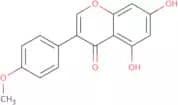
CAS:Prunetin is a naturally occurring isoflavone, which is an organic compound derived from plant sources. It is primarily found in legumes and other plant materials where it naturally occurs as part of the plant's phytochemical arsenal. The mode of action of prunetin involves modulating various biochemical pathways, including acting as an antioxidant, influencing estrogenic activity, and affecting cellular signaling pathways. Its biochemical properties allow it to interact with multiple cellular targets, leading to its diverse biological activities.
Formula:C16H12O5Purity:Min. 95%Color and Shape:Slightly Brown PowderMolecular weight:284.26 g/molKakkatin
CAS:Kakkatin is a natural antimicrobial agent, which is derived from specific plant extracts known for their inherent bioactive properties. It functions by disrupting the cellular membranes of pathogenic microorganisms, leading to their subsequent inactivation. This mode of action is attributed to its unique phytochemical constituents, which interact with microbial cell structures to inhibit growth and proliferation.
Formula:C16H12O5Purity:Min. 95%Molecular weight:284.26 g/molRef: 3D-FK65369
Discontinued productPodocarpusflavone A
CAS:Podocarpusflavone A is a flavonoid compound, which is a type of polyphenolic molecule. It is isolated from the Podocarpus genus, a source known for yielding bioactive phytochemicals. The mode of action of Podocarpusflavone A involves modulation of various cellular signaling pathways, including antioxidative and anti-inflammatory mechanisms, which can influence cell proliferation and apoptosis.
Formula:C31H20O10Purity:Min. 95%Color and Shape:PowderMolecular weight:552.48 g/molRef: 3D-FP74971
Discontinued productLupinisoflavone D
CAS:Lupinisoflavone D is a bioactive isoflavone compound, which is derived from natural plant sources, specifically belonging to the lupin species. This compound is meticulously extracted and characterized through advanced chromatographic and spectroscopic techniques, commonly sourced from Lupinus albus or other related legumes, where it is naturally present in small quantities.
Formula:C20H18O7Purity:Min. 95%Molecular weight:370.35 g/molKaempferol 7-O-neohesperidoside
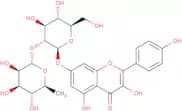
CAS:Kaempferol 7-O-neohesperidoside is a flavonoid glycoside, which is commonly derived from various plant sources, including fruits, vegetables, and certain herbs. This compound is part of the broader flavonoid family, known for their bioactive properties, and can be extracted using advanced chromatographic techniques.
Formula:C27H30O15Purity:Min. 95 Area-%Color and Shape:PowderMolecular weight:594.52 g/molTaxifolin 3-O-rhamnoside
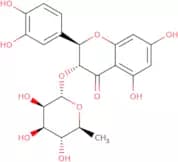
CAS:Taxifolin 3-O-rhamnoside is a natural flavonoid glycoside, which is primarily sourced from certain plant species, including members of the Pinaceae family. This compound is recognized for its unique chemical structure, comprising taxifolin attached to a rhamnose sugar moiety. Its mode of action predominantly involves the scavenging of free radicals, thanks to its potent antioxidant properties. Taxifolin 3-O-rhamnoside exhibits the ability to neutralize reactive oxygen species, thereby contributing to the protection of cellular components from oxidative stress.
Formula:C21H22O11Purity:Min. 95%Color and Shape:PowderMolecular weight:450.39 g/molRef: 3D-FT65587
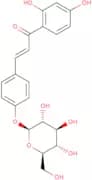
Discontinued productNeoisoliquiritin
CAS:Neoisoliquiritin is a bioactive flavonoid glycoside, which is a derivative of isoliquiritin. It is primarily sourced from the roots of Glycyrrhiza species, commonly known as licorice plants. This compound is formed through the natural modifications of flavonoids within the plant, involving glycosylation processes that enhance its solubility and stability.
Formula:C21H11O9Purity:Min. 95%Color and Shape:PowderMolecular weight:418.39 g/molRef: 3D-FN74246
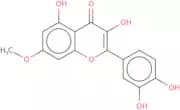
Discontinued product7-O-Methyl quercetin
CAS:7-O-Methyl quercetin is a flavonoid derivative, which is a naturally occurring compound found in several plant species, often referred to as a methylated form of the flavonoid quercetin. It is primarily sourced from plants such as onion, green tea, and various berries, where it serves diverse ecological roles, including defense mechanisms against herbivores and pathogens.
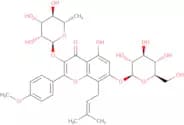
Formula:C16H12O7Purity:90%Color and Shape:PowderMolecular weight:316.26 g/molIcariin
CAS:Icariin is a bioactive flavonoid compound, which is primarily derived from plants in the genus Epimedium, commonly known as Horny Goat Weed. This compound is a prenylated flavonol glycoside that is found in varying concentrations depending on the specific species of Epimedium used. Icariin exerts its effects through multiple biochemical pathways, most notably by inhibiting phosphodiesterase type 5 (PDE5), which leads to an increase in nitric oxide levels and the subsequent vasodilation of blood vessels.
Formula:C33H40O15Purity:Min. 95%Color and Shape:Slightly Yellow PowderMolecular weight:676.66 g/molRef: 3D-MI08119
Discontinued productCannflavin B
CAS:Cannflavin B is a specialized flavonoid compound, which is a secondary metabolite derived from Cannabis sativa. It exhibits a distinct mode of action as a potent anti-inflammatory agent. Cannflavin B exerts its effects through the inhibition of pro-inflammatory mediators such as prostaglandins and leukotrienes. These biochemical pathways are typically linked with the cyclooxygenase (COX) and lipoxygenase (LOX) enzymes, and Cannflavin B effectively interferes with these enzymatic processes to reduce inflammation at the molecular level.
Formula:C21H20O6Purity:Min. 95 Area-%Color and Shape:PowderMolecular weight:368.38 g/molRef: 3D-XC176307
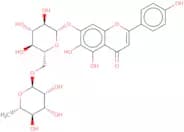
Discontinued productScutellarein 7-O-rutinoside
CAS:Scutellarein 7-O-rutinoside is a flavonoid glycoside, which is a type of organic compound found predominantly in various plant species. This compound is mainly extracted from plants such as Scutellaria and Verbena, known for their rich flavonoid content. Its mode of action involves modulating various cellular pathways due to its antioxidant properties, which can scavenge free radicals and reduce oxidative stress in biological systems.
Formula:C27H30O15Purity:Min. 95%Molecular weight:594.52 g/molRhamnetin 3-rhamnoside
CAS:Rhamnetin 3-rhamnoside is a flavonoid glycoside, which is a type of polyphenolic compound typically found in plants. It is primarily derived from natural sources such as fruits, vegetables, and certain medicinal plants, where it often contributes to the plant's natural defense mechanisms. The compound acts as a potent antioxidant due to its capability to scavenge free radicals, thereby protecting cells from oxidative stress and potential damage.
Formula:C22H22O11Purity:Min. 95%Molecular weight:462.4 g/mol