Nucleotides
Subcategories of "Nucleotides"
Found 2637 products of "Nucleotides"
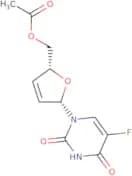
1-(5-O-Acetyl-2,3-dideoxy-ß-L-glycero-pent-2-enofuranosyl)-5-fluorouracil
CAS:1-(5-O-Acetyl-2,3-dideoxy-ß-L-glycero-pent-2-enofuranosyl)-5-fluorouracil is a modified nucleoside analog with structural alterations that enhance its biological properties and stability. The compound features 5-fluorouracil as the nucleobase, a fluorinated pyrimidine often used in chemotherapy due to its ability to interfere with DNA replication. The sugar component is 2,3-dideoxy-β-L-glycero-pent-2-enofuranose and has a specific glycerol and enol configuration, which alters its interactions with enzymes involved in nucleic acid metabolism. The compound includes a 5-O-acetyl protecting group at the 5'-position, which shields the hydroxyl group during synthesis.
Formula:C11H11FN2O5Purity:Min. 95%Molecular weight:270.21 g/mol2'-O-Methyladenosine 5'-triphosphate lithium salt - 100 mM aqueous solution
CAS:2'-O-Methyladenosine 5'-triphosphate lithium salt - 100 mM aqueous solution is a modified nucleoside that has antiviral, anticancer, and antimalarial properties. It also has been shown to activate DNA synthesis and inhibit the growth of cancer cells.Formula:C11H18N5O13P3·xLiPurity:Min. 95%Color and Shape:PowderMolecular weight:521.21 g/mol2',3'-Dideoxyadenosine-5'-monothiophosphate
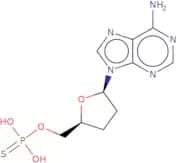
CAS:2',3'-Dideoxyadenosine-5'-monothiophosphate is a nucleoside for use in research applicationsFormula:C10H14N5O4PSPurity:Min. 95%Color and Shape:Clear liquid.Molecular weight:331.29 g/mol2'-C-Methyladenosine 5'-triphosphate triethyl ammonium salt - Aqueous solution
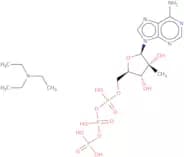
CAS:2'-C-Methyladenosine 5'-triphosphate triethyl ammonium salt is a synthetic nucleotide analog of adenosine triphosphate (ATP), modified at the 2'-carbon of the ribose ring. This molecule has potential applications in biochemical, enzymatic, and antiviral research, particularly in studies involving RNA synthesis and viral RNA polymerases.
Formula:C35H79N9O13P3Purity:Min. 95%Color and Shape:Colorless PowderMolecular weight:926.98 g/molFludarabine
CAS:Fludarabine is a purine analog and works by interfering with DNA synthesis, which helps to stop the growth of cancer cells.Formula:C10H12FN5O4Purity:Min. 95%Color and Shape:White PowderMolecular weight:285.23 g/mol2'-Deoxy-5-hydroxymethyluridine-5'-triphosphate triethylammonium
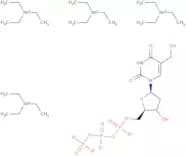
CAS:2'-Deoxy-5-hydroxymethyluridine-5'-triphosphate triethylammonium salt (dHMUTP) is a noncompetitive inhibitor of transcriptase activity. It inhibits the synthesis of DNA by binding to RNA polymerase on the template strand, thereby blocking the progress of the enzyme along the DNA. This drug has been shown to be effective in inhibiting viral production and growth in mammalian cells, as well as cancer cell culture. Dihydrofolate reductase is required for dHMUTP to function, and it is metabolized in vivo through hydrolysis by glycosylases or antineoplastic properties by nucleotide excision repair enzymes. These enzymes are present in human cells but absent in bacteria and yeast. The drug also has antineoplastic properties due to its ability to inhibit tumor cell proliferation.Formula:C10H16N2O15P3·C6H16NPurity:Min. 70 Area-%Color and Shape:PowderMolecular weight:599.36 g/mol6-Thioguanosine
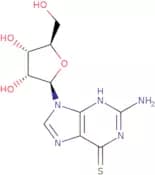
CAS:6-Thioguanosine is a purine analog that is used in the treatment of skin cancer and bowel disease. It has been shown to be an inhibitor of leukemia cells and also inhibits the growth of colon cancer cells. 6-Thioguanosine binds to the rate constant for uridine phosphorylation, which prevents the production of DNA. This drug also has an anti-inflammatory effect on bowel disease, which may be due to its ability to inhibit bcl-2 protein expression. 6-Thioguanosine is a fluorescent derivative that can be used as a substrate for x-ray diffraction data or as a biological sample in biological studies.Formula:C10H13N5O4SPurity:Min. 95%Color and Shape:Slightly Yellow Slightly Green PowderMolecular weight:299.31 g/mol5,6-Dihydro-2'-deoxyuridine
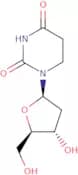
CAS:5,6-Dihydro-2'-deoxyuridine (dUrd) is a pyrimidine nucleoside that is an important component of DNA. It is phosphorylated by deoxyribonucleoside kinase to form dUrd monophosphate. This compound has been shown to inhibit the activity of catalase and other enzymes that hydrolyze hydrogen peroxide, indicating it may have antiviral properties. The enzyme activities of 5,6-dihydro-2'-deoxyuridine on simplex virus type 1 have been studied in vitro using lymphoblastoid cells. In these studies, the compounds was found to inhibit viral growth and terminate replication. 5,6-Dihydro-2'-deoxyuridine also inhibits the synthesis of DNA by inhibiting oxidative deamination reactions and termini formation in herpes simplex virus type 1. This drug has also been shown to inhibit amine oxidases in hepFormula:C9H14N2O5Purity:Min. 95%Color and Shape:PowderMolecular weight:230.22 g/mol2'-Deoxy-5-ethynylcytidine
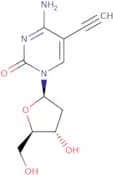
CAS:2'-Deoxy-5-ethynylcytidine is a cytosine analog that inhibits the synthesis of viral DNA and the production of new virus particles. It has been shown to inhibit herpes simplex virus type-1 (HSV-1) in cell cultures, as well as other viruses such as vaccinia and adenovirus. 2'-Deoxy-5-ethynylcytidine has also been shown to have anti-cancer properties in animal studies. This drug binds to the cellular nucleic acid, preventing transcription of viral genes into messenger RNA and preventing protein synthesis, thereby inhibiting replication of the virus. 2'-Deoxy-5-ethynylcytidine also inhibits the synthesis of cellular DNA by binding to nuclear DNA. 2'-Deoxy-5-ethynylcytidine is an analog of cytosine that binds to dna polymerase and prevents it from adding on new nucleotides, which blocks viral reproduction.Formula:C11H13N3O4Purity:Min. 95%Color and Shape:PowderMolecular weight:251.24 g/mol2'-Deoxy-5-iodouridine
CAS:2'-Deoxy-5-iodouridine (IDU) is a nucleoside that inhibits viral replication by inhibiting the synthesis of viral DNA. IDU has been shown to be a potent inhibitor of murine sarcoma virus and human immunodeficiency virus (HIV). IDU also has inhibitory properties on axonal growth, which may be due to its ability to inhibit DNA polymerase II. 2'-Deoxy-5-iodouridine is biocompatible, non-toxic, and can be used in high concentrations without any acute toxicities.Formula:C9H11IN2O5Purity:Min. 95%Color and Shape:PowderMolecular weight:354.1 g/mol2'-Deoxy-8-oxo-adenosine
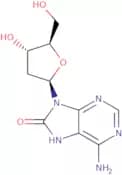
CAS:2'-Deoxy-8-oxo-adenosine is a nucleoside that is a hydrogen bond donor. It is an analogue of adenosine, and has been shown to inhibit the growth of breast cancer cells. 2'-Deoxy-8-oxo-adenosine reacts with the enzyme dATP pyrophosphohydrolase to form 8-oxo-2'-deoxyadenosine, which inhibits mitochondrial DNA synthesis by preventing the incorporation of inorganic phosphate into mitochondrial DNA. This process leads to reduced ATP production, leading to cell death. The reactive properties of 2'-Deoxy-8-oxo-adenosine make it suitable for use as a probe molecule in chemical biology, as well as in biochemical studies on human serum.
Formula:C10H13N5O4Purity:Min. 95 Area-%Color and Shape:PowderMolecular weight:267.25 g/mol8-Thioguanosine
CAS:8-Thioguanosine is a purine derivative with reactive chlorine atoms. It has been shown to be a potent inhibitor of cellular targets, including monoclonal antibodies, growth factors, and transcription-polymerase chain reactions (PCR). 8-Thioguanosine binds to the antibody response by modulating the function of the B cells. This drug also has immunomodulatory effects that have been shown in animal models. 8-Thioguanosine is used as an immunosuppressant in patients undergoing bone marrow transplants and solid organ transplants.Formula:C10H13N5O5SPurity:Min. 95%Color and Shape:White PowderMolecular weight:315.3 g/mol2',3'-Dideoxy-3'-fluorouridine
CAS:2',3'-Dideoxy-3'-fluorouridine is a synthetic analog of uridine with chemical modifications that disrupt RNA and DNA synthesis. Because of this, it’s often studied or used as an antiviral or anticancer agent.Formula:C9H11FN2O4Purity:Min. 95%Color and Shape:White PowderMolecular weight:230.2 g/mol3'-O-Methyluridine
CAS:3'-O-Methyluridine is a nucleoside that is used in the preparation of oligonucleotides and as a substrate for uridine phosphorylase. It is used to study the termination of RNA synthesis, which occurs when there are no more ribose residues in the RNA template strand. When this happens, an adenosine residue is added by polyphosphate kinase to the 3' end of the RNA strand. This addition causes a release of pyrophosphate and leads to end of DNA synthesis. The acid hydrolysis technique can be used to separate 3'-O-methyluridine from other nucleotides. This reaction produces guanosine, which can be detected using polymerase chain reaction (PCR) techniques such as polyacrylamide gel electrophoresis (PAGE).
Formula:C10H14N2O6Purity:Min. 95%Color and Shape:White PowderMolecular weight:258.23 g/molRibavirin 5'-monophosphate dilithium
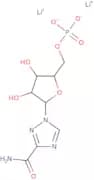
CAS:Ribavirin is a synthetic nucleoside analog that is used as an antiviral agent. Ribavirin 5'-monophosphate dilithium (RPM) is a high-quality, novel phosphoramidite monophosphate of ribavirin. It has antiviral activity against herpesviruses, adenoviruses, and poxviruses. The antiviral properties of RPM are due to its ability to inhibit viral RNA synthesis through inhibition of the viral enzyme ribonucleotide reductase. RPM is also active against DNA viruses such as human papilloma virus and Epstein-Barr virus.Formula:C8H11Li2N4O8PPurity:Min. 95 Area-%Color and Shape:PowderMolecular weight:336.05 g/mol3'-Deoxyadenosine
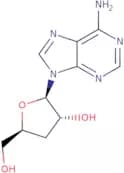
CAS:3'-Deoxyadenosine is a nucleoside that is an inhibitor of adenylate cyclase. It has been shown to inhibit the growth of mouse tumor cells and induce apoptosis in HL-60 cells. 3'-Deoxyadenosine inhibits the production of pro-apoptotic protein, which may be due to its ability to activate toll-like receptor 4. 3'-Deoxyadenosine also has strong anti-inflammatory properties and can be used for the treatment of infectious diseases caused by bacteria, such as Mycobacterium tuberculosis or Streptococcus pyogenes. 3'-Deoxyadenosine binds to DNA polymerases and inhibits the replication of DNA by blocking the incorporation of deoxynucleotides into DNA. This compound has been shown to have thermodynamic data consistent with a stable secondary structure at high temperatures.br>Formula:C10H13N5O3Purity:Min. 98 Area-%Color and Shape:White PowderMolecular weight:251.25 g/mol2',3'-Dideoxy-3'-fluoro-a-uridine
CAS:2',3'-Dideoxy-3'-fluoro-a-uridine is a synthetic nucleoside analog. This compound is a modified version of uridine. The 2' and 3' hydroxyl groups on the sugar molecule are replaced with hydrogen atoms, and a fluorine atom replaces the hydrogen at the 3' position. This molecule has potential antiviral acitivty and can be used in research applications.Formula:C9H11FN2O4Purity:Min. 95%Color and Shape:White PowderMolecular weight:230.19 g/molD3-Thymidine
CAS:Controlled ProductD3-Thymidine is a substance that is formed from the monosaccharide galactose and has been used in biochemical studies. D3-Thymidine has been used as a marker for the damaged DNA of viruses, such as herpes simplex virus type 1, and for the DNA of tumor cells. It has also been used to study the effects of protonation on its function. D3-Thymidine is an unlabeled thymidine derivative that was studied using dichroism spectroscopy. This technique showed that this molecule can exist either in a single form or in two forms with different shapes, depending on its microenvironment. D 3 -thymidine was first synthesized by Dr. Gertrude Buechner at the University of Wisconsin–Madison in 1957. In her experiments, she found that this molecule could be produced by hydrolyzing 2-deoxy-D-ribose with 3 molar equivalents of ammonFormula:C10H11N2O5D3Purity:Min. 95%Color and Shape:PowderMolecular weight:245.25 g/mol2',3',5'-Tri-O-benzoyluridine
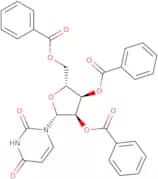
CAS:2',3',5'-Tri-O-benzoyluridine is a protected form of the nucleoside uridine. Uridine is a pyrimidine nucleoside consisting of uracil as the nitrogenous base and a ribose sugar linked via a β-N-glycosidic bond at the 1′ position. The hydroxyl groups on the ribose (at positions 2′, 3′, and 5′) are protected with benzoyl groups (–O–CO–C₆H₅).Formula:C30H24N2O9Purity:Min. 95%Color and Shape:White PowderMolecular weight:556.52 g/mol3-Deazauridine
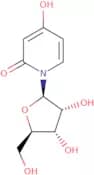
CAS:3-Deazauridine is a uridine analog that inhibits the synthesis of DNA, RNA, and protein. It has been shown to inhibit the activity of 3-deazauridine synthetase in HL-60 cells. 3-Deazauridine also has significant cytotoxicity against colorectal adenocarcinoma cells and synergistic effects when used with other chemotherapeutic agents. The mechanism of action of 3-deazauridine is similar to that of other enzyme inhibitors, such as glycosidic bond formation or competitive inhibition. The sample preparation for this drug is complicated by its insolubility in water.Formula:C10H13NO6Purity:Min. 97 Area-%Color and Shape:White PowderMolecular weight:243.21 g/mol7-Deaza-2',3'-dideoxy-7-iodoguanosine
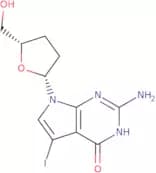
CAS:7-Deaza-2',3'-dideoxy-7-iodoguanosine is a nucleoside analog that inhibits the synthesis of DNA by inhibiting the activity of DNA polymerase. It is used to treat HIV and other viral infections. The compound is also active against cancer cells and has been shown to inhibit the growth of leukemia cells. 7-Deaza-2',3'-dideoxy-7-iodoguanosine is modified with an iodine atom at the 7 position and has a novel structure. This compound is used in biological research as a substrate for the preparation of phosphate esters such as phosphoramidites for use in oligonucleotide synthesis.Formula:C11H13N4O3IPurity:Min. 95%Color and Shape:White/Off-White SolidMolecular weight:376.15 g/mol5'-O-Trityl-2,3'-anhydrothymidine
CAS:5'-O-Trityl-2,3'-anhydrothymidine is a nucleoside analogue that inhibits HIV reverse transcriptase by binding to the enzyme and preventing RNA chain elongation. The compound is a potent inhibitor of HIV in cell cultures and has been shown to be active against a variety of HIV isolates. 5'-O-Trityl-2,3'-anhydrothymidine has also shown antiviral activity against other RNA viruses such as SARS coronavirus and influenza virus.Formula:C29H26N2O4Purity:Min. 95%Molecular weight:466.53 g/mol3'-Amino-3'-deoxy-5'-O-DMT-thymidine
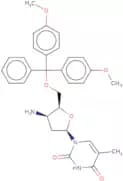
CAS:3'-Amino-3'-deoxy-5'-O-DMT-thymidine is a specifically designed building block for introducing a 3'-amino group into oligonucleotides, primarily at the 3' terminus. The DMT protecting group facilitates incorporation during standard solid-phase synthesis, and the 3'-amino group provides a versatile handle for post-synthetic modifications and conjugations.
Formula:C31H33N3O6Purity:Min. 95%Color and Shape:PowderMolecular weight:543.61 g/mol8-Chloroinosine
CAS:Metabolite of 8-ChloroadenosineFormula:C10H11ClN4O5Purity:Min. 95%Color and Shape:PowderMolecular weight:302.67 g/mol2'-Deoxy-5'-O-DMT-uridine
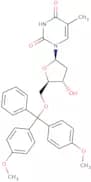
CAS:2'-Deoxy-5'-O-DMT-uridine is a bifunctional drug that has both antibacterial and anticancer activity. This drug is used to treat leishmania infections, which are caused by protozoan parasites. 2'-Deoxy-5'-O-DMT-uridine suppresses the growth of these organisms by inhibiting RNA synthesis and protein synthesis. It also inhibits proliferation of cancer cells in vivo by targeting cancer cells with high levels of primary amines. 2'-Deoxy-5'-O-DMT-uridine is an effective chemotherapeutic agent that can be used to treat pancreatic cancers with high rates of primary amines (e.g., insulinoma).Formula:C30H30N2O7Purity:Min. 95%Color and Shape:PowderMolecular weight:530.58 g/mol2'-Deoxy-2',2'-difluoro-a-uridine
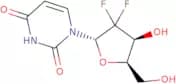
CAS:2'-Deoxy-2',2'-difluoro-a-uridine is a nucleoside analog with modifications on the 2'-carbon of the ribose sugar and the pyrimidine base uracil. This compound is a synthetic derivative of uridine with two fluorine atoms attached to the 2' carbon of the sugar. The α-stereochemistry of the sugar indicates a specific configuration that influences how the molecule behaves in biological systems, including its interaction with enzymes and incorporation into nucleic acids.
Formula:C9H10F2N2O5Purity:Min. 95%Color and Shape:PowderMolecular weight:264.18 g/mol6-Thioguanosine-5'-O-triphosphate sodium - 10mM aqueous solution
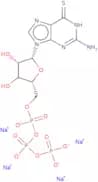
CAS:6-Thioguanosine-5'-O-triphosphate sodium salt is a nucleotide analog that inhibits the synthesis of RNA, DNA and protein. It binds to the guanine nucleotide-binding site on the enzyme RNA polymerase and blocks transcription. This leads to a decreased amount of mRNA, thereby slowing or stopping protein production. 6TGTP also has been shown to be effective in treating cancer as it inhibits enzymes involved in cellular metabolism and induces cell death. 6TGTP has been shown to have no effect on mammalian cells when incubated with 10 mM magnesium ion.Formula:C10H16N5O13P3S•NaxPurity:Min. 95%Color and Shape:PowderMolecular weight:539.25 g/mol3'-Phosphoadenosine 5'-phosphosulfate triethylammnonium
CAS:Universal sulfonate donor for in vivo sulfonation by sulfotransferasesFormula:C10H15N5O13P2S•4C6H15NPurity:Min. 90 Area-%Color and Shape:PowderMolecular weight:912.03 g/mol2'-Deoxy-5'-O-DMT-2'-fluorocytidine
CAS:2'-Deoxy-5'-O-DMT-2'-fluorocytidine is a novel nucleoside analog. It acts as an activator of the enzyme ribonucleotide reductase, which is essential for DNA synthesis and repair. 2'-Deoxy-5'-O-DMT-2'-fluorocytidine has antiviral activity against herpes simplex virus type 1 (HSV-1) and herpes simplex virus type 2 (HSV-2). This compound also inhibits the growth of various tumor cell lines in culture, including human leukemia cells. In addition, 2'-Deoxy-5'-O-DMT-2'-fluorocytidine has been shown to have antiinflammatory effects in animal studies.Formula:C30H30FN3O6Purity:Min. 95%Color and Shape:White to off-white solid.Molecular weight:547.59 g/mol5'-O-DMT-thymidine
CAS:5’-O-DMT-thymidine is also known as 5’-O-(4,4’-dimethoxytrityl)thymidine. It is a key deoxynucleoside building block that is protected with a dimethoxytrityl group in the 5-O-position of the deoxy-ribose moiety, leaving the 3-hydroxyl free for modification. It is used a convenient starting point for nucleotide synthesis. 5’-O-DMT-thymidine can be converted into 3’-O-phosphoramidite derivatives for oligonucleotide synthesis. Additionally, 5’-O-DMT-thymidine can be converted into more stable 1-N-protected derivatives.Formula:C31H32N2O7Purity:Min. 98 Area-%Color and Shape:White PowderMolecular weight:544.6 g/mol2-Chloroinosine
CAS:2-Chloroinosine is a synthetic nucleoside analog derived from inosine, in which a chlorine atom is substituted at the 2-position of the purine base (hypoxanthine). This modifcation causes altered reactivity and can be used in research applicationsFormula:C10H11ClN4O5Purity:Min. 95%Color and Shape:PowderMolecular weight:302.67 g/mol2-Thiothymidine
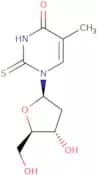
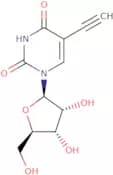
CAS:2-Thiothymidine is a hydrogen bond donor and acceptor that can be used as a substitute for thymine in the synthesis of DNA. 2-Thiothymidine has been shown to have successful in vivo treatment against bladder cancer and skin cells, as well as photochemical properties. It has been shown to inhibit the growth of prostate cancer cells by inhibiting DNA synthesis. 2-Thiothymidine binds to dna duplexes and polymerase chain reactions, which are important for replication of DNA. This drug also inhibits replication by preventing intramolecular hydrogen bonds from forming. 2-Thiothymidine is a nucleoside analog that is substituted for thymine during DNA synthesis. It inhibits the growth of prostate cancer cells by inhibiting DNA synthesis. It binds to dna duplexes and polymerase chain reactions, which are important for replication of DNA. This drug also inhibits replication by preventing intramolecular hydrogen bonds from forming.Formula:C10H14N2O4SPurity:Min. 95%Color and Shape:White PowderMolecular weight:258.3 g/mol5-Ethynyluridine
CAS:5-Ethynyluridine (5-EU) is an uracil analogue functionalized with a terminal alkyne group used for nucleotide, and especially RNA, labelling. 5-EU is cell permeable and is incorporated into RNA during its biosynthesis. The terminal alkyne group in 5-EU can react with azide-functionalised fluorophores or biotine, to form a labelled adduct with a triazole linker.Formula:C11H12N2O6Purity:Min. 98 Area-%Color and Shape:PowderMolecular weight:268.22 g/mol7-Deaza-2’-C-methylinosine
7-Deaza-2’-C-methylinosine is an antiviral agent that inhibits the replication of DNA or RNA. It is a nucleoside analog that can be phosphorylated to form a diphosphate or monophosphate. 7-Deaza-2’-C-methylinosine has been shown to have anticancer effects in vitro and in vivo, as well as inhibit the proliferation of cancer cells. This agent also has novel properties due to the presence of the methyl group at position 2’ on the deoxyribose ring.
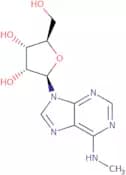
Formula:C11H11N3O6Purity:Min. 95%Color and Shape:PowderMolecular weight:281.22 g/molN6-Methyladenosine
CAS:N6-methyladenosine (m6A) is a modified form of adenosine that contains a methyl group at the N6 position and has a high importance in epigenetics. Among other nucleoside modifications found in mRNA, N6-methyladenosine is the most common and abundant in eukaryotes, and is related to some cancers and viral infections (Huafei, 2020). Moreover, N6-methyladenoside has been reported to regulate RNA abundance in the SARS-CoV-2 infection (Zhang, 2021)
Formula:C11H15N5O4Purity:Min. 98.0 Area-%Color and Shape:White PowderMolecular weight:281.27 g/mol7-Deaza-2'-C-methyladenosine
CAS:Anti-HCV agent; inhibitor of viral RNA polymerases
Formula:C12H16N4O4Purity:Min. 95 Area-%Color and Shape:Off-White PowderMolecular weight:280.29 g/molThymidine-5'-O-(1-thiotriphosphate) lithium salt - 100mM aqueous solution
Thymidine-5'-O-(1-thiotriphosphate) lithium salt is a novel nucleoside analogue that has antiviral and anticancer properties. It can also be used as a building block for the synthesis of other nucleosides. Thymidine-5'-O-(1-thiotriphosphate) lithium salt is synthesized by reacting thymidine with lithium diisopropylamide (LDA). This nucleoside analogue has been shown to inhibit the growth of certain types of cancer cells in vitro, which may be due to its ability to inhibit DNA synthesis and induce apoptosis.Formula:C10H17N2O13P3S•(Li)xPurity:Min. 95%Molecular weight:498.23 g/molp-Topolin riboside
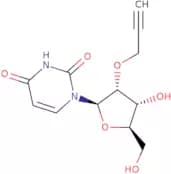
CAS:p-Topolin riboside is a potent antibacterial agent that binds to the receptor binding site of wild-type mice. This hydrogen bond inhibits the activity of cellular p-topolin riboside, which is required for the synthesis of carotenoids and nitro compounds in mitochondria. p-Topolin riboside has been shown to have anti-aging properties and can inhibit locomotor activity in vivo. It has also been shown to have potent antibacterial effects against bacteria such as MRSA, Pseudomonas aeruginosa, and Enterococcus faecalis.Formula:C17H19N5O5Purity:Min. 95%Color and Shape:White PowderMolecular weight:373.36 g/mol2'-O-Propargyluridine
CAS:2'-O-Propargyluridine is a modified nucleoside that is used in anticancer and antiviral drug synthesis. It is also used as an activator for phosphoramidites. 2'-O-Propargyluridine has been shown to have antiviral activity against herpes simplex virus type 1. This compound has also been shown to be active against cancer cells, with the ability to inhibit tumor growth in vitro and in vivo. 2'-O-Propargyluridine has a novel chemical structure and is not found in nature, which makes it difficult for the body's immune system to recognize and attack it.Formula:C12H14N2O6Purity:Min. 95%Color and Shape:White PowderMolecular weight:282.25 g/mol5-Chlorocytidine
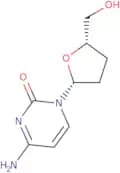
CAS:5-Chlorocytidine is a reactive oxygen species that can be generated by the hypochlorous acid (HOCl) or by atp, which is a nucleotide. 5-Chlorocytidine has been shown to induce apoptosis in virus-infected mammalian cells and macrophage-like cells. It also induces pro-inflammatory cytokines and has potential as a biomarker for leukemia and inflammatory diseases. 5-Chlorocytidine reacts with proteins and lipids in the atherosclerotic lesion to produce other reactive oxygen species, such as hydrogen peroxide, which may lead to cell death.Formula:C9H12ClN3O5Purity:Min. 95 Area-%Color and Shape:White PowderMolecular weight:277.66 g/mol2',3'-Dideoxycytidine
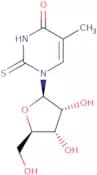
CAS:Anti-viral; reverse transcriptase inhibitorFormula:C9H13N3O3Purity:Min. 98 Area-%Color and Shape:White PowderMolecular weight:211.22 g/mol5-Methyl-2-thiouridine
CAS:5-Methyl-2-thiouridine is a nucleotide that is found in the type strain of Escherichia coli. It has been shown to be an effective inhibitor of protein synthesis, with optimum concentration at 0.1 mM. 5-Methyl-2-thiouridine binds to the ribosome and inhibits its activity. 5-Methyl-2-thiouridine also interacts with human mitochondrial RNA and alters its structure, leading to an antibody response that protects against infection by the bacteria in question. This nucleotide has also been shown to inhibit bacterial growth in wastewater treatment plants. The chemical structures of 5-methyluridine are similar to those of uridine except for a methyl group on the second carbon atom (5 position). The presence of this methyl group confers increased water permeability and decreased kinetic energy on the molecule, which can be detected using nuclear magnetic resonance spectroscopy.
Formula:C10H14N2O5SPurity:Min. 95%Color and Shape:White PowderMolecular weight:274.29 g/mol5-Methyl-2′-O-[2-(methylamino)-2-oxoethyl]-cytidine
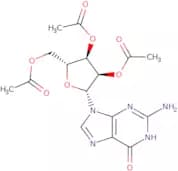
5-Methyl-2′-O-[2-(methylamino)-2-oxoethyl]-cytidine is a nucleoside that is synthesized by phosphoramidite chemistry. It is a novel chemical compound with antiviral, anticancer, and deoxyribonucleoside properties. This nucleoside is modified in the 5′ position with a methyl group and has been shown to have cytotoxic effects on cancer cells.Formula:C13H20N4O6Purity:Min. 95%Molecular weight:328.33 g/mol2',3',5'-Tri-O-acetylguanosine
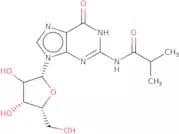
CAS:2',3',5'-Tri-O-acetylguanosine is a protected form of the nucleoside guanosine which has potential application as a synthetic intermediate in nucleic acid and nucleoside chemistry.Formula:C16H19N5O8Purity:Min. 95%Color and Shape:White PowderMolecular weight:409.35 g/molN2-Isobutyryl-9-(b-D-arabinofuranosyl)guanine
N2-Isobutyryl-9-(b-D-arabinofuranosyl)guanine is a monophosphate analog of guanine. It is a novel antiviral agent that inhibits the DNA polymerase and RNA polymerase activities of human immunodeficiency virus (HIV). The drug has a high purity and is available in large quantities.
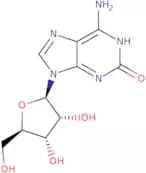
Formula:C14H19N5O6Purity:Min. 95%Color and Shape:PowderMolecular weight:353.33 g/mol9-(b-D-Ribofuranosyl)isoguanine
CAS:9-(B-D-Ribofuranosyl)isoguanine is a purine analogue that is an anti-cancer drug. It has low potency and its biological properties are unknown. It has been shown to be an inhibitor of the polymerase chain reaction in vitro, but it is unclear if this activity will translate to in vivo models. 9-(B-D-Ribofuranosyl)isoguanine is structurally similar to pyrazole, which also inhibits the polymerase chain reaction in vitro. A recent study found that 9-(B-D-Ribofuranosyl)isoguanine may act as a toll-like receptor agonist and suppress lipopolysaccharide (LPS)-induced inflammation in mice, which suggests that this drug may have anti-inflammatory properties.
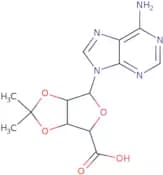
Formula:C10H13N5O5Purity:Min. 95%Color and Shape:PowderMolecular weight:283.25 g/mol5'-Carboxy-2',3'-O-isopropylideneadenosine
CAS:5'-Carboxy-2',3'-O-isopropylideneadenosine is a novel deoxyribonucleoside. It has high purity and high quality, good stability, and a low price. This product can be used as the raw material for synthesis of DNA, RNA, and phosphoramidites. It is an anticancer drug and antiviral agent that can be used to synthesize new drugs. It also has strong anti-inflammatory properties.Formula:C13H15N5O5Purity:Min. 95%Color and Shape:PowderMolecular weight:321.3 g/molPseudouridine-5'-triphosphate trisodium salt - 100mM aqueous solution
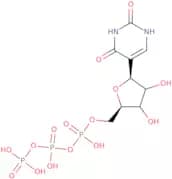
CAS:Pseudouridine-5'-triphosphate trisodium salt (PUR) is a nucleoside analogue that inhibits the synthesis of RNA. PUR is also a potent inhibitor of DNA synthesis and can be used to inhibit angiogenesis. PUR has been shown to have an effect on vascular endothelial cells, platelets, and cancer cells in vitro. This drug targets the vessels and other target cells such as those found in cardiovascular diseases, ovary, and cancer. PUR has been shown to be effective in vivo studies using mice models for the treatment of osteogenic sarcoma.Formula:C9H12N2O15P3Na3Purity:Min. 95 Area-%Color and Shape:Colorless PowderMolecular weight:550.09 g/molPseudouridine 5'-monophosphate disodium
CAS:Pseudouridine monophosphate disodium is an intermediate in the synthesis of uridylate, a nucleotide that is important for RNA and DNA synthesis. It is synthesized by the enzyme synthetase, which uses ATP as a phosphate donor. The enzyme has been found in rat liver microsomes and cell nuclei. Pseudouridine 5'-monophosphate disodium has an activity index of 2-3 and can be used to prepare samples for analysis by spectroscopy or chromatography. In addition, it has been shown to have biological properties such as anti-inflammatory activities and disease activity against inflammatory bowel diseases (IBD).
Formula:C9H13N2O9P•Na2Purity:Min. 95%Color and Shape:PowderMolecular weight:370.18 g/mol2-Deoxycytidine 3',5'-diphosphate sodium salt
CAS:Please enquire for more information about 2-Deoxycytidine 3',5'-diphosphate sodium salt including the price, delivery time and more detailed product information at the technical inquiry form on this pageFormula:C9H15N3O10P2•xNaPurity:Min. 95%Color and Shape:PowderMolecular weight:479.14 g/molN1,O2'-Dimethyladenosine
CAS:N1,O2'-Dimethyladenosine is a monophosphate that is an antiviral agent. It has been shown to be a potent activator of the tRNA synthetase enzyme and also inhibits viral DNA synthesis. This drug is synthesized from diphosphate and phosphoramidites. N1,O2'-Dimethyladenosine has been shown to be highly active against viruses such as HIV-1, HIV-2, and HCV. It is also used in the production of modified nucleosides for use in synthetic constructs with therapeutic applications.
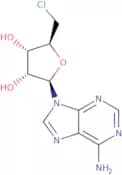
Formula:C12H17N5O4Purity:(%) Min. 95%Color and Shape:PowderMolecular weight:295.29 g/mol5'-Chloro-5'-deoxyadenosine
CAS:Adenosine analog
Formula:C10H12ClN5O3Purity:Min. 98 Area-%Color and Shape:White PowderMolecular weight:285.69 g/molN3-Methyluridine
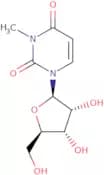
CAS:N3-Methyluridine is a monosodium salt of N3-methyluridine, which is an analogue of uridine. It is a nucleoside that is used as a precursor for RNA synthesis. In the body, N3-methyluridine is converted to uridine and then phosphorylated to form UMP. The phosphate group on UMP can be hydrolyzed by the enzyme kinase in order to produce ATP. N3-Methyluridine has been shown to be a potential biomarker for metabolic disorders and drug interactions with drugs such as loperamide, which inhibit mitochondrial function by inhibiting the enzyme p2y receptors.Formula:C10H14N2O6Purity:Min. 95%Color and Shape:White PowderMolecular weight:258.23 g/mol1-(2'-Deoxy-2'-fluoro-b-D-arabinofuranosyl)cytosine HCl
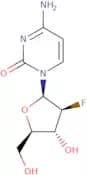
CAS:1-(2'-Deoxy-2'-fluoro-b-D-arabinofuranosyl)cytosine HCl is a nucleoside analog for research applications. It contains a β-D-arabinofuranose sugar and a fluorine (F) at the 2'-position increases resistance to enzymatic degradation and alters its biological activity. The presence of the cytosine nucleobase allows it to mimic natural cytidine and be incorporated into DNA and the HCl salt form improves solubility and stability.Formula:C9H12FN3O4·HClPurity:Min. 95%Color and Shape:PowderMolecular weight:281.67 g/molCytidine 5'-diphosphate ethanolamine disodium
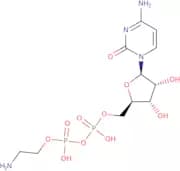
CAS:Cytidine 5'-diphosphate ethanolamine disodium salt (CDP-ethanolamine) is a nucleotide that is synthesized in the cytosol. It is a precursor for the synthesis of phosphatidylethanolamines, which are important components of cell membranes. CDP-ethanolamine has been shown to be an inhibitor of enzymes, such as diacylglycerol acyltransferase and acetyl-CoA carboxylase. This inhibition leads to lower cellular levels of diacylglycerols and fatty acids, which may be beneficial for metabolic disorders such as hepatic steatosis and bowel disease.Formula:C11H18Na2N4O11P2Purity:Min. 95 Area-%Color and Shape:White To Off-White SolidMolecular weight:490.21 g/mol5-Methyl-2′-O-[2-(methylamino)-2-oxoethyl]uridine
CAS:5-Methyl-2′-O-[2-(methylamino)-2-oxoethyl]uridine (5MeUrd) is a diphosphate nucleoside that has been modified with a methyl group on the 2′ position. It is a novel, high quality, synthetic nucleoside with antiviral and anticancer properties. 5MeUrd is structurally similar to uridine and cytidine, which are deoxyribonucleosides. The phosphoramidite of 5MeUrd can be used for the synthesis of DNA, RNA, or monophosphate nucleosides in vitro. 5MeUrd has been shown to inhibit human leukemia cells and cancer cell lines in vitro by inhibiting DNA synthesis.Formula:C13H19N3O7Purity:Min. 95%Molecular weight:329.31 g/molPyrimidine-4-carboxylic acid methyl ester
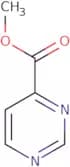
CAS:The pyrimidine-4-carboxylic acid methyl ester is a neutralized derivative of the natural amino acid pyrimidine-4-carboxylic acid. It can be metabolized in vivo to the active form, bleomycin. The neutralized form is useful for the synthesis of betaines and other compounds. This product is also used as an intermediate in the synthesis of metastable carbenes that are difficult to synthesize by other means. Pyrimidine-4-carboxylic acid methyl ester has been used as a reagent in mass spectrometry to identify isotopomers and isomers. It can also be used as a precursor for chemical transfer reactions with carbenes.Formula:C6H6N2O2Purity:Min. 95%Color and Shape:PowderMolecular weight:138.12 g/mol5-Methylcytidine-5'-monophosphate
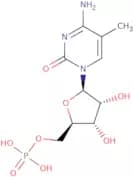
CAS:5-Methylcytidine-5'-monophosphate is a nucleotide that is an intermediate in the synthesis of DNA. It is a neutral form and has been sequenced. 5-Methylcytidine-5'-monophosphate is found in cellular components, such as mitochondria and nuclei. The biochemical properties of this molecule are dependent on its methylation state. This molecule also plays a role in mitochondrial functions and nuclear DNA modifications.
Formula:C10H16N3O8PPurity:Min. 95%Color and Shape:White Off-White PowderMolecular weight:337.22 g/molUridine 5'-monophosphate
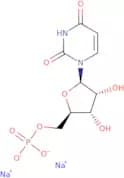
CAS:Uridine 5'-monophosphate (UMP) is a nucleotide that is synthesized from uridine. Uridine 5'-monophosphate has been shown to have anticancer activity in vitro and in vivo, as well as antiviral activity against herpes viruses. UMP has been shown to inhibit the protein synthesis of cells by inhibiting the enzyme activities of DNA polymerase and RNA polymerase. It also inhibits the synthesis of p2y receptors, which are involved in cell proliferation and differentiation. Further studies suggest that UMP may be an effective anti-inflammatory agent due to its ability to decrease prostaglandin production.Formula:C9H13N2O9PPurity:Min. 95%Color and Shape:White Off-White PowderMolecular weight:324.18 g/mol4-Demethylwyosine
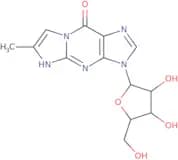
CAS:4-Demethylwyosine is a metabolite found in the bacterium Pyrococcus furiosus. It is an intermediate in the biosynthesis of 2-amino-3,5-dimethyoxybenzoic acid. 4-Demethylwyosine has been shown to inhibit cancer cell proliferation by inhibiting the synthesis of lysine residues and base formation. This inhibition may be due to its methyl transferase activity, which leads to decreased levels of methionine, or it may be due to its ability to act as a carboxylate group donor. 4-Demethylwyosine has also been shown to bind with DNA and RNA, regulating posttranscriptional processes such as protein translation and transcription.Formula:C13H15N5O5Purity:Min. 80 Area-%Color and Shape:PowderMolecular weight:321.29 g/mol2',3'-O-Isopropylideneguanosine
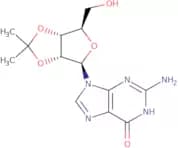
CAS:2',3'-O-Isopropylideneguanosine is a nucleoside for use in research applicationsFormula:C13H17N5O5Purity:Min. 95%Color and Shape:White Off-White PowderMolecular weight:323.31 g/mol8-Hydroxyadenosine
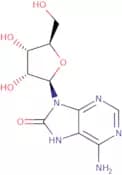
CAS:8-Hydroxyadenosine (8-OHdG) is a purine nucleoside that is formed as a result of oxidative DNA damage. It is not an essential metabolite because it can be synthesized de novo. 8-OHdG has been shown to have potent anti-tumor activity in vitro and in vivo, which may be due to its ability to inhibit DNA replication. The biological effects of 8-OHdG are attributed to its ability to form hydrogen bonds with guanine residues in the double helix, and electrochemical detectors have been developed for its detection.Formula:C10H13N5O5Purity:Min. 98 Area-%Color and Shape:PowderMolecular weight:283.25 g/mol2'-O-Methylcytidine-5'-triphosphate sodium salt - 100mM aqueous solution
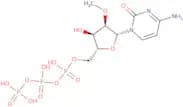
CAS:2'-O-Methylcytidine-5'-triphosphate sodium salt is a synthetic, modified nucleoside analog. It can be used as an antiviral agent and anticancer drug to inhibit viral replication and tumor growth. 2'-O-Methylcytidine-5'-triphosphate sodium salt has the ability to activate cellular DNA synthesis. This compound also inhibits RNA polymerase activity in cancer cells, which inhibits the production of proteins vital for cell division. 2'-O-Methylcytidine-5'-triphosphate sodium salt can be used as a phosphoramidite building block for the synthesis of oligonucleotides with novel structures.Formula:C10H18N3O14P3·xNaPurity:Min. 95%Color and Shape:Clear LiquidMolecular weight:497.18 g/molPoly(2'-O-Methyladenosine 5'-monophosphate) sodium
CAS:Please enquire for more information about Poly(2'-O-Methyladenosine 5'-monophosphate) sodium including the price, delivery time and more detailed product information at the technical inquiry form on this page
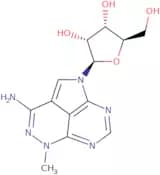
Formula:(C11H16N5O7P)x•NaxPurity:Min. 95%Triciribine
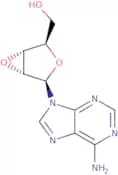
CAS:Protein kinase B inhibitor;Formula:C13H16N6O4Purity:Min. 95%Color and Shape:White/Off-White SolidMolecular weight:320.3 g/mol2',3'-Anhydroadenosine
CAS:2',3'-Anhydroadenosine is a nucleoside for a range of applicationsFormula:C10H12N2O5Purity:Min. 95%Color and Shape:PowderMolecular weight:240.21 g/mol1'-13CUridine
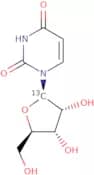
CAS:1'-13CUridine is a nucleoside analog attached to an isotopeFormula:CC8H12N2O6Color and Shape:PowderMolecular weight:245.19 g/molN1-Methyladenosine-5’-monophosphate
CAS:The N1-methyladenosine is a reversible modification in tRNA, mRNA and long non-coding RNAFormula:C11H16N5O7PPurity:Min. 95%Color and Shape:PowderMolecular weight:361.25 g/molKinetin riboside
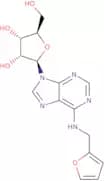
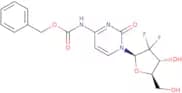
CAS:Kinetin is a plant hormone that regulates cell proliferation and differentiation. Kinetin riboside is a derivative of kinetin in which the ribose moiety has been converted to ribosyl-ribitol. Kinetin riboside has shown the ability to inhibit cancer cells by inducing apoptosis, which may be related to its ability to inhibit cyclin D2 and mitochondrial membrane potential. In addition, kinetin riboside has been shown to protect against oxidative stress and decrease mitochondrial function in cells. This compound may have therapeutic potential for cancer treatment and other diseases caused by oxidative stress or mitochondrial dysfunction.Formula:C15H17N5O5Purity:Min. 98 Area-%Color and Shape:White PowderMolecular weight:347.33 g/molN-Cbz gemcitabine
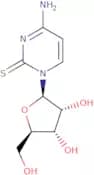
CAS:N-Cbz gemcitabine is a novel nucleoside analog that is chemically modified to be activated by enzymes in the cell. It has been shown to have high purity and high quality. In addition, N-Cbz gemcitabine is an anticancer drug that is most effective against cells with a low number of nucleotides per cell. This drug has shown antiviral properties and is used for the treatment of HIV/AIDS patients.Formula:C17H17F2N3O6Purity:Min. 95%Color and Shape:Off-White To Yellow SolidMolecular weight:397.33 g/mol2-Thiocytidine
CAS:2-Thiocytidine is a nucleoside that is an intermediate in the synthesis of thiamine. It has been shown to be effective in the treatment of prostate cancer cells, which may be due to its ability to inhibit protein synthesis. 2-Thiocytidine binds to the catalytic site of ribonucleotide reductase (RR) and inhibits the enzyme's activity, thereby inhibiting DNA synthesis. This drug also has been shown to inhibit crosslinking caused by UV light or other agents that generate reactive oxygen species. 2-Thiocytidine binds to the active site of RR and prevents the formation of the enzyme-substrate complex. This binding prevents reduction of ribose into ribonucleotides and inhibits DNA synthesis.
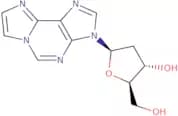
Formula:C9H13N3O4SPurity:Min. 95%Color and Shape:Yellow PowderMolecular weight:259.28 g/molN6-Etheno 2'-deoxyadenosine
CAS:N6-Etheno 2'-deoxyadenosine is a nucleoside analogue that inhibits DNA synthesis by binding to the enzyme thymidylate synthase, which catalyzes the conversion of deoxyuridine monophosphate to thymidine monophosphate. This drug has been shown to be genotoxic in vitro and in vivo, as evidenced by its ability to induce chromosomal aberrations in cultured human lymphocytes and disrupt DNA replication in mammalian cells. It also reacts with mismatched base pairs and dna duplexes, leading to their degradation. N6-Etheno 2'-deoxyadenosine binds reversibly to antibodies and can be detected using an analytical method that employs monoclonal antibodies.Formula:C12H13N5O3Color and Shape:White Off-White PowderMolecular weight:275.26 g/mol2′-O-(2-Methoxy-2-oxoethyl)-5-methyl-uridine
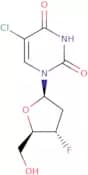
CAS:2′-O-(2-Methoxy-2-oxoethyl)-5-methyl-uridine is a nucleoside that can be used as an anticancer drug and antiviral agent. It has shown potent in vitro cytotoxic activity against human leukemia cells and other cancer cell lines, including breast, prostate, ovarian, and colon cancers. 2′-O-(2-Methoxy-2-oxoethyl)-5-methyl-uridine also has good antiherpetic potential. This compound is a novel and synthetic nucleoside with high purity, high quality, and excellent stability. It is soluble in water, methanol, ethanol, acetone, acetonitrile; slightly soluble in chloroform; insoluble in ether or hexane. CAS No. 149301-23-5Formula:C13H18N2O8Purity:Min. 95%Molecular weight:330.29 g/mol5-Chloro-2',3'-dideoxy-3'-fluorouridine
CAS:5-Chloro-2',3'-dideoxy-3'-fluorouridine is a nucleoside analog that inhibits the replication of HIV by competing with other nucleosides for incorporation into viral DNA, thereby inhibiting the production of new viruses. This drug has been shown to have an inhibitory effect on the replication of HIV and has been approved as an antiretroviral agent. 5-Chloro-2',3'-dideoxy-3'-fluorouridine is active against most HIV strains and is able to suppress viral load in patients with chronic hepatitis B or C. It also inhibits the hepatic metabolism of drugs metabolized by cytochrome P450 enzymes, such as CYP3A4 inducers. The effective dose for this drug ranges from 100 mg to 200 mg per day.
Formula:C9H10ClFN2O4Purity:Min. 95 Area-%Color and Shape:White PowderMolecular weight:264.64 g/mol2-Amino-6-chloro-9-(2',3',5'-tri-O-acetyl-b-D-ribofuranosyl)purine
CAS:2-Amino-6-chloro-9-(2',3',5'-tri-O-acetyl-b-D-ribofuranosyl)purine is a protected nucleoside analog.In this compound the sugar’s hydroxyl groups are acetylated to make it chemically stable and reactive in nucleoside chemistry.Purity:Min. 95%2′-O-[2-(Methylamino)-2-oxoethyl]adenosine
CAS:2′-O-[2-(Methylamino)-2-oxoethyl]adenosine is a nucleoside that can be used as an anticancer, antiviral, and anticoagulant. It is synthesized from the natural nucleosides adenosine and cytidine. 2′-O-[2-(Methylamino)-2-oxoethyl]adenosine has been shown to inhibit the growth of tumor cells in vitro. This compound also inhibits viral replication by inhibiting DNA synthesis through inhibition of ribonucleotide reductase and deoxyribonucleotide reductase. 2′-O-[2-(Methylamino)-2-oxoethyl]adenosine is phosphorylated by ATP to produce 2′-O-[2-(methylamino)-2-oxoethyl]adenosinophosphate (AMP). AMP then binds to the purinergic receptor P1, which leads toFormula:C13H18N6O5Purity:Min. 95%Molecular weight:338.32 g/mol1-(3',5'-Di-O-benzoyl-2'-deoxy-2'-fluoro-β-D-arabinofuranosyl)-5-iodouracil
1-(3',5'-Di-O-benzoyl-2'-deoxy-2'-fluoro-b-D-arabinofuranosyl)-5-iodouracil is a modified nucleoside analog for research applications. It contains a uracil base with an iodine atom, a fluorinated sugar that produces increased metabolic stability and benzoyl-protecting groups at the 3'- and 5'-hydroxyl positions, commonly used in nucleoside synthesis.Purity:Min. 95%N6-Benzoyl-2'-O-methyladenosine
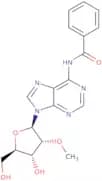
CAS:N6-Benzoyl-2'-O-methyladenosine is a nucleoside that is chemically synthesized. It has been shown to be an inhibitor of the polyhedrosis virus, which causes an infectious disease in silkworms. N6-Benzoyl-2'-O-methyladenosine also inhibits viral replication by interfering with the synthesis of messenger RNA. This compound can be used as a silver nitrate or silver salt prodrug for treating diseases caused by viruses and bacteria. This drug is not active against DNA viruses because it does not possess phosphate groups on its structure.Formula:C18H19N5O5Purity:Min. 95%Color and Shape:PowderMolecular weight:385.37 g/mol2'-Deoxy-2'-fluoroadenosine-5'-triphosphate tetralithium salt
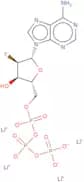
CAS:2'-Deoxy-2'-fluoroadenosine-5'-triphosphate tetralithium salt (FdATP) is a competitive inhibitor of ATP. It inhibits the synthesis of RNA, DNA, and protein in cell culture at high concentrations. FdATP is also an analog of adenosine triphosphate (ATP), which is needed for cellular energy production. The competitive inhibition of ATP by FdATP prevents the formation of a phosphorylated enzyme that is required for the initiation of DNA synthesis. This can lead to cell death, as the cells cannot produce proteins required for growth and replication.Formula:C10H11FN5O12P3•Li4Purity:Min. 95%Color and Shape:PowderMolecular weight:532.9 g/mol2'-Deoxyadenosine monohydrate
CAS:2'-Deoxyadenosine monohydrate (2'-dA) is an adenosine nucleotide that is synthesized by the enzyme adenosine kinase. It is a competitive inhibitor of phosphodiesterase and inhibits the activity of this enzyme, which breaks down cyclic nucleotides to their corresponding monophosphate form. This leads to elevated levels of cAMP, which can cause neuronal death by apoptosis. 2'-dA has been shown to have sublethal effects on neurons at concentrations that are below those required for neuronal death and apoptosis. This may be due to its ability to inhibit the synthesis of ATP, thereby limiting the production of phosphoryl groups from ATP. The inhibition of ATP synthesis also reduces the amount of energy available for other processes within cells.
Formula:C10H13N5O3•H2OPurity:Min. 98 Area-%Color and Shape:PowderMolecular weight:269.26 g/mol5'-O-tert-Butyldiphenylsilyl-thymidine
CAS:5'-O-tert-Butyldiphenylsilyl-thymidine (TBS-T) is a class of nucleoside that is synthesized by condensation of two molecules of 5'-O-tert-butyldiphenylsilyl-2',3'-dideoxyuridine (TBDPS) and N6-benzoyladenine. TBS-Ts are used in the synthesis of phosphorothioate oligodeoxynucleotides. They have been shown to be useful as activators for the formation of phosphite linkages at the 3' terminus of DNA oligonucleotides. TBS-T is also used in other applications, such as the preparation of diastereomerically pure nucleosides for use in chemical reactions.
Formula:C26H32O5N2SiPurity:Min. 95%Color and Shape:White PowderMolecular weight:480.63 g/molThymidine 3′-monophosphate disodium
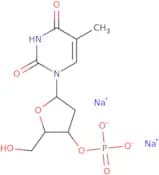
CAS:Thymidine 3′-monophosphate disodium is a chemotherapeutic agent that has been shown to have antiviral and anticancer properties. It is a nucleoside analogue, which mimics the structure of thymidine and inhibits DNA synthesis by interfering with the DNA replication process. Thymidine 3′-monophosphate disodium is also used as an activator in the synthesis of deoxyribonucleosides and ribonucleosides. This product is synthetic, high quality, and not chemically modified. It has CAS number 68698-19-1 and molecular weight of 242.06 g/mol.
Formula:C10H15N2O8P•Na2Purity:Min. 95%Color and Shape:PowderMolecular weight:368.19 g/mol5'-O-DMT-thymidine 3'-O-succinate triethylammonium salt
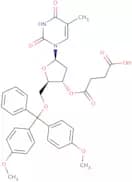
CAS:5'-O-DMT-thymidine 3'-O-succinate triethylammonium salt is a novel antiviral agent that inhibits viral replication by competing with natural nucleosides for incorporation into the viral DNA or RNA. The 5'-O-DMT group prevents the elimination of thymidine from the monophosphate form. This product has a high purity and quality, as well as potent antiviral activity against HIV and other viruses.Formula:C35H36N2O10·xC6H15NPurity:Min. 95%Color and Shape:PowderMolecular weight:745.86 g/mol2-Methylthioadenosine
CAS:2-Methylthioadenosine is a purine nucleoside which induces necrotic cell death. It is the first of its kind to be shown to have activity against squamous carcinoma cells, and is activated by nucleoside phosphorylase in order to produce its cytotoxic form. 2-Methylthioadenosine also inhibits the transcription-polymerase chain reaction and increases oxidative injury. This drug has been shown to have receptor activity in brain cells, as well as chemotactic activity for gland cells. 2-Methylthioadenosine has been used as a model organism for polymerase chain reactions, and has been shown to inhibit p2y receptors in the human colon cancer cell line HT29.
Formula:C11H15N5O4SPurity:Min. 95%Color and Shape:White Off-White PowderMolecular weight:313.34 g/mol5'-O-(4,4'-Dimethoxytrityl)adenosine
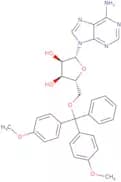
CAS:5'-O-(4,4'-Dimethoxytrityl)adenosine is a phosphoramidite that can be used as an activator for the synthesis of DNA. It is also used in the preparation of modified nucleosides and has anticancer activity. 5'-O-(4,4'-Dimethoxytrityl)adenosine is a modified ribonucleoside with high quality and high purity. This product has been shown to have antiviral activity against HIV-1.
Formula:C31H31N5O6Purity:Min. 95 Area-%Color and Shape:White Off-White PowderMolecular weight:569.61 g/mol5'-Deoxy-5-fluorocytidine
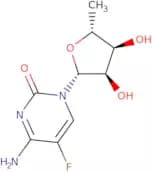
CAS:5'-Deoxy-5-fluorocytidine is a cytosolic nucleoside analogue that is phosphorylated by cellular enzymes to the active form 5'-deoxy-5-fluorouridine monophosphate. It is a prodrug, which is activated in the body to release 5-FU and inhibits the growth of cancer cells. 5'-Deoxy-5-fluorocytidine has been shown to be effective against metastatic colorectal cancer in humans and resistant breast cancer in mice. The drug can also be used as an oral prodrug for 5-FU, which has a wide therapeutic index and low toxicity. Studies have shown that it selectively inhibits proliferation of solid tumours through inhibition of protein synthesis and cell division. The drug also has antiangiogenic effects, which are thought to contribute to its antitumor activity.Formula:C9H12FN3O4Purity:Min. 98 Area-%Color and Shape:White PowderMolecular weight:245.21 g/mol2'-Deoxy-3,5-dimethylcytidine
CAS:2'-Deoxy-3,5-dimethylcytidine is a nucleoside analog that is an activator of the ribonucleotide reductase enzyme. It has been shown to have anticancer properties in vitro and in vivo. 2'-Deoxy-3,5-dimethylcytidine has also been shown to be effective against HIV and herpes virus infections. 2'-Deoxy-3,5-dimethylcytidine is synthesized from deoxyribonucleosides or nucleosides by phosphitylation with phosphoramidites or diphosphates. The CAS number for this product is 198198-29-7.Formula:C11H17N3O4Purity:Min. 95%Color and Shape:PowderMolecular weight:255.27 g/mol2'-O-Methylcytidine
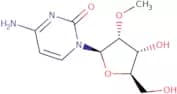
CAS:2'-O-Methylcytidine is a nucleoside with a hydroxyl group on the 2' carbon. The hydroxyl group makes it an effective inhibitor of viral replication, and it has been shown to be active against HIV-1 in cell culture. 2'-O-Methylcytidine is also metabolized by nucleotide salvage pathways, and the metabolic response can be studied using proton nuclear magnetic resonance (NMR) spectroscopy and x-ray diffraction data. It has been found that 2'-O-Methylcytidine inhibits protein synthesis in cancer cells, and this may be due to its ability to bind to the response element on DNA.
Formula:C10H15N3O5Purity:Min. 95%Color and Shape:White PowderMolecular weight:257.24 g/mol4-Hydroxy-6-methylpyrimidine
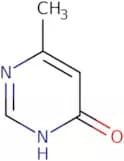
CAS:4-Hydroxy-6-methylpyrimidine (4-OHMP) is a metabolite of trimethyltin. It is formed in the liver by methylation of 4,6-dimethylpyrimidine (4,6-DMPU). The levels of 4-OHMP in urine samples are used to monitor exposure to this agent. The median values for urinary concentrations of 4-OHMP are typically 10 times higher than those found in blood samples. The metabolite can be detected in urine up to 2 weeks after an individual’s last contact with trimethyltin. This compound has been shown to inhibit the synthesis of glycol dimethyl ethers and carbamates.
Formula:C5H6N2OPurity:Min. 95%Molecular weight:110.11 g/molN2,N2,7-Trimethylguanosine
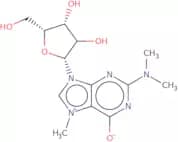
CAS:Trimethylguanosine is a hydrogen-bonded base that is found in the DNA of all living organisms. It has a diagnostic role in cancer and metabolic disorders, as well as in the study of cell culture. Trimethylguanosine can be used to identify cancer cells by measuring its fluorescence properties, which are different from those of healthy cells. This compound also has a role in the diagnosis of metabolic disorders, such as diabetes mellitus and renal disease. Trimethylguanosine is also involved in biological function, and is necessary for the synthesis of proteins and nucleic acids.Formula:C13H20N5O5Purity:Min. 95 Area-%Color and Shape:PowderMolecular weight:326.33 g/molL-Cytidine
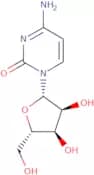
CAS:L-Cytidine is a nucleoside that is found in the body, and is also used as a drug. It is a precursor to other nucleosides, such as cytidine triphosphate, which is involved in DNA synthesis and repair. L-Cytidine has been shown to be effective against HIV infection by inhibiting the activity of the enzyme ns3 protease. This inhibition prevents viral proteins from being released from cells and infecting other cells. L-Cytidine has also been shown to be an inhibitor of creatine kinase and glycosidation, two enzymes that are necessary for cell metabolism. L-Cytidine has also been shown to be reactive with halides, which may lead to unwanted side effects.
Formula:C9H13N3O5Purity:Min. 95%Color and Shape:PowderMolecular weight:243.22 g/mol2'-Deoxy-5'-O-DMT-cytidine
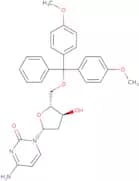
CAS:2'-Deoxy-5'-O-DMT-cytidine is an organic compound. It is a synthetic, combinational and amine nitrogen containing heterocyclic compound that is used in organic synthesis. This chemical is also used as a building block for the synthesis of heterocyclic compounds with other functional groups such as thionyl, formulae, chlorides and hydrogen atoms.Formula:C30H31N3O6Purity:Min. 95 Area-%Color and Shape:White PowderMolecular weight:529.58 g/mol1-(α-D-Ribofuranosyl)uracil
CAS:1-(α-D-Ribofuranosyl)uracil is a nucleoside analog made up of a uracil attached to a ribose sugar at the 1-position, with the sugar in the α configuration. This compound is of interest in biochemistry research and nucleoside chemistry, especially when studying stereochemistry or synthesizing analogs.Formula:C9H12N2O6Purity:(¹H-Nmr) Min. 95 Area-%Color and Shape:PowderMolecular weight:244.2 g/mol2',3'-Dideoxyinosine
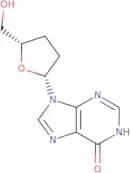
CAS:2',3'-Dideoxyinosine is a purine analog that can suppress human immunodeficiency virus (HIV) replication after intracellular metabolic conversionFormula:C10H12N4O3Purity:Min. 95 Area-%Color and Shape:White Off-White PowderMolecular weight:236.23 g/molUridine 5'-monophosphate disodium salt
CAS:Uridine 5'-monophosphate disodium salt (UDP-MS) is a structural analog of uridine that is used as a dietary supplement. It has been shown to inhibit phosphodiesterases and cyclic nucleotide phosphodiesterases, which are enzymes that degrade the secondary messenger, cyclic adenosine monophosphate (cAMP). This inhibition leads to increased levels of cAMP in cells, which stimulates protein kinase A activity and promotes cellular differentiation. The analysis of UDP-MS has been performed using liquid chromatography with ultraviolet detection.Formula:C9H11N2Na2O9PPurity:Min. 98 Area-%Color and Shape:White Off-White PowderMolecular weight:368.15 g/mol2'-Deoxy-5-formylcytidine
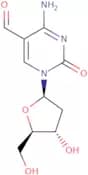
CAS:2'-Deoxy-5-formylcytidine is a nucleoside analog that is used as a chemotherapeutic agent. It is cytotoxic to cells by binding to DNA and preventing the synthesis of DNA, RNA, and protein. The drug has been shown to induce cellular senescence in human fibroblasts, which can be reversed by the addition of deuterium. 2'-Deoxy-5-formylcytidine also inhibits the production of reactive oxygen species (ROS) by inducing the expression of antioxidant enzymes such as superoxide dismutase 2 and glutathione peroxidase 1. The oxidation products are misincorporated into DNA strands, leading to intramolecular hydrogen bonds with cytosine bases. These modifications lead to denaturation of DNA and inhibition of transcription and replication. 2'-Deoxy-5-formylcytidine also interacts with oligodeoxynucleotides, which leads to misincFormula:C10H13N3O5Purity:Min. 97 Area-%Color and Shape:White PowderMolecular weight:255.23 g/mol7-Deaza-2'-deoxyxanthosine
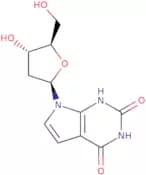
CAS:7-Deaza-2'-deoxyxanthosine is an oligodeoxynucleotide that is a substrate for the enzyme dUTPase. The allyl group on 7-deaza-2'-deoxyxanthosine is used to attach it to the 3' end of DNA, where it acts as a competitive inhibitor of RNA synthesis. The ethyl group at the end of the molecule is used to attach it to the 5' end of DNA, where it inhibits transcription and replication by binding with RNA polymerase. 7-Deaza-2'-deoxyxanthosine has been shown to be effective in preventing stenosis following coronary bypass surgery, as well as in treating heart disease by reducing levels of xanthosine.
Formula:C11H13N3O5Purity:Min. 95%Color and Shape:Beige PowderMolecular weight:267.24 g/molUridine 5'-diphosphate choline ammonium
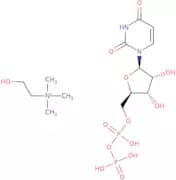
CAS:Uridine 5'-diphosphate choline ammonium salt is a chemical compound that contains two molecules of uridine and one molecule of choline. It is a hexamer with an empirical formula of C6H14N4O13P3. Uridine 5'-diphosphate choline ammonium salt can be found in plants and animals, as well as being synthesized by the human body. This compound is present in the interstitium, which are the spaces between cells, and may play a role in the nutritional status of humans.Formula:C14H28N4O12P2Purity:Min. 90 Area-%Color and Shape:PowderMolecular weight:506.34 g/mol2'-Deoxy-2'-fluoroinosine
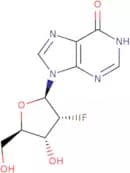
CAS:2'-Deoxy-2'-fluoroinosine is a modified nucleoside analog derived from inosine, where the 2' hydroxyl group of the sugar (normally present in ribonucleosides) is replaced with a fluorine atom, and the molecule contains a deoxyribose sugar.Formula:C10H11FN4O4Purity:Min. 95%Color and Shape:White PowderMolecular weight:270.22 g/mol2,4,6-Trichloro-5-methylpyrimidine
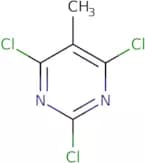
CAS:2,4,6-Trichloro-5-methylpyrimidine is a nucleoside for use in research applicationsFormula:C5H3Cl3N2Purity:Min. 95%Color and Shape:PowderMolecular weight:197.45 g/mol


















![5-Methyl-2′-O-[2-(methylamino)-2-oxoethyl]-cytidine](/_next/image/?url=https%3A%2Fstatic.cymitquimica.com%2Fproducts%2F3D%2Fthumb-webp%2FNM182888.webp&w=3840&q=75)


![5-Methyl-2′-O-[2-(methylamino)-2-oxoethyl]uridine](/_next/image/?url=https%3A%2Fstatic.cymitquimica.com%2Fproducts%2F3D%2Fthumb-webp%2FNM182886.webp&w=3840&q=75)





![2′-O-[2-(Methylamino)-2-oxoethyl]adenosine](/_next/image/?url=https%3A%2Fstatic.cymitquimica.com%2Fproducts%2F3D%2Fthumb-webp%2FNM182883.webp&w=3840&q=75)