Nucleosides
Found 3569 products of "Nucleosides"
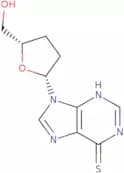
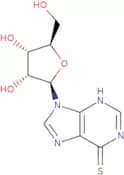
2',3'-Dideoxy-6-thio-inosine
CAS:2',3'-Dideoxy-6-thio-inosine is a nucleoside analog that is used in vitro for the investigation of viral replication. 2',3'-Dideoxy-6-thio-inosine is a potent inhibitor of human immunodeficiency virus type 1 (HIV-1) infection, and has been shown to inhibit the synthesis of viral dna. The in vitro activity of this drug against HIV has been shown to be greater than 200 times more potent than zidovudine or didanosine. 2',3'-Dideoxy-6-thio-inosine also inhibits the growth of some cell lines, including those derived from infected T cells, indicating that it may have cytocidal effects.
Formula:C10H12N4O2SPurity:Min. 95%Molecular weight:252.29 g/mol2'-O-Methylcytidine
CAS:Cis-2'-O-methylcytidine is a modified nucleoside that has shown antiviral and anticancer activity. It is a monophosphate analog of cytidine with high antiviral activity against HIV, HSV-1, HSV-2, EBV, and CMV. Cis-2'-O-methylcytidine also inhibits tumor growth in mice by inhibiting the synthesis of DNA. Cis-2'-O-methylcytidine has been synthesized from ribonucleosides and deoxyribonucleosides to provide high purity and quality.
Formula:C10H15N3O5Molecular weight:257.24 g/molThymidine-3',5'-diphosphate sodium salt
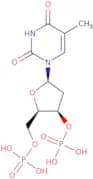
CAS:Thymidine-3',5'-diphosphate sodium salt is a nucleoside that is used in the synthesis of oligonucleotides. It is an antiviral and anticancer agent. Thymidine-3',5'-diphosphate sodium salt has been shown to inhibit DNA synthesis, leading to cell death. It also has been shown to be effective against Hepatitis B virus and HIV-1.
Formula:C10H16N2O11P2·xNaPurity:Min. 98 Area-%Color and Shape:White PowderMolecular weight:402.19 g/molRef: 3D-NT09781
Discontinued product6-Methylpurine-2'-deoxyriboside
CAS:6-Methylpurine-2'-deoxyriboside (6MPdR) is a nucleoside analog that inhibits viral polymerase activity. It is used in the treatment of bowel diseases, such as inflammatory bowel disease and hepatitis C. 6MPdR can be used to treat cancer by inhibiting cellular proliferation and inducing apoptosis. This drug has been shown to inhibit leishmania growth in cell culture. 6MPdR can be administered orally or intravenously, and is pegylated for greater stability in the blood stream.
Formula:C11H14N4O3Purity:Min. 95%Color and Shape:PowderMolecular weight:250.25 g/molRef: 3D-NM46495
Discontinued product3’-Azido-3’-deoxy-2-thiouridine
CAS:3’-Azido-3’-deoxy-2-thiouridine is an antiviral agent that is used to synthesize phosphoramidites for the preparation of modified oligonucleotides. 3’-Azido-3’-deoxy-2-thiouridine has been shown to inhibit cancer growth and induce apoptosis in cancer cells, suggesting that it may have anticancer properties. It is also a novel deoxyribonucleoside that can be used as a building block for the synthesis of ribonucleosides. 3’-Azido-3’-deoxy-2-thiouridine is a high quality product with high purity and excellent activator properties. This product has CAS No. 2305416–00–4 and can be used in pharmaceuticals, biotechnology, and other chemical applications.
Formula:C9H11N5O4SPurity:Min. 95%Molecular weight:285.28 g/mol2'-Deoxy-5'-O-DMT-pseudouridine 3'-CE phosphoramidite
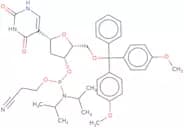
CAS:2'-Deoxy-5'-O-DMT-pseudouridine 3'-CE phosphoramidite is a nucleoside that is used in the synthesis of DNA. It is an antiviral and anticancer agent that has been shown to have anti-inflammatory properties. 2'-Deoxy-5'-O-DMT-pseudouridine 3'-CE phosphoramidite inhibits viral replication by inhibiting the synthesis of viral RNA, which prevents the production of proteins necessary for viral reproduction. The modified monophosphate form of this nucleoside is also a potent inhibitor of cancer cells in vitro and in vivo.
Formula:C39H47N4O8PPurity:Min. 95%Color and Shape:PowderMolecular weight:730.81 g/molRef: 3D-PD09177
Discontinued product6-Thioinosine 5'-monophosphate
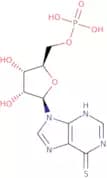
CAS:6-Thioinosine 5'-monophosphate (6TIMP) is a hydrogen bond donor that possesses inhibitory properties against protein synthesis. It has been shown to have an anti-inflammatory effect and can be used for the treatment of inflammatory bowel disease. 6TIMP is also able to inhibit the bcr-abl kinase, which is implicated in the development of renal cell cancer. 6TIMP can be administered intravenously or orally and penetrates tissues well. The rate at which it enters cells is dependent on the transport rate, which is determined by its acidity. 6TIMP has been shown to cause DNA damage, leading to apoptosis and cell death in carcinoma cell lines. The mechanism of action appears to involve inhibition of cellular protein synthesis, acid formation, and DNA damage.
Formula:C10H13N4O7PSPurity:Min. 95%Color and Shape:PowderMolecular weight:364.27 g/molRef: 3D-NT10843
Discontinued product9-(b-D-Arabinofuranosyl)hypoxanthine
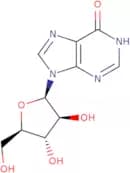
CAS:9-(b-D-Arabinofuranosyl)hypoxanthine is a glycosylated analogue of the incretin hormone glucagon-like peptide-1 (GLP-1). It has been shown to inhibit Streptococcus pyogenes and other bacteria. 9-(b-D-Arabinofuranosyl)hypoxanthine has also been shown to have inhibitory properties against zirconium oxide, pulmonary vasodilation, squamous cell carcinoma, and rate constant. This drug has not been studied in clinical trials for antiviral prophylaxis or arabinoside. The only known side effects are drug interactions with cyclin D2 and nitrate reductase.
Formula:C10H12N4O5Purity:Min. 98 Area-%Color and Shape:White PowderMolecular weight:268.23 g/molRef: 3D-NA03401
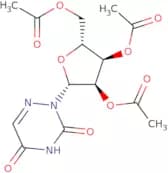
Discontinued product2',3',5'-Tri-O-acetyl-6-azauridine
CAS:2',3',5'-Tri-O-acetyl-6-azauridine is a nucleoside analog for research purposes. The replacement of a carbon atom with a nitrogen atom on the uracil base affects how the molecule interacts with cellular processes. It has the potential to interfere with normal metabolic processes within cells, particularly those related to RNA synthesis. Due to its ability to disrupt cell growth, it could be studied for any potential antiviral or antitumor properties.
Formula:C14H17N3O9Purity:Min. 95%Color and Shape:PowderMolecular weight:371.3 g/mol1-Methylxanthosine
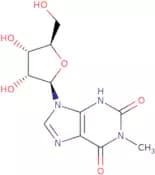
CAS:Controlled Product1-Methylxanthosine is a caffeine derivative that was first isolated from xanthosine in 1887. It is an acidic compound and has been shown to have antiinflammatory effects, which may be due to its inhibition of prostaglandin synthesis. 1-Methylxanthosine has also been shown to have anticarcinogenic properties, possibly through the inhibition of the enzyme nitrous oxide synthase.
Formula:C11H14N4O6Purity:Min. 95%Molecular weight:298.25 g/molDecitabine
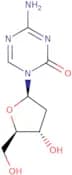
CAS:A synthetic cytosine analogue that incorporates into DNA and prevents DNA methylation via DNA (cytosine-5)-methyltransferase 1 (DNMT1) inhibition. Demonstrated potent anti-leukaemic effects attributed to cell cycle arrest and induction of apoptosis. Has anti-growth effects on solid tumor cell lines.
Formula:C8H12N4O4Purity:Min. 98 Area-%Color and Shape:White PowderMolecular weight:228.21 g/mol2'-Deoxy-5'-O-DMT-2'-fluorouridine 3'-CE phosphoramidite
CAS:2'-Deoxy-5'-O-DMT-2'-fluorouridine 3'-CE phosphoramidite is a nucleotide that is used in the synthesis of DNA. It is an organic compound consisting of a molecule with a phosphate group at one end and a ribose sugar at the other. 2'-Deoxy-5'-O-DMT-2'-fluorouridine 3'-CE phosphoramidite is synthesized on a solid support by reacting nucleophilic reagents with the ribonucleoside. This drug has antineoplastic effects, inhibiting cancer cell growth by interfering with the production of ribonucleic acid (RNA) and protein synthesis. Hydrolysis of this drug releases fluorouracil, which inhibits thymidylate synthase, preventing the conversion of dUMP to dTMP, and thus blocking DNA synthesis.
Formula:C39H46FN4O8PPurity:Min. 98 Area-%Color and Shape:PowderMolecular weight:748.78 g/molRef: 3D-PD09874
Discontinued product5-Aminouridine
CAS:5-Aminouridine is an analog of uridine that is used in the synthesis of RNA. It inhibits the synthesis of RNA by viruses, and it may also inhibit the synthesis of RNA by cells, including muscle cells. 5-Aminouridine has been shown to inhibit protein synthesis in muscle cells incubated with orotic acid. The drug may also interact with other drugs metabolized by UDP-glucose pyrophosphorylase, such as carbamazepine and phenytoin. This interaction may lead to decreased serum levels of these drugs following treatment with 5-aminouridine.
Formula:C9H13N3O6Purity:Min. 90 Area-%Color and Shape:PowderMolecular weight:259.22 g/molRef: 3D-NA163143
Discontinued product5-(3-Hydroxypropyn-1-yl)uridine
5-(3-Hydroxypropyn-1-yl)uridine is a modified nucleoside that can be used as an antiviral or anticancer drug. It is an activator of the enzyme ribonucleotide reductase, which converts ribonucleotides to deoxyribonucleotides. 5-(3-Hydroxypropyn-1-yl)uridine has been shown to inhibit the growth of various cancer cells in vitro and in vivo. This drug has also been shown to have antiviral activity against herpes simplex virus type 1 (HSV-1).
Purity:Min. 95%N1,N2,N2-Trimethyl-psi-isocytidine
N1,N2,N2-Trimethylpsi-isocytidine is a novel nucleoside analog that has antiviral, anticancer, and immunosuppressive activities. It is an activator of diphosphate kinase and inhibits the formation of deoxyribonucleotides in DNA synthesis. N1,N2,N2-Trimethylpsi-isocytidine is a modified form of cytidine that contains three methyl groups. This agent has been shown to be active against human leukemic cells and can be used for the treatment of cancer and HIV infections.
Purity:Min. 95%3'-Deoxy-3'-fluoro-5'-O-toluoylcytidine
CAS:3'-Deoxy-3'-fluoro-5'-O-toluoylcytidine is a monophosphate nucleoside of cytidine. It is a phosphoramidite building block for the synthesis of DNA, an antiviral and anticancer agent. 3'-Deoxy-3'-fluoro-5'-O-toluoylcytidine has been shown to inhibit the replication of HIV and herpes simplex virus (HSV) in cell cultures and to induce apoptosis in cancer cells by inhibiting protein synthesis and inducing oxidative stress. This nucleoside is synthesized from deoxythymidine 5' phosphate using phosphorus pentoxide as oxidizing agent, followed by a reaction with toluene. The novel 3'-deoxy-3'-fluoro-5'-O-toluoylcytidine can be used as an activator for other modified nucleotides in DNA synthesis or as scaffold for the
Purity:Min. 95%Nelarabine
CAS:Nelarabine is a drug that prevents the growth of cells by inhibiting the bcr-abl kinase, which is an intracellular target. This drug has been shown to be effective against pediatric patients with t-cell acute lymphoblastic leukemia and adults with chronic myeloid leukemia. Nelarabine has minimal toxicity in humans and is not toxic to healthy cells. It has been shown to have anti-inflammatory properties and may be used as a biomarker for autoimmune diseases. Nelarabine also inhibits angiogenesis, which may be due to its effects on nuclear DNA.
Formula:C11H15N5O5Purity:Min. 95%Color and Shape:White PowderMolecular weight:297.27 g/molRef: 3D-NN26176
Discontinued product2’-Amino-2’-deoxy-β-D-arabinouridine
CAS:2’-Amino-2’-deoxy-β-D-arabinouridine is a modified nucleoside based on uridine, in which the 2'-hydroxyl group of the sugar has been replaced with an amino group, and the sugar itself is arabinose (a stereoisomer of ribose). This compound is of possible interest in nucleic acid chemistry and antisense or RNA-interference research.
Formula:C9H13N3O5Purity:Min. 95%Color and Shape:solid.Molecular weight:243.22 g/molRef: 3D-FA144647
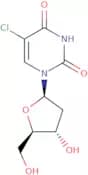
Discontinued product5-Chloro-2'-deoxyuridine
CAS:5-Chloro-2'-deoxyuridine is a nucleoside analog that inhibits DNA synthesis by inhibiting the enzyme thymidylate synthetase. It has been used for the treatment of bladder cancer and may also be beneficial in treating other cancers such as colon cancer. 5-Chloro-2'-deoxyuridine is taken up from the intestine by cells, where it is converted to thymidine monophosphate and then to thymidine diphosphate, which inhibits DNA synthesis by interfering with cell division. The mechanism of action is similar to that of cytosine arabinoside, but it does not require activation by intracellular enzymes. 5-Chloro-2'-deoxyuridine can cause cell lysis and can inhibit protease activity during cell culture, which makes it a useful tool for purifying proteins or peptides. The drug has been shown to be an analog of cytosine arabinos
Formula:C9H11ClN2O5Purity:Min. 98 Area-%Color and Shape:White PowderMolecular weight:262.65 g/molRef: 3D-NC04688
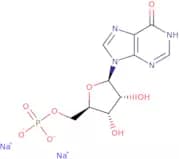
Discontinued productInosine 5'-monophosphate disodium salt hydrate
CAS:Inosine 5'-monophosphate disodium salt hydrate is a nucleotide that is synthesized from adenosine triphosphate in the energy metabolism of cells. It is used as an activator of signal pathways and as a potent inducer of metabolic enzymes. Inosine 5'-monophosphate disodium salt hydrate has been shown to induce bowel disease in mice with experimental colitis, suggesting its utility for treating inflammatory bowel disease. Inosine 5'-monophosphate disodium salt hydrate binds to the ATP-binding site of GTPase, stimulating the hydrolysis of ATP to ADP and phosphate. This reaction causes a conformational change in the enzyme's active site that increases the affinity for GTP by about 10-fold. The binding site is composed of two alpha helices sandwiching a central beta sheet and the catalytic residues are located at both ends of this beta sheet. Structural analysis has revealed that this drug interacts with
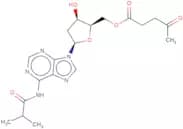
Formula:C10H11N4O8PNa2·xH2OPurity:Min. 99.0 Area-%Color and Shape:White PowderMolecular weight:392.17 g/mol2'-Deoxy-N2-isobutyryl-5'-O-levulinoyladenosine
2'-Deoxy-N2-isobutyryl-5'-O-levulinoyladenosine is a modified nucleoside that has been shown to have anticancer and antiviral properties. It is synthesized as a phosphoramidite, and the synthesis of this compound has been patented internationally. This novel nucleoside is an activator for both DNA and RNA synthesis. The compound also has high purity, high quality, and is readily available to order from the supplier.
Formula:C19H25N5O6Purity:Min. 95%Molecular weight:419.44 g/molN-Pyrrolo-2'-deoxycytidine
CAS:N-Pyrrolo-2'-deoxycytidine is a nucleoside analog that is used in the laboratory as a template for DNA synthesis. It has been shown to be an effective inhibitor of human pathogens. N-Pyrrolo-2'-deoxycytidine binds to DNA and prevents replication by interfering with the binding of the enzyme polymerase to the template strand, which leads to denaturation of the complementary strand and blocking of DNA elongation. This drug has been shown to bind specifically to sequences that are unpaired in duplexes, such as single-stranded telomeres. N-Pyrrolo-2'-deoxycytidine can also be used as a fluorescence probe for detecting dsDNA duplexes.
Formula:C12H15N3O4Purity:Min. 98 Area-%Color and Shape:PowderMolecular weight:265.27 g/molRef: 3D-NP08698
Discontinued product3’-Deoxy-5-methoxyuridine
CAS:3’-Deoxy-5-methoxyuridine is a modified nucleoside that has antiviral and anticancer properties. It is an activator of DNA synthesis, which is the first step in the process of DNA replication. It also inhibits DNA gyrase and topoisomerase II, enzymes that maintain the integrity of bacterial DNA. 3’-Deoxy-5-methoxyuridine phosphoramidites are used in anticancer drugs.
Formula:C10H12N2O6Purity:Min. 95%Molecular weight:258.23 g/mol(2R,3R,4S,5R)-2-(4-Aminothieno[3,4-d]pyrimidin-7-yl)-5-(hydroxymethyl)tetrahydrofuran-3,4-diol
CAS:(2R,3R,4S,5R)-2-(4-Aminothieno[3,4-d]pyrimidin-7-yl)-5-(hydroxymethyl)tetrahydrofuran-3,4-diol is a nucleoside analog for research purposesFormula:C11H13N3O4SPurity:Min. 95%Color and Shape:PowderMolecular weight:283.3 g/molRef: 3D-FA165910
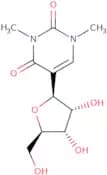
Discontinued product1,3-Dimethylpseudouridine
CAS:1,3-Dimethylpseudouridine is a methylated derivative of pseudouridine, which is a naturally occurring modified nucleoside found in RNA. This compounds can be used in research applications
Formula:C11H16N2O6Purity:Min. 95%Color and Shape:PowderMolecular weight:272.25 g/molRef: 3D-ND162827
Discontinued product4’-C-Methyl-2-thiouridine
CAS:4’-C-Methyl-2-thiouridine is an activator that has anticancer properties. It is a modified nucleoside with antiviral and antifungal activities, which has been shown to inhibit the growth of human tumor cells in vitro. 4’-C-methyl-2-thiouridine is able to inhibit viral replication in vitro and has been shown to be active against herpes simplex virus type 1 (HSV1) and herpes simplex virus type 2 (HSV2). Interestingly, this compound was found to have no effect on the intracellular levels of thymidine kinase or on cellular DNA synthesis.
Formula:C10H14N2O5SPurity:Min. 95%Molecular weight:274.29 g/mol5'-O-Trityluridine
CAS:5'-O-Trityluridine is a nucleoside analogue that has been prepared as an oriented, oxidized, hydrogenated, xylene derivative of uridine. It is composed of ribofuranoside and uridine. The orientation is controlled by the use of trityl groups on the 5' and 3' hydroxyl groups. The alkali metal salt isomers are analysed using HPLC and GC. This compound interacts with phosphotriesters and cyclic phosphodiesters.
Formula:C28H26N2O6Purity:Min. 95%Color and Shape:White Off-White PowderMolecular weight:486.52 g/molRef: 3D-NT06665
Discontinued productFmoc morpholino adenosine monomer
Fmoc-morpholino adenosine monomer is a synthetic nucleoside that is used in the synthesis of oligonucleotides for use as antiviral and anticancer agents. Fmoc-morpholino adenosine monomer has been synthesized by modifying the deoxyribonucleosides, which are then phosphoramidite derivatives of ribonucleosides. This novel chemical compound has shown high activity against DNA-dependent RNA polymerase, suggesting that it may be an effective antiviral agent.
Formula:C34H32ClN7O7PPurity:Min. 95%Color and Shape:PowderMolecular weight:717.09 g/mol1-(3'-Deoxy-3'-fluoro-b-D-xylofuranosyl)cytosine
1-(3'-Deoxy-3'-fluoro-b-D-xylofuranosyl)cytosine is a novel nucleoside that has been synthesized and characterized as a phosphoramidite monophosphate. It is a high purity, synthetic, DNA nucleoside that has shown antiviral and anticancer activities in vitro. 1-(3'-Deoxy-3'-fluoro-b-D-xylofuranosyl)cytosine is an activator of DNA polymerase δ and can be used as a modified nucleotide in nucleic acid synthesis. This compound has the CAS number 4384802-52-5.
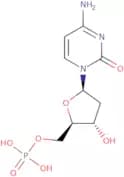
Purity:Min. 95%2'-Deoxycytidine-5'-monophosphate
CAS:2'-Deoxycytidine-5'-monophosphate (dCMP) is a nucleotide that is synthesized by the enzyme cytidine monophosphate synthetase. It has been shown to inhibit the activity of many enzymes, including those involved in DNA synthesis and repair. The incorporation of dCMP into DNA can be used as a probe for studying various biological processes, such as radiation damage and cellular physiology. In addition, it has been shown that dCMP inhibits the growth of human osteosarcoma cells. This drug is also used in combination preparations with other drugs, such as with 5-fluorouracil and doxorubicin, to treat cancer tumors.Formula:C9H14N3O7PPurity:Min. 99 Area-%Color and Shape:White PowderMolecular weight:307.2 g/molRef: 3D-ND02993
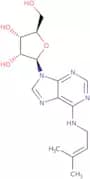
Discontinued product6-(3,3-Dimethylallylamino)-9-(b-D-ribofuranosyl)purine
CAS:6-(3,3-Dimethylallylamino)-9-(b-D-ribofuranosyl)purine is an energy metabolism agent that mimics cytokinin, a plant hormone. It has been shown to affect the angiogenic process and induce apoptosis in HL60 cells through the pro-apoptotic protein Bax. 6-(3,3-Dimethylallylamino)-9-(b-D-ribofuranosyl)purine has also been used as a model system to study the structure of dna, which is important for understanding how it replicates. 6-(3,3-Dimethylallylamino)-9-(b-D-ribofuranosyl)purine is structurally similar to adenosine and binds to the A3 receptor with high affinity. This drug is active as an analogue of adenosine and may be useful for treating diseases such as heart disease or diabetes.Formula:C15H21N5O4Purity:Min. 98 Area-%Color and Shape:White PowderMolecular weight:335.37 g/mol7-Deazaadenosine- 2', 3'- dideoxy- 7[3- (trifluoroacetyl) amino] - 1- propyn- yl
CAS:7-Deazaadenosine is a synthetic nucleoside that is used as an antiviral and antitumor agent. It has been shown to inhibit the growth of cancer cells in vitro and in vivo. 7-Deazaadenosine also has antiviral activity, inhibiting viral DNA synthesis by interfering with the enzyme DNA polymerase. 7-Deazaadenosine has been shown to be more potent than other deoxyribonucleosides against various HIV strains, including HIV-1 group M and HIV-1 group O. This drug was originally developed for use as a chemotherapeutic agent but has since been used as a research reagent for studying the mechanism of action of various drugs on DNA.
Formula:C16H16F3N5O3Purity:Min. 95%Color and Shape:PowderMolecular weight:383.33 g/molRef: 3D-ND156888
Discontinued product9-(3'-O-Methyl-b-D-xylofuranosyl)adenine
9-(3'-O-methyl-β-D-xylofuranosyl)adenine is a synthetic nucleoside that is an activator of viral DNA polymerase. 9-(3'-O-methyl-β-D-xylofuranosyl)adenine is a novel nucleoside that has been shown to be active against both DNA and RNA viruses. This compound also has anticancer activity. 9-(3'-O-methyl-β-D-xylofuranosyl)adenine is the phosphorylated form of adenine and has high purity and quality. The CAS number for this product is 53110-86-2.
Purity:Min. 95%Deoxyribonucleic acid, sodium salt, ex salmon testes
CAS:Deoxyribonucleic acid, sodium salt, ex salmon testes is a natural product that is produced by the electrochemical biosensor. It is used to study the interaction of DNA with carbanion and modified DNA. This product can be immobilized on a substrate to obtain a specific location for analysis. Deoxyribonucleic acid, sodium salt, ex salmon testes has been shown to be effective in catalyzing transfer reactions in aldehydes and nitroaldol reactions.
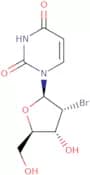
2'-Bromo-2'-deoxyuridine
CAS:2'-Bromo-2'-deoxyuridine is a synthetic nucleoside analog of deoxyuridine, in which the 2'-hydroxyl group of the ribose sugar is replaced with a bromine atom (Br) at the 2' position. This modification allows it to be incorporated into DNA during DNA synthesis, where it can replace the normal thymidine. This molecule can potentially be used in molecular biology and cell biology as a thymidine analog to study DNA replication, cell proliferation, and DNA repair.
Formula:C9H11BrN2O5Purity:Min. 95%Color and Shape:PowderMolecular weight:307.1 g/mol3'-Azido-3'-deoxy-L-uridine
3'-Azido-3'-deoxy-L-uridine is a nucleoside that is a modified form of uridine with an azide group. It has antiviral, anticancer, and novel properties. 3'-Azido-3'-deoxy-L-uridine is synthesized from the corresponding ribonucleosides and diphosphates in high purity and quality. This compound can be used as an antiviral agent in the treatment of AIDS and herpes. It also has anticancer activity, which may be due to its ability to inhibit DNA synthesis or to bind to DNA and induce oxidative stress. 3'-Azido-3'-deoxy-L-uridine is synthesized by the enzymatic conversion of uridines with a monophosphate group at the 3' position into nucleosides with an azide group at the 3' position.
Formula:C9H11N5O5Purity:Min. 95%Molecular weight:269.21 g/molN6-Propargyladenosine-5'-triphosphate sodium salt
N6-Propargyladenosine-5'-triphosphate sodium salt is a phosphoramidite that is useful in the synthesis of oligodeoxyribonucleotides and DNA. This novel nucleotide has been shown to be an activator for mammalian cells and to inhibit tumor growth in mice. N6-Propargyladenosine-5'-triphosphate sodium salt is synthesized by reacting propargylamine with ATP, which produces a novel nucleotide with anti-cancer properties.
Formula:C13H18N5O13P3Purity:Min. 95%Molecular weight:545.23 g/molUDP- β- L- Arabinofuranose
CAS:UDP-β-L-Arabinofuranose is a research tool used in cell biology and pharmacology. It is an activator of ligand binding to receptor, and it binds with high affinity to the ion channels that regulate the flow of ions across the cell membrane. This compound is a ligand for the protein receptor and can be used as an inhibitor for peptide synthesis. UDP-β-L-Arabinofuranose is a high purity product with CAS No. 331001-44-6 and has been shown to inhibit protein interactions in life science experiments.
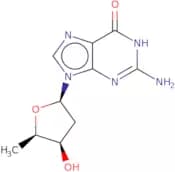
Formula:C14H22N2O16P2Purity:Min. 95%Molecular weight:536.28 g/mol2',5'-Dideoxyguanosine
CAS:2',5'-Dideoxyguanosine is a modified nucleoside analog of guanosine, one of the four natural nucleosides found in RNA and DNA. This synthetic molecule has hydroxyl groups removed from the 2' and 5' positions of the sugar component, which alters its ability to participate in nucleic acid synthesis.
Formula:C10H13N5O3Purity:Min. 97 Area-%Color and Shape:White PowderMolecular weight:251.25 g/molRef: 3D-ND08406
Discontinued product3’,5’-Di-O-Benzoyl-2'-deoxy-2',2'-difluoro-5-methyluridine
CAS:A gemcitabine analogue
Formula:C24H20F2N2O7Purity:Min. 95%Color and Shape:PowderMolecular weight:486.42 g/molRef: 3D-ND01187
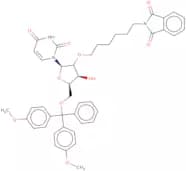
Discontinued product5'-O-DMT-2'-O-hexylphthalimidouridine
5'-O-DMT-2'-O-hexylphthalimidouridine is a novel nucleoside analog with anticancer activity. It is a modified nucleoside that has been synthesized and purified in high purity. 5'-O-DMT-2'-O-hexylphthalimidouridine is an activator of DNA and RNA synthesis and has antiviral properties. It also inhibits the production of tumor necrosis factor alpha (TNFα) by human synovial cells. This compound binds to the RNA polymerase II enzyme, which prevents transcription of genetic material from DNA templates into messenger RNA. This leads to inhibition of protein synthesis and cell death by apoptosis.
Formula:C44H45N3O10Purity:Min. 95%Molecular weight:775.86 g/molRef: 3D-ND08415
Discontinued productGuanosine hydrate
CAS:Blocks glutamatergic activity; neuroprotective
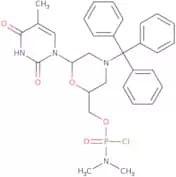
Formula:C10H13N5O5·xH2OPurity:Min. 98 Area-%Color and Shape:PowderMolecular weight:283.24 g/molMorpholino T monomer
CAS:Morpholino T is a modified nucleoside amidite used to prepare morpholino oligomers
Formula:C31H34ClN4O5PPurity:Min. 98 Area-%Color and Shape:White PowderMolecular weight:609.05 g/molRef: 3D-PM137474
Discontinued productN6-Benzoyl-8-hydroxy-2'-O-methyladenosine
N6-Benzoyl-8-hydroxy-2'-O-methyladenosine is a nucleoside analogue that inhibits the replication of RNA and DNA. It is a monophosphate, which can be converted to a diphosphate through phosphorylation. N6-Benzoyl-8-hydroxy-2'-O-methyladenosine has been shown to inhibit cancer cells and may have potential for use in antiviral therapy. This compound was synthesized from 2,4,5,6 tetrahydrobenzyl alcohol and 2'-deoxyadenosine. The CAS number for this compound is 79430-89-1.
Purity:Min. 95%N3-Methyl-5-methyluridine
CAS:N3-Methyl-5-methyluridine is a monophosphate of deoxyribonucleosides, which is a novel and modified nucleotide. It can be used as an antiviral agent and as a reagent in DNA synthesis. N3-Methyl-5-methyluridine is also an activator of ribonucleic acid (RNA) synthesis and has anticancer activity. It can be used for the production of phosphoramidites and DNA synthesis, as well as for the treatment of cancer.
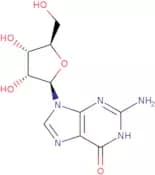
Purity:Min. 95%L-Guanosine
CAS:L-Guanosine is an enantiomer of adenosine. It has been shown to be effective in the treatment of autoimmune diseases and viruses, such as HIV. L-Guanosine is activated by phosphorylation, which leads to its binding with DNA and inhibition of viral replication. L-Guanosine is also a potent inhibitor of mammalian cell proliferation. It binds to the enzyme adenosyltransferase, thereby inhibiting the production of nucleotides, which are necessary for DNA synthesis. This inhibition causes cell death due to lack of DNA synthesis and protein production.
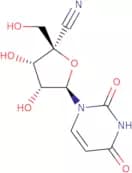
Formula:C10H13N5O5Purity:Min. 95%Color and Shape:White PowderMolecular weight:283.24 g/mol4’-Cyanouridine
CAS:4’-Cyanouridine is a nucleoside that is used in the synthesis of DNA and RNA. It is often used as a precursor in the production of phosphoramidites and nucleosides, which are important for DNA synthesis. 4’-Cyanouridine can be used to inhibit viral replication by blocking the activity of reverse transcriptase, an enzyme required for the synthesis of viral DNA. 4’-Cyanouridine can also be used to treat cancer cells by preventing the growth of cells. This compound has been shown to activate RNA polymerase II, which is required for protein synthesis and cell division. The high purity and novel nature of this product make it ideal for use in research laboratories or other specialized settings where high quality products are required.
Purity:Min. 95%2'-Deoxy-L-adenosine
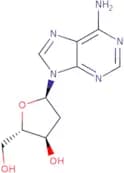
CAS:2'-Deoxy-L-adenosine is an adenosine analogue that has been shown to inhibit the growth of tumor cells in mice. The mechanism of this inhibition is not well understood, but it is thought that 2'-deoxy-L-adenosine inhibits the adenosine A3 receptor and blocks the activation of toll-like receptors. This drug also has been shown to have anti-inflammatory properties, which may be due to its ability to inhibit prostaglandin synthesis. It has been used as a model system for studying cellular responses to DNA damage caused by ultraviolet radiation. 2'-Deoxy-L-adenosine also has been shown to have a cytotoxic effect on human HL60 cells, which is mediated by nuclear DNA fragmentation.
Formula:C10H13N5O3Purity:Min. 98 Area-%Color and Shape:Off-White PowderMolecular weight:251.25 g/molRef: 3D-ND04246
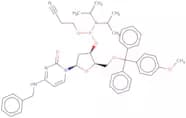
Discontinued productN4-Benzyl-2'-deoxy-5'-O-MMT-cytidine 3'-CE phosphoramidite
N4-Benzyl-2'-deoxy-5'-O-MMT-cytidine 3'-CE phosphoramidite is a monophosphate nucleoside that is used as an activator of anticancer agents, such as cytosine arabinoside. It has been modified to include an N4-benzyl group and a 2'-deoxy-5'-O-methyl moiety at the 5' position. The novel modifications have been shown to improve the efficacy of anticancer drugs against leukemia cells. In addition, it has been shown that this compound is more potent than other phosphoramidites in inhibiting the synthesis of viral RNA and DNA.
Formula:C45H52N5O6PPurity:Min. 95%Molecular weight:789.92 g/molN4-Ethenocytidine
CAS:N4-Ethenocytidine is a nucleoside analogue that has been synthesized and shown to be an effective inhibitor of the hepatitis C virus. N4-Ethenocytidine prevents the synthesis of viral RNA by attacking the 3'-hydroxyl group of uridine, which is involved in the formation of ribonucleotides. This compound can also inhibit rat liver microsomes through a hydrated attack on carbonyl groups. The reaction products are trifluoroacetic acid and chloride ions. N4-Ethenocytidine's fluorescence properties have been used to identify its reaction intermediates, which include uridylic acid and 4-etheno-N6-isopentenyladenosine.
Formula:C11H13N3O5Purity:Min. 95%Color and Shape:White Off-White PowderMolecular weight:267.24 g/molRef: 3D-NE06244
Discontinued product2’-Deoxy-2’-fluoro-N3-(2S)-[2-(tert-butoxycarbonyl)-amino-3-carbonyl]propyluridine
2’-Deoxy-2’-fluoro-N3-(2S)-[2-(tert-butoxycarbonyl)-amino-3-carbonyl]propyluridine is a nucleoside, modified with fluorine at the 2’ position. It is an activator of phosphoramidites in the synthesis of DNA and RNA. This product has shown anticancer activity in vitro. 2'DFNAPU has also been shown to inhibit the replication of HIV virus and herpes simplex virus type 1 in cell culture, which may be due to its ability to inhibit viral DNA polymerase.
Purity:Min. 95%2'-Deoxy-5-methylcytidine
CAS:2'-Deoxy-5-methylcytidine is a nucleoside analogue that inhibits the synthesis of DNA. It prevents methylation of guanine, which disrupts the binding of guanine nucleotide-binding proteins to the dna template and prevents polymerase chain reactions. 2'-Deoxy-5-methylcytidine has been shown to inhibit colon cancer cells in vitro, and may be a potential biomarker for bowel disease. This drug is also a methyltransferase inhibitor, which means it blocks the enzyme responsible for adding methyl groups to cytosine molecules.
Formula:C10H15N3O4Purity:Min. 98 Area-%Color and Shape:White PowderMolecular weight:241.25 g/molRef: 3D-ND06242
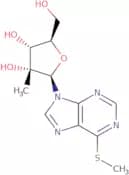
Discontinued product2'-C-Methyl-6-S-methyl-6-thioinosine
CAS:2'-C-Methyl-6-S-methyl-6-thioinosine is a modified nucleoside that can be used as an antiviral and anticancer agent. It has been shown to activate the immune system by inducing cytokine production, which leads to increased cytotoxicity against tumor cells. 2'-C-Methyl-6-S-methyl-6-thioinosine has also been shown to inhibit DNA synthesis and induce apoptosis in cancer cells. This product is of high purity and quality, with a CAS number of 172722-76-8.
Purity:Min. 95%6-O-Methyl-5’(R)-C-methylinosine
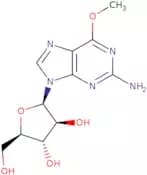
6-O-Methyl-5’(R)-C-methylinosine is a modified nucleoside that is an antiviral agent. It inhibits the synthesis of viral DNA and RNA by inhibiting the activity of ribonucleotide reductase. 6-O-Methyl-5’(R)-C-methylinosine has been shown to inhibit the growth of certain cancer cells and may be useful in treating prostate cancer. This drug has been synthesized from deoxyribonucleosides and diphosphate, which are phosphoramidites that were used as starting materials. 6-O-Methyl-5’(R)-C-methylinosine was first described in a patent in 1979, with CAS number 827076.
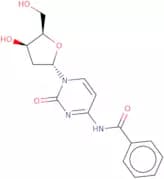
Purity:Min. 95%N4-Benzoyl-2'-deoxy-a-cytidine
CAS:N4-Benzoyl-2'-deoxy-a-cytidine is a novel, modified nucleoside that has shown anticancer and antiviral activity. It is synthesized by the enzymatic oxidation of 2'-deoxyadenosine with benzoyl chloride and sodium bicarbonate. N4-Benzoyl-2'-deoxy-a-cytidine has been shown to activate transcription, increase DNA synthesis, and inhibit virus replication. It also inhibits bacterial growth, but does not appear to have any effect on mammalian cells.Formula:C16H17N3O5Purity:Min. 95%Color and Shape:PowderMolecular weight:331.32 g/molRef: 3D-NB08374
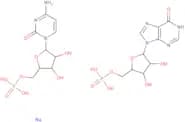
Discontinued productPolyinosinic-polycytidylic acid sodium salt
CAS:Polyinosinic acid-polycytidylic acid (Poly I:C), an agonist of TLR3 toll-like receptors, is a synthetic double-stranded RNA analog, consisting of polyinosinic acid (poly I) paired with polycytidylic acid (poly C), forming a stable duplex structure. PolyI:C stimulates the secretion of pro-inflammatory cytokines and type I interferon through its interaction with endosomal Toll-like receptor 3 (TLR-3) and the cytoplasmic receptors melanoma differentiation-associated gene 5 (MDA-5) and retinoic acid-inducible gene I (RIG-I). This immunostimulant activity makes Poly I:C a useful vaccine adjuvant and is used in vaccine formulations. Poly I:C and its stabilized analogs (e.g., poly-ICLC) are also being actively researched for their dual role in oncology: directly targeting tumors and acting as immune potentiators. For example Poly I:C can induce apoptosis in tumor cells and stimulate immunogenic cell death and is therefore being explored alongside chemotherapy, radiotherapy, and checkpoint inhibitors, helping to overcome resistance mechanisms and strengthen treatment outcomes. We can supply PolyI:C to all stages of your project - from R&D and preclinical phases right up to GMP commercial manufacture. Contact our team for custom Poly I:C products.
For more on poly I:C read out blog 'Poly I:C: A Vaccine Adjuvant With Oncological Potential.'Formula:(C10H13N4O8P)x•(C9H14N3O8P)x•NaxColor and Shape:White PowderRef: 3D-TP36521
Discontinued productN′-[9-(2-Deoxy-2-fluoro-β-D-arabinofuranosyl)-6,9-dihydro-6-oxo-1H-purin-2-yl]-N,N-dimethylmethanimidamide
CAS:Please enquire for more information about N′-[9-(2-Deoxy-2-fluoro-β-D-arabinofuranosyl)-6,9-dihydro-6-oxo-1H-purin-2-yl]-N,N-dimethylmethanimidamide including the price, delivery time and more detailed product information at the technical inquiry form on this page
Formula:C13H17FN6O4Purity:Min. 95%Molecular weight:340.31 g/mol3,N6-Dimethyl-2-deoxyadenosine
3,N6-Dimethyl-2-deoxyadenosine is a synthetic nucleoside that is an activator of DNA polymerase. It has been shown to inhibit the growth of cancer cells and has antiviral properties.
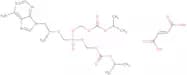
Purity:Min. 95%Tenofovir disoproxil fumarate
CAS:Anti-viral; reverse transcriptase inhibitor
Formula:C23H34N5O14PPurity:Min. 97.5 Area-%Color and Shape:White Off-White PowderMolecular weight:635.52 g/mol7’-Hydroxy-N2-Isobutyryl-N-trityl-morpholino guanine
CAS:N2-Isobutyryl-7’-HO-N-trityl-morpholino guanosine is a novel nucleoside analog that has been synthesized to have an improved pharmacological profile.
Formula:C33H34N6O4Purity:Min. 95%Color and Shape:PowderMolecular weight:578.66 g/mol6-Amino-4-hydroxyamino-2-(b-D-ribofuranosyl)-2H-pyrazolo[3,4-d]pyrimidine
6-Amino-4-hydroxyamino-2-(b-D-ribofuranosyl)-2H-pyrazolo[3,4-d]pyrimidine is a novel synthetic ribonucleotide that inhibits the growth of tumor cells by interfering with DNA synthesis. This compound has been shown to inhibit the replication of HIV and herpes simplex virus type 1. The phosphoramidite monomer is readily available and can be synthesized in high purity and high quality. 6-Amino-4-hydroxyamino-2-(b-D-ribofuranosyl)-2H-pyrazolo[3,4-d]pyrimidine is a modified nucleoside that is activated by phosphorylation at the 5' position. CAS No.: 10266890
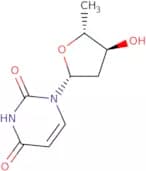
Purity:Min. 95%2',5'-Dideoxyuridine
CAS:2',5'-Dideoxyuridine is a synthetic nucleoside analog derived from uridine, one of the four standard nucleosides found in RNA. It is chemically modified by the removal of hydroxyl (–OH) groups at the 2' and 5' positions of the sugar, altering its ability to participate in RNA or DNA chain formation.
Formula:C9H12N2O4Purity:Min. 95%Color and Shape:White To Off-White SolidMolecular weight:212.21 g/molRef: 3D-ND08409
Discontinued product2'-Deoxy-5-propynyluridine
CAS:2'-Deoxy-5-propynyluridine is a nucleoside that is naturally synthesized in the body. It is an intermediate in the synthesis of pyrimidine nucleotides and has been shown to be useful for the treatment of cardiac arrhythmias. 2'-Deoxy-5-propynyluridine has also been found to have a stabilizing effect on RNA, enhancing its biological relevance. This compound can be used as a fluorescent probe and can be used to study transcriptional regulation mechanisms.
Formula:C12H14N2O5Purity:Min. 95%Color and Shape:PowderMolecular weight:266.26 g/molRef: 3D-ND02838
Discontinued product5'-O-DMT-5-(furan-2-yl)-2'-O-methylcytidine
5'-O-DMT-5-(furan-2-yl)-2'-O-methylcytidine is a novel nucleoside that can be used as a drug for the treatment of cancers. It is an analog of cytidine, which inhibits the synthesis of DNA and RNA, thereby preventing the replication of cancer cells. 5'-O-DMT-5-(furan-2-yl)-2'-O-methylcytidine has been shown to have antiviral activity against HIV and hepatitis B virus in vitro. The compound also has anticancer activity and is a phosphoramidite monophosphate. This compound is soluble in water and is available at high purity with CAS No. 89937-60-4.
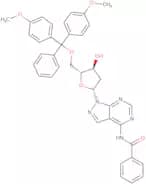
Purity:Min. 95%8-Aza-N6-benzoyl-7-deaza-2'-deoxy-5'-O-DMT-adenosine
CAS:8-Aza-N6-benzoyl-7-deaza-2'-deoxy-5'-O-DMT-adenosine is a nucleoside analog that has been modified by replacing the ribose moiety with deoxyribose. This modification increases its stability in vivo and in vitro. 8-Aza-N6-benzoyl-7-deaza-2'-deoxy-5'-O-DMT adenosine is an activator of DNA polymerase, which can be used to synthesize DNA. It is also an antiviral agent, active against herpes simplex virus type 1 and 2, vaccinia virus, and cytomegalovirus. This compound has shown promising anticancer activity against human breast cancer cells grown in culture.
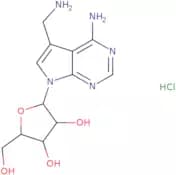
Formula:C38H35N5O6Purity:Min. 95%Molecular weight:657.71 g/mol7-(Aminomethyl)-7-deazaadenosine
CAS:7-(Aminomethyl)-7-deazaadenosine is a nucleoside that has antiviral and anticancer properties. It is a novel compound, and its synthesis involves the use of activated 2′-deoxyribonucleosides. This compound is synthesized by reacting 7-amino-7-deazaguanine with an appropriate phosphoramidite at room temperature in the presence of an activator such as ammonium hydroxide or pyridine. The product can be purified by recrystallization from methanol, followed by chromatography on silica gel using a gradient elution system. The purity of this compound can be determined by HPLC analysis with UV detection at 254 nm.
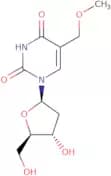
br>br>Formula:C12H17N5O4Purity:Min. 95%Molecular weight:295.29 g/mol5-Methoxymethyl-2'-deoxyuridine
CAS:5-Methoxymethyl-2'-deoxyuridine is an antiviral agent that inhibits viral replication by reacting with the glycosidic bond in the viral enzyme, which prevents the enzyme from functioning and so prevents virus replication. 5-Methoxymethyl-2'-deoxyuridine has been shown to be active against herpes simplex virus, although it is not active against wild-type viruses. This drug has toxic effects on animals, which may be due to its ability to inhibit amino transferase activity, which leads to systemic diseases. It has also been shown that 5-Methoxymethyl-2'-deoxyuridine can be used as a marker for autoimmune diseases.
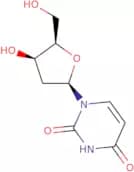
Formula:C11H16N2O6Purity:Min. 95%Color and Shape:PowderMolecular weight:272.25 g/mol2'-Deoxyuridine
CAS:2'-Deoxyuridine (2'-dU) is an intermediate in the synthesis of thymidylate, which is a precursor for DNA synthesis. It can be prepared through high-performance liquid chromatography. 2'-dU has been shown to inhibit the enzymatic activity of enzymes responsible for synthesizing uridine and thymidylate, leading to neuronal death. 2'-dU has also been shown to have a protective effect against mitochondrial dysfunction induced by hydrogen fluoride. It is also known to bind with toll-like receptor 4 (TLR4), which is involved in inflammatory responses. 2'-dU has been used as a fluorescence probe for nucleic acids and as a polymerase chain reaction (PCR) substrate.
Formula:C9H12N2O5Purity:Min. 98 Area-%Color and Shape:White PowderMolecular weight:228.21 g/molRef: 3D-ND06282
Discontinued productN6-Benzoyl-5'-O-trityl-adenosine
N6-Benzoyl-5'-O-trityl-adenosine is a novel nucleoside, which has been synthesized to be a phosphoramidite. It is an anticancer drug that inhibits the growth of tumor cells by competitively inhibiting the synthesis of DNA and RNA. In addition, N6-Benzoyl-5'-O-trityl-adenosine has antiviral properties, which may be due to its ability to inhibit viral DNA polymerase. This compound also shows high purity and quality.
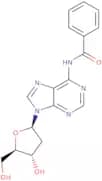
Formula:C36H31N5O5Purity:Min. 95%Molecular weight:613.66 g/molN6-Benzoyl-2'-deoxyadenosine
CAS:N6-Benzoyl-2'-deoxyadenosine (BADA) is a nucleoside analog that is used in the diagnosis of infections caused by bacteria. BADA binds to DNA duplexes and alters their structure, which can be detected using electrophoresis. BADA has been shown to have low bioavailability and is insoluble in water, so it must be administered intravenously. It has also been found to have anti-inflammatory properties, which may be due to its ability to inhibit prostaglandin synthesis.
Formula:C17H17N5O4Purity:Min. 95%Color and Shape:White PowderMolecular weight:355.35 g/mol5'-O-DMT-2'-O-(2-methoxyethyl)-5-methyluridine 3'-CE phosphoramidite
CAS:5'-O-DMT-2'-O-(2-methoxyethyl)-5-methyluridine 3'-CE phosphoramidite is a nucleoside phosphoramidite used as a building block for the introduction of uridine units into oligonucleotides. 5'-O-DMT-2'-O-(2-methoxyethyl)-5-methyluridine 3'-CE phosphoramidite is used for a broad range of applications including the synthesis of natural and unnatural DNA and RNA strands. Phosphoramidites are the reagent class of choice for oligonucleotide synthesis as they contain readily removable orthogonal protecting groups and can be produced at reasonable scales. The diisopropylamino leaving group is readily cleaved upon exposure to an azole catalyst allowing for a highly efficient coupling reaction with a free hydroxyl group on the growing oligonucleotide and oxidation of the subsequent phosphite triester, followed by beta-elimination of the cyanoethyl group affords the stable phosphodiester linkage.
Formula:C43H55N4O10PPurity:Min. 95%Color and Shape:White PowderMolecular weight:818.89 g/molRef: 3D-PD32565
Discontinued product2'-Deoxycytidine
CAS:2'-Deoxycytidine is a deoxyribonucleotide that is used in the synthesis of DNA. It has been shown to have potent antitumor activity against solid tumours and may be useful for the treatment of leukemic mice. This compound has been shown to inhibit the kinase activity of IL-2 receptor and Toll-like receptor, which are proteins that regulate the immune response. 2'-Deoxycytidine also inhibits DNA polymerase activity and thermal expansion, which may make it a good candidate as an anticancer drug.
Formula:C9H13N3O4Purity:Min. 99 Area-%Color and Shape:PowderMolecular weight:227.22 g/mol6-Thioinosine
CAS:6-Thioinosine is a nucleoside analog that is chemically related to 6-mercaptopurine. It inhibits the polymerase chain reaction and has been shown to inhibit aerobic metabolism in aerobacter aerogenes. It also inhibits the growth of hl-60 cells, which are derived from human leukemia cells. 6-Thioinosine has been shown to have anti-inflammatory properties, which may be due to its ability to inhibit prostaglandin synthesis. It also blocks the activity of certain receptors and has a disease activity against infectious diseases such as systemic candidiasis, bacterial endocarditis, and bowel disease.
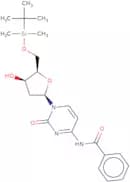
Formula:C10H12N4O4SPurity:Min. 98 Area-%Color and Shape:PowderMolecular weight:284.29 g/molN4-Benzoyl-5'-O-tert-butyldimethylsilyl-2'-deoxycytidine
CAS:N4-Benzoyl-5'-O-tert-butyldimethylsilyl-2'-deoxycytidine is a nucleoside monophosphate with antiviral and anticancer activity. It is used as an activator for the synthesis of oligodeoxynucleotides and may be used in the treatment of herpes zoster, AIDS, or cancer. N4-Benzoyl-5'-O-tert-butyldimethylsilyl-2'-deoxycytidine has a novel structure that is modified from natural nucleosides and has been shown to have high purity.
Purity:Min. 97.0 Area-%Color and Shape:PowderMolecular weight:445.60 g/molRef: 3D-NB08718
Discontinued product5’-Deoxy-5’-iodo-2’-O-methyluridine
CAS:5’-Deoxy-5’-iodo-2’-O-methyluridine is a nucleoside that is modified with the substitution of an iodine atom for a hydrogen atom on the 5′ carbon. It has antiviral and anticancer properties. The high purity and novel structure make this compound useful in DNA synthesis. This product can also be used as a phosphoramidite or deoxyribonucleoside building block in DNA synthesis.
Purity:Min. 95%2-Amino-8-aza-7-deaza-7-iodoguanosine
2-Amino-8-aza-7-deaza-7-iodoguanosine is a deoxyribonucleoside that is structurally related to guanosine and inosine. It is an antiviral agent with high purity and modified properties, which can be synthesized using phosphoramidite chemistry. 2-Amino-8-aza-7-deaza-7-iodoguanosine has shown antiviral activity against herpes simplex virus type 1 (HSV1) in a cell culture assay. The compound also inhibits the growth of HSV1 by suppressing viral DNA synthesis, RNA synthesis, and protein synthesis. This drug may have potential for use as a topical antiviral treatment for HSV1 infections of the skin or mucous membranes such as those in the mouth or genitals.
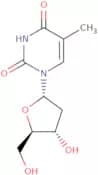
Purity:Min. 95%α-Thymidine
CAS:a-Thymidine is a thymidylate analog that is used as an anti-HIV drug. It is the L-enantiomer of thymidine, which is a nucleoside base in DNA. The biological effects of a-thymidine are due to its ability to be incorporated into DNA and act as a competitive inhibitor of the enzyme protein synthesis. It also has been shown to have antiviral properties against herpes simplex virus type 1 and hepatitis B virus.
Formula:C10H14N2O5Purity:Min. 98 Area-%Color and Shape:PowderMolecular weight:242.23 g/molRef: 3D-NT00283
Discontinued product2-Amino-6-chloro-9-(2’-O-propargyl-b-D-ribofuranosyl)purine
CAS:2-Amino-6-chloro-9-(2'O-propargyl-bDribofuranosyl)purine is a modified nucleoside that has antiviral and anticancer properties. It has been shown to inhibit DNA synthesis in the presence of deoxyribonucleosides, diphosphate, and Nucleosides. The compound was also found to inhibit the replication of herpes simplex virus type 1 (HSV-1) by interfering with viral DNA polymerase and causing chain termination. 2-Amino-6-chloro-9-(2'O-propargyl-bDribofuranosyl)purine is a novel compound that can be used as a high quality pharmaceutical ingredient for cancer treatments.
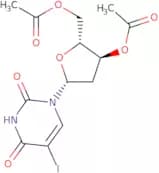
Purity:Min. 95%3',5'-Di-O-acetyl-2'-deoxy-5-iodouridine
CAS:3',5'-Di-O-acetyl-2'-deoxy-5-iodouridine is an inorganic, deoxyribonucleoside. It is the acetyl derivative of 2'-deoxy-5-iodouridine, which is an analog of uracil. 3',5'-Di-O-acetyl-2'-deoxy-5-iodouridine has been shown to have antiviral properties against herpes simplex virus type 1 (HSV1) and herpes simplex virus type 2 (HSV2) in animals. This drug also has antiangiogenic properties, inhibiting the growth of new blood vessels and tissues at the site of a tumour. Studies have shown that 3',5'-di-O acetyl 2'-deoxyuridine can be incorporated into exudates from human cancer patients and can inhibit tumor cell proliferation in vivo.
Formula:C13H15IN2O7Purity:Min. 95%Molecular weight:438.18 g/molN6-Benzoyl-2'-O-methyladenosine
CAS:N6-Benzoyl-2'-O-methyladenosine is a novel nucleoside that has been synthesized by chemical modification of adenosine. It is an activator of the ribonucleotide reductase enzyme and is currently being studied as an anticancer and antiviral agent. N6-Benzoyl-2'-O-methyladenosine has shown antitumor activity against human breast cancer cells in vitro and in vivo, inhibiting tumor growth. It also inhibits the replication of herpes simplex virus type 1 (HSV1) and type 2 (HSV2).
Formula:C18H19N5O5Molecular weight:385.37 g/mol6-Amino-1-(2',3',5'-tri-O-benzoyl-b-D-ribofuranosyl)-4-methoxy-1H-pyrazolo[3,4-d]pyrimidine
6-Amino-1-(2',3',5'-tri-O-benzoyl-b-D-ribofuranosyl)-4-methoxy-1H-pyrazolo[3,4-d]pyrimidine is a deoxyribonucleoside with antiviral activity. It was synthesized by the reaction of 2,3,5'-triacetylpyrazolo[3,4-d]pyrimidinium triflate and bromoacetaldehyde diethyl acetal. The compound has been shown to be an activator of DNA and to inhibit cancer cell growth in vitro. 6ABA is a novel nucleoside that can be used as a base for further modification.
Purity:Min. 95%N6-Benzoyl-5'-O-2'-deoxyadenosine
N6-Benzoyl-5'-O-2'-deoxyadenosine is a modified nucleoside that contains a benzoyl group. This nucleoside has been shown to be an antiviral and anticancer agent, and is also active against herpes simplex virus type 1 (HSV1). N6-Benzoyl-5'-O-2'-deoxyadenosine may be a potential therapeutic for the treatment of HSV1 infection. It is also believed to have anti-inflammatory properties. The synthesis of this compound can be achieved by reacting 5'-O-tetraisopropyldiphenylphosphoramidite with benzoyl chloride in the presence of triethylamine.
Formula:C36H31N5O4Purity:Min. 95%Molecular weight:597.66 g/mol5-(Methylaminomethyl)-2-thiouridine
CAS:5-(Methylaminomethyl)-2-thiouridine is a nucleotide that is important for both DNA and RNA synthesis. It is the methyl donor in the formation of dTMP, an essential component of DNA. 5-(Methylaminomethyl)-2-thiouridine is synthesized by the enzyme thioredoxin reductase using NADPH and glutathione as cofactors. The synthesis of this nucleotide is regulated by hydrogen bonding, which may be due to its ability to form a cationic surfactant with a molecule such as typhimurium. This activity may be due to the presence of a disulfide bond that can react with other molecules such as guanine nucleotides.
5-(Methylaminomethyl)-2-thiouridine has been shown to have structural analysis and chemical biology applications when used in conjunction with E. coli K-12 cells, MethanobrevibFormula:C11H17N3O5SPurity:(¹H-Nmr) Min. 95 Area-%Color and Shape:PowderMolecular weight:303.34 g/molRef: 3D-NM159475
Discontinued productN6-Benzoyl-3'-O-benzyl-5'-O-DMT-adenosine
CAS:N6-Benzoyl-3'-O-benzyl-5'-O-DMT-adenosine is a modified nucleoside that is synthesized by the phosphoramidite method. It has antiviral activity and can be used as an anticancer drug. N6-Benzoyl-3'-O-benzyl-5'-O-DMT-adenosine has been shown to inhibit the growth of cancer cells in vitro. The compound also inhibits DNA replication, RNA synthesis, and protein synthesis.
Formula:C45H41N5O7Purity:Min. 95%Molecular weight:763.84 g/mol3'-O-Acetyl-5'-O-DMT-2'-O-methyl-5-naphthyl-b-methylaminocarbonyl-uridine
CAS:3'-O-Acetyl-5'-O-DMT-2'-O-methyl-5-naphthyl-b-methylaminocarbonyl-uridine is a modified nucleoside that has antiviral and anticancer activity. 3'-O-Acetyl-5'-O-DMT-2'-O-methyl-5-naphthyl-b -methylaminocarbonyluridine is synthesized by the direct condensation of 5-(3',4',5',6'-tetraacetyl)aminoimidazole with 2-(dimethylamino)ethanol in the presence of sodium acetate. The product is then purified by high performance liquid chromatography (HPLC). This compound has been shown to inhibit HIV replication and induce apoptosis in cancer cells.
Purity:Min. 95%5-Fluorouridine-5'-triphosphate triethylammonium salt - aqueous solution
5-Fluorouridine-5'-triphosphate triethylammonium salt - aqueous solution is an activated nucleoside that is synthesized from the triethylamine salt of 5-fluorouridine. This product has antiviral and anticancer activities, and can be used as a DNA-synthesizing agent in the synthesis of deoxyribonucleosides. It has been shown to inhibit replication of human immunodeficiency virus (HIV) by inhibiting viral reverse transcriptase, as well as cytomegalovirus (CMV) by inhibiting viral DNA polymerase.
Formula:C33H74N6O15P3FPurity:Min. 95%Color and Shape:Colorless PowderMolecular weight:906.89 g/molRef: 3D-NF157285
Discontinued product2'-Deoxy-a-cytidine
CAS:2'-Deoxy-a-cytidine is a nucleoside analog that inhibits the growth of bacteria by competitively binding to the 5' position of the ribose sugar in RNA. This prevents the enzyme from adding a new linkage to the ribose, which results in an irreversible blockage of RNA synthesis. 2'-Deoxy-a-cytidine has been shown to be bacteriostatic against Escherichia coli and other bacterial species. It is also able to inhibit adenosine production, although it does not show any activity against DNA synthesis.
2'-Deoxy-a-cytidine has been shown to be effective against E. coli and other bacterial species, but does not show any activity against DNA synthesisFormula:C9H13N3O4Purity:Min. 95 Area-%Color and Shape:PowderMolecular weight:227.22 g/molRef: 3D-ND08527
Discontinued product5-b-D-Glucopyranosyl-5-thio-thymidine
5-b-D-Glucopyranosyl-5-thio-thymidine is a monophosphate nucleoside that is chemically modified to be an antiviral agent. It inhibits the synthesis of viral DNA by competing with natural deoxyribonucleosides for incorporation into the growing DNA chain. 5-b-D-Glucopyranosyl-5-thio-thymidine is a novel compound and has not been evaluated in humans. However, it may have anticancer properties due to its ability to inhibit tumor cell proliferation. This drug also has potential as an antiinflammatory agent because it can inhibit the production of prostaglandins from arachidonic acid.
Purity:Min. 95%Cytidine 5'-triphosphate disodium salt
CAS:Please enquire for more information about Cytidine 5'-triphosphate disodium salt including the price, delivery time and more detailed product information at the technical inquiry form on this page
Formula:C9H14N3Na2O14P3Purity:Min. 97 Area-%Molecular weight:527.12 g/mol4-Amino-7-(β-D-ribofuranosyl)-7H-pyrrolo[2.3-d]pyrimidine-5-carboxylic acid
CAS:4-Amino-7-(β-D-ribofuranosyl)-7H-pyrrolo[2.3-d]pyrimidine-5-carboxylic acid (4AP) is a bioactive molecule that is used for the prophylaxis and/or treatment of viruses, such as influenza virus. It is also found in plants and is an intermediate metabolite in lysine conjugation reactions. 4AP may be used to inhibit viral infections by blocking viral protein synthesis at the ribosome level, inhibiting viral RNA polymerase, or by interfering with the assembly of virion components. 4AP has been shown to have antihypertensive properties and may have other therapeutic effects on diabetes and obesity.
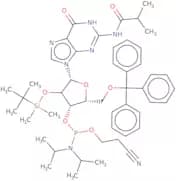
Formula:C12H14N4O6Purity:Min. 95%Color and Shape:PowderMolecular weight:310.26 g/mol2'-O-tert-Butyldimethylsilyl-N2-Isobutyryl-5'-O-tritylguanosine 3'-CE phosphoramidite
2'-O-tert-Butyldimethylsilyl-N2-Isobutyryl-5'-O-tritylguanosine 3'-CE phosphoramidite is an anticancer nucleoside, which is used as a building block to synthesize DNA and RNA. The compound has been shown to be effective against HIV and herpes simplex virus. It also has antiviral effects against influenza A virus, cytomegalovirus, and Epstein Barr virus.
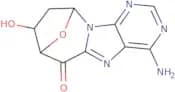
Formula:C48H64N7O7PSiPurity:Min. 95%Molecular weight:910.15 g/mol5'-Oxo-2'-deoxy-8,5'-cycloadenosine
CAS:5'-Oxo-2'-deoxy-8,5'-cycloadenosine is a novel anticancer agent that belongs to the group of deoxyribonucleosides. It has been shown to inhibit the proliferation of cancer cells in vitro and in vivo. The mechanism of action for 5'-oxo-2' -deoxy-8,5'-cycloadenosine may be due to its ability to cause DNA damage, leading to cell death by apoptosis. This drug also inhibits viral replication and may have antiviral activity. 5'-Oxo-2'-deoxy-8,5'-cycloadenosine can be used as an intermediate in the synthesis of phosphoramidites, ribonucleosides or diphosphate nucleotides.
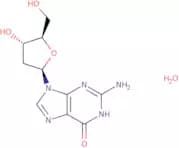
Formula:C10H9N5O3Purity:Min. 95%Molecular weight:247.21 g/mol2'-Deoxyguanosine monohydrate
CAS:2'-Deoxyguanosine monohydrate is a nucleoside that has been shown to inhibit the synthesis of DNA in human cells. It has also been shown to have a role in the regulation of energy metabolism and mitochondrial functions. 2'-Deoxyguanosine monohydrate binds to the enzyme polymerase chain reaction, which prevents the reverse transcription process from occurring. This nucleoside is involved in the biological studies of cytokine production, such as IL-2 receptor binding and calcium pantothenate-dependent activation of nuclear DNA replication.
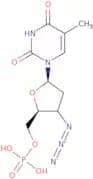
Formula:C10H13N5O4·H2OPurity:Min. 98 Area-%Color and Shape:White PowderMolecular weight:285.26 g/mol3'-Azido-3'-deoxythymidine-5'-monophosphate lithium salt - 100 mM aqueous solution
CAS:3'-Azido-3'-deoxythymidine-5'-monophosphate lithium salt - 100 mM aqueous solution is an azidothymidine (AZT) analog that inhibits HIV replication. AZT is a nucleoside reverse transcriptase inhibitor that blocks the progression of HIV by preventing the virus from duplicating its DNA. This product has been shown to be effective in treating AIDS and related diseases, as well as other infectious diseases such as hepatitis B and C. 3'-Azido-3'-deoxythymidine-5'-monophosphate lithium salt - 100 mM aqueous solution is often used in combination with other drugs to increase their efficacy. It has also been shown to be an effective chemotherapeutic agent against cancer cells.
Formula:C10H14N5O7P·xLiPurity:Min. 95%Molecular weight:347.22 g/mol5’-O-DMT-2’-O-methoxyethyl-5-methyluridine
5’-O-DMT-2’-O-methoxyethyl-5-methyluridine is a novel nucleoside analog with anticancer activity. It is a monophosphate of 5'-O-DMT-2'-O-methoxyethyluridine, which has been shown to inhibit the growth of tumor cells by phosphorylation and activation of DNA polymerase β. 5’-O-DMT-2’-O-methoxyethyluridine also inhibits replication of influenza virus in vitro, and has antiviral properties against herpes simplex virus type 1 (HSV1).
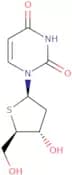
Purity:Min. 95%2'-Deoxy-4'-thiouridine
CAS:2'-Deoxy-4'-thiouridine (2dT) is a synthetic purine nucleoside analogue that has antiviral activity against herpes simplex virus and hepatitis B virus. It is a lead compound for the development of therapeutic agents for human immunodeficiency virus type 1 and varicella, and it has potential applications in the treatment of renal toxicity. 2dT inhibits viral replication by inhibiting viral thymidine kinase, which converts 2dT to 2'-deoxy-4'-thioguanosine monophosphate (2'TGMP). The 2'TGMP inhibits intracellular phosphorylation reactions necessary for DNA synthesis and cell division. This inhibition leads to death of the infected cells.
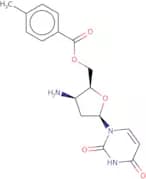
Formula:C9H12N2O4SPurity:Min. 95%Molecular weight:244.27 g/mol3'-Amino-2',3'-dideoxy-5'-O-toluoyluridine
3'-Amino-2',3'-dideoxy-5'-O-toluoyluridine is an antiviral and anticancer agent. It inhibits the activity of DNA polymerase, which is essential for DNA replication. 3'-Amino-2',3'-dideoxy-5'-O-toluoyluridine also inhibits ribonucleotide reductase, which is essential for RNA synthesis. This drug has been shown to be effective against herpes simplex virus (HSV) and human immunodeficiency virus (HIV). 3'-Amino-2',3'-dideoxy-5'-O-toluoyluridine has been shown to be active against a number of tumor cell lines in vitro and in vivo, including breast cancer cells.
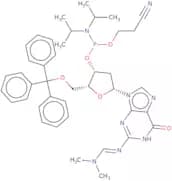
Formula:C17H19N3O5Purity:Min. 95%Molecular weight:345.35 g/mol2'-Deoxy-N2-DMF-5'-O-tritylguanosine 3'-CE phosphoramidite
2'-Deoxy-N2-DMF-5'-O-tritylguanosine 3'-CE phosphoramidite is a novel phosphoramidite nucleoside of the antiviral agent N2-DMF-5'-O-tritylguanosine, which has been modified to contain a deoxyribonucleoside at the 5' position. The phosphoramidite nucleotide is synthesized by reacting 2'-deoxyadenosine with DMF and 2,4,6-trichlorobenzoyl chloride in an organic solvent such as dichloromethane. It is then purified by recrystallization or chromatography to remove impurities such as DMF, 2,4,6-trichlorobenzoyl chloride, and other non-reacted compounds. This product can be used in the synthesis of oligonucleotides for use in DNA sequencing.
Formula:C41H49N8O5PPurity:Min. 95%Molecular weight:764.87 g/mol













![(2R,3R,4S,5R)-2-(4-Aminothieno[3,4-d]pyrimidin-7-yl)-5-(hydroxymethyl)tetrahydrofuran-3,4-diol](/_next/image/?url=https%3A%2Fstatic.cymitquimica.com%2Fproducts%2F3D%2Fthumb-webp%2FFA165910.webp&w=3840&q=75)




![7-Deazaadenosine- 2', 3'- dideoxy- 7[3- (trifluoroacetyl) amino] - 1- propyn- yl](/_next/image/?url=https%3A%2Fstatic.cymitquimica.com%2Fproducts%2F3D%2Fthumb-webp%2FND156888.webp&w=3840&q=75)











![2’-Deoxy-2’-fluoro-N3-(2S)-[2-(tert-butoxycarbonyl)-amino-3-carbonyl]propyluridine](/_next/image/?url=https%3A%2Fstatic.cymitquimica.com%2Fproducts%2F3D%2Fthumb-webp%2FND162843.webp&w=3840&q=75)


![N′-[9-(2-Deoxy-2-fluoro-β-D-arabinofuranosyl)-6,9-dihydro-6-oxo-1H-purin-2-yl]-N,N-dimethylmethani…](/_next/image/?url=https%3A%2Fstatic.cymitquimica.com%2Fproducts%2F3D%2Fthumb-webp%2FNF183584.webp&w=3840&q=75)


![6-Amino-4-hydroxyamino-2-(b-D-ribofuranosyl)-2H-pyrazolo[3,4-d]pyrimidine](/_next/image/?url=https%3A%2Fstatic.cymitquimica.com%2Fproducts%2F3D%2Fthumb-webp%2FNA162982.webp&w=3840&q=75)









![6-Amino-1-(2',3',5'-tri-O-benzoyl-b-D-ribofuranosyl)-4-methoxy-1H-pyrazolo[3,4-d]pyrimidine](/_next/image/?url=https%3A%2Fstatic.cymitquimica.com%2Fproducts%2F3D%2Fthumb-webp%2FNA162942.webp&w=3840&q=75)







![4-Amino-7-(β-D-ribofuranosyl)-7H-pyrrolo[2.3-d]pyrimidine-5-carboxylic acid](/_next/image/?url=https%3A%2Fstatic.cymitquimica.com%2Fproducts%2F3D%2Fthumb-webp%2FNA145085.webp&w=3840&q=75)