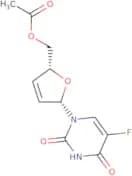
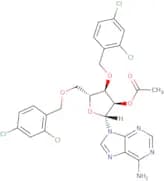
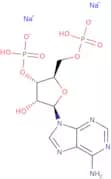
Nucleosides
Nucleosides are fundamental building blocks of nucleic acids, composed of a nitrogenous base attached to a sugar molecule. In this section, you can find a wide variety of nucleosides essential for research in molecular biology, biochemistry, and pharmacology. These compounds play crucial roles in the synthesis of DNA and RNA, and are also vital in various metabolic processes. Nucleosides are used in studying genetic material, developing antiviral and anticancer therapies, and understanding cellular mechanisms. At CymitQuimica, we provide high-quality nucleosides to support your research and development needs, ensuring purity and reliability for your experimental applications.
Found 3567 products of "Nucleosides"
Sort by
Purity (%)
0
100
|
0
|
50
|
90
|
95
|
100
2-Deoxy-2-fluoro-b-D-arabinofuranosylamine
CAS:<p>2-Deoxy-2-fluoro-b-D-arabinofuranosylamine (2DF) is a monophosphate nucleoside analog that is chemically modified to form 2DF. The 2DF has shown antiviral, anticancer, and anti-inflammatory activities. It inhibits the proliferation of cancer cells by blocking the synthesis of DNA and RNA, which are necessary for cellular reproduction. This drug also has been shown to have an activator effect on diphosphate nucleotide incorporation into DNA.</p>Formula:C5H10FNO3Purity:Min. 95%Molecular weight:151.14 g/mol2'-Deoxy-5'-O-DMT-N2-ethylguanosine 3'-CE phosphoramidite
CAS:<p>2'-Deoxy-5'-O-DMT-N2-ethylguanosine 3'-CE phosphoramidite is a novel nucleoside analogue. It is a nucleotide analog with potent antiviral and anticancer activities. This compound has been shown to be an activator of deoxyribonucleosides and ribonucleosides, which may lead to the activation of their respective polymerases. It also has high purity, quality, and stability, as well as being inexpensive. Rifapentine is an anti-tuberculosis drug that belongs to the class of rifamycins. It is the most active of the rifamycins for the treatment of tuberculosis. Rifapentine inhibits bacterial growth by binding to DNA-dependent RNA polymerase, thereby preventing transcription and replication. The high frequency of human activity has been shown using a patch-clamp technique on human erythrocytes. This active form</p>Formula:C42H52N7O7PPurity:Min. 95%Color and Shape:SolidMolecular weight:797.88 g/mol2',3',5'-Tri-O-acetylguanosine
CAS:<p>2',3',5'-Tri-O-acetylguanosine is a protected form of the nucleoside guanosine which has potential application as a synthetic intermediate in nucleic acid and nucleoside chemistry.</p>Formula:C16H19N5O8Purity:Min. 95%Color and Shape:White PowderMolecular weight:409.35 g/mol5'-Deoxy-5'-fluorothymidine
CAS:<p>5'-Deoxy-5'-fluorothymidine is a cytotoxic agent that inhibits the synthesis of DNA by binding to the enzyme thymidylate synthase and preventing the formation of thymine nucleotide. 5'-Deoxy-5'-fluorothymidine has shown to be effective against herpes simplex virus, murine bone, and tissue culture cells. This drug also inhibits cellular proliferation in vitro and can be used in chemotherapy treatment. 5'-Deoxy-5'-fluorothymidine is synthesized from guanine by an enzyme called deoxyguanosine kinase. The biosynthesis of this drug involves two steps: conversion of guanine to xanthosine monophosphate (XMP) and conversion of XMP to 5'-deoxy-5'-fluorothymidine (dFTP).</p>Formula:C10H13FN2O4Purity:Min. 95%Molecular weight:244.22 g/mol2'-Deoxy-2'-fluoro-N2-isobutyrylguanosine
CAS:<p>2'-Deoxy-2'-fluoro-N2-isobutyrylguanosine is a modified nucleoside analog for research applications</p>Formula:C14H18FN5O5Purity:Min. 95%Color and Shape:White PowderMolecular weight:355.33 g/mol2’,3’-Bis-O-tert-butyldimethylsilyl-5-methoxyuridine
<p>2’,3’-Bis-O-tert-butyldimethylsilyl-5-methoxyuridine is an antiviral nucleoside that is chemically synthesized from 5-methoxyuridine. It has been shown to inhibit the replication of HIV in cell cultures and animal models. This drug can be used as a phosphoramidite for the synthesis of oligonucleotides.<br> 2’,3’-Bis-O-tert-butyldimethylsilyl-5-methoxyuridine is a novel nucleoside that has not been previously reported in the chemical literature.</p>Purity:Min. 95%4’,5’-Didehydro-2’-O-(2-methoxyethyl)-5-methyluridine
CAS:<p>4’,5’-Didehydro-2’-O-(2-methoxyethyl)-5-methyluridine (DdeO) is a novel phosphoramidite that is synthesized from 2’,3’-dideoxycytidine. It is used in DNA synthesis and as an antiviral and anticancer agent. DdeO has shown to be a potent activator of the p53 tumor suppressor gene and inhibits the proliferation of human cancer cells by inhibiting the activity of DNA polymerase alpha. DdeO also inhibits viral replication by interfering with viral DNA synthesis.</p>Purity:Min. 95%Palmitoyl coenzyme A potassium salt
CAS:<p>Palmitoyl coenzyme A potassium salt is a novel, modified nucleoside that has antiviral and anticancer activities. It is a phosphoramidite with a phosphate group at one end and a palmitoyl group at the other. The phosphate group is attached to the 5' position of the sugar, while the palmitoyl group is attached to the 3' position of the sugar. Palmitoyl coenzyme A potassium salt can be used in DNA synthesis.</p>Formula:C37H65N7O17P3SKPurity:Min. 95%Color and Shape:White PowderMolecular weight:1,044.03 g/mol5-Methylcytidine-5'-triphosphate sodium salt - 100mM aqueous solution
CAS:<p>5-Methylcytidine-5'-triphosphate sodium salt is a nucleoside diphosphate that is used as an activator in the synthesis of DNA. It is also used as a building block in the synthesis of anticancer agents, such as 5-methylcytosine monophosphate and phosphoramidites. The chemical name for this product is 5-methylcytidine-5'-triphosphate sodium salt and its CAS number is 327174-86-7. This product is available for purchase at Sigma Aldrich with a purity of 99%.</p>Formula:C10H18N3O14P3·xNaPurity:Min. 95%Color and Shape:PowderMolecular weight:497.18 g/molIsocytidine triphosphate triethylamine
CAS:<p>Isocytidine triphosphate triethylamine salt is a nucleoside that has been modified to include an amino group. It is a monophosphate, which means it contains one phosphate group. Isocytidine triphosphate triethylamine salt has shown anticancer properties as it inhibits the synthesis of DNA and RNA. This compound also prevents the activation of transcription factors, such as NF-κB, that are important in cancer cell proliferation.</p>Formula:C9H16N3O14P3•(C6H15N)xPurity:Min. 95%Color and Shape:PowderMolecular weight:483.15 g/mol10-O-[1-Propyl-3-N-carbamoylcholesteryl]-TEG-CE phosphoramidite
CAS:<p>10-O-[1-Propyl-3-N-carbamoylcholesteryl]-TEG-CE phosphoramidite is a cholesterol-conjugated phosphoramidite. The cholesteryl group is a lipophilic moiety which can be used to enhance cellular uptake of oligonucleotides.</p>Formula:C46H82N3O7PPurity:(31P-Nmr) Min. 95 Area-%Color and Shape:Colorless PowderMolecular weight:820.13 g/mol5'-O-Methoxytrityluridine 3'-CE phosphoramidite
<p>5'-O-Methoxytrityluridine 3'-CE phosphoramidite is a modified nucleoside that can be used in the synthesis of DNA and RNA. It is an activator that activates ribonucleotides to diphosphates. 5'-O-Methoxytrityluridine 3'-CE phosphoramidite has been shown to have antiviral, anticancer, and novel activities. This product is CAS No. 57747-00-2, High purity, deoxyribonucleosides, and high quality.</p>Formula:C39H47N4O8PPurity:Min. 95%Molecular weight:730.81 g/mol5'-(Furan-2-yl)-2’-O-methyluridine
CAS:<p>5'-(Furan-2-yl)-2’-O-methyluridine is a modified nucleoside that is used as an antiviral agent. It is a monophosphate nucleotide analog and has been shown to be active against HIV, herpes simplex virus, cytomegalovirus, and Epstein Barr virus. 5'-(Furan-2-yl)-2’-O-methyluridine is synthesized by the phosphoramidite method and has high purity and quality. The CAS number for this compound is 2095417-32-4.</p>Purity:Min. 95%Kinetin riboside
CAS:<p>Kinetin is a plant hormone that regulates cell proliferation and differentiation. Kinetin riboside is a derivative of kinetin in which the ribose moiety has been converted to ribosyl-ribitol. Kinetin riboside has shown the ability to inhibit cancer cells by inducing apoptosis, which may be related to its ability to inhibit cyclin D2 and mitochondrial membrane potential. In addition, kinetin riboside has been shown to protect against oxidative stress and decrease mitochondrial function in cells. This compound may have therapeutic potential for cancer treatment and other diseases caused by oxidative stress or mitochondrial dysfunction.</p>Formula:C15H17N5O5Purity:Min. 98 Area-%Color and Shape:White PowderMolecular weight:347.33 g/molN4-Benzoyl-2'-deoxy-5'-O-DMT-cytidine 3'-thiophosphoramidite
<p>N4-Benzoyl-2'-deoxy-5'-O-DMT-cytidine 3'-thiophosphoramidite is a novel nucleoside that has been shown to inhibit the growth of cancer cells in vitro. It is an analogue of cytidine and inhibits DNA synthesis by inhibiting the enzyme ribonucleotide reductase, which converts ribonucleotides to deoxyribonucleotides. This drug also inhibits the synthesis of viral RNA in cells infected with human immunodeficiency virus (HIV) and herpes simplex virus type 1 (HSV-1). N4-Benzoyl-2'-deoxy-5'-O-DMT-cytidine 3'-thiophosphoramidite is a phosphoramidite that is synthesized from 2,4,6-trichlorobenzoyl chloride, 5'-O-[(N,N-diisoprop</p>Formula:C50H51N4O8PS2Purity:Min. 95%Molecular weight:931.07 g/mol3'-Amino-5'-O-p-anisoyl-2',3'-dideoxyuridine
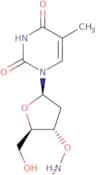
<p>3'-Amino-5'-O-p-anisoyl-2',3'-dideoxyuridine is a novel compound that has been synthesized. This compound is a diphosphate, which can be used as an activator for the synthesis of modified nucleosides and antiviral agents. It is also a DNA phosphoramidite, which can be used in the synthesis of oligonucleotides with high purity and high quality.</p>Formula:C17H19N3O6Purity:Min. 95%Molecular weight:361.35 g/molN1-Ethylpseudouridine
CAS:<p>N1-Ethylpseudouridine is a synthetic RNA molecule that has been shown to be an effective antiviral agent against influenza virus in cell culture. It inhibits viral replication by binding to the ribonucleic acid (RNA) of the virus and preventing its translation into protein. N1-Ethylpseudouridine is being developed as a potential treatment for influenza A and B.</p>Purity:Min. 95%3'-Azido-N6-benzoyl-5'-O-DMT-2',3'-dideoxyadenosine
<p>3'-Azido-N6-benzoyl-5'-O-DMT-2',3'-dideoxyadenosine is a nucleoside analog and activator that inhibits the replication of DNA. It is a novel antiviral drug that has antiproliferative properties and may be useful in the treatment of cancer. 3'-Azido-N6-benzoyl-5'-O-DMT-2',3'-dideoxyadenosine is synthesized by reacting an activated phosphoramidite with 2',3'-dideoxyadenosine monophosphate to produce 3',5' dideoxythymidine 5'-monophosphate, which is then converted to 3',5' dideoxyuridine 5'-monophosphate. The last step involves the conversion of 3',5' dideoxyuridine 5'-monophosphate to 3' azidouridine 5'-monoph</p>Formula:C38H34N8O5Purity:Min. 95%Molecular weight:682.73 g/mol2',3'-Dideoxy-5'-O-DMT-cytidine
CAS:<p>2',3'-Dideoxy-5'-O-DMT-cytidine is a chemically modified cytidine nucleoside which can be used in synthetic chemistry, especially in nucleic acid synthesis. A dimethoxytrityl (DMT) protecting group is attached to the 5'-oxygen of the sugar. This is not biologically active, but it’s commonly used in solid-phase oligonucleotide synthesis to protect the 5' end during step-by-step DNA or RNA construction.</p>Formula:C30H31N3O5Purity:Min. 95%Color and Shape:PowderMolecular weight:513.6 g/mol8-Aza-6-hydroxy-2-mercaptopurine
CAS:<p>8-Aza-6-hydroxy-2-mercaptopurine (8AzaMP) is a novel nucleoside analog that is an activator of the thymidylate synthase enzyme. It has been shown to inhibit the replication of many DNA viruses and to inhibit tumor growth in animal models. 8AZA MP has been evaluated in Phase I and II clinical trials for the treatment of various cancers, including malignant melanoma, renal cell carcinoma, and chronic lymphocytic leukemia. This drug has also shown promise as a chemotherapeutic agent for AIDS patients with HIV infection or AIDS-related complex.</p>Formula:C4H3N5OSPurity:Min. 95%Color and Shape:PowderMolecular weight:169.17 g/mol3'-Azido-3'-deoxy-b-L-cytidine
CAS:<p>3'-Azido-3'-deoxy-b-L-cytidine is a novel nucleoside that has been shown to be an activator of the ribonuclease activity of purified RNase A in vitro. This product is suitable for use in synthesis of oligodeoxynucleotides and phosphoramidites. 3'-Azido-3'-deoxy-b-L-cytidine can be used as a potential anticancer drug or antiviral agent.</p>Purity:Min. 95%Adenosine 5'-diphosphate magnesium salt
CAS:<p>Adenosine 5'-diphosphate magnesium salt (ADP-Mg) is a pharmacological agent that has inhibitory properties. It is used as a model system to study platelet function and the effect of adenosine on platelet aggregation. ADP-Mg is also used as a reagent in the study of protein synthesis and regulation. This chemical has been shown to potentiate the activity of serotonin receptors, which may contribute to its anti-inflammatory effects. Adenosine 5'-diphosphate magnesium salt also inhibits papillary muscle contractions by inhibiting Ca2+ currents, leading to an improved ejection fraction in patients with congestive heart failure.</p>Formula:C10H13N5O10P2·MgPurity:Min. 95%Color and Shape:PowderMolecular weight:449.49 g/mol2'-Deoxy-2'-fluoro-5-methyluridine
CAS:<p>2'-Deoxy-2'-fluoro-5-methyluridine is a nucleoside analog that is a modified version of uridine, where the sugar (deoxyribose) has a fluoro modification at the 2' position and a methyl group is attached at the 5' position of the uracil base.</p>Formula:C10H13FN2O5Purity:Min. 95%Color and Shape:White PowderMolecular weight:260.22 g/molN4-Acetyl-2'-deoxycytidine
CAS:<p>N4-Acetyl-2'-deoxycytidine is a nucleoside analogue that acts as an inhibitor of DNA synthesis. It binds to the active site of the enzyme ribonucleotide reductase, blocking the conversion of ribonucleotides to deoxyribonucleotides. This prevents DNA synthesis and replication, which leads to cell death. N4-Acetyl-2'-deoxycytidine has been shown to be more efficient than other analogues in terms of energy efficiency, control levels, and constant linear model. This compound is reactive and can cause low yields when isolated from solutions with high concentrations. A diode can be used for analytical purposes, while calcium binding may be used as a mathematical model in order to analyze this drug.</p>Formula:C11H15N3O5Purity:Min. 98 Area-%Color and Shape:PowderMolecular weight:269.25 g/mol5'-Deoxy-5-fluorocytidine
CAS:<p>5'-Deoxy-5-fluorocytidine is a cytosolic nucleoside analogue that is phosphorylated by cellular enzymes to the active form 5'-deoxy-5-fluorouridine monophosphate. It is a prodrug, which is activated in the body to release 5-FU and inhibits the growth of cancer cells. 5'-Deoxy-5-fluorocytidine has been shown to be effective against metastatic colorectal cancer in humans and resistant breast cancer in mice. The drug can also be used as an oral prodrug for 5-FU, which has a wide therapeutic index and low toxicity. Studies have shown that it selectively inhibits proliferation of solid tumours through inhibition of protein synthesis and cell division. The drug also has antiangiogenic effects, which are thought to contribute to its antitumor activity.</p>Formula:C9H12FN3O4Purity:Min. 98 Area-%Color and Shape:White PowderMolecular weight:245.21 g/mol9-(2’-Deoxy-2’-fluoro-arabinofuranosyl)adenine 5’-triphosphate triethyl ammonium salt
<p>Ai Product Descriptions 50 Creative</p>Purity:Min. 95%N4,N4,2’-O-Trimethylcytidine
CAS:<p>N4,N4,2’-O-Trimethylcytidine is a novel nucleoside that has been shown to be an anticancer drug. It inhibits the growth of cells by selectively inhibiting their DNA synthesis. N4,N4,2’-O-Trimethylcytidine is also active against viruses and is able to inhibit viral replication by blocking the synthesis of deoxyribonucleosides and phosphoramidites. This compound has been synthesized in high purity and quality with CAS No. 34218-81-0.</p>Formula:C12H19N3O5Purity:Min. 95%Color and Shape:White PowderMolecular weight:285.3 g/mol5'-Azido-2',5'-dideoxy-2'-fluorouridine
CAS:<p>5'-Azido-2',5'-dideoxy-2'-fluorouridine is a novel nucleoside that is a phosphoramidite. It is an antiviral agent that has been shown to inhibit the synthesis of RNA in cells. This drug also inhibits the growth of cancer cells and can be used for the treatment of leukemia, lymphoma, and myeloma. 5'-Azido-2',5'-dideoxy-2'-fluorouridine has been shown to bind to DNA through its azide group and form a stable covalent bond with the N7 position of guanine. This bond prevents the incorporation of adenosine triphosphate (ATP) into DNA, which prevents DNA transcription and replication.</p>Formula:C9H10FN5O4Purity:Min. 95%Molecular weight:271.21 g/molCytidine 5'-monophosphate disodium salt
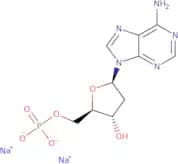
CAS:<p>Cytidine 5'-monophosphate disodium salt (CMPDS) is a prodrug that is converted to cytidine 5'-monophosphate, an active form, in the acidic environment of cancer cells. CMPDS has been shown to inhibit the growth of squamous carcinoma and other solid tumours by binding to survivin, which regulates cell growth and apoptosis. CMPDS also inhibits the activity of matrix metalloproteinases-9 (MMP-9), an enzyme that promotes tumor growth by breaking down connective tissue. This drug can be used as a therapeutic agent for treatment of congestive heart failure due to its ability to increase mitochondrial membrane potential and decrease myocardial infarct size.</p>Formula:C9H12N3Na2O8PPurity:Min. 95 Area-%Color and Shape:White PowderMolecular weight:367.16 g/mol2'-Deoxy-2'-fluoroadenosine 5'-a-thiotriphosphate sodium salt
<p>2'-Deoxy-2'-fluoroadenosine 5'-a-thiotriphosphate sodium salt (2'F-ATP) is a nucleoside analog that inhibits viral DNA polymerase and induces apoptosis in cancer cells. It is a novel, modified nucleotide that can be phosphorylated to 2'F-dATP, 2'F-AMP, or 2'F-GMP. The phosphate group in 2'F-ATP is replaced by a thiophosphate group, which increases the stability of the molecule and prevents it from being hydrolyzed by phosphatases. This makes it an effective activator for DNA synthesis reactions.</p>Purity:Min. 95%2'-Deoxy-N2-isobutyryl-5'-O-MMT-guanosine
CAS:<p>2'-Deoxy-N2-isobutyryl-5'-O-MMT-guanosine is a synthetic, modified nucleoside. It is an activator of DNA synthesis, and it has been found to inhibit the growth of cancer cells in vitro. This compound has shown success in the treatment of HIV infection in vitro and has also been shown to be effective against hepatitis B virus (HBV) and herpes simplex virus type 1 (HSV). The compound may be useful as an antiviral agent.</p>Formula:C34H35N5O6Purity:Min. 95%Molecular weight:609.69 g/molGuanosine 5'-O-(2-thiodiphosphate) trilithium salt
CAS:<p>Guanosine 5'-O-(2-thiodiphosphate) trilithium salt (GTPTS) is a membrane-permeable molecule that hyperpolarizes cells by inhibiting the movement of ions through the cell membrane. GTPTS is activated by extracellular calcium and potassium ions, which are involved in signal transduction pathways. It has been shown to inhibit the release of neurotransmitters, such as acetylcholine, dopamine, serotonin, and norepinephrine. GTPTS also blocks voltage-gated sodium channels, which leads to a reduction in neuronal excitability. The drug has been shown to have analgesic effects in animal models of pain and can be used to treat chronic pain due to nerve damage.</p>Formula:C10H12Li3N5O10P2SPurity:Min. 85 Area-%Color and Shape:PowderMolecular weight:477.06 g/mol3'-Azido-3'-deoxy-5-fluoro-b-L-cytidine
CAS:<p>3'-Azido-3'-deoxy-5-fluoro-b-L-cytidine is an antiviral drug. It is a modified nucleoside with phosphoramidite and azido groups. This product can be used as an activator for DNA synthesis, in anticancer drug development, as well as in the treatment of HIV. 3'-Azido-3'-deoxy-5-fluoro-b-L-cytidine has been shown to inhibit the growth of human tumor cells by inhibiting protein synthesis and enhancing the production of reactive oxygen species (ROS). It also inhibits the activity of ribonucleotide reductase, which is a critical enzyme for DNA synthesis.</p>Purity:Min. 95%2'-Deoxy-5'-DMT-5-(prop-2-yn-1-ylcarbamoyl)uridine 3'-CE phosphoramidite
<p>2'-Deoxy-5'-DMT-5-(prop-2-yn-1-ylcarbamoyl)uridine 3'-CE phosphoramidite is a diphosphate nucleoside that is used in the synthesis of DNA. It has been modified with an acetyl group at the 2' position and a propargylamine group at the 5' position. This modification improves its stability to hydrolysis by esterases and also increases binding affinity for cationic lipids. The purified material is suitable for use in a variety of DNA syntheses, including PCR amplification, gene cloning, and site-directed mutagenesis.</p>Purity:Min. 95%2,2'-Anhydro-6-methoxycarbonyl-b-D-arabinofuranosyl uracil
CAS:<p>2,2'-Anhydro-6-methoxycarbonyl-b-D-arabinofuranosyl uracil is a novel and high purity anticancer and antiviral agent. It is an activator that has been shown to exhibit antineoplastic activity in vitro. The compound also inhibits the formation of RNA and DNA, which are necessary for the replication of cells. 2,2'-Anhydro-6-methoxycarbonyl-b-D-arabinofuranosyl uracil is a modified nucleoside that has been synthesized by phosphoramidite chemistry. This product can be used for research purposes and as a starting material for the synthesis of other compounds with similar structures.</p>Formula:C11H12N2O7Purity:Min. 95%Molecular weight:284.22 g/molCytidine 3'-monophosphate lithium salt
CAS:<p>Cytidine 3'-monophosphate lithium salt is a synthetic nucleoside that is used to inhibit the synthesis of DNA in cells. It is an analog of cytidine, with a phosphate group at the 3' position and a lithium cation at the 5' position. Cytidine 3'-monophosphate lithium salt has been shown to be effective in treating cancer and viral infections, although it does not have antiviral activity against influenza A virus.</p>Formula:C9H14N3O8P·xLiPurity:Min. 95%Molecular weight:323.2 g/mol8-(4-Chlorophenylthio)-2'-O-methyladenosine 3',5'-cyclic monophosphate sodium salt
CAS:<p>8-(4-Chlorophenylthio)-2'-O-methyladenosine 3',5'-cyclic monophosphate sodium salt (8-CPT-cAMP) is a cyclic nucleotide that activates adenyl cyclase, which increases intracellular levels of the second messenger cAMP. It also inhibits P2Y receptors and other ion channels. 8-CPT-cAMP has been shown to be effective in activating cells expressing the enzyme camp levels, such as those found in heart muscle cells. This drug is used clinically to lower blood pressure, as it has been shown to activate amp-activated protein kinase and calcium chelator. 8-CPT-cAMP may have clinical applications for the treatment of cancer due to its ability to induce cell cycle arrest and apoptosis.</p>Formula:C17H16ClN5O6PS·NaPurity:Min. 95%Color and Shape:PowderMolecular weight:507.82 g/molN3-Methyl-2’-O-(2-methoxyethyl)uridine
CAS:<p>N3-Methyl-2’-O-(2-methoxyethyl)uridine is a modified nucleoside that is synthesized from deoxyribonucleosides and ribonucleosides. It has antiviral, anticancer, and antifungal properties. N3-Methyl-2’-O-(2-methoxyethyl)uridine has been shown to be an effective inhibitor of HIV replication in vitro and in vivo. This drug also inhibits the growth of human cancer cells in vitro and has been shown to be active against breast cancer cells. N3-Methyl-2’-O-(2-methoxyethyl)uridine is phosphorylated by cellular enzymes to form its active form, which binds to the viral reverse transcriptase enzyme and prevents DNA synthesis.</p>Formula:C13H20N2O7Purity:Min. 95%Molecular weight:316.31 g/mol2'-Deoxy-5'-O-MMT-uridine
CAS:<p>2'-Deoxy-5'-O-MMT-uridine is a monophosphate nucleoside that is an antiviral and anticancer drug. It is synthesized from the pentaphosphate derivative of cytosine and uracil, and inhibits RNA synthesis by forming a covalent bond with the enzyme ribonucleotide reductase. This product can be used as a starting material for the synthesis of other nucleosides, such as 2'-deoxy-5'-O-methylcytidine. 2'-Deoxy-5'-O-MMT-uridine can also be used to modify DNA by replacing uracil residues in DNA with their corresponding 2'-deoxy counterparts.</p>Formula:C29H28N2O6Purity:Min. 95%Molecular weight:500.56 g/mol3'-Deoxy-3'-fluoroadenosine
CAS:<p>3'-Deoxy-3'-fluoroadenosine is a potent inhibitor of the phosphodiesterase enzyme, which is an important component of many different cellular processes. It has been shown to inhibit the activity of phosphodiesterase in cell culture and in serum alanine. 3'-Deoxy-3'-fluoroadenosine also inhibits the synthesis of uridine triphosphate, which is required for DNA replication and protein synthesis. The acid complex form has potent inhibition properties against viruses such as alphaviruses, and it also inhibits transport of nucleic acids into cells. 3'-Deoxy-3'-fluoroadenosine can act as an analog to adenosine and may be used to treat viral infections such as HIV or herpes simplex virus.</p>Formula:C10H12FN5O3Purity:Min. 95%Color and Shape:White PowderMolecular weight:269.23 g/mol2'-Deoxy-5'-O-pixylinosine
<p>2'-Deoxy-5'-O-pixylinosine is a nucleoside that is structurally similar to the natural nucleosides. It is modified with an o-pixyl group at the 2' position of the sugar moiety and contains a phosphate group at the 5' position of the sugar moiety. 2'-Deoxy-5'-O-pixylinosine has antiviral, anticancer, and high purity properties due to its ability to inhibit viral DNA polymerases. This compound has been shown to be active against a broad spectrum of viruses including HIV and herpes simplex virus types 1 and 2 (HSV1 and HSV2). This compound is also able to inhibit tumor growth in vitro.</p>Formula:C30H26N4O4Purity:Min. 95%Molecular weight:506.57 g/mol(R)-N-(2,3-Dihydro-1H-indenyl)adenosine
CAS:<p>(R)-N-(2,3-Dihydro-1H-indenyl)adenosine is a purine nucleoside with the attachment of a 2,3-dihydro-1H-indenyl group via a nitrogen atom. This adenosine-based product can be used for research purposes</p>Formula:C19H21N5O4Purity:Min. 95 Area-%Color and Shape:White PowderMolecular weight:383.4 g/mol5-(Cyanomethyl)-uridine
CAS:<p>5-(Cyanomethyl)-uridine (5-CMU) is a monophosphate nucleoside that is synthetically derived from uracil. This nucleoside has antiviral activity and can be used to treat infections caused by the herpesviridae family, such as herpes simplex virus type 1 and 2. 5-CMU is modified with cyanomethyl groups on the ribose moiety. It is also a phosphoramidite building block for DNA synthesis and can be used in the preparation of oligonucleotides. The CAS number for 5-CMU is 58479-73-5.</p>Formula:C11H13N3O6Purity:Min. 95%Color and Shape:PowderMolecular weight:283.24 g/mol2'-Deoxy-5'-O-tritylinosine 3'-CE phosphoramidite
<p>2'-Deoxy-5'-O-tritylinosine 3'-CE phosphoramidite is an anticancer drug that inhibits the growth of cancer cells. It is a modified nucleoside that is synthesized by reacting 2'-deoxy-5'-O-tritylinosine with a phosphoramidite. This product can be used for the synthesis of DNA, RNA and deoxyribonucleic acid (DNA).</p>Formula:C38H43N6O5PPurity:Min. 95%Molecular weight:694.78 g/mol5,6-Dihydro-5-azacytidine acetate
<p>5,6-Dihydro-5-azacytidine acetate is a monophosphate nucleoside that is used in the synthesis of DNA and RNA. It is an antiviral agent that inhibits the synthesis of DNA by preventing the conversion of deoxyribonucleotides to diphosphates. 5,6-Dihydro-5-azacytidine acetate has been found to have anticancer properties and is used in cancer treatment. This chemical also has a high purity and quality, making it a suitable reagent for use in phosphoramidite coupling reactions for oligonucleotide synthesis. 5,6-Dihydro-5-azacytidine acetate has been shown to be active against a variety of human tumor cell lines, including leukemia cells.</p>Formula:C10H17N4O7Purity:Min. 95%Color and Shape:White PowderMolecular weight:305.26 g/mol5-Methoxycarbonylmethyl-2-thiouridine
CAS:<p>Nucleoside functionalised on the base</p>Formula:C12H16N2O7SPurity:Min. 95 Area-%Color and Shape:White Off-White PowderMolecular weight:332.33 g/mol5’-O-Benzoyl-3’-O-(4-methoxybenzoyl)-2’-O,4’-C- methyleneuridine
<p>5'-O-Benzoyl-3'-O-(4-methoxybenzoyl)-2'-O,4'-C-methyleneuridine is a nucleoside that is synthesized from 5'-O-benzoyl-2'-deoxyadenosine and 4'-methoxybenzoyl chloride. It has antiviral and anticancer properties. 5' - O - benzoyl - 3' - O - (4-methoxybenzoyl) - 2' - O,4' - C methyleneuridine is a novel nucleoside with anti-cancer and antiviral effects. It can also be used as an activator for the synthesis of oligonucleotides or as a ribonucleotide phosphoramidite. The chemical name for this compound is 5’ – O – benzoyl – 3’ – O – (4 methoxybenzoyl) – 2</p>Purity:Min. 95%N4-Acetyl-5'-O-DMT-2'-O-methyl-5-methylcytidine 3'-CE phosphoramidite
<p>N4-Acetyl-5'-O-DMT-2'-O-methyl-5-methylcytidine 3'-CE phosphoramidite is an antiviral, anticancer and nucleoside phosphoramidite. It is a novel DNA building block with antiviral activity against HIV and Hepatitis C. The synthesis of N4-acetyl-5'-O-DMT-2'-O-methyl-5-methylcytidine 3'-CE phosphoramidite is based on the reaction of cytosine monophosphate with 2,4,6,-trimethoxybenzoyl chloride. This compound has also been shown to inhibit the proliferation of leukemia cells in vitro and has potential as a chemotherapeutic agent for cancer treatment.</p>Formula:C43H54N5O9PPurity:Min. 95%Molecular weight:815.89 g/mol2'-C-Methylguanosine
CAS:<p>2'-C-Methylguanosine is a synthetic nucleoside analog of guanosine, modified at the 2'-carbon of the ribose sugar with a methyl group. This modification changes the molecule's biological behavior, making it potential useful in antiviral research and biochemical studies, especially those involving RNA synthesis.</p>Formula:C11H15N5O5Purity:Min. 95%Color and Shape:PowderMolecular weight:297.27 g/molL-Cytidine
CAS:<p>L-Cytidine is a nucleoside that is found in the body, and is also used as a drug. It is a precursor to other nucleosides, such as cytidine triphosphate, which is involved in DNA synthesis and repair. L-Cytidine has been shown to be effective against HIV infection by inhibiting the activity of the enzyme ns3 protease. This inhibition prevents viral proteins from being released from cells and infecting other cells. L-Cytidine has also been shown to be an inhibitor of creatine kinase and glycosidation, two enzymes that are necessary for cell metabolism. L-Cytidine has also been shown to be reactive with halides, which may lead to unwanted side effects.</p>Formula:C9H13N3O5Purity:Min. 95%Color and Shape:PowderMolecular weight:243.22 g/molN6-Benzoyl-9-(3'-O-Deoxy-3'-fluoro-b-D-xylofuranosyl)adenine
<p>N6-Benzoyl-9-(3'-O-Deoxy-3'-fluoro-b-D-xylofuranosyl)adenine is a novel compound that was synthesized in order to improve the activity of adenine. It has been shown to be an effective anticancer agent and antiviral agent in vitro. This drug has also been shown to be effective against herpes simplex virus type 1, herpes simplex virus type 2, varicella zoster virus, and HIV. N6-Benzoyl-9-(3'-O-Deoxy-3'-fluoro-b-D-xylofuranosyl)adenine is a ribonucleoside that binds to DNA and inhibits the synthesis of RNA. The phosphoramidites were synthesized with high purity and high quality. CAS Number: 51401061</p>Purity:Min. 95%2'-Deoxycytidine-5'-triphosphate trisodium salt
CAS:<p>2'-Deoxycytidine-5'-triphosphate trisodium salt is an activator that has been shown to exhibit anticancer and antiviral activities. It is a novel nucleoside phosphoramidite that is used in the synthesis of DNA, RNA, and other nucleic acids. 2'-Deoxycytidine-5'-triphosphate trisodium salt has been modified by substituting the oxygen atom for a sulfur atom at the 5' position of the sugar moiety. This change makes it resistant to degradation by ribonucleases. 2'-Deoxycytidine-5'-triphosphate trisodium salt has also been shown to act as an inhibitor of human telomerase activity.</p>Formula:C9H13N3O13P3Na3Purity:(%) Min. 85%Color and Shape:PowderMolecular weight:533.1 g/molCytidyl-3'-5'-guanosine ammonium
CAS:<p>Cytidyl-3'-5'-guanosine ammonium salt is a modified nucleoside that has antiviral and anticancer properties. It is synthetically made by modifying the phosphate groups of cytidine and guanosine with phosphoramidites. Cytidyl-3'-5'-guanosine ammonium salt has been shown to activate protein kinase C, which may be related to its anticancer activity.</p>Formula:C19H25N8O12PPurity:Min. 95%Color and Shape:PowderMolecular weight:588.42 g/mol2-Amino-6-chloro-9-(2'-deoxy-b-D-ribofuranosyl)purine
CAS:<p>2-Amino-6-chloro-9-(2'-deoxy-b-D-ribofuranosyl)purine is a purine nucleoside where the purine base has a 2-amino group at position 2 and a chlorine at position 6. The sugar is 2'-deoxy, meaning it is like the sugar found in DNA, lacking the 2'-hydroxyl group that is present in RNA. The amino and chloro groups on the purine base modify how this molecule behaves in biological systems making it useful in research applications.</p>Formula:C10H12ClN5O3Purity:Min. 97 Area-%Color and Shape:White PowderMolecular weight:285.69 g/molGuanosine 5'-monophosphate calcium salt
CAS:<p>guanosine 5'-monophosphate calcium salt is a dietary supplement that contains calcium carbonate and guanosine 5'-monophosphate. This product is a light-exposed supplement that contains phenolic acids, polycarboxylic acids, and cyclic nucleotide phosphodiesterases. It is used to maintain ATP levels in the body. Guanosine 5'-monophosphate calcium salt should not be taken by people with a history of kidney stones or those taking other supplements containing calcium. This product may contain preservatives, excipients, or pharmaceutical ingredients for potency and stability purposes.</p>Formula:C10H12CaN5O8PPurity:Min. 95%Molecular weight:401.28 g/mol7-Deaza-2'-deoxy-6-methoxyguanosine
CAS:<p>7-Deaza-2'-deoxy-6-methoxyguanosine is a modified nucleoside and antiviral agent. It has been shown to inhibit the synthesis of DNA, RNA and protein in cells infected with the herpes simplex virus (HSV). 7-Deaza-2'-deoxy-6-methoxyguanosine is also an anticancer agent that has been shown to inhibit tumor growth in animal models. This compound is synthesized by phosphoramidite chemistry and is a novel precursor for the preparation of modified DNA and RNA. The purity of this product is greater than 98%.</p>Formula:C12H16N4O4Purity:Min. 95%Color and Shape:PowderMolecular weight:280.29 g/mol2’-O,4’-C-Methyleneadenosine 5’-monophosphate triethyl ammonium salt
<p>2’-O,4’-C-Methyleneadenosine 5’-monophosphate triethyl ammonium salt is a novel antiviral agent that inhibits the synthesis of viral RNA. This compound has been shown to be active against herpes simplex virus type 1 and cytomegalovirus in cell culture. It also inhibits the replication of human immunodeficiency virus type 1 in cell culture. 2’-O,4’-C-Methyleneadenosine 5’-monophosphate triethyl ammonium salt is a phosphoramidite nucleoside analog that can be used as an activator for DNA synthesis. It can also serve as a building block for the synthesis of deoxyribonucleosides and ribonucleosides.</p>Purity:Min. 95%5-Hydroxymethyl-2’-β-C-methyluridine
CAS:<p>5-Hydroxymethyl-2’C-methyluridine is a modified nucleoside that is an activator of cellular DNA synthesis. It is a synthetic compound that has been shown to be active against cancer cells in vitro. 5-Hydroxymethyl-2’C-methyluridine has also been used to inhibit the replication of various viruses, including herpes simplex virus type 1 and 2, cytomegalovirus, and human immunodeficiency virus type 1. This drug was shown to be safe and effective in clinical trials for the treatment of HIV/AIDS patients with no adverse side effects.</p>Formula:C11H16N2O7Purity:Min. 95%Color and Shape:PowderMolecular weight:288.25 g/mol3'-Azido-3'-deoxythymidine 5'-monophosphate sodium salt
CAS:<p>3'-Azido-3'-deoxythymidine 5'-monophosphate sodium salt is a synthetic nucleoside that is structurally related to thymidine. It has antiviral and anticancer properties, as well as the potential for use in gene therapy. 3'-Azido-3'-deoxythymidine 5'-monophosphate sodium salt is active against herpes simplex virus type 1 (HSV-1) and HSV-2, human immunodeficiency virus type 1 (HIV-1), human papillomavirus types 16 and 18 (HPV), Epstein Barr Virus (EBV), and cytomegalovirus (CMV). 3'-Azido-3'-deoxythymidine 5'-monophosphate sodium salt inhibits the production of HIV by preventing the viral reverse transcriptase from synthesizing DNA from RNA.</p>Formula:C10H13N5NaO7PPurity:Min. 95%Molecular weight:369.23 g/mol5-Chloro-2'-deoxycytidine
CAS:<p>5-Chloro-2'-deoxycytidine (5-Cl-dC) is a nucleoside analog that inhibits DNA synthesis by blocking the action of thymidylate synthase. It can be used in animal models to study bowel diseases, such as ulcerative colitis and Crohn's disease. 5-Cl-dC has been shown to be effective in treating the effects of radiation and chemical toxicity in HL60 cells, a type of human leukemia cell line. 5-Cl-dC has also been shown to enhance the cytotoxicity of eosinophil peroxidase, which is an enzyme that may be involved in the pathogenesis of asthma. This drug is currently being evaluated for its safety and efficacy in clinical trials involving patients with myelodysplastic syndrome or acute myeloid leukemia who are at risk for developing leukemia.</p>Formula:C9H12CIN3O4Purity:Min. 95%Color and Shape:PowderMolecular weight:261.67 g/mol1-(3'-azido-3'-deoxy-b-D-ribofuranosyl)-5-nitro-2(1H)-pyridinone
CAS:<p>1-(3'-azido-3'-deoxy-b-D-ribofuranosyl)-5-nitro-2(1H)-pyridinone is a nucleoside analog that has antiviral and anticancer activities. It has been shown to be an activator of cellular DNA polymerase γ, which is involved in the DNA chain elongation process during DNA replication. 1-(3'-azido-3'-deoxy-b-D-ribofuranosyl)-5-nitro-2(1H)-pyridinone also inhibits the activity of human T cell leukemia virus type 1 (HTLV1) reverse transcriptase by binding to its active site and preventing the synthesis of viral DNA. This compound has a high quality with a purity > 98% and is not radioactive or toxic.</p>Purity:Min. 95%2'/3'-(N-Methylanthraniloyl)-adenosine-5'-monophosphate triethylammonium salt
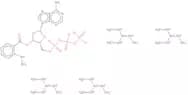
CAS:<p>2'/3'-(N-Methylanthraniloyl)-adenosine-5'-monophosphate triethylammonium salt is an antiviral agent that is based on ribonucleosides. This drug has been shown to be effective against cancer and herpes simplex virus type 1 (HSV-1) and may have potential as a treatment for HIV. It also inhibits the growth of tumors in animal models. 2'/3'-(N-Methylanthraniloyl)-adenosine-5'-monophosphate triethylammonium salt is synthesized by reacting ribonucleosides with N-(2,2,2,-trimethylpropyl)anthranilic acid chloride in the presence of triethylamine. The resulting product can be purified by column chromatography or recrystallization.</p>Formula:C18H21N6O8PPurity:Min. 95%Molecular weight:480.37 g/molN-(13C-Methyl)adenosine
<p>N-(13C-Methyl)adenosine is a modified nucleoside with antiviral activity. It is an analog of adenosine and has been shown to inhibit the replication of DNA viruses, such as herpes simplex virus type 1 and type 2, varicella zoster virus, and cytomegalovirus. This drug has also been found to be effective in animal models against human immunodeficiency virus (HIV) infection. N-(13C-Methyl)adenosine does not inhibit the replication of cellular RNA viruses such as influenza A virus or vesicular stomatitis virus.</p>Purity:Min. 95%Molecular weight:3,656.49 g/molTricyclic nucleoside phosphate
CAS:<p>Akt activation inhibitor</p>Formula:C13H17N6O7PPurity:Min. 95%Molecular weight:400.28 g/molN2-Isobutyryl-2'-deoxy-5'-O-pixylguanosine
<p>N2-Isobutyryl-2'-deoxy-5'-O-pixylguanosine is a modified nucleotide that has been shown to be an activator of the protein kinase C and may have anticancer and antiviral properties. N2-Isobutyryl-2'-deoxy-5'-O-pixylguanosine is a synthetic nucleoside that is structurally similar to ribonucleosides and deoxyribonucleosides, but contains a modified base. The nucleotide is activated by phosphorylation and then undergoes hydrolysis in the cell to form diphosphate. This product has CAS No. 125965-04-3, purity at 99%, and high quality.</p>Formula:C33H31N5O6Purity:Min. 95%Molecular weight:593.64 g/mol3’-Deoxy-3’C-methyl-5-methyluridine
CAS:<p>3’-Deoxy-3’C-methyl-5-methyluridine is a novel and efficient phosphoramidite monophosphate, which can be used in the synthesis of DNA. This product has antiviral activity against HIV and some other viruses. The phosphoramidite is modified with a diphosphate group, which increases the efficiency of DNA synthesis. 3’-Deoxy-3’C-methyl-5-methyluridine is synthesized by modifying 5′ position with a C6 methylaminomethyl group and coupling with the 3′ deoxynucleoside.</p>Purity:Min. 95%3',5'-Di-O-acetylthymidine
CAS:<p>3',5'-Di-O-acetylthymidine is a pyrimidine nucleoside that has antibacterial activity. It is an anomer of thymidine, which makes it a hydroxymethylated analog of thymine. It can be used in the preparation of uridine for the treatment of human immunodeficiency virus type 1 (HIV-1) infection and to study the mechanism of action of this nucleoside on HIV-1 replication. 3',5'-Di-O-acetylthymidine binds to the ribose moiety of pyrimidines and inhibits bacterial growth by inhibiting DNA synthesis. This compound also inhibits the growth of staphylococcus that are resistant to penicillin. The chemical structure of 3',5'-Di-O-acetylthymidine can be modified with different acetic acid substituents to produce other pyrimidine nucleosides with different antibacterial properties, such as 4-</p>Formula:C14H18N2O7Purity:Min. 95%Color and Shape:PowderMolecular weight:326.3 g/mol5-Methoxy-4’-thiouridine
<p>5-Methoxy-4’-thiouridine is a monophosphate nucleoside that is synthesized by the phosphorylation of 5-methoxy-4’-thioguanosine. It has antiviral activity, which is due to its ability to inhibit viral DNA polymerase and prevent the production of viral DNA. 5-Methoxy-4’-thiouridine also inhibits the synthesis of deoxyribonucleosides and ribonucleosides, thereby preventing the formation of RNA and DNA. This agent has been shown to be an anticancer agent that can cause cell death by inhibiting protein synthesis.</p>Purity:Min. 95%4’,5’-Didehydro-5’-deoxy-5-methyluridine
CAS:<p>4’,5’-Didehydro-5’-deoxy-5-methyluridine is a monophosphate nucleoside that is used as an antiviral agent. It has been shown to be active in the treatment of HIV and hepatitis B. 4’,5’-Didehydro-5’-deoxy-5-methyluridine also has anticancer properties and has been shown to inhibit cell proliferation in vitro by interfering with DNA synthesis. This product is an intermediate for the synthesis of other nucleosides and phosphoramidites.</p>Purity:Min. 95%6-Amino-1-(2'-deoxy-b-D-ribofuranosyl)-4-hydroxyamino-1H-pyrazolo[3,4-d]pyrimidine
<p>6-Amino-1-(2'-deoxy-b-D-ribofuranosyl)-4-hydroxyamino-1H-pyrazolo[3,4-d]pyrimidine is a modified nucleoside with antiviral and anticancer properties. It is an activator of ribonucleotide reductase, which converts ribonucleotides to deoxyribonucleotides. 6-Amino-1-(2'-deoxy-b-D-ribofuranosyl)-4-hydroxyamino-1H pyrazolo[3,4 d]pyrimidine can be used in the synthesis of phosphoramidites for DNA synthesis and for the production of monophosphate nucleotides. The compound has been shown to inhibit the growth of cells in culture that are resistant to other antiinfectives such as erythromycin and chloramphenicol.</p>Purity:Min. 95%Cytidine-5-carboxylic acid sodium salt
CAS:<p>Cytidine-5-carboxylic acid sodium salt is a nucleoside that is used as an activator for the synthesis of phosphoramidites. It is also used in anticancer and antiviral research as a component of DNA. Cytidine-5-carboxylic acid sodium salt is available in high purity, with a monophosphate form and diphosphate forms available.</p>Formula:C10H12N3O7·NaPurity:Min. 95%Color and Shape:PowderMolecular weight:309.21 g/mol5'-O-Tosyl-2',3'-O-isopropylideneadenosine
CAS:<p>5'-O-Tosyl-2',3'-O-isopropylideneadenosine is a novel modified nucleoside with antiviral and anticancer activities. It is an activator of the enzyme ribonucleotide reductase, which converts ribonucleotides to deoxyribonucleotides. This drug has been shown to have anticancer activity in a variety of tumor cell lines, including leukemias, lymphomas, and sarcomas. In addition, it has been shown to be active against HIV and herpes simplex virus type 1 (HSV-1). 5'-O-Tosyl-2',3'-O-isopropylideneadenosine is also known by CAS No. 5605-63-0.</p>Formula:C20H23N5O6SPurity:Min. 95%Color and Shape:PowderMolecular weight:461.49 g/mol5'-O-MMT-thymidine 3'-CE phosphoramidite
CAS:<p>5'-O-MMT-thymidine 3'-CE phosphoramidite is a novel anticancer drug that is modified from the natural nucleoside thymidine. It has been shown to inhibit the activity of DNA polymerase, preventing DNA synthesis and replication. It also inhibits viral DNA replication, including HIV and herpes simplex virus type-1 (HSV-1). 5'-O-MMT-thymidine 3'-CE phosphoramidite has antiviral properties against HIV and HSV-1. This nucleoside is synthesized by reacting 5'-O-methyl cytidylic acid with an activated phosphite in the presence of triethylamine in dichloromethane. The product is purified by column chromatography on silica gel and recrystallization from acetonitrile.</p>Formula:C39H47N4O7PPurity:Min. 95%Molecular weight:714.81 g/mol7-Allyl-7,8-dihydro-8-oxoguanosine
CAS:<p>Agonist of toll-like receptors TLR7</p>Formula:C13H17N5O6Purity:Min. 95%Color and Shape:White PowderMolecular weight:339.3 g/mol5'-(Furan-2-yl)-5'-O-DMT-2’-O-methylcytidine
CAS:<p>5'-(Furan-2-yl)-5'-O-DMT-2’-O-methylcytidine is a high purity phosphoramidite, deoxyribonucleoside, and ribonucleoside that can be used in the synthesis of antiviral drugs, anti-cancer agents, and nucleotides. 5'-(Furan-2-yl)-5'-O-DMT-2’-O-methylcytidine has been shown to inhibit the growth of various cancer cells. This product also belongs to a novel class of synthetic nucleosides that can be modified with fluorine or other substituents at any position on the sugar ring.</p>Purity:Min. 95%3’-b-Amino-2’,3-dideoxy uridine
CAS:<p>3’-b-Amino-2’,3-dideoxy uridine is an activator nucleoside that is a novel therapeutic agent for viral infections and cancer. It has antiviral activity against herpes simplex virus type 1 (HSV-1) and cytomegalovirus (CMV), as well as anticancer activity against human breast adenocarcinoma cells. 3’-b-Amino-2’,3-dideoxy uridine is a modified nucleoside with antiviral and anticancer properties. This drug has been shown to inhibit HSV-1 replication by interfering with the synthesis of viral DNA. 3’-b-Amino-2’,3-dideoxy uridine also inhibits the proliferation of human breast adenocarcinoma cells by inhibiting ribonucleotide reductase.</p>Formula:C9H13N3O4Purity:Min. 95%Molecular weight:227.22 g/molN6-Benzoyl-2'-chloro-2'-deoxy-5'-O-DMT-adenosine
<p>The N6-benzoyl-2'-chloro-2'-deoxy-5'-O-DMT-adenosine is a novel nucleoside that is a potent inhibitor of the human immunodeficiency virus type 1 (HIV-1) and has been shown to be effective against cancer. It is a phosphoramidite nucleoside with high purity and high quality, which can be used as an antiviral agent or an anticancer agent. The chemical name for this compound is 2'-(N6-Benzoyl)-2'-deoxyadenosine 5'-O-(DMT). This product is also known as NBDT, and it has been modified by changing the ribose sugar to DMT. NBDT inhibits viral replication by preventing the formation of DNA from RNA in the reverse transcription process. This process requires two enzymes: HIV reverse transcriptase and DNA polymerase α. The first enzyme, HIV reverse transcriptase,</p>Purity:Min. 95%1-(Arabinofuranosyl)-5-azidomethyluracil
CAS:<p>1-(Arabinofuranosyl)-5-azidomethyluracil (AFAU) is a novel nucleoside that is synthesized by the reaction of 5-azido-1-(2'-deoxyribofuranosyl) uracil with phosphoramidite. The synthesis of this nucleoside has been used as a model for the synthesis of other deoxyribonucleosides. AFAU is an activator of ribonucleotide reductase and has shown activity against DNA and RNA viruses, such as influenza virus, herpes simplex virus type 1, and human immunodeficiency virus type 1.</p>Purity:Min. 95%5'-O-Tritylthymidine
CAS:<p>5'-O-Tritylthymidine is a nucleoside that is found in human mitochondrial DNA. It is synthesized from uridine by the enzyme thymidylate synthase and can be converted to thymine by the enzyme thymidine phosphorylase. 5'-O-Tritylthymidine has been shown to inhibit cancer cell growth, but its mechanism of action is not clear. It may inhibit xylene production. 5'-O-Tritylthymidine also causes an increase in p53 activity, which may lead to apoptosis of cancer cells.</p>Formula:C29H28N2O5Purity:Min. 95%Molecular weight:484.54 g/mol5'-ODMT-thymidine 3'-Sp-oxazaphospholidine
<p>5'-ODMT-thymidine 3'-Sp-oxazaphospholidine is a modified nucleoside that can be used as an anticancer drug. It is a high purity, diphosphate, Anticancer, Modified, Phosphoramidites. 5'-ODMT-thymidine 3'-Sp-oxazaphospholidine is synthesized by the phosphorylation of thymidine with oxazaphospholidine. It has been shown to inhibit DNA and RNA synthesis in cancer cells.</p>Purity:Min. 95%S-Adenosylmethione-1,4-butanedisulfonate
CAS:<p>S-adenosylmethionine is a compound that is naturally produced in the body and has been shown to be involved in many biochemical reactions. It can be found as a supplement at health food stores, but also is available as a prescription for the treatment of certain liver diseases such as hepatitis. S-adenosylmethionine may have some drug transporter function and can affect the metabolism of other drugs.</p>Formula:C42H74N12O28S8Purity:Min. 95 Area-%Color and Shape:White PowderMolecular weight:1,451.63 g/mol3’-Deoxy-3’-fluoro-2-thiouridine
CAS:<p>3’-Deoxy-3’-fluoro-2-thiouridine is a nucleoside analog that has been modified to have antiviral and anticancer activity. It is an activator of the ribonucleotide reductase enzyme, which is involved in DNA synthesis. 3’-Deoxy-3’-fluoro-2-thiouridine has been used successfully as an antiviral agent against HIV and other viruses, and as an anticancer agent against leukemia. The monophosphate form of this drug has been shown to inhibit DNA replication in vitro.</p>Purity:Min. 95%3'-Amino-5'-O-tert-butyldimethylsilyl-3'-deoxy-D3-thymidine
CAS:Controlled Product<p>3'-Amino-5'-O-tert-butyldimethylsilyl-3'-deoxy-D3-thymidine is a synthetic nucleoside analogue that inhibits the synthesis of DNA. It is a monophosphate and diphosphate analog of thymidine, which are incorporated into DNA during replication. 3'-Amino-5'-O-tert-butyldimethylsilyl-3'-deoxy-D3-thymidine is an activator of RNA polymerase II and inhibits viral replication by inhibiting the function of reverse transcriptase. This drug has been shown to be effective against HIV in vitro and in vivo, as well as herpes simplex virus type 1. 3'-Amino-5'-O-tert-butyldimethylsilyl-3'-deoxy-D3-thymidine also has antitumor activity as it inhibits the growth of</p>Formula:C16H26N3O5SiD3Purity:Min. 95%Molecular weight:374.52 g/molN2-DMF-guanosine
<p>N2-DMF-guanosine is a novel antiviral agent that has been synthesized by modifying the nucleoside guanosine. It is an analog of guanosine in which the 2'-hydroxyl group has been replaced with a 2'-deoxy-2'-fluoro group, and it inhibits viral replication by inhibiting viral DNA polymerase. N2-DMF-guanosine is also used as a high quality deoxyribonucleoside monophosphate for the synthesis of ribonucleosides and nucleosides. This compound has a CAS number of 6074-37-4.</p>Formula:C13H18N6O5Purity:Min. 95%Molecular weight:338.32 g/mol5'-O-DMT-N2-phenoxyacetyl-2'-O-methylguanosine 3'-CE phosphoramidite
<p>5'-O-DMT-N2-phenoxyacetyl-2'-O-methylguanosine 3'-CE phosphoramidite is a nucleoside analog that inhibits DNA synthesis by forming a covalent bond with the beta-subunit of DNA polymerase. It is a modified nucleoside that has been synthesized from 2'-O-methylguanosine and N2,N2-dimethoxyacetyl. 5'-O-DMT-N2-phenoxyacetyl-2'-O methylguanosine 3'-CE phosphoramidite possesses the CAS No. 16053526.</p>Purity:Min. 95%3’,2-anhydro-2'-deoxyuridine
CAS:<p>3’,2-anhydro-2'-deoxyuridine is a nucleoside analog that has antiviral and anticancer activities. It is an activator of the ribonucleotide reductase enzyme, which catalyses the conversion of ribonucleotide diphosphates to deoxynucleotides. 3’,2-anhydro-2'-deoxyuridine also inhibits DNA synthesis by cytostatic mechanisms. This product is used as a building block in phosphoramidite synthesis and can be used for the preparation of novel nucleosides and phosphoramidites. This product was originally synthesized for use as an antiviral agent against herpes simplex virus type 1 (HSV-1) and human cytomegalovirus (HCMV). It is also used as an anticancer agent in preclinical research.</p>Purity:Min. 95%2'-O-tert-Butyldimethylsilyl-5'-O-MMT-uridine 3'-CE phosphoramidite
<p>2'-O-tert-Butyldimethylsilyl-5'-O-MMT-uridine 3'-CE phosphoramidite is a monophosphate that is synthesized by reacting 2'-O-tert-butyldimethylsilyl-5'-O-methylguanosine 3'-CE with uridine 3'-CE. This nucleoside has been shown to be an activator of the immune system and to inhibit cancer cell growth in vitro. It also inhibits the synthesis of DNA and RNA, as well as ribonucleosides and deoxyribonucleosides. The purity of this product is high, with no detectable impurities or toxic substances known to the manufacturer. It is also stable at room temperature for at least six months. This product does not contain any phosphate groups or other reactive functional groups that could interfere with downstream reactions.<br>2'-O-tert-Butyldimethylsily</p>Formula:C44H59N4O8PSiPurity:Min. 95%Molecular weight:831.04 g/mol5'-O-p-Anisoyl-N4-benzoyl-2',3'-dideoxycytidine
CAS:<p>5'-O-p-Anisoyl-N4-benzoyl-2',3'-dideoxycytidine is a synthetic nucleoside that belongs to the class of deoxyribonucleosides. It is a modified nucleoside with an anisoyl group at the 5' position and a benzoyl group at the 2' position. This product can be used in the synthesis of DNA, RNA, and phosphoramidites. 5'-O-p-Anisoyl-N4-benzoyl-2',3'-dideoxycytidine has antiviral properties and has been shown to inhibit viral replication in vitro and in vivo. It also has anticancer activities as it inhibits cell proliferation and induces apoptosis, which may be due to its ability to inhibit DNA synthesis.</p>Formula:C24H23N3O6Purity:Min. 95%Molecular weight:449.46 g/mol3-Deazaadenosine
CAS:<p>A potential role in apoptosis and cellular senescence.</p>Formula:C11H14N4O4Purity:Min. 99 Area-%Color and Shape:PowderMolecular weight:266.26 g/mol2,2'-Anhydrothymidine
CAS:<p>2,2'-Anhydrothymidine is an anhydro version of thymidine. As 2,2'-Anhydrothymidine is a modified version of thymidine it can help researchers understand what happens when DNA is changed or damaged. Other possible uses as in research related to antiviral drug creation.</p>Formula:C10H12N2O5Purity:Min. 95%Color and Shape:White Off-White PowderMolecular weight:240.21 g/mol1-(2'C-Methyl-b-D-ribofuranosyl)-5-nitropyridine-2(1H)-one
CAS:<p>1-(2'C-Methyl-b-D-ribofuranosyl)-5-nitropyridine-2(1H)-one (1) is a synthetic nucleoside that has been modified to be activated with the addition of a phosphoryl group. It inhibits viral replication by inhibiting viral DNA synthesis. It also inhibits cancer cell growth, and has shown potential as an antiviral agent against HIV, herpes simplex type 2, and influenza A viruses. 1 is a novel monophosphate nucleoside with high purity and high quality. CAS No. 2072145-17-4.</p>Purity:Min. 95%N6-Benzoyl-2'-O-tert-butyldimethylsilyladenosine
CAS:<p>N6-Benzoyl-2'-O-tert-butyldimethylsilyladenosine (BTS) is a novel phosphoramidate monophosphate nucleoside analog that has been modified to be resistant to the ribonuclease A enzyme. BTS is an activator of DNA synthesis and inactivator of RNA synthesis, which makes it useful for the treatment of cancer and antiviral infections. This drug is synthesized using high quality reagents and can be used for the production of phosphoramidites to produce high purity oligonucleotides.</p>Formula:C23H31N5O5SiPurity:Min. 95%Color and Shape:PowderMolecular weight:485.61 g/mol1-(b-L-Arabinofuranosyl)uracil 5'-triphosphate triethylammonium salt
<p>1-(b-L-Arabinofuranosyl)uracil 5'-triphosphate triethylammonium salt is a novel antiviral agent that is synthesized from ribonucleosides. It is an activator of the monophosphate form of RNA polymerase and inhibits the synthesis of DNA in cells. This drug has also been shown to be effective against cancer cells and may be useful for treatment of leukemia.</p>Purity:Min. 95%2'-O-Methyl-N6-phenoxyacetyladenosine
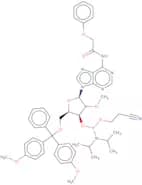
CAS:<p>2'-O-Methyl-N6-phenoxyacetyladenosine is a phosphoramidite nucleoside that is used in the synthesis of DNA and RNA. It has antiviral, anticancer, and antiribonucleases properties. The chemical structure of 2'-O-Methyl-N6-phenoxyacetyladenosine is similar to that of adenosine, but contains a methyl group on C2' position and an oxyalkyl group on N6. This compound can be used as a novel anticancer agent and has been shown to have high affinity for the purine receptor, inhibiting cancer cell proliferation by activating the p53 tumor suppressor pathway.</p>Formula:C19H21N5O6Purity:Min. 95%Color and Shape:White to off-white solid.Molecular weight:415.41 g/mol9-(2'-C-methyl-b-D-ribofuranosyl)6-methylpurine
CAS:<p>9-(2'-C-methyl-b-D-ribofuranosyl)6-methylpurine is a modified monophosphate nucleoside that is an antiviral agent. It can be used as a building block for the synthesis of ribonucleosides, deoxyribonucleosides, and phosphoramidites. This product has been shown to have anticancer properties and may be used in the development of new anticancer drugs. 9-(2'-C-methyl-b-D-ribofuranosyl)6-methylpurine has also been shown to inhibit the growth of bacteria by inhibiting DNA synthesis.</p>Purity:Min. 95%8-Azidoadenosine 5'-monophosphate sodium salt
CAS:<p>8-Azidoadenosine 5'-monophosphate sodium salt is an azido-conjugated adenosine monophosphate derivative used to introduce a label on oligonucleotides. A click reaction between the azide-functionalised nucleotide and a terminal alkyne-functionalised labelled moiety (with either a fluorophore or biotin) generates a stable conjugate containing a triazole link.</p>Formula:C10H13N8O7PPurity:Min. 95%Molecular weight:388.23 g/mol3-Cyanovinyl-9-(5’-O-DMT-2’-deoxyribofuranosyl)carbazole
CAS:<p>3-Cyanovinyl-9-(5’-O-DMT-2’-deoxyribofuranosyl)carbazole is a nucleoside analog that is an antiviral and anticancer agent. It is a monophosphate, which has been shown to inhibit the replication of DNA by binding to the enzyme DNA polymerase. 3-Cyanovinyl-9-(5’-O-DMT-2’-deoxyribofuranosyl)carbazole also inhibits protein synthesis and cell division by preventing the production of proteins vital for cell division. This drug has shown high purity and quality, as well as novel properties.</p>Formula:C41H36N2O5Purity:Min. 95%Molecular weight:636.74 g/mol7-Deaza-2'-deoxy-7-iodoguanosine
CAS:<p>7-Deaza-2'-deoxy-7-iodoguanosine is a purine nucleoside that is synthesized from guanosine and iodine. It is used as a marker in sequencing reactions because it can be easily detected by UV light at 254 nm. 7-Deaza-2'-deoxy-7-iodoguanosine can be synthesized using the following general equation:</p>Formula:C11H13IN4O4Purity:Min. 97 Area-%Color and Shape:White PowderMolecular weight:392.16 g/mol2-Thiocytidine
CAS:<p>2-Thiocytidine is a nucleoside that is an intermediate in the synthesis of thiamine. It has been shown to be effective in the treatment of prostate cancer cells, which may be due to its ability to inhibit protein synthesis. 2-Thiocytidine binds to the catalytic site of ribonucleotide reductase (RR) and inhibits the enzyme's activity, thereby inhibiting DNA synthesis. This drug also has been shown to inhibit crosslinking caused by UV light or other agents that generate reactive oxygen species. 2-Thiocytidine binds to the active site of RR and prevents the formation of the enzyme-substrate complex. This binding prevents reduction of ribose into ribonucleotides and inhibits DNA synthesis.</p>Formula:C9H13N3O4SPurity:Min. 95%Color and Shape:Yellow PowderMolecular weight:259.28 g/mol3-N-Boc-5'-O-DMT-3'-fluorothymidine
CAS:<p>3-N-Boc-5'-O-DMT-3'-fluorothymidine is a monophosphate nucleoside with antiviral and anticancer activity. It is a novel synthetic analogue of fluoro thymidine (FT) that has been shown to be an activator of DNA polymerase α, RNA polymerase β and γ, and protein kinase C. This compound is also an inhibitor of the reverse transcriptase enzyme HIV-1. 3-N-Boc-5'-O-DMT-3'-fluorothymidine has been shown to inhibit cancer cell growth in vitro and in vivo. The synthesis of this compound can be achieved by phosphoramidite chemistry using a commercially available automated synthesizer.</p>Purity:Min. 95%5'-Amino-5'-deoxythymidine
CAS:<p>5'-Amino-5'-deoxythymidine is a nucleoside that is structurally related to thymidine. It has been shown to be a substrate for fatty acid synthase, which is a key enzyme in the synthesis of membrane lipids. 5'-Amino-5'-deoxythymidine has been shown to induce tumorigenesis in mouse bladder carcinoma cells. This compound also does not form stable complexes with DNA duplexes and can inhibit uptake of thymidylate into cells by competitive inhibition. 5'-Amino-5'-deoxythymidine binds to the cell surface and acts as an antibody response modifier.</p>Formula:C10H15N3O4Purity:Min. 98 Area-%Color and Shape:White Off-White PowderMolecular weight:241.24 g/mol2,3'-Anhydro-N4-benzoyl-2'-deoxycytidine 5'-CE phosphoramidite
<p>2,3'-Anhydro-N4-benzoyl-2'-deoxycytidine 5'-CE phosphoramidite is a novel nucleoside analog that has been synthesized to have the same chemistry as 2,3'-dideoxycytidine 5'-C phosphoramidite. It has antiviral and anticancer properties. This compound can be used in the synthesis of oligonucleotides for DNA sequencing and for gene therapy.<br>2,3'-Anhydro-N4-benzoyl-2'-deoxycytidine 5'-CE phosphoramidite is not toxic to normal cells, but it inhibits replication of viruses such as HIV and herpes simplex virus.</p>Formula:C25H32N5O5PPurity:Min. 95%Molecular weight:513.54 g/molN4-Acetyl-2'-deoxy-5'-O-DMT-2'-fluorocytidine
CAS:<p>N4-Acetyl-2'-deoxy-5'-O-DMT-2'-fluorocytidine is a cytosine analog with high affinity for the T cell receptor. It can be used to generate antibodies against cytosine and as a screening tool for plasmon resonance.</p>Formula:C32H32FN3O7Purity:Min. 95%Color and Shape:White PowderMolecular weight:589.61 g/molN6-Dimethyl-3’-b-C-methyladenosine
CAS:<p>N6-Dimethyl-3’-b-C-methyladenosine is a novel nucleoside analog that has antiviral and anticancer properties. It is a phosphoramidite, which can be used as an activator for the synthesis of modified oligonucleotides. N6-Dimethyl-3’-b-C-methyladenosine has been shown to activate ribonucleosides and deoxyribonucleosides in vitro. This compound also has anticancer properties, which may be due to its ability to act as an activator in the synthesis of DNA.</p>Purity:Min. 95%1'-13CCytidine
CAS:<p>Please enquire for more information about 1'-13CCytidine including the price, delivery time and more detailed product information at the technical inquiry form on this page</p>Formula:CC8H13N3O5Purity:Min. 95%Color and Shape:PowderMolecular weight:244.21 g/mol5'-O-p-Anisoyl-D3-thymidine
Controlled Product<p>5'-O-p-Anisoyl-D3-thymidine is a nucleoside analogue that is used in antiviral and anticancer treatments. It is synthesized by the condensation of 3,4-dihydroxyacetophenone with 2,6-diaminopurine followed by phosphorylation of the 5' hydroxyl group. This product has been shown to be an activator of both DNA polymerase and RNA polymerase. In addition, it can inhibit the production of viral proteins such as HIV protease without affecting protein synthesis in mammalian cells. It also inhibits cancer cell growth by stopping DNA replication at the G2 phase.<br>5'-O-p-Anisoyl-D3-thymidine has been shown to be highly purified and can be used for research purposes. This product may have a CAS number but it will not be listed on this website due to company policy.</p>Formula:C18H17N2O7D3Purity:Min. 95%Molecular weight:379.38 g/molN2-Phenylacetyl-L-guanosine
<p>N2-Phenylacetyl-L-guanosine is a nucleoside that has been synthetically modified to have the desired properties of an anticancer agent. This compound inhibits DNA synthesis and is therefore cytotoxic to cells. It also inhibits RNA synthesis and is antiviral. N2-Phenylacetyl-L-guanosine has been found to be effective in preventing the growth of leukemia cells, breast cancer cells, prostate cancer cells, and ovarian cancer cells. N2-Phenylacetyl-L-guanosine is a nucleotide analogue that can be used as a building block for DNA or RNA synthesis. It can be used as a phosphate donor in phosphoramidite chemistry and can activate other nucleosides for use in chemical biology.</p>Formula:C18H19N5O6Purity:Min. 95%Molecular weight:401.37 g/mol4,6-Diamino-2-(b-D-ribofuranosyl)-2H-pyrazolo[3,4-d]pyrimidine
CAS:<p>4,6-Diamino-2-(b-D-ribofuranosyl)-2H-pyrazolo[3,4-d]pyrimidine is a nucleoside monophosphate that is used as an antiviral agent. It inhibits the synthesis of viral DNA and RNA by inhibiting the activity of enzymes needed for nucleotide synthesis. 4,6-Diamino-2-(b-D-ribofuranosyl)-2H-pyrazolo[3,4-d]pyrimidine has shown anticancer properties in vitro against human colon cancer cells. This drug has been shown to inhibit the growth of tumor cells with high expression levels of cyclin D1 and low levels of p27 (a cell cycle regulatory protein).</p>Purity:Min. 95%N2,N2-Dimethylguanosine
CAS:<p>N2,N2-Dimethylguanosine is a purine nucleoside that is found in human serum. It belongs to the group of purines and has been shown to be involved in energy metabolism. N2,N2-Dimethylguanosine has been shown to be present at high levels in patients with autoimmune diseases such as rheumatoid arthritis. The x-ray crystal structures of wild-type strains of Escherichia coli and Streptococcus pneumoniae have been determined, which revealed that this compound interacts with the enzyme activity for primary sclerosing cholangitis. This nucleoside can also be detected by LC-MS/MS methods and multivariate logistic regression analysis.</p>Formula:C12H17N5O5Purity:Min. 98 Area-%Color and Shape:Off-White PowderMolecular weight:311.3 g/mol2',3'-Dideoxy-5-iodouridine
CAS:<p>2',3'-Dideoxy-5-iodouridine is a synthetic nucleoside analog derived from uridine, one of the natural building blocks of RNA. This molecule has been chemically modified to disrupt the normal processes of DNA and RNA synthesis, making it a candidate for antiviral and anticancer research.</p>Formula:C9H11IN2O4Purity:Min. 95%Color and Shape:PowderMolecular weight:338.1 g/molGuanosine 3',5'-cyclic monophosphate sodium salt
CAS:<p>Guanosine 3',5'-cyclic monophosphate sodium salt (cGMP) is a cyclic nucleotide that is involved in the regulation of many cellular processes. It binds to specific guanine nucleotide-binding proteins (G proteins) and activates protein kinase A, which regulates glucose metabolism and energy production. cGMP also affects neuronal death, axonal growth, and bowel disease by acting as a cyclase inhibitor or activating the immune system. It has been shown to reduce the severity of infectious diseases such as HIV and malaria by activating the immune system.</p>Formula:C10H11N5NaO7PPurity:Min. 95%Color and Shape:PowderMolecular weight:367.19 g/mol1-(2'-Deoxy-3',5'-di-O-toluoyl-b-D-ribofuranosyl)-4-amino-1,2-dihydro-2-oxo-1,3,5-triazine
CAS:<p>1-(2'-Deoxy-3',5'-di-O-toluoyl-b-D-ribofuranosyl)-4-amino-1,2-dihydro-2-oxo-1,3,5-triazine is a nucleoside derivative that features a modified pyrimidinone (triazine) base attached to a protected deoxyribose sugar. This molecule can be used in research.</p>Formula:C24H24N4O6Purity:Min. 95%Color and Shape:White To Off-White SolidMolecular weight:464.48 g/mol5'-O-DMT-N4-isobutyryl-2'-O-methylcytidine
<p>5'-O-DMT-N4-isobutyryl-2'-O-methylcytidine is a novel, synthetic nucleoside. It is a phosphoramidate prodrug of 5'-deoxy-5'-O-dimethoxytrityl-N4-isobutyrylcytidine, which is an antiviral and anticancer agent. 5'-O-DMT-N4-isobutyrylcytidine inhibits DNA synthesis by competitively inhibiting the activity of the enzyme ribonucleotide reductase (RNR).</p>Formula:C35H39N3O8Purity:Min. 95%Molecular weight:629.7 g/mol5'-Carboxy-2-chloro-2'-3'-O-isopropylideneadenosine
CAS:<p>5'-Carboxy-2-chloro-2'-3'-O-isopropylideneadenosine is a monophosphate nucleoside that inhibits viral replication by inhibiting the synthesis of both DNA and RNA. This compound is used to treat cancers such as leukemia, lymphoma, and multiple myeloma. It also has antiviral properties that are active against herpes simplex virus (HSV) and human cytomegalovirus (CMV). 5'-Carboxy-2-chloro-2'-3'-O-isopropylideneadenosine is a modified nucleoside with a phosphoramidite group on the 2' position of the ribose sugar.</p>Formula:C13H14ClN5O5Purity:Min. 95%Color and Shape:Off-White PowderMolecular weight:355.74 g/molN4-Methylcytidine 5'-triphosphate triethylammonium salt
<p>N4-Methylcytidine 5'-triphosphate triethylammonium salt is a novel nucleoside analog that inhibits the growth of tumor cells. It is synthesized by reacting N4-methylcytidine with phosphoramidite in an amine base, and then treated with triethylamine to produce a triethylammonium salt. This nucleoside analog inhibits DNA synthesis by inhibiting the enzyme ribonucleotide reductase, which converts ribonucleotides to deoxyribonucleotides. The resulting monophosphate compound has been shown to be effective in cancer treatment and may also be used as an antiviral agent.</p>Formula:C10H18N3O14P3Purity:Min. 95%Molecular weight:497.18 g/molS-Adenosyl-L-methionine disulfate tosylate
CAS:<p>S-Adenosyl-L-methionine disulfate tosylate (SAMe) is a dietary supplement that is used to treat depression and liver disease. It is also a metabolite of the amino acid methionine, which is formed by the enzyme S-adenosylmethionine synthase. SAMe has been shown to inhibit the activation of caspase 3, which causes apoptosis in cells, and may be useful for treating cancer and other diseases. The chromatographic method used to separate SAMe from other compounds relies on its evaporative properties, due to its high water solubility.</p>Formula:C22H34N6O16S4Purity:Min. 95 Area-%Color and Shape:White PowderMolecular weight:766.8 g/mol5’-O-DMT-2’-b-C-methyladenosine
<p>5’-O-DMT-2’-b-C-methyladenosine is a modified nucleoside with antiviral and anticancer activity. It is an activator of DNA synthesis, and can be used as a precursor for phosphoramidites for the synthesis of oligonucleotides. The 5’-O-DMT group in this compound may be replaced with other activating groups to synthesize different modified nucleosides.</p>Purity:Min. 95%2'-Deoxy-5'-O-DMT-2'-trifluoroacetamidouridine
<p>2'-Deoxy-5'-O-DMT-2'-trifluoroacetamidouridine is a nucleoside that is used in the production of DNA and RNA. It is an activator of phosphoramidites, which are used to synthesize oligonucleotides. 2'-Deoxy-5'-O-DMT-2'-trifluoroacetamidouridine can be used as an anti-cancer drug and has antiviral activity. It has been shown to inhibit the replication of HIV by interfering with viral enzymes such as reverse transcriptase and integrase. 2'-Deoxy-5'-O-DMT-2'-trifluoroacetamidouridine can also be used for the treatment of influenza A virus infections. This drug is highly purified, with a high quality, monophosphate form as well as a diphosphate form. There are no known side effects associated with this product.!--</p>Formula:C32H30F3N3O8Purity:Min. 95%Molecular weight:641.61 g/mol4’,5’-Didehydro-2’,5’-dideoxyuridine
CAS:<p>4’,5’-Didehydro-2’,5’-dideoxyuridine (ddU) is a monophosphate of deoxyribonucleosides. It is an antiviral drug that was originally synthesized in the 1960s to combat viral infections. It has been used as a potential anticancer agent and as an activator for complex DNA synthesis. ddU has also been used in synthesis of phosphoramidites for DNA and RNA analogues.</p>Purity:Min. 95%5-Iodouridine
CAS:<p>5-Iodouridine is a pyrimidine nucleoside that is found in the human body. It is used as a starting material for the synthesis of 5-iodo-2'-deoxyuridine, which has been shown to have biological properties. 5-Iodouridine binds to the dna template and prevents radiation from altering it's conformation. This binding has been shown to be specific for ultraviolet (UV) radiation, with little absorption at visible wavelengths. The biological effects of 5-iodouridine are dependent on its acidic pH and hydrogen bonding ability. In vitro assays have demonstrated that this compound can inhibit prostate cancer cells from proliferating and may be useful in treating cervical cancer.</p>Formula:C9H11IN2O6Purity:Min. 95%Color and Shape:White PowderMolecular weight:370.1 g/mol2'-C-Methylguanosine 5'-diphosphate triethylammonium salt
<p>2'-C-Methylguanosine 5'-diphosphate triethylammonium salt is a synthetic nucleotide analog for use in research</p>Formula:C11H16N5O11P2·C18H45N3Purity:Min. 95%Color and Shape:PowderMolecular weight:759.79 g/mol2'-Cyano-2'-deoxy-1-(b-D-arabinofuranosyl)cytosine
CAS:<p>2'-Cyano-2'-deoxy-1-(b-D-arabinofuranosyl)cytosine is an analog of the natural substrate for DNA cytosine methyltransferase, 5-methylcytosine. 2'-Cyano-2'-deoxy-1-(b-D-arabinofuranosyl)cytosine inhibits the enzyme activity of DNA methyltransferase and blocks cell proliferation. It has been shown to be a potent antitumor agent in experimental models and may serve as a potential biomarker for cancer treatment. The drug is an oral prodrug that is activated by deamination in the liver and kidneys to release the active form, 5'-Azacytidine monophosphate (5'AZA). This metabolite then inhibits DNA methylation by binding to DNA cytosine methyltransferase, resulting in a loss of function of this enzyme.</p>Formula:C10H12N4O4Purity:Min. 95%Molecular weight:252.23 g/mol5-Hydroxymethylcytidine
CAS:<p>5-Hydroxymethylcytidine is a nucleoside that has been shown to inhibit the activity of RNA polymerase by forming hydrogen bonds with the enzyme. It is used in vitro to study the role of messenger RNA in regulating gene expression, and also as a probe for transcriptase activity. 5-Hydroxymethylcytidine has also been shown to have a biological function in solid tumours and may be an analytical method for detecting cancer.</p>Formula:C10H15N3O6Purity:Min. 95 Area-%Color and Shape:White PowderMolecular weight:273.24 g/mol6-Azacytidine
CAS:<p>6-Azacytidine is a molecule that contains a hydroxyl group and a glycosidic bond. It has been shown to inhibit the growth of mollicutes, which are non-cellular bacteria. 6-Azacytidine has also been shown to be toxic in animal tissue culture studies. The drug can be eliminated through the urine or bile after being metabolized by the liver. 6-Azacytidine is not active against human cells in cell culture, but it does show some toxicity against human liver cells.</p>Formula:C8H12N4O5Purity:Min. 95%Color and Shape:PowderMolecular weight:244.2 g/mol2-Chloro-N,N-dimethyl-2’C-methyladenosine
CAS:<p>2-Chloro-N,N-dimethyl-2’C-methyladenosine is a synthetic nucleoside that inhibits viral DNA synthesis. It is a modified deoxyribonucleoside that contains a chloro group at the 2’ position of the sugar ring and a methyl group at the 3’ position. This drug has antiviral activity against herpes simplex virus type 1 (HSV-1) and herpes simplex virus type 2 (HSV-2), respiratory syncytial virus (RSV), and influenza A virus. It also displays anticancer activity in vitro. This drug inhibits cancer cell growth by interfering with DNA replication and triggering apoptosis through inhibition of protein kinase C and activation of caspases.</p>Purity:Min. 95%3',5'-O-(1,1,3,3-Tetraisopropyl-1,3-disiloxanediyl)uridine
CAS:<p>Used as aprotected uridine nucleoside in RNA synthesis. The 1,1,3,3-tetraisopropyl-1,3-disiloxanediyl (TIPDS or TBDPSi2) group serves as a bulky and selectively acid-labile protecting group for the 3' and 5' hydroxyl groups of the uridine ribonucleoside during RNA oligonucleotide synthesis.</p>Formula:C21H38N2O7Si2Purity:Min. 95%Color and Shape:White PowderMolecular weight:486.71 g/mol2-Methylthioadenosine
CAS:<p>2-Methylthioadenosine is a purine nucleoside which induces necrotic cell death. It is the first of its kind to be shown to have activity against squamous carcinoma cells, and is activated by nucleoside phosphorylase in order to produce its cytotoxic form. 2-Methylthioadenosine also inhibits the transcription-polymerase chain reaction and increases oxidative injury. This drug has been shown to have receptor activity in brain cells, as well as chemotactic activity for gland cells. 2-Methylthioadenosine has been used as a model organism for polymerase chain reactions, and has been shown to inhibit p2y receptors in the human colon cancer cell line HT29.</p>Formula:C11H15N5O4SPurity:Min. 95%Color and Shape:White Off-White PowderMolecular weight:313.34 g/molOBEA-Fluorescein-2'-deoxy-5'-O-DMT-cytidine 3'CE-amidite
<p>OBEA-Fluorescein-2'-deoxy-5'-O-DMT-cytidine 3'CE-amidite is an anticancer drug that belongs to the class of deoxyribonucleosides. It is a novel nucleoside analogue that has been modified with fluorescein and a cytidine derivative. The synthesis of this compound is carried out by coupling a cytidine derivative with fluorescein and the phosphoramidite of the corresponding ribonucleotide. OBEA-Fluorescein-2'-deoxy-5'-O-DMT-cytidine 3'CE amidite has antiviral activity against DNA viruses, such as hepatitis B virus and human immunodeficiency virus, as well as RNA viruses, such as influenza A virus. This compound also has antiinflammatory activities.</p>Purity:Min. 95%2'-Deoxy-4'-thioadenosine
CAS:<p>2'-Deoxy-4'-thioadenosine is a purine nucleoside that is synthesized from 4-thiouridine and phosphorylase. It is cytotoxic and has significant cytotoxicity against cultured cells. The cytotoxicity of 2'-deoxy-4'-thioadenosine was found to be due to its conversion to the triphosphate form in the cells, which inhibits both DNA synthesis and RNA synthesis. This drug also has an inhibitory effect on the growth of tumor cells by inhibiting ribosomal protein synthesis.</p>Formula:C10H13N5O2SPurity:Min. 95%Molecular weight:267.31 g/mol5-Bromo-7-(2-C-methyl-b-D-ribofuranosyl)-7H-pyrrolo[2,3-d]pyrimidin-4-amine
CAS:<p>5-Bromo-7-(2-C-methyl-b-D-ribofuranosyl)-7H-pyrrolo[2,3-d]pyrimidin-4-amine is a chemical compound that has antiviral and anticancer properties. It is synthesized by the reaction of 5,5'-dibromoimidazole with 4,4'-dimethoxytrityl chloride. This product is used as a building block in the synthesis of deoxyribonucleosides, modified phosphoramidites, and nucleosides. It also has high purity and high quality.</p>Purity:Min. 95%2’,3’-Anhydro-7-deazaadenosine
CAS:<p>2’,3’-Anhydro-7-deazaadenosine is a modified nucleoside that is used in the treatment of viral infections. It is an antiviral drug that has been shown to have anticancer properties. 2’,3’-Anhydro-7-deazaadenosine can be synthesized from deoxyribonucleosides and diphosphates. The compound has been shown to inhibit the synthesis of DNA by binding to the enzyme DNA polymerase and blocking the formation of a phosphodiester bond between the 5' phosphate group and 3'-OH group. This may lead to inhibition of DNA replication and transcription. 2’,3’-Anhydro-7-deazaadenosine also inhibits protein synthesis by inhibiting RNA polymerase activity.</p>Purity:Min. 95%5'-O-DMT-thymidine 3'-O-succinate triethylammonium salt
CAS:<p>5'-O-DMT-thymidine 3'-O-succinate triethylammonium salt is a novel antiviral agent that inhibits viral replication by competing with natural nucleosides for incorporation into the viral DNA or RNA. The 5'-O-DMT group prevents the elimination of thymidine from the monophosphate form. This product has a high purity and quality, as well as potent antiviral activity against HIV and other viruses.</p>Formula:C35H36N2O10·xC6H15NPurity:Min. 95%Color and Shape:PowderMolecular weight:745.86 g/mol3'-Azido-3'-deoxythymidine-5'-monophosphate lithium salt - 100 mM aqueous solution
CAS:<p>3'-Azido-3'-deoxythymidine-5'-monophosphate lithium salt - 100 mM aqueous solution is an azidothymidine (AZT) analog that inhibits HIV replication. AZT is a nucleoside reverse transcriptase inhibitor that blocks the progression of HIV by preventing the virus from duplicating its DNA. This product has been shown to be effective in treating AIDS and related diseases, as well as other infectious diseases such as hepatitis B and C. 3'-Azido-3'-deoxythymidine-5'-monophosphate lithium salt - 100 mM aqueous solution is often used in combination with other drugs to increase their efficacy. It has also been shown to be an effective chemotherapeutic agent against cancer cells.</p>Formula:C10H14N5O7P·xLiPurity:Min. 95%Molecular weight:347.22 g/mol2'-Deoxy-5'-O-pixyluridine
<p>2'-Deoxy-5'-O-pixyluridine (2DPU) is a novel, synthetic nucleoside that is an active ingredient in antiviral and anticancer drugs. 2DPU has been shown to inhibit the replication of human immunodeficiency virus type 1 (HIV-1) by inhibiting the viral enzyme HIV reverse transcriptase. The phosphoramidite form of 2DPU is used as a building block for DNA synthesis and for the synthesis of other nucleosides. The monophosphate form of 2DPU is used in the synthesis of antiviral drugs, including acyclovir, zidovudine, and ribavirin.</p>Formula:C28H24N2O6Purity:Min. 95%Molecular weight:484.51 g/molN4-Acetyl-5'-O-DMT-2'-O-methylcytidine
CAS:<p>N4-Acetyl-5'-O-DMT-2'-O-methylcytidine is a cytidine analogue that has been synthesized to be used as an enzyme-linked probe. It is labelled with biotin and can be detected by binding to an antibody which has been labelled with a fluorescent tag. Cytidine analogues are synthesized on a solid phase and then cleaved from the support material. The spacer arm is added to the 5' end of the nucleotide and the 3'-OH group is modified with 2'-O-methyl groups. N4-Acetyl-5'-O-DMT-2'-O-methylcytidine has been shown to be sensitive in techniques such as solid phase synthesis, nucleic acid research, and immunoassays.</p>Formula:C33H35N3O8Purity:Min. 95%Color and Shape:Off-White PowderMolecular weight:601.65 g/molN6-Benzoyl-5'-O-benzoyl-2'-O-tert-butyldimethylsilyladenosine 3'-CE phosphoramidite
<p>N6-Benzoyl-5'-O-benzoyl-2'-O-tert-butyldimethylsilyladenosine 3'-CE phosphoramidite is an activator that is used to synthesize modified nucleosides. N6-Benzoyl-5'-O-benzoyl-2'-O-tert-butyldimethylsilyladenosine 3'-CE phosphoramidite has been shown to activate the synthesis of ribonucleosides, deoxyribonucleosides and other modified nucleosides. It reacts with a variety of DNA, RNA and protein substrates, including those containing phosphate groups. N6-Benzoyl-5'-O-benzoyl-2'-O-tert-butyldimethylsilyladenosine 3'-CE phosphoramidite has also been shown to have anticancer activity in vitro and in vivo</p>Formula:C39H52N7O7PSiPurity:Min. 95%Molecular weight:789.95 g/mol3-β-D-Ribofuranosyl-1H-pyrimido[5,4-b][1,4]benzoxazin-2(3H)-one
CAS:<p>3-beta-D-Ribofuranosyl-1H-pyrimido[5,4-b][1,4]benzoxazin-2(3H)-one is a phosphoramidite that can be used for the synthesis of DNA. It has antiviral activity and has been shown to inhibit the growth of cancer cells. 3-beta-D-Ribofuranosyl-1H-pyrimido[5,4-b][1,4]benzoxazin-2(3H)-one is a novel nucleoside that is modified with a fluoroquinolone moiety. This modification inhibits viral replication by interfering with viral DNA polymerase. The novel nucleoside has also been shown to have anticancer activity in vitro and in vivo.</p>Formula:C15H15N3O6Purity:Min. 95%Color and Shape:PowderMolecular weight:333 g/mol9-(b-D-Arabinofuranosyl)-8-chloroadenine
CAS:<p>9-(b-D-arabinofuranosyl)-8-chloroadenine is a deoxyribonucleoside that is structurally related to adenosine. It has antiviral properties and has been shown to be active against herpes virus, influenza A virus, and cytomegalovirus. 9-(b-D-Arabinofuranosyl)-8-chloroadenine is an activator of cellular DNA polymerase δ and has been shown to inhibit the replication of HIV in human T lymphocytes. 9-(b-D-Arabinofuranosyl)-8-chloroadenine also inhibits the proliferation of tumor cells and is being investigated as a potential chemotherapeutic agent for cancer treatment.</p>Purity:Min. 95%2'-Deoxy-N2-isobutyryl-5'-O-tritylguanosine 3'-CE phosphoramidite
<p>2'-Deoxy-N2-isobutyryl-5'-O-tritylguanosine 3'-CE phosphoramidite is a novel nucleoside analogue that has antiviral and anticancer properties. This compound is synthesized by the reaction of 5'-O-tritylguanosine with 2'-deoxyribonucleosides in high purity. The final product is purified by chromatography and characterized using mass spectrometry and nuclear magnetic resonance spectroscopy.</p>Purity:Min. 95%N6-Benzoyl-3'-deoxy-5'-O-DMT-cytidine 2'-CE phosphoramidite
CAS:<p>N6-Benzoyl-3'-deoxy-5'-O-DMT-cytidine 2'-CE phosphoramidite is a Ribonucleoside, Novel, High quality, Activator, Deoxyribonucleosides, Modified, CAS No. 157327-96-3. It is one of the main ingredients in the synthesis of DNA monophosphate and diphosphate. It is also used as an anticancer and antiviral agent.</p>Formula:C46H52N5O8PPurity:Min. 95%Molecular weight:833.91 g/mol8-Bromocyclic adenosine diphosphate ribose sodium
CAS:<p>8-Bromocyclic adenosine diphosphate ribose sodium salt (8BCAR) is a cytosolic cyclase inhibitor that inhibits the synthesis of cyclic adenosine monophosphate (cAMP). 8BCAR blocks the activation of protein kinase A, which is an enzyme involved in the phosphorylation of cAMP. 8BCAR has been shown to inhibit cardiac hypertrophy induced by growth factor-β1 and to increase mitochondrial membrane potential, as well as to suppress cardiomyocyte apoptosis. In addition, this drug can be used for the treatment of cancers such as leukemia and lymphoma.</p>Formula:C15H19BrN5NaO13P2Purity:Min. 95%Color and Shape:PowderMolecular weight:642.19 g/mol2-Thiouridine-5'-monophosphate triethylammonium salt - Aqueous solution
CAS:<p>2-Thiouridine-5'-monophosphate triethylammonium salt is a synthetic nucleotide analog that inhibits the growth of cells by binding to the anticodon region, which blocks the entrance of amino acids into the ribosome. It also inhibits cell growth by preventing glycosidic bond formation and inhibiting purine metabolism. This drug has functional groups that allow it to be purified by chromatography and diffraction techniques. The drug is not active against bacteria that are resistant to glutamic acid, such as Mycobacterium tuberculosis or Mycobacterium avium complex. 2-Thiouridine-5'-monophosphate triethylammonium salt is a precursor for other drugs, such as cytidine 5'-triphosphate, which can be used in chemotherapy treatments.</p>Formula:C21H43N4O8PSPurity:Min. 95%Color and Shape:Clear LiquidMolecular weight:542.63 g/mol2'-O-Methylcytidine-5'-triphosphate sodium salt - 100mM aqueous solution
CAS:<p>2'-O-Methylcytidine-5'-triphosphate sodium salt is a synthetic, modified nucleoside analog. It can be used as an antiviral agent and anticancer drug to inhibit viral replication and tumor growth. 2'-O-Methylcytidine-5'-triphosphate sodium salt has the ability to activate cellular DNA synthesis. This compound also inhibits RNA polymerase activity in cancer cells, which inhibits the production of proteins vital for cell division. 2'-O-Methylcytidine-5'-triphosphate sodium salt can be used as a phosphoramidite building block for the synthesis of oligonucleotides with novel structures.</p>Formula:C10H18N3O14P3·xNaPurity:Min. 95%Color and Shape:Clear LiquidMolecular weight:497.18 g/mol6-Amino-9-(2',3'-dideoxy-2'-fluoro-β-D-arabinofuranosyl)purine
CAS:<p>6-Amino-9-(2',3'-dideoxy-2'-fluoro-β-D-arabinofuranosyl)purine is a nucleoside analog that is used to treat HIV. It is a prodrug that undergoes phosphorylation by host cell kinases to form its active form, 2'-deoxycytidine monophosphate (2'DCPM). This drug has been shown to inhibit the replication of HIV in vitro and in vivo. 6-Amino-9-(2',3'-dideoxy-2'-fluoro-β-D-arabinofuranosyl)purine has antiviral potency against both group M and N HIV isolates. It also enhances polymerase chain reaction amplification of HIV DNA and can be used in tissue culture experiments to study the effects of drugs on the virus. Clinical trials have shown that 6-amino 9-(2',3'-dideoxy-2</p>Formula:C10H12FN5O2Purity:Min. 95%Color and Shape:White PowderMolecular weight:253.24 g/mol6-Chloro-7-deaza-9-(b-D-ribofuranosyl)purine
CAS:<p>6-Chloro-7-deaza-9-(b-D-ribofuranosyl)purine is a novel nucleoside that has been shown to be an efficient activator of the transcription factor NFκB in vitro. 6-Chloro-7-deaza-9-(b-D-ribofuranosyl)purine is synthesized by phosphoramidite chemistry and purified by HPLC. It has been demonstrated to inhibit the replication of human immunodeficiency virus (HIV) in a dose dependent manner, which may be due to its ability to inhibit the synthesis of viral DNA and RNA. This product is highly pure and can be used for many purposes, including as a synthetic building block for DNA or as an antiviral drug.</p>Formula:C11H12ClN3O4Purity:Min. 95%Color and Shape:White PowderMolecular weight:285.69 g/molN-Benzoyl-2'-deoxy-2'-fluoroadenosine, 3'-(hydrogen phosphonate)
CAS:<p>N-Benzoyl-2'-deoxy-2'-fluoroadenosine, 3'-(hydrogen phosphonate) is a novel nucleoside that inhibits the replication of virus by binding to viral RNA. It is synthesized by reacting 2'-deoxy-2'-fluoroadenosine with pentafluorophenyl phosphate in the presence of an activator such as dicyclohexylcarbodiimide or N-hydroxysuccinimide. The synthesis of N-benzoyl-2'-deoxy-2'-fluoroadenosine, 3'-(hydrogen phosphonate) can be accomplished using commercially available nucleosides and phosphoramidites.</p>Purity:Min. 95%N6-Benzoyl-5'-O-DMT-2'-O-propynyladenosine 3'-CE phosphoramidite
CAS:<p>N6-Benzoyl-5'-O-DMT-2'-O-propynyladenosine 3'-CE phosphoramidite is a modified nucleoside, which is an important building block for DNA and RNA synthesis. It is synthesized by the condensation of 6-benzoyladenosine with 2'-O-propynyladenosin. The stability of this compound has been demonstrated by its resistance to hydrolysis and oxidation, while it can also be activated with a variety of activators, including NaBH4 or NaCNBH3. This novel nucleotide has shown anticancer activity in vivo and antiviral activity against HIV.</p>Formula:C50H54N7O8PPurity:Min. 95%Molecular weight:911.98 g/mol6-Amino-1-(2'-deoxy-b-D-ribofuranosyl)-4-hydrazino-1H-pyrazolo[3,4-d]pyrimidine
<p>6-Amino-1-(2'-deoxy-b-D-ribofuranosyl)-4-hydrazino-1H-pyrazolo[3,4-d]pyrimidine (6ADRP) is a synthetic nucleoside that is used as an activator of ribonucleosides and diphosphates in DNA synthesis. 6ADRP has antiviral activity against HIV and herpes simplex virus type 1. It binds to the viral DNA polymerase and prevents the addition of nucleotides to the growing DNA strand. 6ADRP is phosphorylated by T7 kinase to form the active metabolite, 6-amino-1-(2'-deoxy-[alpha]-D-ribofuranosyl)-5'-triphosphate (6ATP), which inhibits viral replication by preventing the formation of RNA primers.</p>Purity:Min. 95%2-Methoxycarbonyl adenosine
CAS:<p>2-Methoxycarbonyl adenosine is a modified nucleoside and nucleotide. It is an antiviral agent that has been shown to be effective against herpes simplex virus type 1 (HSV-1) and varicella zoster virus (VZV). 2-Methoxycarbonyl adenosine also has anticancer activity, which may be due to its ability to inhibit DNA synthesis. This agent can also be used as a phosphoramidite for the synthesis of oligonucleotides and as a monophosphate for the synthesis of ribonucleosides. 2-Methoxycarbonyl adenosine is also available in high purity and high quality with CAS No. 70255-70-8.</p>Purity:Min. 95%(R)-5',P'-Ester with thiodiphosphoric acid ((HO)2P(O)OP(S)(OH)2) adenosine
CAS:<p>(R)-5',P'-Ester with thiodiphosphoric acid ((HO)2P(O)OP(S)(OH)2) adenosine is a nucleoside monophosphate. It has been shown to be an activator of the enzyme adenylate cyclase, which converts ATP into cyclic AMP, a second messenger in cell signaling. (R)-5',P'-Ester with thiodiphosphoric acid ((HO)2P(O)OP(S)(OH)2) adenosine does not have anticancer properties and does not inhibit the production of ribonucleotides or deoxyribonucleotides. This compound is synthesized using novel methods and is of high purity and quality.</p>Formula:C10H12N5Na3O9P2SPurity:Min. 95%Molecular weight:509.21 g/molN6-([6-Aminohexyl]carbamoylmethyl)adenosine 5'-triphosphate lithium salt
CAS:<p>N6-([6-Aminohexyl]carbamoylmethyl)adenosine 5'-triphosphate lithium salt is a monophosphate nucleoside that has been modified with a 6-aminohexylaminocarbonyl group. It is an antiviral and anticancer agent that inhibits the synthesis of DNA, RNA, and proteins. N6-[(6-Aminohexyl)carbamoylmethyl]adenosine 5'-triphosphate lithium salt is novel and high quality.</p>Formula:C18H32N7O14P3·xLiPurity:Min. 95%Coenzyme A trilithium salt
CAS:<p>Coenzyme A trilithium salt is a synthetic cofactor that is used in the synthesis of long-chain fatty acids. It is membrane permeable and has minimal toxicity, making it an attractive candidate for treating hepatic steatosis. Coenzyme A trilithium salt also activates human mitochondrial beta-oxidation by increasing the availability of substrate and enhancing the expression of genes involved in beta-oxidation. This molecule has been shown to be effective in improving the symptoms of X-linked adrenoleukodystrophy (X-ALD) by stimulating creatine kinase activity and suppressing lysosomal accumulation of long chain fatty acids.</p>Formula:C21H33Li3N7O16P3SPurity:Min. 80%Color and Shape:White Off-White PowderMolecular weight:785.33 g/mol3'-O-Methylguanosine 5'-triphosphate lithium
CAS:<p>3'-O-Methylguanosine 5'-triphosphate lithium is a nucleotide that has been synthesized and characterized. It is a biochemical regulatory molecule that is involved in the synthesis of DNA, RNA, and proteins. 3'-O-Methylguanosine 5'-triphosphate lithium binds to the guanine nucleotide binding protein G, which acts as an allosteric activator of the enzyme ribonucleotide reductase. The reconstituted enzyme system containing 3'-O-methylguanosine 5'-triphosphate lithium has demonstrated a high level of fidelity in the replication of dna templates.</p>Formula:C11H18N5O14P3•Li4Purity:Min. 95%Color and Shape:PowderMolecular weight:564.97 g/mol8-Hydroxyadenosine
CAS:<p>8-Hydroxyadenosine (8-OHdG) is a purine nucleoside that is formed as a result of oxidative DNA damage. It is not an essential metabolite because it can be synthesized de novo. 8-OHdG has been shown to have potent anti-tumor activity in vitro and in vivo, which may be due to its ability to inhibit DNA replication. The biological effects of 8-OHdG are attributed to its ability to form hydrogen bonds with guanine residues in the double helix, and electrochemical detectors have been developed for its detection.</p>Formula:C10H13N5O5Purity:Min. 98 Area-%Color and Shape:PowderMolecular weight:283.25 g/mol2'-Deoxy-5'-O-DMT-N2-isopropylguanosine
CAS:<p>2'-Deoxy-5'-O-DMT-N2-isopropylguanosine is a nucleoside that is used as an activator for phosphoramidites in the synthesis of DNA. It is also an antiviral agent that inhibits the synthesis of RNA by inhibiting the enzyme RNA polymerase II. 2'-Deoxy-5'-O-DMT-N2-isopropylguanosine has been shown to have anticancer activity and can be used as a substitute for other nucleosides in the treatment of leukemia, lymphoma, and breast cancer. 2'-Deoxy-5'-O-DMT-N2-isopropylguanosine is synthesized from DMT and N2-(2-isopropyl)guanine.</p>Formula:C34H37N5O6Purity:Min. 95%Molecular weight:611.7 g/mol5'-O-DMT-N2-DMF-guanosine
CAS:<p>5'-O-DMT-N2-DMF-guanosine is a novel nucleoside that has been modified with an acetyl group on the 5'-hydroxyl group. This nucleoside has antiviral, anticancer and deoxyribonucleoside properties. It also activates diphosphate synthesis and inhibits protein synthesis. The drug is synthesized in high purity and quality, making it an excellent activator for phosphoramidites.</p>Formula:C34H36N6O7Purity:(%) Min. 85%Molecular weight:640.69 g/mol2'-Deoxy-N2-isobutyryl-5'-O-MMT-guanosine 3'-CE phosphoramidite
<p>2'-Deoxy-N2-isobutyryl-5'-O-MMT-guanosine 3'-CE phosphoramidite is a modified nucleoside analogue with anticancer activity. It is synthesized by reacting 2'-deoxy-N2-isobutyryl-5'-O-methylguanosine with diethyl chlorophosphate in the presence of tetrazole. This novel compound has been shown to have antiviral and antitumor activities as well as high affinity for DNA and RNA.</p>Formula:C43H52N7O7PPurity:Min. 95%Molecular weight:809.91 g/mol2'-Deoxy-N6-DMF-5'-O-MMT-adenosine 3'-CE phosphoramidite
CAS:<p>2'-Deoxy-N6-DMF-5'-O-MMT-adenosine 3'-CE phosphoramidite is a high purity, diphosphate nucleotide analog. It is an anticancer drug that inhibits DNA synthesis and can be used to treat cancer. The 2'-deoxy-N6-DMF moiety has been shown to inhibit the activity of DNA polymerase and other enzymes involved in DNA replication. This compound also has a novel mechanism of action that is not present in any other known anticancer drugs. CAS No. 195375-66-7.br>br>2'-Deoxy-N6-DMF 5'-O-MMT adenosine 3'-cephosphoramidite is often used as a building block for oligonucleotide synthesis because it is resistant to the removal of phosphate groups by alkaline phosphatases. The lack of phosphate groups makes this compound more stable than standard nucleotides</p>Formula:C42H51N8O5PPurity:Min. 95%Molecular weight:778.9 g/mol3'-Amino-N6-benzoyl-2'-O-tert-butyldimethylsilyl-5'-O-DMT-3'-deoxyadenosine
<p>3'-Amino-N6-benzoyl-2'-O-tert-butyldimethylsilyl-5'-O-DMT-3'-deoxyadenosine is a nucleoside that is synthesized by the modification of deoxyadenosine. It has antiviral and anticancer properties, as well as other novel applications. The synthesis of this compound can be achieved in two steps: first, the amino group is attached to the 3' carbon atom of the sugar ring by reacting with N6-(benzoyl)adenine. In the second step, a silyl group is attached to the 5' carbon atom of the sugar ring by reacting with tert-butyldimethylchlorosilane and DMT (dimethoxytrityl).</p>Formula:C44H50N6O6SiPurity:Min. 95%Molecular weight:786.99 g/mol5-Azacytidine
CAS:<p>An azanucleoside and epigenetic modulator that interferes with nucleic acid metabolism. The compound gets incorporated into RNA and inhibits ribonucleotide reductase subunit RRM2 in leukemia cell lines. Intracellularly, 5-azacytidine can get converted into 2′-deoxy-5-azacytidine (decitabine) and subsequently incorporated in DNA, where it irreversibly inhibits DNMT1 methyltransferase. In human epithelial cell lines, this compound decreases Src-activated expression of a histone chaperone CAF1 and inhibits cell motility and invasiveness.</p>Formula:C8H12N4O5Purity:Min. 95%Color and Shape:White Off-White PowderMolecular weight:244.21 g/mol2'-Deoxy-2'-fluoroinosine 5'-monophosphate lithium salt
<p>2'-Deoxy-2'-fluoroinosine 5'-monophosphate lithium salt is a nucleoside analog that has been modified to contain a fluorine atom at the 2' position of the ribose sugar. This agent is an activator of DNA polymerase and can be used in the synthesis of oligonucleotides. It is also an antiviral and anticancer agent.</p>Formula:C10H12FN4O7P·xLiPurity:Min. 95%Molecular weight:350.2 g/mol2',5'-Dideoxyadenosine
CAS:<p>2',5'-Dideoxyadenosine is a nucleotide analog that inhibits the enzyme adenylate cyclase, by binding non-competitively via the P-site</p>Formula:C10H13N5O2Purity:Min. 95%Color and Shape:White Off-White PowderMolecular weight:235.25 g/mol9-(2',3',5'-Tri-O-benzoyl-b-D-ribofuranosyl)-2-chloropurine
CAS:<p>9-(2',3',5'-Tri-O-benzoyl-b-D-ribofuranosyl)-2-chloropurine is a modified nucleoside with anticancer activity. It has been shown to be an effective activator of DNA, RNA, and protein synthesis in vitro. This drug has also been shown to have antiviral properties against herpes simplex virus type 1 (HSV1) and influenza A virus. 9-(2',3',5'-Tri-O-benzoyl-b-D-ribofuranosyl)-2-chloropurine is an analog of the natural purine metabolite hypoxanthine that can be synthesized in high purity.</p>Purity:Min. 95%8-Bromoguanosine 3',5'-cyclic monophosphate sodium salt
CAS:<p>Activator of cGMP-dependent protein kinases</p>Formula:C10H10BrN5NaO7PPurity:Min. 95%Color and Shape:PowderMolecular weight:446.08 g/mol(4-N,N-(Dipropyl-1,1-diido-2-)aminophenyl)(5'-deoxy-5'-glycylamino-2'-O-tetrahydropyranylcytidyl-3')hydrogen phosphate
<p>This is an activator, CAS No. is not available, Anticancer, monophosphate, Deoxyribonucleosides, Novel, Synthetic, High purity, High quality, Modified. It is a nucleoside phosphoramidite that contains a modified phosphate group at the 5' position and can be used in the synthesis of oligonucleotides or polynucleotides. This compound is also an antiviral and diphosphate.</p>Purity:Min. 95%4’-C-Methyl-5-methylcytidine
CAS:<p>4’-C-Methyl-5-methylcytidine is a phosphoramidite nucleoside that is used as a reagent in the synthesis of DNA. It is modified with a 4′-methyl and 5′-methyl group at the C4 and C5 positions of the cytosine base, respectively. The 4′-C methyl group is an antiviral agent that inhibits viral replication by inhibiting reverse transcriptase. The 5′-methyl group prevents deamination of cytosine residues by inhibiting uracil glycosylase. This product has anticancer properties due to its ability to inhibit cell division and activate apoptosis in tumor cells.</p>Purity:Min. 95%1-(2'-Deoxy-5'-O-DMT-2'-fluoro-b-D-arabinofuranosyl)thymine 3'-O-succinate triethylammonium salt
<p>1-(2'-Deoxy-5'-O-DMT-2'-fluoro-b-D-arabinofuranosyl)thymine 3'-O-succinate triethylammonium salt is a compound used in the synthesis of oligonucleotides. The synthesis of such compounds often involves the use of protecting groups, such as the 4,4'-dimethoxytrityl (DMT) group, to prevent unwanted reactions during the synthesis process. The 2'-fluoro modification is of particular interest due to its potential to alter the chemical and biological properties of the resulting oligonucleotides. Fluorinated nucleosides and their analogs have been extensively studied for their antiviral and anticancer activities</p>Formula:C35H34FN2O10·C6H16NPurity:Min. 95%Molecular weight:763.87 g/mol6-Dimethylamino-9-(b-D-ribofuranosyl)purine
CAS:<p>6-Dimethylamino-9-(b-D-ribofuranosyl)purine (6-DMAP) is an analog of adenine that has been shown to have anticancer activity in human serum and tissue culture. 6-DMAP can inhibit the synthesis of ATP, leading to cell death by significantly inhibiting cellular processes such as glycolysis and DNA replication. 6-DMAP also has a significant cytotoxicity on various types of cancer cells and plant tissues. The mechanism of action for the anticancer activity of 6-DMAP is not yet known, but it may be due to its ability to interfere with purine metabolism or its ability to form covalent bonds with DNA.</p>Formula:C12H17N5O4Purity:Min. 98 Area-%Color and Shape:White PowderMolecular weight:295.3 g/molAdenylyl-3'-5'-adenosine ammonium salt
CAS:<p>Adenylyl-3'-5'-adenosine ammonium salt is a novel and activator. CAS No. 21027-46-3. Ribonuclesides, Deoxyribonucleosides, diphosphate, Phosphoramidites, Modified, Anticancer, Antiviral, monophosphate, Nucleosides, Synthetic. High quality and high purity.</p>Formula:C20H25N10O10PPurity:Min. 95%Molecular weight:596.45 g/mol2'-O-(2-Methoxyethyl)-5-methylcytidine 5'-monophosphate
<p>2'-O-(2-Methoxyethyl)-5-methylcytidine 5'-monophosphate is a novel nucleoside analog that is phosphorylated to its active form, 5'-O-(4,4'-dimethoxytrityl)-2'-O-(2-methoxyethyl)-5-methylcytidine monophosphate, which has antiviral and anticancer properties. It can be used as an activator for oligonucleotide synthesis and DNA synthesis. This product is available in high purity (>98%) and high quality. CAS No.: 181297-76-7</p>Purity:Min. 95%3'-b-Amino-2',3'-dideoxy-5'-O-trityl-5-methyluridine
<p>3'-b-Amino-2',3'-dideoxy-5'-O-trityl-5-methyluridine is a phosphoramidite, which is an intermediate in the synthesis of nucleosides. It is a novel deoxyribonucleoside that has been modified to include a methyl group at the 5' position. 3'-b-Amino-2',3'-dideoxy-5'-O-trityl-5-methyluridine is often used as an activator for DNA polymerases and ribonucleases, as well as for the synthesis of ribonucleosides. This product has shown anticancer activity by inhibiting RNA synthesis.</p>Purity:Min. 95%Molecular weight:227.22 g/mol4-Demethylwyosine
CAS:<p>4-Demethylwyosine is a metabolite found in the bacterium Pyrococcus furiosus. It is an intermediate in the biosynthesis of 2-amino-3,5-dimethyoxybenzoic acid. 4-Demethylwyosine has been shown to inhibit cancer cell proliferation by inhibiting the synthesis of lysine residues and base formation. This inhibition may be due to its methyl transferase activity, which leads to decreased levels of methionine, or it may be due to its ability to act as a carboxylate group donor. 4-Demethylwyosine has also been shown to bind with DNA and RNA, regulating posttranscriptional processes such as protein translation and transcription.</p>Formula:C13H15N5O5Purity:Min. 80 Area-%Color and Shape:PowderMolecular weight:321.29 g/mol4-Amino-6-hydroxypyrazolo(3,4-D)pyrimidine
CAS:<p>4-Amino-6-hydroxypyrazolo(3,4-D)pyrimidine is an anti-inflammatory drug that is used to treat bowel disease. It is also used as a polymer conjugate to treat cancer, and in the prevention of transplant rejection. 4-Amino-6-hydroxypyrazolo(3,4-D)pyrimidine has been shown to have antioxidant properties and may be effective in preventing inflammatory diseases such as inflammatory bowel disease. It has also been shown to act as an antihypertensive agent by inhibiting angiotensin I converting enzyme (ACE).</p>Formula:C5H5N5OPurity:Min. 95%Molecular weight:151.13 g/mol3'-Azido-N4-benzoyl-5'-O-benzoyl-2',3'-dideoxycytidine
<p>3'-Azido-N4-benzoyl-5'-O-benzoyl-2',3'-dideoxycytidine is a synthetic nucleoside with antiviral and anticancer properties. It is a modified nucleoside that has been synthesized from 2,3'-dideoxycytidine. 3'-Azido-N4-benzoyl-5'-O-benzoyl-2',3'-dideoxycytidine has shown to be effective against HIV and influenza virus. 3'-Azido-N4-benzoyl-5'-O-benzoyl-2',3'-dideoxycytidine binds to the viral RNA polymerase, preventing the production of viral mRNA. This drug also inhibits DNA synthesis by binding to deoxynucleotide triphosphates (dNTPs) and prevents DNA synthesis by inhibiting the enzyme DNA polymerase.</p>Formula:C23H20N6O5Purity:Min. 95%Molecular weight:460.44 g/mol2'-O-(2-Methoxyethyl)guanosine
CAS:<p>2'-O-(2-Methoxyethyl)guanosine is a guanosine derivative isolated from the reaction of 2-aminoadenosine with methylsulfonyl chloride. This compound has been shown to react with aromatic hydrocarbons to form a reagent that is useful for the alkylation of nucleophilic groups in organic synthesis.</p>Formula:C13H19N5O6Purity:Min. 95%Color and Shape:PowderMolecular weight:341.32 g/mol2'-C-Methyluridine
CAS:<p>2'-C-Methyluridine is a synthetic nucleoside analog derived from uridine, modified with a methyl group at the 2'-carbon of the ribose sugar. This small chemical change has important implications for RNA biology, antiviral drug development, and biochemical research, especially in targeting RNA viruses.</p>Formula:C10H14N2O6Purity:Min. 95%Color and Shape:PowderMolecular weight:258.23 g/mol2'-O-Acetyl-3'-azido-5'-O-(4-methylbenzoyl)-3'-deoxyuridine
CAS:<p>2'-O-Acetyl-3'-azido-5'-O-(4-methylbenzoyl)-3'-deoxyuridine (2'AAZ) is a modified nucleoside that has antiviral and anticancer activities. This compound blocks the synthesis of DNA, RNA, and proteins. 2'AAZ inhibits cell proliferation by interfering with the replication of DNA and by inhibiting protein synthesis. It has been shown to inhibit the growth of cancer cells in vitro and in vivo. The IC50 values for 2'AAZ are 5 μM for herpes simplex virus type 1 (HSV1) infection in Vero cells, 4 μM for HSV2 infection in Vero cells, 3 μM for influenza A virus (H1N1) infection in MDCK cells, and 0.5 μM for human immunodeficiency virus type 1 (HIV-1) infection in CEM-SS cells.</p>Purity:Min. 95%3'-Deoxy-N-dimethylformamidine- 5'-O-DMT-guanosine-2'-O-succinoyl-long chain alkylamino-CPG
<p>3'-Deoxy-N-dimethylformamidine-5'-O-DMT-guanosine-2'-O-succinoyl-long chain alkylamino-CPG is an anticancer, antiviral, and modified nucleoside. It is a novel monophosphate nucleoside that can be used in the synthesis of DNA or RNA. 3'-Deoxy-N-dimethylformamidine is a synthetic phosphoramidite that is activated with triethylamine and reacts with 5'--DMT--guanosine to yield a novel nucleoside. The compound has high purity and high quality.</p>Purity:Min. 95%5-(N-Isopentenyl-N-trifluoroacetyl)aminomethyluridine
CAS:<p>5-(N-Isopentenyl-N-trifluoroacetyl)aminomethyluridine is a nucleoside analog that is structurally related to cytidine. It was first synthesized in the 1970s, and has been shown to possess antiviral activity against herpes simplex virus type 1. In addition, it has been shown to inhibit DNA synthesis and the formation of DNA double strands. 5-(N-Isopentenyl-N-trifluoroacetyl)aminomethyluridine is an activator of protein kinase C and cyclic AMP phosphodiesterase, as well as a DNA polymerase inhibitor with anticancer properties.</p>Purity:Min. 95%Cholest-5-en-3-ol, 3-CEphosphoramidite
CAS:<p>Cholest-5-en-3-ol, 3-CEphosphoramidite is a modified nucleoside that is used in the synthesis of DNA and RNA. It has antiviral and anticancer properties. Cholest-5-en-3-ol, 3-CEphosphoramidite inhibits tumor growth by inhibiting DNA synthesis in cells. The drug also has antiviral activity because it inhibits viral replication by blocking the incorporation of deoxyribonucleotides into viral DNA. Cholest-5-en-3-ol, 3-CEphosphoramidite can be used in the synthesis of oligodeoxyribonucleotides containing modified bases or phosphodiester linkages or both. It is also used to synthesize other novel compounds with anticancer properties.</p>Purity:Min. 95%2'-Deoxy-5'-O-DMT-2'-fluorouridine
CAS:<p>2'-Deoxy-5'-O-DMT-2'-fluorouridine is a medicament that belongs to the group of antineoplastic agents and is used in cancer treatment. It inhibits the synthesis of DNA by inhibiting the enzyme thymidylate synthetase, which is required for the formation of thymine nucleotides. This drug has been shown to be effective against some cancer cells in vitro and in vivo, but not all. 2'-Deoxy-5'-O-DMT-2'-fluorouridine can also inhibit terminal growth phases and induce programmed cell death. Solid phase synthesis has been used to synthesize this molecule as a phosphoramidite.</p>Formula:C30H29FN2O7Purity:Min. 98 Area-%Color and Shape:White PowderMolecular weight:548.57 g/molN3-Cyanoethyl-5’-O-DMT-2’-O-methyluridine
<p>N3-Cyanoethyl-5’-O-DMT-2’-O-methyluridine is a nucleoside that is synthesized from 5'-O-DMT-2’-O-methyluridine. It has antiviral and anticancer properties, as well as an inhibitory effect on DNA synthesis. N3-Cyanoethyl-5’-O-DMT-2’-O methyluridine is a novel nucleoside with DMT and methylated uracil at the 3' position of the sugar moiety. Synthesis may be achieved by using phosphoramidites or modified nucleosides such as N3-(cyanoethyl)-5'-0-(dimethoxytrityl)thymidine. This product meets high purity standards, with a CAS number of 68719–77–8.</p>Purity:Min. 95%5'-O-[Bis(4-methoxyphenyl)(phenyl)methyl]-2'-deoxy-N-isobutyrylguanosine
CAS:<p>5'-O-[Bis(4-methoxyphenyl)(phenyl)methyl]-2'-deoxy-N-isobutyrylguanosine is a synthetic nucleoside that is used as a building block in the synthesis of oligonucleotides. This chemical has an electronegativity value of 1.7, which means that it is more electronegative than guanine (1.0). It also has a conjugated system and is stable under a range of conditions. 5'-O-[Bis(4-methoxyphenyl)(phenyl)methyl]-2'-deoxy-N-isobutyrylguanosine reacts with tetrazole in the presence of phosphoramidite, yielding the corresponding 5'-O-(4,4'-dimethoxytrityl)-2'-deoxy-N-isobutyrylguanosine, which can then be used to</p>Formula:C35H37N5O7Purity:Min. 98 Area-%Color and Shape:White PowderMolecular weight:639.71 g/mol3'-(N-Methyl-anthraniloyl)-2'-deoxy-adenosine-5'-triphosphate triethylammonium salt
CAS:<p>3'-(N-Methyl-anthraniloyl)-2'-deoxy-adenosine-5'-triphosphate triethylammonium salt is an antiviral agent that inhibits the synthesis of viral RNA. It is a modified nucleoside monophosphate with antiviral activity, which has been shown to be effective against HIV and other retroviruses. 3'-(N-Methyl-anthraniloyl)-2'-deoxy-adenosine-5'-triphosphate triethylammonium salt is also used as a building block for novel anticancer drugs that inhibit cell proliferation by inhibiting DNA synthesis and inducing programmed cell death (apoptosis). This compound has been shown to be an activator of transcription factors, including NFκB, AP1, and SP1.</p>Formula:C18H23N6O13P3Purity:Min. 95%Molecular weight:624.33 g/mol2'-Azido-2'-deoxyadenosine
CAS:<p>2'-Azido-2'-deoxyadenosine is a synthetic nucleoside analog of adenosine in which the 2'-hydroxyl group of the ribose sugar is replaced by an azido group (–N₃), and the 3'- and 5'-hydroxyl groups remain intact. This modification confers unique chemical properties, including the ability to participate in bioorthogonal "click" chemistry reactions, particularly azide-alkyne cycloadditions, making it useful for labeling and tracking nucleic acids in biochemical studies. Additionally, the azido substitution can influence enzymatic recognition and incorporation by polymerases, allowing its use in studying nucleic acid metabolism, drug design, and therapeutic nucleoside analog development.</p>Formula:C10H12N8O3Purity:Min. 95%Color and Shape:PowderMolecular weight:292.25 g/mol1-(2R,3R,4R,5R)-3-Hydroxy-5-(hydroxymethyl)-4-methoxytetra hydrofuran-2-yl)-5-methylpyrimidine-2,4(1H,3H)-dione
<p>1-(2R,3R,4R,5R)-3-Hydroxy-5-(hydroxymethyl)-4-methoxytetra hydrofuran-2-yl)-5-methylpyrimidine-2,4(1H,3H)-dione is a nucleoside that is a novel anticancer drug. It has been shown to have potent antineoplastic activity in vitro and in vivo. This compound is an activator of the p53 tumor suppressor gene and may also act as a transcriptional inhibitor of NF-κB.</p>Purity:Min. 95%2',3',5'-Tri-O-acetyl-2-fluoroadenosine
CAS:<p>2',3',5'-Tri-O-acetyl-2-fluoroadenosine is nucleoside analog of adenosine for use in research. The addition of a fluorine to an adenosine can change adenosine's properties such as its hydrogen bonding ability and how it interacts with water and other biological molecules. It can also increase the stability of adenosine and increase its half-life in biological systems.</p>Formula:C16H18FN5O7Purity:Min. 95%Color and Shape:White To Off-White SolidMolecular weight:411.34 g/mol3'-Azido-N6-benzoyl-2',3'-dideoxyadenosine
CAS:<p>3'-Azido-N6-benzoyl-2',3'-dideoxyadenosine is an antiviral drug that inhibits the synthesis of viral DNA and RNA. This antiviral drug is a novel synthetic nucleoside analogue that is phosphorylated to form monophosphate, which inhibits the synthesis of RNA. 3'-Azido-N6-benzoyl-2',3'-dideoxyadenosine has been shown to be effective against cancer cells by inhibiting ribonucleotide reductase and DNA synthesis. 3'-Azido-N6-benzoyl-2',3'-dideoxyadenosine also inhibits DNA synthesis by blocking the enzymes DNA polymerase and deoxyribonucleoside kinase.</p>Formula:C17H16N8O3Purity:Min. 95%Color and Shape:PowderMolecular weight:380.36 g/mol2'-O-Acetyl-3'-azido-3'-deoxy-5'-O-(p-toluoyl)-6-azauridine
<p>2'-O-Acetyl-3'-azido-3'-deoxy-5'-O-(p-toluoyl)-6-azauridine is a novel, modified nucleoside. It has antiviral activity and can be used as a building block for the synthesis of oligonucleotide analogues. 2'-O-Acetyl-3'-azido-3'-deoxy-5'-O-(p-toluoyl)-6-azauridine is a monophosphate that is phosphorylated to form an active ribonucleoside. It can be used in high purity as a building block for the synthesis of oligonucleotide analogues. This compound has been shown to have anticancer effects and DNA binding activities.</p>Purity:Min. 95%3'-O-Aminothymidine
CAS:<p>3'-O-Aminothymidine is an isomer of thymidine, a nucleoside that is found in DNA and RNA. It has a neutral charge and belongs to the category of nucleosides. 3'-O-Aminothymidine is synthesized by the coupling of an amino group with a hydroxyl group. This reaction is efficient and can be used to produce dimers. 3'-O-Aminothymidine can also be used as a precursor for other nucleotides or as a synthetic intermediate in other chemical reactions.</p>Formula:C10H15N3O5Purity:Min. 95%Color and Shape:PowderMolecular weight:257.24 g/mol2'-Deoxyadenosine-5'-monophosphate disodium salt
CAS:<p>2'-Deoxyadenosine-5'-monophosphate disodium salt (DAP) is a white crystalline powder. It is soluble in water and insoluble in ethanol. DAP can be neutralised by aqueous solutions of hydroxide, such as sodium hydroxide or ammonium hydroxide. DAP is also reactive with aluminium oxide, which can be used for drying the compound to form anhydrous particles. DAP reacts with chloride ions to form 2',3'-diacetylpyridine-5'-diphosphate dibasic chloride, which has been shown to inhibit bacterial growth and act as an antibacterial agent. Autoclaving may be required for preparation of this drug due to its sensitivity to heat energy.</p>Formula:C10H12N5Na2O6PPurity:Min. 99 Area-%Color and Shape:White PowderMolecular weight:375.19 g/molCyclopentenyl cytosine
CAS:<p>Cyclopentenyl cytosine is a cytotoxic drug that inhibits the synthesis of DNA, RNA, and proteins. It is a nucleoside analogue that inhibits the enzyme activity of ribonucleotide reductase. Cyclopentenyl cytosine has significant cytotoxicity against hl-60 cells, as well as squamous carcinoma and MDA-MB-231 breast cancer cells. It also has significant activity against cyclopentenyl, dextran sulfate, and mitochondrial functions in vivo in human cells. Cyclopentenyl cytosine binds to the response element on the DNA strand, preventing transcription of genes for protein synthesis and cell division.</p>Formula:C10H13N3O4Purity:Min. 95%Color and Shape:PowderMolecular weight:239.23 g/mol5'-O-DMT-2'-O-methyl-N6-phenoxyacetyladenosine 3'-CE phosphoramidite
<p>5'-O-DMT-2'-O-methyl-N6-phenoxyacetyladenosine 3'-CE phosphoramidite is a monophosphate, which is a phosphate group that is attached to the 5' carbon on the ribose ring of RNA. This monophosphate has been modified with a 2'-O-methyl group at the 6 position of the adenosine moiety. It has also been modified with a phenoxyacetyl group at the 2 position of the adenosine moiety. The phosphoramidite backbone is an ester bond between phosphorus and nitrogen atoms, and it can be used to make DNA or RNA in vitro. This compound has anticancer properties and antiviral activities against HIV, HSV, and HBV.<br>5'-O-DMT-2'-O-methyl-N6-phenoxyacetyladenosine 3'-CE phosphoramidite has novel properties that have not</p>Formula:C49H56N7O9PPurity:Min. 95%Color and Shape:White PowderMolecular weight:918.01 g/mol1-(5-O-Acetyl-2,3-dideoxy-ß-L-glycero-pent-2-enofuranosyl)-5-fluorouracil
CAS:<p>1-(5-O-Acetyl-2,3-dideoxy-ß-L-glycero-pent-2-enofuranosyl)-5-fluorouracil is a modified nucleoside analog with structural alterations that enhance its biological properties and stability. The compound features 5-fluorouracil as the nucleobase, a fluorinated pyrimidine often used in chemotherapy due to its ability to interfere with DNA replication. The sugar component is 2,3-dideoxy-β-L-glycero-pent-2-enofuranose and has a specific glycerol and enol configuration, which alters its interactions with enzymes involved in nucleic acid metabolism. The compound includes a 5-O-acetyl protecting group at the 5'-position, which shields the hydroxyl group during synthesis.</p>Formula:C11H11FN2O5Purity:Min. 95%Molecular weight:270.21 g/mol8-Benzyloxy-9-(β-D-xylofuranosyl)guanine
<p>8-Benzyloxy-9-(beta-D-xylofuranosyl)guanine (8BXG) is a novel nucleoside analog that inhibits the growth of cancer cells. It binds to the ribonucleotide reductase enzyme and inhibits the synthesis of DNA, thus preventing cell proliferation. 8BXG has been shown to inhibit viral replication in vitro with high potency. This compound is a monophosphate, which can be phosphorylated by adenosine kinase to form its active form. 8BXG is also an activator of ribonucleotide reductase in vitro, leading to increased anticancer activity.</p>Purity:Min. 95%2’-O-Acetyl-3,5-bis-O-(2,4-dichlorobenzyl)adenosine
CAS:<p>2’-O-Acetyl-3,5-bis-O-(2,4-dichlorobenzyl)adenosine (OAAD) is a novel nucleoside that has been modified to be phosphorylated by the enzyme ribonucleotide kinase. It is an antiviral and anticancer agent that affects the synthesis of DNA. OAAD inhibits viral replication in vitro and in vivo by inhibiting DNA synthesis.</p>Formula:C26H23Cl4N5O5Purity:Min. 95%Molecular weight:627.3 g/molAdenosine 3',5'-diphosphate disodium salt
CAS:<p>Adenosine 3',5'-diphosphate disodium salt is a nucleotide that is found in all cells and is involved in the regulation of many physiological processes, including energy metabolism and blood flow. It has inhibitory effects on platelets and calcium ion channels. Adenosine 3',5'-diphosphate disodium salt also inhibits the synthesis of prostaglandins by blocking the conversion of arachidonic acid to prostaglandin H2, which leads to an anti-inflammatory effect. Adenosine 3',5'-diphosphate disodium salt has been shown to be effective in treating primary pulmonary hypertension and bowel disease. The reaction solution can be used for polymerase chain reactions, multivariate logistic regression, or other applications.</p>Formula:C10H15N5O10P2·2NaPurity:Min. 96 Area-%Color and Shape:White Beige PowderMolecular weight:473.18 g/molN4-Acetyl-2'-O-tert-butyldimethylsilyl-5'-O-DMT-5-methylcytidine 3'-CE phosphoramidite
<p>N4-Acetyl-2'-O-tert-butyldimethylsilyl-5'-O-DMT-5-methylcytidine 3'-CE phosphoramidite is a novel monophosphate nucleotide that can be used for the synthesis of DNA and RNA. It has antiviral, anticancer, and activating properties. N4-Acetyl-2'-O-tert-butyldimethylsilyl-5'-O-DMT-5-methylcytidine 3'-CE phosphoramidite is synthesized by modifying cytosine with an acetyl group at the 4th position in the ribose ring, a tertiary butyldimethylsilyl group at the 2nd position on the 5' carbon atom, and a DMT group at the 5' position on the 5' carbon atom. The CAS number for this compound is 868312050.</p>Purity:Min. 95%5'-(R)-C-Methyl-2-thiouridine
CAS:<p>5'-(R)-C-Methyl-2-thiouridine is an antiviral agent that inhibits the synthesis of viral RNA by acting as a substrate for thymidine kinase, which converts it to 5'-(R)-C-methyluracil. This drug also has anticancer properties and may be useful in the treatment of leukemia.</p>Purity:Min. 95%2'-Azido-2'-deoxy-5'-O-DMT-uridine
CAS:<p>2'-Azido-2'-deoxy-5'-O-DMT-uridine is a nucleoside that has been modified with an azido group at the 2' position. The azido group is used to modify DNA and RNA nucleosides, which are monophosphate, ribonucleosides, and deoxyribonucleosides. This drug may be used as an activator of DNA synthesis or as a antiviral agent. It has been shown to inhibit HIV replication in vitro.</p>Purity:Min. 95%


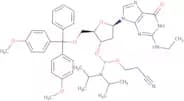
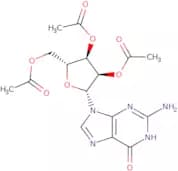
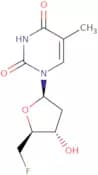
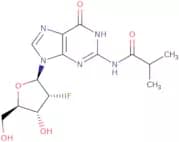



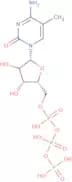

![10-O-[1-Propyl-3-N-carbamoylcholesteryl]-TEG-CE phosphoramidite](/_next/image/?url=https%3A%2Fstatic.cymitquimica.com%2Fproducts%2F3D%2Fthumb-webp%2FPP138032.webp&w=3840&q=75)
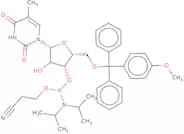
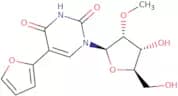
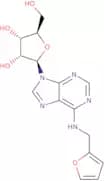

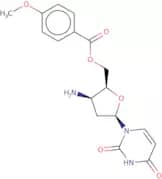

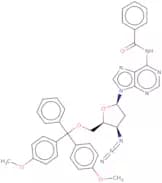
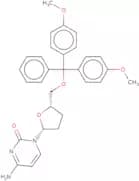
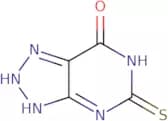

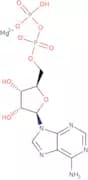

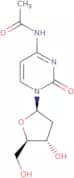
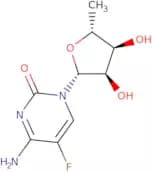

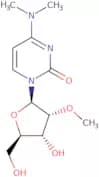
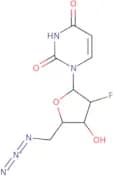
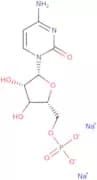

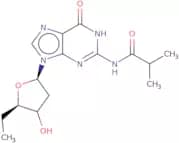
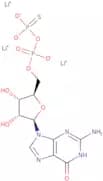


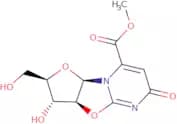

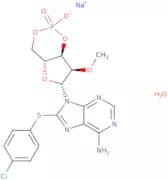

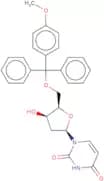
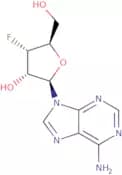
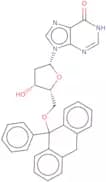
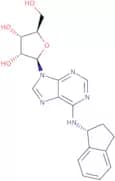
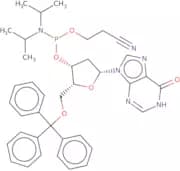
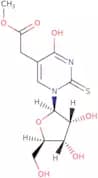

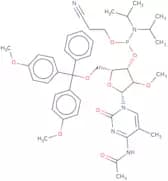
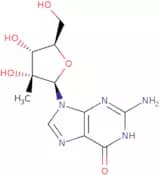
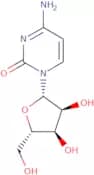

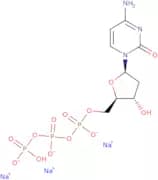
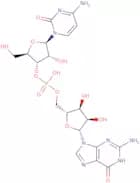
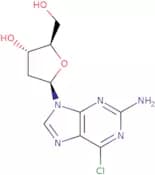

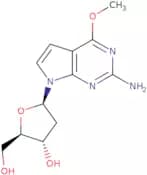


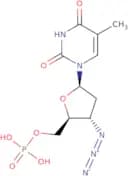
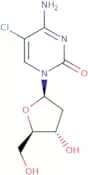

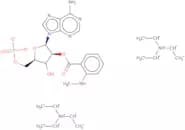
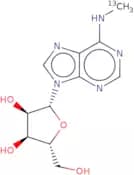
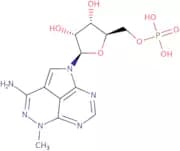
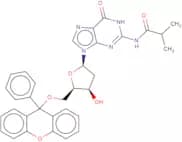
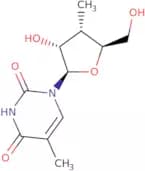
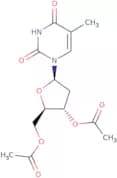


![6-Amino-1-(2'-deoxy-b-D-ribofuranosyl)-4-hydroxyamino-1H-pyrazolo[3,4-d]pyrimidine](/_next/image/?url=https%3A%2Fstatic.cymitquimica.com%2Fproducts%2F3D%2Fthumb-webp%2FNA162941.webp&w=3840&q=75)
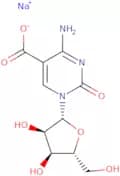
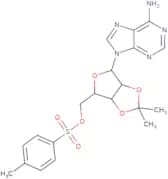
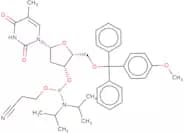
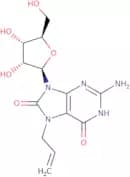




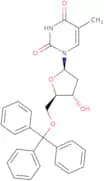

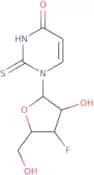
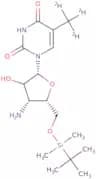



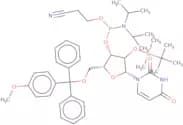
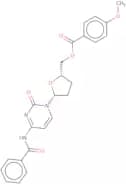
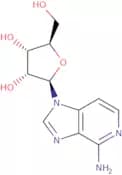
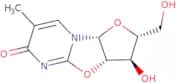

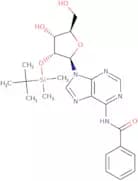

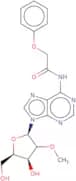
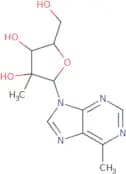
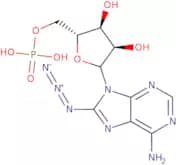

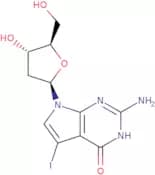
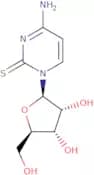

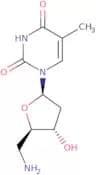
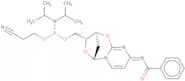
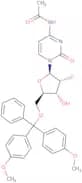


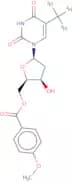

![4,6-Diamino-2-(b-D-ribofuranosyl)-2H-pyrazolo[3,4-d]pyrimidine](/_next/image/?url=https%3A%2Fstatic.cymitquimica.com%2Fproducts%2F3D%2Fthumb-webp%2FND162980.webp&w=3840&q=75)
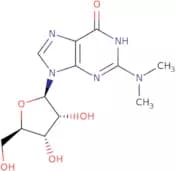
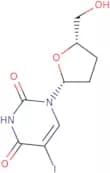

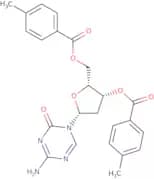
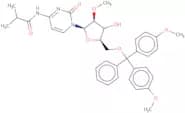


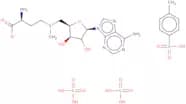

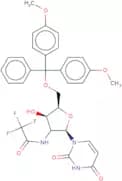
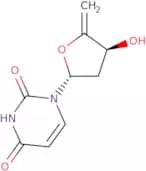
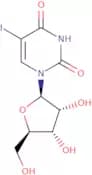
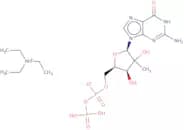

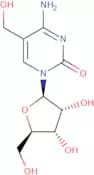
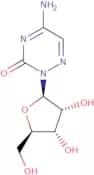

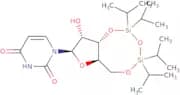


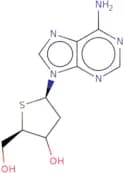
![5-Bromo-7-(2-C-methyl-b-D-ribofuranosyl)-7H-pyrrolo[2,3-d]pyrimidin-4-amine](/_next/image/?url=https%3A%2Fstatic.cymitquimica.com%2Fproducts%2F3D%2Fthumb-webp%2FNB14095.webp&w=3840&q=75)

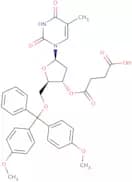
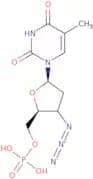
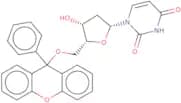


![3-β-D-Ribofuranosyl-1H-pyrimido[5,4-b][1,4]benzoxazin-2(3H)-one](/_next/image/?url=https%3A%2Fstatic.cymitquimica.com%2Fproducts%2F3D%2Fthumb-webp%2FNR180574.webp&w=3840&q=75)

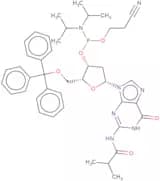

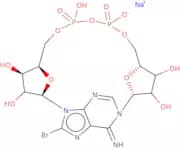
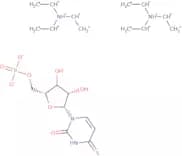
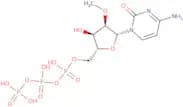
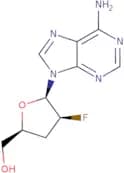

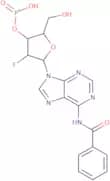
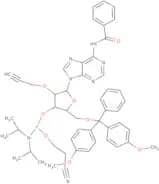
![6-Amino-1-(2'-deoxy-b-D-ribofuranosyl)-4-hydrazino-1H-pyrazolo[3,4-d]pyrimidine](/_next/image/?url=https%3A%2Fstatic.cymitquimica.com%2Fproducts%2F3D%2Fthumb-webp%2FNA162940.webp&w=3840&q=75)
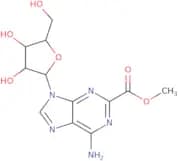

![N6-([6-Aminohexyl]carbamoylmethyl)adenosine 5'-triphosphate lithium salt](/_next/image/?url=https%3A%2Fstatic.cymitquimica.com%2Fproducts%2F3D%2Fthumb-webp%2FNA73270.webp&w=3840&q=75)
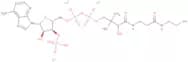
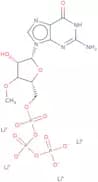
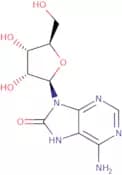
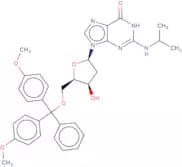
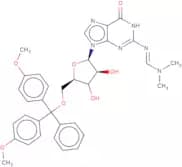
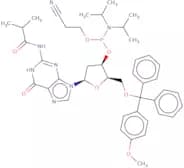

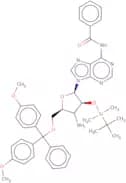
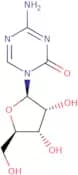

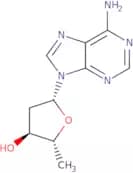


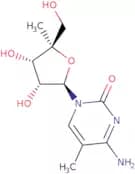
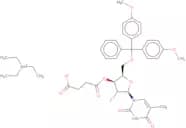
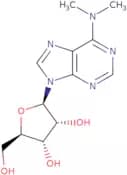
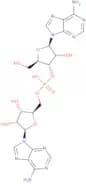


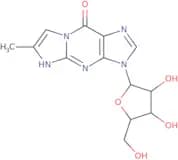
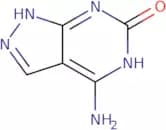
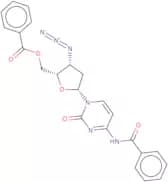

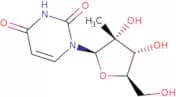


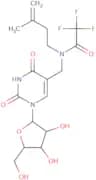

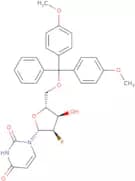

![5'-O-[Bis(4-methoxyphenyl)(phenyl)methyl]-2'-deoxy-N-isobutyrylguanosine](/_next/image/?url=https%3A%2Fstatic.cymitquimica.com%2Fproducts%2F3D%2Fthumb-webp%2FND02998.webp&w=3840&q=75)