Others
Found 6275 products of "Others"
Sort by
Purity (%)
0
100
|
0
|
50
|
90
|
95
|
100
{5-[1-(benzylamino)cyclohexyl]-1H-tetrazol-1-yl}acetic acid
CAS:Purity:95.0%Molecular weight:315.37701416015625Silodosin
CAS:<p>Applications Silodosin is an α1a-adrenoceptor antagonist. It is used in treatment of benign prostatic hypertrophy.<br>References (1) Shibata, K., et al.: Mol. Pharmacol., 48, 250 (1995) (2) Murata, S., et al.: J. Urol., 164, 578 (2000)<br></p>Formula:C25H32F3N3O4Color and Shape:NeatMolecular weight:495.531-Bromo-3-methyladamantane
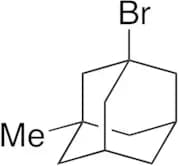
CAS:Controlled ProductFormula:C11H17BrColor and Shape:NeatMolecular weight:229.164-(3-Amino-2-hydroxypropoxy)phenylacetamide
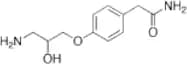
CAS:Controlled Product<p>Impurity Atenolol Impurity 3; Atenolol Impurity 1<br>Applications Atenolol Impurity 3. Atenolol Impurity 1.<br> Not a dangerous good if item is equal to or less than 1g/ml and there is less than 100g/ml in the package<br></p>Formula:C11H16N2O3Color and Shape:NeatMolecular weight:224.263-[4-(2-Methoxyphenyl)piperazin-1-yl]propan-1-amine
CAS:Controlled Product<p>Applications 3-[4-(2-methoxyphenyl)piperazin-1-yl]propan-1-amine (cas# 20529-23-1) is a useful research chemical.<br></p>Formula:C14H23N3OColor and Shape:NeatMolecular weight:249.35Cimaterol
CAS:<p>Applications A β-adrenergic agonist, related to Clenbuterol and Mabuterol. A repartitioning agent.<br>References Engelhardt, G., et al.: Arzneim.-Forsch., 34, 1625 (1984),<br></p>Formula:C12H17N3OColor and Shape:Off WhiteMolecular weight:219.287,7’-Nonane-1,9-diylbis[estra-1,3,5(10)-triene-3,17β-diol](Mixture of Diastereomers)
Controlled Product<p>Applications Fulvestrant (F862500) impurity D.<br></p>Formula:C45H64O4Color and Shape:NeatMolecular weight:668.99Urapidil Hydrochloride
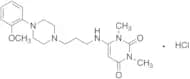
CAS:<p>Applications α1-Adrenergic antagonist; derivative of Uracil (U801000). Antihypertensive.<br>References Eltze, M., et al.: Eur. J. Pharmacol., 59, 1 (1979), Barankay, A., et al.: Arzneim.-Forsch., 31, 849 (1981), Belz, G.G., et al.: Clin. Pharmacol. Ther., 37, 48 (1985),<br></p>Formula:C20H29N5O3·ClHColor and Shape:NeatMolecular weight:423.94(S)-Prunasin
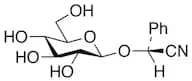
CAS:<p>Stability Unstable in Methanol<br>Applications Used in the synthesis of cyanogen glycoside. A component contains in antiperspirants, deodorants, body soaps, shampoos, hair rinses, and hair; it inhibits volatile steroid formation by resident bacteria.<br> Not a dangerous good if item is equal to or less than 1g/ml and there is less than 100g/ml in the package<br>References Marouf, A., et al.: Pharm. Biol., 39, 263 (2001), Fukuda, T., et al.: Biol. Pharm. Bull., 26, 271 (2003), Butler, M., et al.: J. Nat. Prod., 67, 2141 (2004), He, J., et al.: J. Nat. Prod., 69, 121 (2006),<br></p>Formula:C14H17NO6Color and Shape:White To Off-WhiteMolecular weight:295.292,8-Dichloro-6,12-diphenyldibenzo[b,f][1,5]diazocine
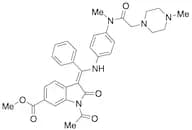
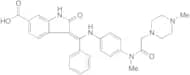
CAS:Controlled ProductFormula:C26H16Cl2N2Color and Shape:NeatMolecular weight:427.325Nintedanib N-Acetyl Impurity
CAS:Controlled Product<p>Applications An impurity of Nintedanib, which is an antifibrotic drug.<br>References Holdsworth, G.; et al.: Scientific Reports, 7, 1 (2017)<br></p>Formula:C33H35N5O5Color and Shape:NeatMolecular weight:581.66Memantine-Glucose Adduct
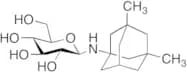
Controlled ProductFormula:C18H31NO5Color and Shape:NeatMolecular weight:341.442Nordazepam-d5
CAS:Controlled Product<p>Applications The primary labelled metabolite of Diazepam. A ligand for the GABAA receptor benzodiazepine modulatory site. Anxiolytic.Controlled substance (depressant).<br>References Klotz, U., et al.: Br. J. Clin. Pharmacol., 7, 119 (1979), Konishi, M., et al.: J. Pharm. Sci., 67, 1777 (1978), Andreoli, V., et al.: Arzneim.-Forsch., 27, 436 (1977), Miller, R.P., et al.: Toxicol. Appl. Pharmacol., 25, 453 (1973), Margolis, J., et al.: Drug Metab. Dispos., 31, 606 (2003),<br></p>Formula:C152H5H6ClN2OColor and Shape:NeatMolecular weight:275.7415-Keto Bimatoprost
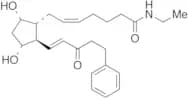
CAS:<p>Applications 15-Keto Bimatoprost is an impurity of Bimatoprost (B386800). Bimatoprost impurity III.<br>References Stjernschantz, J., et al.: Drugs Fut., 17, 691 (1992), Resul, B., et al.: J. Med. Chem., 36, 243 (1993),<br></p>Formula:C25H35NO4Color and Shape:NeatMolecular weight:413.552-Bromo-1-chloropropane
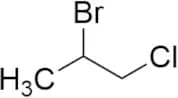
CAS:Formula:C3H6BrClPurity:>90%Color and Shape:Colourless LiquidMolecular weight:157.44N-(3-(3-Cyano-7-oxo-4,7-dihydropyrazolo[1,5-a]pyrimidin-5-yl)phenyl)-N-(ethyl-d5)acetamide
Controlled ProductFormula:C17H10D5N5O2Color and Shape:NeatMolecular weight:326.36Salicylic Acid β-D-O-Glucuronide
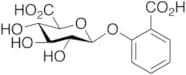
CAS:Controlled Product<p>Applications Salicylic Acid β-D-O-Glucuronide is a metabolite of Acetylsalicylic Acid (Aspirin) (A187780).<br>References Grootveld, M., et al.: Biochem. Pharmacol., 37, 271 (1988), Subbegowda, R., et al.: Cancer Res., 58, 2772 (1998), Yoshida, Y., et al.: Eur. J. Pharmacol., 349, 49 (1998),<br></p>Formula:C13H14O9Color and Shape:NeatMolecular weight:314.242,3-Dihydro-1-(3-hydroxypropyl)-5-[(2R)-2-[[2-[2-(2,2,2-trifluoroethoxy)phenoxy]ethyl]amino]propyl]
CAS:Controlled Product<p>Applications An impurity in the synthesis of Silodosin (S465000), an α1a-adrenoceptor antagonist. It is used in treatment of benign prostatic hypertophy.<br>References Barve, I. et al.: Tetra., 69, 2834 (2013); Shibata, K., et al.: Mol. Pharmacol., 48, 250 (1995), Murata, S., et al.: J. Urol., 164, 578 (2000),<br></p>Formula:C25H30F3N3O3Color and Shape:Light YellowMolecular weight:477.52Cyanocobalamin-b-carboxylic Acid
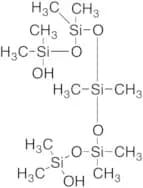
CAS:<p>Applications Cyancobalamin-b-carboxylic Acid is a Vitamin B12 (V676005) derivative, which is a water-soluble vitamin with a key role in the normal functioning of the brain and nervous system, and for the formation of blood.<br>References Rickes, et al.: Science, 107, 396 (1948); Kirschbaum, J., et al.: Anal. Profiles Drug Subs., 10, 183 (1981); Grasbeck, R., et al.: Clin. Biochem., 17, 99 (1984)<br></p>Formula:C63H87CoN13O15PColor and Shape:NeatMolecular weight:1356.35Decamethyl-1,9-Pentasiloxanediol
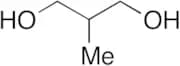
CAS:Controlled ProductFormula:C10H32O6Si5Color and Shape:ColourlessMolecular weight:388.782-Methyl-1,3-propandiol (b-Hydroxyisobutanol)
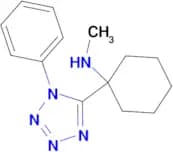
CAS:Controlled Product<p>Applications β-Hydroxyisobutanol is used as a reagent in the synthesis of pyrazolo[1,5-a]pyridinecarbonyl-substituted spirocyclic piperidine ketals as inhibitors of HCV protein NS4B and of hepatitis C viral replication and their lack of cytotoxicity in human cells.<br>References Tai, V.W.-F., et al.: Bioorg. Med. Chem. Lett., 24, 2288 (2014);<br></p>Formula:C4H10O2Color and Shape:ColourlessMolecular weight:90.121N-methyl-1-(1-phenyl-1H-tetrazol-5-yl)cyclohexanamine
CAS:Purity:95.0%Molecular weight:257.34100341796875MDV 3100-d3
CAS:Controlled Product<p>Applications Labelled MDV 3100. MDV 3100 is an androgen-receptor antagonist that blocks androgens from binding to the androgen receptor and prevents nuclear translocation and co-activator recruitment of the ligand-receptor complex. MDV 3100 has also been shown to induce tumor cell apoptosis, and has no agonist activity. MDV 3100 is a candidate for the treatment of castration-resistant prostate cancer.<br>References Scher, H.I. et al.: Lancet, 375, 1437 (2010); Bellmunt, J. et al.: Ther. Adv. Med. Oncol., 2, 189 (2010); Ryan, C.J. et al.: J. Clin. Oncol., 29, 3651 (2011);<br></p>Formula:C21H13D3F4N4O2SColor and Shape:NeatMolecular weight:467.451,3,5-Trimethyladamantane
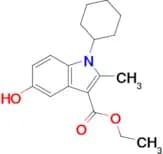
CAS:Controlled Product<p>Applications An alkyladamantane derivative that are biotransformed via strains of Pseudomonas. It is used to study alkyladamantane adsorption on graphitized thermal carbon black.<br>References Yashkin, S.N. et al.: Rus. Che,. Bull., 57, 2472 (2008); Slepen’kin, A. et al.: Nefeckhim., 33, 406 (1993);<br></p>Formula:C13H22Color and Shape:NeatMolecular weight:178.31Ethyl 1-cyclohexyl-5-hydroxy-2-methyl-1h-indole-3-carboxylate
CAS:Purity:98+%Molecular weight:301.385986328125Rhodamine B
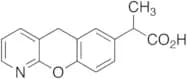
CAS:Controlled Product<p>Stability Light Sensitive<br>Applications Rhodamine B is used in biological studies for an anti-reactive oxygen species/hepatic fibrosis drug delivery system based on salvianolic acid B loaded mesoporous silica nanoparticles. Dyes and metabolites, Environmental Testing.<br>References He, Q., et al.: Biomaterials, 31, 7785 (2010)<br></p>Formula:C28H31N2O3·ClColor and Shape:RedMolecular weight:479.01Pranoprofen
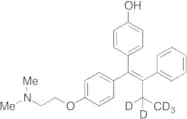
CAS:Controlled Product<p>Applications Pranoprofen is an anti-inflammatory used in ophthalmology.<br>References Ayaki, M., et al.: Biocont. Sci., 15, 97 (2010); Lee, X., et al.: For. Toxicol., 28, 96 (2010);<br></p>Formula:C15H13NO3Color and Shape:Off White CrystallineMolecular weight:255.27(E)-4-Hydroxy Tamoxifen-d5 (Contains up to 10% Z isomer)
CAS:Controlled Product<p>Applications (E)-4-Hydroxy Tamoxifen-d5 is an labelled metabolite of Tamoxifen (T006000). A hydroxylated analogue of Tamoxifen with anti-estrogenic properties.<br>References Muerdter, T.E., et al.: Clin. Pharmacol. Therapeut., 89, 708 (2011); Dorchies, O. M., et al.: Am. J. Pathol., 182, 485 (2013);<br></p>Formula:C26H24D5NO2Color and Shape:NeatMolecular weight:392.54Atenolol-d7
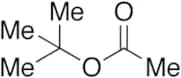
CAS:Controlled Product<p>Applications Cardioselective β-adrenergic blocker. Antihypertensive, antianginal, antiarrhythmic (class II).<br>References Caplar, V., et al.: Anal. Profiles Drug Subs., 13, 1 (1984),<br></p>Formula:C14D7H15N2O3Color and Shape:Off-WhiteMolecular weight:273.38Tert-butyl Acetate
CAS:Controlled Product<p>Applications Tert-butyl Acetate is a common solvent used in the production of various industrial cleansers, thinners and adhesives and is also known as a VOC.Environmental contaminants; Food contaminants<br> Not a dangerous good if item is equal to or less than 1g/ml and there is less than 100g/ml in the package<br>References Mackay, D., et al.: SAR. QSAR. Enviro. Res., 23, 205 (2012); Yang, Y.S., et al.: Toxicol. Res., 26, 293 (2010);<br></p>Formula:C6H12O2Color and Shape:ColourlessMolecular weight:116.16N-[2-(ethylthio)ethyl]cyclohexanamine hydrochloride
CAS:Purity:95.0%Molecular weight:223.8000030517578Carfilzomib (2R,4R)-Diol
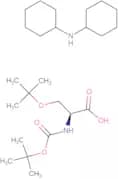
Controlled Product<p>Applications Carfilzomib (2R,4R)-Diol is a derivative of Carflizomib (C183460), a second-generation proteasome inhibitor that is used as a treatment in relapsed and refractory multiple myeloma.<br>References Fostier, K., et al.: Oncotargets. Therap., 5, 237 (2012); Geurink, P.P., et al.: J. Med. Chem., 56, 1262 (2013); McCormack, P.L., et al.: Drugs., 72, 2023 (2012);<br></p>Formula:C40H59N5O8Color and Shape:NeatMolecular weight:737.93BOC-SER(TBU)-OH DCHA
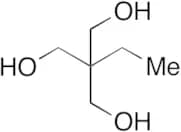
CAS:<p>M06199 - BOC-SER(TBU)-OH DCHA</p>Formula:C24H46N2O5Purity:95%Color and Shape:SolidMolecular weight:442.6411,1,1-Tris(hydroxymethyl)propane
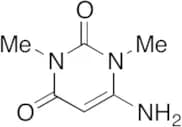
CAS:Controlled Product<p>Applications 1,1,1-Tris(hydroxymethyl)propane is a building block often used to make polymers. 1,1,1-Tris(hydroxymethyl)propane has been used as a precursor to prepatre alkyd resins for linseed oil based paint.<br>References Wang, X., et. al.: J. Polym. Res., 18, 721 (2011); Isiri-Caglar, D., et. al.: Rog. Org. Coat., 77, 81 (2014); Heiskanen,N., et. al.: J. Appl. Polym. Sci., 119, 209 (2011)<br></p>Formula:C6H14O3Color and Shape:White CrystallineMolecular weight:134.176-Amino-1,3-dimethyluracil
CAS:Controlled Product<p>Applications 6-Amino-1,3-dimethyluracil is used as a reagent in the synthesis of new pyrimidine and caffeine derivatives that display highly potential antitumor activity. It is also used as a starting material in the synthesis of fused pyrido-pyrimidines.<br>References Abu-Hashem, A., et al.: Lett. Drug. Des. Discov., 12, 471 (2015); Azev, Y., et al.: Mendeleev Commun., 25, 310 (2015)<br></p>Formula:C6H9N3O2Color and Shape:Light YellowMolecular weight:155.15ETHYL 1-CYCLOHEXYL-2-(FURAN-3-YL)-1H-BENZO[D]IMIDAZOLE-5-CARBOXYLATE
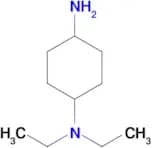
CAS:Purity:95.0%Molecular weight:338.4070129394531N1,N1-DIETHYLCYCLOHEXANE-1,4-DIAMINE
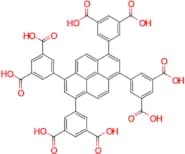
CAS:Purity:95.0%Color and Shape:LiquidMolecular weight:170.30000305175785,5',5'',5'''-(Pyrene-1,3,6,8-tetrayl)tetraisophthalic acid
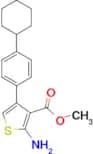
CAS:Purity:98%Molecular weight:858.7199707031252-Amino-4-(4-cyclohexyl-phenyl)-thiophene-3-carboxylic acid methyl ester
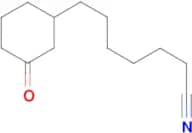
CAS:Formula:C18H21NO2SPurity:97%Color and Shape:SolidMolecular weight:315.437-(3-oxocyclohexyl)heptanenitrile
CAS:Purity:97.0%Color and Shape:LiquidMolecular weight:207.31700134277344(3-Cyclohexyl)propyl 5-(1,3-dioxolan-2-yl)-2-thienyl ketone
CAS:Purity:97.0%Molecular weight:308.44000244140625Ref: 10-F609857
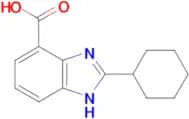
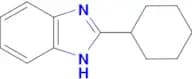
1gTo inquire2gTo inquire5gTo inquire10gTo inquire100mgTo inquire250mgTo inquire500mgTo inquire2-cyclohexyl-1H-1,3-benzodiazole-4-carboxylic acid
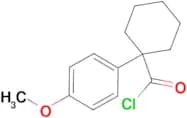
CAS:Purity:95.0%Color and Shape:Liquid, No data available.Molecular weight:244.294006347656251-(4-Methoxyphenyl)cyclohexanecarbonyl chloride
CAS:Formula:C14H17ClO2Color and Shape:SolidMolecular weight:252.74Methyl 2-methyl-3-[(2-methylcyclohexyl)amino]propanoate
CAS:Purity:95.0%Molecular weight:213.32099914550784-(METHOXYCARBONYL)-4-METHYLCYCLOHEXANECARBOXYLIC ACID
CAS:Purity:95.0%Molecular weight:200.233993530273442-{[(2-methoxyethyl)amino]carbonyl}cyclohexanecarboxylic acid
CAS:Purity:95.0%Molecular weight:229.27600097656252-chloro-N-cyclohexyl-N-methylacetamide
CAS:Purity:95.0%Color and Shape:LiquidMolecular weight:189.67999267578125Ethyl 4-cyclohexyl-3-oxobutanoate
CAS:Purity:95.0%Color and Shape:Liquid, No data available.Molecular weight:212.28900146484375Ethyl 2-((1r,4r)-4-((ethylamino)methyl)cyclohexyl)acetate
CAS:Purity:98%Molecular weight:227.34800720214844{[4-(1H-benzimidazol-2-yl)cyclohexyl]methyl}amine dihydrochloride
CAS:Purity:95.0%Molecular weight:302.239990234375(1-cyclohexyl-2,5-dioxoimidazolidin-4-yl)acetic acid
CAS:Purity:95.0%Molecular weight:240.259002685546881-(1-pyrrolidinyl)cyclohexanecarboxylic acid hydrochloride
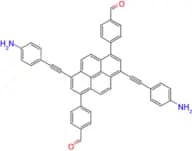
CAS:Purity:95.0%Molecular weight:233.740005493164064,4'-(3,8-Bis((4-aminophenyl)ethynyl)pyrene-1,6-diyl)dibenzaldehyde
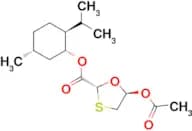
CAS:Purity:97%Molecular weight:640.7420043945312(1R,2S,5R)-2-isopropyl-5-methylcyclohexyl (2R,5R)-5-acetoxy-1,3-oxathiolane-2-carboxylate
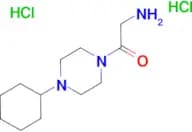
CAS:Purity:97%Molecular weight:330.440002441406252-Amino-1-(4-cyclohexyl-piperazin-1-yl)-ethanone dihydrochloride
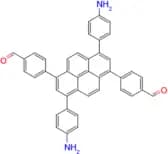
CAS:Purity:98.0%Color and Shape:Solid, CrystallineMolecular weight:298.254,4'-(3,8-Bis(4-aminophenyl)pyrene-1,6-diyl)dibenzaldehyde
CAS:Purity:98%Molecular weight:592.6979980468751-((4'-methoxy-[1,1'-biphenyl])-4-sulfonamido)cyclohexane-1-carboxylic acid
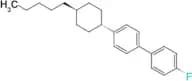
CAS:Purity:95.0%Molecular weight:389.47000122070314-Fluoro-4'-(trans-4-pentylcyclohexyl)-1,1'-biphenyl
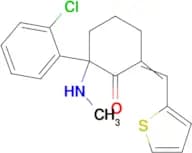
CAS:Purity:97.0%Color and Shape:SolidMolecular weight:324.4832-(2-Chlorophenyl)-2-(methylamino)-6-(thiophen-2-ylmethylidene)cyclohexan-1-one
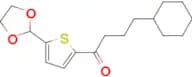
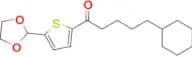
CAS:Purity:98%Molecular weight:331.86(4-Cyclohexyl)butyl 5-(1,3-dioxolan-2-yl)-2-thienyl ketone
CAS:Purity:97.0%Molecular weight:322.45999145507811-((4-(o-tolyloxy)phenyl)sulfonamido)cyclohexane-1-carboxylic acid
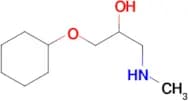
CAS:Purity:95.0%Molecular weight:389.47000122070311-Cyclohexyloxy-3-methylamino-propan-2-ol
CAS:Formula:C10H21NO2Purity:98%Color and Shape:SolidMolecular weight:187.283N-cyclopentyl-3-methylcyclohexanamine hydrobromide
CAS:Purity:95.0%Molecular weight:262.2349853515625Bestatin
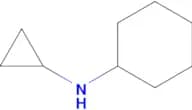
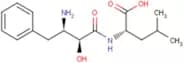
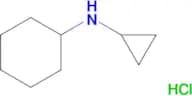
CAS:<p>Bestatin (Ubenimex) competitively inhibits many aminopeptidases. Bestatin is a microbial metabolite and dipeptide with immunomodulatory and antitumor effects.</p>Formula:C16H24N2O4Purity:98% - 99.63%Color and Shape:White Crystalline PowderMolecular weight:308.37N-cyclopropylcyclohexanamine hydrochloride
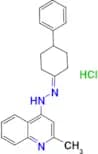
CAS:Purity:95.0%Color and Shape:SolidMolecular weight:175.69999694824222-methyl-4-(2-(4-phenylcyclohexylidene)hydrazinyl)quinoline hydrochloride
CAS:Purity:95.0%Molecular weight:365.91000366210943-[(3-Hydroxycyclohexyl)amino]-5,5-dimethylcyclohex-2-en-1-one
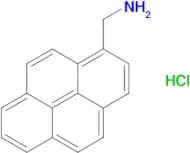
Purity:98.0%Molecular weight:237.34300231933594Pyren-1-ylmethanamine hydrochloride
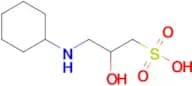
CAS:Purity:97.0%Color and Shape:SolidMolecular weight:267.7600097656253-(CYCLOHEXYLAMINO)-2-HYDROXY-1-PROPANESULFONIC ACID
CAS:Purity:95%Molecular weight:237.309997558593758-Benzyl-1-cyclohexyl-1,3,8-triazaspiro[4.5]decan-4-one
CAS:Purity:97.0%Molecular weight:327.471984863281252-(2-Chlorophenyl)-2-(methylamino)-6-(phenylmethylene)cyclohexanone
CAS:Purity:98%Molecular weight:325.84Cyclohexylmethylhydrazine hydrochloride
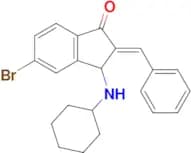
CAS:Formula:C7H17ClN2Purity:95.0%Color and Shape:SolidMolecular weight:164.68(E)-2-Benzylidene-5-bromo-3-(cyclohexylamino)-2,3-dihydro-1H-inden-1-one
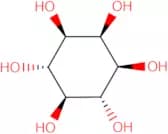
CAS:Purity:98.0%Molecular weight:396.3280029296875myo-Inositol
CAS:<p>M01914 - myo-Inositol</p>Formula:C6H12O6Purity:98.00%Color and Shape:Solid, Crystalline or PowderMolecular weight:180.156Ostazin brilliant red H-3B starch
<p>Ostazin Brilliant Red H-3B is a water soluble, non-toxic, and non-hazardous substrate for enzymes that catalyze reactions involving the cleavage of β-D-glucosides. It is used as a chromogenic or fluorogenic substrate in diagnostic tests. Ostazin Brilliant Red H-3B can also be used in bioluminescence reaction with luciferase to measure ATP levels in living cells.</p>Purity:Min. 95%4-Nitrophenyl O-(N-acetyl-a-neuraminosyl)-(2,3)-O-b-D-galactopyranosyl-(1,3)-2-acetamido-2-deoxy-a-D-galactopyran oxide
CAS:<p>4-Nitrophenyl O-(N-acetyl-a-neuraminosyl)-(2,3)-O-b-D-galactopyranosyl-(1,3)-2-acetamido-2-deoxy-a-D-galactopyran oxide is a fluorogenic substrate that is used in the detection of glycosidases. It has been shown to be an excellent ligand for the enzyme beta galactosidase, which cleaves the glycan substrate 4NPOBGPA into 4NP and O-(N acetyl) neuraminic acid. 4NPOBGPA can be used as a chromogenic substrate for detecting beta galactosidase activity and can also be conjugated to other fluorescent molecules. This product is high purity and high quality.</p>Purity:Min. 95%Molecular weight:795.7 g/molNaphthol AS-BI β-D-galactopyranoside
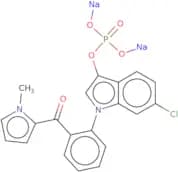
CAS:<p>Substrate for beta-galactosidase</p>Formula:C24H24BrNO8Purity:Min. 95%Color and Shape:PowderMolecular weight:534.35 g/molAldol® 495 phosphate, disodium salt, Biosynth Patent: EP 2427431 and US 8940909
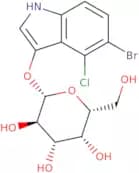
CAS:<p>Aldol® 495 phosphate is a chromogenic and fluorogenic enzyme substrate used for detection of phosphatase activity. The colorless enzyme substrate is cleaved by acid and alkaline phosphatases secreted by bacteria in liquid or solid media, yielding orange color and green fluorescence. Aldol® 495 phosphate can also be used in Western blots and other immunoassay applications with phosphatase-coupled secondary antibodies. Aldol® 495 phosphate can be used under aerobic and anaerobic conditions.</p>Formula:C20H14ClN2Na2O5PPurity:Min. 98%Color and Shape:PowderMolecular weight:474.74 g/mol5-Bromo-4-chloro-3-indoxyl-β-D-galactopyranoside
CAS:<p>X-Gal is a chromogenic substrate for β-galactosidase, yielding a blue precipitate. X-Gal is an indicator for coliforms in culture media, as well as for the detection of coliforms (E. coli) in municipal water supplies and food products. X-Gal can be used in conjunction with the inducer IPTG, which binds and inhibits the lac repressor thus inducing β-galactosidase expression. X-Gal is the substrate of choice for blue-white selection of recombinant bacterial colonies with the lac+ genotype.<br>Upon hydrolysis, X-Gal yields a localized, insoluble, blue precipitate, making it exceptionally useful in blotting, immunocytochemical, and ELISA assays. 5-Bromo-4-chloro-3-indoxyl-beta-D-galactopyranoside (X-beta-D-galactoside, X-Gal) is a chromogenic indicator for beta-galactosidase activity. The colorless product is cleaved by lactose-utilizing bacteria in liquid media or on agar plates and yields a blue-green colored precipitate.<br>X-Gal can also be used as a detecting agent for beta-galactosidase activity in reporter gene assays or for identification of positive transformants on agar plates when using the &alpha;-complementation approach. Color formation is due to dimerization and oxidation of 5-bromo-4-chloro-3-hydroxyindole which results from enzymatic cleavage of X-Gal. The reaction proceeds only in the presence of oxygen, i.e. in aerobic cultures. Well detectable color bacterial colonies or liquid cultures is obtained within 16-48 h. In the presence of purified beta-galactosidase, color develops within minutes to a few hours.</p>Formula:C14H15BrClNO6Purity:Min. 99.0 Area-%Molecular weight:408.64 g/mol3-Indolyl β-D-galactopyranoside
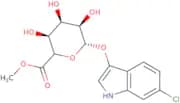
CAS:<p>Chromogenic substrate for β-D-galactosidase, yielding a blue precipitate upon cleavage.</p>Formula:C14H17NO6Purity:Min. 95%Color and Shape:PowderMolecular weight:295.29 g/mol6-Chloro-3-indoxyl-β-D-glucuronic acid methyl ester, Biosynth Patent: EP 2718458 and US 9127303
<p>6-Chloro-3-indoxyl-beta-D-glucuronic acid methyl ester is a chromogenic substrate that can be used for the detection of indoxyl glucuronide in urine and other biological fluids. 6-Chloro-3-indoxyl-beta-D-glucuronic acid methyl ester is a white or light yellow crystalline solid that is soluble in water. It has a melting point of about 80°C and is stable at pH levels ranging from 2 to 12. The CAS number for this compound is 13982-87-6.</p>Formula:C15H16ClNO7Purity:Min. 97.0 Area-%Molecular weight:357.74 g/mol4-Nitrophenyl-β-D-xylopyranoside
CAS:<p>Chromogenic β-xylosidase substrate yielding a yellow solution upon cleavage.</p>Formula:C11H13NO7Purity:Min. 99 Area-%Molecular weight:271.23 g/molNaphthol AS-BI β-D-glucopyranoside
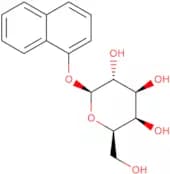
CAS:<p>Substrate detecting beta-glucosidase activity</p>Color and Shape:PowderMolecular weight:534.35 g/mol1-Naphthyl β-D-galactopyranoside
CAS:<p>1-Naphthyl b-D-galactopyranoside is a chromogenic substrate used to detect the presence of beta-galactosidase enzymes. The enzyme cleaves the substrate to produce a colored product that can be quantified and visualized. This substrate is commonly used in applications such as the detection of lacZ gene expression in bacterial colonies or in histochemical staining of tissues to identify beta-galactosidase activity.</p>Formula:C16H18O6Purity:Min. 95%Color and Shape:PowderMolecular weight:306.32 g/molAldol® 484 α-D-glucopyranoside, Biosynth Patent: EP 2427431 and US 8940909
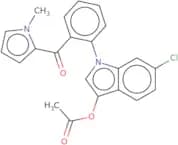
CAS:<p>Aldol® 484 alpha-D-glucopyranoside is a chromogenic and fluorogenic enzyme substrate for ?-glucosidase activity (EC 3.2.1.20, ?-1,4-glucosidase, also known as maltase). The colorless enzyme substrate is cleaved by bacteria producing this enzyme in liquid or solid media, yielding orange color. Green fluorescence is also generated if a suitable matrix is present such as: cellulose acetate filters, polypropylene tubes or microplates and polyethylene vials. Aldol® 484 alpha-D-glucopyranoside can be used under aerobic and anaerobic conditions.</p>Formula:C26H24ClFN2O7Purity:Min. 95.0 Area-%Molecular weight:530.93 g/molAldol® 495 acetate, Biosynth Patent: EP 2427431 and US 8940909
CAS:Controlled Product<p>Aldol 495 is a chemiluminescent substrate for the detection of aldehyde reductase (ALR) activity. It is an acetate ester that reacts with ALR to form an aldehyde product, which then reacts with luminol in the presence of hydrogen peroxide to produce light. Aldol 495 is used in the diagnosis of ALR deficiency, which can cause acute intermittent porphyria and other diseases. Aldol 495 has been shown to be non-toxic and non-mutagenic.</p>Formula:C22H17ClN2O3Purity:Min. 95%Color and Shape:PowderMolecular weight:392.83 g/molAldol® 458 phosphate, disodium salt, Biosynth Patent: EP 2427431 and US 8940909
CAS:<p>Aldol® 458 phosphate is a chromogenic and fluorogenic enzyme substrate used for detection of phosphatase activity. The colorless enzyme substrate is cleaved by phosphatases secreted by bacteria grown in liquid media, yielding yellow color and green fluorescence. Aldol® 458 phosphate can also be used in assays involving phosphatase-coupled antibodies in immunoassay applications (ELISA). Aldol® 458 phosphate can be used under aerobic and anaerobic conditions.</p>Formula:C16H12NNa2O6PPurity:Min. 95%Color and Shape:PowderMolecular weight:391.22 g/mol4-Nitrophenyl-N-acetyl-β-D-galactosaminide
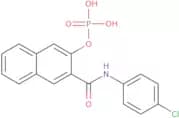
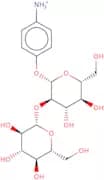
CAS:<p>4-Nitrophenyl-N-acetyl-beta-D-galactosaminide is a synthetic substrate that is used in enzyme kinetics. It is a beta-galactosidase substrate that reacts with the enzyme to form a product. The rate of reaction can be measured by following the change in absorbance over time. This product will react with an acceptor, such as chondroitin sulfate, to produce an observable reaction product. 4NPBGA has been shown to be an effective carbon source for plant physiology studies and has been shown to have optimal activity at pH 6.5.</p>Formula:C14H18N2O8Purity:Min. 98 Area-%Molecular weight:342.31 g/molNaphthol AS-E phosphate, 60%
CAS:<p>Histochemical substrate for alkaline phosphatase</p>Formula:C17H13ClNO5PPurity:(%) Min. 60%Color and Shape:SolidMolecular weight:377.72 g/mol4-Nitrophenyl-α-L-fucopyranoside
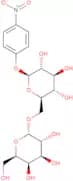
CAS:<p>Chromogenic substrate yielding a soluble yellow chromophor for the colorimetric assay of α-L-fucosidase, especially in human serum.</p>Formula:C12H15NO7Purity:Min. 98 Area-%Molecular weight:285.26 g/mol4-Nitrophenyl 6-O-(a-D-glucopyranosyl)-b-D-glucopyranoside
CAS:<p>4-Nitrophenyl 6-O-(alpha-D-glucopyranosyl)-beta-D-glucopyranoside is a chromogenic substrate for beta-glucosidase. Upon hydrolysis, para-nitrophenol is released yielding a yellowish colour. 4-Nitrophenyl 6-O-(alpha-D-glucopyranosyl)-beta-D-glucopyranoside is used in different applications such as the Cellulose metabolism research, biofuel production</p>Purity:Min. 95%Color and Shape:PowderMolecular weight:463.39 g/mol5-Bromo-4-chloro-3-indoxyl-α-L-fucopyranoside
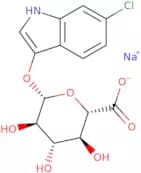
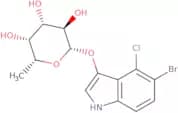
CAS:<p>Chromogenic substrate for α-D-Fucosidase yielding a blue precipitate.</p>Formula:C14H15BrClNO5Purity:Min. 98.0 Area-%Molecular weight:392.64 g/mol6-Chloro-3-indolyl b-D-glucuronide sodium salt
CAS:<p>6-Chloro-3-indolyl b-D-glucuronide sodium salt is a chromogenic substrate for beta-glucuronidase, a reporter gene used to monitor gene expression by detecting the enzyme's activity. It yields a salmon colored precipitate upon cleavage.</p>Purity:Min. 95%Color and Shape:PowderMolecular weight:365.7 g/mol5-Bromo-3-indolyl-a-D-galactopyranoside
<p>5-Bromo-3-indolyl-a-D-galactopyranoside (5BIG) is a bioluminescent substrate that is used in various applications, including environmental testing, diagnostics, and the detection of bacterial activity. 5BIG is a ligand for luciferase enzymes and is used as a chromogenic substrate. It also has the ability to be conjugated with other molecules for use in enzyme substrates or fluorescence assays. 5BIG has been shown to be an effective fluorogenic substrate for enzymes such as alkaline phosphatase and beta-glucuronidase.</p>Purity:Min. 95%2-Nitrophenyl-N-acetyl-β-D-glucosaminide
CAS:<p>Chromogenic β-Glucosaminidase substrate yielding a yellow absorbent solution upon cleavage.</p>Formula:C14H18N2O8Purity:Min. 99 Area-%Molecular weight:342.31 g/mol4-Nitrophenyl-β-D-maltopyranoside
CAS:<p>Chromogenic beta-maltosidase substrate</p>Formula:C18H25NO13Purity:Min. 95%Color and Shape:White PowderMolecular weight:463.39 g/mol5-Bromo-4-chloro-3-indoxyl phosphate, disodium salt sesquihydrate
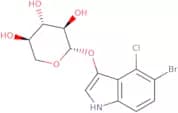
CAS:<p>Water soluble, chromogenic substrate for visualizing alkaline phosphatase activity. Produces a blueinsoluble end product that is detected visually when used together with nitroblue tetrazolium. The substrate system is versatile and functions in a variety of applications, including Northern, Southern, and Western blotting, in situhybridization, ELISAs and immunohistochemistry.</p>Formula:C8H4BrClNNa2O4P·5(H2O)Purity:Min. 98.0 Area-%Molecular weight:397.45 g/mol5-Bromo-4-chloro-3-indolyl β-D-xylopyranoside
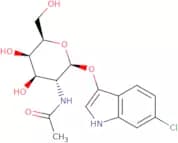
CAS:<p>5-Bromo-4-chloro-3-indolyl b-D-xylopyranoside is an enzyme substrate. This chromogenic substrate is used for beta-D-xylosidase enzyme. In culture media, 5-Bromo-4-chloro-3-indolyl b-D-xylopyranoside is utilised for identification of bacteria such as Klebsiella and Enterobacter.</p>Formula:C13H13BrClNO5Purity:Min. 95%Color and Shape:PowderMolecular weight:378.6 g/mol6-Chloro-3-indolyl 2-acetamido-2-deoxy-b-D-galactopyranoside
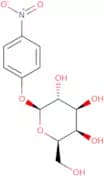
CAS:<p>6-Chloro-3-indolyl 2-acetamido-2-deoxy-b-D-galactopyranoside is a chromogenic substrate for N-acetyl-beta-galactosaminidase. It produces a salmon-pink color after enzymatic cleavage.</p>Purity:Min. 95%Color and Shape:White PowderMolecular weight:370.78 g/mol4-Nitrophenyl-β-D-glucopyranoside
CAS:<p>Chromogenic β-glucosidase substrate yielding a yellow solution upon cleavage.</p>Formula:C12H15NO8Purity:Min. 99.0 Area-%Molecular weight:301.25 g/mol5-Bromo-4-chloro-3-indoxyl-β-D-fucopyranoside
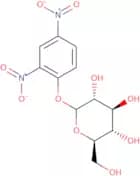
CAS:<p>Chromogenic substrate for β-D-fucosidase yielding a blue precipitate.</p>Formula:C14H15BrClNO5Purity:Min. 99.0 Area-%Molecular weight:392.64 g/mol2,4-Dinitrophenyl β-D-glucopyranoside
CAS:<p>2,4-Dinitrophenyl-beta-D-glucopyranoside is a chromogenic substrate used to assay enzymes, such as glucosidases. These enzymes catalyze the hydrolysis of glycosidic bonds in sugars.</p>Formula:C12H14N2O10Purity:Min. 95%Color and Shape:PowderMolecular weight:346.25 g/molAldol® 584 β-D-glucuronic acid, triethylammonium salt, Biosynth Patent: EP 2427431 and US 8940909
CAS:<p>Aldol® 584 is a fluorogenic substrate that can be used for enzymatic and chemical assays. It is an important component of the Cymit Quimica Aldol Reagent Kit and other diagnostic kits. Aldol® 584 is used in immunoassays, such as ELISA, to measure the activity of serine proteases, including cathepsin D, elastase, and leukocyte elastase. This product has a CAS number of 2484873-11-0.</p>Formula:C37H46ClN3O10Purity:Min. 95.0 Area-%Molecular weight:728.20 g/molAldol® 470 choline phosphate, Biosynth Patent: EP 2427431 and US 8940909
CAS:<p>Aldol® 470 choline phosphate is a chromogenic and fluorogenic enzyme substrate used for detection of phosphatidyl-choline specific phospholipase C (PC-PLC, EC 3.1.4.3) activity. The colorless product is cleaved by PC-PLC positive microorganisms in liquid or solid media, yielding a yellow color and green fluorescence. Aldol® 470 choline phosphate therefore, enables the detection and identification of PC-PLC positive pathogenic bacteria, such as, Clostridium perfringens, Pseudomonas aeruginosa, Helicobacter pylori, Legionella pneumophila, Bacillus cereus, Bacillus anthracis, Listeria monocytogenes, and others. Aldol® 470 choline phosphate can be used under aerobic and anaerobic conditions.</p>Formula:C28H31N2O7PPurity:Min. 95 Area-%Molecular weight:538.53 g/mol4-Nitrophenyl-β-D-galactopyranoside
CAS:<p>Chromogenic β-galactosidase substrate yielding a yellow solution upon cleavage. Can be used for the detection of coliforms due to their β-galactosidase activity.</p>Formula:C12H15NO8Purity:Min. 98.0 Area-%Molecular weight:301.26 g/mol3-Indoxyl-β-D-galactopyranoside
CAS:<p>Chromogenic substrate for β-D-galactosidase, yielding a blue precipitate upon cleavage.</p>Formula:C14H17NO6Purity:Min. 98 Area-%Molecular weight:295.29 g/mol4-Nitrophenyl-β-D-cellobioside
CAS:<p>Chromogenic substrate for β-D-Cellobiosidase yielding a yellow solution upon cleavage.</p>Formula:C18H25NO13Purity:Min. 98 Area-%Molecular weight:463.39 g/molAldol® 484 β-D-glucopyranoside, Biosynth Patent: EP 2427431 and US 8940909
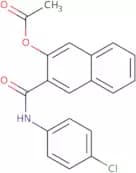
CAS:<p>Aldol® 484 beta-D-glucopyranoside is a chromogenic and fluorogenic enzyme substrate used for detection of beta-glucosidase activity. The colorless enzyme substrate is cleaved by bacteria producing beta-glucosidase in liquid or solid media, yielding intense red color and green fluorescent signal. Aldol® 484 beta-D-glucopyranoside can be used under aerobic and anaerobic conditions.</p>Formula:C26H24ClFN2O7Purity:Min. 95%Color and Shape:PowderMolecular weight:530.93 g/molNaphthol AS-E acetate
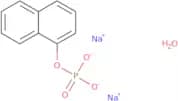
CAS:<p>Modified naphtol AS substrate used in histochemical and cytochemical staining</p>Formula:C19H14ClNO3Purity:Min. 95%Molecular weight:339.77 g/mola-Naphthyl phosphate disodium salt hydrate
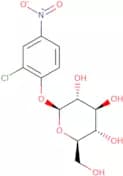
CAS:<p>a-Naphthyl phosphate disodium salt hydrate is a highly water-soluble chromogenic substrate used to determine phosphatase activity in research and analytical applications, particularly for staining and differentiating acid and alkaline phosphatases.</p>Purity:Min. 95%Color and Shape:White PowderMolecular weight:268.11 g/mol2-Chloro-4-nitrophenyl β-D-glucopyranoside
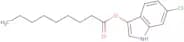
CAS:<p>2-Chloro-4-nitrophenyl β-D-glucopyranoside is a chromogenic substrate for beta-glucosidases. In biochemical enzyme assays and in vitro diagnostics analysis, the substrate is used to monitor the glycosyltransferase activity. When 2-chloro-4-nitrophenyl β-D-glucopyranoside is cleaved by beta-glucosidase, 2-chloro-4-nitrophenol is released and quantified.</p>Formula:C12H14ClNO8Purity:Min. 95%Color and Shape:White PowderMolecular weight:335.69 g/mol6-Chloro-3-indoxyl nonanoate
CAS:<p>6-Chloro-3-indoxyl nonanoate is a fluorescent substrate that is used in the detection of beta-galactosidase activity. It has been used to detect the enzyme levels in various culture media and as a high quality, food testing, and environmental testing. The product is also used as a ligand for enzyme inhibition studies. 6-Chloro-3-indoxyl nonanoate has shown to be an excellent fluoroquinolone substrate for chemiluminescence assays. This product is CAS No. 133950-72-8 and is of high purity and high quality.</p>Purity:Min. 95%Molecular weight:307.81 g/mol5-Bromo-4-chloro-3-indoxyl butyrate
CAS:<p>Chromogenic substrate for carboxylesterase yielding a blue precipitate upon cleavage. It has been proposed for the rapid detection of Branhamella catarrhalis in a strip test because unlike most other members of the family Neisseriaceae, Branhamella catarrhalis produces a butyrateesterase.</p>Formula:C12H11BrClNO2Purity:Min. 98.0 Area-%Molecular weight:316.59 g/mol5-Bromo-4-chloro-3-indolyl a-L-rhamnoside
<p>5-Bromo-4-chloro-3-indolyl a-L-rhamnoside is a chromogenic substrate used to detect the specific enzymatic activity of alpha-L-rhamnosidase. After cleavage, 5-bromo-4-chloro-indoxyl is released, resulting in a blue to blue-green color change in bacterial colonies or media. 5-Bromo-4-chloro-3-indolyl a-L-rhamnoside is used in bacterial rhamnose metabolism studies (e.g. E. coli).</p>Formula:C14H15BrClNO5Purity:Min. 95%Color and Shape:SolidMolecular weight:392.63 g/molAldol® 455 alpha-D-glucopyranoside - Biosynth Patent: EP 2427431 and US 8940909
<p>Aldol® 455 alpha-D-glucopyranoside is a high quality, environmentally tested, staining, and ligand for bioluminescent assays. It has been shown to be a chromogenic substrate for diagnostics and a fluorogenic substrate for enzymes such as alpha-glucosidase, producing a yellow/green-orange color. Aldol® 455 alpha-D-glucopyranoside is also used in culture media and food testing.</p>Formula:C27H24ClNO7Purity:Min. 95 Area-%Color and Shape:PowderMolecular weight:509.93 g/mol5-Nitro-3-indoxyl-β-D-galactopyranoside
<p>For the detection of beta-galactosidase activity</p>Formula:C14H16N2O8Molecular weight:340.29 g/molAldol® 458 acetate, Biosynth Patent: EP 2427431 and US 8940909
CAS:Controlled Product<p>Aldol 458 acetate is a synthetic chemical that is used in the food industry as an enzyme substrate and in diagnostic tests to measure the level of enzymes. Aldol 458 acetate is a ligand that binds to proteins, such as horseradish peroxidase and alkaline phosphatase, which are commonly used for detection of antibodies or other proteins. This product can be used as a culture medium additive for bacteria, fungi, and yeast. It can also be used for diagnostics and chemiluminescence reactions. Aldol 458 acetate has high purity and quality.</p>Formula:C18H15NO4Purity:Min. 95.0 Area-%Molecular weight:309.32 g/molAldol® 470 L-alanine ester, hydrochloride, Biosynth Patent: EP 2427431 and US 8940909
CAS:Controlled Product<p>Aldol® 470 L-alanine ester, hydrochloride is a fluorescent chemiluminescent substrate. It is a ligand with high purity and high quality, which has been patented in the European Patent Office (EP 2427431) and the United States Patent and Trademark Office (US 8940909). The product can be used for chemiluminescence, staining, fluorescence, bioluminescence, enzyme substrate and food testing. Aldol® 470 L-alanine ester, hydrochloride is an excellent fluorescent chemiluminescent substrate that can be used for conjugation to enzymes or antibodies.</p>Formula:C26H25ClN2O5Purity:Min. 95%Color and Shape:PowderMolecular weight:480.95 g/mol5-Bromo-4-chloro-3-indolyl 5-O-feruloyl a-L-arabinofuranoside
<p>5-Bromo-4-chloro-3-indolyl 5-O-feruloyl a-L-arabinofuranoside is a chemiluminescent ligand that is used in the detection of DNA, RNA, and proteins. It has been shown to be an efficient fluorescence substrate for DNA and RNA polymerases. 5-Bromo-4-chloro-3-indolyl 5-O-feruloyl a-L-arabinofuranoside is suitable for use in diagnostic tests for bacteria, fungi, viruses, parasites, and toxins. This compound has been extensively tested for toxicity and carcinogenicity.</p>Purity:Min. 95%4-Nitrophenyl β-D-galactofuranoside
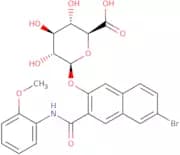
CAS:<p>Chromogenic substrate for beta-galactofuranosidase</p>Formula:C12H15NO8Purity:Min. 98 Area-%Color and Shape:White PowderMolecular weight:301.25 g/molNaphthol AS-BI b-D-glucuronide
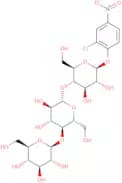
CAS:<p>Chromogenic substrate to visualize beta-glucuronidase activity; produces a red color</p>Formula:C24H22BrNO9Purity:Min. 98 Area-%Color and Shape:White PowderMolecular weight:548.34 g/mol2-Chloro-4-nitrophenyl β-D-cellotrioside
CAS:<p>2-Chloro-4-nitrophenyl β-D-cellotrioside is a chromogenic substrate use in cellulase activity assays. This enzyme, which is responsible to break down cellulose, hydrolyzes 2-chloro-4-nitrophenyl beta-D-cellotrioside and releases 2-chloro-4-nitrophenol than can be quantified spectrophotometrically. The use of 2-chloro-4-nitrophenyl beta-D-cellotrioside as substrate for enzymatic assays allows detecting bacterial cellulose in urine tract infections in the biofilm state.</p>Formula:C24H35ClNO18Purity:Min. 95%Color and Shape:PowderMolecular weight:660.98 g/mol6-Nitro-3-indoxyl-β-D-galactopyranoside
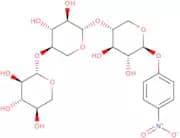
<p>For the detection of beta-galactosidase activity</p>Formula:C14H16N2O8Molecular weight:340.29 g/mol4-Nitrophenyl b-D-xylotrioside
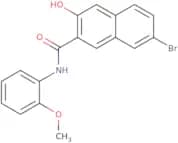
CAS:<p>Chromogenic substrate targeting beta-D-xylosidase. A xylanase substrate.</p>Formula:C21H29NO15Purity:Min. 98 Area-%Color and Shape:PowderMolecular weight:535.45 g/molNaphthol AS-BI
CAS:<p>Chromogenic substrate for alkaline and acid phosphatase</p>Formula:C18H14BrNO3Purity:Min. 95%Molecular weight:372.21 g/molAldol® 495 β-D-glucuronic acid, Biosynth Patent: EP 2427431 and US 8940909
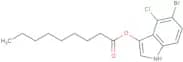
CAS:<p>Aldol® 495 beta-D-glucuronic acid is a chromogenic and fluorogenic enzyme substrate used for detection of beta-glucuronidase activity. The living cells of Escherichia coli can be reliably detected in growth media containing Aldol® 495 beta-D-glucuronic acid, as beta-glucuronidase occurs almost exclusively in E. coli. Aldol® 495 beta-D-glucuronic acid can also be in GUS reporter assays. Aldol® 495 beta-D-glucuronic acid can be used in liquid culture and solid media, and is suitable for use under aerobic and anaerobic conditions. Upon exposure to active beta-glucuronidase, Aldol® 495 beta-D-glucuronic acid develops orange colour and green fluorescence.</p>Formula:C26H23ClN2O8Purity:Min. 95.0 Area-%Molecular weight:526.93 g/mol5-Bromo-4-chloro-3-indolyl nonanoate
CAS:<p>5-Bromo-4-chloro-3-indolyl nonanoate is a fluorogenic substrate that is used in the detection of enzymes. The substrate reacts with various enzymes and produces a fluorescent product, which can be detected using a fluorimeter or luminometer. It has been shown to be active against β-galactosidase, α-chymotrypsin, and β-glucuronidase. This compound may also be used as an enzyme substrate for the detection of bacteria in culture media or for food testing. 5-Bromo-4-chloro-3 indolyl nonanoate is not mutagenic or genotoxic when tested on bacterial cells.</p>Formula:C17H21BrClNO2Purity:Min. 95%Molecular weight:386.71 g/mol2-Chloro-4-nitrophenyl α-D-mannopyranoside
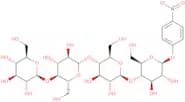
CAS:<p>2-Chloro-4-nitrophenyl alpha-D-mannopyranoside is a substrate used to measure the alpha-mannosidase activity. This enzyme plays a crucial role in the lysosomal degradation of asparagine-linked carbohydrate cores of glycoproteinsis. The use of 2-Chloro-4-nitrophenyl alpha-D-mannopyranoside in diagnostic assays is important as a deficiency in alpha-mannosidase leads to the accumulation of mannose-rich oligosaccharides in lysosomes, causing a range of health problems collectively known as alpha-mannosidosis.</p>Formula:C12H14ClNO8Purity:Min. 98 Area-%Color and Shape:White PowderMolecular weight:335.69 g/mol4-Nitrophenyl b-D-cellotetraoside
CAS:<p>4-Nitrophenyl b-D-cellotetraoside is a chromogenic substrate utilized for the detection and quantification of cellulase enzyme activity. Cellulase enzymes hydrolyze the beta-1,4-glycosidic bonds of cellulose, a major component of plant cell walls. Upon cleavage by cellulase, it releases 4-nitrophenol, a compound that exhibits a yellow color and absorbs strongly at 405 nm, allowing for easy spectrophotometric measurements of cellulase activity levels in various sample types, including bacterial and fungal cultures, environmental samples, and industrial applications.</p>Formula:C30H45NO23Purity:Min. 95%Color and Shape:PowderMolecular weight:787.67 g/mol1-Naphthyl a-D-galactopyranoside
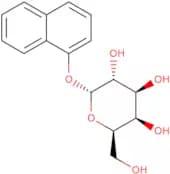
CAS:<p>1-Naphthyl a-D-galactopyranoside is a chromogenic substrate use to detect alpha-galactosidase activity.</p>Formula:C16H18O6Purity:Min. 95%Color and Shape:PowderMolecular weight:306.31 g/mol1-Naphthyl β-D-glucopyranoside
CAS:<p>1-Naphthyl β-D-glucopyranoside can be used as a chromogenic substrate for beta-glucosidases. It can also be used as a fluorogenic substrate to study carbohydrate metabolism and in screening enzyme inhitibitors in pharmacologic research.</p>Formula:C16H18O6Purity:Min. 95%Color and Shape:White Off-White PowderMolecular weight:306.31 g/molAldol® 515 caprylate hydrochloride
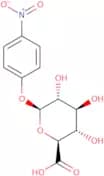
CAS:<p>Aldol 515 caprylate hydrochloride is a high-quality fluorogenic substrate that is used for the detection of enzymes in culture media and enzyme substrates. The product has a CAS number of 2484873-14-3 and can be used for food testing, diagnostics, and environmental testing. Aldol 515 caprylate hydrochloride can also be used as a ligand or chromogenic substrate to measure bioluminescence.</p>Formula:C31H35ClN2O3Purity:Min. 95 Area-%Molecular weight:519.08 g/mol4-Nitrophenyl-β-D-glucuronic acid
CAS:<p>Chromogenic β-glucuronidase substrate yielding a yellow solution upon cleavage. Used to detect E. coli contamination in food and drinking water due to their β-glucuronidase activity.</p>Formula:C12H13NO9Purity:Min. 98.0 Area-%Molecular weight:315.24 g/mol3,4-Cyclohexenoesculetin β-D-galactopyranoside
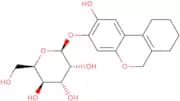
CAS:<p>Chromogenic substrate for beta-galactosidase</p>Formula:C19H22O9Purity:Min. 95 Area-%Color and Shape:PowderMolecular weight:394.37 g/mol4-Nitrophenyl 4,6-benzylidene-α-D-maltoheptaoside
CAS:<p>4-Nitrophenyl 4,6-benzylidene-alpha-D-maltoheptaoside is a chromogenic substrate for alpha-amylase. Upon hydrolysis, para-nitrophenol is released yielding a yellowish colour. 4-Nitrophenyl 4,6-benzylidene-alpha-D-maltoheptaoside is used in different applications such as the Starch digestion studies, industrial enzyme optimization</p>Formula:C55H79NO38Purity:Min. 95%Color and Shape:PowderMolecular weight:1,362.2 g/mol6-Chloro-4-(2-chlorophenyl)-2-quinazolinecarboxaldehyde
CAS:<p>6-Chloro-4-(2-chlorophenyl)-2-quinazolinecarboxaldehyde is a colorimetric reagent that can be used to detect Cl. It has been shown to react with Cl in the presence of an acidic solution and produce a red color. The reagent is stable in organic solvents, such as chloroform, but decomposes in water. 6-Chloro-4-(2-chlorophenyl)-2-quinazolinecarboxaldehyde is also used to detect chloride by titrimetric or polarographic methods.</p>Formula:C15H8Cl2N2OPurity:Min. 95%Color and Shape:Off-White PowderMolecular weight:303.14 g/mol6-Chloro-3-indoxyl choline phosphate
CAS:<p>6-Chloro-3-indoxyl choline phosphate is a chromogenic substrate for phosphatidylcholine-specific phospholipase C (PC-PLC) for the detection of mibrobial metabolites. The use of this specific substrate permits monitoring the activity of PC-PLC. This an important enzyme for the regulation of steady-state levels of phosphatidylcholine (PC) and diacylglycerol (DAG). Abnormally high levels of PC-PLC activity in various tissues have been linked to many disease progressions.</p>Formula:C13H18ClN2O4PPurity:Min. 99 Area-%Color and Shape:PowderMolecular weight:332.72 g/molLipase substrate
CAS:<p>Synthetic chromogenic substrate for detection of lipase enzyme activity that produces a red coloured product, Suitable for use in serum of plasma matrices. This lipase substrate is commonly used in veterinary diagnostics for monitoring and detecting canine pancreatitis,</p>Formula:C45H69NO8Molecular weight:752.03 g/molAldol® 515 nonanoate hydrochloride, Biosynth Patent: EP 2427431 and US 8940909
CAS:<p>Aldol® 515 nonanoate hydrochloride is a chromogenic and fluorogenic enzyme substrate for detection of lipase activity. The colorless product is cleaved by C9 esterases produced by bacteria in liquid or solid media, yielding a red color and red fluorescence when Aldol® 355 fluorescence enhancer or a suitable matrix is present. Aldol® 515 nonanoate can be used under aerobic and anaerobic conditions. Well detectable color/fluorescence of bacterial colonies or liquid cultures is obtained within 24-48 h. In the presence of a purified lipase, color and fluorescence develops within minutes to few hours.</p>Formula:C32H36ClN2O3Purity:Min. 95 Area-%Molecular weight:533.1 g/mol5-Bromo-4-chloro-3-indolyl a-D-xylopyranoside
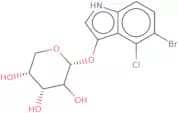
CAS:<p>5-Bromo-4-chloro-3-indolyl a-D-xylopyranoside is a chromogenic substrate used to detect the specific enzymatic activity of alpha-xylosidase. After cleavage, 5-bromo-4-chloro-indoxyl is released, resulting in a blue to blue-green color change in bacterial colonies or media. 5-Bromo-4-chloro-3-indolyl a-D-xylopyranoside is used in bacterial xylan metabolism studies and plant cell wall degradation assays.</p>Formula:C13H13BrClNO5Purity:Min. 95%Color and Shape:White to off-white solid.Molecular weight:378.61 g/molAldol® 514 inositol-phosphate, ammonium salt, Biosynth Patent: EP 2427431 and US 8940909
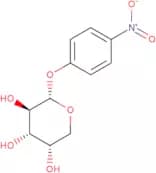
CAS:<p>Aldol® 514 inositol-phosphate is a chromogenic enzyme substrate used for detection of phosphatidylinositol specific phospholipase C (PI-PLC, EC 4.6.1.13). The colorless enzyme substrate is cleaved by PI-PLC positive microorganisms, yielding a red-orange color. The substrate thus enables the detection and identification of various bacteria, such as, pathogenic strains of Listeria, Clostridium, Bacillus, and Staphylococcus. Aldol® 514 inositol-phosphate is suitable for use under aerobic and anaerobic conditions.</p>Formula:C26H28BrClN3O10PPurity:Min. 95.0 Area-%Molecular weight:688.85 g/mol4-Nitrophenyl a-L-arabinopyranoside
CAS:<p>Substrate for a-L-arabinopyranosidase</p>Formula:C11H13NO7Purity:Min. 98 Area-%Color and Shape:White PowderMolecular weight:271.22 g/mol4-Nitrophenyl-β-L-fucopyranoside
CAS:<p>4-Nitrophenyl-beta-L-fucopyranoside is a chromogenic substrate used in the determination of alpha-glucosidase activity. The formation of phenol from 4-nitrophenyl leads to the production of a yellow color that can be quantified by measuring its absorbance at 490 nm. This assay is based on the principle that alpha-glucosidase hydrolyzes sucrose into glucose and fructose, which are then oxidized to form 4-nitrophenol and 4-nitroanomeric acid, respectively. The reaction product is detected by measuring the absorption at 490 nm.</p>Formula:C12H15NO7Molecular weight:285.26 g/molNaphthol AS-D chloroacetate
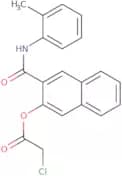
CAS:<p>Histochemical substrate for esterase</p>Formula:C20H16ClNO3Purity:Min. 98 Area-%Color and Shape:PowderMolecular weight:353.8 g/mol4-Nitrophenyl 2-O-(β-D-glucopyranosyl)-β-D-glucopyranoside
CAS:<p>4-Nitrophenyl 2-O-(beta-D-glucopyranosyl)-beta-D-glucopyranoside is a chromogenic substrate for beta-glucosidase. Upon hydrolysis, para-nitrophenol is released yielding a yellowish colour. 4-Nitrophenyl 2-O-(beta-D-glucopyranosyl)-beta-D-glucopyranoside is used in different applications such as the Cellulose degradation studies, biofuel research</p>Formula:C18H25NO13Purity:Min. 95%Color and Shape:White solid.Molecular weight:463.39 g/mol2-Nitrophenyl α-D-glucopyranoside
CAS:<p>2-Nitrophenyl a-D-glucopyranoside is a chromogenic substrate commonly used to assay the activity of glucosidases. Upon cleavage of the glycosidic bond by glucosidases, the released 2-nitrophenyl group yields a yellow color detectable by spectrophotometry. This substrate has high sensitivity and is widely used in a variety of applications, including drug discovery and enzyme kinetics studies.</p>Formula:C12H15NO8Purity:Min. 95%Color and Shape:White to off-white solid.Molecular weight:301.25 g/mol
![{5-[1-(benzylamino)cyclohexyl]-1H-tetrazol-1-yl}acetic acid](/_next/image/?url=https%3A%2Fstatic.cymitquimica.com%2Fproducts%2F10%2Fthumb-webp%2FF313669.webp&w=3840&q=75)


![3-[4-(2-Methoxyphenyl)piperazin-1-yl]propan-1-amine](/_next/image/?url=https%3A%2Fstatic.cymitquimica.com%2Fproducts%2FTR%2Fthumb-webp%2FM229390.webp&w=3840&q=75)

](/_next/image/?url=https%3A%2Fstatic.cymitquimica.com%2Fproducts%2FTR%2Fthumb-webp%2FN649350.webp&w=3840&q=75)

![2,8-Dichloro-6,12-diphenyldibenzo[b,f][1,5]diazocine](/_next/image/?url=https%3A%2Fstatic.cymitquimica.com%2Fproducts%2FTR%2Fthumb-webp%2FD434065.webp&w=3840&q=75)

![N-(3-(3-Cyano-7-oxo-4,7-dihydropyrazolo[1,5-a]pyrimidin-5-yl)phenyl)-N-(ethyl-d5)acetamide](/_next/image/?url=https%3A%2Fstatic.cymitquimica.com%2Fproducts%2FTR%2Fthumb-webp%2FC979514.webp&w=3840&q=75)
![2,3-Dihydro-1-(3-hydroxypropyl)-5-[(2R)-2-[[2-[2-(2,2,2-trifluoroethoxy)phenoxy]ethyl]amino]propyl]](/_next/image/?url=https%3A%2Fstatic.cymitquimica.com%2Fproducts%2FTR%2Fthumb-webp%2FD449705.webp&w=3840&q=75)





![N-[2-(ethylthio)ethyl]cyclohexanamine hydrochloride](/_next/image/?url=https%3A%2Fstatic.cymitquimica.com%2Fproducts%2F10%2Fthumb-webp%2FF361642.webp&w=3840&q=75)

![ETHYL 1-CYCLOHEXYL-2-(FURAN-3-YL)-1H-BENZO[D]IMIDAZOLE-5-CARBOXYLATE](/_next/image/?url=https%3A%2Fstatic.cymitquimica.com%2Fproducts%2F10%2Fthumb-webp%2FF388803.webp&w=3840&q=75)





![Methyl 2-methyl-3-[(2-methylcyclohexyl)amino]propanoate](/_next/image/?url=https%3A%2Fstatic.cymitquimica.com%2Fproducts%2F10%2Fthumb-webp%2FF522939.webp&w=3840&q=75)
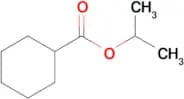
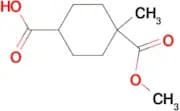
![2-{[(2-methoxyethyl)amino]carbonyl}cyclohexanecarboxylic acid](/_next/image/?url=https%3A%2Fstatic.cymitquimica.com%2Fproducts%2F10%2Fthumb-webp%2FF315631.webp&w=3840&q=75)
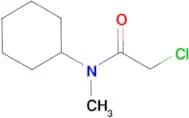
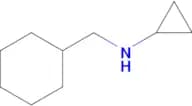

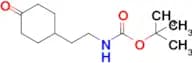

![{[4-(1H-benzimidazol-2-yl)cyclohexyl]methyl}amine dihydrochloride](/_next/image/?url=https%3A%2Fstatic.cymitquimica.com%2Fproducts%2F10%2Fthumb-webp%2FF359612.webp&w=3840&q=75)
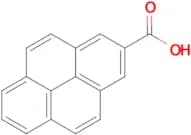


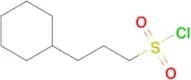
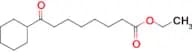


![4-[cyclohexyl(methyl)amino]butan-1-ol](/_next/image/?url=https%3A%2Fstatic.cymitquimica.com%2Fproducts%2F10%2Fthumb-webp%2FF310211.webp&w=3840&q=75)
![1-((4'-methoxy-[1,1'-biphenyl])-4-sulfonamido)cyclohexane-1-carboxylic acid](/_next/image/?url=https%3A%2Fstatic.cymitquimica.com%2Fproducts%2F10%2Fthumb-webp%2FF512251.webp&w=3840&q=75)





![3-[(3-Hydroxycyclohexyl)amino]-5,5-dimethylcyclohex-2-en-1-one](/_next/image/?url=https%3A%2Fstatic.cymitquimica.com%2Fproducts%2F10%2Fthumb-webp%2FF181350.webp&w=3840&q=75)
![8-Benzyl-1-cyclohexyl-1,3,8-triazaspiro[4.5]decan-4-one](/_next/image/?url=https%3A%2Fstatic.cymitquimica.com%2Fproducts%2F10%2Fthumb-webp%2FF517778.webp&w=3840&q=75)