Monosaccharides
Monosaccharides are the simplest form of carbohydrates and serve as fundamental building blocks for more complex sugars and polysaccharides. These single sugar molecules play critical roles in energy metabolism, cellular communication, and structural components of cells. In this section, you will find a wide variety of monosaccharides essential for research in biochemistry, molecular biology, and glycoscience. These compounds are crucial for studying metabolic pathways, glycosylation processes, and developing therapeutic agents. At CymitQuimica, we offer high-quality monosaccharides to support your research needs, ensuring precision and reliability in your scientific investigations.
Subcategories of "Monosaccharides"
- Alloses(11 products)
- Arabinoses(21 products)
- Erythroses(11 products)
- Fructoses(9 products)
- Fucoses(36 products)
- Galactosamine(41 products)
- Galactose(261 products)
- Glucoses(365 products)
- Glucuronic Acids(51 products)
- Glyco-substrates for Enzyme(77 products)
- Guloses(6 products)
- Idoses(4 products)
- Inositols(15 products)
- Lyxoses(4 products)
- Mannoses(65 products)
- O-Glycans(48 products)
- Psicoses(3 products)
- Rhamnoses(10 products)
- Riboses(61 products)
- Sialic Acids(100 products)
- Sorboses(4 products)
- Sugars(173 products)
- Tagatoses(4 products)
- Taloses(8 products)
- Xyloses(20 products)
Show 17 more subcategories
Found 6088 products of "Monosaccharides"
Sort by
Purity (%)
0
100
|
0
|
50
|
90
|
95
|
100
2-Amino-b-L-arabinofurano[1,2:4,5]oxazoline
CAS:<p>2-Amino-b-L-arabinofurano[1,2:4,5]oxazoline is a custom synthesis. It is a white to off-white powder with a molecular weight of 264.50 and a melting point of about 160°C. The purity of this compound is >98% by HPLC analysis. This product has been modified with glycosylation, methylation, click modification, fluorination, saccharide modification, sugar modification, and oligosaccharide modification.</p>Formula:C6H10N2O4Purity:Min. 95%Color and Shape:PowderMolecular weight:174.15 g/mol2,3-O-Isopropylidene-D-glyceraldehyde - 50% solution in DCM
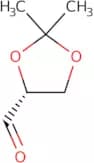
CAS:<p>2,3-O-Isopropylidene-D-glyceraldehyde is an acetal protected glyceraldehyde building block for use in organic chemistry. The aldehyde group of 2,3-O-Isopropylidene-D-glyceraldehyde is left unprotected which allows for a range of reactions to be performed. These include aldol condensations, olefinations, Grignard reactions and imine formation, including reductive amination.</p>Formula:C6H10O3Purity:Min. 95%Color and Shape:Colorless Clear LiquidMolecular weight:130.14 g/molL(+)-Ascorbic acid sodium salt
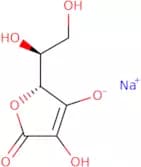
CAS:<p>L(+)-Ascorbic acid sodium salt is the L-isomer of ascorbic acid. It is an essential nutrient for humans and animals, and a cofactor for many enzymes involved in cellular metabolism. Ascorbic acid is an effective metal chelator, which can be used to treat infectious diseases such as tuberculosis. L(+)-Ascorbic acid sodium salt has been shown to have antioxidant properties. It also has antineoplastic activity against skin tumors when used at optimum concentration.</p>Formula:C6H7NaO6Purity:Min. 97 Area-%Color and Shape:White PowderMolecular weight:198.11 g/molGalactosyl diglyceride - 10 mg/ml solution in chloroform/methanol
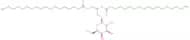
CAS:<p>The galactosyl diglyceride (GalDG) is a lipid molecule that is found naturally in plants. The chemical formula for GalDG is C22H44O8 and it has a molecular weight of 464.36 g/mol. This lipid molecule is composed of two fatty acid chains, one glycerol molecule and one galactose molecule. It can be synthesized with the help of a transition metal catalyst and an oxidizing agent such as hydrogen peroxide or sodium hypochlorite. When heated to a temperature of about 200-250 degrees Celsius, the transformation process takes place which results in the conversion of the lamellar phase to the crystalline phase. The diffraction method was used to determine its crystal structure and it was found that this lipid molecule has a lamellar phase at room temperature but transforms into a crystalline phase when heated to 250 degrees Celsius. The diffraction pattern obtained from x-ray diffraction analysis indicated that this</p>Formula:C45H86O10Purity:Min. 95%Color and Shape:Colourless to yellow liquid.Molecular weight:787.16 g/molL-Talose
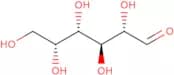
CAS:<p>L-Talose is a type of sugar that is found in plants and animals. It is a stereoselective, synthetic carbohydrate with the chemical formula C12H24O11. L-Talose has an anhydrous dextrose equivalent (DE) of 180. L-Talose is synthesized from D-glucal and D-talonol by a recombinant protein. The immobilization process has been shown to be successful for the production of L-talose as it prevents the loss of product due to adsorption on the surface of the reactor. Molecular modeling was used to determine that L-talose binds to carbonyl groups more strongly than other types of molecules. Anhydrous dextrose was shown to be an effective acceptor for L-talose because it reacts with hydroxyl groups at room temperature and pressure conditions. The nmr spectra show that the hydroxyl group interacts with hydrogen bonding and coordinate covalent bonding</p>Formula:C6H12O6Purity:Min. 95%Color and Shape:PowderMolecular weight:180.16 g/mol1,3,5-O-Methylidyne-myo-inositol
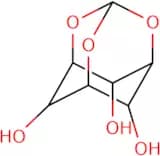
CAS:<p>1,3,5-O-Methylidyne-myo-inositol is a cyclic sugar alcohol, which is naturally derived from various plant sources, including certain fruits and grains. As a stereoisomer of inositol, it represents a specific structural form that contributes to its unique properties and potential biological activities. The compound operates through modulating cellular signaling pathways, particularly those related to phosphoinositide metabolism, influencing intracellular calcium levels, and affecting lipid signaling cascades.This compound is primarily explored for its potential role in neurological health and its capacity to influence insulin signaling pathways. It has been investigated for applications in managing conditions such as polycystic ovary syndrome (PCOS), mood disorders, and neurodegenerative diseases. Due to its intricate involvement in cellular signaling networks, 1,3,5-O-Methylidyne-myo-inositol holds promise in furthering understanding of complex biological processes and for therapeutic development in metabolic and neurological disorders. Research continues to explore its efficacy and mechanisms of action to better establish its role in health and disease.</p>Formula:C7H10O6Purity:Min. 95%Color and Shape:PowderMolecular weight:190.15 g/molD-Lyxosylamine
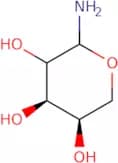
CAS:<p>D-Lyxosylamine is a drug that has been shown to have anticancer activity against leishmania species. It inhibits the growth of the parasite by binding to the lectin, sialic, and glycoconjugates on the surface of cells. This inhibition leads to a blockage in the transport of glucose and amino acids, which are essential for cell growth and replication. D-Lyxosylamine has also been shown to have anti-leukemic effects, which may be due to its ability to kill lymphocytic leukemia cells. The drug was administered orally in a clinical trial with human volunteers in order to test its effectiveness against Leishmania major infections. D-Lyxosylamine administered at 50mg/kg/day for 28 days had no significant effect on Leishmania major infection rates.</p>Formula:C5H11NO4Purity:Min. 95%Color and Shape:White PowderMolecular weight:149.1 g/molL-Glucose
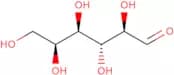
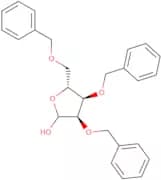
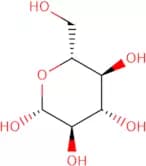
CAS:<p>L-glucose is a monosaccharide that is an important source of energy for the human body. The glucose molecule consists of 6 carbon atoms, 12 hydrogen atoms and 6 oxygen atoms. Glucose enters cells with the help of insulin and ATP-sensitive potassium channels. It has been shown that L-glucose can inhibit viral replication in vitro, such as HIV and herpes simplex virus type 1 (HSV-1). L-Glucose may be used to treat squamous carcinoma by reducing the redox potential in cancer cells. L-Glucose inhibits the growth of c. glabrata by inhibiting transcription activators and enzymes involved in glycolysis. L-Glucose also has hypoglycemic effects on humans by reducing cortisol concentrations in human serum.</p>Formula:C6H12O6Purity:Min. 98 Area-%Color and Shape:White Clear LiquidMolecular weight:180.16 g/mol2,3,5-Tri-O-benzyl-D-ribofuranose
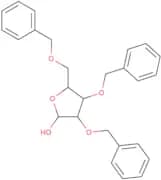
CAS:<p>2,3,5-Tri-O-benzyl-D-ribofuranose is a carbohydrate that can be synthesized through an efficient method. It is a glycoside with an oxotitanium (oxo) group. The synthesis of this compound requires magnesium as the activating agent and o-glycosylation. The glycoconjugates of this compound are found in organisms such as fungi, yeast, and bacteria. In addition to its carbohydrate function, 2,3,5-Tri-O-benzyl-D-ribofuranose has been shown to have antimicrobial properties. This sugar has also been shown to have antiviral properties due to its ability to inhibit the enzyme ribonucleotide reductase (RNR).</p>Formula:C26H28O5Purity:Min. 95%Color and Shape:White PowderMolecular weight:420.5 g/molD-Xylose
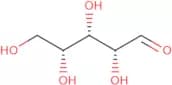
CAS:<p>Xylose (Xyl) is an aldopentose also known as wood sugar (Collins, 2006). The main sources of xylose are hemicelluloses found in hardwood and perennial plants, such as, grasses, cereals, and herbs (Petzold-Welcke, 2014) and some algae. Xylose is used in the production of xylitol, a low calory sugar substitute. Xylose is used in glycosaminoglycan (GAG) biosynthesis, which is initiated by peptide O-xylosyltransferases, which transfer xylose onto selected serine residues in the core proteins. The first enzyme in the pathway, peptide O-xylosyltransferase, catalyzes the transfer of xylose from uridine diphosphate (UDP)-α-D-xylose onto serine and thus determines the site(s) of GAG attachment on the core protein (Briggs, 2018).</p>Formula:C5H10O5Purity:Min. 99.0 Area-%Molecular weight:150.13 g/mol2,3,4,6-Tetra-O-acetyl-a-D-galactopyranosyl azide
CAS:<p>Please enquire for more information about 2,3,4,6-Tetra-O-acetyl-a-D-galactopyranosyl azide including the price, delivery time and more detailed product information at the technical inquiry form on this page</p>Formula:C14H19N3O9Purity:Min. 98 Area-%Color and Shape:PowderMolecular weight:373.32 g/mol1-O-Methyl-β-D-glucuronic acid, sodium salt
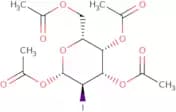
CAS:<p>1-O-Methyl-β-D-glucuronic acid is a β-glucuronidase inducer.</p>Formula:C7H11NaO7Molecular weight:230.15 g/mol1,3,4,6-Tetra-O-acetyl-2-deoxy-2-iodo-β-D-galactopyranose
CAS:<p>Synthetic carbohydrate building block</p>Formula:C14H19IO9Purity:Min. 95%Molecular weight:458.2 g/mol1,3,4,6-Tetra-O-acetyl-2-azido-2-deoxy-L-mannopyranose
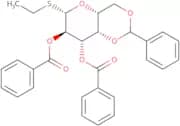
<p>1,3,4,6-Tetra-O-acetyl-2-azido-2-deoxy-L-mannopyranose is a carbohydrate that is synthesized by the modification of the glycosylation process. It is a methylated and fluorinated oligosaccharide with a high purity. This product is available for custom synthesis in order to meet specific customer requirements.</p>Formula:C14H19N3O9Purity:Min. 95%Color and Shape:White To Off-White SolidMolecular weight:373.32 g/molEthyl 2,3-di-O-benzoyl-4,6-O-benzylidene-β-D-thiogalactopyranoside
CAS:<p>Ethyl 2,3-di-O-benzoyl-4,6-O-benzylidene-b-D-thiogalactopyranoside is a high purity custom synthesis sugar. This product contains the Click modification, fluorination and glycosylation modifications. It can be used in the synthesis of oligosaccharides, monosaccharides and saccharides. Ethyl 2,3-di-O-benzoyl-4,6-O-benzylidenebDthiogalactopyranoside is used to synthesize complex carbohydrates.</p>Formula:C29H28O7SPurity:Min. 98 Area-%Color and Shape:PowderMolecular weight:520.59 g/mol2-Acetamido-3,4,6-tri-O-acetyl-2-deoxy-D-glucohydroximo-1,5-lactone
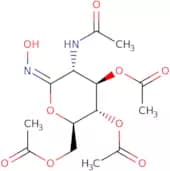
CAS:<p>2-Acetamido-3,4,6-tri-O-acetyl-2-deoxy-D-glucohydroximo-1,5-lactone is a methylated sugar. It is a white to off white powder with a molecular weight of 518. The chemical formula for 2-Acetamido-3,4,6-tri-O-acetyl-2-deoxy--D--glucohydroximo--1,5--lactone is C16H26N2O8 and the structural formula is as follows:br></p>Formula:C14H20N2O9Purity:Min. 95%Color and Shape:White PowderMolecular weight:360.32 g/molD-Talose
CAS:<p>Unnatural hexose used for the investigation of clostridial Rib-5-P-isomerases</p>Formula:C6H12O6Purity:Min. 99 Area-%Color and Shape:White PowderMolecular weight:180.16 g/molL-Lyxose
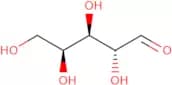
CAS:<p>Starting material for chiral-pool based organic synthesis</p>Formula:C5H10O5Purity:Min. 98 Area-%Color and Shape:White PowderMolecular weight:150.13 g/mol3-O-Methyl-α-D-glucopyranose
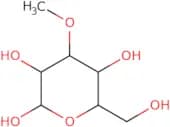
CAS:<p>3-O-Methyl-α-D-glucopyranose is a synthetic, fluorinated monosaccharide. This compound is a custom synthesis, and it can be used as an intermediate in glycosylation reactions. 3-O-Methyl-α-D-glucopyranose is typically used for the modification of polysaccharides by methylation or fluorination. It also has potential applications in the production of high purity sugar compounds.</p>Formula:C7H14O6Purity:Min. 95%Molecular weight:194.18 g/mol3-Cyano-(1H)-1,2,4-triazine
<p>3-Cyano-(1H)-1,2,4-triazine is a synthetic compound that belongs to the group of complex carbohydrates. It is a monosaccharide and an oligosaccharide that can be custom synthesized and modified. 3-Cyano-(1H)-1,2,4-triazine is used as a glycosylation or polysaccharide modification agent in the synthesis of sugar molecules. It has been shown to have high purity and low toxicity.</p>Purity:Min. 95%1,2,3,4-Tetra-O-acetyl-6-O-tosyl-b-D-glucopyranose
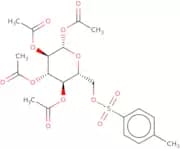
CAS:<p>The tetra-acetyl-6-tosyl-b-D-glucopyranose is a modification of the natural 1,2,3,4-tetra-O-acetyl-6-O-tosyl--D glucopyranose. It is synthesized by reacting the 1,2,3,4 tetra acetyl b glucopyranose with tosyl chloride and anhydrous pyridine in dry dichloromethane. The product is purified by column chromatography on silica gel using a solvent system consisting of ethyl acetate and methanol. The yield of this reaction is about 60%.<br>The molecular weight of this compound is 876.7 g/mol and its melting point is 253°C. The CAS No. for this compound is 661910-9 and its IUPAC name is (1R*, 2S*, 4R*)-1,2,</p>Formula:C21H26O12SPurity:Min. 95%Color and Shape:White PowderMolecular weight:502.49 g/mol3,4,5,7-Tetra-O-acetyl-2,6-anhydro-D-lyxo-hept-2-enononitrile
CAS:<p>3,4,5,7-Tetra-O-acetyl-2,6-anhydro-D-lyxo-hept-2-enononitrile is a synthetic compound that is used in the synthesis of glycosylation and oligosaccharide. This product has been modified with fluorine and methyl groups. The purity of this product is greater than 99%. 3,4,5,7-Tetra-O-acetyl-2,6-anhydro-D-lyxo-hept-2 -enononitrile is also known as CAS No. 120085–67–8.</p>Formula:C15H17NO9Purity:Min. 95%Color and Shape:PowderMolecular weight:355.3 g/molPentagalloylglucose - Bio-X ™
CAS:<p>A gallotannin found in plants, with various biological activities. Its anti-cancer effect has been demonstrated in several cancer cell lines, mediated by inhibition of DNA replication, proliferation and angiogenesis. Elicits anti-inflammatory, antioxidative and anti-diabetic effects. Recently, it has been identified as an inhibitor of c-Myc in hepatocellular carcinoma and multiple myeloma cells.</p>Formula:C41H32O26Purity:Min. 98 Area-%Color and Shape:PowderMolecular weight:940.68 g/molTopiramate D-galactopyranose
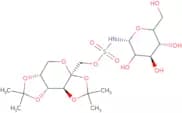
<p>Topiramate D-galactopyranose is a custom synthesis, modification, fluorination, methylation and monosaccharide. It is synthesized by clicking modification and oligosaccharide. Topiramate D-galactopyranose has CAS No. and polysaccharide. This product has sugar and complex carbohydrate. It can be used as a fluoroquinolone antibiotic for the treatment of bacterial infections such as tuberculosis, leprosy, mycobacterium avium complex, or staphylococcus aureus infection.<br>!--</p>Formula:C18H31NO13SPurity:Min. 95%Molecular weight:501.5 g/molDabigatran 4-Acyl Glucuronide
<p>Dabigatran 4-Acyl Glucuronide is a synthetic, fluorinated glycosylation of Dabigatran etexilate. It is modified by methylation at the 2 and 3 positions to increase its stability and half-life. This compound also has a high purity with less than 0.5% of impurities and can be custom synthesized to meet specific requirements.</p>Purity:Min. 95%1-Chloro-1-deoxythreitol
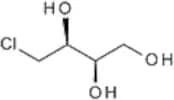
<p>1-Chloro-1-deoxyribitol is a methylating agent that can be used for the synthesis of complex carbohydrates, such as oligosaccharides and polysaccharides. It is also used in click chemistry to modify saccharides with fluoride or other reagents. 1-Chloro-1-deoxyribitol is highly pure and stable, and is available in monosaccharide form. This compound is a synthetic sugar that has been modified to contain chlorine atoms at both the hydroxyl groups.</p>Formula:C4H9ClO3Purity:Min. 95%Molecular weight:140.57 g/molHesperetin 7,3'-O-b-D-glucuronide
<p>Hesperetin 7,3'-O-b-D-glucuronide is a custom synthesis that can be synthesized with a variety of modifications including the addition of fluorine atoms. It is an oligosaccharide or polysaccharide consisting of saccharides. Hesperetin 7,3'-O-b-D-glucuronide is a white crystalline powder that has high purity and low impurities. It is an effective topical treatment for acne vulgaris and other skin conditions.</p>Formula:C28H30O18Purity:Min. 95%Molecular weight:654.53 g/mol2,3,5-Tri-O-benzyl-L-lyxofuranose
CAS:<p>2,3,5-Tri-O-benzyl-L-lyxofuranose is an acetal that is prepared by hydrolysis of 2,3,5-tri-O-benzylglycol with sodium methoxide in methanol. It can be made from the dimethyl acetal by displacement with sulphonate. The aldehyde group can be converted to an acetal by reaction with ethylene glycol and hydrochloric acid. The displacement of the aldehyde group with methoxide produces the acetal. Dimethyl acetals are also displaced by methyl iodide to produce aldehydes. Acetals are readily hydrolysed and acidic hydrolysis produces the corresponding alcohols.</p>Formula:C26H28O5Purity:Min. 95%Molecular weight:420.5 g/molHesperetin-d3 7-O-β-D-glucuronide
<p>Hesperetin-d3 7-O-beta-D-glucuronide is a novel glycosylated hesperetin derivative that has been synthesized for the first time. It is a synthetic sugar with an Oligosaccharide structure, which is a saccharide composed of three to nine monosaccharides. Hesperetin-d3 7-O-beta-D-glucuronide has been fluorinated and methylated on the sugar moiety. It has been prepared in high purity and it is available at CAS No. 1407813-41-5. This product can be custom synthesized according to your specifications and needs.</p>Purity:Min. 95%1,2,4-Tri-O-acetyl-3-O-benzyl-D-xylopyranoside
<p>1,2,4-Tri-O-acetyl-3-O-benzyl-D-xylopyranoside is a carbohydrate that has been modified with fluorine. The chemical formula is C12H21FO5. It has CAS number: 90693-24-9 and molecular weight of 356.35 g/mol. There are many uses for this compound, including being a synthetic sugar for use in pharmaceuticals, being a custom synthesis for research purposes, or as an intermediate in the production of other compounds. 1,2,4-Tri-O-acetyl-3-O-benzyl--D--xylopyranoside is also used as a fluorescence probe to detect saccharides and oligosaccharides because it emits light when bound to these compounds due to its high purity.<br>1,2,4 Tri O acetyl 3 O benzyl D xylopyranoside can be used to</p>Purity:Min. 95%1,2,3,4-Tetra-O-pivaloyl-6-O-trityl-b-D-glucopyranose
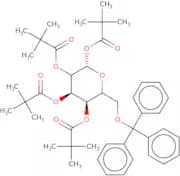
CAS:<p>1,2,3,4-Tetra-O-pivaloyl-6-O-trityl-b-D-glucopyranose is a trityl derivative of glucose that can be used as a diagnostic agent for the assessment of cancer. When labeled with radioactive iodine, 1,2,3,4-Tetra-O-pivaloyl-6-O-trityl-b-D-glucopyranose has been shown to accumulate in bile and esophageal cancer cells. Magnetic resonance imaging (MRI) was used to evaluate the distribution of 1,2,3,4 tetra O pivaloyl 6 O trityl b D glucopyranose in patients with cirrhosis. The results suggest that this compound can be used as an indicator for the diagnosis of liver disease.</p>Formula:C45H58O10Purity:Min. 95%Molecular weight:758.94 g/mol4-Aminophenyl a-D-glucopyranoside
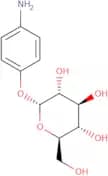
CAS:<p>4-Aminophenyl a-D-glucopyranoside is an alkoxycarbonyl analog that can be used in the preparation of antigens. It is a small, water-soluble molecule that can be used to induce antibody production and to identify antigenic determinants. 4-Aminophenyl a-D-glucopyranoside has been shown to react with glutamicum and corynebacterium cells in vitro. The compound binds to the bacterial cell surface by reacting with amino groups, inducing the production of acid molecules, which leads to bacterial death. 4-Aminophenyl a-D-glucopyranoside also reacts with methoxy residues on the ribosomal RNA molecule and corynebacterium DNA molecules. This allows it to be used as an expression vector for proteins and nucleic acids in Corynebacterium glutamicum (a bacterium commonly found in soil). Spectrosc</p>Formula:C12H17NO6Purity:Min. 95%Color and Shape:PowderMolecular weight:271.27 g/mol4-Deoxy-4-fluoro-D-glucose
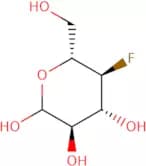
CAS:<p>4-Deoxy-4-fluoro-D-glucose is a biochemical compound that is used to bind to the carbon source in target tissues. It has a fluorine atom and two hydroxy groups, which are responsible for its biological properties. 4-Deoxy-4-fluoro-D-glucose binds to the 6 phosphate in bacterial enzymes and inhibits their activity, leading to cell death. It also binds to the hydroxyl group of proteins and alters their function. 4-Deoxy-4-fluoro-D-glucose is an inhibitor of bacterial enzymes, but has no effect on eukaryotic cells due to its inability to bind with these types of enzymes.</p>Formula:C6H11FO5Purity:Min. 95%Color and Shape:PowderMolecular weight:182.15 g/mol4-O-Benzyl-D-mannose
<p>4-O-Benzyl-D-mannose is a high purity, custom synthesis sugar with Click modification, fluorination and glycosylation. The CAS No. for this compound is 108611-67-0. 4-O-Benzyl-D-mannose is an oligosaccharide monosaccharide saccharide carbohydrate complex carbohydrate with the chemical formula C5H6O5 that has a molecular weight of 174.11 g/mol. This compound can be used to synthesize polysaccharides, which are carbohydrates that contain more than ten monosaccharides and are found in plant cell walls and other biological polymers such as chitin, cellulose, and glycogen. 4-O-Benzyl-D-mannose is also used in the synthesis of saccharides that are found in glycoproteins or proteoglycans.</p>Formula:C13H18O6Purity:Min. 95%Molecular weight:270.28 g/molD-Glucuronic acid, sodium salt monohydrate
CAS:<p>D-Glucuronic acid, sodium salt monohydrate is a chromatographic standard. It is used to measure the hydrophilicity of a sample and its interaction with proteins. In addition, it can be used as an immunomodulator. D-Glucuronic acid, sodium salt monohydrate has been shown to have anti-inflammatory effects by inhibiting the production of prostaglandins and leukotrienes. The acidic nature of this compound may play a role in its membrane system interactions with lysine residues on protein surfaces.</p>Formula:C6H11NaO8Molecular weight:234.14 g/molD-Fructose 1,6-diphosphate, dicalcium salt
CAS:<p>D-Fructose 1,6-diphosphate is an ion-exchange resin that has been used for the isolation of calcium. It is also a calcium salt that is soluble in ethanol and water. This compound can be isolated from seaweed and it has been used as a filler in food. D-Fructose 1,6-diphosphate is often used to precipitate calcium ions from solutions with high pH values and it has been shown to be a potent inhibitor of DNA synthesis.</p>Formula:C6H10Ca2O12P2Molecular weight:416.25 g/molCalcium D-saccharate tetrahydrate
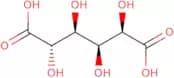
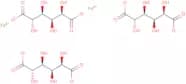
CAS:<p>Calcium D-saccharate is the calcium salt of saccharic acid, also known as glucaric acid. Calcium D-saccharate has been evaluated for chemopreventive activity in a rat tracheal epithelial cell following exposure to the carcinogen benzo[a]pyrene. Addition of calcium D-saccharate to sugarcane juice during liming enhanced clarification as high molecular weight components were removed by filtration.</p>Formula:C6H8O8·Ca·(H2O)4Color and Shape:PowderMolecular weight:320.26 g/mol3'-Sialyl-N-acetyllactosamine-β-ethylamine
<p>Please enquire for more information about 3'-Sialyl-N-acetyllactosamine-β-ethylamine including the price, delivery time and more detailed product information at the technical inquiry form on this page</p>Formula:C27H47N3O19Purity:Min. 95%Molecular weight:717.67 g/mol1,2:5,6-Di-O-isopropylidene-α-D-gulofuranose
CAS:<p>1,2:5,6-Di-O-isopropylidene-alpha-D-gulofuranose is a sugar molecule that has a carbon and oxygen atoms in the 1,2 positions and an oxygen atom in the 5,6 position. It is an intermediate in the synthesis of lipids. The kinetic and clinical relevance of this compound have not been fully studied. 1,2:5,6-Di-O-isopropylidene-alpha-D-gulofuranose binds to fatty acid receptors on liver cells and initiates a cascade of events that lead to inflammation and cell death. This sugar molecule also inhibits hepatitis C virus RNA replication by binding to specific sequences on the virus’s RNA genome. The molecular interactions between 1,2:5,6-Di-O-isopropylidene alpha D gulofuranose and other molecules are determined by steric interactions with its hydroxyl group as</p>Formula:C12H20O6Purity:Min. 98.0 Area-%Molecular weight:260.28 g/molBenzyl α-D-glucopyranoside
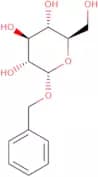
CAS:<p>Benzyl a-D-glucopyranoside is an organic compound with the chemical formula CHO. It is a benzoyl derivative of glucose, which has been shown to be useful in the synthesis of other glycosides. The reaction yield and condition are dependent on reaction temperature and yield rate. The chloride ion reacts with the benzoyl chloride to form an ester, which then hydrolyzes to produce the desired product and hydrogen chloride. The reaction can be carried out at room temperature or under reflux conditions.</p>Formula:C13H18O6Purity:Min. 95%Color and Shape:PowderMolecular weight:270.28 g/molD-Glucuronamide
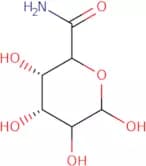
CAS:<p>D-Glucuronamide is a kinetic model system for the glycosylation reaction, which is an important step in the biosynthesis of complex oligosaccharides and polysaccharides. It has been shown to be an amide analog that can be acetylated with acetic anhydride in a reaction mechanism that involves nucleophilic attack by the amino group of D-glucuronamide on the electrophilic carbonyl carbon of acetic anhydride. The second-order rate constants for this reaction were determined to be 2.3×10 M-1s-1 at pH 7 and 25°C. NMR spectra showed that the product was not a simple amide but rather a glycopolymer with a distribution of different sugar residues, including D-glucose, D-galactose, and D-mannose.</p>Formula:C6H11NO6Purity:Min. 95%Color and Shape:PowderMolecular weight:193.15 g/mol3-O-benzyl-D-xylose
<p>3-O-benzyl-D-xylose is a sugar that belongs to the group of dimethyl, diisobutylaluminium, dicarboxylate, malonate, oxygenated, acetylation, cyclopentane. It has been shown to be effective in cleavage and condensation reactions. 3-O-benzyl-D-xylose can be used in the synthesis of pyridinium chlorochromate and chlorochromate. This compound also reacts with pyridinium via hydride reduction and hydroxide cleavage.</p>Purity:Min. 95%1,4-Anhydro-D-glucitol
CAS:<p>1,4-Anhydro-D-glucitol is a compound that belongs to the group of monosaccharides and has biological properties. It has also been used in the production of acetate extracts from fetal bovine erythrocytes. The ester linkages are formed between 1,4-anhydro-D-glucitol and sodium salt by reaction with acetic anhydride. The reaction mechanism has been studied in detail, and it was found that hydroxyl groups on the molecule react with sodium ions to form an ester linkage. This compound is toxicologically safe at high doses, but can become toxic at lower doses due to its acid formation potential.</p>Formula:C6H12O5Purity:Min. 97.0 Area-%Molecular weight:164.16 g/molRef: 3D-W-202151
5gTo inquire10gTo inquire25gTo inquire50gTo inquire2500mgTo inquire-Unit-ggTo inquire2,3,4,6-Tetra-O-acetyl-b-D-glucopyranosyl-N'-(2-aminophenyl)thiourea
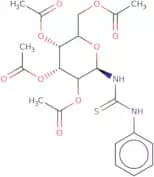
<p>2,3,4,6-Tetra-O-acetyl-b-D-glucopyranosyl-N'-(2-aminophenyl)thiourea is a fluorinated glycoside that is synthesized by the coupling of an acetyl group with an aminophenylthiourea. The synthesis of this compound can be customized for specific carbohydrate requirements. This product has been shown to be effective in the modification of complex carbohydrates such as polysaccharides and glycans. It is also useful for applications involving glycosylation and methylation reactions.</p>Formula:C21H26N2O9SPurity:Min. 95%Molecular weight:482.51 g/molBenzyl 2-acetamido-2-deoxy-b-D-glucopyranoside
CAS:<p>The family of sporadically occurring benzyl 2-acetamido-2-deoxy-b-D-glucopyranoside is characterized by chromosome terminal deletions, cytogenetic abnormalities, and phenotypes. The sporadically occurring benzyl 2-acetamido-2-deoxy-b-D-glucopyranoside is a member of the glucosamine family. It is characterized by chromosome terminal deletions, cytogenetic abnormalities, and phenotypes.</p>Formula:C15H21NO6Purity:Min. 95%Color and Shape:White PowderMolecular weight:311.33 g/mol4-Acetamidophenyl-2,3,4-tri-O-acetyl-β-D-glucuronide methyl ester
CAS:<p>4-Acetamidophenyl-2,3,4-tri-O-acetyl-b-D-glucuronide methyl ester is a modified sugar with a saccharide at the 2' position and an acetamidophenol group at the 4' position. It can be used in a variety of synthetic methods, such as the Click modification and glycosylation. This product is custom synthesized and has high purity, making it a good choice for many research applications.</p>Formula:C21H25NO11Purity:Min. 95%Molecular weight:467.42 g/mol6-Chloro-6-deoxy-D-altrose
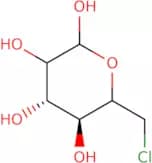
<p>6-Chloro-6-deoxy-D-altrose is a modification of the 6-deoxy -D-altrose. It is an oligosaccharide, carbohydrate complex carbohydrate, which is synthesized using custom synthesis. The CAS No. for this product is 8863-07-8. This product has a high purity and methylation and glycosylation can be done to it. It has a molecular weight of 565.25 and its chemical formula is C12H24O11F2Na2. The molecular formula can be written as C12H22O11F2Na2 with the molecular weight being 565.25 g/mol.</p>Formula:C6H11ClO5Purity:Min. 95%Molecular weight:198.6 g/mol2C-Hydroxymethyl-2,3:5,6-di-O-isopropylidene-D-mannono-1,4-lactone
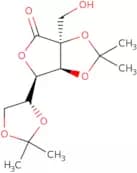
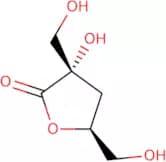
CAS:<p>2C-Hydroxymethyl-2,3:5,6-di-O-isopropylidene-D-mannono-1,4-lactone is a synthetic monosaccharide with a CAS number of 70147-48-7. This compound has been modified to include the hydroxymethyl group and the 2C designation. It is used as an ingredient in the synthesis of complex carbohydrates.</p>Formula:C13H20O7Purity:Min. 95%Color and Shape:PowderMolecular weight:288.29 g/molD-Xylose - Syrup
CAS:<p>Xylose (Xyl) is an aldopentose also known as wood sugar (Collins, 2006). The main sources of xylose are hemicelluloses found in hardwood and perennial plants, such as, grasses, cereals, and herbs (Petzold-Welcke, 2014) and some algae. Xylose is used in the production of xylitol, a low calory sugar substitute. Xylose is used in glycosaminoglycan (GAG) biosynthesis, which is initiated by peptide O-xylosyltransferases, which transfer xylose onto selected serine residues in the core proteins. The first enzyme in the pathway, peptide O-xylosyltransferase, catalyzes the transfer of xylose from uridine diphosphate (UDP)-α-D-xylose onto serine and thus determines the site(s) of GAG attachment on the core protein (Briggs, 2018).</p>Formula:C5H10O5Purity:Min. 95%Molecular weight:150.13 g/molChenodeoxycholic acid 24-acyl-b-D-glucuronide
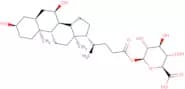
CAS:<p>Chenodeoxycholic acid 24-acyl-b-D-glucuronide (CDCA) is a drug that is used to treat gallstones and primary biliary cirrhosis. CDCA has been shown to be effective in treating gallstones by reducing the amount of cholesterol and other bile salts in the bile. It is also prescribed for patients with primary biliary cirrhosis, which is an autoimmune disease that causes inflammation of the small intestine. CDCA has been shown to decrease cholesterol levels and improve liver function in clinical studies. It also has a low toxicity profile, making it safe for long-term treatment. The major side effects are nausea, vomiting, headache, and diarrhea.<br>CDCA binds to fatty acids in the liver cells and prevents their uptake into the cells by blocking fatty acid transporters such as LPL or FATP4 receptors. This increases the amount of free fatty acids available for oxidation by increasing β-oxidation rates within the cell</p>Formula:C30H48O10Purity:Min. 95%Color and Shape:White Off-White PowderMolecular weight:568.7 g/molEthyl 4,6-O-benzylidene-β-D-thioglucopyranoside
CAS:<p>A protected thioglucose sugar</p>Formula:C15H20O5SPurity:Min. 95%Color and Shape:PowderMolecular weight:312.38 g/mol2-Acetamido-1,3,4,6-tetra-O-acetyl-2-deoxy-β-D-thioglucopyranose
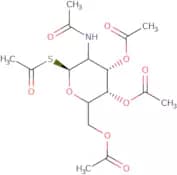
CAS:<p>2-Acetamido-1,3,4,6-tetra-O-acetyl-2-deoxy-β-D-thioglucopyranose is a synthetic monosaccharide that belongs to the group of complex carbohydrates. It has CAS No. 10043-46-6 and is used in glycosylation reactions. The fluorination of the sugar can be done by using a Click modification or methylation reaction. This product has been custom synthesized and can be ordered with high purity.</p>Formula:C16H23NO9SPurity:Min. 95%Color and Shape:Off-White PowderMolecular weight:405.42 g/molEthyl 2-deoxy-2-[(trichloroacetyl)amino]-b-D-thioglucopyranoside
CAS:<p>Ethyl 2-deoxy-2-[(trichloroacetyl)amino]-b-D-thioglucopyranoside is a custom synthesis of an oligosaccharide. It is a complex carbohydrate that can be modified to the desired specification. The desired modification can be fluorination, methylation, or click chemistry. Ethyl 2-deoxy-2-[(trichloroacetyl)amino]-b-D-thioglucopyranoside is a monosaccharide with a CAS number of 635684-80-9.</p>Formula:C10H16Cl3NO5SPurity:Min. 95%Molecular weight:368.66 g/molIsosaccharinic acid-1,4-lactone
CAS:<p>Isosaccharinic acid-1,4-lactone is an organic compound that is found in human urine. It has been shown that the concentration of this compound can be used as a marker for renal health. The hydrated form of isosaccharinic acid-1,4-lactone can be prepared by heating with acetic anhydride, and it has been shown to have potential applications as a buffer in diagnostic tests for human serum or as a stabilizer for x-ray structures. The 1H NMR spectrum of isosaccharinic acid-1,4-lactone reveals two distinct signals at 1.6 and 2.0 ppm, which are assigned to the two isomers of this compound. The second order rate constant was measured to be 0.025 s−1 at pH 7 and 22 °C using acetate extract from human urine. This technique was also applied to measure rates constant for other organic acids such as formic acid</p>Formula:C6H10O5Purity:Min. 98 Area-%Color and Shape:White PowderMolecular weight:162.14 g/mol1-Amino-1-deoxy-D-arabinitol
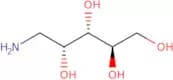
CAS:<p>1-Amino-1-deoxy-D-arabinitol is an anhydrous sugar that can be found in the crystalline form. The crystal structure of this compound has been determined by X-ray diffraction and was shown to contain a hydrogen bond between the hydroxyl group on the 1′ carbon and the amino group on C2. This reaction occurs through a nucleophilic attack by the hydroxyl group, which displaces the fluorine atom from C2. The stereospecificity of this reaction is due to the fact that only one enantiomer of 1-amino-1-deoxyarabinitol exists. This sugar can also be found as an intermediate in reactions involving ketoses, such as acetobacter fermentation, or hydrogen fluoride. It has been shown to have anti-inflammatory properties in mice when administered orally.</p>Formula:C5H13NO4Purity:Min. 95%Molecular weight:151.16 g/molMethyl 4,6-O-isopropylidene-a-D-glucopyranoside
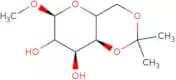
<p>Methyl 4,6-O-isopropylidene-a-D-glucopyranoside is a glycosylation reagent that is used in the synthesis of oligosaccharides and polysaccharides. It is used as an intermediate for the production of active pharmaceutical ingredients and in the production of modified sugars. Methyl 4,6-O-isopropylidene-a-D-glucopyranoside can be custom synthesized to meet specific requirements such as purity, fluorination, and complex carbohydrate. This product is available with high purity and has been shown to be stable under a wide range of conditions.<br>Methyl 4,6-O-isopropylidene-a-D-glucopyranoside is not compatible with strong acids or bases.</p>Formula:C10H18O6Purity:Min. 95%Molecular weight:234.25 g/molCerebrosides - Kerasin
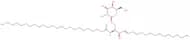
CAS:<p>Cerebrosides are a group of complex carbohydrates that have been modified by glycosylation, methylation, and/or fluorination. These modifications can be used to produce saccharides with different properties. Cerebrosides are found in the brain, central nervous system, and spinal cord. They are also found in the connective tissue of skin and hair follicles.<br>The CAS number for cerebrosides is 85116-74-1.</p>Formula:C48H91NO8Purity:Min. 95%Color and Shape:PowderMolecular weight:810.24 g/mol2-Deoxy-L-ribose
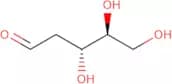
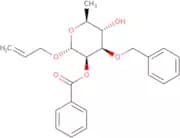
CAS:<p>Suppresses tumor angiogenesis; pro-apoptotic</p>Formula:C5H10O4Purity:Min. 98 Area-%Color and Shape:White PowderMolecular weight:134.13 g/molAllyl 2-O-benzoyl-3-O-benzyl-a-L-rhamnopyranoside
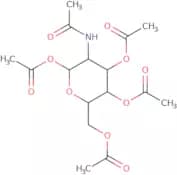
CAS:<p>Allyl 2-O-benzoyl-3-O-benzyl-a-L-rhamnopyranoside is a complex carbohydrate that can be used in the synthesis of saccharides and polysaccharides. It has been modified by methylation, glycosylation, and carbamylation. The CAS number for this product is 940274-21-5.</p>Formula:C23H26O6Purity:Min. 95%Molecular weight:398.46 g/mol2-Acetamido-1,3,4,6-tetra-O-acetyl-2-deoxy-a-D-galactopyranose
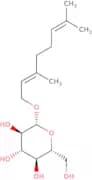
CAS:<p>2-Acetamido-1,3,4,6-tetra-O-acetyl-2-deoxy-a-D-galactopyranose is a chemical that belongs to the class of plant growth regulators. It is a white to off white crystalline powder that has an odorless taste and can be mixed with water or other liquids. The substance is soluble in water and ethanol and has a pH of 7. It is used as an additive for soil mixtures in horticulture and agriculture. 2AATGAP can also be used as a module for research purposes in vitro.</p>Formula:C16H23NO10Purity:Min. 95%Color and Shape:White To Off-White SolidMolecular weight:389.36 g/molGeranyl b-D-glucoside
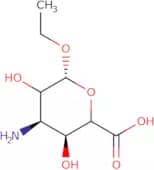
CAS:<p>Geranyl b-D-glucoside is a supramolecular amphiphile that can be used as a biofuel. It is made up of two molecules: geranyl and glucose. Geranyl b-D-glucoside has been shown to form micelles in water with the help of ions, which are complex aggregates of many molecules that have a hydrophobic interior and hydrophilic exterior. The micelles are able to stabilize the fuel and protect it from degradation by sunlight or other environmental factors. The thermodynamics of the system can be quantified through the parameters of this supramolecular amphiphile, which will allow for predictive modelling.</p>Formula:C16H28O6Purity:Min. 95 Area-%Color and Shape:White PowderMolecular weight:316.39 g/molEthyl 3-amino-b-D-glucuronide
<p>Ethyl 3-amino-b-D-glucuronide is a product that can be custom synthesized. It is a white to off-white powder with a molecular weight of 168.14 g/mol and a melting point of below 200°C. Ethyl 3-amino-b-D-glucuronide is soluble in water, ethanol and ether, but insoluble in hexane and petroleum ether. The CAS number for this product is 97705-82-2. This product has the following features: Glycosylation, complex carbohydrate, Methylation, Click modification, Polysaccharide, Fluorination, saccharide, Modification, sugar, Oligosaccharide.</p>Formula:C8H15NO6Purity:Min. 95%Molecular weight:221.21 g/molGDP-D-galactose
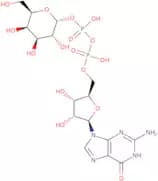
CAS:<p>GDP-D-galactose is a sugar nucleotide that is an intermediate in the synthesis of GDP-D-mannose. It is synthesized from D-galactose by the enzyme galactokinase, which converts D-galactose to D-galacturonate. GDP-D-galactose can then be converted to GDP-D-mannose by the enzyme GDP mannokinase. The incorporation of GDP into macromolecules is a process that can be used as a marker for biosynthesis and has been shown in Gracilaria sp.</p>Formula:C16H25N5O15P2Purity:Min. 95%Molecular weight:589.4 g/mol4-Acetamido-4-deoxy-D-glucose
CAS:<p>4-Acetamido-4-deoxy-D-glucose is a custom synthesis of a monosaccharide that is modified with fluorine and methyl groups. It is synthesized by the Click modification, which involves the addition of an azide to an alkyne in a copper catalyzed reaction. 4-Acetamido-4-deoxy-D-glucose can be used as a building block for complex carbohydrate synthesis. 4-Acetamido-4-deoxy-D-glucose has shown effectiveness against fluoroquinolone resistance, as well as activity against methicillin resistant Staphylococcus aureus (MRSA) and Clostridium perfringens.</p>Formula:C8H15NO6Purity:Min. 95%Color and Shape:PowderMolecular weight:221.21 g/mol1,2,3,4-Tetra-O-benzoyl-6-O-tert-butyldiphenylsilyl-a-D-mannopyranose
CAS:<p>1,2,3,4-Tetra-O-benzoyl-6-O-tert-butyldiphenylsilyl-a-D-mannopyranose is a custom synthesis. It is a fluorinated monosaccharide that can be used as a glycosylation or polysaccharide modification reagent. This product has been modified with methyl groups at the 2 and 3 positions of the phenolic ring and tetra-(1,2,3,4)-benzoate groups at the 4 position. The purity of this product is >98%.</p>Formula:C40H42O10SiPurity:Min. 95%Molecular weight:710.86 g/mol3-Deoxy-3-fluoro-D-xylofuranose - Aqueous solution
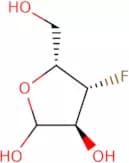
CAS:<p>3-Deoxy-3-fluoro-D-xylofuranose - Aqueous solution is a substrate for the enzyme glucose isomerase. This enzyme catalyses the isomerisation of 3-deoxy-3-fluoro-D-xylofuranose to D-ribose in aqueous solution. The immobilised glucose isomerase can be used as an alternative to the free form, which has been shown to have low yields and high levels of product inhibition.</p>Formula:C5H9FO4Purity:Min. 95%Color and Shape:Yellow PowderMolecular weight:152.12 g/mol1-O-Benzyl-2C-methyl-3,4-isopropylidine-D-ribopyranoside
CAS:<p>1-O-Benzyl-2C-methyl-3,4-isopropylidine-D-ribopyranoside (1) is a fluorinated monosaccharide that is used as an intermediate in the synthesis of oligosaccharides. 1 can be used for glycosylation and polysaccharide modification. It has been shown to be useful as a building block in the synthesis of complex carbohydrates and it can also be methylated (2). 1 is a high purity chemical with a CAS number of 569661-37-6.</p>Formula:C16H22O5Purity:Min. 95%Molecular weight:294.35 g/molb-D-Glucose - 85%
CAS:<p>Glycol ethers are compounds that are used as solvents and plasticizers. They have been shown to inhibit the activity of enzymes, such as glucose-6-phosphate dehydrogenase, which is involved in the conversion of glucose to phosphate. Glycol ethers also promote sugar transport by inhibiting the sodium-dependent glucose transporter (SGLT). This transport mechanism is important for maintaining normal blood sugar levels and preventing diabetic neuropathy. Glycol ethers are also anti-diabetic agents that can increase insulin sensitivity by stimulating insulin release from pancreatic beta cells and improving the response of peripheral tissues to insulin stimulation.</p>Formula:C6H12O6Purity:Min. 95%Color and Shape:White PowderMolecular weight:180.16 g/molmyo-Inositol 1,3,4,5,6-pentakisphosphate decasodium salt
CAS:<p>Myo-inositol 1,3,4,5,6-pentakisphosphate decasodium salt is a complex carbohydrate that has been modified with fluorine. This modification has been shown to increase the solubility of myo-inositol 1,3,4,5,6-pentakisphosphate decasodium salt in organic solvents. Myo-inositol 1,3,4,5,6-pentakisphosphate decasodium salt is used in the synthesis of oligosaccharides and polysaccharides. It also serves as a substrate for methylation and glycosylation reactions. The synthesis of this compound can be achieved by a Click reaction.</p>Formula:C6H17O21P5·10NaPurity:Min. 95%Color and Shape:PowderMolecular weight:809.95 g/molCaffeic acid 3-O-b-D-glucopyranoside
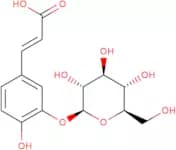
CAS:<p>Caffeic acid 3-O-b-D-glucopyranoside is a naturally occurring phenolic compound found in plants. It is a white to off-white powder that is soluble in methanol, ethanol, and water. Caffeic acid 3-O-b-D-glucopyranoside has been shown to have antioxidant properties by increasing the mitochondrial membrane potential in erythrocytes and reducing free radicals. It also may have anticancer activity due to its ability to inhibit tumor growth in vivo studies.</p>Formula:C15H18O9Purity:Min. 98 Area-%Color and Shape:Off-White PowderMolecular weight:342.3 g/molTri-O-benzyl-isofagomine hydrochloride
<p>Tri-O-benzyl-isofagomine hydrochloride is a modification of an oligosaccharide and a carbohydrate. It is synthesized by the methylation and glycosylation of isofagomine. Tri-O-benzyl-isofagomine hydrochloride has been shown to have high purity and can be used in the treatment of cancer, as well as being a potential drug for diabetes mellitus. This drug also prevents the formation of glycosaminoglycan polymers, which are responsible for cartilage rigidity. The CAS number for this drug is 569287-73-2.</p>Purity:Min. 95%N-Butyldeoxynojirimycin hydrochloride
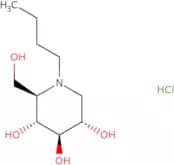
CAS:<p>Competitive inhibitor of ceramide-glycosyltransferase used for substrate reduction therapy in lysosomal storage disorders. It inhibits glucosylceramide synthase, which catalyses the initial step in glycosphingolipid biosynthetic pathway. This compound delays the onset of symptoms in type 1 Gaucher disease, Sandhoff disease and Tay-Sachs disease. It also reduces brain abnormalities in mucolipidosis type IV.</p>Formula:C10H21NO4•HClPurity:Min. 95%Color and Shape:PowderMolecular weight:255.74 g/moln-Octyl-β-D-glucopyranoside
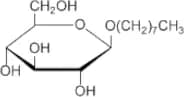
CAS:<p>Octyl-beta-D-glucopyranoside is an alkylglycoside non-ionic detergent and is one of the most commonly used in membrane protein isolation. As it is uncharged, it is unlikely to cause protein denaturation or refolding issues, allowing for the isolation of intact macromolecular complexes without affecting protein-protein interactions. Octyl-beta-D-glucopyranoside, also known as octylglucoside or OG, forms small, uniformed micelles and has an aggregation number of between 27-100. It is readily dialyzable from membrane protein preparations due to its high Critical Micelle Concentration (CMC) of 18-20mM. Octyl-beta-D-glucopyranoside has similar uses and properties to that of another frequently used surfactant, Octyl-beta-D-thioglucopyranoside.</p>Formula:C14H28O6Molecular weight:292.38 g/mol4,6-O-(4-Methoxybenzylidene)-1,2,3-tri-O-pivaloyl-b-D-glucopyranose
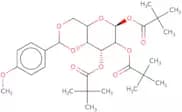
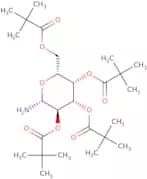
<p>4,6-O-(4-Methoxybenzylidene)-1,2,3-tri-O-pivaloyl-b-D-glucopyranose is a Glycosylation compound that has been modified with methyl groups on the 4 and 6 carbons of the sugar. It is a complex carbohydrate that has been fluorinated at the C5 position. This product is available for custom synthesis in quantities of 10g or more. The CAS number for this compound is 13357007.</p>Formula:C29H42O10Purity:Min. 95%Molecular weight:550.65 g/mol2,3,4,6-Tetra-O-pivaloyl-b-D-galactopyranosyl amine
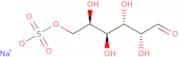
CAS:<p>2,3,4,6-Tetra-O-pivaloyl-b-D-galactopyranosyl amine is a glycosylated monosaccharide with four pivaloyl groups. It is an important component of the glycoconjugate family and has been used in research as a model for glycoprotein synthesis. This compound is synthesized from 2,3,4,6-tetra-O-pivaloylglucose through the use of Click chemistry and fluorination. The 2,3,4,6-Tetra-O-pivaloylglucose can be modified to produce a variety of sugar derivatives including methylated sugars and polysaccharides. This product is custom synthesized to meet customer specifications.<br>2,3,4,6-Tetra-O-pivaloylglucose can be obtained by reacting 2 equivalents of triacetin</p>Formula:C26H45NO9Purity:Min. 95%Color and Shape:PowderMolecular weight:515.64 g/molD-Galactose-6-O-sulphate sodium
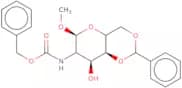
CAS:<p>D-Galactose-6-O-sulphate sodium salt is used as a diagnostic agent to measure the level of galactose in blood and tissues. The enzyme that hydrolyzes D-galactose-6-O-sulphate, galactose oxidase, is present in leukocytes and chorionic villi. The enzymatic assay for this chemical is based on the reaction between D-galactose and sulfite to form D-galactosulfonic acid. This reaction is catalysed by a sulphatase enzyme. A fluorimetric method can be used to measure the formation of D-galactosulfonic acid.</p>Formula:C6H11O9SNaPurity:Min. 95%Color and Shape:White PowderMolecular weight:282.2 g/molMethyl 4,6-O-benzylidene-2-benzyloxycarbonylamino-2-deoxy-a-D-glucopyranose
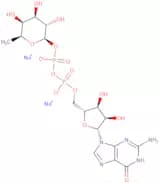
CAS:<p>Methyl 4,6-O-benzylidene-2-benzyloxycarbonylamino-2-deoxy-a-D-glucopyranose is a custom synthesized compound. It is a polysaccharide that is modified with fluorine and methyl groups. The chemical structure of this compound includes a glucose molecule with an amino group at the C1 position and an acetyl group at the C4 position. This modification increases the solubility and stability of this compound. Methyl 4,6-O-benzylidene-2-benzyloxycarbonylamino-2-deoxy--A D glucopyranose has been used in research as a model for glycosylation.</p>Formula:C22H25NO7Purity:Min. 95%Molecular weight:415.44 g/molGDP-L-fucose disodium - low endotoxin grade
CAS:<p>GDP-L-fucose is a natural fucosyl donor and substrate for fucosyltransferases (FUT) that catalyses the fucosylation of, for example, human milk oligosaccharides or glycoproteins. GDP-L-fucose is widely used in (chemo)enzymatic synthesis of glycans. Cymit Quimicaesis of GDP-L-fucose, a nucleotide sugar consisting of an L-fucose that is β-glycosidically linked to the nucleotide guanosine diphosphate (GDP), is achieved either through de novo synthesis via GDP-mannose or through a salvage pathway from free fucose. Fucosylation is catalysed by fucosyltransferases (~ 13 FUT genes have been identified in the human genome to date) to generate α-1,2, α-1,3, α-1-4 and α-1-6 linkages of fucose to other sugars, as well as direct linkages to peptides, with release of GDP (Lairson, 2008).</p>Formula:C16H23N5O15P2Na2Purity:Min. 95%Color and Shape:White PowderMolecular weight:633.31 g/molSunitinib N-glucuronide
<p>Sunitinib N-glucuronide is a synthetic small molecule with a molecular weight of 517.63 Da and a chemical formula of C14H18F3N5O6S. Sunitinib N-glucuronide is a monosaccharide sugar that is modified with fluorine. It is one of the products of the methylation, custom synthesis, and click modification reactions. The CAS number for this product is 70698-74-7. Sunitinib N-glucuronide has a purity level of 98%, which means that it has less than 2% impurities. This product can be used in oligosaccharides, polysaccharides, or saccharides as a complex carbohydrate or high purity carbohydrate. It can also be used as an additive to modify the properties of monosaccharides and sugars.</p>Purity:Min. 95%Iron sucrose - 20% Iron
CAS:<p>Iron sucrose is a form of iron that is used in the treatment of iron deficiency anemia. Iron sucrose is administered orally and absorbed in the small intestine. The amounts of iron absorbed are not sufficient to correct the underlying cause of iron deficiency anemia, but can be used as a substitute for oral iron therapy. Iron sucrose has been shown to be safe and effective in treating chronic bowel disease and may be useful in other diseases with inflammatory components, such as infectious diseases and inflammatory bowel disease. Iron sucrose may also be helpful for patients with congestive heart failure or nephrology dialysis who require supplemental erythropoietin.</p>Formula:C12H22O11FePurity:Min. 95%Molecular weight:398.14 g/molN-Acetyl-5-bromo-3-indoxyl-2,3,4-tri-O-acetyl-β-D-glucuronic acid methyl ester
CAS:<p>N-Acetyl-5-bromo-3-indoxyl-2,3,4-tri-O-acetyl-b-D-glucuronic acid methyl ester is a custom synthesis of an acetylated bromoglycoside. This compound is a synthetic modification of the natural product and has been shown to be effective against various bacteria. The synthesis of this compound can be achieved by the click reaction with methyl 2,2'-dithiopropionate and 5,5'-dimethoxytrityl chloride in the presence of trimethylsulfonium iodide. N—Acetyl—5—bromo—3—indoxyl—2,3,4—tri—O—acetyl--b--D--glucuronic acid methyl ester is also a monosaccharide sugar that is a carbohydrate with a high purity and modifies proteins at their active site. It also has</p>Formula:C23H24BrNO11Purity:Min. 95%Molecular weight:570.34 g/mol3,5-Dideoxy-3,5-imino-1,2-O-isopropylidene-N-(4-methoxyphenyl)methyl-6-O-tert.butyldimethylsilyl-a-D-glucofuranose
<p>3,5-Dideoxy-3,5-imino-1,2-O-isopropylidene-N-(4-methoxyphenyl)methyl-6-O-tert.butyldimethylsilyl-a-D-glucofuranose is a methylation product of 3,5 dihydroxy -3,5 imino -1,2 O isopropylidene -N (4 methoxyphenyl) methyl -6 O tert. butyldimethylsilyl A D glucofuranose which is an oligosaccharide. It has been synthesized for the purpose of Click modification and modified with a fluorine atom on the carbonyl group. This product has high purity and is custom synthesized according to customer specifications.</p>Purity:Min. 95%6-Deoxy-D-psicose
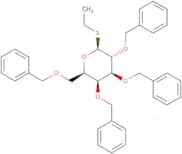
<p>6-Deoxy-D-psicose is a sugar molecule that is made up of six carbon atoms. It is one of the two possible epimers of D-psicose, and it can be used as an alkaline equilibrating agent for the conversion of D-fructose to 1-deoxy-D-fructose. 6-Deoxy-D-psicose can also be used as a substrate in reactions with other sugars to form new compounds. 6DPSC can be transformed into rhamnose by heating it at 100°C in alkaline solution, or into l-rhamnose by heating it at 120°C in alkaline solution. The transformation process converts 6DPSC into its epimer, which is stable at high temperatures without decomposing. 6DPSC has been shown to have efficient properties for use in research and for the production of various substances.</p>Purity:Min. 95%Ethyl 2,3,4,6-tetra-O-benzyl-β-D-thiogalactopyranoside
CAS:<p>Synthetic building block</p>Formula:C36H40O5SPurity:Min. 95%Color and Shape:White PowderMolecular weight:584.77 g/mol(-)-isolariciresinol-2a-O-b-D-xylopyranoside
<p>(-)-isolariciresinol-2a-O-b-D-xylopyranoside is a methylated saccharide that is used in the synthesis of complex carbohydrates. It is synthesized by reacting an aldehyde with an alcohol, and it has been modified using click chemistry. The product is purified to be at least 98% pure, and it can be custom synthesized to order. (-)-isolariciresinol-2a-O-b-D-xylopyranoside can be fluorinated for use as a fluorescent probe for various applications. It has a CAS number of 564964-92-1.</p>Purity:Min. 95%5-Azido-5-deoxy-2,3-O-isopropylidene-D-gulono-1,4-lactone
<p>5-Azido-5-deoxy-2,3-O-isopropylidene-D-gulono-1,4-lactone is a carbohydrate that has been modified by the addition of an azide group. Carbohydrates are complex carbohydrates that consist of monosaccharides linked together to form polysaccharides. They are sugar molecules that act as a source of energy for living organisms. 5-Azido-5-deoxy-2,3-O-isopropylidene -D gulono 1,4 lactone is a monosaccharide which can be methylated and glycosylated with other sugars to form a polysaccharide. It is also fluorinated and saccharide. This compound belongs to CAS No. 144948–71–8 and has the molecular formula C6H8N2O7F9O6.</p>Purity:Min. 95%N-(Benzyl malonoate-1-yl)-2-amino-2-deoxy-3,5:6,7-di-O-isopropylidene-D-glycero-D-ido-heptono-1.4-lactone
<p>N-(Benzyl malonoate-1-yl)-2-amino-2-deoxy-3,5:6,7-di-O-isopropylidene-D-glycero-D-idoheptono -1.4 -lactone is a synthetic compound that has been modified with fluorination and methylation. It is a monosaccharide that has been synthesized through a click modification and glycosylation. The CAS number for this compound is not available but it is classified as an oligosaccharide and saccharide. This carbohydrate has an average molecular weight of 647.1 g/mol and the structure contains 16 carbons, 36 hydrogens, 1 oxygen, and 2 nitrogens.</p>Purity:Min. 95%2,3-O-Isopropylidene -D- ribonic acid γ-lactone
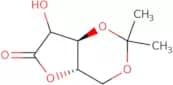
<p>2,3-O-Isopropylidene -D- ribonic acid gamma-lactone is a Custom synthesis, Modification, Fluorination, Methylation, Monosaccharide, Synthetic, Click modification, Oligosaccharide, saccharide, CAS No., Polysaccharide. It has the following properties: CAS No., Polysaccharide.<br>2,3-O-Isopropylidene -D- ribonic acid gamma-lactone is a Custom synthesis.</p>Purity:Min. 95%6-Hydroxyestradiol-6-O-b-D-glucuronide
<p>6-Hydroxyestradiol-6-O-b-D-glucuronide is a synthetic, 6-hydroxyestradiol derivative that is useful for the study of estrogen metabolism and the development of progesterone agonists. The compound has been shown to have high purity, and is custom synthesized in accordance with customer specifications. 6-Hydroxyestradiol-6-O-b-D-glucuronide can be modified by glycosylation, methylation, or fluorination. This product also has a number of applications in the biomedical field due to its ability to act as an intermediate in the synthesis of oligosaccharides and saccharides.</p>Purity:Min. 95%N-(2-Carboxyethyl)-2,5-dideoxy-2,5-imino-D-mannonic acid
<p>N-(2-Carboxyethyl)-2,5-dideoxy-2,5-imino-D-mannonic acid is a hydrogen bonded compound that has a low melting point and crystallizes in the form of a five membered ring. The molecule has an unusual conformation due to the presence of two carboxylic acid moieties and two hydroxy groups. The molecule's zwitterionic nature arises from the presence of two negative charges on one side of the molecule and two positive charges on the other side. It is a weak acceptor for hydrogen bonding with an intermolecular distance of 3.4 Å and an intramolecular distance of 2.3 Å.</p>Purity:Min. 95%1-Deoxy-1-vinylsulfonamido-b-D-glucuronide
<p>1-Deoxy-1-vinylsulfonamido-b-D-glucuronide is a synthetic sugar. It is a member of the group of compounds called sulfonamides. This drug has high purity, and can be custom synthesized to meet specific requirements. 1-Deoxy-1-vinylsulfonamido-b-D-glucuronide is used in the synthesis of oligosaccharides, monosaccharides, and saccharides.</p>Purity:Min. 95%(2R, 3S, 4S) -3-Fluoro- 4- (fluoromethyl])- 1- (phenylmethyl) -2- azetidinecarboxylic acid methyl ester
<p>(2R, 3S, 4S) -3-Fluoro-4-(fluoromethyl)-1-(phenylmethyl)-2-azetidinecarboxylic acid methyl ester is a synthetic compound that is used in the preparation of modified saccharides and oligosaccharides. These compounds are used in the synthesis of complex carbohydrates. This product also has fluoroquinolone resistance and has been shown to be an inhibitor of RNA polymerase II transcription and DNA topoisomerase I.</p>Purity:Min. 95%2-C-Methyl- D- arabinonic acid g- lactone
<p>2-C-Methyl- D- arabinonic acid g- lactone is a sugar that is custom synthesized to provide high purity. It can be modified by fluorination, glycosylation, and methylation. This compound is used as a synthetic sugar in the synthesis of oligosaccharides and monosaccharides. 2-C-Methyl- D- arabinonic acid g- lactone can also be used in carbohydrate complex analysis. CAS No.: 135187-29-5</p>Purity:Min. 95%1,2,3,4-Tetra-O-acetyl-6-O-triisopropylsilyl-b-D-galactopyranose
<p>1,2,3,4-Tetra-O-acetyl-6-O-triisopropylsilyl-b-D-galactopyranose is a carbohydrate modified with fluorine and is a member of the saccharide family. It is a synthetic sugar that can be custom synthesized to produce high purity and high quality products. This product has been used in glycosylation reactions and click chemistry modifications.</p>Formula:C23H40O10SiPurity:Min. 95%Molecular weight:504.66 g/mol2, 5- Anhydro-4,6-O-isopropylidene-D- idonic acid
<p>2, 5-Anhydro-4,6-O-isopropylidene-D-idonic acid is a carbohydrate that can be used as a saccharide or oligosaccharide. This product has been fluorinated and methylated. It is also glycosylated and click modified. 2,5-Anhydro-4,6-O-isopropylidene-D-idonic acid can be synthesized to order and is available in high purity.</p>Purity:Min. 95%3,5-Dimethyl-D-fructose
<p>3,5-Dimethyl-D-fructose is a glycosylation product of 3,5-dimethoxy-4-hydroxybenzoic acid and D-glucose. It can be synthesized by the reaction of 3,5-dimethoxy-4-hydroxybenzoic acid with D-glucose in the presence of sodium cyanoborohydride. This product has been used as a reactant in click chemistry and as a fluorinating agent for saccharides. 3,5-Dimethyl-D-fructose is a custom synthesis that can be ordered in high purity at CAS No. 52674-57-6.br>br><br>3,5 - Dimethyl - D - fructose <br>is an oligosaccharide that is used as an intermediate in the synthesis of other sugars. This product has been shown to have antiinflammatory properties due to its inhibition of prostaglandin synthesis.br</p>Purity:Min. 95%Dabigatran 3-acyl glucuronide
<p>Dabigatran 3-acyl glucuronide is a glycosylation product of the anti-coagulant drug dabigatran. It is synthesized by the reaction of an ester, such as acetyl chloride, with a sugar, typically glucose. Dabigatran 3-acyl glucuronide has been shown to have a high purity and no detectable impurities. The CAS number for this compound is 1073498-74-4.</p>Purity:Min. 95%1’,2’-Di-O-acetyl-5’-O-benzoyl-3’-deoxy-3’-fluoro-D-ribofuranose
<p>1’,2’-Di-O-acetyl-5’-O-benzoyl-3’-deoxy-3’-fluoro-D-ribofuranose is a glycosylated monosaccharide that is custom synthesized for use as a fluorinated probe in the detection of protein glycosylation. This compound has been shown to react with Methyl groups to form a complex carbohydrate. 1’,2’-Di-O-acetyl-5’-O-benzoyl-3’ -deoxy -3’ -fluoro D ribofuranose is soluble in water and organic solvents such as ethanol or methanol. The CAS number for this compound is 522611–41–0.</p>Purity:Min. 95%3,5-O-Isopropylidene-L-lyxonic acid-1,4-lactone
<p>3,5-O-Isopropylidene-L-lyxonic acid-1,4-lactone is a fluorinated monosaccharide that can be synthesized in a custom synthesis. This chemical is an oligosaccharide with a complex carbohydrate structure and can be modified by glycosylation, methylation, or click modification. The chemical has been shown to have high purity and can be used in the production of polysaccharides. 3,5-O-Isopropylidene-L-lyxonic acid-1,4-lactone is a synthetic sugar with CAS number 7063-92-3.</p>Formula:C8H12O5Purity:Min. 95%Molecular weight:188.18 g/mol(2R, 3R, 4R) -3- Benzyloxy- 1- benzyl-4- (hydroxymethyl) - 3-methyl-2- azetidinecarboxylic acid methyl ester
<p>(2R, 3R, 4R) -3-Benzyloxy-1-benzyl-4-(hydroxymethyl)-3-methyl-2-azetidinecarboxylic acid methyl ester is a synthetic sugar that is used for the modification of saccharides and oligosaccharides. It also has been shown to be an effective fluorinating agent for carbohydrates.</p>Purity:Min. 95%
![2-Amino-b-L-arabinofurano[1,2:4,5]oxazoline](/_next/image/?url=https%3A%2Fstatic.cymitquimica.com%2Fproducts%2F3D%2Fthumb-webp%2FMA06535.webp&w=3840&q=75)















![Ethyl 2-deoxy-2-[(trichloroacetyl)amino]-b-D-thioglucopyranoside](/_next/image/?url=https%3A%2Fstatic.cymitquimica.com%2Fproducts%2F3D%2Fthumb-webp%2FME45369.webp&w=3840&q=75)





![(2R, 3S, 4S) -3-Fluoro- 4- (fluoromethyl])- 1- (phenylmethyl) -2- azetidinecarboxylic acid methyl …](/_next/image/?url=https%3A%2Fstatic.cymitquimica.com%2Fproducts%2F3D%2Fthumb-webp%2FMF163470.webp&w=3840&q=75)