Monosaccharides
Monosaccharides are the simplest form of carbohydrates and serve as fundamental building blocks for more complex sugars and polysaccharides. These single sugar molecules play critical roles in energy metabolism, cellular communication, and structural components of cells. In this section, you will find a wide variety of monosaccharides essential for research in biochemistry, molecular biology, and glycoscience. These compounds are crucial for studying metabolic pathways, glycosylation processes, and developing therapeutic agents. At CymitQuimica, we offer high-quality monosaccharides to support your research needs, ensuring precision and reliability in your scientific investigations.
Subcategories of "Monosaccharides"
- Alloses(11 products)
- Arabinoses(21 products)
- Erythroses(11 products)
- Fructoses(9 products)
- Fucoses(36 products)
- Galactosamine(41 products)
- Galactose(261 products)
- Glucoses(365 products)
- Glucuronic Acids(51 products)
- Glyco-substrates for Enzyme(77 products)
- Guloses(6 products)
- Idoses(4 products)
- Inositols(15 products)
- Lyxoses(4 products)
- Mannoses(65 products)
- O-Glycans(48 products)
- Psicoses(3 products)
- Rhamnoses(10 products)
- Riboses(61 products)
- Sialic Acids(100 products)
- Sorboses(4 products)
- Sugars(173 products)
- Tagatoses(4 products)
- Taloses(8 products)
- Xyloses(20 products)
Show 17 more subcategories
Found 6088 products of "Monosaccharides"
Sort by
Purity (%)
0
100
|
0
|
50
|
90
|
95
|
100
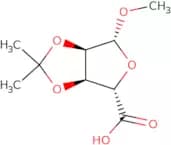
2,3-O-Isopropylidene-1-O-methyl-D-ribosic acid
CAS:<p>2,3-O-Isopropylidene-1-O-methyl-D-ribosic acid is a synthetic glycosylate that can be used to modify saccharides and oligosaccharides. It is a methylated form of ribose and has been shown to inhibit the glycosylation reactions of glycogen. 2,3-O-Isopropylidene-1-O-methyl-D-ribosic acid is also known to react with fluorine in order to produce a variety of fluorinated carbohydrates. This product has high purity and can be used for custom synthesis of carbohydrates. The CAS number for this product is 54622-95-6.</p>Formula:C9H14O6Purity:Min. 95%Color and Shape:PowderMolecular weight:218.2 g/mol1,3,4,6-Tetra-O-acetyl-N-azidoacetylglucosamine
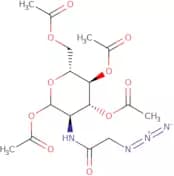
CAS:<p>1,3,4,6-Tetra-O-acetyl-N-azidoacetylglucosamine (GlcNAz) is an azido-tagged analogue of N-acetylglucosamine (GlcNAC). It features azide functionality on the N-acyl side chain and is acetylated to aid in cell membrane permeation. Once in the cell, the acetylated compound is deprotected and takes part in the hexosamine biosynthetic pathway by action of GlcNAc kinase. The resulting modified proteins are detected by the addition of fluorescent tags under Cu(I)-catalyzed azide-alkyne cycloaddition conditions.</p>Formula:C16H22N4O10Purity:Min. 95%Color and Shape:White PowderMolecular weight:430.37 g/molOndansetron 8-D-glucuronide (mixture of isomers)
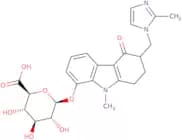
CAS:<p>Ondansetron 8-D-glucuronide is a complex carbohydrate that belongs to the glycosylation category. It is a high purity custom synthesis of Ondansetron. This compound has been modified by fluorination, glycosylation, and methylation. It has a molecular weight of 706.5 Da and chemical formula C29H44N2O12F2O6Glu8Na2. Ondansetron 8-D-glucuronide is used in research as an inhibitor for sugar metabolism, click modification, and oligosaccharide synthesis.</p>Formula:C24H27N3O8Purity:Min. 95%Molecular weight:485.49 g/molD-Galactosamine-2-N-sulphate sodium salt
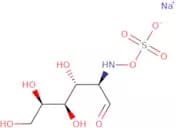
CAS:<p>D-Galactosamine-2-N-sulphate sodium salt is a glycosylation agent that is used to modify saccharides. It has the ability to attach sugars to the chemical structure of other molecules and can be used in the synthesis of oligosaccharides. D-Galactosamine-2-N-sulphate sodium salt can be fluorinated, methylated, and modified with click chemistry reactions. This product is CAS No. 188296-31-3 and has a monomer weight of 613.6 g/mol. This product is available for custom synthesis and has a purity of >99% by HPLC analysis.</p>Formula:C6H12NO8SNaPurity:Min. 95%Color and Shape:PowderMolecular weight:281.21 g/mol4-Methoxyphenyl 3-O-benzyl-a-D-mannopyranoside
CAS:<p>4-Methoxyphenyl 3-O-benzyl-a-D-mannopyranoside is a synthetic carbohydrate that has been modified with a click reaction. It is an Oligosaccharide, which is a type of Carbohydrate, and has a saccharide sequence. This product is used in the synthesis of complex carbohydrates. The product has high purity and custom synthesis capabilities.</p>Formula:C20H24O7Purity:Min. 95%Molecular weight:376.4 g/molD-Lyxono-1,4-lactone
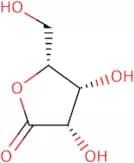
CAS:<p>D-Lyxono-1,4-lactone is an inhibitor of the enzyme fucosidase. It competitively inhibits the enzyme, but does not inhibit other hydroxamic acids such as enantiomers of D-lyxono-1,4-lactone. D-Lyxono-1,4-lactone has been used to treat HIV and AIDS because it prevents viral replication by blocking the synthesis of glycoproteins in the virus's envelope. It also has inhibitory effects on tumor cells that are not dependent on fucosidase activity. Magnetic resonance spectroscopy (NMR) studies have shown that d-lyxono-1,4-lactone binds to human liver cells and blocks the binding site for cytotoxic molecules in these cells. The molecular modelling study has demonstrated that d-lyxono 1,4 lactone binds to a specific site on human HLA class II molecule and reduces its</p>Formula:C5H8O5Purity:(%) Min. 97%Color and Shape:PowderMolecular weight:148.11 g/mol1,2-Di-O-acetyl-3,5-di-O-benzoyl-3-b-C-methyl-D-ribofuranose
CAS:<p>1,2-Di-O-acetyl-3,5-di-O-benzoyl-3-b-C-methyl-D-ribofuranose is a fluorinated monosaccharide that is synthesized by the glycosylation of 2,6 anhydrofructose with benzaldehyde and acetone. It has a CAS number of 22672-43-1. This product can be used in the modification of polysaccharides or as a synthetic glycoside. It can also be used for click chemistry modification of sugars or as a high purity custom synthesis.</p>Purity:Min. 95%2,3,4,6-Tetra-O-acetyl-b-D-glucopyranosyl isothiocyanate
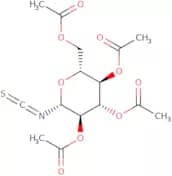
CAS:<p>2,3,4,6-Tetra-O-acetyl-b-D-glucopyranosyl isothiocyanate (TGIT) is a compound that mimics the melanoma antigen. It has been used to identify human pathogens in biological samples and has shown to have an antibody response. TGIT has also been used as a fluorescent probe for nucleic acids in analytical methods and polymerase chain reaction. This chemical can be used as a fluorescence detector in titration calorimetry. TGIT is not acutely toxic, but can cause cell lysis when combined with trifluoroacetic acid.</p>Formula:C15H19NO9SPurity:Min. 95%Color and Shape:White PowderMolecular weight:389.38 g/mol5-Fluoropyrimidin-2-One β-Ribofuranoside
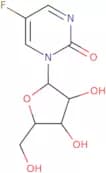
CAS:<p>5-Fluoropyrimidin-2-One beta-Ribofuranoside is a subunit of the enzyme cytidine deaminase. It interacts with a substrate binding site, which is located at the active site of cytidine deaminase. This molecule has been shown to stabilize the enzyme and increase its rate of reaction with the substrate. 5-Fluoropyrimidin-2-One beta-Ribofuranoside can also bind with a water molecule, which may be important for enzymatic activity.<br>5-Fluoropyrimidin-2-One beta-Ribofuranoside is homologous to other molecules that are involved in DNA synthesis, such as adenosine monophosphate (AMP), ribose, and uracil.</p>Formula:C9H11FN2O5Purity:Min. 95%Molecular weight:246.19 g/mol3-Hydroxydesloratadine b-D-glucuronide sodium salt
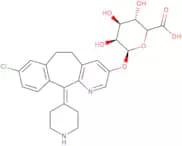
CAS:<p>3-Hydroxydesloratadine b-D-glucuronide sodium salt is a carbohydrate that is used as an intermediate in the synthesis of saccharides. It can be modified to make it more soluble in water by adding fluorine atoms, which increases its solubility and bioavailability. 3-Hydroxydesloratadine b-D-glucuronide sodium salt is synthesized using a custom synthesis method with high purity and high yield. It has glycosylation, methylation, and click modification done on it during the synthesis process.</p>Formula:C25H26ClN2O7·NaPurity:Min. 95%Color and Shape:PowderMolecular weight:524.93 g/molD-Saccharic acid calcium salt tetrahydrate
CAS:<p>D-Saccharic acid calcium salt tetrahydrate is a white crystalline powder. It is a synthetic sugar that has been modified with fluorine and other substituents to produce a high purity, stable molecule. It can be used as an intermediate in the synthesis of oligosaccharides, monosaccharides, or glycosylations. D-Saccharic acid calcium salt tetrahydrate is synthesized by methylation and glycosylation of the saccharic acid molecule. This product can also be custom synthesized to meet your needs.</p>Formula:C6H16CaO12Molecular weight:320.26 g/mol1,2-Di-O-acetyl-3,5-di-O-benzoyl-D-ribofuranose
CAS:<p>1,2-Di-O-acetyl-3,5-di-O-benzoyl-D-ribofuranose is a fluorinated carbohydrate that is synthesized through a glycosylation reaction. It has been shown to be stable in the presence of strong acid and base. The molecular weight of 1,2-Di-O-acetyl-3,5-di-O-benzoyl-D -ribofuranose is 694.49 g/mol. The purity of this compound is >99%.</p>Purity:Min. 95%2-Acetamido-2,6-dideoxy-D-galactose
CAS:<p>2-Acetamido-2,6-dideoxy-D-galactose (2ADG) is a structural analogue of the natural monosaccharide 2,6-dideoxy-D-galactose. It has been shown to have an antimicrobial effect against aerobacter aerogenes in vitro. 2ADG is metabolized by glycosidases and methyl glycosides to form 1,4-anhydro-2,3,4,6 tetraacetamido-2,4,6 dideoxy D galactose. This compound inhibits the growth of bacterial strains that are resistant to polymyxin b., such as Pseudomonas aeruginosa. The inhibition of these bacteria is due to the inhibition of the synthesis of their outer membrane lipopolysaccharides by 2ADG. The antibacterial activity is also attributed to its ability to inhibit the metabolism of glycan molecules in some bacteria</p>Formula:C8H15NO5Purity:Min. 95%Color and Shape:White PowderMolecular weight:205.21 g/molb-L-Fucose-1-phosphate bis(cyclohexylammonium) salt
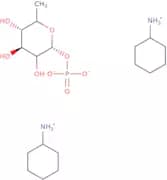
CAS:<p>b-L-Fucose-1-phosphate bis(cyclohexylammonium) salt is a synthetic, fluorinated monosaccharide that is used in the synthesis of oligosaccharides, polysaccharides and glycoproteins. The compound can be modified using click chemistry. It has been synthesized by reacting b-D-fucose with 2 equivalents of cyclohexylamine in the presence of BF3.</p>Formula:C6H11O8P·2C6H14NPurity:Min. 95%Color and Shape:White PowderMolecular weight:442.48 g/molMethyl 2,3,5-tri-O-(2,4-dichlorobenzyl)-b-D-ribofuranoside
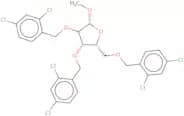
CAS:<p>Methyl 2,3,5-tri-O-(2,4-dichlorobenzyl)-b-D-ribofuranoside is a glycosylation agent that is used as a monosaccharide or oligosaccharide modification. It can be utilized in the synthesis of saccharides and polysaccharides. Methyl 2,3,5-tri-O-(2,4-dichlorobenzyl)-b-D-ribofuranoside is a custom synthesis product with high purity and CAS No. 163759-40-8.</p>Formula:C27H24Cl6O5Purity:Min. 95%Molecular weight:641.21 g/molEstrone b-D-glucuronide sodium salt
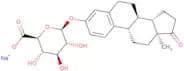
CAS:<p>Estrone b-D-glucuronide sodium salt (EBGG) is a steroid hormone that is synthesized in the ovaries. EBGG has been shown to be effective against bacterial vaginosis and polycystic ovarian syndrome. It is not active against other types of vaginal infections, such as yeast vaginitis or candida vulvovaginitis. EBGG has also been used to treat infertility in women, with promising results. The compound may work by increasing the metabolic rate and suppressing the production of progesterone and testosterone, which are important for fertility. EBGG binds to an estrogen receptor on cells in the uterus, stimulating the growth of uterine tissue and increasing blood flow to the uterus. EBGG binds to a specific site on the surface of cells called a monoclonal antibody, which can inhibit cell proliferation. This binding leads to an increase in progesterone receptor expression on uterine cells and inhibits the production of progesterone receptors on breast cancer</p>Formula:C24H29O8·NaPurity:Min. 95%Color and Shape:PowderMolecular weight:468.47 g/mol3,4:5,6-Di-O-isopropylidene-D-glucitol
CAS:<p>3,4:5,6-Di-O-isopropylidene-D-glucitol is a chemical compound that belongs to the class of aldehydes. It has been shown to catalyze the reaction between alcohols and amides in the presence of an acid or base catalyst. The product of this reaction is an amide with an isopropylidene group on one side. 3,4:5,6-Di-O-isopropylidene-D-glucitol also has two chiral centers and can be used to synthesize stereoselective aldoses, such as D-(+)-gluconic acid and L-(+)-gluconolactone.</p>Formula:C12H22O6Purity:Min. 98 Area-%Color and Shape:PowderMolecular weight:262.3 g/molPhenyl 3,4-O-isopropylidene-b-D-thiogalactopyranoside
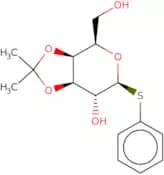
CAS:<p>Phenyl 3,4-O-isopropylidene-b-D-thiogalactopyranoside is a custom synthesis of the complex carbohydrate Oligosaccharide, Polysaccharide. It belongs to Modification, saccharide, Methylation, Glycosylation, Carbohydrate. Phenyl 3,4-O-isopropylidene-b-D-thiogalactopyranoside can be used for Click modification, sugar and High purity. This compound is Fluorinated and Synthetic.</p>Formula:C15H20O5SPurity:Min. 95%Color and Shape:PowderMolecular weight:312.38 g/mol1-Deoxytagatose
<p>1-Deoxytagatose is a fluorescent ketone that can be used as a chemical probe for the detection of protein synthesis. The fluorescence properties of 1-deoxytagatose are well suited for use as a marker in fluorometric assays and it has been used to measure ketone bodies in urine. The mechanism of 1-deoxytagatose is not fully understood, but it has been found to react with phosphate groups and form a phosphoric acid derivative.</p>Purity:Min. 95%3-O-Methanesulfonyl-D-glucopyranose
CAS:<p>3-O-Methanesulfonyl-D-glucopyranose is a high purity, custom synthesis sugar that can be modified with fluorination, glycosylation, methylation and modification. It is also synthesized from glycoaldehyde and methanesulfonic acid in the presence of sodium hydroxide and sodium acetate. 3-O-Methanesulfonyl-D-glucopyranose can be used to synthesize saccharides and oligosaccharides. This compound is soluble in water and has a boiling point of 218°C at 760 mmHg. It is slightly soluble in methanol, ethanol and acetone. 3-O-Methanesulfonyl-D-glucopyranose has a CAS number of 40631-95-6.</p>Formula:C7H14O8SPurity:Min. 95%Color and Shape:PowderMolecular weight:258.25 g/molCerebroside sulfate
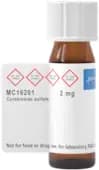
CAS:<p>Myelin component; opioid receptor</p>Formula:C42H80NNaO11SPurity:Min. 95%Color and Shape:White PowderMolecular weight:830.14 g/mol1,3:4,6-Di-O-benzylidene-2,5-dideoxy-2,5-imino-L-iditol
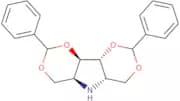
CAS:<p>1,3:4,6-Di-O-benzylidene-2,5-dideoxy-2,5-imino-L-iditol is a synthetic oligosaccharide that can be used as a glycosylation probe. It has been shown to have high purity and good stability in the presence of strong acids and bases. The methyl group on the benzene ring can be replaced with other functional groups such as fluoro or chloro. This product is also available in custom synthesis for those who need it.</p>Formula:C20H21NO4Purity:Min. 95%Color and Shape:White PowderMolecular weight:339.39 g/molN-Benzyl-3,5-dideoxy-3,5-imino-1,2-O-isopropylidene-D-arabinofuranose
<p>N-Benzyl-3,5-dideoxy-3,5-imino-1,2-O-isopropylidene-D-arabinofuranose is a high purity custom synthesis sugar that has been modified with fluorination and glycosylation. The CAS number for this molecule is 51459-06-8 and it is an oligosaccharide. This molecule can be methylated or modified with other sugars to create complex carbohydrates.</p>Purity:Min. 95%Allyl 2,3-di-O-benzyl-4,6-O-benzylidene-a-D-glucopyranoside
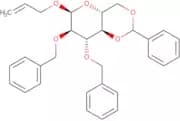
CAS:<p>Allyl 2,3-di-O-benzyl-4,6-O-benzylidene-a-D-glucopyranoside is a synthetic, water soluble glycoside with a high purity that has been fluorinated and methylated. This product is stable at room temperature in both the solid and liquid form. It has a CAS number of 20746-71-8.</p>Formula:C30H32O6Purity:Min. 95%Molecular weight:488.57 g/molD-Mannose
CAS:<p>Used to differentiate microorganisms based on their metabolic properties.</p>Formula:C6H12O6Purity:Min. 99.5 Area-%Molecular weight:180.16 g/molRef: 3D-M-1000
1kgTo inquire50gTo inquire5kgTo inquire500gTo inquire2500gTo inquire-Unit-kgkgTo inquirePoly-D-galacturonic acid methyl ester
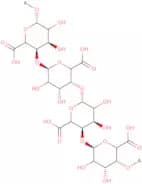
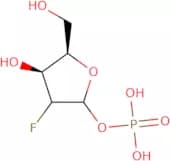
CAS:<p>Poly-D-galacturonic acid methyl ester (PDGME) is a natural compound that has been shown to possess anti-inflammatory and anti-diabetic properties. PDGME has been shown to increase the expression of pro-apoptotic proteins in mouse macrophages, as well as inhibit the activity of toll-like receptor 4, which may be due to its ability to induce caspase-independent cell death. PDGME also inhibits the growth of Clostridium difficile and other bacteria by inhibiting their enzyme activities. PDGME is water soluble and can be used as a reagent for biochemical studies.</p>Purity:Min. 98 Area-%Color and Shape:White Off-White Powder2-Deoxy-2-fluoro-D-arabinofuranose-1-phosphate
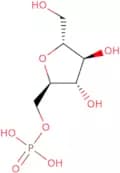
<p>2-Deoxy-2-fluoro-D-arabinofuranose-1-phosphate is a synthetic sugar that is used in the synthesis of oligosaccharides and saccharide derivatives. It has been shown to be a promising candidate for Click modification, as well as fluorination, glycosylation, methylation, and other modifications. This sugar can be found under CAS No. 131069-06-6.</p>Formula:C5H7FO7PPurity:Min. 95%Molecular weight:229.08 g/mol(2S, 3R, 4R, 5R, 6R) -2-Ethyl- 6- (hydroxymethyl) -3, 4, 5- piperidinetriol
<p>(2S, 3R, 4R, 5R, 6R) -2-Ethyl- 6- (hydroxymethyl) -3, 4, 5- piperidinetriol is a synthetic monosaccharide that is modified with fluorine. The physicochemical properties of this chemical compound are:</p>Purity:Min. 95%2-Keto-D-gluconic acid hemicalcium monohydrate
CAS:<p>Enhances dissolution of soil minerals; intermediate in L-ascorbic acid syntheses</p>Formula:C6H9O7•(Ca)•H2OPurity:Min. 99 Area-%Color and Shape:White PowderMolecular weight:231.19 g/molN-(2-Furylacetonitrile)-2,3,4,6-tetra-O-pivaloyl-b-D-glucopyranoside
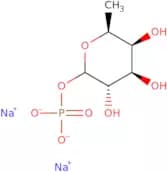
<p>The compound is a custom synthesis. It is a polysaccharide that has been modified by methylation and glycosylation, as well as being click-modified at the C6 position. The compound is a complex carbohydrate with an Oligosaccharide in the center. The CAS number for this compound is</p>Formula:C32H48N2O10Purity:Min. 95%Molecular weight:620.73 g/molL-Fucose-1-phosphate disodium
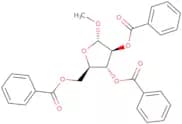
CAS:<p>L-Fucose-1-phosphate disodium salt is a high purity, synthetic, fluorinated carbohydrate that is used to modify saccharides. This modification can be accomplished by methylation or glycosylation. L-Fucose-1-phosphate disodium salt has been shown to be useful for glycosylation reactions with click chemistry. It has been shown to have a wide range of applications including modification of oligosaccharides and polysaccharides in the field of biotechnology.</p>Formula:C6H13O8P•Na2Purity:Min. 95 Area-%Color and Shape:White PowderMolecular weight:290.12 g/molMethyl 2,3,5-tri-O-benzoyl-α-D-arabinofuranoside
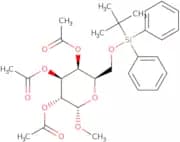
CAS:<p>Methyl 2,3,5-tri-O-benzoyl-α-D-arabinofuranoside is an antiperspirant that prevents the formation of sweat. It is a mixture of two active ingredients: methyl 2,3,5-tri-O-benzoyl-α-D-arabinofuranoside and zinc oxide. The former inhibits the formation of sweat by binding to the protein in eccrine glands and preventing it from absorbing chloride ions. Zinc oxide reduces body odor by binding to sulfur compounds that are secreted by bacteria on skin surfaces. Methyl 2,3,5-triO-benzoyl arabinofuranoside and zinc oxide are used as a combination for their complementary effects.</p>Formula:C27H24O8Purity:Min. 95%Color and Shape:PowderMolecular weight:476.47 g/molMethyl 2,3,4-tri-O-acetyl-6-O-tert-butyldiphenylsilyl-a-D-galactopyranoside
CAS:<p>Methyl 2,3,4-tri-O-acetyl-6-O-tert-butyldiphenylsilyl a-D-galactopyranoside is an oligosaccharide that has been modified with methylation, glycosylation and fluorination. It is an important compound in carbohydrate chemistry. The oligosaccharide is synthesized by the condensation of 3 molecules of galactose with 1 molecule of mannose to form a disaccharide. This product is manufactured by custom synthesis and has been purified to high purity.</p>Formula:C29H38O9SiPurity:Min. 95%Molecular weight:558.71 g/mol2,5-Anhydro-D-mannitol-1-phosphate barium salt hydrate
CAS:<p>2,5-Anhydro-D-mannitol-1-phosphate barium salt hydrate is a fluorinated synthetic oligosaccharide. It is a complex carbohydrate that can be modified with the addition of methyl groups or click chemistry. This product is CAS No. 352000-02-3 and has been synthesized with glycosylation and polysaccharide modifications. The chemical formula for this product is C6H14O7P2Ba.</p>Formula:C6H11BaO8P·H2OPurity:Min. 95%Molecular weight:397.46 g/molMethyl 2-azido-2-deoxy-a-D-galactopyranoside
CAS:<p>Methyl 2-azido-2-deoxy-a-D-galactopyranoside is a custom synthesis product. It belongs to the category of Carbohydrate and is a fluorinated monosaccharide. This product is also known as Methyl 2-azido-2,3,4,6-tetra‑O‑benzoyl-a‑D‑galactopyranoside.</p>Formula:C7H13N3O5Purity:Min. 95%Molecular weight:219.2 g/mol4,6-O-Isopropylidene-D-mannopyranose
<p>4,6-O-Isopropylidene-D-mannopyranose is a custom synthesis of a polysaccharide that has been modified with fluorination, methylation, and click modification. This product can be used in the synthesis of oligosaccharides or saccharides. It may also be used in glycosylation reactions to produce complex carbohydrates.</p>Purity:Min. 95%Lipid X
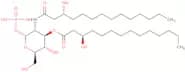
CAS:<p>Lipid X is a monosaccharide precursor of E. coli lipid A. It is an N-acyl-D-glucosamine 1-phosphate where the N-acyl group is (R)-3-hydroxytetradecanoyl and carrying an additional (R)-3-hydroxytetradecanoyl, and it is a component of the cell wall of Gram-negative bacteria. Due to its physiological functions and biological properties, Lipid X can be used to treat infectious diseases, autoimmune diseases, and HIV infection. It has also been shown to inhibit the production of inflammatory cytokines such as tumor necrosis factor alpha (TNF-α) and interleukin-1β (IL-1β). This effect is due to its ability to disrupt hydrogen bonds between lipids in the cell membrane. As a biosynthetic intermediate of Lipid A, it seems to play a role in bacterial virulence and can trigger an immune response in humans, and protect against endotoxins.</p>Formula:C34H66NO12PPurity:Min. 95%Molecular weight:711.86 g/mol2-O-Benzyl-3,4-O-benzylidene-2-C-methyl-D-arabino-1.5-lactone
<p>2-O-Benzyl-3,4-O-benzylidene-2-C-methyl-D-arabino-1.5lactone is a fluorinated monosaccharide that is synthesized by the glycosylation of 1,5 D arabinofuranose. It has been used for the synthesis of oligosaccharides and polysaccharides with a variety of sugar modifications. This product is available in high purity and can be custom synthesized to meet your needs.</p>Purity:Min. 95%2,3,4,6-Tetra-O-acetyl-b-D-thiogalactopyranose sodium salt
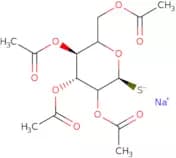
CAS:<p>2,3,4,6-Tetra-O-acetyl-β-D-thiogalactopyranose sodium salt is a high purity custom synthesis sugar with a click modification. The fluorination and glycosylation are carried out to give the desired product. It has CAS No. 73962-00-2 and is a synthetic carbohydrate that can be used in oligosaccharides, monosaccharides, saccharide and complex carbohydrates.</p>Formula:C14H19O9SNaPurity:Min. 95%Molecular weight:386.35 g/mol3-Azidopropyl 2-acetamido-2-deoxy-3,4,6-tri-O-acetyl-b-D-glucopyranoside
<p>3-Azidopropyl 2-acetamido-2-deoxy-3,4,6-tri-O-acetyl-b-D-glucopyranoside is a synthetic carbohydrate. It is a modification of the natural saccharide 3,4,6 tri O acetyl b D glucopyranoside. The modification in this case is the addition of an azide group to one of the hydroxyl groups on the sugar. This product has a CAS number and can be custom synthesized to meet your specific needs. It is available in high purity and can be modified by methylation or glycosylation.</p>Purity:Min. 95%2-Acetamido-2,4-dideoxy-4-fluoro-D-glucopyranose
CAS:<p>2-Acetamido-2,4-dideoxy-4-fluoro-D-glucopyranose (2ADFG) is a glycosaminoglycan that inhibits the biosynthesis of glycosaminoglycans by binding to the enzyme UDP-N-acetylglucosamine 2-epimerase. It is used in cellular control experiments to determine if cells are hepatocytes or not. This compound binds to glycosaminoglycans and prevents them from being synthesized, which leads to cell death. The binding of 2ADFG also results in a decrease in cellular protein synthesis and an increase in cellular lysosomal activity.</p>Formula:C8H14FNO5Purity:Min. 95%Molecular weight:223.2 g/mol1,3,5-Tri-O-benzoyl-2-O-(1H-imidazole-1-sulfonate)-a-D-ribofuranose
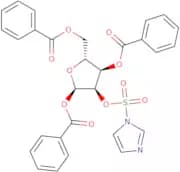
CAS:<p>1,3,5-Tri-O-benzoyl-2-O-(1H-imidazole-1-sulfonate)-a-D-ribofuranose (TBIR) is a fatty acid that is synthesized by the condensation of 1,3,5-triacetylbenzene with 2,4,6,-trichlorobenzoyl chloride in the presence of triethylamine and sodium methoxide. TBIR has been shown to be suitable for fabricating polyesters and polyamides. TBIR also has the ability to modify membranes. This modification occurs when TBIR reacts with phospholipids in the membrane bilayer by inserting itself into the membrane bilayer. The mesoporous nature of TBIR allows for diffusional transport through its pores as well as an increased surface area for reactions. It also has a large diameter and branched chains that make it suitable for</p>Formula:C29H24N2O10SPurity:Min. 95%Color and Shape:White PowderMolecular weight:592.57 g/mol1,6-Anhydro-2,3,4-tri-O-benzyl-b-D-glucopyranose
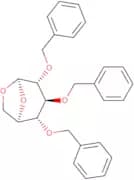
CAS:<p>1,6-Anhydro-2,3,4-tri-O-benzyl-b-D-glucopyranose is a polymer that can be synthesized by copolymerizing the monomer with other reagents. The acetal linkage between the two glucose units allows for a cyclic structure, and this compound is soluble in water and methanol. 1,6-Anhydro-2,3,4-tri-O-benzyl-b-D-glucopyranose has been used to synthesize a variety of polymers such as polyacetals and polyesters.</p>Formula:C27H28O5Purity:Min. 95%Color and Shape:White PowderMolecular weight:432.51 g/mol1,6-Anhydro-2-deoxy-2-iodo-β-D-glucopyranose
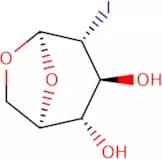
CAS:<p>1,6-Anhydro-2-deoxy-2-iodo-b-D-glucopyranose is a sugar that has been used in the synthesis of a number of organic compounds. It is an intermolecular hydrogen bond donor, and it forms hydrogen bonds with other molecules. The molecular structure of 1,6-Anhydro-2-deoxy-2-iodo-b-D-glucopyranose consists of a six carbon chain with three hydroxyl groups and two ether groups.</p>Formula:C6H9IO4Purity:Min. 95%Color and Shape:Off-White To Tan SolidMolecular weight:272.04 g/molMethyl 4,6-O-benzylidene-2,3-di-O-benzyl-a-D-glucopyranoside
CAS:<p>Methyl 4,6-O-benzylidene-2,3-di-O-benzyl-a-D-glucopyranoside is a synthetic compound that is used as an intermediate in the production of other chemicals. The compound has been shown to be resistant to methylation and glycosylation. It has also been modified with a click chemistry reaction and fluorinated. Methyl 4,6-O-benzylidene-2,3-di-O-benzyl-a-D -glucopyranoside is a carbohydrate with a molecular formula of C12H24O14 and a molecular weight of 594.8 g/mol.</p>Formula:C28H30O6Purity:Min. 95%Color and Shape:White PowderMolecular weight:462.53 g/molEzetimibe hydroxy-D-glucuronide D4
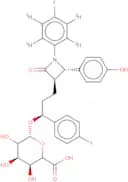
Controlled Product<p>Ezetimibe hydroxy-D-glucuronide D4 is a synthetic glycosylation product, which belongs to the category of oligosaccharides. It is a sugar that has been modified through fluorination and methylation. This product is soluble in water and has a purity of greater than 99% (based on HPLC analysis). Ezetimibe hydroxy-D-glucuronide D4 is a white, crystalline powder with a molecular weight of 586.2 g/mol and CAS number 144479-19-5.</p>Formula:C30H25D4F2NO9Purity:Min. 95%Molecular weight:589.57 g/mol5-Deoxy-5-fluoro-D-galactose
<p>5-Deoxy-5-fluoro-D-galactose is an oligosaccharide that can be used as a custom synthesis. It is a modification of the natural monosaccharide D-galactose. 5-Deoxy-5-fluoro-D-galactose has the following chemical structure:</p>Purity:Min. 95%7-Deoxy-D-glycero-L-ido-heptitol
<p>7-Deoxy-D-glycero-L-ido-heptitol is a synthetic carbohydrate that is a methylated, saccharide and polysaccharide. It is a custom synthesis and can be modified with Click chemistry. This product has CAS number 90319-73-6 and can be modified with fluorination. 7DGHLH is a high purity product that has been synthesized from carbon dioxide and hydrogen gas. It is an oligosaccharide that has been glycosylated and is available in the form of a powder or liquid.</p>Purity:Min. 95%3-O-Hydroxyethyl-D-glucose
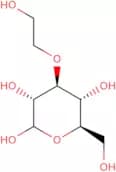
CAS:<p>3-O-Hydroxyethyl-D-glucose (3HEG) is a hexose sugar that can be synthesized from D-glucose and glycerol. It is an important precursor for the synthesis of polyethylene glycols for drug delivery and has been shown to be a potent inhibitor of glucose uptake in Xenopus oocytes. 3HEG is also a good carbon source for cell growth, but it can only be metabolised by cells with the appropriate enzymes. Glucofuranose, which is structurally similar to 3HEG, can inhibit uptake of glucose by binding to glucose transporters on the cell membrane surface. This inhibition may be due to the structural similarities between these two sugars. Mechanistic studies indicate that this inhibition may occur as a result of competitive inhibition or allosteric modulation, but further research is required to elucidate this mechanism.</p>Formula:C8H16O7Purity:Min. 98 Area-%Color and Shape:Yellow PowderMolecular weight:224.21 g/molN-Acetyl-D-glucosamine - plant source
CAS:<p>Please enquire for more information about N-Acetyl-D-glucosamine - plant source including the price, delivery time and more detailed product information at the technical inquiry form on this page</p>Formula:C8H15NO6Purity:Min. 98 Area-%Molecular weight:221.21 g/mol1-Amino-2,4-O-benzylidene-D-butane-2,3,4-triol
<p>1-Amino-2,4-O-benzylidene-D-butane-2,3,4-triol is a custom synthesis. This compound is an oligosaccharide that has been modified with methylation, glycosylation, and click modification. Carbohydrate molecules are saccharides that have a sugar as their backbone. Saccharides can be classified as monosaccharides (simple sugars) or polysaccharides (complex carbohydrates). This compound is a high purity synthetic that has been fluorinated and has undergone glycose chemistry to produce a desired product.</p>Purity:Min. 95%4-Methoxyphenyl 2,4,6-tri-O-benzoyl-a-D-mannopyranoside
<p>4-Methoxyphenyl 2,4,6-tri-O-benzoyl-a-D-mannopyranoside is a glycosylation product of mannose with 4-methoxybenzoic acid. It is a complex carbohydrate that has been modified by methylation and click modification. The fluorination increases the reactivity of the hydroxyl groups on the sugar ring. This product can be synthesized in high purity and custom synthesis.</p>Formula:C34H30O10Purity:Min. 95%Molecular weight:598.6 g/mol(2S,3S,4R,5R)-3,4-O-Benzylidene-2-cyano-N-(4-methoxybenzyl)-3,4,5-trihydroxy-piperidine
<p>The modification of a polysaccharide with an oligosaccharide, which is the process of adding one or more sugar residues to the polysaccharide. This can be done enzymatically or chemically. The addition of a carbohydrate residue to another carbohydrate-bearing molecule. This can be done enzymatically or chemically. The synthesis of an organic compound that contains only carbon, hydrogen, and oxygen atoms in its molecular structure. This can be done enzymatically or chemically. The process of adding a methyl group to an organic compound. This can be done enzymatically or chemically. A monosaccharide is a simple sugar that cannot be hydrolyzed into simpler sugars by chemical means. It is one of the three main types of biomolecules found in living things (along with lipids and nucleic acids). Methylation is a chemical reaction involving the transfer of a methyl group from one chemical entity to another one; for example, from methanol to dim</p>Purity:Min. 95%Allyl 2-O-acetyl-3-O-benzyl-a-L-rhamnopyranoside
CAS:<p>Allyl 2-O-acetyl-3-O-benzyl-a-L-rhamnopyranoside is a synthetic monosaccharide that is used in the synthesis of complex carbohydrates. It has a CAS number of 940274-20-4 and may be modified with fluorine or methyl groups. Synthetic allyl 2-O-acetyl-3-O-benzyl-a -L -rhamnopyranoside is also known as "Methylated, Custom synthesis, Click modification, Oligosaccharide, Polysaccharide, saccharide, sugar."</p>Formula:C18H24O6Purity:Min. 95%Molecular weight:336.39 g/molEthyl 4,6-O-benzylidene-β-D-thiogalactopyranoside
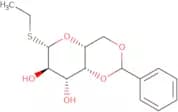
CAS:<p>Ethyl 4,6-O-benzylidene-b-D-thiogalactopyranoside is a synthetically produced carbohydrate typically used as a building block in oligo-saccharide synthesis.</p>Formula:C15H20O5SPurity:Min. 95%Color and Shape:PowderMolecular weight:312.39 g/mol2-Deoxy-D-ribose
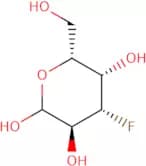
CAS:<p>High purity grade. Used in synthetic organic chemistry and natural product synthesis. Induces apoptosis by inhibiting the synthesis and increasing the efflux of glutathione. It is used for synthesis of optically active dipyrrolyl alkanols from pyrroles on the surface of montmorillonite KSF clay.Due to its integral role in the formation of DNA, 2-Deoxy-D-ribose is critical in studies of genetic expression, DNA repair mechanisms, and the synthesis of nucleotides. Researchers utilize it extensively in molecular biology and biochemistry to understand cell replication and gene function, and it serves as a standard in research pertaining to oxidative stress, where its degradation may indicate the presence of reactive oxygen species. Additionally, it is involved in the development of various pharmacological agents, particularly those targeting cancer and viral infections, where the synthesis and function of DNA are pivotal aspects of pathogenesis and treatment response.</p>Formula:C5H10O4Purity:Min. 99.0 Area-%Molecular weight:134.13 g/mol3-Deoxy-3-fluoro-D-galactose - Aqueous solution
CAS:<p>3-Deoxy-3-fluoro-D-galactose (3DFGal) is a potential drug that has been shown to shift the metabolic pathway of gram-positive pathogens from glycolysis to gluconeogenesis. This compound may be used as a tool for studying the enzymatic reaction catalyzed by galactokinase, which is involved in the conversion of 3DFGal to D-galactose. 3DFGal is a stereospecific carbohydrate and can be used as a substrate for biochemical studies. The bacterial surface profile of 3DFGal has been investigated and it has been found that 3DFGal is not significantly toxic to Gram-negative bacteria. The kinetics of 3DFGal hydrolysis have been studied and it was found that the hydrolysis rate was increased when the solution was acidified with hydrofluoric acid.</p>Formula:C6H11FO5Purity:Min. 98 Area-%Color and Shape:PowderMolecular weight:182.15 g/mol2-Acetamido-3,4,6-tri-O-acetyl-2-deoxy-D-glucopyranose
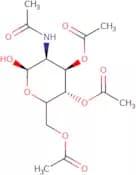
CAS:<p>2-Acétamido-3,4,6-tri-O-acetyl-2-deoxy-D-glucopyranose is a cytotoxic glycoside that can be used as an intermediate in the synthesis of saponins. It has been shown to yield high yields of trifluoromethanesulfonate (TFM) when reacted with glycosyl acceptors such as albizia bark extract. The TFM may then be used for the synthesis of nitromethane and alcohols. This compound also reacts with oleanolic acid to form an anomeric mixture that can be used to yield 2,3,4,6 tetraacetylated 2 deoxyglucose.</p>Formula:C14H21NO9Purity:Min. 95%Color and Shape:PowderMolecular weight:347.32 g/molD-Sedoheptulose 7-phosphate lithium
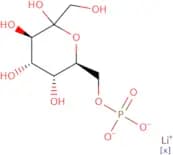
CAS:<p>D-Sedoheptulose 7-phosphate lithium (DSDP) is a substance that is used in the synthesis of ribulose. It provides the carbonyl group for the synthesis of acetyl-CoA and plays an important role in energy metabolism. DSDP has been shown to be effective against streptococcus faecalis, which may be due to its ability to inhibit protein synthesis by binding to ribulose phosphates, thereby preventing the production of ATP. DSDP also inhibits cellular transformation, which may be due to its ability to bind with DNA and block RNA synthesis. In vitro studies have shown that DSDP can inhibit both Streptococcus faecalis and Escherichia coli at concentrations below 10 mM. These effects are likely mediated by enzymatic activities that are involved in bacterial cell physiology.</p>Formula:C7H15O10P•(Li)xPurity:Min. 95%Color and Shape:PowderMolecular weight:290.16 g/mol2,4,6-Tri-O-acetyl-3-O-benzyl-a-D-glucopyranosyl bromide
CAS:<p>2,4,6-Tri-O-acetyl-3-O-benzyl-a-D-glucopyranosyl bromide is a custom synthesis made by Modification of the chemical structure of a natural sugar. It is Fluorinated, Methylated and Monosaccharide with Synthetic Click modification and Oligosaccharide. The CAS number for this compound is 34339-69-0. This compound has many uses including being a Carbohydrate that can be used as a Complex carbohydrate for various purposes.</p>Purity:Min. 95%Methyl 2,6-dideoxy-a-D-glucopyranoside
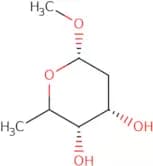
<p>Methyl 2,6-dideoxy-a-D-glucopyranoside is a custom synthesis of an oligosaccharide that is modified with fluorination. It is a saccharide, or carbohydrate, that has been methylated and glycosylated. The modification of this complex carbohydrate has been achieved through the use of the Click reaction. This product has been purified to high purity and is ready for use in research and development.</p>Formula:C7H14O4Purity:Min. 95%Molecular weight:162.18 g/mol2,3,4,6-Tetra-O-benzyl-b-D-glucopyranosyl Fluoride
CAS:<p>2,3,4,6-Tetra-O-benzyl-b-D-glucopyranosyl Fluoride (TBG) is a drug that has antibiotic properties. It inhibits bacterial growth by binding to the D-glucose residue in the cell wall of gram positive bacteria, which prevents the synthesis of peptidoglycan and thus inhibits protein synthesis. TBG binds to the hydroxyl group on the stannic chloride to form an insoluble complex. The stannic chloride is then converted into a soluble complex with fluoride ion. TBG can be used as an antibiotic for gram positive bacteria such as Staphylococcus aureus and Streptococcus pyogenes.</p>Formula:C34H35FO5Purity:(%) Min. 96%Color and Shape:PowderMolecular weight:542.64 g/molPhosphoric acid mono-((2R,3R,4S,5R)-2,3,4,5,6,7-hexahydroxy-heptyl) ester barium salt
<p>Phosphoric acid mono-((2R,3R,4S,5R)-2,3,4,5,6,7-hexahydroxy-heptyl) ester barium salt is a Glycosylation product. It is a complex carbohydrate with the molecular formula C6H14O6P. The glycosylation of this compound can be accomplished by methylation or by Click modification. This product also has an Oligosaccharide content and Polysaccharide properties. The CAS Number for this compound is 595-25-1.</p>Formula:C7H15O10PBaPurity:Min. 95%Molecular weight:427.49 g/molMethyl 2-azido-2-deoxy-3-O-benzyl-6-O-benzoyl-a-D-glucopyranoside
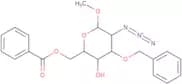
CAS:<p>Methyl 2-azido-2-deoxy-3-O-benzyl-6-O-benzoyl-a-D-glucopyranoside is a synthetic carbohydrate that can be used as a fluorescent probe. It has been used to study the glycosylation of proteins and saccharides, and also as an intermediate in the synthesis of oligosaccharides. The chemical structure of Methyl 2-azido-2-deoxy-3 -O -benzyl -6 -O -benzoyl -a -D -glucopyranoside is shown below:</p>Formula:C21H22N3O6Purity:Min. 95%Molecular weight:412.42 g/molIsosorbide 5-mononitrate 2-b-D-glucuronide
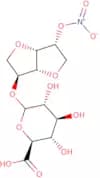
CAS:<p>Isosorbide 5-mononitrate 2-b-D-glucuronide is a reconstituted form of Isosorbide 5-mononitrate. It is used in the treatment of congestive heart failure and angina pectoris. The drug is a nitrovasodilator that relaxes smooth muscle cells, increasing blood flow to the heart. It has been shown to be effective in reducing the frequency of angina attacks and improving exercise tolerance. Isosorbide 5-mononitrate 2-b-D-glucuronide may also have beneficial effects on other cardiovascular diseases such as coronary heart disease, heart attack, or high blood pressure.</p>Formula:C12H17NO12Purity:Min. 95%Molecular weight:367.26 g/mol1,2:5,6-Di-O-isopropylidene-a-D-ribo-hexofuranose-3-ulose monohydrate
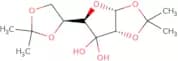
CAS:<p>1,2:5,6-Di-O-isopropylidene-a-D-ribo-hexofuranose-3-ulose monohydrate is a fluorinated carbohydrate that has been synthesized in our lab. It is a complex carbohydrate and can be used as a building block for glycosylation. The synthesis of this compound is done through the use of click chemistry to modify the sugar. We have high purity levels for this compound and can provide custom synthesis services for your needs.</p>Formula:C12H20O7·H2OPurity:Min. 95%Color and Shape:White PowderMolecular weight:294.3 g/mol2-Keto-L-gulonic acid hydrate
CAS:<p>2-Keto-L-gluonic acid hydrate, also called 2-oxo-gulonic acid hydrate, L-xylo-2-hexulosonic acid hydrate (2-KLG) and D-sorbosonic acid hydrate, is an important intermediate in the synthesis of L-ascorbic acid (vitamin C) and can be produced by modified E. herbicola.</p>Formula:C6H10O7•(H2O)xPurity:Min. 95%Color and Shape:PowderMolecular weight:194.14 g/mol2,3,4,6-Tetra-O-acetyl-α-D-glucopyranosyl chloride
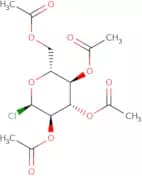
CAS:<p>2,3,4,6-Tetra-O-acetyl-a-D-glucopyranosyl chloride (TAOC) is a nuclear magnetic resonance (NMR) probe that has been used to study the structure of nuclei. It is synthesised by reacting acetyl chloride with sucrose in a reaction catalyzed by sodium hydroxide. The compound can be detected in quadrupole and resonance spectroscopy due to its high sensitivity to nuclear magnetic resonance. This NMR probe is typically used to study the structures of nuclei or for the analysis of polysaccharides.</p>Formula:C14H19ClO9Purity:Min. 95%Color and Shape:PowderMolecular weight:366.8 g/molGalacto-PUGNAc
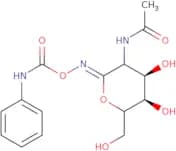
CAS:<p>Galacto-PUGNAc is an oligosaccharide with a complex carbohydrate structure. It is synthesized from galactose and pyranose, which are sugars that belong to the group of carbohydrates. Galacto-PUGNAc is modified by methylation, glycosylation, and fluorination. The chemical modification of this compound provides it with high purity and fluorescence properties. Click chemistry is also used in its synthesis, which involves the use of reactive species that contain azides or alkyne groups. This modification increases the stability of the compound, making it a useful tool for molecular biology and biochemistry research.</p>Formula:C15H19N3O7Purity:Min. 75 Area-%Color and Shape:PowderMolecular weight:353.33 g/molAdenosine-5'-b-D-galactopyranoside
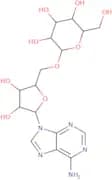
CAS:<p>Adenosine-5'-b-D-galactopyranoside is a complex carbohydrate, which is a glycoconjugate consisting of an adenosine molecule linked to the sugar galactose by an alpha (1→4) glycosidic linkage. It is a methylated, fluorinated, and saccharide-modified analogue of adenosine monophosphate. Adenosine-5'-b-D-galactopyranoside is also known as 5'-Deoxyadenosine 5'-b-D-galactopyranoside or 3',5'-Diadenylic acid 5'-b-D-galactopyranoside. The compound can be custom synthesized in high purity with the desired modifications.</p>Purity:Min. 95%L-g-Ethylidene glutanic acid
<p>L-g-Ethylidene glutamic acid is an organic compound that is used in the production of pharmaceuticals, agrochemicals, and other chemicals. It can be synthesized by the methylation of L-glutamic acid with formaldehyde and sodium cyanoborohydride. L-g-Ethylidene glutamic acid has also been modified by a click reaction to create a fluorinated derivative. This product is a white crystalline solid that has a CAS number. The product is available at high purity and can be ordered as either monosaccharide or polysaccharide.<br>L-g-Ethylidene glutamic acid is a sugar that belongs to the carbohydrate family and can be classified as complex carbohydrates because it comprises two or more sugars linked together. This product may also be referred to as an oligosaccharide or polysaccharide, depending on its molecular size.</p>Purity:Min. 95%Suberoylanilide-D5 hydroxamic acid b-D-glucuronide
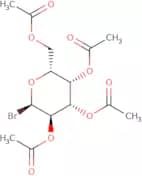
Controlled Product<p>Suberoylanilide-D5 hydroxamic acid b-D-glucuronide is a modification of sucrose. It is a complex carbohydrate that has been modified with an Oligosaccharide and Carbohydrate. This compound is synthesized with Custom synthesis, Synthetic, High purity, CAS No., Monosaccharide, Methylation, Glycosylation, Polysaccharide, sugar and Fluorination. Suberoylanilide-D5 hydroxamic acid b-D-glucuronide is a fluorinated saccharide that can be used as a sugar for glycosylation or methylation.</p>Formula:C20H23N2O9D5Purity:Min. 95%Color and Shape:White to off-white solid.Molecular weight:445.47 g/mol1-Bromo-2,3,4,6-tetra-O-acetyl-α-D-galactopyranoside
CAS:<p>Donor for Koenigs-Knorr type galactosylation and other anomeric substitutions</p>Formula:C14H19BrO9Molecular weight:411.21 g/molRef: 3D-B-8975
1kgTo inquire100gTo inquire250gTo inquire500gTo inquire2500gTo inquire-Unit-ggTo inquireBenzyl 4,6-O-benzylidene-a-D-mannopyranoside
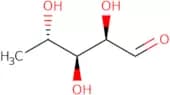
CAS:<p>Benzyl 4,6-O-benzylidene-a-D-mannopyranoside is a sugar compound that is used in the synthesis of glycosides. It is a custom synthesized, high purity product that can be methylated and glycosylated. The CAS number for this product is 40983-94-6.</p>Formula:C20H22O6Purity:Min. 95%Color and Shape:PowderMolecular weight:358.39 g/mol5-Deoxy-L-arabinose
CAS:<p>5-Deoxy-L-arabinose is a tetramethylurea derivative that has been synthesized for the treatment of hyperphenylalaninemia, an atypical form of phenylketonuria. It is an analog of 5-deoxy-l-ribose and can be used to generate molybdate from ammonium molybdate. This product also has antiviral activity and can be used to inhibit the growth of filamentous fungi, such as Verticillium dahliae. 5-Deoxy-L-arabinose can be used as a phase separator in chromatography. It is stereoselective and does not react with acid catalysts.</p>Formula:C5H10O4Purity:Min. 95%Color and Shape:Slightly Yellow Clear Viscous LiquidMolecular weight:134.13 g/mol2-Azido-((R)-3,5-O-benzylidene)-2,6-dideoxy-L-mannofuranose
<p>2-Azido-((R)-3,5-O-benzylidene)-2,6-dideoxy-L-mannofuranose is a carbohydrate with a complex sugar structure. This compound is synthesized by reacting 2,6-dideoxy-L-mannofuranose with sodium azide and benzyl bromide in the presence of triethylamine. The resulting product is purified by crystallization from methanol and ethanol. This chemical has been shown to react with DNA to form a stable covalent bond at the N7 position of guanine residues.</p>Purity:Min. 95%Adonitol
CAS:<p>Used to differentiate bacteria on the basis of carbohydrate fermentation abilities.</p>Formula:C5H12O5Purity:Min. 98.0 Area-%Molecular weight:152.15 g/molRef: 3D-A-3000
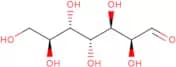
1kgTo inquire50gTo inquire100gTo inquire250gTo inquire500gTo inquire-Unit-kgkgTo inquireL-Glycero-L-galacto-heptose
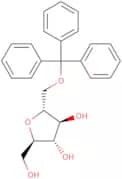
CAS:<p>L-Glycero-L-galacto-heptose is a cyclitol that is structurally similar to glycerol and galactose. It has been found in the Australian sea urchin Strongylocentrotus franciscanus. L-Glycero-L-galacto-heptose can be synthesized by reacting methyl glycosides with calcium ions. This reaction produces an electrophoretic mobility that is greater than that of glycerol, which may be due to the greater degree of hydrogen bonding between methyl glycosides and calcium ions. The presence of hydroxyl groups on the sugar residue allows for the formation of hydrogen bonds with neighboring molecules. These interactions lead to a conformation that is different from other cyclitols, such as D-glycero-D-galactopyranose, which has no hydroxyl group on its sugar residue.</p>Formula:C7H14O7Purity:Min. 95%Molecular weight:210.2 g/mol2,5-Anhydro-1-O-trityl-D-mannitol
CAS:<p>2,5-Anhydro-1-O-trityl-D-mannitol is a complex carbohydrate with the molecular formula C6H14O6 that has been modified for use in glycosylation reactions. It is a type of sugar that can be modified to create desired properties and can be used as an alternative to other sugars such as glucose. 2,5-Anhydro-1-O-trityl-D-mannitol can be used in the synthesis of oligosaccharides and monosaccharides. This product is available in high purity and has a CAS number of 68774-48-1.</p>Formula:C25H26O5Purity:Min. 95%Molecular weight:406.48 g/molE-Retinyl b-glucuronide
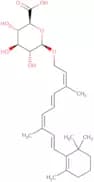
CAS:<p>E-Retinyl b-glucuronide is a metabolite of vitamin A that is formed in the liver by glucuronidation of retinol. It has been shown to have immunomodulatory effects and can be used to activate various immune cells, such as T lymphocytes, monocytes, and natural killer cells. E-Retinyl b-glucuronide binds to cell surface antigens and induces the expression of surface markers on mononuclear cells. In vitro studies have shown that this metabolite has growth-promoting activity for certain types of cancerous cells including colon carcinoma, breast carcinoma, and thyroid carcinoma. E-Retinyl b-glucuronide is also known to inhibit the binding of 13-cis retinoic acid to its receptor, thereby preventing the activation of genes in target tissues.</p>Formula:C26H38O7Purity:Min. 95%Molecular weight:462.58 g/mol2-Deoxy-D-glucose-6-phosphate sodium salt
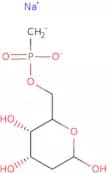
CAS:<p>Glucose 6-phosphatase substrate</p>Formula:C6H12NaO8PPurity:Min. 98 Area-%Color and Shape:White PowderMolecular weight:266.12 g/molD-Erythrono-1.4-lactone
<p>D-Erythrono-1.4-lactone is a carbohydrate that belongs to the group of oligosaccharides. It is a synthetic sugar with the CAS number 687-83-0. This carbohydrate is a monosaccharide with an oxygen atom in the alpha position, which has been fluorinated and methylated. The methylation on this sugar can be accomplished by either a glycosylation or click chemistry modification. This sugar can be used as an anti-tumor agent or as an adjuvant for chemotherapy treatments.</p>Purity:Min. 95%1,4-Anhydro-D-xylitol
CAS:<p>1,4-Anhydro-D-xylitol is a solid catalyst that is used for the synthesis of 1,4-anhydro-D-glucitol. The reaction follows a nucleophilic attack by sodium citrate on the oxygen atom at the anomeric position of D-xylose. 1,4-Anhydro-D-xylitol has been shown to be present in fruit extracts and it has been hypothesized that it may have biological activity as a growth factor or as a polylactic acid (PLA) or fatty acid film-forming polymer.</p>Formula:C5H10O4Purity:Min. 95%Color and Shape:PowderMolecular weight:134.13 g/molD-Arabitol
CAS:<p>D-Arabitol (or D-Arabinitol) is the reduced alcohol form of Arabinose. Arabitol is a commonly used food supplement, it is comparably sweet to sucrose but the oral flora cannot metabolize Arabitol, and hence protects from caries. Arabitol plays also an important role in energy controlled diets since it is absorbed slowly by the human digestive tract and has a low caloric content. The differential metabolism of the Arabitol D- and L-forms suggested its use in microbiological diagnostics (Bernard, E.M. et al. 1981) and became a routine urine laboratory test: L-Arabitol is metabolized by a variety of different bacteria and fungi utilizing an arabitol dehydrogenase enzyme. Therefore, it serves as a biomarker for, e.g., invasive candidiasis, since an infection results in an elevated urine D-Arabitol/L-Arabitol (DA/LA) ratio. Cymit Quimica offers both isomers in research grade: D-Arabitol (A-8270) and L-Arabitol (A-8280).</p>Formula:C5H12O5Purity:Min. 99.0 Area-%Molecular weight:152.15 g/molRef: 3D-A-8270
10gTo inquire1kgTo inquire250gTo inquire500gTo inquire2500gTo inquire-Unit-kgkgTo inquireOctyl 3,4,6-tri-O-benzoyl-a-D-mannopyranoside
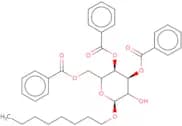
CAS:<p>Octyl 3,4,6-tri-O-benzoyl-a-D-mannopyranoside is a carbohydrate that has been custom synthesized. It has a molecular weight of 614.4 g/mol and the chemical formula C30H50O8. This compound is an oligosaccharide with a polysaccharide backbone. Octyl 3,4,6-tri-O-benzoyl-a-D-mannopyranoside is soluble in water and ethanol, but insoluble in hexane or ether. It has CAS No. 19308-45-3 and can be modified by methylation or glycosylation. The molecule contains three sugar residues that have been linked through glycosidic bonds to form a triose sugar (a sugar containing three carbon atoms). The molecule also contains an acetal group at the C1 position of the mannose moiety that can be fluorinated with b</p>Formula:C35H40O9Purity:Min. 95%Molecular weight:604.69 g/mol4-Methoxyphenyl 2-azido-4,6-O-benzylidene-2-deoxy-β-D-glucopyranoside
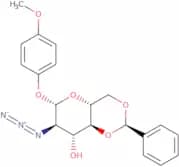
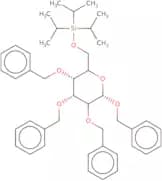
CAS:<p>The objective of this study is to investigate the efficacy of 4-methoxyphenyl 2-azido-4,6-O-benzylidene-2-deoxy-b-D-glucopyranoside (MPAB) as a vaccine adjuvant for the prevention of esophageal candidiasis. MPAB was shown to induce antigen specific immune responses in vitro and in vivo. In addition, MPAB enhanced the protective efficacy of Covid® 19 pandemic influenza vaccine against gastrointestinal infection by Candida albicans. The results from this study provide proof of concept that MPAB can be used as a vaccine adjuvant for the prevention of esophageal candidiasis.</p>Formula:C20H21N3O6Purity:Min. 95%Color and Shape:PowderMolecular weight:399.41 g/mol1,2,3,4-Tetra-O-benzyl-6-O-triisopropylsilyl-a-D-mannopyranose
<p>1,2,3,4-Tetra-O-benzyl-6-O-triisopropylsilyl-a-D-mannopyranose is a methylated saccharide. It has the CAS number of 43471-92-5 and is a synthetic modification of mannopyranose. This product can be modified with other functional groups to create customized synthesis for glycosylation and fluorination. It has high purity and is free from contaminants such as proteins, lipids, or carbohydrates.</p>Formula:C43H56O6SiPurity:Min. 95%Molecular weight:697.01 g/molL-Xylose
CAS:<p>L-Xylose is a monosaccharide that is found in many plants. It is used as a sweetener, and also has been shown to be beneficial in the treatment of diabetic neuropathy. L-Xylose can be metabolized by the enzyme xylitol dehydrogenase to produce energy for the cell. The enzyme catalyzes the conversion of xylitol to D-xylulose and then D-xylulose 1-phosphate, which can be converted into ATP for use by cells. L-Xylose is not metabolized by bacterial enzymes and does not affect blood sugar levels. L-Xylose has been shown to have an effect on taste perception, with a sweet taste at concentrations of 10 milligrams per liter (mg/L). This sweet taste is due to its hydroxymethyl group on the C2 position, which reacts with sodium ions in the mouth. The optimum pH for L-xylose</p>Formula:C5H10O5Purity:Min. 99.0 Area-%Molecular weight:150.13 g/mol1,2,3,4-Tetra-O-acetyl-6-deoxy-6,6,6-trifluoro-L-galactose
CAS:<p>fucosylation inhibitor</p>Formula:C14H17F3O9Molecular weight:386.28 g/molUDP-D-Fucose
<p>sugar nucleotide</p>Formula:C15H24N2O16P2Purity:Min. 95 Area-%Molecular weight:550.31 g/molButyl α-D-glucopyranoside
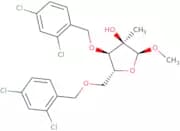
CAS:<p>Butyl a-D-glucopyranoside is an antimicrobial agent that inhibits the growth of photosynthetic organisms. It has been shown to have high cytotoxicity against Gram-positive bacteria, including Enterobacter and Bacillus. Butyl a-D-glucopyranoside also exhibits strong antimicrobial activity against Gram-negative bacteria such as Escherichia coli, Salmonella enterica, Klebsiella pneumoniae, and Pseudomonas aeruginosa. This compound also has potent activity against fungi and yeast. The mechanism of action is not known but may involve the inhibition of tyrosol synthesis or the disruption of microbial membranes.</p>Formula:C10H20O6Purity:Min. 95%Color and Shape:PowderMolecular weight:236.26 g/molMethyl 3,5-di-O-(2,4-dichlorobenzyl)-2-C-methyl-α-D-ribofuranoside
CAS:<p>Building block for the synthesis of 2'-âC-âmethyl substituted nucleosides</p>Formula:C21H22Cl4O5Purity:Min. 95%Color and Shape:Yellow PowderMolecular weight:496.21 g/molD-Apiose - Aqueous solution
CAS:<p>D-Apiose is a triterpenoid saponin that is isolated from the bark of the Quillaja saponaria tree. It has been shown to inhibit tumor growth and induce cell death in animal models. D-Apiose is also known to be an inhibitor of sugar transport, hydroxylation, and ribitol dehydrogenase, which are all important cellular processes. This compound induces cell lysis by binding to cellular organelles such as the mitochondria and endoplasmic reticulum. Cell lysis leads to the release of intracellular contents into the extracellular environment, which can have potent antitumor activity. The hydroxyl group on D-Apiose allows it to react with ribitol dehydrogenase, which catalyzes a reaction involving the conversion of ribitol into 2-deoxyribose 5-phosphate. The ultimate product of this reaction is galacturonic acid, which may have anti-</p>Formula:C5H10O5Purity:Min. 95%Color and Shape:Clear LiquidMolecular weight:150.13 g/molD-Xylose-1-phosphate triethylammonium
CAS:<p>D-Xylose-1-phosphate triethylammonium is a synthetic compound that is used as an intermediate in the synthesis of oligosaccharides and polysaccharides. It has been shown to be a substrate for glycosylation reactions, with the potential to form glycosidic bonds with a variety of monosaccharides and polysaccharides. This product can also be fluorinated or methylated, and can undergo click modification or other modifications to make it suitable for use in various applications. D-Xylose-1-phosphate triethylammonium is available in high purity and can be custom synthesized according to customer specifications.</p>Formula:C5H11O8PPurity:Min. 95%Color and Shape:PowderMolecular weight:230.11 g/mol5-O-tert-Butyldimethylsilyl-2,3-O-isopropylidene-D-ribofuranose
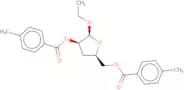
CAS:<p>5-O-tert-Butyldimethylsilyl-2,3-O-isopropylidene-D-ribofuranose is a stereoselective, unsubstituted aryl group. It is used in the synthesis of deodorants and antiperspirants. This compound has been shown to have an effect on perspiration by reducing the amount of sweat produced by the apocrine glands. The mechanism of action may be related to its ability to inhibit c1-c4 esters that are involved in the synthesis of odoriferous substances. 5-O-tert-Butyldimethylsilyl-2,3-O-isopropylidene-D-ribofuranose also inhibits bacterial growth by binding to DNA gyrase and topoisomerase IV, which are enzymes that maintain the integrity of bacterial DNA.</p>Formula:C14H28O5SiPurity:Min. 95%Color and Shape:White PowderMolecular weight:304.45 g/molEthyl 3-deoxy-2,5-di-O-toluoyl-L-threo-pentofuranoside
<p>Ethyl 3-deoxy-2,5-di-O-toluoyl-L-threo-pentofuranoside is a custom synthesis that can be modified to fluorinate and methylate the sugar. It is an oligosaccharide that is synthesized from a monosaccharide. The saccharide has been glycosylated to form a complex carbohydrate.</p>Formula:C23H26O6Purity:Min. 95%Molecular weight:398.45 g/molMagnesium L-lactate
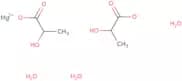
CAS:<p>Magnesium L-lactate is a form of magnesium that is found in the human body, and it is often used to treat women with depressive disorders. This drug works by reducing the synthesis of cholesterol and increasing the level of serotonin in the brain. Magnesium L-lactate is not readily absorbed by the body, so it has low bioavailability. It also has an adverse effect on heart rate and cardiac rhythm, so people who have these conditions should avoid using this drug. The particle size of this drug is high, which can lead to low bioavailability.</p>Formula:C6H10MgO6Purity:Min. 95%Molecular weight:202.45 g/molMethyl 2,3,4-tri-O-benzoyl-6-O-tert-butyldiphenylsilyl-a-D-galactopyranoside
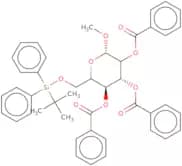
<p>Methyl 2,3,4-tri-O-benzoyl-6-O-tert-butyldiphenylsilyl-a-D-galactopyranoside is a custom synthesis of an oligosaccharide with a CAS number. It is an Oligosaccharide that is modified with Methylation and Glycosylation. The chemical modification of the saccharide moiety was achieved through Click chemistry using a triarylphosphine and methyl iodide followed by protection with tert butyl diphosphate. The chemical modification was done to the hydroxyl group at the C2 position on the glycosidic bond. This product has been fluorinated to give a high purity product.<br>Methyl 2,3,4-tri-O-benzoyl-6-O-(tert butyldiphenylsilyl)-a D galactopyranoside is</p>Formula:C44H44O9SiPurity:Min. 95%Molecular weight:744.92 g/mol(2R, 3R, 4S, 5R) -3, 4- Dihydroxy- 5- (hydroxymethyl) - N- methyl-2- pyrrolidinecarboxami de
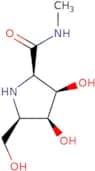
CAS:<p>(2R, 3R, 4S, 5R) -3, 4- Dihydroxy- 5- (hydroxymethyl) - N- methyl-2- pyrrolidinecarboxami de is an Methylation product of 2-pyrrolidinone. It is a white to off-white solid. This product has been modified with Click chemistry to create a glycosylation site at the C6 position. It is soluble in water and alcohols. The CAS number for this product is 1591783-03-7.</p>Purity:Min. 95%2,7-Anhydro-D-sedoheptulose-2,3,4,5,6,7-13C6
<p>2,7-Anhydro-D-sedoheptulose-2,3,4,5,6,7-13C6 is a custom synthesis of a complex carbohydrate. It is an oligosaccharide that is modified with methylation and glycosylation. This compound has been synthesized by Click modification and fluorination. 2,7-Anhydro-D-sedoheptulose-2,3,4,5,6,7-13C6 is water soluble and has a high purity. It is used as a research tool in the field of saccharides and carbohydrates.</p>Purity:Min. 95%