Monosaccharides
Subcategories of "Monosaccharides"
- Alloses(11 products)
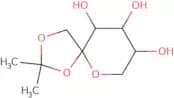
- Arabinoses(21 products)
- Erythroses(11 products)
- Fructoses(9 products)
- Fucoses(36 products)
- Galactosamine(41 products)
- Galactose(261 products)
- Glucoses(365 products)
- Glucuronic Acids(52 products)
- Glyco-substrates for Enzyme(78 products)
- Guloses(6 products)
- Idoses(4 products)
- Inositols(15 products)
- Lyxoses(4 products)
- Mannoses(65 products)
- O-Glycans(48 products)
- Psicoses(3 products)
- Rhamnoses(10 products)
- Riboses(61 products)
- Sialic Acids(100 products)
- Sorboses(4 products)
- Sugars(173 products)
- Tagatoses(4 products)
- Taloses(8 products)
- Xyloses(20 products)
Found 6088 products of "Monosaccharides"
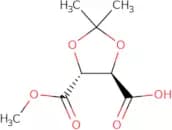
(4R,5R)-5-(Methoxycarbonyl)-2,2-dimethyl-1,3-dioxolane-4-carboxylic acid
CAS:(4R,5R)-5-(Methoxycarbonyl)-2,2-dimethyl-1,3-dioxolane-4-carboxylic acid is a synthetic monosaccharide that can be used in the synthesis of oligosaccharides and polysaccharides. This chemical is also known as Fluorination, Monosaccharide, Synthetic, Oligosaccharide, complex carbohydrate. It is a high purity product with CAS No. 67812-33-3 and Methylation sugar Carbohydrate Modification.Purity:Min. 95%O-(2-Azido-4,6-O-benzylidene-2-deoxy-a-D-galactopyranosyl)-N-[(9H-fluoren-9-ylmethoxy)carbonyl]-L-threonine tert-Butyl Ester
CAS:The compound is an O-linked glycosylation site-specifically modified oligosaccharide. The modification is a methylation of the hydroxyl group on the 2-position of the sugar moiety. The carbohydrate is a polysaccharide that has been fluorinated at one or more positions. It has CAS No. 195976-07-9 and was synthesized by glycosylation and methylation of L-threonine tert-butyl ester with D-galactopyranosyl chloride in presence of 4,6-O-(2,3,4,6-tetraisopropoxybenzoyl)-D-galactopyranosyl chloride (TIPB) and sodium hydrogen carbonate (NaHCO).Formula:C36H40N4O9Purity:Min. 95%Molecular weight:672.72 g/molD-Talose-1-13C
CAS:D-Talose-1-13C is a high purity, custom synthesis sugar that has been modified with fluorination and glycosylation. This product is a synthetic, methylated oligosaccharide with an average molecular weight of 635. It is a complex carbohydrate that contains 1 13C isotope and has the CAS number 70849-29-5.Formula:C6H12O6Purity:Min. 95%Molecular weight:181.15 g/mol1,2:5,6-Di-O-isopropylidene-3-O-p-toluenesulfonyl-a-D-gulofuranose
1,2:5,6-Di-O-isopropylidene-3-O-p-toluenesulfonyl-a-D-gulofuranose is a custom synthesis with a CAS number. It is a complex carbohydrate that has been modified with methylation and glycosylation. This product is also fluorinated and has been synthesized using the Click modification. The 1,2:5,6-Di-O-isopropylidene-3-O-p-toluenesulfonyl-a -D -gulofuranose is an Oligosaccharide that is highly pure and of high purity.Formula:C19H26O8SPurity:Min. 95%Molecular weight:414.47 g/molBenzyl b-D-arabinopyranoside
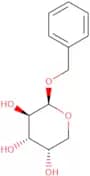
CAS:Benzyl b-D-arabinopyranoside is a custom synthesis that can be used in the modification of complex carbohydrates, oligosaccharides, and polysaccharides. This product is a synthetic carbohydrate that can be fluorinated for use as a pharmaceutical or biological agent. It has CAS number 5329-50-0, and can be glycosylated, methylated, or click modified for different applications.
Formula:C12H16O5Purity:Min. 95%Color and Shape:White To Off-White SolidMolecular weight:240.25 g/molEthyl 2,3,4,6-tetra-O-(4-methoxybenzyl)-b-D-thiogalactopyranoside
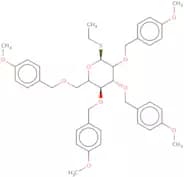
CAS:Ethyl 2,3,4,6-tetra-O-(4-methoxybenzyl)-b-D-thiogalactopyranoside is a complex carbohydrate with a molecular weight of 792. It is synthesized by the modification of natural galactose with ethyl bromoacetate and thioglycolic acid. This compound is used to modify saccharides, oligosaccharides, or sugar chains in glycosylation reactions.
Formula:C40H48O9SPurity:Min. 95%Molecular weight:704.87 g/mol1,6-Anhydro-2-azido-4-O-benzyl-2-deoxy-b-D-glucopyranose
CAS:1,6-Anhydro-2-azido-4-O-benzyl-2-deoxy-b-D-glucopyranose is a synthetic sugar that has been modified with a methyl group at the C6 position. This modification allows the sugar to be used in glycosylation reactions and as a site for Click modification. It is also an important building block for oligosaccharide synthesis. 1,6-Anhydro-2-azido-4-O-benzyl-2--deoxy--b--D--glucopyranose is available in high purity and can be custom synthesized to meet your needs. CAS No.: 55682 47 8
Formula:C13H15N3O4Purity:Min. 95%Color and Shape:PowderMolecular weight:277.28 g/molBenzyl 4-C-nitromethyl-b-D-arabinopyranoside
CAS:Benzyl 4-C-nitromethyl-b-D-arabinopyranoside is a synthetic glycosylation agent that is used in the synthesis of complex carbohydrates. It has been shown to react with methyl, fluorine, and saccharide groups. This product can be modified to include a wide range of saccharides, including monosaccharides, disaccharides, and polysaccharides. Benzyl 4-C-nitromethyl-b-D-arabinopyranoside is also available in custom synthesis and high purity.
Formula:C13H17NO7Purity:Min. 95%Molecular weight:299.28 g/mol3,5-O-Isopropylidene-L-arabinose
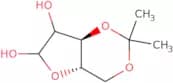
3,5-O-Isopropylidene-L-arabinose is used as a synthetic sugar that is often used in the production of glycoproteins. It is also a component of complex carbohydrates and polysaccharides. 3,5-O-Isopropylidene-L-arabinose may be modified with methylation or fluorination to create derivatives that are more reactive than the parent compound. This product is available in high purity and can be custom synthesized to meet your specifications.Purity:Min. 95%4-Methoxyphenyl 3-O-benzyl-β-D-glucopyranoside
CAS:4-Methoxyphenyl 3-O-benzyl-b-D-glucopyranoside is a plant extract that is used for its ability to inhibit the activity of phosphatases. It has been shown to activate extracellular phosphatase, an enzyme that plays a role in the regulation of the body's immune system and the activation of phagocytic cells. 4MPBG also inhibits the expression of inflammatory genes and therefore may be useful in treating HIV infection. This compound has also been shown to be effective against cancer by preventing cell proliferation and causing cell death. In addition, it has been shown to have anti-coagulation properties by inhibiting coagulation factor Xa, which prevents blood from clotting.Formula:C20H24O7Purity:Min. 95%Molecular weight:376.4 g/mol1,2,3,6-Tetra-O-acetyl-4-azido-4-deoxy-b-D-glucose
Tetra-O-acetyl-4-azido-4-deoxy-b-D-glucose is a modified carbohydrate with the chemical formula C8H14N2O6. It is a white crystalline solid that can be synthesized from methylated 1,2,3,6-tetra-O-acetyl b-D-glucopyranoside and sodium azide. Tetra-O-acetyl b-(1→4)-d-[(1→2)-a] D -glucopyranose is used as an intermediate in the synthesis of glycosides and polysaccharides. It is also used as a reagent for preparing oligosaccharides and glycoproteins by modification reactions.Purity:Min. 95%Asenapine N-b-D-glucuronide
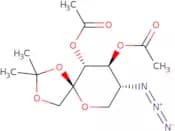
Asenapine N-b-D-glucuronide is a modification of asenapine, which is an antipsychotic drug. It is a complex carbohydrate that contains an oligosaccharide and a monosaccharide. The oligosaccharide has two methyl groups, one of which is located at the 6th position and the other at the 8th position. This modification also contains two glycosylation sites and one fluorination site.Formula:C23H24ClNO7Purity:Min. 95%Molecular weight:461.89 g/mol3,4-Di-O-acetyl-5-azido-5-deoxy-1,2-O-isopropylidene-b-D-fructose
CAS:3,4-Di-O-acetyl-5-azido-5-deoxy-1,2-O-isopropylidene--b-D--fructose is a custom synthesis of 5,6′,7′,8′,9′,10′,11′,12′diOacetylated bromo glycoside. It is a synthetic polysaccharide with a high degree of purity and a wide range of applications. The compound has been shown to have antihypertensive activities in vivo and in vitro. This product can be modified to suit the needs of customers.Formula:C13H19N3O7Purity:Min. 95%Molecular weight:329.31 g/mol2,6-Anhydro-3-deoxy-D-lyxo-hept-2-enononitrile
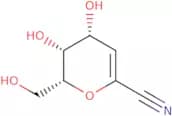
CAS:2,6-Anhydro-3-deoxy-D-lyxo-hept-2-enononitrile is a modified sugar that has been synthesized with Fluorination and saccharide. This compound is a custom synthesis of an oligosaccharide. It is also an Oligosaccharide Synthetic and is CAS No. 180336-27-0. This product has the molecular formula C8H12O5 and molecular weight of 228.24 g/mol. It has a purity of >99% (HPLC) and it is Custom synthesis, High purityFormula:C7H9NO4Purity:Min. 95%Molecular weight:171.15 g/mol2,3-Dideoxy-2-methylene-D-glycero-D-galacto-nononic acid gamma-lactone
CAS:Methyl 2,3-dideoxy-2-methylene-D-glycero-D-galacto-nononic acid gamma-lactone is a fluorinated derivative of 2,3-dideoxygalactonojirimycin. It is an analog of the natural product 2,3-dideoxygalactonojirimycin and has been shown to inhibit the synthesis of glycolipids in Mycobacterium tuberculosis. Methyl 2,3-dideoxy-2-methylene-D-glycero-D-galacto nononic acid gamma lactone was synthesized by modification of the galactonojirimycin core with methylation at C2 and C3 followed by fluorination at C1.Formula:C10H16O7Purity:Min. 95%Molecular weight:248.23 g/molUDP-6-amino-6-deoxy-D-glucose
CAS:UDP-6-Amino-6-deoxyglucose is a fluorinated monosaccharide that can be used as a glycosylation or polysaccharide modification reagent. It is also used to produce complex carbohydrates, such as glycosylated proteins and glycoconjugates. The synthesis of this product involves the use of Click chemistry, which allows for the selective attachment of any molecule with an amine group. This product has been shown to have high purity and is ideal for use in pharmaceuticals, agrochemicals, food additives, and other applications.
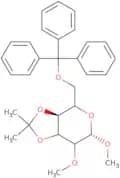
Purity:Min. 95%3,4-O-Isopropylidene-1,2-di-O-methyl-6-O-trityl-a-D-galactopyranoside
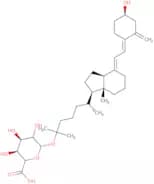
CAS:3,4-O-Isopropylidene-1,2-di-O-methyl-6-O-trityl-a-D-galactopyranoside is a modification of the oligosaccharide 3,4-O-isopropylidene -1,2,3,4,-tetra-,6-[(pentamethyleneglycol)trityl]a-,D-,galactopyranoside. It is synthesized by the methylation of the hydroxyl groups on 1 and 2 positions of the sugar of 3,4 O isopropylidene -1,2 di O methyl 6 O trityl a D galactopyranoside with methanol and methylamine in DMF. This product has high purity and can be used in glycosylation reactions to generate monosaccharides or polysaccharides. The CAS number for thisFormula:C30H34O6Purity:Min. 95%Molecular weight:490.6 g/mol5-Hydroxyvitamin D3 25-glucuronide
CAS:5-Hydroxyvitamin D3 25-glucuronide is a glycosylated form of vitamin D that is synthesized by the addition of glucose to the 5-hydroxy group in the side chain. The synthesis of this product requires an intermediate step, which is the methylation of 25-hydroxyvitamin D. It is a complex carbohydrate that can be found in both natural and synthetic forms. The product has been modified using Click chemistry, fluorination, and saccharide modification to increase its stability and solubility. This product also has a high purity level.Formula:C33H52O8Purity:Min. 95%Molecular weight:576.76 g/molN-[(e-Benzyloxycarbonylamino)caproyl]-b-L-fucopyranosylamine
CAS:N-[(e-Benzyloxycarbonylamino)caproyl]-b-L-fucopyranosylamine is a high purity, methylated, glycosylated, custom synthesized carbohydrate. It's a complex carbohydrate with an oligosaccharide structure. This product can be used for research purposes.Formula:C20H30N2O7Purity:Min. 95%Molecular weight:410.46 g/molD-Glucitol monostearate
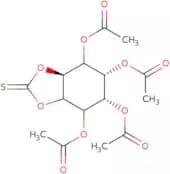
CAS:D-Glucitol monostearate is a synthetic oligosaccharide that has been modified with fluorination, methylation, and click chemistry. It is the product of a custom synthesis and can be used as a sugar substitute or as a food additive. D-Glucitol monostearate is an off-white powder that can be used in pharmaceuticals or as food additives. It has been shown to have antiviral activity against Hepatitis C virus (HCV) and HIV replication.Formula:C24H48O7Purity:Min. 95%Molecular weight:448.63 g/mol3,4,5,6-Tetra-O-acetyl-myo-inositol-1,2-thiocarbonate
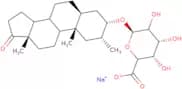
CAS:3,4,5,6-Tetra-O-acetyl-myo-inositol-1,2-thiocarbonate is a carbohydrate that has been modified with fluorination and methylation. This compound can be used in the synthesis of oligosaccharides, monosaccharides, and glycosylations. 3,4,5,6-Tetra-O-acetyl-myo-inositol is synthesized by reacting myo-inositol with carbon disulfide and sodium hydroxide to form the intermediate methyl ester followed by hydrolysis to produce the final product. The purity of 3,4,5,6-Tetra-O-acetyl-myo-inositol is greater than 98%.Formula:C15H18O10SPurity:Min. 95%Molecular weight:390.36 g/mol2-a-Methyl-5-a-androstan-3-a-ol-17-one glucuronide
2-A-Methyl-5-a-androstan-3-a-ol-17-one glucuronide is a high purity, custom synthesis, synthetic glycosylation product. It is a carbohydrate (saccharide) that is modified by fluorination, methylation and glycosylation. The CAS number for this carbohydrate is 535745-06-4. This product has the following properties: Oligosaccharide, sugar, complex carbohydrate.
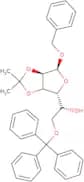
Formula:C26H39O8·NaPurity:Min. 95%Molecular weight:502.57 g/molBenzyl 2,3-O-isopropylidene-6-O-trityl-a-D-mannofuranose
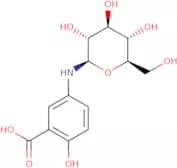
CAS:Benzyl 2,3-O-isopropylidene-6-O-trityl-a-D-mannofuranose is a synthetic carbohydrate that is a modification of mannose. It has been fluorinated at the 6 position and reacted with benzyl alcohol to give the 2,3-O-isopropylidene derivative. This product is intended for use in glycosylation reactions and can be used as a sugar donor in Click chemistry.Formula:C35H36O6Purity:Min. 95%Molecular weight:552.66 g/molN-D-Glucopyranosyl-5-aminosalicylic acid
CAS:5-Aminosalicylic acid (5-ASA) is an anti-inflammatory drug that belongs to the class of drugs called nonsteroidal anti-inflammatory drugs (NSAIDs). 5-ASA is an acidic compound that is a metabolite of salicylic acid. It is used in the treatment of rheumatoid arthritis, osteoarthritis, and other inflammatory diseases. The preparation of 5-ASA involves homogenizing liver tissue and then extracting it with water. This extract can be chromatographed using preparative high performance liquid chromatography (HPLC) or spectroscopically analyzed by mass spectrometry. 5-ASA has been shown to have hepatoprotective effects in rats when given at a dose of 400 mg/kg body weight by intraperitoneal injection.
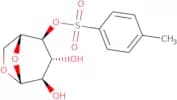
Formula:C13H17NO8Purity:Min. 95%Molecular weight:315.28 g/mol1,6-Anhydro-4-O-p-toluenesufonyl-b-D-glucopyranose
CAS:This modified sugar can be used in the synthesis of oligosaccharides and polysaccharides. It can also be used as a custom synthesis to introduce fluorine atoms into saccharides. This modification is useful for obtaining specific glycosylation products, such as those that are methylated or click-modified.Formula:C13H16O7SPurity:Min. 95%Molecular weight:316.33 g/molN-Acetyl-D-galactopyranosylthiosemicarbazide
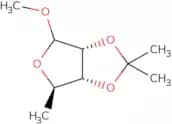
N-Acetyl-D-galactopyranosylthiosemicarbazide is a glycosylation reagent that is used in the synthesis of saccharides, oligosaccharides, and polysaccharides. N-Acetyl-D-galactopyranosylthiosemicarbazide is synthesized by reacting acetamidoacetonitrile with D-galactose and sodium thiosulfate. The reaction product can be easily purified by crystallization or recrystallization. N-Acetyl-D-galactopyranosylthiosemicarbazide has been shown to be a high purity compound, as it does not contain any residual solvents or impurities. The CAS number for this compound is 58437-66-7.Purity:Min. 95%Methyl 5-deoxy-2,3-O-isopropylidene-D-ribofuranoside
CAS:Methyl 5-deoxy-2,3-O-isopropylidene-D-ribofuranoside is a methylated sugar that is used in the synthesis of complex carbohydrates. This product can be custom synthesized to meet your requirements. The CAS number for Methyl 5-deoxy-2,3-O-isopropylidene-D-ribofuranoside is 78341-97-6.Formula:C9H16O4Purity:Min. 95%Molecular weight:188.22 g/molQuinovic acid 3-O-a-L-rhamnopyranoside
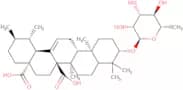
CAS:Quinovic acid 3-O-a-L-rhamnopyranoside is a saponin that belongs to the group of steroid alkaloids and glycosides. It has been used in traditional Chinese medicine for the treatment of menopausal symptoms. The chemical structure of quinovic acid 3-O-a-L-rhamnopyranoside has been identified as fukinolic acid, which is an active chemical constituent. Pharmacological studies have shown that this saponin has antiinflammatory and antidiabetic activities, and inhibits the enzymes related to hormone synthesis.Purity:Min. 95%(2-Pirydyl) 2,3,4,6-tetra-O-acetyl-1-deoxy-b-D-galacto-1-C-pyranoside
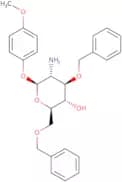
2-Pirydyl 2,3,4,6-tetra-O-acetyl-1-deoxy-b-D-galacto-1Cpyranoside is a custom synthesis of a high purity glycosylation. This compound is an oligosaccharide that contains a sugar and a polysaccharide. The sugar is a monosaccharide while the polysaccharide is made up of many saccharides. The modification on this compound is methylation. This product has been assigned CAS No.: 362889-00-0.Purity:Min. 95%Molecular weight:409.39 g/mol4-Methoxyphenyl 2-amino-3,6-di-O-benzyl-2-deoxy-b-D-glucopyranoside
CAS:4-Methoxyphenyl 2-amino-3,6-di-O-benzyl-2-deoxy-b-D-glucopyranoside (4MOP) is a drug that has been shown to be effective against colitis caused by viruses. 4MOP binds to single stranded DNA, which prevents the virus from replicating. 4MOP also inhibits the activity of papilloma viruses, such as human papilloma virus and typhimurium.Formula:C27H31NO6Purity:Min. 95%Molecular weight:465.54 g/molMethyl 2-O-allyl-3,4-di-O-benzyl-a-D-mannopyranoside
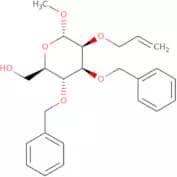
CAS:Methyl 2-O-allyl-3,4-di-O-benzyl-a-D-mannopyranoside is an organic compound that belongs to the group of Modification. It is a modified oligosaccharide with a molecular weight of 690.3 g/mol. The modification is an Oligosaccharide, Carbohydrate, complex carbohydrate, Custom synthesis, Synthetic. CAS No. 210297-56-6, High purity, Monosaccharide, Methylation, Glycosylation and Polysaccharide. This molecule has a monosaccharide with the chemical formula C5H11NO5 and a molecular weight of 131.2 g/mol. The fluorination and saccharides are Fluorination and saccharides respectively.Formula:C24H30O6Purity:Min. 95%Molecular weight:414.49 g/molEthyl 2-O-benzoyl-3,6-di-O-benzyl-4-O-Fmoc-b-D-thioglucopyranoside
CAS:The compound is a glycosylation, oligosaccharide and sugar. It is a synthetic, fluorinated compound that can be custom synthesized to meet your needs. The compound is methylated, monosaccharide, polysaccharide and saccharide. It has been modified with click chemistry and it has high purity. CAS No. 1416144-50-7Purity:Min. 95%Methyl 2,3,4,6-tetra-O-benzyl-b-D-galactopyranoside
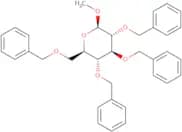
CAS:Methyl 2,3,4,6-tetra-O-benzyl-b-D-galactopyranoside is a modification of the sugar galactose. It is a complex carbohydrate and an oligosaccharide that is synthesized from monosaccharides by glycosylation or polysaccharide synthesis. This product has been custom synthesized and can be modified to your specifications. It has high purity and is synthetic. Methyl 2,3,4,6-tetra-O-benzyl-b-D-galactopyranoside is used in various applications such as pharmaceuticals, agrochemicals, cosmetics and food additives.Purity:Min. 95%Methyl a-L-idopyranosiduronic acid 2-sulfate sodium salt
Methyl a-L-idopyranosiduronic acid 2-sulfate sodium salt is a custom synthesis that is an oligosaccharide. It is a complex carbohydrate with Oligosaccharide CAS No. and it has been modified by saccharide, Methylation, and Glycosylation. This product has high purity and is fluorinated. This product is synthetic and can be used for click modification.Formula:C7H10O10Na2SPurity:Min. 95%Molecular weight:332.19 g/molNistose trihydrate
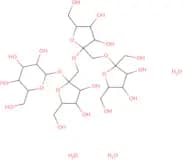
CAS:Nistose trihydrate is a polysaccharide that is found in the cell walls of plants, including inulin and d-biotin. It has been shown that nistose trihydrate can be used as an additive to mammalian cells to improve enzymatic reactions. In addition, nistose trihydrate can be used as a food additive to reduce cholesterol levels and modulate blood sugar levels. Nistose trihydrate also has antimicrobial activity against staphylococcus, which are gram-positive bacteria.
Formula:C24H42O21•3H2OPurity:Min. 95%Molecular weight:720.6 g/mol2-(Acetylthio)ethyl 2,3,4,6-tetra-O-acetyl-b-D-glucopyranoside
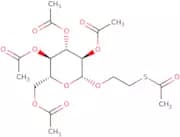
CAS:2-(Acetylthio)ethyl 2,3,4,6-tetra-O-acetyl-b-D-glucopyranoside is an organic compound that belongs to the group of glycosylation. It is a synthetic sugar that can be used in the production of oligosaccharides and polysaccharides. This product has been modified with fluorination, methylation, acetylation and click chemistry. The CAS number for this product is 34044-34-3.Formula:C18H26O11SPurity:Min. 95%Molecular weight:450.46 g/mol6-Deoxy-6-fluoro-1,2-O-isopropylidene-a-D-glucofuranose
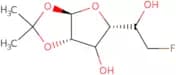
CAS:6-Deoxy-6-fluoro-1,2-O-isopropylidene-a-D-glucofuranose is an oligosaccharide with a molecular weight of 692.3 Da. It is synthesized by the reaction of 1,2:5,6:8,9-hexahydroxydecane and 2,5,6:8,9-hexahydroxyoctane in dichloromethane. This product can be methylated at the hydroxyl group at C1 or glycosylated at the hydroxyl group at C2 to produce 6-(methyloxy)-6-(glycosyloxy)-1,2-O-isopropylidene-a-Dglucofuranose or 6-(methyloxy)-6-(glycosyloxy) -a -Dglucofuranose. The desired product can be purified using column chromatography onFormula:C9H15FO5Purity:Min. 95%Molecular weight:222.21 g/molL-Ribose
CAS:L-Ribose is a monosaccharide that is a constituent of ribonucleic acid, deoxyribonucleic acid and other compounds. It can be found in small quantities in most living organisms. L-Ribose has been modified to include fluorine atoms at the C2 position. The addition of fluorine atoms increases the stability of the molecule and its resistance to hydrolysis by esterases. L-Ribose has also been modified with methyl groups at the C3 position and glycosylation at the C4 position. This modification preserves the biological activity of L-Ribose and increases its water solubility. L-Ribose is used as a building block for custom synthesis, such as peptides or oligosaccharides.>>END>>
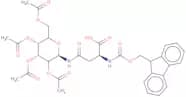
Formula:C5H10O5Molecular weight:150.13 g/mol2N-Fmoc-4N-(2,3,4,6-tetra-O-acetyl-b-D-glucopyranosyl)-L-aparagine
CAS:2N-Fmoc-4N-(2,3,4,6-tetra-O-acetyl-b-D-glucopyranosyl)-L-aparagine is a modified carbohydrate that is used as a starting material for the synthesis of oligosaccharides and polysaccharides. It is synthesized by reacting 2N-Fmoc-L-serine with 4N-(2,3,4,6-tetraO-(acetyl)-bDglucopyranosyl)-Laparagine. The OAc group provides protection for the amino functions and can be removed in the presence of acid to yield an unprotected L(+)-serine. This product has high purity and can be purchased in various custom synthesis quantities.Formula:C33H36N2O14Purity:Min. 95%Molecular weight:684.66 g/molMethyl b-D-glucopyranoside hemihydrate
CAS:Methyl b-D-glucopyranoside hemihydrate is a white crystalline solid that is soluble in water. It is a synthetic product, which can be custom synthesized and modified to suit the needs of customers. Methyl b-D-glucopyranoside hemihydrate is used for the synthesis of glycosidic substances and as a raw material for saccharide derivatives. This compound has been shown to have high purity, and is often used in the production of oligosaccharides and monosaccharides.Formula:C7H14O6H2OPurity:Min. 95%Color and Shape:White to off-white solid.Molecular weight:203.19 g/molα-Fructoselysine dihydrochloride
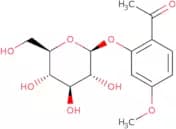
CAS:α-Fructoselysine dihydrochloride is a custom synthesis of a complex carbohydrate with an Oligosaccharide and Polysaccharide. It has been modified by Methylation and Glycosylation. α-Fructoselysine dihydrochloride has a CAS number of 96192-34-6, which is used for Click modification. This product is pure and high in purity, as well as being Fluorinated and Synthetic.Formula:C12H24N2O7·2(HCl)Purity:Min. 95%Molecular weight:308.33 g/mol2-Acetyl-5-methoxyphenyl beta-D-Glucopyranoside
CAS:2-Acetyl-5-methoxyphenyl beta-D-glucopyranoside is a flavonoid that belongs to the group of dihydroquercetin. It can be prepared by liquid chromatography. 2-Acetyl-5-methoxyphenyl beta-D-glucopyranoside inhibits tumor cells in vitro and in vivo, through the inhibition of protein synthesis and DNA replication. In addition, it has been shown to inhibit the growth of leptadenia species with a high degree of selectivity. It also exhibits an antitumor effect on mouse sarcoma 180 cells, as well as on human melanoma cells. This compound binds to macroporous adsorbents such as sephadex and tricusposide, which are used for purification purposes.Formula:C15H20O8Purity:Min. 95%Molecular weight:328.31 g/mol1,2-O-Isopropylidene-3-O-benzyl-5-deoxy-5-C-(2-pyridyl)-D-xylofuranose
1,2-O-Isopropylidene-3-O-benzyl-5-deoxy-5-C-(2-pyridyl)-D-xylofuranose is a fluorinated sugar. This compound has been synthesized by modifying the glycosylation site of N4,N4'-diisopropylidene-1,2,3,5,5'-pentaacetamido-[1,6]hexanedioic acid methyl ester to 1,2-O-isopropylidene. The structure of this compound consists of a C(2) pyridine moiety and an O(1) protonated methyl group on the terminal carbon atom.Purity:Min. 95%Molecular weight:341.37 g/molMethyl 2-O-allyl-4,6-O-benzylidene-a-D-mannopyranoside
CAS:Methyl 2-O-allyl-4,6-O-benzylidene-a-D-mannopyranoside is a complex carbohydrate that has been synthesized from mannose and allyl bromide. This compound is a monosaccharide with a linear structure that contains an allyl group at C2 and a benzylidene group at C4. Methyl 2-O-allyl-4,6-O-benzylidene-a-D-mannopyranoside has been modified by fluorination and saccharification. It can be used in the synthesis of oligosaccharides or as a custom synthesis for monosaccharides. Methyl 2-O-allyl-4,6-O--benzylidene--a--D--mannopyranoside is available in high purity and is made to order.Formula:C17H22O6Purity:Min. 95%Molecular weight:322.35 g/molDecyl a- D- glucopyranoside
CAS:Decyl a- D- glucopyranoside is a synthetic, custom-synthesized carbohydrate and sugar that is used in the synthesis of oligosaccharides. This compound is also used in the synthesis of saccharides and glycosylations. Decyl a- D- glucopyranoside has high purity and can be modified with fluorination, methylation, or glycosylation to produce desired products.Formula:C16H32O6Purity:Min. 95%Molecular weight:320.42 g/mol1,2, 4,6-Tetra-O-acetyl-3-O-carbamoyl- D-mannopyranose
CAS:1,2,4,6-Tetra-O-acetyl-3-O-carbamoyl-D-mannopyranose is a synthetic sugar that belongs to the class of glycosides. It can be used in the synthesis of oligosaccharides and polysaccharides. This product is custom synthesized on request and can be modified with fluorination, methylation or click modification. It is available in high purity and has a CAS number of 99748-11-5.
Formula:C15H21NO11Purity:Min. 95%Molecular weight:391.33 g/mol5,6,7-Trideoxy-1,2-O-isopropylidene-a-D-xylo-hept-6-enofuranose
CAS:5,6,7-Trideoxy-1,2-O-isopropylidene-a-D-xylohept-6enofuranose is a natural homologue of guanine. It is an analog that has been shown to be a mitogen activated protein (MAP) kinase activator in the presence of pyridine. This compound also activates guanosine triphosphatase and has repolarizing effects on cardiac muscle cells. 5,6,7-Trideoxy-1,2-O-isopropylidenea-[D]-xylohept-[6]enofuranose binds to the catalytic site of guanosine triphosphatase and causes a conformational change that results in increased enzyme activity. 5,6,7-Trideoxy-[1]2--isopropylidene--[A]-D--xylohept-[6Formula:C10H16O4Purity:Min. 95%Molecular weight:200.23 g/mol2-Azidoethyl β-lactopyranoside
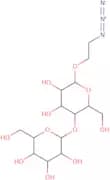
CAS:2-Azidoethyl β-lactopyranoside is a modification of a carbohydrate that can be used for the synthesis of oligosaccharides, glycoconjugates and polysaccharides. The 2-azidoethyl group can be used to introduce fluorine atoms into complex carbohydrates, which can improve their physical properties. It can also be used as a protecting group for glycosylation reactions in the synthesis of saccharides. This product has been shown to have high purity, monosaccharide content, and methylated sugar moieties. It is also readily available in large quantities due to its custom synthesis. 2-Azidoethyl β-lactopyranoside has been shown to have high purity and monosaccharide content, making it an ideal product for use in glycosylation reactions in the synthesis of saccharides.Formula:C14H25N3O11Purity:Min. 95%Molecular weight:411.36 g/mol2-Acetamido-1,3,4-tri-O-acetyl-6-azido-2,6-dideoxy-D-galactopyranose
CAS:Please enquire for more information about 2-Acetamido-1,3,4-tri-O-acetyl-6-azido-2,6-dideoxy-D-galactopyranose including the price, delivery time and more detailed product information at the technical inquiry form on this pageFormula:C14H20N4O8Purity:Min. 95%Molecular weight:372.33 g/mol1-O-Acetyl-2,3,5-tri-O-benzoyl-D-ribofuranose
CAS:1-O-Acetyl-2,3,5-tri-O-benzoyl-D-ribofuranose is a kinetic inhibitor that binds to the active site of L1210 leukemia cells. It inhibits the growth of these cells by reacting with chloride ions and causing cross-coupling reactions. This leads to the production of 2,3,5 triacetylated benzoyl ribofuranoside and 2 aminoadenosine. The latter molecule has significant antitumor effects on human macrophages and Leishmania donovani. 1-O-Acetyl-2,3,5-tri-O-benzoyl-D-ribofuranose also has significant antitumor effects on guanosine and xanthosine in human tumor cells.Formula:C28H24O9Purity:Min. 95%Color and Shape:White PowderMolecular weight:504.48 g/mol4-O-Acetyl-3,6-di-O-triisopropylsilyl-D-galactal
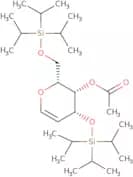
CAS:4-O-Acetyl-3,6-di-O-triisopropylsilyl-D-galactal is a modified sugar that can be used as a chiral building block in the synthesis of complex carbohydrates. This product is available for custom synthesis.Purity:Min. 95%Sodium L-rhamnonate
CAS:Sodium L-rhamnonate is an organic compound that is a monosaccharide with the molecular formula CHONa. It can be synthesized from D-ribose, which is a pentose sugar, and rhamnose, which is a hexose sugar. Sodium L-rhamnonate has been used in click chemistry to modify oligosaccharides and glycosylate proteins. This compound also has applications in pharmaceuticals and as a food additive.Formula:C6H11NaO6Purity:Min. 95%Molecular weight:202.14 g/mol1,2-O-Isopropylidene-5-O-p-toluenesulfonyl-a-D-xylofuranose
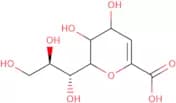
CAS:1,2-O-Isopropylidene-5-O-p-toluenesulfonyl-a-D-xylofuranose is a carbohydrate that belongs to the group of oligosaccharides. It is a synthetic saccharide that can be used in the production of various glycosylated and methylated compounds. This compound can be custom synthesized to order, with high purity and low price. The synthesis of 1,2-O-Isopropylidene-5-O-p-toluenesulfonyl-a-D -xylofuranose is accomplished through a click modification reaction between 1,2:5,6:7,8:9,10:11:12:13:14:15:16:17-(1H,6H)-heptaoxacyclooctadecane and pyridine.Formula:C15H20O7SPurity:Min. 95%Molecular weight:344.39 g/mol2,6-Anhydro-3-deoxy-D-glycero-D-galacto-non-2-enoic-acid
CAS:2,6-Anhydro-3-deoxy-D-glycero-D-galacto-non-2-enoic acid is a carbohydrate that has been used to study the effect of immunocompromised patients on invasive aspergillosis. It has been shown to be an efficient substrate for sialidases and homologous sialidases. This carbohydrate has also been shown to have a reactive bond cleavage in the presence of catalytic enzymes, such as sialidases and glycosyltransferases. The kinetic data suggest that this carbohydrate is more accessible than other carbohydrates. The conformational change may be due to a barrier that is overcome by the catalytic enzyme.Formula:C9H14O8Purity:Min. 95%Color and Shape:White Off-White PowderMolecular weight:250.21 g/molMethyl 3,6-dideoxychloroacetamido-a-D-mannopyranoside
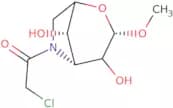
CAS:Methyl 3,6-dideoxychloroacetamido-a-D-mannopyranoside is a complex carbohydrate that has been modified by fluorination and methylation. It is an important building block in the synthesis of oligosaccharides and polysaccharides. This product is also used in click chemistry, where it can be reacted with a variety of thiols to form new linkages. Methyl 3,6-dideoxychloroacetamido-a-D-mannopyranoside can also be used to modify saccharides or sugars by click chemistry. This compound is highly pure and custom synthesized to customer specifications.Formula:C9H14ClNO5Purity:Min. 95%Molecular weight:251.66 g/molMethyl (4'-O-hexanoyldaidzein-7-yl-b-D-2'',3'',4''-tri-O-acetylglucopyranosid)urinate
CAS:Methyl (4'-O-hexanoyldaidzein-7-yl-b-D-2'',3'',4''-tri-O-acetylglucopyranosid)urinate is a synthetic glycosylate that has a number of sugar moieties attached to its uronic acid group. It can be used for the preparation of oligosaccharides, sugar derivatives, and fluorinated saccharides. This product is available in high purity and can be custom synthesized.Formula:C34H36O14Purity:Min. 95%Molecular weight:668.64 g/molMethyl 3-acetamido-4,6-O-benzylidene-2,3-dideoxy-a-D-ribo-hexopyranoside
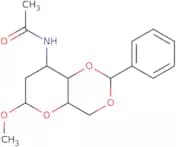
CAS:Methyl 3-acetamido-4,6-O-benzylidene-2,3-dideoxy-a-D-ribohexopyranoside is an organic compound. It is a fluorescent glycosylation reagent used in the synthesis of oligosaccharides and polysaccharides. The modification of this product can be customized to suit your needs. This product is available in high purity and with a CAS No. 23819-31-0.Formula:C16H21NO5Purity:Min. 95%Molecular weight:307.35 g/molPropyl 2-acetamido-3,4,6-tri-O-acetyl-2-deoxy-b-D-glucopyranoside
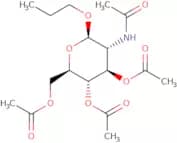
CAS:Propyl 2-acetamido-3,4,6-tri-O-acetyl-2-deoxy-b-D-glucopyranoside is a synthetic glycosylamine that has been fluorinated at the C2 position and modified with a methyl group. It is used in the synthesis of complex carbohydrates for use as antigens or vaccines. This product can be custom synthesized to order and is available in high purity form.Formula:C17H27NO9Purity:Min. 95%Molecular weight:389.4 g/molNaloxone 3-β-D-glucuronide
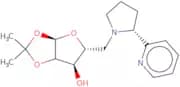
CAS:Controlled ProductPlease enquire for more information about Naloxone 3-β-D-glucuronide including the price, delivery time and more detailed product information at the technical inquiry form on this pageFormula:C25H29NO10Purity:Min. 95%Molecular weight:503.51 g/mol5-(R-2-Pyridin-3-yl-pyrrolidine)-1-yl-5-deoxy-1,2-isopropylidene-a-D-xylofuranose
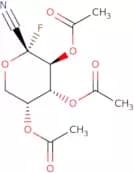
CAS:5-(R-2-Pyridin-3-yl-pyrrolidine)-1-yl-5-deoxy-1,2 isopropylidene a D xylofuranose is a Glycosylation with the formula C8H11NO4. It has been custom synthesized for use in the Click modification. The purity is high, with 98% of the product being pure. This product is available for custom synthesis and modification to meet your requirements.Formula:C17H24N2O4Purity:Min. 95%Molecular weight:320.39 g/mol2,3,4-Tri-O-acetyl-1-deoxy-1-fluoro-b-D-arabinopyranosyl cyanide
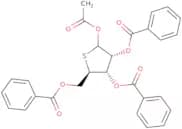
CAS:2,3,4-Tri-O-acetyl-1-deoxy-1-fluoro-b-D-arabinopyranosyl cyanide is a high purity synthetic sugar that is custom synthesized to order. It has CAS No. 215942-92-0 and can be used for Click modification, fluorination, glycosylation, methylation and modification of oligosaccharides and monosaccharides. This compound has many uses in the synthesis of complex carbohydrates such as saccharides and oligosaccharides.Formula:C12H14FNO7Purity:Min. 95%Molecular weight:303.24 g/mol1-O-Acetyl-2,3,5-tri-O-benzoyl-4-thio-b-D-ribofuranose
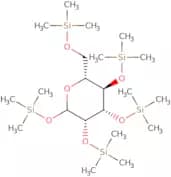
CAS:1-O-Acetyl-2,3,5-tri-O-benzoyl-4-thio-b-D-ribofuranose is a carbohydrate that has been modified with acetylation and benzoylation. This chemical has not been reported in the literature and is available for custom synthesis to order. 1-O-Acetyl-2,3,5-tri-O-benzoyl -4--thio--b--D--ribofuranose is a white solid that can be used as a monosaccharide or glycosylation building block for the synthesis of oligosaccharides, polysaccharides, or other saccharide derivatives. It also has high purity and is available for fluorination.Formula:C28H24O8SPurity:Min. 95%Molecular weight:520.55 g/mol1,2,3,4,6-Penta-O-trimethylsilyl-D-mannopyranose
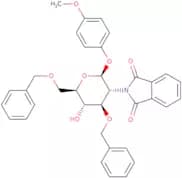
CAS:1,2,3,4,6-Penta-O-trimethylsilyl-D-mannopyranose is a methylated pentasaccharide with a fluorinated hydroxyl group at the C2 position. It is used in the synthesis of polysaccharides and oligosaccharides. 1,2,3,4,6-Penta-O-trimethylsilyl-D-mannopyranose can be modified to produce new polysaccharides or oligosaccharides with desired properties. This product is also suitable for use in high purity applications due to its high purity and low background fluorescence.Formula:C21H52O6Si5Purity:Min. 95%Molecular weight:541.06 g/mol4-Methoxyphenyl 3,6-Di-O-benzyl-2-deoxy-2-phthalimido-b-D-glucopyranoside
CAS:4-Methoxyphenyl 3,6-Di-O-benzyl-2-deoxy-2-phthalimido-b-D-glucopyranoside is a glycopeptide with sucrase activity. It has been shown to prevent the growth of cancer cells in vitro and in vivo by inhibiting the production of insulin and other hormones. The anti-tumor effect was also observed in virus infected cells, where it inhibited the replication of papilloma virus. 4MPBG was found to inhibit the multiplication of human immunodeficiency virus (HIV) in vitro by binding to HIV RNA and blocking its synthesis.Formula:C35H33NO8Purity:Min. 95%Molecular weight:595.64 g/mol2-Decyltetradecyl-D-xylopyranoside
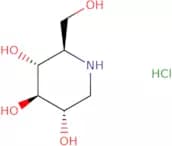
CAS:2-Decyltetradecyl-D-xylopyranoside is a synthetic, fluorinated carbohydrate that has been modified to contain a reactive methylene group. This compound can be used as a reactant in Click chemistry, which is an easy and convenient method for modifying the structure of polysaccharides. 2-Decyltetradecyl-D-xylopyranoside may be used for the synthesis of oligosaccharides or carbohydrates. This compound is soluble in water and organic solvents such as methanol and ethanol. It has a CAS number of 446264-02-4.Formula:C29H58O5Purity:Min. 95%Color and Shape:Colourless solid.Molecular weight:486.77 g/mol1-Deoxy-L-altronojirimycin hydrochloride
CAS:L-altronojirimycin is a diterpene glycoside that belongs to the group of natural products that have inhibitory properties against lipid peroxidation. It has been shown to decrease the concentration of 1,2-dipalmitoylglycerophosphocholine (DPPC) in primary cells and reduce the rate of lipid peroxidation in a concentration-dependent manner. L-altronojirimycin inhibits the activity of enzymes such as acetylcholinesterase and phospholipase A2, which are involved in inflammation. This drug has also been shown to have cardioprotective effects and inhibit mutations in cardiac muscle cells. L-altronojirimycin has been tested for its long-term efficacy and shown to be effective against both bowel disease and cardiac effects.
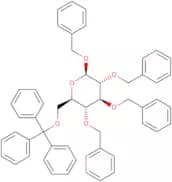
Formula:C6H13NO4•HClPurity:Min. 95%Color and Shape:PowderMolecular weight:199.63 g/mol1,2,3,4-Tetra-O-benzyl-6-O-trityl-b-D-glucopyranose
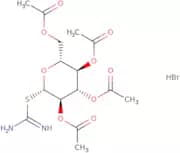
CAS:1,2,3,4-Tetra-O-benzyl-6-O-trityl-b-D-glucopyranose is a fluorinated monosaccharide. It is synthesized by the reaction of 1,2,3,4 tetra-O-benzyl bromoacetone with sodium cyanoborohydride in sodium hydroxide solution. 1,2,3,4 Tetra-O-benzyl 6O trityl glucopyranose has been used as a glycosylation and polysaccharide modification agent for the synthesis of complex carbohydrates. This compound has also been shown to be an effective methylation agent for sugars.Formula:C53H50O6Purity:Min. 95%Molecular weight:782.96 g/mol2-(2,3,4,6-Tetra-O-acetyl-b-D-glucopyranosyl)thiopseudourea hydrobromide
CAS:2-(2,3,4,6-Tetra-O-acetyl-b-D-glucopyranosyl)thiopseudourea hydrobromide is a glycosylated sugar molecule that is used in the preparation of custom polysaccharides. This compound is synthesized by the reaction of thiopseudourea with 2,3,4,6-tetraacetyl bromoacetone. 2-(2,3,4,6-Tetra-O-acetyl-b-D-glucopyranosyl)thiopseudourea hydrobromide can be modified with fluorine or methyl groups to create complex carbohydrate derivatives for use in research and drug development.Formula:C15H23BrN2O9SPurity:Min. 95%Molecular weight:487.32 g/mol1,2,3,4,6-Penta-O-acetyl-1-thio-beta-D-galactopyranose
CAS:1,2,3,4,6-Penta-O-acetyl-1-thio-beta-D-galactopyranose is a nucleoside that is a derivative of glucopyranose. It is an aprotic molecule and can be used as an aprotic solvent. 1,2,3,4,6-Penta-O-acetyl-1-thio-beta-D-galactopyranose has been shown to inhibit viral growth in vitro by interfering with the synthesis of DNA and RNA. The compound inhibits the growth of herpes simplex virus type 1 (HSV) and vaccinia virus (VACV) but not influenza A virus (IAV). This drug also has antiplasmodial activity against the erythrocytic stages of Plasmodium falciparum.Formula:C16H22O10SPurity:Min. 95%Molecular weight:406.41 g/molNeocarrahexadecaose-41,3,5,7,9,11,13,15-octa-O-sulfate sodium salt
CAS:Neocarrahexadecaose-41,3,5,7,9,11,13,15-octa-O-sulfate sodium salt is a carbohydrate that belongs to the group of modified saccharides. It is synthesized by modifying a sugar with fluorine and methylation. Neocarrahexadecaose-41,3,5,7,9,11,13,15-octa-O-sulfate sodium salt is an oligosaccharide with a high purity and custom synthesis. It is a synthetic compound that has been modified in order to create methylated and glycosylated sugars as well as a click modification. This carbohydrate has not yet been tested for toxicity or side effects in humans.
Formula:C96H138Na8O97S8Purity:Min. 95%Molecular weight:3,284.51 g/mol1,2,3,4-Tetra-O-benzyl-L-rhamnopyranoside
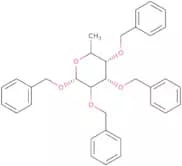
CAS:Tetra-O-benzyl-L-rhamnopyranoside is a modification of L-rhamnopyranoside, an oligosaccharide with the formula CHO. It is a complex carbohydrate that can be synthesized from monosaccharides and polysaccharides. Tetra-O-benzyl-L-rhamnopyranoside is a high purity, custom synthesis, and synthetic product. The product is soluble in water and has a sweet taste. Tetra-O-benzyl-L-rhamnopyranoside is used in the synthesis of saccharides, glycosylation, methylation, fluorination, and click chemistry reactions.Formula:C34H36O5Purity:Min. 95%Molecular weight:524.65 g/mol4-O-Acetyl-2,5-anhydro-1,3-O-isopropylidene-6-[bis(2-cyanoethyl)phosphoryl]-D-glucitol
CAS:4-O-Acetyl-2,5-anhydro-1,3-O-isopropylidene-6-[bis(2-cyanoethyl)phosphoryl]-D-glucitol is a synthetic carbohydrate that can be used as a pharmaceutical intermediate. 4-O-Acetyl-2,5-anhydro-1,3,-O isopropylidene 6-[bis(2 cyanoethyl)phosphoryl]-D glucitol is a sugar that has been fluorinated and methylated. It is an oligosaccharide sugar with glycosylation and click modification.Formula:C17H25N2O9PPurity:Min. 95%Molecular weight:432.36 g/mol1,2,3,5-Tetra-O-acetyl-b-L-xylofuranose
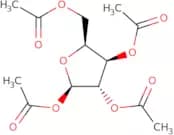
CAS:1,2,3,5-Tetra-O-acetyl-b-L-xylofuranose is a carbohydrate. It is the only tetra-acetoxylated monosaccharide that has been reported to date. The synthesis of 1,2,3,5-tetra-O-acetyl-b-L-xylofuranose was achieved by modifying the glycosylation of bromoacetaldehyde with 1,2,3,5 triacetoxy xylan. This product has high purity and custom synthesis capabilities. It is also available as a methyl ether and can be modified using Click chemistry to incorporate different functional groups at specific positions on the molecule.Formula:C13H18O9Purity:Min. 95%Molecular weight:318.3 g/mol3-O-Methyl-1,2-O-(1-methylethylidene)-a-D-ribofuranose
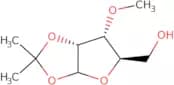
CAS:3-O-Methyl-1,2-O-(1-methylethylidene)-a-D-ribofuranose is an Oligosaccharide that is a custom synthesis. This product is manufactured by the Glycosylation and Fluorination of 3-O-methyl 1,2,-O-(1-methylethylidene) a D ribofuranose. The product is then methylated and monosaccharide and polysaccharides are synthesized. Click modification of the molecule can be performed to produce a complex carbohydrate. The product has high purity and can be modified for specific purposes.Purity:Min. 95%2,3-O-Carbonyl-4,6-O-isopropylidene-a-D-mannopyranoside
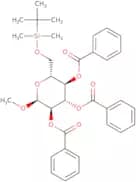
CAS:2,3-O-Carbonyl-4,6-O-isopropylidene-a-D-mannopyranoside is a custom synthesis of a monosaccharide with a fluorinated methyl group. It is an oligosaccharide with a saccharide that contains an oxygen atom and two carbon atoms. This carbohydrate is polysaccharide which has glycosylation. 2,3-O-Carbonyl-4,6-O-isopropylidene-a-D-mannopyranoside is also known as CAS No. 669730 - 3,6'-diacetoxyacetoneFormula:C10H14O7Purity:Min. 95%Molecular weight:246.21 g/molMethyl 2,3,4-tri-O-benzoyl-6-O-tert-butyldimethylsilyl-a-D-glucopyranoside
CAS:Methyl 2,3,4-tri-O-benzoyl-6-O-tert-butyldimethylsilyl-a-D-glucopyranoside is a custom synthesis of a complex carbohydrate. It is an Oligosaccharide and Polysaccharide that has been modified with methylation and glycosylation. The CAS number for this chemical is 128142-70-1 and it has a purity of >99%. This chemical also has fluorination and click modification. Methyl 2,3,4-tri-O-benzoyl-6-O-tert-butyldimethylsilyl--a--D--glucopyranoside can be used in the production of polymers and plastics.Formula:C34H40O9SiPurity:Min. 95%Molecular weight:620.78 g/molEthyl 4,6-O-benzylidene-D-thiomannopyranoside
CAS:Ethyl 4,6-O-benzylidene-D-thiomannopyranoside is a synthetic monosaccharide with the molecular formula C 10 H 12 O 8 and a molecular weight of 340.24 g/mol. It is a white crystalline solid that is soluble in many organic solvents. Ethyl 4,6-O-benzylidene-D-thiomannopyranoside has the potential to be used as a building block for the synthesis of oligosaccharides and polysaccharides. This building block can be modified with fluorination, methylation, or click modification to produce other derivatives.Formula:C15H20O5SPurity:Min. 95%Color and Shape:PowderMolecular weight:312.38 g/molPhenyl 2,3-di-O-benzyl-4,6-O-benzylidene-b-D-thioglucopyranoside
CAS:Phenyl 2,3-di-O-benzyl-4,6-O-benzylidene-b-D-thioglucopyranoside is an oligosaccharide that can be used to modify carbohydrate polymers. It is synthesized from the reaction of phenyl 2,3-di-O-benzylglycosides with boron trifluoride etherate and dithioglycolate in acetic acid. This material has a purity of >98% and can be used as a sugar modification agent for glycoproteins.
Formula:C33H32O5SPurity:Min. 95%Molecular weight:540.67 g/molKifunensine diacetonide
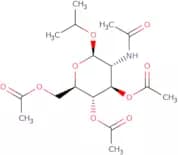
CAS:Kifunensine diacetonide is a modification of the natural oligosaccharide kifunensine. It is a complex carbohydrate with a high degree of purity, and is synthesized from a monosaccharide methylated and glycosylated with an oxygen-containing group. Kifunensine diacetonide has been shown to have anti-inflammatory effects in mice, which may be due to its ability to inhibit the production of prostaglandins. The molecular weight ranges from 500 to 1000 Daltons.Formula:C14H20N2O6Purity:Min. 95%Color and Shape:PowderMolecular weight:312.32 g/molIsopropyl 2-acetamido-3,4,6-tri-O-acetyl-2-deoxy-b-D-glucopyranoside
CAS:Isopropyl 2-acetamido-3,4,6-tri-O-acetyl-2-deoxy-b-D-glucopyranoside (IATA) is a synthetic analog of retinoic acid (RA), a natural metabolite of vitamin A. IATA has been shown to be effective in the treatment of acute lung cancer. It activates TLR4 and inhibits TNF production in human monocytes. IATA also has antiinflammatory properties and can be used as a diagnostic agent for inflammatory diseases. This molecule can be used to diagnose the presence of various cancers, including prostate cancer, breast cancer, colon cancer, pancreatic cancer, lung cancer and leukemia.Formula:C17H27NO9Purity:Min. 95%Molecular weight:389.4 g/mol5-O-(t-Butyldiphenylsilyl)-1,2-O-isopropylidene-a-D-xylofuranose
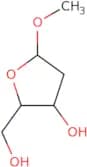
CAS:5-O-(t-Butyldiphenylsilyl)-1,2-O-isopropylidene-a-D-xylofuranose is a modification of the sugar xylofuranose. This compound is synthesized from 1,2-O-isopropylidene erythrose using tetrabutyldiphenylsilyl chloride and triethylamine. It is a white solid that can be used as a monosaccharide or polysaccharide in glycosylation reactions. 5-O-(t-Butyldiphenylsilyl)-1,2-O-isopropylidene -a D -xylofuranose has been found to have high purity and can be used for methylation and fluorination reactions.Formula:C24H32O5SiPurity:Min. 95%Molecular weight:428.59 g/molMethyl 2-deoxy-L-threo-pentofuranoside
CAS:Methyl 2-deoxy-L-threo-pentofuranoside is a custom synthesis that has been fluorinated, methylated, and modified with a click modification. It is an oligosaccharide with a saccharide structure and a carbohydrate modification. Methyl 2-deoxy-L-threo-pentofuranoside contains the CAS number 302349-32-2. The molecular weight of this compound is 522.2 g/mol. The molecular formula is C14H26O12F3N3O8S2. This product can be used in the production of glycosylation reactions to create complex carbohydrates with high levels of purity and yield.Formula:C6H12O4Purity:Min. 95%Molecular weight:148.16 g/mola-L-Fucose-1-phosphate
a-L-Fucose-1-phosphate is a Glycosylation, complex carbohydrate, Methylation, Click modification, Polysaccharide, Fluorination, saccharide, Modification, sugar, Oligosaccharide and Synthetic product. a-L-Fucose-1-phosphate is available for custom synthesis and can be ordered with high purity.
Purity:Min. 95%1,2-o-Isopropylidene-β-D-fructopyranose
CAS:1,2-O-Isopropylidene-β-D-fructopyranose is a synthetic monosaccharide. It is a fluorinated derivative of fructopyranose. This product is a modification of the alpha anomeric form of β-D-fructopyranose. It has been used as a substrate for various types of glycosylation reactions, such as methylation and click modification.Formula:C9H16O6Purity:Min. 95%Molecular weight:220.22 g/mol1,3,4,6-Tetra-O-acetyl-2-amino-2-deoxy-D-galactopyranose HCl
CAS:1,3,4,6-Tetra-O-acetyl-2-amino-2-deoxy-D-galactopyranose HCl is a synthetic compound that is used as a reagent for the synthesis of oligosaccharides and polysaccharides. Its fluoroquinolone modification makes it useful in the synthesis of complex carbohydrate structures. 1,3,4,6-Tetra-O-acetyl-2-amino-2-deoxy -D -galactopyranose HCl is an intermediate in the preparation of 1,3,4,6 tetra acetamido 2 amino 2 deoxy D galactopyranose HCL. It has high purity and can be custom synthesized to meet your needs.Formula:C14H21NO9·HClPurity:Min. 95%Color and Shape:SolidMolecular weight:383.78 g/mol2,3,5-Tri-O-benzoyl-2-C-methyl-D-ribofuranose
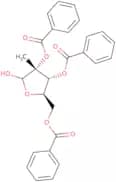
CAS:2,3,5-Tri-O-benzoyl-2-C-methyl-D-ribofuranose is a custom synthesis of a complex carbohydrate. This product is an Oligosaccharide with CAS No. 30361-17-2 and Polysaccharide with Modification and Methylation. It is a saccharide with Methylation and Glycosylation. 2,3,5-Tri-O-benzoyl-2-C-methyl-D-ribofuranose is a Carbohydrate with Click modification and Fluorination. This product has High purity and Synthetic properties.
Formula:C27H24O8Purity:Min. 95%Molecular weight:476.47 g/mol1-Chloro-1-deoxy-scyllo-inositol
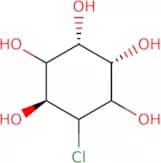
1-Chloro-1-deoxy-scyllo-inositol is a molecule that can be transported by the transporter symporter. It has been shown to interact with hydrophobic interactions, and this interaction is stereospecific. This molecule is also a ligand which interacts with other molecules through hydrophobic interactions. Furthermore, it has been shown in microscopy studies to have a transporters morphology.Formula:C6H11ClO5Purity:Min. 95%Molecular weight:198.6 g/molD-Gluconic acid calcium salt monohydrate
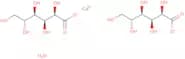
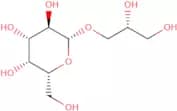
CAS:D-Gluconic acid calcium salt monohydrate (DGC) is a metabolite of the digestion of glucose. It is a calcium salt that is usually formed in the gut due to the neutralization of acids by sodium bicarbonate. DGC has been shown to be effective for treatment of bowel diseases such as ulcerative colitis, but has not been tested for other conditions. DGC has been shown to have antioxidant properties, which may be responsible for its therapeutic effects in treating bowel disease. The structural analysis of DGC show that it can form stable complexes with many drugs and therefore may interfere with their absorption and distribution into tissue cells. It also can increase the risk of drug interactions because it inhibits P-glycoprotein, an efflux pump protein that pumps drugs out of cells. DGC also may cause metabolic disorders due to its ability to inhibit enzymes involved in glycolysis and gluconeogenesis, including pyruvate kinase, phosphofructokinFormula:C12H22CaO14·H2OPurity:Min. 95%Molecular weight:448.39 g/mol1-O-(2R)-Glycerol-b-D-galactopyranoside
CAS:1-O-(2R)-Glycerol-b-D-galactopyranoside is a biochemical that is produced by the hydrolysis of glycerol. It is found in fatty acid esterification and degradation processes, as well as in the synthesis of glycerin. It is also present in the skin tumor of cryptococcus neoformans. 1-O-(2R)-Glycerol-b-D-galactopyranoside may be used to diagnose or monitor diseases that affect the metabolism of lipids and carbohydrates, such as diabetes mellitus, obesity, or cardiovascular disease. This compound is also used in plant physiology to measure constant rates of photosynthesis.Formula:C9H18O8Purity:Min. 95%Color and Shape:Off-White PowderMolecular weight:254.23 g/molMethyl 2-deoxy-3,5-bis-O-(3,5-dichlorophenyl)-2E-(fluoromethylene)-a-D-erythro-pentofuranoside
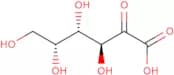
CAS:Methyl 2-deoxy-3,5-bis-O-(3,5-dichlorophenyl)-2E-(fluoromethylene)-a-D-erythro-pentofuranoside is a high purity custom synthetic sugar with a molecular weight of 638.08 g/mol. It has been modified by Methylation and Click chemistry to give it the desired properties. This sugar is used in Glycosylation and Polysaccharide synthesis as an intermediate. It is also used in the synthesis of oligosaccharides and monosaccharides.Formula:C19H15Cl4FO4Purity:Min. 95%Molecular weight:468.13 g/mol2-Keto-D-galactonic acid
CAS:2-Keto-D-galactonic acid is a chemical compound that is used as an intermediate in the synthesis of antibiotics. It has been found to inhibit the growth of bacteria, such as Erwinia carotovora and Escherichia coli. The 2-keto-d-galactonic acid can be crystallized in two forms: an amorphous form or a crystalline form.Purity:Min. 95%2-Amino-1-methyl-6-phenylimidazo[4,5-b]pyridine N-b-D-glucuronide
CAS:2-Amino-1-methyl-6-phenylimidazo[4,5-b]pyridine N-b-D-glucuronide is a synthetic glycosylate that contains an aminomethyl group at the C2 position. It is used as a precursor to generate saccharides bearing the 1,5-anhydro sugar moiety. 2-Amino-1-methyl-6-phenylimidazo[4,5-b]pyridine N-b-D-glucuronide has been shown to react with glucose and other sugars in vivo to form oligosaccharides and polysaccharides respectively. This modified sugar can be used for click chemistry reactions such as labeling proteins, detecting protein modifications, or studying protein interactions. 2AMPI has been shown to have high purity (>99%) and is available for custom synthesis. CAS No.: 133084 - 70 - 5Formula:C19H20N4O6Purity:Min. 95%Molecular weight:400.39 g/molN-(Dithiocarboxy)-N-methyl-D-glucamine sodium salt
CAS:N-(Dithiocarboxy)-N-methyl-D-glucamine sodium salt is a carbohydrate that can be synthesized by the reaction of D-glucamine with 2,4,6-trichlorobenzene dicarboxylic acid. This product is often used as a modifying agent for saccharides and oligosaccharides. N-(Dithiocarboxy)-N-methyl-D-glucamine sodium salt has CAS No. 91840-27-6 and the molecular formula C12H14Cl3NO5S2Na. The molecular weight is 503.95 g/mol.Formula:C8H16NO5S2NaPurity:Min. 95 Area-%Color and Shape:PowderMolecular weight:293.34 g/molMethyl-3,5-O-isopropylidine-D-xylofuranose
CAS:Methyl-3,5-O-isopropylidine-D-xylofuranose is an oligosaccharide that is synthesized in the laboratory. It is a complex carbohydrate with many glycosylation and polysaccharide chains. This compound can be used in the synthesis of various other compounds and has been shown to have high purity. Methyl-3,5-O-isopropylidine-D-xylofuranose has CAS No. 112245-59-7 and fluorination properties.Formula:C9H16O5Purity:Min. 95%Molecular weight:204.22 g/mol[(1S,2S)-2-((3S,5S)-5-Amino-3,4,6-trihydroxy-tetrahydro-pyran-2-yl)-1,2-dihydroxy-ethyl]-phosphonic acid (compound D)
[(1S,2S)-2-((3S,5S)-5-Amino-3,4,6-trihydroxy-tetrahydro-pyran-2-yl)-1,2-dihydroxy-ethyl]phosphonic acid (compound D) is a methylated phosphonic acid that has a sugar group at the C5 position. It is an oligosaccharide that contains a saccharide or carbohydrate moiety attached to the phosphate group of the molecule. This complex carbohydrate is synthesized from a monosaccharide and sugar. The synthesis process involves fluorination and modification of the sugar group.Purity:Min. 95%Color and Shape:SolidD-Galactose diethyldithioacetal
CAS:D-Galactose diethyldithioacetal is a phenylhydrazone that has an affinity for the C-3 position of sugars. It is synthesised from D-galactose and diethyldithiocarbonyl chloride, with a borohydride reduction to give the hydroxyl group. The hydroxyl group reacts with methyl glycosides or carbohydrates to produce 3-substituted glycosides or 3-substituted carbohydrate. D-Galactose diethyldithioacetal also inhibits glycosidase enzymes, which are enzymes that break down sugars, and thus prevents the digestion of sugars. The chemical structure of D-galactose diethyldithioacetal was determined by magnetic resonance spectroscopy. The product was found to be L-fucitol (a sweetener) after desulfurization using hydrogen gas for removal of sulfur compounds.
Formula:C10H22O5S2Purity:Min. 95%Molecular weight:286.41 g/molEthyl 2,3,4-tri-O-benzyl-L-fucopyranoside
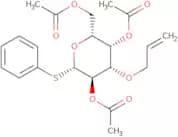
Ethyl 2,3,4-tri-O-benzyl-L-fucopyranoside is a polysaccharide that is modified by the addition of benzyl groups to the hydroxyl group at C2. This modification increases the resistance of this compound to degradation by glycosidases and also prevents any undesired reactions with other saccharides. Ethyl 2,3,4-tri-O-benzyl-L-fucopyranoside is a custom synthesis that can be made in high purity and with high carbohydrate content. The CAS number for this compound is 61721–76–8.Formula:C29H34O5Purity:Min. 95%Molecular weight:462.58 g/molPhenyl 2,4,6-Tri-O-acetyl-3-O-allyl-b-D-thiogalactopyranoside
CAS:Phenyl 2,4,6-Tri-O-acetyl-3-O-allyl-b-D-thiogalactopyranoside is a custom synthesis that can be modified to suit your needs. This product is a complex carbohydrate that is used in glycosylation reactions as an Oligosaccharide. It is fluorinated at the hydroxyl group of the sugar and methylated at the C5 position of the sugar. The CAS number for this product is 1820572-28-8.Formula:C21H26O8SPurity:Min. 95%Molecular weight:438.49 g/mol2,4,7,8,9-Penta-O-acetyl-N-acetylneuraminic acid methyl ester
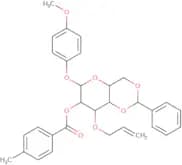
CAS:2,4,7,8,9-Penta-O-acetyl-N-acetylneuraminic acid methyl ester (2,4,7,8,9-PNT) is a fluorescent analogue of sialic acid. It is a sensor for the presence of glycopyranoses and its derivative 2-(3'-hydroxyphenyl)-2H-benzotriazole (HPBT) has been used to detect carboxylic groups in proteins. 2,4,7,8,9-PNT has also been used as an affinity label for lysine residues on proteins and to study protein interactions with carbohydrates. The high yield in this synthesis allows for the use of techniques such as crystallography or fluorescence.Formula:C22H31NO14Purity:Min. 95%Color and Shape:PowderMolecular weight:533.48 g/mol4-Methoxyphenyl 3-O-allyl-4,6-O-benzylidene-2-O-(4-methylbenzoyl)-b-D-galactopyranoside
4-Methoxyphenyl 3-O-allyl-4,6-O-benzylidene-2-O-(4-methylbenzoyl)-b-D-galactopyranoside is a custom synthesis of saccharide, CAS No. 90423-62-9. This compound has been modified by fluorination and methylation. It has also been shown to be useful for click modification, oligosaccharides, saccharides, and polysaccharides.Formula:C31H32O8Purity:Min. 95%Molecular weight:532.58 g/mol

![O-(2-Azido-4,6-O-benzylidene-2-deoxy-a-D-galactopyranosyl)-N-[(9H-fluoren-9-ylmethoxy)carbonyl]-L-…](/_next/image/?url=https%3A%2Fstatic.cymitquimica.com%2Fproducts%2F3D%2Fthumb-webp%2FMA60609.webp&w=3840&q=75)






![N-[(e-Benzyloxycarbonylamino)caproyl]-b-L-fucopyranosylamine](/_next/image/?url=https%3A%2Fstatic.cymitquimica.com%2Fproducts%2F3D%2Fthumb-webp%2FMB04503.webp&w=3840&q=75)












![4-O-Acetyl-2,5-anhydro-1,3-O-isopropylidene-6-[bis(2-cyanoethyl)phosphoryl]-D-glucitol](/_next/image/?url=https%3A%2Fstatic.cymitquimica.com%2Fproducts%2F3D%2Fthumb-webp%2FMA05705.webp&w=3840&q=75)





![2-Amino-1-methyl-6-phenylimidazo[4,5-b]pyridine N-b-D-glucuronide](/_next/image/?url=https%3A%2Fstatic.cymitquimica.com%2Fproducts%2F3D%2Fthumb-webp%2FMA16593.webp&w=3840&q=75)

![[(1S,2S)-2-((3S,5S)-5-Amino-3,4,6-trihydroxy-tetrahydro-pyran-2-yl)-1,2-dihydroxy-ethyl]-phosphoni…](/_next/image/?url=https%3A%2Fstatic.cymitquimica.com%2Fproducts%2F3D%2Fthumb-webp%2FMA28843.webp&w=3840&q=75)