Monosaccharides
Subcategories of "Monosaccharides"
- Alloses(11 products)
- Arabinoses(21 products)
- Erythroses(11 products)
- Fructoses(9 products)
- Fucoses(36 products)
- Galactosamine(41 products)
- Galactose(261 products)
- Glucoses(365 products)
- Glucuronic Acids(52 products)
- Glyco-substrates for Enzyme(78 products)
- Guloses(6 products)
- Idoses(4 products)
- Inositols(15 products)
- Lyxoses(4 products)
- Mannoses(65 products)
- O-Glycans(48 products)
- Psicoses(3 products)
- Rhamnoses(10 products)
- Riboses(61 products)
- Sialic Acids(100 products)
- Sorboses(4 products)
- Sugars(173 products)
- Tagatoses(4 products)
- Taloses(8 products)
- Xyloses(20 products)
Found 6088 products of "Monosaccharides"
1,6:3,4-Bis-[O-(2,3-dimethoxybutane-2,3-diyl)]-2-O-trifluoromethanesulphonyl-5-O-benzolyl-myo-inositol
CAS:1,6:3,4-Bis-[O-(2,3-dimethoxybutane-2,3-diyl)]-2-O-trifluoromethanesulphonyl-5-O-benzolyl-myo-inositol is a Glycosylation product with CAS No. 1068089-34-8. It is a synthetic oligosaccharide that contains an Oligosaccharide sugar and a Polysaccharide saccharide. The product has been Fluorinated and Custom synthesized for Methylation. Click modification has been performed on the complex carbohydrate to produce the desired Modification in High purity.
Formula:C26H35F3O13SPurity:Min. 95%Molecular weight:644.61 g/molRef: 3D-MB16636
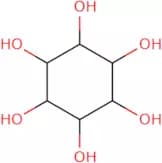
Discontinued productMyo-inositol-d6
CAS:Myo-inositol-d6 is a stable isotope of myo-inositol. It is used to monitor the biosynthesis of myo-inositol in yeast cells. Myo-inositol is a carbohydrate that has regulatory functions in yeast cells. Myo-inositol-d6 can be used as an extracellular bioassay for determining the uptake and intracellular distribution of myo-inositol in mammalian cells.
Formula:C6H12O6Purity:Min. 95%Color and Shape:PowderMolecular weight:186.19 g/molRef: 3D-TCA92244
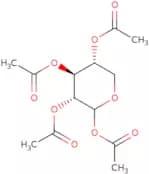
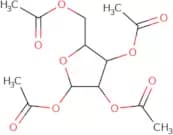
Discontinued product1,2,3,4-Tetra-O-acetyl-D-xylopyranose
CAS:1,2,3,4-Tetra-O-acetyl-D-xylopyranose is a molecule that is derived from D-xylose. It has been shown to inhibit the growth of fungi such as T. rubrum and L. candidum by acetylation of l-threonine at the C2 position. This molecule can be recycled and its inhibitory activity can be increased through acetylation of the hydroxymethyl group on the C4 position. The mechanism of inhibition is not known but it may be due to steric hindrance or peracylation.
Formula:C13H18O9Purity:Min. 95%Molecular weight:318.28 g/molRef: 3D-MT04869
Discontinued producto-Topolin-9-glucoside
CAS:O-topolin-9-glucoside is a custom synthesis of a sugar. It can be modified with fluorination, methylation, and click modification. O-topolin-9-glucoside is an oligosaccharide sugar that can be glycosylated or polysaccharided.
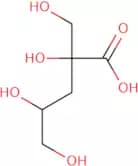
Formula:C18H21N5O6Purity:Min. 95%Molecular weight:403.39 g/molD-Arabino-5-hexulosonic acid
CAS:D-Arabino-5-hexulosonic acid is an intermediate in the pentose phosphate pathway. It is a component of the hexuronate, which is an important precursor for galactitol, 6-phosphate, and acid dehydrogenase. D-Arabino-5-hexulosonic acid is also an important intermediate in the glycolytic pathway for ATP production. The gene product has been shown to be involved in aerobic glycolysis, which is utilized by Staphylococcus aureus to produce energy from glucose fermentation. D-Arabino-5-hexulosonic acid plays a role in ion exchange and mitochondrial metabolism as well.
Formula:C6H10O7Purity:Min. 95%Molecular weight:194.14 g/mol3-Pyridinylmethylbeta-D-glucopyranoside
CAS:3-Pyridinylmethylbeta-D-glucopyranoside is a sugar that can be custom synthesized. It is a white to off-white crystalline powder with an odorless taste and is soluble in water. 3-Pyridinylmethylbeta-D-glucopyranoside is used in the synthesis of glycosides, saccharides, oligosaccharides, and monosaccharides. This compound can also be modified with fluorination or methylation reactions. The use of this product has been shown to produce high purity compounds for use in pharmaceuticals, agrochemicals, and other chemical industries.
Formula:C12H17NO6Purity:Min. 95%Molecular weight:271.27 g/molRef: 3D-FP152934
Discontinued productD-Allose-1,2,3,4,5,6-13C6
CAS:D-Allose is a sugar that is modified with a fluorine atom at position 6. This modification can be used to trace the origin of D-allose in complex carbohydrates such as glycogen and glycosylated proteins. The addition of a 13C6 atom allows for the identification of this sugar through mass spectrometry and nuclear magnetic resonance (NMR) analysis.
Formula:C6H12O6Purity:Min. 95%Color and Shape:White PowderMolecular weight:186.06 g/molMethyl 1-(5-fluoro-1H-2-oxopyrimidin-4-yl)-b-D-glucopyranuronate
CAS:Methyl 1-(5-fluoro-1H-2-oxopyrimidin-4-yl)-b-D-glucopyranuronate is an anticancer drug that inhibits β-glucuronidase. Methyl 1-(5-fluoro-1H-2-oxopyrimidin-4-yl)-b-D-glucopyranuronate is a colorless solid that has been recrystallized, purified, and analyzed for its chloride content. The function of this compound has been tested in vitro using tissue cultures and animal models. The reaction vessel used for the test was an acetonitrile solution with a pH between 7 and 8. The methylester form of methyl 1-(5-fluoro-1H--2--oxopyrimidin 4--yl)-b--D--glucopyranuronate reacts with sulphite to produce a green product with a colorimetric method
Formula:C11H13FN2O8Purity:Min. 95%Molecular weight:320.23 g/mol1-Deoxy-L-ribose
CAS:1-Deoxy-L-ribose is a metabolite of acetone. It is a monosaccharide that contains one less oxygen atom than its parent compound. 1-Deoxy-L-ribose is found in the urine and blood of humans and animals. In animals, it can be synthesized from glucose by the enzyme ribose 1-phosphate reductase. This reaction requires an energy source such as ATP or NADH to reduce ribose 1,5-bisphosphate to 1,4-dihydroxyacetone phosphate, which then undergoes spontaneous dehydration to form 1-deoxy-D-ribose.
Formula:C5H10O4Purity:Min. 95%Molecular weight:134.13 g/mol2,3,4,6-Tetra-O-benzoyl-b-D-glucopyranosyl isothiocyanate
CAS:2,3,4,6-Tetra-O-benzoyl-b-D-glucopyranosyl isothiocyanate (TBG) is a fluorescent compound that has been shown to inhibit the activity of proteinase and other enzymes. TBG is also an inhibitor of human blood glucose levels. This compound is not chiral, but it can be used as a reagent for the production of chiral compounds. TBG binds to DNA with high affinity and specificity. It has been shown to act as a growth factor for some cancer cells by inhibiting the expression of p21 protein.
Formula:C35H27NO9SPurity:Min. 95%Molecular weight:637.66 g/molRef: 3D-MT05028
Discontinued product1,3,4,6-Tetra-O-acetyl-N-(4-methoxybenzylidene)-b-D-glucosamine
CAS:1,3,4,6-Tetra-O-acetyl-N-(4-methoxybenzylidene)-b-D-glucosamine is a high purity custom synthesis sugar that has been fluorinated and glycosylated. It is synthesized from the methylation of 4-(1,3,4,6-tetra-O-acetyl)-N-(4-hydroxybenzylidene)-b-D-glucosamine and can be used for the modification of saccharides or oligosaccharides. This compound has CAS No. 7597-81-1 and is known as a carbohydrate.
Formula:C22H27NO10Purity:Min. 95%Molecular weight:465.45 g/molRef: 3D-MT08177
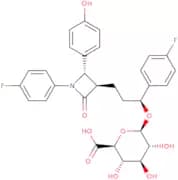
Discontinued productEzetimibe hydroxy-b-D-glucuronide
CAS:Ezetimibe hydroxy-b-D-glucuronide is an oligosaccharide that can be synthesized from the modified sugar, L-glucuronic acid. It has a molecular weight of 536 and is soluble in water and methanol. This compound has been used in the synthesis of glycosides, saccharides, and polysaccharides. The chemical name for this compound is 1-(2-hydroxyethyl)-3-(((4'-carboxybenzyl)oxy)carbonyl)-2,6-diazaoctane glucuronide. Ezetimibe hydroxy-b-D-glucuronide has been shown to increase the absorption of cholesterol and decrease low density lipoprotein (LDL) levels in the blood by inhibiting intestinal cholesterol absorption.
Formula:C30H29F2NO9Purity:Min. 95%Molecular weight:585.55 g/molRef: 3D-ME09937
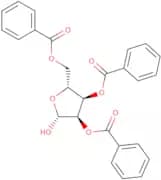
Discontinued product2,3,5-Tri-O-benzoyl-b-D-ribofuranose
CAS:2,3,5-Tri-O-benzoyl-b-D-ribofuranose is a custom synthesis of an oligosaccharide. It has been modified with fluorination and methylation. This is a synthetic carbohydrate that belongs to the class of saccharides. It has been synthesized from a monosaccharide and has glycosylation. The chemical formula for 2,3,5-Tri-O-benzoyl-b-D-ribofuranose is C10H14O7.
Formula:C26H22O8Purity:Min. 95%Molecular weight:462.45 g/molRef: 3D-MT63375
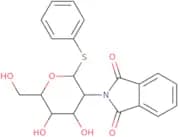
Discontinued productPhenyl 2-deoxy-2-phthalimido-b-D-thioglucopyranoside
CAS:Phenyl 2-deoxy-2-phthalimido-b-D-thioglucopyranoside is a glycosylation agent that has a glycone with a pyranoside at the 3′ position and an amide bond at the 2′ position. It is used in the synthesis of oligosaccharides and polysaccharides, as well as for Click modification. The compound is also used to modify proteins and saccharides. Phenyl 2-deoxy-2-phthalimido-b-D-thioglucopyranoside has been shown to be stable when heated, making it useful for complex carbohydrate synthesis.Formula:C20H19NO6SPurity:Min. 98 Area-%Color and Shape:PowderMolecular weight:401.43 g/molMethyl D-arabinofuranoside
CAS:Methyl D-arabinofuranoside is an antimycobacterial agent that inhibits the synthesis of mycolic acids, which are important components of the cell wall of Mycobacterium tuberculosis. Methyl D-arabinofuranoside has been shown to be active against drug-resistant strains and has been well tolerated by animals. This compound can be synthesized from 2,4-dichlorophenylacetic acid and arabinose in two steps. The first step involves a three-component condensation reaction with sodium hydroxide, hydrochloric acid, and 2,4-dichlorophenylacetic acid. The second step is a nucleophilic attack on the pyran ring of methyl D-arabinofuranoside with hypophosphorous acid. Methyl D-arabinofuranoside can also be prepared by reacting sodium nitrosobenzene with sodium benzene sulfinate in alcoholic solution
Formula:C6H12O5Purity:Min. 95%Color and Shape:Off-White PowderMolecular weight:164.16 g/molRef: 3D-MM31839
Discontinued productMethyl L-rhamnopyranoside
CAS:Methyl L-rhamnopyranoside is a sugar that is the product of the reaction between l-rhamnose and acetone. This compound has been used as a chiral building block for the synthesis of other sugars, such as D-arabinose and D-lyxose. The yield of this reaction depends on the concentration of potassium thioacetate and temperature. This compound can be obtained in two forms: (1) anomeric form, which is an intermediate in the synthesis of carbohydrates and (2) crystalline form, which is a white solid with melting point at 157.3°C. The anomeric form has a stereogenic center at carbon atom 3, whereas the crystalline form does not have any stereogenic centers. Methyl L-rhamnopyranoside also reacts with chlorination reagents to produce chlorinated derivatives, such as 2-chloro-3-(3′,4′-dimeth
Formula:C7H14O5Purity:Min. 95%Color and Shape:PowderMolecular weight:178.18 g/molRef: 3D-MM04935
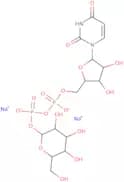
Discontinued productUDP-β-D-glucose sodium
CAS:UDP-β-D-glucose sodium is an oligosaccharide that can be used to synthesize glycoproteins and glycolipids. UDP-β-D-glucose sodium is a synthetic compound that contains one β-D-glucose moiety, which is attached to the molecule via a β-(1→4) linkage. This product can be custom synthesized and modified to suit customer needs. It has been shown to have high purity, chemical stability, and good solubility in water. The synthesis of UDP-β-D-glucose sodium has been modified by click chemistry to produce a variety of different products with new properties.
Formula:C15H22N2Na2O17P2Purity:Min. 95%Color and Shape:PowderMolecular weight:610.27 g/molRef: 3D-HAA33333
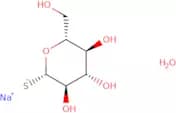
Discontinued productb-D-Thioglucose sodium salt hydrate
CAS:b-D-Thioglucose sodium salt hydrate is a complex carbohydrate that is used as an intermediate for the synthesis of oligosaccharides and polysaccharides. It is also used in the modification of saccharide chains, such as glycosylation, and for the preparation of fluorinated carbohydrates. b-D-Thioglucose sodium salt hydrate is high purity, with no detectable impurities or degradation products. It has been modified with fluorine to form a new chemical entity that has not been previously described in the literature.
Formula:C6H11NaO5S·H2OPurity:Min. 95%Molecular weight:236.22 g/molRef: 3D-MT02234
Discontinued productPalatinose monohydrate
CAS:Palatinose monohydrate is a hydrogenated form of the natural disaccharide palatinose. It is often used as a solid catalyst in pharmaceutical preparations and has been shown to have a lower molecular weight than sucrose. Palatinose monohydrate may have beneficial effects on postprandial plasma glucose, protein data, and lipid metabolism. The hydrogenation process also produces fatty acids that are less reactive than those found in other sugars. Amine groups are also reduced in palatinose monohydrate, which may improve its taste. Palatinose monohydrate is not toxic at high doses and has been shown to be safe for use in toxicity studies. Surface methodology has been used to characterize the surface properties of palatinose monohydrate crystals, which can be used as a model for other sugar crystals.
Formula:C12H24O12Purity:Min. 95%Molecular weight:360.31 g/molRef: 3D-ICA02413
Discontinued productUDP-2-ketopropyl-a-D-galactose
UDP-2-ketopropyl-a-D-galactose is a synthetic compound that belongs to the group of oligosaccharides. It is an excellent candidate for glycosylation, methylation, and click modification. The product has a CAS number, which provides high purity and custom synthesis. The product is also a complex carbohydrate with a variety of modifications.
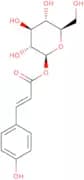
Purity:Min. 95%p-Coumaroyl-b-D-glucose
CAS:P-Coumaroyl-b-D-glucose is a flavanone that belongs to the class of flavonoids. It is an intermediate in the synthesis of many other flavonoids, such as apigenin, labiatae, and rhamnetin. P-Coumaroyl-b-D-glucose has been shown to downregulate the expression of genes encoding proteins involved in the biosynthesis of proanthocyanidins and anthocyanins. This compound also induces apoptosis by binding to the mitochondria membrane and increasing reactive oxygen species production. P-Coumaroyl-b-D-glucose can be used as a marker for phenylpropanoid metabolism in plants.
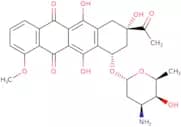
Formula:C15H18O8Purity:Min. 95%Color and Shape:White PowderMolecular weight:326.3 g/molDaunorubicin
CAS:Anthracycline antibiotic with potent anti-tumoral activity. The compound interferes with DNA replication and RNA transcription since it intercalates between the base pairs of nucleic acids. It also inhibits the topoisomerase II, proteasome and generates free radicals, which leads to cell death of treated cells. Moreover, daunorubicin triggers apoptosis trough the stimulation of ceramide synthesis. It has been used as chemotherapy agent for the treatment of myeloid leukaemia (AML) and acute lymphocytic leukaemia (ALL).
Formula:C27H29NO10Purity:Min. 95%Molecular weight:527.52 g/molL-Idaric acid
CAS:L-Idaric acid is a novel anti-inflammatory agent that is a derivative of the endogenous compound d-glucuronic acid. It has been shown to have anti-inflammatory effects in animal studies as well as in human cell cultures and it has been shown to be safe for use in humans. L-Idaric acid inhibits the production of inflammatory mediators, such as prostaglandins, leukotrienes, and cytokines. L-Idaric acid also inhibits the activity of β-glucuronidase, which may be responsible for its ability to prevent the degradation of glucuronic acid derivatives.
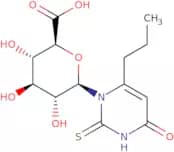
Formula:C6H10O8Purity:Min. 95%Color and Shape:White to off-white solid.Molecular weight:210.14 g/molPropylthiouracil N-b-D-glucuronide
CAS:Propylthiouracil N-b-D-glucuronide is a glycosylation product of propylthiouracil, which is the active form of this drug. It has been shown to inhibit thyroid hormone synthesis by binding to the enzyme thyroid peroxidase. Propylthiouracil N-b-D-glucuronide is used in the treatment of thyrotoxicosis, and can also be used as an antithyroid agent for hyperthyroidism. It is chemically synthesized from propylthiouracil with a glycosyl group added at the C3 position on the thiourea ring by glycosyltransferases. This compound has also been fluorinated and polysaccharided, modified and saccharided, oligosaccharided or sugar, synthetic or monosaccharide, custom synthesis or high purity.
Formula:C13H18N2O7SPurity:Min. 95%Molecular weight:346.36 g/mol2-Amino-2,3,5-trideoxy-3-methyl-L-arabinonic acid-gamma-lactone hydrochloride
CAS:2-Amino-2,3,5-trideoxy-3-methyl-L-arabinonic acid-gamma-lactone hydrochloride is a lipid biosynthesis inhibitor that blocks the first step of this pathway by inhibiting the enzyme d-arabinose 4,5-diphosphate aldolase. This compound inhibits bacterial growth and leads to cell lysis. It has been shown to be active against cryptococcus neoformans and Candida neopformans. 2AADL has also been shown to inhibit the production of cell wall polysaccharides in C. neoformans and other fungi. 2AADL is thought to bind to the cell membrane through its alcohol group, which may lead to changes in the redox potential of the cells.
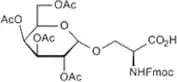
Purity:Min. 95%2,3,4,6-Tetra-O-acetyl-a-D-galactopyranosyl-Fmoc serine
CAS:2,3,4,6-Tetra-O-acetyl-a-D-galactopyranosyl-Fmoc serine is a custom synthesis that has been modified by fluorination and methylation. It is a monosaccharide with CAS No. 1351605-34-8 and Polysaccharide with Glycosylation and sugar Carbohydrate. This molecule has a complex carbohydrate structure with many glycosylation sites.Formula:C32H35NO14Purity:Min. 95%Molecular weight:657.62 g/molRef: 3D-MT09625
Discontinued product1,2,3,5-Tetra-o-acetyl-D-xylofuranose
CAS:1,2,3,5-Tetra-o-acetyl-D-xylofuranose is a fatty acid that is found in human red blood cells. It is used as a biochemical marker to diagnose the activity index of fatty acids in the red cell membrane. The activity index can be used to determine whether an individual has metabolic disorders such as hepatic steatosis or lc-ms/ms method. 1,2,3,5-Tetra-o-acetyl-D-xylofuranose also has antimicrobial effects against bacteria and fungi and can be used for the treatment of infectious diseases.
Formula:C13H18O9Purity:Min. 95%Molecular weight:318.28 g/molRef: 3D-SBA92746
Discontinued product2,3,5-Tri-O-benzyl-D-ribose
CAS:Remdesivir impurity
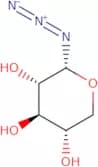
Formula:C26H28O5Purity:Min. 98 Area-%Color and Shape:White Off-White PowderMolecular weight:420.5 g/mola-D-Xylopyranosyl azide
CAS:a-D-Xylopyranosyl azide is a sugar that can be synthesized from the reaction of 1,2-dichloroethane with 2,3,4,6-tetra-O-acetyl-a-D-xylopyranose. This compound has a high purity and can be custom synthesized to order. It is used in glycosylation reactions to modify saccharides and oligosaccharides. It has been shown to be useful for click modification and fluorination reactions.
Purity:Min. 95%Ref: 3D-MX44941
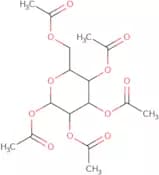
Discontinued productPenta-O-acetyl-a-L-idopyranose
CAS:Penta-O-acetyl-a-L-idopyranose is a monosaccharide that is synthesized from D-glucose and acetic anhydride. It has been modified with methylation, fluorination, and saccharide modification. Penta-O-acetyl-a-L-idopyranose is soluble in water, methanol, ethanol, and acetone. This compound has been shown to be useful for glycosylation reactions as well as click chemistry. CAS No. 16299-15-3.
Formula:C16H22O11Purity:Min. 95%Color and Shape:PowderMolecular weight:390.34 g/molRef: 3D-MP04747
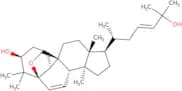
Discontinued productMomordicoside I aglycone
CAS:Momordicoside I aglycone is a compound that has been extracted from the roots of Momordica grosvenori. It is a potent inhibitor of the enzyme cyclooxygenase and has been shown to have analgesic, anti-inflammatory, and antipyretic activities in mice.
Purity:Min. 95%α,β-D-Glucose pentaacetate
CAS:Glucose pentaacetate is a form of glucose that reacts with boron trifluoride etherate to produce anomers. This process can be used to synthesize the anomeric form of glucose, which is important for the biosynthesis of glycosides. Glucose pentaacetate has been shown to react with nitrate and trifluoride, forming conjugates with aluminum and chloride. The catalytic stereocontrol of this reaction allows for the production of disaccharides without hydrogen chloride or formylation.
Formula:C16H22O11Molecular weight:390.35 g/molRef: 3D-G-2990
Discontinued productRaltegravir b-D-glucuronide
CAS:Raltegravir b-D-glucuronide is a synthetic, fluorinated analog of raltegravir. It is a potent HIV-1 integrase inhibitor that has been shown to be active against the majority of HIV-1 strains. Raltegravir b-D-glucuronide is less potent than the parent compound and exhibits reduced antiviral activity in vitro. Raltegravir b-D-glucuronide is metabolized to raltegravir and eliminated in urine as the glucuronide conjugate.
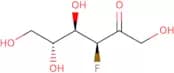
Formula:C26H29FN6O11Purity:Min. 95%Color and Shape:White PowderMolecular weight:620.54 g/mol3-Deoxy-3-fluoro-D-fructose
CAS:3-Deoxy-3-fluoro-D-fructose is a monosaccharide that has been used as an inhibitor of glucose uptake and metabolism in the lymphocytic leukemia cell line. This compound has been shown to inhibit the glucose transporter GLUT1, which is responsible for the transport of glucose across the plasma membrane. 3-Deoxy-3-fluoro-D-fructose inhibits cancer cells by inhibiting galactitol production through inhibition of gluconeogenesis. It also inhibits oxidative phosphorylation in lymphocytic leukemia cells, leading to apoptosis. 3-Deoxy-3-fluoro-D-fructose has been shown to inhibit cancer growth by blocking glucose uptake in xenopus oocytes.
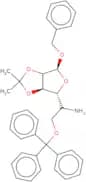
Purity:Min. 95%Benzyl 5-amino-5-deoxy-2,3-O-isopropylidene-6-O-trityl-a-L-gulofuranoside
Benzyl 5-amino-5-deoxy-2,3-O-isopropylidene-6-O-trityl-a-L-gulofuranoside is a custom synthesis of an Oligosaccharide. It is a complex carbohydrate that has been modified by methylation and glycosylation. The saccharide in this compound is a sugar and it has been fluorinated. This product is of high purity and has been synthesized using click chemistry.
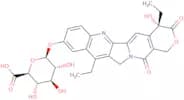
Formula:C35H37NO5Purity:Min. 95%Color and Shape:SolidMolecular weight:551.67 g/molSN-38 glucuronide
CAS:SN-38 glucuronide is a metabolite of irinotecan that inhibits the growth of cancer cells by binding to the DNA polymerase, blocking the synthesis of DNA. SN-38 glucuronide has potent antitumor activity and high values for inhibiting tumor metastasis. It is mainly excreted in urine as a conjugate with glucuronic acid, which may be why urine samples are often used to measure its concentration. SN-38 glucuronide also interacts with other drugs, including chemical inhibitors and ATP-binding cassette transporters, which can affect its pharmacological properties.
Formula:C28H28N2O11Purity:Min. 97.5 Area-%Color and Shape:PowderMolecular weight:568.53 g/molRef: 3D-MS16856
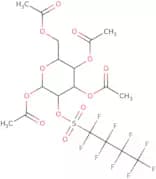
Discontinued product1,3,4,6-Tetra-O-acetyl-2-O-nonafluorobutane-sulfonyl-b-D-mannopyranose
CAS:1,3,4,6-Tetra-O-acetyl-2-O-nonafluorobutane-sulfonyl-b-D-mannopyranose is a fluorinated saccharide that can be custom synthesized. It is a glycosylated carbohydrate with a 1,3,4,6 tetra acetyl substitution at the 2 position of the b D mannopyranose moiety. The chemical formula for this compound is C12H28O8FS2. It has been shown to have potential as an antihyperglycemic agent and has been found to be active in tumor models.
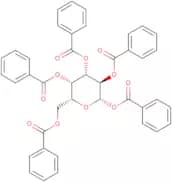
Formula:C18H19O12SF9Purity:Min. 95%Molecular weight:630.39 g/mol1,2,3,4,6-Penta-O-benzoyl-b-D-galactopyranose
CAS:Penta-O-benzoyl-b-D-galactopyranose is a pentasaccharide that has been shown to have an inhibitory effect on the growth of corynebacterium, which may be due to its ability to modulate fatty acid synthesis. Penta-O-benzoyl-b-D-galactopyranose is a disaccharide that is used as a diagnostic agent for corynebacteria. It is also used as a growth factor in the production of Corynebacterium glutamicum. The safety profile of this drug has not been evaluated in humans.Formula:C41H32O11Purity:Min. 95%Molecular weight:700.71 g/moliminosugar 2
Iminosugar 2 is a custom synthesis that is modified with fluorination, methylation, and click modification. This product is a monosaccharide and an oligosaccharide that has glycosylation. It is a saccharide that has polysaccharides as complex carbohydrates. Iminosugar 2 can be used in the production of polymers and pharmaceuticals.
Purity:Min. 95%Dipalmitin
CAS:Dipalmitin is a chemical substance that belongs to the group of fatty acid esters. It has been shown to inhibit the activity of a number of enzymes, including proteases and lipases. Dipalmitin also inhibits the production of diacylglycerol and glycerides in cells, which are necessary for cellular growth. The exact mechanism by which dipalmitin inhibits these enzymes is unknown, but it has been hypothesized that it may function as a competitive inhibitor or an allosteric inhibitor. Dipalmitin also has been shown to have antiviral properties against HIV infection in model systems. The antiviral activity has been attributed to its ability to inhibit viral protein synthesis and block the assembly of viral particles at the cell membrane.
Formula:C35H68O5Purity:Min. 95%Molecular weight:568.91 g/molRef: 3D-BBA65795
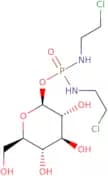
Discontinued productGlufosfamide
CAS:Glufosfamide is a cytotoxic drug that is used in the treatment of some types of cancer. It is a prodrug that requires conversion to its active form, glufosfamid, by esterase enzymes before it can exert its genotoxic effects. Glufosfamide has shown to be active against platinum-resistant ovarian cancer and solid tumours. This drug also has been shown to inhibit the growth of prostate cancer cells and miapaca-2 cells, which are derived from pancreatic cancer. Glufosfamide has been found to have low toxicity in mice, but there may be adverse reactions when combined with other drugs such as erythromycin or ketoconazole.
Formula:C10H21Cl2N2O7PPurity:Min. 95%Molecular weight:383.16 g/mol3-O-Methyl-D-mannopyranose
CAS:3-O-Methyl-D-mannopyranose is a glycosidic compound with immunostimulating properties. It is an intermediate in the synthesis of 3,6-anhydro-N-acetylneuraminic acid and other related carbohydrates. The hydrolysis of this molecule yields silver trifluoromethanesulfonate, chloride, and low molecular weight material. 3-O-Methyl-D-mannopyranose can be used as a reagent for the preparation of high molecular weight material by ion exchange chromatography or by dehydrative coupling.
Formula:C7H14O6Purity:Min. 95%Molecular weight:194.18 g/molRef: 3D-MM159159
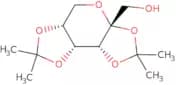
Discontinued productPsicose diacetonide
CAS:Psicose diacetonide is a synthetic, custom-synthesized carbohydrate. It is a complex carbohydrate that is made of saccharides and has been modified to have a fluorinated monosaccharide. Psicose diacetonide is an oligosaccharide with a high purity and has been methylated and glycosylated.
Purity:Min. 95%1,2,3,6-Tetra-O-benzoyl-5-thio-D-glucopyranose
1,2,3,6-Tetra-O-benzoyl-5-thio-D-glucopyranose is a monosaccharide that can be synthesized by the methylation of 1,2,3,6-tetra-O-(benzoyl) D-glucopyranose. The synthesis of this compound is accomplished by a click modification and the use of a fluoroquinolone to modify the sugar at C1. This compound has been shown to be an excellent substrate for polysaccharide and saccharide synthesis as well as fluorination. Purity levels are high with this product.
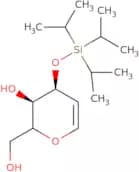
Purity:Min. 95%3-O-Triisopropylsilyl-D-glucal
3-O-Triisopropylsilyl-D-glucal is a modified carbohydrate, which is a saccharide that has been modified by the addition of three isopropyl groups. This modification can be used to synthesize oligosaccharides and polysaccharides in order to obtain desired properties. 3-O-Triisopropylsilyl-D-glucal can also be used as a fluorinating agent in synthesis reactions. The compound is also custom synthesized and can be synthesized with high purity (>98%) or with methylation or glycosylation. 3-O-Triisopropylsilyl-D-glucal will react with nucleophiles like amines and alcohols to form adducts, which are then hydrolyzed to release the product.
Formula:C15H30O4SiPurity:Min. 95%Molecular weight:302.48 g/molMuraglitazar acyl-b-D-glucuronide
CAS:Muraglitazar acyl-b-D-glucuronide is a complex carbohydrate that has been modified with fluorination. The compound is synthesized from methylation, glycosylation, and carbamylation reactions with saccharides. The saccharide modification includes the attachment of various sugars such as glucose, galactose, and mannose. Muraglitazar acyl-b-D-glucuronide can be used in the synthesis of oligosaccharides and polysaccharides. It is also used for Click modification of sugar molecules.
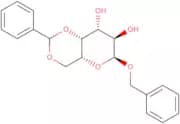
Formula:C36H38N2O12Purity:Min. 95%Molecular weight:690.71 g/molBenzyl 4,6-O-benzylidene-a-D-galactopyranoside
CAS:4,6-O-Benzylidene-a-D-galactopyranoside is an artificial sweetener that has a high purity and can be custom synthesized. This compound is also known as an oligosaccharide or complex carbohydrate. It is a member of the saccharide family, which includes monosaccharides and disaccharides. 4,6-O-Benzylidene-a-D-galactopyranoside is a sugar that has been modified by glycosylation and methylation. This product has CAS No. 57783-86-5 and can be found in the Glycosides section of the Chemical Directory.
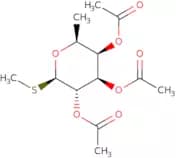
Formula:C20H22O6Purity:Min. 95%Molecular weight:358.39 g/molMethyl 2,3,4-tri-O-acetyl-β-L-thiofucopyranoside
CAS:Methyl 2,3,4-tri-O-acetyl-b-L-thiofucopyranoside is a ferrite that is important for the growth of cells. It can be used as a growth factor to promote the growth of cells. Covid®-19 pandemic A/Aureus strain is resistant to this drug and it has been shown to inhibit cellular transformation in human epidermal cells. The drug also reduces the size and number of cancerous lesions in mice by inhibiting tumor angiogenesis. Methyl 2,3,4-tri-O-acetyl-b-L-thiofucopyranoside can cause an overload of Ca2+ ions in the cell, which may lead to apoptosis or necrosis.
Formula:C13H20O7SPurity:Min. 95%Molecular weight:320.36 g/mol4-Epi-daunosamine
CAS:4-Epi-daunosamine is a glycopeptide antibiotic that is used to treat infections caused by Gram-positive bacteria. It binds to the cell wall of these bacteria and inhibits the synthesis of new cell walls. This causes the cells to burst and die, which leads to bacterial death. 4-Epi-daunosamine has been shown to be effective against animal pathogens such as Streptococcus pneumoniae, Haemophilus influenzae, and Clostridium perfringens. 4-Epi-daunosamine also has a low level of toxicity in humans, but can cause adverse effects such as nausea and vomiting if taken in large doses.
Formula:C6H11NO3Purity:Min. 95%Molecular weight:145.16 g/molPhenyl 2,3,6-tri-O-benzyl-b-D-thioglucopyranoside
CAS:Phenyl 2,3,6-tri-O-benzyl-b-D-thioglucopyranoside is a high purity, custom synthesis sugar that has been modified with Click modification, fluorination and glycosylation. It is a synthetic compound in the form of an oligosaccharide and monosaccharide. Phenyl 2,3,6-tri-O-benzyl-b-D-thioglucopyranoside has CAS No. 97974-20-4 and can be found under Modification.
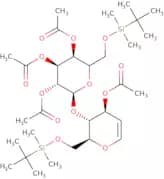
Formula:C33H34O5SPurity:Min. 95%Molecular weight:542.69 g/mol3,2',3',4'-Tetra-O-acetyl-6,6'-di-O-tert-butyldimethylsilyl-lactal
CAS:3,2',3',4'-Tetra-O-acetyl-6,6'-di-O-tert-butyldimethylsilyl-lactal is a glycosylation agent that can be used in the synthesis of oligosaccharides and polysaccharides. It can be fluorinated to create a reactive site for methylation and click modification. 3,2',3',4'-Tetra-O-acetyl-6,6'-di-O-tert-butyldimethylsilyl-lactal is an acetylated lactal with a silyl ether protecting group. This product has been custom synthesized and is available in high purity.
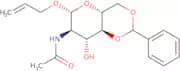
Purity:Min. 95%Allyl 2-acetamido-4,6-O-benzylidene-2-deoxy-b-D-glucopyranoside
CAS:Allyl 2-acetamido-4,6-O-benzylidene-2-deoxy-b-D-glucopyranoside is a synthetic compound that belongs to the class of carbohydrates. It is used as a reagent in sugar chemistry and glycosylation reactions. Allyl 2-acetamido-4,6-O-benzylidene-2-deoxy-b-D-glucopyranoside is also used for the modification of polysaccharides and fluorination reactions. This product has been shown to be effective as a substrate for site specific methylation reactions. Allyl 2 acetamido 4,6 O benzylidene 2 deoxy b D glucopyranoside has been tested in vitro against methicillin resistant Staphylococcus aureus (MRSA) with promising results.
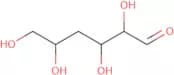
Formula:C18H23NO6Purity:Min. 95%Molecular weight:349.39 g/mol(2R,4R)-2-[D-Xylo-tetrahydroxybut-1-yl]-1,3-thiazolidine-4-carboxylic acid
CAS:(2R,4R)-2-[D-Xylo-tetrahydroxybut-1-yl]-1,3-thiazolidine-4-carboxylic acid is a methylated saccharide that has been modified by the click chemistry method. It is a synthetic product with high purity and good quality. This compound can be used for glycosylation and oligosaccharide synthesis. (2R,4R)-2-[D-Xylo-tetrahydroxybut-1-yl]-1,3-thiazolidine-4-carboxylic acid has CAS No. 110270-19-4 and can be found in complex carbohydrates in nature.
Formula:C8H15NO6SPurity:Min. 95%Molecular weight:253.27 g/molRef: 3D-MX01042
Discontinued product6-O-Benzyl-D-glucose
CAS:6-O-Benzyl-D-glucose is an aglycon of 6-O-benzylglycosides, which are synthesized from glucose by alkaline hydrolysis in the presence of silver oxide. The benzyl group can be removed by a variety of methods, including treatment with hydrogen chloride gas. 6-O-Benzyl-D-glucose has been used in research to demonstrate that carbohydrates have a common structural feature that can be identified by looking at their molecular structure. This molecule has also been used to study the synthesis and reactivity of benzyl groups.
Formula:C13H18O6Purity:Min. 95%Molecular weight:270.28 g/mol4-Deoxy-D-glucose
CAS:4-Deoxy-D-glucose is a sugar that is synthesized by the condensation of two molecules of erythrose. It has been shown to be an efficient donor substrate for nucleophilic attack, which can lead to the synthesis of glycosides and other natural products. 4-Deoxy-D-glucose is also a competitive inhibitor of uridine diphosphate (UDP) glucose, which is an enzyme involved in the biosynthesis of UDP sugars and glycoproteins. The concentration of 4-deoxy-D-glucose affects its catalytic mechanism, as it acts as a competitive inhibitor at high concentrations. Molecular modeling has revealed that this molecule adopts a chair conformation with significant solvent exposure.
Formula:C6H12O5Purity:Min. 98 Area-%Color and Shape:PowderMolecular weight:164.16 g/molRef: 3D-MD180432
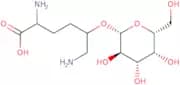
Discontinued product5-(β-D-Galactopyranosyloxy)-DL-lysine
CAS:5-(β-D-Galactopyranosyloxy)-DL-lysine is a custom synthesized compound that has been modified with 5-(β-D-galactopyranosyloxy) groups. It is an oligosaccharide, polysaccharide, and saccharide that belongs to the category of carbohydrates. This product is available for purchase in high purity and has been fluorinated. The CAS number for this product is 35910-05-5.
Formula:C12H24N2O8Purity:Min. 95%Color and Shape:PowderMolecular weight:324.33 g/molRef: 3D-FG181089
Discontinued product2-Acetamido-1,3,4,6-tetra-O-acetyl-2-deoxy-5-thio-a-D-glucopyranose
CAS:2-Acetamido -1,3,4,6-tetra-O-acetyl-2-deoxy-5-thio-a-D-glucopyranose is a custom synthesis. It is an oligosaccharide and polysaccharide. It is a carbohydrate that has been modified by fluorination and a click modification. The complex carbohydrate contains one monosaccharide sugar. 2AATG can be used in the synthesis of other carbohydrates.
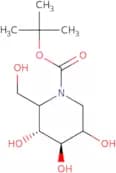
Formula:C16H23NO9SPurity:Min. 95%Molecular weight:405.42 g/molN-Boc-1,5-imino-D-glucitol
CAS:N-Boc-1,5-imino-D-glucitol is a complex carbohydrate that is synthesized by the N-Boc protection group. It is an oligosaccharide with a molecular weight of about 190 daltons and it can be modified at the C1 position to produce various saccharides. N-Boc-1,5-imino-D-glucitol has been shown to be effective as a glycosylation agent for protein modification and for its ability to form stable complexes with other complex carbohydrates. This compound has also been used in the synthesis of polysaccharides and as a fluorination reagent.
Formula:C11H21NO6Purity:Min. 95%Molecular weight:263.29 g/molRef: 3D-MB16638
Discontinued productPhenyl a-L-thiorhamnopyranoside
CAS:Phenyl a-L-thiorhamnopyranoside is a monosaccharide that is synthesized by the methylation of alpha-D-glucose. It is a custom synthesis that is used in the synthesis of oligosaccharides, polysaccharides, and sugar drugs. Phenyl a-L-thiorhamnopyranoside can be fluorinated to create an active form that has antibacterial activity. This compound has shown no signs of toxicity in animal studies and has been used as a food additive.
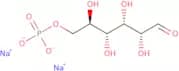
Formula:C12H16O4SPurity:Min. 95%Molecular weight:256.32 g/molD-Glucose 6-phosphate, disodium salt
CAS:D-Glucose 6-phosphate, disodium salt is an antibiotic that is used to treat gram-negative bacterial infections. It binds to the bacterial ribosome and inhibits protein synthesis, which leads to cell death by inhibiting the production of proteins vital for cell division. This drug has been shown to be active against a wide range of bacteria, including resistant strains such as Escherichia coli and Salmonella typhimurium. D-Glucose 6-phosphate, disodium salt also has anti-inflammatory properties and can be used as an anti-bacterial agent in the treatment of typhoid fever.
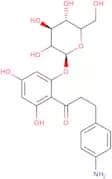
Formula:C6H11O9Na2PMolecular weight:304.10 g/mol4-Aminophlorizin
CAS:4-Aminophlorizin is a chemical compound that inhibits the uptake of azide by red blood cells. It has been shown to be effective against intestinal parasites and trophozoites. 4-Aminophlorizin is a potent inhibitor of the membrane system, which may be due to its interaction with the semenza, or membrane protein.
Formula:C21H25NO9Purity:Min. 95%Molecular weight:435.42 g/molRef: 3D-MA17827
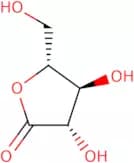
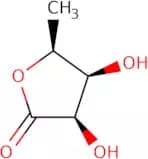
Discontinued product5-Deoxy-L-lyxono-1,4-lactone
CAS:5-Deoxy-L-lyxono-1,4-lactone is a crystalline solid that belongs to the class of hydroxamic acids. This compound has been shown to react with hydroxylamine in an aldonic reaction and to inhibit the enzyme xanthin oxidase. The monoclinic crystal structure of 5-Deoxy-L-lyxono-1,4-lactone was determined by XRD analysis. This compound is synthesized from glyoxylate and malonitrile in an efficient manner. It also inhibits glucose oxidation and can be used as an additive for food products.
Formula:C5H8O4Purity:Min. 95%Molecular weight:132.12 g/molRef: 3D-MD09167
Discontinued productTrimethylsilyl-2,3,4,6-tetra-O-benzyl-b-D-glucopyranoside
CAS:Trimethylsilyl-2,3,4,6-tetra-O-benzyl-b-D-glucopyranoside is a modified carbohydrate that has been fluorinated and silylated. It is used as an intermediate in the synthesis of glycosylated compounds. Trimethylsilyl-2,3,4,6-tetra-O-benzyl-b-D-glucopyranoside can be custom synthesized to meet your needs. It is a white powder that is soluble in water and alcohols. The CAS number for this compound is 89825-08-1.
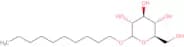
Formula:C37H42O8Purity:Min. 95%Molecular weight:614.72 g/molDecyl D-glucopyranoside
CAS:Decyl D-glucopyranoside is a sodium salt of decyl D-glucopyranoside that is used as a detergent additive in cleaning compositions. Decyl D-glucopyranoside has shown antimicrobial activity against both Gram-positive and Gram-negative bacteria, including methicillin resistant Staphylococcus aureus (MRSA) and Clostridium perfringens. Decyl D-glucopyranoside has also been shown to have chemical stability at high temperatures, making it useful in the manufacture of lacrimal gland preparations and cationic surfactants.
Formula:C16H32O6Molecular weight:320.42 g/molRef: 3D-MD11310
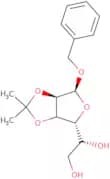
Discontinued productBenzyl 2,3-O-isopropylidene-α-D-mannofuranoside
CAS:Benzyl 2,3-O-isopropylidene-a-D-mannofuranoside is a fluorinated monosaccharide that is synthesized using glycosylation and polysaccharide modification. This product has a CAS number of 20689-03-6 and can be used for complex carbohydrate synthesis. It has been shown to have high purity.
Formula:C16H22O6Purity:Min. 95%Color and Shape:PowderMolecular weight:310.34 g/molRef: 3D-MB04631
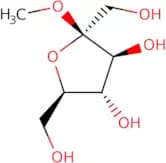
Discontinued productMethyl b-D-fructofuranoside
CAS:Methyl b-D-fructofuranoside is a chemical compound that is used in the production of esters and fatty acids. Methyl b-D-fructofuranoside is produced by a dehydration reaction between two molecules of acetone. The product of this reaction, methyl b-D-fructopyranoside, can be broken down into two molecules of acetone and one molecule each of methyl alcohol and carbon dioxide. This process is called alkylation. Furanocoumarin derivatives are often found in plants such as asperulosidic acid and quinquefasciatus. These compounds are found in many species of plant, but they are most concentrated in the roots of these plants because they are more metabolically active there than other parts of the plant. Environmental pollution can lead to high concentrations of furanocoumarins in plants, which can have toxic effects on organisms that come into contact with them.
Formula:C7H14O6Purity:Min. 98 Area-%Color and Shape:Clear LiquidMolecular weight:194.18 g/molD-Gluconic acid potassium salt
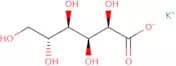
CAS:D-Gluconic acid potassium salt is a glycol ether with biochemical properties that can be used to synthesize covalent linkages. It has been shown to have antimicrobial properties in wild-type strains of Escherichia coli and Salmonella typhimurium. D-Gluconic acid potassium salt has been shown to exhibit inhibitory effects on the synthesis of DNA, RNA, and protein, as well as enzyme activities. The matrix effect is an analytical method that measures the inhibition of bacterial growth in agar plates. Electrochemical impedance spectroscopy (EIS) is a technique that measures changes in electrical resistance when bacteria are placed on an electrode surface. This technique has been used to show that D-gluconic acid potassium salt exhibits inhibitory effects against group P2 enzymes, such as polymerase chain reaction (PCR), which is used for DNA replication and amplification.
Formula:C6H11KO7Purity:Min. 95%Molecular weight:234.25 g/molGlucosamine L-5-methyltetrahydrofolate
CAS:Please enquire for more information about Glucosamine L-5-methyltetrahydrofolate including the price, delivery time and more detailed product information at the technical inquiry form on this page
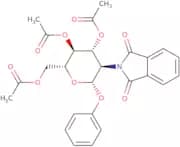
Formula:C20H25N7O6•(C6H13NO5)2Purity:Min. 95%Molecular weight:817.8 g/molPhenyl 3,4,6-tri-O-acetyl-2-deoxy-2-phthalimido-b-D-glucopyranoside
CAS:Phenyl 3,4,6-tri-O-acetyl-2-deoxy-2-phthalimido-b-D-glucopyranoside is a fluorinated synthetic monosaccharide that has been synthesized to serve as a glycosylation and polysaccharide modification agent. Phenyl 3,4,6-tri-O-acetyl-2-deoxy-2--phthalimido--b--D--glucopyranoside is an effective methylation agent for the synthesis of complex carbohydrates. It can be used for click modifications on the sugar moiety of oligosaccharides and polysaccharides. Phenyl 3,4,6 -tri -O -acetyl -2 -deoxy -2 -phthalimido -b -D--glucopyranoside is soluble in water as well as many organic solvents. The CAS No. 120498 97 7 is assigned toFormula:C26H25NO10Purity:Min. 95%Molecular weight:511.48 g/molRef: 3D-MP12488
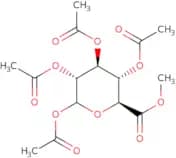
Discontinued product1,2,3,4-Tetra-O-acetyl-D-glucuronide methyl ester
CAS:1,2,3,4-Tetra-O-acetyl-D-glucuronide methyl ester is a lactone that can be used as a precursor for the synthesis of various types of compounds. The chemical structure was determined by high-resolution x-ray diffraction to be a planar molecule with two conformations: one where the four acetyl groups are on different sides and another where they are all on the same side. The latter conformation is more stable due to the dihedral angle between the hydroxyl group and carbonyl group. This compound is an intermediate in synthesizing 2-(4'-hydroxybenzoyl)-1,2,3,4-tetra-O-acetyl-.alpha.-D-.beta.-D glucopyranoside methyl ester by reacting with 3-(3'-azido)benzaldehyde. The single crystal x-ray diffraction study revealed that this compound has a conformation
Formula:C15H20O11Purity:Min. 97 Area-%Color and Shape:White PowderMolecular weight:376.31 g/molRef: 3D-MT04862
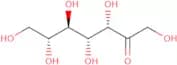
Discontinued productD-Sedoheptulose
CAS:D-Sedoheptulose is a sugar that is a member of the pentoses. It has been shown to have a ph optimum of 4.5 and oxidizing potential of -0.18 V. It is also an important intermediate in carbohydrate metabolism and can be used as an energy source by cells. D-Sedoheptulose plays a role in transcriptional regulation and cellular physiology, as well as being involved in the production of acyl chains and disulfide bonds for proteins. D-Sedoheptulose has also been found to have synergic effects with other sugars such as glucose, sucrose, or fructose, which may be due to its ability to act as an inducer of reductive enzymes such as glucose-6-phosphate dehydrogenase (G6PD).
Formula:C7H14O7Purity:Min. 95%Color and Shape:PowderMolecular weight:210.18 g/molN-Benzoyl-D-glucosamine
CAS:Lectins are carbohydrate-binding proteins that can be classified into different types based on their specificities for glycan structures. One of the most common types is the N-acetyl-D-glucosamine (NAG) lectin, which binds to oligomers of NAG and related sugars. Lectins are used to activate cells and induce cell death. The dodecyl NAG lectin has been shown to bind to glucocerebrosides in a reductively irreversible manner and has been used as a model for such interactions. This lectin is also inexpensively produced from a synthetic benzylidene acetal, which can be made from commercially available materials. It has been shown that this lectin binds to polyacrylamide gels in an SDS-polyacrylamide gel electrophoresis, with a pH optimum at 7.0 and an amino acid composition that includes glutamic acid, glutamine, asparagine, ser
Formula:C13H17NO6Purity:Min. 95%Color and Shape:White PowderMolecular weight:283.28 g/molRef: 3D-MB03953
Discontinued productN-Acetylmuramic acid 6-phosphate
CAS:N-Acetylmuramic acid 6-phosphate is a molecule that belongs to the class of compounds known as nucleotide phosphates. It is an intermediate in the biosynthesis of peptidoglycan, which is a major component of bacterial cell walls. N-Acetylmuramic acid 6-phosphate is synthesized from ATP and N-acetylmuramic acid by hydrolysis. The reaction mechanism for this transformation involves an imine intermediate, which can be formed through the action of two molecules of ATP and one molecule of N-acetylmuramic acid. This reaction is catalyzed by an enzyme called heterocyst. The enzyme kinetics for this transformation are influenced by many factors, including temperature, pH, and substrate concentration.Formula:C11H20NO11PPurity:Min. 95%Molecular weight:373.25 g/molD-Mannose tablets
CAS:Please enquire for more information about D-Mannose tablets including the price, delivery time and more detailed product information at the technical inquiry form on this page
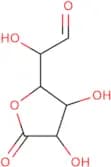
Formula:C6H12O6Purity:Min. 95%Color and Shape:PowderMolecular weight:180.16 g/molD-Galacturono-6,3-lactone
CAS:D-Galacturono-6,3-lactone is a fatty acid that is part of the glucuronolactone family and has been shown to have anti-obesity effects in vitro. D-Galacturono-6,3-lactone has been synthesized from sodium citrate and hydrochloric acid in the presence of magnesium salt, and the product was purified by crystallization. It has also been shown to inhibit aminotransferase activity and increase locomotor activity. D-Galacturono-6,3-lactone has a ph optimum of 4.5, which can be determined by an analytical method involving the measurement of hydrogen ion concentration.
Purity:Min. 95%1,2,3,4,6-Penta-O-acetyl-D-galactopyranose
CAS:1,2,3,4,6-Penta-O-acetyl-D-galactopyranose is an analog of the natural pentoses that binds to the mitochondrial membrane and inhibits the production of pro-inflammatory cytokines. This drug has been shown to inhibit the binding of lysophosphatidic acid (LPA) to its receptor by substituting for LPA in this binding site. 1,2,3,4,6-Penta-O-acetyl-D-galactopyranose also inhibits the expression of proinflammatory cytokines such as interleukin 6 (IL6) and IL1β in a dose dependent manner. This drug is also capable of inhibiting phosphotungstic acid from binding to a monolayer surface and can be used as a glycopolymer for cell culture. It has been shown that 1,2,3,4,6-Penta-O-acetylFormula:C16H22O11Purity:Min. 95%Color and Shape:PowderMolecular weight:390.34 g/molNystatin A3
CAS:8,9-Dideoxy-28,29-dihydro-7,10-dihydroxy-35-O-(2,6-dideoxy-L-ribo-hexopyranosyl)amphotericin B is an antifungal drug that belongs to the class of polyene macrolides. It is a potent inhibitor of Candida albicans and Candida glabrata. This compound has been shown to have synergistic effects when used in combination with nystatin against C. albicans. 8,9-Dideoxy-28,29-dihydro-7,10-dihydroxy-35O-(2,6 - dideoxy - L - ribo - hexopyranosyl)amphotericin B also inhibits toll like receptor 4 (TLR4), which is responsible for the induction of inflammatory cytokines such as IL1B and IL8
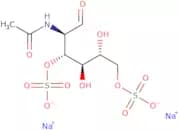
Formula:C53H85NO20Purity:Min. 95%Molecular weight:1,056.24 g/molN-Acetyl-D-glucosamine-3-6-di-O-sulfate sodium
CAS:N-Acetyl-D-glucosamine-3-6-di-O-sulfate sodium salt is a synthetic oligosaccharide. It is a fluorinated glycosylic acid glycosidase, an enzyme that catalyzes the hydrolysis of beta-(1,2)-glycosidic linkages in polysaccharides. This product can be custom synthesized to meet your specifications and can be modified with methylation or click modification for your specific needs.Formula:C8H15NO12S2•Na2Purity:(13C-Nmr Spectrum) Min. 95%Color and Shape:White PowderMolecular weight:427.32 g/molMethyl 2-deoxy-2-fluoro-β-D-glucopyranoside
CAS:Methyl 2-deoxy-2-fluoro-b-D-glucopyranoside is a synthetic glycosylation product that is prepared by monosaccharide and polysaccharide modification. This fluorinated sugar has high purity and is easy to handle. It can be used in the synthesis of oligosaccharides, sugar chains, and other complex carbohydrate molecules. The CAS number for Methyl 2-deoxy-2-fluoro-b-D-glucopyranoside is 39110–58–2.Formula:C7H13FO5Purity:Min. 95%Molecular weight:196.17 g/molRef: 3D-FM89704
Discontinued productD-glucosyl--1,1' N-oleoyl-D-erythro-sphingosine
CAS:D-glucosyl--1,1' N-oleoyl-D-erythro-sphingosine is a synthetic oligosaccharide with a fluorinated alpha-hydroxy group and a methylated nitrogen atom. It is also a complex carbohydrate that has been modified by glycosylation and polysaccharide modification. D-glucosyl--1,1' N-oleoyl-D-erythro-sphingosine can be used in custom synthesis, click modification, methylation, and sugar modification. This product has high purity and can be used in the synthesis of drugs or other chemical compounds.Formula:C42H79NO8Purity:Min. 95%Molecular weight:726.08 g/mol2,4-O-Benzylidene-L-xylose
CAS:2,4-O-Benzylidene-L-xylose is a white crystalline powder with a melting point of about 125°C. It is an acetate salt that can be used in the synthesis of many natural products. It has been shown to inhibit HMG-CoA reductase and is used in the treatment of hypercholesterolemia. The reaction mechanism for this compound is not well understood, but it is believed to involve an acid catalyst and an organic solvent. The yield for this compound is low and it requires a long reaction time due to its high reactivity.
Formula:C12H14O5Purity:Min. 95%Molecular weight:238.24 g/molRef: 3D-MB06850
Discontinued productD-[UL-¹³C6]Galacturonic acid potassium
D-[6-13C]Galacturonic acid potassium salt is a synthetic, water-soluble complex carbohydrate with a molecular weight of 744.2. It is used as a fluorescence probe in magnetic resonance imaging (MRI) and also has applications in the synthesis of oligosaccharides and polysaccharides. D-[6-13C]Galacturonic acid potassium salt is soluble in water and has an average pH of 5.0. This compound is available for custom synthesis with high purity and can be found under CAS number 144561-27-4.
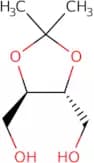
Purity:Min. 95%(-)-2,3-O-Isopropylidene-D-threitol
CAS:(-)-2,3-O-Isopropylidene-D-threitol is a chiral compound with two stereoisomers. It is a crystalline solid that melts at 71°C and has a population of 50%. (-)-2,3-O-Isopropylidene-D-threitol is an important intermediate for the synthesis of polyethers with chiral centers. The catalytic asymmetric synthesis of (-)-2,3-O-isopropylidene-D-threitol is achieved by alkylation of (+)-2,3-(dimethoxyphosphinyl)propane with isopropanol. This reaction can be used to produce polyethers with chiral centers in high yields and enantioselectivity.
Formula:C7H14O4Purity:Min. 95%Molecular weight:162.18 g/molRef: 3D-MI05357
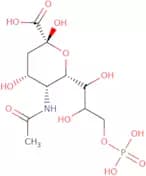
Discontinued productN-Acetylneuraminic acid 9-phosphate
CAS:N-Acetylneuraminic acid 9-phosphate is a sugar phosphate
Formula:C11H20NO12PPurity:Min. 95%Molecular weight:389.25 g/molDaunorubicin-d3
Daunorubicin-d3 is a fluorinated, monosaccharide, synthetic, oligosaccharide and complex carbohydrate. Custom synthesis of Daunorubicin-d3 is available with glycosylation, methylation and other modifications. Daunorubicin-d3 has CAS No. 1614-68-8 and purity >99%.
Formula:C27H26D3NO10Purity:Min. 95%Molecular weight:530.54 g/molRef: 3D-MD11677
Discontinued product5-Thio-N-acetylglucosamine
5-Thio-N-acetylglucosamine is a microtubule inhibitor that binds to o-glcnac, a posttranslational modification of proteins that regulates the morphology and cycling of stem cells. 5-Thio-N-acetylglucosamine has been shown to inhibit the transcriptional activity of o-glcnacase, an enzyme that catalyzes the conversion of o-glcnac to glucosamine. This drug also inhibits the metabolic activity of neural progenitor cells, which may be due to its ability to regulate subpopulations with concomitant expression of markers such as Oct4 and Sox2.
Purity:Min. 95%Isosaccharinic acid
CAS:Isosaccharinic acid is a bacterial strain that produces isosaccharinic acid as its main fatty acid. The thermodynamic data for the reaction mechanism of the conversion of glucose to isosaccharinic acid has been determined. Isosaccharinic acid formation is catalyzed by an enzyme called glycosyl-glycerate dehydrogenase, which converts glycerate to 3-hydroxypropanoic acid and then to 3-oxopropanoate before it undergoes decarboxylation and reduction to form isosaccharinic acid. Radionuclides such as TcO4 are used in chemical ionization mass spectrometry for the detection of this compound in samples. Neutral pH, high activation energies, and low binding constants are all factors that affect the stability of this molecule.
Formula:C6H12O6Purity:Min. 95%Molecular weight:180.16 g/molADP-L-glycero-b-D-manno-heptose
ADP-L-glycero-b-D-manno-heptose is a synthetic, fluorinated oligosaccharide that is custom synthesized and modified. It has a high purity level and CAS No., as well as being a complex carbohydrate that can be modified with methylation or click modification to generate desired properties. ADP-L-glycero-b-D-manno-heptose is an Oligosaccharide with a glycosylation and methylation. This compound can be used in the synthesis of saccharides, polysaccharides, or other complex carbohydrates.
Purity:Min. 95%
![1,6:3,4-Bis-[O-(2,3-dimethoxybutane-2,3-diyl)]-2-O-trifluoromethanesulphonyl-5-O-benzolyl-myo-inos…](/_next/image/?url=https%3A%2Fstatic.cymitquimica.com%2Fproducts%2F3D%2Fthumb-webp%2FMB16636.webp&w=3840&q=75)















![(2R,4R)-2-[D-Xylo-tetrahydroxybut-1-yl]-1,3-thiazolidine-4-carboxylic acid](/_next/image/?url=https%3A%2Fstatic.cymitquimica.com%2Fproducts%2F3D%2Fthumb-webp%2FMX01042.webp&w=3840&q=75)








![D-[UL-¹³C6]Galacturonic acid potassium](/_next/image/?url=https%3A%2Fstatic.cymitquimica.com%2Fproducts%2F3D%2Fthumb-webp%2FMG170938.webp&w=3840&q=75)