Monosaccharides
Subcategories of "Monosaccharides"
- Alloses(11 products)
- Arabinoses(21 products)
- Erythroses(11 products)
- Fructoses(9 products)
- Fucoses(36 products)
- Galactosamine(41 products)
- Galactose(261 products)
- Glucoses(365 products)
- Glucuronic Acids(52 products)
- Glyco-substrates for Enzyme(78 products)
- Guloses(6 products)
- Idoses(4 products)
- Inositols(15 products)
- Lyxoses(4 products)
- Mannoses(65 products)
- O-Glycans(48 products)
- Psicoses(3 products)
- Rhamnoses(10 products)
- Riboses(61 products)
- Sialic Acids(100 products)
- Sorboses(4 products)
- Sugars(173 products)
- Tagatoses(4 products)
- Taloses(8 products)
- Xyloses(20 products)
Found 6088 products of "Monosaccharides"
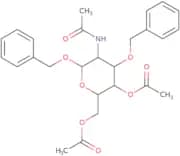
1,3-o-Dibenzyl-N-acetyl-β-D-glucosamine 4,6-diacetate
CAS:Please enquire for more information about 1,3-o-Dibenzyl-N-acetyl-β-D-glucosamine 4,6-diacetate including the price, delivery time and more detailed product information at the technical inquiry form on this page
Formula:C26H31NO8Purity:Min. 95%Molecular weight:485.5 g/molRef: 3D-QCA49323
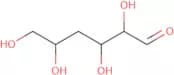
Discontinued product4-Deoxy-D-glucose
CAS:4-Deoxy-D-glucose is a sugar that is synthesized by the condensation of two molecules of erythrose. It has been shown to be an efficient donor substrate for nucleophilic attack, which can lead to the synthesis of glycosides and other natural products. 4-Deoxy-D-glucose is also a competitive inhibitor of uridine diphosphate (UDP) glucose, which is an enzyme involved in the biosynthesis of UDP sugars and glycoproteins. The concentration of 4-deoxy-D-glucose affects its catalytic mechanism, as it acts as a competitive inhibitor at high concentrations. Molecular modeling has revealed that this molecule adopts a chair conformation with significant solvent exposure.
Formula:C6H12O5Purity:Min. 98 Area-%Color and Shape:PowderMolecular weight:164.16 g/molRef: 3D-MD180432
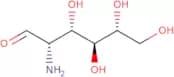
Discontinued product2-Amino-2-deoxy-D-altrose
CAS:2-Amino-2-deoxy-D-altrose (2AD) is a molecule with the chemical formula C6H14N2O4. It belongs to the class of compounds known as uronic acids. 2AD is an acetylated molecule that has been structurally studied by X-ray crystallography and NMR spectroscopy. The molecule contains a ring of six carbon atoms, two of which are epoxide groups. The nature of this compound is glycosidic, with focus on hexamethylphosphoramide and diamino oligosaccharides. 2AD has been shown to have anti-inflammatory activities in animals, but its exact mechanism of action remains unknown. This compound may act through a ring-opening reaction or by inhibiting prostaglandin synthesis.
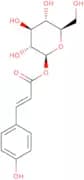
Formula:C6H13NO5Purity:Min. 95%Molecular weight:179.17 g/molp-Coumaroyl-b-D-glucose
CAS:P-Coumaroyl-b-D-glucose is a flavanone that belongs to the class of flavonoids. It is an intermediate in the synthesis of many other flavonoids, such as apigenin, labiatae, and rhamnetin. P-Coumaroyl-b-D-glucose has been shown to downregulate the expression of genes encoding proteins involved in the biosynthesis of proanthocyanidins and anthocyanins. This compound also induces apoptosis by binding to the mitochondria membrane and increasing reactive oxygen species production. P-Coumaroyl-b-D-glucose can be used as a marker for phenylpropanoid metabolism in plants.
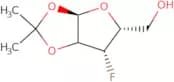
Formula:C15H18O8Purity:Min. 95%Color and Shape:White PowderMolecular weight:326.3 g/mol1,2-O-Isopropylidene-3-deoxy-3-fluoro-a-D-ribofuranose
CAS:1,2-O-Isopropylidene-3-deoxy-3-fluoro-a-D-ribofuranose is a custom synthesis. It is a complex carbohydrate that has been modified by methylation and glycosylation. This molecule has been fluorinated to produce a high purity product with the desired properties. The 1,2-O-isopropylidene group provides for increased stability and solubility of the product.
Formula:C8H13FO4Purity:Min. 95%Molecular weight:192.18 g/molRamipril acyl-b-D-glucuronide
CAS:Ramipril acyl-b-D-glucuronide is a glycosylated prodrug that is the active form of ramipril, an ACE inhibitor. It is metabolized in the liver to ramipril and excreted in the urine. Ramipril acyl-b-D-glucuronide has been shown to have an increased bioavailability and a longer half-life than ramipril due to its glycosylation. The synthesis of this drug has been modified by methylation, fluorination, and saccharide modification. This compound is also available as a custom synthesis for research purposes with high purity.
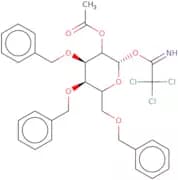
Formula:C29H40N2O11Purity:Min. 95%Molecular weight:592.63 g/mol2-O-Acetyl-3,4,6-tri-O-benzyl-b-D-glucopyranosyl trichloroacetimidate
CAS:2-O-Acetyl-3,4,6-tri-O-benzyl-b-D-glucopyranosyl trichloroacetimidate is a product of sugar modification. The modification is performed by the addition of acetyl groups to the hydroxyl groups on the glucose molecule. This process can be used to produce oligosaccharides and complex carbohydrates. The compound has no fluorine atoms and is not methylated or glycosylated. It has a CAS number of 180714-32-3.Formula:C31H32Cl3NO7Purity:Min. 95%Molecular weight:636.95 g/mol2,3,5-Tri-O-benzyl-D-ribose
CAS:Remdesivir impurity
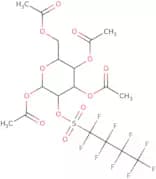
Formula:C26H28O5Purity:Min. 98 Area-%Color and Shape:White Off-White PowderMolecular weight:420.5 g/mol1,3,4,6-Tetra-O-acetyl-2-O-nonafluorobutane-sulfonyl-b-D-mannopyranose
CAS:1,3,4,6-Tetra-O-acetyl-2-O-nonafluorobutane-sulfonyl-b-D-mannopyranose is a fluorinated saccharide that can be custom synthesized. It is a glycosylated carbohydrate with a 1,3,4,6 tetra acetyl substitution at the 2 position of the b D mannopyranose moiety. The chemical formula for this compound is C12H28O8FS2. It has been shown to have potential as an antihyperglycemic agent and has been found to be active in tumor models.
Formula:C18H19O12SF9Purity:Min. 95%Molecular weight:630.39 g/mol2,3,4,6-Tetra-O-benzoyl-b-D-glucopyranosyl isothiocyanate
CAS:2,3,4,6-Tetra-O-benzoyl-b-D-glucopyranosyl isothiocyanate (TBG) is a fluorescent compound that has been shown to inhibit the activity of proteinase and other enzymes. TBG is also an inhibitor of human blood glucose levels. This compound is not chiral, but it can be used as a reagent for the production of chiral compounds. TBG binds to DNA with high affinity and specificity. It has been shown to act as a growth factor for some cancer cells by inhibiting the expression of p21 protein.
Formula:C35H27NO9SPurity:Min. 95%Molecular weight:637.66 g/molRef: 3D-MT05028
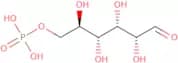
Discontinued productD-Glucose 6-phosphate - Powder
CAS:D-glucose 6-phosphate is an intermediate in the hexose monophosphate shunt pathway. It is formed by the enzyme phosphoglucomutase from D-glucose 1-phosphate and UTP. D-glucose 6-phosphate is also an important intermediate in glycolysis. The conversion of D-glucose 6-phosphate to glucose 1,6-bisphosphate occurs through a series of reactions catalyzed by enzymes that are sensitive to inhibition by magnesium ions. These reactions include the phosphofructokinase, hexokinase, and pyruvate kinase reactions. The accumulation of glucose 6-phosphate leads to increased levels of lactate production and decreased levels of ATP production. This may be due to its ability to inhibit monoamine reuptake, which would lead to decreased synthesis of dopamine and serotonin.
Formula:C6H13O9PPurity:Min. 95%Color and Shape:PowderMolecular weight:260.14 g/molRef: 3D-FD158897
Discontinued productPalatinose monohydrate
CAS:Palatinose monohydrate is a hydrogenated form of the natural disaccharide palatinose. It is often used as a solid catalyst in pharmaceutical preparations and has been shown to have a lower molecular weight than sucrose. Palatinose monohydrate may have beneficial effects on postprandial plasma glucose, protein data, and lipid metabolism. The hydrogenation process also produces fatty acids that are less reactive than those found in other sugars. Amine groups are also reduced in palatinose monohydrate, which may improve its taste. Palatinose monohydrate is not toxic at high doses and has been shown to be safe for use in toxicity studies. Surface methodology has been used to characterize the surface properties of palatinose monohydrate crystals, which can be used as a model for other sugar crystals.
Formula:C12H24O12Purity:Min. 95%Molecular weight:360.31 g/molRef: 3D-ICA02413
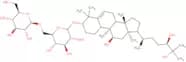
Discontinued productMogroside II A2
CAS:Mogroside II A2 is a fructan that is found in the fruit of the plant Glycosmis erythrorhiza, which is a member of the family Rutaceae. This compound has been shown to have immune-modulating properties and is used as an ingredient in some pharmaceutical drugs. Mogroside II A2 has also been demonstrated to have antiviral activity and may be helpful for cancer treatment. The effects of this compound on kidney fibrosis are unclear; however, it does have anti-inflammatory properties.
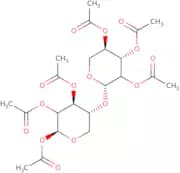
Formula:C42H72O14Purity:Min. 95%Color and Shape:PowderMolecular weight:801.01 g/mol1,4-b-Xylobiose hexaacetate
CAS:1,4-b-Xylobiose hexaacetate is a sugar that is used in the glycosylation of complex carbohydrates. It can be synthesized from xylose and acetaldehyde by Methylation and Click modification. 1,4-b-Xylobiose hexaacetate has been fluorinated to give a stable product. This product is soluble in water, ethanol, acetone, DMF, DMSO and other organic solvents. It can also be used for methylation or polysaccharide synthesis. The CAS number for this compound is 58024-20-7.
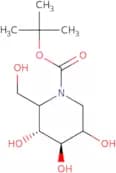
Formula:C22H30O15Purity:Min. 95%Color and Shape:White PowderMolecular weight:534.46 g/molN-Boc-1,5-imino-D-glucitol
CAS:N-Boc-1,5-imino-D-glucitol is a complex carbohydrate that is synthesized by the N-Boc protection group. It is an oligosaccharide with a molecular weight of about 190 daltons and it can be modified at the C1 position to produce various saccharides. N-Boc-1,5-imino-D-glucitol has been shown to be effective as a glycosylation agent for protein modification and for its ability to form stable complexes with other complex carbohydrates. This compound has also been used in the synthesis of polysaccharides and as a fluorination reagent.
Formula:C11H21NO6Purity:Min. 95%Molecular weight:263.29 g/molRef: 3D-MB16638
Discontinued product2-Hydroxyimipramine b-D-glucuronide
CAS:2-Hydroxyimipramine b-D-glucuronide is a custom synthesis, modification, and fluorination of the drug 2-hydroxyimipramine. The methyl group from the molecule is replaced with a fluoro group. This modification leads to a new compound with improved pharmacokinetic properties. The new compound also has glycosylation sites on the sugar ring that are not present in the parent drug. This modification may lead to an increase in the therapeutic efficacy of 2-hydroxyimipramine b-D-glucuronide as it interacts with other drugs and increases their bioavailability.
Formula:C25H32N2O7Purity:Min. 95%Color and Shape:SolidMolecular weight:472.54 g/molRef: 3D-MH09757
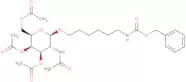
Discontinued product2-Acetamido-3,4,6-tri-O-acetyl-1-O-(N-Cbz-6-aminohexyl)-2-deoxy-b-D-galactopyranose
CAS:2-Acetamido-3,4,6-tri-O-acetyl-1-O-(N-Cbz-6-aminohexyl)-2-deoxy-b-D-galactopyranose is a glycosylation agent that is used in the preparation of complex carbohydrates. It is also a methylation agent, fluorinated saccharide and an oligosaccharide. This compound can be custom synthesized for your specific needs. It is a white to off white powder and has a purity of 99%. The CAS number for this product is 159173 -77 -0.Formula:C28H40N2O11Purity:Min. 95%Molecular weight:580.62 g/mol2,3,4,6-Tetra-O-acetyl-b-D-glucopyranosyl-N-Fmoc-L-threonine
CAS:2,3,4,6-Tetra-O-acetyl-b-D-glucopyranosyl-N-Fmoc-L-threonine is a Fluorination compound that is synthesized by the modification of natural carbohydrate. It's CAS number is 130548-92-4 and it's molecular weight is 464.8 Da. The purity of this compound is > 98% and the chemical formula is C24H36N2O10. 2,3,4,6-Tetra-O-acetyl-b-D-glucopyranosyl -N - Fmoc - L - threonine can be used in Polysaccharide synthesis for click modifications or methylations.Formula:C33H37NO14Purity:Min. 95%Molecular weight:671.66 g/molD-[1-13C]Galacturonic acid potassium salt
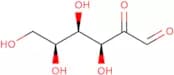
D-[1-13C]Galacturonic acid potassium salt is a sugar that is synthesized by the reaction of galactose with carbon dioxide. This sugar has been custom synthesized and is used in glycosylation reactions. Other modifications to this sugar include methylation and click modification, which can be done to make the sugar more reactive. D-[1-13C]Galacturonic acid potassium salt is a high purity product with a CAS number.
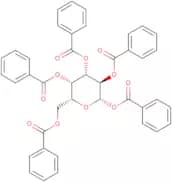
Purity:Min. 95%1,2,3,4,6-Penta-O-benzoyl-b-D-galactopyranose
CAS:Penta-O-benzoyl-b-D-galactopyranose is a pentasaccharide that has been shown to have an inhibitory effect on the growth of corynebacterium, which may be due to its ability to modulate fatty acid synthesis. Penta-O-benzoyl-b-D-galactopyranose is a disaccharide that is used as a diagnostic agent for corynebacteria. It is also used as a growth factor in the production of Corynebacterium glutamicum. The safety profile of this drug has not been evaluated in humans.Formula:C41H32O11Purity:Min. 95%Molecular weight:700.71 g/molD-Ribulose-5-phosphate sodium
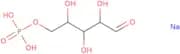
CAS:D-ribulose-5-phosphate sodium is a nucleotide sugar that is one of the ribonucleotides, which are fundamental components of RNA. D-ribulose 5-phosphate sodium has been shown to be an intermediate in the metabolism of ribulose and catalyzes the oxidation of d-arabinose. This enzyme also catalyses the synthesis of fatty acids and participates in reactions involving glycerolipids and phospholipids. The reaction mechanism involves a double displacement with simultaneous attack by a water molecule on C2' and C3'. When deuterium is present, it affects the rate of these reactions in a way that depends on the orientation of the substrate to the enzyme.
Formula:C5H11NaO8PPurity:Min. 95%Molecular weight:253.1 g/molRef: 3D-BDA05475
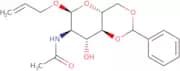
Discontinued productAllyl 2-acetamido-4,6,-O-benzylidene-2-deoxy-a-D-glucopyranoside
CAS:Allyl 2-acetamido-4,6,-O-benzylidene-2-deoxy-a-D-glucopyranoside is a sugar that is used as a custom synthesis or modification. It is also called allyl 2-(1,3-dioxo-1,3,4,-thiadiazolidinium)acetamido 4,6,-O-(benzylidene)-2 deoxy erythro -a D glucopyranoside. Allyl 2 acetamido 4,6,-O -benzylidene -2 deoxy erythro -a D glucopyranoside is used in the glycosylation of proteins and oligosaccharides and in the synthesis of saccharides. This compound has been shown to be useful in identifying glycosaminoglycan chains in complex carbohydrates.
Formula:C18H23NO6Purity:Min. 95%Molecular weight:349.39 g/molRef: 3D-MA09591
Discontinued productAllyl 4,6-O-benzylidene-b-L-glucopyranoside
Allyl 4,6-O-benzylidene-b-L-glucopyranoside is a carbohydrate that is synthesized from allyl alcohol and glucose. It is a complex carbohydrate made up of two different saccharides. This product can be custom synthesized to meet your needs. Allyl 4,6-O-benzylidene-b-L-glucopyranoside has been modified by fluorination, methylation and glycosylation. It has the CAS number 133394-02-0 and can be synthesized at high purity levels.
Formula:C16H20O6Purity:Min. 95%Molecular weight:308.33 g/molRef: 3D-MA45752
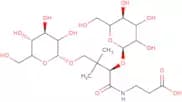
Discontinued productPantothenic acid 2,4-di-O-b-D-galactopyranoside
Pantothenic acid 2,4-di-O-b-D-galactopyranoside is a custom synthesis of Methylated Pantothenic Acid 2,4-Di-O-b-D-Galactopyranoside. The compound is an oligosaccharide composed of two glucose molecules and one galactose molecule. It contains a fluorine atom at the 4th position of the sugar chain. This modification was made to increase the solubility in water. Pantothenic acid 2,4-di-O-b-D-galactopyranoside can be used in industry as a food additive or pharmaceutical intermediate.
Formula:C21H37NO15Purity:Min. 95%Molecular weight:543.52 g/molDipalmitin
CAS:Dipalmitin is a chemical substance that belongs to the group of fatty acid esters. It has been shown to inhibit the activity of a number of enzymes, including proteases and lipases. Dipalmitin also inhibits the production of diacylglycerol and glycerides in cells, which are necessary for cellular growth. The exact mechanism by which dipalmitin inhibits these enzymes is unknown, but it has been hypothesized that it may function as a competitive inhibitor or an allosteric inhibitor. Dipalmitin also has been shown to have antiviral properties against HIV infection in model systems. The antiviral activity has been attributed to its ability to inhibit viral protein synthesis and block the assembly of viral particles at the cell membrane.
Formula:C35H68O5Purity:Min. 95%Molecular weight:568.91 g/molRef: 3D-BBA65795
Discontinued product2,3,4,6-Tetra-O-acetyl-b-D-glucopyranosyl-N-Fmoc-L-serine pentafluorophenyl ester
CAS:2,3,4,6-Tetra-O-acetyl-b-D-glucopyranosyl-N-Fmoc-L-serine pentafluorophenyl ester is a glycosylation agent that can be used in the synthesis of complex carbohydrates. It has been shown to react with various sugars and polysaccharides to form polymers. This chemical has also been used for the click modification of polymers and as a fluorinating agent in the synthesis of saccharides. 2,3,4,6-Tetra-O-acetyl-b-D-glucopyranosyl -N--Fmoc--L--serine pentafluorophenyl ester is soluble in water and organic solvents. It has been shown to be stable at high temperatures (up to 200°C) and is highly reactive.
Formula:C38F5H34NO14Purity:Min. 95%Molecular weight:823.68 g/mol1, 4- Anhydro- 3- deoxy-D- threo- pentitol
CAS:1,4-Anhydro-3-deoxy-D-threo-pentitol is a custom synthesis of a monosaccharide. The structure consists of a hydrogen attached to the oxygen on the anomeric carbon which is then substituted with fluorine. The hydroxyl group on C1 is methylated and then reduced to form a hemiacetal linkage with the C6 hydroxyl group. This product can be used in glycosylation reactions to produce complex carbohydrates.
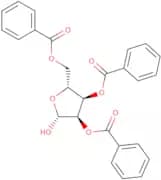
Formula:C5H10O3Purity:Min. 95%Molecular weight:118.13 g/mol2,3,5-Tri-O-benzoyl-b-D-ribofuranose
CAS:2,3,5-Tri-O-benzoyl-b-D-ribofuranose is a custom synthesis of an oligosaccharide. It has been modified with fluorination and methylation. This is a synthetic carbohydrate that belongs to the class of saccharides. It has been synthesized from a monosaccharide and has glycosylation. The chemical formula for 2,3,5-Tri-O-benzoyl-b-D-ribofuranose is C10H14O7.
Formula:C26H22O8Purity:Min. 95%Molecular weight:462.45 g/molRef: 3D-MT63375
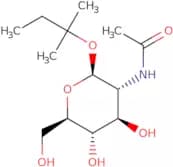
Discontinued producttert-Amyl 2-acetamido-2-deoxy-b-D-glucopyranoside
CAS:Tert-Amyl 2-acetamido-2-deoxy-b-D-glucopyranoside is a synthetic derivative of the natural sugar nucleotide, UDP-N-acetylgalactosamine. It is a precursor for the synthesis of glycosaminoglycans, which are important components of proteoglycans and glycosaminoglycan aggregates. Tert-Amyl 2-acetamido-2-deoxy-b-D-glucopyranoside has been modified by fluorination and methylation to provide increased stability and reactivity. This product is available in high purity with a CAS number of 262849-66-1.
Formula:C13H25NO6Purity:Min. 95%Molecular weight:291.34 g/mol4-Aminophenyl b-D-thioglucopyranoside
CAS:4-Aminophenyl b-D-thioglucopyranoside is a compound that belongs to the group of small molecules and has been studied for its potential use as a drug to treat brain tumours. It has been shown that 4-Aminophenyl b-D-thioglucopyranoside binds to centromeric DNA sequences in mammalian cells, which can lead to inhibition of transcription and replication. This inhibitory effect on transcription and replication is due to the inhibition of acetyltransferase enzymes by 4-Aminophenyl b-D-thioglucopyranoside.
Formula:C12H17NO5SPurity:Min. 95%Molecular weight:287.33 g/molRef: 3D-MA06858
Discontinued productMethyl b-L-daunosaminide HCl
CAS:Methyl b-L-daunosaminide HCl is a glycoconjugate that has been custom synthesized by our team. It is a complex carbohydrate that has been modified with glycosylation and methylation groups. Methyl b-L-daunosaminide HCl is an oligosaccharide that contains multiple saccharides linked together in a specific order. It is also fluorinated at the C4 position, which makes it more stable in water. Methyl b-L-daunosaminide HCl has high purity, making it suitable for use in the modification of other compounds or as a research tool for studying glycosylations.
Formula:C7H15NO3·HClPurity:Min. 95%Molecular weight:197.66 g/molRef: 3D-MM04967
Discontinued product2-Bromoethyl a-L-fucopyranoside
This compound is a modification of the 2-bromoethyl a-L-fucopyranoside. It is an oligosaccharide that is a carbohydrate. It is made up of many monosaccharides, which are sugar molecules linked together. This modified carbohydrate has been synthesized from other carbohydrates and then fluorinated to make it more stable.
Purity:Min. 95%cis-Zeatin-9-glucoside
CAS:Cis-Zeatin-9-glucoside is a plant hormone known as a cytokinin, which is primarily synthesized in plants such as Zea mays (corn) and other monocots. Cytokinins play a critical role in regulating plant growth and development by promoting cell division, influencing nutrient allocation, and delaying leaf senescence. The mode of action of cis-Zeatin-9-glucoside involves its role as a signaling molecule that interacts with specific receptors in plant cells, thereby triggering a cascade of gene expression changes that modulate physiological processes.
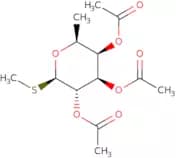
Formula:C16H23N5O6Purity:Min. 95%Color and Shape:PowderMolecular weight:381.38 g/molMethyl 2,3,4-tri-O-acetyl-β-L-thiofucopyranoside
CAS:Methyl 2,3,4-tri-O-acetyl-b-L-thiofucopyranoside is a ferrite that is important for the growth of cells. It can be used as a growth factor to promote the growth of cells. Covid®-19 pandemic A/Aureus strain is resistant to this drug and it has been shown to inhibit cellular transformation in human epidermal cells. The drug also reduces the size and number of cancerous lesions in mice by inhibiting tumor angiogenesis. Methyl 2,3,4-tri-O-acetyl-b-L-thiofucopyranoside can cause an overload of Ca2+ ions in the cell, which may lead to apoptosis or necrosis.
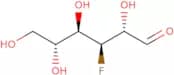
Formula:C13H20O7SPurity:Min. 95%Molecular weight:320.36 g/mol3-Deoxy-3-fluoro-D-mannose
CAS:3-Deoxy-3-fluoro-D-mannose (3DFM) is a synthetic sugar molecule that acts as an inhibitor of bacterial growth. It binds to the 6-phosphate group of nucleic acids, which prevents the addition of sugar molecules to ribose or deoxyribose groups. 3DFM also inhibits the synthesis of proteins and RNA, which are necessary for bacterial growth. 3DFM is a structural analog of mannose and glucose, and has been shown to be effective against chronic infections caused by bacteria that produce lectins, such as C. difficile. This drug can be used in combination with other antibiotics to enhance their effectiveness.
Formula:C6H11FO5Purity:Min. 95%Color and Shape:PowderMolecular weight:182.15 g/molRef: 3D-MD06720
Discontinued productL-Sorbosone
CAS:L-Sorbosone is an antioxidant that can be used as a food additive or dietary supplement. It has been shown to have antioxidative properties and has the ability to inhibit oxidation reactions. The optimum concentration of L-sorbosone is 0.1 milligrams per liter and it is effective at inhibiting chemical reactions in a wide range of pH levels, from 2 to 8. L-Sorbosone belongs to the genus sorbose, which is a sugar alcohol that does not contain an aldehyde group. It also converts sorbose into dehydroascorbic acid and inhibits the enzyme activities of two important enzymes involved in cell culture, namely glutathione reductase and cytochrome p450, which are necessary for maintaining cellular redox balance.
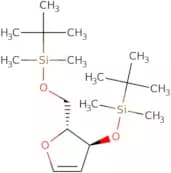
Formula:C6H10O6Purity:Min. 95%Molecular weight:178.14 g/mol1,4-Anhydro-2-deoxy-3,5-bis-O-(t-butyldimethylsilyl)-D-erythro-pent-1-enitol
CAS:1,4-Anhydro-2-deoxy-3,5-bis-O-(t-butyldimethylsilyl)-D-erythro-pent-1-enitol is a custom synthesis that has been fluorinated. It is a high purity oligosaccharide with a complex carbohydrate structure. This product was synthesized by click modification and methylation of the saccharide. It is a monosaccharide and sugar with a molecular formula C8H14FNO6S.Formula:C17H36O3Si2Purity:Min. 95%Color and Shape:Clear LiquidMolecular weight:344.64 g/molRef: 3D-MA06401
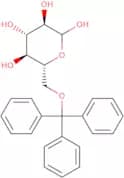
Discontinued product6-O-Trityl-D-glucose
CAS:6-O-Trityl-D-glucose is a sugar derivative that is synthesized by reacting 6,6'-dichloro-1,1'-binaphthyl with D-glucose. It has been used as a model for the stereospecific hydrolysis of polystyrene catalyzed by lipase. The reactive carbonyl group in the molecule allows for substitution reactions to occur at the hydroxyl groups and yields are dependent on the substituent effects.
Formula:C25H26O6Purity:Min. 95%Color and Shape:White To Off-White SolidMolecular weight:422.47 g/molRef: 3D-MT16885
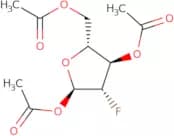
Discontinued product1,3,5-Tri-O-acetyl-2-deoxy-2-fluoro-a-D-arabinofuranose
CAS:1,3,5-Tri-O-acetyl-2-deoxy-2-fluoro-a-D-arabinofuranose is a sugar that is modified with fluorine. It has been synthesized using the "click" reaction methodology and is available for custom synthesis. This synthetic sugar can be used in glycosylation reactions or as a monosaccharide or polysaccharide in complex carbohydrate click chemistry. This product is of high purity and can be modified with methyl groups or other functional groups to suit your needs.Formula:C11H15FO7Purity:Min. 95%Molecular weight:278.23 g/molRef: 3D-MT04737
Discontinued productIvermectin monosaccharide
CAS:Ivermectin monosaccharide is a molecule that has been shown to have an inhibitory effect on the uptake of glucose by cyathostomes. This molecule does not bind to inulin, but it does bind to the receptor binding site for ivermectin. Ivermectin monosaccharide has been shown to have a high affinity for the receptor binding site and can be used as an alternative method for detecting low concentrations of ivermectin.
Formula:C41H62O11Purity:Min. 95%Molecular weight:730.92 g/molNefopam glucuronide
Nefopam is a compound that has been used as an analgesic and antipyretic. It is structurally related to the benzodiazepine class of drugs, but is not chemically equivalent to any other known drug. Nefopam has a low therapeutic index and can cause severe toxic effects in overdose. The most common adverse effects of nefopam are dizziness, drowsiness, headache, nausea and vomiting. An overdose can lead to death by respiratory paralysis or cardiac arrest.
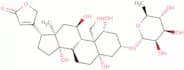
Formula:C23H27NO7Purity:Min. 95%Molecular weight:429.46 g/molOuabain - anhydrous
CAS:Ouabain is a potent inhibitor of the Na+/K+-ATPase pump in cardiac and skeletal muscles. It has been shown to inhibit signal pathways that are involved in the regulation of cellular membrane potentials, such as the michaelis–menten kinetics. Ouabain has also been found to be effective against syncytial virus infection. Ouabain inhibits viral replication by inhibiting cellular protein synthesis and reducing cell number due to its cytotoxic effects on myocardial cells. Ouabain has also been found to inhibit neuronal death induced by α1-adrenergic receptor agonists, such as p2y receptors.
Formula:C29H44O12Purity:Min. 95%Color and Shape:PowderMolecular weight:584.65 g/molRef: 3D-MO34347
Discontinued product2-epi-(-)-emtricitabine
CAS:2-epi-(-)-emtricitabine is an analog of the nucleoside cytidine, which inhibits the phosphorylation and subsequent degradation of deoxycytidine kinase, thereby blocking the production of the viral DNA polymerase. The compound also inhibits tyrosine kinases, which are enzymes that play a vital role in cell signaling. This inhibition may contribute to its antiviral activity. 2-epi-(-)-emtricitabine has been shown to inhibit human immunodeficiency virus (HIV) replication in vitro and in vivo. It is a prodrug that is converted to emtricitabine, its active form, by deoxycytidine kinase and then hydrolyzed by esterases. 2-epi-(-)-emtricitabine has been shown to be effective against hepatitis B virus and cancer cells.
Formula:C8H10FN3O3SPurity:Min. 95%Molecular weight:247.25 g/molRef: 3D-ME16711
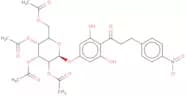
Discontinued product4'-O-(b-D-2,3,4,6-Tetra-O-acetyl-glucopyranosyl)-4-nitrophloretin
CAS:4'-O-(b-D-2,3,4,6-Tetra-O-acetyl-glucopyranosyl)-4-nitrophloretin is a custom synthesis with Modification. This product was prepared by fluorination and methylation of 4'-O-(b-D-2,3,4,6-tetra-O-[1,2:1,3]triazolium chloride)-4' nitrophloretin. The molecular formula is C21H18N8O12 and molecular weight is 524.32. CAS No. 82628-87-3.
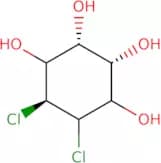
Formula:C29H31NO15Purity:Min. 95%Molecular weight:633.55 g/mol1,2-Dichloro-1,2-dideoxy-myo-inositol
1,2-Dichloro-1,2-dideoxy-myo-inositol is a methylated saccharide. It is used in the synthesis of complex carbohydrates and can be modified to include fluorine atoms. 1,2-Dichloro-1,2-dideoxy-myo-inositol has been shown to inhibit the growth of Staphylococcus aureus and Clostridium perfringens.
Purity:Min. 95%Ref: 3D-MD08932
Discontinued productD-Xylulose 5-phosphate sodium
CAS:D-Xylulose 5-phosphate sodium salt is a synthetic monosaccharide that can be used in the synthesis of oligosaccharides, polysaccharides, and complex carbohydrates. It is also used in glycosylation reactions. D-Xylulose 5-phosphate sodium salt has been fluorinated to provide better stability and solubility. The compound has a molecular weight of 206.06 g/mol and a CAS number of 105931-44-0. This product is available for custom synthesis upon request.
Formula:C5H11O8PNaPurity:Min. 95%Color and Shape:PowderMolecular weight:252.09 g/molRef: 3D-MX182933
Discontinued productMannioside A
CAS:Mannioside A is a postulated antigen that may be found in the Dracaena genus of plants. This compound has been shown to have an affinity for membranes, which could possibly be used as a strategy for vaccines and other pharmaceutical products. Mannioside A also has hemolytic activity, which may be useful in developing new treatments for autoimmune disorders such as multiple sclerosis.
Purity:Min. 95%D-Tagatose 1-phosphate
CAS:D-tagatose 1-phosphate is a cytosolic intermediate of tagatose, which is found in many dietary sources. It has been shown to have regulatory effects on mitochondrial membrane potential and peroxisome proliferation in human cells. D-tagatose 1-phosphate also has been shown to have clinical relevance for humans with liver disease, as it enhances aerobic glycolysis and increases adenine nucleotide levels.
Formula:C6H13O9PPurity:Min. 95%Molecular weight:260.14 g/molTopiramate didesacetal impurity
CAS:Topiramate didesacetal impurity is a Custom synthesis, Modification, Fluorination, Methylation, Monosaccharide, Synthetic compound. It is used in the production of saccharides and polysaccharides. The Carbohydrate has a variety of uses including food additives and sweeteners.
Formula:C6H13NO8SPurity:Min. 95%Molecular weight:259.24 g/mol2-Deoxy-2-fluoro-L-[UL-13C]fucose
CAS:2-Deoxy-2-fluoro-L-[UL-13C]fucose is a modified sugar molecule used in various scientific applications, particularly in glycobiology and drug development. It's used to study fucose-containing glycans, enzyme interactions, metabolic pathways, and glycoengineering. For instance, it can be incorporated into proteins to investigate the effects of fucose modifications on their function or used to develop drugs targeting fucose-metabolizing enzymes
Formula:C6H12O5Purity:Min. 95%Molecular weight:164.16 g/molm-Topolin-9-glucoside
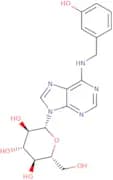
CAS:M-topolin-9-glucoside is a synthetic sugar that has been modified by the introduction of fluorine atoms at C-2, C-3, and C-4. This sugar is used to study the interactions between carbohydrates and proteins. It is also used for the synthesis of oligosaccharides as well as for glycosylation and methylation reactions. M-topolin-9-glucoside is a monosaccharide that has been glycosylated and methylated. It can be used as a replacement for glucose in some reactions due to its stability and low cost.
Formula:C18H21N5O6Purity:Min. 95%Color and Shape:PowderMolecular weight:403.39 g/mol5-Fluorouracil N-b-D-glucuronide
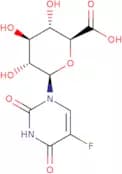
CAS:5-Fluorouracil N-b-D-glucuronide is the major metabolite of 5-fluorouracil. It is mainly excreted in urine and bile, and has a high blood level. The glucuronide conjugate of 5-fluorouracin is hydrolyzed by beta-glucuronidase to generate 5-fluorouridine, which can be reabsorbed into the cell to form cytotoxic 5-fluoro uridine triphosphate. This process inhibits protein synthesis, leading to cell death. The half life of 5FU glucuronide is short and it needs to be constantly replaced with new doses. It has also been shown that levels of 5FU glucuronide are higher in tissues than in plasma, which may explain its inhibitory effect on tumors.
Formula:C10H11FN2O8Purity:Min. 95%Molecular weight:306.2 g/molRef: 3D-MF16727
Discontinued product5-(S-2-Pyridin-3-yl-pyrrolidine)-1-yl-5-deoxy-1,2-isopropylidene-a-D-xylofuranose
CAS:5-(S-2-Pyridin-3-yl-pyrrolidine)-1-yl-5-deoxy-1,2-isopropylidene-a-D-xylofuranose is a glycosylated sugar which can be modified with methyl groups, fluorine atoms, and saccharides. This compound has been synthesized in the laboratory and has not been found in nature. It is soluble in water and ethanol. The compound is available for custom synthesis to order.Formula:C17H24N2O4Purity:Min. 95%Molecular weight:320.39 g/molEthyl 2,3,4-tri-O-acetyl-a-L-rhamnopyranoside
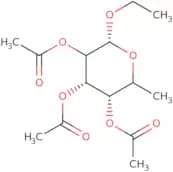
Ethyl 2,3,4-tri-O-acetyl-a-L-rhamnopyranoside is a custom synthesis of methylated oligosaccharides. It is an acetylated form of L-rhamnopyranoside that is obtained by the reaction of dl-glyceraldehyde with acetone and acetic acid. The product has been fluorinated to give a complex carbohydrate with high purity.
Formula:C14H22O8Purity:Min. 95%Molecular weight:318.32 g/molRef: 3D-ME08392
Discontinued productNicotine-N-b-D-glucuronide hydrate
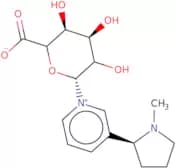
CAS:Nicotine-N-b-D-glucuronide hydrate is a metabolite of nicotine that is excreted in the urine as an organic anion. It has been shown to have anticancer activity against a variety of human cancer cell lines, including lung, stomach, colon, and prostate. Nicotine-N-b-D-glucuronide hydrate has also been shown to inhibit protein synthesis in vitro by interfering with the ability of cells to import amino acids such as tryptophan and phenylalanine. The same study also showed that this metabolite can cause symptoms similar to those caused by nicotine withdrawal.
Formula:C16H22N2O6·xH2OPurity:Min. 95%Molecular weight:338.36 g/molRef: 3D-MN09846
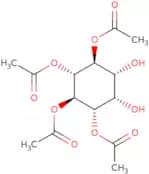
Discontinued product3,4,5,6-Tetra-O-acetyl-D-myo-inositol
CAS:3,4,5,6-Tetra-O-acetyl-D-myo-inositol is a carbohydrate that can be used as a monosaccharide or an oligosaccharide. It is produced by the modification of inositol with acetate and fluoride. The compound has been shown to have anti-inflammatory properties and can be used as a drug target for treating inflammation. 3,4,5,6-Tetra-O-acetyl-D-myo-inositol is also methylated and glycosylated.
Formula:C14H20O10Purity:Min. 95%Molecular weight:348.3 g/mol1,4:3,6-Dianhydro-5-nitro-D-glucitol
CAS:Isosorbide is a naturally occurring sugar alcohol (polyol) that is found in small quantities in many plants and fruits. It is used as a pharmaceutical drug to treat angina pectoris, congestive heart failure, and high blood pressure. Isosorbide has been shown to inhibit the activity of matrix metalloproteinases (MMPs), which are enzymes that degrade extracellular matrix proteins. This effect may be beneficial for patients with disorders such as arthritis. Isosorbide also increases nitric oxide production, leading to vasodilation and improved blood flow. The therapeutic effect of isosorbide has been demonstrated in experimental models using mice with congestive heart failure due to myocardial infarction or chronic heart disease. Pharmacological treatment of these animals with isosorbide resulted in an improvement of left ventricular function, reduction of myocardial fibrosis, and reduced levels of cardiac markers.
Formula:C6H9NO6Purity:Min. 95%Molecular weight:191.14 g/molRef: 3D-MD09906
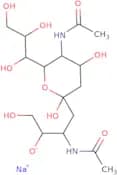
Discontinued product3'-a-Sialyl-N-acetyllactosamine sodium salt
CAS:3'-a-Sialyl-N-acetyllactosamine sodium salt is a high purity, custom synthesis sugar. It has been modified with fluorination, glycosylation, and methylation to provide the desired properties. This product is also available in other forms such as monosaccharide and saccharide. 3'-a-Sialyl-N-acetyllactosamine sodium salt can be used in various applications including Click modification, fluoroamination, glycosylation, carbonylation and methylation. CAS No. 350697-53-9
Formula:C25H42N2O19NaPurity:Min. 95%Molecular weight:697.59 g/molRef: 3D-MS182937
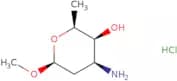
Discontinued productL-Daunosamine-b-methylglycoside hydrochloride
L-Daunosamine-b-methylglycoside hydrochloride is a high purity, custom synthesis of an oligosaccharide. This product is synthesized from D-mannose and L-daunosamine. The synthetic process begins with the click modification of the carbohydrate to introduce a methyl group onto the sugar. The resulting product is then glycosylated, fluorinated, and methylated to create the final product. L-Daunosamine-b-methylglycoside hydrochloride has been shown to act as a competitive inhibitor of bacterial dna gyrase, which helps maintain the integrity of bacterial DNA by preventing supercoiling. L-Daunosamine-b-methylglycoside hydrochloride has also been shown to inhibit protein synthesis in bacteria by binding to ribosomes, which are responsible for translating mRNA into proteins.
Formula:C7H15NO3·HClPurity:Min. 95%Molecular weight:197.66 g/molRef: 3D-MD44774
Discontinued product5,7-Bis-(benzyloxy)-a-(4-(benzyloxy)phenyl)-3-[3,4-di-O-acetyl-a-O-acetyl-a-L-rhamnopyranosyloxyl]-4H-chromen-4-one
CAS:This product is a custom synthesis. This product is a methylation, click modification, and oligosaccharide. This product is a polysaccharide and saccharide. This product is fluorinated and complex carbohydrate. This product is high purity with modification. This product has monosaccharides and sugar. This product is synthetic and CAS No. 849938-27-8.
Formula:C53H48O12Purity:Min. 95%Molecular weight:876.94 g/molRef: 3D-MB16635
Discontinued productUDP-2-ketopropyl-a-D-galactose
UDP-2-ketopropyl-a-D-galactose is a synthetic compound that belongs to the group of oligosaccharides. It is an excellent candidate for glycosylation, methylation, and click modification. The product has a CAS number, which provides high purity and custom synthesis. The product is also a complex carbohydrate with a variety of modifications.
Purity:Min. 95%Ref: 3D-MR58621
Discontinued producto-Topolin-9-glucoside
CAS:O-topolin-9-glucoside is a custom synthesis of a sugar. It can be modified with fluorination, methylation, and click modification. O-topolin-9-glucoside is an oligosaccharide sugar that can be glycosylated or polysaccharided.
Formula:C18H21N5O6Purity:Min. 95%Molecular weight:403.39 g/mol1,2,3,4,6-Penta-O-acetyl-D-galactopyranose
CAS:1,2,3,4,6-Penta-O-acetyl-D-galactopyranose is an analog of the natural pentoses that binds to the mitochondrial membrane and inhibits the production of pro-inflammatory cytokines. This drug has been shown to inhibit the binding of lysophosphatidic acid (LPA) to its receptor by substituting for LPA in this binding site. 1,2,3,4,6-Penta-O-acetyl-D-galactopyranose also inhibits the expression of proinflammatory cytokines such as interleukin 6 (IL6) and IL1β in a dose dependent manner. This drug is also capable of inhibiting phosphotungstic acid from binding to a monolayer surface and can be used as a glycopolymer for cell culture. It has been shown that 1,2,3,4,6-Penta-O-acetylFormula:C16H22O11Purity:Min. 95%Color and Shape:PowderMolecular weight:390.34 g/molN-Benzoyl-D-glucosamine
CAS:Lectins are carbohydrate-binding proteins that can be classified into different types based on their specificities for glycan structures. One of the most common types is the N-acetyl-D-glucosamine (NAG) lectin, which binds to oligomers of NAG and related sugars. Lectins are used to activate cells and induce cell death. The dodecyl NAG lectin has been shown to bind to glucocerebrosides in a reductively irreversible manner and has been used as a model for such interactions. This lectin is also inexpensively produced from a synthetic benzylidene acetal, which can be made from commercially available materials. It has been shown that this lectin binds to polyacrylamide gels in an SDS-polyacrylamide gel electrophoresis, with a pH optimum at 7.0 and an amino acid composition that includes glutamic acid, glutamine, asparagine, ser
Formula:C13H17NO6Purity:Min. 95%Color and Shape:White PowderMolecular weight:283.28 g/molRef: 3D-MB03953
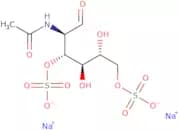
Discontinued productN-Acetyl-D-glucosamine-3-6-di-O-sulfate sodium
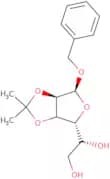
CAS:N-Acetyl-D-glucosamine-3-6-di-O-sulfate sodium salt is a synthetic oligosaccharide. It is a fluorinated glycosylic acid glycosidase, an enzyme that catalyzes the hydrolysis of beta-(1,2)-glycosidic linkages in polysaccharides. This product can be custom synthesized to meet your specifications and can be modified with methylation or click modification for your specific needs.Formula:C8H15NO12S2•Na2Purity:(13C-Nmr Spectrum) Min. 95%Color and Shape:White PowderMolecular weight:427.32 g/molBenzyl 2,3-O-isopropylidene-α-D-mannofuranoside
CAS:Benzyl 2,3-O-isopropylidene-a-D-mannofuranoside is a fluorinated monosaccharide that is synthesized using glycosylation and polysaccharide modification. This product has a CAS number of 20689-03-6 and can be used for complex carbohydrate synthesis. It has been shown to have high purity.
Formula:C16H22O6Purity:Min. 95%Color and Shape:PowderMolecular weight:310.34 g/molRef: 3D-MB04631
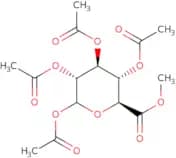
Discontinued product1,2,3,4-Tetra-O-acetyl-D-glucuronide methyl ester
CAS:1,2,3,4-Tetra-O-acetyl-D-glucuronide methyl ester is a lactone that can be used as a precursor for the synthesis of various types of compounds. The chemical structure was determined by high-resolution x-ray diffraction to be a planar molecule with two conformations: one where the four acetyl groups are on different sides and another where they are all on the same side. The latter conformation is more stable due to the dihedral angle between the hydroxyl group and carbonyl group. This compound is an intermediate in synthesizing 2-(4'-hydroxybenzoyl)-1,2,3,4-tetra-O-acetyl-.alpha.-D-.beta.-D glucopyranoside methyl ester by reacting with 3-(3'-azido)benzaldehyde. The single crystal x-ray diffraction study revealed that this compound has a conformation
Formula:C15H20O11Purity:Min. 97 Area-%Color and Shape:White PowderMolecular weight:376.31 g/molRef: 3D-MT04862
Discontinued productD-Mannose tablets
CAS:Please enquire for more information about D-Mannose tablets including the price, delivery time and more detailed product information at the technical inquiry form on this page
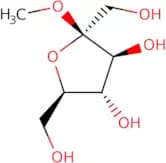
Formula:C6H12O6Purity:Min. 95%Color and Shape:PowderMolecular weight:180.16 g/molMethyl b-D-fructofuranoside
CAS:Methyl b-D-fructofuranoside is a chemical compound that is used in the production of esters and fatty acids. Methyl b-D-fructofuranoside is produced by a dehydration reaction between two molecules of acetone. The product of this reaction, methyl b-D-fructopyranoside, can be broken down into two molecules of acetone and one molecule each of methyl alcohol and carbon dioxide. This process is called alkylation. Furanocoumarin derivatives are often found in plants such as asperulosidic acid and quinquefasciatus. These compounds are found in many species of plant, but they are most concentrated in the roots of these plants because they are more metabolically active there than other parts of the plant. Environmental pollution can lead to high concentrations of furanocoumarins in plants, which can have toxic effects on organisms that come into contact with them.
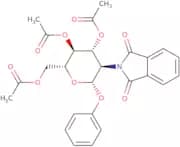
Formula:C7H14O6Purity:Min. 98 Area-%Color and Shape:Clear LiquidMolecular weight:194.18 g/molPhenyl 3,4,6-tri-O-acetyl-2-deoxy-2-phthalimido-b-D-glucopyranoside
CAS:Phenyl 3,4,6-tri-O-acetyl-2-deoxy-2-phthalimido-b-D-glucopyranoside is a fluorinated synthetic monosaccharide that has been synthesized to serve as a glycosylation and polysaccharide modification agent. Phenyl 3,4,6-tri-O-acetyl-2-deoxy-2--phthalimido--b--D--glucopyranoside is an effective methylation agent for the synthesis of complex carbohydrates. It can be used for click modifications on the sugar moiety of oligosaccharides and polysaccharides. Phenyl 3,4,6 -tri -O -acetyl -2 -deoxy -2 -phthalimido -b -D--glucopyranoside is soluble in water as well as many organic solvents. The CAS No. 120498 97 7 is assigned toFormula:C26H25NO10Purity:Min. 95%Molecular weight:511.48 g/molRef: 3D-MP12488
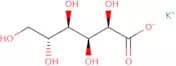
Discontinued productD-Gluconic acid potassium salt
CAS:D-Gluconic acid potassium salt is a glycol ether with biochemical properties that can be used to synthesize covalent linkages. It has been shown to have antimicrobial properties in wild-type strains of Escherichia coli and Salmonella typhimurium. D-Gluconic acid potassium salt has been shown to exhibit inhibitory effects on the synthesis of DNA, RNA, and protein, as well as enzyme activities. The matrix effect is an analytical method that measures the inhibition of bacterial growth in agar plates. Electrochemical impedance spectroscopy (EIS) is a technique that measures changes in electrical resistance when bacteria are placed on an electrode surface. This technique has been used to show that D-gluconic acid potassium salt exhibits inhibitory effects against group P2 enzymes, such as polymerase chain reaction (PCR), which is used for DNA replication and amplification.
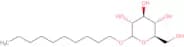
Formula:C6H11KO7Purity:Min. 95%Molecular weight:234.25 g/molDecyl D-glucopyranoside
CAS:Decyl D-glucopyranoside is a sodium salt of decyl D-glucopyranoside that is used as a detergent additive in cleaning compositions. Decyl D-glucopyranoside has shown antimicrobial activity against both Gram-positive and Gram-negative bacteria, including methicillin resistant Staphylococcus aureus (MRSA) and Clostridium perfringens. Decyl D-glucopyranoside has also been shown to have chemical stability at high temperatures, making it useful in the manufacture of lacrimal gland preparations and cationic surfactants.
Formula:C16H32O6Molecular weight:320.42 g/molRef: 3D-MD11310
Discontinued productN-Acetylmuramic acid 6-phosphate
CAS:N-Acetylmuramic acid 6-phosphate is a molecule that belongs to the class of compounds known as nucleotide phosphates. It is an intermediate in the biosynthesis of peptidoglycan, which is a major component of bacterial cell walls. N-Acetylmuramic acid 6-phosphate is synthesized from ATP and N-acetylmuramic acid by hydrolysis. The reaction mechanism for this transformation involves an imine intermediate, which can be formed through the action of two molecules of ATP and one molecule of N-acetylmuramic acid. This reaction is catalyzed by an enzyme called heterocyst. The enzyme kinetics for this transformation are influenced by many factors, including temperature, pH, and substrate concentration.Formula:C11H20NO11PPurity:Min. 95%Molecular weight:373.25 g/molD-Sedoheptulose
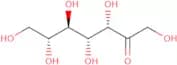
CAS:D-Sedoheptulose is a sugar that is a member of the pentoses. It has been shown to have a ph optimum of 4.5 and oxidizing potential of -0.18 V. It is also an important intermediate in carbohydrate metabolism and can be used as an energy source by cells. D-Sedoheptulose plays a role in transcriptional regulation and cellular physiology, as well as being involved in the production of acyl chains and disulfide bonds for proteins. D-Sedoheptulose has also been found to have synergic effects with other sugars such as glucose, sucrose, or fructose, which may be due to its ability to act as an inducer of reductive enzymes such as glucose-6-phosphate dehydrogenase (G6PD).
Formula:C7H14O7Purity:Min. 95%Color and Shape:PowderMolecular weight:210.18 g/molGlucosamine L-5-methyltetrahydrofolate
CAS:Please enquire for more information about Glucosamine L-5-methyltetrahydrofolate including the price, delivery time and more detailed product information at the technical inquiry form on this page
Formula:C20H25N7O6•(C6H13NO5)2Purity:Min. 95%Molecular weight:817.8 g/molNystatin A3
CAS:8,9-Dideoxy-28,29-dihydro-7,10-dihydroxy-35-O-(2,6-dideoxy-L-ribo-hexopyranosyl)amphotericin B is an antifungal drug that belongs to the class of polyene macrolides. It is a potent inhibitor of Candida albicans and Candida glabrata. This compound has been shown to have synergistic effects when used in combination with nystatin against C. albicans. 8,9-Dideoxy-28,29-dihydro-7,10-dihydroxy-35O-(2,6 - dideoxy - L - ribo - hexopyranosyl)amphotericin B also inhibits toll like receptor 4 (TLR4), which is responsible for the induction of inflammatory cytokines such as IL1B and IL8
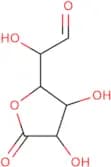
Formula:C53H85NO20Purity:Min. 95%Molecular weight:1,056.24 g/molD-Galacturono-6,3-lactone
CAS:D-Galacturono-6,3-lactone is a fatty acid that is part of the glucuronolactone family and has been shown to have anti-obesity effects in vitro. D-Galacturono-6,3-lactone has been synthesized from sodium citrate and hydrochloric acid in the presence of magnesium salt, and the product was purified by crystallization. It has also been shown to inhibit aminotransferase activity and increase locomotor activity. D-Galacturono-6,3-lactone has a ph optimum of 4.5, which can be determined by an analytical method involving the measurement of hydrogen ion concentration.
Purity:Min. 95%2,4-O-Benzylidene-L-xylose
CAS:2,4-O-Benzylidene-L-xylose is a white crystalline powder with a melting point of about 125°C. It is an acetate salt that can be used in the synthesis of many natural products. It has been shown to inhibit HMG-CoA reductase and is used in the treatment of hypercholesterolemia. The reaction mechanism for this compound is not well understood, but it is believed to involve an acid catalyst and an organic solvent. The yield for this compound is low and it requires a long reaction time due to its high reactivity.
Formula:C12H14O5Purity:Min. 95%Molecular weight:238.24 g/molRef: 3D-MB06850
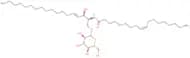
Discontinued productD-glucosyl--1,1' N-oleoyl-D-erythro-sphingosine
CAS:D-glucosyl--1,1' N-oleoyl-D-erythro-sphingosine is a synthetic oligosaccharide with a fluorinated alpha-hydroxy group and a methylated nitrogen atom. It is also a complex carbohydrate that has been modified by glycosylation and polysaccharide modification. D-glucosyl--1,1' N-oleoyl-D-erythro-sphingosine can be used in custom synthesis, click modification, methylation, and sugar modification. This product has high purity and can be used in the synthesis of drugs or other chemical compounds.Formula:C42H79NO8Purity:Min. 95%Molecular weight:726.08 g/molMethyl 2-deoxy-2-fluoro-β-D-glucopyranoside
CAS:Methyl 2-deoxy-2-fluoro-b-D-glucopyranoside is a synthetic glycosylation product that is prepared by monosaccharide and polysaccharide modification. This fluorinated sugar has high purity and is easy to handle. It can be used in the synthesis of oligosaccharides, sugar chains, and other complex carbohydrate molecules. The CAS number for Methyl 2-deoxy-2-fluoro-b-D-glucopyranoside is 39110–58–2.Formula:C7H13FO5Purity:Min. 95%Molecular weight:196.17 g/molRef: 3D-FM89704
Discontinued product(-)-2,3-O-Isopropylidene-D-threitol
CAS:(-)-2,3-O-Isopropylidene-D-threitol is a chiral compound with two stereoisomers. It is a crystalline solid that melts at 71°C and has a population of 50%. (-)-2,3-O-Isopropylidene-D-threitol is an important intermediate for the synthesis of polyethers with chiral centers. The catalytic asymmetric synthesis of (-)-2,3-O-isopropylidene-D-threitol is achieved by alkylation of (+)-2,3-(dimethoxyphosphinyl)propane with isopropanol. This reaction can be used to produce polyethers with chiral centers in high yields and enantioselectivity.
Formula:C7H14O4Purity:Min. 95%Molecular weight:162.18 g/molRef: 3D-MI05357
Discontinued productD-[UL-¹³C6]Galacturonic acid potassium
D-[6-13C]Galacturonic acid potassium salt is a synthetic, water-soluble complex carbohydrate with a molecular weight of 744.2. It is used as a fluorescence probe in magnetic resonance imaging (MRI) and also has applications in the synthesis of oligosaccharides and polysaccharides. D-[6-13C]Galacturonic acid potassium salt is soluble in water and has an average pH of 5.0. This compound is available for custom synthesis with high purity and can be found under CAS number 144561-27-4.
Purity:Min. 95%N-Acetylneuraminic acid 9-phosphate
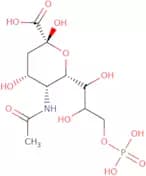
CAS:N-Acetylneuraminic acid 9-phosphate is a sugar phosphate
Formula:C11H20NO12PPurity:Min. 95%Molecular weight:389.25 g/mol5-Thio-N-acetylglucosamine
5-Thio-N-acetylglucosamine is a microtubule inhibitor that binds to o-glcnac, a posttranslational modification of proteins that regulates the morphology and cycling of stem cells. 5-Thio-N-acetylglucosamine has been shown to inhibit the transcriptional activity of o-glcnacase, an enzyme that catalyzes the conversion of o-glcnac to glucosamine. This drug also inhibits the metabolic activity of neural progenitor cells, which may be due to its ability to regulate subpopulations with concomitant expression of markers such as Oct4 and Sox2.
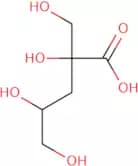
Purity:Min. 95%Isosaccharinic acid
CAS:Isosaccharinic acid is a bacterial strain that produces isosaccharinic acid as its main fatty acid. The thermodynamic data for the reaction mechanism of the conversion of glucose to isosaccharinic acid has been determined. Isosaccharinic acid formation is catalyzed by an enzyme called glycosyl-glycerate dehydrogenase, which converts glycerate to 3-hydroxypropanoic acid and then to 3-oxopropanoate before it undergoes decarboxylation and reduction to form isosaccharinic acid. Radionuclides such as TcO4 are used in chemical ionization mass spectrometry for the detection of this compound in samples. Neutral pH, high activation energies, and low binding constants are all factors that affect the stability of this molecule.
Formula:C6H12O6Purity:Min. 95%Molecular weight:180.16 g/molDaunorubicin-d3
Daunorubicin-d3 is a fluorinated, monosaccharide, synthetic, oligosaccharide and complex carbohydrate. Custom synthesis of Daunorubicin-d3 is available with glycosylation, methylation and other modifications. Daunorubicin-d3 has CAS No. 1614-68-8 and purity >99%.
Formula:C27H26D3NO10Purity:Min. 95%Molecular weight:530.54 g/molRef: 3D-MD11677
Discontinued productADP-L-glycero-b-D-manno-heptose
ADP-L-glycero-b-D-manno-heptose is a synthetic, fluorinated oligosaccharide that is custom synthesized and modified. It has a high purity level and CAS No., as well as being a complex carbohydrate that can be modified with methylation or click modification to generate desired properties. ADP-L-glycero-b-D-manno-heptose is an Oligosaccharide with a glycosylation and methylation. This compound can be used in the synthesis of saccharides, polysaccharides, or other complex carbohydrates.
Purity:Min. 95%






![D-[1-13C]Galacturonic acid potassium salt](/_next/image/?url=https%3A%2Fstatic.cymitquimica.com%2Fproducts%2F3D%2Fthumb-webp%2FMG28931.webp&w=3840&q=75)








![2-Deoxy-2-fluoro-L-[UL-13C]fucose](/_next/image/?url=https%3A%2Fstatic.cymitquimica.com%2Fproducts%2F3D%2Fthumb-webp%2FMD45885.webp&w=3840&q=75)


![5,7-Bis-(benzyloxy)-a-(4-(benzyloxy)phenyl)-3-[3,4-di-O-acetyl-a-O-acetyl-a-L-rhamnopyranosyloxyl]…](/_next/image/?url=https%3A%2Fstatic.cymitquimica.com%2Fproducts%2F3D%2Fthumb-webp%2FMB16635.webp&w=3840&q=75)





![D-[UL-¹³C6]Galacturonic acid potassium](/_next/image/?url=https%3A%2Fstatic.cymitquimica.com%2Fproducts%2F3D%2Fthumb-webp%2FMG170938.webp&w=3840&q=75)