Monosaccharides
Monosaccharides are the simplest form of carbohydrates and serve as fundamental building blocks for more complex sugars and polysaccharides. These single sugar molecules play critical roles in energy metabolism, cellular communication, and structural components of cells. In this section, you will find a wide variety of monosaccharides essential for research in biochemistry, molecular biology, and glycoscience. These compounds are crucial for studying metabolic pathways, glycosylation processes, and developing therapeutic agents. At CymitQuimica, we offer high-quality monosaccharides to support your research needs, ensuring precision and reliability in your scientific investigations.
Subcategories of "Monosaccharides"
- Alloses(11 products)
- Arabinoses(21 products)
- Erythroses(11 products)
- Fructoses(9 products)
- Fucoses(36 products)
- Galactosamine(41 products)
- Galactose(260 products)
- Glucoses(365 products)
- Glucuronic Acids(51 products)
- Glyco-substrates for Enzyme(77 products)
- Guloses(6 products)
- Idoses(4 products)
- Inositols(15 products)
- Lyxoses(4 products)
- Mannoses(65 products)
- O-Glycans(48 products)
- Psicoses(3 products)
- Rhamnoses(10 products)
- Riboses(61 products)
- Sialic Acids(100 products)
- Sorboses(4 products)
- Sugars(173 products)
- Tagatoses(4 products)
- Taloses(8 products)
- Xyloses(20 products)
Show 17 more subcategories
Found 6088 products of "Monosaccharides"
Sort by
Purity (%)
0
100
|
0
|
50
|
90
|
95
|
100
3-Acetamido-1-benzylazetidine-2R,4S-diyl bis(methylene) diacetate
CAS:<p>This product is a custom synthesis. The chemical formula for this product is C8H11N2O4. This product has the molecular weight of 272.24 g/mol and the molecular formula is C8H11N2O4. This product is synthesized from 3-acetamido-1-benzylazetidine-2R,4S-diyl bis(methylene) diacetate monohydrate. It can be fluorinated, glycosylated, methylated, modified and oligosaccharide or monosaccharide saccharides. This product can be used in various fields such as pharmaceuticals, agrochemicals, food additives, cosmetics and so on.</p>Formula:C18H24N2O5Purity:Min. 95%Molecular weight:348.39 g/molN-Acetyl-a-D-glucosamine-1-phosphate disodium salt
CAS:<p>N-Acetyl-a-D-glucosamine-1-phosphate disodium salt (NACP) is a complex carbohydrate that is used as a synthetic sugar. It can be used to modify saccharide, glycosylations, or methylations. NACP has been shown to be stable at high temperatures and pressures. The compound has been fluorinated and click modified for the synthesis of other sugars. NACP has CAS No. 31281-59-1, which is the molecular formula of C8H14FO6Na2O11P2.</p>Formula:C8H14NO9P·2NaPurity:Min. 95 Area-%Color and Shape:White PowderMolecular weight:345.15 g/molD-Talose
CAS:<p>Unnatural hexose used for the investigation of clostridial Rib-5-P-isomerases</p>Formula:C6H12O6Purity:Min. 99 Area-%Color and Shape:White PowderMolecular weight:180.16 g/mol3,5-Di-O-benzoyl-2-deoxy-2,2-difluoro-1-O-methanesulfonyl-a-D-ribofuranoside - 75% α purity
CAS:<p>3,5-Di-O-benzoyl-2-deoxy-2,2-difluoro-1-O-methanesulfonyl-aDribofuranoside is a glycosylation agent that reacts with the reducing end of glycogen to form a glycosidic linkage. The compound is used in the synthesis of complex carbohydrates and saccharides. 3,5-Di-O-benzoyl-2,2,-difluoro 1,1'-O-(methanesulfonyl) aDribofuranoside is often methylated at the 3' position to obtain 3,5diOBenzoyl 2,2'-difluoro 1,1'-O-(methylsulfonyl)-aDribofuranoside. This compound can be used for click chemistry reactions and modification of polysaccharides. It has been shown to have antiinflammatory effects on</p>Formula:C20H18F2O8SPurity:Min. 95%Color and Shape:PowderMolecular weight:456.41 g/molEsculin sesquihydrate
CAS:<p>Sugars formed by photosynthesis are essential for plants nutrition and they can be carried by a sophisticated system called phloem from the leaves to the root tips. Since the phloem is a delicate tissue composed of various specialized cell types, the study of its structure and functions remains a challenging task. Recently, fluorescent coumarin glucoside derivatives, including esculin (Plant Physiology 2015, 1211-1220) have been used as phloem probes. Among the probes tested, only esculin and fraxin are transported, while skimmin is not, suggesting a certain specifity of natural coumarin glucosides for the transporter AtSUC2.</p>Formula:C30H38O21Purity:Min. 98.0 Area-%Molecular weight:734.62 g/mol6-Azido-6-deoxy-D-fructose
CAS:<p>6-Azido-6-deoxy-D-fructose is a piperidine that condenses with glyceraldehyde in the presence of aldolase and produces D-glyceraldehyde. This reaction is stereospecifically catalyzed by aldolase, which converts the product to D-glyceraldehyde 3-phosphate. 6Azido-6deoxy-D-fructose has been shown to exhibit polyhydroxylated properties.</p>Formula:C6H11N3O5Purity:Min. 95%Color and Shape:Clear LiquidMolecular weight:205.17 g/mol4,6-Di-O-methyl-D-glucose
CAS:<p>A partially methylated glucose with the anomeric position free</p>Formula:C8H16O6Purity:Min. 95%Color and Shape:PowderMolecular weight:208.21 g/molD-Glucosamine-6-phosphate sodium salt
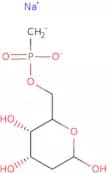
CAS:<p>D-Glucosamine-6-phosphate sodium salt is a custom synthesis of an oligosaccharide, polysaccharide, and carbohydrate. The chemical modification of this compound includes methylation, glycosylation, and carbamylation. This product has high purity with a fluorination level of 98%.</p>Formula:C6H14NO8P·NaPurity:Min. 95%Color and Shape:White Yellow PowderMolecular weight:282.14 g/molMethyl 2,3-di-O-benzoyl-4,6-O-(4-methoxybenzylidene)-a-D-mannopyranoside
<p>Methyl 2,3-di-O-benzoyl-4,6-O-(4-methoxybenzylidene)-a-D-mannopyranoside is a glycosylation product of the polysaccharide mannan. It is an oligosaccharide with a molecular weight of about 675 Da and a degree of polymerization of about ten. The monosaccharide units are D-glucose, D-mannose and D-galactose. Methyl 2,3-di-O-benzoyl-4,6-O-(4methoxybenzylidene)-a -D -mannopyranoside can be synthesized by the Click reaction in combination with fluorination or saccharification. Methyl 2,3 -di -O -benzoyl -4 ,6 O ( 4 methoxybenzylidene) a -D man</p>Formula:C29H28O9Purity:Min. 95%Molecular weight:520.54 g/mol1,2-O-Isopropylidene-3-deoxy-3-fluoro-a-D-ribofuranose
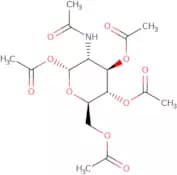
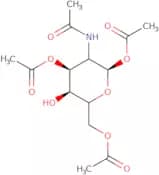
CAS:<p>1,2-O-Isopropylidene-3-deoxy-3-fluoro-a-D-ribofuranose is a custom synthesis. It is a complex carbohydrate that has been modified by methylation and glycosylation. This molecule has been fluorinated to produce a high purity product with the desired properties. The 1,2-O-isopropylidene group provides for increased stability and solubility of the product.</p>Formula:C8H13FO4Purity:Min. 95%Molecular weight:192.18 g/mol2-Acetamido-1,3,4,6-tetra-O-acetyl-2-deoxy-b-D-glucopyranose
CAS:<p>Promotes hyaluronic acid production; synthetic building block</p>Formula:C16H23NO10Purity:Min. 98 Area-%Color and Shape:PowderMolecular weight:389.36 g/molα-Chloralose
CAS:<p>Anesthetic used in laboratory animal studies; pesticide</p>Formula:C8H11Cl3O6Purity:Min. 95%Color and Shape:PowderMolecular weight:309.53 g/mol1,2,3,4-Tetra-O-acetyl-D-lyxopyranose
CAS:<p>1,2,3,4-Tetra-O-acetyl-D-lyxopyranose (LXT) is a human lymphocyte growth factor that stimulates the proliferation of human lymphocytes. It also exhibits antiviral activity against murine leukemia and murine viruses in cell culture. LXT has been shown to inhibit the replication of the virus that causes human breast carcinoma. This compound also exhibits anti-inflammatory effects on murine leukemia cells and can stimulate the production of interferon from mouse spleen cells.</p>Formula:C13H18O9Purity:Min. 95%Molecular weight:318.3 g/mol5-Thio-D-glucose-6-phosphate diammonium salt
CAS:<p>Glucose 6-phosphatase substrate</p>Formula:C6H11O8PS·N2H8Purity:Min. 95%Color and Shape:PowderMolecular weight:310.26 g/molL-Lyxose
CAS:<p>Starting material for chiral-pool based organic synthesis</p>Formula:C5H10O5Purity:Min. 98 Area-%Color and Shape:White PowderMolecular weight:150.13 g/mol1,3,4,6-Tetra-O-acetyl-b-D-glucosamine HCl
CAS:<p>1,3,4,6-Tetra-O-acetyl-b-D-glucosamine HCl is a compound that can be used in the production of bacterial cellulose. It is a white powder with a molecular weight of 536.2. 1,3,4,6-Tetra-O-acetyl-b-D-glucosamine HCl has been shown to be effective in the cultivation of microorganisms such as bacteria and fungi. This product is also an additive for deionized water and deionized sucrose solutions. Tetraacetylated glucosamine hydrochloride is used to produce bacterial cellulose through the action of cellulase enzymes on sucrose solutions containing NaOH. In addition, this product has been shown to inhibit the proliferation of fibroblasts and epithelial cells when cultured in vitro.</p>Formula:C14H21NO9·HClPurity:Min. 95.0 Area-%Color and Shape:PowderMolecular weight:383.78 g/molMethyl 2,3,4-tri-O-benzyl-b-D-glucopyranoside
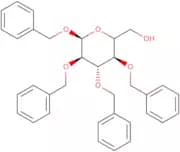
CAS:<p>Methyl 2,3,4-tri-O-benzyl-β-D-glucopyranoside is a modified sugar. It can be used in the synthesis of oligosaccharides and polysaccharides. This product is stable to organic solvents and has high purity. Methyl 2,3,4-tri-O-benzyl-β-D-glucopyranoside can be fluorinated by reacting with hydrogen fluoride gas to produce methyl 2,3,4-[tri(trifluoromethyl)oxy]benzyl β D glucopyranoside. The product is also available in the form of click modification (a type of chemical modification). Methyl 2,3,4-tri-O-benzyl-β D glucopyranoside is a custom synthesis that is CAS No. 435680 3.</p>Formula:C28H32O6Purity:Min. 95%Molecular weight:464.55 g/mol1-Octylamino-1-deoxy-D-glucitol
CAS:<p>1-Octylamino-1-deoxy-D-glucitol is a natural product that is extracted from the bark of the tree Streptomyces griseorubens. It has been shown to have a diastereomeric ratio of 97:3 and an optical purity of 98%. The thermodynamic properties of this compound are determined by the reaction time, which can vary from 1 to 24 hours. The enantiomers are separated by chromatography or crystallization, and the solubility data is determined at 25°C.</p>Formula:C14H31NO5Purity:Min. 95%Color and Shape:PowderMolecular weight:293.4 g/mol2,3-O-Isopropylidene)- L- ribonic acid γ-lactone
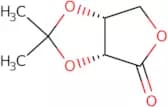
<p>2,3-O-Isopropylidene)- L- ribonic acid gamma-lactone is a carbohydrate that has been modified with fluorination. This product can be used in the synthesis of oligosaccharides and monosaccharides. The custom synthesis of this product is available on request. This product has been shown to be high purity and methylated. It has also been glycosylated and click modified.</p>Purity:Min. 95%Cyanomethyl 2,3,4,6-tetra-O-acetyl-b-D-thioglucopyranoside
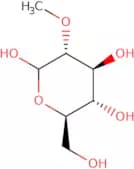
CAS:<p>Cyanomethyl 2,3,4,6-tetra-O-acetyl-b-D-thioglucopyranoside is a synthetic glycosylation agent. It is an acetal derivative of b-D-thioglucopyranoside with a terminal methyl group at C2 and a fluorine atom at C6. This product can be used to modify saccharides and sugars in a variety of ways. It has been shown to react with various carbohydrates including polysaccharides and oligosaccharides. Synthetic glycosylations are often used in the synthesis of complex carbohydrates for use in pharmaceuticals or chemical engineering. The CAS number for this product is 61145-33-3.</p>Formula:C16H21NO9SPurity:Min. 95%Molecular weight:403.41 g/mol3-O-Methyl-α-D-glucopyranose
CAS:<p>3-O-Methyl-α-D-glucopyranose is a synthetic, fluorinated monosaccharide. This compound is a custom synthesis, and it can be used as an intermediate in glycosylation reactions. 3-O-Methyl-α-D-glucopyranose is typically used for the modification of polysaccharides by methylation or fluorination. It also has potential applications in the production of high purity sugar compounds.</p>Formula:C7H14O6Purity:Min. 95%Molecular weight:194.18 g/molD-Tagatose
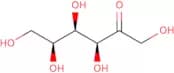
CAS:<p>Low-calorie sweetener; additive in detergents, cosmetics, and pharmaceuticals</p>Formula:C6H12O6Purity:Min. 99 Area-%Color and Shape:PowderMolecular weight:180.16 g/mol1,2,3,4-Tetra-O-acetyl-L-fucopyranose
CAS:<p>Intermediate for the anomeric modification of Fuc, including fucosylation</p>Formula:C14H20O9Purity:Min. 97 Area-%Color and Shape:White PowderMolecular weight:332.3 g/molD-Lyxose
CAS:<p>Starting material for chiral-pool based synthesis of modified nucleosides</p>Formula:C5H10O5Purity:Min. 99 Area-%Color and Shape:White PowderMolecular weight:150.13 g/mol4-O-Benzyl-L-rhamnal
CAS:<p>4-O-Benzyl-L-rhamnal is a functionalized, asymmetric, glycosylating agent that is used in the synthesis of glycoconjugates. 4-O-Benzyl-L-rhamnal is synthesized by the reaction of benzaldehyde with an aldehyde group on the sugar molecule. The product is then reacted with an alcohol to form a glycosidic bond. This process can be repeated until the desired number of sugar molecules are added. It can also be used to synthesize disaccharides and polysaccharides by convergent or nucleophile reactivity. 4-O-Benzyl-L-rhamnal utilizes a chiral auxiliary to produce its product, which can be used for synthesis purposes or as a starting material for other reactions.</p>Formula:C13H16O3Purity:Min. 95%Color and Shape:PowderMolecular weight:220.27 g/mol4-Methoxyphenyl 3,4-di-O-benzyl-α-D-mannopyranoside
<p>4-Methoxyphenyl 3,4-di-O-benzyl-a-D-mannopyranoside is a glycosylated, complex carbohydrate with a methylated and fluorinated saccharide. This product is available for custom synthesis and can be ordered in high purity.</p>Purity:Min. 95%3-Cyano-(1H)-1,2,4-triazine
<p>3-Cyano-(1H)-1,2,4-triazine is a synthetic compound that belongs to the group of complex carbohydrates. It is a monosaccharide and an oligosaccharide that can be custom synthesized and modified. 3-Cyano-(1H)-1,2,4-triazine is used as a glycosylation or polysaccharide modification agent in the synthesis of sugar molecules. It has been shown to have high purity and low toxicity.</p>Purity:Min. 95%Phenyl 2,3,4,6-tetra-O-benzyl-b-D-thioglucopyranoside
CAS:<p>Phenyl 2,3,4,6-tetra-O-benzyl-b-D-thioglucopyranoside is a modification. It is an oligosaccharide that belongs to the class of carbohydrates. Phenyl 2,3,4,6-tetra-O-benzyl-b-D-thioglucopyranoside has a high purity and can be synthesized in a custom manner. It is a white to off white powder that has CAS No. 38184-10-0 and can be used for glycosylation or methylation reactions. It also has fluoroquinolone resistance and can be used as a complex carbohydrate in the synthesis of polysaccharides.</p>Formula:C40H41O5SPurity:Min. 95%Color and Shape:White Off-White PowderMolecular weight:632.83 g/mol1,3,4,6-Tetra-O-acetyl-a-D-glucopyranose
CAS:<p>1,3,4,6-Tetra-O-acetyl-a-D-glucopyranose is a synthon that is used as a synthetic intermediate for the synthesis of other compounds. It is also a reactive compound that can be used to synthesize carboxylic acids and hydroxy ketones by reaction with water or alcohols. 1,3,4,6-Tetra-O-acetyl-a-D-glucopyranose can also be converted into esters by reaction with alcohols.</p>Formula:C14H20O10Purity:Min. 93 Area-%Color and Shape:White Off-White PowderMolecular weight:348.3 g/molN-(2,4-Dinitrophenyl-deoxygalactonojirimycin
<p>N-(2,4-Dinitrophenyl-deoxygalactonojirimycin is a complex carbohydrate that has been modified with methylation, glycosylation, and click modification. It has an Oligosaccharide chain and a CAS number of 888315-21-2. N-(2,4-Dinitrophenyl-deoxygalactonojirimycin is a high purity product that is available in the form of a white solid.</p>Purity:Min. 95%2,3:4,5-Di-O-isopropylidene-D-arabitol
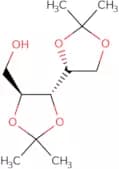
CAS:<p>2,3:4,5-Di-O-isopropylidene-D-arabitol is a synthetic sugar that is used for glycosylation, methylation, and fluorination. The compound is an oligosaccharide that has been modified with methyl groups and activated monosaccharides. 2,3:4,5-Di-O-isopropylidene-D-arabitol is white in color and has a melting point of 109°C. It can be synthesized from D-mannitol with the help of sodium methoxide in methanol.<br>2,3:4,5-Di-O-isopropylidene-D-arabitol is also known as 1-(2,3:4,5) triose; 1-(2,3:4)-diose; 1-(2,3:4)-triose; 1-(2,3:4)-</p>Formula:C11H20O5Purity:Min. 95%Color and Shape:Colorless PowderMolecular weight:232.27 g/molEsculin - Anhydrous
CAS:<p>Esculin is a natural product obtained from the plant Aesculus hippocastanum. Esculin has been shown to have anti-inflammatory properties in experimental models. It also has been shown to inhibit the activity of both human and animal renin, suppressing kidney fibrosis. Esculin was found to be more effective than indomethacin in preventing the progression of renal disease induced by the model system of chronic kidney disease. Esculin also has antioxidant properties and can reduce oxidative stress caused by free radicals, which may contribute to its anti-inflammatory effects. Esculin is a coumarin derivative that can be used as a chromatographic stationary phase for separation and identification of various chemical compounds.</p>Formula:C15H16O9Purity:Min. 98 Area-%Color and Shape:PowderMolecular weight:340.28 g/mol3-(N-(3R, 4R) -3, 4-Dihydroxy- L- prolinyl)-propanoic acid
<p>3-(N-(3R, 4R) -3, 4-Dihydroxy- L- prolinyl)-propanoic acid is a synthetic compound. It is a sugar that can be modified with fluorination and methylation to produce 3-(N-(3R,4S)-3,4-dihydroxy-L-prolinyl)-propanoic acid. This product can be used for glycosylation of oligosaccharides or sugars. It has high purity and is available in bulk quantities.</p>Purity:Min. 95%1,2;4,5-Di-O-isopropylidene-b-D-fructopyranose
CAS:<p>Synthetic building block</p>Formula:C12H20O6Purity:Min. 95 Area-%Color and Shape:Off-White PowderMolecular weight:260.28 g/mol6-Deoxy-L-talose
CAS:<p>6-Deoxy-L-talose is a sugar that is found in the cell walls of bacteria. It is a component of glycan, which are long chains of sugar molecules linked together. Glycans are important for the structural integrity and function of bacterial cell walls. 6-Deoxy-L-talose is a monosaccharide that has been detected in the type strain of Bacillus subtilis and in wild-type strains of Pseudomonas aeruginosa. This sugar can be chemically analyzed using gas chromatography and mass spectrometry to determine its structure and chemical composition. 6-Deoxy-L-talose can be used to detect specific monoclonal antibodies against it, which could be useful for detecting bacterial infections or determining how antibiotics affect bacteria.</p>Formula:C6H12O5Purity:Min. 98 Area-%Color and Shape:White PowderMolecular weight:164.16 g/molL-Arabonic acid-1,4-lactone
CAS:<p>L-Arabonic acid-1,4-lactone (LL) is the product of the reaction between L-arabinose and trifluoroacetic acid. LL is an enantiomer of D-arabinose and has a pK a of 6.5, which makes it a weak base. This compound has been shown to be a hydroxyl group donor in human liver and is also used as a chaperone for protein folding.</p>Formula:C5H8O5Purity:Min. 95%Color and Shape:White PowderMolecular weight:148.11 g/molD-Glucosamine HCl - sea shell origin
CAS:<p>D-Glucosamine (GlcN) is an aldohexose (2-Amino-2-deoxyglucose) in which the hydroxyl group at position 2 is replaced by an amino group (Collins, 2006). D-Glucosamine is found in chitosan as the N-Acetylated derivative in chitin (Rudrapatnam, 2003), glycoproteins, glycolipids and the glycosaminoglycan hyaluronic acid (Fallacara, 2018). Glucosamine, as its sulfate salt, often in combination with the polydisaccharide chondroitin, is marketed over-the-counter as a treatment for osteoarthritis inflammation and its accompanying pain. Only the D-enantiomer of glucosamine exists in nature.</p>Formula:C6H13NO5·HClPurity:(Titration) Min. 98%Color and Shape:White PowderMolecular weight:215.63 g/mol4-Acetamidophenyl b-D-glucuronide sodium salt
CAS:<p>4-Acetamidophenyl b-D-glucuronide sodium salt is a pharmaceutical drug that is a metabolite of acetaminophen. It can be detected in the urine by biochips, which are microarrays that contain immobilized binding sites for specific analytes. The analysis of 4-acetamidophenyl b-D-glucuronide sodium salt in urine is used to screen for the use of acetaminophen and to identify cytochrome P450 2C19 (CYP2C19) activity. This drug can also be detected by spectrometric methods using biochemical assays on plates or hepatocytes and mass spectrometric detection methods using liquid chromatography/mass spectrometry (LC/MS). Acetaminophen has been shown to have toxic effects on the liver, kidneys, and lungs in humans, as well as on diode photoluminescence.</p>Formula:C14H16NNaO8Purity:Min. 95%Color and Shape:PowderMolecular weight:349.27 g/molPropyl b-D-glucuronide
CAS:<p>Propyl b-D-glucuronide is a synthetic compound that belongs to the family of carbohydrates. It has a fluorinated hydroxyl group at the C3 position and an esterified carboxylic acid at the C1 position. This compound can be used as a building block for oligosaccharides and polysaccharides, which are complex carbohydrates. Propyl b-D-glucuronide is soluble in water and has a molecular weight of 176.</p>Formula:C9H16O7Purity:Min. 95%Color and Shape:Tan To Brown SolidMolecular weight:236.22 g/mol1,3,5-Tri-O-benzoyl-2-deoxy-2-fluoro-a-D-arabinofuranose
CAS:<p>Resource for the synthesis of Clofarabine and other bioactive arabinosides</p>Formula:C26H21FO7Purity:Min. 98 Area-%Color and Shape:White Off-White PowderMolecular weight:464.44 g/molL-Rhamnose diethyl mercaptal
CAS:<p>L-Rhamnose diethyl mercaptal is an antiperspirant and deodorant that is used in combination with other ingredients to reduce or eliminate body odor. It is a supplement, often found in combinations with other compounds such as neodymium and radium. This compound works by preventing the formation of sweat from the apocrine glands, which reduces underarm wetness and body odor. L-Rhamnose diethyl mercaptal also has antimicrobial properties that help prevent bacterial growth on the skin surface.</p>Formula:C10H22O4S2Purity:Min. 95%Color and Shape:PowderMolecular weight:270.41 g/molD-Erythrulose - Aqueous solution
CAS:<p>D-Erythrulose is a sugar that can be synthesized from the chemical structures of glycolaldehyde and carbonyl group. It can also be produced by hydrolysis of erythritol, which is found in plant cell walls. D-Erythrulose has been used as an alternative to glucose for fermentation processes because it does not inhibit the growth of most bacteria. D-Erythrulose has been shown to increase ATP levels in Escherichia coli K-12 cells and to affect the activities of enzymes involved in glycolysis, such as glyceraldehyde 3-phosphate dehydrogenase, phosphoglycerate kinase, and enolase. The metabolic pathways that produce D-erythrulose are found in many organisms, including Corynebacterium glutamicum, Brucella melitensis, and Brucella suis.</p>Formula:C4H8O4Purity:Min. 95%Color and Shape:Colorless PowderMolecular weight:120.1 g/mol1,2,3,4-Tetra-O-benzoyl-6-O-tert-butyldiphenylsilyl-b-D-galactopyranose
CAS:<p>1,2,3,4-Tetra-O-benzoyl-6-O-tert-butyldiphenylsilyl-b-D-galactopyranose is a modified oligosaccharide that is synthesized and offered at high purity. The chemical name of this compound is 1,2,3,4 tetra O benzoyl 6 O tert butyldiphenylsilyl b D galactopyranose. This compound is fluorinated at the 2 position of the sugar molecule with a silyl group on the 3 position. It has CAS number 1222709-87 6.</p>Formula:C40H42O10SiPurity:Min. 95%Molecular weight:710.86 g/mol1,2:3,5-Di-O-Isopropylidene-α-L-xylofuranose
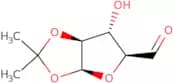
CAS:<p>1,2:3,5-Di-O-Isopropylidene-a-L-xylofuranose is a fluorinated sugar that is used as a building block in the synthesis of complex carbohydrates and oligosaccharides. It has a CAS number of 131156-47-3. 1,2:3,5-Di-O-Isopropylidene-a-L-xylofuranose is an active component in the modification of saccharide and polysaccharide structures by click chemistry. It can be modified with various functional groups such as methylation or monosaccharide to produce specific compounds. This product is available for custom synthesis.</p>Formula:C11H18O5Purity:Min. 95%Color and Shape:PowderMolecular weight:230.26 g/mol2'-O-a-D-Ribofuranosyladenosine
CAS:<p>2'-O-a-D-Ribofuranosyladenosine is a synthetic carbohydrate. It has the molecular formula C5H6N2O4 and a molecular weight of 207.14. 2'-O-a-D-Ribofuranosyladenosine is an Oligosaccharide, with the chemical name of 2'-O-a-D-Ribofuranosyladenosine and the CAS number of 82481-73-0. This product is in the Carbohydrate, Modification category and can be used as a Custom synthesis or Synthetic product.</p>Formula:C15H21N5O8Purity:Min. 95%Molecular weight:399.36 g/molMethyl 4,6-O-benzylidene-a-D-mannopyranoside
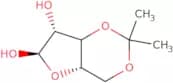
CAS:<p>Methyl 4,6-O-benzylidene-a-D-mannopyranoside is a hexadecanoic acid that is mediated by the target cell. It has been shown to inhibit the growth of bacteria and cancer cells in vitro. Methyl 4,6-O-benzylidene-a-D-mannopyranoside also possesses an antibacterial activity with a low mammalian toxicity. This compound is hydrolyzed by esterases or glucuronidases, oxidized by cytochrome P450 enzymes, reduced by glutathione reductase, or conjugated with glucuronic acid. The residue of this compound has been shown to be carcinogenic in vivo and in vitro. Anticancer activity of this compound may be due to its ability to disrupt DNA synthesis and induce apoptosis of cancer cells.</p>Formula:C14H18O6Purity:Min. 95%Color and Shape:PowderMolecular weight:282.29 g/molMethyl 4,6-O-isopropylidene-a-D-glucopyranoside
<p>Methyl 4,6-O-isopropylidene-a-D-glucopyranoside is a glycosylation reagent that is used in the synthesis of oligosaccharides and polysaccharides. It is used as an intermediate for the production of active pharmaceutical ingredients and in the production of modified sugars. Methyl 4,6-O-isopropylidene-a-D-glucopyranoside can be custom synthesized to meet specific requirements such as purity, fluorination, and complex carbohydrate. This product is available with high purity and has been shown to be stable under a wide range of conditions.<br>Methyl 4,6-O-isopropylidene-a-D-glucopyranoside is not compatible with strong acids or bases.</p>Formula:C10H18O6Purity:Min. 95%Molecular weight:234.25 g/molN1-β-D-Arabinopyranosylamino-guanidine hydrochloride
CAS:<p>N1-b-D-arabinopyranosylamino-guanidine HCl is a modified carbohydrate. It is a synthetic monosaccharide that is custom synthesized by methylation and glycosylation. This product has high purity and can be used for modification of saccharides or oligosaccharides to create new carbohydrates with desired properties.</p>Formula:C6H14N4O4•HClPurity:Min. 95%Color and Shape:White to light beige solid.Molecular weight:242.66 g/mol1,2,3,4-Tetra-O-acetyl-6-S-acetyl-6-deoxy-6-thio-b-D-glucopyranose
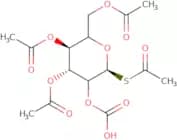
<p>1,2,3,4-Tetra-O-acetyl-6-S-acetyl-6-deoxy-6-thio-b-D-glucopyranose is a synthetic compound that is used as a building block for the synthesis of other compounds. It is an acetylated oligosaccharide that can be modified with fluorine atoms to form 1,2,3,4-tetra-[F]fluoro-[F]deoxy-[F]thio-[F]hexose. This product has high purity and can be used in glycosylation reactions.</p>Formula:C16H22O10SPurity:Min. 95%Molecular weight:406.41 g/molMethyl 2,3,4-tri-O-acetyl-b-D-galactopyranuronosyl azide
<p>This is a custom synthesis of a carbohydrate. It is a methylated, glycosylated, fluorinated, complex carbohydrate that can be synthesized to any desired degree of substitution. This product has been designed for use as a fluorescent tag or label in biochemistry and cell biology research. It is modified at the anomeric position with an acetyl group and an azide group. The acetyl group confers solubility in water, while the azide group confers fluorescence. The modifications also allow for click chemistry reactions, which are used in protein labeling and activation studies.</p>Formula:C13H17N3O9Purity:Min. 95%Color and Shape:PowderMolecular weight:359.29 g/mol1,2,3,4-Tetra-O-acetyl-6-O-tosyl-b-D-glucopyranose
CAS:<p>The tetra-acetyl-6-tosyl-b-D-glucopyranose is a modification of the natural 1,2,3,4-tetra-O-acetyl-6-O-tosyl--D glucopyranose. It is synthesized by reacting the 1,2,3,4 tetra acetyl b glucopyranose with tosyl chloride and anhydrous pyridine in dry dichloromethane. The product is purified by column chromatography on silica gel using a solvent system consisting of ethyl acetate and methanol. The yield of this reaction is about 60%.<br>The molecular weight of this compound is 876.7 g/mol and its melting point is 253°C. The CAS No. for this compound is 661910-9 and its IUPAC name is (1R*, 2S*, 4R*)-1,2,</p>Formula:C21H26O12SPurity:Min. 95%Color and Shape:White PowderMolecular weight:502.49 g/molBenzyl 4,6-O-benzylidine-β-D-galactopyranoside
CAS:<p>Benzyl 4,6-O-benzylidine-b-D-galactopyranoside is a benzoylated sugar. It is prepared by reacting benzoyl chloride with benzene and then with the sugar in an equimolar ratio. The reaction proceeds via a nucleophilic substitution at the 2' position of the sugar followed by an elimination of water. Benzyl 4,6-O-benzylidine-b-D-galactopyranoside reacts with dibutyltin to form a benzoylated tin compound that can be used as a catalyst for organic synthesis.</p>Formula:C20H22O6Purity:Min. 95%Color and Shape:White To Off-White SolidMolecular weight:358.39 g/mol1,2-O-Isopropylidene-3-deoxy-3-fluoro-a-D-xylofuranose
CAS:<p>1,2-O-Isopropylidene-3-deoxy-3-fluoro-a-D-xylofuranose is a synthetic compound that has been modified by methylation, saccharide and glycosylation. It is a fluorinated sugar that can be used for Click modification, such as for oligosaccharide synthesis or other modifications. 1,2-O-Isopropylidene-3-deoxy-3-fluoro-a-D-xylofuranose is a high purity compound that can be custom synthesized to your specifications. It has CAS No. 1853084 2 and is listed under the Glycosylation section in the Carbohydrate database.</p>Formula:C8H13FO4Purity:Min. 95%Molecular weight:192.18 g/mol1-Deoxy-1-(hydroxyethylamino)-D-glucitol
CAS:<p>1-Deoxy-1-(hydroxyethylamino)-D-glucitol (DEG) is a sugar alcohol that has been used as a transport inhibitor for the efflux of galactitol. It competitively inhibits the uptake of galactitol in the cell, resulting in a decrease in intracellular levels of this sugar. The uptake of other sugars is not affected by DEG, which makes it an effective tool for studying the transport mechanisms for these sugars. DEG is also chiral and has been used to study the uptake of chiral molecules. This research was done by using Drosophila melanogaster as an animal model, showing that DEG can be used to investigate how cells take up different molecules. These studies have led to insights into how cells metabolize different sugars and fats.</p>Formula:C8H19NO6Purity:Min. 95%Color and Shape:PowderMolecular weight:225.24 g/mol2-Deoxy-2-fluoro-β-D-glucopyranosyl azide
CAS:<p>2-Deoxy-2-fluoro-b-D-glucopyranosyl azide is a fluorinated carbohydrate that can be used for custom synthesis of saccharides and polysaccharides. It is a methylated derivative of 2,3,4,6-tetrafluorobenzoyl azide which can be used to synthesize glycosylations using an oxazaborolidine (e.g., BOP) activation method or click modification. The compound has been shown to react with glycosylations in the presence of copper ions.</p>Formula:C6H10FN3O4Purity:Min. 95%Color and Shape:PowderMolecular weight:207.16 g/mol1,2,3,5,6-Penta-O-benzoyl-D-galactofuranose
CAS:<p>1,2,3,5,6-Penta-O-benzoyl-D-galactofuranose is a sugar that is custom synthesized and can be modified with fluorination. This product has a CAS number of 138811-45-7 and is high purity. It can be used in glycosylation, oligosaccharide synthesis, methylation, monosaccharide synthesis and polysaccharide synthesis. It is an important building block for the modification of complex carbohydrates.</p>Formula:C41H32O11Purity:Min. 95%Color and Shape:White PowderMolecular weight:700.69 g/mol2-Acetamido-2-deoxy-a-D-galactopyranosyl serine
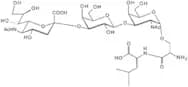
CAS:<p>2-Acetamido-2-deoxy-a-D-galactopyranosyl serine (2AGPS) is a naturally occurring glycosaminoglycan. It has been shown to inhibit the growth of cancer cells and to reduce the size of mouse tumors in vivo. This compound also inhibits viral replication in vitro, and its antiviral properties have been shown to work on several different types of viruses, including herpes simplex virus type 1, human cytomegalovirus, and influenza A virus. 2AGPS is also a potent inducer of toll-like receptor 4 signaling pathways in macrophages and dendritic cells. 2AGPS can be synthesized by using a polymerase chain reaction (PCR) technique with synthetic oligosaccharides as a template.</p>Formula:C11H20N2O8Purity:Min. 90 Area-%Color and Shape:Off-White Yellow PowderMolecular weight:308.29 g/mol2,3,4,6-Tetra-O-acetyl-b-D-thiogalactopyranose
CAS:<p>2,3,4,6-Tetra-O-acetyl-b-D-thiogalactopyranose is a synthetic sugar that is prepared by the fluorination of D-galactopyranose and subsequent acetylation. This compound can be used for glycosylation reactions and as a substrate for click chemistry. It is an oligosaccharide with four monosaccharides in its backbone. The CAS number of 2,3,4,6-Tetra-O-acetyl-b-D-thiogalactopyranose is 50615-66-2.</p>Formula:C14H20O9SPurity:Min. 95%Color and Shape:PowderMolecular weight:364.37 g/mol2,3,4,6-Tetra-O-acetyl-b-D-glucopyranosyl chloride
CAS:<p>2,3,4,6-Tetra-O-acetyl-b-D-glucopyranosyl chloride is a fluorescent probe for nuclei and quadrupole resonance spectroscopy. It has been used to study the nuclear quadrupole resonance of anions in aqueous solution. The fluorescence intensity of 2,3,4,6-Tetra-O-acetyl-b-D-glucopyranosyl chloride is proportional to the concentration of anions in water. Fluorescence properties were evaluated by measuring the emission spectrum at various excitation wavelengths. The absorption spectrum was also measured to determine the fluorescence quantum yield and fluorescence lifetime.</p>Formula:C14H19ClO9Purity:Min. 95 Area-%Color and Shape:White Off-White PowderMolecular weight:366.8 g/molPhenyl-β-D-thioglucopyranoside
CAS:<p>Phenyl-beta-D-thioglucopyranoside is a heterocycloalkyl compound that contains a phenyl group and a beta-D-thioglucopyranoside. It is used as an intermediate in the production of pharmaceuticals, yellow dye, and cancer drugs. Phenyl-beta-D-thioglucopyranoside binds to the cell membrane of cancer cells and induces apoptosis by inhibiting the synthesis of proteins. This compound also has alkenyl and haloalkyl groups, which may be important for its biological activity. Phenyl-beta-D-thioglucopyranoside can be crystallized in two different forms: one with a crystalline form, which is yellow; the other with a crystalline form, which is colorless.</p>Formula:C12H16SO5Purity:Min. 95%Color and Shape:PowderMolecular weight:272.32 g/mol2-Chloro-2-deoxy-D-mannitol
CAS:<p>2-Chloro-2-deoxy-D-mannitol is a synthetic sugar that is used in the synthesis of oligosaccharides and complex carbohydrates. It is also used to fluorinate saccharides. 2-Chloro-2-deoxy-D-mannitol can be modified with methyl groups, which allows for the synthesis of monosaccharides and polysaccharides. This product has a CAS number of 127530-02-3 and is soluble in water. It has a melting point of 220°C, boiling point of 390°C, density of 1.8 g/mL at 20°C, and refractive index (n20 D) of 1.54792 at 20°C.</p>Formula:C6H13ClO5Purity:Min. 95%Molecular weight:200.62 g/mol2-Acetamido-2-deoxy-β-D-glucopyranosyl amine
CAS:<p>2-Acetamido-2-deoxy-beta-D-glucopyranosyl amine (A2DG) is a diagnostic marker for juvenile idiopathic polyarteritis nodosa. This molecule is an intermediate in the synthesis of the carbohydrate, heparin. The A2DG assay measures concentrations of this metabolite in plasma samples and can be used to diagnose vasculitis and other inflammatory diseases. Novartis has developed a metabolite profiling technique that uses mass spectrometry to identify molecules present in cell culture or plasma samples. This technique has been used to measure levels of A2DG metabolites in patients with vasculitis, including juvenile idiopathic polyarteritis nodosa.</p>Formula:C8H16N2O5Purity:Min. 95.0 Area-%Molecular weight:220.22 g/molD-Maltose 1-phosphate dipotassium salt
CAS:<p>D-Maltose 1-phosphate dipotassium salt is a disaccharide that can be used in the synthesis of oligosaccharides and polysaccharides. It is also an excellent candidate for further modification.</p>Formula:C12H21O14PK2Purity:Min. 95%Molecular weight:498.46 g/mol1-Amino-1-deoxy-D-arabinitol
CAS:<p>1-Amino-1-deoxy-D-arabinitol is an anhydrous sugar that can be found in the crystalline form. The crystal structure of this compound has been determined by X-ray diffraction and was shown to contain a hydrogen bond between the hydroxyl group on the 1′ carbon and the amino group on C2. This reaction occurs through a nucleophilic attack by the hydroxyl group, which displaces the fluorine atom from C2. The stereospecificity of this reaction is due to the fact that only one enantiomer of 1-amino-1-deoxyarabinitol exists. This sugar can also be found as an intermediate in reactions involving ketoses, such as acetobacter fermentation, or hydrogen fluoride. It has been shown to have anti-inflammatory properties in mice when administered orally.</p>Formula:C5H13NO4Purity:Min. 95%Molecular weight:151.16 g/mol3,4,5,7-Tetra-O-acetyl-2,6-anhydro-D-lyxo-hept-2-enononitrile
CAS:<p>3,4,5,7-Tetra-O-acetyl-2,6-anhydro-D-lyxo-hept-2-enononitrile is a synthetic compound that is used in the synthesis of glycosylation and oligosaccharide. This product has been modified with fluorine and methyl groups. The purity of this product is greater than 99%. 3,4,5,7-Tetra-O-acetyl-2,6-anhydro-D-lyxo-hept-2 -enononitrile is also known as CAS No. 120085–67–8.</p>Formula:C15H17NO9Purity:Min. 95%Color and Shape:PowderMolecular weight:355.3 g/mol2,3,5-Tri-O-benzoyl-1-O-(4-nitrobenzoyl)-D-ribofuranose
CAS:<p>2,3,5-Tri-O-benzoyl-1-O-(4-nitrobenzoyl)-D-ribofuranose is a custom synthesis of an oligosaccharide. It is used in the synthesis of polysaccharides and glycosylations. This compound has been modified with methylation and fluorination reactions. It has CAS No. 108392-15-0 and is available in high purity.</p>Formula:C33H25NO11Purity:Min. 95%Color and Shape:PowderMolecular weight:611.55 g/mol1,2,3,4-Tetra-O-pivaloyl-6-O-triisopropylsilyl-b-D-glucopyranose
<p>1,2,3,4-Tetra-O-pivaloyl-6-O-triisopropylsilyl-b-D-glucopyranose is a high purity custom synthesis sugar. It has been modified with fluorination and glycosylation. The CAS number for this product is 8071-79-8. Synthetic modification of the sugar to form an oligosaccharide or monosaccharide can also be performed. This product is a complex carbohydrate that contains saccharides in the form of a sugar molecule linked together by glycosidic bonds.</p>Formula:C35H64O10SiPurity:Min. 95%Molecular weight:672.98 g/mol4-Methoxyphenyl 2,3,4,6-tetra-O-acetyl-β-D-galactopyranoside
CAS:<p>4-Methoxyphenyl 2,3,4,6-tetra-O-acetyl-b-D-galactopyranoside is a white crystalline powder. It is soluble in water and ethanol. This chemical has been used as a reagent for the methylation of saccharides and oligosaccharides with 4-methoxybenzene sulfonate. It is also an excellent substrate for click chemistry reactions.</p>Formula:C21H26O11Purity:Min. 95%Color and Shape:White to off-white solid.Molecular weight:454.42 g/mol2,3,4,6-Tetra-O-pivaloyl-D-glucopyranosyl amine
CAS:<p>2,3,4,6-Tetra-O-pivaloyl-D-glucopyranosyl amine is a monosaccharide that is custom synthesized and modified with fluorination. It also has saccharide properties such as methylation and glycosylation. This product can be used in the synthesis of complex carbohydrates or polysaccharides. It is a high purity compound with CAS No. 888963-33-5.</p>Formula:C26H45NO9Purity:Min. 95%Molecular weight:515.64 g/mol1,2-Isopropylidene-D,L-myo-inositol
CAS:<p>1,2-Isopropylidene-D,L-myo-inositol is a modification of the natural product myo-inositol. It is synthesized by methylation and glycosylation of inositol with methanol. This chemical compound has been modified to include fluorination and saccharide.</p>Formula:C9H16O6Purity:Min. 95%Color and Shape:White PowderMolecular weight:220.22 g/mol2-Acetamido-1,3,4,6-tetra-O-acetyl-2-deoxy-β-D-thioglucopyranose
CAS:<p>2-Acetamido-1,3,4,6-tetra-O-acetyl-2-deoxy-β-D-thioglucopyranose is a synthetic monosaccharide that belongs to the group of complex carbohydrates. It has CAS No. 10043-46-6 and is used in glycosylation reactions. The fluorination of the sugar can be done by using a Click modification or methylation reaction. This product has been custom synthesized and can be ordered with high purity.</p>Formula:C16H23NO9SPurity:Min. 95%Color and Shape:Off-White PowderMolecular weight:405.42 g/mol2,3,4,6-Tetra-O-acetyl-b-D-glucopyranosyl isothiocyanate
CAS:<p>2,3,4,6-Tetra-O-acetyl-b-D-glucopyranosyl isothiocyanate (TGIT) is a compound that mimics the melanoma antigen. It has been used to identify human pathogens in biological samples and has shown to have an antibody response. TGIT has also been used as a fluorescent probe for nucleic acids in analytical methods and polymerase chain reaction. This chemical can be used as a fluorescence detector in titration calorimetry. TGIT is not acutely toxic, but can cause cell lysis when combined with trifluoroacetic acid.</p>Formula:C15H19NO9SPurity:Min. 95%Color and Shape:White PowderMolecular weight:389.38 g/molD-Galactono-1,4-lactone
CAS:<p>D-Galactono-1,4-lactone is an intermediate in the galactose catabolism pathway. It is an acidic compound that can be found in plants and bacteria. D-Galactono-1,4-lactone has been shown to inhibit enzyme activities when it is present at high concentrations. This compound also inhibits the enzyme carbon source, which is involved in the conversion of glucose to energy. The deuterium isotope effect on the inhibition of enzyme activity by D-galactono-1,4-lactone has been studied extensively using plant phytochemicals such as triticum aestivum.</p>Formula:C6H10O6Purity:Min. 95%Color and Shape:White PowderMolecular weight:178.14 g/molD-Glucurono-3,6-lactone
CAS:<p>Glucose metabolite</p>Formula:C6H8O6Purity:Min 98%Color and Shape:White PowderMolecular weight:176.12 g/mol1-(2,2,2-Trifluoro-N-phenylethanimidate)-2,3,4-tri-O-acetyl-D-glucopyranuronic acid methyl ester
CAS:<p>1-(2,2,2-Trifluoro-N-phenylethanimidate)-2,3,4-tri-O-acetyl-D-glucopyranuronic acid methyl ester is a methylated variant of an oligosaccharide. It has been synthesized by the click modification of an oligosaccharide with a monosaccharide and a fluorinated saccharide. This compound has been shown to have antiviral activity against the influenza virus in vitro. The antiviral activity may be due to its ability to inhibit the viral polymerase and RNA synthesis or to prevent virus assembly and release.</p>Formula:C21H22F3NO10Purity:Min. 95%Molecular weight:505.4 g/molEthyl 2-deoxy-2-[(trichloroacetyl)amino]-b-D-thioglucopyranoside
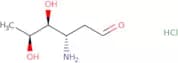
CAS:<p>Ethyl 2-deoxy-2-[(trichloroacetyl)amino]-b-D-thioglucopyranoside is a custom synthesis of an oligosaccharide. It is a complex carbohydrate that can be modified to the desired specification. The desired modification can be fluorination, methylation, or click chemistry. Ethyl 2-deoxy-2-[(trichloroacetyl)amino]-b-D-thioglucopyranoside is a monosaccharide with a CAS number of 635684-80-9.</p>Formula:C10H16Cl3NO5SPurity:Min. 95%Molecular weight:368.66 g/molL-Daunosamine hydrochloride
CAS:<p>L-Daunosamine hydrochloride is a fluorinated sugar that is synthesized in the laboratory. It has been used for the modification of polysaccharides and other saccharides. L-Daunosamine hydrochloride is a monosaccharide that can be found in several complex carbohydrates. The CAS number for this chemical is 19196-51-1. This chemical has a high purity level, which makes it valuable for use as a synthetic material.</p>Formula:C6H14NClO3Purity:Min. 95 Area-%Color and Shape:PowderMolecular weight:183.63 g/mol2-(2-Aminoethoxy)ethyl 6-deoxy-α-L-mannopyranoside
CAS:<p>Please enquire for more information about 2-(2-Aminoethoxy)ethyl 6-deoxy-α-L-mannopyranoside including the price, delivery time and more detailed product information at the technical inquiry form on this page</p>Formula:C10H21NO6Purity:Min. 95%Molecular weight:251.28 g/mol2-Allyloxycarbonylamino-2-deoxy-D-galactose
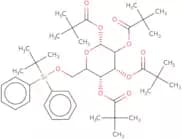
<p>2-Allyloxycarbonylamino-2-deoxy-D-galactose is a monosaccharide that is synthetically modified for use as a synthetic building block in the synthesis of complex carbohydrates and saccharides. This compound is fluorinated at the 2 position to increase its water solubility, which makes it useful for chemical modifications. It has been shown to be methylated and glycosylated.</p>Purity:Min. 95%1,2,3,4-Tetra-O-pivaloyl-6-O-(tert-butyldiphenylsilyl)-a-D-mannopyranose
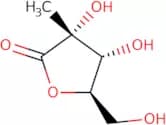
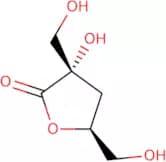
<p>1,2,3,4-Tetra-O-pivaloyl-6-O-(tert-butyldiphenylsilyl)-a-D-mannopyranose is a glycosylated sugar that can be methylated and fluorinated. It has high purity and is custom synthesized for the synthesis of oligosaccharides. This sugar has CAS number 29091-01-9 and is used in the synthesis of polysaccharides.</p>Formula:C42H62O10SiPurity:Min. 95%Molecular weight:755.02 g/mol2,3-O-Isopropylidene-2-C-methyl-D-ribono-1,4-lactone
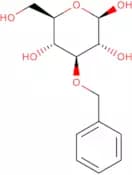
CAS:<p>2,3-O-Isopropylidene-2-C-methyl-D-ribono-1,4-lactone is a crystalline compound that is obtained by the reaction of dimethylamine with epichlorohydrin. The compound has an asymmetric carbon atom and exists in two enantiomeric forms. It can be used as an acceptor in crystallographic analysis. The chemical structure of 2,3-O-Isopropylidene-2-C-methyl-D-ribono-1,4 -lactone is a lactone form of episulfide. Episulfides are lactones with episulfide groups attached to the C2 and C3 positions on the D ring. The episulfide group is formed by the reaction between the alcohol and sulfhydryl group from cysteamine with sulfur trioxide. The chemical formula for this compound is C13H20N2O8S</p>Formula:C9H14O5Purity:Min. 95%Color and Shape:PowderMolecular weight:202.2 g/mol3-O-Benzyl-D-glucopyranose
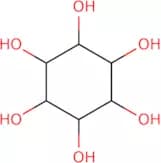
CAS:<p>3-O-Benzyl-D-glucopyranose is a molecule that has been optimized for its autodock score. It binds to the active site of peptidases, which are enzymes that break down proteins in the body. 3-O-Benzyl-D-glucopyranose is a nauclea that can be used as a pharmacokinetic (PK) or pharmacodynamic (PD) inhibitor. Nauclea have shown effectiveness against diabetes by preventing the breakdown of glucose, which is an important energy source for cells. 3-O-Benzyl-D-glucopyranose has also been found to be an effective inhibitor of DPPIV, which is an enzyme involved in breaking down insulin and other hormones in blood circulation. In vitro studies have shown that it may also have antiaging properties due to its ability to inhibit production of inflammatory cytokines such as IL1β, IL6, and TNFα.</p>Formula:C13H18O6Purity:Min. 95%Color and Shape:PowderMolecular weight:270.28 g/molcis-Inositol
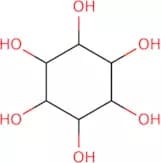
CAS:<p>Inositol is a member of the B-vitamin family and is classified as a sugar alcohol. It has a structural similarity to glucose and can be synthesized by plants, bacteria, and mammals. Inositol is found in high concentrations in the brain and liver. Inositol has been shown to inhibit guanine nucleotide-binding proteins (G proteins) and ryanodine receptor channels in HL-60 cells. It also inhibits cancer cell proliferation and suppresses ovarian activity. Inositol appears to work by binding to the inositol-1,4,5-trisphosphate receptor on the surface of cells, thereby inhibiting intracellular calcium release from its storage site within the endoplasmic reticulum. The effects of inositol are mediated by dinucleotide phosphate or p-nitrophenyl phosphate.</p>Formula:C6H12O6Purity:Min. 90 Area-%Color and Shape:PowderMolecular weight:180.16 g/mol1,2-O-Isopropylidene-3-deoxy-3-fluoro-a-D-glucofuranose
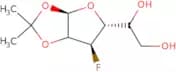
CAS:<p>1,2-O-Isopropylidene-3-deoxy-3-fluoro-a-D-glucofuranose is a synthetic sugar that is used in the preparation of glycoproteins. It is an oligosaccharide and a monosaccharide, which means it consists of many saccharides linked together. It has a molecular weight of 568.8 g/mol and belongs to the class of carbohydrates. 1,2-O-Isopropylidene-3-deoxy-3-fluoro-a -D -glucofuranose can be synthesized from 3,4,5,6 tetraacetyl glucose by a click modification reaction with N-(9H-[1,2]dithiolanyl)sulfenamide and then fluorination with N-[(9H-[1,2]dithiolanyl)sulfonyl]triflu</p>Formula:C9H15FO5Purity:Min. 95%Molecular weight:222.21 g/molD-Mannose
CAS:<p>Mannose (Man) is the C2 epimer of glucose with one hydroxyl group axial which by Hudsons rules makes it slightly less stable than glucose (Hudson, 1948). However, mannose is very common in plants and animals, and occurs in many polysaccharides, such as, galactomannans (e.g. Guar, Locust Bean Gum), mananns (e.g. Ivory Nut Mannan), Spruce Galactoglucomannan, Gum Ghatti (Whistler, 1993) and bakerâs yeast (Saccharomyces cerevisiae) (Manners, 1973). Mannose is one of the key mammalian monosaccharides (Glucose, Galactose, Mannose, Fucose, N-Acetyl Glucosamine, N-Acetyl galactosamine and Sialic acid) and occurs in N-linked glycans where it is a core oligosaccharide (Gabius, 2009).</p>Formula:C6H12O6Purity:Min. 98 Area-%Color and Shape:White PowderMolecular weight:180.16 g/mol2,3,4,6-Tetra-O-pivaloyl-D-mannopyranosyl fluoride
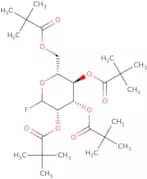
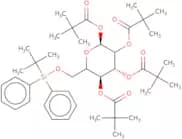
CAS:<p>2,3,4,6-Tetra-O-pivaloyl-D-mannopyranosyl fluoride is a carbohydrate that is synthesized by the modification of D-mannose with 4,6-dichlorohexanoic acid. It is a white powder with a melting point of 170°C. 2,3,4,6-Tetra-O-pivaloyl-D-mannopyranosyl fluoride can be used as a monosaccharide for glycosylation reactions or as an intermediate for custom synthesis. This product has been methylated and glycosylated before the final purification process. It has a high purity level and can be used in Click chemistry reactions.</p>Formula:C26H43FO9Purity:Min. 95%Color and Shape:White PowderMolecular weight:518.61 g/mol1,2,3,4-Tetra-O-pivaloyl-6-O-(tert-butyldiphenylsilyl)-b-D-galactopyranose
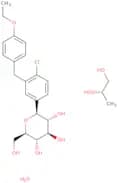
CAS:<p>1,2,3,4-Tetra-O-pivaloyl-6-O-(tert-butyldiphenylsilyl)-b-D-galactopyranose is a high purity custom synthesis of a sugar. It is a fluorinated tetra saccharide with an unusual 1,2,3,4 linkage that has been modified with methyl groups at the 2 and 6 positions. The modification of this compound with silylation has made it resistant to enzymatic degradation. This compound has shown anti-inflammatory activities in animal models and can be used as an adjuvant therapy for inflammatory bowel disease.</p>Formula:C42H62O10SiPurity:Min. 95%Molecular weight:755.04 g/molDapagliflozin propanediol monohydrate - Bio-X ™
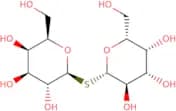
CAS:<p>Dapagliflozin is a sodium-glucose cotransporter subtype 2 (SGLT2) inhibitor that can be used in the treatment of diabetes mellitus type 2. It inhibits glucose reabsorption in the proximal tubule of the nephron and results in glycosuria, which helps to improve glycaemic control. Also, Dapagliflozin is used to lower the risk of sustained eGFR decline, end-stage renal disease, cardiovascular death, and hospitalization for heart failure in patients with chronic kidney disease who are at risk of progression.</p>Formula:C21H25ClO6•C3H8O2•H2OPurity:Min. 95%Color and Shape:PowderMolecular weight:502.98 g/molThiodigalactoside - Bio-X ™
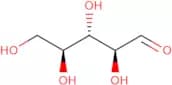
CAS:<p>This product is part of our Bio-X ™ Range. These products are aimed at life science researchers who need high quality ready-to-use products for assay development, screening or other R&D work. With a solubility datasheet and convenient vials, all of our Bio-X ™ products are in stock across our global warehouses for rapid delivery and ease of use.</p>Formula:C12H22O10SPurity:Min. 95%Color and Shape:PowderMolecular weight:358.36 g/molL-Ribose
CAS:<p>Constituent of RNA; important resource for RNA- and DNA-related syntheses</p>Formula:C5H10O5Purity:Min. 98 Area-%Color and Shape:White PowderMolecular weight:150.13 g/molPentagalloylglucose - Bio-X ™
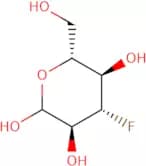
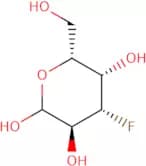
CAS:<p>A gallotannin found in plants, with various biological activities. Its anti-cancer effect has been demonstrated in several cancer cell lines, mediated by inhibition of DNA replication, proliferation and angiogenesis. Elicits anti-inflammatory, antioxidative and anti-diabetic effects. Recently, it has been identified as an inhibitor of c-Myc in hepatocellular carcinoma and multiple myeloma cells.</p>Formula:C41H32O26Purity:Min. 98 Area-%Color and Shape:PowderMolecular weight:940.68 g/mol3-Deoxy-3-fluoro-D-glucose
CAS:<p>Fluorinated glucose analog</p>Formula:C6H11FO5Purity:Min. 95%Color and Shape:White PowderMolecular weight:182.15 g/molHeptadecyl 2-acetamido-3,4,6-tri-O-acetyl-2-deoxy-β-D-glucopyranoside
CAS:<p>Heptadecyl 2-acetamido-3,4,6-tri-O-acetyl-2-deoxy-beta-D-glucopyranoside is a carbohydrate that can be synthesized through the modification of an oligosaccharide. It is a complex carbohydrate and is made up of monosaccharides and polysaccharides. Heptadecyl 2-acetamido-3,4,6-tri-O-acetyl-2-deoxy-beta-D--glucopyranoside has CAS number 262856–89–3 and can be used as a synthetic sugar.</p>Formula:C31H55NO9Molecular weight:585.77 g/molIsosaccharinic acid-1,4-lactone
CAS:<p>Isosaccharinic acid-1,4-lactone is an organic compound that is found in human urine. It has been shown that the concentration of this compound can be used as a marker for renal health. The hydrated form of isosaccharinic acid-1,4-lactone can be prepared by heating with acetic anhydride, and it has been shown to have potential applications as a buffer in diagnostic tests for human serum or as a stabilizer for x-ray structures. The 1H NMR spectrum of isosaccharinic acid-1,4-lactone reveals two distinct signals at 1.6 and 2.0 ppm, which are assigned to the two isomers of this compound. The second order rate constant was measured to be 0.025 s−1 at pH 7 and 22 °C using acetate extract from human urine. This technique was also applied to measure rates constant for other organic acids such as formic acid</p>Formula:C6H10O5Purity:Min. 98 Area-%Color and Shape:White PowderMolecular weight:162.14 g/mol3,4:5,6-Di-O-Isopropylidene-2-O-tert.butyldimethylsilyl-L-idonic acid methyl ester
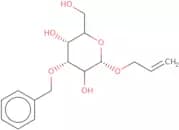
<p>3,4:5,6-Di-O-isopropylidene-2-O-(tert.butyldimethylsilyl)-L-idonic acid methyl ester is an organosilicon compound that is used in the preparation of oligosaccharides and polysaccharides. This compound has a CAS number of 2134160-04-6 and can be custom synthesized to meet your needs. 3,4:5,6-Di-O-isopropylidene-2-O-(tert.butyldimethylsilyl)-L-idonic acid methyl ester is available at a purity of 99% or greater, which makes it ideal for modification to produce monosaccharides or other types of sugar derivatives.</p>Purity:Min. 95%Allyl 3-O-benzyl-a-D-glucopyranoside
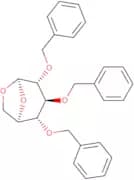
CAS:<p>Allyl 3-O-benzyl-a-D-glucopyranoside is a synthetic, monosaccharide carbohydrate. The product is a modification of the natural polysaccharide allyl 3-O-benzyl-a-D-glucopyranoside. Allyl 3-O-benzyl-a -D glucopyranoside is an Oligosaccharide with CAS No. 145454-72 -4 and has the molecular formula C14H20O6 and molecular weight of 312.32 g/mol. The product is available in high purity and can be synthesized to order. Allyl 3-O -benzyl -a D glucopyranosides are useful as a Fluorination, saccharide for use in glycosylation or methylation reactions or as a complex carbohydrate in the synthesis of oligosaccharides, polysaccharides, or sugar chains.</p>Formula:C16H22O6Purity:Min. 95%Molecular weight:310.34 g/mol1,6-Anhydro-2,3,4-tri-O-benzyl-b-D-glucopyranose
CAS:<p>1,6-Anhydro-2,3,4-tri-O-benzyl-b-D-glucopyranose is a polymer that can be synthesized by copolymerizing the monomer with other reagents. The acetal linkage between the two glucose units allows for a cyclic structure, and this compound is soluble in water and methanol. 1,6-Anhydro-2,3,4-tri-O-benzyl-b-D-glucopyranose has been used to synthesize a variety of polymers such as polyacetals and polyesters.</p>Formula:C27H28O5Purity:Min. 95%Color and Shape:White PowderMolecular weight:432.51 g/mol2-Deoxy-2-fluoro-D-glucose 6-phosphate dipotassium
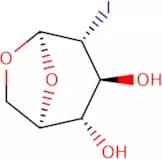
CAS:<p>2-Deoxy-2-fluoro-D-glucose 6-phosphate dipotassium is a fluorinated sugar that is used as a building block in the synthesis of complex carbohydrates. 2-Deoxy-2-fluoro-D-glucose 6-phosphate dipotassium can be modified to produce glycosylations, methylations, and click chemistry modifications. This product is sold as a custom synthesis and can be used for any desired modification.</p>Formula:C6H10FK2O8PPurity:Min. 95 Area-%Color and Shape:PowderMolecular weight:338.31 g/mol1,6-Anhydro-2-deoxy-2-iodo-β-D-glucopyranose
CAS:<p>1,6-Anhydro-2-deoxy-2-iodo-b-D-glucopyranose is a sugar that has been used in the synthesis of a number of organic compounds. It is an intermolecular hydrogen bond donor, and it forms hydrogen bonds with other molecules. The molecular structure of 1,6-Anhydro-2-deoxy-2-iodo-b-D-glucopyranose consists of a six carbon chain with three hydroxyl groups and two ether groups.</p>Formula:C6H9IO4Purity:Min. 95%Color and Shape:Off-White To Tan SolidMolecular weight:272.04 g/mol3-Deoxy-3-fluoro-D-galactose - Aqueous solution
CAS:<p>3-Deoxy-3-fluoro-D-galactose (3DFGal) is a potential drug that has been shown to shift the metabolic pathway of gram-positive pathogens from glycolysis to gluconeogenesis. This compound may be used as a tool for studying the enzymatic reaction catalyzed by galactokinase, which is involved in the conversion of 3DFGal to D-galactose. 3DFGal is a stereospecific carbohydrate and can be used as a substrate for biochemical studies. The bacterial surface profile of 3DFGal has been investigated and it has been found that 3DFGal is not significantly toxic to Gram-negative bacteria. The kinetics of 3DFGal hydrolysis have been studied and it was found that the hydrolysis rate was increased when the solution was acidified with hydrofluoric acid.</p>Formula:C6H11FO5Purity:Min. 98 Area-%Color and Shape:PowderMolecular weight:182.15 g/mol1-O-tert-Butyldimethylsilyl 2-azido-2-deoxy-b-D-galactopyranoside
CAS:<p>1-O-tert-Butyldimethylsilyl 2-azido-2-deoxy-b-D-galactopyranoside is a complex carbohydrate that can be modified to produce an oligosaccharide or polysaccharide. The modification of this glycosylated sugar can be done using methylation, click chemistry, or fluorination. This carbohydrate has been shown to have high purity and is suitable for use in any synthesis that requires saccharides.</p>Formula:C12H25N3O5SiPurity:Min. 95%Molecular weight:319.43 g/molUDP-3-O-(R-3-hydroxydecanoyl)-GlcNAc sodium salt
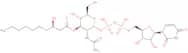
CAS:<p>Substrate for UDP-3-O-acyl-GlcNAc deacetylase</p>Formula:C27H43N3O19P2·xNaPurity:Min. 90 Area-%Color and Shape:White Off-White Solidified MassMolecular weight:777.6 g/molGlucosyl-C18-sphingosine
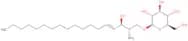
CAS:<p>Glucosyl-C18-sphingosine is a sphingolipid that has been shown to inhibit the activity of Gaucher's enzyme, which is responsible for the synthesis of glucosylceramide. It has been demonstrated in a model system that glucosyl-C18-sphingosine inhibits mitochondrial membrane potential and decreases ATP levels, leading to cell death. The molecular pathogenesis of Gaucher disease is not well understood but it is believed to be related to defective lysosomal function. Glucosyl-C18-sphingosine may be used as a diagnostic agent for Gaucher disease and other metabolic disorders involving glucosylceramide accumulation.</p>Formula:C24H47NO7Purity:Min. 95%Color and Shape:PowderMolecular weight:461.63 g/mol4-Methoxyphenyl 2,3:4,6-di-O-benzylidene-α-D-mannopyranoside
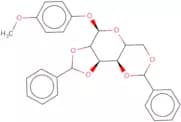
CAS:<p>4-Methoxyphenyl 2,3:4,6-di-O-benzylidene-a-D-mannopyranoside is a water soluble polysaccharide that is a methylated derivative of mannose. It has been fluorinated at the 4 position and modified with benzyl groups at the 2, 3, and 6 positions. This compound is used in custom synthesis to synthesize oligosaccharides or polysaccharides.</p>Formula:C27H26O7Purity:Min. 95%Molecular weight:462.49 g/molL-Mannose
CAS:<p>To assess substrate specificity of galactokinase from S. pneumoniae</p>Formula:C6H12O6Purity:Min. 98 Area-%Color and Shape:White PowderMolecular weight:180.16 g/molHesperetin 3'-O-b-D-glucuronide
CAS:<p>Hesperetin 3'-O-b-D-glucuronide is a natural product that is synthesized by glycosylation of hesperidin with 3,4,5-trihydroxybenzoic acid. It is a synthetic and complex carbohydrate that can be modified to include fluorination, monosaccharide, oligosaccharide, methylation, and click modification. Hesperetin 3'-O-b-D-glucuronide can also be used in the synthesis of polysaccharides with glycosylations. This product has high purity and can be custom synthesized for customers.</p>Formula:C22H22O12Purity:Min. 95%Color and Shape:Slightly Yellow PowderMolecular weight:478.4 g/molPerseitol
CAS:<p>Perseitol is a nutrient solution that contains fatty acids and is used in tissue culture to supplement the growth of cells. It can be used as a substitute for animal serum, which is usually derived from bovine or porcine sources. Perseitol provides all essential components required for cell growth, including amino acids, vitamins, minerals, and lipids. Perseitol is also used in vitro assay systems to determine the redox potential of substances. This solution has been shown to have anti-inflammatory properties due to its ability to inhibit prostaglandin synthesis.</p>Formula:C7H16O7Purity:Min. 95%Color and Shape:White Off-White PowderMolecular weight:212.2 g/moltrans,trans-3,4-Dihydroxy-D-proline
<p>Trans,trans-3,4-Dihydroxy-D-proline is a custom synthesis that has been fluorinated and methylated. It is a polysaccharide with a sugar backbone of an oligosaccharide or saccharide. The carbons in the backbone are connected by glycosylation to form a complex carbohydrate. This product has CAS No.</p>Purity:Min. 95%3,5-O-Isopropylidene-a-L-xylofuranose
<p>3,5-O-Isopropylidene-a-L-xylofuranose is a Custom synthesis, modification, fluorination and methylation of a monosaccharide. 3,5-O-Isopropylidene-a-L-xylofuranose is a synthetic oligosaccharide that has been modified by click chemistry with the addition of an acetate group.</p>Formula:C8H14O5Purity:Min. 95%Molecular weight:190.19 g/mol1,2,3,4-Tetra-O-benzyl-α-D-mannopyranoside
CAS:<p>1,2,3,4-Tetra-O-benzyl-a-D-mannopyranoside is an active drug that belongs to the group of thyromimetics. It is a prodrug that is hydrolyzed in vivo to 1,2,3,4-tetra-O-acetyl-a-D-mannopyranose. This drug has been shown to be effective in treating nervous system diseases such as sclerosis and endogenous disease. The acetylation of the benzyl group on this molecule prevents it from being metabolized by enzymes that are found in the liver. The unmodified form of this drug is rapidly absorbed into the blood and reaches high concentrations quickly.</p>Formula:C34H36O6Purity:Min. 95%Color and Shape:Clear LiquidMolecular weight:540.65 g/molIxoroside
CAS:<p>Ixoroside is a coumarin derivative that has been shown to inhibit the activity of an enzyme called epidermal growth factor receptor. The chemical diversity of this compound has made it difficult to study its biological properties and mechanisms. Ixoroside has been studied in vitro for its effects on eye disorders and for its potential to be used as a monoclonal antibody. It has also been shown to have toxicological studies with no significant adverse effects observed. Ixoroside is found in the genus Nepeta, where it is mainly found in Nepeta cataria and Fructus ixorii species plants, which are used in traditional Chinese medicine. It can also be found in other plants such as Eucalyptus globulus, which is commonly used in cough suppressants.</p>Formula:C16H24O9Purity:Min. 95%Molecular weight:360.36 g/mol2,3,5-Tri-O-benzyl-L-arabinofuranose - technical grade
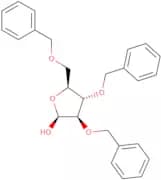
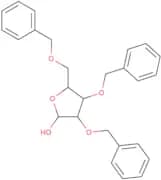
CAS:<p>2,3,5-Tri-O-benzyl-L-arabinofuranose is a benzyl ester of an anomeric mixture that can be prepared by hydrogenolysis of 2,3,5-tri-O-benzyl L-arabinofuranose. It is an experimental compound that may be used for the synthesis of optical anomers or as a starting material for the preparation of other compounds. The reactivity of the carbonyl group in this compound is determined by the steric hindrance from the benzyl esters. This compound also has chloride and trifluoromethanesulfonic acid esters.</p>Formula:C26H28O5Purity:Min. 95%Color and Shape:White PowderMolecular weight:420.5 g/molD-Mannose
CAS:<p>D-mannose is an organic compound and a naturally occurring sugar that is found in many plants. It has been shown to inhibit the growth of bacteria such as Escherichia coli, Staphylococcus aureus, and Klebsiella pneumoniae by binding to bacterial cells. D-mannose inhibits bacterial cell wall synthesis by acting as an alternative substrate for glycolysis, which leads to inhibition of protein synthesis. D-mannose may also act as a competitive inhibitor of certain enzymes such as proteases. This product has been shown to be effective against drug-resistant strains of bacteria by inhibiting the production of fatty acid synthase and other proteins involved in the synthesis of antimicrobial resistance.</p>Formula:C6H12O6Purity:Min. 99 Area-%Molecular weight:180.16 g/molRef: 3D-M-1001
1kgTo inquire5kgTo inquire250gTo inquire500gTo inquire2500gTo inquire-Unit-kgkgTo inquireQuercetin-3-O-b-D-glucose-7-O-b-D-gentiobioside
CAS:<p>Quercetin-3-O-b-D-glucose-7-O-b-D-gentiobioside is a flavonoid that is found in fruits and vegetables. Quercetin has been shown to have antioxidative activity and can be used as a dietary supplement for the prevention of cardiovascular disease. Quercetin has also been shown to inhibit the oxidation of cholesterol, which may help prevent atherosclerosis. Quercetin has been shown to have antiinflammatory properties in women with symptoms of premenstrual syndrome (PMS). Quercetin inhibits the production of prostaglandins, which are inflammatory mediators that are associated with PMS. Quercetin also blocks the inflammatory effects of methyl linoleate, a fatty acid found in meat, dairy products, and vegetable oils. Quercetin has also been shown to bind with specific proteins on white blood cells called immunoglobulins or antibodies. The</p>Formula:C33H40O22Purity:Min. 95%Color and Shape:White PowderMolecular weight:788.66 g/mol6-Deoxy-D-altritol
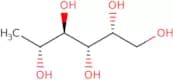
CAS:<p>6-Deoxy-D-altritol is a structural analysis of a polysaccharide carbohydrate that is found in the cell walls of asteroides. It has been shown to contain mannose, d-arabinose, and d-glucose residues. 6-Deoxy-D-altritol also contains galactosyl and phosphate groups. The backbone of 6-Deoxy-D-altritol is made up of phosphodiester bonds with a d-galactose skeleton. This molecule can be used for the identification and characterization of bacteria species such as Mycobacterium tuberculosis and Mycobacterium avium complex.</p>Formula:C6H14O5Purity:Min. 95%Molecular weight:166.17 g/molMethyl 6-O-tert-butyldimethylsilyl-2,3,4-tri-O-pivaloyl-a-D-mannopyranoside
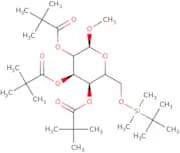
<p>Methyl 6-O-tert-butyldimethylsilyl-2,3,4-tri-O-pivaloyl-a-D-mannopyranoside is a synthetic glycosylation agent that can be used for the synthesis of complex carbohydrates. This product has been fluorinated and saccharide modified. Methyl 6-O-tert-butyldimethylsilyl-2,3,4-tri-O-pivaloyl-aDmannopyranoside is available in CAS number: 5756782.</p>Formula:C28H52O9SiPurity:Min. 95%Molecular weight:560.81 g/molb-L-Arabinopyranose
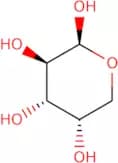
CAS:<p>b-L-Arabinopyranose is a monosaccharide that is found in exudates, melibiose, and radiation hydrolysate. It has been shown to be hydrolyzed by intestinal enzymes and to have an optimum pH of 5.5. b-L-Arabinopyranose also has a high degree of polymerization (DP) and can form five-membered rings with galactans as well as terminal residues that are resistant to hydrolysis by carbon tetrachloride.</p>Formula:C5H10O5Purity:Min. 95%Molecular weight:150.1 g/molN-Dodecyldeoxynojirimycin
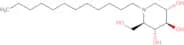
CAS:<p>Dodecyldeoxynojirimycin is a polyketide natural product that has been shown to be a potent inhibitor of the synthesis of mannose-containing glycoproteins, including glucans and chitooligosaccharides. It binds to the active site of glucan synthetase and prevents the formation of glucose residues, which blocks glucan biosynthesis. Dodecyldeoxynojirimycin has also been shown to have anti-inflammatory properties.</p>Formula:C18H37NO4Purity:Min. 95 Area-%Color and Shape:White PowderMolecular weight:331.49 g/molE-Retinyl b-glucuronide
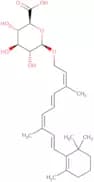
CAS:<p>E-Retinyl b-glucuronide is a metabolite of vitamin A that is formed in the liver by glucuronidation of retinol. It has been shown to have immunomodulatory effects and can be used to activate various immune cells, such as T lymphocytes, monocytes, and natural killer cells. E-Retinyl b-glucuronide binds to cell surface antigens and induces the expression of surface markers on mononuclear cells. In vitro studies have shown that this metabolite has growth-promoting activity for certain types of cancerous cells including colon carcinoma, breast carcinoma, and thyroid carcinoma. E-Retinyl b-glucuronide is also known to inhibit the binding of 13-cis retinoic acid to its receptor, thereby preventing the activation of genes in target tissues.</p>Formula:C26H38O7Purity:Min. 95%Molecular weight:462.58 g/mol2-Deoxy-D-glucose-6-phosphate sodium salt
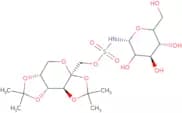
CAS:<p>Glucose 6-phosphatase substrate</p>Formula:C6H12NaO8PPurity:Min. 98 Area-%Color and Shape:White PowderMolecular weight:266.12 g/molTopiramate D-galactopyranose
<p>Topiramate D-galactopyranose is a custom synthesis, modification, fluorination, methylation and monosaccharide. It is synthesized by clicking modification and oligosaccharide. Topiramate D-galactopyranose has CAS No. and polysaccharide. This product has sugar and complex carbohydrate. It can be used as a fluoroquinolone antibiotic for the treatment of bacterial infections such as tuberculosis, leprosy, mycobacterium avium complex, or staphylococcus aureus infection.<br>!--</p>Formula:C18H31NO13SPurity:Min. 95%Molecular weight:501.5 g/mol2-Acetamido-1,3,4,6-tetra-O-acetyl-2-deoxy-a-D-glucopyranose
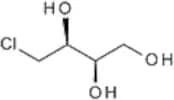
CAS:<p>2-Acetamido-1,3,4,6-tetra-O-acetyl-2-deoxy-a-D-glucopyranose (2AAT) is a synthetic nucleoside that binds to the same sequence of n-acetylgalactosamine in the cell wall of Gram positive bacteria. It was found to be effective against bacterial strains that produce beta lactamase enzymes. 2AAT has been shown to inhibit the growth of Gram positive bacteria and is able to penetrate tissues. It also prevents bacterial DNA gyrase and topoisomerase IV from binding with their respective substrates. 2AAT is made up of four parts: two ribose molecules, one deoxyribose molecule and one acetamido group. This last part is what makes it bind to the bacterial cell wall and inhibits protein synthesis by preventing mRNA from being translated into proteins.</p>Formula:C16H23NO10Purity:Min. 98 Area-%Color and Shape:White PowderMolecular weight:389.36 g/mol1-Chloro-1-deoxythreitol
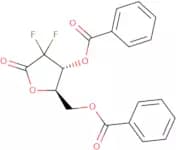
<p>1-Chloro-1-deoxyribitol is a methylating agent that can be used for the synthesis of complex carbohydrates, such as oligosaccharides and polysaccharides. It is also used in click chemistry to modify saccharides with fluoride or other reagents. 1-Chloro-1-deoxyribitol is highly pure and stable, and is available in monosaccharide form. This compound is a synthetic sugar that has been modified to contain chlorine atoms at both the hydroxyl groups.</p>Formula:C4H9ClO3Purity:Min. 95%Molecular weight:140.57 g/mol3,5-Di-O-benzoyl-2-deoxy-2,2-difluoro-D-ribonic acid-1,4-lactone
CAS:<p>3,5-Di-O-benzoyl-2-deoxy-2,2-difluoro-D-ribonic acid-1,4-lactone (3DBR) is a nucleoside that has been shown to have antiaging properties. It has been found to be an effective scavenger of peroxyl radicals and reactive oxygen species (ROS). 3DBR also inhibits the formation of aluminum oxide and styrene by catalyzing the salt formation reaction. This compound also has anti-tumour activity and can be used as a chemotherapeutic agent for the treatment of cancer. It is heat resistant and can be combined with gemcitabine hydrochloride in chemotherapy.</p>Formula:C19H14F2O6Purity:Min. 95%Color and Shape:White PowderMolecular weight:376.31 g/mol2,3,5-Tri-O-benzyl-L-lyxofuranose
CAS:<p>2,3,5-Tri-O-benzyl-L-lyxofuranose is an acetal that is prepared by hydrolysis of 2,3,5-tri-O-benzylglycol with sodium methoxide in methanol. It can be made from the dimethyl acetal by displacement with sulphonate. The aldehyde group can be converted to an acetal by reaction with ethylene glycol and hydrochloric acid. The displacement of the aldehyde group with methoxide produces the acetal. Dimethyl acetals are also displaced by methyl iodide to produce aldehydes. Acetals are readily hydrolysed and acidic hydrolysis produces the corresponding alcohols.</p>Formula:C26H28O5Purity:Min. 95%Molecular weight:420.5 g/molHesperetin-d3 7-O-β-D-glucuronide
<p>Hesperetin-d3 7-O-beta-D-glucuronide is a novel glycosylated hesperetin derivative that has been synthesized for the first time. It is a synthetic sugar with an Oligosaccharide structure, which is a saccharide composed of three to nine monosaccharides. Hesperetin-d3 7-O-beta-D-glucuronide has been fluorinated and methylated on the sugar moiety. It has been prepared in high purity and it is available at CAS No. 1407813-41-5. This product can be custom synthesized according to your specifications and needs.</p>Purity:Min. 95%1,2,3,4-Tetra-O-acetyl-6-deoxy-6,6,6-trifluoro-L-galactose
CAS:<p>fucosylation inhibitor</p>Formula:C14H17F3O9Molecular weight:386.28 g/molUDP-D-Fucose
<p>sugar nucleotide</p>Formula:C15H24N2O16P2Purity:Min. 95 Area-%Molecular weight:550.31 g/mol1,2,4-Tri-O-acetyl-3-O-benzyl-D-xylopyranoside
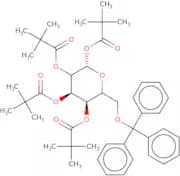
<p>1,2,4-Tri-O-acetyl-3-O-benzyl-D-xylopyranoside is a carbohydrate that has been modified with fluorine. The chemical formula is C12H21FO5. It has CAS number: 90693-24-9 and molecular weight of 356.35 g/mol. There are many uses for this compound, including being a synthetic sugar for use in pharmaceuticals, being a custom synthesis for research purposes, or as an intermediate in the production of other compounds. 1,2,4-Tri-O-acetyl-3-O-benzyl--D--xylopyranoside is also used as a fluorescence probe to detect saccharides and oligosaccharides because it emits light when bound to these compounds due to its high purity.<br>1,2,4 Tri O acetyl 3 O benzyl D xylopyranoside can be used to</p>Purity:Min. 95%1,2,3,4-Tetra-O-pivaloyl-6-O-trityl-b-D-glucopyranose
CAS:<p>1,2,3,4-Tetra-O-pivaloyl-6-O-trityl-b-D-glucopyranose is a trityl derivative of glucose that can be used as a diagnostic agent for the assessment of cancer. When labeled with radioactive iodine, 1,2,3,4-Tetra-O-pivaloyl-6-O-trityl-b-D-glucopyranose has been shown to accumulate in bile and esophageal cancer cells. Magnetic resonance imaging (MRI) was used to evaluate the distribution of 1,2,3,4 tetra O pivaloyl 6 O trityl b D glucopyranose in patients with cirrhosis. The results suggest that this compound can be used as an indicator for the diagnosis of liver disease.</p>Formula:C45H58O10Purity:Min. 95%Molecular weight:758.94 g/molButyl α-D-glucopyranoside
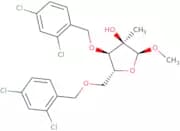
CAS:<p>Butyl a-D-glucopyranoside is an antimicrobial agent that inhibits the growth of photosynthetic organisms. It has been shown to have high cytotoxicity against Gram-positive bacteria, including Enterobacter and Bacillus. Butyl a-D-glucopyranoside also exhibits strong antimicrobial activity against Gram-negative bacteria such as Escherichia coli, Salmonella enterica, Klebsiella pneumoniae, and Pseudomonas aeruginosa. This compound also has potent activity against fungi and yeast. The mechanism of action is not known but may involve the inhibition of tyrosol synthesis or the disruption of microbial membranes.</p>Formula:C10H20O6Purity:Min. 95%Color and Shape:PowderMolecular weight:236.26 g/molMethyl 3,5-di-O-(2,4-dichlorobenzyl)-2-C-methyl-α-D-ribofuranoside
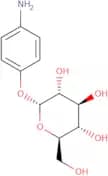
CAS:<p>Building block for the synthesis of 2'-âC-âmethyl substituted nucleosides</p>Formula:C21H22Cl4O5Purity:Min. 95%Color and Shape:Yellow PowderMolecular weight:496.21 g/mol4-Aminophenyl a-D-glucopyranoside
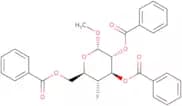
CAS:<p>4-Aminophenyl a-D-glucopyranoside is an alkoxycarbonyl analog that can be used in the preparation of antigens. It is a small, water-soluble molecule that can be used to induce antibody production and to identify antigenic determinants. 4-Aminophenyl a-D-glucopyranoside has been shown to react with glutamicum and corynebacterium cells in vitro. The compound binds to the bacterial cell surface by reacting with amino groups, inducing the production of acid molecules, which leads to bacterial death. 4-Aminophenyl a-D-glucopyranoside also reacts with methoxy residues on the ribosomal RNA molecule and corynebacterium DNA molecules. This allows it to be used as an expression vector for proteins and nucleic acids in Corynebacterium glutamicum (a bacterium commonly found in soil). Spectrosc</p>Formula:C12H17NO6Purity:Min. 95%Color and Shape:PowderMolecular weight:271.27 g/molMethyl 2,3,6-tri-O-benzoyl-4-deoxy-4-fluoro-a-D-glucopyranoside
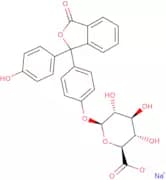
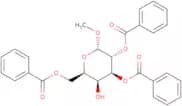
CAS:<p>Methyl 2,3,6-tri-O-benzoyl-4-deoxy-4-fluoro-a-D-glucopyranoside is a sugar that is synthetically modified. This product has been fluorinated and glycosylated with a benzoyl group at C2 position. It contains methyl groups attached to the ring carbons at C1 and C6 positions. The product is also an oligosaccharide that contains two monosaccharides (sugar units) linked by an alpha (1→4) glycosidic bond. Methyl 2,3,6-tri-O-benzoyl-4-deoxy-4-fluoro-a-Dglucopyranoside can be used as a synthetic building block for the synthesis of complex carbohydrate structures.</p>Formula:C28H25FO8Purity:Min. 95%Color and Shape:White PowderMolecular weight:508.49 g/molPhenolphthalein b-D-glucuronic acid sodium salt
CAS:<p>beta-glucuronidase substrate</p>Formula:C26H22O10NaPurity:Min. 95 Area-%Color and Shape:Yellow PowderMolecular weight:517.44 g/mol6-Azido-6-deoxy-1,2:3,4-di-O-isopropylidene-a-D-galactopyranose
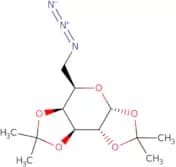
CAS:<p>6-Azido-6-deoxy-1,2:3,4-di-O-isopropylidene-a-D-galactopyranose is a copper complex that is soluble in water. It is used as an initiator for the polymerization of galactose monomers. 6AIDOGAL reacts with azide or diazo compounds to form a cycloaddition reaction and can be used to prepare copolymers by reacting with other monomers such as D-glucose. The temperature range for this reaction is between 20°C and 100°C. This compound has been shown to form stable complexes with Cu(II) ions at temperatures below 0°C.</p>Formula:C12H19N3O5Purity:Min. 98 Area-%Color and Shape:Colorless Clear LiquidMolecular weight:285.3 g/molL-Xylose
CAS:<p>Chiral-pool resource for organic synthesis</p>Formula:C5H10O5Purity:Min. 99 Area-%Color and Shape:White PowderMolecular weight:150.13 g/molAllyl α-D-galactopyranoside
CAS:<p>Allyl α-D-galactopyranoside is a colorimetric reagent that reacts with the polysaccharides to form a colored product. The reaction is based on the transfer of an allyl group from the reagent to the polysaccharide. This reaction can be performed using atomic force microscopy and microscopy techniques, as well as using light and UV-visible spectroscopy. The reaction can also be used to measure glycopolymer concentrations. A titration procedure has been developed for this purpose, in which an excess of allyl α-D-galactopyranoside is added to a solution containing galactose and ammonium sulfate. Allyl α-D-galactopyranoside reacts with galactose to produce an insoluble precipitate that can be measured by weighing or using optical density measurements at a certain wavelength.</p>Formula:C9H16O6Purity:Min. 97 Area-%Color and Shape:White Off-White PowderMolecular weight:220.22 g/mol2,7-Anhydro-D-sedoheptulose-2,3,4,5,6,7-13C6
<p>2,7-Anhydro-D-sedoheptulose-2,3,4,5,6,7-13C6 is a custom synthesis of a complex carbohydrate. It is an oligosaccharide that is modified with methylation and glycosylation. This compound has been synthesized by Click modification and fluorination. 2,7-Anhydro-D-sedoheptulose-2,3,4,5,6,7-13C6 is water soluble and has a high purity. It is used as a research tool in the field of saccharides and carbohydrates.</p>Purity:Min. 95%2-Acetamido-2-deoxy-b-D-glucopyranosyl L-asparagine
CAS:<p>Acetamido-2-deoxy-b-D-glucopyranosyl L-asparagine is used in studies of Aspartylglycosaminuria (AGU) which is a rare, inherited lysosomal storage disease caused by a deficiency in the enzyme aspartylglucosaminidase.</p>Formula:C12H21N3O8Purity:Min. 98 Area-%Color and Shape:White PowderMolecular weight:335.31 g/molL-Galactose
CAS:<p>L-Galactose is a glycol ether that has been shown to have antibacterial efficacy against Gram-positive bacteria. It acts by inhibiting the synthesis of p-hydroxybenzoic acid, which is required for the synthesis of bacterial cell walls and their components. L-Galactose also has an inhibitory effect on the growth of Gram-negative bacteria by preventing methyl glycoside formation. L-Galactose has been used in polymerase chain reaction assays as a competitive inhibitor in analytical methods. It can be used at concentrations up to 5% and does not affect x-ray diffraction data or pluripotent cells.<br>L-galactose can be used as a preservative in cosmetics such as lotions, creams, and ointments due to its mildness and lack of toxicity. The use of L-galactose in these products may prevent spoilage due to microbial contamination.</p>Formula:C6H12O6Purity:Min. 99 Area-%Color and Shape:White PowderMolecular weight:180.16 g/mol2-Acetamido-2-deoxy-D-mannono-1,4-lactone
CAS:<p>2-Acetamido-2-deoxy-D-mannono-1,4-lactone is a chemical compound that is an aldonic acid and is classified as an ester. It has a molecular formula of C8H10O5 and it has the following structural formula:<br>This product can be synthesized from benzoic acid and glyceraldehyde. 2-Acetamido-2-deoxy-D-mannono-1,4-lactone is also known as benzoylated mannose. It has been reconfirmed to have high yield in acetylation reactions with molybdate. 2-Acetamido-2deoxy-Dmannono1,4lactone can also undergo epimerization to form the optical antipode of 2,3,4,6tetraacetyloxybenzoic acid (2,3,4,6tetraacetyl</p>Formula:C8H13NO6Purity:Min. 95%Color and Shape:White to off-white solid.Molecular weight:219.19 g/mol(Neu5Ac a(2-3)-Gal-b(1-3)-GalNAc)SL-OH
<p>Neu5Ac a(2-3)-Gal-b(1-3)-GalNAc)SL-OH is an Oligosaccharide that is a complex carbohydrate with a Methylation modification. It is the product of Click chemistry and has been Fluorinated and saccharide, Modification, sugar, Oligosaccharide, Synthetic, CAS No., Monosaccharide, Custom synthesis, High purity.</p>Purity:Min. 95%1,2,3,4,6-Penta-O-acetyl-5-thio-D-galactose
<p>1,2,3,4,6-Penta-O-acetyl-5-thio-D-galactose is a fluorinated monosaccharide that is synthesized by the reaction of 1,2,3,4,6-penta-O-acetyl-D-galactose with sodium hypochlorite in the presence of sodium bicarbonate. This compound has been shown to be an excellent substrate for glycosylation reactions and can be used as a sugar donor in polysaccharide synthesis. 1,2,3,4,6 penta O acetyl 5 thio D galactose can also be methylated with dimethylsulfoxide and trimethylsilyl chloride to form the corresponding methylated derivative. This product is available at high purity levels and CAS No. 68713-89-1.END></p>Formula:C16H22O10SPurity:Min. 95%Molecular weight:406.41 g/molmyo-Inositol
CAS:<p>Vitamin added to plant cell culture medium to promote growth. Used to differentiate microorganisms based on their metabolic properties.</p>Formula:C6H12O6Purity:Min. 99.0 Area-%Molecular weight:180.16 g/mol1,2,3,4-Tetra-O-acetyl-6-diphenylphosphoryl-b-D-mannopyranose
CAS:<p>This product is custom synthesized. The synthesis of this product was accomplished by modification, fluorination, methylation and monosaccharide synthesis. It is a synthetic oligosaccharide that has been modified with click chemistry. This product is made up of saccharides in a glycosylation configuration. It is a complex carbohydrate that contains sugar units in various configurations. This product has high purity and can be used as an intermediate for the synthesis of other products.</p>Formula:C26H29O13PPurity:Min. 95%Color and Shape:White PowderMolecular weight:580.47 g/molChenodeoxycholic acid 24-acyl-b-D-glucuronide
CAS:<p>Chenodeoxycholic acid 24-acyl-b-D-glucuronide (CDCA) is a drug that is used to treat gallstones and primary biliary cirrhosis. CDCA has been shown to be effective in treating gallstones by reducing the amount of cholesterol and other bile salts in the bile. It is also prescribed for patients with primary biliary cirrhosis, which is an autoimmune disease that causes inflammation of the small intestine. CDCA has been shown to decrease cholesterol levels and improve liver function in clinical studies. It also has a low toxicity profile, making it safe for long-term treatment. The major side effects are nausea, vomiting, headache, and diarrhea.<br>CDCA binds to fatty acids in the liver cells and prevents their uptake into the cells by blocking fatty acid transporters such as LPL or FATP4 receptors. This increases the amount of free fatty acids available for oxidation by increasing β-oxidation rates within the cell</p>Formula:C30H48O10Purity:Min. 95%Color and Shape:White Off-White PowderMolecular weight:568.7 g/mol3,4,6-Tri-O-acetyl-N-azidoacetylmannosamine
<p>3,4,6-Tri-O-acetyl-N-azidoacetylmannosamine is a custom synthesis, modification and fluorination of mannose. It is an oligosaccharide composed of 3,4,6-tri-O-acetyl-N-azidoacetylmannosamine which is linked to a glycosylated saccharide. The carbohydrate backbone is composed of two glucose molecules with the modified mannose attached at the 1 position on each. This compound can be used in research as a model for N3'-linked sugar modifications and has been shown to have antiviral properties.</p>Purity:Min. 95%Dihydrozeatin-O-glucoside riboside
CAS:<p>Dihydrozeatin-O-glucoside riboside is a plant hormone that is found in the roots of Eucomis species. It has been shown to interact with indole-3-acetyl-L-aspartic acid and inhibit the growth of plantlets. The interaction between dihydrozeatin and indole-3-acetyl-L-aspartic acid has been shown to be due to the formation of an intermediate, which is also metabolized by rhizobia. Dihydrozeatin also interacts with ammonium formate and profiles have been obtained for its metabolic products. This molecule also inhibits the production of growth regulators such as abscisic acid, alnifolia, and salicylic acid.</p>Formula:C21H33N5O10Purity:Min. 95 Area-%Color and Shape:PowderMolecular weight:515.51 g/mol2,4-O-Benzylidene-D-Threose
CAS:<p>2,4-O-Benzylidene-D-Threose is a chemical compound that is used as a reagent in the synthesis of glycosphingolipids. It is prepared by the Wittig reaction of 2,4-dibromobenzaldehyde with potassium azide and phytosphingosine. The compound has also been used as a tool in biological studies to study the biosynthesis of glycosphingolipids. This product can react with carbinols to produce acetylides or diphosphate esters. 2,4-O-Benzylidene-D-Threose can be used as a reagent for the synthesis of methylmagnesium chloride, which is a Grignard reagent.</p>Purity:Min. 95%2-O-Methyl-D-glucose
CAS:<p>2-O-Methyl-D-glucose is an aldohexose that is used in the synthesis of a number of biological compounds. It has been shown to inhibit the growth of cancer cells by interfering with the synthesis of fatty acids and proteins.</p>Formula:C7H14O6Purity:Min. 95%Color and Shape:PowderMolecular weight:194.18 g/molAllyl α-D-Glucopyranoside
CAS:<p>Allyl alpha-D-glucopyranoside is an optical isomer of D-glucose that is used in the synthesis of a number of synthetic trisaccharides, including maltotriose. Allyl alpha-D-glucopyranoside is also a potent antibacterial agent and has been shown to be active against Escherichia coli, Staphylococcus aureus, and Pseudomonas aeruginosa. Allyl alpha-D-glucopyranoside has hydrophilic and hydrophobic properties, which makes it soluble in both water and organic solvents. This compound can also form stable complexes with metal cations such as sodium and potassium, making it useful for tissue culture experiments.</p>Formula:C9H16O6Molecular weight:220.22 g/molRef: 3D-W-203706
10gTo inquire25gTo inquire50gTo inquire100gTo inquire250gTo inquire-Unit-ggTo inquire4-Methoxyphenyl 3-O-benzyl-6-O-tert-butyldimethylsilyl-2-deoxy-2-phthalimido-b-D-glucopyranoside
CAS:<p>C3-Benzyl-6-O-tert-butyldimethylsilyl-2-deoxy-2-phthalimido-b-D-glucopyranoside is a synthetic glycosylation agent that converts carbohydrates to sugar derivatives. It is a fluorinated sugar with a benzyl group and can be used in the synthesis of complex polysaccharides and saccharides. C3BzTBDMSG has been shown to have high purity, which makes it an ideal choice for Click chemistry and modification.</p>Formula:C34H41NO8SiPurity:Min. 95%Molecular weight:619.78 g/mol3'-Sialyl-N-acetyllactosamine-β-ethylamine
<p>Please enquire for more information about 3'-Sialyl-N-acetyllactosamine-β-ethylamine including the price, delivery time and more detailed product information at the technical inquiry form on this page</p>Formula:C27H47N3O19Purity:Min. 95%Molecular weight:717.67 g/mol2-Acetamido-1,3,6-tri-O-acetyl-2-deoxy-a-D-glucopyranose
CAS:<p>2-Acetamido-1,3,6-tri-O-acetyl-2-deoxy-a-D-glucopyranose is a synthetic monosaccharide that can be used as an intermediate in the preparation of oligosaccharides. The compound is fluorinated and then reacted with acetyl chloride to produce an acetamido derivative. This product can be used for glycosylation reactions with polysaccharides. It has been shown to react with diols and triols to form methyl ethers via the Click chemistry reaction. 2-Acetamido-1,3,6-tri-O-acetyl-2,5,6,-triiodohexanoic acid is a modification of this product that has been shown to inhibit bacterial growth in vitro.</p>Formula:C14H21NO9Purity:Min. 95%Color and Shape:Clear oil.Molecular weight:347.32 g/molL-Sorbose
CAS:<p>Resource for the industrial synthesis of ascorbic acid alias Vitamin C</p>Formula:C6H12O6Purity:Min. 98 Area-%Color and Shape:White Off-White PowderMolecular weight:180.16 g/molPhenylethyl β-D-galactopyranoside
CAS:<p>Phenylethyl b-D-galactopyranoside is a galactose compound that can be hydrolyzed by esterases in the presence of water. It is toxic to organisms, such as E. coli and S. typhimurium, at high concentrations and can be used for the treatment of infections caused by these bacteria. Phenylethyl b-D-galactopyranoside has been shown to have a permeability effect on cells, which may be due to its ability to inhibit the production of ATP in the cell membrane by blocking specific enzymes that are responsible for ATP synthesis.</p>Formula:C14H20O6Purity:Min. 95%Color and Shape:PowderMolecular weight:284.31 g/mol4'-O-(β-D-Glucopyranosyl)-L-DOPA
Controlled Product<p>4'-O-(b-D-Glucopyranosyl)-L-DOPA is a custom synthesis, modification, fluorination, methylation, monosaccharide, synthetic, click modification, oligosaccharide saccharide. 4'-O-(b-D-Glucopyranosyl)-L-DOPA may be used in the treatment of certain cancers and for other conditions as determined by your doctor. 4'-O-(b-D-Glucopyranosyl)-L-DOPA may also be used for purposes not listed in this medication guide.</p>Formula:C15H21NO9Purity:Min. 95%Color and Shape:White to off-white solid.Molecular weight:359.33 g/molL-Rhamnose monohydrate - high purity
CAS:<p>L-Rhamnose monohydrate is a sugar that is found in plants, animals, and bacteria. It is a component of polysaccharides like cellulose and hemicellulose. L-Rhamnose monohydrate has been shown to stimulate the growth of probiotic bacteria like Lactobacillus acidophilus in vitro. It also has antiviral properties against the herpes simplex virus type 1 (HSV-1). The antiviral activity may be due to its ability to inhibit viral replication by interfering with the synthesis of viral DNA and RNA. L-Rhamnose monohydrate may also have anti-inflammatory effects due to its ability to inhibit prostaglandin synthesis through inhibition of cyclooxygenase enzyme activity. This product has applications as a dietary supplement and ingredient in functional foods or beverages.</p>Formula:C6H12O5•H2OPurity:Min. 98.0 Area-%Color and Shape:PowderMolecular weight:182.17 g/mol2-Acetamido-2-deoxy-3-O-(a-D-galactopyranosyl)-D-galactopyranose
CAS:<p>2-Acetamido-2-deoxy-3-O-(a-D-galactopyranosyl)-D-galactopyranose is a high purity synthetic oligosaccharide. It is an off white to light yellow powder with a molecular weight of 514.06 and a melting point of >200 degrees Celsius. The chemical formula for this product is C12H24O11N2. This product has been fluorinated, methylated, glycosylated, and click modified to create a complex carbohydrate that can be used in the synthesis of other molecules.</p>Formula:C14H25NO11Purity:Min. 90.0 Area-%Molecular weight:383.35 g/molEthyl 3,5,6-tri-O-benzyl-D-glucofuranoside
CAS:<p>Ethyl 3,5,6-tri-O-benzyl-D-glucofuranoside is a modification of the natural carbohydrate D-glucose and has been synthesized by methylation. This product has a purity of 99% and is made up of three monosaccharides: D-glucose, D-mannose, and D-galactose. It also contains an oligosaccharide chain that consists of 6 sugar units. Ethyl 3,5,6-tri-O-benzyl-D-glucofuranoside is insoluble in water but soluble in acetone. The molecular weight of this product is 522.2 g/mol.</p>Formula:C29H34O6Purity:Min. 95%Color and Shape:Yellow Clear LiquidMolecular weight:478.58 g/molBenzyl 2-acetamido-2-deoxy-4,6-O-isopropylidene-b-D-glucopyranoside
CAS:<p>Benzyl 2-acetamido-2-deoxy-4,6-O-isopropylidene-b-D-glucopyranoside is a surfactant that is used in the measurement of polymers. It is soluble in water and has a low concentration. This surfactant can be used as a copolymer with terephthalate to form polyurethane foam. Benzyl 2-acetamido-2-deoxy-4,6-O-isopropylidene b -D -glucopyranoside also has high concentrations for sedimentation and sulfonate properties.</p>Formula:C18H25NO6Purity:Min. 95%Color and Shape:PowderMolecular weight:351.39 g/molD-Ribose-5-phosphate barium salt hexahydrate
CAS:<p>D-Ribose-5-phosphate barium salt hexahydrate is a Modification, Oligosaccharide, Carbohydrate, complex carbohydrate. It is a Custom synthesis, Synthetic, High purity, Monosaccharide, Methylation, Glycosylation and Polysaccharide. D-Ribose-5-phosphate barium salt hexahydrate has CAS No. 15673-79-7 and Fluorination. It is an saccharide sugar.</p>Formula:C5H9BaO8P·6H2OPurity:Min. 95%Color and Shape:White PowderMolecular weight:473.51 g/mol4-O-Methyl-D-glucuronic acid
CAS:<p>Component of plant, especially grape, glucuronoxylans</p>Formula:C7H12O7Purity:Min. 95%Color and Shape:Colorless PowderMolecular weight:208.17 g/molMethyl 2,3:4,6-di-O-isopropylidene-D-mannopyranoside
CAS:<p>Methyl 2,3:4,6-di-O-isopropylidene-D-mannopyranoside is a synthetic glycosylate sugar that has been modified with fluorination. It is a monosaccharide that is used in the synthesis of complex carbohydrates. Click modification of this molecule has been performed to yield high purity and desired modifications. CAS number 50705-56-1.</p>Formula:C13H22O6Purity:Min. 95%Color and Shape:PowderMolecular weight:274.31 g/molD-Mannosaminuronic acid
<p>D-Mannosaminuronic acid is a monosaccharide that has been isolated from the seed of the African plant, Acacia drepanolobium. It is found to be an antigenic component of shigella and related enterobacteria and plays an important role in the biosynthesis of glycolipids. D-Mannosaminuronic acid can be hydrolyzed by acidic enzymes such as lipases, esterases, phosphatases, or proteases. This process may lead to the liberation of fatty acids and sugars. The purified enzyme preparations have been shown to catalyze the synthesis of D-mannosaminuronic acid from mannose and fructose.</p>Purity:Min. 95%D-Xylose - Syrup
CAS:<p>Xylose (Xyl) is an aldopentose also known as wood sugar (Collins, 2006). The main sources of xylose are hemicelluloses found in hardwood and perennial plants, such as, grasses, cereals, and herbs (Petzold-Welcke, 2014) and some algae. Xylose is used in the production of xylitol, a low calory sugar substitute. Xylose is used in glycosaminoglycan (GAG) biosynthesis, which is initiated by peptide O-xylosyltransferases, which transfer xylose onto selected serine residues in the core proteins. The first enzyme in the pathway, peptide O-xylosyltransferase, catalyzes the transfer of xylose from uridine diphosphate (UDP)-α-D-xylose onto serine and thus determines the site(s) of GAG attachment on the core protein (Briggs, 2018).</p>Formula:C5H10O5Purity:Min. 95%Molecular weight:150.13 g/molD-Sorbitol hexaacetate
CAS:<p>Sorbitol hexaacetate is a low-energy compound that has a hydroxyl group and a phenolic acid. It is used as an intermediate in the production of detergents, surfactants, and other industrial chemicals. In addition to this, sorbitol hexaacetate can be used as a radiation shield and an effective dose for radiation therapy. Sorbitol hexaacetate is also used as an ingredient in lipolytic enzymes. It has been shown to inhibit the activity of lipolytic enzymes by forming hydrogen bonds with the enzyme active site. Magnetic resonance spectroscopy studies have revealed that sorbitol hexaacetate has a cavity that can be filled with water molecules, which may explain its ability to act as an optical polarizer.</p>Formula:C18H26O12Purity:Min. 97 Area-%Color and Shape:White PowderMolecular weight:434.39 g/molMethyl 2,3,5-tri-O-(p-chlorobenzoyl)-β-D-ribofuranoside
CAS:<p>Methyl 2,3,5-tri-O-(p-chlorobenzoyl)-b-D-ribofuranoside is a custom synthesis that has been modified with fluorination and methylation. It is a monosaccharide that can be synthesized by the reaction of 3,5-di-O-(p-chlorobenzoyl)ribose with formaldehyde. Methyl 2,3,5-tri-O-(p-chlorobenzoyl)-b-D-ribofuranoside can be used in saccharide or glycosylation reactions to produce oligosaccharides or polysaccharides. This chemical is also useful for click chemistry modifications.</p>Formula:C27H21Cl3O8Purity:Min. 95%Color and Shape:White to off-white solid.Molecular weight:579.81 g/molD-Glucose - monohydrate
CAS:<p>D-Glucose - monohydrate is a glucose molecule that is found in the blood stream. It is the preferred source of energy for the brain and has been shown to enhance brain function. Glucose is also used to maintain the water balance of cells and tissues, as well as to prevent or treat hypoglycemia. This molecule can be found in many foods, such as honey, corn syrup, molasses, fruits and fruit juices. D-Glucose - monohydrate has antibacterial efficacy against a number of bacteria including staphylococcus aureus, Escherichia coli, Pseudomonas aeruginosa and Bacillus subtilis. It can also inhibit squamous cell carcinoma growth in vivo by preventing the proliferation of cancer cells. D-Glucose - monohydrate is structurally similar to adenosine diphosphate (ADP), which binds to dinucleotide phosphate (DP) enzymes that are involved in energy metabolism</p>Formula:C6H12O6·H2OPurity:(%) Min. 95%Color and Shape:White PowderMolecular weight:198.17 g/mol1,2-O-Isopropylidene-α-D-glucofuranurono-6,3-lactone
CAS:<p>1,2-O-Isopropylidene-a-D-glucofuranurono-6,3-lactone is a compound with hepatocyte growth factor activity that is used in the diagnosis of liver diseases. It can also be used as a reagent for the detection of lactones and as an industrial chemical. 1,2-O-Isopropylidene-a-D-glucofuranurono-6,3-lactone has been shown to activate the hepatocyte growth factor receptor (HGFR) and induce cell proliferation in human hepatocytes. This compound is not toxic to cells at concentrations up to 100 mM.</p>Formula:C9H12O6Purity:Min. 98%Color and Shape:PowderMolecular weight:216.19 g/mol2,3:4,5-Di-O-isopropylidene-D-xylitol
CAS:<p>2,3:4,5-Di-O-isopropylidene-D-xylitol is an acceptor for the Stannic Chloride Reaction. It is a lacto-n-biose derivative of D-xylitol that has been shown to have antibiotic activity against Streptococcus section A and B. The temporary protection of the hydroxyl group in 2,3:4,5diOisopropylidene-Dxylitol with methyl glycosides provides a convenient method for glycosylations. The chloride ion can be replaced by hexaacetate to yield 1amino1deoxyDxylitol hydrochloride, which is a benzyl derivative. This reaction allows for research into the transfer of 2,3:4,5diOisopropylideneDxylitol.</p>Formula:C11H20O5Purity:Min. 95%Color and Shape:Solidified MassMolecular weight:232.27 g/mol5-Aldo-1,2-O-isopropylidene-b-D-arabinofuranose
CAS:<p>5-Aldo-1,2-O-isopropylidene-b-D-arabinofuranose is a sugar that is synthesized from D-glucose. It has been modified with fluorine to produce an analogue of 5-fluoroarabinofuranose. The methylation and glycosylation of this compound have also been investigated. This chemical can be used for the synthesis of complex carbohydrates.</p>Formula:C8H12O5Purity:Min. 95%Color and Shape:PowderMolecular weight:188.18 g/molD-Glucosamine-2-N-sulfate sodium
CAS:<p>D-Glucosamine-2-N-sulfate sodium is a synthetic, high purity carbohydrate with a custom synthesis. It is an oligosaccharide that is also a sugar and a saccharide. The methylation of D-glucosamine 2-N-sulfate sodium can be achieved by glycosylation or click modification. Click modification is the addition of a carbon atom to the molecule through the reaction with an electrophile, such as N-hydroxysuccinimide ester. This modification can be used to introduce fluorine atoms into the molecules, which can improve their solubility and stability. The product has shown anti-inflammatory activities in animal models, which may be due to its ability to inhibit prostaglandin synthesis.</p>Formula:C6H12NNaO8SPurity:Min. 95 Area-%Color and Shape:White Off-White PowderMolecular weight:281.22 g/mol2,3,4,6-Tetra-O-acetyl-1-S-acetyl-b-D-thiogalactopyranose
<p>2,3,4,6-Tetra-O-acetyl-1-S-acetyl-b-D-thiogalactopyranose is a synthetic sugar that is used in the synthesis of complex carbohydrates. It has been modified with methylation and acetylation reactions. The CAS number for this compound is 112724-71-8.</p>Formula:C15H20O11SPurity:Min. 95%Molecular weight:408.38 g/molD-Ribose, 99.0%+
CAS:<p>D-Ribose is a pentose sugar that is the ribose sugar of D-arabinose. It is an inhibitor of bacterial growth and has been shown to inhibit binding of adenine nucleotides to their receptors in the human erythrocyte membrane. Ribose plays a vital role in energy metabolism, as it is a component of ATP and NADH. It also participates in the synthesis of DNA and RNA. Ribose can be found in many foods, such as pears, apples, potatoes, and rice. D-ribose has been shown to have significant cytotoxicity against cancer cells that are dependent on glycolysis for their energy needs.<br>D-Ribose may also be used as a polymerase chain reaction (PCR) substrate to determine the presence of infectious diseases such as HIV or hepatitis C virus in human serum samples.</p>Formula:C5H10O5Purity:Min. 99.0 Area-%Molecular weight:150.13 g/molRef: 3D-R-5495
1kgTo inquire100gTo inquire250gTo inquire500gTo inquire2500gTo inquire-Unit-kgkgTo inquireEthyl 4,6-O-benzylidene-β-D-thioglucopyranoside
CAS:<p>A protected thioglucose sugar</p>Formula:C15H20O5SPurity:Min. 95%Color and Shape:PowderMolecular weight:312.38 g/mol1,2-Di-O-acetyl-3-deoxy-3-fluoro-5-O-toluoyl-a-D-ribofuranose
CAS:<p>1,2-Di-O-acetyl-3-deoxy-3-fluoro-5-O-toluoyl-a-D-ribofuranose is a fluorinated sugar molecule. It is a methylated saccharide that has been modified with click chemistry and glycosylation. The modified sugar can be used to synthesize a variety of complex carbohydrates including oligosaccharides and polysaccharides. This product is available in high purity with CAS No. 1884324-99-5.</p>Purity:Min. 95%Methyl-5-O-benzoyl-2-chloro-2,3-dideoxy-3-fluoro-D-ribofuranoside
<p>Methyl-5-O-benzoyl-2-chloro-2,3-dideoxy-3-fluoro-D-ribofuranoside is a custom synthesis of Methylation. It is also known as methyl 5-(benzoyl)furanosyl 2,3-dideoxyfuroate. This compound is used in the preparation of oligosaccharides and polysaccharides. It has a CAS number of 90627-95-6 and an Oligosaccharide molecular weight of 380.<br>Methylation is the addition of a methyl group to a molecule. The result is an alkyl group with one less hydrogen atom (CH3). Methyl groups are often used in organic chemistry to modify other molecules, such as sugars or carbohydrates, by adding them to the molecule's structure. <br>Methylation occurs most often in two ways:<br>1) In chemical synthesis, for example</p>Formula:C13H14ClFO4Purity:Min. 95%Molecular weight:288.7 g/mol2,5:3,4-Dianhydro-6-O-2-propenyl-dimethyl acetal-L-talose
CAS:<p>2,5:3,4-Dianhydro-6-O-2-propenyl-dimethyl acetal-L-talose is a fluorinated sugar that is synthesized by the reaction of an acetal with glycosylation. It has been modified to contain a methyl group and a click modification. 2,5:3,4-Dianhydro-6-O-2-propenyl-dimethyl acetal-L-talose is used as a fluorescent probe for the detection of nucleic acids in living cells. It has high purity and can be custom synthesized to meet customer specifications.</p>Formula:C11H18O5Purity:Min. 95%Molecular weight:230.26 g/molD-(-)-Threose
CAS:<p>Popular resource for chiral-pool based organic syntheses<br>Sold as an aqueous solution and by weight of active material</p>Formula:C4H8O4Purity:Min. 90 Area-%Color and Shape:Colorless Clear LiquidMolecular weight:120.1 g/molD-Allono-1,4-lactone
CAS:<p>D-Allono-1,4-lactone is a biochemical compound that has been shown to have immunosuppressant properties. D-Allono-1,4-lactone is an inhibitor of maltase, an enzyme involved in the digestion of starch and glycogen. D-Allono-1,4-lactone also inhibits transglucosylase, an enzyme involved in the conversion of sucrose into glucose. It binds to sulfur transfer proteins and has been shown to be effective against mutants with altered biochemical properties.</p>Formula:C6H10O6Purity:Min. 95%Color and Shape:PowderMolecular weight:178.14 g/molMethyl 2,3,6-tri-O-benzoyl-α-D-galactopyranoside
CAS:<p>Methyl 2,3,6-tri-O-benzoyl-α-D-galactopyranoside is a water soluble white powder. It has a molecular weight of 370.62 and a melting point of 199°C. This product is used as an intermediate in the synthesis of complex carbohydrates and is also used in the production of glycosylations and polysaccharides. The purity of this product is >98%.</p>Formula:C28H26O9Purity:Min. 95%Color and Shape:White PowderMolecular weight:506.5 g/molMethyl 2-deoxy-3,5-di-O-toluoyl-L-ribofuranoside
CAS:<p>Methyl 2-deoxy-3,5-di-O-toluoyl-L-ribofuranoside is a custom synthesis that is a complex carbohydrate that is used in the modification of saccharides. It has been shown to be able to methylate and glycosylate carbohydrates and can be fluorinated for use in click chemistry experiments. Methyl 2-deoxy-3,5-di-O-toluoyl-L-ribofuranoside is highly pure and can be synthesized with high yield.</p>Formula:C22H24O6Purity:Min. 95%Color and Shape:Brown oil.Molecular weight:384.43 g/molD-Galactosamine-1-phosphate
CAS:<p>D-Galactosamine-1-phosphate is a precursor of UDP-glucose and is used in the synthesis of fatty acids. D-Galactosamine-1-phosphate is synthesized by the enzyme UDP-glucose pyrophosphorylase, which catalyzes the reaction between UDP and D-galactose. It is expressed in strains that have been engineered to produce recombinant proteins. This product can be produced in vitro by a number of methods, including enzymatic or chemical synthesis. The enzyme activity of D-galactosamine 1 phosphate synthase is temperature dependent, with optimal activity at 40°C. This product has been shown to inhibit hepatitis virus production and lipid formation in vitro.</p>Formula:C6H14NO8PPurity:Min. 95%Color and Shape:PowderMolecular weight:259.15 g/mol2-Azidoethyl b-D-fructopyranoside
CAS:<p>2-Azidoethyl b-D-fructopyranoside is a custom synthesis of glycogen, which is a complex carbohydrate. This product can be fluorinated or methylated at the 2’ position of the sugar moiety. It also has been modified with Click chemistry and polysaccharides. The CAS number for this product is 99042-58-7 and it has a purity of >99%.</p>Formula:C8H15N3O6Purity:Min. 95%Color and Shape:PowderMolecular weight:249.3 g/mol2-Acetamido-3,4,6-tri-O-benzyl-2-deoxy-D-glucono-1,5-lactone
CAS:<p>2-Acetamido-3,4,6-tri-O-benzyl-2-deoxy-D-glucono-1,5-lactone is a methylated saccharide with a modified sugar. This compound can be used as a building block for the synthesis of glycosides and oligosaccharides. 2AATGL has been shown to be compatible with click chemistry and is available in high purity. It can also be custom synthesized to meet your needs.</p>Formula:C29H31NO6Purity:Min. 90%Color and Shape:PowderMolecular weight:489.56 g/molPhenyl 4,6-O-benzylidene-2-deoxy-2-phthalimido-b-D-thioglucopyranoside
CAS:<p>Phenyl 4,6-O-benzylidene-2-deoxy-2-phthalimido-b-D-thioglucopyranoside is a custom synthesis sugar that has been modified with fluorination, glycosylation, and carbamoylation. It is an oligosaccharide that contains a saccharide at the reducing end of the molecule. The CAS number for this compound is 79528-51-1.</p>Formula:C27H23NO6SPurity:Min. 95%Color and Shape:White PowderMolecular weight:489.54 g/molMethyl 2-deoxy-3,5-di-O-toluoyl-D-ribofuranoside
CAS:<p>Methyl 2-deoxy-3,5-di-O-toluoyl-D-ribofuranoside is a carbohydrate compound that is a modification of the saccharide and oligosaccharide. It is fluorinated at the 3' position. The monosaccharide is synthesized from D-ribose and methylated at the 2' and 5' positions. Methyl 2-deoxy-3,5-di-O-toluoyl-D-ribofuranoside is a synthetic sugar that has been modified with glycosylation and Click chemistry.</p>Formula:C22H24O6Purity:Min. 95%Color and Shape:PowderMolecular weight:384.42 g/molFebuxostat-acyl-β-D-glucuronide
CAS:<p>Febuxostat is a drug that inhibits the enzyme xanthine oxidase, which is involved in the production of uric acid. The chronic use of this drug can lead to a decrease in serum uric acid levels, which is associated with lowering of blood pressure and prevention of kidney stones. Febuxostat has been shown to be effective in patients with polyarticular rheumatoid arthritis and allopurinol-induced gout. Side effects may include gastrointestinal discomfort, low dose-related hypertension, and cardiovascular complications. Febuxostat interacts with colchicine and other drugs that are metabolized through cytochrome P450 enzymes. This interaction may reduce the effectiveness of these drugs or increase their toxicity.</p>Formula:C22H24N2O9SPurity:Min. 95%Color and Shape:PowderMolecular weight:492.5 g/mol5-Azido-5,6-dideoxy-2,3-O-isopropylidene-D-glucono-1.4-lactone
<p>5-Azido-5,6-dideoxy-2,3-O-isopropylidene-D-glucono-1.4-lactone is a synthetic carbohydrate. It is an oligosaccharide that has been modified with methylation, saccharide and Click modification. It is a complex carbohydrate that is synthesized by glycosylation and fluorination. 5-Azido-5,6-dideoxy-2,3-O-isopropylidene--D--glucono--1.4--lactone can be used in the treatment of diabetes mellitus type 2 and other conditions associated with metabolic syndrome.</p>Purity:Min. 95%Methyl β-L-arabinopyranoside
CAS:<p>Methyl β-L-arabinopyranoside is a stereochemically pure monosaccharide that has been used to calibrate and quantify the conformational, stereochemical, and spectrometric methods. Methyl β-L-arabinopyranoside has a conformation that is restricted by the presence of an α-hydroxyl group at C2. The chloride ion can be used to monitor this conformation. The diameter of methyl β-L-arabinopyranoside can be measured with a micropipette and monitored using an aerosol detector. Methyl β-L-arabinopyranoside can also be quantified by mass spectrometry or spectrophotometry. The conformational, stereochemical, and spectrometric methods have been calibrated using methyl β-L-arabinopyranoside as a standard to determine their accuracy in measuring the size of other molecules.</p>Formula:C6H12O5Purity:Min. 95%Color and Shape:White Off-White PowderMolecular weight:164.16 g/molPhenyl 2,3,6-tri-O-acetyl-2-deoxy-2-trichloroacetamido-b-D-thioglucopyranoside
<p>Phenyl 2,3,6-tri-O-acetyl-2-deoxy-2-trichloroacetamido-b-D-thioglucopyranoside is a monosaccharide with a molecular weight of 594.5. It is derived from the reaction of methyl acetate and benzene in the presence of sulfuric acid. Phenyl 2,3,6-tri-O-acetyl-2-deoxy-2-trichloroacetamido b D thioglucopyranoside is an intermediate in the synthesis of saccharides that are modified by click chemistry or modification. <br>This product has been shown to be synthesized with high purity and good yield. The product can be used for custom synthesis as well as glycosylation reactions. This product also has a CAS number and can be used for Click chemistry or modification reactions.</p>Formula:C20H22Cl3NO8SPurity:Min. 95%Color and Shape:White to off-white solid.Molecular weight:542.81 g/molTelmisartan acyl-b-D-glucuronide
CAS:<p>Telmisartan acyl-b-D-glucuronide is a drug metabolite that is formed by the conjugation of telmisartan with glucuronic acid. Telmisartan acyl-b-D-glucuronide is activated in vivo and reversibly inhibits the enzyme creatine kinase, which is involved in the metabolism of creatine to creatinine. The effective dose for this compound has been shown to be 10 mg/kg (orally) in humans. Telmisartan acyl-b-D-glucuronide has been shown to be an at1 receptor antagonist and may have some antihypertensive effects via modulation of ion channels. This drug also appears to have some proliferative effects on cells that are inhibited by radiation.</p>Formula:C39H38N4O8Purity:Min. 95%Color and Shape:Off-White PowderMolecular weight:690.74 g/mol3,4-Dihydro-5-hydroxy-2-(3-hydroxy-4-methoxyphenyl)-4-oxo-2H-1-benzopyran-7-yl β-D-glucopyranosiduronic acid
CAS:<p>Hesperetin 7-O-b-D-glucuronide is a metabolite of hesperetin, a flavonoid primarily sourced from citrus fruits. This compound is formed through the glucuronidation process, a metabolic pathway that modifies hesperetin to enhance its solubility and facilitate its excretion from the human body. Hesperetin 7-O-b-D-glucuronide exerts biological effects through various modes of action, including antioxidant and anti-inflammatory mechanisms. It is thought to scavenge free radicals and modulate inflammatory pathways by inhibiting specific enzymes and cytokines.In scientific research, Hesperetin 7-O-b-D-glucuronide is studied for its potential therapeutic applications, particularly its role in reducing oxidative stress and inflammation-related diseases. It has garnered attention in the context of cardiovascular health, neuroprotection, and metabolic disorders. The exploration of its bioavailability and specific interactions at the molecular level continues to provide insights into its promising applications in nutraceuticals and pharmaceuticals. Researchers investigate its efficacy and safety to better understand its potential role in disease prevention and therapy.</p>Formula:C22H22O12Purity:Min. 95%Color and Shape:PowderMolecular weight:478.4 g/molMethyl 3,4-O-isopropylidene-β-D-arabinopyranoside
CAS:<p>Methyl 3,4-O-isopropylidene-b-D-arabinopyranoside is a custom synthesis that has been modified with fluorination, methylation and click modification. It can be found in the CAS registry as 4594-60-9. This compound is a monosaccharide. Methyl 3,4-O-isopropylidene-b-D-arabinopyranoside is synthetically produced and can be used for glycosylation reactions. This compound has been shown to have a saccharide structure, which includes sugar or carbohydrates. It also has an oligosaccharide structure, which includes polysaccharides or complex carbohydrates.</p>Formula:C9H16O5Purity:Min. 95%Color and Shape:Clear LiquidMolecular weight:204.22 g/molD-Threonic acid-1,4,-lactone
CAS:<p>D-Threonic acid-1,4,-lactone is a methylated saccharide that is prepared by the oxidation of D-threo-aldose. It can be used as a building block in the synthesis of glycosylates, oligosaccharides, and polysaccharides. The compound has been shown to inhibit the growth of Mycobacterium tuberculosis and Mycobacterium avium complex. D-Threonic acid-1,4,-lactone can also be fluorinated for use as an imaging agent for positron emission tomography (PET).</p>Formula:C4H6O4Purity:Min. 95%Color and Shape:PowderMolecular weight:118.08 g/mol2,3-O-Isopropylidene-D-erythronolactone
CAS:<p>2,3-O-Isopropylidene-D-erythronolactone is a chromophore that has been synthesised. It is a chiral heterocycle with an anion linker and a boron trifluoride etherate group. The carbon chain of 2,3-O-isopropylidene-D-erythronolactone has been found to be essential for its antibacterial activity against tuberculosis. This compound binds to the adenosine receptor in the bacterial cell membrane and inhibits bacterial growth.</p>Formula:C7H10O4Purity:Area-% Min. 95 Area-%Color and Shape:PowderMolecular weight:158.15 g/mol2,3-O-Isopropylidene-1,4-di-O-tosyl-D-threitol
CAS:<p>Please enquire for more information about 2,3-O-Isopropylidene-1,4-di-O-tosyl-D-threitol including the price, delivery time and more detailed product information at the technical inquiry form on this page</p>Formula:C21H26O8S2Purity:Min. 95%Color and Shape:PowderMolecular weight:470.56 g/mol2-Acetamido-4,6-O-benzylidene-2-deoxy-D-galactopyranose
CAS:<p>2-Acetamido-4,6-O-benzylidene-2-deoxy-D-galactopyranose is a fluorescent dye that binds to the hydroxyl group of nucleic acids. It can be used for microscopy of cells and bacteria in culture. This dye is also used for the measurement of cavitation activity. The dye is added at a concentration of 0.1% to the cell culture media. After 24 hours, it can then be observed with a microscope under UV light. 2-Acetamido-4,6-O-benzylidene-2-deoxy-D-galactopyranose has been shown to have lysis effects on cells such as agarose gels and mammalian cells, leading to cell death by apoptosis or necrosis. It's also used as an indicator in gel electrophoresis experiments because it can bind to DNA and RNA molecules, which makes</p>Formula:C15H19NO6Purity:Min. 95%Color and Shape:White PowderMolecular weight:309.31 g/mol

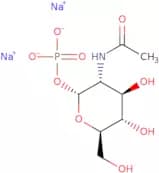
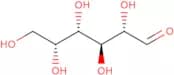


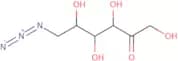
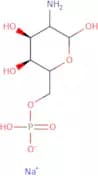
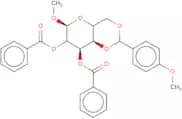
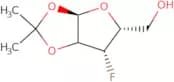
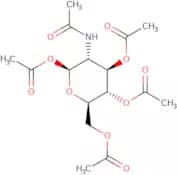
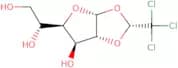
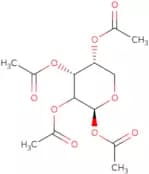
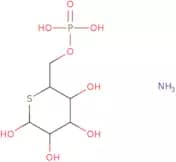
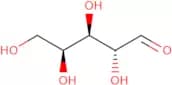
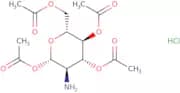
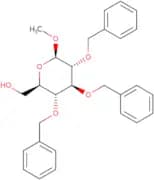
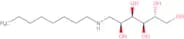
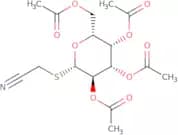
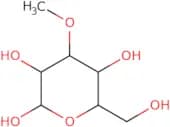
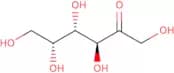
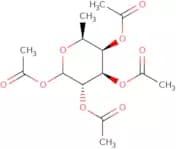
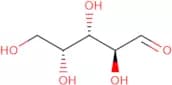
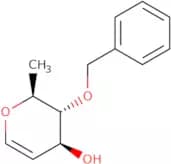
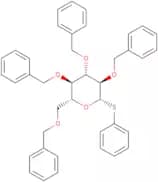
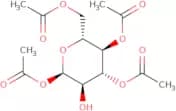
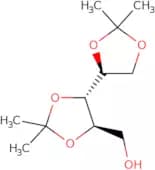
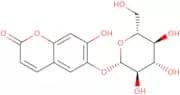

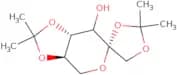
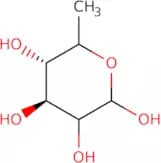
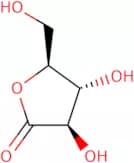
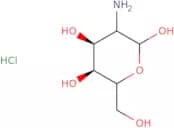


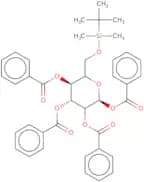

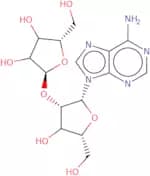

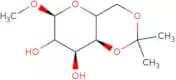
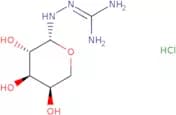
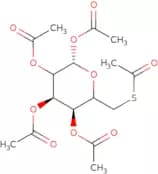
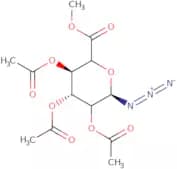
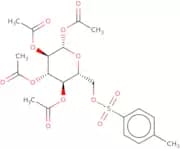
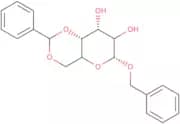

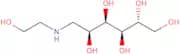

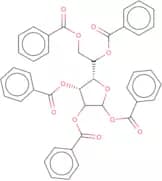

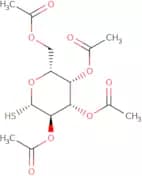

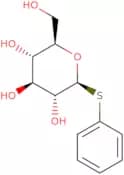
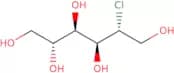

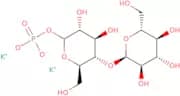
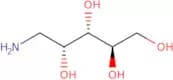


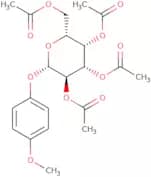
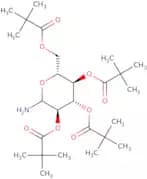
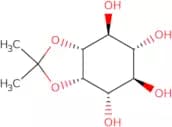
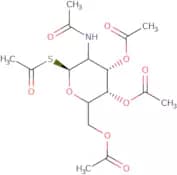
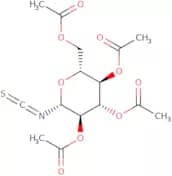
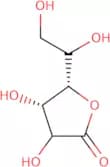
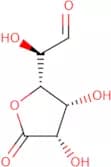
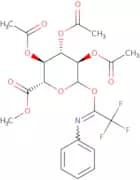
![Ethyl 2-deoxy-2-[(trichloroacetyl)amino]-b-D-thioglucopyranoside](/_next/image/?url=https%3A%2Fstatic.cymitquimica.com%2Fproducts%2F3D%2Fthumb-webp%2FME45369.webp&w=3840&q=75)