Monosaccharides
Monosaccharides are the simplest form of carbohydrates and serve as fundamental building blocks for more complex sugars and polysaccharides. These single sugar molecules play critical roles in energy metabolism, cellular communication, and structural components of cells. In this section, you will find a wide variety of monosaccharides essential for research in biochemistry, molecular biology, and glycoscience. These compounds are crucial for studying metabolic pathways, glycosylation processes, and developing therapeutic agents. At CymitQuimica, we offer high-quality monosaccharides to support your research needs, ensuring precision and reliability in your scientific investigations.
Subcategories of "Monosaccharides"
- Alloses(11 products)
- Arabinoses(21 products)
- Erythroses(11 products)
- Fructoses(9 products)
- Fucoses(36 products)
- Galactosamine(41 products)
- Galactose(260 products)
- Glucoses(365 products)
- Glucuronic Acids(51 products)
- Glyco-substrates for Enzyme(77 products)
- Guloses(6 products)
- Idoses(4 products)
- Inositols(15 products)
- Lyxoses(4 products)
- Mannoses(65 products)
- O-Glycans(48 products)
- Psicoses(3 products)
- Rhamnoses(10 products)
- Riboses(61 products)
- Sialic Acids(100 products)
- Sorboses(4 products)
- Sugars(173 products)
- Tagatoses(4 products)
- Taloses(8 products)
- Xyloses(20 products)
Show 17 more subcategories
Found 6088 products of "Monosaccharides"
Sort by
Purity (%)
0
100
|
0
|
50
|
90
|
95
|
100
D-Rhamnose
CAS:<p>Chiral-pool sugar used to mirror syntheses based on natural L-Rha</p>Formula:C6H12O5Purity:Min. 97 Area-%Color and Shape:White PowderMolecular weight:164.16 g/molN-[2-(4'-Dimethylaminophenyl)-1-cyano-3-butene]-2,3,4,6-tetra-O-pivaloyl-D-glucopyranoside
<p>2-(4'-Dimethylaminophenyl)-1-cyano-3-butene-2,3,4,6-tetra-O-pivaloyl-D-glucopyranoside is a synthetic compound. It is an oligosaccharide that can be modified to produce various sugar derivatives. The modification process includes fluorination and methylation. 2-(4'-Dimethylaminophenyl)-1-cyano-3-butene-2,3,4,6 tetra O pivaloyl D glucopyranoside is a white powder with a melting point of 110°C and an optical rotation of +33°C.</p>Formula:C39H59N2O9Purity:Min. 95%Molecular weight:699.91 g/mol1,7,7a-Triepialexine
CAS:<p>The compound 1,7,7a-Triepialexine is an alkaloid that is found in plants of the genus Trientalis. It has been shown to have anti-inflammatory properties due to its ability to inhibit prostaglandin synthesis. The compound also has a stereoselective synthesis and a stereoselective syntheses.</p>Purity:Min. 95%2-C-(2,3,4,6-Tetra-O-acetyl-b-D-glucopyranosyl) ethyne
CAS:<p>2-C-(2,3,4,6-Tetra-O-acetyl-b-D-glucopyranosyl) ethyne is a fluorescent reagent that is used to detect glycosylation. It reacts with the glucose residue of an oligosaccharide or polysaccharide to form a fluorescent product. This product can be detected by fluorescence spectroscopy. 2-C-(2,3,4,6-Tetra-O-acetyl-b-D-glucopyranosyl) ethyne has been shown to react with Oligo 1 and Oligo 2 in the following reaction:<br>2-[(2,3,4,6 Tetra -O -acetyl -b -D -glucopyranosyl )ethynyl]</p>Formula:C16H20O9Purity:Min. 95%Molecular weight:356.32 g/molN-Acetyl-L-talosaminuronic acid
CAS:<p>N-Acetyl-L-talosaminuronic acid is a natural product that has been shown to have anti-inflammatory activity in experimental models of inflammatory bowel disease. N-Acetyl-L-talosaminuronic acid inhibits the production of proinflammatory cytokines, such as tumor necrosis factor alpha (TNFα), by binding to TNFα receptors on the surface of cells. This can be attributed to its ability to inhibit ATP levels and reduce oxidative stress, which are both factors that contribute to inflammation. N-Acetyl-L-talosaminuronic acid also has been shown to inhibit inflammatory responses in human monocytes and neutrophils. It binds specifically to her2+ breast cancer cells and inhibits their growth in culture. Furthermore, it has been shown to have cytotoxic effects on bladder cancer cells and can be used for the treatment of bladder cancer.</p>Formula:C8H13NO7Purity:Min. 95 Area-%Color and Shape:PowderMolecular weight:235.19 g/molMethyl 2,3,4-tri-O-benzyl-6-O-tert-butyldimethylsilyl-a-D-mannopyranoside
CAS:<p>Methyl 2,3,4-tri-O-benzyl-6-O-tert-butyldimethylsilyl-a-D-mannopyranoside is a synthetic carbohydrate that has been modified with fluorination. The structure of this compound is a complex carbohydrate consisting of a monosaccharide and two oligosaccharides. This product can be custom synthesized to meet the specific needs of customers and offers high purity.</p>Formula:C34H46O6SiPurity:Min. 95%Molecular weight:578.83 g/molD-Allose
CAS:<p>Anti-proliferative in cancer cells</p>Formula:C6H12O6Purity:Min. 95%Color and Shape:White PowderMolecular weight:180.16 g/mol2-Deoxy-2-fluoro-D-glucose
CAS:<p>Inhibitor of hexokinase isozymes and cellular glycosylation</p>Formula:C6H11FO5Purity:Min. 95%Color and Shape:White PowderMolecular weight:182.15 g/molMethyl (benzyl 2,3-di-O-benzyl-4-O-methyl-β-D-glucopyranoside)uronate
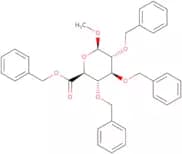
CAS:<p>A useful glucuronide building block</p>Formula:C29H32O7Purity:Min. 95%Color and Shape:PowderMolecular weight:492.56 g/molN-(2'-Phenylacetonitrile)-2,3,4,6-tetra-O-pivaloyl-D-glucopyranoside
CAS:<p>N-(2'-Phenylacetonitrile)-2,3,4,6-tetra-O-pivaloyl-D-glucopyranoside is a synthetic glycosyl compound that has been modified with fluorine. The compound has been shown to be effective in the methylation of saccharides and oligosaccharides. It can be used for modification of polysaccharides and carbohydrates by Click chemistry. This product is offered as a custom synthesis and can be ordered in high purity.</p>Formula:C34H50N2O9Purity:Min. 95%Molecular weight:630.77 g/molL-Erythrose
CAS:<p>L-Erythrose is a monosaccharide that contains an hydroxyl group on the second carbon atom. It can be synthesized by a synthetic scheme involving glycolaldehyde and hydroxylamine. L-Erythrose has been shown to inhibit the enzyme phosphoglycerate kinase, which converts 2-phosphoglycerate into phosphoenolpyruvate. L-Erythrose has also been shown to inhibit dehydroascorbic acid reductase, which converts dehydroascorbic acid into ascorbic acid, and galactitol reductase, which converts galactitol into D-tagatose. The mutant strain of Escherichia coli K12 that was engineered to produce L-erythrose showed a decreased susceptibility to phage infection and an increased resistance to oxidative stress. In addition, the polyol pathway in E. coli was induced by L-erythrose treatment.</p>Formula:C4H8O4Purity:(%) Min. 90%Color and Shape:Slightly Yellow PowderMolecular weight:120.1 g/mol2-Amino- 2- deoxy- 3- O- methyl-D- glucose
CAS:<p>2-Amino-2-deoxy-3-O-methyl-D-glucose is a modified sugar that has been synthesized by the methylation of D-glucose. This product is often used as a building block in glycosylation, which is the process of adding sugars to proteins or polysaccharides. The modification of this carbohydrate makes it resistant to hydrolysis and oxidation reactions, making it suitable for use in pharmaceuticals and other applications.<br>2-Amino-2-deoxy-3-O-methyl-D-glucose can be fluorinated to produce 2-(Fluoro)amino 2 deoxy 3 O methyl D glucose, which has been shown to have antihypertensive effects in rats with high blood pressure. This product can also be modified with click chemistry to produce 2-[(Azidomethyl)amino]-2 deoxy 3 O methyl D glucose, which can be used</p>Formula:C7H15NO5Purity:Min. 95%Molecular weight:193.2 g/molMethyl 2,3,4-tri-O-pivaloyl-6-O-trityl-a-D-mannopyranoside
<p>Methyl 2,3,4-tri-O-pivaloyl-6-O-trityl-a-D-mannopyranoside is a custom synthesis of a complex carbohydrate. It is an Oligosaccharide that has been modified with saccharide Methylation and glycosylation. This product is also fluorinated and Click modified. The CAS number for this product is <br>[[Category:Chemical compounds]]</p>Formula:C41H52O9Purity:Min. 95%Molecular weight:688.87 g/molEthyl 2-O-benzyl-4,6-O-benzylidene-b-D-thioglucopyranoside
<p>Ethyl 2-O-benzyl-4,6-O-benzylidene-b-D-thioglucopyranoside is a custom synthesis of a monosaccharide. It consists of an ethoxy group at the 4th position and a benzyl group at the 6th position on the ring. The compound has been fluorinated, methylated, and modified with click chemistry to make it more stable. This product is a synthetic oligosaccharide that has been glycosylated and modified with saccharide chains. It is used as a complex carbohydrate for dietary supplements.</p>Purity:Min. 95%L-Sorbose
CAS:<p>Resource for the industrial synthesis of ascorbic acid alias Vitamin C</p>Formula:C6H12O6Purity:Min. 98 Area-%Color and Shape:White Off-White PowderMolecular weight:180.16 g/molAllyl 3,4-di-O-benzyl-2-O-(2-naphthylmethyl)-a-D-galactopyranoside
<p>Allyl 3,4-di-O-benzyl-2-O-(2-naphthylmethyl)-a-D-galactopyranoside is a synthetic carbohydrate with a complex structure. It is a modification of a D-galactopyranose sugar and has been glycosylated and methylated. This compound contains an allyl group that has been fluorinated at the 3 position.</p>Purity:Min. 95%Methyl 2,4-Di-O-acetyl-3-deoxy-3-fluoro-b-D-xylopyranoside
CAS:<p>Methyl 2,4-Di-O-acetyl-3-deoxy-3-fluoro-b-D-xylopyranoside is a synthetic, fluorinated glycosylation product. It is used in the synthesis of complex carbohydrates, and has been shown to be useful for click modification. This product has been custom synthesized by our company, and can be ordered in high purity.</p>Formula:C10H15FO6Purity:Min. 95%Molecular weight:250.22 g/mol2-C-Azidomethyl- 2, 3:5, 6- di-O-isopropylidene)-D- mannose
<p>2-C-Azidomethyl-2,3:5,6-di-O-isopropylidene)-D-mannose (2CAM) is a custom synthesis that is created by modifying the natural sugar D-mannose. The modification of this sugar yields 2CAM, which is a fluorinated and methylated compound. The monosaccharide in 2CAM is an alpha anomeric structure with a 6 carbon chain. This chemical can be synthesized from D-mannose through the addition of an azide group to the C4 hydroxyl group on the mannose ring. This modification to the natural sugar leads to a complex carbohydrate that exhibits saccharide properties as well as glycosylation properties.<br>2CAM has been shown to have inhibitory effects against bacterial pathogens such as Mycobacterium tuberculosis and Clostridium perfringens, which are both gram negative bacteria. In contrast,</p>Purity:Min. 95%D-Arabitol
CAS:<p>D-Arabitol (or D-Arabinitol) is the reduced alcohol form of Arabinose. Arabitol is a commonly used food supplement, it is comparably sweet to sucrose but the oral flora cannot metabolize Arabitol, and hence protects from caries. Arabitol plays also an important role in energy controlled diets since it is absorbed slowly by the human digestive tract and has a low caloric content. The differential metabolism of the Arabitol D- and L-forms suggested its use in microbiological diagnostics (Bernard, E.M. et al. 1981) and became a routine urine laboratory test: L-Arabitol is metabolized by a variety of different bacteria and fungi utilizing an arabitol dehydrogenase enzyme. Therefore, it serves as a biomarker for, e.g., invasive candidiasis, since an infection results in an elevated urine D-Arabitol/L-Arabitol (DA/LA) ratio. Cymit Quimica offers both isomers in research grade: D-Arabitol (A-8270) and L-Arabitol (A-8280).</p>Formula:C5H12O5Purity:Min. 99.0 Area-%Molecular weight:152.15 g/molRef: 3D-A-8270
10gTo inquire1kgTo inquire250gTo inquire500gTo inquire2500gTo inquire-Unit-kgkgTo inquire(2S,3R,4S)-2-(Benzoyloxy)methyl-3,4,N-tri-O-benzoyl-5-methyl-pyrrolidine-3,4-diol
<p>(2S,3R,4S)-2-(Benzoyloxy)methyl-3,4,N-tri-O-benzoyl-5-methyl-pyrrolidine-3,4-diol is a high purity synthetic carbohydrate that is custom synthesized to your specifications. It can be used for saccharide and oligosaccharide modification or glycosylation. (2S,3R,4S)-2-(Benzoyloxy)methyl-3,4,N-tri-O-benzoyl-5-methyl-pyrrolidine-3,4-diol is prepared from benzoyl chloride and 3'-chloroacetyl chloride in the presence of triethylamine. This product is available for methylation and click chemistry modification.</p>Purity:Min. 95%D-Arabinose
CAS:<p>The aldopentose D-arabinose also known as aloinose, Aloe sugar, pectinose (Collins, 2006), is not as common in nature as its enantiomer L-arabinose. D-arabinose is a component of the polysaccharide in Aloe (Haynes, 1963) and is present in the unripe (green) tomato (Lycopersicon esculentum) (Chandra, 2009). The major cell wall carbohydrate of Corynebacterineae (a bacterial group that includes tuberculosis, leprosy and diphtheriae) is an arabinogalactan, a branched polysaccharide that is essential for the physiology of these bacteria. The arabinogalactan complex is often referred to as mycolyl-arabinogalactan-peptidoglycan complex. As arabinogalactan is made up of D-arabinofuranosyl and D-galactofuranosyl residues, a complete understanding of their biosynthethic pathways could provide suitable targets for new chemotherapeutics (Meniche, 2008).</p>Formula:C5H10O5Purity:Min. 99 Area-%Color and Shape:PowderMolecular weight:150.13 g/molMethyl α-L-rhamnopyranoside
CAS:<p>Methyl α-L-rhamnopyranoside is a conjugate molecule made via a Fisher glycosylation with MeOH. It has been shown to have pesticidal activities and can be used in the production of pesticides or glycoconjugates. Methyl α-L-rhamnopyranoside is of interest as a vaccine adjuvant, due to its ability to activate the immune system. This compound also has anti-inflammatory properties, which may be due to its inhibition of prostaglandin synthesis.</p>Formula:C7H14O5Purity:Min. 95 Area-%Color and Shape:White PowderMolecular weight:178.18 g/mol2,3,4,6-Tetra-O-benzyl-D-glucopyranose
CAS:<p>2,3,4,6-Tetra-O-benzyl-D-glucopyranose is a selectively protected intermediate, where the anomeric 1-O-hydroxyl group is free. This hemiacetal has been used successfully as an intermediate for glucosylation couplings, where it was converted into 2,3,4,6-tetra-O-benzyl-D-glucopyranose trichloroacetimidate using trichloroacetonitrile in the presence of a base such as potassium carbonate and DBU. Importantly, this imidate donor with no neighbouring participating groups is commonly used for the selective formation of α-glucosides. 2,3,4,6-tetra-O-benzyl-D-glucopyranose can also be oxidized to the lactone, or reduced to give the open chain form. Additionally, 2,3,4,6-tetra-O-benzyl-D-glucopyranose can be used for the preparation of glucono-1,5-lactone hydrazine, which was used, in-turn, to form a glucosylidene-spirocyclopropane.</p>Formula:C34H36O6Purity:Min. 98.0 Area-%Molecular weight:540.66 g/molRef: 3D-T-1900
1kgTo inquire50gTo inquire250gTo inquire500gTo inquire2500gTo inquire-Unit-ggTo inquireDL-Apiose - Aqueous solution
CAS:<p>DL-Apiose, also known as D-apiose, is a carbohydrate that is found in the bark of the tree Dolichandrone. It can be synthesized from verbascoside, a product of the thermally and irradiation degradation of verbascoside. This compound has been shown to have anti-inflammatory properties. DL-Apiose has two stereoisomers: alpha and beta. Alpha-DL-apiose is an intramolecular hydrogen bond donor while beta-DL-apiose is an intramolecular hydrogen bond acceptor. The alpha form can be converted to the beta form by ring opening. The alpha form of this compound has a hydroxyl group at carbon 2 and the beta form does not have this group. The alpha form of DL-apiose is more soluble than the beta form and may be more biologically active than its counterpart.</p>Formula:C5H10O5Purity:Min. 95%Color and Shape:Clear LiquidMolecular weight:150.13 g/mol2-Deoxy-L-fucose
CAS:<p>2-Deoxy-L-fucose is a sugar that is found in the human body. It has been shown to have anti-tumour properties and can be used as a chemotherapeutic agent in the treatment of solid tumours. 2DFL binds to the receptor for fucose, which is expressed in many types of cancer cells. It also inhibits DNA synthesis by stabilizing a complex between the sugar and dna template, inhibiting the binding of monoclonal antibodies to cancer cells, and preventing glycosidic bond formation on cancer cells. 2DFL has also been shown to inhibit microbial biotransformation and cell culture.</p>Formula:C6H12O4Purity:Min. 95%Color and Shape:PowderMolecular weight:148.16 g/mol4,6-O-Benzylidene-1-O-(N-Cbz-3-aminopropyl)-b-D-galactopyranose
CAS:<p>4,6-O-Benzylidene-1-O-(N-Cbz-3-aminopropyl)-b-D-galactopyranose is a methylated saccharide. It can be modified with click chemistry to produce a wide variety of compounds. 4,6-O-Benzylidene-1-O-(N-Cbz 3 -aminopropyl)-b D galactopyranose is a synthetic sugar that can be used for glycosylation and polysaccharide synthesis. This product is available in various purities and CAS number 189819 33 8.</p>Formula:C24H29NO8Purity:Min. 95%Molecular weight:459.49 g/molD-Fructose-1,6-diphosphate
CAS:<p>D-Fructose-1,6-diphosphate is a chemical that is found in the cytosol of cells. It is an intermediate in the metabolism of fructose and also has an important role in the synthesis of fatty acids and phospholipids. D-Fructose-1,6-diphosphate is an effective inhibitor of sodium succinate dehydrogenase, which converts succinate to fumarate. D-Fructose-1,6-diphosphate has a neutral pH profile and is not affected by changes in pH levels. The optimum pH for this compound is between 6.5 and 7.5. D-Fructose-1,6-diphosphate binds to proteins with unsaturated alkyl chains such as creatine kinase and glutamate dehydrogenase. It has been shown to have hemolytic effects on erythrocytes (red blood cells) at high concentrations, which may be due to its ability to bind</p>Formula:C6H14O12P2Purity:(¹H-Nmr) Min. 95 Area-%Color and Shape:White PowderMolecular weight:340.12 g/mol5-Bromo-5,6-dideoxy-3-O-benzoyl-D-gulono-1.4-lactone
<p>5-Bromo-5,6-dideoxy-3-O-benzoyl-D-gulono-1.4-lactone is a Carbohydrate with the molecular formula C8H12Br2O7 and a molecular weight of 338. The CAS number for this compound is 9061-52-8. This compound is an Oligosaccharide with a molecular weight of 334. The structure of this compound is related to the structure of the natural sugar, glucose. 5-Bromo-5,6-dideoxy-3-O-(benzoyl)-D--gulono--1.4--lactone has been synthesized from 5,6 dideoxy erythrose in which one hydroxyl group has been replaced by bromine and one hydroxyl group has been replaced by benzoyl chloride. It has also been methylated and glycosylated.</p>Purity:Min. 95%2-Propynyl-2,3,4,6-tetra-O-acetyl-b-D-glucopyranoside
CAS:<p>2-Propynyl-2,3,4,6-tetra-O-acetyl-b-D-glucopyranoside is a carbohydrate. It is an oligosaccharide that contains a glucose molecule with four acetyl groups at the 2 position. This type of modification can be used to create high purity compounds for research purposes. 2-Propynyl-2,3,4,6-tetra-O-acetyl-b-D-glucopyranoside also has methylation and glycosylation sites available for custom synthesis.</p>Formula:C17H22O10Purity:Min. 95%Color and Shape:White PowderMolecular weight:386.35 g/mol1,2-Di-O-tert.butyldimethylsilyl-3,4:5,6-di-O-isopropylidene-D-glycero-a-D-talopyranoside
<p>This compound is a high purity, custom synthesis. It is a sugar that can be fluorinated and glycosylated. It also has the ability to be modified with methylation and modification. The CAS Number is 1213-78-3. This carbohydrate has many functions: it can act as an oligosaccharide or monosaccharide and can also be used as a complex carbohydrate.</p>Purity:Min. 95%α-D-Mannopyranosyl L-threonine
CAS:<p>a-D-Mannopyranosyl L-threonine is a carbohydrate with the molecular formula C6H14O5. It is a white crystalline powder that has a sweet taste. This product can be used as an ingredient in food and beverage products, such as confectionery products, soft drinks, dairy products, baked goods, and chewing gum. It may also be used in pharmaceuticals, such as chewable tablets or capsules for oral use.</p>Formula:C10H19NO8Purity:Min. 95%Color and Shape:PowderMolecular weight:281.26 g/mol1,2:5,6-Di-O-isopropylidene-D-mannitol
CAS:<p>1,2:5,6-Di-O-isopropylidene-D-mannitol (IDM) is a chemical compound that has been shown to have physiological activities. It has been studied for its potential use as an antimicrobial agent against bacteria and fungi. IDM is structurally similar to 2,3:5,6-Tri-O-methylenetetrahydrofolate (THF), which can be used in the synthesis of polysaccharides and DNA bases. IDM also has properties that may be beneficial in treating congenital heart disease.</p>Formula:C12H22O6Purity:Min. 98 Area-%Color and Shape:White PowderMolecular weight:262.3 g/mol3,4,6-Tri-O-acetyl-b-D-mannopyranose 1,2-(methyl orthoacetate)
CAS:<p>3,4,6-Tri-O-acetyl-b-D-mannopyranose 1,2-(methyl orthoacetate) is a glycosylation product that is used in the synthesis of oligosaccharides. 3,4,6-Tri-O-acetyl-b-D-mannopyranose 1,2-(methyl orthoacetate) is synthesized by the reaction of 3,4,6-triacetyl b D mannopyranose with methyl orthoacetate in aqueous solution containing an acid catalyst. This compound can be used to modify saccharides and complex carbohydrates. It is also used in click chemistry to create modified sugars. The molecular weight of this compound ranges from 200 to 600 grams per mole and it has a CAS number of 4435 05 6.</p>Formula:C15H22O10Purity:Min. 95%Color and Shape:PowderMolecular weight:362.33 g/molTri-O-acetyl-4-pentulosonic acid methyl ester
CAS:<p>Tri-O-acetyl-4-pentulosonic acid methyl ester is a high purity, custom synthesis sugar that has been modified by click chemistry. It is fluorinated, glycosylated and synthetically modified. The chemical name for this product is 3'-O-Acetyl-4'-O-(2,3,5,6-tetrafluoro)pentylosonic acid methyl ester. Tri-O-acetyl-4-pentulosonic acid methyl ester is a saccharide that has the CAS No. 108595-14-8 and has been shown to be useful in the synthesis of oligosaccharides and monosaccharides.</p>Formula:C12H16O9Purity:Min. 95%Molecular weight:304.25 g/mol1,2,3,4-Tetra-O-acetyl-6-O-trityl-b-D-mannopyranose
CAS:<p>1,2,3,4-Tetra-O-acetyl-6-O-trityl-b-D-mannopyranose is a synthetic sugar that can be used as a building block for the synthesis of oligosaccharides. It is also used to alter the properties of sugars and polysaccharides by modifying their glycosidic linkages. The product is insoluble in water and organic solvents. It is stable under acidic conditions and can be hydrolyzed with acids or alkalis. It is also soluble in methanol and methylene chloride. The CAS number for this product is 92621-31-3.End></p>Purity:Min. 95%2-Deoxy-2-fluoro-D-arabinofuranose
CAS:<p>2-Deoxy-2-fluoro-D-arabinofuranose is a purine nucleoside that is used in the diagnosis and treatment of herpes simplex virus infection. It inhibits viral replication by competitively inhibiting acycloguanosine, an enzyme that catalyzes the conversion of 2’-deoxyguanosine to deoxyadenosine. 2-Deoxy-2-fluoro-D-arabinofuranose has been shown to be active against cancer cells and can be used as chemotherapeutic agent. This drug may also be used for the diagnosis of cancer by detecting the presence of activated T cells in patients with tumor necrosis factor α (TNFα) receptor gene polymorphism.</p>Formula:C5H9FO4Purity:Min. 95%Color and Shape:PowderMolecular weight:152.12 g/mol2,3-O-Isopropylidene-5-O-triphenylmethyl-D- ribonic acid γ-lactone
<p>2,3-O-Isopropylidene-5-O-triphenylmethyl-D-ribonic acid gamma-lactone is a modified and synthetic oligosaccharide. It is also known as 2,3:5,6:7,8:5',6'-O-isopropylidene-D-riboaldonic acid gamma lactone or 2,3:5,6:7,8:5',6'-0-(2,2,2,-trimethyl)propane. It is an important precursor for the synthesis of complex carbohydrates such as polysaccharides and glycosylation reactions. This product can be used in research on carbohydrate chemistry and in pharmaceuticals.<br>1. <br>2. <br>3.<br>4. <br>5. <br>6. <br>7.</p>Purity:Min. 95%L-Arabinose - Syrup
CAS:<p>L-arabinose is a monosaccharide that is found in many plants, but not in humans. It is metabolized by the liver to produce L-arabinose-1-phosphate and L-ribulose-1,5-bisphosphate. L-Arabinose syrup is used for the treatment of bacterial infections such as escherichia coli or listeria monocytogenes.</p>Formula:C5H10O5Purity:Min. 95%Molecular weight:150.13 g/mol3-Azido-3-deoxy-5, 6- O- isopropylidene- D- gulonic acid g- lactone
CAS:<p>3-Azido-3-deoxy-5, 6-O-isopropylidene-Dgulonic acid g-lactone is a fluorinated monosaccharide. It is synthesized by the reaction between 3,4,6,7 tetra fluorobenzaldehyde and 5,6 O isopropylidene Dgulonic acid. It can be used for glycosylation reactions in order to produce oligosaccharides. The modification of this product can be achieved through methylation and sugar modification techniques. This product has CAS No. 244057-17-8 and is highly pure with a purity of 99%.</p>Formula:C9H13N3O5Purity:Min. 95%Molecular weight:243.22 g/molMethyl a-D-fucopyranoside
CAS:<p>Methyl a-D-fucopyranoside is a monoclonal antibody that binds to the O-antigen of the polysaccharide chain. It is a synthetic trisaccharide consisting of an o-antigen, an α-linked D-fucose residue, and an α-linked galactose residue. This antibody interacts with the serologic subtypes of Group A Streptococcus, but not with other serogroups. Methyl a-D-fucopyranoside utilizes conformational epitopes and disaccharides which are not accessible to other antibodies in order to bind to the o-antigen. The o-antigen is composed of two serologically distinct regions: one region for binding by anti-A antibodies, and another for binding by anti-B antibodies.</p>Formula:C7H14O5Purity:Min. 98 Area-%Color and Shape:White Off-White PowderMolecular weight:178.18 g/mol2-[(1E)-2-[6-(β-D-Galactopyranosyloxy)-2,3-dihydro-1H-xanthen-4-yl]ethenyl]-3,3-dimethyl-1-propyl-3H-indolium iodide
CAS:<p>Please enquire for more information about 2-[(1E)-2-[6-(β-D-Galactopyranosyloxy)-2,3-dihydro-1H-xanthen-4-yl]ethenyl]-3,3-dimethyl-1-propyl-3H-indolium iodide including the price, delivery time and more detailed product information at the technical inquiry form on this page</p>Formula:C34H40NO7•IPurity:Min. 95%Molecular weight:701.59 g/mol2-Azido-2-deoxy-3,5-di-O-tert-butylsimethyl-D-xylitol
<p>2-Azido-2-deoxy-3,5-di-O-tert-butylsimethyl-D-xylitol is a monosaccharide with the molecular formula C8H12N2O6. It is an important intermediate for the synthesis of saccharides and oligosaccharides. A major application of 2AA2DTBSX is in the modification of complex carbohydrates such as polysaccharides and glycoproteins. This carbohydrate can be fluorinated to produce 2-(azido)-2-(deoxy) -3,5-(di)O-(tert) butylsulfonylmethyl -D-xylitol. 2AA2DTBSX can also be methylated to produce 2-[(methylthio)methyl]-2,3,5,6 tetraiodo -D-xylitol.</p>Purity:Min. 95%Methyl 6-O-tert.butyldiphenylsilyl-a-D-galactopyranoside
<p>Methyl 6-O-tert.butyldiphenylsilyl-a-D-galactopyranoside is an organic chemical compound that belongs to the class of sugar derivatives. This substance is a high purity, custom synthesis and can be modified by fluorination, glycosylation, and methylation. The CAS number for this substance is 52793-71-0.<br>Methyl 6-O-tert.butyldiphenylsilyl-a-D-galactopyranoside is an oligosaccharide with a molecular formula of C14H21NO4S and a molecular weight of 299.38 g/mol. It has a monosaccharide sequence of D -Galp1,6(Galp)2,3GlcNAc(Galp)2,4GlcNAc(Galp)2,5GlcNAc(Galp)2</p>Purity:Min. 95%Methyl 3,4-di-O-acetyl-β-D-xylopyranoside
CAS:<p>Acetyl protected xyloside</p>Formula:C10H16O7Purity:Min. 95%Color and Shape:PowderMolecular weight:248.2 g/mol2,3,4,6-Tetra-O-acetyl-a-D-thiomannopyranse sodium salt
<p>2,3,4,6-Tetra-O-acetyl-a-D-thiomannopyranse sodium salt is a synthetic compound that is used as an intermediate in the production of glycosaminoglycans. It is a complex carbohydrate with four mannose units and two acetyl groups. This compound can be methylated, fluorinated, or modified with click chemistry to produce various derivatives. 2,3,4,6-Tetra-O-acetyl-a-D-thiomannopyranse sodium salt has been shown to have antiviral and anti cancer properties and can be custom synthesized for specific needs.</p>Formula:C14H19O9SNaPurity:Min. 95%Molecular weight:386.35 g/mol7-Deoxy- 6- O- tert.butyldimethylsilyl - 1, 2- O- isopropylidene -L- glycero- a- D- gluco- heptofuranose
<p>7-Deoxy-6-O-tert.butyldimethylsilyl-1,2-O-isopropylidene -L-glucoheptofuranose is a fluorinated monosaccharide that is used as a synthetic intermediate for the production of oligosaccharides and polysaccharides. 7DGTS can be modified with methyl groups and/or click chemistry to form various derivatives. The CAS Number for this product is 58959-14-8. This product has been shown to have a purity of 99% or higher.</p>Purity:Min. 95%2,3,4,6-Tetra-O-benzoyl-α-D-glucopyranosyl bromide
CAS:<p>2,3,4,6-Tetra-O-benzoyl-α-D-glucopyranosyl bromide is a derivative of vitamin A. It has been used as a carbonate for the synthesis of retinol, tetrabenzoate and other related compounds. The compound is soluble in water and has shown growth promoting activity in studies with Salmonella typhimurium. 2,3,4,6-Tetra-O-benzoyl-α-D-glucopyranosyl bromide is metabolized to retinol by hydrolysis or oxidation. It can also be converted into tetrabenzoate by oxidation followed by reduction of the 4′ position hydroxyl group.</p>Formula:C34H27BrO9Purity:Min. 95%Color and Shape:PowderMolecular weight:659.48 g/molEthyl 2,3,4-tri-O-benzyl-L-thiofucopyranoside
CAS:<p>Ethyl 2,3,4-tri-O-benzyl-L-thiofucopyranoside is a glycosylation agent that is used in the synthesis of complex carbohydrates. It can also be used in the methylation and click modification of saccharides. Ethyl 2,3,4-tri-O-benzyl-L-thiofucopyranoside has been shown to have a high purity and can be custom synthesized to fit the needs of the customer. This product has a CAS number of 169532-17-6 and it is available in both monosaccharides and oligosaccharides.</p>Formula:C29H34O4SPurity:Min. 95%Color and Shape:White Off-White PowderMolecular weight:478.64 g/molPhenyl 2,3,4,6-tetra-O-acetyl-a-D-thiomannopyranoside
CAS:<p>Phenyl 2,3,4,6-tetra-O-acetyl-a-D-thiomannopyranoside is an analog of a sugar molecule. This compound can be synthesized by the metathesis reaction between phenyl 2,3,4,6-tetra-O-acetyl-α-(2′→3′)-D-thiomannopyranoside and bis(trimethylsilyl) sulfate in the presence of polyphosphoric acid and potassium sulfate. The yield of this synthesis is high and can be increased with the addition of potassium sulfonate as a cofactor.</p>Formula:C20H24O9SPurity:Min. 98%Color and Shape:PowderMolecular weight:440.46 g/mol2-Azido-((R)-3,5-O-benzylidene)-2,6-dideoxy-L-glucono-1.4-lactone
<p>2-Azido-((R)-3,5-O-benzylidene)-2,6-dideoxy-L-glucono-1.4-lactone is a sugar and sugar derivative. It is a synthetic product that has been modified with methylation, fluorination and click chemistry. 2-Azido-(R)-3,5-O-benzylidene)-2,6-dideoxy--L--glucono--1.4--lactone is a carbohydrate with a saccharide at the end of its chain. This product is synthesized in high purity and without any contaminants, as it has been custom synthesized for your company's needs.</p>Purity:Min. 95%Ethyl 3-O-allyl-4,6-O-benzylidene-b-D-thiogalactopyranoside
<p>Ethyl 3-O-allyl-4,6-O-benzylidene-b-D-thiogalactopyranoside is an oligosaccharide that has been synthesized by a modified Click reaction. It is a white powder with a melting point of 116°C and a molecular weight of 554. The purity of this compound is greater than 98%. Ethyl 3-O-allyl-4,6-O-benzylidene-b-D-thiogalactopyranoside can be used for glycosylation reactions. This product can be custom synthesized to meet your specific needs.</p>Purity:Min. 95%L-Idonic acid sodium
CAS:<p>L-Idonic acid sodium is a plant hormone that regulates carbohydrate metabolism. It has been shown to regulate the synthesis of galacturonic acid and malic acid, which are important for the production of glucose. L-Idonic acid sodium also regulates the synthesis of fatty acids, which are important for cell membrane formation. L-Idonic acid sodium is an intermediate in the biosynthesis of l-tartaric acid, which is an enzyme substrate. The gene product that encodes this molecule has been characterized as a protein with a molecular weight of approximately 9,000 daltons and a hydroxyl group on C-3.</p>Formula:C6H11O7NaPurity:Min. 95%Color and Shape:PowderMolecular weight:218.15 g/mol1-O-Methyl-β-D-xylopyranoside
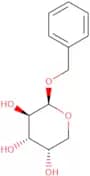
CAS:<p>1-O-Methyl-beta-D-xylopyranoside is a glycoside that consists of a glucose molecule linked to the hydroxyl group of p-hydroxybenzoic acid through an alpha glycosidic bond. It is found in many plants, such as in the leaves of the common bay tree (Laurus nobilis) and in the bark of the cinnamon tree (Cinnamomum verum). 1-O-Methyl-beta-D-xylopyranoside is used as a sweetener and flavoring agent. It is also used in some pharmaceutical drugs, including antiulcer agents and antidiarrheal agents. This compound has been shown to have an effective dose of 5 mg/kg when given orally to humans.</p>Formula:C6H12O5Purity:Min. 98.0 Area-%Molecular weight:164.16 g/molL-Arabinose
CAS:<p>The aldopentose L-arabinose (Ara) is, after xylose, the second most abundant pentose in nature. It is found in plant cell walls as a component of polysaccharides, including: hemicelluloses, pectin, arabinogalactan-protein complexes and in exudate plant gums, such as: Gum Arabic (Fehér, 2018). L-arabinose is an important component of the mycobacterial cell wall and is involved in the synthesis of arabinogalactan and lipoarabinomannan, which suggests that it can modulate cell wall permeability and drug resistance. Mycobacterium smegmatis is a useful tool for research into Mycobacteria due to it being a "fast grower" and non-pathogenic (Zhou, 2019).</p>Formula:C5H10O5Purity:Min. 99 Area-%Molecular weight:150.13 g/molRef: 3D-A-8240
1kgTo inquire25gTo inquire250gTo inquire500gTo inquire2500gTo inquire-Unit-kgkgTo inquire3-O-Benzyl-4-(hydroxymethyl)-1,2-O-isopropylidene-α-D-ribofuranose
CAS:<p>Synthetic building block for nucleic acid research</p>Formula:C16H22O6Purity:Min. 98 Area-%Color and Shape:White PowderMolecular weight:310.34 g/molN-Acetyl-D-glucosamine
CAS:<p>N-acetyl D-glucosamine (GlcNAc) is an aldohexose (2-acetamido-2-deoxyglucose) in which the hydroxyl group at position 2 is replaced by NHAc (Collins, 2006). N-acetyl D-glucosamine forms the exoskeletons of molluscs and insects as the building block of the polysaccharide chitin (Rudrapatnam, 2003). N-acetyl D-glucosamine is a key component of N- and O-linked glycans, present in glycolipids and the glycosaminoglycan hyaluronic acid (Fallacara, 2018). A recent study has suggested that N-acetyl D-glucosamine may have therapeutic potential for COVID-19 as it affects the spike protein-ACE2 receptor interaction during the infection with SARS-CoV-2 virus (Baysal, 2021).</p>Formula:C8H15NO6Purity:Min. 98.0 Area-%Molecular weight:221.21 g/molRef: 3D-A-1200
5gTo inquire1kgTo inquire5kgTo inquire100gTo inquire2500gTo inquire-Unit-kgkgTo inquireMethyl 2-deoxy-a-D-ribopyranoside
CAS:<p>Methyl 2-deoxy-a-D-ribopyranoside is a sugar molecule that is used in the synthesis of glycosides, saccharides, oligosaccharides, and polysaccharides. It has been shown to be an effective reagent for the fluorination of saccharides and sugars. Methyl 2-deoxy-a-D-ribopyranoside is also used for modification of complex carbohydrates and other organic molecules.</p>Formula:C6H12O4Purity:Min. 95%Molecular weight:148.16 g/mol(2R, 3S, 4S) -N-Benzyl-3- fluoro- 4- (hydroxymethyl) - 2- azetidinecarboxylic acid
<p>(2R, 3S, 4S)-N-Benzyl-3-fluoro-4-(hydroxymethyl)-2-azetidinecarboxylic acid is a synthetic sugar that is custom synthesized for pharmaceutical applications. It has a purity of 98% and is available in different quantities. The drug can be modified with fluorination, glycosylation, methylation, and modification. (2R, 3S, 4S)-N-Benzyl-3-fluoro-4-(hydroxymethyl)-2-azetidinecarboxylic acid can be used as a sugar or carbohydrate in the synthesis of oligosaccharide or monosaccharide. It has an CAS number of 58614-82-1 and can be found in the Glycosylations and Synthetic sections of the catalog.</p>Purity:Min. 95%L-Arabitol
CAS:<p>Used as source of carbon in culture medium.</p>Formula:C5H12O5Purity:Min. 98.0 Area-%Molecular weight:152.15 g/mol6-Azido-6-deoxy-D-galactose
CAS:<p>6-Azido-6-deoxy-D-galactose is a mutagenic compound that is used as a carbon source in the synthesis of other compounds. It has been shown to have mutagenicity in TA100 cells and to be active against Staudinger's naphthol. The compound is synthesised by chemoenzymatic methods, which involve the use of alcohols and an acetyl group. 6-Azido-6-deoxy-D-galactose can be used as a mutagenic agent for the production of mutants with desired properties.</p>Formula:C6H11N3O5Purity:Min. 95%Color and Shape:White PowderMolecular weight:205.17 g/molMethyl a-D-xylopyranoside
CAS:<p>Methyl a-D-xylopyranoside is an iron chelator that can be used as a mycobacterial drug candidate. It binds to both ferric and ferrous iron, and has been shown to inhibit the uptake of ferric iron by Mycobacterium tuberculosis. It also inhibits the synthesis of siderophores, which are molecules produced by bacteria in order to acquire iron from their environment. Methyl a-D-xylopyranoside does not bind to the alpha-d-glucopyranoside moiety typically found in iron complexes. This is due to its hydroxamate group, which causes it to have an increased affinity for Fe3+. This compound is active against gram negative bacteria such as E. coli and Salmonella enterica serovar Typhimurium, but not against gram positive organisms such as Staphylococcus aureus or Streptococcus pneumoniae.</p>Formula:C6H12O5Purity:Min. 95%Color and Shape:White Off-White PowderMolecular weight:164.16 g/molD-Glucose-6-phosphate barium
CAS:<p>D-Glucose-6-phosphate barium salt is a custom synthesis of the saccharide, which is a component of the carbohydrates. It has been modified by fluorination, methylation, and monosaccharide modification. The synthesis of this compound can be done in a single reaction, and it is an example of glycosylation. This product has been shown to have high purity.</p>Formula:C6H13O9P•BaxPurity:Min. 95%Color and Shape:PowderMolecular weight:395.45Methyl 3,4,6-tri-O-acetyl-2-deoxy-2-phthalimido-β-D-glucopyranoside
CAS:<p>Methyl 3,4,6-tri-O-acetyl-2-deoxy-2-phthalimido-b-D-glucopyranoside is a high purity natural carbohydrate. It is an oligosaccharide that can be custom synthesized to meet your requirements. Methyl 3,4,6-tri-O-acetyl-2-deoxy-2-phthalimido b D glucopyranoside has many modifications including click and fluorination. Its CAS number is 76101 13 8. This product can be used for modification, glycosylation and fluorination in the synthesis of complex carbohydrates.<br>!-- <br>--><br>!-- <br>--></p>Formula:C21H23NO10Purity:Min. 95%Color and Shape:White to off-white solid.Molecular weight:449.41 g/molMethyl 6-deoxy-α-D-glucopyranoside
CAS:<p>Methyl 6-deoxy-α-D-glucopyranoside is a synthetic monosaccharide. It is an important building block in the synthesis of glycosides, polysaccharides, and oligosaccharides. The product also has many applications in click chemistry, fluorination, and polysaccharide modification. Methyl 6-deoxy-α-D-glucopyranoside is available for custom synthesis to suit your specifications.</p>Formula:C7H14O5Purity:Min. 98 Area-%Color and Shape:White PowderMolecular weight:178.18 g/molBenzyl 3-O-benzyl-4,6-O-benzylidene-2-deoxy-2-N-phthalamido-a-D-glucopyranoside
CAS:<p>Benzyl 3-O-benzyl-4,6-O-benzylidene-2-deoxy-2-N-phthalamido-a-D-glucopyranoside is a sugar that is used as a building block for the synthesis of glycosaminoglycans. This sugar can be fluorinated, glycosylated, or methylated and is a synthetically modified oligosaccharide with an average molecular weight of about 880 Da. The monomer unit consists of two glucose residues linked by an α(1→4) glycosidic bond. It has been shown to have antihypertensive properties in vitro and in vivo.</p>Formula:C35H31NO7Purity:Min. 95%Color and Shape:White to off-white solid.Molecular weight:577.62 g/molL-Fuculose - aqueous solution
CAS:<p>Fuculose is a monosaccharide that is a constituent of fucose-containing glycoproteins. It is found in the blood and urine, as well as in various tissues, such as liver, lung, kidney, and spleen. The biological properties of L-fuculose are related to its ability to form hydrogen bonds with other molecules. Fuculose has been shown to be an effective activator for cutaneous lesions in mice models. The structural analysis of L-fuculose has revealed that it contains a reactive site for the synthesis of glycosaminoglycans and polysaccharides. Fuculose has also been shown to increase the proliferation of some cells, including corynebacterium glutamicum and human umbilical vein endothelial cells (HUVECs). This property may be due to its ability to activate growth factors or interfere with cell signaling pathways.</p>Formula:C6H12O5Purity:Min. 95%Color and Shape:Clear LiquidMolecular weight:164.16 g/molD-Talitol
CAS:<p>D-Talitol is a drug that is used to treat eye disorders and chronic pulmonary diseases. It belongs to the class of drugs called xylitol dehydrogenase inhibitors. D-Talitol inhibits the enzyme xylitol dehydrogenase, which converts xylitol into a different sugar called sorbitol. Sorbitol accumulates in certain parts of cells, such as the mitochondria, and can disrupt cellular processes by inhibiting oxidative phosphorylation and glycolysis. In addition, there are other effects of sorbitol accumulation that may lead to mitochondrial dysfunction, including inhibition of protein synthesis, induction of apoptosis (cell death), and inhibition of cell proliferation. D-Talitol has been shown to inhibit the growth of chronic kidney cells in culture by interfering with cellular metabolism in mitochondria.<br>A kinetic study has also shown that D-Talitol inhibits b-raf activity at concentrations that are not cytotoxic. This suggests that D-Talitol may be useful for</p>Formula:C6H14O6Purity:Min. 98 Area-%Color and Shape:White PowderMolecular weight:182.17 g/molb-D-Thiogalactose
CAS:<p>Thiogalactose is a naturally occurring disaccharide that has been shown to have anti-inflammatory properties. It inhibits the production of inflammatory cytokines, such as tumor necrosis factor-α (TNF-α), and suppresses the growth of experimental colitis in mice. Thiogalactose also denatures fatty acids and prevents 3t3-l1 preadipocytes from undergoing cellular transformation. This compound also inhibits the uptake of bovine serum albumin by macrophages, which may be due to its alkylthio group. Thiogalactose has been shown to inhibit proliferation of cultured human cells, including monocytic leukemia cells, when used at concentrations less than 10 mM.</p>Formula:C6H12O5SPurity:Min. 95%Color and Shape:PowderMolecular weight:196.22 g/molMethyl-β-D-thiogalactopyranoside
CAS:<p>Methyl-beta-D-thiogalactopyranoside is a monosaccharide that is a member of the galactose family. It can be found in some foods, such as dairy products or soybean milk. Methyl-beta-D-thiogalactopyranoside has been shown to promote lactose transport in cells. This compound is also used as a diagnostic marker for certain types of cancers and can be used to study sugar transport in cells. Methyl-beta-D-thiogalactopyranoside has been shown to inhibit the enzyme activity of phosphatases and may be used for research purposes as a control for other experiments.</p>Formula:C7H14O5SPurity:Min. 98.0 Area-%Molecular weight:210.25 g/mol5-Acetamido-9-amino-3,5,9-trideoxy-3-fluoro-D-erythro-L-manno-2-nonulosonic acid
<p>5-Acetamido-9-amino-3,5,9-trideoxy-3-fluoro-D-erythro-L-manno-2-nonulosonic acid is a synthetic compound that is modified with saccharides and fluorine. This chemical is used in the synthesis of glycosylations and oligosaccharides. It has a CAS number of 65911-04-6.</p>Formula:C11H19FN2O8Purity:Min. 95%Color and Shape:White PowderMolecular weight:326.28 g/molLentinan
CAS:<p>The polysaccharide Lentinan is isolated from the mushroom L. edodes (shitake mushroom). The primary structure is a β-(1–3)-glucose backbone with two (1–6)-β-glucose branches for each five glucose resiodues. Lentinan is clinically used for cancer treatment both in China and Japan. According to the clinical studies published in and outside of China, lentinan-based drugs are used for the treatment of various cancers, including lung, gastric, colorectal and other cancers. In addition, lentinan-based drugs are also used for treating HIV, hepatitis and malignant pleural effusion.</p>Color and Shape:Brown PowderSalicylic acid D-glucuronide
CAS:<p>Salicylic acid D-glucuronide is the major metabolite of aspirin, which is formed by hydrolysis of acetylsalicylic acid. It has been demonstrated to have anti-inflammatory and analgesic effects. Salicylic acid D-glucuronide is excreted in urine and can be detected in human serum. The formation rate of this metabolite varies with the individual's age, sex, and kidney function.<br>Salicylic acid D-glucuronide can be formed in vitro using hydrochloric acid and acetylsalicylic acid as substrates. This reaction is catalyzed by the enzyme uridine diphosphate glucuronyltransferase (UGT). Salicylic acid D-glucuronide has been shown to form covalent adducts with hydroxyl groups from other molecules in vivo and in vitro, including proteins (e.g., albumin) and DNA bases (e.g.,</p>Formula:C13H14O9Purity:Min. 95%Color and Shape:PowderMolecular weight:314.24 g/mol1L-Epi-2-inosose
CAS:<p>1-L-Epi-2-inosose is a natural compound that has been found to have broad-spectrum antimicrobial activity. This substance is a product of the hemocyte's enzymatic conversion of L-epinephrine into 1,2,3,4,5,6-hexahydroxyisoquinoline (1L-Epi). 1L-Epi is also synthesized in vitro from epinephrine by the enzyme dehydrogenase. In addition to its antimicrobial activity, 1L-Epi has been shown to be a potent proliferation inhibitor for human cells and to be effective against gram negative bacteria.</p>Formula:C6H10O6Purity:Min. 95%Color and Shape:PowderMolecular weight:178.14 g/mol4-Aminophenyl-α-D-glucopyranoside
CAS:<p>4-Aminophenyl-alpha-D-glucopyranoside is a natural product that has been found to be an antigen. The compound has been shown to have anticancer activity, which may be due to its ability to inhibit the growth of cells and induce apoptosis. 4-Aminophenyl-alpha-D-glucopyranoside also possesses magnetic properties. The chemical structure of this compound is characterized by an acrylate group, which is a small organic molecule with two carbon atoms and one oxygen atom. This compound is synthesized in a preparative manner using methoxy, ethyl bromoacetate, and mesitylene in the presence of irradiation. NMR spectroscopy can be used for the characterization of this compound as well as other compounds with similar structures that are catalytic in nature.</p>Formula:C12H17NO6Purity:Min. 98.0 Area-%Molecular weight:271.27 g/molMethyl mandelate glucoside
<p>Methyl mandelate glucoside is a glycosylation product that is custom synthesized for its fluorination and methylation. The molecule has a complex structure, consisting of monosaccharides and polysaccharides. Methyl mandelate glucoside is a high-purity compound with a CAS number. This chemical is also modified by click chemistry to create an oligosaccharide.</p>Formula:C15H20O8Purity:Min. 95%Molecular weight:328.31 g/molEthyl 2,3,4-tri-O-benzyl-β-L-thiofucopyranoside
CAS:<p>Ethyl 2,3,4-tri-O-benzyl-beta-L-thiofucopyranoside is a sugar that is used in the synthesis of complex carbohydrates. It can be custom synthesized to meet your specifications. Ethyl 2,3,4-tri-O-benzyl-beta-L-thiofucopyranoside is a monosaccharide that has been fluorinated and methylated. The CAS number for this compound is 99409-34-4.</p>Formula:C29H34O4SPurity:Min. 98 Area-%Molecular weight:478.64 g/mol1,5-Anhydro-2,3,4-tri-O-benzoyl-D-threo-pent-1-enitol
CAS:<p>1,5-Anhydro-2,3,4-tri-O-benzoyl-D-threo-pent-1-enitol is a high purity compound that is synthesized from D-threo pent 1 enitol. It is a sugar that belongs to the category of complex carbohydrates. This product can be custom synthesized and modified according to customer requirements.</p>Formula:C26H207Purity:Min. 95%Color and Shape:PowderMolecular weight:444.43 g/mol(2S, 3R, 4R) -3- Fluoro- 4- (hydroxymethyl) - 1- (phenylmethyl) -2- azetidinecarboxylic acid
CAS:<p>This is a synthetic carbohydrate with a fluorinated azetidinecarboxylic acid moiety. The monosaccharide is an L-rhamnose derivative, which has been methylated and glycosylated at the C-5 position. This sugar has been modified by Click chemistry to introduce a reactive group at the C-3 position. The oligosaccharides are composed of D-glucose, L-galactose, and L-fucose, which have been modified by fluorination and polysaccharide modification. This compound can be custom synthesized to suit your needs.</p>Purity:Min. 95%4-Methylphenyl 3-O-[(4-methoxyphenyl)methyl]-4,6-O-[(R)-phenylmethylene]-1-thio-α-D-mannopyranoside
CAS:<p>4-Methylphenyl 3-O-[(4-methoxyphenyl)methyl]-4,6-O-[(R)-phenylmethylene]-1-thio-α-D-mannopyranoside is a synthetic glycosaminoglycan. It is a complex carbohydrate that contains a saccharide and an oligosaccharide bound to each other by an aminosugar link. 4-Methylphenyl 3-O-[(4-methoxyphenyl)methyl]-4,6-O-[(R)-phenylmethylene]-1-thio-α-D mannopyranoside has been synthesized with the use of Click chemistry and fluorination. The CAS number for this compound is 1071226–24–8. This compound was custom synthesized in high purity.</p>Formula:C28H30O6SPurity:Min. 95%Molecular weight:494.6 g/molD-Gluconic acid magnesium (II) hydrate
CAS:<p>D-Gluconic acid magnesium (II) hydrate is a proton that is used as an enzyme inhibitor. It has been shown to inhibit glutamate pyruvate transaminase, which is involved in the production of inflammatory cytokines such as TNF-α and IL-1β. D-Gluconic acid magnesium (II) hydrate also inhibits creatine kinase, which plays an important role in the production of inflammatory cytokines. This compound has been shown to be effective at inhibiting bowel disease and inflammatory diseases.</p>Formula:C6H11O7Mg·xH2OPurity:Min. 95%Color and Shape:PowderMolecular weight:207.3 g/mol2,3,4,6-Tetra-O-acetyl-a-D-glucopyranosyl trichloroacetimidate
CAS:<p>2,3,4,6-Tetra-O-acetyl-a-D-glucopyranosyl trichloroacetimidate (2TG) is a mannose targeting agent that can be used to target specific cells in the body. This compound has been shown to inhibit the growth of cancer cells and induce photodynamic therapy. 2TG is a conjugate that consists of a 6-phosphate group attached to an acetylated mannose molecule. The 6-phosphate group is an important feature for tumor targeting, as it allows for the attachment of other molecules such as monoclonal antibodies and drugs. 2TG functions by binding with high affinity to glycoproteins on the surface of cancer cells and animal tissues. These glycoproteins are found in large quantities on the surface of cancer cells and animal tissue, which makes them good targets for anti-cancer drug development.</p>Formula:C16H20Cl3NO10Purity:Min. 95%Color and Shape:PowderMolecular weight:492.69 g/molTetracycline 10-O-β-D-galactopyranoside
CAS:<p>Tetracycline 10-O-b-D-galactopyranoside is a tetracycline antibiotic that has been modified with a fluorinating agent to increase its water solubility. Tetracycline 10-O-b-D-galactopyranoside is the most active of the tetracyclines for the treatment of infections caused by mycoplasmas, rickettsias, and chlamydiae. It inhibits protein synthesis in these bacteria by binding to ribosomes. This drug also has an inhibitory effect on the growth of Mycobacterium tuberculosis and Mycobacterium avium complex.</p>Formula:C28H34N2O13Purity:Min. 95%Color and Shape:Dark red solid.Molecular weight:606.58 g/molEthyl 2,4,6-tri-O-benzoyl-b-D-thiogalactopyranoside
CAS:<p>Ethyl 2,4,6-tri-O-benzoyl-b-D-thiogalactopyranoside is a custom synthesis that is a modification of an oligosaccharide. It is a glycosylation and carbonylation product of an ethyl 2,4,6-tri-O-(benzoyl)-b-D-thioglucopyranoside. This product has been fluorinated and methylated. Ethyl 2,4,6-tri-O-(benzoyl)-b-D-thiogalactopyranoside is a polysaccharide with a complex carbohydrate structure. It has been modified by glycosylation and carbonylation.</p>Formula:C29H28O8SPurity:Min. 95%Color and Shape:White Off-White PowderMolecular weight:536.59 g/mol3-O-Benzyl-4,6-O-benzylidene-a-D-glucopyranose
<p>3-O-Benzyl-4,6-O-benzylidene-a-D-glucopyranose is a custom synthesis of a complex carbohydrate. This product has CAS No. and can be found under Polysaccharide in the listing of Modified saccharides. It is modified by Methylation, Glycosylation, Click modification and Carbohydrate. The product is synthesized using Fluorination and Synthetic methods. It is high purity, with a purity level of 99%.</p>Purity:Min. 95%Methyl 5-Acetamido-N-benzyl-5,6-dideoxy-2,6-imino-3-O-benzyl-L-galactofuranoside
<p>Methyl 5-Acetamido-N-benzyl-5,6-dideoxy-2,6-imino-3-O-benzyl-L-galactofuranoside is a modified carbohydrate with a methyl group at the C5 position. It is synthesized by modification of the saccharide and has a CAS number. This compound is used as a custom synthesis for synthesis of complex carbohydrates.</p>Purity:Min. 95%D-Arabinose
CAS:<p>D-Arabinose is a dinucleotide phosphate that is an important metabolic intermediate in the pentose phosphate pathway. It has been shown to have pharmacological effects, such as enzyme inhibition and binding to DNA. D-Arabinose has been used in biochemical studies of energy metabolism and related areas. D-Arabinose is converted to ribitol by ribitol dehydrogenase, which can be oxidized to ribulose 5-phosphate by ribulose 5-phosphate dehydrogenase. The conversion of D-arabinose to ribitol requires NAD(P)H, which provides the reducing power for this reaction. The conversion of ribitol to ribulose 5-phosphate also requires NAD(P)H, but does not produce any reducing power. A redox potential measurement was used to determine the relative reduction potentials of the two reactions and found that they are equal at -0.5 volts (V).</p>Formula:C5H10O5Molecular weight:150.13 g/molRef: 3D-A-8200
1kgTo inquire5kgTo inquire10kgTo inquire25kgTo inquire2500gTo inquire-Unit-kgkgTo inquire2,3:4,5-Di-O-isopropylidene-b-D-fructopyranose
CAS:<p>2,3:4,5-Di-O-isopropylidene-b-D-fructopyranose (IDFP) is a natural compound that has been shown to have pharmacological properties. It is an inhibitor of the enzyme alpha-glucosidase and may be used as a treatment for diabetes mellitus type II. IDFP binds to the active site of the enzyme α-glucosidase, preventing access of the substrate glucose. This causes a decrease in blood glucose levels and has also been shown to reduce cholesterol levels in mice. IDFP is synthesized by reacting ethylene diamine with 2,3:4,5-di-O-isopropylidene b -D -fructofuranose. This reaction produces a heterocycle that undergoes asymmetric synthesis using sodium hydroxide solution and hydrogen fluoride as catalysts.</p>Formula:C12H20O6Purity:Min. 95%Color and Shape:White Off-White PowderMolecular weight:260.28 g/molUDP-L-galactose diammonium salt
<p>UDP-L-galactose diammonium salt is a modification of the sugar UDP-galactose. It is an oligosaccharide that is found in glycoproteins and glycolipids. It is synthesized by the addition of a methyl group to the galactose ring and a fluorine atom to the hydroxyl group on carbon 4. UDP-L-galactose diammonium salt is used as a synthetic sugar in laboratory settings, although it can also be found in nature. This compound has been shown to have anti-inflammatory properties, which may be due to its ability to inhibit prostaglandin synthesis.</p>Formula:C15H22N2O17P2·N2H8Purity:Min. 95%Molecular weight:600.37 g/mold5-Ethyl b-D-glucuronide
CAS:Controlled Product<p>Ethyl b-D-glucuronide is a modification of the carbohydrate. It is used in the synthesis of oligosaccharides, polysaccharides, and other complex carbohydrates with high purity. This compound can be synthesized by methylation and glycosylation, or by fluorination and saccharide.</p>Formula:C8H9D5O7Purity:Min. 95%Color and Shape:PowderMolecular weight:227.22 g/mol1,4:3,6-Dianhydro-2,5-di-O-methyl-D-glucitol
CAS:<p>Sustainable solvent used widely in cosmetic and pharmaceutical formulations</p>Formula:C8H14O4Purity:Min. 95%Color and Shape:PowderMolecular weight:174.19 g/molL-Psicose
CAS:<p>L-Psicose is a monosaccharide that is the only metabolite of D-fructose. It is found in many living organisms, such as bacteria and fungi. L-Psicose has been shown to inhibit ribitol dehydrogenase, an enzyme involved in the production of ribitol, which catalyzes the conversion of ribitol to ribulose 5-phosphate. Ribulose 5-phosphate is an important precursor molecule for glycolysis and pentose phosphate pathways. In addition, L-psicose has been shown to bind to proteins through hydrogen bonding, which may prevent the protein from folding properly or interacting with other molecules. This binding can lead to cell death if it inhibits essential cellular functions.</p>Formula:C6H12O6Purity:Min. 95%Color and Shape:White PowderMolecular weight:180.16 g/mol1-O-Methyl-α-D-galactopyranoside monohydrate - Crude
CAS:<p>Inhibitor of Gal-dependent lectin binding; used for synthesis of galactoses</p>Formula:C7H16O7Purity:Min. 95%Color and Shape:PowderMolecular weight:212.2 g/mol1,3,5-Tri-O-acetyl-2-deoxy-D-ribose
CAS:<p>Building block for DNA-related organic synthesis</p>Formula:C11H16O7Purity:Min. 95%Color and Shape:Yellow PowderMolecular weight:260.24 g/mol2-O-α-D-Galactopyranosyl-1-deoxynojirimycin
CAS:<p>2-O-a-D-Galactopyranosyl-1-deoxynojirimycin is a monosaccharide derivative of deoxynojirimycin. It is synthesized by the methylation of the natural product, followed by the addition of a click modification and the fluorination of one sugar. This compound has been shown to have anti-inflammatory properties, as well as inhibitory effects on bacterial growth.</p>Formula:C12H23NO9Purity:90%Color and Shape:PowderMolecular weight:325.31 g/molEthyl 2,3,4,6-tetra-O-benzoyl-b-D-thiogalactopyranoside
CAS:<p>Ethyl 2,3,4,6-tetra-O-benzoyl-b-D-thiogalactopyranoside is a glycosylation reagent that is synthesized by reacting ethyl 2,3,4,6-tetra-O-benzoyl-b-D-thioglucopyranoside with sodium borohydride in ethanol. The product can be used to modify complex carbohydrates such as oligosaccharides and polysaccharides. Ethyl 2,3,4,6-tetra-O-benzoyl-b-D--thiogalactopyranoside has a CAS number of 138661–53–7.</p>Formula:C36H32O9SPurity:Min. 95%Molecular weight:640.70 g/molCapsaicin β-D-Glucopyranoside
CAS:Formula:C24H37NO8Purity:>90.0%(HPLC)Color and Shape:White to Almost white powder to crystalMolecular weight:467.562-Acetamido-3-O-benzyl-4,6-O-benzylidene-2-deoxy-b-D-glucopyranosyl azide
CAS:<p>2-Acetamido-3-O-benzyl-4,6-O-benzylidene-2-deoxy-b-D-glucopyranosyl azide is a modified carbohydrate that is used in the synthesis of glycosides. It is a synthetic molecule that is fluorinated at the alpha position of the glycosidic bond to allow for reaction with other molecules. This product has been shown to be stable in acid and base reactions and can be used for oligosaccharide synthesis or modification.</p>Formula:C22H24N4O5Purity:Min. 95%Color and Shape:PowderMolecular weight:424.46 g/mola-D-Galactose-sp-biotin
<p>a-D-Galactose-sp-biotin is a glycosylation product with a complex carbohydrate structure. It is synthesized by reacting a galactose with a spacer arm and biotin. The product has been modified to include fluorination, saccharide modification, and Oligosaccharide synthesis. This product is available in high purity and CAS No.</p>Formula:C25H44N4O9SPurity:Min. 95%Color and Shape:PowderMolecular weight:576.7 g/mol1,2,3,4,6-Penta-O-acetyl-D-glucopyranose
CAS:<p>Benzoate is a carboxylic acid that is found in many fruits and vegetables. Benzoate can be metabolized by the body to form hydrogen chloride, which may cause irritation of the mucous membranes of the respiratory tract. This chemical has been shown to have cytotoxic activity against human cancer cells in vitro. Benzoate also has an anti-inflammatory effect on insulin resistance and can be used as a topical treatment for psoriasis. The mechanism by which benzoate exerts its anticancer activity is not fully understood, but it may involve the production of reactive oxygen species or induction of apoptosis.</p>Formula:C16H22O11Purity:Min. 95%Color and Shape:White PowderMolecular weight:390.34 g/molGDP-2-deoxy-2-fluoro-L-fucose ammonium salt
CAS:<p>Competitive inhibitor of fucosyltransferases FUT3, FUT5, FUT6 and FUT7 with Ki values in low micromolar range. This fluorinated GDP-fucose analog inhibits oligosaccharide core fucosylation of N-linked glycans in animal and plant cells.</p>Formula:C16H30FN7O14P2Purity:Min. 95%Color and Shape:PowderMolecular weight:625.39 g/mol1,2,3,4-Tetra-O-acetyl-5-alkynyl-L-fucose
CAS:<p>1,2,3,4-Tetra-O-acetyl-5-alkynyl-L-fucose is a per-O-acetylated version of 5-alkynyl-L-fucose, an inhibitor of the cellular fucosylation pathway. 1,2,3,4-Tetra-O-acetyl-5-alkynyl-L-fucose can pass through the eukaryotic cell membrane somewhat better than 5-alkynyl-L-fucose can itself, is deacetylated by cellular esterases and interferes with the biosynthesis of the fucosyl-donor and fucosyltransferase substrate GDP-Fuc, thus reducing fucosylation levels during glycoprotein biosynthesis (Dekkers, 2016).</p>Formula:C15H18O9Purity:Min. 95%Color and Shape:Colorless Clear LiquidMolecular weight:342.3 g/mol1,2:5,6-Di-O-isopropylidene-α-D-allofuranose
CAS:Formula:C12H20O6Purity:>98.0%(GC)Color and Shape:White to Almost white powder to crystalMolecular weight:260.294-Methoxyphenyl 2,3,4,6-Tetra-O-acetyl-β-D-galactopyranoside
CAS:Formula:C21H26O11Purity:>98.0%(HPLC)Color and Shape:White to Almost white powder to crystalMolecular weight:454.43Ethyl a-D-glucopyranoside
CAS:<p>Ethyl a-D-glucopyranoside is an organic acid that has been extracted from the seeds of the plant Reticulata. It contains a mixture of fatty acids and compounds that are collectively known as retinoids. Ethyl a-D-glucopyranoside inhibits beta-glucosidase, aminotransferase activity, and intestinal glucosidases and has been shown to have antioxidant properties. This product may be used for the treatment of musculoskeletal disorders, such as osteoarthritis, which is characterized by degeneration and inflammation of joints. Ethyl a-D-glucopyranoside may also be used as an agent to help prevent skin aging caused by exposure to ultraviolet (UV) radiation and other factors.</p>Formula:C8H16O6Purity:Min. 95%Color and Shape:White PowderMolecular weight:208.21 g/mol2’-(N-Hexadecanoylamino)-4’-nitrophenyl-β-D-glucopyranoside
CAS:<p>2’-(N-Hexadecanoylamino)-4’-nitrophenyl-b-D-glucopyranoside is a synthetic substrate that is used in diagnostic procedures to identify the presence of lysosomal enzymes. The reaction product, resorufin, is a fluorogenic substrate that reacts with the enzyme hexanoyl coenzyme A reductase and can be detected by spectrophotometry. This experimentally insensitive compound has been used to measure the activity of hexanoyl coenzyme A reductase in skin fibroblasts from patients with ichthyosis vulgaris. Resorufin fluorescence is proportional to the amount of hexanoyl coenzyme A reductase present in cells.</p>Formula:C28H46N2O9Purity:Min. 95%Color and Shape:PowderMolecular weight:554.67 g/molPhenyl 2,3,4,6-tetra-O-acetyl-b-D-galactopyranoside
CAS:<p>Phenyl 2,3,4,6-tetra-O-acetyl-b-D-galactopyranoside (TTA) is a synthetic monosaccharide that is used in the synthesis of complex carbohydrates. TTA is also known as Fluorination, Monosaccharide, Synthetic, Oligosaccharide, complex carbohydrate and has CAS No. 2872-72-2. TTA can be custom synthesized for research purposes or for commercial use and can be glycosylated to form polysaccharides. TTA is modified through methylation or click chemistry and can be used to modify sugar molecules or other carbohydrates. It is also high purity with less than 1% impurities.</p>Formula:C20H24O10Purity:Min. 95%Color and Shape:PowderMolecular weight:424.4 g/mol2,3,4,6-Tetra-O-acetyl-4-(hydroxymethyl)phenyl-b-D-glucopyranoside
CAS:<p>2,3,4,6-Tetra-O-acetyl-4-(hydroxymethyl)phenyl-b-D-glucopyranoside is a chemical that is extracted from the rhizoma gastrodiae. It is used to treat symptoms of damaged ganglion cells in diabetic patients. 2,3,4,6-Tetra-O-acetyl-4-(hydroxymethyl)phenyl-b-D-glucopyranoside inhibits chloride channels in neurons by binding with the extracellular receptor site and thereby preventing the influx of chloride ions. This leads to reduced neuronal excitability and decreased symptoms of damaged ganglion cells in diabetic patients. 2,3,4,6 Tetra O acetyl 4 (hydroxymethyl) phenyl b D glucopyranoside has been shown to have an inhibitory effect on structural formula and environmental pollution.</p>Formula:C21H26O11Purity:Min. 95%Color and Shape:PowderMolecular weight:454.42 g/molN-(7-Oxa-9,9,9-trifluorononyl)deoxynojirimycin
CAS:<p>N-(7-Oxa-9,9,9-trifluorononyl)deoxynojirimycin is a carbohydrate that belongs to the group of saccharides. It is an oligosaccharide with a complex structure containing seven monosaccharides and nine oxygens. N-(7-Oxa-9,9,9-trifluorononyl)deoxynojirimycin has been custom synthesized for use in click chemistry applications. This carbohydrate is freely soluble in water and has a high purity level. The product can be methylated, glycosylated, or modified with other functional groups.</p>Formula:C14H26F3NO5Purity:Min. 95%Color and Shape:PowderMolecular weight:345.36 g/molL-Sorbitol
CAS:<p>L-Sorbitol is a polyhydric alcohol that is found in various natural products, such as fruits and vegetables. It has been shown to inhibit the growth of strains of Stenotrophomonas maltophilia, which is an opportunistic pathogen of human and animal cells. L-Sorbitol can be used to treat bacterial infections by inhibiting the synthesis of DNA, RNA, and proteins. This compound has also been shown to prevent dehydration in bacteria by acting as an osmotic agent. The effect of L-sorbitol on the growth of bacteria depends on the pH of the environment in which it is dissolved. The optimum pH for this compound is 7.5</p>Formula:C6H14O6Purity:Min. 95%Color and Shape:PowderMolecular weight:182.17 g/molCandesartan N2-glucuronide
CAS:<p>Candesartan N-glucuronide is a metabolite of candesartan. It is produced by human UDP-glucuronosyltransferase, which belongs to the subfamily of uridine diphosphate (UDP)-glucuronosyltransferases. Candesartan N-glucuronide inhibits angiotensin II receptor type 1 (AT1) and has minimal effects on angiotensin II receptor type 2 (AT2). Candesartan N-glucuronide binds to the AT1 receptor and blocks its activation by angiotensin II. This binding inhibits the uptake of sodium ions into cells and causes an increase in potassium ion secretion, leading to vasodilation. Candesartan N-glucuronide also induces the expression of cytochrome P450 3A5, which results in increased metabolism of drugs such as paclitaxel.</p>Formula:C30H28N6O9Purity:Min. 95%Molecular weight:616.58 g/molα-D(+)Mannose 1-phosphate sodium hydrate
<p>a-D-Mannose-1-phosphate dipotassium salt (DMDK) is a synthetic oligosaccharide that was designed and synthesized for use as a potential drug in the treatment of cancer. DMDK has been shown to be an inhibitor of protein glycosylation, which may lead to the prevention of tumor formation. It also has anti-inflammatory properties and can inhibit the growth of bacteria by binding to bacterial 16S ribosomal RNA and inhibiting protein synthesis.</p>Formula:C6H13O9P·xNa·yH2OMolecular weight:260.14 g/molL-(+)-Fructose
CAS:Formula:C6H12O6Purity:>95.0%(HPLC)Color and Shape:White to Almost white powder to crystalMolecular weight:180.161,4:3,6-Dianhydro-2-O-acetyl-D-glucitol
CAS:<p>1,4:3,6-Dianhydro-2-O-acetyl-D-glucitol is an isosorbide intermediate</p>Formula:C8H12O5Purity:Min. 95%Color and Shape:PowderMolecular weight:188.18 g/molMethyl b-L-fucopyranoside
CAS:<p>Methyl b-L-fucopyranoside is a glycosylating agent that is used to modify saccharides and oligosaccharides. It can be used for the synthesis of complex carbohydrates, such as polysaccharides and glycoconjugates. Methyl b-L-fucopyranoside is also useful for the synthesis of glycosylated proteins, which are proteins with sugar chains attached to them. The product is a white solid that is soluble in water.</p>Formula:C7H14O5Purity:Min. 95%Color and Shape:White PowderMolecular weight:178.18 g/mol2-(D-Gluco-pentylhydroxypentyl)-4(R)-1,3-thiazolidine-4-carboxylic acid
CAS:<p>2-(D-Gluco-pentylhydroxypentyl)-4(R)-1,3-thiazolidine-4-carboxylic acid is a custom synthesis. It is used in the glycosylation of saccharides and oligosaccharides. This product can be modified with fluorination, methylation, or click modification. It is also used in the synthesis of complex carbohydrates.</p>Formula:C9H17NO7SPurity:(Hplc-Ms) Min. 95 Area-%Color and Shape:PowderMolecular weight:283.3 g/molUDP-N-acetyl-D-mannosamine
CAS:<p>UDP-N-acetyl-D-mannosamine is a precursor of the sugar nucleotide UDP-N-acetylglucosamine. It is synthesized in the cytoplasm by the enzyme UDP-N-acetylglucosamine 2-epimerase, which converts UDP-N-acetylglucosamine to UDP-N-acetylmannosamine. This enzyme also catalyzes the conversion of UDP-N-[3′,5′]-diacetamido mannosamine to UDP-[3′,5′]-diacetamido glucuronic acid. The enzyme has been found in Streptococcus spp., including Streptococcus pneumoniae and Streptococcus pyogenes serogroup A (group A streptococci). It has also been detected in other bacteria, including Neisseria meningitidis and Staphylococcus aureus.</p>Formula:C17H27N3O17P2Purity:Min. 95%Molecular weight:607.35 g/molD-Erythrono-1,4-lactone
CAS:<p>Chiral synthon; used to synthesise analgoues of natural products</p>Formula:C4H6O4Purity:Min. 98 Area-%Color and Shape:White PowderMolecular weight:118.09 g/mol3-Deoxy-3-fluorosucrose
CAS:<p>3-Deoxy-3-fluorosucrose is a noncompetitive inhibitor of leuconostoc mesenteroides glucosyltransferases. It inhibits the enzyme by binding to the active site and preventing the transfer of glucose from the sugar transport to the acceptor. 3-Deoxy-3-fluorosucrose has been shown to inhibit the synthesis of pro-inflammatory cytokines, such as TNF-α and IL1β, in vitro. This inhibition is thought to be due to its ability to inhibit sugar transport and thus prevent glycosylation reactions that are required for protein synthesis.</p>Formula:C12H21FO10Purity:Min. 95%Molecular weight:344.29 g/mol2-O-a-D-Glucopyranosyl-L-ascorbic acid
CAS:<p>2-O-a-D-Glucopyranosyl-L-ascorbic acid is a potent antioxidant compound found in the human body. It is produced by the enzyme tyrosinase from L-ascorbic acid and has been shown to have anti-apoptotic effects on skin cells. 2-O-a-D-Glucopyranosyl-L-ascorbic acid has also been shown to enhance mitochondrial membrane potential and increase the proliferation of skin cells in vitro. The compound has been tested for its ability to prevent radiation damage in mice and was found to be more effective than vitamin C at preventing cell death.<br>2OAGA can be used as a topical treatment for skin conditions, such as acne or wrinkles, by reducing inflammation and stimulating cellular growth.</p>Formula:C12H18O11Purity:Min. 98.0 Area-%Color and Shape:White PowderMolecular weight:338.26 g/molL-Threonic acid
CAS:<p>L-Threonic acid is a metabolite of plants that is involved in the synthesis of other molecules. It can be found in the injection solution and magnesium salts that are used for treating osteoporosis and magnesium deficiency. L-Threonic acid can also be found in caffeic acids, which are plant polyphenols that have antioxidant properties. L-Threonic acid has been shown to have structural similarity to calcium and has been shown to have a role in mitochondrial membrane potential, cellular physiology, and oxidative injury. L-Threonic acid may also play a role in energy metabolism. The toxicity of L-Threonic acid has been studied extensively with mixed results.</p>Formula:C4H8O5Purity:Min. 95%Molecular weight:136.1 g/mol4-Methoxyphenyl 2-Amino-3,6-di-O-benzyl-2-deoxy-β-D-glucopyranoside
CAS:Formula:C27H31NO6Color and Shape:White to Almost white powder to crystalMolecular weight:465.55D-Glycero-D-talo-heptitol
CAS:<p>D-Glycero-D-talo-heptitol is a natural product that is found in plants and bacteria. It is an alditol, which is created by the glycosidic bond of a carbohydrate and a hydroxyl group. D-Glycero-D-talo-heptitol has shown to inhibit the activity of enzymes involved in fatty acid synthesis, such as 3-hydroxyacyl coenzyme A dehydrogenase, and carbohydrate synthesis, such as fructose 1,6 bisphosphatase. This compound also inhibits the borohydride reduction of glycan precursors. This may be due to its hydrophilic interactions with water molecules and its hydrophobic interactions with other lipid molecules.</p>Formula:C7H16O7Purity:Min. 95%Color and Shape:White Off-White PowderMolecular weight:212.2 g/molOroxylin A 7-O-glucuronide
CAS:<p>Oroxylin A 7-O-glucuronide (OA7G) is a natural compound that exhibits anti-angiogenic and anti-inflammatory effects. OA7G binds to p-hydroxybenzoic acid and inhibits the activity of glycosidases, which are enzymes that hydrolyze glycosides. OA7G has been shown to have therapeutic potential in several models of inflammatory bowel disease. In vivo studies show that OA7G may be a useful agent for the treatment of bowel disease by inhibiting angiogenesis, which is the formation of new blood vessels from pre-existing ones. Molecular docking analysis showed binding affinity between OA7G and the enzyme dextran sulfate glucuronyltransferase, suggesting a possible mechanism for its anti-inflammatory effects.</p>Formula:C22H20O11Purity:Min. 95%Color and Shape:Yellow PowderMolecular weight:460.39 g/mol3,4,6-Tri-O-acetyl-2-deoxy-D-glucopyranose
CAS:Formula:C12H18O8Purity:>98.0%(GC)Color and Shape:White to Almost white powder to crystalMolecular weight:290.27Acidic Sophorolipids mix-acetylated - mixture of C30H54O13, C32H56O14 and C34H58O15
<p>Sophorolipids are produced by various yeast species, notably Starmerella bombicola. Acidic Sophorolipids are amphiphilic molecules and therefore possess the attributes of surfactants; however as bio-surfactants they have several advantages over synthetic surfactants including low toxicity, biodegradability and the potential for low cost manufacture.</p>Purity:Min. 95%Color and Shape:White Yellow PowderMolecular weight:622.74. 664.78 and 706.822,3,4,6-Tetra-O-acetyl-α-D-galactopyranosyl 2,2,2-Trichloroacetimidate
CAS:Formula:C16H20Cl3NO10Purity:>95.0%(HPLC)Color and Shape:White to Light yellow powder to crystalMolecular weight:492.68Mannide monooleate
CAS:<p>Mannide monooleate is a naturally occurring fatty acid that is found in the lipid bilayer of cell membranes. It has shown to be effective in the treatment of a number of chronic inflammatory diseases, such as arthritis and inflammatory bowel disease. Mannide monooleate is also being explored as an adjuvant for vaccines, and has shown efficacy against leishmania infection.</p>Formula:C24H44O6Purity:Min. 95%Color and Shape:PowderMolecular weight:428.61 g/mol1,2-O-Isopropylideneglycerol
CAS:<p>1,2-O-Isopropylideneglycerol is an inhibitor of glycerin and glycerol dehydrogenase. It is a colorless liquid that has been shown to have a kinetic inhibitory effect on the enzyme activities of glycerin and glycerol dehydrogenase in vitro. 1,2-O-Isopropylideneglycerol has also been shown to react with light at wavelengths of 250 nm or less. This reaction produces reactive oxygen species that may lead to the degradation of the enzyme's active site. In vivo, 1,2-O-isopropylideneglycerol is converted into an acidic metabolite that can accumulate in cells. This metabolite can react with other molecules such as proteins and nucleic acids, which may result in structural changes and/or modification of their function.</p>Formula:C6H12O3Purity:Min. 95%Color and Shape:Clear LiquidMolecular weight:132.16 g/molL-Gulurono-6,3-lactone
CAS:<p>L-Gulurono-6,3-lactone is a methylated carbohydrate that can be modified with a variety of functional groups. It is used in the synthesis of saccharides and oligosaccharides. L-Gulurono-6,3-lactone has been shown to bind to a variety of proteins, including amyloid beta protein and human serum albumin.<br>This compound is synthesized by reacting L-glucose with 2 equivalents of anhydrous hydrogen fluoride in acetic acid at room temperature. It is also fluorinated by reacting it with sodium borohydride and hydrogen fluoride in methanol at -78°C.</p>Formula:C6H8O6Purity:Min. 95%Color and Shape:PowderMolecular weight:176.12 g/molPuerarin
CAS:Formula:C21H20O9Purity:>98.0%(T)(HPLC)Color and Shape:White to Almost white powder to crystalMolecular weight:416.3813-cis-Retinoyl b-D-glucuronide
CAS:Controlled Product<p>13-cis-Retinoyl b-D-glucuronide is a synthetic compound that can be modified to create a wide range of potential products. 13-cis-Retinoyl b-D-glucuronide is an oligosaccharide with a carbohydrate that may be glycosylated or polysaccharided. It has been custom synthesized and fluorinated, methylated, and monosaccharided. This product is extremely pure and can be used for many applications in the biomedical field.</p>Formula:C26H36O8Purity:Min. 95%Molecular weight:476.56 g/mol4-Aminophenyl β-D-glucuronide sodium
CAS:<p>4-Aminophenyl β-D-Glucuronide can be used to analyse acetaminophen and other metabolites in plasma.</p>Formula:C12H14NO7•NaPurity:Min. 95%Color and Shape:PowderMolecular weight:307.23 g/mola-D-Glucoheptonic acid sodium salt
CAS:<p>a-D-Glucoheptonic acid sodium salt is a compound that has been shown to modulate the immune system. It also has been used in pharmaceutical formulations as an excipient and as a carrier for diagnostic and therapeutic agents.</p>Formula:C7H13O8NaPurity:Min. 95%Color and Shape:PowderMolecular weight:248.16 g/mol3,4,6-Tri-O-benzyl-2-nitro-D-galactal
CAS:<p>3,4,6-Tri-O-benzyl-2-nitro-D-galactal is a nitro compound that is used in the synthesis of glycopeptide antibiotics. It reacts with threonine, forming an intramolecular hydrogen bond to yield the corresponding methyl ester. The nitrate ion can also be used as a nucleophile to form an ether with alcohols or amines. This reaction is stereoselective and yields the desired product in high yields.</p>Formula:C27H27NO6Purity:Min. 98 Area-%Color and Shape:PowderMolecular weight:461.51 g/mol2,3,4,6-Tetra-O-acetyl-a-D-galactopyranosyl trichloroacetimidate
CAS:<p>2,3,4,6-Tetra-O-acetyl-a-D-galactopyranosyl trichloroacetimidate is a disaccharide that is an activated glycoprotein. It is used as a hapten for the production of monoclonal antibodies and as an immunogen in stepwise immunization with bovine serum albumin. This compound has been shown to be specific for the EGF receptor on neoglycoproteins and can be used to detect this receptor. The glycosidic residue of 2,3,4,6-tetra-O-acetyl-a-D-galactopyranosyl trichloroacetimidate allows it to bind to proteins such as albumin and act as a carrier for other molecules.</p>Formula:C16H20Cl3NO10Purity:Min. 95%Color and Shape:White PowderMolecular weight:492.69 g/mol1,2-O-Isopropylidene-3-deoxy-α-D-allofuranose
CAS:<p>1,2-O-Isopropylidene-3-deoxy-a-D-allofuranose is a custom synthesis that is a complex carbohydrate. It has been modified by methylation and glycosylation. The product is an Oligosaccharide, Polysaccharide and Modification of saccharide. The product has high purity with a CAS No. 4494-96-6.</p>Formula:C9H16O5Purity:Min. 95%Color and Shape:Off-White PowderMolecular weight:204.22 g/molSilodosin O-β-D-glucuronide
CAS:<p>Silodosin O-beta-D-glucuronide is a metabolite of silodosin, a drug used to treat benign prostatic hyperplasia. It is the glucuronide conjugate of silodosin and its presence in plasma can be quantified by high performance liquid chromatography (HPLC). The solvents used in HPLC are acetonitrile and ammonium formate. The chromatographic separation is achieved with a mobile phase consisting of an organic solvent (acetonitrile) and an ion pairing agent (ammonium formate) that interacts with the analyte and forms an ion pair. The sensitivity of HPLC for this analyte can be improved by using deuterated solvents.</p>Formula:C31H40F3N3O10Purity:Min. 95 Area-%Color and Shape:PowderMolecular weight:671.7 g/mol1,4-Anhydro-D-mannitol
CAS:<p>1,4-Anhydro-D-mannitol is a sugar alcohol that belongs to the group of alditols. It is a tautomer of galactitol, which is found in fetal bovine serum. The dehydrated form of this compound has been shown to have an inhibitory effect on tyrosinase activity. 1,4-Anhydro-D-mannitol may be used as an intermediate in the production of polymers or as a cosmeceutical agent due to its high water solubility and low toxicity.</p>Formula:C6H12O5Purity:Min. 95%Color and Shape:PowderMolecular weight:164.16 g/molBenzoic acid-acyl-b-D-glucuronide
CAS:<p>Benzoic acid-acyl-b-D-glucuronide is a β-glucuronide linker that is cleaved by β-glucuronidase enzymes. This allows controlled release of the payload to the targeted cells.</p>Formula:C13H14O8Purity:Min. 95%Molecular weight:298.25 g/molOctyl D-galactofuranoside
CAS:<p>Octyl D-galactofuranoside is a disaccharide that is found in the plant Gossypium hirsutum. It has been shown to have antibacterial activity and can be used as an alternative to antibiotics. Octyl D-galactofuranoside has been shown to inhibit the growth of bacteria by binding to chloride ions and inhibiting bacterial cell wall synthesis. It also acts synergistically with other antibiotics, such as penicillin, ampicillin, sulfonamides, tetracycline, erythromycin, and cefadroxil. This compound has been shown to be biodegradable and o-glycosylated. Octyl D-galactofuranoside also has anti-leishmanial activity.</p>Formula:C14H28O6Purity:Min. 95%Color and Shape:White PowderMolecular weight:292.37 g/mol2-Acetamido-2-deoxy-D-talopyranose
CAS:<p>2-Acetamido-2-deoxy-D-talopyranose is a noncompetitive inhibitor of the enzyme glycosidase. It has been shown to inhibit the enzymatic cleavage of glycoconjugates, such as glycoproteins and glycolipids, as well as antigen binding. 2-Acetamido-2-deoxy-D-talopyranose binds to the receptor binding domain on the surface of cancer cells and inhibits the growth of these cells in vitro. This compound also has potent inhibitory activity against influenza virus and is used in the synthesis of glycans for use in vaccines. 2-Acetamido-2-deoxy-D-talopyranose can be produced through acid hydrolysis or enzymatic methods.</p>Formula:C8H15NO6Purity:Min. 95%Color and Shape:PowderMolecular weight:221.2 g/molMethyl β-L-arabinopyranoside
CAS:<p>Methyl β-L-arabinopyranoside is a monomer that is used for the synthesis of polymers. It has been shown to be an effective polymerization catalyst, with long-term stability and good storage properties. Methyl β-L-arabinopyranoside has been used in gas chromatographic analysis as an analyte to identify hydroxy groups, although it may also interfere with the detection of certain other analytes. This monomer is often used in the production of plastics and rubbers because it enhances bonding between rubber molecules and plasticizers. Methyl β-L-arabinopyranoside has also been shown to have tailing enhancements and extracts that are due to hydroxy groups, which can lead to signal enhancement in gas chromatography. Additives such as ammonium acetate can be added if there is a need to increase sensitivity or reduce tailing effects.</p>Formula:C6H12O5Purity:Min. 95%Color and Shape:PowderMolecular weight:164.16 g/mol2-Acetamido-2,4-dideoxy-4-fluoro-α-D-glucopyranose
CAS:<p>2-Acetamido-2,4-dideoxy-4-fluoro-a-D-glucopyranose is a synthetic, fluorinated carbohydrate. It is a monosaccharide that is made by the substitution of an acetamido group with a fluoro group at C2 and C4 of the glucose molecule. This product has been synthesized using Click chemistry to modify the 2’ position and methylation at C5. The target use for this product is as a sugar in order to glycosylate or polysaccharide. This compound has been shown to have high purity and can be custom synthesized, depending on the needs of the customer.</p>Formula:C8H14FNO5Purity:Min. 95 Area-%Color and Shape:PowderMolecular weight:223.2 g/mol2,3,4-Tri-O-benzyl-L-arabinopyranose
CAS:<p>The anomeric position of 2,3,4-tri-O-benzyl-L-arabinopyranose is anomeric. The yields of the two possible anomers were not determined in this experiment. Hydrogenolysis of the benzyl group in 2,3,4-tri-O-benzyl-L-arabinopyranose at room temperature resulted in a mixture of the two possible anomers.</p>Formula:C26H28O5Purity:Min. 95%Color and Shape:PowderMolecular weight:420.5 g/molN-Acetyl-9-azido-9-deoxy-neuraminic acid
CAS:<p>N-Acetyl-9-azido-9-deoxy-neuraminic acid (also known as 9AzNeu5Ac) is used as a sialic acid substitute for metabolic glycan labelling, which allows glycan-protein interactions and sialylations to be interrogated. Naturally occurring glycans can be di-sialylated by sialidase and replaced by a sialyl analogue, such as N-acetyl-9-azido-9-deoxy-neuraminic acid, using sialyltransferase. The modified glycans are then resistant to sialidase. Reduction of the azide functionality of N-acetyl-9-azido-9-deoxy-neuraminic acid affords access to an additional 9-amino sialic acid analogue which can be further elaborated to 9-amido analogues.</p>Formula:C11H18N4O8Purity:Min. 90 Area-%Color and Shape:Off-White PowderMolecular weight:334.28 g/molMethyl 2,3,4,6-tetra-O-benzyl-a-D-mannopyranoside
CAS:<p>Methyl 2,3,4,6-tetra-O-benzyl-a-D-mannopyranoside is a glycosylation product that can be used in chemical synthesis. This compound is an example of a complex carbohydrate and can be modified with methyl or fluorine groups. Methyl 2,3,4,6-tetra-O-benzyl-a-D-mannopyranoside is also a sugar and an oligosaccharide. This compound has been custom synthesized to meet customer specifications and is available in high purity.</p>Formula:C35H38O6Purity:Min. 95%Color and Shape:Clear Viscous LiquidMolecular weight:554.67 g/molL-Glycero-D-manno-heptose
CAS:<p>L-Glycero-D-manno-heptose is a polymyxin B antimicrobial agent that has been shown to have significant activity against Gram-positive bacteria, including Staphylococcus aureus and Streptococcus pneumoniae. This compound also has an inhibitory effect on the growth of Gram-negative species such as Salmonella enterica. L-Glycero-D-manno-heptose inhibits the synthesis of bacterial cell wall peptidoglycan by binding to the terminal residues of oligosaccharides, which are linked to D-alanine in the peptidoglycan chain. The terminal residues of oligosaccharides are transferred from the lipid carrier to L-glycero-D manno heptose, forming a stable acylated glycoside. This reaction mechanism is similar to that of polymyxin B, but with a difference in reactivity due to steric hindrance.</p>Formula:C7H14O7Purity:Min. 95%Color and Shape:White PowderMolecular weight:210.18 g/mol3-O-Benzyl-1,2-O-isopropylidene-a-D-glucofuranose
CAS:<p>3-O-Benzyl-1,2-O-isopropylidene-a-D-glucofuranose (3BZIPF) is an oligosaccharide with a molecular weight of 477.6 g/mol. It is soluble in alcohol and water. 3BZIPF can be used as a sugar substitute or in the food industry. The product can be custom synthesized to meet your requirements.</p>Formula:C16H22O6Purity:Min. 95%Color and Shape:Yellow PowderMolecular weight:310.34 g/molN-Acetyl-D-quinovosamine
CAS:<p>N-Acetyl-D-quinovosamine is a chemical compound that belongs to the group of quinovosamines. It is an acidic molecule with a pKa of 3.5 and is soluble in water, methanol, and acetic acid. N-Acetyl-D-quinovosamine has been shown to inhibit the growth of P. aeruginosa strains, which are human pathogens. This drug binds to the bacterial cell wall by competitive inhibition and prevents the formation of an antibiotic-inhibitor complex with the enzyme cell wall synthesis that is required for cell wall biosynthesis, inhibiting protein synthesis and cell division. N-Acetyl-D-quinovosamine also inhibits the production of hydrogen fluoride (HF) by bacteria as well as their ability to produce ammonia from nitrite or nitrate ions.</p>Formula:C8H15NO5Purity:Min. 95%Color and Shape:PowderMolecular weight:205.21 g/molDiclofenac acyl-D-glucuronide
CAS:<p>Diclofenac acyl-D-glucuronide is a nonsteroidal anti-inflammatory drug that inhibits the enzyme activity of aminotransferase. This leads to a decrease in the production of prostaglandins, which are responsible for the inflammatory response. Diclofenac acyl-D-glucuronide has been shown to have antiulcer effects in vitro and in vivo. It also decreases the uptake of diclofenac by human tubule cells, which may be due to its reactive nature. The clinical relevance of this drug is still under investigation, but it is believed that diclofenac acyl-D-glucuronide could play a role in wastewater treatment because it can be easily extracted from water samples with analytical chemistry techniques.</p>Formula:C20H19Cl2NO8Purity:Min. 95 Area-%Color and Shape:Off-White Yellow PowderMolecular weight:472.27 g/molSedoheptulose-1,7-diphosphate
CAS:<p>Sedoheptulose-1,7-diphosphate is a metabolite of glucose and fructose that is synthesized by the enzyme sedoheptulose-1,7-bisphosphatase. It is formed when the phosphate group of sedoheptulose-1,7-bisphosphate is transferred to another molecule in a process called phosphorylation. Sedoheptulose-1,7-diphosphate has been shown to be an important intermediate in the synthesis of fatty acids. It also activates various enzymes and has been shown to have an effect on transcriptional regulation in plants.</p>Formula:C7H16O13P2Purity:Min. 95%Color and Shape:SolidMolecular weight:370.14 g/mol1,6-Dichloro-1,6-dideoxy-D-fructose
CAS:<p>1,6-Dichloro-1,6-dideoxy-D-fructose (1,6DD) is a synthetic spermicide that prevents the fusion of the egg and sperm. It has been shown to be effective in reducing fertility in male rats. The pharmacological effects of 1,6DD are due to its benzalkonium chloride content. 1,6DD is a reactive chemical that can damage cellular membranes and lead to cell death. Benzalkonium chloride is toxic to human cells and can cause necrosis or apoptosis. The toxicity of 1,6DD on the brain has been demonstrated using human liver cells as well as human brain cells. This agent also has an effect on mineralization and causes an increase in calcium influx into cells by activating calcium channels.</p>Purity:Min. 95%N-Acetyl-D-[2-¹³C]neuraminic acid
CAS:<p>N-Acetyl-D-[2-13C]neuraminic acid is a glycan that is found in human serum. The chemical structure of N-acetyl-D-[2-13C]neuraminic acid has been analyzed using nuclear magnetic resonance (NMR) and mass spectrometry, showing that it contains two 13C atoms. N-acetyl--D-[2-13C]neuraminic acid is a sialic acid that is bound to a protein called surface glycoprotein. It may be involved in the transport of adenosine triphosphate (ATP) across the membrane by an ATP-dependent transport system. It also acts as an enzyme inhibitor for glycoside hydrolases, which are enzymes that break down glycans. N-acetyl--D-[2-13C]neuraminic acid has been shown to have properties similar to those of other sialic acids and can be</p>Formula:CC10H19NO9Purity:Min. 95%Molecular weight:310.26 g/mol1-Chloro-2-deoxy-3,5-di-O-toluoyl-L-ribofuranose
CAS:<p>1-Chloro-2-deoxy-3,5-di-O-toluoyl-L-ribofuranose is a synthetic glycosylation agent with high purity and custom synthesis. It is a monosaccharide that can be used for the modification of complex carbohydrates, such as saccharides and polysaccharides. 1-Chloro-2-deoxyribofuranose is also known to react with other types of sugars to form glycosylated products. This product can be fluorinated or methylated to create new derivatives.</p>Formula:C21H21ClO5Purity:(Argentometric Titration) Min 90%Color and Shape:PowderMolecular weight:388.84 g/molBenzyl α-D-mannopyranoside
CAS:<p>Benzyl a-D-mannopyranoside is a pharmaceutical dosage form of the drug benzyl a-D-mannopyranoside, which is used to control analysis of silver trifluoromethanesulfonate. It is administered orally as a monosodium salt, which is the only form that has been studied in humans. This combination therapy group was found to be more effective than benzyl groups or systematically administered drugs when used as monotherapy. Benzyl a-D-mannopyranoside may be glycosidated by cells in culture and this process may cause symptoms such as nausea and vomiting. However, glycosidation does not occur in humans.</p>Formula:C13H18O6Purity:Min. 95%Color and Shape:PowderMolecular weight:270.28 g/molN-(b-Hydroxyethyl)-1-deoxynojirimycin
CAS:<p>Inhibitor of α-glucosidase with applications in diabetes therapy for control of post-prandial blood glucose fluctuations. The compound inhibits the digestive breakdown of complex carbohydrates to absorbable monosaccharides and smoothens hyperglycaemic peaks in type 2 diabetes mellitus. It also possesses anti-obesity effects thanks to activation of brown adipose tissue and increasing energy expenditure.</p>Formula:C8H17NO5Purity:Min. 95%Color and Shape:White PowderMolecular weight:207.22 g/mol1,6-Anhydro-2-deoxy-2-isopropylthio-β-D-glucopyranose
<p>An anhydro thio sugar</p>Formula:C9H16O4SPurity:Min. 95%Molecular weight:220.29 g/molDL-Xylose
CAS:<p>DL-Xylose is a sugar that belongs to the group of pentoses. It contains a hydroxyl group at the C2 position and an aldehyde group at the C1 position. DL-Xylose is found in plants, animals, and bacteria. The gene sequence analysis of the type strain of DL-xylose showed that it has a fatty acid composition of 0.5% and protocatechuic acid composition of 0.7%. Dry weight analysis on swiss-webster mice fed with DL-xylose as the only carbon source showed that this sugar can provide up to 30% of energy requirements for these mice.</p>Formula:C5H10O5Purity:Min. 98.5 Area-%Color and Shape:White PowderMolecular weight:150.13 g/molL-Threonic acid-1,4-lactone
CAS:<p>L-Threonic acid-1,4-lactone is a nutrient solution for mammalian tissue. It is a coenzyme that acts as an intermediate in the conversion of dehydroascorbic acid to erythronate and participates in the synthesis of 4-hydroxycinnamic acid from 4-hydroxyphenylpyruvic acid. L-Threonic acid-1,4-lactone has been shown to inhibit the replication of human immunodeficiency virus (HIV) in vitro. The physiological levels of L-Threonic acid-1,4-lactone are not yet known, but it has been shown to have inhibitory properties on HIV infection at concentrations that do not affect cellular metabolism or induce reactive oxygen species production. L-Threonic acid-1,4-lactone also has been shown to prevent hepatic steatosis and fatty liver disease by inhibiting lipid accumulation via its ability to</p>Formula:C4H6O4Purity:Min. 95%Color and Shape:PowderMolecular weight:118.09 g/mol3,4,5,6-Tetra-O-benzyl-myo-inositol
CAS:<p>3,4,5,6-Tetra-O-benzyl-myo-inositol is a chiral molecule that is synthesised by the reaction of 3,4,5,6-tetra-O-benzylglycerol with myo-inositol. It has been used as an optical probe to study the function of biomolecules such as membranes and reticulum. The compound was also shown to inhibit the phosphorylation of myosin light chain kinase.</p>Formula:C34H36O6Purity:Min. 95%Color and Shape:PowderMolecular weight:540.65 g/mol4-Hydroxypropofol 1-O-b-D-glucuronide sodium salt
CAS:<p>4-Hydroxypropofol 1-O-b-D-glucuronide is a metabolite of propofol that is found in human urine. It can be detected by chromatography and UV spectroscopy. 4-Hydroxypropofol 1-O-b-D-glucuronide has been shown to have radical scavenging activity and can be used as an analytical reagent for the validation of analytical methods. This compound has also been analysed for its cytotoxic and antiinflammatory effects on the cytosol of cultured cells, with promising results.</p>Formula:C18H25NaO8Purity:Min. 95%Color and Shape:PowderMolecular weight:392.38 g/molMethyl 3,5-di-O-acetyl-2-deoxy-D-ribofuranoside
CAS:<p>Methyl 3,5-di-O-acetyl-2-deoxy-D-ribofuranoside is a synthetic, fluorinated monosaccharide. It is an important building block for the synthesis of complex carbohydrates. The compound is also used for glycosylation reactions, click modification reactions and methylation reactions. Methyl 3,5-di-O-acetyl-2-deoxy-D-ribofuranoside can be used as an intermediate to make other products or as a custom synthesis.</p>Formula:C10H16O6Purity:Min. 95%Molecular weight:232.23 g/molL-Arabinose-BSA
<p>L-Arabinose-BSA is a Glycosylation, Oligosaccharide, sugar, Synthetic, Fluorination, Custom synthesis, Methylation, Monosaccharide, Polysaccharide, saccharide. It is a Click modification. L-Arabinose-BSA has CAS No. 1590-84-3 and Modification of complex carbohydrate. This product has High purity.</p>Purity:Min. 95%2-Aminophenyl β-D-glucuronide
CAS:<p>2-Aminophenyl b-D-glucuronide is a cytosolic drug that is metabolized by the liver to mandelonitrile, which is then excreted in urine. 2-Aminophenyl b-D-glucuronide has been shown to inhibit the growth of fungi in vivo and has been shown to have a reversible binding affinity for fungal cell walls. This drug also inhibits the production of ergosterol, an important component of fungal cell membranes, which leads to cell death.</p>Formula:C12H15NO7Purity:Min. 95%Color and Shape:PowderMolecular weight:285.25 g/mol1,6-Anhydro-2-deoxy-2-thio-β-D-glucopyranose
CAS:<p>An anhydro thio sugar</p>Formula:C6H10O4SPurity:Min. 95%Molecular weight:178.21 g/molSolasodine 3-glucoside
CAS:<p>Solasodine 3-glucoside is a sugar that belongs to the group of oligosaccharides. It has been synthetically modified by fluorination, methylation, and click chemistry. Solasodine 3-glucoside is synthesized from sucrose in a glycosylation reaction with glucuronic acid and an aminoglycoside antibiotic. The sugar analogs are then converted to the desired saccharide structure by monosaccharide synthesis or polysaccharide synthesis. This product is custom synthesized to order for customers and can be modified to suit their needs with click chemistry and other modifications.</p>Formula:C33H53NO7Purity:Min. 95%Molecular weight:575.8 g/molL-Sorbose-1-phosphate potassium salt
CAS:<p>L-Sorbose-1-phosphate potassium salt is a sugar phosphate</p>Formula:C6H12KO9PPurity:Min. 95%Molecular weight:298.23 g/molα-D-Galacturonic Acid Hydrate
CAS:Formula:C6H10O7·xH2OPurity:>95.0%(T)Color and Shape:White to Light yellow to Light orange powder to crystalMolecular weight:194.14 (as Anhydrous)D-[UL-¹³C6]mannose
CAS:<p>D-[UL-¹³C6]mannose is a research chemical that is widely used in the field of carbohydrate and protein studies. It is a heavy label isotope of mannose, a monosaccharide that plays an important role in various biological processes. D-[UL-¹³C6]mannose is commonly used to study the metabolism and biosynthesis of oligosaccharides, glycoproteins, and lipopolysaccharides. By incorporating this heavy label into these molecules, researchers can track their movement and interactions within cells and tissues. This research chemical is an invaluable tool for studying the complex structures and functions of carbohydrates in biological systems.</p>Formula:C6H12O6Purity:Min. 95%Molecular weight:186.11 g/molMethyl 2,3,5-tri-O-benzyl-D-ribofuranoside
CAS:<p>Methyl 2,3,5-tri-O-benzyl-D-ribofuranoside is a potential drug that can be used in the treatment of type 2 diabetes. It is an analog of curcumin that has a nucleophilic group on its benzyl ring. This group reacts with the carbonyl carbon atom in maltase glucoamylase and triggers a Friedel-Crafts reaction that generates an isomeric product. The methyl 2,3,5-tri-O-benzyl-D-ribofuranoside molecule inhibits glycosidases by binding to the active site of these enzymes and preventing access to substrate. Methyl 2,3,5-tri-O-benzyl-D ribofuranoside has also been shown to have antifungal activity against Candida albicans.</p>Purity:Min. 95%3-Phenyl-2-propenylbeta-D-glucopyranoside
CAS:<p>3-Phenyl-2-propenylbeta-D-glucopyranoside is a flavonoid that has been shown to have inhibitory properties. It has been used as an analytical method for the diagnosis of bronchial reactivity. The high resistance of 3-phenyl-2-propenylbeta-D-glucopyranoside to oxidation and reduction make it an interesting candidate for antiinflammatory agents. When testing the effects of this compound on human bronchial tissue, it was found that 3-phenyl-2-propenylbeta-D-glucopyranoside inhibited allergic symptoms by inhibiting the release of inflammatory mediators such as histamine and leukotrienes, which are released in response to allergens and other irritants in the airways. The use of this compound may be useful in the treatment of asthma patients who suffer from allergic reactions to dust, pollen, or animal dander.</p>Formula:C15H20O6Purity:Min. 95%Color and Shape:PowderMolecular weight:296.32 g/molUDP-D-glucuronide ammonium salt
CAS:<p>UDP-D-glucuronide ammonium salt is a drug that is used for the treatment of estrogen-dependent cancers. It is an inhibitor of human UDP-glucuronosyltransferase, an enzyme that catalyzes the glucuronidation of estrone and other substrates. The binding affinity of UDP-D-glucuronide ammonium salt can be increased by mutating the enzyme to increase its kinetic rate. This drug has been shown to inhibit estrogen production in recombinant human liver cells as well as in human liver cells. Mutations in the gene encoding this enzyme have also been associated with variations in estrogen levels, specifically high rates.</p>Formula:C15H22N2O18P2·xNH3Purity:Min. 95%Molecular weight:580.29 g/molDigalactosyl diglyceride
CAS:<p>Digalactosyl diglyceride is a lipid that is found in the wax of plants. It has been shown to have anti-inflammatory properties and can be used as a nonsteroidal anti-inflammatory drug. Digalactosyl diglyceride binds to nuclear DNA and inhibits fatty acid synthesis, which leads to membrane destabilization.</p>Formula:C18H34O13Purity:Min. 95%Color and Shape:SolidMolecular weight:458.45 g/molAcetobromo-D-glucose
CAS:<p>Intermediate for β-glucosides; potential PET surface modification reagent</p>Formula:C14H19BrO9Purity:Min. 95%Color and Shape:White Off-White PowderMolecular weight:411.2 g/molCholesterol b-D-glucoside
CAS:<p>Cholesterol b-D-glucoside is a modified cholesterol that has been fluorinated and methylated. It is a complex carbohydrate that can be used in the synthesis of oligosaccharides and monosaccharides. Cholesterol b-D-glucoside is soluble in water, alcohols, and ethers and is insoluble in chloroform. The CAS number for Cholesterol b-D-glucoside 7073-61-2. This product is available for custom synthesis, which means it can be made to order with the specifications you need.</p>Purity:Min. 95%S-(-)-Perillyl alcohol glucoside
CAS:<p>S-(-)-Perillyl alcohol glucoside is a glycoconjugate that has been shown to inhibit β-glucosidase and pancreatic lipase. It is used in the treatment of cancers, such as colorectal cancer, by inhibiting glucose uptake into cells. S-(-)-Perillyl alcohol glucoside may also have anticancer effects by inhibiting glucose transporters and caspases.</p>Formula:C16H26O6Purity:Min. 95%Color and Shape:PowderMolecular weight:314.37 g/molRaloxifene 6,4'-bis-b-D-glucuronide
CAS:<p>Raloxifene 6,4'-bis-b-D-glucuronide is a synthetic molecule that has been modified and fluorinated. It is a monosaccharide with a methyl group at C6. The synthesis of this compound starts with the conversion of raloxifene to the bis-b-D-glucuronide compound in which hydroxyl groups have been esterified by an acetyl group. The modification process includes the addition of a methyl group at C6, and then it is fluorinated. This product is soluble in water and methanol, but insoluble in ether. It has CAS number 182507-20-6 and molecular weight 536. Raloxifene 6,4'-bis-b-D-glucuronide can be used as an intermediate for the synthesis of oligosaccharides or polysaccharides.</p>Formula:C40H43NO16SPurity:Min. 95%Molecular weight:825.85 g/mol6-Deoxy-D-talose
CAS:Controlled Product<p>Stability Hygroscopic<br>Applications 6-Deoxy-D-talose is an derivative of D-Talose (T005560), a monosaccharide sugar that can convert between aldose and ketose forms in pyridine in the presence of aluminum oxide.<br>References Davies, S.G., et al.: Org. Biomolec. Chem., 3, 348 (2005);<br></p>Formula:C6H12O5Color and Shape:NeatMolecular weight:164.161,3-Bis-(1,6-anhydro-2,3-O-isopropylidene-β-D-mannopyranose-4-yloxy)-2-propylamine
CAS:Controlled Product<p>Applications Used in the synthesis of novel bis(D-mannose) compounds.<br>References Holman, G.D., et al.: Carbohydrate Res., 135, 337 (1985),<br></p>Formula:C21H33NO10Color and Shape:NeatMolecular weight:459.49N-Acetylneuraminic Acid Methyl Ester
CAS:Controlled Product<p>Applications Derivative of Neuraminic Acid<br>References Oetke, C., et al.: J. Biol. Chem., 277, 6688 (2002),<br></p>Formula:C12H21NO9Color and Shape:White To Off-WhiteMolecular weight:323.30p-Nitrophenyl 2-Acetamido-2-deoxy-β-D-glucopyranoside
CAS:Controlled Product<p>Applications Useful substrate for the rapid colorimetric assay of N-Acetyl-beta-glucosaminidase in human urine.<br>References Muruhn, D.: Clin. Chim. Acta, 73, 453 (1976)<br></p>Formula:C14H18N2O8Color and Shape:NeatMolecular weight:342.301Methyl 2-Acetamido-2-deoxy-α-D-glucopyranoside
CAS:Controlled ProductFormula:C9H17NO6Color and Shape:NeatMolecular weight:235.232-Deoxy-3,5-di-O-p-toluoyl-D-ribofuranosyl Chloride
CAS:Controlled ProductFormula:C21H21ClO5Color and Shape:NeatMolecular weight:388.84Benzyl α-D-Mannopyranoside
CAS:Controlled Product<p>Applications Benzyl α-D-Mannopyranoside (cas# 15548-45-5) is a compound useful in organic synthesis.<br>References Rutschow, S., et al.: Bioorg., Med. Chem., 10, 4043 (2002), Duvet, S., et al.: Glycobiol., 14, 841 (2004),<br></p>Formula:C13H18O6Color and Shape:NeatMolecular weight:270.282,3,4-Tri-O-acetyl-a-D-arabinopyranosyl cyanide
<p>2,3,4-Tri-O-acetyl-a-D-arabinopyranosyl cyanide is a synthetic compound that is used to synthesize complex carbohydrates. This product can be customized for customers' needs and has high purity.</p>Purity:Min. 95%3,5,6-Tri-O-benzyl-D-glucofuranose
CAS:<p>3,5,6-Tri-O-benzyl-D-glucofuranose is a crystalline and white or off-white powder. It is soluble in water and toluene, but insoluble in chlorinated solvents. The chemical has been synthesized from benzoic acid and D-glucose. 3,5,6-Tri-O-benzyl-D-glucofuranose is used as a reagent for the synthesis of polyhydroxybutyrate (PHB) polymers that are biodegradable and can be used as thermoplastic polyesters. This compound has been shown to be potentially hazardous to the environment due to its high reactivity with chloride ions in the presence of benzyl alcohols.</p>Formula:C27H30O6Purity:Min. 95%Molecular weight:450.54 g/molMethyl 4-chloro-4-deoxy-a-D-galactopyranoside
<p>Methyl 4-chloro-4-deoxy-a-D-galactopyranoside is a synthetic monosaccharide that has been modified with fluorination and methylation. The modification of this sugar provides it with the ability to be used in glycosylation reactions, click chemistry, and other modification reactions. This product is offered as a custom synthesis and can be synthesized for any desired specification. It is also available in high purity form.</p>Formula:C7H13ClO5Purity:Min. 95%Molecular weight:212.63 g/molIvermectin b1 monosaccharide
CAS:<p>Ivermectin is a derivative of avermectin that is used for the treatment of parasitic infections. Ivermectin b1 monosaccharide is an analog of the parent molecule, which lacks a carbon atom at position 1 and has a spiroketal group at position 2. It is known to be more potent than ivermectin in animal studies.</p>Formula:C41H62O11Purity:Min. 95%Color and Shape:PowderMolecular weight:730.92 g/mol1,2,3,5-Tetra-O-acetyl-D-ribofuranose
CAS:<p>1,2,3,5-Tetra-O-acetyl-D-ribofuranose is a dietary supplement that can be found in the form of palladium complexes. This compound has been shown to have anti-inflammatory properties and may be effective against cancer cells. 1,2,3,5-Tetra-O-acetyl-D-ribofuranose is an acetylated pyridazine derivative with antimicrobial and antibacterial effects. It has also been shown to inhibit the synthesis of purines and pyrimidines by cleaving the 6th carbon from ribose. 1,2,3,5-Tetra-O-acetyl-D-ribofuranose is synthesized by chlorination of 2,6-, 3-, 5-, or 7-(chloropurinomethyl)pyridine with mercuric chloride or nitrosyl chloride. The cleavage products are hydroxyl group</p>Purity:Min. 95%D-[6-13C]Galacturonic acid potassium salt
<p>D-[6-13C]Galacturonic acid potassium salt is a synthetic, water-soluble complex carbohydrate with a molecular weight of 744.2. It is used as a fluorescence probe in magnetic resonance imaging (MRI) and also has applications in the synthesis of oligosaccharides and polysaccharides. D-[6-13C]Galacturonic acid potassium salt is soluble in water and has an average pH of 5.0. This compound is available for custom synthesis with high purity and can be found under CAS number 144561-27-4.</p>Purity:Min. 95%D-[1-13C]Xylose
CAS:<p>D-[1-13C]Xylose is a carbon source that is used to study the metabolism of glycolytic carbon in cells. It has been labeled with 13C and can be used as a tracer for the study of the distribution of metabolites, including glucuronic acid, mannose, and xylose. This can be done by nuclear magnetic resonance (NMR) spectroscopy or by using a magnetic resonance spectroscopy technique. The use of D-[1-13C]xylose has been shown to be an effective way to label cryptococcus neoformans cells in order to understand their metabolism.</p>Formula:C5H10O5Purity:Min. 95%Molecular weight:151.12 g/molo-(A-D-Galactopyranosyl)-D-galactose
CAS:<p>O-(A-D-Galactopyranosyl)-D-galactose is a sugar that is used in the synthesis of complex carbohydrates. O-(A-D-Galactopyranosyl)-D-galactose can be fluorinated and methylated to produce o-(A-D-Galactopyranosyl)-2,6-dideoxy--glucose. This sugar has been shown to inhibit the growth of bacteria such as Mycobacterium tuberculosis and Mycobacterium avium complex. Synthesis of this sugar is done through a custom synthesis process with high purity and quality.</p>Formula:C12H22O11Purity:Min. 95%Molecular weight:342.3 g/moltrans-Zeatin-9-glucoside
CAS:<p>Trans-zeatin-9-glucoside is a natural product that is produced by plants and is known to have a variety of biological activities. Trans-zeatin-9-glucoside has been shown to affect plant growth and development, as well as the immune system. It has also been shown to exhibit antioxidant activity and inhibit cancer cell proliferation. Trans-zeatin-9-glucoside has been found in barley, wheat, rye, oat straw, corn stover, soybean leaves, potato tubers, and composts. The biosynthesis of this compound begins with the conversion of zeatin into zeaxanthin via a series of enzymatic reactions. Zeaxanthin is then converted into trans-zeatin-9-glucoside through the action of an enzyme called β--cyclodextrin glucanotransferase.</p>Formula:C16H23N5O6Purity:Min. 98 Area-%Color and Shape:Colorless PowderMolecular weight:381.38 g/molα-GalCer analog 8
CAS:<p>α-GalCer analog 8 is a high purity, custom synthesis, synthetic α-galactocerebrosidase enzyme that has been modified to include 8 fluorine atoms. The enzyme is glycosylated at the N-terminal and methylated at the C-terminal. The modification of this enzyme with an oligosaccharide and monosaccharide moiety improves its stability in vivo. α-GalCer analog 8 is used for the treatment of Gaucher's disease, which is caused by the accumulation of complex carbohydrates in the body. This condition can be managed using α-GalCer analog 8 because it hydrolyzes these complex carbohydrates into their monosaccharides.</p>Formula:C50H97N3O8Purity:Min. 95%Molecular weight:868.32 g/molL-Ribose
CAS:<p>L-Ribose is a monosaccharide that is a constituent of ribonucleic acid, deoxyribonucleic acid and other compounds. It can be found in small quantities in most living organisms. L-Ribose has been modified to include fluorine atoms at the C2 position. The addition of fluorine atoms increases the stability of the molecule and its resistance to hydrolysis by esterases. L-Ribose has also been modified with methyl groups at the C3 position and glycosylation at the C4 position. This modification preserves the biological activity of L-Ribose and increases its water solubility. L-Ribose is used as a building block for custom synthesis, such as peptides or oligosaccharides.>>END>></p>Formula:C5H10O5Molecular weight:150.13 g/molBenzyl b-D-arabinopyranoside
CAS:<p>Benzyl b-D-arabinopyranoside is a custom synthesis that can be used in the modification of complex carbohydrates, oligosaccharides, and polysaccharides. This product is a synthetic carbohydrate that can be fluorinated for use as a pharmaceutical or biological agent. It has CAS number 5329-50-0, and can be glycosylated, methylated, or click modified for different applications.</p>Formula:C12H16O5Purity:Min. 95%Color and Shape:White To Off-White SolidMolecular weight:240.25 g/molMethyl 2,3,4-tri-O-benzyl-b-D-glucuronide benzyl ester
CAS:<p>Methyl 2,3,4-tri-O-benzyl-b-D-glucuronide benzyl ester is a custom synthesis that can be used as a glycosylation or methylation reagent. It has been shown to be an effective click modification reagent and can be used in the synthesis of complex carbohydrates. This compound is a carbohydrate that has been modified with fluorination and methylation. This compound has saccharide units and is a sugar. It is soluble in water and ethanol.</p>Formula:C35H36O7Purity:Min. 95%Molecular weight:568.66 g/mol3,4,5,6-Tetra-O-acetyl myo-inositol
CAS:<p>3,4,5,6-Tetra-O-acetyl myo-inositol is a synthetic compound that functions as a methyl donor for the modification of saccharides and polysaccharides. It is used in click chemistry reactions to modify oligosaccharides with fluorinated alkyne moieties. 3,4,5,6-Tetra-O-acetyl myo-inositol is also used in glycosylation reactions to produce complex carbohydrates. This chemical has CAS number 90366-30-6.</p>Formula:C14H20O10Purity:Min. 95%Molecular weight:348.3 g/molD-Gluco-hexodialdose
CAS:<p>D-Gluco-hexodialdose is a chiral intermediate useful for both research and industry.</p>Formula:C6H10O6Purity:Min. 90%Color and Shape:PowderMolecular weight:178.14 g/mol
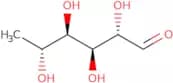

![N-[2-(4'-Dimethylaminophenyl)-1-cyano-3-butene]-2,3,4,6-tetra-O-pivaloyl-D-glucopyranoside](/_next/image/?url=https%3A%2Fstatic.cymitquimica.com%2Fproducts%2F3D%2Fthumb-webp%2FMD08488.webp&w=3840&q=75)

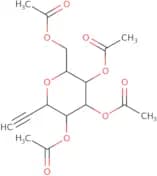


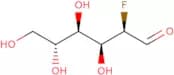
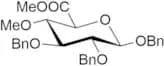
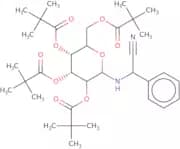
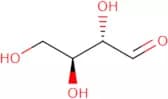
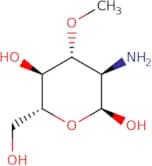
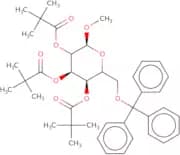

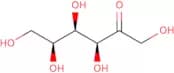


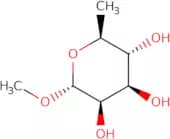

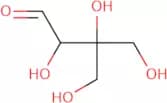
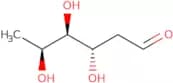

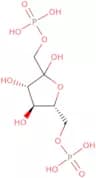
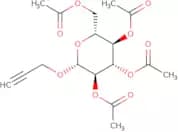
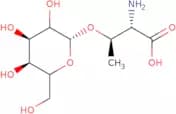
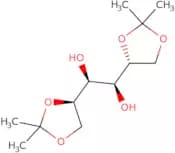
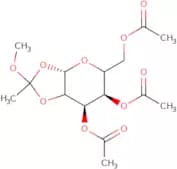
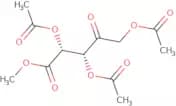
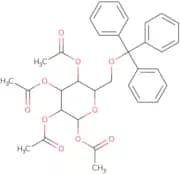
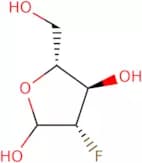
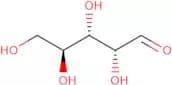
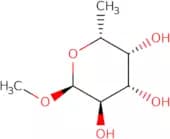
![2-[(1E)-2-[6-(β-D-Galactopyranosyloxy)-2,3-dihydro-1H-xanthen-4-yl]ethenyl]-3,3-dimethyl-1-propyl-…](/_next/image/?url=https%3A%2Fstatic.cymitquimica.com%2Fproducts%2F3D%2Fthumb-webp%2FMG183953.webp&w=3840&q=75)
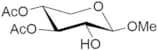
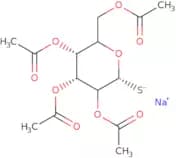
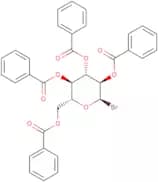


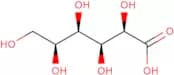
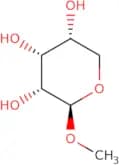

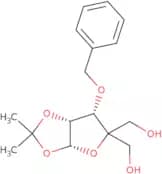
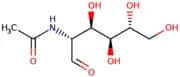


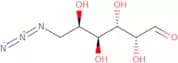
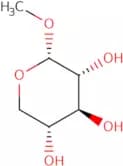
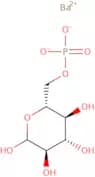

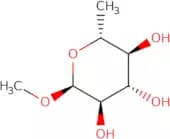
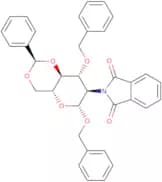
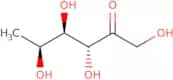
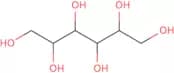
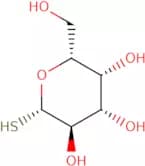

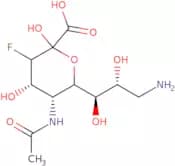
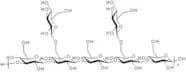
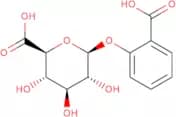
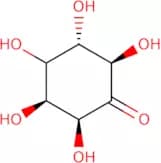

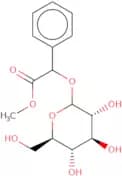

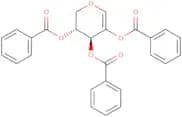
![4-Methylphenyl 3-O-[(4-methoxyphenyl)methyl]-4,6-O-[(R)-phenylmethylene]-1-thio-α-D-mannopyranoside](/_next/image/?url=https%3A%2Fstatic.cymitquimica.com%2Fproducts%2F3D%2Fthumb-webp%2FMM182805.webp&w=3840&q=75)
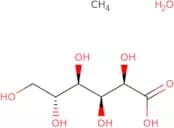
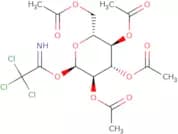
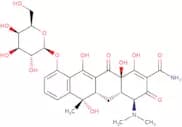
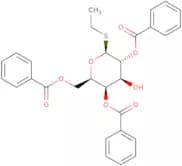

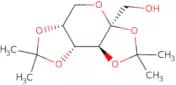

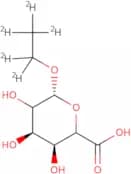
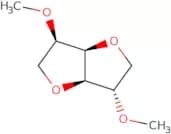
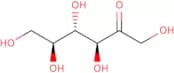
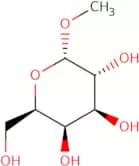
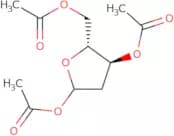
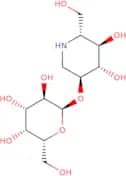


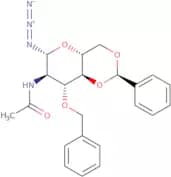

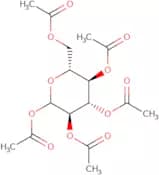
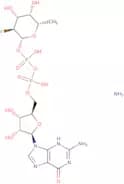
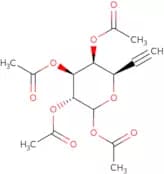
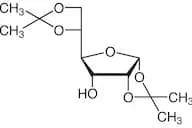
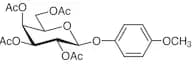
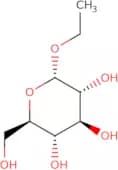
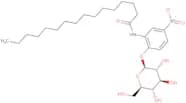
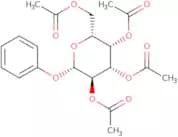
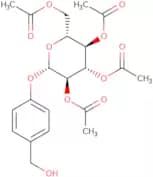
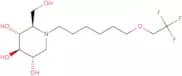
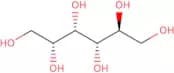
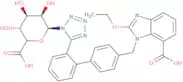
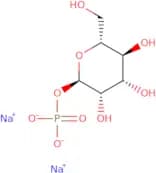
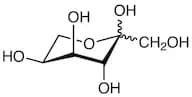
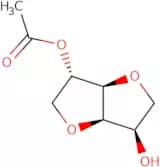
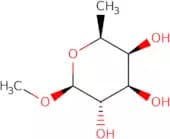

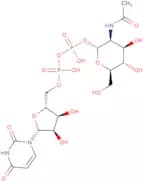
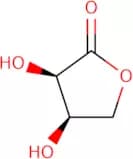
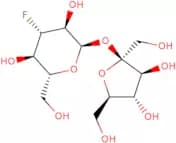
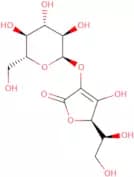

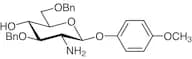

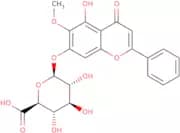
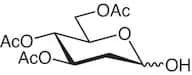
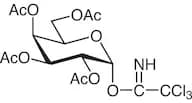
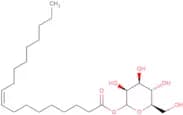
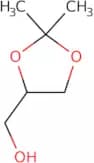
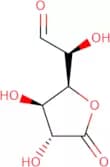
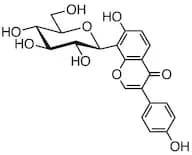
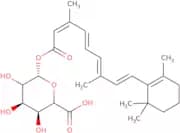
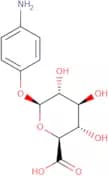

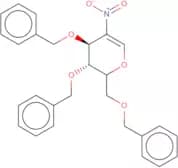
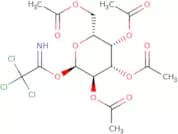
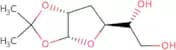
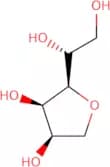
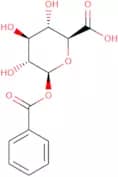
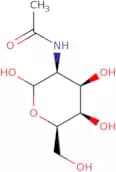

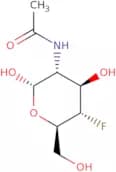

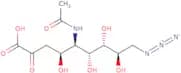
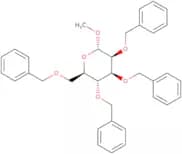
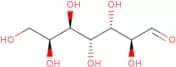
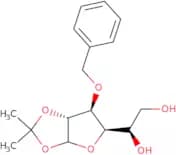
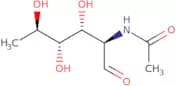
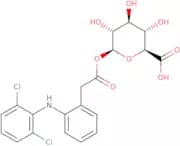
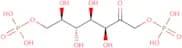
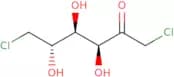
![N-Acetyl-D-[2-¹³C]neuraminic acid](/_next/image/?url=https%3A%2Fstatic.cymitquimica.com%2Fproducts%2F3D%2Fthumb-webp%2FMA15585.webp&w=3840&q=75)
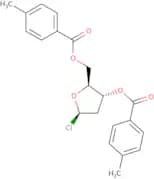
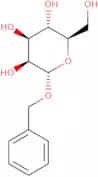
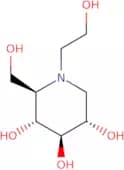
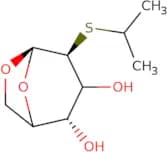

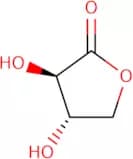
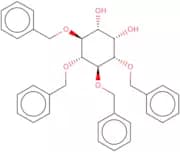
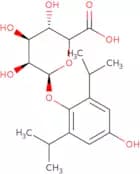
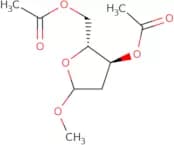
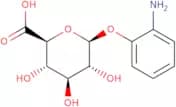
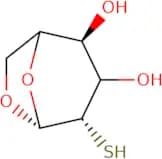
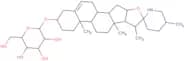
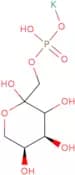
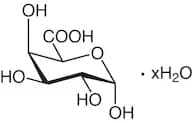
![D-[UL-¹³C6]mannose](/_next/image/?url=https%3A%2Fstatic.cymitquimica.com%2Fproducts%2F3D%2Fthumb-webp%2FMLA10074.webp&w=3840&q=75)
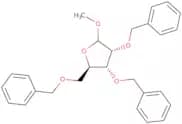
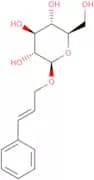
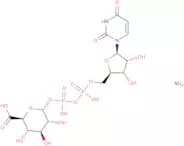

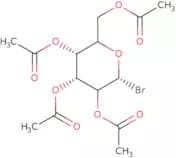
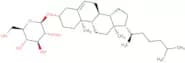
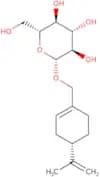
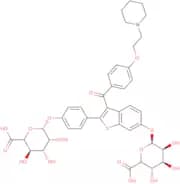
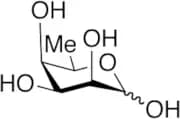

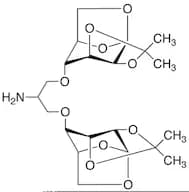
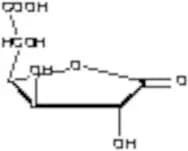
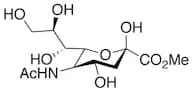
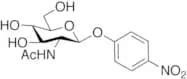
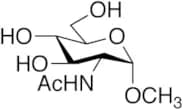
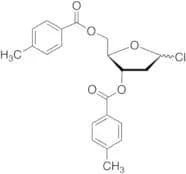
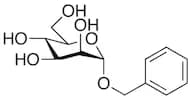

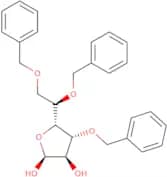
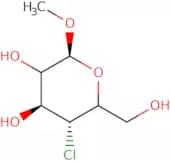

![D-[6-13C]Galacturonic acid potassium salt](/_next/image/?url=https%3A%2Fstatic.cymitquimica.com%2Fproducts%2F3D%2Fthumb-webp%2FMG170938.webp&w=3840&q=75)
![D-[1-13C]Xylose](/_next/image/?url=https%3A%2Fstatic.cymitquimica.com%2Fproducts%2F3D%2Fthumb-webp%2FVCA84921.webp&w=3840&q=75)