Monosaccharides
Monosaccharides are the simplest form of carbohydrates and serve as fundamental building blocks for more complex sugars and polysaccharides. These single sugar molecules play critical roles in energy metabolism, cellular communication, and structural components of cells. In this section, you will find a wide variety of monosaccharides essential for research in biochemistry, molecular biology, and glycoscience. These compounds are crucial for studying metabolic pathways, glycosylation processes, and developing therapeutic agents. At CymitQuimica, we offer high-quality monosaccharides to support your research needs, ensuring precision and reliability in your scientific investigations.
Subcategories of "Monosaccharides"
- Alloses(11 products)
- Arabinoses(21 products)
- Erythroses(11 products)
- Fructoses(9 products)
- Fucoses(36 products)
- Galactosamine(41 products)
- Galactose(260 products)
- Glucoses(365 products)
- Glucuronic Acids(51 products)
- Glyco-substrates for Enzyme(77 products)
- Guloses(6 products)
- Idoses(4 products)
- Inositols(15 products)
- Lyxoses(4 products)
- Mannoses(65 products)
- O-Glycans(48 products)
- Psicoses(3 products)
- Rhamnoses(10 products)
- Riboses(61 products)
- Sialic Acids(100 products)
- Sorboses(4 products)
- Sugars(173 products)
- Tagatoses(4 products)
- Taloses(8 products)
- Xyloses(20 products)
Show 17 more subcategories
Found 6088 products of "Monosaccharides"
Sort by
Purity (%)
0
100
|
0
|
50
|
90
|
95
|
100
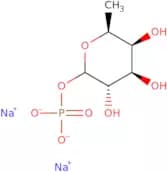
2-Deoxy-D-Ribose 5-Phosphate-13C5 Disodium Salt
CAS:Formula:C5H9O7P2·2NaMolecular weight:217.06 2*22.992,5-Anhydro-D-mannitol
CAS:Controlled Product<p>Applications A carbohydrate metabolism regulator that has been shown to inhibit gluconeogenesis from lactate plus pyruvate and from substrates that enter the gluconeogenic pathway as triose phosphate.<br>References Joet, T., et al.: Biochem. J., 381, 905 (2004), Girardin, E., et al.: J. Biol. Chem., 280, 38059 (2005), Nghiem, N., et al.: App. Biochem. Biotechnol., 141, 335 (2007),<br></p>Formula:C6H12O5Color and Shape:NeatMolecular weight:164.16L-Iduronic Acid Sodium Salt
CAS:<p>Stability Hygroscopic<br>Applications A constituent of certain mucopolysaccharides.<br>References Hoffman, P., et al.: Science, 124, 1252 (1956), Meyer, K: Biochim et Biophys. Acta, 21, 506 (1956), Cifonelli, J.A., et al.: Federation Proc., 16, 165 (1957), Cifonelli, J.A., et al.: J. Biol. Chem., 233, 541 (1958)<br></p>Formula:C6H9NaO7Color and Shape:Light Orange Colour To Dark BrownMolecular weight:216.12D-Erythrulose (~0.3 M in Water, ~90%)
CAS:Controlled Product<p>Applications D-Erythrulose is a tetrose carbohydrate that is used in various self-tanning cosmetics combined with dihydroxyacetone.<br>References Maeda, M., et al.: J. Biochem., 123, 602 (1998); Baykal, A., et al.: Bioorg. Chem., 34, 380 (2006);<br></p>Formula:C4H8O4Purity:~90%Color and Shape:NeatMolecular weight:120.10D-(+)-Cellotriose
CAS:Controlled Product<p>Stability Hygroscopic<br>Applications D-(+)-Cellotriose (cas# 33404-34-1) is a compound useful in organic synthesis.<br></p>Formula:C18H32O16Color and Shape:NeatMolecular weight:504.44D-Idose (0.141M Solution)
CAS:<p>Applications D-Idose is a monosaccharide that is an important component of dermatan sulfate and heparan sulfate.<br>References Olsen, S.G., et al.: J. Biol. Chem., 264, 15982 (1989);<br></p>Formula:C6H12O6Color and Shape:Single SolutionMolecular weight:180.15591,6-Anhydro-β-D-mannopyranose
CAS:Controlled Product<p>Applications Monosaccharide anhydrides, new markers of toasted oak wood used for ageing wines and distillates.<br>References Goldberg, D., et al.: J. Agric. Food Chem., 47, 3978 (1999), Fu, P., et al.: Environ. Sci. Technol., 43, 286 (2009),<br></p>Formula:C6H10O5Color and Shape:Off-WhiteMolecular weight:162.141,6-Anhydro-β-D-galactose
CAS:Controlled Product<p>Applications 1,6-Anhydro-β-D-glucopyranose is a carbohydrate contains in liquid smoke flavorings.<br>References Kim, K., et al.: Agric. Biol. Chem., 38, 53 (1974), Guillen, M., et al.: Food Chem., 58, 97 (1997), Guillen, M., et al.: J. Agric. Food Chem., 46, 1276 (1998),<br></p>Formula:C6H10O5Color and Shape:White To BeigeMolecular weight:162.14Ethylmalonic Acid
CAS:<p>Applications Ethylmalonic Acid is used as a diagnostic agent used in the diagnosis of Ethylmalonic encephalopathy which is a rare autosomal recessive inborn error of metabolism.<br>References Baertling, F. et al.: Eur. J. Pediat., 173, 1719 (2014); Sudo, Y. et al.: Hu,am Genome Var., 1, 15016 (2014);<br></p>Formula:C5H8O4Color and Shape:NeatMolecular weight:132.12D-Arabinose
CAS:<p>Applications An inhibitor of the enzyme glucose dehydrogenase.<br>References Cozier, G.E. et al.: Biochem. J., 340, 639 (1999);<br></p>Formula:C5H10O5Color and Shape:White SolidMolecular weight:150.13D-Gulose
CAS:<p>Applications D-Glucose is a aldohexose sugar that is very rare in nature but has been found in archaea, bacteria and other eukaryotes. Gulose is the C-3 Epimer of galactose (G155250).<br>References Sun, Y.X., et al.: Biosci. Biotech. Biochem., 70, 598 (2006); Bhuiyan, S.H., et al.: J. Biosci. Bioengin., 88, 567 (1999);<br></p>Formula:C6H12O6Color and Shape:Off White SolidMolecular weight:180.1559Methyl 2-Acetamido-2-deoxy-β-D-glucopyranoside
CAS:Controlled ProductFormula:C9H17NO6Color and Shape:NeatMolecular weight:235.23N-Acetyl-D-mannosamine
CAS:Controlled Product<p>Stability Hygroscopic<br>Applications A derivative of D-Mannosamine (M167000).<br>References Pukanud, P. et al.: Drug Delivery, 16, 289 (2009);<br></p>Formula:C8H15NO6Color and Shape:NeatMolecular weight:221.21Oxalic Acid Ethyl Ester
CAS:Controlled Product<p>Applications Oxalic Acid Ethyl Ester is a useful synthetic intermediate. It is used to synthesize 2-substituted 3-aryl-4(3H)-quinazolinones with anticonvulsant activities. It is also used to prepare nonbenzamidine tetrazole derivatives as factor Xa inhibitors.<br>References Wolfe, J., et al.: J. Med. Chem., 33, 161 (1009); Quan, M., et al.: bioorg. Med. Chem. Lett., 13, 369 (2003)<br></p>Formula:C4H6O4Color and Shape:NeatMolecular weight:118.09α-Methylglyceric Acid
CAS:Controlled Product<p>Applications α-Methylglyceric Acid is a biogenic secondary organic aerosol used in air quality diagnosis.<br>References Ru, P., et. al.: Environ. Sci. Technol., 48, 8491 (2014); Napelenok, S.L., et. al.: Environ. Sci. Technol., 48, 464 (2014); Stone, E.A., et. al.: Environ. Chem., 9, 263 (2012)<br></p>Formula:C4H8O4Color and Shape:NeatMolecular weight:120.1Ethyl β-D-Thiogalactopyranoside
CAS:Controlled Product<p>Applications Ethyl β-D-Thiogalactopyranoside (cas# 56245-60-4) is a compound useful in organic synthesis.<br></p>Formula:C8H16O5SColor and Shape:NeatMolecular weight:224.27Benzyl β-D-Glucopyranoside
CAS:Controlled Product<p>Applications Benzyl β-D-Glucopyranoside (cas# 4304-12-5) is a compound useful in organic synthesis.<br>References Yoshikawa, M., et al.: Chem. Pharm. Bull., 56, 1297 (2008), Takeda, Y., et al.: J. Nat. Med., 62, 476 (2008),<br></p>Formula:C13H18O6Color and Shape:Off WhiteMolecular weight:270.28α-D-Galactopyranosyl phenylisothiocyanate
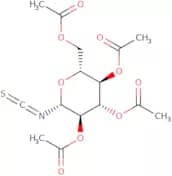
CAS:<p>a-D-Galactopyranosyl phenylisothiocyanate is a compound that is used in the synthesis of saccharides and oligosaccharides. It reacts with a variety of sugars, including glucose, sucrose, maltose and lactose, to produce methylated derivatives. This reagent is also useful for the synthesis of glycosides. The product can be used in custom synthesis or as a fluorinated carbohydrate.</p>Formula:C13H15NO6SPurity:Min. 95%Color and Shape:Off-White SolidMolecular weight:313.33 g/mol1,2,3,4-Tetra-O-acetyl-L-rhamnopyranose
CAS:<p>1,2,3,4-Tetra-O-acetyl-L-rhamnopyranose is an acetylated disaccharide that is glycosylated with mercuric triflate and glycoalkaloid acceptors. It has been shown to be a glycosylation coupling agent for theophylline in solanum species. 1,2,3,4-Tetra-O-acetyl-L-rhamnopyranose can also act as a steroidal glycoalkaloid acceptor and has been identified in Solanum species.</p>Formula:C14H20O9Purity:Min. 95%Color and Shape:Colorless PowderMolecular weight:332.3 g/molL-Fucose - non animal origin
CAS:<p>L-Fucose is an aldohexose that is used as the building block for various glycoproteins and glycolipids. It is found in human serum and human pathogens. L-Fucose can be isolated from the hybridoma cell line by apical chromatography. The analytical method of L-fucose includes body formation, oligosaccharides, and glycan titration calorimetry. Structural analysis of L-fucose includes glycosylation, sugar analysis, and carbohydrate analysis. Fucose can also be used to produce oligosaccharides through enzymatic reactions with other sugars including glucose and galactose. This reaction produces a linkage between fucose and other sugars that are called glycosidic bonds.</p>Formula:C6H12O5Purity:Min. 98 Area-%Color and Shape:PowderMolecular weight:164.16 g/mol1-Deoxygalactonojirimycin hydrochloride salt
CAS:<p>Specific and potent inhibitor of lysosomal α-galactosidase with IC50 in nanomolar range. It acts as pharmacological chaperone and assists folding of the wild type and mutant versions of the enzyme. It places itself in the instable active site and prevents the damage to the enzyme during the passage through Golgi apparatus, endoplasmatic reticulum and lysosome axis. The exposure to this compound leads to increased levels of functional α-galactosidase in models for lysosomal storage disorders and brings therapeutic benefits to patients with Fabry disease.</p>Formula:C6H13NO4·HClPurity:Min. 95 Area-%Color and Shape:White PowderMolecular weight:199.63 g/mol3-Deoxy-D-glycero-D-galacto-2-nonulosonic acid
CAS:<p>3-Deoxy-D-glycero-D-galacto-2-nonulosonic acid (3DG) is a monosaccharide that is present in many biological molecules, such as glycoproteins and glycoconjugates. 3DG is found in the sialic acid residues of glycoproteins and has been shown to have anticancer properties through its ability to inhibit cell growth. This compound also inhibits the synthesis of DNA and RNA by binding to bacterial 16S ribosomal RNA, inhibiting protein synthesis and cell division. 3DG has been used in biocompatible polymers for medical applications, such as drug delivery systems.</p>Formula:C9H16O9Purity:Min. 98 Area-%Color and Shape:White Yellow PowderMolecular weight:268.22 g/molL-Menthylglucoside
CAS:<p>L-Menthylglucoside is a custom synthesis, complex carbohydrate. It has CAS number 16203-27-3 and is an Oligosaccharide and Polysaccharide. L-Menthylglucoside has been modified with methylation and glycosylation, which may be due to its Click modification. L-Menthylglucoside is a sugar that is high purity, fluorinated, and synthetic.</p>Formula:C16H30O6Purity:Min. 95%Color and Shape:PowderMolecular weight:318.41 g/molUDP-2-deoxy-2-fluoro-D-glucose sodium salt
CAS:<p>UDP-2-deoxy-2-fluoro-D-glucose sodium salt (UDPFG) is a fluorinated analog of the sugar donor, UDP-glucose. It is an acceptor for the enzyme, glycosylation protein glucosyltransferase, which catalyzes the transfer of glucose to proteins. This compound has been shown to be an activating sugar donor in vitro and in vivo. In addition, it was found that UDFG can bind to the active site of glucosyltransferase in a hydrogen bond interaction that may be important for catalysis.</p>Formula:C15H21FN2O16P2·2NaPurity:Min. 95%Color and Shape:PowderMolecular weight:568.29 g/mol1,6-Anhydro-3,4-O-isopropylidene-b-D-galactopyranose
CAS:<p>1,6-Anhydro-3,4-O-isopropylidene-b-D-galactopyranose is a custom synthesis of a complex carbohydrate that has been modified with methylation and glycosylation. It is a saccharide with the CAS number 52579-97-2. This product is highly pure and can be fluorinated for synthesizing other sugars or carbohydrates. The purity of this product is greater than 98%.</p>Formula:C9H14O5Purity:Min. 95%Color and Shape:White PowderMolecular weight:202.2 g/mol2,3,4-Tri-O-benzyl-D-glucuronide methyl ester
<p>2,3,4-Tri-O-benzyl-D-glucuronide methyl ester is an organic compound that is structurally classified as a saccharide. It can be used as an intermediate in the synthesis of oligosaccharides and glycosylated proteins. This product has been modified with Click chemistry, which is a method for modifying chemical structures with a simple reaction between two groups. The modification is stable in acidic conditions and can be removed by treatment with base. 2,3,4-Tri-O-benzyl-D-glucuronide methyl ester also contains fluorine atoms that have been introduced during the synthetic process.</p>Formula:C28H30O7Purity:Min. 95%Color and Shape:White PowderMolecular weight:478.53 g/mol1,6-Dideoxynojirimycin
CAS:<p>Dideoxynojirimycin is a potent hydroxamic acid that inhibits glycosidases. It is used to treat metabolic disorders such as glycogen storage diseases. Dideoxynojirimycin has been shown to inhibit the activity of intestinal maltase, an enzyme involved in the digestion of carbohydrates. This drug also inhibits the synthesis of nucleic acids and proteins, which may be due to its ability to bind nucleophilic groups on enzymes and other biological molecules. The kinetic study showed that 1,6-dideoxynojirimycin has a stereoselective effect on mouse splenocytes, inhibiting their proliferation more effectively than 1,6-dideoxy-N-acetylneuraminic acid.</p>Formula:C6H13NO3Purity:Min. 95%Color and Shape:PowderMolecular weight:147.17 g/molL-Mannonic acid-1,4-lactone
CAS:<p>L-Mannonic acid-1,4-lactone is an acidic compound that has kinetic properties. It is used in the assays of chloride ions and neutral pH. L-Mannonic acid-1,4-lactone also has conjugates with hydrolytic activity and can be used as a synthetic intermediate for other organic compounds. L-Mannonic acid-1,4-lactone can be found in group P2 of the periodic table because it contains a hydroxyl group and an organic group with a methyl ethyl side chain. L-Mannonic acid-1,4-lactone hydrolyzes at high temperatures and may exhibit synergistic effects when combined with other agents. This product is also used to incubate cells such as k562 cells.</p>Formula:C6H10O6Purity:Min. 95%Color and Shape:PowderMolecular weight:178.14 g/mol2-Acetamido-2-deoxy-b-D-glucopyranosyl amine
CAS:<p>2-Acetamido-2-deoxy-b-D-glucopyranosyl amine is a synthetic molecule that has shown to be an effective therapeutic agent for the treatment of juvenile idiopathic arthritis. It binds to the surface of cells and activates the immune system by generating antibodies against the disease. This drug has been shown to reduce disease activity in patients with juvenile idiopathic arthritis, as well as improve quality of life. 2-Acetamido-2-deoxy-b-D-glucopyranosyl amine is being developed for use in other autoimmune diseases such as systemic lupus erythematosus, rheumatoid arthritis, and psoriasis.</p>Formula:C8H16N2O5Purity:Min. 95 Area-%Color and Shape:PowderMolecular weight:220.22 g/mol(2R, 4S) - 3- Fluoro- 2,4- azetidinedimethanol
<p>(2R, 4S) - 3- Fluoro- 2,4- azetidinedimethanol is a fluorinated monosaccharide. It is a synthetic compound that has been modified by methylation and Click chemistry. The fluorination of the sugar allows for high purity and modification of the carbohydrate. This compound is used in the synthesis of oligosaccharides and polysaccharides.</p>Purity:Min. 95%(-)-D-Noviose
CAS:<p>(-)-D-Noviose is a naturally occurring sulfoxide that was first isolated from the tubercles of tuberculosis patients. It is a biosynthetic precursor to tiacumicin, an antibacterial agent. In addition, (-)-D-Noviose has been shown to act as a chaperone and inhibit cancer cells in vitro. (-)-D-Noviose binds to the cysteine residues of proteins, preventing their oxidation and subsequent aggregation. This prevents the cross-linking of proteins that leads to cellular damage and death.</p>Formula:C8H16O5Purity:Min. 95%Molecular weight:192.21 g/mol2,3,5-Tri-O-acetyl-L-arabinofuranosyl fluoride
<p>2,3,5-Tri-O-acetyl-L-arabinofuranosyl fluoride is a monosaccharide sugar that has been fluorinated. It is a custom synthesis of methylation and click modification. The CAS number for this product is 565-64-8. This product has been modified to make it more resistant to degradation by enzymes such as alpha amylase and beta amylase. It is also used for polysaccharide synthesis and saccharides with higher purity than other products on the market. This product is synthesized from natural sources, making it high in purity and suitable for use in food production.END></p>Formula:C11H15FO7Purity:Min. 95%Color and Shape:Colourless To Yellow LiquidMolecular weight:278.23 g/mol1,2-Dideoxy-3,5-di-O-toluoyl-D-ribose
CAS:<p>1,2-Dideoxy-3,5-di-O-toluoyl-D-ribose is a synthetic sugar that can be used in the synthesis of complex carbohydrates. It has been modified with fluorine, methylation, and click chemistry. It is also available as a high purity product. 1,2-Dideoxy-3,5-di-O-toluoyl-D-ribose is an oligosaccharide that is used in glycosylation reactions to form polysaccharides or saccharides. Click chemistry allows for the modification of this sugar with other molecules such as amino acids or peptides. This modification may be useful for studying protein interactions or for drug development.</p>Formula:C21H22O5Purity:Min. 95%Molecular weight:354.4 g/mol3,4,6-Tri-O-acetyl-L-glucal
CAS:<p>Resource for the synthesis of 2-azido- and 2-deoxy-L-glucoses and 1,2-epoxides</p>Formula:C12H16O7Purity:Min. 95%Color and Shape:White PowderMolecular weight:272.25 g/mol2,3,4,6-Tetra-O-acetyl-a-D-glucopyranosyl trichloroacetimidate
CAS:<p>2,3,4,6-Tetra-O-acetyl-a-D-glucopyranosyl trichloroacetimidate (2TG) is a mannose targeting agent that can be used to target specific cells in the body. This compound has been shown to inhibit the growth of cancer cells and induce photodynamic therapy. 2TG is a conjugate that consists of a 6-phosphate group attached to an acetylated mannose molecule. The 6-phosphate group is an important feature for tumor targeting, as it allows for the attachment of other molecules such as monoclonal antibodies and drugs. 2TG functions by binding with high affinity to glycoproteins on the surface of cancer cells and animal tissues. These glycoproteins are found in large quantities on the surface of cancer cells and animal tissue, which makes them good targets for anti-cancer drug development.</p>Formula:C16H20Cl3NO10Purity:Min. 95%Color and Shape:PowderMolecular weight:492.69 g/molHyacinthine crystals
<p>Hyacinthine is a sugar that is synthesized in the laboratory. It is modified with fluorine, methyl, and click chemistry. Hyacinthine has been shown to have antifungal, antiviral, and antitumour properties. It also has been shown to have anti-inflammatory effects. Hyacinthine can be used as a probe for the study of glycosylation reactions or as a model for the synthesis of complex carbohydrates.</p>Purity:Min. 95%UDP-b-L-arabinopyranose
CAS:<p>UDP-b-L-arabinopyranose is a nucleotide sugar that is used in the synthesis of proteins and other macromolecules. It is synthesized from uridine and d-ribulose 5-phosphate by the enzyme ribulokinase. The reaction between UDP, b-L-arabinofuranose, and ATP, catalyzed by arabinofuranosyl transferase, produces UDP-b-L-arabinopyranose. This nucleotide sugar can be converted to UDP-b-(1→4)-glucuronate by the enzyme glucuronosyltransferase. This process plays an important role in plant physiology as well as in cell wall biosynthesis. The optimal pH for this conversion is 7.5 to 8.2.</p>Formula:C14H22N2O16P2Purity:Min. 95%Color and Shape:PowderMolecular weight:536.28 g/molLentinan
CAS:<p>The polysaccharide Lentinan is isolated from the mushroom L. edodes (shitake mushroom). The primary structure is a β-(1–3)-glucose backbone with two (1–6)-β-glucose branches for each five glucose resiodues. Lentinan is clinically used for cancer treatment both in China and Japan. According to the clinical studies published in and outside of China, lentinan-based drugs are used for the treatment of various cancers, including lung, gastric, colorectal and other cancers. In addition, lentinan-based drugs are also used for treating HIV, hepatitis and malignant pleural effusion.</p>Color and Shape:Brown Powder1,3:2,4-Bis(O-benzylidene)-D-sorbitol
CAS:<p>1,3:2,4-Bis(O-benzylidene)-D-sorbitol is a hydrogenated derivative of sorbitol. It is used in fatty acid devices and as a surfactant in hydrogenation reactions. 1,3:2,4-Bis(O-benzylidene)-D-sorbitol is an acidic compound that has a low molecular mass and is soluble in water. It reacts with magnesium oxide to form the corresponding magnesium salt. This derivative is also used in silicone residue removal and as an activated organic base.</p>Formula:C20H22O6Color and Shape:White PowderMolecular weight:358.39 g/mol1,5-Anhydro-2,3,4-tri-O-benzoyl-D-threo-pent-1-enitol
CAS:<p>1,5-Anhydro-2,3,4-tri-O-benzoyl-D-threo-pent-1-enitol is a high purity compound that is synthesized from D-threo pent 1 enitol. It is a sugar that belongs to the category of complex carbohydrates. This product can be custom synthesized and modified according to customer requirements.</p>Formula:C26H207Purity:Min. 95%Color and Shape:PowderMolecular weight:444.43 g/molN-(Fmoc)-C-b-D-galacturonyl methylamine
<p>Fmoc-C-b-D-galacturonyl methylamine is a custom synthesis that is used in the modification of oligosaccharides and carbohydrates. It is also used as a precursor for the synthesis of glycosylated saccharides by methylation, glycosylation, and fluorination. Fmoc-C-b-D-galacturonyl methylamine has been shown to be an excellent starting material for the production of high purity complex carbohydrates.</p>Purity:Min. 95%epi-Inositol
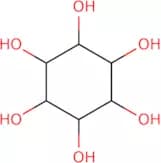
CAS:<p>Epi-inositol, also known as myo-inositol, is a member of the group of molecules known as sugar alcohols. It is a naturally occurring compound that is found in the human body and can be synthesized by the human body from glucose. Epi-inositol has been shown to have a number of biological effects, including inhibition of cell proliferation and energy metabolism in ovarian cancer cells. Epi-inositol has also been used in clinical trials for treatment of mood disorders such as depression.</p>Formula:C6H12O6Purity:Min. 98 Area-%Color and Shape:White PowderMolecular weight:180.16 g/molPhenyl 2,3,4-tri-O-benzyl-b-L-thiofucopyranose
CAS:<p>Phenyl 2,3,4-tri-O-benzyl-b-L-thiofucopyranose is a synthetic monosaccharide that is modified with fluorine. It is also known as 3,4,6-tri-O-benzyl-2,3,4,6-tetra-O-(trifluoromethyl) fucopyranose. This compound is a complex carbohydrate that belongs to the group of glycoconjugates and polysaccharides. Phenyl 2,3,4-tri-O-benzyl-b-L-thiofucopyranose has been shown to be useful in glycosylation reactions as well as in click chemistry reactions. This compound can be used for the synthesis of oligosaccharides and polysaccharides with custom modifications. Phenyl 2,3,4 tri O benzyl b L thiof</p>Formula:C33H34O4SPurity:Min. 95%Color and Shape:PowderMolecular weight:526.69 g/mol1,2,3,4,6-Penta-O-galloyl-β-D-glucopyranose
CAS:<p>A gallotannin found in plants, with various biological activities. Its anti-cancer effect has been demonstrated in several cancer cell lines, mediated by inhibition of DNA replication, proliferation and angiogenesis. Elicits anti-inflammatory, antioxidative and anti-diabetic effects. Recently, it has been identified as an inhibitor of c-Myc in hepatocellular carcinoma and multiple myeloma cells.</p>Formula:C41H32O26Purity:Min. 96 Area-%Color and Shape:PowderMolecular weight:940.68 g/mol1-Bromo-2,3,4-tri-O-acetyl-a-D-glucuronide methyl ester
CAS:<p>1-Bromo-2,3,4-tri-O-acetyl-a-D-glucuronide methyl ester is a protected D-glucoronic acid with an alpha bromide at the anomeric position ready to undergo glycosylation reactions with suitable glycoside acceptors. Pharmaceutically active compounds have been used as acceptors to form β-linked D-glucuronide prodrugs which can be used to modify pharmacokinetics, improve solubility and lower the toxicity of the drug.</p>Formula:C13H17BrO9Purity:Min. 80%Molecular weight:397.17 g/molPhenyl 2,4,6-Tri-O-acetyl-3-O-allyl-b-D-thioglucopyranoside
CAS:<p>Phenyl 2,4,6-tri-O-acetyl-3-O-allyl-β-D-thioglucopyranoside is an enantiomer that can be synthesized from the commercially available 2,4,6-triacetylphenyl boronic acid. It has been shown to have a positive effect on insulin sensitivity and uptake in plasma glucose in diabetic patients. Phenyl 2,4,6-tri-O-acetyl-3-O-allyl β D thioglucopyranoside also has a safety profile that is similar to other antidiabetic drugs. This drug has been shown to inhibit influenza virus uptake into cells by competitive inhibition of a transporter type.</p>Formula:C21H26O8SPurity:Min. 98 Area-%Color and Shape:White Off-White PowderMolecular weight:438.49 g/mol2-Acetamido-2-deoxy-b-D-thioglucopyranose
CAS:<p>2-Acetamido-2-deoxy-b-D-thioglucopyranose is a sugar with the chemical formula C6H14O7. It has been synthesized by Click chemistry to have an acetamido group on one of the carbon atoms and a 2,3,5-triiodo substituent on the other. The methylene protons at the 3 and 5 positions of the glycosidic linkage are fluorinated to give this modified sugar. It is also glycosylated with glucose to form a complex carbohydrate. 2-Acetamido-2-deoxy-b-D-thioglucopyranose has CAS number 781581-10-0 and a molecular weight of 318.19 g/mol.</p>Formula:C8H15NO5SPurity:Min. 95%Color and Shape:PowderMolecular weight:237.27 g/mol4-Methylphenyl 2,3,4-tri-O-benzyl-β-L-thiofucopyranoside
<p>4-Methylphenyl 2,3,4-tri-O-benzyl-b-L-thiofucopyranoside is a custom synthesis of an oligosaccharide. It is a complex carbohydrate with CAS No. that belongs to the class of saccharide and sugar. Polysaccharides are made up of several monosaccharides linked together by glycosidic bonds, which are formed by the action of enzymes called glycosyltransferases or glycosidases. Glycosylation is the process in which a sugar molecule (usually glucose) is added to another molecule by means of a glycosidic bond. Carbohydrates are one type of macromolecule and they are important sources of energy in living things. They also play important roles in cell walls and as structural components in plants and animals. The chemical modification carried out on this compound is methylation, which refers to the addition of one or more methyl</p>Formula:C34H36O4SPurity:Min. 95%Molecular weight:540.71 g/mol4-Methoxyphenyl β-D-glucopyranoside
CAS:<p>Bearberry has been used for centuries to treat various disorders of the urinary tract and prostate. The active ingredient in bearberry is a flavonol glycoside called arbutin, which is converted to hydroquinone during metabolism. As an antioxidant, hydroquinone inhibits the oxidation of LDL cholesterol and may reduce the risk of atherosclerosis. Hydroquinone has also been shown to have anti-inflammatory properties in rat liver microsomes and tissue culture, inhibiting prostaglandin synthesis by blocking cyclooxygenase activity. In vitro, bearberry extracts have been shown to inhibit bacterial growth on agar plates with pH levels from 4-7 and at concentrations between 0.1-1%. It was found that bearberry extracts were most effective against Pseudomonas aeruginosa strains, with MIC values ranging from 2-4 mg/mL. Bearberry extract was observed to be more effective than ampicillin against these strains in a chromatographic assay.</p>Formula:C13H18O7Purity:Min. 95%Color and Shape:PowderMolecular weight:286.28 g/molMethyl 2,3,4-tri-O-benzyl-α-D-glucuronide benzyl ester
CAS:<p>Methyl 2,3,4-tri-O-benzyl-α-D-glucuronide benzyl ester is a Carbohydrate. It is soluble in water and insoluble in alcohol. The molecular weight of Methyl 2,3,4-tri-O-benzyl-α-D-glucuronide benzyl ester is 584.1 g/mol. The CAS Registry Number for Methyl 2,3,4-tri-O-benzyl-α-D-glucuronide benzyl ester is 14279733.</p>Formula:C35H36O7Purity:Min. 95%Color and Shape:Colorless Clear LiquidMolecular weight:568.66 g/mol2-C-Methyl-D-ribono-1,4-lactone
CAS:<p>2-C-Methyl-D-ribono-1,4-lactone is a ketose which is formed from the thermal rearrangement of d-xylose. It has been shown to be an acceptor for episulfide and an 1-deoxy-d-ribulose. 2-C-Methyl-D-ribono-1,4-lactone has been found to yield dimethylamine when heated with magnesium. This compound can be ion exchanged with calcium and magnesium. 2CMR was first synthesized by the reaction of L(+) lactic acid with dimethylamine in the presence of magnesium chloride. The product was purified by crystallization from water, yielding a white powder that melts at 230°C.</p>Formula:C6H10O5Purity:Min. 95%Color and Shape:White Clear LiquidMolecular weight:162.14 g/molAllyl 2-acetamido-2-deoxy-β-D-glucopyranoside
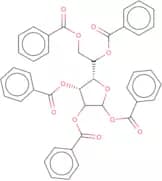
CAS:<p>Allyl 2-acetamido-2-deoxy-β-D-glucopyranoside is a modification of the sugar molecule. It is an oligosaccharide composed of a monosaccharide and one or more other saccharides.</p>Formula:C11H19NO6Purity:Min. 98 Area-%Color and Shape:PowderMolecular weight:261.27 g/mol1,3,5-Tri-O-benzoyl-a-D-ribofuranose
CAS:<p>1,3,5-Tri-O-benzoyl-a-D-ribofuranose is a modified carbohydrate. It is synthesized by the methylation of 1,3,5-tri-O-benzoyl-a-D-arabinopyranose followed by glycosylation with 3,6-dideoxyhexose. This compound has been used as a substrate in enzymatic studies to investigate the modification of carbohydrates by glycosylation and methylation and can be used for the synthesis of other saccharides.</p>Formula:C26H22O8Purity:Min. 95%Color and Shape:White PowderMolecular weight:462.45 g/molD-Glucuronic acid, sodium salt monohydrate
CAS:<p>Custom synthesis of D-glucuronic acid, sodium salt monohydrate.</p>Purity:Min. 95%Voglibose
CAS:<p>Voglibose is a competitive inhibitor of α-glucosidase used for the control of blood sugar levels in patients with type 2 diabetes mellitus. The compound binds reversibly to intestinal carbohydrate-active digestive enzymes with α-glucosidase activity, inhibits breakdown of complex sugars and consequently delays the absorption of glucose into blood.</p>Formula:C10H21NO7Color and Shape:White PowderMolecular weight:267.28 g/molMethyl 2,3,4,6-tetra-O-benzyl-α-D-glucopyranoside
CAS:<p>Methyl 2,3,4,6-tetra-O-benzyl-α-D-glucopyranoside is a benzylated glycoside that inhibits the activity of β-glucosidases and glycoside hydrolases. It is used as an inhibitor in ecological studies to investigate the effects of benzyl groups on biotic and abiotic stressors. Methyl 2,3,4,6-tetra-O-benzyl-α-D-glucopyranoside has been shown to have inhibitory potency against the transition state in enzymatic reactions. This compound also has been shown to be effective in treating diabetes.</p>Formula:C35H38O6Purity:Min. 95%Color and Shape:PowderMolecular weight:554.67 g/mol1,6-Anhydro-β-D-glucopyranose
CAS:<p>Used for preparation of biologically active compounds</p>Formula:C6H10O5Purity:Min. 98 Area-%Color and Shape:White PowderMolecular weight:162.14 g/molSorbitan monostearate
CAS:<p>Sorbitan monostearate is a lipid-soluble compound that is used as a surfactant and emulsifier in food products. It has been found to be nontoxic when administered at concentrations up to 5000 mg/kg of body weight for 28 days. Sorbitan monostearate has been shown to be nontoxic in vitro, but the long-term toxicity of this compound has not been established. Sorbitan monostearate also exhibits hydrogen bonding interactions with calcium pantothenate, sodium salts, and coumarin derivatives. The model system used was an artificial membrane composed of chitosan quaternary ammonium and monolaurate. This study found that sorbitan monostearate is able to permeabilize the membrane at an optimum concentration.</p>Formula:C24H46O6Color and Shape:White PowderMolecular weight:430.62 g/mol3-Deoxy-D-manno-2-octulosonic acid ammonium
CAS:<p>3-Deoxy-D-manno-2-octulosonic acid ammonium is a bioreactor that is used in the delipidation of fatty acids. It is one of the most effective natural compounds for removing lipids, and it has been shown to be effective in reducing the levels of galactose and cholesterol. 3-Deoxy-D-manno-2-octulosonic acid ammonium has also been shown to be an effective antigen that can be used as a marker for various microorganisms, such as typhimurium, enterobacter, and lettuce.</p>Formula:C8H17NO8Purity:Min. 95 Area-%Color and Shape:White PowderMolecular weight:255.22 g/molL-Idonic acid sodium
CAS:<p>L-Idonic acid sodium is a plant hormone that regulates carbohydrate metabolism. It has been shown to regulate the synthesis of galacturonic acid and malic acid, which are important for the production of glucose. L-Idonic acid sodium also regulates the synthesis of fatty acids, which are important for cell membrane formation. L-Idonic acid sodium is an intermediate in the biosynthesis of l-tartaric acid, which is an enzyme substrate. The gene product that encodes this molecule has been characterized as a protein with a molecular weight of approximately 9,000 daltons and a hydroxyl group on C-3.</p>Formula:C6H11O7NaPurity:Min. 95%Color and Shape:PowderMolecular weight:218.15 g/molStreptozocin
CAS:<p>A toxic glucosamine derivative, widely used for the induction of diabetes in experimental animals. The compound enters the pancreatic β cells in Langerhans islets via glucose transporter GLUT2. It has the ability to alkylate DNA and trigger the production of ROS and nitric oxide, which contribute to DNA and mitochondrial damage. Moreover, streptozocin inhibits N-acetyl-β-D-glucosaminidase and disrupts O-GlcNAc cycling. This molecule has also been used as antimicrobial compound and chemotherapeutic agent for some types of pancreatic cancer.</p>Formula:C8H15N3O7Purity:Min. 98 Area-%Color and Shape:Off-White PowderMolecular weight:265.2 g/molRaloxifene 6-D-glucuronide
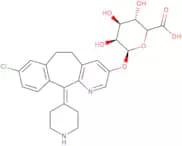
CAS:<p>Raloxifene 6-D-glucuronide is a synthetic compound that consists of the sugar raloxifene and the sugar glucuronic acid. It is a complex carbohydrate with a molecular weight of 569. Raloxifene 6-D-glucuronide is soluble in water and insoluble in most organic solvents. The compound has been modified by fluorination, which increases its stability in water, and by click modification. This compound has been shown to inhibit the activity of bacterial enzymes that are responsible for the synthesis of saccharides, such as oligosaccharides and polysaccharides.</p>Formula:C34H35NO10SPurity:Min. 95%Color and Shape:SolidMolecular weight:649.71 g/mol2,3,5-Tri-O-benzoyl-2-C-methyl-D-ribonic acid-1,4-lactone
CAS:<p>2,3,5-Tri-O-benzoyl-2-C-methyl-D-ribonic acid-1,4-lactone is a glutamate receptor agonist that has been shown to have pharmacological properties. It binds to the GluR2/3 family of glutamate receptors and is an agonist at these receptors. The experiments with this drug have been conducted on both animals and humans. 2,3,5-Tri-O-benzoyl-2-C-methyl D ribonic acid lactone has also been shown to be an effective probe for the identification of glutamate receptor sequences in the brain and spinal cord.</p>Formula:C27H22O8Purity:Min. 95%Color and Shape:White PowderMolecular weight:474.46 g/molMethyl 7-chloro-7-deoxy-1-thiolincosaminide
CAS:<p>Methyl 7-chloro-7-deoxy-1-thiolincosaminide is a modification of the monosaccharide D-glucose. It has a CAS number of 22965-79-3 and is a white powder. Methyl 7-chloro-7-deoxy-1-thiolincosaminide can be used in the production of various carbohydrates, such as oligosaccharides and polysaccharides. This compound is also useful for the synthesis of sugar related products, including saccharides, glycosylation, and fluorination. Methyl 7-chloro-7-deoxy 1 -thiolincosaminide has been shown to be highly pure and synthetic, making it suitable for use in research or industrial settings.</p>Formula:C9H18ClNO4SPurity:Min. 95%Color and Shape:PowderMolecular weight:271.76 g/molD-Mannitol 1-phosphate lithium salt
CAS:<p>D-Mannitol 1-phosphate lithium salt (DMPL) is a bacterial growth-inhibiting agent that inhibits the ribitol dehydrogenase enzyme that converts mannitol to ribitol. The wild-type strain of bacteria is more sensitive to DMPL than the mutant strains, which lack this enzyme. This compound has been shown to be active against Aerobacter aerogenes, and it can be used as an antimicrobial agent in plant physiology, where it prevents cell lysis. DMPL is also effective against wild-type strains of E. coli K-12 and has a broad range of pH optima with a maximum at pH 6.0 to 7.0. The reaction mechanism for this drug is not well understood, but it may involve inhibition of the polymerase chain reaction or other enzyme activities.</p>Formula:C6H15O9P·xLiPurity:Min. 95 Area-%Color and Shape:White Off-White PowderMolecular weight:262.15 g/mol2,3-O-Isopropylidene-L-ribofuranose
CAS:<p>2,3-O-Isopropylidene-L-ribofuranose is a chiral building block for the synthesis of α-amino acids. This compound can be obtained from l-arabinose and l-rhamnose by kinetic resolution reactions with reagents such as (R)-1,2,3,4,5,6-hexahydrobenzo[b]thiophene or (S)-1,2,3,4,5,6-hexahydrobenzo[b]thiophene. The product is an enantiospecifically pure mixture of 2,3-O-isopropylidene L-ribofuranose and its antipode. The use of acid catalysts such as sulfuric acid or hydrochloric acid will yield a higher yield of the desired product.</p>Formula:C8H14O5Purity:Min. 95 Area-%Color and Shape:PowderMolecular weight:190.19 g/mol1,2,3,4-Tetra-O-acetyl-6-O-trityl-b-D-mannopyranose
CAS:<p>1,2,3,4-Tetra-O-acetyl-6-O-trityl-b-D-mannopyranose is a synthetic sugar that can be used as a building block for the synthesis of oligosaccharides. It is also used to alter the properties of sugars and polysaccharides by modifying their glycosidic linkages. The product is insoluble in water and organic solvents. It is stable under acidic conditions and can be hydrolyzed with acids or alkalis. It is also soluble in methanol and methylene chloride. The CAS number for this product is 92621-31-3.End></p>Purity:Min. 95%L-Xylonic acid-1,4-lactone
CAS:<p>L-Xylonic acid-1,4-lactone is an enzyme that functions as a glycolytic enzyme. It catalyzes the conversion of D-xylose to L-xylonic acid and L-xylonic acid-1,4-lactone. This enzyme is expressed in leukemia HL60 cells and is activated by acidic conditions. L-Xylonic acid-1,4-lactone has been shown to be catabolized by the enzyme xylanase. The kinetic properties of this reaction have been studied using mass spectrometric techniques and biochemical methods. The rate of the reaction was found to be dependent on the presence of divalent cations (Mg2+ or Ca2+) or monovalent ions (Na+ or K+). L-Xylonic acid 1,4 lactone also catabolizes glucose with a similar rate constant.</p>Formula:C5H8O5Purity:Min. 95 Area-%Color and Shape:White PowderMolecular weight:148.11 g/mol2,3-O-Isopropylidene-D-apiose
CAS:<p>2,3-O-Isopropylidene-D-apiose is a high purity product that can be custom synthesized. It is a sugar that can be modified with fluorination, glycosylation, and methylation. 2,3-O-Isopropylidene-D-apiose has been shown to be an effective synthetic carbohydrate and can be used as a drug delivery system. This product is soluble in methanol and water and has the CAS number 94943-41-6.</p>Formula:C11H18O5Purity:Min. 98 Area-%Color and Shape:PowderMolecular weight:230.26 g/mol1,2,3,4-Tetra-O-acetyl-6-azido-6-deoxy-D-galactopyranose
CAS:<p>Synthetic carbohydrate building block</p>Formula:C14H19N3O9Purity:Min. 95%Molecular weight:373.32 g/molα-D-Mannopyranosyl L-threonine
CAS:<p>a-D-Mannopyranosyl L-threonine is a carbohydrate with the molecular formula C6H14O5. It is a white crystalline powder that has a sweet taste. This product can be used as an ingredient in food and beverage products, such as confectionery products, soft drinks, dairy products, baked goods, and chewing gum. It may also be used in pharmaceuticals, such as chewable tablets or capsules for oral use.</p>Formula:C10H19NO8Purity:Min. 95%Color and Shape:PowderMolecular weight:281.26 g/mol2,3,4,6-Tetra-O-benzyl-D-glucopyranose
CAS:<p>2,3,4,6-Tetra-O-benzyl-D-glucopyranose is a selectively protected intermediate, where the anomeric 1-O-hydroxyl group is free. This hemiacetal has been used successfully as an intermediate for glucosylation couplings, where it was converted into 2,3,4,6-tetra-O-benzyl-D-glucopyranose trichloroacetimidate using trichloroacetonitrile in the presence of a base such as potassium carbonate and DBU. Importantly, this imidate donor with no neighbouring participating groups is commonly used for the selective formation of α-glucosides. 2,3,4,6-tetra-O-benzyl-D-glucopyranose can also be oxidized to the lactone, or reduced to give the open chain form. Additionally, 2,3,4,6-tetra-O-benzyl-D-glucopyranose can be used for the preparation of glucono-1,5-lactone hydrazine, which was used, in-turn, to form a glucosylidene-spirocyclopropane.</p>Formula:C34H36O6Purity:Min. 98.0 Area-%Molecular weight:540.66 g/molRef: 3D-T-1900
1kgTo inquire50gTo inquire250gTo inquire500gTo inquire2500gTo inquire-Unit-ggTo inquire2-Acetamido-2-deoxy-D-glucopyranose 6-sulphate sodium salt
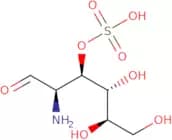
CAS:<p>2-Acetamido-2-deoxy-D-glucopyranose 6-sulphate sodium salt is an Oligosaccharide which is a carbohydrate. It has a CAS No. 108321-79-5 and is available for custom synthesis. 2-Acetamido-2-deoxy-D-glucopyranose 6 sulphate sodium salt can be modified with methylation, saccharide, polysaccharide, click modification, or modification. It can also be glycosylated and fluorinated. The chemical formula of this compound is C6H11NO4SNaO6</p>Formula:C8H14NNaO9SPurity:(%) Min. 95%Color and Shape:White PowderMolecular weight:323.25 g/molSalicylic acid-acyl-b-D-glucuronide
CAS:<p>Salicylic acid-acyl-b-D-glucuronide is an anti-inflammatory compound that is found in the urine of diabetic patients. It has been shown to inhibit the production of a number of proinflammatory compounds, including prostaglandin E2 (PGE2), in human serum. Salicylic acid-acyl-b-D-glucuronide is formed by the reaction of salicylic acid with acetylsalicylic acid. The rate of formation is dependent on the concentration of salicylic acid and pH. The reactive product can form covalent adducts with tyrosinase and other proteins, leading to inhibition of tyrosinase activity and melanin synthesis.</p>Formula:C13H14O9Purity:Min. 95%Color and Shape:White PowderMolecular weight:314.24 g/mol1-Deoxynojirimycin hydrochloride
CAS:<p>Glucose analog and potent inhibitor of α-glucosidases of class I and II. It interferes with N-linked glycosylation and oligosaccharide processing. The compound inhibits intestinal α-glucosidase and has protective effects against obesity-induced hepatic injury as well as mitochondrial dysfunction. It also has neuroprotective effects since it reduces senescence-related cognitive impairment, neuroinflammation and amyloid beta deposition in mice.</p>Formula:C6H13NO4•HClColor and Shape:PowderMolecular weight:199.63 g/molL-Ribulose
CAS:<p>Valuable chiral building block; rare sugar applied in wood preservation</p>Formula:C5H10O5Purity:Min. 97 Area-%Color and Shape:Slightly Yellow Clear LiquidMolecular weight:150.13 g/mol1,2,3,5-Tetra-O-acetyl-D-xylofuranose
CAS:<p>1,2,3,5-Tetra-O-acetyl-D-xylofuranose is a lectin that has been shown to have an affinity for bacterial cells. It has been shown to be effective against Gram-positive and Gram-negative bacteria, with the exception of mycobacteria. 1,2,3,5-Tetra-O-acetyl-D-xylofuranose binds to the terminal sugar of the cell wall carbohydrate chains of these cells by means of its oligosaccharide side chain. The binding causes conformational changes in the bacterial membrane and disrupts the ion gradient across it. This leads to an influx of water into the cell and subsequent death.</p>Formula:C13H18O9Purity:Min. 95%Color and Shape:Colorless PowderMolecular weight:318.28 g/molMethyl α-L-acosamine
CAS:<p>Methyl a-L-acosamine is a glycosylation agent that can be used to modify complex carbohydrates. It can also be used in the methylation of saccharides, polysaccharides, and sugars. Methyl a-L-acosamine is made by reacting acetic anhydride with L-a-D-galactopyranosyl chloride. The CAS number for this product is 54623-23-3. This product can be custom synthesized to meet your specifications and has high purity.</p>Formula:C7H15NO3Purity:Min. 95%Color and Shape:White To Off-White SolidMolecular weight:161.2 g/molL-Erythrose
CAS:<p>L-Erythrose is a monosaccharide that contains an hydroxyl group on the second carbon atom. It can be synthesized by a synthetic scheme involving glycolaldehyde and hydroxylamine. L-Erythrose has been shown to inhibit the enzyme phosphoglycerate kinase, which converts 2-phosphoglycerate into phosphoenolpyruvate. L-Erythrose has also been shown to inhibit dehydroascorbic acid reductase, which converts dehydroascorbic acid into ascorbic acid, and galactitol reductase, which converts galactitol into D-tagatose. The mutant strain of Escherichia coli K12 that was engineered to produce L-erythrose showed a decreased susceptibility to phage infection and an increased resistance to oxidative stress. In addition, the polyol pathway in E. coli was induced by L-erythrose treatment.</p>Formula:C4H8O4Purity:(%) Min. 90%Color and Shape:Slightly Yellow PowderMolecular weight:120.1 g/mol2-Acetamido-3,4,6-tri-O-acetyl-2-deoxy-β-D-glucopyranosyl-Fmoc-asparagine
CAS:<p>2-Acetamido-3,4,6-tri-O-acetyl-2-deoxy-β-D-glucopyranosyl-Fmoc-asparagine is a synthetic oligosaccharide that has been modified with a fluorine atom at the 6 position. The acetamido group has been methylated and the sugar moiety is attached to an Fmoc group. The molecular weight of this compound is 1,000. It can be used for the synthesis of saccharides and polysaccharides by click chemistry or as a monosaccharide in carbohydrate research. 2AATGFFmocAsp can also be used for modification purposes with different reagents such as hydrazine, NIS, and TEMPO.</p>Formula:C33H37N3O13Purity:Min. 95 Area-%Color and Shape:PowderMolecular weight:683.66 g/mol1-Bromo-2,3,4-tri-O-acetyl-a-D-glucuronide methyl ester - 1% CaCO3
CAS:<p>1-Bromo-2,3,4-tri-O-acetyl-a-D-glucuronide methyl ester is a protected D-glucoronic acid with an alpha bromide at the anomeric position ready to undergo glycosylation reactions with suitable glycoside acceptors. Pharmaceutically active compounds have been used as acceptors to form β-linked D-glucuronide prodrugs which can be used to modify pharmacokinetics, improve solubility and lower the toxicity of the drug.</p>Formula:C13H17BrO9Purity:Min. 98 Area-%Color and Shape:White Off-White PowderMolecular weight:397.17 g/mol1,2,6-Tri-O-acetyl-3,4-di-O-benzyl-α-D-mannopyranose
CAS:<p>1,2,6-Tri-O-acetyl-3,4-di-O-benzyl-a-D-mannopyranose is a synthetic sugar that has been modified with three acetates and benzyl groups. It is used in the synthesis of glycosides and oligosaccharides. 1,2,6-Tri-O-acetyl-3,4-di-O-benzyl-a-D-mannopyranose is also an important building block for the synthesis of complex carbohydrates.</p>Formula:C26H30O9Purity:Min. 95%Molecular weight:486.51 g/molMethyl 4,6-O-benzylidene-β-D-galactopyranoside
CAS:<p>Methyl 4,6-O-benzylidene-b-D-galactopyranoside is a sugar that has a molecular formula of C14H18O7. This compound crystallizes in the monoclinic system with unit cell dimensions of a=11.74 Å, b=8.92 Å, c=5.81 Å and β=106.39°. The methyl 4,6-O-benzylidene group is attached to the galactose ring via an ether bond at C4' and C6'. Methyl 4,6-O-benzylidene-b-D-galactopyranoside has been shown to possess receptor binding properties by inhibiting acetylcholine release when it binds to the acetylcholine receptors on the surface of muscle cells. Methyl 4,6-O-benzylidene-b-D-galactopyr</p>Formula:C14H18O6Purity:Min. 95%Color and Shape:PowderMolecular weight:282.29 g/mol2,3,4-Tri-O-acetyl-a-D-xylopyranosyl bromide - Stabilised with 2.5% CaCO3
CAS:<p>2,3,4-Tri-O-acetyl-a-D-xylopyranosyl bromide - Stabilised with 2.5% CaCO3 is a chiral compound that is a drug for the treatment of estrogen deficiency in postmenopausal women. It is synthesized from D-xylose and acetone by reductive elimination using an organotin catalyst. The resulting product has a nitro group at the 4 position and can be activated as a priming agent for DNA synthesis. This compound has been shown to be effective in treating intestinal disorders such as ulcerative colitis.<br>2,3,4-Tri-O-acetyl-a-D-xylopyranosyl bromide - Stabilised with 2.5% CaCO3 has been used to conjugate estrogens with various drugs to create new compounds that are more potent than free estrogens alone. Bioavailability of these conjugates has</p>Formula:C11H15BrO7Purity:(%) Min. 85%Color and Shape:PowderMolecular weight:339.14 g/molPhenyl 3,4-di-O-benzoyl-2-O-benzyl-β-L-thiofucopyranoside
<p>Phenyl 3,4-di-O-benzoyl-2-O-benzyl-b-L-thiofucopyranoside is a fluorinated sugar that is used in the synthesis of oligosaccharides and polysaccharides. The modification of phenyl 3,4-di-O-benzoyl-2-O-benzyl-b-L -thiofucopyranoside with a methoxy group at the C1 position is done by a click reaction. The product is purified to greater than 99% purity using an ion exchange column.</p>Formula:C33H30O6SPurity:Min. 95%Color and Shape:White to off-white solid.Molecular weight:554.65 g/molMagnesium L-lactate
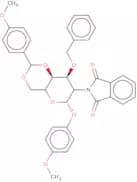
CAS:<p>Magnesium L-lactate is a form of magnesium that is found in the human body, and it is often used to treat women with depressive disorders. This drug works by reducing the synthesis of cholesterol and increasing the level of serotonin in the brain. Magnesium L-lactate is not readily absorbed by the body, so it has low bioavailability. It also has an adverse effect on heart rate and cardiac rhythm, so people who have these conditions should avoid using this drug. The particle size of this drug is high, which can lead to low bioavailability.</p>Formula:C6H10MgO6Purity:Min. 95%Molecular weight:202.45 g/mol4-Methoxyphenyl 2-deoxy-4,6-O-(4-methoxybenzylidene)-2-phthalimido-β-D-glucopyranoside
<p>4-Methoxyphenyl 2-deoxy-4,6-O-(4-methoxybenzylidene)-2-phthalimido-b-D-glucopyranoside is a complex carbohydrate that has been modified with methylation and glycosylation. This product can be used for custom synthesis and is a high purity product. It is soluble in water. The CAS number for this compound is 57810-97-0. The molecular weight of this product is 576. The chemical formula for this compound is C24H28N2O8F3O7, which corresponds to an empirical formula of C24H28N2O8F3O7.</p>Formula:C29H27NO9Purity:Min. 95%Molecular weight:533.53 g/mol1,3,5-Tri-O-benzoyl-2-O-methyl-D-ribofuranose
CAS:<p>1,3,5-Tri-O-benzoyl-2-O-methyl-D-ribofuranose is a modified sugar with three benzoyl groups. It has a molecular weight of 498.18 g/mol and the chemical formula C32H32F6N8O8. The compound is synthesized by the condensation of 2,3,4,5-tetraacetylpyridine with 2,3,4,5-tetraacetylthiophene in the presence of potassium fluoride and sodium hydroxide in aqueous methanol at room temperature. This product is used to study glycosylation reactions and to modify oligosaccharides for research purposes. 1,3,5-Tri-O-benzoyl-2-O-methyl--D--ribofuranose is soluble in water and ethanol but insoluble in ether or chloroform.This product has</p>Formula:C27H24O8Purity:Min. 85 Area-%Color and Shape:White PowderMolecular weight:476.47 g/mol1,2,3,4,6-Penta-O-benzoyl-D-mannopyranose
CAS:<p>1,2,3,4,6-Penta-O-benzoyl-D-mannopyranose is a high purity sugar that is custom synthesized to be used in glycosylation reactions. It has been shown to be effective for Click chemistry and can be fluorinated or methylated. 1,2,3,4,6-Penta-O-benzoyl-D-mannopyranose is a synthetic sugar that can be modified by glycosylation reactions. This sugar has the CAS No. 96996-90-6 and is known as Methyl 1-(1'-methylpropyl)-1H-[1',2',3',4',5',6']pentaoxacyclohexane.</p>Formula:C41H32O11Purity:Min. 95%Color and Shape:White PowderMolecular weight:700.69 g/mol2,3,4,6-Tetra-O-benzyl-D-galactopyranose
CAS:<p>2,3,4,6-Tetra-O-benzyl-D-galactopyranose is a building block which can be used as both a galactosyl donor and acceptor in the synthesis of saccharides. The benzyl protecting groups can be readily and selectively cleaved but are stable to a variety of reaction conditions allowing chemical manipulations to be carried out on the rest of the saccharide. 2,3,4,6-Tetra-O-benzyl-D-galactopyranose has been used in the synthesis of potential cholera toxin inhibitors, analogues of α-galactosyl ceramide (iNKT agonist) and more recently in the synthesis of Scleropentaside A.</p>Formula:C34H36O6Purity:Min. 98 Area-%Color and Shape:White PowderMolecular weight:540.65 g/mol4-Methoxyphenyl 2,3:4,6-di-O-benzylidene-β-D-mannopyranoside
<p>The product is a Modification, Oligosaccharide, Carbohydrate, complex carbohydrate. It is Custom synthesis, Synthetic, High purity, CAS No., Monosaccharide, Methylation, Glycosylation, Polysaccharide. The product has Fluorination and saccharide.</p>Purity:Min. 95%2,3,4,6-Tetra-O-acetyl-a-D-galactopyranosyl bromide - 2% CaCO3
CAS:<p>Donor for Koenigs-Knorr type galactosylation and other anomeric substitutions</p>Formula:C14H19BrO9Purity:One SpotColor and Shape:PowderMolecular weight:411.2 g/molE-Retinyl b-glucuronide
CAS:<p>E-Retinyl b-glucuronide is a metabolite of vitamin A that is formed in the liver by glucuronidation of retinol. It has been shown to have immunomodulatory effects and can be used to activate various immune cells, such as T lymphocytes, monocytes, and natural killer cells. E-Retinyl b-glucuronide binds to cell surface antigens and induces the expression of surface markers on mononuclear cells. In vitro studies have shown that this metabolite has growth-promoting activity for certain types of cancerous cells including colon carcinoma, breast carcinoma, and thyroid carcinoma. E-Retinyl b-glucuronide is also known to inhibit the binding of 13-cis retinoic acid to its receptor, thereby preventing the activation of genes in target tissues.</p>Formula:C26H38O7Purity:Min. 95%Molecular weight:462.58 g/mol4-Methylphenyl 3-O-[(4-methoxyphenyl)methyl]-4,6-O-[(R)-phenylmethylene]-1-thio-α-D-mannopyranoside
CAS:<p>4-Methylphenyl 3-O-[(4-methoxyphenyl)methyl]-4,6-O-[(R)-phenylmethylene]-1-thio-α-D-mannopyranoside is a synthetic glycosaminoglycan. It is a complex carbohydrate that contains a saccharide and an oligosaccharide bound to each other by an aminosugar link. 4-Methylphenyl 3-O-[(4-methoxyphenyl)methyl]-4,6-O-[(R)-phenylmethylene]-1-thio-α-D mannopyranoside has been synthesized with the use of Click chemistry and fluorination. The CAS number for this compound is 1071226–24–8. This compound was custom synthesized in high purity.</p>Formula:C28H30O6SPurity:Min. 95%Molecular weight:494.6 g/mol2-(3,4-Dihydroxyphenyl)ethyl b-D-glucopyranoside
CAS:<p>2-(3,4-Dihydroxyphenyl)ethyl b-D-glucopyranoside (2,3,4-DHPEB) is a naturally occurring phenolic acid. It has been shown to have antidepressant activity in mice and rats. 2,3,4-DHPEB inhibits the growth of Streptococcus faecalis by inhibiting fatty acid biosynthesis. This compound also has anti-inflammatory properties that may be due to its ability to inhibit prostaglandin synthesis. 2,3,4-DHPEB is a ligand for PPAR receptors and activates their transcriptional activity in cells. It has been shown to have chemopreventive effects against colon cancer cell lines and is able to induce apoptosis in tumor cells.</p>Formula:C14H20O8Purity:Min. 95%Color and Shape:PowderMolecular weight:316.3 g/molCalcium lactate gluconate
CAS:<p>Calcium lactate gluconate is an antacid and a calcium supplement. It is a salt of calcium with lactic acid, which is often used to treat or prevent kidney stones and periodontal disease. Calcium lactate gluconate also helps to form new bone by stimulating osteoblasts, the cells responsible for bone formation. This drug can be used therapeutically to increase bone growth in people with osteoporosis or to repair bones after injury. It also helps heal fractures, relieves pain from arthritis, and treats cancer by preventing cell proliferation. Calcium lactate gluconate is a white powder that dissolves in water and can be mixed with other liquids such as fruit juice or milk.</p>Formula:(C3H5O3)2Ca•(C6H11O7)2CaPurity:Min. 95%Color and Shape:PowderMolecular weight:648.59 g/mol1,2,3,4-Tetra-O-benzyl-α-D-mannopyranoside
CAS:<p>1,2,3,4-Tetra-O-benzyl-a-D-mannopyranoside is an active drug that belongs to the group of thyromimetics. It is a prodrug that is hydrolyzed in vivo to 1,2,3,4-tetra-O-acetyl-a-D-mannopyranose. This drug has been shown to be effective in treating nervous system diseases such as sclerosis and endogenous disease. The acetylation of the benzyl group on this molecule prevents it from being metabolized by enzymes that are found in the liver. The unmodified form of this drug is rapidly absorbed into the blood and reaches high concentrations quickly.</p>Formula:C34H36O6Purity:Min. 95%Color and Shape:Clear LiquidMolecular weight:540.65 g/molKifunensine
CAS:<p>Kifunensine is a potent and specific inhibitor of plant and animal α-mannosidase I with IC50 in nanomolar range. It inhibits the enzyme isoforms in Golgi apparatus (GMI) and endoplasmatic reticulum (ERMI). The compound prevents mannose trimming on glycoproteins and shifts the glycoform content from complex to oligomannose type. It's used for the production of recombinant therapeutic glycoproteins with mannose rich N-linked glycans.</p>Formula:C8H12N2O6Purity:Min. 99 Area-%Color and Shape:PowderMolecular weight:232.19 g/mol1,2:5,6-Di-O-isopropylidene-a-D-ribo-hexofuranose-3-ulose monohydrate
CAS:<p>1,2:5,6-Di-O-isopropylidene-a-D-ribo-hexofuranose-3-ulose monohydrate is a fluorinated carbohydrate that has been synthesized in our lab. It is a complex carbohydrate and can be used as a building block for glycosylation. The synthesis of this compound is done through the use of click chemistry to modify the sugar. We have high purity levels for this compound and can provide custom synthesis services for your needs.</p>Formula:C12H20O7·H2OPurity:Min. 95%Color and Shape:White PowderMolecular weight:294.3 g/mol2-Acetamido-3,4,6-tri-O-acetyl-2-deoxy-D-glucopyranose
CAS:<p>2-Acétamido-3,4,6-tri-O-acetyl-2-deoxy-D-glucopyranose is a cytotoxic glycoside that can be used as an intermediate in the synthesis of saponins. It has been shown to yield high yields of trifluoromethanesulfonate (TFM) when reacted with glycosyl acceptors such as albizia bark extract. The TFM may then be used for the synthesis of nitromethane and alcohols. This compound also reacts with oleanolic acid to form an anomeric mixture that can be used to yield 2,3,4,6 tetraacetylated 2 deoxyglucose.</p>Formula:C14H21NO9Purity:Min. 95%Color and Shape:PowderMolecular weight:347.32 g/mol1,3,4,6-Tetra-O-acetyl-2-azido-2-deoxy-D-glucopyranose
CAS:<p>1,3,4,6-Tetra-O-acetyl-2-azido-2-deoxy-D-glucopyranose is a small molecule that binds to the D1 protein of the glycolytic enzyme phosphofructokinase and inhibits enzymatic activity. This inhibitor is used in diagnostic procedures to identify mutations in the gene encoding for this protein, which is associated with familial and sporadic aneurysms. The inhibitor is also used to study the pathogenic mechanism of aneurysms. 1,3,4,6-Tetra-O-acetyl-2-azido-2-deoxy--D--glucopyranose has been shown to inhibit cell nuclei polymerase in vitro and prevents cell division in vivo.</p>Formula:C14H19N3O9Purity:Min. 95 Area-%Color and Shape:White PowderMolecular weight:373.32 g/molL-Mannose
CAS:<p>To assess substrate specificity of galactokinase from S. pneumoniae</p>Formula:C6H12O6Purity:Min. 98 Area-%Color and Shape:White PowderMolecular weight:180.16 g/molL-Lyxono-1,4-lactone
CAS:<p>L-Lyxono-1,4-lactone is a dehydrogenase that synthesizes hydroxamic acids from aldonic acids. Hydroxamic acids are used as herbicides and insecticides. L-Lyxono-1,4-lactone has been shown to be active against ochrobactrum and branched-chain bacteria. The enzyme catalyzes the cleavage of an aldonic acid to form an alcohol and an alpha,beta unsaturated ketone. This reaction is stereoselective, with the product being the same chiral center in both cases. The enzyme also shows chemometric properties by being able to measure salinity levels in water samples.</p>Formula:C5H8O5Purity:Min. 95%Color and Shape:PowderMolecular weight:148.11 g/molSophoricoside
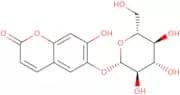
CAS:<p>Sophoricoside is a natural compound present in the fructus of Sophora flavescens and is used as an anti-diabetic medicine. It has been shown to have genotoxic effects, which may be due to its ability to induce reactive oxygen species (ROS) and DNA damage. Sophoricoside also has a matrix effect on radiation. This effect has been shown in rat cardiac cells and human serum. Sophoricoside also exhibits hepatoprotective properties by reducing hepatic steatosis, which may be due to its ability to inhibit lipogenesis and stimulate fat oxidation. In addition, sophoricoside has been shown to have anti-inflammatory activities.</p>Formula:C21H20O10Purity:Min. 95%Color and Shape:PowderMolecular weight:432.38 g/mol1,3,5-Tri-O-benzoyl-2-O-(1H-imidazole-1-sulfonate)-a-D-ribofuranose
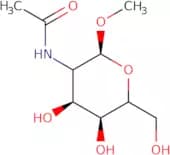
CAS:<p>1,3,5-Tri-O-benzoyl-2-O-(1H-imidazole-1-sulfonate)-a-D-ribofuranose (TBIR) is a fatty acid that is synthesized by the condensation of 1,3,5-triacetylbenzene with 2,4,6,-trichlorobenzoyl chloride in the presence of triethylamine and sodium methoxide. TBIR has been shown to be suitable for fabricating polyesters and polyamides. TBIR also has the ability to modify membranes. This modification occurs when TBIR reacts with phospholipids in the membrane bilayer by inserting itself into the membrane bilayer. The mesoporous nature of TBIR allows for diffusional transport through its pores as well as an increased surface area for reactions. It also has a large diameter and branched chains that make it suitable for</p>Formula:C29H24N2O10SPurity:Min. 95%Color and Shape:White PowderMolecular weight:592.57 g/molMethyl 2-acetamido-2-deoxy-β-D-galactopyranoside
CAS:<p>Methyl 2-acetamido-2-deoxy-β-D-galactopyranoside is an acetamido derivative of the sugar galactose. It is a white powder that is soluble in water and sparingly soluble in methanol. Methyl 2-acetamido-2-deoxy-β-D-galactopyranoside is used as a substituent for the synthesis of other compounds.</p>Formula:C9H17NO6Purity:Min. 95%Color and Shape:White PowderMolecular weight:235.24 g/molMethyl 2,3,5-tri-O-benzoyl-α-D-arabinofuranoside
CAS:<p>Methyl 2,3,5-tri-O-benzoyl-α-D-arabinofuranoside is an antiperspirant that prevents the formation of sweat. It is a mixture of two active ingredients: methyl 2,3,5-tri-O-benzoyl-α-D-arabinofuranoside and zinc oxide. The former inhibits the formation of sweat by binding to the protein in eccrine glands and preventing it from absorbing chloride ions. Zinc oxide reduces body odor by binding to sulfur compounds that are secreted by bacteria on skin surfaces. Methyl 2,3,5-triO-benzoyl arabinofuranoside and zinc oxide are used as a combination for their complementary effects.</p>Formula:C27H24O8Purity:Min. 95%Color and Shape:PowderMolecular weight:476.47 g/mol2-Keto-D-gluconic acid hemicalcium monohydrate
CAS:<p>Enhances dissolution of soil minerals; intermediate in L-ascorbic acid syntheses</p>Formula:C6H9O7•(Ca)•H2OPurity:Min. 99 Area-%Color and Shape:White PowderMolecular weight:231.19 g/mol2,3,4-Tri-O-acetyl-a-L-fucopyranosyl bromide
CAS:<p>2,3,4-Tri-O-acetyl-a-L-fucopyranosyl bromide is a modification of the carbohydrate 2,3,4-tri-O-acetyl-a-L-fucopyranose. This compound is a complex carbohydrate that has been custom synthesized for use in glycosylation reactions. The compound is an oligosaccharide with 1 alpha and 3 beta linkage sites. It is a high purity product that can be used to synthesize monosaccharides, methylated sugars, and glycosylations. 2,3,4 Tri-O-acetyl-a-L Fucopyranosyl Bromide has also been fluorinated to produce fluoro derivatives.</p>Formula:C12H17BrO7Color and Shape:PowderMolecular weight:353.16 g/molMethyl-β-D-thiogalactopyranoside
CAS:<p>Methyl-beta-D-thiogalactopyranoside is a monosaccharide that is a member of the galactose family. It can be found in some foods, such as dairy products or soybean milk. Methyl-beta-D-thiogalactopyranoside has been shown to promote lactose transport in cells. This compound is also used as a diagnostic marker for certain types of cancers and can be used to study sugar transport in cells. Methyl-beta-D-thiogalactopyranoside has been shown to inhibit the enzyme activity of phosphatases and may be used for research purposes as a control for other experiments.</p>Formula:C7H14O5SPurity:Min. 98.0 Area-%Molecular weight:210.25 g/molArabinonic acid potassium salt
CAS:<p>Arabinonic acid potassium salt is a fluorinated monosaccharide that is used as a building block for the synthesis of oligosaccharides and polysaccharides. Arabinonic acid potassium salt is chemically synthesized by the glycosylation of 2-deoxy-D-ribose with arabinonitrile followed by hydrolysis to form arabinonic acid. This chemical can also be modified with methyl groups, nitro groups, or other functional groups. It has CAS number 36232-89-0 and molecular weight of 176.17 g/mol. Arabinonic acid potassium salt is a high purity product with 98% minimum purity and no detectable impurities.</p>Formula:C5H9KO6Purity:Min. 95%Color and Shape:PowderMolecular weight:204.22 g/molMethyl-2,3,4-tri-O-benzoyl-6-bromo-6-deoxy-α-D-glucopyranoside
CAS:<p>Methyl-2,3,4-tri-O-benzoyl-6-bromo-6-deoxy-alpha-D-glucopyranoside is a sugar that belongs to the group of monosaccharides. It is a custom synthesis product that can be synthesized and modified according to customer's requirements. Methylation, fluorination and saccharide modification are possible and highly pure methylated products can be produced with high purity.</p>Formula:C28H25BrO8Purity:Min. 95%Molecular weight:569.4 g/mol2,3,4,6-Tetra-O-acetyl-b-D-glucopyranosyl amine
CAS:<p>2,3,4,6-Tetra-O-acetyl-b-D-glucopyranosyl amine is an artificial carbohydrate with a fluorinated sugar. It is synthesized by reacting 2,3,4,6-tetra-O-acetyl-b-D-glucopyranosyl chloride with ammonia and methyl iodide. The compound can be used to modify the sugar residues of glycosides or polysaccharides. It has been shown to have high purity and can be used in the synthesis of complex carbohydrates.</p>Formula:C14H21NO9Purity:Min. 98 Area-%Color and Shape:White PowderMolecular weight:347.32 g/molZomepirac-acyl-b-D-glucuronide
CAS:<p>Zomepirac-acyl-b-D-glucuronide is a metabolite of the nonsteroidal anti-inflammatory drug zomepirac. It binds to plasma proteins, which may affect its pharmacokinetics. Zomepirac-acyl-b-D-glucuronide is excreted in the urine and may be bound to fatty acids. The drug has been shown to form covalent adducts with lysine residues in humans, which may result in potential interactions with other drugs or increased toxicity. The drug has been studied in clinical pharmacology studies that show no significant adverse effects in humans. This metabolite has also been shown to have fatty acid binding properties, which may affect its pharmacokinetics and metabolism.</p>Formula:C21H22ClNO9Purity:Min. 95%Color and Shape:PowderMolecular weight:467.85 g/molBlue dextran (MW 2000000) - from Leuconostoc spp
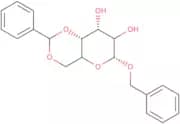
CAS:<p>Blue dextran is a high molecular weight (MW 2000000) polymer that has been used as a model compound in experimental studies of transport and control. It is an oxidant, which can be used to make hydroquinone in the presence of other chemicals. Blue dextran has also been used to study the environment, for mathematical modeling and chromatographic experiments. This polymer has been shown to have antimicrobial activity against some microorganisms. Experiments with blue dextran have shown that it can inhibit the growth of Lactobacillus acidophilus and other bacteria.</p>Color and Shape:PowderBenzyl 3,4-O-(2',3'-dimethoxybutane-2',3'-diyl)-a-D-mannopyanoside
CAS:<p>Benzyl 3,4-O-(2',3'-dimethoxybutane-2',3'-diyl)-a-D-mannopyanoside is a modification of an oligosaccharide. It is a complex carbohydrate that has been synthesized from a monosaccharide and methylated on the 3' hydroxyl group. This product is available as a custom synthesis and is offered in high purity. The CAS number for this compound is 1423035-45-3.<br>br><br>Benzyl 3,4-O-(2',3'-dimethoxybutane-2',3'-diyl)-a-D-mannopyanoside can be used as a sugar or fluorinated saccharide in glycosylation reactions with other molecules. It can also be used to produce polysaccharides by glycosylation with other molecules such as glucose, mannose, or sucrose.</p>Formula:C19H28O8Purity:Min. 95%Molecular weight:384.42 g/molEthyl 2-acetamido-2-deoxy-β-D-glucopyranoside
CAS:<p>Ethyl 2-acetamido-2-deoxy-β-D-glucopyranoside is an anomeric sugar that contains a substituent at C4. It is used in the synthesis of oxazolidinones and thiazolidinones.</p>Formula:C10H19NO6Purity:Min. 98 Area-%Color and Shape:PowderMolecular weight:249.26 g/molPropyl 2-acetamido-2-deoxy-β-D-glucopyranoside
CAS:<p>Propyl 2-acetamido-2-deoxy-b-D-glucopyranoside is a synthetic monosaccharide that has been fluorinated and methylated. It is a custom synthesis and can be modified to suit your needs. This compound has been glycosylated and click modified. The purity of this product is high and it's molecular weight is 798 Da.</p>Formula:C11H21NO6Purity:Min. 95%Color and Shape:White to off-white solid.Molecular weight:263.3 g/mol2,3-O-Isopropylidene-1-O-methyl-D-ribosic acid
CAS:<p>2,3-O-Isopropylidene-1-O-methyl-D-ribosic acid is a synthetic glycosylate that can be used to modify saccharides and oligosaccharides. It is a methylated form of ribose and has been shown to inhibit the glycosylation reactions of glycogen. 2,3-O-Isopropylidene-1-O-methyl-D-ribosic acid is also known to react with fluorine in order to produce a variety of fluorinated carbohydrates. This product has high purity and can be used for custom synthesis of carbohydrates. The CAS number for this product is 54622-95-6.</p>Formula:C9H14O6Purity:Min. 95%Color and Shape:PowderMolecular weight:218.2 g/mol1L-Epi-2-inosose
CAS:<p>1-L-Epi-2-inosose is a natural compound that has been found to have broad-spectrum antimicrobial activity. This substance is a product of the hemocyte's enzymatic conversion of L-epinephrine into 1,2,3,4,5,6-hexahydroxyisoquinoline (1L-Epi). 1L-Epi is also synthesized in vitro from epinephrine by the enzyme dehydrogenase. In addition to its antimicrobial activity, 1L-Epi has been shown to be a potent proliferation inhibitor for human cells and to be effective against gram negative bacteria.</p>Formula:C6H10O6Purity:Min. 95%Color and Shape:PowderMolecular weight:178.14 g/mol2,3,4-Tri-O-benzyl-L-rhamnopyranose
CAS:<p>2,3,4-Tri-O-benzyl-L-rhamnopyranose is a chemical compound that belongs to the family of carbohydrates known as rhamnopyranoses. It is a derivative of L-rhamnose, which is a naturally occurring aldohexose sugar. The compound is often used as a glycosyl donor in the synthesis of oligosaccharides and glycoconjugates. The three benzyl groups in the molecule provide protection for the hydroxyl groups, allowing for selective deprotection and glycosylation. 2,3,4-Tri-O-benzyl-L-rhamnopyranose is also used as a precursor in the synthesis of various natural products.</p>Formula:C27H30O5Purity:Min. 95%Color and Shape:PowderMolecular weight:434.52 g/molMethyl 2,3,4-tri-O-acetyl-b-D-glucopyranuronosyl azide
CAS:<p>Methyl 2,3,4-tri-O-acetyl-b-D-glucopyranuronosyl azide is a fluorinated carbohydrate. It is a monosaccharide and an oligosaccharide that is synthesized from a synthetic glycosylation reaction. This product can be used in the production of polysaccharides or as a click modification to modify the sugar moiety of other molecules. Methyl 2,3,4-tri-O-acetyl-b-D-glucopyranuronosyl azide has CAS No. 67776-38-9 and is available in high purity.</p>Formula:C13H17N3O9Purity:(%) Min. 98%Color and Shape:White PowderMolecular weight:359.29 g/mol2,3,4,6-Tetra-O-acetyl-a-D-mannopyranosyl fluoride
CAS:<p>This product is a fluorinated glycosylation compound that has been synthesized using click chemistry. It is a high-purity, custom synthesis with a purity of >99%. The molecular weight is 477.7 with a monoisotopic mass of 477.2. This compound is an oligosaccharide, monosaccharide, saccharide, and carbohydrate complex carbohydrate that has been modified for methylation and glycosylation.</p>Formula:C14H19FO9Purity:Min. 95%Color and Shape:PowderMolecular weight:350.29 g/mol3-Acetamido-1-benzylazetidine-2R,4S-diyl bis(methylene) diacetate
CAS:<p>This product is a custom synthesis. The chemical formula for this product is C8H11N2O4. This product has the molecular weight of 272.24 g/mol and the molecular formula is C8H11N2O4. This product is synthesized from 3-acetamido-1-benzylazetidine-2R,4S-diyl bis(methylene) diacetate monohydrate. It can be fluorinated, glycosylated, methylated, modified and oligosaccharide or monosaccharide saccharides. This product can be used in various fields such as pharmaceuticals, agrochemicals, food additives, cosmetics and so on.</p>Formula:C18H24N2O5Purity:Min. 95%Molecular weight:348.39 g/molN-(e-Aminocaproyl)-b-L-fucopyranosyl amine
CAS:<p>This compound is a fluorination reagent that is used in carbohydrate synthesis. It can be used to modify complex carbohydrates, such as polysaccharides and oligosaccharides, by attaching a single fluorine atom at the C-2 position of an aminocaproyl moiety. This product can also be used to attach glycosylation sites and methyl groups. The purity of this product is greater than 99%.</p>Formula:C12H24N2O5Purity:Min. 95 Area-%Color and Shape:White PowderMolecular weight:276.33 g/molMethyl β-D-arabinopyranoside
CAS:<p>Methyl b-D-arabinopyranoside is a fluorine containing molecule that has been shown to be an excellent marker for suberin. It is insoluble in water, and can be detected by resonator diffraction. The chemical composition of methyl b-D-arabinopyranoside was determined using liquid crystal composition and plates. A polymer particle with a macroscopic size was used to determine the fluorescence of methyl b-D-arabinopyranoside. Fluorescence analysis showed that methyl b-D-arabinopyranoside is a green fluorescent material with a maximum emission wavelength of 514 nm. Hydroalcoholic extraction was used to isolate this compound from the plant Ricinus communis L., where it was found in constant proportions.</p>Formula:C6H12O5Purity:Min. 95%Color and Shape:PowderMolecular weight:164.16 g/molSalicylic acid D-glucuronide
CAS:<p>Salicylic acid D-glucuronide is the major metabolite of aspirin, which is formed by hydrolysis of acetylsalicylic acid. It has been demonstrated to have anti-inflammatory and analgesic effects. Salicylic acid D-glucuronide is excreted in urine and can be detected in human serum. The formation rate of this metabolite varies with the individual's age, sex, and kidney function.<br>Salicylic acid D-glucuronide can be formed in vitro using hydrochloric acid and acetylsalicylic acid as substrates. This reaction is catalyzed by the enzyme uridine diphosphate glucuronyltransferase (UGT). Salicylic acid D-glucuronide has been shown to form covalent adducts with hydroxyl groups from other molecules in vivo and in vitro, including proteins (e.g., albumin) and DNA bases (e.g.,</p>Formula:C13H14O9Purity:Min. 95%Color and Shape:PowderMolecular weight:314.24 g/mol1,2:3,5-Di-O-Isopropylidene-α-L-xylofuranose
CAS:<p>1,2:3,5-Di-O-Isopropylidene-a-L-xylofuranose is a fluorinated sugar that is used as a building block in the synthesis of complex carbohydrates and oligosaccharides. It has a CAS number of 131156-47-3. 1,2:3,5-Di-O-Isopropylidene-a-L-xylofuranose is an active component in the modification of saccharide and polysaccharide structures by click chemistry. It can be modified with various functional groups such as methylation or monosaccharide to produce specific compounds. This product is available for custom synthesis.</p>Formula:C11H18O5Purity:Min. 95%Color and Shape:PowderMolecular weight:230.26 g/molZiyuglycoside II
CAS:<p>Ziyuglycoside II is a steroidal alkaloid that has been shown to have anti-angiogenic properties. It is a natural compound extracted from the Chinese herb ziyuglycoside. This compound has been shown to inhibit the activation of toll-like receptor 4, which plays an important role in inflammation and immunity. Ziyuglycoside II also inhibits the production of reactive oxygen species and autophagy, leading to cell death by apoptosis. This compound has been shown to be effective against bowel disease and epithelial mesenchymal transition (EMT). Ziyuglycoside II has also been shown to have matrix effects on the cells Hl-60, which are related to tumor metastasis.</p>Formula:C35H56O8Purity:Min. 95%Color and Shape:White To Off-White SolidMolecular weight:604.81 g/mol6-O-Benzyl-D-mannose
<p>6-O-Benzyl-D-mannose is a methylated monosaccharide. It is an important intermediate in the synthesis of oligosaccharides and polysaccharides. 6-O-Benzyl-D-mannose can be used for modification of saccharides, carbohydrates and sugars. This product has high purity and a custom synthesis.</p>Formula:C13H18O6Purity:Min. 95%Molecular weight:270.28 g/mol3,4-Di-O-acetyl-L-arabinal
CAS:<p>3,4-Di-O-acetyl-L-arabinal is a synthetic compound that belongs to the class of monofluorides. It has been synthesized from l-arabinose by a stereoselective process, with triflic acid as the catalyst and propargylation as the key step. The synthetic pathway starts from an acid hydrolysis of L-arabinose to yield 3,4-di-O-acetyl-L-arabinonic acid. This acid is then converted to 3,4 diacetyl L arabinonic acid with acetic anhydride and acetic acid in the presence of triethylamine. The final product is then obtained by reacting this intermediate with 1 equivalent of sodium fluoride in tetrahydrofuran (THF) using catalytic reduction with sodium borohydride at 0 °C. The major advantage of this synthetic process is that it provides two stereoisomers: (</p>Formula:C9H12O5Purity:Min. 95%Color and Shape:Yellow Clear LiquidMolecular weight:200.19 g/mol2,3,4,6-Tetra-O-acetyl-b-D-galactopyranosyl cyanide
CAS:<p>2,3,4,6-Tetra-O-acetyl-b-D-galactopyranosyl cyanide is a carbohydrate that is used in the synthesis of conjugates for use as immunogens. It has been modified to create a high purity product. Click chemistry is used to attach a fluorine atom to the sugar. The glycosylation reaction with the monosaccharides and disaccharides is then performed followed by methylation of the saccharide with methanol to produce 2,3,4,6-Tetra-O-acetyl-b-D-galactopyranosyl cyanide.</p>Formula:C15H19NO9Purity:Min. 95 Area-%Color and Shape:White Off-White PowderMolecular weight:357.31 g/mol1,2,3,4,6-Penta-O-acetyl-a-D-mannopyranose
CAS:<p>1,2,3,4,6-Penta-O-acetyl-α-D-mannopyranose is an acetylated sugar which is used as an intermediate in the mannosylation of glycoproteins or glycoconjugates. It can be used in the production of mannosylated glycoconjugate vaccines or lipid nanoparticles (LNPs) which have been investigated for improving antigen up-take mediated, via the mannose receptor (MR) of human antigen presenting cells (APCs). 1,2,3,4,6-Penta-O-acetyl-a-D-mannopyranose, also known as α-D-Mannose pentaacetate, has also been used in the study of isolated rat pancreatic islets where it stimulates insulin release.</p>Formula:C16H22O11Purity:Min. 98 Area-%Color and Shape:White Off-White PowderMolecular weight:390.34 g/mol6-Deoxy-L-talose
CAS:<p>6-Deoxy-L-talose is a sugar that is found in the cell walls of bacteria. It is a component of glycan, which are long chains of sugar molecules linked together. Glycans are important for the structural integrity and function of bacterial cell walls. 6-Deoxy-L-talose is a monosaccharide that has been detected in the type strain of Bacillus subtilis and in wild-type strains of Pseudomonas aeruginosa. This sugar can be chemically analyzed using gas chromatography and mass spectrometry to determine its structure and chemical composition. 6-Deoxy-L-talose can be used to detect specific monoclonal antibodies against it, which could be useful for detecting bacterial infections or determining how antibiotics affect bacteria.</p>Formula:C6H12O5Purity:Min. 98 Area-%Color and Shape:White PowderMolecular weight:164.16 g/mol2,3:4,5-Di-O-isopropylidene-D-arabitol
CAS:<p>2,3:4,5-Di-O-isopropylidene-D-arabitol is a synthetic sugar that is used for glycosylation, methylation, and fluorination. The compound is an oligosaccharide that has been modified with methyl groups and activated monosaccharides. 2,3:4,5-Di-O-isopropylidene-D-arabitol is white in color and has a melting point of 109°C. It can be synthesized from D-mannitol with the help of sodium methoxide in methanol.<br>2,3:4,5-Di-O-isopropylidene-D-arabitol is also known as 1-(2,3:4,5) triose; 1-(2,3:4)-diose; 1-(2,3:4)-triose; 1-(2,3:4)-</p>Formula:C11H20O5Purity:Min. 95%Color and Shape:Colorless PowderMolecular weight:232.27 g/mol1,3,5-Tri-O-benzoyl-2-deoxy-2-fluoro-a-D-arabinofuranose
CAS:<p>Resource for the synthesis of Clofarabine and other bioactive arabinosides</p>Formula:C26H21FO7Purity:Min. 98 Area-%Color and Shape:White Off-White PowderMolecular weight:464.44 g/molPhenyl 2-acetamido-3,4,6-tri-O-acetyl-2-deoxy-α-D-galactopyranoside
CAS:<p>Phenyl 2-acetamido-3,4,6-tri-O-acetyl-2-deoxy-a-D-galactopyranoside is a sugar that is used in the synthesis of oligosaccharides and polysaccharides. This compound has an acetamido group on the phenyl ring, which reacts with the aldehyde group of galactose to form an ether bond. The glycosylation reaction can be carried out using either an acid or base catalyst. Acetal formation is also possible when this compound reacts with alcohols. Phenyl 2-acetamido-3,4,6-tri-O-acetyl-2-deoxygalactopyranoside is soluble in water and other polar solvents. It has a CAS number of 130894350 and can be found under the name Oligosaccharide, Monosaccharide, saccharide, Carbohydrate</p>Formula:C20H25NO9Purity:Min. 95%Color and Shape:White to off-white solid.Molecular weight:423.41 g/mol4-O-Benzyl-L-rhamnal
CAS:<p>4-O-Benzyl-L-rhamnal is a functionalized, asymmetric, glycosylating agent that is used in the synthesis of glycoconjugates. 4-O-Benzyl-L-rhamnal is synthesized by the reaction of benzaldehyde with an aldehyde group on the sugar molecule. The product is then reacted with an alcohol to form a glycosidic bond. This process can be repeated until the desired number of sugar molecules are added. It can also be used to synthesize disaccharides and polysaccharides by convergent or nucleophile reactivity. 4-O-Benzyl-L-rhamnal utilizes a chiral auxiliary to produce its product, which can be used for synthesis purposes or as a starting material for other reactions.</p>Formula:C13H16O3Purity:Min. 95%Color and Shape:PowderMolecular weight:220.27 g/molD-Ribose-1-phosphate bis(cyclohexylammonium)
CAS:<p>D-Ribose-1-phosphate bis(cyclohexylammonium) salt is a custom synthesis of D-ribose. It is a monosaccharide that has been fluorinated, methylated, and glycosylated. The chemical modification of the sugar allows for it to have properties such as high purity and custom synthesis. This product can be used in a number of applications including complex carbohydrate, glycosylation, Methylation, and click modification.</p>Formula:C5H11O8P•(C6H13N)2Purity:Min. 97 Area-%Color and Shape:PowderMolecular weight:428.46 g/molD-ido-Heptono-1,4-lactone
<p>D-ido-Heptono-1,4-lactone is a glycosylation product of heptose with d-ido-D-glucofuranose and is a synthetic sugar. It has an Oligosaccharide, sugar, Synthetic, Fluorination, Custom synthesis, Methylation, Monosaccharide, Polysaccharide, saccharide Click modification. It has CAS No., Modification.</p>Purity:Min. 95%6-Deoxy-D-lactose
CAS:<p>6-Deoxy-D-lactose is a custom synthesized, complex carbohydrate that is an Oligosaccharide. It is a polysaccharide with a CAS number of 52689-62-0. 6-Deoxy-D-lactose has been modified by methylation and glycosylation and can be used as a Modification of saccharides. 6-Deoxy-D-lactose has been fluorinated and it can be synthesized by Click modification of sugar or high purity. 6-Deoxy-D-lactose is a white, crystalline powder that is soluble in water, ethanol, and acetone.br><br>6 Deoxy Lactose (6DL) is an oligosaccharide that consists of one glucose molecule linked to one galactose molecule via alpha 1-->4 glycosidic linkage. The chemical formula for 6DL is C 12 H 22 O 11 . 6DL</p>Formula:C12H22O10Purity:Min. 95%Color and Shape:Off-White PowderMolecular weight:326.3 g/molLosartan N2-glucuronide
CAS:<p>Losartan N2-glucuronide is a custom synthesis that has been modified by fluorination, methylation, and monosaccharide modification. It is synthesized with click chemistry to create an oligosaccharide. This product is synthesized from saccharides (carbohydrates) and polysaccharides. Losartan glucuronide is a complex carbohydrate that has been glycosylated and sugar modified for high purity.</p>Formula:C28H31ClN6O7Purity:Min. 95%Color and Shape:White To Off-White SolidMolecular weight:599.03 g/mol1,2,3,4-Tetra-O-acetyl-6-S-acetyl-6-deoxy-6-thio-b-D-glucopyranose
<p>1,2,3,4-Tetra-O-acetyl-6-S-acetyl-6-deoxy-6-thio-b-D-glucopyranose is a synthetic compound that is used as a building block for the synthesis of other compounds. It is an acetylated oligosaccharide that can be modified with fluorine atoms to form 1,2,3,4-tetra-[F]fluoro-[F]deoxy-[F]thio-[F]hexose. This product has high purity and can be used in glycosylation reactions.</p>Formula:C16H22O10SPurity:Min. 95%Molecular weight:406.41 g/mol2-Acetamido-1,3,4,6-tetra-O-acetyl-2-deoxy-b-D-glucopyranose
CAS:<p>Promotes hyaluronic acid production; synthetic building block</p>Formula:C16H23NO10Purity:Min. 98 Area-%Color and Shape:PowderMolecular weight:389.36 g/molD-Glucosamine-6-phosphate sodium salt
CAS:<p>D-Glucosamine-6-phosphate sodium salt is a custom synthesis of an oligosaccharide, polysaccharide, and carbohydrate. The chemical modification of this compound includes methylation, glycosylation, and carbamylation. This product has high purity with a fluorination level of 98%.</p>Formula:C6H14NO8P·NaPurity:Min. 95%Color and Shape:White Yellow PowderMolecular weight:282.14 g/mol2,3,4,6-Tetra-O-pivaloyl-a-D-glucopyranosyl bromide
CAS:<p>Intermediate in the synthesis of dapagliflozin</p>Formula:C26H43BrO9Purity:Min. 95%Color and Shape:PowderMolecular weight:579.52 g/molN-Ethyldeoxynojirimycin hydrochloride
CAS:<p>N-Ethyldeoxynojirimycin hydrochloride is a mutant of the natural compound, deoxynojirimycin. The chemical structure of this compound is similar to that of the natural product and its molecular weight is 547.7 g/mol. N-Ethyldeoxynojirimycin hydrochloride has been shown to interact with the bacterial chaperone GroEL and enhance the activity of this protein. Further study has shown that this agent binds to GroEL in a manner that allows it to bind directly to ATPase domains I and II, leading to an increase in ATPase activity.</p>Formula:C8H17NO4·HClPurity:(%) Min. 95%Color and Shape:White Off-White PowderMolecular weight:227.69 g/molMethyl 2,3,4-tri-O-acetyl-b-D-galactopyranuronosyl azide
<p>This is a custom synthesis of a carbohydrate. It is a methylated, glycosylated, fluorinated, complex carbohydrate that can be synthesized to any desired degree of substitution. This product has been designed for use as a fluorescent tag or label in biochemistry and cell biology research. It is modified at the anomeric position with an acetyl group and an azide group. The acetyl group confers solubility in water, while the azide group confers fluorescence. The modifications also allow for click chemistry reactions, which are used in protein labeling and activation studies.</p>Formula:C13H17N3O9Purity:Min. 95%Color and Shape:PowderMolecular weight:359.29 g/molD-Tagatose
CAS:<p>Low-calorie sweetener; additive in detergents, cosmetics, and pharmaceuticals</p>Formula:C6H12O6Purity:Min. 99 Area-%Color and Shape:PowderMolecular weight:180.16 g/mol3,5-Di-O-benzoyl-2-deoxy-2,2-difluoro-1-O-methanesulfonyl-a-D-ribofuranoside - 75% α purity
CAS:<p>3,5-Di-O-benzoyl-2-deoxy-2,2-difluoro-1-O-methanesulfonyl-aDribofuranoside is a glycosylation agent that reacts with the reducing end of glycogen to form a glycosidic linkage. The compound is used in the synthesis of complex carbohydrates and saccharides. 3,5-Di-O-benzoyl-2,2,-difluoro 1,1'-O-(methanesulfonyl) aDribofuranoside is often methylated at the 3' position to obtain 3,5diOBenzoyl 2,2'-difluoro 1,1'-O-(methylsulfonyl)-aDribofuranoside. This compound can be used for click chemistry reactions and modification of polysaccharides. It has been shown to have antiinflammatory effects on</p>Formula:C20H18F2O8SPurity:Min. 95%Color and Shape:PowderMolecular weight:456.41 g/molN-Acetyl-a-D-glucosamine-1-phosphate disodium salt
CAS:<p>N-Acetyl-a-D-glucosamine-1-phosphate disodium salt (NACP) is a complex carbohydrate that is used as a synthetic sugar. It can be used to modify saccharide, glycosylations, or methylations. NACP has been shown to be stable at high temperatures and pressures. The compound has been fluorinated and click modified for the synthesis of other sugars. NACP has CAS No. 31281-59-1, which is the molecular formula of C8H14FO6Na2O11P2.</p>Formula:C8H14NO9P·2NaPurity:Min. 95 Area-%Color and Shape:White PowderMolecular weight:345.15 g/molCanagliflozin hemihydrate
CAS:<p>Canagliflozin is an oral diabetes drug that belongs to the class of sodium-glucose cotransporter 2 (SGLT2) inhibitors. It works by blocking reabsorption of glucose in the kidney, thereby lowering blood sugar levels. Canagliflozin has been shown to be a potent inhibitor of insulin resistance and has been used clinically in combination with metformin hydrochloride. The chemical stability of canagliflozin is dependent on its particle size, which can range from 10 micrometres to 100 micrometres. A number of analytical methods have been developed for canagliflozin, including high performance liquid chromatography with ultraviolet detection, gas chromatography with mass spectrometry detection, and dihedral angle analysis. Canagliflozin is an example of a polymorphic compound: it exists as two enantiomers due to chiral symmetry.</p>Formula:(C24H25FO5S)2•H2OPurity:Min. 95%Color and Shape:PowderMolecular weight:907.05 g/molMethyl β-D-ribopyranoside
CAS:<p>Methyl β-D-ribopyranoside is a sugar alcohol that belongs to the group of pentoses. It is a potential precursor for the synthesis of phosphite, which is a reactive anion used in organic chemistry. Methyl β-D-ribopyranoside has been shown to regulate the growth of bacteria and fungi by altering their metabolic pathways. This compound also has shown to be programmed death in certain bacterial strains, although it is not clear how it induces this programmed death. Methyl β-D-ribopyranoside can also affect the rhizosphere and can be used as a substrate for anions and sugar alcohols.</p>Formula:C6H12O5Purity:Min. 99 Area-%Color and Shape:White PowderMolecular weight:164.16 g/molL-[1-13C]Fucose
CAS:<p>L-[1-13C]Fucose is a custom synthesis. It is an oligosaccharide that consists of D-fucose, which is a sugar found in the cell wall of bacteria. L-[1-13C]Fucose has been used as a substrate for methylation reactions and click chemistry modifications to study the binding affinity of various proteins. This compound has also been used in saccharide modification studies and glycosylation reactions.</p>Formula:CC5H12O5Purity:Min. 95%Color and Shape:PowderMolecular weight:195.19 g/molPropofol-4-Hydroxy-4-D-glucuronide
<p>Propofol-4-Hydroxy-4-D-glucuronide is a fluorinated monosaccharide that has been synthesized using the glycosylation, polysaccharide and modification methods. This compound is a custom synthesis that has been modified with methylation and click chemistry. The CAS number for this product is 54910-87-6. This product is a complex carbohydrate with high purity.</p>Formula:C18H26O8Purity:Min. 95%Molecular weight:370.39 g/mol1-Chloro-3,5-di-O-(4-chlorobenzoyl)-2-deoxy-α-D-ribofuranose
CAS:<p>Intermediate in the synthesis of Decitabine</p>Formula:C19H15Cl3O5Purity:Min. 95%Color and Shape:Off-White To Light (Or Pale) Red SolidMolecular weight:429.68 g/molCyanomethyl 2,3,4,6-tetra-O-acetyl-b-D-thioglucopyranoside
CAS:<p>Cyanomethyl 2,3,4,6-tetra-O-acetyl-b-D-thioglucopyranoside is a synthetic glycosylation agent. It is an acetal derivative of b-D-thioglucopyranoside with a terminal methyl group at C2 and a fluorine atom at C6. This product can be used to modify saccharides and sugars in a variety of ways. It has been shown to react with various carbohydrates including polysaccharides and oligosaccharides. Synthetic glycosylations are often used in the synthesis of complex carbohydrates for use in pharmaceuticals or chemical engineering. The CAS number for this product is 61145-33-3.</p>Formula:C16H21NO9SPurity:Min. 95%Molecular weight:403.41 g/molD-Talitol
CAS:<p>D-Talitol is a drug that is used to treat eye disorders and chronic pulmonary diseases. It belongs to the class of drugs called xylitol dehydrogenase inhibitors. D-Talitol inhibits the enzyme xylitol dehydrogenase, which converts xylitol into a different sugar called sorbitol. Sorbitol accumulates in certain parts of cells, such as the mitochondria, and can disrupt cellular processes by inhibiting oxidative phosphorylation and glycolysis. In addition, there are other effects of sorbitol accumulation that may lead to mitochondrial dysfunction, including inhibition of protein synthesis, induction of apoptosis (cell death), and inhibition of cell proliferation. D-Talitol has been shown to inhibit the growth of chronic kidney cells in culture by interfering with cellular metabolism in mitochondria.<br>A kinetic study has also shown that D-Talitol inhibits b-raf activity at concentrations that are not cytotoxic. This suggests that D-Talitol may be useful for</p>Formula:C6H14O6Purity:Min. 98 Area-%Color and Shape:White PowderMolecular weight:182.17 g/mol2-C-Methyl- D- xylonic acid g- lactone
<p>2-C-Methyl- D- xylonic acid g- lactone is a monosaccharide that can be used in the synthesis of oligosaccharides and complex carbohydrates. This compound is a fluorinated carbohydrate, which has been modified to include a methyl group at the C2 position. The chemical name for this compound is 2-C-Methyl-D-xylonic acid g-lactone and it has CAS No. 4983-92-1. This compound can be synthesized as a custom order and its purity exceeds 99%. Its synthesis can involve glycosylation or methylation, depending on the desired product.</p>Purity:Min. 95%4-Methoxyphenyl 3,4-di-O-benzyl-α-D-mannopyranoside
<p>4-Methoxyphenyl 3,4-di-O-benzyl-a-D-mannopyranoside is a glycosylated, complex carbohydrate with a methylated and fluorinated saccharide. This product is available for custom synthesis and can be ordered in high purity.</p>Purity:Min. 95%Phenyl 2,3,4,6-tetra-O-benzyl-b-D-thioglucopyranoside
CAS:<p>Phenyl 2,3,4,6-tetra-O-benzyl-b-D-thioglucopyranoside is a modification. It is an oligosaccharide that belongs to the class of carbohydrates. Phenyl 2,3,4,6-tetra-O-benzyl-b-D-thioglucopyranoside has a high purity and can be synthesized in a custom manner. It is a white to off white powder that has CAS No. 38184-10-0 and can be used for glycosylation or methylation reactions. It also has fluoroquinolone resistance and can be used as a complex carbohydrate in the synthesis of polysaccharides.</p>Formula:C40H41O5SPurity:Min. 95%Color and Shape:White Off-White PowderMolecular weight:632.83 g/molUDP-2-amino-2-deoxy-D-glucose
<p>UDP-2-amino-2-deoxy-D-glucose is a modification of glucose. It is an organic compound that can be used in the synthesis of oligosaccharides and polysaccharides. It can be methylated or glycosylated with other sugars, such as galactose, to form complex carbohydrates. UDP-2-amino-2-deoxyglucose also has a high purity and CAS number.</p>Purity:Min. 95%Esculin - Anhydrous
CAS:<p>Esculin is a natural product obtained from the plant Aesculus hippocastanum. Esculin has been shown to have anti-inflammatory properties in experimental models. It also has been shown to inhibit the activity of both human and animal renin, suppressing kidney fibrosis. Esculin was found to be more effective than indomethacin in preventing the progression of renal disease induced by the model system of chronic kidney disease. Esculin also has antioxidant properties and can reduce oxidative stress caused by free radicals, which may contribute to its anti-inflammatory effects. Esculin is a coumarin derivative that can be used as a chromatographic stationary phase for separation and identification of various chemical compounds.</p>Formula:C15H16O9Purity:Min. 98 Area-%Color and Shape:PowderMolecular weight:340.28 g/mol1,2;4,5-Di-O-isopropylidene-b-D-fructopyranose
CAS:<p>Synthetic building block</p>Formula:C12H20O6Purity:Min. 95 Area-%Color and Shape:Off-White PowderMolecular weight:260.28 g/mol1,2:3,4-Di-O-isopropylidene-L-arabinopyranose
CAS:<p>1,2:3,4-Di-O-isopropylidene-L-arabinopyranose is a custom synthesis of 1,2:3,4-di-O-isopropylidene arabinopyranose. It is an oligosaccharide with a glycosylation and methylation that has a high purity with a CAS number of 212069-31-3. This complex carbohydrate can be modified to create new saccharides. The modification process includes fluorination and click chemistry reactions.</p>Formula:C11H18O5Purity:Min. 95%Color and Shape:PowderMolecular weight:230.26 g/moltrans-Zeatin-7-glucoside
CAS:<p>Trans-zeatin-7-glucoside is an abscisic acid (ABA) metabolite that can be found in plant tissue. It is used as a natural product to regulate growth and development. Trans-zeatin-7-glucoside has been shown to inhibit the biosynthesis of gibberellins, which are plant hormones that promote cell elongation. This compound is purified from plant tissues by chromatographic methods, such as reversed phase HPLC or ion exchange chromatography. The sample preparation involves extraction with a solvent such as methanol or chloroform followed by purification on an analytical column. Immunoaffinity chromatography is also used for sample preparation, which involves binding to antibody molecules on the surface of a solid support material. Trans-zeatin-7-glucoside can be detected using analytical methods such as gas chromatography or liquid chromatography coupled with mass spectrometry. Trans-zeatin-7-</p>Formula:C16H23N5O6Purity:Min. 95 Area-%Color and Shape:PowderMolecular weight:381.38 g/molO-(D-Glucopyranosylidene)amino N-phenylcarbamate
CAS:<p>O-(D-glucopyranosylidene)amino N-phenylcarbamate is a synthetic monosaccharide that is used in our laboratory as an intermediate for the synthesis of complex carbohydrates. It is also used in the modification of polysaccharides and glycosylations. This compound has been shown to be stable to hydrolysis, methylation, and oxidation. O-(D-glucopyranosylidene)amino N-phenylcarbamate has been shown to be a high purity product with a CAS number of 104012-84-2.</p>Formula:C13H16N2O7Purity:Min. 95%Molecular weight:312.28 g/mol4-Methylphenyl β-D-thiogalactopyranoside
CAS:<p>4-Methylphenyl β-D-thiogalactopyranoside is a custom synthesis. The chemical is an Oligosaccharide, Polysaccharide, Modification, saccharide, Methylation, Glycosylation, Carbohydrate that has been Fluorinated and Synthetically Modified. It is a High purity product with the CAS No. 28244-98-6.</p>Formula:C13H18O5SPurity:Min. 95%Color and Shape:White Off-White PowderMolecular weight:286.35 g/mol2,3-O-Isopropylidene-D-lyxonic acid-1,4-lactone
CAS:<p>2,3-O-Isopropylidene-D-lyxonic acid-1,4-lactone (2,3-OIPDL) is a fluorinated polysaccharide that is synthesized from glycosylation of 1,4-lactone with 2,3-O-isopropylidene D-lyxonic acid. This compound has been shown to have high purity and is used in the modification of carbohydrates.</p>Formula:C8H12O5Purity:Min. 98 Area-%Color and Shape:White Off-White PowderMolecular weight:188.18 g/molN-Acetylmuramic acid
CAS:<p>Component of peptidoglycan in bacterial cell walls. Peptidoglycan is a mesh-like polymer, made of a glycan backbone containing alternating subunits of Nâacetylglucosamine (GlcNAc) and Nâacetylmuramic acid (MurNAc). An enzyme substrate that is used to characterize and differentiate MurNAc and GlcNAc kinases.</p>Formula:C11H19NO8Purity:Min. 97 Area-%Color and Shape:White PowderMolecular weight:293.27 g/molN1-β-D-Arabinopyranosylamino-guanidine hydrochloride
CAS:<p>N1-b-D-arabinopyranosylamino-guanidine HCl is a modified carbohydrate. It is a synthetic monosaccharide that is custom synthesized by methylation and glycosylation. This product has high purity and can be used for modification of saccharides or oligosaccharides to create new carbohydrates with desired properties.</p>Formula:C6H14N4O4•HClPurity:Min. 95%Color and Shape:White to light beige solid.Molecular weight:242.66 g/mol4,6-O-Benzylidene-D-glucose
CAS:<p>4,6-O-Benzylidene-D-glucose is a potent inhibitor of the enzyme dibutyltin oxide, which is involved in the synthesis of energy. It has been shown to have clinical activity in rat cardiomyocytes and has been tested in clinical studies. 4,6-O-Benzylidene-D-glucose inhibits enzymes by forming hydrogen bonds with their substrates. This compound also interacts with hydrochloric acid to form a stable complex that prevents it from interacting with other molecules. 4,6-O-Benzylidene-D-glucose is rapidly broken down into glucose and benzaldehyde when it reacts with carbonyl groups or amines. The asymmetric synthesis of this compound can be achieved using an intramolecular hydrogen transfer reaction. <br>4,6-O-Benzylidene glucose is derived from D-mannose derivatives and contains a hydroxyl group on the central carbon</p>Formula:C13H16O6Purity:Min. 98 Area-%Color and Shape:White PowderMolecular weight:268.26 g/molBenzyl 4,6-O-benzylidine-β-D-galactopyranoside
CAS:<p>Benzyl 4,6-O-benzylidine-b-D-galactopyranoside is a benzoylated sugar. It is prepared by reacting benzoyl chloride with benzene and then with the sugar in an equimolar ratio. The reaction proceeds via a nucleophilic substitution at the 2' position of the sugar followed by an elimination of water. Benzyl 4,6-O-benzylidine-b-D-galactopyranoside reacts with dibutyltin to form a benzoylated tin compound that can be used as a catalyst for organic synthesis.</p>Formula:C20H22O6Purity:Min. 95%Color and Shape:White To Off-White SolidMolecular weight:358.39 g/mol1,2,3,4,6-Penta-O-pivaloyl-α-D-glucopyranoside
CAS:<p>1,2,3,4,6-Penta-O-pivaloyl-a-D-glucopyranoside is a synthetic carbohydrate that has been fluorinated and methylated. This product is a modification of the natural compound D-glucose. It is an oligosaccharide which contains six pivaloyl groups attached to the 1-, 2-, 3-, 4-, 6-, and 7-positions on the glucose molecule. This product can be used in the synthesis of polysaccharides and glycosylations.</p>Formula:C31H52O11Purity:Min. 95%Molecular weight:600.75 g/mol1,2,3,5,6-Penta-O-benzoyl-D-galactofuranose
CAS:<p>1,2,3,5,6-Penta-O-benzoyl-D-galactofuranose is a sugar that is custom synthesized and can be modified with fluorination. This product has a CAS number of 138811-45-7 and is high purity. It can be used in glycosylation, oligosaccharide synthesis, methylation, monosaccharide synthesis and polysaccharide synthesis. It is an important building block for the modification of complex carbohydrates.</p>Formula:C41H32O11Purity:Min. 95%Color and Shape:White PowderMolecular weight:700.69 g/molPhenyl 3,4,6-Tri-O-acetyl-2-deoxy-1-thio-2-(2,2,2-trichloroethoxyformamido)-b-D-glucopyranoside
CAS:<p>Phenyl 3,4,6-tri-O-acetyl-2-deoxy-1-thio-2-(2,2,2-trichloroethoxyformamido)-b-D-glucopyranoside is a glycosylation product of the naturally occurring phenyl 2,3,4,6-tetraacetate. It is a white to off white powder that is stable in air and water. Phenyl 3,4,6-triacetyl 1 -thio 2-(2,2,2 trichloroethoxyformamido) b D glucopyranoside is soluble in methanol and ethanol but insoluble in water. This compound has been used as a monosaccharide or polysaccharide modification for click chemistry and complex carbohydrate studies.</p>Formula:C21H24Cl3NO9SPurity:Max. 98 Area-%Color and Shape:White Off-White PowderMolecular weight:572.84 g/molPhenyl-β-D-thioglucopyranoside
CAS:<p>Phenyl-beta-D-thioglucopyranoside is a heterocycloalkyl compound that contains a phenyl group and a beta-D-thioglucopyranoside. It is used as an intermediate in the production of pharmaceuticals, yellow dye, and cancer drugs. Phenyl-beta-D-thioglucopyranoside binds to the cell membrane of cancer cells and induces apoptosis by inhibiting the synthesis of proteins. This compound also has alkenyl and haloalkyl groups, which may be important for its biological activity. Phenyl-beta-D-thioglucopyranoside can be crystallized in two different forms: one with a crystalline form, which is yellow; the other with a crystalline form, which is colorless.</p>Formula:C12H16SO5Purity:Min. 95%Color and Shape:PowderMolecular weight:272.32 g/molDL-Arabinose
CAS:<p>Arabinose is a pentose sugar that has been shown to have antimicrobial properties. It inhibits the growth of bacteria by binding to their ribosomes and interfering with protein synthesis. Arabinose has also been shown to inhibit the growth of bone cancer cells in mice, which may be due to its ability to stimulate the production of growth factor-β1. The biochemical properties of arabinose are similar to those of d-arabinose, an active analogue that is used as a water vapor pump inhibitor. X-ray crystal structures have been obtained for both compounds, and they show that they differ in the position of one hydrogen atom on the sugar ring.</p>Formula:C5H10O5Purity:Min. 95%Color and Shape:White Off-White PowderMolecular weight:150.1 g/mol3-Aminopropyl α-D-glucopyranoside
CAS:<p>3-Aminopropyl α-D-glucopyranoside is a monomer that can be used to produce polymers. It has been shown to be effective in methylation, saccharide and oligosaccharide modifications. 3-Aminopropyl α-D-glucopyranoside is an alpha glucosidase inhibitor. The compound also inhibits the action of other enzymes, such as glycosidases, which are responsible for breaking down glycogen and starch. 3-Aminopropyl α-D-glucopyranoside is a white powder with a melting point of about 150°C and boiling point of about 300°C.</p>Formula:C9H19NO6Purity:Min. 95%Color and Shape:PowderMolecular weight:237.35 g/molMethyl 2-acetamido-2-deoxy-α-D-glucopyranoside
CAS:<p>Methyl 2-acetamido-2-deoxy-α-D-glucopyranoside is a fluorinated sugar that is used as a building block in the synthesis of complex carbohydrates. It can be custom synthesized to order with purity levels up to 99.8%. The modification process includes methylation, monosaccharide, and polysaccharide modifications. This product is not intended for use in humans or animals.</p>Formula:C9H17NO6Purity:Min. 95%Color and Shape:PowderMolecular weight:235.23 g/mol4-Methoxyphenyl 3-O-benzyl-a-D-mannopyranoside
CAS:<p>4-Methoxyphenyl 3-O-benzyl-a-D-mannopyranoside is a synthetic carbohydrate that has been modified with a click reaction. It is an Oligosaccharide, which is a type of Carbohydrate, and has a saccharide sequence. This product is used in the synthesis of complex carbohydrates. The product has high purity and custom synthesis capabilities.</p>Formula:C20H24O7Purity:Min. 95%Molecular weight:376.4 g/molCroscarmellose sodium
CAS:<p>Superdisintegrant used in pharmaceutical formulations</p>Color and Shape:White PowderMolecular weight:982.442,3,4,6-Tetra-O-acetyl-b-D-glucopyranosyl isothiocyanate
CAS:<p>2,3,4,6-Tetra-O-acetyl-b-D-glucopyranosyl isothiocyanate (TGIT) is a compound that mimics the melanoma antigen. It has been used to identify human pathogens in biological samples and has shown to have an antibody response. TGIT has also been used as a fluorescent probe for nucleic acids in analytical methods and polymerase chain reaction. This chemical can be used as a fluorescence detector in titration calorimetry. TGIT is not acutely toxic, but can cause cell lysis when combined with trifluoroacetic acid.</p>Formula:C15H19NO9SPurity:Min. 95%Color and Shape:White PowderMolecular weight:389.38 g/mol3-Hydroxydesloratadine b-D-glucuronide sodium salt
CAS:<p>3-Hydroxydesloratadine b-D-glucuronide sodium salt is a carbohydrate that is used as an intermediate in the synthesis of saccharides. It can be modified to make it more soluble in water by adding fluorine atoms, which increases its solubility and bioavailability. 3-Hydroxydesloratadine b-D-glucuronide sodium salt is synthesized using a custom synthesis method with high purity and high yield. It has glycosylation, methylation, and click modification done on it during the synthesis process.</p>Formula:C25H26ClN2O7·NaPurity:Min. 95%Color and Shape:PowderMolecular weight:524.93 g/molL-Daunosamine hydrochloride
CAS:<p>L-Daunosamine hydrochloride is a fluorinated sugar that is synthesized in the laboratory. It has been used for the modification of polysaccharides and other saccharides. L-Daunosamine hydrochloride is a monosaccharide that can be found in several complex carbohydrates. The CAS number for this chemical is 19196-51-1. This chemical has a high purity level, which makes it valuable for use as a synthetic material.</p>Formula:C6H14NClO3Purity:Min. 95 Area-%Color and Shape:PowderMolecular weight:183.63 g/mol6-O-Malonylglycitin
CAS:<p>6-O-Malonylglycitin is a glycosylated flavonoid that belongs to the group of isoflavones. It is found in a variety of plants, including soybeans and fava beans. 6-O-Malonylglycitin has been shown to be an effective inhibitor of β-glucosidase activity at temperatures below 37°C, which overlaps with the range of temperatures where it inhibits glycitein production. This inhibition may be due to its pleiotropic effects on various treatments, such as its ability to inhibit cancer cell growth by inhibiting protein synthesis and inducing apoptosis. 6-O-Malonylglycitin also has synergistic effects when used concomitantly with chromatographic markers, such as high performance liquid chromatography (HPLC), which can be used to analyze the levels of endogenous compounds in human blood samples.</p>Formula:C25H24O13Purity:Min. 95%Color and Shape:PowderMolecular weight:532.45 g/molMethyl mandelate glucoside
<p>Methyl mandelate glucoside is a glycosylation product that is custom synthesized for its fluorination and methylation. The molecule has a complex structure, consisting of monosaccharides and polysaccharides. Methyl mandelate glucoside is a high-purity compound with a CAS number. This chemical is also modified by click chemistry to create an oligosaccharide.</p>Formula:C15H20O8Purity:Min. 95%Molecular weight:328.31 g/molcis-Inositol
CAS:<p>Inositol is a member of the B-vitamin family and is classified as a sugar alcohol. It has a structural similarity to glucose and can be synthesized by plants, bacteria, and mammals. Inositol is found in high concentrations in the brain and liver. Inositol has been shown to inhibit guanine nucleotide-binding proteins (G proteins) and ryanodine receptor channels in HL-60 cells. It also inhibits cancer cell proliferation and suppresses ovarian activity. Inositol appears to work by binding to the inositol-1,4,5-trisphosphate receptor on the surface of cells, thereby inhibiting intracellular calcium release from its storage site within the endoplasmic reticulum. The effects of inositol are mediated by dinucleotide phosphate or p-nitrophenyl phosphate.</p>Formula:C6H12O6Purity:Min. 90 Area-%Color and Shape:PowderMolecular weight:180.16 g/molD-Salicin
CAS:<p>D-Salicin is a naturally occurring compound, classified as a biologically active glycoside. It is acquired from the bark of willow trees, primarily species within the genus Salix. The primary mode of action of D-Salicin involves its metabolic conversion into salicylic acid within the human body. This conversion occurs in the gastrointestinal tract and bloodstream, ultimately displaying effects similar to non-steroidal anti-inflammatory drugs (NSAIDs).</p>Formula:C13H18O7Purity:Min. 98 Area-%Color and Shape:White Off-White PowderMolecular weight:286.28 g/mol4-Methoxyphenyl 2-deoxy-3-benzyl-4,6-O-(4-methoxybenzylidene)-2-phthalimido-β-D-glucopyranoside
<p>4-Methoxyphenyl 2-deoxy-3-benzyl-4,6-O-(4-methoxybenzylidene)-2-phthalimido-b-D-glucopyranoside is a custom synthesis that has been modified with fluorination and carbamoylation. This product is an oligosaccharide that belongs to the group of polysaccharides. It is a complex carbohydrate that has been synthesized from monosaccharides and sugar. 4MPBGP is soluble in water and has high purity levels.<br>*The following content was automatically generated by eCommerce software:</p>Formula:C36H33NO9Purity:Min. 95%Molecular weight:623.65 g/molL-Fucose-1-phosphate disodium
CAS:<p>L-Fucose-1-phosphate disodium salt is a high purity, synthetic, fluorinated carbohydrate that is used to modify saccharides. This modification can be accomplished by methylation or glycosylation. L-Fucose-1-phosphate disodium salt has been shown to be useful for glycosylation reactions with click chemistry. It has been shown to have a wide range of applications including modification of oligosaccharides and polysaccharides in the field of biotechnology.</p>Formula:C6H13O8P•Na2Purity:Min. 95 Area-%Color and Shape:White PowderMolecular weight:290.12 g/molD-Glucosamine-3-O-sulphate
CAS:<p>D-Glucosamine-3-O-sulphate is a naturally occurring sugar found in the human body. It is a structural component of a number of important molecules, such as glycoproteins, heparin, and glycosaminoglycans. D-Glucosamine-3-O-sulphate has been shown to inhibit the growth of mouse tumor cells by activating effector proteins that induce apoptosis and inhibit axonal growth. It also promotes oligodendrocyte differentiation, which may be due to its ability to increase heparin levels and reduce hepcidin expression.</p>Formula:C6H13NO8SPurity:Min. 95%Color and Shape:White PowderMolecular weight:259.23 g/mol2-Acetamido-2,4-dideoxy-4-fluoro-D-glucopyranose
CAS:<p>2-Acetamido-2,4-dideoxy-4-fluoro-D-glucopyranose (2ADFG) is a glycosaminoglycan that inhibits the biosynthesis of glycosaminoglycans by binding to the enzyme UDP-N-acetylglucosamine 2-epimerase. It is used in cellular control experiments to determine if cells are hepatocytes or not. This compound binds to glycosaminoglycans and prevents them from being synthesized, which leads to cell death. The binding of 2ADFG also results in a decrease in cellular protein synthesis and an increase in cellular lysosomal activity.</p>Formula:C8H14FNO5Purity:Min. 95%Molecular weight:223.2 g/molD-Sorbitol
CAS:<p>Sorbitol, also known as glucitol, occurs widely in plants, such as, the fruits of the Sorbus and Crataegus spp. Commercially it is produced by the catalytic hydrogenation of glucose (Collins, 2006). Sorbitol is approved as a sugar substitute with the E number 420 and has âgenerally recognized as safeâ status (GRAS) from the US Food and Drug Administration. It is about 60% as sweet as sucrose and is a mild laxative. Sorbitol has a wide range of other functional properties, including: humectancy, plasticizing ability, non-cariogenicity, and good chemical stability in harsh conditions, such as, alkaline pH and heat. Toothpaste production is the second largest application of sorbitol, accounting for 50,000 tons a year in Western Europe alone. Other important uses of sorbitol as a humectant, include: formulation of cough syrups, multivitamin preparations, emulsions, and suspensions (OâNeil, 2013).</p>Formula:C6H14O6Purity:Min. 98 Area-%Color and Shape:White PowderMolecular weight:182.17 g/mol


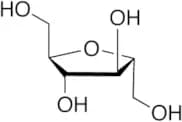


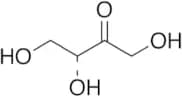
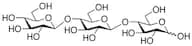
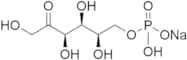
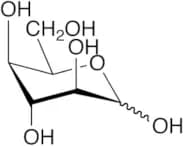
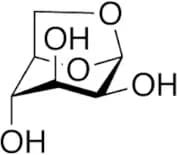

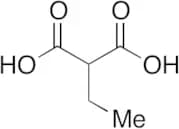
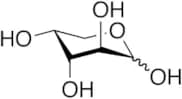

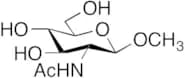
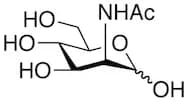
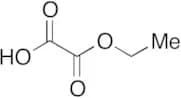
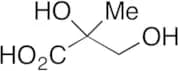
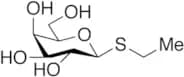
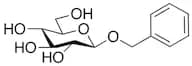
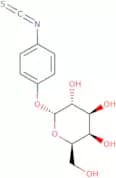

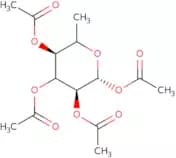
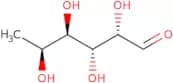
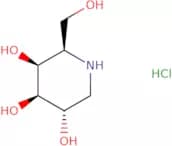
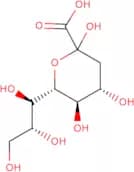
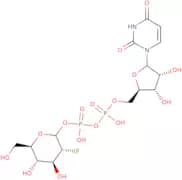
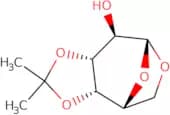
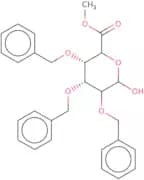
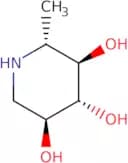
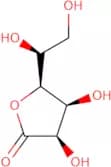
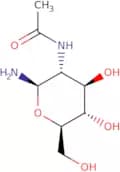
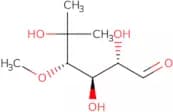
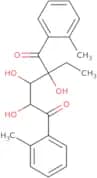
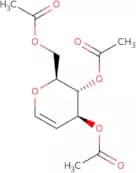
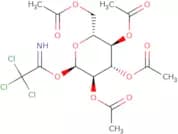
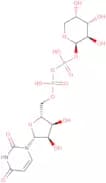
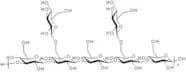
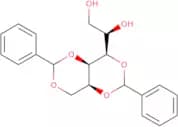
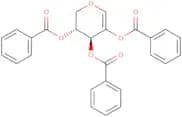
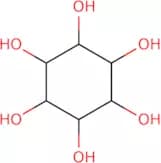

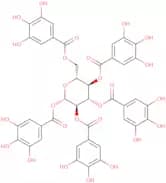
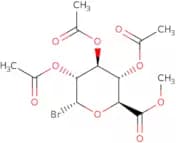

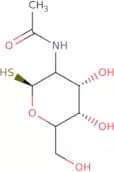
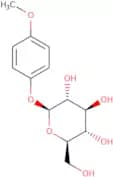
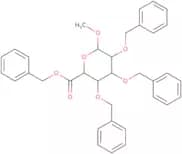
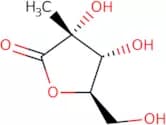
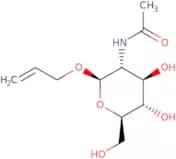
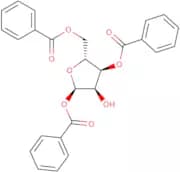
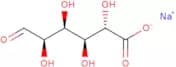
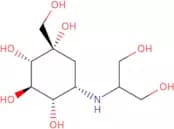
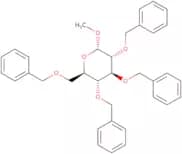
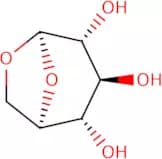


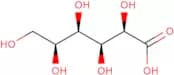
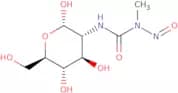
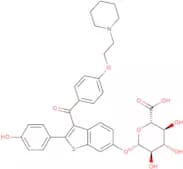
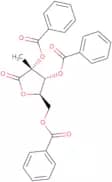
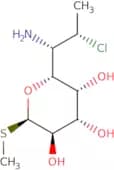
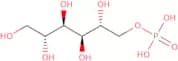
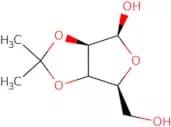
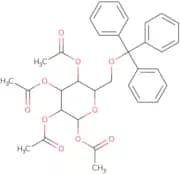

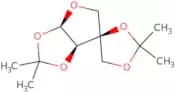

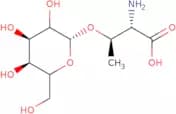

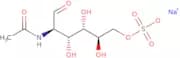
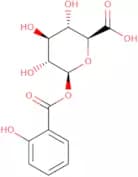
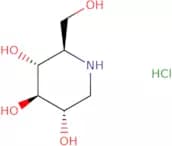
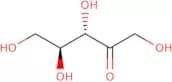
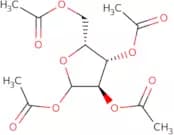
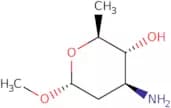
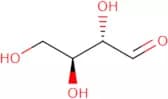
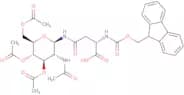
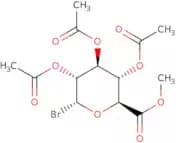

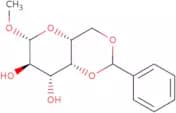
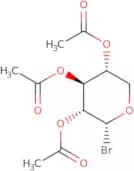
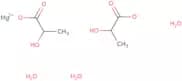
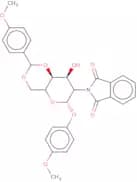

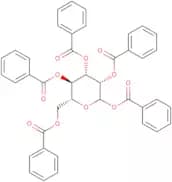
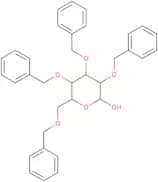
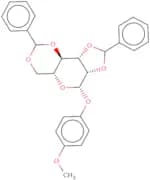
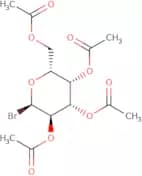
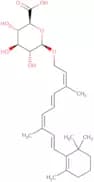
![4-Methylphenyl 3-O-[(4-methoxyphenyl)methyl]-4,6-O-[(R)-phenylmethylene]-1-thio-α-D-mannopyranoside](/_next/image/?url=https%3A%2Fstatic.cymitquimica.com%2Fproducts%2F3D%2Fthumb-webp%2FMM182805.webp&w=3840&q=75)
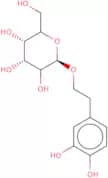
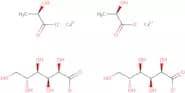
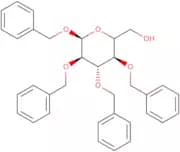
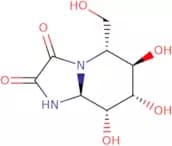
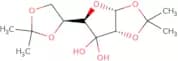
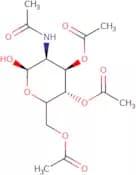
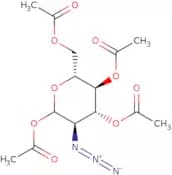
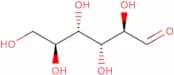

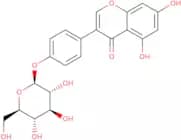
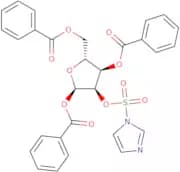
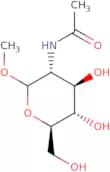
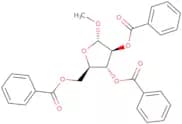

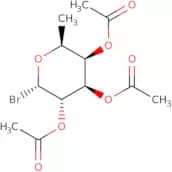

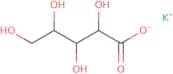
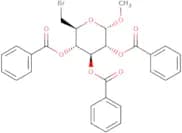
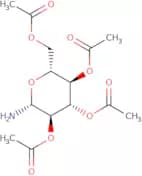
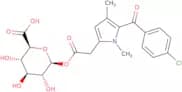
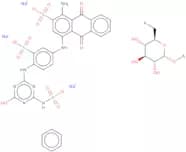

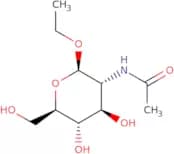
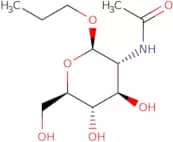
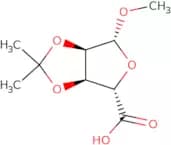
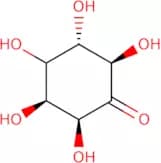
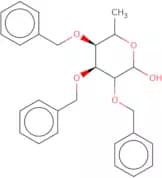
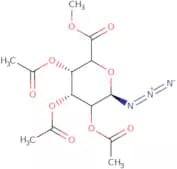
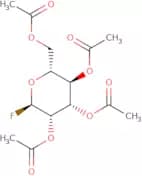
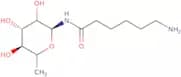
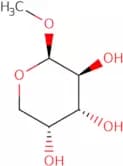
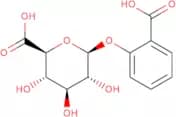


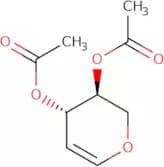
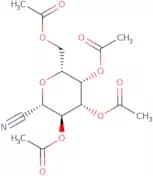
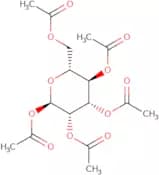
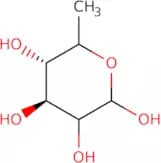
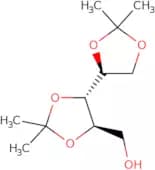

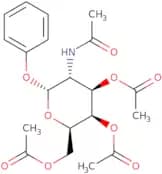
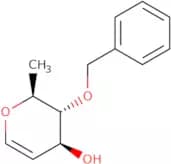


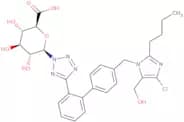
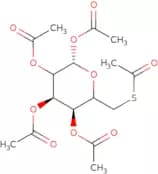
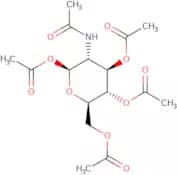
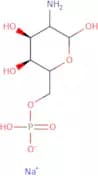
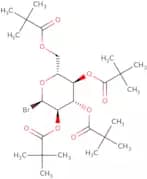
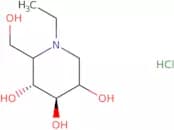
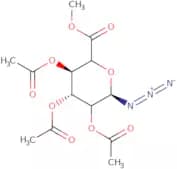
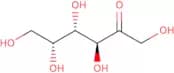

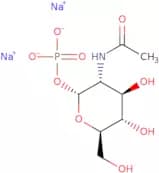
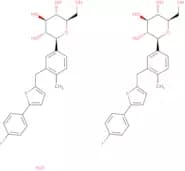
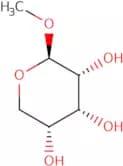
![L-[1-13C]Fucose](/_next/image/?url=https%3A%2Fstatic.cymitquimica.com%2Fproducts%2F3D%2Fthumb-webp%2FMF08310.webp&w=3840&q=75)