


Monosaccharides
Monosaccharides are the simplest form of carbohydrates and serve as fundamental building blocks for more complex sugars and polysaccharides. These single sugar molecules play critical roles in energy metabolism, cellular communication, and structural components of cells. In this section, you will find a wide variety of monosaccharides essential for research in biochemistry, molecular biology, and glycoscience. These compounds are crucial for studying metabolic pathways, glycosylation processes, and developing therapeutic agents. At CymitQuimica, we offer high-quality monosaccharides to support your research needs, ensuring precision and reliability in your scientific investigations.
Subcategories of "Monosaccharides"
- Alloses(11 products)
- Arabinoses(21 products)
- Erythroses(11 products)
- Fructoses(9 products)
- Fucoses(36 products)
- Galactosamine(41 products)
- Galactose(260 products)
- Glucoses(365 products)
- Glucuronic Acids(51 products)
- Glyco-substrates for Enzyme(77 products)
- Guloses(6 products)
- Idoses(4 products)
- Inositols(15 products)
- Lyxoses(4 products)
- Mannoses(65 products)
- O-Glycans(48 products)
- Psicoses(3 products)
- Rhamnoses(10 products)
- Riboses(61 products)
- Sialic Acids(100 products)
- Sorboses(4 products)
- Sugars(173 products)
- Tagatoses(4 products)
- Taloses(8 products)
- Xyloses(20 products)
Show 17 more subcategories
Found 6088 products of "Monosaccharides"
Sort by
Purity (%)
0
100
|
0
|
50
|
90
|
95
|
100
N-Benzoyl-D-glucosamine
CAS:<p>Lectins are carbohydrate-binding proteins that can be classified into different types based on their specificities for glycan structures. One of the most common types is the N-acetyl-D-glucosamine (NAG) lectin, which binds to oligomers of NAG and related sugars. Lectins are used to activate cells and induce cell death. The dodecyl NAG lectin has been shown to bind to glucocerebrosides in a reductively irreversible manner and has been used as a model for such interactions. This lectin is also inexpensively produced from a synthetic benzylidene acetal, which can be made from commercially available materials. It has been shown that this lectin binds to polyacrylamide gels in an SDS-polyacrylamide gel electrophoresis, with a pH optimum at 7.0 and an amino acid composition that includes glutamic acid, glutamine, asparagine, ser</p>Formula:C13H17NO6Purity:Min. 95%Color and Shape:White PowderMolecular weight:283.28 g/mol2,3,4,6-Tetra-O-benzyl-D-galactono-1,5-lactone
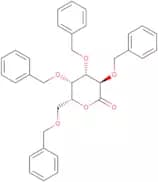
CAS:<p>2,3,4,6-Tetra-O-benzyl-D-galactono-1,5-lactone is an aldehyde that has been synthesized from tert-butyl bromoacetate and ethynyl acetate in the presence of cesium carbonate. It is an exocyclic aldehyde that forms a cyclic ester with glycine. The synthetic pathway was stereoselective because the exocyclic double bond was only formed on one face of the molecule. This product can be used as an intermediate for the synthesis of glycine analogues and glycines.</p>Formula:C34H34O6Purity:Min. 95%Molecular weight:538.63 g/mol2,4-Dinitrophenyl 3,4,6-tri-O-acetyl-2-deoxy-2-fluoro-b-D-galactoside
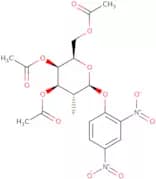
CAS:<p>2,4-Dinitrophenyl 3,4,6-tri-O-acetyl-2-deoxy-2-fluoro-b-D-galactoside is a glycosidase inhibitor that is used in the validation of β-glucosidases. It has been shown to inhibit the activity of a number of glycosidases, including α-, β-, and γ-. 2,4-Dinitrophenyl 3,4,6-tri-O-acetyl -2 -deoxy -2 -fluoro -b D galactoside inhibits the hydrolysis of oligosaccharides containing a terminal α-- or β--glucose moiety to produce smaller sugars. This compound can be used as an acceptor for spectrophotometric assays and as an analytical standard for measuring the degree of polymerization (DP) of oligosaccharides. The rate of its reaction with gly</p>Formula:C18H19FN2O12Purity:Min. 95%Color and Shape:PowderMolecular weight:474.35 g/mol4-Methoxyphenyl 4,6-O-benzylidene-2-deoxy-2-phthalimido-β-D-glucopyranoside
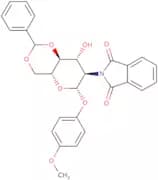
CAS:<p>4-Methoxyphenyl 4,6-O-benzylidene-2-deoxy-2-phthalimido-b-D-glucopyranoside is an organic compound with the formula C13H14N4O8. It is a white solid that is soluble in water, methanol and ethanol. The compound has been synthesized using Click chemistry, fluorination, glycosylation, and methylation of the sugar. It has also been modified with an oligosaccharide and monosaccharide to form a complex carbohydrate.</p>Formula:C28H25NO8Purity:Min. 98 Area-%Color and Shape:PowderMolecular weight:503.51 g/mol4-C-[[(Methylsulfonyl)oxy]methyl]-3-O-benzyl-1,2-di-O-acetyl 5-methanesulfonate D-erythro-pentofuranose
CAS:<p>Methyl 4-C-[[(methylsulfonyl)oxy]methyl]-3-O-benzyl-1,2-di-O-acetyl 5-methanesulfonate D-erythro-pentofuranose is a methylated saccharide used in the synthesis of LNA amidites</p>Formula:C19H26O12S2Purity:Min. 95%Color and Shape:PowderMolecular weight:510.53 g/mol11a-Hydroxy progesterone b-D-glucuronide
CAS:<p>11a-Hydroxy progesterone b-D-glucuronide is a fluorinated steroid that is synthesized with high purity. It has been modified with methylation and glycosylation. 11a-Hydroxy progesterone b-D-glucuronide is a complex carbohydrate, which consists of saccharides in the form of oligosaccharides. The sugar in 11a-hydroxy progesterone b-D-glucuronide is a monosaccharide, which can be modified with fluorination or click chemistry to create a new compound. This product has CAS No. 77710-64-6 and can be custom synthesized to meet your specifications.</p>Formula:C27H38O9Purity:Min. 95%Color and Shape:PowderMolecular weight:506.59 g/molMethyl 2-azido-3,4,6-tri-O-acetyl-2-deoxy-b-D-mannopyranoside
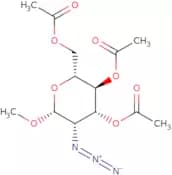
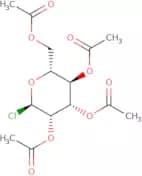
CAS:<p>Methyl 2-azido-3,4,6-tri-O-acetyl-2-deoxy-bD mannoside is a custom synthesis that can be modified to suit the needs of the customer. It is an oligosaccharide and polysaccharide that has been modified with methylation and glycosylation. This product has CAS No. 97604-59-6 and is available for purchase in high purity with a purity level of at least 95%. Methyl 2-azido-3,4,6-triO acetyl -2 deoxy b D mannoside has been fluorinated to create a synthetic sugar.</p>Formula:C13H19N3O8Purity:Min. 95%Color and Shape:White PowderMolecular weight:345.31 g/mol2,3,4,6-Tetra-O-acetyl-a-D-mannopyranosyl chloride
CAS:<p>2,3,4,6-Tetra-O-acetyl-a-D-mannopyranosyl chloride is a carbohydrate that has been modified by fluorination. It is used as an ingredient in the synthesis of saccharides and oligosaccharides. This product is synthesized by the reaction of 2,3,4,6-tetra-O-acetylmannose with chlorodifluoromethane in the presence of a base.</p>Formula:C14H19ClO9Purity:Min. 95%Color and Shape:PowderMolecular weight:366.75 g/molPseudaminic acid
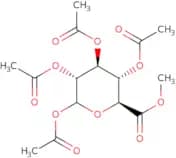
<p>Pseudaminic acid is a sugar molecule that is found in the cell walls of bacteria, where it provides structural support. It is synthesized enzymatically by transferring the terminal hydroxyl group from glucose-1-phosphate to glycerol-3-phosphate. Pseudaminic acid can be chemoenzymatically synthesized in a scalable manner and has been shown to inhibit the growth of infectious bacteria in biological studies. Structural studies have revealed that pseudaminic acid contains an hydroxyl group and two glycosidic bonds, which are formed between the carbon atom at position C2 and C6 of glucose. This molecule also has an ester linkage between C1 and C2 of mannose. Pseudaminic acid is biosynthesized through a series of reactions that involve phosphorylation, dephosphorylation, and oxidation. This molecule also participates in protein glycosylation as well as water molecules that hydrogen bond</p>Formula:C13H22N2O8Purity:Min. 95%Color and Shape:PowderMolecular weight:334.32 g/mol1,2,3,4-Tetra-O-acetyl-D-glucuronide methyl ester
CAS:<p>1,2,3,4-Tetra-O-acetyl-D-glucuronide methyl ester is a lactone that can be used as a precursor for the synthesis of various types of compounds. The chemical structure was determined by high-resolution x-ray diffraction to be a planar molecule with two conformations: one where the four acetyl groups are on different sides and another where they are all on the same side. The latter conformation is more stable due to the dihedral angle between the hydroxyl group and carbonyl group. This compound is an intermediate in synthesizing 2-(4'-hydroxybenzoyl)-1,2,3,4-tetra-O-acetyl-.alpha.-D-.beta.-D glucopyranoside methyl ester by reacting with 3-(3'-azido)benzaldehyde. The single crystal x-ray diffraction study revealed that this compound has a conformation</p>Formula:C15H20O11Purity:Min. 97 Area-%Color and Shape:White PowderMolecular weight:376.31 g/molL-Lyxosamine HCl
<p>L-Lyxosamine HCl is a synthetic monosaccharide that has been modified to contain a fluorine atom. L-Lyxosamine HCl is a methyl donor in the Methylation reaction and can be used as an intermediate for the synthesis of oligosaccharides and polysaccharides. This product is available in high purity, with an average yield of 97%. The CAS No. for this product is 590-81-6.</p>Formula:C5H10NO4HClPurity:Min. 95%Molecular weight:184.6 g/molb-D-Glucopyranosyl nitromethane
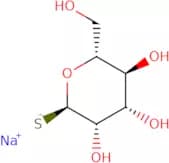
CAS:<p>b-D-Glucopyranosyl nitromethane is a precursor for the synthesis of glyco-peptides</p>Formula:C7H13NO7Purity:Min. 95%Color and Shape:PowderMolecular weight:223.18 g/molα-D-Thiomannose sodium
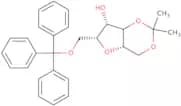
CAS:<p>A thio-sugar</p>Formula:C6H11O5SNaPurity:Min. 95 Area-%Color and Shape:White PowderMolecular weight:218.21 g/mol2,5-Anhydro-1,3-O-isopropylidene-6-O-trityl-D-glucitol
CAS:<p>2,5-Anhydro-1,3-O-isopropylidene-6-O-trityl-D-glucitol is a complex carbohydrate that is synthesized by the modification of glucose. This product has been modified with methylation and glycosylation.<br>2,5-Anhydro-1,3-O-isopropylidene-6-O-trityl--D--glucitol is a white powder that is soluble in water and ethanol. <br>It can be used for fluoroquinolone resistance studies, which are important for developing new antibiotics to combat bacterial infections.</p>Formula:C28H30O5Purity:Min. 95%Molecular weight:446.53 g/mol5-azido-5-deoxy-D-arabinose
CAS:<p>5-azido-5-deoxy-D-arabinose is a compound derived from Aquilaria sinensis that has various biological activities. It has been shown to modulate transmembrane conductance by interacting with fatty acid-binding proteins and divalent metal ions. Additionally, it can regulate the activity of potassium channels, which play a crucial role in cellular function. 5-azido-5-deoxy-D-arabinose is known for its reactive properties and can form covalent adducts with nucleophilic residues in proteins, affecting their structure and function. This compound has also been studied for its potential therapeutic applications, such as enhancing the delivery of iron sucrose through electrode-based systems or improving the bioavailability of drugs like ketorolac or creatine. Furthermore, 5-azido-5-deoxy-D-arabinose exhibits interesting carbohydrate chemistry, making it a valuable tool for carbohydrate synthesis and modification. Its diverse characteristics and unique properties make it an intriguing compound for further</p>Formula:C5H9N3O4Purity:Min. 95%2-N-Chloroacetyl-2-deoxy-D-glucosamine
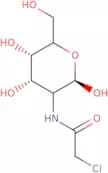
CAS:<p>2-N-Chloroacetyl-2-deoxy-D-glucosamine is a high purity synthetic molecule that is custom synthesized to meet your needs. This product is a sugar with the following Click modification, fluorination, glycosylation, and methylation. 2-N-Chloroacetyl-2-deoxy-D-glucosamine has CAS No. 1334320-67-0. The molecular weight of this compound is 514.25 g/mol. This product can be used in the synthesis of oligosaccharides and monosaccharides as well as saccharides, which are complex carbohydrates.</p>Formula:C8H14ClNO6Purity:Min. 95%Color and Shape:PowderMolecular weight:255.65 g/molN-Propionyl-D-glucosamine
CAS:<p>N-Propionyl-D-glucosamine is a sugar used in the synthesis of peptidoglycan, a structural component of bacterial cell walls. N-Propionyl-D-glucosamine is synthesized from formaldehyde and propionic acid. It is used as an antibiotic to treat bacterial infections caused by Gram-positive bacteria such as streptococci and staphylococci. N-Propionyl-D-glucosamine has also been shown to have anti-fungal properties against Candida albicans and Saccharomyces cerevisiae. The biosynthesis of this compound takes place through phosphorylation of the amide group on the sugar residue, which is catalyzed by a number of enzymes including phosphotransacetylase, acetate kinase, and phosphoenolpyruvate synthase. This process requires ATP, phosphate ions, ammonium ion, and water molecules.</p>Formula:C9H17NO6Purity:Min. 95%Color and Shape:White PowderMolecular weight:235.23 g/molβ-Galactosylceramide, from bovine brain
CAS:<p>Inducer of cytochine and chemochine production in blood cells</p>Purity:Min. 95%Color and Shape:White PowderMolecular weight:c.a. 7505-Thio-L-fucose
CAS:<p>5-Thio-L-fucose is a sugar that is found in a variety of tissues and organs. It has been shown to inhibit the antibody-dependent cellular cytotoxicity (ADCC) by binding to the Fc portion of IgG antibodies, which are used to target and destroy cancer cells. 5-Thio-L-fucose has also been shown to modulate the effector functions of natural killer cells and enhance the glycan profile of dendritic cells. It may be useful as a supplement for patients undergoing chemotherapy or radiation therapy, where it may help inhibit the growth of tumor cells. 5-Thio-L-fucose inhibits ADCC activity by binding to IgG antibodies, preventing them from attaching to immune cells, which would otherwise act as effectors in destroying tumor cells. This inhibition can be reversed with a competitive inhibitor such as D-arabinose.</p>Formula:C6H12O4SPurity:Min. 95%Molecular weight:180.22 g/mol2-Deoxy-2-fluoro-D-fucose
<p>2-Deoxy-2-fluoro-D-fucose is a custom synthesis, which is a complex carbohydrate. It has CAS No. and polysaccharide modification and can be methylated, glycosylated, or fluorinated. The molecular weight of this product is high purity and it can be used as a sugar or carbohydrate. Click modification is possible with 2-deoxy-2 fluoro-D-fucose.</p>Formula:C6H11FO4Purity:Min. 95%Color and Shape:PowderMolecular weight:166.15 g/mol2,3,4,6-Tetra-O-acetyl-a-D-mannopyranosyl azide
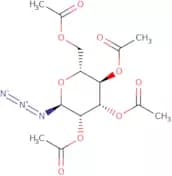
CAS:<p>2,3,4,6-Tetra-O-acetyl-a-D-mannopyranosyl azide is a crystalline solid that can be obtained by heating 2,3,4,6-tetra-O-acetyl-a-D-mannopyranose with sodium azide. This compound has been used in the x-ray crystallographic technique for obtaining electron density maps. The x ray data collected from this compound showed the distinct difference between the electron density of the atoms and their surroundings.</p>Formula:C14H19N3O9Color and Shape:PowderMolecular weight:373.32 g/molMefenamic acid-acyl-b-D-glucuronide
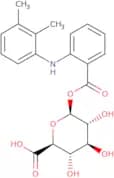
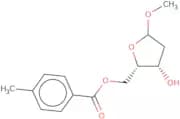
CAS:<p>Mefenamic acid-acyl-b-D-glucuronide is a synthetic drug that binds to albumin and human serum albumin. It has been shown to irreversibly inhibit human UDP-glucuronosyltransferase, an enzyme in the human liver that catalyzes the addition of glucuronic acid to drugs and other xenobiotics. Mefenamic acid-acyl-b-D-glucuronide has also been shown to inhibit the activity of a wide range of enzymes in humans, including isoenzyme UGT1A6, which is found in the liver and kidney. This drug has been studied as a potential treatment for pain and inflammation in humans.</p>Formula:C21H23NO8Purity:Min. 95%Color and Shape:White To Off-White SolidMolecular weight:417.41 g/molMethyl 2-deoxy-5-O-toluoyl-L-ribofuranoside
CAS:<p>Methyl 2-deoxy-5-O-toluoyl-L-ribofuranoside is a high purity, custom synthesis, methylated, Glycosylation and Oligosaccharide. It has CAS No. 676598-19-9 and is Glycosylated and Methylated. This complex carbohydrate is a synthetic, monosaccharide or saccharide that can be modified with fluorination, Click modification or glycosylation.</p>Formula:C14H18O5Purity:Min. 95%Color and Shape:Brown oil.Molecular weight:266.3 g/molBacillithiol trifluoroacetic acid salt
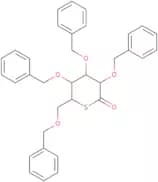
CAS:<p>Bacillithiol (BSH) is a low molecular weight thiol molecule produced in Bacilli, which is also found in Firmicutes bacteria. It plays an important role in maintaining the balance of reactive oxygen species within cells and detoxifying certain harmful compounds. It is the α-anomeric glycoside of L-cysteinyl-D-glucosamine with L-malic acid and it seems to have antioxidant properties. Bacillithiol plays an important role in bacterial redox homeostasis and plays an important role in the detoxification of electrophiles as it is a cofactor for FosB (thiol transferase). <br>This is the salt form (trifluoroacetic acid salt, TFA) of Bacillithiol.</p>Formula:C13H22N2O10S·CF3CO2HPurity:Min. 95 Area-%Color and Shape:Colorless Clear LiquidMolecular weight:512.41 g/mol2,3,4,6-Tetra-O-benzyl-5-thio-D-glucono-1,5-lactone
CAS:<p>2,3,4,6-Tetra-O-benzyl-5-thio-D-glucono-1,5-lactone is a complex carbohydrate that can be modified with methylation and glycosylation. It is a saccharide that can be modified by fluorination and click modification. This compound is synthesized by the polymerization of allose in the presence of an enzyme to produce 2,3,4,6-tetra-O-(benzyloxymethyl)-5-thio--D--glucono--1,5--lactone.</p>Formula:C34H34O5SPurity:Min. 95%Molecular weight:554.7 g/mol1,2,3,4-Tetra-O-acetyl-β-D-glucuronide methyl ester
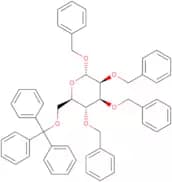
CAS:<p>Building block for chemical modification of GlcU, including glucuronylation</p>Formula:C15H20O11Purity:Min. 97 Area-%Color and Shape:PowderMolecular weight:376.31 g/mol1,2,3,4-Tetra-O-benzyl-6-O-trityl-a-D-mannopyranose
CAS:<p>1,2,3,4-Tetra-O-benzyl-6-O-trityl-a-D-mannopyranose is a methylated form of mannopyranose. It can be custom synthesized and modified with various functional groups to produce a wide range of saccharide derivatives and oligosaccharides. The 1,2,3,4-tetra-O-benzyl group is commonly used for glycosylation reactions because it can be easily removed by acid hydrolysis. The methylation of the sugar molecule also increases its stability and prevents further reactions from occurring. This product is available in high purity and has been fluorinated on one or more hydroxyl groups to make it resistant to hydrolysis.</p>Formula:C53H50O6Purity:Min. 95%Color and Shape:White PowderMolecular weight:782.96 g/molN-Acetylmuramic acid 6-phosphate
CAS:<p>N-Acetylmuramic acid 6-phosphate is a molecule that belongs to the class of compounds known as nucleotide phosphates. It is an intermediate in the biosynthesis of peptidoglycan, which is a major component of bacterial cell walls. N-Acetylmuramic acid 6-phosphate is synthesized from ATP and N-acetylmuramic acid by hydrolysis. The reaction mechanism for this transformation involves an imine intermediate, which can be formed through the action of two molecules of ATP and one molecule of N-acetylmuramic acid. This reaction is catalyzed by an enzyme called heterocyst. The enzyme kinetics for this transformation are influenced by many factors, including temperature, pH, and substrate concentration.</p>Formula:C11H20NO11PPurity:Min. 95%Molecular weight:373.25 g/molMethyl 5-acetamido-4,7,8,9-tetra-O-acetyl-2,6-anhydro-3,5-dideoxy-D-glycero-D-galacto-non-2-enonate
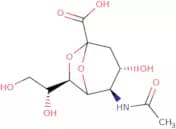
CAS:<p>Methyl 5-acetamido-4,7,8,9-tetra-O-acetyl-2,6-anhydro-3,5-dideoxy-D-glycero-D-galacto-non-2-enonate is a synthetic oligosaccharide that is used in the synthesis of glycosides. The carbohydrate has been modified to include fluorination and glycosylation. This product can be custom synthesized to meet your specifications.</p>Formula:C20H27NO12Purity:Min. 95%Color and Shape:White To Off-White SolidMolecular weight:473.43 g/molN-Acetyl-2,7-anhydro-a-neuraminic acid
CAS:<p>N-Acetyl-2,7-anhydro-a-neuraminic acid is a synthetic derivative of a naturally occurring sugar that is found in the human brain and other tissues. It has been proposed as a potential drug for the treatment of inflammatory bowel disease due to its ability to inhibit the growth of cells in the colon and prevent inflammation. N-Acetyl-2,7-anhydro-a-neuraminic acid has been shown to have antiinflammatory properties by inhibiting the synthesis of proinflammatory cytokines. This compound binds to an enzyme called galactosamine kinase, which is involved in making certain proteins that are necessary for inflammation. The chemical structure of N-Acetyl-2,7-anhydro-a-neuraminic acid was determined through structural analysis and carbon source titration calorimetry. Magnetic resonance spectroscopy showed that this compound reacts with water molecules and chemical ionization revealed that it</p>Formula:C11H17NO8Purity:Min. 95%Molecular weight:291.25 g/molFerulic acid acyl-b-D-glucoside
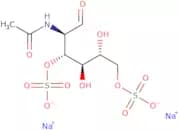
CAS:<p>Ferulic acid acyl-b-D-glucoside is a flavonoid compound that has been shown to have antioxidant properties. It is found in plants and can be synthesized by the enzyme phenylalanine ammonia-lyase. Ferulic acid acyl-b-D-glucoside is insoluble in water, but soluble in organic solvents such as ethanol and acetone. The chemical composition of ferulic acid acyl-b-D-glucoside is not well understood, but it has been shown to contain chalcone, chlorogenic acids, aldehydes, celosianin, and betanidin.</p>Purity:Min. 95%N-Acetyl-D-glucosamine-3-6-di-O-sulfate sodium
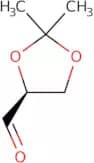
CAS:<p>N-Acetyl-D-glucosamine-3-6-di-O-sulfate sodium salt is a synthetic oligosaccharide. It is a fluorinated glycosylic acid glycosidase, an enzyme that catalyzes the hydrolysis of beta-(1,2)-glycosidic linkages in polysaccharides. This product can be custom synthesized to meet your specifications and can be modified with methylation or click modification for your specific needs.</p>Formula:C8H15NO12S2•Na2Purity:(13C-Nmr Spectrum) Min. 95%Color and Shape:White PowderMolecular weight:427.32 g/mol2,3-O-Isopropylidene-L-glyceraldehyde - 50% DCM solution
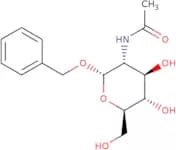
CAS:<p>2,3-O-Isopropylidene-L-glyceraldehyde (2,3-OIPA) is a synthetic compound that was developed as an alternative to paraformaldehyde for the synthesis of enantiopure compounds. It has been used in metathesis reactions and catalysed the conversion of β-unsaturated ketones to enantiopure products. 2,3-OIPA also has significant cytotoxic activity against a range of human cancer cell lines. This compound can be used in asymmetric syntheses to produce chiral molecules with a high degree of optical purity.</p>Formula:C6H10O3Purity:Min. 95%Color and Shape:Colorless PowderMolecular weight:130.14 g/molBenzyl 2-acetamido-2-deoxy-α-D-glucopyranoside
CAS:<p>Benzyl 2-acetamido-2-deoxy-α-D-glucopyranoside is a synthetic compound with a molecular weight of 342.45 g/mol. It is a white to pale yellow crystalline solid that is soluble in water and methanol. The chemical formula for this compound is C12H14N2O6 and its structural formula is represented as CH2(COOCH3)COOC8H11O6. The CAS number for this compound is 13343-62-9, and the IUPAC name for it is benzyl 2-(2-acetamido)-2,3,4,5,6-pentaacetoxy αDglucopyranoside. This compound has been used in methylation reactions and click chemistry applications due to its ability to form stable carbonyl bonds with other molecules. Benzyl 2-(2-acetamido)-2,3,4,5,6</p>Formula:C15H21NO6Purity:Min. 98 Area-%Color and Shape:White PowderMolecular weight:311.33 g/molUDP-b-L-arabinofuranose
CAS:<p>UDP-b-L-arabinofuranose is a custom synthesis product that is used to modify polysaccharides. It is a high purity sugar nucleotide. UDP-b-L-arabinofuranose has CAS number 331001-44-6.</p>Formula:C14H22N2O16P2Purity:Min. 95%Color and Shape:PowderMolecular weight:536.28 g/mol3,4,6-Tri-O-acetyl-1,2-O-ethoxyethylidene-β-D-mannopyranose
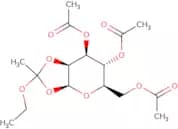
CAS:<p>3,4,6-Tri-O-acetyl-1,2-O-ethoxyethylidene-b-D-mannopyranose is a synthetic monosaccharide that is used as a substrate for the production of various oligosaccharides and polysaccharides. This substance can be fluorinated to produce 3,4,6-tri-O-(3′,5′ -difluoro) acetyl-1,2:5′,6′ -di(O—ethoxyethylidene)-b-D mannopyranose. It has been shown that methylation of the C1 position in this compound results in a variety of different compounds with different properties. In addition to its use as a substrate in organic synthesis, 3,4,6 triacetyl 1,2:5', 6'-di(O—ethoxyethylidene)-b D mannopyranose is also</p>Formula:C16H24O10Purity:Min. 95%Molecular weight:376.36 g/mol3-Azido-3-deoxy-1,2-O-isopropylidene-a-D-ribofuranose
CAS:<p>3-Azido-3-deoxy-1,2-O-isopropylidene-a-D-ribofuranose is a synthetic carbohydrate that contains fluorine and is used as a glycosylation and methylation reagent. It has been shown to react with various saccharides, including glucose, maltose, lactose, sucrose, and cellobiose. In addition to its use in glycosylation reactions, 3-azido-3-deoxy-1,2-O-isopropylidene -a D ribofuranose can be used for click chemistry. This reagent is available in high purity and is synthesized from the natural sugar ribofuranose.</p>Purity:Min. 95%N-5-Carboxypentyl-1-deoxygalactonojirimycin
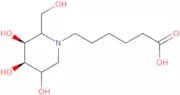
CAS:<p>N-5-Carboxypentyl-1-deoxygalactonojirimycin is an inhibitor of glycolipid hydrolase and a potential drug for the treatment of lysosomal storage disorders. N-5-Carboxypentyl-1-deoxygalactonojirimycin is derived from the natural product galactonojirimycin, which has been shown to inhibit glycolipid hydrolase in vitro. The compound was developed by modifying the peptide sequence to increase its affinity for the enzyme. N-5-Carboxypentyl-1-deoxygalactonojirimycin displays a higher affinity for glycolipid hydrolase than galactonojirimycin, and it also has a greater inhibitory effect on this enzyme.<br>N-5-Carboxypentyl-1-deoxygalactonojirimycin is</p>Formula:C12H23NO6Purity:Min. 95%Color and Shape:White PowderMolecular weight:277.31 g/mol2-Benzamido-2-deoxy-D-glucopyranose
CAS:<p>2-Benzamido-2-deoxy-D-glucopyranose is a synthetic, inexpensive, and non-toxic compound that has antibiotic properties. It is used as a reagent for the sulfonylating of aromatic rings and as an intermediate in the synthesis of other compounds. 2-Benzamido-2-deoxy-D-glucopyranose can be radiolabeled with carbon or fluorine atoms to form a resonance labeled probe that can be used in magnetic resonance spectroscopy.</p>Formula:C13H17NO6Purity:Min. 95%Color and Shape:White PowderMolecular weight:283.28 g/mol1,3,4,6-Tetra-O-acetyl-2-azido-2-deoxy-D-galactopyranose
CAS:<p>1,3,4,6-Tetra-O-acetyl-2-azido-2-deoxy-D-galactopyranose is a carbohydrate that has been shown to bind to the lectin domain of the human insulin receptor. This binding is thought to modulate the activity of this protein. The carbohydrate has also been shown to inhibit the uptake of galactose by pancreatic beta cells in vitro. 1,3,4,6-Tetra-O-acetyl-2-azido-2-deoxy-D-galactopyranose is postulated to have anti cancer properties and may be used as a blocker for tumor growth.</p>Formula:C14H19N3O9Purity:Min. 95%Color and Shape:White PowderMolecular weight:373.32 g/mol6-Chloro-6-deoxy-D-mannose
CAS:<p>6-Chloro-6-deoxy-D-mannose is a naturally occurring sugar that is found in the spermatozoa of many animals. It is a mannose derivative that has been shown to be an inhibitor of the enzyme glyceraldehyde 3-phosphate dehydrogenase, which plays an important role in energy metabolism and isomerization of 6-phosphate to glucose-1 phosphate. This property may be responsible for its contraceptive effects. The drug also inhibits phosphoglucomutase and enhances the transfer of glucose from the liver to other tissues, increasing blood glucose concentrations. 6-Chloro-6 deoxy mannose also has antifertility effects in rats by inhibiting transfer of spermatozoa through the female reproductive tract.</p>Formula:C6H11ClO5Purity:Min. 95%Color and Shape:White Off-White PowderMolecular weight:198.6 g/mol2,5-Dideoxy-2,5-imino-D-glucitol
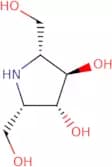
CAS:<p>2,5-Dideoxy-2,5-imino-D-glucitol is a potent inhibitor of glycosidases. It has been shown to have significant antifungal activity against Candida albicans in the caco-2 cell model system. 2,5-Dideoxy-2,5-imino-D-glucitol inhibits β-(1→3)-glycosidase activity by binding to the active site of the enzyme and preventing substrate hydrolysis. The compound is also an enantiopure and asymmetric synthesis. This drug has been shown to be a model system for studying glycosidase inhibition.</p>Formula:C6H13NO4Purity:Min. 95%Molecular weight:163.17 g/molD-Mannose tablets
CAS:<p>Please enquire for more information about D-Mannose tablets including the price, delivery time and more detailed product information at the technical inquiry form on this page</p>Formula:C6H12O6Purity:Min. 95%Color and Shape:PowderMolecular weight:180.16 g/molD-Gluconic acid sodium salt
CAS:<p>D-Gluconic acid sodium salt is a glycol ether that is used as an injection solution. It has been shown to have antibacterial efficacy against wild-type strains of bacteria such as Escherichia coli, Pseudomonas aeruginosa, and Staphylococcus aureus. The in vitro antimicrobial action of D-gluconic acid sodium salt was found to be due to its ability to inhibit bacterial growth by interfering with the synthesis of DNA. D-Gluconic acid sodium salt also has been shown to have antihypertensive effects in rats through the inhibition of angiotensin II type 1 receptor (AT1) signaling pathway and erythrocyte proliferation. This drug also has been shown to bind benzalkonium chloride and x-ray diffraction data show that it is crystalline in nature. The analytical method for determining the concentration of D-gluconic acid sodium salt is by electrochemical impedance</p>Formula:C6H11NaO7Purity:Min. 95%Color and Shape:White PowderMolecular weight:218.14 g/molOnitin 2'-O-glucoside
CAS:<p>Onitin 2'-O-glucoside is a sugar that is custom synthesized and purified. It is a modification of oligosaccharides, complex carbohydrates, and polysaccharides. Onitin 2'-O-glucoside is an Oligosaccharide Carbohydrate which can be used in the synthesis of high purity monosaccharides and methylations. It also has the ability to form glycosylation with saccharides, such as glucose or fructose. This product can also be fluorinated to produce saccharides that are water soluble.</p>Purity:Min. 95%D-Fructose 1-phosphate barium salt trihydrate
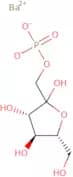
CAS:<p>D-Fructose 1-phosphate barium salt trihydrate is a custom synthesis, high purity sugar. It has been modified with fluorination, glycosylation, and methylation. D-Fructose 1-phosphate barium salt trihydrate is made from the modification of various sugars such as oligosaccharides and monosaccharides to form complex carbohydrates. It can be used for Click modification or in the synthesis of glycoconjugates. D-Fructose 1-phosphate barium salt trihydrate is also known as saccharide.</p>Formula:C6H11BaO9P·3H2OPurity:Min. 95%Color and Shape:Yellow PowderMolecular weight:449.49 g/mol4-Methoxyphenyl 3-O-allyl-b-D-galactopyranoside
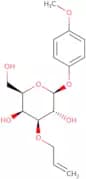
CAS:<p>4-Methoxyphenyl 3-O-allyl-b-D-galactopyranoside is an antigen that is found on the surface of chronic lymphocytic leukemia cells. It is a highly reactive antibody that has been shown to be able to induce monoclonal antibody production in animals and humans. The antigen was first discovered in tissues from patients with chronic lymphocytic leukemia, but it has also been identified in tissues from other animals, including rabbits, rats, guinea pigs, and mice. 4MP3AG binds to the CD20 surface antigen on B cells. This binding leads to a conformational change in the antigen and exposes a new epitope on the molecule for binding by antibodies. The resulting antibodies are then used as diagnostic tools for chronic lymphocytic leukemia.</p>Formula:C16H22O7Purity:Min. 95%Color and Shape:PowderMolecular weight:326.34 g/molN-Oleoyl-N-methyltaurine sodium salt
CAS:<p>N-Oleoyl-N-Methyltaurine sodium salt is a glycol ether that has been shown to be an effective transport inhibitor for fatty acids. It inhibits the growth of bacteria and fungi by interfering with the cell membrane lipid synthesis. N-Oleoyl-N-Methyltaurine sodium salt also has anti-inflammatory properties, which may be due to its ability to inhibit prostaglandin synthesis.</p>Formula:C21H40NO4S·NaPurity:Min. 30.00%Molecular weight:425.6 g/mol2-Acetamido-2-deoxy-D-glucopyranosyl serine
CAS:<p>2-Acetamido-2-deoxy-D-glucopyranosyl serine is a compound that belongs to the class of coumarins and monosaccharides. It contains a nitro group and a heterocycle, making it a unique and versatile molecule. This compound has been studied for its various properties, including its interaction with liver microsomes and its ability to undergo crystallization. Additionally, 2-Acetamido-2-deoxy-D-glucopyranosyl serine has shown promising effects on TGF-beta activation and has been found to inhibit aldehyde formation in trichloroacetic acid solutions. This compound also exhibits interactions with other molecules such as pyrazine, ofloxacin, and famotidine. Its diverse characteristics make it an intriguing compound for further research and potential applications in various fields.</p>Formula:C11H20N2O8Purity:Min. 95%Color and Shape:White PowderMolecular weight:308.29 g/mol2-Acetamido-3,4,6-tri-O-acetyl-1-O-[(N-Cbz-aminoethoxy)ethoxy]-2-deoxy-β-D-galactopyranose
CAS:<p>2-Acetamido-3,4,6-tri-O-acetyl-1-O-[(N-Cbz-aminoethoxy)ethoxy]-2-deoxy-b-D-galactopyranose is a custom synthesis of a complex carbohydrate. It is a polysaccharide that contains fluorine and has been modified with methylation, glycosylation, click modification, and polysaccharide modifications. 2-Acetamido-3,4,6-tri-O -acetyl -1 -O-[(N -Cbz -aminoethoxy)ethoxy] -2 deoxy b D galactopyranose is also known as CAS No. 1261568 35 7 and it's molecular weight is 546.81 g/mol.</p>Formula:C26H36N2O12Purity:Min. 95%Molecular weight:568.57 g/mol


![4-C-[[(Methylsulfonyl)oxy]methyl]-3-O-benzyl-1,2-di-O-acetyl 5-methanesulfonate D-erythro-pentofur…](/_next/image/?url=https%3A%2Fstatic.cymitquimica.com%2Fproducts%2F3D%2Fthumb-webp%2FMM76880.webp&w=3840&q=75)

















![2-Acetamido-3,4,6-tri-O-acetyl-1-O-[(N-Cbz-aminoethoxy)ethoxy]-2-deoxy-β-D-galactopyranose](/_next/image/?url=https%3A%2Fstatic.cymitquimica.com%2Fproducts%2F3D%2Fthumb-webp%2FMA137616.webp&w=3840&q=75)